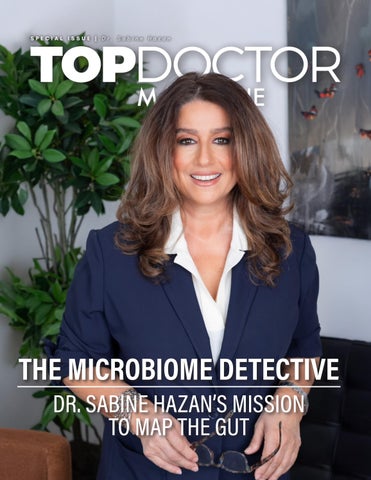
THE MICROBIOME DETECTIVE DR. SABINE HAZAN’S MISSION TO MAP THE GUT
“My
job is to bring humanity and doctors back to the microbiome. It’s not about us competing for notoriety or financial gain; it’s about us uniting as a team to see the truth in diseases.
If we can save
the Bifidobacterium and understand what is killing our internal ecosystems, we aren’t just treating
a patient, we are healing humanity for generations to come.”
-Dr. Sabine Hazan
OPTIMIZE YOUR WELLNESS WITH CARBON 60 (C60).
C60 has been characterized as the most powerful antioxidant known. It’s hundreds of times more powerful than conventional antioxidants.
Crossing the blood-brain barrier, C60 works at the cellular level to support mitochondrial function. C60 fights inflammation, lifts the oxidative burden, and neutralizes toxic free radicals.
Unlike conventional antioxidants, C60 won’t interfere with any other supplements, vitamins, or medications. It can reset itself, again and again. Take it before your other supplements to boost your morning routine supplement stack.
Most users note an increase in ENERGY and MENTAL CLARITY within 30 days when incorporating C60 Power into their morning routine. Many users note FASTER RECOVERY and IMPROVED PERFORMANCE within this same time frame.
PUBLICATION TEAM
Publisher: John Highland
Editor In Chief: Hannah H.
Editorial Assistant: Jillian Fast
Graphic Designers: Laura Poyner, Dylan R-N
Contributing Authors: Evelyn Flaharty, Riley George, Sydney Good
EXECUTIVE
TEAM
Vice President of Development: Mark Carvalho
Fractional Marketing Officer: Craig Handley Advisory Board: Dr. Arthur Katona, Dr. Francisco Cabal, Dr. Edmond Ng, Dr. Kianor Shah
CONTRIBUTORS MAGAZINE
A LETTER FROM THE EDITOR
Our mission and purpose at TopDoctor Magazine is to foster connections within the health and wellness community and empower our readers to make wellinformed healthcare and lifestyle decisions. We pride ourselves on being the ultimate resource for interviews with health and wellness leaders, trending medical news, and healthy living topics.
We understand that choosing a healthcare provider is a crucial decision. Our in-depth interviews with esteemed doctors and medical professionals aim to bridge the gap between them and their clients. By providing our readers with personal insights, philosophies, and areas of expertise, we facilitate a deeper understanding of the individuals responsible for your health and well- being. We also strive to highlight our outstanding practitioners, showcasing their dedication to their patients and contributions to the medical community.
The field of medicine is constantly evolving, with new practices, therapies, and technologies emerging at a rapid pace. At TopDoctor Magazine, we strive to keep you updated on the latest advancements in the medical world. Our comprehensive coverage of trending medical news equips both doctors and patients with the knowledge they need to make informed choices about healthcare options.
Building strong connections within the medical community is essential for enhancing patient care and driving medical progress. Our magazine serves as a bridge, connecting medical companies with doctors and vice versa. By facilitating these connections, we aim to catalyze collaborations that can lead to innovative solutions and improved healthcare outcomes for everyone.
It is our firm belief that well-informed individuals make better decisions about their health. By providing you with insights into established and emerging medical trends and technologies, we empower you to take an active role in your healthcare choices. Whether you are a healthcare professional seeking to stay updated on the latest advancements or a patient eager to make informed decisions about your well-being, TopDoctor Magazine is here to support you.
In every issue, we strive to uphold the highest standards of journalistic integrity, accuracy, and relevance. Our dedicated team of writers, editors, and medical experts work tirelessly to bring you well-researched and compelling content that is both educational and engaging. Moreover, our graphic design team is committed to delivering an aesthetically pleasing reading experience where captivating design seamlessly merges with informative content, ensuring each issue becomes an engaging journey of discovery.
As we embark on this mission to serve as your trusted source of medical information and insights, we encourage you to join us on this exciting journey. Your feedback and suggestions are invaluable to us, and we look forward to hearing from you.
Thank you for being a part of the TopDoctor Magazine community. Together, let us embrace knowledge, forge connections, and make informed decisions to lead healthier lives.
With warmest regards, Hannah
H.
TABLE OF CONTENTS
12
WHY THE 9-5 WORKDAY WAS BUILT FOR MEN
18 26 32 38
NATURAL REMEDIES FOR COLDS, FLU, AND CONGESTION: WHAT WORKS AND WHAT DOESN’T
THE MICROBIOME DETECTIVE: DR. SABINE HAZAN’S MISSION TO MAP THE GUT
ELECTROLYTES IN YOUR DAILY WHOLE FOODS
COLLAGEN FOR HEALTHY YOUNGER LOOKING SKIN
Sun Responsibly
Zero Toxic Chemicals Non-Comedogenic Mineral-Based
Medical Grade Non-Nano Zinc & Non-Nano Titanium Dioxide
No White Cast Ultra-Luxe Hydration
Skin First, Planet Always
BY SYDNEY GOOD
Gone are the days when everyone had to work a 9-5. Since 2020 especially, more and more people have been working from home and creating a schedule tailored to them. Come to find out, the 9-5 is best suited for men. Let’s explore why.
MEN VS. WOMEN’S CYCLES
EVERYONE’S CYCLES
We all have daily cycles. That’s our circadian rhythm, which determines when we wake up and go to bed.¹ When you have a system or a routine, your body will naturally want to get up and sleep at the same time each day.
If you think about it, we should all be suitable for a 9 to 5 workday, right? After all, we (in theory) are ready to conquer our day in the morning when we get up. Over the day, we progressively lose steam, and by the time 5 o’clock rolls around, we’re ready to be done. We have just enough time for dinner and downtime before bed.
However, men and women do feel differently each day based on their hormones.
MEN’S CYCLES
In addition to a normal circadian rhythm, men also experience a diurnal rhythm of testosterone.² That means they experience the same thing every day with their hormones. When testosterone levels are normal, testosterone is at its highest in the morning and decreases over the day.³ As men sleep, testosterone rises, so it’s at its peak again the next day.
WOMEN’S CYCLES
Hypothetically, women should feel the same way based on their circadian rhythm. However, any woman knows she doesn’t feel the same each day, and it’s not just in her head. That’s because a woman’s cycle works on roughly a 28day pattern. A woman’s key hormones, progesterone and estrogen, dramatically shift over this time. The main events in a woman’s cycle are ovulation and menstruation, but the body’s hormones are still working in between these points.⁴
All that to say, a woman will feel energized and have more mental clarity to complete tasks at specific points during the month. But at other times, she’ll feel grateful if she just makes it out of bed.
STRESS AFFECTS WOMEN DIFFERENTLY THAN MEN
Though stress is disadvantageous for both men and women, adding insult to injury, stress can hurt women more than men when it comes to fertility.⁵ When chronically stressed, our body enters a fight-or-flight mode, halting essential functions and causing gut imbalances. Stress causes our cortisol to spike, which, again, isn’t good for anyone's health overall. However, while men have cortisol, their testosterone doesn’t come from it. In other words, they won’t experience fertility problems from stress quite like women.
Women, on the other hand, primarily use the hormones progesterone and cortisol to conceive children. Cortisol is not bad, but when stress causes it to swell, everything else is imbalanced, making it difficult for women to have children. That likely explains why 1 out of 5 women experience infertility during the time they should be most fertile. Even if a woman doesn’t intend to have children, she’ll still be hurt by high cortisol with depression, anxiety, and mood swings,
WHAT WOMEN CAN DO
TRACK YOUR CYCLE
The good news is that women can track their cycles to understand what’s going on with their hormones. Even if they’re not planning to have kids right now, knowing what’s going on to prepare is helpful. This app called 28 is a great resource to track your cycle.⁶ If you don’t have a cycle, you can establish a monthly routine to help regulate it—which can help bring it back! The same app uses the moon as a monthly schedule if you so choose.
EAT AND EXERCISE WITH YOUR CYCLE
Once you know your cycle, you can eat and exercise along with it.⁷ As you might’ve guessed, there are times in the month when more intense exercise would be beneficial. At other points, though, it’s best to take a step back and relax. You can also eat foods that help balance your hormones. Getting in touch with your cycle can help regulate your hormones and make it easier to function.
MANAGE STRESS
You must do what you can to alleviate stress. If possible, take a step back from certain responsibilities in order to not overwhelm yourself. Don’t be hard on yourself when you’re at that time of the month. You can also trick your body into calming itself by activating the vagus nerve.⁸
CONCLUSION
Though atypical job trends are rising, that doesn’t mean we can completely abandon the 9-5. But if women track their cycles, they can learn how to work with their hormones to make the most of every day.
MARKETING THAT GROWS PRACTICES
EXPERTS IN DENTAL + MEDICAL DIGITAL STRATEGY
From branding to SEO to social media, the NOA Firm crafts powerful strategies tailored to healthcare professionals. Led by Aaron Perez trusted by top doctors nationwide. WE DON’T JUST MARKET. WE MULTIPLY MOMENTUM.
BOOK YOUR COMPLIMENTARY STRATEGY SESSION
NATURAL REMEDIES
For Colds, Flu, and Congestion
WHAT WORKS AND WHAT DOESN’T
NATURAL REMEDIES Congestion
HYDRATION: DRINK PLENTY OF FLUIDS
Staying hydrated is one of the simplest and most effective remedies for colds and flu. When you have a fever, the body loses fluids through sweat, leading to dehydration. Drinking water, herbal teas, and broths can help thin mucus, reduce congestion, and ease symptoms like sore throats.¹ Warm liquids, in particular, can provide immediate relief for nasal congestion and sore throats by improving mucus flow.
HONEY: A NATURAL COUGH SUPPRESSANT
Honey is an age-old remedy for soothing coughs and sore throats. Its thick consistency coats the throat, providing temporary relief from irritation. Research supports honey’s effectiveness, showing that it can be as effective as over-the-counter cough suppressants, especially in children one year and older.² Honey also has antibacterial properties that may help fight infections.
How to use: Mix 1-2 teaspoons of honey in warm water or tea for relief.
STEAM INHALATION: CLEAR NASAL CONGESTION
Steam inhalation is a well-known natural remedy for relieving nasal congestion. Inhaling warm, moist air can loosen mucus, making breathing easier. You can enhance the experience by adding essential oils like eucalyptus, which has antiviral and anti-inflammatory properties.³
How to use: Boil water, pour it into a bowl, drape a towel over your head, and inhale the steam for 10-15 minutes.
GARGLING WITH SALT WATER: SOOTHE A SORE THROAT
Saltwater gargles are simple yet effective for treating a sore throat. The salt helps reduce swelling by drawing out excess moisture from inflamed tissues, and it can also loosen mucus, making it easier to expel.⁴
How to use: Mix 1/4 to 1/2 teaspoon of salt in 8 ounces of warm water and gargle several times daily.
HERBAL TEAS: BOOST IMMUNITY AND RELIEVE SYMPTOMS
Herbal teas made from ingredients like ginger, echinacea, and chamomile are popular cold and flu remedies. Ginger has anti-inflammatory properties that can reduce throat pain and congestion. Echinacea is believed to boost the immune system, and chamomile can promote relaxation and better sleep, which is crucial for recovery.⁵
How to use: Steep fresh ginger slices or herbal tea bags in boiling water for 5-10 minutes and drink throughout the day.
EFFECTIVE HOME REMEDIES FOR COLDS, FLU, AND CONGESTION
MYTHS AND FACTS
COLD, FLU, AND CONGESTION REMEDIES
There are many myths surrounding cold and flu treatments. Let’s separate fact from fiction.
MYTH 1: VITAMIN C CAN PREVENT COLDS
Fact: While vitamin C is essential for a healthy immune system, research shows it doesn’t prevent the common cold. However, regularly taking vitamin C supplements can slightly reduce the duration and severity of cold symptoms, especially for individuals who engage in intense physical activity or are exposed to cold environments.⁶
MYTH 2: ANTIBIOTICS CAN TREAT COLDS AND THE FLU
Fact: Antibiotics treat bacterial infections, not viral infections like the common cold or flu. Unnecessarily taking antibiotics can contribute to antibiotic resistance.⁷ The best way to manage viral infections is through supportive care, such as rest, fluids, and symptom relief.
MYTH 3: YOU SHOULD “STARVE A FEVER”
Fact: There’s no scientific evidence to support starving yourself during a fever. In fact, it’s essential to nourish your body with easy-to-digest, nutrient-rich foods to help your immune system fight off infection. Soups, fruits, and vegetables provide essential vitamins and minerals that aid in recovery.⁸
MYTH 4: DRINKING MILK INCREASES MUCUS PRODUCTION
Fact: Despite this common belief, scientific studies have found no significant link between dairy consumption and increased mucus production. For most people, drinking milk when they have a cold is perfectly fine and may even provide needed calories and nutrients.⁹
OTHER CONSIDERATIONS
WHEN TO SEEK MEDICAL ATTENTION
While natural remedies can provide comfort and relief for cold and flu symptoms, it’s important to recognize when symptoms warrant professional medical attention. Seek medical help if you experience:
- High fever lasting more than three days
- Difficulty breathing or shortness of breath
- Chest pain or pressure
- Severe headache or confusion
- Persistent vomiting
These could be signs of a more severe infection, such as pneumonia, bronchitis, or complications from the flu.
A BALANCED APPROACH
A balanced approach is key when dealing with colds, flu, or congestion. Combining timetested home remedies with proper rest, hydration, and over-the-counter medications (as needed) can help your body recover more comfortably. However, it’s essential to avoid falling for common myths and misconceptions about cold and flu treatments. While natural remedies like honey, steam inhalation, and herbal teas can offer relief, it’s crucial to understand the limitations of these treatments and when to seek professional care.
Natural remedies provide valuable support during cold and flu season but are not substitutes for medical treatment when symptoms escalate. Be cautious of myths, stick to sciencebacked remedies, and remember that prevention—through hand washing, getting enough rest, and staying hydrated—is often the best remedy of all.
Because Small Tails Don’t Tell Big Stories
Wild caught by hand. Delivered to your Wild caught by hand. Delivered to your door. Ready to steal the show. door. Ready to steal the show.
When it comes to dinner, subtlety has its place. When it comes to dinner, subtlety has its place.
This is not that place. This is not that place.
This is the kind of lobster tail that earns silence at the This is the kind of lobster tail that earns silence at the table—followed by applause. table followed by applause.
Caught by hand off the coast of the Nor th Atlantic.
Caught by hand off the coast of the Nor th Atlantic. Flash-frozen the day it's landed. Flash-frozen the day it's landed. We don’t
The Microbiome Detective
Dr. Sabine Hazan’s Mission to Map the Gut
By Riley George
In the high-stakes world of clinical research, Dr. Sabine Hazan has long been known as a “closer.” For over 30 years, she was the “visual doctor” whom global pharmaceutical giants turned to when they needed to determine the viability of a new drug. If a product was good, she helped shepherd it to market; if it was flawed, her data ensured it went no further. But, after decades of navigating the rigid, often profit-driven structures of traditional medicine, Dr. Hazan has shifted her focus from the corporate laboratory to the microscopic frontier of the human gut.
As a gastroenterology specialist and pioneer in microbial research, Dr. Hazan is now leading a global movement. She argues that the trillions of microbes living within our digestive tracts are not merely passive residents, but the primary architects of human health, longevity, and even personality.
From Pharma Specialist to Microbial Rogue
Canadian-born and medically trained, Dr. Hazan has spent three decades at the forefront of medical advancement. Her early career was a whirlwind, spanning diverse clinical trials and treatments for heart disease, gastrointestinal disorders, vaccines, and dermatology. However, her trajectory changed when the pharmaceutical industry began investigating the therapeutic potential of fecal microbiota transplants (FMT), also known as “poop in a capsule.”
As she began to look closer at the data, Dr. Hazan realized that the traditional medical model was missing the “forest for the trees.” She eventually went rogue, pivoting her entire practice toward understanding the microbiome as a complex, living ecosystem.
“I started as a gastroenterologist doing clinical trials for pharmaceutical companies,” Dr. Hazan explained. “When those companies became interested in the microbiome, I shifted my gears. Instead of just bringing drugs to market, I wanted to understand the microbiome at a precise level within individual variations. We’re mapping the microbiome and diseases, but we’ve come to realize it’s not that simple, because everybody is different and the microbiome changes with various factors.”
The “Lost Microbes” of the Pandemic
Dr. Hazan’s research took on a new level of urgency during the COVID-19 pandemic. Her laboratory, ProgenaBiome, was the first to detect SARS-CoV-2 in stools, a discovery that provided public health officials with a crucial tool for tracking the virus through municipal septic systems. However, her most significant discovery involved what wasn’t there.
Through her research, Dr. Hazan identified a specific group of microbes, particularly Bifidobacterium, that seemed to serve as a biological shield. Her data suggested that those who suffered the most from COVID-19 were often entirely lacking these essential bacteria.
“We discovered the lost microbes of COVID,” Dr. Hazan said. “People who got COVID were lacking a certain group of microbes. One of them is Bifidobacterium, which is present in newborns but often absent in the elderly. We started looking at who else was lacking this bacteria, and we found it in kids with autism, people with Type 1 diabetes, Lyme disease, those with Crohn’s disease or long COVID, and invasive cancer.”
Her findings also delved into the impact of medical interventions on these microbial populations. Dr. Hazan noted that her data showed the messenger RNA vaccines could temporarily suppress Bifidobacterium for more than 90 days.
“This was not something that made me popular,” she admitted. “But as a researcher, I have to see the truth. On my first day at the University of Florida in Jacksonville, I learned that if a drug is bad, it doesn’t go to market. That’s the way I roll, and that’s the way I’ve rolled for 30 years.”
The “Save the Bif” Movement and the Autism Connection
The observed disappearance of these vital bacteria led Dr. Hazan to launch a mission she calls “Save the Bif.” This isn’t just a catchy slogan; for Dr. Hazan, it is a matter of species survival. She fears that if current trends continue, humanity could face a microbial extinction that leads to a surge in chronic disease and neurological disorders.
One of the most profound applications of her research has been in the field of autism. Dr. Hazan recently presented a study at the American College of Gastroenterology (ACG) involving identical twins. By manipulating their microbiomes to restore missing bacteria, Dr. Hazan observed a dramatic clinical shift.
“We saw the Bifidobacterium improving and the pathogenic bacteria decreasing,” Dr. Hazan noted. “And then, we saw the kids speaking. That’s really the gold. Those two twins are now fully verbal and reading books. The judge at ACG said this was a great proof of concept.”
Dr. Hazan emphasizes that treating these conditions requires a “whole family” approach. She has found that a microbe causing autism in a child might be the same one causing severe anxiety or depression in the mother.
“We tend to think of disease in one person, but you have to remember to treat the family,” she said.
The Art of Medicine in a Robotic Age
Despite her heavy reliance on high-tech genetic sequencing and cutting-edge laboratory data, Dr. Sabine Hazan is a vocal critic of what she perceives as the growing dehumanization of modern healthcare. She views her work not merely as a data-driven exercise, but as a sophisticated blend of rigorous science and the “art of medicine, “a philosophy she believes is rapidly being lost to the sterile efficiency of automation and standardized “checkbox” treatments. To Dr. Hazan, the microbiome is too dynamic and individualized to be handled by a rigid algorithm.
“We’re heading into a world of robots,” Dr. Hazan warned. “And I can assure you, the last thing I want when I’m sick in bed is for a robot to tell me that my chances of death are 50 percent and that I need Pill A, B, or C. When that pill doesn’t work, and I’m getting worse, and the robot says, ‘I’m sorry, there’s nothing more I can do-’ that is where the system fails. I want a human touch. I want a doctor who tells me, ‘You’re a warrior, keep going,’ and gives me hope. A doctor should be a human being who truly understands another human being’s suffering.”
This “art” involves moving beyond the role of a traditional prescriber to become a medical detective and a lifestyle coach. Dr. Hazan often spends months working intensely with patients to peel back the layers of their daily existence. She cites the example of a high-stress venture capitalist suffering from Crohn’s disease; in such cases, she argues that clinical intervention alone is insufficient.
“You can give them all the medications in the world and attempt to change their microbiome, but you’re not going to change the trajectory of the disease until they change their lifestyle,” she insisted. “Whether it’s the alcohol they drink, the pesticides in their salads, or the constant state of anxiety they live in, you have to address the poison and the pressure. It’s a coaching process. It’s about uniting clinical improvement with a fundamental shift in how that person lives.”
A 100-Year Vision for Humanity
Looking toward the horizon, Dr. Hazan is focused on creating a legacy of research that will far outlast her own career. She is currently collaborating with the FDA on groundbreaking protocols for “familial fecal transplants.” This process seeks to identify a “super-donor” within a patient’s own family to help treat members suffering from complex neurological or gut-based illnesses like autism, Parkinson’s, and ALS. By keeping the treatment “in the family,” Dr. Hazan hopes to create a safer, more compatible standard of care.
She acknowledges that we are only at the very beginning of this journey. While she envisions a “pharmacy of the future” where doctors can precisely add or subtract specific microbes to cure disease with the same ease as a chemist balances a formula, she admits that such a reality might be 100 or even 200 years away. However, she believes
the foundation for that future must be laid today through uncompromising, unbiased research.
To achieve this, she stresses that doctors must remain resistant to the pull of financial corruption and the influence of stock prices.
“Once you start thinking about the money aspect of a product, it biases you in research,” Dr. Hazan said. “In science, it is vital to stay true to the truth, even if it means admitting you were wrong. I’ve had to be as unbiased as possible because I’m going to be that patient in that bed one day. I have to be humble.”
Dr. Hazan has even structured the Microbiome Research Foundation to ensure that data remains the priority over profit. She sees her current role as a bridge builder, connecting innovative “artist” doctors who are willing to look beyond traditional silos.
“My job now is to bring humanity and doctors back to the microbiome,” she concluded. “It’s not about us competing for notoriety or financial gain; it’s about us uniting as a team to see the truth in diseases. If we can save the Bifidobacterium and understand what is killing our internal ecosystems, we aren’t just treating a patient, we are healing humanity for generations to come.”
How to Get Involved
Dr. Hazan is calling on fellow physicians to join the “BIOME SQUAD” to collaborate on microbiome research. She also encourages the public to support the Microbiome Research Foundation, a non-profit dedicated to advancing this frontier of science.
For more information, visit microbiomeresearchfoundation.org.
Transform Mental Wellness
for Your Patients!
In the past five years, stress levels have skyrocketed, wreaking havoc on mental well-being worldwide.
Combat this rising stress epidemic with BrainTap, the revolutionary brainwave entrainment system!
Research demonstrates BrainTap's impact, showing a remarkable 28.1% increase in heart rate variability and 38.5% improvement on the stress index scale* after just one session, and with no effort on the part of the participant.
Collagen for Healthy Younger Looking Skin
By Evelyn Flaharty
Have you ever noticed that some women’s skin looks so radiant and youthful? Is this due to genetics? It could be, but not everyone is blessed with great genes. What other factors play a role in maintaining healthy, youthful skin as we age? Several key factors include diet, lifestyle, skin care regimen, and collagen.
Genetics: Some individuals naturally produce and maintain collagen better than others.
Healthy Diet: Eating collagen-rich foods, antioxidants, and healthy fats supports skin elasticity and hydration.
Consistent Skin Routine: Regular use of moisturizers, serums, sunscreens, and anti-aging ingredients like retinol and vitamin C helps protect and repair skin.
Hydration: Drinking plenty of water keeps skin plump and radiant.
Sun Protection: Avoiding excessive sun exposure and using sunscreen prevents premature aging and collagen breakdown.
Avoiding Harmful Habits: Not smoking and limiting sugar intake help preserve collagen and prevent skin damage.
Collagen Supplementation: Some women take collagen supplements to support skin health and reduce wrinkles.
WHAT EXACTLY IS COLLAGEN?
Collagen is the most abundant protein in the human body, playing a crucial role in maintaining the structural integrity of various tissues, including skin, bones, muscles, tendons, and ligaments. It acts as a scaffold, providing strength and elasticity to the body’s connective tissues. This natural protein type makes up more than 80% of the skin on our bodies. It is a compound made up of long chains of amino acids, just like all other proteins. The best way to understand collagen is to picture a Jell-O salad.
Gelatin, the main ingredient in Jell-O, forms from cooking and drying collagen. You can imagine that it plays a similar role in our bodies as Jell-O, primarily providing our skin with plumpness and shine. Collagen consumption can increase skin elasticity and help your body’s skin repair process, encouraging your body to form new collagen.
The body naturally produces collagen by breaking down dietary proteins into amino acids, which are then used to synthesize new collagen fibers. This process relies on key nutrients such as vitamin C, proline, glycine, and copper. Unfortunately, collagen declines with age, leading to visible signs of aging, such as wrinkles, sagging skin, and joint discomfort.
BENEFITS OF COLLAGEN
How do we leverage these health benefits? It's all about recognizing what lifestyle choices benefit you versus damaging you. Things like age, too much sun, being overweight, and drugs or alcohol suppress some natural production of collagen in your body. On the other hand, eating a healthy, balanced diet, staying hydrated, and decreasing stress will only increase collagen production.
When it comes to the benefits of collagen, most people immediately think of skin, hair, and nails, but the benefits cover so much more, including:
Skin Health: Enhances elasticity, hydration, and overall appearance by reducing wrinkles and dryness, promoting a youthful complexion.
Joint Support: Reduces joint pain and stiffness by improving cartilage integrity, potentially benefiting individuals with osteoarthritis or joint degeneration.
Bone Strength: Helps maintain bone density and reduces the risk of osteoporosis, supporting overall skeletal health.
Muscle Mass: Supports muscle growth and recovery, particularly when combined with strength training, making it beneficial for aging adults and athletes.
Gut Health: Aids in gut lining repair, potentially benefiting conditions like leaky gut syndrome and improving digestive health.
Hair and Nail Health: Promotes stronger hair growth and reduces nail brittleness, contributing to overall aesthetic wellness.
Heart Health: Some research suggests collagen may help support arterial structure and flexibility, reducing the risk of heart-related conditions.
FACTORS THAT DECREASE COLLAGEN LEVELS
Unfortunately, when it comes to aging, there’s nothing we can do to combat that. That’s why having a handle on what we can control is so important. Several lifestyle and environmental factors can accelerate collagen breakdown in our bodies. Factors that decrease our collagen levels include:
Aging: As we age, collagen production has a natural decline.
Excessive Sun Exposure: Harmful UV rays damage collagen fibers.
Smoking: Reduces collagen synthesis and leads to premature aging.
High Sugar Intake: Excess sugar can cause glycation, which weakens collagen fibers.
WHAT ARE THE SOURCES OF COLLAGEN?
Collagen can be obtained from both natural dietary sources and supplements. Consuming a diet rich in collagen components is a must, but how you go about that is up to you. The easiest way to boost your collagen naturally is to eat foods high in vitamin C and antioxidants like brightly colored fruits and vegetables. Let’s take a closer look at these sources.
Animal-Based Sources: Bone broth, chicken skin, fish skin, beef, pork, and connective tissues.
A word of caution regarding chicken skin: most of the fat in the chicken skin is unsaturated fat, which can be beneficial for heart health WHEN consumed in moderation. However, it also contains saturated fat, which, in excess, may contribute to higher cholesterol levels and an increased risk of heart disease.
As a bodybuilder, I eat chicken almost daily without the skin. I also have issues with high cholesterol as a result of my thyroid cancer. My recommendation
is to weigh the pros and cons. You certainly don’t want to address one issue (increase your collagen levels) at the expense of creating a different problem (high cholesterol).
Eggs: Egg whites, especially, contain proline, a key amino acid for collagen synthesis.
Dairy Products: While not direct collagen sources, they provide proteins and nutrients that support collagen production.
Supplemental collagen is always an option. Collagen drinks and powders have been shown to have antioxidant properties, and antioxidants protect skin by limiting the production of free radicals, which can damage skin cells. It’s what gives essential power to tissues and organs, with the elastin supplying the stretching capabilities.
Powdered collagen supplements can be easily added to smoothies and soups to give you that extra collagen boost. Every morning without fail, I add a scoop of collagen to my BCAAs. It’s that simple and doesn’t change the drink's flavor when you add the collagen supplement. Organic and grass-fed animals are recommended when searching for collagen supplements. Another option is collagen in capsule form. The body easily absorbs both options.
HOW TO BOOST COLLAGEN PRODUCTION
We previously stated that our collagen levels decline as we age. You may see signs of aging or want to stay ahead of the decrease by boosting your collagen intake. To maintain healthy collagen levels, consider these strategies:
Consume Collagen-Rich Foods: Include bone broth, fish, and eggs in your diet. Salmon is an excellent source of collagen. Eating salmon with the skin intact can help
boost collagen intake. Additionally, salmon contains omega-3 fatty acids, which support skin hydration and elasticity.
Take Collagen Supplements: Hydrolyzed collagen is an effective way to boost your levels. Hydrolyzed collagen, also known as collagen peptides, is a form of collagen that has been broken down into smaller amino acid chains through a process called hydrolysis. This makes it easier for our body to absorb and use compared to regular collagen. Personally, I take a hydrolyzed collagen peptide. It’s important to note that non-hydrolyzed collagen supplements are less common and are primarily targeted toward joint health rather than skin or hair benefits.
Take Collagen Supplements: Hydrolyzed collagen is an effective way to boost your levels.
Increase Vitamin C Intake: Found in citrus fruits, bell peppers, and leafy greens, vitamin C is essential for collagen synthesis. You can also take a vitamin C supplement.
Stay Hydrated: Water helps maintain skin elasticity and can reduce dryness and wrinkles. I drink a gallon of water, but am also highly active with strength training and daily cardio. You may not need to drink a gallon. Listen to your body and drink when you’re thirsty. Remember, drinking water has many benefits.
Protect Your Skin: Use sunscreen to prevent UV-induced collagen breakdown. This is an important step that is often
overlooked. Why go through all the steps to boost your collagen levels if you don’t protect your skin from the sun's harmful rays?
EFFECTIVENESS OF COLLAGEN SUPPLEMENTS
Higher Absorption Rate: Hydrolyzed collagen (also known as collagen peptide) is broken down into smaller amino acids, making it easier for the body to absorb and utilize.
Presence of Vitamin C: Collagen synthesis requires vitamin C, so pairing supplements with vitamin C-rich foods enhances the effectiveness.
Convenience: Supplements provide a concentrated source of collagen without the need for food preparation. Most studies show benefits after 8-12 weeks of regular use.
Specific Benefits: Some supplements are fortified with additional nutrients like vitamin C, hyaluronic acid, and zinc, enhancing collagen synthesis.
Whole Nutrients: Foods rich in collagen, such as bone broth, fish, and egg whites, provide additional nutrients that support overall health.
Slower Absorption: Natural collagen requires digestion and breakdown before the body can use it for collagen synthesis.
More Comprehensive Benefits: Consuming a collagen-rich diet often includes other essential vitamins, minerals, and proteins that promote overall well-being.
WHICH IS BETTER?
Collagen supplementation and natural sources both contribute to collagen production, but they differ in effectiveness based on absorption, bioavailability, and overall health benefits. Therefore, when it comes to collagen sources, it’s not a question of one or the other; instead, you should be looking for a combination of both sources.
• For faster results, collagen supplements are more effective due to higher bioavailability.
• For long-term health, a balanced diet with natural collagen sources supports overall well-being and provides a broader range of nutrients.
WHO SHOULD TAKE COLLAGEN?
Collagen supplements are generally safe for most people and can provide significant health benefits. However, they may not be necessary for everyone.
Recommended for:
• Individuals experiencing joint pain and reduced mobility.
• Those looking to improve skin health and elasticity.
• Athletes and individuals engaging in tense physical activity.
• People recovering from injuries or surgeries involving connective tissues.
Not Recommended for:
• Individuals with allergies to collagen sources (e.g., fish, eggs, or beef)
• Those with dietary restrictions that prohibit animalderived products.
• People with specific medical conditions should consult a healthcare provider before supplementation is advised.
CONCLUSION
Collagen is an essential protein that supports the body’s structure and overall health. While natural production declines with age, maintaining a healthy diet, using supplements, and adopting a collagen-friendly lifestyle can help preserve and boost collagen levels, promoting youthful skin, strong joints, and overall vitality.
Collagen is generally safe and beneficial for most people, but it may not be necessary or recommended for everyone. Individuals with specific dietary restrictions, allergies (such as fish or egg allergies), or medical conditions should consult a healthcare provider before taking collagen supplements. Additionally, while collagen supports skin, joint, and bone health, those with balanced diets rich in protein and collagenboosting nutrients may not need additional supplementation.
Be Featured on TOPDOCTOR
CHANNEL
SHOWCASE YOUR MEDICAL INNOVATIONS
“Where medical expertise meets real human stories.”
A New Era in Healthcare Media
TopDoctor Magazine is expanding to television! Introducing TopDoctor Channel, a 24/7 streaming, cable, and broadcast platform dedicated exclusively to healthcare. This visionary channel connects doctors and patients in a whole new way – faceto-face through inspiring medical documentaries and interviews. Backed by the acclaimed TopDoctor Magazine brand, TopDoctor Channel launches with immediate recognition and credibility in the medical community. Our mission is to bridge the gap between healthcare experts and the public, turning complex science into conversations built on trust and empathy.
Why Appear on TopDoctor Channel?
• Global Reach & Diverse Audience: Share your story with everyone in the healthcare community and beyond. TopDoctor Channel delivers unparalleled insights to both medical professionals and the public alike. Whether it’s physicians, hospital executives, or engaged patients, our audience spans across the spectrum. As a multi-platform network (streaming on Amazon Fire TV, Roku, Apple TV, Android TV, mobile, and more), your innovations gain worldwide visibility.
• Immediate Credibility & Scientific Storytelling: Align yourself with a platform that champions medical innovation with integrity. As an official partner of TopDoctor Magazine, we start with a legacy of excellence – ensuring your work is presented with authority and trust. Our content is evidence-based and expertly crafted to celebrate true breakthroughs in medicine. You’ve worked hard on your research and products; we’ll spotlight them in a professional, highly scientific narrative that resonates with peers and instills confidence in the public.
• Cross-Promotional Power: Enjoy the benefits of our unique magazine–TV synergy. TopDoctor Channel works hand-in-hand with TopDoctor Magazine, creating a powerful cross-promotional platform for your innovations. An appearance on our channel can be featured in print and digital articles, social media, and more – amplifying your reach across multiple media. It’s a one-of-a-kind opportunity to boost your profile through multiple trusted channels.
What Can You Showcase?
If you’re a doctor, researcher, or healthcare company with something new, we want to feature it. On TopDoctor Channel, you can present:
• Breakthrough Treatments & Medications: Share new therapies, novel procedures, or groundbreaking medications that are poised to improve patient care. Demonstrate the efficacy of your latest clinical trial or the success of an innovative treatment protocol.
• Advanced Medical Technologies: Demonstrate cutting-edge medical devices, diagnostics, AI health tech, or biotech solutions. We highlight transformative breakthroughs in medical devices and technology – and the visionary individuals and companies behind them. If you’ve developed a game-changing device or app, let us help you show how it works and why it matters.
• State-of-the-Art Facilities & Services: Take viewers on a tour of your new hospital wing, research center, or specialized clinic. TopDoctor Channel can spotlight state-of-the-art healthcare facilities implementing futuristic techniques (imagine a field report from your operating room or lab). Showcase how your institution’s services and infrastructure are pushing the boundaries of patient care.
• Research Results & Clinical Outcomes: Present significant research findings or patient outcome data. Whether it’s a breakthrough clinical trial result or compelling public health study, our programs dive into the data and discuss its impact. By sharing your results, you’ll educate a global audience and potentially attract collaborators, investors, or patients interested in your work.
• Professional Achievements & Innovations: Highlight your personal achievements – from performing a landmark surgery to receiving a prestigious award. Appear in an expert interview segment to discuss your work and vision as a medical leader. This is your chance to cement your reputation as a pioneer in your field, inspiring colleagues and the next generation of healthcare professionals.
Ready to Share Your Story, Invention, or Discovery?
TopDoctor Channel is now booking interviews and feature segments for upcoming shows. Don’t miss the chance to be part of this groundbreaking platform that stands at the intersection of hope and truth, innovation and accountability. Join us in shaping the future of healthcare media – and let the world know about your cutting-edge contributions to medicine. Contact us today to schedule your feature. Visit our website at TopDoctorChannel. us for more information, or call our 24/7 team at 305-Topdoc (305-486-7362). Elevate your reach, educate the community, and let your medical innovations shine on TopDoctor Channel!
REFERENCES AND RESOURCES
WHY THE 9-5 WORKDAY WAS BUILT FOR MEN
1. Silver, Natalie. “Everything to Know About Your Circadian Rhythm.” Healthline, March 30, 2022. https://www.healthline.com/health/healthy-sleep/circadian-rhythm.
2. “Diurnal Rhythm.” Diurnal Rhythm - an overview | ScienceDirect Topics. Accessed July 16, 2024. https://www.sciencedirect.com/topics/neuroscience/diurnal-rhythm.
3. Diurnal Rhythm of Testosterone. The Mens Health Clinic. Accessed July 15, 2024. https://themenshealthclinic.co.uk/wp-content/uploads/2020/02/diurnal_pattern.gif.
4. Good, Sydney. “The Secret to Women’s Health: Cycle-Syncing.” Top Doctor Magazine, September 6, 2023. https://topdoctormagazine.com/issues/the-secret-to-womens-health-cycle-syncing/.
5. Florio, Gina. “This Is How Stress Affects Women’s Fertility And Hormones Differently Than It Does In Men.” Evie Magazine, November 6, 2023. https://www.eviemagazine.com/post/ how-stress-affects-womens-fertility-hormones-differently-men.
6. You can find the app here - https://28.co/
7. Good, Sydney. “The Secret to Women’s Health.”
8. Good, Sydney. “Introducing the Vagus Nerve: Your 1-Minute Hack to Reducing Stress Today.” TopDoctor Magazine, June 14, 2024. https://topdoctormagazine.com/wellness/introducing-the-vagus-nerve-your-1-minute-hack-to-reducing-stress-today/.
NATURAL REMEDIES FOR COLDS, FLU, AND CONGESTION: WHAT WORKS AND WHAT DOESN’T
1. Harvard Health Publishing. “Hydration and Colds: What You Need to Know.” Harvard Health. https://www.health.harvard.edu.
2. Mayo Clinic. “Honey as a Cough Suppressant.” Mayo Clinic. https://www.mayoclinic.org.
3. Healthline. “Steam Inhalation: Benefits for Colds and Flu.” Healthline. https://www.healthline.com.
4. WebMD. “Gargling Salt Water for a Sore Throat.” WebMD. https://www.webmd.com.
5. National Institutes of Health. “Herbal Teas for Colds: What Works?” NIH. https://www.nih.gov.
6. WebMD. “Vitamin C and the Common Cold: Myths vs. Facts.” WebMD. https://www.webmd.com.
7. Centers for Disease Control and Prevention. “Antibiotic Use and Resistance.” CDC. https://www. cdc.gov.
8. Harvard Health Publishing. “Hydration and Colds: What You Need to Know.” Harvard Health. https://www.health.harvard.edu.
9. Cleveland Clinic. “Dairy and Mucus Production: The Myths.” Cleveland Clinic. https://www.clevelandclinic.org.
THE MICROBIOME DETECTIVE: DR. SABINE HAZAN’S MISSION TO MAP THE GUT
Dr. Hazan is calling on fellow physicians to join the “BIOME SQUAD” to collaborate on microbiome research. She also encourages the public to support the Microbiome Research Foundation, a non-profit dedicated to advancing this frontier of science.
1. For more information, visit microbiomeresearchfoundation.org.
ELECTROLYTES IN YOUR DAILY WHOLE FOODS
1. Wempen, Kristi. “The Wonders of Watermelon.” Mayo Clinic Health System, July 27, 2021. https:// www.mayoclinichealthsystem.org/hometown-health/speaking-of-health/the-wonders-of-watermelon.
2. Manaker, Lauren. “Skip the Sugary Sports Drinks—These 20 Electrolyte-Boosting Foods Can Help You Stay Hydrated.” Health, November 8, 2023. https://www.health.com/foods-with-electrolytes-8349000.
3. Leonard, Jayne. “Foods That Are High in Electrolytes.” www.medicalnewstoday.com, May 15, 2020. https://www.medicalnewstoday.com/articles/electrolytes-food.
4. Cleveland Clinic Writing Team. “Rebalance, Replenish: 4 Sources of Electrolytes.” Cleveland Clinic, September 22, 2023. https://health.clevelandclinic.org/best-electrolyte-sources.
COLLAGEN FOR HEALTHY YOUNGER LOOKING SKIN
You can find more from Evelyn through her website or social media channels: