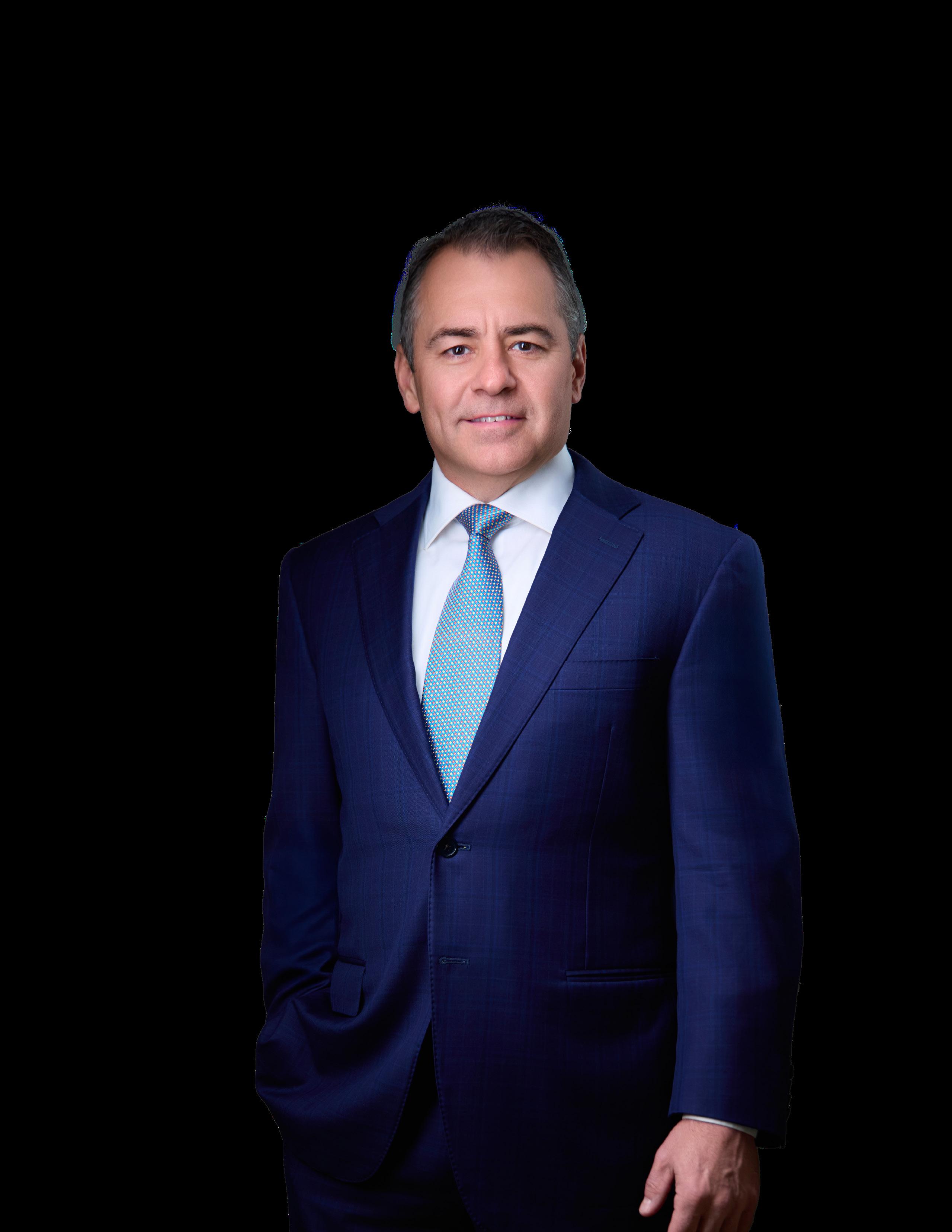
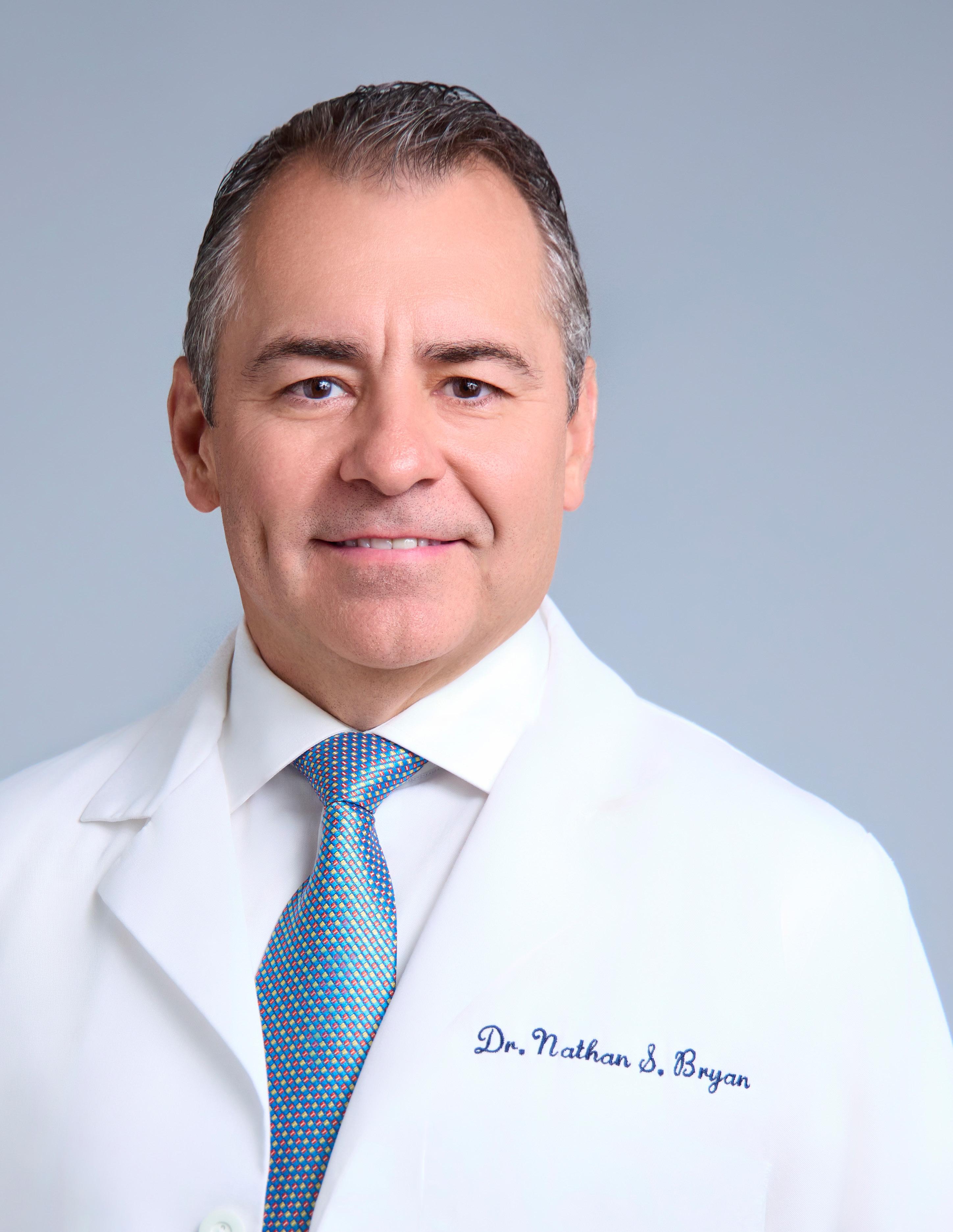
THE MASTER OF THE MOLECULE: DR. NATHAN BRYAN’S VISION FOR A NITRIC OXIDE REVOLUTION
PG 32
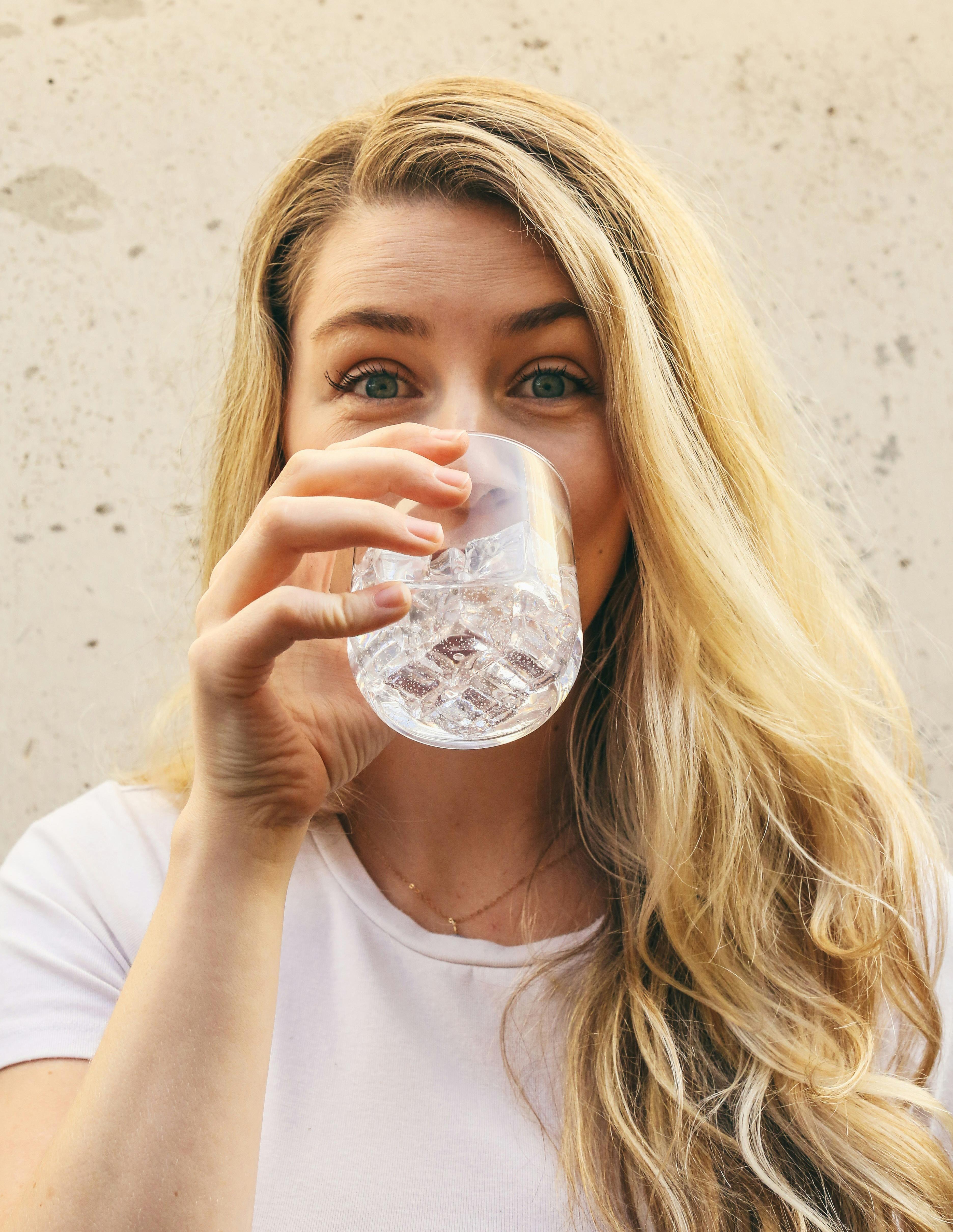
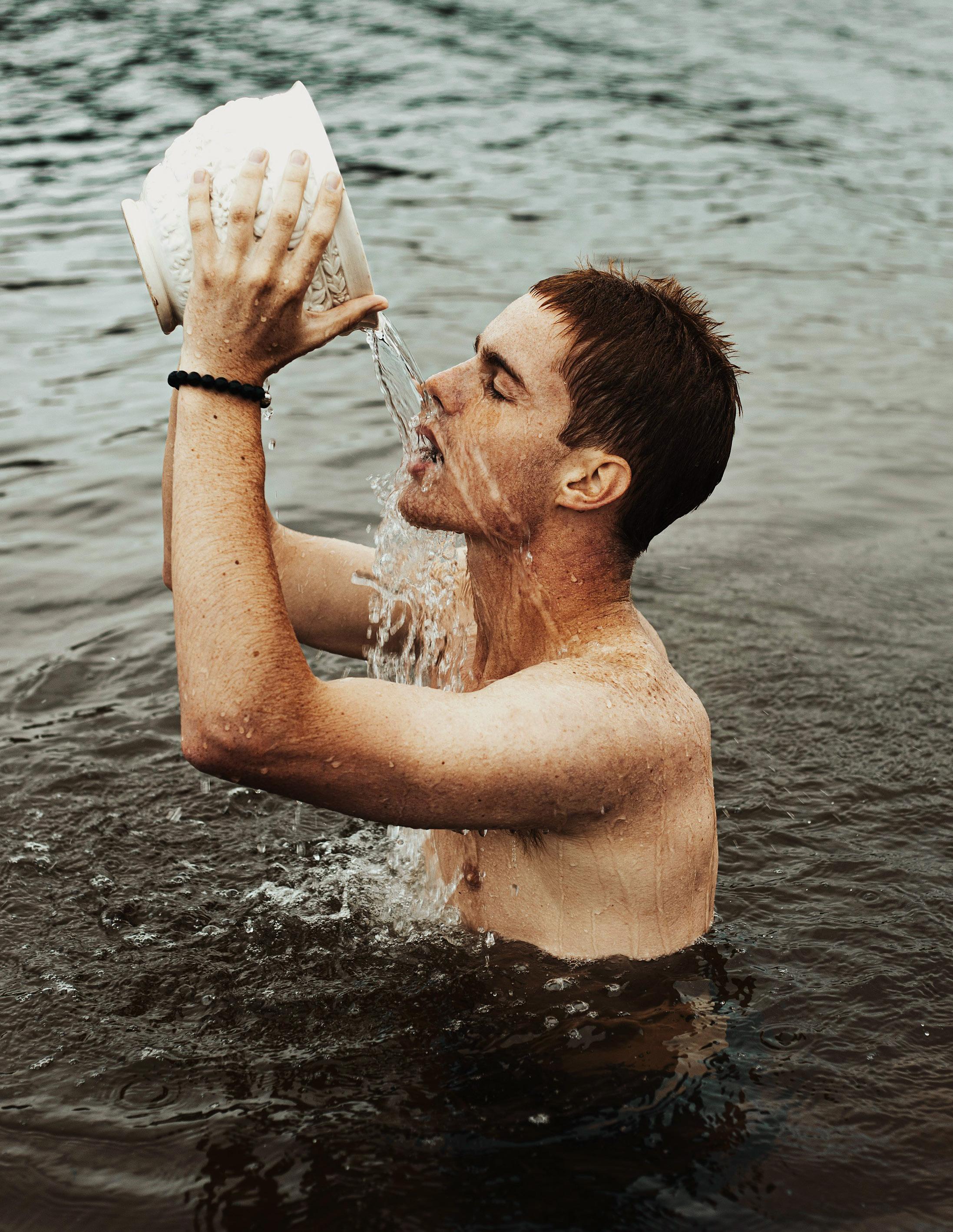
BEYOND EIGHT GLASSES: WHAT YOU REALLY NEED TO KNOW ABOUT HYDRATION THIS SUMMER
PG 12
BIOLOGICAL CAPITAL: THE NEW ASSET CLASS DRIVING AMERICA’S WELLNESS BOOM
PG 22
“Our mission at Bryan Therapeutics is to transform lives through groundbreaking research and the development of drugs that produce and restore nitric oxide in the human body. We believe in a future where safe and effective therapies that get to the root cause of disease will eliminate human disease and suffering.”
OPTIMIZE YOUR WELLNESS WITH CARBON 60 (C60).
C60 has been characterized as the most powerful antioxidant known. It’s hundreds of times more powerful than conventional antioxidants.
Crossing the blood-brain barrier, C60 works at the cellular level to support mitochondrial function. C60 fights inflammation, lifts the oxidative burden, and neutralizes toxic free radicals.
Unlike conventional antioxidants, C60 won’t interfere with any other supplements, vitamins, or medications. It can reset itself, again and again. Take it before your other supplements to boost your morning routine supplement stack.
Most users note an increase in ENERGY and MENTAL CLARITY within 30 days when incorporating C60 Power into their morning routine. Many users note FASTER RECOVERY and IMPROVED PERFORMANCE within this same time frame.
Contributing Authors: Luke Argue, Riley George, Ashleigh Quint
EXECUTIVE TEAM
Chief Digital Content Officer: David Lee
Vice President of Development: Mark Carvalho
Fractional Marketing Officer: Craig Handley
Advisory Board: Dr. Arthur Katona, Dr. Francisco Cabal, Dr. Edmond Ng, Dr. Kianor Shah
CONTRIBUTORS MAGAZINE
A LETTER FROM THE EDITOR
Our mission and purpose at TopDoctor Magazine is to foster connections within the health and wellness community and empower our readers to make wellinformed healthcare and lifestyle decisions. We pride ourselves on being the ultimate resource for interviews with health and wellness leaders, trending medical news, and healthy living topics.
We understand that choosing a healthcare provider is a crucial decision. Our in-depth interviews with esteemed doctors and medical professionals aim to bridge the gap between them and their clients. By providing our readers with personal insights, philosophies, and areas of expertise, we facilitate a deeper understanding of the individuals responsible for your health and well- being. We also strive to highlight our outstanding practitioners, showcasing their dedication to their patients and contributions to the medical community.
The field of medicine is constantly evolving, with new practices, therapies, and technologies emerging at a rapid pace. At TopDoctor Magazine, we strive to keep you updated on the latest advancements in the medical world. Our comprehensive coverage of trending medical news equips both doctors and patients with the knowledge they need to make informed choices about healthcare options.
Building strong connections within the medical community is essential for enhancing patient care and driving medical progress. Our magazine serves as a bridge, connecting medical companies with doctors and vice versa. By facilitating these connections, we aim to catalyze collaborations that can lead to innovative solutions and improved healthcare outcomes for everyone.
It is our firm belief that well-informed individuals make better decisions about their health. By providing you with insights into established and emerging medical trends and technologies, we empower you to take an active role in your healthcare choices. Whether you are a healthcare professional seeking to stay updated on the latest advancements or a patient eager to make informed decisions about your well-being, TopDoctor Magazine is here to support you.
In every issue, we strive to uphold the highest standards of journalistic integrity, accuracy, and relevance. Our dedicated team of writers, editors, and medical experts work tirelessly to bring you well-researched and compelling content that is both educational and engaging. Moreover, our graphic design team is committed to delivering an aesthetically pleasing reading experience where captivating design seamlessly merges with informative content, ensuring each issue becomes an engaging journey of discovery.
As we embark on this mission to serve as your trusted source of medical information and insights, we encourage you to join us on this exciting journey. Your feedback and suggestions are invaluable to us, and we look forward to hearing from you.
Thank you for being a part of the TopDoctor Magazine community. Together, let us embrace knowledge, forge connections, and make informed decisions to lead healthier lives.
With warmest regards, Hannah
H.
TABLE OF CONTENTS
12 22 32 46 56
BEYOND EIGHT GLASSES: WHAT YOU REALLY NEED TO KNOW ABOUT HYDRATION THIS SUMMER
BIOLOGICAL CAPITAL: THE NEW ASSET CLASS DRIVING AMERICA’S WELLNESS BOOM
THE MASTER OF THE MOLECULE: DR. NATHAN BRYAN’S VISION FOR A NITRIC OXIDE REVOLUTION
NATIONAL CANCER SURVIVOR MONTH: HONORING STRENGTH, HOPE AND RESILIENCE
THE NEW PATIENT ARRIVES DIAGNOSED: WHY PHYSICIANS ARE NO LONGER THE FIRST SOURCE OF HEALTH INFORMATION
Beyond Eight Glasses What You Really Need to Know
By Riley George
As temperatures rise and summer activities fill calendars, hydration becomes one of the most frequently discussed health topics. From oversized water bottles and electrolyte packets to social media challenges encouraging people to drink a gallon of water a day, there is no shortage of advice about staying hydrated. Yet despite the constant messaging, many people remain confused about what proper hydration actually looks like. Questions about how much water is enough, whether coffee counts toward daily fluid intake, and whether everyone needs electrolytes have led to a variety of myths that often overshadow the science.
The truth is that hydration is both simpler and more individualized than many people realize.
Why Hydration Matters
Water plays a critical role in nearly every bodily function. It helps regulate body temperature, transport nutrients and oxygen throughout the body, lubricate joints, aid digestion, and support the removal of waste products. Because the human body is composed of approximately 50% to 60% water, even relatively small fluid losses can affect how a person feels and functions. According to the Centers for Disease Control and Prevention, staying hydrated is one of the most important steps individuals can take to prevent heat-related illnesses during periods of hot weather.¹
When the body loses more fluids than it takes in, dehydration can occur. Early signs often include thirst, fatigue, headaches, and difficulty concentrating. As dehydration progresses, symptoms may become more serious and can include dizziness, rapid heartbeat, confusion and heat exhaustion. During the summer, dehydration becomes a greater concern because higher temperatures increase sweating, which is the body’s primary cooling mechanism. Whether someone is exercising outdoors, attending sporting events, working in the yard, or simply spending more time outside, fluid needs often increase significantly during warmer months.
The Persistent Myth of Eight Glasses a Day
Perhaps no hydration recommendation is more recognizable than the advice to drink eight glasses of water each day. For decades, the “8x8 rule”- eight, 8-ounce glasses of water daily- has been promoted as the gold standard for hydration. While the recommendation is simple and easy to remember, health experts say it is not based on a universal scientific requirement.
Research shows that hydration needs vary considerably from person to person.² Factors such as age, body size, physical activity levels, climate, pregnancy status, and overall health can all influence how much fluid an individual requires. Someone spending several hours outdoors in the North Carolina summer heat, for example, may need substantially more fluids than someone working in an air-conditioned office. According to experts cited by National Geographic, the eight-glasses recommendation has endured largely because it is memorable rather than because it reflects the hydration needs of every individual.³
The University of Rochester Medical Center notes that there is no single amount of water that is appropriate for everyone.⁴ Instead of focusing on reaching a specific number each day,
experts recommend paying attention to thirst, monitoring urine color, and adjusting fluid intake based on activity levels and environmental conditions. In many cases, the body’s natural thirst mechanism provides a reliable guide for maintaining adequate hydration.
Is Thirst a Reliable Indicator?
Another common hydration myth suggests that if a person feels thirsty, they are already dehydrated. While there is some truth to the idea that thirst signals the body’s need for fluids, the reality is more nuanced. For most healthy adults, thirst is an effective biological mechanism that helps maintain fluid balance. When the body detects even slight changes in hydration status, it triggers the sensation of thirst to encourage fluid intake.
However, thirst may not always be sufficient during prolonged exposure to heat or intense physical activity. Athletes, outdoor workers, and individuals participating in summer recreation can lose fluids rapidly through sweat, sometimes faster than thirst signals can keep up. Older adults may also experience a diminished thirst response, making them more susceptible to dehydration. In these situations, drinking fluids at regular intervals rather than waiting until you are thirsty may help maintain hydration and reduce the risk of heat-related illness.
Does Coffee Really Dehydrate You?
Few hydration myths have been repeated as often as the claim that coffee causes dehydration. Many people have been told that every cup of coffee should be offset with an additional glass of water because caffeine acts as a diuretic. While caffeine can increase urine production to a small extent, current research suggests that moderate coffee consumption does not cause dehydration in most healthy adults.
According to the Mayo Clinic, caffeinated beverages can contribute to daily fluid intake and do not appear to increase the risk of dehydration when consumed in normal amounts.5 Coffee is composed primarily of water, and the fluid it provides generally outweighs any mild diuretic effect associated with caffeine. Similarly, experts at the Cleveland Clinic note that coffee can be counted toward overall hydration goals.⁶
This does not mean water should be replaced entirely by coffee or other caffeinated beverages. Water remains the most effective and calorie-free option for staying hydrated. However, the long-standing belief that coffee “doesn’t count” toward hydration is largely unsupported by current evidence. For many people, that morning cup of coffee contributes positively to daily fluid intake rather than working against it.
Water Is Not the Only Source of Hydration
When people think about hydration, they often focus exclusively on beverages. Yet a meaningful portion of daily fluid intake comes from food. Many fruits and vegetables contain exceptionally high water content and can contribute significantly to hydration throughout the day.
Foods such as watermelon, strawberries, cucumbers, tomatoes, lettuce, and celery are composed primarily of water and can help supplement fluid intake during hot weather. Other
foods, including yogurt, soups, milk, and broth-based dishes, also provide valuable hydration. According to nutrition experts, approximately 20% of daily fluid intake typically comes from food sources.⁷ This means that a person who consumes a diet rich in fruits and vegetables may be receiving a substantial hydration boost without even realizing it. Rather than viewing hydration solely as a matter of drinking more water, individuals can support fluid intake through nutritious dietary choices as well.
Understanding the Role of Electrolytes
In recent years, electrolytes have become one of the fastest-growing categories in the health and wellness industry. Colorful drink mixes, tablets, and sports beverages promise enhanced hydration, better athletic performance, and improved recovery. While electrolytes certainly play an important role in hydration, many consumers may be surprised to learn that they are not necessary for everyone.
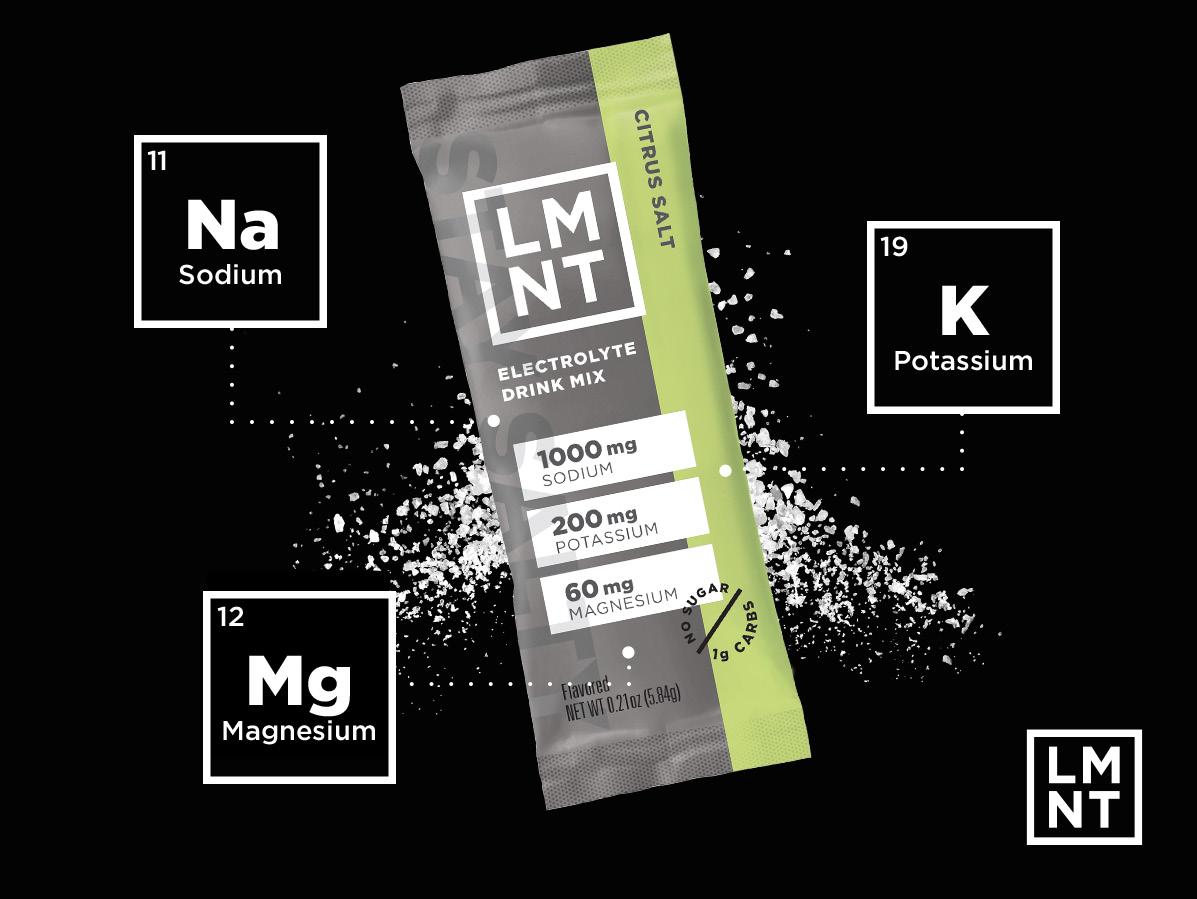
Electrolytes are minerals, including sodium, potassium, magnesium, and calcium, that help regulate fluid balance, nerve signaling, and muscle contractions. When people sweat, they lose not only water but also small amounts of these minerals. For individuals engaging in prolonged exercise, working outdoors for extended periods, or participating in endurance events, replacing electrolytes may help maintain performance and prevent cramping or other symptoms associated with excessive fluid loss.
For the average person, however, water and a balanced diet are typically sufficient to maintain electrolyte levels. Most Americans consume adequate amounts of sodium and other electrolytes through regular meals. As a result, someone taking a short walk, working indoors, or performing routine daily activities is unlikely to require specialized electrolyte products. While these beverages can be beneficial under certain circumstances, they are often marketed more broadly than necessary and may contain added sugars or excessive sodium that provide little benefit for individuals with relatively low fluid losses.
Practical Strategies for Staying Hydrated During Summer
Maintaining proper hydration during the summer does not require complicated calculations or expensive products. Instead, it involves developing simple habits that support consistent fluid intake throughout the day. One of the easiest strategies is beginning the morning with a glass of water. After several hours of sleep without fluid intake, the body naturally wakes up somewhat dehydrated. Replenishing fluids early in the day can help establish healthy hydration habits and support energy levels.
Carrying a reusable water bottle is another effective strategy. Studies have consistently shown that people are more likely to drink water when it is readily accessible. Having water within reach serves as a visual reminder to drink regularly, especially during busy workdays or outdoor activities. The CDC also recommends increasing fluid intake before spending extended periods outdoors rather than waiting until symptoms of dehydration develop.⁸
Hydration can also be supported through dietary choices. Incorporating water-rich fruits and
vegetables into meals and snacks can provide additional fluids while also delivering important nutrients. During particularly hot days, individuals may benefit from planning hydration in advance by drinking water before exercise, bringing beverages to outdoor events, and taking regular breaks in shaded or air-conditioned environments.
Another practical method for assessing hydration status is monitoring urine color. While not a perfect measurement, pale yellow urine generally indicates adequate hydration, whereas darker urine often signals the need for additional fluids. This simple observation can provide valuable feedback without requiring calculations or tracking apps.
Can You Drink Too Much Water?
While most hydration conversations focus on the dangers of dehydration, it is also possible to consume too much water. Overhydration occurs when fluid intake exceeds the body’s ability to maintain proper electrolyte balance, potentially leading to a condition known as hyponatremia. This condition occurs when sodium levels in the blood become dangerously diluted.
Although hyponatremia is relatively rare, it has been documented among endurance athletes who consume excessive amounts of plain water during long events without adequately replacing electrolytes. Symptoms can include nausea, headaches, confusion, and, in severe cases, life-threatening complications. Fortunately, for the average healthy adult, overhydration is uncommon. Drinking according to thirst and adjusting intake based on activity levels and environmental conditions is generally sufficient to maintain a healthy fluid balance.
The Bottom Line
Hydration is one of the most important aspects of maintaining health during the summer months, yet it is often surrounded by oversimplified advice and persistent myths. The widely repeated recommendation to drink eight glasses of water each day may serve as a useful reminder to prioritize hydration, but it should not be viewed as a universal requirement. Individual fluid needs vary significantly based on factors such as body size, activity level, climate, and overall health.
The good news is that proper hydration does not require perfection. Water remains the best choice for most situations, but coffee, tea, milk, and water-rich foods all contribute to daily fluid intake. Electrolyte products can be valuable for athletes and individuals exposed to prolonged heat, but they are not necessary for everyone. By paying attention to thirst, monitoring hydration status, and adapting fluid intake to changing conditions, people can stay healthy, energized, and safe throughout the summer season.
THE NEW ASSET CLASS DRIVING AMERICA’S WELLNESS BOOM BIOLOGICAL CAPITAL
By Lindsay O’Neill-O’Keefe
For most of modern economic history, gold has been the ultimate hedge. Stable, portable, trusted when markets wobble.
But spend time around elite founders, professional athletes, physicians, and high-net-worth investors in 2026, and you will hear a different conversation.
The asset many are quietly protecting is not sitting in a vault.
It is biological capital: the intentional investment of time, money, and discipline into maintaining physical and cognitive capacity over decades. Energy. Focus. Recovery. Resilience. Prioritized not as lifestyle choices, but as strategic ones.
Because building and sustaining wealth becomes significantly harder when chronic fatigue, cognitive decline, inflammation, and reduced capacity begin to erode performance.
For decades, the people most serious about protecting this asset got on planes.
Americans seeking cutting-edge diagnostics, advanced therapies, preventative care, and personalized health optimization often traveled abroad to places like Switzerland, Spain, Germany, and Thailand. These “medical tourism” destinations offered something difficult to find in the United
States: a healthcare experience built around optimizing health before it declined rather than managing disease after it appeared.¹
The numbers suggest that mindset is rapidly becoming mainstream.
The Global Wellness Institute²estimates the global wellness economy reached approximately $6.3 trillion in 2023 and is projected to approach $9 trillion by 2028.³ Meanwhile, research from McKinsey found that 82% of U.S. consumers consider wellness a top priority in their daily lives.⁴ For affluent consumers, that priority is increasingly centered around one question:
How long can I continue to perform at my highest level?
The most valuable thing in the room is no longer what you own.
It is what you know about yourself.
That shift is occurring at the same time America faces a growing health crisis. Chronic disease now accounts for roughly 90% of the nation’s healthcare⁵ spending, while six in ten American adults live with at least one chronic condition.⁶
The reactive healthcare model that once drove many longevity seekers overseas has become increasingly expensive, fragmented, and inefficient.
The result has been a massive opportunity.
Physicians, researchers, entrepreneurs, and investors are now building an entirely new category of care focused on extending healthspan, optimizing performance, and helping people remain functional and independent longer.
One of the most compelling examples is Dr. Michael Roizen.
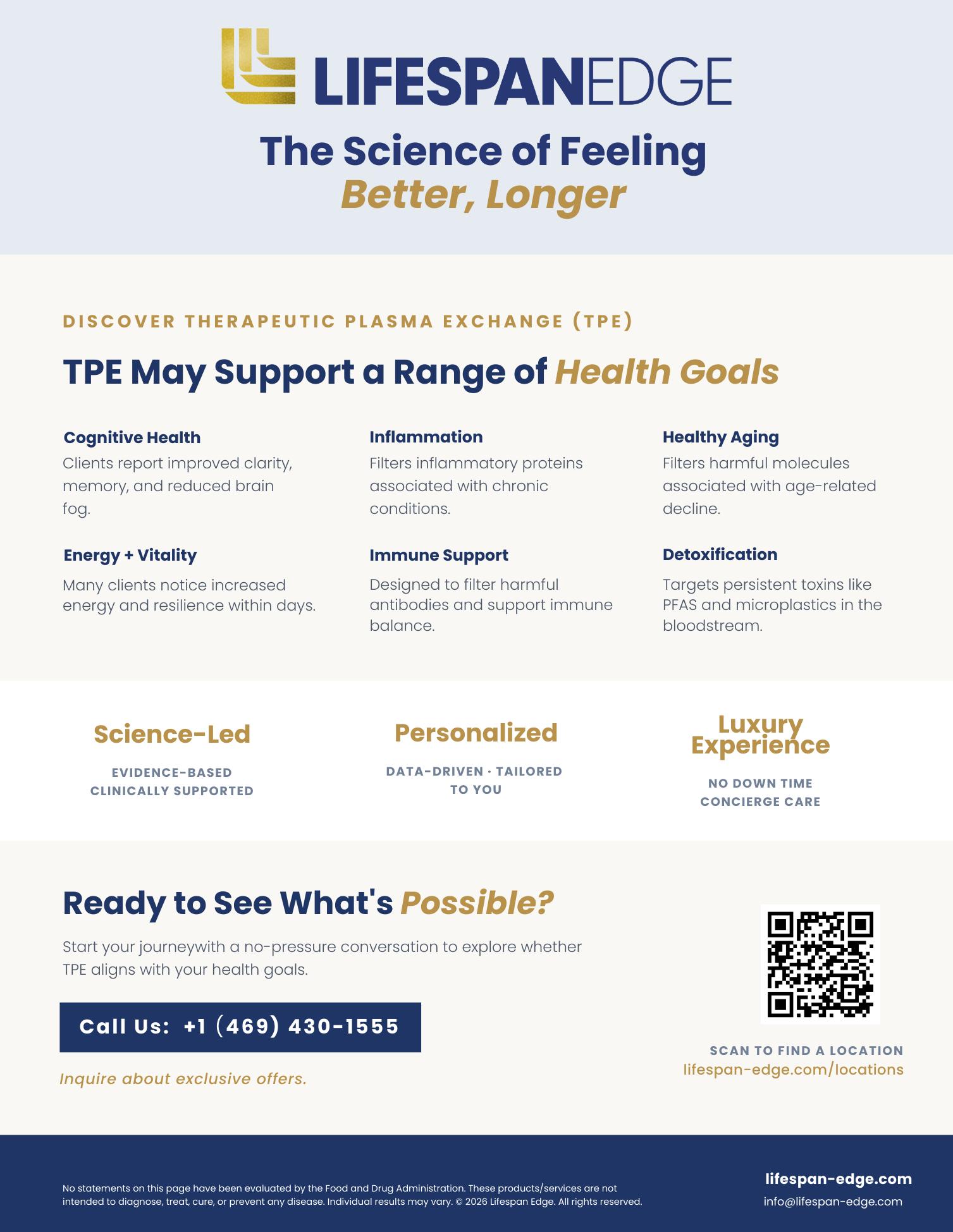
Dr. Roizen,⁷ Chief Wellness Officer Emeritus of the Cleveland Clinic, five-time New York Times bestselling author, and cofounder of Lifespan Edge,8 has spent decades advocating for prevention as medicine.
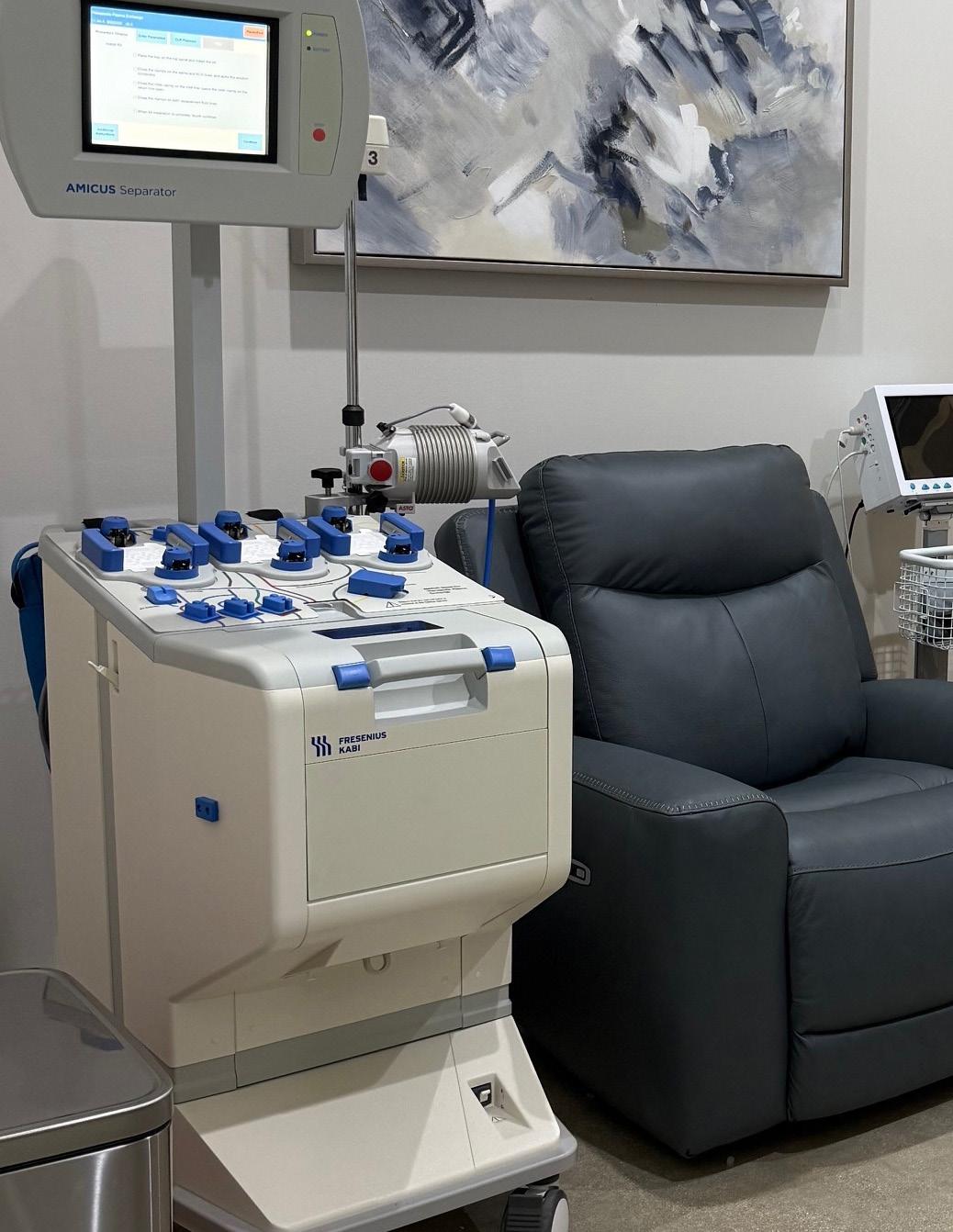
When he encountered clinical research from Spain involving therapeutic plasma exchange, an FDA-approved blood purification procedure showing promise for cognitive decline, he became determined to make the treatment more accessible in the United States.
After receiving little interest from major institutions, he eventually found a clinic willing to offer the therapy domestically.
According to the profile, one patient who struggled to form complete sentences before treatment was reportedly speaking in full sentences by the third session.
Whether future research ultimately validates the full potential of these interventions remains to be seen. What matters is the larger lesson: innovators are no longer willing to wait for healthcare systems to catch up with emerging science.
They are building the future themselves.
That future is increasingly visible across the United States.
The number of longevity-focused clinics operating nationwide is estimated to be in the hundreds and growing rapidly. Venture capital investment in longevity-focused companies continues to accelerate, while concierge medicine and integrated wellness models have become some of the fastestgrowing segments in healthcare.
More importantly, the infrastructure is evolving.
Today, biological capital can be built through a variety of experiences.
In some cases, it may begin with a specialized clinic focused on a single intervention. In others, it may involve a fully integrated ecosystem that combines diagnostics, recovery, nutrition, sleep optimization, movement, and advanced therapies under one roof.
Take South Florida, for example.
Lifespan Edge recently expanded into West Palm Beach, helping bring advanced longevity-focused care closer to American consumers who previously might have traveled internationally to access similar services.
Just minutes away sits the extraordinary Amrit Ocean Resort, one of the most ambitious wellness hospitality projects in the country.⁹ Combining over 100,000-square-feet of luxury accommodations with advanced health optimization offerings, Amrit represents a new category of destination where hospitality, prevention, performance, and recovery converge.
Together, these organizations demonstrate an important truth.
Whether someone visits a focused longevity clinic, joins a concierge medicine practice, invests in advanced diagnostics, or checks into a biohacking retreat, the common goal is the same:
To preserve and grow biological capital.
And that investment is no longer limited to Europe or Asia. It is happening here.
For founders, operators, physicians, and wellness entrepreneurs, the implications are significant.
The longevity consumer of 2026 is more educated than ever.
They understand the difference between a modality and an outcome.
They are less interested in buying individual treatments and more interested in systems that help them achieve measurable results.
That means bundled diagnostics instead of fragmented testing.
Membership models instead of one-off transactions.
Continuous monitoring instead of annual checkups.
Integrated care rather than disconnected providers.
Time efficiency has become a competitive advantage.
People are not looking for more appointments.
They are looking for fewer obstacles.
The organizations winning today are the ones creating seamless journeys from assessment to action.
And perhaps most importantly, credibility has become the ultimate differentiator.
As longevity and biohacking continue to grow, consumers are becoming increasingly skeptical of exaggerated claims, miracle cures, and marketing hype.
Evidence matters.
Transparency matters.
Clinical oversight matters.
Trust matters.
Because when the asset being protected is your body and brain, the stakes are significantly higher than a financial portfolio.
For generations, wealth was measured primarily in dollars.
Today, a broader definition is emerging.
Health is becoming a prerequisite for sustained performance.
Performance drives opportunity.
Opportunity creates wealth.
The most sophisticated investors understand that these variables are inseparable.
They are not just thinking about what they own.
They are thinking about how long they can continue to operate at their highest level.
And that is why biological capital is no longer a niche concept.
It is becoming one of the most important investments of our time.
Be Featured on TOPDOCTOR
CHANNEL
SHOWCASE YOUR MEDICAL INNOVATIONS
“Where medical expertise meets real human stories.”
A New Era in Healthcare Media
TopDoctor Magazine is expanding to television! Introducing TopDoctor Channel, a 24/7 streaming, cable, and broadcast platform dedicated exclusively to healthcare. This visionary channel connects doctors and patients in a whole new way – faceto-face through inspiring medical documentaries and interviews. Backed by the acclaimed TopDoctor Magazine brand, TopDoctor Channel launches with immediate recognition and credibility in the medical community. Our mission is to bridge the gap between healthcare experts and the public, turning complex science into conversations built on trust and empathy.
Why Appear on TopDoctor Channel?
• Global Reach & Diverse Audience: Share your story with everyone in the healthcare community and beyond. TopDoctor Channel delivers unparalleled insights to both medical professionals and the public alike. Whether it’s physicians, hospital executives, or engaged patients, our audience spans across the spectrum. As a multi-platform network (streaming on Amazon Fire TV, Roku, Apple TV, Android TV, mobile, and more), your innovations gain worldwide visibility.
• Immediate Credibility & Scientific Storytelling: Align yourself with a platform that champions medical innovation with integrity. As an official partner of TopDoctor Magazine, we start with a legacy of excellence – ensuring your work is presented with authority and trust. Our content is evidence-based and expertly crafted to celebrate true breakthroughs in medicine. You’ve worked hard on your research and products; we’ll spotlight them in a professional, highly scientific narrative that resonates with peers and instills confidence in the public.
• Cross-Promotional Power: Enjoy the benefits of our unique magazine–TV synergy. TopDoctor Channel works hand-in-hand with TopDoctor Magazine, creating a powerful cross-promotional platform for your innovations. An appearance on our channel can be featured in print and digital articles, social media, and more – amplifying your reach across multiple media. It’s a one-of-a-kind opportunity to boost your profile through multiple trusted channels.
What Can You Showcase?
If you’re a doctor, researcher, or healthcare company with something new, we want to feature it. On TopDoctor Channel, you can present:
• Breakthrough Treatments & Medications: Share new therapies, novel procedures, or groundbreaking medications that are poised to improve patient care. Demonstrate the efficacy of your latest clinical trial or the success of an innovative treatment protocol.
• Advanced Medical Technologies: Demonstrate cutting-edge medical devices, diagnostics, AI health tech, or biotech solutions. We highlight transformative breakthroughs in medical devices and technology – and the visionary individuals and companies behind them. If you’ve developed a game-changing device or app, let us help you show how it works and why it matters.
• State-of-the-Art Facilities & Services: Take viewers on a tour of your new hospital wing, research center, or specialized clinic. TopDoctor Channel can spotlight state-of-the-art healthcare facilities implementing futuristic techniques (imagine a field report from your operating room or lab). Showcase how your institution’s services and infrastructure are pushing the boundaries of patient care.
• Research Results & Clinical Outcomes: Present significant research findings or patient outcome data. Whether it’s a breakthrough clinical trial result or compelling public health study, our programs dive into the data and discuss its impact. By sharing your results, you’ll educate a global audience and potentially attract collaborators, investors, or patients interested in your work.
• Professional Achievements & Innovations: Highlight your personal achievements – from performing a landmark surgery to receiving a prestigious award. Appear in an expert interview segment to discuss your work and vision as a medical leader. This is your chance to cement your reputation as a pioneer in your field, inspiring colleagues and the next generation of healthcare professionals.
Ready to Share Your Story, Invention, or Discovery?
TopDoctor Channel is now booking interviews and feature segments for upcoming shows. Don’t miss the chance to be part of this groundbreaking platform that stands at the intersection of hope and truth, innovation and accountability. Join us in shaping the future of healthcare media – and let the world know about your cutting-edge contributions to medicine. Contact us today to schedule your feature. Visit our website at TopDoctorChannel. us for more information, or call our 24/7 team at 305-Topdoc (305-486-7362). Elevate your reach, educate the community, and let your medical innovations shine on TopDoctor Channel!
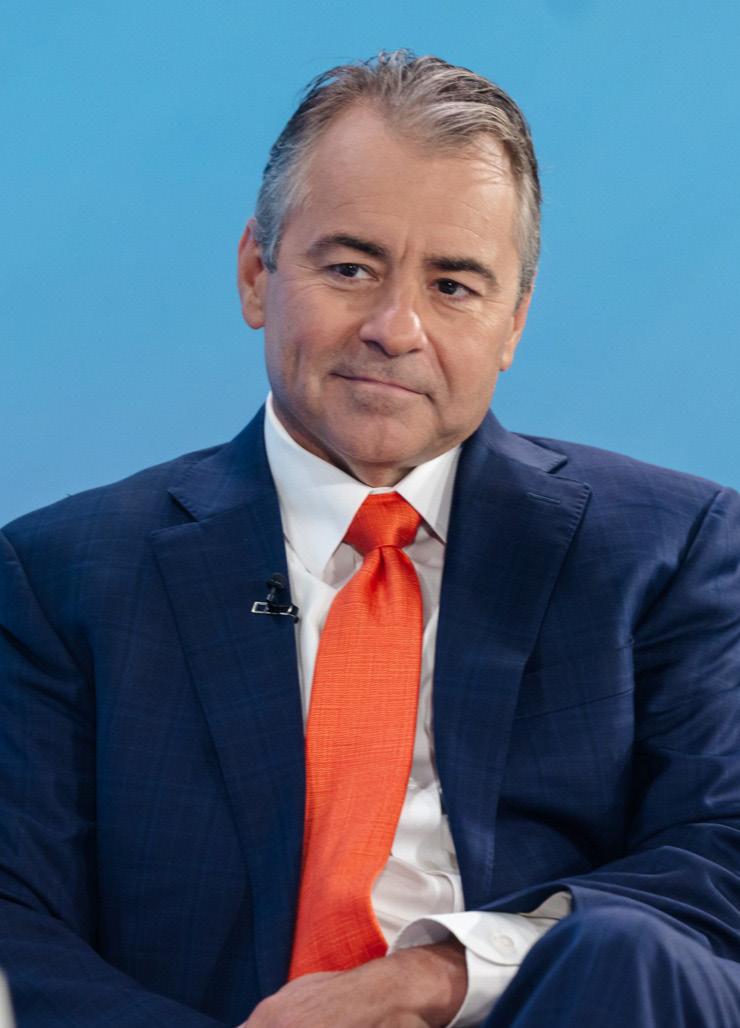
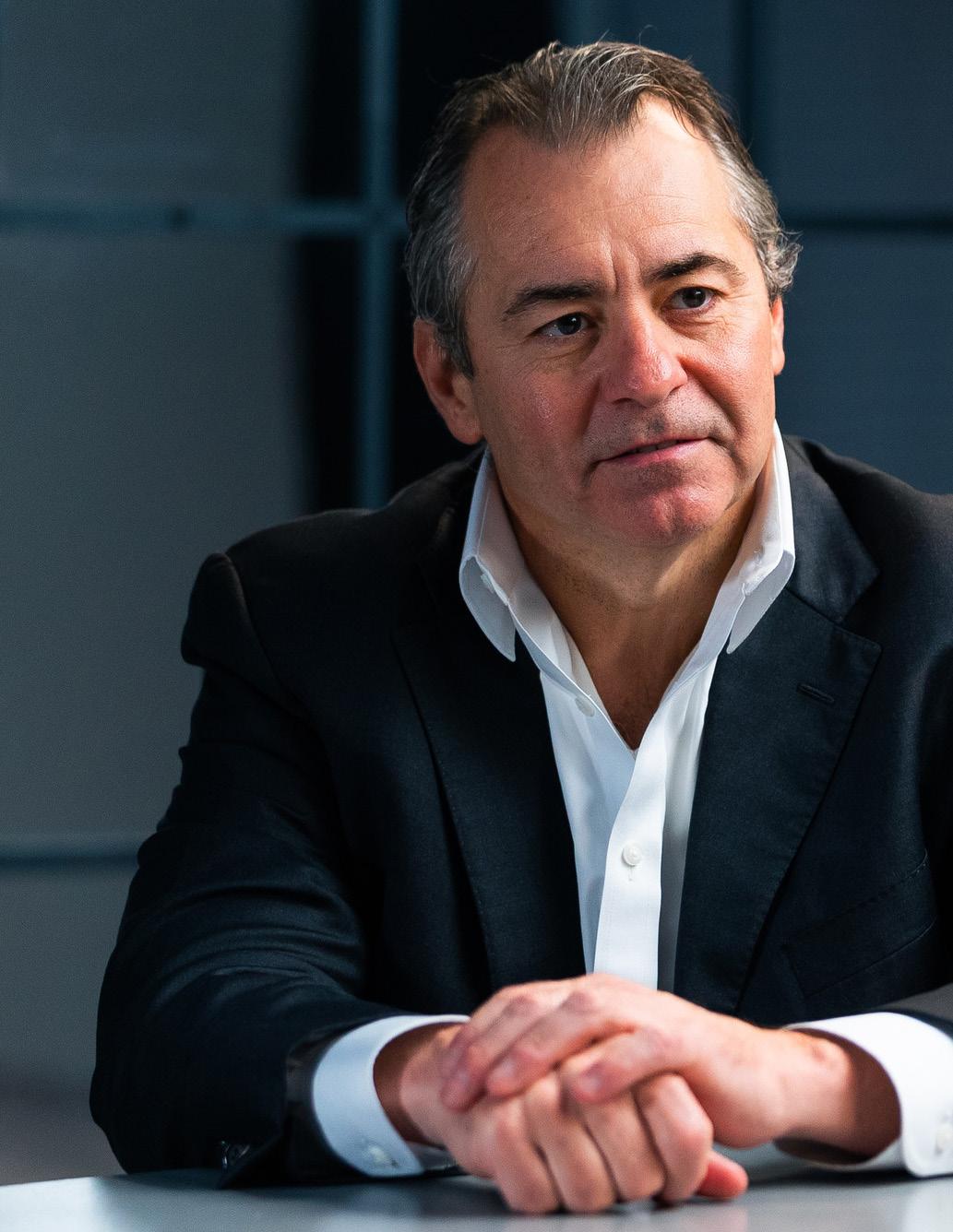
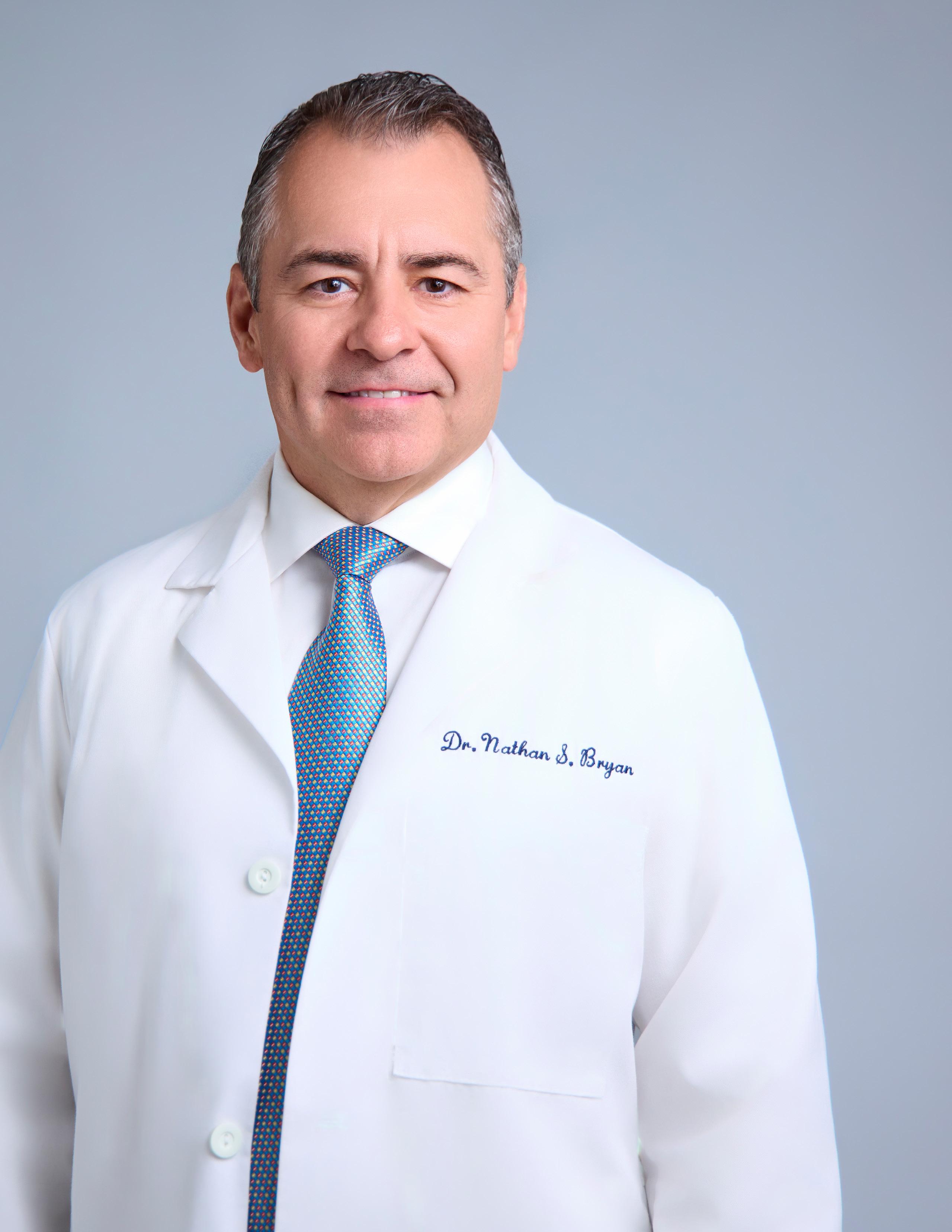
THE MASTER OF THE MOLECULE
DR. NATHAN BRYAN’S VISION FOR A NITRIC OXIDE REVOLUTION
By: Riley George
In the landscape of modern medicine, few molecules have garnered as much scientific acclaim and as much consumer confusion as nitric oxide. Often referred to as the “miracle molecule,” its discovery led to a Nobel Prize in 1998, yet its practical application in daily health remained a mystery for decades.
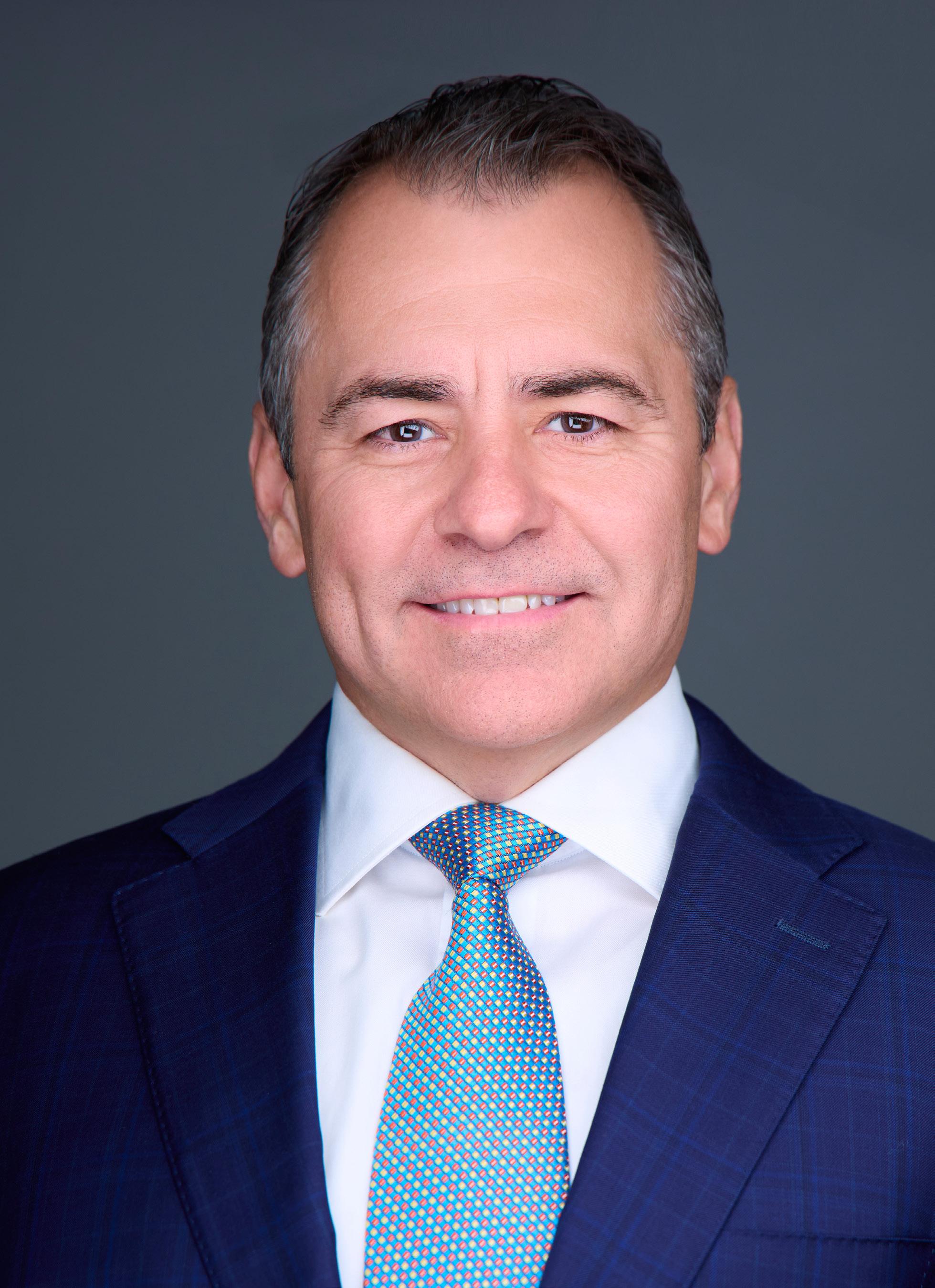
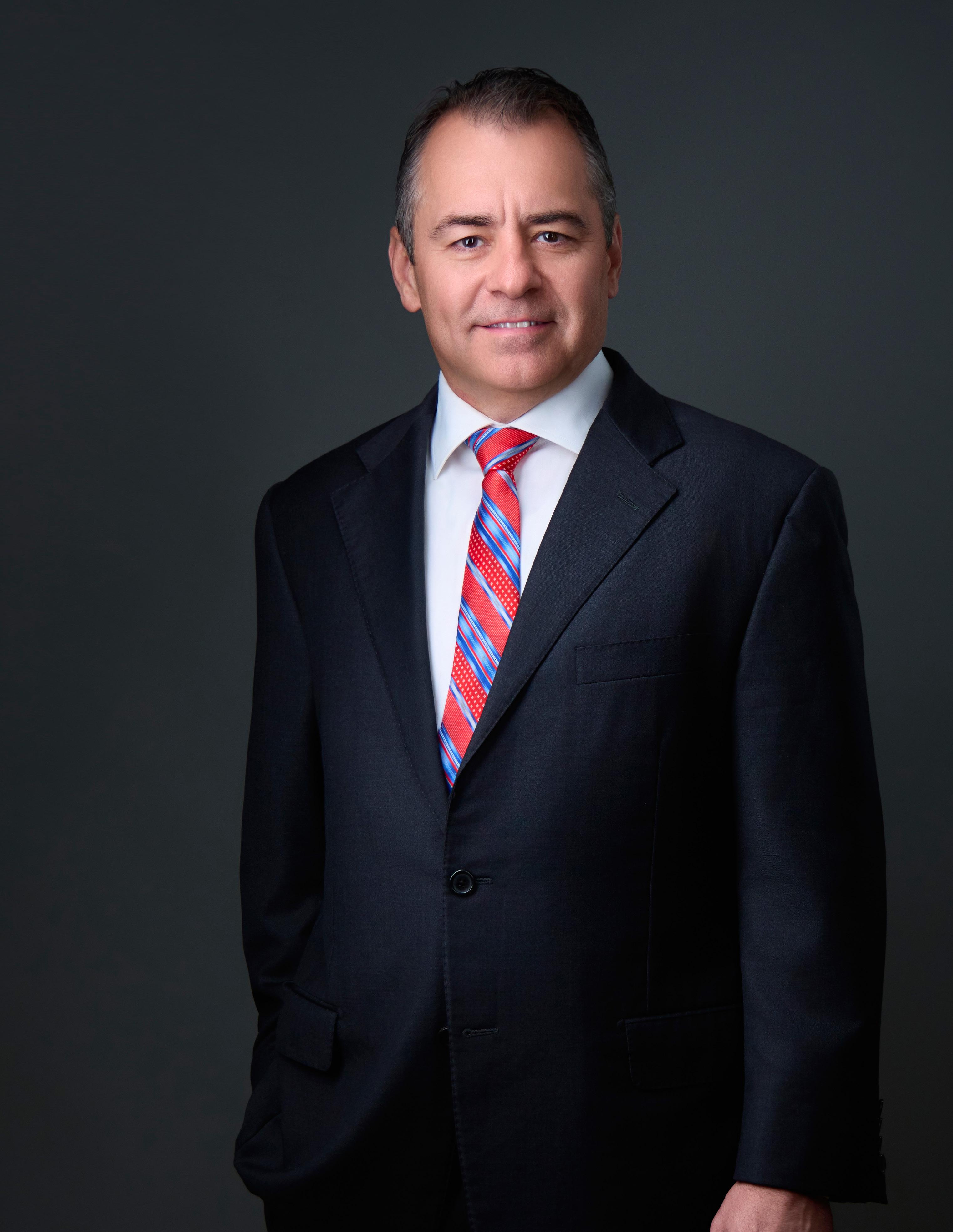
Dr. Nathan Bryan, a Texas-born biochemist and researcher, has dedicated the last 25 years to bridging this gap. Through his work at major medical institutions and his entrepreneurial venture, N1o1 by Bryan Therapeutics, Inc., Bryan is on a mission to shift nitric oxide from a hospital-administered gas to a foundational pillar of global wellness.
FROM SMALL-TOWN TEXAS TO THE FRONTIERS OF PHYSIOLOGY
Dr. Bryan’s journey into the depths of human biochemistry began in a small town in Texas, fueled by an early fascination with the intersection of science and medicine. After earning a degree in biochemistry from the University of Texas at Austin, he pursued a PhD in molecular and cellular physiology at the LSU School of Medicine. It was here that he was first introduced to the burgeoning field of nitric oxide research, a timing that proved providential.
“We knew this molecule was important—its discovery had just been recognized with a Nobel Prize,” Bryan said. “But there was still a lot we didn’t know: how and when it’s produced, where it goes, what it turns into, and how it actually signals. Those unknowns are what led me down the path of nitric oxide research.”
After completing his post-doctoral training at Boston Medical Center, Bryan was recruited to the University of Texas Medical School in Houston to join a discovery program at the Institute of Molecular Medicine. This 12-year academic journey solidified his position as a leading authority on how this gas regulates human life.
THE DEFINING CHALLENGE: DELIVERY AND RESTORATION
The pivotal catalyst for Dr. Bryan’s shift from the corridors of pure academia to the vanguard of innovative therapy occurred during a momentous dinner with Dr. Louis Ignarro. As one of the three Nobel laureates recognized for discovering the signaling properties of nitric oxide, Ignarro’s insights carried immense weight.
During their conversation, Ignarro issued a profound challenge that would ultimately serve as the blueprint for the rest of Bryan’s professional career.
“He said to me over dinner, ‘If we in the scientific and medical community can ever figure out how to safely and effectively deliver nitric oxide, it will change the world,’” Bryan recalled.
This was not merely a scientific observation; it was a call to action that highlighted a massive gap between laboratory discovery and clinical application.
At the time, the primary hurdle was the volatile nature of the molecule itself. Nitric oxide is an extraordinarily unstable gas with a half-life of mere seconds once produced in the body, making it one of the most difficult substances to “package” or stabilize for therapeutic use. In traditional clinical settings, the only way to use the molecule was via heavy, cumbersome gas cylinders, which had to be carefully delivered through a nasal cannula under strict medical supervision.
Bryan recognized that while this was effective for acute hospital care, it was an impossible delivery method for the millions of people suffering from chronic, age-related conditions in their daily lives. The urgency of this challenge was underscored by a sobering realization regarding the aging process and systemic health.
“Even 25 years ago, we knew that every single age-related chronic disease was associated with a loss of nitric oxide production,” Bryan explained.
This correlation suggested that the decline of this single molecule was a “common denominator” for a host of global health crises. Driven by the potential to leave a lasting legacy, Bryan pivoted his focus toward a singular, ambitious goal.
“How do we restore and replace this molecule?” he asked.
This question became his professional north star, pushing him to transcend the limitations of hospital-grade gas cylinders and find a revolutionary way to make nitric oxide restoration accessible, portable, and effective for the general public.
THE ROLE
OF NITRIC OXIDE: THE BODY’S PERFORMANCE MOLECULE
To fully appreciate the scope of Dr. Bryan’s mission, one must first understand the multifaceted and indispensable role nitric oxide plays in the human biological system. Far from being a mere byproduct of metabolism, nitric oxide serves as a primary signaling molecule, functioning as a high-speed “biological messenger” that facilitates critical communication between cells.
Without this constant flow of information, the body’s internal systems quickly fall into a state of physiological disrepair. Dr. Bryan often characterizes it as the “performance molecule” because its presence–or lack thereof–directly dictates the functional capacity of virtually every organ system.
Perhaps its most vital and well-documented function is as a potent vasodilator. In this capacity, the molecule signals the smooth muscle surrounding the blood vessels to relax, thereby allowing the vessels to dilate. This process is the primary mechanism for maintaining healthy blood pressure and ensuring that nutrient-rich, oxygenated blood reaches the entirety of the body.
“Nitric oxide opens up blood vessels throughout the body, improving oxygen delivery and circulation,” Bryan explained. “And because every age-related chronic disease is linked to reduced blood flow, this one molecule could help address a wide range of chronic illnesses.”
He noted that whether the issue is heart disease, neurological decline, or sexual dysfunction, a common thread is almost always a localized or systemic reduction in blood flow caused by a deficiency in nitric oxide.
Beyond the fundamental mechanics of circulation, nitric oxide is a critical component of energy production at the cellular level. It acts as a primary regulator for the mitochondria, the “powerhouses” of the cell, which are responsible for converting the oxygen we breathe and the nutrients we consume into adenosine triphosphate (ATP), the universal energy currency of life.
This means that even with perfect nutrition and exercise, a body lacking nitric oxide will struggle to produce the energy required for peak physical and mental performance.
Dr. Bryan also highlighted the molecule’s groundbreaking role in the burgeoning field of regenerative medicine. Nitric oxide is responsible for mobilizing stem cells from the bone marrow into the bloodstream, where they can travel to sites of injury to repair and replace damaged tissue.
Furthermore, recent research has linked nitric oxide to the preservation of telomeres, the protective caps at the ends of our chromosomes that act as biological clocks. Bryan points out that shorter telomeres are a hallmark of a
shorter lifespan, whereas longer telomeres are associated with longevity.
“Everything we know about regenerative medicine, longevity, and human optimization is dependent upon adequate and sufficient nitric oxide production,” he said.
By maintaining these chromosomal ends, mobilizing our own stem cells, and facilitating optimal mitochondrial function, nitric oxide stands as a cornerstone of human longevity and the optimization of the human machine.
N1O1 AND THE SCIENCE OF ORAL HEALTH
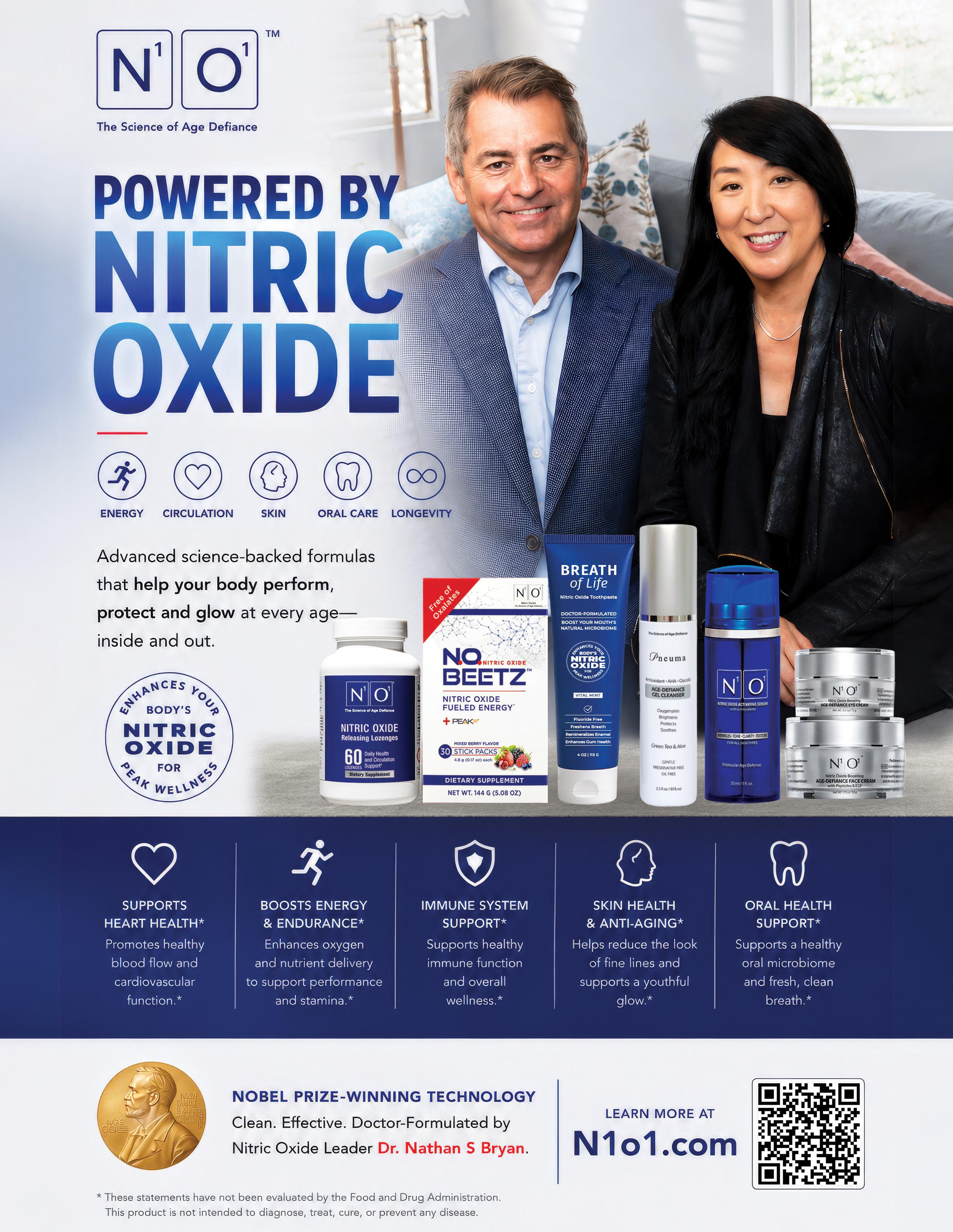
While Bryan’s background is in drug discovery, he realized that the most immediate way to impact global health was through scientifically validated consumer products. This led to the founding of N1o1, a consumer brand focused on delivering nitric oxide through unconventional channels, including skincare, dietary supplements, and oral care. One of Bryan’s most significant discoveries concerns the “oral-systemic link,” the realization that the bacteria in our mouths produce a large portion of our body’s nitric oxide.
“We found that there are oral bacteria that are responsible for the production of nitric oxide. And, if you destroy these bacteria through the use of antiseptic mouthwash, fluoride-based toothpaste, or poor oral hygiene, it decreases your nitric oxide production,” Bryan stated.
This revelation led him to create a specialized toothpaste designed to foster a healthy oral microbiome rather than indiscriminately killing all bacteria.
“I created a toothpaste that basically changes the environment. It selectively kills oral pathogens and creates an environment for beneficial bacteria to populate. We can improve nitric oxide production just through changes in oral care,” he explained.
DEBUNKING THE “BEET” MYTH AND LOOKING TO THE FUTURE
One of Dr. Bryan’s greatest frustrations in the current wellness market is the prevalence of “deceptive marketing,” particularly regarding beetroot products. Many companies market beet gummies and powders as nitric oxide supplements, a claim Bryan said is scientifically unfounded and even potentially harmful.
“The biggest myth out there is that beets are nitric oxide. In fact, I would encourage people to avoid beets and beet-based products. First, because they provide no nitric oxide benefit, and second, because the oxalates in beets can actually do quite a bit of harm,” he warned, noting that high oxalate levels can contribute to kidney stones and inflammation.
The horizon for Dr. Bryan remains expansive as he continues to bridge the gap between rigorous laboratory research and public health. With a relentless schedule of 25 to 35 lectures annually, he addresses a diverse array of professional bodies, ranging from dental organizations to functional medicine groups, with the primary goal of equipping both clinicians and consumers to distinguish between authentic science and deceptive marketing.
While N1o1 continues to innovate in the consumer space, Bryan is simultaneously steering the technology toward the pharmaceutical sector. He is currently navigating the complexities of FDA approval for drug therapies designed to treat debilitating conditions such as ischemic heart disease, Alzheimers’ disease, and diabetic ulcers, ensuring that nitric oxide restoration becomes a standardized, reimbursable part of medical care.
Bryan’s commitment to this field is rooted in a desire to protect the scientific legacy of the molecule from being diluted by inferior products.
“We have to maintain the integrity of the field so that it prospers and grows and is not sabotaged by these companies that don’t understand the science,” Bryan emphasized.
Ultimately, Bryan views his work as a means to empower individuals to return to their biological roots. He asserted that health is often found not just in what we add, but in what we choose to remove to allow our natural systems to thrive.
As he looks toward the future of biological optimization, his fundamental directive for those seeking to reclaim their vitality is a call to respect the body’s innate design: “Stop putting things in and on your body that are disrupting normal cellular function. The human body is regenerative by nature.”
With that philosophy in mind, he remains steadfast in his vision for the future: “The future of medicine and the field of longevity is dependent upon safe and effective nitric oxide-based therapeutics and product technology. I am proud and honored to lead the way. We are on a mission, and nothing will stop us.”
ABOUT DR. NATHAN BRYAN:
Dr. Bryan earned his undergraduate Bachelor of Science degree in Biochemistry from the University of Texas at Austin and his doctoral degree from Louisiana State University School of Medicine in Shreveport, where he was the recipient of the Dean’s Award for Excellence in Research. He pursued his postdoctoral training as a Kirschstein Fellow at Boston University School of Medicine’s Whitaker Cardiovascular Institute. After a two-year postdoctoral fellowship, in 2006 Dr. Bryan was recruited to join the faculty at the University of Texas Health Science Center at Houston by Ferid Murad, M.D., Ph.D., a 1998 Nobel Laureate in Medicine or Physiology.
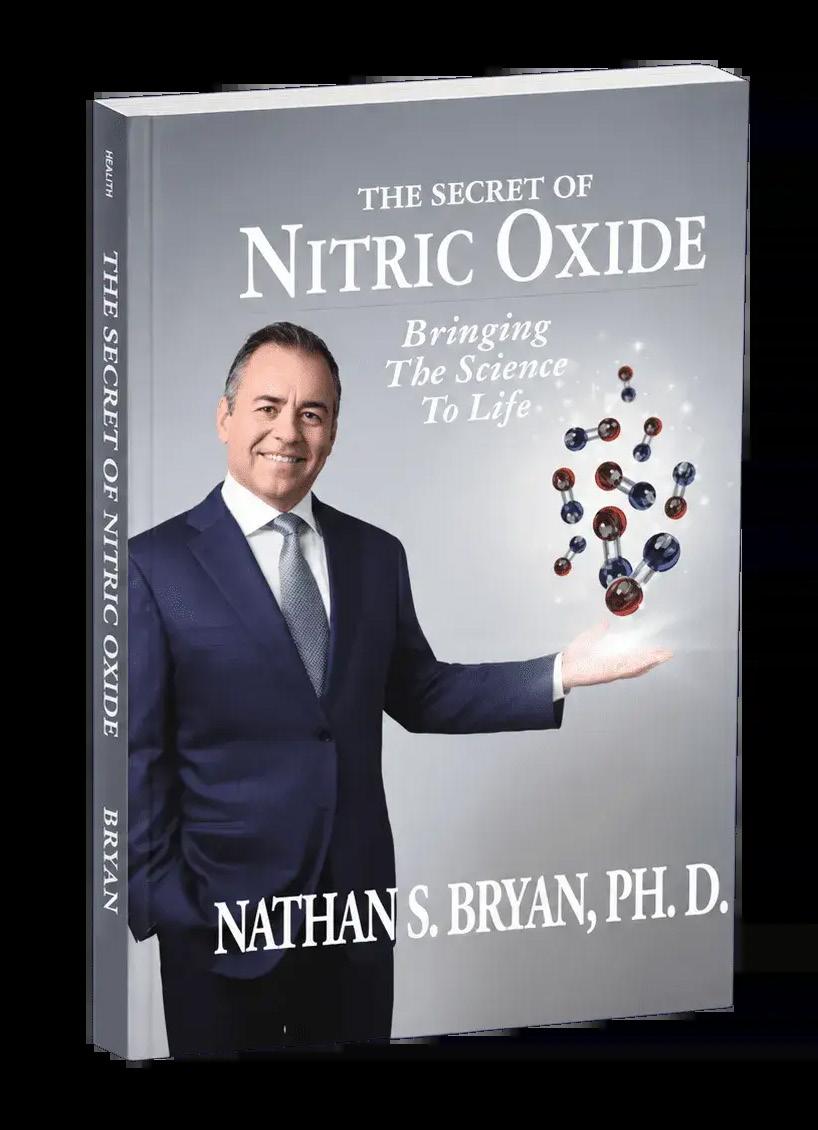
Dr. Bryan has been involved in nitric oxide research for the past 25 years and has made many seminal discoveries in the field, has dozens of issued patents, and has published more than 100 peer-reviewed scientific articles in some of the top science and medical journals. Dr. Bryan is a best-selling author and successful entrepreneur who has built a billion-dollar enterprise value portfolio of companies. Dr. Bryan is one of the most successful inventors and top revenue producers in the history of the University of Texas Health Sciences Center at Houston. He is currently the Founder, Chairman, and CEO of Bryan Therapeutics, Inc., a privately held, clinical-stage biotechnology company actively engaged in the discovery and development of nitric oxide-based therapies. BTI has active drug development programs in heart disease, Alzheimers’ Disease, and topical drugs for diabetic ulcer and non-healing wounds. Dr. Bryan’s consumer line of products is among the most innovative and successful nitric oxide products on the market. Dr. Bryan is an international leader in molecular medicine and nitric oxide biochemistry.
To learn more about Dr. Nathan S. Bryan, his research, and his nitric oxide-based innovations, visit N1O1 or Bryan Therapeutics. Dr. Bryan is also active on social media, where he shares educational content and insights on health, performance, and longevity.
CONNECT WITH DR. BRYAN:
• Instagram: @drnathansbryan
• X (Twitter): @drnitric
• LinkedIn: @drnathansbryan
• YouTube: @DrNathanSBryanNitricOxide
MEDIA & SPEAKING ENGAGEMENTS
For media inquiries, podcast and network interviews, speaking engagements, cross-promotional opportunities, editorial features, or personal appearances, please contact:
Alan Morell, CMP
Creative Management Partners
Beverly Hills, California
508-292-7900
amorell@creativemanagementpartners.com
NATIONAL CANCER SURVIVOR MONTH
Honoring Strength, Hope, and Resilience
By Evelyn Flaharty
Every June, National Cancer Survivor Month shines a light on the millions of individuals whose lives have been forever changed by a cancer diagnosis. It is a time to celebrate strength, resilience, hope, and the incredible courage it takes not only to face cancer, but to keep moving forward after treatment ends. While cancer may begin as a medical diagnosis, survivorship becomes a lifelong journey. It’s one that affects the body, mind, and spirit in ways many people may never fully see or understand.
As a thyroid cancer survivor, I know firsthand that cancer changes you. It changes the way you think, the way you plan, the way you love, and even the way you define strength. Before cancer, many of us move through life assuming tomorrow is guaranteed. We make plans, put things off, stress over small inconveniences, and often forget how precious ordinary moments really are. Then comes a diagnosis, and suddenly life is divided into two chapters: before cancer and after cancer.
Hearing the words “you have cancer” is something no one can truly prepare for. In a single moment, the world feels as though it has shifted. Even if you are surrounded by doctors, loved ones, and information, there is often a strange sense of isolation that settles in. Cancer can feel deeply personal, almost as if you are entering a world no one else can fully understand unless they have lived it themselves.
When I was diagnosed with thyroid cancer, I experienced that shift in perspective immediately. There is a unique vulnerability that comes with realizing your own body, something you’ve trusted your entire life, has suddenly become the source of fear and uncertainty. Questions begin flooding your mind. What happens next? Will I be okay? How much will life change? Will I ever feel normal again? These are the questions so many survivors quietly carry.
What many people don’t always understand is that survivorship is not a finish line you cross once treatment ends. There is no
magical moment where life suddenly snaps back to what it was before. In many ways, surviving cancer is the beginning of a new chapter, one that comes with its own emotional, physical, and mental challenges.
For some, there are scars. For others, there are lifelong medications, follow-up appointments, lingering fatigue, or ongoing health concerns. Then there is the emotional side of survivorship, which can be just as demanding. The fear of recurrence can quietly sit in the background of daily life. Follow-up appointments and scans can stir up emotions you thought you had already processed. Even when life looks “normal” from the outside, many survivors are still doing invisible emotional work behind the scenes.
This is one of the reasons National Cancer Survivor Month matters so much.
It creates space to acknowledge the complexity of survivorship. It is not always polished, inspirational, or neatly packaged into a motivational quote. Sometimes survivorship looks strong and confident. Other times, it looks tired, uncertain, and emotionally raw. Both are valid.
There is often enormous pressure placed on survivors to be endlessly positive. People want a victory story. They want to hear that you fought hard, beat cancer, and came back stronger than ever. And while there is truth in that, it is only one part of the story.
The truth is that cancer can leave behind emotional residue. It can heighten your awareness of mortality. It can make you more sensitive to loss, more protective of your time, and less willing to tolerate things that drain your energy or peace.
In my own life, cancer sharpened my sense of what truly matters. It taught me that time is not something to be spent casually. It is something to value.
It taught me to stop postponing joy.
It taught me that health is not something to take for granted, no matter how disciplined or strong you may be.
Most importantly, it taught me resilience in a way no life experience ever had before.
Resilience is often misunderstood. People think it means being fearless or never struggling. In reality, resilience is continuing forward even when you are afraid. It is showing up for appointments you don’t want to attend. It is learning to sit with uncertainty. It is rebuilding trust in your body and your future, one day at a time.
Cancer survivors understand resilience on a deeply personal level.
They understand what it means to adapt, endure, and keep going through circumstances they never asked for. They understand the emotional weight of waiting rooms, pathology reports, treatment plans, and conversations no one ever wants to have.
And yet, despite all of it, survivors continue. That is what inspires me most about this community.
Survivors come from every background imaginable. They are mothers, fathers, grandparents, students, athletes, entrepreneurs, artists, and professionals. Some are newly diagnosed. Others are years or decades into survivorship. Every story is different, yet there is a common thread that connects us all: perspective.
Cancer has a way of stripping life down to its essentials.
Suddenly, the things that once felt urgent no longer seem important. You begin to appreciate what was always there but often overlooked, like a peaceful morning, a walk outside, a meaningful conversation, laughter with friends, or simply feeling well enough to enjoy an ordinary day.
There is something profoundly humbling about learning to celebrate what once felt routine.
National Cancer Survivor Month is also a time to recognize the people who walk alongside survivors. Family members, caregivers, friends, medical professionals, and support systems all play an enormous role. Cancer may happen to one person, but its ripple effects extend far beyond the diagnosis.
Caregivers often carry their own silent burden. They worry, advocate, coordinate, support, and remain strong even when they are emotionally exhausted themselves. Their love and presence can become an anchor during one of life’s most turbulent seasons.
I know how meaningful support can be.
Sometimes it is not about finding the perfect words. Often, it is simply about being present. A text message. A ride to an appointment. Sitting quietly beside someone who is scared. These small acts can mean everything.
As survivors, many of us also discover an unexpected desire to give back.
There is something powerful about turning personal pain into purpose. Whether through sharing our stories, supporting awareness campaigns, encouraging screenings, or simply offering hope to someone newly diagnosed, survivors often feel called to help others navigate a path they know all too well.
That is part of why I continue to share my story.
Not because cancer defines me, but because it shaped me.
It gave me a deeper appreciation for life, a greater compassion for others, and a stronger understanding of what it means to persevere.
Being a thyroid cancer survivor is now part of my story, but it is not the whole story.
I am still growing, still evolving, still dreaming, and still living fully.
And that is what survivorship is really about.
It is not just about being alive. It is about learning how to live again with gratitude, intention, courage, and a renewed sense of purpose.
So, as June arrives and we recognize National Cancer Survivor Month, I encourage everyone reading this to pause for a moment.
Celebrate the survivors in your life. Reach out to someone who may still be healing. Learn more about cancer prevention and early detection. Offer support where you can.
And if you are a survivor yourself, please know this: your journey matters!
Your scars matter!
Your emotions matter!
Your resilience matters!
No matter where you are in your journey, whether newly diagnosed, in treatment, in remission, or years into survivorship, you are part of a community bound together by extraordinary courage.
This month is for all of us.
For those still fighting. For those learning how to live after treatment. For those carrying memories of loved ones lost. And for those celebrating another year, another birthday, another chance to embrace life more fully than ever before.
For me, June will always hold special significance. It is both my birthday month and a reminder of personal rebirth. It marks another year of life, yes, but also another year of perspective, gratitude, and growth.
Cancer taught me that life is fragile, but also that people are stronger than they often realize.
Survivors are living proof of that truth.
And during National Cancer Survivor Month, their stories deserve to be honored, celebrated, and heard.
Not just because they survived.
But because they continue to live with courage, grace, and remarkable strength.
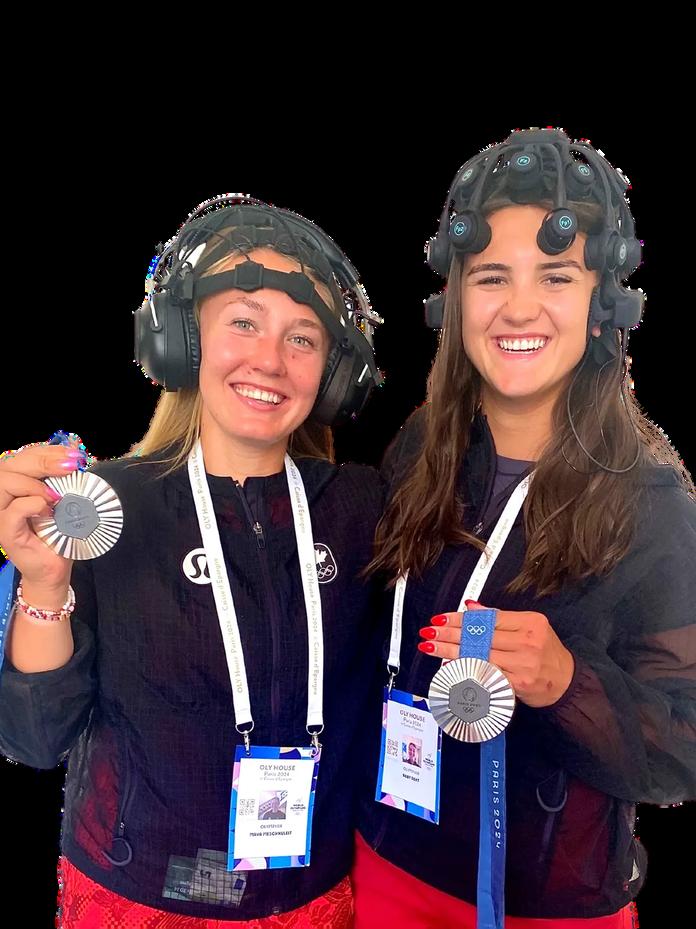
Treat Attention, Anxiety & Cognitive Decline Without Medication
Equip your clinic with Brainmark’s neurofeedback EEG device and cognitive performance enhancing platform.
Areas Brainmark focuses on Cognition
Focus
Calmness
Regeneration
Sensory processing
Creativity (indirect)
Service Includes:
EEG device
Gamified training platform
Clinical protocols
Staff onboarding
The New Patient Arrives Diagnosed WHY PHYSICIANS ARE NO LONGER THE FIRST SOURCE OF HEALTH INFORMATION
By Ashleigh Quint, MIM, PICP-SCC
There was a time when patients walked into a physician’s office seeking answers. Today, many arrive believing they already have their diagnosis.
Before scheduling an appointment, patients have often spent hours researching symptoms online, listening to podcasts, joining social media communities, reviewing medical journals, comparing treatment options, tracking wearable data, and even utilizing artificial intelligence to interpret their health concerns. By the time they sit across from a physician, they may have already formed opinions about potential diagnoses, treatment strategies, medications, supplements, and lifestyle interventions. For many healthcare providers, this shift has created both opportunity and frustration.
Patients are more engaged than ever before. They are asking questions, seeking preventative strategies, and taking a greater interest in understanding their own biology. Yet they are also arriving with unprecedented amounts of information, some accurate, some incomplete, and some entirely incorrect. The modern physician faces a challenge previous generations rarely encountered: not simply identifying what is wrong, but helping patients separate evidence from assumption. In many cases, the first step is not treatment; it is unteaching misconceptions that have already shaped the patient’s understanding of their health. Increasingly, physicians are being asked to interpret, validate, challenge, and contextualize information patients have gathered long before entering the exam room.
The reality is that access to information has changed medicine forever.
For decades, medical knowledge lived primarily within institutions. Scientific journals, medical libraries, conferences, and formal education systems served as the gatekeepers of information. Today, a patient can access research studies, medical lectures, wearable technology data, continuous glucose monitoring reports, genetic testing results, sleep metrics, and health optimization platforms from a smartphone. The challenge is not that patients have access to information. The challenge is that information alone does not create understanding. Knowledge without context can create confusion; data without interpretation can create patient anxiety; excessive information without expertise in application comprehension can lead patients down pathways that may not align with their individual physiology, risk factors, or health goals. This all creates a fascinating question for modern healthcare:
If information is now widely available, where does physician value originate?
Is the answer shifting from information provider to information interpreter? Artificial intelligence can summarize a research paper. A wearable device can generate thousands of data points per day. A laboratory panel can reveal biomarkers that were once impossible to measure outside specialized settings. Yet none of these tools can accurately replace clinical judgment, pattern recognition, experience, or the nuanced understanding that develops through years of patient care.
Medicine has always been about interpretation. As technology continues to evolve, physicians may find that their greatest value is not knowing more facts than their patients; rather, it is understanding which facts matter, which variables do deserve attention, which findings require action, and which concerns can be safely placed into perspective. This shift is perhaps most visible in the rapidly growing fields of longevity medicine, hormone optimization, metabolic health, and preventative care. Patients are increasingly tracking biological age, sleep quality, glucose variability, recovery scores, heart rate variability, and dozens of other metrics. They are arriving with spreadsheets, wearable reports, and questions that would have been uncommon just a decade ago.
Many are no longer waiting for disease to appear. Patients are seeking strategies to optimize function before disease develops. This represents a profound change in the physician-patient relationship. Historically, healthcare has largely operated within a reactive model. Symptoms emerge, diagnoses are established, and interventions are implemented. Today’s patients are increasingly interested in prediction, prevention, and performance. They want to understand not only what is wrong, but what may eventually go wrong and what they can do about it now.
The medical profession stands at a unique crossroads. Never before have patients had greater access to health information, diagnostic tools, biomarkers, and technological resources. Yet despite these advances, the need for trusted clinical guidance has not diminished. If anything, it has become more important. Because in a world where everyone has access to information, wisdom becomes increasingly valuable.
The future of medicine may not be defined by who possesses the most information, as trends lead us to think this way. It may be defined by who can make the most sense of it. And that remains the role of an exceptional physician.
REFERENCES AND RESOURCES
HYDRATION HYPE: SEPARATING FACT FROM FICTION
1. Centers for Disease Control and Prevention. “About Heat and Your Health.” https://www.cdc.gov/ extreme-heat/prevention/index.html
2. University of Rochester Medical Center. “Hydration 101: Drinking 8 Glasses of Water and Other Myths Debunked.” https://www.urmc.rochester.edu/news/publications/health-matters/hydration101-drinking-8-glasses-of-water-and-other-myths-debunked
3. National Geographic. “6 Hydration Myths That Could Be Hurting Your Health.” https://www. nationalgeographic.com/health/article/hydration-myths-debunked
4. University of Rochester Medical Center. “Hydration 101: Drinking 8 Glasses of Water and Other Myths Debunked.” https://www.urmc.rochester.edu/news/publications/health-matters/hydration101-drinking-8-glasses-of-water-and-other-myths-debunked
5. Mayo Clinic. “Caffeine: Is it dehydrating or not?” https://www.mayoclinic.org/health/caffeinated-drinks/AN01661
7. Health.com. “8 Foods That Help Reduce Sudden Body Heat.” https://www.health.com/foods-to-reduce-sudden-body-heat-11961909
8. Centers for Disease Control and Prevention. “About Heat and Your Health.” https://www.cdc.gov/ extreme-heat/prevention/index.html
9. Verywell Health. “Why the 8 Glasses a Day Hydration Rule May Not Be Right for Everyone.” https://www.verywellhealth.com/how-much-water-should-you-drink-per-day-11821239