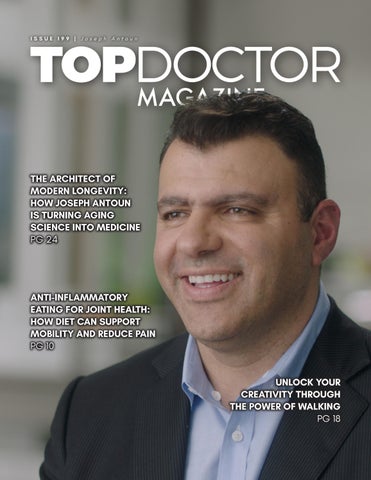
Issue 199 - Joseph Antoun

Page 1


THE ARCHITECT OF MODERN LONGEVITY: HOW JOSEPH ANTOUN IS TURNING AGING SCIENCE INTO MEDICINE

PG 24

ANTI-INFLAMMATORY EATING FOR JOINT HEALTH: HOW DIET CAN SUPPORT MOBILITY AND REDUCE PAIN

PG 10

UNLOCK YOUR CREATIVITY THROUGH THE POWER OF WALKING

PG 18

L-Nutra: Nutrition Technology for Healthy Aging

OPTIMIZE YOUR WELLNESS WITH CARBON 60 (C60).

C60 has been characterized as the most powerful antioxidant known. It’s hundreds of times more powerful than conventional antioxidants.

Crossing the blood-brain barrier, C60 works at the cellular level to support mitochondrial function. C60 fights inflammation, lifts the oxidative burden, and neutralizes toxic free radicals.

Unlike conventional antioxidants, C60 won’t interfere with any other supplements, vitamins, or medications. It can reset itself, again and again. Take it before your other supplements to boost your morning routine supplement stack.

Most users note an increase in ENERGY and MENTAL CLARITY within 30 days when incorporating C60 Power into their morning routine. Many users note FASTER RECOVERY and IMPROVED PERFORMANCE within this same time frame.

Publisher: John Highland

Editor In Chief: Hannah H.

Editorial Assistant: Jillian Fast

Graphic Designers: Laura Poyner, Dylan R-N

Contributing Authors: Coleman H. Davis, Evelyn Flaharty, Riley George, Michele Hughes, Ashleigh Quint

PUBLICATION TEAM EXECUTIVE TEAM

Vice President of Development: Mark Carvalho

Fractional Marketing Officer: Craig Handley

Advisory Board: Dr. Arthur Katona, Dr. Francisco Cabal, Dr. Kianor Shah

CONTRIBUTORS MAGAZINE

A LETTER FROM THE EDITOR

Our mission and purpose at TopDoctor Magazine is to foster connections within the health and wellness community and empower our readers to make wellinformed healthcare and lifestyle decisions. We pride ourselves on being the ultimate resource for interviews with health and wellness leaders, trending medical news, and healthy living topics.

We understand that choosing a healthcare provider is a crucial decision. Our in-depth interviews with esteemed doctors and medical professionals aim to bridge the gap between them and their clients. By providing our readers with personal insights, philosophies, and areas of expertise, we facilitate a deeper understanding of the individuals responsible for your health and well- being. We also strive to highlight our outstanding practitioners, showcasing their dedication to their patients and contributions to the medical community.

The field of medicine is constantly evolving, with new practices, therapies, and technologies emerging at a rapid pace. At TopDoctor Magazine, we strive to keep you updated on the latest advancements in the medical world. Our comprehensive coverage of trending medical news equips both doctors and patients with the knowledge they need to make informed choices about healthcare options.

Building strong connections within the medical community is essential for enhancing patient care and driving medical progress. Our magazine serves as a bridge, connecting medical companies with doctors and vice versa. By facilitating these connections, we aim to catalyze collaborations that can lead to innovative solutions and improved healthcare outcomes for everyone.

It is our firm belief that well-informed individuals make better decisions about their health. By providing you with insights into established and emerging medical trends and technologies, we empower you to take an active role in your healthcare choices. Whether you are a healthcare professional seeking to stay updated on the latest advancements or a patient eager to make informed decisions about your well-being, TopDoctor Magazine is here to support you.

In every issue, we strive to uphold the highest standards of journalistic integrity, accuracy, and relevance. Our dedicated team of writers, editors, and medical experts work tirelessly to bring you well-researched and compelling content that is both educational and engaging. Moreover, our graphic design team is committed to delivering an aesthetically pleasing reading experience where captivating design seamlessly merges with informative content, ensuring each issue becomes an engaging journey of discovery.

As we embark on this mission to serve as your trusted source of medical information and insights, we encourage you to join us on this exciting journey. Your feedback and suggestions are invaluable to us, and we look forward to hearing from you.

Thank you for being a part of the TopDoctor Magazine community. Together, let us embrace knowledge, forge connections, and make informed decisions to lead healthier lives.

With warmest regards, Hannah

TABLE OF CONTENTS

10

18 24 40 52

ANTI-INFLAMMATORY EATING FOR JOINT HEALTH: HOW DIET CAN SUPPORT MOBILITY AND REDUCE PAIN

UNLOCK YOUR CREATIVITY THROUGH THE POWER OF WALKING

THE ARCHITECT OF MODERN LONGEVITY: HOW JOSEPH ANTOUN IS TURNING AGING SCIENCE INTO MEDICINE

SMART INSOLES, SMARTER

ATHLETES: HOW PLANTIGA TECHNOLOGY IS TRANSFORMING BIOMECHANICS, INJURY PREVENTION, AND YOUTH ATHLETIC DEVELOPMENT

WHAT’S REALLY HIDING IIN YOUR MEDICINE CABINET?

AntiInflammatory Eating for Joint Health

HOW DIET CAN SUPPORT

AND REDUCE PAIN HOW DIET CAN SUPPORT MOBILITY AND REDUCE PAIN

Joint pain and stiffness affect millions of people worldwide, often interfering with daily activities, physical performance, and long-term mobility. While medications and physical therapy remain important treatments, research increasingly shows that diet plays a meaningful role in managing inflammation in the body.

An anti-inflammatory eating pattern focuses on whole, nutrient-dense foods that help reduce chronic inflammation- a biological process linked to joint deterioration and pain in conditions such as osteoarthritis and rheumatoid arthritis. By prioritizing certain foods and limiting others, individuals may support joint health, improve mobility, and potentially reduce discomfort.

Understanding Inflammation and Joint Health

Inflammation is the body’s natural response to injury or infection. In the short term, it helps the body heal. However, chronic inflammation can damage tissues, including cartilage and joint structures. According to the Arthritis Foundation, persistent inflammation contributes to the progression of many joint disorders. When inflammatory chemicals remain elevated, they can accelerate cartilage breakdown and worsen joint pain.

Dietary choices influence inflammation levels in the body. Certain foods promote inflammatory responses, while others contain compounds that help regulate the immune system and protect joint tissues.

The Principles of an Anti-Inflammatory Diet

An anti-inflammatory diet emphasizes whole foods rich in antioxidants, fiber, and healthy fats. These nutrients help combat oxidative stress- a process that damages cells and contributes to inflammation.

Key characteristics of an anti-inflammatory eating pattern include emphasizing fruits and vegetables, choosing whole grains over refined carbohydrates, incorporating healthy fats, especially omega-3 fatty acids, and limiting processed foods, added sugars, and saturated fats. This approach also prioritizes lean protein sources such as poultry, fish, legumes, and plant-based proteins, which provide essential nutrients without contributing significantly to inflammatory processes. Together, these dietary choices help support overall health while promoting lower levels of chronic inflammation in the body. Many experts note that the Mediterranean diet closely aligns with these principles and is frequently recommended for individuals with inflammatory conditions.

FOODS THAT SUPPORT JOINT HEALTH

Fatty Fish and Omega-3 Fatty Acids

Fatty fish such as salmon, mackerel, and sardines are rich in omega-3 fatty acids, which are known for their antiinflammatory properties. Omega-3 fats help reduce the production of inflammatory molecules called cytokines and enzymes that contribute to cartilage breakdown. Studies have found that people with rheumatoid arthritis who regularly consume omega-3 fatty acids may experience reduced joint tenderness and morning stiffness.

Health experts recommend eating fatty fish at least two times per week.

Colorful Fruits and Vegetables

Fruits and vegetables provide antioxidants that help neutralize free radicals, unstable molecules that damage cells and increase inflammation.

Berries, cherries, leafy greens, broccoli, and bell peppers are especially beneficial due to their high levels of vitamins, polyphenols, and flavonoids. Tart cherries, in particular, have been studied for their ability to reduce inflammation markers associated with joint pain. Aim to include a wide variety of colorful produce daily to maximize protective nutrients.

Whole Grains

Whole grains such as oats, brown rice, and quinoa contain fiber that helps regulate inflammatory responses in the body. Fiber supports healthy gut bacteria, which play a role in immune function and the control of inflammation. Refined grains, by contrast, can increase blood sugar spikes and may contribute to inflammatory processes.

Replacing refined carbohydrates with whole grains can support both joint health and overall metabolic health.

Healthy Fats

Healthy fats, particularly those found in olive oil, nuts, and seeds, provide anti-inflammatory compounds. Extra-virgin olive oil contains oleocanthal, a compound that has been shown to have effects similar to mild anti-inflammatory medications. Walnuts, almonds, and chia seeds also contribute beneficial fats that support immune regulation. Including moderate amounts of these fats in daily meals can help maintain balanced inflammation levels.

Lean Protein Sources

Protein supports muscle strength, which helps stabilize joints and reduce stress on joint structures. Lean protein sources such as poultry, beans, lentils, and tofu provide necessary amino acids without the inflammatory effects sometimes associated with highly processed meats. Plantbased proteins also contain fiber and antioxidants that contribute additional anti-inflammatory benefits.

Foods That May Worsen Inflammation

Certain dietary patterns are associated with higher levels of chronic inflammation. Foods that may exacerbate inflammatory responses include:

• Highly processed foods

• Refined sugars and sweetened beverages

• Excessive red or processed meats

• Refined carbohydrates such as white bread and pastries

• Foods high in trans fats or industrial seed oils

Reducing consumption of these foods may help lower systemic inflammation and improve joint comfort over time.

The Role of Weight Management in Joint Health

Body weight significantly affects joint health, particularly in weight-bearing joints such as the knees and hips. Research shows that even modest weight loss can reduce pressure on joints and lower inflammatory markers in the body. For example, losing one pound of body weight can reduce up to four pounds of pressure on the knee joint during movement.

Combining anti-inflammatory eating with regular physical activity can therefore provide dual benefits for joint protection and mobility.

Practical Strategies for Anti-Inflammatory Eating

Adopting an anti-inflammatory diet does not require drastic changes. Small, consistent adjustments can produce meaningful health benefits.

Practical strategies for adopting an anti-inflammatory eating pattern can be incorporated gradually into everyday meals. For example, adding a serving of vegetables to each meal helps increase the intake of vitamins, minerals, and antioxidants that support the body’s natural defense against inflammation. Replacing refined grains with whole grains such as brown rice, oats, or whole-wheat products can also help stabilize blood sugar levels and provide beneficial fiber.

Simple cooking substitutions can make a meaningful difference as well. Using olive oil instead of butter or margarine introduces healthy fats that may help reduce inflammatory responses. Additionally, incorporating fatty fish into meals several times per week provides omega-3 fatty acids that support joint health. Choosing whole foods such as nuts or fresh fruit instead of processed snacks is another practical step that can help limit added sugars and unhealthy fats while providing nutrient-dense alternatives. Over time, these habits can help shift overall dietary patterns toward foods that support joint health.

The Bottom Line

Multiple factors, including genetics, physical activity, and age, influence joint health. However, diet remains one of the most modifiable contributors to inflammation in the body. An anti-inflammatory eating pattern centered on whole foods, healthy fats, and plant-based nutrients may help reduce inflammation, support cartilage health, and improve long-term joint function.

While diet alone cannot cure joint disorders, it can be a powerful component of a comprehensive approach to maintaining mobility and quality of life.

Because Small Tails Don’t Tell Big Stories

Wild caught by hand. Delivered to your Wild caught by hand. Delivered to your door. Ready to steal the show. door. Ready to steal the show.

When it comes to dinner, subtlety has its place. When it comes to dinner, subtlety has its place.

This is not that place. This is not that place.

This is the kind of lobster tail that earns silence at the This is the kind of lobster tail that earns silence at the table—followed by applause. table followed by applause.

Caught by hand off the coast of the Nor th Atlantic.

Caught by hand off the coast of the Nor th Atlantic. Flash-frozen the day it's landed. Flash-frozen the day it's landed. We don’t

Unlock Your Creativity Through the Power of Walking

To the one who is anxious, depressed, fair-fallen, stuck, creatively stumped or broken, one may think of the ascetic prayer labyrinths ambulated once by countless ascetic folk who, in the shadows of their cathedrals, those forests of light in stone, reaching up toward the divine, walked to free their minds for prayer, or to free their minds for the benefit of imagination, to free the still body from its tendency to chain down the mind with rumination. Long before walking became quantified by watches, apps, and step goals, it already occupied an older place in human life: a bodily act with an inward consequence.

The old Latin phrase remains fitting: solvitur ambulando or “it is solved by walking.”

While often attributed to Augustine of Hippo, the phrase apparently does not come directly from the saint himself. Yet, it is deeply compatible with the Augustinian understanding that movement often aids clarity of soul and mind; the phrase later became famous in philosophical traditions through its practical demonstration: if a problem exists, one may often resolve it literally by moving through it. Walking, in its own modest way, allows the body to do something simple enough that the mind may begin to breathe again.

We are not necessarily talking about ordinary modern movement, nor what might be called the daily office of modern man’s small-walking: from the remote to the fridge, from the couch to the bed, from the car to the grocery store, or the short toand-fro that fills our lives without ever truly becoming real movement. Nor are we merely speaking of what some modern fitness circles call incidental steps or what might pass for “NEET” activity — useful enough in itself, but not quite the thing intended here.

We are speaking of intentional walking for an extended period of time.

We are speaking of at least something with moderate intensity, around three to four miles per hour, long enough that the body and mind begin to settle into a rhythm. Long enough that thought ceases to arrive in fragments, but begins to flow instead.

There is, of course, the bodily fitness aspect. Myriad studies have shown how intentional walking as exercise decreases all-cause mortality. Though running burns more calories over the same period of time, walking uses a greater percentage of fat as fuel. It is easier on joints. Hunger hormones are less aggressively triggered. It preserves lifting recovery. Cortisol generally remains lower than with more strenuous exercise. It is sustainable, especially when paired with strength training or weight lifting for those interested in body recomposition.¹

That sustainability matters more than many realize.

What you enjoy, you repeat. What you repeat changes the body.

In so many practitioners’ experience, walking belongs to that category of exercise that succeeds because it is truly livable. 10,000 steps in a day remains a worthy benchmark, but more is often better, around the 12,000 to 15,000 mark if the time and the will for it exist. Provided nutrition is reasonably dialed in, extended walking, especially when paired with resistance training, can make one remarkably efficient at fat burning over time without producing the nervous-system fatigue that causes

so many other fitness efforts to collapse.

Yet walking’s deeper power may lie beside the bodily fitness aspect alone.

Next to physical health, it has been proven repeatedly to lower stress, anxiety, and depression. It fosters creativity and problem-solving in much the same way ideas often arrive in the shower or while driving: one part of the brain is occupied while the rest is free to wander.

That wandering is not aimlessness, though. Walking gives the brain room for the childlike imagination to reemerge. It opens mental space. Rhythmic repetition frees thought, and ideas often appear while walking that refuse to appear at a desk. It favors long-form thinking, and that may be one reason why creative people throughout history have loved it, returned to it, and almost relied upon it.

Steve Jobs openly valued regimented long walks and directly credited them as part of the environment in which some of his clearest innovations emerged. One cannot help wondering what might have been lost to modern life had he never taken them.

Charles Dickens, that great man of nineteenth-century English literature, often walked for hours through London in the early morning after insomnia refused him sleep. He is said to have done this for miles at a time, and it is difficult not to suspect that many of the scenes and figures that populate A Christmas Carol, for example, first came into shape beneath the foggy gaslit city as it woke up to meet the day.

Ludwig van Beethoven cherished his long walks in the woods. One wonders what he saw there, from creation itself, that inspired those sonic bolts of lightning that still strike listeners centuries later.

Immanuel Kant became so exact in his walking that neighbors reportedly adjusted their clocks by him.

Thomas Jefferson once remarked that his fondest form of exercise was walking his property with a gun, shooting when he pleased.

Likewise, according to his autobiography, Benjamin Franklin spent hours each morning on intentional, extended walks, though swimming, as it is said, took the prize as this founding father and inventor’s most beloved exercise.

Famously, it was on many walks through the Oxfordshire countryside that J. R. R. Tolkien, in conversation with C. S. Lewis, helped move Lewis toward Christianity — a conversion that would eventually yield one of history’s

greatest Christian apologists and Anglican theologians.

Those indomitable Romantic poets William Wordsworth and Samuel Taylor Coleridge walked the Lake District for hours on end like the true artists that they were: they focused on the present moment, considered their beautiful surroundings, observed, noticed, filtered, and re-presented and repackaged the material around them into some of the greatest poetry in the English language. Their movement was not separate from their art. Instead, it was part of the condition that allowed art to appear. This lends credence to the quote by the great record producer Rick Rubin that, “The object isn’t to make art, it’s to be in that wonderful state which makes art inevitable.”

The list goes on and on.

Modern research has simply confirmed what so many of these figures already practiced by instinct. A 2014 study from Stanford University found that walking significantly improved creative thinking compared with sitting still, and notably, the walks did not need to be long. Even five to 16 minutes produced measurable gains in creative output, with the mind often remaining primed after the walk had ended. Outdoor walking offered additional benefits, though indoor walking still proved effective. The important fact was movement itself.²

Modern life, with its endless assaults upon the attention span and its ever-increasing electronic baubles, fragments thought into restless pieces. Walking does the opposite.

It is exercise, yes, but also something deeper than exercise — perhaps even something spiritual. We can look at it as almost a form of ordered wandering.

That phrase, solvitur ambulando, matters because walking does something subtle: it gives the body a simple task so the mind may stop colliding with itself, and thoughts cease arriving as interruptions. This is also why so many have paired extended walking with meditative prayer, with great benefit to their mental health and spiritual life.

“Healthy mind, healthy body” is not merely modern advice. It is one of the oldest recognitions available to ordinary human experience. It burns calories, yes. Generally uses fat for fuel as a greater percentage, sure. It lowers stress. It aids body recomposition. It improves cardiovascular health. But perhaps its deepest gift is that it still gives troubled or blocked minds what the old thinkers who roamed cathedrals, woods, and long roads all knew it could: room enough for thought to flow freely again.

AGELESS TIMELESS AND

THE ARCHITECT OF MODERN LONGEVITY

HOW JOSEPH ANTOUN IS TURNING AGING SCIENCE INTO MEDICINE

INC

CEO OF AGELESS AND TIMELESS AND HOST OF THE AGELESS AND TIMELESS PODCAST

Few leaders have done more to turn longevity science into practical medicine than Dr. Joseph Antoun. As CEO and Chairman of L-Nutra Inc., a leading nutrition technology company focused on aging and age-related disease, he has helped transform longevity from an emerging research field into clinically validated medical interventions designed to prevent and manage chronic conditions. His work spans medicine, scientific research, public policy, and investment, placing him at the center of a global shift toward preventionbased healthcare.

Under Antoun’s leadership, L-Nutra, a global pioneer in clinically validated longevity nutrition and precision fasting

technologies, achieved a major scientific milestone by becoming the first organization to clinically demonstrate that autophagy and cellular rejuvenation can be activated in humans through a precisely formulated nutritional intervention, without pharmaceutical treatment. The company’s science-based programs translate decades of aging research into structured interventions used by physicians and patients worldwide. Subsequent research published in Nature suggested potential reductions in biological age of up to 11 years, providing some of the strongest clinical evidence to date that targeted nutritional interventions can influence the biology of aging.

These findings represent a broader shift in how aging is understood within medicine. For decades, aging was treated as an inevitable process rather than a modifiable biological pathway. Advances in nutrient signaling research, cellular stress responses, and metabolic regulation are now reframing aging as a dynamic process influenced by measurable biological mechanisms. By translating these mechanisms into structured nutritional interventions, Antoun has helped position longevity not as an abstract aspiration but as an actionable clinical framework grounded in human data.

This reframing carries profound implications for healthcare systems. If aging biology can be influenced upstream, then prevention becomes more than a lifestyle recommendation; it becomes a strategic medical intervention. In this context, longevity medicine is less about extending years alone and more about compressing morbidity, preserving functional capacity, and reducing the economic burden of chronic disease.

For more than two decades, Antoun has worked across medicine, policy, and industry to establish longevity as both a scientific discipline and an emerging economic sector. Long before longevity became a major investment category, he launched the first investment fund dedicated to longevity science in 2011. Today, his work focuses on translating aging biology into structured medical programs designed to be implemented safely and consistently within real healthcare systems.

FROM LONGEVITY RESEARCH TO CLINICAL PRACTICE

Modern longevity medicine builds on decades of research exploring how metabolism and nutrient signaling influence aging biology. One of the most influential contributors to this work is Dr. Valter Longo, professor of gerontology and biological sciences and director of the Longevity Institute at the University of Southern California. Longo’s research clarified how targeted nutritional interventions can influence cellular repair mechanisms and long-term disease risk.

Working closely with Longo’s scientific discoveries, Antoun helped translate this research into structured clinical programs designed for real-world use. The result was the development of the Fasting Mimicking Diet (FMD), a five-day nutritional intervention designed to activate protective biological

pathways while maintaining clinical safety.

More than 30 clinical trials have explored fasting-mimicking interventions, with published outcomes demonstrating improvements in cardiometabolic risk factors, diabetes-related markers, and biological aging indicators.

Antoun frequently emphasizes that scientific discovery alone is not enough. Physicians need interventions that can be implemented consistently and safely. A promising biological mechanism becomes meaningful only when it can be integrated into clinical workflows and patient care.

This emphasis on practical implementation reflects a larger evolution within preventive medicine. Nutritional interventions, once viewed primarily as lifestyle recommendations, are increasingly being developed into structured therapeutic programs supported by clinical oversight.

UNDERSTANDING THE BIOLOGY OF LONGEVITY

One of the most significant developments in modern longevity science has been the ability to demonstrate key cellular renewal processes in humans. A clinical study conducted under Antoun’s leadership showed that a five-day fasting-mimicking diet can activate autophagy, the body’s cellular recycling system, marking a major milestone in aging research.

For decades, autophagy had been primarily studied in laboratory models. Demonstrating activation of this process in humans confirmed that precisely designed nutritional interventions can influence fundamental biological pathways associated with aging. The findings helped move longevity science from theoretical promise toward clinical reality.

These findings align with a broader shift in how chronic disease is understood. Increasingly, metabolic dysfunction is recognized as a root contributor to conditions ranging from cardiovascular disease to neurodegeneration and type 2 diabetes. Rather than addressing symptoms in isolation, a metabolic-first approach focuses on restoring insulin sensitivity, reducing visceral fat, and improving mitochondrial function.

Fasting-mimicking nutrition offers one structured method for initiating this metabolic reset. By lowering glycemic load and modulating nutrient signaling pathways, it supports metabolic flexibility, allowing the body to shift between energy sources more efficiently. In this context, metabolic health becomes less about weight alone and more about long-term physiological resilience.

Structured nutritional interventions have also shown potential for improving markers associated with type 2 diabetes. Antoun is careful to distinguish between remission and cure, emphasizing that the goal is not to eliminate long-term vigilance but to provide patients with tools that can restore metabolic balance and reduce disease burden over time. The widespread adoption of GLP-1 medications has reinforced the understanding that weight and metabolic health are fundamentally biological issues rather than matters of willpower. While these therapies have produced meaningful results for many patients, Antoun sees nutrition as an essential component of long-term success, particularly after medication use. Without careful nutritional support, patients risk losing lean mass and metabolic resilience, challenges that structured dietary programs aim to address.

Protein intake represents another area where longevity science has introduced nuance into conventional nutrition advice. Adequate protein is essential for maintaining muscle mass, particularly with aging, but both the quality and quantity of protein intake influence metabolic signaling. Antoun often emphasizes a balanced approach that supports muscle preservation while maintaining long-term metabolic stability.

The convergence of metabolic science, aging biology, and structured nutritional programming reflects a larger maturation of the field. Longevity is increasingly defined not by isolated supplements or short-term interventions, but by systems-based approaches that address the underlying drivers of biological decline. Antoun’s work sits squarely within this evolution, emphasizing reproducibility, clinical oversight, and measurable outcomes rather than theoretical promise.

MOVING BEYOND DIET CULTURE

A broader focus on metabolic resilience and long-term vitality

is gradually replacing the language of traditional dieting. Patients increasingly recognize that short-term weight loss strategies rarely produce durable health improvements. Instead, there is growing interest in approaches that support sustainable metabolic health and long-term vitality.

Antoun views personalized nutrition programs as an important evolution in preventive care. Positioned between pharmaceuticals and general lifestyle advice, these programs offer structured interventions tailored to individual metabolic profiles.

Preventive medicine increasingly focuses on upstream drivers of disease, including inflammation, oxidative stress, and metabolic imbalance. Whole-food, plant-forward, lowglycemic dietary patterns are gaining renewed recognition not as alternatives to medicine but as foundational components of it.

Longevity science is also reshaping how nutrition is understood in relation to mental and emotional health. Metabolic efficiency influences brain function, mood regulation, and stress resilience through pathways involving inflammation and energy metabolism. Supporting metabolic health, therefore, becomes a way to support both physical and cognitive well-being.

Women’s metabolic health highlights the importance of tailoring longevity strategies to biological differences. Hormonal transitions influence insulin sensitivity and body composition in ways that have historically been underrepresented in research. Nutritional strategies that acknowledge these differences can better support metabolic resilience across the lifespan.

Longevity is no longer limited to older populations. Younger individuals are increasingly proactive about long-term health, while older adults remain focused on independence and quality of life. This cross-generational interest reflects a broader cultural shift toward prioritizing healthspan alongside lifespan.

THE LONGEVITY ECONOMY

Longevity has become one of the fastest-growing areas of innovation in healthcare, evolving into a multibillion-dollar global industry attracting major institutional investment.

Long before longevity became a major investment category, Joseph Antoun helped lay the financial and organizational foundation for the field. In 2011, he launched the first investment fund dedicated to longevity science, helping catalyze the early development of what is now a rapidly expanding global sector.

Today, longevity innovation attracts venture capital, institutional investors, and sovereign wealth funds seeking exposure to what many analysts describe as one of the defining healthcare markets of the 21st century.

Antoun’s early investment in longevity science positioned him not only as a company builder but as a field architect. By combining intellectual property strategy, clinical validation, and capital formation, he helped create the conditions for longevity to evolve into a credible economic category.

CLINICAL LEADERSHIP AND INTEGRATION

As longevity science moves from research into patient care, clinical leadership becomes essential. At L-Nutra, Joseph Antoun has built a multidisciplinary team designed to translate scientific discovery into scalable medical programs.

Working alongside Antoun in this effort is Dr. William Hsu, Chief Medical Officer of L-Nutra Inc. and Clinical Lead of L-Nutra Health. Before joining L-Nutra, Hsu spent two decades at Harvard’s Joslin Diabetes Center, where he served as vice president and helped lead international diabetes initiatives.

Today, Antoun and Hsu collaborate to advance physicianguided programs focused on restoring metabolic health through structured nutritional interventions, including the Fasting Mimicking Diet. Hsu’s clinical leadership helps bring these protocols into real-world medical practice, ensuring they can be implemented safely and effectively within healthcare systems.

Together, their work reflects L-Nutra’s broader mission: translating breakthroughs in longevity science into practical tools for physicians and patients. Under Antoun’s leadership, this integration of scientific research and clinical medicine continues to shape the emerging field of longevity healthcare.

THE FUTURE OF LONGEVITY MEDICINE

Longevity medicine is still an emerging discipline, but its direction is becoming increasingly clear.

Antoun believes the next phase of longevity medicine will involve deeper clinical integration, broader physician participation, and continued innovation in precision nutrition.

As biomarker testing becomes more sophisticated and digital health tools expand, structured nutrition programs may become increasingly tailored to individual physiology.

Antoun envisions a healthcare model in which periodic metabolic interventions, guided by physicians and supported by data, become routine components of preventive care rather than reactive responses to disease.

Such a model would represent a fundamental shift in how healthcare systems allocate resources. Instead of managing late-stage complications, providers could focus on preserving cellular resilience earlier in life.

Longevity is no longer a distant scientific ambition. It is becoming a practical clinical discipline that brings together biology, medicine, and nutrition into a unified approach to extending healthy human life.

As aging populations reshape global healthcare systems, Joseph Antoun’s work continues to help define what longevity medicine will become.

THE DOCTOR WHO'S REWRITING METABOLIC MEDICINE: DR. WILLIAM HSU

Dr. William Hsu spent more than two decades helping advance diabetes care as vice president at Harvard’s Joslin Diabetes Center, one of the world’s leading institutions for metabolic disease.

Yet years of clinical practice revealed a persistent limitation in modern medicine. Despite having more medication options and tighter glucose control, the biological drivers of metabolic disease — including insulin resistance, visceral fat accumulation, and progressive cellular fatigue — were rarely addressed directly.

For Dr. Hsu, the gap was clear. Medicine has become increasingly sophisticated at managing the symptoms and biomarkers of metabolic disease, but far less effective at restoring the metabolic health that prevents those diseases from progressing in the first place.

That realization ultimately led him to pursue a different approach — one rooted in the growing scientific evidence that targeted nutrition can function as a therapeutic intervention when designed with the rigor of modern medical science.

Today, as Chief Medical Officer of L-Nutra, Dr. Hsu is advancing a new model of metabolic care centered on clinician-guided medical nutrition therapy programs powered by interventional nutrition technologies and whole-food dietary frameworks designed to address the root causes of chronic disease.

THE SCALE OF THE METABOLIC CRISIS

The urgency behind this shift is difficult to overstate. Metabolic disease has become one of the defining health challenges of the modern era.

Conditions driven by cardiometabolic dysfunction, including type 2 diabetes, hypertension, dyslipidemia, fatty liver disease, and obesity, now account for the majority of chronic illnesses worldwide. In the United States alone, nearly 93% of adults show signs of metabolic dysfunction.¹

While pharmaceutical innovation has produced important tools for managing these diseases, healthcare systems remain largely structured around treating complications rather than restoring metabolic resilience.

At L-Nutra, Joseph Antoun has positioned metabolic restoration as a central pillar of longevity medicine. Working alongside clinical leaders such as Dr. William Hsu, Antoun has focused on developing physician-guided nutritional interventions designed to address the biological drivers of metabolic disease rather than simply managing its symptoms.

FROM FOOD AS MEDICINE TO NUTRITION TECHNOLOGY

Over the past decade, a growing body of research has begun to demonstrate that nutrition can do far more than support general wellness. When precisely formulated and delivered within structured clinical protocols, nutrition can directly influence the biological pathways that regulate metabolism, inflammation, and cellular repair.

At the center of this emerging field is the concept of precision nutrition—nutritional interventions designed with the same scientific rigor applied to pharmaceutical development.

One of the most promising examples is the Fasting Mimicking Diet (FMD), a nutrition technology developed from decades of longevity research that temporarily shifts the body into a fasting-like metabolic state while still providing carefully calibrated nutrients.

Clinical studies have demonstrated that periodic FMD cycles can reduce visceral fat, improve insulin sensitivity, and activate cellular repair mechanisms associated with metabolic restoration.

For Antoun, this represents a fundamental shift in how metabolic disease can be approached within modern healthcare. Working in conjunction with clinicians such as Dr. Hsu, he has helped translate these scientific insights into structured programs that physicians can implement in realworld patient care.

Rather than relying exclusively on pharmaceuticals to manage glucose levels, clinicians may increasingly deploy targeted nutritional technologies capable of influencing the biological processes that drive disease itself.

A PLATFORM FOR ROOT-CAUSE CARE

At L-Nutra Health, the medical division of L-Nutra, this scientific foundation has been translated into physicianguided, dietitian-supported medical nutrition therapy programs designed to address metabolic disease at its biological roots.

These programs combine clinical oversight, laboratory

monitoring, and ongoing dietetic consultations with structured FMD nutrition cycles to create an integrated therapeutic platform.

The goal is not simply to improve laboratory markers but to restore metabolic function by targeting the key drivers of disease: insulin resistance, visceral fat, and cellular aging.

Multiple clinical trial outcomes from these comprehensive programs demonstrate meaningful improvements in HbA1c, fasting glucose, blood pressure, lipids, and abdominal adiposity—markers closely tied to long-term cardiometabolic risk.

Under Antoun’s leadership, the integration of clinical medicine with scientifically designed nutrition technologies has become a defining feature of L-Nutra’s approach. In collaboration with physicians such as Dr. Hsu, the company is developing scalable models of metabolic care that integrate medical oversight with precision nutrition protocols.

ACTIVATING CELLULAR REPAIR

A key component of this model involves activating autophagy, the body’s cellular recycling process.

Autophagy helps remove damaged cellular components, improve mitochondrial function, restore metabolic efficiency, and lower biological age. When impaired, it contributes to metabolic dysfunction, accelerated aging, and increased susceptibility to chronic disease.

Through clinically structured fasting-mimicking nutrition cycles, researchers working with the FMD platform have demonstrated the ability to activate autophagy and cellular rejuvenation pathways in humans without pharmaceutical intervention.

For Antoun and his clinical collaborators, including Dr. Hsu, this represents a critical advancement in metabolic medicine—the ability to influence cellular repair and reprogramming mechanisms that conventional therapies rarely address.

LEADING THE NEXT FRONTIER OF MEDICINE

The implications of this work extend far beyond any single intervention. As metabolic disease continues to rise globally, many clinicians are beginning to recognize that managing chronic disease indefinitely is not a sustainable long-term strategy.

The next era of medicine will require tools capable of restoring metabolic health earlier in the disease process, before irreversible complications occur.

At L-Nutra, Joseph Antoun’s vision for longevity medicine centers on this shift toward root-cause metabolic care, supported by physician-guided nutrition technologies and clinical collaboration with leaders such as Dr. William Hsu.

By combining physician oversight, dietetic expertise, and scientifically engineered nutrition platforms like the FMD, Antoun believes healthcare can move toward a model that does more than manage disease. It can help reverse its trajectory.

In that emerging model, nutrition is no longer simply advice—it becomes a clinically deployed intervention capable of reshaping the future of metabolic medicine. Through the integration of scientific discovery, physician-guided care, and precision nutrition technologies, Joseph Antoun and his clinical collaborators, including Dr. William Hsu, are helping redefine how medicine approaches aging and chronic disease. As longevity science continues to move from laboratory research into everyday clinical practice, Antoun’s work is helping to establish a new framework for healthcare—one focused not only on treating illness, but also on preserving metabolic health, extending healthspan, and changing the trajectory of human aging itself.

ABOUT JOSEPH ANTOUN, MD, PHD, MPP

CEO and Chairman, L-Nutra Inc.

Dr. Joseph Antoun is a visionary leader at the forefront of biotechnology, where medicine, science, and public policy converge to shape the future of human health. As CEO and Chairman of L-Nutra Inc., he has propelled the company to global prominence through its pioneering work in nutrition

technology and the Fasting Mimicking Diet (FMD)—a breakthrough approach designed to unlock the body’s innate regenerative potential and extend healthspan.

With a background that spans clinical medicine (MD), biomedical sciences (PhD), and public policy (MPP), Dr. Antoun brings a rare multidisciplinary lens to the challenge of advancing longevity. His leadership has positioned L-Nutra as a catalyst for transformation in how we approach disease prevention, cellular rejuvenation, and sustainable health.

A sought-after speaker and global changemaker, Dr. Antoun is also a prominent advocate for evidence-based health policy. He previously served as Chairman of the Global Healthspan Policy Institute, CEO of Health Systems Reform, Co-Director of the Center for Health Policy at the University of Chicago, and Fellow at the London School of Economics. He also co-founded and served as Co-Editor-in-Chief of the Journal of Health Systems and Reform and was a member of the Forbes Business Development Council.

ABOUT WILLIAM HSU, MD Chief Medical Officer, L-Nutra, Inc. Clinical Lead, L-Nutra Health

Dr. William Hsu is a leading endocrinologist and innovator in metabolic health with more than two decades of experience at the forefront of diabetes care. After 20 years at Harvard’s Joslin Diabetes Center—where he served as Vice President and led global advisory initiatives across 12 countries—Dr. Hsu joined L-Nutra in 2019 as Chief Medical Officer to drive forward a new paradigm in chronic disease care.

At L-Nutra, Dr. Hsu leads clinical strategy, medical and scientific affairs, and the development of L-Nutra Health, a groundbreaking division focused on the remission and regression of type 2 diabetes using nutrition-based therapeutic approaches, including the Fasting Mimicking Diet (FMD). His vision: to reduce reliance on medications by harnessing the body’s innate capacity for repair and metabolic restoration.

Dr. Hsu has played a pivotal role in shaping national standards of diabetes care through his service on multiple American Diabetes Association committees. His research has explored the pathophysiology of diabetes and the role of digital health technologies in managing chronic disease.

He earned his medical degree from the Icahn School of Medicine at Mount Sinai, completed his internal medicine residency at Yale School of Medicine, and trained in endocrinology and metabolism at Harvard Medical School, where he also served as Assistant Professor of Medicine.

ABOUT MICHELE HUGHES

Michele Hughes is the visionary founder of Ageless and Timeless and the dynamic host of the Ageless and Timeless podcast. As a monthly contributor to TopDoctor Magazine, she offers powerful insights on wellness, longevity, and living fully at every stage of life. With a deep passion for health and vitality, and serving as a role model for timeless elegance, Michele empowers audiences to embrace their highest potential and live with purpose and grace. Michele’s podcast, Ageless and Timeless, was one of 20 Inaugural Podcasts selected for the Muscle and Fitness Plus platform that began in 2023.

For more information, please reach out to express interest in being a potential guest on the Ageless and Timeless podcast or to be featured in the TopDoctor Magazine Ageless and Timeless column with Michele Hughes. For podcast collaborations or to have Michele Hughes on your show, please contact her at:

Email: themichelehughescompany@gmail.com

Website: www.agelessandtimeless.com

Instagram: @agelessandimeless

LinkedIn: https://www.linkedin.com/in/michele-hughes83a3b935/

Facebook: https://www.facebook.com/michele.hughes.186 Ageless and Timeless podcast, on YouTube, iTunes, Spotify, and wherever podcasts are available.

SMART INSOLES

How Plantiga Technology Is Transforming Biomechanics, Injury Prevention, and Youth Athletic Development SMARTER ATHLETES

In sports performance and sports medicine, one fundamental truth remains constant: every movement begins with the foot. Whether sprinting down a basketball court, cutting on a soccer field, or landing from a jump, the interaction between an athlete’s foot and the ground determines how force travels through the body.

For decades, coaches and clinicians have relied on observation, strength testing, and laboratory-based biomechanics assessments to evaluate movement quality. While these tools remain valuable, they often fail to capture how athletes actually move during real training sessions and competition.

A new generation of wearable technology is beginning to close this gap. Among the most promising innovations is Plantiga, a smart insole system designed to measure real-world biomechanics during sport-specific movement. For developing athletes, whose bodies are still growing and adapting, this technology offers a powerful new way to monitor movement patterns, reduce injury risk, and optimize performance.

Bringing Biomechanics Out of the Lab

Traditionally, biomechanical analysis has been performed using force plates and motion capture systems inside specialized laboratories. While these systems provide highly accurate data, they also come with limitations. Most importantly, they measure movement in controlled environments rather than in the dynamic, unpredictable settings where athletes actually compete.

Plantiga’s smart insoles solve this problem by embedding sensors directly inside an athlete’s shoe. Once inserted, the system collects movement data in real time during running, jumping, cutting, and acceleration.

The insoles track a range of biomechanical metrics, including:

• Ground contact time

• Impact loading rate

• Force distribution through the foot

• Acceleration and deceleration forces

• Symmetry between left and right limbs

• Movement patterns during sport-specific actions

The data is then transmitted to a mobile platform where coaches, clinicians, and sports scientists can analyze trends over time. This approach allows performance teams to observe how athletes actually move during training sessions, conditioning drills, and competition — providing insights that were previously unavailable outside of research settings.

Why Foot Mechanics Matter in Athletic Performance

The human foot contains 26 bones, 33 joints, and over 100 muscles, tendons, and ligaments, making it one of the most complex biomechanical structures in the body. During athletic movement, the foot acts as both a shock absorber and a force transmitter. When an athlete lands from a jump, the foot must dissipate impact forces safely. When sprinting or accelerating, it must efficiently transfer force into the ground to generate speed.

Subtle inefficiencies in this system can have cascading effects throughout the kinetic chain. Excessive ground contact time, asymmetrical loading, or poor force absorption can place increased stress on the ankles, knees, hips, and spine. Over time, these mechanical inefficiencies may contribute to overuse injuries or ligament damage. This is particularly relevant in youth athletics, where growth spurts can temporarily disrupt coordination, mobility, and neuromuscular control. Technology that allows practitioners to monitor these changes in real time offers a valuable new tool for athlete development.

Implications for Injury Prevention

Injury prevention remains one of the most important challenges in modern sports medicine.

Adolescent athletes today are training more intensely and specializing in sports earlier than previous generations. While this increased commitment can improve performance, it also raises the risk of repetitive stress injuries and ligament tears.

Female athletes are especially vulnerable to injuries such as anterior cruciate ligament (ACL) tears, which occur at significantly higher rates in sports like basketball, soccer, and volleyball. Research has shown that many of these injuries are influenced by biomechanical factors, including landing mechanics, force distribution, and asymmetrical movement patterns. Plantiga’s smart insole technology can help identify these patterns before injury occurs.

For example, the system can detect:

• Excessive loading on one limb during running or jumping

• Inefficient braking mechanics during deceleration

• Increased impact forces during landing

• Changes in movement efficiency associated with fatigue

When these patterns appear, coaches and clinicians can intervene early by adjusting training loads, refining technique, or implementing targeted strength and neuromuscular training. Rather than reacting to injury, performance teams can shift toward a more preventative model of athlete care.

Monitoring Growth and Development in Young Athletes

One of the most challenging periods in athletic development occurs during adolescence. Rapid growth can alter limb length, joint angles, and muscular coordination. Athletes who previously moved efficiently may temporarily lose balance, control, or stability as their bodies adapt to new physical dimensions. During these phases, objective movement monitoring can be particularly helpful. By tracking biomechanical metrics over time, practitioners can observe how an athlete’s movement patterns evolve during growth spurts. If asymmetries or inefficient force patterns begin to appear, training programs can be adjusted accordingly. This approach helps ensure that strength and conditioning programs support the athlete’s changing biomechanics rather than unintentionally reinforcing faulty movement patterns.

For young athletes with long-term competitive goals, this type of monitoring may play an important role in both performance development and injury resilience.

A Biohacking Approach to Athletic Performance

The concept of biohacking is often associated with longevity medicine, advanced recovery tools, and performance optimization strategies. At its core, however, biohacking

simply refers to using technology and science to better understand and improve human physiology. Plantiga represents a unique example of this concept in the athletic world. By transforming everyday movement into measurable data, the technology allows athletes and practitioners to understand better how the body interacts with the ground during sport.

Instead of relying solely on visual assessment, training decisions can now be informed by objective biomechanical feedback. This shift toward data-informed coaching aligns with the broader trend toward precision performance medicine, where interventions are tailored to the individual athlete rather than based on generalized training models.

An Athlete’s Perspective

For young athletes growing up in a technology-driven world, integrating data into training is becoming increasingly natural.

“As an athlete, it’s really interesting to see what your body is doing during practice and games,” said Ava Quint, a competitive basketball player and co-author of this article.

“Sometimes you think you’re moving one way, but the data shows something different. It makes you more aware of how you land, how you push off the ground, and how your body moves.”

For many athletes, this awareness becomes a powerful learning tool.

“When you start seeing the numbers, you want to improve them. It makes you focus on moving better, not just training harder.”

The Future of Movement Intelligence

Wearable technology is rapidly reshaping the way athletes train, recover, and monitor performance. From GPS workload tracking to heart rate variability and sleep monitoring, the sports world is increasingly embracing data-driven insights. Smart insoles represent an important next step in this evolution because they measure the most fundamental aspect of athletic movement: how the body interacts with the ground.

As technology continues to advance, systems like Plantiga may become standard tools for athlete monitoring programs in youth, collegiate, and professional sports. For physicians, performance specialists, and coaches, the ability to analyze real-world biomechanics may provide one of the most valuable new tools in the pursuit of athletic health and longevity. Because, in the end, every sprint, jump, and cut begins the same way.

With a single step.

For more expert-backed training tips and everyday wellness strategies, follow @up_lift_ gym and @ash_leigh_quint on Instagram.

Sun Responsibly

Zero Toxic Chemicals Non-Comedogenic Mineral-Based

Medical Grade Non-Nano Zinc & Non-Nano Titanium Dioxide

No White Cast Ultra-Luxe Hydration

Skin First, Planet Always

Be Featured on TOPDOCTOR

CHANNEL

SHOWCASE YOUR MEDICAL INNOVATIONS

“Where medical expertise meets real human stories.”

A New Era in Healthcare Media

TopDoctor Magazine is expanding to television! Introducing TopDoctor Channel, a 24/7 streaming, cable, and broadcast platform dedicated exclusively to healthcare. This visionary channel connects doctors and patients in a whole new way – faceto-face through inspiring medical documentaries and interviews. Backed by the acclaimed TopDoctor Magazine brand, TopDoctor Channel launches with immediate recognition and credibility in the medical community. Our mission is to bridge the gap between healthcare experts and the public, turning complex science into conversations built on trust and empathy.

Why Appear on TopDoctor Channel?

• Global Reach & Diverse Audience: Share your story with everyone in the healthcare community and beyond. TopDoctor Channel delivers unparalleled insights to both medical professionals and the public alike. Whether it’s physicians, hospital executives, or engaged patients, our audience spans across the spectrum. As a multi-platform network (streaming on Amazon Fire TV, Roku, Apple TV, Android TV, mobile, and more), your innovations gain worldwide visibility.

• Immediate Credibility & Scientific Storytelling: Align yourself with a platform that champions medical innovation with integrity. As an official partner of TopDoctor Magazine, we start with a legacy of excellence – ensuring your work is presented with authority and trust. Our content is evidence-based and expertly crafted to celebrate true breakthroughs in medicine. You’ve worked hard on your research and products; we’ll spotlight them in a professional, highly scientific narrative that resonates with peers and instills confidence in the public.

• Cross-Promotional Power: Enjoy the benefits of our unique magazine–TV synergy. TopDoctor Channel works hand-in-hand with TopDoctor Magazine, creating a powerful cross-promotional platform for your innovations. An appearance on our channel can be featured in print and digital articles, social media, and more – amplifying your reach across multiple media. It’s a one-of-a-kind opportunity to boost your profile through multiple trusted channels.

What Can You Showcase?

If you’re a doctor, researcher, or healthcare company with something new, we want to feature it. On TopDoctor Channel, you can present:

• Breakthrough Treatments & Medications: Share new therapies, novel procedures, or groundbreaking medications that are poised to improve patient care. Demonstrate the efficacy of your latest clinical trial or the success of an innovative treatment protocol.

• Advanced Medical Technologies: Demonstrate cutting-edge medical devices, diagnostics, AI health tech, or biotech solutions. We highlight transformative breakthroughs in medical devices and technology – and the visionary individuals and companies behind them. If you’ve developed a game-changing device or app, let us help you show how it works and why it matters.

• State-of-the-Art Facilities & Services: Take viewers on a tour of your new hospital wing, research center, or specialized clinic. TopDoctor Channel can spotlight state-of-the-art healthcare facilities implementing futuristic techniques (imagine a field report from your operating room or lab). Showcase how your institution’s services and infrastructure are pushing the boundaries of patient care.

• Research Results & Clinical Outcomes: Present significant research findings or patient outcome data. Whether it’s a breakthrough clinical trial result or compelling public health study, our programs dive into the data and discuss its impact. By sharing your results, you’ll educate a global audience and potentially attract collaborators, investors, or patients interested in your work.

• Professional Achievements & Innovations: Highlight your personal achievements – from performing a landmark surgery to receiving a prestigious award. Appear in an expert interview segment to discuss your work and vision as a medical leader. This is your chance to cement your reputation as a pioneer in your field, inspiring colleagues and the next generation of healthcare professionals.

Ready to Share Your Story, Invention, or Discovery?

TopDoctor Channel is now booking interviews and feature segments for upcoming shows. Don’t miss the chance to be part of this groundbreaking platform that stands at the intersection of hope and truth, innovation and accountability. Join us in shaping the future of healthcare media – and let the world know about your cutting-edge contributions to medicine. Contact us today to schedule your feature. Visit our website at TopDoctorChannel. us for more information, or call our 24/7 team at 305-Topdoc (305-486-7362). Elevate your reach, educate the community, and let your medical innovations shine on TopDoctor Channel!

WHATS REALLY HIDING IN YOUR MEDICINE CABINET?

When we think of spring, we think about warmer weather ahead and longer days. All around us, we are surrounded by the beauty of nature as trees begin to regain their leaves and flowers begin to bloom. It’s a signal of renewal, a time to clear out the old and make room for the new.

We begin by setting our clocks forward to give us more daylight hours. Some of us start tending to our gardens, raking the fallen leaves, preparing the soil with fertilizer, and planting grass seed. Soon, bulbs, shrubs, and flowers are added, bringing color and life back to our yards.

Inside the house, there is work to be done as well. We are reminded to change the batteries in our smoke alarms. Many of us start cleaning out our closets, packing away heavy winter clothing, and bringing out lighter spring outfits. We rummage through drawers, deciding what stays and what needs to go. Some people even take the time to clean out their pantry, throwing away old spices and expired canned goods.

But how many of us think about spring cleaning our medicine cabinets?

Yes, our medicine cabinets.

For most households, the medicine cabinet becomes a place where products quietly accumulate year after year. We buy something for a headache, a cold, allergies, or a minor injury. Once we feel better, the product gets pushed to the back of the shelf and forgotten. The next time we need something, we often buy another bottle rather than checking what we already have. Before long, the cabinet is filled with half-used containers, outdated prescriptions, expired cough syrups, supplements we tried once, and products we barely remember purchasing.

Unlike a shirt that goes out of style or a spice that simply loses flavor, medications can pose real risks when they are expired or improperly stored. Many people assume expiration dates are just suggestions, but they serve an important purpose. Medications change over time, and those changes can affect how well they work or whether they should be used at all.

Cleaning out your medicine cabinet may not seem like the most exciting task, but it is one of the simplest steps you can take to protect your health and your family’s health. Once you actually look closely at what’s inside that cabinet, you may be surprised, maybe even shocked, at how many items are long past their expiration date. Trust me, I was – which is why today I clean out my medicine cabinet every spring.

WHY EXPIRATION DATES MATTER

Every medication, whether prescription or over-the-counter, comes with an expiration date. Manufacturers determine this date through stability testing and indicate how long the medication is expected to maintain its full strength, safety, and quality when stored properly.

After that date, the medication’s chemical composition may begin to change. In some cases, the medication simply becomes less effective. In other cases, the breakdown of ingredients can lead to compounds that irritate the body or produce unwanted side effects.

Think about the last time you reached for a pain reliever during a headache or grabbed cold medicine when you weren’t feeling well. You expect that product to work. But if it has been sitting in your medicine cabinet for years and is long past its expiration date, the relief you’re hoping for may never come.

Many people keep medications “just in case,” but when that “just in case” moment arrives, the product may no longer do what it was designed to do.

PRESCRIPTION MEDICATIONS

Prescription medications deserve special attention when cleaning out your medicine cabinet. These drugs are carefully formulated and dosed to treat specific medical conditions, and their effectiveness can decline once they expire.

Common examples include antibiotics, blood thinners, thyroid medications, and birth control pills. These medications rely on chemical stability to deliver precise therapeutic effects.

For example, I personally take Synthroid since I had my thyroid removed. This medication replaces a hormone that the body either does not produce or does not produce in sufficient amounts. Because thyroid hormones influence metabolism, energy levels, and many other bodily functions, the dosing must be extremely precise.

If a medication like Synthroid has passed its expiration date, its potency may decline. That means the amount of hormone your body receives may no longer match the dose listed on the label. Even small variations in thyroid hormone levels can cause symptoms such as fatigue, brain fog, changes in metabolism, or weight fluctuations.

This is why medications like Synthroid should never be taken past their expiration date. A pill may look perfectly fine, but appearance tells us nothing about whether the active ingredients inside remain stable and effective – and for me, that is extremely important.

Antibiotics are another category where expiration dates are especially important. Expired antibiotics may lose their ability to fight infections effectively. Taking antibiotics that are no longer potent can allow infections to linger and may even contribute to antibiotic resistance.

When it comes to prescription medications, the rule is simple: if it’s expired or no longer prescribed to you, it doesn’t belong in your medicine cabinet.

OVER-THE-COUNTER MEDICATIONS

Over-the-counter medications are some of the most common items found in cluttered medicine cabinets. Because they are easy to purchase without a prescription, we often buy them frequently and store them without much thought.

Typical examples include pain relievers such as Aspirin and Ibuprofen, cold and cough syrups, allergy medications, antacids, and sleep aids.

Although these medications are widely used and generally safe when taken properly, they are still subject to expiration. Over time, the active ingredients can degrade, which reduces their effectiveness.

Liquid medications such as cough syrups are particularly vulnerable. Once opened, they are exposed to air and potential contaminants. Even if they look normal, their chemical composition may have changed. Do you want someone in your family or yourself drinking something that’s expired? I am confident the answer is no.

Allergy medications are another common product people tend to keep for years. If you suffer from seasonal allergies, you may have several boxes tucked away. But if those medications are expired, they may not provide the relief you expect when allergy season arrives.

TOPICAL AND LIQUID PRODUCTS

When people think about expiration dates, they often focus on pills and tablets, but topical and liquid products are just as important to review.

Eye drops, ear drops, and nasal sprays can easily become contaminated once opened. Because these products are used in sensitive areas of the body, using an old or contaminated bottle can introduce bacteria where they do not belong.

I bet you thought Hydrogen peroxide lasts forever. Guess again. Hydrogen peroxide and antiseptic creams can also lose potency over time. Hydrogen peroxide gradually breaks down into water and oxygen, meaning an old bottle may no longer have the disinfecting strength needed to clean a wound properly.

Antibiotic ointments and antiseptic creams can also degrade, reducing their ability to prevent infection.

These products may seem harmless, but if they are no longer effective, they may not provide the protection you expect when treating cuts, scrapes, or minor injuries.

VITAMINS AND SUPPLEMENTS

Vitamins and supplements are another category that tends to pile up in medicine cabinets. Many people try different supplements for immune support, bone health, or overall wellness.

Although supplements are often considered mild compared to medications, they still have expiration dates for a reason.

Over time, vitamins can lose potency, especially when exposed to heat, humidity, and light. Vitamin C, for example, is particularly sensitive to air and moisture. A supplement that has been sitting in a cabinet for years may no longer deliver the nutrient levels listed on the label.

Herbal supplements can also degrade over time, and in some cases, their chemical composition can change enough to cause digestive upset or other reactions.

Even though supplements are widely available and often marketed as natural, they should still be checked regularly and discarded when they expire.

CHILD SAFETY

Another important reason to clean out your medicine cabinet is child safety. Children are naturally curious, and many medications resemble candy. Chewable tablets, brightly colored capsules, and flavored syrups can easily attract a child’s attention.

Even a small amount of medication can be dangerous if taken accidentally by a child. For this reason, medications should always be stored out of reach and preferably in cabinets with child-resistant locks. Child-resistant caps provide some protection, but they are not foolproof. Given enough time and curiosity, children can sometimes open them.

Removing expired or unnecessary medications reduces the number of potentially dangerous items in your home and helps create a safer environment for children.

STORAGE MATTERS

Another factor many people overlook is where medications are stored. Ironically, the traditional bathroom medicine cabinet is often not the best place for medications.

Bathrooms are warm and humid environments due to showers and baths. Heat and moisture can accelerate the breakdown of many medications, shortening their shelf life. A better option is storing medications in a cool, dry location away from direct sunlight. A bedroom drawer, hallway cabinet, or dedicated storage container can provide a more stable environment.

Proper storage helps medications maintain their potency and effectiveness throughout their intended shelf life.

SAFE DISPOSAL

Once you have gathered expired or unused medications, the next step is disposing of them properly.

Flushing medications down the toilet or sink is generally not recommended because these substances can enter wastewater systems and potentially affect waterways and wildlife.

Many communities offer medication take-back programs that allow residents to dispose of unused drugs safely. Pharmacies, hospitals, and local health departments often participate in these programs.

One well-known initiative is National Prescription Drug Take Back Day, organized by the U.S. Drug Enforcement Administration. These events provide safe and anonymous opportunities for people to dispose of unwanted medications.

If a take-back program is not available in your area, medications can be mixed with unappealing substances such as coffee grounds or cat litter, sealed in a bag, and placed in the trash. This helps prevent accidental ingestion by people or animals.

Before discarding prescription containers, remember to remove or scratch out any personal information on the label.

A SIMPLE HABIT THAT PROTECTS YOUR HEALTH

Cleaning out your medicine cabinet does not need to be complicated. In fact, it can often be done in less than thirty minutes once or twice a year.

Start by removing everything from the cabinet and checking expiration dates. Discard anything that is expired, no longer needed, or no longer prescribed to you. Wipe down the shelves and organize the remaining products so they are easy to find.

Many people choose to do this during seasonal transitions such as spring and fall, when other household maintenance tasks are already on the to-do list.

The truth is, most of us rarely think about what is in our medicine cabinet until we suddenly need something from it. But that small cabinet holds products that directly affect our health.

Once you take the time to clean it out, you may find yourself thinking, Wow, I had no idea how many of these medications were expired. You might even realize that in the past, you reached for something expecting relief, when in reality, it may have already lost its effectiveness.

Just as we clean our closets, organize our homes, and refresh our gardens each spring, our medicine cabinets deserve the same attention. A simple check twice a year can protect your health, keep your family safe, and ensure that when you reach for a medication, it is ready to do exactly what it was designed to do.

REFERENCES AND RESOURCES

ANTI-INFLAMMATORY EATING FOR JOINT HEALTH: HOW DIET CAN SUPPORT MOBILITY AND REDUCE PAIN

1. Arthritis Foundation. (2023). Foods that fight inflammation. Retrieved from https://www.arthritis.org

2. Calder, P. C. (2017). Omega-3 fatty acids and inflammatory processes. Nutrients, 9(6), 1–15.

3. Harvard T.H. Chan School of Public Health. (2022). The anti-inflammatory diet. Retrieved from https://www.hsph.harvard.edu

4. National Institutes of Health. (2023). Diet and inflammation. Retrieved from https://www.nih.gov

5. Scanzello, C. R., & Goldring, S. R. (2012). The role of synovitis in osteoarthritis pathogenesis. Bone, 51(2), 249–257.

UNLOCK YOUR CREATIVITY THROUGH THE POWER OF WALKING

1. Thomas DeLauer. “7 Reasons Walking Is King for Losing Fat (and More Benefits) | Greg O’Gallagher & Thomas DeLauer,” February 16, 2024. https://www.youtube.com/watch?v=iz7Dl-FNBiY.

2. Wong, May. “Stanford Study Finds Walking Improves Creativity.” Stanford Report, April 24, 2014. https://news.stanford.edu/stories/2014/04/walking-vs-sitting-042414.

THE ARCHITECT OF MODERN LONGEVITY: HOW

JOSEPH ANTOUN IS TURNING AGING

SCIENCE

INTO MEDICINE

1. O’Hearn, M., Lauren, B. N., Wong, J. B., Kim, D. D., & Mozaffarian, D. (2022). Trends and Disparities in Cardiometabolic Health Among U.S. Adults, 1999-2018. Journal of the American College of Cardiology, 80(2), 138–151. https://doi.org/10.1016/j.jacc.2022.04.046

For more information, please reach out to express interest in being a potential guest on the Ageless and Timeless podcast or to be featured in the Top Doctor Magazine Ageless and Timeless column with Michele Hughes. For podcast collaborations or to have Michele Hughes on your show, please contact her at:

1. Email: themichelehughescompany@gmail.com

2. Website: www.agelessandtimeless.com

3. Instagram: @agelessandimeless

4. LinkedIn: https://www.linkedin.com/in/michele-hughes-83a3b935/

5. Facebook: https://www.facebook.com/michele.hughes.186

6. Ageless and Timeless podcast, on YouTube, iTunes, Spotify, and wherever podcasts are available

About Joseph Antoun, MD, PhD, MPP

CEO and Chairman, L-Nutra Inc.

Dr. Joseph Antoun is a visionary leader at the forefront of biotechnology, where medicine, science, and public policy converge to shape the future of human health. As CEO and Chairman of L-Nutra Inc., he has propelled the company to global prominence through its pioneering work in nutrition technology and the Fasting Mimicking Diet (FMD)—a breakthrough approach designed to unlock the body’s innate regenerative potential and extend healthspan.

With a background that spans clinical medicine (MD), biomedical sciences (PhD), and public policy (MPP), Dr. Antoun brings a rare multidisciplinary lens to the challenge of advancing longevity. His leadership has positioned L-Nutra as a catalyst for transformation in how we approach disease prevention, cellular rejuvenation, and sustainable health.

A sought-after speaker and global changemaker, Dr. Antoun is also a prominent advocate for evidence-based health policy. He previously served as Chairman of the Global Healthspan Policy Institute, CEO of Health Systems Reform, Co-Director of the Center for Health Policy at the University of Chicago, and Fellow at the London School of Economics. He also co-founded and served as Co-Editor-inChief of the Journal of Health Systems and Reform and was a member of the Forbes Business Development Council.

About William Hsu, MD

Chief Medical Officer, L-Nutra, Inc.

Clinical Lead, L-Nutra Health

Dr. William Hsu is a leading endocrinologist and innovator in metabolic health with more than two decades of experience at the forefront of diabetes care. After 20 years at Harvard’s Joslin Diabetes Center— where he served as Vice President and led global advisory initiatives across 12 countries—Dr. Hsu joined L-Nutra in 2019 as Chief Medical Officer to drive forward a new paradigm in chronic disease care.

At L-Nutra, Dr. Hsu leads clinical strategy, medical and scientific affairs, and the development of L-Nutra Health, a groundbreaking division focused on the remission and regression of type 2 diabetes using nutrition-based therapeutic approaches, including the Fasting Mimicking Diet (FMD). His vision: to reduce reliance on medications by harnessing the body’s innate capacity for repair and metabolic restoration.

Dr. Hsu has played a pivotal role in shaping national standards of diabetes care through his service on multiple American Diabetes Association committees. His research has explored the pathophysiology of diabetes and the role of digital health technologies in managing chronic disease.

He earned his medical degree from the Icahn School of Medicine at Mount Sinai, completed his internal medicine residency at Yale School of Medicine, and trained in endocrinology and metabolism at Harvard Medical School, where he also served as Assistant Professor of Medicine.

SMART INSOLES, SMARTER ATHLETES: HOW PLANTIGA TECHNOLOGY IS TRANSFORMING BIOMECHANICS, INJURY PREVENTION, AND YOUTH ATHLETIC DEVELOPMENT

1. For more expert-backed training tips and everyday wellness strategies, follow @up_lift_gym and @ ash_leigh_quint on Instagram.

WHAT’S REALLY HIDING IN YOUR MEDICINE CABINET?

You can find more from Evelyn through her website or social media channels:

1. Website: EvelynFlaharty.com

2. YouTube: Evelyn Flaharty

3. YouTube: Workouts With Evelyn Flaharty

4. Instagram: ffmusclesandcurves

5. TikTok: @evelynifbbpro

6. Facebook: Evelyn Flaharty

Turn static files into dynamic content formats.

Create a flipbook
Issue 199 - Joseph Antoun by topdoctormagazine - Issuu