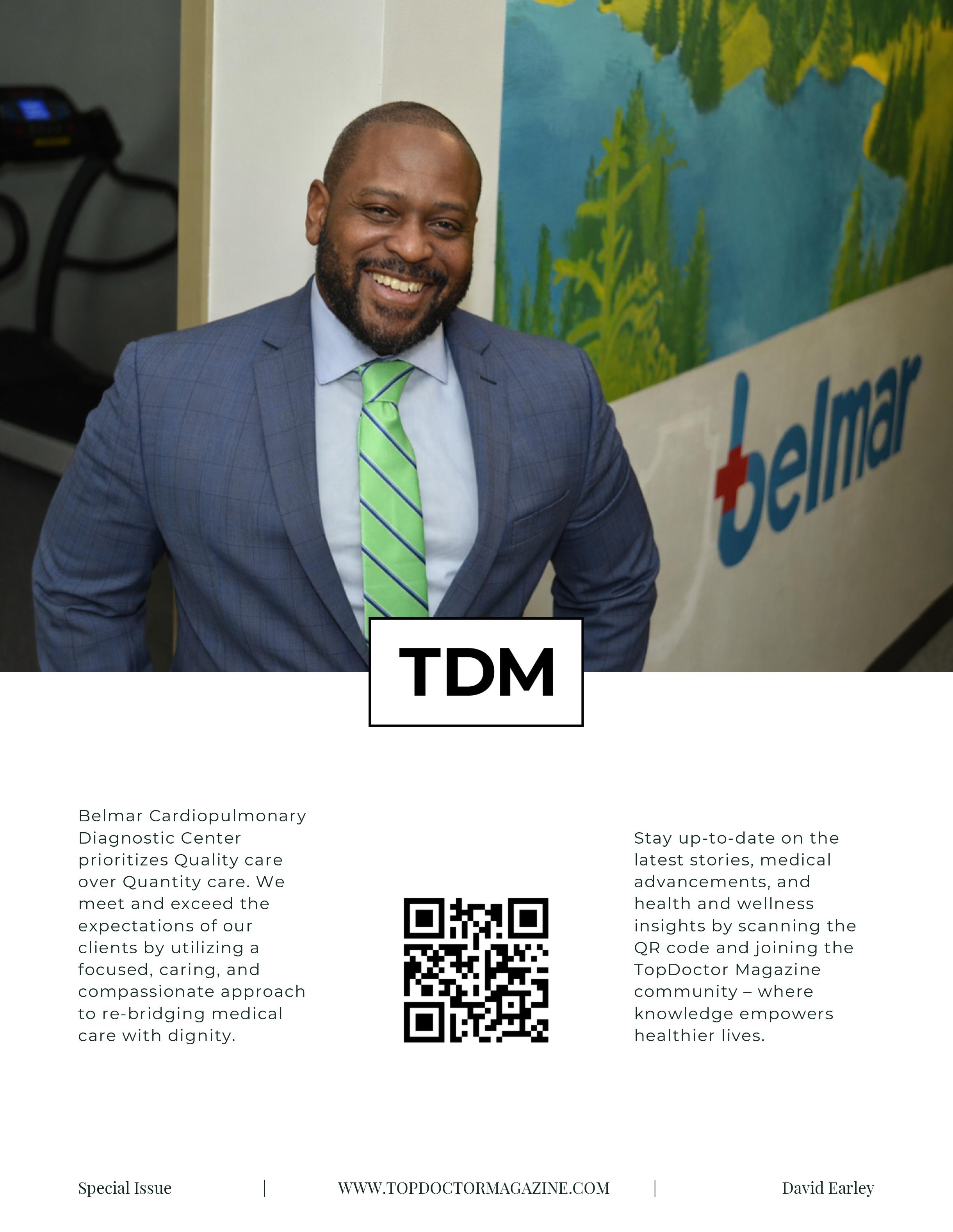
BREATHING NEW LIFE INTO LONGEVITY: DAVID EARLEY’S APPROACH TO PREVENTATIVE PULMONARY CARE PG 22



BREATHING NEW LIFE INTO LONGEVITY: DAVID EARLEY’S APPROACH TO PREVENTATIVE PULMONARY CARE PG 22
C60 has been characterized as the most powerful antioxidant known. It’s hundreds of times more powerful than conventional antioxidants.
Crossing the blood-brain barrier, C60 works at the cellular level to support mitochondrial function. C60 fights inflammation, lifts the oxidative burden, and neutralizes toxic free radicals.
Unlike conventional antioxidants, C60 won’t interfere with any other supplements, vitamins, or medications. It can reset itself, again and again. Take it before your other supplements to boost your morning routine supplement stack.
Most users note an increase in ENERGY and MENTAL CLARITY within 30 days when incorporating C60 Power into their morning routine. Many users note FASTER RECOVERY and IMPROVED PERFORMANCE within this same time frame.


prioritizes Quality care over Quantity care. We meet and exceed the expectations of our clients by utilizing a focused, caring, and compassionate approach to re-bridging medical care with dignity.


Our mission and purpose at TopDoctor Magazine is to foster connections within the health and wellness community and empower our readers to make well-informed healthcare and lifestyle decisions. We pride ourselves on being the ultimate resource for interviews with health and wellness leaders, trending medical news, and healthy living topics.
We understand that choosing a healthcare provider is a crucial decision. Our in-depth interviews with esteemed doctors and medical professionals aim to bridge the gap between them and their clients. By providing our readers with personal insights, philosophies, and areas of expertise, we facilitate a deeper understanding of the individualsresponsible for your health and well-being. We also strive to highlight our outstanding practitioners, showcasing their dedication to their patients and contributions to the medical community.
The field of medicine is constantly evolving, with new practices, therapies, and technologies emerging at a rapid pace. At TopDoctor Magazine, we strive to keep you updated on the latest advancements in the medical world. Our comprehensive coverage of trending medical news equips both doctors and patients with the knowledge they need to make informed choices about healthcare options.
Building strong connections within the medical community is essential for enhancing patient care and driving medical progress. Our magazine serves as a bridge, connecting medical companies with doctors and vice versa. By facilitating these connections, we aim to catalyze collaborations that can lead to innovative solutions and improved healthcare outcomes for everyone.
It is our firm belief that well-informed individuals make better decisions about their health. By providing you with insights into established and emerging medical trends and technologies, we empower you to take an active role in your healthcare choices.
Whether you are a healthcare professional seeking to stay updated on the latest advancements or a patient eager to make informed decisions about your well-being, TopDoctor Magazine is here to support you.
In every issue, we strive to uphold the highest standards of journalistic integrity, accuracy, and relevance. Our dedicated team of writers, editors, and medical experts work tirelessly to bring you well-researched and compelling content that is both educational and engaging. Moreover, our graphic design team is committed to delivering an aesthetically pleasing reading experience where captivating design seamlessly merges with informative content, ensuring each issue becomes an engaging journey of discovery.
As we embark on this mission to serve as your trusted source of medical information and insights, we encourage you to join us on this exciting journey. Your feedback and suggestions are invaluable to us, and we look forward to hearing from you.
Thank you for being a part of the TopDoctor Magazine community. Together, let us embrace knowledge, forge connections, and make informed decisions to lead healthier lives.
With warmest regards,
Hannah H. Editor in Chief TopDoctor Magazine

Publisher: John Highland
Editor in Chief: Hannah H.
Editorial Assistant: Jillian Fast
Graphic Designers: Laura Poyner, Dylan R-N, Natalie Bauchou
Biohacking & Longevity Expert: Lindsay O’NeillO’Keefe
Contributing Authors: Luke Argue, Riley George,
Chief Digital Content Officer: David Lee
Vice President of Development: Mark Carvalho
Fractional Marketing Officer: Craig Handley
Advisory Board: Dr. Arthur Katona, Dr. Francisco Cabal, Dr. Edmond Ng, Dr. Kianor Shah


18 22 32 44
The Importance of Resistance Training When Taking Peptides: Maximizing Effectiveness Through Strength Training
Do You Know How Cold Water Affects Your Health?
Breathing New Life Into Longevity: David Earley’s Approach to Preventative Pulmonary Care
The Secret to Flawless Skin
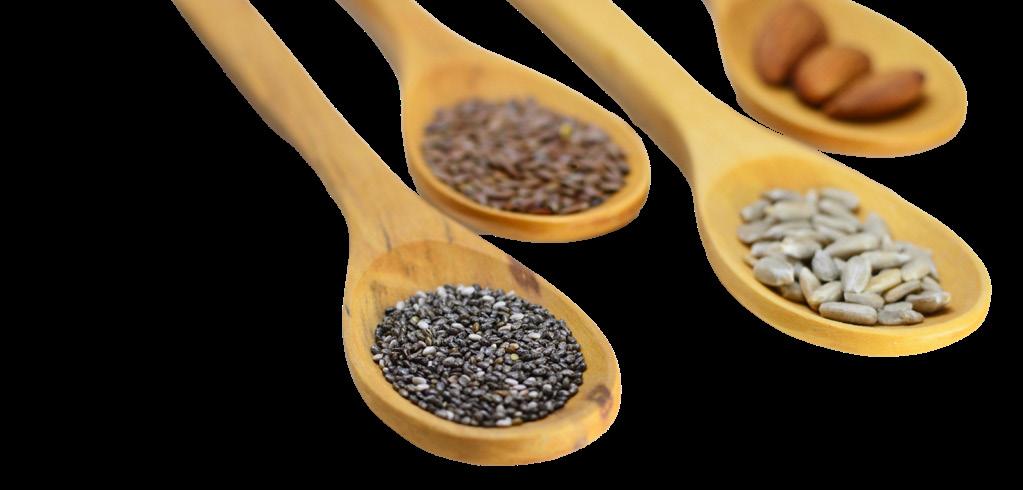
Electrolytes in Your Daily Whole Foods
Written By Ashleigh Quint, MIM, PICP-SCC
Peptides have gained significant popularity in recent years for their role in muscle growth, fat loss, and recovery. These short chains of amino acids act as signaling molecules in the body, often stimulating the production of growth factors, collagen, and other essential proteins. However, peptides alone are not a magic solution for muscle development or athletic performance. Without resistance training, their benefits are significantly diminished.
To fully harness the power of peptides, incorporating a structured weightlifting regimen is essential. This article explores the relationship between peptides and resistance training, the science behind their effectiveness, and why strength training is a non-negotiable factor when using peptides for body composition and performance improvements.
Peptides like Growth Hormone Releasing Peptides (GHRPs), CJC-1295, BPC-157, and IGF-1 are widely used because of their ability to enhance muscle recovery, promote fat loss, and improve overall physical performance. Many of these peptides work by increasing the release of growth hormone (GH) or stimulating protein synthesis, leading to potential muscle hypertrophy and improved tissue repair.
However, peptides do not create muscle mass or strength in isolation. They function as catalysts, enhancing the body’s natural ability to build and repair tissues—but only when a stimulus is present, such as resistance training.


A study published in the Journal of Clinical Endocrinology & Metabolism highlights the necessity of mechanical stress, such as weightlifting, for peptides like IGF-1 (Insulin-like Growth Factor 1) to exert their muscle-building effects.
Smith notes, “The anabolic effects of IGF-1 are significantly enhanced in individuals engaging in progressive resistance training. Without mechanical overload, IGF-1 expression remains insufficient to promote significant hypertrophic adaptation.” ¹
This study reinforces the idea that peptides act as enhancers, not replacements, for the physical stress required to stimulate muscle growth.
1. Lack of Muscle Stimulation = No Growth
Peptides such as IGF-1 and CJC-1295 are most effective when an external stimulus, like weightlifting, signals muscle repair and growth. Without this stimulus:
• Muscle protein synthesis does not increase significantly.
• There is no mechanical breakdown of muscle fibers to initiate repair and hypertrophy.
• Peptides may primarily enhance recovery rather than actual muscle gain.
For example, BPC-157, a peptide known for its healing properties, is widely used for injury recovery. However, the peptide cannot properly maximize tissue repair or reinforce connective tissues if an athlete does not engage in rehabilitation exercises or strength training.
2.
Many peptides, particularly GH-releasing peptides (GHRPs) and CJC-1295, promote fat metabolism by increasing growth hormone levels. However, without resistance training:
• Fat oxidation is not as effective because muscle tissue is not actively demanding more energy.
• The metabolic benefits of peptides are not fully realized.
• Body composition changes remain minimal, as lean muscle mass is not being developed.
Strength training increases resting metabolic rate (RMR) and lean muscle mass, making fat-burning peptides more effective by promoting a calorie-burning environment.
One of the most touted benefits of peptides is enhanced recovery, particularly with compounds like TB500 and BPC-157. However, without training-induced muscle stress, these peptides may simply maintain existing tissue integrity rather than improve performance.
• Muscle repair and regeneration require initial tissue breakdown.
• Collagen-stimulating peptides are most beneficial when muscles and connective tissues undergo consistent loading and adaptation.
• Without training, these peptides might contribute to minor tissue healing but not structural enhancement.
1. Stimulating Growth Hormone (GH) Naturally
While peptides such as CJC-1295 and Ipamorelin stimulate growth hormone release, resistance training is a natural GH booster on its own. Heavy strength training—especially compound movements like squats, deadlifts, and bench presses—can elevate endogenous growth hormone and testosterone levels, complementing peptide supplementation.
• The combination of strength training and GH-boosting peptides creates a synergistic effect, leading to more pronounced muscle growth and fat loss.
2. Enhancing Muscle Protein
When peptides such as IGF-1 and CJC-1295 are introduced into the body, they increase the rate of muscle protein synthesis (MPS). However, without the mechanical tension from weightlifting, MPS remains suboptimal, leading to little to no gains in muscle mass.
• Lifting weights activates the mTOR pathway, a key signaling mechanism for muscle growth.
• Peptides like IGF-1 enhance mTOR activation but require training-induced muscle damage for optimal adaptation.
3. Improving Strength and Performance
Athletes using peptides for injury recovery, strength, or endurance gains must incorporate resistance training to see measurable improvements. Peptides like TB-500 and BPC-157 help heal soft tissue injuries, but physical therapy and progressive resistance training are essential for regaining strength and function.
• Adaptive strength increases occur when muscles are consistently challenged.
• Peptides facilitate the repair of microtears, but new muscle fibers are not being built without training.
Peptides offer tremendous potential in improving muscle recovery, growth, and performance—but only when combined with resistance training. Without strength training, the body lacks the necessary stimulus for peptides to exert their full anabolic and recovery benefits.
For anyone considering peptide supplementation, the focus should remain on progressive overload, structured strength training, and consistent physical activity. Peptides can amplify results but cannot replace the fundamental requirement of mechanical stress and muscle adaptation through resistance training.

c o l d aw t er D O Y O U K N O W H O W A F F E C T S Y O U R H E A L T H ?

When you think of a relaxing shower, you probably think of water hot enough to cover everything in steam. This kind of shower is relaxing, sure, but how does water temperature impact your health? If you found out that cold showers might have benefits, would you consider changing your routine? We all have a responsibility to take care of ourselves, and it’s good to be aware of the possibilities of cold showers. Keep reading below to find out what strategies you can adopt to take advantage of the benefits of cold water!
First, we should define what qualifies as a cold shower. Different sources suggest that the temperature of “cold” water is anywhere from 60 to 70 degrees Fahrenheit, but the best guide is your response to the water. If it feels cold, the benefits we describe below will take effect The other thing to note about the benefits of cold water is that they hit their peak after a few minutes. In other words, a cold shower of three minutes will do just as much good for your body and mind as a cold shower of ten minutes. Keep this in mind when the discomfort of the cold hits. It’s only temporary!
If there’s a good chance that a brief cold shower will improve your day, you might be asking yourself how you can make the change. It’s uncomfortable when the water first hits you, of course, almost like a gentle version of electroshock therapy. But that’s exactly why cold showers are beneficial: your body’s response to the small stress of cold water improves your physical and emotional health. So how can you turn cold showers into a daily activity? There are three main tips you can use to build the habit of using cold water.
c o l d w a t e r s h o w e r s

First, adjust the water’s temperature slowly
The first time you decide to take a cold shower, add it to the end of your regular shower routine and slowly decrease the temperature until it feels cold. The most dramatic effect will come from turning the water from hot to cold immediately, of course. Still, if you’re like most people, then you’ll have to build up to that It’s okay to start slow!
Next, keep the duration of your cold shower short Your ability to tolerate cold water will grow with practice, but, at first, it’s alright to stand under the cold water for about thirty seconds. The critical thing is stepping outside of your comfort zone. Once you have a little experience, you can start to increase the length of your cold showers to the most effective three minutes discussed earlier.
Finally, focus on controlling your breathing. When the cold water first hits you, the temptation is to breathe more rapidly and tense up your entire body. Instead, focus on keeping your breathing regular and try not to shiver. The goal is to build up endurance, and breathing too fast and shivering make it more uncomfortable than it has to be You can still reap the benefits of a cold shower that you calmly endure!
With all of these benefits and strategies in mind, take a moment to ask yourself whether cold showers might be suitable for you. They’re shocking at first, of course, but the tips we discussed will go a long way in helping you build up a tolerance and start to see the benefits. With enough practice and time, cold showers can become a central part of your routine!
By: Riley George
For David Earley, a respiratory care practitioner with nearly a quarter-century of experience, the view from the hospital bedside eventually became a call to action. After 24 years of navigating every ICU modality, from pediatric surgery to geriatric emergency care, Earley realized that the most critical interventions often happen far too late.
Now, as the force behind Belmar Cardiopulmonary Diagnostics (BCDC), Earley is shifting the focus from reactive crisis management to proactive wellness and longevity. By stripping away the sterile, intimidating atmosphere of traditional hospital testing and replacing it with a holistic, patient-first model, he is helping patients catch warning signs before they become life-altering diagnoses.
The COVID-19 pandemic irrevocably shaped Earley’s perspective. Based in Seattle, which served as the initial “ground zero” for the American outbreak, he witnessed the sheer magnitude of loss firsthand, later traveling to New York during its primary surge.
“I don’t think there has been a strong enough spotlight placed on what healthcare providers went through during that period of time,” Earley said. “We were poorly equipped to deal with the flow of patients, and we felt helpless. When you’re in healthcare for the love of health, the feeling of helplessness in watching someone leave is crushing.”
The experience sparked a realization: the existing hospital-based model was struggling to provide the early access needed to prevent such tragedies. Patients were often healthy on the surface—runners and active gym-goers—yet their bodies were harboring vulnerabilities that went undetected until a crisis hit.
“I felt like pulmonary diagnostics allowed us to look at the ‘warranty fire’ a little bit sooner,” Earley explained. “In our 20s, 30s, and 40s, we feel a little air of invincibility. There are slight warning signs our bodies are giving us, and we’re not paying attention until it’s too late.”
The birth of Belmar Cardiopulmonary Diagnostics was a direct response to that “burden of access.” In traditional hospital settings, a patient experiencing shortness of breath might wait six to seven months just for a diagnostic test.
“That is six months of someone feeling invisible as they’re going through a crisis,” Earley said. “They need their medication updated, their blood pressure is high, and they are so short of breath they can’t even walk to their mailbox. Then they find out they’re in the wrong department and have to start over, all because no one is communicating.”

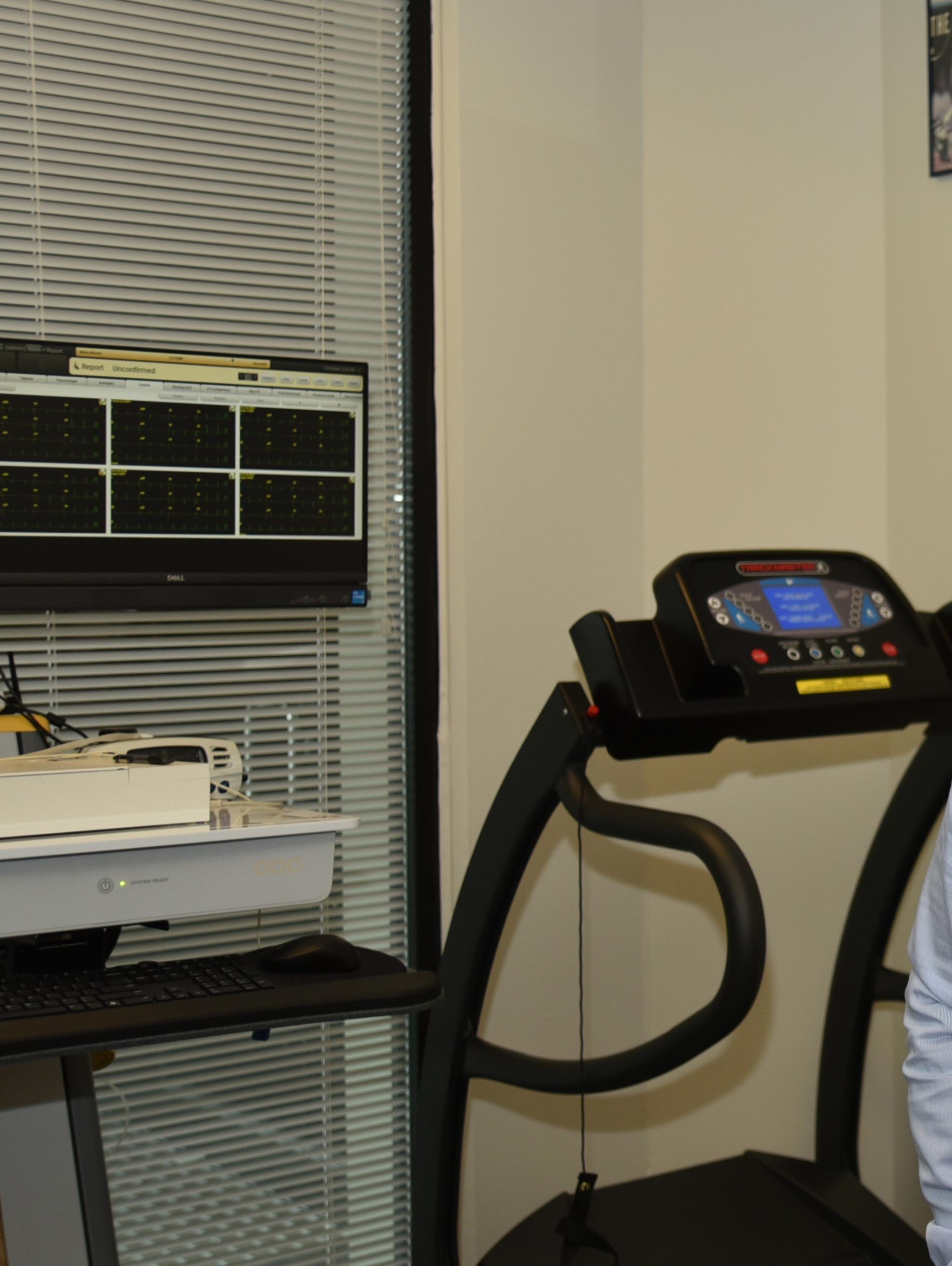
BCDC operates as an independent diagnostic center, removing the hospital bureaucracy to provide rapid testing. But Earley didn’t just change the speed; he changed the environment. From state-of-the-art testing equipment to the furniture and plants to the murals on the walls, every detail is designed to alleviate the anxiety of medical testing.
At Belmar, the operating philosophy is rooted in the idea that the human body is not a collection of isolated silos, but rather, a single, complex machine with deeply interconnected departments. While the modern healthcare system often pushes patients toward specialists who focus exclusively on a single organ or “department,” Earley and his medical director, Dr. Jeffrey Cary, advocate a return to holistic observation. They recognize that a symptom in the lungs may actually be a distress signal from the heart, or that metabolic inefficiency could be the silent driver behind chronic fatigue.
“Improving breathing alone doesn’t necessarily resolve problems in the lungs, and correcting blood pressure issues doesn’t automatically address underlying heart conditions,” Earley noted. “Heart and lung conditions often mirror one another, but the key is understanding how all systems interact. We need to look at the cardiac, pulmonary, urinary, endocrine, and digestive systems together to understand what’s happening in the body as a whole.”
This perspective is vital because, in many clinical settings, specialists rarely communicate, leaving the patient to navigate a fragmented map of their own health. At Belmar, the goal is to bridge those gaps by analyzing how dysfunction in one system creates a ripple effect throughout the entire body.
“To really get the full picture, we combine traditional Western medicine with some very advanced diagnostic technology,” Earley explained. “It often starts with gold-standard pulmonary function testing so we can understand lung performance, along with an EKG to make sure there are no underlying cardiac arrhythmias. But we don’t stop there—we expand into metabolic and structural analysis.”
They use VO₂ max testing and measure resting energy expenditure so they can see exactly how the body is using oxygen and fuel, both during activity and at rest. Then they add DEXA scans, which give precise data on body composition and bone density. “That’s important because we’re not just looking at someone’s health today—we’re tracking meaningful trends over years, sometimes even over a decade,” Earley said.
From there, they layer in biomarker analysis through blood work, hormone optimization when appropriate, and metabolic tools such as GLP-1 therapies, while also implementing ultrasound imaging to visualize what’s happening inside the body in real time. All of that information feeds into an AI-driven proprietary model that helps interpret these complex data points.
Finally, their clinical team—led by their Medical Director, Dr. Jeffrey Cary— reviews and synthesizes the data to finalize the patient’s diagnostic picture. “When you combine all of those layers, you end up with something like a high-definition roadmap of a person’s longevity,” Earley concluded. “The goal is to make sure no ‘department’ of the body is being looked at in isolation.”


As technology continues to evolve, Earley believes artificial intelligence will play an important role in refining diagnostic criteria. However, he remains firm that technology should never replace the human element of medicine.
“I caution people not to take the human element out of healthcare,” he said. “Human eyes on humans is still, to me, the best form of diagnostic medicine. Being able to touch, listen, talk with a patient, and observe the subtle nuances of what they’re experiencing—AI just can’t replicate that.”
Earley sees AI as a powerful tool for education and for expanding the depth of health data clinicians can work with, rather than a replacement for medical expertise. His goal is to build such a strong diagnostic foundation at Belmar that, as new technologies emerge, they can be integrated thoughtfully without ever losing the practice’s patient-centered focus.
For those looking to reclaim control over their physical destiny, Earley’s advice begins with a fundamental shift in the patient-provider relationship. He stressed that everything starts with a quality general practitioner, someone willing to move beyond the checklist and truly hear the patient’s needs and goals. In a world of automated “walkin” culture, Earley advocates a return to intentionality, where patients are encouraged to ask for second opinions, review their medical records, and demand transparency in their care.
“Being in charge of your health is being in charge of your life,” Earley stated. “Quality health is a long road of making correct decisions. Longevity isn’t about living a super long time; it’s about living a long and healthy life. We’re all going to age; I want us all to age with grace and dignity.”
This “grace” isn’t a passive concept; it is the ability for the body to operate on its own terms for as long as possible, to walk up a flight of stairs or take a brisk walk around the block without the crushing weight of breathlessness or pain.
As one of the first respiratory care practitioners in the nation to step outside the hospital walls to build an independent diagnostic facility, Earley views his work at Belmar as more than just a business; it is a proof of concept for his entire profession. He is acutely aware of the “vent-jockey” stereotype that often plagues respiratory therapy, and he is determined to shatter it. By merging clinical expertise with entrepreneurial courage, he is proving that practitioners are capable of leading the charge in preventative medicine.
“We are not just people who sit in the hospital and turn knobs on ventilators or give breathing treatments to people who can’t breathe,” Earley asserted. “We are practitioners. We have a long list of knowledge and credentials that allow us to do so much more. I want to push that as far as I can, and I hope other respiratory practitioners will step up and join the ride with me.”
Ultimately, Belmar Cardiopulmonary Diagnostics stands as a beacon for what healthcare can look like when it prioritizes the human element over the system’s bureaucracy. For Earley, the goal is simple: to provide the data, the expertise, and the environment necessary for every patient to write a longer, healthier final chapter.
To learn more, visit the clinic’s website at bcdctesting.com and book your consultation or appointment today.














By Evelyn Flaharty
When it comes to skincare, it’s easy to get lost in the multitude of products in the market, the trends, and the complicated routines. From serums to exfoliants to 10-step regimens, you may have seen influencers posting on social media, which can feel overwhelming. But the truth is, great skin doesn’t have to be complicated. In fact, the secret to healthy, glowing skin is more straightforward than you think; it’s all about nourishment, listening to what your skin needs, and consistency in your skincare routine.
Skincare is more than just a routine. Skincare is an investment in your health, confidence, and overall well-being. Our skin is the body’s largest organ and serves as a protective barrier against the elements while also reflecting our inner health and lifestyle choices. From hydration and nutrition to the right products and daily habits, caring for your skin is a journey that evolves with time.
Whether you are aiming for a radiant glow, maintaining youthful elasticity, or simply embracing self-care, a smart and effective skincare routine can make all the difference. Understanding what your skin needs and treating it with intention can unlock the secret to a healthy, ageless complexion.
Your skin is constantly communicating with you. When it feels tight and flaky, it’s crying out for moisture. When it’s breaking out, it might be reacting to stress, diet, or an imbalance in your routine. It could be asking for more hydration, exfoliation, or a little extra sleep when it looks dull. The key is to pay attention and then take the appropriate action.
Caring for your skin at home doesn’t have to be complicated or expensive. Maintaining a consistent at-home skincare routine is key to keeping your skin healthy, youthful, and radiant. You don’t need a bathroom full of fancy or expensive products; just a few basic steps to be consistent with your skincare routine. A skincare routine can be simple and effective without feeling overwhelming. Sticking to a few essential steps can make a huge difference in your skin’s health. The best place to start is with the basics.
The first and most crucial step is cleansing. Washing your face is the foundation of skincare. Cleansing removes dirt, oil, sweat, makeup, and pollutants that can clog pores and cause breakouts. Use a gentle cleanser that suits your skin type, and avoid products that can strip your skin of its natural moisture and lead to dryness and irritation.
Hydration is key for all skin types. Even oily skin needs moisture to stay balanced. A good moisturizer helps lock in hydration and maintain your skin’s barrier. Moisturizer keeps your skin soft and smooth while protecting you from premature aging. This is where I would make an investment. Find a good moisturizer that works well for your skin type. Look for ingredients like hyaluronic acid for hydration or ceramides for barrier support.
Protection
Sunscreen is often overlooked, but it is the most crucial step in preventing premature aging. Think of it as the most powerful anti-aging product you can use daily. UV exposure leads to premature fine lines and wrinkles, dark spots, loss of elasticity, and even more serious skin conditions. Apply an SPF of at least 30 every morning, even on cloudy days, to protect your skin from damage. Applying sunscreen is a must for all skin complexions.
Once you have the essentials down, you can add a few extra steps to target specific skin concerns.
Exfoliation:
Removing dead skin cells helps brighten your complexion and allows skincare products to work better. Use a gentle exfoliant 2-3 times weekly, like a mild chemical exfoliant or a soft scrub.
Serums:
If you have concerns like dryness, wrinkles, or dark spots, serums with ingredients like vitamin C, retinol, or niacinamide can help. Serums penetrate deeper than moisturizers and deliver targeted benefits.
Face Masks:
A great way to give your skin an extra boost. Hydrating masks, clay masks, or sheet masks can be used weekly to address different concerns like dryness, oiliness, or dullness.


A few minutes of gentle massage while applying products can boost circulation, reduce puffiness, and promote a natural glow.
Despite all the hype around elaborate skincare routines, the fundamentals of healthy skin have always remained the same. A simple, consistent routine will always be more effective than an overloaded one.
Skincare isn’t just about what you apply to your face; it’s also about how you take care of yourself. Your skin reflects your overall health, so the choices you make in your daily life can have a significant impact. While using the right skincare products is essential, what you put into your body matters just as much.
Hydration and nutrition are crucial in maintaining healthy, glowing skin from the inside out. While skincare products help nourish and protect your skin externally, proper hydration and a nutrientrich diet provide the essential building blocks your skin needs to repair, regenerate, and maintain its natural glow.
Water is essential for every cell in your body, including those that make up your skin. When your skin is well-hydrated, it looks plumper and more radiant. On the other hand, when your skin is dehydrated, it will appear dull, dry, and more prone to fine lines and wrinkles. Drinking enough water throughout the day helps flush out toxins, maintain elasticity, and support overall skin function.
Your diet also plays an essential role in the health and appearance of your skin. Nutrient-rich foods provide the vitamins, minerals, and antioxidants necessary to fight inflammation, boost collagen production, and protect
against premature aging. Foods high in omega-3 fatty acids like salmon, walnuts, and flaxseeds help strengthen the skin barrier and reduce dryness. Vitamin C-rich foods like oranges, strawberries, and bell peppers promote collagen synthesis, keeping skin firm and youthful.
Antioxidants found in leafy greens, berries, and green tea help combat free radical damage, which can contribute to wrinkles and dullness. On the other hand, excessive consumption of processed foods, refined sugars, and unhealthy fats can lead to inflammation and breakouts and give your complexion a dull, uneven appearance. Focusing on a balanced diet filled with whole, nutrient-dense foods can support your skin’s natural ability to heal and maintain a radiant glow.
Your skin repairs itself while you sleep. During deep sleep, your body goes through a period of repair and regeneration, producing collagen, repairing damaged cells, and replenishing moisture levels. A lack of sleep can lead to increased cortisol levels, which can break down collagen and elastin, leading to premature aging, dullness, and even breakouts. Dark circles, puffiness, and a dull complexion are common signs that your skin isn’t getting a good night’s rest. This is why you should strive for 7-9 hours of quality sleep each night.
Lack of sleep isn’t the only thing you need to worry about. Managing stress is just as crucial for your skin’s health. Chronic stress triggers inflammation and increases oil production, which can contribute to acne, redness, and sensitivity. High stress levels also weaken the skin’s barrier, making it more prone to dehydration and environmental damage.
Finding ways to relax can help balance stress hormones and improve overall skin clarity. Relaxation techniques such as meditation, deep breathing, and yoga can help reduce stress and promote overall well-being. Additionally, activities like taking long walks, exercising, engaging in a hobby, or practicing mindfulness can positively impact both your mental health and the appearance of your skin.
By prioritizing rest and stress management, you’re giving your skin the best environment to heal, restore, and maintain its natural radiance.
Great skin doesn’t happen overnight; it’s the result of small, daily habits that add up over time. As with everything else, the key to seeing real results is consistency. Even the best products won’t work if they are only used occasionally. Sticking to a simple but effective daily routine will keep your skin looking and feeling its best.
There are ways to enhance your at-home skincare routine. One option is to get a professional facial from a qualified esthetician who can assess your skin’s needs, provide expert care, and even recommend products specific to your skin type. Professional facials offer deep cleansing, exfoliation, and hydration that go beyond what everyday products can achieve. They can help address concerns like acne, dryness, or signs of aging while promoting overall skin health. Regular treatments, combined with a consistent daily routine, can keep your skin looking its best.
For many, facials are seen as an occasional indulgence, something to treat yourself to before a big event or as part of a spa day. The truth is, professional facials are much more than just a luxury. A professional facial can offer deep, long-term benefits for your skin that go beyond what you can achieve with your at-home routine. It also complements the care you already give your skin, enhancing and supporting your efforts for even better results. Regular facials can help improve skin health, prevent aging, and enhance your overall well-being.
Even with a consistent skincare routine, dirt, oil, and environmental pollutants can build up deep in your pores over time. Professional facials offer a deeper level of cleansing beyond what you can do at home, similar to how a professional dental cleaning provides a deeper clean than daily brushing and flossing.
Estheticians use specialized products and techniques to remove impurities, unclog pores, and eliminate toxins, helping your skin breathe and function optimally. This deep cleansing process can prevent breakouts, reduce blackheads, and give your skin a fresher, healthier appearance.
One of the most significant benefits of facials is professional exfoliation. Over time, dead skin cells build up on the surface of your skin, leading to a dull, uneven complexion. While athome exfoliators help, professional treatments use advanced techniques like chemical peels, microdermabrasion, or enzyme treatments to gently remove dead skin cells, revealing brighter, smoother skin underneath. Regular exfoliation also helps improve the effectiveness of your skincare products, allowing serums and moisturizers to penetrate more deeply.
Keeping your skin hydrated enhances its appearance, strengthens its ability to withstand environmental damage, and slows down signs of aging. When your skin is hydrated, it looks youthful, plump, and radiant.
During a facial, estheticians use high-quality masks, serums, and moisturizers tailored to your skin type to hydrate and replenish your skin deeply. Professional treatments can help restore moisture balance, especially for those with flaky or dehydrated skin. One popular type of facial is the HydraFacial.
A HydraFacial is a non-invasive skincare treatment that deeply cleanses, exfoliates, hydrates, and nourishes the skin in one session. It uses a specialized device with a vacuum-like tip to remove dead skin cells, extract impurities, and infuse the skin with hydrating and antioxidant-rich serums. Alternating professional facials between anti-aging treatments and a HydraFacial for balanced skincare benefits is a great approach. In my experience, a 2-to-1 ratio works best for my oily, mature skin.

Facials can be an excellent tool for maintaining youthful skin and preventing premature aging. Many professional treatments incorporate anti-aging techniques such as collagenboosting massages, peptides, LED light therapy, or microcurrent stimulation, which help improve skin elasticity and reduce the appearance of fine lines and wrinkles. Additionally, regular facials stimulate blood circulation, promoting cell regeneration and keeping your skin fresh and firm over time.
Skincare is not just about physical appearance; it’s also about well-being. The gentle massage techniques used during facials help relax facial muscles, release tension, and even promote lymphatic drainage, reducing puffiness and improving circulation. The experience itself is incredibly soothing, making facials a great way to relieve stress and practice self-care. Taking time for a facial can be a moment of relaxation in a busy world, benefiting your skin and mental health. You’ll feel refreshed and rejuvenated afterward.
One of the best things about professional facials is that they are tailored to your specific skin concerns. Unlike store-bought products that take a one-size-fits-all approach, estheticians analyze your skin and customize treatments based on its unique needs, whether acne, dryness, sensitivity, or signs of aging. They can also provide expert advice on which products and routines will work best for your skin type, helping you build an effective at-home routine.

While a single facial can leave your skin looking and feeling amazing, the real benefits come from consistency. Regular facials, ideally once a month, can help maintain skin health, prevent common issues like breakouts and dullness, and support long-term anti-aging efforts. Over time, you’ll notice improved texture, better hydration, and a more youthful glow.
Professional facials aren’t just about pampering; they’re a powerful tool for maintaining healthy, glowing skin. From deep cleansing and exfoliation to hydration and anti-aging benefits, facials provide results that go beyond what you can achieve with at-home skincare alone. Plus, the relaxation and stress relief that come with a facial make it an investment in your skin and overall well-being. If you’re looking to take your skincare to the next level, regular professional facials are a worthwhile addition to your beauty routine.
But skincare isn’t one-size-fits-all. Our skin changes over time due to age, environment, and lifestyle, meaning that what worked in the past may not be what your skin needs today. The key is tuning in, understanding what your skin craves, and giving it the love and attention it deserves. When you care for your skin, you’re not just enhancing your outer glow but investing in long-term health and confidence.
Skincare isn’t just about looking good. It’s also about feeling good. Our skin works hard for us every single day, protecting us against the elements and reflecting our overall health and lifestyle. It also reflects what’s happening inside our bodies, from hydration levels to overall health and well-being.
That’s why taking care of it isn’t just another step in your daily routine. It’s a way to invest in yourself! It’s self-love. Proper skincare habits can do more than just enhance your appearance. It can boost your confidence, promote relaxation, and even serve as a form of self-care.
The right habits and products can make all the difference. Whether you are aiming for a radiant glow, trying to keep your skin youthful and healthy, or simply taking a few moments to pamper yourself, a thoughtful skincare routine makes all the difference.
The secret to beautiful skin isn’t found in expensive treatments or endless products; it’s found in simple, consistent care and a little bit of self-love. There’s no one-size-fits-all approach, and your skin’s needs may change over time.
The key is to stay patient, listen to your skin, and give it the care it deserves. When you focus on maintaining healthy habits, both inside and out, your skin will naturally reflect that effort. And remember, skincare isn’t about perfection; it’s about embracing and taking care of the skin you’re in.
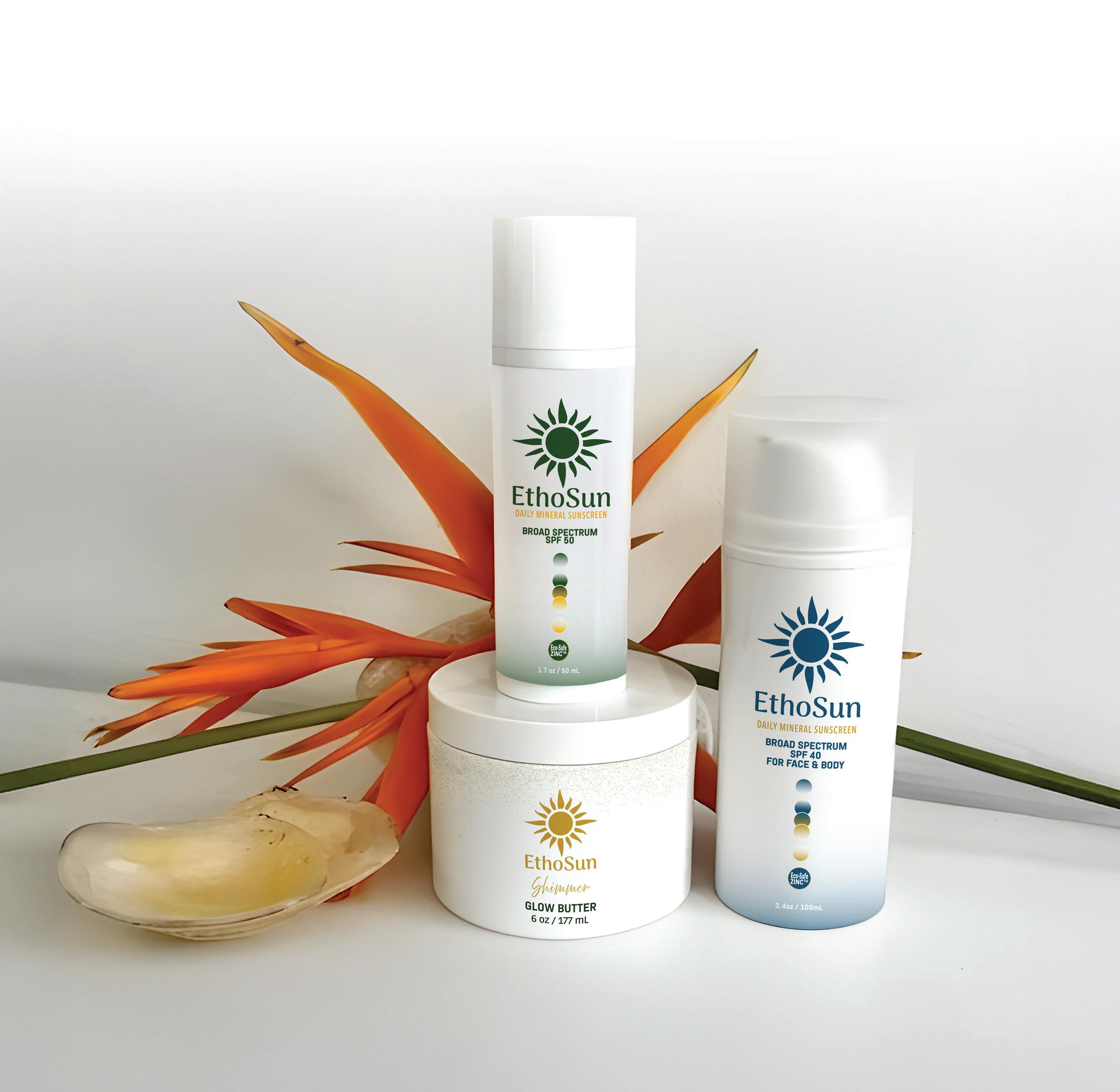
Zero Toxic Chemicals Non-Comedogenic Mineral-Based
Medical Grade Non-Nano Zinc & Non-Nano Titanium Dioxide
No White Cast Ultra-Luxe Hydration



One of the most refreshing natural forms of hydration, watermelon is a go-to source of electrolytes that is low in calories (only 42 per cup) and very satisfying. Watermelon is made up of ninetytwo percent water. The electrolytes watermelon consists of are potassium, magnesium, and sodium.¹ These are vital to electrolyte balance and will keep you hydrated for hours.



These foods are easy to acquire at your local grocery store and can be incorporated in many different ways. Don’t be afraid to get creative with how you add your daily electrolytes to your meals and snacks. Stay hydrated and healthy, and stay tuned for more health tips to be the best and healthiest version of yourself.
This sour fruit is a refreshing additive to water on a hot summer’s day.
Besides the delicious taste of lemon, the electrolytes in them can increase sodium, calcium, magnesium, and potassium.⁴
Add lemon to your water or squeeze it over one of your high-protein meals for a pleasant, zesty taste.

“Where medical expertise meets real human stories.”
TopDoctor Magazine is expanding to television! Introducing TopDoctor Channel, a 24/7 streaming, cable, and broadcast platform dedicated exclusively to healthcare. This visionary channel connects doctors and patients in a whole new way – faceto-face through inspiring medical documentaries and interviews. Backed by the acclaimed TopDoctor Magazine brand, TopDoctor Channel launches with immediate recognition and credibility in the medical community. Our mission is to bridge the gap between healthcare experts and the public, turning complex science into conversations built on trust and empathy.
• Global Reach & Diverse Audience: Share your story with everyone in the healthcare community and beyond. TopDoctor Channel delivers unparalleled insights to both medical professionals and the public alike. Whether it’s physicians, hospital executives, or engaged patients, our audience spans across the spectrum. As a multi-platform network (streaming on Amazon Fire TV, Roku, Apple TV, Android TV, mobile, and more), your innovations gain worldwide visibility.
• Immediate Credibility & Scientific Storytelling: Align yourself with a platform that champions medical innovation with integrity. As an official partner of TopDoctor Magazine, we start with a legacy of excellence – ensuring your work is presented with authority and trust. Our content is evidence-based and expertly crafted to celebrate true breakthroughs in medicine. You’ve worked hard on your research and products; we’ll spotlight them in a professional, highly scientific narrative that resonates with peers and instills confidence in the public.
• Cross-Promotional Power: Enjoy the benefits of our unique magazine–TV synergy. TopDoctor Channel works hand-in-hand with TopDoctor Magazine, creating a powerful cross-promotional platform for your innovations. An appearance on our channel can be featured in print and digital articles, social media, and more – amplifying your reach across multiple media. It’s a one-of-a-kind opportunity to boost your profile through multiple trusted channels.
If you’re a doctor, researcher, or healthcare company with something new, we want to feature it. On TopDoctor Channel, you can present:
• Breakthrough Treatments & Medications: Share new therapies, novel procedures, or groundbreaking medications that are poised to improve patient care. Demonstrate the efficacy of your latest clinical trial or the success of an innovative treatment protocol.
• Advanced Medical Technologies: Demonstrate cutting-edge medical devices, diagnostics, AI health tech, or biotech solutions. We highlight transformative breakthroughs in medical devices and technology – and the visionary individuals and companies behind them. If you’ve developed a game-changing device or app, let us help you show how it works and why it matters.
• State-of-the-Art Facilities & Services: Take viewers on a tour of your new hospital wing, research center, or specialized clinic. TopDoctor Channel can spotlight state-of-the-art healthcare facilities implementing futuristic techniques (imagine a field report from your operating room or lab). Showcase how your institution’s services and infrastructure are pushing the boundaries of patient care.
• Research Results & Clinical Outcomes: Present significant research findings or patient outcome data. Whether it’s a breakthrough clinical trial result or compelling public health study, our programs dive into the data and discuss its impact. By sharing your results, you’ll educate a global audience and potentially attract collaborators, investors, or patients interested in your work.
• Professional Achievements & Innovations: Highlight your personal achievements – from performing a landmark surgery to receiving a prestigious award. Appear in an expert interview segment to discuss your work and vision as a medical leader. This is your chance to cement your reputation as a pioneer in your field, inspiring colleagues and the next generation of healthcare professionals.
TopDoctor Channel is now booking interviews and feature segments for upcoming shows. Don’t miss the chance to be part of this groundbreaking platform that stands at the intersection of hope and truth, innovation and accountability. Join us in shaping the future of healthcare media – and let the world know about your cutting-edge contributions to medicine. Contact us today to schedule your feature. Visit our website at TopDoctorChannel. us for more information, or call our 24/7 team at 305-Topdoc (305-486-7362). Elevate your reach, educate the community, and let your medical innovations shine on TopDoctor Channel!
The Importance of Resistance Training When Taking Peptides: Maximizing Effectiveness Through Strength Training
For inquiries regarding speaking engagements, health, wellness, and strength, please contact Ashleigh Quint at IG @up_lift_gym or via email at Ashleigh@uplift-gym. com.
1. Smith, J. (2021). “The Role of IGF-1 in Skeletal Muscle Adaptation to Resistance Training.” Journal of Clinical Endocrinology & Metabolism, 106(5), 1285-1297.
2. Brown, L. (2020). “Growth Hormone and Exercise: Mechanisms of Muscle Hypertrophy and Fat Metabolism.” Sports Medicine Journal, 54(3), 198-214.
3. Miller, K. (2019). “Peptides in Sports Recovery and Injury Rehabilitation.” Journal of Sports Medicine and Physiology, 43(2), 65-78.
Do You Know How Cold Water Affects Your Health?
1. Watson, Kathryn. “Cold Shower Benefits for Your Health.” Healthline, April 25, 2017. https://www.healthline.com/health/cold-shower-benefits.
2. Nall, Rachel. “Are There Any Health Benefits to a Cold Shower?” www.medicalnewstoday.com, October 24, 2024. https://www.medicalnewstoday.com/articles/325725.
3. Cleveland Clinic. “Are Cold Showers Good for You?” Cleveland Clinic, June 17, 2021. https://health.clevelandclinic.org/are-cold-showers-good-for-you.
4. Caporuscio, Jessica. “What Are the Benefits of Cold and Hot Showers?” www. medicalnewstoday.com, January 13, 2020. https://www.medicalnewstoday.com/articles/327461.
5. Cleveland Clinic. “Are Cold Showers Good for You?”
6. Bongiorno, Peter. “A Cold Splash–Hydrotherapy for Depression and Anxiety.” Psychology Today, July 6, 2014. https://www.psychologytoday.com/us/blog/inner-source/201407/cold-splash-hydrotherapy-depression-and-anxiety.
7. Cherney, Kristeen. “Cold Shower for Anxiety: Research, Efficacy, and More.” Healthline, June 22, 2020. https://www.healthline.com/health/anxiety/cold-shower-for-anxiety#research.
8. Watson, Kathryn. “Cold Shower Benefits for Your Health.”
9. LIVunLtd. “Home - LIVunLtd.” LIVunLtd, October 24, 2024. https://livunltd. com/?country=US.
10. Cleveland Clinic. “Are Cold Showers Good for You?”
11. LIVunLtd. “Home - LIVunLtd.”
Breathing New Life Into Longevity: David Earley’s Approach to Preventative Pulmonary Care
To learn more, visit the clinic’s website at bcdctesting.com and book your consultation or appointment today.
You can find more from Evelyn through her website or social media channels:
1. Website: EvelynFlaharty.com
2. YouTube: Evelyn Flaharty
3. YouTube: Workouts With Evelyn Flaharty
4. Instagram: ffmusclesandcurves
5. TikTok: @evelynifbbpro
6. Facebook: Evelyn Flaharty
1. Wempen, Kristi. “The Wonders of Watermelon.” Mayo Clinic Health System, July 27, 2021. https://www.mayoclinichealthsystem.org/hometown-health/speaking-of-health/ the-wonders-of-watermelon.
2. Manaker, Lauren. “Skip the Sugary Sports Drinks—These 20 Electrolyte-Boosting Foods Can Help You Stay Hydrated.” Health, November 8, 2023. https://www.health. com/foods-with-electrolytes-8349000.
3. Leonard, Jayne. “Foods That Are High in Electrolytes.” www.medicalnewstoday.com, May 15, 2020. https://www.medicalnewstoday.com/articles/electrolytes-food.
4. Cleveland Clinic Writing Team. “Rebalance, Replenish: 4 Sources of Electrolytes.” Cleveland Clinic, September 22, 2023. https://health.clevelandclinic.org/best-electrolyte-sources.