By John Anderson, Acting Headmaster
Education is most meaningful when it is anchored in purpose.
At Toowoomba Grammar School, we are committed to ensuring that learning is not confined to the classroom but connected to the world our boys will one day shape. While knowledge remains fundamental, it is through application, experience and reflection that learning takes on real significance.
A TGS education has always sought to equip boys not only with strong academic foundations, but with the character and confidence to contribute meaningfully beyond the School gates. This remains unchanged. What is evolving, however, is how we create opportunities for boys to apply their learning in ways that are authentic, relevant and impactful.
The world our students are entering continues to grow in complexity.
Advances in technology, shifting workforce demands and global challenges require young people to think critically, adapt confidently and act with integrity. In this context, the role of schools is not simply to deliver knowledge, but to create learning experiences that prepare students to engage with real problems and real opportunities.
At TGS, we are increasingly focused on bridging the gap between knowing and doing.
This is reflected in the way we design learning experiences that encourage boys to test their understanding,
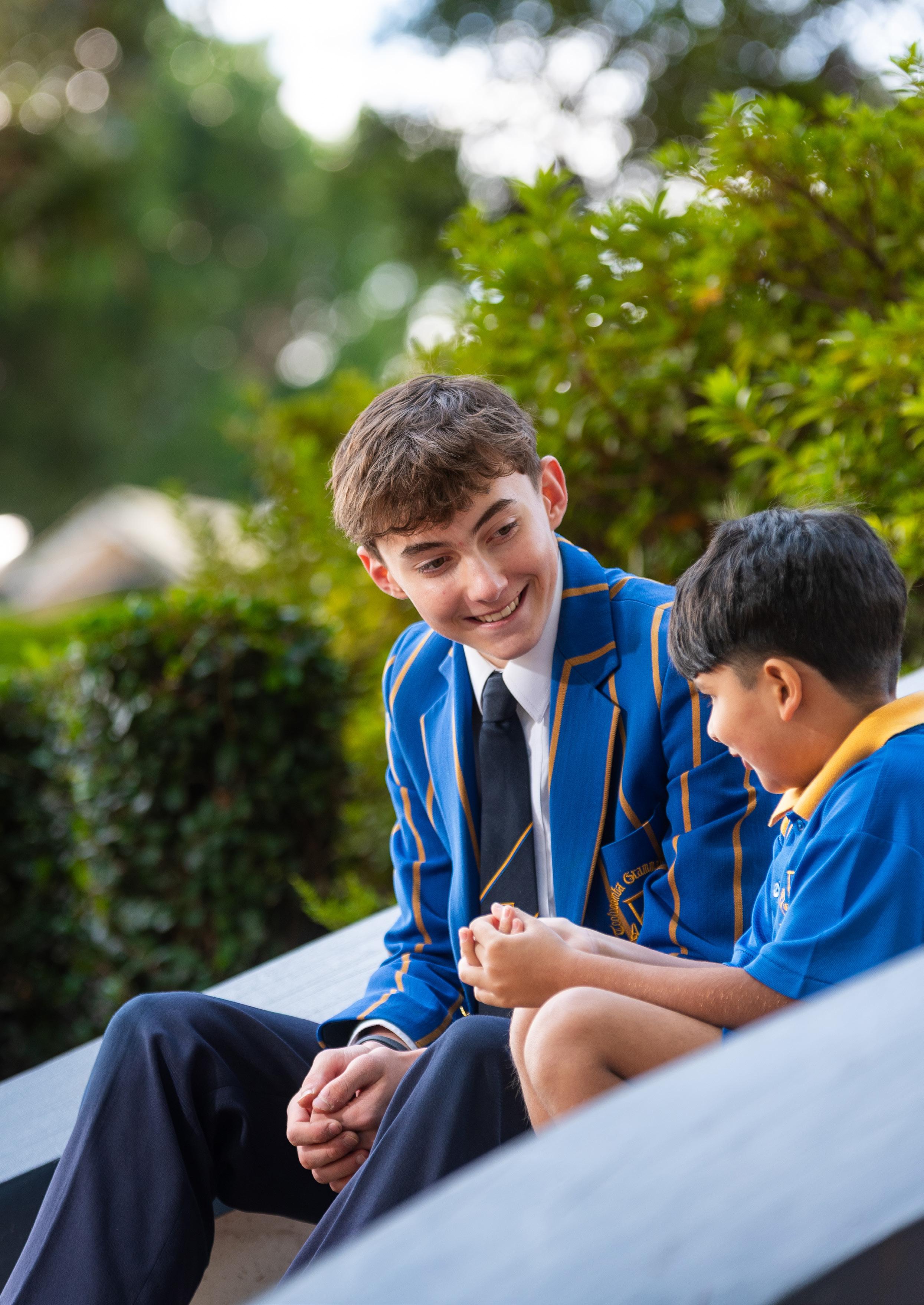
make connections across disciplines and apply their thinking in practical settings. Whether in the classroom, on the sporting field, through co-curricular activities or in service to others, boys are given opportunities to engage deeply, reflect on their learning and grow in confidence.
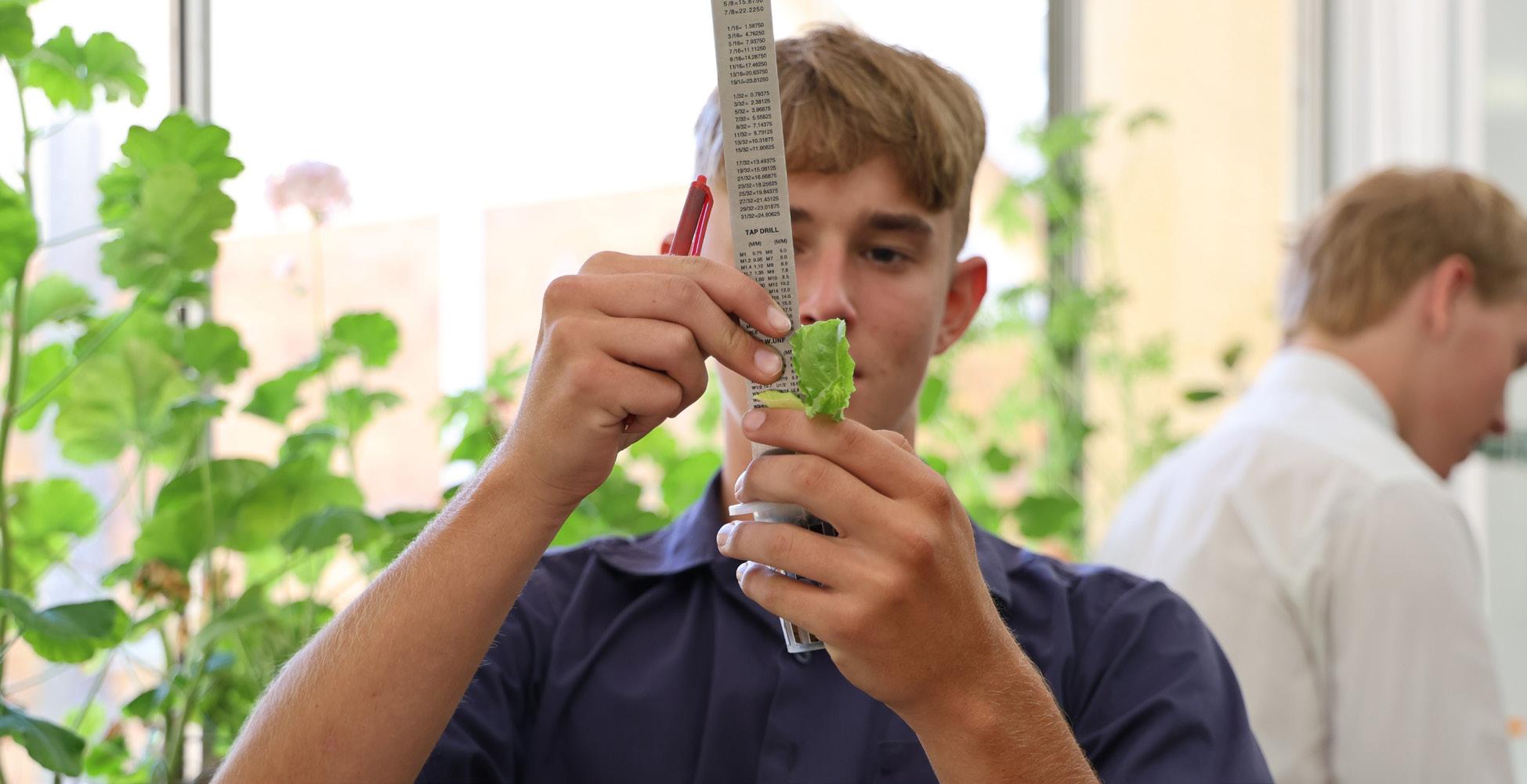
Programs such as TGX are a clear example of this approach in action. By connecting learning to the key contexts of agriculture, industry and the environment, boys are challenged to explore real-world issues and develop solutions that have genuine relevance. These experiences are not about novelty, but about depth, encouraging students to think critically, collaborate effectively and take ownership of their learning.
Equally important are the experiences that shape character and perspective.
Opportunities such as tours, service initiatives and boarding life expose boys to different environments, communities and ways of thinking. These moments often provide some of the most powerful learning, as boys develop empathy, resilience and a broader understanding of the world around them.
Central to this approach is the understanding that learning is not a linear process. It requires time, reflection and a willingness to engage with challenges. At TGS, we aim to create an environment where boys feel supported
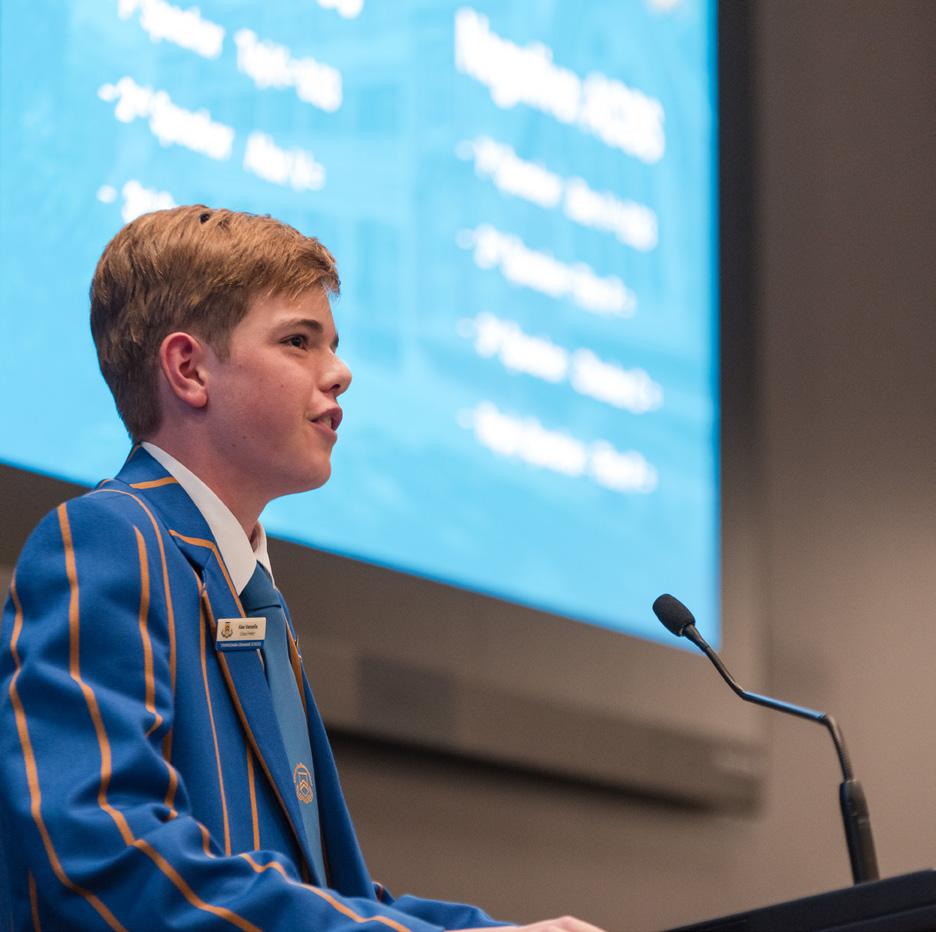
to take intellectual risks, to learn from setbacks and to continually refine their thinking. In doing so, they develop not only knowledge, but the habits of mind that will serve them well beyond their years at the School.
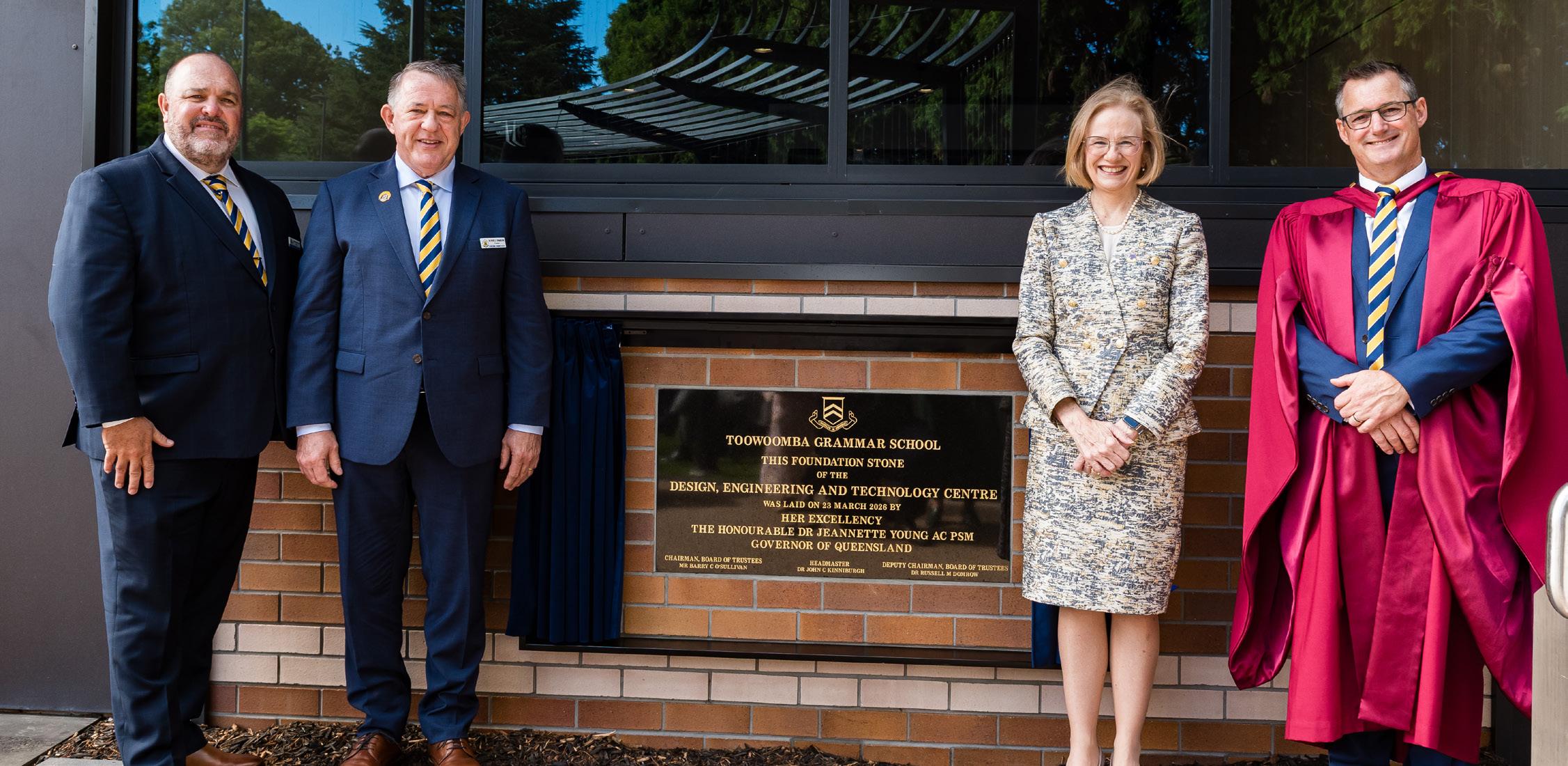
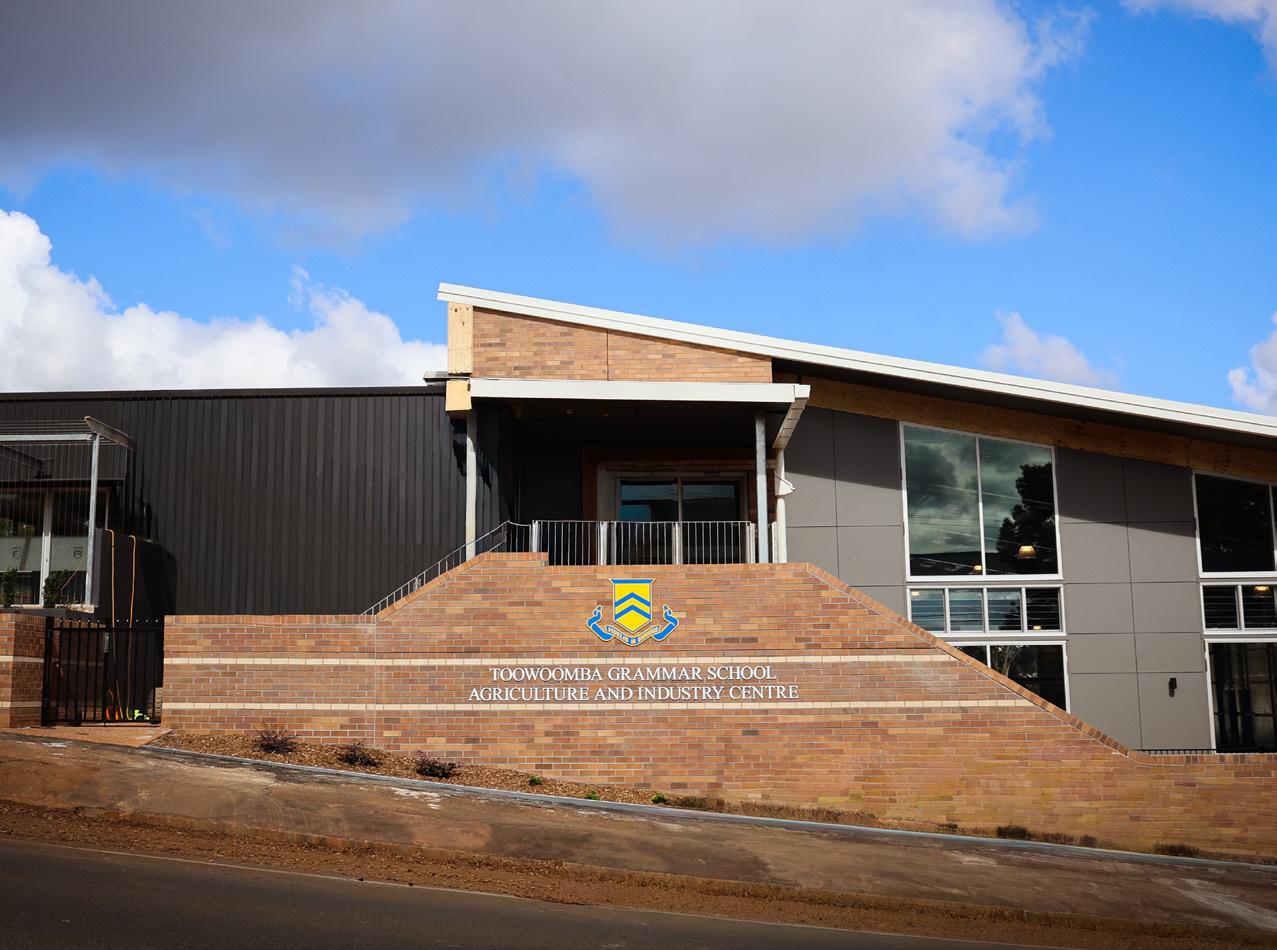
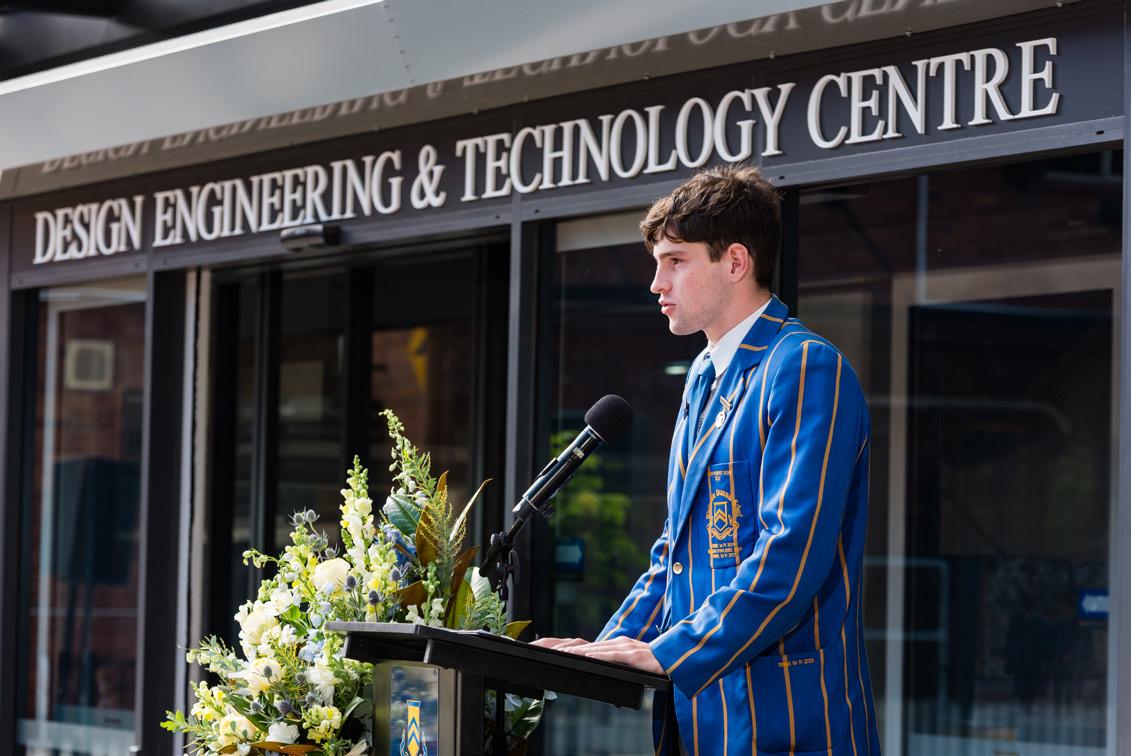
Our investment in facilities such as the Design, Engineering and Technology Centre and the Agriculture and Industry Centre supports this vision. These spaces are designed not simply as places of instruction, but as environments where boys can experiment, create and apply their learning in meaningful ways. They reflect our commitment to providing an education that is both rigorous and relevant.
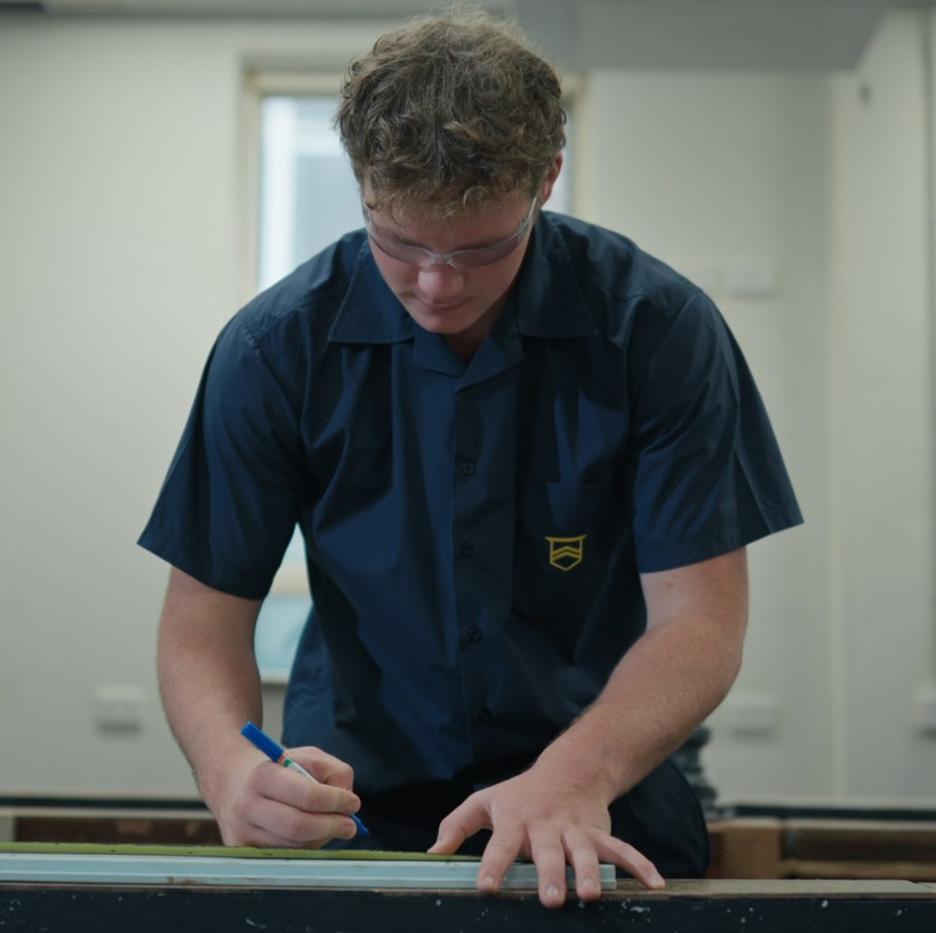
Importantly, this work is strengthened by the people within our community. Our staff bring expertise, care and a deep commitment to each boy’s development. Our Old Boys continue to demonstrate the impact of a TGS education through their contributions across a wide range of fields. Our families and community partners play a vital role in supporting and enriching the experiences we offer.
Education, at its core, is about preparing young people to lead purposeful and fulfilling lives.
At TGS, this means equipping boys not only with knowledge, but with the capacity to apply that knowledge with confidence, integrity and a sense of responsibility.
As a School, we are not seeking to redefine what education should be. Rather, we are refining how we deliver it, ensuring that learning remains grounded in a strong tradition while being increasingly connected to the world beyond our gates.
In doing so, we aim to develop young men who are not only capable, but thoughtful; not only knowledgeable, but purposeful; and not only prepared for what lies ahead, but ready to contribute to it in meaningful ways.

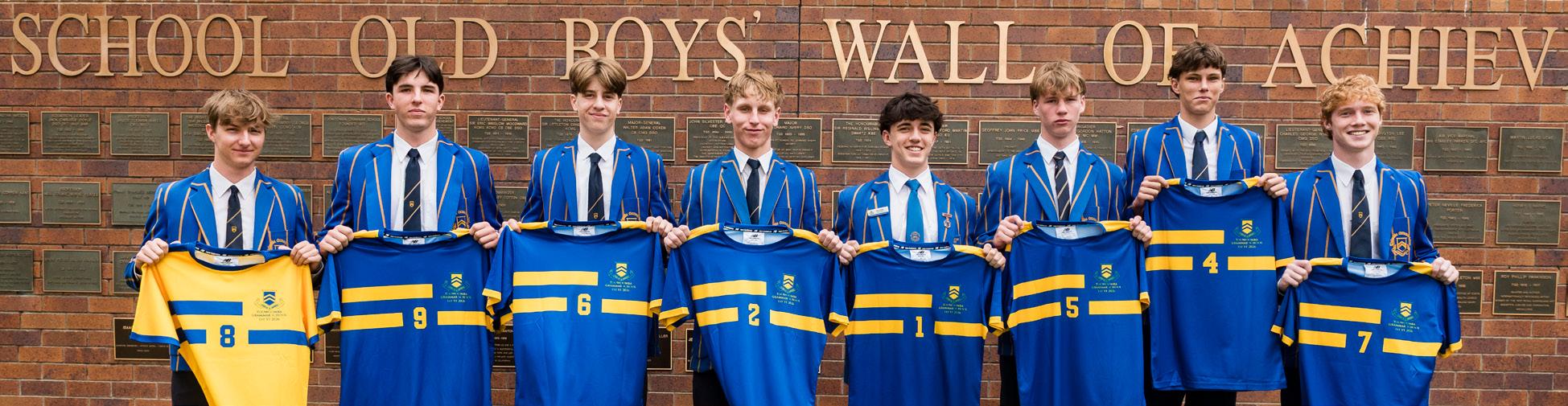
By Crystal Hede, Director of Learning and Innovation
Across Australia and internationally, there is growing research highlighting a concerning trend in boys’ education.
While many boys appear settled and compliant while studying, research from organisations including the Australian Council for Educational Research (ACER), the University of Melbourne and UNESCO suggest boys are increasingly at risk of disengaging from learning over time, particularly in literacy, motivation and academic confidence.
Importantly, this disengagement is not always visible through poor behaviour or disruption. More often, it appears quietly through reduced confidence, reluctance to take academic risks, lower levels of persistence and gradual withdrawal from reading, writing and classroom participation.
This research continues to reinforce the importance of environments intentionally designed for the way boys learn and develop.
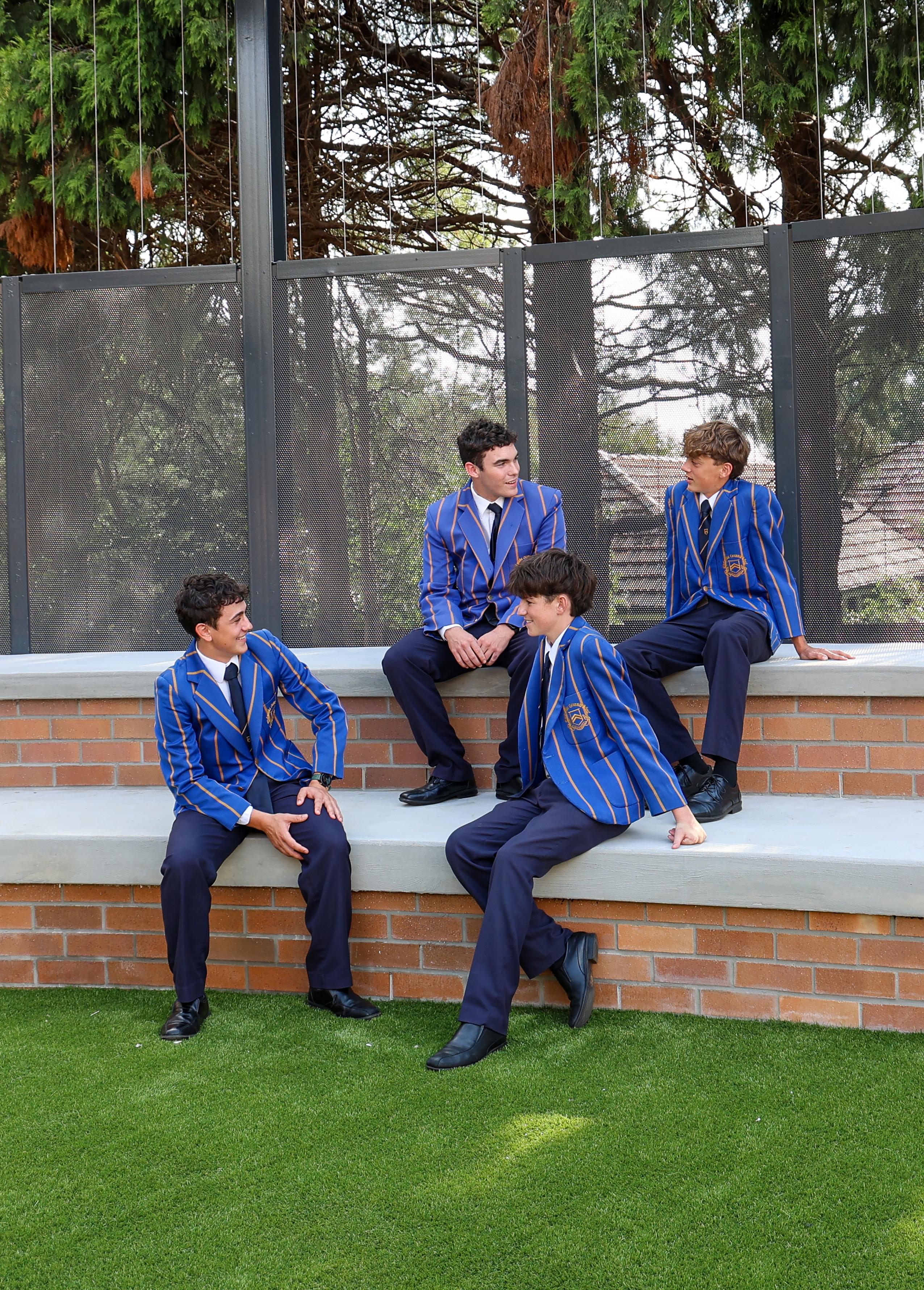
At Toowoomba Grammar School, our approach to boys’ education is grounded in the understanding that boys benefit from clarity, structure, positive relationships, purposeful challenges and a culture where it is socially acceptable to engage fully in learning.
From the earliest years of Junior School through to the Senior School, we intentionally shape learning environments that support boys academically, socially and developmentally.
Research consistently shows that the primary school years are critical in shaping boys’ attitudes towards learning, literacy and self-belief.
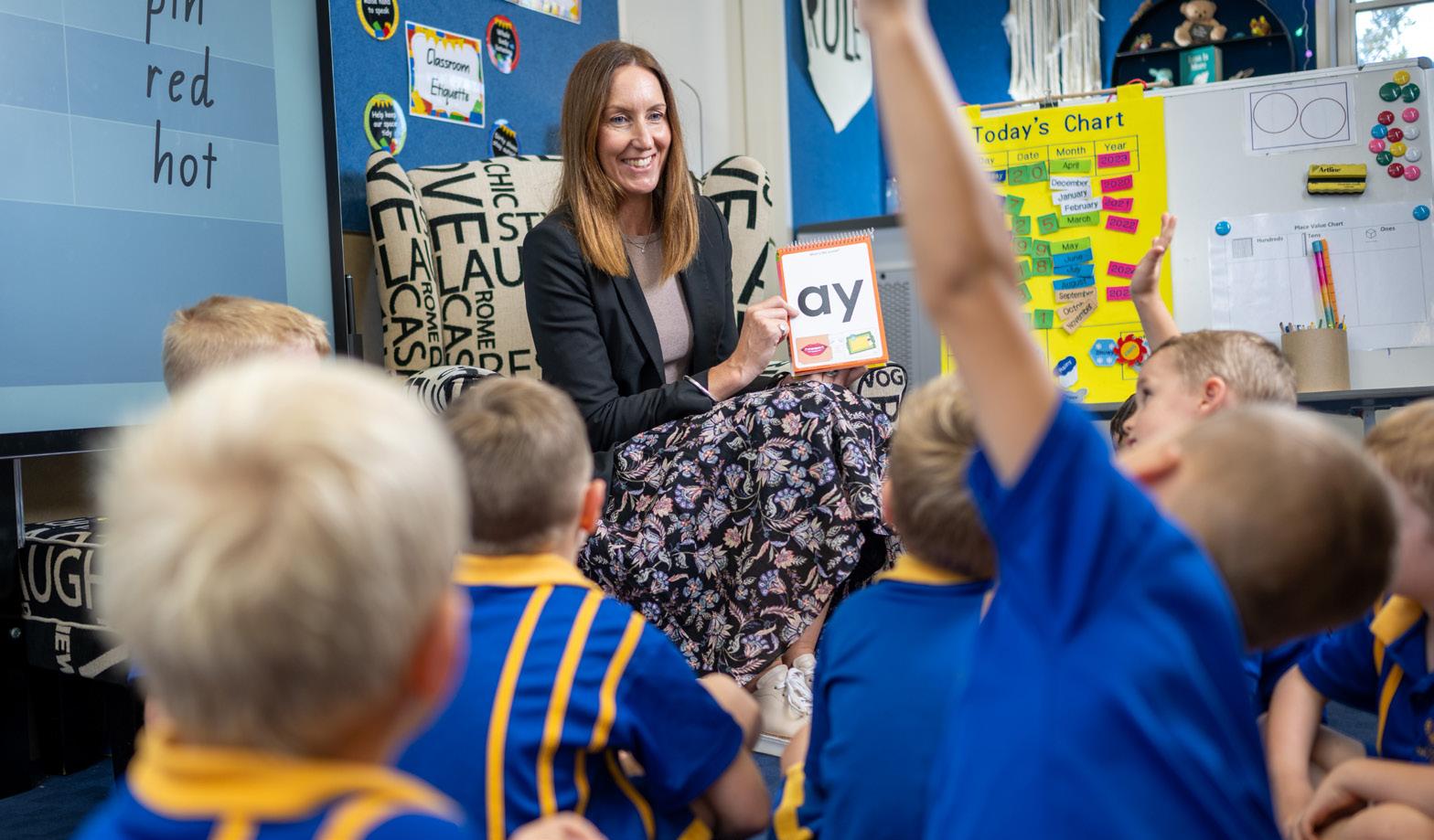
This is particularly important for boys, who often develop language, organisation and self-regulation skills at different rates to girls during early childhood and adolescence (Rinaldi et al., 2021; van Tetering et al., 2020).
An all-boys environment provides a valuable context to respond intentionally to these developmental patterns, supporting confidence, participation and a willingness to take academic risks.
Within a boys’ school environment, teachers are able to tailor learning experiences specifically to how boys engage best. This includes clear routines, explicit instruction, movement and hands-on learning opportunities, strong relational teaching and consistent expectations.
Importantly, boys are able to learn, contribute and grow without many of the social pressures that can emerge during adolescence.
This creates classrooms where boys are encouraged to ask questions, participate openly and develop confidence in themselves as learners from an early age.
One of the greatest challenges identified globally in boys’ education is literacy engagement. Research shows boys are statistically less likely to read for enjoyment and are more at risk of falling behind in writing and communication skills as they progress through schooling (OECD, 2019).
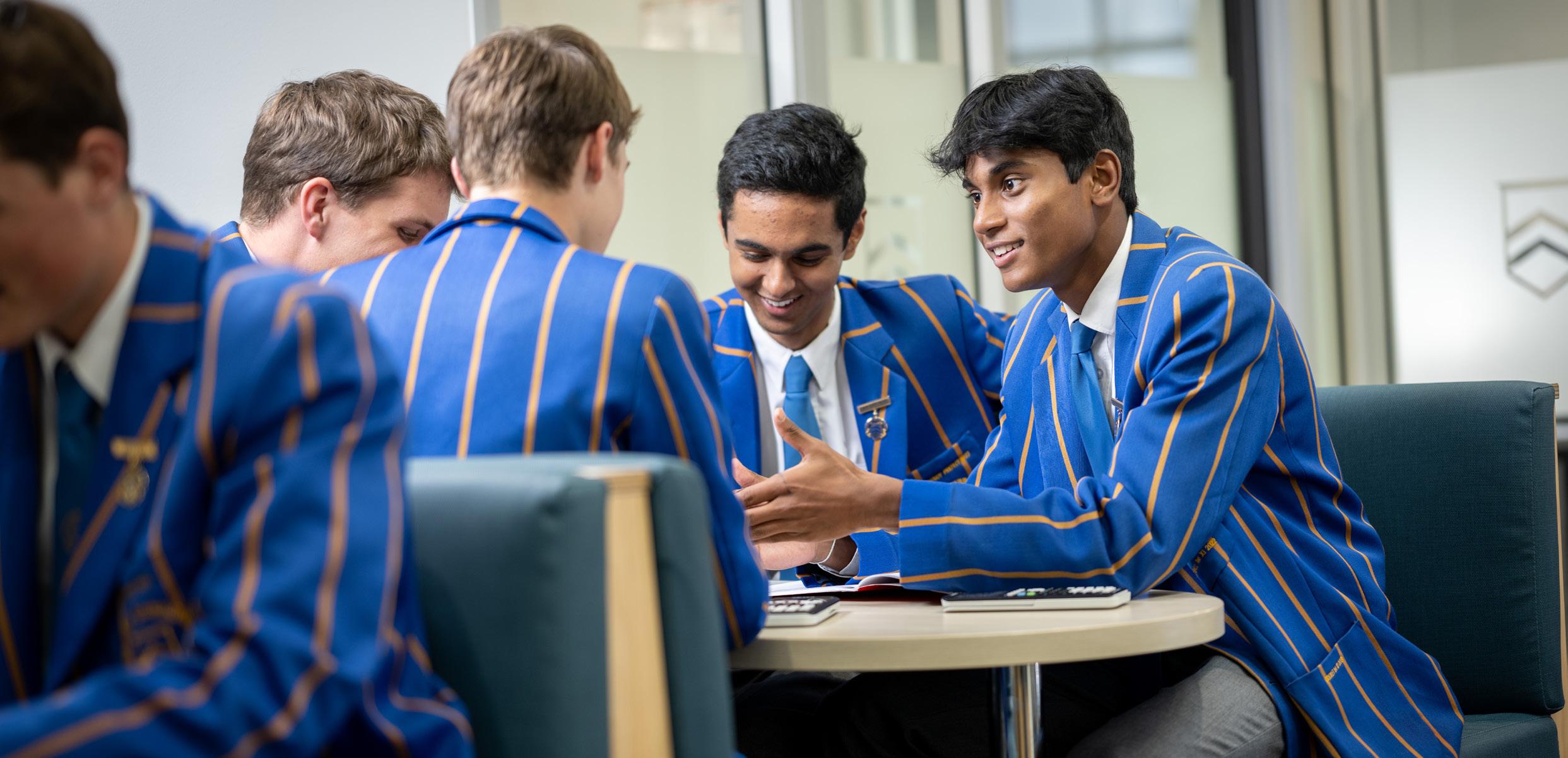
At TGS, literacy development remains a significant focus across all year levels and subject areas. Reading, writing, discussion and communication are embedded intentionally throughout the curriculum. They are not confined to English classrooms alone.
Teachers work deliberately to make learning visible and achievable, helping boys build confidence through structured support, clear feedback and explicit teaching practices.
Importantly, we see strong evidence that boys respond positively when expectations are high, learning is purposeful, and teachers provide clarity around what success looks like.
One of the often-overlooked strengths of boys’ education is culture.
In schools where academic effort is visible, encouraged and respected, boys are significantly more likely to participate openly and engage deeply in learning.
At TGS, we work intentionally to create a culture where boys can pursue academic success without hesitation and where curiosity, participation and effort are positively reinforced.
This matters because peer culture has a profound impact on boys’ attitudes towards learning, particularly during adolescence.
When boys see other boys contributing in class, asking questions, reading, performing, creating and striving for improvement, it helps normalise academic engagement and builds confidence across the cohort.
While structure and teaching practice are important, relationships remain at the centre of effective boys’ education.
Boys engage best when they feel known, supported and challenged by trusted adults who genuinely understand them.
Across the School, strong relationships between staff and students help create
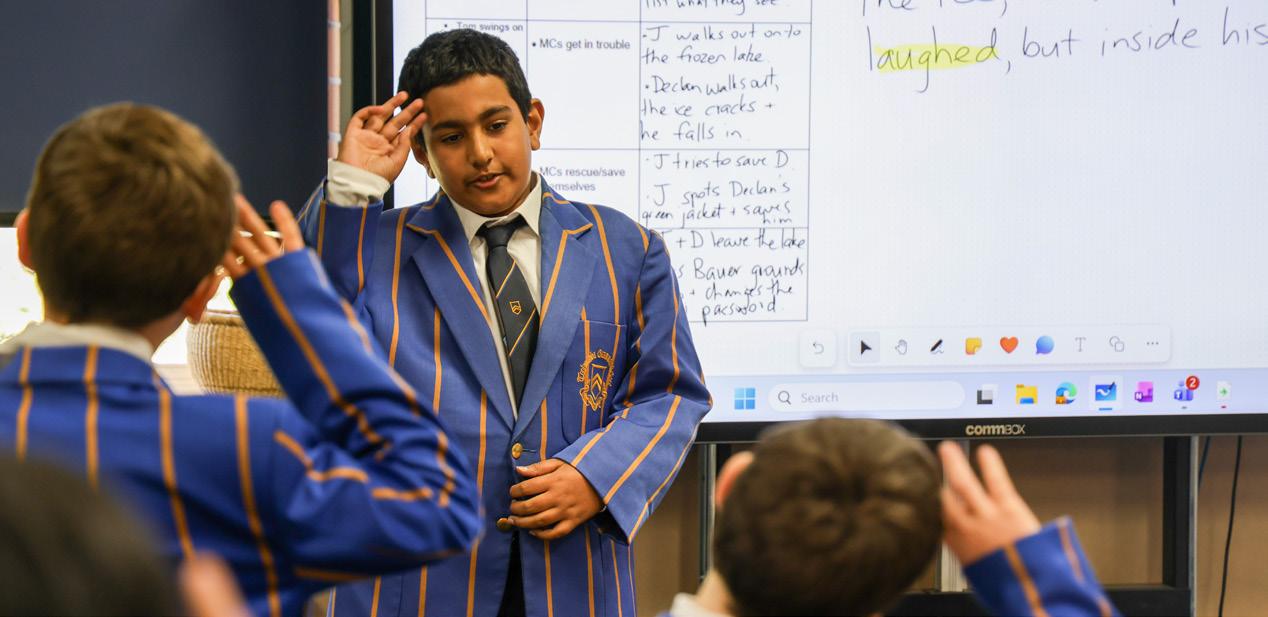
learning environments where boys feel safe to contribute, seek feedback, persist through challenge and continue developing confidence over time.
This relational approach is particularly important during the middle years of schooling, when boys are navigating significant academic, emotional and social growth.
A high-quality boys’ education is not simply about improving classroom engagement. It is about developing capable young men who can think critically, communicate effectively, collaborate with others and approach challenge with confidence.
At TGS, we believe boys thrive when learning environments are intentionally designed to support both achievement and character development.
By combining strong relationships, explicit teaching, high expectations and a culture that values participation and growth, we continue to create conditions where boys can engage deeply in their learning and build the foundations for long-term success.
References
OECD. (2019). PISA 2018 results (Volume I): What students know and can do. OECD Publishing. https://doi.org/10.1787/5f07c754-en
Rinaldi, P., Pasqualetti, P., & Caselli, M. C. (2021). Gender differences in early stages of language development: Some evidence and possible explanations. Journal of Neuroscience Research, 99(10), 2435–2447
van Tetering, M. A. J., van der Laan, A. M., de Kogel, C. H., de Groot, R. H. M., & Jolles, J. (2020). Sex differences in self-regulation in early, middle and late adolescence. PLOS ONE, 15(1), e0227607
By Ken Raven, Head of Junior School
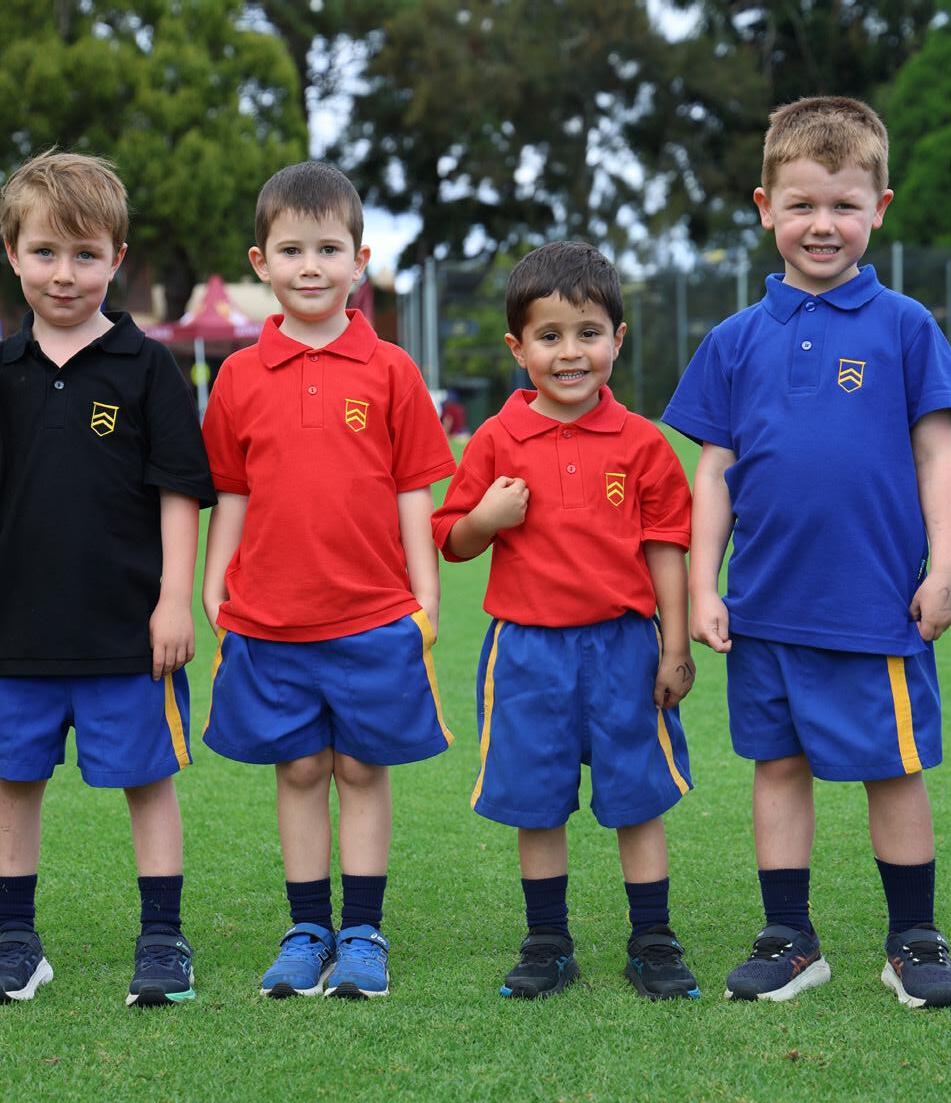
Children are naturally curious about their world and always eager to explore. Harnessing that energy and enthusiasm is key for us in the Junior School. We want our boys to expand their knowledge base and approach learning with a passion that will set them up for the Senior School and beyond.
First, let’s clarify some terms: extension and enrichment. Extension is curriculum-focused; it’s where a student’s knowledge, understanding and skills are advanced. Students feel a sense of “stretch” and are encouraged to challenge themselves.
Enrichment is where a student expands their interest areas, their breadth of understanding and their ability to apply skills and knowledge more broadly.
Extension advances, enrichment broadens.
In the Junior School, students’ capacities are extended through quality classroom teaching practice of the curriculum each day. Extension is led by an expert classroom teacher who uses their deep knowledge of the subject
and understanding of their students’ needs to guide more advanced and complex learning experiences. The core purpose of extension is to deepen students’ understanding by engaging them with higher-order thinking tasks and sophisticated applications of the curriculum. These activities challenge students within the framework of the curriculum, ensuring that their learning is rigorous, relevant and appropriately challenging.
Students are extended in the Junior School through the Promoting Literacy Development (PLD) program for spelling and reading, the Talk For Writing program specifically targeting writing structures and language conventions, and the Explicit Maths program for mathematical concepts and fluency. Teachers use these programs to meet students at their level of need, then advance their knowledge and skills further so each student feels that sense of “stretch” in their learning. The Diverse Learning Team supports class teachers to deliver targeted programs for boys across the cohort and track their assessment data over time to review the effectiveness of the programs.
The results are impressive; when boys see the progress that they are making, their confidence grows.
They also develop academic resilience as they observe that their applied efforts make a difference to their results over time.
Enrichment goes beyond the formal curriculum. Its goal is to provide students with additional opportunities for intellectual, cultural, physical and personal development. Enrichment activities often take the form of co-curricular programs, after-school activities, competitions or educational excursions. These experiences broaden students’ horizons, cultivate a love of learning and allow them to pursue their interests in more diverse and creative ways.
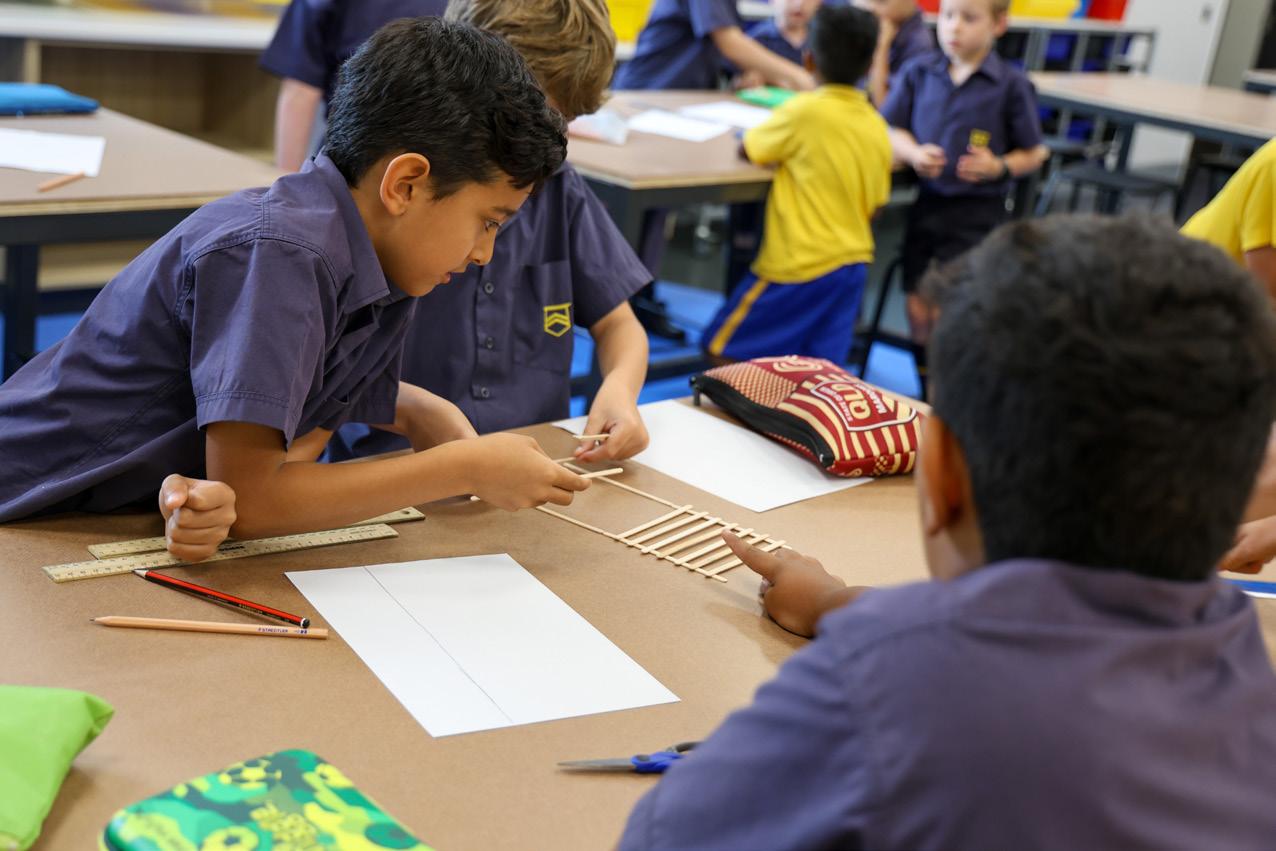
the Junior School, the range of enrichment opportunities is extensive.
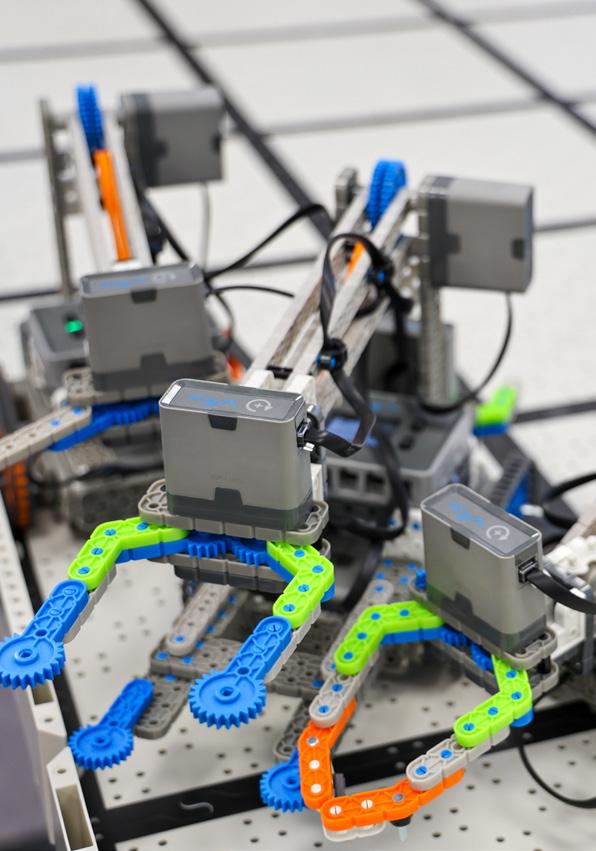
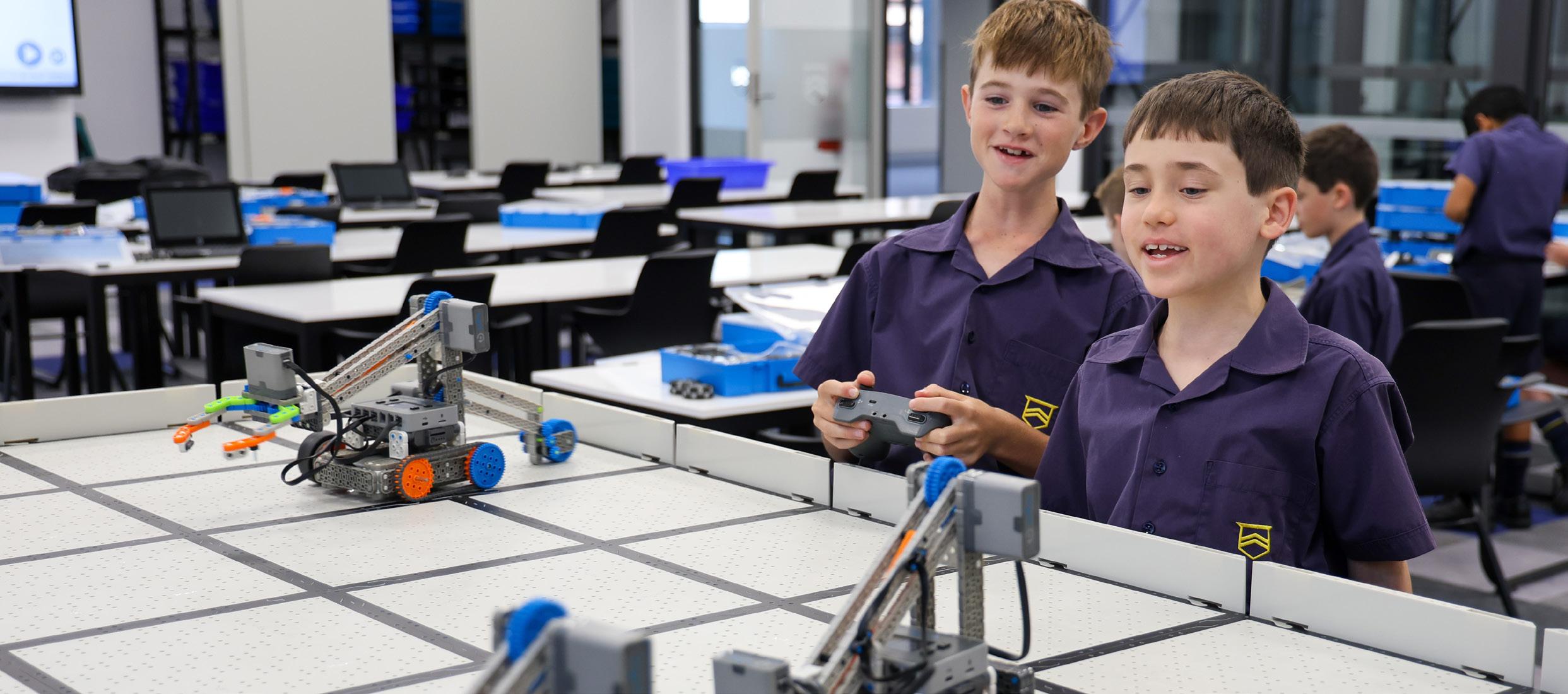
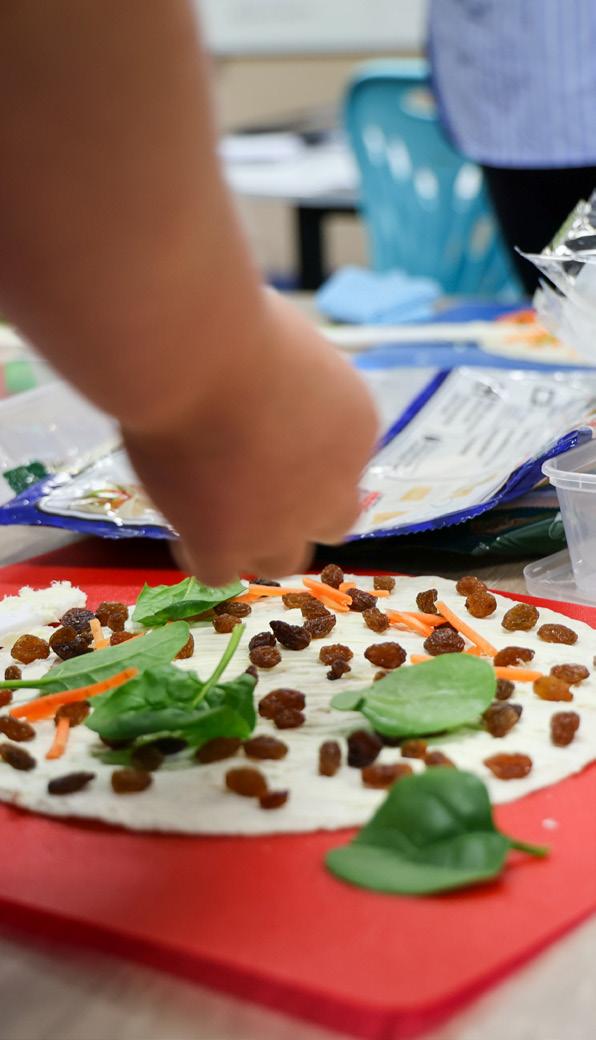
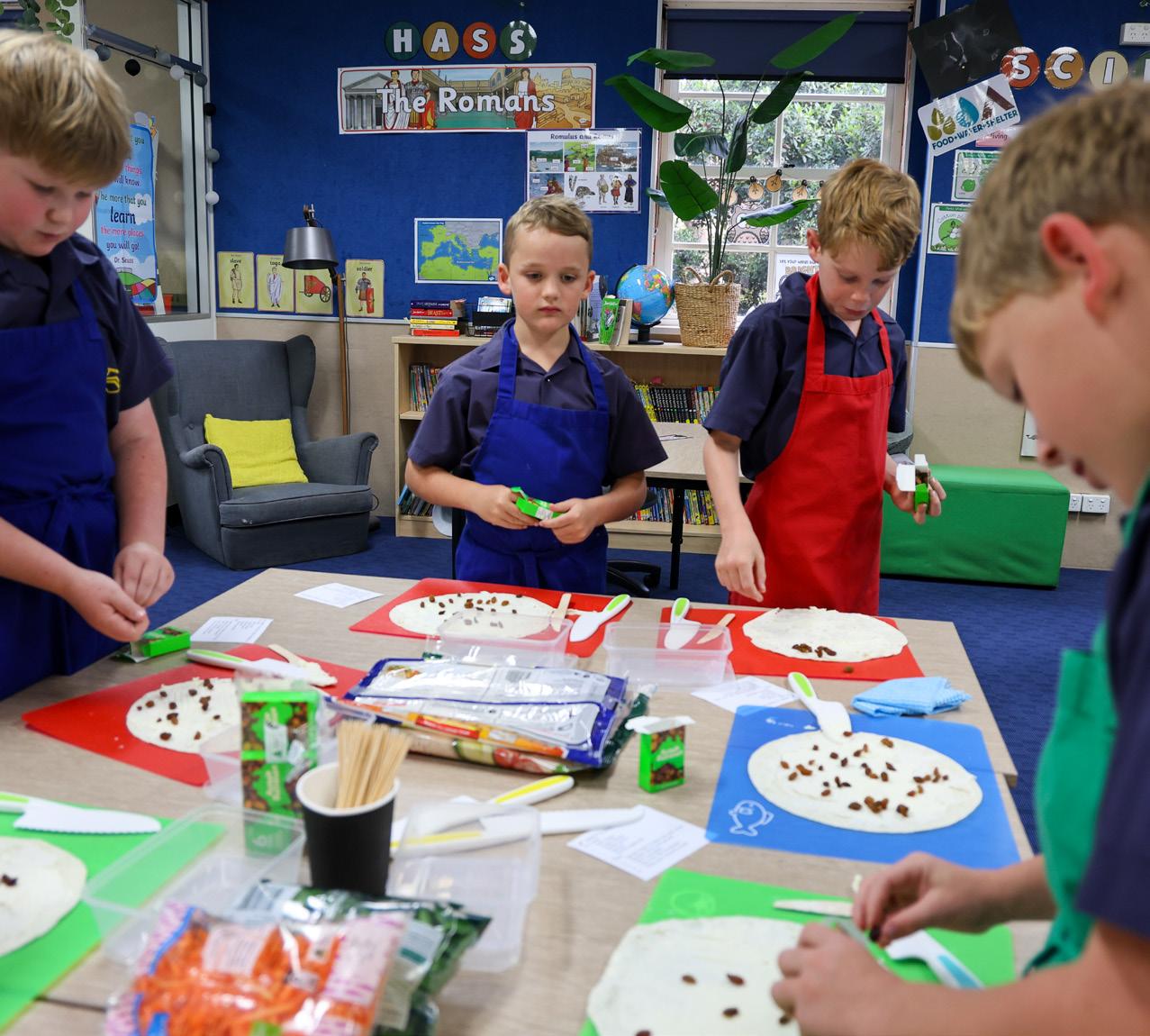
All students access the sport, music and performing arts co-curricular programs, which in themselves are hugely diverse across the year. Academic groups and competitions like chess, debating, Readers Cup, Maths Olympiad, ICAS and the DaVinci Decathlon all foster higher-order thinking and teamwork to represent the School through academic pursuits. After school activities like robotics, entrepreneurship, TGX, MasterChef, Lego engineering, art and woodwork, literacy and numeracy enrichment encourage boys to explore a new interest or go deeper into an area of passion.
With the opening of the Design, Engineering and Technology Centre, the Junior School has a dedicated Makerspace facility for classes to build, create and explore learning opportunities. Students utilise the digital and design technology curriculum integrated with humanities and science subject areas to apply their learning to real-world scenarios. The boys enjoy bringing their learning to life with relevant activities that teach them how to use design-thinking frameworks. Together, they step through a process of:
» Discovering — new learnings
» Defining — a particular topic or problem
» Developing — creating, composing and building
» Delivering — presenting or sharing their learning
Extension and enrichment are complementary, promoting student learning as enjoyable and challenging pursuits to be valued. Both serve a distinct purpose, but combined, their effect creates a learning environment where all students are both encouraged and inspired to reach their full potential. By engaging students with both a depth and breadth of learning experience inside and outside of the classroom, we cultivate learners who are not only knowledgeable but also innovative, resilient and well-rounded individuals.
By Louis Mackintosh-Bailey, Year 8 student and author of Sorcerer Termina and Ninth Age
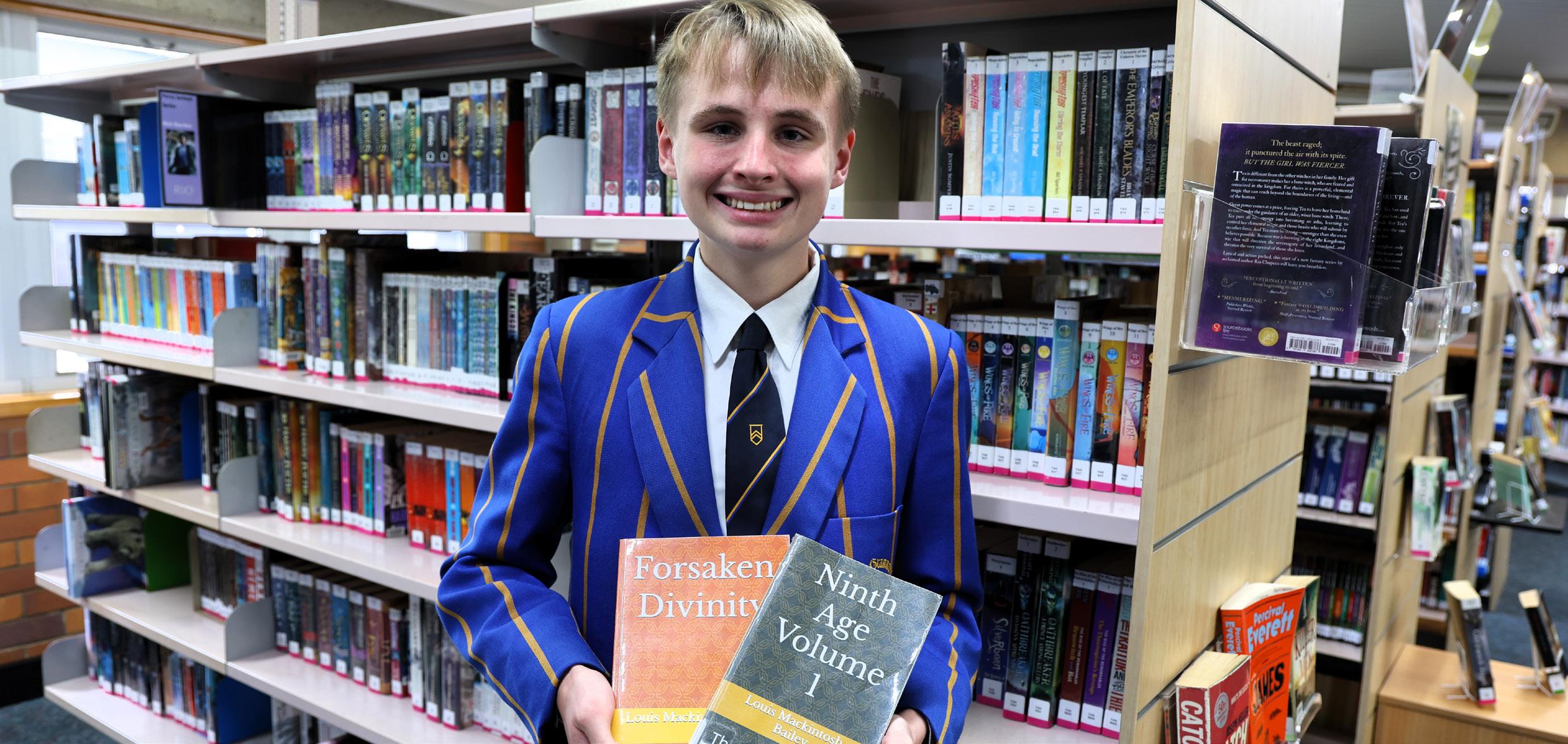
Throughout my whole life, I have always had a deep passion for writing.
However, I really think my enthusiasm began in the younger grades, when an annual writing competition encouraged all boys to think creatively. This was where I was first truly introduced to writing fiction. These competitions planted a seed of creativity in my mind that would later grow.
That seed first flourished in Years 5 and 6, when I wrote my first book with help from a friend called Sorcerer Termina Then, in Year 7, I wrote both Ninth Age and, in the second half of the year, Forsaken Divinity, which was a direct result of reading Stephen King’s The
Dark Tower and Ursula K. Le Guin’s A Wizard of Earthsea
The Dark Tower and A Wizard of Earthsea are really some of the best books I have read, and they also really assisted my fantasy writing. I love reading stories like these as they help me gain inspiration to write and provide a simple starting point from which my stories can develop and create their own identity.
My next idea for a novel (which I picked up walking to school) is called Psyche The story is set in a fictional version of the Wild West and is centred around two psychics and their sense of justice
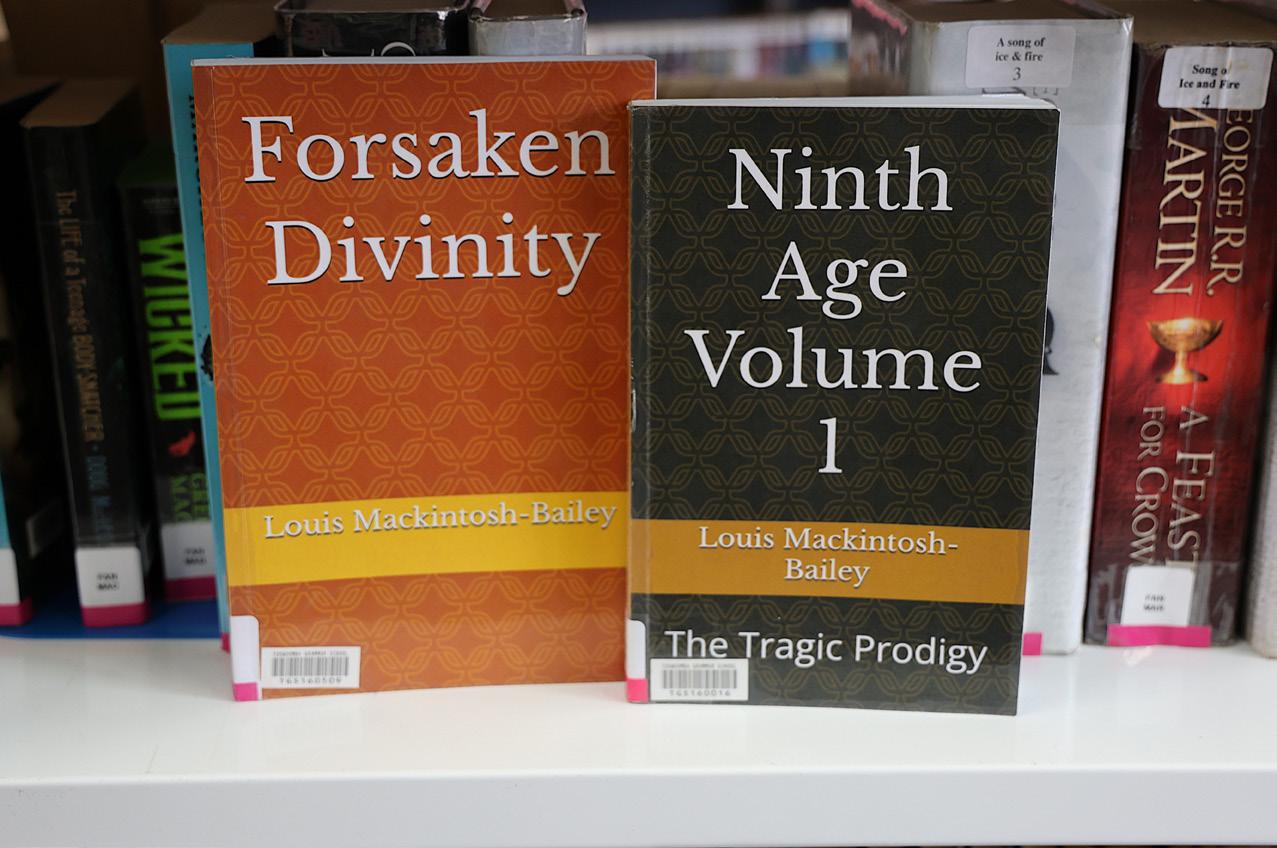
in a twisted frontier of psychic abilities. I like to think of it as a Western with an interesting supernatural twist.
These stories would’ve never come into full realisation without the help of a huge group of supportive people who have assisted on my journey.
Firstly, my mum always encouraged me and was willing to listen to my lunatic rants on story ideas I had come up with.
Additionally, Mrs MacFarlane, a Junior School teacher, always read and gave feedback on the stories I concocted. Moreover, the librarians Mr Crook, Mr Wilson and Miss Walsh, who bought my published books for the library, have all significantly contributed to my writing journey.
This is why I believe that outside support is massively important, and although I’m still developing my craft, my advice to anybody who is willing to pursue the fabulous art of writing is to believe in yourself and be grateful for those who believe in you.
Henry
By Arlie Felton-Taylor, Content Coordinator
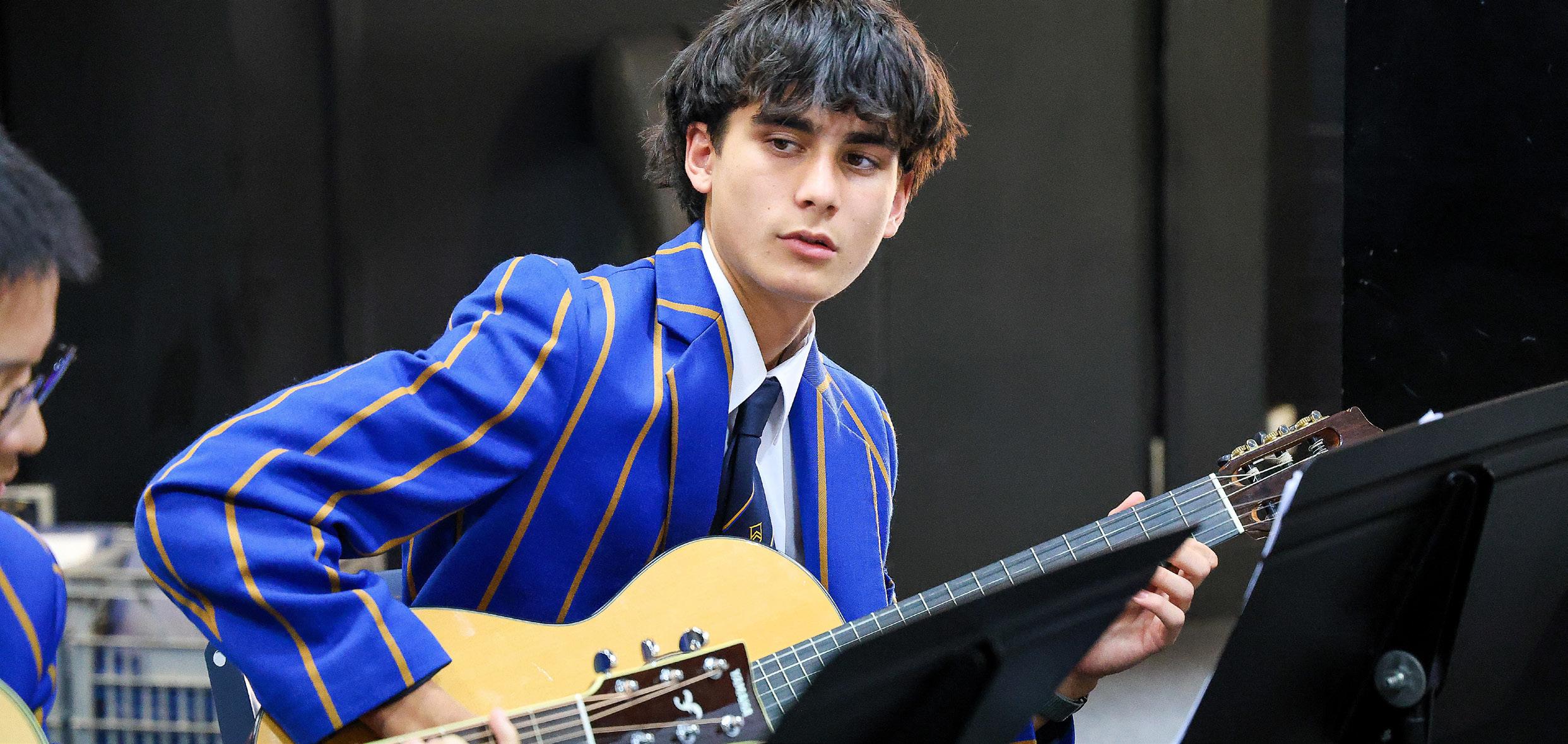
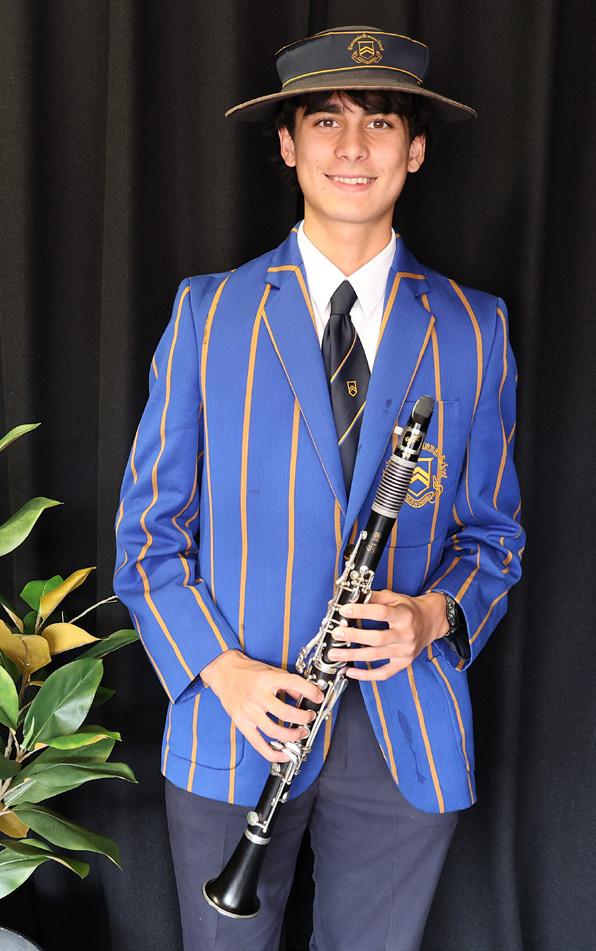
When Henry Geise first picked up the clarinet in Year 4, playing an instrument was compulsory at his primary school; he simply gave it a go.
What followed has been shaped less by a single decision and more by years of steady commitment.
He started on clarinet and bass guitar at the same time, and those two instruments have remained his favourites despite trying piano and picking up acoustic guitar more recently.
“I would have been about eight,” he says.
Now in Year 11, Henry is a central part of the music program; he’s part of the Big Band, Concert Band, RnB Band and Guitar Ensemble, where he is the ensemble leader.
What he has in fact achieved is a level of proficiency that is easy to overlook unless you understand what it takes.
Henry has completed AMEB Grade 8 in both clarinet and bass guitar. It is a significant benchmark, usually reached after many years of consistent practice. To achieve that level on one instrument before graduating high school is impressive, but to do it on two, while balancing everything else, is very rare.
“If you enjoy it, you’re more willing to put in the time,” he says.
That time extends beyond the School. Henry has been selected in both the State Honours Ensemble Program
(SHEP) and the Australian Honours Ensemble Program (AHEP), highly competitive programs that require a formal audition process.
“It’s good fun as you’re all there for the same reason,” he adds.
Henry feels the same way about the GPS Music Showcase and the Toowoomba Eisteddfod, explaining that it becomes more of a reunion than a competition.
Alongside his musical commitments, Henry represents the School in swimming, cross country and track and field; earning selection in GPS teams means a full schedule.
“I try to stay organised,” he says. “Sport in the afternoon, music in the morning or on weekends. It’s just about fitting it in.”
Music, though, remains a constant. Sometimes structured and demanding, sometimes something quieter.
“Sometimes I’ll just pick up the guitar and play,” he says. “That’s when it’s relaxing.”
He is also formalising his skills by studying at a tertiary level for a Diploma of Music while still at the School, which opens the door to teaching and sharing what he has learned.
It is a quiet, consistent approach. One that reflects both his humility and his exceptional musical ability. His advice to anyone thinking about taking up music is simple: “There’s just so many other opportunities that you can unlock from it.”
Henry is a gifted young musician, a dedicated sportsman and a capable, high-achieving student, a fine example of what it means to be a Toowoomba Grammar School boy, setting a standard that speaks for itself.
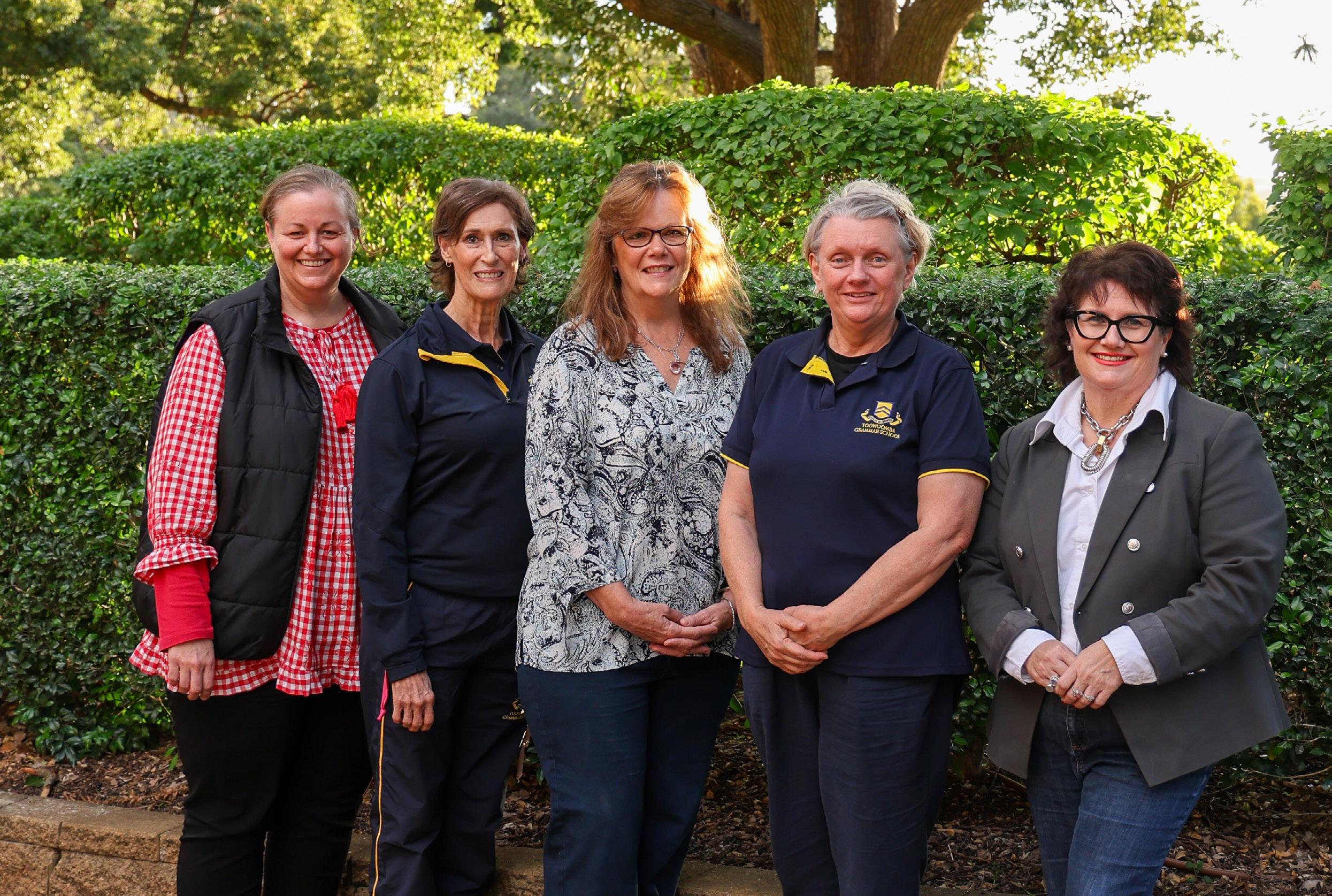
In every TGS boarding house, there is a quiet but powerful presence shaping daily life — one that brings warmth, reassurance and a sense of home to boys living away from their families.
It is the role of the House Mother, and it is one of the School’s most meaningful points of difference.
While boarding is often associated with structure, routine and independence, it is the human connections that define a boy’s experience. At TGS, the House Mothers sit at the centre of this, providing care that goes far beyond supervision.
“As House Mother, my role is to look after the boys as any mother would,” explains Corfe House Mother Janelle Fletcher.
That care is woven into the everyday moments, from the start of the day to the very end.
“I see to making sure that they’re feeling comfortable in the space and that they’re ready for school. I get them off to school every morning and greet them every afternoon,” she says.
It is a role that spans both the practical and the deeply personal. House Mothers support boys with homework, organisation and routines, but they also provide something less tangible, yet just as important — emotional security.
“I look after them when they’re feeling unwell or a little bit homesick… and really just get to know them, building a relationship and a connection to make them feel really safe and comfortable. That’s the most important thing.”
By Kathryn Doyle, Director of Communications and Marketing
For many boys, particularly those entering boarding in Year 7, the transition can be significant. They arrive in a new environment, often away from home for the first time and navigate new friendships, expectations and routines.
At this age, maternal presence matters.
“I think at that age, a 12-year-old still really needs to have that maternal figure in their life,” she says. “Having that mum there that they can talk to… it softens things a little bit. And I think that that’s what’s so important about having a House Mum and a female in this role.”
It is this balance of care and consistency that helps boys not only settle in but thrive.
Over time, the House Mothers witness remarkable transformations. Boys who arrive feeling uncertain and hesitant grow in confidence, independence and character, a journey that is both visible and deeply rewarding.
“I just find it incredibly rewarding,” she says. “It’s just extraordinary to see the growth that happens. I see them come in feeling rather anxious and timid. Then, by the time we reach the end of our 12 months, they’re just ready to fly. And that’s enormously satisfying.”
This sense of growth sits at the heart of the boarding experience at TGS. It is not simply about providing accommodation; it is about creating an environment where boys feel supported to develop into capable, confident young men.
A key part of this is the relationship between the boarding house and home.
For parents, particularly those living in regional and remote communities, entrusting their son to a boarding school requires a great deal of confidence. House Mothers play an essential role in maintaining that connection, offering reassurance and open communication.
“I’d like to think that parents find comfort in the fact that there is somebody there that they can talk to who understands what their children are going through,” she says.
That reassurance is often delivered in simple, meaningful ways.
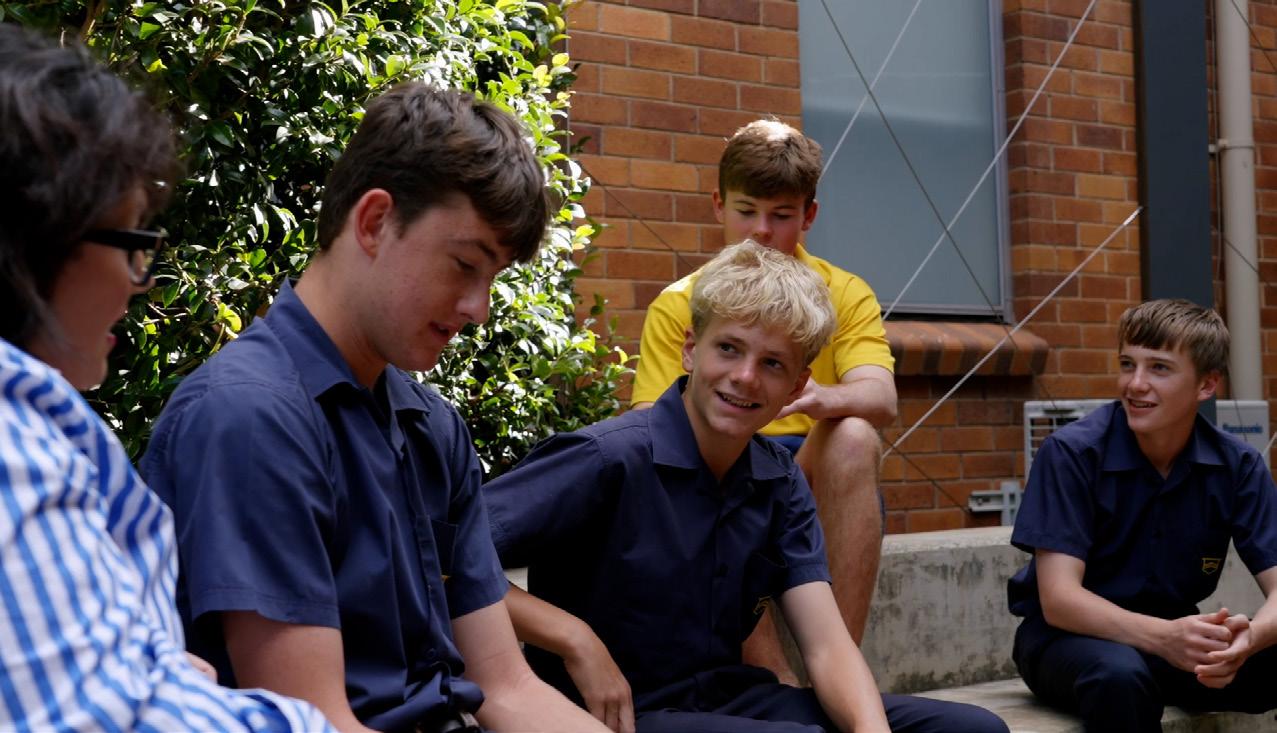
“I always like to let parents at home know everything is OK. Even if it’s just a quick phone call or text at the end of the night, it’s all about letting them know they can find comfort — everything is OK.”
It is a message that resonates deeply with families. Their sons are not just being looked after; they are genuinely cared for.
“I want you to feel rested. Go to bed. We’ve got it,” she adds.
Beyond individual care, the House Mothers contribute to the broader culture of the School. They help foster an environment that feels welcoming, grounded and authentic, one that reflects the values of the TGS community.
“I keep coming back because I gained so much from this,” Janelle says. “The School is extraordinary. The community that is here is just really authentic and true and earnest, and I love that as well.”
This sense of authenticity is what sets the boarding experience at Toowoomba Grammar School apart. It is not just the facilities, the programs or the opportunities, it is the people.
The presence of House Mothers ensures that each boy is known, supported and cared for as an individual. It brings a sense of balance to boarding life, blending independence with guidance and structure with compassion.
In a world where young people are often encouraged to grow up quickly, the role of the House Mother provides something invaluable — time, care and connection.
By Arlie Felton-Taylor, Content Coordinator
There is a moment, towards the end of Term 1, when a mathematics classroom starts to feel a little more cultured for our Year 11 Mathematical Methods students.
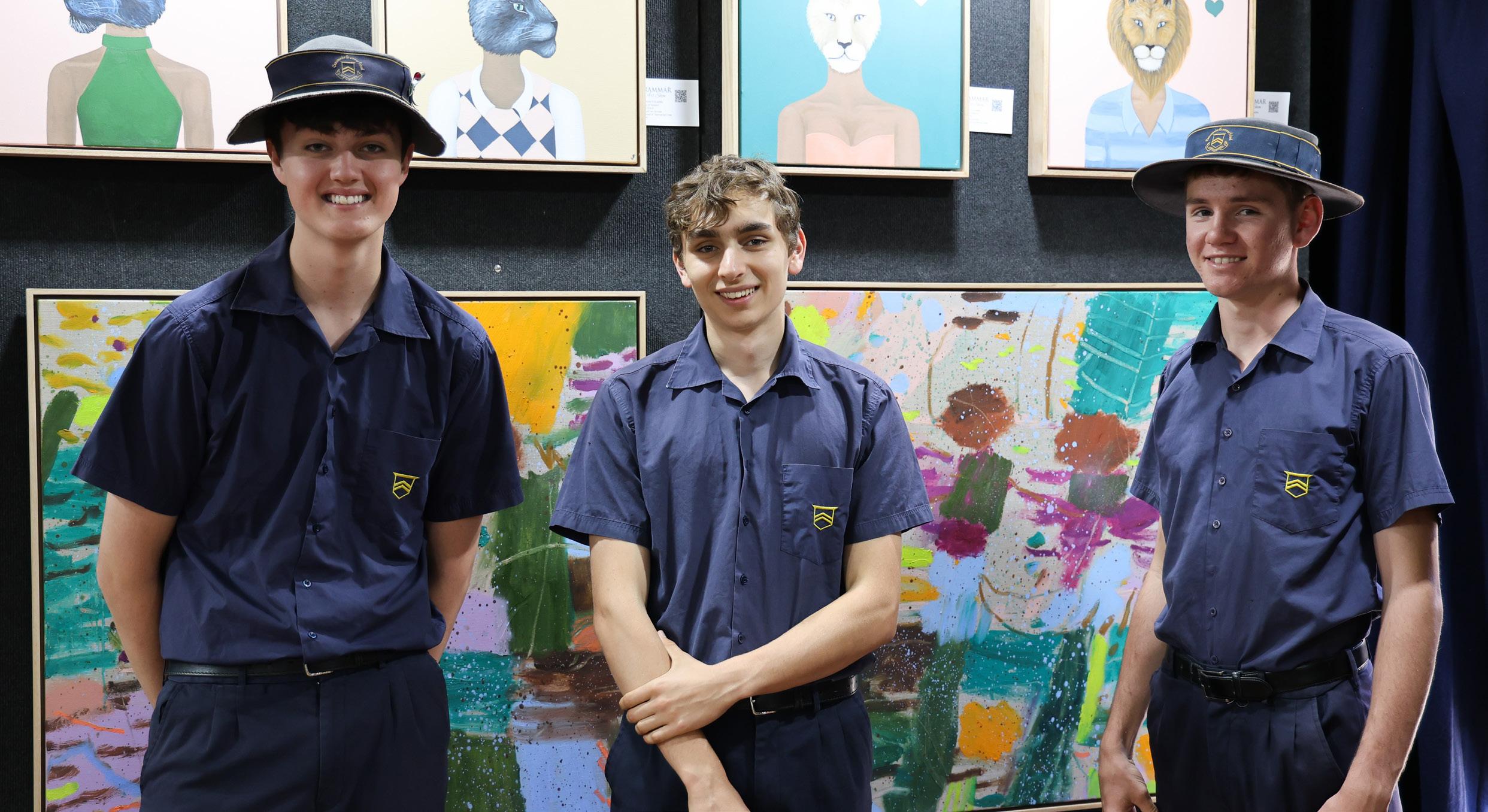
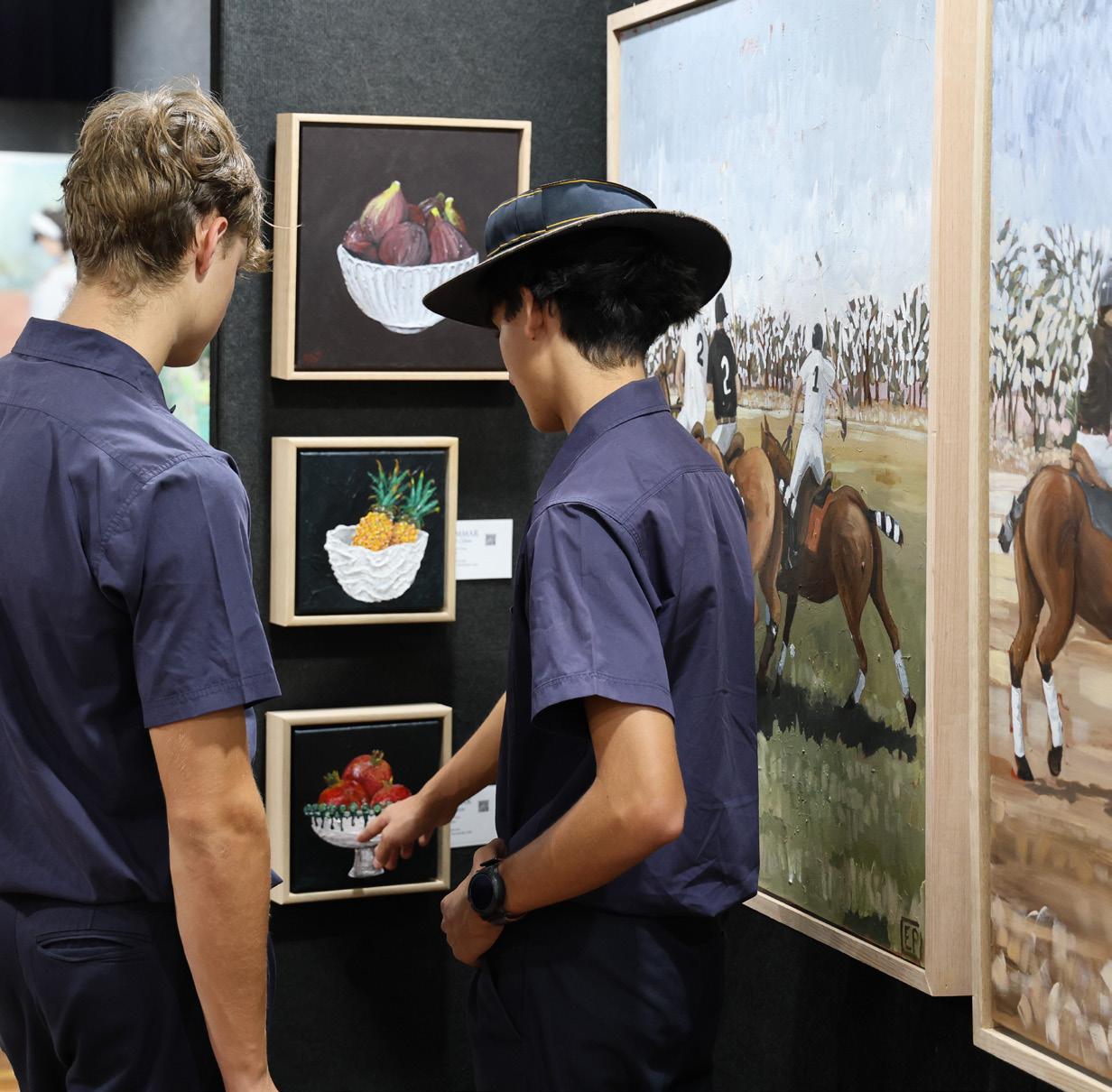
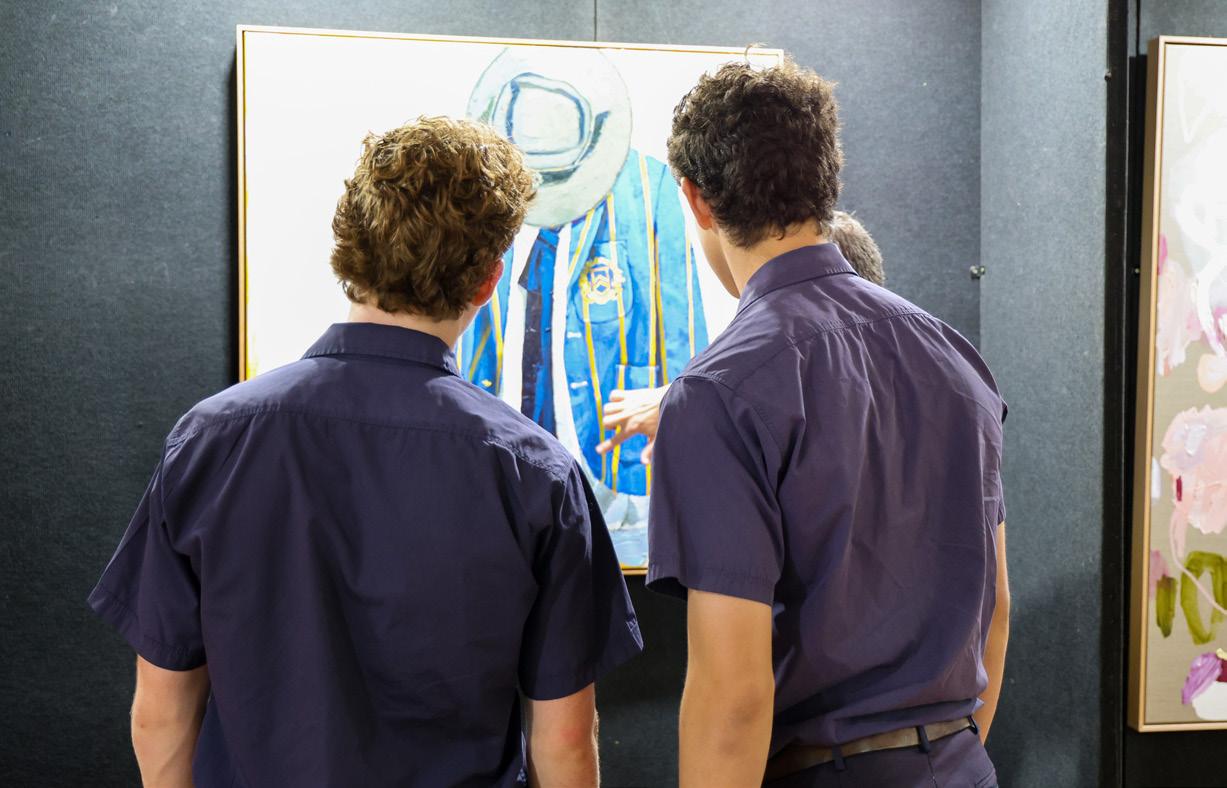
That shift has come through a task that asks them to see the world around them in a new way. It begins not with equations, but at the Grammar Art Show.
“The task is for the boys to go down to the Grammar Art Show, select a piece, and then recreate it using mathematics,” explains Head of Department –Mathematics, Damien Wrench.
“They’ve spent the previous six weeks studying functions, and this is where they bring that understanding together.”
What follows is a process that is both methodical and unexpectedly creative.
Using a graphing program, students begin by plotting curves on a digital set of axes. From there, they draw on their understanding of how functions behave, adjusting and transforming them until the lines start to resemble the shapes they see in the original artwork.
“They use transformations, things like translations, reflections and dilations, to try and match the curves to the outline of the painting,” Damien says. “They’re limited in how many equations they can use, so they have to be quite deliberate in their approach.”
It is not about simply tracing, nor is it about achieving a perfect copy.
Instead, the boys must break the artwork down into its essential forms, decide what matters most, and then build a mathematical representation
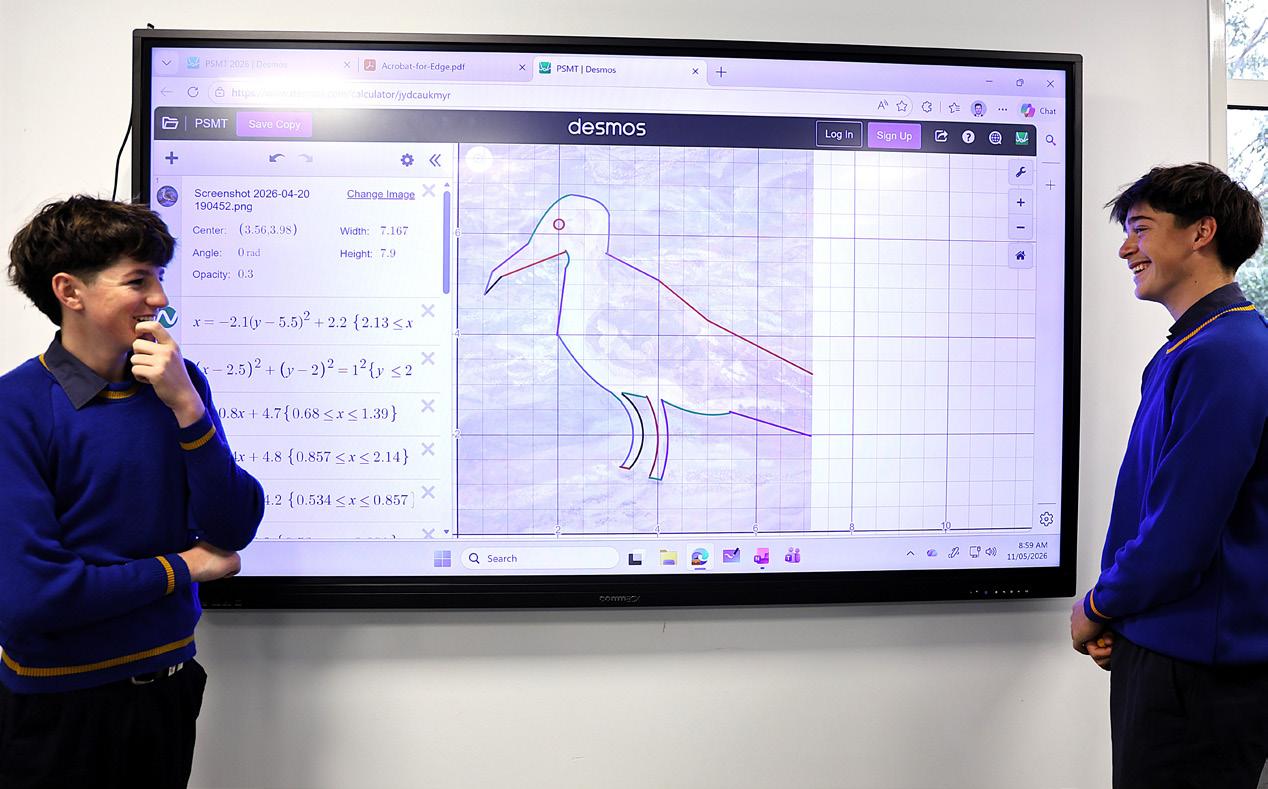
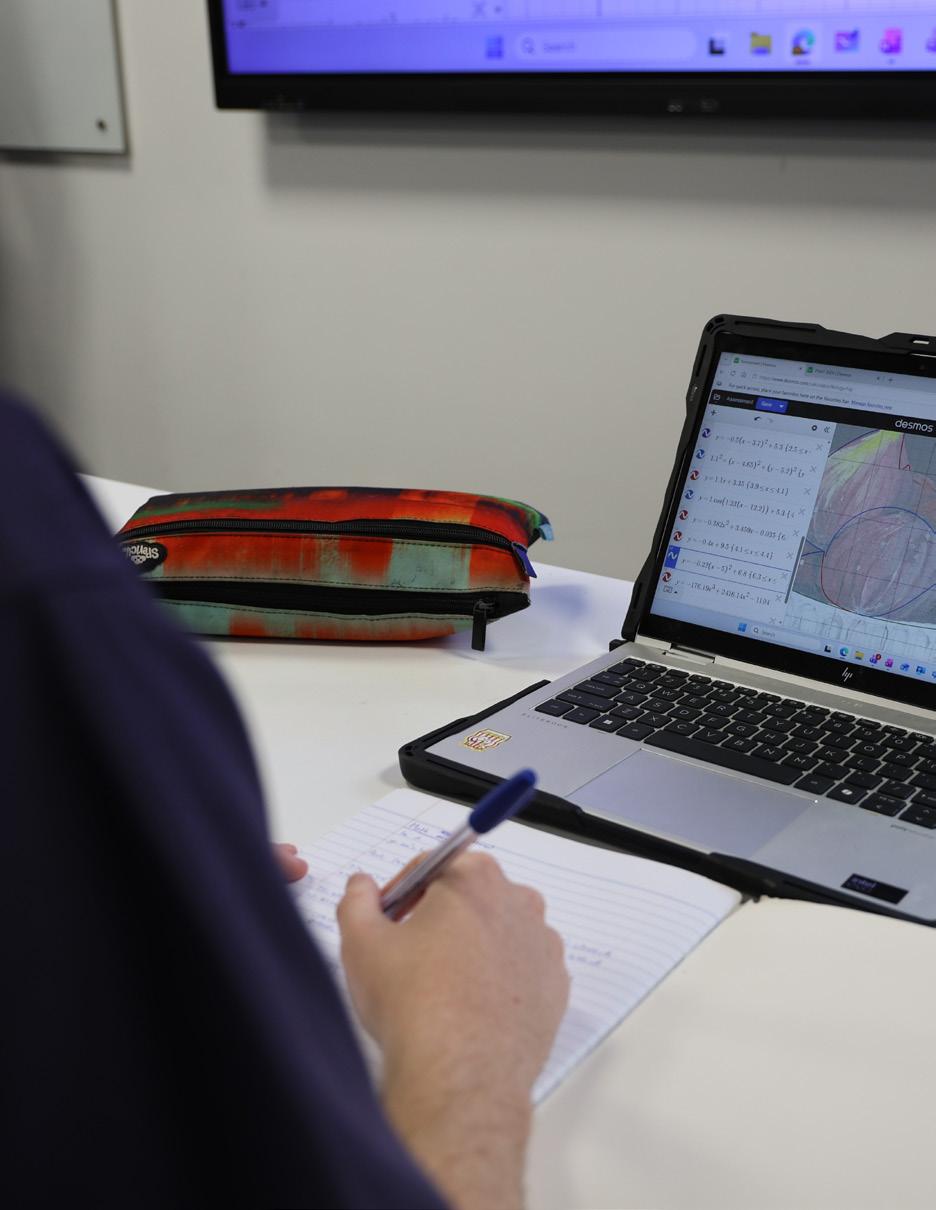
that captures as much of that detail as possible. Some curves are refined repeatedly, whereas others are reworked entirely.
At its core, the task becomes an exercise in problem-solving.
“There’s a lot of trial and error,” Damien says. “They’re constantly adjusting what they’ve done, seeing what works, and then improving it.”
For many students, the starting point is just as valuable as the finished result. Not all would naturally walk through the Grammar Art Show and consider the structure behind a painting or the balance within an image. This task gives them a reason to pause and look more closely.
“They get to appreciate the work that’s gone into producing those pieces,” he says. “Then they have to work and produce something themselves, using maths.”
What emerges over time is a growing understanding that mathematics is not confined to a textbook. It can be used to describe shape, movement and pattern in ways that are both precise and expressive.
Each student’s response is distinct. The artwork they choose shapes the challenge they take on, and the decisions they make along the way influence the final result. No two recreations are the same, even when they begin from similar starting points.
Alongside the technical work, there is also an expectation that students can articulate their thinking. They reflect on the process they have used, the limitations they have encountered and how closely their model aligns with the original piece.
“It’s not just about producing it,” Damien says. “They have to be able to explain the process and what they’ve done.”
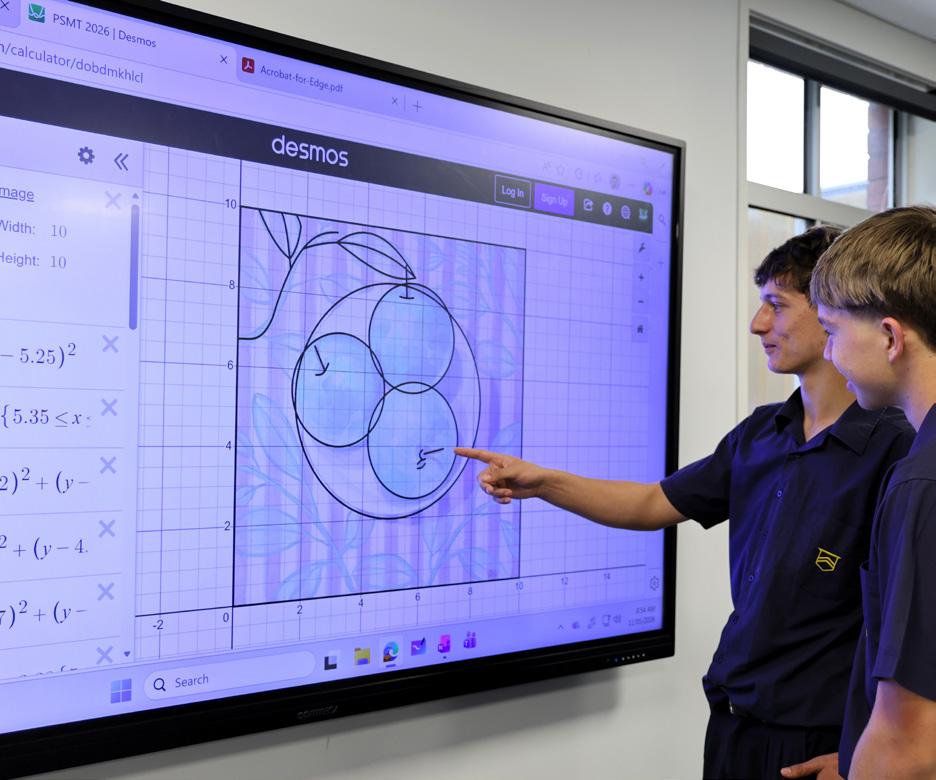
Now in its third year, the task is becoming a tradition within the Mathematical Methods program.
“The timing is just perfect,” he says. “It fits with what we’ve been learning, and as long as the Grammar Art Show runs when it does, I don’t see any reason why we wouldn’t keep doing it.”
As the boys finalise their submissions, there is a quiet sense of anticipation around what they will produce. Drafts have already revealed the complexity of the work, but also the creativity it can unlock.
In the end, what stands out is not only the finished images on a screen, but the thinking behind them. Lines and curves become more than abstract ideas. They represent observation, judgement and persistence.
And in that process, mathematics takes on a different shape, one that reflects not just calculation, but creativity.
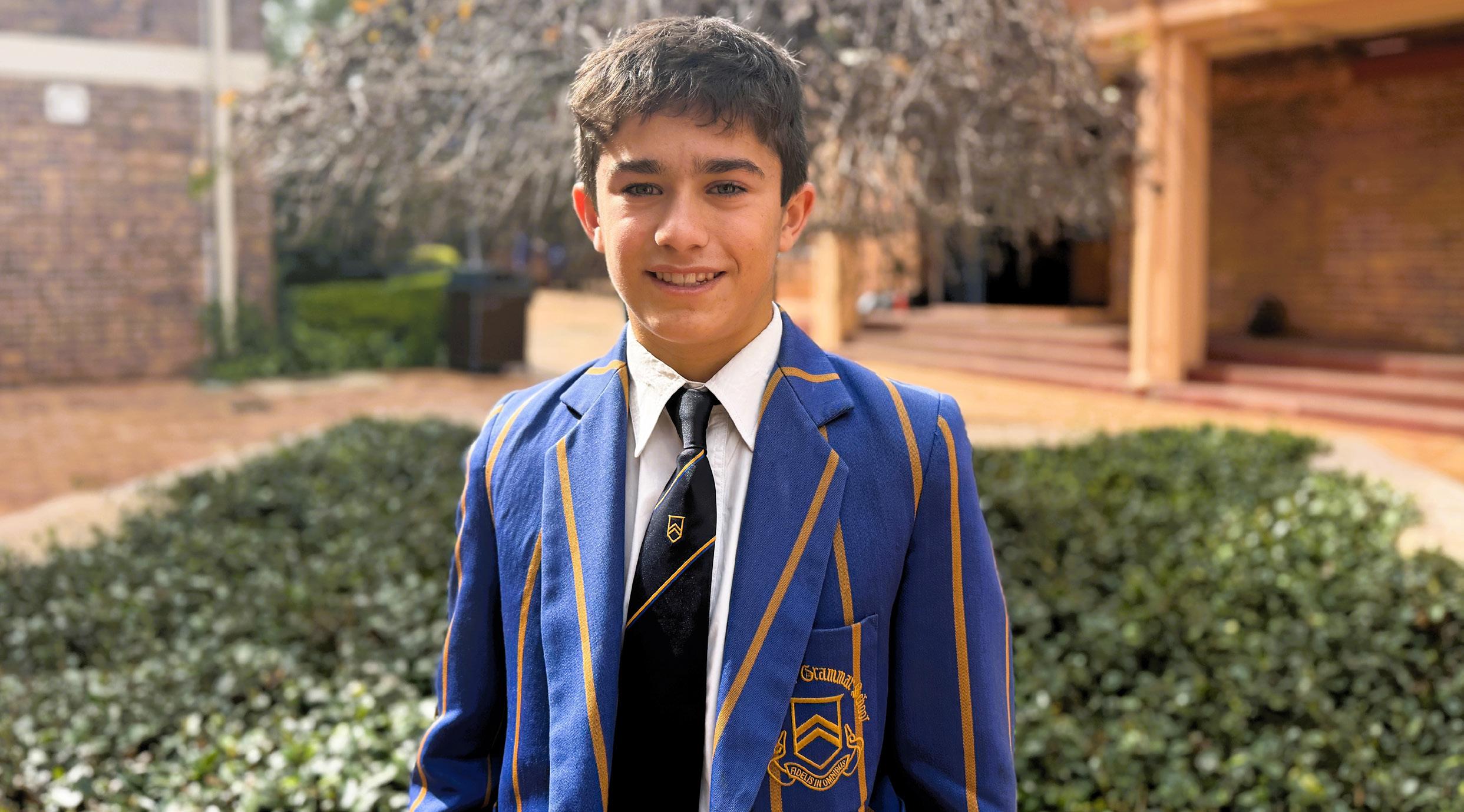
By Arlie Felton-Taylor, Content Coordinator
Before some boys arrive at TGS, they have already spent years working in ways that would surprise many unfamiliar with life on the land.
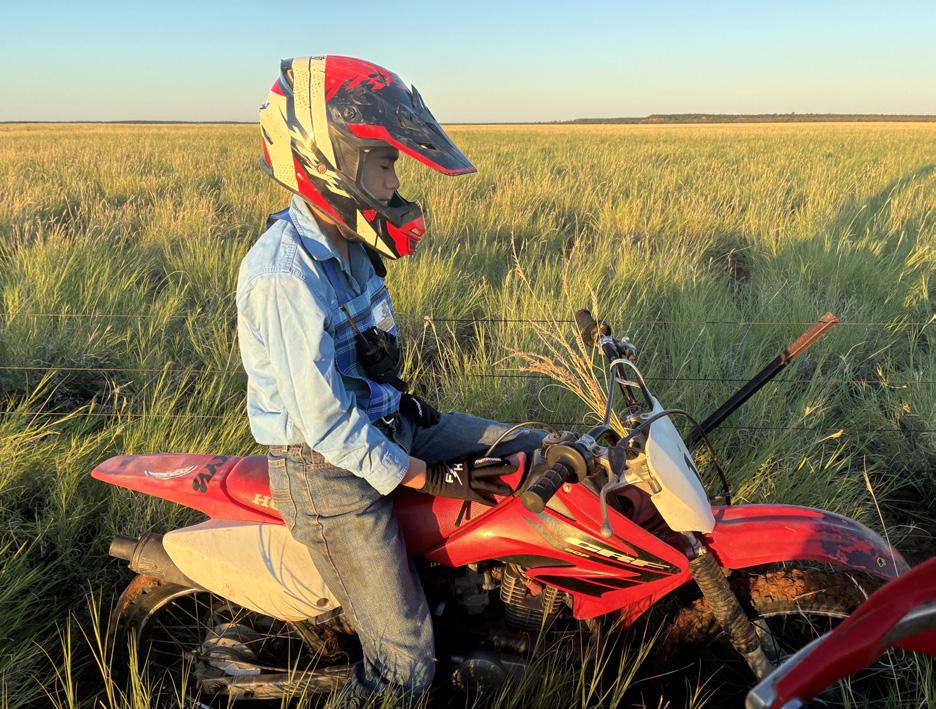
They carry the weight of expectation, doing jobs that are part of life on the land such as driving tractors, mustering on motorbikes and working livestock alongside adults. They check fences and watering points and carry responsibility from a young age.
Meet Ash McClymont, one of several students who has completed much of his schooling remotely, in his case through the Longreach School of Distance Education.
Ash grew up on his family’s cattle and sheep station 110 kilometres west of
Longreach. Properties like Dalkeith, which has been in the McClymont family for generations, stretch wide and flat. It is a long way from the green of the Toowoomba Grammar School ovals.
His classroom at home had lessons via online sessions, “basically a big Zoom meeting,” he said. That changed at times, with students travelling into Longreach for in-person clusters before returning home again.
Ash had a head start in some ways. His mother is a teacher and runs an online health and fitness business from the
property. He is also the youngest of four, with older siblings who have already made the move to boarding.
Even with that preparation, the shift from Dalkeith to Australia’s second largest inland city was mammoth.
Boarding is often described as a home away from home; it does not replace home, and it is not meant to. Over time, routines form and the boys you live with become close. For many, they come to feel like brothers.
It does not happen all at once.
For boys from more isolated backgrounds, the change is more than distance from family. It is a different pace, a different structure and new expectations around sport, co-curricular life and shared spaces.
At our School, that is well understood. It has long welcomed boys from rural and remote communities and knows that not everyone arrives at the same starting point.
Corfe House plays an important role in those early months. It is where the youngest boarders begin, supported by staff who understand how important that first stretch can be.
Homesickness is part of it.
“Probably half of Corfe got really homesick at some stages,” Ash said. “But once sport got going, everyone enjoyed it a lot more.”
Alongside that care, there are practical ways the School helps boys settle. Time in sport, opportunities in the arts and music and simply becoming familiar with the campus all help build confidence before they enter Year 6 or 7.
Director of Boarding, Nick Byron, said that approach has been shaped over many years.
“We run a transition sleepover in November for boys we identify as being more isolated,” he said. “They spend an extra day at the School, meeting staff and connecting with boys who have similar interests.”
Those early moments matter. Boys begin building friendships before they arrive, heading into the Christmas holidays already knowing people.
Now in Year 8 and living in Boyce House, Ash can see that shift.
“Year 8 is easier because you’re used to the routine,” he said.
The classroom feels different now too.
“Here you’ve got teachers all around you and help sessions if you need it.”
There is a family connection as well. His father, Paul McClymont, attended the School from 1993 to 1997, following in the footsteps of his uncle, Arch Avery.
For Ash though, the experience is his own.
Home is still Dalkeith and the boarding house is not a replacement, but it becomes familiar, comfortable. Soon enough, there are true echoes of home; that is what makes all the difference.
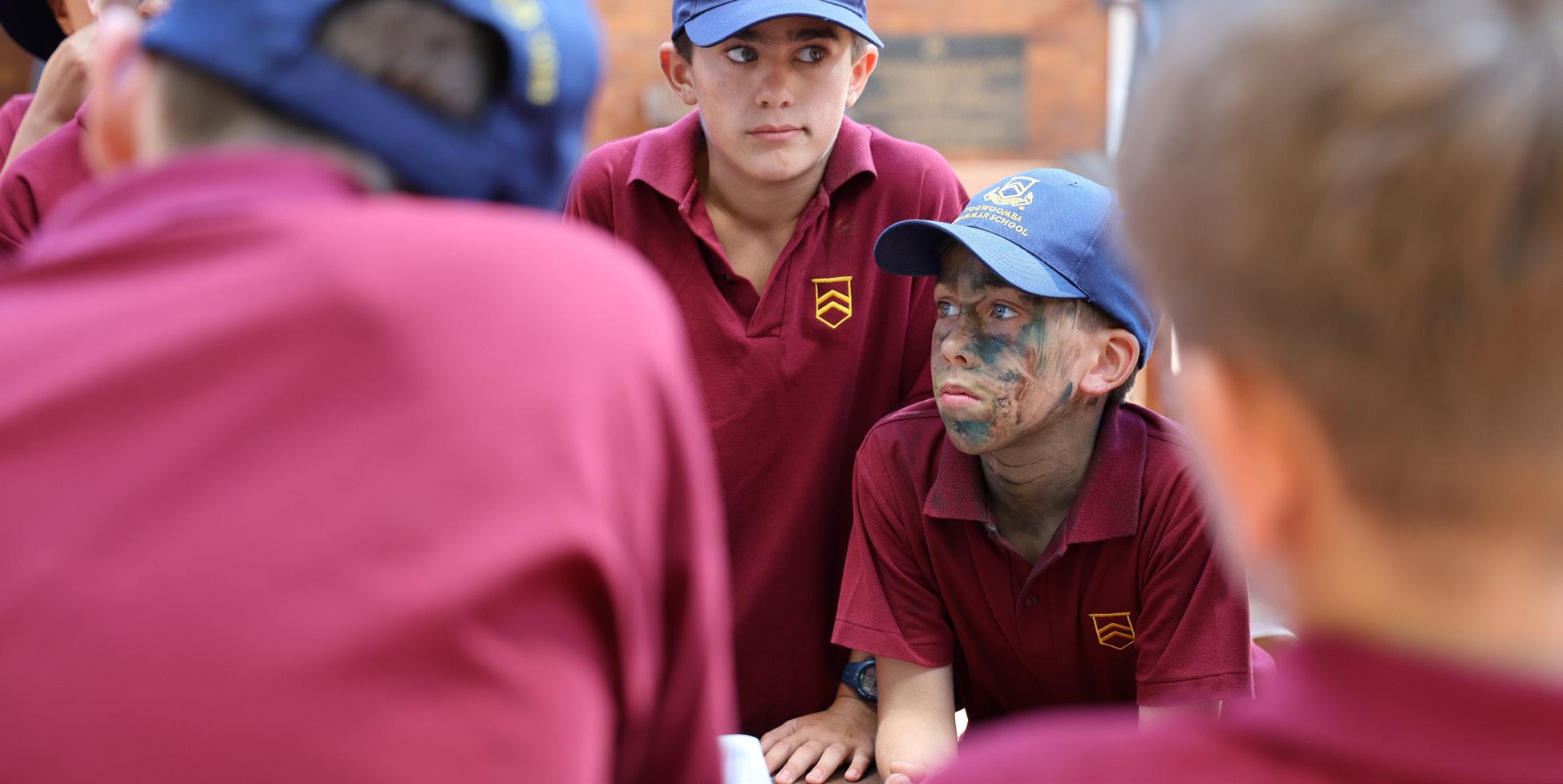
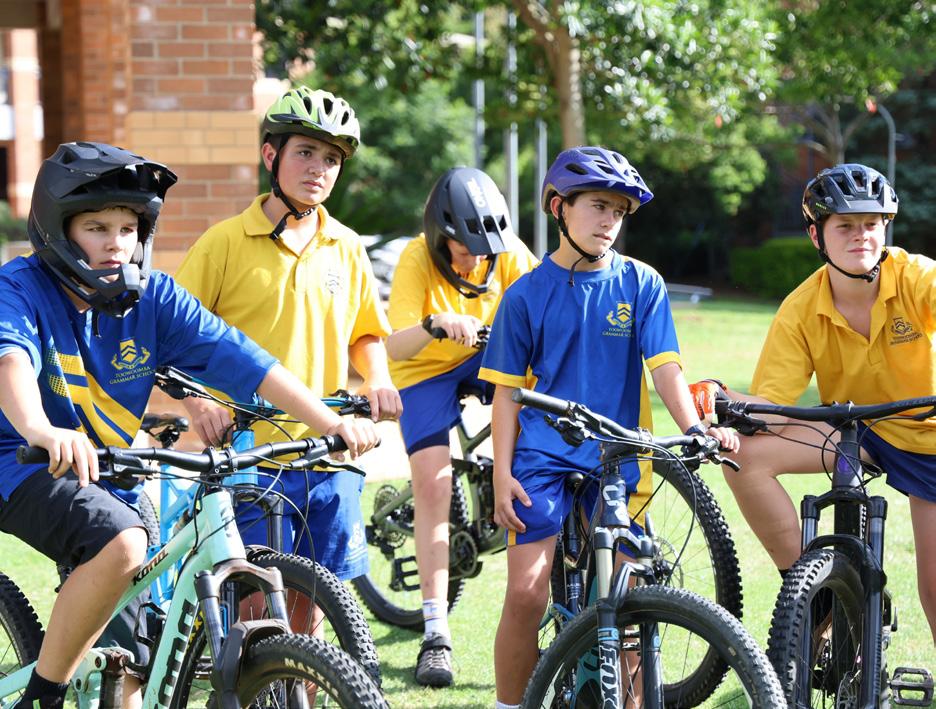
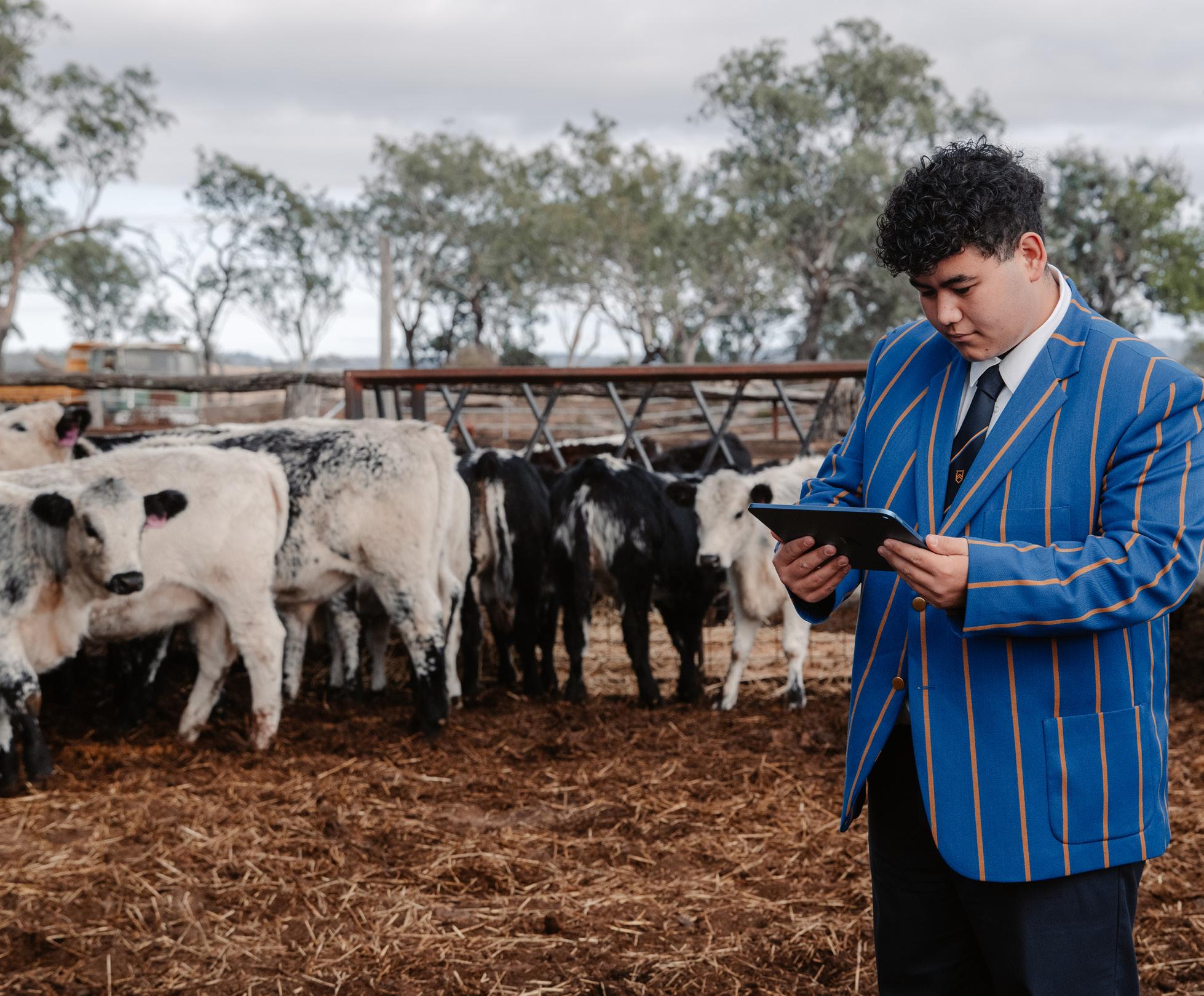
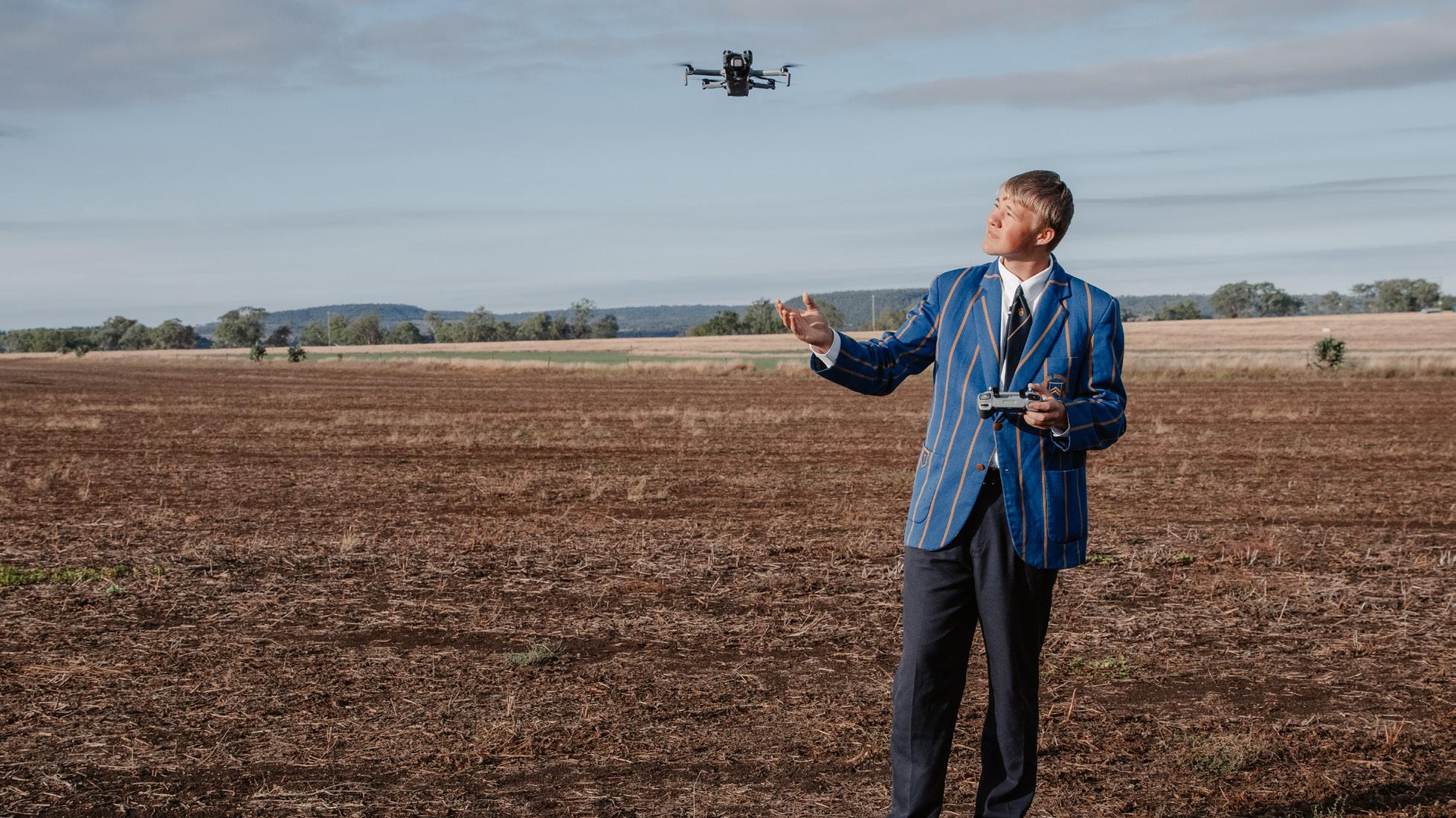
For me, TGX has been about finding ways to support Australian farmers and rural communities through innovation and emerging technology. Coming from South Australia, I have seen firsthand how challenging conditions can become for farming families, particularly during drought. I wanted to be part of a program focused on real-world problem-solving and making a genuine difference.
One of the most valuable aspects of TGX has been its focus on thinking beyond the classroom. The program encourages us to explore real issues affecting industries and communities,
and to consider how new technologies and ideas can help address them. It has shown me that there are strong opportunities for young people to contribute and help shape the future.
A major highlight has been hearing from industry leaders and guest speakers. Learning about real challenges and practical solutions has been highly motivating and has strengthened my understanding of how innovation creates meaningful change.
TGX has also helped build my confidence. It encourages students to share ideas, take initiative and back their
By Campbell Head, Jack Campbell, and Archer Finlay, TGX students
thinking. I now feel more confident speaking up and approaching problems with a critical mindset.
Completing micro-credentials in subjects such as AI literacy has also been valuable. It reinforced that technology is not just about quick answers, but about using tools effectively to improve understanding and problem-solving. The program stands out for its strong connection to the future. The skills we are developing will remain relevant well beyond the School, and I look forward to continuing and seeing how TGX evolves.
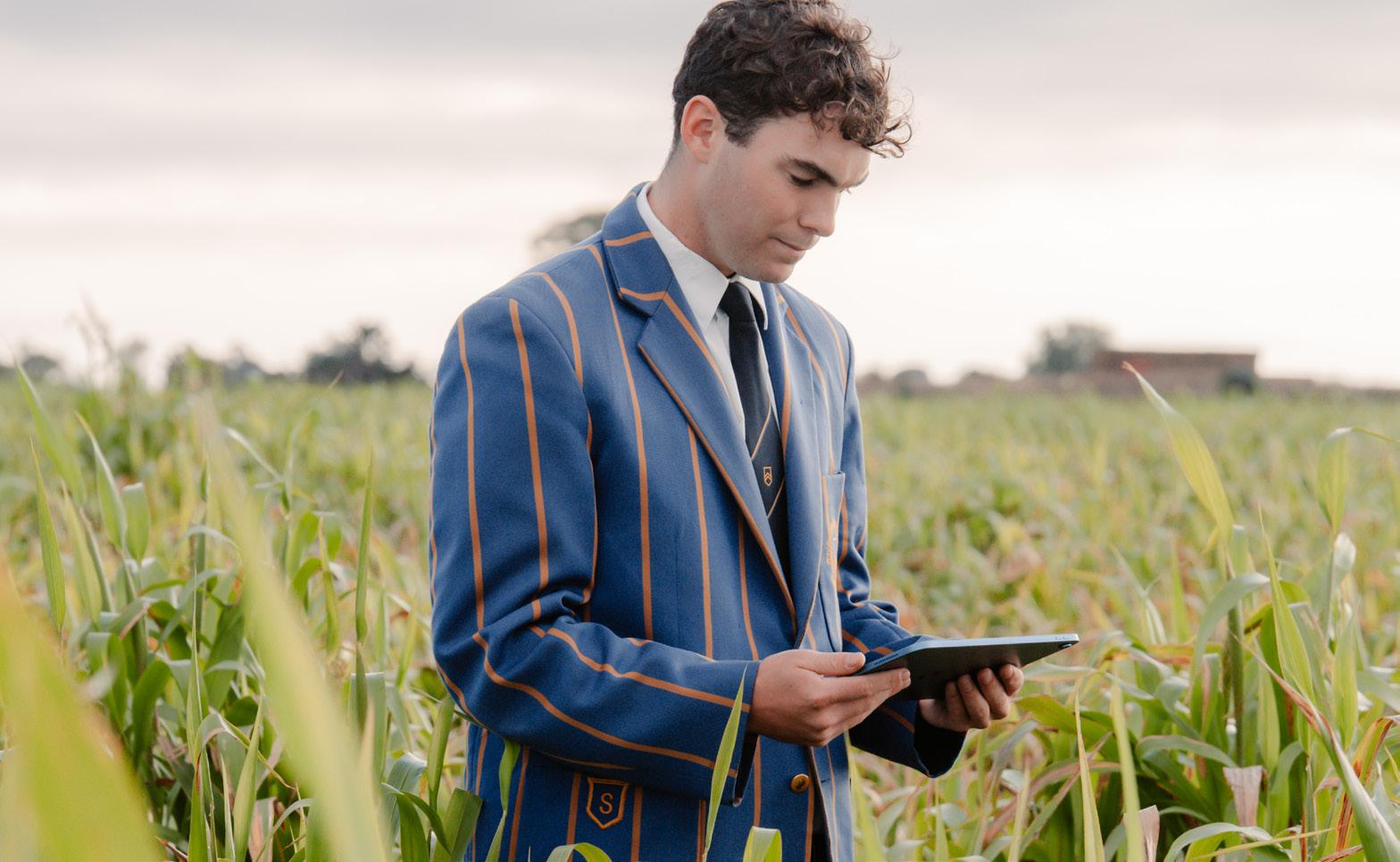
I chose to be part of the TGX pilot program because I wanted to challenge myself and try something different. I was interested in seeing how innovation and practical problem-solving could be applied to real-world situations, particularly within agriculture and sustainability.
Throughout the term, I have learnt that solving problems is far more complex than it first appears. There are multiple stages involved, from testing ideas and planning solutions to considering factors such as cost, efficiency and longterm viability. One of the key lessons has been that even strong ideas need to be financially sustainable to succeed in practice.
As part of our composting project, we have explored ways to improve how waste is managed at the School. Investigating how different ratios and processes affect outcomes has been particularly interesting. Coming from a farming background, it has also made me consider how similar approaches could be applied at home.
One of the most rewarding aspects of TGX has been hands-on learning. Working through real challenges has helped me better understand how ideas move from concept to implementation. It has also been eye-opening to see the number of systems operating behind the scenes at the School.
TGX has encouraged me to think differently and question traditional approaches. It has shown me that even small changes can lead to better outcomes. The skills and mindset that I am developing will be valuable well beyond the School.
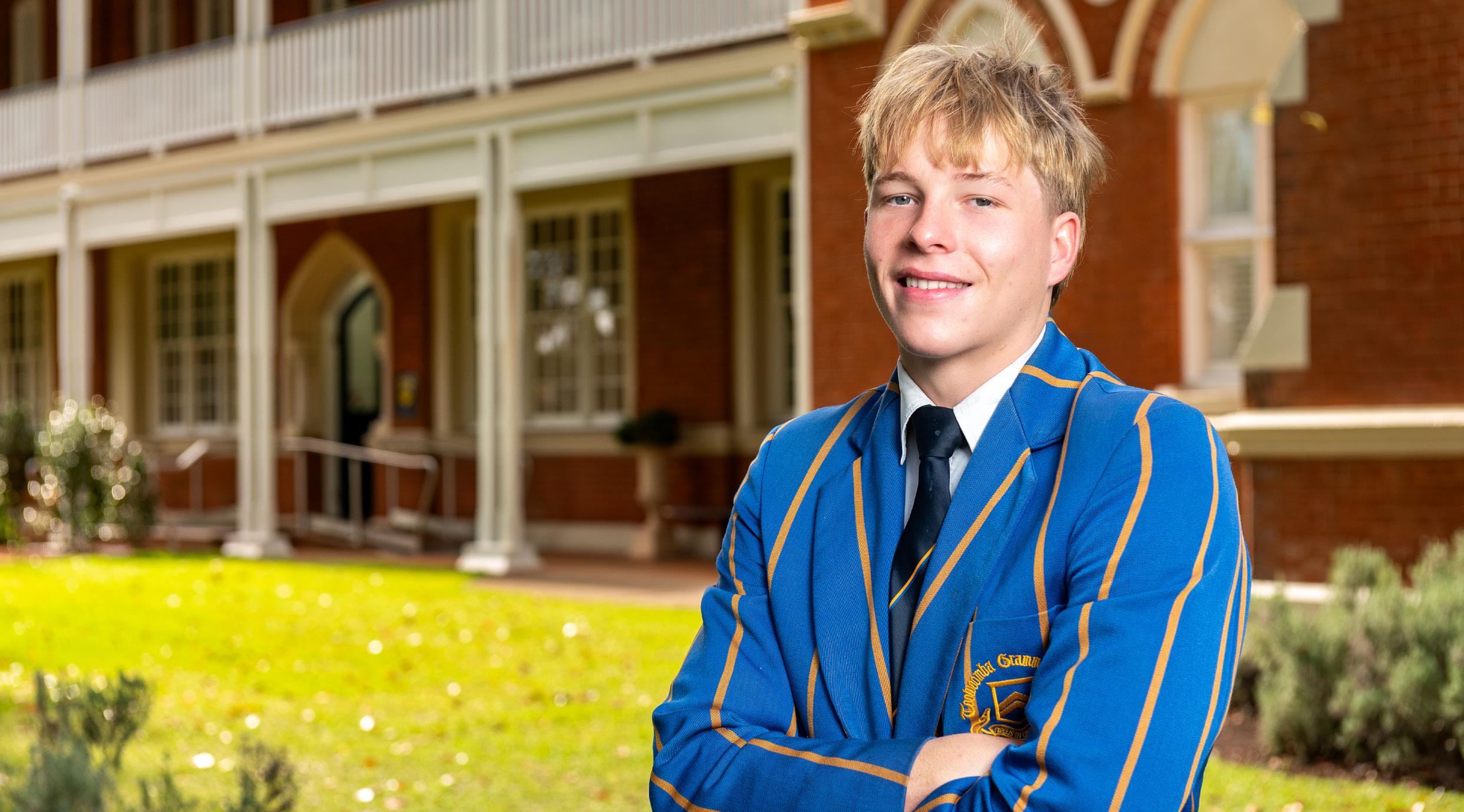
I became involved in the TGX pilot program to learn more about sustainability, innovation and how technology can improve agricultural practices. Coming from a farming background, I was particularly interested in exploring ideas that could be applied both at the School and at home.
This term, our project has focused on improving how green waste and grass clippings are managed at the School. After speaking with grounds staff and reviewing current processes, we identified that large amounts of waste were being removed at a cost. From there, we began investigating how this waste could be composted and reused instead.
The process has involved more research and testing than I initially expected. We have worked with staff, teachers and industry experts to better understand composting systems and the science
behind them. Our testing has included variables such as moisture, pH levels, waste ratios, worm activity and compost turning to determine the most effective approach.
One of the most valuable aspects of TGX has been learning directly from industry specialists. Their experience has helped us understand how solutions are developed and refined over time, and that progress requires patience and continual improvement.
Through the program, I have developed skills in research, collaboration and critical thinking. I have also learnt that solving real problems is rarely straightforward. It has been rewarding to see our project progress, and it would be great to know our work could contribute to reducing waste and improving sustainability at the School.
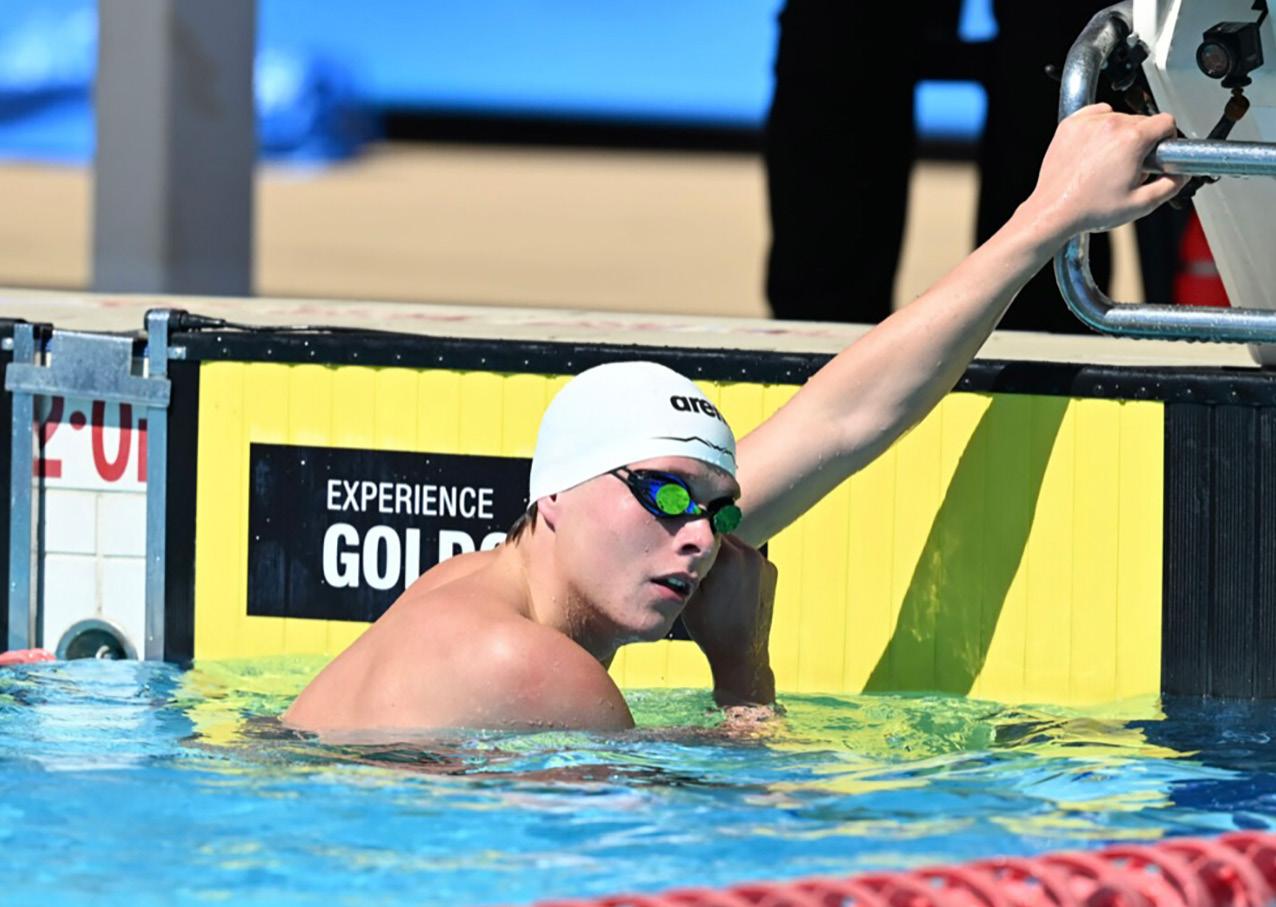
At just 15, Toowoomba Grammar School student Bryce Krause is rapidly establishing himself as one of Australia’s most exciting young swimmers.
Fresh from the Australian Age Championships, Bryce’s name is now etched into the record books. In a standout performance, he broke the 15-year-old boys’ 50m backstroke national age record with a time of 25.73,
coincidentally surpassing the previous mark held by fellow TGS Old Boy and Olympic swimmer, Isaac Cooper (2019-20).
On the same night, Bryce also helped lead Queensland to victory in the mixed 4x50m medley relay, another highlight in an extraordinary campaign that continues to build momentum.
By Kathryn Doyle, Director of Communications and Marketing
Despite the accolades, Bryce remains grounded.
“People say I did really well, but I’m never really satisfied,” he said. “I know I can go a lot faster.”
Bryce’s journey into swimming began in an unexpected way. Growing up in Dalby, he was originally focused on rugby league before being inspired to give swimming a try.
“My sister did swimming, and it looked like a bit of fun, so I thought I’d have a go,” he said. “I started when I was eight and just kept going from there.”
Under the guidance of long-time coach Michael Wise, Bryce’s progression has accelerated significantly over the past four years, elevating him into elite company.
What sets Bryce apart is not only his talent, but his balanced approach to the sport. While many athletes his age push towards intensive training schedules, Bryce has taken a more measured path.
“I probably don’t train as much as some others,” he said. “I do about five swim sessions a week and a couple of gym



sessions. My parents are big on me still being a kid and not burning out.”
That perspective is paying dividends, allowing Bryce to perform at a high level while maintaining his enjoyment of the sport.
His preferred strokes, backstroke and butterfly, reflect both technical precision and growing strength. While he once relied on technique to compete, Bryce is now developing the physical power to match.
Looking ahead, Bryce has his sights firmly set on the future. With Commonwealth Games trials approaching, he is eager to test himself against older competition.
“I just want to see how I go against the bigger boys and keep improving my times,” he said.

Long-term, the goal is clear.
“I’m aiming towards the 2028 Olympics. That’s the
big one.”
Behind the results is a strong support network. Bryce is quick to acknowledge the role his family has played, particularly the sacrifices made to support his training while balancing life between Dalby and Toowoomba.
“I really appreciate what they do for me,” he said. “Mum’s always driving me around and helping with everything. It’s not easy, but they’ve been incredible.”
At TGS, Bryce says the support has been equally important.
“The School has been really helpful with balancing everything,” he said. “It’s not all about swimming; you still have to get through school, and they’ve supported me really well.”
As Bryce continues to rise through the ranks, one thing remains clear. His success is driven not just by talent, but by a genuine love for the sport.
“It’s about enjoying it,” he said. “Not making it feel like a job. That’s what keeps me motivated.”
With records already falling and bigger stages on the horizon, Bryce Krause’s journey is only just beginning. His combination of talent, humility and perspective positions him as one of the country’s most promising young swimmers, and a young man firmly on track to make his mark.
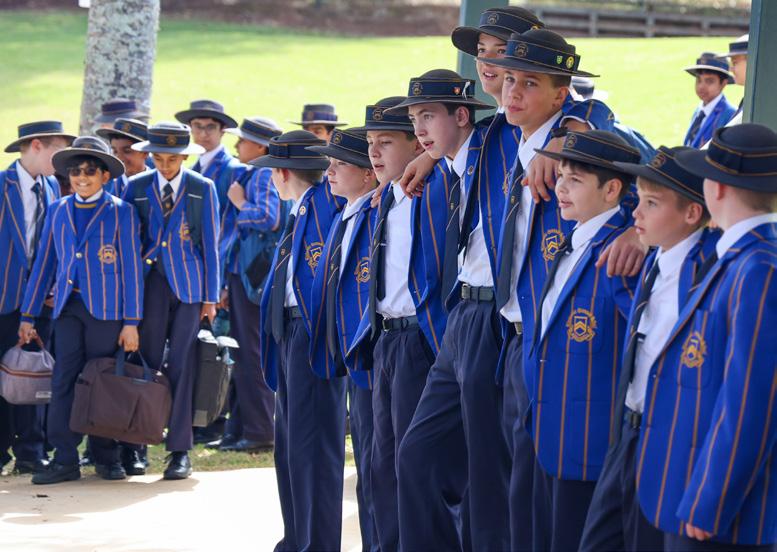
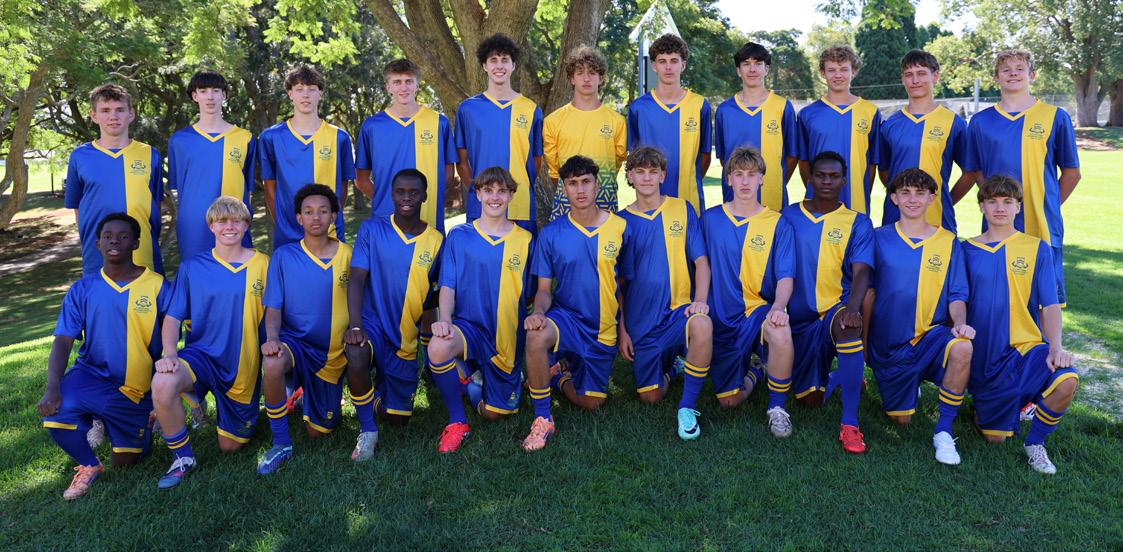
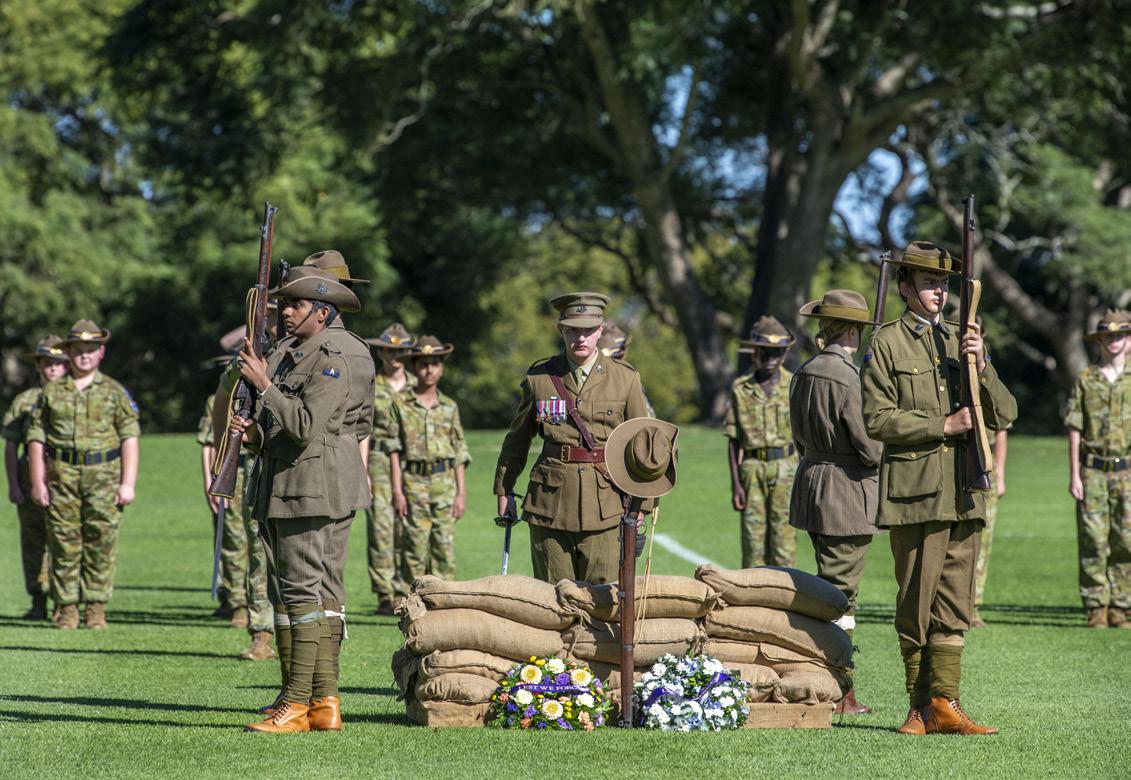
At its heart, philanthropy is not defined by financial contribution alone, but by a willingness to support others with generosity of spirit. It is expressed through time, connection, empathy and a shared commitment to something greater than oneself.
In many ways, this understanding of giving has long existed within the Toowoomba Grammar School community, even if it has not always been formally defined as such.
The School itself stands as a testament to this. Established through the collective generosity of the Toowoomba community in 1874, TGS was built on the belief that education was a shared responsibility.
That spirit has continued across generations, reflected in the ongoing support of families, Old Boys and the wider community.
As the School looks ahead, there is an opportunity to build on this legacy with greater clarity and intention.
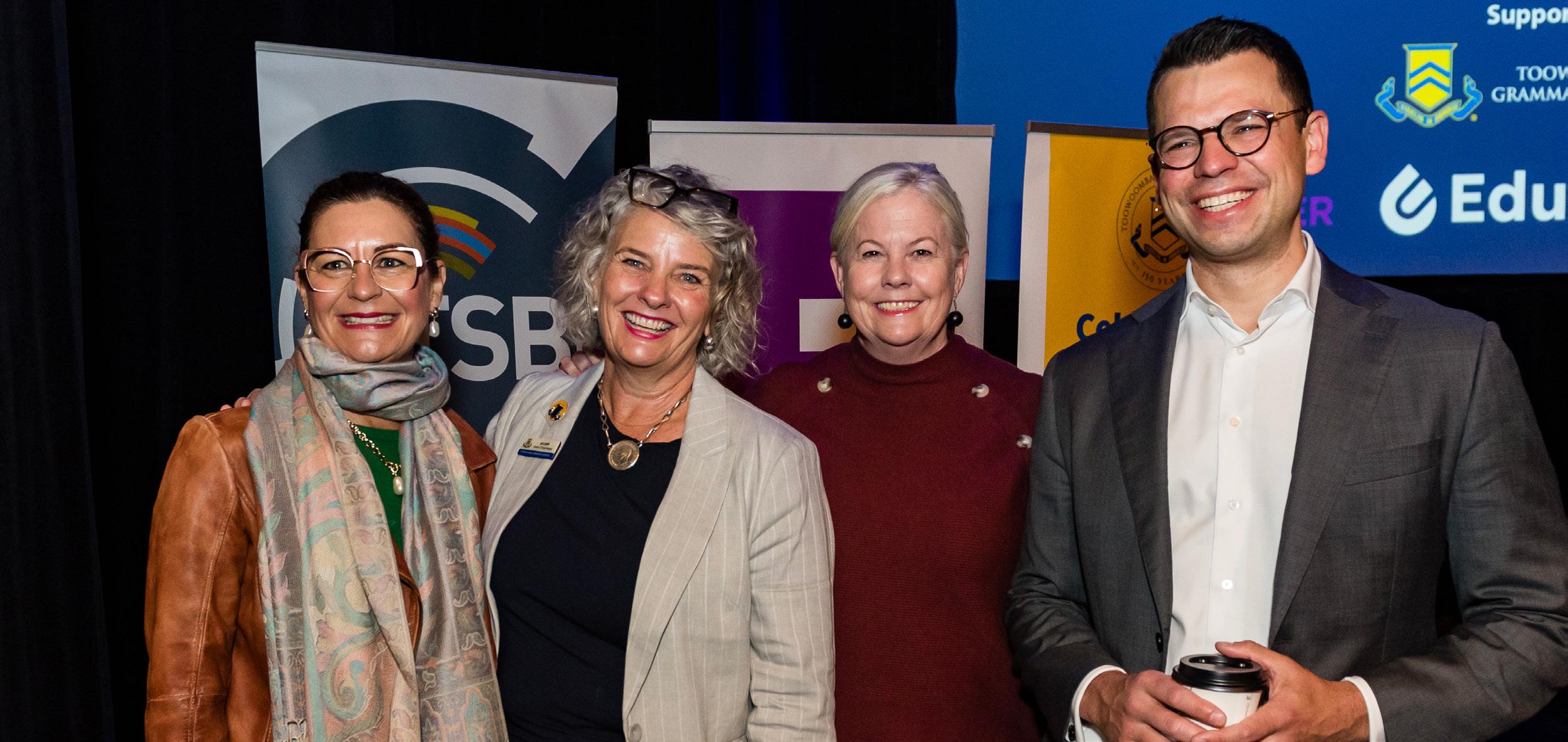
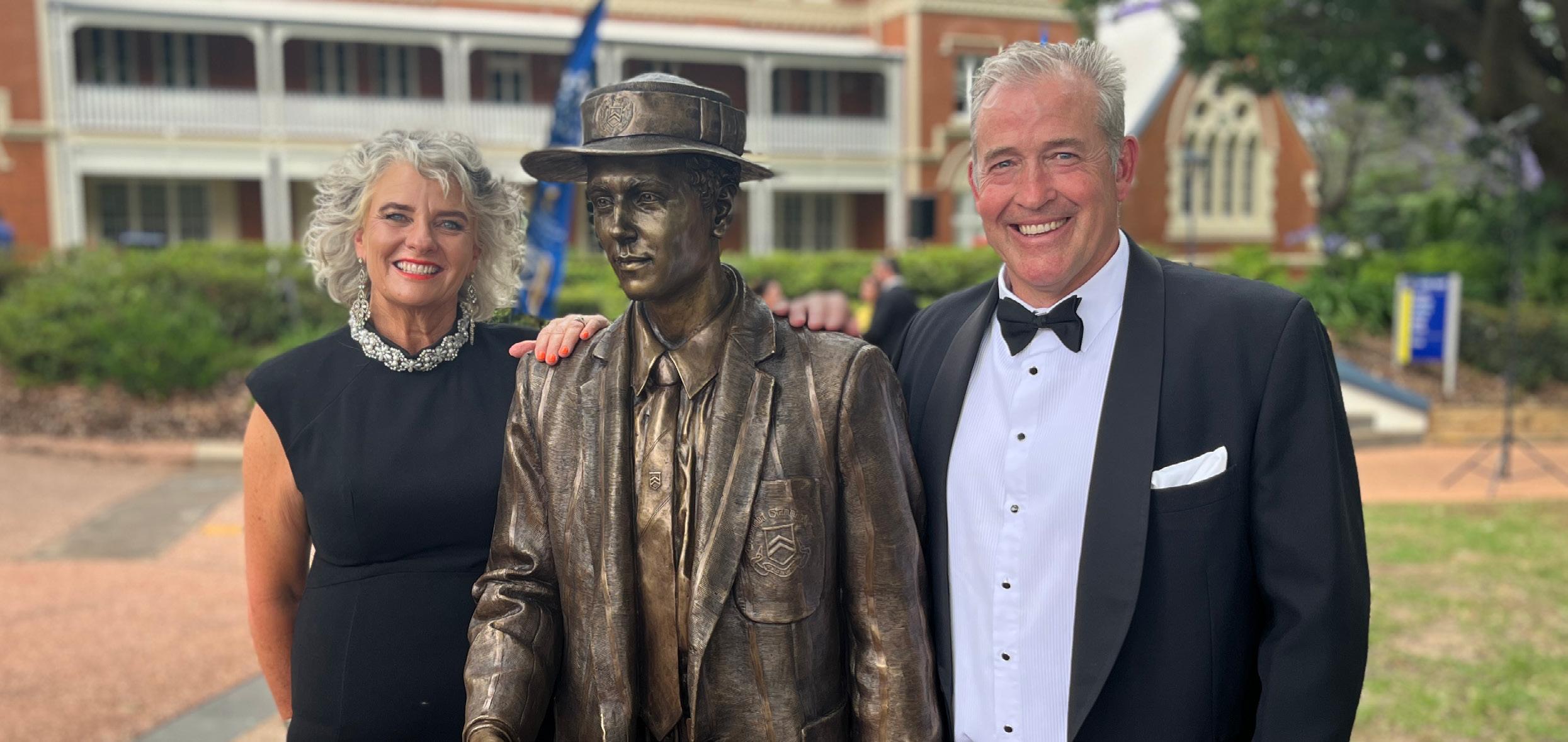
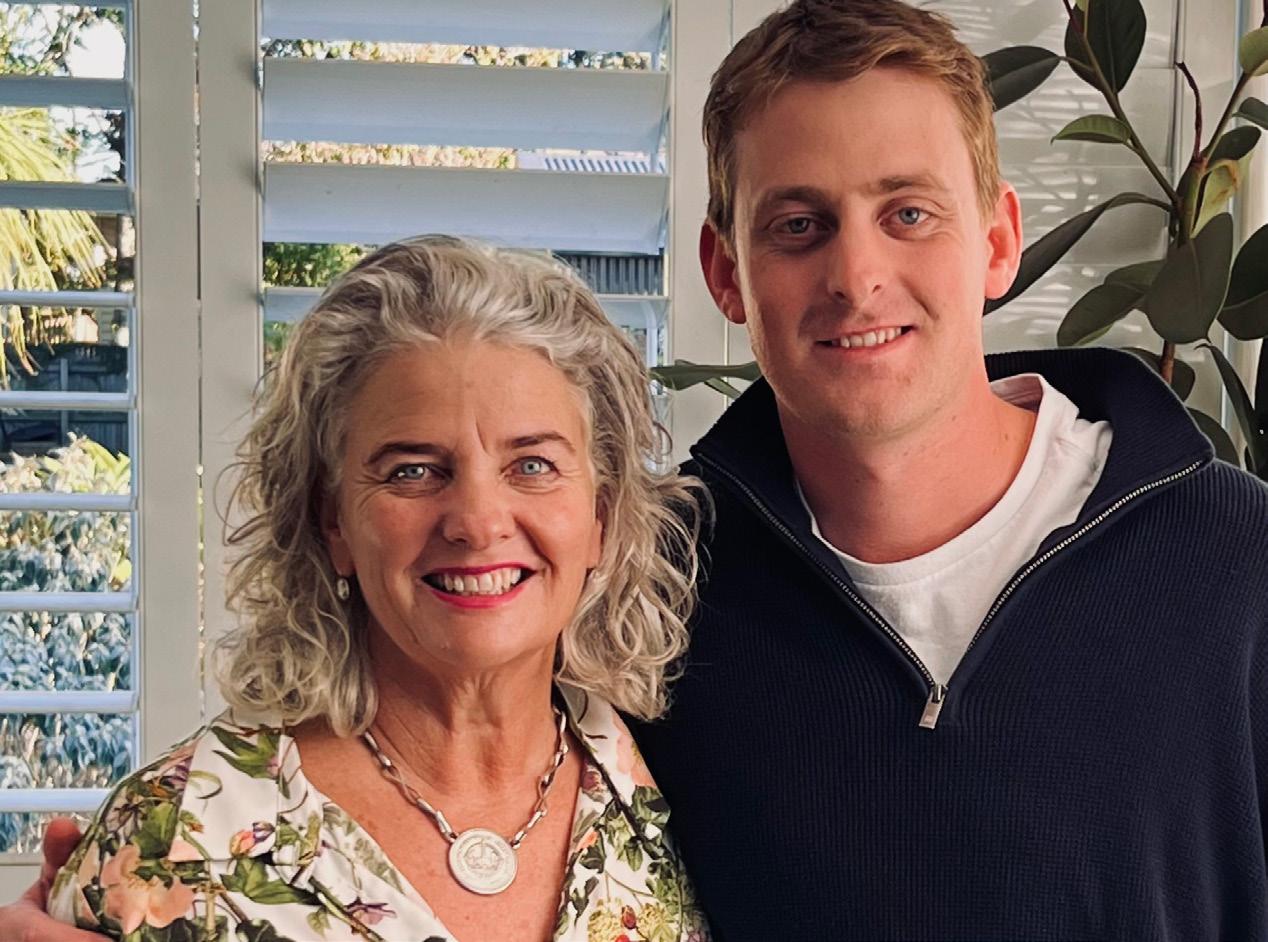
Leading this work is Director of Philanthropy and Fundraising, Jo Capp, whose journey to TGS has been shaped by both professional experience and deep personal insight. Her career in fundraising began in the late 1990s, before expanding across a range of
organisations, including the Leukaemia Foundation, Cancer Council Queensland and LifeFlight. Alongside this, she and her husband built a family business while raising their children.
It was during this time that her understanding of community and giving took on new meaning.
When her son Reid was diagnosed with cancer in Year 1, Jo stepped away from work to focus on her family. What followed was a period of significant challenge, not only in navigating illness, but in coming to terms with the emotional impact it had on family life.
“In those moments, you can become incredibly insular,” she reflects. “You focus inward, and everything else falls away.”
What remained constant, however, was the presence of community.
The support offered was often simple, but deeply meaningful — meals prepared, school drop-offs managed, everyday tasks quietly taken care of. These acts of kindness, grounded in empathy rather than expectation, provided a level of support that extended far beyond practical assistance.
By Kathryn Doyle, Director of Communications and Marketing
“The giving of time and care was what sustained us,” she says. “It made a significant difference not just to our health, but to our family.”
This experience has since shaped her approach to philanthropy, one grounded not in assumption but in understanding.
“People often think philanthropy is about giving money,” she explains.
“In reality, it’s about connection. It’s about listening, building trust and supporting people in a way that respects where they are.”
This philosophy aligns closely with the direction TGS is now taking. Through the Building Tomorrow Together strategy, the School is seeking to strengthen and formalise its approach to giving, not as a transactional process, but as a shared commitment to the future.
Importantly, this approach recognises that contribution can take many forms.
Not all members of the community will see themselves as philanthropists,
and Jo is clear that this is not a barrier to participation. Whether through volunteering time, sharing expertise, supporting School initiatives or contributing financially, each form of engagement plays a role in strengthening the community.
“When people feel connected and valued, giving becomes a natural extension of that,” she says. “It’s not about comparison, it’s about participation.”
This sense of shared purpose is particularly significant in an educational environment. The experiences provided to students — from learning opportunities to facilities and programs — are shaped not only by the School itself, but by the broader community that supports it.
Looking ahead, the vision for philanthropy at TGS is both practical and aspirational. In the short term, this includes initiatives such as the development of the Old Boys’ Deck, the establishment of an endowment to support future students and continued investment in facilities and learning environments.
More broadly, it is about embedding a culture of giving that is sustainable, inclusive and enduring. At its best, this means creating opportunities for boys who may never have imagined a TGS education as possible, and ensuring that potential, not circumstance, shapes their future.
“Philanthropy has always been part of TGS,” Jo notes. “What we are doing now is creating a clear framework so that
it can continue to grow and support future generations.”
There is also a recognition that the role of education is evolving, and with it, the expectations placed on schools. Providing access to high-quality teaching, contemporary facilities and meaningful learning experiences requires long-term thinking and collective support.
As a regional school, TGS is uniquely positioned within a community that understands the importance of connection, resilience and shared responsibility. In this context, philanthropy becomes not simply an initiative, but an extension of values that already exist.
For Jo, the opportunity to contribute to this work is both professional and personal.
“To be in a position where you can help bring people together, support others and contribute to something meaningful is incredibly rewarding,” she says. “It’s about making a difference, even in small ways.”
Ultimately, the message is a simple one.
Every contribution matters, not because of its size, but because of the intent behind it. When giving is grounded in genuine care and a shared sense of purpose, its impact extends far beyond the immediate.
In this way, philanthropy at TGS is not something new. It is a continuation of what has always defined the School: a community willing to invest in the growth, wellbeing and future of its boys.
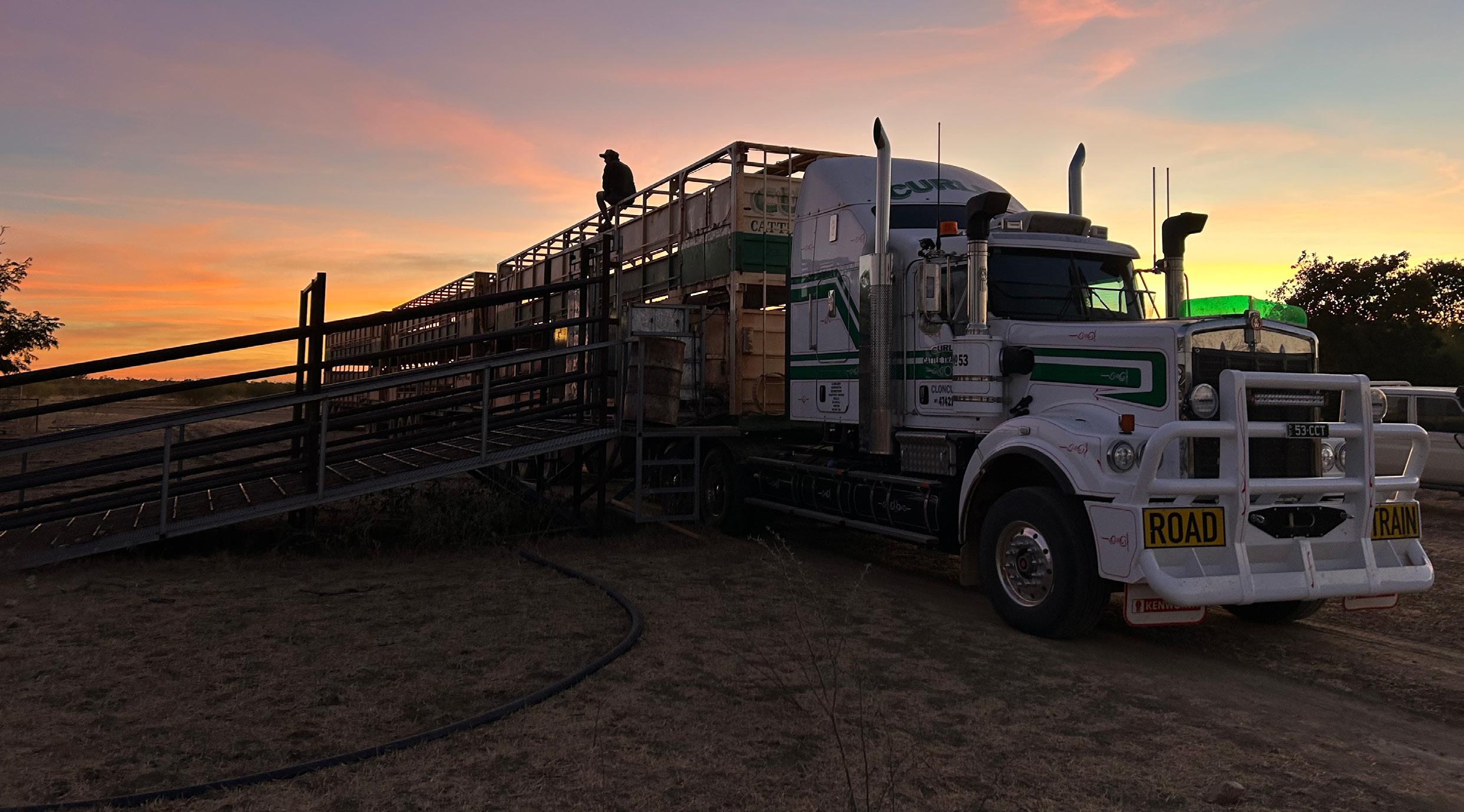
At Toowoomba Grammar School, connection sits at the heart of everything we do. Our TGS on Tour program is a powerful extension of that commitment, taking the School well beyond the gates of Toowoomba and into the communities where many of our boarding families live and work, often thousands of kilometres across Queensland and interstate.
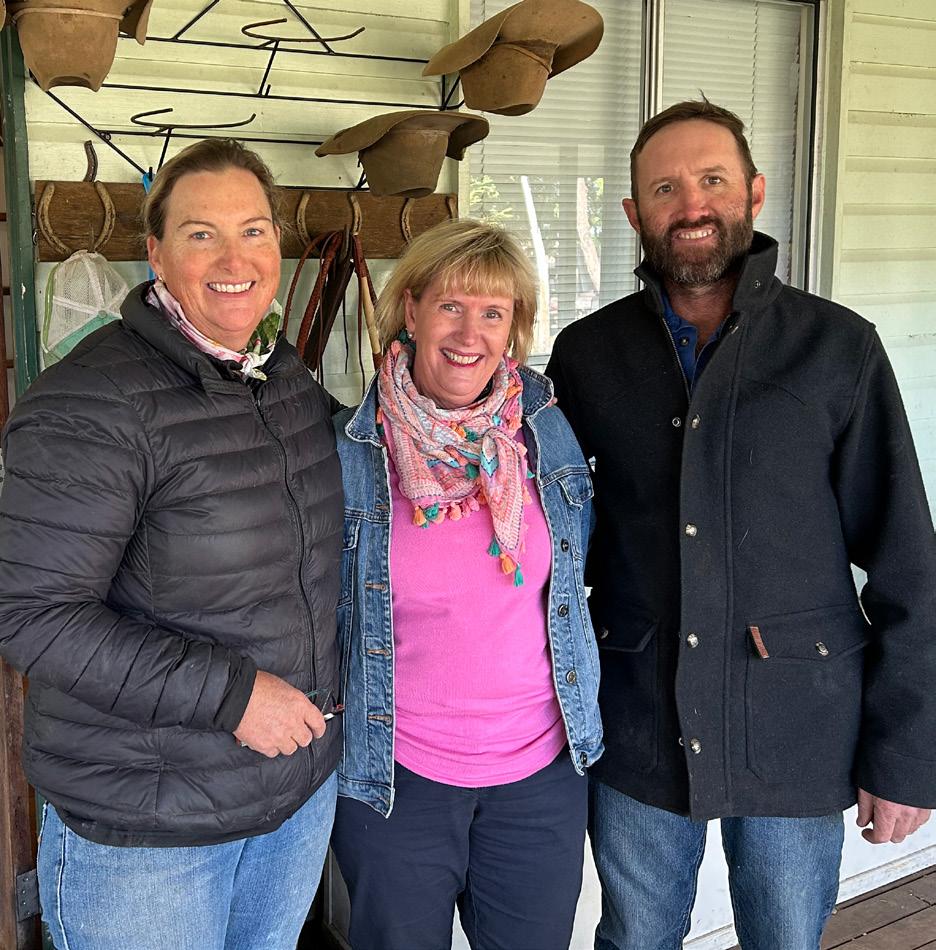
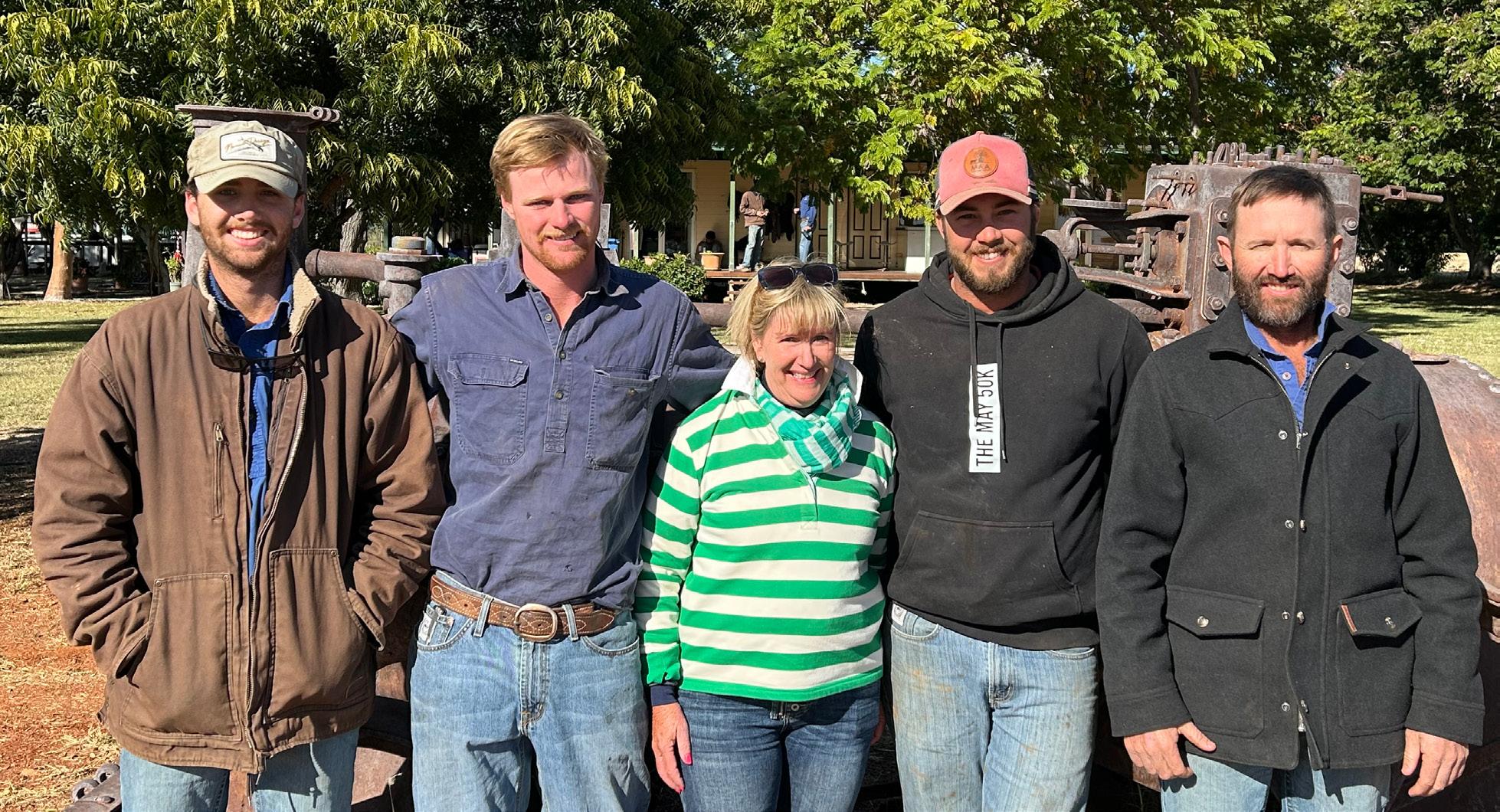
These distances are not lost on us. We deeply value the commitment our boarding families make in sending their sons to TGS, and we recognise the trust they place in us to care for them. TGS on Tour is one way we honour that trust. We meet families in their own communities, understand their environments and build genuine, lasting relationships.
The program provides an opportunity for current and prospective families to meet members of our team, hear first-hand about life at TGS and feel a sense of connection to the School, no matter how far from Toowoomba they may be. It is also an important chance for us to listen. Learning about the stories, properties and communities our boys come from adds invaluable context to our work and strengthens
the relationships that continue once families are back on campus.
For families that are considering boarding, these conversations are particularly important. Sitting down together and having open, genuine discussions helps to build trust and reassurance. Families want to know that their sons will be known, supported and cared for. TGS on Tour allows us to demonstrate that commitment face-to-face.
In Semester 2, TGS on Tour will continue to reach communities across Queensland, New South Wales and beyond.
Planned visits include:
» Goondiwindi, Boarding Schools Expo (July)
» Atherton, ICPA Queensland State Conference
» Channel Country Ladies, Quilpie
» Tamworth, Boarding Schools Expo (July)
» Brisbane Ekka
» Moree Boarding Schools Expo (July)
» Tenterfield
By Marian Rathie, Vocational Education and Training Coordinator
Having the opportunity
to
meet
the boys and their families in their home environments is one of the most meaningful and fulfilling aspects of my role.
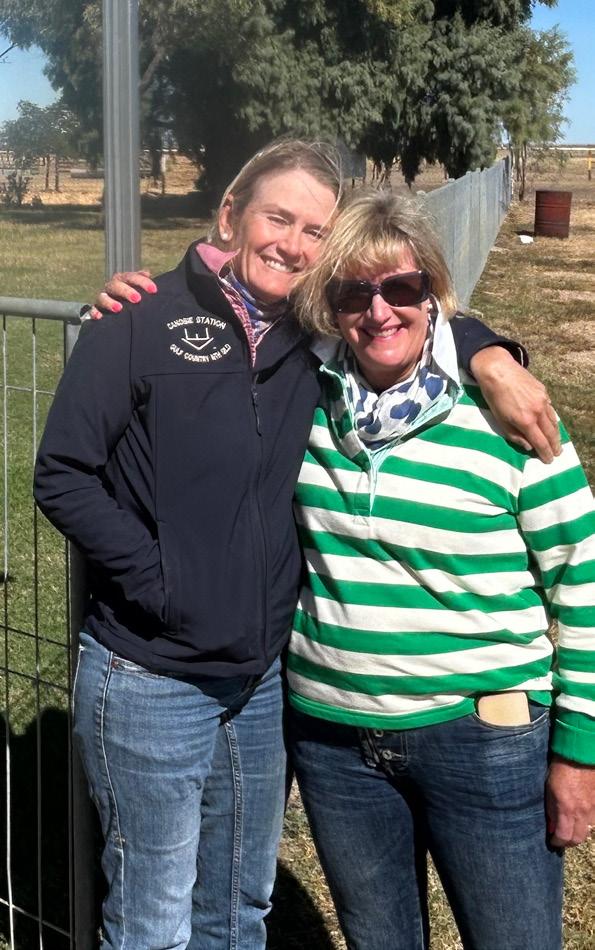
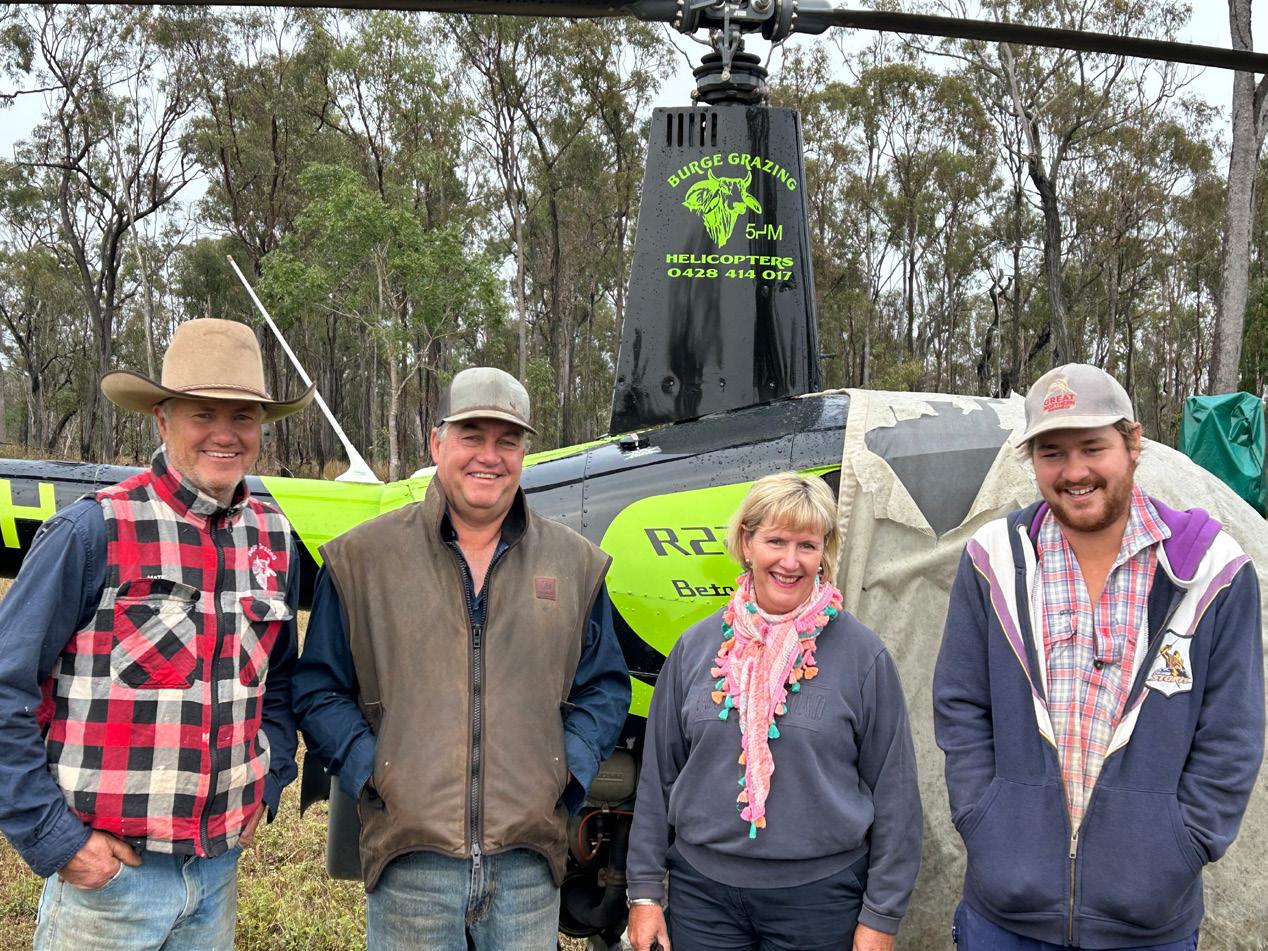
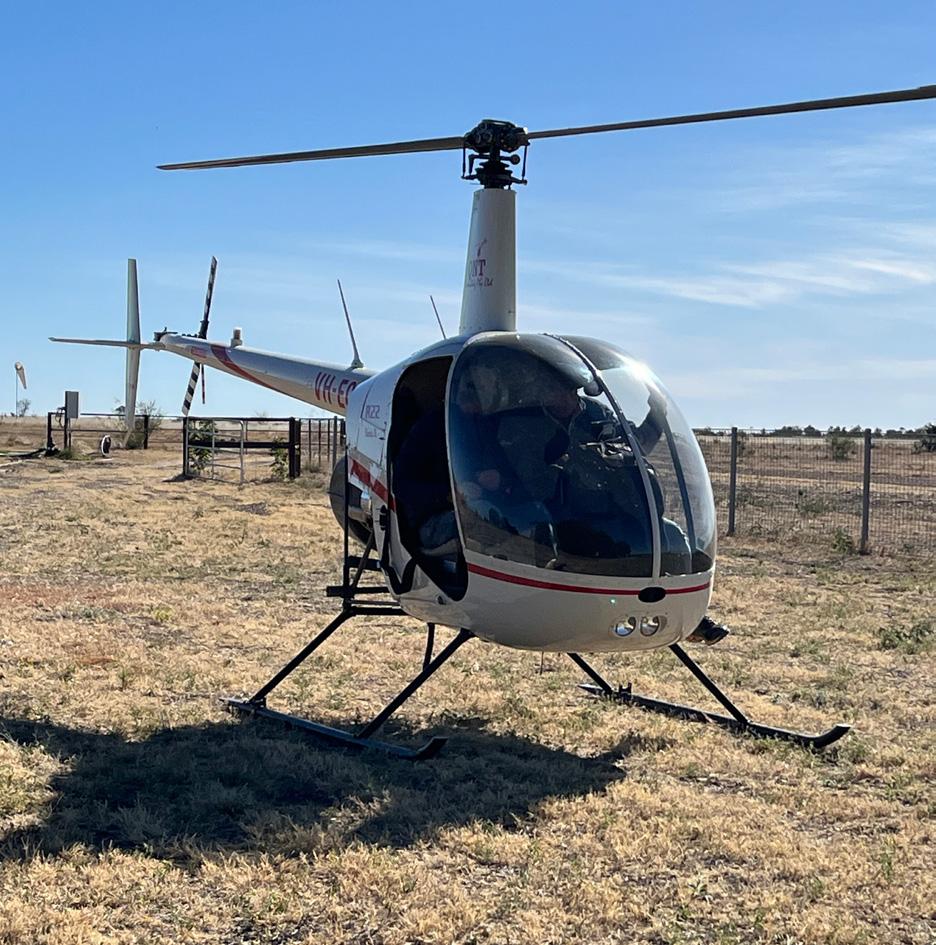
The boys take great pride in sharing where they come from and what they do. Being able to visit them on their properties and see them in action is a real privilege.
What I value most is how these experiences help build strong relationships and create lasting friendships with both the boys and their families. Each destination represents far more than a stop on a map. It is a chance to strengthen partnerships, acknowledge the journeys our families make and ensure every boy feels known, valued and connected.
Through TGS on Tour, we continue to demonstrate that while our boys may come from far and wide, they are all part of one connected community built on trust, understanding and a genuine sense of belonging.
By Julie Payne, Director of Business and Operations
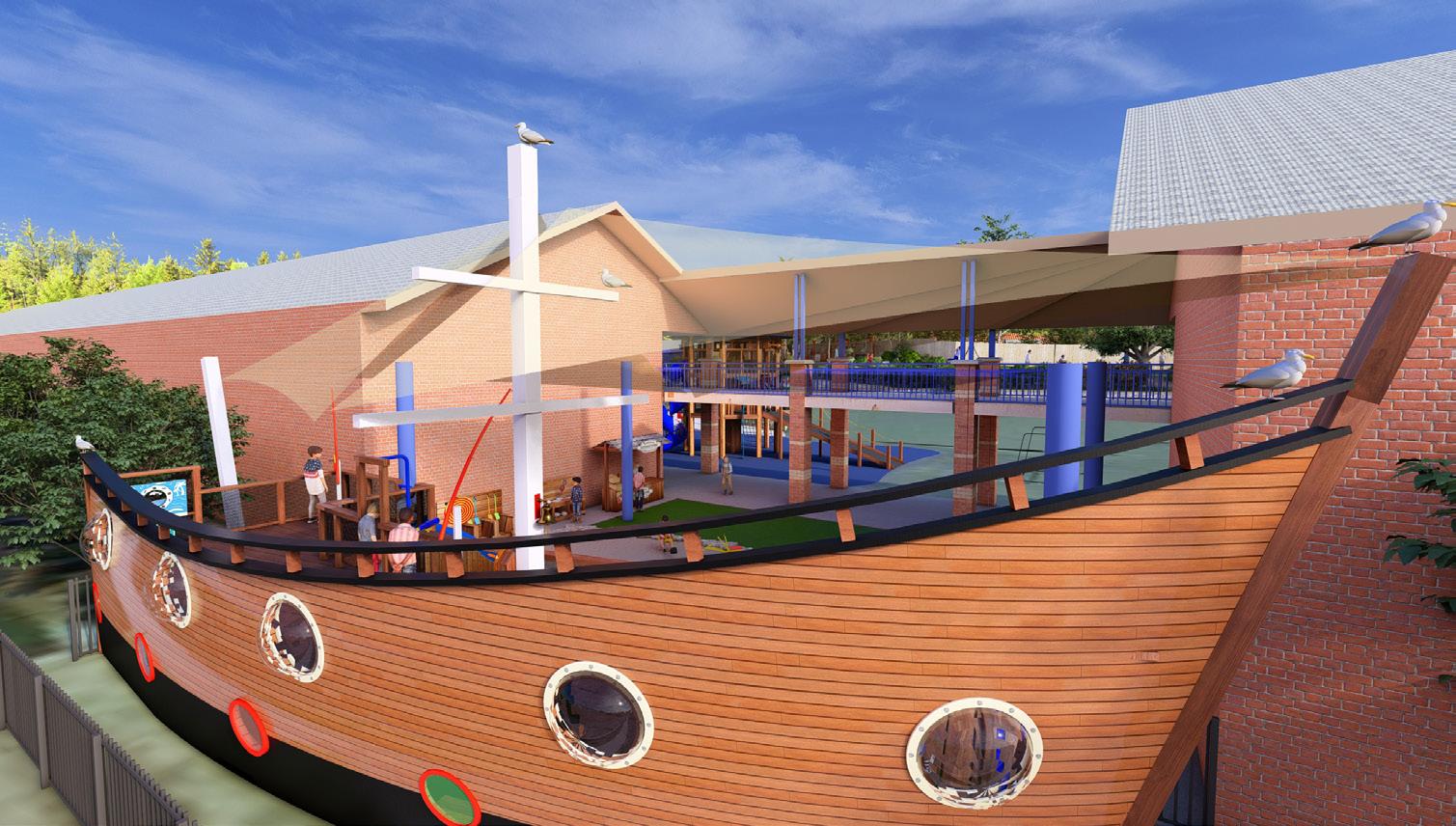
Exciting developments are on the horizon for the Junior School, with plans approved for a brand-new playground that will inspire imagination, adventure and play for years to come.
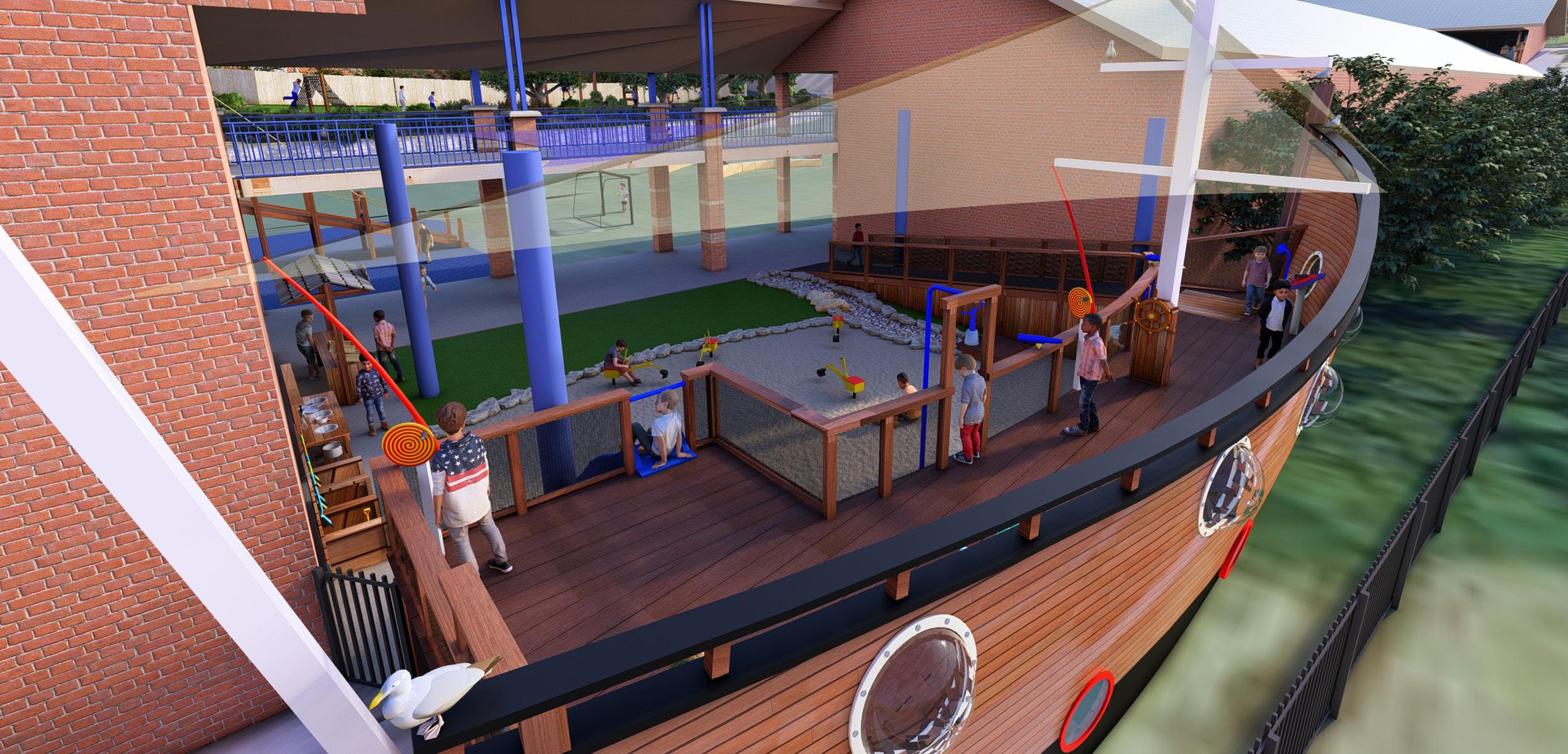
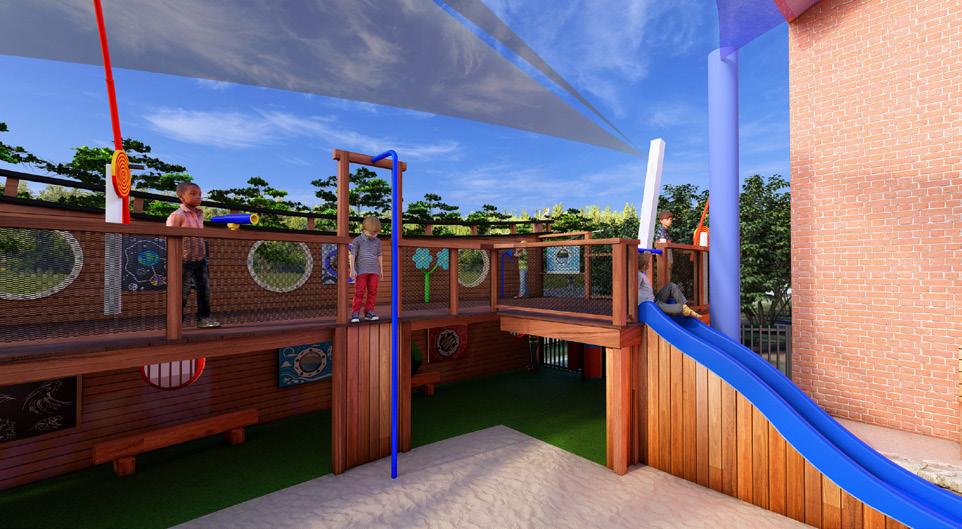
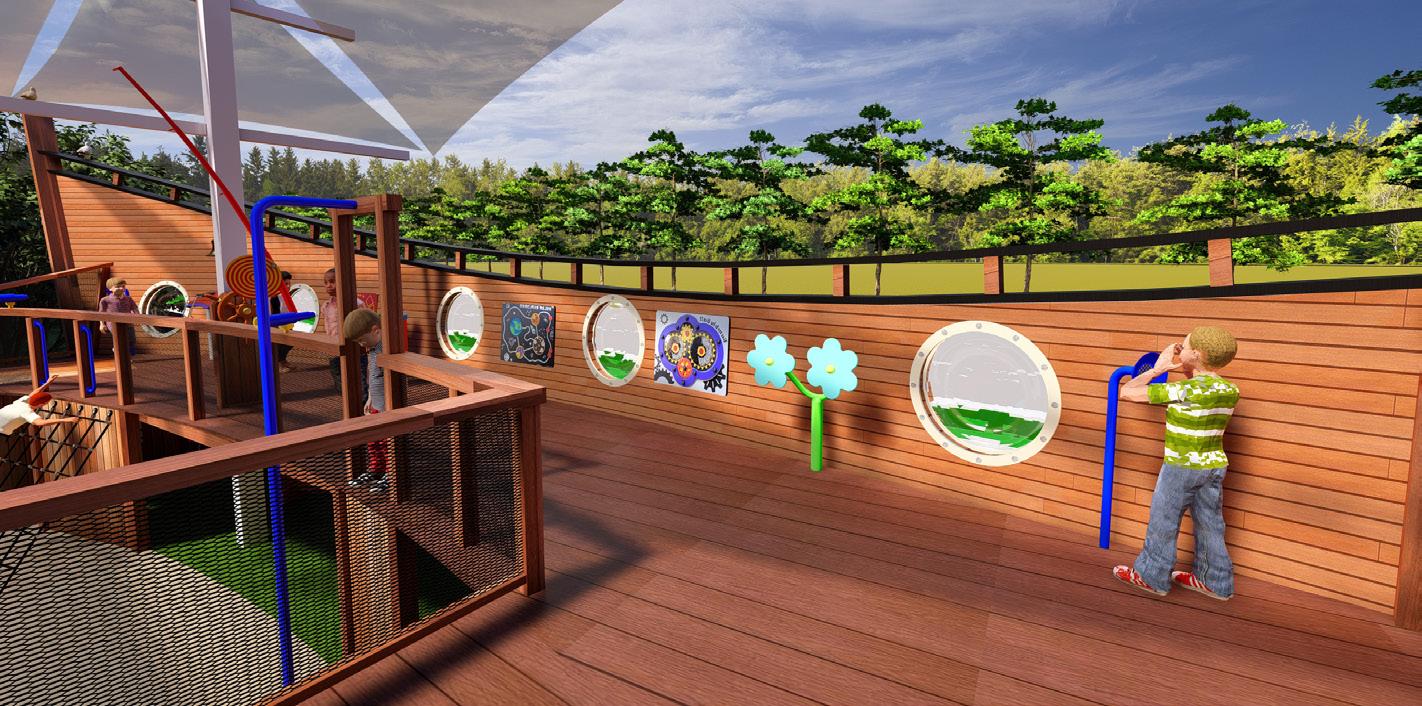
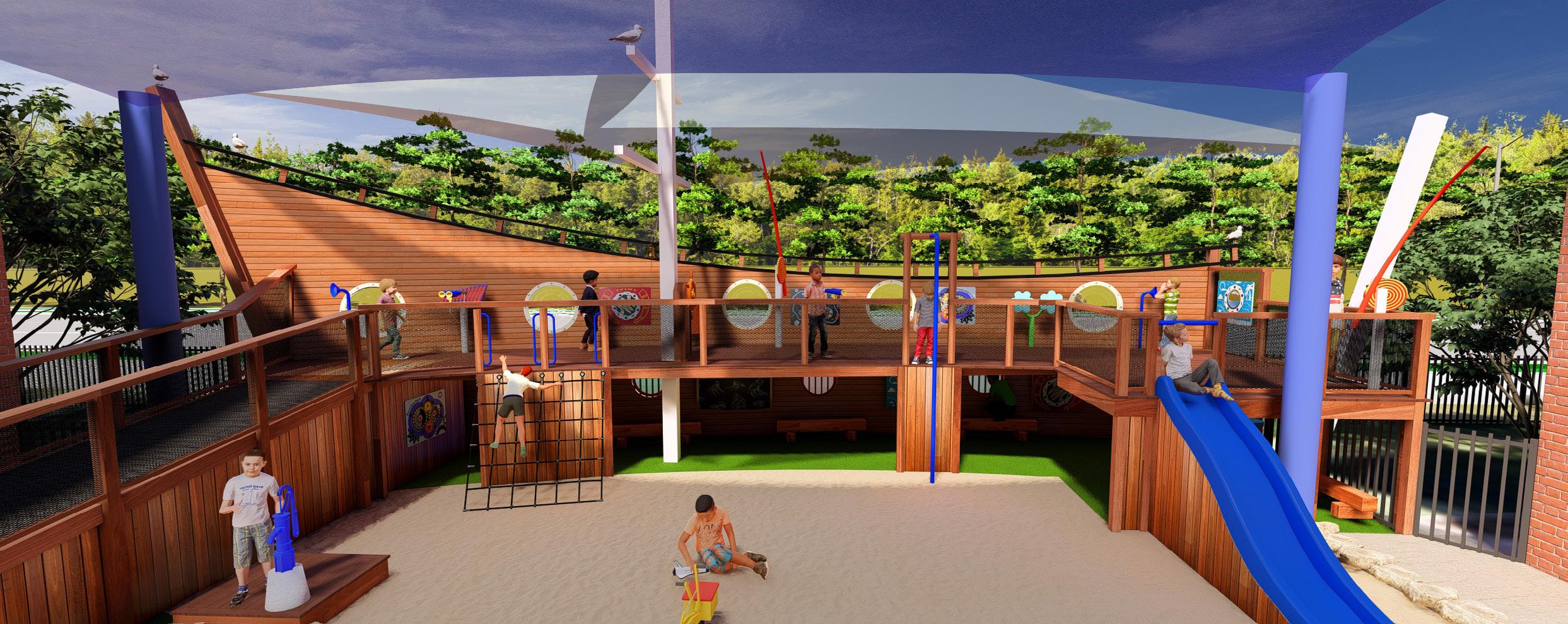
At the centre of Stage 1 is the Adventure Ship, a striking, custom-designed play structure that will transform the current sandpit playground area and create a vibrant new space for our youngest boys to explore and enjoy.
Following consultation with the School community, and careful planning and consideration by the School’s Works and Finance Committees, the Board of Trustees has approved Stage 1 of the project, with construction scheduled to commence in early 2027.
Designed as more than simply a playground, the Adventure Ship will become a signature feature of the Junior School precinct, visible from Herries Street and warmly welcoming both current and prospective families.
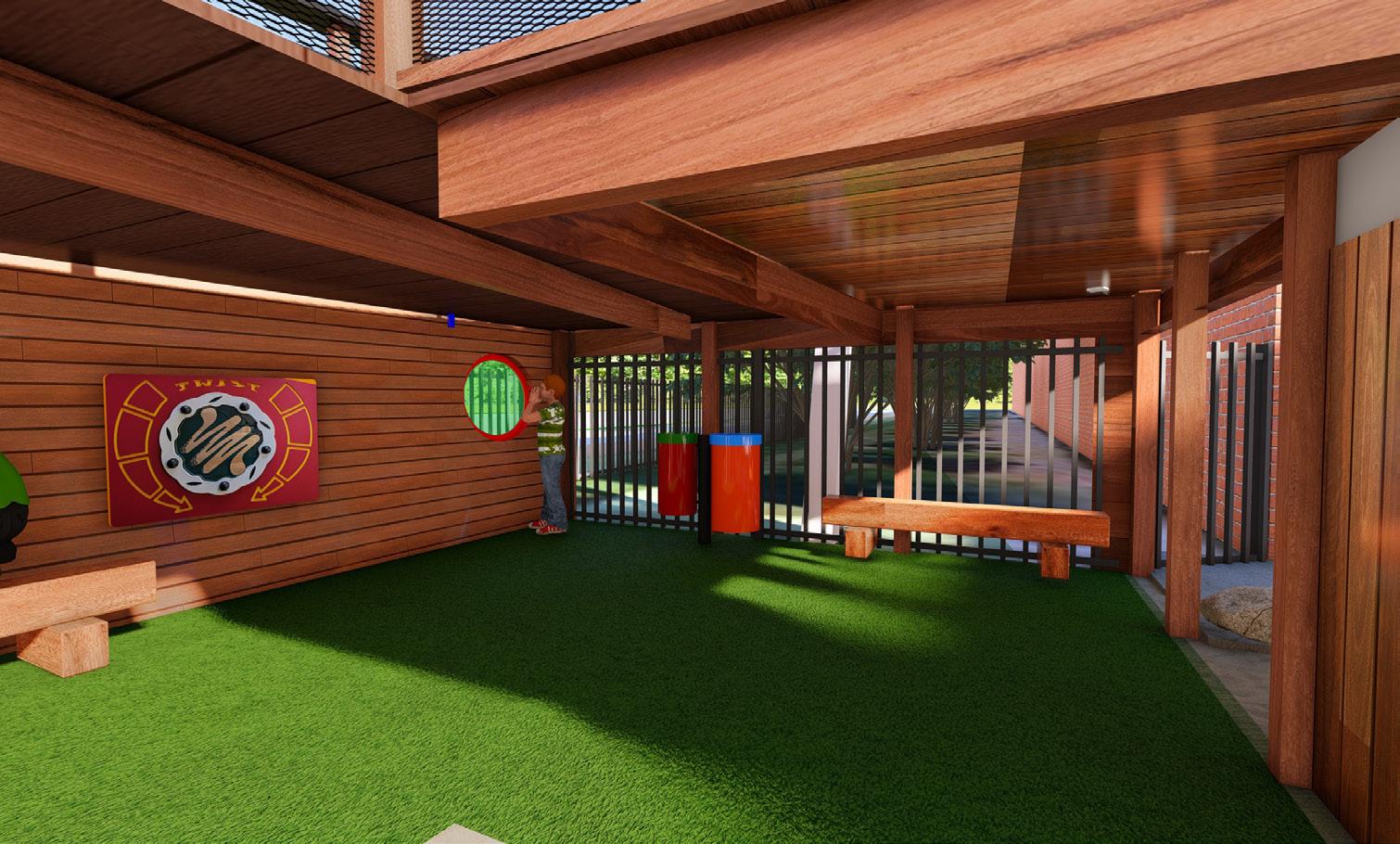
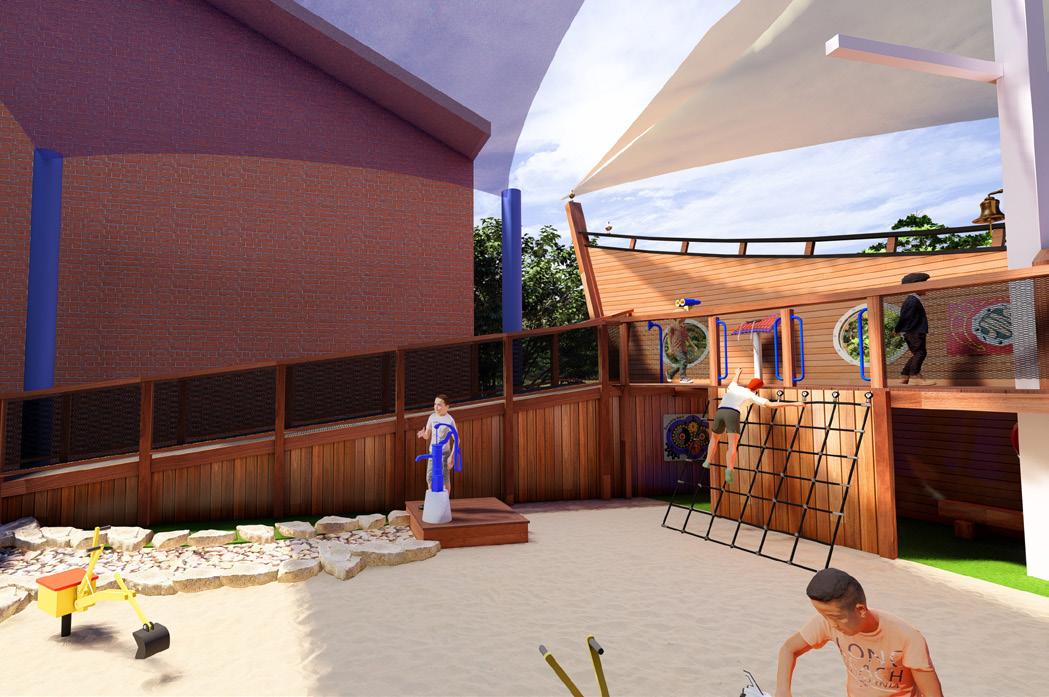
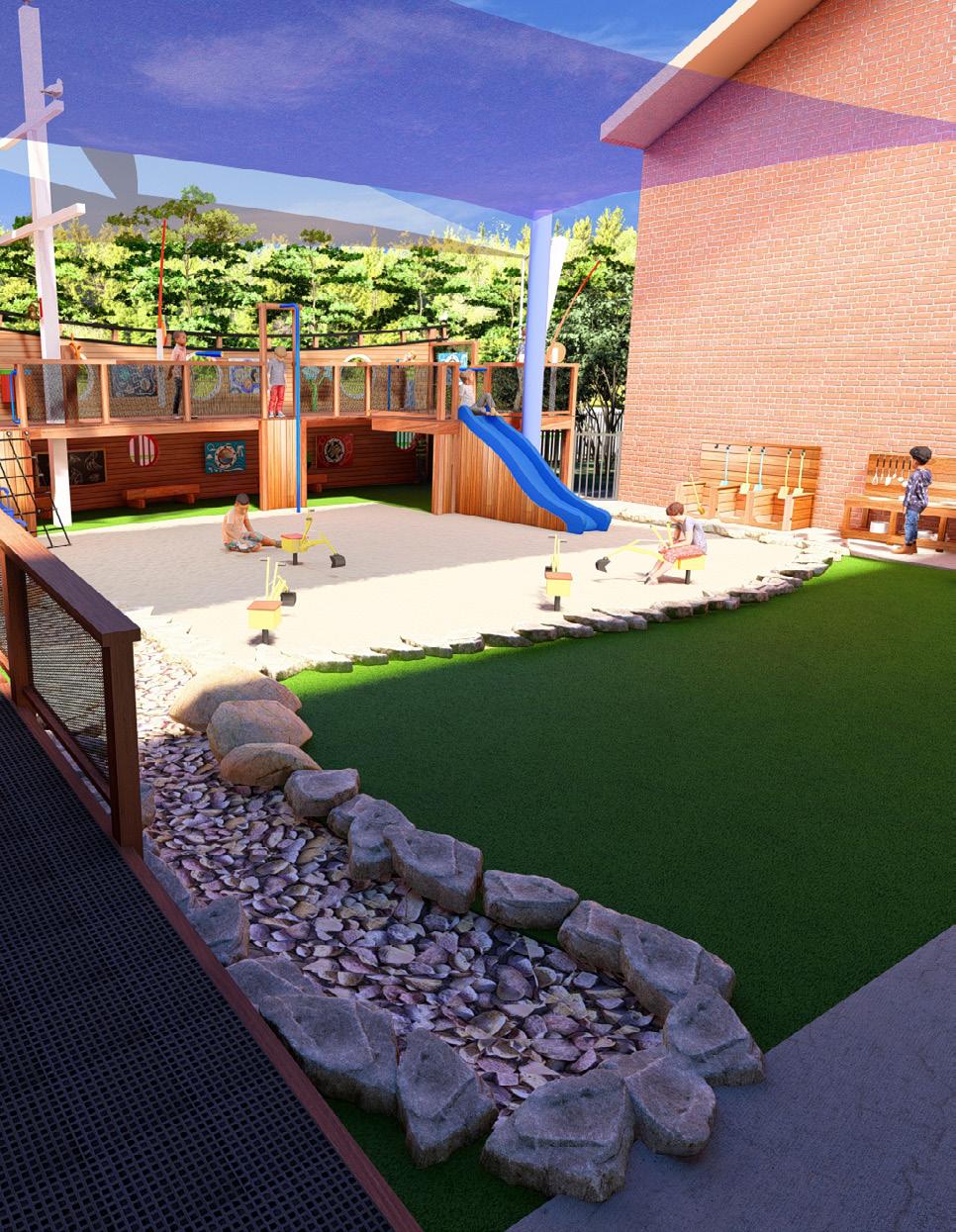
Crafted from high-quality materials and built to Australian Standards, the ship will offer a range of engaging and interactive play experiences, including:
» A multi-level ship deck with climbing access, slides and a fireman’s pole
» Interactive activity panels, talk tubes and musical elements
» A large sandpit environment beneath the ship hull
» Dedicated imaginative play zones
These features have been intentionally designed to support imaginative play, physical development and social interaction, while also encouraging sensory exploration and creative thinking, all important foundations in early childhood development.
The Adventure Ship represents Stage 1 of a broader vision for the Junior School playground precinct, with a future Stage 2 planned to include larger adventure structures and expanded play opportunities.
Stage 2 will progress separately through a dedicated fundraising and funding strategy, ensuring the School can thoughtfully plan for its future delivery.
The playground redevelopment forms part of the School’s ongoing commitment to enhancing outdoor learning environments and supporting student wellbeing in the early years.
At TGS, we recognise that learning extends well beyond the classroom. Thoughtfully designed outdoor spaces play an important role in helping children build confidence, develop social connections, strengthen physical skills and foster creativity through play.
The Adventure Ship has been carefully designed to provide a variety of spaces that encourage boys to explore, collaborate, imagine and create their own adventures.
Construction of the Adventure Ship is expected to begin in early 2027, bringing this exciting vision to life for the Junior School community.
Once complete, the new playground will become a lasting feature of the Junior School, reflecting TGS’s commitment to high-quality learning environments and the holistic development of every boy.


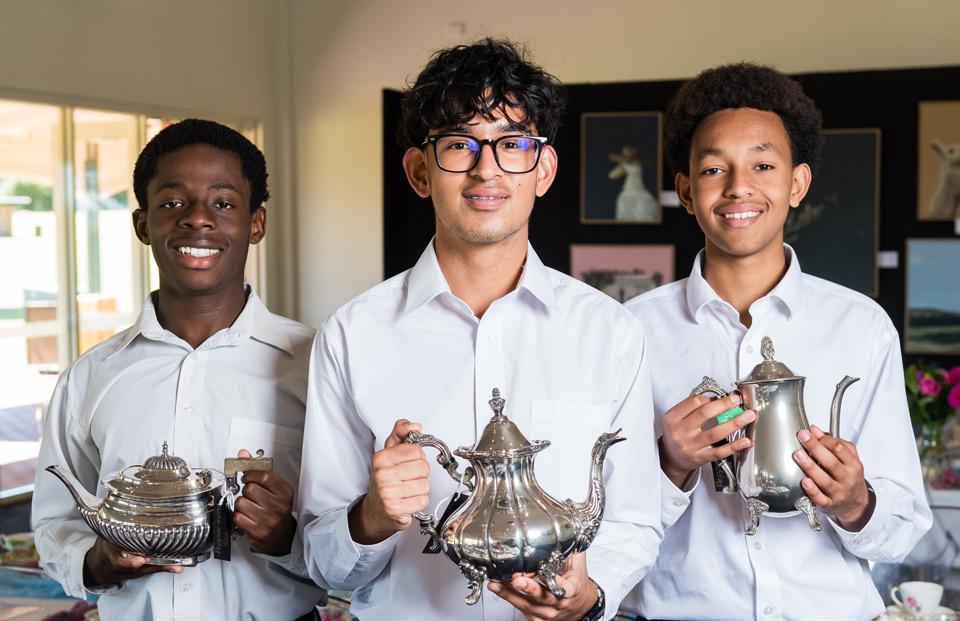
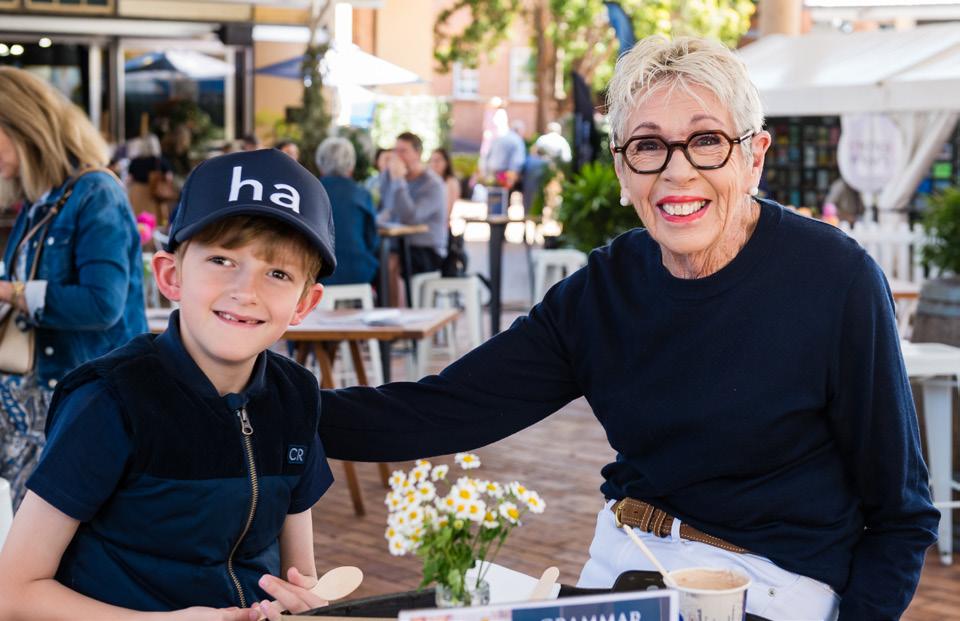
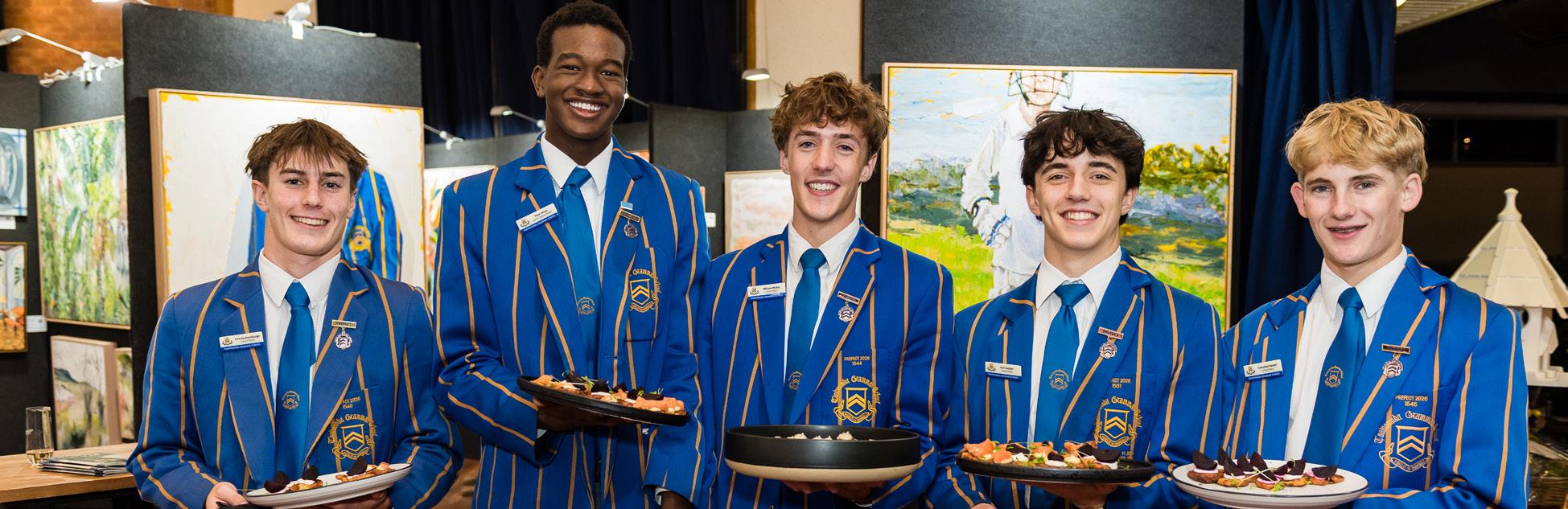
It is my great pleasure to provide this Old Boys’ update for Balliwanga. 2026 has already proven to be a year of great energy and activity for the TGSOBA, and with a packed calendar still ahead, our focus remains on what has always defined this Association at its best: community connection, shared pride in our School and looking forward together.
Following our Annual General Meeting, I am pleased to present our committee:
» Vice President: Trent Raymond (1989–93)
» Secretary: Andrew Jurgs (2000–01)
» Treasurer: Brendon Whittaker (1991–95)
» Immediate Past President: Daniel Burrett (2001–08)
» Committee members: Mark Creedon — Life Member (1973–77), David Crothers (1979–82), Sam Duddy (1991–95), Jamie “Jimmy” Marr (1987–91), Justin Still (1990–94), Ian Gunn (1975–79), Lachlan Hogan (2003–08), Andrew Wilson (2002–06), Nathan Cook (2003–08), John Higgins (2016–21), Brendan Ezzy (2000–04), Mat McColley (1999–2000) and Matt Dennis (2000–06).
We always welcome Old Boys wishing to become more involved. Our meetings are held on the first Wednesday of each month at 6:00pm in Old Hall.
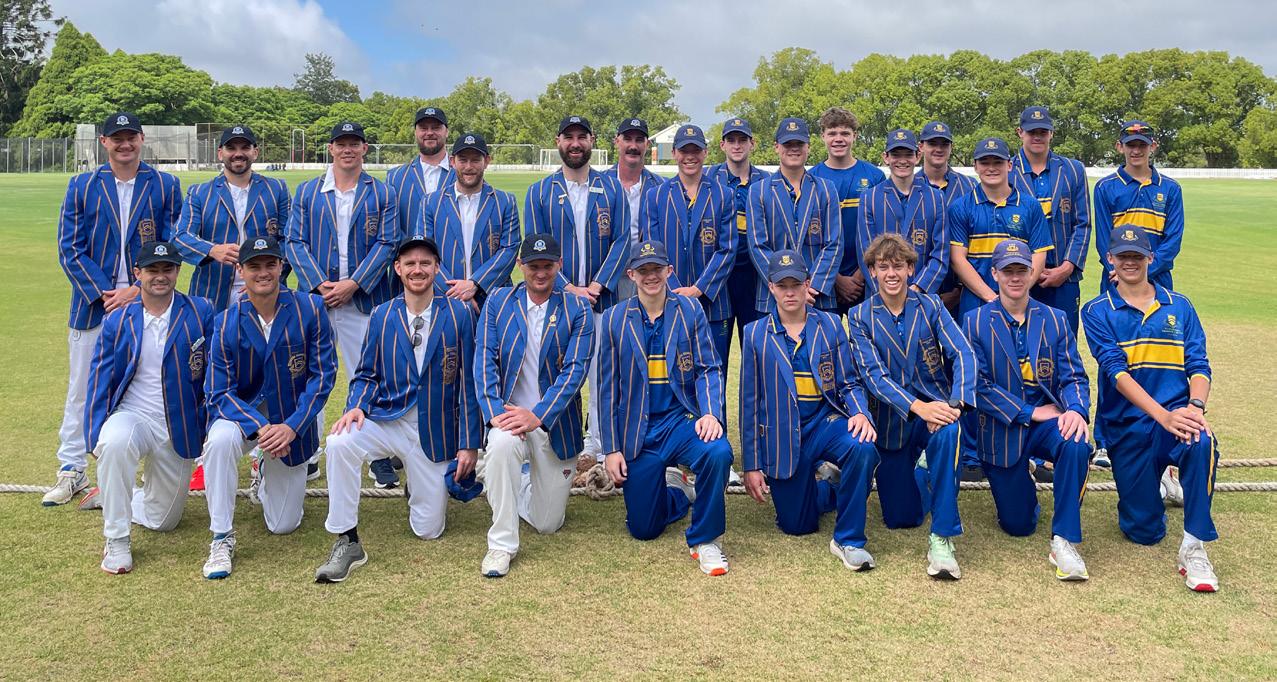
The annual Twenty-Year Cricket Reunion Weekend was once again a highlight of the TGSOBA calendar. The weekend opened with a net session and meet and greet between Old Boys and the current First XI. It was a great initiative by First XI Coach and Old Boy Mark Alexander (1990–94).
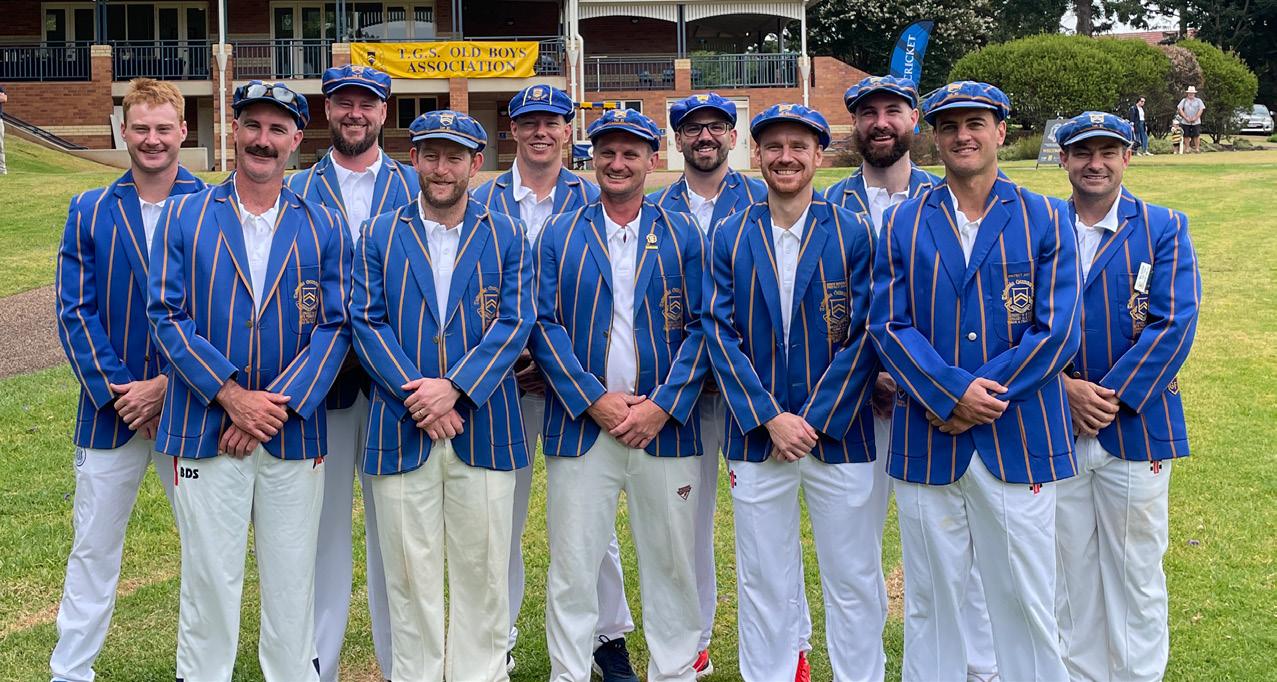
On Saturday, TGSOBA caps were presented to the 2006 First XI before
the match got underway. The Old Boys posted a competitive 9 for 178, and with the current boys at 4 for 60 and then 8 for 140, the result looked promising — though a fine final partnership saw the young men home in the 37th over. The spirited contest was enjoyed by all. Over 70 guests sat down to lunch in The Pavilion, and the day concluded with the presentation of the Peter McDougall Memorial Award, the game trophy and First XI caps to the 2026 players.
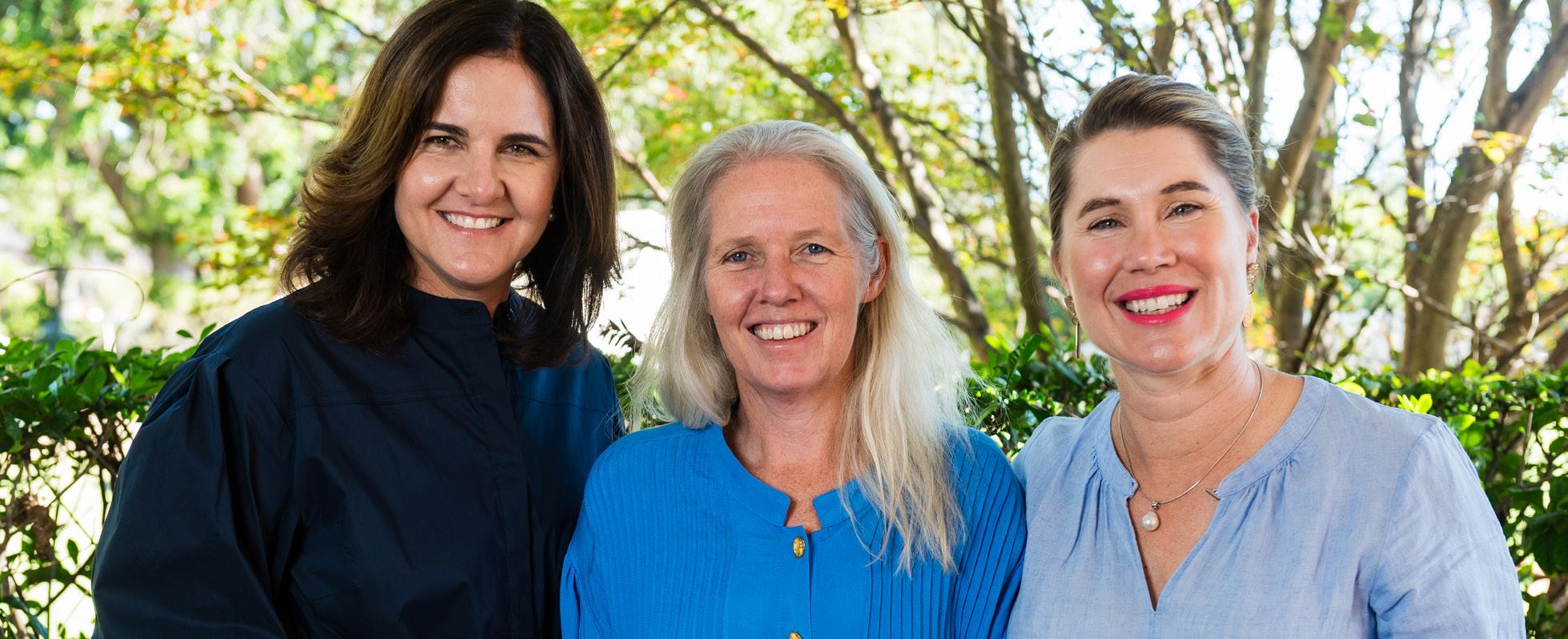
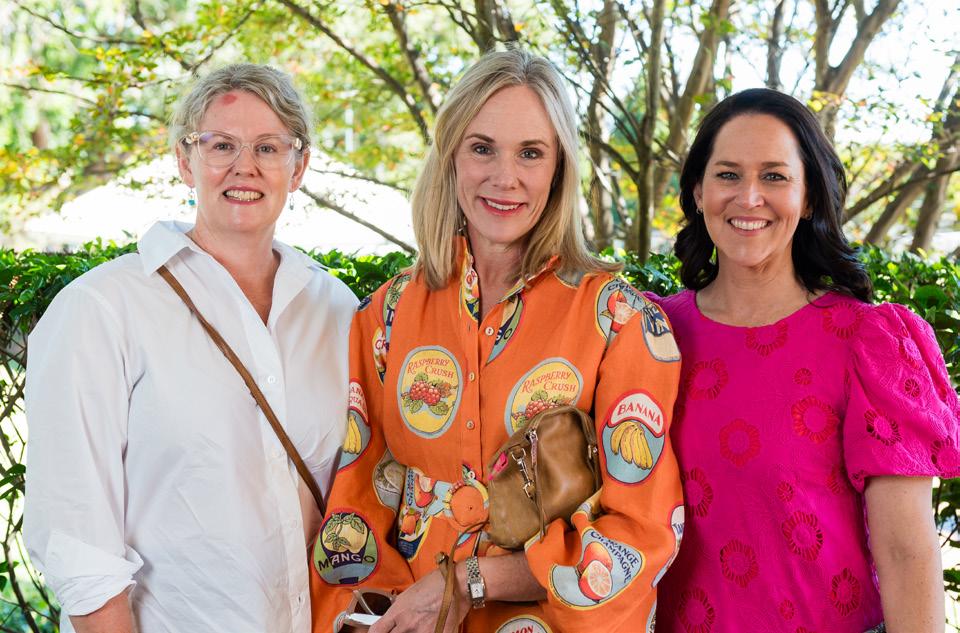
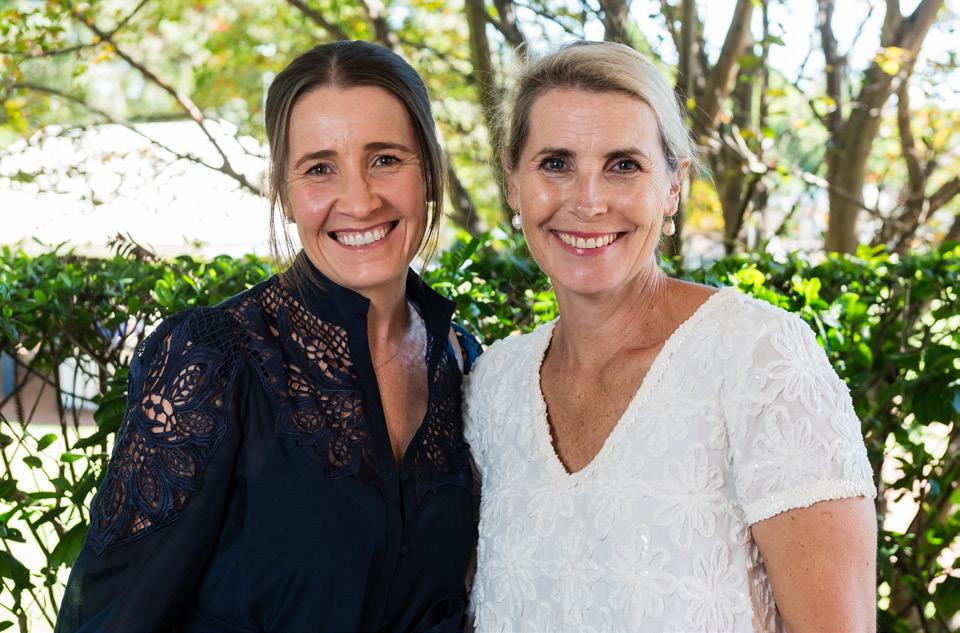
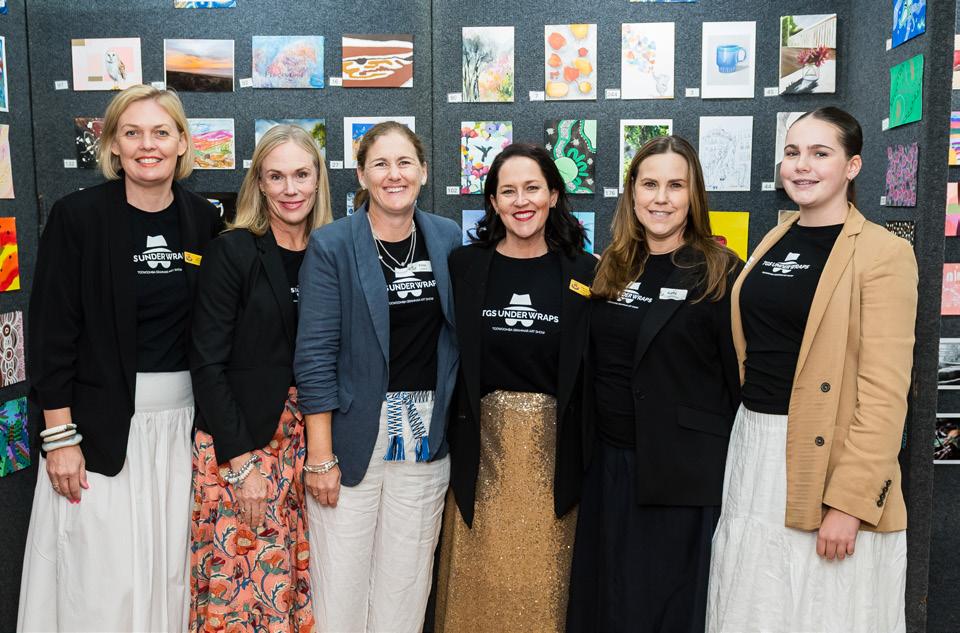
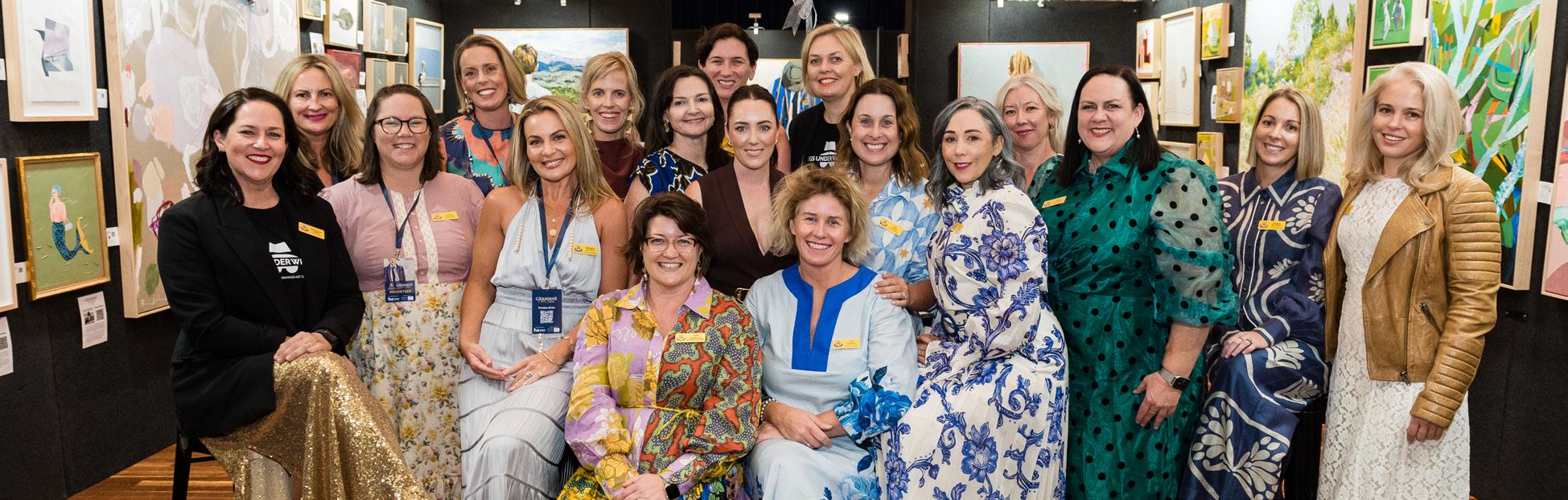
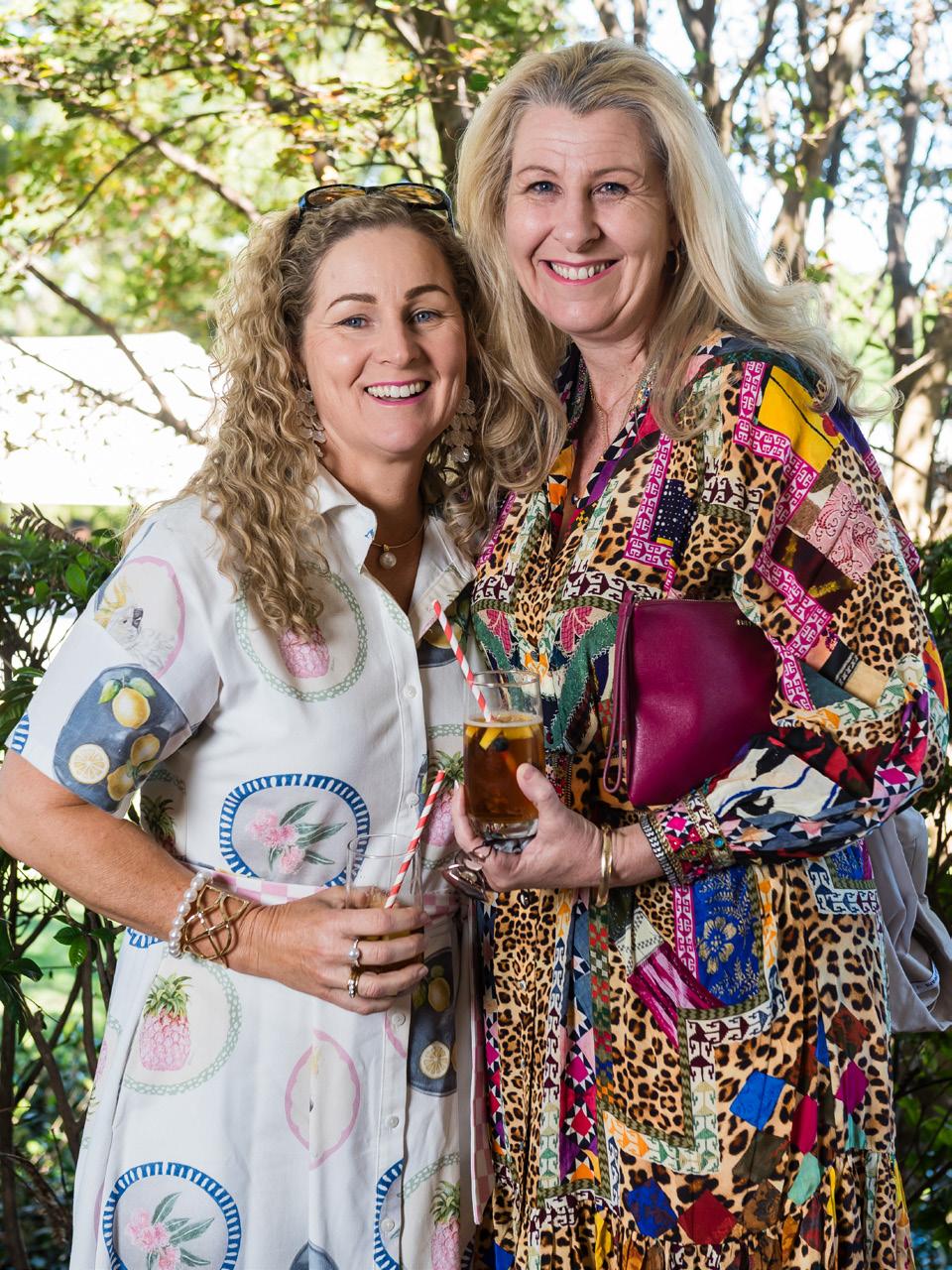
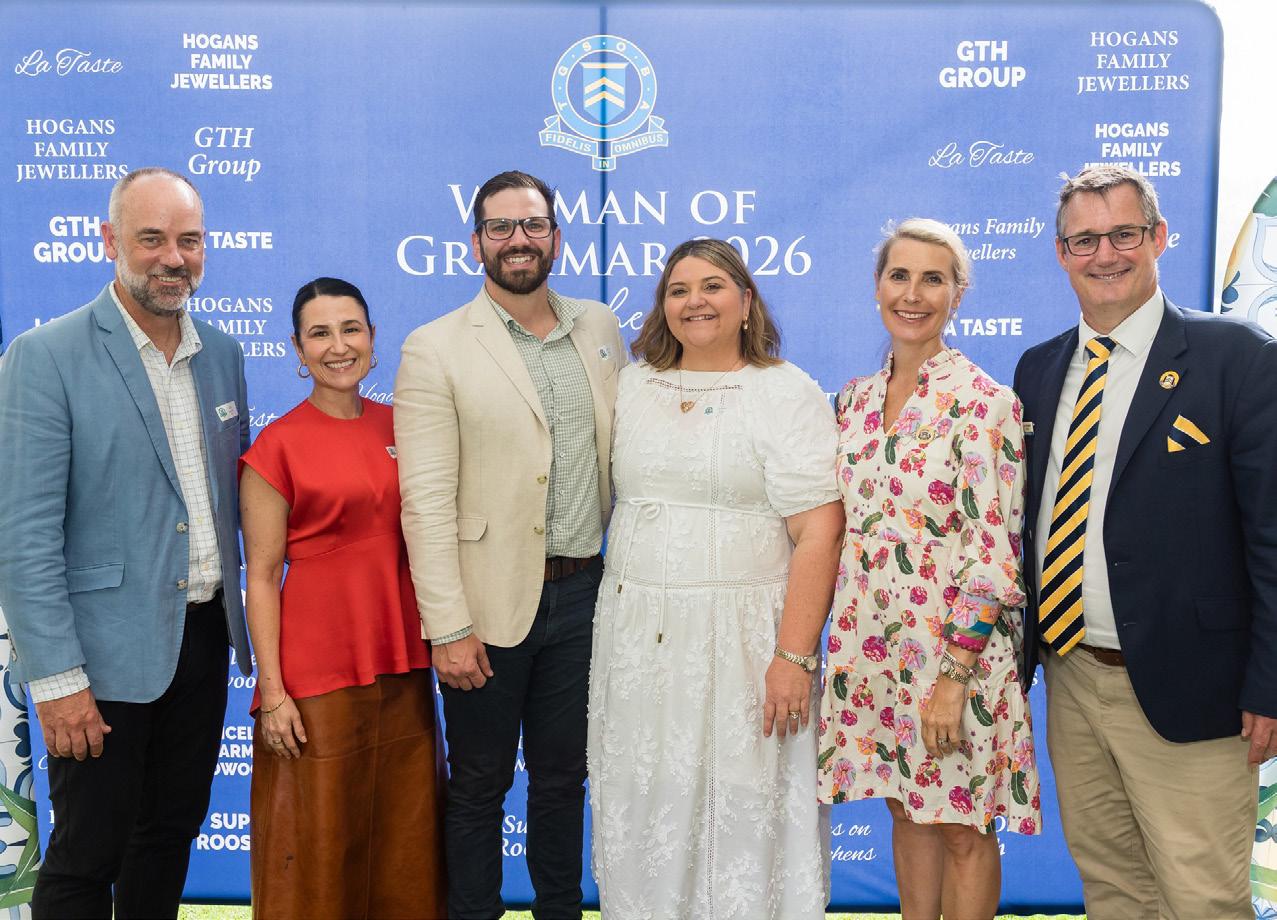
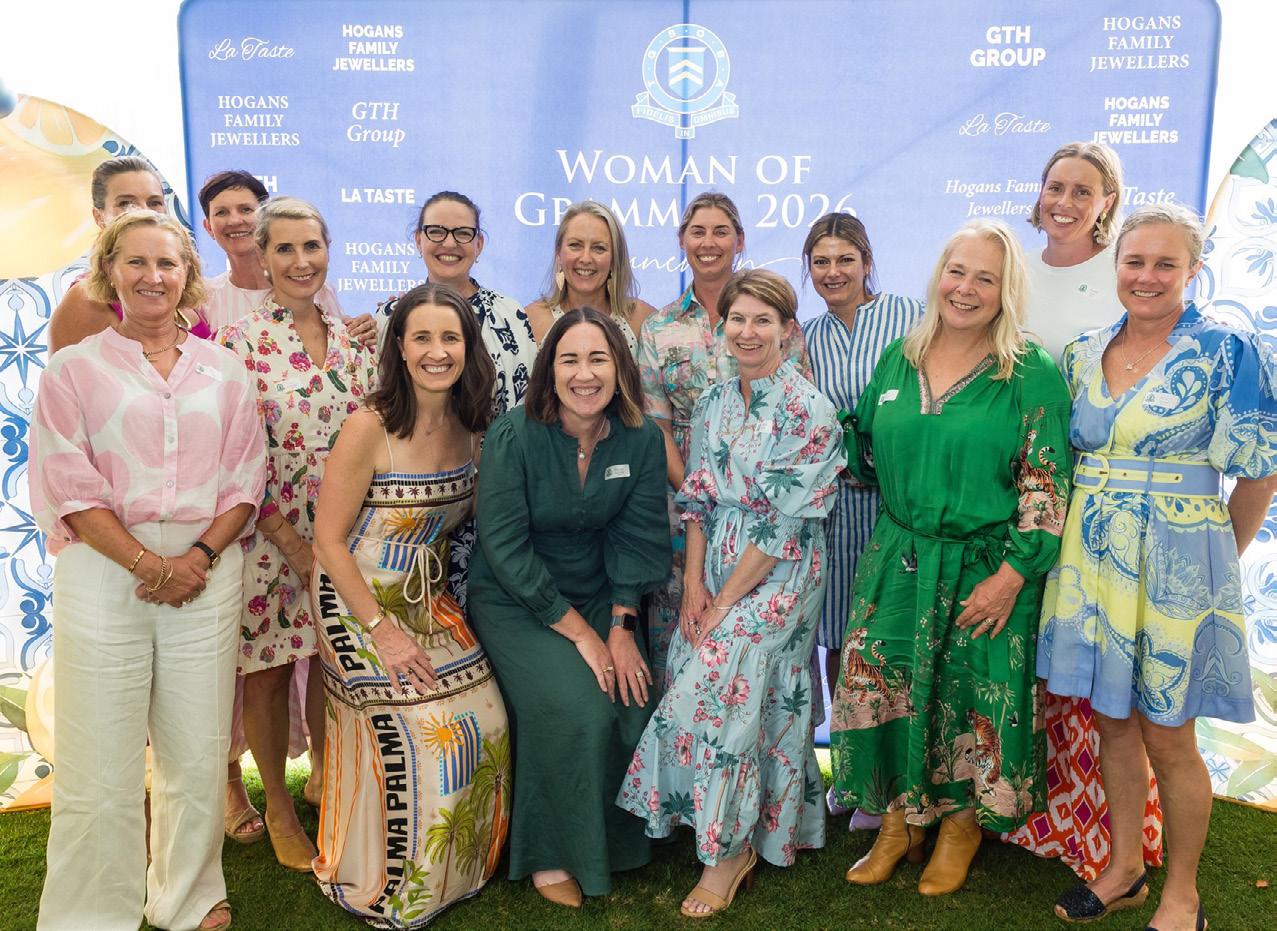
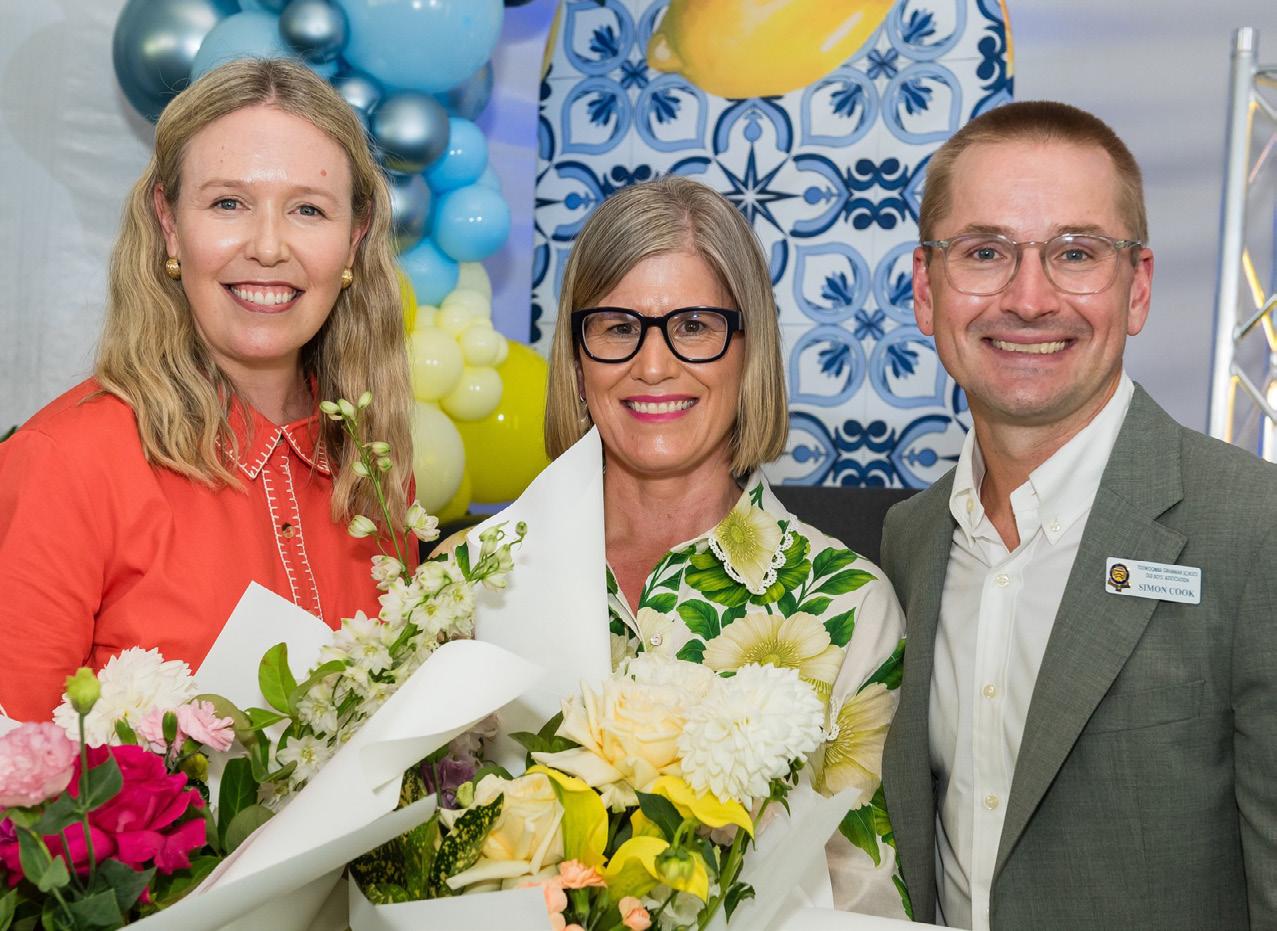
In a proud first for the TGSOBA, we hosted the TGS Women of Grammar Luncheon on International Women’s Day, 8 March. The event was full of energy and shared purpose; a timely reminder of the extraordinary contributions that women make to our School community as leaders, educators, mentors, mothers and supporters. Our guest speakers, Arlie Felton-Taylor and Crystal Hede, were both outstanding. We look forward to this becoming a cherished fixture on the TGSOBA calendar.
The Old Boys’ Deck project continues to take shape. We encourage every Old Boy to consider joining the Buy a Brick campaign and securing a permanent place in this new communal space overlooking the Old Boys’ Memorial Oval. Details are available on the TGS website.
There is much to look forward to in the months ahead. Please save the dates:
» Brisbane Old Boys’ Reunion — Friday, 22 August.
» Old Boys’ Reunion Weekend — Friday, 28 August to Sunday, 30 August, coinciding with Grammar Downlands weekend. This year’s reunion celebrates the Years of the 6s and 1s — Old Boys who completed Year 12 in years ending in 6 or 1, from 1946 to 2021. All Old Boys and partners are warmly invited.
» Sydney Old Boys’ Reunion — Friday, 30 October.
» Old Boys’ Event at TGS — Saturday, 7 November.
Whether you’d like to join the committee, attend an event, buy a brick, or simply reconnect with old friends, we’d love to hear from you. Please reach out at tgsoba@twgs.qld.edu.au or visit toowoombagrammarconnect. com to join our Grammar Connect alumni platform.
I look forward to seeing as many of you as possible throughout the year ahead. The bonds forged at TGS are enduring ones; it is our privilege to keep them strong.
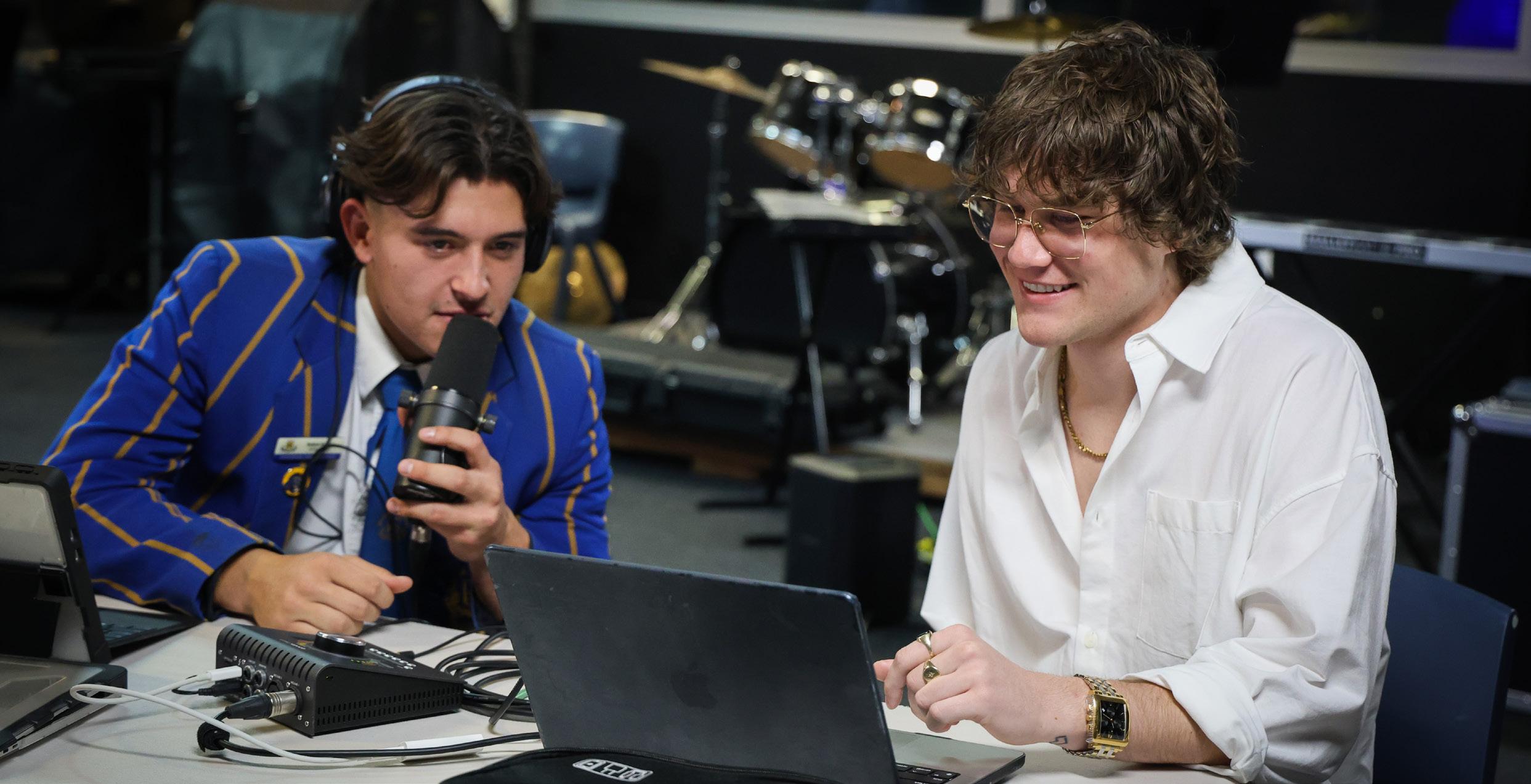
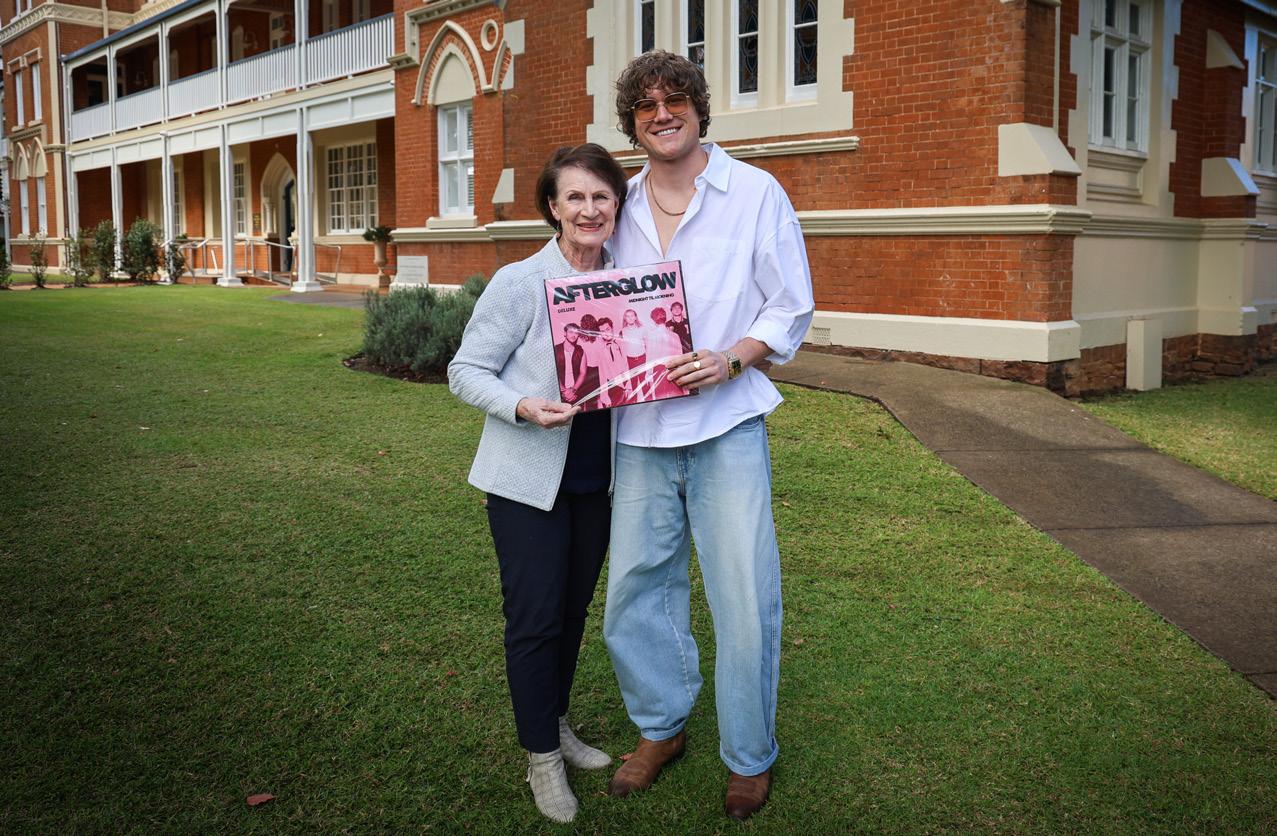
Midnight Til Morning is bringing back the band!
After months on the road performing to thousands across the globe, Mason Watts has returned to Australia with a renewed appreciation for home and a career that continues to gain momentum.
“It’s really nice,” Watts said of being back. “You don’t realise how good Australia
is until you go overseas and you come back… it’s nice being home around Australians and family.”
A TGS Old Boy who graduated in 2016, Watts’ journey from school performances to international touring has been anything but ordinary. One of the defining moments of his career

By Jennifer Capp, Engagement Support Officer
came when he appeared on a Netflix music show, a breakthrough opportunity that placed him alongside global heavyweights from the Backstreet Boys, One Direction and the Pussycat Dolls.
“That was a pretty big deal,” he said. “Working with world-class people… making some really good connections.”
That experience also led to the formation of his band Midnight Til Morning and the release of their first album, Afterglow, a group he now describes as “like my brothers,” and with whom he travels the world performing predominantly pop music to an evergrowing fanbase.
Behind much of Watts’ success is his manager, Andrew Stone (Manager and CEO/Co-Founder of the band’s record label, Chugg Music), another TGS Old Boy (1997-2001), whom he credits as instrumental to his career. The pair’s connection came about by chance.
“I was playing a festival in Brisbane when I was about 20,” Watts said. “He just happened to be there listening, came up afterwards and asked about my story.”
The conversation soon revealed a shared connection to TGS, strengthening the bond. “We were like, ‘no way,’” Watts recalled. “He was in the

Grammarphones and choir as well, so we connected through that.”
Watts describes Stone as one of the most successful managers in the country and says his guidance has been pivotal. “I wouldn’t be where I am without him.”
Despite the whirlwind of international success, Watts remains grounded in his roots.
His time at TGS, he says, played a crucial role in shaping his path.
“I was part of pretty much every ensemble they had going,” he said, recalling long hours spent in the Baynes Centre and performances ranging from speech days to school productions, “lots of gigs, lots of memories.”
He credits several mentors at the School for nurturing his talent and confidence, including music staff who believed in him and helped him develop his stage presence.
Watts’ career today is a far cry from those early school performances, but the discipline required remains much the same. Touring life, he explains, involves long days filled with interviews, rehearsals and fan engagements, all before stepping on stage.
“It can get really hectic,” he said. “But the best advice I’ve got was just to slow down and be grateful… not many people get to stand on a stage and play for thousands of people every night.”

That perspective has stayed with him, particularly during recent tours in South America, where crowds of devoted fans waited for hours, even days, just to catch a glimpse of the band.
“It’s pretty wild,” he said. “But we’ve got passionate fans all over the world, which is really cool.”
Behind the scenes, Watts and his band continue to refine their sound. Their creative process often begins with a simple idea before evolving collaboratively in the studio.
“It all depends on the song,” he said. “We jam, build it up and if it’s a good one, by the end of the day you’ve got something really solid.”
Drawing inspiration from real-life experiences, Watts believes authenticity is key to connecting with audiences. “I think people always connect with real stories,” he said.
While his career has taken him far from Toowoomba, Watts hasn’t forgotten the challenges of starting out in a regional city. Now, he is helping the next generation by mentoring aspiring musician and Year 12 student Ruben Kruger.
“It’s a really competitive industry,” he said. “You’ve got to go all in… and don’t worry about what anyone else thinks.”
Looking ahead, there is no slowing down. Midnight Til Morning is preparing for a major international schedule, including a festival performance in Japan expected to draw a crowd of 60,000, their largest audience yet, alongside a European tour and ongoing studio work.
For Watts, the journey from TGS stages to global tours has been remarkable, but he remains focused on the road ahead.
“I wouldn’t change anything,” he said. “It all turned out pretty good.”
We are always looking for articles to publish about our Old Boys. To share a story, please email — communications@twgs.qld.edu.au
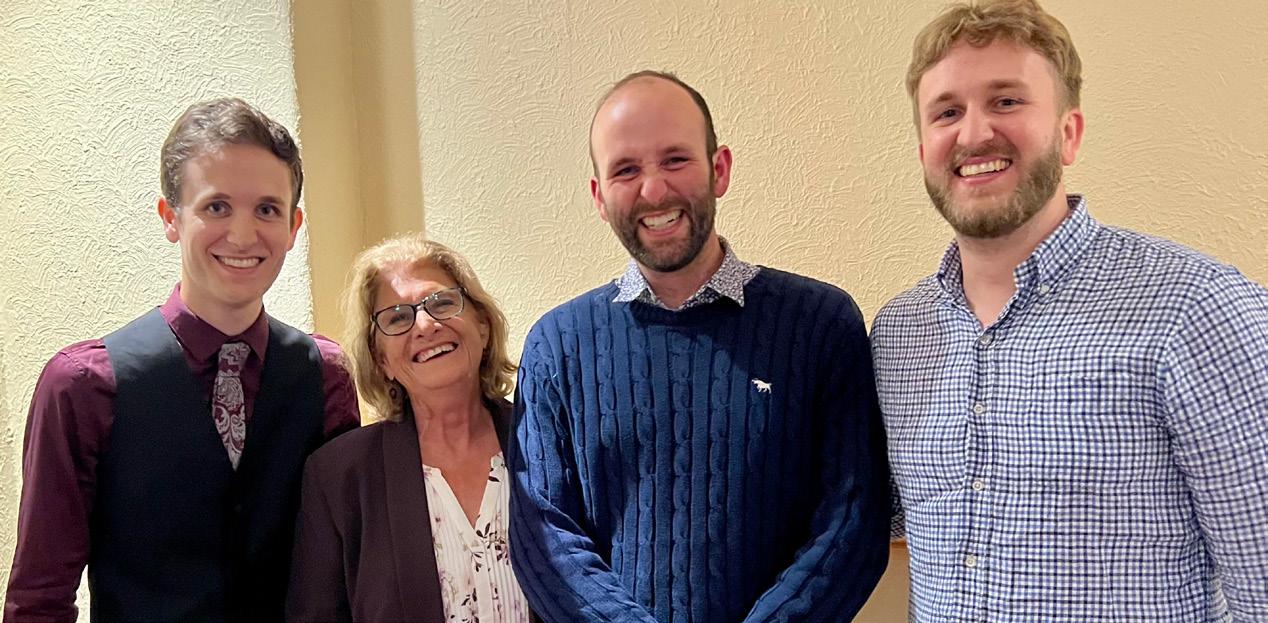
Classical music sensation Johnny van Gend (2010–14) has been appointed Principal First Violin with the Queensland Symphony Orchestra (QSO). Johnny, who began learning the violin in Toowoomba at just five years old, recently returned to Australia and performed at the Empire Theatre after spending several years in Germany and Austria developing his career. During that time, he studied at the Mozarteum University and performed with leading European orchestras. His appointment marks a significant milestone in a career that continues to bring international experience back to Queensland’s classical music scene.
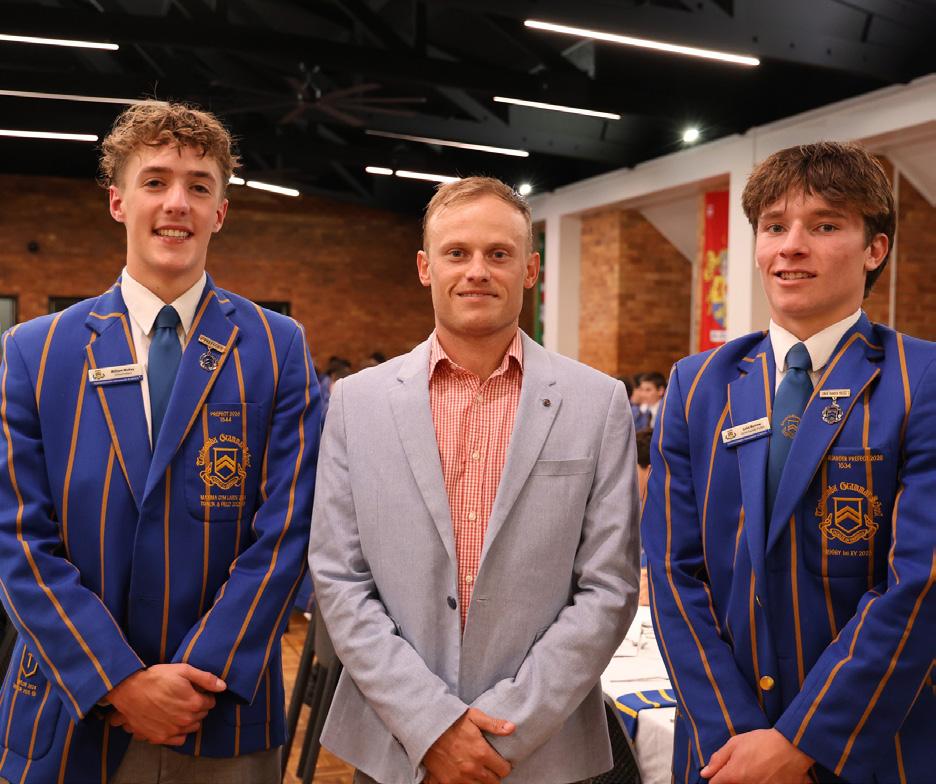
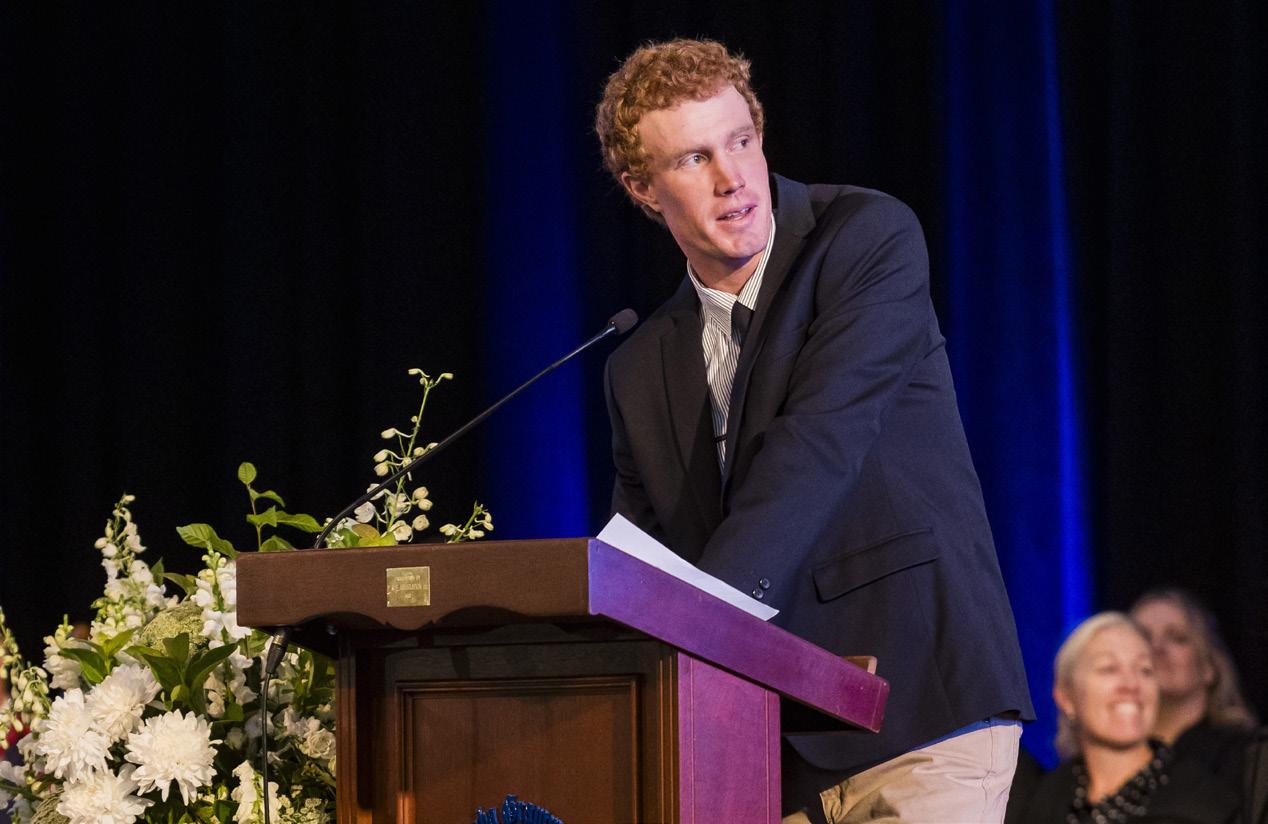
As part of National Boarding Week, it was wonderful to see Old Boy Jake Moon (2010–14) return to speak with our current boarders about his journey since leaving TGS. From his time in Mackintosh House to building Moon Rocks in St George, which employs more than 150 staff across a thriving garlic and onion operation, Jake shared valuable insights on hard work, relationships and making the most of every opportunity. We are so grateful for our Old Boys who return and invest in the next generation. Thank you, Jake, for giving back and sharing your story.
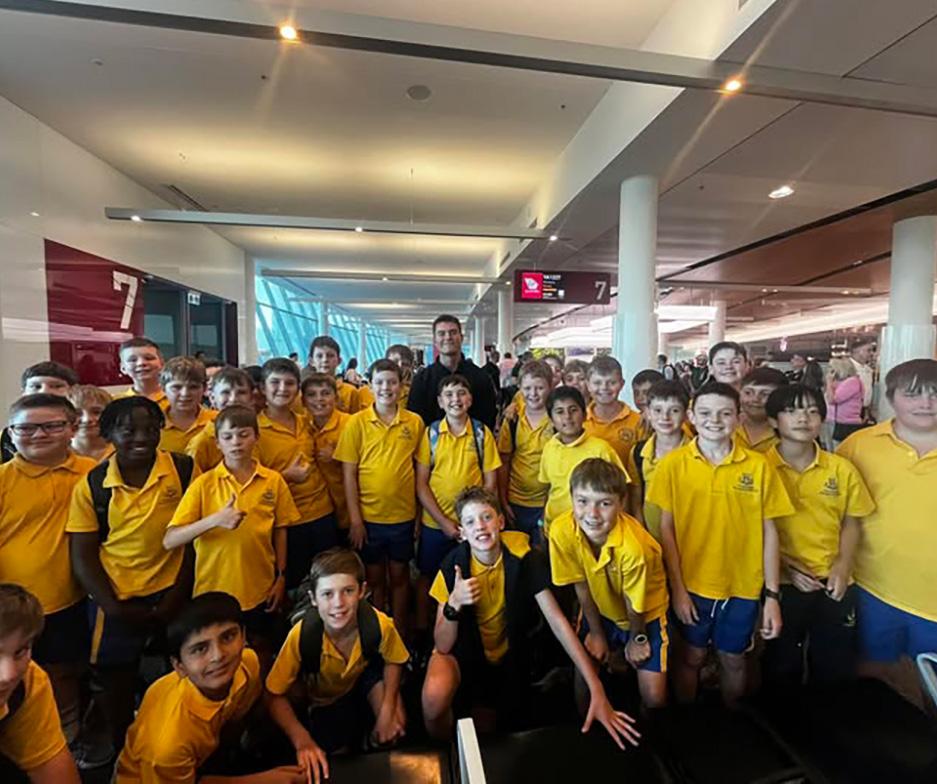
Our Year 6 boys bumped into TGS Old Boy Jack Haddow (2023–25) on their way home from camp, as he was returning from Duntroon.
Cale Maurice (2022–24) has been selected in the Fijian U20 squad to take on the Australian U20 and Japanese U23 squads. Following a series of impressive performances in Fiji earlier this year, including matches against the Fijian Drua Development side and another U20 squad, Cale earned his place in the extended training squad before securing national selection. Now based in Suva, he continues to pursue his ambition of representing his Fijian heritage on the international stage.
In March, Kye Oates (2012–16) made his debut for the ACT Brumbies against the Reds, with younger brother Chace Oates (2012–23) also debuting for the ACT Brumbies Runners.
Ewald Kruger (2018–23) is pursuing international rugby honours after being named in a future Wallabies squad as part of the ACT Brumbies U20 program. The 2026 Australian U20 squad remains strongly influenced by the NSW Waratahs, but a surge in Queensland talent has narrowed the gap, with the Reds contributing a significant number of players this year.
Jem Ryan (2017–22) made his Sheffield Shield debut for Queensland against Victoria at the MCG. A massive achievement and a moment he’s worked tirelessly for. Even more special, Jem becomes the first TGS product to play first-class cricket since Lachlan Stevens (1992-96) in 2002.
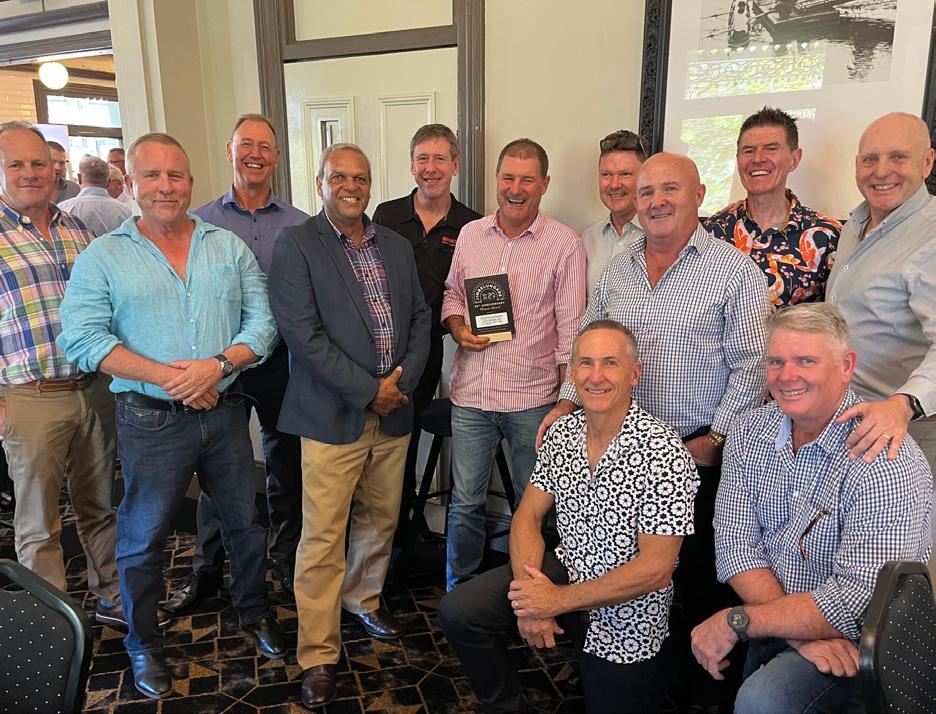
A great event reconnecting in Brisbane with our 1989 Old Boys. Coming together again, sharing stories, memories and plenty of laughs. A highlight of the luncheon was hearing from Old Boy Waverley Stanley (1980–84), founder of Yalari, whose journey and impact continue to inspire.
Beau Campbell (2018–23) was named the Queensland recipient of the AHIA Helicopter Maintenance Engineering Scholarship at the 2026 Rotor Tech Convention. This scholarship recognises the consistent effort he’s invested in developing his career as an aircraft maintenance engineer.

Through the TGSOBA National Grower Register (NGR) Card, farming families across Australia can now donate grain or cotton to support student activities and facilities at Toowoomba Grammar School. A concept born from the passion and commitment of our Old Boys, donations are simple; drop off your load at any weighbridge and provide the TGSOBA NGR number: 15154432.
Your contribution will directly enhance the educational experiences of TGS boys for generations to come.
Garry Schroder (1955–56) in March 2025
Earle Obst (1943–44) in June 2025
Ron Andrews (1955–56) in September 2025
Garry Davis (1968–69) in October 2025
Garret Brodie (1957–58) in October 2025
Trevor Alexander (1954–55) in October 2025
Pieter Mayne (1979–83) in October 2025
Scott Victor Baker (1970–74) in December 2025
William Hauritz AM (1965–69) in December 2025
David Garth Ilett (1946–49) in December 2025
Francis Victor Hopkins (1949–51) in January 2026
Michael “Mick” Storrs (1959–62) in January 2026
Lachlan Robert Glasser (1989–90) in January 2026
Keith Muller (1966–70) in January 2026
George Williams (1945–46) in February 2026
Allan Hughes (1959) date unknown
Keith Jefferies (1948–51) date unknown
Kenneth Munro (1942–46) date unknown
Sam Hopkins (2011–15) to Taylah Ash in August 2025
Daniel Cover (2012–16) and wife, Paige, welcomed baby Lily in 2026
Oliver Cameron Donaldson, beloved son, brother and mate, died suddenly on 2 February 2026. Oliver was the youngest of four brothers to walk the School’s grounds. Hamish (2014-18), Fynn (2014-18) and Gabriel (2017-22) came before him.
Oliver arrived at Toowoomba Grammar School in Year 7. From his first day, he had a disarming charm, a wonderful sense of fun and a circle of close friends whom he would do anything for. Oliver embraced the School’s comradeship and spirit wholeheartedly. His teachers reliably described him as well-liked, always up for a chat, and easily distracted if something more exciting were to catch his attention. Those who knew him understood that was not a criticism. It was a portrait of a life lived to its fullest.
After leaving TGS, Oliver resided for two years at King’s College UQ while he studied Property Economics at QUT. At nineteen, standing on the edge of adult life, with a share house with his closest mates locked in and a career beginning to take shape, his life was tragically lost.
Oliver was known for having the clearest sense of right and wrong of almost anyone around him, and he would not hesitate to tell you if he felt you had erred. He could read people instinctively, put strangers at ease effortlessly, and when he loved you, there was nothing conditional about it and nothing filtered in the way he showed it. What those who knew and loved him will carry forward is not the loss, though that is immense. It is the way that Oliver lived his short life, never wanting to waste a single good moment.
He ended almost every conversation with his family the same way. Two words. Love you.
Oliver is deeply missed by his parents Adair and Sam, his brothers Hamish, Fynn and Gabriel, and the many friends whose lives were made richer for knowing him.
The Buy a Brick campaign provides a rare and limited opportunity to secure your place in TGS history, with each engraved brick forming part of the new Old Boys’ Deck overlooking the iconic Old Boys’ Memorial Oval — a space for our entire School community to enjoy.
Whether you’re an Old Boy, current or past family, or a proud supporter, your brick will stand as a lasting connection to TGS. Bricks are limited — don’t miss your chance to be part of this special tradition.
Secure your brick in the Old Boys’ Deck today.
twgs.qld.edu.au/old-boys-deck
Inverell
Wednesday, 24 July
Moree
Thursday, 25 July
Boarding Schools Expo
Tenterfield
Thursday, 25 July
Tamworth
Friday, 26 July to Saturday, 27 July
Boarding Schools Expo
Brisbane
Tuesday, 6 August
All Old Boys Function
Brisbane Ekka
Friday, 28 August 2026
6:00pm – 8:00pm TGS (location to be confirmed)
Buses
twgs.qld.edu.au
Saturday, 29 August 2026 All Day Downlands College Year of the 6s and 1s Function
Saturday,
–
Morning Tea and School Tour
Sunday, 30 August 2026 10:00am Old Hall