
As we move into 2026, we wanted to share a clear view of how the market is tracking and where we’re seeing the key shifts for property owners.
This is a new quarterly update we’ll be sharing with our landlords, bringing together what’s happening across the property investment market—both locally and more broadly. Whether you’re focused on your current property, considering your next move, or simply wanting to stay across how things are tracking, the aim is to provide a clear and reliable view of the market.
Over the course of the year, we’re often having similar conversations around how properties are performing, what’s changing, and what to be thinking about next. This brings that thinking together in one place, with a focus on what matters most right now.
In the current housing market, demand continues to significantly outpace supply. Strong interstate and international migration is driving notable population growth, further intensifying the pressure on available housing. At the same time, government infrastructure and housing projects are placing additional demands on resources, with a critical bottleneck in supply caused by trade shortages. Despite elevated interest rates, we anticipate double-digit growth for 2026 as buyers continue to find ways to enter the market, even as affordability reaches its limits.
The rental market remains robust. Demand is steady, vacancy rates are extremely low, and Adelaide continues to perform strongly compared with many other regions nationally. To put this in perspective, a 3% vacancy rate is considered healthy, 2% indicates a rental shortage, and 1% signals a rental crisis. Adelaide is currently sitting at just 0.8%, underscoring the strength of the market. While affordability pressures are mounting, they have not yet had a material impact on rental vacancies, highlighting ongoing resilience in this sector.
That’s where our focus sits—making sure each property is well positioned, well maintained, and continuing to perform as a long-term asset.
We’ll continue to share these updates each quarter. If there’s ever something specific you’d like us to cover, or if you want to talk through your property in more detail, our team is always here.
BRONTE MANUEL Director + Owner
M 0439 828 882
E bronte.manuel@toop.com.au
W brontemanuel.toop.com.au
1. Adelaide remains one of the tighter landlord markets in the country.
Dwelling values in Adelaide rose 1.3% in February and 10.9% over the past 12 months, with vacancy holding at just 0.8% and advertised stock still well below average. With demand continuing to outweigh available supply, leasing conditions remain firm and well-positioned properties are still seeing strong, consistent interest.
2. Ongoing shortage of trades is continuing to drive construction costs, placing upward value of established homes.
With major government projects running concurrently such as the new Women’s and Children’s Hospital, the Torrens to Darlington Project and the Osborne Naval Shipyard, alongside the government’s target to deliver 3,000 new homes over the next five years, the industry is forecast to face a shortfall of around 60,000 tradespeople. That level of demand on labour will continue to push building costs higher, making it more expensive to construct new homes and, as a result, further strengthening demand and value for established properties.
3. Adelaide continues to sit in a stable middle ground nationally. While Perth, Brisbane and Darwin have led recent growth, and Sydney and Melbourne have been more subdued, Adelaide continues to deliver consistent performance without the same volatility or entry pricing pressures seen elsewhere.
4. Investor demand remains active, while supply is still catching up.
Investor lending lifted over the December quarter, while new dwelling approvals declined sharply. The gap between demand and new supply continues to support rental markets across much of the country.
5. 2026 is shaping as a year where execution matters.
With tighter regulation and more moderate rental growth, performance is becoming less about market momentum and more about timing, tenant retention and well-informed decision making across the year.
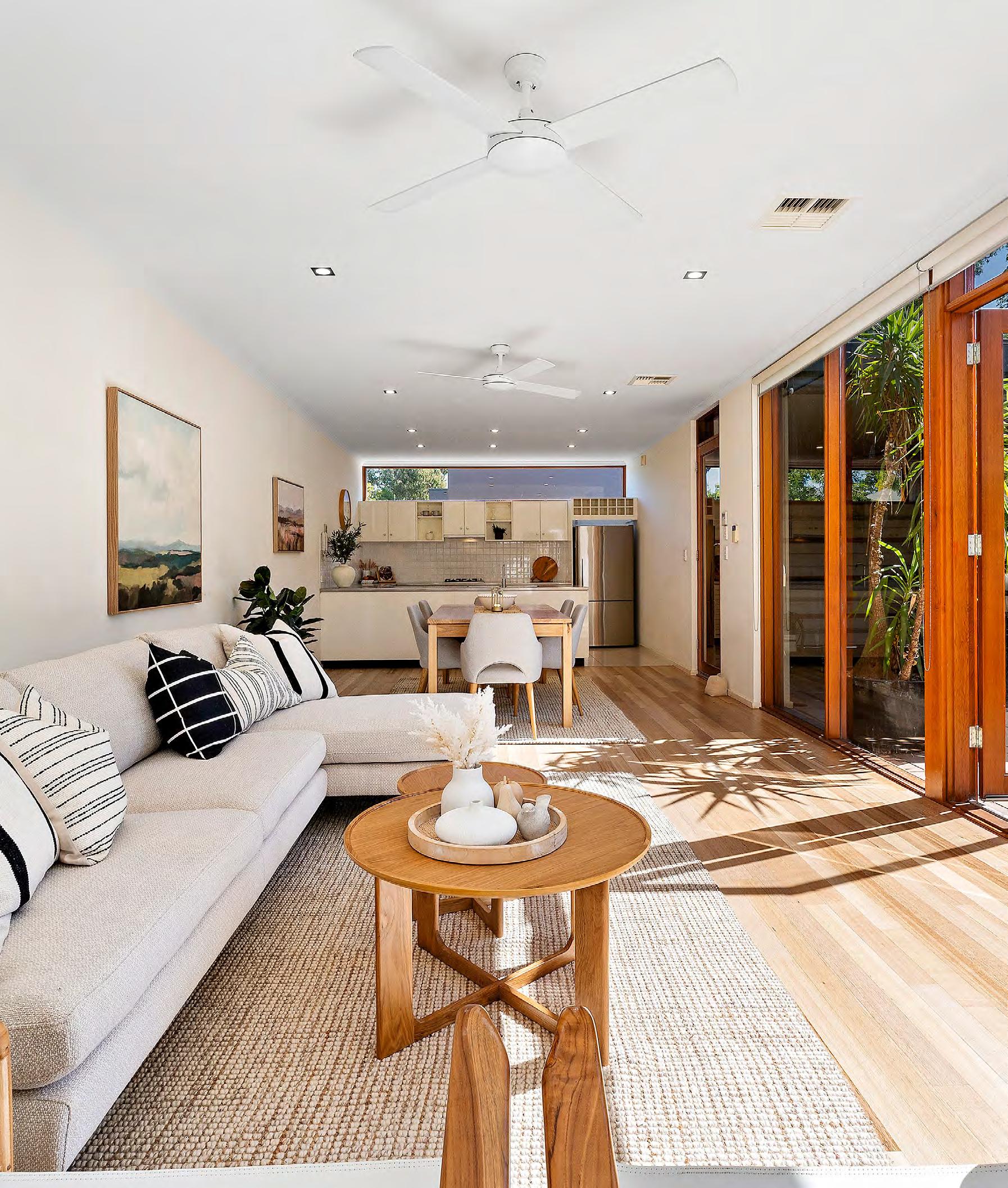
Dwelling values in Adelaide rose 1.3% in February and 10.9% over the past 12 months
Australia begins 2026 as a multi-speed property market.
Perth, Brisbane and Darwin continue to lead the country on growth, while Sydney and Melbourne have stabilised. Adelaide remains in a favourable position. We are not the fastest market in the country, but one of the more balanced when you consider value growth, vacancy and entry price together.
Markets driven by short bursts of rapid growth (Darwin, Perth, Sydney, Melbourne) can often be followed by sharper corrections. More balanced markets tend to deliver steadier performance over time, which continues to appeal to long-term investors.
Finance and supply settings are also shaping conditions. The RBA lifted the cash rate to 4.1% on 17 March, citing renewed inflation pressure, and recent commentary from Governor Michele Bullock suggests that position remains supported by current data. At the same time, investor lending remains firm while new supply is uneven, helping to maintain tight rental conditions across many parts of the country.
It’s long been said that in times of inflation, capital is best positioned in hard assets such as property. These assets tend to hold intrinsic value and, over time, provide a hedge against rising costs. Without a base of growing assets working in the background, it becomes increasingly difficult to generate real momentum and build sustained wealth.
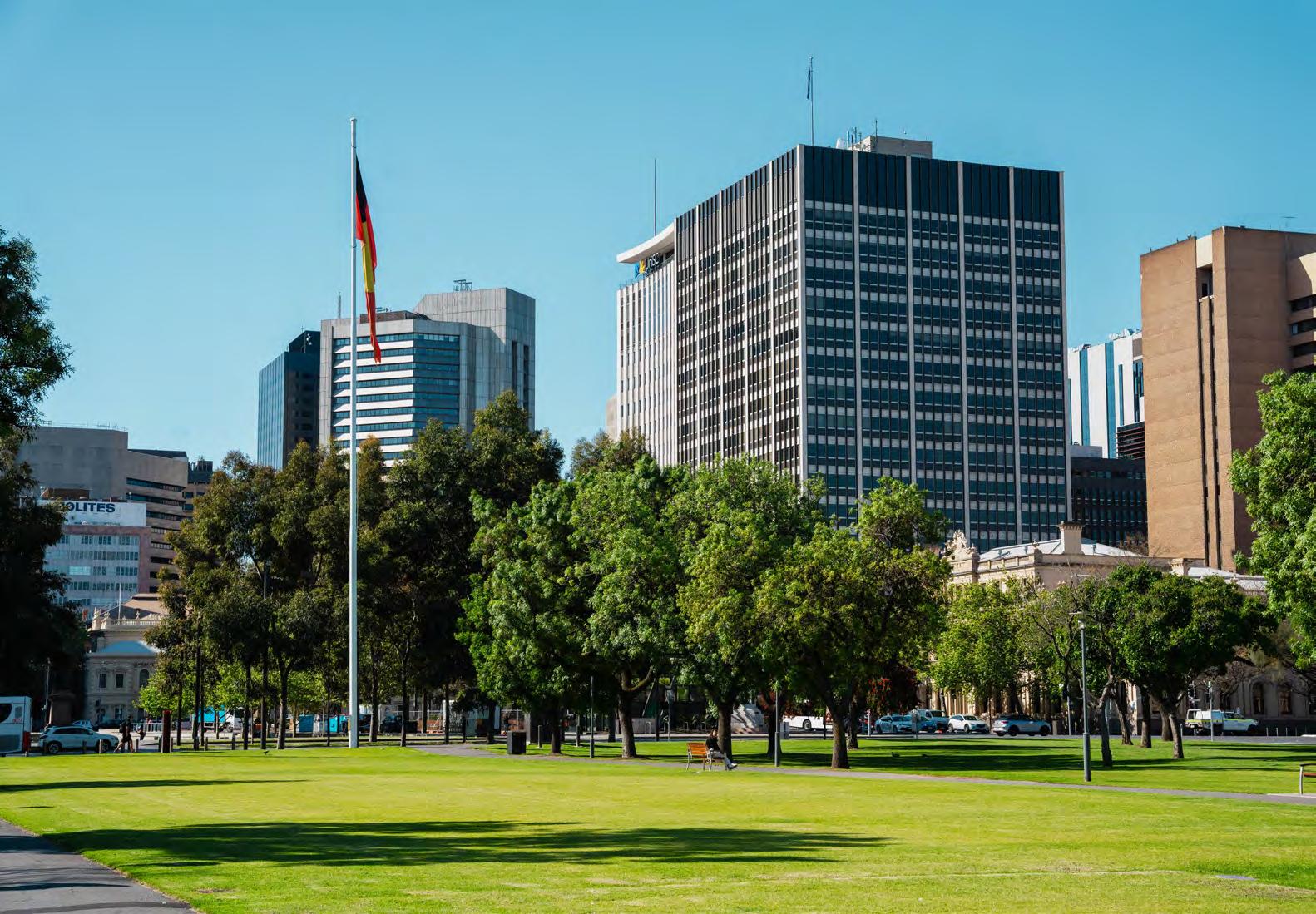
South Australia begins the year from a position of relative strength. Adelaide dwelling values rose 4.3% over the three months to February and 10.9% over the year, with the median dwelling value now $922,991. Across the broader state, regional South Australia also recorded strong annual growth of 12.6%, reinforcing the depth of performance across the market.
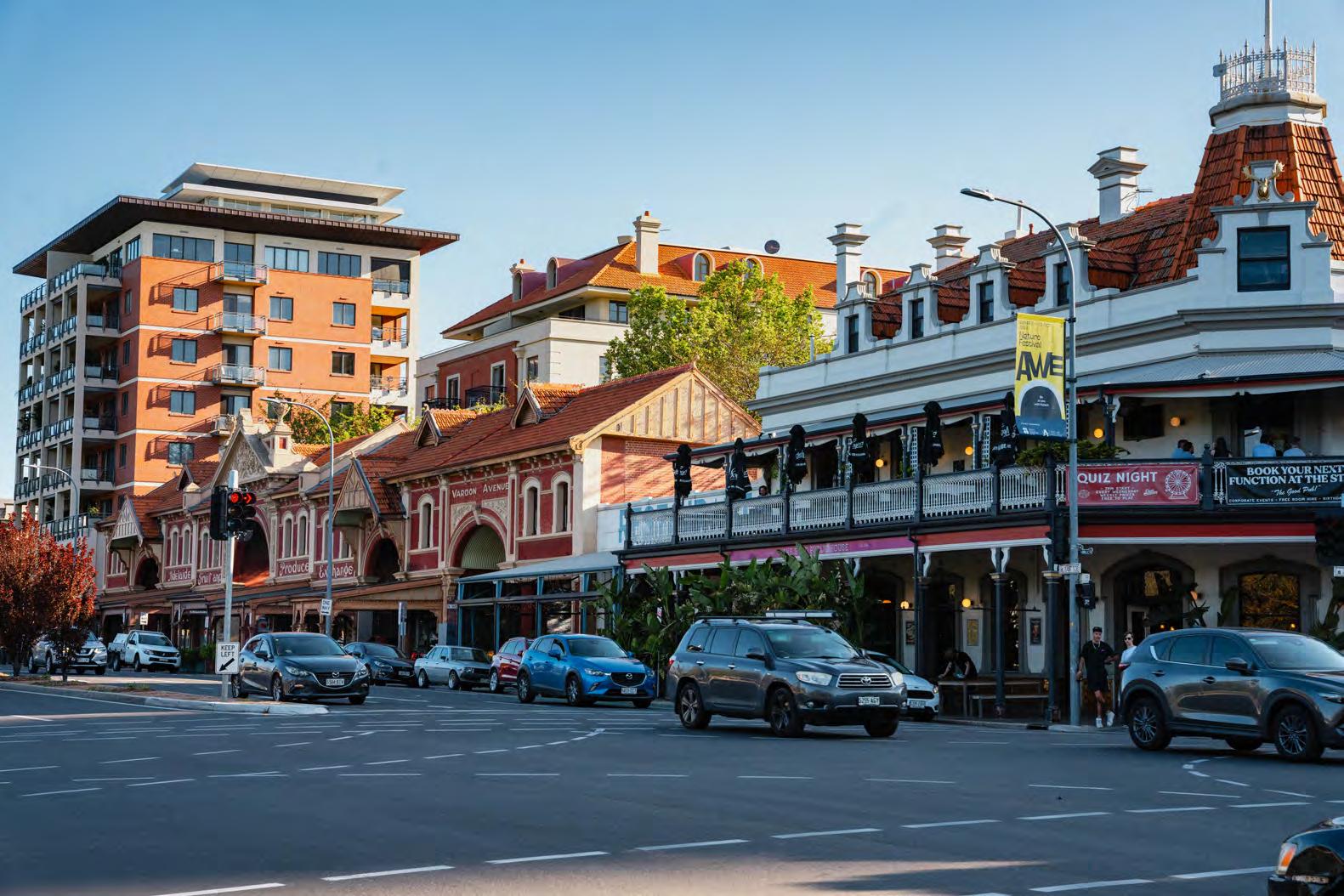
On the rental side, Adelaide remains tight. Vacancy held at 0.8% in February, with 1,203 properties available across the city. While rental growth has eased from earlier peaks, it remains positive, with annual growth sitting around 3%. This is shifting the focus away from rapid increases and toward consistency, tenant retention and thoughtful leasing decisions.
For investors comparing asset types, units continue to warrant attention. Adelaide houses recorded annual growth of 10.9%, with a median value of $980,815 and a gross yield of 3.3%. Units rose 11.2%, with a median value of $675,818 and a gross yield of 4.3%. This continues to highlight the balance between land value and broader demand for houses, and stronger income returns available in the unit market.
Compared with other capitals, Adelaide continues to present well. Its vacancy rate of 0.8% remains tighter than Sydney (1.3%) and Melbourne (1.6%), in line with Brisbane, and only slightly above Perth and Darwin. Its gross rental yield of 3.5% sits above Sydney and Brisbane, just below Melbourne, and below Perth and Darwin.
This combination of relatively tight vacancy, steady growth and accessible entry point continues to support Adelaide’s position as a considered, long-term investment market, attracting both local and interstate interest without the same volatility seen elsewhere.
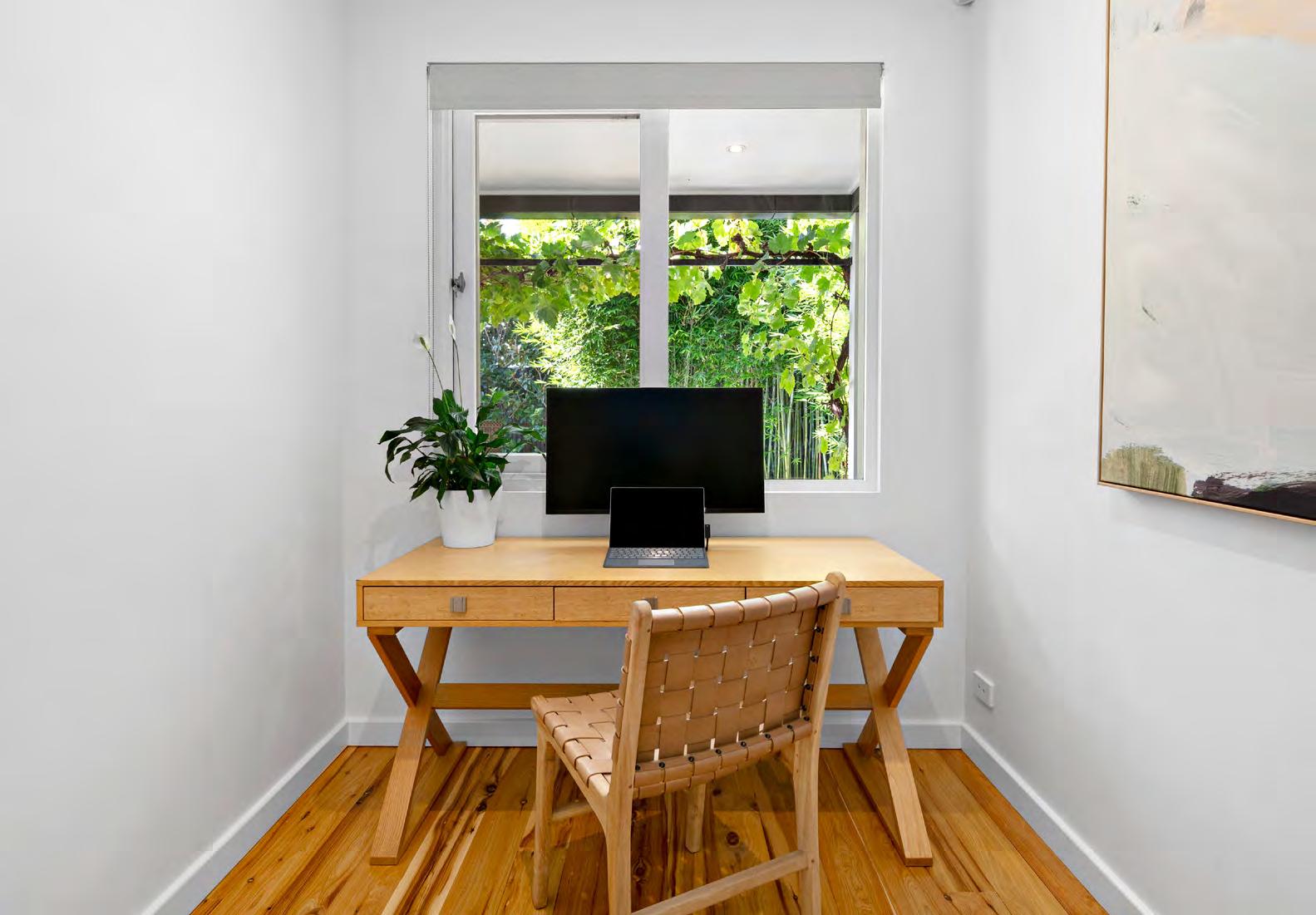
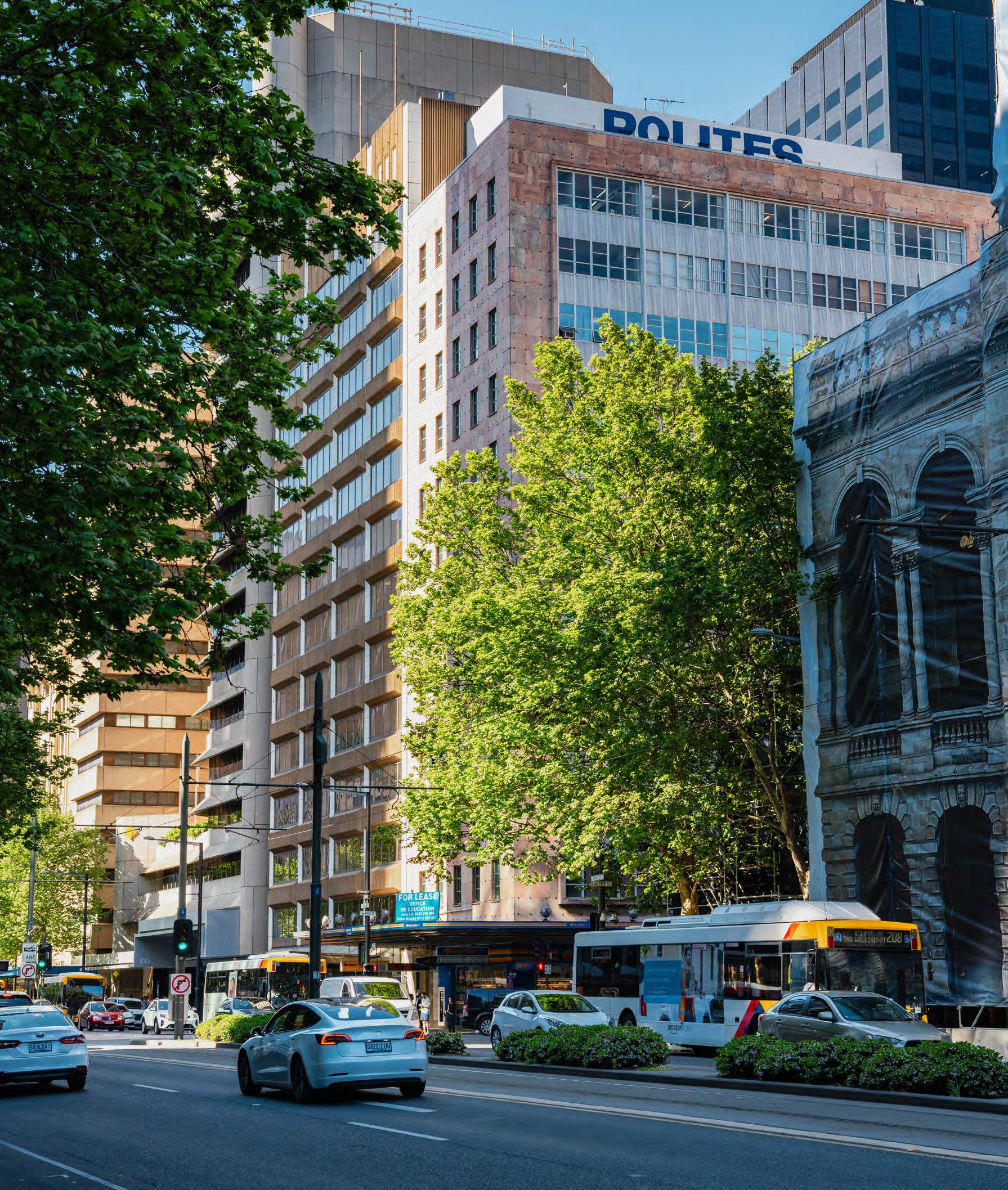
Adelaide’s rental vacancy rate of 0.8% remains tighter than Sydney and Melbourne
While your investment is based in South Australia, broader national trends continue to shape where capital is flowing and how investors are thinking about opportunity.
Perth remains the country’s strongest momentum market, with annual growth of 22.0% and vacancy holding at 0.6%. Brisbane continues to show depth, with 17.3% annual growth and consistently tight rental conditions across multiple submarkets.
Darwin stands out from an income perspective, with gross yields around 6.1% and strong rental growth, continuing to attract investors focused on cash flow.
Looking ahead, there is increasing attention on Melbourne as a market to watch. After a more subdued period, pricing and position within the property cycle are drawing interest from investors looking to enter ahead of a potential shift.
Across regional markets nationally, a number of areas continue to show strong growth and affordability, reinforcing the ongoing spread of investment beyond capital cities.
We advise our clients to obtain thorough accounting and structuring guidance before purchasing property in Melbourne, particularly in light of the recent changes to property taxation, which have added new complexities to investment and ownership strategies.
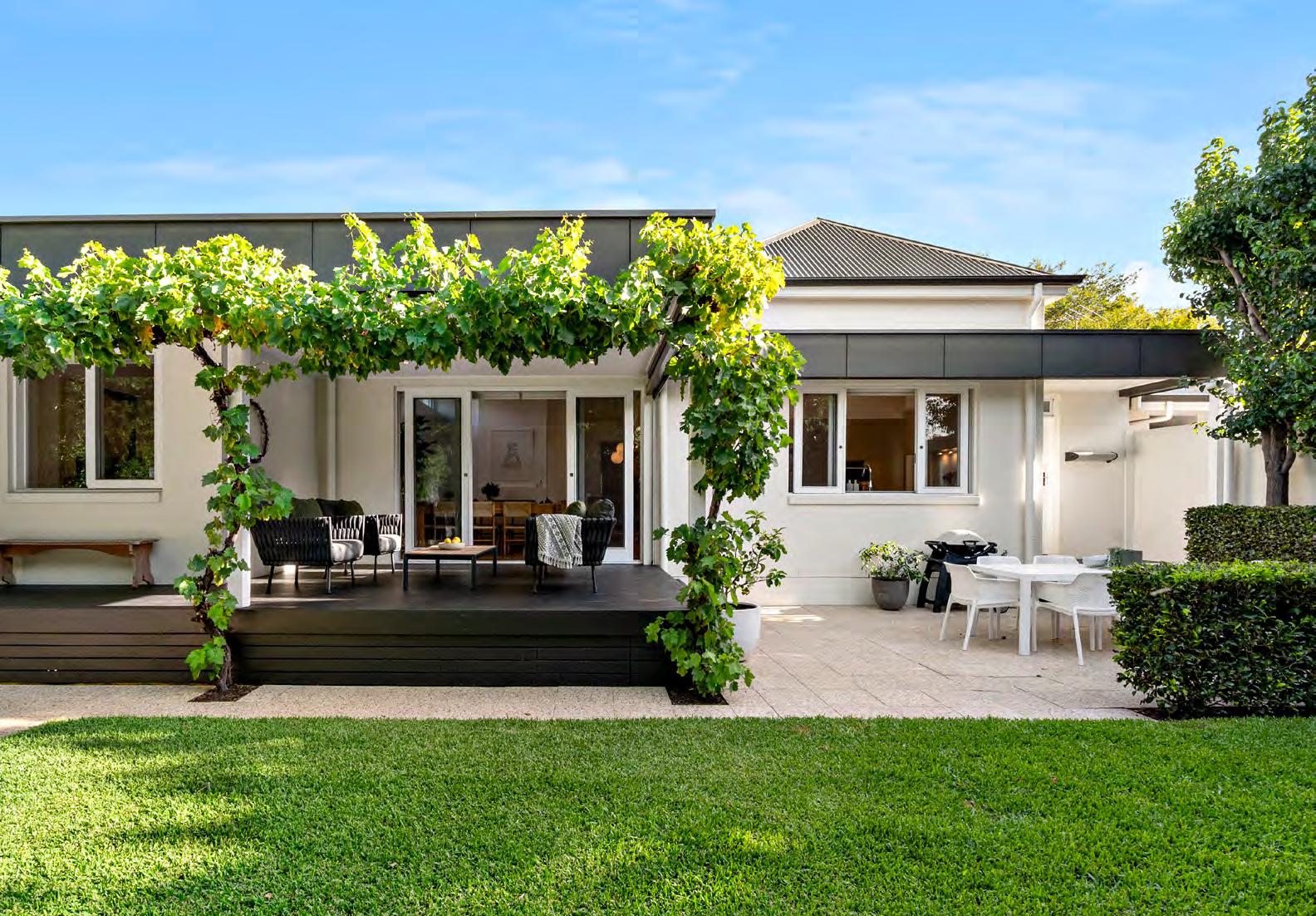
Across Greater Adelaide, performance remains broad-based.
The strongest SA regions over the past year included Salisbury North, Tea Tree Gully North and Adelaide Hills, Norwood/Payneham/St Peters and Port Adelaide. This reflects a market where strength is not confined to one area, but supported across multiple regions and price points.
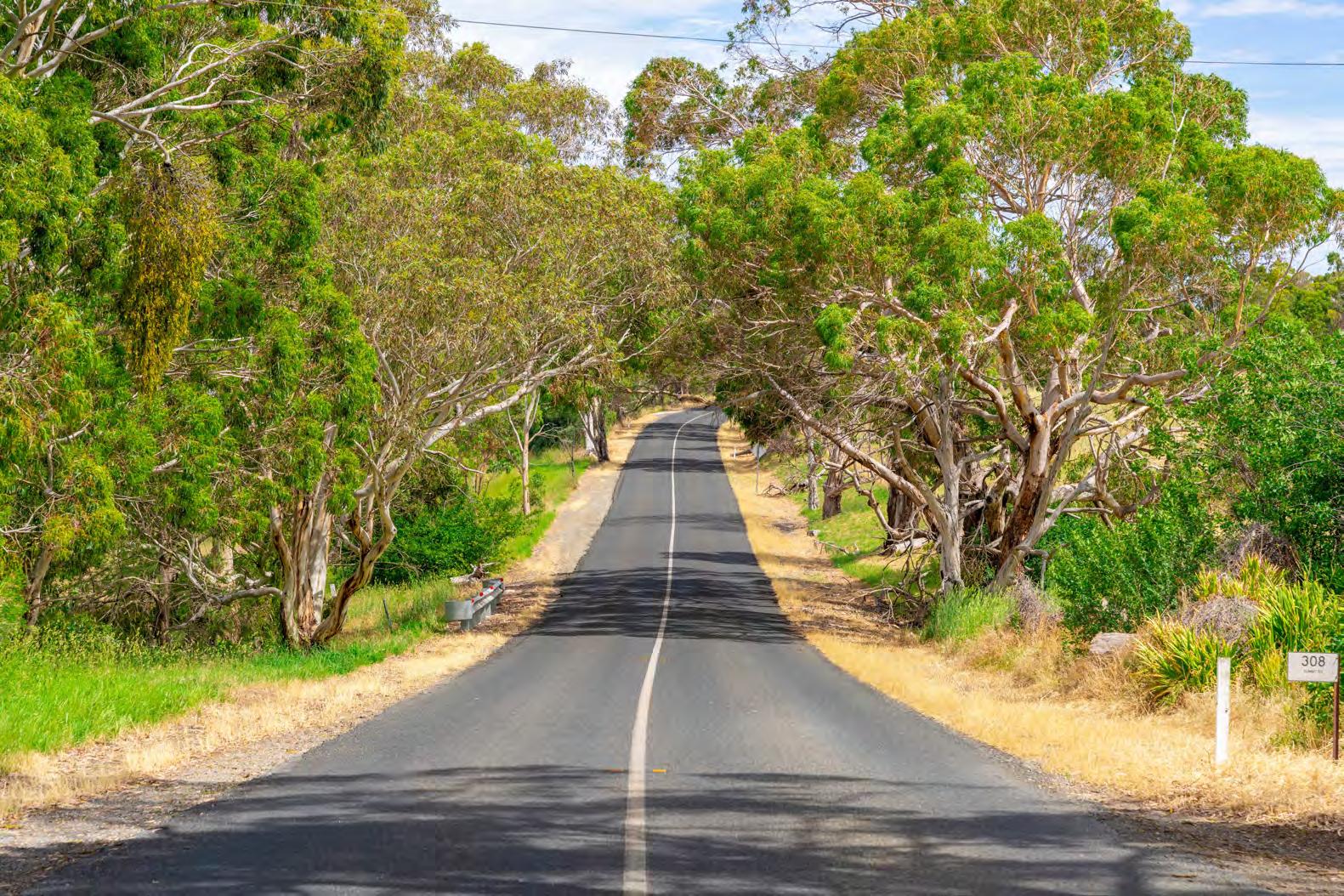
Across regional South Australia, Eyre Peninsula, Limestone Coast, Yorke Peninsula and Fleurieu–Kangaroo Island all recorded solid annual growth, highlighting the continued relevance of regional markets within the broader investment landscape.
At a suburb level, recent investor-focused rankings have highlighted areas such as Evanston Gardens, Elizabeth North, St Clair and Brooklyn Park. These locations continue to attract attention due to a combination of relative affordability, rental return and growth potential.
Take a considered approach to rent reviews.
With rental growth moderating and vacancy still tight, we are finding well-supported annual reviews are often delivering more consistent outcomes than reactive increases.
Prioritise occupancy and tenant stability.
In the current environment, minimising vacancy and retaining quality tenants continues to play a meaningful role in overall performance. Our Early Release platform is helping our team reduce client vacancy periods, with over 10,000 engaged subscribers actively on the lookout for rental properties.
Focus on practical improvements that support long-term performance.
Simple upgrades such as paint, flooring, lighting and climate control remain effective in maintaining tenant appeal and meeting evolving standards.
Keep financial records well organised ahead of end of financial year.
Clear, accurate record-keeping continues to be an area of focus, particularly with ongoing scrutiny from the ATO. We have now introduced our updated landlord portal to view financial statements and track maintenance requests which you can easily login to at any time via our website.
Review your portfolio settings.
For landlords with multiple properties, strategically planning and coordinating maintenance, alongside regularly reviewing the asset mix, can create a more consistent and deliberate approach to optimising long-term performance.
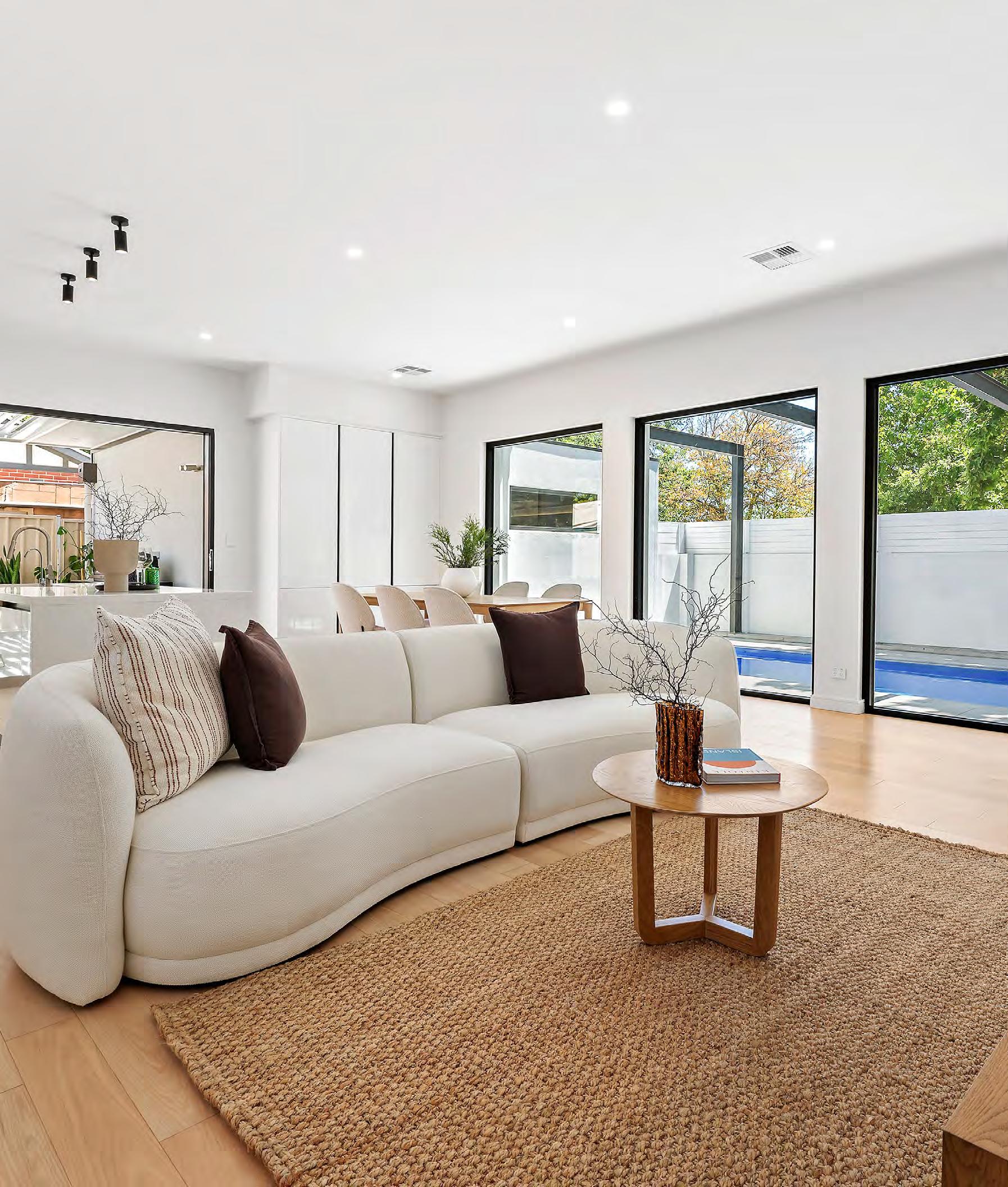
Simple upgrades remain effective in maintaining tenant appeal
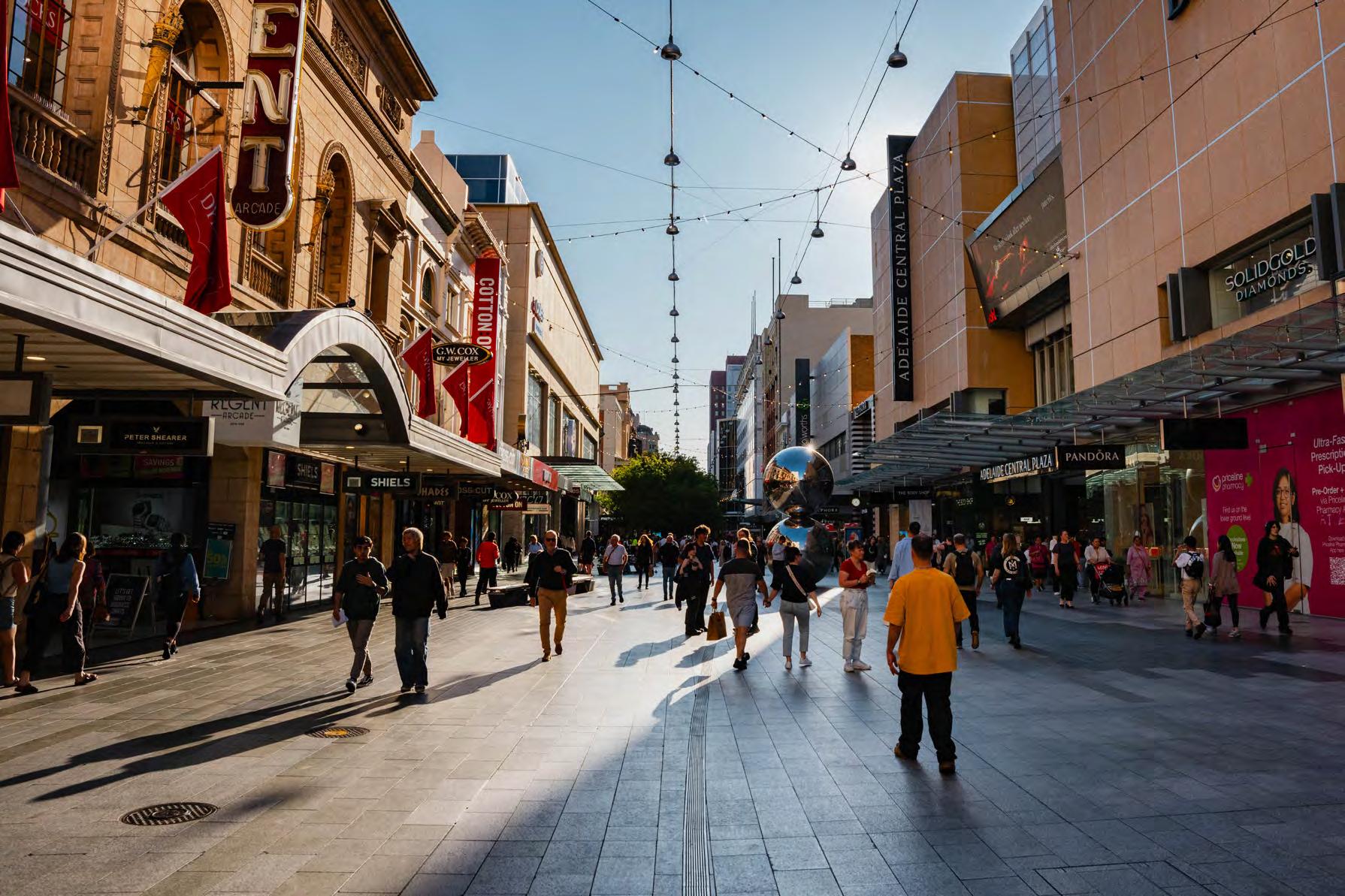
South Australia’s landlord market remains well supported as we move through the first quarter of 2026. Demand is steady, vacancy remains tight, and both Adelaide and regional markets continue to show resilience.
The opportunity now sits less in market momentum and more in the detail—how each property is positioned, maintained and managed over time. That is where we are seeing the strongest outcomes.