TOM CRENIAN
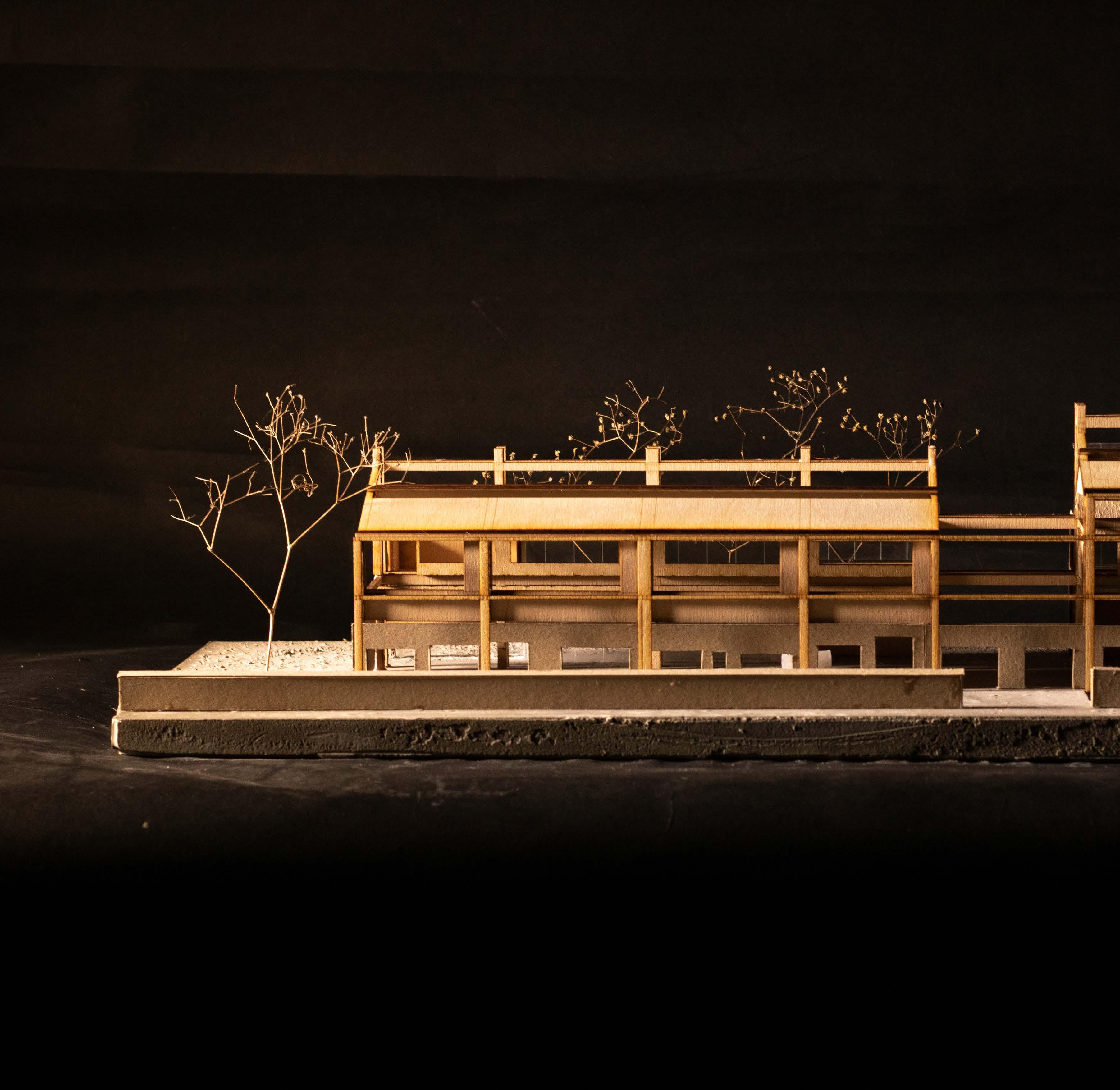
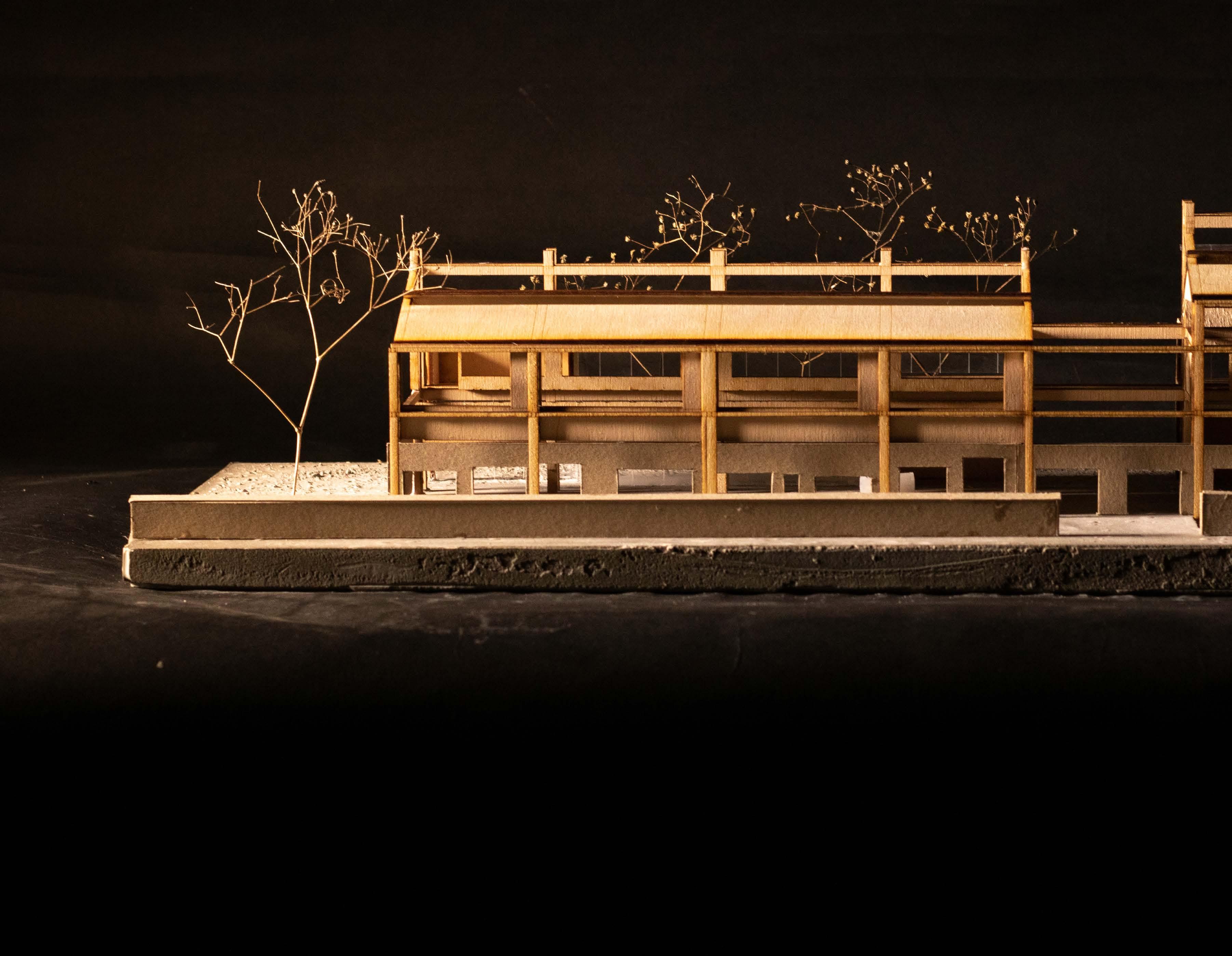
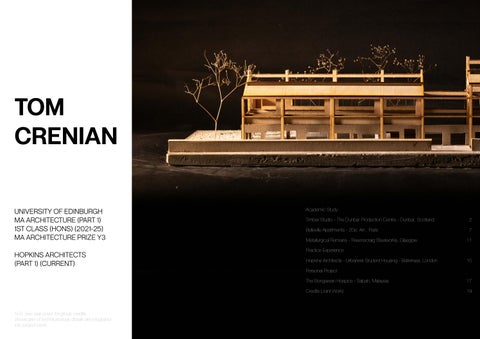
The DPC, a final undergraduate project, gave me room to resolve a project technically and digitally. At the same time, it became something unusuala product of the site’s uncanny, crumbling history and a body of research into timber manufacturing.
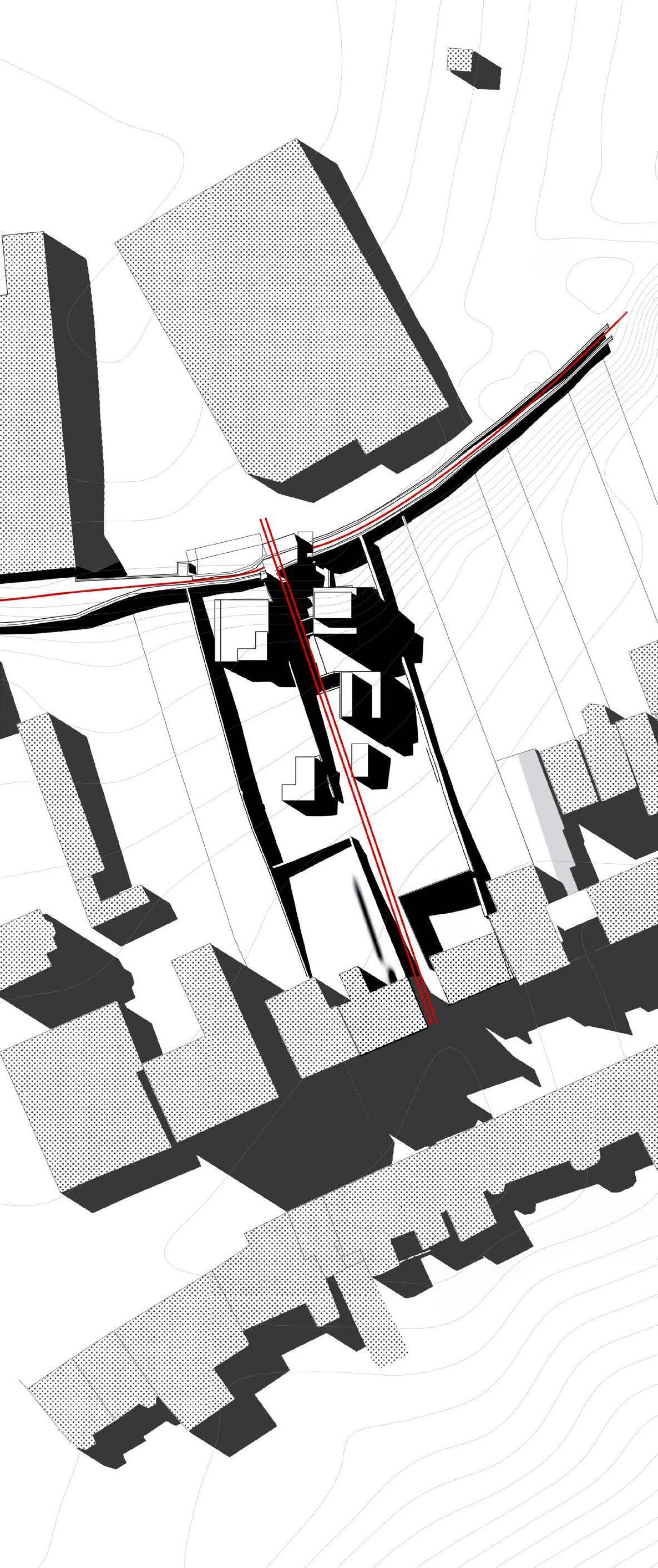
The proposal, a series of small volumes, precisely designed round the requirements of food production programmes sits on a narrow plot off the high street. The theme of the uncanny would push me to a spine-like central circulation structure.
The resulting brewery, creamery and smokery envisioned, hoped to be, a rejection of traditionally mundane food production. Instead it could be unusual as a spectacle for employees and the public. Simultaneously, I plowed a great detail of time into designing the buildings round the specific requirements of these food production processes.
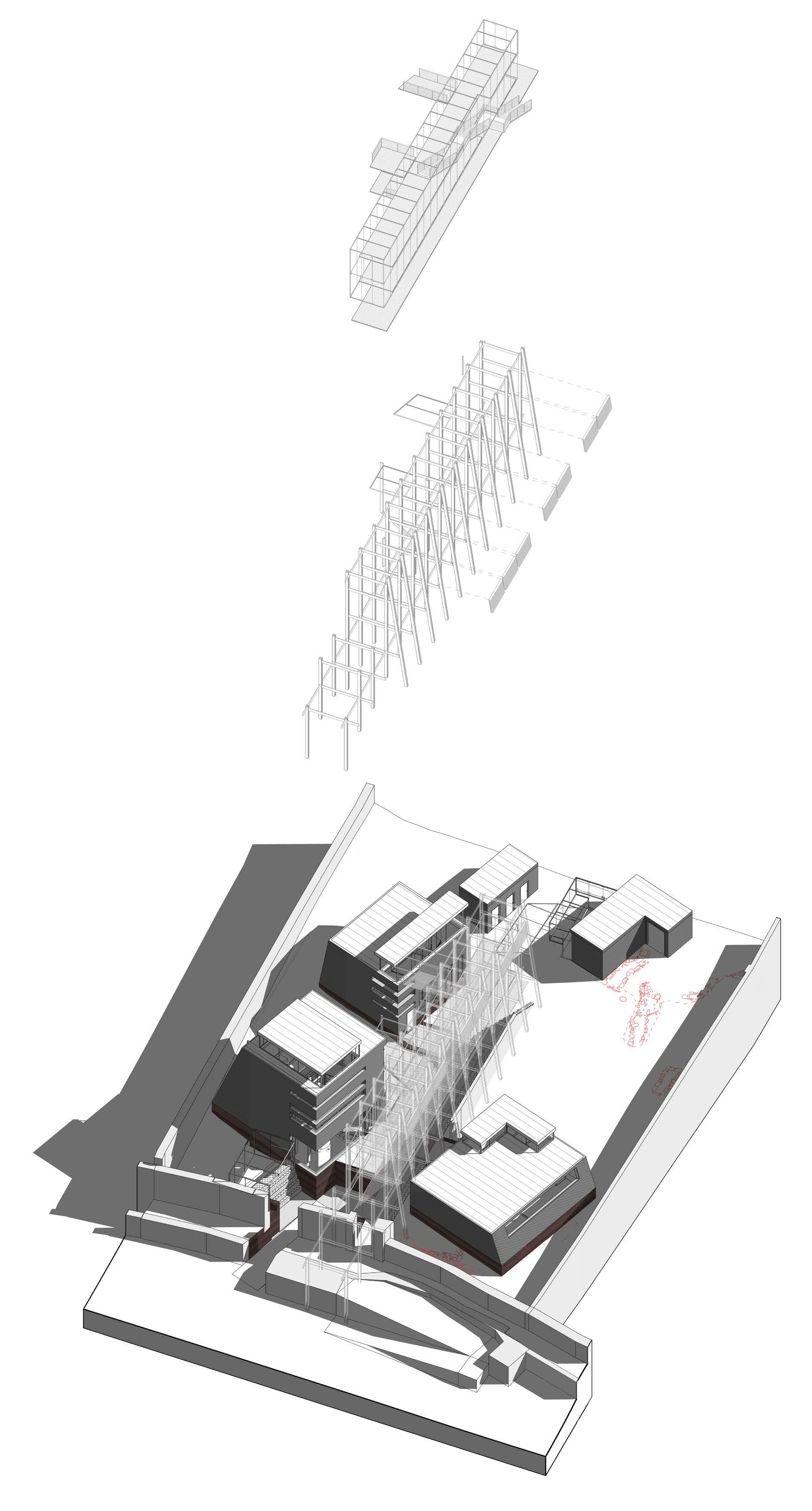
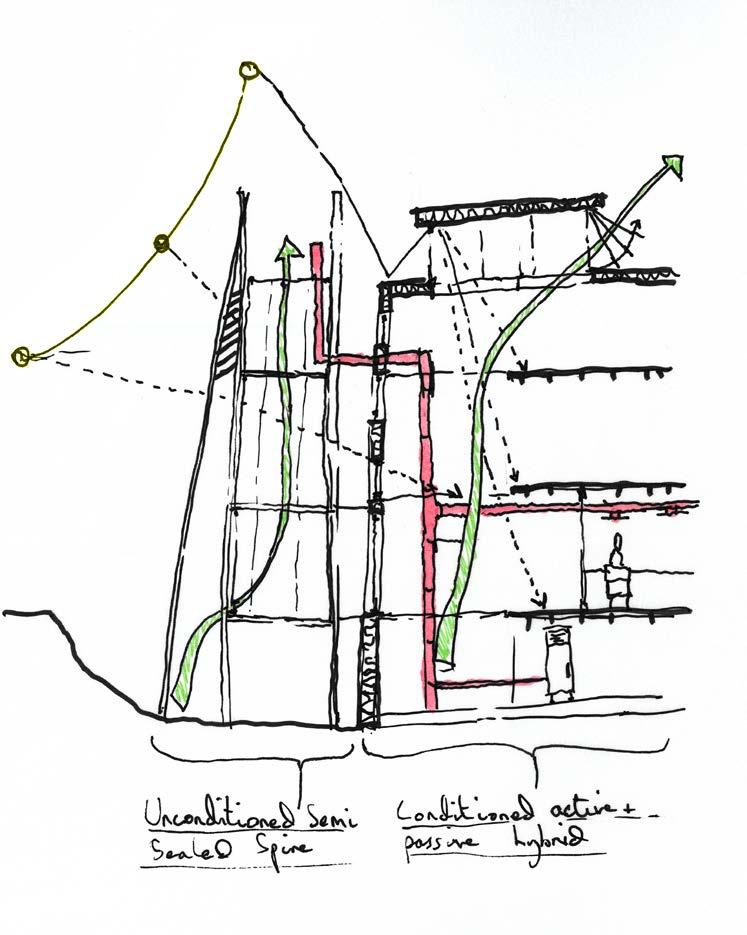
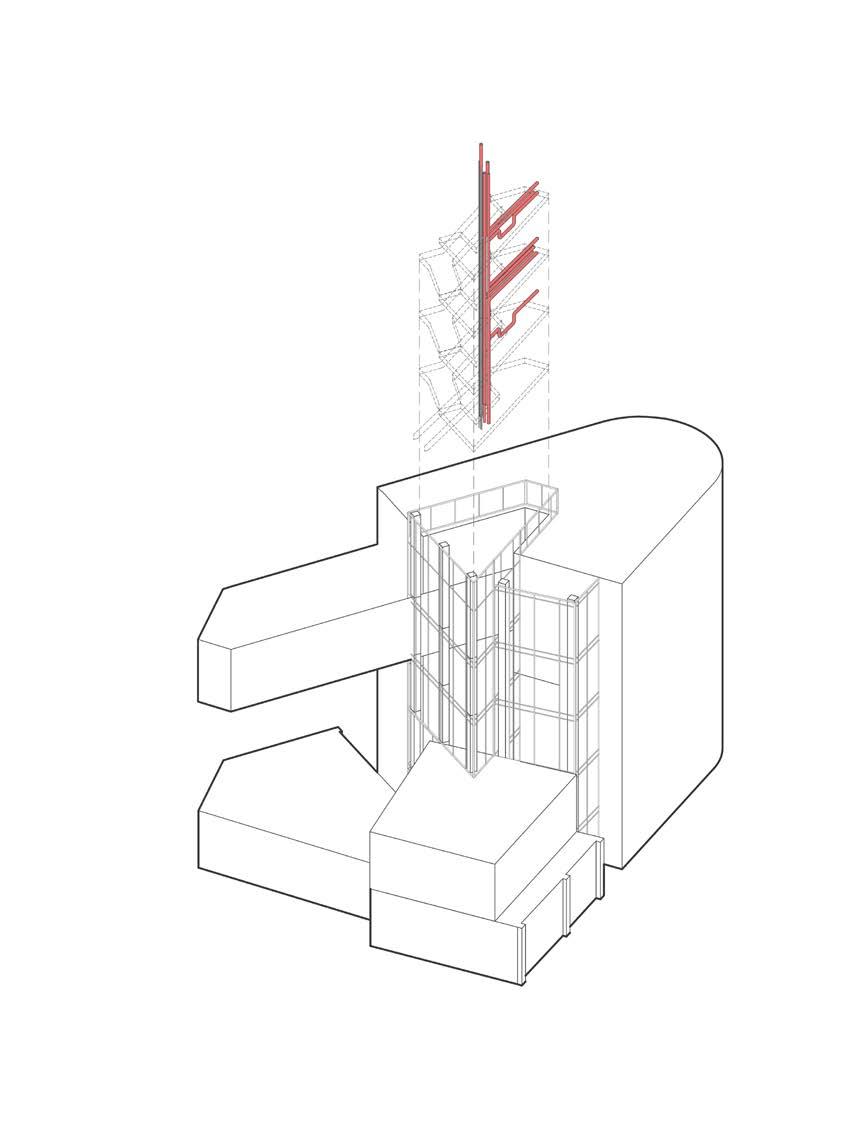
Central core and exposed structure give flexible and centralised routing for services.
Opening the site’s primary access serves commercial and public interests
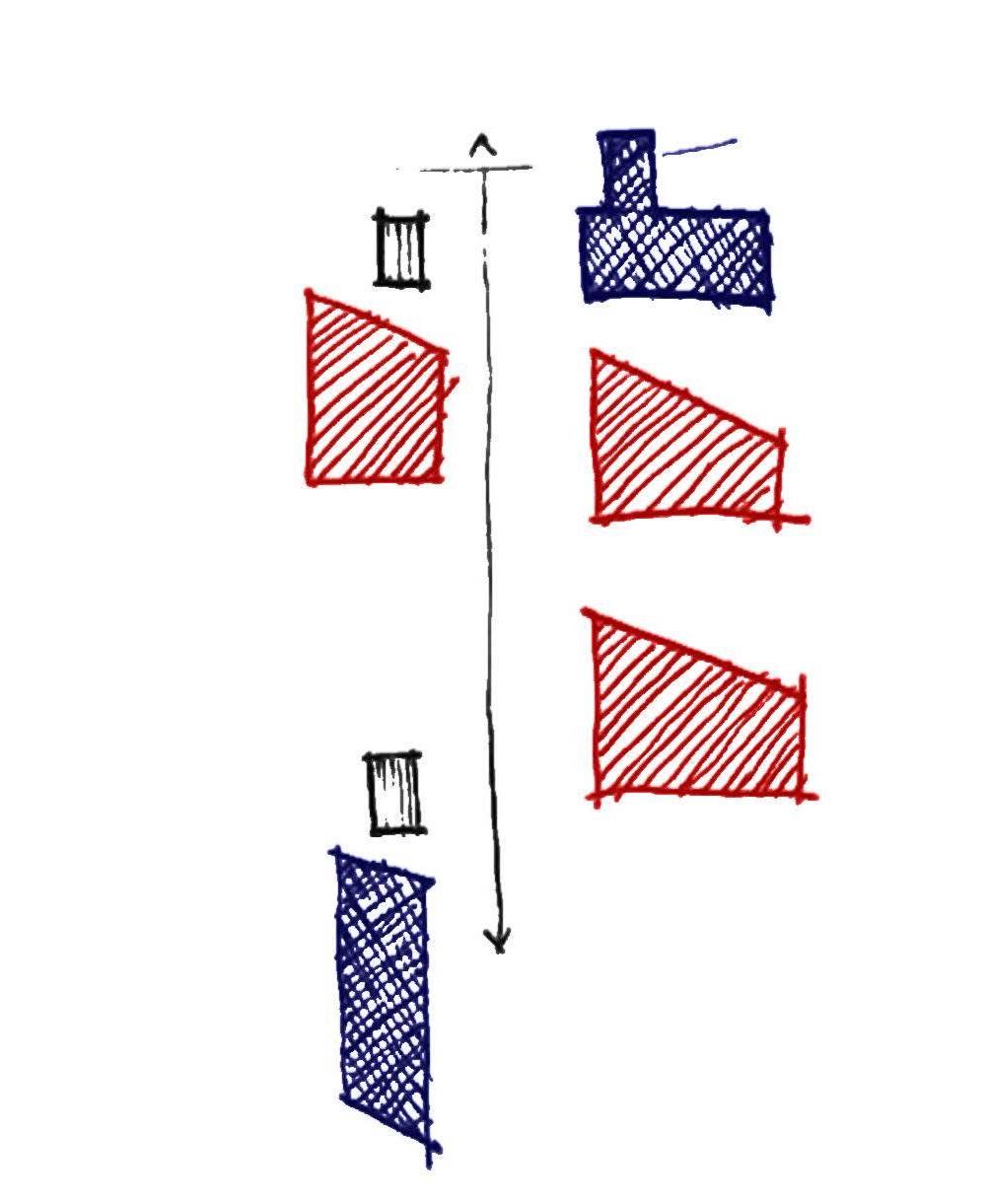
Grids make timber framing manageable. Two grids seperate stereotomic and tectonic.
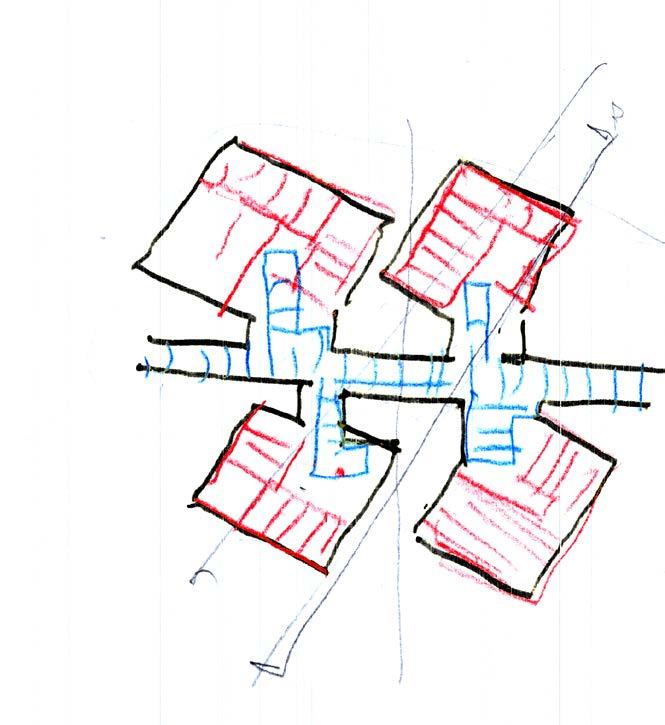
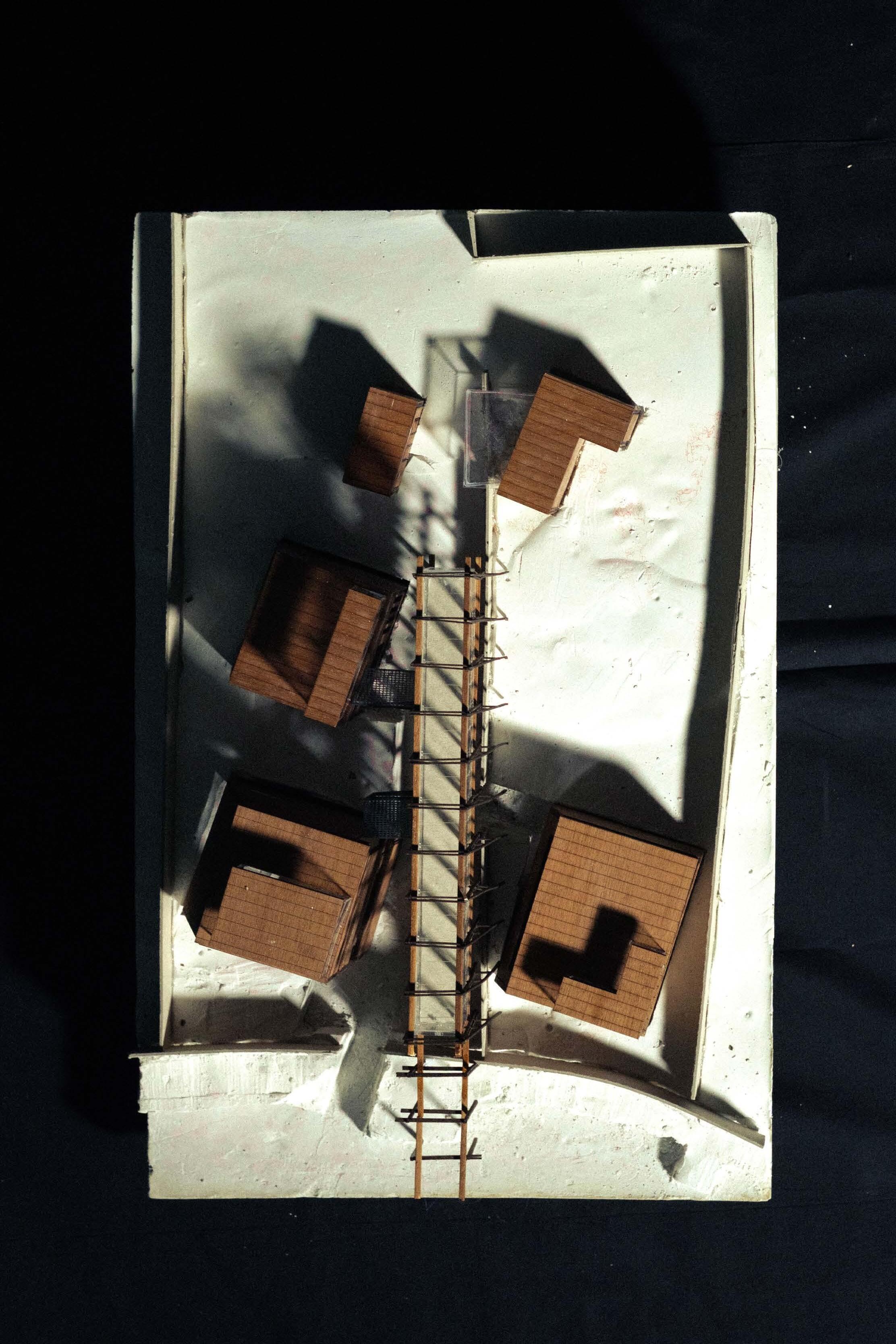
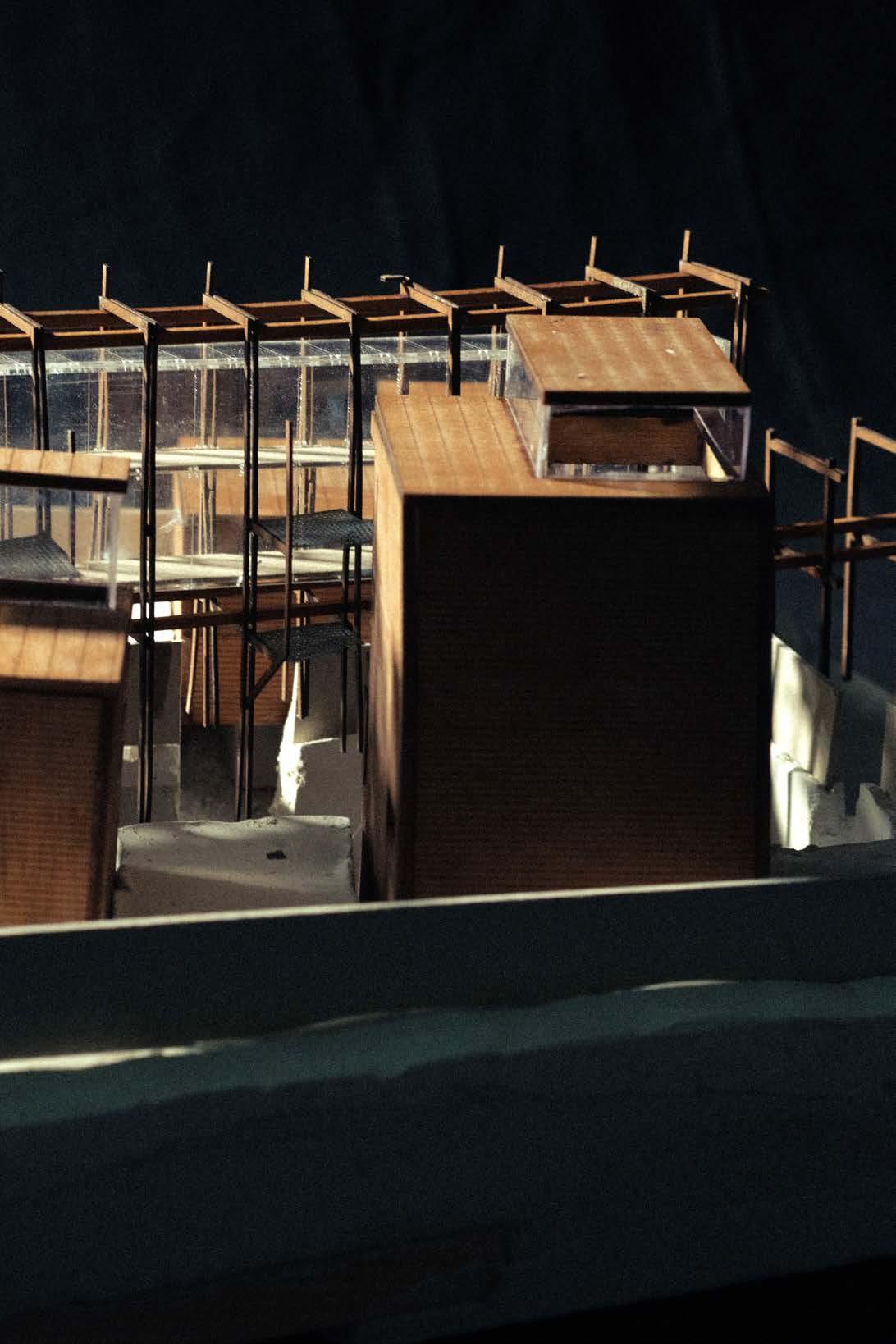
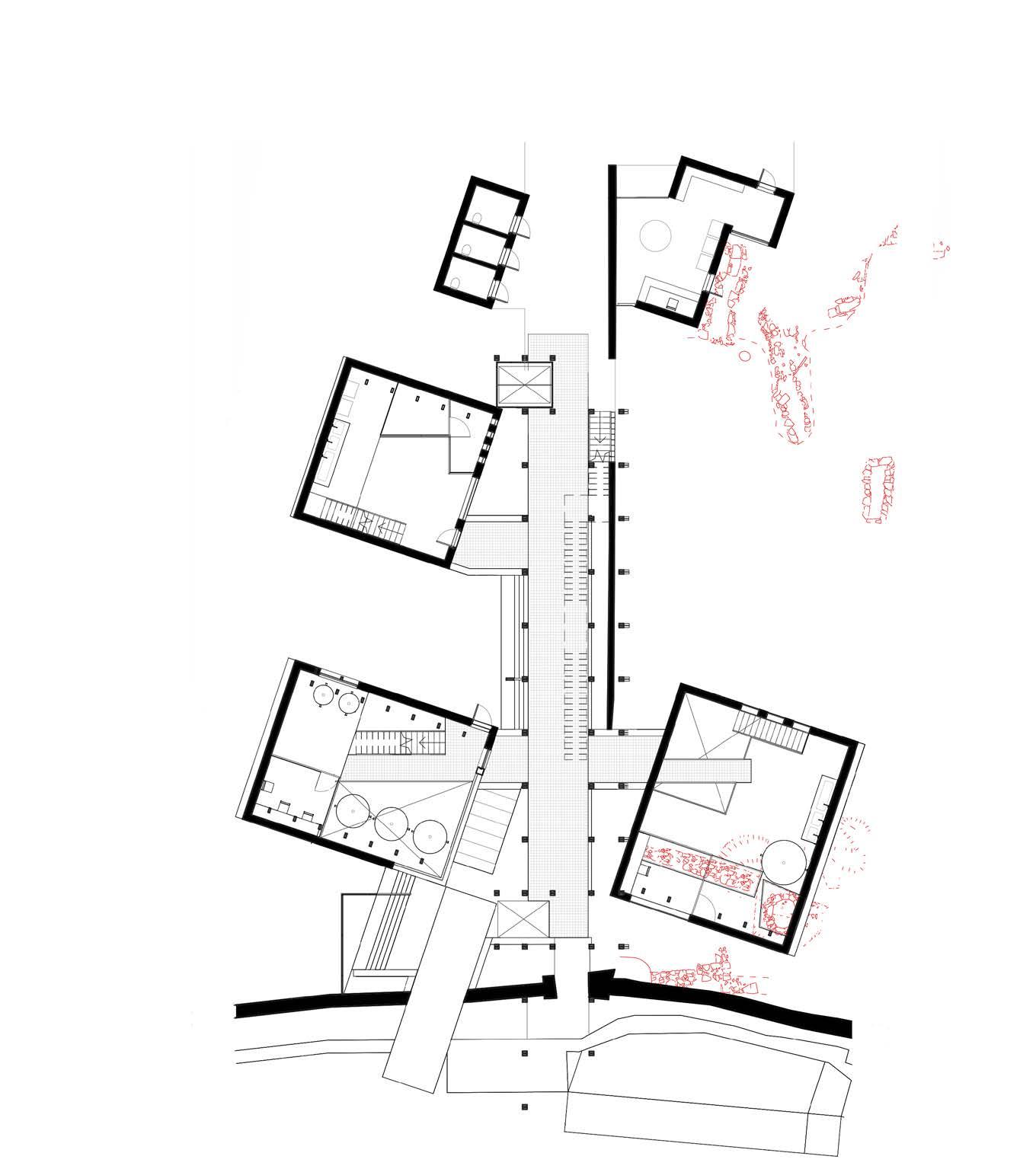
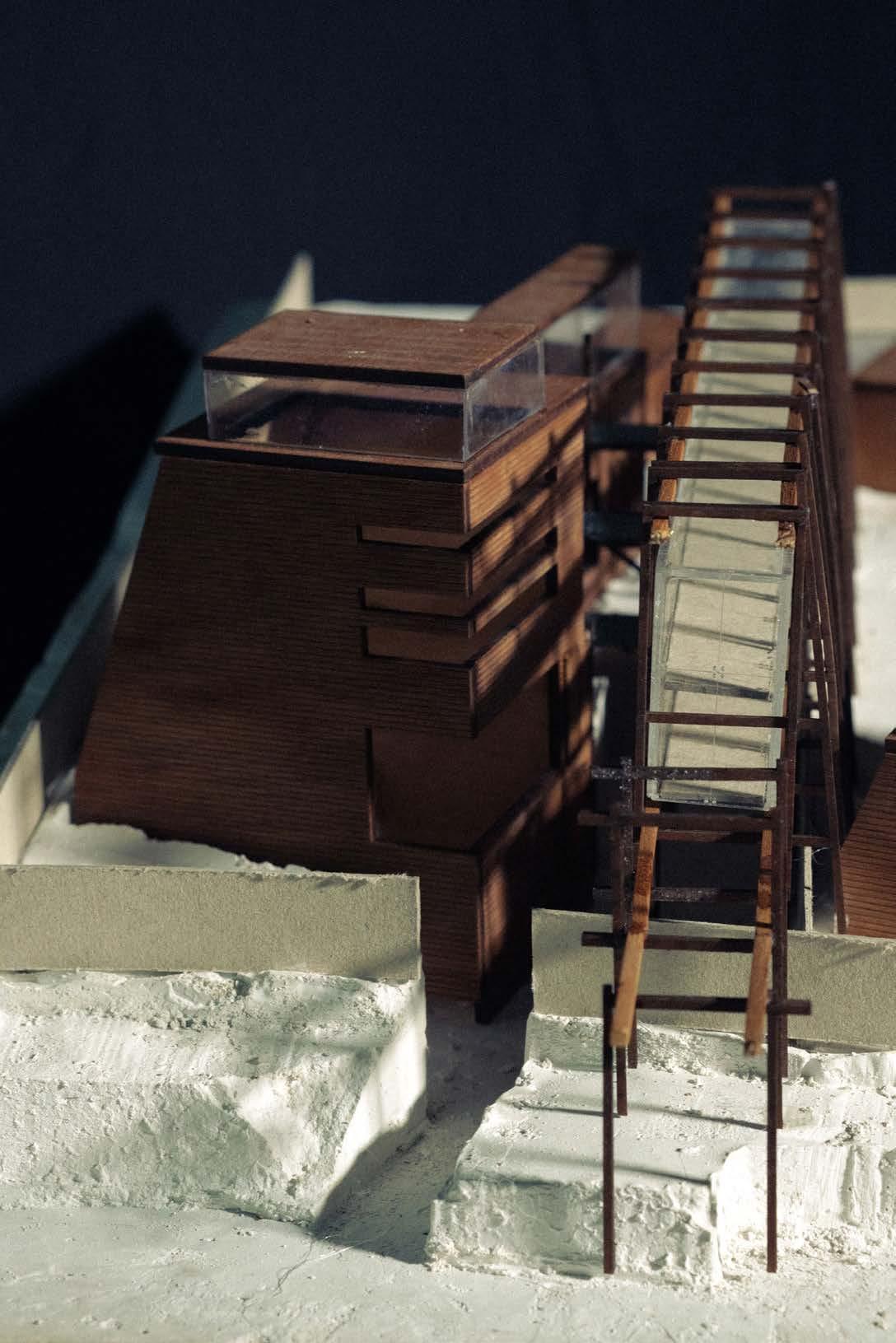
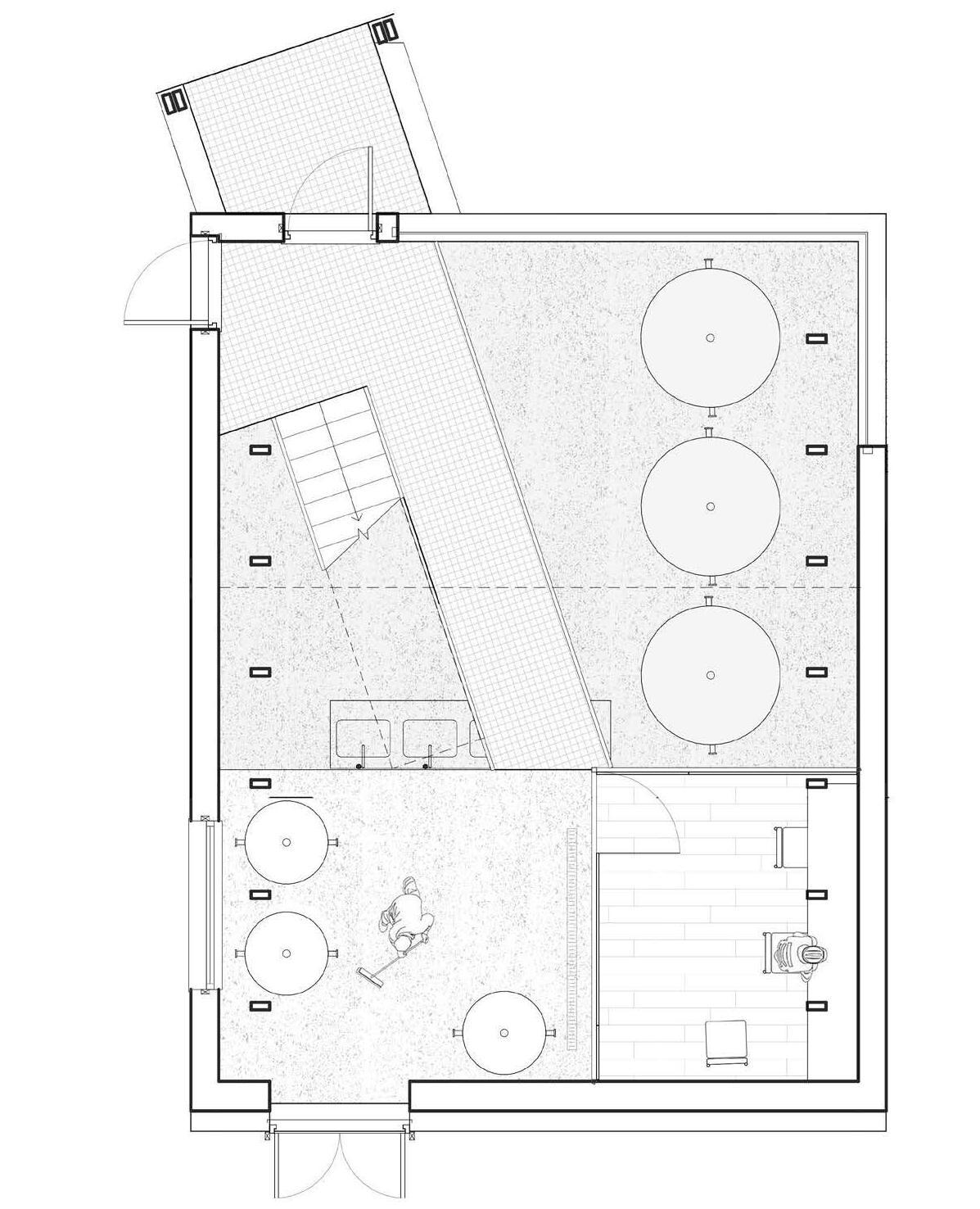
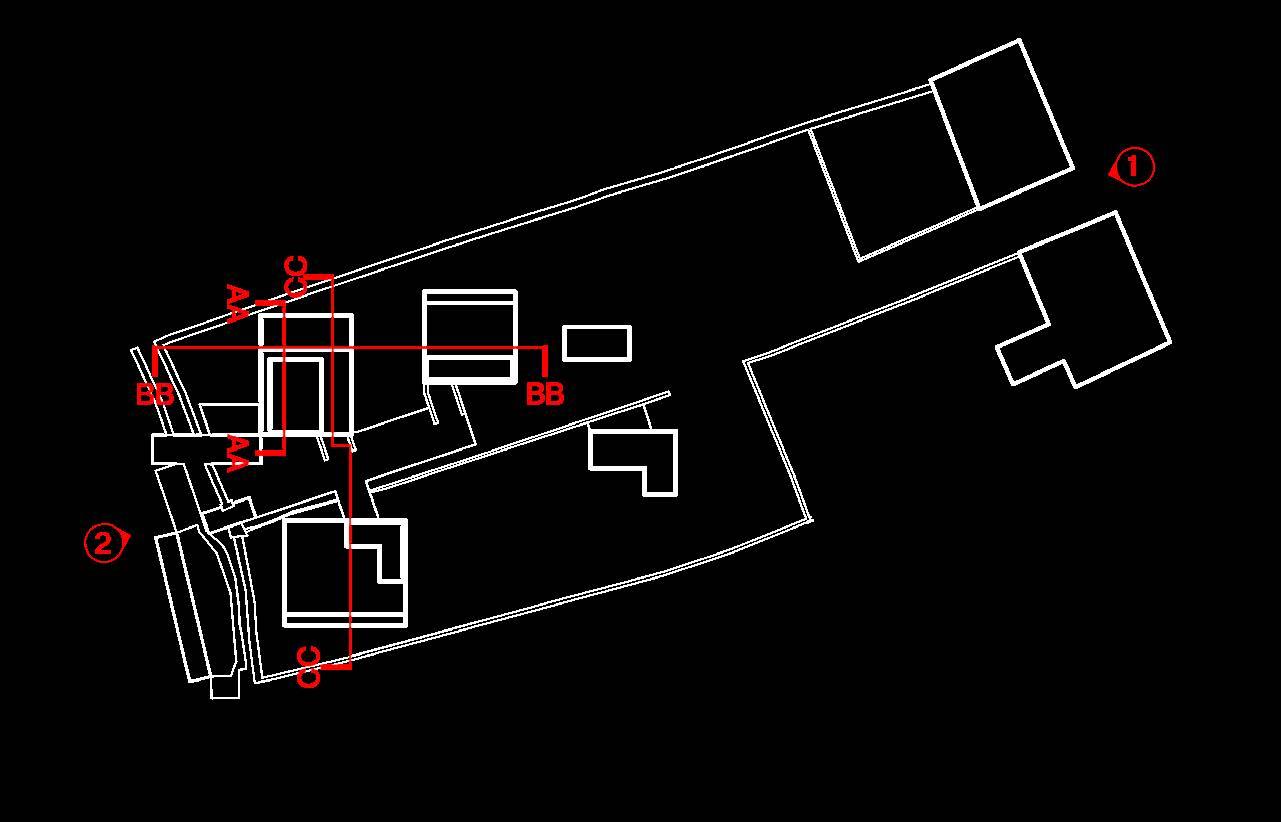
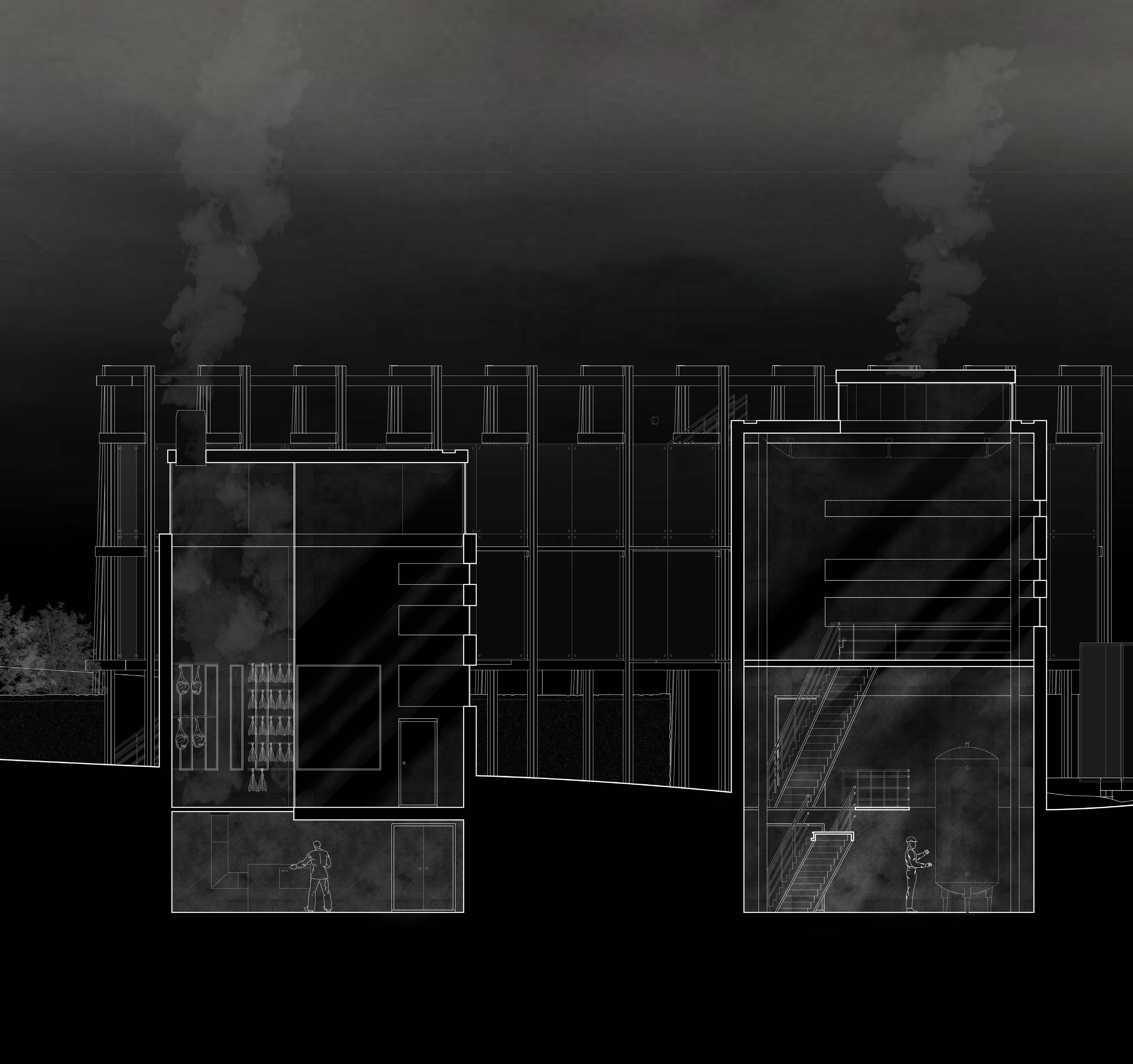
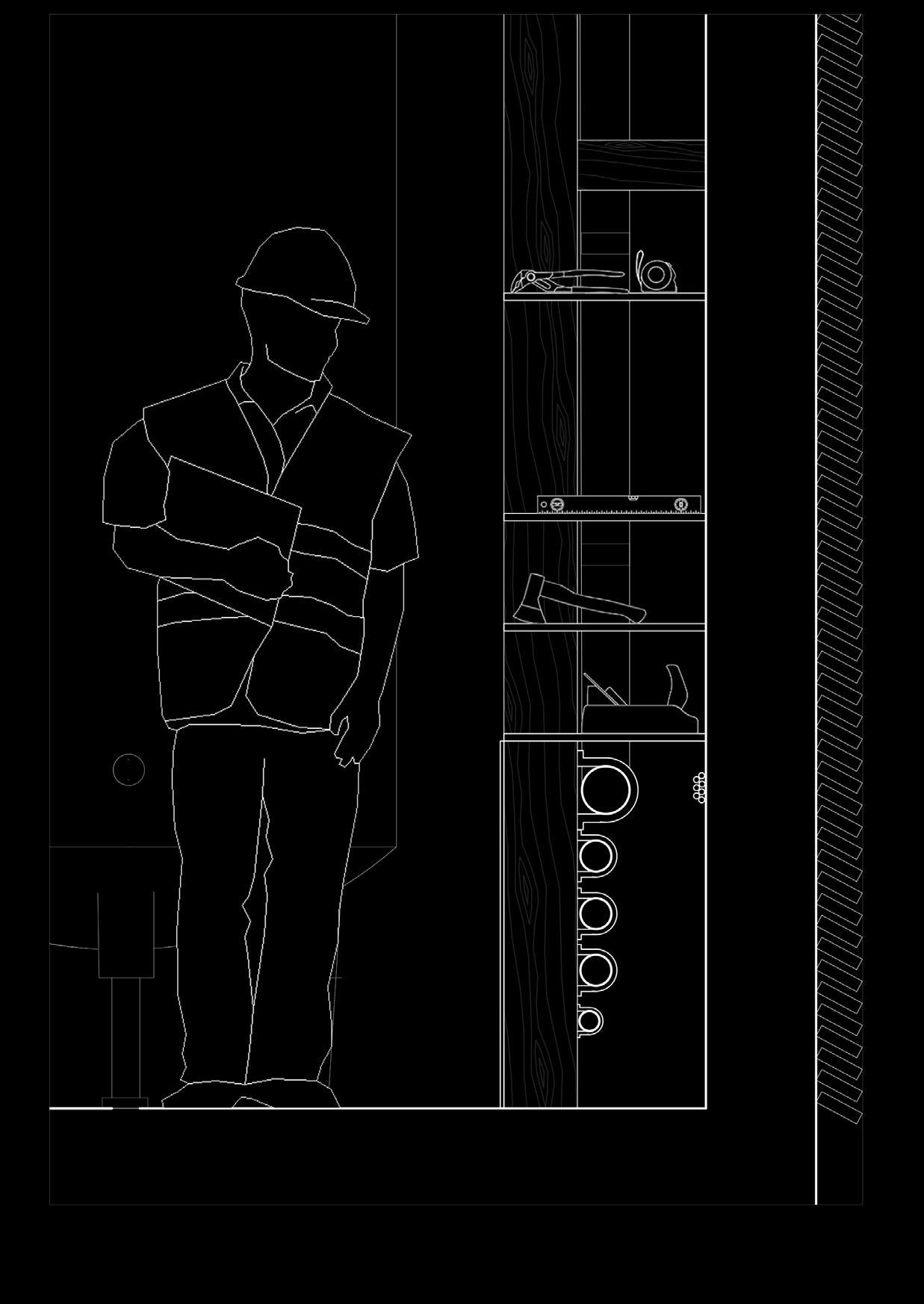
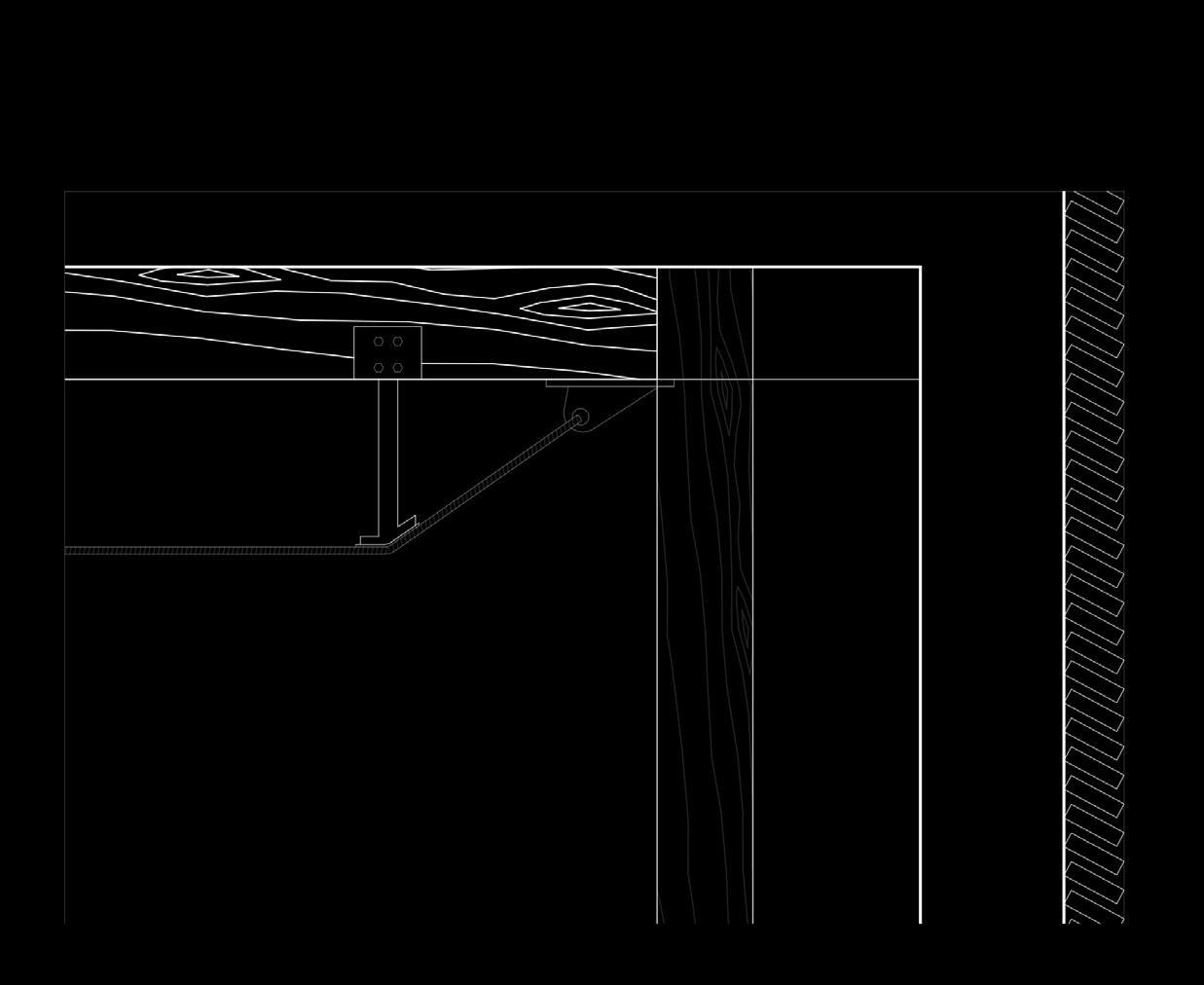
LIGHTWEIGHT SPINE CIRCULATION
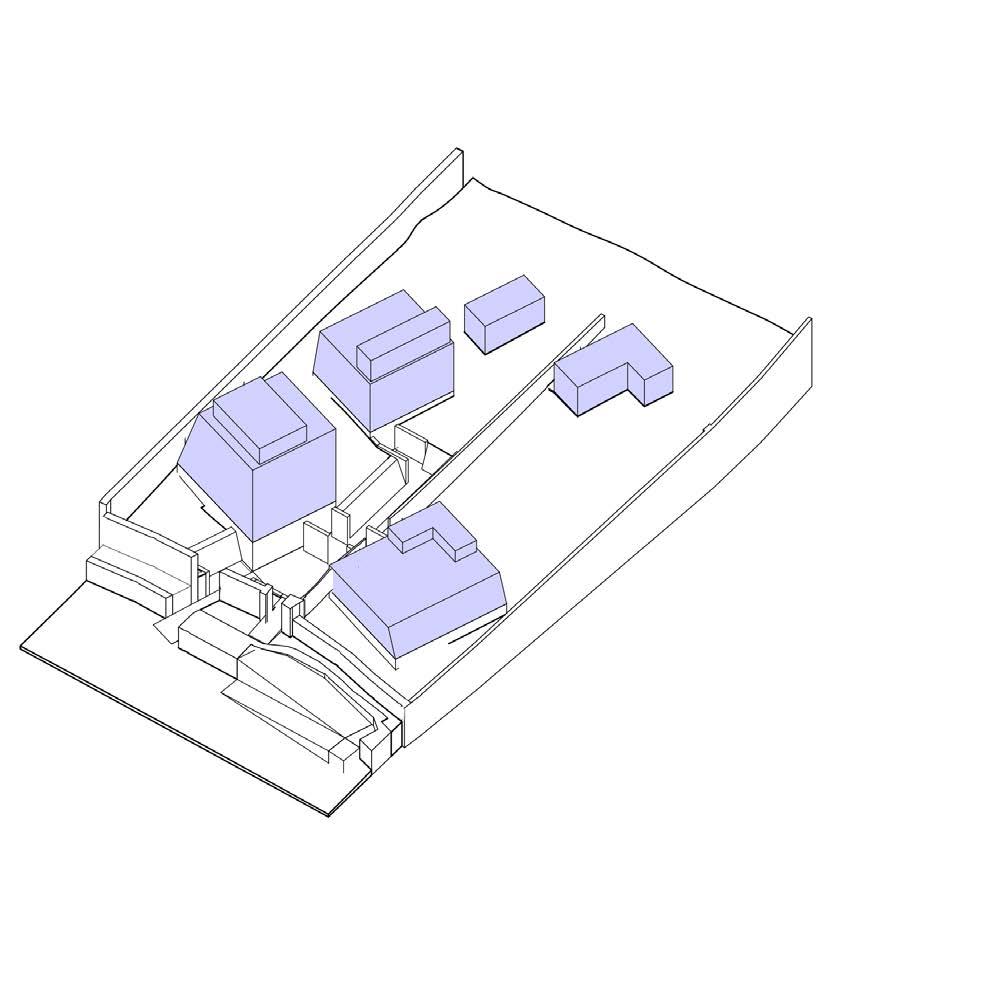
MASSED BREWERY AND CREAMERY
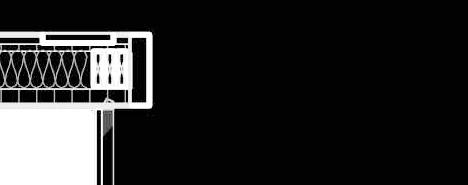
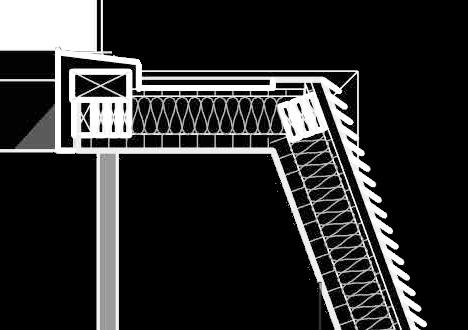
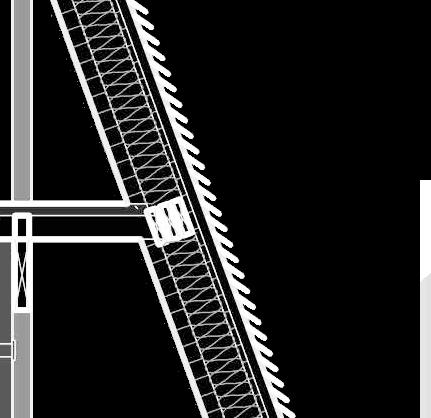
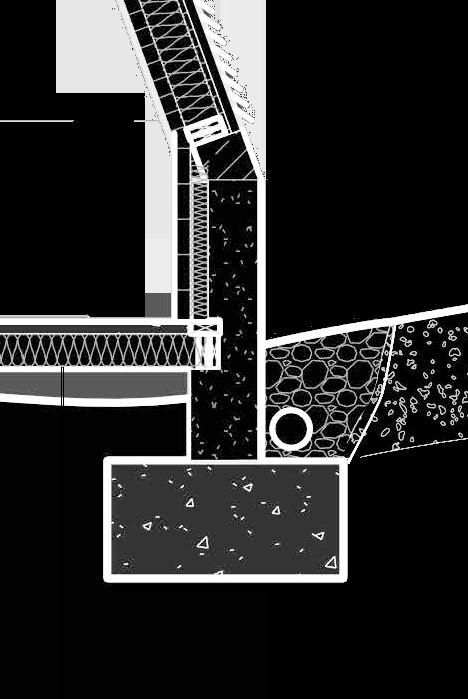

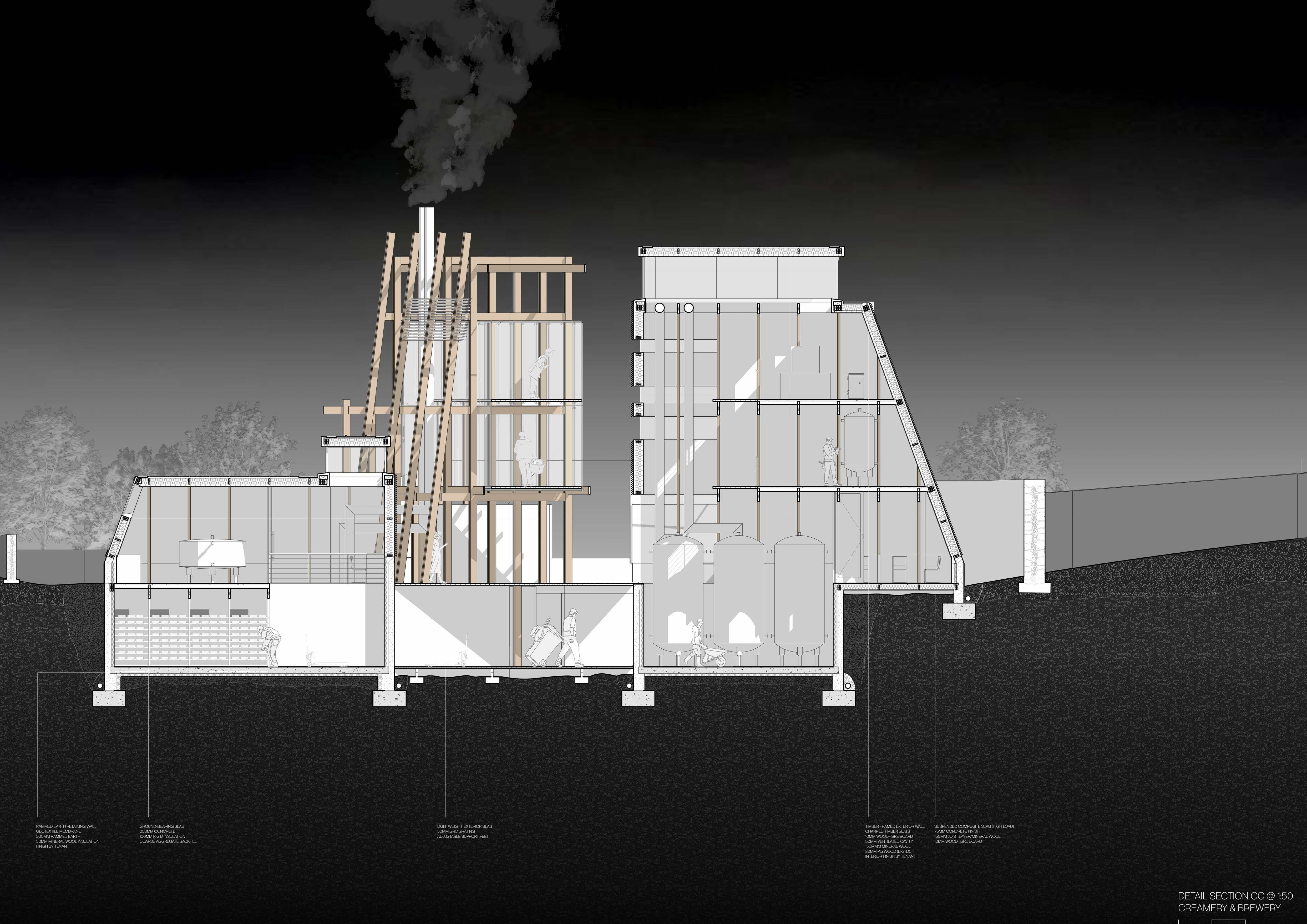
LOW-CARBON RETAINING WALLS
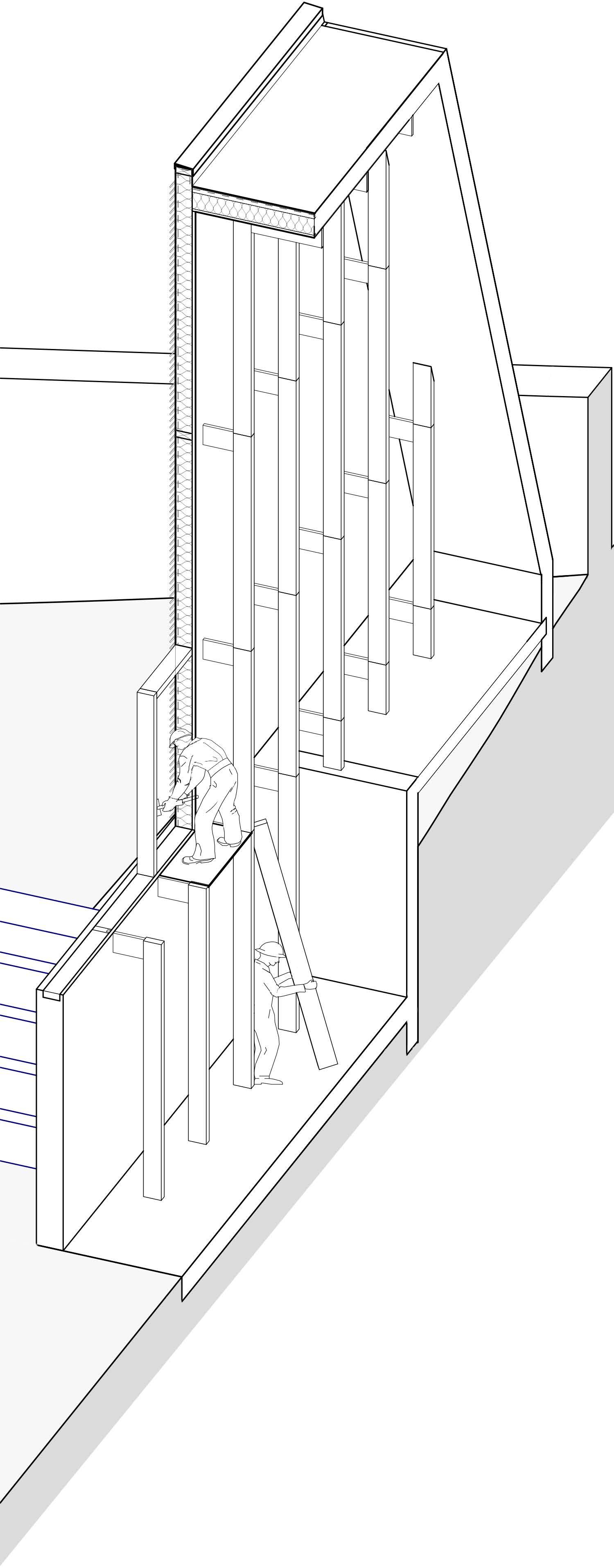
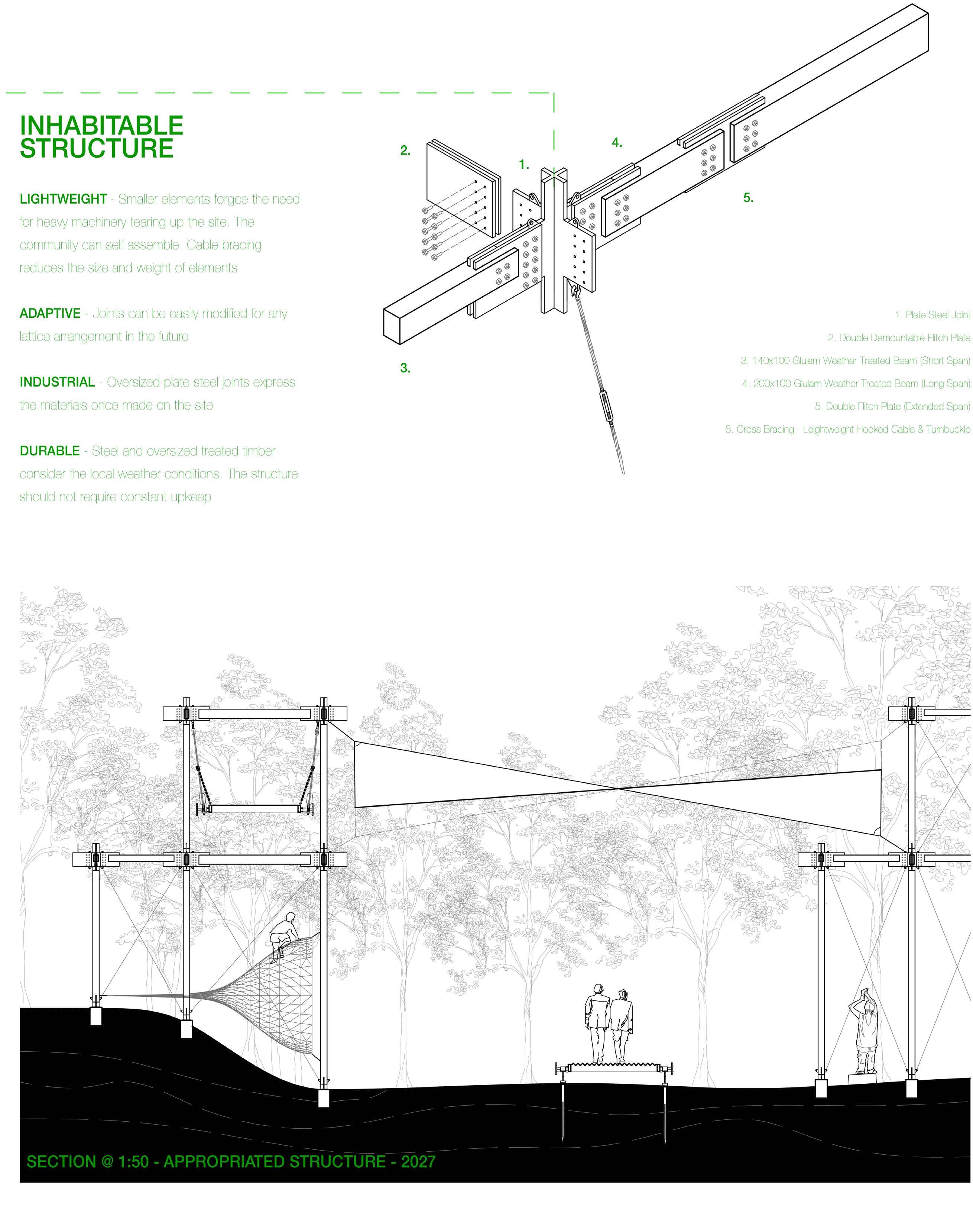
DOUBLE SCAFFOLD STRUCTURE
Rhino, Photoshop
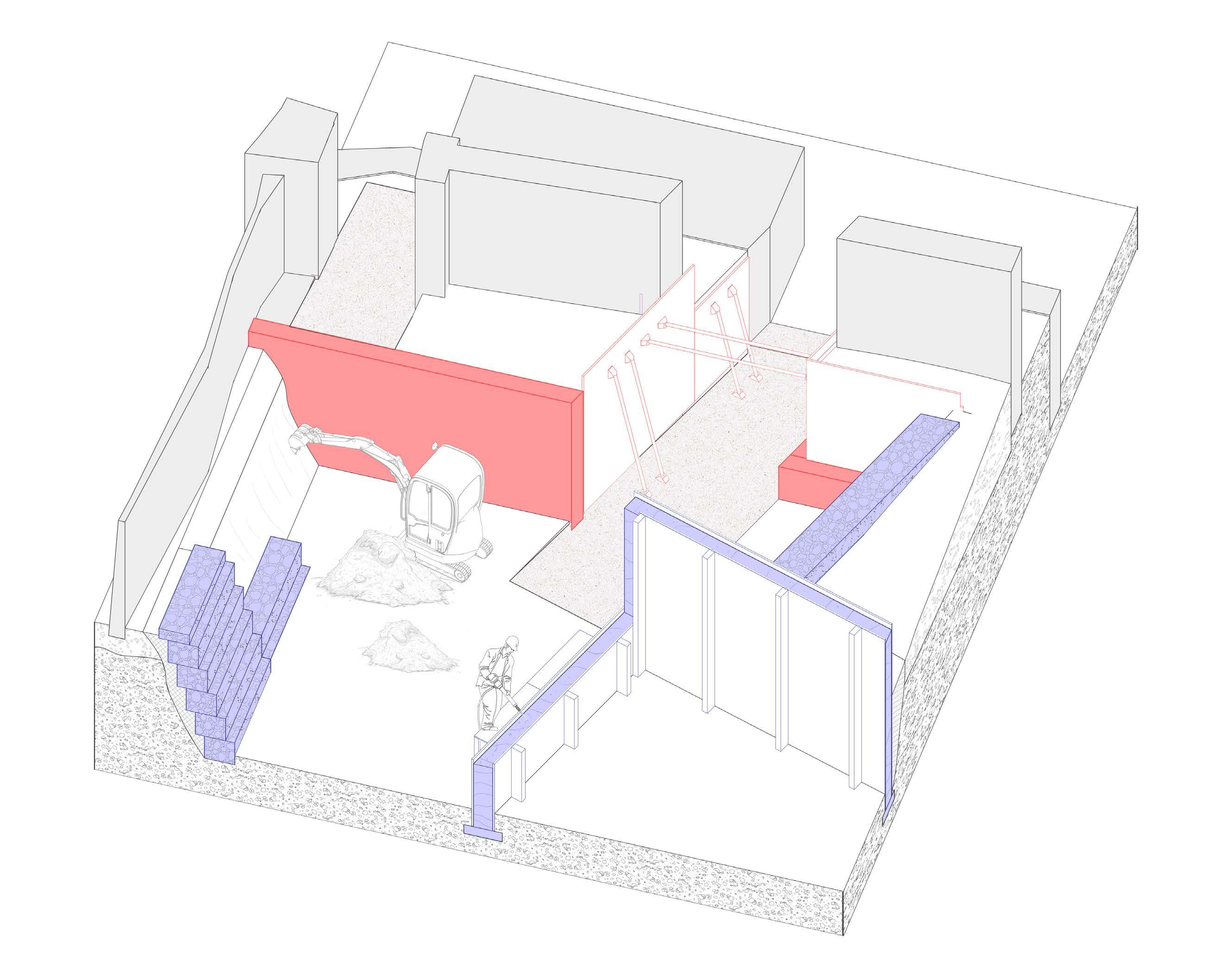
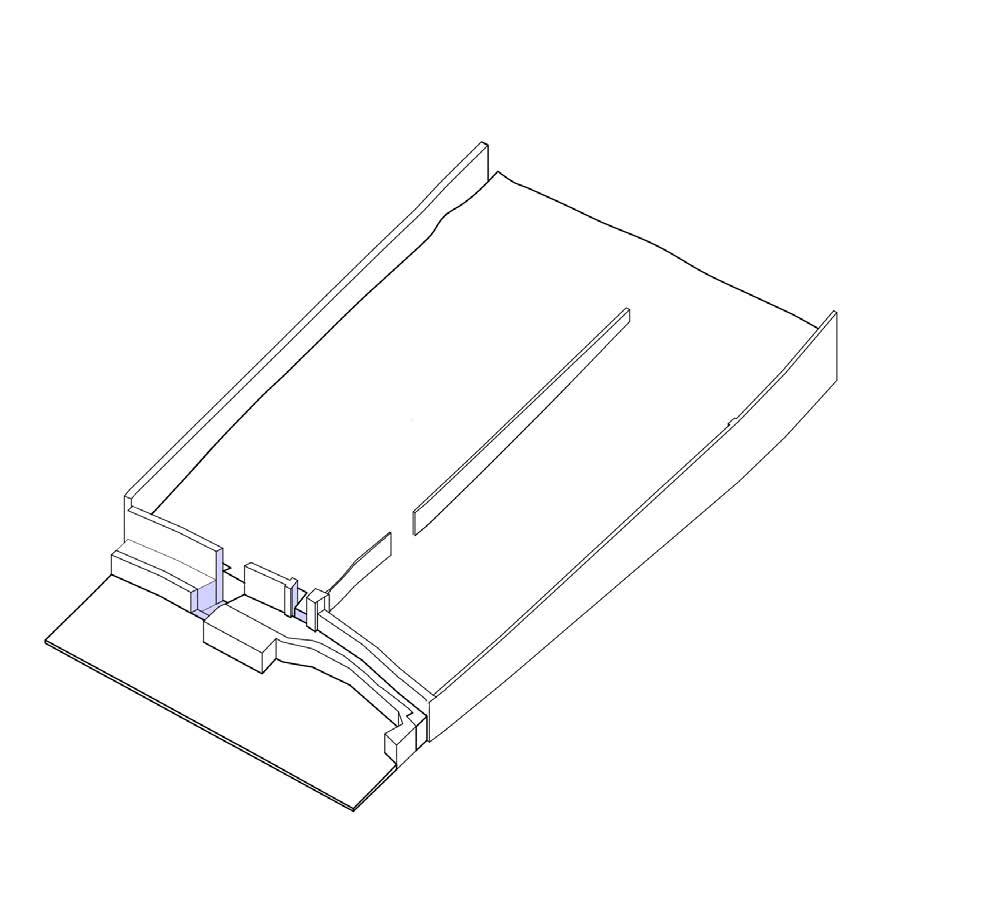
Formwork + Shoring
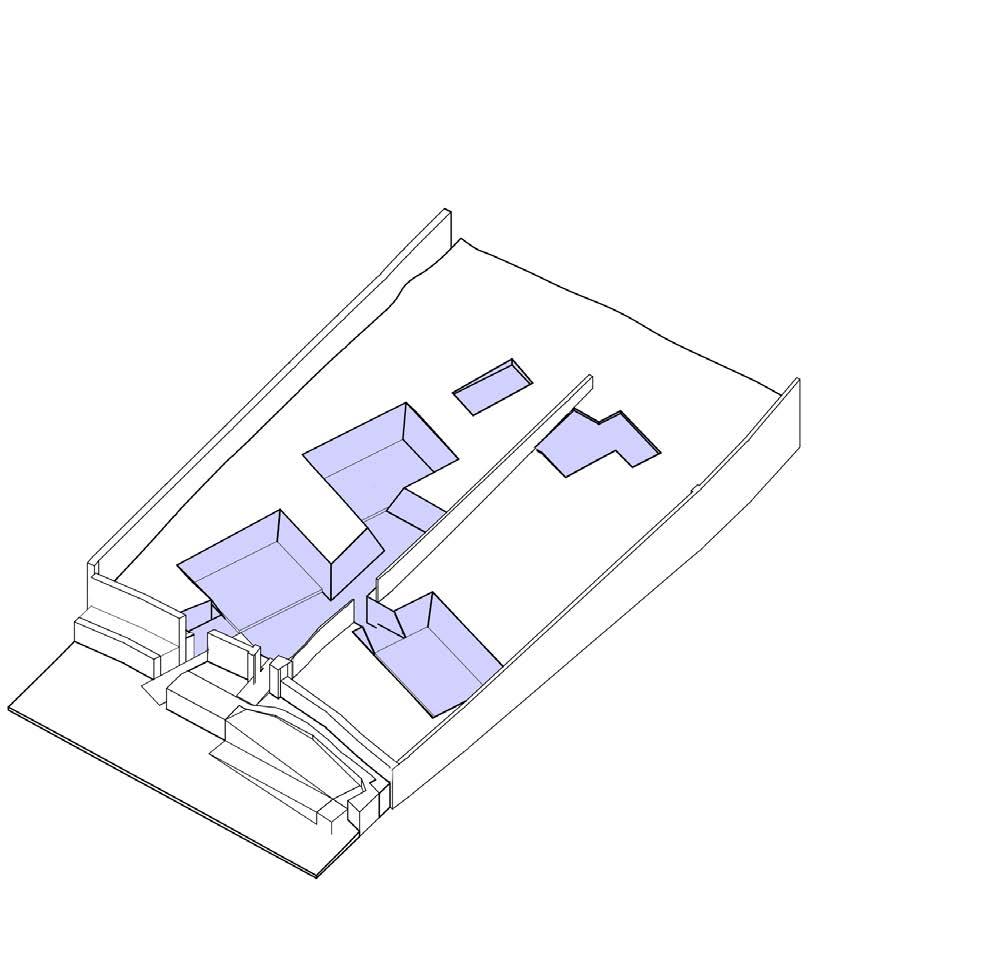
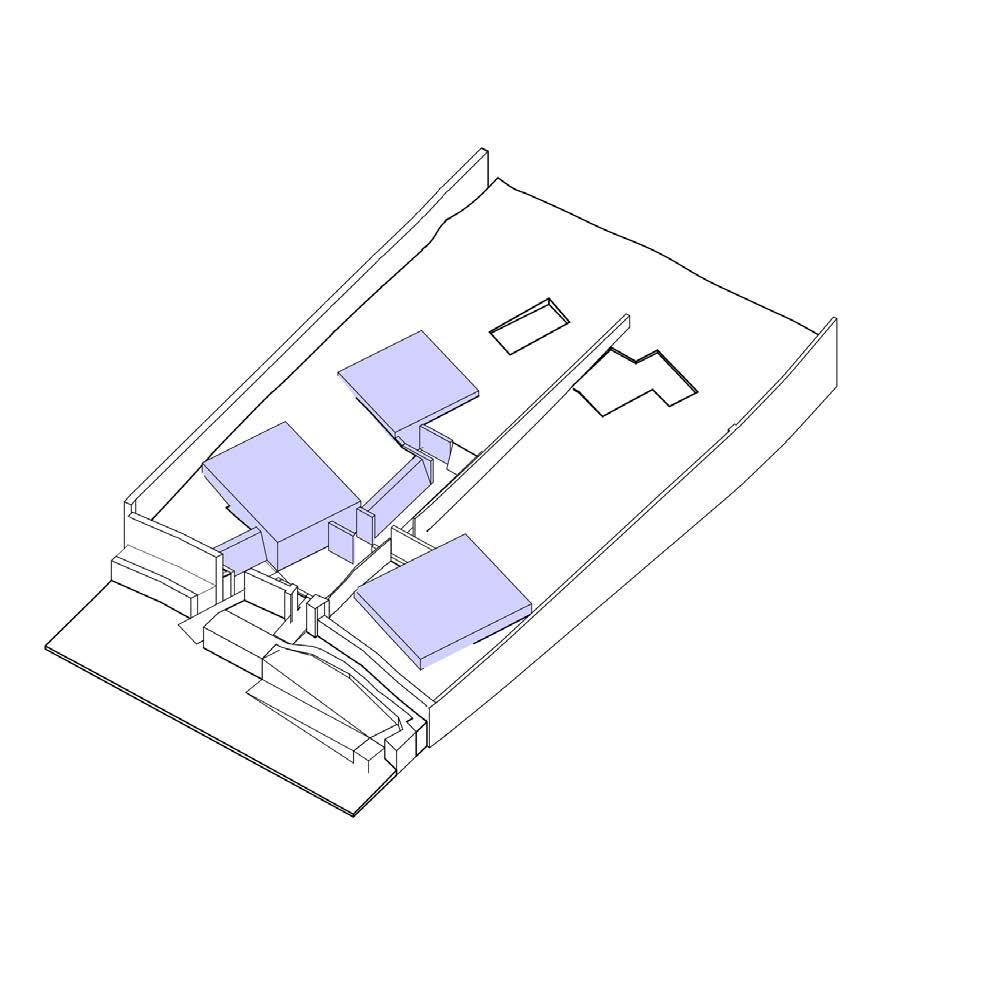
A hotpotch of retaining strategies reduces embodied carbon.
Technical requirements: insulated vs uninsulated
Approaches: Typical (unsustainable) vs traditional (sustainable)
a
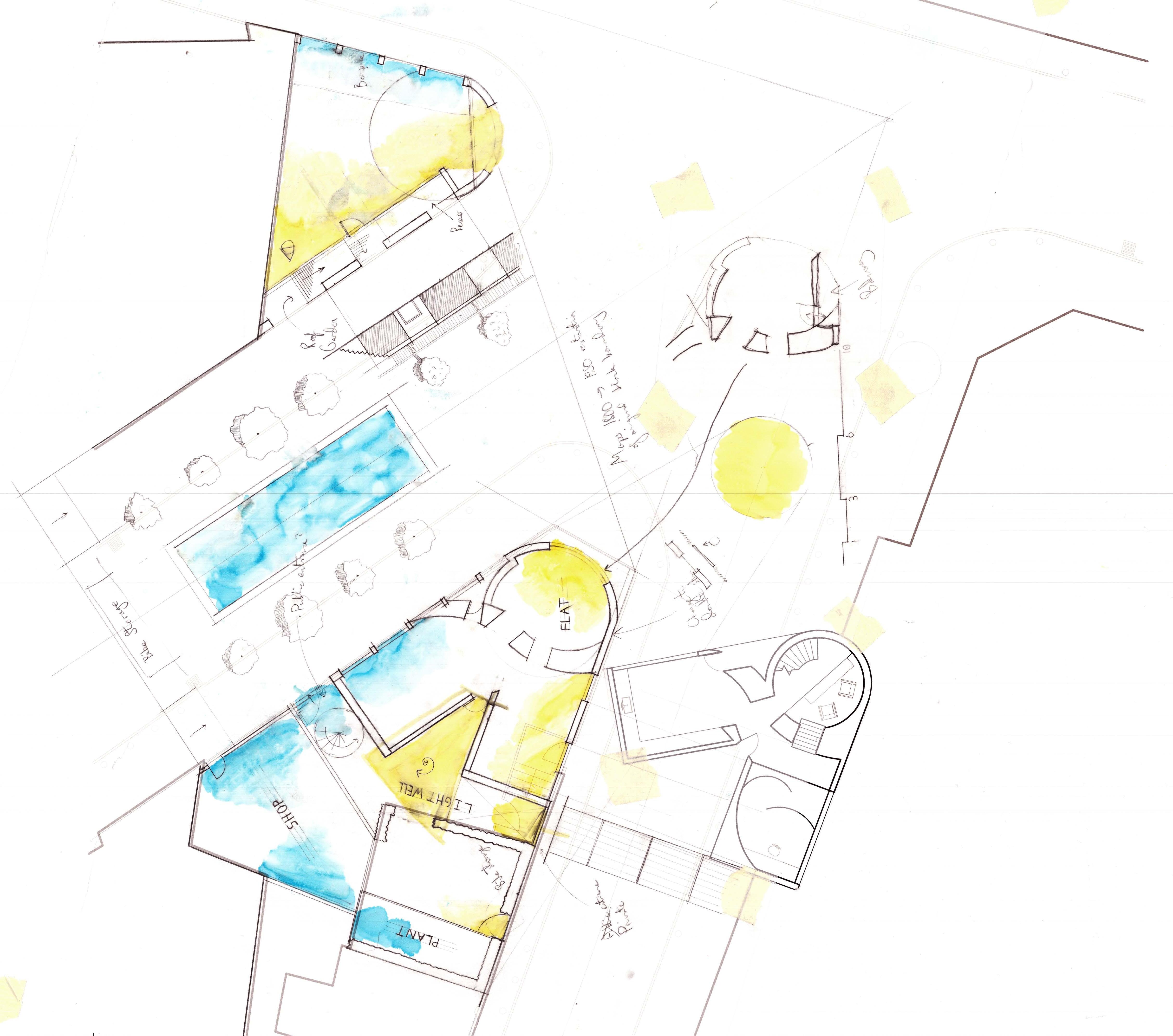
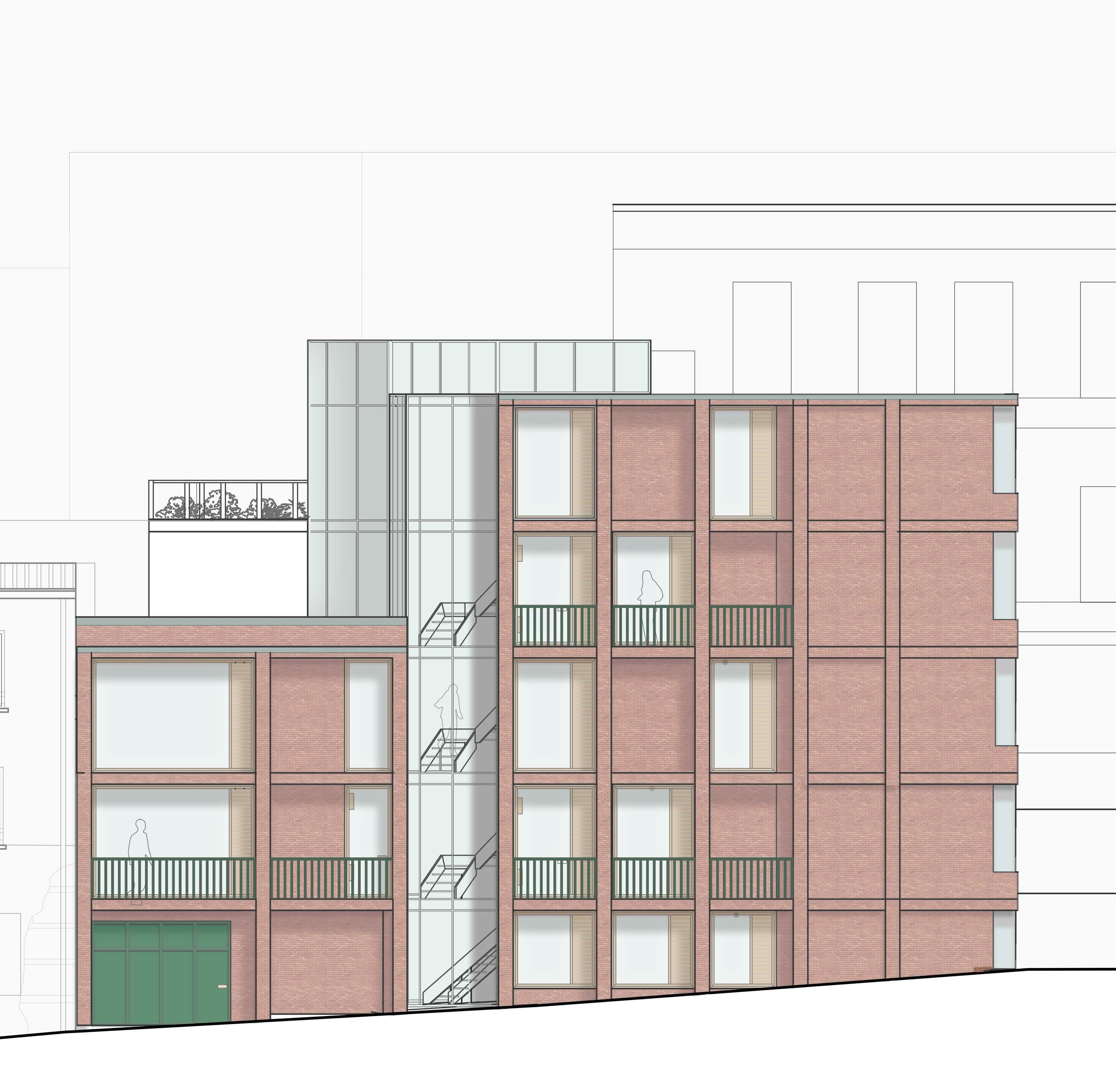
A quiet corner of Belleville, this project converted two oddly shaped plots facing onto a road junction into a small development. With a focus on the history which had left behind the odd sites, proposed flat blocks accompanied by a small amount of office and retail space. A large landscaped area attempted to reclaim the displaced green area of the plots and to defend the junction from traffic passthrough.
Despite contextual appearances, the design grappled with an extremely resolved and bespoke internal layout. This sought to capture inhabitants or in my words, ‘characters’, through design round their daily routines.
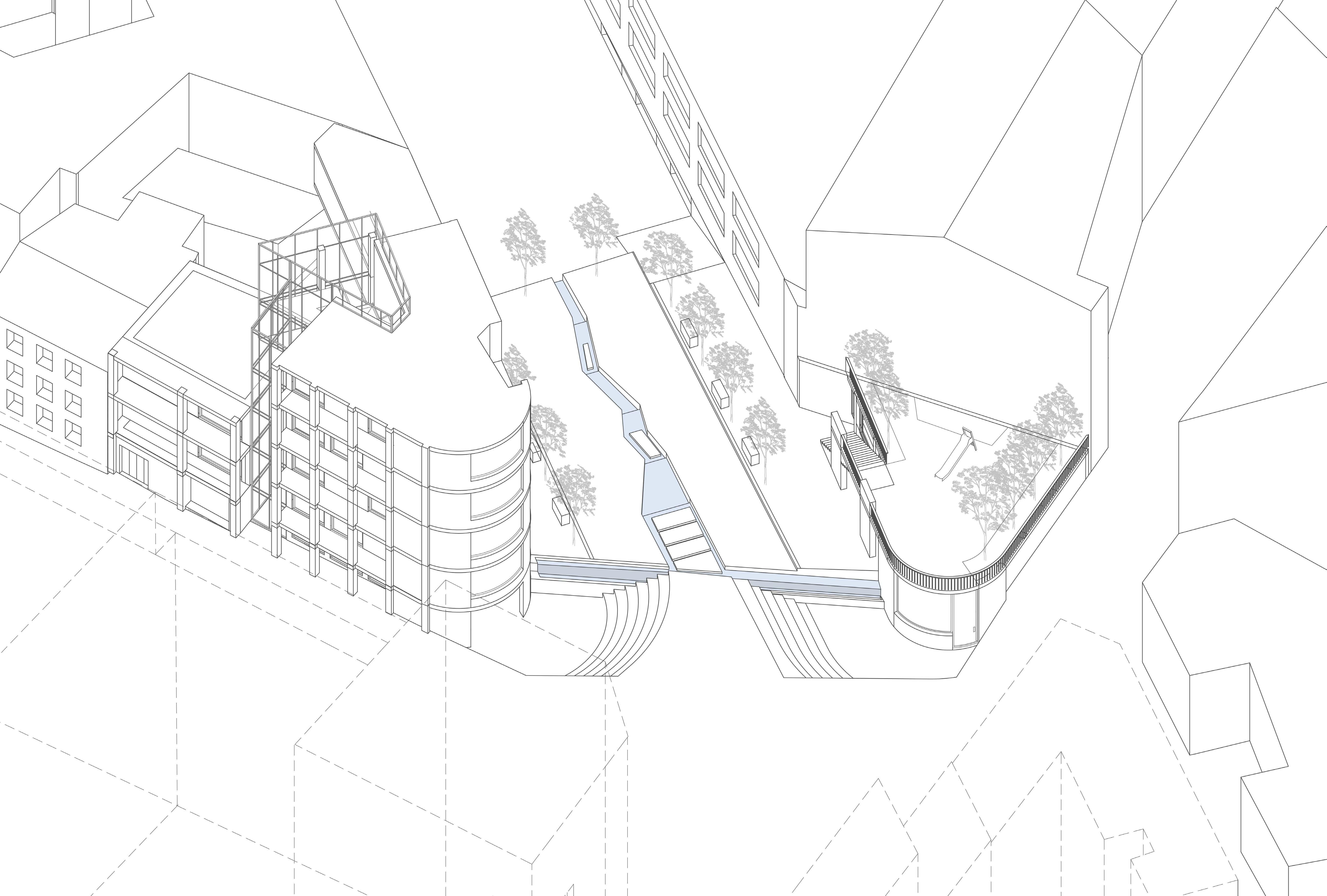
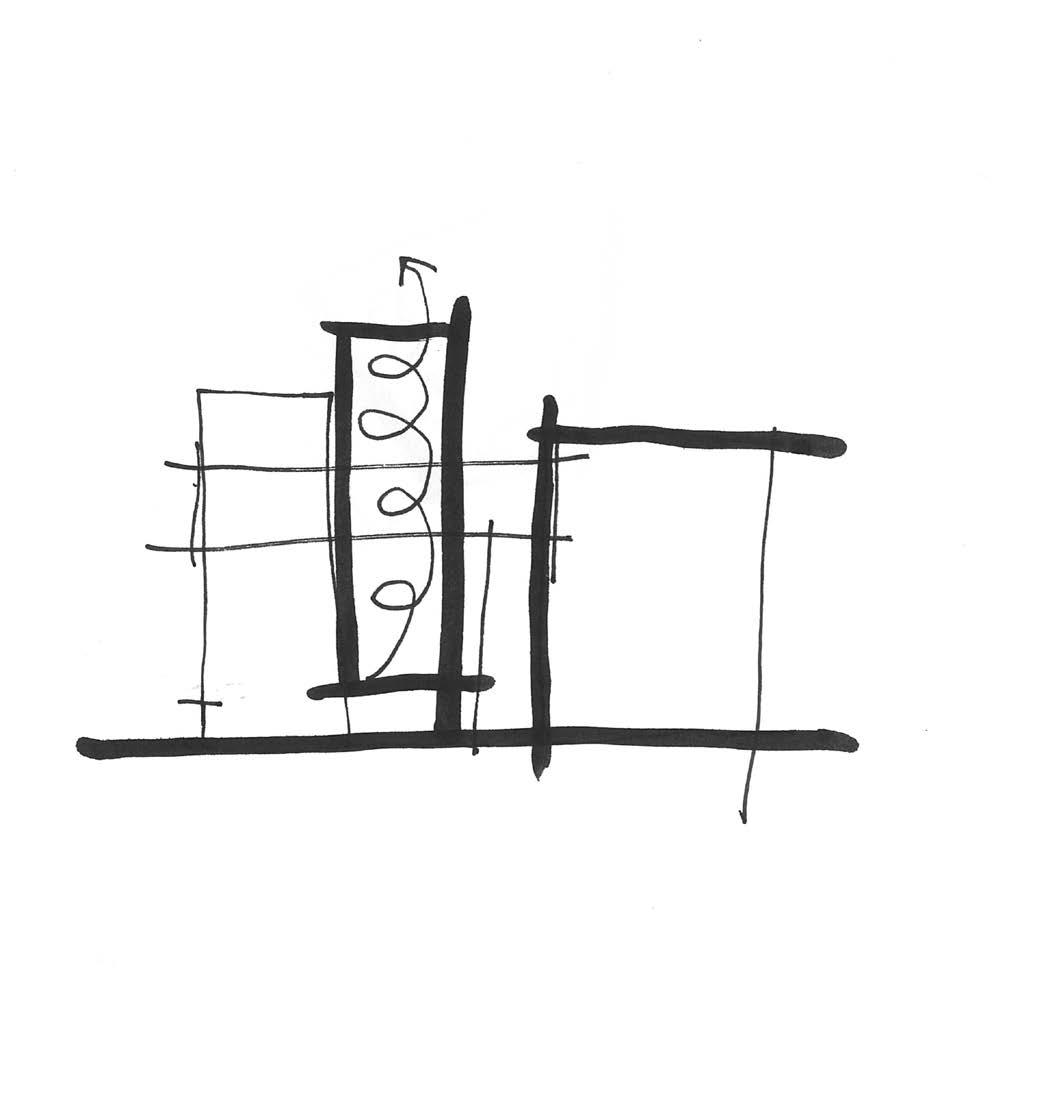
A focus on central community space permeates all building scales whether private or public. In landscaping and circulation, hoped neighbours might meet each other in passing.
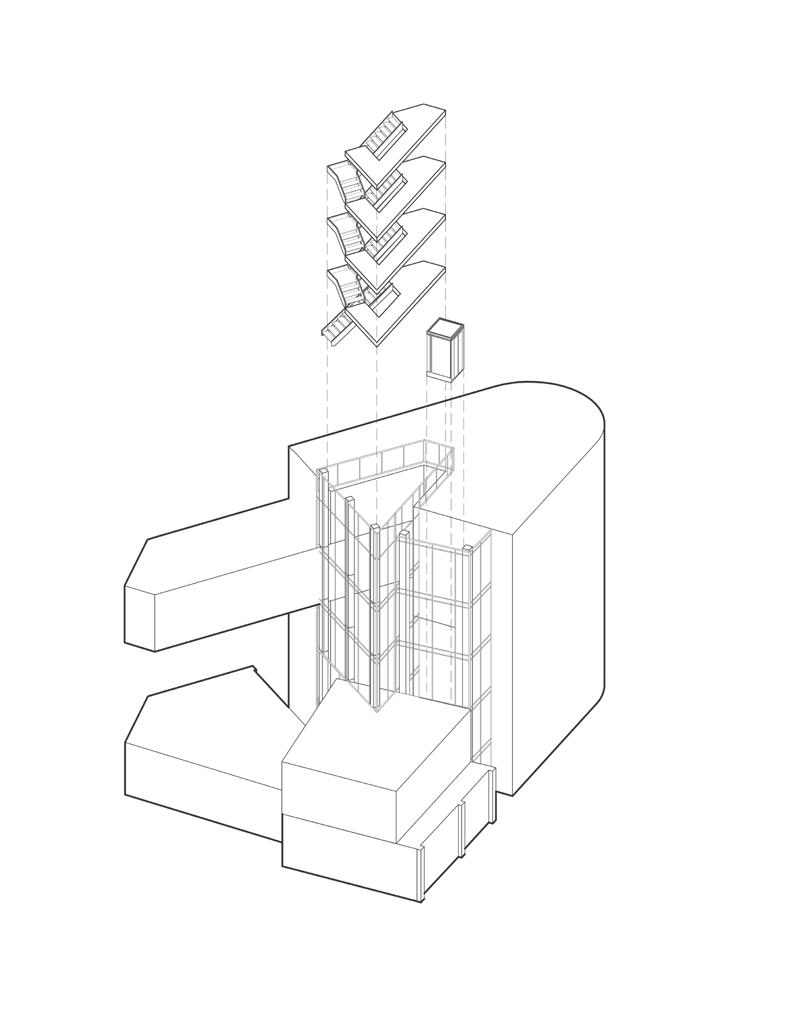
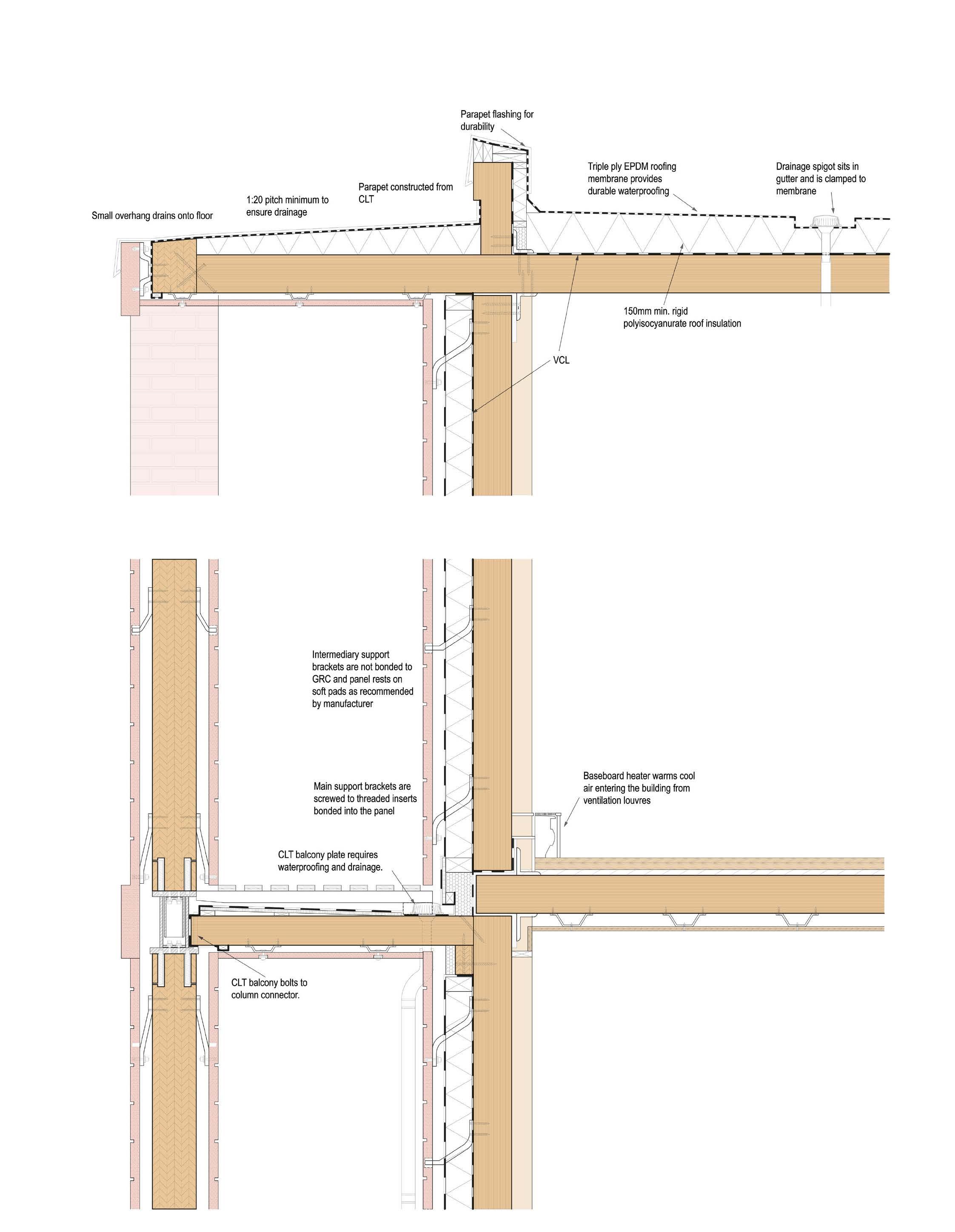
Considers surrounding environmental context through passive principles. Urban planning history is referenced through material choice and bay spacing.
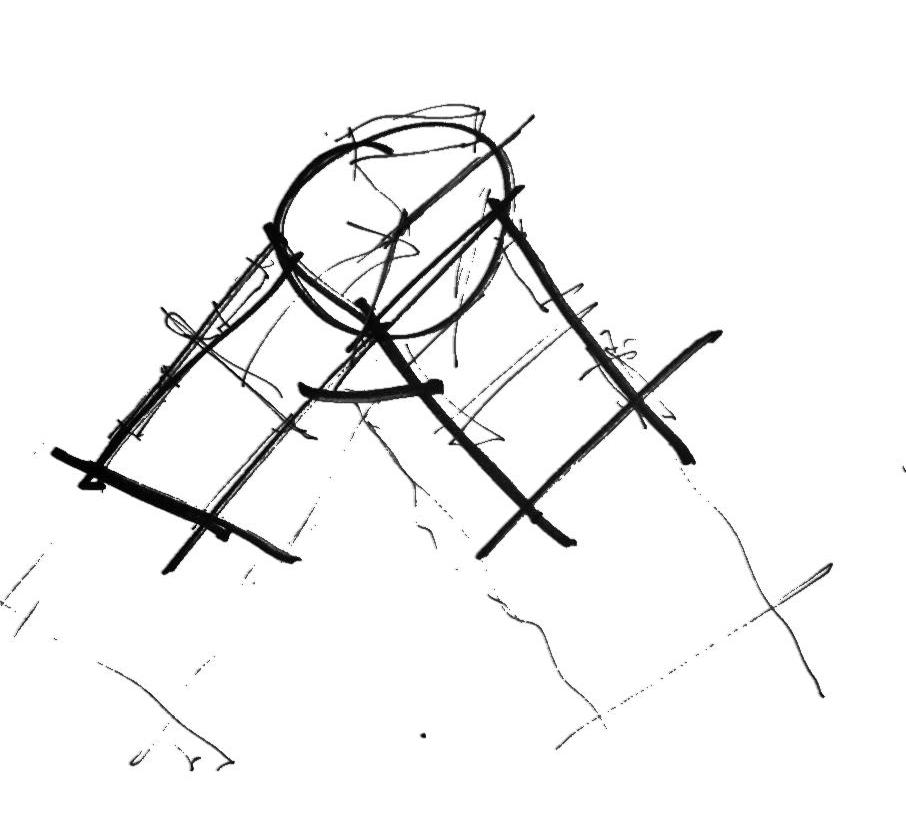
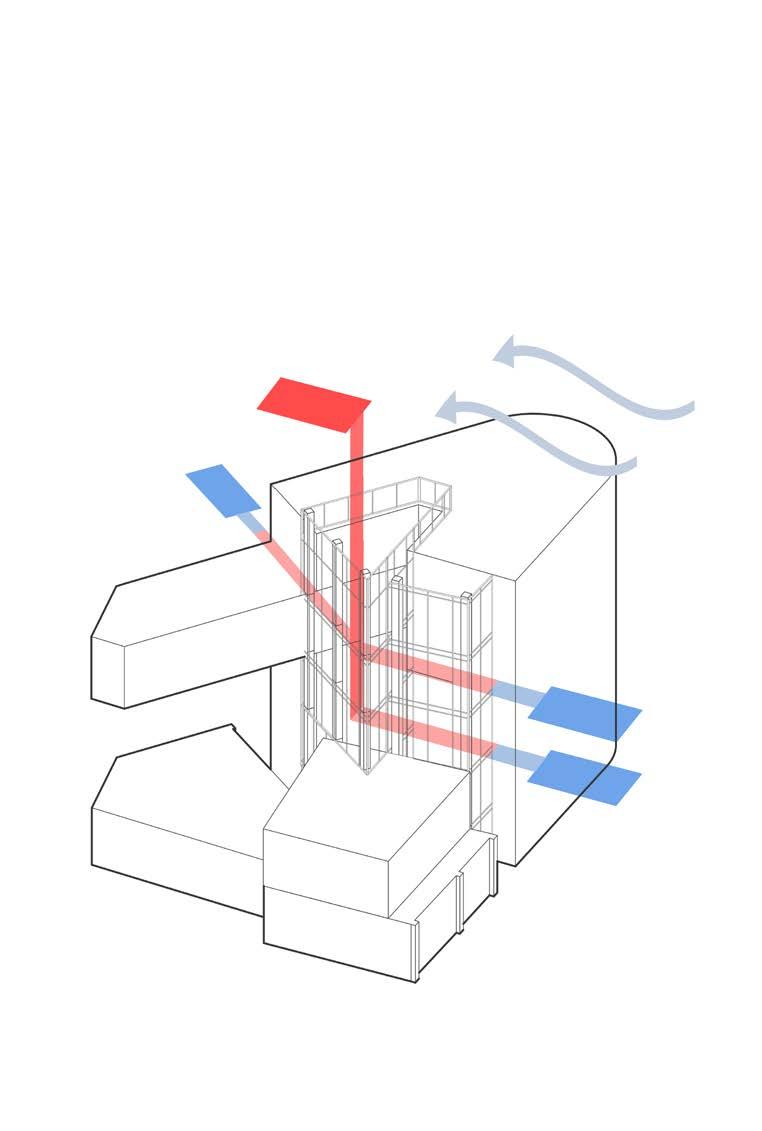
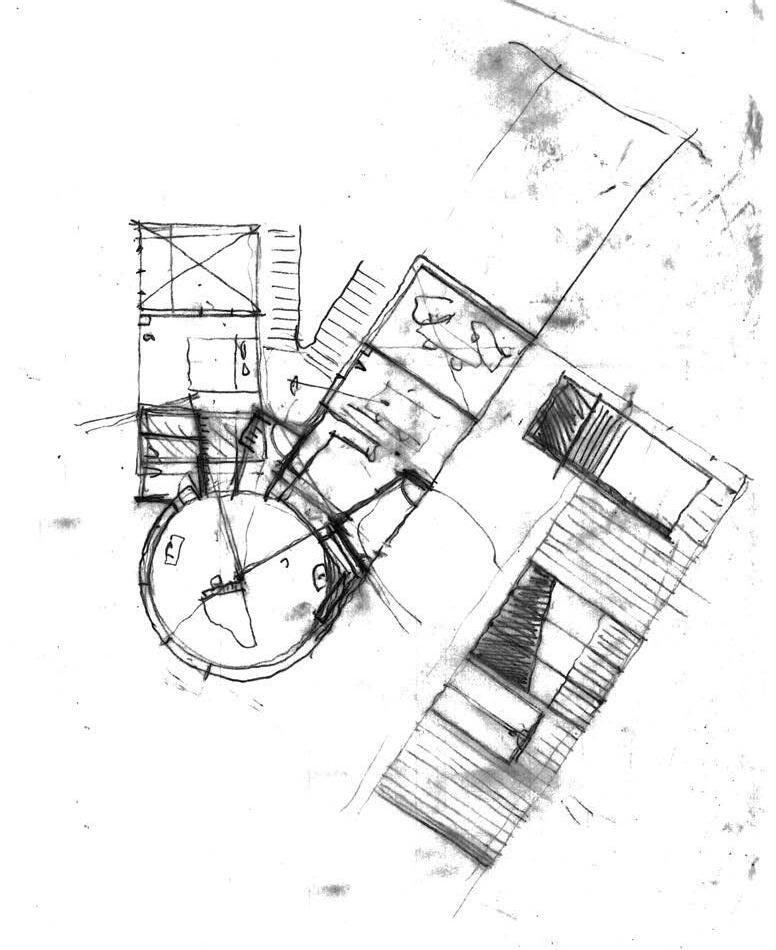
Irregular spaces, thick walls and exposed services break the mould of standardisation to create dynamic experiences. The small flats become a treasure trove of moments.
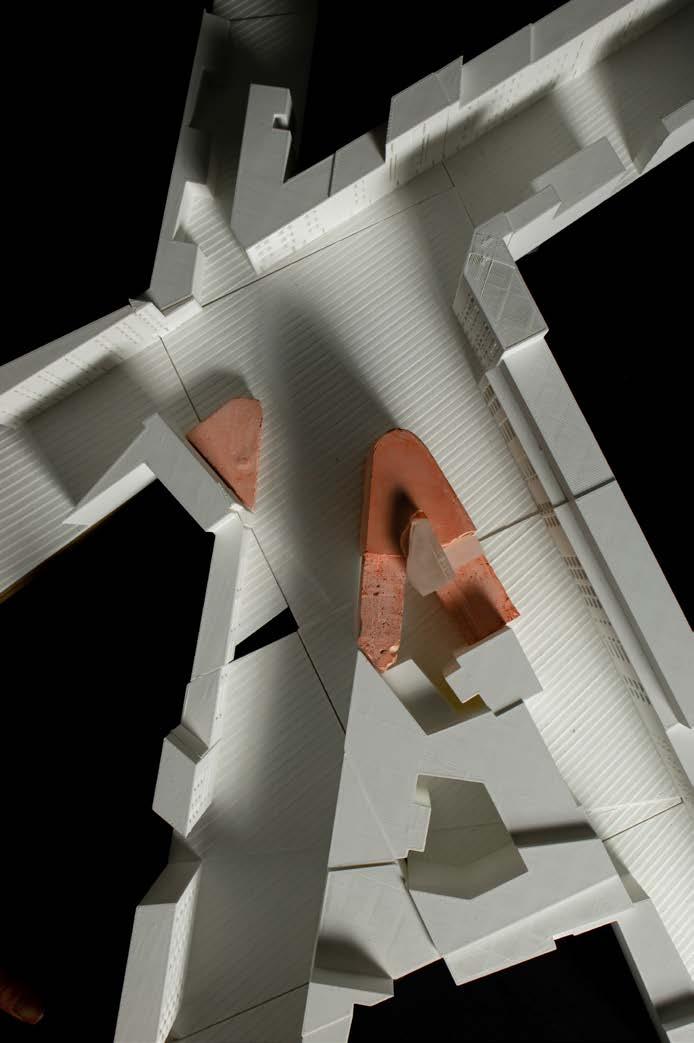
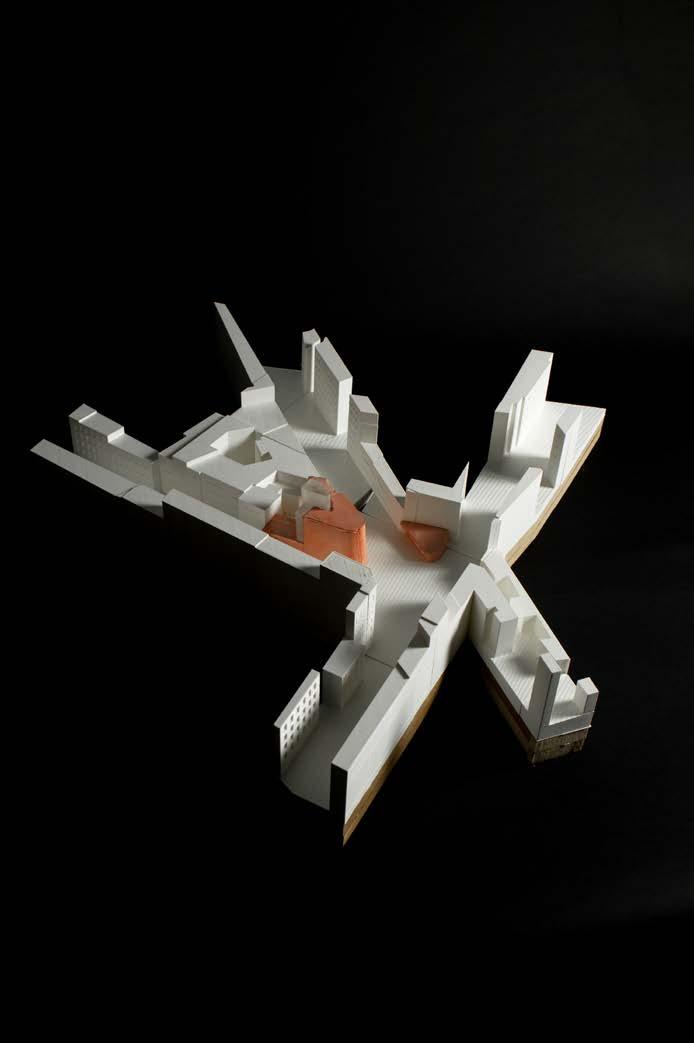
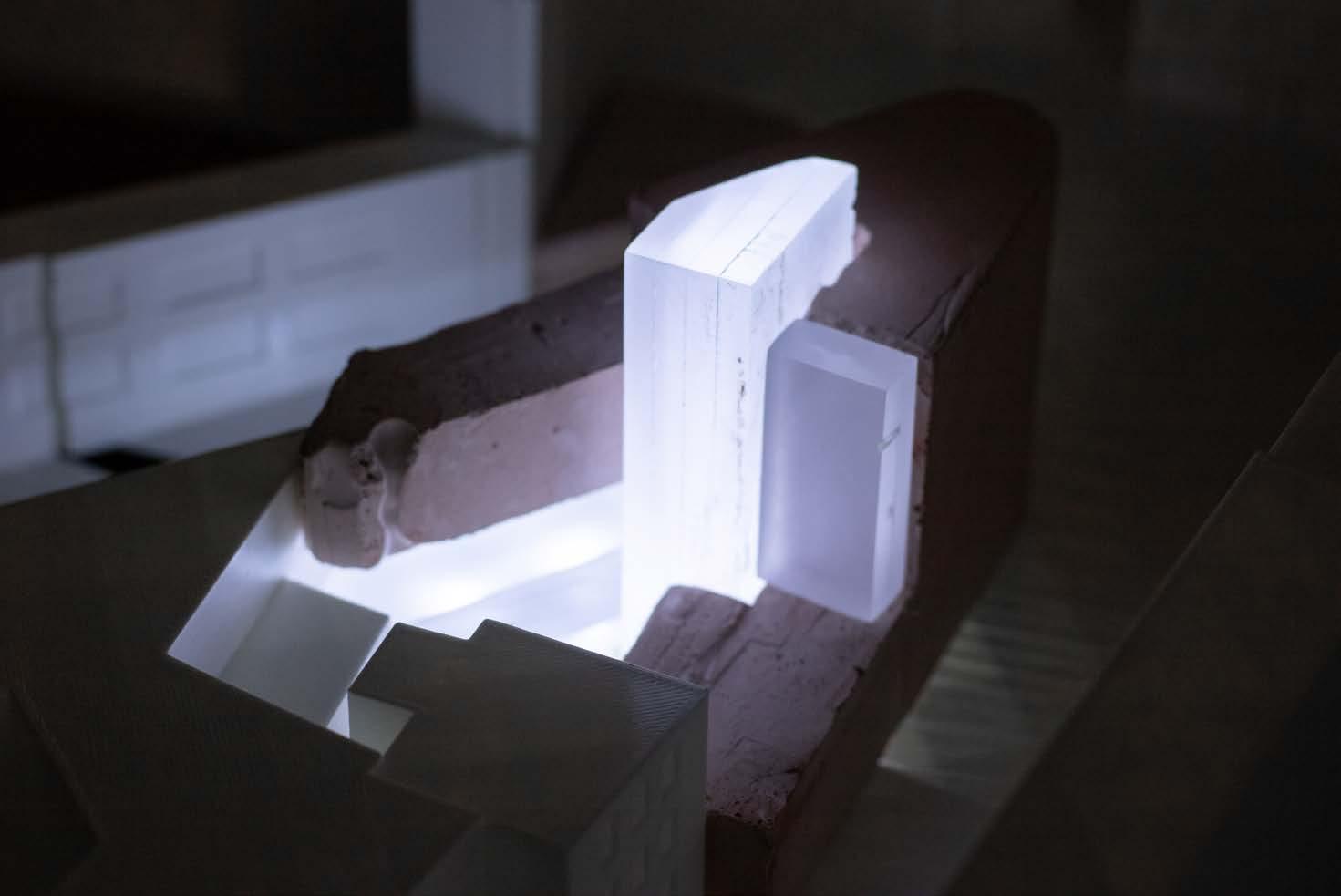
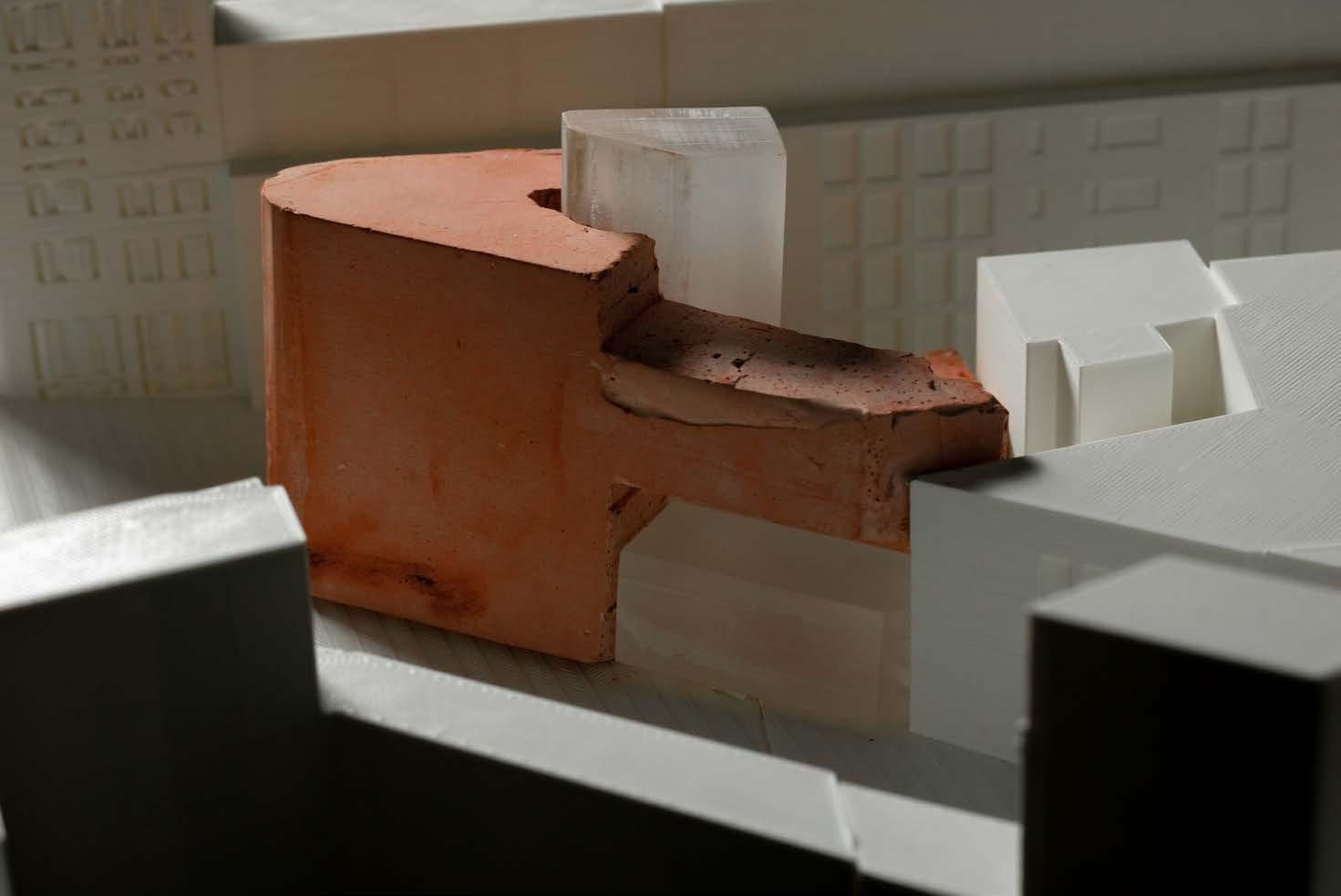








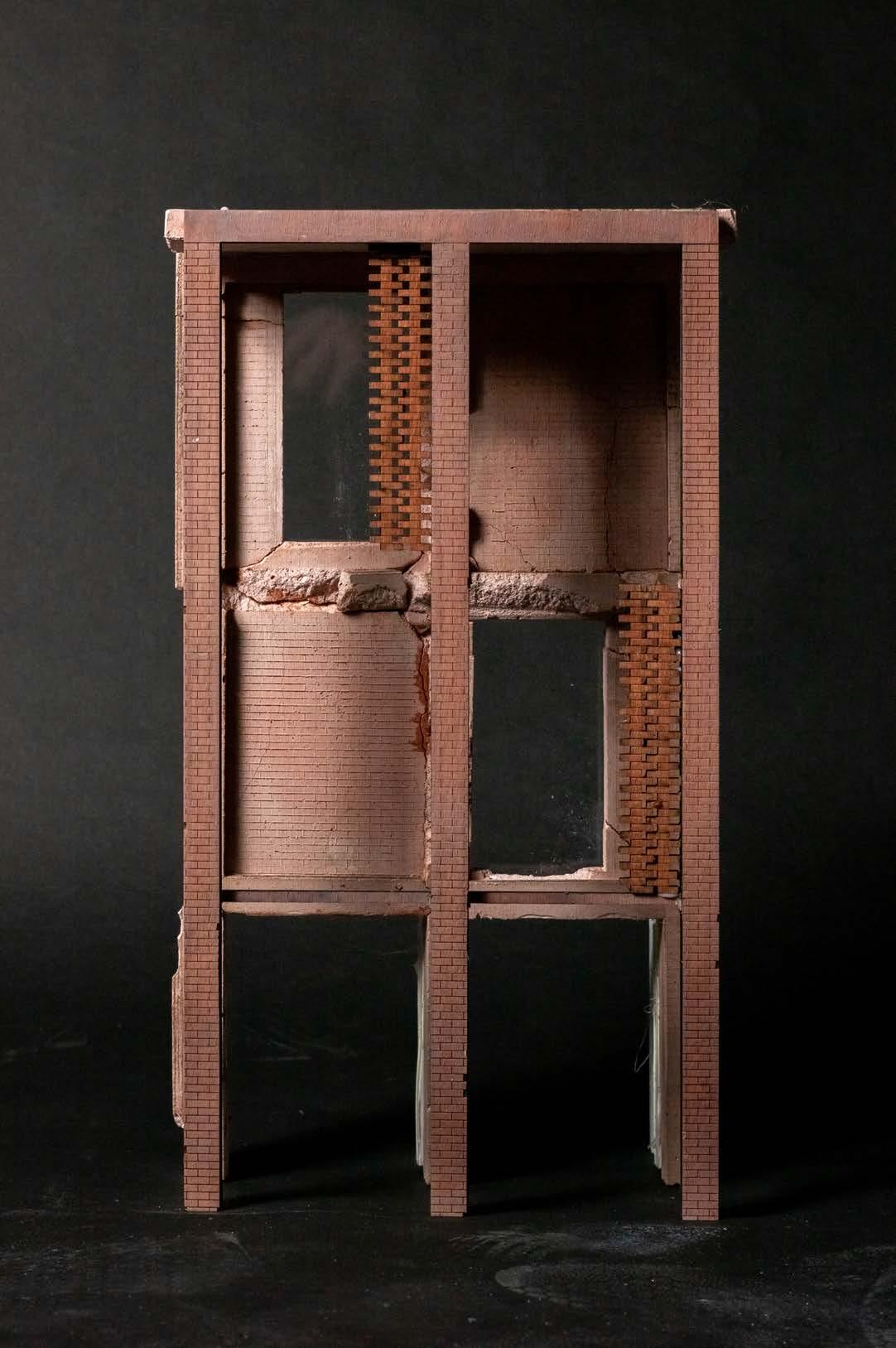
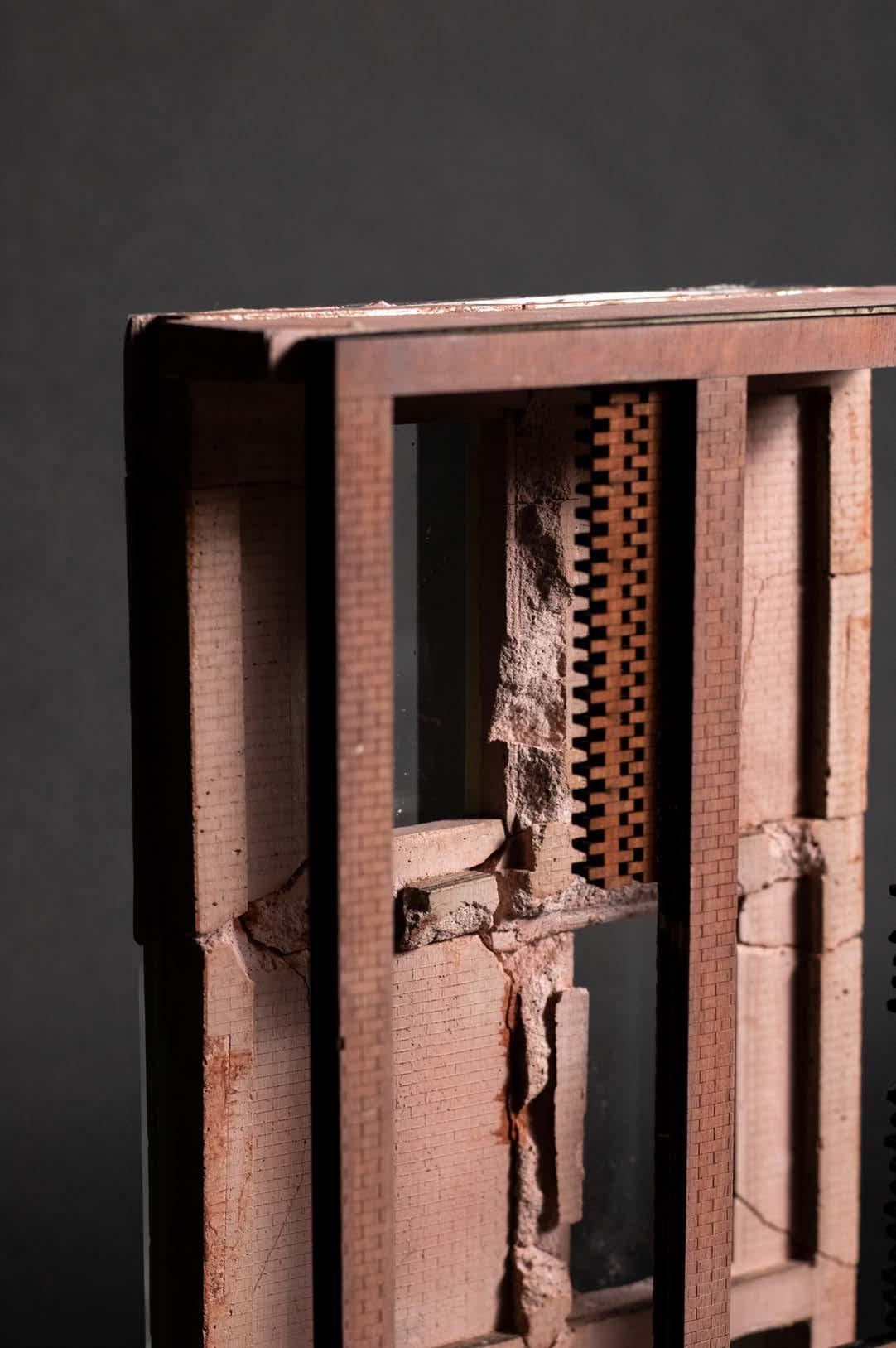
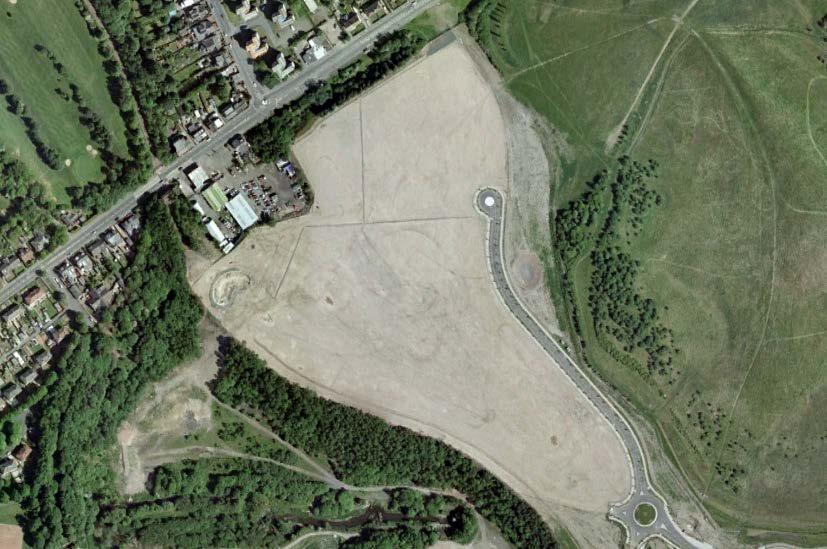
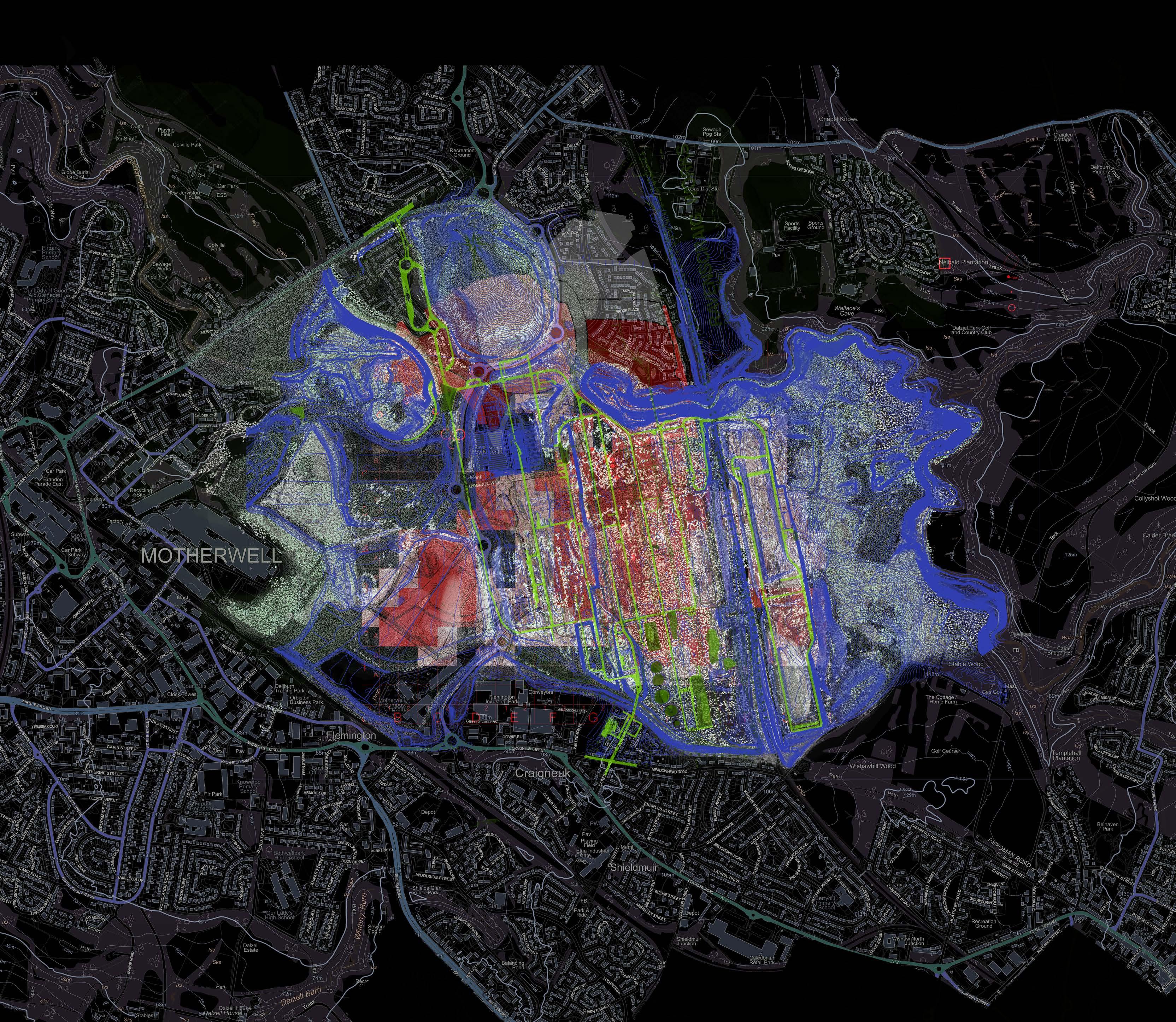
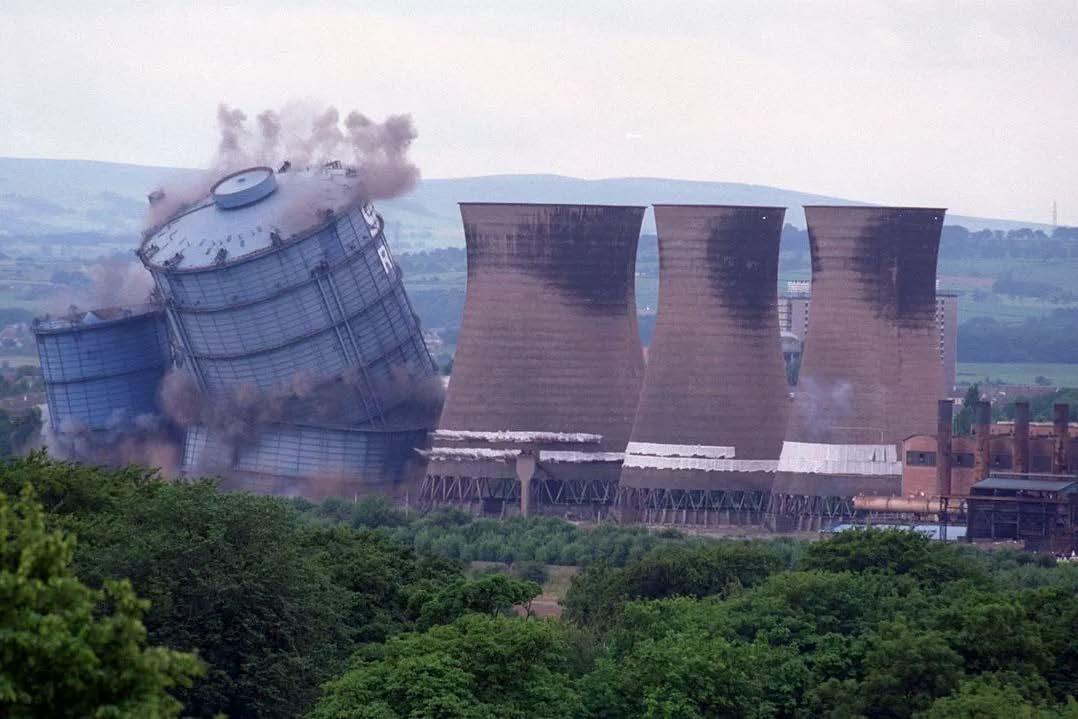
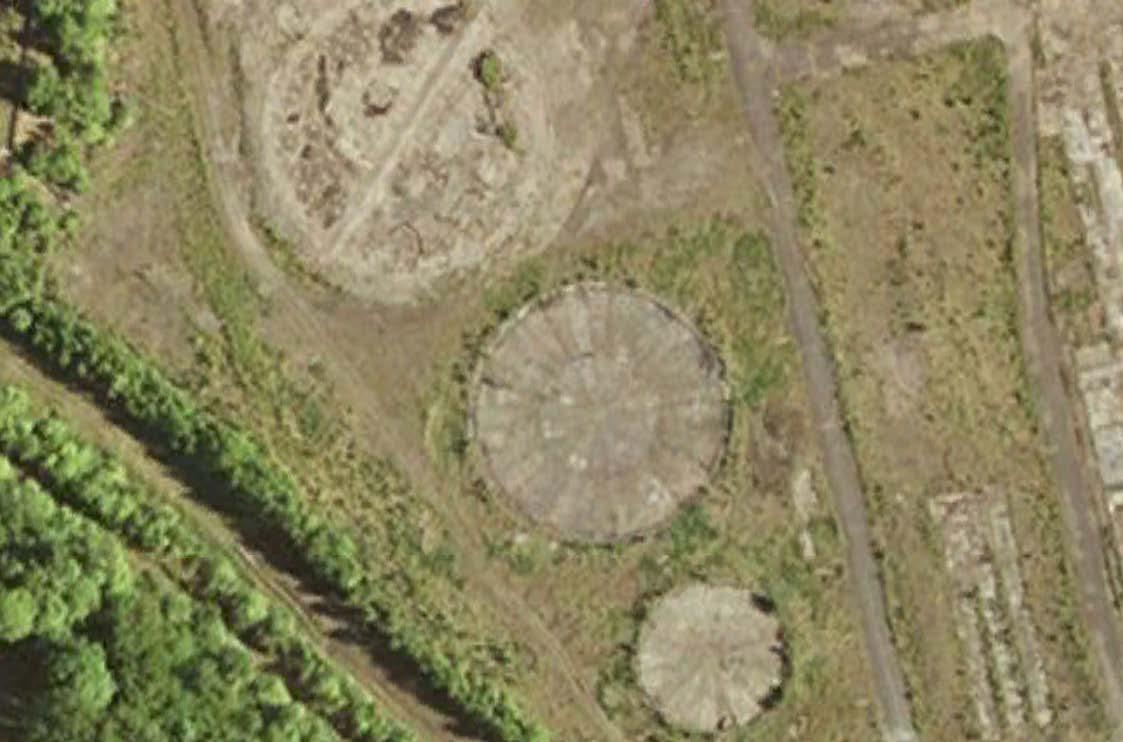
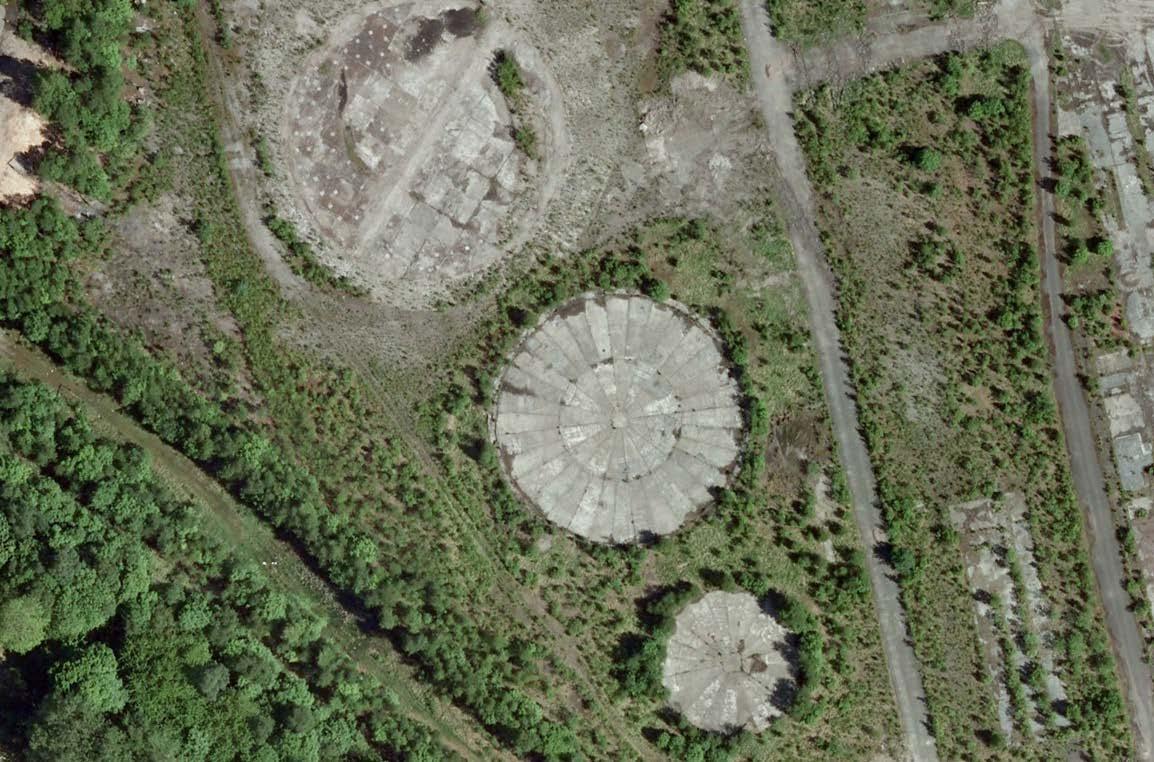
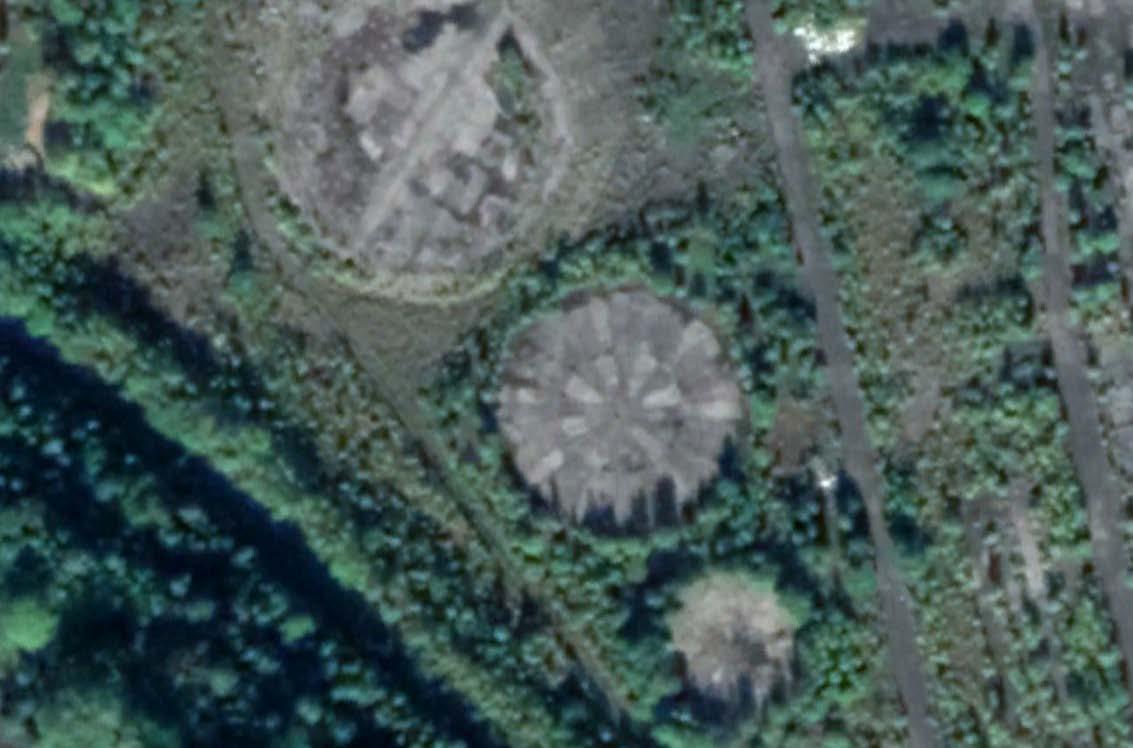
The former largest steelworks in Europe, Ravenscraig exists today as an unfathomably large, politically divisive, post-industrial wilderness. This project seeks to protect the site’s valuable legacy and biodiversity from the plans to systematically erase it with monotype suburbia. Working in a closely knit group, we developed a strategy for laying out our program to address preexisting contamination- we trawled through hundreds of historical documents to map site data. The resulting toolkit of modules to defend the site could be summarised into three categories:
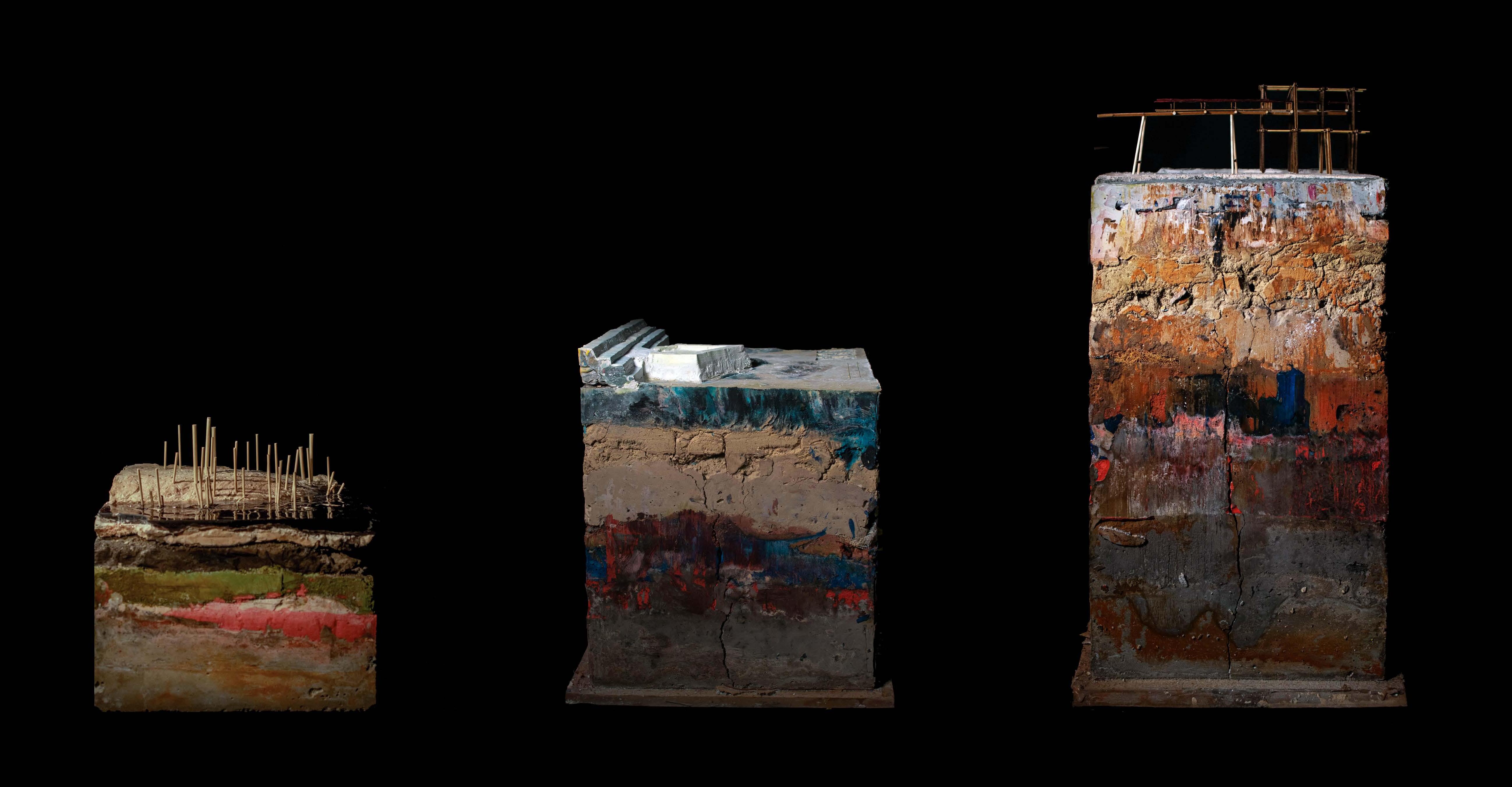
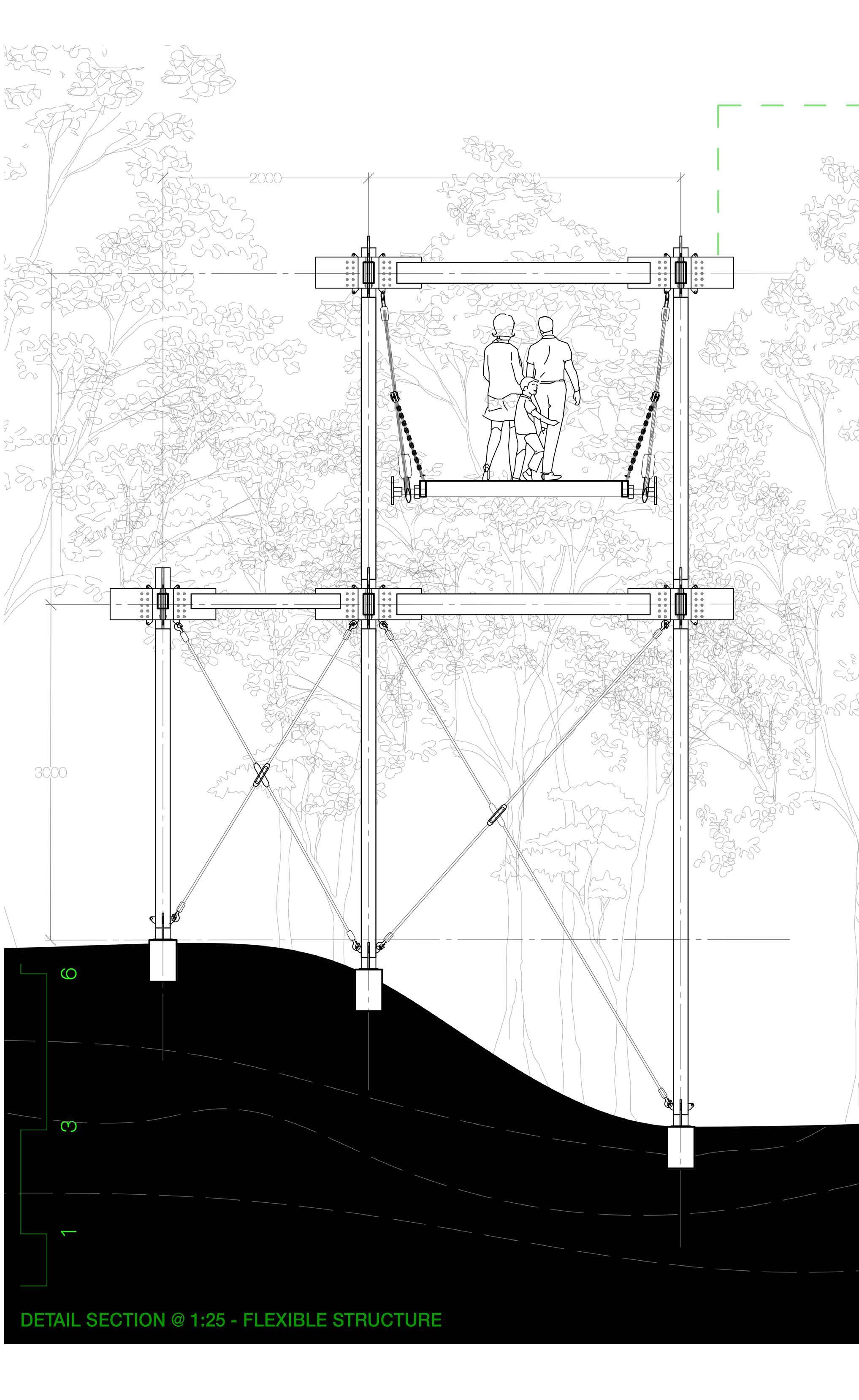
Facilitate access to and experience of the site to affirm the value of nature through walkways and viiewpoints
Reuse leftover industrial materials to physically defend the site from urban sprawl through embankments
Attribute economic value by tying the site into the circular economy through resource reuse and employment to construct these modules
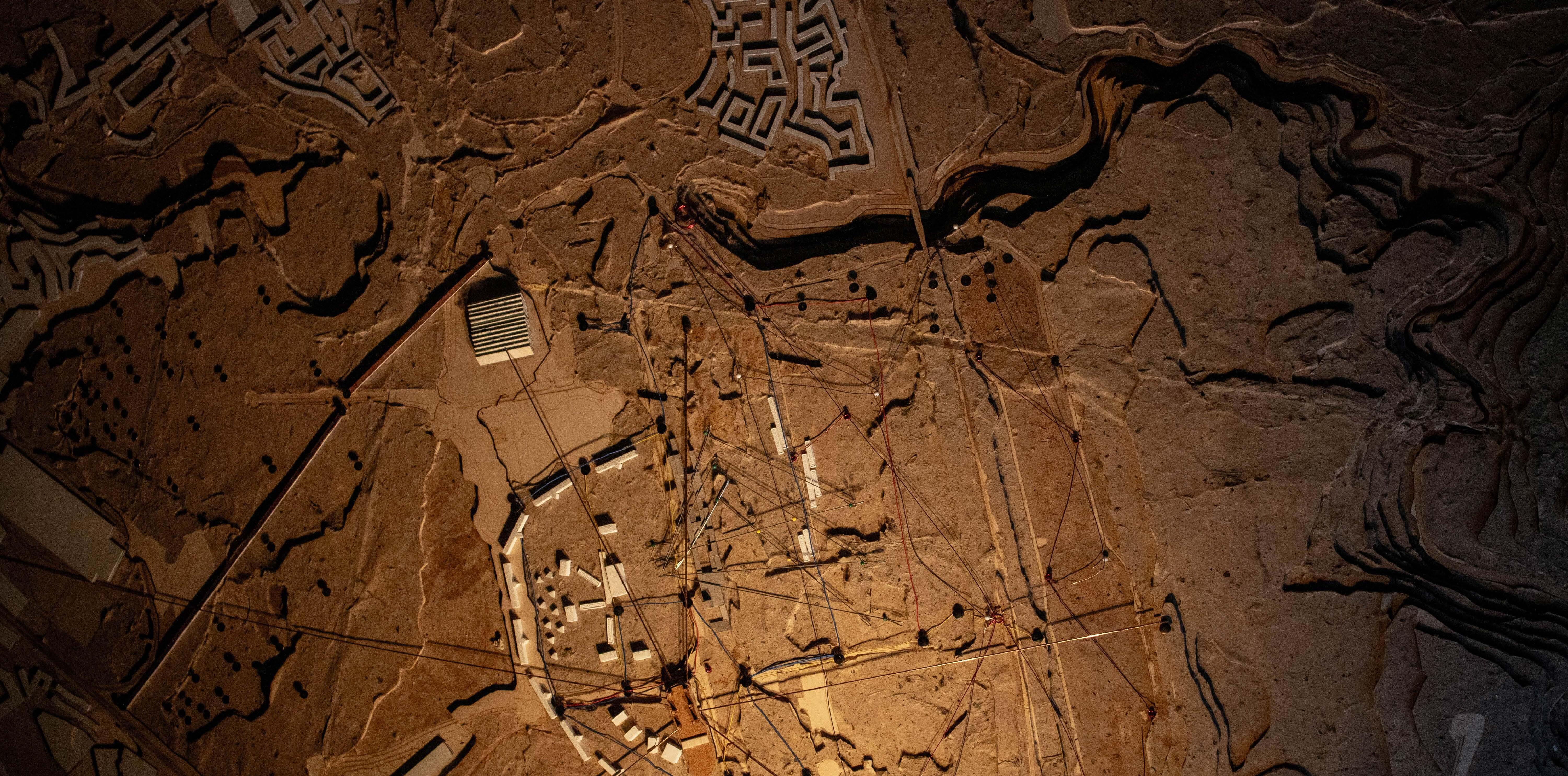
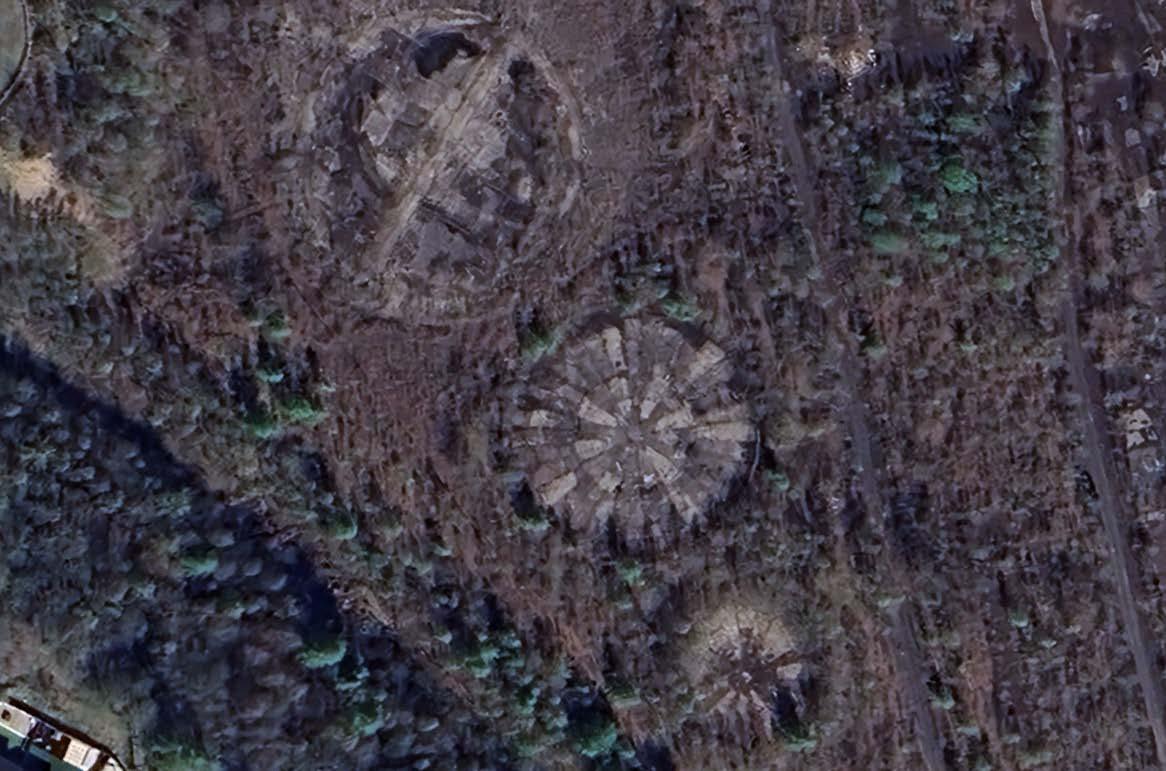
RECYCLED SLAG
CONCRETE WORKSHOP
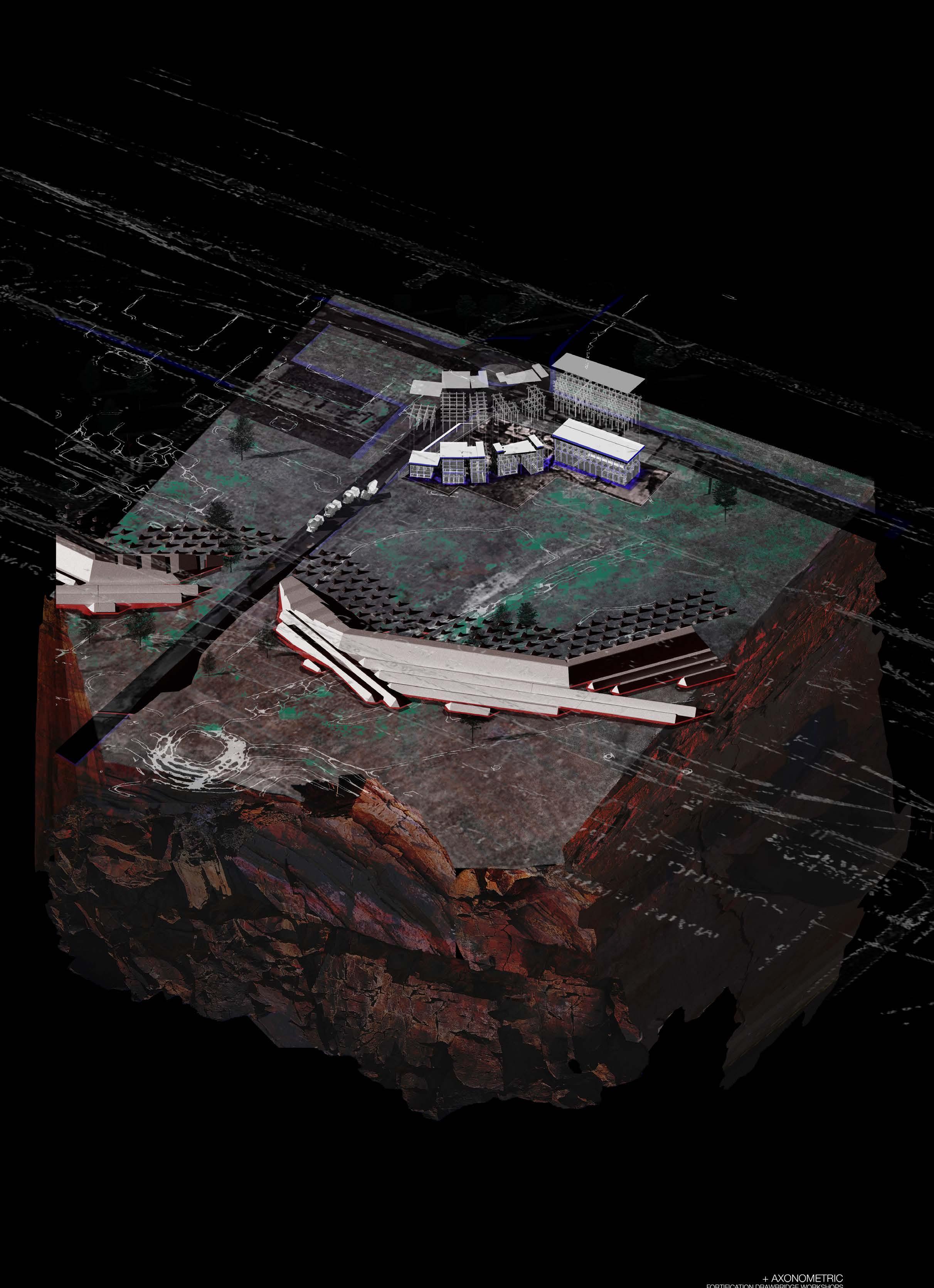

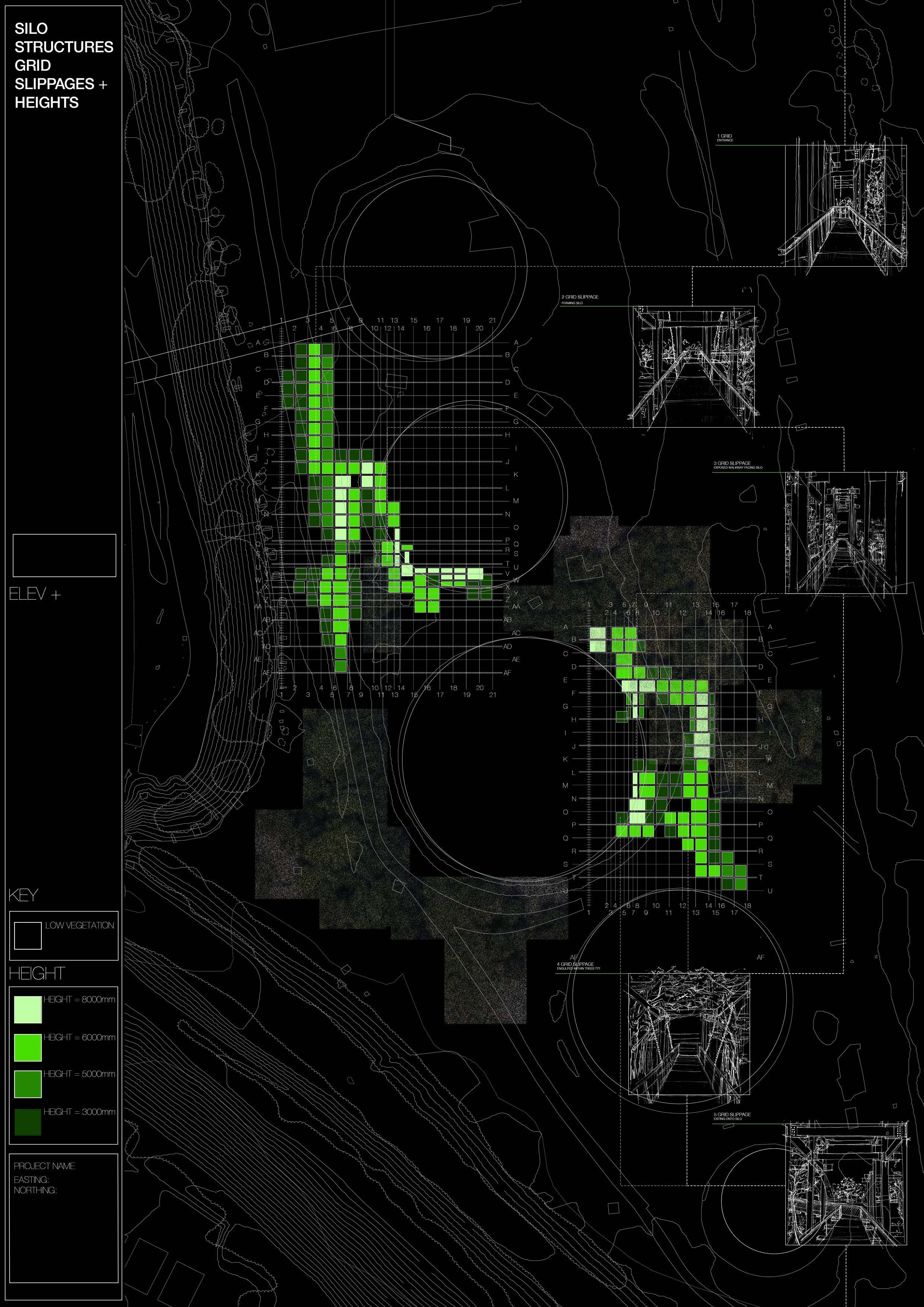
THROUGH ACCESSIBILITY
CANOPY + WALKWAY MODULES
Autocad, Photoshop


VAUXHALL, LONDON, PASSIVHAUS, S4 GATEWAY 2
Rooftop Plant
Adapted to planning height and maintenance constraints
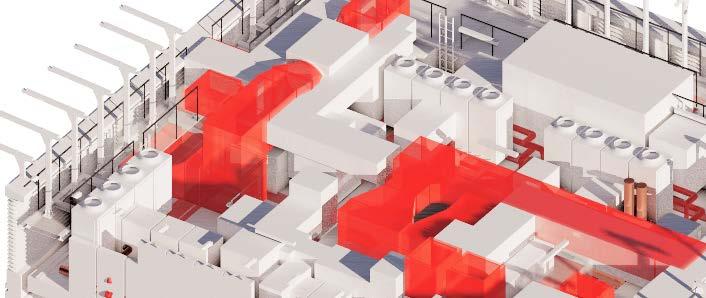
MVHR Ductwork
Routed
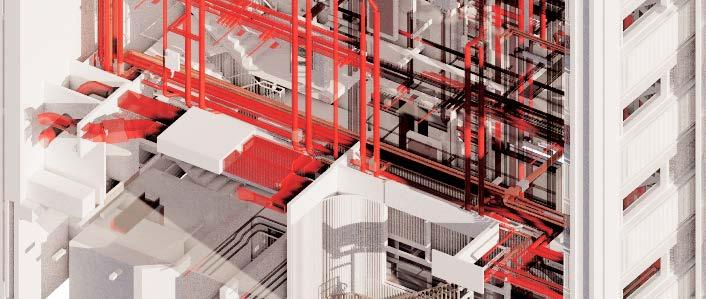
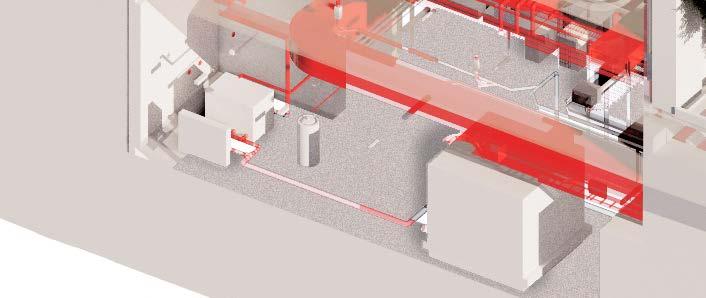
What happens when you try to build 900 rooms on the site of a petrol station, to the environmental standard of Passivhaus and navigating current complex fire regulations?
Working on this project has taught me a huge amount about the role of the architect as a coordinator. Trying to maintain the human-oriented intentions and visual polish of the design concept in the flurry of regulatory, technical and time constraints is often challenging. However, I have been immersed in the collaborative problem-solving which characterises Stage 4 design.
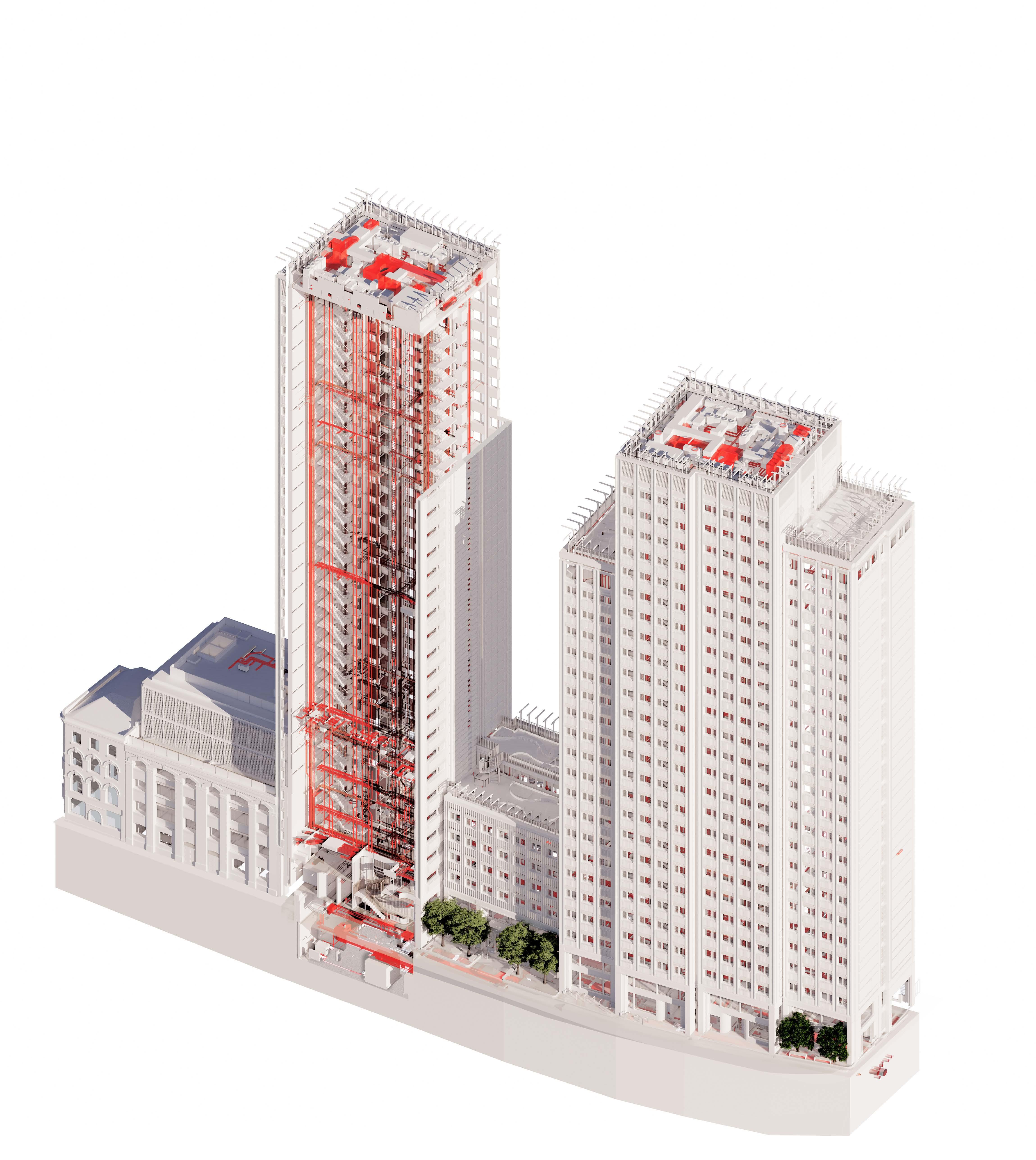
COLLABORATIVE BIM MODEL (Right) Project Revit Model, Enscape Axonometric
COORDINATION DETAILS SERVICE GUTS VS SURFACE APPEARANCE (Left) Closeups
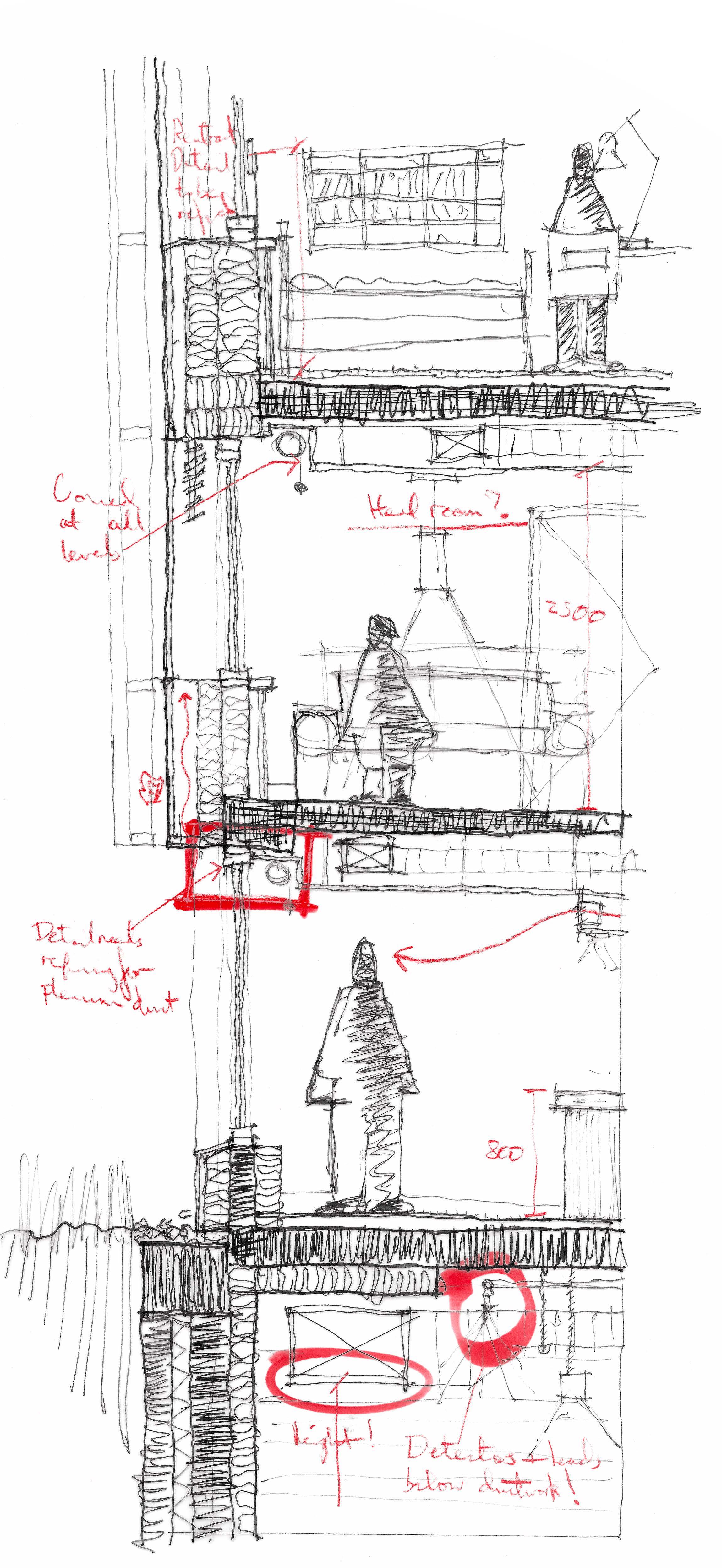
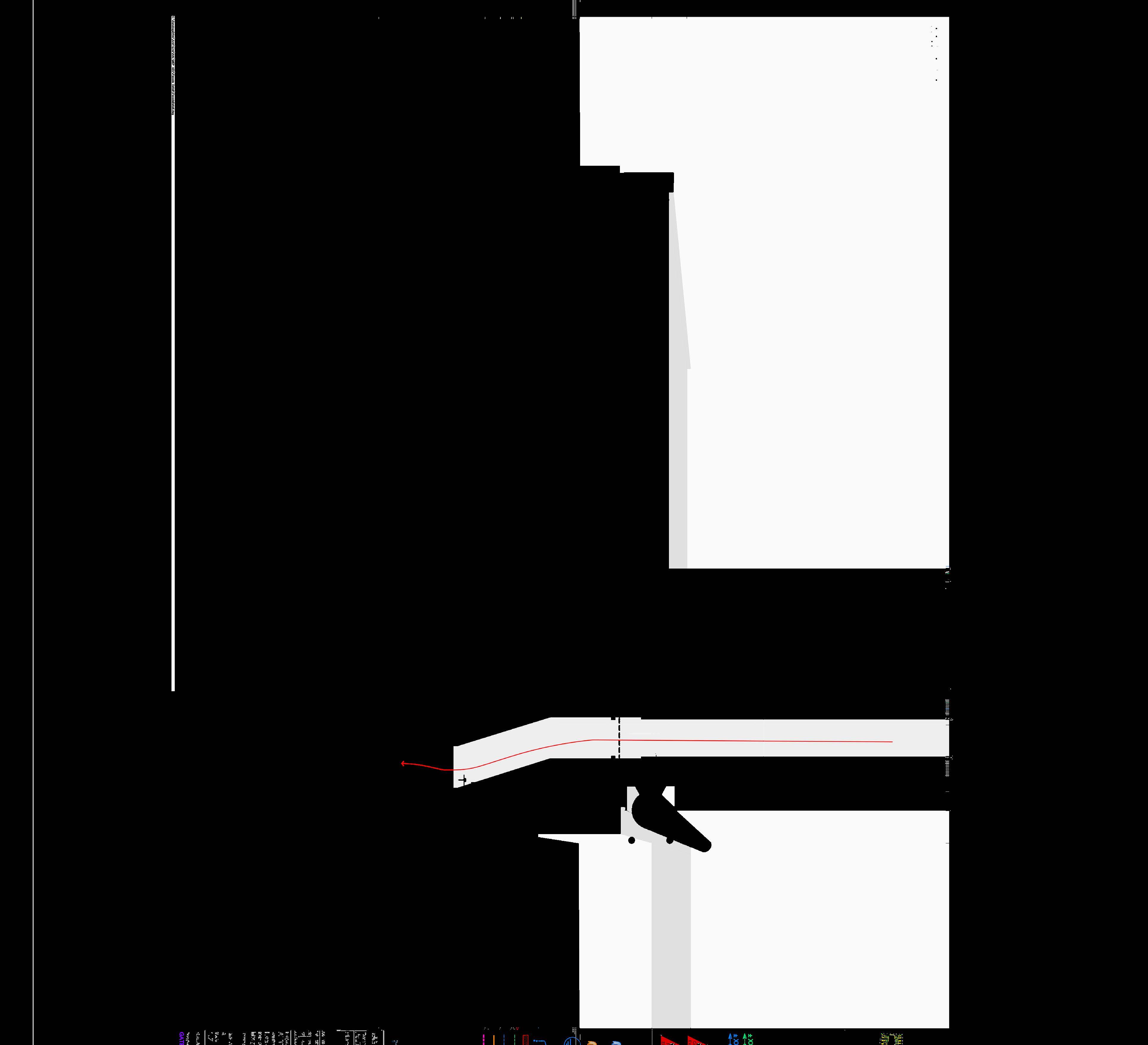
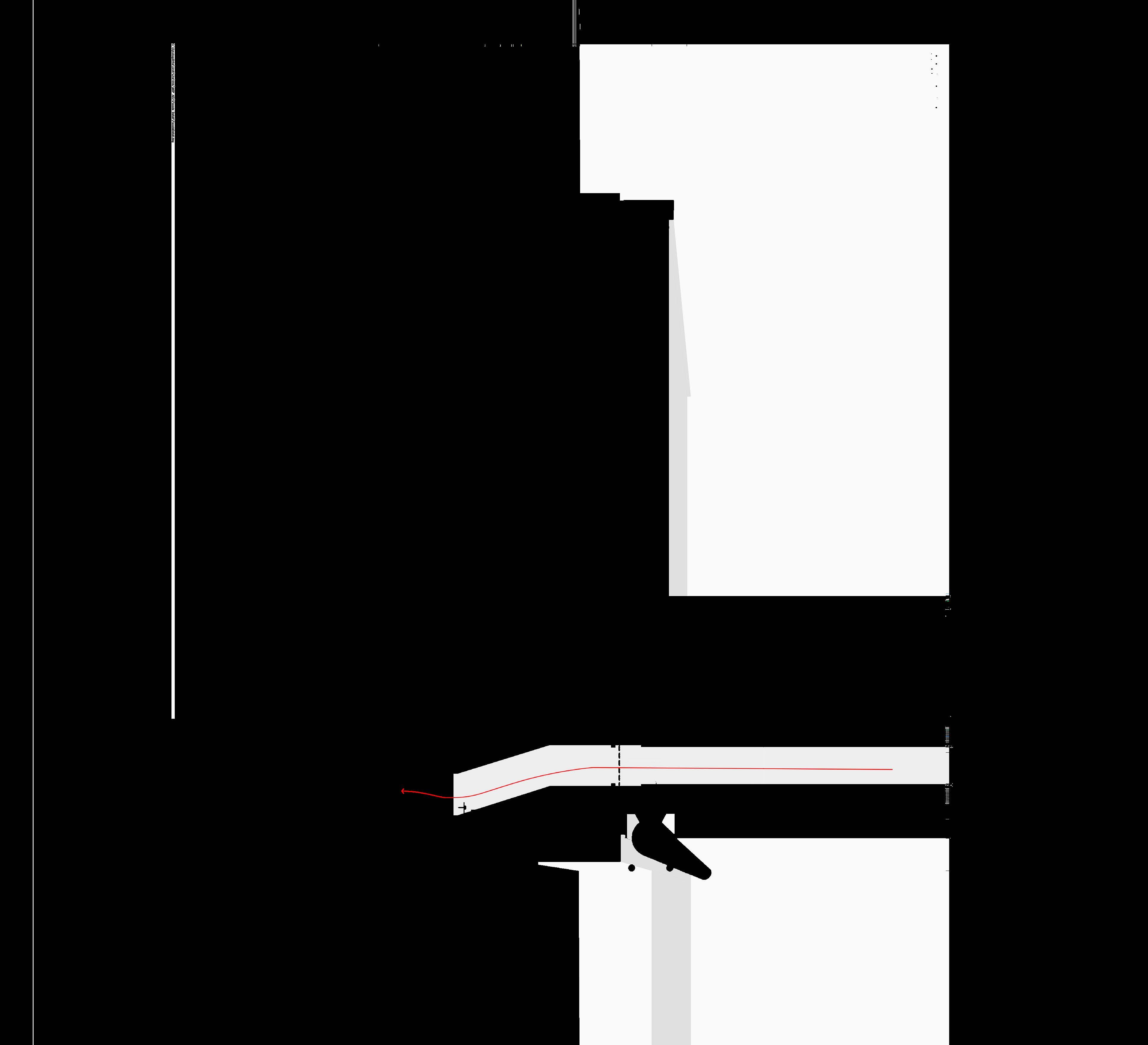
DETAILS AGAINST LIVEABILITY
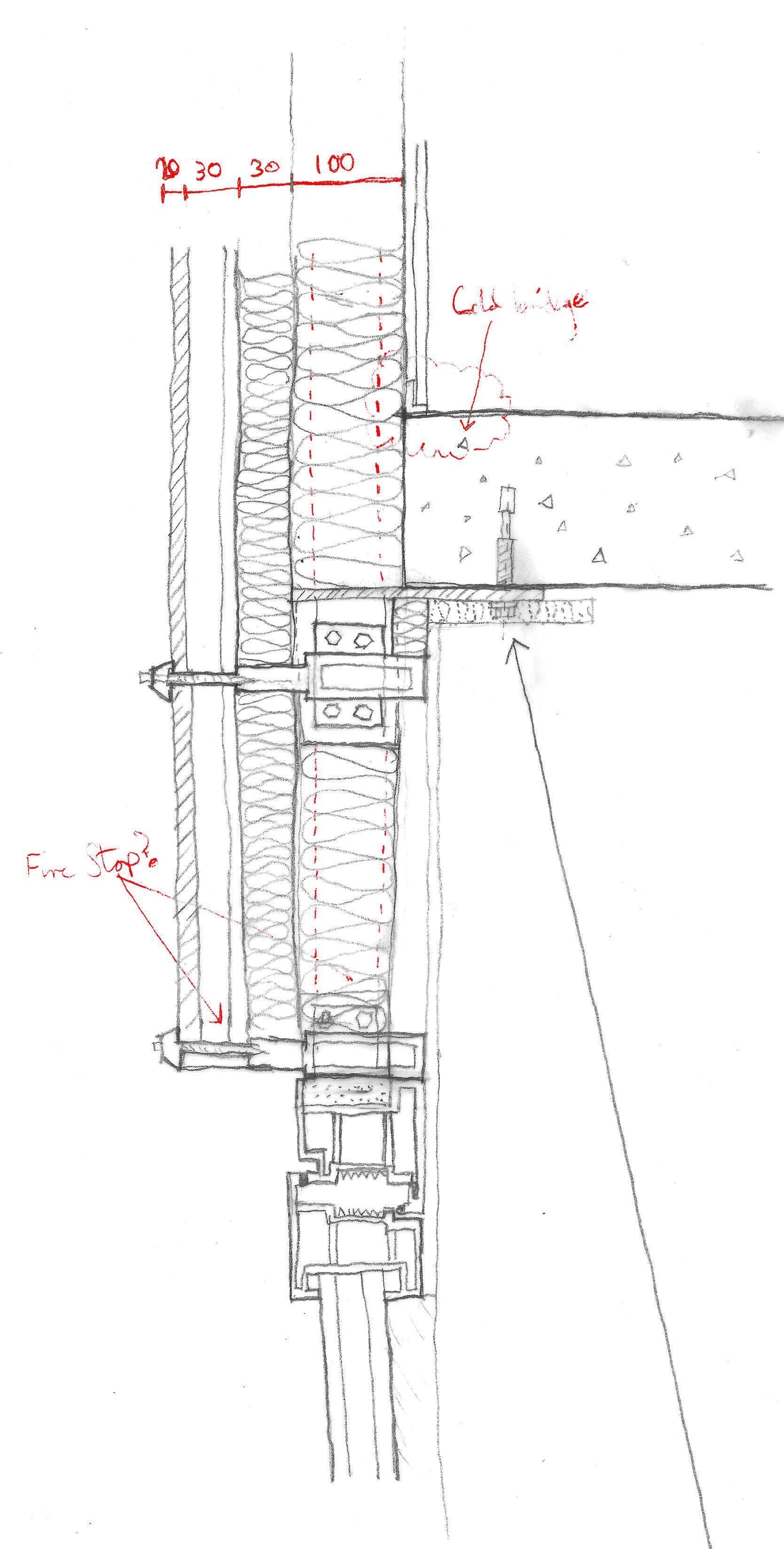
S4 Gateway 2 Facade Section (Adapted)
Working Sketches Explore Head Heights and Service Voids
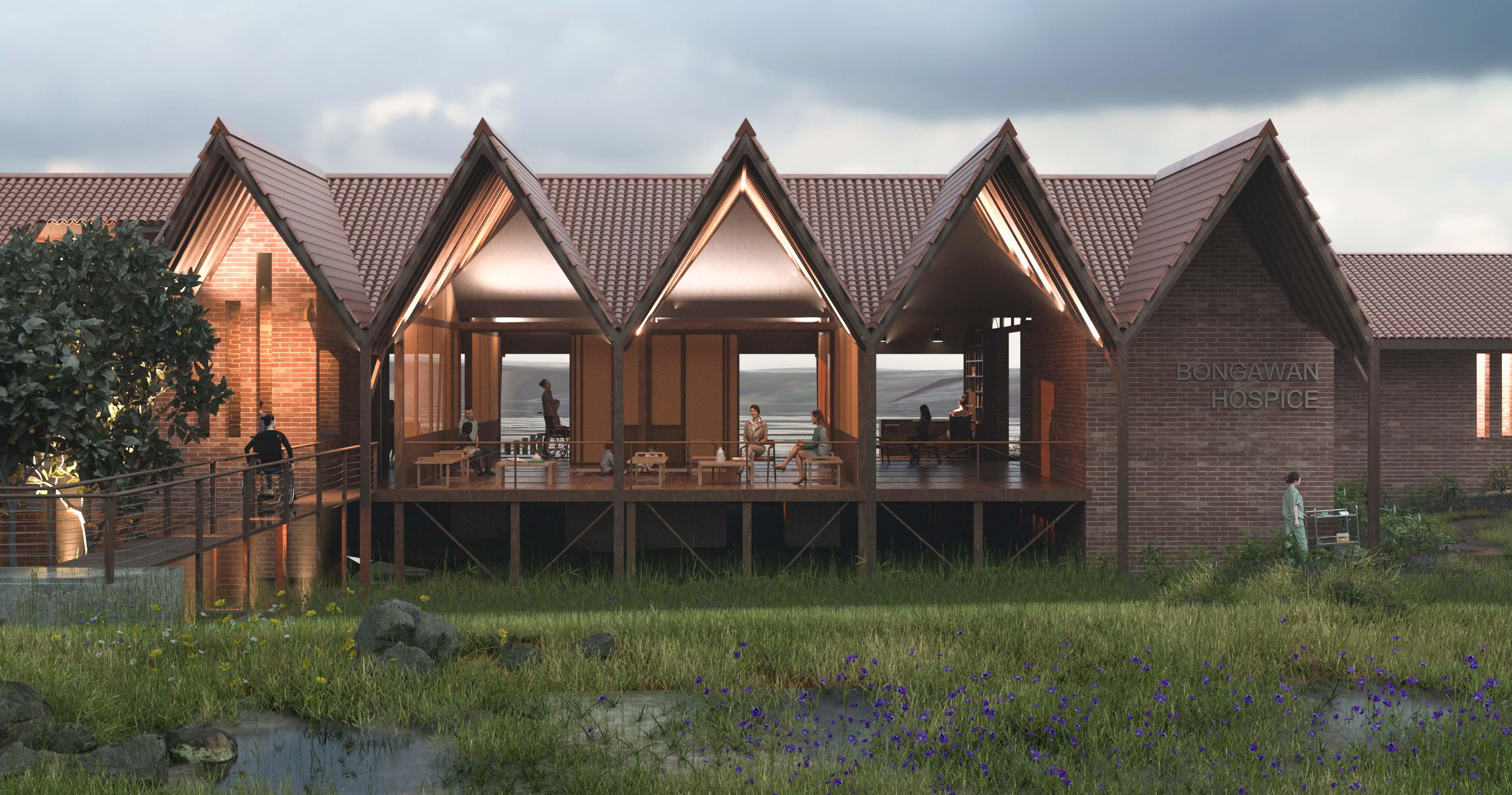
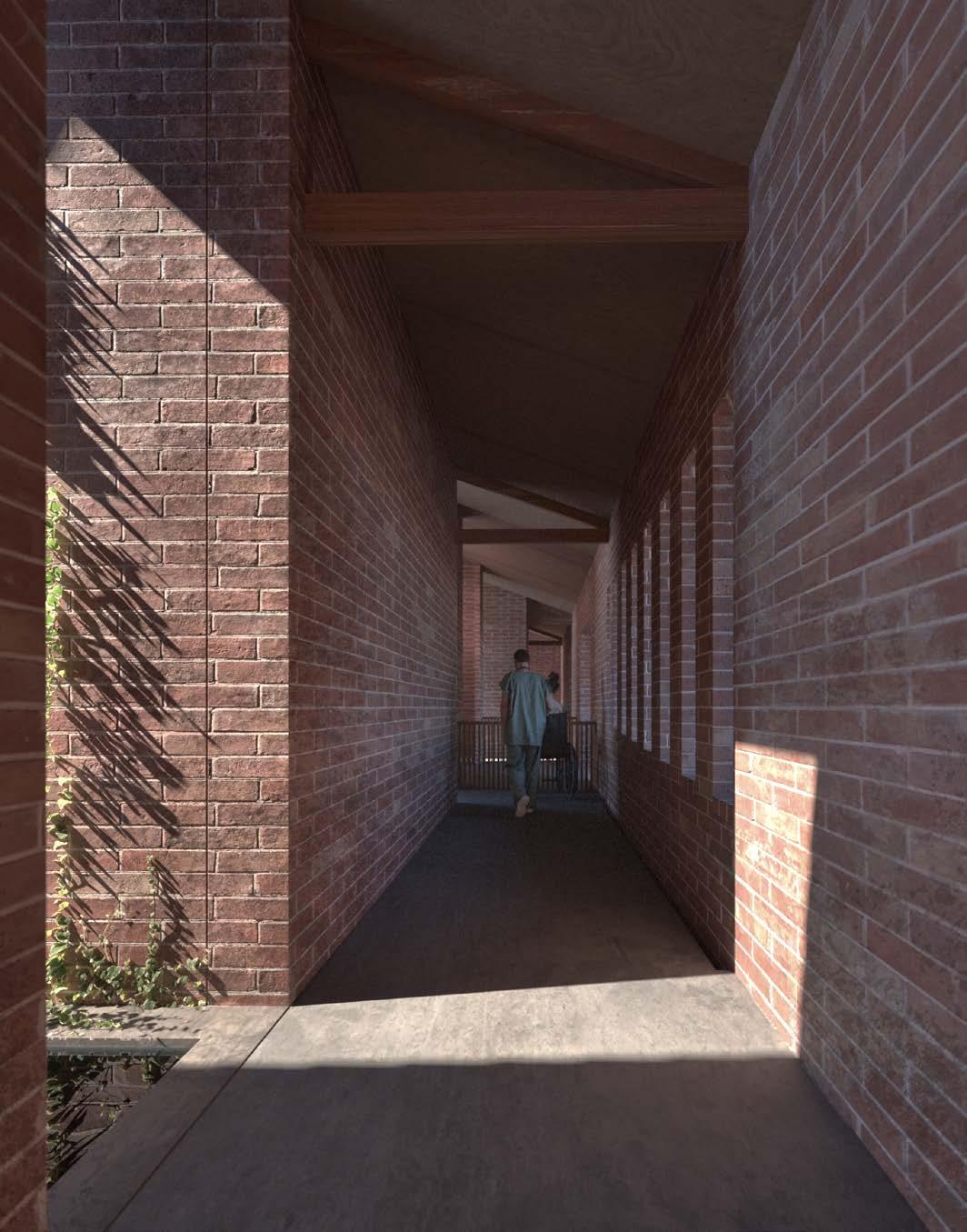
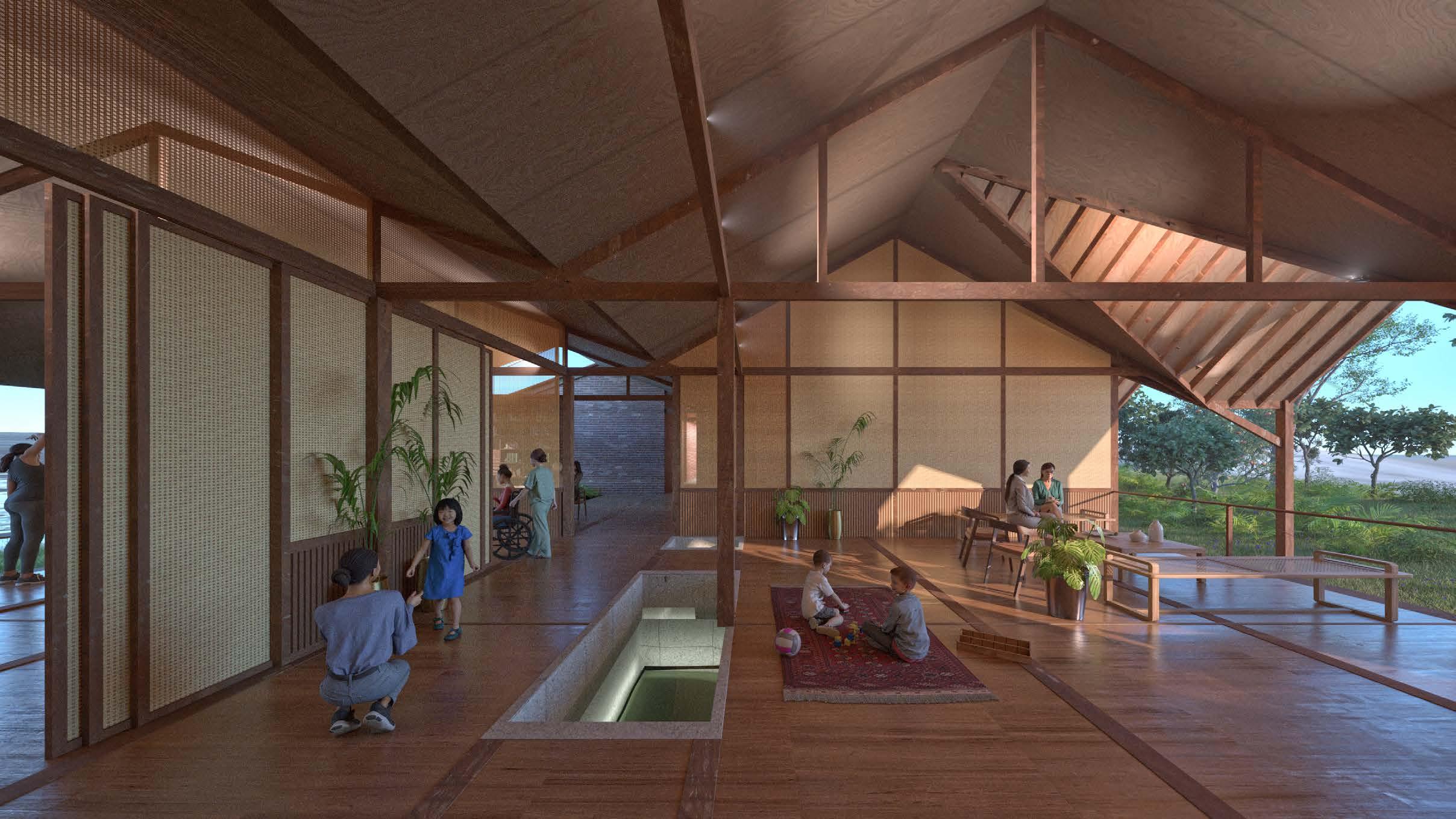
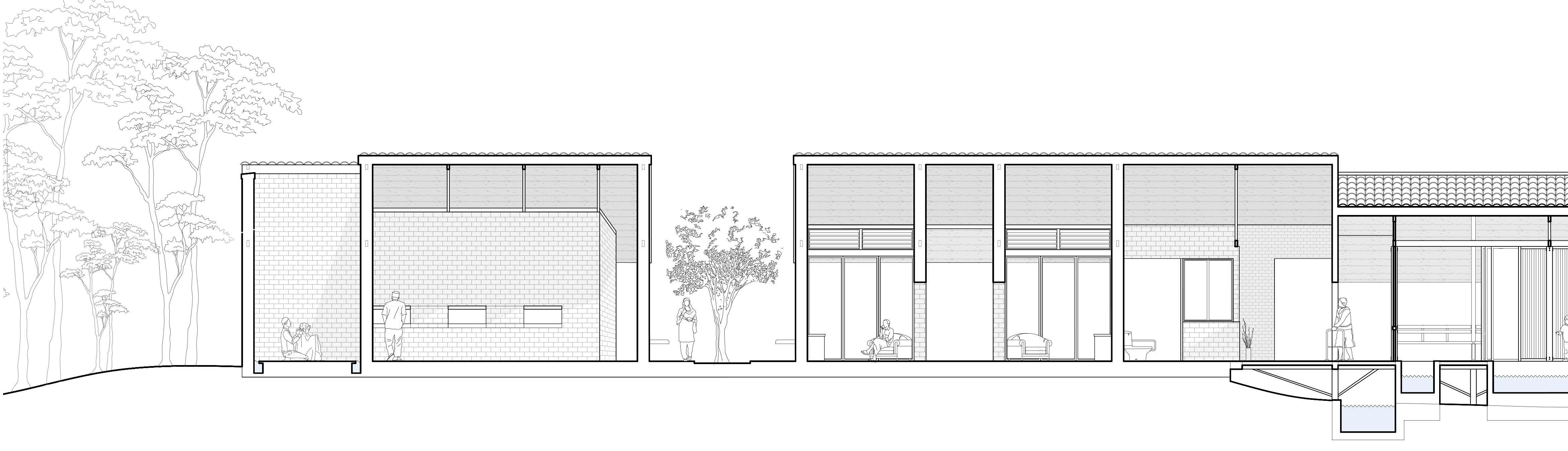
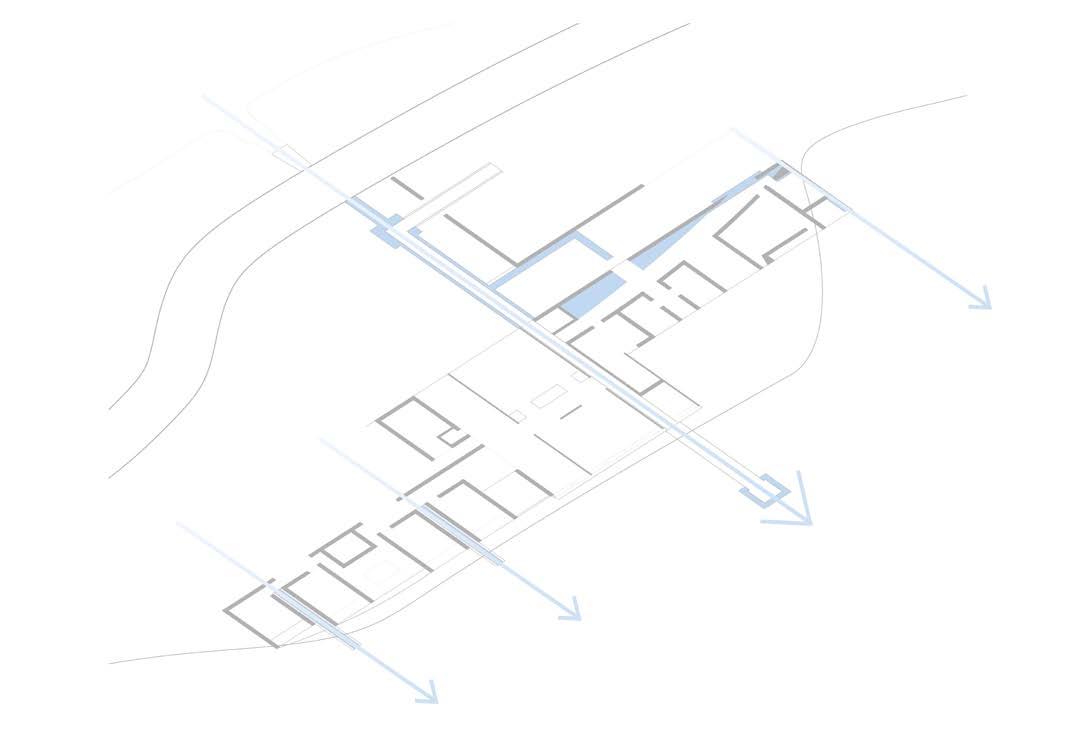
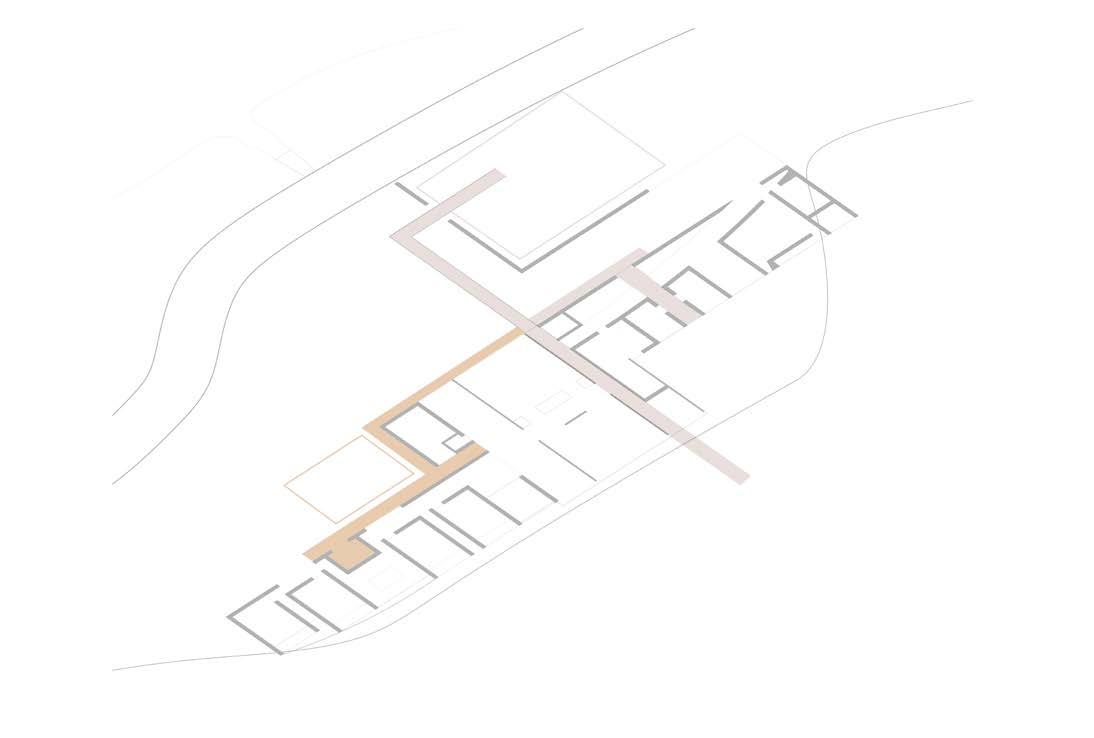
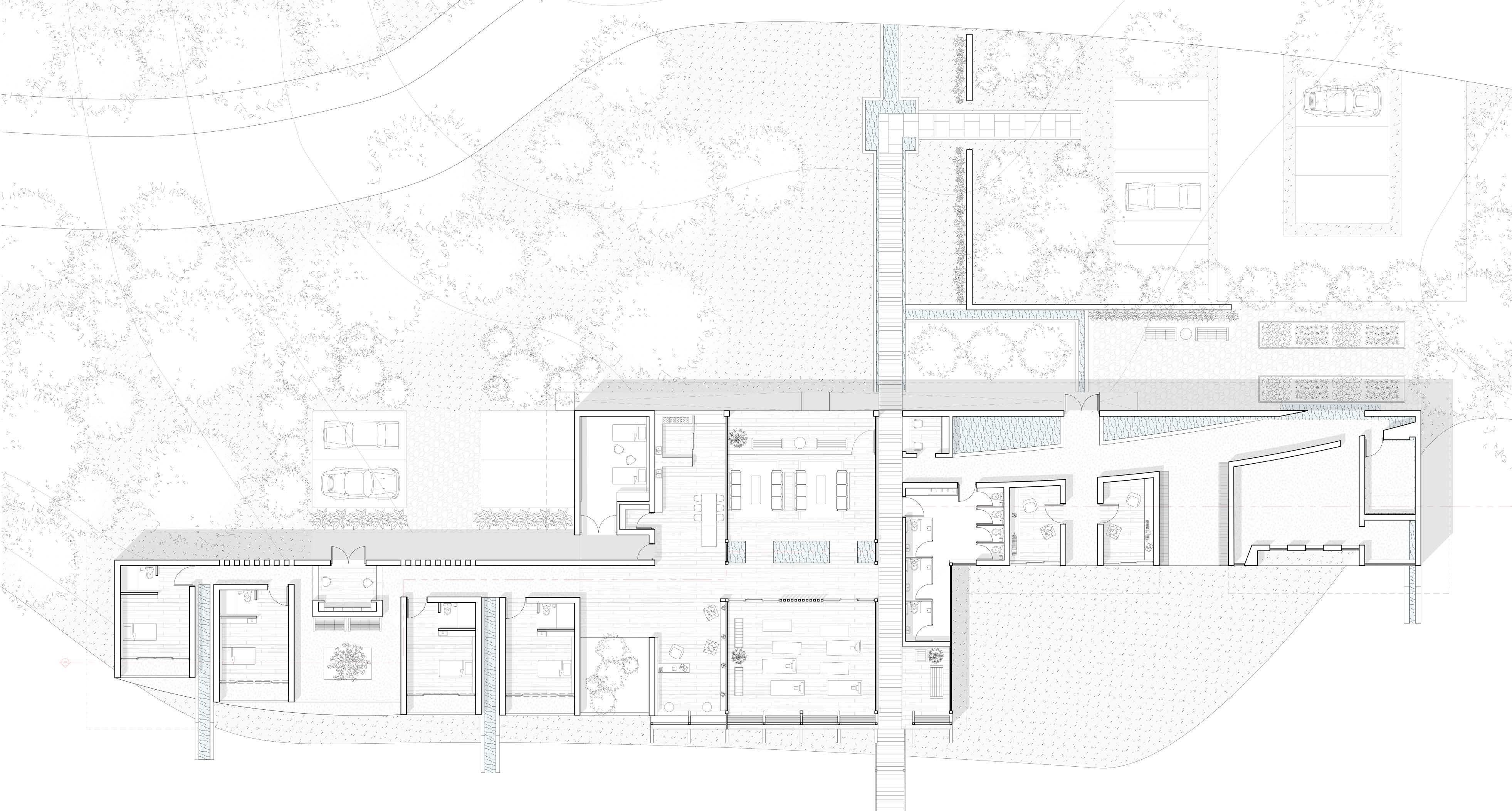
The sterile institutional walls of the hospital offer little solace for those coming to terms with their final moments of life. For palliative care patients like those in Bongawan, Malaysia, choosing to die in the embraces of home, surrounded by family and nature is worth sacrificing medical provisions.
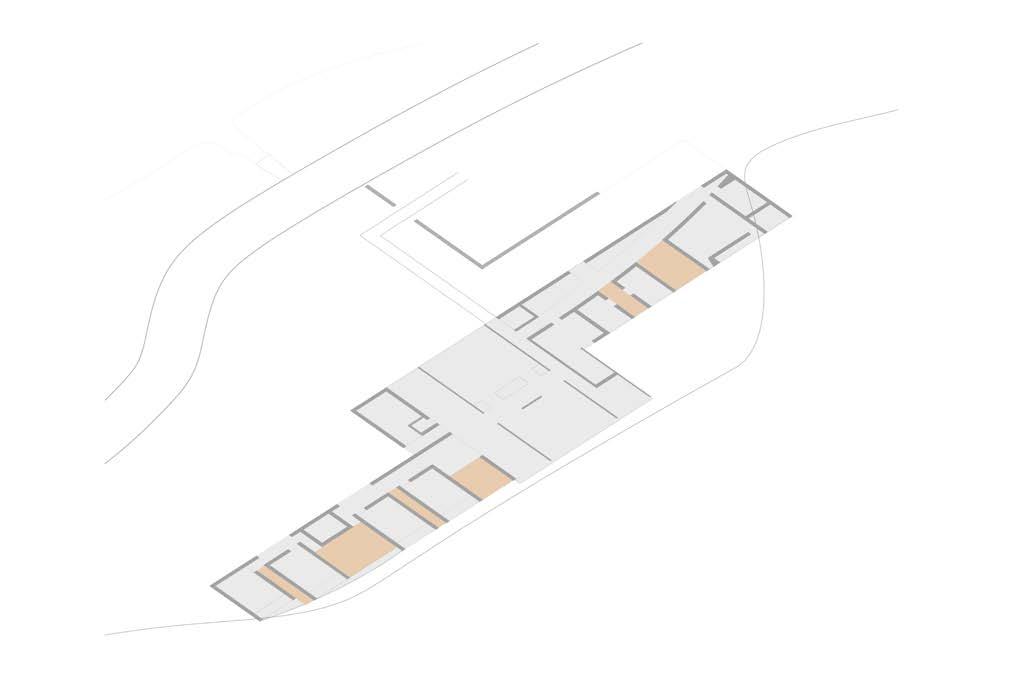
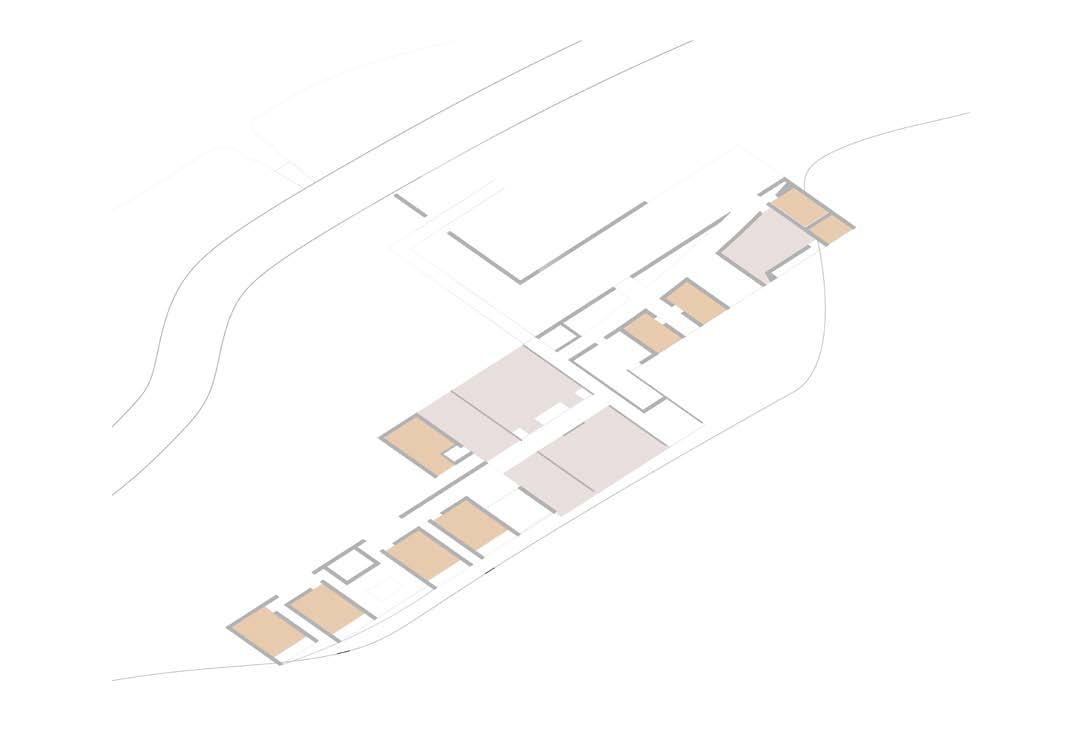
This project proposes a model for an in-between space: a centre which is medically capable but birthed from the natureentwined way of rural Malaysian life. Here, nature’s dual serenity and energy shape a building which is as much vernacular as it is drawn out of the lagoons, sea and hills of the local landscape.
(Description for competition board)
Timber Studio - Personal work entirely
Hopkins Architects - Design and 3D model in collaboration with team and property of Hopkins. Drawings shown are made personally.
The Bongawan Hospice - Group concept, diagrams made with another student, all renders are personal
Belleville Apartments - Personal work entirely
Metallurgical Remains - Produced in a group of 4. Drawings and model shown created with one of the students.