












































Writer / Kristi Sellers
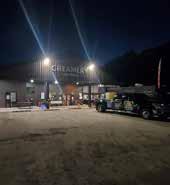
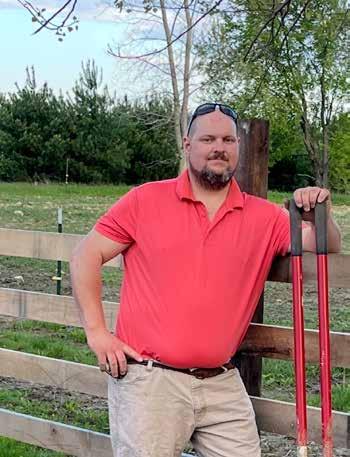
When it comes to maintaining and improving a home, experience truly matters. So do trust, attention to detail, and finding someone who takes pride in every single project, big or small. That is exactly what homeowners discover when they work with All in 1 Handyman, a dependable local business led by Ray Helmuth.
With more than 20 years of hands-on experience, Ray has built a reputation for delivering quality workmanship and practical solutions for homeowners who need help around their homes. Based in Kimmell, Indiana, All in 1 Handyman has become a trusted name for residents looking for everything from basic repairs to custom construction projects.
According to Ray, “I grew up on a dairy farm and I was my dad’s ‘fixer.’ Even at 10 years old, I would help with farm equipment or build fences.”
Ray’s younger years built the foundation for who he is today. He worked in the RV industry and was a manager for 18 years. He eventually decided that he wanted to work for himself and thought, “I can build my own business. I know a lot that others do not.”
The philosophy is simple: take pride in quality work and treat every home like it matters.
That mindset has helped shape the success of Ray’s new business, All in 1 Handyman. Over the years, Helmuth has worked on



countless homes, helping families maintain their properties, update their living spaces, and solve the everyday issues that come with homeownership. Instead of needing to call multiple contractors for different jobs, homeowners can often rely on one experienced professional who can handle nearly anything around the house.
“Nearly everything” is not an exaggeration. Ray Helmuth specializes in an endless amount of specialties and typical problems any homeowner might need to address.
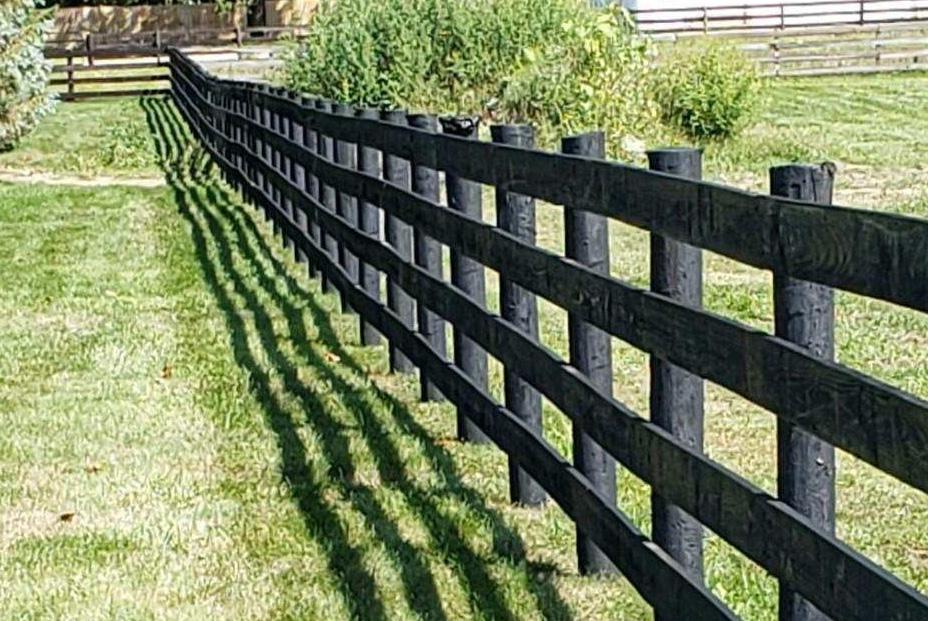
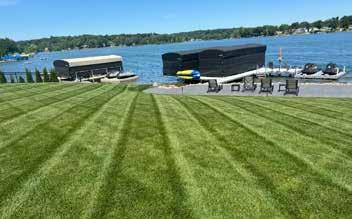
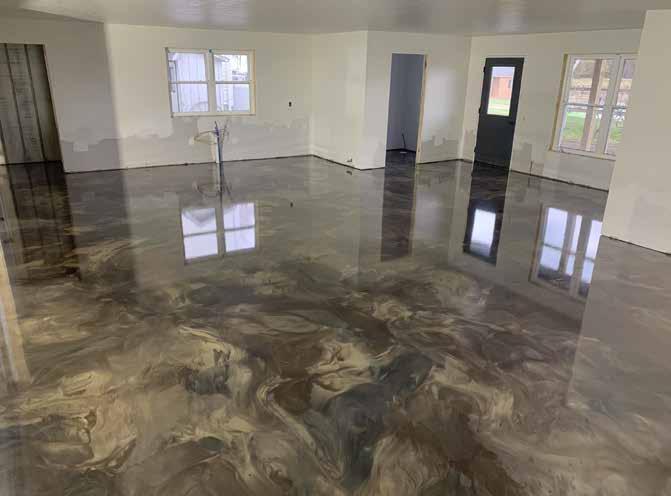
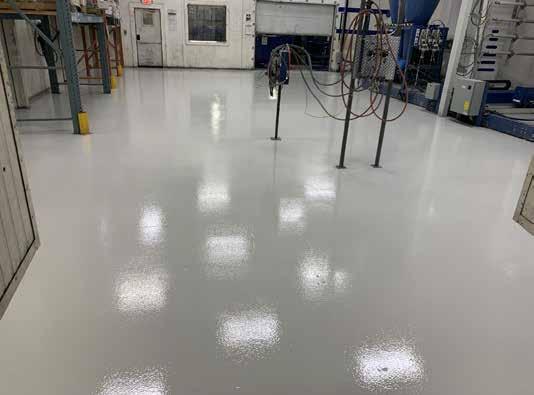
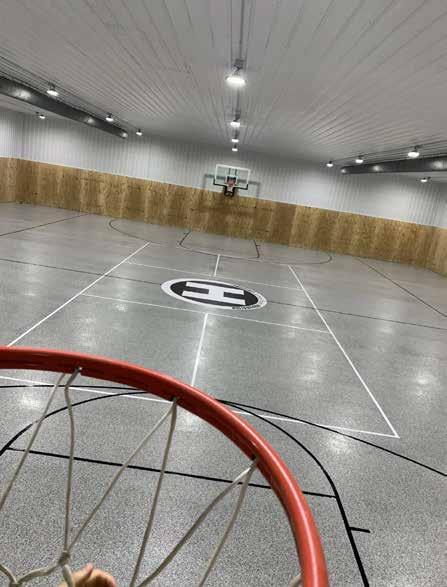
All in 1 Handyman offers a wide range of services designed to make life easier for homeowners. Interior and exterior painting projects are standard requests, along with staining services that refresh decks, fences and wood surfaces. Helmuth also provides epoxy finishes, giving garages, workshops and other spaces a clean, durable upgrade.
Inside the home, repair and installation work is another major focus.
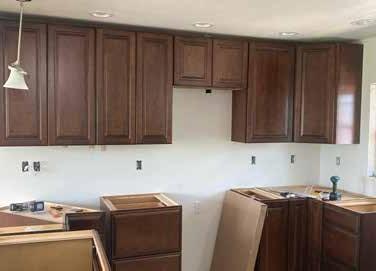
Drywall repairs, door replacements, window installations, flooring projects, appliance installations, fixture updates and TV mounting are all part of the company’s skill set. Whether a homeowner is modernizing a room or simply fixing wear and tear, All in 1

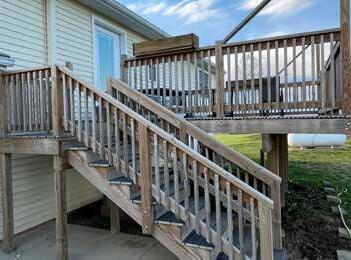
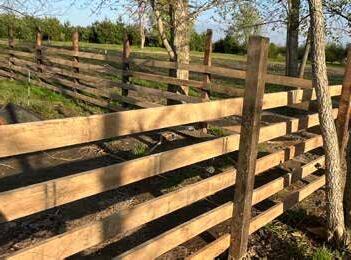

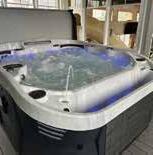
Handyman helps keep homes functional and in great shape. Outdoor repairs and specialty projects are another area where the company stands out. Ray works on outdoor equipment such as grills and hot tubs, helping clients extend the life of expensive items that might otherwise be replaced. He also handles gutter cleaning and repair, an important service that helps protect homes from water damage and costly maintenance problems in the future.
Ray also offers garage and overhead door installation and repair services, giving homeowners peace of mind when it comes to security, convenience and curb appeal.
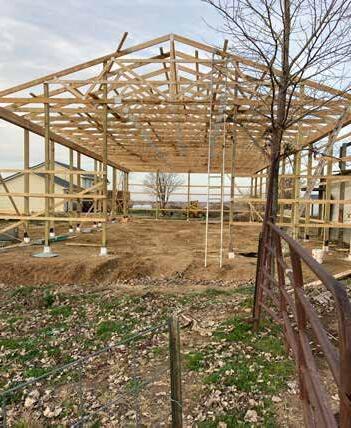
For customers who need custom-built solutions, Ray’s experience in construction adds even more value. He can build small additions, sheds, fences, chicken coops, dog houses and raised garden beds. These kinds of projects often require both creativity and craftsmanship, and homeowners appreciate having someone who can turn ideas into finished results.
Furniture assembly is another service many busy families find especially helpful. From large furniture deliveries to complicated setups, All in 1 Handyman can save customers time and frustration by ensuring everything is assembled correctly and safely the first time around.



For most families, a home is their biggest investment. Keeping it in great shape
and
much easier. Whether it’s fixing a damaged door, building a backyard shed, updating flooring or tackling a list of overdue repairs, All in 1 Handyman offers the kind of
Serving northern Indiana, All in 1 Handyman earns trust through hard work, quality craftsmanship and a willingness to help with nearly any project around the home.
When Ray is not working on a construction project, you can find him fishing or spending time on his hobby farm, where he has cows, chickens, hogs and more.
To learn more or schedule a service, contact Ray Helmuth at 260-499-0725 or by email at ray.helmuth89@gmail.com.























Writer / Melissa Gibson Photographer / Kari Lipscom
Most of us have been there. The spring thunderstorms are over and you discover the basement flooded, or you move into your new home only to find there’s mold in the crawl space.
Maybe cracks are beginning to show in the foundation of the home or there’s simply this humid, musty smell in the basement.
All of these are signs and symptoms of what could end up being a much larger
• Delivery & Set up of Rental
• Tents for any occasion
• Max Size: 60 ft. x 190 ft.
• Tables & Chairs

problem down the road, and the sooner it’s dealt with, the better.
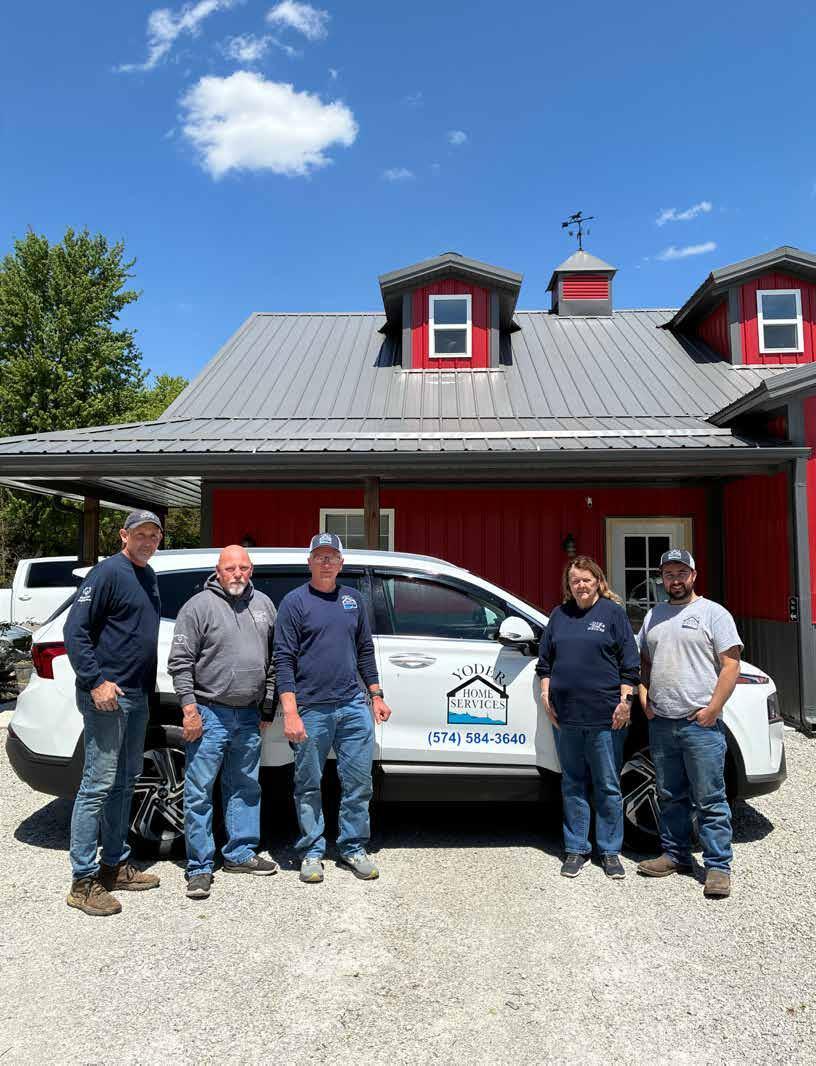
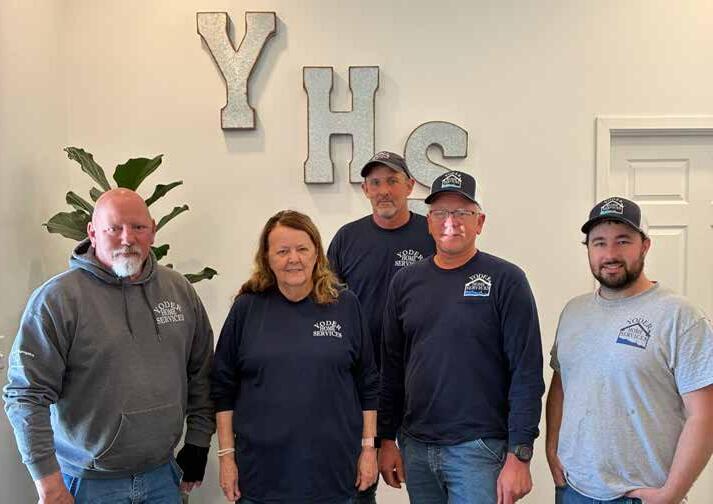
Jerry Yoder of Yoder Home Services could tell you all about it because he’s seen it time and time again. Yoder launched Yoder Home Services in 2015 when he became frustrated by some of the jobs he saw done for homeowners before he arrived. With years of experience in construction and remodeling, Yoder would walk into a job and discover commonly known errors other companies left a homeowner to handle.

He wanted to fix that by offering customers peace of mind, knowing the job would be done once and correctly the first time.
Yoder began posting YouTube videos and sharing what customers need to know about basement waterproofing, mold remediation and other services.
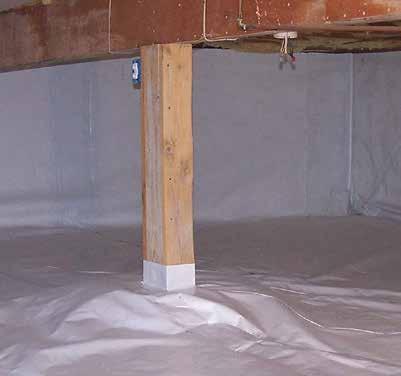
Today, they offer crawl space encapsulation, seawall erosion control, foundation repair and replacement, dehumidifier installation and shotcrete too.

“The shotcrete process is a high-velocity concrete for projects ranging from foundation repair to building retention walls, including Michigan basements,” Yoder says. “We specialize in Michigan basement repair, often applied with shotcrete.”
Yoder has shared stories of homeowners tackling serious mold issues simply because the work previous companies had done was done incorrectly, causing more harm than good.
“[The customer] had another waterproofing company install a system for them which ended up being installed incorrectly and spread mold throughout the house. The wall drain was put up against the paneling instead of the foundation wall,” Yoder says.
The homeowner was stuck paying for the cleaning of some items and the replacement of many more.
“All of this could have been prevented if the

system was installed correctly,” Yoder says. “We often see the easy fix. Another company might redirect water coming through the crack in the foundation and never fix the crack itself. We’ll stitch it back together to its original strength, and we want to stop the water, not just redirect it.”
The services Yoder Home Services offers are often those that homeowners don’t know they need until it’s too late.
“For example, a Michigan basement or Michigan shelf is the concrete holding back the dirt that keeps the foundation in place. When you start seeing cracks in the basement and a little bit of dirt coming through, it’s weakening that hold on your foundation,” Yoder says.
If not addressed, homeowners could end up with foundation damage.
“That’s where we come in. We’re able to remove some of that shelf, get the dirt
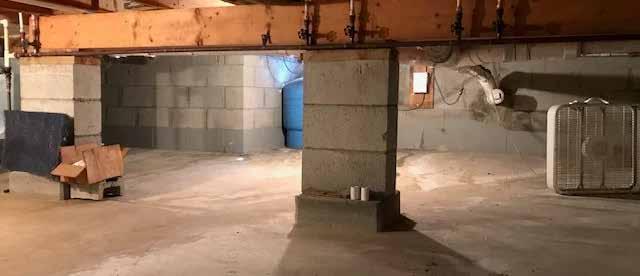






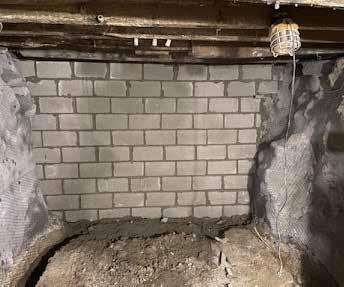
compacted back in and shotcrete it back in place,” Yoder says.
Sometimes preparing for the worst is the better way to go.
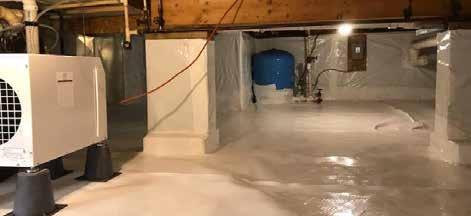
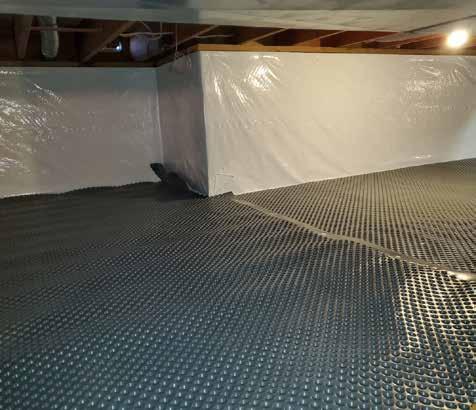
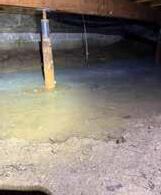
Crawl space encapsulation, for instance, is sealing the entire crawl space from floor to side walls. By creating a moisture barrier, homeowners can keep water out and humidity at bay, preventing excess water vapor and moisture from causing mold, mildew and further damage.

Yoder shared another video about the importance of sealing off a crawl space to the home.
“Crawl spaces get lots of water and it causes foundation damage. We will put in a sump pump and dehumidifier and get everything sealed off,” Yoder says.
It’s important to Yoder that they use high-quality equipment as well, using dehumidifiers designed for the crawl space and sump pumps with a warranty and special silencer valve so homeowners don’t hear it kick on and off.
Though they are often repairing damage from the wear and tear of an older home or even an improper job that was done before them, Yoder Home Services likes to do proactive work too.
Overall, Yoder hopes homeowners will call when they notice an issue, no matter how small. When you see the small crack
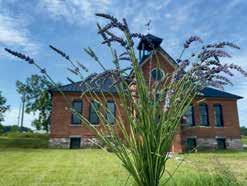

in your foundation, for instance, the time to react is now rather than later. Over time the crack will leak, allow water into the home and cause damage. The faster you call, the less damage there will be.
The family-owned business has built a reputation for quality craftsmanship and reliability.
“Each job is customized to fit the customers’ needs. We’re not a one-stop shop that fixes everything the same way. We come in and fix the actual problem the first time,” Yoder says. “We’re helping families get the right solution for the right job.”
As one might expect, doing the job right the first time often saves money too.
“You don’t just throw a system in to divert water unless you have to. Most of the time, we’re addressing foundation cracks and a system isn’t necessary. We’ve










saved customers thousands and thousands of dollars over the years,” Yoder says.
It’s uncommon for Yoder to see homeowners more than once unless they’ve purchased a new home that needs similar repairs. He wouldn’t have it any other way.
“We’ve fixed thousands of foundation cracks and we do it differently than any of our competitors. We stitch the foundation back to bring it to its original strength, and we’re able to stop the water from coming in. We’ve never had to go back to fix the job we did,” Yoder says. “We’re going to give it 100% every time.”
The Yoder Home Services team of 14 continues to grow with trained experts ready to help homeowners with their foundation repairs, encapsulations and so much more.
Visit yoderhomeservices.net for more information.









• 3 c Bisquick or Equivalent biscuit mix
• 1 lb sausage/ground pork, (can substitute Spicy Sausage)
• 16 oz cheddar cheese, shredded
• 1/2 c milk
1. Preheat the oven to 350 degrees F.
2. In a large bowl, combine all ingredients. Using hands, mix well.
3. Form the meat into balls (approx. 2-3 Tbsp each).
4. Place sausage balls on a large baking sheet. Bake for approximately 23-25 minutes.
5. Remove from the oven and let cool slightly before Enjoying!



Writer / Amy Beaucham
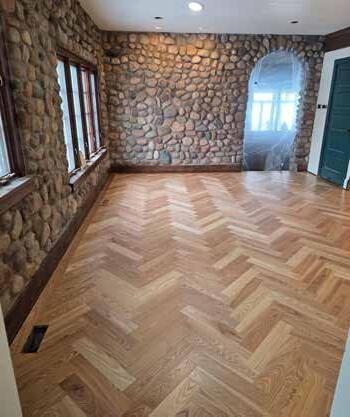
A home has a way of telling its story before a word is ever spoken. Sometimes that story is found in the warmth of rich wood beneath your feet, the graceful rise of a staircase, or the custom trim that frames a room with quiet elegance. In Shipshewana, Stoney Acres Woodworking has built its reputation on creating those details for families who want something real, lasting and distinctly their own.
Stoney Acres Woodworking has served the community since 1998, but the beginning of the business came from a very personal need. Leon Beachy explains that after he married in 1997, he wanted hardwood flooring in his own home. Then his brother wanted the same kind of floor in the house he was building. The problem was that no one in the area was truly specializing in that type of work. The


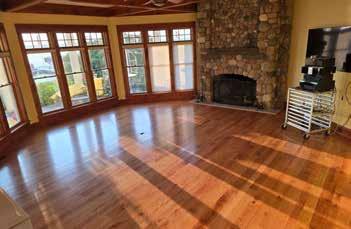
company that had made Leon’s floor was too busy with other projects to do another.


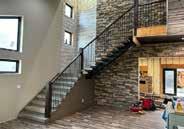


That is when Leon’s father saw an opportunity.
“My dad decided if nobody else is making hardwood flooring in this area, he will,” Beachy says.
What started as a desire to put hardwood flooring in one family home soon grew into a thriving family business. Leon’s father, who had been farming on a dairy farm, used an empty furniture shop that had belonged to Leon’s grandfather and began making hardwood flooring there. Leon helped after hours before joining the company full time in 2002. Over the years, the business grew steadily. Staircases were added in 2004. Sanding and finishing flooring on-site, along with trim and doors, followed in 2007.
Today, Stoney Acres Woodworking employs 29 people and continues to grow while remaining grounded in family and craftsmanship. Leon serves as president of the company, while his brother, Levi Jr., is co-owner. Family involvement runs deep throughout the business. Leon’s son leads the installation team, his son-in-law oversees the finishing operation, and Levi Jr.’s son leads the production team. Leon’s daughters contribute through staining and finishing, while other family members support the business through clerical work and home shows.
It is clear that family means a great deal to Leon. It is also clear that he
sees that support as a blessing. “Behind every successful businessman stands a very good wife,” Beachy says.
That family-centered spirit carries over into the way the company serves its customers. Stoney Acres Woodworking specializes in custom hardwood flooring, but its work also includes engineered flooring, staircases, rails, trim, interior doors and barn doors. What makes the company especially distinctive is the level of customization it offers. Customers are not simply choosing from a narrow set of preselected options. They are invited into a process that allows them to shape the finished result according to their own taste and vision.
“We are a custom hardwood flooring manufacturer,” Beachy says. “I can make flooring out of basically any species of wood, stain it to whatever color you want. The same thing goes to staircases, trim and doors.”
That kind of flexibility is a major reason Stoney Acres has found its niche. Leon says he is not aware of another flooring manufacturer in the area offering that same kind of custom work, especially when it comes to colors and wood choices. Customers can visit the company’s public showroom in Shipshewana and explore wood species, textures, stain colors, stair parts and design possibilities.
Beachy says the heart of the business is found in listening carefully

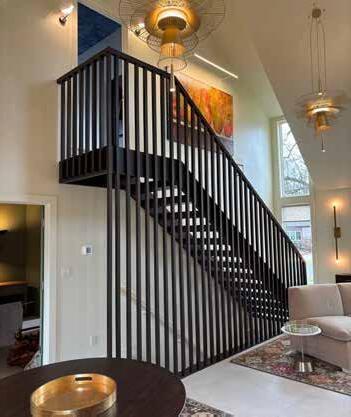


and helping homeowners create what they have imagined.
“Meeting with homeowners in our showroom and identifying what they are looking for and trying to get in my vision the dream they’re looking for and providing the homeowner with the dream they’re trying to accomplish,” he says.
That dream may take many forms. Some customers are drawn to the beauty and character of hickory, which Beachy says is the company’s top seller and also his personal favorite because of its appealing variation in color. Others are interested in white oak, hard maple or red oak. Some want a more natural, flatter sheen. Others are fascinated by texture, including hand-hewn, wire-brushed, hand-scraped and a reclaimed circle-sawn look that gives flooring a distinctive aged character.
There is beauty in that level of detail, but there is also practicality. Beachy is passionate about the long-term value of real hardwood flooring. He explains that a quality 3/4-inch solid hardwood floor can last for generations because it can be sanded and refinished multiple times over the life of the home. For homeowners, that means they are not simply choosing something attractive for the moment. They are investing in a floor designed to endure.
That commitment to quality extends beyond appearance. The





company sources kiln-dried lumber from providers within about a 100mile radius of northern Indiana. It also makes thoughtful use of byproducts. Sawdust and shavings are baled for animal bedding, and wood scraps are used by a charcoal manufacturer. Leon notes that all wood coming into the company leaves as a green product.
Stoney Acres Woodworking also reflects the values of the broader Shipshewana community. Leon says the area is rich with craftsmanship, and that spirit of working well and helping one another has benefited the business. There is a sense of connection among woodworkers in the region, with referrals flowing back and forth as customers seek different specialties for their homes.
That combination of craftsmanship, honesty and service has earned Stoney Acres a great deal of trust over the years. Much of the company’s business comes through word of mouth, something Leon clearly finds rewarding. He also values the opportunity the business gives him to provide jobs in the community and to build something that can be passed on to the next generation.


When asked what he hopes people remember about Stoney Acres Woodworking, his answer goes deeper than hardwood, trim or stain colors.
“Integrity means something to us, and there’s one person we’re trying to serve and that’s the good Lord above us,” Beachy says.
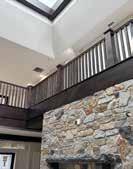
That spirit may be one of the most beautiful things Stoney Acres builds. From custom flooring packages for homes and offices to staircases, doors and trim, the company is creating more than products. It is helping bring beauty, durability and meaning into the places where people live their everyday lives.
As Beachy puts it, Stoney Acres Woodworking tries to “bring life to the customer’s dreams.” In Shipshewana and beyond, that is exactly what this family business has been doing for decades.
Stoney Acres Woodworking is located at 2695 S. 1000 W. In Shipshewana. For more information, call 260-768-4367 or email stoneyacresacc@gmail.com.

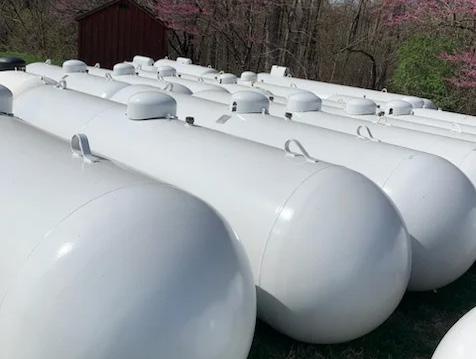








• Our borders are extruded with a steel cable reinforcement as “one solid” continuous piece of concrete
• Gives your landscape beds an attractive and durable edge
• Provides an effective root barrier that prevents grass from growing into your beds
• The height of concrete borders helps to keep mulch/stone in your beds and out of your lawn

Michiana communities since 1995

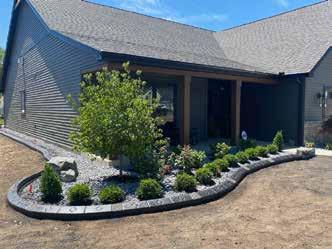
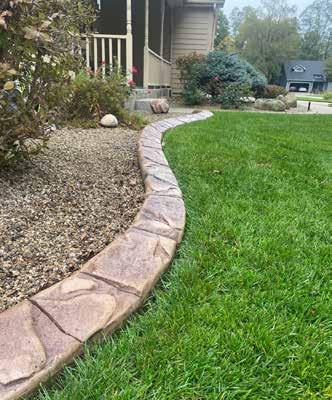
Concrete Borders make the perfect compliment to any landscape design that adds value to your home by providing a beautiful and durable landscape edge. These continuous borders are extruded on site to create a custom-made look as they follow the curves and contours of any architectural or landscape design (without splices, breaks and individual pieces). Concrete Borders are more durable than any other edging material and are very easy to maintain. We offer multiple profiles to choose from as well as dozens of patterns, stamps, and colors to compliment any architectural scheme.
Our “on-site” extrusion process allows for gentle flowing curves, straight lines and radiuses as tight as 36” around your landscape beds and gardens.



Writer / Amy Beaucham
A roof does its work quietly. It shields a family from pounding rain, biting wind, summer heat and heavy snow. Most often, a roof goes relatively unnoticed until something goes wrong.
Jake Frey believes that taking a more proactive approach when it comes to roofing is a very wise choice. He wants homeowners to know that thinking ahead, choosing wisely and understanding what a steel roof can provide can fulfill exactly what his company promises: peace of mind.
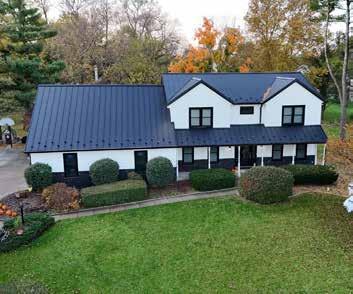
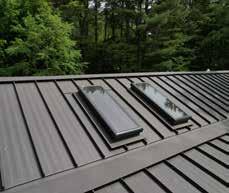
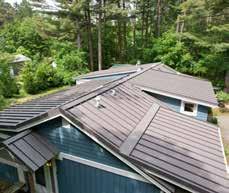
Based in Bourbon and serving communities across northern Indiana, including Plymouth, Culver, Warsaw, Mishawaka, Granger, South Bend, La Porte, Nappanee and Wakarusa, Diamond Steel Roofing specializes in metal roofing for new homes, re-roof projects and metal roof replacement. The company is local and family-owned, offers free estimates, and focuses on a very durable, attractive and environmentally friendly product that gives homeowners stronger long-term value than traditional asphalt shingles. The name Diamond Steel Roofing reflects that commitment to quality, with “diamond” symbolizing strength and long-term value.


Frey’s background has been rooted in construction for decades. His experience began in the post-frame building world and steadily grew into metal roofing. He says he had already installed metal roofs some 20 to 25 years ago and later worked in sales connected to the industry. Over time, one thing became clear to him: there was a real need for contractors who truly specialized in metal roofing and who gave homeowners an accountable and pleasing overall experience.
“In 2020, we kind of put our heads together,” Frey says of launching the business with his son and co-owner, Derek Frey. “I had a lot of contacts because of my experience in the post-

frame building industry and just the building industry in general. We basically threw some tools in the back of a truck and I called some people, and that was the beginning.”
That father-and-son beginning has grown steadily into a small team that currently includes three additional employees, with plans to expand the team as the company continues to grow. Frey says the company has been growing by about 20% each year. He also notes that the size and value of their projects have increased, with more high-end homes and more complex roofing work becoming part of the business.
Diamond Steel Roofing’s team has more than 40 years of combined experience, and that depth of knowledge shows up not only in installation, but in the way the company approaches customers.
For Frey, one of the clearest ways his company stands apart is its focus.
“We specifically specialize in metal roofing,” he says. “Our experts have studied the process intensely and figured it out fully.”
He believes homeowners deserve a positive, professional experience, especially when they are paying more for a premium roof.
“Our goal at Diamond Steel Roofing is to provide a premium experience to go along with that,” he says. “Communicate clearly, keep a clean job site, just some of the basics.”
That emphasis on cleanliness and professionalism is reflected in customer feedback as well. Brenda C. shared that Jake was “very easy to work with” and that his crew did a nice job and cleaned up well after the installation, noting that the finished metal roof made her home look much nicer. Daniel D. also praised the company as “very friendly and professional,” adding that the team even stopped back by a couple of months after installation to make sure everything was still in good condition.

Frey says that same standard is understood by every member of his team. Each crew member approaches the work with the expectation that every time they are on a job site, it will be left clean and organized.
A clean job site may not sound flashy, but Frey says it matters. He wants crews to respect landscaping, keep materials organized and remember that they are working on someone’s home, not just another job.
The company’s concentration on metal



roofing is practical. Frey believes the product simply offers more in the long run. Longevity is the biggest reason. A properly installed metal roof can last for decades — often 50 years or more — while the average asphalt shingle roof lasts around 17 years.
Frey is quick to point out that proper installation is everything. Even a premium material must be installed correctly to perform as intended.
“If you buy a premium product, but it’s
installed improperly, it can function on the level of a pile of junk,” he says.
Durability is a major selling point in Indiana. Frey says a metal roof typically carries a 140 mile-per-hour wind rating and a Class 4 hail rating, which is the highest level available. He also notes that metal does not hold moisture, rot or crack in the way other materials can over time. That matters in a region where weather can shift from ice and snow to storms and summer heat in a hurry.
The environmental impact is another important advantage. Traditional asphalt shingles contribute millions of tons of waste to landfills each year, often needing to be replaced multiple times over the life of a home.
Metal roofing, by contrast, is frequently made from recycled materials and is fully recyclable at the end of its lifespan. Because it lasts significantly longer, it helps reduce the cycle of tear-offs and disposal, making it a more

Cut the Cord. Not the Content. Only $69.99 a Month – No Contracts, No Hassles.
Stop overpaying for TV. CUE gives you access to hundreds of live channels, including nationwide local channels, toptier movie channels, sports, news, and a huge library of on-demand content, all with no contracts or hidden fees, and no hassle. Whether you’re a family, a binge-watcher, or just tired of cable, enjoy endless entertainment at a price that makes sense.

sustainable choice for homeowners who are thinking long term.
The company also emphasizes how metal roofing is energy efficient. By reflecting solar heat rather than absorbing it, metal roofs can help regulate indoor temperatures and reduce energy usage during warmer months.
Then there is appearance. Some homeowners still picture a shiny old barn roof when they hear the words “metal roofing,” but Frey says today’s options are far more refined. Diamond Steel Roofing offers a range of colors, and Frey says a metal roof can add class and prestige to a home. Sometimes it becomes the entire roof. Sometimes it serves as an accent on a porch, dormer or addition, giving a home a crisp architectural lift.
Cost, of course, is part of the conversation. Metal roofing is typically more expensive up front than asphalt shingles. Frey does not sidestep that. Instead, he explains the long view.

“If you really do the math and figure it out, at the end of it, it is always less per year than an asphalt roof,” he says.
That kind of straightforward approach is central to the Diamond Steel Roofing philosophy. Frey says he is not interested in high-pressure tactics. He wants homeowners to understand the options and make the best decision for their own situation. In fact, he says there are times he will tell a customer that a metal roof may not make sense, especially if they plan to move in just a few years.
“We want what’s best for you,” Frey says. “If that means a customer doesn’t spend the extra money on a metal roof, that’s fine. We want what’s in the best interest of the customer.”
That honesty feels refreshing in any industry, but especially in one where homeowners can feel vulnerable. Frey says one of the biggest issues homeowners face today is hiring the wrong contractor. A poor installation can create serious problems, no matter what
roofing material is used.
Diamond Steel Roofing is built around delivering a dependable, high-quality experience from start to finish. The company installs roofing year-round when weather allows, uses written proposals, provides free evaluations and estimates, and typically works to begin projects within six to 10 weeks after signing.
Looking ahead, Frey hopes to continue growing the company, increasing the scope and number of projects, adding people and helping more homeowners understand the value of metal roofing.
He sees the product as more than a trend. He sees it as a smart answer to long-term problems, from durability and energy use to landfill waste.
For homeowners in the Lakes West area, that may be the real appeal. A metal roof is not just about covering a house. It is about covering it
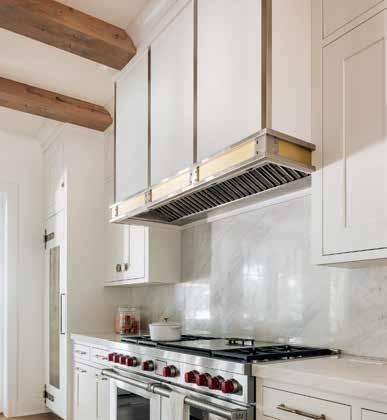
Accent your kitchen with a beautiful metal range hood. Fully customized to your specs and style.

well, covering it beautifully and covering it for the long haul.
And like the best roofs, it does its work quietly — standing strong through every season, protecting what matters most and offering the kind of peace of mind that lasts for decades.
Diamond Steel Roofing, LLC is located at 740 12B Rd in Bourbon, IN. You can give them a call at 574-930-0058 or email jake@diamondsteelroofing.net. For more information, visit them online at diamondsteelroofing.net.













1. Nutrient (pill)
4. End of war
7. Nervously restless
8. Wrap for head & shoulders
9. Remained 12. Leaves (sinking ship)
1. Disappeared
2. Every time
3. Actor, ... Nolte
4. Settles account
5. Pilot
6. Fragrant type of tea, ... Grey 10. Move to music
15. Regional speeches 17. Greatly pleased 18. Complete 21. Of the beach 22. Family adage 23. Deserved
11. Make happen 13. Followed secretly 14. Lowest British titled rank 16. Italian sausage
18. To ... it may concern 19. Resound 20. Pacify

MICHIANA TIMBER AND TREE OFFERS FULL-SERVICE TREE CARE
Writer / Ashley Watters
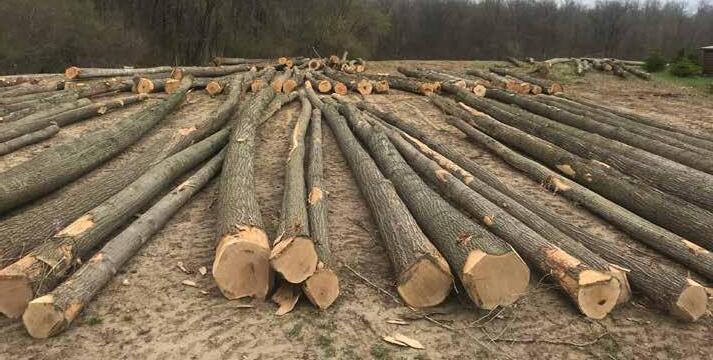
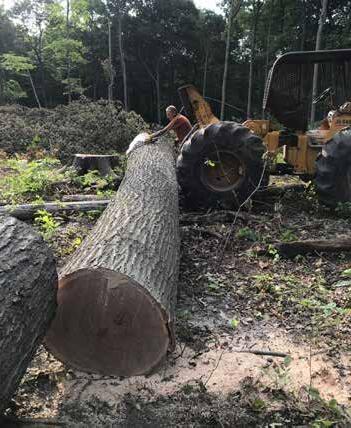
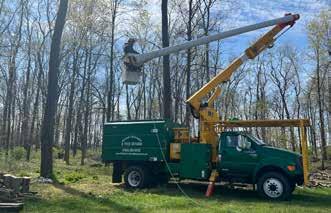
Caring for your wooded areas can be quite the chore. Whether you’re looking to trim or remove a problem tree in the yard, need storm-damaged trees cleaned up, have timber that needs harvested or managed for increased value, or just need a plan to clear an area for another purpose, Mel Slabach and his team at Michiana Timber and Tree are ready to help with your tree project.
A family-owned business, Michiana Timber and Tree began with




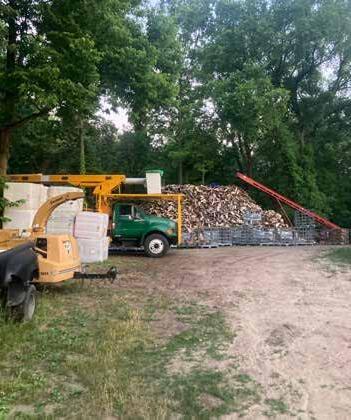
the sale of firewood. They’re a fully licensed, bonded and insured provider specializing in tree service, timber harvesting and firewood processing, as well as land clearing in preparation for construction or water installation.
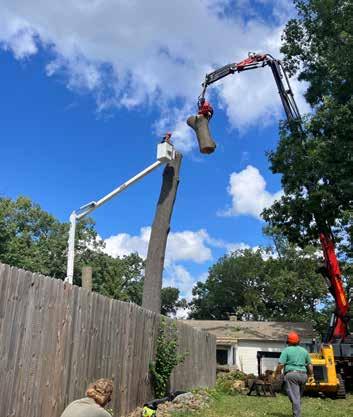
In the spring and summer months, the team at Michiana Timber and Tree spends most of its time on residential tree service, helping to remove trees and assist with storm cleanup. In the fall, Slabach and his team focus on timber harvesting.


“We have a qualified crew who has been harvesting timber for 20 years. They’ll come in and assess the situation and then selectively harvest your woodland responsibly, leaving it in the best condition possible so that it grows back quicker. Timber is a renewable resource, and our goal is to help our customers capitalize on that as much as possible,” Slabach says.
Michiana Timber and Tree focuses on sustainability and quality workmanship, treating your land with as much care as they would their own. In addition to purchasing your timber, Slabach and his team will also help market timber for customers. The
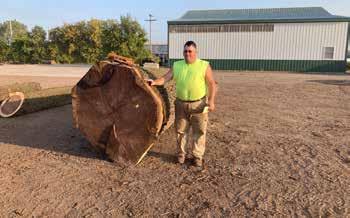

team will set up an auction, bring in buyers, gather bids and close the sale on behalf of customers.
Forest management services are also available with strategic guidance to generate long-term value. The process begins with a forest assessment, followed by a salvage cut to remove lowquality trees and completed with a selective harvest of highvalue timber.
“We’re always striving to improve the areas we manage and create more valuable timber for our community. We want our friends and neighbors to know we’ll support their needs while helping to create more sustainable land,” Slabach says.
For landowners with goals of conservation, Michiana Timber and Tree can help maximize the health of forested land while also preserving habitats and delivering a personalized plan for the area.
Commonly an outsourced project, forest management is a process Michiana Timber and Tree manages completely inhouse. With deep community roots and honest values, the team hopes to keep the community thriving while also supporting community members in managing the places they love and call home.



Slabach hopes you’ll consider Michiana Timber and Tree for all of your tree needs. His team also specializes in land clearing with a clear understanding of what needs to stay and what needs to go, effectively removing trees, stumps, brush and debris, all while preserving valuable trees.
The team provides free estimates for all work and promises transparency and customer satisfaction for every job.
Slabach does encourage homeowners to plan ahead, as the schedule frequently books one to three months out, and he knows it can be difficult to wait.
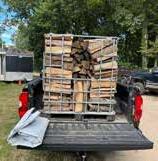
True to its humble roots, Michiana Timber and Tree also still offers firewood for campfires, home heating and outdoor cooking. They offer delivery by truck or dump trailer for large orders.
“We really want to make things easy for everyone who chooses to work with Michiana Timber and Tree and take care of everything from start to finish,” Slabach says.
To schedule your project with Michiana Timber and Tree, call Mel and his team at 260-350-3622 or visit MichianaTimberManagement.com.
WE ARE CURRENTLY BUYING / SELLING THE FOLLOWING ITEMS:
• Gold Jewelry
• Sterling Silver Jewelry
• Platinum Jewelry
• Turquoise Jewelry
• Dental Gold
• Service Pins
• Pocket Watches
• Sterling Silver Flatware
• Dimes - 1964 & Before
• Quarters - 1964 & Before
• Halves - 1970 & Before
• Dollars - 1935 & Before
• Proof & Mint Sets
• Old Paper Money
• Old U.S. Coins
• Foreign Coins
• Gold & Silver Coins
• Gold & Silver Bullion
• Pennies - 1958 & Before
• Nickels - 1938 & Before
• Nickels - 1942-1945
























Writer / Meredith Baker


Out on a quiet stretch of road in Union, there’s a different kind of conversation happening in the barn at Daystar Equine Therapy. It’s not loud to the human ear. In fact, it’s barely audible. A shift in posture, a softened gaze, and sometimes, a horse simply closes its eyes and rests.
That’s when you know something is taking effect.
A PRACTICAL PATH TO SOMETHING MORE
The business itself has been relatively new in the last couple of years, but the instinct behind it isn’t. Built on a lifelong familiarity with horses, Daystar Equine Therapy grew from a simple idea: animals perform and live better when their bodies are understood and cared for beyond the surface.
The owner, Daniel Bontrager, who grew up riding and working with horses, didn’t set out to create something flashy. Instead, the goal was steady and practical: finding a way to help horses move more freely, feel better and recover faster.
That search led to two distinct but complementary approaches — the EMMETT Technique and MagnaWave PEMF — both centered on
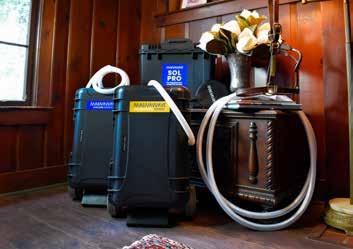







improving muscle function and overall wellness without invasive methods.
A typical session doesn’t begin with machines or tools; it starts with observation.
A horse is walked about, watched with careful precision and thoroughly assessed.
Subtle details matter: how your horse carries its head, how evenly it steps, whether there’s tension along the spine. From there, the approach takes shape.
The EMMETT Technique uses light touch to encourage muscles to release tension. It’s gentle — so gentle that it can surprise firsttime observers. But the results, according to multiple clients, can be anything but subtle. Horses that arrive stiff or guarded often leave more relaxed, sometimes visibly so.
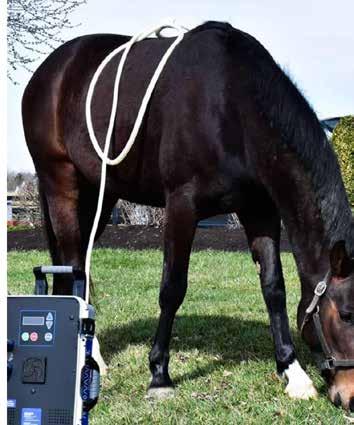
MagnaWave therapy adds another layer. Using pulsed electromagnetic fields, the treatment works deeper within the body, targeting muscles, joints and even circulation. It’s used not only for horses but also rented out for human use, offering flexibility for those looking to continue


care beyond a single session.
Together, the two methods form a kind of quiet partnership: one focused on communication within the body, the other on stimulation and recovery.
Not everyone walks in convinced.
That’s part of the process.
“There’s always a moment of hesitation,” the owner explains in conversation. “Especially with the lighter-touch work. It doesn’t look like much at first.”
But horses don’t tend to perform for show. When they relax, sometimes to the point of nearly falling asleep, it speaks for itself. For many owners, that shift is enough to turn curiosity into trust.
Daystar’s work isn’t limited to the barn in Union. A large part of the business primarily happens on the road.
On-site visits allow horses to be treated in familiar environments, reducing stress and making sessions more effective. For those looking
for ongoing care, MagnaWave machines are also available for rent, with hands-on instruction provided to ensure proper use.




It’s a model built around accessibility. Not every horse, or owner, can travel easily. Bringing therapy to them changes the entire equation.
And for the business, it creates something else too: momentum.
LOOKING
Right now, Daystar Equine Therapy operates alongside a full-time






job. But the vision is clear: to grow the practice into a full-time commitment, expand mobile services and eventually offer extended stays where horses can receive consistent, focused care.
It’s not about scaling quickly. It’s about building something that works and makes a long-term impact.
Something that genuinely lasts.
DIFFERENT
Ask what success looks like, and the answer isn’t complicated. A relaxed horse, a smoother gait and a noticeable shift.
Sometimes, it’s the smallest changes that matter most.
Because for the people who care for these animals, who ride them, work with them and depend on them, those changes aren’t small at all; they’re everything.
For more information or to schedule a session, contact Daystar Equine Therapy in Union, Michigan, at 269-228-3086 or email office@daystartherapy.net. On-farm sessions, rentals and demonstrations are available.






•






Writer / Meredith Baker
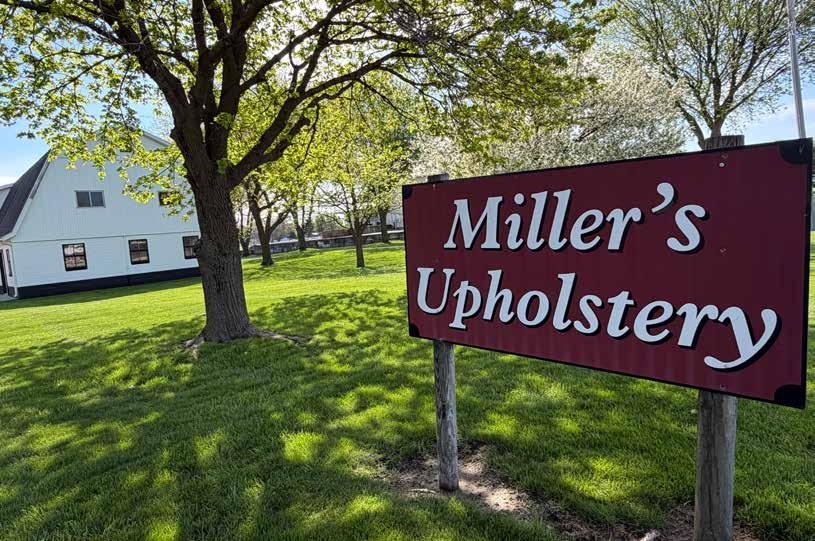
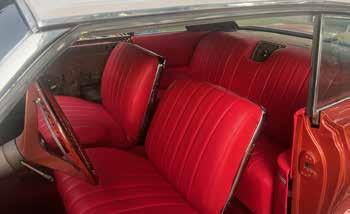
Where furniture flakes and factory-made interiors fade faster than they should, there is something grounding about a place that still believes in getting it right the first time. Tucked along the northern Indiana area, Miller’s Upholstery Inc. is the kind of shop where time slows down for craftsmanship to take the lead.



Once you step inside, you won’t find mass assembly lines or shortcuts. Instead, you’ll find patterns draped over seats, rolls of leather and someone who knows exactly what they’re doing.
This story starts in 1969 under the steady hands of a grandfather. Decades later, that legacy continues through Joel Lambright, a third-generation craftsman who grew up learning by watching and eventually stepping into ownership himself just a couple of years ago.
Like many in the area, Lambright worked in a factory after getting married. But the pull of the family trade, and the potential he saw in it, remained. When the opportunity to take over the business from his uncle arose, he took it.
At its core, Miller’s Upholstery specializes in
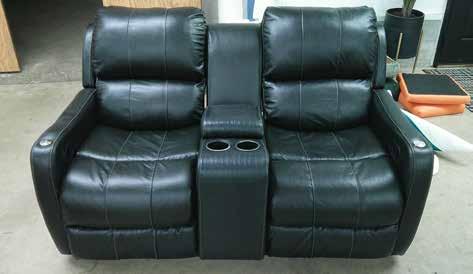
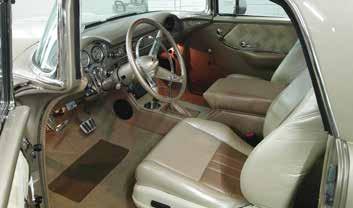
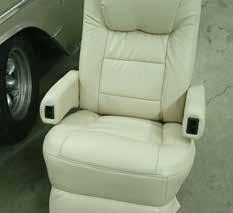
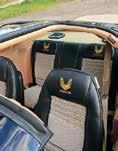
custom upholstery for classic cars and trucks. But that’s only part of the picture. The shop also handles RV interiors, marine seating, semi sleepers and more, each project with its own quirks, challenges and expectations.
Still, Lambright has made a conscious shift. After years of juggling everything from dining



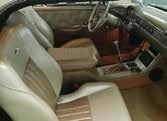
chairs to small repairs, he’s narrowing the focus.
“We were trying to do everything,” he says. “But to really do it right, for the customer, you’ve got to be selective.”
And if you’ve ever wondered what goes into that kind of work, it’s more than most people think.
Before a single stitch is sewn, there’s a full teardown. Every piece is carefully removed, labeled and studied. Old materials become patterns. Measurements are checked, then checked again.
From there, the process becomes part engineering, part artistry.
Materials are chosen. Designs are drafted. Sometimes customers come in with a clear vision; other times, they just know what
they don’t like.
That’s where Lambright steps in, guiding them through options — smooth or pebbled leather, classic or modern styling, subtle or bold finishes. If needed, he’ll sketch ideas or build mockups to clarify a vague idea.
And then comes the moment of truth: putting it all back together.
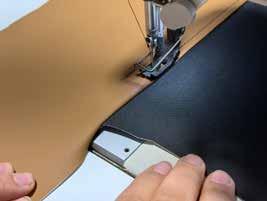
Surprisingly, Lambright says sewing is the easy part. The real challenge? The final fit. “Getting everything to sit just right, that’s what takes time,” he says. “That’s where you know if you did it right.”
In today’s throwaway culture, it’s easy to replace instead of repair. But Lambright


sees things differently, and his customers are starting to agree.
Mass-produced furniture, especially in RVs and imported builds, often doesn’t hold up. Materials peel, seams fail, and what seemed like a deal at first becomes a recurring problem.
Custom upholstery flips that equation.
With the right materials and craftsmanship, a piece doesn’t just look better, it lasts longer. It fits better. It feels right.
And sometimes, it carries something more: history.
An old truck passed down through generations. A boat that’s seen years of summer memories. A well-worn seat that still has life left in it. “These things matter to people,” Lambright says. “You’re not just fixing something; you’re bringing it back.”
As business moves forward, Lambright isn’t chasing rapid expansion. He hopes to continue refining the shop’s direction, maintaining a steady flow of projects while remaining flexible for RV and marine customers passing through — especially during the busy travel season.
It’s a balancing act, but at the end of the day, success here isn’t measured in volume; it’s measured in something quieter.
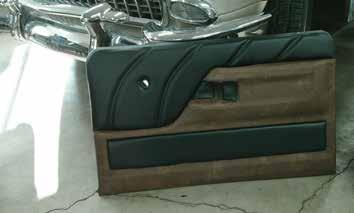
And in a world full of shortcuts, that kind of work stands out.
For more information about custom upholstery services and more, contact Miller’s Upholstery Inc. at 260-768-7758 or visit the shop at 975 S. Van Buren St. in Shipshewana. Business hours are Monday through Thursday from 7 a.m. to 4 p.m., and Friday from 7 a.m. to 3 p.m., with a lunch closure from 11 a.m. to noon.
UNLOCK THE NATURAL POTENTIAL
13468 ST. RD. 4 GOSHEN, IN 46528 PH. 574-536-9400 FAX: 574-336-3445
• WEEKLY DELIVERY
• UPS SHIPPING
• HEALTHY PRODUCTS FOR BOTH HUMANS AND ANIMALS.
• NON GMO & NATURAL PRODUCTS.
• HORSE CHICKEN & RABBIT FEED.
• SHAVINGS & BEDDING
• THE AREA’S ONLY ONE STOP SHOP OFFERING EVERYTHING A TO Z OF EQUINE REPRODUCTION EQUIPMENT.





Writer / Phyllis Willie
Memorial Day is coming up soon, and I wanted to take some time to reflect on our country’s 250th anniversary with respect to the memory and service of all of our veterans. Imagine being part of the Revolutionary War that gained our independence. Then continue to remember and reflect on all that has happened since then. There are several ways to join the country in celebrating some of these events.
There is history to be made this year. For the first time ever, the Times Square ball will drop; hopefully it will be televised for all of us to see.
Also, they are putting the 250th time capsule into Independence Hall in Philadelphia. And there is a partnership with the Theodore Roosevelt Presidential Library to stage a celebration of the American West, honoring not only Theodore Roosevelt but also the frontier that forged the country. The committee set up to help us celebrate this event has asked for us to form a block party, donate service hours, and possibly have a remembrance time on July 5.
I think remembering could start with Memorial Day, a day in which we honor the people who have died while serving
our country in the military. It started in the Civil War, when people placed flowers on graves. They made this a federal holiday in 1971 and place a wreath on the Tomb of the Unknown Soldier in Arlington, Virginia. It marks the start of summer for most of us in the U.S.
BBQ, grilling and family time start to bring happy picnics and new memories. Maybe this year, as you think about all of the visionaries who have let us use this great land, you might try some food that frontiersmen would have eaten, such as bison jerky or mushrooms, and tell stories that might have been passed down through
your generations. In our family, my grandfather lived during the Civil War era, and they had a boy who hid in a well and came out at night to hunt for food with a sheet on him. Everyone thought there was a ghost from the graves. My father-in-law flew B-29s, and my husband worked on planes.
In more modern times, we were waiting to welcome home our oldest son coming from National Guard duty, and we waited more than an hour only to find out he walked by all of us and wondered why no one was there to greet him. And my youngest son was in Iraq, learning what sand was. He welcomed all the care packages sent from groups such as Operation Quiet Comfort in Plymouth. We also have to think of Quilts of Valor, who gave two of our family handmade quilts and have given more than 25,000 nationwide. We didn’t lose any of our immediate family in the different wars, but many of our friends did, and I always










like to think about them sacrificing the most precious gift — their lives — for our freedoms.
I think it is a great time to think of what changes our country has made in the last 250 years. So let’s plan our picnics and family reunions and please take the time to appreciate all of the different sacrifices that have been made so we can enjoy this great country. Expressing opinions for change is never easy, but look at all the change our country has been through. So if you can plan a block party, share with your neighbors. If you can give service hours to clean a park or help a friend, do it! I hope there are as many people in Times Square as we see on New Year’s Day, celebrating our 250th year. What would you have put in the time capsule if you were asked to contribute?
At the New Kitchen Store, we can help with your picnics and parties. We have condiments, jellies, BBQ sauce, bison

jerky, chocolate, coffee, tea and many more foods. We also have a variety of napkins, bowls and other decorative items to help celebrate Memorial Day, the Fourth of July and other holidays and family times. Shop online or call us to place an order. Happy holidays! God bless America!
New Kitchen Store, 1100 Roosevelt Road, Walkerton, IN 46574 574-586-2745






Writer / Jeff Kenney
Perhaps you’ve dug through old (say, 1930s through 1950s) editions of area newspapers and run across a puzzling headline or story; or perhaps Mom or Grandma recounts an incident or incidents: “Gypsies” came to town and set up a temporary encampment outside the town limits. Fortunes were told and claims of petty thefts or swindles ensued. Chances were, the group — accused of being dirty and dishonest — was told to move on by the local police and did so … at least until the next time.
This author has run across such stories in the past and was frankly incredulous, initially, as to their authenticity. After all, so-called “Gypsies” (their name derived from incorrect assumptions in Europe that they were of Egyptian origin) were an ethnic group known to travel around Europe many years ago, and while perhaps a Gypsy-looking fortune teller might appear in a children’s cartoon from decades past, surely “actual” Gypsies weren’t frequently seen in the Midwest and Indiana in general, let alone the Lakes readership area specifically.
perhaps best known for their nomadic lifestyle (though some have settled), for centuries traveling in caravans across Europe.
Visibly distinctive (they tend to have darker hair and skin as well as identifiable, colorful dress), they have faced discrimination and even persecution over the centuries, as is reflected to some degree, at least, in the attitudes they encountered here in Indiana. More on that later.
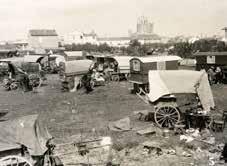
regularly camping near railroads and roadways, sometimes following seasonal work, selling goods or performing (including the aforementioned fortune-telling for which they became known). Some occupied storefronts or occasionally (more rarely) lived in permanent dwellings.
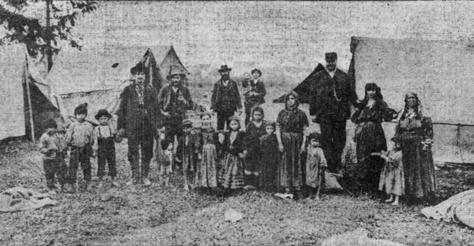
Historically, they traveled in family caravans of wagons with tents, though as the 20th century progressed, they utilized automobiles.
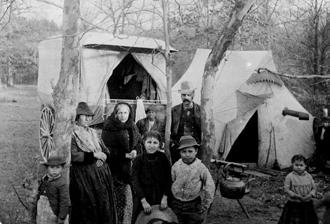
As it turns out, they very much were … and on a somewhat regular basis.
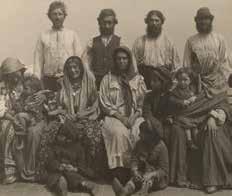
But first, a look at the term “Gypsy.” The word historically has been applied to an ethnic and cultural group who are more accurately called Romani (or Roma, among other names), who originally hailed from North India and made their way to Europe more than 1,000 years ago. They have tended to share a common language and culture, though their religious leanings vary, and they’re
The first Romani likely arrived in the Americas as slaves with Christopher Columbus, and some were found along the East Coast of today’s United States by the 1500s. However, most of the Romani in the U.S. have ancestors who immigrated here en masse after the mid1800s, many from Eastern European countries such as Russia, Serbia and Austria-Hungary, along with a number of other immigrant groups to this country from those areas.
Perhaps surprisingly, by the later 1800s, states like Indiana, Illinois and Iowa became home to nomadic Romani groups
Writer Anthony Borgo, in his 2019 article, “Gypsies in Whiting” (www. wrhistoricalsociety.com/ gypsies-in-whiting), notes that he first discovered the presence of the Romani people in the Whiting area of Northwest Indiana in a poem by James Hazzard in a book called “New Year’s Eve in Whiting, Indiana,” which included the lines:
“Spring was when they came, every year.
Every year we were surprised. Why would a gypsy live here, of all places, and in a storefront? ‘They must know something we don’t’ we agreed. That made us hate them, and be afraid of them.
We assumed they came for their usual –magic and crime. Personally, we didn’t admit to much of either in Whiting ...they could know our minds. Their women would take you in her mouth and draw every thought you’d ever had …”
The above-referenced notion of Gypsies having access to some supernatural or even
occult abilities or powers was prevalent (and not discouraged by many of the Romani people themselves), and rumors persisted that they might spirit away the children of the gadji (the feminine version of the Romani word for non-Romani). NonRomani children of yore might recall the threat from parents that, if they misbehaved, they might be “sold to the Gypsies,” and many believed it possible.
Borgo quotes a 1931 article by Marshall Maslin indicating that “(children) weren’t supposed to have anything to do with the gypsies, but they were fascinating,” noting that while they were considered unclean and thieves, nonetheless “…they were color and romance and strange beings from unknown trails and they brought wilderness into little settled hearts … as a boy you were warned about the gypsies, they might kidnap or even stab you, but the danger only wanted you to experience them more. And sooner or later we’d find ourselves trawling out the road that led to where the gypsies camped.”
And non-Romani children were drawn to the outskirts of Indiana towns, Borgo noted, to Romani encampments “to see the bears and monkeys which are adjunct of the outfit encamped there.”
The same article references an incident from June 1926, when two Whiting residents were swindled by “the mysterious gypsies in the area” after a Romani woman allegedly offered to restore the sight of one man’s blind wife for $70. The money roll she supposedly “charmed” with a spell disappeared and returned to the victim was “a roll of dirty newspaper clippings.”
Similar stories appeared in newspapers around the area. In the summer of 1932, it was reported that a fortune-telling “Gypsy” woman snuck a $10 bill out of the pocket of a resident of Fulton, Indiana, and an employee of the town hardware store had a dollar bill slipped from his pocket by a “Gypsy.” By the time



the sheriff arrived, no trace could be found for miles around of the thieves.
A 1935 report in the Culver Citizen newspaper said one local man was robbed of $30 by a “Gypsy,” with similar thefts reported in Pulaski County and Walkerton. In 1937, several Starke County residents were similarly robbed, but their money was returned after the “Gypsies” were arrested in Porter County and threatened with prosecution.
A 1924 Culver Citizen article proclaimed that “Gypsies Have Forsaken Wagons for


Touring Cars,” explaining that the old days of “Gypsy” wagon caravans were giving way to groups traveling instead in automobiles. The article described a caravan of Romani stopping in Culver to beg oil and gas for their vehicles while one of their very young children was observed puffing away on a cigarette.
Nor was the Hoosierland presence of Romani people during this period limited to Northern Indiana. In a 2006 article (“Gypsies roaming area drew attention”), author Bob Gagen noted that the first mention of Gypsy visitors to Noble County appeared in the Kendallville Daily News on Aug. 24, 1910, when a group of Italian Romani arrived with bears, monkeys and “unkempt women and children” who “gathered a few nickels by begging.” The local sheriff found their campsite and told them to move on and not return.
In the 1930s, LaGrange and Steuben
counties reported an “invasion” by “Gypsies determined to buy land and settle in that locality.” It was alleged that they had been successful in buying seven farms along U.S. 20, where they planned to plant mint and onions. Similar property acquisitions were reported in the Shipshewana area. In 1933, the sheriff in LaGrange pursued a Romani caravan after numerous thefts were reported, but failed to catch them. Similar stories appeared around Wawaka and Albion, Indiana, during this period.
Interestingly, when the money was paid back in the Porter County/Valparaiso area in the 1937 incident mentioned above, the stolen money was refunded by an individual called “the King.” This was likely Sam Evans, a Romani fortune teller who ran a Whiting storefront shop on Indianapolis Boulevard across from the Standard Oil refinery there.
Evans, one of the most influential
Romani in the Midwest, was a Romani “king” who claimed more than 500 subjects in his band, having succeeded his father as king.
Another Romani king, Henry Arno, was quoted in the Frankfort Times as bemoaning the increasing use of automobiles among nomadic Romani in the early 1930s. “There will be no more flickering campfires, no more gypsy songs about the glowing embers, no more stews cooked over beds of red coals,” he said.
In an article on the amusingartifacts. org website, author Mona Meyer told the story of a Romani king and queen who resided in Evansville, Indiana, in the late 1800s and are buried there. Isaac and Elizabeth Harrison were known as “King and Queen of the Gypsies” and were part of a wealthy band of Romani, owning a large piece of land in Evansville with a beautiful Victorian house “that
• More than 1000 Styles/ Colors of Fabrics

• Toys, Games, Books, Apparel







they occupied when not traveling.” Their stature was such that Elizabeth’s funeral in 1896 drew a crowd of some 6,000 people, according to the article.
That said, not many contemporary accounts of “Gypsies” were flattering. An article in the Pierceton, Indiana, Independent in June 1885 described the Romani as “a crowd of people of very low order … a loathsome sample of the humble people of France … a depraved class of humanity, filthy and dirty … who demonstrated their brutish character when they urged two cinnamon bears to fight.”
Also quoted in the amusingfacts.org article is a November 1903 newspaper, which wrote that “a band of thieving Gypsies are headed toward counties in northern Indiana from Benton Harbor … setting fire to woods … picking pockets … breaking into stores.”
Various sources, more scholarly and more contemporary, give a bit more context to these age-old claims about the Romani, claims which were prominent in centuries past in Europe as well. Various social and economic factors in the medieval era left the Romani with difficulties making a living in their traditional trades, and thus many resorted to begging. Their often impoverished conditions contributed to speculation of their uncleanliness.
Guenter Lewy, in a 1999 article for The National Interest entitled “The Travail of the Gypsies,” wrote that, “A recent U.S. State Department report on human rights around the world noted that Gypsies … ‘suffer disproportionately from poverty, unemployment, interethnic violence, discrimination, illiteracy and disease.’ In Hungary, Gypsies number between half and one million, and they are routinely subjected to harassment and intimidation by skinheads and other extremist elements; many have been attacked
physically. Romania has about 2.5 million Gypsies, and there, too, anti-Gypsy violence is rampant.”
The article describes numerous similar incidents and explores the history of anti-Romani sentiment, noting that they “have their own language, but no written or oral history” and that the Romani appear on no census in the U.S., even though there are an estimated 1 million here.




And back to Indiana: it’s interesting to note that, by the mid-1950s and going forward, virtually no more accounts of Gypsy caravans in Indiana appear in newspaper searches — which isn’t to say a few here or there couldn’t have been overlooked. But clearly, the frequency and spread of their appearances, certainly in the Lakes readership area, dwindled to few, if any, by that time (by contrast, newspaper coverage recorded area encampments in 1951 and 1952, after which such reports virtually disappear).
Instead, the search term “gypsy” yields a plethora of song and movie titles and references to food and clothing brands, all reflections of the mystique and romance of the “wandering Gypsy” in the public consciousness … but rarely of the actual Romani people themselves.
There are likely multiple explanations for their lack of presence here — or at least regional coverage of it — but undoubtedly the shift away from the prevalence of the Romani’s past nomadic lifestyle, along with a growing tendency to assimilate into the larger population, plays a significant role.
Wikipedia writes that, today, “…the majority of the Romani population in the United States has assimilated into American society. However, the U.S. Census does not distinguish Romani as a group since it is neither a nationality nor a religion.”
Bob Gagen’s 2006 article remarks that, “Although statistical evidence is scant, the number of sedentary (settled) Gypsies seems to be growing. But the nomads among them continue to wander in their own unique fashion.”
Jeff Kenney serves as Museum and Archives Manager for Culver Academies, as well as on the board of the Culver Historical Society. He frequently speaks and writes on topics of local and regional history.
Writer / Amy Beaucham Photographer / Kari Lipscomb
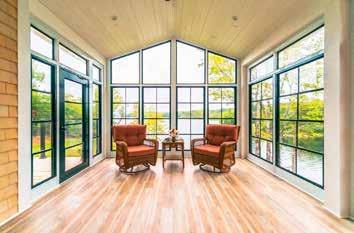
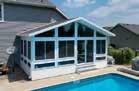
A beautiful day in northern Indiana has a way of drawing people outside. Morning coffee seems to taste a little better on the deck, dinner can feel more relaxed when it lingers into the evening air, and even a quiet moment in a favorite chair can feel like something special as the light shifts across the yard.
These are the moments homeowners hold onto, and for many, they are exactly what make a house feel like home.
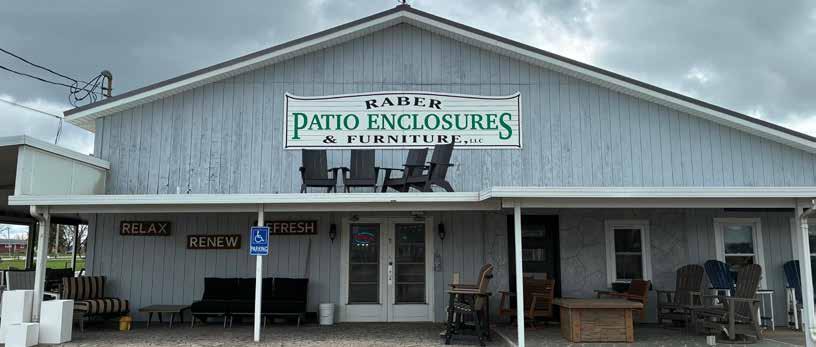
Raber Patio Enclosures & Furniture has built its business around helping people experience more of those moments, creating spaces that offer both comfort and protection while still allowing homeowners to feel connected to the outdoors.
Located in Shipshewana, Raber Patio Enclosures & Furniture is known for sunrooms, patio enclosures, pergolas, pavilions, decks and outdoor furniture. The products are impressive, but what leaves a lasting impression is something less tangible: the way customers feel throughout the process, a focus rooted in family, faith and genuine care that has shaped the company from the very beginning.


Chris Schlabach, CEO and co-owner, came into the business through family. His wife, Delores, is the daughter of founder Ervin Raber, and Schlabach had already taken on significant leadership responsibilities long before the transition officially took place.
When he and Ervin’s son, Dean Raber, stepped into ownership on Jan. 1, 2018, “not a lot changed, really, as far as the operation of it,”
Schlabach says, and by then, he had already been guiding the business for years.
That kind of continuity speaks to the foundation Ervin Raber established when he started the company in 1987 and to the commitment of those who have carried it forward.
Ervin Raber was a mason by trade and an entrepreneur by nature. While in Florida in the 1980s, he noticed EZE-Breeze windows and wanted them for a screen room back home in Indiana. When he called to find out where he could purchase them, he discovered there was no dealer in the area, so he asked if he could become one.
He could.
A sample kit arrived, and he placed an order for his porch. Before the shipment even came in, he had already begun sharing the idea with neighbors and lining up additional projects, and what started as one improvement quickly grew into something much larger.
Schlabach says Ervin’s approach was always centered on people.
“He would always teach us that it doesn’t matter what a warranty says,” Schlabach says. “You take care of the customer, because they’re going to refer the next person to you if they have a good experience.”

That mindset continues to guide the company today.
Raber Patio’s mission is “to provide the most upstanding service experience with exceptional backyard comfort,” and Schlabach explains that the word experience is intentional because it goes beyond customer service and reflects an awareness of how people feel from the first conversation to the final details of a project.
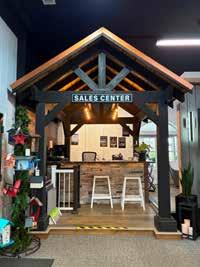
Over time, that approach has built strong relationships with thousands of customers.
Today, the company completes roughly 550 jobs each year and has served around 8,000 customers, and with more than 30 employees, three installation crews and three service technicians, the business has grown steadily while maintaining its personal touch.


I can help you understand when to enroll, the difference between your
No obligation and no pressure — just help understanding your



Growth came with thoughtful planning, particularly as patio enclosures and sunrooms were once highly seasonal.
Schlabach saw the need to create more consistent, year-round work, so he brought in replacement windows for homes, allowing the company to stay busy through the winter months. Today, one crew focuses on sunrooms, another on decks and pavilions, and another on house windows.
That expansion naturally leads to repeat business. A homeowner who first calls for a sunroom may return years later for windows or another outdoor structure, and the trust established from the very beginning often carries forward, opening the door to future projects.
A warehouse expansion in 2021 marked another important step, improving efficiency by giving crews a central location for materials while separating warehouse operations from the retail showroom, which makes a noticeable difference for a company with multiple crews heading out each day.
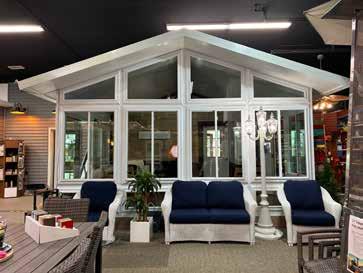
Raber Patio remains especially well known for its sunrooms, with one standout product being the EZE-Breeze vertical track system, which uses vinyl panels that slide within tracks and collapse together, allowing up to 75% airflow and giving homeowners the option of an open,


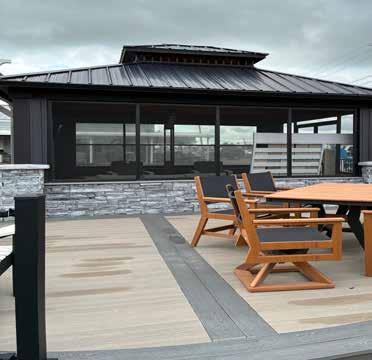
breezy feel or the shelter of a three-season space depending on the day.
For all-season rooms, the company offers a vinyl-clad system designed to reduce condensation, an important consideration during northern Indiana winters.
When families think about holiday gatherings, they are usually
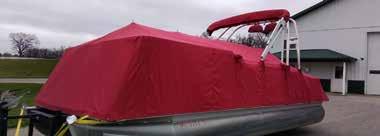

imagining warmth, comfort and time together — not moisture on the walls, something Raber Patio works to prevent by creating spaces that feel inviting year-round.
Those conversations begin early, with one of the first questions posed to the customer being how the space will actually be used. A three-season room may be ideal for a lake home or for those who travel during the winter months, while others prefer an all-season room that functions more like a full extension of the home.
The company also helps guide homeowners through the planning process.
Permits, approvals and variances can feel overwhelming, particularly near lakes or within homeowners associations, and while construction may require only a few days, the planning and approval phase often requires much more time and patience.
By handling much of that work, Raber Patio can help simplify and often expedite a process that might otherwise take a homeowner far longer to manage alone.
Customization plays a key role as well.
Some homeowners envision accent walls, fireplaces or spaces



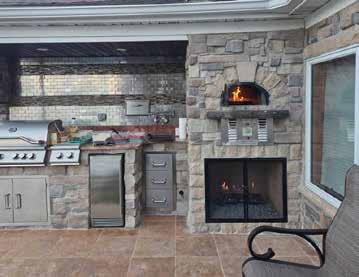
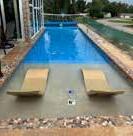
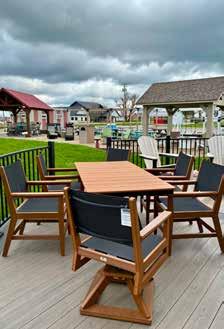
designed around a specific view, while others are planning a larger outdoor setting that includes a pergola, pavilion, deck, furniture, a covered grilling area or even a full outdoor kitchen, which Schlabach often refers to as part of being “the backyard improvement company,” a phrase that reflects the wide range of features they offer.
New offerings continue to broaden that appeal. Motorized pergolas with adjustable louvers allow homeowners to control sunlight and shade throughout the day, and outdoor kitchens are becoming increasingly popular, giving families more ways to gather and spend time outside.
Schlabach says outdoor cooking is one of the biggest trends the company sees, and structures such as pavilions or pergolas can provide welcome cover over those spaces while still allowing for proper ventilation.
Even with a wide range of products, follow-through remains essential, and Raber Patio places a strong emphasis on taking care of customers even after the project is complete.
Rather than relying on manufacturers to eventually address issues, the company has its own service technicians ready to respond, and in many cases, help is scheduled within days. Even when a repair



cannot be completed immediately, customers know the issue is being addressed.
That commitment shows up in customer feedback.
Ed Swieter shared, “We think the builders at Raber Patio are topnotch and very good at what they do. We are enjoying the finished product. We would not hesitate to have them do more for us (if the need arises).”
Bonnie Ikamas wrote, “They resolved the issue extremely quickly. They just replaced it, and the crew was efficient and courteous.”
Yvonne Constant described her experience with a lake-facing threeseason room as “on time, efficient, and very comfortable to work with,” adding that she would gladly hire the company again.
Schlabach believes those responses come back to something simple.
“I think it’s just how we make them feel,” he says.
That focus extends within the company as well.
Raber Patio invests in employee development through Dale Carnegie training and DISC personality instruction, helping team members better understand communication and relationships, and many employees stay for years, with some reaching 17 years or more.
Family values remain at the center.
Schlabach sums it up this way: “Our motto is God first, family second,” and he also points to the guiding principle found in scripture to love the Lord your God and to love your neighbor as yourself, a perspective that seems to shape not only how the company operates, but how it connects with both customers and employees.
Raber Patio is also active in the Shipshewana community, supporting local causes, sponsoring a dugout at the youth center, participating in parades and working alongside other businesses through the retail merchants association.
There is a shared sense of cooperation in the area, with
businesses often helping visitors find what they need, even if it means sending them elsewhere.
One project that continues to stand out to Schlabach involved the Make-A-Wish Foundation, when Raber Patio helped create a sunroom for a Fort Wayne family whose child loved being outside but needed protection from the sun and insects.
Vendors contributed materials, and the cost to the family was greatly reduced.
Schlabach describes it simply as “a pretty cool experience,” and it is easy to see why that project has stayed with him.
For homeowners in the Lakes West region, that may be what resonates most.
Raber Patio Enclosures & Furniture builds sunrooms, pergolas, pavilions and outdoor living spaces, but the result is often something more personal — a place to gather, to relax and to enjoy everyday moments a little longer.
Raber Patio Enclosures & Furniture is located at 655 S. Van Buren St. in Shipshewana. For more information, give them a call at 260-768-7100 or visit them online at raberpatios.com.










•
•
•
•
Writer / Kristi Sellers
In the often fast-paced world of real estate, peace of mind can sometimes feel like a luxury. But in Indiana, one company is quietly redefining that experience, bringing clarity, confidence and care to every step of the property journey. Acorn Inspections is more than a service; it’s a family-driven philosophy rooted in trust and the belief that every client deserves to feel secure in their investment.
Founded in 2017, Acorn Inspections was born out of a simple but powerful realization that too many people were walking away from inspections feeling uncertain rather than confident. Owner Josh Rizek saw an opportunity to change that narrative. With a background that spans technical training, quality control and





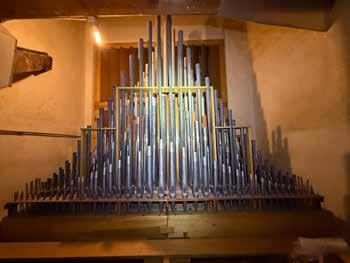
hands-on property management, he built a company that treats every inspection the way it should be.
At its core, Acorn Inspections operates like a family business because it is one. That mindset shapes every interaction, from the first phone call to the final report. Clients are welcomed with the same care and attention Josh would give his own family.
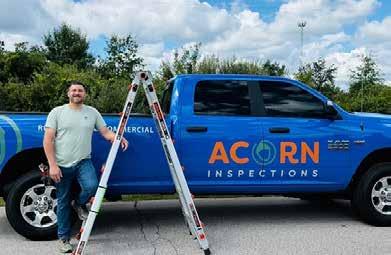
Customers have the opportunity to work with Josh directly.
“When a client calls with questions about inspections or their specific inspection, they speak directly with me, the owner and inspector. There’s no need to go through someone unfamiliar with the work or wait around for a callback,” he says.
What sets Acorn apart is its meticulous attention to detail. Whether inspecting a residential home or a large commercial
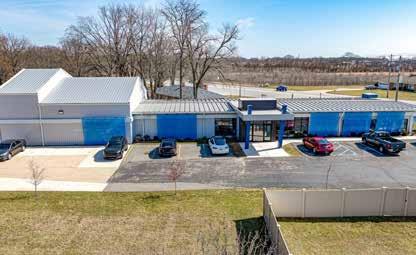



property, the process is comprehensive. Every component is carefully evaluated to uncover both visible issues and hidden concerns. The goal isn’t simply to identify problems, but to provide clients with a clear, understandable picture of what may be ahead.
For homeowners, this means stepping into a new chapter with confidence. For sellers, it offers transparency that builds trust. And for investors and business owners, it provides the critical insight needed to protect long-term value. In each case, the inspection becomes less about uncertainty and more about informed decision-making.
That commitment to clarity is backed by professional excellence. Acorn Inspections adheres to nationally recognized standards and holds certifications that reflect a dedication to ongoing education and industry best practices. It’s a level of expertise that ensures every inspection meets not only expectations, but a higher standard of care.
According to Josh, “Residential and commercial inspections are important because they help people make informed, safe and financially sound decisions about properties. While they share similar goals, their importance shows up in a few key ways: safety and health, financial protection, maintenance planning, liability,

A&L Storage Barnsof Kendalville 901 W North St Kendallville, IN 46755
Mon–Fri: 11:00 AM–4:00 PM (260) 242-7608 AKRUD80@gmail.com
A&L Storage Barns of Benton Harbor 2535 M-139 Benton Harbor, MI 49022
Mon–Fri: 1:00 PM-6:00 PM Saturday: Closed Sunday: 2:00 PM-5:00PM (269) 921-5727 | LKDEMLER@gmail.com

Angola Travel Stop 3096 West Maumee Street Angola, IN 46703 260-463-2975 X 1
Maple Lane Metals 13428 Springfield Center Rd Grabill, IN 46741 260-627-5000
A&L Storage Barns of Kokomo 2312 N Plate St Kokomo, IN 46901
Monday & Friday: 10:00 AM–4:00 PM Tuesday & Thursday: 10:00 AM-5:00PM Wednesday: Closed Saturday: 10:00 AM-1:00PM Sunday: Closed Lot open for browsing 24/7 (765) 461-2286 AANDLBARNSOFKOKOMO@gmail.com
J&D Woodworking 27951 Wasepi Rd Centerville, MI 49022 269-432-2788 JDWoodworking@IBYFAX.com
Wormans Outdoor Solutions 5597 W. IN 24 Logansport, IN 574-601-1629 Wormansoutdoorsolutions@gmail.com
Maple Valley Garden Center 2552 E State Rd 2 Rolling Prairie, IN 46371 219-575-0139 Abom1983@gmail.com
EJ Flooring 20 W. 100 N. Winamac, IN 574-946-0111 Ejsflooring@hotmail.com
Rabers Patio 815 N VanBuren St. Shipshewana, IN 260-336-1978 Merl@raberpatios.com
Riverside Tire 14777 St Rd 49 Antwerp, OH 43518 419-258-1917

Renewed Marketplace 809 E. Vistula St. Bristol, IN 574-612-0367
Yoderzach4@gmail.com
Oakes Enterprise 1912 US Hwy 12 Galien, MI 269-545-9020
Greg@oakerenterprises.com
BID Jackson 3150 Page Ave. Jackson, MI 269-217-5420 Greg2401@yahoo.com

business continuity and peace of mind.”
Yet beyond the technical expertise, there’s a human element that defines the experience at Acorn Inspections. Questions are welcomed. Details are explained, and no concern is too small to address. In an industry that can sometimes feel transactional, this level of personal connection stands out.
There’s also a forward-thinking aspect to the company’s work.
Inspections aren’t just about the present moment. They’re also about the future. By identifying potential issues early, clients can plan for maintenance, avoid costly surprises and make decisions that align with their long-term goals. It’s a proactive approach that transforms inspections into a valuable tool for both protection and planning.
In many ways, the name “Acorn” feels especially fitting. Just as a small acorn holds the potential for something strong and enduring, each inspection lays the foundation for a secure and confident future. It’s a reminder that even the smallest details can have a lasting impact.
For those navigating the complexities of buying, selling or investing in property, the right inspection partner can make all the difference. With its blend of technical expertise, personal care and unwavering


attention to detail, Acorn Inspections offers more than just a service. It offers reassurance.
In a world where certainty can be hard to find, that kind of reassurance is something truly worth investing in.
If you are interested in the services Acorn Inspections provides, call 574-933-4238 or visit acorninspect.com for residential and commercial inspections or pickacorn.com for commercial only.
When he’s not working, you can find Josh spending time with his family at a national park, camping, or participating in other outdoor activities.


Writer / Amy Beaucham
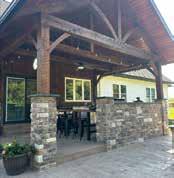
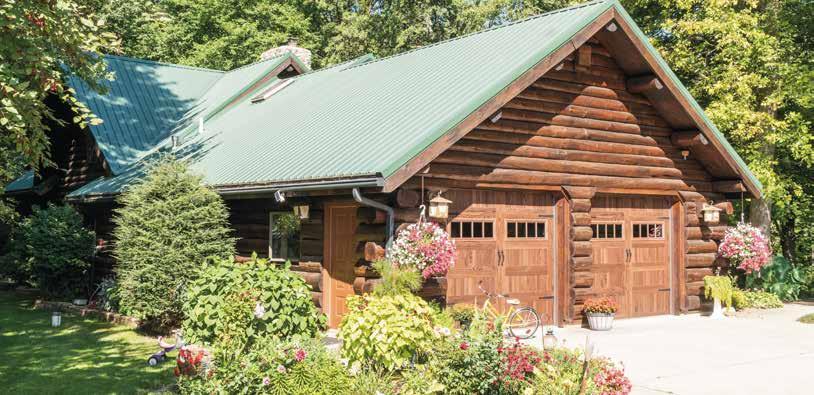
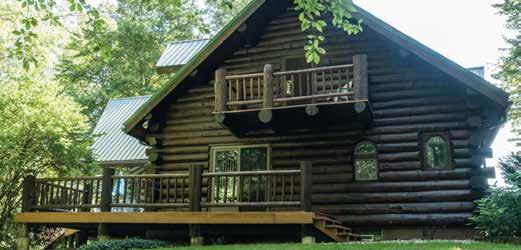
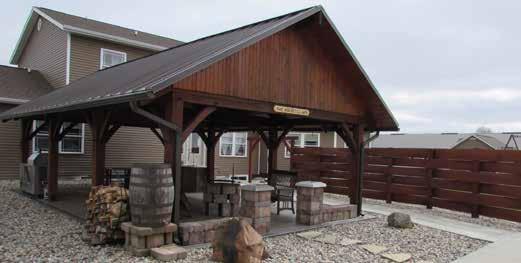
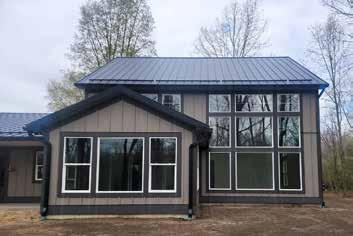
A freshly stained fence, a beautifully finished pavilion, or a newly painted exterior can change the whole feeling of a property. Wood that may have looked tired or unfinished can suddenly take on a warm, polished and well-cared-for appearance. Those visible changes are part of what Jason Miller enjoys most about his work through Lumber Coating Specialties.
Based in Millersburg, Indiana, Lumber Coating Specialties provides staining, finishing and painting services for homeowners and builders in the surrounding area. The
business is especially known for exterior work such as pavilions, fences and timber-frame structures, while also offering interior painting, particularly for new construction. Miller’s approach is careful, personal and shaped by years of practical experience.
The business came about in a natural way. Miller says he had been buying stain from his wife’s uncle, who needed someone to go out on the road and handle staining work.
“That’s how it started,” Miller says.


• 24/7 availability of
•
At first, the work was part time and done after his shifts at the RV factory. He would come home from work, head out to job sites and build the business one project at a time. In those early days, word began to spread locally, and customers who had heard about his work would reach out and arrange to meet with him. There were times when someone would already be waiting for him when he arrived home, ready to talk through a project or get an estimate. Over time, the work increased steadily, and so did his experience and confidence.
Apartment
Now in its fifth year on the road, Lumber Coating Specialties has grown gradually, allowing Miller to strengthen his skills and build the business at a steady, manageable pace. That kind of growth has given him the opportunity to improve with each project and remain focused on quality.
That background in craftsmanship began years earlier. Miller grew up in his father’s cabinet shop, where he learned about wood, detail and the value of doing a job carefully. While that work was centered more on interior pieces, it gave him a strong foundation that still shows up in the way he approaches projects today.
A large share of his work now involves timberframe structures and fencing. Those kinds of jobs require more than simply applying a finish and moving on. Indiana weather can be hard on exterior wood, so Miller pays close attention to preparation, moisture conditions, cleanliness and application technique before stain or paint ever goes on the surface.

“The product and the application are both important,” he says. “The wood has to be clean, and the condition has to be right so it works the way it should.”
Miller prefers natural, water-based products from a Pennsylvania company. He appreciates both their performance and the fact that they are more pleasant to work with than harsher materials.
“It’s very environmentally friendly and human-friendly,” he says. “And if it’s applied correctly, it competes with the best.”
The brand’s name is Natural Kote.
Proper application is a major part of the final result, and it is also where his experience becomes especially evident. One of the techniques he relies on is back-brushing, a process that helps the stain penetrate the wood more evenly after it is sprayed on.
“That’s probably my secret weapon,” Miller says.
He explains that homeowners who attempt staining projects themselves sometimes miss important steps. They may apply the product too lightly or not work it into the wood the way it should be. Miller uses a similar principle with interior painting, where back-rolling helps create a more even and consistent appearance after spraying.
His process begins with an estimate and a visit to the site. From there, he works to make sure the customer has a clear understanding of the project, the available options and what to expect. He values communication and takes time to answer questions so that everything feels straightforward from the start. Preparation is an important part of every job, and that often includes careful masking and protecting surrounding areas so that only the intended surfaces are affected.
Miller takes a similar approach when helping people choose colors and finishes. He brings wood samples directly to the site and prefers to offer options rather than steer decisions.
“I like to give them all the options I can,” Miller says. “That way they can make their own
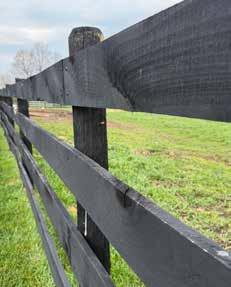
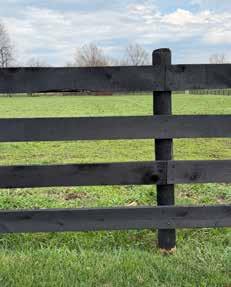


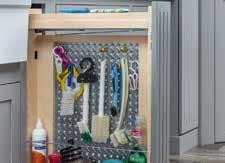
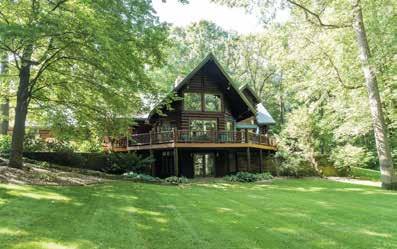
decisions without pressure.”
That approach reflects how he runs his business overall. Miller is not focused on pushing people into decisions or comparing his work to others. He prefers to let the finished result speak for itself while building genuine connections along the way.
That combination of quality and personal connection is something customers seem to notice. Miller says he often hears that a completed project looks even better than expected. For him, one of the most rewarding parts of the job is watching a customer step back and take in the finished result.
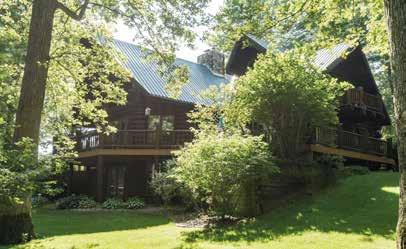
“I like when the customer comes out and looks at it,” he says. “Seeing their satisfaction, that’s the most important thing.”
One project that still stands out in his mind involved a multistory building painted in a blend of blue shades fading into white to resemble the sky. Later, a mural was added by a local artist to the building, giving the project an additional layer of creativity and visual interest.
Looking ahead, Miller is open to taking on larger projects and adding help when needed. At the same time, he is intentional about keeping the business at a size that



allows him to maintain the level of quality he values.
When he is not working, Miller enjoys spending time with his family, often around a campfire during the summer months. That same appreciation for simple, meaningful moments carries into his work. Lumber Coating Specialties continues to grow through careful craftsmanship, steady progress and a commitment to leaving each project better than it was before.
Lumber Coating Specialties is located at 9890 W. 500 S. In Millersburg. You can give them a call at 260-253-4554.









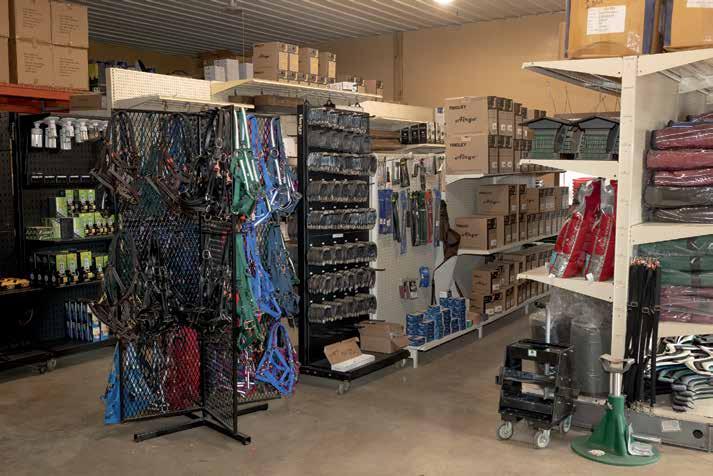




Eight premium grill brands. One showroom. Visit us to see, touch, and compare the best selection in outdoor cooking.

When you purchase a grill or smoker in June or July, 2026 and mention this ad you’ll receive a free grill cover!

Mon-Thu: 1:00pm - 5:00pm Fri: 1:00pm - 4:30pm Sat: 8:00am - 12:00pm


Glen & Ruth Miller, Owners


Tues-Friday 9-5 Sat 9-2 Closed Sunday and Monday









Writer / Darcie Dodds Schott
Photographer / Jubilee Edgell

Healing with kindness is a core value at Caring Hands Clinic in Wakarusa. Owner Jana Schenkel celebrates the services she and the staff provide as an extensive menu of treatments for ailments ranging from the flu to infertility, addressing the root causes of health concerns rather than offering short-term symptom relief.
Jana opened the clinic in 2024 to offer the community a hub where people can find medical healing and feel heard. Patients are cared for by staff who stand by a motto of treating patients with a personal approach often absent at larger medical facilities. “We want to take care of all of the community’s medical issues, meeting people where they need it most, including home visits,” Jana explains.




Caring Hands Clinic is a full-service health care clinic that treats most medical issues. In addition to comprehensive clinical services, the clinic will begin offering MRI and CT imaging, with services expected to open in mid-May. When specialized services are not available on-site — such as X-rays for fractures — patients are referred to trusted local medical partners to ensure continuity of care.
The clinic’s staff includes Rhonda Anderson, a nurse practitioner with a doctoral degree and expertise in genetics. She has served the health care needs of the Amish community for many years and brings a strong commitment to caring for children with special needs. She is joined by Geraldine Darkwood, who focuses on geriatric care, Department of Transportation physicals and wound care.

Keeping it all in the family, Jana’s mother, Ludmila, specializes in medical foot care. A native of Germany, she brings both







clinical expertise and a cultural understanding of the Amish community she serves. “Though often overlooked, medical foot care can play an important role in identifying underlying health concerns, with conditions such as diabetes, fungal infections and circulatory issues sometimes detected through careful examination of the feet,” Jana says.


She explains further, saying, “Rather than foot care on the level of a salon pedicure, Ludmila’s work is far more comprehensive, focusing on medical evaluation and treatment of issues such as corns, pressure points, warts and ingrown toenails, providing patients comfort while supporting overall health and early diagnosis.”
With more than 15 years of experience in health care, Jana began as an emergency room nurse and went on to work in intensive care and other medical units before transitioning to home care while pursuing midwifery. After graduating, she moved to Indiana, working in a federal health care center and at Saint Joseph Health System before serving the community as a midwife. Three years ago, she completed her family nurse practitioner certification, allowing her to care for patients across all stages of life, which she describes as “from the womb to the tomb.” Her husband Richard, an attorney, manages the clinic’s office, making Caring Hands Clinic what Jana refers to as “a true family affair.”
Caring Hands Clinic is committed to health care for those who are underinsured or without insurance. Community members can rely on the clinic for receiving free vaccines for newborns and children up to age 19, as well as for underinsured or uninsured adults who are unable to access vaccines elsewhere,

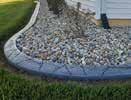

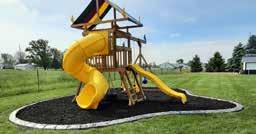
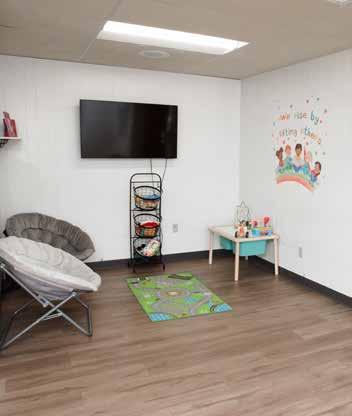




A midwife and licensed family practitioner, Jana opened Happy Stork Midwifery in 2021 to provide prenatal, maternity and delivery services. Working with women and infertility is her own area of specialty, explaining that when a patient is struggling to become pregnant, she spends time exploring the cause of the issue to resolve it foundationally. In most cases, pregnancy will naturally follow when the root cause is addressed and treated.
“I help women prepare the soil for the hard work of becoming pregnant, because restoring health is the ultimate answer, rather than approaches that offer short-term relief without resolving the underlying problem.”
The clinic does not accept health insurance for payment, except for labs, MRI and CT scans, which are eligible for insurance coverage. This keeps fees affordable. Office visits are offered at a flat rate of $50, regardless of the reason for the visit.
Same-day appointments are available, especially for pediatric needs, something Jana understands deeply as a mother herself. She knows how stressful it can be when a young child is sick and needs care right away.


“We understand that a clinic has to operate as a business, but we don’t believe care should be driven by financial concerns,” she said, noting that the clinic is always willing to work with patients to arrange payment plans when needed.
Patients come to the clinic from across the region, including Michigan City, Rochester and LaPorte, with plans to expand services in the years ahead. The clinic also works with local school districts and area businesses to provide Department


of Transportation physicals and preventive care such as sports physicals to help keep the community healthy. Jana’s experience in the health care field created a following in communities including Noble, LaGrange, South Bend, Fulton and Marshall counties.
Jana says the trust placed in the clinic by patients and the community has made it possible to remain a private clinic, without relying on hospital systems. At the same time, she notes that the clinic welcomes partnerships with others in the community who share its mission.
“God’s grace provides all that’s needed,” she said.
Caring Hands Clinic is currently seeking a radiologic technologist with experience in CT and MRI. Those interested are encouraged to reach out for more information.
Caring Hands Clinic is located at 207 Elkhart St. in Wakarusa.
Hours of operation are Monday through Friday, 9 a.m. to 6 p.m.; Tuesday, 11 a.m. to 8 p.m.; and Saturday, 9 a.m. to 1 p.m.
For questions and more information, call 574-390-0241 or email caring4uclinic@gmail.com. You can visit them online at caringhandsclinicin.com.




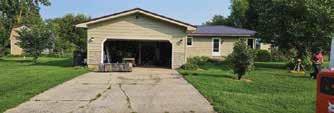










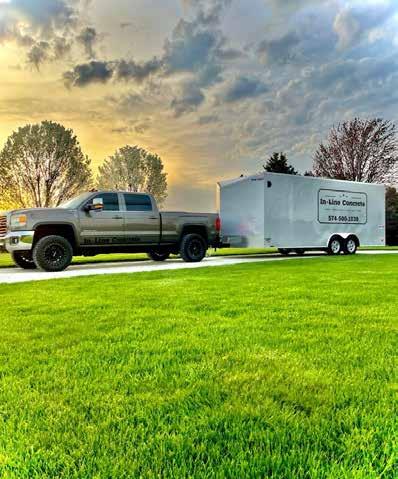

Story & Photography Provided

Water safety in northern Indiana is of paramount importance due to the numerous lakes, rivers and other water bodies in the region. With the Great Lakes nearby and an abundance of smaller lakes and rivers, residents and visitors alike enjoy a variety of water-based activities. However, ensuring safety in and around water is essential to prevent accidents and tragedies.

One of the key aspects of water safety in northern Indiana is understanding the risks associated with different bodies of water. While the Great Lakes provide opportunities for swimming, boating and fishing, they can also be unpredictable and subject to sudden changes in weather and water conditions. Similarly, smaller lakes and rivers may have hidden hazards such as underwater

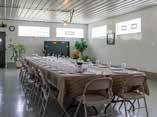




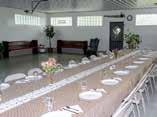

obstacles, strong currents or uneven depths.
To mitigate these risks, it’s crucial for individuals to be aware of their surroundings and to exercise caution when engaging in water activities. This includes wearing appropriate safety gear such as life jackets when boating or participating in water sports, as well as knowing how to swim and understanding basic water rescue techniques.
Additionally, staying informed about weather conditions and waterquality advisories is essential for safe enjoyment of water activities. Sudden storms or changes in water temperature can pose significant dangers, especially for those who are unprepared or inexperienced. Monitoring weather forecasts and heeding any warnings from local authorities can help prevent accidents and ensure a safer experience on the water.
In northern Indiana, water safety education plays a vital role in preventing accidents and promoting responsible behavior around water. Schools, community organizations and recreational facilities often offer programs and courses on water safety, teaching participants about the importance of supervision, proper swimming techniques and how to respond in emergencies. The Indiana Department of Natural Resources website is a great source for lake and boating safety information (in.gov/dnr/law-enforcement/education/boatingeducation-and-safety).


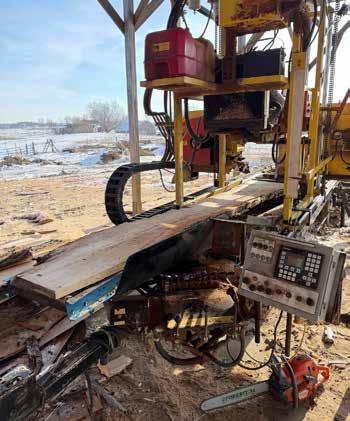

Parents and caregivers also play a crucial role in promoting water safety among children and young adults. Supervision is key, especially when young children are near water, and ensuring that children learn to swim at an early age can significantly reduce the risk of drowning. Many local schools, YMCAs, gyms and aquatic centers offer swim lessons for all ages. Call your local facilities for more information. Teaching children about water safety rules and boundaries, such as never swimming alone or diving into unknown waters, can help instill good habits and prevent accidents.
Boating safety is another important aspect of water safety in Northern Indiana, given the popularity of recreational boating on the region’s lakes and rivers. Boaters should familiarize themselves with local boating regulations and requirements, including licensing and registration, as well as safety equipment such as life jackets, fire extinguishers and navigation lights.
Boater education courses are available online, and it’s a good idea for all boat drivers to learn the rules of the water and fundamentals of boating (boat-ed.com/indiana).
Furthermore, boaters should be mindful of their speed and surroundings, especially in crowded or congested areas, and avoid alcohol consumption while operating a boat. Alcohol impairs judgment
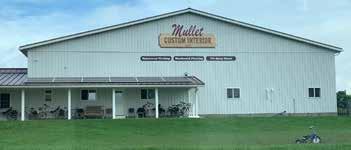



In
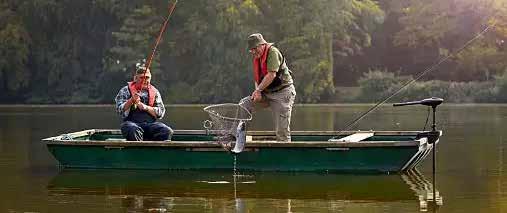









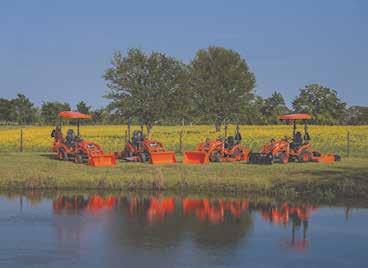


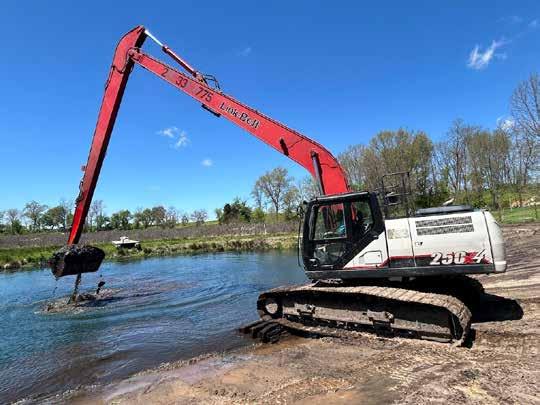



FOR UPDATES REGARDING EVENTS PLEASE CHECK THE LAKE ASSOCIATION’S/ ORGANIZATIONS FACEBOOK PAGES/WEBSITES. Note, ALL Times listed are EASTERN.
JUNE
Northern Indiana Amish Quilts at the Good Library Gallery all month long.
6
9 a.m. – 2 p.m. – Coachmen 70th Anniversary Car Shop at Das Dutchman Essenhaus. We’re having a member reunion and a Car and Bike Show. All are welcome. Live band, plaques and many classes. More info to follow
25 – 27
8 a.m. – 5 p.m. - Topeka Livestock Auction Classic Show at 601 E. Lake St. Topeka, IN.
9 5:30 – 6:30 p.m. – Trail Running Club at Kum Mol Rid Shelter in Bonneyville Mill County Park.
12
6 – 7 p.m. – Wag & Walk – Enjoy a casual evening walk with your furry companion exploring the beauty of Boot Lake Nature Preserve.
25-26
Creatures of the Night: Coyotes. Join Urban Wildlife Biologist Jessica Merkling for a “Coyote Walk and Talk”, and engaging program that separates myth from fact.
2
10:30 a.m., 1:30 p.m., & 6 p.m. – Roz Puppets – Dinosaur Pirates! Set a sail on the high seas with this Dinosaur Pirate puppet adventure at the Warsaw Community Public Library located at 310 E Main St, Warsaw, IN.
4 & 18
9 a.m. – 11 a.m. – Guided canoe/kayak trip: Explore the Wetlands of Yesteryear at Between the Lakes, 5814 E Pickwick Rd.
11 & 25
6 – 8 p.m. - Guided canoe/kayak trip: Explore the Wetlands of Yesteryear at Between the Lakes, 5814 E Pickwick Rd

12
Town Wide Garage Sales on Pierceton, IN.
26
9:30 – 11 a.m. - Critter Encounter: Crayfish – Explore the amazing world of native animals at your own pace with self-guided stations. Located at 806 Connection Cir, Winona Lake, IN.
3-6
Downtown Albion street fair sponsored by Chain O’Lakes Festival Committee.
11
3:30 – 6:30 p.m. – World Play Day with Sportable. Dive into adaptive sports fun with pickleball, bocce, and hands-on demos featuring chairs and cycling at Park365.
13
9:30 a.m. – Poker Paddle – Fun, friendly, and free way to play poker while enjoying the beautiful outdoors.
26 – 27
Join Gaslight Playhouse for their annual Children’s Theatre Workshop.
Studebaker Indiana Swap Meet & Car Show at the St. Joseph County 4-H Fairgrounds located at 5117 S. Ironwood Rd. $5 per person, children under 16 are free.
7
Wine & Wags at Round Barn Winery & Estate in Baroda.
27
8 a.m. - Bacon Around the Bend 5K. All finishers are invited to celebrate their achievement with post-race bacon-themed snacks at a finish line party hosted at Corby’s Irish Pub. Adults $40, Ages 13-20 $25, Ages 4-12 $10.


24 to 48 Hr Turn Around Detergents included 1 Time, Weekly, or Monthly Plans


Avian influenza, known as bird flu, is a virus that can infect birds, other animals, and sometimes humans. The risk of humans becoming infected with avian influenza is low. The Indiana Department of Natural Resources (DNR), Indiana State Board of Animal Health (BOAH) and the Indiana Department of Health (IDOH) are working together to monitor for avian influenza and the overall risk to the public.
People can become infected when the avian influenza virus is inhaled or gets into a person’s eyes, nose or mouth. People who have close contact with sick birds have the highest risk of becoming infected with an avian influenza virus.
• Avoid Contact with Wild Birds
·Do not touch sick or dead waterfowl


·Observe wild birds and other animals from a distance. Avoid touching or feeding wild birds, even if they don’t look sick
·Avoid coming into contact with bird droppings or surfaces that may contain bird droppings
·If you keep birdfeeders and birdbaths on your property, clean them regularly with a 10% bleach and hot water solution, rinse thoroughly, and then allow them to completely dry before refilling. Clean up birdseed that has fallen below birdfeeders.
·Do not feed wild birds, especially waterfowl, near domestic flocks. If you come in contact with any bird that appears unhealthy, wash your hands with soap and water and change clothing and shoes before coming in contact with a domestic flock or captive birds.
• Backyard Flock Guidance
·Hobby poultry owners are encouraged to be aware of the signs of avian influenza and report illness and/or death to the USDA Healthy Birds Hotline: 866-536-7593. Callers will be routed to a state or federal veterinarian in Indiana for a case assessment. Dead birds should be double-bagged and refrigerated for possible testing. Keep dedicated boots/ footwear in the chicken coop and don't wear them other places.
• Report Sick or Dead Birds
Report any cases of sick or dead wild birds to the DNR at on.in.gov/avian-flu.
• Practice Good Hygiene
·Wash hands thoroughly with soap and water after any contact with birds or their droppings
·Avoid touching your face with unwashed hands
·If wild birds must be handled, protective equipment such as safety goggles, disposable gloves, and an N95 mask should be worn
• Keep Pets Away
·Keep domestic animals, especially poultry and cats, away from wild birds and areas where wild birds congregate
• Avian influenza does not present a food safety risk
·Cooked poultry and eggs and pasteurized dairy products are safe to eat. Pasteurization and cooking kills avian flu viruses.
If you experience u-like symptoms, such as fever, chills, cough, sore throat, or conjunctivitis after handling birds, contact your healthcare provider for guidance and inform them about your contact with birds.
Online Resources:
• Indiana Department of Health - Avian Influenza: https://www.in.gov/health/idepd/respiratory-disease/influen za/avian-influenza/#How_are_avian_influenza_viruses_spread_
• DNR - Avian Flu (Bird Flu): https://www.in.gov/dnr/fish-and-wildlife/wildlife-resources/wildlife-diseases-in-indiana/avian-flu-bird-flu/
• Updates are available from BOAH at: https://www.in.gov/boah/species-information/avianbirds/highly-pathogenic-avian-influenza/