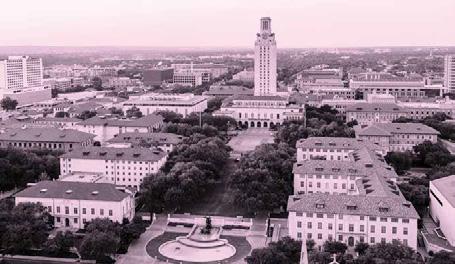
Texas A&M University | College of Architecture | College Station, Texas
Bachelor of Environmental Design in Architecture Recipient - May 2020
Study Abroad Program: ARCH to Italy - Spring 2019
Master of Architecture M.ARCH Expected Graduation - May 2026
AutoCAD, SketchUp, Layout, Illustrator, InDesign, Photoshop, Archicad, Sefaira, Climate Consultant, Revit, Rhino, Procore, Microsoft Office Suite.
English, Spanish, Italian
OSHA 10 Outreach Training Program - Construction Certificate
Certificate in Health Systems & Design - In Progress
Human Systems Integration - Bioastronautics Certificate - In Progress
Texas A&M University System Office of the University Architect
Utility & Energy Services Student Worker
Texas A&M University | College of Architecture
College Station, Texas | GAR
ICON
Austin, Texas | 3D Print Technician R&D
Student Health Environment's Association (SHEA)
February 2025 - Present
January 2025 - Present
May 2023 - January 2024
August 2024 - Present Director of Communications
SXSW - Austin, Texas
Science & Technology Sessions Ambassador
Beta Theta Pi Fraternity
Initiated Member & Volunteer
National Marrow Donor Program (NMDP)
Student Member & Volunteer
2024 - 2024
2016 - Present
2018 - 2020
Contents
#NoStopHomeOffice
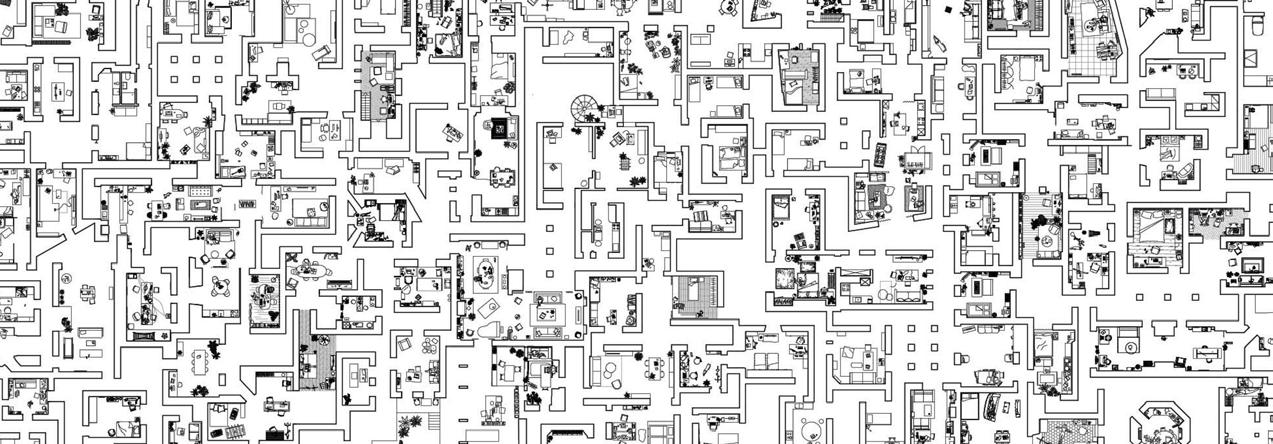
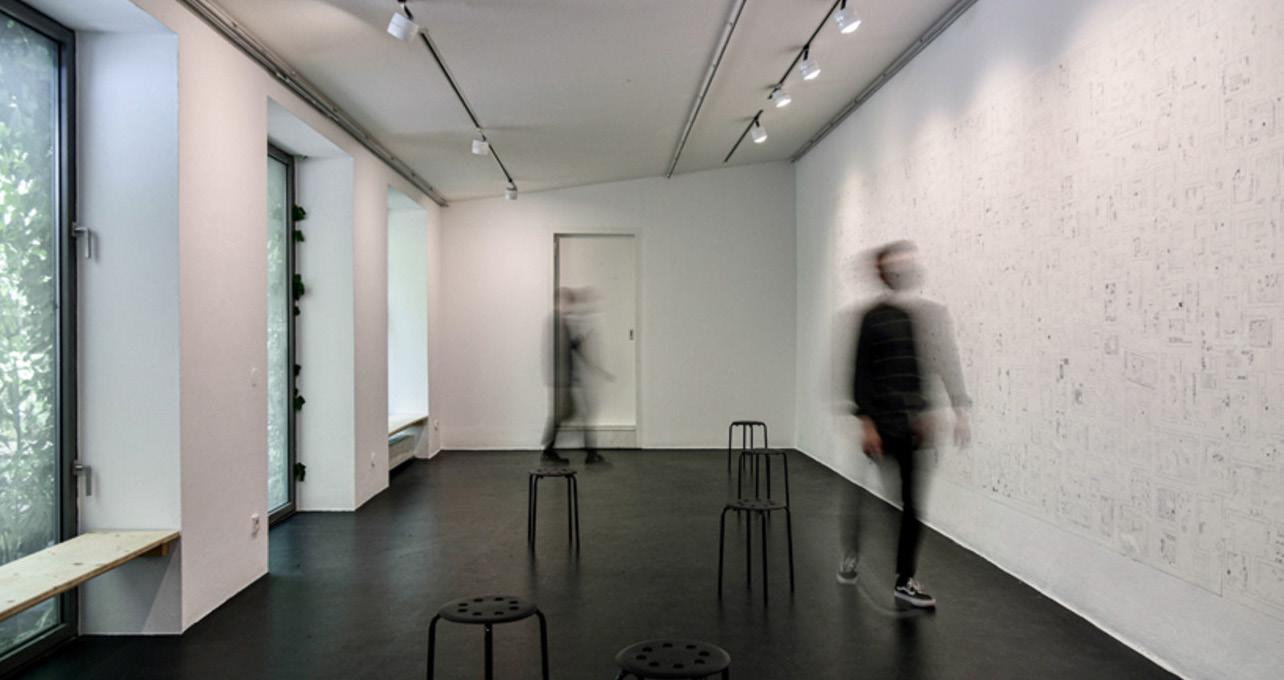
Amidst the challenges of the COVID-19 pandemic, I had the privilege of answering the call from the Instagram of Flo Bengert, a German architectural designer who initiated the "#NoStopHomeOffice". This design challenge began as an open call, inviting individuals from diverse backgrounds worldwide to contribute their interpretations of their quarantine environments. The resulting floor plans were converted into black-and-white, and stitched together to form one massive collage. The collage of nearly 1000 drawings reflects the intricacies of interior life during this period.
"No Stop Home Office" serves as a testament to our collective resilience, illustrating the profound impact of architecture in shaping our lives, transcending borders and reminding us of our shared humanity. It highlights the power of architecture to capture the human spirit's resilience in the face of adversity, uniting us through shared experiences and the transformative potential of design.
Design Excersise | Post Graduation | Software: Autocad, Illustrator.
AUSTIN, WE HAVE A PROBLEM
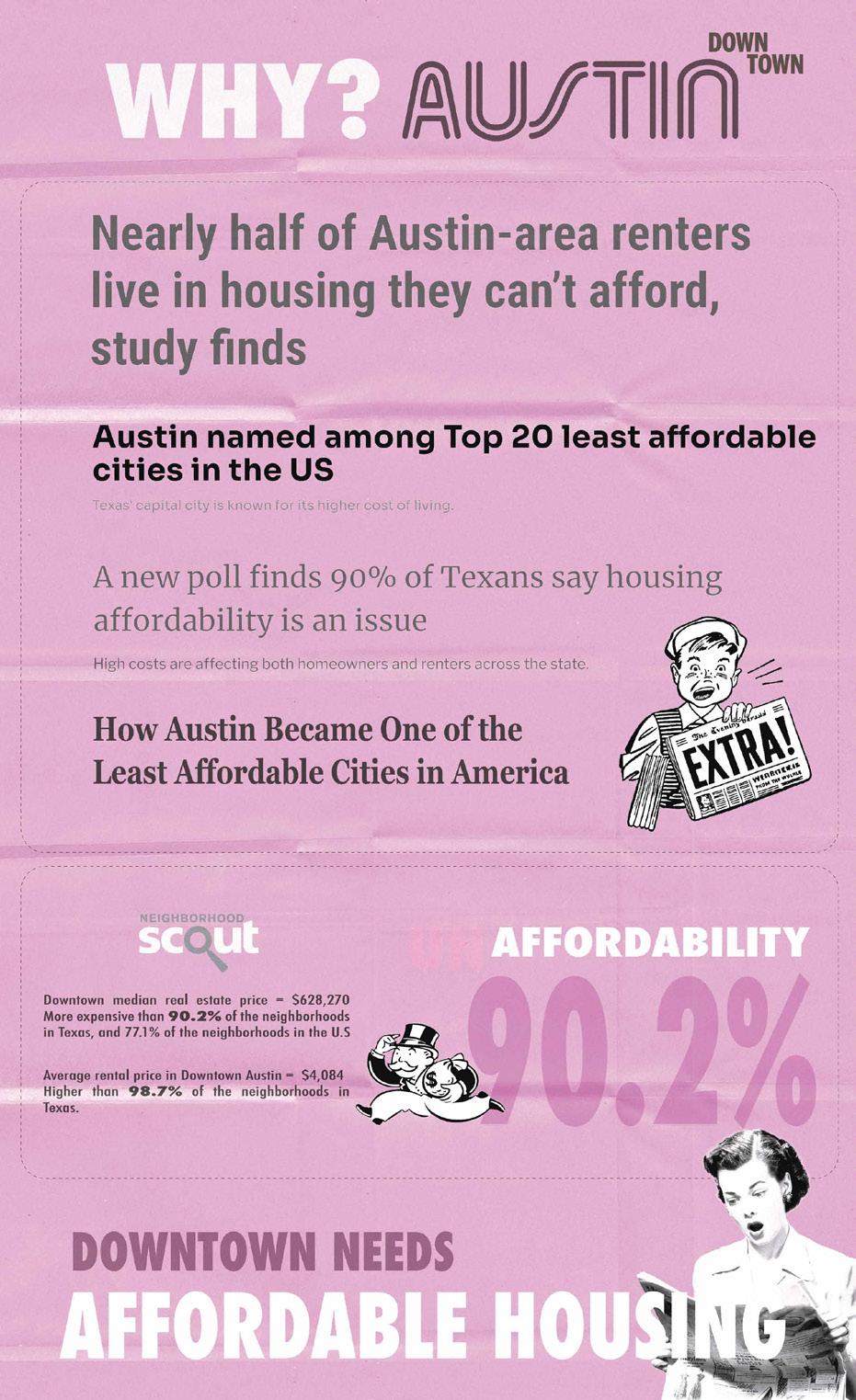
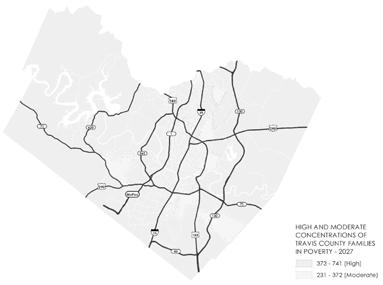
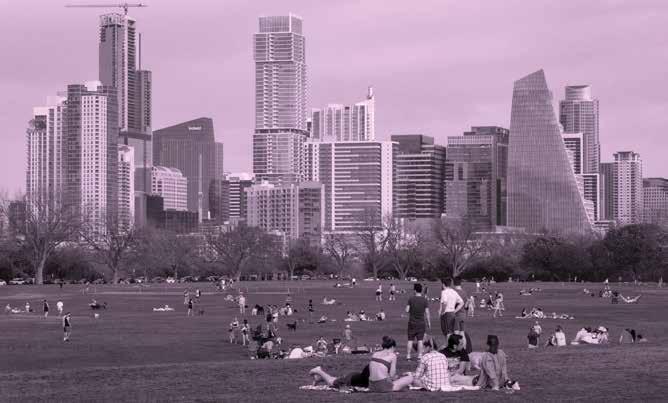
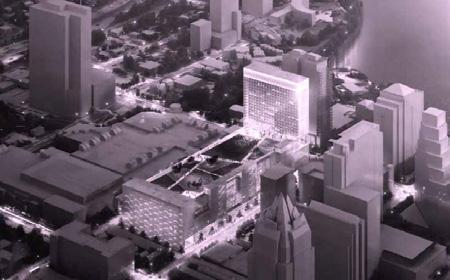
Downtown Austin is increasingly unaffordable for the average person, with nearly half of renters in the region considered cost-burdened and downtown prices among the highest in Texas. This pushes many workers, students, and creatives to distant suburbs, even though their jobs, schools, and cultural life are concentrated in the city center. At the same time, millions of square feet of office space sit underused as vacancy rates climb, creating a clear mismatch between empty buildings and unmet housing demand.
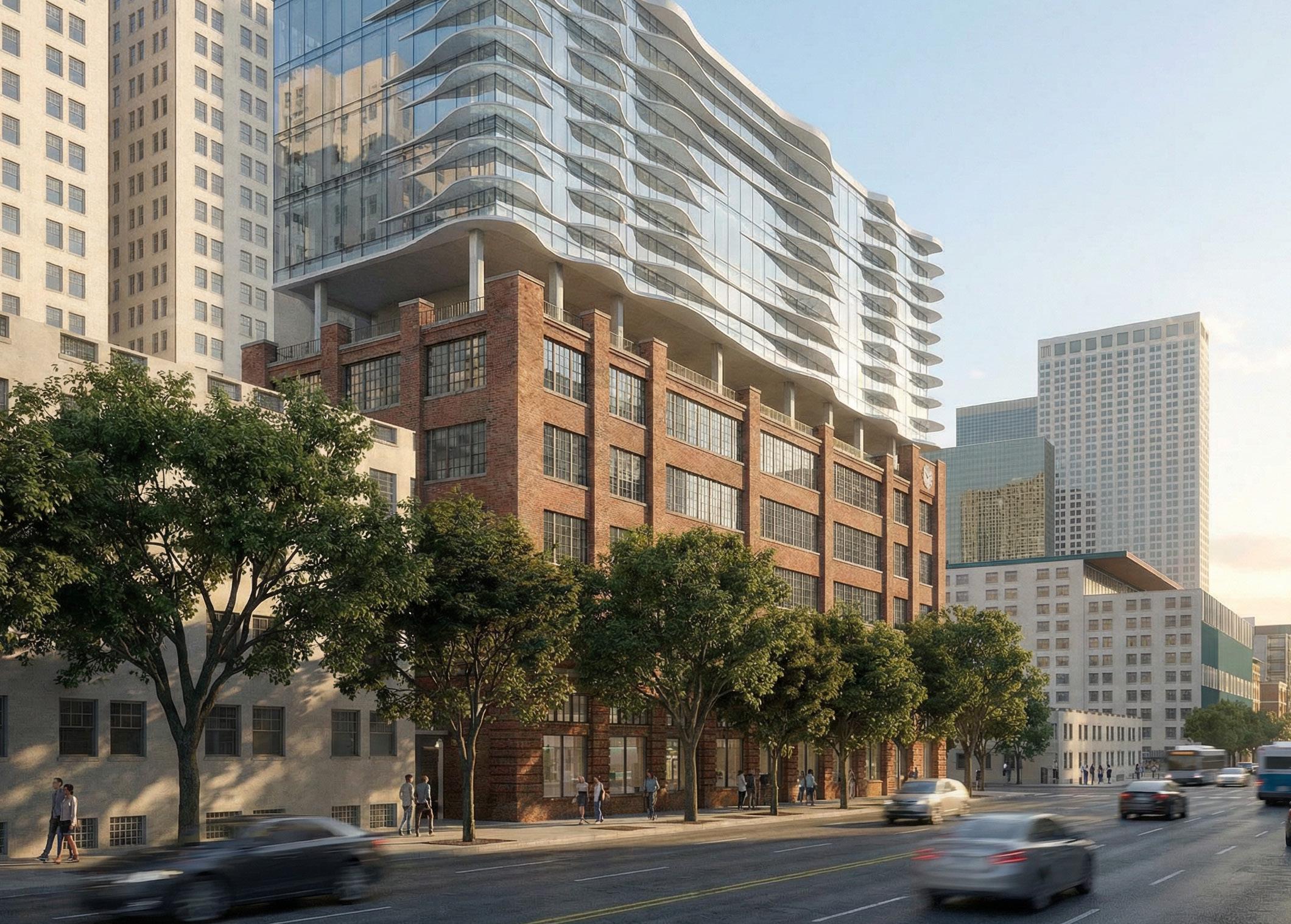
Reusing these surplus office towers as housing offers a way to rebalance downtown. Conversions can reduce long commutes, support local transit, and bring a full-time resident population back to streets that otherwise empty out after business hours.
Within this context, coliving is the effective strategy that was used to address Austins problem. By combining compact private rooms with shared kitchens, lounges, and workspaces, coliving reduces per-person housing costs while fitting well into large, open office floorplates that can be difficult to lease. This model can house service workers and young professionals who keep downtown active but are currently priced out, strengthening both the local economy and everyday street life. Coliving also aligns with the spirit of “Keep Austin Weird”: it embraces experimental, community-oriented, and vibrant ways of living that celebrate diversity and creativity rather than homogenous luxury development.
Year 6 | Professor: Fabrizio Aimar | Software: Revit, Sketchup, Illustrator, Enscape, Photoshop.
SWOT ANALYSIS
Fabrizio Aimar
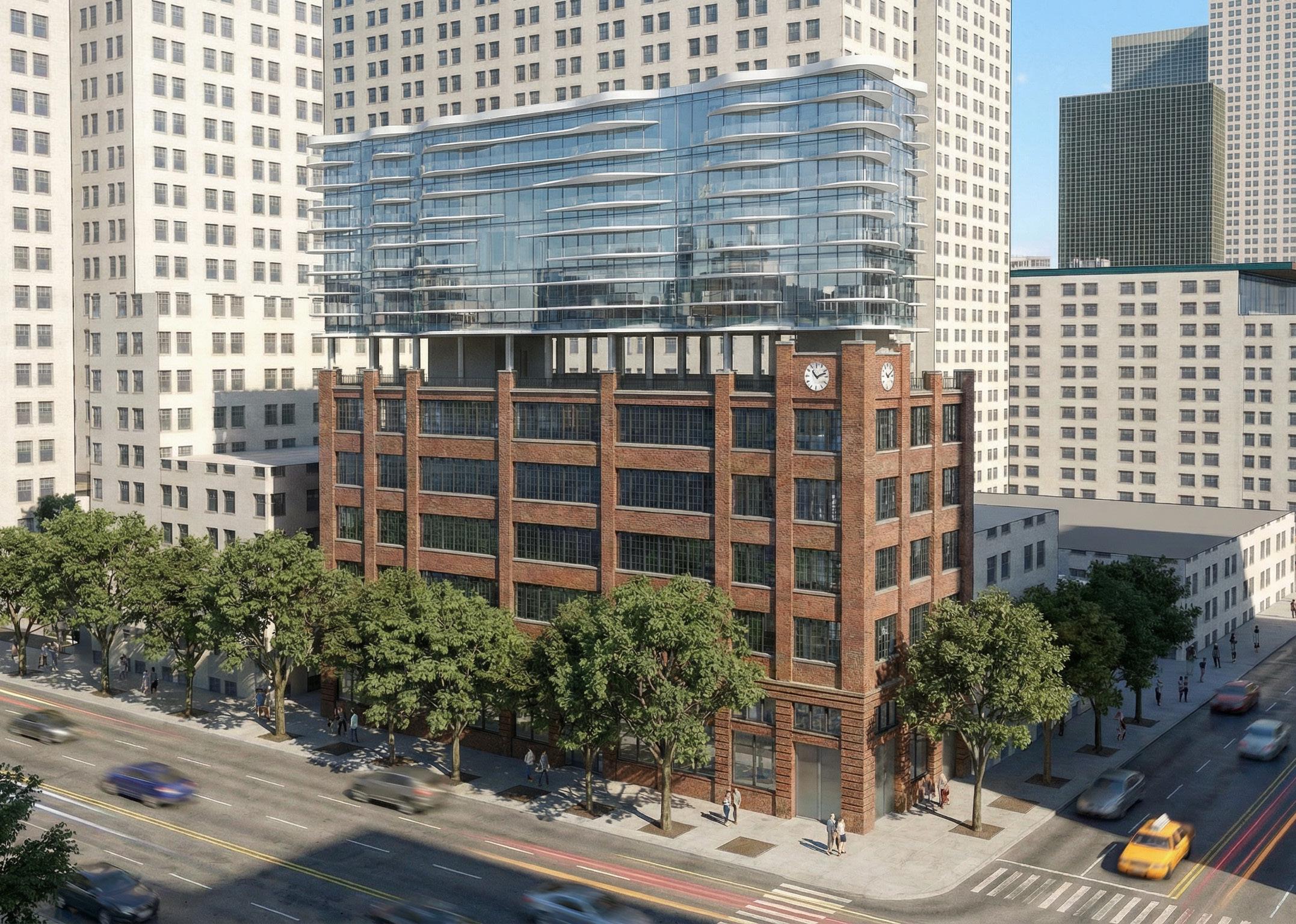
An interior garden located between the original floors and added floors that create an open-air green space that enhances natural light and air circulation, fostering a connection to nature while providing a serene retreat for occupants amidst urban density.
connection and creativity. Private bedrooms provide personal retreats, balancing privacy with the collaborative nature of coliving. Shared bathrooms are designed with efficiency and style, ensuring functionality in a communal setting. By optimizing shared amenities and blending private and collective spaces, this coliving model promotes affordability, sustainability, and a strong sense of community in Austinʼs dense urban landscape.
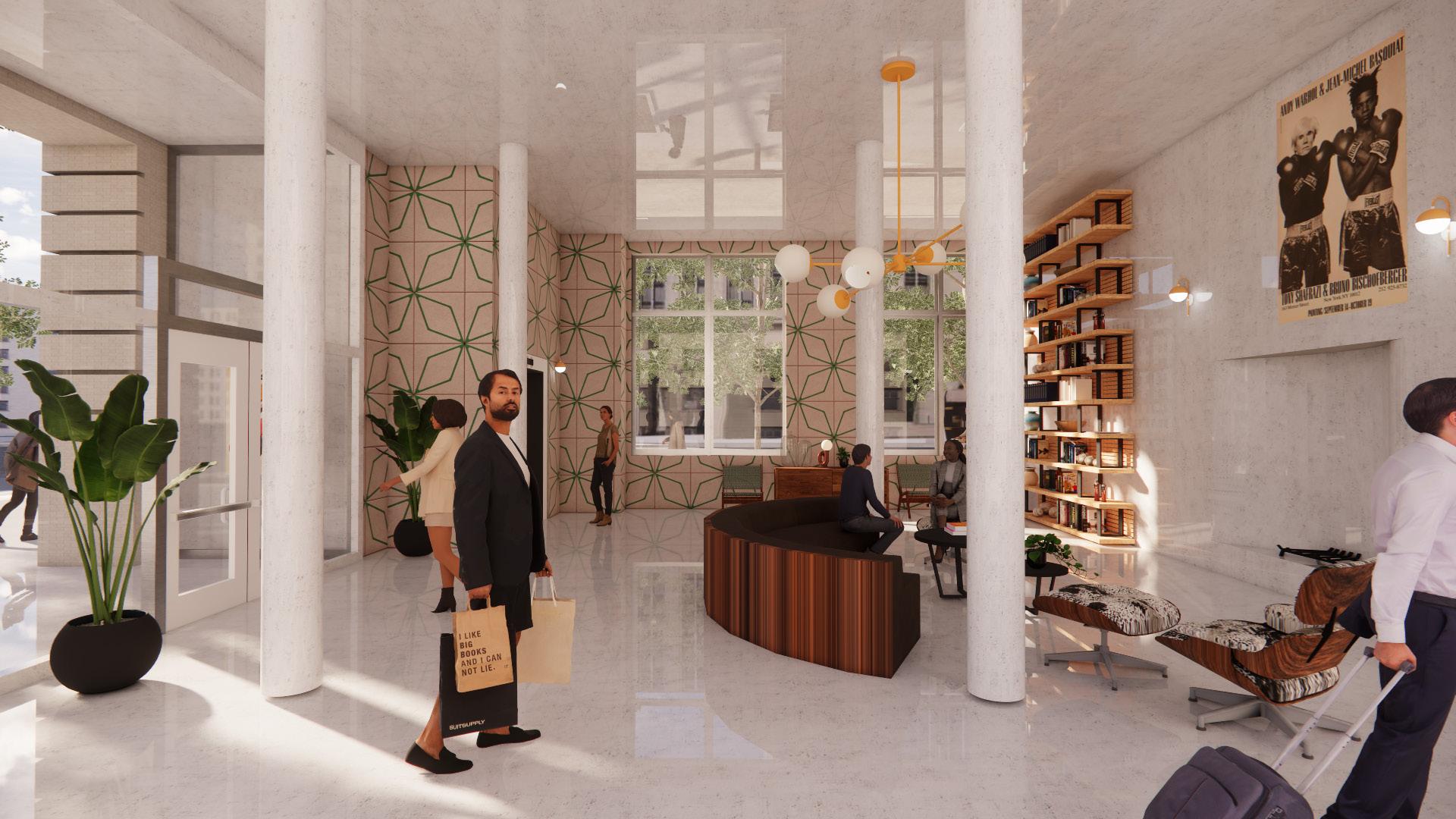
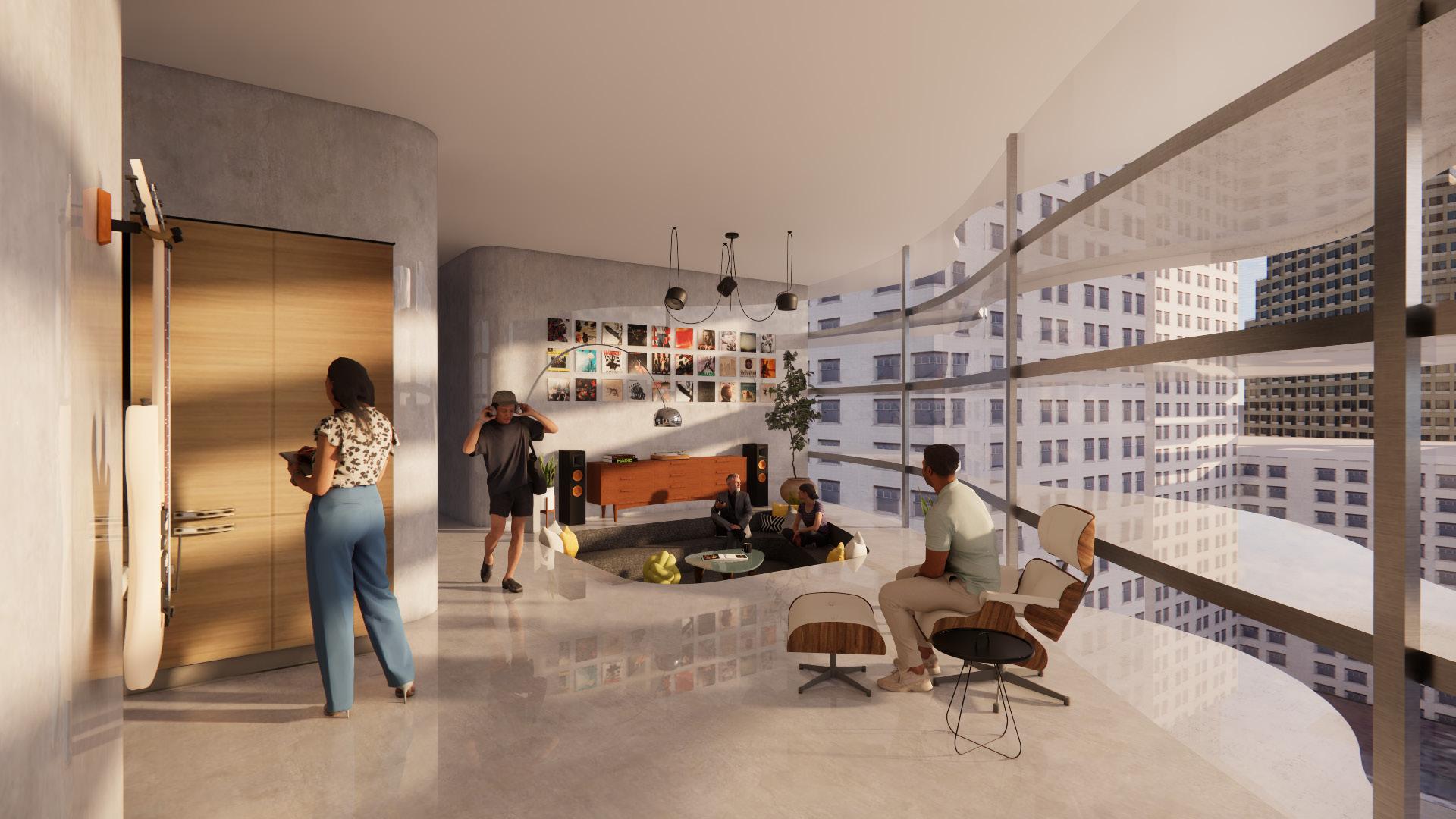
This coliving design embraces the "KEEP AUSTIN WEIRD" spirit while addressing the challenges of urban density. Shared spaces like cozy conversation pits, a bold living room, and a vibrant open kitchen foster connection and creativity. Private bedrooms provide personal retreats, balancing privacy with the collaborative nature of coliving. Shared bathrooms are designed with efficiency and style, ensuring functionality in a communal setting. By optimizing shared amenities and blending private and collective spaces, this coliving model promotes affordability, sustainability, and a strong sense of community in Austinʼs dense urban landscape.
- Co-Living Pods
A co-living pod is a compact, shared living space designed for efficient use, fostering community while maximizing affordability and flexibility in urban environments.
- Co-Living Pods
2
A co-living pod is a compact, shared living space designed for efficient use, fostering community while maximizing affordability and flexibility in urban environments.
3 1
- Conversation Pits Cozy conversation pits invite deep talks and jam sessions, while the living roomʼs bold design feels like a cool hangout spot. The open kitchen, with its funky flair, brings residents together for shared meals and laughs, celebrating Austinʼs unique charm.
- Garden Void Floor
- Conversation Pits Cozy conversation pits invite deep talks and jam sessions, while the living roomʼs bold design feels like a cool hangout spot. The open kitchen, with its funky flair, brings residents together for shared meals and laughs, celebrating Austinʼs unique charm.
2 3 1
- Garden Void Floor
An interior garden located between the original floors and added floors that create an open-air green space that enhances natural light and air circulation, fostering a connection to nature while providing a serene retreat for occupants amidst urban density.
An interior garden located between the original floors and added floors that create an open-air green space that enhances natural light and air circulation, fostering a connection to nature while providing a serene retreat for occupants amidst urban density.
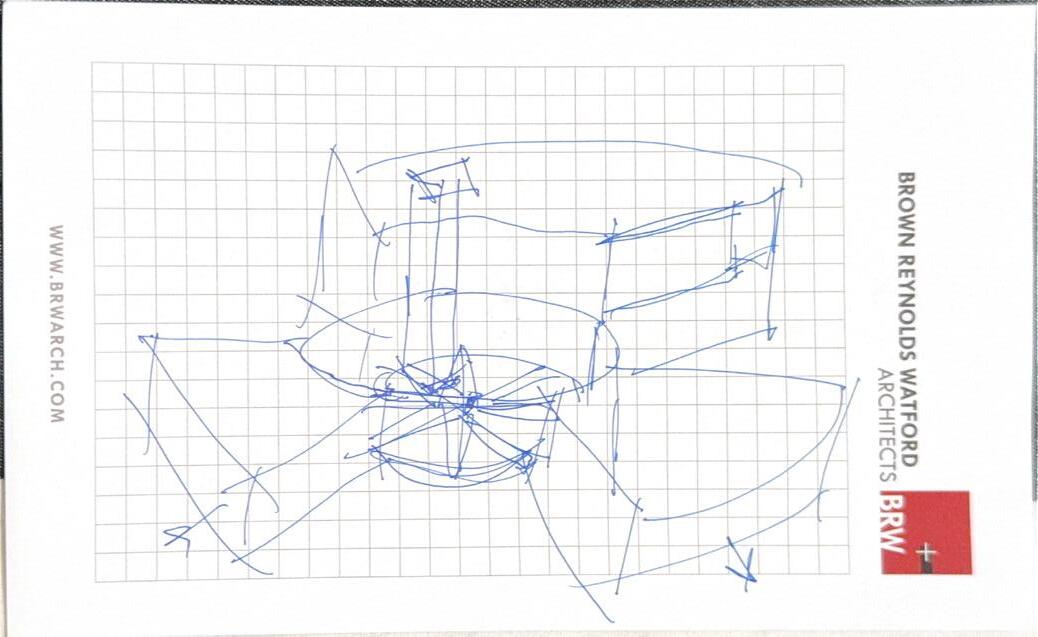
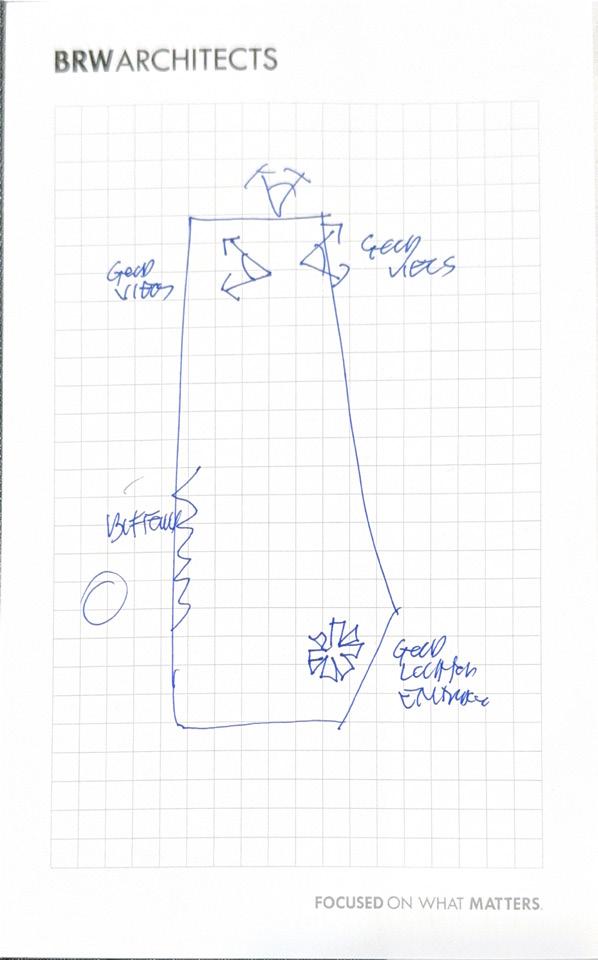
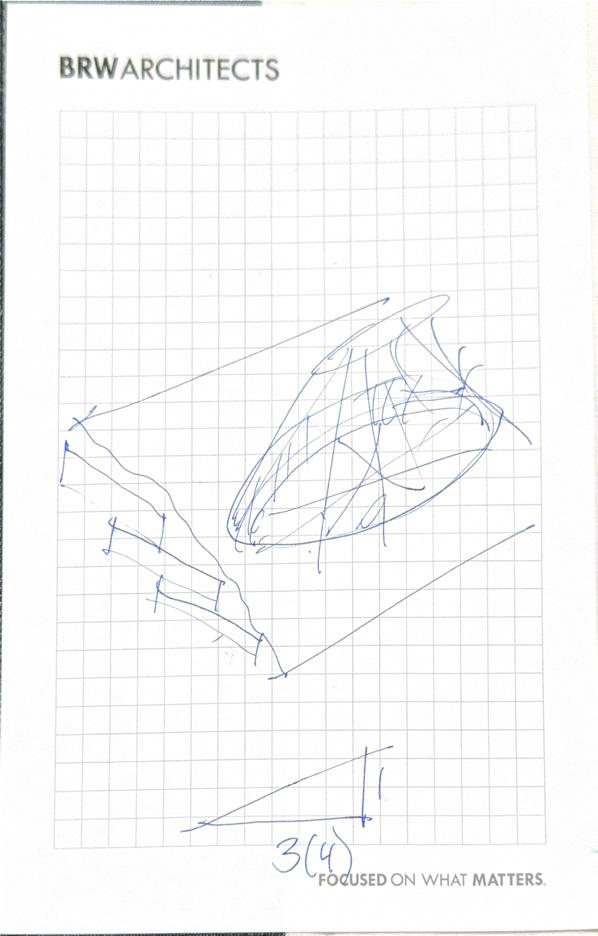
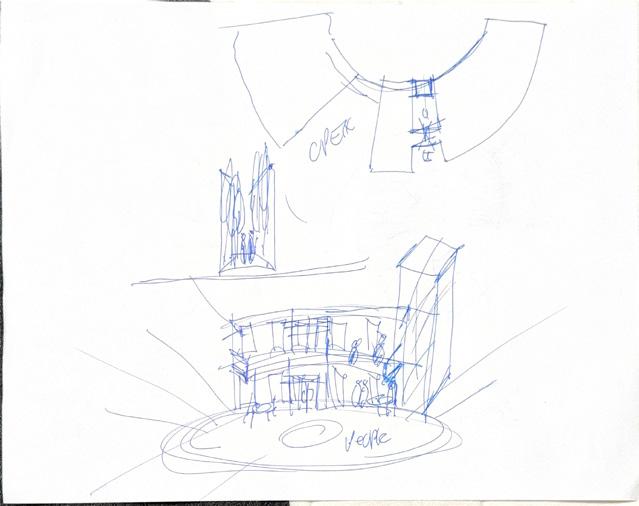
Veni Vidi Viti(culture)
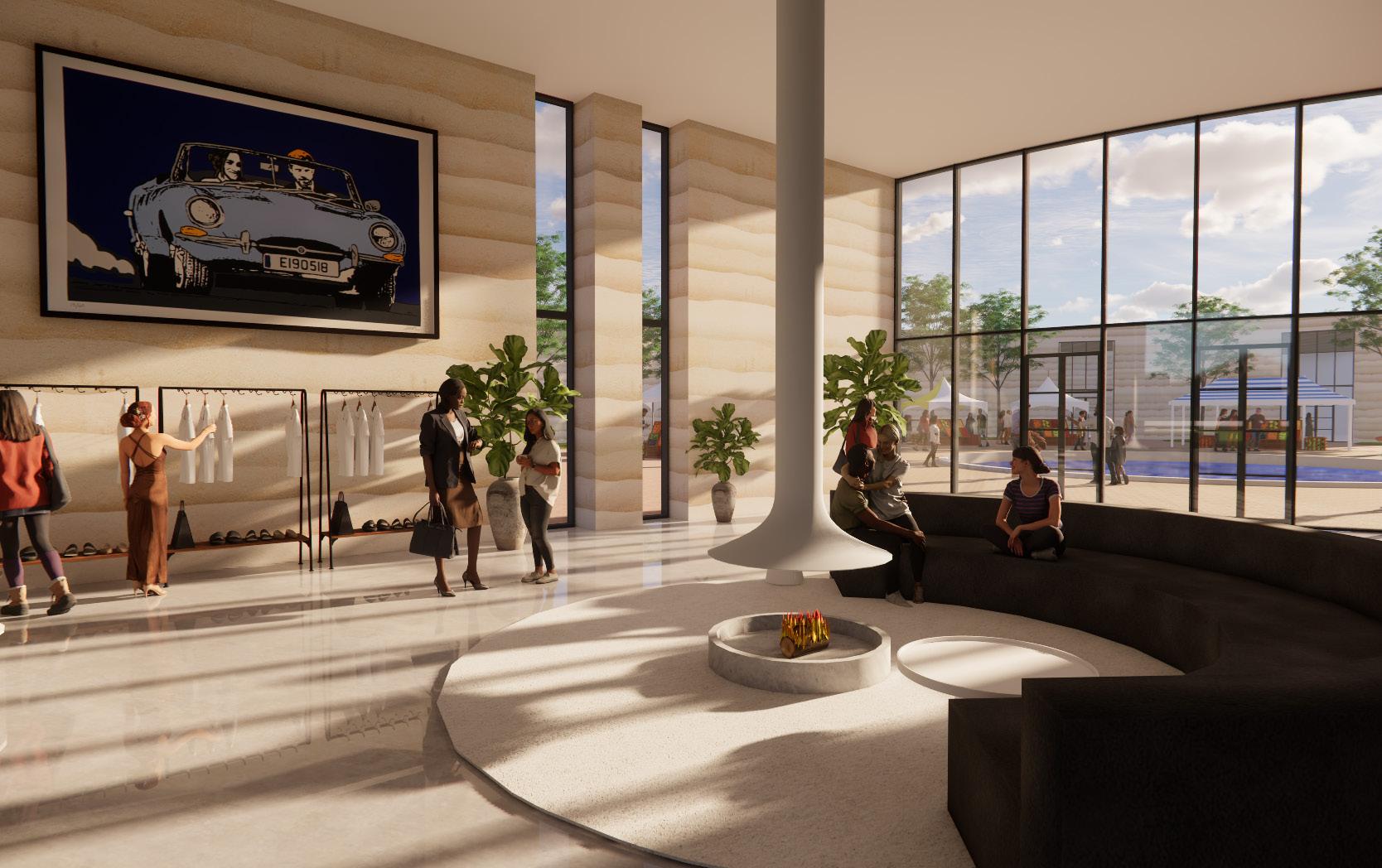
The Odette Estate Winery project proposes a new 35,000–45,000 square foot winery complex in Napa Valley, California that embraces sustainable, net-zero design principles while celebrating the historic connection between people, architecture, and the Napa Valley landscape.
Organized as a series of production and hospitality buildings—including grape receiving and crushing, red and white fermentation rooms, storage areas, tasting spaces, and public amenities—the design must meet contemporary code and ADA requirements while supporting efficient wine-making workflows. At least one two-story structure with multiple stairs and an elevator anchors the complex, integrating life-safety systems and a high-performance building envelope that responds to energy, moisture, and durability demands. Through careful siting, material selection, and indoor–outdoor gathering spaces, the winery aims to frame vineyard views, connect visitors to the region’s rich wine history, and model an environmentally responsible future for California viticulture
Year 5 | Professor: Ray Holliday | Software: Revit, Sketchup, Illustrator, Enscape, Photoshop
PROFESSIONAL WORK
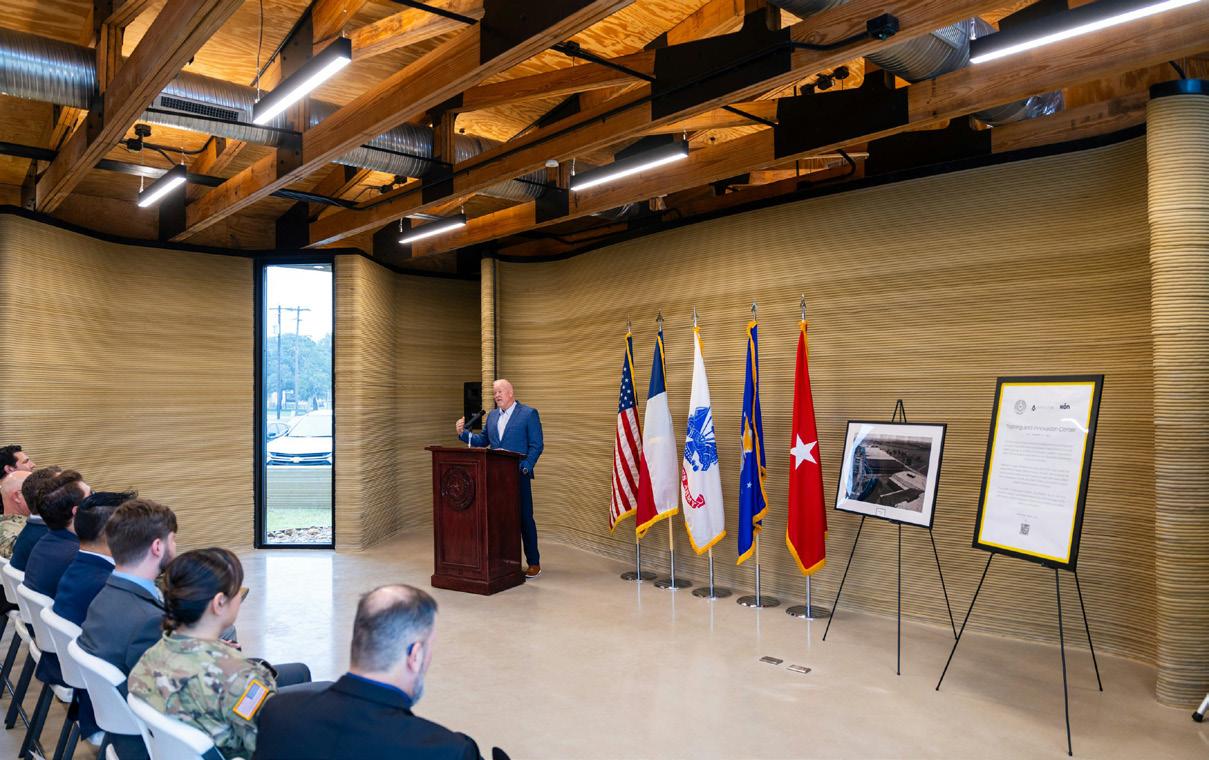
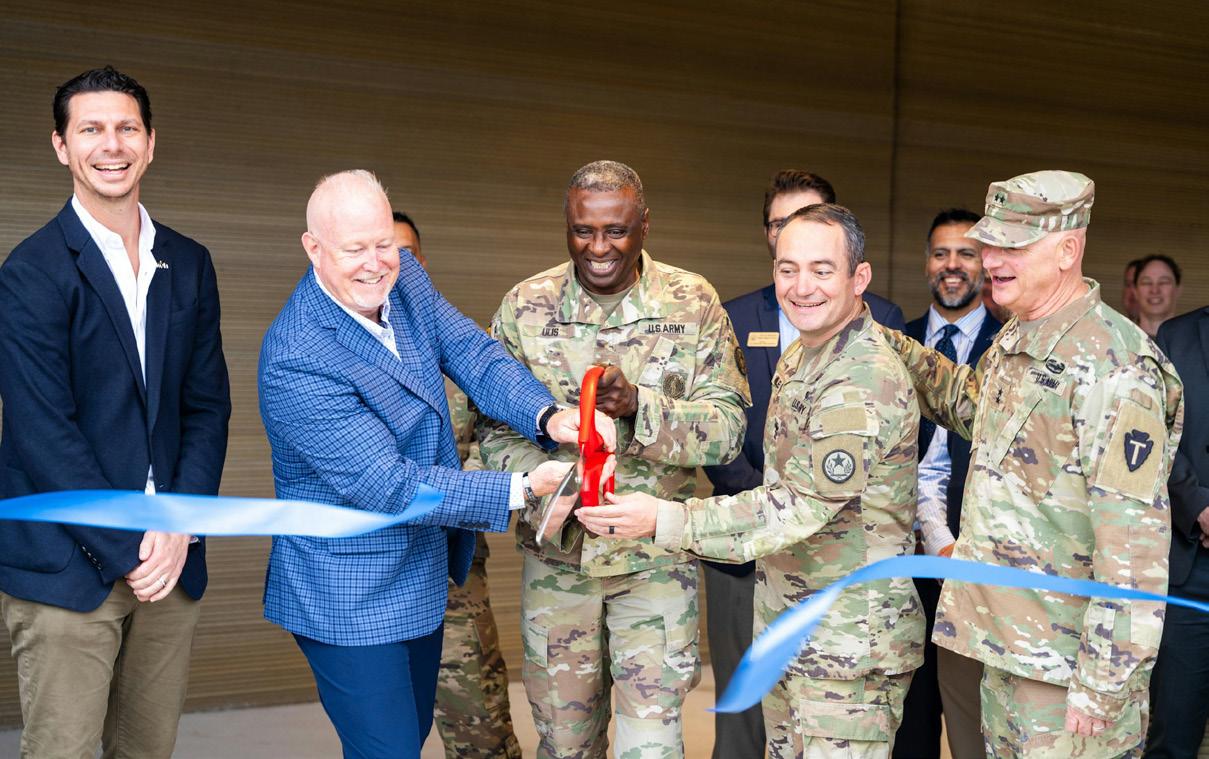
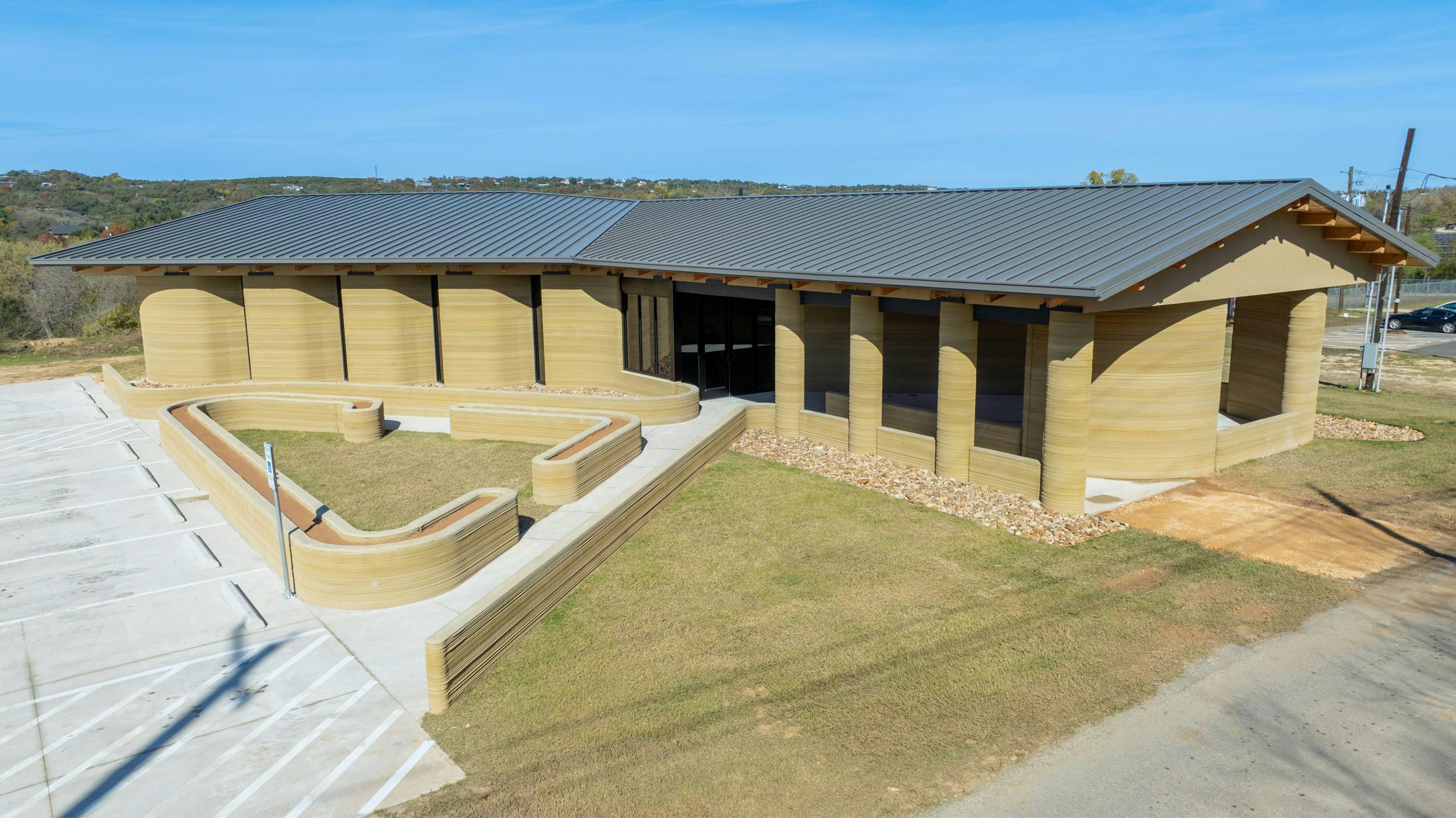
The Texas Military Department Training and Innovation Center at Camp Mabry in Austin, Texas is a 3D-printed administrative and training facility that replaces aging temporary structures with a permanent hub for training, collaboration, and research. The project is located within Camp Mabry, and the design is heabily influced by the existing early-20th-century military fabric and the rapidly changing urban environment of Austin, using 3D-printed concrete construction.
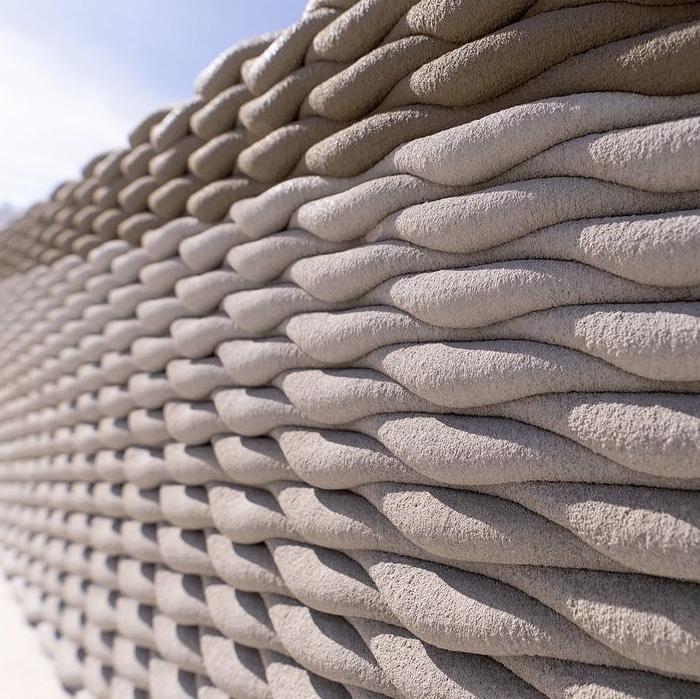
A key element is the chevron wall, a parametric printed pattern that references military rank insignia and establishes a strong visual identity for the project. This project is also significant as the first 3D-printed project to receive approval from a historic design comission, positioning it as a precedent for integrating emerging construction technologies into historically layered sites.
Contribution:
• Specialized in overseeing construction activities, ensuring adherence to quality standards, and facilitating the successful completion and finish-out.
• Leveraged expertise in proprietary software, materials, and robotics to optimize the construction process, streamline workflow, and enhance project efficiency.
• Studied construction documents and printpath using Procore, Bluebeam and BuildOS.
• Contributed to the advancement of ICON's mission by demonstrating the feasibility and effectiveness of utilizing advanced construction technologies.
PROFESSIONAL WORK
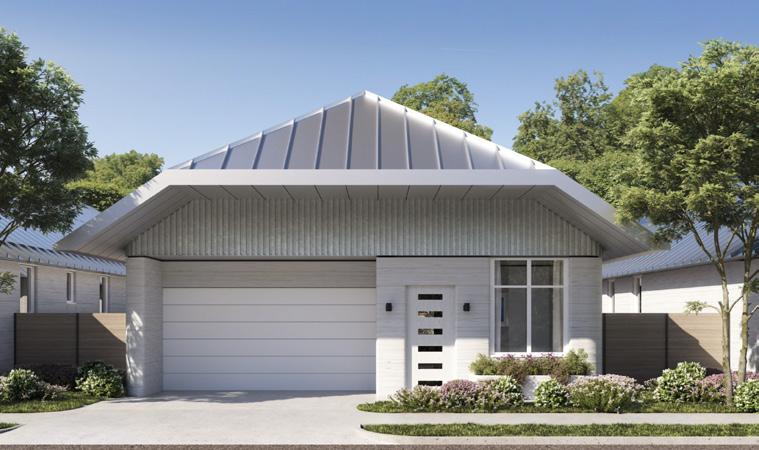
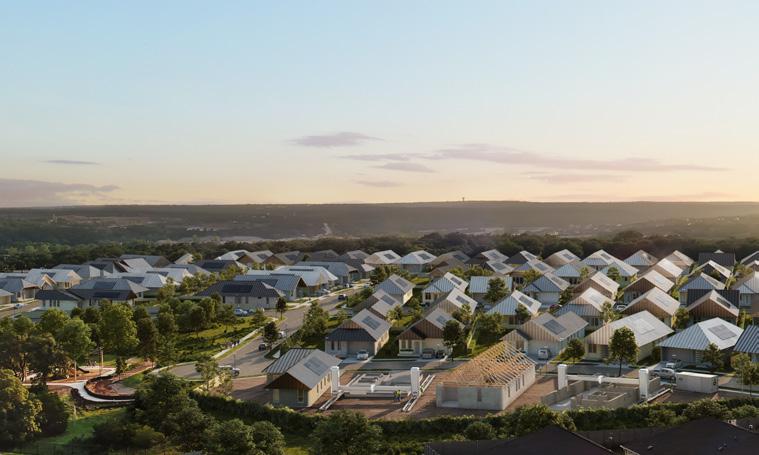
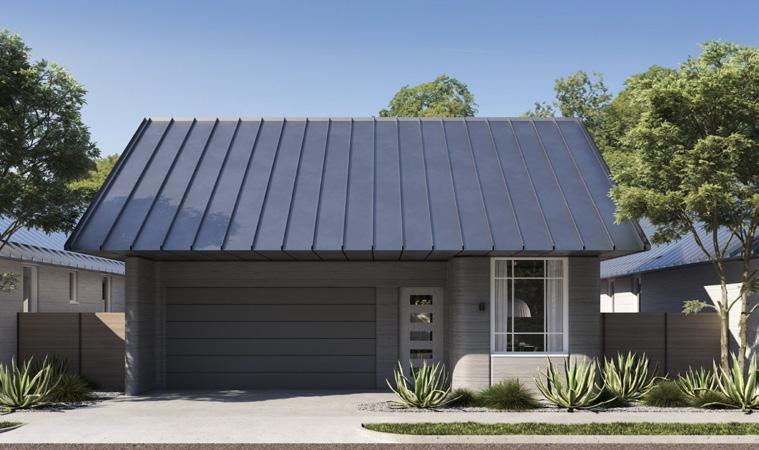
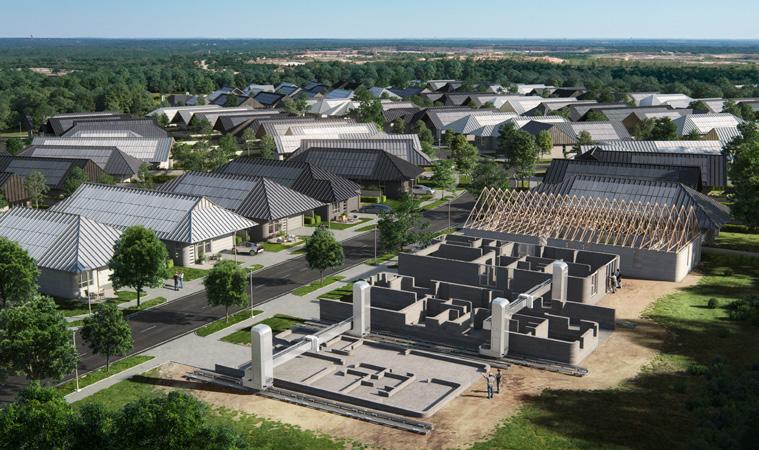
Built by Lennar, one of the nation’s leading homebuilders and ICON, and co-designed by BIG-Bjarke Ingels Group, The Genesis Collection at Wolf Ranch features eight floor plans and 24 elevations of Inherently strong, resilient and energy-efficient thoughtfully designed homes. The Genesis Collection at Wolf Ranch is built using advanced materials, engineering and 3D robotics. With precise robotic construction, the wall systems are delivered with extreme accuracy and reduced waste, and serves as a testament to future additive construction.
Contribution:
• Specialized in overseeing construction activities, ensuring adherence to quality standards, and facilitating the successful completion and finish-out of multiple models within the community.
• Leveraged expertise in proprietary software, materials, and robotics to optimize construction processes, streamline workflows, and enhance project efficiency.
• Studied construction documents and printpath using Procore and BuildOS.
• Contributed to the advancement of ICON's mission by demonstrating the feasibility and effectiveness of utilizing advanced construction technologies to address housing needs and foster sustainable community development.
PROFESSIONAL WORK
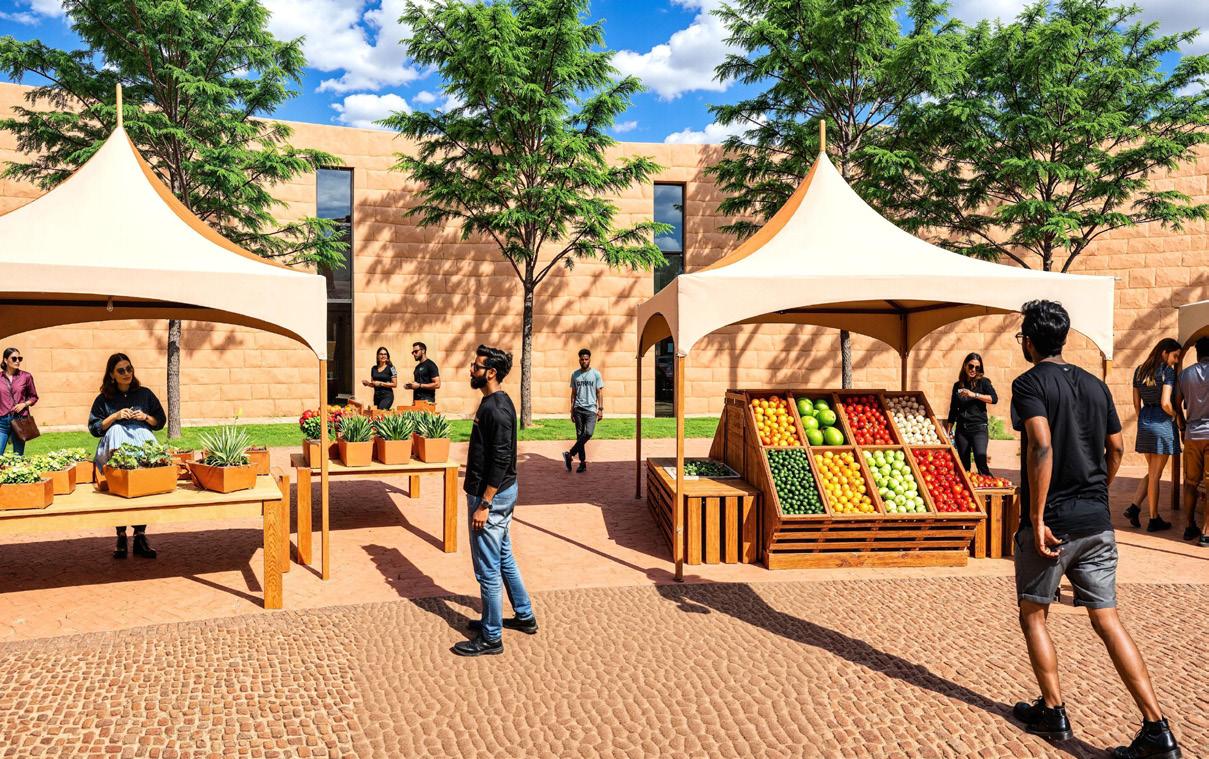
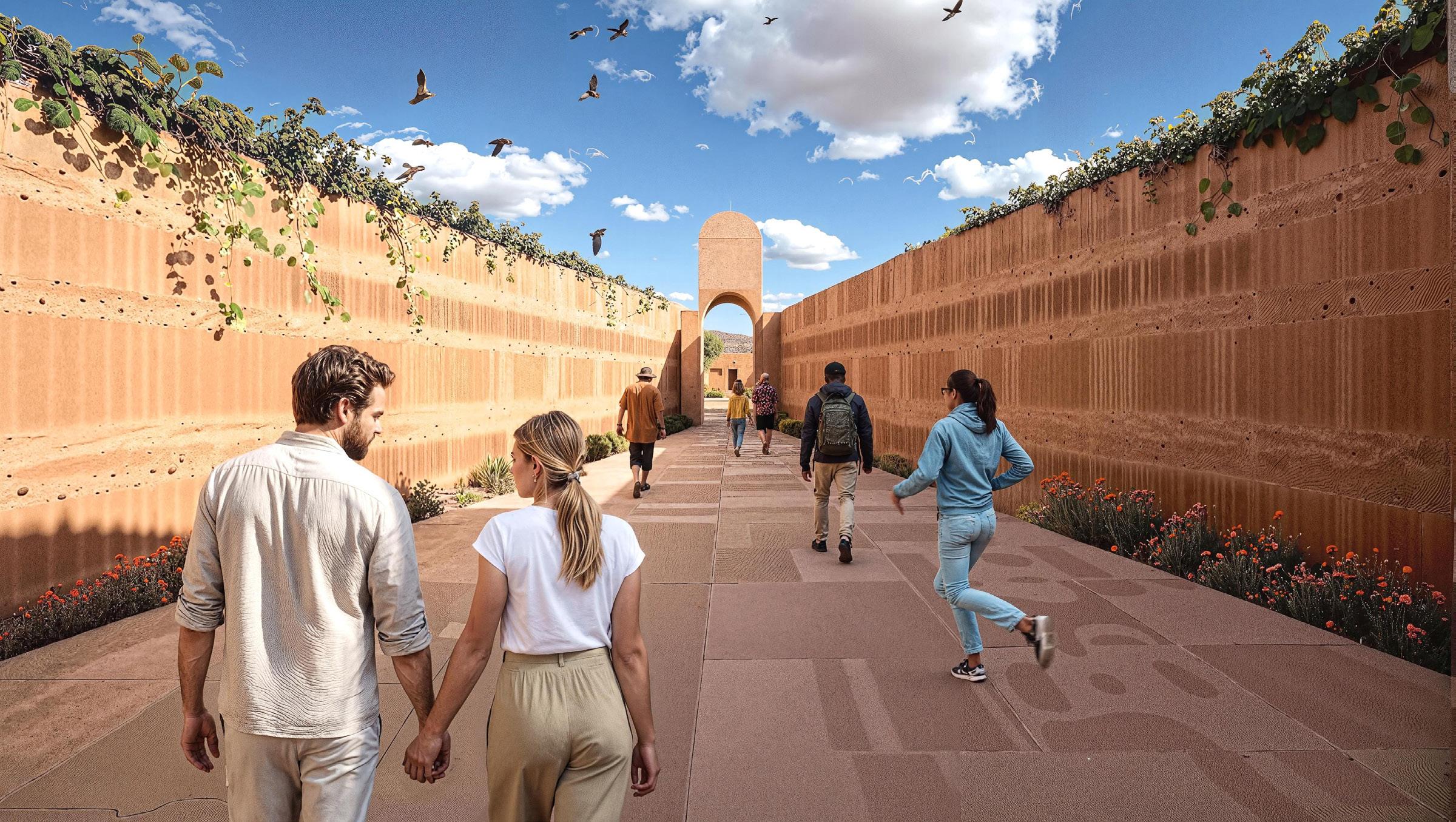
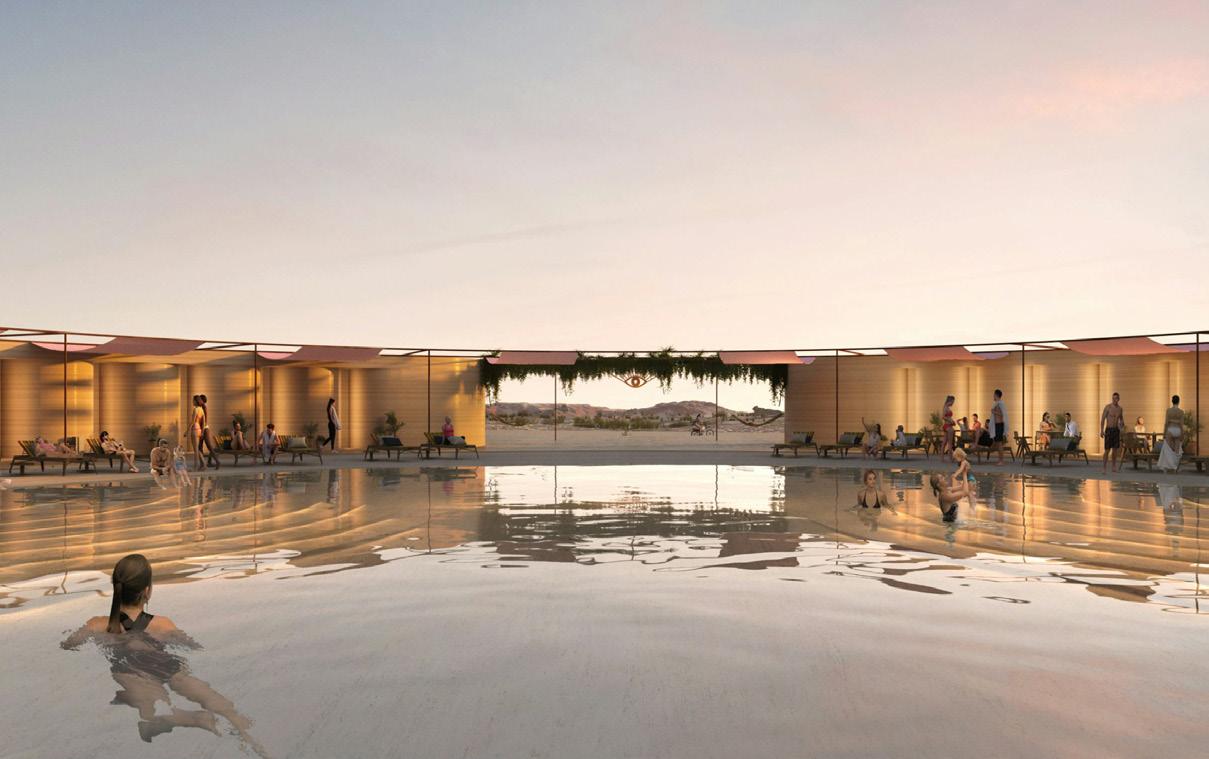
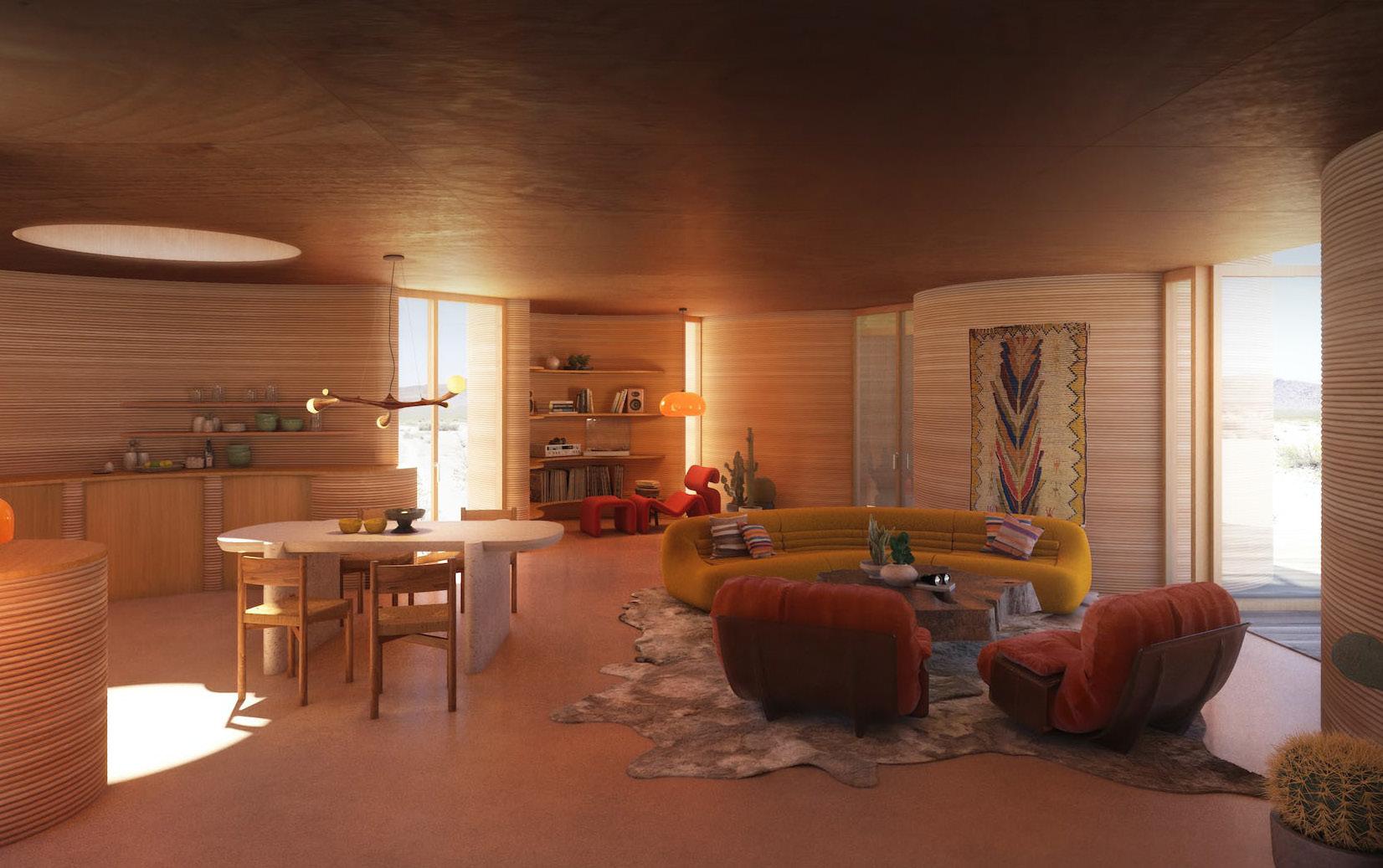
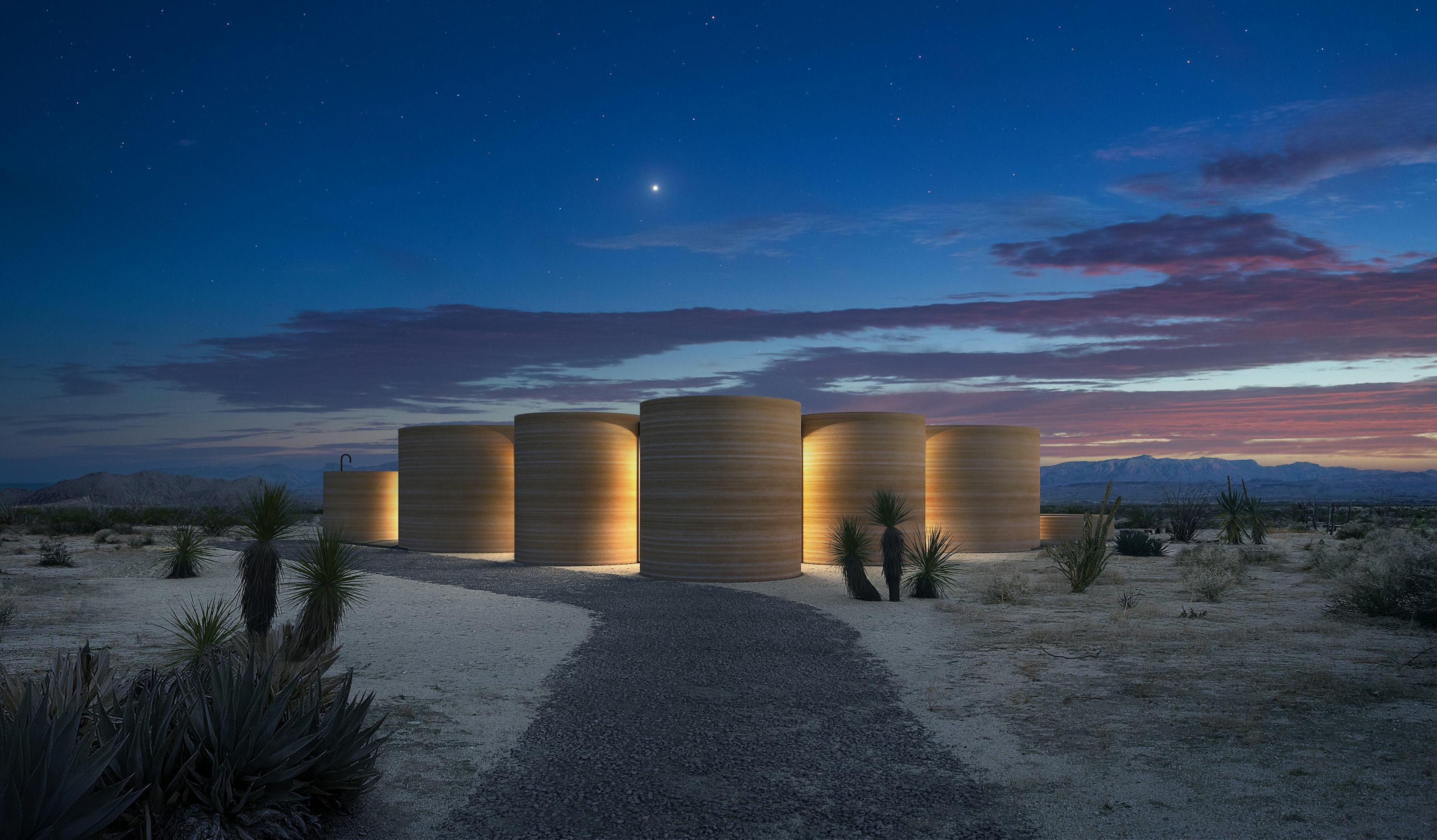
Hospitality visionary Liz Lambert has joined forces with ICON and BIG-Bjarke Ingels Group, world renowned Architecture firm, to reimagine and rebuild El Cosmico, currently a 21-acre unique campground hotel in Marfa, TX. The relocation and expansion of El Cosmico to more than 60 acres will showcase entirely new architectural approaches made possible by large-scale 3D-printing including domes, arches, vaults and parabolic forms. The innovative development will feature El Cosmico guest units in addition to new hospitality programming, including a pool, spa, and shared communal facilities. Breaking ground in 2024, El Cosmico will continue to celebrate the convergence of creative culture and the minimalistic natural environment of the Marfa landscape.
Contribution:
• Specialized in overseeing construction activities, ensuring adherence to quality standards, and facilitating the successful completion of El Cosmico test prints.
• Leveraged expertise in proprietary software, materials, and robotics to optimize testing.
• Collected critical print and material data to communicate to engineers, team architects and material scientists.
• Studied construction documents, assembly drawings, and 3D print path to ensure successful testing of domes, arches and vaults.
PROFESSIONAL WORK
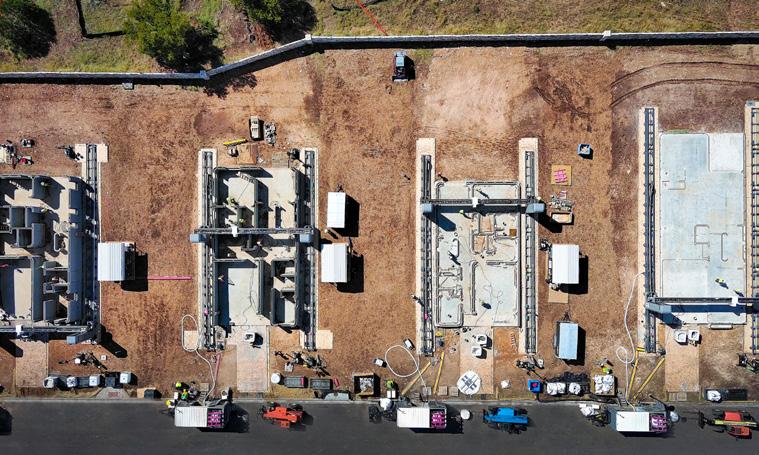
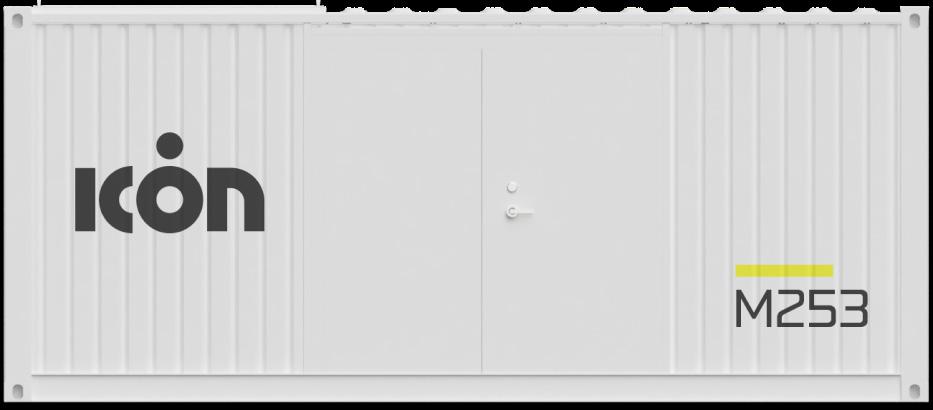
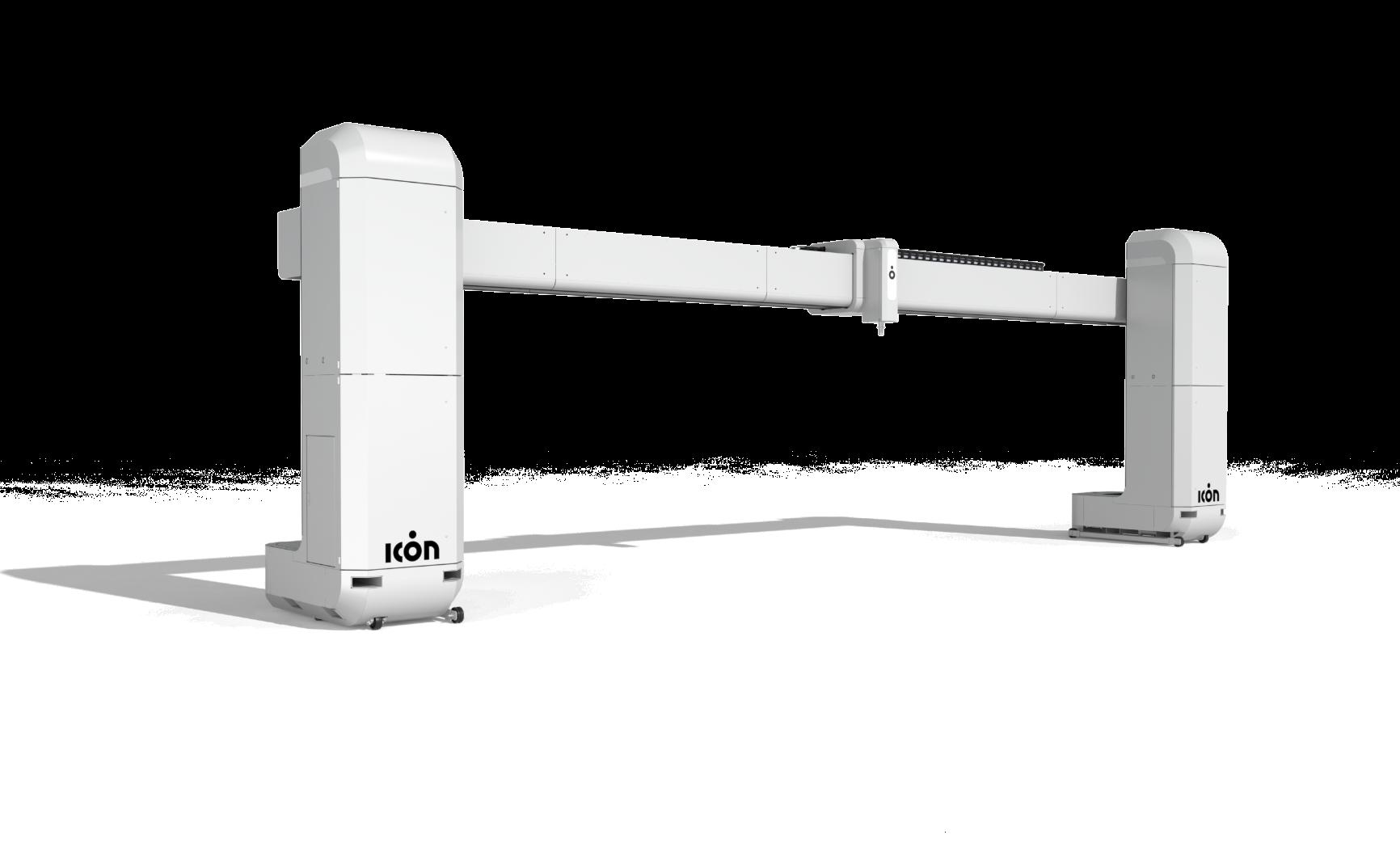
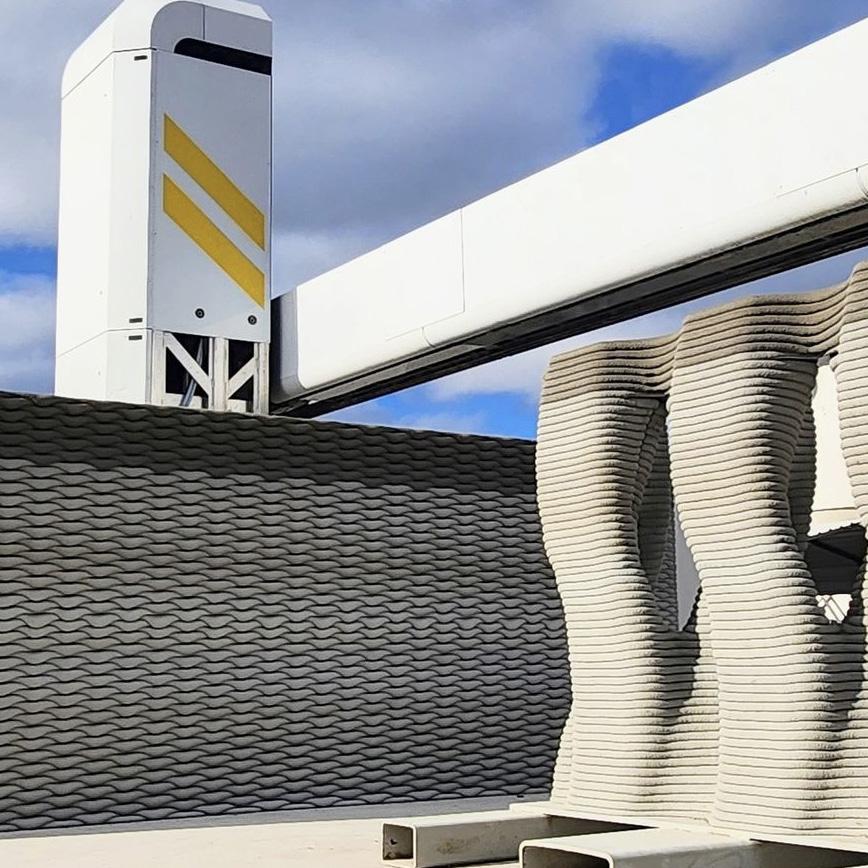
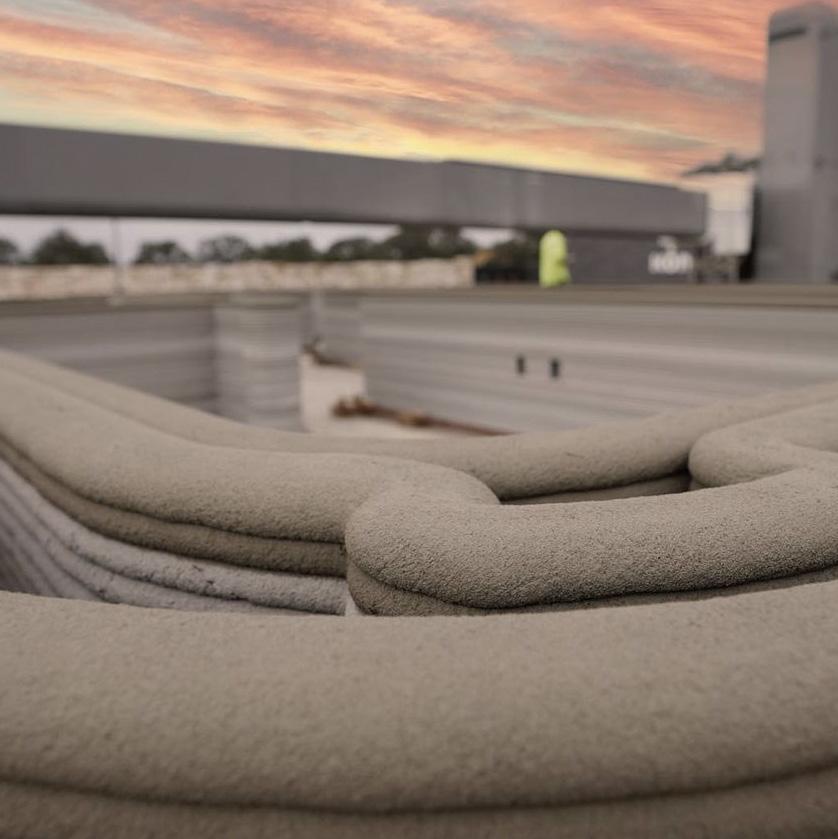
The Vulcan Construction System is a combination of hardware, materials, and software to construct homes and large-scale structures. Every part of the system has been designed, engineered, and built from the ground up at ICON to build the highest quality projects possible.
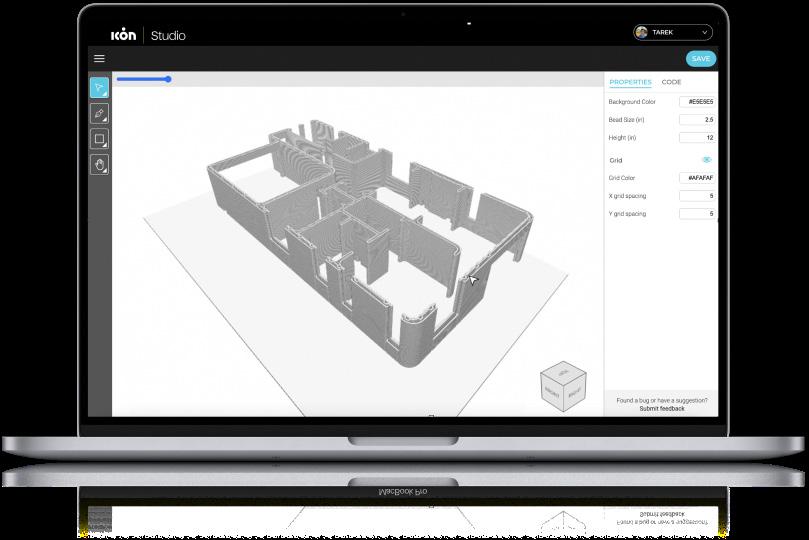
The Vulcan construction system is comprised of the Vulcan printer and the Magma portable mixing unit that prepares ICON’s proprietary building material, Lavacrete, for printing. All of this hardware is driven by the BuildOS software suite. BuildOS generates and prepares architecture for printing, then controls the robotic hardware on-site to turn digital plans into physical buildings.
Contribution:
• Specialized in overseeing robotics operation activities, ensuring adherence to safety standards, and facilitating the certification of proprietary new generation robotic printers and novel technology.
• Assisted Testing Engineers, UX Designers and Engineering Support Services in the development of robotic upgrades for more efficient robotics operations.
• Leveraged expertise in proprietary software, materials, and robotics to optimize testing and operations.
• Collected operational data to communicate to engineers, and material scientists.
• Diagnosed, triaged, treated, and documented robotics issues and escalated to appropriate teams.
Thank you for your time.
Don't forget to connect with me here.