FOR THE WOMEN YOU LOVE
ONE TO WATCH
Wednesday 22nd April 19.00
Tristan Loraine reflects on Susan’s campaign, the Chelsea rose named for her and his unfinished work

BY FRANCESCA AITA
Arose can carry a whole story.
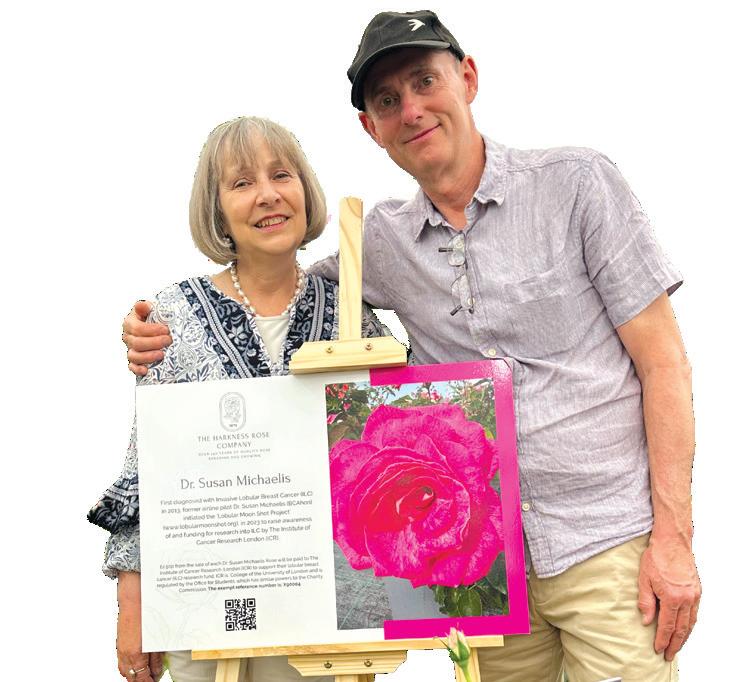
At the Chelsea Flower Show, a new rose was named ‘Dr Susan Michaelis’. For Tristan Loraine, it is not simply a plant. It is his wife Susan’s name living on in gardens, and a way into a story many still file under “women’s issues”, until it lands in their own home.
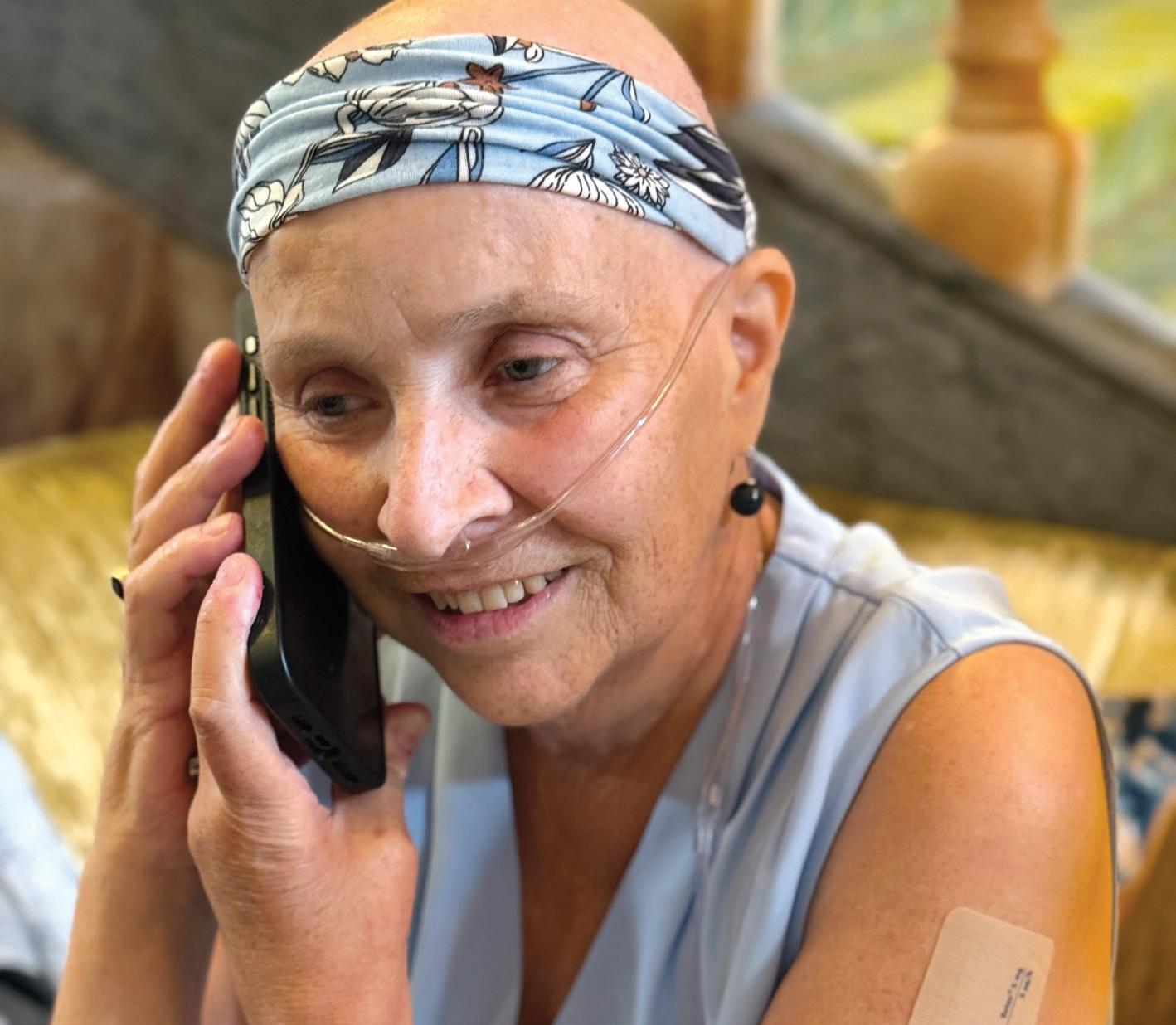
“She was doing a blood transfusion in hospital, having just had chemotherapy, and she was doing a Zoom call with the previous health secretary, Victoria Atkins”, Tristan tells us. “Two days before she died”. Susan was diagnosed in 2013. Over the next decade, she campaigned for better awareness and research into lobular breast cancer, a type that can be harder to detect and can behave differently from other breast cancers. Tristan’s frustration is not abstract. It comes from watching her go through treatment after treatment, while the disease continued to progress.

“My wife had been given eight different generic breast cancer treatments”, he says. “None of them could stop the disease progressing and killing her”. Even near the end, Tristan says, Susan kept pushing for change as someone living the consequences of a system that still lumps very different cancers together. “Victoria Atkins said, ‘Susan, you’re like one in a million. You are just so rare’”.
the number of men who have helped”, he says. “People need to wake up. This is their wife, their daughter”. This goes beyond medicine. Illness brings a long grind into family life: appointments, admin, pressure on work, sleep, and mental health, plus the quiet fear that settles in. It is where many men sit, wanting to fix things, but not knowing what to do with the helplessness.
“My wife had been given eight different generic breast cancer treatments. None of them could stop the disease progressing and killing her.”

WHEN IT BECOMES PERSONAL
Now Tristan is trying to make sure Susan’s story lands with the people who too often look away: men. In his experience, breast cancer campaigns can feel distant until a partner, sister, daughter or friend is diagnosed. Even then, he says, many men assume their role is simply to be supportive, without realising how much power they have to help drive action and demand better. “I can count on one hand
TURNING GRIEF INTO ACTION
This April, Tristan and fellow campaigners plan silent vigils across the UK, calling for targeted funding and faster progress. “The great success would be the government say, ‘Okay, we agree to fund this’”, he says. “If we truly are democratic, then if 73% of MPs tell you to fund this, then do it”. The rose will bloom, fade, and bloom again. Tristan holds onto that. Susan’s name now lives in gardens, not as a tribute, but as a reminder. If it helps women get the right treatment, and men show up and stay present, then her work is still growing today.
Watch the Our Journey with Lobular Cancer documentary on Wednesday 22nd April at 7pm