LETTER FROM THE EDITOR-IN-CHIEF


If this is your first issue of TLK, please scan here to visit our website, where you can read and enjoy stories and photos from our previous issues.
Hello friends,
Here in the Northern Hemisphere, the memories of a cold winter have melted away, and our sights are set on spending time outdoors with friends and family.
Gardening, golf, or sipping afternoon tea: each of these luxurious pastimes enhances the enjoyment of a warm spring day. In this issue of The Living Kitchen , we are thrilled to share stories of artfully crafted greenhouses, the stunning landscapes of elegant homes in the Hamptons, and the fresh bounty from our own Harvest Haven farm.
We also invite you to explore incredible golf resorts in Wisconsin's verdant countryside, and enchanting decor that brings the fairway fun home. If relaxing indoors is on the menu, we suggest heading to one of three graceful hotels in London, New York, and Cape Town for the ultimate afternoon tea experience, and we also offer guidance on hosting the ideal tea at home.
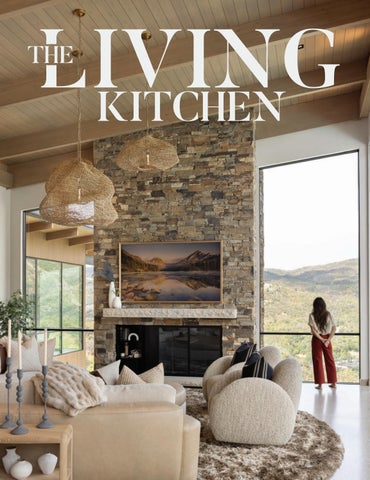
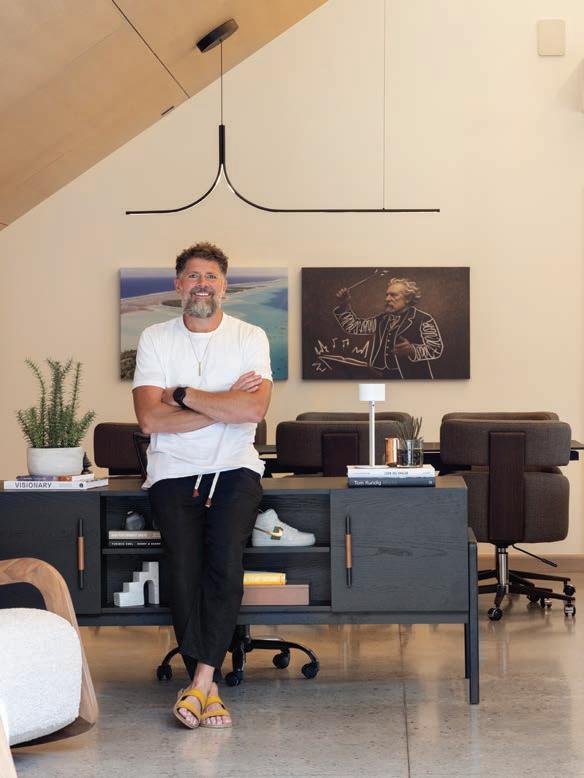
If you are like me, you also have an appetite for amazing design, which I experienced firsthand when I visited the spectacular home of Utah architect Ezra Lee, featured here in our pages and on our cover. We also traveled to Tennessee to view an incredible renovation of a charming, artistic home by the esteemed firm Pfeffer Torode.
Like every fine meal, I saved the best for last: a visit with renowned Chef Alain Ducasse, whose Le Louis XV restaurant in Monte Carlo is the foundation of an unmatched culinary legacy.
So I encourage you to step outside and embrace the season, on the greens, in the garden, or wherever your passions take you.
Warmly,
Samantha Bakke Annen Publisher & Editor-in-Chief, The Living Kitchen
General Counsel BLAINE RENFERT
Publisher / Editor-in-Chief
SAMANTHA BAKKE ANNEN
Creative Director
SHARON BARTHOLOMEW
Managing Editor
LISA CAVANAUGH
Digital Content Specialist
DARYLNN CHOLES
Publishing Specialist ZOE SHEEKS
Corporate Head Demonstration Chef
JOEL CHESEBRO
Sub-Zero Group Consultants
Vice President of Finance TONY FOX
Terry Hoffman, Ryan Kools, Megan Quick, Jeff Sweet, Sarah Wortham
Writers
Rachel Arroyo, Kelly Chase, Carissa Chesanek, Sarah Lippert, Lane Nieset, Lannan O’Brien, Christina Poletto, Colby Radomski, Janice Randall Rohlf, Jennifer Sperry, Nikia Wells
Photographers
Matteo Carassale, Blue Carreon, Betsy Fries, Lance Gerber, Ali Harper, Thomas Ingersoll, Meagan Larsen, Nathan Legiehn, Riley Snelling, Lea St. Germain, Kévin Tchobanian, Doug Young, Ella Williams
Advertising Sales: Scribner Media Services Tanya Scribner tanya@scribmedia.com
Editorial submissions may be sent to thelivingkitchen@subzero.com
All rights reserved. No part of this magazine may be reproduced in whole or in part without the written permission of the publisher. Publisher disclaims all responsibility for omissions, errors, and unsolicited materials. Printed in the USA.
Published by Tide Street Group www.tidestreetgroup.com
If you aren’t interested in receiving this magazine, scan the QR code below to unsubscribe.







ADVICE 8 Designed for Living
A graceful townhome displays architect Trevor Wallace’s talent for creating experiential spaces.
12 Elevated Ice
The innovative Designer Series Ice Maker from Sub-Zero takes your beverages to the next level.
16 Testing the Limits
Architect Ezra Lee’s family estate in the Utah mountains melds sleek style with a sense of play. 26 An Artist’s Abode
A fusion of historic charm and modern functionality from Tennessee-based Pfeffer Torode Architecture.
34 Seeing Green Conservatory Craftsmen’s spectacular greenhouses are beautiful year-round sanctuaries for avid gardeners.
40 A Peek Behind the Hedges Photographer and designer Blue Carreon shares an inside look at glorious gardens in the Hamptons.
46 Beyond the Kitchen
From wellness studios to home movie theatres California's Morrison Interiors showcase Sub-Zero, Wolf, and Cove products in new and fun ways.

50 Tee Time in America’s Dairyland Wisconsin resorts that offer impeccable fairways, deluxe accommodations, and lavish amenities.
58 Chefs, Crafts, and Culture
Baha Mar celebrates local culture at its annual Bahamas Culinary & Arts Festival.
64 Sip & Savor
Refined spots for sumptuous afternoon tea in three global hubs.
72 Leading a Legacy
Eminent French Chef Alain Ducasse has laid the foundation for lasting culinary excellence.
80 Arizona Calling
Chef Derek Biazo brings his talents and tastes to Scottsdale’s Sub-Zero, Wolf, and Cove customers.

86 Steeped in Intention
Host an ideal tea party with a curated menu, elegant linens, sophisticated china, and graceful extras.
92 From the Ground Up Harvest Haven farmers provide abundant fresh ingredients for Sub-Zero corporate chefs.
98 Designing the Details Art and engineering inform the work of Sub-Zero Industrial Designer Anne Hardy.
102 Showroom Directory
104 Forward Look
Discover the best accessories for your Sub-Zero, Wolf, and Cove appliances.
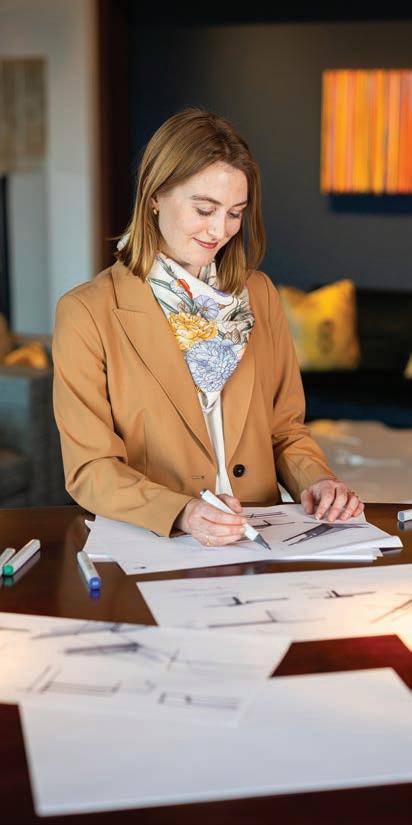
Photo by Nathan Legiehn

The Living Kitchen’s new Expert Advice columnist is Trevor Wallace, Principal with Reflect Architecture in Toronto, Ontario, Canada. Born and raised in Toronto, Wallace’s work examines the unique and profound relationships between people and their built environments and how contemporary cultures adapt existing architecture for new uses.
By Trevor Wallace Photography by Riley Snelling
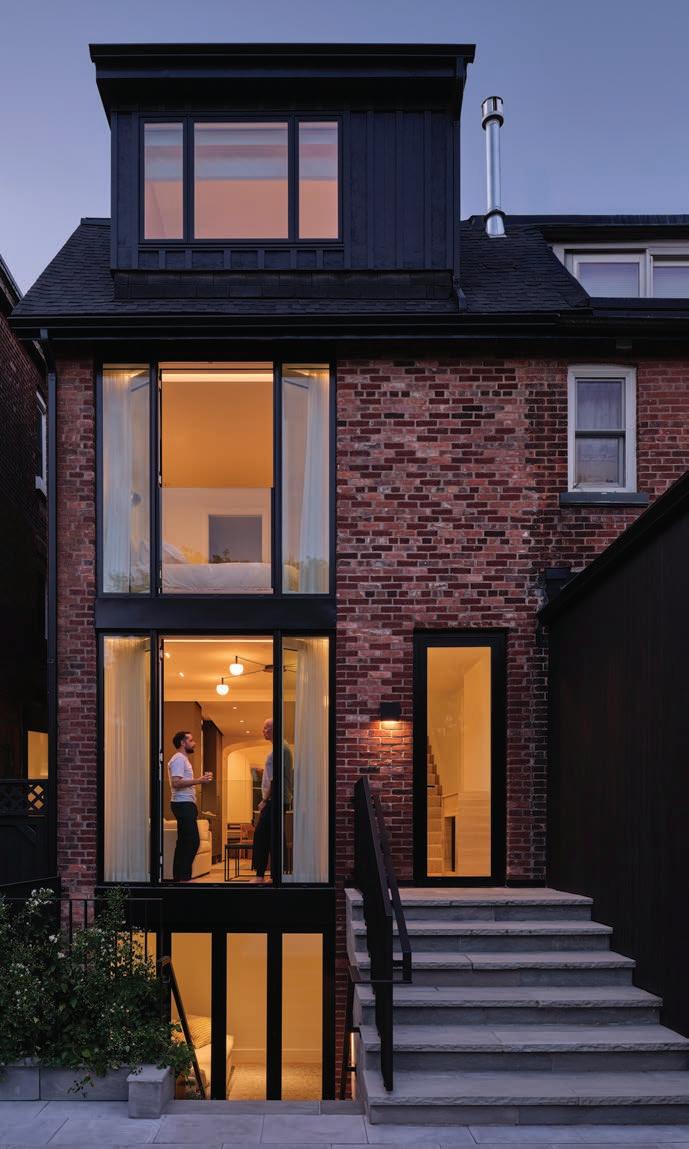
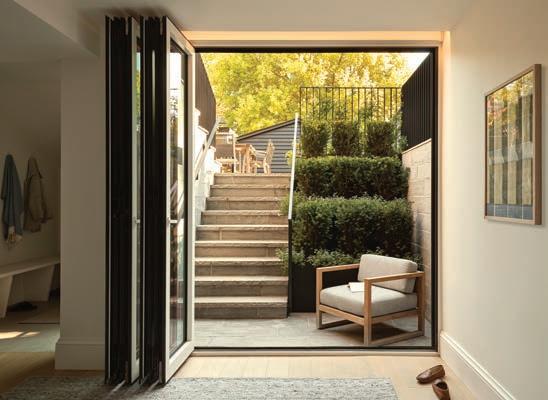
TStacking the living and family rooms at the rear of the home with terraced landscaping maximizes light and access to the backyard within the narrow footprint.
his existing home was beautiful but outdated, so our team took it right down to the studs. The kitchen, in particular, felt tired and out of place, so the process we went through focused on infusing a contemporary way of life into the old home. We wanted to ensure we would still celebrate what makes this historic home so lovely, while considering how the family that owns it lives today.
Regarding kitchen architecture, the special thing about cooking is that it’s so different for everyone, and it often changes as a family evolves. In one design iteration, you are planning for a couple before they have kids, which is very different from how you design for them after they have kids or when their kids get older and, ultimately, when they become empty nesters.
The first thing we want to do is understand where our clients are in their lives and how it will change in the foreseeable future. Then, of course, we want to balance that with what type of people they are. Some clients keep things very clean, while others are messy when they cook, so they would not want an open-concept kitchen with nowhere to hide things. In kitchen design, we ensure our work reflects an understanding of those two aspects of our clients’ lifestyles.
For this family and this townhome, obviously, the kitchen is quite open to the living space and the dining
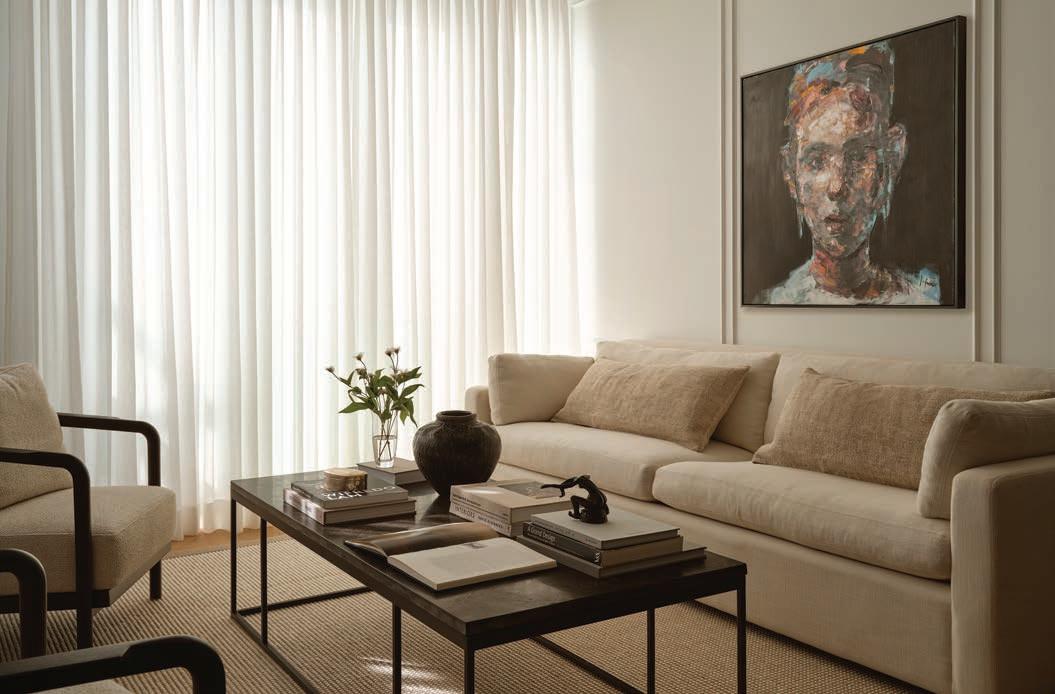
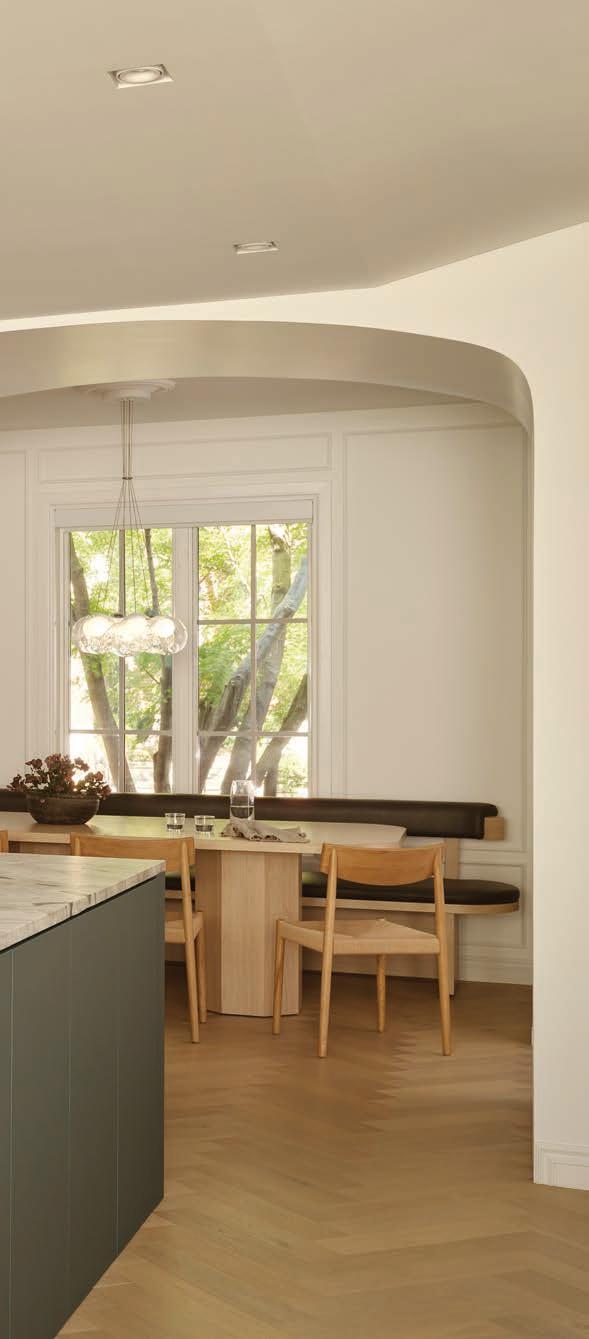
The homeowners envisioned an English countryhouse atmosphere, layered with softer white tones and modern accents.
room beyond. They wanted to be able to seamlessly move from the kitchen to the other spaces on that floor.
Our biggest challenge in this house was that the front was tight, and there was no room for a grand vestibule or a center hall upon entry. We also wanted full-width windows in the back of the house to look out to the garden and the garage. There wasn’t enough room on the narrow ground floor for a mudroom, and if you did have one, you wouldn’t get a generous living room overlooking the back with the beautiful southern light.
We tried hard to look at this small floor plan and find a way to create an incredibly elegant, familyoriented ground-floor space that visually extends into the back garden. So, the biggest thing in this house was identifying the front as the dining room, because it’s casual and easy, and it also allows you to put the main living space, the main living room area, against the back glass, which is super lovely both day and night.
It is a wonderful space to be in, and what it means is that the couple can be making breakfast or dinner while you have kids sitting at a table or guests in the living room, creating the feeling that the kitchen is the center of the home. Thankfully, we had just enough room to do it width-wise.
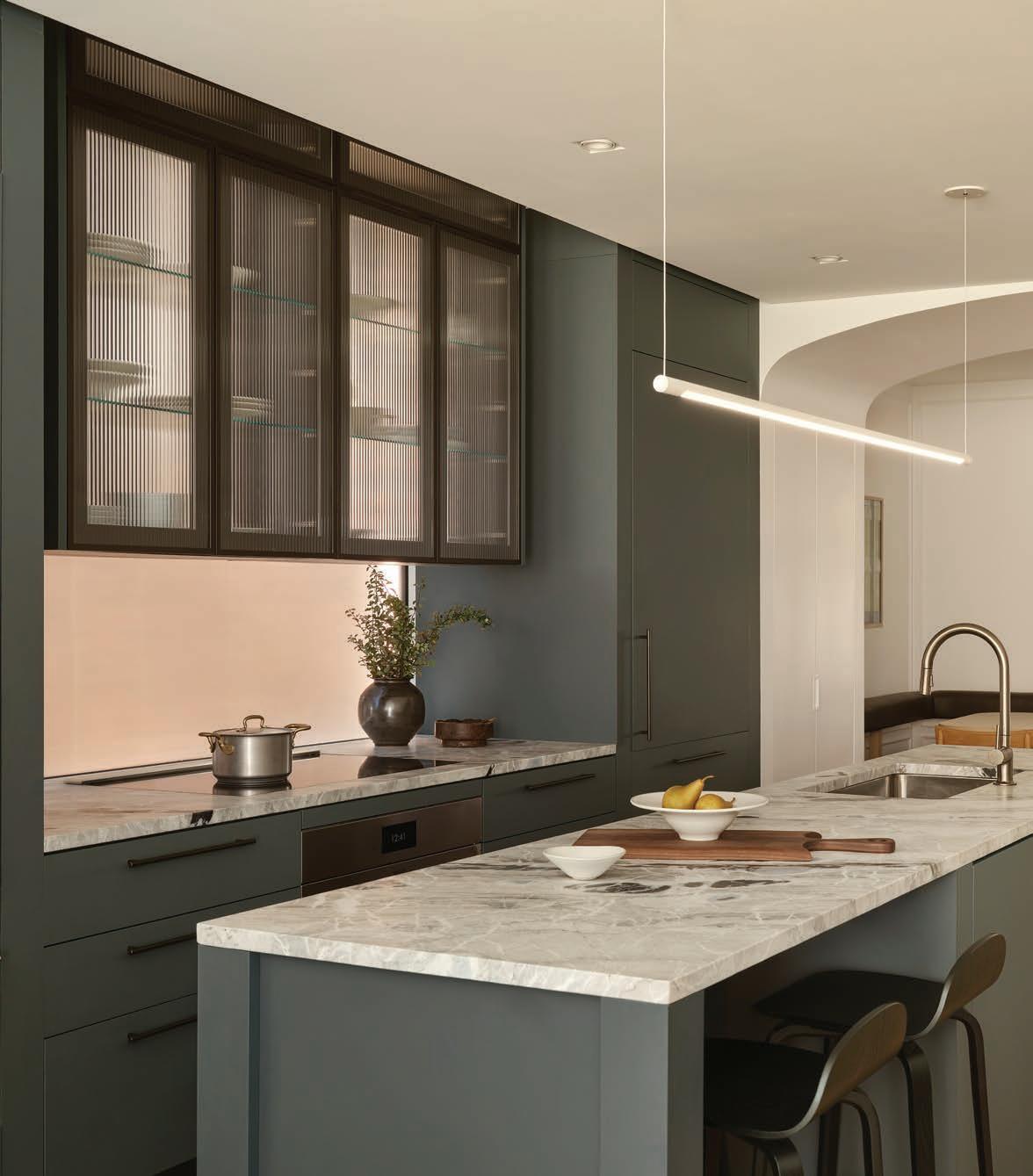
We came up with that strategy in response to the clients saying, “We’ve got young girls, so we want to be able to cook and help them with homework.” They needed the kitchen to handle these tasks at once, but as the girls get older, or if they are asleep, they still want to be able to entertain their friends at the dining table and in the living room right next to the kitchen. We knew we’d have natural light at the front of the house and tons of light coming from the back, but we worried the kitchen in the middle would feel too dark, so we thought it would be lovely to bring natural light into the sink area. So, we
designed functional pantries on either side, with suspended cabinets made from translucent glass in front of a huge new window on the side of the home. It was our way of demasking the kitchen. Typically, upper cabinets and backsplashes are quite heavy, so we went through the effort of installing
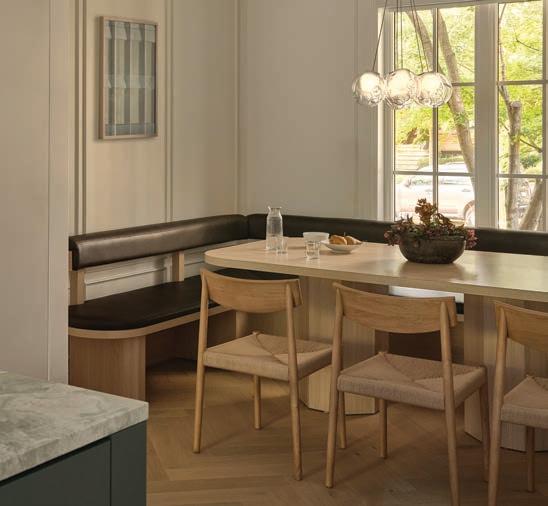
A contemporary chandelier framed in the front window foreshadows the balance of new and traditional design cues throughout the home.
these glass-backed cabinets with glass fluted fronts to make them delicate and elegant. At night, they shimmer, and in the daytime, the space is illuminated.
For the Sub-Zero and Wolf appliances, we chose to place them behind integrated panels. If you have an enormous rural kitchen, you can highlight a large range in the center of the space, but for a smaller footprint with a contemporary style, it is essential to make the appliances appear more seamless.
That’s the wonderful part about the Sub-Zero, Wolf, and Cove product line. It offers both this robust industrial aesthetic and the ability to tuck everything away with fully integrated ovens, etc. The products disappear or feel like furniture, and that is a successful narrative about how kitchens can become integrated into the main spaces, which, in small floor plans, can be hard to get right.
In terms of the color scheme, we leaned into the homey nostalgia of English country homes. The client used to ride horses and had a healthy nostalgia for London living, so we opted for hunter greens, soft whites, and some deep leather furnishings. It was an excellent exercise for us, and we managed to avoid the floral wallpapers and more fussy aspects of that aesthetic. Instead, it became a successful juxtaposition between the traditional and something a bit tidier and more sophisticated.
Making these design decisions thoughtfully allowed our team to successfully blend the home’s historic provenance with the clients’ modern lifestyle, adding light, flow, and a sense of ease.

THE NEW DESIGNER SERIES ICE MAKER IS DESTINED TO BE A CLEAR FAVORITE.
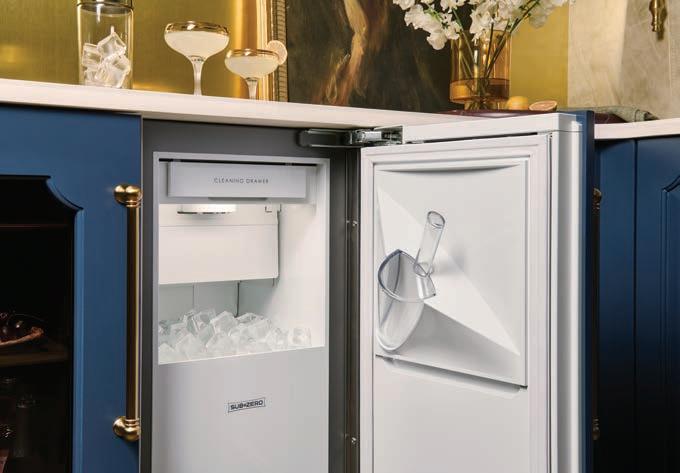
Picture the first sip of a well-made drink: crisp, cold, and sparkling with possibility. Behind that moment is ice—the unsung hero of every refreshing beverage. With the new Designer Series Ice Maker, Sub-Zero brings understated luxury to the home. Designed specifically for residential kitchens, it delivers whisper-quiet performance, effortless cleaning, and cubes as pristine as the glasses they fill.
For years, most home ice makers were simply scaleddown versions of restaurant models. Commercial manufacturers dominated the market, but their products—while adequate in professional kitchens— didn’t always meet the needs of discerning homeowners. Many residential models were noisy and challenging to clean, resulting in beverages chilled with less-thanperfect cubes. They also fell short of the aesthetic polish worthy of high-end kitchens.
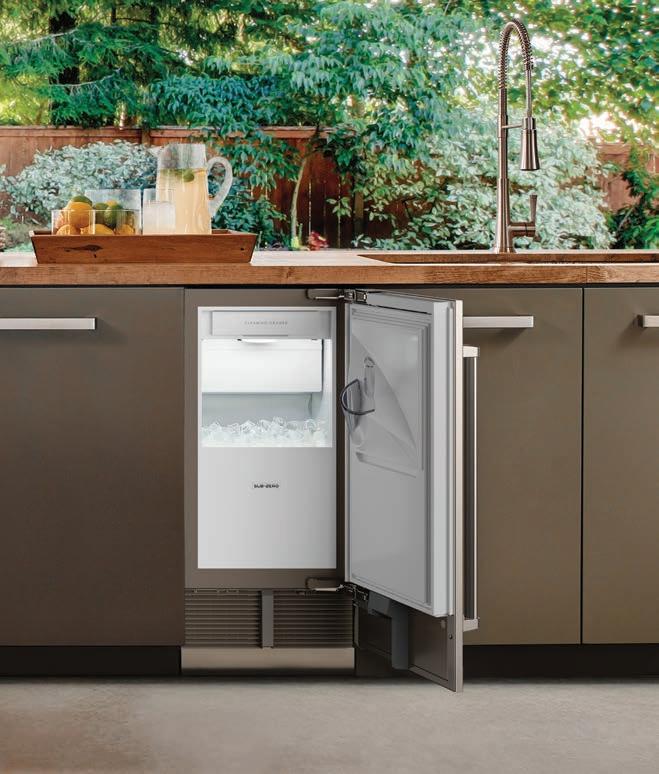
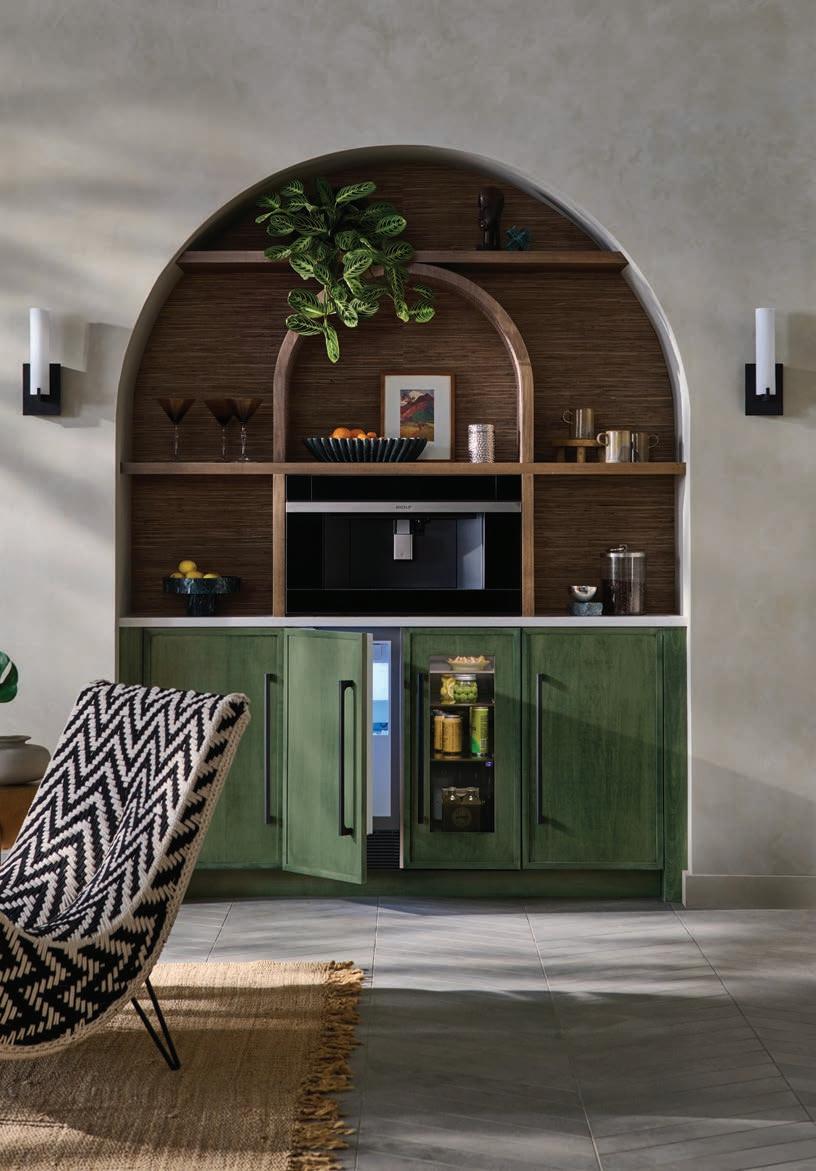
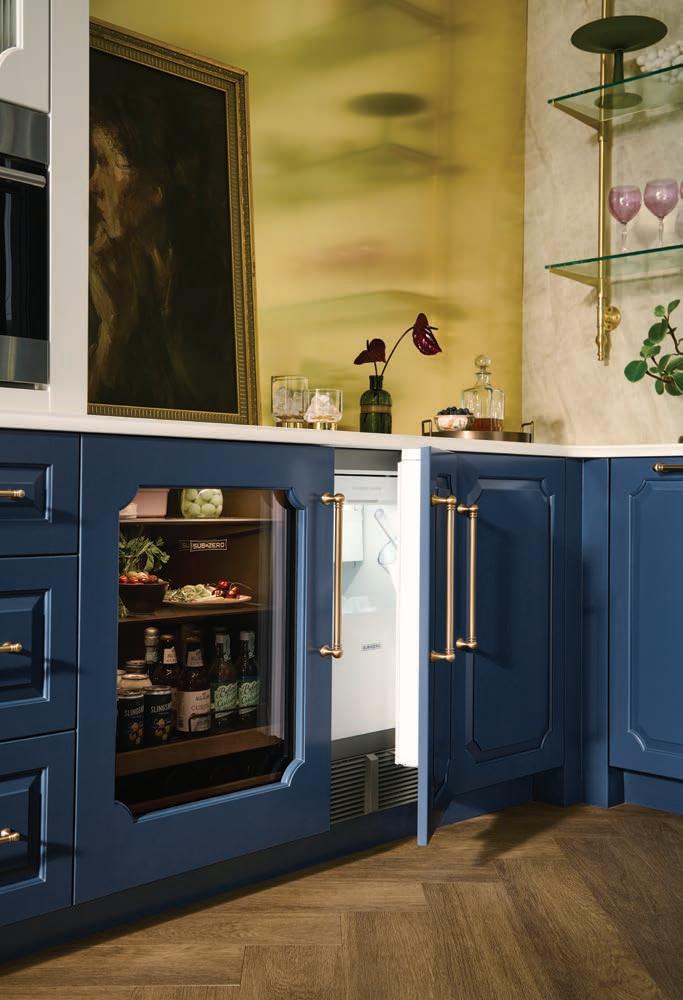
“Our previous ice makers served our customers well, but with the new Designer Series Ice Maker, we took the opportunity to reimagine what a residential ice maker could be: designed in-house from the ground up to meet the unique needs of today’s luxury kitchens,” says Chad Wohlrab, Director of Design Engineering.
This new ice maker is not an adaptation or a tweak—it’s a complete reinvention. The engineering team spent six years (nearly eight if you count the earliest conceptualization) developing the product from scratch; even Sub-Zero’s
Undercounter models produce up to 65 pounds of clear, octagonal-shaped ice per day, and are available in panel-ready or stainless steel finishes.
Camelback, Arizona, manufacturing facility was purpose-built for this new product. Starting from a blank slate allowed the team to tackle challenges previous models faced, especially noise and cleanability.
The unrelenting focus on creating a near-silent product was one of the major accomplishments of the team’s efforts, resulting in the new MaxQuiet™ technology that differentiates the new ice maker from others. The product design team also went to great efforts to ensure the design of the new ice maker measured up to the look and feel of other Sub-Zero, Wolf, and Cove appliances.
The Designer Series Ice Maker isn’t just about making ice; it’s about delivering the high-end experience Sub-Zero customers expect. Every detail, from the cube shape (chosen through focus groups for optimal performance and appeal) to the ice scoop’s ergonomics, was informed by consumer insights and rigorous testing. Even the refrigerant was carefully selected to match the rest of the SubZero line, simplifying service and support.
Sub-Zero’s commitment to quality goes beyond the warranty. “Our customers expect quiet operation and longevity—ideally, a 20-year life,” says Principal Engineer Tom Lasecki. “This project was a chance to deliver on that promise and create an ice maker that truly belongs in the Sub-Zero family.”
While homeowners may not think about cleaning their ice maker often, it’s essential for creating cubes with no taste that can affect the flavor of cocktails, soft drinks, or even plain water. “With ice makers, we’re not just keeping food cold; we’re making something people consume,” Lasecki explains.
That’s why the new Designer Series Ice Maker features a completely reimagined cleaning system that makes upkeep easier and more intuitive than ever. The touchscreen guides users through each step in the cleaning process. The machine first descales, then sanitizes. All the user has to do is remove the ice, wipe down the interior, and add the cleaning agents when prompted. The result is consistently clear, fresh-tasting ice with minimal effort.
As the Designer Series Ice Maker makes its debut, the team is excited to see it in homes across the country. The many years of work ultimately come down to the moments this new product will help create: vibrant cocktails shared with friends, ice-cold lemonade on a hot summer day, and the simple pleasure of a glass of water that tastes as pure as it looks.
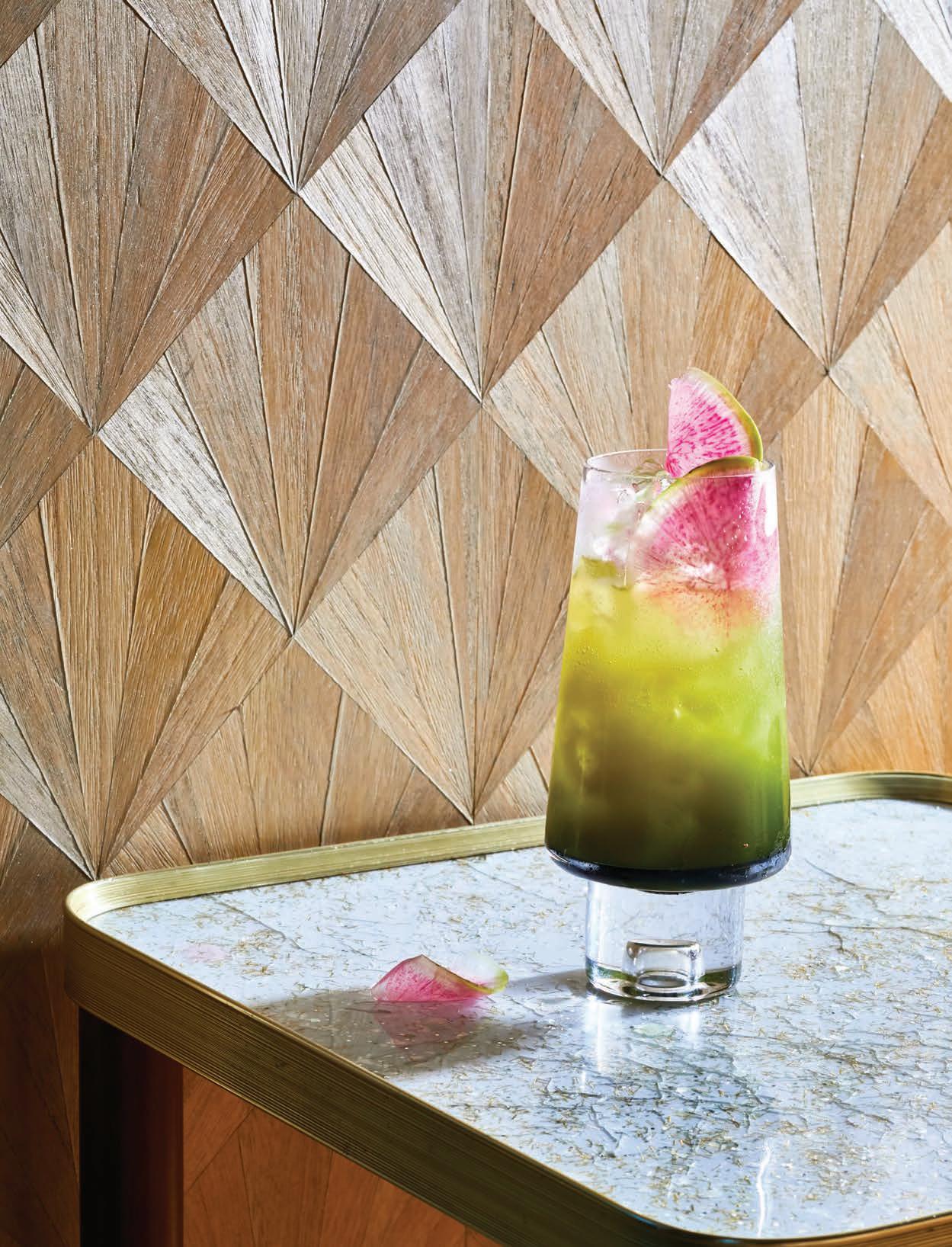
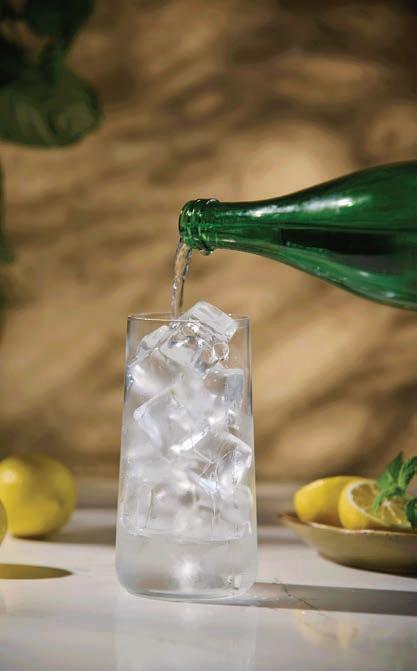
A refreshing green drink with a lively, energizing twist.
Yields 1 serving (8 fluid ounces)
INGREDIENTS
Matcha Base
½-1 teaspoon ceremonial-grade matcha powder
2 tablespoons hot water (approx. 175°F / 80°C)
Lemonade Base
¼ cup fresh lemon juice (approx. 1 large lemon)
1 cup cold water
2 tablespoons agave syrup
Garnish
Thinly sliced watermelon radish
PREPARATION METHOD
1. Sift the matcha powder into a small bowl to remove clumps. Add the hot water and whisk vigorously in a “W” or “M” motion using a bamboo whisk (chasen) or handheld frother until smooth and foamy.
2. In a separate glass or pitcher, combine the fresh lemon juice, cold water, and agave (or your preferred sweetener). Stir well with a spoon or other utensil until the agave syrup is completely dissolved.
3. Fill a tall serving glass with ice. Pour the lemonade mixture over the ice.
4. To create a layered look, slowly pour the prepared matcha over the back of a spoon into the lemonade. Alternatively, stir everything together immediately for a uniform emeraldgreen color.
5. Place a thinly sliced piece of watermelon radish along the inside rim of the glass.
Photo by Lauren Volo
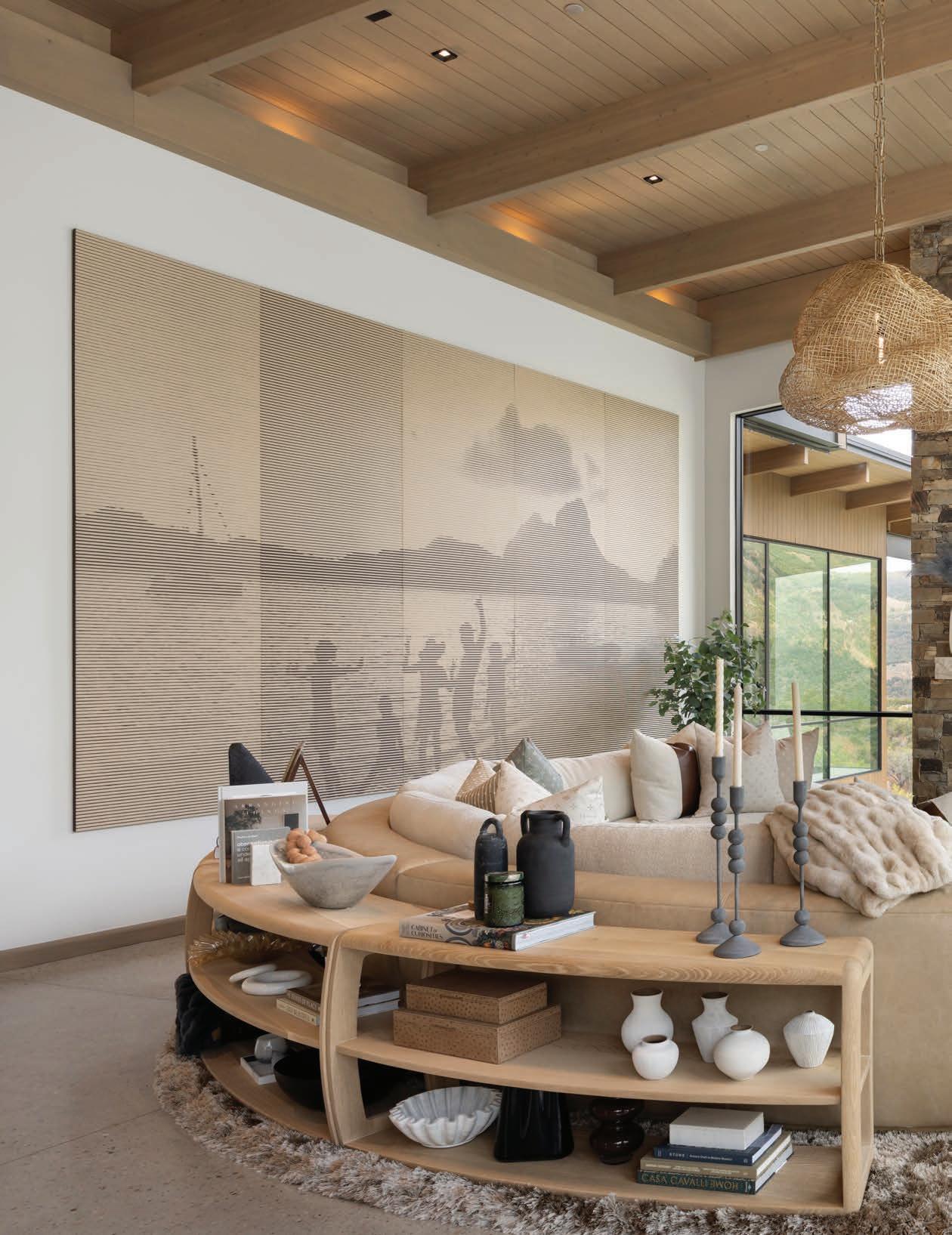
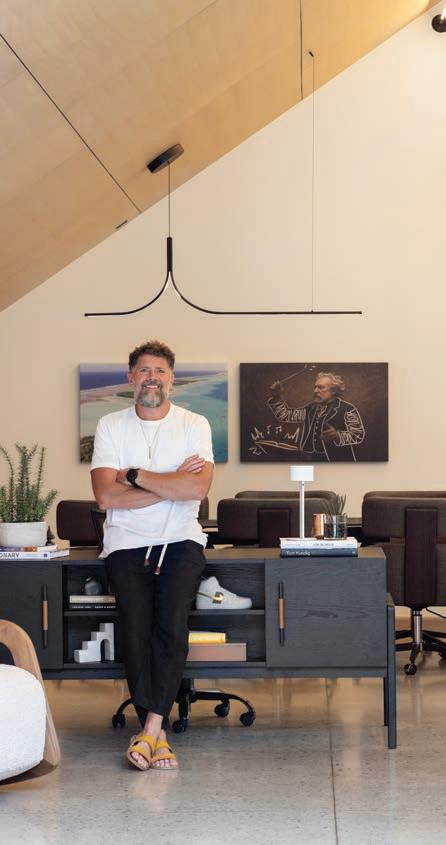
Ezra Lee pushes design boundaries to create the ultimate family home in northern Utah.
By Jennifer Sperry
Designer Ezra Lee, founder and principal of Ezra Lee Design + Build, is not afraid of new things. To him, trial and error are a natural part of design and life lived on the edge.
But with big risk comes big rewards, as with his personal home in the mountains of northeastern Utah. Designed with his family’s needs in mind (he and his wife, Ashley, have three sons ages 15, 13, and 11), it is a testament to what out-of-the-box thinking and living can achieve.
Located in Alpine, the property is tucked up to the base of Lone Peak at an elevation of 5,700 feet. As the story goes, Lee initially dismissed the plot of land. “I pulled up on the street and was looking down at the property. I didn’t like the idea of our home being down in a hole,” he recalls of their first impressions.
“Sometimes beauty is in the unexpected,” he continues. “After walking through some native brush and scrub oak, we came to a meadow, turned around, and saw that view. We were like ‘Oh wow!’” He adds that moving the home off the road, with the driveway sloping downward, provides complete privacy, which has become one of their favorite features of the property.
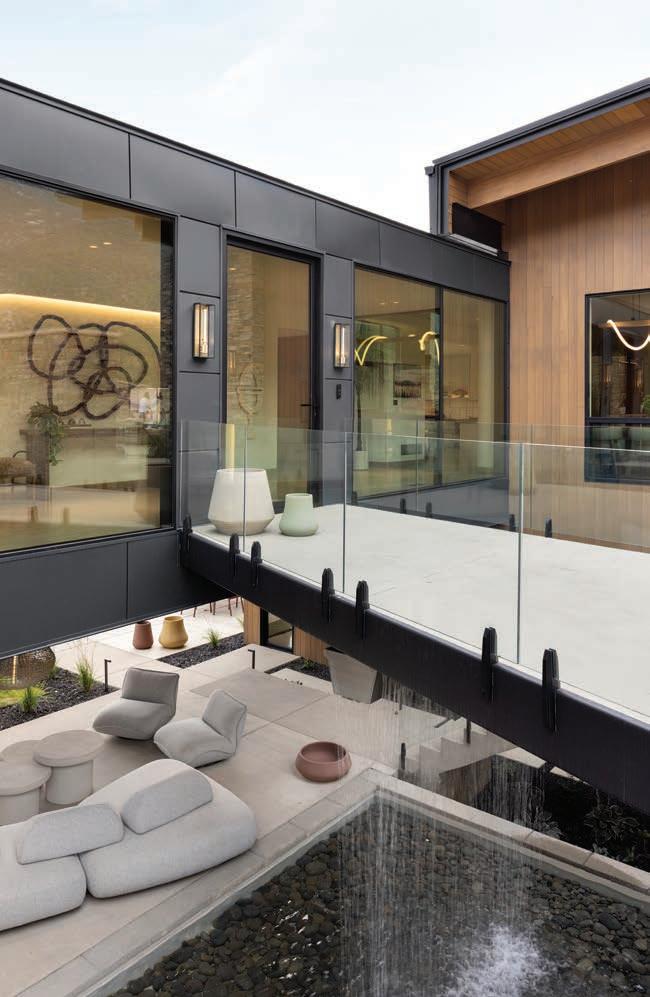
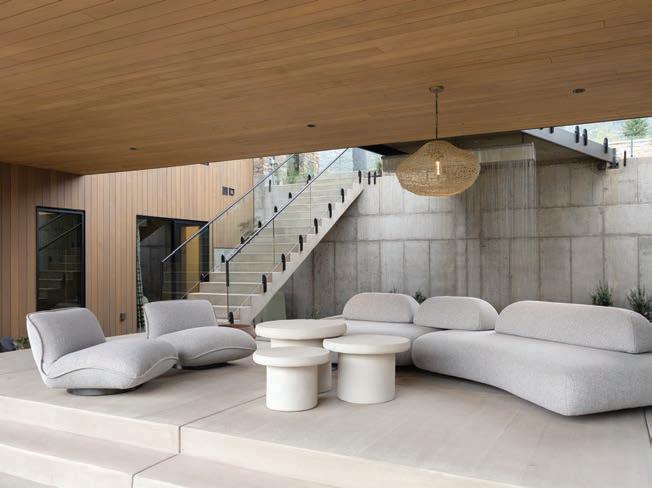
For the home itself, Lee dreamed up a contemporary oasis that hugs the cascading landscape. The silhouette’s modernity contrasts with the landscape’s raw, undulating form. It defers to Lone Peak’s majesty through copious glazing and earthy neutrals inside and out.
“The layout is reactive to the site. We made sure of all vertical angles before construction—we didn’t want any windows clipping off the mountain peak,” notes Lee. “We stretched segments of the home to capture views but also to create privacy. To me, the best architecture is a series of simple but powerful moves.”
“WE STRETCHED SEGMENTS OF THE HOME TO CAPTURE VIEWS BUT ALSO TO CREATE PRIVACY. TO ME, THE BEST ARCHITECTURE IS A SERIES OF SIMPLE BUT POWERFUL MOVES.”
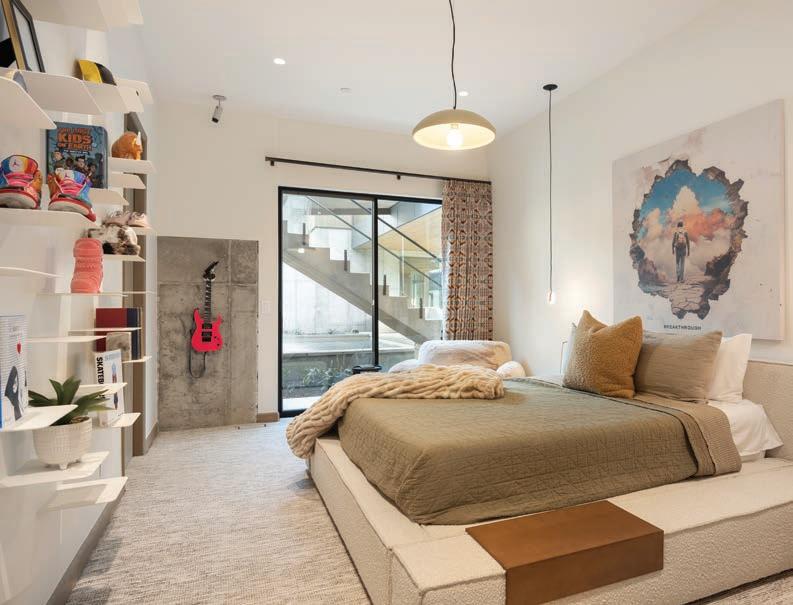
One rectangular volume houses the heart of the home: kitchen, dining, and great room. Another offset rectangle contains the primary suite. The boys have a sleeping area on the lower level complete with their own living room and rec area with card and pool tables. A single-level entry and mudroom act as a bridge to yet a third volume, the two-level garage.
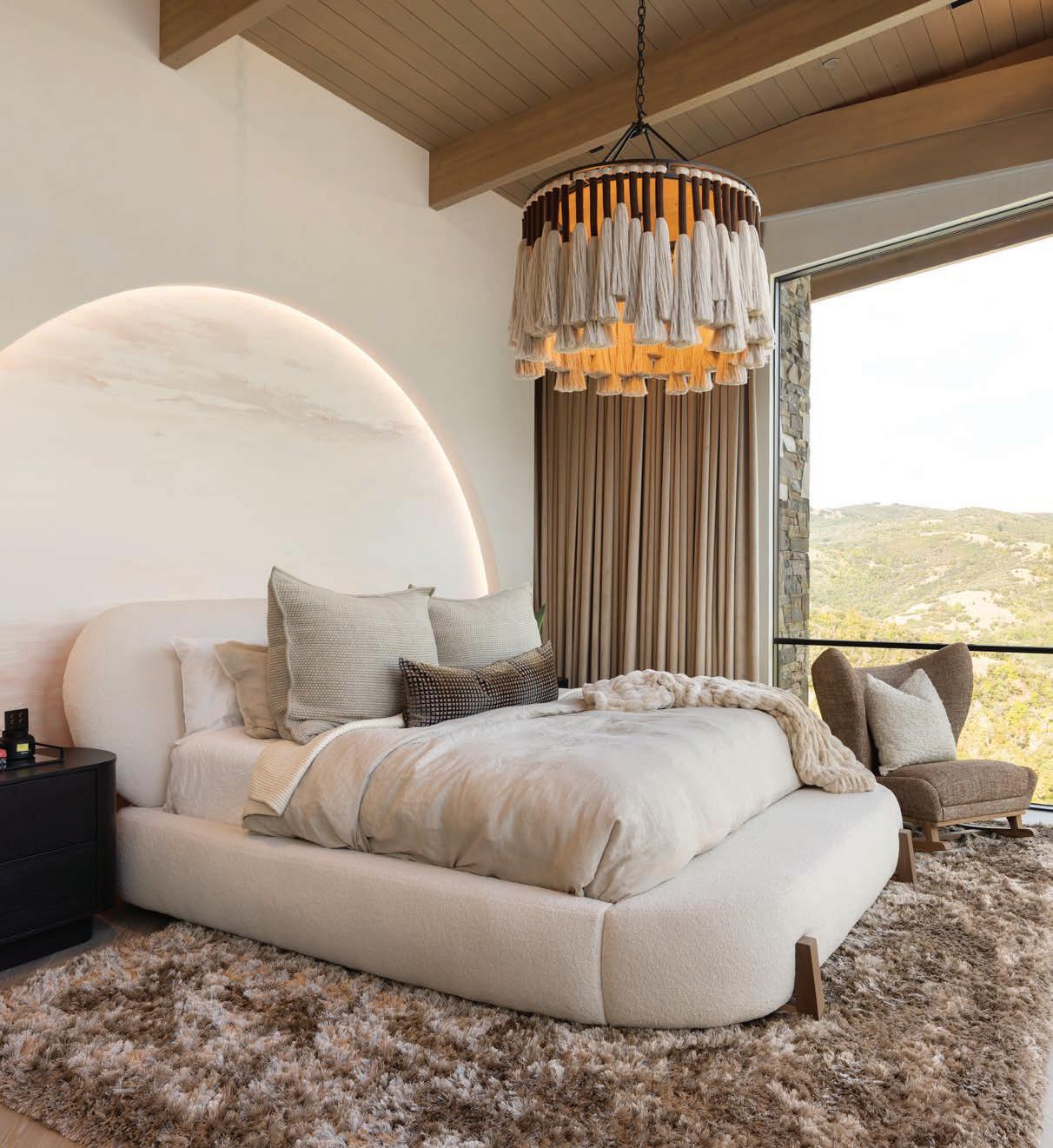
For the interior design—spearheaded by Lee and the designers at his vertically integrated architecture, construction, and interior design firm—all selections revolve around an “organic mountain modern” theme.
“To me, what sets a project up as timeless is to use as many natural materials as possible,” says the entrepreneur. Interior
selections include polished concrete, a mixture of local stones, and both metal and wood paneling.
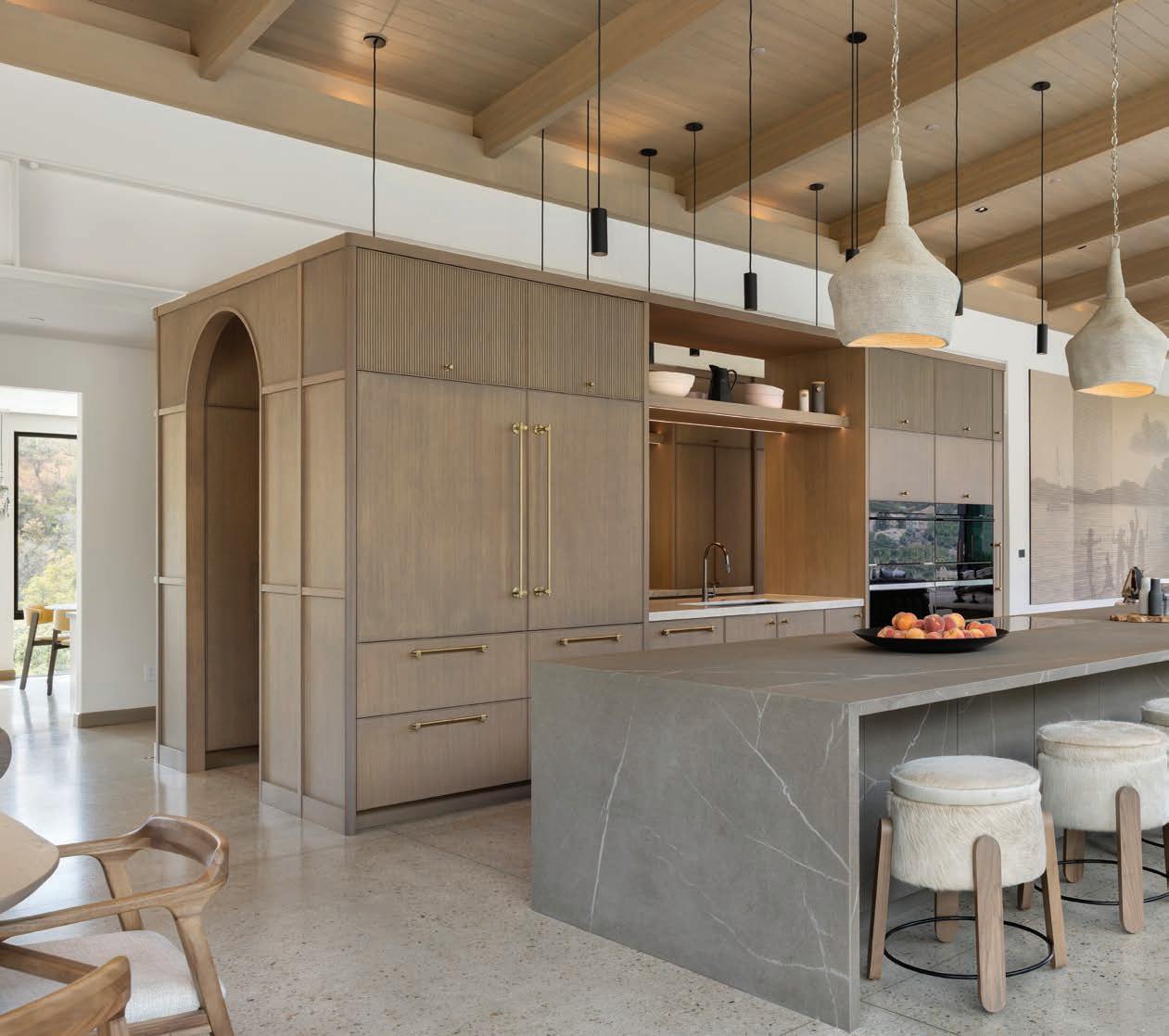
Having a central kitchen was important to the couple, but Lee envisioned something more open and connected than a more traditional arrangement. “I didn’t want to be constricted by placing it on an exterior or interior wall,” he describes.
His solution is a cabinet assembly that sits within the soaring main living space, independent of both walls and the timbered ceiling above. Plumbing and wiring run up through the floor into the cabinets. The assembly’s outward-facing side is traditionally attired with core appliances. The interior is akin to a walk-in pantry with small appliances and food storage.
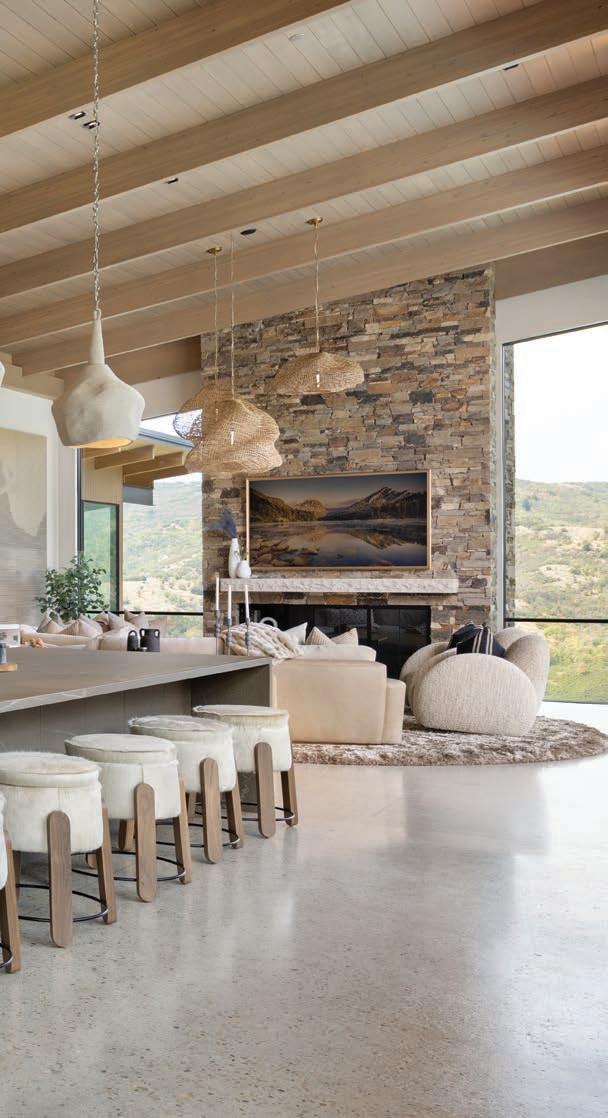
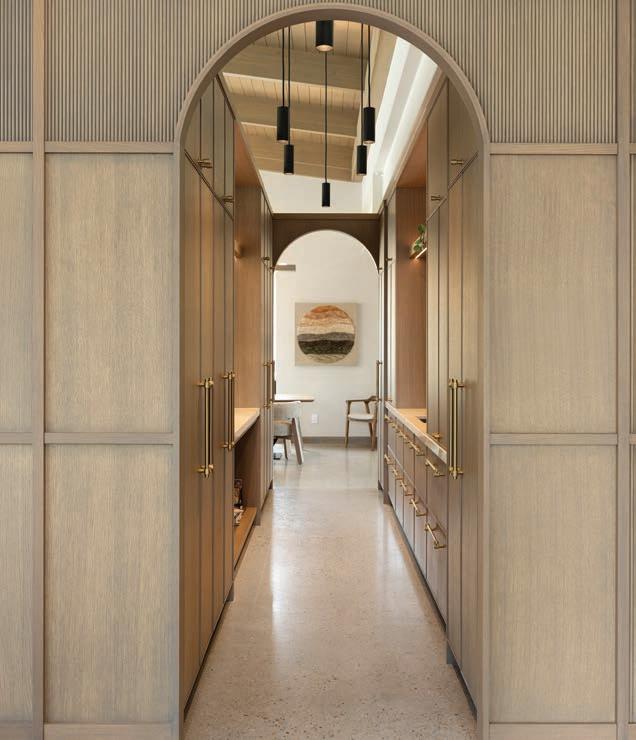
“It feels like the kitchen is floating, like it’s a sculpture,” says Lee of the finished effect. “I was a little nervous about it,” he says with a laugh, “but I think we nailed it. It’s unique and unexpected. I love how you can be in the pantry area, and it still feels open; it doesn’t feel like you’re in the back of the house.”
Nearly all appliances—in the kitchen, lower-level kitchenette, and outdoor kitchen—are Sub-Zero, Wolf, and Cove. For Lee, looks are paramount, but he and Ashley also needed their selections to work well for both family life and entertaining. Their favorite features are the Wolf Induction Cooktop and the Wolf Convection Steam Oven. Sub-Zero Designer Series
Refrigeration with Drawers is filled with snacks for the boys. Inside the pantry, a Sub-Zero Freezer Drawer under the blender makes for a handy smoothie-making spot.
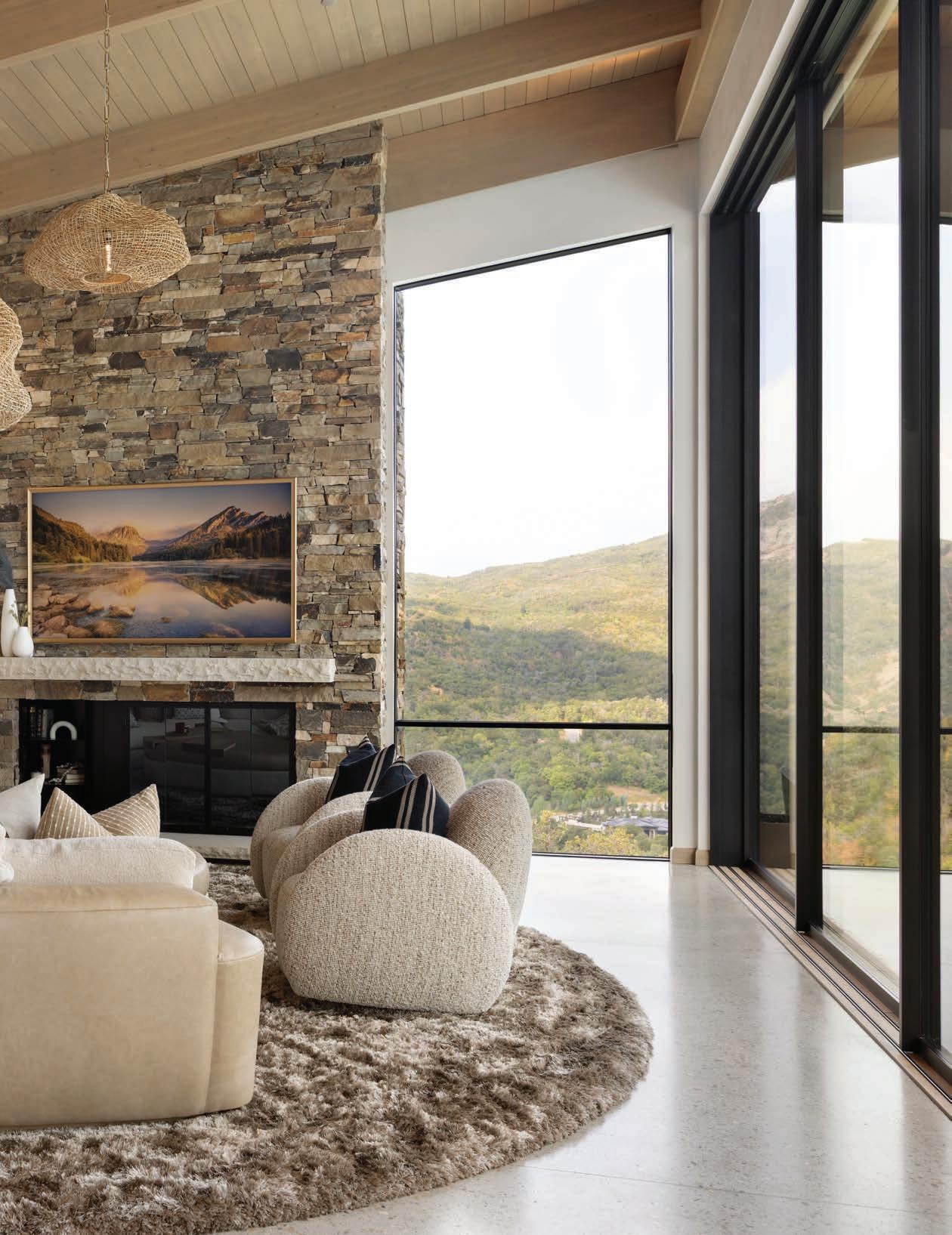
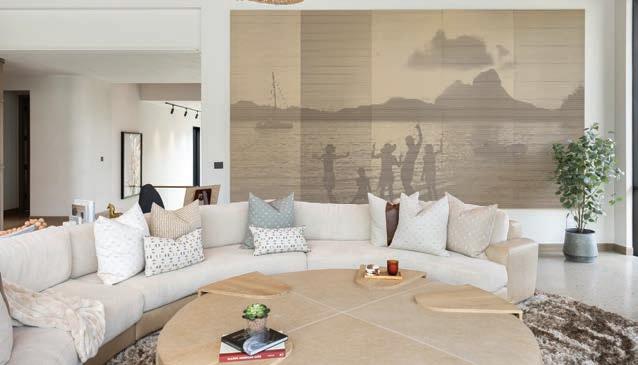
Just off the kitchen is the great room, a bold space centered on a stone fireplace topped by a framed TV. Curvilinear furniture contrasts with the linear architecture. The sectional combines the timeless feel of leather and the comfort of bouclé upholstery. Inside the curve is an ottoman boasting nesting TV trays. A 20-foot circular rug unites the arrangement all of which was custom-designed and built by the Lee’ team at their furniture store, Hue & Hem.
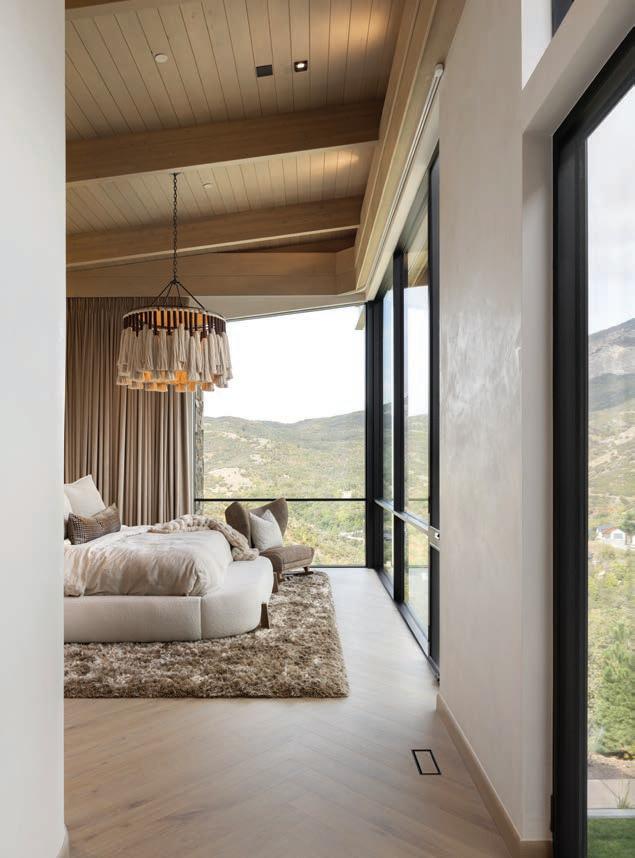
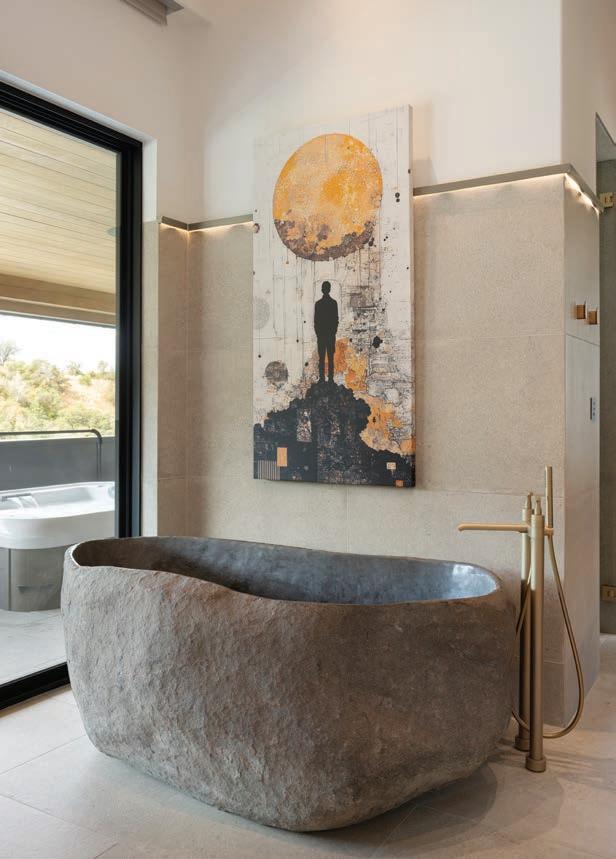
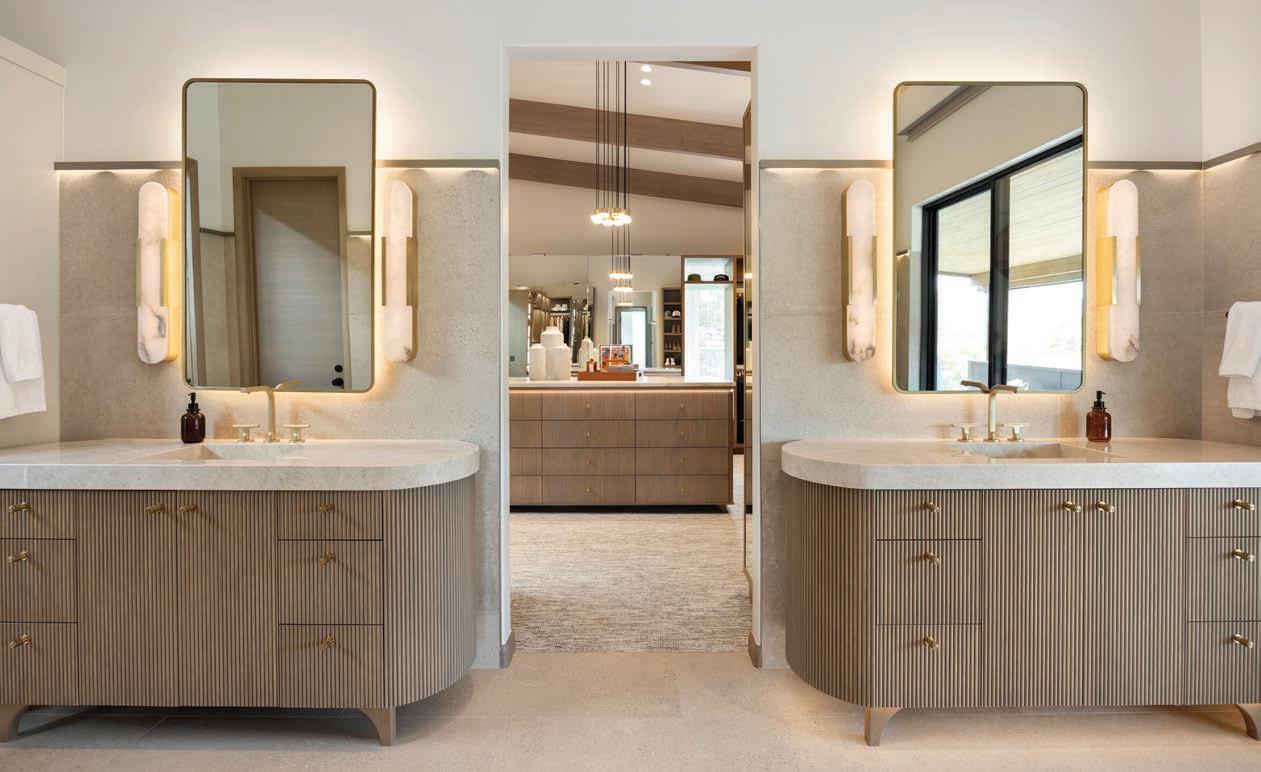
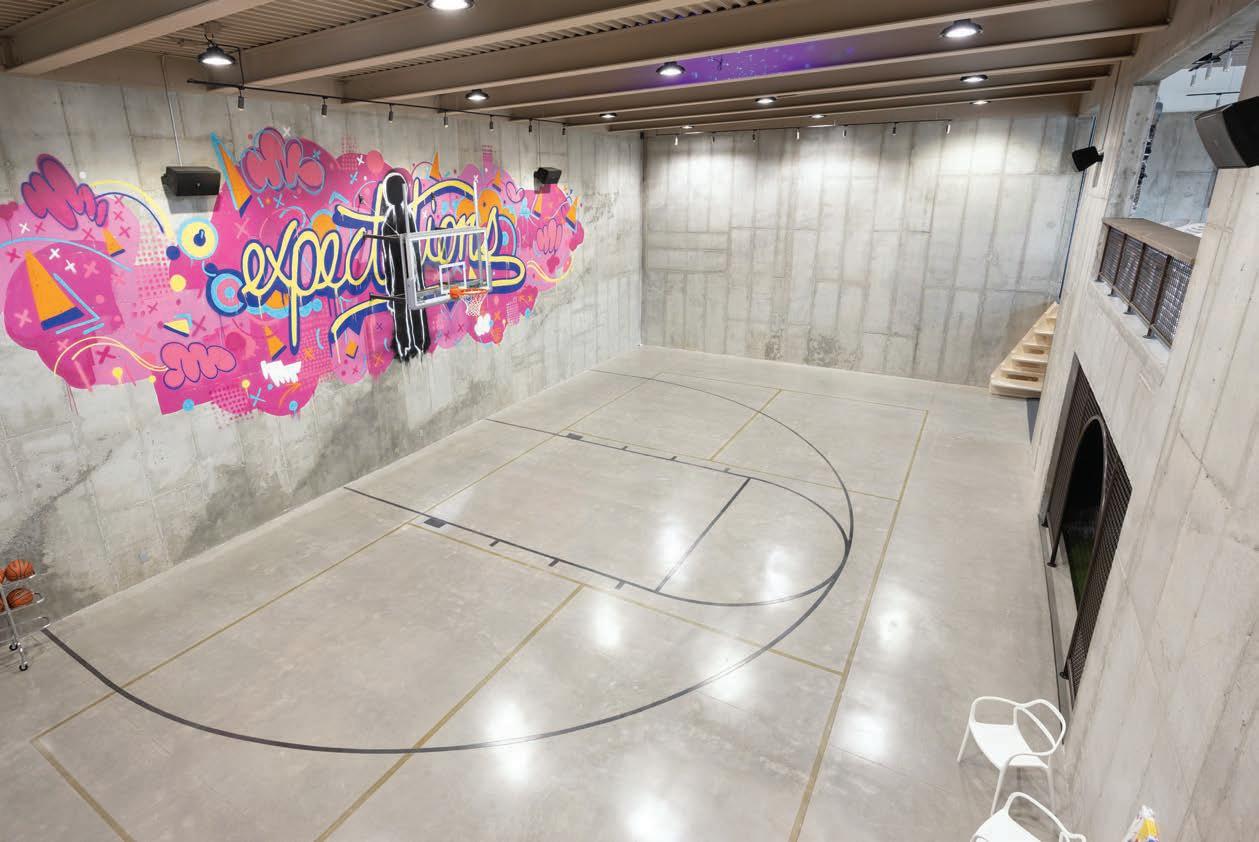
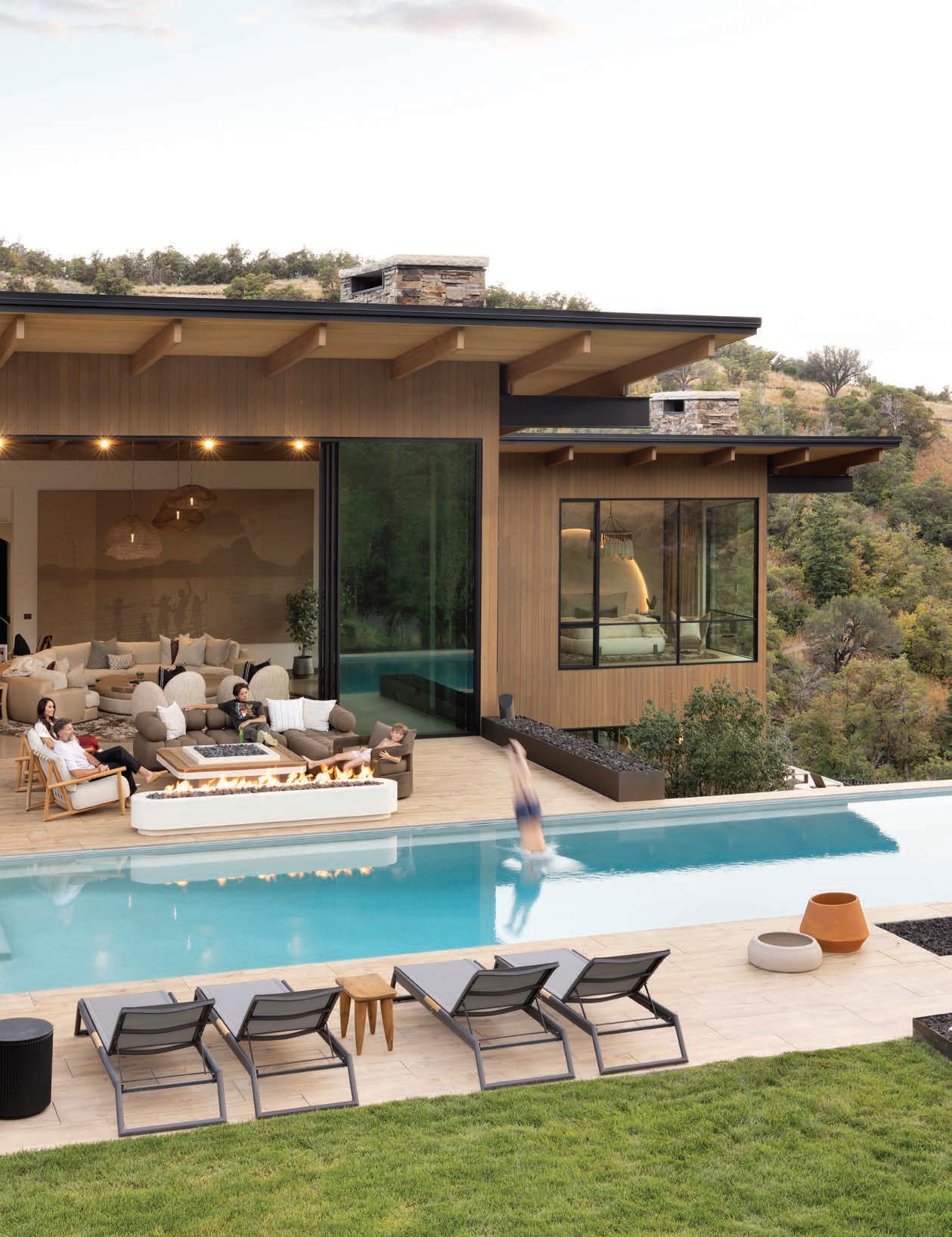
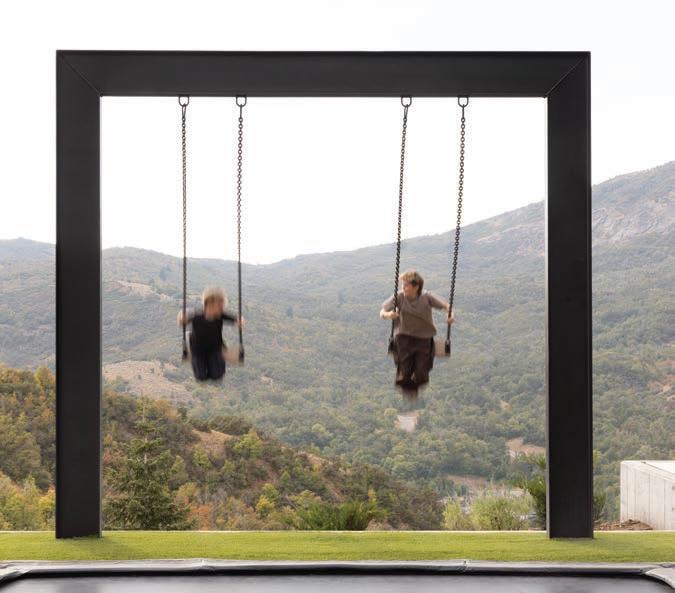
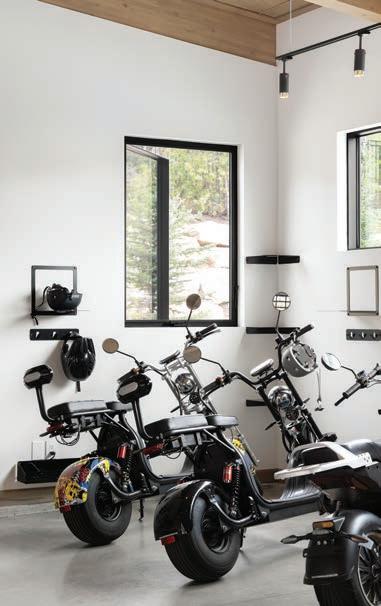
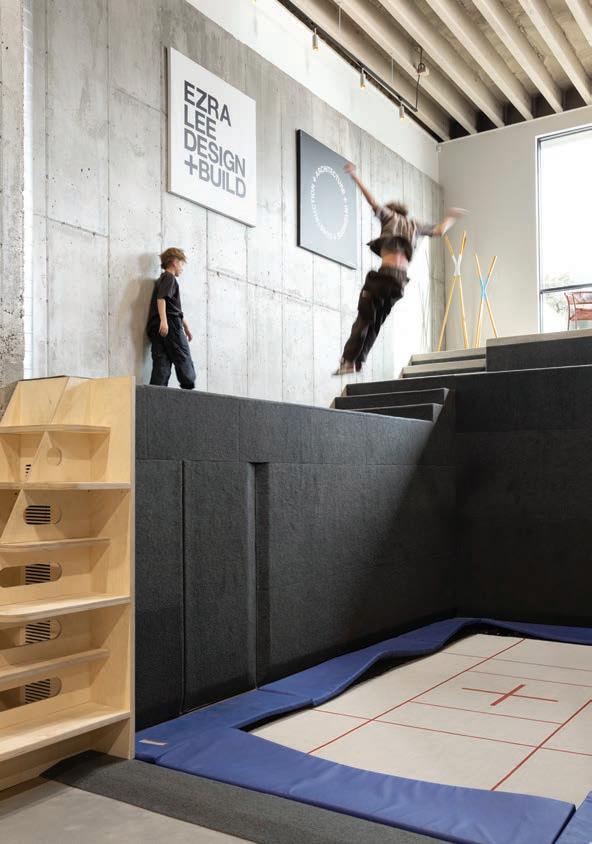
What is truly groundbreaking about this home is not just the architecture and interior design but the prioritization of “play.” A full sports level beneath the main garage includes a half-court basketball court, a golf simulator, and a trampoline. Outside, the landscape features oversized swings that discharge onto a trampoline, pickleball courts, and a swimming pool.
Three additional outbuildings—pool house, guest house, and design studio—round out the property. At first, Lee wasn’t sure about interrupting the backyard with a studio, but he ultimately decided to go ahead and make it an artistic element.
“I try to keep real business challenges at our office in town. This studio is a space where I can dream and create and have fun,” he explains.
For the family, the future is bright—and busy. Active is an understatement for their lifestyle, which involves skiing, biking, snowmobiling, sailing, traditional team sports, and more. This mountainside house is the culmination of their “work hard, play hard” energy. It’s the perfect home base for a life lived out loud.
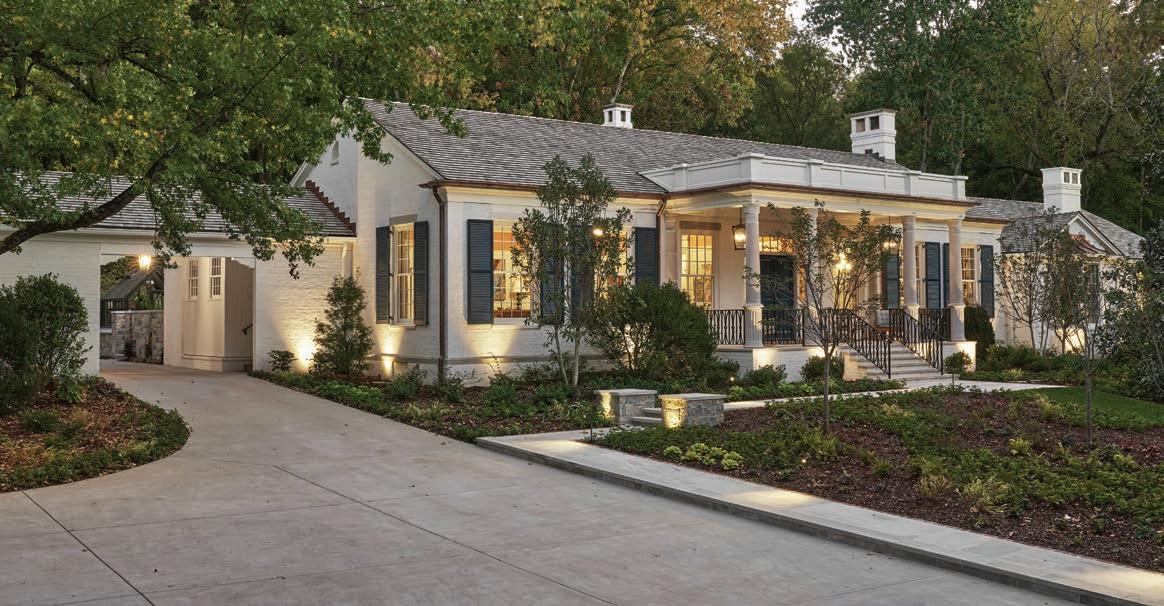
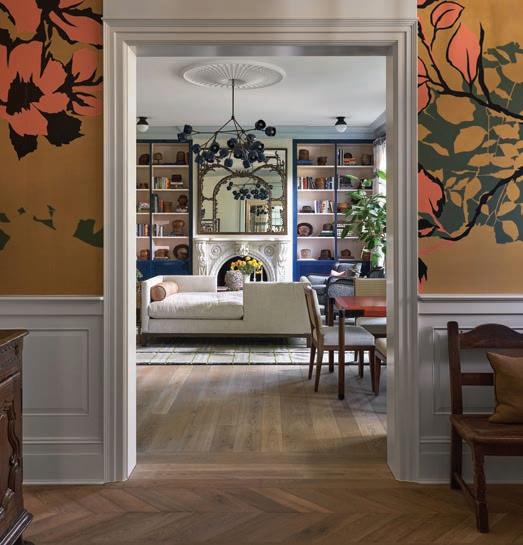
When a Nashville‑based painter, printmaker, and collage artist bought a 1950s home from its original owner, she imagined it as the backdrop for a new chapter in her life. But with its Neoclassical façade, red‑brick exterior, and a less than ideal interior layout, the house felt more like a time capsule than a canvas.
That’s why, shortly after the purchase, she sat down with architect Erin Cypress of Pfeffer Torode to bounce around ideas for renovating it. “Since she was creating a new life for herself here, she wanted it to be welcoming for new friends and for her out of town daughters when they came to visit,” shares Cypress, who worked on the project with frequent collaborator Liz Bonesio, an interior designer. The pair’s aim was to create a cohesive aesthetic and better flow.
“Every time I thought of this house, my mind immediately went to the English countryside,” says Cypress, describing the picturesque hill in the backyard where a barn, original to the eight acre property, sits, with an herb garden located right outside the kitchen. Bringing that bucolic feeling inside didn’t call for a complete overhaul, but it did require some structural changes. The warmly welcoming space reflects the owner’s desire for a free flowing place to hang out. “If she’s cooking in the kitchen and one daughter is watching TV and the other is doing a puzzle, they are all in the same general area,” says Cypress, who took these lifestyle cues from her client to help inform the space.
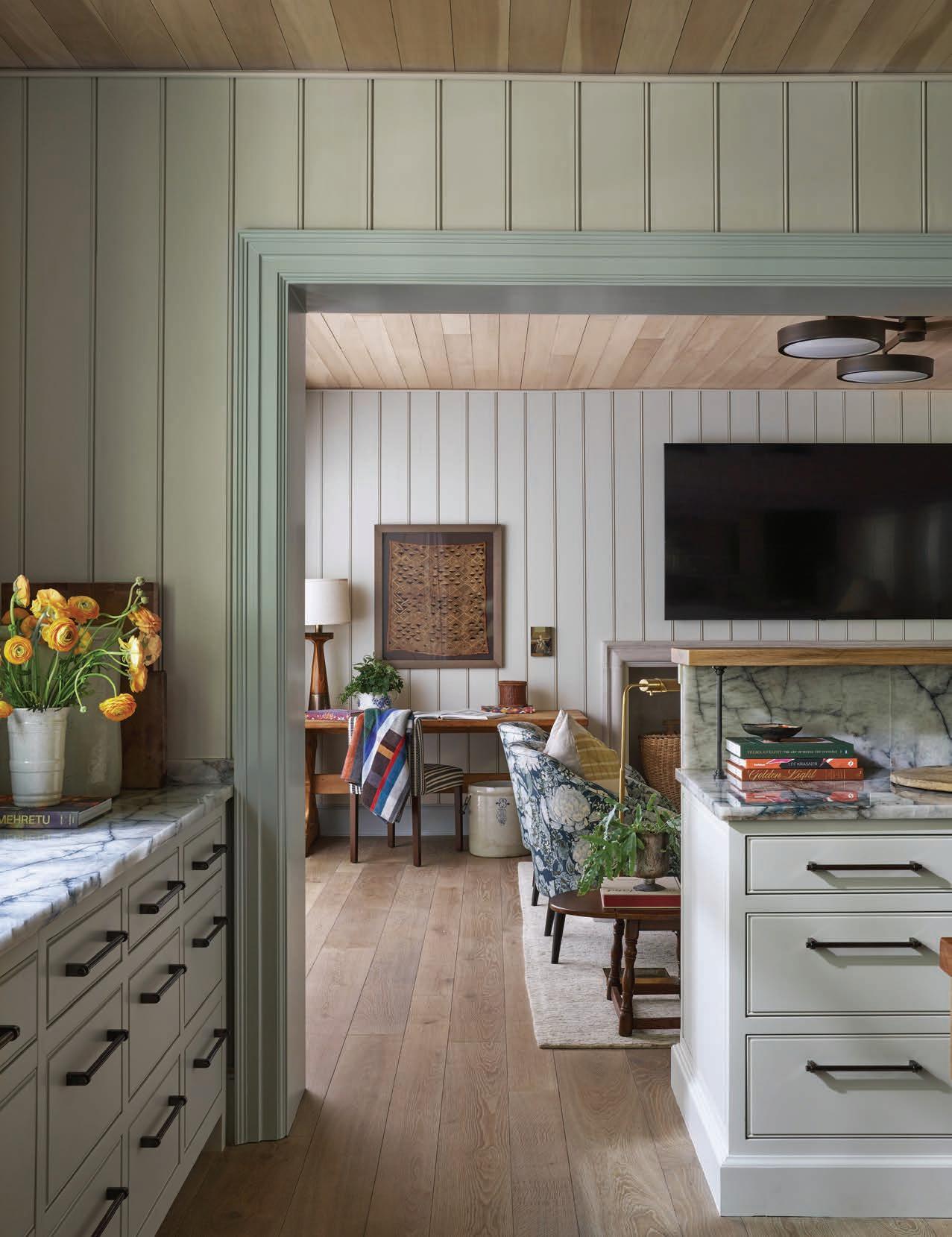
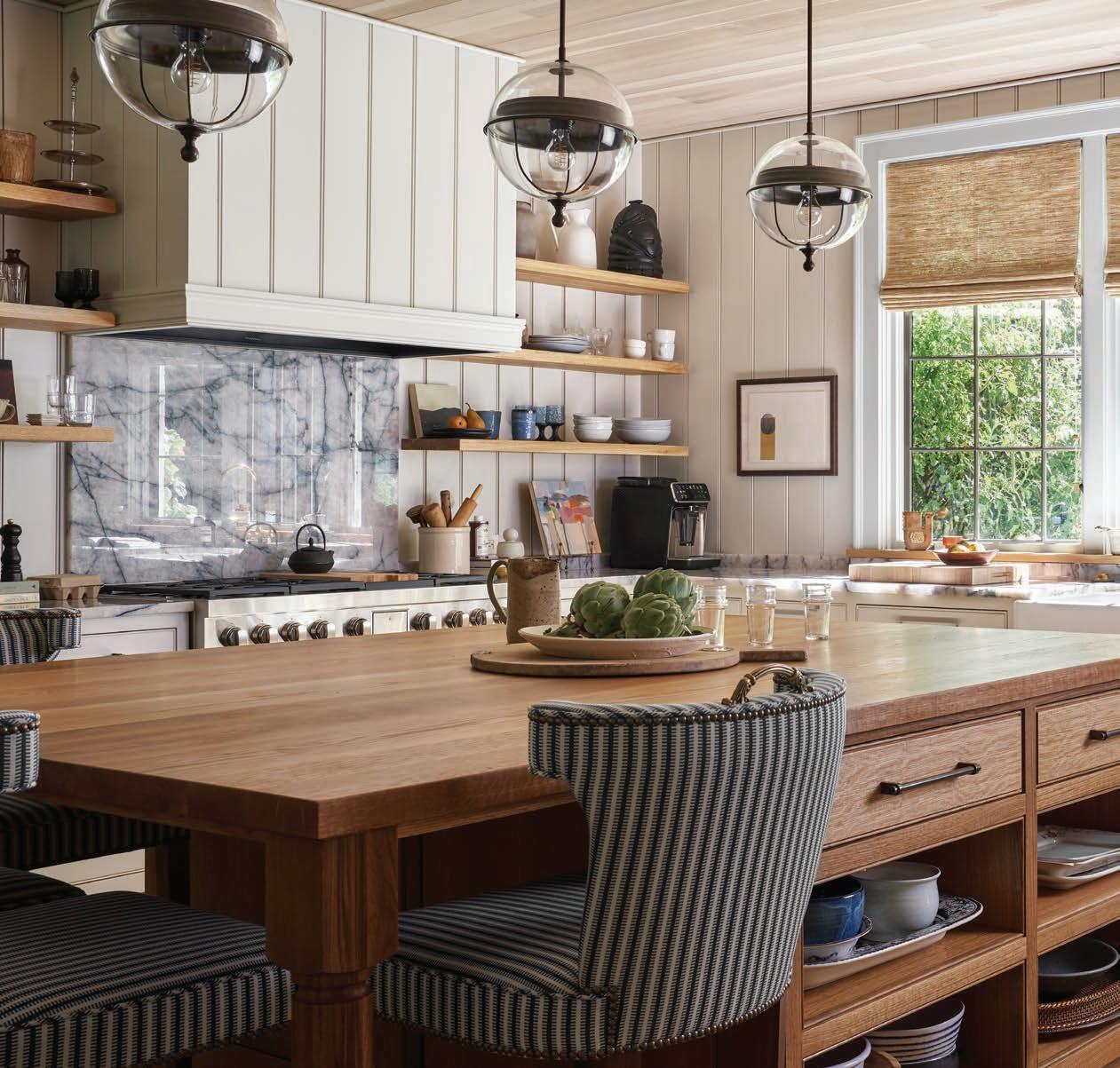
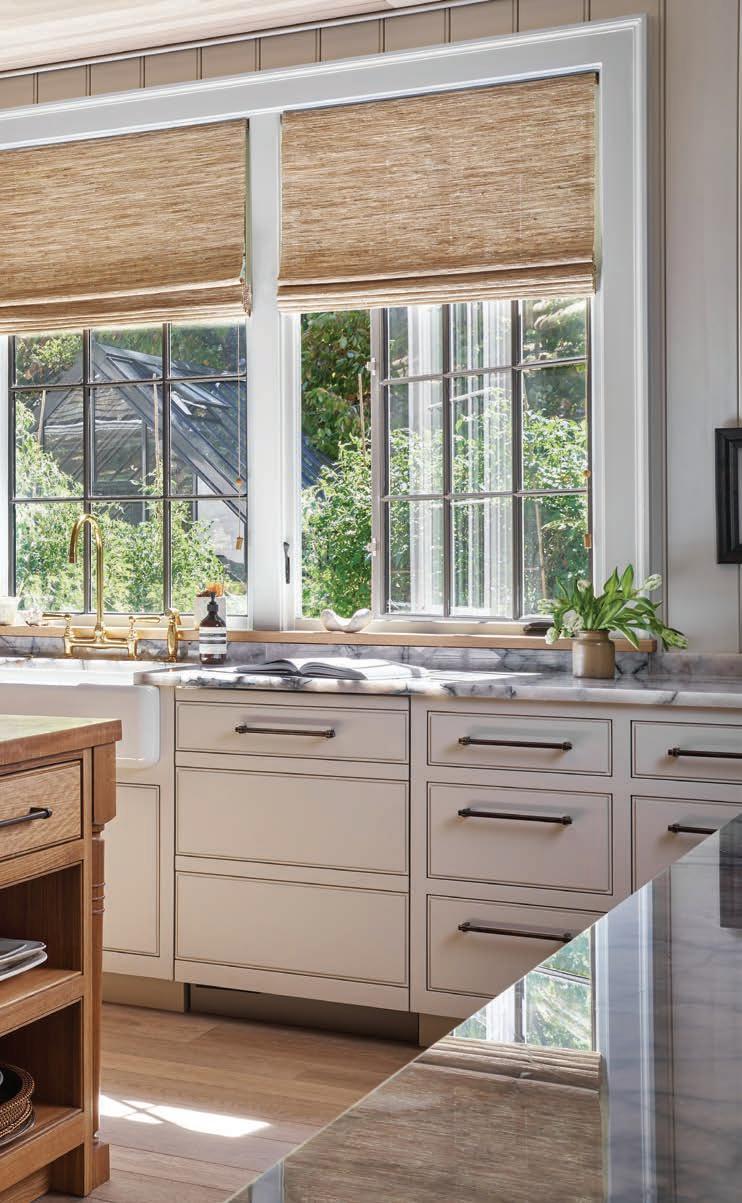
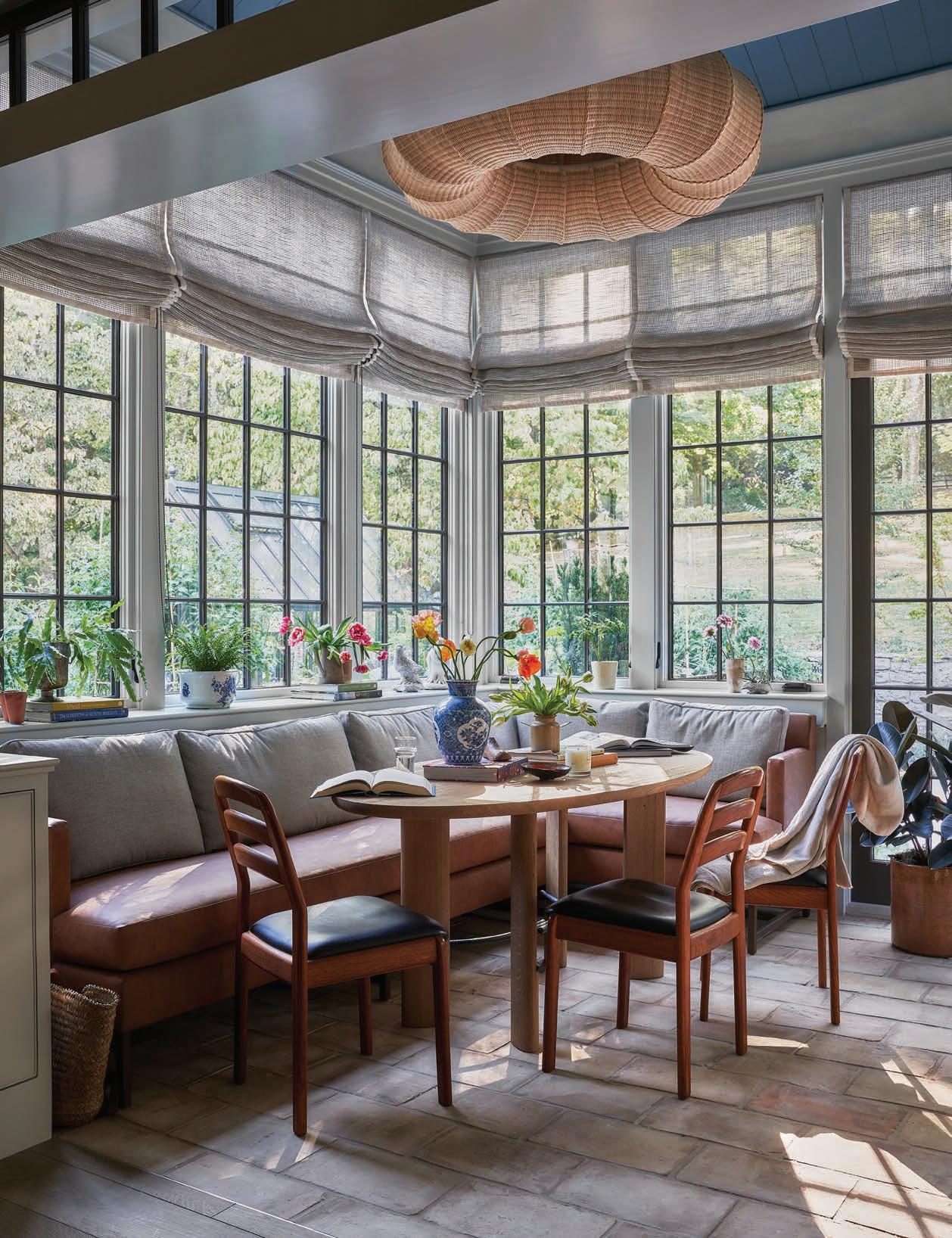
Additionally, it was important that the kitchen “communicate” with the backyard. “We put the kitchen sink at the windows where the owner can see the herb garden,” explains Cypress. “So, for mundane tasks, like washing dishes, you have a lovely view.”
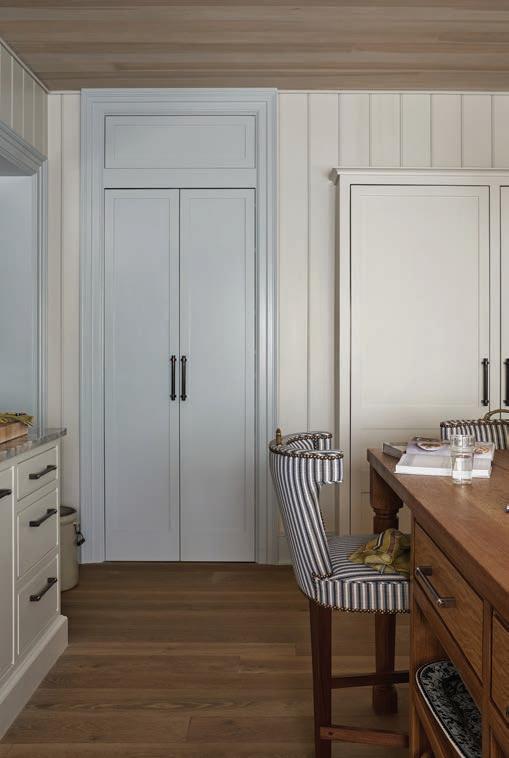
The kitchen features washed‑poplar ceilings and wide, random‑plank white oak floors, with blue and black veined Cristallo quartzite used for the countertops and backsplash. “Balancing that boldness with the painted wood walls and stained wood ceiling makes it a very soft space,” observes Bonesio. The central island is divided into two sections: one end
is for storage, and the other is a welcoming seating group for relaxed conversation.
Because the space was originally dark and somewhat of a maze, the designers opened it up and reconfigured it, using reclaimed wood beams to support areas where the construction team had removed walls. “For that section of the house, getting more natural light in and having spaces that are functional today were important,” says Cypress. For appliances, the architect considers Sub Zero’s cabinet detailing for panel ready models the best available.
Top right: A 30” Sub-Zero Designer Series Column Refrigerator and a 30” Sub-Zero Designer Column Freezer were installed with a custom panel and a surrounding cabinet frame.
Cypress says that nine times out of ten, when planning for cooking, her clients (including this one) ask for Wolf appliances. “I like that Wolf has maintained a very clean and simple aesthetic,” she says. This kitchen includes a Wolf 48” 6 burner Dual Fuel Range and an additional built in Wolf Transitional Speed Oven. “They function great, and they look really nice,” adds Cypress.
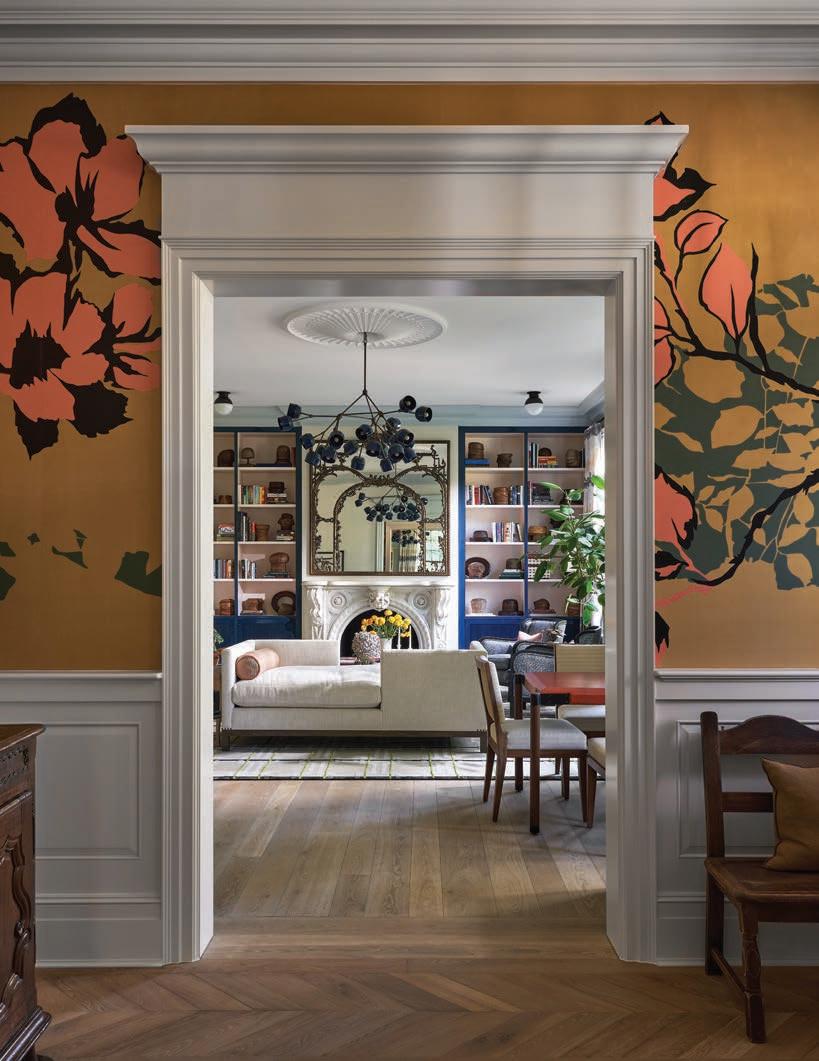
Unlike the dark back section of the original house, its two more formal front rooms had existing tall ceilings and ample natural light. However, the long main hallway led entering guests right past them. The solution, says Cypress, was to “wall off the whole entry foyer, which now forces people to walk through either of those two fabulous front rooms.” The architect also had a series of thick, cased openings added “to help give a little bit of punctuation to an otherwise endless hall.”
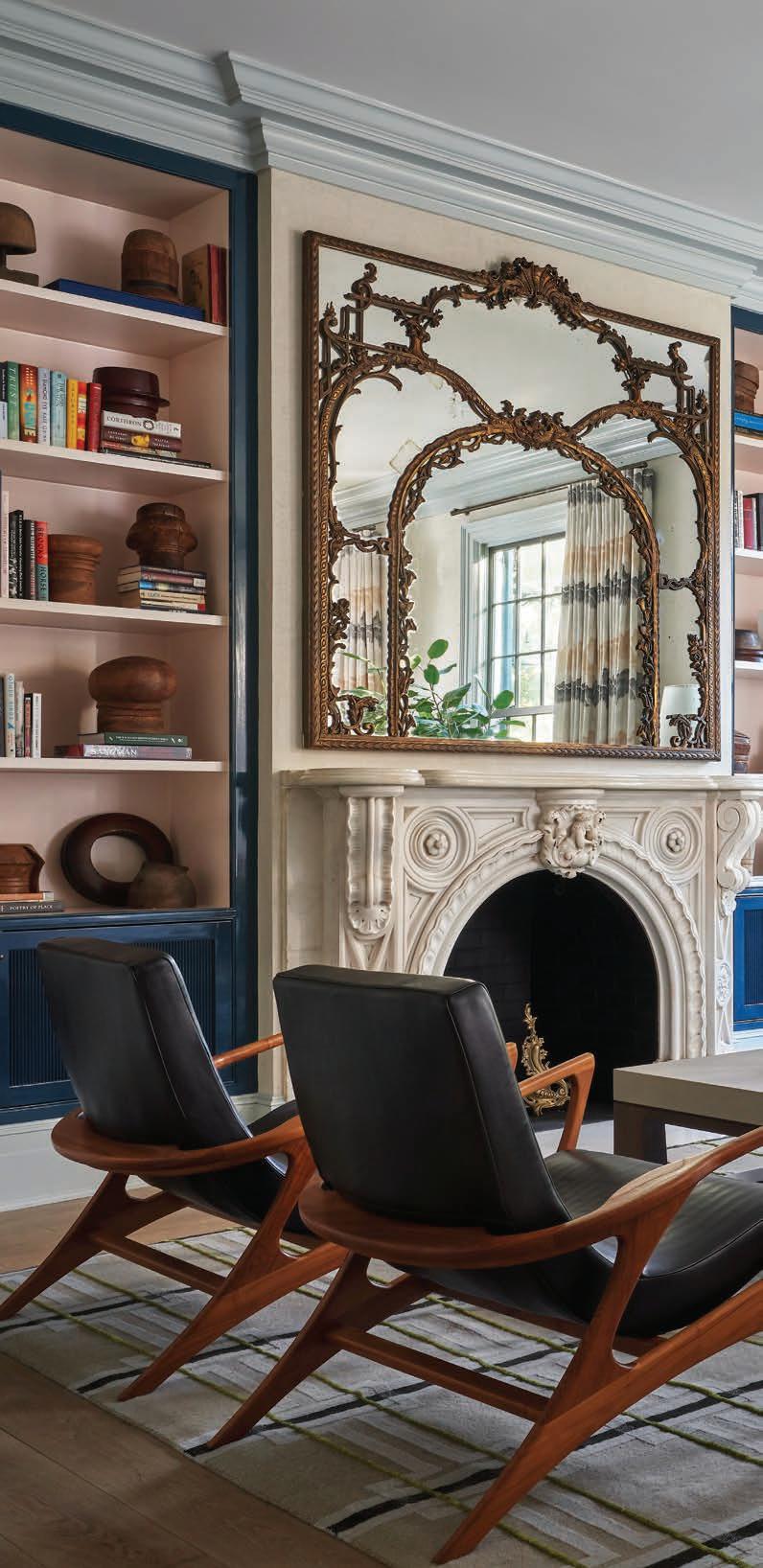
For what was originally used exclusively as the dining room, Bonesio sourced a custom dining table from the UK that converts into a pool table, giving the room dual purposes. On the opposite side of the hall, the living room features a fireplace mantel original to the house and an antique gilded mirror purchased at a New Orleans auction. Much of the client’s inspiration came from
timeless, old world materials like reclaimed wood and plaster. “If something felt too fine, we asked ourselves, ‘How can we knock it down so it’s not so exquisite?’” says Bonesio. “We wanted elegant attention to detail but also wanted to tone it down to make it more approachable and livable.”
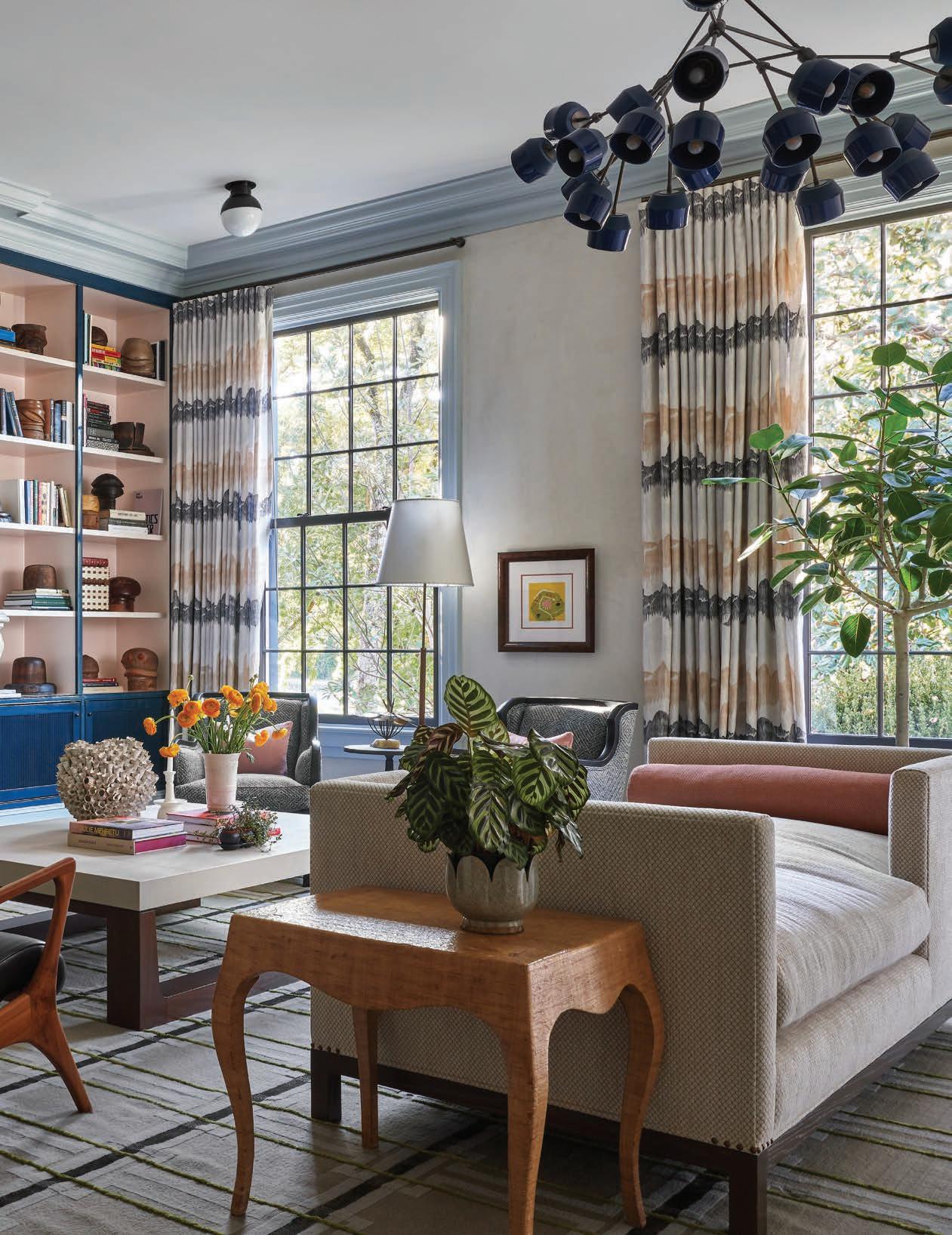
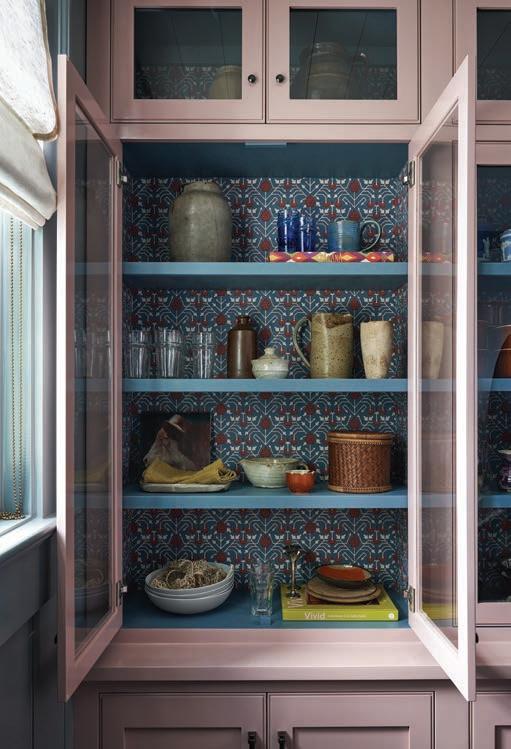
Cypress and Bonesio felt that a personal English‑cottage aesthetic suited the homeowner’s curator‑like personality. While many people hesitate to use open shelving, she embraced it—styling each shelf with pieces from her extensive pottery collection.
The design team credits the owner’s overall understanding— and her trust—with the success of the project. “We collaborated together,” says Cypress, “and in my view, we came up with a space that really reflected the client.”
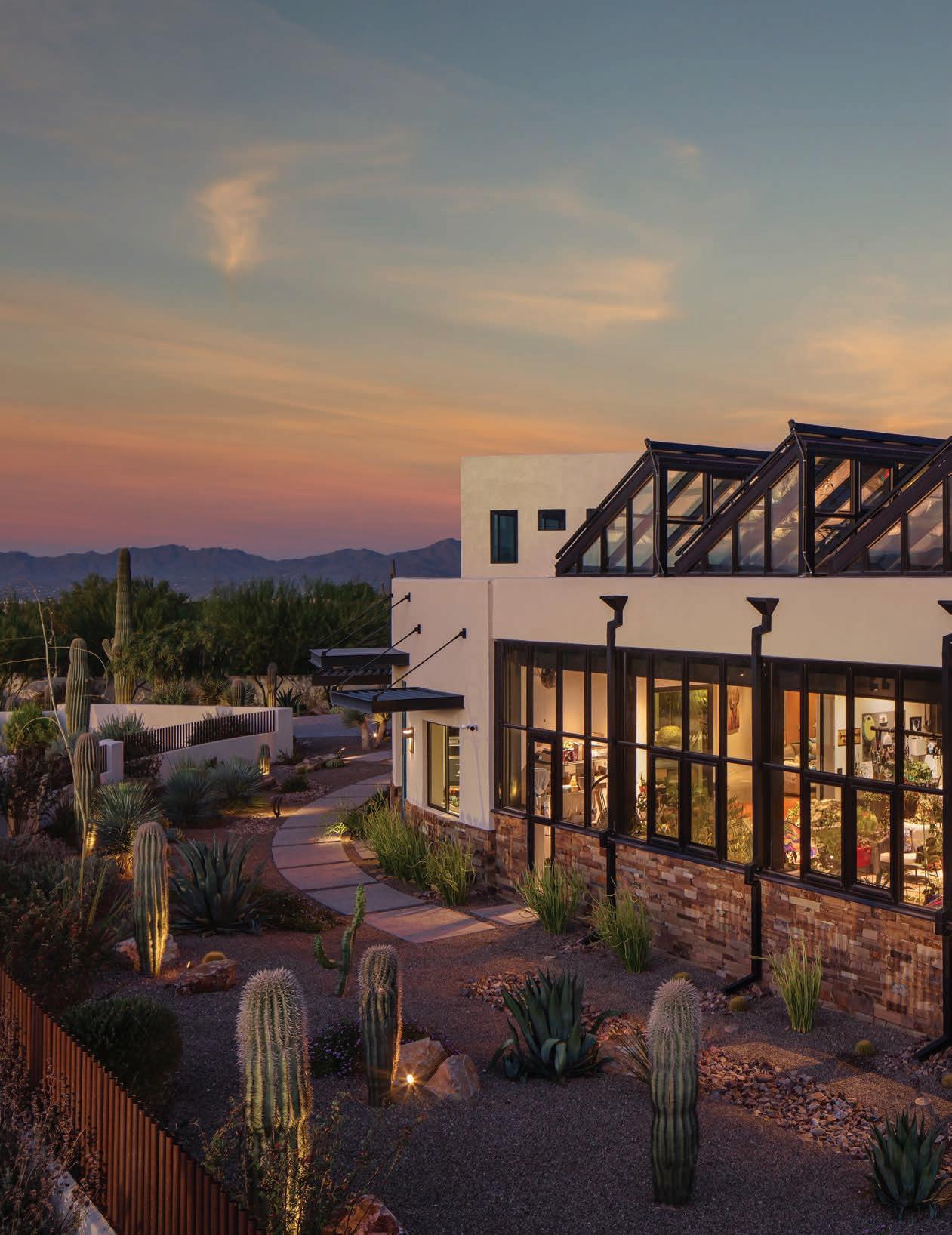
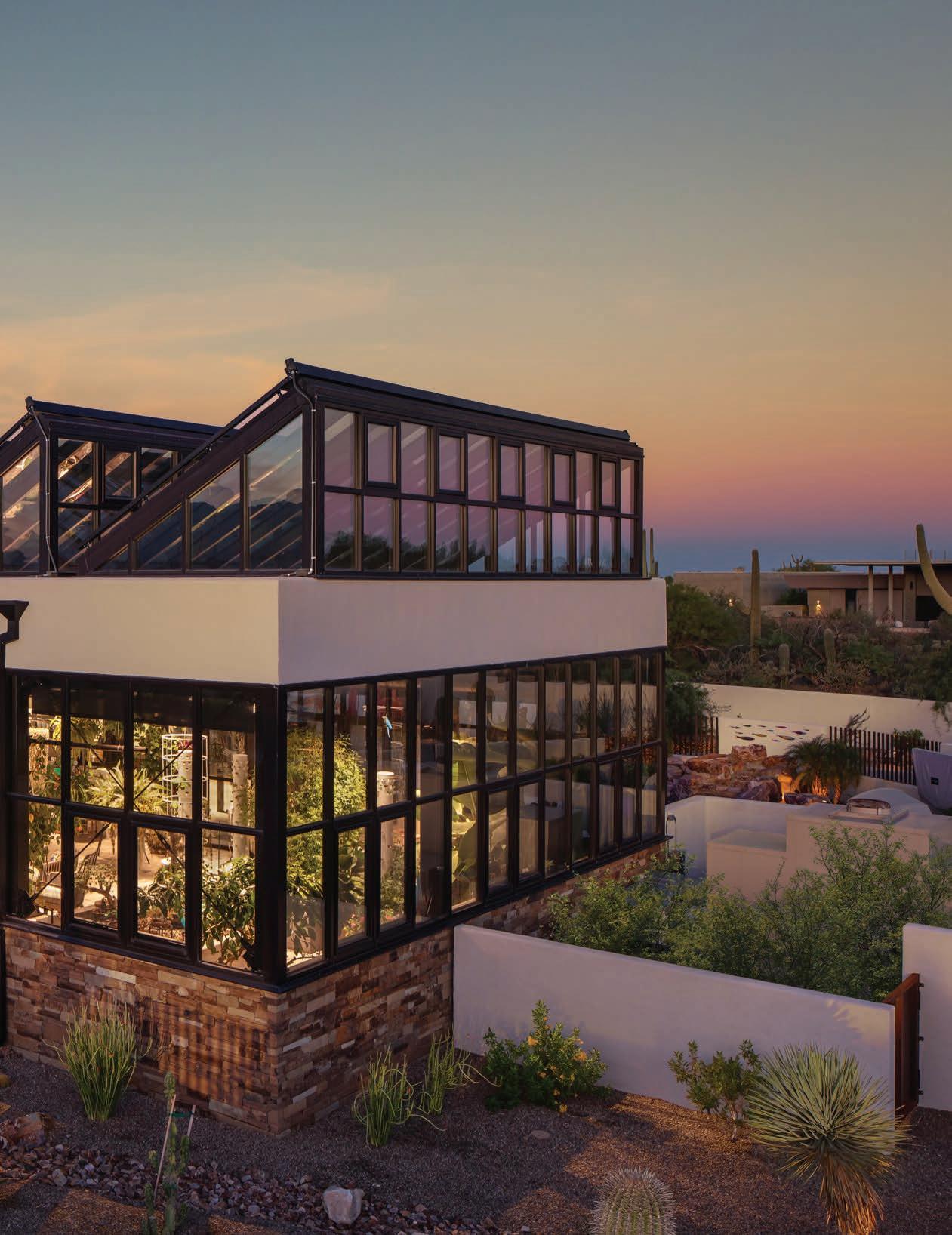
Custom conservatories are affording plant enthusiasts new ways to preserve and grow their collections year-round. By Christina Poletto
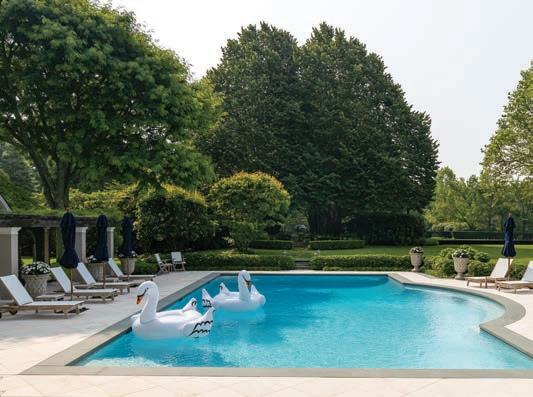
As home design shifts toward personalized sanctuaries— think fitness studios, creative workshops, or collectors’ garages—greenhouses and conservatories are having a moment. They give plant lovers a beautiful, functional space to curate their collections year-round while doubling as an unexpected venue for quiet mornings, weekend hobbies, or intimate entertaining.
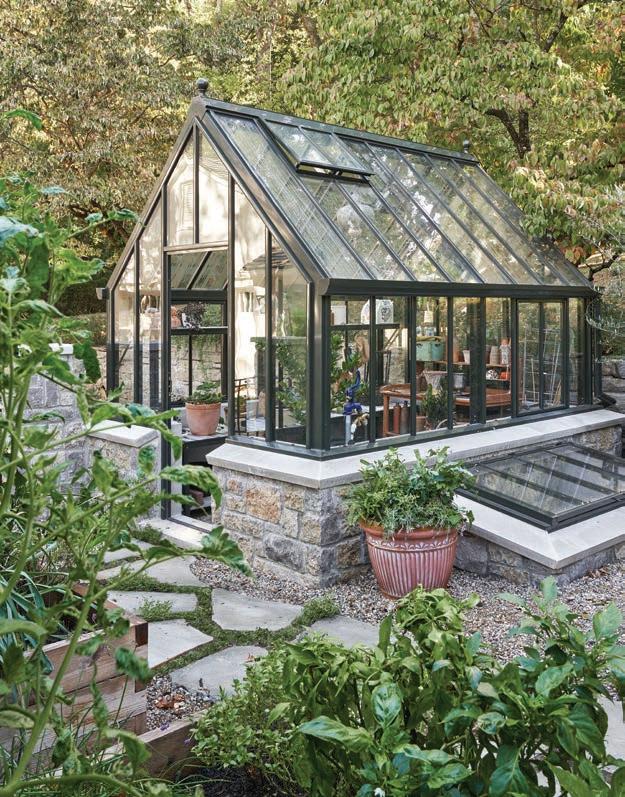
The team at Conservatory Craftsmen in Minneapolis, Minnesota, specializes in the design and construction of garden rooms, greenhouses, conservatories, and orangeries, adding sun-welcoming, temperaturecontrolled spaces to clients’ properties. More than simple see-through glass rooms, these sophisticated custom builds feature multiple design elements that afford a fresh connection to nature for their clientele.
“There are unifying factors for anyone who chooses to invest in one of their tailor-made structures,” says Evan Cohoe, vice president of sales and marketing. “Our clients want a light-filled space so that they can extend a growing season to enjoy their lush tropical plants,” she explains. “And just being in a space filled with plants is the common thread with our clients. Every client is a plant person.”
The company, which currently has a waitlist of approximately one year, begins new conversations with potential customers by learning about their goals, property composition, and budget. From there, they facilitate a custom design and tailor the look to client preferences. Cohoe says they are always mindful of building a space that connects thoughtfully to the existing structure, whether in historic, traditional, or modern style.
Cohoe and the team at Conservatory Craftsmen pride themselves on delivering creative solutions that make every project feel unique, inviting, and fully functional for the homeowner’s needs. For one current project in a historic home on the Delaware River in New Jersey, Cohoe says it was critical to preserve the house’s architecture and history, but they’re working to open up its closed-in, dim breakfast room. For this project, only a nontraditional roof will do—one that visually fits the era of that house. Cohoe says the new light-filled space will extend the dining area and become an inviting place to gather with friends—surrounded by plants and with views of the river.
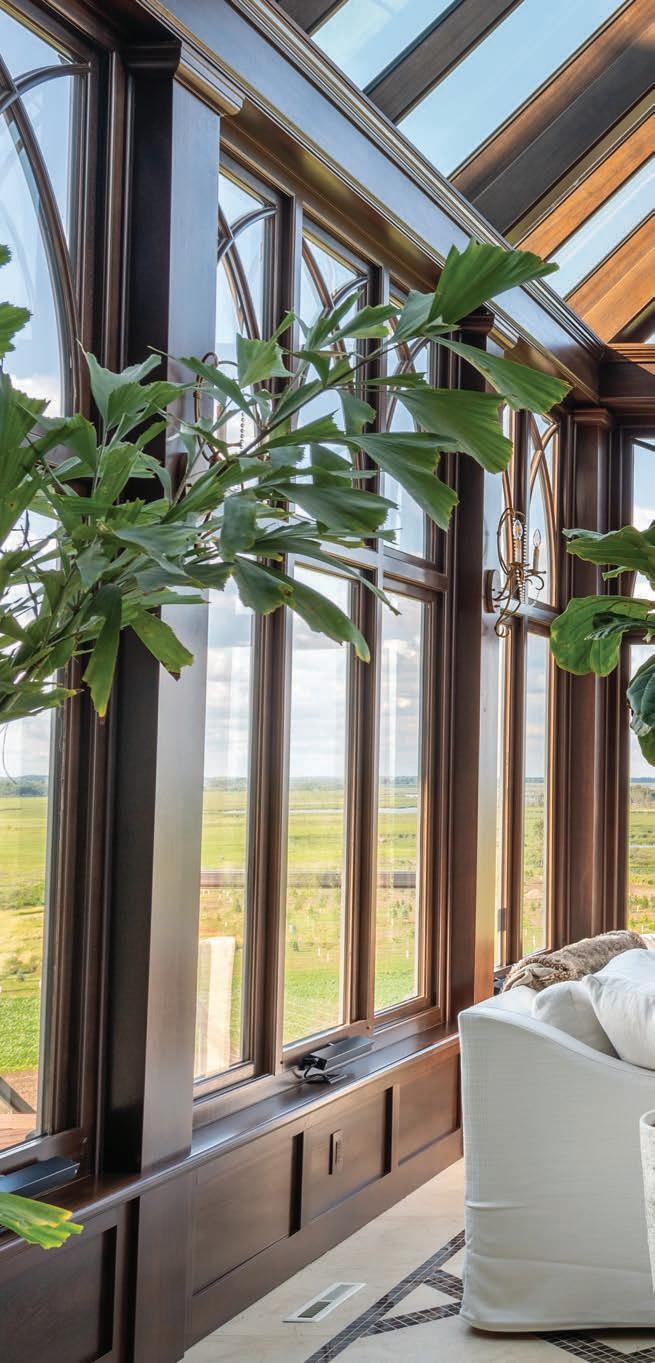
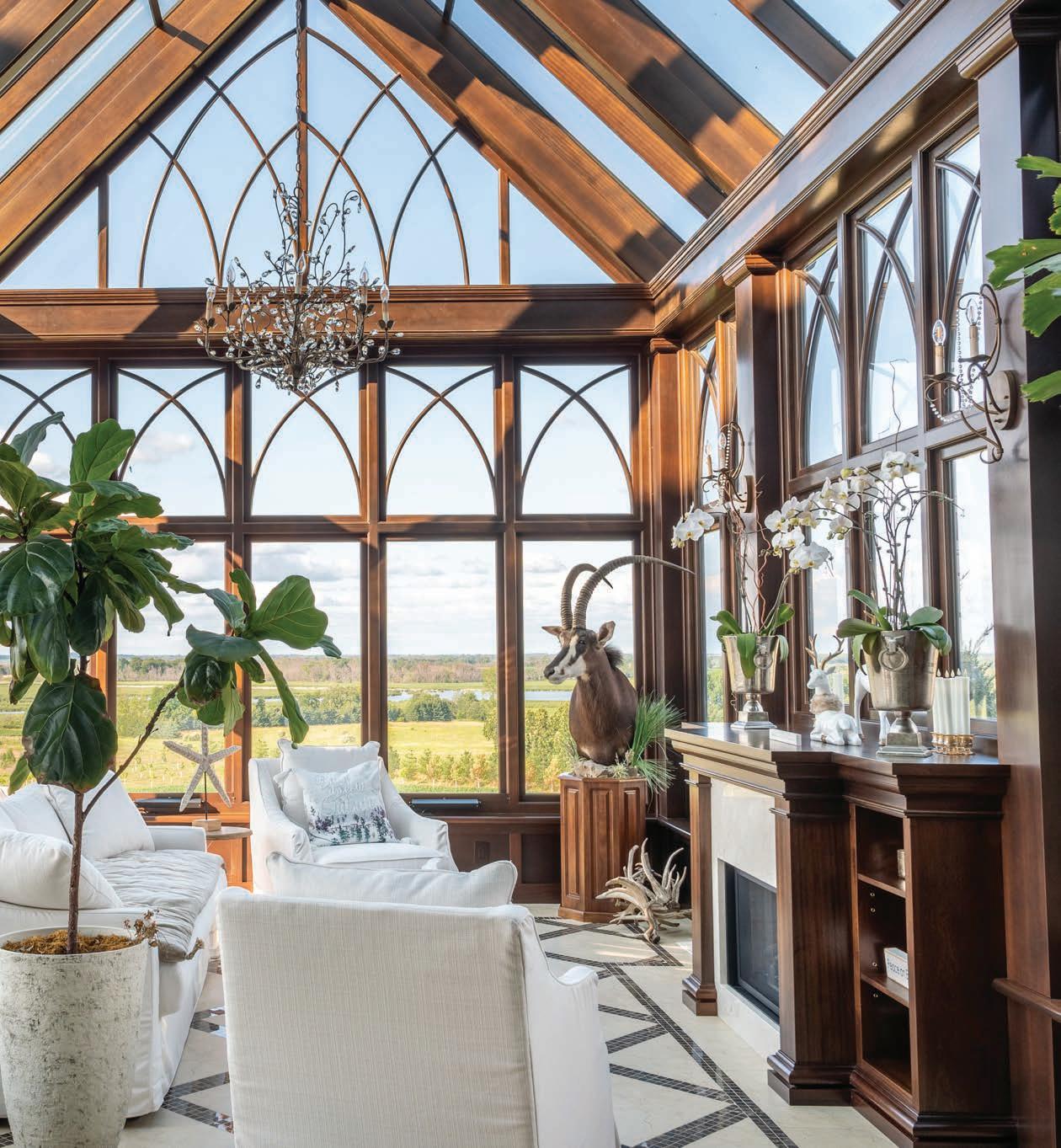
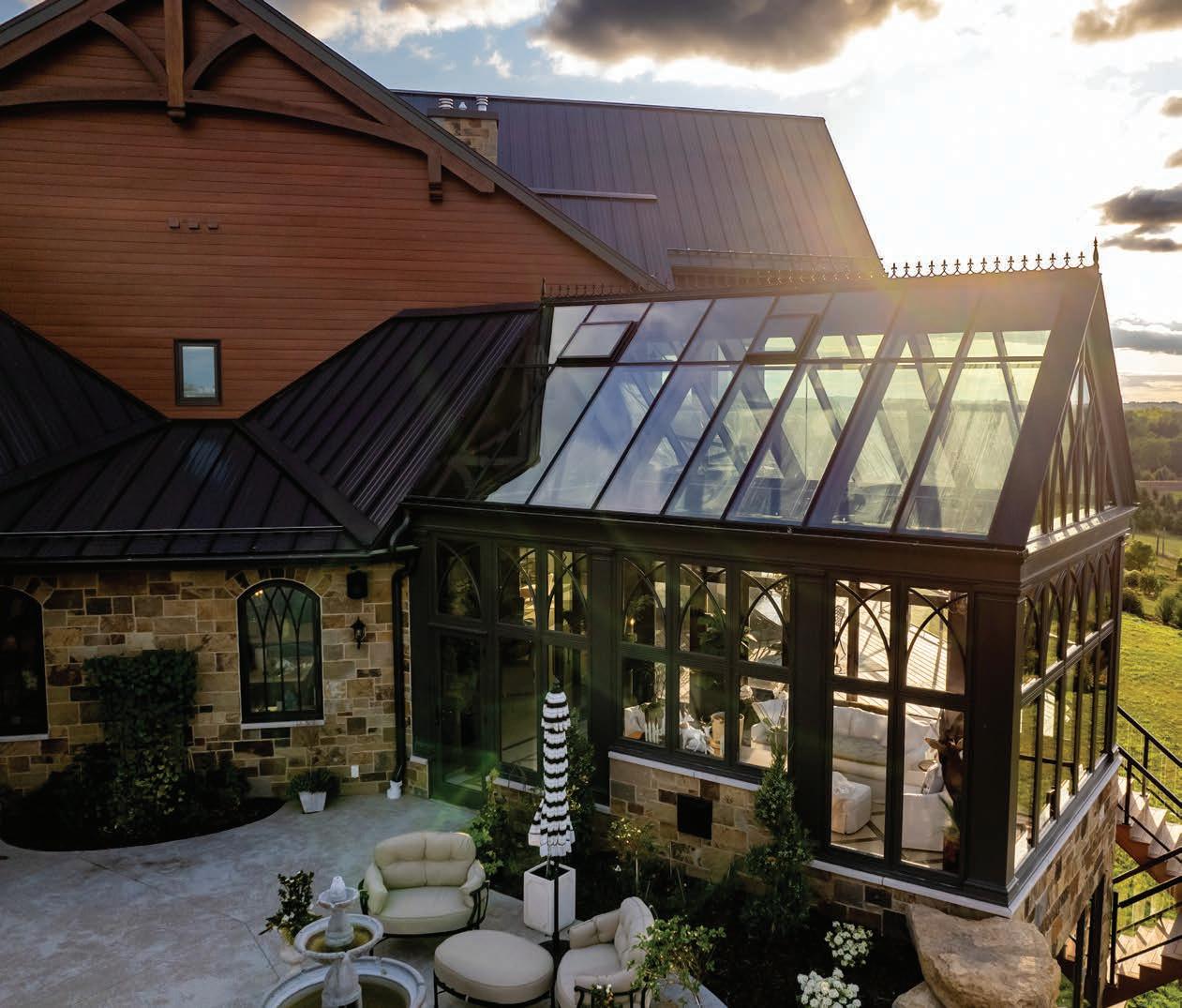
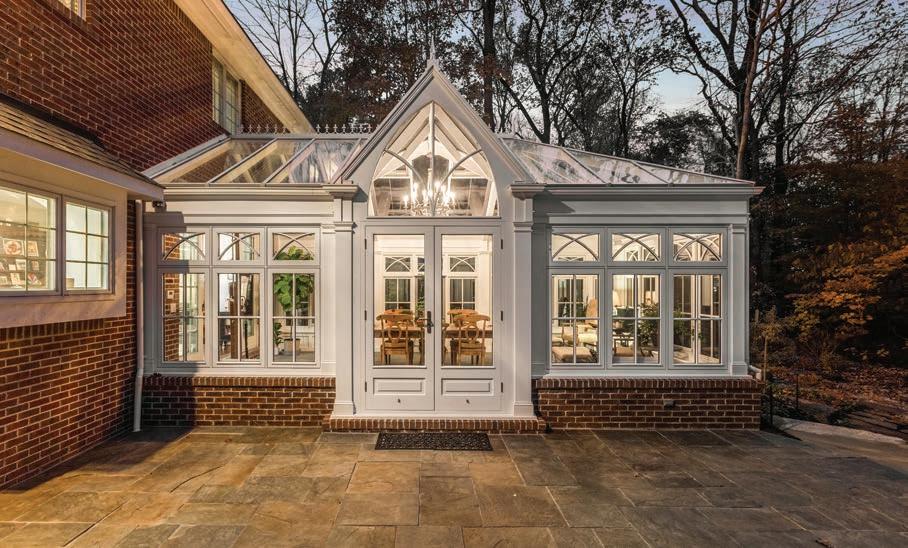

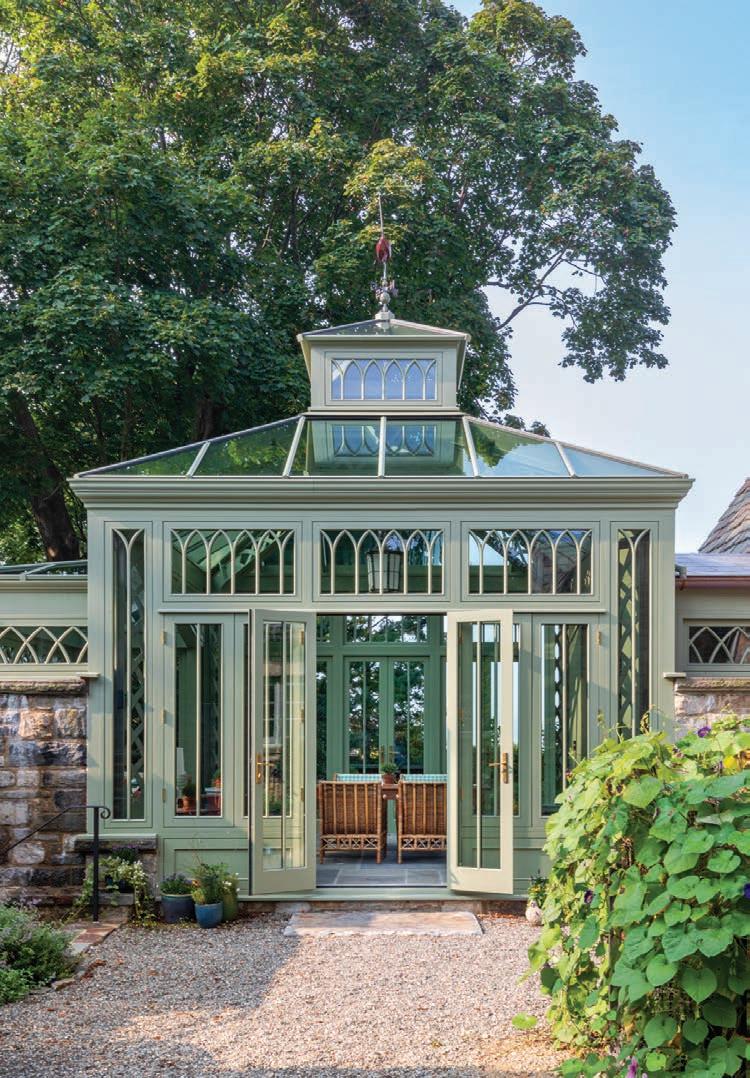
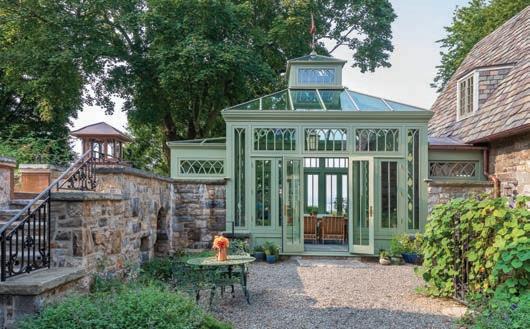
One fascinating project in the Conservatory Craftsmen portfolio is located in Greenwich, Connecticut, and features a bespoke conservatory linkway that connects sections of a historic house. For Cohoe and the team, this pale green woodand-glass structure required consideration of the property’s age as well as the mindful integration of modern utilities to create an efficient yet beautiful space for gathering. The conservatory was part of a very extensive renovation and, like many of their projects, involved architects, designers, landscapers, and engineers to bring it to life.
Managing temperature and humidity in conservatories and garden rooms is essential for both the plants’ health and the
overall home environment, so these rooms are usually heated and cooled independently and separated by French doors or folding walls, Cohoe says. Depending on seasonal demands, her team considers an expansive array of automated cooling and heating options, from adding mini-split units to installing more involved mechanical systems, to ensure the space remains consistently comfortable for plants and people in any season. It’s good to keep in mind that a conservatory or greenhouse doesn’t have to be grand to feel extraordinary. Even a compact space filled with lush plants can become a welcome refuge from everyday life—a place to nurture seedlings, savor quiet moments, and stay connected to the natural world all year long.
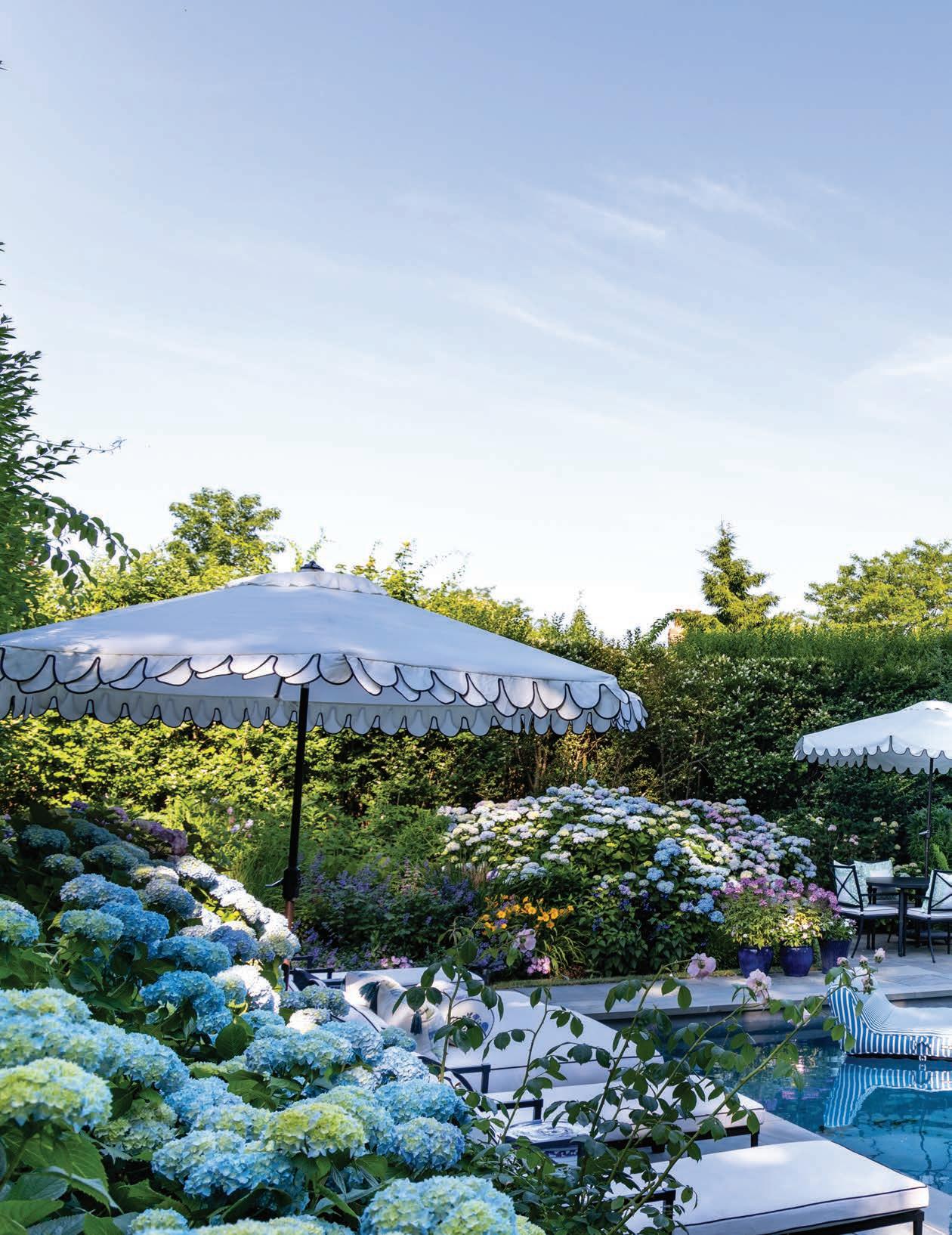
In his newest book, designer Blue Carreon showcases the lush gardens of iconic properties in the Hamptons on New York’s Long Island.
By Sarah Lippert Photography by Blue Carreon
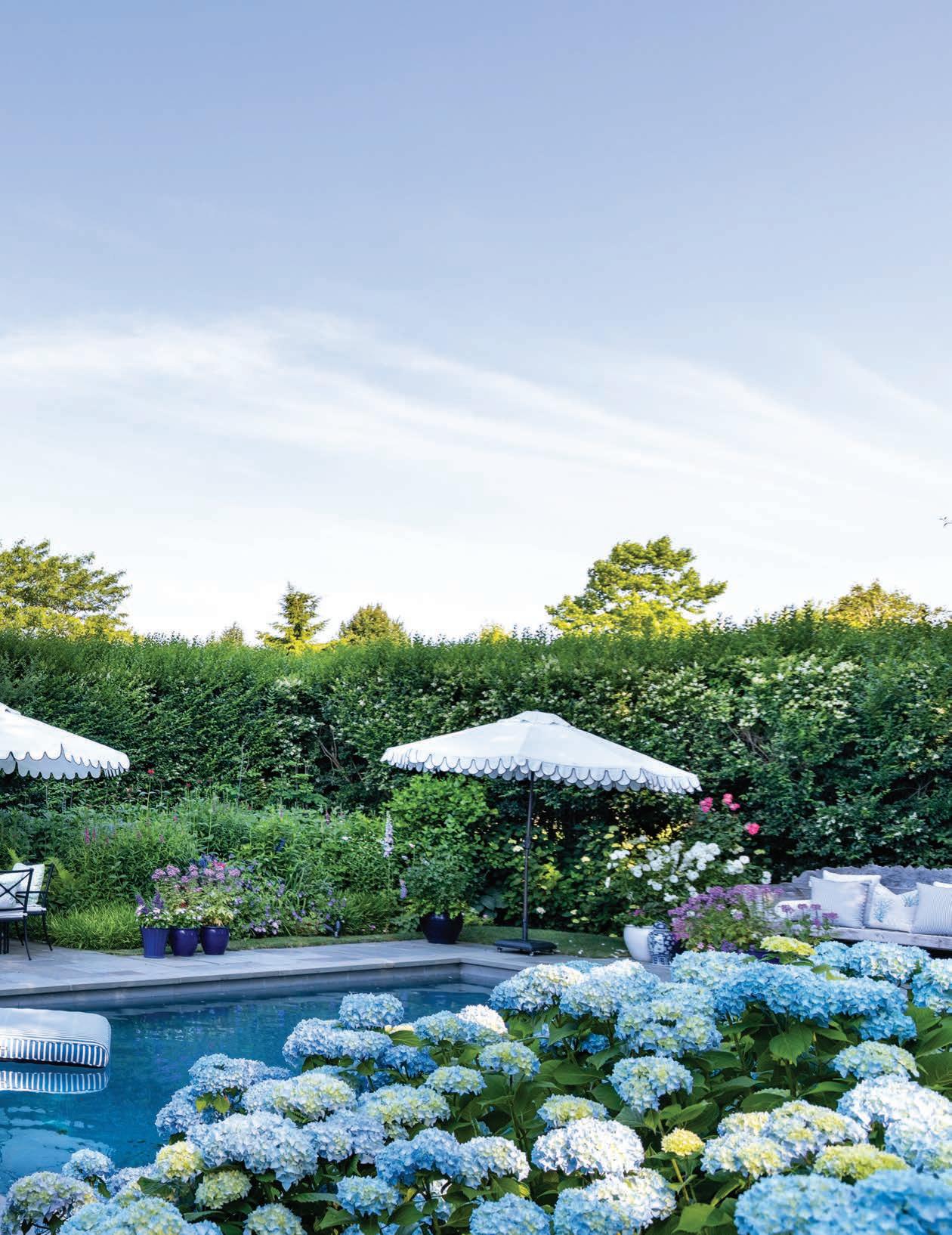
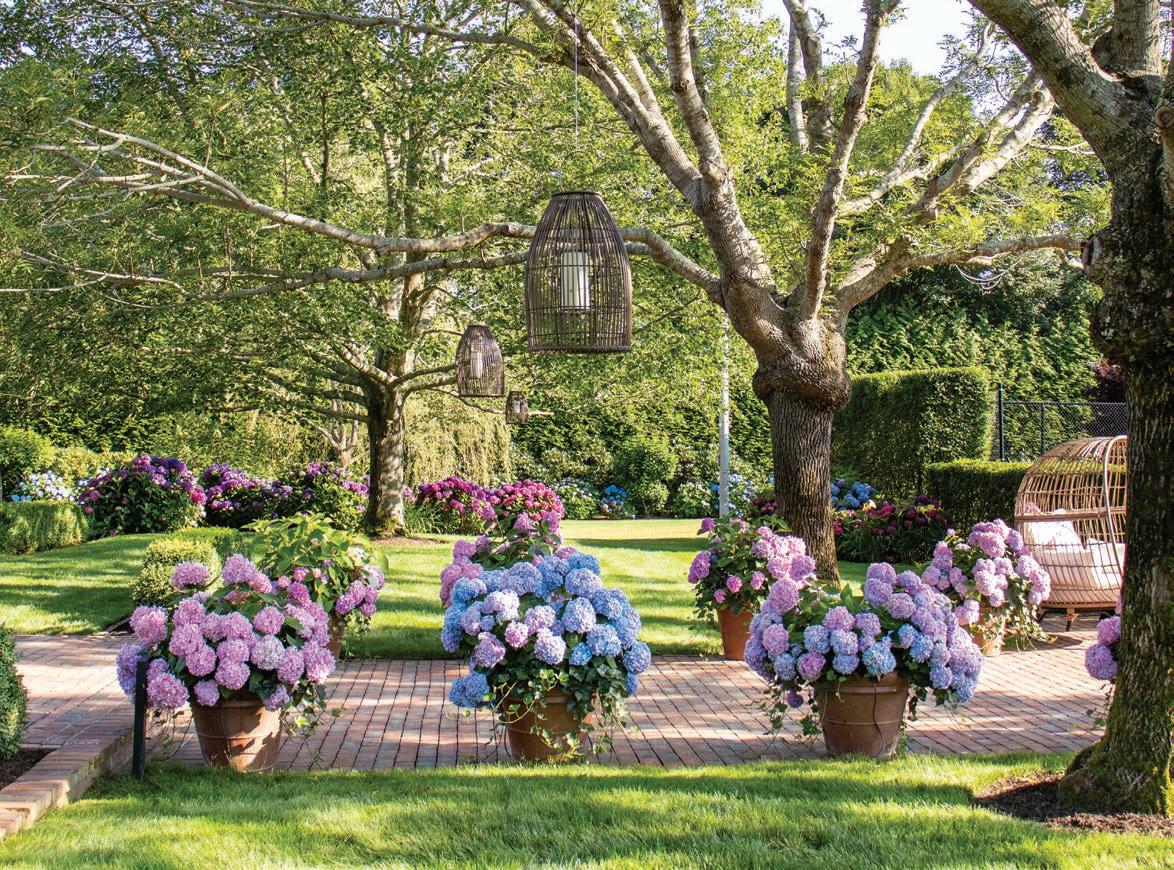
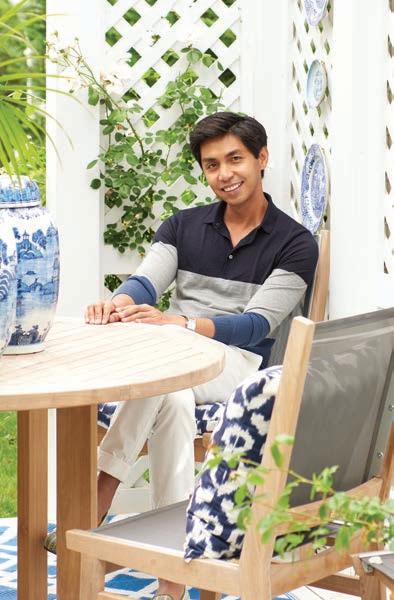
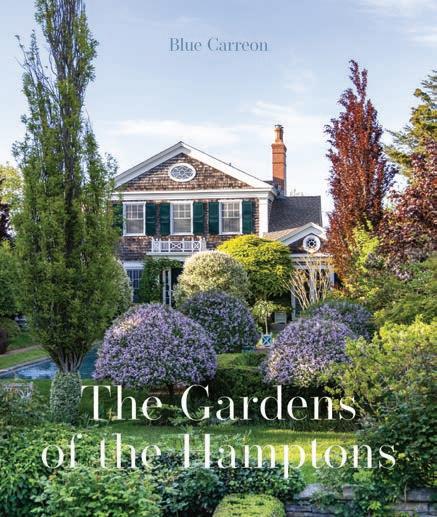
It’s only natural to wonder what lies beyond the walls of magnificent homes. For Blue Carreon, a New York- and Hong Kongbased journalist, photographer, interior designer, and author, the extensive hedges that obscure the estates of the Hamptons were begging him to take a closer look. His latest book, The Gardens of the Hamptons , was inspired by a desire he admits was initially selfish: he wanted to see the private gardens for himself.
From his initial inspiration, juggling both writing and photography, and battling Mother Nature’s weather curveballs, Carreon shares how this collection of private oases blossomed into something more than he imagined: a photo-filled journey of revealed elegance.
The Living Kitchen: What motivated you to write this book? What were your initial goals?
Blue Carreon: I started my first garden in 2015 when I moved to East Hampton. I had the opportunity to visit several friends’ gardens here, plus I’ve spent many weekends driving around these huge estates, craning my neck to try and see what I could glean from the road. I knew that if I wanted to truly experience the vast array of gardens the Hamptons offers, a book that showcased them would be the answer.
One of my main objectives with this book was to capture the different sizes of gardens we have here–it’s actually not just all huge estates. We have gardens the size of a postage stamp, gardens that fill rolling estates, and everything in between. I also wanted to showcase different styles, such as gardens by the sea, more romantic gardens, sculptural gardens, meadow gardens, the list goes on.
TLK: How did you decide which gardens to include?
BC: When I started the process, I only knew I had permission to photograph five gardens. I ended up with 40 gardens in total, largely due to word of mouth and referrals. I reached out to various landscape architects and garden designers working in the Hamptons and, fortunately, they were receptive to the idea and gave me access to some of their projects. Members of the Garden Club of East Hampton and the Southampton Rose Society also opened their gardens and referred fellow members. The community was so welcoming throughout the process, and they were excited about the prospect of having a book that represented their members and neighbors.
TLK: You photographed 90 percent of this book yourself. What was that like?
BC: It was fun and exciting because I found myself surrounded by so much beauty. But it was also an exercise in patience. First, the weather posed an ongoing challenge because we can experience all four seasons in a single hour in the Hamptons. I visited most of the gardens several times, both to ensure I had the right lighting and weather conditions, and to capture them throughout the seasons. It took over a year just to get the photos. Second, some gardens are like people: They are stunning in person, but they simply don’t photograph well.
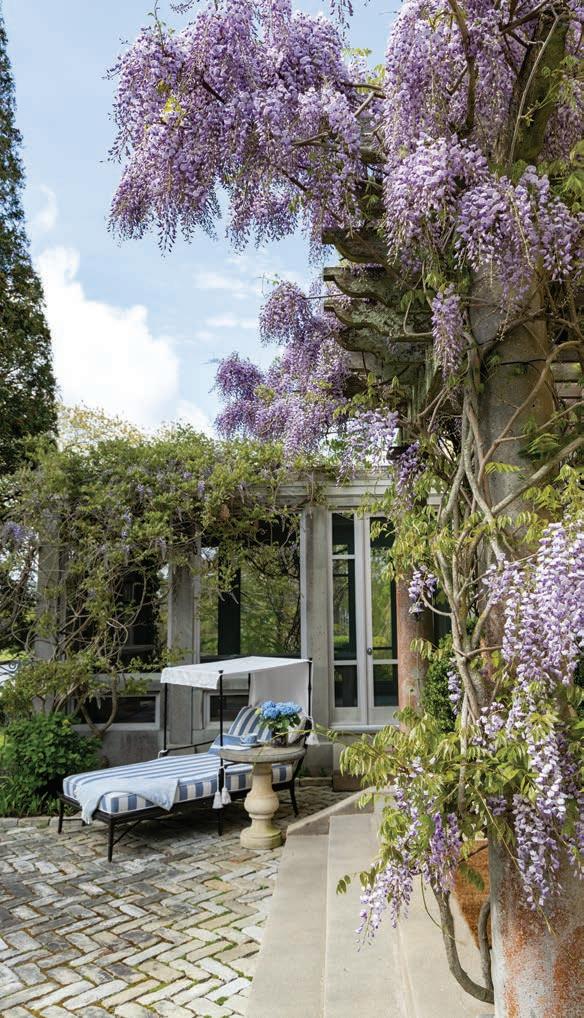
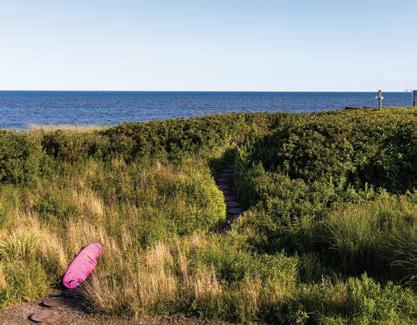
In Karen Silverman’s oceanfront garden in Wainscott, a path to the beach is surrounded by lush grasses and beach roses.
TLK: This process allowed you access to so many different gardens and their owners. Did you encounter anything that surprised you?
BC: I was pleasantly surprised by the emphasis on sustainability. So many of the gardeners go out of their way to be sure they are planting native plants, which add to the biodiversity and help sustain pollinators. There are so many meadows full of native grasses, as well as groves of wildflowers. While there are plenty of gardens that are about precision and perfection, there are nearly as many that embrace a more natural aesthetic with a prairie-like feel.
The number of owners who tend to their own gardens also surprised me. I found it so inspiring and also interesting that the majority of them had never gardened until they moved to the Hamptons, as I had.
TLK: Did you hit any snags during the process?
BC: The year I started photography for the book was the year that an early frost had killed all the hydrangeas in the Hamptons, which was a huge challenge. How could I make a book about gardens in the Hamptons without the flower this place is synonymous with? I ended up having to make multiple visits to some homes, particularly those that were hydrangea-heavy, to ensure they were included. But as I share in the book, that’s all part of a garden; they are works in progress by their very nature.
TLK: As an interior designer, how are you inspired by the natural elements in gardens, and vice versa?
BC: There is a huge overlap between interior design and gardening for me. Both use many of the same principles: balance, symmetry, texture, and color. I love being in the garden surrounded by flowers because no one is a better colorist than nature. I try to mimic what I see in gardens into interiors by bringing the outdoors in and blurring the lines between the two.
TLK: What’s your favorite part of your own garden?
BC: My favorite part is that it’s mine; I’ve planted every single thing in it myself. And I take care of it myself. I’m always thinking about how I can improve it, so much so that I’m running out of room!
TLK: What feelings do you hope this book elicits for readers?
BC: I hope they get lost in the pages full of beauty and nature, and that the book can be a source of positivity. Some readers may feel motivated to start their own gardens, much like the homeowners and garden enthusiasts in its pages.
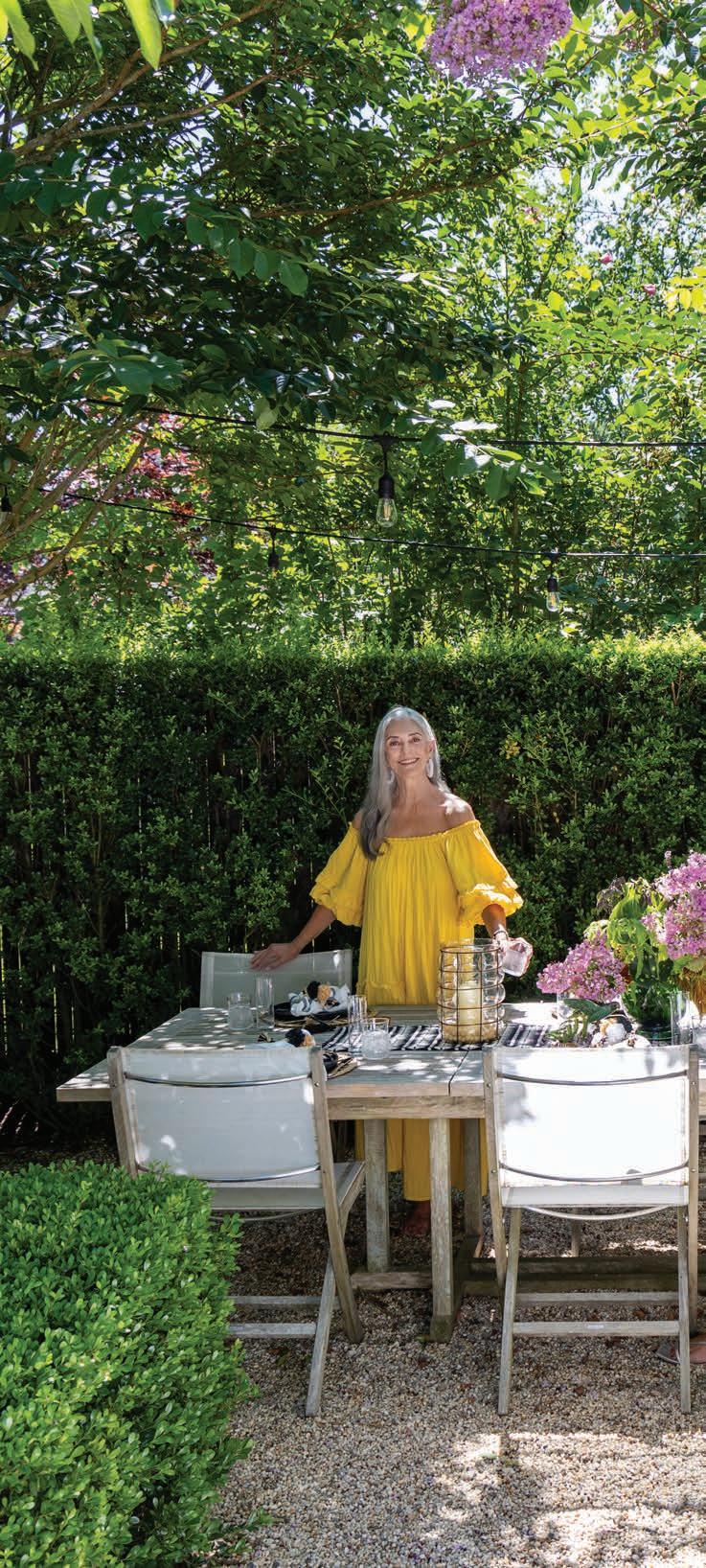
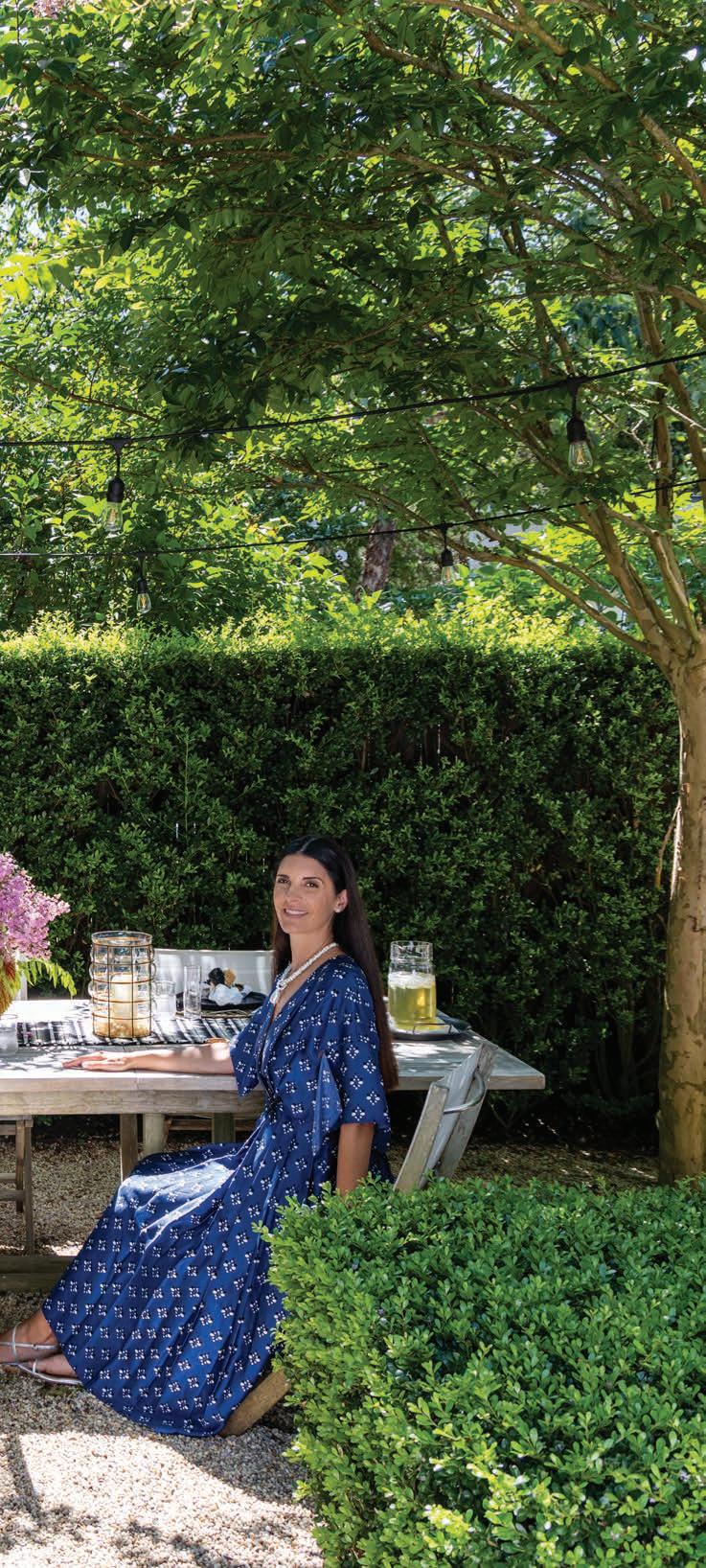
Sag Harbor resident Anne Tait, and her daughter, Lucia Tait Tolani, under a canopy of crepe myrtle trees in her contemporary garden.
Southern California-based Morrison Interiors embraces the unexpected when designing spaces featuring Sub-Zero, Wolf, and Cove appliances.
Photography by Lance Gerber
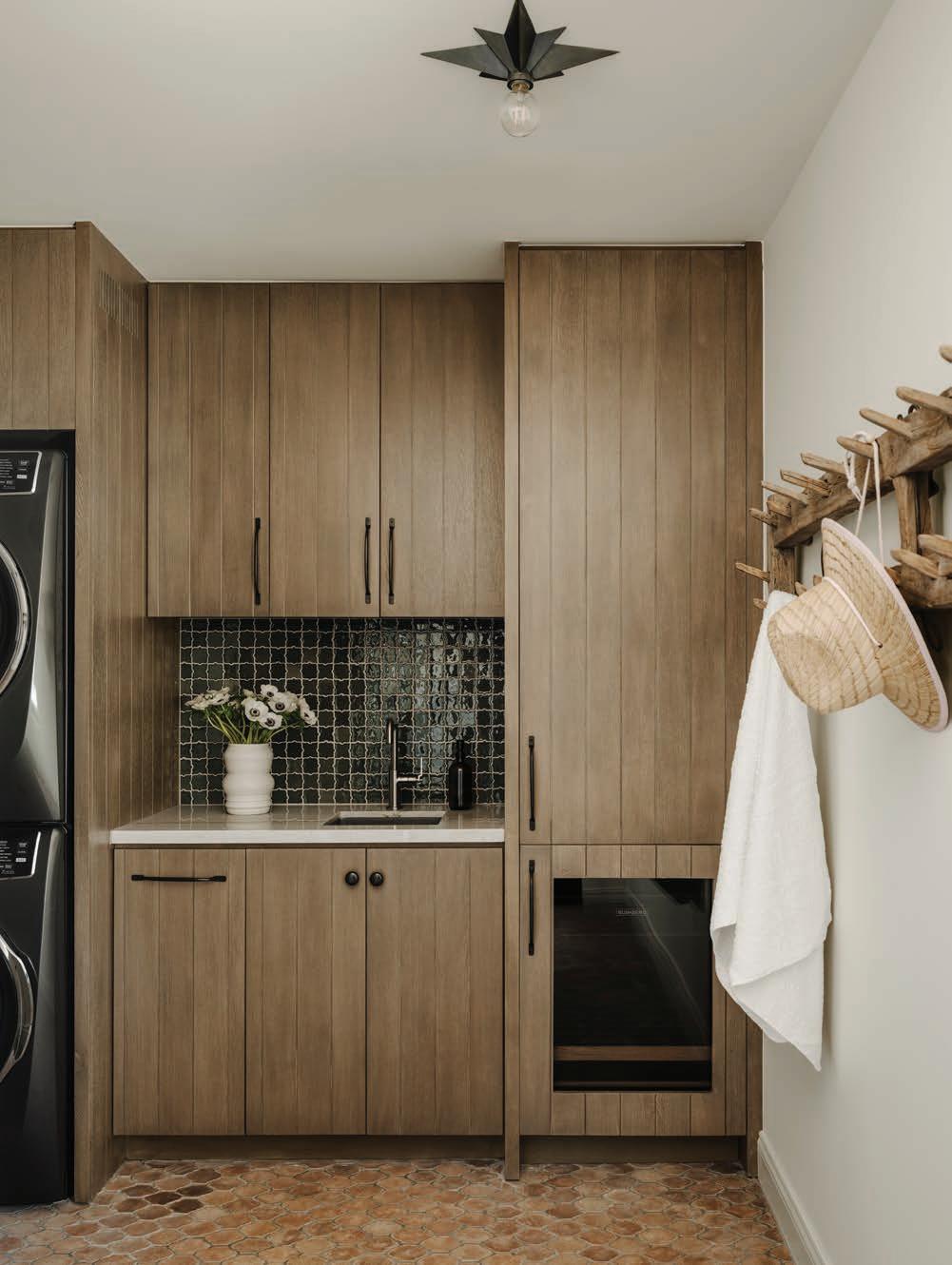
Rich in decorative detail, each room in a historic seaside home in Laguna Beach, California, was thoughtfully updated with luxury materials and bespoke craftsmanship, including this sophisticated laundry room with a Sub-Zero Undercounter Beverage Center.
GET THE LOOK:
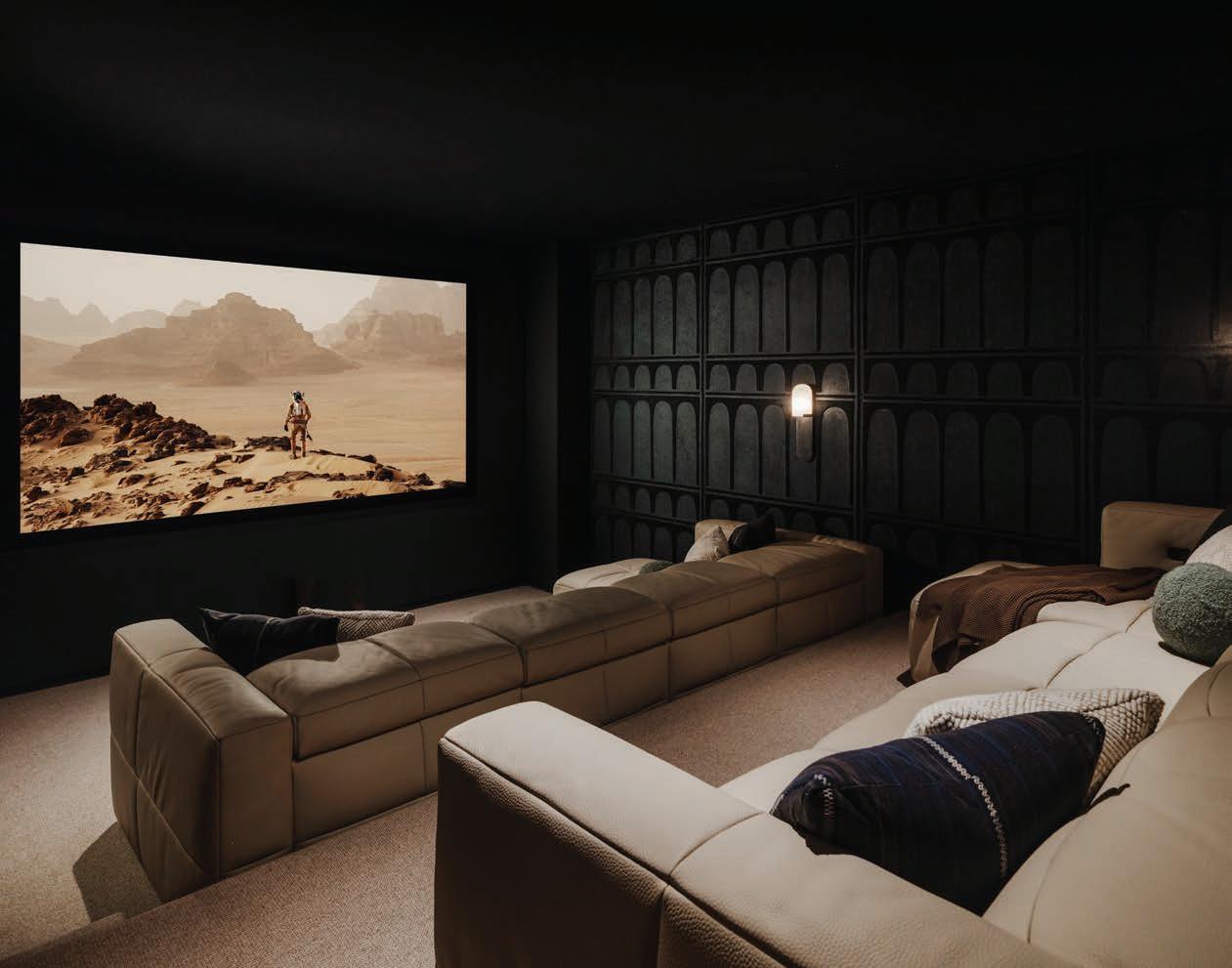
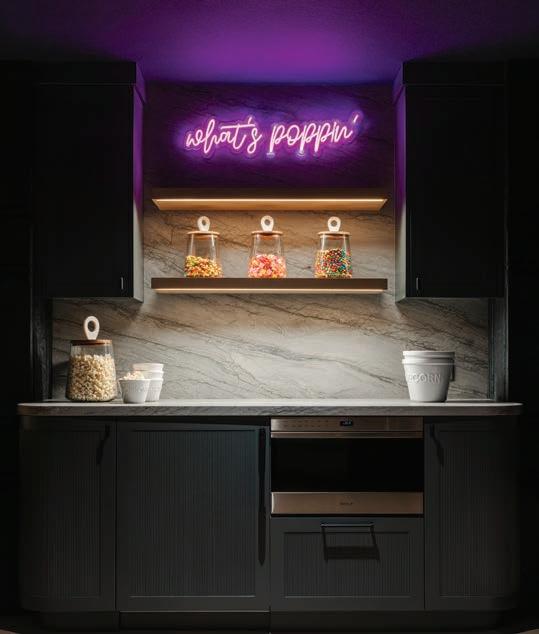
What was originally an underutilized space on the lower level of a Corona del Mar, California, home has become a cozy home theater complete with a brightly lit nook, ideal for quickly preparing popcorn in the Wolf Microwave Drawer. “When the family is having a movie night, snacks are easily available,” says Rachel Morrison, adding that she regularly recommends SubZero, Wolf, and Cove appliances to clients. “We always say they are the crème de la crème!”
Painted Wood Cabinetry: Farrow & Ball Studio Green #93
Wallpaper: Elitis Galerie Colisee #RM 1001-67
Lighting: Melange Medium Elongated Pill Sconce by Visual Comfort Theatre Seats: Cineak
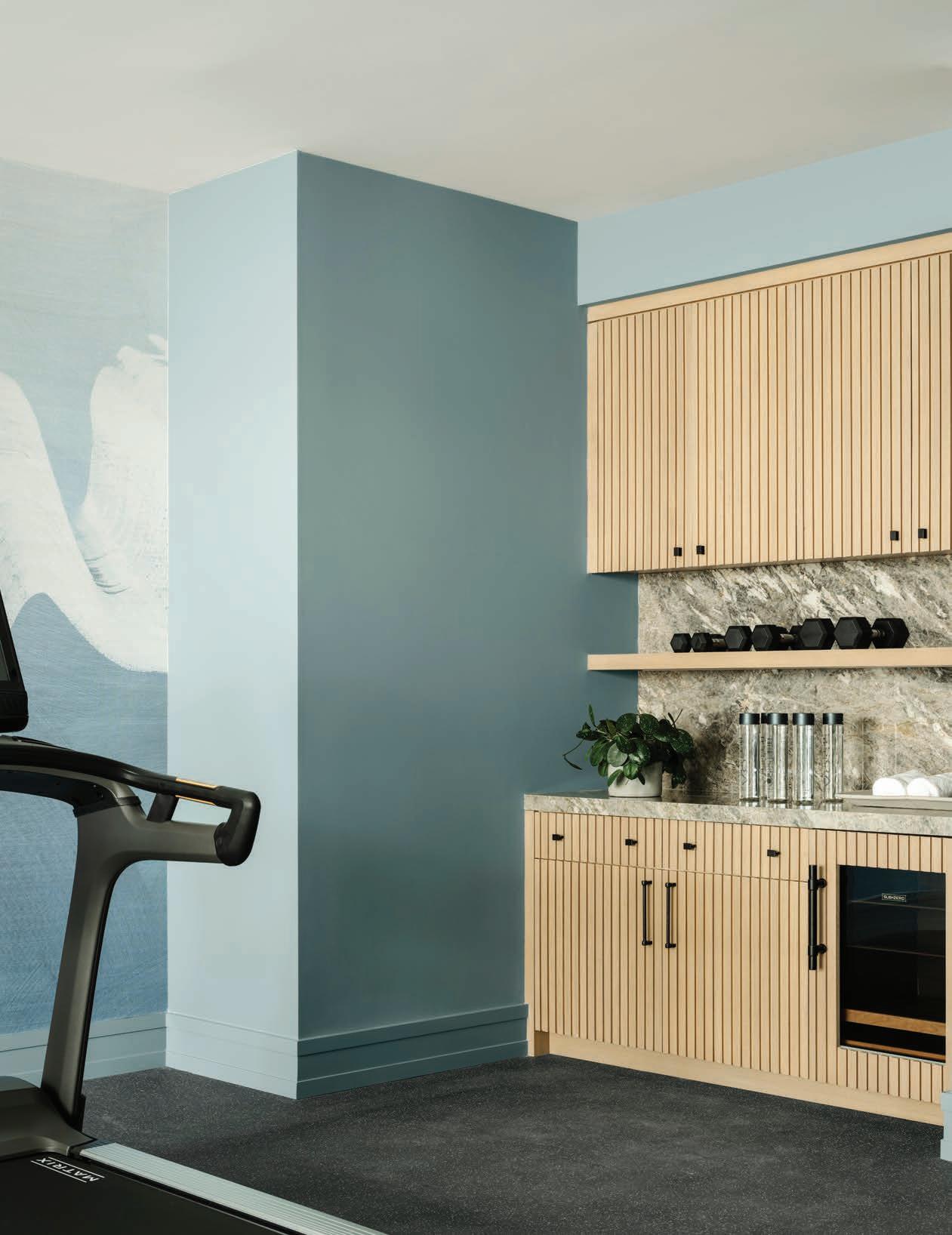
“The organic modern architecture of this beachside home creates a stunning enclave,” says Morrison, whose design used sleek steel elements and natural textures to harmonize with the Dana Point, California, home’s contemporary feel.
The serene lower-level wellness area includes a full gym, a towel station, and a refreshment center featuring a Sub-Zero Undercounter Beverage Center. An attached sauna, steam shower, and full bath complete the relaxing atmosphere.
Paint: Dunn-Edwards Gray Flannel (DE6319)
Cabinetr y: Custom by GNA
Countertop: Quartzite Cielo
Wallcovering: Phillip Jeffries 9193 Beat Muffled Blue on Marshmallow Manila Hemp
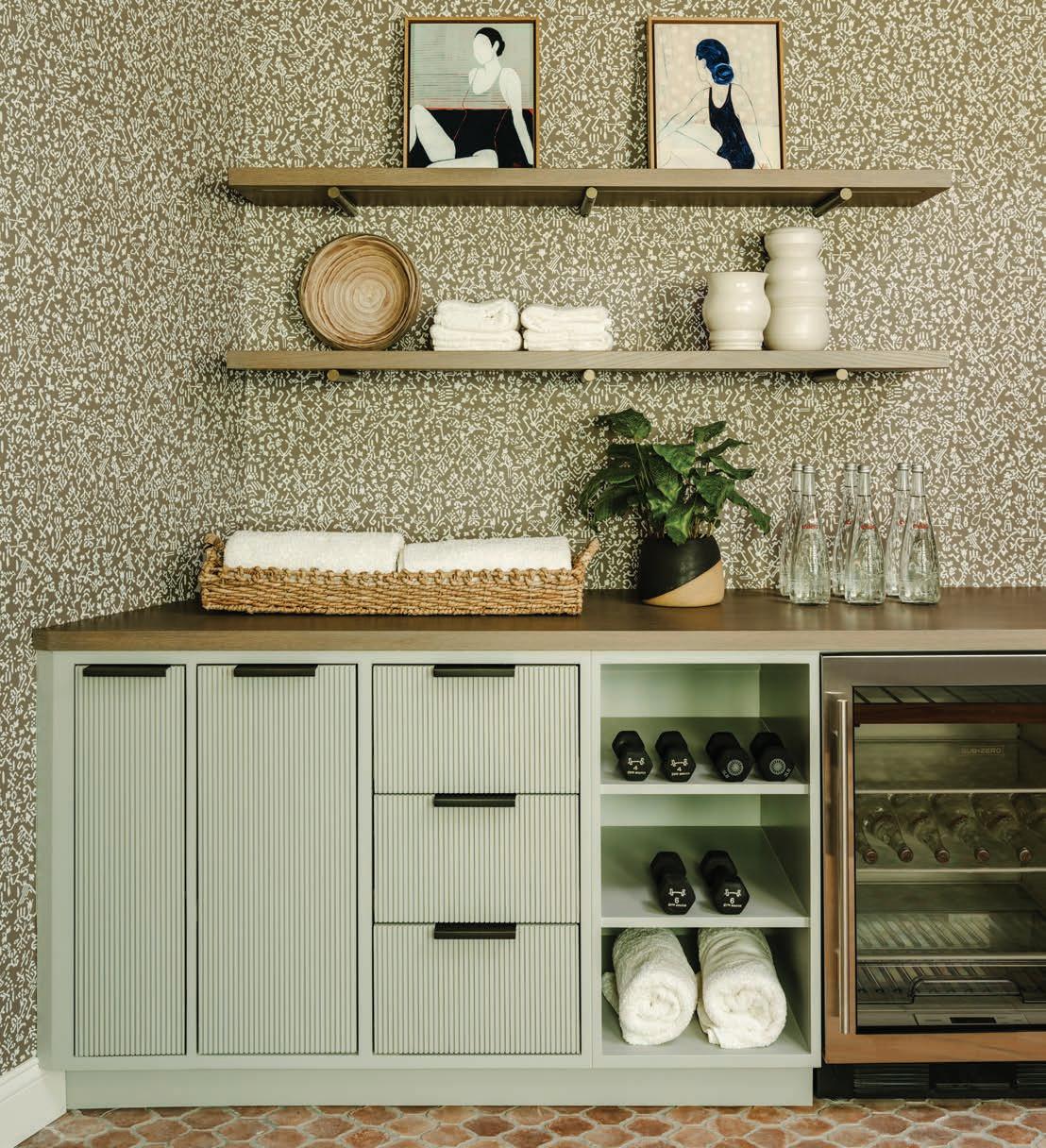
Another space from the Laguna Beach coastal home featured on page 46, this elegant workout room reflects the location with tones of sand and sea-foam green and winsome bathing-beauty artwork above the Sub-Zero Undercounter Beverage Center.
Wallcovering: Zak + Fox Auspicious
Painted Wood Cabinetry: Farrow & Ball Lamp Room
Gray No. 88
Stained Wood Shelves: Premium Grade, Rift Cut White
Oak, Flat Sheen
Flooring: Original Terracotta
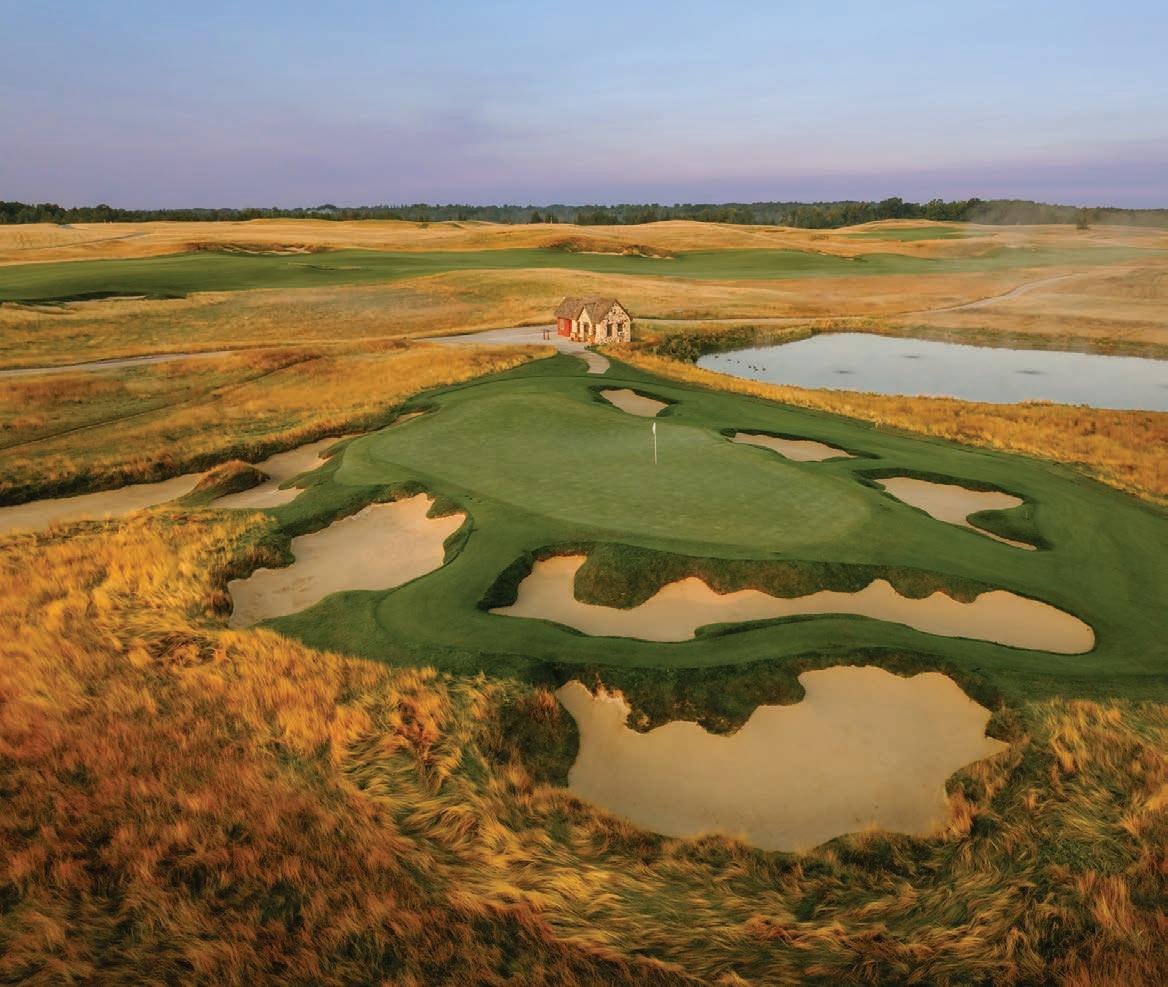

Three distinguished resorts that help position Wisconsin as a premier golfing destination.
By Carissa Chesanek
Wisconsin is redefining the grand golf getaway. Its proximity to major cities allows you to quickly and easily access a singular combination of precision championship fairways and verdant
landscapes. Nearly 90 percent of the state’s top-tier courses are open to the public, inviting golfers of all skill levels to play a layout of their dreams. Paired with a resort culture that prioritizes both architectural elegance and culinary distinction, Wisconsin offers a vibrant, world-class experience on and off the green.

Located in Erin, Wisconsin, the picturesque Erin Hills course shines with its 18-hole, walking-only public terrain shaped by glaciers. The venue is considered one of the top 10 public courses in the United States and has hosted the 2017 U.S. Open and the 2025 U.S. Women’s Open, but it’s not only a majorchampionship venue for industry pros. Visitors come for a quiet getaway from the hustle and bustle of city living, unwinding at a 12-hole illuminated putting course or spending the afternoon playing the five holes at Kettle Loop if they’re in a time crunch.
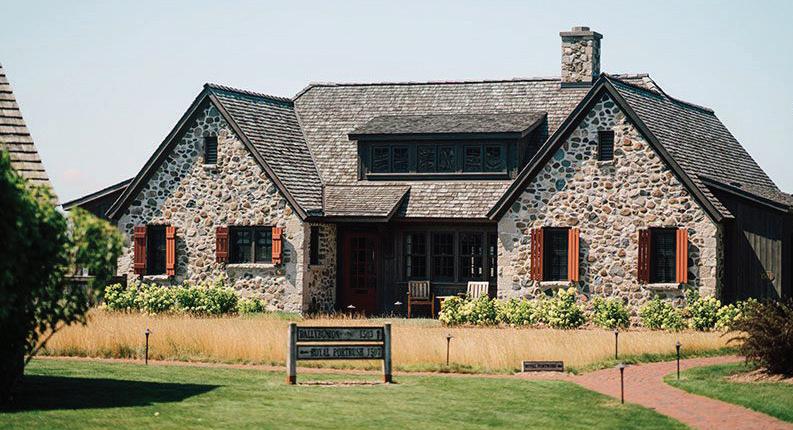
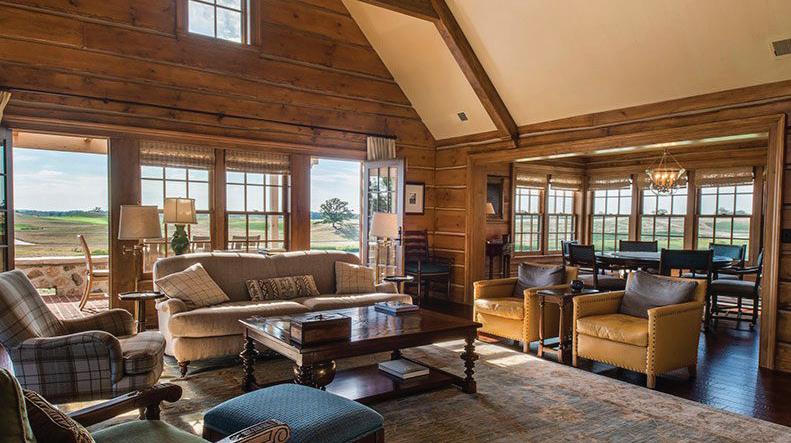
“It’s a place where history, hospitality, and championship golf unite with every step,” says Kris Schoonover, Erin Hills co-general manager. “The grandeur of the property is matched by our incredible staff, who anticipate the tastes and preferences of every foursome, allowing Erin Hills to become a benchmark of the boutique golf experience in the United States for more than 20 seasons.”
The accommodations at Erin Hills feel similar to what you’d expect at a charming inn. It hosts an intimate space with just 37 beds, along with a handful of quaint four-bedroom cottages. There’s the Irish Pub, ideal for drinks in between rounds, while The Clubhouse serves classic American fare with views of the course.
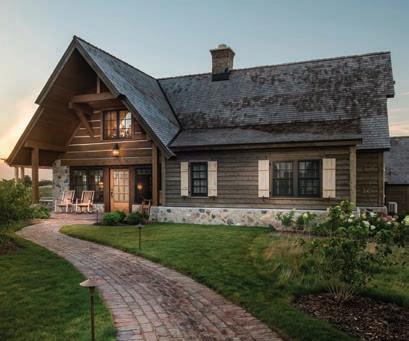
Holy Hill National Shrine: A Roman Catholic Marian shrine sitting atop a glacial hill, offering historical architecture, a healing church, and some of the best scenic views from one of the area’s highest points.
Holy Hill Art Farm: This 168-year-old homestead near the shrine offers an 80-acre farm-turnedcreative art space that showcases local artists and collectors at its seasonal fairs, along with live music and food vendors.
Basse's Farms: Fresh, seasonal produce is available at this local farm, along with a variety of familyfriendly activities, such as pumpkin and berry picking, tours, and mazes.
Pike Lake State Park: Spend the day outdoors hiking or swimming while taking in the sights of the Kettle Moraine’s glacial landscapes at this popular state park.

Built by the late Herb Kohler, a renowned businessman and avid golfer, Kohler is a sumptuous resort community north of Milwaukee with numerous fine golf courses with public access. Whistling Straits is reminiscent of the untamed beauty of Ireland and is the host of the 2021 Ryder Cup, with its walking-only Straits Course showcasing panoramic views of Lake Michigan’s coastline. The glacier-carved Blackwolf Run offers championship courses like Meadow Valleys, with its pristine landscape of ravines and rolling prairies.
“Kohler, Wisconsin, is a golf destination, but it offers so much more to allow every visit to look completely different,”
says Stephen Beaumont, president of Kohler Hospitality. “Start your day at Whistling Straits with stunning views of Lake Michigan, unwind at the world-class Kohler Waters Spa, take a high-energy fitness class, and hike trails within the River Wildlife, which is a private 500-acre wilderness preserve for our members.”
The American Club, a AAA Five-Diamond and Forbes Five-Star resort hotel in Kohler, provides 241 guest rooms and suites for all ages. The adult-only Carriage House (temporarily closed through May 2026 for renovations) offers 44 guest rooms located over the resort’s spa.

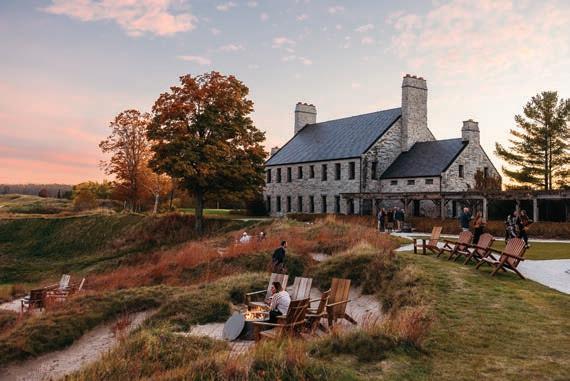
Kohler, Wisconsin
Kohler, Wisconsin
The Waelderhaus: Discover art and carvings in the Austrian style of the Bregenzerwald region within this historic house, celebrating Herb Kohler’s homeland through cultural programming and tours.
The Shops at Woodlake: Browse more than 20 boutiques and specialty stores, including the vast variety of stunning tiles at the Ann Sacks showroom, all at a picturesque lakeside location.
Kohler-Andrae State Park: Sand dunes, crystal-blue waters, and an abundance of recreational activities make this park along the Lake Michigan shore worth visiting.
Kohler Design Center: Get inspired at this 36,000-square-foot showcase featuring Kohler’s innovative kitchen and bath products and designs and explore the family-owned legacy at the in-house museum.
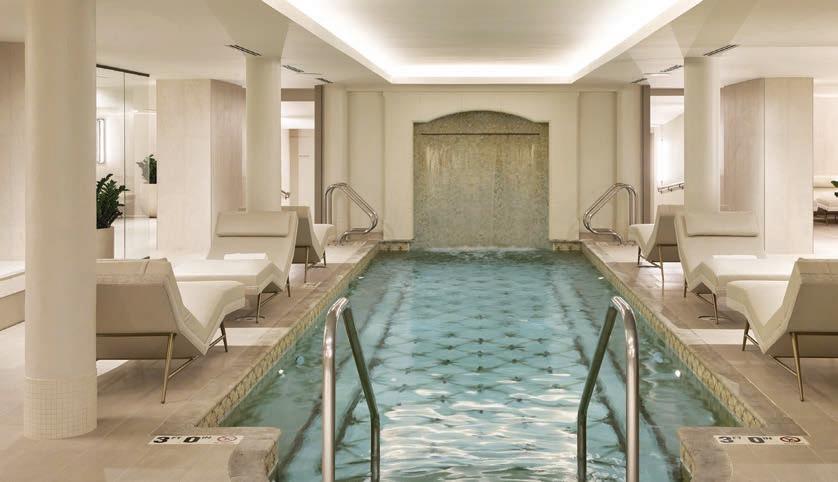
Left: Wisconsin’s only five-star spa, Kohler Waters, offers extraordinary hydrotherapy services.
SentryWorld is a world-class public course nestled in scenic Stevens Point, Wisconsin. Luxurious yet approachable, the sprawling, award-winning championship course has hosted major events, including the U.S. Senior Open Championship in 2023, yet attracts golfers at all levels from across the nation.
The 20-minute tee times are a far cry from the more typical 10 minutes or less and are a big draw for many, allowing groups to feel as though the course is theirs while giving players enough time to stop at one of the two on-course refreshment stations at their leisure. However, it’s not just the relaxed tee times that make for a great round; it’s also the top-notch technology.

“Our GPS-enabled golf carts give you yardages to every pin so you can better execute your next shot,” says Danny Rainbow, Director of Golf, SentryWorld. “This includes Hole 16, better known as the Flower Hole, which has more than 50,000 flowers planted fresh each year.”
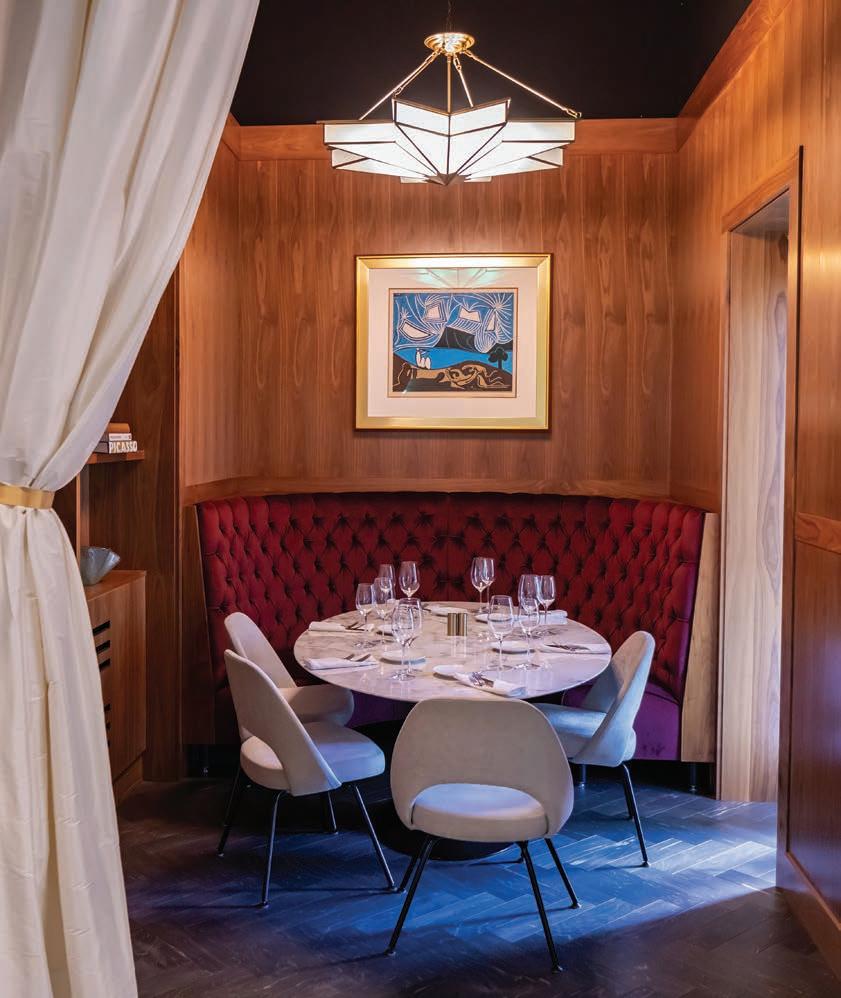
Guests can book a room at The Inn at SentryWorld, a 64room boutique hotel, and choose from on-site dining options, which include the casual eatery PJs inside the SentryWorld Clubhouse and the fine-dining restaurant Muse, which features original artworks by Pablo Picasso and Henri de Toulouse-Lautrec.

Stevens Point, Wisconsin EXPLORE
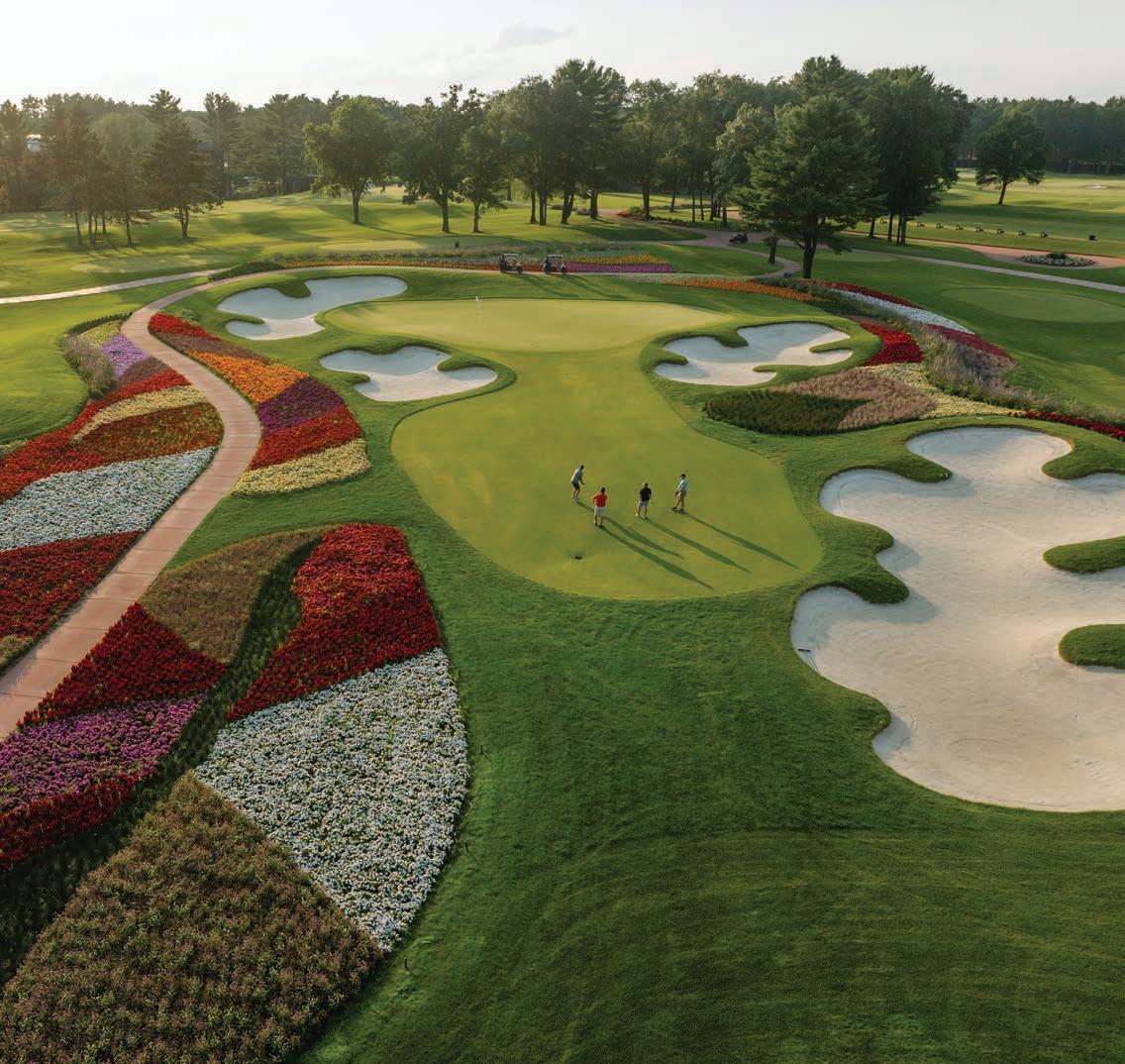

Above: The 16th hole is uniquely colorful, as every year more than 30,000 flowers are planted surrounding the green.
Stevens Point Sculpture Park: An outdoor art venue along the park’s 27-mile Green Circle Trail, displays installations by artists from around the country, and offers educational programming.
Schmeeckle Reserve:
Explore roughly 5 miles of nature preserve trails within the University of Wisconsin-Stevens Point campus, learn about a 280acre conservancy within one of the educational programs, and partake in the family-friendly spring and fall Candlelight Hike Festivals.
Stevens Point Brewery: Founded in 1857, this brewery is one of the oldest around, offering craft beers and sodas, behind-thescenes tours, and exclusive tastings.
Guild Designs: Once home to a tailor shop, this two-story Italianate building now houses a variety of artisans and merchants who sell books, antiques, fresh and dried floral arrangements, new furnishings, and stationery. The warm, welcoming space includes the charming second-floor Daisy Lounge, a perfect spot for a cocktail after shopping.
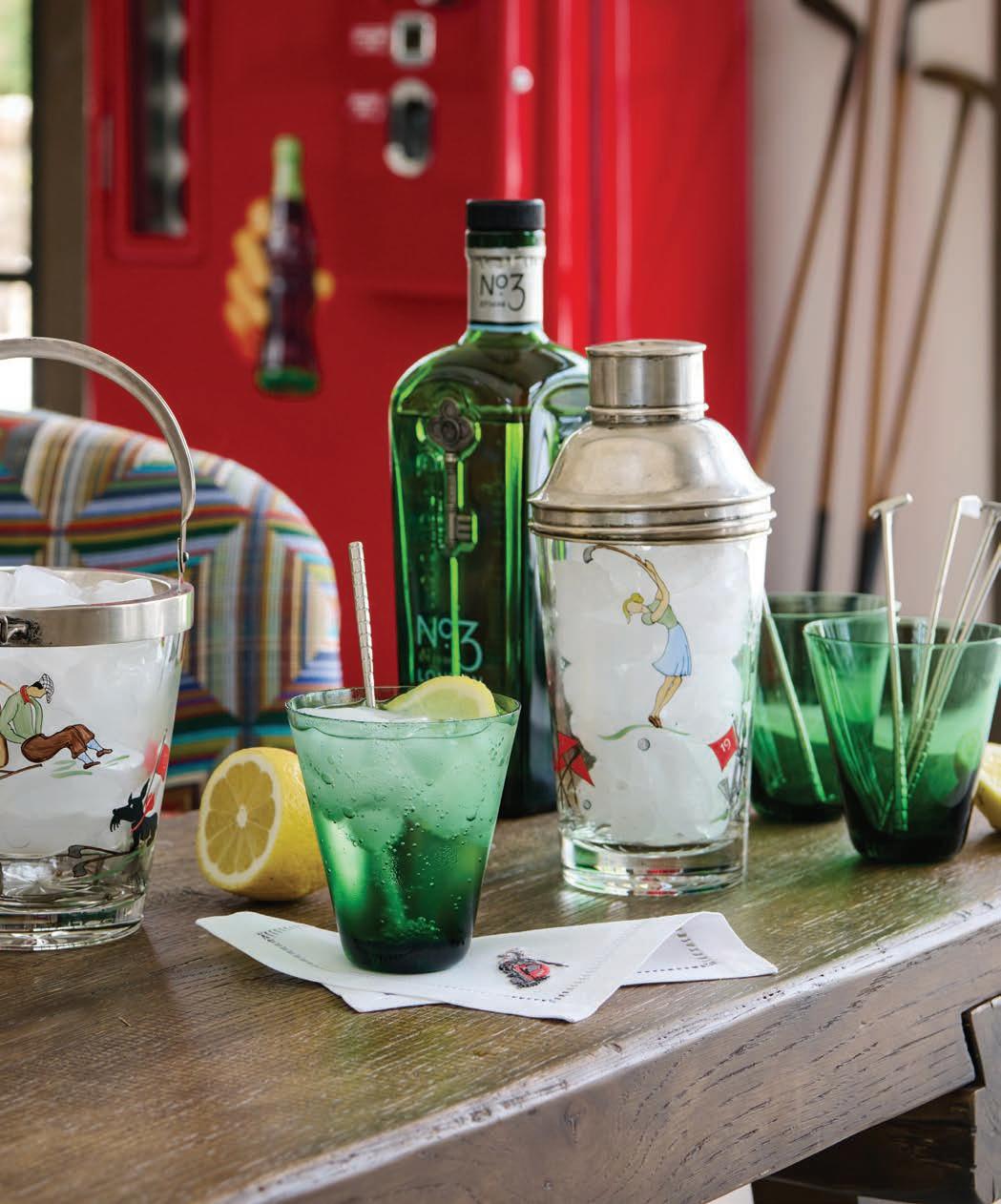
Beyond the 18th hole, the fun continues at home. “G olf has been part of the sporting life for more than six centuries,” says Weston Table owner Dianne O’Connor. “It is only fitting that people bring their love of this swinging game to their living, giving, and entertaining.”
This curated collection from Weston Table caters to golf enthusiasts and anyone enthralled by the game’s style and elegance. “There is no shortage of golfthemed décor,” says O’Connor. “The secret is to invest in quality, timeless pieces. Think handforged, American-made pewter golf club cocktail stirrers, vintage solid brass bookends, and retro-inspired barware that feels both classic and substantial.”
“You can add to the look with a classic leather-bound coffee table book,” she suggests. “Our gold-embossed The Stylish Life features a 1932 illustration of a construction worker taking a golf swing atop a steel girder high above Manhattan, with the iconic Chrysler Building rising in the background.” This elegant edition includes glimpses of the world’s finest and most exclusive clubhouses.
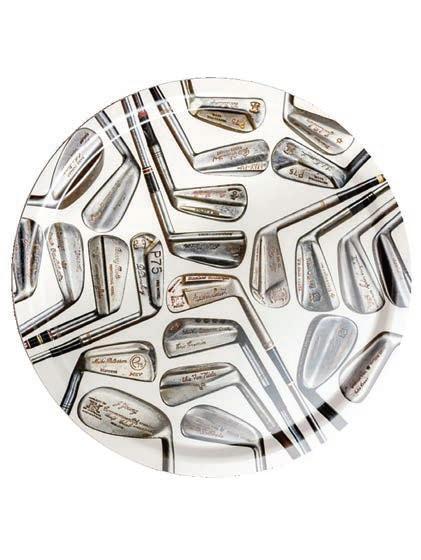
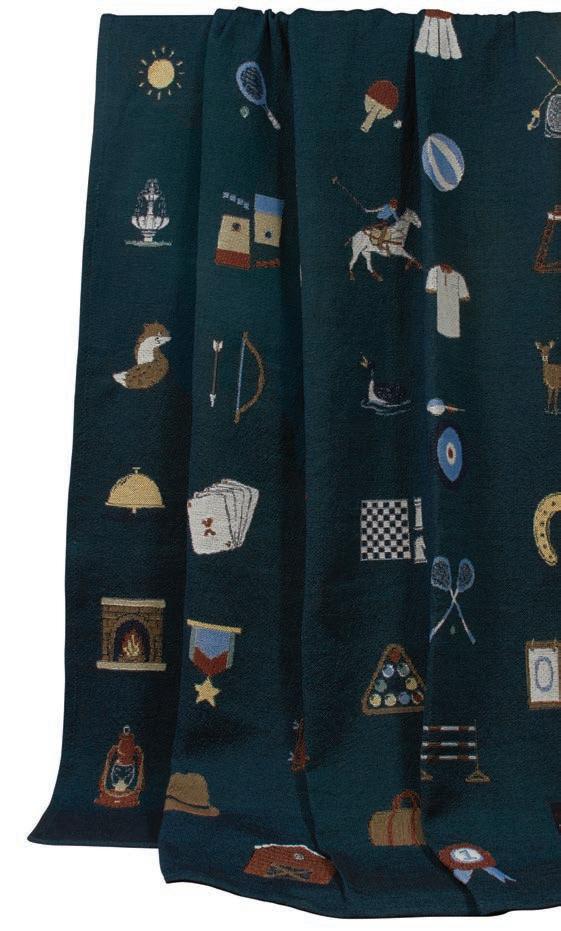
Clockwise from left: Handmade in Sweden, this vintage Golf Clubs Round Tray is crafted from birchwood and melamine. The classic The Sporting Life Throw Blanket is made in the US from 100% recycled cotton. Cheerfully straightforward, the Golf Hooked Wool Pillow is 100% wool. Bringing a touch of retro charm to your bar, these 1950s Roly Poly Golf Glasses feature unique numbered designs. Support your course material with these 1960s Brass Golf Club Bookends. All available at westontable.com


Adding to the atmosphere is a full range of tartan European golf umbrellas, Smathers & Branson needlepoint golf club covers, hats, scorecards, and bag tags. O’Connor’s intrepid team has sourced a wide range of items that will help keep the enthusiasm going long after walking off the greens.



Culture
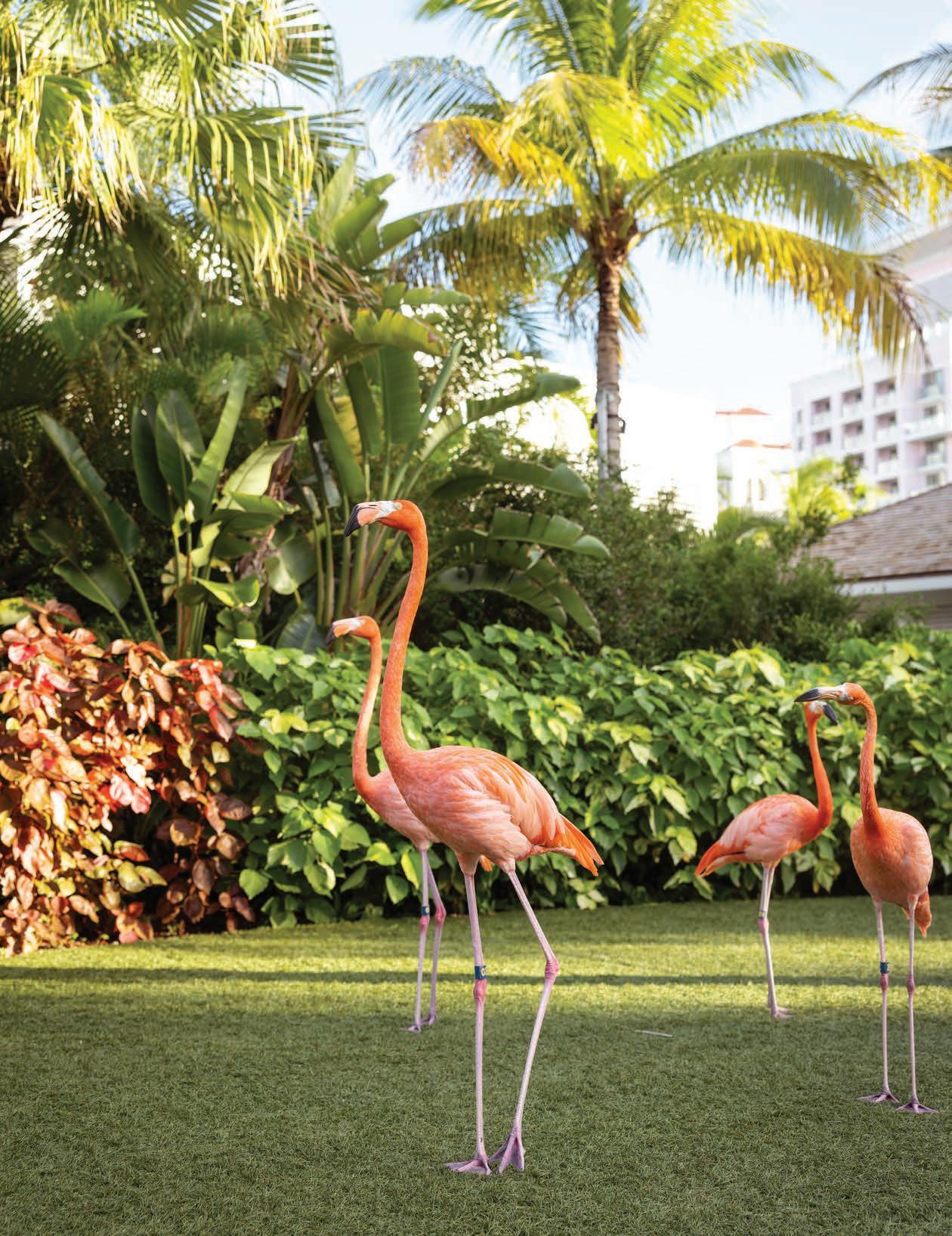
A look inside the annual Bahamas Culinary & Arts Festival at the lavish Baha Mar resort, on the island of New Providence.
The Bahamas Culinary & Arts Festival has the warmth of a reunion.
Chefs embrace like old friends, artists chat beside their work, and guests stroll between tasting tables with a drink in hand. For five days at Baha Mar resort, set on Nassau's famous Cable Beach on the island of New Providence, food becomes a shared language that connects people from around the world, one plate at a time. Surrounded by turquoise waters and white sand, the Bahamas provides a stunning backdrop, just a short flight from several major U.S. cities.
Every October, the resort becomes the center of food, art, and music, bringing together chefs, artists, and performers for a weekend of shared creativity. This year’s lineup included celebrity chefs Marcus Samuelsson, Dario Cecchini, Daniel Boulud, Amanda Freitag, Geoffrey Zakarian, Scott Conant, Maneet Chauhan, Rolando Ordonez, Simeon Hall Jr., and Alfredo Villanueva, who shared their culinary mastery alongside a bevy of other culinary pros and visual artists.
Graeme Davis, president of Baha Mar, says the idea for the festival emerged from the resort’s founding vision. “From the beginning, Baha Mar has been about celebrating the very best of the Bahamas, not just as a destination, but as a vibrant community of creativity, culture, and world-class hospitality,” says Davis. “We wanted to design an experience that invites our guests to taste, see, and feel the essence of Bahamian culture through food, art, and storytelling.”
Although the festival fills the resort, it still feels personal. Guests can talk with chefs and artists, watch them work, and taste dishes as they are made. Many agree that collaboration and connection define the experience. Alfredo Villanueva says, “I think this is different from other festivals because it’s an island with very special ingredients and the people [are very welcoming].” He mentions that it was rewarding to share his Mexican heritage while embracing Bahamian culture. Scott Conant calls it “100 percent about the people. Spending time with the teams in the kitchens, the generosity, it is so touching,” he adds.

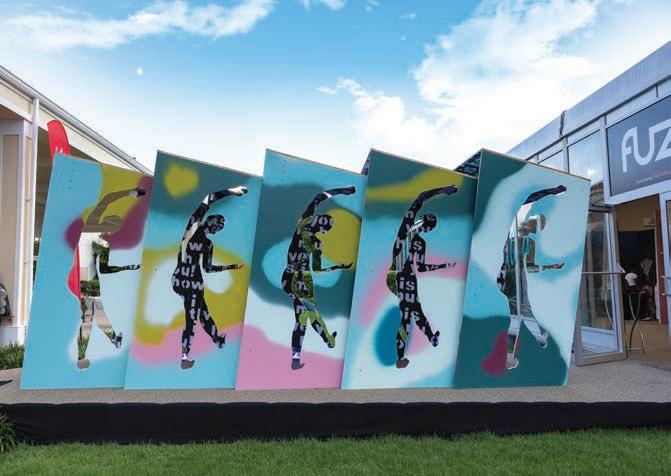
Each year, the event begins on Wednesday with the FUZE Caribbean Art Fair, which runs through Sunday and gathers artists from across the Bahamas and the Caribbean. Chef Daniel Boulud’s Truffle Dinner opens the culinary portion with a truffle-infused menu and paired wines. Thursday brings happy hours and art workshops. Friday kicks off with A Taste of Baha Mar Welcome Party, a lively open-air concert and tasting event. This year, rock legend Lenny Kravitz performed his first official show in the Bahamas. Guests also previewed Leola, Scott Conant’s new Italian-inspired restaurant, which he described as sophisticated yet warm, blending Italian tradition with American creativity.


Lenny
whose family is Bahamian, added star power to the weekend’s festivities.
Saturday and Sunday center around the Culinary Expo at the Baha Mar Convention, Arts & Entertainment Center. Guests can watch live chef demos, join tastings, and sample dishes from local restaurants. The weekend also features smallgroup master classes, music, and unique experiences like yoga with flamingos.
Chef Tevin Kemp, who leads The Kitchen and works with visiting chefs, says “authenticity and collaboration” set the festival apart. “When you walk inside The Kitchen, I want everyone to feel welcome, both chefs and guests,” he says. “We all feel a bit like a little family since Bahamians often connect and show love through food.”
Each class and dinner lets chefs showcase their personalities as they interact with attendees. Maneet Chauhan, Amanda Freitag, and Carla Hall bring humor and warmth. Geoffrey Zakarian adds playful banter, Marcus Samuelsson and Simeon Hall Jr. are lively and engaging, and Villanueva offers quiet kindness.
“Year over year, the festival has gotten bigger and better, increasing its overall footprint and evolving its offerings to appeal to both our local and international guests,” notes festival organizer Nadia Bowe, Director of Sales and Marketing at Baha Mar. “This year’s programming speaks directly to the desires of today’s traveler: immersive, flavorful, and visually unforgettable,” she says.
The Bahamian spirit is everywhere, from rake-and-scrape music to colorful Junkanoo rush-outs with pulsating drums and costumes. The beauty of the islands, with sunlit beaches and clear waters, creates a scene as memorable as the food and art.
The festival also serves as a homecoming for many of the participants, including Kravitz, who celebrated his Bahamian roots on the concert stage, calling it deeply personal and “monumental” to perform in his grandfather's birthplace. (Kravitz's mother, actress Roxie Roker, was first-generation BahamianAmerican.)
For Tia Mowry, an American actress and chef who hosted the Sunset BBQ event with Chef Simeon Hall and Marv “Mr. Mix” Cunningham, taking part was personal. “It means everything to me,” she says. “I wanted to bring my kids. It’s the way that I pay homage to my great-grandmother, my grandmother, and my mother,” explains Mowry. “My ancestors were so important to me. What makes this time even more special is how I was able to show my kids where they’re from and then have such a great and amazing time.”
The Bahamas Culinary & Arts Festival is more than a food event. It is a genuine celebration of creativity, community, and culture. Visitors leave not only with memories of dishes and music, but also with a more profound sense of connection to the Bahamas.
The fifth annual Bahamas Culinary & Arts Festival is tentatively set for late October 2026.
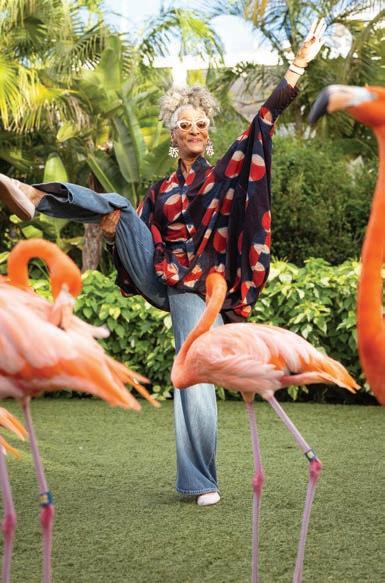
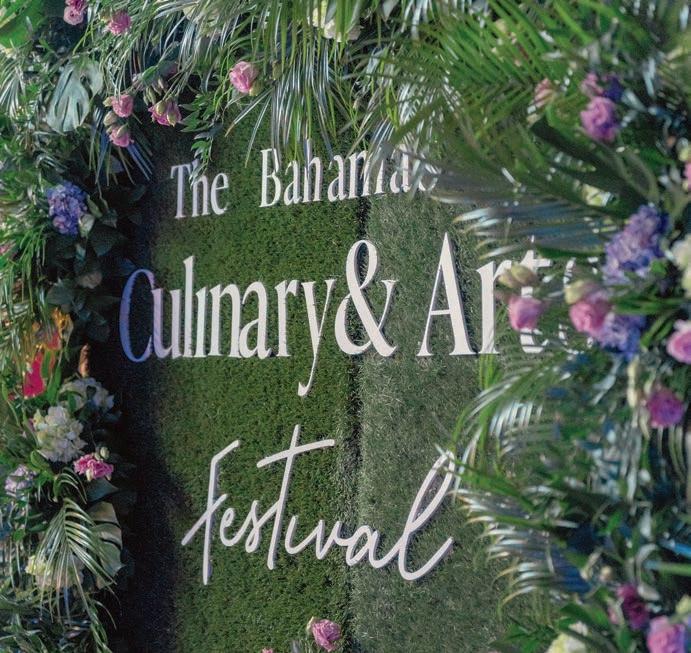
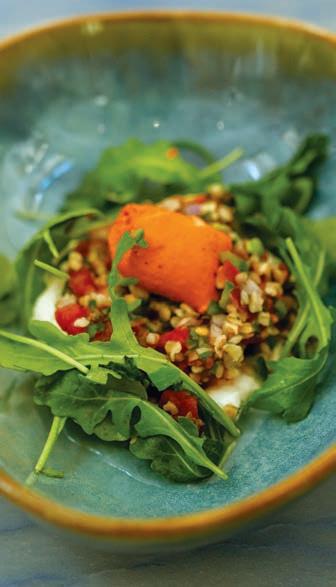
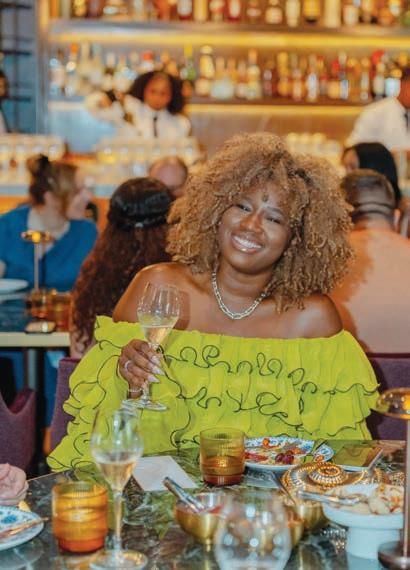
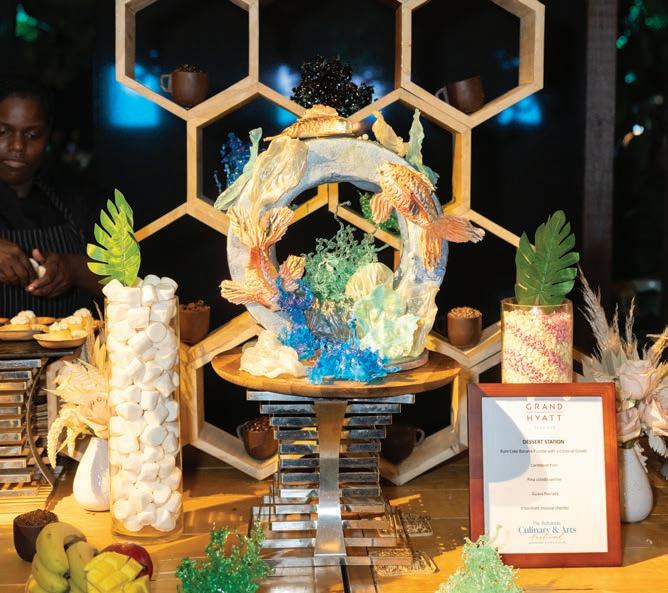
Clockwise from top right: Artful display at a festival tasting, the vibrant entrance to the FUZE art exhibition, Chefs Marcus Samuelsson and Scott Conant hosting Coconuts & Cocktails, a delighted guest, a freshly prepared dish, actor Tia Mowry celebrates her roots, and Chef Carla Hall mingles with flamingos.


The Bahamas Culinary & Arts Festival’s schedule is jam-packed, but Baha Mar offers many other ways to enjoy the property and the island.
• Swim or relax in the resort’s pools or on the surrounding beaches.
• The Baha Bay water park provides slides and activities for both kids and adults.
• Golfers can test their swing on the Jack Nicklaus-designed course, while tennis and pickleball are available at the John McEnroe Tennis Center.
• Animal experiences offer up-close encounters with flamingos, Aldabra giant tortoises, macaws, and sea turtles.
• For younger guests, the Junior Marine Biologist program offers hands-on learning about marine ecosystems, alongside a kids’ club and kid-friendly dining.
• Exploring beyond the resort reveals the beauty and culture of New Providence. These excursions offer a break from the festival schedule while showcasing the natural beauty and vibrant culture of the Bahamas.
• Coral reefs offer snorkeling and diving with colorful marine life.
• A visit to the Bahamas Museum of Junkanoo or a rum tasting at John Watling’s Distillery provides cultural insights.
• Boating day trips to Rose Island or Exuma create memorable island adventures.
• And for authentic Bahamian cuisine, cocktails, and locally made beers, Arawak Cay Fish Fry is a must.
An exploration of three refined afternoon tea experiences around the globe.
From the teas and tiered delights to the atmosphere of quiet refinement, afternoon tea is an experience defined by its details—delicate porcelain, the aroma of perfectly brewed leaves, and artful arrangements of sweet and savory treats. And although this beloved ritual began in Victorian England, today you'll find unique and inspired interpretations in fine restaurants and hotels around the world.
By Lannan M. O’Brien
Expertly trained tea
for
Cape Town, South Africa | belmond.com/hotels/africa/ south-africa
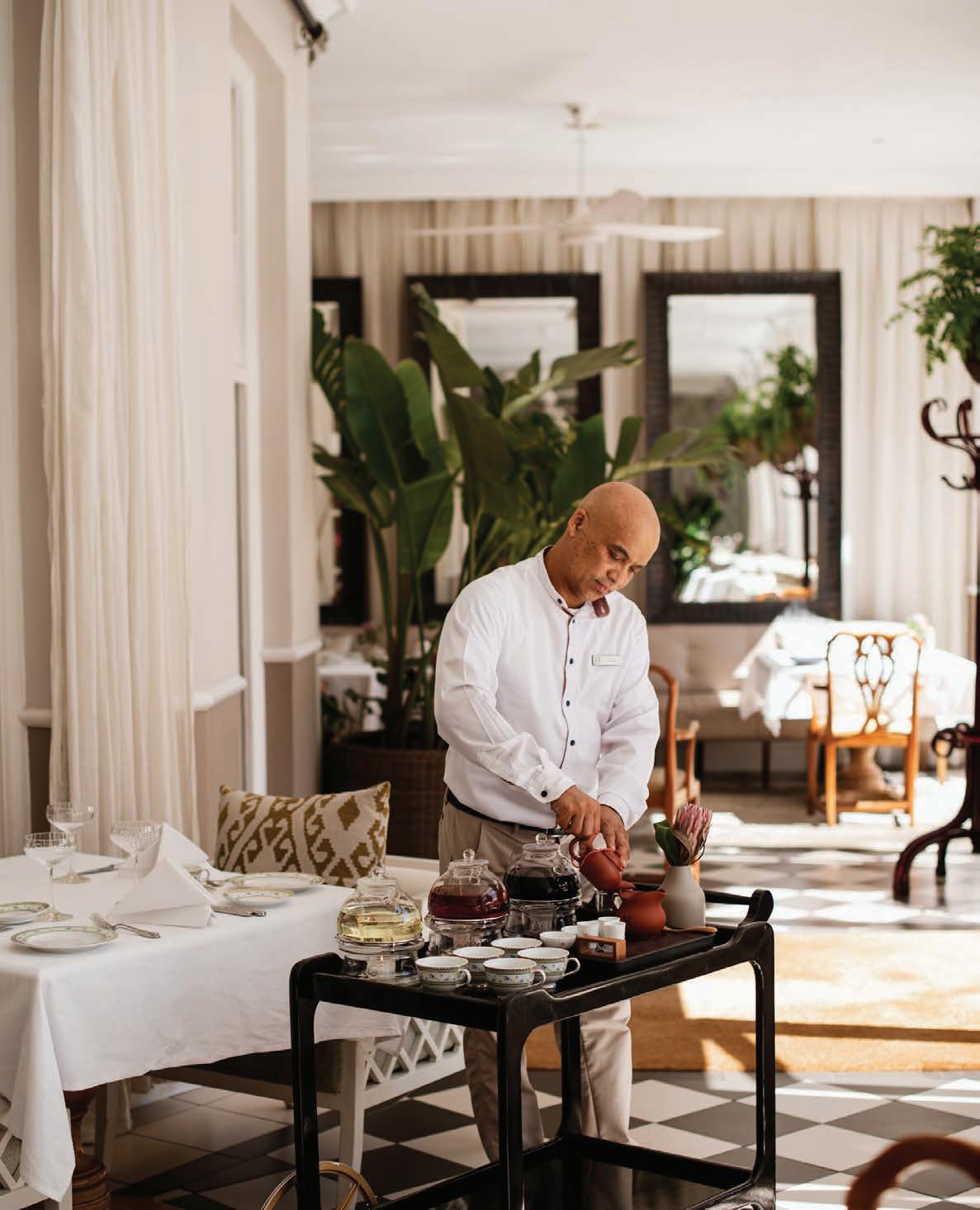
Live piano music sets the ambience at the Mount Nelson Lounge, where guests can experience a local twist on the traditional afternoon tea: “Our tea collection is exciting, global, and importantly, offers South African and African infusions too,” describes Craig Cupido, who holds the honor of South Africa's first certified tea sommelier. “We offer flavor journeys and stories, and when paired with our four courses, the afternoon tea is elevated.”
Tea connoisseurs will be at home at Mount Nelson: The menu features over 60 varieties, and Cupido is onsite to guide guests through the extensive list (he also leads tasting sessions, food pairings, master classes, and traditional tea ceremonies). Sweet and savory treats— including fluffy scones, milk tarts, and dark chocolate mud cakes crafted by Pastry Chef Vicky Gurovich—provide the perfect complement for each brew.
The signature Mount Nelson Tea is a sublime blend of Darjeeling, Kenya, Assam, Keemun, Yunnan, and Ceylon with a touch of pink rose petals.
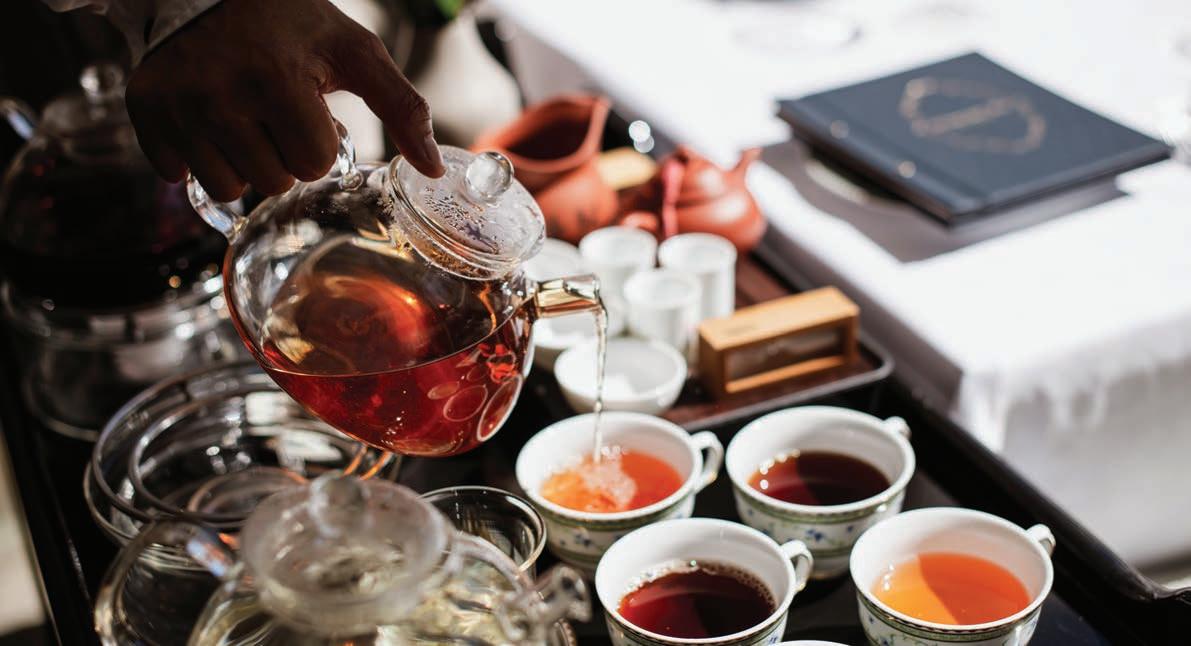
London, UK | claridges.co.uk
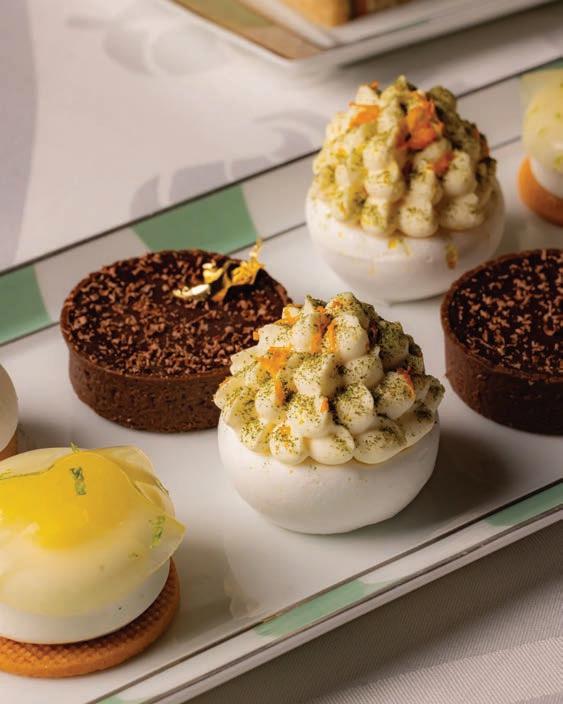
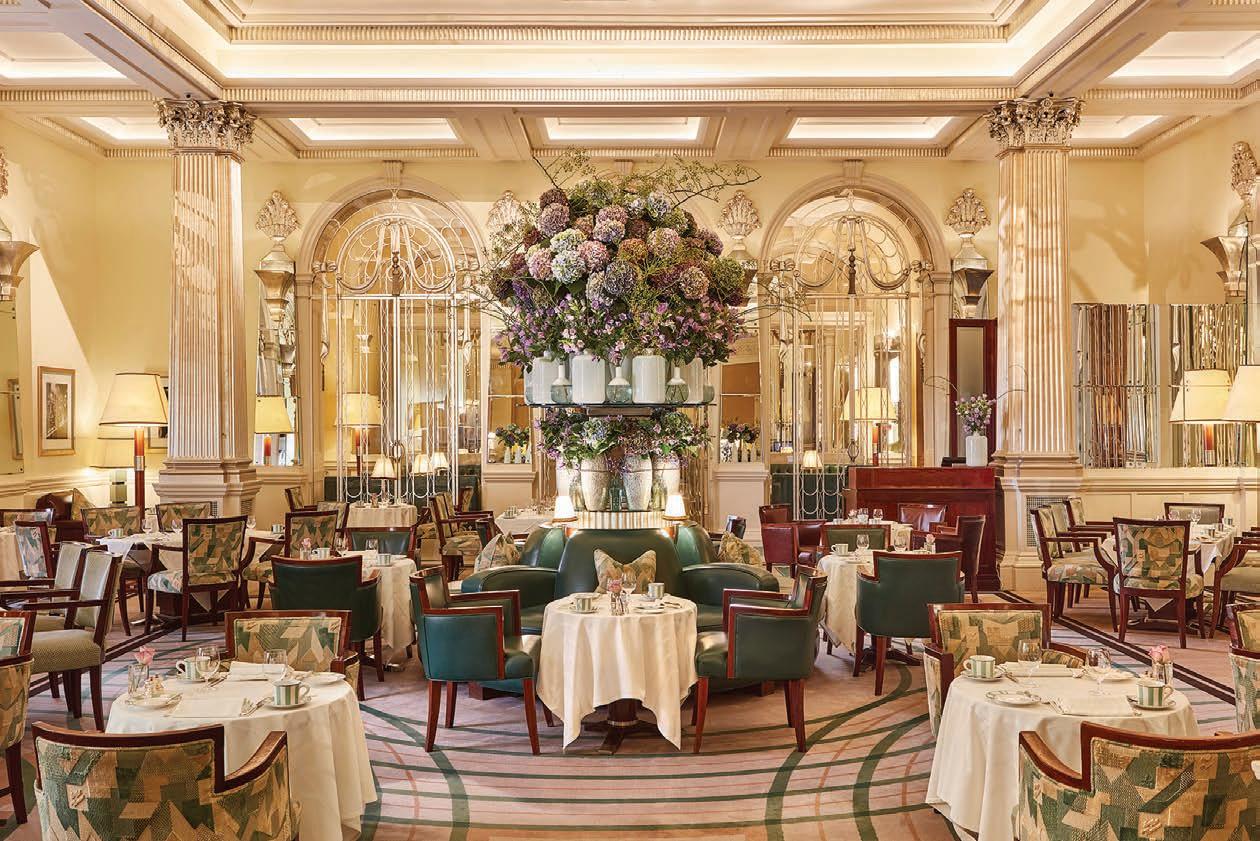
Where better to partake in an age-old English tradition than a historic London hotel? Opened in 1856, Claridge’s is a five-star Mayfair landmark celebrated for its iconic Art Deco interiors. Served in The Foyer & Reading Room, the afternoon meal features teas sourced by connoisseur Henrietta Lovell, paired with bite-sized delicacies such as freshly baked pastries and elegant desserts (think caramelized apple tarte Tatin, hazelnut milk chocolate mousse, and dark chocolate and coffee choux), finger sandwiches, fresh fruits, and smoked Scottish salmon.
Restaurant Director Glenn Piper says, “Afternoon tea at Claridge's is an unmatched celebration of the quintessential English tradition…. Our unique tea selection ensures every bite is met with a mouthful of rare aromas.”
As you sip, notice the décor details: The bone china and silverware feature a unique design made specially for Claridge’s.
New York, US | lowellhotel.com
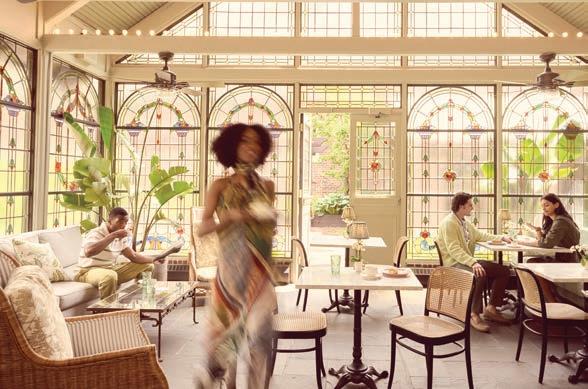
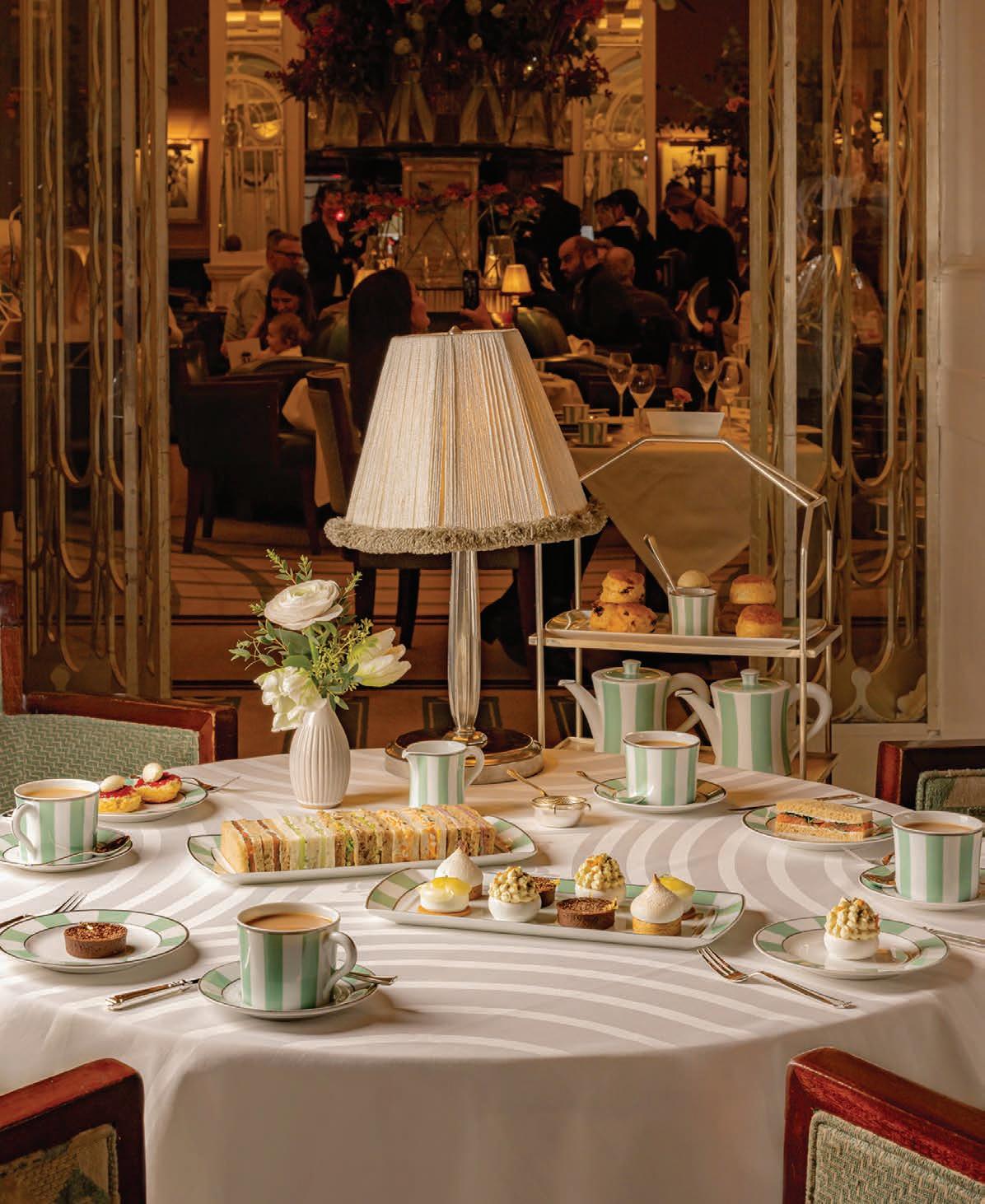
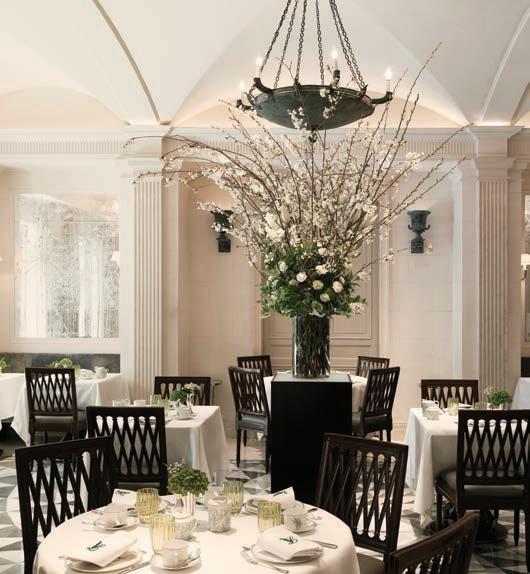
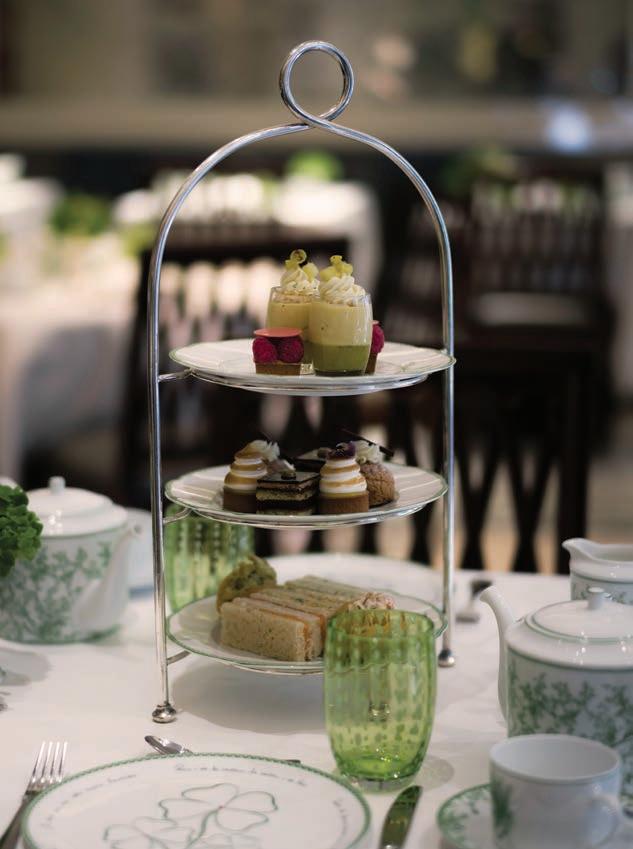
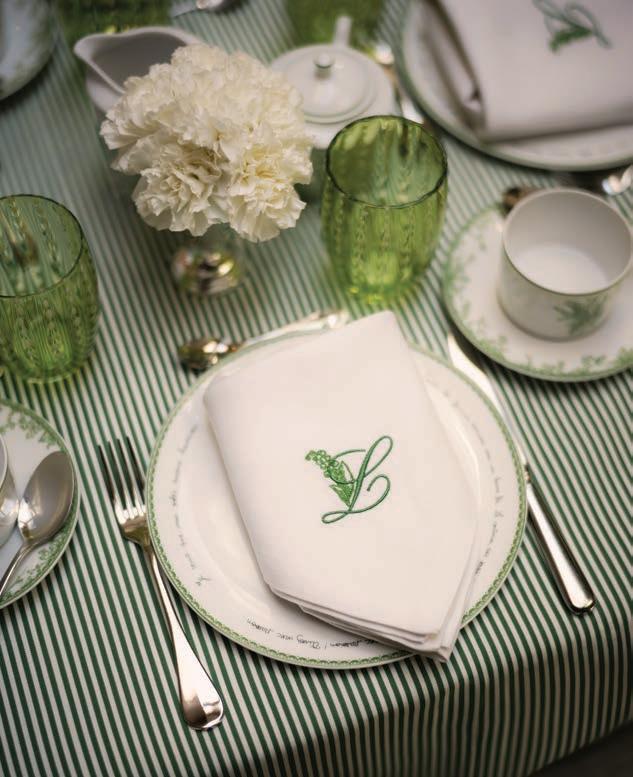
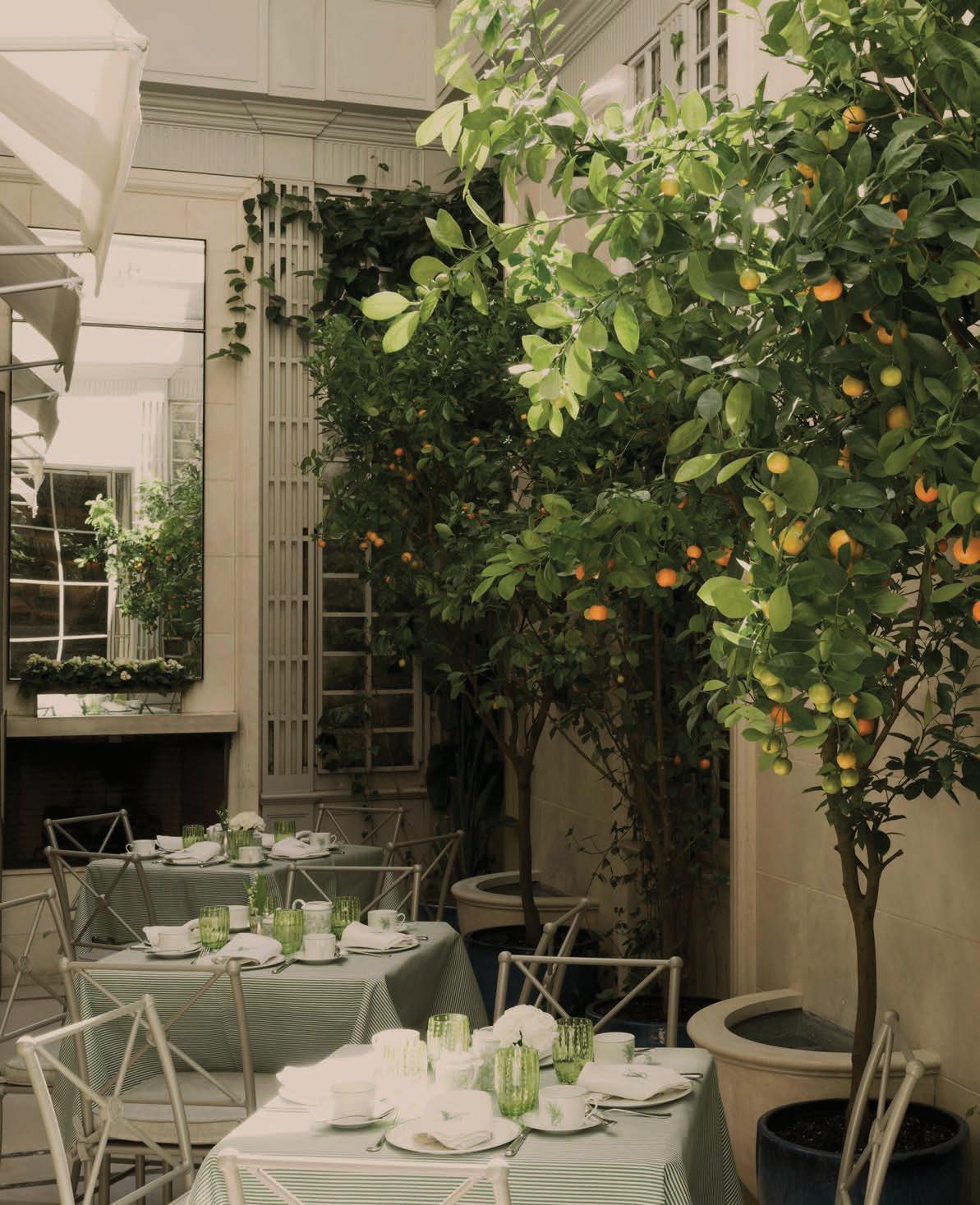
Tea is best served in the garden, and few know this better than the team at Majorelle, where guests can enjoy the tradition year-round in a glass-roofed dining room surrounded by a botanical oasis. The French-Mediterranean restaurant at The Lowell, a five-star hotel on Manhattan’s Upper East Side, known for its understated luxury, offers afternoon tea inspired by (and served on) Dior’s emerald-greenand-white Lily of the Valley tableware.
“Lily of the Valley Afternoon Tea allows us to express the season through flavor, texture, and presentation,” says Executive Pastry Chef Matthew Lambie. “My focus is always on how each component complements the others, creating a steady rhythm from the first pour to the final pastry.”
In addition to loose-leaf teas and herbal infusions, guests can choose from a seasonal menu of house-made pastries and English tea sandwiches. The Imperial Tea option elevates the experience with champagne and caviar, and Majorelle also offers a Children’s Tea Menu for the littlest guests. Throughout the dining room, spectacular sky-high floral arrangements add a welcome splash of color.
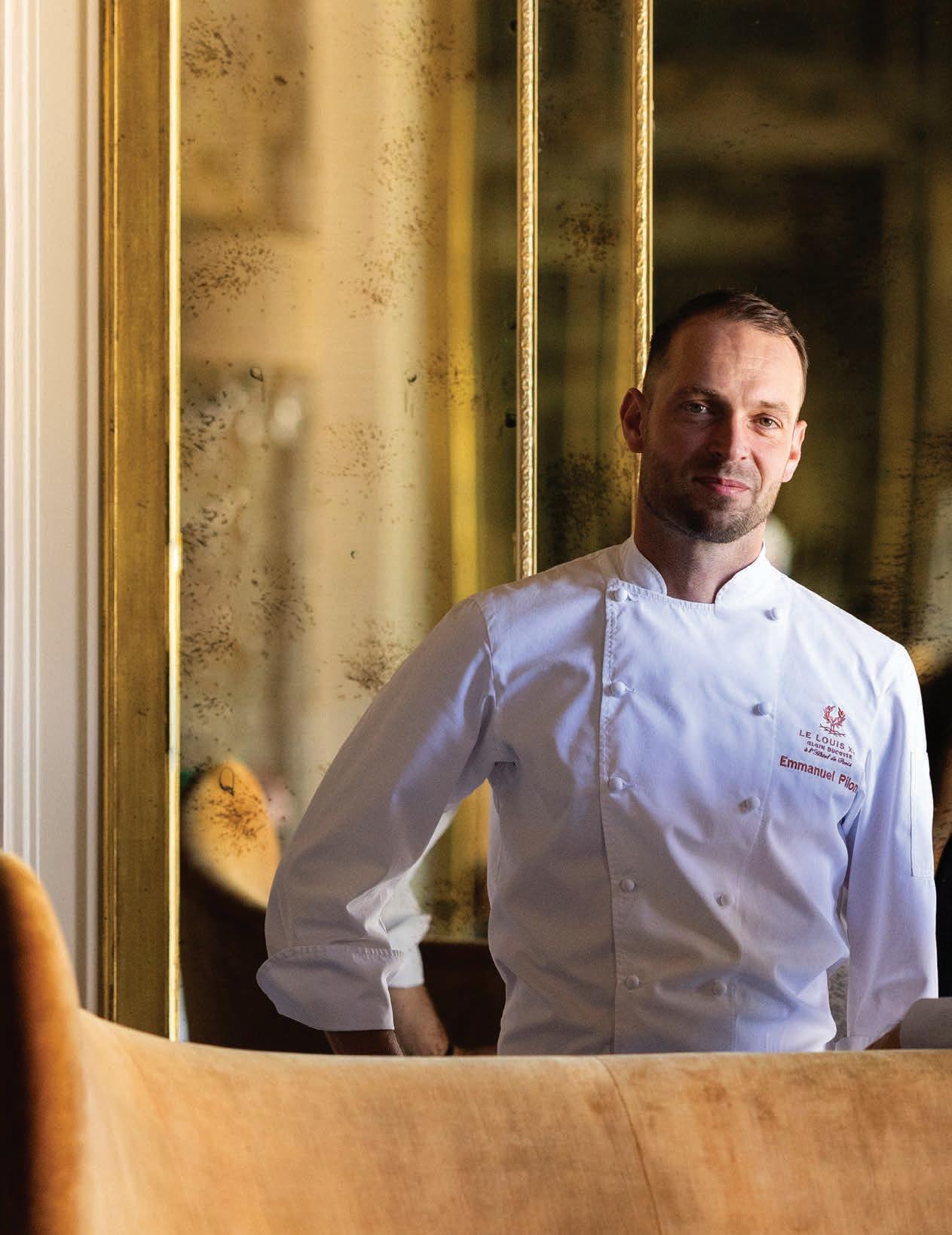
For one of the world’s most Michelin-starred chefs, the next generation holds the key to the future of French gastronomy.
By Lane Nieset
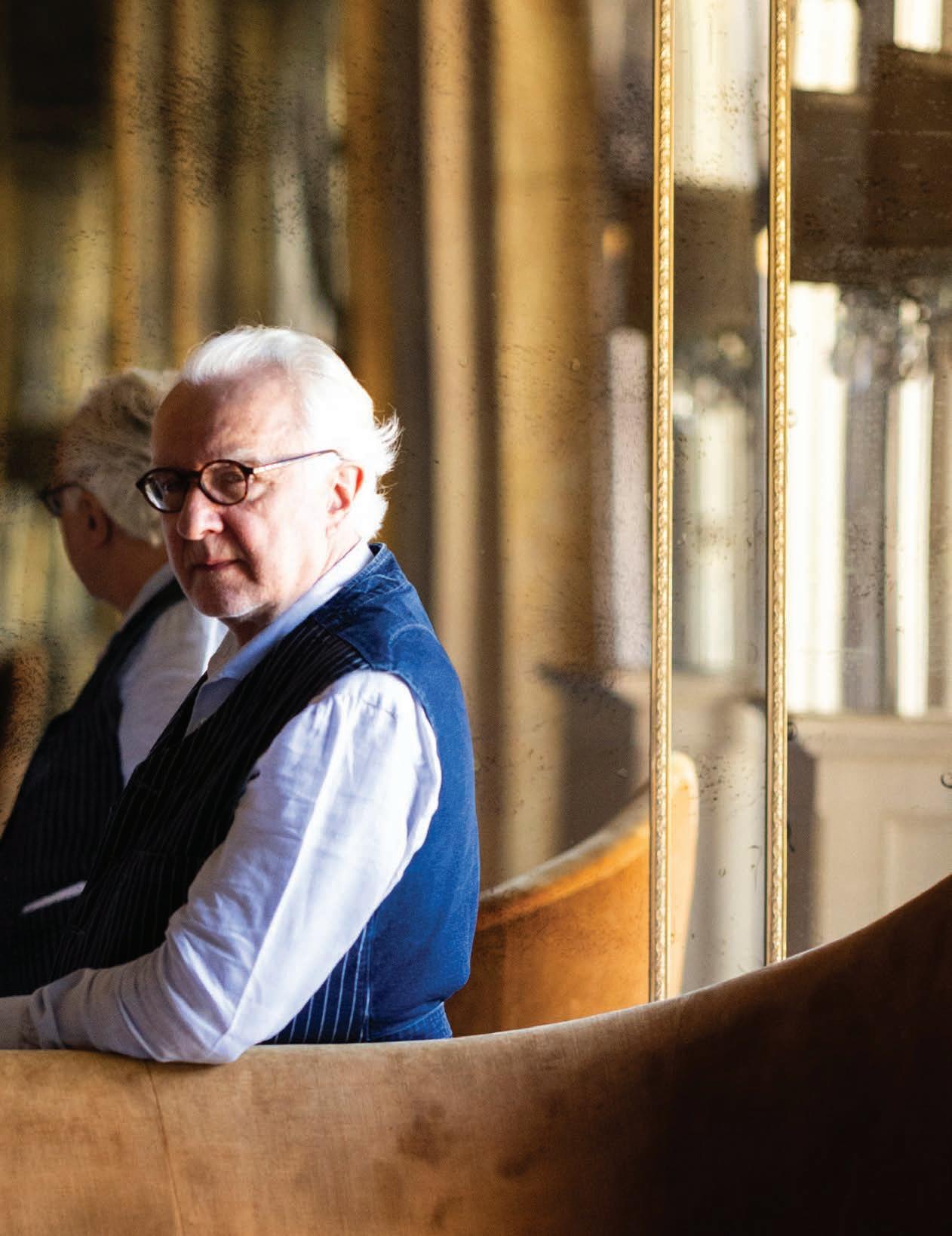
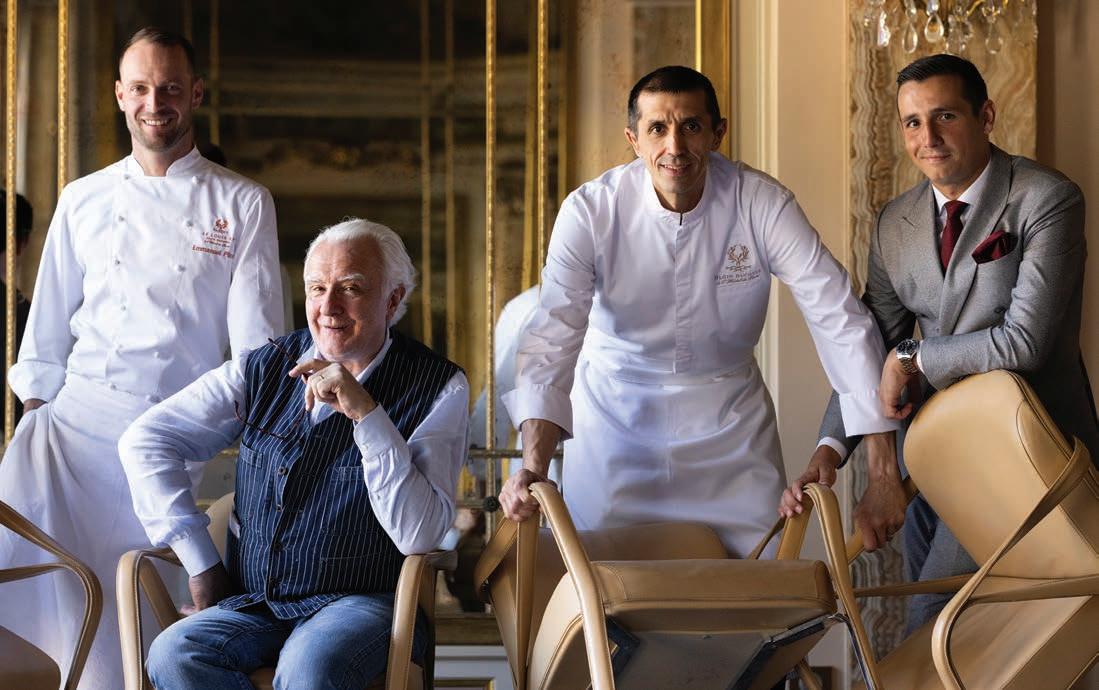
As Alain Ducasse strides to the podium-like centerpiece in the gilded dining room of Le Louis XV at Hôtel de Paris in Monaco, it’s like watching an orchestra conductor. The excited chatter ebbs to a hushed silence as one of the most celebrated figures in the culinary world—who can arguably be credited with leading the design and definition of modern French gastronomy— introduces his team of young chefs to the gathered guests. Like musicians during a performance, each one has a specific role to play in executing a meal that’s nothing short of a chef-d’oeuvre.

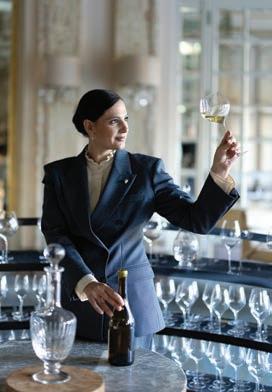
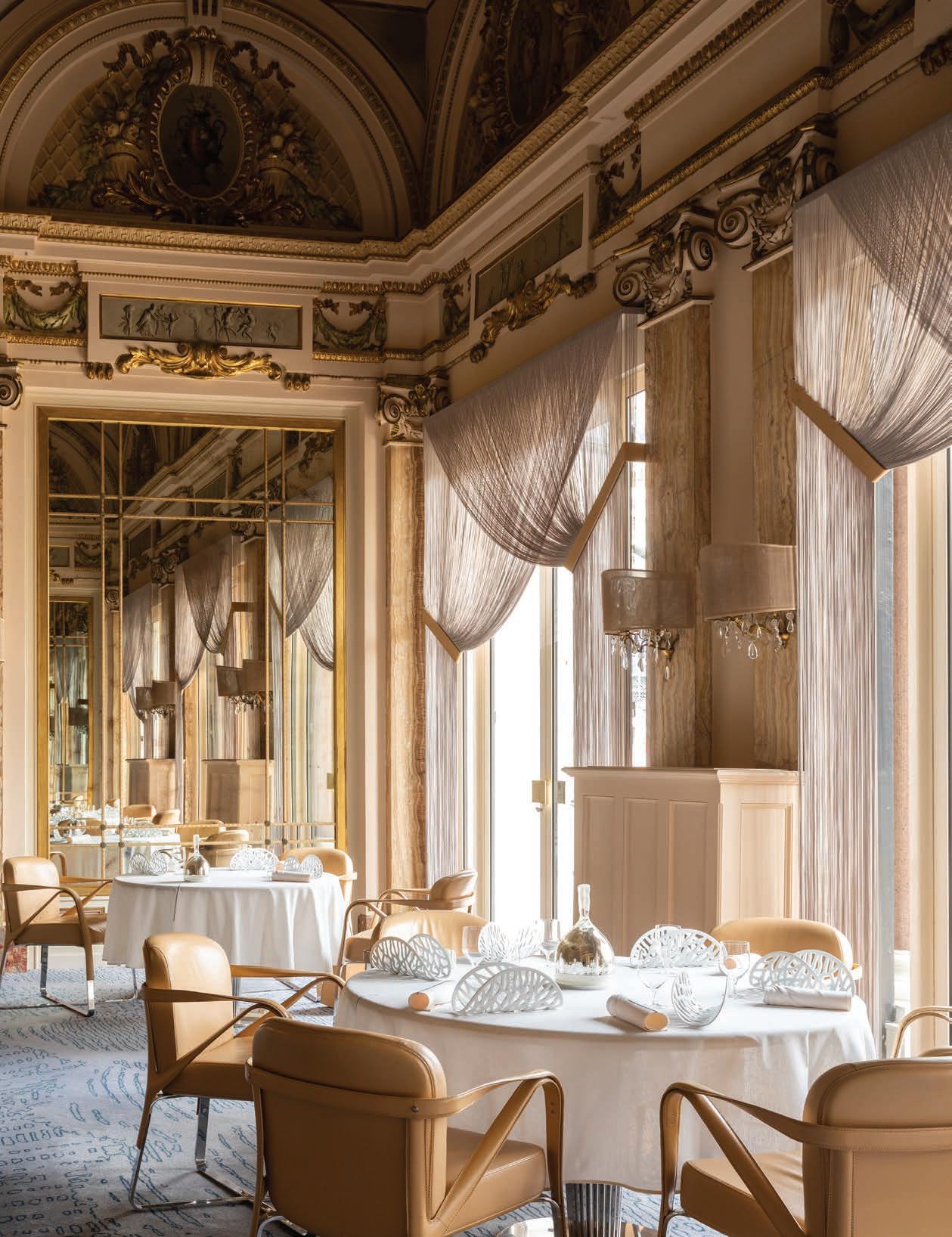
Exceptional wines curated by Hélène Tessera, Head Sommelier, accompany the carefully crafted menu at the Louis XV–Alain Ducasse restaurant at the Hôtel de Paris.
A 23-foot diameter chandelier, crafted from 700 hand-assembled pieces of glass, sparkles overhead, while lights illuminating the neighboring Monte Carlo Casino flood through expansive bay windows. It’s a feast for the senses on every level, but the focal point of the evening, which is the first dinner of the seasonal series Nectars & Naturalité. During these gala events, guest winemakers share bottles from their personal collections as a celebration of wine and Ducasse’s nature-driven culinary concept, naturalité, introduced a little over a decade ago at Paris’s Hôtel Plaza Athénée.
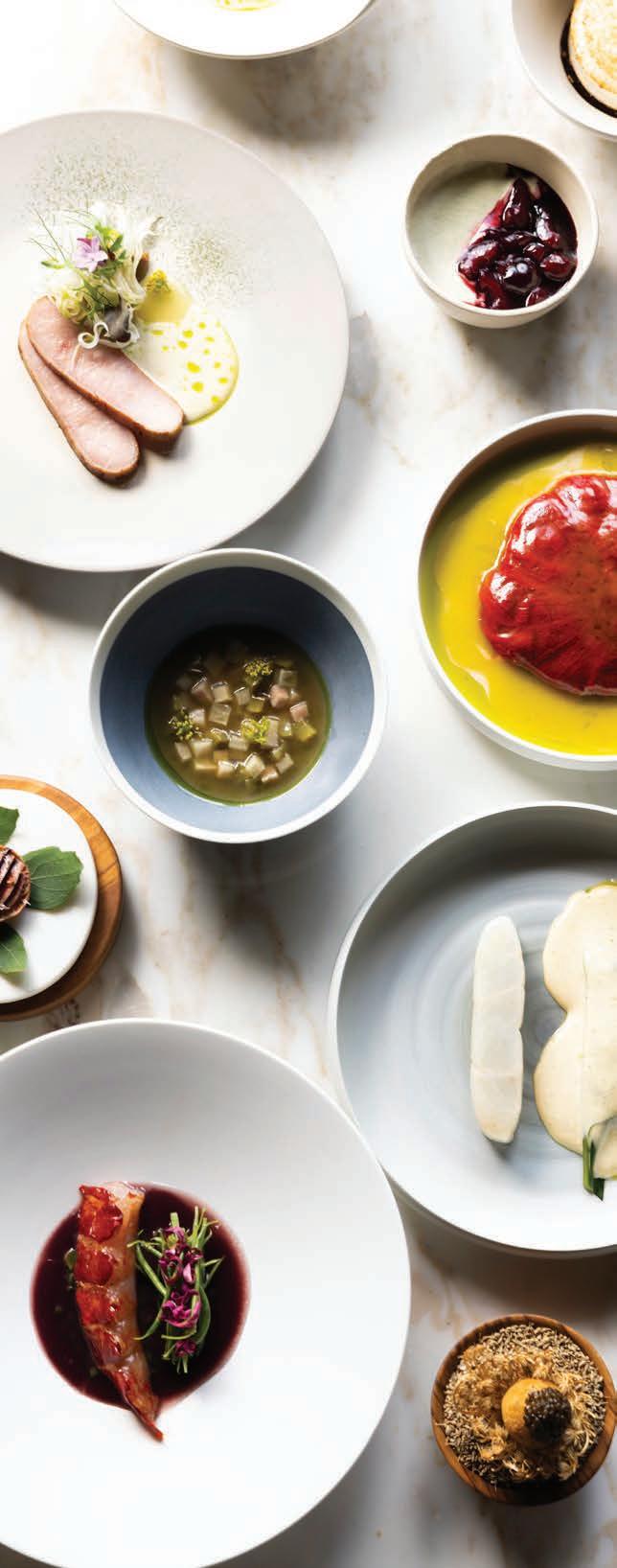
“We’re paying stronger attention to vegetables, gearing toward more vegetarian cuisine that [allows us] to play with nice wine pairings,” says Ducasse, adding that he has reduced, not removed, animal protein from his menus—and the 20 percent comprising meat and fish is still significant. “It takes a lot of work, a lot of experimentation, to create some of these vegetable-based recipes that taste as close as possible to meat or fish dishes.”
Growing up on a farm in the Landes region of southwestern France, the chef was exposed to seasonality and the quality of produce from a young age. He watched as his parents and grandparents lived off—and respected—the land, sourcing ingredients from the garden and foraging mushrooms in the forest. Ducasse’s grandmother’s cuisine inspired him to pursue his passion professionally. She was the precursor of root-to-stalk cooking, which is the backbone of his naturalité philosophy today—not wasting any part of a vegetable, not even the peelings and trimmings.
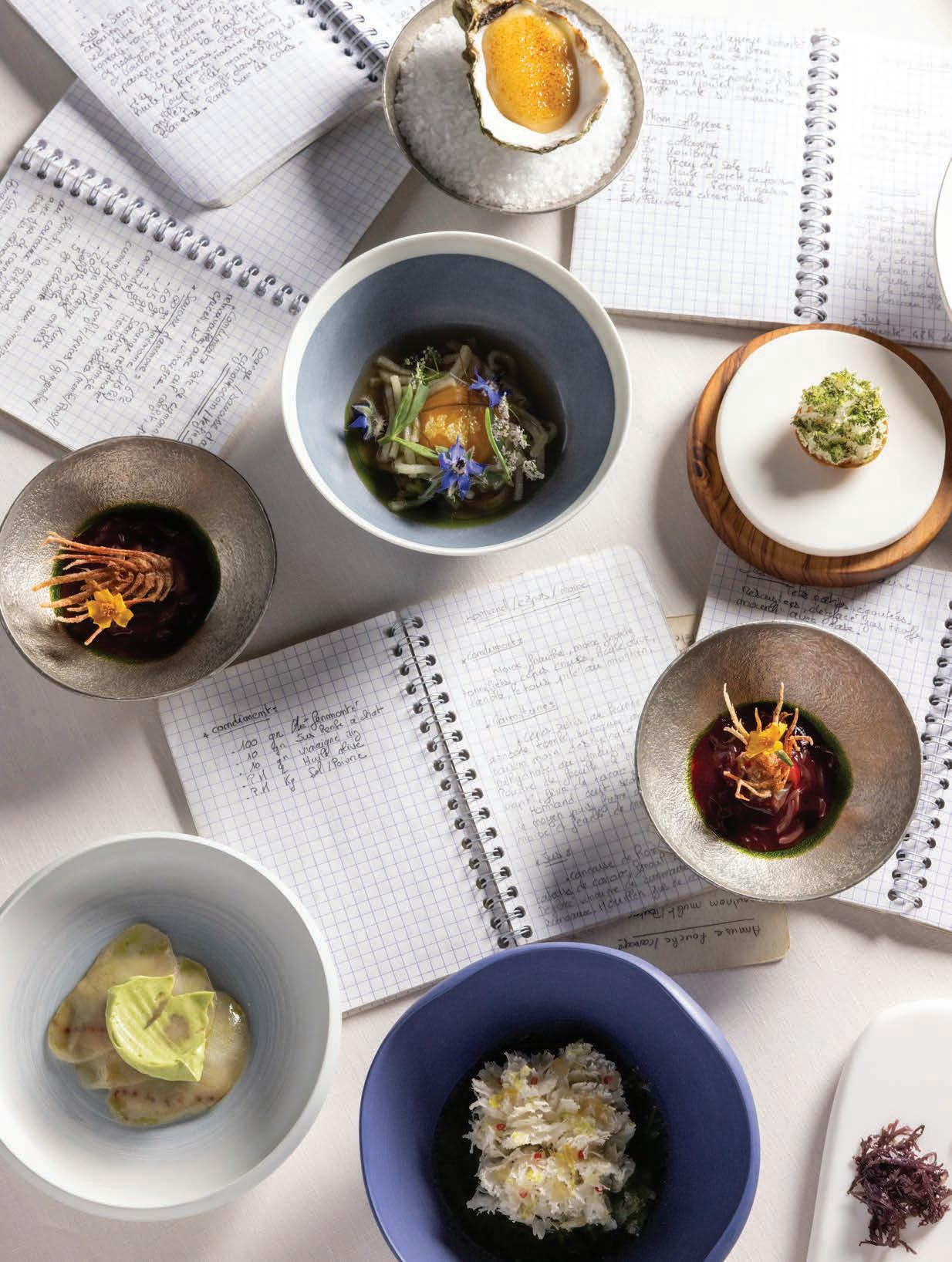

For more than 35 years, the chef has been setting one record after the next, currently holding 18 Michelin stars and operating 30 restaurants in 10 different countries—not to mention his previous, decade-long stint running legendary Le Jules Verne at the Eiffel Tower and La Manufacture in Paris, whose handcrafted bean-to-bar chocolates are now sold in outposts from London to Tokyo.
Monte Carlo, and Le Louis XV specifically, is where everything began when, at just 33 years old, Ducasse claimed three coveted Michelin stars: the first time ever for a hotel restaurant. Ducasse explains that Le Louis XV is now one of the most advanced in terms of research and development out of all his venues. “My role is coach and artistic director, guiding chefs as far as they can go. I don’t want to see things here that I’ve seen elsewhere—take your own road, take your own direction.” Through École Ducasse, which he founded less than a decade after his triple-star success at Le Louis XV, the chef can spread his savoir-faire and groundbreaking philosophies on a wider scale.
“My role is coach and artistic director, guiding chefs as far as they can go. I don’t want to see things here that I’ve seen elsewhere—take your own road, take your own direction.”
–Chef Alain Ducasse
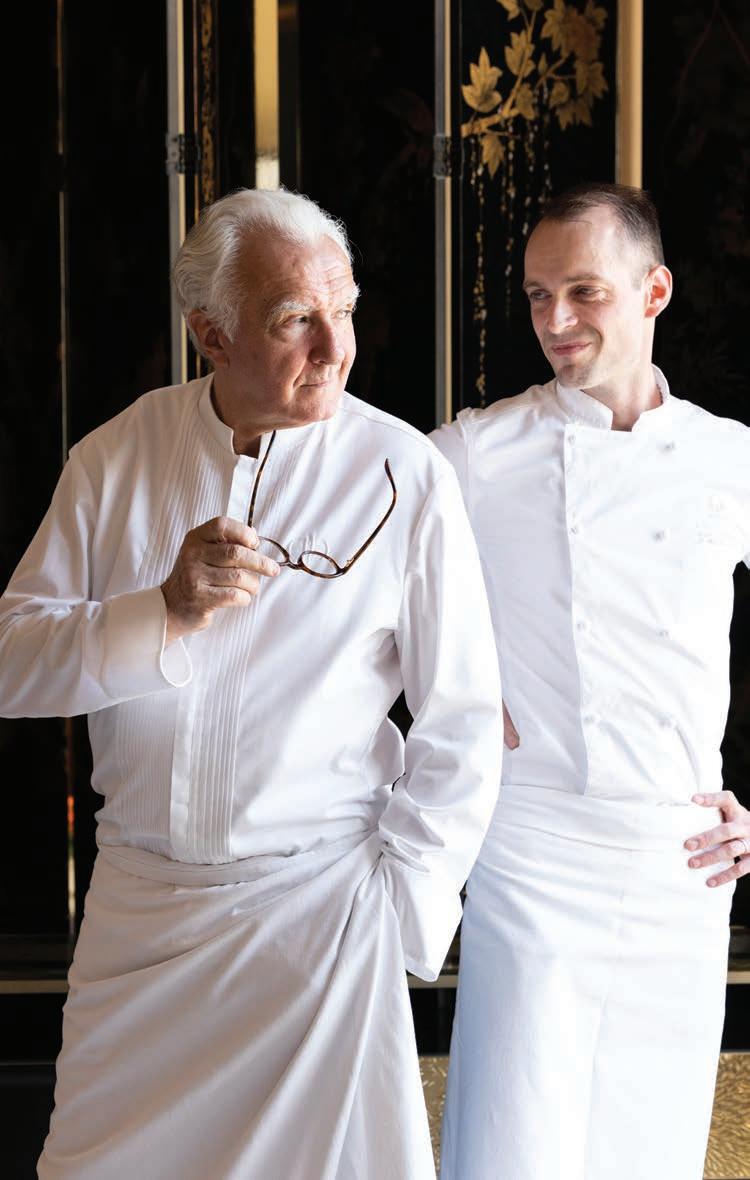
His protégé, Head Chef Emmanuel Pilon (the fifth generation in a family of chefs), is not much older than Ducasse was when he first took the reins. Studying in France’s gastronomic capital of Lyon alongside two Meilleurs Ouvriers de France (“Best Craftspeople of France”)—Christian Têtedoie and Davy Tissot—Pilon carries pedigree, but it’s his curiosity and inquisitive spirit that sold Ducasse. “He isn’t afraid to keep searching and striving to [push boundaries in the right direction]—that’s the motto he has for the restaurant,” says Ducasse.
“Every conversation with the chef is an opportunity to grow, to push our boundaries, to discover new avenues. It is this dynamism, this vision, that shapes us and pushes us to surpass ourselves day after day, and that should be a source of inspiration for the next generation of chefs.”
–Emmanuel Pilon, Head Chef
The culinary philosophy at Le Louis XV focuses on naturalité (naturalness), emphasizing seasonality, local ingredients, and pure, essential flavors.
“He has always been ahead of his time—he doesn’t follow trends, he creates them,” Pilon says of his mentor. Pilon has been working alongside Ducasse for 16 years, first arriving at Le Louis XV in 2009 before a stint at Hôtel Plaza Athénee. “Every conversation with the chef is an opportunity to grow, to push our boundaries, to discover new avenues. It is this dynamism, this vision, that shapes us and pushes us to surpass ourselves day after day, and that should be a source of inspiration for the next generation of chefs.”
Ducasse jokes that by sharing his knowledge, he selfishly gains the freedom to continue creating and developing other projects. He’s inspired tout le temps—all the time—by chefs, by products. On a recent menu at Nectars & Naturalité, cardoon (wild artichoke) is an example of an ingredient that’s captured the chef’s attention. “It’s a very specific French vegetable—only the people around Lyon would understand it and its culture, and only they would know what it takes to cook it and have a taste for it,” he says. “If you go to the market anywhere else in the world, you wouldn’t find it, and no one would eat it—only in Lyon.”
Success for Ducasse goes beyond stars, although Le Louis XV still holds three today. He’s always on a quest for something new, and he’s still bold enough to take risks. One of his most ambitious experiments was the 100-day pop-up ADMO at Paris’s Quai Branly–Jacques Chirac Museum, a collaboration with another legend, Spanish chef Albert Adrià of the revolutionary restaurant El Bulli.
“When I don’t have the appetite anymore, when I don’t have any more answers or desires, when I stop being curious, always elsewhere and already elsewhere, I will have to stop,” the chef writes in his memoir Good Taste: A Life of Food and Passion. With a multi-million-dollar restoration project of the 1930s-era Maison du Peuple near Paris opening as a headquarters and culinary lab in 2026—heralded as a “temple of gastronomy,” and featuring a canteen-style restaurant and his iconic factories—Ducasse shows no sign of slowing down any time soon.


Chef Derek Biazo merges international flavors with Southwestern style.
By Lisa Cavanaugh Photography by Thomas Ingersoll
Achildhood trip transformed Derek Biazo’s life. Raised in Kingman, Arizona, Biazo, now a Sub-Zero corporate chef in Scottsdale, grew up surrounded by delicious home cooking. When he was 13, however, his family visited relatives in Maine, and his great-uncle made an impromptu suggestion to go to Montreal, Quebec. “Uncle Rupert took us out to a French restaurant for a four-hour dinner. I tried lobster, caviar, truffles, and even sweetbreads. I was allowed to have a little bit of wine with my meal, too.” He enjoyed everything. “The flavors were awesome, and I just fell in love with the food.”
Back home, a newly inspired Biazo enrolled in home economics classes at junior high school. Then, when he entered Kingman High School, he took advantage of a fantastic opportunity. “My school was one of the first schools in Arizona to start a culinary arts program,” he says. The chef who taught him was Michael Gall, a Culinary Institute of America alumnus who had worked at fine restaurants in Las Vegas and Los Angeles. “Michael became my mentor and took me under his wing,” says Biazo.

This experience led Biazo to pursue a career in cooking. “I won a small scholarship that I used to go to Scottsdale Community College for their culinary arts program,” he says. “Michael had also told me to find out if I could handle the fast pace and crazy hours of restaurant work.” Biazo could, and soon after finishing college, he found a position at Sanctuary Camelback Mountain. “I was lucky to work with Executive Chef Chuck Wiley, Chef De Cuisine Beau Macmillan, and Sous Chef Danny Grant (who went on to earn two Michelin stars).”
There, Biazo developed a feel for high-end French cuisine, which remains his favorite to prepare. Over the following decade, Biazo moved from line cook to sous chef, then to head chef, at various fine-dining establishments in the Scottsdale area.
Eventually, his wife’s career took them to California. “She got a job at Stanford University, and I jumped into the Bay Area’s culinary scene.” After a stint as an executive sous chef, Biazo transitioned to corporate dining, working at the headquarters of Johnson & Johnson and Silicon Valley Bank in Santa Clara. “Silicon Valley Bank manages a majority of the winery accounts for the West Coast, so they have an amazing wine cellar, which was a really cool experience,” he says.
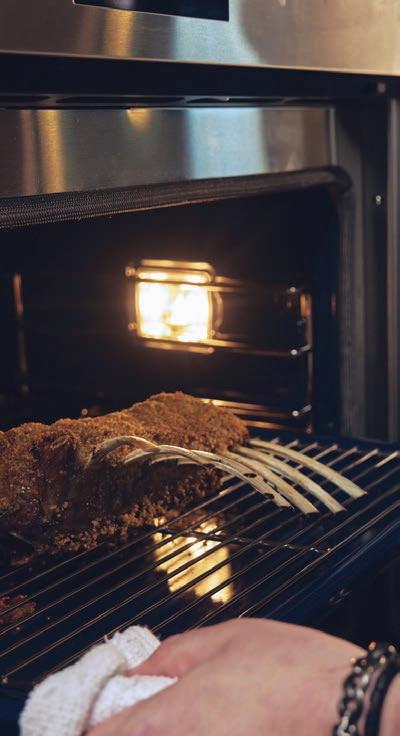
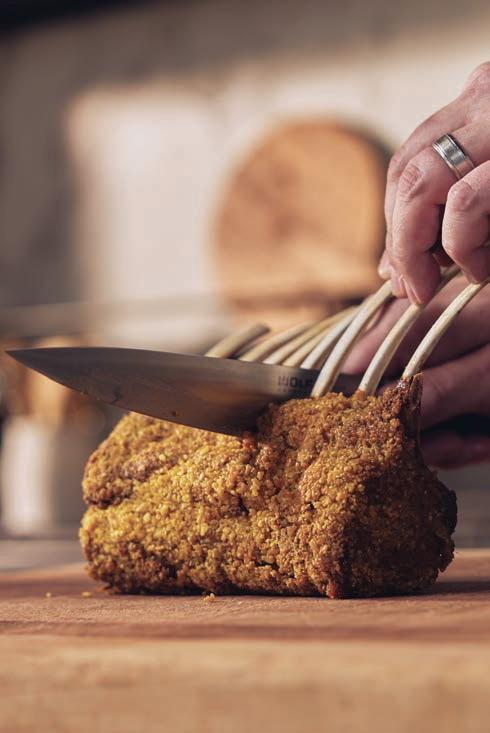
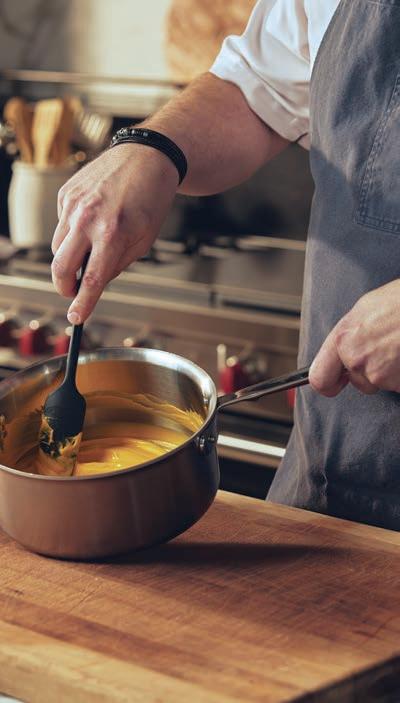
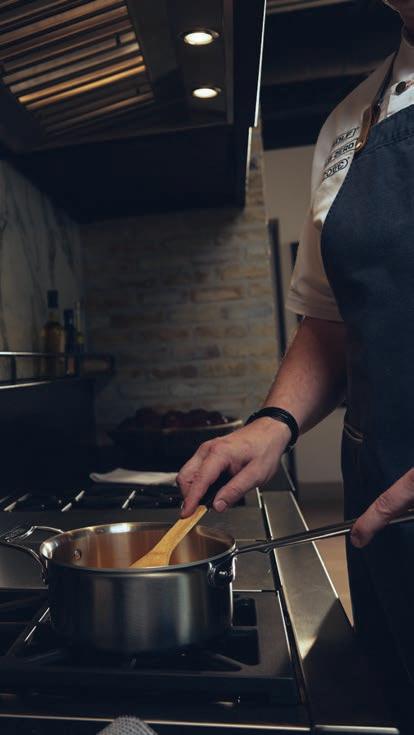
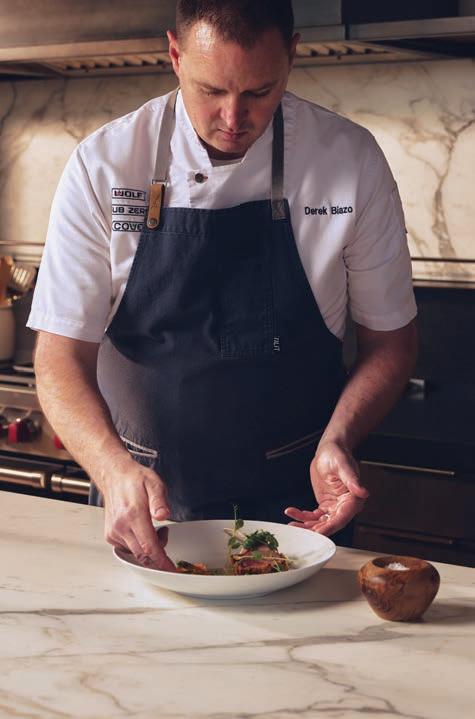
Having initially studied French cuisine, Chef Derek Biazo explores ways to incorporate local Southwest flavors into his food. "When you're in this industry, you draw influences from a lot of different people, from general managers to servers and guests," he says.

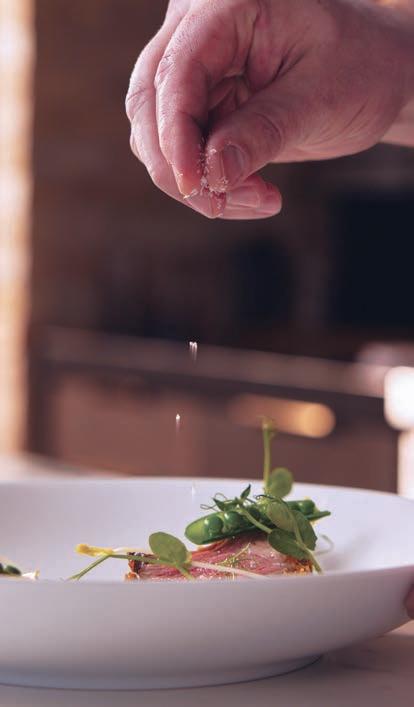
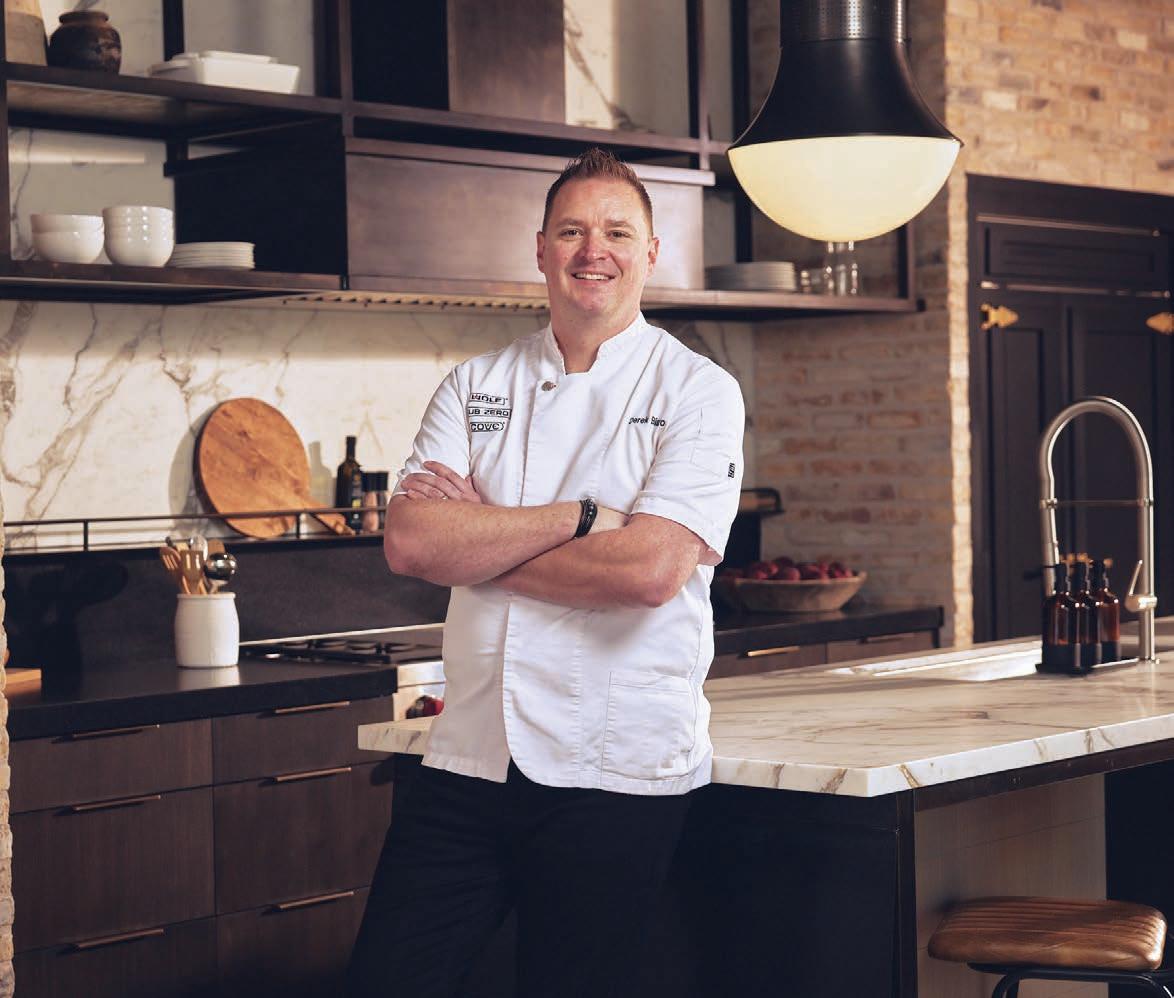

The Biazos ultimately returned to Scottsdale to raise their growing family. “We always will love the Bay Area, but we both decided we wanted our kids to grow up in Arizona,” he says. His wife’s career was flourishing, and while Biazo did occasional work as a private chef, he was mostly a stay-at-home dad to their two children. “I had a couple of amazing offers to take over resort dining, but I didn't want to go back to that kind of grind,” explains Biazo.
A perfect position emerged at the ideal moment: Sub-Zero Group Inc. was seeking a corporate chef at its Scottsdale showroom. “I’ve used and loved Sub-Zero and Wolf appliances for years, so I was quite intrigued by the job.”
Now two years in, Biazo is loving his role more each day. “I enjoy showcasing the products and encouraging customers to explore different ways to use them,” he says. ”I want them to leave feeling empowered to replicate the
process with the same confidence I have.”
Beyond the kitchen, Biazo indulges in another of his interests: music. “Music has been a huge part of my life since I was young,” he says, noting that he began learning guitar at 14 and played in a few groups in high school. “Now I go to shows whenever a favorite band rolls through town.”
Most often, however, Biazo spends his leisure time with his family, having movie nights, seeing the Arizona Cardinals play, or taking weekend getaways to the mountains or longer trips to California.
Recently, the chef shared his unparalleled youthful fine-dining experience with his kids. “We brought them to Quebec last year to show them where I fell in love with cooking,” he says. “We took them out to their first tasting menu, and they loved it. They tried everything—just like I did all those years ago.”

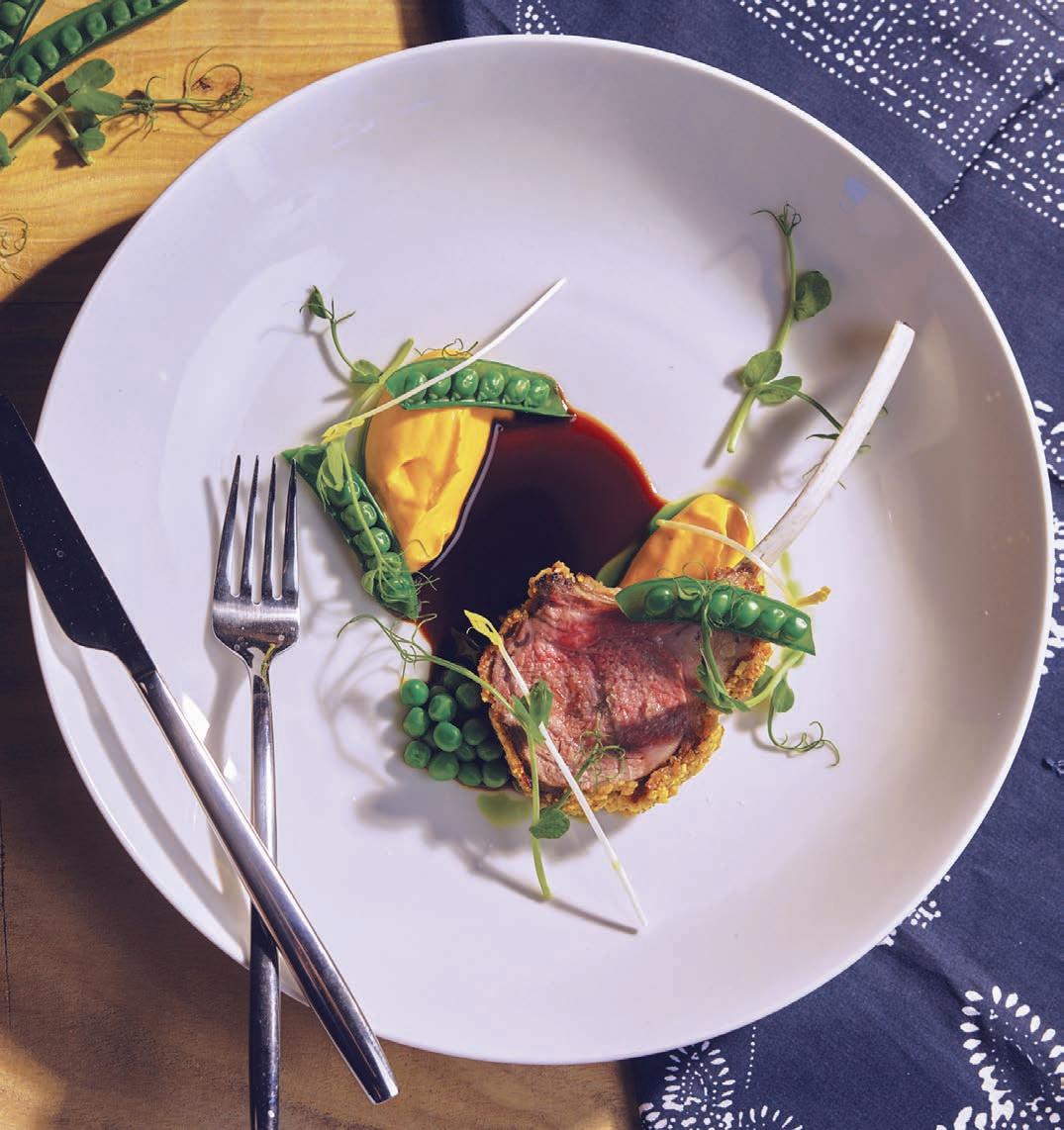
Chef Derek often serves this savory lamb dish with a spiced carrot puree and fresh spring peas.
Makes 2 servings

For the glaze:
¼ cup honey
¼ cup yellow mustard
2 tablespoons fresh chopped rosemary
¼ teaspoon cayenne pepper
For the plantain and pinenut crust:
1 cup plantain chips (crumbled by hand and then processed to coarse consistency in a food processor)
1 cup toasted pinenuts (chop by hand on a cutting board to a very fine consistency, then mix with plantains)
Note: It is important to chop the pinenuts by hand because in a food processor, the mixture can heat up and the oil will come out, making pinenut butter.
For the lamb racks:
2 racks of lamb, preferably 7-bone domestic lamb like Colorado or Elysian Fields
Salt and pepper to taste
Fleur de sel (sea salt) to taste
For the lamb Jus:
2 pounds of lamb bones
½ pound lamb trim
1 cup red wine (preferably cabernet)
1 tablespoon tomato paste
1 cup Spanish onion, diced
½ cup celery, diced
½ cup carrot, diced
6 garlic cloves
1 bay leaf
½ bunch fresh thyme
¼ teaspoon whole black peppercorns
8 cups beef stock
4 tablespoons cold butter, cut into cubes
PREPARATION METHOD
1. Mix rosemary, honey, mustard, and cayenne pepper in a bowl and set aside.
2. After the fried plantains are processed and the toasted pinenuts are chopped, mix them together in a bowl and set aside.
3. For the lamb jus, set Convection Roast Mode to 425 degrees. Place the bones on a tray and roast in the oven for 10-15 minutes, until they are deep golden brown and evenly roasted. Then remove from the oven.
4. Add the lamb trim to a medium saucepot over medium heat. Let the fat render, then cook until the pieces are deep golden brown. Add onion, carrots, celery, and garlic, and continue cooking until lightly caramelized. Add the tomato paste and cook for about 1 minute, until the paste is toasted. Deglaze with wine and reduce to almost dry. Add beef stock, bay leaf, peppercorns, thyme, and bring to a boil. Once boiling, reduce to a simmer and cook for 1 hour, skimming off any foam and fat that rise to the surface.
5. Remove from the heat and strain through a fine-mesh strainer. Return to the pot, bring to a boil, and reduce until about 1 cup of lamb jus remains. Continue skimming the surface for any foam or fat that collects (to ensure the sauce is free of impurities). Set aside the lamb jus until ready for plating.
6. Preheat a sauté pan on your cooktop over medium-high heat.
7. Season lamb rack s all over with salt and pepper, then lightly sear in a pan over medium-high heat for 1-2 minutes per side. Remove the lamb from the pan and pat it dry with paper towels.
8. Brush the lamb mea t all over with the glaze, then coat it with the crust and press it with your hands. Place the lamb onto a roasting rack and insert a temperature probe. Place the rack into the oven and set the probe temperature to 130 degrees. Cook on Convection Roast Mode at 350 degrees. When the temperature is reached, remove from the oven and let rest for 5-7 minutes.
9. Hea t the lamb jus in a sauce pot. Whisk in cold butter, adding salt and pepper if needed.
10. Slice 1-2 lamb chops and season with a f ew flakes of fleur de sel, then place them in the center of the plate and add a spoonful of hot lamb jus on each chop.
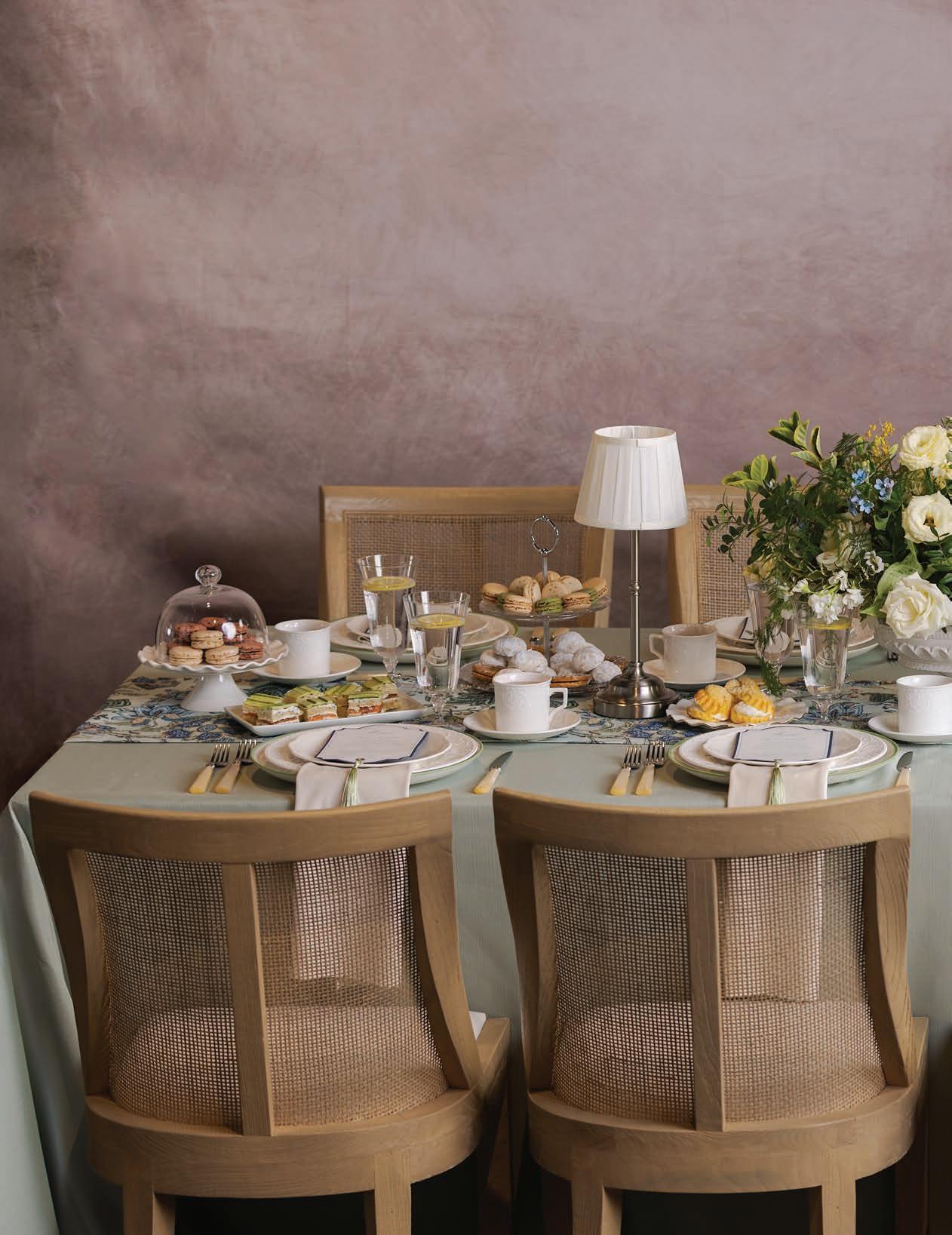
HOW TO HOST A PERFECT AFTERNOON TEA AT HOME.
By Colby Radomski
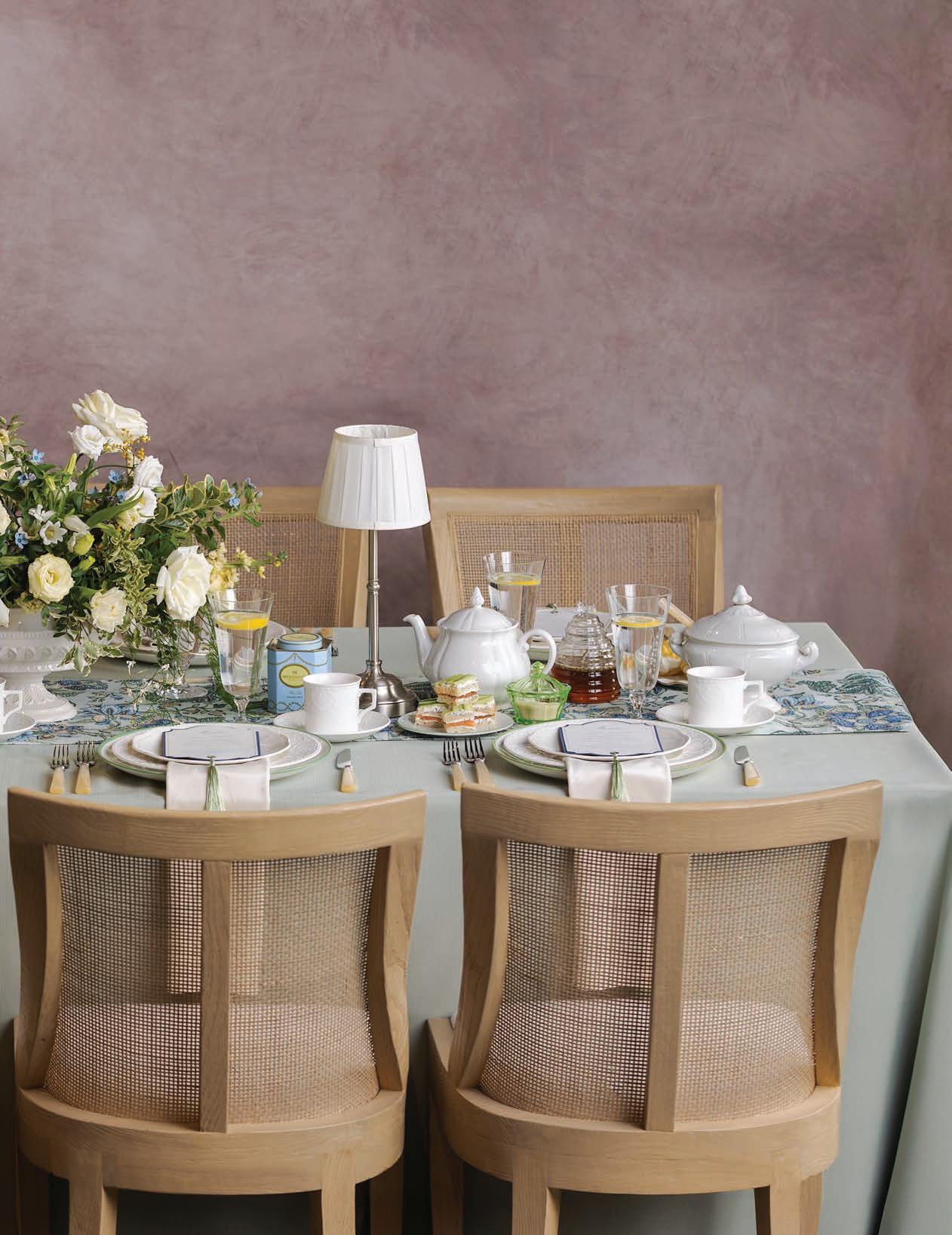
eatime is a longstanding tradition spanning nearly every culture, shaping rituals from spiritual ceremony to warm hospitality. In a world that moves quickly and embraces the hustle, afternoon tea offers a welcome pause in the day: an opportunity to slow down and be present. Easily adapted for modern living, afternoon tea translates beautifully to at-home hosting, whether enjoyed alone or among your closest friends. Here is a purposeful guide to hosting an afternoon tea that will delight your guests.
A successful afternoon tea at home feels wellorchestrated, refined, and intentional. Perhaps you’re hosting for Mother’s Day, a wedding, a baby shower, or just as a special way to gather with friends or family. Whatever the reason, the goal is good hospitality, starting with a theme and location. As a gracious host, sending a well-designed invitation from your favorite stationery studio—or even a handwritten note—is a thoughtful way to give guests their first glimpse of what to expect of your event. Your invitation should outline all the details of your event, including the start time, formality, theme, and dress code. Afternoon tea is the perfect excuse to wear more polished attire, festive hats, or embrace a theme.
Whether you’re hosting an intimate afternoon tea for two or a formal gathering for a large group, deciding where your tea will take place is the next point of focus. While a dining table seems like an obvious choice, moving your gathering outdoors to a garden or patio when the weather allows can elevate the experience and make your landscape part of the décor. Still, hosting indoors at a well-set dining table always feels intimate and distinctive.
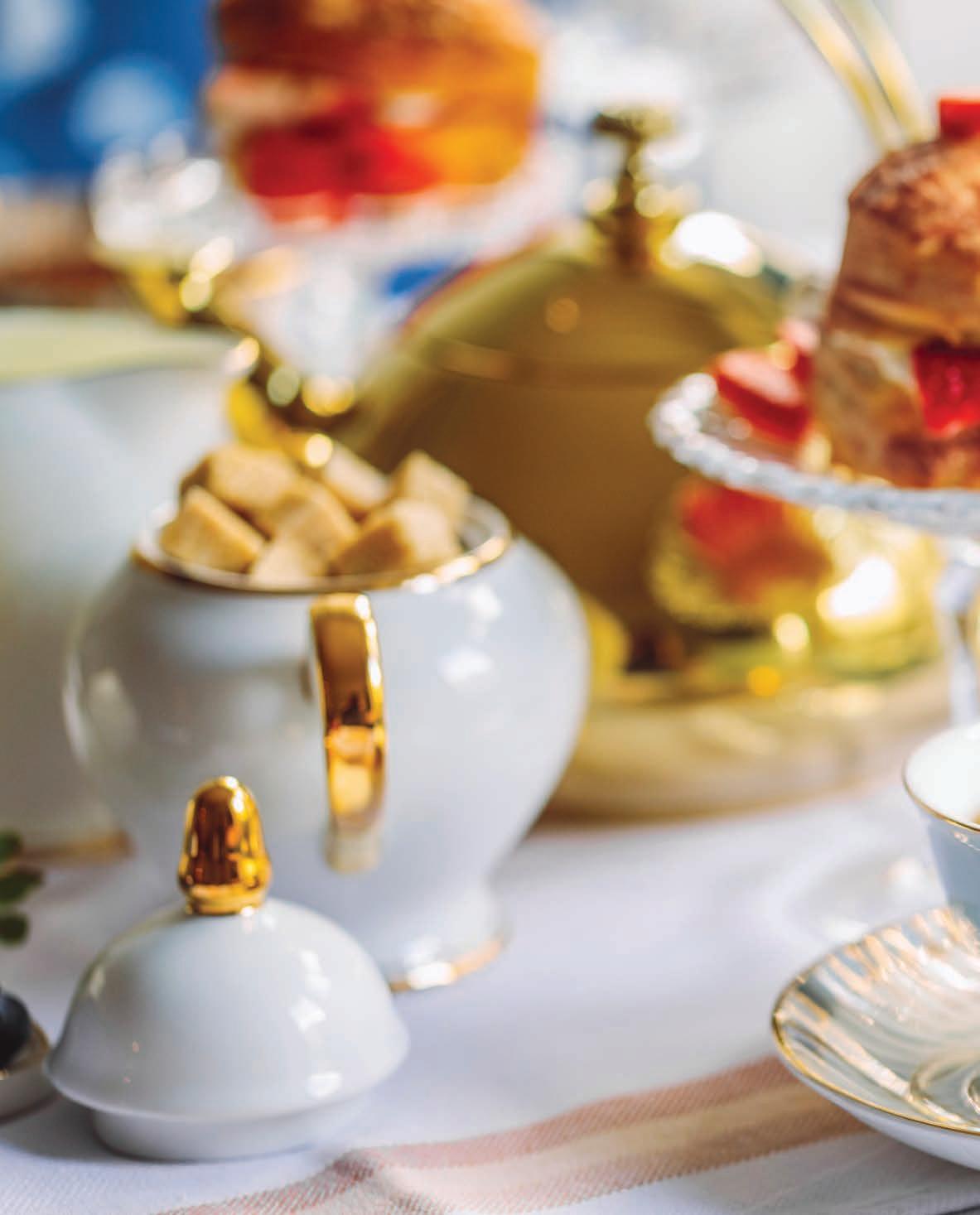
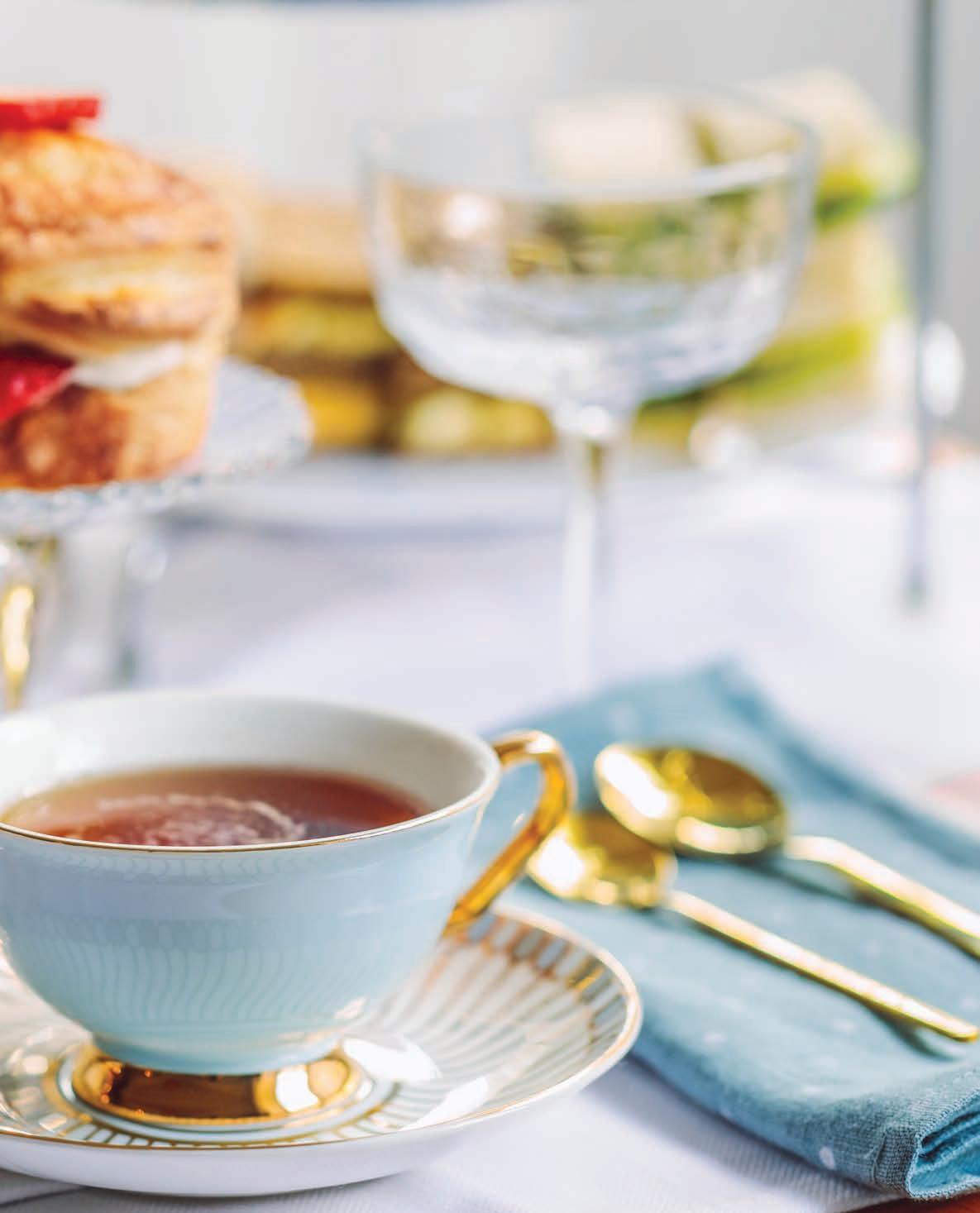
To set your tablescape, choose items that feel collected and special, including specialty tea sets and complementary fine China, teacups and saucers, and tiered dessert stands. You may choose an antique plated silver teapot, a painted porcelain teapot, or a glass style that allows you to watch tea leaves bloom as they steep. For those with heirloom table linens, this is the moment to bring them out. Finishing touches like personalized menus and place cards, floral arrangements, candles, and even table lamps enhance the ambience and cohesion of your tablescape.
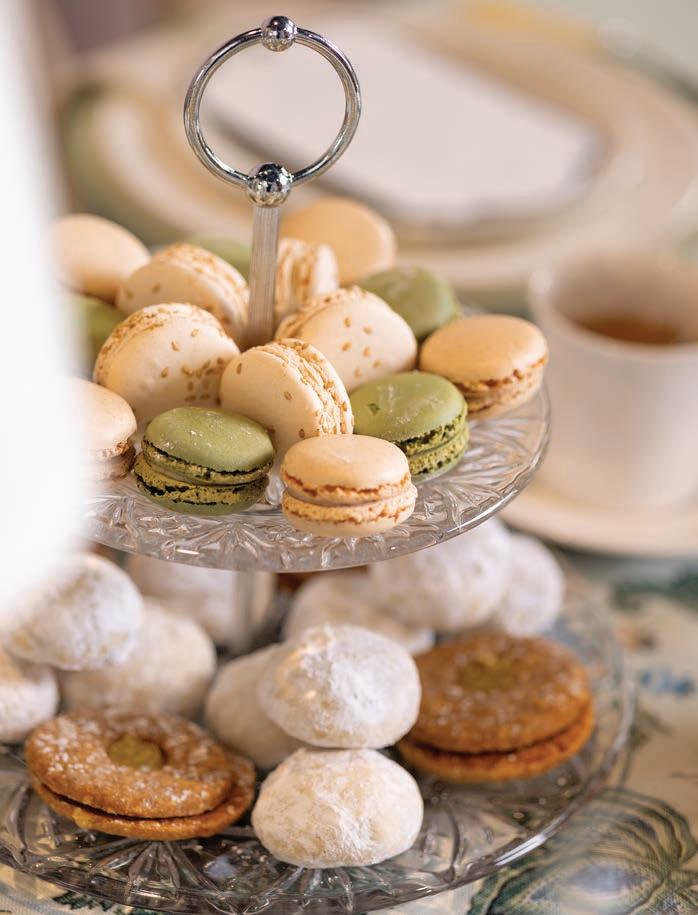
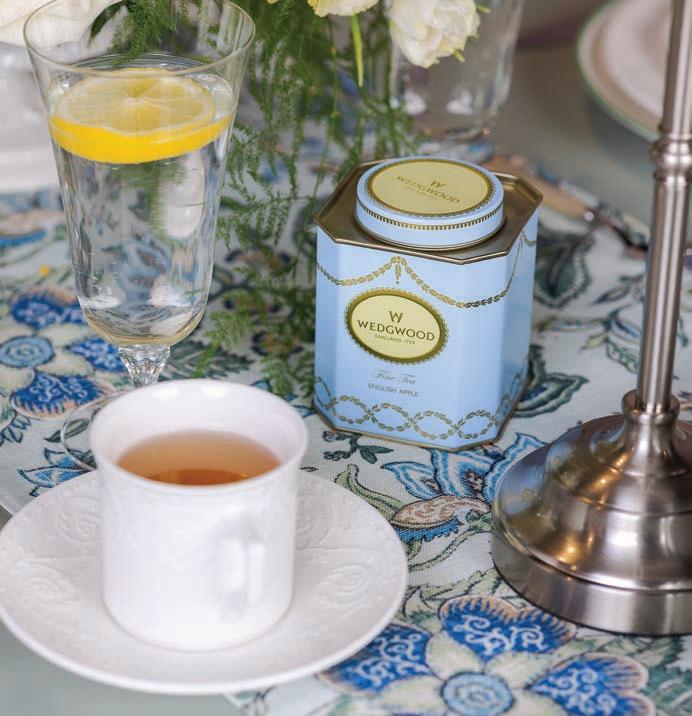
The tea itself will be the lead character of your event. Whether served family-style in shared pots or poured individually for each guest, the right tea sets the tone for your gathering. While tea bags are often a convenient choice, afternoon tea calls for loose-leaf infusions. A curated selection from Fortnum & Mason, for example, or your favorite local tea purveyor, invites guests to choose a flavor that speaks to them. Classic black teas like Earl Grey or Darjeeling are popular choices, but taking cues from the season is always encouraged. Choose floral blends in spring, bright citrus notes in summer, chai in the fall, and more full-bodied flavors for winter. Complement your tea service with essential add-ins such as cream and milk, sugar cubes, honey, and lemon.
The food you serve is as important as your tea selection. Familiar teatime staples, including delicate finger sandwiches, scones, desserts, and accompanying spreads like clotted cream and jam, offer a framework, but ultimately your menu can be as creative as you’d like. Lean into seasonal, local ingredients to root your menu in place and authenticity. Hosts living on the coast, for example, may serve miniature lobster salad rolls or tuna finger sandwiches.
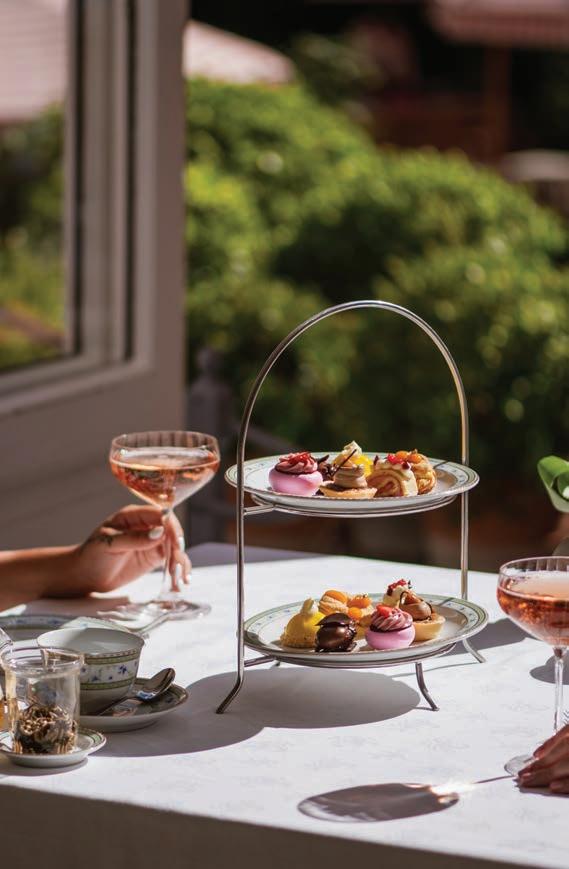
For those desiring a more traditional, English-inspired afternoon tea service, we suggest offering three courses presented on tiered platters. Typically placed on the bottom tier, the first course can include savory items like finger sandwiches and quiches. The middle tier features scones as a second course, while the top tier is reserved for your dessert: petite pastries.
Whatever style you choose and for whichever special occasion it celebrates, afternoon tea is ideal for relaxed socializing and the convivial enjoyment of an honored tradition.
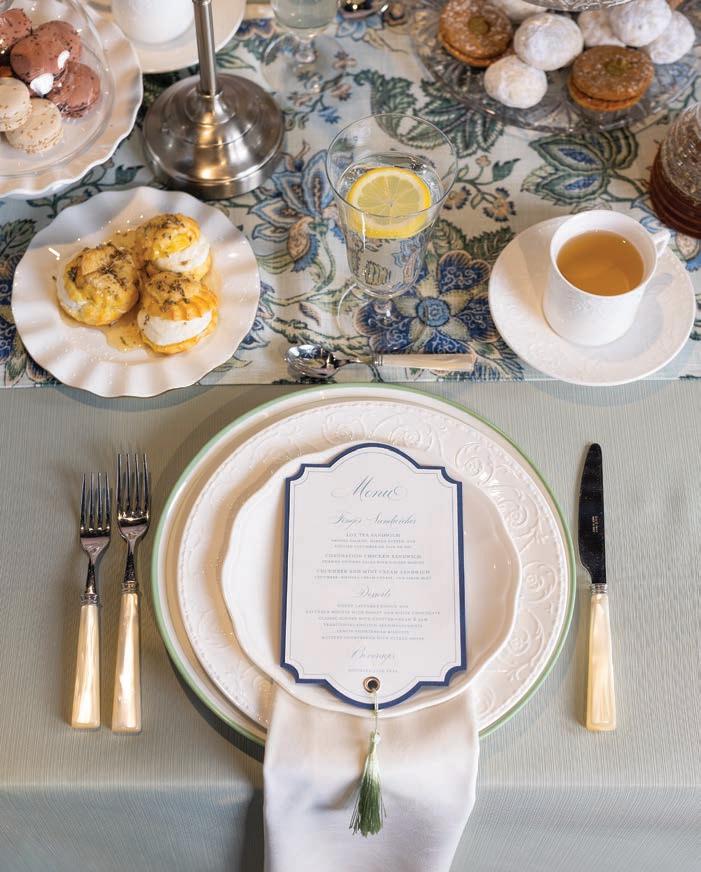
• Tea is the most consumed beverage in the world (besides water).
• ‘Afternoon Tea’ and ‘High Tea’ are often used interchangeably but carry two distinct meanings. Afternoon tea is what many envision when they think of teatime: a lighter meal typically served in the late afternoon featuring small tea sandwiches and pastries. Afternoon tea as we know it today began in the 1840s and is credited to Anna Russell, the seventh Duchess of Bedford, who turned the gap between lunch and a late dinner into a social time for tea and light bites.
• High tea, by contrast, dates to the British Industrial Revolution and was a heartier meal, typically eaten between 5 p.m. and 7 p.m., by working- and middle-class households. The name, often misconstrued as a formal affectation, is quite literal: it refers to the high dining tables on which it was served.
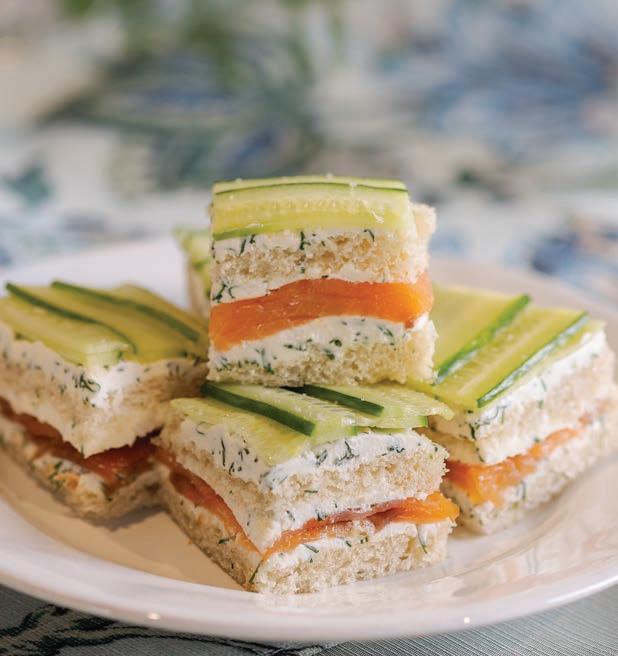
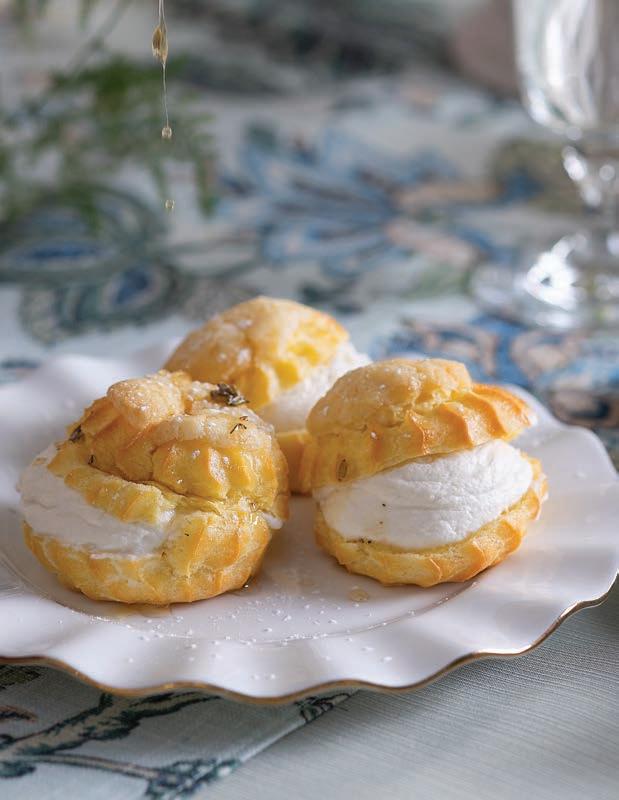
Offering both savory and sweet bites at an afternoon tea provides a palate-pleasing combination that is both delicious and satisfying.
A refined take on a classic created by Sub-Zero, Wolf, and Cove Pastry Chef Megan Quick. Thinly sliced pain de mie is layered with lemon-herb compound butter, lox-style smoked salmon, and crisp English cucumber, trimmed and cut into delicate tea-size portions.
Makes about 10 sandwiches
For the herbed compound butter:
4 oz softened unsalted butter
2 oz softened cream cheese
Zest of one lemon
Juice of one lemon
2 tablespoons each of finely chopped fresh dill, parsley, and chives
1 teaspoon kosher salt
A few turns of fresh-cracked black pepper
For the sandwiches:
1 pain de mie (also known as a Pullman loaf) cut into ¼ inch thick slices (you will only need about half)
4 oz herbed compound butter (see preparation method)
8 oz thinly sliced lox-style salmon
2 English cucumbers, very thinly sliced on a mandolin
1. Combine all compound butter ingredients in a stand mixer fitted with a paddle attachment and mix until fully incorporated.
2. Lay out bread slices and spread the compound butter generously and evenly over each slice.
3. Place salmon slices evenly over half of the bread, then add thin cucumber slices.
4. Top with the remaining pieces of buttered bread.
5. Trim away any crust and slice sandwiches into 1.5 x 3-inch pieces.
Another delight from Megan Quick, Pastry Chef at Sub-Zero Group’s headquarters in Wisconsin. This choux pastry is filled with lavender white chocolate mousse, finished with a touch of honey and delicate flower petals.
Makes one dozen
For the craquelin:
3 oz unsalted butter, room temperature
½ cup brown sugar
¾ cup all-purpose flour
For the choux pastry:
4 oz unsalted butter
1 cup water
1 tablespoon sugar
½ teaspoon salt
1 cup all-purpose flour
4 large eggs
Craquelin disks, about 1” round (see recipe)
For the lavender and white chocolate mousse:
1 ½ cups quality white chocolate chips, melted
¾ cup heavy cream for ganache
½ cup dried lavender flowers
½ teaspoon vanilla bean paste
1/8 teaspoon kosher salt
Lavender food coloring optional (water based)
1 cup heavy cream, whipped to medium firm peaks
For the choux buns:
Prepared buns (see recipe)
Lavender and white chocolate mousse (see recipe) Honey, as needed
Fresh flower petals for garnish (optional)
Prepare the craquelin:
1. Use a mixer fitted with the paddle attachment to cream the butter and sugar. Add in the flour and mix until combined.
2. Sandwich the mixture between two sheets of parchment paper and roll to between 1/8- and 1/16inch thickness. Chill the sheet in the freezer.
3. Use a 1-inch round cutter to cut disks. Keep frozen until ready to use.
Prepare the choux pastry:
1. Preheat the oven to 375 degrees, convection mode.
2. Prepare two baking sheets by lining them with parchment paper. Set aside.
3. Place butter, water, sugar, and salt into a saucepan and bring the mixture to a boil.
4. Once boiling, remove from the heat and add the flour, stirring with a wooden spoon until combined.
5. Return the saucepan to the burner and cook, stirring until the mixture comes together and a film forms on the bottom of the pan.
6. Transfer the dough to a bowl and let it cool for a few minutes before stirring in the eggs, one at a time, until well combined.
7. Place dough into a piping bag fitted with a ½-inch round tip. Pipe small mounds of dough, about 1
inch wide and ½ inch tall, onto prepared baking sheets. Top each mound with a craquelin disk.
8. Bake in a preheated oven for about 20 minutes, or until golden brown.
9. Remove from the oven and pierce each puff with a skewer to allow steam to escape. Cool on a wire rack until ready to use.
Prepare the mousse:
1. Heat ¾ cup of heavy cream until boiling.
2. Add lavender flower to the cream and remove from the heat.
3. Cover the pot and allow to steep for 7 minutes before straining out flowers.
4. Combine warm, infused cream with melted chocolate, salt, vanilla, and food coloring, if using, and mix until fully incorporated.
5. Once ganache is cool to the touch, but still liquid, carefully fold in whipped cream until combined. Chill mousse until ready to use.
Assemble the buns:
1. Prepare choux buns by slicing the top off; set this piece aside.
2. Fill a piping bag fitted with a ¼-inch star tip with lavender mousse.
3. Use the piping bag to fill each choux bun halfway with mousse.
4. Finish by placing the tops on the cream-filled buns, garnish with lavender flowers, and drizzle with honey.
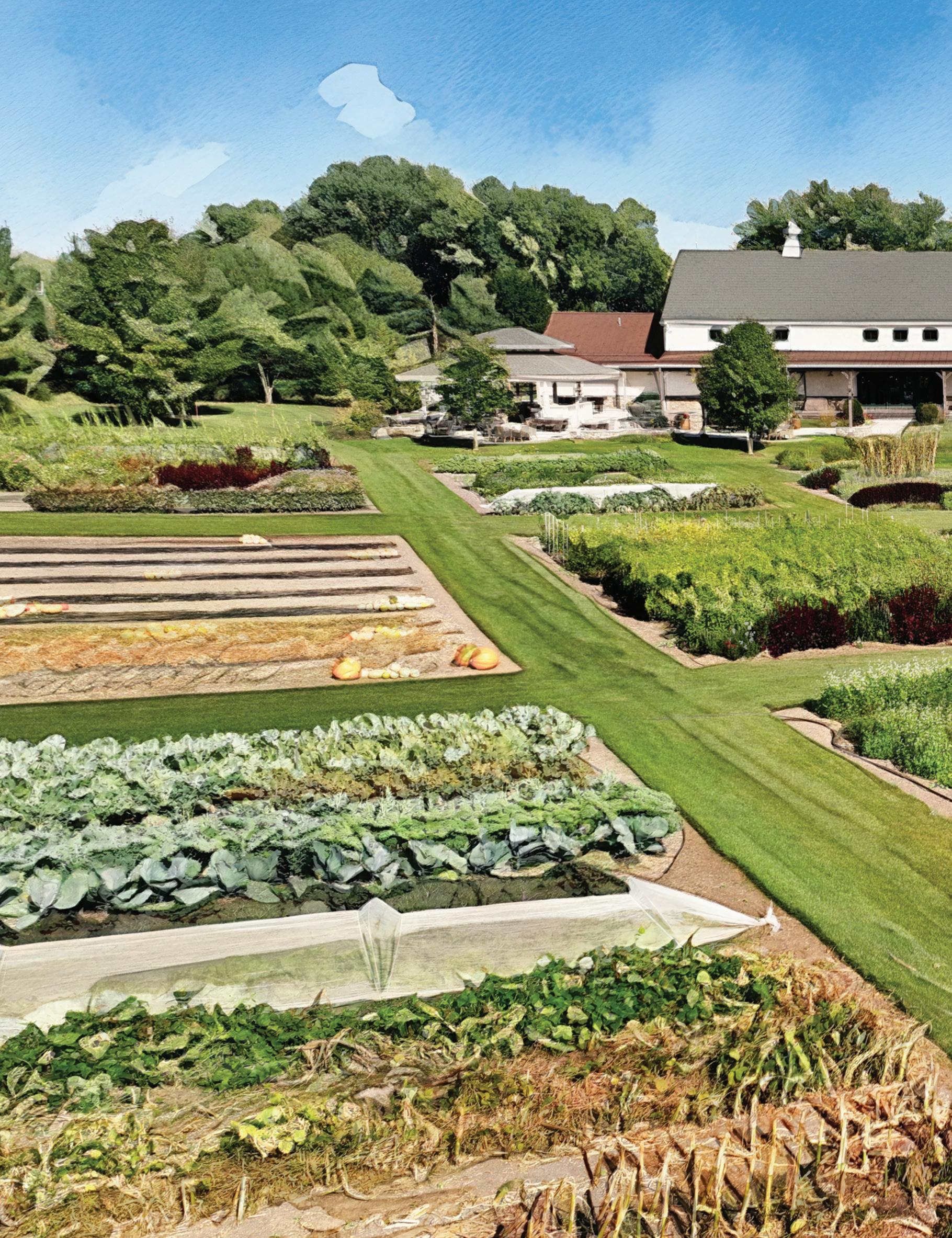
The farmers at Harvest Haven Farm work with nature’s bounty to provide Sub-Zero, Wolf, and Cove corporate chefs with the freshest possible ingredients.
By Kelly Chase
At Sub-Zero, Wolf, and Cove’s Wisconsin headquarters, the path from test kitchen to farm field is measured in footsteps, not shipping miles. On any given summer morning, the company’s corporate chefs can step outside to the property’s Harvest Haven Farm and build a menu based on what is in season and what inspires them.
“What makes this farm really special is the immediacy of what we do; something could be harvested in the morning and on a plate in the afternoon,” says Rink DaVee, who, together with Stina Seaberg, manages the farm. “It’s a wonderful feeling as a grower to know that what we are growing is being used by talented chefs to feed someone almost immediately.”
Harvest Haven Farm has been a working farm for many years. President and CEO of Sub-Zero Group, Inc., Jim Bakke, purchased the land located at the heart of the company’s headquarters in Fitchburg, Wisconsin. The first step was to create the demonstration kitchens on the new property, which took shape as a rustic yet elegant barn finished with 150-year-old timber beams.
The expansive space is used for cooking demonstrations, internal events, and corporate gatherings. “What’s nice is when guests find out that so much of the food is grown right outside the barn, they come outside and experience the garden,” says Seaberg.
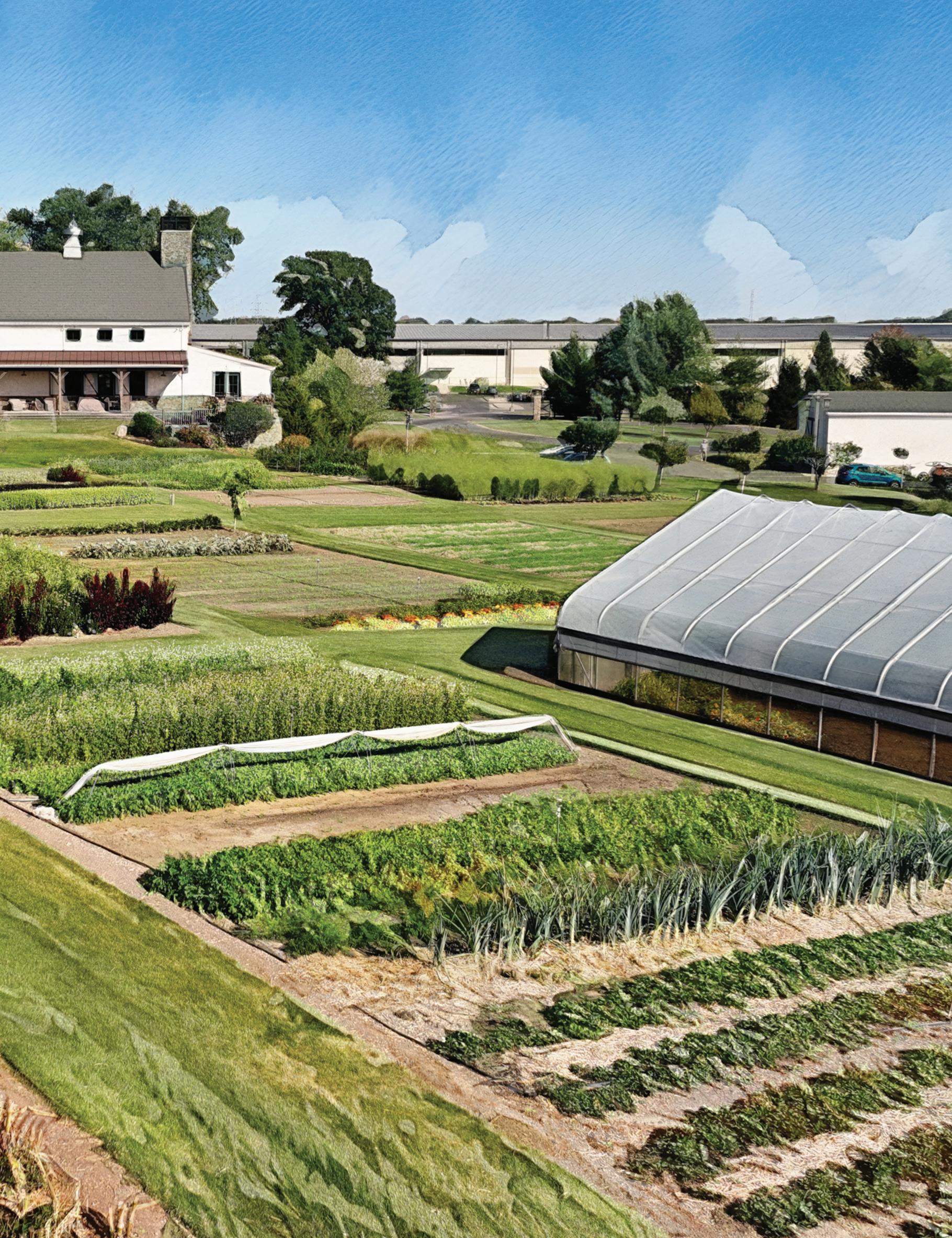

Seaberg, a Wisconsin native, grew up with dairy farmers on her mom’s side but, surprisingly, didn’t pursue farming until she moved to Brooklyn, New York, and worked for a large rooftop farm collaborative. “It’s kind of a funny way to do things, but I learned so much from that experience and realized how much I love working outside,” says Seaberg. “Farming on rooftops was an amazing way to experience living in New York. I learned a lot about tending to plants, and was able to connect with other growers and the people who purchased our food in a really unique and rewarding way.”
Seaberg moved home to Wisconsin and, through a mutual friend, heard that DaVee was looking for a partner at Harvest Haven Farm. She immediately threw her hat in the ring.
DaVee has spent his career with food and farmland. Early on, he worked at restaurants that were among the first to embrace the farm-to-table movement, where he saw firsthand the powerful connection between chefs and farmers. In 1991, DaVee moved to Wisconsin and began his own independent vegetable farm, which he operated for many years.
In 2024, he joined the Sub-Zero, Wolf, and Cove team. “What we are doing at Harvest Haven Farm really feels full circle because the kitchen and the farm are so intertwined,” says DaVee.
Since Harvest Haven Farm had been an active farm for years, when DaVee and Seaberg arrived much of it was in good working condition. They spent the first year focused on healthy soil. “It all starts in the soil,” says Seaberg, “and by taking care of it, we can grow produce that looks and tastes delicious.”
From there, they continued growing their perennials, such as apples, grapes, asparagus, and raspberries, and introduced annual staples, such as tomatoes, sweet corn, and potatoes. They also grow a lot of greens, including sweet potato greens and kale, and, as the weather cools, the farm produces many pumpkins and other squash. “We are constantly reevaluating what we are planting based on the needs of the chefs in the kitchen,” says DaVee.
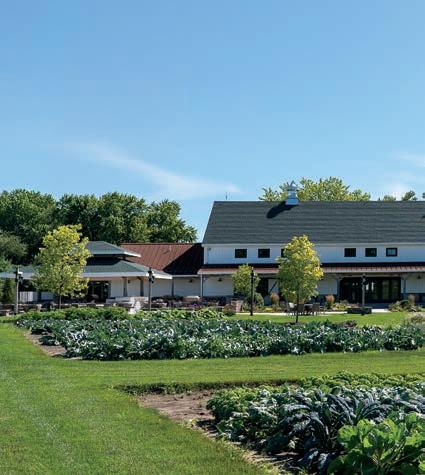

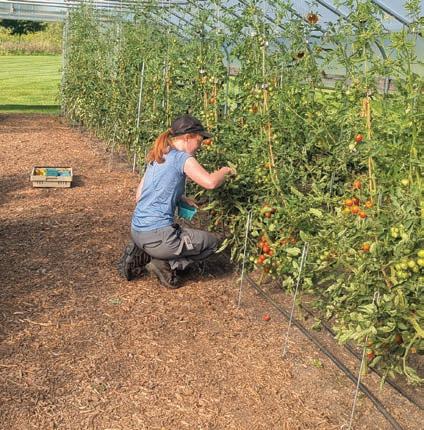
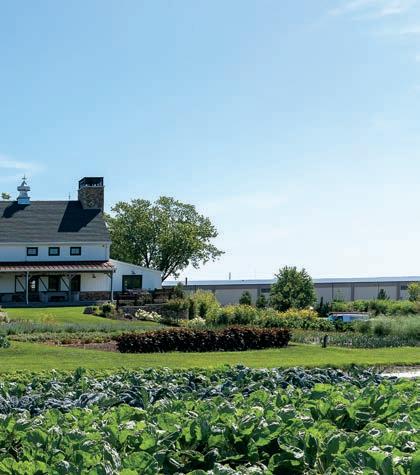
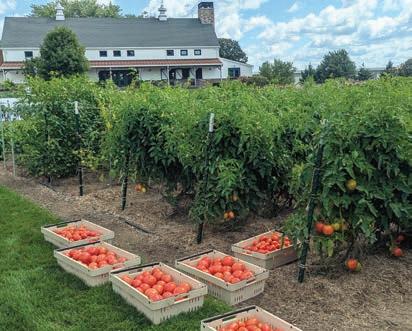
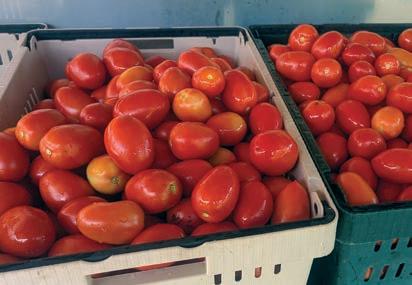
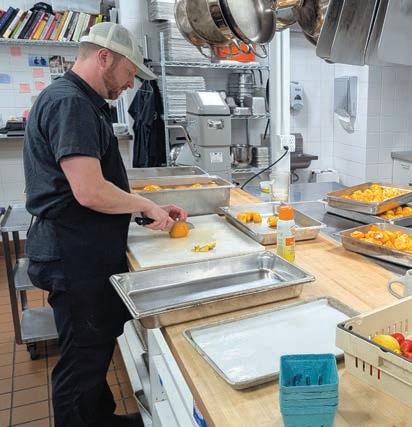
At left: Just outside the barn, the flourishing garden invites guests to walk through after enjoying a meal. At right: This summer, the farm-to-plate vision came to life: most of the produce was harvested and served the very same day.
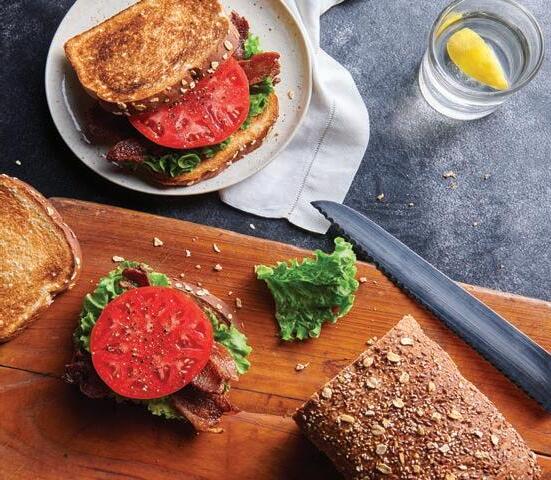
Throughout the growing season, Sub-Zero, Wolf, and Cove corporate chefs walk the gardens with DaVee and Seaberg to assess what is ready, what they have in abundance, and what they lack, which informs the chefs’ menus. “At least once a week, the chefs take a break from the kitchen and come and walk through the fields,” says DaVee. “It’s great for us as farmers to really understand their perspective.”
The chefs’ insight encourages DaVee and Seaberg to grow a wide variety of vegetables and herbs. “We grew artichokes this year, and that was a huge success, so we will be growing more of that next year,” says Seaberg. “[The chefs] really love the kinds of hot peppers and seasoning peppers that you can’t find in a grocery store, and we also do a lot of specialty herbs, which is really fun.”
Like the products made by Sub-Zero, Wolf, and Cove, sustainability and quality are equally essential on the farm. When something has been fully harvested, DaVee and Seaberg are intentional about immediately planting something else—whether a new crop, a cover crop, or adding compost—so the soil is never left bare. “There is always something growing; we want to keep the land as vibrant and productive as possible,” says DaVee. “We are always feeding the soil and supporting the ecosystem.”
For both farmers, it all comes back to a simple rhythm: grow, harvest, cook, eat. “I think what grounds us the most is the continuum where healthy soil and healthy plants lead to quality produce, and that brings joy and wellness to the people we feed,” says DaVee. “Our commitment to growing healthy, quality food that nourishes people is at the heart of everything we do.”
DaVee appreciates that Sub-Zero, Wolf, and Cove make the extra effort to support an active garden that not only nourishes guests but also helps them understand why it’s so essential to grow, buy, and cook with quality. “Being a part of that bigger mission, and feeling valued in the process, is incredibly meaningful.”
This flavorful, healthy salad from Chef Patrick McCormick can be a perfect summer side dish or a plant-focused entrée.
Serves 4
INGREDIENTS
Vegetables:
2 zucchinis, halved
2 summer squash, halved
2 red bell peppers, halved, stem, core, and seeds removed
1 bunch of asparagus, trimmed of woody ends
1 red onion, peeled, sliced into thick rounds
Olive oil
Salt and pepper
Lemon wedges
Couscous:
1 cup dry couscous
1 tablespoon olive oil
1 to 1 ½ cups boiling water or vegetable broth
1 tablespoon roughly chopped herbs like parsley, cilantro, or mint
Balsamic Vinaigrette:
½ cup extra-virgin olive oil
6 tablespoons balsamic vinegar
2 teaspoons Dijon mustard
2 teaspoons honey or maple syrup
1 clove garlic, minced
Salt and pepper to taste
Topping:
½ cup crumbled feta cheese
1. Prepare the couscous: Toast the couscous over medium heat with 1 tablespoon olive oil, stirring constantly for 3-5 minutes. Look for grains to turn a light golden brown. Grains are ready when they smell fragrant and nutty. Carefully pour in boiling water or broth. Tip: For standard Moroccan couscous, use a 1:1 ratio (1 cup liquid to 1 cup grains). For larger Pearl (Israeli) couscous, use 1.25 to 1.5 cups of liquid per cup of dry grains. Remove from heat, cover with a tight-fitting lid, and let couscous sit for 10 minutes. Fluff with a fork to separate the grains.
2. Add chopped herbs, gently incorporate into couscous.
3. Grill the vegetables: Brush them with olive oil and season with salt and pepper. Over medium-high heat, grill the vegetables until tender and charred: onions and bell peppers for 4-5 minutes, zucchini and squash for 3-4 minutes per side, and asparagus for 3-4 minutes total. Let the vegetables rest loosely covered with foil or in a casserole dish with an offset lid. Tip: Letting vegetables rest and steam for a while will finish cooking them while keeping them al dente.
4. Make the vinaigrette: Whisk together balsamic vinegar, mustard, honey or maple syrup, garlic, salt, and pepper. Taste for seasoning. Adjust if needed with more honey or maple syrup, salt, and pepper. Slowly whisk in olive oil.
5. Chop the grilled vegetables into 1-inch pieces, squeeze a couple of lemon wedges over them, and toss. Toss the warm couscous with half of the vinaigrette and fold in the vegetables.
Salad can be served family-style in a large bowl with feta and the remaining dressing on the side, or in individual bowls with feta and the remaining dressing on the side.

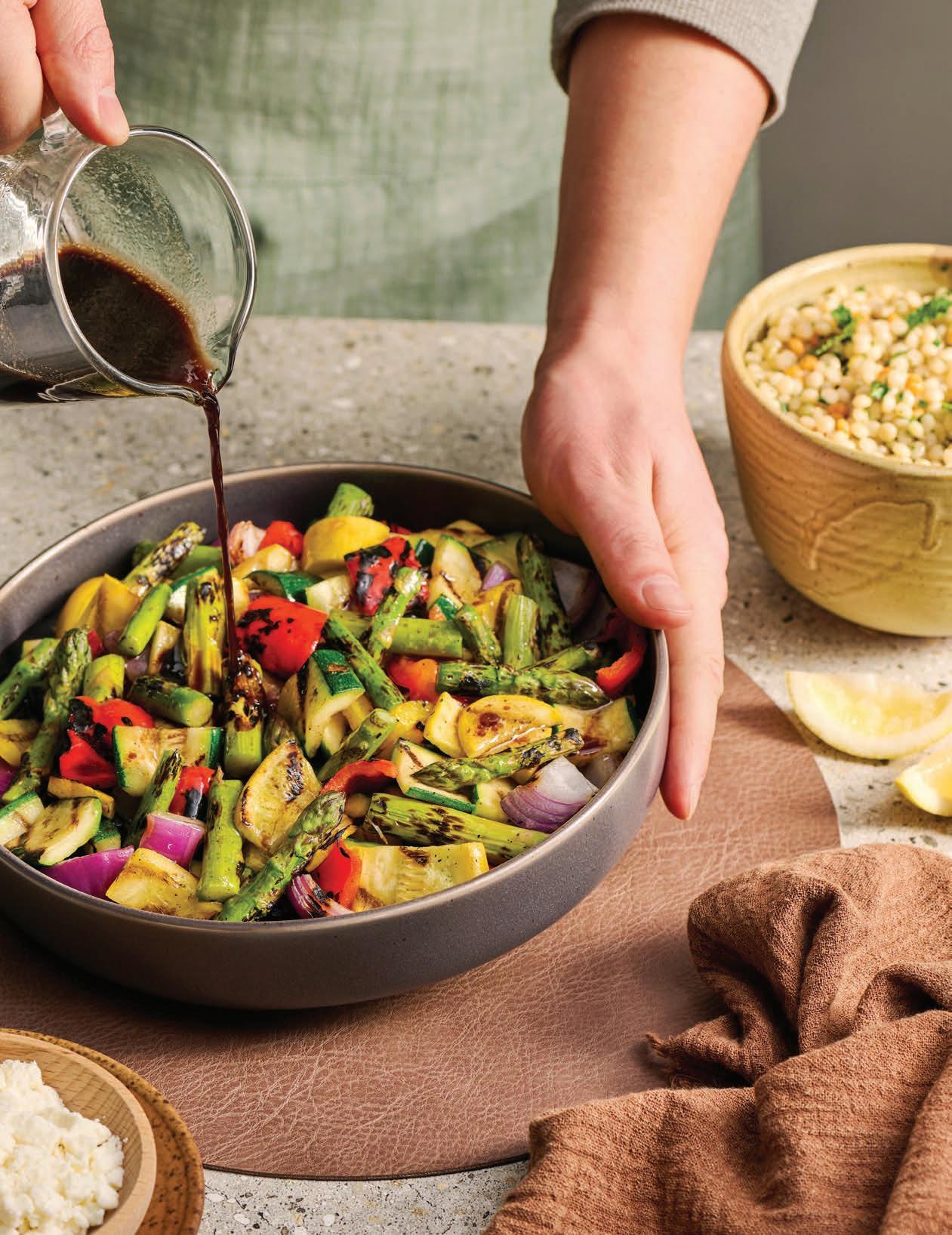

Hardy, who works in the Innovation Center at Sub-Zero Group’s headquarters, says she is the “kind of person who can visualize something right away.”

By Lisa Cavanaugh
Photography by Ella Williams and Betsy Fries
Drawing and physics were the double interests that led Sub-Zero, Wolf, and Cove industrial designer Anne Hardy from her home state of Mississippi to the Midwest. After discovering industrial design while majoring in mechanical engineering at Northwestern University, Hardy became enthusiastic about a career path that combined her passions.
“It is an exact blend of engineering and art,” she explains. “It’s really all about taking user needs and manufacturing needs and then translating those into visual concepts.”
After she graduated, one of her first interviews was with the SubZero Group, and she could tell right away it would be a perfect fit. “I was already familiar with their amazing products, and the job was ideal.”
Now, four years into her position with the company, Hardy is sure her leap of faith was the right choice. Collaborating with both product management and the engineering teams, Hardy creates what she calls the “road map” to visualize a project. “It is helpful to have a visual right away to bounce ideas off of,” she says, “so I will begin by drawing up a concept on paper.”
Sketching by hand appeals to the artist in her, and, reflecting the three brand colors, Hardy uses red, blue, and green markers on the largest available paper to create a preliminary drawing. “I have a fine art background, so I was accustomed to sketching small details. Now, with industrial design, I use my whole arm to sketch. It looks goofy, but it works!”
One example of her recent work was helping design the new Wolf Professional Induction Range. “The first prompt was to imagine what an induction range would look like within the Wolf brand identity. We whittled it down to something really functional,” she says. “Our job was to make every detail feel intentional and part of that same iconic story.”
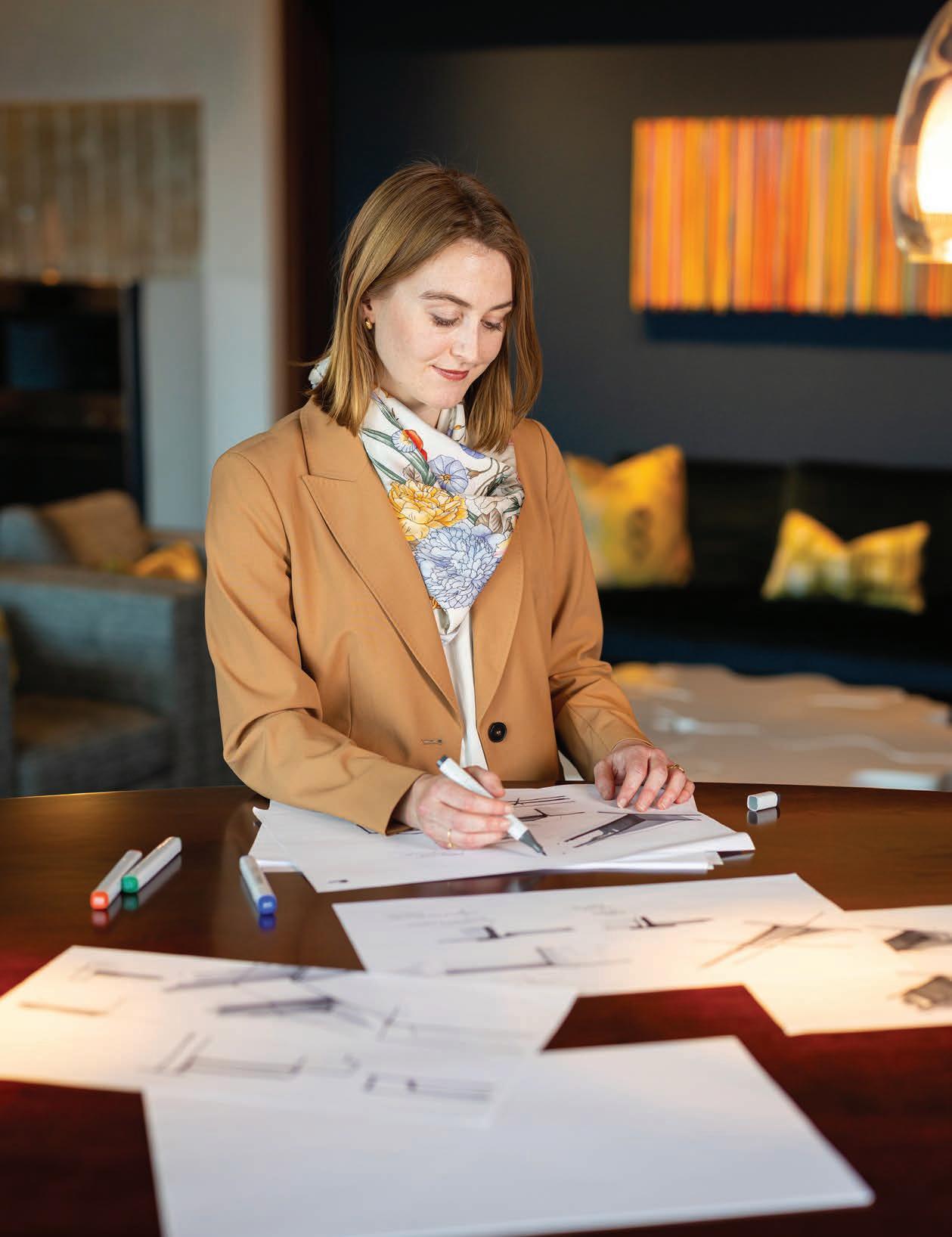
Hardy met her husband through their shared love of music—just one of her creative pursuits.

“Everyone has the same mission to make a great product that will last a very long time. As a designer, this is a delight.”
In addition to hand drawing, Hardy also uses CAD software to render a product’s three-dimensional aspects. “We try to capture the essence of the appliance,” she says. “We’ll look at different colors and materials and showcase different ways we could improve the user experience.”
“We aim to see the products from the sale and user perspective,” says Hardy, “and view them through a design lens, for colors and texture. We also work with engineering to vet them from a manufacturing angle and ensure that they make sense at the executive level as well.”
She appreciates the ability to bounce ideas back and forth with everyone involved. “It is an extremely collaborative process, and I really enjoy that,” she says. “Everyone has the same mission to make a great product that will last a very long time. As a designer, this is a delight.”
Hardy is now a happy resident of Madison, a college town not unlike her hometown of Oxford, Mississippi. She and her new husband relish being in the heart
of downtown. “We live in a neighborhood with great restaurants and three concert venues, and since we’re big music fans, that is really rewarding,” she says.
The designer has not given up her zeal for art in its various forms. She is taking pottery classes, doing a bit of gardening, and playing instruments. “In addition to listening to music, I’m also a competent guitar player, and a bit less competent mandolin player,” she laughs. Hardy plays in a few casual groups, often with her husband, who also plays guitar, and she has found herself embracing the bluegrass genre. “If you play mandolin, you play bluegrass.”
She feels fortunate to be able to pursue this kind of creativity, along with her engineering sense, via her position with Sub-Zero, Wolf, and Cove. “We are one of the few departments that touch all brands and products,” says Hardy, noting that part of what she has been doing recently is developing a visual brand language guide that helps define the brand’s iconic products. “It is a great responsibility and a great opportunity.”
CONNECTICUT
Clarke South Norwalk 64 S Main St S. Norwalk, CT 06854 (800) 842-5275
MASSACHUSETTS
Clarke Boston 7 Tide St Boston, MA 02210 (800) 842-5275
Clarke Milford 393 Fortune Blvd Milford, MA 01757 (800) 842-5275
MARYLAND
Columbia Showroom 9204 Berger Road Ste H Columbia, MD 21046 (443) 276-2490
NEW JERSEY
Pine Brook Showroom 25 Riverside Drive Pine Brook, NJ 07058 (888) 671-9376
NEW YORK
MKS Industries Buffalo 1680 Walden Ave
Cheektowaga, NY 14225 (716) 895-2900
MKS Industries Syracuse 5801 Court Street Rd Syracuse, NY 13206 (315) 437-1511
Manhattan Showroom 150 E 58th Street 5th Floor Manhattan, NY 10155 (800) 691-6122
Roslyn Heights Showroom 170 Mineola Avenue Roslyn Heights, NY 11577 (888) 859-9376
PENNSYLVANIA
Philadelphia Showroom 4050 South 26th St
Philadelphia Navy Yard Philadelphia, PA 19112 (215) 671-8300
GEORGIA
Atlanta Showroom
3280 Peachtree Rd NE Suite 200
Atlanta, GA 30305 (404) 973-0660
FLORIDA
Miami Showroom 3711 NE 2nd Ave Ste 200 Miami, FL 33137 (786) 431-3907
NORTH CAROLINA
Charlotte Showroom 127 W Worthington Avenue Suite 180
Charlotte, NC 28203 (704) 375-6025
VIRGINIA
E. A. Holsten Inc. Richmond 1400 Overbrook Rd Richmond, VA 23220 (804) 359-3511
ILLINOIS
Chicago Showroom 222 W Merchandise Mart Plaza Suite 134 Chicago, IL 60654 (312) 428-3160
Glendale Heights Showroom 196 Exchange Blvd Glendale Heights, IL 60139 (630) 872-5100
MICHIGAN
Trevarrow Inc. Auburn Hills 1295 N Opdyke Rd Auburn Hills, MI 48326 (800) 482-1948
MINNESOTA
Roth Living Minneapolis 11300 47th Street W #100 Minnetonka, MN 55343 (952) 933-4428
MISSOURI
Roth Living Kansas City 601 W 47th Street
Kansas City, MO 64112 (816) 556-3322
Roth Living St. Louis 7800 Clayton Rd
Richmond Heights, MO 63117 (314) 991-0900
OHIO
Tisdel Distributing Cincinnati 5901 E Galbraith Rd Cincinnati, OH 45236 (513) 339-0990
Trevarrow Inc. Parma 12610 Corporate Dr Parma, OH 44130 (216) 362-9200
ARIZONA
Scottsdale Showroom 15570 N 83rd Way Scottsdale, AZ 85260 (480) 921-0900
Dallas Showroom 3707 Lemmon Avenue Dallas, TX 75219 (972) 699-5202
Houston Showroom
2800 Sage Rd Suite B Houston, TX 77056 (713) 599-0053
Costa Mesa Showroom 655 Anton Blvd Costa Mesa, CA 92626 (657) 269-5874
Riggs Distributing Inc 101 Henry Adams Street Suite G144 San Francisco, CA 94103 (415) 582-6717
COLORADO
Roth Living Denver 742 S Broadway Denver, CO 80209 (303) 373-9090
Roth Living Salt Lake City 1400 S Foothill Dr Ste 212 Salt Lake City, UT 84108 (801) 582-5552
Bradlee Distributors Seattle 1400 Elliott Ave W Seattle, WA 98119 (206) 284-8400
Riggs Distributing Inc 2038 South King St Honolulu, HI 96826 (808) 484-2511
Monte Athos 465, Lomas de Chapultepec VI Secc
Miguel Hidalgo, CDMX 11000 +52 55 4950 9812
Carretera Monterrey Saltillo 3061
Fracc. Bosques del Poniente Santa Catarina, N.L. 66350 +52 81 8389 4372
Bradlee Distributors Calgary 1245 – 73rd Avenue SE Calgary, AB T2H 2X1 (403) 297-1000
Maroline Distributing Inc.
Montreal Showroom 1011 Rue Wellington
Montreal, QC, H3C 1V3 (855) 914-4489
Maroline Distributing Inc.
Toronto Showroom
280 King Street East Suite 101 Toronto, ON, M5A 1K7 (855) 914-4488
Maroline Distributing Inc.
Royalmount TLK 5070 Chemin de la Côtede-Liesse
Montréal, QC H4P 0E1 (855) 374-7745
United Kingdom Showroom
Unit 9 The Street Industrial Estate
Heybridge Street
Heybridge, Maldon, Essex CM9 4XB
ENGLAND
011.44.208.418.3800
Europe Showroom
135 Rue D’Antibes 06400 Cannes, France 011.33.493.999.888
Melbourne Bank House 11-19 Bank Place Melbourne, VIC AUSTRALIA 1300 808 859
Bradlee Distributors Vancouver 13780 Bridgeport Rd Richmond, BC V6V 1V3 (604) 244-1744
Sydney Foveaux House 63 Foveaux Street Surry Hills, NSW AUSTRALIA 1300 808 859
London Showroom 251 Brompton Road Knightsbridge London SW3 2EP United Kingdom 011.44.0207.858.3480
Scan below to make a showroom appointment

Discover genuine accessories—like refrigerator shelves, oven grates, kickplates, and bake stone or hydration kits—made specifically for Sub-Zero, Wolf, and Cove products. These add-ons help your appliances look and perform their best.
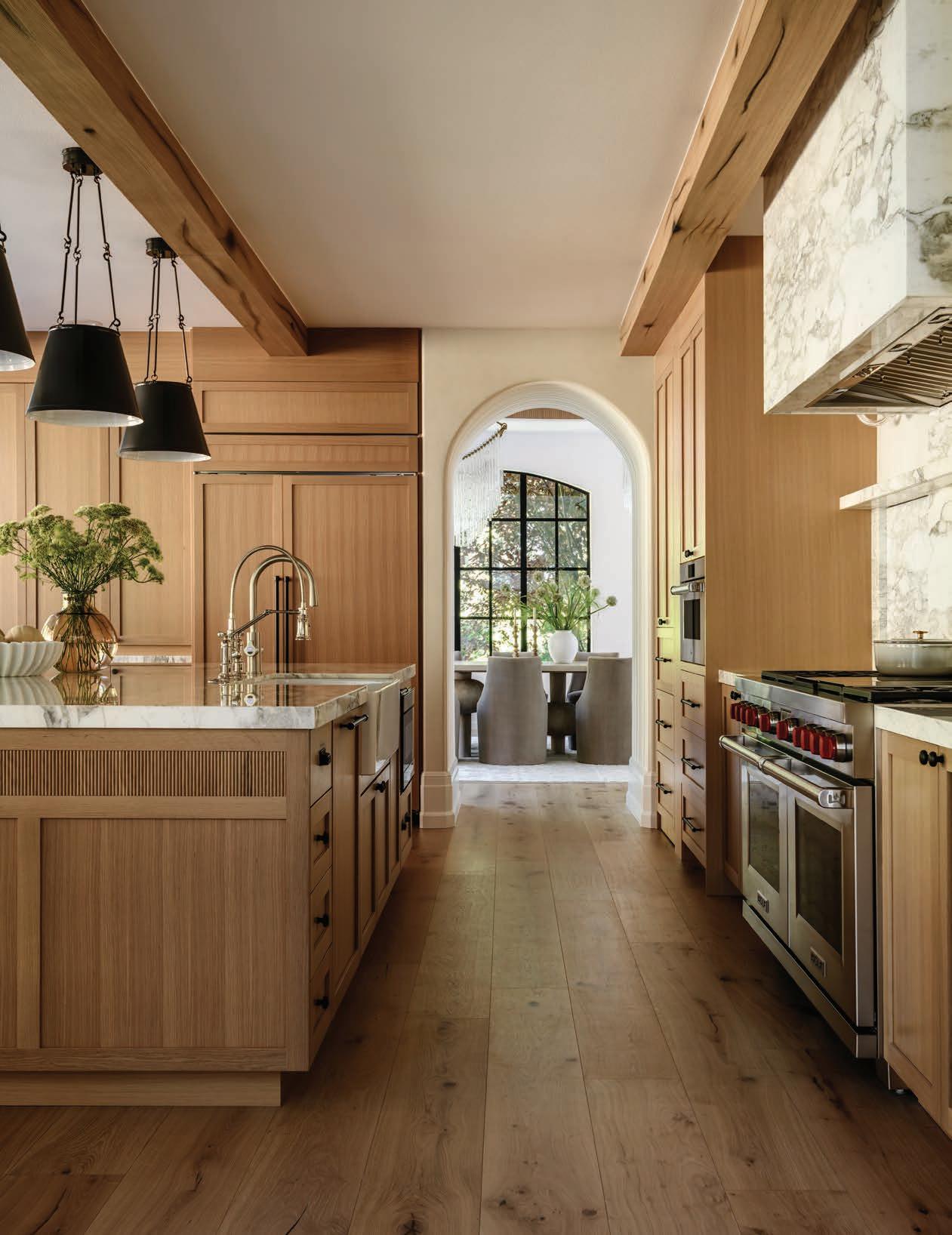

Scan here to visit the Sub-Zero Group Online Accessories Store for details about available accessories related to your registered products.