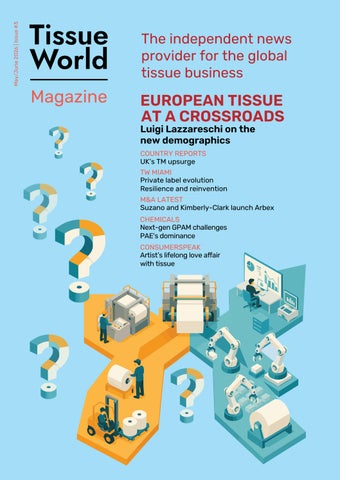
TISSUE
AT A CROSSROADS
Luigi Lazzareschi on the
new demographics
COUNTRY REPORTS
UK’s TM upsurge
TW MIAMI
Private label evolution
Resilience and reinvention
M&A LATEST
Suzano and Kimberly-Clark launch Arbex
CHEMICALS
Next-gen GPAM challenges
PAE's dominance
CONSUMERSPEAK
Artist’s lifelong love affair with tissue
YOUR SINGLE SOURCE FOR TISSUE


The Power of Leadership
Since 1976, Convermat has been the leading global supplier of parent rolls of tissue to more than 80 countries worldwide. Our unparalleled market intel and strong network of strategic alliances, resources, and insider knowledge can further grow and strengthen your business to achieve higher profits.
There When You Need Us
We consistently maintain capacity balance for many of the leading global tissue players. Our extensive network of global suppliers and customers enables us to deliver a continuous flow of tissue at the most competitive prices in any market condition and to any destination with speed, reliability, and integrity.
At Your Service
Our experienced team of seasoned professionals is equipped to handle all of your needs including inland and ocean transportation, import/export protocol, technical specifications, testing lab facilities, proprietary product development, foreign currency management, credit risk, and all relevant sales services.
More Than Tissue
In addition to our complete line of tissue, towel, napkins, and specialty paper we supply a comprehensive line of nonwoven substrates for medical, wipes, automotive, filtration, hygiene applications, and more.
Cover image: European tissue at a crossroadsSofidel’s Luigi Lazzareschi on demographics, overcapacity, AI, logistics, and the mill of the future.
Image by Stefano Vuga, Founder, PurplePrint Creative, Spain/ Italy, www.purpleprint.eu
IN THIS ISSUE...
03 FRONTISSUES
The United Kingdom’s tissue market is undergoing an unusual upsurge: key market issue is balancing value-for-money while maintaining sustainability.
04 MARKETISSUES
EXCLUSIVE: European tissue at a crossroads: Luigi Lazzareschi on demographics, overcapacity, logistics, AI, and the future. With the global market going through dramatic changes in ownership, the Group Chief Executive of Sofidel – Europe’s second and America’s fourth largest tissue producer – outlines his concerns.
08 TISSUE WORLD MIAMI 2026
Exhibition organiser Informa Connect hails record-breaking success of the industry-leading exhibition and conference, which welcomed over 140 exhibitors and showcased the latest innovations and technologies shaping the future of tissue from source to shelf. To read TWM’s summary of key talks, see this magazine’s ExitIssues.
10 NEWS IN BRIEF
13
18
A roundup of news from across the global toilet paper and kitchen towel markets. To get the very latest news go to: www.tissueworldmagazine.com
UNITED KINGDOM: COUNTRY REPORT
Five TMs scheduled to start up, with more expected in 2027 and 2028. After a long decline, new large machine activity is adding capacity as the current – at the time of publishing - closure of the Strait of Hormuz creates a global energy supply shock. Report by ResourceWise Senior Consultant Bruce Janda.
UNITED KINGDOM: COUNTRY REPORT
The ability to deliver value-for-money as consumers demand the benefits of sustainability becoming key market issue. Euromonitor International Consultant Per Brandberg assess the challenges facing the United Kingdom’s mature landscape.
21 DUNI POPPIES: OPERATIONS REPORT
From Northern Powerhouse to European leader: Duni Poppies charts a new era in UK tabletop. John Fearns, Commercial Director, spoke with TWM Senior Editor Helen Morris to discuss how the business is navigating a competitive and sustainability-driven marketplace - and what comes next.
26 CONSUMERSPEAK
‘A simple material that can be used in a thousand different ways … my lifelong love affair with paper and tissue.’ Acclaimed Italian artist Fiammetta Ghiazza reflects on her childhood fascination which led to the Academy of Fine Arts and her much admired ‘Slow Miami’ artwork at Gambini’s booth at the Tissue World Miami 2026 tradeshow.
30
CHEMICALS: TECHNICAL THEME
Redefining wet strength: next-gen GPAM challenges PAE’s dominance in towel grades. Tissue and towel producers have long accepted PAE’s limitations as the price of reliable wet strength performance. A new generation of GPAM chemistry by Kemira is changing the calculation, delivering both cost savings and performance improvements where conventional programs have historically fallen short. Vladimir Grigoriev, Head of Application Excellence, Kemira, Packaging & Hygiene Solutions, Americas, reports for TWM.
34 FOCUS ON: TISSUE PLANET
Tissue Planet – future insights. The industry’s structural transformation: urgent need for a level playing field. Toscotec’s second event reinforces Lucca as a global hub for dialogue on sustainability, digitalisation - and the future of the tissue industry. A TWM report.
38
EXITISSUES
Tissue World Miami conference summary: Sofidel Group’s Luigi Lazzareschi discusses the private label evolution, AFRY’s José Gonzalez analyses products and technology innovation, and Euromonitor International’s Liying Qian discusses resilience and reinvention – winning in the tissue market through consumer-centric strategies.
46 AD INDEX
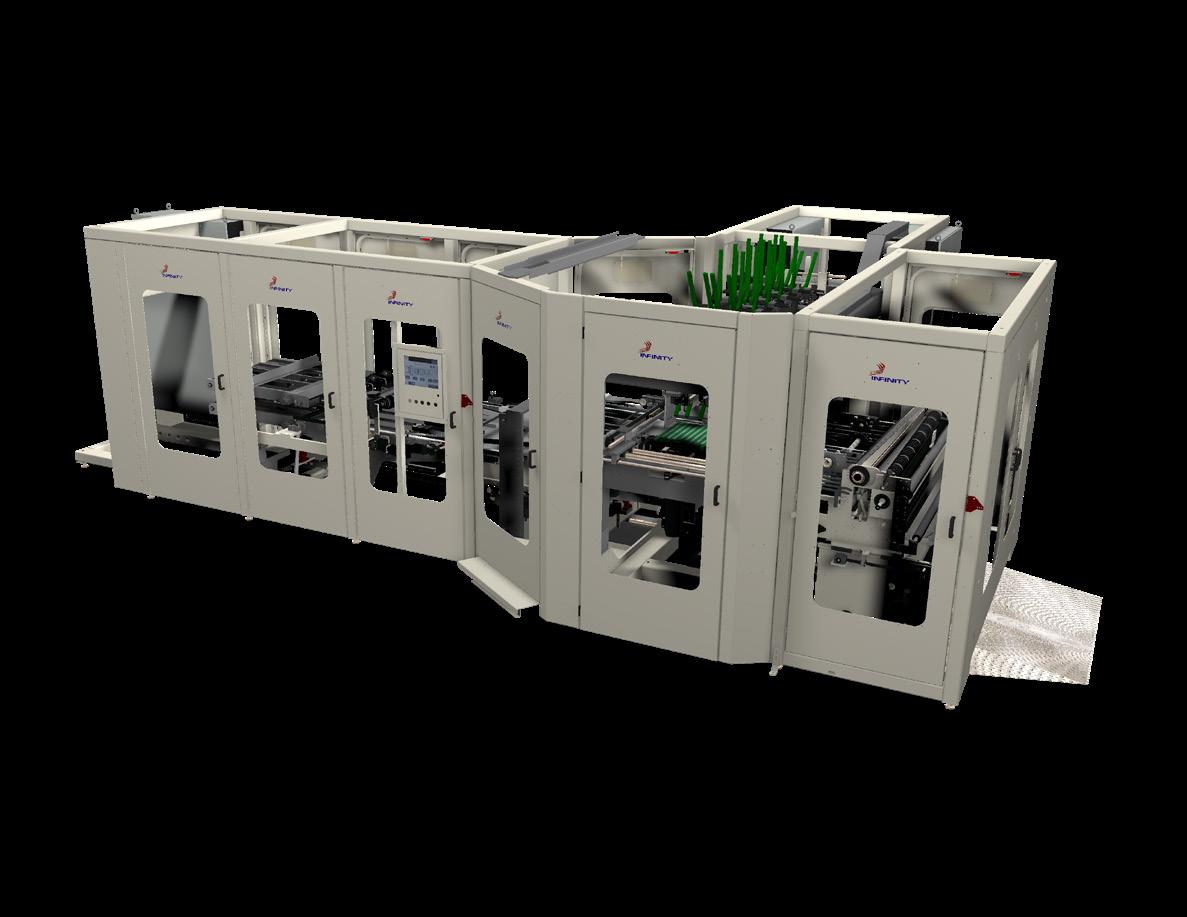
Efficiency by design

PUT THE FUTURE OF PACKAGING IN YOUR LINE OF SIGHT




Our new wrapper features a reciprocating design with fast, small-pack production and change-overs.
Innovatively designed with shorter mechanical movements and a telescoping unwind, the new Vision G3 wrapper is revolutionizing the industry with faster speeds on small formats, while also being able to produce large packs. Our Infinity engineers re-imagined the G3 from the ground up, setting the global stage with a new standard in tissue packing production. Every detail has been meticulously designed for increased production, accessibility, maintainability, and fast set-up. Take a virtual tour at visionG3.com




Tissue at a crossroads: why the industry needs to adapt to a rapidly changing future market
Helen Morris, Senior Editor, Tissue World Magazine
EDITORIAL HEADQUARTERS
Informa
240 Blackfriars Road, London, SE1 8BF, UK
Tel: +44 (0)20 7017 5000
Senior Editor
Helen Morris: helen.morris@informa.com
Events Director – Tissue World Portfolio
Natalie Diaz-Martin: Natalie.diaz@informa.com
Portfolio Director & Special Projects
Ryan O'Donnell
Campaign Director
Roxanna Kashfi: roxanna.kashfi@informa.com
ADVERTISING ENQUIRIES
Europe & North America
Silvio Arati
T: +39 02 4851 7853 sarati@studioarati.it
South and Central America
Selma Ugolini
T: +55(11)99904 5350 selma@gova.com.br
China, Hong Kong & Macau
Doris Kong
T: +86 020 3895 1611 Doris.Kong@informa.com
TISSUE WORLD MAGAZINE
is published bi-monthly. The subscription price is US$400 per year for 6 issues. Subscription is free for qualified subscribers in the tissue industry.
Please send address corrections to: Informa
240 Blackfriars Road, London, SE1 8BF, UK
Tel: +44 (0)20 7017 5000 info@tissueworld.com
Subscription online at www.tissueworldmagazine.com
In Tissue World all measures are metric and all dollars ($) are US dollars, unless otherwise stated. Copyright 2026 by Informa Connect. All rights reserved. All materials printed in Tissue World Magazine is owned by Informa and protected under the copyright act. No material may be reproduced in part or in whole without the prior written consent of Informa.
For decades increases in population numbers have meant more consumers to buy more tissue products. It became a natural guarantee of growth. Not anymore.
In Europe no country has significantly increasing population numbers. A steady decline is predicted, yet manufacturers continue production levels to meet the old market model … resulting in serious overcapacity.
In an exclusive interview with Tissue World Magazine, Sofidel Chief Executive Luigi Lazzareschi – a leading industry pioneer with family links to tissue going back to 1966 – takes a hard look at this and other emerging issues.
Among them: turbulent trading conditions, rising energy costs, progressing automation, localisation, M&A models, the need for talented operatives to run sophisticated machinery, and why retailers and consumers should be better informed about what constitutes sustainable production.
In MarketIssues, Lazzareschi insists business as usual is not an option. Manufacturers have largely failed to respond to the new demographics. The industry is now at a crossroads.
KEY MARKET ISSUE: BALANCING VALUE-FOR-MONEY WHILE MAINTAINING SUSTAINABILITY
The UK tissue market is undergoing an unusual upsurge. Significant new capacity is being started up, many by companies headquartered in Sweden, Italy, Finland and Türkiye, who, along with established UK manufacturers, have spotted opportunities. Five new machines are scheduled to go online this year, and more are expected in 2027/28.
Given that the UK is a mature market, its economy essentially flat-lining, and global trade beset with turbulence, this represents a vote of confidence that an upturn is near. One leading tissue analyst was surprised by but welcomed the new production after a long decline, adding: “I can't imagine the stress they are under when starting up at this time due to the energy crisis." Analysis in Country and Operations Reports
RECORD BREAKING SUCCESS AT THE LEADING GLOBAL TISSUE SHOWCASE
Informa Connect has confirmed that Tissue World Miami 2026 delivered unprecedented success on every front. Key issues included: growth, but with rising capacity and cost pressure redefining what “competitive” means; innovation shifting from volume to differentiation with product formats; performance attributes and sustainability now central to value creation.
Process technology is entering a new wave where quality, efficiency, and decarbonisation must advance together, not sequentially. Business models diverge by region, yet digitisation, resource efficiency, and resilience are becoming universal requirements. The winners will be those who connect market insight, technology choices, and operating models into a coherent innovative strategy. Full report in ExitIssues.
EUROPEAN TISSUE AT A CROSSROADS: LUIGI LAZZARESCHI ON DEMOGRAPHICS, OVERCAPACITY, AI AND THE FUTURE
With the global market going through dramatic changes in demographics, ownership, logistics and AI, Luigi Lazzareschi, Group Chief Executive of Sofidel – Europe’s second and America’s fourth largest tissue producer – outlines his concerns to Tissue World Magazine Senior Editor Helen Morris.

Luigi Lazzareschi is in reflective mood as we sit over coffee in the elegant surroundings of the Real Collegio di Lucca, Tuscany, at the heart of Italy’s tissue pre-eminence.
The Royal College’s history spans more than two hundred years and is housed in what was once the ancient convent of the Basilica of San Frediano, whose origins date back to the 6th century. Today it combines architectural elegance with educational purpose. In a wide-ranging interview he reflects on that history, and on what the future holds for tissue in Italy and across the global market. Over the last few years turbulent geopolitical events, overcapacity, imports, transitions to artificial intelligence, demographical changes, merger and acquisition - as well as company departures - have positioned the European tissue market in a state of flux.
It is perhaps fitting that this year the Sofidel Group is celebrating its 60th anniversary. The Porcari-based company, located in the heart of the ‘tissue valley’ – also known as the Italian Paper District, the global epicentre for the design and manufacturing of tissue paper production and converting machinery - was founded by entrepreneurs Emi Stefani and Giuseppe Lazzareschi in 1966 and is still entirely owned by the founding families. As part of its celebrations during 2026 it is hosting a programme of internal and external initiatives, including sponsorship of Giro d’Italia, the road cycling race first organised in Italy in 1909.
“The start of the race’s 11th stage started outside our factory for the Porcari-Chiavari leg, named the Paper District,” Lazzareschi says. “It was a valuable opportunity to give visibility to an industrial district of outstanding excellence: a tribute to a territory where we are deeply rooted and to which we owe a great deal.”
Over the last few years, he explains that the demographical changes seen across the European market are one of the long-term factors having a negative impact: “Italy, for example, has had a decreasing birth rate for many years. The year I was born, I was one of 950,000 babies born that year. Last year in Italy only 355,000 babies were born. That’s 600,000 less people being born every year in Italy, the equivalent to a city the size of Palermo disappearing every year. That means a big change in consumption for our industry year-after-year.”
‘I DON’T THINK TISSUE GROWTH IN TERMS OF PER CAPITA CONSUMPTION IN EUROPE IS GOING TO BE A POSITIVE TREND.’
People may say that per capita consumption has increased across some European countries, but he says that the facts show that regardless, the decreasing birth rates are “substantially changing” Europe’s demographics. This is also having an impact in terms of the number of people living in Italy: “The average age of people here in Italy is getting
older and older, and older people have a lower consumption than younger people. My grandfather, when given a kitchen paper napkin he would split it in two and use only half of it. My mother is probably not quite like my grandfather, but my mother is still not using as much paper kitchen towel as I am using. And then so on across the generations. If you look at these facts, a decreasing population and one that is getting older … I don’t think tissue growth in terms of per capita consumption in Europe is going to be a positive trend.”
What is happening in Italy is happening in many European countries, there is no country where the population is increasing significantly: “This is a longterm negative factor that is negatively impacting tissue, and also many other industries.”
Overcapacity is the second issue that year-afteryear is changing the market: “There is overcapacity in Europe. Probably several companies - including ourselves - have not perceived the fact that the market hasn’t continued to grow as much as it was growing 20-15 years ago. We have continued to grow in the same way as we have done previously by adding new capacity.”
Companies could instead have grown a little differently, maybe by acquiring in a joint venture or internationalising more: “Most European producers are playing in just one country or two, and possibly they haven’t looked at other markets where there is better growth. This is probably not the best strategy.”
These long-term factors are difficult to change, but Lazzareschi adds there are also short-term factors that are changing the market. Imports on one side, higher inflation, higher costs linked to energy, to petroleum, oil, chemicals, and also the polythene used to wrap products.
The short-term factors are cyclical: “There was a big spike especially in 2022 with the start of the war between Ukraine and Russia, when energy prices went up by six, seven, eight … even by 10 times as much as previous years. Now again with the Iran war, the industry has seen a big spike on the price of gas and electricity.”
As an industry, paper and tissue production needs a lot of electrical and thermal energy, and he believes it is unfortunate that Europe doesn’t have a policy to be more independent here: “Some countries they are very dependent on imported gas and oil. Italy especially has a very strong energy supply, but the market is volatile and cyclical. We need to be much more independent and more reliant on our own production coming from renewable resources. Here in Italy we have plenty of sun, geothermal and hydroelectric energy, wind, mountains, and sea. We are one of the European countries where renewable energy is much more available than many others. But for several reasons we are behind.”
This high energy cost is creating many problems: “From one side it’s pushing inflation and high
costs on energy, putting us in a weaker position compared to other countries, especially those in Asia.” Last year Europe imported a lot of tonnage –the volume of international jumbo rolls that arrived from outside of Europe was 613,000 tonnes: “That’s a big number, the equivalent of 10 large tissue machines, which is putting even more pressure on the existing overcapacity.”
‘THE
ITALIAN GOVERNMENT AND THE EUROPEAN
UNION NEED TO GIVE THE NECESSARY ATTENTION TO PROTECT EUROPEAN INDUSTRY FROM UNFAIR COMPETITION.’
He is not against the imports per se, but adds that he is against it if they are coming with unfair competition: “On one side, many of the companies importing are subject to less strict environmental regulations. On the other hand is the issue that for the products that are imported, the companies don’t pay. For example, the emission taxes (ETS) that all the European companies are paying. In some way it’s like subsidising those imports, and we believe it is not competing on a level playing field.”
He emphasises that the Italian government and the European Union need to give the necessary attention to promote a more proactive, holistic approach to protecting the value created in Europe. As a company and together with others, the business is trying to promote legislation that protects ‘Made in Europe’, which indicates that a product is adhering to the EU’s strict quality, safety, and environmental standards.
“We are personally in favour of these regulations and legislations, and if they had already been properly in place we probably wouldn’t be seeing all these imports. We are in favour of forest certification because these days, the many products that are coming from some oversees areas very often are not FSC-certified, for example. We cannot easily put tariffs on whatever is imported, so the European Union has done whatever is possible to prevent unfair competition without putting in tariffs. This will likely create additional costs and paperwork, but in the end they will protect us against unfair competition. We have to say no, we don’t want this. If we must work more, we will work more. We will all be in the same boat and we need to prevent it.”
Looking at consumers and retailers, is there enough awareness of these issues? “The attention of the final consumer isn’t quite there as they don’t really know what is good or not, they don’t know if one product is respecting all the rules and European legislation. Retailers, especially those in the supermarket chain, know more and are paying higher attention to these issues, both
in terms of sustainability efforts and protecting European players.”
In the AfH markets, the situation is the most complicated: “The attention to forest certification appears to still be limited. This is my own speculation, but I believe most of the imports coming from Asia are mainly directed to the AfH products.”
As to how the European tissue mills are responding, he hopes there will be some concentration amongst the players: “There are many producers, especially when compared to the US. I hope that those that want to grow will start to change their strategy and grow more by mergers and acquisitions, instead of adding new capacity and new plants here and there.”
European tissue has seen some big changes in this evolution in the last 20 years, with Proctor & Gamble (P&G) leaving Europe – “probably because it was no longer an attractive market for them” –and also the same for Georgia Pacific (GP).
Kimberly-Clark (K-C) has also recently announced a joint venture with Brazil’s Suzano in May, while Swedish headquartered tissue giant Essity initiated a strategic review of its consumer tissue business area’s global operations.
What will happen? “It’s speculation because we don’t know what will happen or what will be the solution for Essity, whether it will it be a spin off, a joint venture with someone else … it might be that it goes to someone outside and then they will still be the largest European producer.”
Could the market benefit from more integrated joint ventures as with Suzano and K-C? “If it happens further, the tissue mill needs to be a leader and also the pulp producer has to be a competitive company. The number of companies that could do that are slim.”
The changing European tissue landscape is also adjusting to the incorporation of artificial intelligence, and how - and what - role it will play in a tissue mill’s future. “This links backs to the first part of conversation - demographics. There is a question - who will run our machine in 20 years from now?”
Sofidel has created a specific department for artificial intelligence, and Lazzareschi says it is at the first stages of imaging where and how to use artificial intelligence. “None of us are especially happy about this new technology that is coming very quickly. But at the same time, we know it is impossible to de-invent it. So we have to lean with it.”
‘IT IS QUITE LIKELY THAT WE WILL NOT HAVE ENOUGH PEOPLE TO RUN OUR MACHINES IN 20 YEARS FROM NOW.’
He sees artificial intelligence playing out in two areas: firstly in the software area, improving office work, making a forecast on future sales. Secondly in hardware and what is happening in the factory. “What will happen to labour? Will artificial intelligence be a labour substitution or not? Will there be people working together with humanoids? That is going to be a much more complicated and ethical problem. I believe, at least in the foreseeable future, a machine will not be allowed to operate in paper production or paper converting. There won’t be non-human operators replacing physical labour.”
It’s demographics, he says, that holds the main question: “It is quite likely that we will not have enough people to run our machines in 20 years from now. We are going to have difficulties finding the talent needed for people to work at a paper mill, to work on a continuous operation, 24 hours a day, seven days a week, all days included. On one side we won’t have enough talented people to run the machines, and on the other side we won’t have the labour, or the knowledgeable labourer to run sophisticated machines that are equipped with high technology and artificial intelligence.”
He says the future of the tissue mill will “either be very sophisticated machines equipped with artificial intelligence run by well-educated scholar engineers, or with less educated people running a simple machine, running at lower speeds, less expensive.” That is what the industry is already seeing in some parts of the world today, a very simple small machine, with a few people per machine running the same product every day. “Today here in Europe we are accustomed to very large machines, very flexible, where you can create many different products. Which one will be the future? Considering also these changes, maybe it will be a mixture of the two. It’s a big question.”
Innovation in the coming years will need to mean that the producer must create the value needed to work on innovation.
The European producer can do two things to grow: increase quantity elsewhere, or increase quality where they are: “Innovation is a key level to enhance market value, while also contributing to safeguarding the region from low-value commodity imports.”
Lazzareschi returns to the celebrations of the tissue valley and Sofidel’s 60th anniversary as an example: “These celebrations are not just dedicated to Sofidel, but to the whole tissue valley. The risks we are seeing here in the European tissue market are not only for the tissue producers; they’re also for the tissue machinery manufacturers. In the end, this valley is strong because all these players are united across the valley.”

TT TurboDryer.
Recovered energy for maximum efficiency.
TISSUE WORLD
Exceptional networking, business development, and industry collaboration.
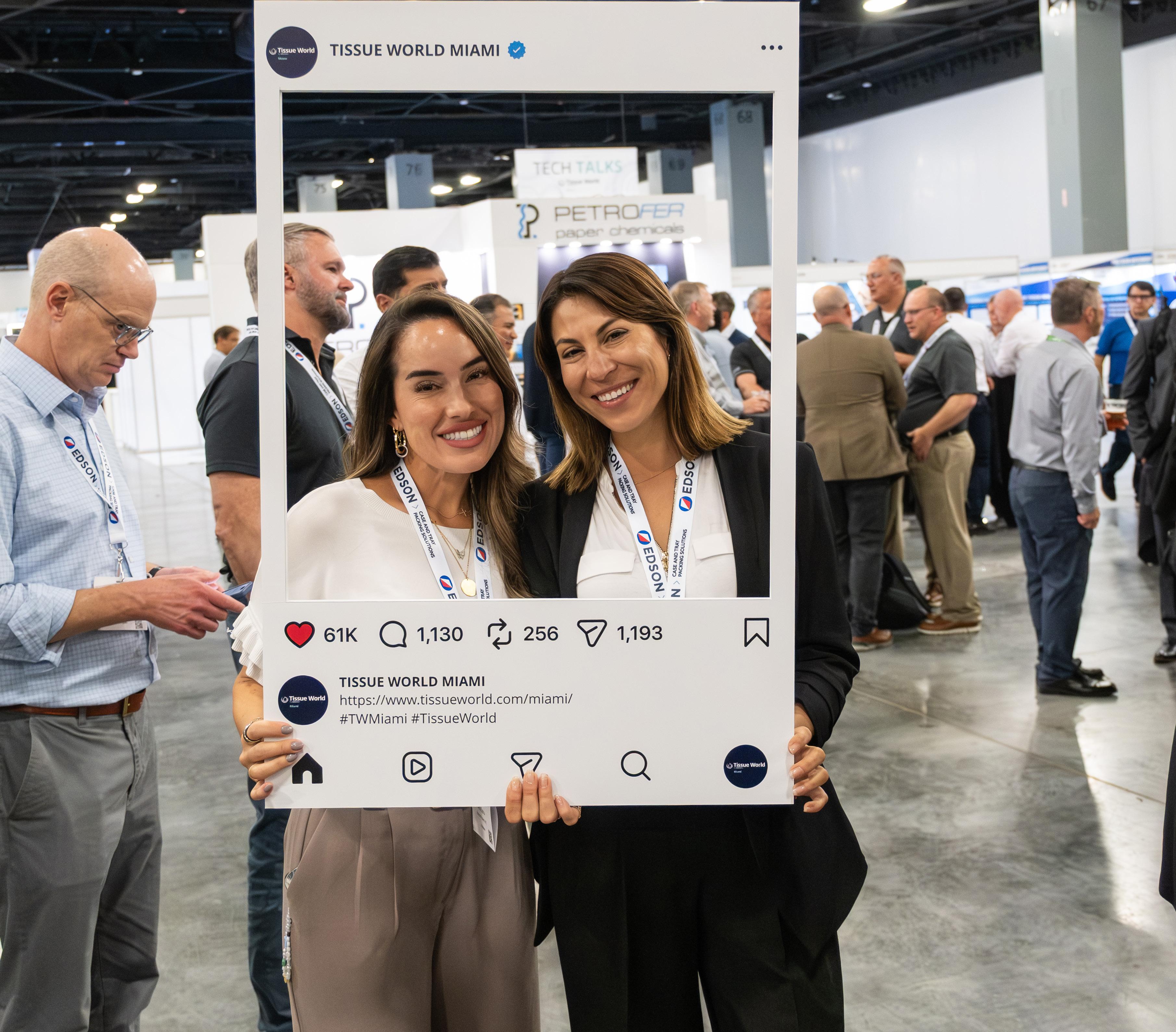
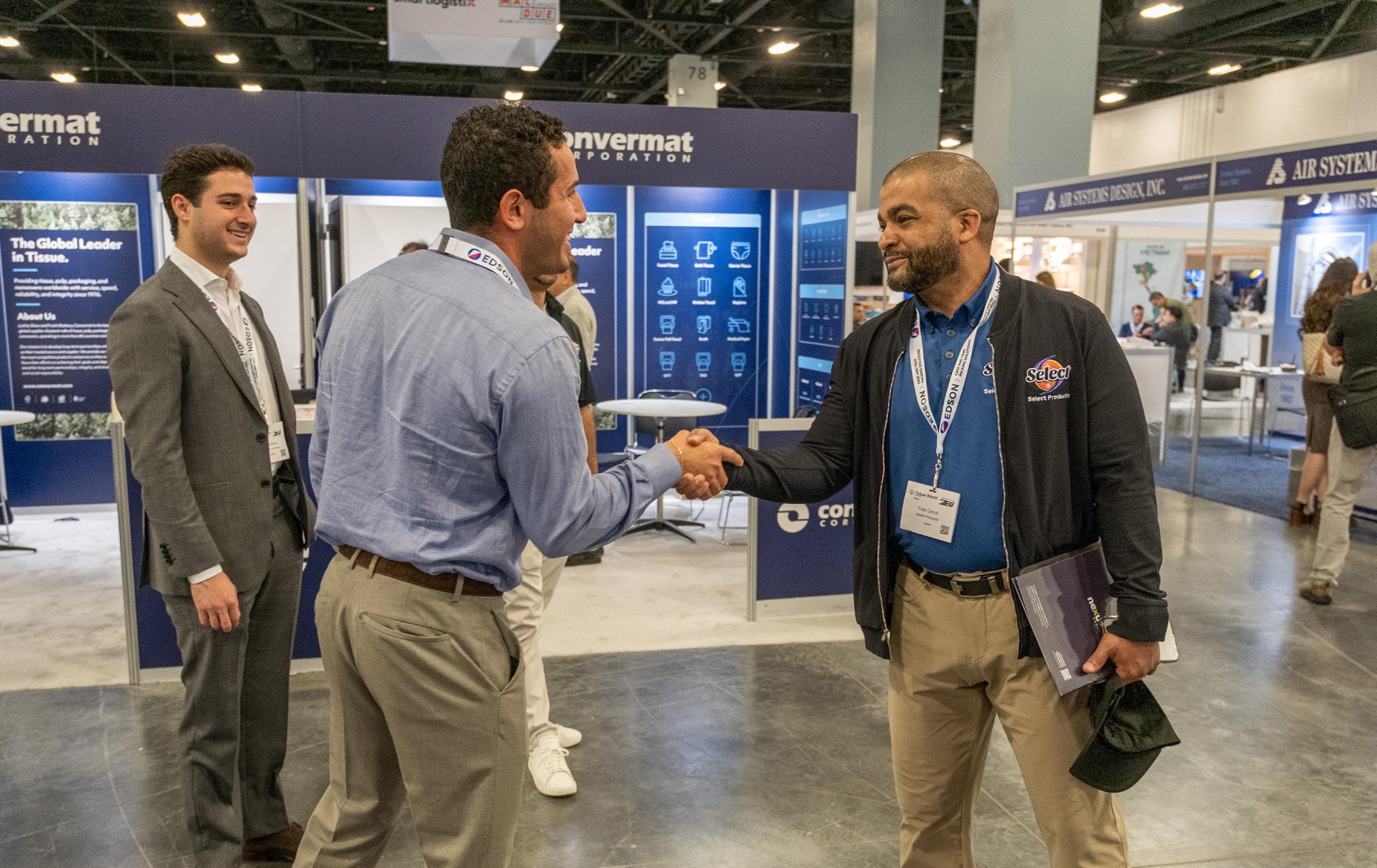
Informa Connect has said Tissue World Miami 2026 delivered unprecedented success on every front. The global tissue industry-leading exhibition and conference welcomed over 140 exhibitors, which exhibition organiser Informa confirmed was the highest number in its history; showcasing the latest innovations and technologies shaping the future of tissue from source to shelf.
Momentum began even before the official opening, with the Day Zero networking beach party attracting over 450 attendees.
This energetic start set the tone for three days of exceptional networking, business development, and industry collaboration.
The participation reflected the tissue industry’s strong commitment to innovation and connection.
Attendees explored cutting-edge solutions, engaged in meaningful discussions about market trends and sustainability, and forged valuable partnerships in a vibrant, dynamic environment.
With a theme of ‘All to Play for in a VUCA World: Strategies for Winning with Tissue’, the event’s conference sessions included deep-dive talks from:
• Jacob Shapiro, Director of Research, PerchPerspectives
• Trip Jobe, VP, Global Sales, Forest Value Chain, ResourceWise
• Marcello Collares, Director of Market Intelligence, TTOBMA
• Jérôme Porlier, Executive VP, Cascades
• Eduardo Soto Zanetta, General Director, Grupo Corporativo Papelera
• Ron Thiry, Sr. Vice President and COO, ST Paper
• Andy Powell, Deputy Director, Port Arthur
• Giovacchino Giurlani, Director, Tissue Segment Technology, Valmet
• William Nelson, President, E80 Group
• Benjamin Dewar, Account Specialist, Toscotec North America
• Jussi Lahtinen, Sales Director, Runtech Systems
• Jules Van Sant, Executive Director, TwoSides
• Helena Abreu, R&D Specialist – BES, Suzano
… and many more!
Tissue World Miami once again proved to be the essential gathering for tissue professionals. We look forward to building on this remarkable success at future events.
Extensive report in ExitIssues
Tissue World Miami 2026: attendees explored cutting-edge solutions and forged valuable partnerships
NEWS IN BRIEF
A roundup of news from across the global tissue industry. To get the very latest news go to www.tissueworldmagazine.com
GLOBAL
SUZANO AND K-C LAUNCH ARBEX AS LEADING PLAYER IN THE WORLD MARKET: EHAB ABOU-OAF ANNOUNCED AS CEO
Suzano and Kimberly-Clark’s $3.4bn joint venture has officially launched its independent operations, creating a new global leader in the tissue and hygiene market. Upon launch, Arbex becomes one of the world’s largest tissue and hygiene businesses, operating across more than 70 markets on five continents, with its headquarters in the Netherlands and an operational office in London.
It has assumed ownership of what was K-C’s portfolio of over 40 regional brands, including Andrex, Hakle and Scottex. It also holds a long-term license to use global brands like Kleenex, Cottonelle and Scott. The company will manufacture, market, and distribute consumer and professional products to its customers in more than 70 countries across five continents. From day one, the business will operate 22 manufacturing sites across 14 countries, with an installed capacity of around 1m tonnes of tissue annually, including both production and conversion.
Ehab Abou-Oaf, previously President of International Family Care & Professional at K-C, will directly transition in as Arbex’s CEO, with the role to be based in the United Kingdom alongside the majority of the global executive team. Luís Bueno, previously Executive Vice President of Suzano’s consumer goods business, becomes Chief Operating Officer.
Walter Schalka, who spent over a decade as Chief Executive of Suzano before stepping down in 2024, will chair Arbex’s Board of Directors.
Additional appointments to the senior leadership team of Arbex include:
• Oscar Mousinho, Chief Financial Officer (formerly Global Chief Financial Officer Pet Nutrition, Mars)
• aroline Carpenedo, Chief People, Sustainability, Communications & Corporate Brand Officer (formerly Executive Vice President, People & Management, Safety, Suzano)
• Chris Burniston, Chief Legal Counsel (formerly Vice President & General Counsel, International Family Care & Professional, Kimberly-Clark)
• Andrew Behles, Chief of Strategy & Transformation Officer (formerly Senior Director, FP&A and Strategy, Chief
of Staff, International Family Care & Professional, Kimberly-Clark)
• Fiona Emmett, Chief Growth Officer (formerly Vice President International Family Care & Professional Growth, Kimberly-Clark)
• Pablo Cadaval, Chief Technology Officer, Supply Chain and R&D (formerly R&D Director, Head of R&D, Suzano)
• Dan Howell, President, Europe (formerly Managing Director & Vice President UK & Ireland, International Family Care & Professional, Kimberly-Clark)
• Rez Hassan, President, Asia, (formerly Managing Director & Vice President Asia, International Family Care & Professional, Kimberly-Clark)
• Marina Negrisoli, President, Latin America (formerly Joint Venture Integration Office Director, Suzano)
• Mark Taylor, President, UK & Ireland (formerly Commercial Director UK & Ireland, International Family Care & Professional, Kimberly-Clark).
Abou-Oaf said: “This new company brings together a distinguished heritage, a portfolio of trusted brands, and a compelling vision for the future.
“Our parent companies have given us a sturdy foundation and a leading market position.
“In an increasingly dynamic and evolving global landscape, Arbex is embarking on a new journey from a position of strength, and we believe we can shape the future of the tissue and hygiene sector.”
VOITH ANNOUNCES LEADERSHIP TRANSITION; TERO KOKKO TO ASSUME ROLE OF PRESIDENT AND CEO
Voith Paper has announced that Andreas Endters is to leave Voith at his own request at the end of the fiscal year, with Tero Kokko taking on the role of President and Chief Executive. Effective 1
October 2026, Kokko will join the Corporate Board of Management of Voith and assume responsibility for the group division. He currently leads the global pulp business area at Valmet.
He said: “The paper industry is undergoing significant change worldwide. I look forward to working with this talented team to help shape the future of the business, support our customers and build on the strong foundation that Voith Paper has established.”
Endters has spent more than three decades with Voith.
FRANCE
PAPETERIE LE BOURRAY STARTS-UP PM3 AFTER DRYING SECTION REBUILD
France’s Papeterie Le Bourray has boosted its production capacity after starting up its Toscotecsupplied PM3 following a complete rebuild of the drying section at its Papeterie Le Bourray plant.
The scope of supply included a custom rebuild and upgrade of the existing machine including the replacement of the cast iron Yankee Dryer with a new-generation Steel Yankee TT SYD-12 FT and new high-efficiency hybrid gas-fired hoods.
The machinery supplier said the project supports the mill in achieving energy consumption reduction whilst optimising its ability to produce facial, toilet, napkin, and towel paper.
François Bourdin, General Director at Papeterie Le Bourray, said: “We continue to maintain a strong level of investment year after year. However, the project carried out with Toscotec falls outside our recurring investment budget, which clearly reflects its strategic importance for our paper mill. This project is fully aligned with our commitment to sustainable performance. It will help reduce our energy
Papeterie Le Bourray has boosted its production capacity after starting up its Toscotec-supplied PM3 following a complete rebuild of the drying section at its plant.
consumption and carbon footprint while ensuring the quality of our products and strengthening our competitiveness. We also have a responsibility to maintain and modernise our manufacturing infrastructure order to secure the long-term sustainability of our operations and continue meeting our customers’ expectations over time.”
Founded in 1844, the Papeterie Le Bourray mill manufactures white, coloured, and recycled cellulose wadding.
WEPA AND EPYR INAUGURATE THERMAL ENERGY STORAGE UNIT AT TROYES
Germany’s the WEPA Group and start-up Epyr have inaugurated France’s first thermal energy storage unit dedicated to the electrification of industrial heat at the WEPA site in Troyes, France.
The unit has been developed by Epyr and replaces a part of the gas demand at the French WEPA site by generating heat from low-carbon electricity, storing it in innovative thermal storage systems and releasing it as steam as required.
This reduces the dependence on fossil fuels whilst strengthening the competitiveness and resilience of the industrial site.
WEPA said the unit is the first in France to combine power-to-heat and thermal energy storage on an industrial scale, demonstrating that breakthrough technology can decarbonise industrial heat.
The thermal energy storage plant was designed, built and commissioned in less than six months without disrupting any industrial processes.
François Roposte, Mill Manager at the WEPA site
in Troyes, said: “We are delighted to inaugurate France’s first unit that combines power-to-heat and thermal energy storage on an industrial scale.
“Electrifying a part of our steam production makes our production process more sustainable whilst also strengthening our competitiveness.”
PORTUGAL
THE NAVIGATOR COMPANY LAUNCHES PULP BRAND GCELL
Portugal’s the Navigator Company has launched gCELL, a brand for its pulp portfolio.
The gCELL portfolio serves a range of applications including tissue, printing and writing papers, packaging papers, decor and specialty papers.
Navigator’s fully integrated mills provide full production control, which the company said “helps to ensure consistent quality across the entire value chain.”
João Escobar Henriques, Global Pulp Sales Director at The Navigator Company, said: “gCELL represents a natural evolution of our pulp business. By creating a dedicated brand, we are reinforcing the unique value of our fibre and strengthening our connection with customers.
“gCELL reflects our commitment to delivering high-performance, sustainable solutions that help optimise processes and enhance end-product quality.”
Navigator said its eucalyptus globulus fibres are sourced from sustainably managed forests, and the pulp is produced from responsibly sourced, deforestation-free raw materials. The company’s certified managed forests are covered by FSC and PEFC. Navigator works to ensure the sustainable use of soil and forestry resources and has set the goal of cutting direct CO2 emissions from its industrial complexes under the EU ETS by 86% by 2035, compared with a 2018 baseline.
EUROPE
METSÄ TISSUE LAUNCHES
PAN-EUROPEAN
ORGANISATION
Metsä Tissue has implemented a new organisational structure as part of its European growth strategy.
The company said the structure is designed to strengthen the company’s commercial focus, improve cross-functional collaboration, and enable more consistent service across Metsä Tissue’s European markets. Chief Executive Sari PajariSederholm said: “This is an important step in executing our strategy. Our new organisation puts us in a stronger position to deliver value to our customers and grow our business across Europe.”
The structure became effective on 1 May 2026.
INDIA
JANI SALES BOOSTS CAPACITY TO +80,000TPY WITH TM3 START-UP
Jani Sales has successfully started production on its Baosuo-supplied 80tpd virgin tissue machine.
TM3 will increase the company’s annual tissue production capacity to +80,000tpy, producing high-quality, high-softness tissue products across domestic and international markets.
It joins Jani’s existing 100mt per day capacity on PM1 (MG Machine) and the 50mt per day on PM2 (Tissue Machine).
Abiali Jani, Managing Director, Jani Sales, said the business is seeing “a transformative shift” in consumer behaviour driven by increased hygiene awareness and the rapid expansion of the HoReCa and healthcare sectors.
Jani Sales was established as a trading company for paper and paper board products in 1979. It now markets its products in over 10 countries across four continents.
BRAZIL
SUZANO INVESTS R$25M TO ENHANCE EFFICIENCY AT TRÊS LAGOAS MILL
Suzano will invest R$25m to enhance operations at its second mill in Três Lagoas, Mato Grosso do Sul, by installing a new oxidized white liquor (OWL) plant.
The OWL plant began operating in May and will reduce raw material usage at the mill.
Eduardo Ferraz, Suzano’s Director of Industrial Operations in Três Lagoas, said the investment reflects the company’s strategy of combining competitiveness with care for people and the environment.
“This project will deliver productivity gains and resource optimisation, helping to make our operations more efficient and sustainable, whilst also benefitting the local economy,” he said.
The company is also advancing a second project to expand the oxygen plant, and this will scale up an existing supplier that is already integrated into operations.
Construction is expected to be completed by the end of the year, with operations due to begin in early 2027.
UNITED KINGDOM: FIVE TMS SCHEDULED TO START UP, WITH MORE EXPECTED
IN 2027 AND 2028
After a long decline, new large machine activity is adding capacity as the current closure of the Strait of Hormuz creates a global energy supply shock. Report by ResourceWise Senior Consultant Bruce Janda.
Tissue production in the United Kingdom declined gradually for more than two decades as older machines were retired, fewer new machines were commissioned, and net tissue imports more than doubled. That pattern began to shift in 2022 and again in 2025 as several new machines entered service. In 2026, five additional machines are scheduled to start up, with more expected in 2027 and 2028. These additions are concentrated in consumer tissue, and much of this activity is being driven by new producers entering the UK market. Together, these developments mark a meaningful turnaround and warrant a closer look at the sector’s current position.
The current closure of the Strait of Hormuz in the Persian Gulf due to the USA-Iran War has created a global energy supply and price shock. The data presented in this article represents prewar status. The situation is fluid but the effects on tissue production and costs in the United Kingdom can be expected to be substantial.
The current UK tissue mills are plotted on the map in Figure 1, with non-integrated mills shown in green and recycled fibre-integrated mills shown in blue. There are currently no virgin fibre-integrated mills in the United Kingdom.
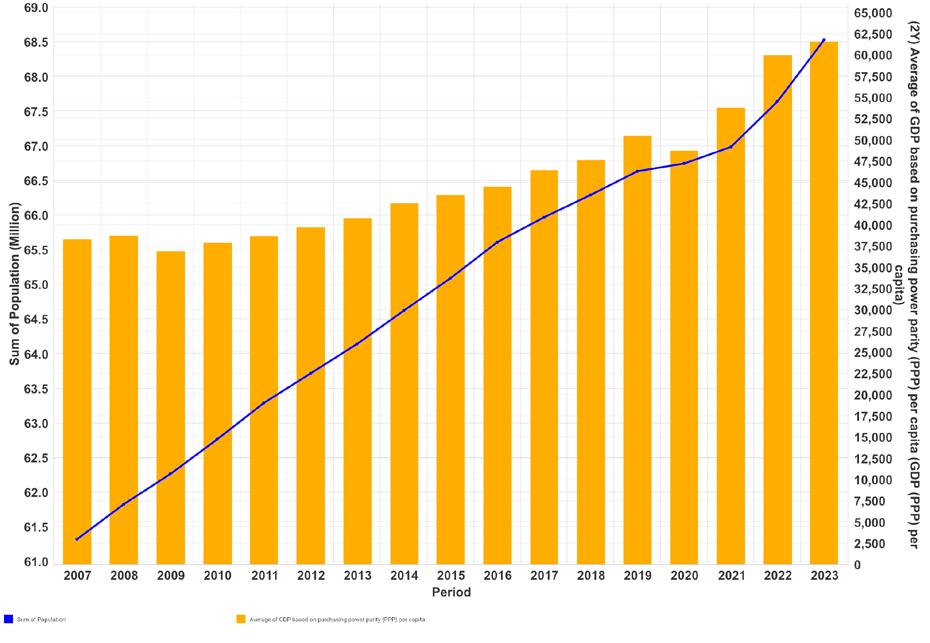
Figure 2 shows United Kingdom population growth and GDP per capita, adjusted for purchasing power parity (PPP), two key drivers of domestic tissue demand. Population growth has depended primarily on immigration and slowed after the Covid-19 pandemic, while GDP per capita has rebounded. Together, these trends suggest

a demand environment that has improved, although not uniformly.
Figure 3 shows trends in unemployment and inflation, both of which tend to constrain tissue demand growth. Inflation spiked after the pandemic and at the start of the Russia-Ukraine war. Data capturing the effects of the current Gulf war and related energy shortages are not yet available, but these factors may significantly affect consumer
The current closure of the Strait of Hormuz in the Persian Gulf due to the USA-Iran War has created a global energy supply and price shock.

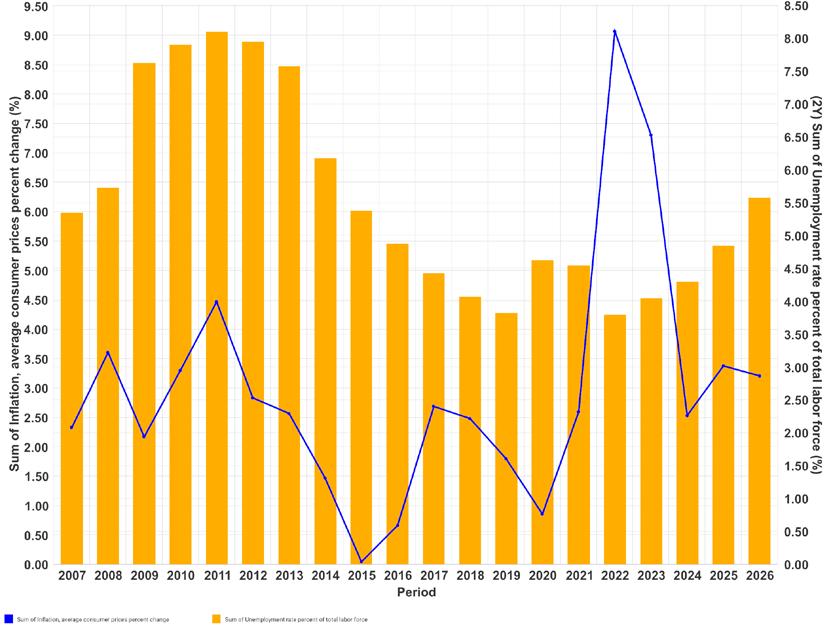
purchasing behaviour and tissue production costs. Unemployment began rising after the 2022 inflation spike, and the 5.5% value shown for 2026 is an estimate prepared before the current Gulf war. As a result, the full economic effects of Middle East energy supply constraints may not yet be reflected in the data.
The tissue export trend from the United Kingdom fell sharply from 2007–2008 to a much lower level as domestic tissue production declined, as shown in Figure 4. Ireland has remained the largest export market for the United Kingdom. This contraction in
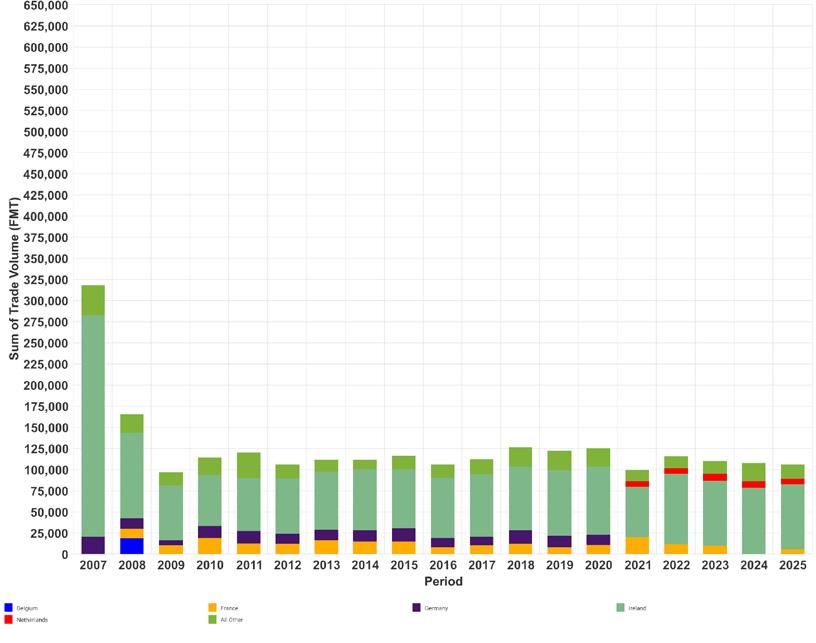
exports helps frame the importance of the import trend shown next.
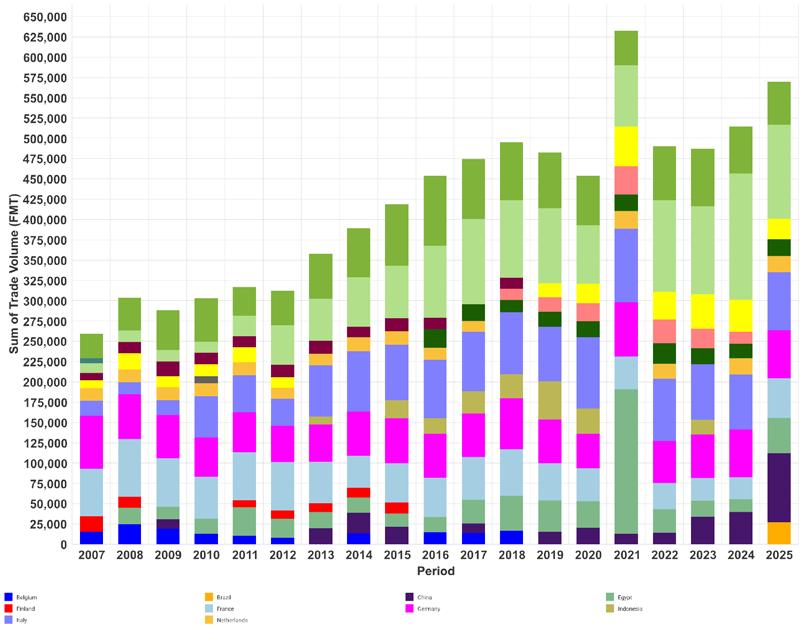
Tissue imports increased over the study period to offset lower domestic production, as shown in Figure 5. Tissue suppliers to the United Kingdom include neighbouring countries as well as export-focused producers such as Türkiye, Indonesia, and China. The Y-axis for tissue trade volume uses the same scale for both imports and exports to allow easy visual comparison. Tissue imports into the UK are now running at about 5.5 times UK tissue exports. This imbalance does not yet reflect the large amount of capacity expected to come online in 2026 and should be revisited in a year or two. To understand whether that gap may begin to narrow, it is useful to examine changes in the domestic machine fleet.
Changes in the size of the United Kingdom’s tissue fleet are shown by grade in Figure 6. The early part of this trend reflects a steady pace of one to two machine closures per year across both consumer and commercial tissue grades, with the only exception being a small specialty tissue machine added in 2014. A greater share of commercial tissue machines was removed than consumer-focused machines. New consumer tissue machines were added in 2022 and 2025, with the 2022 start-up representing an advancedtechnology tissue machine. The year 2026 is shaping up to be a major building year, with a group of new
Figure 1: UK Tissue Mills
Figure 3: UK Inflation and Unemployment Trend
Figure 4: UK Tissue Exports Trend
Figure 5: UK Tissue Imports Trend
Figure 2: UK Population and GDP (PPP) per Capita Trend
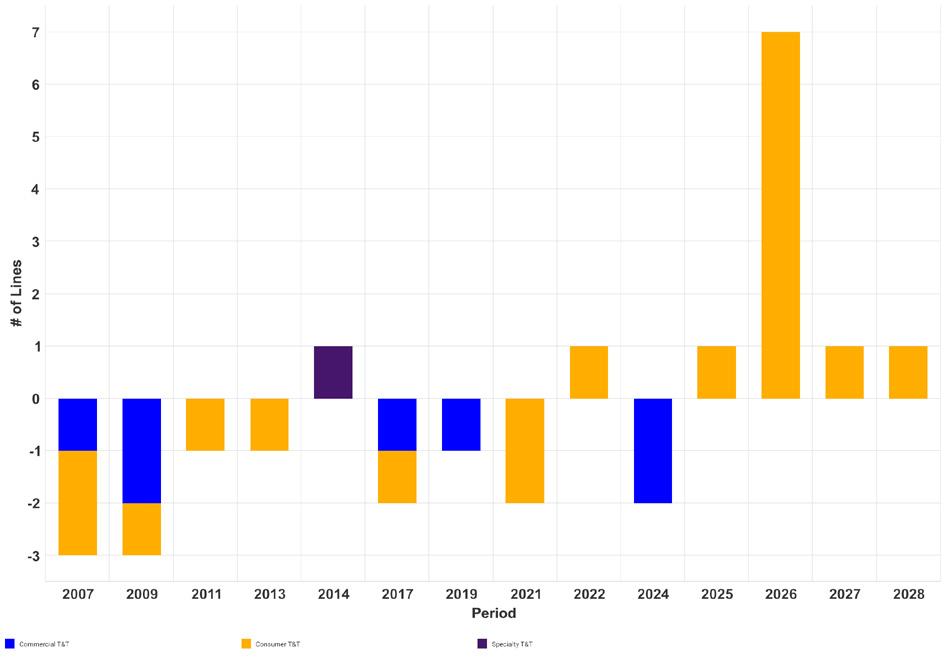
consumer tissue machines scheduled to come online. As older, narrower, and slower machines are replaced with newer equipment, 2026 is expected to mark the point at which overall UK tissue capacity begins to grow again after several decades of gradual decline.
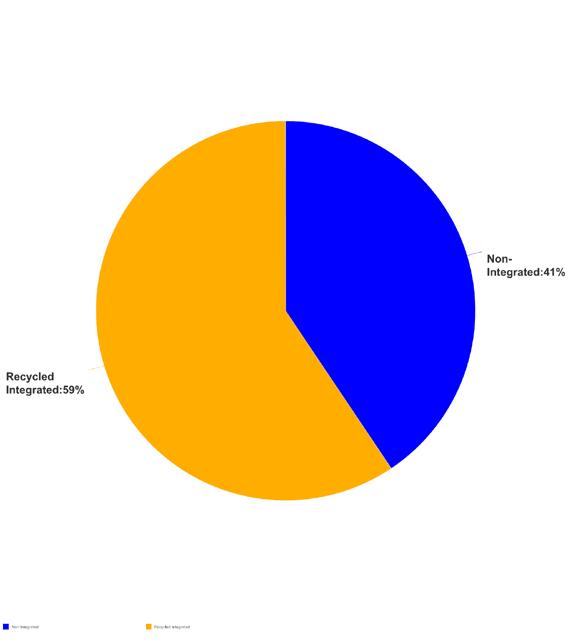
Almost 60% of the United Kingdom’s tissue production is at sites integrated with recovered fibre processing from recycled papers, as shown in Figure 7. The balance of production is based on virgin market pulp. There are no virgin fibre-integrated tissue sites in the UK. This fibre mix helps explain the product and furnish profile shown in the next figure.
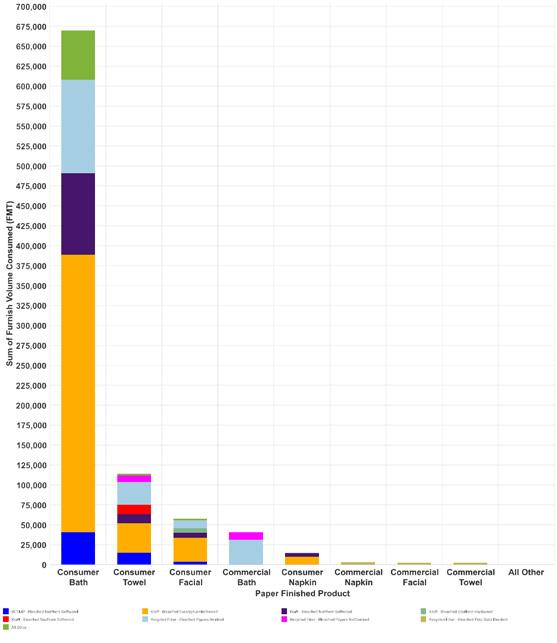
Tissue production in the United Kingdom is primarily focused on consumer bath tissue, as shown in Figure 8. The furnish for this production is mostly eucalyptus, with bleached northern softwood accounting for more than 67% of output. The remainder of consumer bath tissue is produced with recycled fibre or BCTMP. Consumer towel production uses similar furnishes, although with a lower share of eucalyptus pulp. Commercial-grade products account for a smaller share of production than might be expected, which suggests that a meaningful portion of imported tissue may be away-from-home grades. Figure 9 then shows how much of this output is produced on advanced tissue process machines.
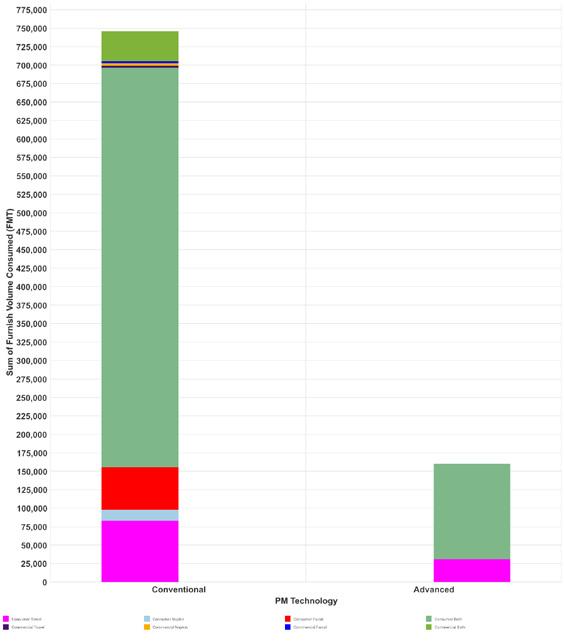
The United Kingdom’s advanced tissue process machine fleet includes one machine built 45 years ago, while the newest is only five years old. Advanced tissue process production represents about 15% of the total. Of that production, approximately 80% is consumer bath tissue and 20% is consumer toweling, as shown in Figure 9. The next set of figures places the UK in an international context.
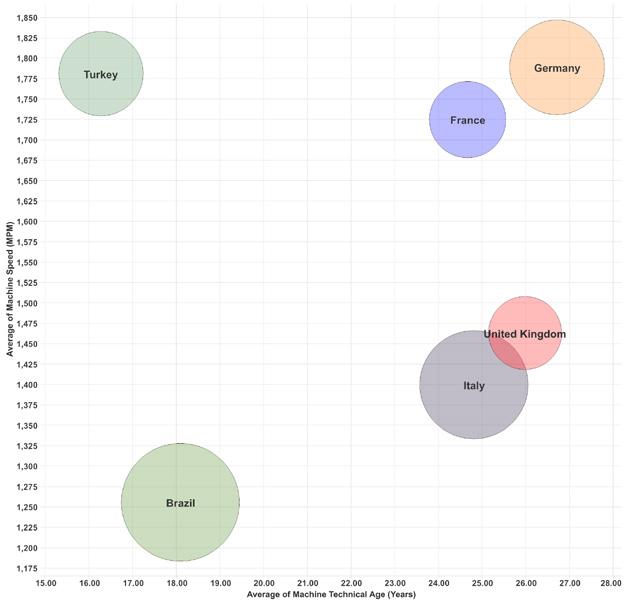
A set of countries - Brazil, France, Germany, Italy, and Türkiye - was selected to compare tissue production with the United Kingdom and to highlight current trade partners and potential lower-cost producers. Figure 10 presents a bubble chart of tissue machine quality, where bubble size represents production capacity. The X-axis measures average technical age, while the Y-axis reflects average machine speed. Türkiye’s machines are the newest, with Brazil close behind. France and Germany match Türkiye’s high machine speeds despite having some of the oldest machines in the comparison set. The profile of UK machines is most like that of Italy. Figure 11 illustrates average tissue production costs by country, with bar height indicating cash cost per ton and bar width representing production capacity. Brazil records the lowest cash costs, followed by Türkiye, Italy, and Germany. France has the highest costs despite its relatively low-cost nuclear-powered electricity grid. Energy expenses have a significant
Figure 7: UK 2026 Site Fiber Integration
Figure 6: UK Tissue Machine Count Changes by Grade Trend
Figure 8: UK Tissue Production by Product and Fibre type
Figure 9: UK Tissue Production by Technology
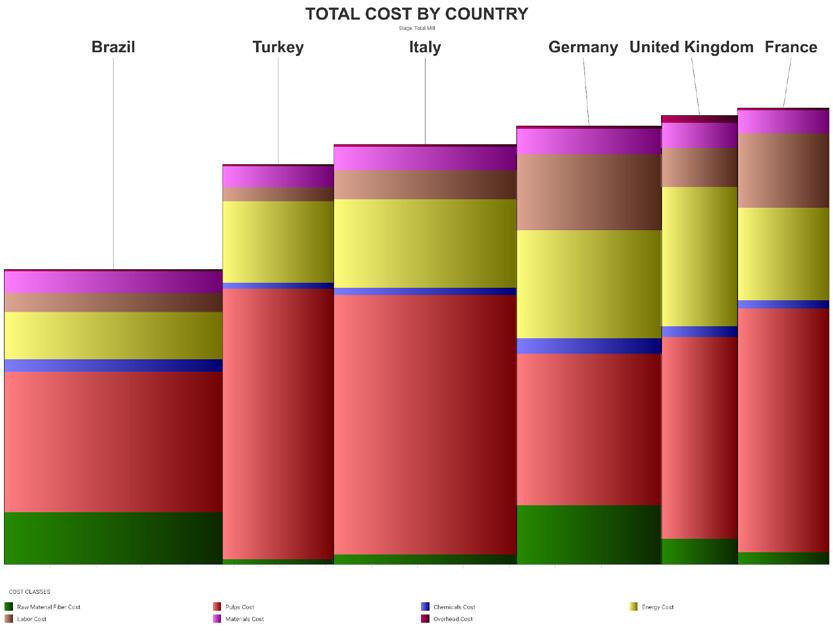
influence on these costs, and current geopolitical disruptions may affect countries differently depending on their energy exposure. Fibre and pulp expenses, represented by the red and green bar segments, also vary considerably across the comparison set. Labour costs are substantially higher in France and Germany, while Brazil, Türkiye, and Italy benefit from lower labour costs. Labour costs in the UK fall in the middle of this range. Figure 12 separates the energy component in more detail.
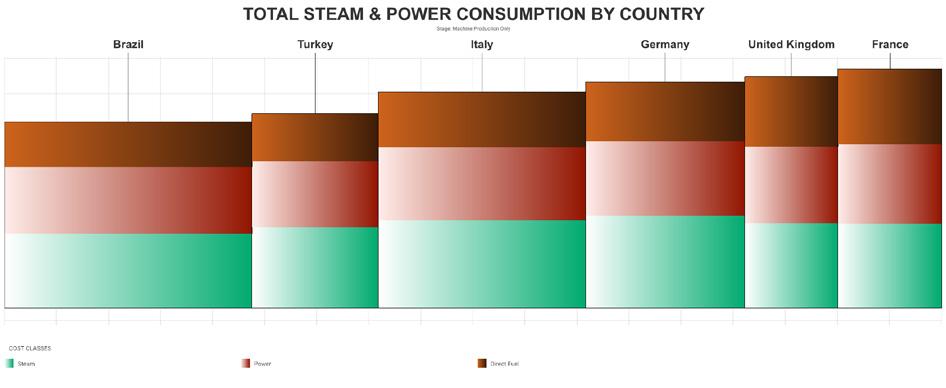
The average energy cost per ton of tissue production is shown in Figure 12 for the United Kingdom comparison set. Energy costs are broken out by steam, electric power, and direct fuel. These relative energy costs per tissue ton were measured before the Gulf war and may change considerably. Brazil has the lowest energy costs per ton, while France and the United Kingdom have the highest. This cost position is important context for the viability comparison in Figure 13.
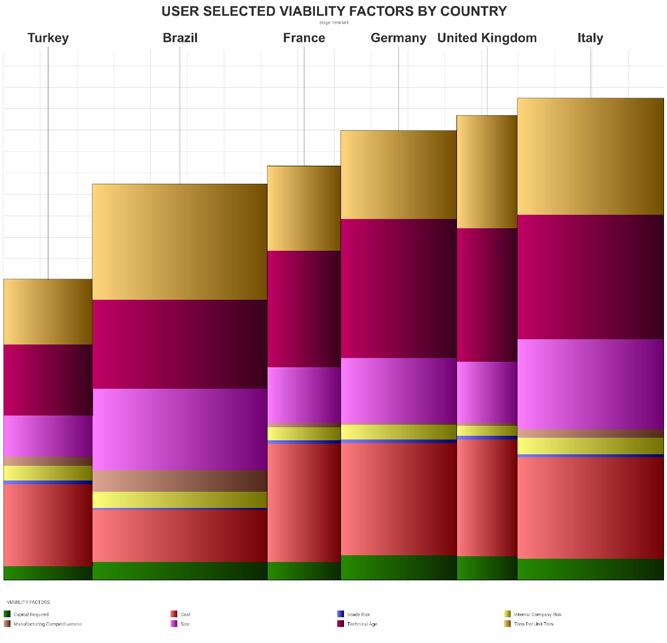
Figure 13 illustrates the comparative average viability of tissue machines across several countries. The FisherSolve algorithm evaluates multiple factors, including estimated capital requirements, cash production costs, machine size, technical age, local economic risk by grade, internal company risk, manufacturing competitiveness, tons produced per unit trim, and export fees. By incorporating these criteria, the assessment extends beyond current cash costs to provide a broader view of likely competitiveness over the next five years.
The viability of the United Kingdom’s tissue fleet is rated as moderate, broadly in line with others in the comparison set. Lower average costs in Brazil, Türkiye, and Italy improve their relative position, as does the younger technical age of the tissue machines in Brazil and Türkiye. Figure 14 adds an emissions perspective to this competitiveness picture.
Figure 11: UK Production Average Cash Cost Comparison
Figure 10: UK Tissue Machine Quality Comparison
Figure 12: UK Average Tissue Machine Energy Cost Comparison
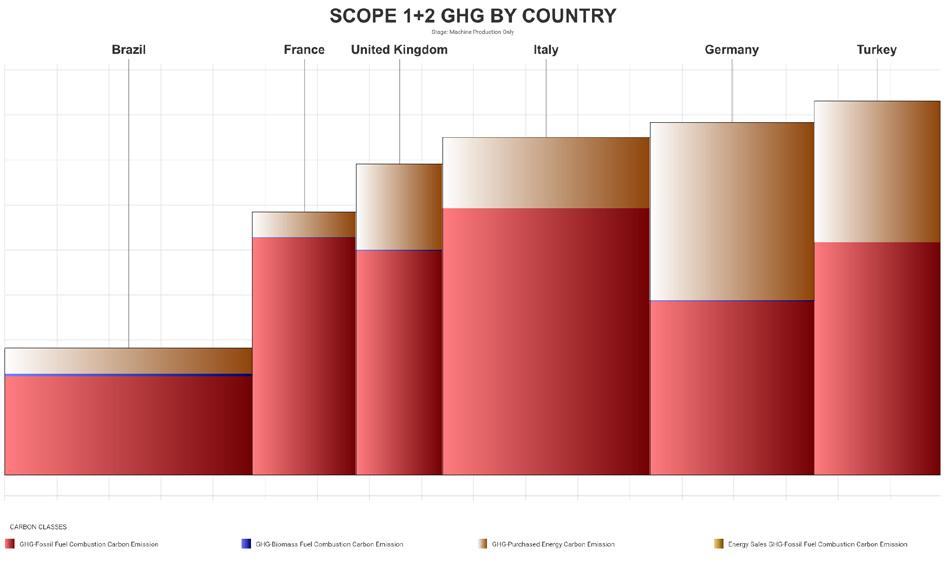
Figure 14: Average Carbon Emission per Tissue Ton Produced
Figure 1: UK Tissue Mills
Figure 13: UK Average Tissue Machine Viability
Figure 14 shows Scope 1 emissions, represented by the red bar segment for on-site fuel, and Scope 2 emissions, represented by the tan bar segments for grid electricity, per ton of finished tissue. Scope 2 emissions depend in part on the carbon intensity of the local or regional power grid. Brazil’s power grid is relatively low carbon, and its fuel-related emissions are also low. France is a leader in nuclear power, which results in lower carbon emissions than those of similar machines in other countries. The United Kingdom is in the middle of the comparison set.
SUMMARY:
• UK tissue production is entering a recovery phase after more than two decades of gradual decline, driven by new consumerfocused machine start-ups in 2022, 2025, and a larger wave expected in 2026.
• Domestic production had fallen as older machines were retired and imports expanded, leaving UK tissue imports at roughly 5.5 times export volumes.
• The expected 2026 capacity additions could begin to narrow the import gap, although the market remains significantly exposed to foreign supply.
• UK tissue production is concentrated in consumer grades, especially bath tissue, with a relatively small share of commercial-grade output.
• Nearly 60% of UK tissue production is integrated with recovered fibre processing, while the remaining production relies on virgin market pulp; there are no virgin fibre-integrated tissue sites in the UK.
• Advanced tissue process machines account for only about 15% of UK production, indicating that much of the fleet remains older or less technologically advanced.
• Compared with Brazil, France, Germany, Italy, and Türkiye, the UK machine profile is most like Italy, while Türkiye and Brazil have newer fleets and, in some cases, stronger cost positions.
• Brazil has the lowest average tissue production and energy costs among the countries compared, while the United Kingdom sits in the middle to higher end of the cost range, particularly on energy.
• UK tissue fleet viability is rated as moderate relative to the international comparison set, reflecting a mix of cost pressure, machine age, and competitive position.
• On carbon emissions per ton, the United Kingdom ranks around the middle of the comparison set, behind lower-carbon systems such as Brazil and France.
• The report concludes that UK tissue production growth is resuming, but future competitiveness will still depend heavily on energy costs,
The data suggests that UK tissue production is entering a recovery phase as new consumer-focused capacity comes online, but the market remains exposed.
import pressure, consolidation, and broader market conditions.
• Because the report’s cost and market data were compiled before the current Gulf-related energy disruption, actual conditions may shift materially as new information becomes available.
A detailed understanding of tissue producers and their individual machines is essential for analysing the competitive landscape. This article presents an overview of the current tissue industry in the United Kingdom. The data suggests that UK tissue production is entering a recovery phase as new consumer-focused capacity comes online, but the market remains exposed to imports and to persistent cost pressure, particularly in energy. Fluctuations in fibre prices, exchange rates, energy prices, and environmental regulations will continue to create both opportunities and challenges for industry participants. Changes in ownership and consolidation are also likely to continue among UK tissue mills, while investments in tissuemaking capacity in neighbouring countries may affect future import and export patterns.
THE ABILITY TO DELIVER VALUEFOR-MONEY AS CONSUMERS DEMAND THE BENEFITS OF SUSTAINABILITY
BECOMING KEY MARKET ISSUE

Euromonitor International Consultant Per Brandberg assess the challenges facing the United Kingdom’s mature landscape.
The volume sales of retail tissue rose modestly to reach 710,000 tonnes in 2025 in the United Kingdom, reflecting a mature landscape that is growing in tandem with the population, which reached 69.1m. Toilet paper remained the largest category within retail tissue, with the product category experiencing volume growth as demand is underpinned by its essential
status in households and the entrenched purchasing habits of local consumers. Paper towels recorded modest but the fastest retail volume growth as a category, and although pocket handkerchiefs posted marginally higher growth than paper towels, the flat performance of boxed facial tissues led to a more modest rise for facial tissues as a whole.
VALUE GROWTH ACROSS RETAIL TISSUE CATEGORIES, 2025
Source: Euromonitor International Tissue and Hygiene 2026 research edition, published February 2026
In value terms, the retail tissue category experienced a small decline in retail current value sales in 2025, following a similar pattern to 2024, because of falling unit prices and consumers moving towards bulk purchasing and value-driven decisionmaking. The fall in unit prices is partly linked to lower raw material and production costs compared to peak levels seen in 2022 and 2023, which enabled many brands to reduce their shelf prices. Despite easing inflation, affordability remained a critical driver for shoppers, with many consumers actively seeking larger pack sizes, bulk discounts or trading down to private label products to optimise value for money which also contributed to the lower unit price development in 2025. This has influenced not
only the competitive landscape but also the types of products retailers and brands bring to the shelf, with larger formats and value packs becoming more prominent.
VALUE GROWTH ACROSS RETAIL TISSUE CATEGORIES, 2025 CONSUMERS SEEK AFFORDABLE, SUSTAINABLE PRODUCTS
Even though many consumers are prioritising larger pack sizes and valuedriven decision-making, sustainability still remains a powerful trend shaping retail tissue
Even though many consumers are prioritising larger pack sizes and value-driven decision-making, sustainability still remains a powerful trend shaping retail tissue, with brands and retailers seeking differentiation through the adoption of recycled materials, sustainable packaging and alternative fibres, such as bamboo. The ability to deliver environmental benefits without compromising value is becoming a key point of competition, as brands seek to appeal to consumers who are increasingly conscious of the environmental impact of their purchases. These dual priorities are shaping the competitive landscape, driving both established players and emerging brands to innovate across product formats, material sourcing and packaging design.
The importance of this trend is highlighted by Who Gives a Crap’s first listing in Tesco in 2025, a move that brought bamboo and recycled paper-based toilet paper, paper towels and tissues to a wider mainstream audience. To support the launch, the tissue manufacturer introduced a mega length toilet paper roll, 50% longer than standard, combining eco-friendly positioning with added value; a combination that resonates strongly with the contemporary consumer mind set. The expansion of sustainability-focused products into major retail channels reflects the growing demand for ethical and environmentally responsible options, even in a price-sensitive climate. While premiumisation is present, the success of brands
Toilet Paper Paper Towels
Tissues Paper Tableware
like Who Gives a Crap is tied to their ability to balance “green” credentials with affordability and convenience, appealing to a broad demographic. This wave of eco-focused innovation is paralleled by the wider movement among established brands and private label retailers to enhance their sustainable credentials, using recycled content or alternative fibres as a means of gaining competitive advantage in a highly contested space.
SUSTAINABILITY, AFFORDABILITY AND BRAND LOYALTY TO SHAPE THE FUTURE OF RETAIL TISSUE
Retail tissue in the United Kingdom is expected to see slow retail volume growth through the forecast period, with retail current value sales also set to rise slowly to moderately as the forecast period progresses. The category’s maturity means that further expansion in volume sales is primarily driven by incremental increases in the population. However, the established nature of retail tissue makes it challenging for brands to achieve significant gains, as most consumers already regularly purchase these products and are generally loyal to their preferred brands. As a result, brands are expected to intensify efforts to differentiate their offerings, aiming to secure market share rather than focusing on volume expansion. Sustainability, affordability, and brand loyalty are identified as the main trends shaping retail tissue in the coming years.
The continued focus on sustainability will have a tangible business impact, as brands invest in alternative materials and eco-friendly packaging to differentiate themselves and respond to evolving consumer values. Innovations centred on recycled materials or the use of fibres like bamboo are expected to become more prominent, particularly as consumers increasingly prioritise products with credible environmental credentials. Brands that successfully combine sustainability with affordability and practical benefits, such as larger or more convenient pack formats, are likely to be rewarded with stronger consumer loyalty and incremental value gains.
Affordability will remain a decisive factor in purchasing decisions, as evidenced by the popularity of private label and the tendency for shoppers to remain brand loyal unless a change in product formula or format prompts a switch. The balance between premiumisation and value for money will continue to shape the competitive landscape, with brands needing to justify any price premium with tangible benefits, such as improved quality, sustainability or added features.
Brand loyalty in retail tissue is high, with consumers typically switching only in response to formula or format changes that do not meet their expectations. These factors collectively reinforce the need for brands to balance innovation and value while responding to incremental shifts in consumer preferences.
Source:
SHARE OF RETAIL TISSUE PRODUCTS ONLINE WITH SUSTAINABLE ATTRIBUTES IN THE UK, 2025
FROM NORTHERN POWERHOUSE TO EUROPEAN LEADER: DUNI POPPIES CHARTS A NEW ERA IN UK TABLETOP
John Fearns, Commercial Director, spoke with TWM to discuss how the business is navigating a competitive and sustainability-driven marketplace – and what comes next
When TWM first reported from Poppies’ six-acre St Helens plant in the North West of England back in May 2019, the company was already a formidable force in the UK’s printed napkins market. It had carved out a strong niche across the AfH catering and retail sectors and was converting 15,000tpy and producing 10m napkins a day.
Seven years on, and the landscape has changed dramatically.
The December 2024 announcement that Sweden’s Duni Group had agreed to acquire Poppies Europe marked a pivotal moment – for the business, and also for the wider UK disposable tabletop sector. With the acquisition now complete, the St Helens
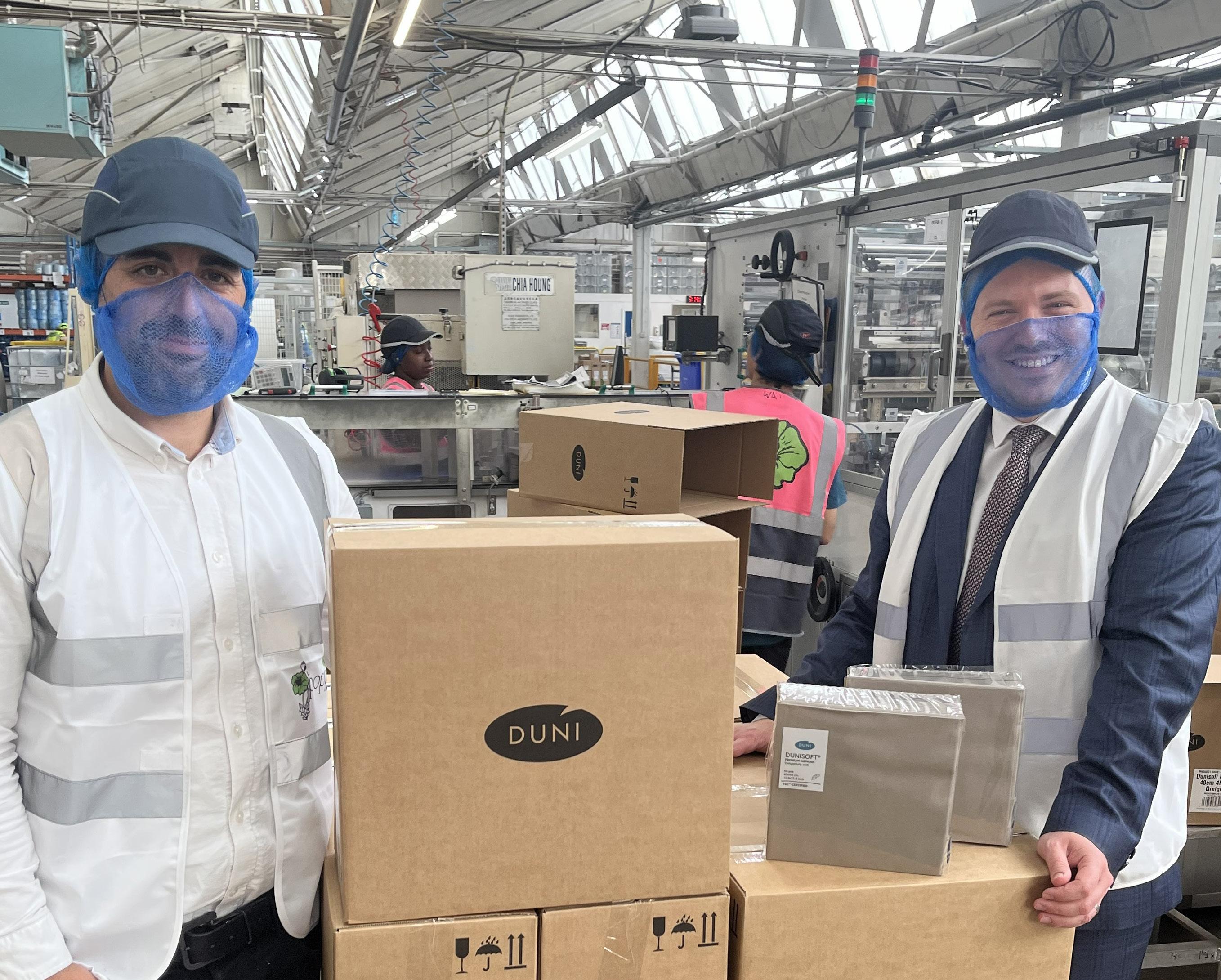
A transformation built on investment: (L-r) Duni Poppies’ Commercial Director John Fearns and UK Managing Director Robert Thorniley
site has grown to 12 acres, operates over 40 production lines and employs a workforce of 300.
Trading as Duni Poppies, Commercial Director John Fearns explains that the business is the largest tabletop convertor in the UK, with a product range stretching from everyday tissue napkins through to premium airlaid offerings targeting the high-end hospitality trade. It is a transformation built on investment, the strategic acquisition of competitors such as McNulty Wray (which it acquired in 2012), Staples AfH (2015) and Terinex (2020), and a clear conviction that despite ongoing pressures in the local tissue markets and energy sector, the opportunity for growth – particularly at the premium end – is alive and well.
Fearns says that following the completed acquisition in January 2025, Poppies Europe is now 100% wholly owned by the Duni Group. Known as Duni Poppies, the merger also increased the company’s premium tissues and airlaid production at the Duni Group’s Rexcell Tissue & Airlaid plants located in Skåpafors, Sweden.
A transformation built on investment, the strategic acquisition of competitors such as McNulty Wray (2012), Staples AfH (2015) and Terinex (2020).
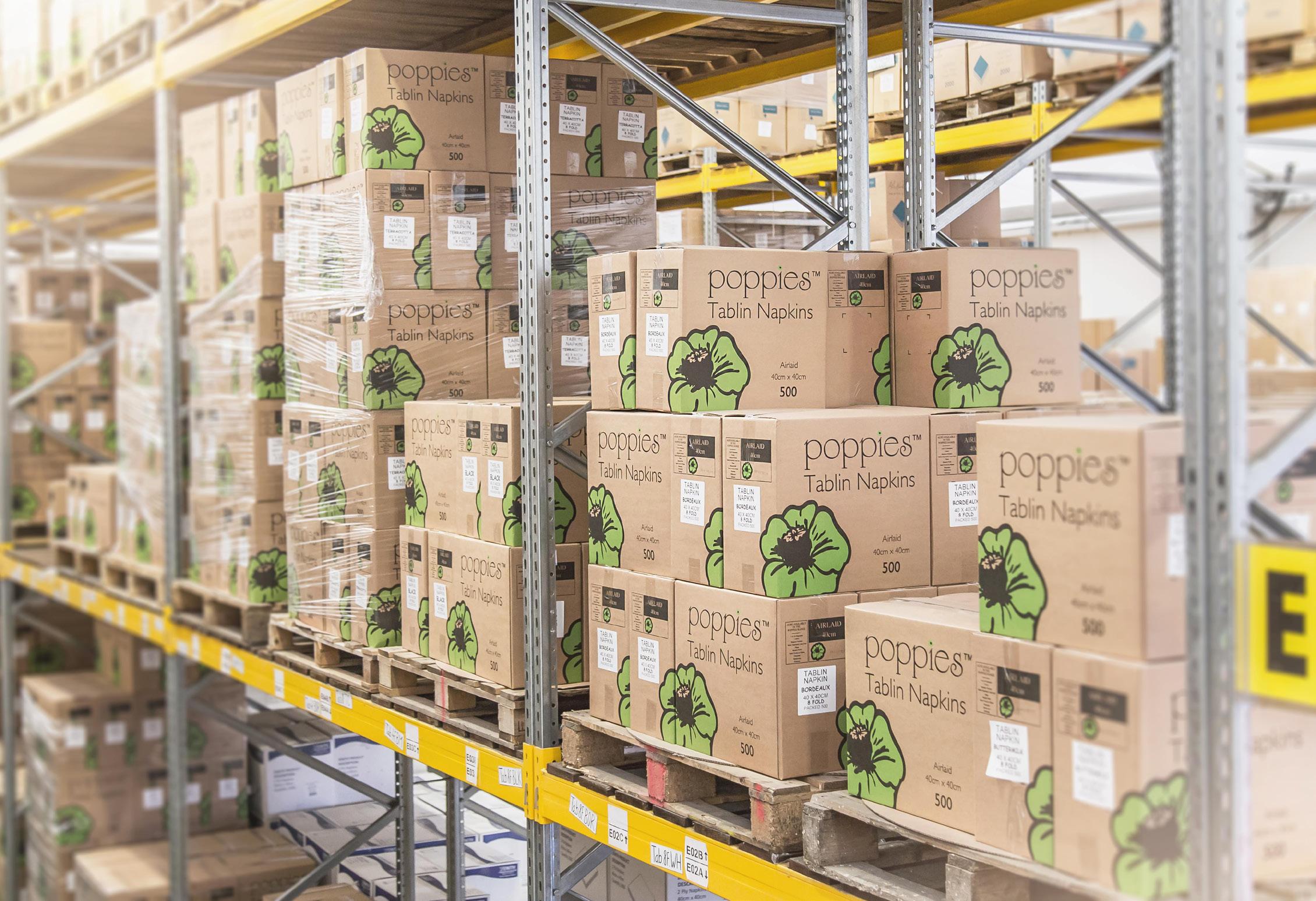
Production boost: Duni Europe is now the UK’s largest tabletop convertor
Tissue World by Lisbon
Tissue World is heading to Lisbon in 2027!
The next European edition of Tissue World will take place in Lisbon, Portugal! A brand-new destination for the world-leading event series.
Host your business in Lisbon, a well-connected European hub with excellent transport links, affordable premium hotels, and world-class venues. Enjoy unrivaled networking opportunities in a city celebrated for its hospitality, vibrant culinary scene, and exceptional settings to connect with clients.
Showcase your innovations in Portugal, a rising leader in the tissue industry with a strong manufacturing base and a focus on sustainable forestry and paper production. Align with the industry’s drive for efficiency and eco-conscious practices in a country leading the way in circular economy initiatives.
Register your interest by scanning the QR code!


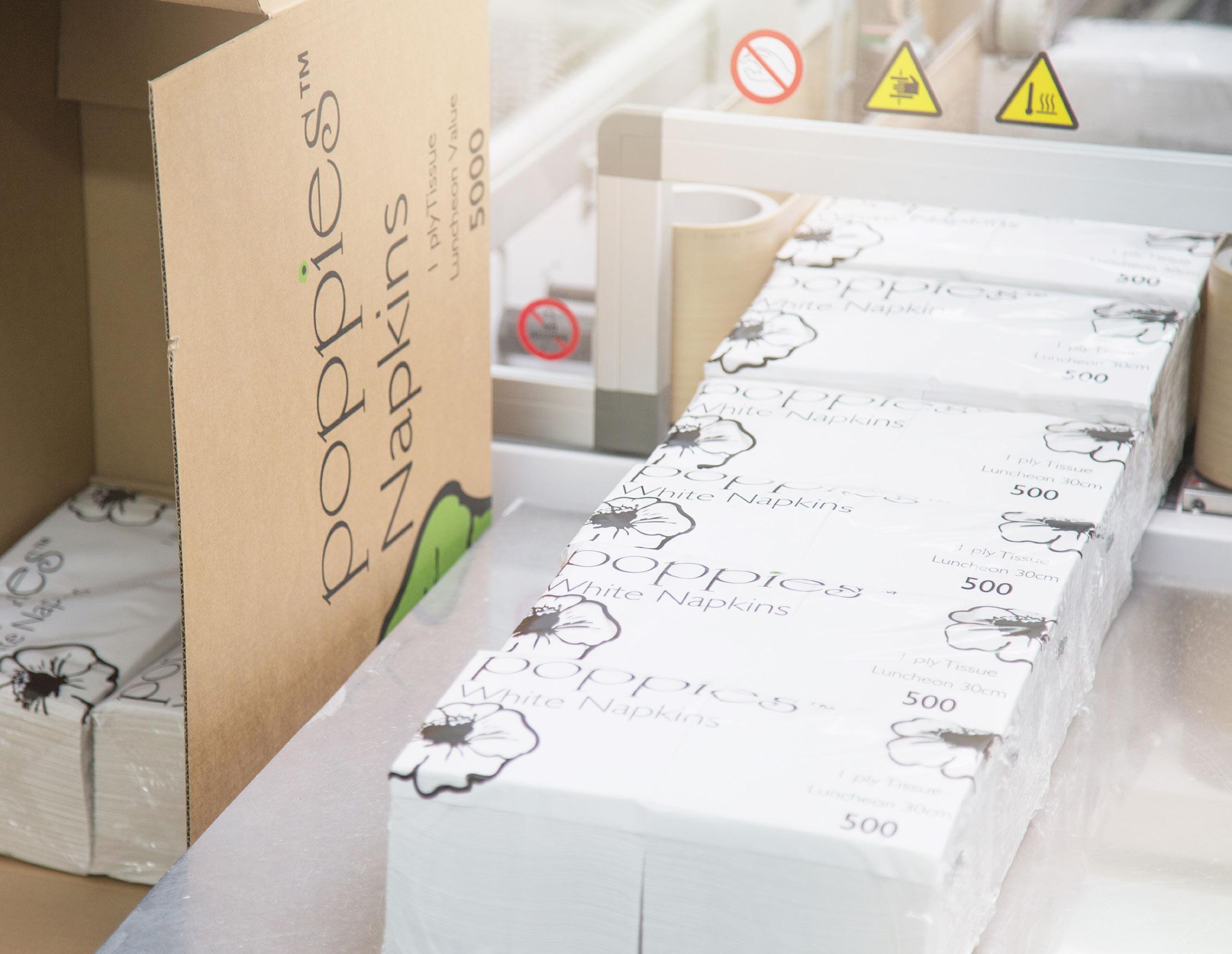
“In the last 12 months under the ownership of Duni we have heavily invested with four new state-of-the-art Omet production lines and expanded our warehouse space by over 30%.”
“We are the largest tabletop convertor in the UK, and offer the largest product offering,” he says. “In the last 12 months under the ownership of Duni we have heavily invested with four new state-of-theart Omet production lines and expanded our warehouse space by over 30%.”
Duni Poppies produces tissue napkins that he adds are the most common product used in the UK, right the way through to premium airlaid products used in the high-end hospitality trade: “We have a real focus on growing the premium offering and switching out linen tableware to our premium disposable offerings such as Dunilin, which is a unique product offering by the Duni Group. We are always on the lookout for investment opportunities.”
Across the UK tissue and towel markets, he adds that sustainability “is key” in the way the company operates and supplies its product range: “Over recent years the focus may have slipped with certain markets, but we are now seeing this coming back to the forefront. As a UK producer
Primary market: the Duni & Poppies brands are a leader in the HORECA sector
it’s a key part of how we produce and offer our product range.”
The business has also heavily invested in solar power: “We are doing all we can to ensure the energy crisis will not have the dramatic impact it had again on the conversion site. Saying that, the group-owned paper mill is still heavily influenced by the cost of energy.”
The UK’s AfH market is still “under pressure” in the hospitality sector, and the company continues to see a reduction in volumes in certain sectors: “Private label is very strong in our retail markets, in comparison the primary market we supply is the HORECA and here the Duni & Poppies brands are still held in high regard.”
The HORECA market remains competitive, but Fearns says the company is also seeing a flat market at times: “In response to this, Duni is seeking opportunities in the premium market with several new ranges planned to launch later in the year.”
Over the next few years, the company’s primary focus will be to ensure it operates its manufacturing plant in a sustainable way: “The Duni group has made great strides in ensuring our range is at the top when it comes to its environmental and sustainable accreditations.”
Having its manufacturing base in the UK is a key part of the company’s strategy to continue to grow its sales.
“We do face competition from imported products, but having recently joined the Made in Britain scheme – an official trademark licensing programme designed to promote and verify British manufacturing – it’s a real focus to push local producers here in the UK.”
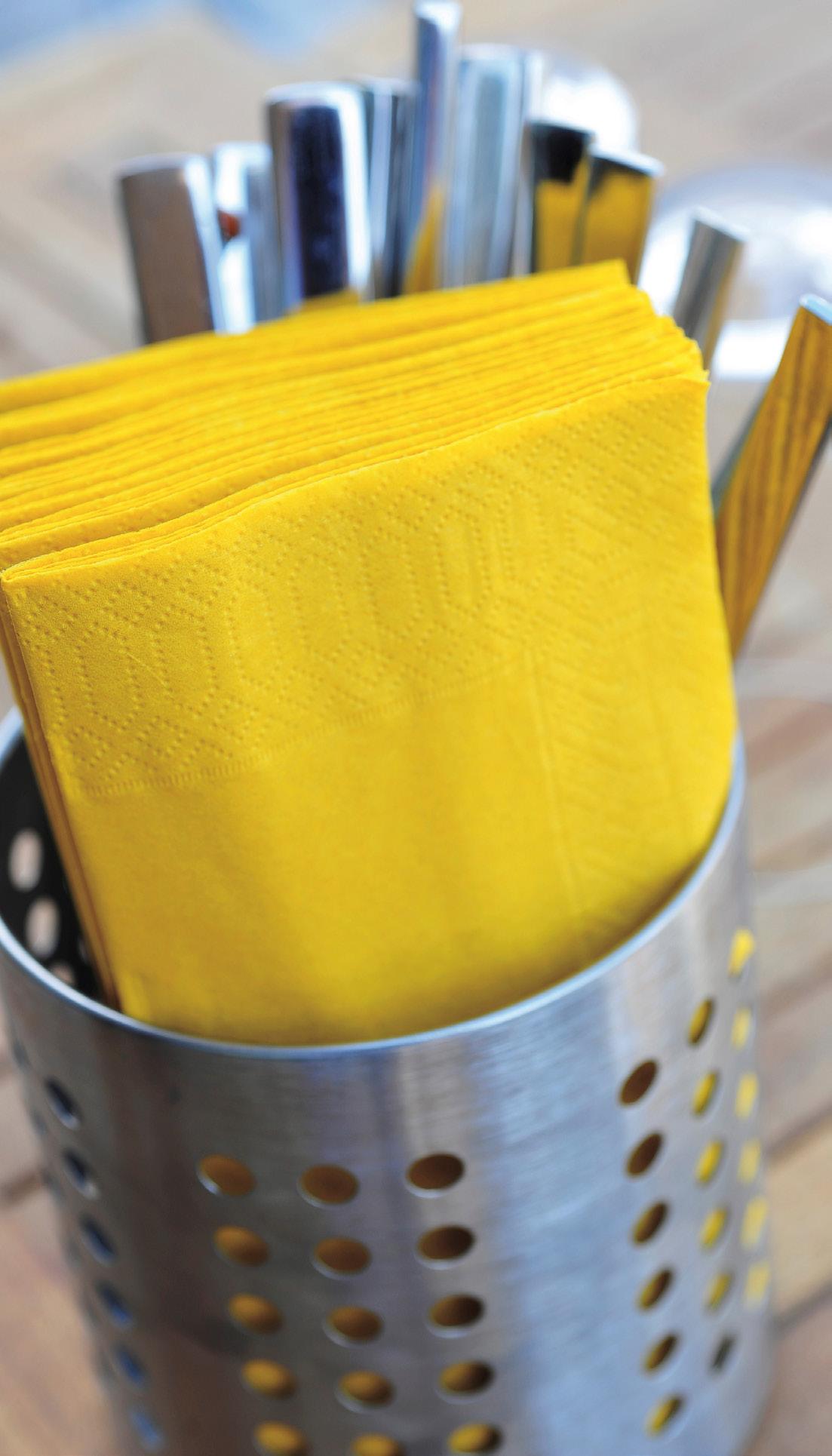
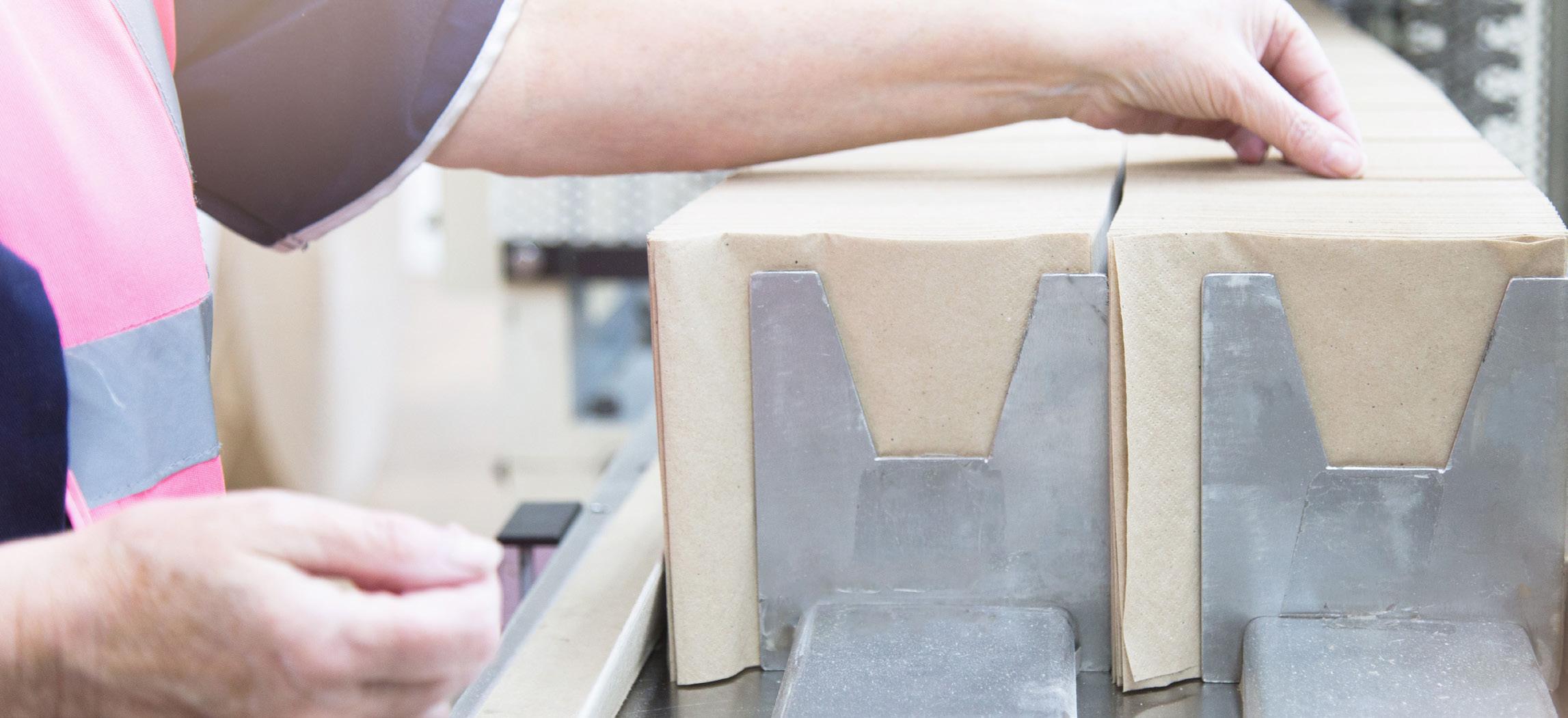
Key focus: the company is switching out linen tableware and expanding its premium disposable offering

‘A
SIMPLE MATERIAL THAT CAN BE USED IN A THOUSAND DIFFERENT WAYS … MY LIFELONG LOVE AFFAIR WITH PAPER AND TISSUE.’
Acclaimed Italian artist Fiammetta Ghiazza reflects on her childhood fascination which led to the Academy of Fine Arts and her much admired ‘Slow Miami’ artwork at Gambini’s booth at the Tissue World Miami 2026 tradeshow.
My relationship with paper as a creative medium didn’t begin with my artistic research as an adult, but much earlier, during my childhood. When I was in reception school, a TV show used to air that explained step-by-step how to create artworks using toilet paper and PVA glue. I was fascinated by these projects and tried to replicate them, often with poor results. Yet, beyond those early attempts, paper was
already fundamental to me: a simple material that could be used in a thousand different ways – cut, glued, and coloured. As a child, I spent entire days drawing on printer paper, cutting out garlands to hang, or engaging in games that are rarely seen today, such as dressing up paper dolls, assembling three-dimensional paper houses, or making jointed animals with split pins.
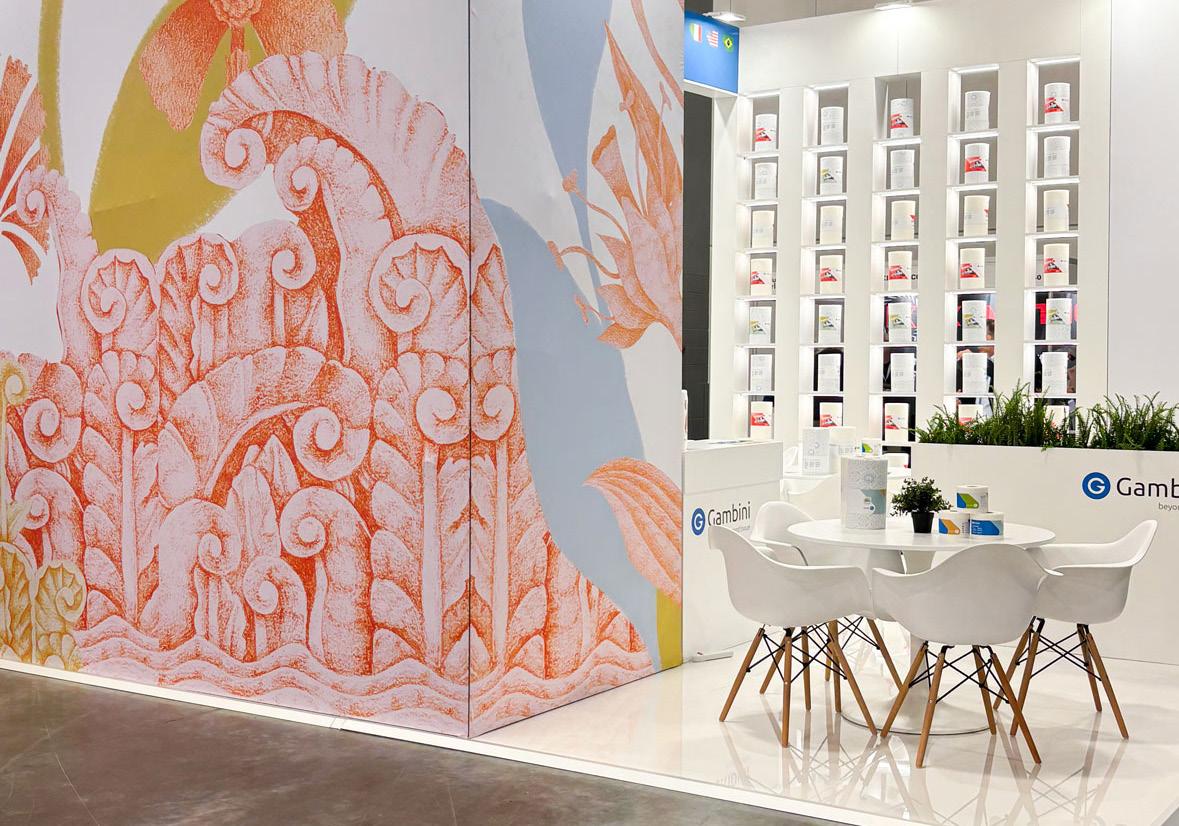
We could say that everything began with a simple A4 sheet and my pencil.
It was from this very starting point that, after completing my degree in Painting at the Academy of Fine Arts, my research restarted through Fine Art Printmaking. Even though we used fine papers for art printing, the memories that resurfaced were the authentic ones from my childhood and of carefree play with this material – delicate, yet ductile and surprising. At the Academy, fine paper and complex printing processes were not limited to being exhibited; they themselves demanded to be manipulated, cut, and glued to truly take shape.
During that period of research, I was extremely fascinated by the microscopic: an insect, a tiny house, a blade of grass.
Once that path was completed, I found myself working on large surfaces, such as for the Slow Miami project, which I created for Gambini’s booth at the Tissue World Miami exhibition held in April this year.
Slow Miami uses pencil strokes that break free from the walls of buildings to populate metaphysical scenarios suspended in time. The tropical dynamism of Floria meets the silent
“When I was in reception school, a TV show used to air that explained step-by-step how to create artworks using toilet paper and PVA glue.”
The ‘Slow Miami’ project: Italian artist Fiammetta Ghiazza’s artwork on show at Gambini’s booth, Tissue World Miami 2026.
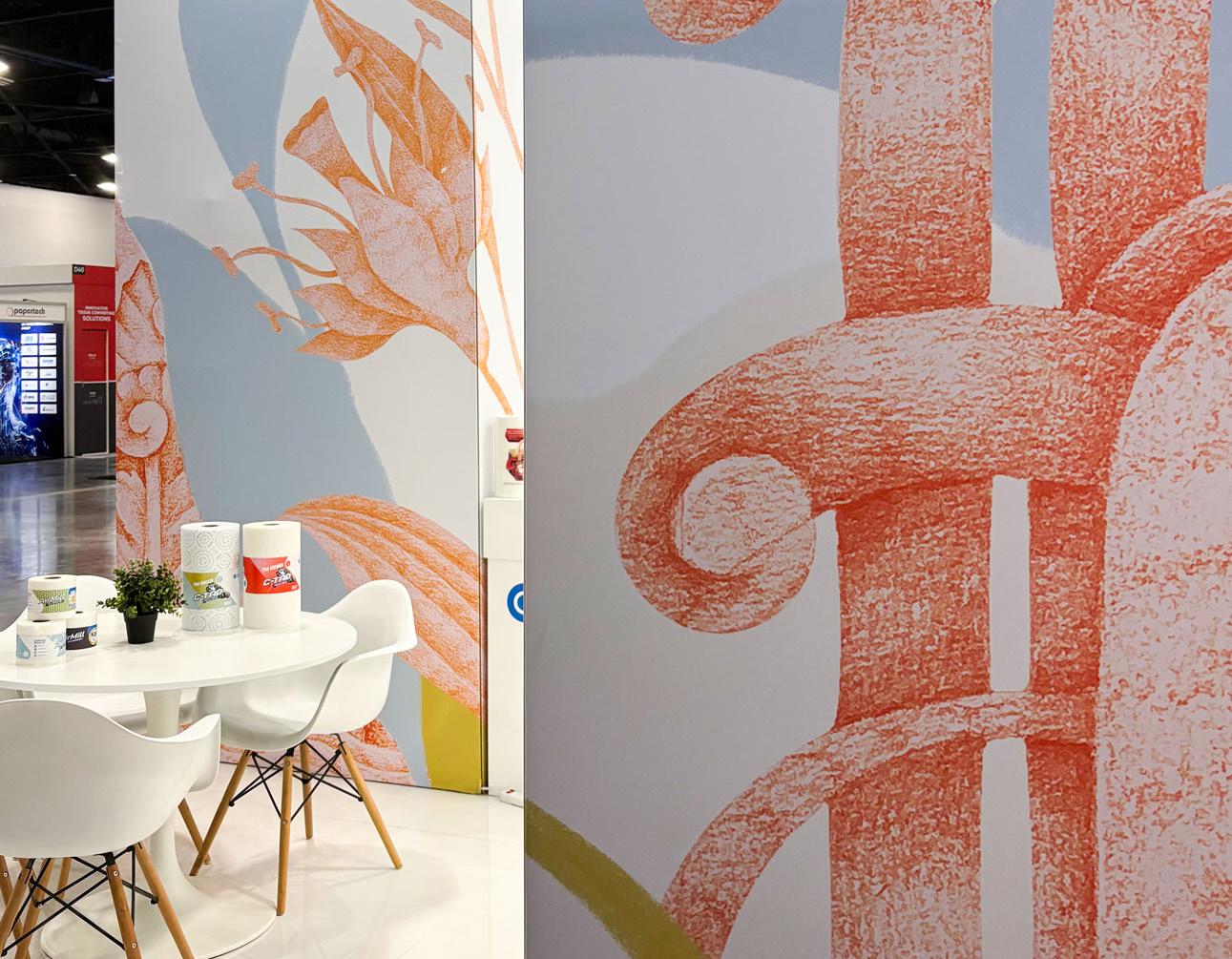
grace of the Italian “piazza”: a reference to the atmospheres of De Chirico, where perspectives become expansive and breaths deeper.
Throughout my life, I use toilet paper for hygiene. However, since it’s usually the only paper product I keep at home, I often end up using it for other purposes as well, such as a substitute for tissues when needed.
I do try to minimise the use of disposable products due to my environmental ethics. Trying to maintain as sustainable a lifestyle as possible is extremely important to me. Sometimes it’s not easy due to our fast-paced lifestyles and the limited time available, which occasionally leads me to buy disposable or cheap products. However, I try to take great care whenever I can to make conscious, eco-friendly choices. Even in my work, I try to use non-polluting materials and products – from paper and wood to water-based paints – and I reuse my tools, like brushes, as many times as possible.
I buy toilet paper at the supermarket purely for convenience. In my hectic life, where I travel
frequently to create my artwork, I don’t have much time to dedicate to shopping. However, supermarkets offer a wide selection nowadays, so I try to make a conscious choice by picking the most environmentally friendly option available.
I do think my shopping habits have changed over the years, but only because I am now an established artist and more aware and better informed.
With my travels over the years, a trip to India stands out. Two years ago, I backpacked throughout the country for two months. I travelled far and wide, and in every region I visited toilet paper was rarely used and was incredibly expensive. In the hostels where I stayed, they provided very little of it, if any, or we had to buy it ourselves in a shop, and its price was really high compared to other products. Instead of paper, they use water much more, and there are actually health faucets (small showers) next to the toilets. Since my return, I have learned to use paper more carefully.
www.instagram.com/fiammettaghiazza
Metaphysical scenarios suspended in time: Slow Miami uses pencil strokes that break free from the walls of buildings
























REDEFINING WET STRENGTH: NEXT-GEN GPAM CHALLENGES PAE’S DOMINANCE IN TOWEL GRADES
Tissue and towel producers have long accepted PAE’s limitations as the price of reliable wet strength performance. A new generation of GPAM chemistry by Kemira is changing the calculation, delivering both cost savings and performance improvements where conventional programmes have historically fallen short. Vladimir Grigoriev, Head of Application Excellence, Kemira, Packaging & Hygiene Solutions, Americas, reports for TWM.

Wet strength is non-negotiable in towel grades. Whether the application is AfH dispensing or consumer use, a towel that falls apart when wet fails
The new GPAM system addresses the limitations of conventional wet strength chemistries.
its most basic job. For decades, polyamidoamineepichlorohydrin (PAE) resin has been the predominant chemistry for towel producers to meet that requirement - and for good reason. PAE delivers reliable, permanent wet strength across a wide range of furnishes and operating conditions. But it comes with a set of trade-offs that have become harder to ignore.
Conventional PAE programmes are frequently associated with high cost in use and machine runnability headaches: foam, felt plugging, and the need for balancing the process charge. PAE resins’ performance comes from covalent self-crosslinking mechanisms that are stable in aqueous environments, but the same bonds contribute to poor repulpability and recycling challenges, especially when it comes to aged converting broke. Elevated PAE use can also work against absorbency rate, which is an important performance attribute in towel grades. In addition, the presence of epichlorohydrinderived by-products has added sustainability and regulatory weight to the conversation. The tissue industry has been motivated to find alternative chemistries that reduce or eliminate these carcinogenic chloro-organic components,
Potential for complete PAE replacement
Laboratory handsheets, 50/50 SW/HW, wet tensile measured after 30 min soak
provide more flexibility in strength decay behaviour, and improve repulpability – without compromising performance.
ADVANCES IN GPAM TECHNOLOGY
Glyoxalated polyacrylamide (GPAM) resins have been a part of the tissue and towel producer’s toolkit for a long time, but primarily for enhancing dry strength or temporary wet strength, and never for permanent wet strength. The fundamental limitation of GPAM as a wet strength agent is simple: a GPAM-treated sheet loses strength fast during prolonged water exposure. The decay rate of conventional GPAM is 45–75% after 30 min of soak, compared to only 10% for PAE resin. This has made conventional GPAM chemistry useful for supplementing a PAE programme but not replacing it. In virgin and recycled towel grades, conventional GPAM can enable PAE substitution of roughly 10–30% without compromising wet strength performance.
Kemira’s next-generation GPAM technology for tissue and towel production changes the game. Advances in polymer design have enabled novel GPAM based systems that resist hydrolysis more effectively and deliver sustained wet strength performance. The result is a decay profile that approaches that of PAE, 10–20% strength loss after a 30 min soak. When combined with a specifically designed anionic functional promoter
(FP), the decay rate can be further reduced, and the GPAM system can deliver permanent wet strength behaviour that matches conventional PAE programmes with similar or lower wet strength chemistry dosages. This novel technology is patent pending.
Beyond permanent wet strength performance, the new GPAM system simultaneously addresses the limitations of conventional wet strength chemistries. It helps improve the absorbency rate, which matters for both end-use performance and for how consumers perceive a towel product. Studies on virgin fibre handsheets showed 25% faster absorbency rates compared to PAE, and an industrial trial on RCF towel grade confirmed a 33% improvement.
In addition, the novel GPAM technology supports dry strength development, which reduces refining demand. And because GPAM operates at lower cationic charge than PAE, the overcationisation risk that contributes to runnability problems is substantially reduced. Repulping efficiency improves as well. Laboratory studies have confirmed that handsheets treated with the new GPAM repulp significantly more easily than those made with PAE resin.
The absence of epichlorohydrin-derived byproducts removes the long-standing regulatory concerns. The technology is compatible with conventional wet-end addition points, which means implementation does not require any significant process changes.
Figure 1: Laboratory handsheet study demonstrating that next-generation GPAM with a functional promoter can achieve PAEcomparable wet strength and enable high levels of PAE replacement.
Absorbency rate
Laboratory handsheets, 50/50 SW/HW
Figure 2: Absorbency rate improvement with new GPAM vs. PAE, based on a laboratory handsheet study.
INDUSTRIAL
CASES: COST-EFFICIENT PAE REPLACEMENT
The technology has been validated in industrial trials on both brown and white AfH towel grades. Two cases illustrate how the programme can reduce the cost of the wet strength programme while maintaining and, in some areas, improving product quality and machine performance.
Case study 1: 76% reduction in PAE dosages
The first case involved a tissue machine producing recycled brown towel from a furnish of approximately 80% OCC and 20% mixed office waste. The customer’s objective was straightforward: reduce strength programme cost without sacrificing product performance. Earlier trials with conventional GPAM chemistry had enabled only limited PAE substitution, capped at around 30%, before performance was impacted. Kemira’s next-generation GPAM changed the equation, delivering wet strength performance with additional operational and product quality benefits.
• PAE dosage reduced from 6.25 to 1.5 lb/ton — a 76% reduction
• Wet strength targets maintained throughout
Additional benefits:
• First-pass retention increased by 10–15%
• Refining energy demand dropped by 15%
• Absorbency rate significantly improved, decreasing from 90 seconds to 60 sec.
The combined impact estimated at $450,000 annual savings
Case study 2: Strength programme cost reduction
The results were consistent in a second industrial trial, this time a crescent former machine producing both white and brown AfH towel from recycled fibre, with an existing PAE programme running at 7.5–10 lb/ton. Again, the mill’s goal was to reduce the cost of the strength programme. Kemira introduced the new GPAM system with similar benefits.
• PAE dosage reduced by 50–65%
• Wet strength targets maintained throughout
Additional benefits:
• First-pass retention improved by 10%
• Refining power dropped by 10%
The overall annual cost savings amounted to $320,000.
CONCLUSION: A PRACTICAL ALTERNATIVE TO PAE
These results demonstrate that the industry’s long-held assumption about GPAM needs revisiting. Kemira’s advanced GPAM wet strength technology offers a differentiated alternative to conventional PAE programmes, providing permanent wet strength while simultaneously addressing the operational and sustainability limitations that have made PAE increasingly difficult to justify. For towel producers facing cost pressure, sustainability targets, or runnability challenges linked to PAE programmes, this represents a practical path forward.
Acknowledgements
The author gratefully acknowledges the contributions of Junhua Chen for laboratory data and Matthew Turner for machine case studies.
• Rapid dispersibility in water for flushable towel
• PAE resin efficiency boost
• Dry strength
• Machine runnability and productivity
• Cost
• Improved machine runnability
• Reduced refining
• Absorbency improvement
• Repulpability
Table 1: Advanced GPAM technology enables a more flexible and sustainable strength strategy for towel production compared to traditional PAE resins.
TISSUE PLANET –FUTURE INSIGHTS
The industry’s structural transformation: urgent need for a level playing field. Toscotec’s second event reinforces Lucca as a global hub for dialogue on sustainability, digitalisation - and the future of the tissue industry.
Toscotec has announced the success of its Tissue Planet – Future Insights event, held in Lucca, Italy, between 13 – 14 May, which saw 300 international attendees contribute to discussions on the future of the tissue industry.
Presentations held at Real Collegio in Lucca discussed how the sector is going through a structural transformation driven by changing demographics, geopolitics, imports, profitable decarbonisation, AI, energy cost pressures, and the urgent need for a level playing field.
Attendees from 40 companies and 25 countries attended the second edition of the event.

The Italian tissue machinery supplier said the aim of the event was to reduce the industry’s environmental footprint through shared ideas, case studies, and best practices, fostering direct collaboration between leading global tissue producers and the entire technology supply chain.
Presentations held at Real Collegio in Lucca discussed how the sector is going through a structural transformation.
Acting as a facilitator by positioning itself as a partner for collaborations, Toscotec said: “The two-day event was an opportunity to engage with industry stakeholders and address shared challenges and reaffirm Toscotec’s role as a strategic partner in an increasingly green paper industry. The event was built on three core pillars: inspire, connect, and share, with a focus on networking and exchange of expertise.”
ALESSANDRO MENNUCCI, CHIEF EXECUTIVE, TOSCOTEC
Alessandro Mennucci, Toscotec’s Chief Executive, said: “The event has solidified its position as a vital forum for discussing the future of our industry. We believe that the only way to tackle our current challenges and keep progressing is through effective collaboration and listening closely to market needs.” Strategic talks and technical deep dives included:
Above: Alessandro Mennucci, Chief Executive, Toscotec

MARIAROSARIA TADDEO, PROFESSOR OF DIGITAL ETHICS AND DEFENCE TECHNOLOGIES AT THE OXFORD INTERNET
INSTITUTE, UNIVERSITY OF OXFORD (PICTURED)
Taddeo’s presentation ‘The mill and the model: rethinking industrial production in an age of intelligent systems’ discussed the ethical and philosophical perspective on Artificial Intelligence within the manufacturing sector. She highlighted machine learning, decision-making capabilities, ethics, and sustainability to guide leaders toward increasingly informed choices.
CARLOS REINOSO, CHAIRMAN AND DIRECTOR GENERAL OF THE EUROPEAN
TISSUE SYMPOSIUM (ETS)
The talk discussed the ETS’s latest independent socioeconomic impact analysis report, which highlights the scale and importance of Europe’s tissue industry. Drawing on data taken from across 42 European countries during 2024, the study measured the full economic footprint of Europe’s tissue industry, from sustainable fibre sourcing
and local manufacturing to the hygiene and health benefits of its products.
It showed that the sector:
• Supports over 421,000 jobs across Europe
• Generates €19.7bn in annual revenue
• Produces 8.2m tonnes of essential tissue products each year.
Panel discussion: Carlos Reinoso, Martin Krengel, Chairman of the Management Board at WEPA Group, Volker Zöller, President of Consumer Tissue Global at Essity, moderated by Marco Dell’Osso (MDG35 Founder): highlighted the central role of the tissue sector as a strategic pillar for Europe, focusing on how the industry is investing to reduce its environmental footprint and withstand intense global market pressures.
LUIGI LAZZARESCHI, CHIEF EXECUTIVE OF SOFIDEL
In his talk ‘Competing, yes, but on a level playing field: the new global challenges facing the European tissue industry’, Lazzareschi discussed the influx of imported products into Europe, highlighting the role of governance in managing market asymmetries, noting that the European tissue market is currently penalised by uneven regulatory standards across different countries, high energy costs, inflation, and instability. Sharing the group’s firsthand experience and comparing the situation in the US and European growth markets, he emphasised that volatility is no longer an exception, but rather the “new normality” that businesses must navigate.
NUNO SANTOS, EXECUTIVE DIRECTOR OF THE NAVIGATOR COMPANY
Presented the company’s integrated sustainability model during his session, ‘Driving decarbonisation
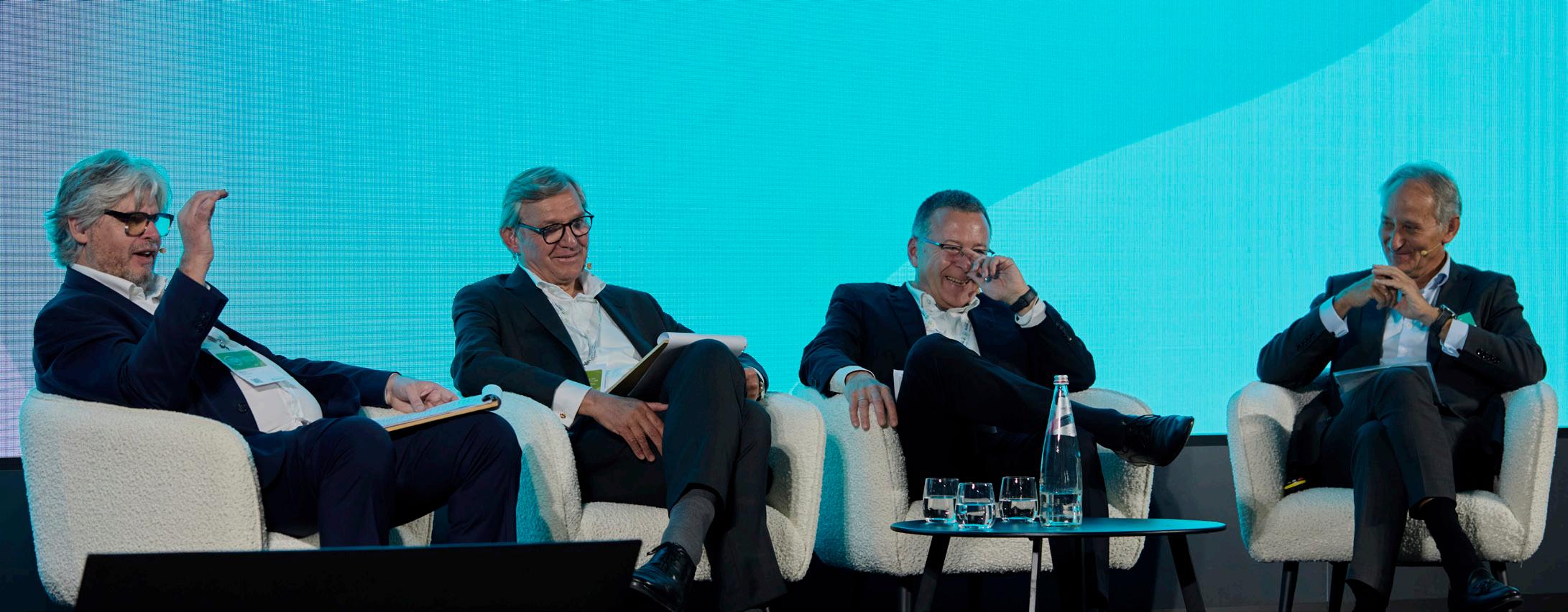
A strategic pillar for European tissue: (L-r) Marco Dell’Osso, MDG35, Martin Krengel, WEPA Group, Volker Zöller, Essity, and ETS’s Carlos Reinoso.
in tissue production’, highlighting how it has already achieved a 37% reduction in direct CO2 emissions as of 2025. In line with its target to reach carbon neutrality by 2040, the company continues to invest in renewable energy while emphasizing the need for competitive, low-carbon energy pricing. He also stressed the importance of industry-wide collaboration within the tissue sector.
OLLI HÄRKÖNEN, SUPPLY CHAIN
SUSTAINABILITY AND DIGITALISATION DIRECTOR, ESSITY
During the “driving impact at scale: sustainability within Essity Global Supply Chain Enablement’, presented the company’s new Global Supply Chain Enablement function, which was established to embed sustainability into day-to-day operations and accelerate target delivery across the end-to-end value chain. Central to his presentation was the principle that “everyone has a role to play” a commitment that translates into strategic collaboration with suppliers to drive affordable and scalable innovation.

STEVEN SAGE, VICE PRESIDENT OF SUSTAINABILITY AND CORPORATE COMMUNICATIONS AT KRUGER PRODUCTS (PICTURED)
Presented the company’s “Reimagine 2030” plan, highlighting milestones already achieved. These include a 31% reduction in emissions (against a 35% target), a 40% reduction in water intensity (with the target now raised to 45%), and successfully meeting its goal of 90% FSC-certified fibres.
PHILIPP
JAKI, TISSUE ECONOMIST, FASTMARKETS
Sized up the rise in Asian imports. Here, TWM summarises his report.
Tissue market share by world region
Despite Asia Far East (ex-China, ex-Near and Middle East, ex-japan) accounted in 2025 for 42% of the world population. Its share in the global tissue consumption was only 16% in 2026.
Growing tissue penetration rates will be the main driver for China’s growing share (as population growth is already on the decline) in the world’s tissue consumption. Tissue consumption in America is slowing (in the next upcoming years) due to alternating economics in the region.
2025:
• Global consumption 48.6m tonnes
• China 28%
• North America 22%
• Europe 20%
• Asia 16%
• Latin America 10%
• Africa 3%
• Oceania 1%
2040:
• China 32%
• North America 17%
• Europe 16%
• Asia 21%
• Latin America 10%
• Africa 3%
• Oceania 1%
Expected tissue volume growth
2025-2040:
• China 9.4m tonnes
• North America 1.3m tonnes
• Europe 1.2m tonnes
• Asia 6.9 tonnes
• Latin America 2.2m tonnes
• Africa 925,000 tonnes
• Oceania 160,000 tonnes
Despite a decreasing population, the tissue volume growth in China will outpace the other world regions. We saw in Asia (ex-China) accelerating tissue consumption growth due to increasing prosperity and sanitary infrastructure. While tissue consumption growth in North America is limited due to high per capita consumption, in Europe due to decreasing population. Per capita consumption depends on the frequency of tissue use, cultural habits, tissue quality and how important towelling tissue products are in each tissue market.
North and Latin America will maintain a sustainable population growth rate
China and Europe are predicted to see a negative population growth over the next 15 years. (China’s population number peaked in 2021 and has been decreasing; Europe’s population is projected to decrease from 2026 onwards). Until mid 2021, the cost gap between Asian and European producers was on average $90 per tonne. Since Q3 2021 the cost gap has increased to $286 on average in favour of Asian producers. The impact of higher natural gas
prices was less severe for Asia than Europe. Asian tissue trade in 2025: 47%, or 1.6m tonnes of tissue exports stay within the Asian region, and 87% of the exports in Asia come from China and Indonesia
Global overcapacity is growing
The Covid pandemic changed the trajectory of capacity utilisation. Volume growth stopped increasing, which caused an increase in excess capacity. Especially, tissue producers in China continued to increase capacities as during the pandemic. Despite the massive capacity increases and stagnating consumption growth, capacity increases are planned in almost all regions. When we compare the period between 202025, average tissue volume growth stagnated at around 1.4m tonnes annually. Before the pandemic, we had seen a gradual increase in average tissue volume growth. And my guess is that Chinese tissue producers continued their projects, believing to anticipate the trend of growing volume demand.
European tissue imports
Tissue imports increased by 60% compared to 2019. The Chinese tissue export volume increased by 119% compared to 2022. For the first time within a decade, Latin America supplied in 2025 relevant amounts of tissue to Europe. Türkiye is the largest import source of tissue in Europe, followed by China and Indonesia. It (Türkiye) was in 2025, with 371,000 the largest importer in Europe.
Energy consumption
46% of the global tissue capacity relies on natural gas. Europe and the Middle East have the highest exposure to natural gas. The Asian tissue industry has a higher rate of vertical integrated tissue production, helping to reduce dependence on natural gas.
Natural gas price exposure in Europe
A cost increase of €25 per MWh would rise average costs per produced tonne to €23 on average. The Austrian, Belgian and Italian producers are the most impacted by rising natural gas prices.
Private label (PL) share in Western Europe
The PL share has risen in all categories since 2015. Consumers in Western Europe are getting more price sensitive. PL shares are especially high in countries where few supermarket retailers have a high market share. Improved PL products are also raising their demand.
European tissue demand growth
Tissue demand growth until 2020 was driven by a sharply increasing per capita consumption in Eastern Europe and slow but stable growth in
western Europe. External shocks from the pandemic and energy price inflation weighed on European tissue consumption. The outlook for the upcoming years is subdued. Economic stagnation and war against Ukraine are halting growth rates. The war directly impacts tissue consumption, because Russia and Ukraine’s population has a large share of the Eastern European population. Indirectly, because energy price inflation is weighing on the rest of Europe.
Per capita consumption by region, 2025 With 26.6kg, North America is the most advanced tissue market. Japanese and Western European tissue consumption levels are around 17kg per capita. Per capita consumption in China grew in the last 10 years by 4.6kg. Asia Far East and Africa remain at a very low per capita consumption rate.
World population growth 2010-2025
At an early stage, tissue consumption growth is driven mostly by per capita growth. People in concentrated areas such as large cities or wealthy suburbs have better access to sanitary infrastructure and tissue paper. Increasing living standards through economic prosperity help people to access more tissue paper. Economic prosperity is also important in mature tissue markets. It helps at least maintain the consumption of higher-quality tissue that has, in general, a higher weight.
For Europe and the US population growth will be less important as a factor, as both regions see decelerating population growth. However, they still will see some growth in volume due to the slowly increasing per capita consumption.
Tissue consumption growth is driven mostly by per capita growth. People in concentrated areas such as large cities or wealthy suburbs have better access to sanitary infrastructure and tissue paper.
TW MIAMI 2026: CONFERENCE
For those who couldn’t attend, here TWM summarises key talks from Miami’s world-leading conference.
PRIVATE LABEL EVOLUTION: NAVIGATING THE US TISSUE MARKET TRANSFORMATION
LUIGI LAZZARESCHI, CHIEF EXECUTIVE, SOFIDEL GROUP
The private label dilemma: a structural shift? Private label is rapidly gaining ground in the US tissue market. Is this a structural shift? Is it on track to reach European penetration levels?
THE AI’S TAKE
Here is the AI’s response: ‘Yes, the US tissue market is undergoing a structural shift. This shift is driven by changes in production ownership, consumer attitudes, and retailer strategies. And yes, private-label penetration is poised to rise strongly. While it may not reach European levels immediately, the trajectory clearly points toward a much higher share than historically seen in the United States.’
A
VIEW
BETWEEN EUROPE AND THE US
Private label is rapidly gaining ground in the US tissue market. Europe has been ahead on this curve for a long time. At Sofidel, we developed and grew precisely in those markets, where private label has long been structurally significant. That perspective is where I’d like to begin.
BACK TO THE EARLY 1980S: PRIVATE LABEL BEGINS TO GROW IN EUROPE
Early 1980s: Private label spread rapidly through major retail chains. Large companies overlooked the segment, despite its fast growth. Sofidel seized the opportunity, investing in modern converting plants and reaching, sometimes exceeding, multinational technology. Retailers valued the quality and volumes surged. A long journey started here.
WHAT WE LEARNED FROM OUR EUROPEAN EXPERIENCE
The evolution of the European Private Label market showed us how important it is to:
• Get geographical coverage
• Invest in state-of-the-art technology
• Build a customer-centric strategy
• De-commoditise the product offering
• Premiumise the offering
BACK TO THE 2010S: SOFIDEL MOVES TO REPLICATE ITS EUROPEAN GROWTH PATH IN THE US
When Sofidel entered the US market in 2012, private label was still underdeveloped compared to Europe. Major players were focused on branded products and showed limited interest in Private Label. Several US facilities relied on earlier-generation technologies, limiting efficiency. Sofidel’s role: provide customers with brand-equivalent products.
A TWO-STEP STRATEGY: STEP ONE –ACCELERATING MARKET EXPANSION
Rapid expansion driven by:
• Investments in conventional and hybrid paper technologies
• Speed of execution to seize market opportunities via greenfield projects and acquisitions
Step two – moving toward premium quality
Driving premium quality through TAD:
• 2024– With national coverage in place, targeted TAD investments (Las Vegas and Shelby facilities) to move up the value curve
• 2025– Third TAD machine announced (Inola facility, start-up 2028) to scale premium capacity
• TAD footprint across key US regions
Today, our three TAD machines provide enhanced coverage across major US regions:
• East Coast – Shelby, North Carolina
• West Coast – Las Vegas, Nevada
• Southern United States – Inola, Oklahoma
DIVERSIFIED ASSETS TO ADDRESS DEMAND
A full quality spectrum: Sofidel in the US market can offer a complete range of tissue products across all quality segments:
• TAD
• Conventional Virgin
• NTT
• Recycled
• Brown
OUR NATIONAL FOOTPRINT IN 2026: SOFIDEL PROXIMITY
Strategy: Production plants are strategically located close (within 400/500 miles) to key markets, highdensity population areas, and major transport and utility infrastructures
SIGNALS OF A EUROPE-LIKE TRAJECTORY FOR THE US TISSUE MARKET
On the manufacturer side:
• Private label manufacturers are investing in new, state-of-the-art production capacity to expand their offerings and meet rising demand
On the consumer side:
• Consumers increasingly view private labels as matching national brands on quality, value, and design
• Younger shoppers (Gen Z and Gen Alpha) increasingly see private labels as on trend, even a badge of honour
On the retailer side:
• Retailers increasingly see private label products as a powerful way to build customer loyalty
• Retailer commitment to quality tiers
• Stickiness is increasing, private label products are showing a growing ability to build customer loyalty
CLUB STORES: A RETAIL FORMAT THAT ACCELERATES CHANGE AND INNOVATION
In the United States, a retail model still largely uncommon in Europe plays an increasingly influential role: club stores. Key characteristics:
• Strong focus on innovation and continuous product development
• Deep collaboration with suppliers, supported by dedicated development teams

“Today, our three TAD machines provide enhanced coverage across major US regions”: Luigi Lazzareschi, Chief Executive, Sofidel Group
This model is reshaping consumer shopping patterns and is a key driver of private label growth in the US.
MARKET DEVELOPMENTS OVER RECENT YEARS
Market data over recent years show a clear strengthening of the private label segment. Private Label growth – key indicators:
• Sales of Private Label products in the U.S. grew 4.1% year over year (2024-2025), reflecting a powerful shift in consumer behaviour
• Almost half of US consumers say they are buying more private label than ever
FIGURES FROM THE US TISSUE MARKET
Bath tissue – private label
• Private label dollar sales increased from $1.4b in 2014 to $5.3b in 2025
• Private label share grew steadily from 19% → 30% → 37% from 2014 to 2025
Paper towels – private label
• Private Label dollar sales rose from $1.8b in 2014 to $4.5b in 2025
• Share increased consistently from 27% to 38%, reaching 45% in 2025
A QUESTION TO ALL OF YOU …
Five years from now, what will truly make the consumer choose: a brand… or simply what works best?
What is the right balance between brands, private label?
THE AI’S ANSWER
‘In the coming years, the tissue market won’t be dominated by brands, nor by private label. It will be dominated by those who can create real value across the entire value chain.
‘Brands will continue to exist … but only if they offer a concrete difference – visible, tangible, measurable. Private label will continue to grow … but only if it evolves in quality, reliability, and consistency. Retailers will become increasingly central … but they’ll need strong industrial partners to sustain that growth.
‘And manufacturers … won’t win anymore just on cost or capacity. Winning will mean becoming part of the system.’

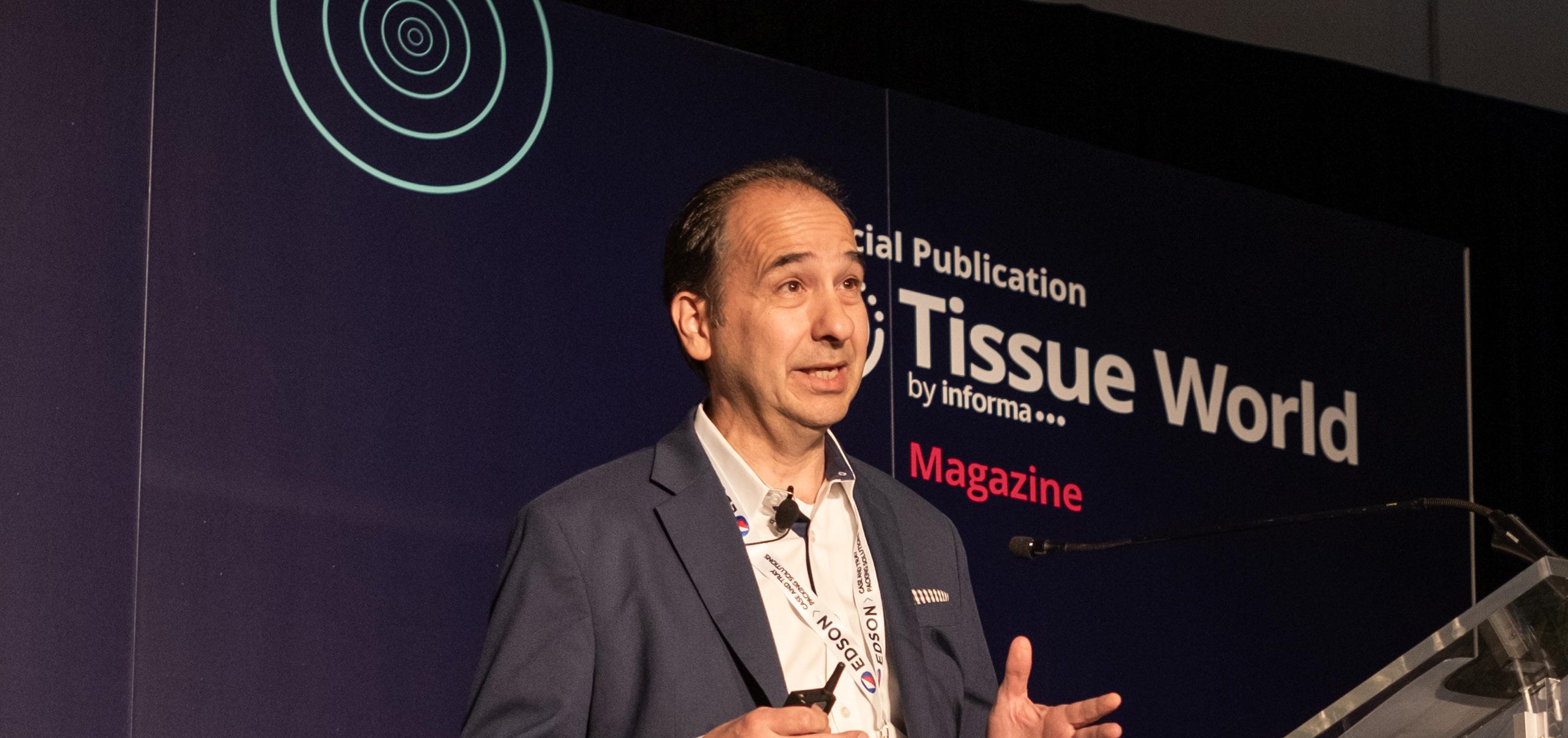
ISSUE: PRODUCTS AND TECHNOLOGY INNOVATION
JOSÉ GONZÁLEZ, DIRECTOR – AFRY MANAGEMENT CONSULTING
Summary: Innovation in the tissue industry is about making disciplined choices on where to invest, as the market grows but becomes more competitive, global, and constrained by rising capacity, cost pressures, and sustainability demands. Success depends on shifting volume to differentiated value and aligning product innovation, advanced manufacturing process and region-specific business models into a coherent strategy that balances efficiency, quality and sustainability. The real innovation challenge in tissue is where you place your bets
“Innovation is not about better ideas. It’s about better ways of allocating resources”
From The Innovator’s Dilemma, Clayton Christensen
GLOBAL TISSUE MARKET FUNDAMENTALS
China is the world’s largest tissue market, accounting for 29% of global tissue consumption in 2025:
• Global Tissue Consumption 2025: 46.8m tons
• China – 29%
• North America – 20%
• Europe – 19%
• Other Asia – 12%
• Latin America – 10%
• Rest of World – 10%
(Notes: Europe excludes Russia and Belarus. Rest of World includes Africa, the Middle East, Oceania, Russia, and Belarus)
ACROSS GLOBAL MARKETS, AT-HOME IS THE LARGEST TISSUE SEGMENT
Per capita consumption is highest in North America, largely due to a higher use of disposable kitchen towels, and a large AfH segment.
There are over 11m tons of new tissue capacity in the pipeline, with China leading the world in planned capacity
Today, producers sell a variety of products with different specs to meet specialised consumer preferences in diverse segments and geographies. Consumer tissue: Packaging, format and size. Additives and decorative additions
AfH: High-capacity dispensers and efficiency improvements
This trend is also visible in the alternative fibre tissue product space, which aims to meet sustainability targets, while satisfying the wide range of consumer needs.
NEW TECHNOLOGIES ENABLE THE NEXT WAVE OF INNOVATION IN TISSUE MANUFACTURING
Manufacturing optimisation:
• Stainless steel use for Yankee machines
• Water – use reduction during press and formation processes while retaining bulk and structure
• New shoe press technologies
José González, Director, AFRY Management Consulting: ‘The winners will connect market insight, technology choices, and operating models into a coherent innovative strategy’
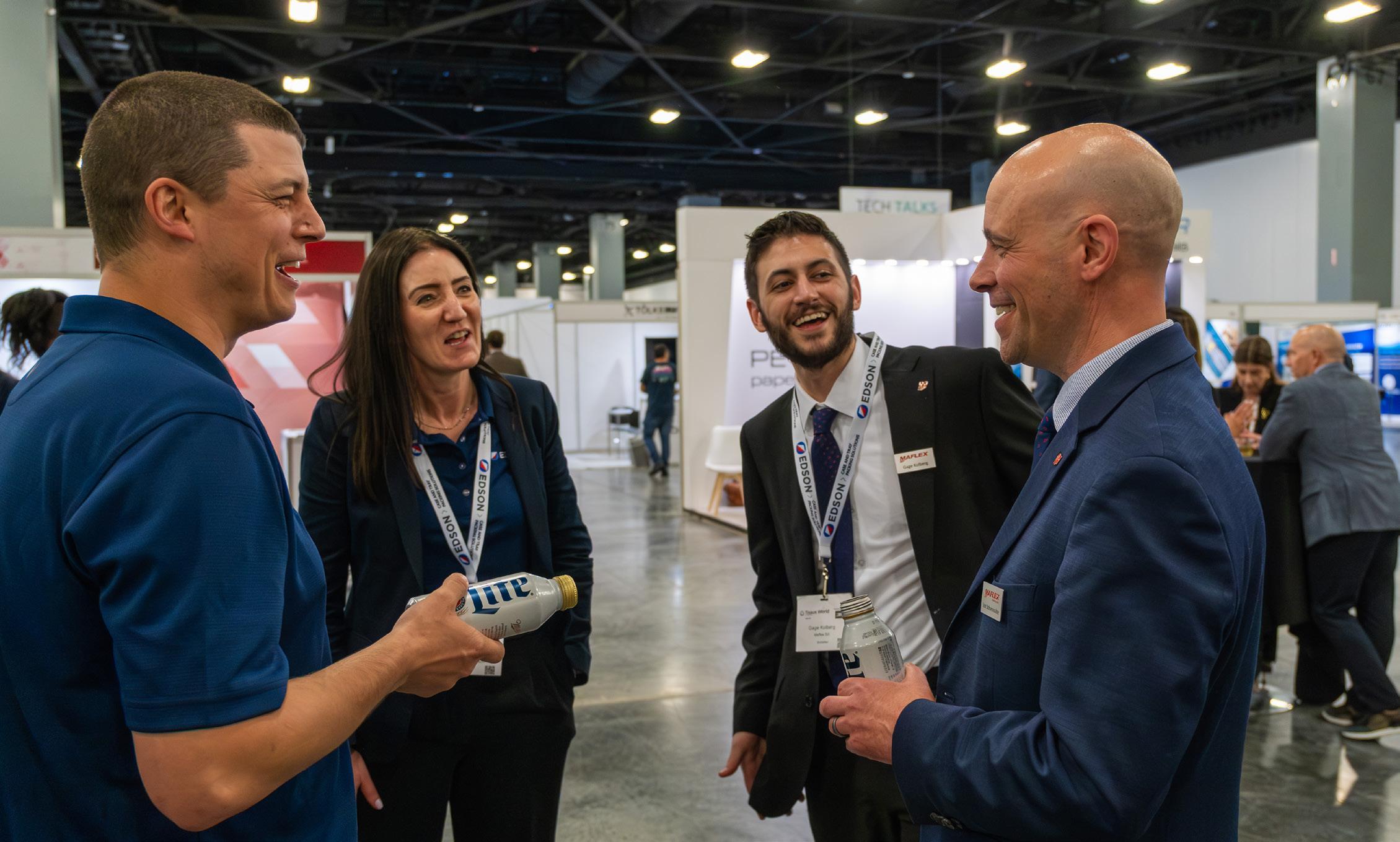
Energy Concept:
• Electrification and alternative fuels for boilers, including biofuels and hydrogen
• On-site BESS assets for mill operations to allow for hybrid energy concepts
Data Analytics:
• Incorporation of AI to provide additional process insight with complex custom trending and modelling options
• Predictive models for process behaviour and “soft sensors” for sheet properties, aided by new in –line instrumentation
Process control:
• Automated loop tuning and troubleshooting
Maintenance and Up-time:
• Off-site and digital condition monitoring
• ‘Digital twins’ of key equipment and other digital tools for visibility of equipment condition
Technology – use around the world is shaped by the manufacturing environment, equipment availability, and consumer preference
North America: TAD technology allows for higher quality tissue production
Europe: European players focus on sustainable and cost-effective production methods and therefore use more conventional machines.
China: China has many local suppliers that do not disclose machine concepts, but typically operate smaller DCT machines.
Innovation looks different across global regions – however, one common factor across regions is a drive for digitization across all major manufacturing sites
North America: Innovation is largely driven by commercial considerations
• Highest consumption per capita
• Largest AfH sector
• Brands hold a strong position
• Quality standards are the highest
• TAD machines are com
Europe: Innovation is largely driven by cost of energy and fibre and environmental considerations
• Emergence of the “hybrid mill”: renewables, BESS, biofuel, hydrogen, electrification
• Reduction in water consumption, especially in water – stretched regions
• Emerging alternative fibre sourcing: LPB, OCC, straw, etc.
Asia: Innovation is largely driven by considerations
• Large, pulp – integrated sites emerging
• High Euca/hardwood penetration and prevalence of bamboo pulp
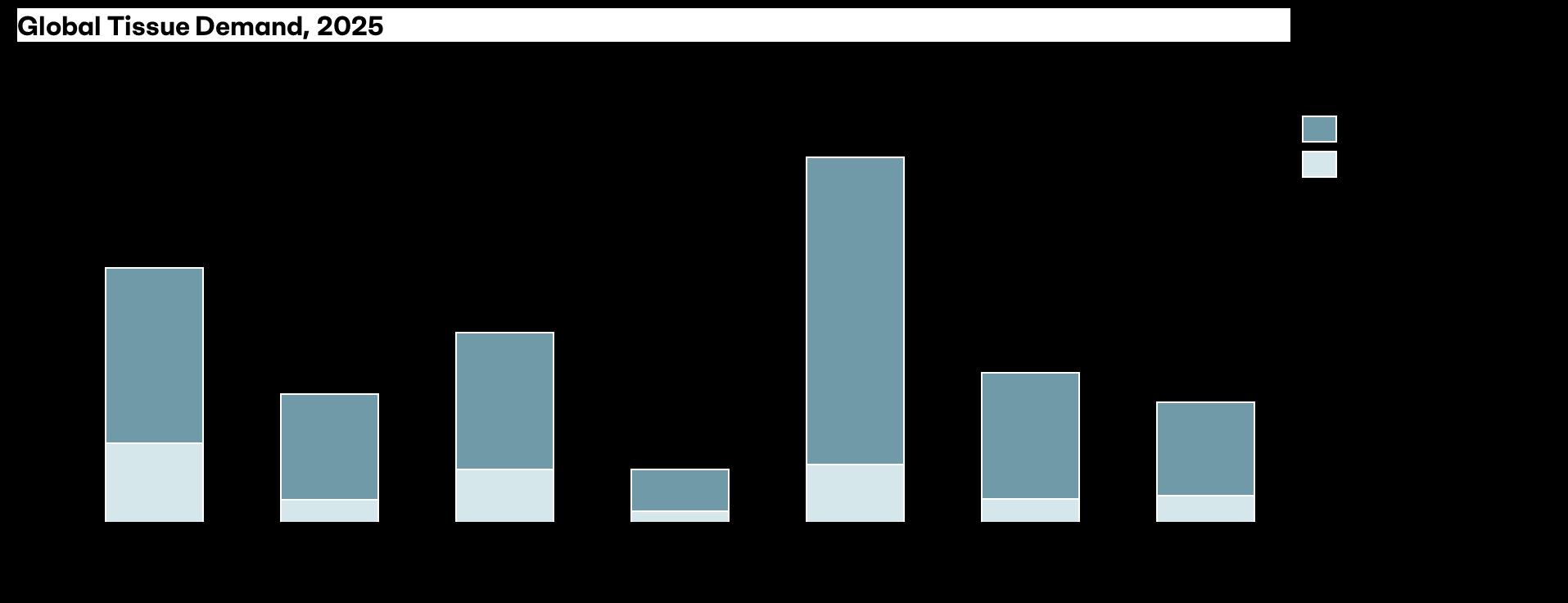
VARIATION IN MARKET MATURITY: MATURE MARKETS (E.G., JAPAN) VS. EMERGING MARKETS (E.G., INDIA)
E-commerce platforms are becoming more popular in some global regions; branded products are favoured on e-commerce platforms.
North America – Subscription models with scheduled, frequent deliveries are on the rise. North American companies mainly rely on traditional online retail and click – and – collect services
Europe – E-commerce has a minimal impact on the market. Europe has the largest private label market in the world. European consumers are aware that lowest price options may not be available through online channels
Asia – Consumer behaviour is driven by social commerce on platforms like TikTok and WeChat.
Asia hosts the most dynamic online tissue market, as brands have adapted to be e-commerce – focused, with products available on multiple platforms.
WRAP UP
• Tissue remains a growth industry, led by China and AH consumption, but with rising capacity and cost pressure redefining what “competitive” means
• Innovation is shifting from volume to differentiation with product formats, performance attributes, and sustainability now central to value creation
• Process technology is entering a new wave where quality, efficiency, and decarbonisation must advance together, not sequentially
• Business models diverge by region, yet digitisation, resource efficiency, and resilience are becoming universal requirements.
The winners will be those who connect market insight, technology choices, and operating models into a coherent innovative strategy.
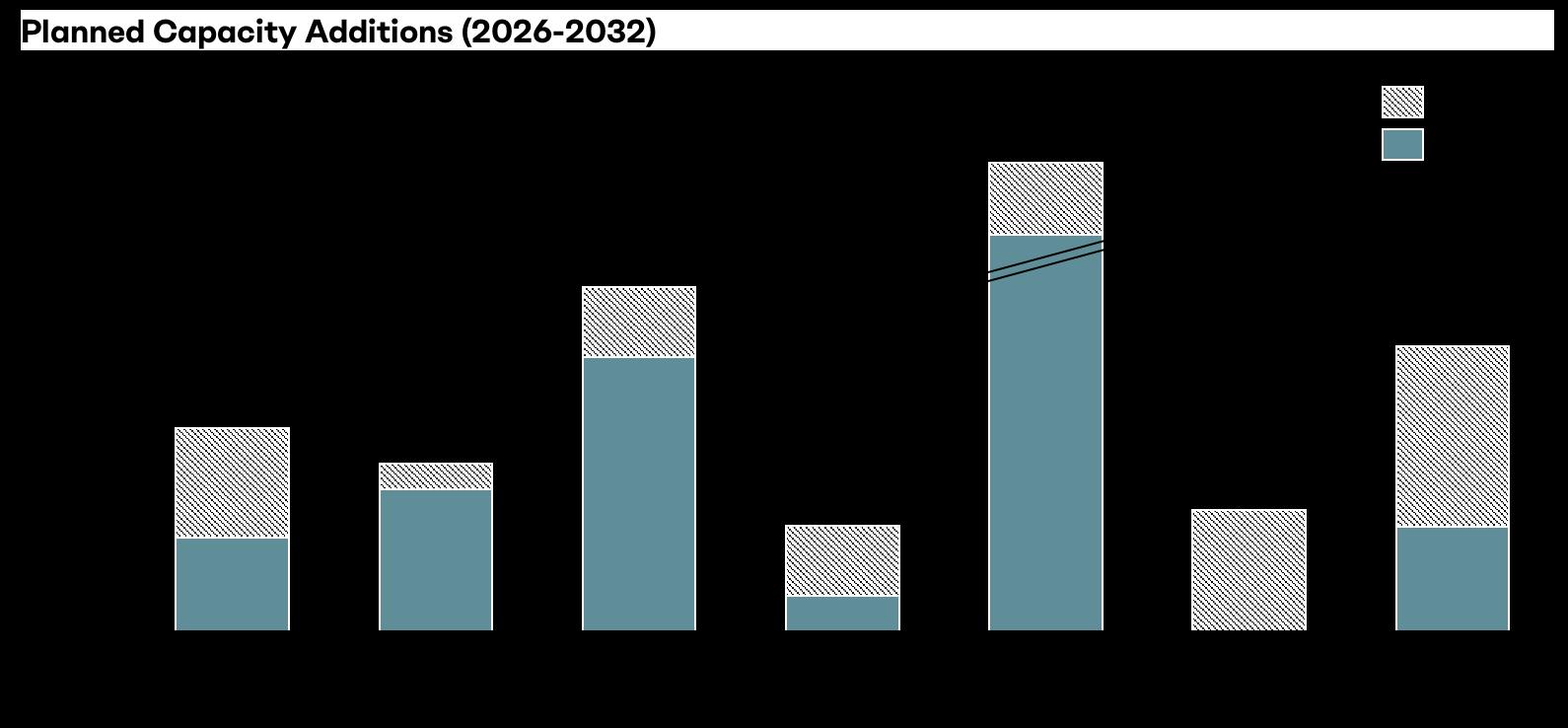

RESILIENCE AND REINVENTION: WINNING IN THE TISSUE MARKET THROUGH CONSUMER-CENTRIC STRATEGIES
LIYING QIAN, GLOBAL INSIGHT MANAGER – TISSUE AND HYGIENE, EUROMONITOR INTERNATIONAL
STATE OF THE INDUSTRY: CONSUMER TISSUE INDUSTRY SNAPSHOT
• Global market retail volume in 2025 (tonnage): 30m
• Incremental volume growth 2025-2030 to come from APAC: 38%
• Growth CAGR in retail volume term 2025-2030: +1.5%
Regional industry composition and evolution
• Toilet paper leads tissue consumption across the board
• Facial tissues marginally leads volume growth, predominantly in APAC, driven by wellness demand and beauty-inspired innovations
• Paper Towels foresees similar growth, mainly in NA and WE, due to increased use occasions and product variety
The consumer landscape and key trends
Consumers continue to focus on affordability and simultaneously demand enhanced value
• 72% of consumers are concerned about the rising cost of everyday goods
• 69% of consumers are looking for ways to simplify life
• 35% of professionals said their company
plans to align innovation more with changing consumer values
Businesses have limited room to raise prices while facing rising costs and uncertainties
• Stagnating incomes: affordability remains a paramount concern for consumers
• Rising costs + uncertainties: businesses are grappling with rising costs, tariffs, and market volatility
• Squeezed profit margin: businesses can no longer pass on costs. Delivering enhanced value is imperative
Top trends shaping consumer tissue Wiser wallet: affordability is only a starting point
• Price opens the door, but value secures the sale
• Relevance now comes from smarter consumption, not cheaper products
Price and quality: duality anchors product desirability
World: product features desired, household essentials, 2026:
• Top three priorities: value for money, high quality, low price
• Last three priorities: ingredient formulation, energy efficient, sustainably produced
Liying Qian, Global Insight Manager - Tissue and Hygiene, Euromonitor International: ‘Consumers continue to focus on affordability and simultaneously demand enhanced value’
Redefining value through longer-lasting formats
• Peru: Elite XL marks Softys’ brand debut in the high-length segment
• US: Charmin’s “forever roll” resets toilet paper beyond regular durability
• Wiser wallets: value add needs to be communicated explicitly and credibly
• Abundance and longevity are most tangible value priorities
• Convenience will aid brands appealing to attention-scarce, time-pressured consumers
Comfort zone: mental wellbeing in vogue
• Experiential as a value differential: from functional to feel-good
• Time-saving and frictionless design for different occasions and lifestyles
• Culturally tailored sensorial cues (texture, scent or colour that evokes comfort, nostalgia and playfulness)
Occasion-targeted stress relief as a new luxury
• Germany: Essity’s Tempo “machine washable” facial tissues ease laundry anxiety
• US: Kleenex Snap & Go’s durable stylish pack to ensure on-the-go convenience
• Sensorial enhancements as premium value cues
• Japan: Daio Paper enhanced Elleair toilet paper in Japan with natural fibre softeners and fragranceretaining film to boost softness and extend scent longevity
Comfort zone
• Engineer emotional comfort through the senses.
• Simplify routines through precision, not reduction
• Build trust via consistency and familiarity Eco logical: Sensibly green
• Practical approach to sustainable consumption
• Green attributes often seen as complementary benefits, not always the sole purchase motivator
Planet-friendly remains the dominant spend driver, while sustainable sourcing is the fastest-growing engine. Affordability and trust determine whether ESG strategies translate into adoption and returns. Main barriers hindering sustainable purchases 2025: high price – unclear labelling – low assortment where I shop – lack of trust in sustainable claims – lower quality.
Sustainability as the new normal: making recycled easy to choose through clarity, aesthetics, and accessibility.
WEPA’s “Beige ist besser” campaign repositions natural beige aesthetics as a trusted
quality signal, normalising sustainability as the category baseline.
Who Gives A Crap is scaling purpose-led, recycled and bamboo tissue from DTC into mainstream retail, pairing bold, recognisable branding with transparent social impact.
Eco Logical
• Leverage sustainability claims with strong consumer resonance in your category and market
• Solutions that are affordable and sustainable are ideal
• Integrate sustainability with functional benefits for easier adoption
BUSINESS IMPLICATIONS
Redefine value beyond price: move from low-price signalling to clearly articulated benefits, durability, longevity, convenience, and emotional reassurance that justify choice in a tight wallet environment. Compete on emotional utility as much as function: embed comfort, familiarity, and stress-reducing cues into everyday products to strengthen relevance and loyalty in an anxious, value-conscious world. Design for wiser wallets, not cheaper baskets: prioritise longer-lasting formats and smarter pack architecture that reduce replacement frequency, shopping trips, and decision fatigue. Scale sustainability only where it strengthens core value: treat planetfriendly as entry stakes, but prioritise affordable, trusted sourcing and packaging claims that reinforce performance and core value.
Planet-friendly remains the dominant spend driver, while sustainable sourcing is the fastestgrowing engine.
ADVERTISER'S INDEX
Baosuo www.baosuo.com OBC
Convermat www.convermat.com IFC Goldenrod www.goldenrodcorp.com 29 Infinity www.infinitymec.com 2
SUBSCRIPTION
Tissue World Magazine is free to qualified members of the tissue industry. Please visit the following link to subscribe to the printed magazines: www.tissueworldmagazine.com/printsubscription/
Sign up to the bi-monthly Tissue World Newsletter and six annual Digital Magazines here: www.tissueworldmagazine.com/ newsletter/
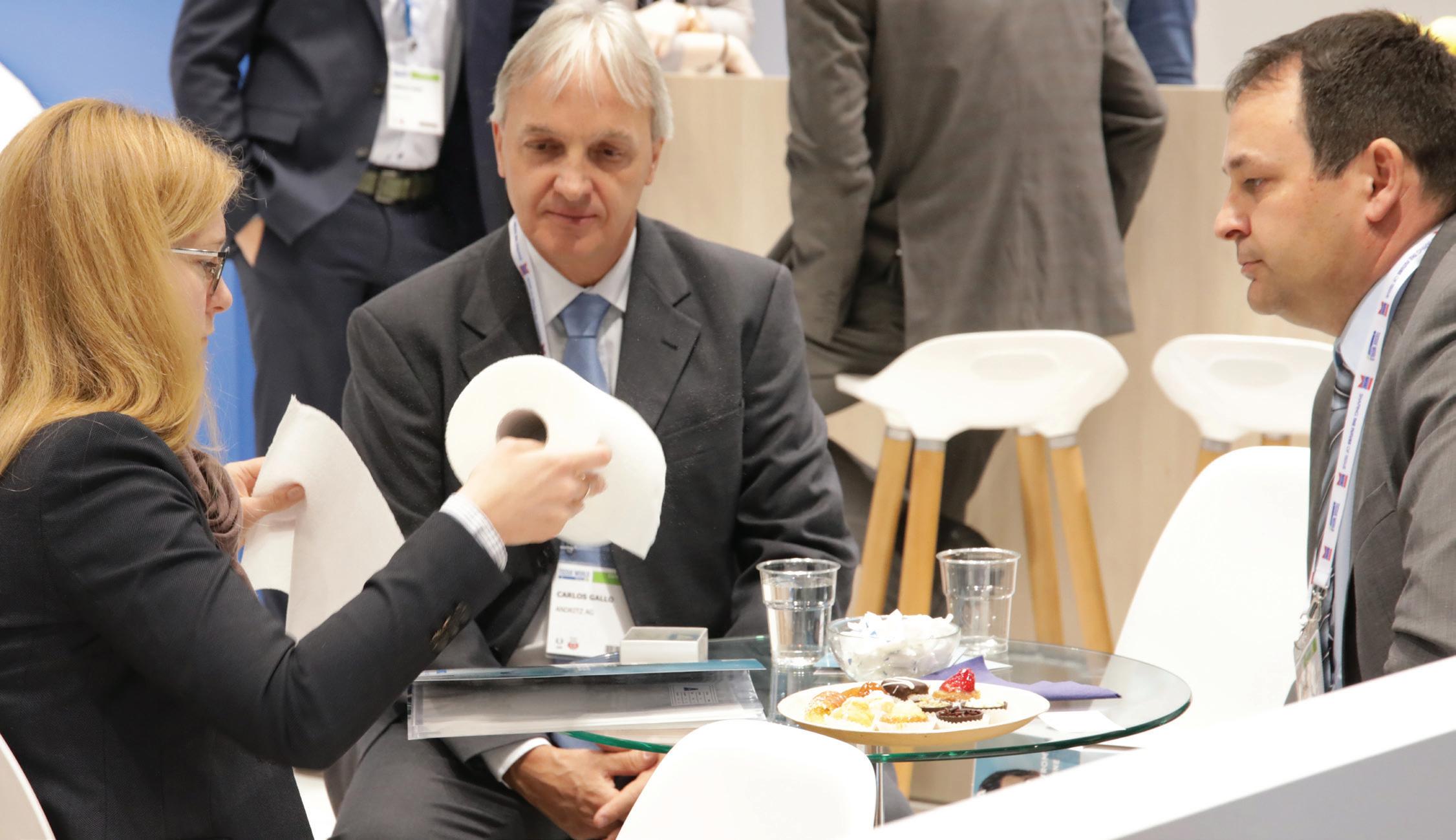
Tissue World by Lisbon
Tissue World is heading to Lisbon in 2027!
The next European edition of Tissue World will take place in Lisbon, Portugal! A brand-new destination for the world-leading event series.
Host your business in Lisbon, a well-connected European hub with excellent transport links, affordable premium hotels, and world-class venues. Enjoy unrivaled networking opportunities in a city celebrated for its hospitality, vibrant culinary scene, and exceptional settings to connect with clients.
Showcase your innovations in Portugal, a rising leader in the tissue industry with a strong manufacturing base and a focus on sustainable forestry and paper production. Align with the industry’s drive for efficiency and eco-conscious practices in a country leading the way in circular economy initiatives.
Register your interest by scanning the QR code!