
SHAPING CONNECTED STORIES FOR MOVING BRANDS
SHAPING CONNECTED STORIES FOR MOVING BRANDS


The electronic health record (eGA) by IBM was redesigned with a focus on simplicity, usability, and data security. The objective was to improve accessibility for patients and healthcare providers while maintaining the platform’s functional and regulatory requirements within the German healthcare system.
The redesign aligns with the German preference for structured and reliable digital solutions. A reduced and clearly organized interface reflects core values such as trust, transparency, and efficiency. The visual and interaction design emphasizes clarity, minimizing complexity while maintaining a professional and secure appearance.
By applying user-centered principles, complex healthcare processes were translated into clear and accessible user journeys. The focus lies on usability, consistency, and reducing cognitive load for different user groups.
Minimal and user-centered redesign can improve accessibility, strengthen trust, and support secure digital healthcare services. It highlights the importance of aligning design, technology, and regulatory requirements in complex systems.
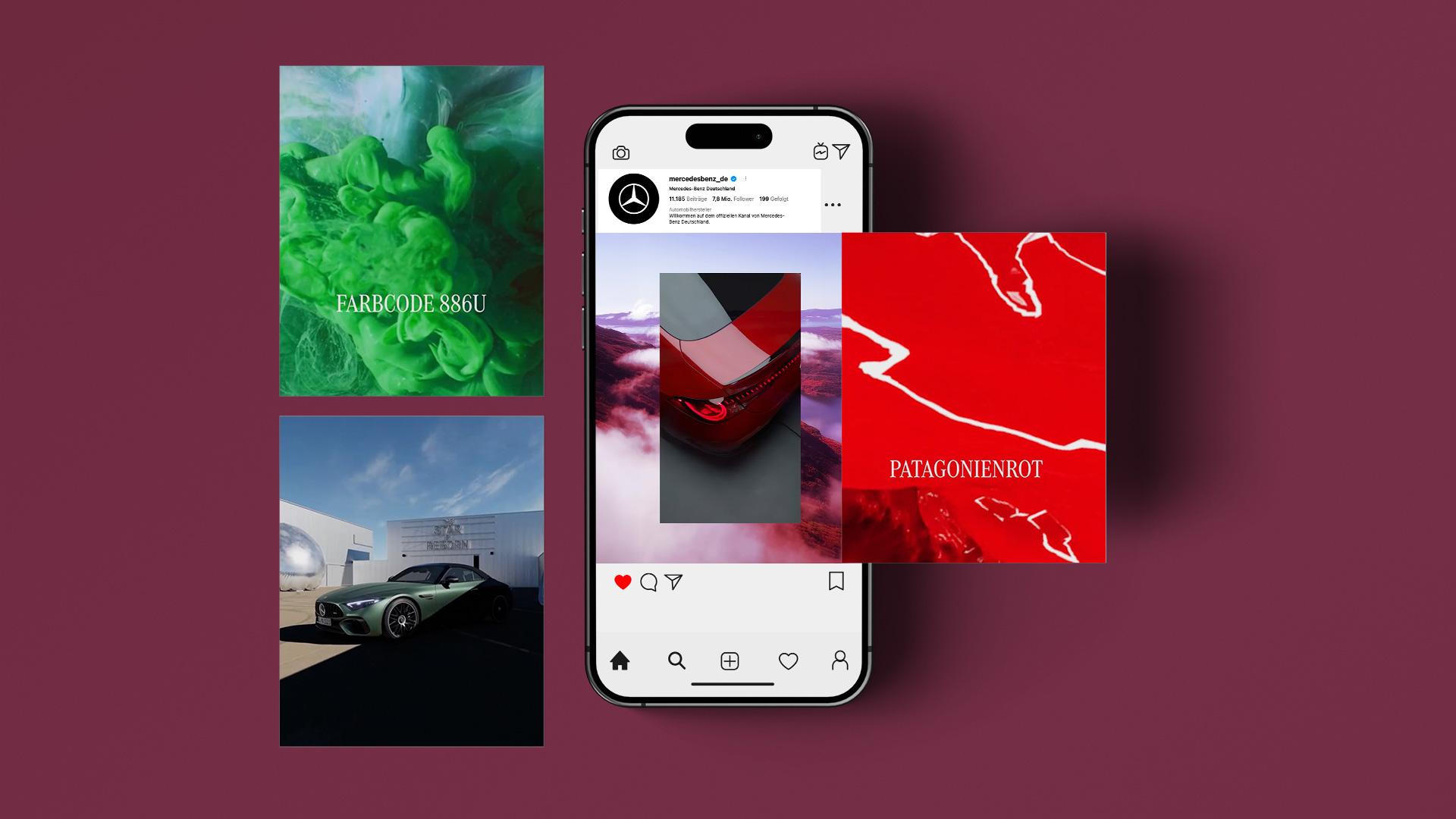
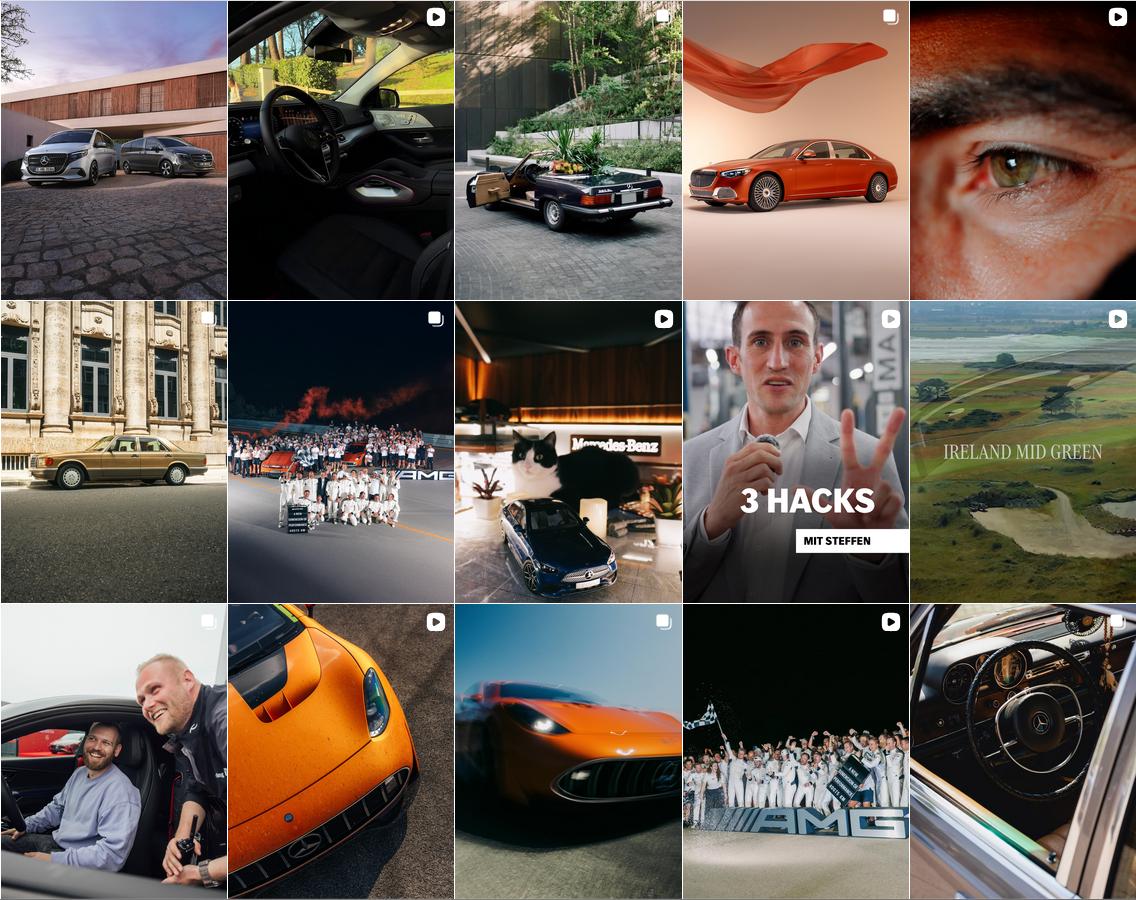
As Creative Director at TLGG, working in collaboration with Team X, I was responsible for the strategic and creative management of the social media channels for MercedesBenz. The objective was to position the brand in a contemporary and approachable way within digital environments while maintaining its premium character and iconic identity.
Based on close alignment with the client and interdisciplinary workshops, we developed a holistic social media strategy built on modular content formats, clear narratives, and platformspecific storytelling. The aim was to translate the full spectrum of the brand, from innovation and performance to lifestyle and culture, into a coherent and scalable communication system.strengthened Mercedes-Benz’s digital presence.
Creators were integrated as creative partners, producing authentic content that connects products, technologies, and brand values. The strategy enabled consistent yet adaptable storytelling across platforms such as Instagram, TikTok, and other digital channels.
A modular content system, combined with data-driven optimization and collaborative processes, can strengthen brand relevance and expand audience reach. It highlights the importance of aligning strategic communication, content creation, and platform dynamics.



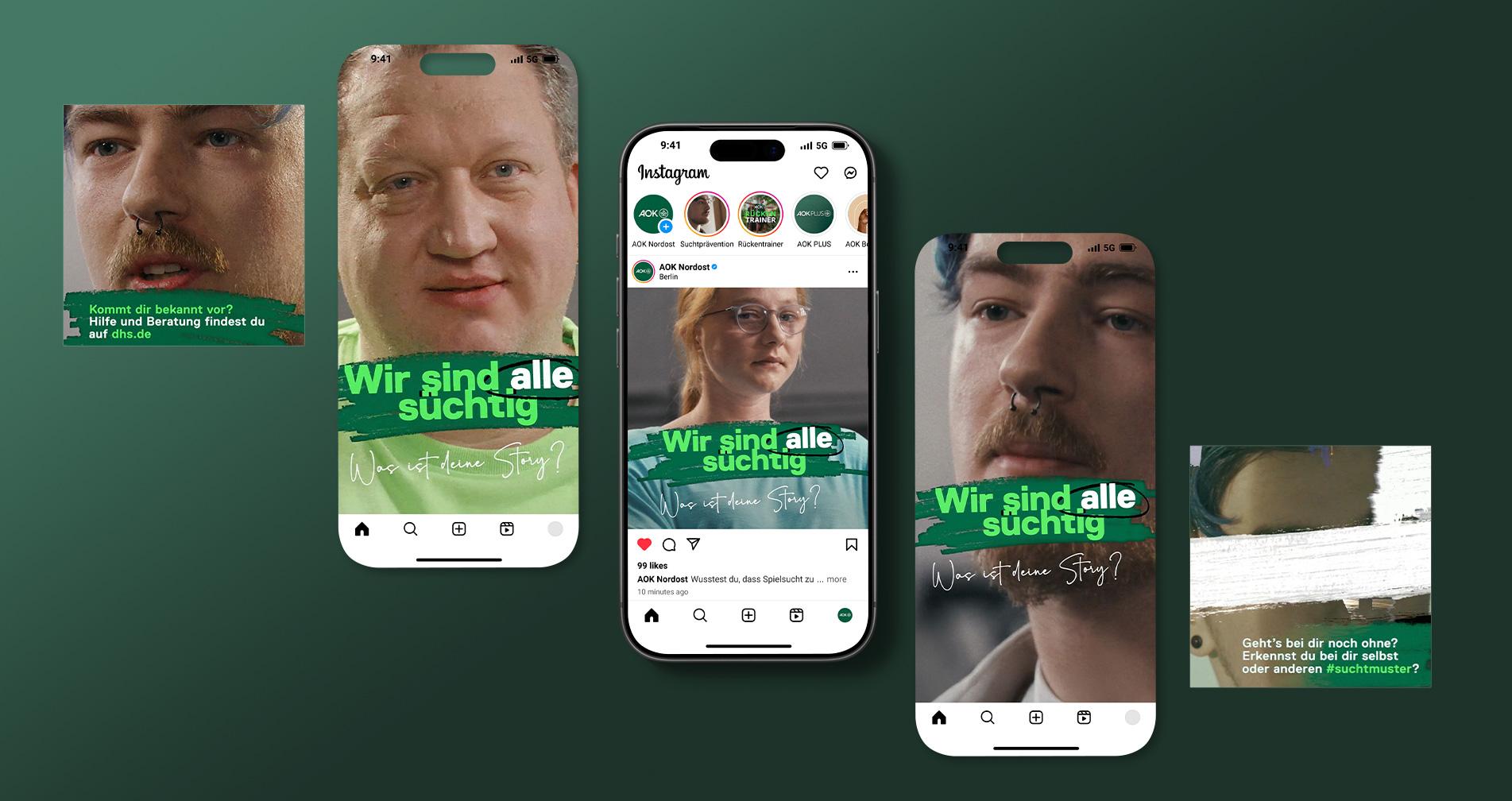
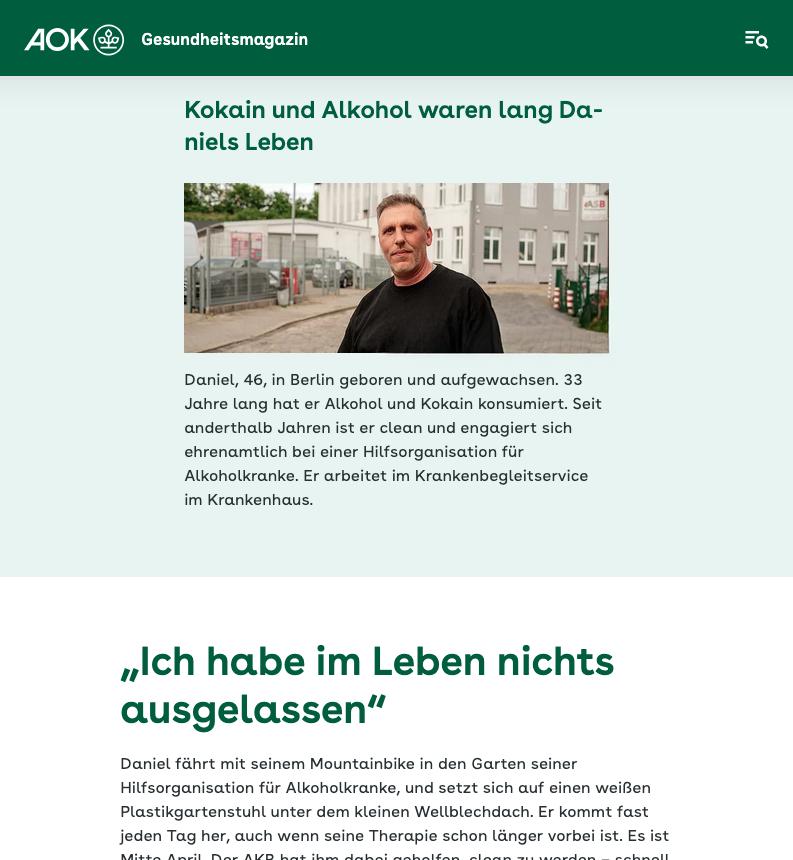
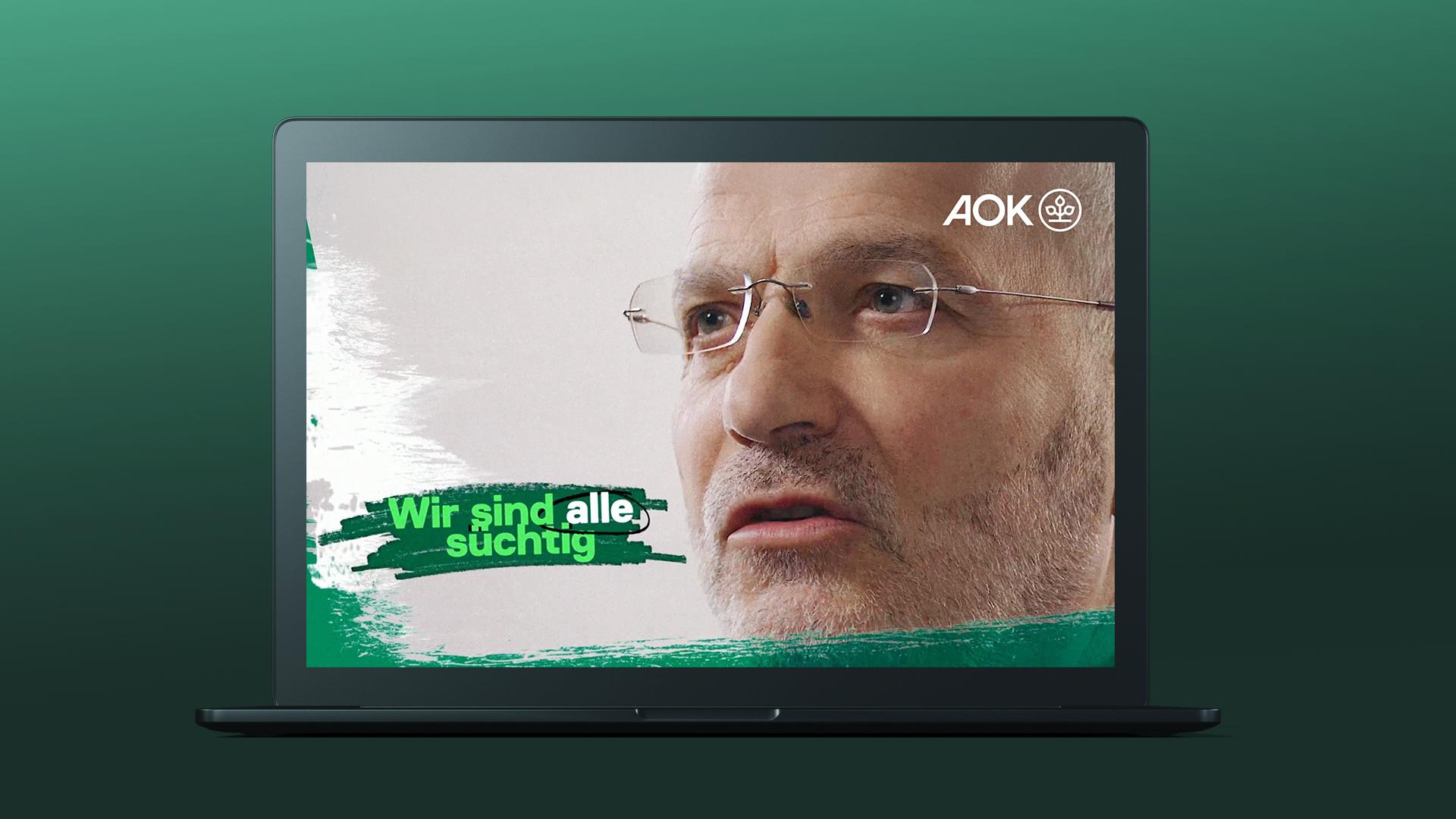
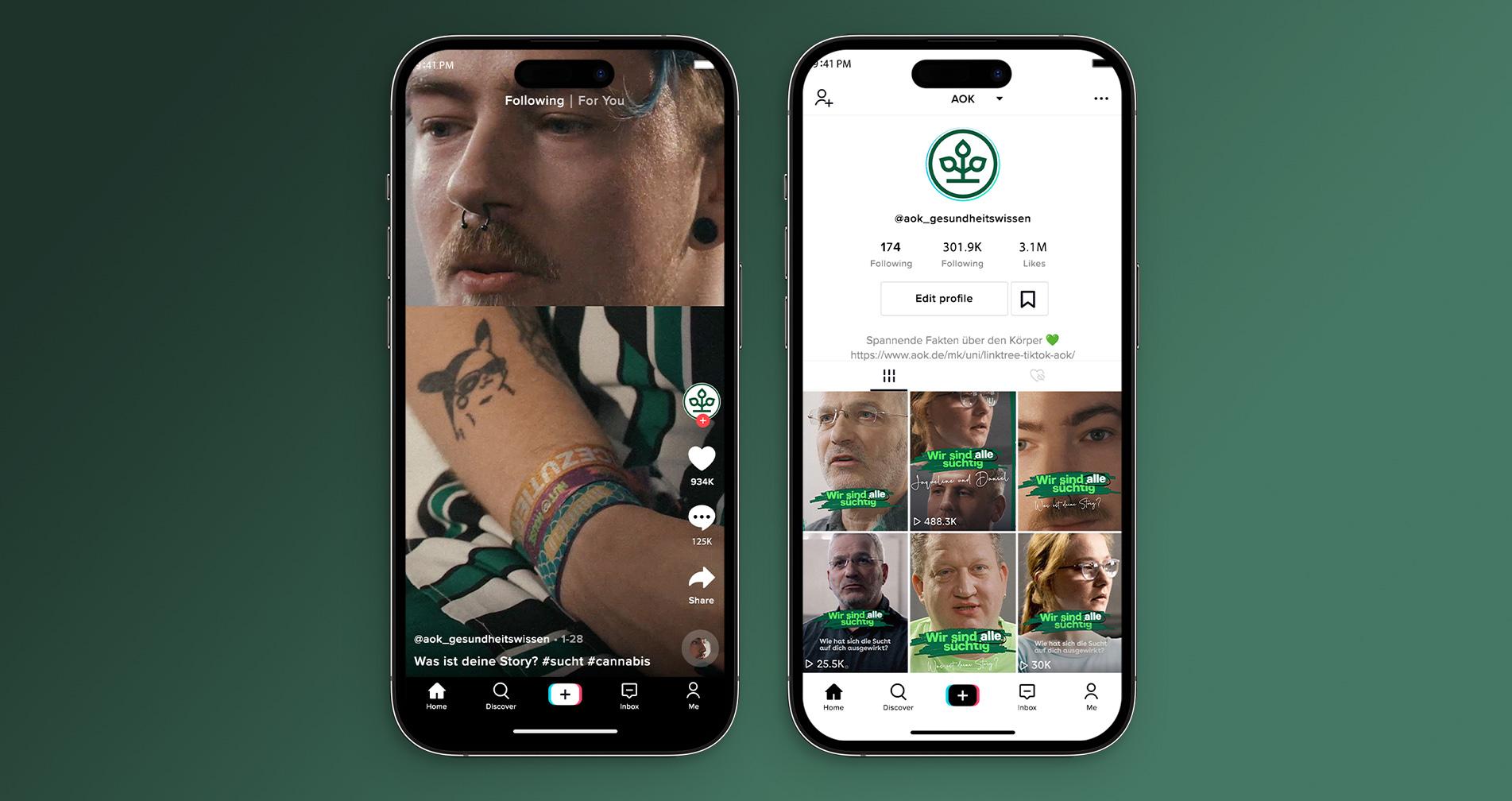
The campaign “We are all addicted” addresses modern forms of addiction, focusing not only on substance abuse but also on digital dependencies such as smartphones, social media, gaming, and online consumption. The objective was to create awareness among younger audiences, particularly Gen Z, by translating complex behavioral patterns into relatable and reflective content.
The campaign reframes addiction as a shared, everyday experience rather than a stigmatized issue. Instead of using fear-based communication, the concept is built on relatability, subtle humor, and self-recognition. Everyday scenarios were used to highlight unconscious habits and trigger reflection without judgment.
A social-first approach was applied across platforms such as Instagram, TikTok, YouTube, and targeted digital channels. Interactive formats, short-form storytelling, and university activations extended the campaign. A dedicated landing page provided deeper insights, resources, and practical guidance, connecting awareness with actionable support.
Contemporary communication strategies can address sensitive societal topics by combining emotional accessibility with storytelling.
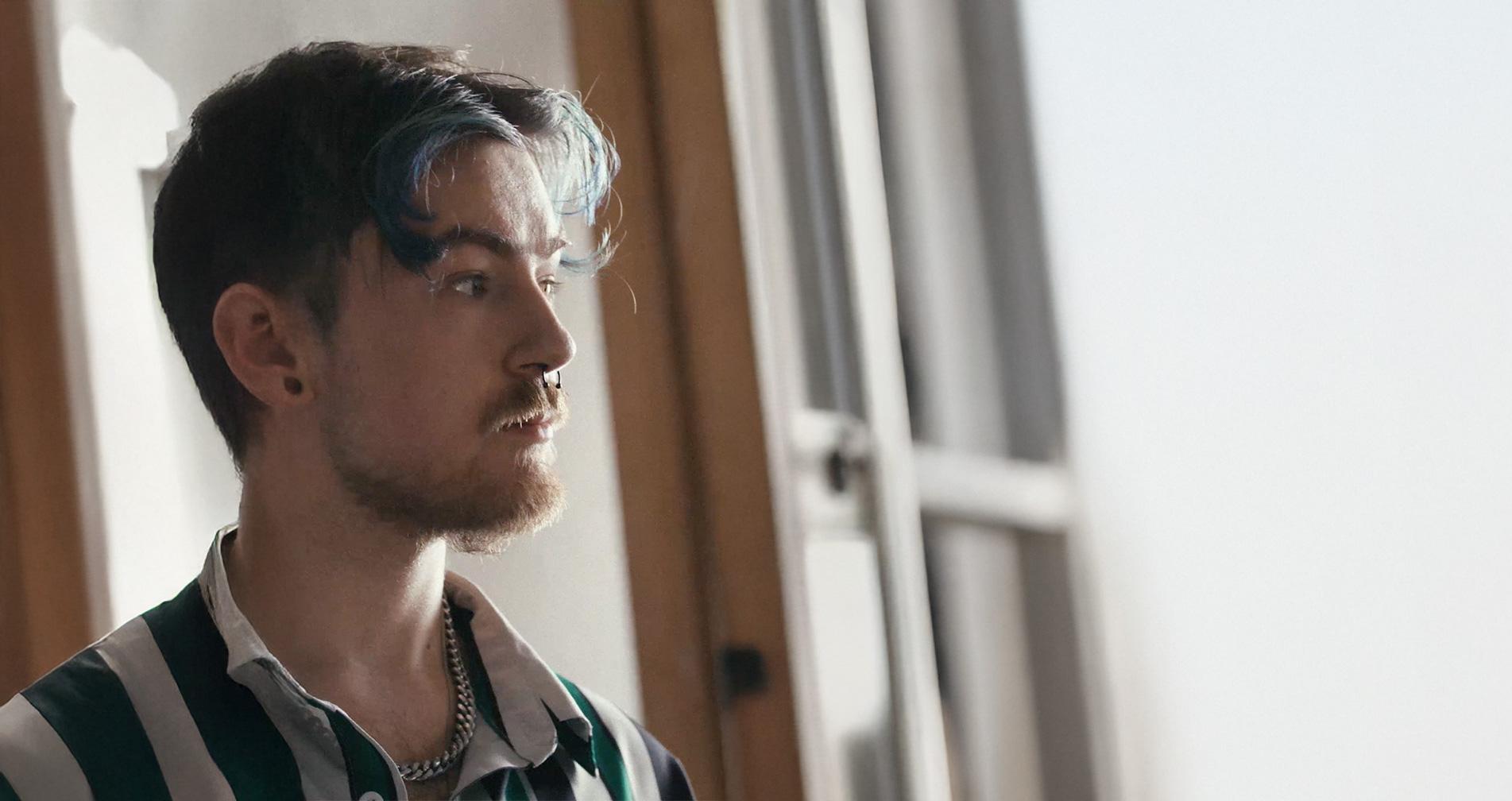
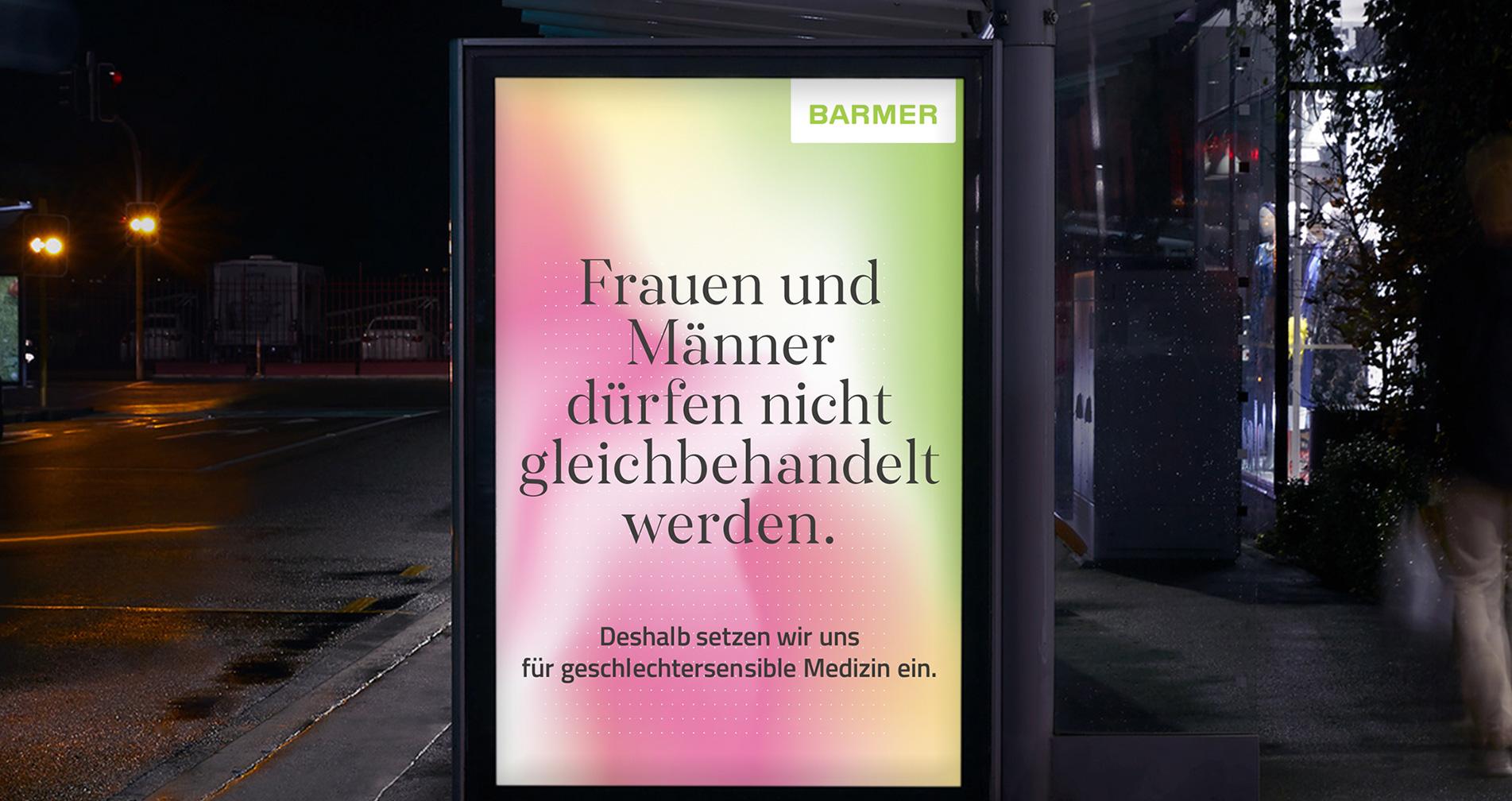
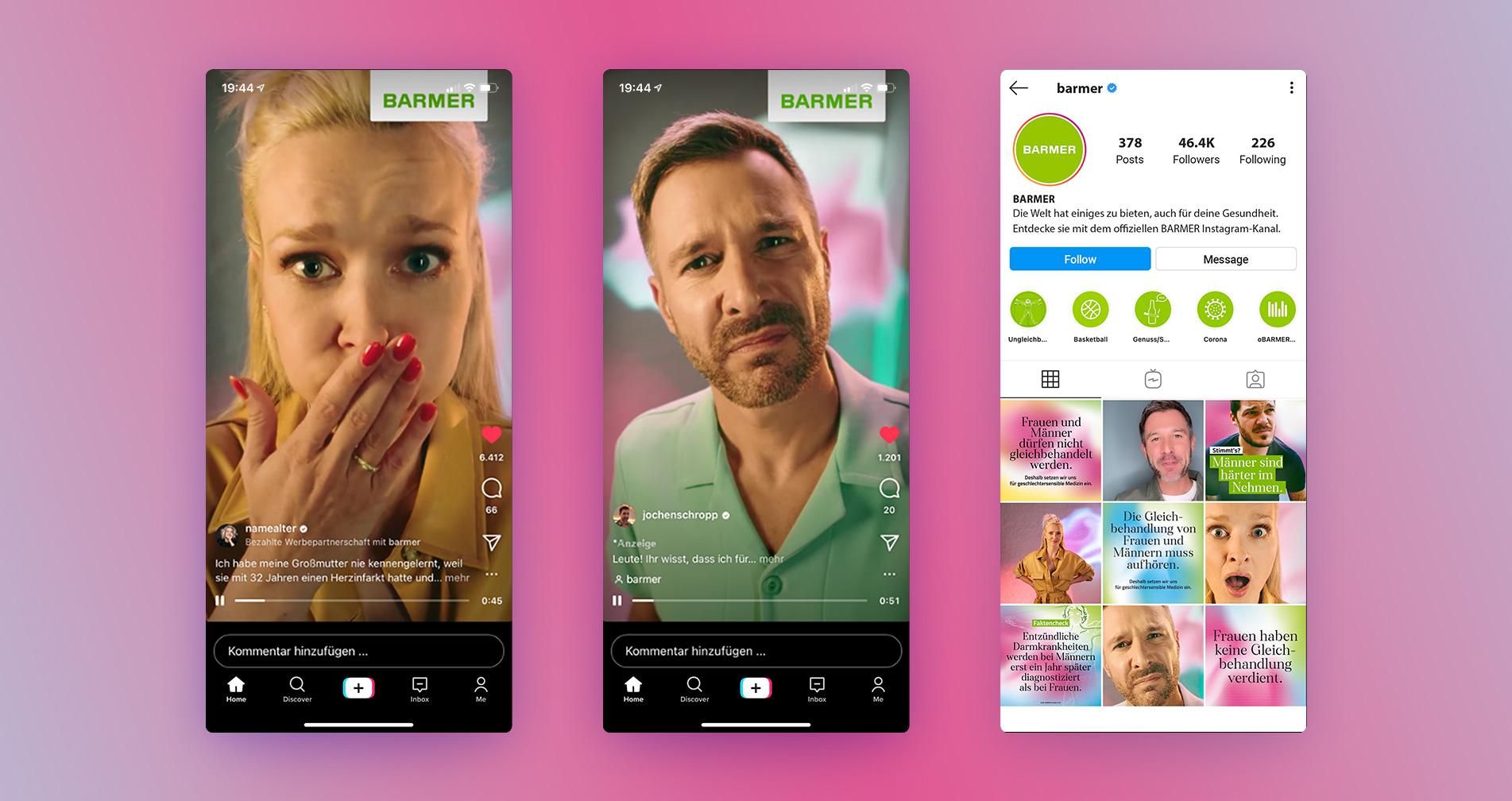
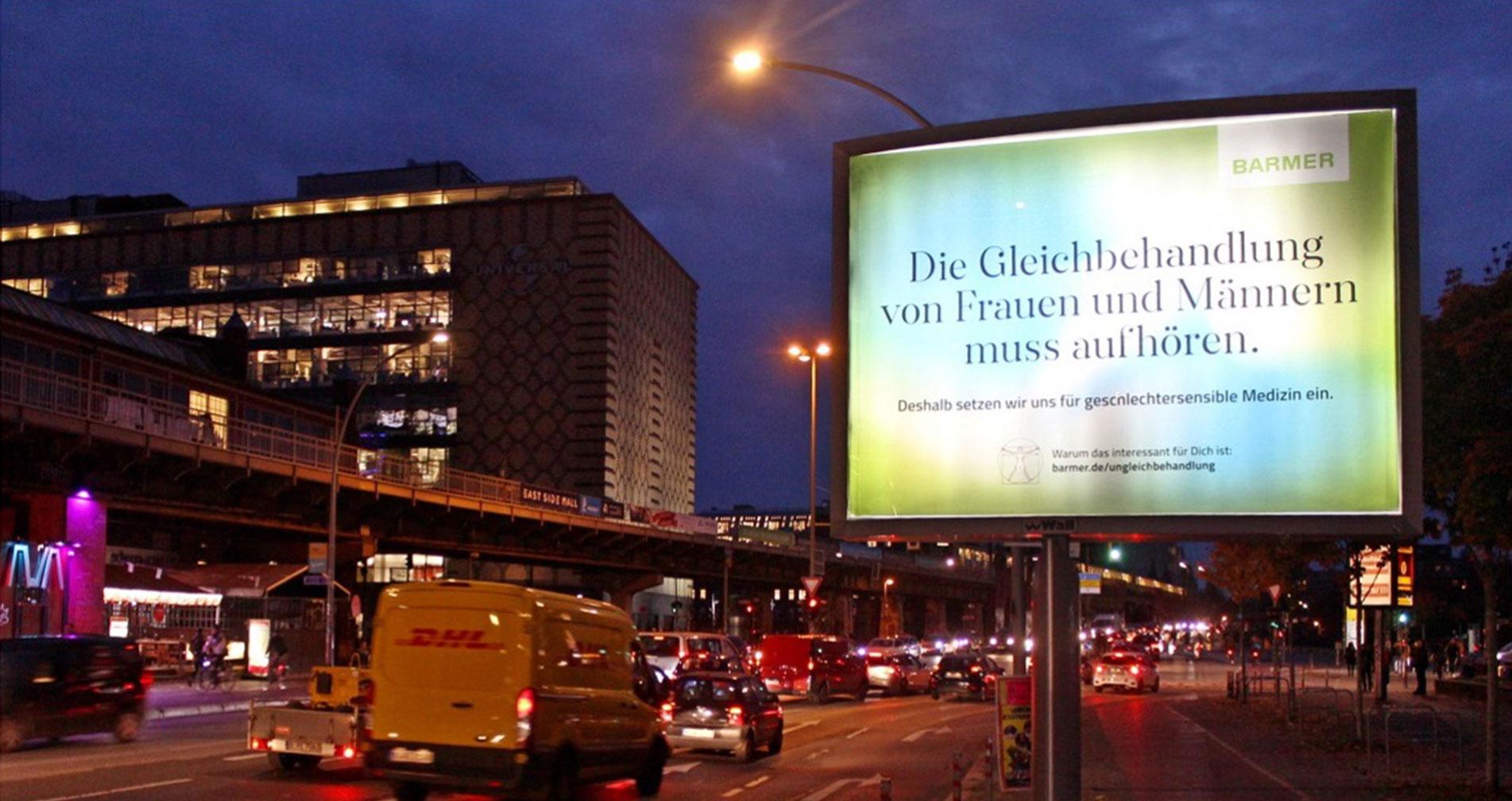
This storytelling-driven campaign for Barmer addresses health inequalities by combining immersive digital content with influential voices.
The objective was to raise awareness of systemic disparities in healthcare and position the brand as an advocate for social change.
The campaign focuses on social and economic barriers to equal healthcare access, including discrimination and disparities related to gender. Through a narrative-driven approach, complex issues are translated into accessible and emotionally engaging content.
Content Strategy & Cross-Platform Execution
A central element of the campaign is the integration of influencers as authentic voices and amplifiers. Lifestyle creators share personal experiences and encourage dialogue within their communities, extending the campaign beyond traditional healthcare communication. Interactive formats, data visualizations, and user-generated content invite audiences to engage with the topic and contribute their own perspectives.
Outcome & Relevance
Storytelling, influencer collaboration, and interactive formats can drive awareness and engagement around complex societal issues.
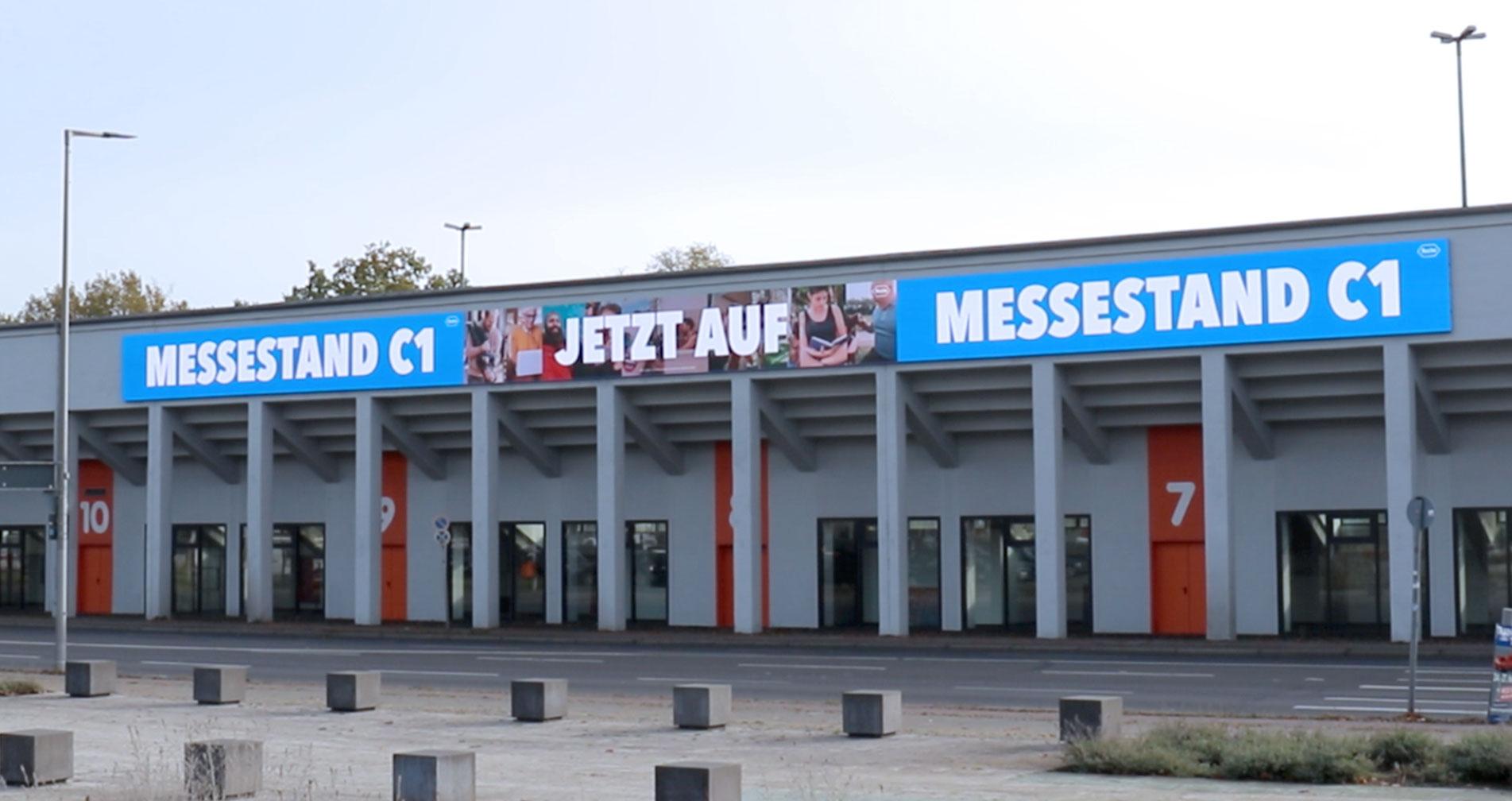
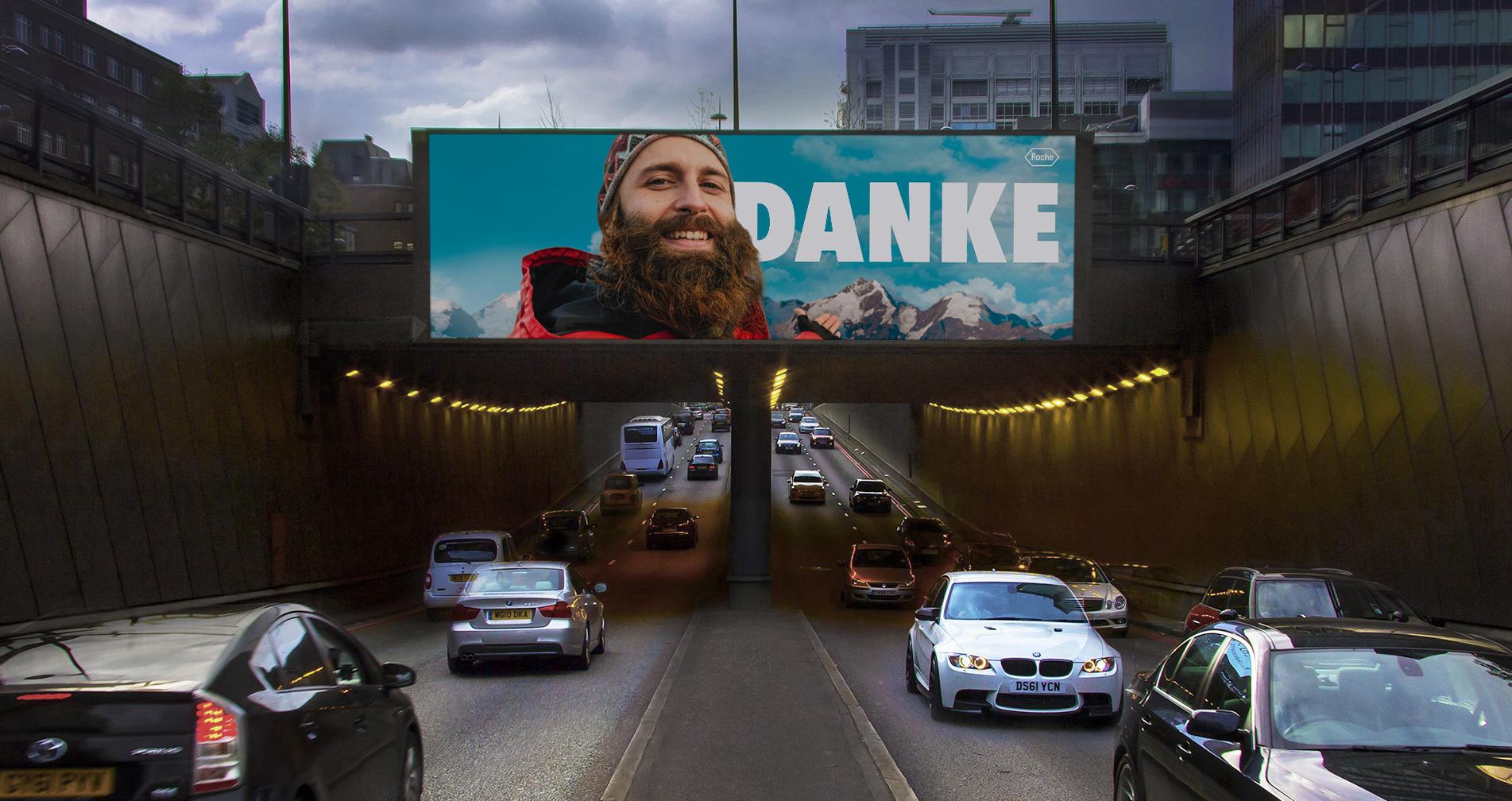
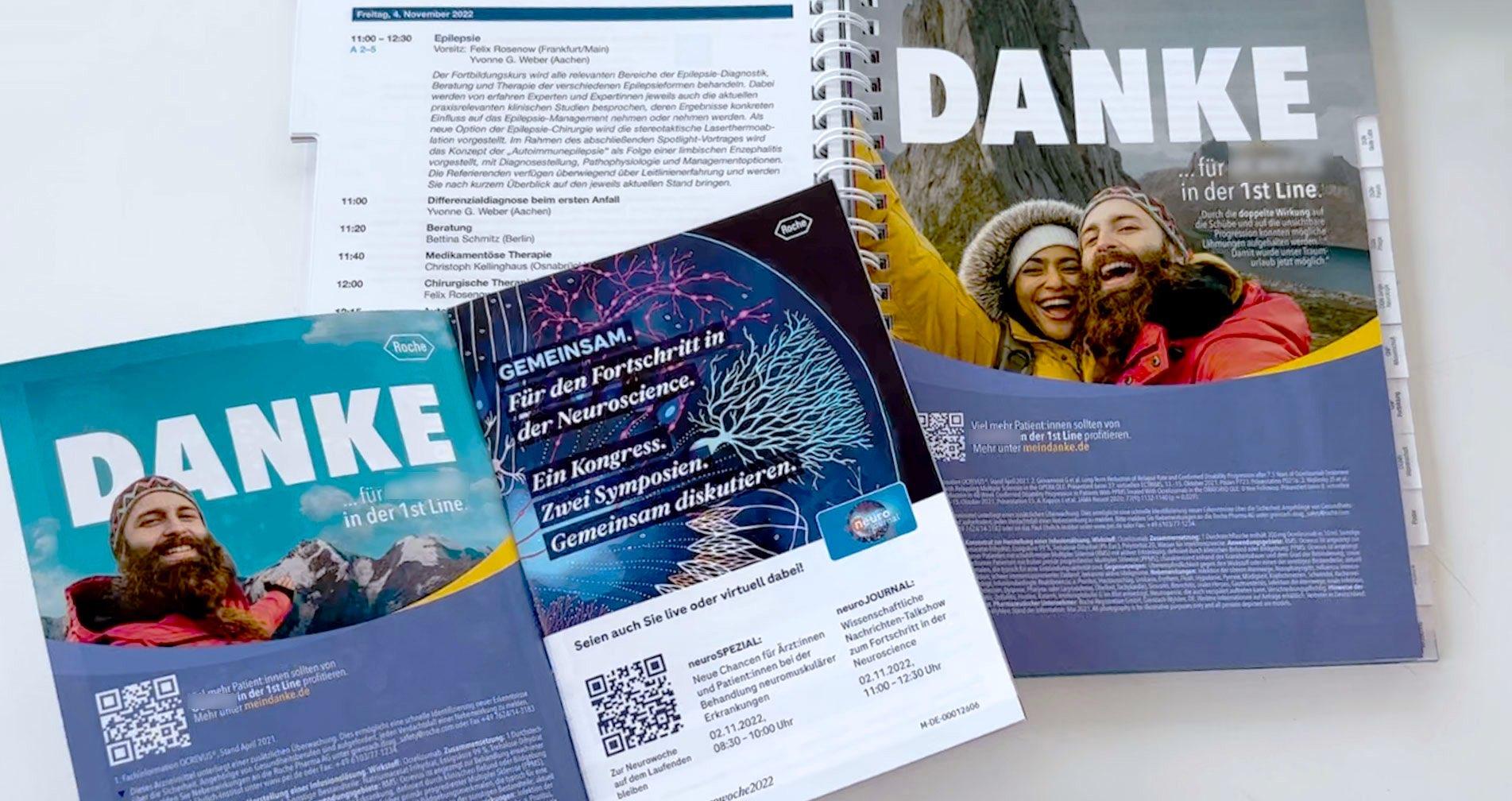
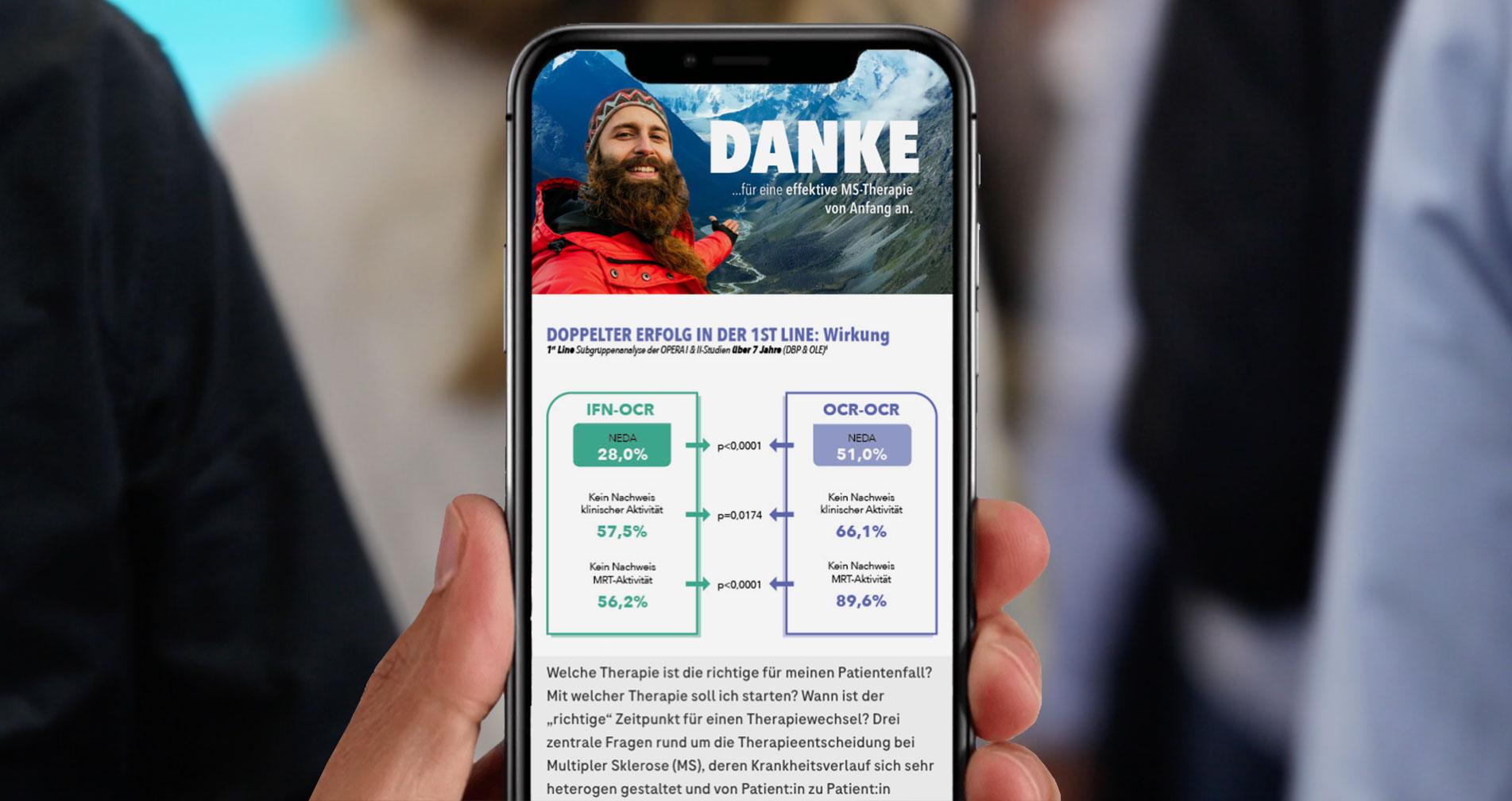
was responsible for the “DANKE” campaign for Roche, an initiative to recognize neurologists treating Multiple Sclerosis (MS). The objective was to shift from purely factual communication to emotional storytelling, strengthening trust in early and effective therapy approaches.
The campaign addressed neurologists as a data-driven target group that rarely experiences direct patient outcomes due to the chronic nature of MS.
By highlighting treatment success and long-term patient impact, the campaign aimed to build confidence in early, proactive therapy (“hit hard and early”). In parallel, healthcare professionals—particularly nurses and support staff—were
included as an influential secondary audience in treatment decisions and patient adherence.
A multi-channel approach was implemented, including print, out-of-home placements at DGN, LinkedIn, newsletters, and a dedicated website. The “DANKE” initiative acknowledged the work of neurologists while subtly reinforcing key therapeutic messages. Storytelling and real-life impact narratives complemented clinical arguments to increase engagement.
Emotionally driven communication can complement scientific messaging in highly regulated healthcare environments.
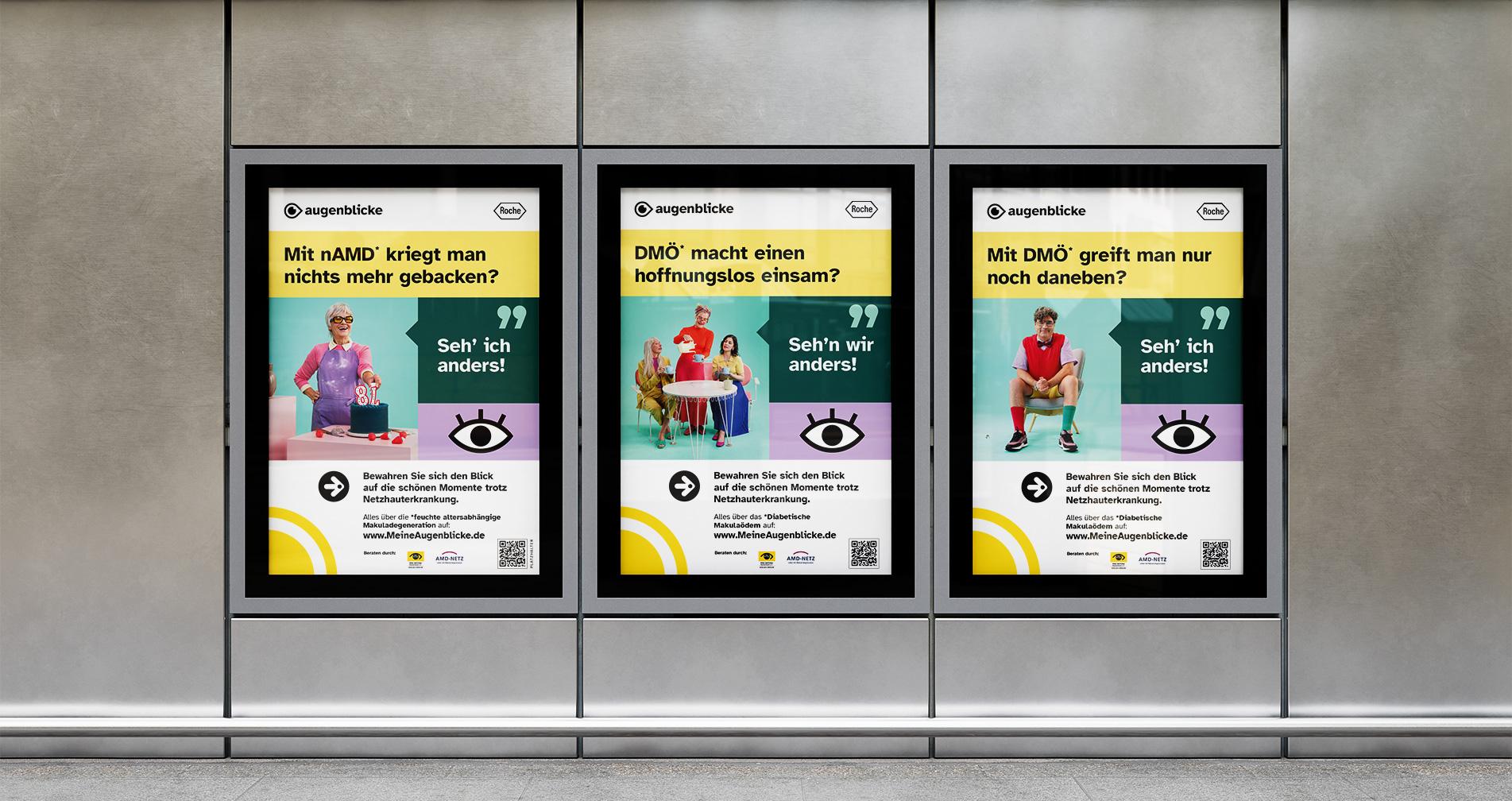
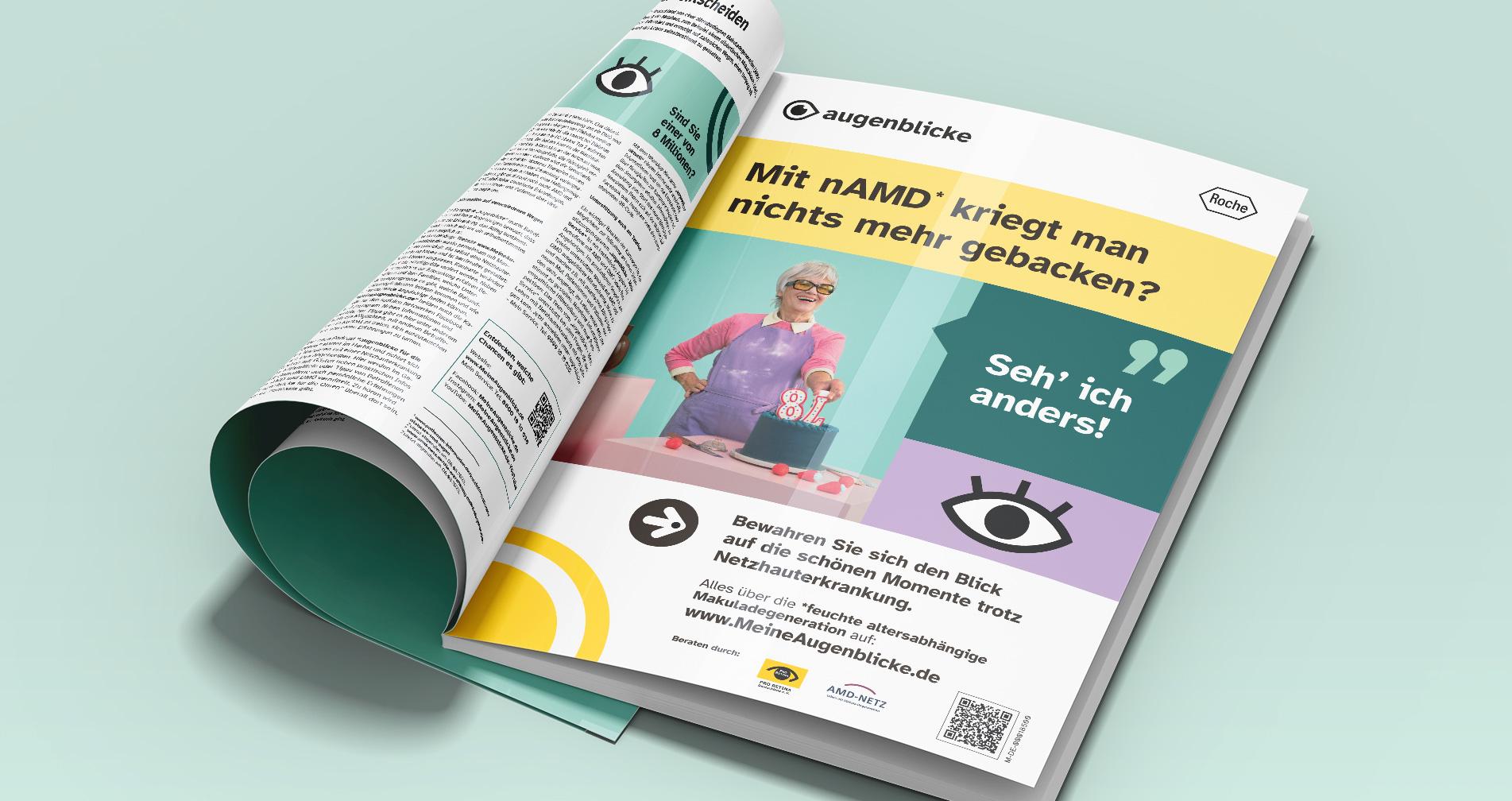
The “See It Differently” campaign by Roche aims to transform how ophthalmologists perceive and approach vision loss.
The objective was to combine scientific expertise with emotional storytelling to challenge existing perceptions and promote early diagnosis and innovative treatment approaches.
The campaign reframes ophthalmologists from reactive treatment providers to proactive advocates for patient outcomes.
By shifting the focus from purely clinical data to the human impact of vision loss, the communication highlights the importance of early intervention in preserving quality of life.
This approach integrates video content, interactive formats, and thought leadership. Real patient stories and expert insights form the narrative core, while collaborations with leading ophthalmologists and industry influencers extend reach across events, digital platforms, and communication channels.
Combining scientific communication with emotional storytelling can shift professional perspectives and increase engagement.
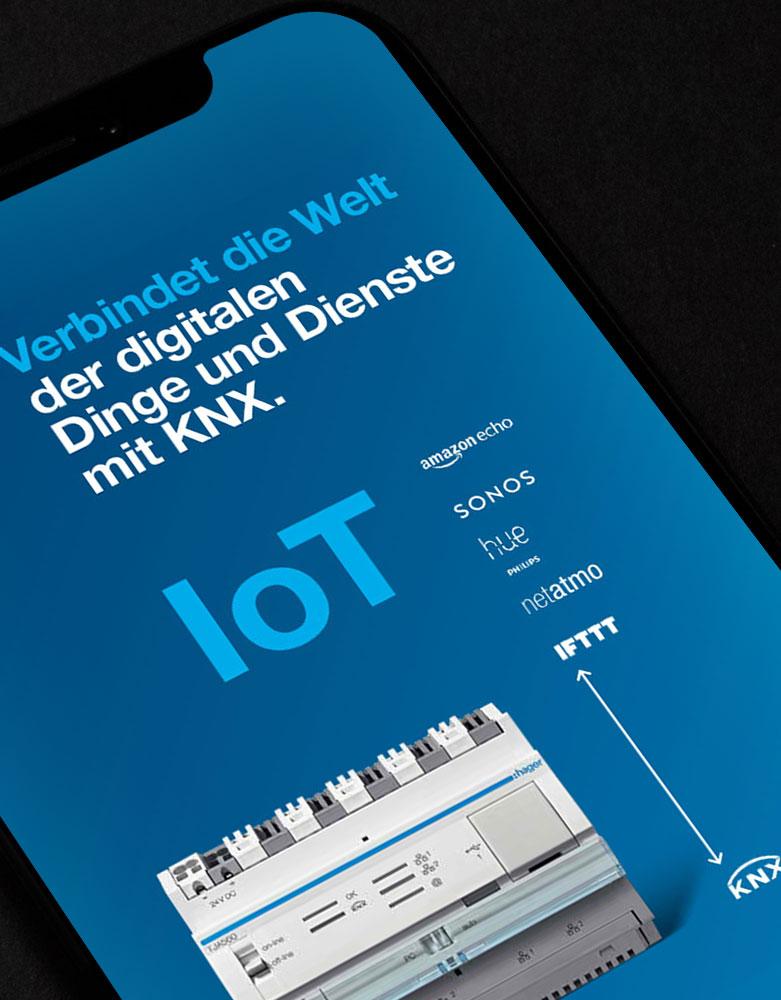
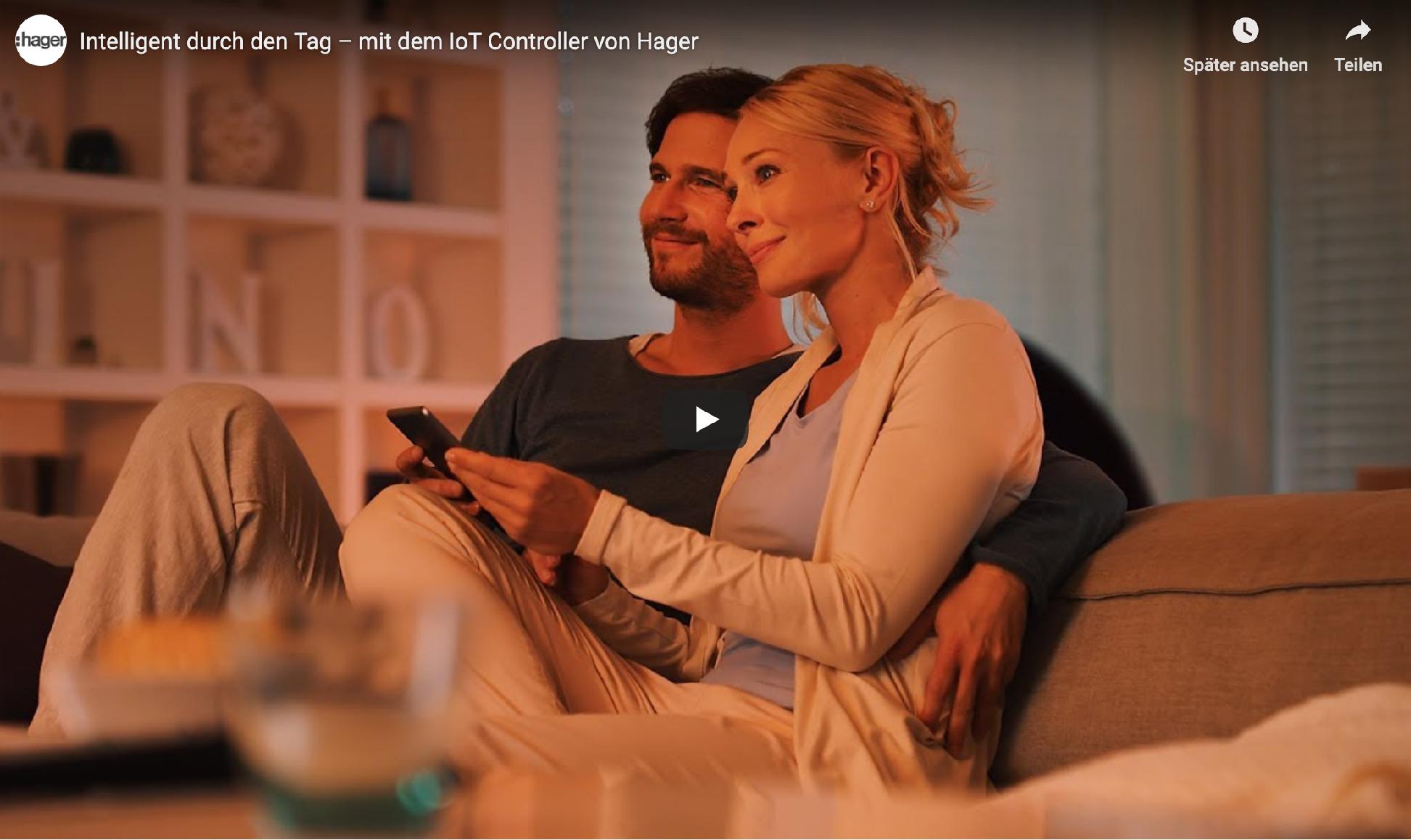
The 360° campaign for the Hager Group focused on the launch of an innovative IoT controller designed to enhance smart home experiences.
The campaign positioned the product as a central hub for connected living, emphasizing simplicity, flexibility, and real-life usability. Instead of communicating technical features in isolation, the strategy focused on use-casedriven storytelling, presenting the controller through everyday scenarios tailored to different user needs and levels of technical expertise.Immersive exhibitions of relevant scenarios enabled the brand to become an integral part of the target audience’s lives, rather than just a consumable product.
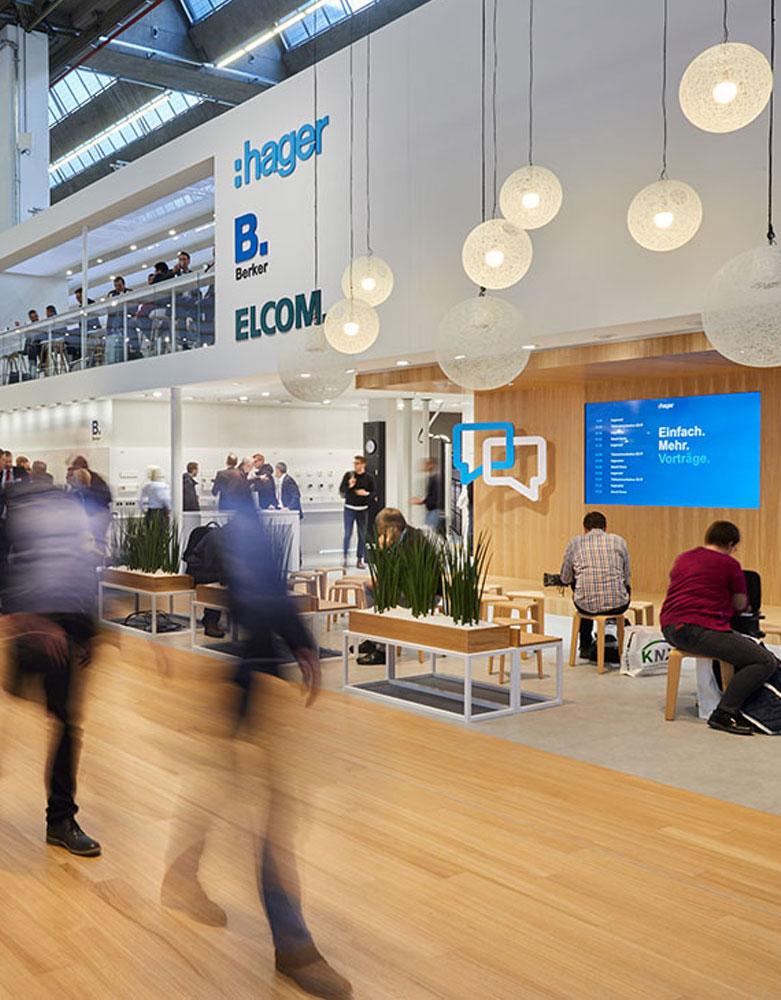
A multi-channel approach combined TV, digital, and print communication. A central TVC was adapted for web and social platforms, directing users to dedicated content environments where specific use cases were explored in depth. Integrations with systems such as Philips Hue, Sonos, and IFTTT were highlighted to demonstrate practical applications. An interactive configurator allowed users to explore personalized scenarios, shifting the experience from product presentation to solutionoriented storytelling.
Outcome & Relevance
Complex IoT products can be effectively communicated through scenario-based storytelling and interactive formats.

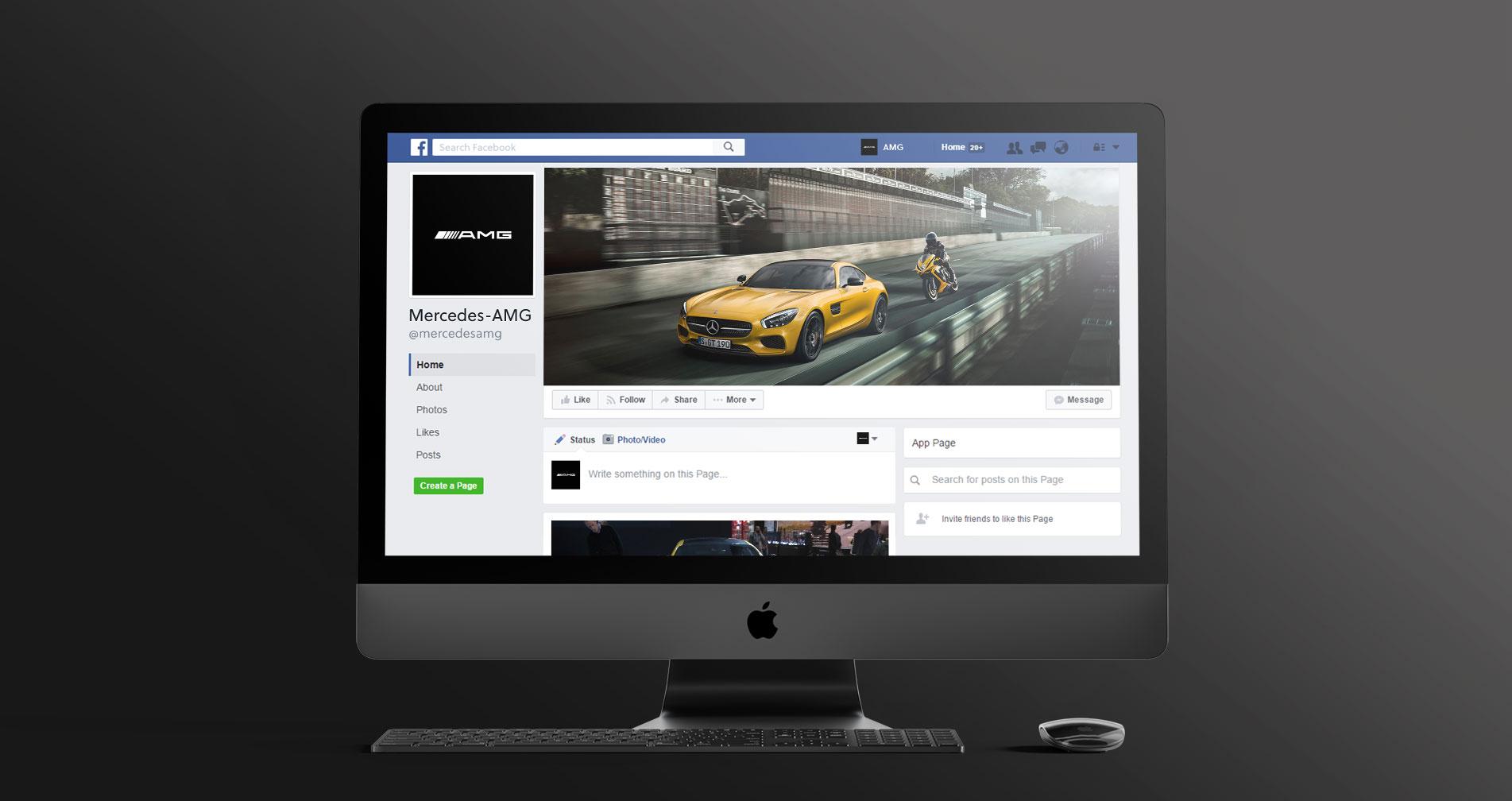
Mercedes-AMG and MV Agusta entered a long-term strategic partnership, combining automotive performance with motorcycle craftsmanship. I was responsible for developing a comprehensive communication campaign to position and communicate this collaboration across multiple channels.
Strategic Positioning & Campaign
The campaign focused on highlighting the synergy between two high-performance brands. The objective was to create a unified narrative that translates the partnership into a distinctive and premium brand experience.
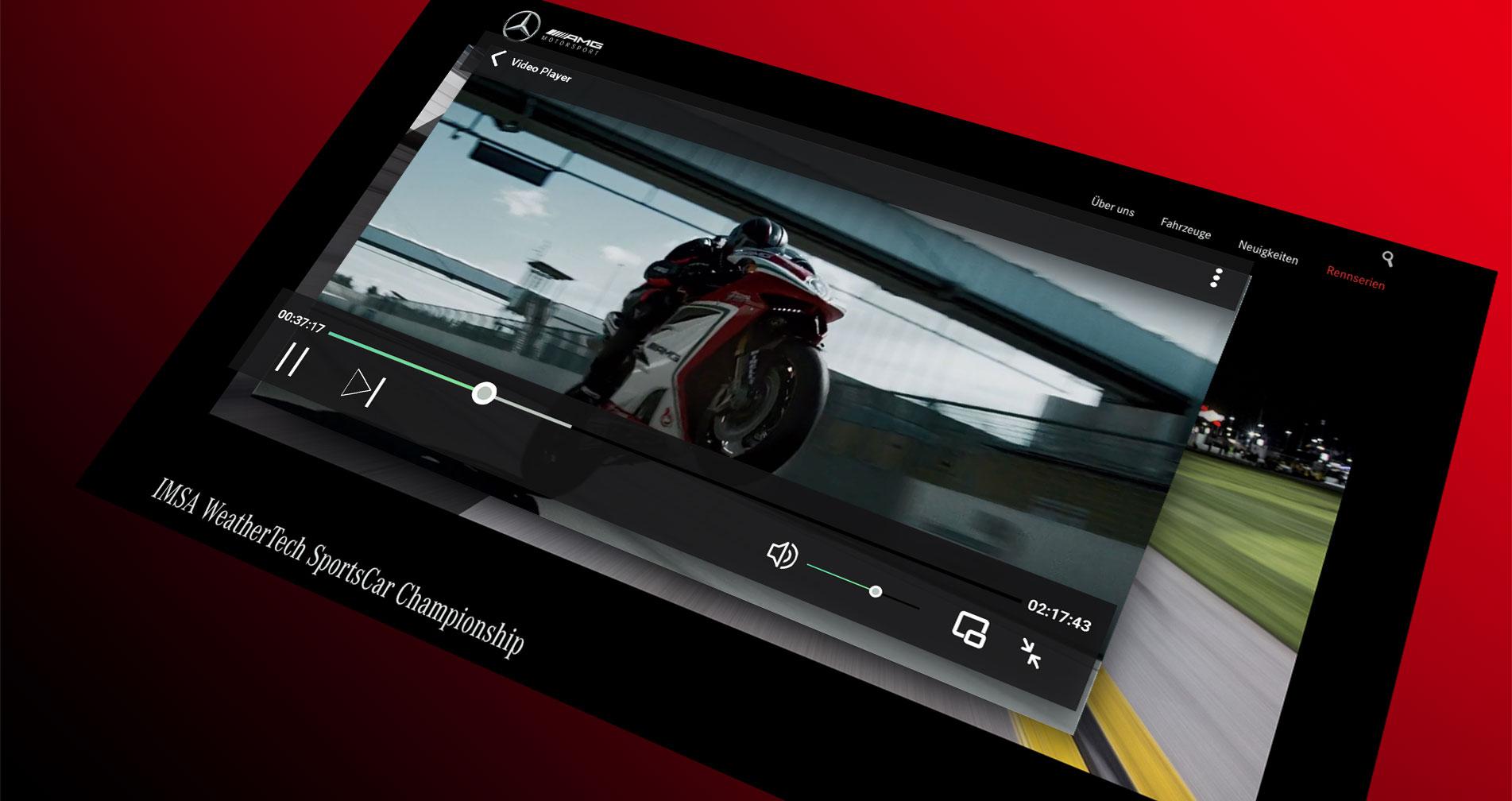
A 360° communication approach was implemented, including print materials, OOH assets, and content for web and social.
High-end visual production was realized in collaboration with Staud Studios, ensuring a consistent and premium aesthetic.
In addition, video content was produced across multiple European locations within a tight timeframe, supporting the campaign across channels.
The campaign culminated at the International Motor Show (IAA) in Frankfurt, where the partnership was officially presented. Integrated campaign assets, including films, presentations, and interactive content, formed the core of the exhibition experience.

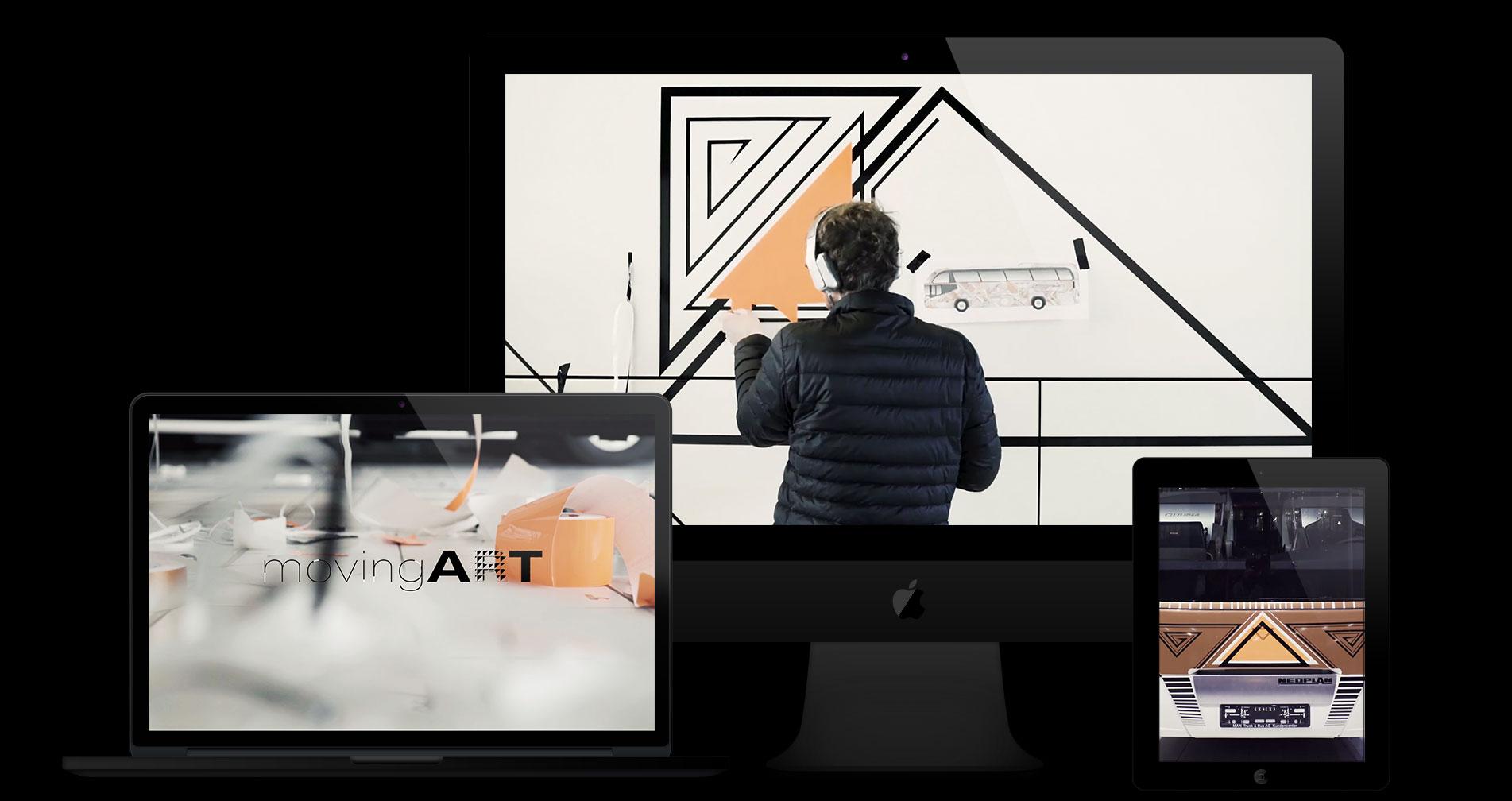
The #movingART campaign for Neoplan aimed to engage a younger audience and showcase the creative potential of its bus models, transforming vehicles into
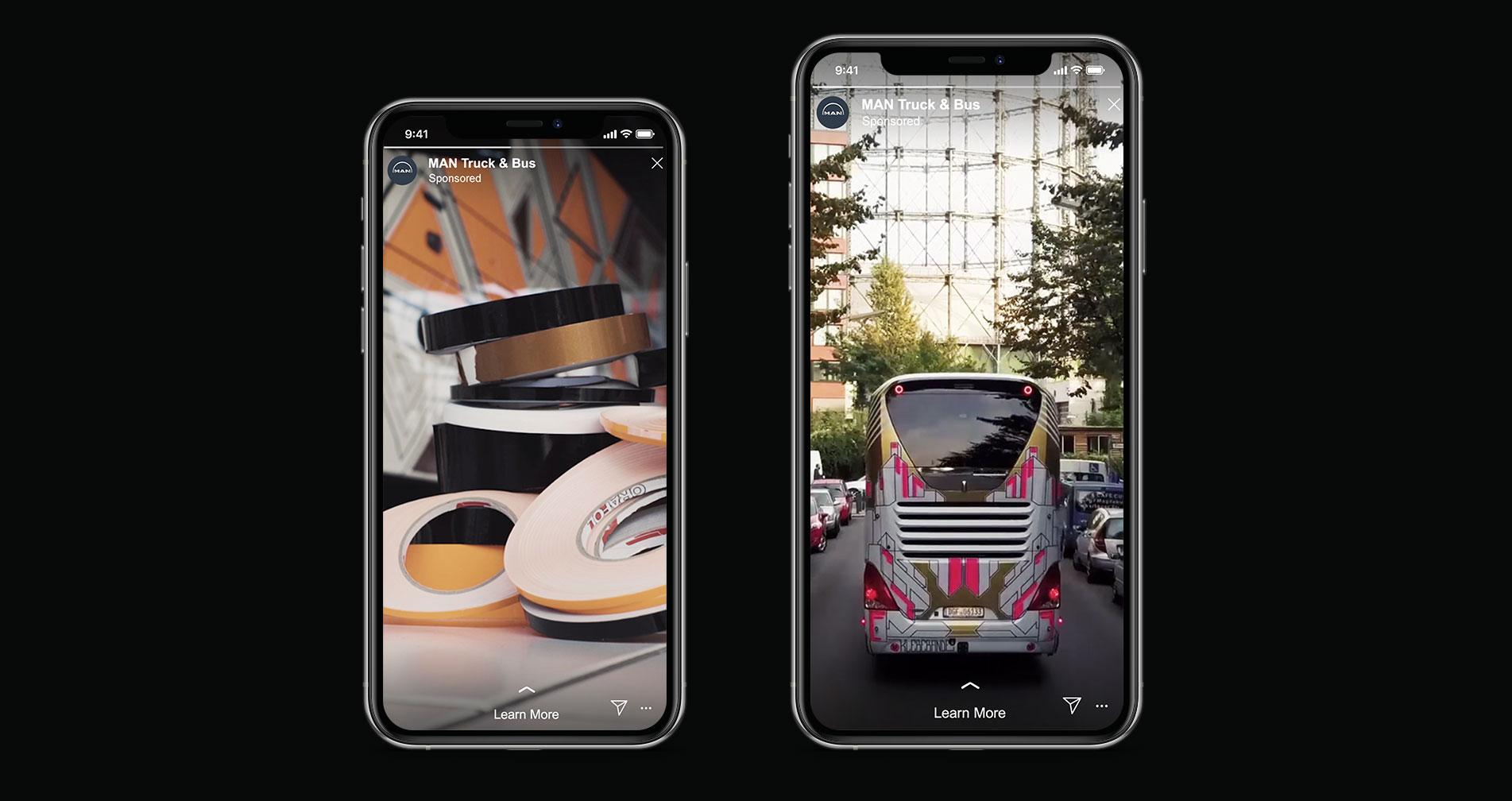
The campaign was built on the idea of turning buses into moving artworks. In collaboration with the Berlin-based tape art collective Klebebande, three models were transformed into large-scale canvases featuring cityinspired designs. This approach challenged conventional perceptions of public transportation and positioned the
The campaign combined physical activation with digital storytelling. The buses toured major German cities as mobile installations, while the creative process and public reactions were documented and distributed across social media platforms such as Instagram, YouTube, and blogs. This created a cohesive narrative that extended the on-site experience into the digital space.
The project demonstrates how experiential campaigns and cultural collaborations can redefine brand perception and reach new audiences. It highlights the effectiveness of combining physical installations with social media storytelling to create engaging and