PUBLISHER
Patrice Edwards
ASSOCIATE PUBLISHER
Camisa Composti
OFFICE MANAGER
Cathe Race
EDITOR Jon Chown
LAYOUT & DESIGN
Ward J. Austin
MEDIA CONSULTANTS
Teri Huckobey, Brooke Valentine
PUBLISHER
Patrice Edwards
ASSOCIATE PUBLISHER
Camisa Composti
OFFICE MANAGER
Cathe Race
EDITOR Jon Chown
LAYOUT & DESIGN
Ward J. Austin
MEDIA CONSULTANTS
Teri Huckobey, Brooke Valentine
To advertise in Coastal Home and Garden Magazine please call 831.688.7549
Coastal Home & Garden is a publication of the Times Publishing Group Inc., located at 9601 Soquel Dr. Aptos, CA 95003. Entire contents ©2026 by Patrice Edwards. All rights reserved. Reproduction in any form is prohibited without publisher’s written permission.
TO FEATURE YOUR BUSINESS IN ANY OF OUR PUBLICATIONS PLEASE CONTACT:
Times Publishing Group, Inc.
Office: 831.688.7549
Email: sales@cyber-times.com www.tpgonlinedaily.com


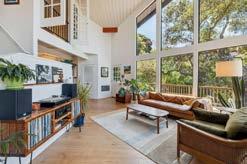
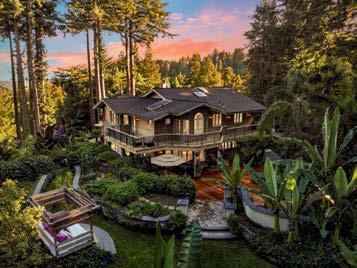
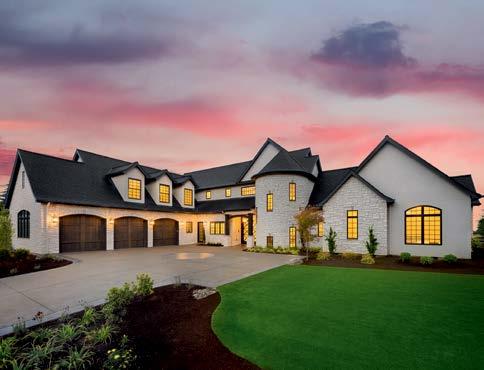
EXTRAORDINARY HOMES EXPERTLY REPRESENTED
Whether you’re searching for a coastal retreat or preparing to bring your home to market, we offer a refined real estate experience tailored to you.
FOR SELLER
• Strategic preparation, staging & elevated presentation
• Professional photography, cinematic marketing & targeted global exposure
• Expert negotiation focused on protecting value and maximizing results
FOR BUYERS
•Insight-driven guidance on neighborhoods, value & market trends
• Priority access to exclusive and off-market opportunities
• Strategic offer development & confident contract negotiation
LOCAL KNOWLEDGE GLOBAL REACH EXCEPTIONAL RESULTS


Kathleen Manning
Broker Associate
831.566.3127
KathleenManning.com DRE: 00885315
Rochelle Manning
Realtor®
831.566.3126
RochelleManning.com DRE: 02237736
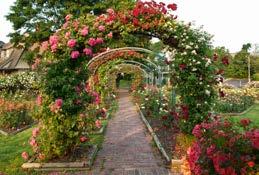













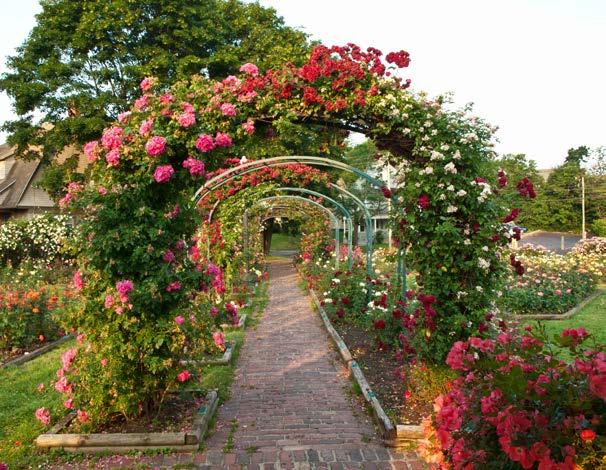
Climbing roses thrive on the Central Coast of California thanks to the region’s mild Mediterranean climate, long growing season, and generally forgiving conditions. They offer a mix of beauty and structure—arching canes, repeat blooms, and the ability to soften fences, walls, and arbors. The Central Coast’s blend of coastal fog, moderate temperatures, and well-draining soils creates an environment where wide variety of roses perform reliably with relatively low disease pressure.
What Makes Climbing Roses Unique
Climbing roses aren’t true “climbers” in the way vines are. They don’t have tendrils or the ability to cling on their own; instead, they produce long, flexible canes that you train and tie to supports. These canes can reach impressive lengths, creating dramatic vertical displays. They come in a wide range of colors, bloom forms, and fragrances, and modern varieties are bred for improved disease resistance and repeat flowering.
How They Perform on the Central Coast
The Central Coast’s climate—cooler summers near the ocean, warmer inland valleys, and mild winters—supports vigorous growth and long bloom cycles. Key advantages include:
• Extended blooming season: Many climbers bloom repeatedly from spring through fall in this region.
• Lower disease pressure: Coastal breezes and moderate temperatures help reduce issues like powdery mildew and black spot.
Ideal for vertical interest: They excel on trellises, fences, pergolas, and arbors, which are common features in Central Coast gardens.
Gardeners should note that while the climate is favorable, climbing roses still need regular training and tying, since they cannot attach themselves naturally.
Recommended Climbing Roses for California Conditions
Several varieties are known to perform especially well in Continued on page 10 ...
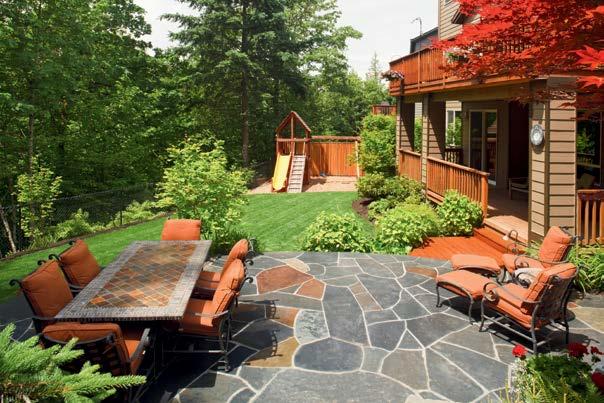
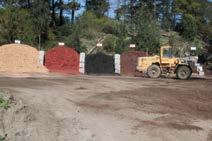
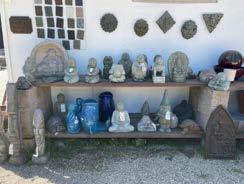
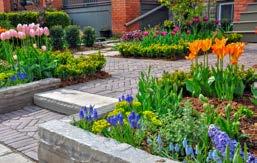
As spring unfolds into the warmer months, itʼs the perfect time to step outside and refresh your gardens and landscape. Whether youʼre planting new blooms, revitalizing outdoor spaces, or starting a larger seasonal project, we have all the supplies you need to bring your vision to life. Stop by and visit us or give us a call—weʼre here to help your landscape thrive this season.





It produces red and white striped flowers and is nearly everblooming once established.
‘Iceberg’ (Climbing) — A white, prolific bloomer with excellent disease resistance and a clean, classic look.
‘Zephirie Drouhin’ — Nearly thornless, strongly fragrant, and tolerant of partial shade—useful in foggier coastal pockets.
‘Joseph’s Coat’ — A colorful, multi-hued climber that thrives in warm, sunny spots.
‘Pearly Gates’ — A soft pink, fragrant climber that performs well in mild climates.
These varieties offer a mix of fragrance, color, and reliability suited to the Central Coast’s conditions.
Growing Tips for Success on the Central Coast
Choose the right site: Full sun is ideal, though some varieties tolerate light coastal shade.
Train early: Tie canes horizontally or at 45-degree angles to

encourage more blooms along the length of the cane.
Prune thoughtfully: Remove dead or weak canes and shape the plant after major bloom flushes.
Water deeply: While drought-tolerant once established, roses perform best with consistent deep watering, especially inland.
Feed regularly: Organic fertilizers or compost help maintain steady growth and repeat flowering.
Why Climbing Roses Are a Great Fit for Central Coast Gardens
Their combination of vigor, beauty, and adaptability makes climbing roses a natural choice for the Central Coast. They can handle the region’s mix of foggy mornings, sunny afternoons, and mild winters, and modern varieties offer improved disease resistance and low maintenance. Whether you’re looking to create a romantic archway, cover a fence, or add height and fragrance to your garden, climbing roses can deliver year after year.
If you’d like, I can help you choose varieties tailored to your specific microclimate—coastal, inland, fogbelt, or valley.







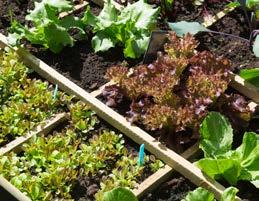
These thrive in the Central Coast’s foggy mornings and mild days. You can plant them immediately.
Lettuce (romaine, butter, leaf)
Spinach
Kale (Lacinato, curly)
Swiss chard
Broccoli
Cauliflower
Cabbage
Peas (snap, snow, shelling)
Carrots
Beets
Radishes
Onions
Potatoes (ideal in early spring)
Why they thrive: the Central Coast rarely freezes after early March, and cool-season crops love the moist, cool coastal air.






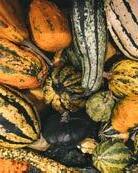
These need warmer nights — ideally above 50°F. Coastal Santa Cruz warms more slowly, so late May is ideal.
Tomatoes (cherry types perform best near the coast)
Peppers
Eggplant
Cucumbers
Beans (bush or pole)
Zucchini & summer squash
Corn (best in sunnier inland pockets)
Tip: If you’re right on the coast, choose early-maturing or coldtolerant tomato varieties like ‘Sungold’, ‘Stupice’, or ‘Early Girl’.









Microclimate Notes for the Central Coast: Your exact neighborhood matters more than you think –AREA:
Westside, Seabright, Capitola, Aptos
Soquel, Live Oak
Scotts Valley
Felton, Ben Lomond
Cool, foggy mornings
Slightly Warmer
Much Warmer
Cool, shaded, redwood areas
Delay warm-season crops until late April–May
Warm-season crops can start mid–late April
Plant warm-season crops earlier (early–mid April)
Stick to cool-season crops longer
Lettuce, Spinach February-May
Broccoli, Cabbage February-April
Peas January-April
Carrots, Beet, Radishes February-June
Potatoes January-March
Tomatoes April-May
Peppers, Eggplant May
Beans April-June
Squash April-June



When planning a landscape in a rural-residential area, it is a natural impulse to consult a list of fire-resistant plants and select only those that are deemed firesafe. Consulting more than one list can uncover a problem, however: lists contradict each other. For example, our native yarrow (Achillea millefolium) shows up on some lists as fire-resistant and on others as flammable. Other species show up in contradictory fashion as well. Most lists are a compilation of opinions, guesses, informed guesses, and other people’s guesses.
THE WILDFIRE ENVIRONMENT Some factors in the fire environment are beyond human control, and are almost beyond comprehension. First, wildfires are extremely unpredictable, burning some vegetation while adjacent sites are left untouched. Second, the rapidly rising column of hot air from a wildfire sucks in oxygen to feed the base of the fire, creating winds of tornado speeds. These high winds carry burning embers (firebrands) a mile or more, igniting spot fires in a leapfrog fashion and spreading the fire farther and faster than the actual flame front. Firebrands are not necessarily single burning coals; they can be a shower of small embers, resembling Fourth of July fireworks but not organized into pretty patterns. And third, because wildfires often occur during especially hot, dry, and windy weather conditions,
the temperatures can be extremely high. After the Trabing Fire near Watsonville in 2008, investigators determined that the temperatures had reached 3,000 degrees Fahrenheit. I was shown a blob of melted aluminum, small enough to hold in the palm of a hand, that was all that remained of an extension ladder.
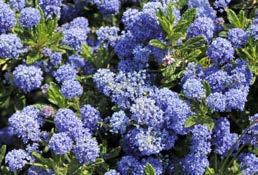
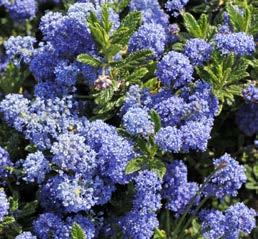
There are no plants and no structures that can withstand such heat. At these temperatures, spontaneous combustion ignites a structure from within. As the Basin Complex Fire in Big Sur approached a home in 2008, the owners moved their important possessions into a metal storage container on the property before they evacuated. When they returned, the house was untouched but the storage container held only ashes. Such incidents of internal ignition happen more often than we think. Based on recommendations from the Fire Safe Council of Santa Cruz County and local Resource Conservation Districts (RCD), the best fire-retardant plants for the Central Coast include high-moisture, low-resin native species. Key plants include Toyon, Coffeeberry, Coast Live Oak, Ceanothus, and various sages. These plants are low-fuel producers, maintaining high moisture content if maintained properly.
Creating defensible space around your home and outbuildings is enhanced by the installation and maintenance of fire-resistant landscaping. A well-maintained yard does not necessarily mean that your landscaping is resistant to fire. Fire-resistant landscapes use fire resistant plants that are strategically planted
Continued on page 18 ...


to reduce the risk of fire spreading from surrounding areas to your home. All plants will burn given the right conditions, but you can mitigate potential damages to your home from plants catching fire by choosing to install plants and trees with low sap content, irrigating sufficiently, removing dead or dying branches regularly, incorporating stone walls and pathways, and making sure there is horizontal and vertical separation between plants. Contact your local drought-tolerant plant nursery for suggestions on fire-resistant plant selection.
Qualities to look for in fire-resistant plants:
High water content
Extensive root systems
Limited production of dead material
High levels of salt
Ability to withstand drought
Low levels of oils or resins
Ability to re-sprout after a fire
For Part Shade:
Huckleberry (Vaccinium ovatum)
Rrises (Iris spp. and hybrids)
Snowberry (Symphoricarpos albus)
California blackberry (Rubus ursinus)
Alum root (Heuchera spp.)
For Shade:
Western bleeding heart (Dicentra formosa) Western sword fern (Polystichum munitum)
Defensible Space:
By law in California, 100 feet of defensible space is required around homes and other structures. This creates a safe working area for firefighters to protect structures.
First 30 feet: “Lean, Clean, and Green”:
Vegetation must be very low in volume and density. This does not translate to a barren moonscape, but it does mean low groundcovers and/or hardscape are dominant.
Next 70 feet (or to the property line if closer)“Reduced Fuel Zone”: Create horizontal and vertical spacing between plants. The amount of space will depend on how steep the slope is and the size of the plants. In Santa Cruz County, islands of low vegetation less than waist high may be scattered in the Reduced Fuel Zone for aesthetic and wildlife values. Some examples for different areas are listed below:
For Sun:
Manzanitas (Arctostaphylos spp., low-growing forms)
Coyote bush (Baccharis pilularis)
Ceanothus (Ceanothus spp., low-growing forms)
Sedges (Carex spp.)
Buckwheats (Eriogonum spp., low-growing varieties)
Irises (Iris spp. and hybrids)
Sages (Salvia spp.)
Links:
www.firesafesantacruz.org/images/education-outreach/fireresistant-landscaping_schettler.pdf www.us-ltrcd.org/files/8121ddc39/CA+Plant+List+for+Fire+S afe+Landscaping+.pdf www.cnps.org/flora-magazine/fire-resistantlandscaping-23654


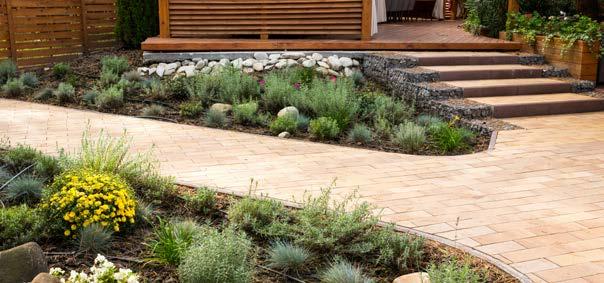
1. “California Native + Coastal” Landscaping
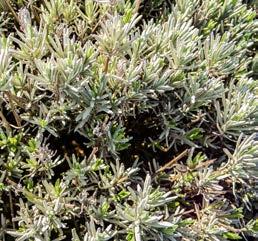
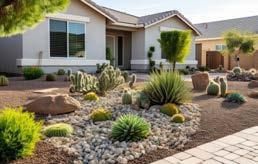
The top trend on the Central Coast is Native and droughttolerant plants (sage, manzanita, lavender)
Layered, lush-looking designs that still use minimal water. Blends seamlessly with the surrounding hills and coastline.
• Why it’s popular: water restrictions and climate compatibility
• Bonus: supports pollinators and wildlife
2. Water-wise but NOT “dry-looking.”
Full, textured, green, and efficient Drip irrigation and smart watering systems
Groundcovers instead of lawns. Mixed plant heights for a lush appearance
This marks a big shift toward “water-wise luxury” landscaping
3. Regenerative and eco-friendly yards
People aren’t just saving water—they’re trying to restore ecosystems.
Pollinator gardens (bees, butterflies). Rainwater harvesting and permeable pavers
Focus on composting and soil health. Think of your yard as a mini habitat, not just decoration
4. “Corridor gardens” and wildlife-friendly spaces
A newer idea gaining popularity: Connecting yards to support wildlife movement. Native hedges instead of solid fences
Bird- and insect-friendly features. Even small yards can serve as stepping stones for biodiversity
5. Natural materials and earthy textures
Hardscaping is becoming more organic. Decomposed granite paths. Large natural boulders
Wood fences and pergolas. Mixed textures (stone, plants, and wood)
• The goal: make it look like it belongs in the landscape, not built on top of it
6. Fire-wise landscaping (very important locally). With wildfire risks, design is shifting:
Gravel or stone within 0–5 ft of the house. Low-flammable plants near structures
Clean, minimal zones around the home. This is becoming both a safety measure and a design trend
7. Edible and functional gardens
People want gardens that serve a purpose:
Raised beds with herbs and veggies. Citrus trees, olives, and berries that bear edible fruits that can be canned and preserved in your own kitchen.
• Combining sustainability with lifestyle
8. Color trends (home and garden)
Moving away from gray and white: Earth tones: terracotta, olive, sand
Coastal tones: seafoam, muted blues. Garden colors: jewel tones or soft dusty pinks
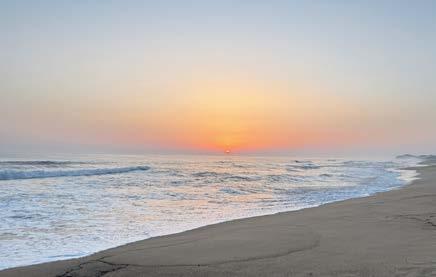
• Inspired by coastlines, soil, and sunsets
9. Relaxed, “imperfect” gardens
A significant mindset change: Less manicured, more natural. Lower maintenance, spaces that evolve over time.
“Lived-in” is better than perfectly styled
What this means for OUR area (Central Coast vibe)
To keep your home feeling current locally, aim for:
Native plants and natural materials
A functional outdoor living space
Soft, earthy colors
Low water and low maintenance needs
A slightly wild, coastal feel (not overly polished)




• Natural Stone
• Landscape Supplies
• Boulders
• Decorative Rock
• Pavers
• Sand and Aggregate
• Retaining Walls
• Sealers and Cleaners
• Mirafi Geotextiles
• Concrete, Cement & Masonry
•















Monday thru Saturday, 10 AM to 5 PM



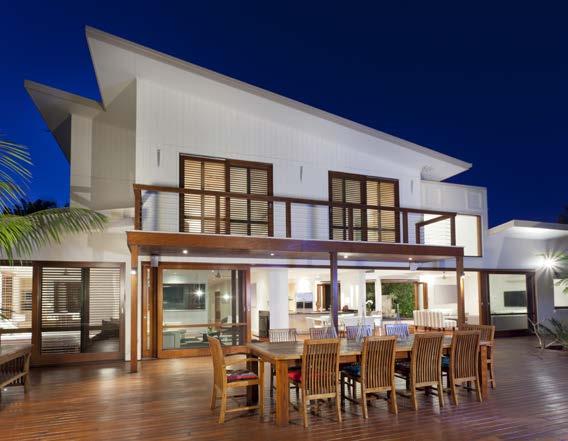






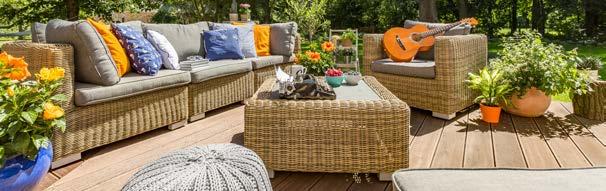
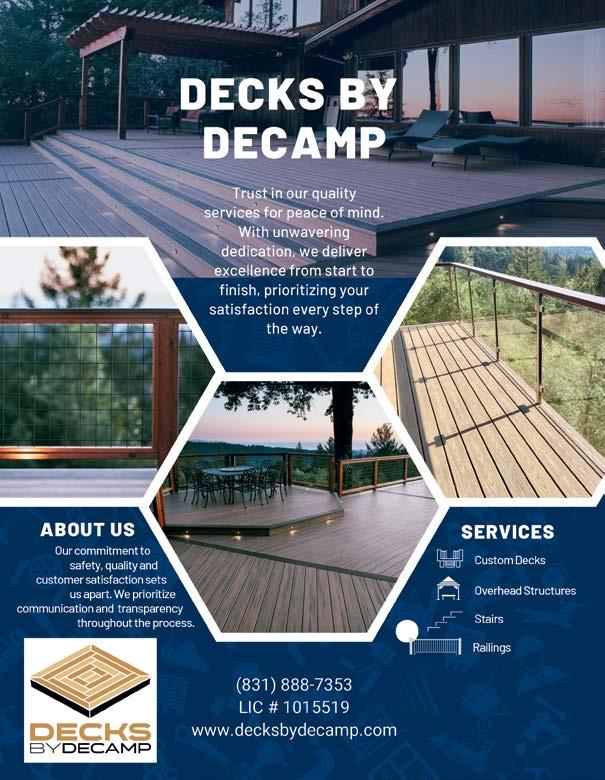
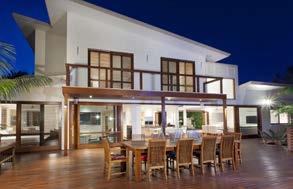
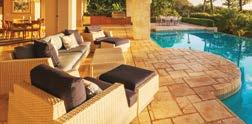
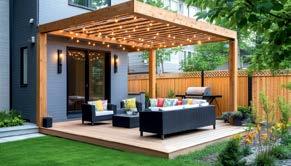
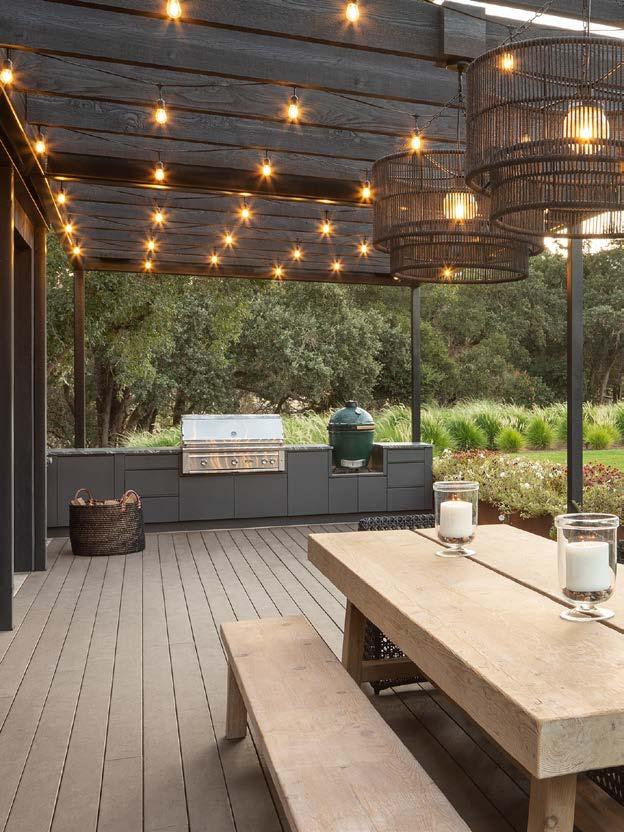
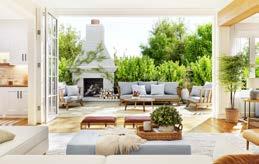
One of the most effective ways to improve a backyard is by installing decking. A well-designed deck can expand living space, provide a place for relaxation and entertaining, and take advantage of the natural beauty of the Central Coast.
Ideal
The mild coastal weather in communities such as Santa Cruz, Capitola, and Aptos makes decking a practical and enjoyable addition to many homes. Summers are warm but rarely too hot, while winters are generally cool rather than freezing.
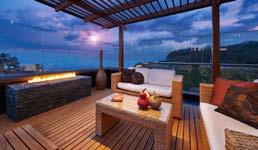
Because of this comfortable climate, homeowners can use their decks throughout much of the year. A deck provides a pleasant outdoor setting for morning coffee, family dinners, weekend barbecues, or relaxing in the fresh coastal air. In the evenings, outdoor lighting or fire features can make the space even more inviting.
Decking effectively creates an extension of your home’s living area. Instead of staying indoors, homeowners can enjoy an outdoor space that functions like an additional room.
A deck can accommodate many outdoor features, including:
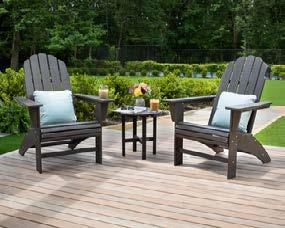
• Dining tables and seating areas
• Lounge furniture
• Barbecue grills or outdoor kitchens
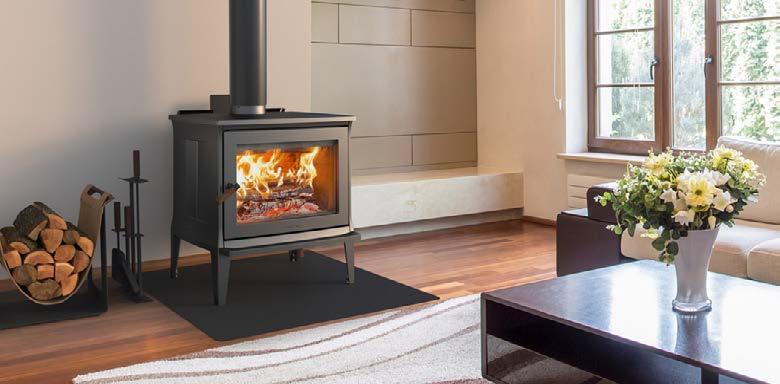
• Fire pits or outdoor heaters
• Spa or hot tub installations
In areas with scenic surroundings, a deck also provides an excellent place to enjoy views. Homes in neighborhoods such as Scotts Valley or Watsonville often benefit from elevated decks that overlook hillsides, forests, or coastal landscapes.
A Practical Solution for Sloped Properties
Santa Cruz and Monterey County include many hillside and uneven landscapes. Installing traditional patios or lawns can sometimes be difficult in these conditions. Decking offers a flexible solution because it can be built on raised supports. This allows decks to be constructed over uneven terrain while still creating a level and functional outdoor space. In hillside communities such as Felton or Ben Lomond, decks are often used to create multilevel outdoor areas that follow the natural slope of the land.
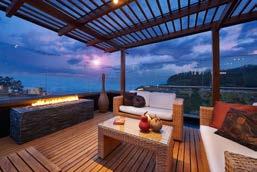
Outdoor living spaces are highly desirable in coastal areas, and a well-designed deck can increase both the value and visual appeal of a home. Decks improve the connection between indoor and outdoor spaces while creating a welcoming environment for relaxation and entertaining. In popular coastal communities like Capitola and Santa Cruz, attractive outdoor features such as decks can make homes more appealing to potential buyers.
Because Santa Cruz County experiences ocean air, fog, and moisture, choosing the right decking material is important. Many homeowners select materials designed to withstand coastal conditions.
Common decking materials include:
• Redwood, which naturally resists moisture and insects
• Composite decking, which offers durability and low maintenance
Hardwood decking is known for its strength and natural beauty
These materials help ensure that decks remain durable and attractive despite exposure to coastal weather.
Living in Santa Cruz County means having access to one of California’s most enjoyable outdoor environments. Adding decking to your yard allows you to take full advantage of this lifestyle by creating a comfortable place to relax, entertain, and enjoy nature.
Whether overlooking hillsides or the waters of Monterey Bay, a well-designed deck can transform a backyard into a welcoming outdoor retreat. With the right design and materials, decking provides a durable and beautiful space that homeowners can enjoy throughout the year.


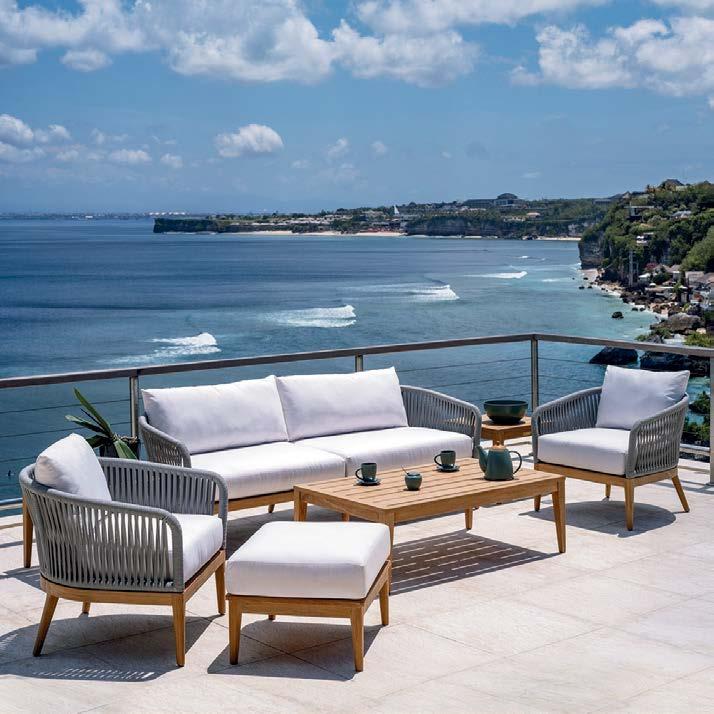

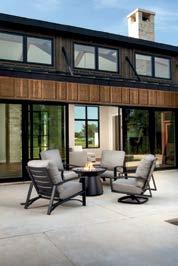
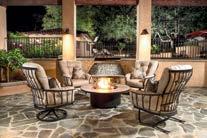

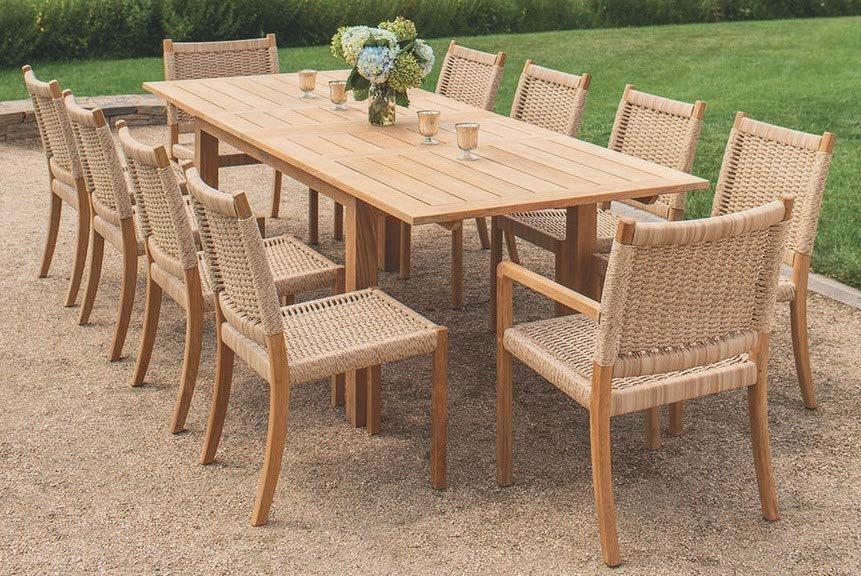

The beautiful coastal communities of Santa Cruz and Monterey Counties offer one of the best climates in California for outdoor living. Mild temperatures, fresh ocean air, and stunning natural landscapes make it possible to enjoy outdoor spaces almost yearround. Because of this, many homeowners are transforming their backyards into luxurious retreats that combine relaxation, entertainment, and natural beauty.
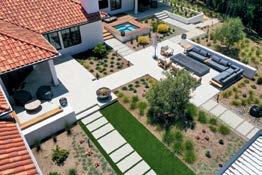
One of the most popular trends along the Central Coast is the creation of outdoor living spa environments that integrate a spa or hot tub, a covered outdoor kitchen, comfortable lounge areas, and beautiful landscaping. With thoughtful design, these spaces become an extension of the home where family and friends can gather, unwind, and enjoy the outdoors.
Designing a Functional Outdoor Living Space
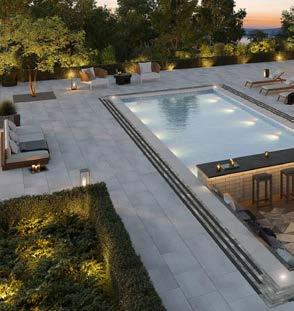
The best outdoor living environments are designed as a complete experience rather than a collection of separate features. A wellplanned backyard retreat usually includes several connected zones that work together:
• A covered outdoor kitchen and dining space for entertaining
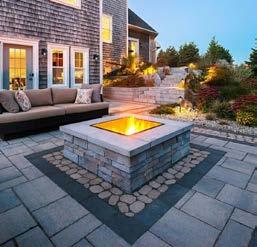
• A lounge area with seating or fire features
• Landscaping and garden pathways that create beauty and privacy
A spa or wellness area for relaxation
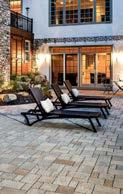
In coastal cities such as Santa Cruz, Monterey, and Carmelby-the-Sea, designers often connect these spaces with stone patios, wood decks, and natural pathways, allowing the outdoor environment to flow seamlessly from one area to another.
The Spa: A Backyard Wellness Feature
For many homeowners, the spa becomes the centerpiece of the outdoor living area. Whether it is a built-in hot tub, a hydrotherapy spa, or a small plunge pool, this feature provides relaxation, stress relief, and a peaceful place to unwind.
Popular spa design ideas include:
Sunken spas surrounded by natural stone Wood or composite decks around the spa
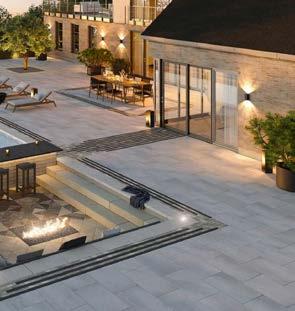
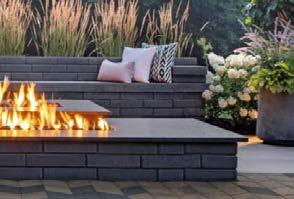
Soft LED lighting for nighttime ambiance
Privacy is an important consideration when designing a spa area. Landscaping elements such as tall hedges, bamboo screens, or trellises with climbing vines can create a secluded and tranquil atmosphere. In hillside communities like Scotts Valley or Carmel Valley, spas are sometimes positioned to take advantage of scenic views of the mountains or ocean.
Outdoor kitchens have become one of the most desirable additions to backyard living spaces. They allow homeowners to cook and socialize simultaneously, creating a relaxed, interactive atmosphere for gatherings.
A well-equipped outdoor kitchen may include:
A built-in grill or barbecue
Side burners or griddles
Refrigerators or beverage coolers
Food preparation counters
Storage cabinets
Bar seating for guests
Because coastal environments can expose materials to moisture and salt air, durable construction materials are important. Stainless steel appliances, sealed stone countertops, and weather-resistant cabinetry are often used to ensure long-lasting performance.
Outdoor kitchens are typically paired with dining areas that include large tables, bar seating, or built-in benches. These spaces
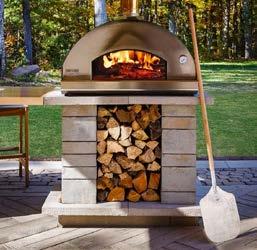
create a welcoming environment for family dinners, celebrations, and casual weekend gatherings.
While the Central Coast enjoys pleasant weather, shade and shelter still play an important role in outdoor comfort. Covered areas protect cooking spaces, furniture, and guests from sun, wind, and coastal fog.
Common structures include:
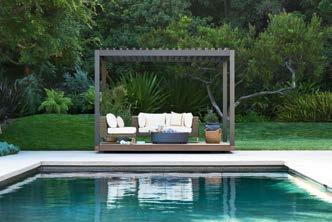
Pergolas
Pergolas are elegant shade structures that provide partial coverage while maintaining an open, airy feel. They are often constructed from wood or metal and may support climbing plants like jasmine or wisteria.
Solid patio covers provide more protection and are commonly used over outdoor kitchens and dining areas. Many include features such as lighting, ceiling fans, or outdoor heaters to increase comfort.
Conitnued on page 34 ...
Landscaping for Coastal Beauty
Landscaping plays a major role in creating an inviting outdoor living environment. The goal is to design a space that complements the natural beauty of the Central Coast while remaining sustainable and easy to maintain.
Native and Drought-Tolerant Plants
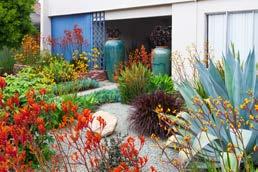
California’s climate encourages the use of drought-tolerant landscaping that conserves water while thriving in local conditions. Popular plant choices include: California poppies
Lavender and rosemary
Succulents and agave
Native grasses
Olive trees
These plants provide color, texture, and fragrance while supporting local ecosystems.
Hardscaping and Outdoor Features
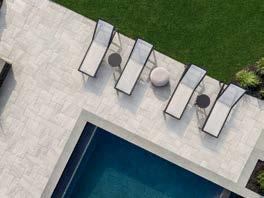
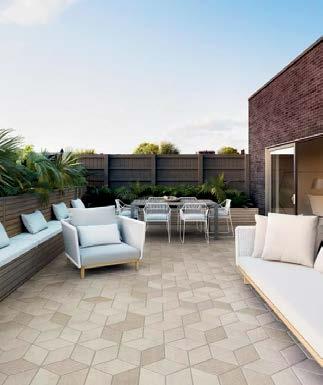
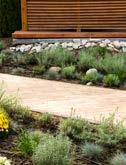
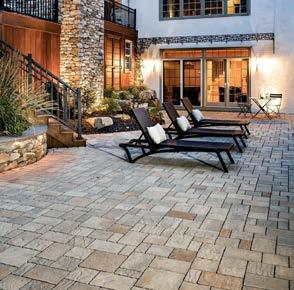
Hardscape elements form the structural foundation of outdoor living spaces. These features include patios, pathways, retaining walls, and decorative stonework.
Popular materials used in Central Coast landscapes include:
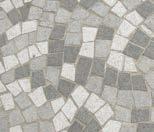
Natural flagstone
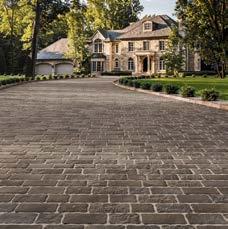
Brick or pavers
Decorative concrete
Pebble pathways
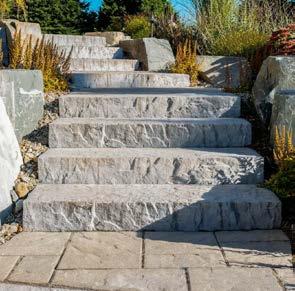
Stone retaining walls and terraced patios are especially common in hillside neighborhoods where they help shape the terrain and create multi-level outdoor living areas.
Fire and Water Features
To enhance the atmosphere of an outdoor living spa retreat, many homeowners incorporate both fire and water elements.
Fire Features
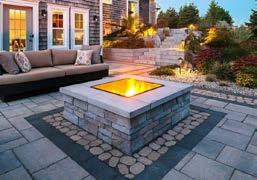
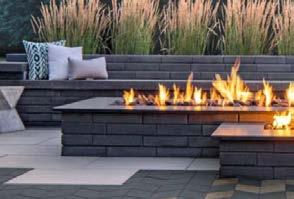
Fire features create warmth and serve as gathering points during cool coastal evenings. Popular options include:
Fire pits surrounded by seating
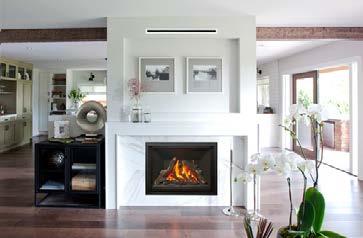
Outdoor fireplaces
Fire tables or fire bowls
These additions extend the usability of outdoor spaces for the night.
Water Features
Water features add a sense of tranquility and movement to the landscape. Options include decorative fountains, waterfalls, or reflecting pools. When combined with a spa, these features can create a peaceful resort-like atmosphere.
Lighting for Evening Enjoyment
Outdoor lighting is essential for both safety and ambiance. A welldesigned lighting plan allows homeowners to enjoy their outdoor living spaces after sunset while highlighting key design features.
Common lighting elements include:
Pathway lights along walkways
Uplighting for trees and architectural features
Accent lighting for outdoor kitchens
LED lighting in spas or water features
Decorative string lights or lanterns
These lighting techniques create a warm and inviting nighttime environment.
Creating a Central Coast Backyard Retreat
An outdoor living spa with a covered kitchen and beautiful landscaping can completely transform a backyard into a personal retreat. By combining thoughtful design, durable materials, and sustainable landscaping, homeowners in Santa Cruz and Monterey counties can enjoy outdoor spaces that reflect the beauty of the Central Coast.
From relaxing in a warm spa under the stars to hosting gatherings around a fire pit or cooking meals in an outdoor kitchen, these outdoor environments capture the essence of coastal California living. With careful planning and creative design, any backyard can become a stunning outdoor sanctuary designed for comfort, relaxation, and year-round enjoyment.


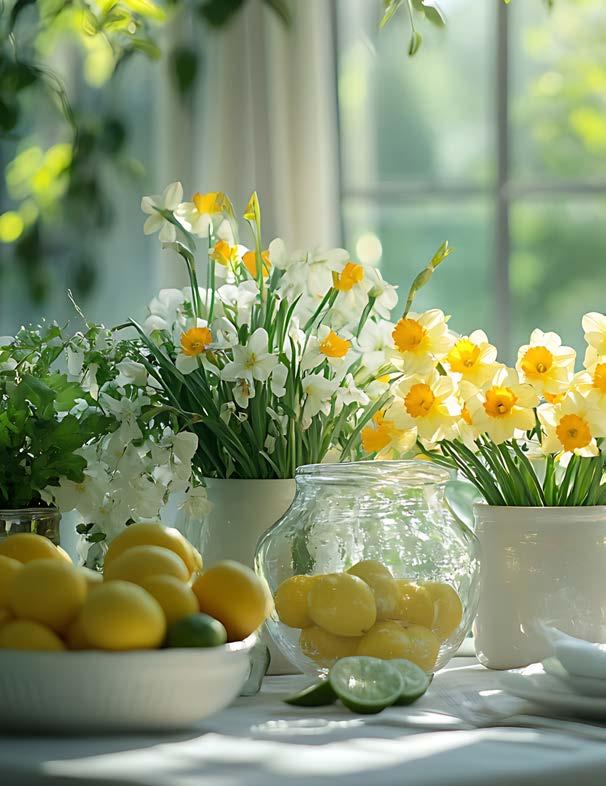
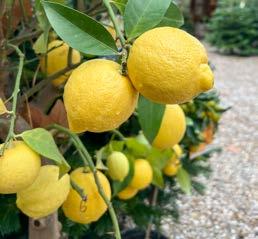
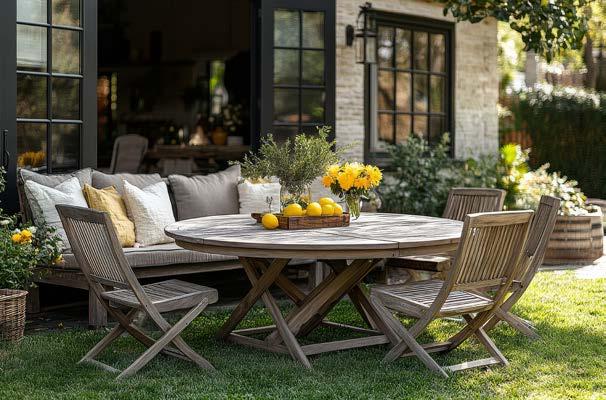
Lemons are among the most versatile and beneficial fruits in the world, valued not only for their bright, tangy flavor but also for their health properties and wide range of uses. Packed with essential nutrients, lemons have been used for centuries in culinary traditions, natural medicine, and even household care. One of the most notable health benefits of lemons is their high vitamin C content. Vitamin C is a powerful antioxidant that helps protect the body against free radicals, supports immune function, and promotes healthy skin. Regular consumption of lemons can help reduce the severity and duration of colds.
Lemons are also known to aid digestion. The acidity of lemon juice can stimulate the production of digestive juices, helping the body break down food more efficiently. Drinking warm lemon water in the morning is a popular wellness practice that may help kickstart digestion, reduce bloating, and support overall gut health. Additionally, lemons contain compounds that may encourage bile production, which plays a key role in digesting fats.
Another important benefit is their potential to support heart health. Lemons contain flavonoids, which are plant compounds associated with reduced inflammation and improved cardiovascular function. These compounds, along with vitamin C, may help lower blood pressure and reduce the risk of heart
disease when included in a balanced diet.
Beyond internal health benefits, lemons are widely used in skincare. Their natural antibacterial properties can help combat acne-causing bacteria, while their mild acidity can act as a gentle exfoliant. Lemon juice is often used in DIY treatments to brighten skin and reduce the appearance of dark spots, but it should always be used with caution and properly diluted to avoid irritation.
In the kitchen, lemons are incredibly versatile. Their juice and zest can enhance both sweet and savory dishes, from salad dressings and marinades to desserts like Lemon Meringue and baked goods like Lemon Custard. A squeeze of lemon can elevate the flavor of fish, vegetables, and even soups. Outside of cooking and health, lemons are also valuable as natural cleaning agents. Their acidity makes them effective at cutting through grease, removing stains, and neutralizing odors. Lemon juice can be used to clean cutting boards, freshen up garbage disposals, and even polish metal surfaces when combined with other natural ingredients like baking soda.
In conclusion, lemons are far more than just a simple citrus fruit. Their combination of nutritional benefits, medicinal properties, and practical applications makes them a powerful and accessible addition to daily life.
continued on page 38 ...





Whether used for health, cooking, beauty, or cleaning, lemons continue to prove their value in countless ways.
Lemon Pasta (Creamy or Light)
Ingredients:
• 8 oz. pasta
• 2 tablespoon butter or olive oil
• Juice + zest of 1 lemon
• ½ cup cream (optional for creamy version)
• Parmesan cheese
• Salt and pepper
Instructions:
Cook pasta and reserve ½ cup pasta water. In a pan, melt butter and add lemon juice/zest. Add cream (optional) and a splash of pasta water. Toss pasta in the sauce. Top with Parmesan, salt, and pepper.
Lemon Bars (Dessert)
Ingredients:
• 1 cup flour
• ½ cup butter
• ¼ cup sugar
• 2 eggs
• 1 cup sugar (for filling)
• 2 tablespoon flour
• ½ cup lemon juice
Instructions:
Mix flour, butter, and sugar; press into a pan. Bake at 350°F (175°C) for 15 minutes. Mix filling ingredients and pour over crust. Bake another 20 minutes. Cool, slice, and enjoy.
Lemon Salad Dressing
Ingredients:
• ¼ cup olive oil
• 2 tablespoon lemon juice
• 1 teaspoon honey
• Salt & pepper
Instructions:
Whisk all ingredients together. Drizzle over salads or roasted veggies.





TM
Enjoy affordable, well-planned group travel designed especially for mature travelers. Our guided tours include accommodations, transportation, baggage handling, sightseeing, entrance fees, a professional Tour Director, and select meals—so you can relax and enjoy the journey. Airfare can be added from your gateway city at an additional cost.
Enjoy affordable, well-planned group travel designed especially for mature travelers. Our guided tours include accommodations, transportation, baggage handling, sightseeing, entrance fees, a professional Tour Director, and select meals—so you can relax and enjoy the journey. Airfare can be added from your gateway city at an additional cost.





•
• Witness the Albuquerque International Balloon Fiesta
10 DAYS STARTING AT $2,749 $2,499* BASED ON SEP 25, 2026 DEPARTURE
• Witness the Albuquerque International Balloon Fiesta
10 DAYS STARTING AT $2,749 $2,499* BASED ON SEP 25, 2026 DEPARTURE
• Soak up the history & culture of New Mexico in Albuquerque and Santa Fe
• Soak up the history & culture of New Mexico in Albuquerque and Santa Fe
• Witness the Albuquerque International Balloon Fiesta
• Witness the Albuquerque International Balloon Fiesta
• Tour Roswell with its
• Tour Roswell with its exhibits of the alleged UFO crash
• Witness the Albuquerque International Balloon Fiesta
• Soak up the history & culture of New Mexico in Albuquerque and Santa Fe Tour Roswell with its exhibits of the alleged UFO crash
• Soak up the history & culture of New Mexico in Albuquerque and Santa Fe
• Tour Roswell with its exhibits of the alleged UFO crash
13 DAYS STARTING AT $3,799 $3,549* BASED ON SEP 14, 2026 DEPARTURE
13 DAYS STARTING AT
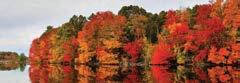
• Experience autumn in New York
• Tour one of Newport’s famous mansions
• Discover the Freedom Trail in Boston
• Experience autumn in New York
• Enjoy a guided city tour of Philadelphia
• Tour one of Newport’s famous mansions
•
• Discover the Freedom Trail in Boston
•
•
•
•
• Experience autumn in New York
•
• Tour one of Newport’s famous mansions
• Discover the Freedom Trail in Boston
• Enjoy a guided city tour of Philadelphia

A Tool Shed
3700 Soquel Ave. Santa Cruz • 831.477.7133
285 W. Beach St, Watsonville • 831.722.0334 www.atoolshed.com
Amber Melenudo
627 Capitola Ave, Capitola 831.566.2263
ambermelenudo@gmail.com www.ambermelenudo.com
American Leisure Patio
944 Blossom Hill Road, San Jose 408.446.9350
1118 Ocean Street, Santa Cruz 831.423.2425 www.americanleisurepatio.com
Aptos Landscape Supply
5035 Freedom Blvd., Aptos 831.688.6211
erik@aptoslandscapesupply.com www.aptoslandscapesupply.com
Artificial Lawns Direct 831.430.9260
Wade@artificiallawnsolutions.com www.artificiallawnsolutions.com
Atlantis Properties
94 Rancho Del Mar, Aptos 831.688.1871
info@atlantisproperties.net www.atlantisproperties.net
California Custom Sheds
728 El Camino Real N, Salinas 831.443.6163 www.californiacustomsheds.com
Central Home Supply
180 El Pueblo Road, Scotts Valley 831.440-0763
services@centralhomesupply.com www.centralhomesupply.com
Coastal Evergreen
4615 Scotts Valley Drive, Ste C, Scotts Valley 831.438.4747
info@coastalevergreen.com www.coastalevergreen.com
Decks by DeCamp Watsonville 831.641.1425 sales@decksbydecamp.com www.decksbydecamp.com
Dominican Hospital Foundation
1555 Soquel Drive, Santa Cruz 831.462.7712
givingtodominican@commonspirit.org www.supportdominican.org
Garvey Painting, Inc. 831-688-6913
info@garveypaintinginc.com www.garveypaintinginc.com
Graniterock Supply
303 Coral Street, Santa Cruz 831.471.3400
540 West Beach Street, Watsonville 831.768.2500 www.graniterock.com
Interior Vision Flooring & Design
2800 Daubenbiss Ave., Soquel 831.476.8780 www.interiorvision.biz
Jay Welty Landscaping
Aptos, CA 95003
831.684.0433
Juenemann Painting
831.345.7252
www.juenemannpainting.net
Kathleen Manning – Sotheby’s 627 Capitola Avenue, Capitola 831.566.3127
Kathleen.manning@sothebys.realty www.kathleenmanning.com www.rochellemanning.com
Knox Garden Box & Roofing
46 El Pueblo Road, Scotts Valley 831.226.7441 www.knoxgardenbox.com
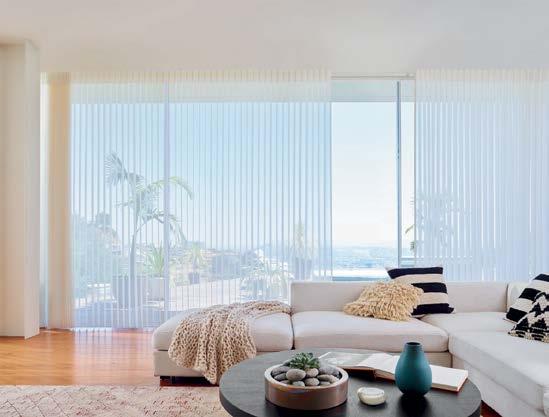
McCarty’s Custom Window Coverings 1224 Soquel Ave, Santa Cruz 831.466.9167 www.mccartyscustomwindowcoverings.com
Mr. Sandless 831.747.7476
gmb@mrsandless.com www.mrsandless.com
Pacific Angels Home Care
9053 Soquel Drive, Suite B, Aptos, CA 831.708.2876 www.pacificangelshomecare.com
Right Way Garage Doors 831.285.0634 www.rwgaragedoors.com
ROOM Real Estate
jayson@roomrealestate.com 831.234.6683 www.roomrealestate.com
Silicon Coast EMF Assurance 408-889-9741
Soquel Creek Water District 5180 Soquel Drive, Soquel 831.475.8500 www.soquelcreekwater.org
Stark Leak Detection, Inc. 831.334.5944 starkwes@aol.com www.starkleak.com
The Pied Piper Exterminators, Inc. 100 Enterprise Way, Suite C105, Scotts Valley 800.834.40 info@thepiedpiper.com www.thepiedpiper.com
The Skylight Place 4850 Capitola Road Capitola, CA 95010 831-476-2023 paul@skylightplace.com www.skylightplace.com
The Wholesale House
232 Santa Cruz Avenue, Aptos, CA 95003 831.688.6485 www.santacruzfloorstore.com
Western Property Management, Inc.
300 State Park Drive Suite 1,Aptos, CA 95003 831.688.0238 info@westernpropertymanagement.net www.westernpropertymangement.net
Woodstove & Sun
510 Soquel Avenue, Santa Cruz, CA 831.425.5123 www.woodstoveandsun.com
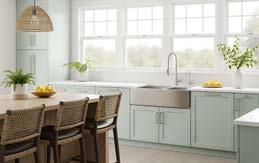
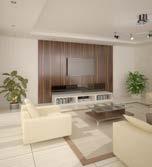
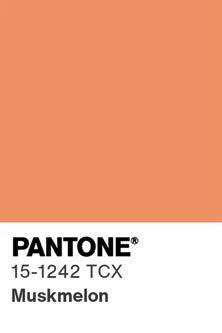
As we move toward 2026, paint color trends are evolving beyond mere aesthetics to express emotion, sustainability, and adaptability. Building on the warm, nature-inspired palettes of 2026, the colors expected to dominate in 2026 reflect a balance between comfort and innovation. Designers are forecasting hues that connect people to nature while also embracing a more futuristic, tech-influenced lifestyle.
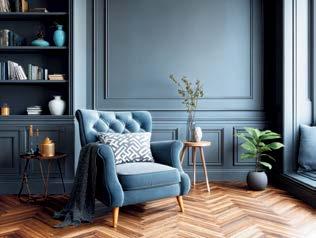
One of the standout shades predicted for 2026 is luminous blue, a color described as both vibrant and timeless. This hue blends the richness of traditional pigments with a modern, electric quality, making it ideal for multifunctional spaces like home offices or living rooms. It reflects a growing desire for interiors that feel both calming and energizing.
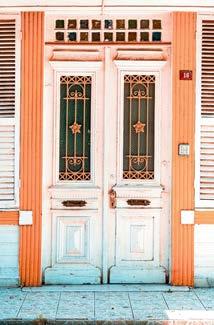
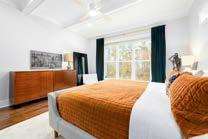
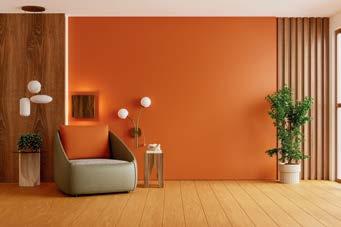
Alongside blues, earthy tones continue to rise in popularity. Colors like clay, terracotta, and russet bring warmth and
grounding energy into the home. These shades are inspired by natural materials such as soil, stone, and sunbaked landscapes. Designers note that these tones provide emotional stability and comfort—qualities that have become increasingly important in recent years.
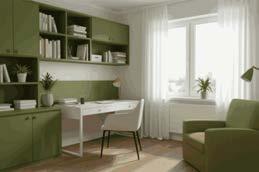
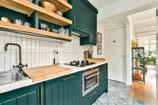
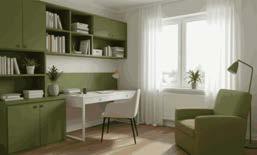
Greens will also remain a dominant force, but with a shift toward softer, more restorative variations. Meadow greens and olive tones are expected to replace brighter, more artificial shades. These colors create a sense of calm and are often used to blur the boundary between indoor and outdoor spaces.
Continued on page 44 ...


















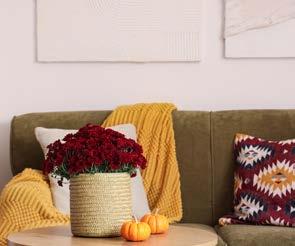






This trend builds on the ongoing desire to bring nature inside, a movement that has steadily grown throughout the 2020s.
Another emerging trend for 2026 is the use of complex neutrals. Instead of plain whites or grays, homeowners are gravitating toward layered neutrals like mushroom brown, warm beige, and smoky taupe. These colors add depth while maintaining a minimalist feel. They are particularly effective in creating serene environments, especially in bedrooms and relaxation spaces.
In contrast to these calming tones, playful accent colors are also gaining attention. Shades like peaceful lilac and maize (a rich yellow) are expected to appear in smaller doses, such as accent walls, furniture, or décor. These colors introduce personality and creativity without overwhelming a space, allowing homeowners to experiment more freely with design.

A key theme tying all these trends together is duality—the blending of opposites. Colors in 2026 are not strictly warm or cool, bold or subtle. Instead, they exist somewhere in between, reflecting the complexity of modern life. Homes are no longer places to live; they are offices, retreats, and social hubs. As a result, color palettes must be flexible and multidimensional.
Ultimately, the new 2026 paint color trends emphasize personalization, emotional connection, and harmony with the environment. Whether through soothing greens, rich earth tones, or bold futuristic blues, the goal is to create spaces that feel both meaningful and adaptable. These colors are not just about style—they are about shaping how people experience their homes in an ever-changing world.

Empowering lives through health and wellness – that’s the mission of the Dignity Health Wellness Center in Live Oak, Santa Cruz.
Since 2021, we’re dedicated to supporting our community with medically-integrated programs designed to enhance your well-being. From essential fall prevention and balance training to revitalizing yoga, tai chi, and aquatic classes, alongside expert nutrition and meal planning, we provide the tools you need for health education and support. For more information on services or to register for a class, please call the Wellness Center at 831.457.7099.
The vital services offered at our Wellness Center are sustained by community donations and grant funding. Your contribution helps us offer programmatic support and scholarships, ensuring expert care is accessible to all. Partner with us today, through the Dominican Hospital Foundation’s $4 million Path to Wellness Campaign supporting the Wellness Center and Katz Cancer Resource Center.

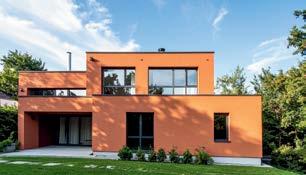

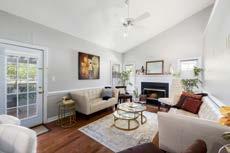



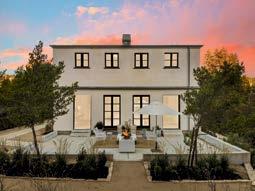
ROOM Real Estate proudly holds the title of #1 selling team in Santa Cruz County. Recently honored by The Leading 100 as the #6 real estate team in all of California, they’ve also achieved an impressive milestone — $2 billion in sales since joining their brokerage.
With unmatched market knowledge, innovative strategies, and a client-first approach, ROOM Real Estate continues to lead the way in California real

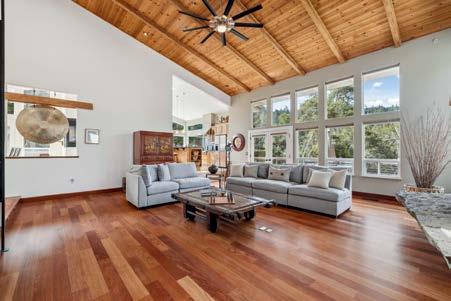
Thinking about buying or selling a home? Call today to schedule your complimentary home valuation and discover how the county’s top-producing team can help you reach your real estate goals.