Ten Frequently Asked Questions About Alzheimer’s Disease
Physical Activity Helps Seniors Stay Mobile
ADULTS
Santa Cruz Outdoor Living
A Healthy Diet is Essential for Good Health and Nutrition
“I Just Want to Be Happy”
Keeping Sound Sleep Habits
Neighborhood Design Impacts Walking Levels
EVERYONE
Being Outside for just 20 Minutes a Day can Improve Wellness
Emergency Supplies Kit List
Polyphenols: Eating Includes the Good Stuff Too
Artificial Intelligence and Your Health
Curves
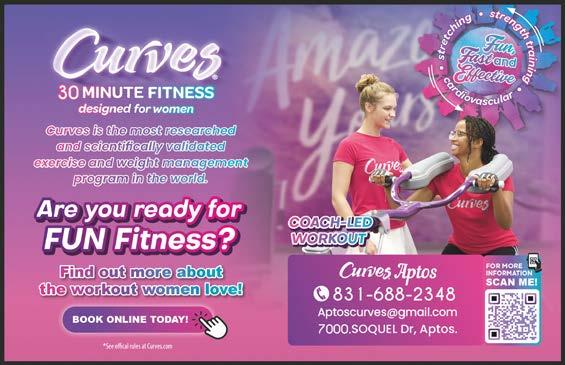
Annette knows a thing or two about hospitality, service, health, and how to run a thriving business. A Harbor High graduate with a Bachelor of Science in Dietetics from UC Davis, she has owned of Curves Aptos for more than seven years. Her background in health and nutrition, and her passion for community, has helped shape Curves Aptos into far more than a place to work out.
“Our goal is to empower women through a fun, fast, and effective workout, healthy living, and community support,” Annette says. Curves is designed specifically for women, offering a 30-minute workout that fits easily into busy schedules while accommodating all ages and fitness levels. The circuitbased program alternates between upper body, lower body, and core strength machines, with metabolic recovery stations in between. The result is a full-body workout that builds strength without feeling overwhelming.
For many members, the benefits extend well beyond physical fitness. Terry T., a member for more than two years, says the supportive environment has made all the difference. Despite multiple orthopedic issues, she feels stronger than ever and credits the group encouragement and mental health benefits for keeping her motivated. “There’s so much stress in the world,” Annette adds. “For many of our members, this is a place to relieve stress, connect with others, and feel good about themselves.”
The atmosphere at Curves Aptos is welcoming. From the moment members walk in, they’re greeted by smiling staff and an open, friendly energy. A key tool in members’ success is the MyZone heart rate tracker, which provides real-time feedback to help users stay in their optimal fat-burning zone. Compatible with Apple, Google, and Samsung devices, MyZone adds a fun, motivating, and community-driven element to each workout.
Certified coaches are always on hand to guide members through the circuit, ensuring proper form and offering encouragement. Classes such
as Balance and Hip Mobility are integrated into the program, along with rotating Workout of the Week (WOW) exercises that keep routines fresh and engaging.
Curves Aptos is also deeply committed to giving back. Annette and her members regularly support local nonprofits, raising funds and donations for organizations including the Arukah Project, Second Harvest Food Bank, the Alzheimer’s Association, and Adopt-a-Family, among others.
“It’s more than just a gym—it’s a sisterhood,” Annette says. Curves Aptos, 7000 Soquel Drive, Suite 1, Aptos • 831-688-2348
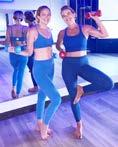
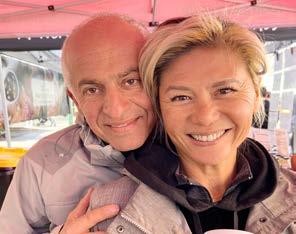
Coach Charlotte, Rachael & Annette.
Santa Cruz Outdoor Living: Where Adventure Meets the Mountains and Sea
It surely comes to no surprise to the citizens of Santa Cruz County that this area is home to some of the best outdoor activities the country has to offer. The mild Mediterranean climate makes life outdoors possible year round. From it's magnificent beaches to it's redwood forests, "this land was made for you and me!"
Surfing
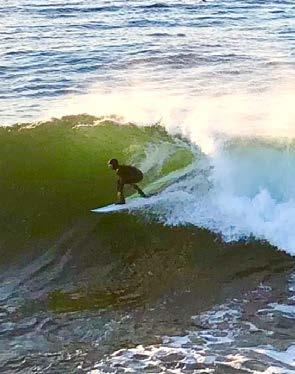
Santa Cruz isn't called Surf City USA for nothing. From north of West Cliff to south of East Cliff there is some of the best surf in the country and is a huge surf destination like Hawaii. The surf along the central coast has everything from perfect point breaks (Steamer Lane) to groomed sandbars (Waddell Creek) and big wave surfing (Mavericks).
Skateboarding
Sidewalk surfing originated in California and has been a staple of youth for nearly 6 decades now. Skateboarding goes hand in hand with surfing and requires great skill to master. Santa Cruz is home to one of the most respected skate brands, Santa Cruz Skateboards (SCS).
Kayaking
From the tip of Steamer Lane to the beaches of Asilomar the Monterey Bay offers some of the most scenic coastline on the planet. It also houses the most diverse sea life anywhere in the world. One of the best ways to explore the bay is to rent a kayak and have the experience of a lifetime.
Bike Riding
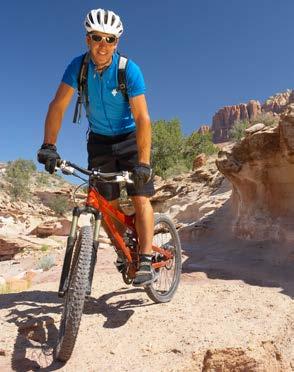
Whether you are a road or mountain biker Santa Cruz county offers a wide range of terrain from redwood forests to barren sandstone hills. It is also a great way to get around downtown as you don't have to worry about traffic or parking.
Stand Up Paddle Boarding (SUP)
With the popularity of stand-up paddle boarding soaring, it is definitely a new way to be out on the ocean like kayaking. The best way to try it out is to do a day's rental and see if you not only like it but can grasp the balance and paddle act. This can be a great alternate summer activity when the surfing has waned.
Hiking
This activity is nothing new but is a great way to stay healthy and see the sights of the great outdoors. There are a multitude of trails in the Santa Cruz mountains as well as coastal trails and bluffs. I never was much into hiking but after I got a dog, I seek out new trails nearly every weekend and then return to my favorites all year.
Running
Jogging is one of the oldest activities but has aged well. The great thing about running is you can do it anywhere, anytime. All you need is an old pair of tennis shoes, shorts or sweats, and you are ready to roll.
QuickSilver Santa Cruz
Quicksilver Santa Cruz is a nationally ranked USA Swimming Silver Medal Club, recognized for developing confident, skilled swimmers from their very first strokes through collegiate-level performance.
Our competitive programs serve athletes as young as 5 years old through college-bound competitors, with a clear, proven pathway that begins in our lesson program—the foundation of every swimmer’s success. We simplify the learning process, emphasize strong fundamentals, and intentionally prepare each athlete for long-term progression in the sport.
This development-first approach builds not only technical ability, but confidence, discipline, and a love for swimming. As athletes grow, they are equipped to pursue their personal goals at every level. Quicksilver Santa Cruz has proudly produced two U.S. Olympic Team Trialists and consistently graduates swimmers to collegiate programs nationwide.
The journey starts early—and it’s built to last.
We train year-round at premier facilities throughout Santa Cruz County, including Rise Collective, Simpkins Family Swim Center, Soquel High School, Scotts Valley, and Watsonville High School. www.quicksilversantacruz.org
SWIM LESSONS
Swim lessons as early as 9 months
Parent Aquatics
40 minute lessons
Progressive system to get to the team quickly
Instructors with competitive experience
Advancement to a Bronze Medal USA swimming team
85 degree water at Rise Collective
Reserve your time slot now at
www.QuickSilversantacruz.org
Buffering Childhood Stress
All kids feel stressed from time to time. They may worry about friends, homework, or a big test. Stress is normal. But some kids go through extremely stressful or traumatic situations. These can lead to physical and mental health conditions later in life.
“Normal stress is essential in life for growth and learning,” explains Dr. Jing Yu, an NIH expert on child development. “Positively adapting to normal stress can promote a child’s performance and skill development.”
But stress can become toxic if it lasts for extended periods or results from traumatic experiences. For children, examples include physical, sexual, or emotional abuse. Or, it can be growing up in a family with a lot of conflict between people. Living with people who have severe mental health or substance use disorders can also be a cause. So can neighborhood violence, discrimination, and significant poverty. These circumstances can put kids at risk for mental health disorders. They can also lead to academic or social difficulties.
“Children are still developing the skills to respond to stress,” Yu says. “When children experience heightened or chronic stress, it can affect their ability to respond. That can have a long-term negative impact on their future health.”
Not all kids who face early life difficulties have health issues later on. Positive life experiences and relationships can also shape youth outcomes. Safe, stable, and trusting relationships can help guard against stressful circumstances.
Stress
and Adversity
Many people experience extremely stressful or traumatic situations as children. These are referred to as adverse childhood experiences. Studies estimate about 2 out of 3 adults have had one such experience. And nearly 1 out of 6 adults report four or more.
Children who’ve had four or more adverse experiences are at higher risk for chronic health conditions as an adult. These include heart disease, diabetes, obesity, and stroke. The risk for mental health conditions, like anxiety, depression, or substance use disorder, is also higher.
“Adversity is the presence of something that shouldn’t be there, like abuse,” Yu explains. “But it could also be the absence of something good, like parents’ care and affection. Children need cognitive stimulation and emotional attention to thrive.”
One thing that makes a difference in how kids respond is a good support system. Tottenham has found that strong relationships with caregivers are especially helpful.
Protective Relationships
“One of the most important positive childhood experiences is having an adult who cares about you,” says Dr. Caitlin Canfield, a child development researcher at NYU Grossman School of Medicine. “Someone who can help you through stressful situations, or even just through regular life. That could be a parent. But it could be a teacher, a coach, or any adult in a child’s life.”
Adults who can model and teach healthy coping skills are key. Canfield’s team is working with pediatric clinics to offer parent education programs. They’re testing a program called PlayReadVIP. It uses videos of parents playing and reading with their kids. This helps reinforce parents’ strengths and set goals.
Kids have the ability to adapt and overcome difficult situations. Adults can help kids build upon these abilities. “Supportive networks and other protective practices in their lives can help kids adapt and build resilience. This helps counter the effects of adverse childhood experiences,” says Yu. See the Wise Choices box for tips on building positive childhood experiences. NIH News in Health
Build Motor Skills and Confidence Through Youth Gymnastics at Junebug's Gym
Looking for a way to build your child’s motor and cognitive fundamentals? Gymnastics has proven to help do just that along with improving balance, coordination and more.
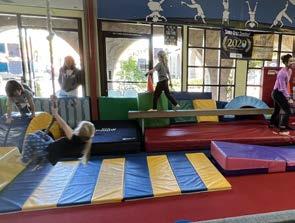
At JuneBug’s Gym, we aim to educate each student how to expand not only their physical capabilities, but learn crucial social skills as well. Our instructors teach children how to safely use a variety of equipment that includes trampolines, bars, beams, and more, all while emphasizing listening and turn-taking.
Children learn how to confidently move their bodies through space and become more aware of their surroundings in and outside of the gym. Gymnastics exercises both strength and dexterity, helping children gain proper motor functions and balance during their time with us. Our obstacle courses change every week to make sure our students are being presented with new challenges.
JuneBug’s Gym strives to provide children in our community with confidence, happiness, and skills that will follow them far
where FUNdamental motor development begins
Classes, Camps, & Open Gym
Parents & Babies Night Out!
Birthday Parties & More!
GYMNASTICS CLASSES FOR KIDS FROM CRAWLING~8YRS CLASSES FILL QUICKLY! SIGN UP NOW & SAVE YOUR SPOT! HEALTH AND SAFETY STANDARDS ALWAYS A PRIORITY.
Sibling discounts available with paid membership. Check Website for Details and Links for Registration. Call us for more information at (831) 464-2847!
beyond the studio. We firmly believe that gymnastics helps build a solid foundation for whatever path your child chooses to take as they learn and grow!
JuneBug's Gym offers a variety of classes for children crawling through 8 years old. Visit our website at Junebugsgym.com for a full list of classes.
Nurturing Young Minds: The Best Ways to Help Children Learn
I’m sure we all have shelves full of books on how to raise children and lead them to success. I know that we all want to create the best environment for their success. I’d like to share some of the things I’ve learned, that are supported by research, that you can provide for your kids.
Think back to being a young student in the classroom and we probably wished for certain things that would’ve been more helpful and made learning easier.
Up to age 9 or 10 children learn much faster than adults. Some research says up to 40 times faster. It’s critical that they are learning and exposed to new things from a very young age. Also, learning is somewhat threatening. You’re asking a child to go from what they already know and to experience things they don’t know. They naturally are going to feel some trepidation. As a parent, or teacher, our role is to go with them on this journey, to show them an example of success and be a partner.
What other knowledge can you use to help your kids learn quickly and enthusiastically? Well, research shows to learn a new skill, It needs to be repeated over and over again at least hundreds of times but research also shows that if it’s fun, when it’s a game, it only has to be repeated 40 times to be learned.
Also, and you probably remember this from your childhood, children learn much faster when it is exciting. Remember sitting in a
class where you didn’t move, where you had to just sit still and listen? Thats just not very stimulating. But you probably remember every bit of your first trip to Disneyland for your birthday. You were excited, adrenalized, so your brain saw it as important and you remembered it. It’s the same in the classroom or in any class setting. If it’s exciting you’re going to learn quicker. They’re going see the value of what you’re sharing with them.
Another example is that children need to see examples of success. This is modeling. It’s why it’s so important to have your children learning in a small group with other kids. There might be another child who is an example of great success or sometimes maybe it’s your child who is the good example. Thinking that private instruction is somehow better isn’t going to work if your child is bored and can’t enjoy what he’s doing.
And, critically, they need a great teacher. A teacher who is a leader and an example. They’ll be a lot less stressed and learn quicker when the teachers is confident, and the child can relax and know that they’re in good hands. It’s appropriate for a teacher to demand that a child explores and tries new experiences. The child can’t conceive of what the outcome will be until they’ve tried it. They really need a leader, a leader who inspires them to success. So parents, chill out. You’re not going to ruin your child because you didn’t say exactly the right words at the right time, but you’re going to help your child immensely by encouraging them to explore and by exposing them to many many new environments and new things. By Jim Booth
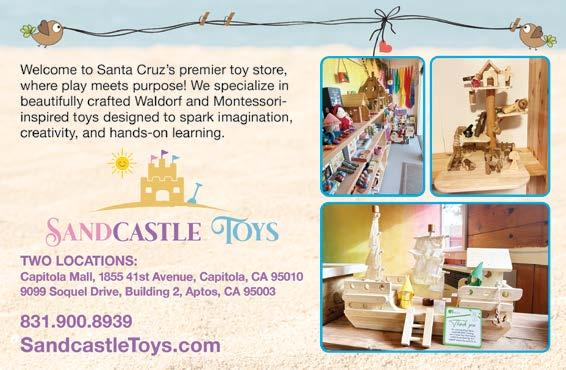
Sandcastle Toys
Michelle and Randy Dern are the owners of Sandcastle Toys, a thoughtfully curated toy shop with locations in Aptos and Capitola. The store’s distinctive collection of natural toys reflects Michelle’s deep commitment to the environment.
Driven by a desire to participate in the eco-friendly movement, Michelle carefully researches toy makers from both local and international markets. Her goal is to stock original, unduplicated merchandise that aligns with Montessori and Waldorf philosophies, which emphasize hands-on, self-directed learning and imaginative exploration. The toys at Sandcastle Toys are designed to invite children to slow down, engage their senses, and interact with materials that feel good in their hands.
Before opening Sandcastle Toys, Michelle spent decades working as a nurse and midwife. After retiring in July 2024, she channeled her lifelong interest in child development, health, and education into this new venture. The artisan-crafted toys she carries reflect a broader industry shift away from plastic and metal and toward natural, ecofriendly materials such as wood, wool, and silk. These toys are not only durable and functional but also beautiful.
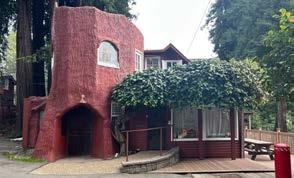
The Aptos shop is housed in an enchanting redwood cottage, creating a creative atmosphere for the many kinds of art supplies that are stocked. School-age children can explore Waldorf wet-on-wet watercolor painting, sticker books, pencils, and crafts such as paper and felt making, along with games and activity kits. “Beeswax crayons have highly saturated colors that last a long time and work for many age groups,” Michelle says.
At the Capitola location, across from Gayle’s Bakery, the shop is filled
with wooden gnomes in felt coats and other whimsical curiosities. During a visit, Michelle warmly greets a young girl browsing the shelves and asks which toy is her favorite. When the girl’s mother explains that her birthday is coming up and she can choose one item, the girl gravitates toward the kitchen sets. “Kitchen and food toys are popular,” Michelle notes, gesturing to painted wooden ice cream cones, teapots, cupcakes, and a miniature cash register for imaginative play.
From wooden teethers to silk blankets, every item reflects Michelle’s background as a nurse and educator. The toys are designed to build coordination, concentration, creativity, and independence.Sandcastle Toys also hosts family-friendly events. During the holidays, families gathered to paint paper mache eggs instead of using plastic ones. “It was great,” Michelle says. “We had ten-plus families come out, dyed eggs, and had cupcakes.”
Weighty Issues for Kids Taking Aim at Childhood Obesity
Kids face a lot of challenges as they grow up: Learning how to make and keep friends, get homework done and have fun while staying safe. But children today are now confronting a growing, oversized problem that puts them at risk for a host of lifelong medical conditions. That problem is childhood obesity.
Kids won’t be able to tackle this one on their own. Fortunately, there’s a lot that families and communities can do to help reduce childhood obesity.
Obesity rates have nearly tripled among youth over the past 3 decades. Today, about 1 in 3 children and teens in the U.S. is considered overweight or obese.
Excess weight boosts the chances of developing heart disease, stroke, type 2 diabetes, asthma, liver disease and several types of cancer. Other conditions linked to obesity—such as high blood pressure and high blood cholesterol—are increasingly diagnosed during childhood.
Sadly, medical issues are not the only problems these kids face. Obese children and teens may also struggle with social discrimination, low self-esteem and depression. They are more likely to become obese adults and face continuing troubles.
The main causes of excess weight in childhood are similar to those in adults. Obesity has a strong genetic component, and our in-thecar, computer-bound, food-everywhere society contributes to the problem for an increasing number of people of all ages. But you can help to counteract these influences by creating an environment for your child that encourages healthy eating and physical activity. That effort begins at home.
“Adults can help shape the environment that children interact with by providing opportunities to eat healthy foods—such as vegetables, fruits and whole grains—and limiting sugar-sweetened beverages and fast food,” says Dr. Layla Esposito, who oversees some of NIH’s research into childhood obesity. “It’s also important to limit screen time on TVs, computers and video games, and provide opportunities for physical activity.”
“Newer studies are showing that getting adequate sleep may also be important for weight management,” Esposito adds.
Experts agree that our weight is affected by how our environment is structured. Known as the “built environment,” it includes not only your home but also everything in your neighborhood and community, including how the roads, parks and food sources are laid out. Experts say built environments don’t just affect physical activity; they also affect the foods we choose and how much time we spend inside.
Although it’s important for individuals and families to commit to eating healthy and being active, the broader community can also play a role. Kids move among many different environments, all of which shape and affect their decisions about food and activity. Parents, caregivers, schools, governments, community groups and religious organizations can also help by working to develop supportive, healthful environments to encourage these life-long choices.
While you’re working to create a healthy environment, keep in mind that your own behaviors set a powerful example for your children. If parents aren’t making healthy changes and choices for themselves, then it’s hard to expect children to understand what’s best and make wise choices for themselves. NIH News in Health
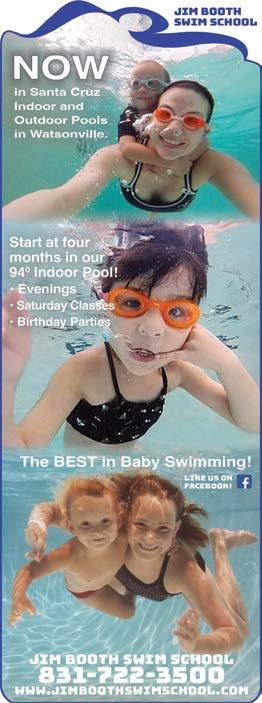
Jim Booth Swim School
I’ve taught swimming in Santa Cruz County for over 50 years, and more than 20,000 children have learned to swim through our programs. From my very first day teaching, I’ve believed that any skill should be learned correctly from the beginning. It’s always harder to unlearn a bad habit than it is to learn the right way the first time. Over the years, my experience has shown me that learning step by step builds confidence, and confidence is what turns swimming into a joyful, lifelong skill.
As a child, my family spent nearly all of our free time at the beach or at a pool. Play was the fastest way to learn—trying new things, copying other kids, and pushing our boundaries in a safe, supportive environment. That’s how I learned to love the water. To this day, I’m in the water whenever possible. I love bodysurfing and spearfishing, and being around the ocean and water has always been a central part of my life.
I meet many families who didn’t grow up with a tradition of swimming, and I’m always excited to see them start that journey— whether through children’s swim lessons or classes for adults. Learning to swim at any age is empowering, and it’s never too late to build comfort and confidence in the water.
Drowning remains the leading cause of death for young children, with over 1,000 fatalities each year and thousands more injuries. In almost every incident, the children were not being closely supervised. A parent stepped away for a moment, relied on a flotation device, or left a child in the care of another child. That’s why we teach that swimming is a family activity. Playing with your children, staying nearby, and being actively engaged—especially with young swimmers—is real water safety.
Over the decades, I’ve seen how learning to swim impacts children far beyond the pool. Swimming builds confidence, independence, and respect—for the water and for oneself. When children learn they can float, breathe, and move safely on their own, it opens an entirely new world for them.
At Jim Booth Swim School, we focus on fundamentals, safety, and encouragement. We don’t rush the process or compare one child to another. Every swimmer learns at their own pace, and every small success matters. Being part of the Watsonville and greater Santa Cruz County community for so many years has been one of the greatest privileges of my life. I’ve taught multiple generations of families—parents who once learned to swim with me now bringing their own children to the pool.
Swimming is more than a lesson—it’s a life skill that lasts forever. That lifelong love of the water, paired with real skills and real safety, is what I hope to share with every family we teach.
A Healthy Diet is Essential for Good Health and Nutrition
It protects you against many chronic noncommunicable diseases, such as heart disease, diabetes and cancer. Eating a variety of foods and consuming less salt, sugars and saturated and industrially-produced transfats, are essential for healthy diet.
A healthy diet comprises a combination of different foods. These include: Staples like cereals (wheat, barley, rye, maize or rice) or starchy tubers or roots (potato, yam, taro or cassava). Legumes (lentils
Thrive Naturally with New Leaf
Proud to serve our community’s health and wellness needs since 1985. We’re committed to offering locally sourced, organic produce while giving back to non-profits that support neighbors in need. Stop by and explore what’s fresh and in season for you and your family.
Aptos • Capitola • Santa Cruz
Half Moon Bay • Westside Santa Cruz
and beans). Fruit and vegetables. Foods from animal sources (meat, fish, eggs and milk). Here is some useful information, based on WHO recommendations, to follow a healthy diet, and the benefits of doing so.
Breastfeed babies and young children:
A healthy diet starts early in life - breastfeeding fosters healthy growth, and may have longer-term health benefits, like reducing the risk of becoming overweight or obese and developing noncommunicable diseases later in life. Feeding babies exclusively with breast milk from birth to 6 months of life is important for a healthy diet. It is also important to introduce a variety of safe and nutritious complementary foods at 6 months of age, while continuing to breastfeed until your child is two years old and beyond.
Eat plenty of vegetables and fruit:
They are important sources of vitamins, minerals, dietary fibre, plant protein and antioxidants. People with diets rich in vegetables and fruit have a significantly lower risk of obesity, heart disease, stroke, diabetes and certain types of cancer.
Eat less fat:
Fats and oils and concentrated sources of energy. Eating too much, particularly the wrong kinds of fat, like saturated and industrially-produced trans-fat, can increase the risk of heart disease and stroke. Using unsaturated vegetable oils (olive, soy, sunflower or corn oil) rather than animal fats or oils high in saturated fats (butter, ghee, lard, coconut and palm oil) will help consume healthier fats. To avoid unhealthy weight gain, consumption of total fat should not exceed 30% of a person's overall energy intake.
Limit intake of sugars:
For a healthy diet, sugars should represent less than 10% of your total energy intake. Reducing even further to under 5% has additional health benefits. Choosing fresh fruits instead of sweet snacks such as cookies, cakes and chocolate helps reduce consumption of sugars. Limiting intake of soft drinks, soda and other drinks high in sugars (fruit juices, cordials and syrups, flavoured milks and yogurt drinks) also helps reduce intake of sugars.
Reduce salt intake:
Keeping your salt intake to less than 5g per day helps prevent hypertension and reduces the risk of heart disease and stroke in the adult population. Limiting the amount of salt and high-sodium condiments (soy sauce and fish sauce) when cooking and preparing foods helps reduce salt intake. World Health Organization
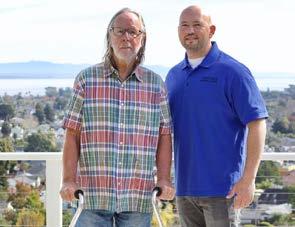
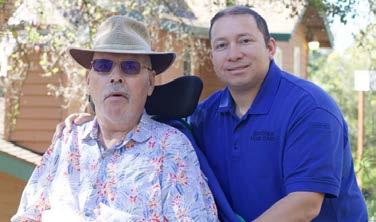
Capitola Home Care
Compassionate Care Rooted in Experience
For families in Santa Cruz County, choosing in-home care is about more than services—it’s about trust, peace of mind, and knowing a loved one is treated with dignity. Capitola Home Care LLC was founded on that understanding, shaped by years of lived caregiving experience and a deep commitment to community well-being.
Founder Laura Ruiz brings more than a decade of hands-on healthcare experience to the agency. She has served as a Home Health Aide with Hospice of Santa Cruz County, a Certified Nursing Assistant at Dominican Hospital, and an RNA in skilled nursing facilities. Through every role, Ruiz witnessed both the beauty and the challenges of caregiving—and recognized a growing need for dependable, highquality non-medical care delivered with consistency and heart.
“Caregiving is not just about tasks,” Ruiz explains. “It’s about listening, respect, and creating a sense of safety—for clients and their families.”
That philosophy became the foundation of Capitola Home Care LLC, a locally owned home care agency built to support individuals at home while also valuing and empowering caregivers. The agency operates under five guiding values: Trusted Care, Peace of Mind, Happiness, Dignity, and Listening—principles reflected in every care plan and interaction.
Capitola Home Care offers flexible, non-medical in-home support tailored to each client’s level of independence. Services range from companionship, meal preparation, errands, and transportation to standby supervision, hands-on personal care, respite for family caregivers, transitional support after hospital stays, and compassionate end-of-life comfort care. As needs change, care plans adapt—ensuring continuity, stability, and peace of mind for clients and their families.
What sets Capitola Home Care apart is its relationship-driven approach. Clients are thoughtfully matched with caregivers who align with their
personalities, routines, and values, fostering trust and consistency in the home. Open communication with families, proactive care coordination, and a deep respect for individual preferences ensure care feels supportive—not intrusive. By prioritizing both client experience and caregiver well-being, Capitola Home Care delivers a higher standard of in-home care rooted in connection, accountability, and compassion.
Equally important is the agency’s commitment to caregivers. Drawing from her own experience, Ruiz prioritizes clear communication, training, and ongoing support—an investment that directly translates to higherquality care.
“I Just Want to be Happy”
By Dr. Lori Butterworth
I hear the same thing from patients again and again, sometimes through tears: “I just want to be happy.” When I ask what that means, there’s often a long pause. Happiness feels essential, but strangely hard to define.
The ancient Greeks described two kinds of happiness: hedonia, the pursuit of pleasure and feeling good, and eudaimonia, a deeper sense of well-being that comes from living with purpose, values, and integrity.
Modern life thrives on hedonia. On social media, happiness is portrayed as the outfit, the social life, the pose, and smiling family. What we don’t see are the failures, the loneliness, the boredom, the self-doubt. The message from social media is powerful: to be happy, life should look and feel good all of the time.
Parents buy into this message too. When their children feel anxious, frustrated, sad, or unmotivated, parents often rush to find a therapist to fix the feeling, smooth the path, and remove the discomfort. But the ability to tolerate discomfort is a path to eudaimonia, the deeper kind of happiness.
Stoic philosophers like the Roman Emperor, Marcus Aurelius, argued that happiness was never meant to be pursued directly, rather happiness emerges as a byproduct of how we live. To find happiness, you can’t chase it any more than you chase a shadow. Instead, as we build character, and act according to our values, happiness becomes the byproduct.
This philosophy shows up repeatedly in my clinical work, especially when I use Acceptance and Commitment Therapy (ACT). ACT shifts the focus from How do I get rid of this feeling? to Who do I want to be? What is important to me? What actions can I take to move me in that direction, even when it’s uncomfortable?
Recently, a young man I’ve been working with for some time paused mid-session and said, with surprise, “Oh, I get it now. You’re not asking about what I should do, You’re asking about the person I want to become.”
Working hard and accomplishing something meaningful builds selfconfidence and self-respect. Mastery matters. Effort matters. Pride in earned success matters. When achievements are expressions of values— perseverance, responsibility, curiosity, courage—we learn something powerful: I can do hard things, even when it doesn’t feel good.
Happiness is not the goal; it is the byproduct of living a life in alignment with your values. I often share novelist and philosopher Ayn Rand’s definition with my patients: Happiness is the freedom to achieve your values.
So, for parents who want the best for our children, rather than asking, “Is my child happy?” we might ask:
Are we helping them discover what matters to them?
Are we teaching them to tolerate frustration in service of growth?
Are we modeling values-based living in our own lives? Are achievements tied to purpose and meaning, not just approval or comparison?
“I just want to be happy” is one of the most human longings I hear in my office, spoken softly, urgently, sometimes through tears. But happiness is not something we can aim at directly or secure in advance for ourselves or our children. It resists being chased. What we can do is help build lives organized around purpose, values, effort, and integrity—and allow room for discomfort along the way. When children learn who they want to be, not just what they want to feel, they develop something far sturdier than fleeting pleasure. They learn self-respect and resilience. Happiness doesn’t need to be pursued. More often than not, it arrives quietly, as the byproduct of a life lived on purpose.
Dr. Lori Butterworth is a child and adolescent psychologist and the founder of the Center for Child and Adolescent Mental Health and Jacob’s Heart Children’s Cancer Support Services. For more information about mental health support for your child and family, contact Lori at 831-222-0052 or visit CCAMH.org. The Center offers evidence-based youth mental health care and free resources for parents.
Harbor Health Center
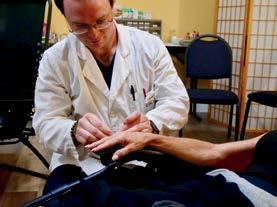
For more than 15 years, Dr. John Grady has served the Santa Cruz County community as a board-certified emergency medicine physician at Dominican Hospital. His work in emergency medicine has placed him on the front lines of trauma, acute injury, and critical care, shaping a career rooted in precision, decisiveness, and a deep respect for the body’s ability to heal when given the right support. Beyond the emergency department, Dr. Grady has spent the past decade at the forefront of regenerative medicine, an emerging field focused on restoring function and reducing pain by activating the body’s own healing mechanisms. He is a co-founder of Harbor Health Center, a clinic he established with his late wife, Samantha Shakti, with the shared vision of offering innovative, non-surgical solutions for musculoskeletal injury and chronic pain.
Regenerative medicine represents a fundamental shift in how many orthopedic and soft tissue conditions are treated. Rather than masking symptoms or moving directly to surgery, Dr. Grady’s work centers on repairing and strengthening connective tissue—often using a patient’s own biologics, including platelets and stem cells. These carefully targeted treatments are designed to stimulate healing in tissues that traditionally have limited regenerative capacity, such as cartilage, tendons, ligaments, meniscus, and labrum.
A hallmark of Dr. Grady’s approach is precision. Using advanced ultrasound guidance and detailed anatomical expertise, treatments are delivered exactly where they are needed, allowing the body to concentrate its metabolic resources on healing damaged tissue. In some cases, this may involve releasing nerve entrapments or addressing adhesions within fascia and muscle. In others, regenerative procedures offer a critical alternative to surgery—often the only option short of an invasive intervention—to promote meaningful tissue repair rather than continued degeneration.
Dr. Grady remains deeply connected to the national regenerative medicine community and participates in a mastermind group alongside some of the most experienced and advanced clinics in the country. This collaboration allows him to continually refine his techniques and bring leading-edge best practices back to Santa Cruz, ensuring patients have access to care typically found only in major metropolitan centers.
As a former competitive athlete, Dr. Grady brings a personal understanding of the importance of strength, mobility, stability, and resilience. While Harbor Health Center works collaboratively with chiropractors, acupuncturists, and physical therapists to support movement and recovery, regenerative medicine addresses a critical gap in connective tissue health. Few centers nationwide—and none locally—offer the same combination of experience, technology, and depth of expertise that Dr. Grady provides, making Harbor Health Center a unique resource for patients seeking durable, non-surgical solutions.
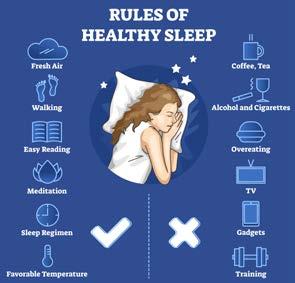
Keeping Sound Sleep Habits
You can take steps to improve your sleep habits. First, make sure that you give yourself enough time to sleep. With enough sleep each night, you may find that you're happier and more productive during the day.
Sleep is often the first thing that busy people squeeze out of their schedules. Making time to sleep will help you protect your health and well-being now and in the future.
To improve your sleep habits, it also may help to:
Go to bed and wake up at the same time every day. For children, have a set bedtime and a bedtime routine. Don't use the child's bedroom for timeouts or punishment.
Try to keep the same sleep schedule on weeknights and weekends. Limit the difference to no more than about an hour. Staying up late and sleeping in late on weekends can disrupt your body clock's sleep-wake rhythm.
Use the hour before bed for quiet time. Avoid intense exercise and bright artificial light, such as from a TV or computer screen. The light may signal the brain that it's time to be awake.
Massage Therapy
Avoid heavy or large meals within a few hours of bedtime. (Having a light snack is okay.) Also, avoid alcoholic drinks before bed.
Avoid nicotine (for example, cigarettes) and caffeine (including caffeinated soda, coffee, tea, and chocolate). Nicotine and caffeine are stimulants, and both substances can interfere with sleep. The effects of caffeine can last up to 8 hours. So, a cup of coffee in the late afternoon can make it hard for you to fall asleep at night.
Spend time outside every day (when possible) and be physically active.
Keep your bedroom quiet, cool, and dark (a dim night light is fine, if needed).
Take a hot bath or use relaxation techniques before bed.
Napping during the day may boost your alertness and performance. However, if you have trouble falling asleep at night, limit naps or take them earlier in the afternoon. Adults should nap for no more than 20 minutes.
Napping in preschool-age children is normal and promotes healthy growth and development.
Strategies for shift workers
Some people have schedules that conflict with their internal body clocks. For example, shift workers may have trouble getting enough sleep. This can affect how they feel mentally and physically.
If you're a shift worker, you may find it helpful to:
• Take naps and raise the amount of time available for sleep
• Keep the lights bright at work
• Limit shift changes so your body clock can adjust
• Limit caffeine use to the first part of your shift
• Remove sound and light distractions in your bedroom during daytime sleep (for example, use light-blocking curtains)
If you're still not able to fall asleep during the day or have problems adapting to a shift-work schedule, talk with your doctor about other options to help you sleep.
Soulcare Studios
SoulCare Studios is a premier holistic wellness center located in the heart of Aptos Village, beneath the iconic Aptos Station sign. We offer an integrative, whole-person approach to healing that honors the connection between mind, body, and spirit.
As the first boutique wellness studio in the region to unite mental health services, yoga and movement, Chinese and functional medicine, and community-based wellness programs under one roof, SoulCare provides a truly comprehensive path to wellbeing.
Clients often begin their journey through accessible entry points such as daily yoga, strength training, or qigong classes; psychotherapy and integration therapy; reiki and energy healing; chiropractic care; or ketamine-assisted therapy. Wherever one begins, each pathway opens the door to deeper healing, personal transformation, and meaningful connection within a supportive, heart-centered community.
Ketamine-Assisted Therapy at SoulCare SoulCare Studios specializes in Ketamine-Assisted Therapy (KAT), an evidence-based approach designed to support neuroplasticity and facilitate deep emotional healing when provided in a safe, therapeutic setting.
Ketamine-Assisted Therapy has shown promise in helping individuals experiencing: • Depression • Anxiety • PTSD • Chronic pain
By supporting new neural connections, KAT can help individuals move beyond entrenched patterns and reconnect with a greater sense of wholeness, clarity, and possibility.
Our Vision
SoulCare Studios is a sanctuary for deep healing, authentic connection, and self-discovery — where holistic wellness meets soul.
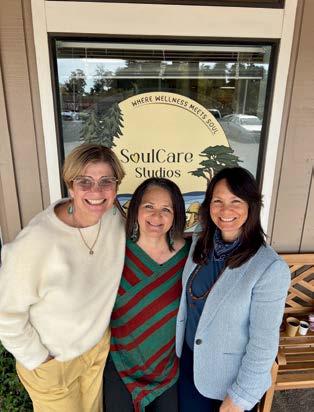
Founded by Cindy Hill-Ford, Dr. LeTa Jussila, and Dr. Michelle Bean, SoulCare was created by three passionate healers united by a shared mission: to empower mind, body, and spirit through integrative, compassionate care.
$30 unlimited 2 week movement!
Cindy Hill-Ford, Dr. Michelle Bean, Dr. LeTa Jussila
Neighborhood Design Impacts Walking Levels
Many Americans don’t get enough exercise. A lack of physical activity can increase the risk of chronic conditions like heart disease, diabetes, and cancer. A new study suggests that your neighborhood’s design can affect how many steps you get in a day.
Walking provides many health benefits. But some neighborhoods aren’t as easy to get around on foot. They may lack sidewalks, parks, or nearby shops to entice you to go for a walk.
Researchers looked at how many daily steps people got before and after moving to more walkable neighborhoods. They analyzed data from study participants’ fitness smartphone apps. The neighborhoods were given a walkability score based on measures of pedestrian friendliness. For example, less distances to stores and parks led to higher scores.
Researchers found that people walked more when living in places with higher walkability. This trend showed up across age, gender, weight, and fitness levels. The only exception was women over age 50. Their steps didn’t change after relocating. People who moved to more walkable neighborhoods also walked faster.
“Our study shows that how much you walk is not just a question of motivation,” says Dr. Tim Althoff at the University of Washington. “There are many things that affect daily steps, and the built environment is clearly one of them."
One of the most common setbacks to a daily walk is that not all neighborhoods have adequate and safe places to walk. Lack of sidewalks, quiet unfrequented roads etc. keep people from walking in their own neck of the woods.
If this is the case, one just simply needs to get out to a park, playground, school, beach or hiking trail to satisfy the urge to be out and walk. Most all neighborhoods have one if not several of the above places close by. You might even think about riding your bike to the park or an area of town that accomodates safe and healthy walking.
Santa Cruz county has an abundance of places to go for walks. Whether it's West Cliff & East Cliffe drive, Nisene Marks Park, Henry Cowell, Seacliff, Rio Del Mar Beach, Natural Bridges, etc. we have an abundance and variety of places to feed our need to exercise and be outside in a safe, beautiful and inviting environment.
Walking also has more benefits then just cardiovascular! Taking a stroll invites social interaction, fresh air, removing oneself from the daily grind of work, stress and world affairs as well as giving one a chance to be with their own thoughts with the intrusion of TV, social media, texting and phone calls.
So, get off the couch, put down the electronics, put on some tennis shoes, find a place that refreshes your soul and get out and walk.
Aesthetic Medicine
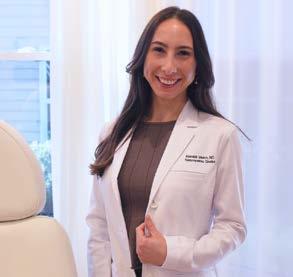
With Dr. Kendall Welch, Naturopathic Doctor PC (Medical Spa Owner in Soquel, CA)
Dr. Kendall Welch is a board-certified Naturopathic Doctor and proud Santa Cruz native who is redefining aesthetic medicine through a holistic, patient-centered lens. Her training in naturopathic medicine shapes the way she delivers personalized care, combining clinical expertise with a whole-person approach. She believes aesthetic medicine is more than enhancing your appearance, it’s an opportunity to support overall skin health, confidence, and well-being.
Dr. Kendall Welch offers a comprehensive approach to skin health, incorporating medical-grade skincare, Dysport® and Daxxify® to minimize fine lines and wrinkles, dermal filler to restore lost facial volume, SkinPen® Microneedling to stimulate collagen while improving fine lines and wrinkles, facial scarring, texture, and pores. Her treatments also include medical peels to address sun damage and hyperpigmentation for brighter, smoother, and more even skin tone.
As a Naturopathic Doctor and aesthetic medicine provider, her mission is to provide safe and approachable cosmetic treatments with compassion, expert care, and natural-looking results. Her practice is located in Soquel, CA, inside Luna Beauty
Skincare and Waxing Studio, a peaceful spa-like environment surrounded by holistic estheticians. To learn more, contact Dr. Kendall Welch to schedule a complimentary consultation today.
Get Active Together Social Support Can Help Keep You Moving
Physical activity has many benefits. Walking, running, biking, swimming, lifting weights, playing sports, and moving more can add years to your life. Physical activity can improve your health, mood, and energy levels. But sometimes, the inspiration to get moving may be lacking. That’s when friends, family, and other social connections can help.
Research has shown that connecting with others, called social support, can help us get active and make changes to improve our health. Other people can help us start, continue, or increase how much we move. They can also help us make physical activity a habit.
“We still have a lot to learn about the different effects that social support can provide. But it’s long been recognized that people who have greater social support tend to be more physically active,” says Dr. Elise Rice, an NIH expert in behavioral and social science. “There are many different types of social support.”
Social support doesn’t only include people you already know. It can include groups that help get you moving, like walking or hiking clubs. It can also mean going to exercise classes, whether in person or online. There are even social media communities that provide social support for exercise.
Tiffany Harmon Seahorse Swim School
Social support can help people of all ages and abilities get more physical activity, even those with chronic (long-lasting) health problems.
The More the Merrier
Social support can make physical activity more fun and inviting. And being active is an important goal for just about everyone.
Regular physical activity can reduce the risk of serious health conditions. These include heart disease, stroke, diabetes, and cancer. Activity can boost brain health, improve sleep, and more.
Yet most American adults do not get the recommended amounts of physical activity. That’s at least two and a half hours of moderate activity, such as brisk walking, each week. Muscle-strengthening activities, like lifting weights, are also recommended at least twice a week.
Getting in that much activity might seem challenging. “But really, any amount of physical activity is better than none,” says Dr. Laurie Friedman Donze, a clinical psychologist at NIH who oversees heart health research programs. “Even short bursts of activity throughout the day can be helpful, like 5 or 10 minutes at a time.”
There are many ways that friends and others can help you get and stay active. “Companionship is part of it,” Donze explains. “Being active with someone can make physical activity more enjoyable. It can provide encouragement that keeps you going. And research has found that social support can increase self-efficacy, which is the feeling that you can do something and be successful.” NIH News in Health
Sol Hot Yoga
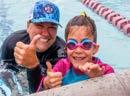
At the heart of Santa Cruz County’s aquatic community stands Tiffany Harmon, owner of Seahorse Swim School, Inc. Since 1985, Tiffany and her team of instructors have impacted many lives by providing swim instruction and water safety education to thousands of children, teens, adults, beginners, and advanced swimmers alike. As an American Red Cross Water Safety Instructor Trainer, Tiffany focuses in on teaching drowning prevention skills while streamlining strokes for maximum effectiveness in the water.
In 2025, Tiffany opened up the Seahorse Swim Academy, a private pool, located near Cabrillo College and the new Aptos Library. The serene surroundings support a distraction free setting. Warm water paired with the expert instruction of owner, Tiffany Harmon, awaits children, teens and adult beginners (ages 3 and up). It's a dream come true for Tiffany to offer specialized and individualized instruction out of her own facility. Drawing on her education in psychology and child development from UC Santa Cruz and 4 decades of teaching experience, Tiffany gains the trust of her swimmers by meeting them where they are while implementing proven, experience-based methods refined over time. Renowned for her humor, laser-focused presence, supportive, encouraging demeanor and effective teaching style, Tiffany has empowered many students to overcome their fears, helping them reach their goals quickly and with new-found confidence.
With Seahorse Swim School, each swimmer is guided in the process, assuring water confidence, competence, and experiencing the joy of thriving in, on and around the water.
Sol Hot Yoga is a local, familyowned and operated business dedicated to the well-being of our community. We offer a wide variety of classes: yoga, Pilates, Barre&Strength/Suspension classes – curated to meet every fitness and lifestyle need.
Here’s what you will find at Sol Hot Yoga:
• The BEST instructors in Santa Cruz County
• A generous variety of great classes, (heated & unheated options available)
• An honest, welcoming community
• Reasonable rates
Come and see for yourself! To get you started, we offer new students two weeks of unlimited classes for $50 (New Student Intro).
Whether you are new to yoga/pilates or you are accustomed to the practice, we are here for you! New to yoga? Our top recommendations are the 60-minute 26&2, gentle yoga, or any class in the ambient room.
We cant wait to see you.
www.solhotyogasv.com
230 D Mt. Hermon Road, Scotts Valley, CA 95066 831-515-7000 email: solhotyogasv@gmail.com follow us on IG: @solhotyogasv
Health Projects Center
At the Health Projects Center (HPC), we are a nonprofit committed to ensuring that individuals can age safely and with dignity in the comfort of their homes. HPC delivers exceptional services and programs designed to meet the unique needs of low-income individuals at risk of placement in a nursing facility, family caregivers caring for a loved one with a memory disorder, and healthcare professionals and students to more effectively address geriatrics and chronic care management in Monterey, San Benito, and Santa Cruz Counties.
To achieve this mission, we focus on three key areas: Managing Care for Low-Income Individuals: We coordinate healthcare and supportive services for medically frail, lowincome adults, ensuring they receive the comprehensive care they need to thrive.
Supporting Family Caregivers: We equip family caregivers with tools and resources to provide quality care for their loved ones while prioritizing their mental and physical well-being. Through training, respite programs, and peer support, we help ease the challenges of caregiving.
Strengthening the Healthcare Workforce: HPC develops and enhances the skills of healthcare professionals, with a particular focus on geriatrics and in-home care management, to meet the growing demand for aging services.
Join us in making a difference! Whether you’re looking for support or are inspired to donate, there’s a place for you in our mission. Visit our website at www.hpcn.org or contact us at (800) 624-8304 to learn how our services help people receive supportive health and social services in the least restrictive environment possible.
GET FIT
FITNESS TAKES ON MANY DIFFERENT FORMS, ADDING JUST 20 MINUTES OF EXERCISE PER DAY CAN SIGNIFICANTLY BOOST YOUR HEALTH
parkavenue
FITNESS STUDIOS
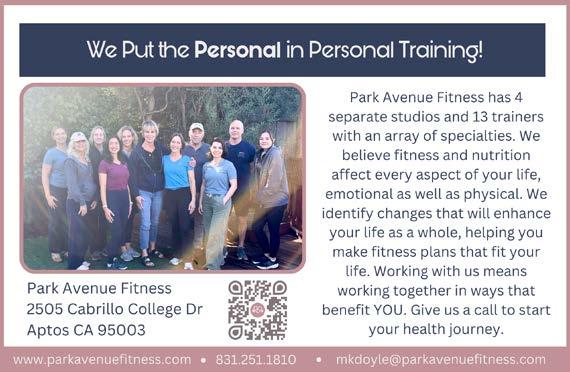
For seven years, Park Avenue Fitness has served our community's seniors, clients with physical conditions or illnesses, and clients with pre- and post-rehabilitation needs.
While we aren't a rehabilitation center we do work with your physical therapist and doctors to help you achieve the best results possible from any surgery, condition, and for your health and fitness.
Park Avenue Fitness offers one-on-one and group personal training (limit 4 people) both in-person and on Zoom. We've recently added small group classes like Yoga Over 50, Gyrokinesis, and Balance. Home visits are available.
Everyone starts with a tour of our facilities and a chat to make sure we are scheduling you into the right studio (we have four) with the correct trainer (we have 13), and see if we are the best fit for you. If we aren't a match, we can direct you to a better suited program or facility. No reason not to call and book a tour - so call today.
Being Outside for Just 20 Minutes a day can Improve Wellness
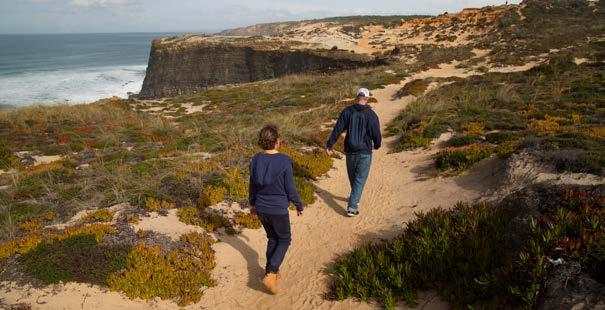
There’s no excuse for Santa Cruz County residents not to get outside and enjoy the many state parks, nature preserves, and miles of coastline – all of which offer exceptional terrain for hiking.
Getting outside in nature can significantly reduce stress, improve mood, boost vitamin D levels, enhance focus, lower blood pressure, and even improve sleep quality by exposing your body to sunlight and fresh air.
We have variety: Trails span 2,000-foot elevations in the Santa Cruz Mountains down to the ocean shore, leading to plunging waterfalls and stunning ocean vistas.
This year, watch for the federal Bureau of Land Management opening the 5,843-acre Cotoni-Coast Dairies National Monument north of Davenport in the summer of 2025.
For three years, volunteers with the Santa Cruz Mountains Trail Stewardship have been constructing beginner, intermediate, and advanced loops on the property for hikers and cyclists to enjoy. The federal agency is building a parking lot and trailhead for the first 9 miles of trails.
Henry Cowell Redwoods State Park is a beautiful redwood forest near Santa Cruz that spans across 4,650 acres of protected wilderness lands. This park is home to some of the oldest and tallest redwoods
in the area. There are about 20 miles of trails, ranging from 0.4 miles long to 3.3 miles long. Walk the self-guided Redwood Grove Loop to view the tree named for “Pathfinder” Lt. John C. Frémont. Ridge Fire Road near Pine Trail hosts the observation deck at one of the park’s highest points and offers vistas of the Monterey Bay.
Nisene Marks State Park in Aptos is a refreshing retreat from the busy towns and beaches along Highway 1. Most visitors come to hike, jog, or bike on the 30 miles of trails in rugged semi-wilderness, rising from sea level to steep coastal mountains of more than 2,600 feet. Explore one of eleven easy hiking trails that are great for the whole family or if you’re looking for a more strenuous there are trails range from 16 to 3,523 feet in elevation. Whatever you have planned for the day, you can find the perfect trail for your next trip to The Forest of Nisene Marks State Park. www.parks.ca.gov.
Seacliff State Beach in Aptos is a great way to get in your walk and enjoy the beautiful views of the ocean. You can start in Rio Del Mar Flats, walk the bridge over the creek and stroll all the way down to the private residence gate. If you get lucky you might see a pod of dolphins, or even a whale or two! An epic rainstorm combined with ocean swell sank the USS Palo Alto, a cement ship built during World War I and moored here in 1929 and the connecting pier. State Parks staff is studying how to move forward.
Continued on page 28 ...
The Watsonville Wetlands and its 800-acre fresh-water wetlands is one of the best kept secrets on the central coast. More than seven miles of trails and 29 trail entrances in Watsonville neighborhoods offer many opportunities to enjoy the natural beauty of our special wetlands for recreation and relaxation. Trails are for everyone, free, open every day, and most are wheelchair accessible. www.cityofwatsonville.org
The Pogonip Trail System totals about 11.5 miles. In the northernmost portion of Pogonip, a multi-use trail (one mile in length) is open to hikers, bicyclists, and equestrians. This multi-use trail provides a connection between Henry Cowell Redwoods State Park, Pogonip, and the upper UC Santa Cruz campus. Along the eastern boundary of Pogonip is the Emma McCrary Trail open to hikers, bicyclists, dogs on leash and equestrians. This trail can be accessed from Golf Club Drive or at the southern terminus of the UCon Trail. Bicycles and horses are prohibited on all other trails. Please obey all trail signs. www.cityofsantacruz.com
Construction of trails in the Glenwood Open Space Preserve was completed in 2020. Did you know that you can access six miles of trails full of lush meadows, wildflower blooms, and breathtaking views right from the heart of Scotts Valley? The Land Trust of Santa Cruz County, responsible for stewarding the property, hired Santa Cruz Mountains Trail Stewardship to design the trails and build them. There are 3 miles three miles of multi-use trails (dogs and bikes OK) on the west side, and 3 miles for hiking and running on the east side where many unique grassland plants and animals live and you will see cattle grazing to maintain the habitat.
Soquel Demonstration Forest at 29400 Highway Way is the only state forest near Monterey Bay. This 2,700-acre forest adjacent to Nisene Marks State Park is open to hiking and mountain biking, thanks to a partnership with Santa Cruz Mountains Trails Stewardship. Caution: The terrain is rugged, cell phone reception is inconsistent, watch for ticks and poison oak, and you must bring your own water source.
Byrne-Milliron Forest comprises 402 acres in the Corralitos area. The Land Trust of Santa Cruz County owns and manages this
property as a working forest and takes pride in making it available to its members and the public. The forest is a lovely place to hike and explore, with panoramic views of the Pajaro Valley and Monterey Bay, and a 1,000-year-old, 250-foot tall “Great White” redwood. Generally considered a moderately challenging route, the trail takes an average of 1 hour 49 minutes to complete. This trail is popular for birding, hiking, and walking. Best times to visit: April through September. Dogs are welcome and may be off- leash in some areas. www.landtrustsantacruz.org
Wilder Ranch State Park boasts a wide assortment of terrain and habitat, and offers over 34 miles of hiking, biking, and equestrian trails winding through coastal terraces and valleys. By far, one of the most scenic spots to hike is the Old Cove Landing Trail to Ohlone Bluff Trail, a 2 ½ mile coastal trek that is one of the prime spots for wildflowers. You can access the beach from here and walk along the bluff leading to the cove. On a good day you will come across gulls, pelicans, geese, sea lions passing, and maybe even migrating whales. The park grounds also include restored Victorian homes, barns, shops, gardens, and a historic adobe for visitors. www.parks.ca.gov
Don’t overlook parks owned by the county or your city as a place for sunshine – good source of Vitamin D – recreation and community. The 24-acre Skypark in Scotts Valley offers playgrounds, basketball hoop and bocce court, often available in the afternoon. With all of our beautiful parks and beaches, Santa Cruz County is the perfect area to put on your jogging or walking shoes, saddle up that horse, get on your bike, and enjoy the outdoors!
View from Mount Umunhum at 3,486 feet in Sierra Azul Open Space Preserve: Access from Los Gatos via Hicks Road to Mt. Umunhum Road. Umunhum contains the root word for hummingbird in five Ohlone languages. This mountain was sacred to indigenous peoples. The MidPen Regional Open Space District bought the 36-acre summit and with federal funds cleaned up hazardous materials left by the Almaden Air Force Station, closed in 1980. Opened in 2017, the mountain has trails for hiking and equestrians and attracts intrepid bicyclists.
La Vie
Nourish Your Body, Nurture Your Bonds, Enjoy Every Second of It
At La Vie, our mission is rooted in the profound understanding that the key to vitality lies in the balance of mind, body, and spirit. Through the power of probiotics and hand crafted tonics, we offer a symphony of flavors that dance on the palate and awaken the senses. Our elixirs are more than just delightful beverages; they are conduits of healing, growth, and transformation. With every sip, we infuse your being with the bounties of nature, guiding you on a journey to optimal health.
The heart of La Vie beats with the rhythm of tradition and purity. We harness the magic of nature’s bounty, combining freshly infused juices with the essence of superfood ingredients. From almond milks that delight the soul to our revolutionary multiday Probiotic Cleanses, each offering is a testament to our commitment to holistic well-being.
Drawing from the wisdom of ancient practices, we embrace sustainability by sourcing ingredients from local farmers, nourishing not just the body but also the community. Our path is one of harmony, where we tread lightly on the Earth, encouraging our patrons to join us in a recycling and re-use program to reduce waste and honor the interconnectedness of all life.
Scan the QR code to explore the depth of our offerings and discover how we can support your path to holistic health. With La Vie, you’re not just embracing a lifestyle; you’re joining a community dedicated to uplifting and healing, guided by the spirit of adventure, the importance of gut health, and the joy of living well. Welcome to La Vie Wellness.
Slowing Sarcopenia Keep Your Muscles Healthy
as You Age
Starting at age 30, our bodies naturally start to lose muscle mass. We lose about 3–5% every 10 years. You might not notice the effects at first. But over time, the reduced muscle mass leads to decreased strength. After a while, it can lead to a condition called sarcopenia.
“With aging, you start losing muscle mass, muscle strength, and have some limitations with your activities,” says Dr. Rosaly Correa-deAraujo, an aging expert at NIH.
Some muscle loss is expected with the natural aging process. But too much muscle loss can lead to mobility difficulties. Sarcopenia can make it harder to stand up from a chair, walk, open a jar, or carry groceries. It can also increase your risk of falling.
Certain factors may make muscle loss worse as you age. These include some chronic illnesses, a lack of exercise, and an unhealthy diet. Hormonal changes that occur during menopause can also contribute.
Researchers estimate that 10–20% of older adults have sarcopenia. But testing people for sarcopenia can be tricky. That’s because there isn’t a widely agreed-upon method to measure muscle loss. It’s also not clear exactly how much muscle someone can lose before it leads to disability or injury. So an NIH-funded team of experts recently set out to better define sarcopenia and its impact on people’s health.
The team analyzed data from several studies that looked at thousands of people aged 65 and older. They focused on three different measures of muscle health: grip strength, walking speed, and lean body mass.
Those with weaker grip strength and slower walking speed (less than 2.6 feet per second) showed higher risk of falls, mobility limitations, hip fractures, and death. But lean body mass was not linked with these outcomes. As a result, the researchers recommended using grip strength and walking speed to help assess sarcopenia.
As muscle loss worsens, so can sarcopenia’s effects. Because sarcopenia increases your risk of falling, those who have it are nearly twice as likely to be hospitalized as those without it. Sarcopenia increases the risk of broken bones and the loss of independence with age. It can also make it more difficult for your body to fight certain diseases, like cancer.
You can take steps to prevent too much muscle loss and weakness as you age. Getting enough physical activity is key. In particular, Correa-de-Araujo says, “you need to have resistance training because this is going to help build your strength.” Resistance training can include activities like push-ups, squats, or lifting weights. See the Wise Choices box for more tips on building muscle.
A healthy diet can also help prevent or manage sarcopenia. Your body needs protein to build and maintain muscle. Eating a diet rich in protein can keep your muscles healthy as you age. Experts suggest eating at least 1.2 grams of protein for every two pounds of body weight to treat or manage sarcopenia.
While more research is needed, some dietary supplements have shown promise for preventing muscle loss when combined with diet and exercise. These include amino acids, fish oil, vitamin D, selenium, magnesium, and omega-3 fatty acids.
If you think you might have sarcopenia, talk with your doctor. They can help you make a plan to prevent further muscle loss and preserve your health and independence. NIH News in Health
Lenz Arts
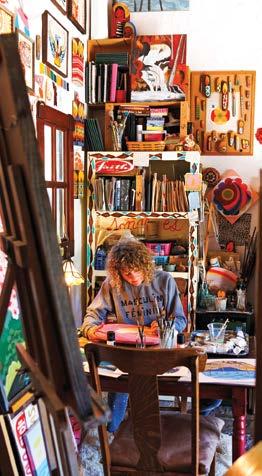
Lenz Arts manager Andrew Lenz Jr. said, “Let me tell you a story. Years ago, Bob Lee, District Attorney for the County of Santa Cruz, returned to our store and this time he was looking for an easel. To help him select a proper one, I asked him what medium he was using and what he was planning to paint. He shared that he wasn’t looking to paint anything specific. He simply liked to spend time moving acrylic paint around on the surface of a canvas. Aside from getting out and playing basketball, this was Bob’s way of detoxing from a very stressful job.”
“I was impressed. Too many of us are so worried about the destination and not the journey. ‘Will it look right?’ ‘Will I feel like a bad artist?’ We need to let that go, relax, and get back to the enjoyment we experienced as grade schoolers. We all were thrilled with art class! Study after study show that how doing art is so good for our mental state. Obviously, I’m biased, but I believe the world would be a better place with more people slowing down, reducing screen time, and creating.”
Founded in 1968 by 3rd-generation Santa Cruz resident Cynthia Lenz and her husband Andy, Lenz Arts offers a huge selection of artist materials for everyone from toddlers to beginners to serious hobbyists to professional gallery artists. And the Lenz staff is patient and friendly, ready to explain the products and help you to get the right thing for you.
And when your artwork is done, the award-winning Lenz Arts custom framing department will make your art beautiful whether it is for your own enjoyment or as a gift to a loved one. If you are on a thinner budget, Lenz Art stocks thousands of premade frames in a wide range of styles and colors.
Emergency Supplies Kit List
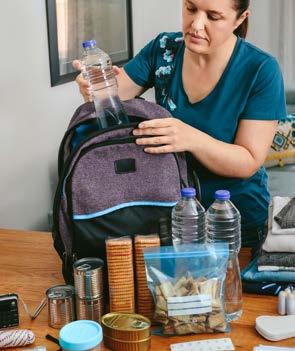
To assemble your kit store items in airtight plastic bags and put your entire disaster supplies kit in one or two easy-to-carry containers such as plastic bins or a duffel bag.
A basic emergency supply kit could include the following:
• Water (one gallon per person per day for several days, for drinking and sanitation)
• Food (at least a several-day supply of non-perishable food)
• Battery-powered or hand crank radio and a NOAA Weather Radio with tone alert
• Flashlight
• First aid kit
• Extra batteries
• Whistle (to signal for help)
• Dust mask (to help filter contaminated air)
• Plastic sheeting, scissors and duct tape (to shelter in place)
• Moist towelettes, garbage bags and plastic ties (for personal sanitation)
• Wrench or pliers (to turn off utilities)
• Manual can opener (for food)
• Local maps
• Cell phone with chargers and a backup battery
Additional Emergency Supplies
Consider adding the following items to your emergency supply kit based on your individual needs:
• Soap, hand sanitizer and disinfecting wipes to disinfect surfaces
• Prescription medications. About half of all Americans take a prescription medicine every day. An emergency can make it difficult for them to refill their prescription or to find an open pharmacy. Organize and protect your prescriptions, over-the-counter drugs, and vitamins to prepare for an emergency.
• Non-prescription medications such as pain relievers, anti-diarrhea medication, antacids or laxatives
• Prescription eyeglasses and contact lens solution
• Infant formula, bottles, diapers, wipes and diaper rash cream
• Pet food and extra water for your pet
• Cash or traveler's checks
• Important family documents such as copies of insurance policies, identification and bank account records saved electronically or in a waterproof, portable container
• Sleeping bag or warm blanket for each person
• Complete change of clothing appropriate for your climate and sturdy shoes
• Fire extinguisher
• Matches in a waterproof container
• Feminine supplies and personal hygiene items
• Mess kits, paper cups, plates, paper towels and plastic utensils
• Paper and pencil
• Books, games, puzzles or other activities for children
Maintaining Your Kit
After assembling your kit remember to maintain it so it’s ready when needed:
• Keep canned food in a cool, dry place.
• Store boxed food in tightly closed plastic or metal containers.
• Replace expired items as needed.
• Re-think your needs every year and update your kit as your family’s needs change.
Your List in Case of Emergencies
Register at Cruz Aware alert and warning system for the residents of Santa Cruz County at https://cruzaware.genasys.com/
Santa Cruz County Mobile Crisis Line: 1-800-952-2335
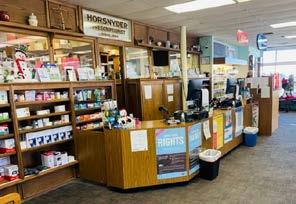
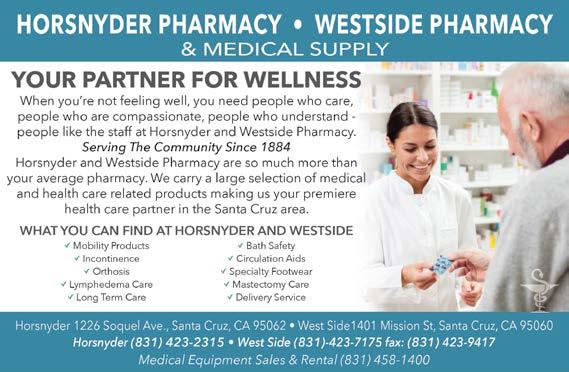
Horsnyder Pharmacy & Medical Supply
You Are In Good Hands
Since opening its doors in 1884, Horsnyder Pharmacy has treated every customer like a member of our family. Other companies may offer similar products, but our service is unmatched. With Horsnyder Pharmacy, you’re not just another customer. With us you’re part of the family!
We pride ourselves in being one of oldest businesses in the Santa Cruz and you don’t achieve that longevity without support from the community and a philosophy that puts the community’s well being first. Whether you suddenly find yourself in need of in home health care, a power mobility device, prosthetic device or other consultation service, we’re here for you. We’re a Pharmacy and so much more.
We’re Here For Every Body
The human body. It is a miracle of millions of interlocking pieces – a marvel to behold. But when something goes wrong, you need a partner you can trust in your corner. That partner is Horsnyder Pharmacy and Medical Supply in Santa Cruz. We’re here for every BODY, including yours.
The human body. It is a miracle of millions of interlocking pieces – a marvel to behold. But when something goes wrong,
you need a partner you can trust in your corner. That partner is Horsnyder Pharmacy and Medical Supply in Santa Cruz.
We’re here for every BODY, including yours.
The human body. It is a miracle of millions of interlocking pieces – a marvel to behold. But when something goes wrong, you need a partner you can trust in your corner. That partner is Horsnyder Pharmacy and Medical Supply in Santa Cruz. That partner is Horsnyder Pharmacy and Medical Supply in Santa Cruz.
Polyphenols: Healthy Eating Includes the Good Stuff Too
Polyphenols are naturally occurring compounds found largely in the fruits, vegetables, cereals and beverages. Fruits like grapes, apple, pear, cherries and berries contains up to 200–300 mg polyphenols per 100 grams fresh weight. The products manufactured from these fruits, also contain polyphenols in significant amounts. Typically a glass of red wine or a cup of tea or coffee contains about 100 mg polyphenols. Cereals, dry legumes and chocolate also contribute to the polyphenolic intake.1,2
Polyphenols are secondary metabolites of plants and are generally involved in defense against ultraviolet radiation or aggression by pathogens.3 In food, polyphenols may contribute to the bitterness, astringency, color, flavor, odor and oxidative stability. Towards the end of 20th century, epidemiological studies and associated meta-analyses strongly suggested that long term consumption of diets rich in plant polyphenols offered some protection against development of cancers, cardiovascular diseases, diabetes, osteoporosis and neurodegenerative diseases.
Polyphenols are secondary metabolites of plants and are generally involved in defense against ultraviolet radiation or aggression by pathogens. In the last decade, there has been much interest in the potential health benefits of dietary plant polyphenols as antioxidant.
Staff of Life Natural Foods: Your Local Source for Healthy, Organic Living
For over 50 years, Staff of Life has been committed to providing highest-quality products. Their shelves are stocked with a huge selection of organic and all natural products offering you everything you need for a healthy lifestyle.
Fresh, Local, and Organic Produce
Enjoy a wide selection of organic fruits and vegetables sourced from local farms, ensuring peak freshness while supporting sustainable agriculture. Many items picked in the morning are available for purchase by afternoon.
Full-Service Butcher Counter
Find humanley raised hormone and antibiotic-free meats, including Certified Piedmontese Beef, prized for its tenderness and lower fat content. They also offer premium seafood and Smart Chicken, raised on a non-GMO diet and air-chilled for freshness.
In-House Bakery: Freshly Baked Daily
Enjoy a variety of scratch-made breads and treats with options for every diet, including gluten-free and vegan. The glutenfree sandwich bread is a customer favorite!
Full-Service Deli: Fresh & Ready-to-Go
From grab-and-go meals to hot and salad bars, the deli offers the freshest scratch-made foods. Try their made to order handcrafted sandwiches and don’t miss the café for made to order organic juices, smoothies and coffee.
Epidemiological studies and associated meta-analyses strongly suggest that long term consumption of diets rich in plant polyphenols offer protection against development of cancers, cardiovascular diseases, diabetes, osteoporosis and neurodegenerative diseases. Here we present knowledge about the biological effects of plant polyphenols in the context of relevance to human health.
Phenolic Acids
Phenolic acids are found abundantly in foods and divided into two classes: derivatives of benzoic acid and derivatives of cinnamic acid. The hydroxybenzoic acid content of edible plants is generally low, with the exception of certain red fruits, black radish and onions, which can have concentrations of several tens of milligrams per kilogram fresh weight.7 The hydroxycinnamic acids are more common than hydroxybenzoic acids and consist chiefly of p-coumaric, caffeic, ferulic and sinapic acids.
Flavonoids
Favonoids comprise the most studied group of polyphenols. This group has a common basic structure consisting of two aromatic rings bound together by three carbon atoms that form an oxygenated heterocycle (Fig. 2). More than 4,000 varieties of flavonoids have been identified, many of which are responsible for the attractive colours of the flowers, fruits and leaves.8 Based on the variation in the type of heterocycle involved, flavonoids may be divided into six subclasses: flavonols, flavones, flavanones, flavanols, anthocyanins and isoflavones (Fig. 3). Individual differences within each group arise from the variation in number and arrangement of the hydroxyl groups and their extent of alkylation and/or glycosylation.2 Quercetin, myricetin, catechins etc., are some most common flavonoids.
Bulk Options: Save Money & Reduce Waste
With the largest bulk bin selection in the tri-county area, customers can choose from over 1,000 items—including grains, nuts, spices, and coffee—saving money while cutting down on packaging waste.
Largest Vitamin & Wellness Department
The wellness section features top supplements, vitamins, and natural cosmetics like Jane Iredale, with expert staff ready to assist.
A Commitment to Community & Sustainability
Since 1969, Staff of Life has been a pioneer in the natural foods movement, supporting local farmers, eco-conscious initiatives, and fair pricing.
Visit Us: 1266 Soquel Ave., Santa Cruz • 906 E. Lake Ave., Watsonville – Where health meets happiness!
Artificial Intelligence and Your Health How Computers are Helping Medicine
There’s a lot of talk about artificial intelligence, or AI, these days. AI is everywhere—from virtual assistants to facial recognition software. The technology is even assisting doctors and scientists. So what exactly is AI? And how is it helping advance scientific research?
“AI is basically trying to teach computers to ‘think’ in the same way as the human brain,” says Dr. Despina Kontos, an AI researcher at Columbia University.
One approach to AI uses a process called machine learning. In machine learning, a computer model is built to predict what may happen in the real world. The model is taught to analyze and recognize patterns in a data set. This training enables the model to then make predictions about new data. Some AI programs can also teach themselves to ask new questions and make novel connections between pieces of information.
“Computer models and humans can really work well together to improve human health,” explains Dr. Grace C.Y. Peng, an NIH expert on AI in medicine. “Computers are very good at doing calculations at a large scale, but they don’t have the intuitive capability that we have. They’re powerful, but how helpful they’re going to be lies in our hands.”
Researchers are exploring ways to harness the power of AI to improve health care. These include assisting with diagnosing and treating medical conditions and delivering care.
Mining Medical Images
One area that AI is already being used daily is medical imaging.
Computers help doctors comb through CT and MRI scans for signs of problems like heart disease and cancer.
“AI can look at images very closely, in a way that’s much more detailed than we can do with the human eye,” Kontos says. That means that the computer may be able to pick up on subtleties that a person might miss.
Connecting People With Care
Over the last year, advanced “chatbots,” like ChatGPT, have burst on the scene. These AI programs are designed to have realistic conversations with people. People are starting to use the technology to find health information.
Many chatbots are a form of “generative AI.” This type of AI can create new content based on what it learns from analyzing existing data. Such chatbots use what’s called large language models, which are trained on huge data sets that are gathered from across the internet. The training teaches them to predict what words are most likely to appear after another.
Looking Toward the Future
As AI moves into more areas of health care, many ethical issues will need to be addressed, explains Kontos. “These systems learn from human data, so they may learn our biases,” she says.
For example, in the past, research studies have included far more men than women. This means that the resulting data may not be as accurate for guiding women’s health care. So, if this information is fed into AI models, that bias will follow. NIH News in Health
Wellness Center
Health and Wellness Education, Support Groups, and More
The Dignity Health Wellness Center in Live Oak, Santa Cruz, empowers the most vulnerable members of our community through vital health education and support. This medically-integrated center offers a diverse range of programs, including strength and balance training for fall prevention, yoga and tai chi for flexibility and mindfulness, aquatic classes, nutrition and meal planning. With both in-person and virtual classes, we ensure accessibility for everyone.
Consider making a gift to the Wellness Center. Your gift will not only support the vital programs offered but may be put to good use through scholarships to make sure each patient can receive the expert care they need.
About the Program
For more information on services or to register for a class, please call the Wellness Center at 831.457.7099. Since its establishment in 2021, this important benefit to our community is not possible without donor and grant funding through the Dominican Hospital Foundation, support today.
Santa Cruz County Senior Services
Grey Bears free food bags weekly: Yearly membership $30. Distributes free bags of food to designated sites and homebound seniors. (831) 479-1055 www.greybears.org
Meals on Wheels, offered by nonprofit Community Bridges, free meal delivery to those unable to shop and make their own meals. 9-4 weekdays. 831-464-3180 x100.
Elderda adult-care, 519 Main Street., Watsonville.Health care, exercise classes, art,woodworking, and music for seniors. Bus transportation to Lift Line, transportation offered by Community Bridges. Weekdays 9-5. 831-688-9663. Access for All, $5. Low-income, disabled, no charge.
Volunteer Center of Santa Cruz County: Empowered Aging: Retired Senior Volunteer Corps, age 55 and up, 831-427-5070, Helping Hands senior home repair, 831-427-5070, Transportation to doctor, dentist, grocery, bank, (831) 427-3435, Stay Connected friendly phone calls, 831-427-5070 118 and A Matter of Balance fall prevention, Monday-Thur., 9-5 and Friday 9-12, 831-427-5070 x115. https://scvolunteercenter.org/programs/empowered-aging/
Family Services Agency, Senior Outreach accepts Medicare 831423-9444 for Santa Cruz and Soquel appointments. To volunteer, call 831-459-9351 in Santa Cruz or 831-728-9009 in Watsonville. Friendly Visitors for Isolated Seniors in care facilities: Volunteers are needed! Commit for 6 months. Call Nancy Cleveland, (831) 4598917 or email: Cleveland.n@fsa-cc.org.
Senior Network Services, 1777 Capitola Road, Live Oak. Offers ta resource directory and the Health Insurance Counseling and Advocacy Program (HICAP) for free Medicare counseling. (831) 462-1433.
Seniors Council, nonprofit operates Area Agency on Aging and offer services such as tax assistance, companionship programs, and day trips.
Senior Citizens Legal Services, offers free legal aid to people 60 and older. Email help@seniorlegal.org or call (831) 426-8824. Bridge of Hope Foundation, visits people living in care facilities and hosts birthday parties for them. https://www.bridgeofhopefoundation. org/ If you can help, email: mary@cruzio.com or call 831-515-9150.
IN AN EMERGENCY:
In an emergency, call 911, the countywide dispatch service. For information, call 211, countywide information service. Mental Health mobile crisis team: 1-800-952-2335
We are more than just a Pharmacy. Modern Services with quality products!
What is Compounding?
Compounding is the mixing, combining, or altering of drugs of two or more ingredients that are tailored to the individual need of the patient that cannot be met by commercial medications.
We here at OneSource compound hormones for men and women, a wide array of veterinary medication, autoimmune diseases, mast cell activation and more. We are able to help those with allergies like dyes or medication in doses not readily available. Never hesitate to give us a call to see if we can help you and your family.
Why Choose Local?
Making the choice to shop at your local pharmacy over a major pharmacy chain is one that will be beneficial to both your customer experience and local economy.
By choosing to use a local pharmacy, your service and experience are personalized to fit you. This is because you and your OneSource
pharmacist can form a strong relationship. You are not a number at OneSource Compounding Pharmacy: you are a member of our family.
Local pharmacies don’t just stop at an increase in patient relationships though. They also rank #1 overall for accuracy. Each patient has the right to receive the correct prescription and care each time and no one knows better that OneSource Compounding Pharmacy. As a member of the OneSource Compounding Pharmacy family, we make sure that you receive the best care above all others.
Ten Frequently Asked Questions About Alzheimer's Disease
1. What is Alzheimer's disease?
Alzheimer’s is a brain disorder that slowly destroys memory and thinking skills, and is the most common form of dementia. In most people with Alzheimer’s, symptoms first appear later in life. People with Alzheimer’s gradually lose the ability to perform the simplest tasks, such as feeding themselves and bathing. Estimates suggest that more than 6 million Americans may have Alzheimer’s.
2. What is the difference between forgetfulness and Alzheimer's?
Forgetfulness can be a normal part of aging, but Alzheimer’s and related dementias are not. Unlike typical forgetfulness, serious memory problems, such as those that occur with Alzheimer’s, make it hard to do everyday tasks. These tasks can include driving, cooking, and shopping. A person with Alzheimer’s may not remember important places, dates, events, or even their family as the disease gets worse. If you are worried about your forgetfulness, talk with a health care provider.
3. What are the symptoms of Alzheimer's?
Doctor reviewing brain scan of a person with Alzheimer's disease. While the symptoms of Alzheimer’s vary, memory problems are typically one of the first signs of cognitive impairment related to the disease. Many people also notice a decline in other cognitive skills. They may have trouble finding words, issues with telling where objects are in space or how far apart they are, or problems with reasoning or judgment. These can be early signs of the disease.
Scientists are studying biomarkers, which are biological signs of disease found in the body, to detect early signs of Alzheimer’s in the
brain. However, more research is needed before doctors can use these techniques to broadly and routinely tell if a person has the disease.
4. What happens as Alzheimer's worsens?
In the early stages of Alzheimer’s, people may experience memory loss and have more difficulty thinking. Related problems can include wandering and getting lost, trouble handling money and paying bills, repeating questions, taking longer to complete normal daily tasks, and personality and behavior changes.
As the disease worsens, people may have difficulties with language, reasoning, thought, and sensory processing, such as hearing and smelling. They might not recognize their family and friends or be able to learn new things.
In the final stages of Alzheimer’s, people cannot communicate and are completely dependent on others for care. Near the end of life, the person may be in bed most or all of the time as the body shuts down.
5. What causes Alzheimer's?
Researchers don’t fully understand what causes Alzheimer’s in most people. Studies show that age-related changes in the brain along with genetic, health, and lifestyle factors may contribute to a person’s risk.
In recent years, scientists have made significant progress in understanding Alzheimer’s, and the momentum continues to
Valley Heights Senior Rental Community
Valley Heights is an independent apartment community for active senior citizens. We provide services and added features designed to meet changing needs and expectations of retirees from the burden of home maintenance and daily household routines. Along with a spacious, contemporary apartment, Valley Heights provides services to eliminate time consuming tasks of everyday living like housekeeping, meal planning and preparation, social and education activities, 24-hour security, and local weekday transportation.
Our one- and two-bedroom apartments come standard with a complete kitchen, extra storage, washer and dryer, and a personal deck. Valley Heights provides an active and social lifestyle with a variety of programs. We pride ourselves with providing quality service and attention to the small detail.
Owners Richard and Kelly had been involved with senior health care for over 30 years when they began conceptualizing Valley Heights from dream to reality. Their experience led them to what seniors needed, yet it was important for them to understand and provide what seniors wanted. How better to find out than ask? Richard and Kelly traveled throughout the country visiting more than 150 senior housing developments. They met with developers and administrators but learned most directly from
the residents themselves. “We wanted to create a special place where seniors could enjoy a lifestyle of independence and privacy, while at the same time be able to benefit from the friendships and support that’s available in our community.” “We’re proud of the outcome of our years of planning. It’s important to us to be able to provide a gracious setting where seniors can enjoy the quality lifestyle they deserve.”
grow. The importance of any one of these factors in increasing or decreasing the risk of developing Alzheimer’s may differ from person to person.
6. Does Alzheimer's run in families?
People with a parent or sibling diagnosed with Alzheimer’s are more likely to develop the disease. This is because a family may share aspects of their genetics, environment, and lifestyle that play a role in the development of Alzheimer’s. It’s important to note that not everyone with a history of Alzheimer’s in their family will develop the disease. Further, not everyone who has Alzheimer’s will have a family history of the disease.
7. Can Alzheimer's be treated or cured?
While there is no cure for Alzheimer’s, there are medications available to treat the disease. Medications may help manage the symptoms of Alzheimer’s or potentially slow down the progression of the disease. Although there is no single medication or other intervention that will be successful for everyone, scientists continue to study promising new approaches.
It’s important to talk with a doctor about what treatment will be most effective in your situation.
Because Alzheimer’s is so devastating, some people may be tempted to try unproven “cures.” Check with your doctor before taking any treatment or supplement that promises to prevent or cure Alzheimer’s. These “treatments” might be unsafe, a waste of money, or both. They might even interfere with prescribed medical treatments.
Five Branches
Five Branches University’s Santa Cruz Clinic has long been a fixture in the local healthcare landscape, offering integrative and traditional approaches to wellness for the Monterey Bay community. With our Santa Cruz location established in 1984, the clinic functions both as a public health center and as a teaching facility connected to Five Branches University, an institution known for its focus on Traditional Chinese Medicine and integrative healthcare education.
The clinic provides a range of services rooted in Traditional Chinese Medicine, including acupuncture, herbal medicine, therapeutic massage, and lifestyle guidance. These treatments are commonly sought for concerns such as pain management, stress, digestive issues, and overall wellness. Rather than focusing solely on symptoms, practitioners emphasize individualized care, taking time to understand each patient’s health history and broader patterns of imbalance. This holistic approach reflects the clinic’s guiding philosophy of prevention, balance, and long-term health support.
As a teaching clinic, the Santa Cruz location plays an important role in the professional training of future practitioners. Advanced students work under the close supervision of licensed and experienced clinicians, allowing patients to choose between care provided by senior practitioners or lower-cost treatment options in the teaching clinic. This model not only supports student education but also helps make care more accessible to a wider range of community members.
Practitioners at the clinic bring diverse backgrounds and extensive training, with many having years of clinical experience
Learn more about the safety and side effects of specific supplements, and find tips to help determine what health information is reliable.
8. Can Alzheimer's be prevented?
While nothing has yet been proven to prevent Alzheimer’s, researchers are studying promising strategies and learning more about what might — and might not — work. Researchers are exploring how activities such as managing high blood pressure, staying physically active, and keeping your mind engaged may help prevent or delay cognitive decline and dementia. Researchers are also exploring if certain foods and diets, diabetes management, sleep quality, and hearing restorative devices (such as hearing aids) might play a role in preventing Alzheimer’s.
9. Where can I find support if I take care of a person with Alzheimer's?
Millions of people living in the United States take care of a family member or friend with Alzheimer’s. While caregiving can be rewarding and meaningful, it can also be challenging.
There are many ways to help care for a person with Alzheimer’s. Respite care may be helpful in providing short-term relief for caregivers for hours, days, or weeks at a time, depending on their needs. For some people with Alzheimer’s, especially in the early stages of the disease, inhome services may be helpful. For people in the more advanced stages of Alzheimer’s, long-term care may be an option to consider.
10. How can I help with Alzheimer's research?
People with and without Alzheimer’s may be able to take part in clinical research. By joining a clinical trial or study, you may be able to help scientists learn how to prevent, treat, or cure the disease.
in both the United States and abroad. The clinic encourages collaboration and open communication, and in some cases works alongside Western medical providers to support comprehensive patient care. Appointments are typically longer than conventional medical visits, allowing time for detailed consultation and personalized treatment planning.
Located at 200 7th Ave, near the Santa Cruz Harbor, the clinic’s setting reflects its connection to the surrounding community. By combining education, patient care, and traditional healing practices, Five Branches University’s Santa Cruz Clinic continues to serve as a resource for those seeking integrative healthcare options and a more holistic approach to well-being.
For more information please call 1(831) 476-8211 or visit www.fivebranches.edu/health-centers/
Senior Benefits
Senior Benefits Insurance: Services At No Cost To You!
Senior Benefits is a long-time trusted Medicare advisor in our area and throughout the state. Located here in Aptos in the Rancho del Mar Shopping Center, down from Safeway and across from Susi’s Flowers, we have helped thousands of local seniors choose their health plans for more than 25 years. We can guide you with your Medicare enrollment and be your personal agents for a Medicare Supplement or Advantage Plan. We also partner with a Registered Financial Advisor who specializes in Long Term Care, Final Expense, Life Insurance and overall Retirement and Financial Planning.
Medicare is a complex system with many rules, regulations and an alphabet soup of choices. What are the ABC’s, D’s, F’s, G’s and N’s of Medicare? We are here to help you understand the relationship between Original Medicare through the Federal Government and the plans that private insurance companies offer. Whether you are turning 65, leaving an employer group plan, are new to the area, losing Medi-CAL, or on Medicare disability under 65, we can assist you in discovering the plans that best fit your needs and budget. We provide these services at no cost to you.
Some of the factors involved in choosing a plan are budget, medical groups, doctor choices, hospital choices, and travel across the country and abroad.
Once you are on Medicare and have chosen your plan(s), there are specific time periods to consider a review. The Annual Enrollment Period, which runs from October 15 – December 7, is the only window of time to review your Prescription Drug Plan coverage for
the following year or explore entering a Medicare Advantage Plan. If you have a Medicare Supplement Plan, the California Birthday Rule is important to remember. It begins 30 days before your actual birthday and extends 60 days after, and allows the opportunity for you to review your Medicare Supplement Plan and compare the rates from other companies which offer the same plans. The Supplement plans are standardized by Medicare. What differs are the monthly premiums. Yes, they are different from company to company.
We are always just a phone call away. We look forward to talking with you soon.
Sincerely, Ken and Kathleen Cook
COASTAL HEALTH & WELLNESS BUSINESS DIRECTORY 2026
AMERICAN LEISURE
1118 Ocean St., Santa Cruz • 3550 Stevens Creek Blvd., San Jose 831.423.2425 Santa Cruz • 408.446.9350 San Jose • www.americanleisurepatio.com
American Leisure started in 1972 as a small manufacturer of custom-made, oneof-a-kind patio furniture. For over 40 years, our skills have been honed as we have grown the business to what it is today.
AESTHETIC MEDICINE
2955 Park Avenue, Soquel • 831.480.4101 • lunabeautyskincare.com
Dr. Kendall Welch is a board-certified Naturopathic Doctor and proud Santa Cruz native who is redefining aesthetic medicine through a holistic, patient-centered lens. Her training in naturopathic medicine shapes the way she delivers personalized care, combining clinical expertise with a whole-person approach.
CAPITOLA HOME CARE
www.capitolahomecare.com • 831-421-1517
Capitola Home Care LLC. is a locally and family-owned business. We have over twenty-two years of experience in providing exceptional caregiving services to elders and adults with disabilities.
COMMUNITY BRIDGES
519 Main Street, Watsonville, California 95076 • 831.688.8840
https://communitybridges.org
Our mission is to deliver essential services, provide equitable access to resources, and advocate for health and dignity across every stage of life.
Curves has helped women around the world get healthier and stronger with our unique fitness solution, in a non-intimidating small group studio setting.
DEBORA MORRISON
720a Capitola Ave, Capitola, CA 95010 • 209.826.3388 www.facebook.com/DeboraMorrisonMassage
Debora has spend the last 30 years serving the Santa Cruz community through my private practice. She specializes in neck, shoulder, and low back relief.
DOMINICAN HOSPITAL FOUNDATION
1555 Soquel Drive, Santa Cruz • 831.462.7712 • www.supportdominican.org
As a non-profit hospital, Dominican Hospital relies on voluntary contributions to help meet the changing healthcare needs of our community and keep pace with the most advanced technology.
FIVE BRANCHES UNIVERSITY
200 7th Ave #115, Santa Cruz • 831.476.9424
In 1984, Five Branches University became one of the first Traditional Chinese Medicine (TCM) colleges in the United States. Today, we are recognized as one of the world’s top TCM schools, providing the highest level of professional education.
HARBOR MEDICAL CENTER
4450 Capitola Road, Suite 105, Capitola, CA 95010 • 831.278.8800 www.harborhealthcenter.com
At Harbor Health Center, we’re committed to helping patients look and feel their best at every stage of life. Whether you’re seeking to relieve chronic pain, revitalize your appearance, or simply boost wellness, our expert team is here to help.
HEALTH PROJECTS CENTER
9000 Soquel Ave., Suite 103, Santa Cruz, CA 95062 • 800.624.8304 • www.hpcn.org
At the Health Projects Center (HPC), we are a nonprofit committed to ensuring that individuals can age safely and with dignity in the comfort of their homes.
HORSNYDER PHARMACY AND MEDICAL SUPPLY
1226 Soquel Ave # A, Santa Cruz • 831.458.1400 • www.horsnyderpharmacy.com
Horsnyder Pharmacy was founded by Dr. Horsnyder on Pacific Avenue in 1884, making the store one year older than the Statue of Liberty!
JIM BOOTH SWIM SCHOOL
123 Anna Street, Watsonville, CA 95076 • 831.722.3500 • www.jimboothswimschool.com
Our program started 50 years ago with one goal in mind: Excellence! Our techniques are unique and emphasize good basics.
JUNEBUG’S GYM
3910 Portola Dr. #2 & 3, Santa Cruz • 831.464.2847 • www.junebugsgym.com
Junebug’s Gym creates a place where your child can experience a fun-filled adventure in movement. We have caring, respectful, and supportive staff that encourage every child in their growth of large motor skills and gymnastics along with social, emotional, and cognitive development.
LA VIE WELLNESS
www.drinklavie.com
At La Vie, our mission centers on holistic well-being – mind, body, and spirit. We’re thrilled to add wellness retreats to our menu of locally-sourced, nourishing elixirs
LENZ ARTS
142 River St., Santa Cruz • 831.423.1935 • www.lenzarts.com
Serving you for over 50 years, Lenz Arts offers the largest selection of fine art supplies and is the oldest custom frame shop on the Central Coast.
NEW LEAF
Aptos • Capitola • Santa Cruz • Westside Santa Cruz • Half Moon Bay
Serving our community's health and wellness needs since 1985. We're committed to offering locally sources, organic produce while giving back to non-profits.
By choosing to use a local pharmacy, your service and experience are personalized to fit you. You are not a number at OneSource Compounding Pharmacy; you are a member of our family.
PARK AVENUE FITNESS
2505 Cabrillo College Dr., Aptos • 831.251.1810 • www.parkavenuefitness.com
We Put the Personal in Personal Training! Our personal trainers are dedicated to making your time with us enjoyable and send you out the door feeling taller, stronger, and better equipped to face the world.
QUIKSILVER SWIM SCHOOL
325 Soquel Ave., Santa Cruz, CA 95076 • 831.869.8424
www.quicksilverssantacruz.org
We’re on the Path to Amazingness! QuickSilver Swimming strives to have a nationally recognized competitive aquatics program that teaches and trains all levels of swimmers, emphasizing athlete protection and Safe Sport training.
SANDCASTLE TOYS
509 Bay Avenue Front, Capitola, California 95010 • 9099 Soquel Drive, Building 2, Aptos, CA 95003 • 831.900.8939 • www.sandcastletoys.com
Welcome to Santa Cruz’s premier toy store, where play meets purpose! Each toy in our collection is thoughtfully selected to nurture your child’s development through open-ended play, natural materials, and timeless design.
SANTA CRUZ CORE
317 Potrero Street, Suite C Santa Cruz, CA 95060 • 50 Penny Lane, Watsonville, CA 95076 • 831.425.9500 • https://santacruzcore.com
The only Santa Cruz facility combining advanced medical care, personalized training, and cutting-edge wellness therapies all under one roof.
SEAHORSE
SWIM SCHOOL
1505 Seascape Boulevard, Aptos, CA 95003 • 831.661.5110
www.seahorseswimschool.com
Private, semi-private, small groups a non-competitive swim team and parent-tot lessons are taught with patience, encouragement and expertise.
SENIOR BENEFITS INSURANCE SERVICES
64 Rancho Del Mar, Aptos • 831.661.0700 • www.seniorbenefits.care
In 2000, Bill Weber founded Senior Benefits. Due to Bill’s commitment to his client’s needs and the rapid growth of Senior Benefits, he soon needed a skilled partner. Ken Cook, an already established insurance agent, partnered with Bill to help grow Senior Benefits into the top insurance agency.
SOL HOT YOGA
230 D Mt. Hermon Road, Scotts Valley, CA 95066 • 831-515-7000 email: solhotyogasv@gmail.com • www.solhotyogasv.com
Sol Hot Yoga is a local, family-owned and operated business dedicated to the wellbeing of our community. We offer a wide variety of classes: yoga, Pilates, Barre & Strength/Suspension classes – curated to meet every fitness and lifestyle need.
SOTHEBY’S INTERNATIONAL REALTY – AMBER MELENUDO
831.566.2263
As a Santa Cruz County resident for over 23 years, and SF Bay Area native, Amber can understand and meet the needs of a diverse group of clientele.
At SoulCare Studios in Aptos, CA, we provide a holistic wellness experience by integrating ancient healing practices with modern therapeutic approaches to support your mind, body, and spirit.
STAFF OF LIFE
906 E. Lake Ave., Watsonville • 831.726.0240
1266 Soquel Ave., Santa Cruz • 831.423.8632 • www.staffoflifemarket.com
Staff of Life Natural Foods, a Santa Cruz landmark specializing in farm to fork goodness was opened in 1969 by Richard Josephson and Gary Bascou to address the growing demand for organic produce, natural meats, and bulk shopping.
VALLEY HEIGHTS SENIOR RENTAL COMMUNITY
925 Freedom Blvd., Watsonville, California 95076 • 831.722.4884
www.valleyheights.com
Valley Heights is an independent apartment community for active senior citizens. We provide services designed to meet changing needs and expectations of retirees from the burden of home maintenance and daily household routines.
WOODSTOVE & SUN
510 Soquel Avenue, Santa Cruz CA 95062 • 831.425.5123
www.woodstoveandsun.com
Woodstove & Sun has been heating homes on the Central Coast since 1982. We carry gas, wood, electric, and pellet fireplaces, inserts, and stoves.
Beyond Surgery: A New Path to Healing
Santa Cruz Core – Home of MedXCare Health Professionals
When chronic pain threatens the activities you love,or when a surgeon suggests joint replacement, what if there was another option? For over 16 years, Santa Cruz Core has been offering something different: a comprehensive, nonsurgical approach to healing that treats the whole person, not just the symptoms. Recognized by Good Times, Santa Cruz Sentinel, and the Swellies as Best Doctor and Best Health & Wellness Clinic multiple times, Santa Cruz Core has earned the trust of our community by delivering results that help people avoid surgery, reclaim mobility, and age well on their own terms.
Regenerative Medicine: Healing From Within
While conventional medicine often defaults to managing pain with prescriptions or recommending surgery, Santa Cruz Core takes a regenerative approach. Using advanced therapies like stem cell treatment, the clinic helps the body heal itself naturally, addressing the root cause of pain rather than masking it."We're seeing people who were told they needed knee or hip replacements return to hiking, gardening, and the activities they thought they'd lost," explains the team at MedXCare Health Professionals. "Regenerative medicine gives the body what it needs to repair damaged tissue and reduce inflammation."This nonsurgical path is particularly powerful for those facing joint replacement, chronic back pain, arthritis, or degenerative conditions. It's not just about avoiding the operating room; it's about genuine healing and restoration of function.
Treating Body and Mind: A Truly Holistic Approach
Chronic pain doesn't just affect the body, it impacts mental health, sleep, relationships, and quality of life. That's why Santa Cruz Core added ketamine
therapy to address the mental health component of chronic conditions for treatment-resistant depression and PTSD. Combined with corrective exercise, Sports ChiroTherapy, physical therapy, occupational therapy that goes beyond the standard "once a month" appointments, patients receive comprehensive care that addresses every aspect of their wellbeing.
What makes Santa Cruz Core truly unique is the seamless integration of services under one roof. "We don't send you down the hall to someone who doesn't know your story," the team explains. "Our Integration Specialist evaluates your whole situation and creates a personalized plan that addresses your specific needs; whether that's regenerative medicine, ketamine therapy, physical therapy, or a combination approach."
This integrated model means faster results, fewer conflicting treatments, and a team that communicates seamlessly about your care. Call to receive your FREE DISCOVERY VISIT TODAY!
Physical Activity Helps Seniors Stay Mobile
A carefully structured, moderate physical activity program helped vulnerable older people maintain their mobility. The new study shows that many frail older people can reap rewards from regular physical activity.
As you get older, reduced mobility can raise the risk for disease, disability, and even death. Regular physical activity offers known health benefits to a variety of people. But scientists hadn’t identified a specific intervention to prevent mobility disability.
An NIH-funded study enrolled more than 1,600 adults, ages 70 to 89, who were at risk for disability. They were randomly assigned to either a moderate-intensity physical activity program or a health education program focused on successful aging.
The physical activity group gradually worked up to 150 minutes of weekly activity, including brisk walking, strength and balance training, and flexibility exercises. Sessions took place at a clinic twice a week and
at home 3 or 4 times a week. The comparison group had 26 weekly health education workshops, later followed by monthly meetings.
Over the course of the study—an average of 2.6 years—the physical activity program significantly reduced the risk of major mobility disability by 18% compared to the education group. Physical activity participants were better able to maintain their ability to walk without assistance for about a quarter of a mile.
“We are gratified by these findings,” says Dr. Richard J. Hodes, director of NIH’s National Institute on Aging (NIA). “Participating in a specific program of aerobic, resistance, balance, and flexibility training activities can have substantial positive benefits for reducing risk of mobility disability.”
Based on earlier research, NIA launched Go4Life, a national exercise and physical activity campaign for healthy older adults. NIH News in Health
Since 1977, Community Bridges has been a catalyst for a brighter future by delivering fundamental resources for the people of Santa Cruz County. Our family of ten vital programs across 20 different sites serves thousands of local children, families, and seniors each year. While each program is remarkable on its own, together we are unstoppable.