EARTH DAY WEDNESDAY, APRIL 22, 2026

EARTH DAY WEDNESDAY, APRIL 22, 2026
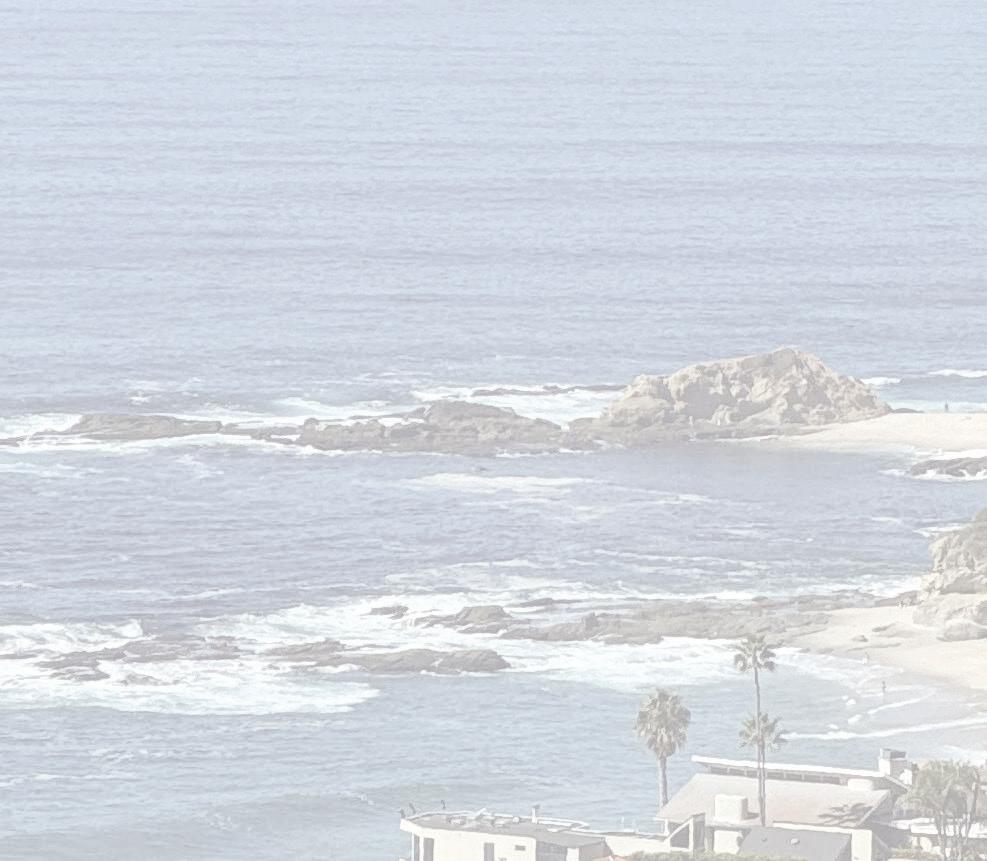
South Orange County is a place unlike any other, where rugged cliffs meet rolling hills and the Pacific Ocean.
But maintaining this picturesque balance requires more than just appreciation; it requires a collective, ongoing commitment to stewardship.
This year’s Green Issue is a testament to that dedication. We are looking at a community that is no longer content with temporary fixes, but is instead investing in long-term resilience, innovative engineering and a return to seasonal wisdom.
In San Clemente, the conversation surrounding our coastline has reached a pivotal turning point.
For years, sand replenishment was seen as the primary—albeit temporary— solution to the relentless erosion caused by winter storms, tides and shifting currents. Now, the city is looking to marry that effort with advanced sand retention strategies.
By exploring offshore and nearshore structures designed to reduce wave energy, officials hope to slow down sediment movement and keep sand on our beaches up to 50% longer.
This isn’t just about engineering; it is about a community-wide movement to protect our literal foundations.
The San Clemente Natural Hazards Protection and Resilience Act of 2026 represents a bold, citizen-led effort to secure a dedicated funding stream for both our beaches and wildfire protection.
With over 7,000 signatures gathered, the initiative shows that residents are ready to invest directly in the protection of their natural habitats, coastal trails and public spaces.
A few miles inland, The Ecology Center in San Juan Capistrano offers a different but equally vital model for the future.
Founder Evan Marks has transformed 28 acres into a living laboratory where sustainability is a daily practice rather than a distant goal.
From harvesting rainwater to composting with worms, the center teaches us that “ecological” living is often about returning to the elements and working with what we have.
The center’s focus on seasonality and local family businesses serves as a powerful critique of a culture built on the high cost of convenience.
By choosing to eat what is in season and supporting local growers, we aren’t just buying produce; we are investing in the health of our soil, the longevity of our water supply and the strength of our local economy.
It is a reminder that every purchase is a vote for the kind of world we want to inhabit.
The spirit of conservation extends deep into the heart of our local economy. In this edition, we are proud to feature businesses across Dana Point, San Clemente and San Juan Capistrano that are leading the way in sustainable practices. These entrepreneurs are proving that environmental advocacy and commercial success are not mutually exclusive, but instead go hand-in-hand for the betterment of the community.
From eco-friendly retail to green service providers, these local leaders are the backbone of our environmental efforts. Our annual Green Issue is more than just a collection of stories; it is a call to action and a celebration of our shared home.
Whether it is through a ballot box, a kitchen garden or a more mindful shopping trip, each of us has a role to play in preserving the vibrant landscapes of South Orange County. We invite you to dive into these pages, learn from the experts and join your neighbors in keeping this beautiful place as green as it can be.

San Juan Capistrano’s water system has served the community for generations, with portions dating back to the 1920s.

Santa Margarita Water District will begin modernizing water infrastructure to strengthen fire protection and system reliability.
By Angélica Escobar
Sand is always moving.
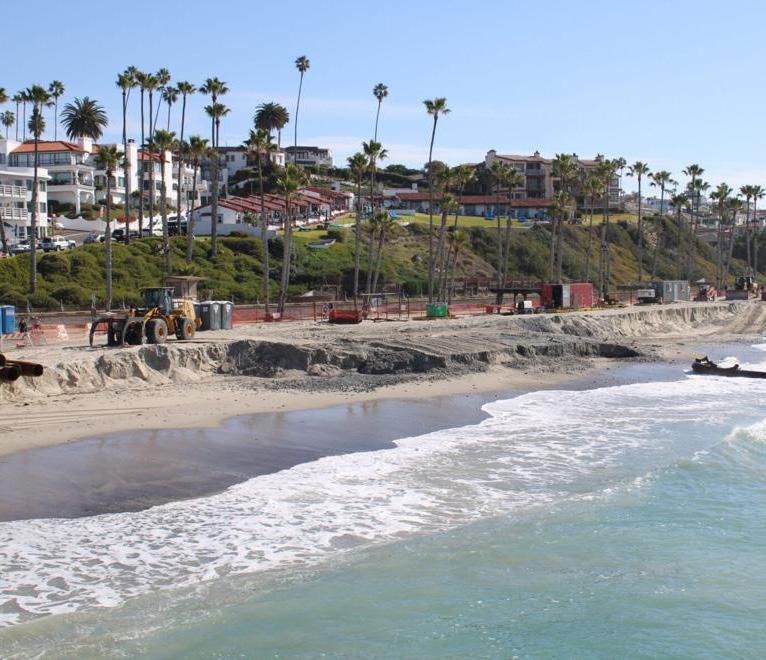
Along San Clemente’s coastline, waves pull it offshore, currents carry it down the shore, and winter storms strip it away faster than it can naturally return. What remains is a shoreline in constant transition — one that requires ongoing effort to maintain.
As the city continues to respond to that shifting coastline, officials are advancing plans not only to bring sand back, but to better understand how to keep it there.
At a recent City Council meeting, two proposals highlighted that evolving approach: one focused on replenishing sand, and another exploring ways to slow its loss.
The first centers on the next phase of the U.S. Army Corps of Engineers’ sand replenishment program, a long-standing effort that places new sand onto the beach to replace what has eroded over time. The proposed funding would support preconstruction engineering and design work, continuing a process that has become essential to maintaining the city’s coastline.
Coastal Administrator Leslea Meyerhoff emphasized that applying for the funding does not commit the city financially.
“There’s no financial commitment at this time, unless we get approved,” Meyerhoff said.
Beach nourishment has long been the primary tool for protecting the shoreline. But it is, by nature, temporary. Sand placed on the beach does not stay in one place — it shifts with tides, storms and seasonal changes.
That reality has led to increasing focus on strategies designed to extend the lifespan of that sand.
A proposed sand retention project would explore how features — potentially offshore or nearshore — could reduce wave energy and allow sand to settle and remain on the beach longer.
“The main point of this sand retention project is a companion strategy to sand placement,” Meyerhoff said. “The idea is that by adding structures … it helps to slow down the sediment movement … and keeps the sand in place longer.”
According to project engineers, similar approaches have shown measurable results.
“They increase the effectiveness of sand placement by 50%,” Hearon said.
Still, the concept remains in its early stages, with ongoing design work focused on how different configurations might interact with waves, currents and sediment movement.
“We’re only at about a 10- to 15% design,” Hearon said. “In the next phase, we would go to 35% and then 65% … looking at different scenarios, different configurations, sizes, orientations.”
At its core, the effort reflects a broader shift in thinking — from simply replacing sand to working with the natural systems that move it.
“Our biggest challenge right now is getting our littoral cell filled with sand again,” City Manager Andy Hall said.
Replenishment helps restore that balance, but without ways to retain it, the cycle continues.
As the city explores how to better manage its shoreline, a separate effort is emerging that could shape how those projects are funded in the future.
A citizen-led initiative — the “San Clemente Natural Hazards Protection and Resilience Act of 2026” — has gathered enough verified signatures to qualify for the ballot and is set to go before the City Council on April 21.
The proposal collected 7,119 signatures, surpassing the threshold required to move forward.
If approved by voters, the measure would introduce a 1% local sales tax to create a dedicated funding source for both beach restoration and wildfire protection.
Half of the revenue would go toward beach-related efforts — including sand replenishment, erosion control and maintaining public access — while the other half would support wildfire prevention and fire protection programs.
Supporters say the measure is aimed at addressing long-term sand loss along the coast.
Cameron Cosgrove, who is leading the ballot measure effort, said the goal is to establish a consistent funding stream for sand replenishment, noting that years of erosion have left many of the city’s beaches significantly narrower.
The funding could also be used to maintain beach access points, the coastal trail, pier, beachfront facilities and ocean water quality.
If passed, the city’s sales tax rate would increase from 7.75% to 8.75% for 10 years, with the option for voters to extend it. The measure also includes financial oversight provisions, including independent audits, public reporting and review by a citizen oversight committee.
Back on the sand, the question is not just how to restore the shoreline — but how to make those efforts last.
By pairing replenishment with retention strategies, and potentially securing long-term funding, San Clemente is continuing to explore how to work with the natural movement of sand rather than constantly trying to replace it.
Because while sand may never stay still, how it is managed could shape the coastline for years to come.
By Picket Fence Media
South Orange County is redefining coastal living through a deep commitment to environmental stewardship. Check out these 10 businesses in San Clemente, Dana Point and San Juan Capistrano that prioritize zero-waste initiatives, historic preservation and sustainable practices to ensure our unique community thrives for generations to come.
Found on the grounds of The Ecology Center, Campesino Café is the culinary extension of the farm’s mission. The name translates to “of the land,” and the café functions as a community gathering space designed to uplift agricultural workers by supporting living wages.
“This café exists to honor and uplift those who do the life-giving work of stewarding the land— work that goes largely invisible in our current food system. We’ve built this community gathering space with the goal of supporting a living wage for all our agricultural workers. When you enjoy the nourishment offered here, you nourish the farmers who grew the coffee, tended the orchards, harvested the grain and cared for the animals.”
The café is under the direction of Chef de Cuisine James Caveness, and the menu is dictated by the harvest from the center’s Market Garden. Nearly everything served on the plate at Campesino Café is grown at The Ecology Center or sourced from neighbors. The early spring menu includes a swordfish tartine, San Juan blue corn cake and an oak leaf salad.
CampesinoCafé
32701AlipazStreet,SanJuanCapistrano
949-443-4223
theecologycenter.org/campesino-cafe
Mission San Juan Capistrano is a museum, chapel and historic landmark that serves as a leader in South County’s commitment to both cultural and environmental sustainability. Known as the “Jewel of the Missions,” the site utilizes sophisticated irrigation for its drought-tolerant gardens to conserve water while maintaining its traditional landscape. Preservation efforts prioritize authentic, locally sourced materials like adobe and lime wash which offer a lower environmental impact than modern synthetics. From supporting the annual migration of the swallows to providing digital tour guides that eliminate paper waste, the Mission ensures its historical legacy and the surrounding natural biodiversity remain protected.
MissionSanJuanCapistrano
26801OldMissionRoad,SanJuanCapistrano 949-234-1300 missionsjc.com
Located within the historic Egan House in San Juan Capistrano, Ellie’s Table operates as a bakery, cafe and community hub that honors the legacy of its namesake through sustainable daily operations. By restoring and maintaining a local landmark, the cafe promotes urban sustainability and protects the city’s unique cultural heritage. The establishment further reduces its environmental footprint by utilizing reusable dishware for dine-in guests and offering compostable packaging for takeout orders. By prioritizing seasonal ingredients from regional suppliers, Ellie’s Table supports the local economy while minimizing the impact of long-distance food transport and maintaining a plastic-free coastal environment.
(Cont. on page 6)
Ellie’s Table
(Cont. from page 5)
31892CaminoCapistrano,SanJuanCapistrano 949-558-5310
elliestable.com
Organic Tree Juice Bar in Dana Point is a sanctuary for health enthusiasts who value ecological responsibility as much as nutrient density. This wellness hub specializes in 100% organic, coldpressed juices and plant-based snacks that are completely free from synthetic pesticides and chemicals. To minimize its environmental footprint, the juice bar utilizes a glass bottle return program and compostable packaging for its bowls and smoothies. By prioritizing seasonal produce from local farms, they support the regional agricultural community and reduce transportation emissions. Every bottle served represents a commitment to personal health, soil vitality and a cleaner coastline for the Dana Point community.
OrganicTreeJuiceBar
24901DanaPointHarborDrive,DanaPoint 949-276-7202
organictreejuicebar.com
Active Culture is a health-conscious staple in San Clemente that prioritizes environmental stewardship alongside nutritional wellness. As a certified Surfrider Foundation Ocean Friendly Restaurant, the cafe has eliminated single-use plastic bags and Styrofoam while utilizing reusable foodware for all onsite dining. By focusing on organic, locally sourced ingredients for its vegetarian and vegan-friendly menu, the establishment significantly reduces its carbon footprint. For those on the go, compostable or recyclable takeout packaging ensures their coastal impact remains minimal, proving that wholesome food and planet-friendly practices can coexist seamlessly.
Active Culture
111S.ElCaminoReal,SanClemente 949-276-4625
activeculturecafe.com
Trevor’s at the Tracks
Trevor’s at the Tracks seamlessly blends historic preservation with a forward-thinking mission of sustainability. Operating under the motto “Locally Acquired | Globally Inspired,” the restaurant actively works to reduce its carbon footprint through a unique closed-loop system. Much of their seasonal produce is grown at a private farm just minutes away, and in a commitment to zero-waste practices, all organic kitchen scraps are returned to that same soil as nutrient-rich compost. By prioritizing sustainably caught seafood, grass-fed beef and ethically raised livestock, Trevor’s ensures that every dish supports both the local ecosystem and the future of responsible coastal dining.
Trevor’s at the Tracks 26701VerdugoStreet,SanJuanCapistrano 949-493-9593
trevorsatthetracks.com
Hobie Surf Shop
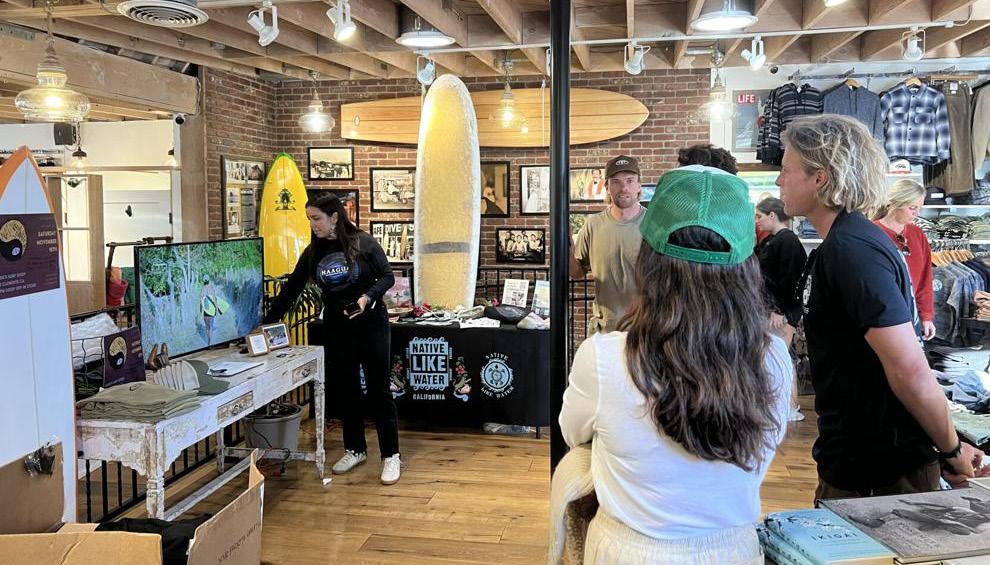
An Orange County legend, Hobie Surf Shop is as committed to ocean conservation as it is to surf history. As a cornerstone of the coastal community, Hobie integrates sustainability into every wave. The shop prioritizes eco-conscious hardware, featuring surfboards crafted with recycled EPS foam and plant-based bio-resins that reduce toxic runoff. Beyond the boards, Hobie stocks a curated selection of sustainable apparel, reef-safe sunscreen and recycled accessories. By partnering with groups like the Surfrider Foundation, Hobie ensures that the legendary breaks its founders pioneered remain protected for future generations.
“Sustainability is a journey and we will be transparent with our vendors who share the same destination we have set our sails towards,” its website said.
HobieSurfShop
34174PacificCoastHighway,DanaPoint
949-496-2366
hobiesurfshop.com
31896PaseoAdelanto,SanJuanCapistrano
949-503-3322
hobiesurfshop.com
167AvenidaDelMar,SanClemente
949-542-3355
hobiesurfshop.com
For nearly 50 years, the Bargain Box Thrift Store has remained a cornerstone of downtown San Clemente. This boutique shop is more than just a place to find vintage treasures, home decor and designer labels. Operated by the Assistance League of Capistrano Valley, every purchase directly funds philanthropic programs like Operation School Bell and support for families at Camp Pendleton. Plus, shopping for reused items is an eco-friendly choice in a world of fast fashion and high production.
TheBargainBoxThriftStore 526N.ElCaminoReal,SanClemente 949-492-2800
assistanceleague-capistranovalley.org
Lucky Dog
As a certified Surfrider Ocean Friendly Restaurant, Lucky Dog Gelato is leading the charge for sustainable sweets in San Clemente. This artisanal shop eliminates single-use plastics by using only reusable foodware for onsite dining and providing paper straws only upon request. Beyond their zero-waste efforts, owners Noel and Dustin prioritize a low carbon footprint by sourcing seasonal ingredients from local dairies and farmers. Their extensive menu features a variety of plant-based vegan sorbettos and oat milk gelatos which offer a delicious alternative with a smaller environmental impact.
LuckyDogGelato
1008S.ElCaminoReal,SanClemente 949-545-7147 luckydoggelato.com
Old Barn Antique Mall
Nestled in the heart of San Juan Capistrano, the Old Barn Antique Mall is a sprawling sanctuary for collectors and nostalgia seekers. With over 60 independent dealers under one roof, this historicstyle landmark offers an ever-changing inventory of vintage furniture, retro kitchenware, rare toys and timeless jewelry. It serves as a rustic contrast to modern retail, inviting visitors to wander through decades of local history and unique curiosities. Choosing vintage promotes sustainability by giving these unique items new life. This circular approach reduces landfill waste and minimizes the environmental footprint often associated with manufacturing and mass production.
OldBarnAntiqueMall
31792CaminoCapistrano,SanJuanCapistrano 949-493-9144 facebook.com/Theoldbarnantiquemall
By Hayze Law
At The Ecology Center in San Juan Capistrano, sustainability is built into how things are done day to day.
“The whole thing is designed as a model,” said Evan Marks, founder and executive director of The Ecology Center. “Something you can replicate in your own backyard.”
At the front of the 28-acre property sits a farmhouse built in 1878. Marks said it reflects a time when homes had to work with the environment.
“Before the invention of air conditioning, of course, we had to always work with the elements,” he said.
Around the farmhouse, the property shows simple ideas people can use at home, including native species planted in the front yard.
“Planting native plants brings habitat, beneficial insects, beauty, color and shade into your house,” Marks said.
Off the side of the house, a kitchen garden keeps herbs and produce close by.
“We want to grow our herbs and things that we use every day as close as we can to the kitchen,” he said.
Water is reused across the property. Rainwater from the roof is collected in a tank and used for irrigation part of the year. Water from sinks is redirected to trees.
“We harvest rainwater off the roof, and we take gray water from the sinks and use it to water the trees,” Marks said.
The center also focuses on materials in their sustainability efforts.
“Durability is the number one driver for materials,” he said. “We want things that last decades.”
Waste is handled through composting. Kids who visit learn to compost with worms, while food scraps and plant material from the farm are turned back into soil.
“The compost, all the food scraps from the farm stand and even the biomass from the farm, gets turned in and composted and then goes back to feed the soil for the next rotation,” Marks said.
Marks said these are simple changes people can make at home.
“Composting with worms, harvesting rainwater, planting native plants, growing herbs in raised beds,” he said. “These are all simple solutions that can scale up.”
He said the bigger shift comes down to daily choices.
“The way that we get to make our power known every single day is through what we buy,” Marks said. “Convenience is the killer of culture.”
“If we’re buying our produce from a supermarket, we’re missing the point,” he added.

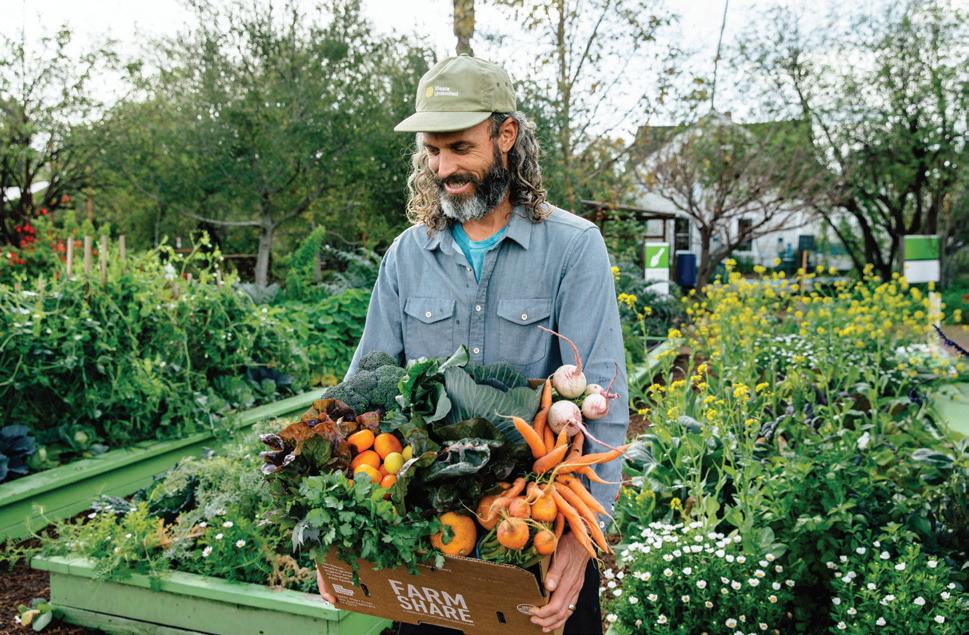
“They’re importing food from around the world so we can have whatever we want, whenever we want. That’s not ecological.”
Marks said that disconnect is most clear when it comes to food.
“For example, it’s spring right now,” he said. “This is when you have your greens, your root crops, your strawberries, your citrus. That’s what we should be nourishing ourselves with.”
“If we’re buying the wrong things, then we’re going in the wrong direction,” he added.
The Ecology Center works to help people understand what is in season and how to support local growers. Its farm stand supports around 100 small businesses.
“We’re investing in local family businesses,” Marks said. “That’s one of our core values, having consciousness around where those resources go.”
He said he regularly hears from visitors who start gardens or make changes at home after spending time at the center.
Looking ahead, the center has started expanding its reach, with its produce now going into local schools and some markets.
“There’s nothing more ecological than supporting local business and understanding seasonality,” Marks said.














































































Is your lawn on borrowed time?

California's AB 1572 bans decorative turf (grass) irrigation with potable water for businesses, HOAs, and public agencies - deadlines start in 2027. Replace it now and earn rebates before funds run out.
SCWD.org/NFT

Check the available rebates for water-saving tools and apply to those that match your needs to save water and money.
SCWD.org/Rebates

Visit the Water Smart Gardening website to access resources and find inspiration for creating a water-efficient, California-friendly landscape. OCWaterSmartGardens.com


South Coast Water District is committed to Making Water Conservation the California Way of Life.
Adjust your irrigation schedule for the forecast ahead. Check your timer settings and make sure sprinklers aren’t watering sidewalks or streets.

There are lots of simple ways to reduce the amount of water that we use at home, both inside and outside. Use our checklist to get started.
Learn more by visiting SCWD.org/CONSERVE