




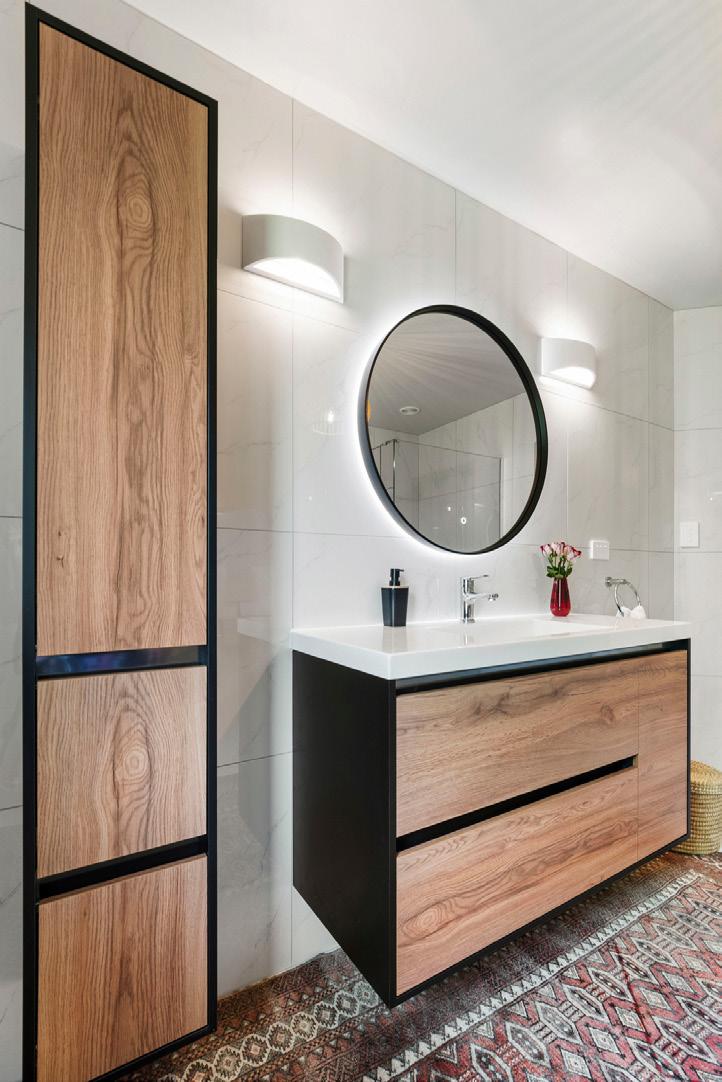




23 Pohorama Lane
Waiata Shores, Conifer Grove
$699,000
Live Well. Live Connected.
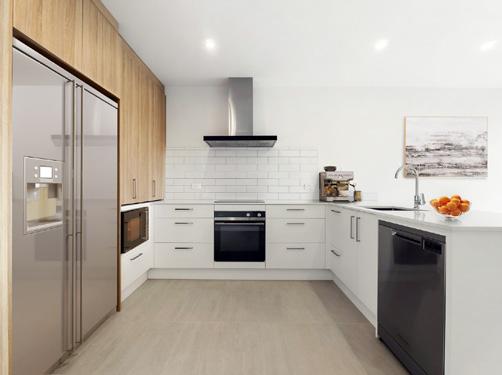
Beautiful two bedroom terrace home with light-filled living, a contemporary kitchen, and seamless indoor-outdoor flow to a private courtyard. Features quality finishes, keyless entry, and modern comforts throughout, all within a connected, family-friendly neighbourhood close to parks, cafés, shops, and transport.
2 1 1
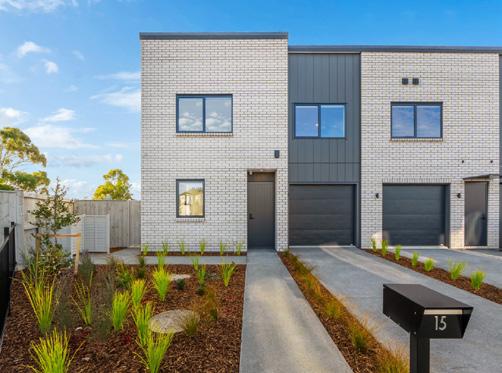
15 Pohorama Lane
Waiata Shores, Conifer Grove
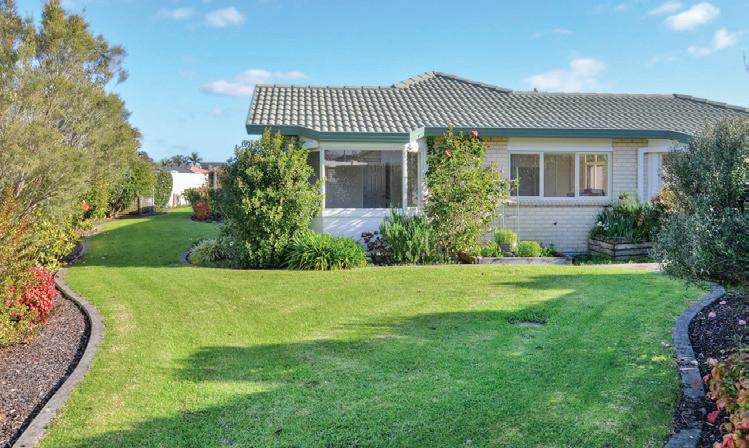
Corner Site, Endless Appeal
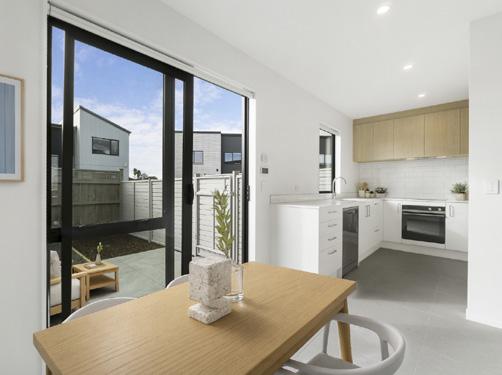


16 Wintergarden Ave
Park Green, Karaka
$679,000
Find Your Place at Park Green
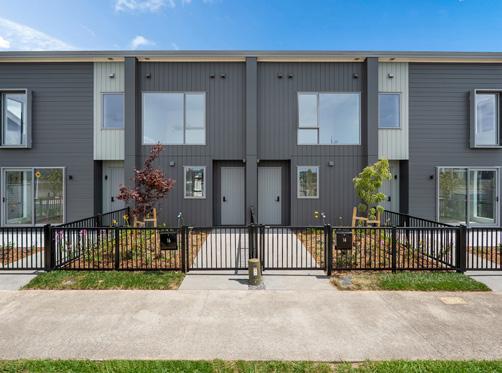
Thoughtfully crafted for modern lifestyles, this contemporary terrace home pairs stylish interiors with effortless practicality. Private outdoor space, quality finishes, and a sought-after Park Green location create a home that’s as easy to enjoy as it is to own.
$999,000 $779,000 4 3 1 1 2 1 1 3 1 1
4 Wintergarden Ave
Park Green, Karaka
Lifestyle Meets Value
A smart choice for families and first-home buyers alike, this three bedroom end terrace offers generous living, private outdoor space, and contemporary style throughout. Featuring modern comfort upgrades, low-maintenance landscaping, and off-street parking, it’s a home designed to make life easy.

Spacious four bedroom family home on a desirable corner site, featuring open plan living, a designer kitchen, and seamless indoor-outdoor flow to a sunny landscaped garden. Complete with a master suite, second living area, single garage, and modern comforts including double glazing, keyless entry, security alarm, and heat pump. $10ktowards your first home!*


Sometimes good news is no news. As our last issue was speeding to completion, the New Zealand Transport Agency (NZTA) confirmed that the speed limit on a busy section of local road will not be cut from 80 to 60 kilometres per hour.
An NZTA statement confirming the fact reads:
“While a lower speed limit would support the upgraded intersection at SH22/Jesmond Road, and upgrades to come as part of the SH22 Drury upgrade project, current conditions do not yet support a change.
“Most submitters did not support the proposal. [Public] feedback was considered alongside technical assessments, safety and cost estimates and land use information and we decided not to proceed with lowering the speed limit as a result.”
So, people power roadblocked the move, in part, putting the brakes on intentions to slow the traffic.
It turns out that lodging submissions isn’t just a case of giving crayons to the kids to keep us busy and out of the road, so to speak.
But what difference does it really make? The section of road in question used to be (more or less) a rural road winding through the countryside and connecting to a couple of out-of-the-way towns. But it hasn’t been that for quite some time and, considering the steroidal rate at which growth is occurring across the motorway in Drury, it’s never going to be a little bit country anymore.
At peak times (is there any other?), it’s a slow crawl along this part of Karaka Road. With the possible exception of during the middle of the night, it would be
The tiles along King Street, Pukekohe have been problematic, becoming more slippery during wet weather.
As winter settles in, reports of slips and falls have started circulating again, often turning a brisk walk through the town into an unwanted slipand-slide, leaving some to
question whether sturdier footwear is needed.
The Times is looking into the issue. So, if you’ve taken a tumble or have concerns, please email us via editor@franklintimes.co.nz.
Pukekohe may love its sport, but not ice skating down King Street!

2pm Sunday 19 July
unlikely that even professional boy racer Liam Lawson – please call home, by the way! – could reach the limit, whether it’s 80 or 60km/h.
While speed limits matter, speed being limited should (I think) be a greater concern. Congestion costs us all, every day and it’s especially so in Auckland.
In that sense, this is not the end of the story nor the beginning and we can only hope that when these epic roadworks in and around Drury have, at last, been completed that they will help traffic move rather than stand still.
“They say the universe is expanding. That should help with the traffic.”
I think Steven Wright is wrong in this case.
Jon Rawlinson



Transport upgrades are moving ahead full throttle as Franklin grows, especially around Papakura and Takanini. However, pedestrians should not be lost in the shuffle of such sweeping changes, as Isaac Broome opines in this open letter.
I am writing with regards to the proposed new rail overbridges to replace level crossings in the Takanini area.
I would like to request that a new pedestrian footbridge be built between Glenora Road and Raupo Street, next to the Takanini Library and Community Hub. [This would link] new residential areas with retail areas on either side of the railway line.
With the recent revision to the Takanini level crossing removal project, with the (sensible) decision not to proceed with the pedestrian bridge on Spartan Road, a bridge should be built on Glenora Road instead.
It would be well used by pedestrians and encourage
people to walk between the new housing estates on the eastern side of the railway line, to the supermarket and retail outlets, and bus services on Great South Road.
A new railway station also needs be built on Walters Road midway between Takanini and Papakura Stations in conjunction with the grade separation of Walters Road. This will provide better access to train services in this ideal location next to the Southgate and Takanini Village shopping centres.
There has been considerable residential development along the length of Walters Road and a station here would be very well used being within easy walking

distance of all these new subdivisions, as well as Longford Park (retirement) Village, Bruce Pullman Park and Papakura Normal School.
If the AT level crossing project team and Auckland Council could consider

Next time you visit, please note that our main entrance is now at 66 Tuakau Road, Pukekohe.
these requests in conjunction with the Takanini level crossing removal project, it will help make walking and using trains easier and more appealing.
Isaac Broome.

By HELENA O’NEILL
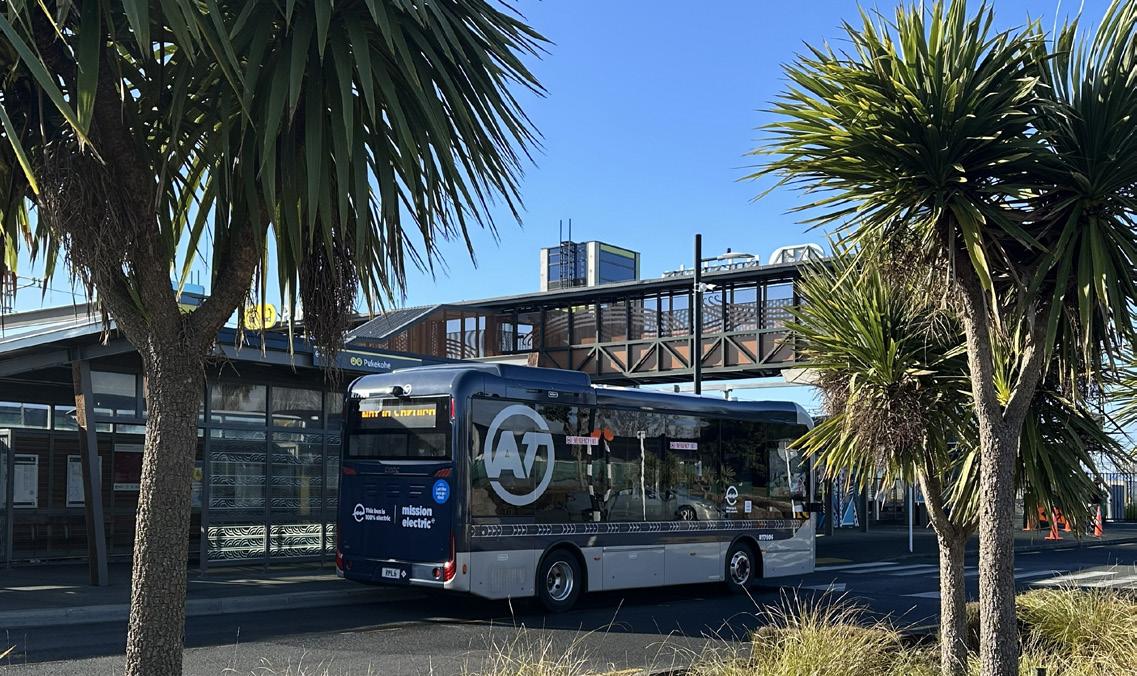
Demand for public transport across Papakura and Takanini continues to increase following the end of the AT Local service.
AT Local launched in Papakura and Takanini in October 2021 with a 12-month trial, followed by the full service, which ended in April 2026.
A spokesperson for Auck-
AT Local passenger counts 2021-2026
2021: 1209 (November/ December only)
2022: 33,035
2023: 56,295
2024: 58,372
2025: 51,775
2026: 13,050 (January-May only)
land Transport (AT) says AT Local was well used and enjoyed by many.
“However, since it started running, the local population has grown significantly, and more people were trying to use AT Local than the service could take. Since mid2022, only 20-40 per cent of attempts to book AT Local resulted in the customer actually using the service.
“We made several changes to better meet demand, such as using larger vans, reducing last-minute cancellations and offering alternative travel times, but extra capacity was quickly taken up by new customers every time. We looked into adding more vehicles, but this is not a practical long-term solution. We also heard that using AT
Local was difficult for people with wheelchairs, limited mobility, shopping, luggage or prams.”
AT says on-demand services are useful in areas where the population isn’t yet large enough to justify a conventional public transport service, such as a bus service. However, their fare recovery rates are low, and the capacity of on-demand vehicles cannot support larger volumes of trips.
The AT Local service has been replaced by the new 364 bus route. Comparing weekly figures, the new bus service averages around 1500 boardings per week,
compared to around 1000 on AT Local.
AT says that compared to AT Local, a bus service has more room for more people and will follow the same route and timetable each time.
Plans for AT Local in Pukekohe have been put on hold, with the recently improved Pukekohe routes 391, 392 and 393 continuing to operate as normal.
» The new 379 Clarks Beach service to Papakura (launched on April 19) has an average of 457 boardings per week. In the first nine weeks of service (to June 20), there was a total of 4,114 boardings.













Minister for Infrastructure, Chris Bishop is not standing still. As this original illustration by Roger Smith shows, he is championing Fast-track projects including some fuelled by renewable energy. See below for more.
Although a certain managed fill in Hunua has been sidetracked, a number of other local Fast-track projects were given the green light by Minister for Infrastructure, Chris Bishop, recently.
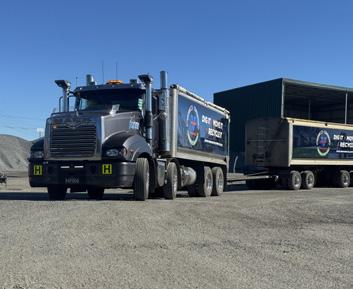
In addition to quarry development and expansion in Hunua and Drury, and Drury’s metropolitan centre, construction of National Green Steel’s manufacturing plant in Hampton Downs is now in progress. Following a groundbreaking ceremony earlier this month, production is expected to commence at the plant from late 2029.
When it’s up and running, it should be able to process approximately 200,000 tonnes of recycled steel annually. The aim is to lower demand for imported steel and the amount of scrap metal exported.
The project is also
expected to create more than 200 skilled jobs in the region.
As previously reported, Bishop believes the plant is the right type of project for the Fast-track scheme.
“New Zealand has a major infrastructure deficit. We need to deliver infrastructure faster, and we need the supply chains to back that up,” he says. “Green Steel can do both, building local manufacturing capacity and helping provide material for a range of developments.”
Minister of Climate Change, Simon Watts, says the plant will be run as sustainably as possible.
“The project will use electric arc furnace technology to produce high-quality structural steel with a lower carbon footprint compared to current steel production methods used in New Zealand,” he adds.

By HELENA O’NEILL
Amonth after a proposal for a managed fill in Hunua failed to progress through the Fast-Track system, residents are looking at ways to provide long-term protection for the Hunua Ranges.
“We may have defeated two managed fills in four months, but we’re not letting down our guard,” Hunua Ararimu Paparimu Valley Residents Association (HAPVRA) co-chair Maxine Clayton says.
The 790,000 cubic metre fill was due to be built on top of a hill on farmland, just 5km from Winstone’s Quarry, an existing managed fill facility. In his decision, Chris Bishop, Minister for Infrastructure, said the project did not have significant regional or national benefits and may result in “significant adverse environmental
effects, including effects on road safety and the potential contamination of a drinking water supply.”
Clayton says Auckland Council’s planning officials have agreed to meet to discuss how greater protection for the region could work.
HAPVRA would like to see similar protections offered by the Waitakere Ranges Area Heritage Act.
HAPVRA is also pushing for more assessment work to be done on the capacity levels of current quarries and managed fills in Auckland to show there’s no need for future facilities.
“Stevenson’s Quarry has just been granted FastTrack approval to massively expand; Winstone’s Quarry is going through the same process. This is an area of outstanding natural beauty. We have narrow rural roads, we have one of the highest rainfalls in Auckland and
are prone to flooding and slips. Fill belongs in quarries, not on farmland. It would be madness to consider any more proposals,” she says.
Planning is also underway for a Country Fair on November 15 at Y Camp Adair. The event will allow locals to relax, unwind and celebrate defeats over both fill proposals at the Jones Road in Hunua and Ararimu Road in Paparimu.
“We are the mouse that roared,” Clayton says. “Rural voices do matter. We have many people to thank for our success, including national
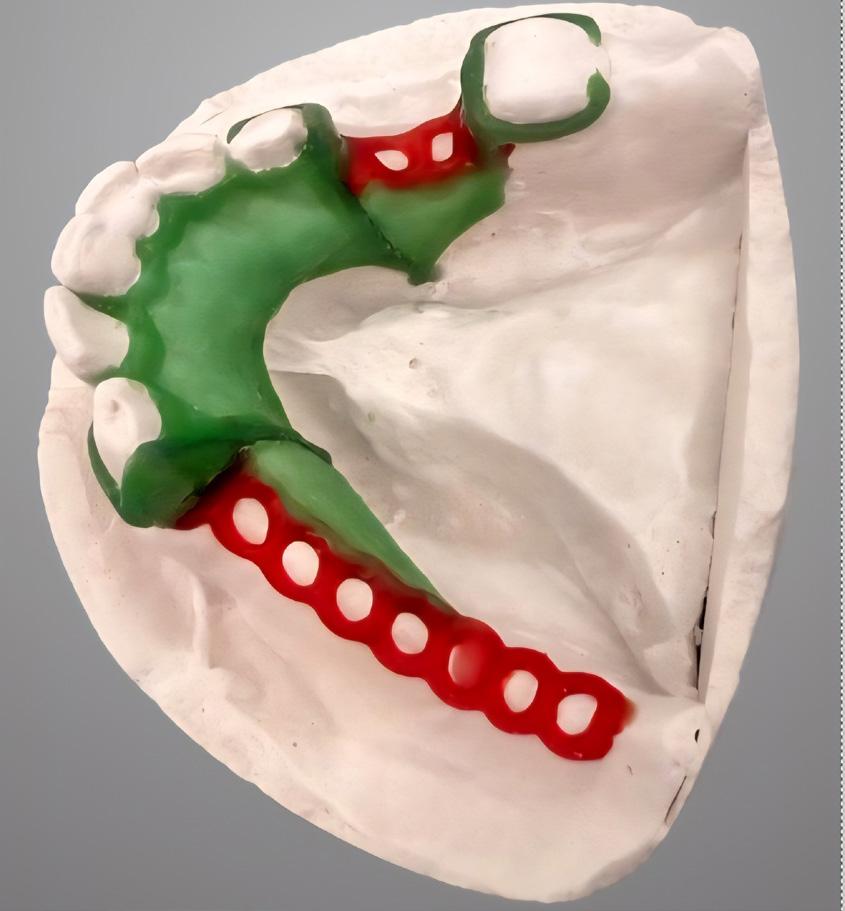
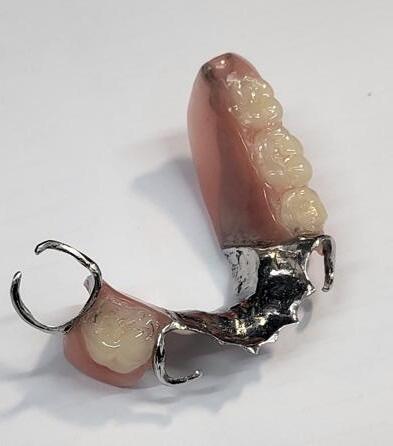
Registered Clinical Dental Technician Roger Oliver (38 Years Experience)

and local politicians. We had cross-party support for this, as well as many community experts and residents who put in many hundreds of hours of work on the campaign. We stood up for ourselves, and we did it!”
Franklin Ward Councillor Andy Baker says the minister made the correct decision to decline a referral to the Fasttrack process.
“I congratulate the community for the way they organised themselves and gathered evidence to make it more than just not wanting it in their backyard.
“We need managed fills, but they need to be where there are existing road networks capable of accommodating the heavy traffic, close to the likes of quarries so trucks are full both journeys and where they will not impact negatively on the environment or other infrastructure like water supply.”
BOOK YOUR FREE CONSULTATION
“All designed and crafted in-house for durability and comfort”

THE SEMINAR WILL INCLUDE:
• An overview of the legal and financial implications of securing a dwelling in a retirement village
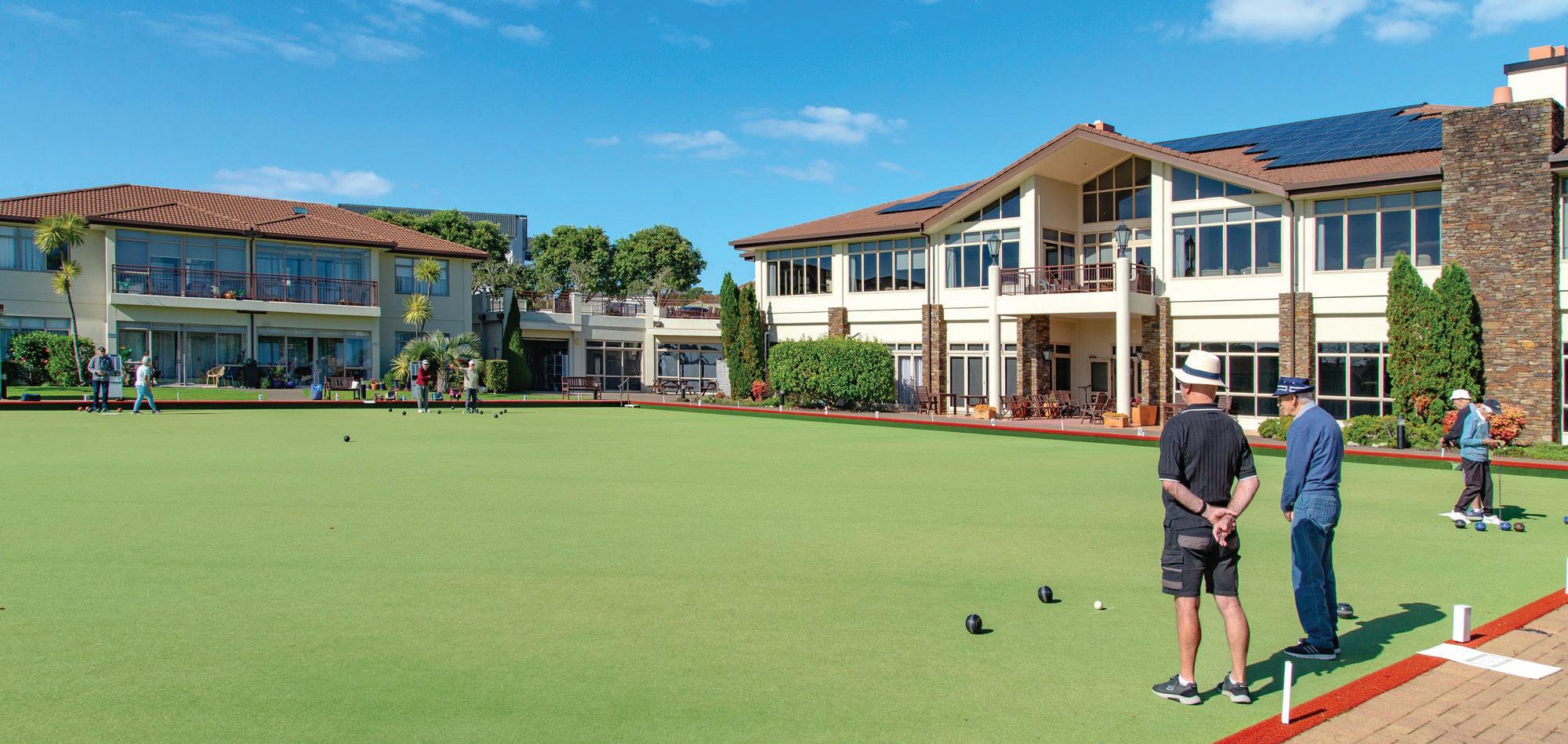
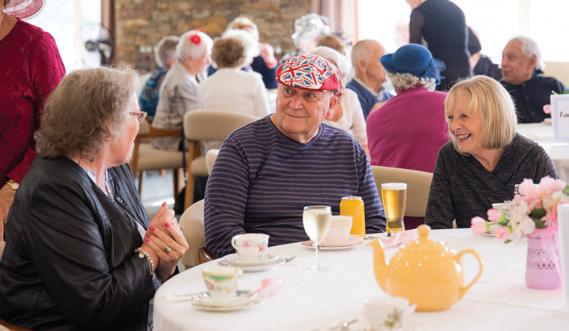
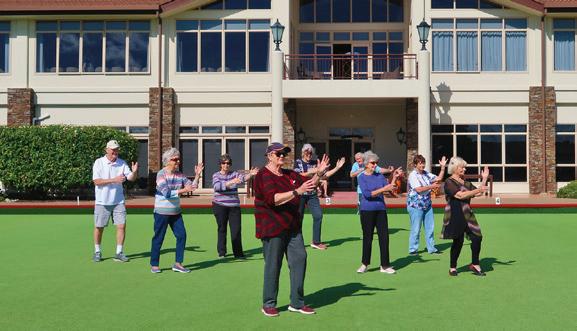
• What Acacia Cove has to offer in terms of activities
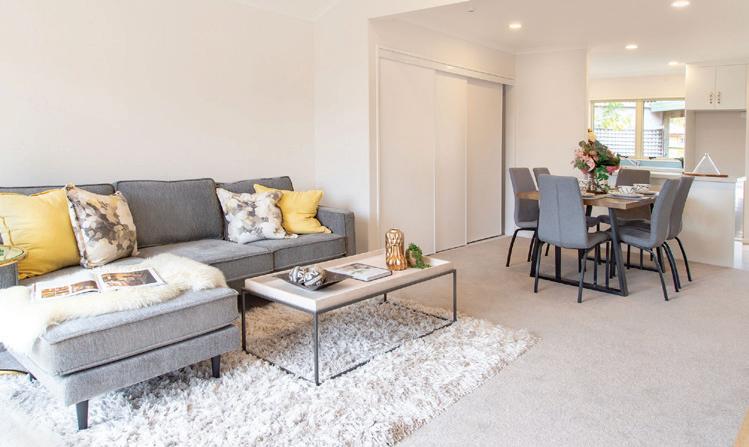
• A tour of approximately six different models of villas ranging from $630,000 to $915,000
The tour will end with lunch and the chance to win prizes.
Numbers are restricted, so if you are interested, please RSVP by 17 July 2026 by calling 09 268 5822, or email admin@acacia.co.nz
Numbers are restricted, so if you are interested, please RSVP by 16 September by calling 09 268 5822, or email admin@acacia.co.nz $915,000
2 bedrooms, study, double garage next to village green $960,000 $960,000
131 Wattle Farm Rd, Wattle Downs, Auckland | Ph: (09) 268 8522 E: bruce@acaciacove.co.nz | www.acaciacovevillage.co.nz
By ISABELLA ROOT
The company behind last week’s “smelly vapours”, which turned up noses across Pukekohe recently, has confirmed the odour was caused by engineering issues at its new waste oil re-refining (recycling) plant.
As reported at the time, the gas-like substance is not flammable, and while the fumes are not pleasant, they’re not toxic or hazardous either.
Auckland Council is confident everything is under control at the Glide Oil plant.
“We’re satisfied that Glide Oil is taking reasonable steps to investigate and remediate the issue,” council’s manager of environmental monitoring, Robert Laulala, told the Times. “We will continue monitoring the site and expect to be notified before operations recommence.”
Glide Oil’s John Knox says this type of plant has been successful overseas, but the company has faced challenges during its early operations in New Zealand.
“These plants have been around a long time and operate reliably and safely. They are well proven, but we have had our challenges as we’ve been getting it up and running,” he says.
“We’re working to make a closed-circuit system so that stuff [the fumes] never sees the light of day again.”
One issue involved the plant’s thermal oxidiser, which has been designed to
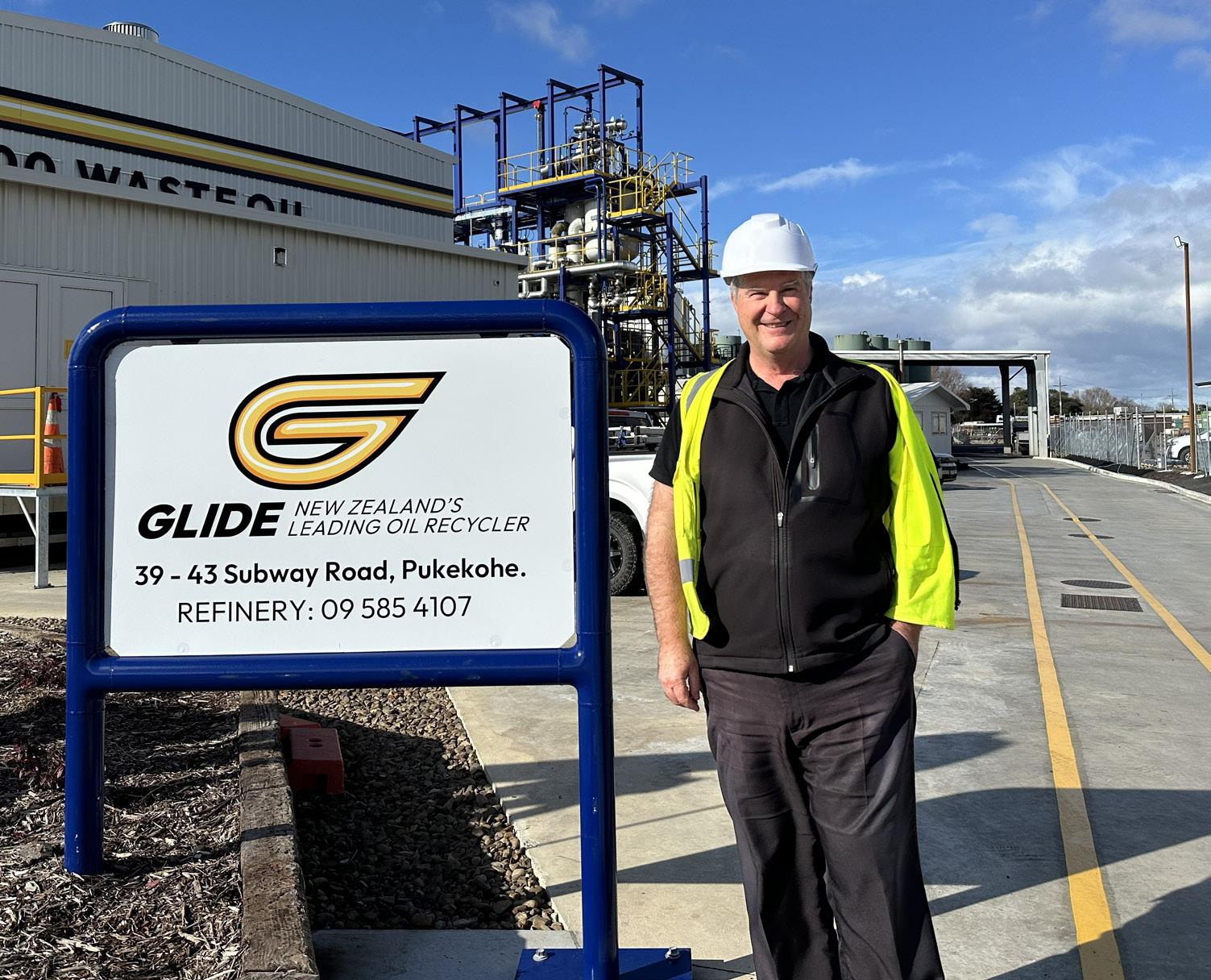
destroy foul-smelling gas. The source of the problem, Knox confirms, appears to be linked to a burner installed to meet New Zealand certification requirements. The modified burner setup caused some odorous compounds to bypass the flame.
A second source of odour originated from the plant’s drainage system where certain by-products released a sulphur-like stink.
Knox hopes to have the plant back up and running as soon as possible, however he confirmed it would remain
closed until experts are confident that no more unpleasant smells will be wafting through Pukekohe again.
“We value our licence to operate in the community, so we want to make sure we’re doing so in a harmonious way,” Knox says.
Originally operating as WPC, the facility has collected and processed waste oil in Pukekohe since 1984.
Following a recent rebrand, Glide developed the plant further to recycle waste oil into reusable lubricant base oil rather than it being
burnt as low-grade fuel.
The plant began operating in its latest capacity approximately two months ago, Knox explains.
“We’re basically repurposing the whole business that recycles a lot of waste oil, so we can recover everything that’s in the waste oil stream and repurpose it,” he says.
“It comes in to us a dirty black colour [from across the North Island] and when we’re done with it, it’s a beautiful, clear product ready to go back into automotive lubricant products.”
See your two brand-new stations before they open. Saturday 1 August
Drury Station: 10am to 12pm Paerātā Station: 2pm to 4pm

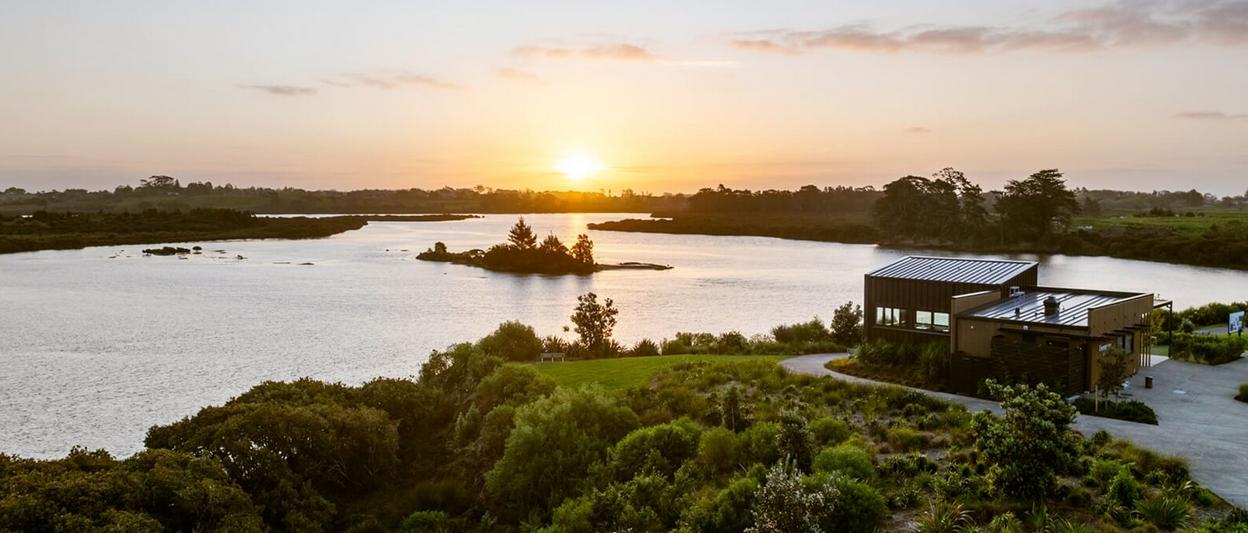


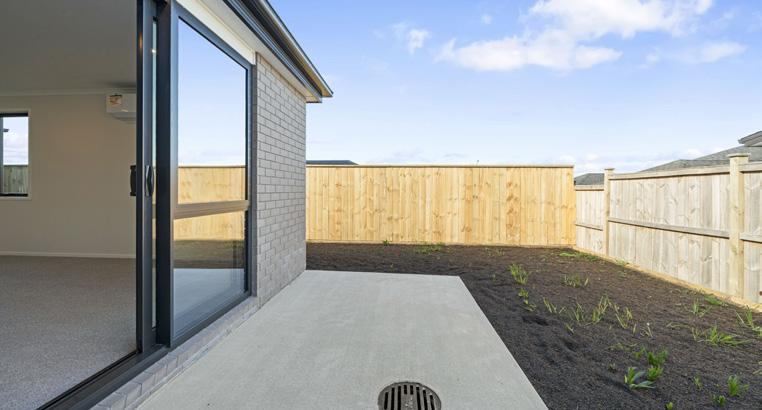
Perfectly positioned near the motorway and the fast-growing Drury South Growth Hub, which is currently undergoing one of the largest master-planned urban transformations in New Zealand’s history. With upcoming rail stations, the future Drury Metropolitan Centre, a brand-new shopping mall, and Costco all moving forward rapidly, this is a golden opportunity you’ll want to act on quickly before this pocket becomes the hottest market in town.
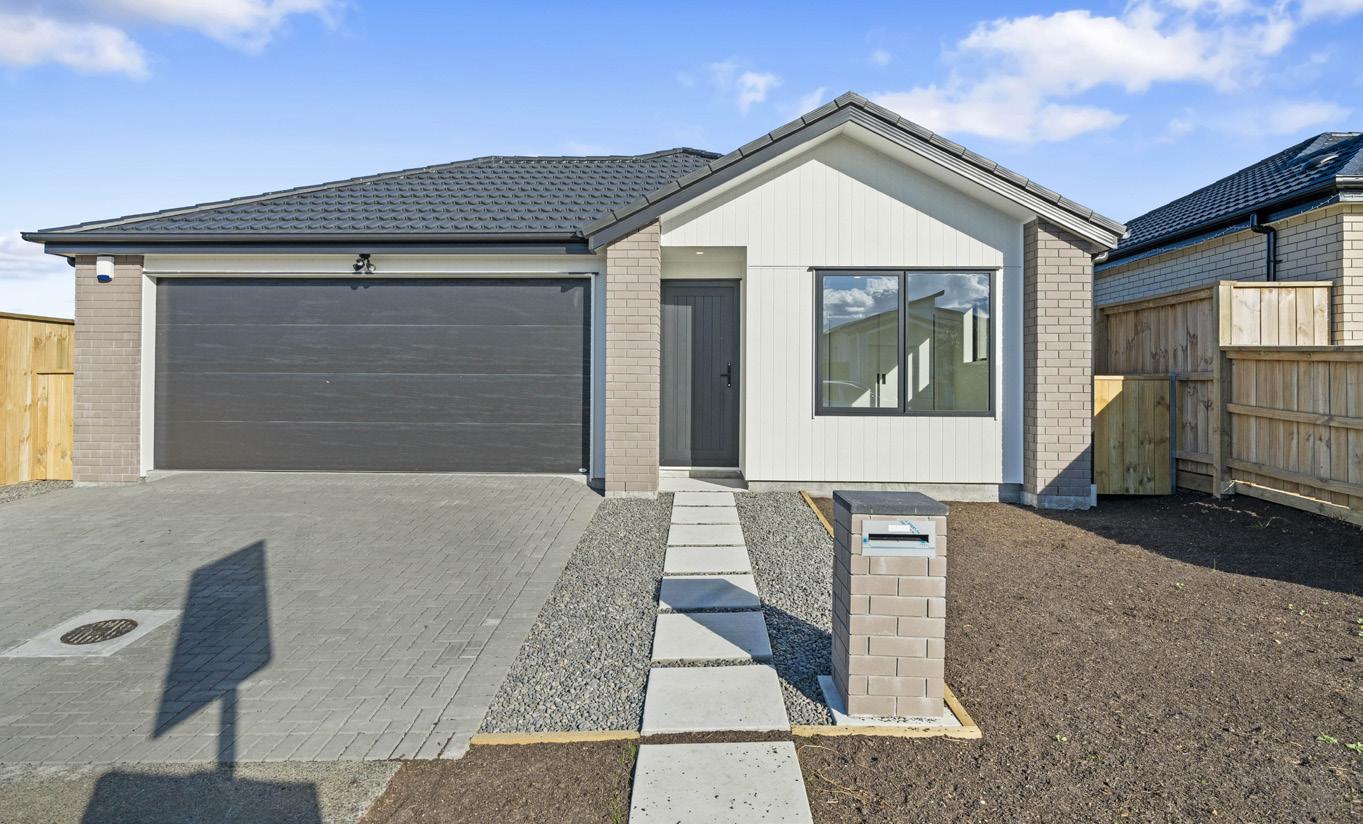
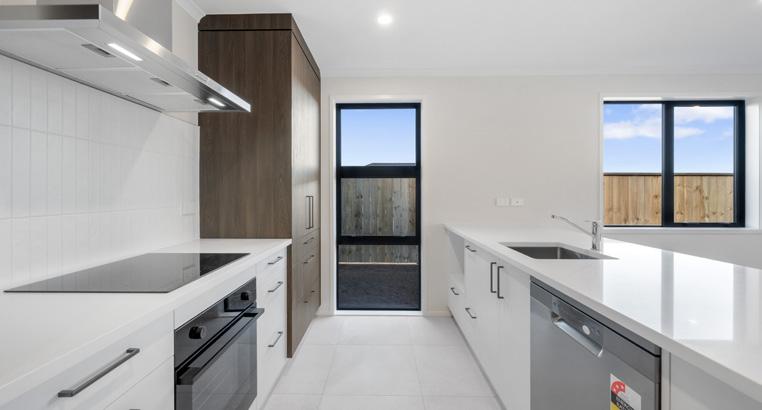
This single-level brick beauty is complete and ready for you today, comes with a 10-Year Master Build Guarantee, and is packed with features. It offers four generous bedrooms, including a master with an ensuite and walk-in wardrobe, a designer kitchen with stone benchtops, and a spacious open-plan living area. You’ll love how the living space flows out to a private, fully fenced backyard that provides a very safe and sunny spot for family gatherings.
Best of all, it features a rare double garage, two off-street parking spaces, and an installed heat pump for year-round comfort. This is your chance to get in early and secure an incredible asset before everyone else catches on. Call us today for a private viewing to secure this lovely home.

Open homes: For Sale: Property ID: Saturday / Sunday 2:15 - 3:00pm $979,000 935743 Eric

022 587 3340

Waikato’s controversial Plan Change 1 (PC1) will have an impact north of the river, Brendan Balle from the Pukekohe Vegetable Growers Association (PVGA) warns.
“If the plan becomes operative as it stands, there will be severe negative impacts on the supply of vegetables,” he says. “The cost of living will rise and healthy food security will be under threat.”
Based in Pukekohe, Balle Bros grows nationwide.
Proposed by Waikato Regional Council, PC1 is intended to improve water quality of the Waikato and Waipā Rivers. Farmers have been calling for the change to be paused due to compliance costs and other restrictions. However, PC1 would introduce new rules for agricultural land use, affecting more than 4500 farms including those in the Waikato District of southern Franklin.
The Pukekohe region produces roughly one quarter of New Zealand’s fresh vegetables. During winter, this can rise to around 80 per cent of some vegetables while being reasonably frost-free.
“Pukekohe is unique in its importance for continuing vegetable supply,” Balle says. “If production declines [here], the effects will be felt in supermarkets and retailers right across the country.”
Vegetable growers rely on rotating crops between parcels of land, some owned and some leased, to maintain soil health, reduce disease and
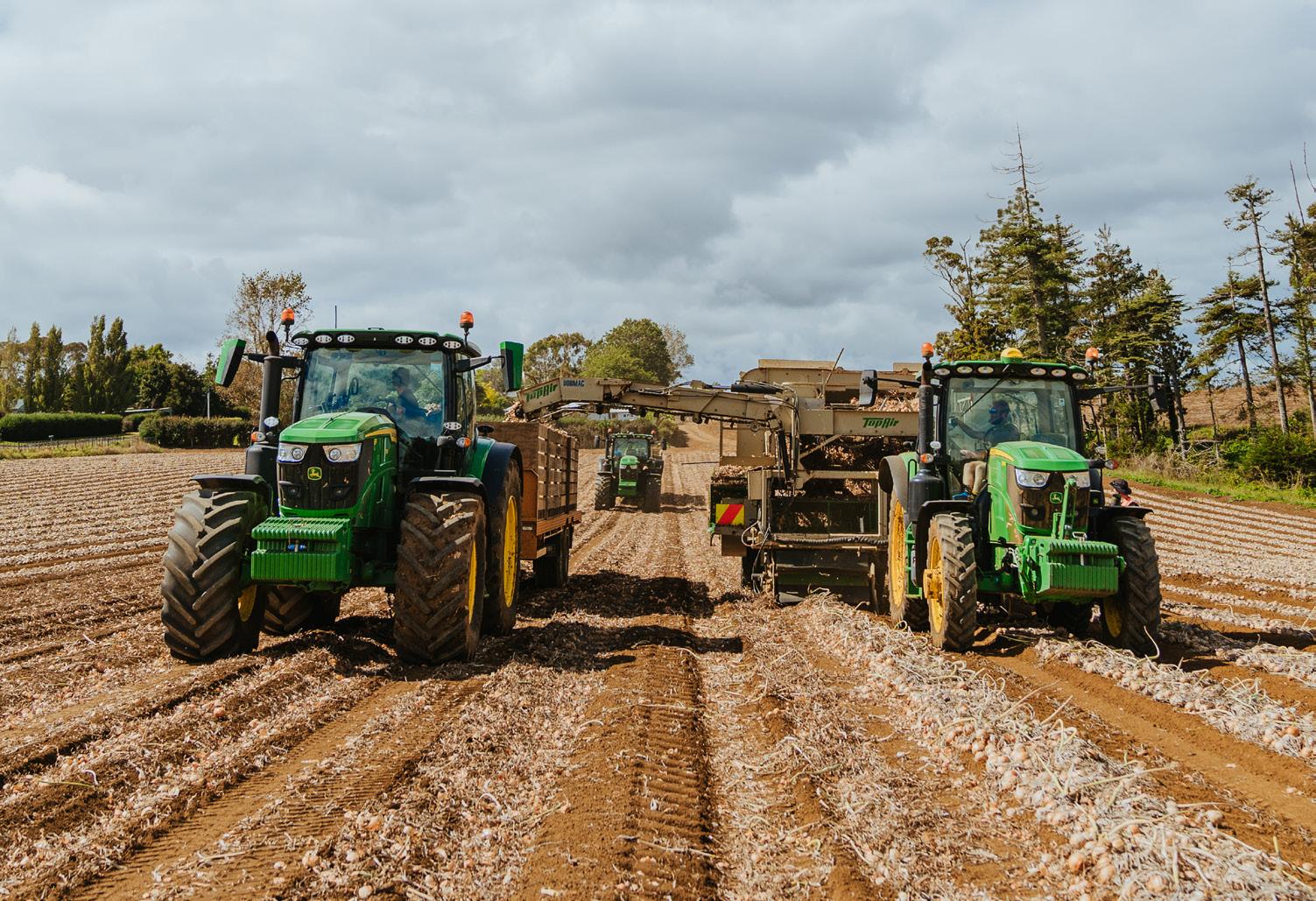
minimise fertiliser and pesticide use, Balle explains.
“Many growers work with others on parcels of land. They’ll give soil a rest by changing the crop type. This gives their land rest spells with arable grain cropping, or [by rotating] in and out of pastoral grazing.”
Under PC1, rotating crops could be more complex with restrictive consenting pathways, Balle says.
“It makes gaining consent for most quite a high bar. Some will face the non-complying consent pathway, which will be difficult or impossible to obtain.”
Growers have been warning that the rules fail to recognise how commercial vegetable production actually
works, he contends.
“We have explained it ad nauseam to [Waikato Regional] council throughout the process [but] we’ve been stymied at every turn.”
Good management practices and rotation help protect waterways, Balle says.
“Growers manage nitrogen to maximise yields and minimise waste. We’ve spent decades improving sediment controls to protect waterways and reduce phosphorus loss. They’re suggesting rotating across sub-catchments has an undue impact on nutrient allocation, [but] we’re actually part of the solution.”
PC1’s consequences will ripple through rural communities, Balle says. He is calling on central government to
step in to press pause before irreversible damage is done.
“There are growers who are genuinely worried. Some have already chosen to exit growing because it’s simply become too hard,” he says.
“We believe the conversation Federated Farmers has been leading with the government is very important –government needs to put PC1 on hold immediately.”
The issue is no longer just about the Waikato region or veggie growers, he adds.
“[We need] a pathway that does not significantly distort supply of healthy food. [This is] about whether we can access reasonably priced, healthy, locally grown food. If we get this wrong, everyone will end up paying for it.”







By CHRIS HARROWELL
The good work of Life Education Trust Counties Manukau will go a little further – four new vehicles will make it easier for its educators to spread their message.
Operating since 1988, the organisation offers programmes in east and south Auckland schools addressing issues such as mental health, obesity, bullying and vaping.
On July 9, its staff and distinctive mascot, Harold the Giraffe, received the keys to four fully sponsored vehicles from Manukau Toyota. This includes a Toyota RAV4 from the Manukau dealership and three Yaris Cross GXs from the Botany, Papakura and Pukekohe dealerships.
Manukau Toyota Group’s relationship with the trust began through Pukekohe Toyota, which supported the organisation with contribu-


tions over several years.
In 2019, this relationship was expanded across the wider business, supporting Life Education events, providing a vehicle, and ongoing financial help. The added assistance follows an event earlier this year, Toyota’s Ali Guise confirms.
“Members of the Manu-

kau Toyota Group team [sat] in on a Life Education class. The visit reinforced the value of the programme, with the team seeing first-hand the passion of the educators and the joy it brought to the children taking part.”
As a result, the group has now provided the fully branded and (aside from
fuel) fully funded vehicles for educators travelling with mobile classrooms to schools.
“Manukau Toyota Group will also continue to support Life Education through community activities and awareness-building opportunities,” Guise says.
“The partnership reflects the group’s commitment to organisations making a meaningful difference for children, families and communities across Counties Manukau.”
The vehicles will be invaluable, the trust’s Kelvin Ricketts explains.
“It’s going to help big time, especially with fundraising. It gets our name out there [showing that] we’re not one of these charities that start today and is gone in two years’ time.
“We really appreciate it,” he said to Toyota. “I thank all of your dealer principals from the four branches.”

By ISABELLA ROOT
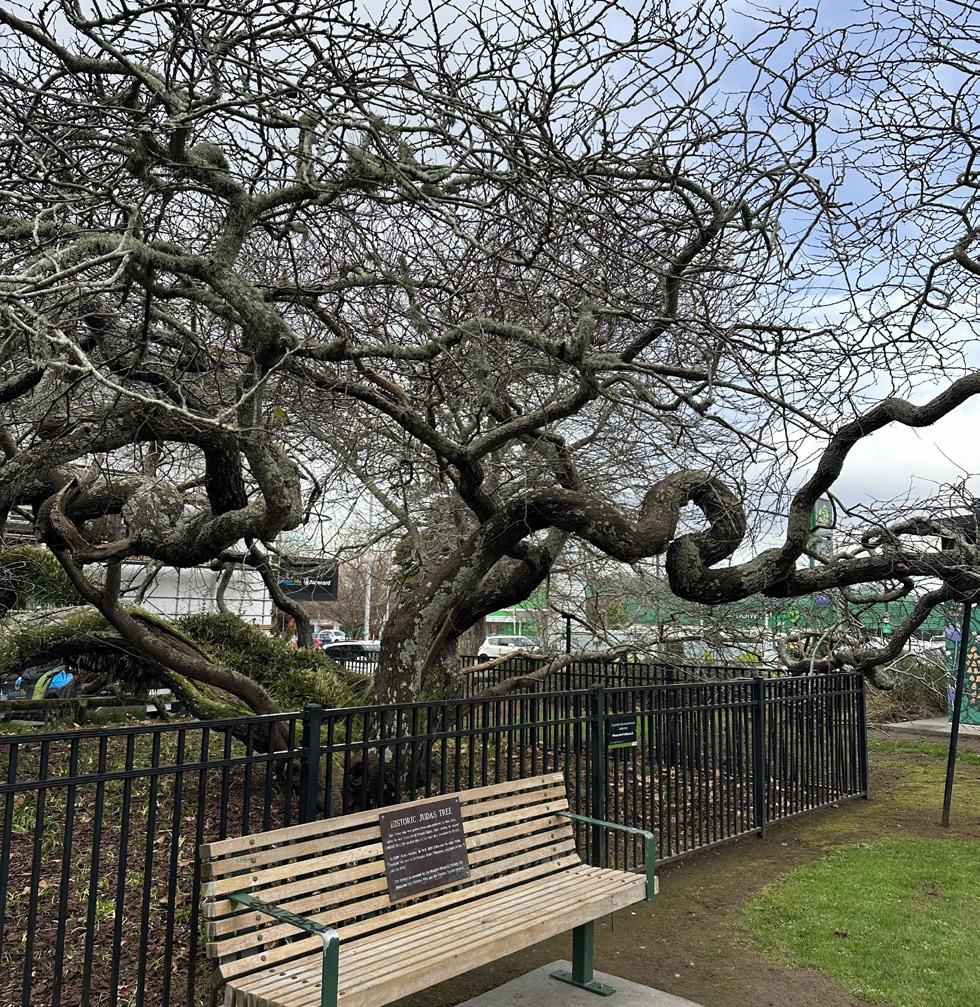
Sadly, Pukekohe’s famed Judas Tree didn’t claim the 2026 Tree of the Year title, with Tawa’s Bucket Tree receiving the most votes.
We’re not sore losers, but the Times team has been a little stumped by the result, especially seeing as our beloved Judas has a tree-mendous backstory.
While this outcome wasn’t the one we were rooting for, we can still be proud that this local legend towered among the six national finalists.
Local arborist Mike Jarvis and his wife Trisha were among the biggest supporters of the Judas Tree, sharing its remarkable history and shining a light on a much-loved piece of Pukekohe.
history,” she says.
The Judas Tree’s story stretches back to the Second World War when Kiwi soldier Sam Allen took refuge beneath a Judas tree in Italy’s Sangro Valley.
Before returning home, he took seeds from the tree and later gifted them to his mum in Parnell. In 1948, Sam’s brother planted the seedlings in his Pukekohe garden, relocating the tree when his family moved to Seddon Street.
When the Seddon property was eventually sold, the tree remained and became part of what we now know as Seddon Park.
She may not have been the biggest fan of the winning entry, but Trisha says the competition was a great way to recognise remarkable trees while bringing our community together.
laughs, “But seriously, they are all quite amazing.
“We have some beautiful trees and it’s great to celebrate them all, apart from that boring bucket tree,” she
“It’s nice to put the spotlight on the tree, to get people to pause and know they have a cool tree with a very cool
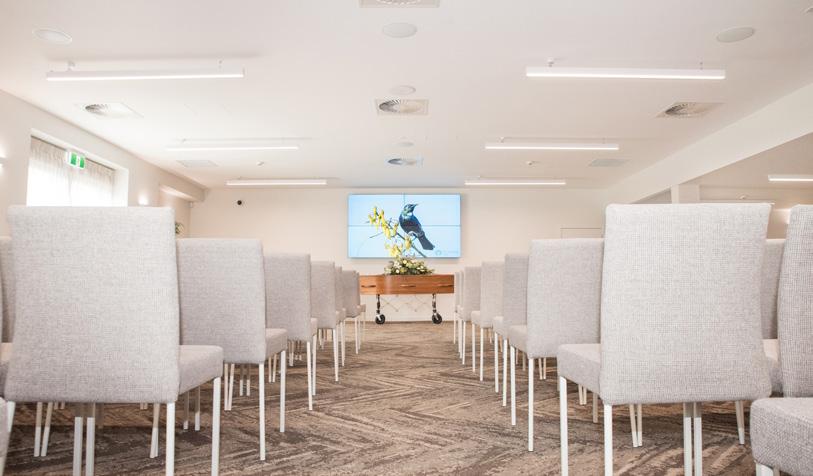
Locally owned and trusted, personalised funeral and memorial services, private gatherings, burials and
Talk to us today – to talk through your options
Tawa’s entry might have won the competition, but Pukekohe’s Judas Tree has earned something even more special – a treasured place in the hearts of locals.
If the judges of this contest did receive our bribe of 30 pieces of silver, please contact us. We would like a word – Ed.

By JON RAWLINSON
Unfortunately, Franklin will have to wait another year to have its first confirmed Young Farmer of the Year.
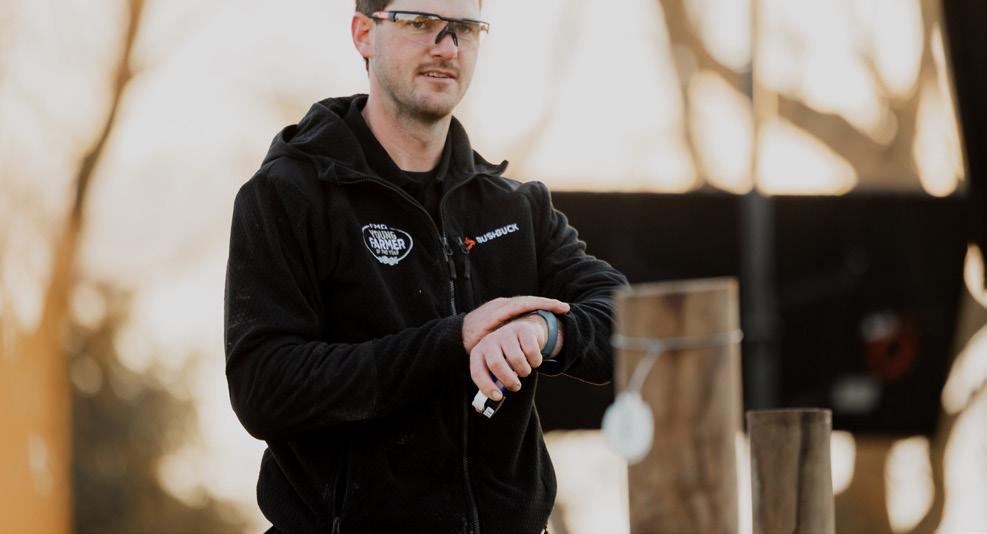
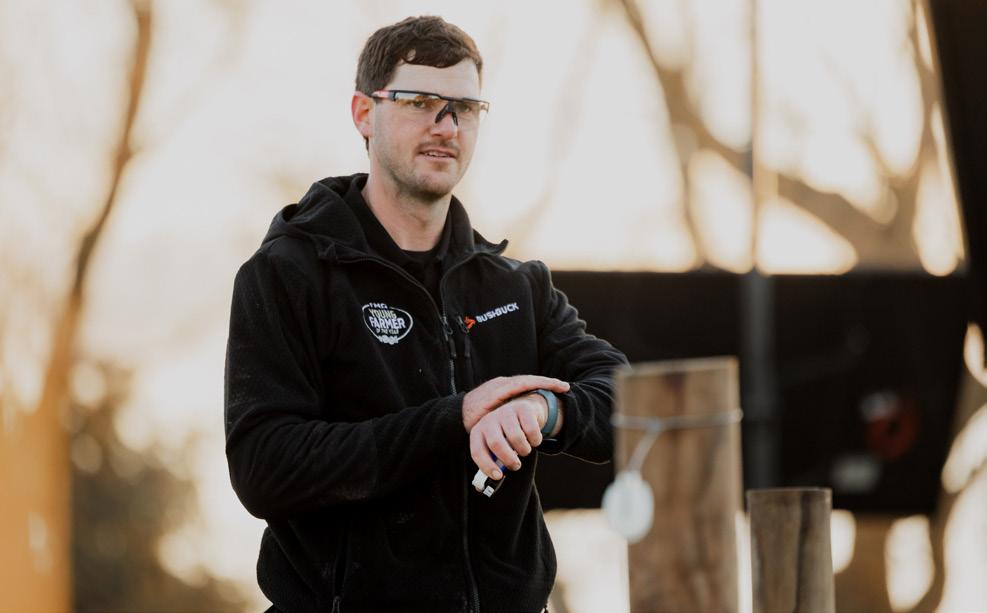
Despite giving the prestigious competition his best shot, Aka Aka dairy farmer Justin Ruygrok could not convert his northern regional title into a grand final win.
In addition, there’s no way he can prove that third time’s the charm as he has now ‘aged out’ of the contest.
However, Ruygrok is looking forward to helping others from his club tackle the competition next time around.
“Definitely, there’s a few from my club who are keen to give it a crack, which is cool to see. It’s always good to give back to the club and the competition, seeing as it has given me so much,” Ruygrok told the Times
“If I can provide them
with a bit of insight or coaching or whatever else, I’ll do that for sure.”
Along with this year’s winner, Tom Slee, Ruygrok and five other finalists undertook a range of challenges during the grand final. Held in Taranaki, the contest saw competitors match wits and skills during practical tasks as well as exams, interviews and public speaking.
Although he’s disappointed to have missed out on the win, Ruygrok – a twotime Northern Regional win-
ner – was pleased with his performance.
“It feels good to have it all done now. The competition was tough, a hard playing field, but my overall score was a lot higher than last year, so I definitely improved.”
He says Slee was a worthy winner of the 2026 title.
“Tom’s a really good guy. He was in third before the quiz and then really showcased his knowledge to go on and win. He was definitely a deserving winner.”
A 29-year-old Otago/ Southland dairy farmer, Slee says he was feeling a mix of nerves and optimism heading into the final.
“[I feel] really good and proud. It means a lot to win.”
Overall, the standard was incredibly high, says NZ Young Farmers chief executive, Cheyne Gillooly.
“Every one of these finalists should be immensely proud. These young farmers represent the very best of our sector, and the talent, leadership and commitment they’ve shown gives me a lot of confidence in the future.”
While the Young Farmer of the Year title is headed south, Waikato dominated the junior contests. A year 10 duo from Putaruru College and John Paul College won the Junior Young Farmer of the Year competition with the Otewa Gumboot Gang from Otewa School claiming the AgriKidsNZ event.

By JON RAWLINSON
ACT NZ plans to crack down on rural crime should it hold sway post-election. In the meantime, Franklin’s farmers and growers are more likely to fall victim to country crooks at this time of year.
Crime in rural areas often tends to spike during winter for a variety of reasons. Shorter days and rainy nights can mask the sight and sound of thieves in action, as Franklin local board chair, Alan Cole confirms.
“Generally, there’s quite a bit of [crime] at this time of year and thieves will target farms at night,” he says.
“As for lifestylers, they tend to be at risk [yearround] during the day when they’re away at work.”
Higher cost and lower supply of diesel also appears to be exacerbating the problem nationwide.
While proximity to the city

may be beneficial in some ways, the ease for thieves to disappear into built-up areas can make Franklin farmers and growers more of a target than those in more remote areas. To help stop criminals in their tracks, ACT is acting – the party’s plan is focused on rounding up a dedicated rural crime unit.
A former Feds’ Auckland president, Cole says he likes the idea, in principal.
“It could work well
because if police are out patrolling, they’re more likely to get to an incident quicker, but not if having more patrols in rural areas means there are fewer in our local towns.”
Federated Farmers rural crime spokesperson Karl Dean agrees.
“Thieves, livestock rustlers, poachers and boy racers are an absolute nuisance in our rural communities,” he says. “They feel like they
can get away with it more easily in isolated parts of the country. So, a dedicated rural crime unit [will be] music to farmers’ ears.”
ACT also intends to impose tougher penalties on poachers and livestock rustlers as these forms of crime come with added danger.
“When people intent on this sort of crime are carrying firearms, that’s a recipe for tragedy if anyone gets in their way,” Dean says.
While ACT’s tougher stance will be depend on how many seats the party secures at this year’s general election, cameras remain a key weapon in the fight against rural crime, Cole adds.
“There are a lot of good motion activated cameras that can help deter or catch [thieves]. When I had my dairy farm, I put a camera in to capture every vehicle coming in and out, just for that reason. It was very useful.”

One of Franklin’s most popular sports could run high and dry if fishers don’t share their thoughts on catch limits.
Sought by Minister for Oceans and Fisheries Shane Jones, consultation on the issue is open now, however time is running out.
“Twice a year, formal reviews are done on a range of fish stocks and proposals developed to adjust settings where necessary,” he confirms. “The proposed options are developed using the best available science and information about the fishery.”
Sustainability is key to knowing which fish become the ones that get away.
“When a fishery can sustainably handle more harvesting, contributing to our economy, we should allow it. [However] it’s in everybody’s best interests to reduce fishing when needed.”
When selecting stocks for review, a range of factors is
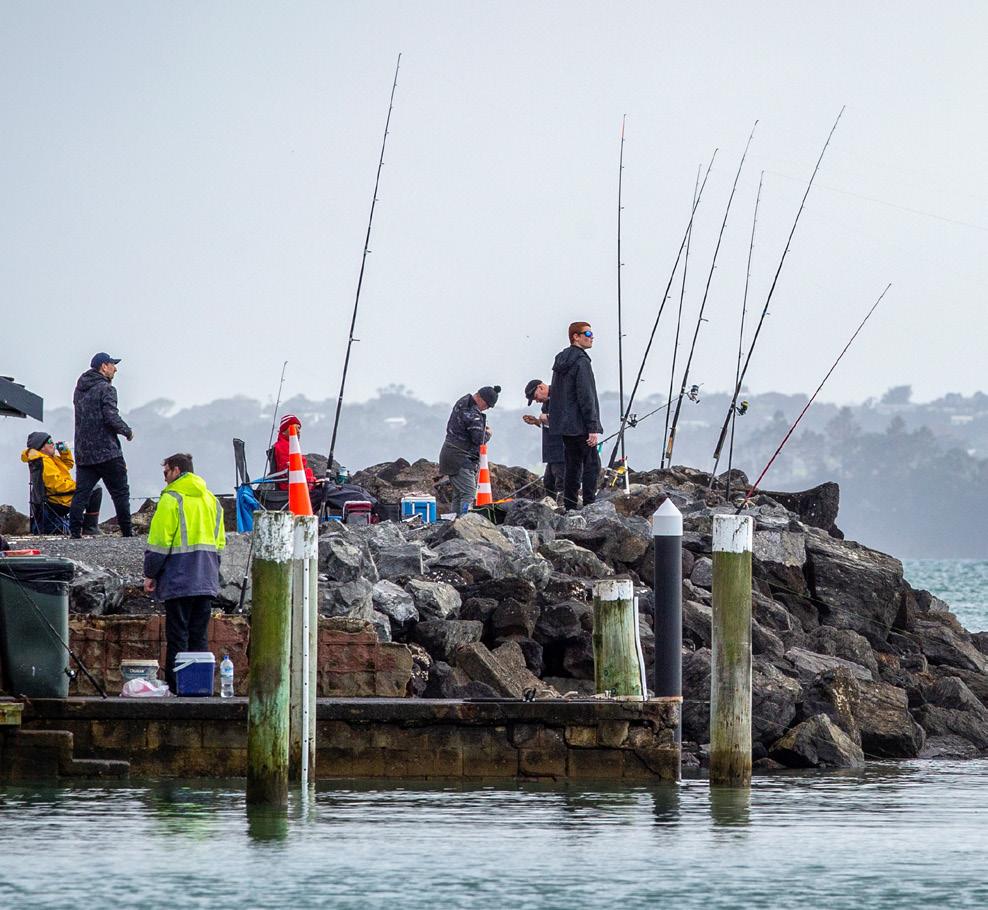
considered including information about the stock from assessments and monitoring, information from tangata whenua, the public and environmental factors.
Top of the list for consideration this time is tarakihi.
“Tarakihi is one of New Zealand’s favourite fish species, with around 95 per cent of commercially caught
tarakihi sold and consumed domestically,” Jones explains. “Warming waters are likely to have impacted the number of juvenile fish. Despite efforts to reduce pressure – supported by industry, including catch limit reductions in 2018, 2019, and 2022 – the fishery has not recovered as well as hoped.”
The review also includes proposals for changes to deemed value rates, paid by fishers on catches exceeding annual catch entitlement.
“Once consultation closes, officials will analyse the submissions and provide me with advice,” Jones adds. “My decisions will be announced before the start of the fishing year on October 1. I encourage anyone with an interest in these fisheries to read and provide feedback.”
Consultation closes on July 24. For additional details or to provide feedback visit mpi.govt.nz/consultations.

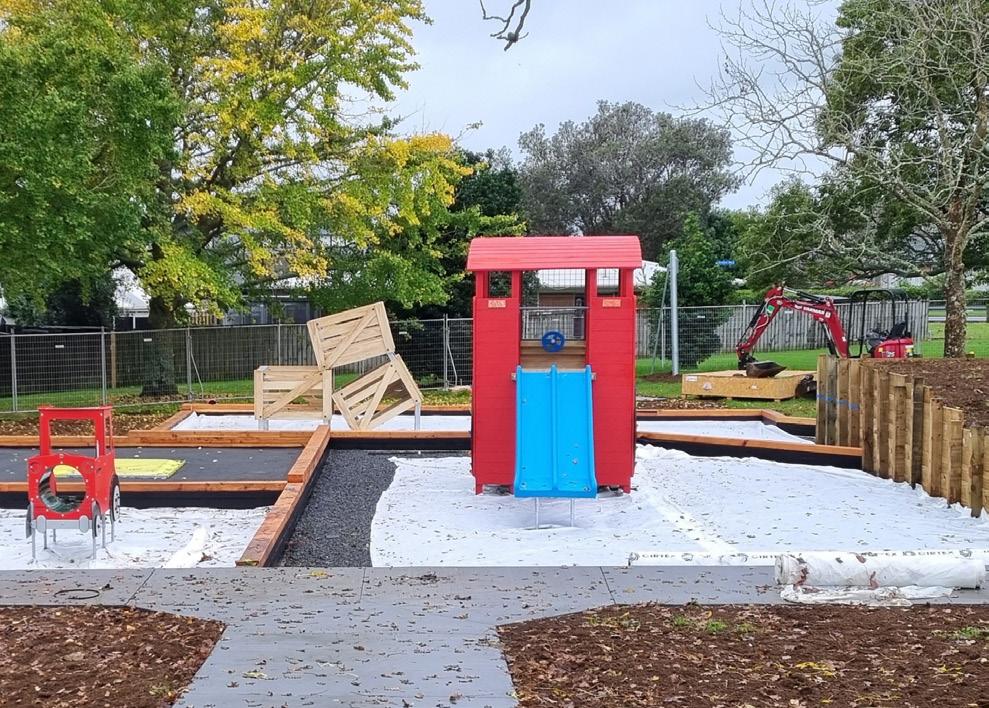
Almost $80 million is being invested by our council in parks and community assets through the Regional Community Capital Investment Programme. Council’s community committee approved the 2026/2027 work programme, which largely continues with the investment directions established through the Long-term Plan 2024–2034.
The programme represents a significant investment in the region, committee chair, councillor Julie Fairey confirms.
“Aucklanders often tell us they love our parks and enjoy public art that celebrates our stories. This funding is how council maintains these assets, contributing to the distinct identity of Tāmaki Makaurau,” she says.
“We know we have to do better with what we already collectively own as Aucklanders, including increas-
ing access and use of our regional assets. This significant investment, including critical areas like cemeteries and climate resilience, helps to ensure they are fit for purpose for our future.”
The work includes local parks and sports fields ($29.3 million), regional parks ($14.9 million), climate ini-
tiatives ($10.1 million), cemeteries ($7.6 million), seismic strengthening ($6.4 million), public art ($3.0 million), commercial and residential leases ($2.0 million), slips prevention and remediation ($2.0 million) and discrete projects ($3.6 million).
Many of the projects funded cover some specific
locations, such as development at Auckland Botanic Gardens and slips prevention and remediation work at Orere Point. However, others are being implemented across Auckland, including replacing gas boilers and installing solar panels at council facilities.
Using ratepayers’ money wisely is a key consideration, adds Taryn Crewe, Parks and Community Facilities GM.
“Value for money is always a key priority in decision-making and this includes considering service needs and fit-for-purpose design,” she says.
“This programme delivers substantial investment in infrastructure and amenities that Aucklanders can use daily across the whole region. It has been enabled through the recent budget set for 2026/27 and ratepayers will see the benefit directly in their communities.”

Housing intensification is in the spotlight as Auckland Council weighs up options related to where residents will reside moving forward.
Feedback is being sought for Plan Change 120 (PC 120) with two options on the table – the Planning and Development Committee will decide which to adopt on July 21.
“As we near the long-anticipated opening of the City Rail Link (CRL) and other major transport and infrastructure investments, we have an important opportunity to concentrate growth,” committee member Andrew Baker says. “We need to make the most of these investments by enabling more people to live close to the stations and town centres.”
Franklin Ward Councillor Baker is also council’s Transport, Resilience and Infrastructure Committee chair.
Even though Franklin’s towns are further removed from the main urban areas in the city’s centre, the options have generally the same impacts, he explains.
“This is not about widespread change in every suburb. Around 85 per cent of Auckland would remain exactly as under the current Auckland Unitary Plan. Franklin communities and neighbourhoods seeing no change other than in the

main street of Pukekohe, which will have its own rules regarding the height limits of buildings.”
The CRL will transform Auckland’s rail network with communities along the line better connected than ever before, Baker says.
“Scenario B recognises the investment in the CRL and means that, where transport connections are strongest, there should be more opportunities for people to live nearby. This is a widely used planning concept in other big cities with quality public transport networks.
“Scenario A is about doing the minimum, which only requires us to intensify along some of the Western Line. To me, it’s an opportunity wasted, whereas scenario B allows for housing intensification along the inner eastern and southern train stations, the main bus routes into the city and some local town centres.”
Restricting more development in the right places, along the network, would result in even more development in the wrong places, Baker contends.
“[It would mean] further sprawl as more people choose to make Auckland their home,” he says.
“As we know too well in Franklin, sprawl comes at a cost – it happens on our rural

land and requires new roads, pipes, transport links and community infrastructure, all of which must be paid for. It also increases congestion as there is no ability to service every area with quality public transport that suits everyone’s needs.”
Fewer housing options closer to the network would also have a financial impact.
“Those travelling the furthest in their cars pay the greatest cost financially and socially so we need to do all we can to mitigate these. The cost to council and ratepayers to deal with sprawl needs to be avoided.”
Scenario B also provides additional flexibility as it allows the Independent
Hearings Panel to consider more evidence and public feedback, making sensible adjustments and ensuring natural hazard and infrastructure issues can be properly addressed, Baker says.
“There has been a lot of pressure from those who don’t want change and are protective of their current neighbourhoods,” he adds. “As a lifetime resident of Drury – where development is enormous and hugely disruptive – I have seen houses [practically] sprout in our paddocks. So, I’m keen to see future development also happening in our existing urban areas where it just makes more sense. That’s what Scenario B delivers.”
By BO BURNS, Howick Ward Councillor
Illegal dumping continues to be one of the most frustrating and visible issues facing many of our southeast Auckland communities, particularly around Flat Bush, Ormiston, Whitford and Clevedon.
Recently, I met with the dedicated team at the Beautification Trust, who provided me with a comprehensive overview of the illegal dumping challenges they deal with across south Auckland, along with some of the proactive solutions they have successfully implemented.
One option discussed was the possibility of the Howick Local Board funding the Beautification Trust services for two full days per week in our area, at an estimated cost of around $120,000 per
year. This would provide a far more proactive approach to education, engagement, reporting, and clean-up support. However, after also meeting with Auckland Council’s compliance team, it became very clear to me that part of the challenge lies within the system itself.
Currently, compliance teams deal with commercial illegal dumping, while the waste solutions team deal with residential dumping.
The reality on the ground is very different. In Flat Bush, Ormiston, Whitford, Clevedon and surrounding areas, we are seeing a mixture of both residential and commercial dumping. The lines are often blurred and yet the system remains split between multiple departments and agencies.
Personally, I believe these


functions should sit under one coordinated operational team. At present there appears to be duplication and overlap in administration and processing.
I also know that many local board members have advocated for years to have their own community recycling centres.
Despite being Auckland’s largest and fastest-growing areas, with significant population growth and council assets, southeast Auckland still does not have a dedicated recycling centre, however one is now planned for Drury not far from the current Manurewa facility.
Over the years, many groups have worked hard to tackle this issue, yet despite years of discussion, meetings, and reports, the problem has not significantly improved.
In many locations, it has become worse.
So, what is the solution?
The reality is there is no single silver bullet.
Illegal dumping is not simply a rubbish problem, it is also an education issue, an enforcement issue, a social issue, and, in some cases, a cultural issue.
There is a way forward, but it will require Auckland Council, stakeholder agencies, community organisations and residents working together rather than operating in silos.
Auckland deserves cleaner streets, safer public spaces, and a system that actually works.
I will continue pushing for practical solutions, stronger collaboration, better education, improved enforcement, and real action on this issue.
Recently I have received numerous emails from constituents concerned about the growing number of fixed and average-speed cameras on roads around Waiuku and Glenbrook.
Their message reflects a frustration I hear regularly across Franklin: why does it seem that every year brings more enforcement, yet the same roads still suffer from poor surfaces, dangerous intersections and inadequate passing opportunities? It’s a question that deserves an honest answer.
I was vehemently opposed to Auckland Transport’s blanket speed limit reductions in recent years.
More than 200 roads across Franklin had their speed limits cut under the previous government’s approach. In many cases, residents felt that common sense had been replaced by a one-size-fits-all policy that
prioritised lower numbers on road signs over fixing the actual causes of crashes.
My position then, and now, is straightforward: road safety starts with the road itself.
If a road has poor visibility, dangerous intersections, inadequate shoulders, poor drainage or a deteriorating surface, simply reducing the speed limit does not solve the underlying problem. Likewise, installing more cameras does not make a road safer.
That is why I have repeatedly advocated that the focus should be on engineering solutions and targeted investment at known blackspots, not blanket restrictions imposed across entire regions.
Although the coalition government’s new Land Transport Rule came into force on October 30, 2024, and required many speed
limits reduced since 2020 to be reviewed or reversed, councils and road controlling authorities must undertake formal consultation with communities, analysis and administrative processes before any changes can be implemented.
These processes have proven costly and time-consuming, contributing to delays in restoring some speed limits that communities expected would be reversed sooner.
What frustrates many people in Franklin is the sense that enforcement has become the default response to improving road safety while the underlying problems remain.
Every new camera is announced as a safety measure, yet motorists see little evidence of equivalent investment in the roads they use every day, instead having to continue to contend with

MP for Port Waikato Andrew Bayly
infrastructure that has not kept pace with population growth.
If you share these frustrations, make your views known. Write to the Minister of Transport and let him know where you believe resources should be prioritised. The more residents speak up, the harder it becomes for bureaucracies to ignore the message that Franklin wants safer roads through better engineering, better maintenance and sensible speed limits, not simply more cameras.
For electorate issues, contact me at andrew@ baylymp.co.nz
Auckland recently hosted a conference focused on transport-related technology. I had the privilege of making the opening speech about what is happening here – I did my research, it’s a lot!
We have a well-known congestion issue that costs around $2.6 billion a year in efficiency costs. In Franklin, we are not immune to its effects with peak time congestion made worse by road construction particularly in and around Drury and SH1.
While the government is trying to build more roads to ease the pressure, that’s not a fulsome answer to the problem as it adds to the pain; it’s becoming unaffordable and, as is seen overseas, roads will just fill up and recreate the same problem.
I believe the answer is to strike a balance between new infrastructure and using our existing roads and networks better.
One of the more cost-ef-

fective ways is through new and fast developing technology, shown to improve network performance, improve decision making, and enable faster responses to incidents.
We’ve had dynamic lanes in some places for a few years – we are looking to increase those – but we have a suite of new innovations proving really effective with the likes of 100 advanced technology sensors at our busiest intersections reducing delays and improving traffic flow.
We have a pilot at two
major intersections using AI-assisted traffic signal optimisation, which has been pretty effective so far. A move to LED streetlights and a centralised streetlight management system has saved $11 million per year.
Since the 2023 weather events, we have installed sensors and technology at nine pilot sites actively monitoring flooding on roads and automate warnings to drivers and
Auckland Transport. Also, a project to develop a landslide susceptibility framework across the entire 8000km network has won engineering awards for its effective use of data and technology.
These are just a few things that are improving how we and the goods we need can move around better without greater burden on rate and taxpayers – they are but a drop in the ocean.

Our Papakura Local Board Plan closes for consultation on July 23. I encourage you to go online and have a look, or drop into one of our two libraries and pick up a hard copy of the feedback form.
The plan covers the threeyear period from 2026 to 2029. It provides high-level strategic direction and influences how budgets are spent and what your local board does in your area through initiatives such as the annual work programme. It also identifies priorities for the local board to speak up about on behalf of the community. This is called advocacy and is often directed to Auckland Council’s governing body.
The plan sets out a vision, objectives, initiatives and advocacy priorities across five focus areas: community, natural environment, built environment, economic development and transport. As you read it, consider whether it reflects the needs and aspirations of our com-
munity. Have we got it right?
Papakura’s parks, open spaces and facilities enable active, healthy living. Communities are connected, resilient and supported to thrive. Strong partnerships with mana whenua help guide local decision-making. Māori identity, heritage and culture are visible, valued and celebrated, and Papakura is a socially connected, culturally vibrant and inclusive community.
More people enjoy the environment in and around our local parks, harbour and streams. Air quality is improved, and Papakura becomes a cooler, greener urban area through urban ngāhere initiatives. We champion pollution prevention, climate action and improved local resilience.
Papakura’s open spaces and recreation facilities are fit for purpose and well used. Services and facilities meet the community’s needs now and into the future. Our

Papakura
portfolio of community facilities is fit for changing community needs and supports resilience, safety and universal access. Local identity, kaupapa Māori and community-led design are reflected in regeneration and service property optimisation projects.
Create visible progress, strengthen confidence and help change perceptions of Papakura’s economic future. Strong partnerships with key stakeholders will improve collaboration and investment
National is focused on getting New Zealand out onto the world stage and securing more trade deals, because when New Zealand sells more to the world, Kiwi families are better off.
Every new market we open means more room for Kiwi businesses to grow and hire. Think about a kiwifruit exporter landing another overseas customer. That can mean more shifts for orchard workers here – and when those workers have more in their pockets, they spend it at the local cafe, the supermarket, and the shops down the road. Those businesses grow and hire too. That’s how trade reaches into a community like ours.
The New Zealand-India Free Trade Agreement is delivering before it’s even come into force, because businesses and customers
can see the quality of what we produce. Apple exports to India are up 63 per cent on last season, and in just two years India has climbed from our seventh-largest apple market to our fourth.
And the biggest gains are still ahead. From day one, 57 per cent of our exports to India will be tariff-free, with more to follow. Our kiwifruit growers alone expect around $125 million in tariff savings
over five years.
This is what an ambitious, outward-looking New Zealand looks like – backing our exporters, opening doors in fast-growing markets, and making sure the benefits are felt in communities right across the country, including ours.
Prime Minister Modi’s visit to New Zealand over the weekend – the first by an Indian Prime Minister in 40

opportunities. An integrated approach to local economic development, delivered alongside Franklin Local Board, will support growth across the area.
Improve local access so people from every neighbourhood can reach key destinations safely and easily. Strengthen public transport connections so services are reliable, convenient and easy to use. Equitable and inclusive transport options support people of all ages and abilities. Māori identity, partnership, and kaitiakitanga are reflected throughout the transport network. A climate-ready, low-emission transport system will help reduce congestion and provide genuine travel choices.
Ways to have your say: Use the online feedback form at the AK Have Your Say website, a hard copy form from your local library, or email your feedback to papakuralocalboard@aucklandcouncil. govt.nz.

years – is a real sign of the momentum in this relationship.
National has set a clear goal to reach our next billion customers by opening doors for exporters around the world, and a re-elected National Government will do this by pursuing trade deals with seven new economies in the next five years.
This is all part of National’s plan to build New Zealand’s future – where our exporters succeed on the world stage, creating jobs and lifting incomes at home.
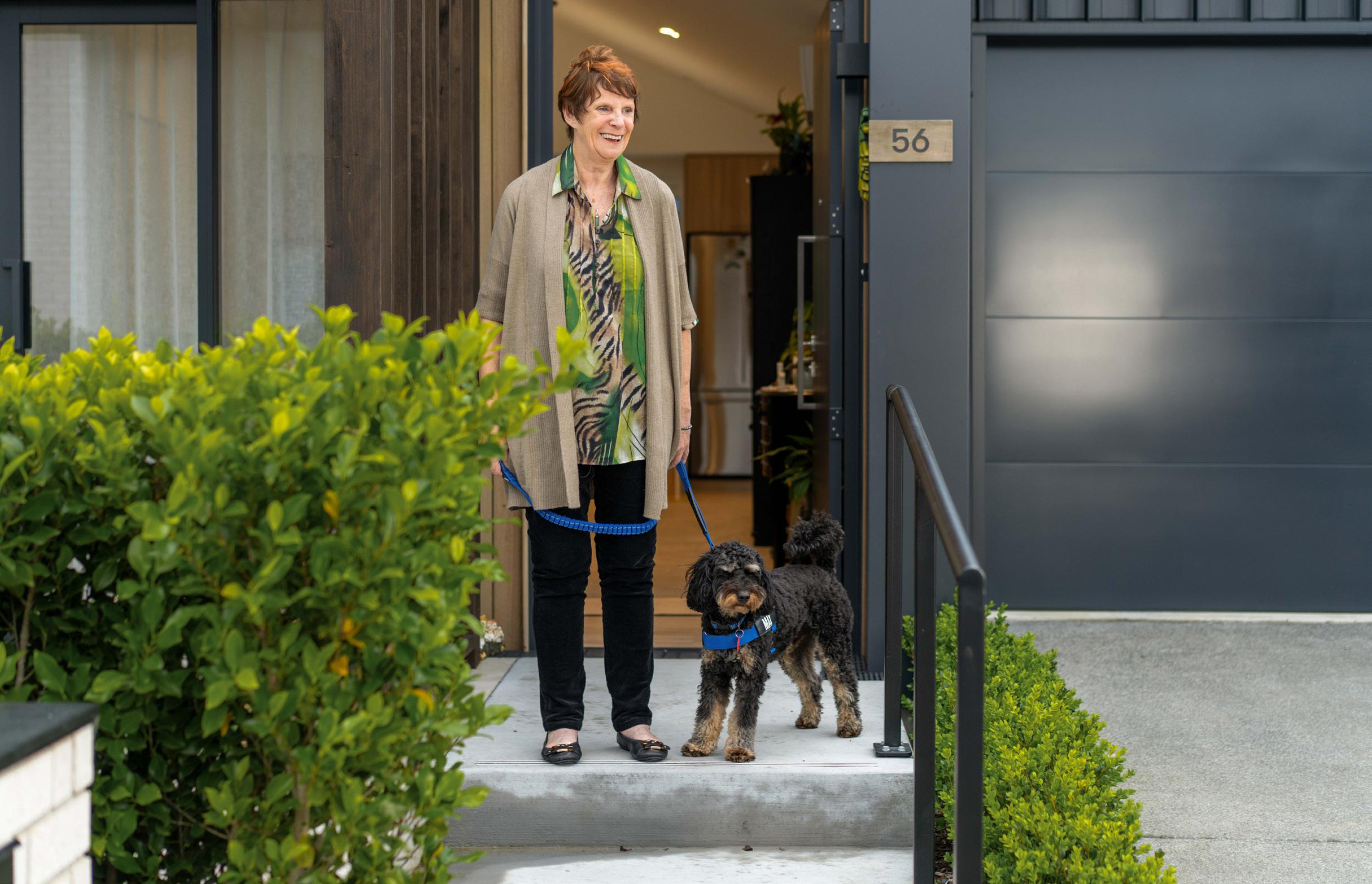
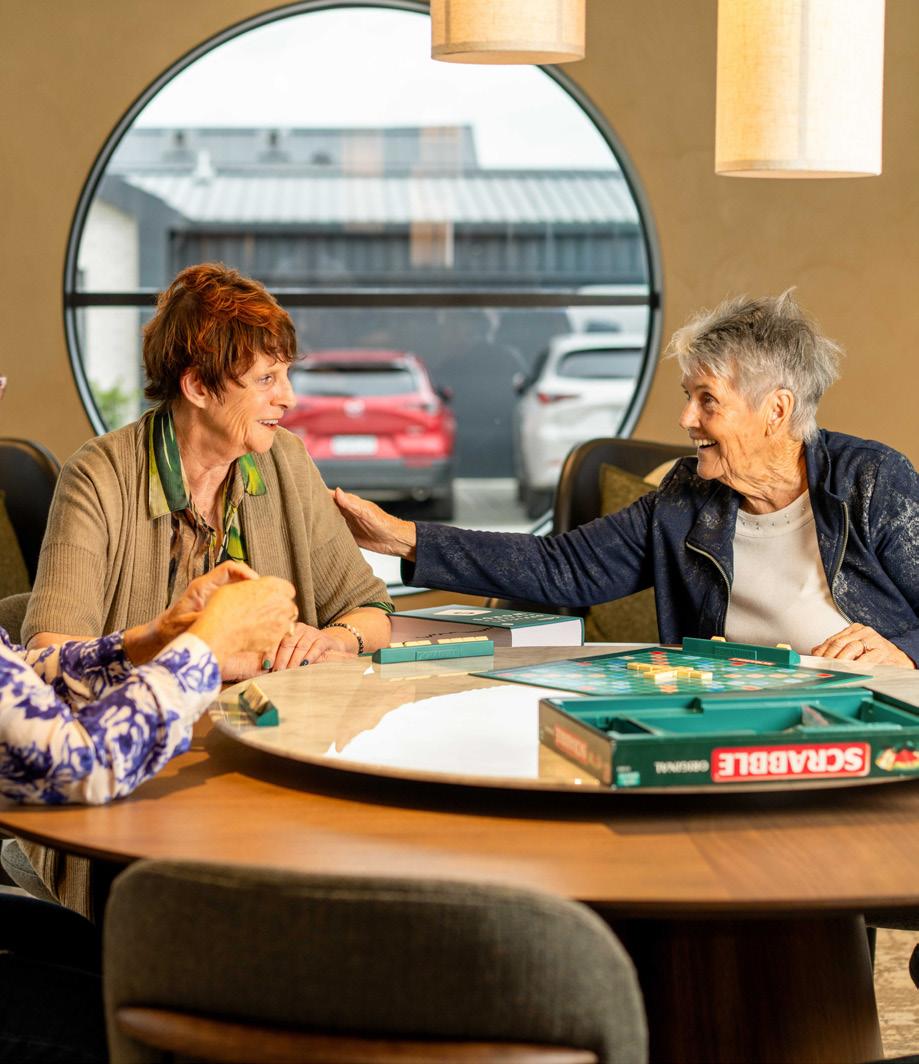
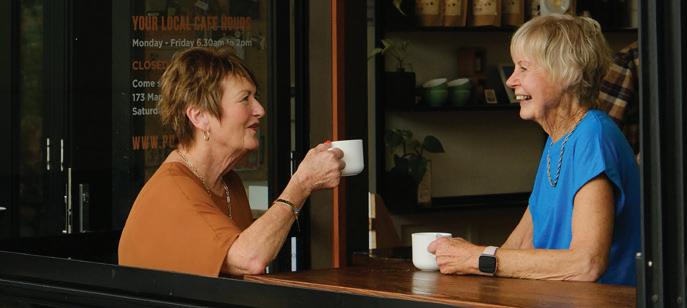
Carolyn never expected to fall in love with retirement village living. Today, she says moving to Franklin Village is one of the best decisions she’s ever made.
“I wake up sometimes and pinch myself. I’m so lucky. It feels like home. It gives me joy.” It’s not the sort of thing Carolyn expected to be saying when she first visited Franklin Village.
Like many people, she wasn’t actively looking for retirement village living. But from the moment she stepped inside one of the villas, something just felt right.
Today, Carolyn enjoys everything Franklin Village has to offer. A beautifully designed home, exceptional amenities, and most importantly, a warm and welcoming community she loves being part of.
Whether she’s catching up with neighbours, spending time with family, or enjoying everything from movies to pool and darts,
Carolyn has found a place where she can truly enjoy life on her own terms.
For Carolyn, Franklin Village isn’t just where she lives. It’s a place that puts a smile on her face every day.
To find out more about Franklin Village contact Angela today.
44 McNally Road, Pukekohe, Auckland franklinvillage.co.nz
09 269 0760
*For residents 70 years and above. Villas are sold under a license to occupy.
Locals had their jammies (or running gear) on when taking off during the Karaka Jammies in June funrun. Raising money – as well as collecting pyjamas, bedding, heaters and more – the initiative helps the Middlemore Foundation ensure more young Kiwis have a warm place to sleep. Pukekohe Franklin Camera Club’s Susie Hare was at Milano Reserve in Karaka to capture the fun. See the photos section (under lifestyle) to view the full gallery and visit jammiesforjune.org.nz to donate.















In the grip of winter, many Franklin families are seeking to reduce condensation to help stay warm.
Two of the biggest sources of moisture come from inside the home itself, specifically having a shower and cooking a meal. Without proper extraction, moisture builds up on windows, walls and ceilings.
Left untreated, it will lead to mould and mildew and this can make breathing conditions such as asthma much worse.
Fortunately, Nick Cory from house inspection company, Red LBP Franklin, says that there are some easy ways to reduce condensation.
“A lot of condensation is caused by using home utilities, so the best thing to do is turn on ventilation and get fans going to extract that
moisture and steam out of the home,” he says.
“With double glazing, you’ll get slightly less of it because the glass is thicker and it takes a long time to transfer heat, which causes condensation.”
However, double glazing can be expensive and won’t
fit some windows and doors, especially in older homes.
CORY SUGGESTS WE:
• Air out homes regularly. Opening doors and windows for 10–15 minutes a day will bring in fresh air to help reduce mould and condensation



• Keep the lids on pots while cooking. Every time we cook, we create moisture and condensation
• Dry washing outside when possible. Drying clothes indoors can release as much as five litres of moisture in the home
• Move furniture away from walls. Airflow helps prevent mould
• Leave wardrobes slightly open. This also improves airflow and helps to prevent mould growing on clothing
• Shower domes help stop steam from escaping the bathroom
Also, if condensation builds up, wipe down windows.
Reducing condensation allows more warmth of the day into homes, which is appreciated when the sun goes down.













Since July 1, motorcycle owners are now facing higher registration costs for their bikes due to ACC raising levies, with owners of larger bikes hit hardest.
However, ACC has also introduced the Rider Reward programme, which allows eligible riders a 25 per cent discount on their levies provided they complete approved advanced rider training.
The statistics are sobering – ACC says the risk of death or serious injury to a motorcyclist in a crash is 21 times higher than for a car driver travelling over the same distance.
On average, 50 riders lose their lives per year with motorcycle riders responsible for 70 per cent of fatal crashes in these cases.
In a bid to improve rider skills, ACC has developed the Ride Forever course. It has helped reduce motorcycle-related injury claims lodged with ACC over the past few years. Riders who have taken the course are up to 50 per cent less likely to lodge a claim, figures confirm.
The new levy system splits motorcycles into three engine-capacity categories rather than two.
Petrol bikes over 750cc now require an annual levy of $624.93, while 251cc and 750cc motorcycles have a levy of approximately $450. For smaller petrol bikes, own-


ers are charged $311.70, while electric and diesel motorcycles cost $446.96.
A 12-month rego now costs $456.24 for petrol bikes between 61cc and 250cc, $606.29 for 251cc-750cc bikes and $816.45 for bikes 751cc and over.
The changes follow a significant rise in ACC charges. Last year, petrol motorcycles over 600cc paid a levy of $428.19, while diesel and electric motorcycles paid $441.87. A 500cc motorcycle required just under $300 in the 2024/25 year.

New Zealand’s motoring history has been shaped by a number of vehicles that have become much more than just a means of transport. They reflected the lifestyles, industries, and aspirations of generations of Kiwis.
For many years, the humble stationwagon was the backbone of New Zealand family life. Models such as the Ford Falcon and Holden Kingswood carried families on holidays, to sports events and around the country. They were practical, reliable, and well suited to New Zealand’s roads and growing suburbs.
The Toyota Corolla also deserves a place among New Zealand’s most influential cars. Known for its dependability and affordability, it became one of the nation’s best-selling vehicles and helped introduce generations of drivers to car ownership.
In rural communities, the Toyota Hilux earned a legendary status. Farmers, tradespeople and outdoor enthusiasts valued its toughness and ability to handle demanding conditions. Even today, utes

remain among New Zealand’s most popular vehicles.
The arrival of Japanese imports during the 1980s and 1990s changed the market dramatically. Affordable, well-equipped vehicles gave consumers more choice and accelerated the shift away from locally assembled models.
More recently, electric vehicles have begun shaping the next chapter of New Zealand motoring. Early adopters helped


demonstrate that lower-emission driving could be practical for everyday use, and the number of EVs on our roads continues to grow.
While automotive technology continues to evolve, the cars that have had the greatest influence are often those that met the needs of ordinary New Zealanders. Their legacy can still be seen on our roads today, reminding us how motoring has helped shape the way we live.



Keeping our pets at a healthy weight is one of the best ways to help them live happier, longer lives. Obesity is an increasing issue for our pet population in New Zealand.
Did you know that 40 per cent of dogs and 30 per cent of cats are overweight? Winter can make this problem worse.
Colder weather often leads to decreased activity levels, while pets consume the same (or even more) calories. Shorter days and wet conditions can also mean fewer walks or outdoor playtime, contributing to gradual weight gain.
Extra kilos can put serious strain on their bodies and lead to a range of health issues:
• Joint pain and arthritis: More weight means more stress on joints, higher risk of ligament injury and longterm pain.
• Urinary issues: Extra weight increases the risk of urinary tract disease and the development of bladder stones. Especially with our feline friends.
• Diabetes: Overweight pets are at higher risk of developing diabetes.
• Breathing difficulties: Excess weight can make it harder for pets to breathe and
exercise. This is especially important in our brachycephalic breeds.
• Shorter life span: Not only will obesity decrease how long they are with us, but also their quality of life.
The good news? With the right advice, we can prevent this from happening!
• Regular daily exercise (even short walks) and interactive play sessions help keep your pet active.
• Measuring food portions accurately with kitchen scales and minimising treats makes a big difference.
• Limit feeding pets human food; it packs a lot more


Dr Katie Meadows BVSc, Veterinarian, Pukekohe
calories for our friends. A one-centimetre cubed portion of cheese is equivalent to two and a half hamburgers for us!
• Switching to a specialised diet, such as the Royal Canin Satiety range, can be a helpful option. This diet is designed to keep pets feeling full while reducing calorie intake, supporting safe and effective weight loss. Regular weigh-ins can help track your progress.
We are pleased to offer a free weight management program run by our experienced veterinary nurses. This includes regular weighins, tailored feeding plans, and ongoing support to help your pet achieve and maintain a healthy weight.
If you are unsure whether your pet is overweight, come to the clinic to discuss it with our friendly team. Let’s help your pet live their best long, healthy life this winter.

Open 7 days 86 Harris Street PAERATA RD CLINIC 09 238 8090
Open Mon-Fri 7A Paerata Road
By HELENA O’NEILL
Pukekohe’s Alorah Gillgren has been named the SPCA’s Young Volunteer of the Year.

attending events on behalf of the SPCA – you name it, she does it.
Gillgren has a regular weekly shift but also volunteers for extra shifts when she’s got spare time.
“In the mornings, we clean out the rabbit enclosures and the other small animals’ areas. We wash the dishes, restock everything, put them away, play with the animals, and clean up generally. Sometimes I’ll also do the afternoon shift, where it’s basically just making sure everything’s highly cleaned and then feeding them at the end of the day.”
Gillgren says animals at the shelter come from a variety of situations like over-breeding and welfare cases, while one rabbit was
handed in after a house fire.
Gilgreen is in her second year of studying for a New Zealand Diploma in Veterinary Nursing at Unitec.
“I just like helping out and making sure that these rabbits and small animals get a good start.
“It’s good to be able to give them a safe, warm environment, so they can go to their forever homes.”
Her award citation states: “Alorah’s compassion, dedication, and versatility have made a remarkable impact at SPCA in a short period of time. Since beginning volunteering in late 2024, she has become a reliable and highly valued weekly volunteer, consistently approaching every task with enthusiasm and a strong work ethic.
Team members describe her as hardworking, thorough, and deeply caring toward the animals in her care, with many commenting that any task given to her is always completed to a high standard.”
The SPCA says Gillgren is an exceptional foster parent. She has fostered more than twenty animals, including rabbits, kittens, and puppies, and is one of their trusted “bottle baby” fosterers.
“Caring for vulnerable neonate animals requires patience, resilience, and emotional strength – all qualities Alorah demonstrates with maturity and dedication. She has also volunteered at community events, including assisting at a dog vaccination drive earlier this year.”

Saving a 20 per cent deposit can feel like one of the biggest barriers to buying your first home. With rising living costs and property prices, reaching that goal can take time even with strong saving habits.
However, a full 20 per cent deposit isn’t always required.
At NZHL Pukekohe, we help people understand the options. This can include how a KiwiSaver first-home withdrawal may form part of your deposit alongside savings or eligible other funds.
We can also help explore Kāinga Ora First Home Loan options, which may allow you to purchase with a smaller deposit.
As with all lending, this is subject to criteria such as affordability, property requirements and Kāinga Ora eligibility.
We will help you understand what is affordable, which options may be available and how loan structure might support you over the longer term, beyond settlement. We will explain the process, prepare you for lender requirements and help you move forward with confidence.
Buying a first home is a big step, but you don’t have to navigate it alone. Speaking with one of our advisers at NZHL Pukekohe can be a helpful in understanding what might be possible.

Moving into a retirement village is one of the biggest decisions you and your family will make. Unlike buying a home, in most cases you are not purchasing the property itself – you are buying the right to occupy a home in the retirement village and partake in the village lifestyle and all that it offers.
The most important document you will sign is the Occupation Right Agreement (ORA), which sets out your rights, costs, responsibilities and what happens when you leave, including how your exit payment will be calculated and paid. Every village operates differently so it is important to seek legal advice


before committing.
Villages also require residents to have Enduring Powers of Attorney (EPAs) in place. EPAs allow trusted people to manage your financial affairs and make health and welfare related decisions – on your behalf if you become unable to do so yourself. Taking time to understand your ORA and ensuring your EPAs are in place can provide real peace of mind for you and your family. At Rice Craig, we regularly help families navigate this process. If you have any questions, please do not hesitate to contact us.
For more information, see the full article at franklintimes. co.nz
If
A t E ngin e Roo m
w e t h i nk bus i ness e s des e rv e mor e fro m th e ir acc oun t an t s
I
I f yo u w an t to be successfu l i n 2 0 16 , we c a n h e lp w i th :
Tax compl i anc e
Tax compl i anc e
e
Tax compl i anc e
I f yo u w an t to be successfu l i n 2 0 16 , we c a n h e lp w i th :
Busin
Busin e ss structur i n g
Busin e ss structur i n g
Busin e ss structur i n g
Tax compl i anc e
Busin e ss structur i n g
C l oud t e chnology solution s
C l oud t e chnology solution s
C l oud t e chnology solution s
C l oud t e chnology solution s
C l oud t e chnology solution s
If you a re l oo ki ng for a n a c c ount a
If
If you a re l oo ki ng for a n a c c ount a nt w h o r eall y und e rst a nds bus i n e ss, ca l
If you a re l oo ki ng for a n a c c ount a nt w h o
If you a re l oo ki ng for a n a c c ount a nt w h o r eall y und e rst a nds bus i n e ss, ca
2 36 4 4 6
or v i si t us a t en g ine r oom c a co.n z
r eall y und e rst a nds bus i n e ss, ca l l us no w for a no ob l ig at ion c h at on 0800 2 36 4 4 6 or v i si t us a t en g ine r oom c a . co.n z

By JIM BIRCHELL
For many small businesses, Facebook is more than a social media platform. It’s their shop window, marketing channel, customer service desk and, increasingly, their primary means of connection to customers.
As a result, a growing wave of account hacks on Facebook’s parent company Meta Platforms are causing concern among business owners across Auckland.
Reports of businesses losing control of their Facebook pages have become increasingly common. Hackers have gained access to accounts, posted inappropriate or explicit content, and triggered automated action from Meta that results in pages being suspended or even per-

manently disabled.
For small organisations that rely heavily on social media, the consequences of this can be severe. Facebook and Instagram accounts may be shut down, cutting off access to followers and wiping out a significant source of website traffic as well as customer goodwill.
Experts warn many Facebook compromises begin with phishing attempts designed to trick users into handing over login details.
One method under investigation involves malicious actors sending Business Manager partnership invitations that appear legitimate. The requests may arrive via Meta email notifications from facebookmail.com, making them difficult to identify as scams.
How to protect your account
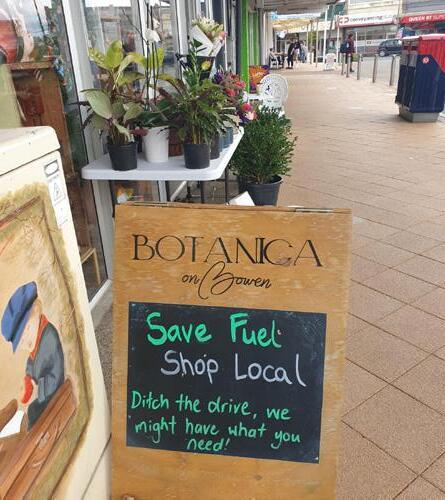
There are so many reasons to shop local and love local and while you’re doing that…save on fuel! From specialty and ethnic food choices to quality fashion and shoes, beautiful things for your home, local arts and crafts and eateries galore. Extra parking is usually available in the Kitchener Rd or Kentish hotel car parks. Stuck for gift ideas? Pick up some Waiuku Town Gift Vouchers, accepted at most Waiuku retailers. Vouchers are available from the business association, Ph 09 235 6231 or visit Waiuku Information Centre at 2 Queen St, Wed to Friday 10am - 3pm.

Meta recommends sev eral steps to improve account security:
• Use a unique, strong pass word that’s not used on any other website or service

• Enable two-factor authentication so a login code is required when accessing an account from a new device
• Consider setting up passkeys, which are designed to be more resistant to phishing attacks
• Enable alerts for unrecognised logins
• Never share passwords or login credentials
• Be wary of emails, messages or websites requesting Facebook login details
• Avoid accepting friend requests from people you do not know
• Keep browsers, devices and security software up to date Meta stresses it’ll never
ask users to provide their password via email. Online safety organisation Netsafe recommends users regularly review their Facebook privacy settings.
The organisation advises limiting public access to personal information such as email addresses, phone numbers and birthdays.
Users can also lock their profiles, restricting who can view photos, posts and stories. Completing Facebook’s Privacy Checkup and Security Checkup tools can help identify vulnerabilities before they’re exploited. Cybersecurity specialists say social media accounts.

ASB is banking on Counties Energy to deliver sustainable solutions. By taking on a Sustainability-Linked Loan (SLL), the power provider has committed to meeting some important environmental and community targets.
“As trusted guardians of essential infrastructure, we have a responsibility to make decisions that create positive long-term outcomes,” Counties Energy’s chief financial officer, Lorne Peters, explains. “We are pleased to partner with ASB, reflecting our commitment to embedding sustainability in the way in which we operate.”

“Counties Energy is actively innovating with a future focus in mind to help shape a low carbon, electrified New Zealand,” he says. “This deal is a reflection of its long-term thinking and leadership in energy resilience and commitment to environmental outcomes.”
Sustainable business is good business, it seems.
“It’s important that sustainable finance supports both a company’s business and sustainability objectives,” Paterson adds.
While reducing emissions the Pukekohe-based electricity company will also introduce an employee community volunteering programme and strengthen support for customer decarbonisation.
As part of the SLL, the company is also overseeing the Franklin Energy Sharing pilot programme, which explores how solar energy
and battery storage can be shared locally to support families who are experiencing energy hardship.
Counties Energy has met the brief, ASB’s head of sustainable finance, James Paterson, believes.
“We can talk through industry benchmarks and emerging fields that investors are looking for such as adaption, resilience, nature and social targets. We think of ourselves as an intermediary as well as a capital provider in that space.”

Some of the best local businesses are aiming to have their efforts recognised during the upcoming Auckland Business Awards.
Voting has opened in one of the most fiercely contested categories, People’s Choice.
One of a number of Franklin organisations in the South and East Auckland region is a number of businesses in its own right, the Pukekohe Business Association (PBA).
“We’re incredibly proud to be nominated,” PBA GM Shawna Coleman says. “Usually, we’re celebrating achievements and successes of our members, so to be recognised ourselves is both humbling and rewarding.
“This nomination reflects the efforts of our team, executive committee, members and wider business community who contribute to making Pukekohe such a vibrant place to do business. A vote for PBA is a vote for a local organisation that advocates for, connects and champions our business commu
The Franklin contingent nominated for People’s Choice includes a diverse range of businesses. In addition to Waiuku’s popular Glow Restaurant and Bar, A Personal Touch (personalised gift creators), Computer Food (computer consumable suppliers), Bioforce (sustainable pest controllers), Hunter Withers (accountants) and Karioitahi’s Cliffside are all in the mix.
In general, the annual awards provides businesses across the Super City with the chance to celebrate excellence, be recognised for hard work and show why customers love them for it.
Businesses are vying for the judges’ attention across nine categories, also including accolades for the best emerging business, excellence in innovation, customer service, marketing, sustainability and more.
Coleman is (quite rightly!) cheering for Pukekohe entrants in particular.

“One of our greatest privileges is seeing local businesses succeed. So, if a Pukekohe business takes home the award, that’s still something to celebrate,” she adds.
“Pukekohe has an incredibly supportive and collaborative business community and we’re proud to stand alongside so many deserving nominees. Winning would be wonderful, but being recognised among such great local organisations is already an honour.”
For more details about the awards, or to vote in the People’s Choice category (voting closes August 8), visit aucklandbusinessawards. co.nz.

By MAI LIGHTHOUSE
Did you know that Mai Lighthouse began because of a community survey?
Back in 1979, our community was asked what it neededand the answer to this simple question was clear. The result was the Family Support Centre in Pukekohe, the organisation that would become what we are today.
Forty-six years later and we’re asking this same, simple but important question again.
Our Matariki Community Survey 2026 is now live and we want to hear from you all - whānau, community members, local leaders and anyone else who calls Franklin or the northern Waikato home.
This is because we believe our community already holds the answers. The wisdom, the lived experience, the solutions - they don’t come from us, they come from you.
So, our job is simply to listen, and to ensure that what we hear shapes the mahi we do during the year ahead.
Our survey takes five minutes to complete, it’s completely anonymous and every single response matters.
See mailighthouse.org.nz/matarikicommunitysurvey or find us on Facebook to take the survey.
Ngā mihi o te tau hou ki a koutou - thank you for your voice.

General Manager, Jennian Homes Franklin Ph 09 238 6156 | www.jennian.co.nz
Email michelle.costello@jennian.co.nz
Building a home is such a personal experience. A house is all about the family that lives inside it, how they interact, what they do on a daily basis and how they like to have fun and relax together or alone.
But It’s not just about getting the spaces you want, it’s about how they all flow together. Even if this is your first home, a build partner should understand your lifestyle and how you want your home to be specifically for you – which spaces need to be where and how they connect.
This should be a journey of discovery, thinking about today and the future and how your new home can adapt to your changing needs.

There is a lot of pressure to make a fast decision, but building should be about trusting who you will work with, meeting the entire team that will create your home, not just the salesperson at the front end.
At Jennian, we’re ready and willing to make this happen. Pop on over for a coffee and we’ll make this your journey!
Embalmer – Funeral Director, Grahams Funeral Services Ph 09 236 8919 | Email jessica@grahamsfunerals.co.nz www.grahamsfunerals.co.nz
For many years, funeral directing was viewed as a male-dominated profession, but that is steadily changing. Jess is proud to be part of a new generation of women shaping the future of this meaningful work. A qualified embalmer currently completing her Diploma in Funeral Directing, she has spent the past five years at Grahams Funerals under the leadership of a strong female manager.
Jess says this guidance has shown her that women bring a unique strength to the industry – one grounded in compassion, attention to detail, trust, and genuine care for families during their hardest moments.
Working in the Franklin district and serving a close knit community is a privilege. For Jess, supporting families through grief is not just about arranging a service; it is about listening, understanding, and ensuring every farewell truly reflects the life being honoured.
As the funeral industry evolves, women are an essential part of that change, and Jess feels fortunate to contribute to a profession that honours lives and strengthens the community.
Regional Manager, Pukekohe and North Waikato, Bayleys Ph 021 404 871 | Email sharleen.buchanan@bayleys.co.nz www.bayleys.co.nz
Being a woman in the fast-paced world of real estate for many years, I have learned that leadership isn’t about having all the answers. Instead, it’s about creating opportunities to empower others to discover their potential, supporting them to create solutions and watching them thrive on their success.
In real estate, our role extends far beyond marketing and selling property. We help families make important life decisions, support local businesses, and contribute to our vibrant, thriving community. The quality of that support starts with the quality of the people delivering it.
That’s why I believe investing in people is one of the most important responsibilities of any leader. When teams feel valued, empowered, and connected to a shared purpose, they build stronger relationships, deliver better results, and that creates a positive ripple effect throughout the communities they serve.
At Bayleys, we are proudly local; deeply connected to our community and committed to helping it thrive, one relationship at a time.

CA, Director Advisory Services, Campbell Tyson Ph 09 238 9219 | Email k.bullen@ct.co.nz www.ct.co.nz
“I’m so busy.” It’s a phrase I’ve heard from many business owners recently. In fact, I’ve probably said it myself a few times. The obvious explanation is that there is never a shortage of things competing for a leader’s attention. Team issues, customer demands, operational challenges, and future opportunities all seem to arrive at once.


But I suspect something else is often at play. As businesses grow, leadership roles need to evolve. Yet many owners continue spending time on the same activities that helped get the business to its current size. The result? More people, more decisions and greater complexity, but little change in how time is spent. Growth often requires leaders to let go of work they are good at so they can focus on work only they can do.
The question is not always, “How do I find more time?” A better question might be: “Has my role changed, but the way I spend my time hasn’t?”
So instead of adding another task to the to-do list, maybe it’s time to start a stop-doing list.


Owner-Operator, McKenzie Manor Email info@mckenziemanor.co.nz @mckenzie_manor
One of the greatest lessons I’ve learnt in business has come from working with dogs.
It’s easy to group customers, clients, or in our case, dogs, into categories. But real success comes when we stop treating individuals as part of a process and start understanding what makes them unique.
No two dogs arriving at McKenzie Manor are the same. Some thrive in a busy social setting, while others need space, patience and reassurance. The best outcomes don’t come from applying the same approach to every guest – they come from recognising who is standing in front of you and adapting accordingly.
I believe this extends far beyond the dog care industry. Whether you lead a team, run a business or serve customers, taking the time to genuinely understand the individual builds trust, stronger relationships and ultimately better results. You can get in touch with me via email at info@ mckenziemanor.co.nz.

Financial Adviser, SHARE NZ – The Advisory Ltd Ph 021 02000 177 | Email claire.mcarthur@sharenz.com www.clairemcarthur.co.nz
Rates are on the rise, don’t just look at the percentage.
Last time I shared how proud I am to support Franklin families with their lending, and this month, there’s something worth talking about. After more than three years, the Reserve Bank has lifted the Official Cash Rate, and the major banks have already followed with higher floating rates.
Here’s my tip: don’t get caught up in the percentage alone. This 0.25 per cent is the first of a few increases expected, but what matters just as much is what it means in real dollars for your household. Two families on identical rates can feel a rise very differently depending on their loan size, structure, and budget.
If your fixed rate is coming up for renewal, now is the time to seek advice, not just chase the lowest rate. The right structure can save you more than the rate itself.
As always, I’m here as your lending wing woman and would love to review your current home loan for you.


TO ENTER THE DRAW FOR THESE COMPETITIONS AND MORE VISIT WWW.FRANKLINTIMES.CO.NZ/WIN

SALT SHAKER AND PEPPER GRINDER SET WITH PLATE

HAPPY VALLEY WINTER WELLNESS PACK

FAMILY PASS TO DISNEY ON ICE PRESENTS MAGIC IN THE STARS AUCKLAND FOOD SHOW TICKETS + GOODIE BAG
Young women dug deep while taking their knowledge to new heights in Pukekohe recently. Hosted by Counties Energy, the Girls with Hi-Vis (GWHV) initiative introduced local high school students to a range of career options.
The aim of the programme is simply to encourage more women to take on professions in the typically male-dominated infra
“Women still represent a largely untapped employment market for a lot of our infrastructure industries, many of which are facing skills shortages. One of the most effective ways of changing that is simply awareness,” she says.
“So many of the students attending a Connexis Girls with Hi-Vis event come away with their eyes open to new opportunities that have never been presented to them before.

On top of that, they are making key connections with employers in their local area.”
Students from Wesley College, Onewhero Area School and Pukekohe High School took part in the Pukekohe event, one of many
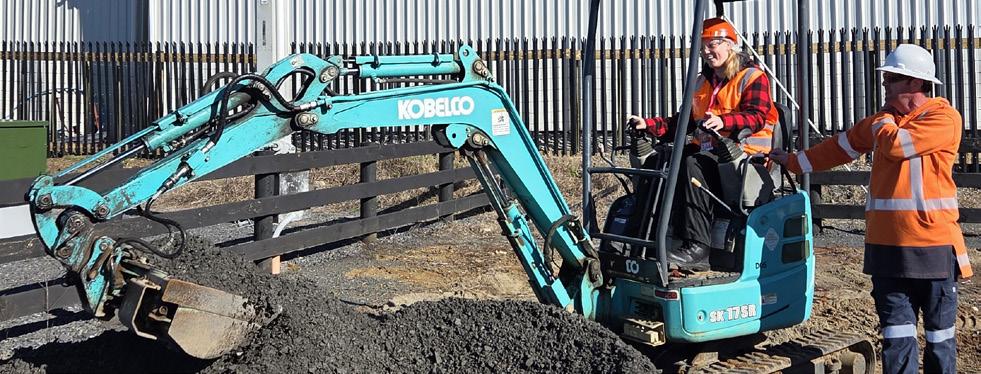
held nationwide. From working on an elevated working platform to operating diggers, skills that could take the students down a new career path were showcased.
Although the event was hosted by Counties Energy, the programme also involves civil construction, telecommunications and water treatment organisations.
First run in 2015, GWHV began with three electricity supply industry companies hosting events and 50 students; this year, it’s included more than 30 events and
almost 1000 students in attendance nationwide.
While the programme has grown, so have the results.
“In 2015, Connexis had eight per cent of trainees in trade and technical roles [who] were female, today that figure is 16 per cent,” Gaukrodger adds.
“Girls with Hi-Vis events are now hosted by female apprentices who were introduced to their employer at a Girls with Hi-Vis event.”
More information about GWHV is accessible online via connexis.org.nz.



By KERRY LEE
Waiuku College students Brooke Johnstone and Amber Hyland, alongside 2025 graduate Eilis Roden, received Gold Duke of Edinburgh Hillary Awards recently.
The trio received their awards at Government House in Wellington. Hyland says it was an unforgettable experience.
“Something that I am going to take away from this experience is to always do things that I may not know how to do. Taking part in Duke of Edinburgh, I have been out of my comfort zone. It can be tough, but you have to push through,” she says.
“This journey through the Duke of Edinburgh programme has been a very special experience and I have
taken a lot away from it.”
The Gold Duke of Edinburgh’s Hillary Award was first issued in 1963. It is considered the highest tier of the globally recognised youth development programme.
To achieve the award, young people (aged 16–24) must complete five core sections: voluntary service, physical recreation, skills, an adventurous journey and a residential project.
For Roden, the programme was beneficial, in part because it encouraged self-awareness.
“It was a way for me to build confidence and to learn new things about myself,” she says. “It also gave me many opportunities to try new things, such as going on [various] hikes, and learning important skills including map reading and cooking on


gas burners.
“Overall, the experience has helped me to grow as a person and it’s taught me valuable lessons.”
Johnstone echoes her schoolmate’s statements.
“Achieving my award means a lot to me because it reflects years of commitment and personal growth. The skills I’ve developed, such as leadership, resilience, teamwork, and communication,
will be invaluable in future.”
Waiuku College principal, Stuart Kelly, says he could not be prouder of his students.
“I am immensely proud of their achievements, and the school also benefits greatly from increased student leadership and self-belief,” he adds. “Waiuku College is fully invested in providing one of the most successful versions of [the Duke of Edinburgh] programme in New Zealand.”

How long have you been an educator and where did you train?
I’ve been an educator for 16 years, after training at Victoria University of Wellington.
When did you become the principal of KingsGate School?
I became principal in 2018.
What’s the best thing about being an educator and principal?
The best thing about being an educator and principal is seeing young people grow, not just academically, but as people. Over time, I’ve come to appreciate that while schools help students gain knowledge and skills, our greatest opportunity is to help them develop character, resilience and a sense of purpose.

When students feel known, valued and challenged to become the best version of themselves, they flourish. Being part of that journey is both a privilege and a responsibility that I never take for granted.
What’s special about KingsGate School?
What makes KingsGate special is that we see education as being about the whole person. We want every student to be known, challenged and encouraged to become the best version of themselves, aca-
demically, socially and personally. Our Christian values underpin the culture of our school, shaping the way we learn, lead and care for one another. We’re also uniquely placed as the only state or state-integrated school in Pukekohe offering a seamless year 1 to 13 journey on a single campus, allowing students and families to be part of one connected community throughout their school years.
Combined with a strong sense of belonging and a commitment to excellence, it creates an environment where students can truly thrive.
Is there anything you’d like improved in the education/ school management sector?
My hope for education is that we never lose sight of what matters most. Every student should leave school with strong literacy and numeracy skills because these are the foundation for lifelong learning. When students can confidently read, write, and apply mathematics, they are equipped to succeed across every subject and every

pathway in life. From that foundation, schools have the privilege of helping young people grow in character, resilience, purpose, and a desire to contribute to others. That’s the kind of education we’re striving to provide at KingsGate School.
How is the relationship between KingsGate School and its immediate local community?
We have a positive and growing relationship with our local community. KingsGate School exists to serve the families of Franklin, and we’re committed to being a school that is known not only for academic excellence but also for developing young people of strong character who make a positive contribution wherever they go.
We’re passionate about working alongside parents, local organisations, churches, businesses, and neighbouring schools to ensure our students receive the very best opportunities. As our school continues to grow through to year 13, we’re excited to deepen those partnerships and continue serving the Franklin community well.
BRU GOLDFINCH
Ph: 021 215 8368
E: bru@homesbynest.nz www.homesbynest.nz

A fortnightly series helping local homeowners get the most from their most valuable asset
Last fortnight we looked at homes’ street appeal from across the road. This week, let’s take the next few steps, from the footpath to your front door.
Imagine you’re visiting your home for the very first time. What impression does the journey create?
Whether guests arrive via the driveway or a garden path, keep it clean, tidy and easy to navigate. Trim hedges and long-leafed plants so they don’t become obstacles and remove moss or mould from paths and driveways. Make sure your house number is easy to see and your letterbox is clean and well maintained.
As you reach the front door, pause for a moment. Is the entrance inviting? Are the lights, gutters and soffits clean? Does the front door need a wash or a fresh coat of paint? Is the welcome mat clean and clutter-free?
As evening falls, take another look. A warm porch light or a few solar path lights can make your home feel safe,
From the Footpath to the Front Door

welcoming and easy to find. It’s a simple improvement that creates a wonderful first impression, day or night.
If you ask visitors to remove their shoes, consider placing a sturdy bench or seat by the entrance. It’s a thoughtful touch that makes life easier, especially for older guests.
It’s often the smallest details that make the biggest difference. A welcoming entrance doesn’t just add value to your home, it creates a lasting first impression for everyone who visits.
Next time in Profit from our Knowledge, we’ll step inside and explore. The Entrance & Foyer
Walk from your letterbox to your front door as though you’re seeing your home for the first time.
What are the first three things you’d improve?
If you’re thinking about selling now or in spring - call Diana today, let’s get you the most the market will pay.

Diana Cussen
Paerata Rise is one of Franklin’s fastest growing master-planned communities, and the momentum is real.
This is a neighbourhood where you know your neighbours. Where it’s safe to put down roots, whether you’re raising a family or looking for a connected, independent lifestyle.
Built for people who want more from where they live. New stages are well underway, so there’s never been a better time to come and explore.
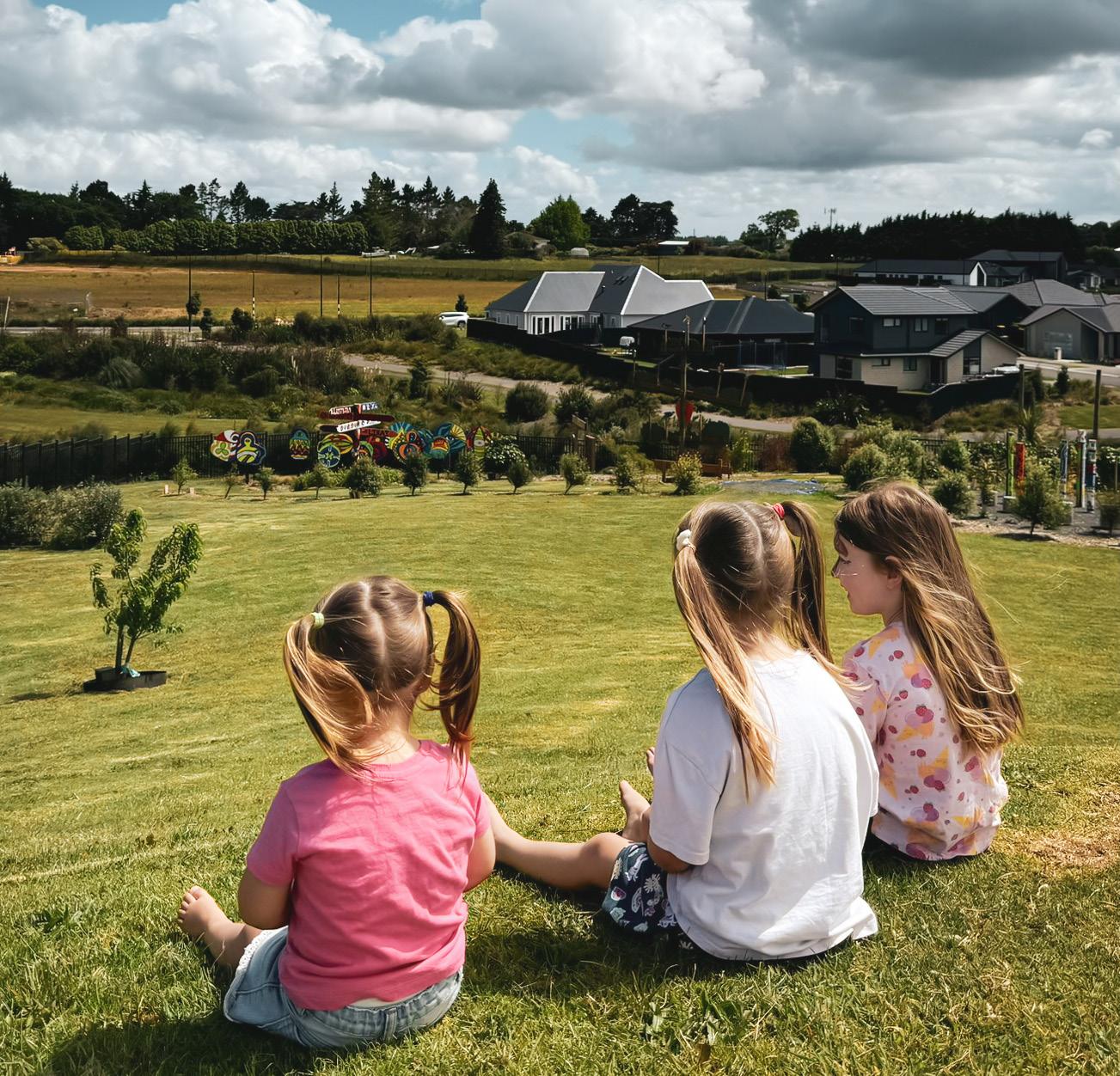


www.paeratarise.co.nz



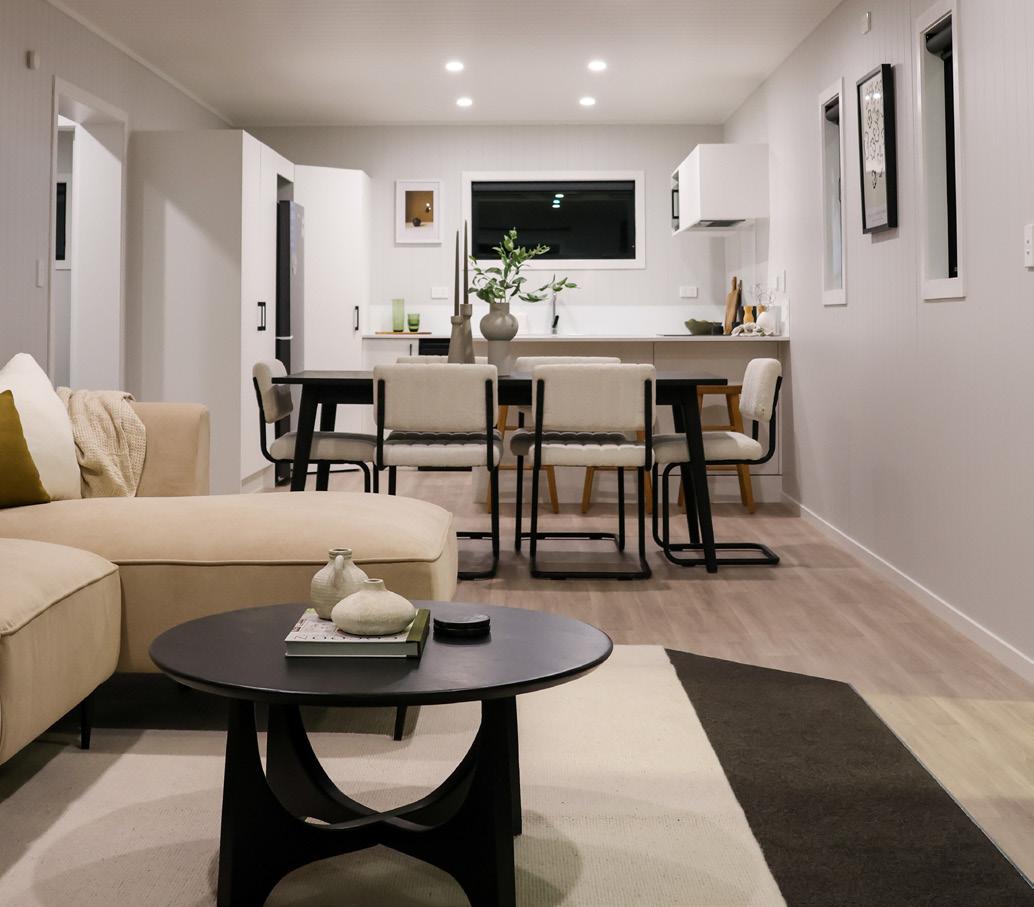


Based in Pukekohe and operating since 2011, we specialise in building highquality, durable cabins with a superb finish. Each of our cabins is built by a Licensed Building Practitioner with 30 years of experience, ensuring top-tier craftsmanship.
Our cabins and houses are designed for New Zealand’s climate, featuring full insulation and double-glazed windows to keep you warm and healthy. We offer 11 standard models from 10sm to 120sm, as well as a custom design service to bring your unique vision to life.
All our cabins are built to code
Auckland Council CCC
Bespoke kitchens with stone bench-tops
Custom decks and steel canopies available

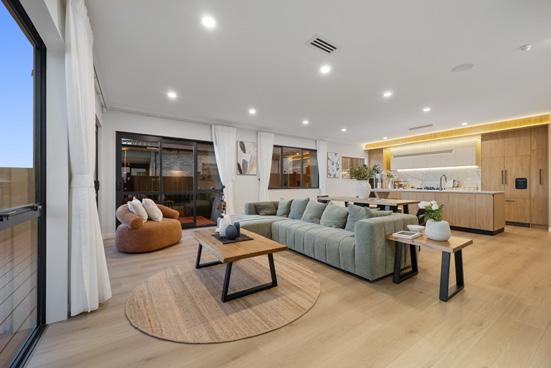
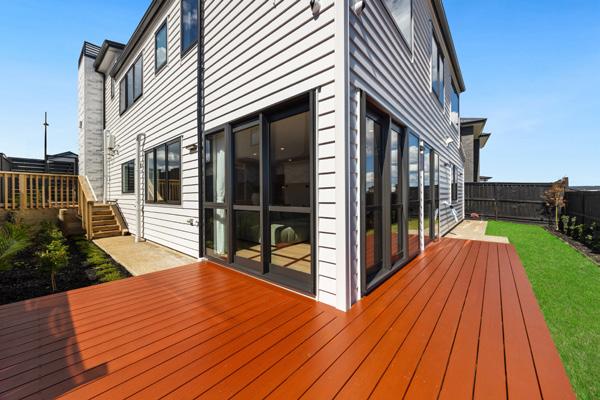
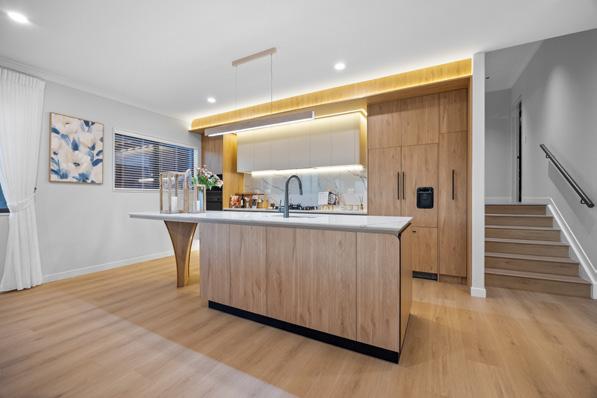
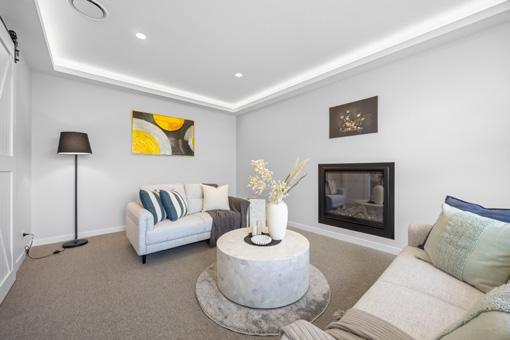
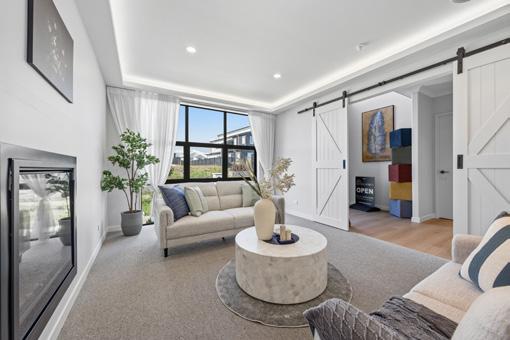

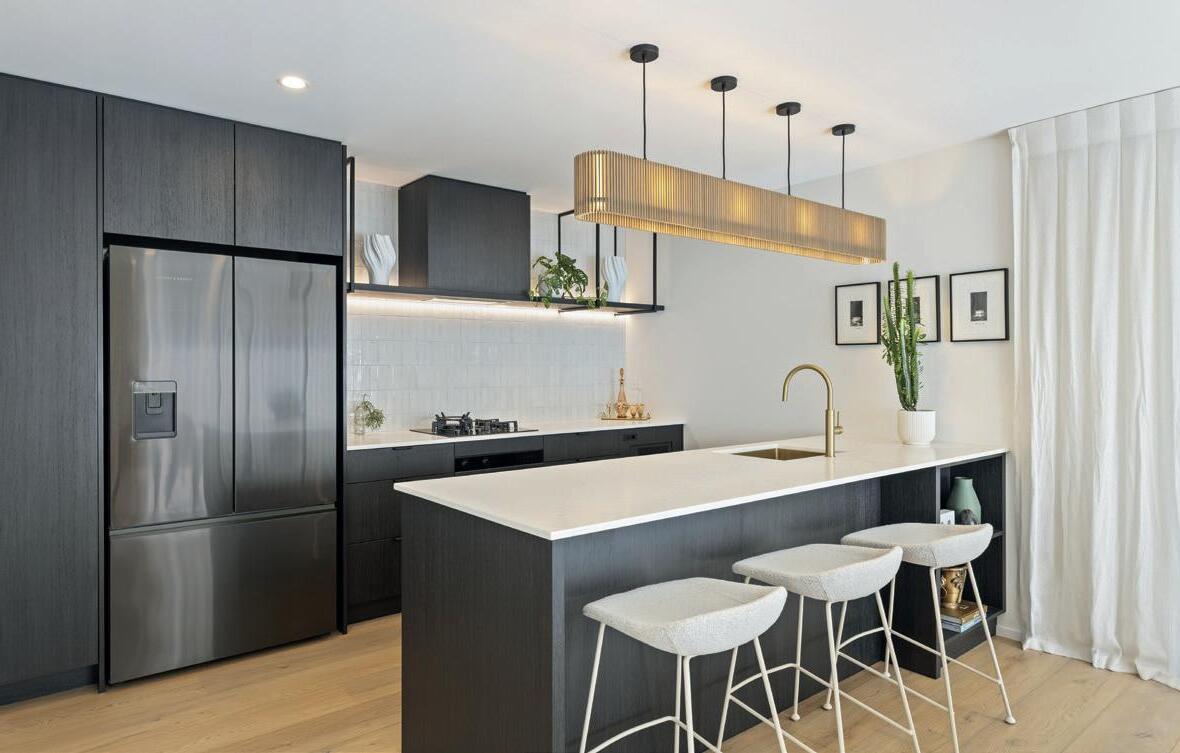



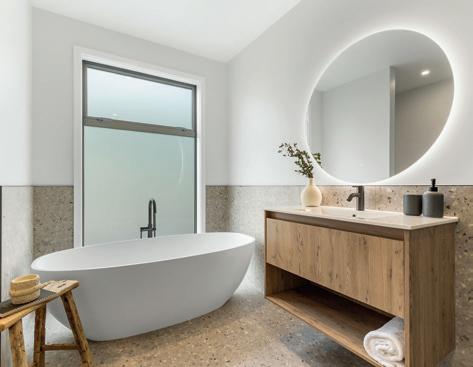

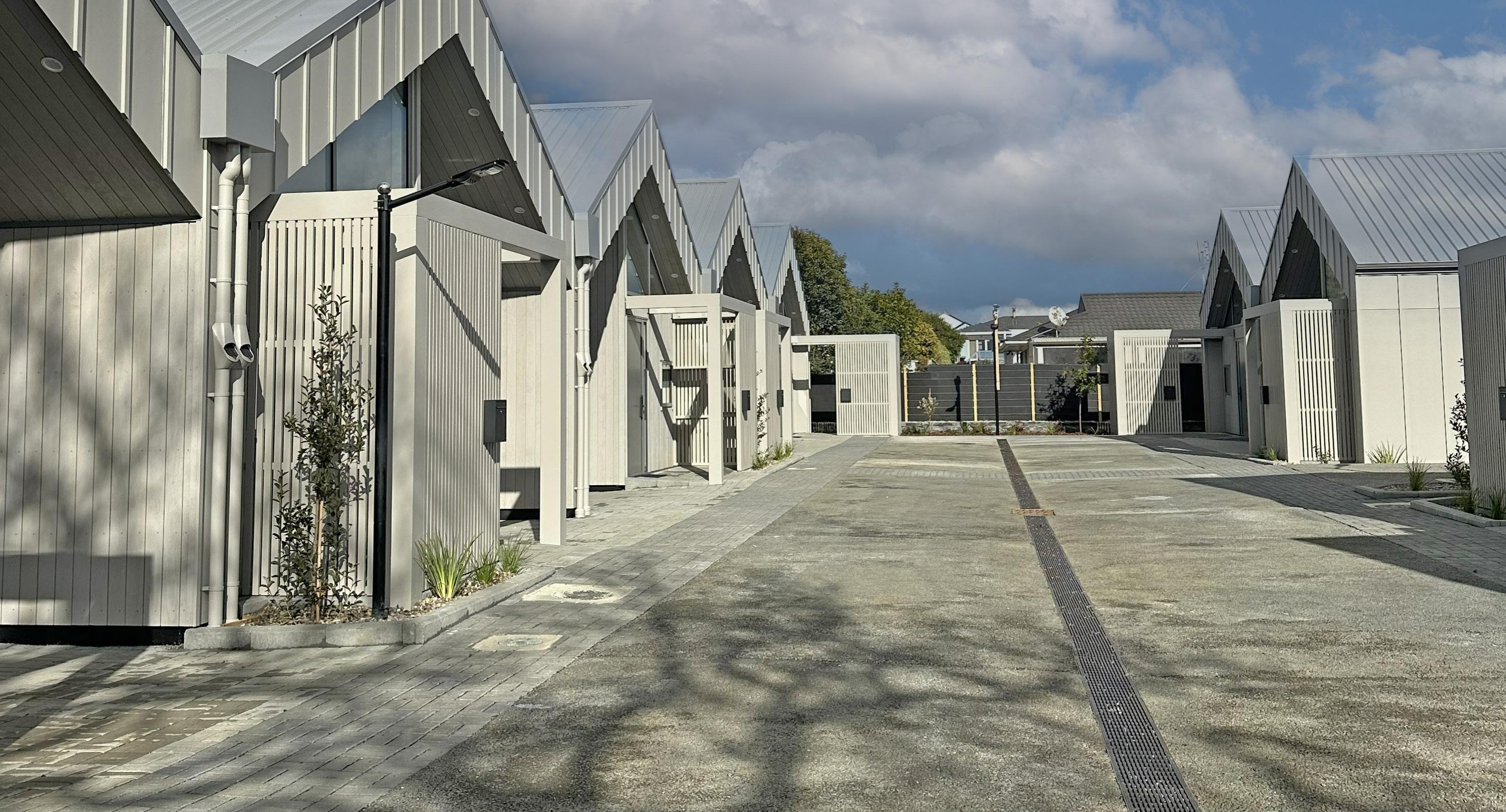
By ISABELLA ROOT
Construction of a Pukekohe assisted living development designed to help older residents age independently has finished construction just six months after work began.
The development, on Edinburgh Street, was blessed recently and it is now set to welcome its first new residents.
Notre Dame Living, built by Ramwall and marketed by Bayleys, has transformed a former Catholic Church location into a modern village intended for people aged 55 and over.
The name of the village was chosen as it was also the name of a former nunnery that occupied the site before it was sold in 2022. Its construction marks a new chapter for the site and its long association with the local Catholic community.
Many such villages operate on a licence-to-occupy (LTO) model
through which residents purchase the right to live in, rather than own, a unit.
However, Notre Dame offers full ownership as well as minimised management fees, as Ramwall’s operations manager Shiva Sami explains.
“Any capital appreciation that you gain on this property is yours. Once you own it, it’s yours.”
The village’s 23 single-level
homes were designed for accessibility with layouts aimed at reducing the risk of accidents.
“It’s a good stepping stone, especially for people downsizing as they age gracefully into their new place. These houses are actually designed to adapt to them,” Sami says.
While the village provides another housing option for older residents in Pukekohe, the pri-
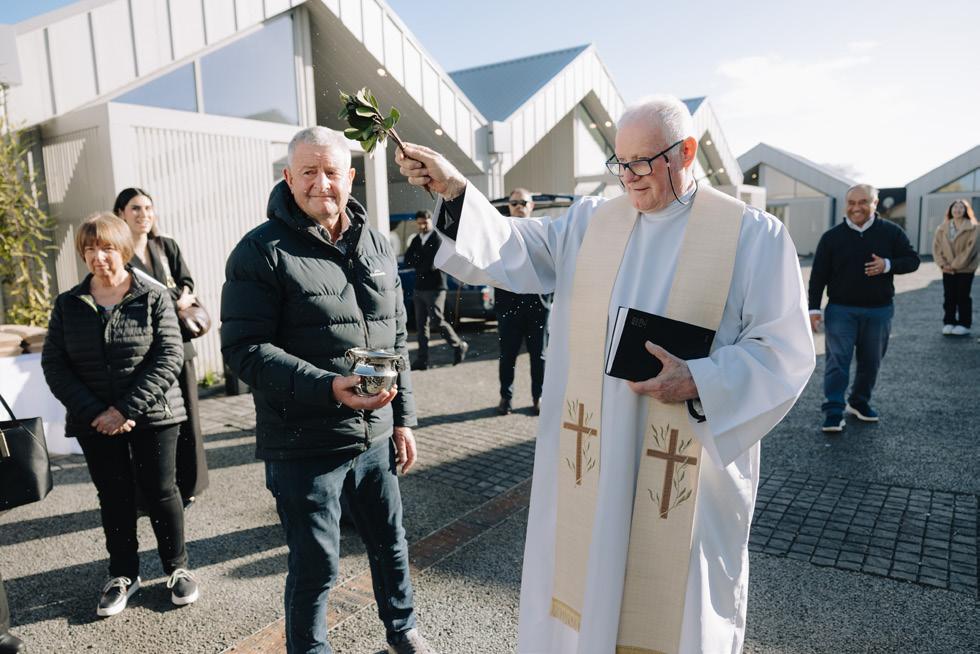
Photo supplied
mary intention is to help people remain connected to their community as they age.
Associate Health Minister and Minister for Seniors Casey Costello says developments such as Notre Dame are important in meeting the needs of New Zealand’s ageing population.
“These options give people the chance to downsize and still stay in the community they know and love,” she says. “People want to live in a really suitable, accessible home, with a safe bathroom, that’s well heated and easy to maintain, not to injure themselves by tripping when stepping over the front steps!”
Focusing on healthy housing for retirees has a domino effect, benefiting both older residents and the wider community, Costello adds
“If we can keep people healthy at home, and safer, then that takes some of the burden off our health system.”










For more than three decades, Karaka’s Michael Barnett was one of New Zealand’s most influential business advocates, serving as chief executive of the Auckland Business Chamber.
As a longtime Karaka resident, what positive infrastructure changes have you seen in the Franklin region?
Franklin has undergone a significant transformation. It was once defined by its rural lifestyle, rich agricultural heritage and close-knit communities. Today, it has become one of Auckland’s fastest growing areas, bringing new energy, new families and new opportunities.
The challenge now is ensuring growth enhances, rather than diminishes, what makes Franklin special. Our next chapter should be about investing boldly in transport, green spaces and community infrastructure so we preserve the region’s character while creating an even better place for future generations to live, work and thrive.
After more than 30 years as the voice of Auckland business, what achievement are you most proud of?
Without question, it was helping give business a respected and influential voice. Businesses create jobs, invest
in communities and drive opportunity, but they need to be heard when policy decisions are being made.
Building that voice required purpose, persistence and courage. Under the chamber banner we earned a seat at the table and developed trusted relationships with governments.
While there were many policy successes along the way, my greatest achievement wasn’t a single campaign, it was helping create a business community that believed it could influence New Zealand’s future.
You worked alongside numerous politicians. Which leaders most impressed you?
Two leaders stand out. Jim Bolger impressed me through his willingness to listen and work collaboratively with business. He understood that lasting progress comes from bringing people together rather than driving them apart.
Helen Clark also earned my respect. While businesses didn’t always agree
with her policy, she possessed an exceptional work ethic and always valued informed discussion before making decisions.
Strong leadership isn’t about everyone agreeing – it’s about listening and making courageous decisions.
What is the biggest challenge facing our small and medium-sized businesses today?
Challenges are increasingly shaped by global events rather than purely domestic ones. They face rising costs, cashflow pressures and cautious consumer spending influenced by uncertainty. Yet, NZ businesses have repeatedly shown they can adapt and they will again.
What advice would you give a young entrepreneur starting a business in 2026?
First, be courageous enough to start –there will never be a perfect time, so be clear about your purpose. Second, build relationships before you need
them as business is about people, trust and reputation. Finally, never stop learning. Businesses that succeed will be those whose leaders remain curious, adaptable and committed to continual improvement.
What was the greatest challenge Auckland businesses faced during your time at the chamber?
Covid-19 was unquestionably the greatest challenge. It tested every business owner’s resilience while governments were forced to make decisions in an environment of enormous uncertainty. Many faced the loss of years of hard work and investment.
What inspired me most, however, was the resilience of businesses. They adapted, innovated, supported one another and demonstrated remarkable courage.
How do you think AI will change New Zealand businesses over the next decade?
Artificial intelligence will fundamentally change how businesses operate, not necessarily who operates them. Businesses that embrace technology while continuing to invest in their people will become more productive, more innovative and more competitive. Success in this respect will belong to organisations that see AI as a tool to unlock human potential rather than replace it.
Which government policy has had the biggest positive impact on business and which has held business back?
New Zealand’s commitment to free trade
has been transformational. The China FTA, in particular, opened significant opportunities for exporters and demonstrated the value of thinking globally while building on New Zealand’s strengths.
Conversely, continual changes to employment and investment legislation have undermined confidence. Businesses invest when they have certainty. Stable policy encourages investment, creates jobs and supports stronger economic growth.
How does our country compare to others as a place to do business?
We enjoy an outstanding international reputation. Wherever I’ve travelled, mentioning New Zealand has almost always brought a smile. We are recognised as honest, innovative and easy to do business with.
During my time at the chamber, Auckland received international awards for leadership in employment and workplace wellbeing, proving New Zealand can lead the world in innovation and how we care for people at work.
Are you optimistic Auckland can solve its transport and infrastructure challenges?
I remain optimistic because New Zealand has always found solutions thinking long term. Much of today’s congestion reflects yesterday’s underinvestment.
Franklin is a perfect example where growth has often outpaced infrastructure. The opportunity now is to invest ahead
of growth rather than behind it. That will create stronger communities, better productivity and a more connected Auckland for future generations.
What qualities define great leadership?
Great leadership begins with values. Integrity, respect, courage and humility create trust, while listening and communicating inspire others.
One lesson that profoundly shaped my leadership came during my battle with cancer: change the things you can. Too much energy is wasted worrying about circumstances beyond our control.
Among those who have influenced me most are Sir Alan Hellaby and Nelson Mandela, leaders who demonstrated that strength and humility can exist together.
What legacy would you like to leave?
I don’t expect my name to be remembered and that’s perfectly fine. Leadership is never about one individual, it’s about leaving organisations, communities and people stronger than you found them.
If my contribution helped businesses find their voice, encouraged leaders to be courageous and inspired others to stand up for what they believed in, then I will consider that a legacy worth having.
Progress is built by ordinary people prepared to do extraordinary things with integrity, optimism and courage. If I’ve played a small part in that journey, then I have been incredibly fortunate.



Full & Partial Dentures (Acrylic/Flexible/ Metal)
Implant-Overdentures
Denture Relines/ Repairs/Tooth additions
Free WINZ or Insurance quotes
Bite splints and Night guards
Teeth-Whitening trays and Sports Mouth guards
Flexible payment options - Credit card / Q Card / Instalment
5%
Mobile

MICHELLE KEENAN empowers people and organisations to achieve optimal wellbeing by providing customised wellness coaching, Pilates, and yoga at her Waiuku studio.

We’re past the solstice, but let’s be honest, Auckland winters can be a slog. Dark mornings, days of rain, and every second person is coughing. Hibernating until spring isn’t really an option, so here are a few tips to make it through.


I know the couch is comfy and the weather is rubbish, but even 15 minutes of fresh air and daylight is really beneficial. It helps your sleep, your mood, and your vitamin D levels. Yes, even in winter! Just layer up. Merino base, a decent jacket, a beanie. You could even text a friend and meet up. Suddenly that walk around the block doesn’t feel so bad, and the couch and a movie will still be there when you get back.
Keep moving
Movement is one of the best things you can do for your immune system and your mental wellbeing. And no, that doesn’t mean you need to be at the gym every day. A 20-minute walk, yoga in the living room, a weekly dance class, or some squats and lunges while the kettle boils – it all helps. It gets your blood moving and helps your body fight stuff off. The trick is consistency – move every day, multiple times a day. Five minutes here, half an hour there. The benefits are cumulative and every little bit counts.
Winter is made for slow food. Dig out the crockpot for soups or throw a big tray of veges in the oven to roast. Your body craves warmth and comfort, and there’s no reason that can’t be healthy too. Think kumara, pumpkin and parsnips with lentils and greens. Add ginger and turmeric if you’ve got them. A good bowl of soup with a thick piece of toast is about as satisfying as winter gets – healthy, nourishing, and tasty. Eat well and drink plenty of water even when it’s cold outside.
We all catch some winter bugs at some point, and when it happens, the best thing you can do is stop pretending you’re fine. If you’re rundown, rest. Your body needs that energy to fight whatever it is you’ve picked up. Drink water, have some soup, drink tea. And please, stay home. You’re not a hero for bringing your cold to work, you’re just sharing it with everyone else.
www.michellekeenan.com
By MIKE KING, founding ambassador, I Am Hope Foundation
Every now and then I come across a statistic that stops me in my tracks. Recently, I was reading research on childhood sexual abuse and male survivors. I expected the numbers to be confronting. What I wasn’t prepared for was just how large the problem appears to be.
One statistic suggested that approximately one in eight New Zealand men will experience sexual assault at some point in their lifetime. Let that sink in for a moment. One in eight. Then I came across another statistic. Only 6.6 per cent of sexual assault offences are reported to police. If both of those figures are accurate, we’re looking at a problem that’s likely far larger than the official numbers suggest.
When we talk about sexual abuse in New Zealand, we quite rightly focus on women and girls. The scale of harm they experience is enormous and deserves every bit of attention it receives. But in doing so, I wonder if we’ve unintentionally created the impression that boys and men are largely untouched by sexual violence.
The evidence suggests otherwise. Research indicates that around one in nine New Zealand boys experience sexual abuse before the age of fifteen. Other studies place the figure between one in six and one in ten. Whichever number you use, the conclusion is the same.
This is not rare. This is happening in our communities, our schools, our sports clubs, and sometimes within our own families. Many male survivors never tell anyone. Some disclose years later. Some wait decades. Many never disclose at all. Part of that is shame. Part of it is fear. Part of it is the belief that nobody will believe them. And part of it comes from the messages boys receive from a very young age.
Be tough. Harden up. Get over it. Don’t show weakness.
Sexual abuse doesn’t disappear because someone refuses to talk about it. It often reappears later as depression, anxiety, anger, addiction, relationship problems, selfharm or suicidal thoughts.
One of the most heartbreaking statistics I found was that the majority of males under



























fourteen who die by suicide are reported to have a history of childhood sexual abuse.
Then ask yourself why we aren’t talking about this more. Perhaps because it makes us uncomfortable. Perhaps because we still struggle to see boys and men as victims. Whatever the reason, silence has never solved a problem.
If one in eight New Zealand men experiences sexual assault in their lifetime, then almost all of us know someone affected by it. A friend, a brother, a son, a workmate. Maybe even ourselves.
The challenge isn’t simply acknowledging the statistics. It’s creating a society where boys and men feel safe enough to tell the truth about what happened to them. Because we can’t solve a problem that we’re too afraid to see.
Under 25 and need someone to talk to? Book a free counsellor at gumbootfriday.org. nz – no GP referral needed.






Keen walker David Mallowes offers suggestions about fun and interesting routes people can take to get some exercise and enjoy the area in his latest column.
Have you ever thought about joining a hiking group only to decide it might be too challenging?
Some weekend walking clubs are highly adventurous, some take no prisoners and focus on reaching the destination, and then there are the groups that we enjoy the most that walk, talk, laugh, and take time to enjoy the outing.
An excellent starting point for finding walking and tramping groups throughout Auckland and beyond is the website www.meetup.com. Most groups registered with the website ask participants to contribute $2 to help cover operating costs, no membership fees.
These groups walk between Waitawa, Bombay, and Auckland city.
“Walk and Talk”, led by the very welcoming

Dmitry, is a great introduction for anyone new to walking. Venues are carefully chosen for their proximity to Auckland’s public transport network, making them easy to access.
The walks are gentle rather than challenging, and every 20 minutes the group pauses for a social chat giving everyone a chance to relax and get to know their fellow walkers.
“Auckland Outdoors” is led by the wonderful team of Helen and Mike, sometimes accompanied by their energetic 8-year-old, so don’t expect military-style marches. A moderate level of fitness and agility is helpful, but no special experience is required. Walks are described in excellent detail on Meetup, rated from one to five, easy to challenging. The group stops regularly for rests, photos, and to chat.
Mike also leads occasional weekend
adventures for those wanting to stretch themselves a little further. Recent and very popular trips have included Raglan and National Park. The organisation is first-class: Mike carries an impressively comprehensive first aid kit, and a designated “tail-endCharlie” ensures that nobody is left behind.
Participants span all age groups, nationalities, and levels of experience. There are always newcomers joining the walks, along with regulars, couples, retirees, students, and travellers. The shared enjoyment of the outdoors quickly breaks down barriers and turns strangers into friends.
For more information including other groups and photos of walks, visit Facebook page WalksOutEast.



By SARAI ELORA, Bonita Artistry
When people ask me what beauty product they should buy next, my answer is often surprising: Before purchasing anything new, learn how to get more from what you already own.
Beautiful makeup isn’t about owning hundreds of products. It’s about understanding where to place them, how much to use, and choosing formulas that work with your skin rather than against it.
One of the easiest ways to elevate your makeup is to prepare your skin first. Wellhydrated skin creates a smoother canvas, helping foundation and concealer blend more naturally and last longer throughout the day. A lightweight moisturiser suited to your skin type is often all you need.
When choosing a foundation, don’t automatically reach for full coverage. A light to medium coverage formula can create a fresher, more skin-like finish while still evening out your complexion. If you need extra coverage, apply concealer only where it’s needed instead of layering on more foundation.
Powder is another product that’s often overused. Rather than setting your entire face, focus on areas that naturally become oily, such as the T-zone or under the eyes. This helps maintain your skin’s natural glow while extending the wear of your makeup.


Blush is one of the quickest ways to bring life back into the face. Whether you prefer cream or powder formulas, placing blush slightly higher on the cheeks can create a lifted, fresh appearance. Start with a small amount and build gradually; it’s always easier to add than remove.
For the eyes, you don’t need a complicated routine. A soft wash of a neutral shade through the eyelid crease, paired with defined lashes and groomed brows, creates a polished look suitable for both everyday wear and special occasions.
When it comes to lips, think about comfort as much as colour. Hydrated lips allow any product, whether it’s a tinted balm, lipstick or gloss to be applied more evenly and wear better throughout the day. Keeping a

nourishing lip product in your handbag is one of the simplest beauty habits you can adopt.
Perhaps the most valuable beauty tip of all is this: makeup should enhance your features, not hide them.
The goal isn’t perfection; it’s helping you feel like the most confident version of yourself.
The best beauty routines are the ones you’ll actually enjoy doing. Start simple, practise often, and remember that confidence will always be your most beautiful feature.
To see more professional beauty tips, tutorials and behind-the-scenes transformations, follow us on Instagram and Facebook at @ bonitartistry. We love sharing practical advice to help you feel confident in your own skin, whatever the occasion.



This week’s recipient is Melissa Hori, nominated by Gemma Bardsley, who writes:
“Although it’s her business and livelihood, Mel is truly creating a community within the community – bringing people together for barre, Pilates, and HIIT classes, getting us moving, and making connections we otherwise wouldn’t.
“Mel meets people where they are, wherever




they come from, and there is never any judgement in her classes. She is an asset to our community!”
The Franklin Times is recognising the many wonderful people in our community who go out of their way to help others with our regular Community Hero award.
If you know someone who’s doing amazing things in our community, please email 80 to 100 words describing why they deserve this recognition, highlighting specific actions they’ve taken to benefit our community, with your and their contact details and a high-resolution photo of them, if possible, to editor@franklintimes.co.nz.
Be sure to include details about what they’ve been doing, the impact they’ve made, and how long they’ve been involved in these efforts.
The award is sponsored by Little Ed Pukekohe. Recipients will receive a $50 Little Ed voucher and will be featured in our newspaper and on our website. As we are moving to publishing fortnightly, we will have a Community Hero in each edition of the newspaper.







On the busy road between Pukekohe and Bombay sits the Pukekohe East Community Centre.
Built in 1959, the community venue was opened as a place for the rural community to come together, socialise and host community events. The hall still serves this purpose for the Pukekohe community and hosts sports, clubs, events, weddings, and parties.
The Pukekohe East Second World War memorial plot was unveiled outside the old


The centre has been community-run for many years, and the hunt is now on for motivated Pukekohe East residents to take up the mantle. A meeting will be held at 6.30pm on July 29 to form a new committee to run the


By ZOË JONSON
A captivating tale of legacy, community and heart, Riding Through Life details a “journey fuelled by passion and service,” a life led to the fullest by Papakura’s Neville Wooderson.
Written (in part) by Wooderson, the book was completed by his children, Joy Sheehan and Mark Robbins, and launched at Papakura’s Sir Edmund Hillary Library recently. The book has something for everyone, Robbins says.
“[Dad] had such a busy life, he was passionate about everything that he did. He had a fierce passion for motorcycle racing and he loved the outdoors and adventuring.”
Born during the Great Depression, Wooderson was not one to make a fuss.
“He was one of the first craftsman plumbers in Papakura, but many people may also remember him from newspaper articles over the years when he travelled to Nepal to help build hospitals and schools alongside Sir Edmund Hillary. He was one of those
practical, humble men of the silent generation who did not make a fuss about himself but simply got on with the job,” Sheehan says.
“His story includes representing New Zealand at the Isle of Man TT racing motorcycles, community service a and long connection with Nepal and the Himalayan Trust.”
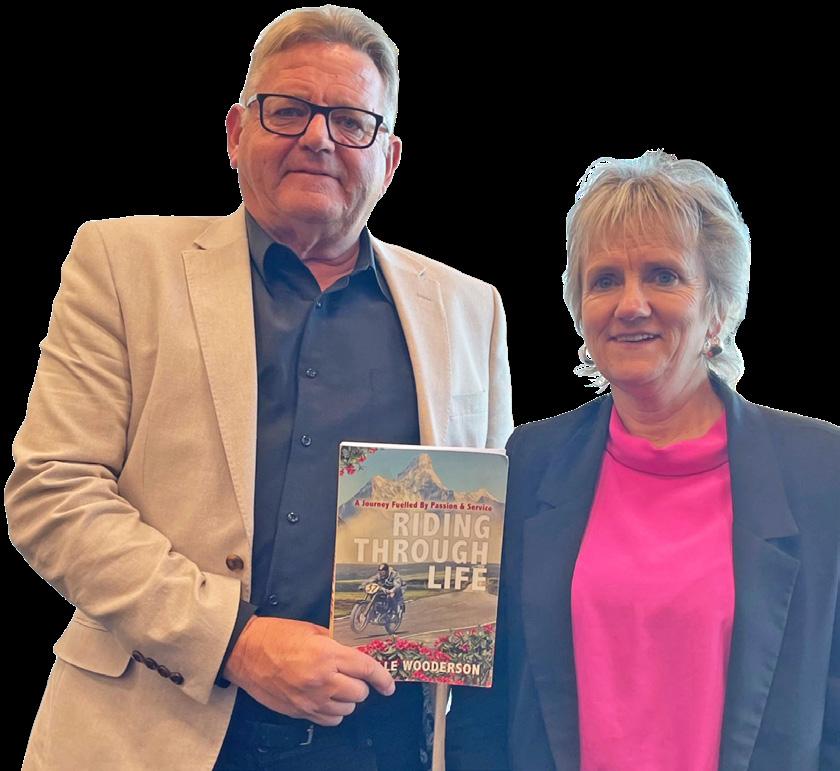
A lifetime member of the Lions Club, Wooderson also belonged to a number of other clubs throughout his life. In 2000, he was recognised for his wide-ranging service with a Queen’s Service Medal (QSM).
Wooderson’s story may not have been told –on his death in 2019, his memoir went to the bottom of a drawer. However, Sheehan and Robbins agreed to finish their father’s book together.
Alongside photos and stories shared by friends and family, Robbins says voice recordings of his father taken on their travels
together also helped ensure his story would be told. With a little help from AI, Robbins and Sheehan were able to produce an audiobook narrated by their father.
“[The recordings] helped it stay in his words and in his voice as well,” Robbins says.
Riding Through Life is available from the Sir Edmund Hillary Library and it will be available from bookstores in the near future. In the meantime, copies can be ordered online via nevillewoodersonbook.com.
“This book is our way of honouring his memory… so that his legacy might live on” Sheehan adds. “It’s been quite the journey!”


By ISABELLA ROOT
In music, there are no small parts even when it involves a lot of small guitars.
Pukekohe-based ukulele players, the Pukeleles, are set to host a charity concert at St Andrew’s Centre in Waiuku on August 2.
Money raised will be donated to such good causes as Ronald McDonald House, Auckland Hospital and Starship Children’s Hospital.
The group of more than 30 regularly entertains audiences across the region – they’re often welcome guests at local retirement villages in particular.
“We’ve never really focused on the money, and we don’t really want to, but we’re happy to help a worthy cause when we can,” ukulele teacher Caroline Zeeman says.
“To actually divide the money we’d make from a gig amongst 35 people would be a bit silly as it wouldn’t be worth our time, so we’d rather just concentrate on doing what we love while also helping others.”
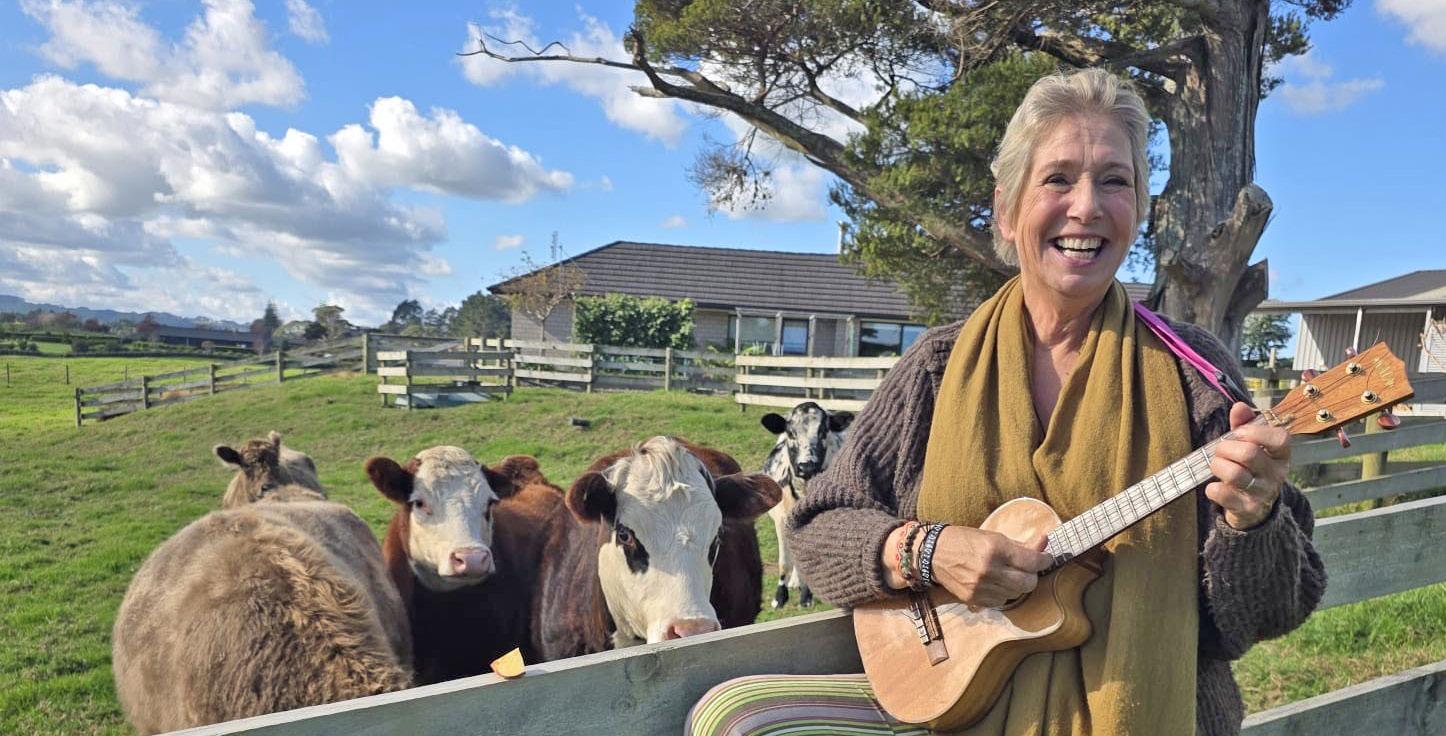
Established in 2018 by a small group of people looking for a shared hobby, the group has since grown over recent years into a community of ukulelists – yes, that’s a real word! – who meet regularly to rehearse, perform and share a laugh.
Their lively shows have earned the Pukeleles a reputation for energy and enthusiasm, with performances showcasing a wide range of songs from Kiwi favourites to ABBA classics and much more.
While leading the group of more than 30 can be difficult at times, Zeeman says it is also very rewarding.
“It can be quite a challenge working with 35 opinionated adults, but it’s super wholesome and a lot of fun,” she confirms. “We get a lot out of it because we help make people so happy when we play.”

Ukulelists tend to share similarly fun, quirky and upbeat characteristics, she says.
“You need to have a certain type of personality to play the ukulele – you have to be ready to have a good time and help others enjoy themselves too.”
For Zeeman and others in her group, the ukulele is more than just an instrument it’s a catalyst for connection.
“It’s like it’s a tribal thing. Playing the ukulele together creates a bond between us all,” Zeeman adds.
“We focus very much on the singing as well as playing, so it sounds really cool and we all feel uplifted by it.”
For details about this group and their next show, search ‘Pukeleles’ on Facebook.




















By JON RAWLINSON
Eons ago, The Doors informed us that people are strange. Fortunately for them, strange people provide excellent advice when it comes to creative expression.
Much more recently, students at Pukekohe High School found some ‘strangers’ able to help them open doors in the music industry.
Musicians Noema Te Hau III and Paige Tapara from Play It Strange stopped by Pukekohe High to inspire and advise budding musicians.
“Pukekohe High has a great music department. Steve Granshaw has been the [music] teacher there for a while and he’s really awesome,” Tapara says.
“We visit around 90–100 schools every year and some students aren’t very receptive, but his class was really engaged, really keen to learn. We did some songwriting workshops and they were all asking questions and showing us their songs. They were an awesome group.”
Based on this visit, the former Rosehill College student believes Pukekohe High could very well have the next Lorde – or the next Chris
Knox, for the benefit of our ‘veteran’ rockers/readers –among its student body.
“As a [Franklin] local, I would be stoked if they did, but I wouldn’t be too surprised. The school has already produced at least one great musician, Vana (Yvonne Winckel). She’s a heavy metal artist who came out of Pukekohe High and she’s doing really big shows in the States – recently, she opened for Linkin Park. So, I really wouldn’t be surprised if another great artist came out of Pukekohe High soon.”
Noema Te Hau III and Paige Tapara share their skills with Pukekohe High students

Overall, Tapara says that one piece of advice rings loud and true across the (black)board – young musicians must play it, strange or otherwise, to make it.
“There’s a perception that you have to wait until you get better to play live, but you have to get out there and start doing it, that’s how you improve. Not just posting online, but getting out and performing at bars or restaurants or busking, that’s the way to make it happen.”
While their students are young, the Play It Strange Trust is no stranger to the stage. For

than 1500 recording sessions. Contests serve as springboards into the music biz.
“Play It Strange provides Aotearoa’s largest songwriting competitions – the kaupapa is to help emerging songwriters, connecting them with our judges who are also songwriters, artists and producers.”
Ironically, Tapara (best known on stage as Paige) didn’t kickstart her own music career through the initiative but the list of alumni is a who’s-who of modern Kiwi music.
“I didn’t do Play It Strange in high school, but it would have been very helpful as it’s a shortcut into the industry. It’s so hard to get connected otherwise – it’s definitely not as simple as applying for a job,” she adds.
“I think it has now become an integral part of a lot of people’s high school artist experiences. Kimbra came up through Play It Strange, that’s just one big name off the top of my head.”
Visit playitstrange.org.nz for more information or to enter the National Songwriting Competition, which is open to students in years 9–13 until August 9.

By ISABELLA ROOT
Sixteen-year-old Milania Jolley from Waiuku College has won the APRA Lyric Award at the Solo/Duo regional final for Smokefreerockquest (SFRQ).
“I expected maybe a rapper who performed at the contest [would win], his lyrics were very, very good,” she says. “So, when they said my name, I was surprised.’”
Last year, Jolley competed with her former band, Discombobulated Children, and returned this year as one half of a duo, Wavelength, alongside her friend Emily Lyes.
A last-minute decision to perform her original song Forest Embrace paid off, impressing the judges more than she had expected. Jolley says the award-winning song is about getting away from the hustle and bustle of the city and finding peace in nature.
“The forest doesn’t expect anything from you,” she explains.
Jolley takes inspiration from former SFRQ winner, Emerson Wagner, and encourages other young musicians to put themselves


forward as well.
“Get out there! You might feel kind of nervous to do it and you might not be completely sure about it, but if you have a song that you want to share then you might as well just go out and do so.”
Her dad, Dean Jolley, says he is proud of his daughter’s achievement and believes the competition has provided her with valuable lessons, regardless of whether she pursues music in the future.
“One of the things I really love about it is that
if they’re on stage and they make a mistake or get something wrong, they take a breath and move on – it’s a good life lesson,” he says. The confidence and communication skills his daughter has gained through SFRQ are just as important as the music.
“The things she’s learning now are brilliant – about talking in front of people, presenting and using her voice, I just love all of it.”
After the awards ceremony, Dean gave her $20 to treat herself to a McDonald’s dinner. All going well, she might treat her family to a lot more one day if her music career takes off.
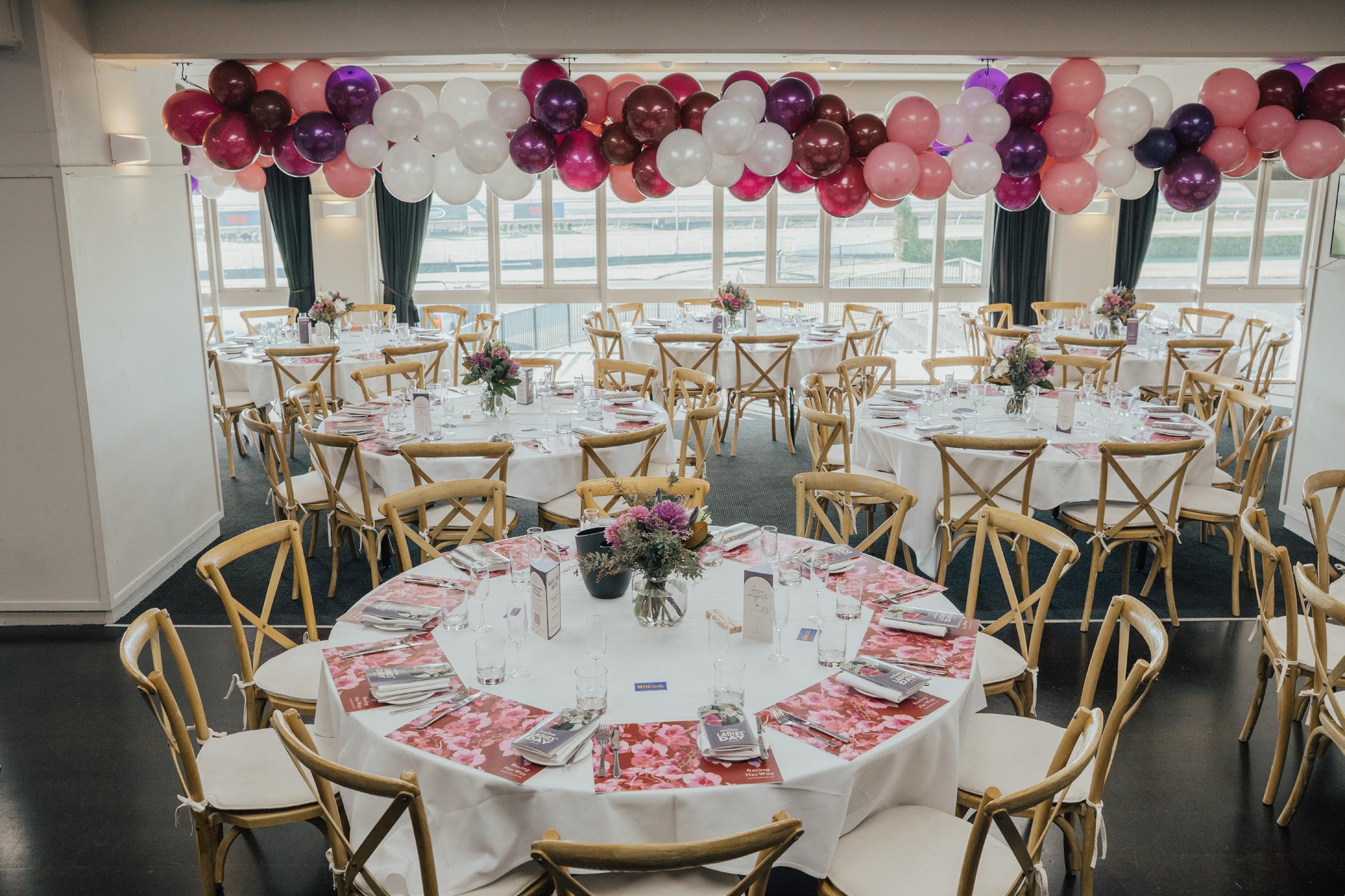


By ISABELLA ROOT
Pokeno Bacon has once again added to its ever-growing pile of accolades thanks to the 2026 NZ Bacon and Ham Awards. The business won a handful of medals and the People’s Choice Award, shining yet another light on their success.
Brothers Ben and Patrick Clotworthy are upholding the family legacy after taking over the award-winning business from their parents, Helen and John.
“We’re honouring the tradition our parents started,” Ben Clotworthy says. “We’ve seen the hard work they’ve put into the business over the years and we’re now really happy to be running the company.”
The brothers have learnt many tricks of the trade from their parents whose commitment

has been the backbone of this local business’ success. One secret to their success isn’t so secret, but it has helped the company trump competitors year after year – authentic processing methods.
“The method we use is traditional, so we don’t cut corners and we definitely don’t pump anything full of rubbish,” he explains. “We just use fresh New Zealand pork and we reckon that’s one of our secrets.”



Next year marks the business’s 50th anniversary, another milestone the brothers are proud to mark.
“We put in a lot of effort, which is shown by how much our customers support us – they think we do an amazing job.”
With another haul of medals, Pokeno Bacon’s trophy cabinet keeps filling up and its winning streak shows no sign of slowing down.




After seven years of managing Seddon64 Eatery and Bar, it is time for me to say farewell.
Selling the restaurant marks the end of a huge part of my life; it is my time to finish and let someone else take the reins and continue on. I feel I have been very fortunate to be able to do the things I love; I feel I’ve done what I needed to do.
Back in the day, and for many years, the building was Stevens and Jenkins Repair Shop, a cold, dark shed with good bones. Some serious work was done to create a space for people to meet with friends and family, eat delicious food, drink fine wines and cocktails, and share special times together.
Every business has its challenges, and certainly we have had a few years of those. I don’t think I have ever known such turbulent and complicated times in my 30 years of being involved in the hospitality industry.
That said, I feel very fortunate to have established a restaurant in such a wonderful supportive



town as Pukekohe, with its strong focus on community. I will miss the chats and the laughs shared with customers and regular diners who have supported us from the day we opened our doors in 2019.
To the fantastic, loyal people I have worked alongside for years, thank you; it’s been my pleasure. It’s definitely going to be different not seeing you every day.
I am happy to announce that the restaurant will stay as an Italian Bar and Eatery. You will be well looked after by the new owners, and our same amazing team will be staying on.
I will be staying at the restaurant until August 8. I can’t say too much about my new venture at this stage, but it will have a massive social side to it.
In the meantime, enjoy great food with the people you love and share your love of great things.
Arrivederci, ka kite anō, thank you, see you later.
Veronica Kotara-McDougall, owner, Seddon64 Eatery and Bar

By HELEN PERRY
Formerly known as Shalimar, the restaurant has a fresh and elevated cross-cultural menu, which came as a surprise when our party of four dined there recently.
Intending to try the Indian menu, we changed our minds on seeing the diverse range of starters, pasta options and European mains.
I was sorely tempted by the seafood bouillabaisse, featuring green lipped mussels, clams, calamari, fish, whole tiger prawns and crab all cooked in a saffron-infused tomato broth and served with sourdough bread. However, I finally decided to share the seafood platter for two with my husband.
At $64.99 it was exceptional value – less sumptuous servings are usually priced at a great deal more elsewhere. In fact, this platter was eye-popping. It came with two oysters, crispy calamari, cured salmon, garlic prawns, pan-fried fish, a small dish of steamed mussels in broth, a dish of marinated olives and pickles, pita bread and a coleslaw.
Initially, I thought the coleslaw an odd addition but on working our way through the
plate, I appreciated the fresh ‘veg’ acting as a palate cleanser between each flavour.
Beautifully presented, delicately cooked and almost more than I could eat, this dish alone would see me go back. But next time it may be hard to look past the perfectly cooked venison Denver leg, chosen by another in our party. It came with polenta cake, roast vegetables, greens and a plum jus, all for $38.99.

Queen BeeSeafood Platter for Two
Another member of our group opted for the slow-cooked confit of duck leg and breast, served on potato and kumara rosti with baby carrots, wilted bok choy and honey jus, all priced at $42.99.
Many other dishes caught our eye including the prime eye fillet with fondant potato, caramelised baby beetroot, wilted greens and mustard brulee, exceptional value at $38.99.
I wish I could list the whole menu, including some of the tempting Indian and fusion dishes but readers should try for themselves. Between lunch and dinner (not to mention
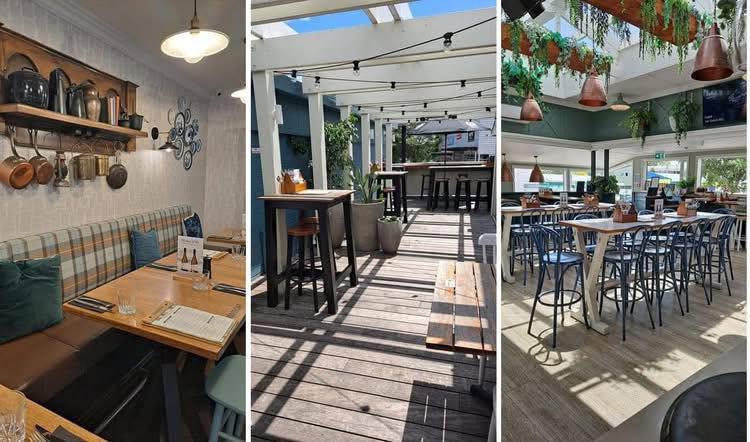
desserts) I’m picking most will find the selection and the pricing more than pleasing.
The beautifully presented meals and exceptionally fair pricing at Queen Bee will have me returning for more soon.
PS: All too soon, as it happens. More recently, I was part of a group of 10 who dined at Queen Bee – not a single one of us was disappointed with their meals. In particular, I just had to mention the bouillabaisse which was so packed with seafood we didn’t mind that it was somewhat messy to eat.




Pukekohe is about to have its first rooftop bar as part of a major upgrade to the Fire Station Eatery and Bar on Edinburgh Street.
More than 100 years old and considered a historic place, the building was home to the Pukekohe Fire Station, 1930–1980. More recently, the building has functioned as a bar and restaurant, firstly as the Fireman’s Arms and then as Ed Street.
The restaurant has recently gone through a change of ownership and re-branded to become the Fire Station Eatery and Bar, with a new menu, refurbishment and new staff.
General manager, Kate Hogan says she loves the old fire station building and is proud to future-proof this part of Pukekohe’s heritage.
“We really wanted to go back to what the building originally was, a fire station,” Hogan told the Times.

“This building is a landmark recognised by the Historic Places Trust. Anything we do, we consider if we are adding to the character of the building, if we are doing it justice and breathing new life into it,” she says.
“We love the symmetry of the building, original windows, beautiful, warm brickwork. Buildings like this should be celebrated.”
Hogan’s family settled in Pukekohe in 1853, purchasing the building from Auckland Council in 1997.
“We love the old lady (the building), which we saved from potential destruction,” Hogan says. “We’re determined to do her proud and
deliver an exceptional dining experience [with] great food, ambiance, service and value, a place for celebrations.”
The restaurant has become popular with a much bigger focus on dining since its rebrand.
“We love hearing the positive feedback from the community. We are locals ourselves, so we care about getting it right and adding to the local dining scene.”
Hogan confirmed plans for a rooftop bar to extend out from the upstairs restaurant. “We are talking an elevated view and cosy fireplace vibes,” she says. The upgrades are expected to be finished within the next six months.




DIRECTOR: Sebastien Vanicek
GENRE: Horror

STARRING: Souheila Yacoub, Tandi Wright, Hunter Doohan, Luciane Buchanan, Erroll Shand, Maude Davey.
RATING: Three and a half stars
Evil Dead Burn is the gruesome return to the Evil Dead universe. Although it serves as the weakest in the franchise, it still delivers better than some franchises’ best. Burn is still able to deliver signatures of the franchise that are still on par with its predecessors.
Whether it’s gore, laughs or basements, Burn still has you asking, “What the hell?” and although the film may look a bit drab, the movement of the camera is exquisite. The way that the camera is able to move through multiple action set pieces without scenes feeling overstuffed is great.
The drama at the centre of the film is also really compelling, albeit a tiny bit generic. After the death of her husband, Alice tries to handle the healing process amongst her in-laws in the most extreme way possible.
Although horrific, horror films are still able to capture that grounded emotional tragedy within the chaos, and that stems from the outsider cliché that characters suffer from when marrying into new families that viewers might resonate with (just not the same way Alice does).
Burn keeps the Evil Dead franchise’s hot streak and proves how good the French are at body horror.
> Jack Watson saw Evil Dead Burn at Monterey Howick.

Kelly Tarlton is widely known as the visionary behind Kelly Tarlton’s Underwater World. What’s less known is that Tarlton was also a highly successful treasure hunter of shipwrecks across the globe. Forty years after his death, a team made up of friends, family and marine enthusiasts embark upon an adventure to complete one of his final expeditions, setting off to find the location of one of the oldest European artifacts in New Zealand – the third anchor of the St Jean Baptiste. Produced by Motuihe Group for RNZ, the six-episode podcast is available on rnz.co.nz/podcasts and podcast apps.
Get ready for a wild ride through chilling true crime cases and jaw-dropping scandals from every corner of the globe – all served up by your favourite twin sisters, Rainy and Lollie. Living across the Ditch from one another (Rainy in New Zealand, Lollie in Australia), these dynamic, hilarious, and unfiltered twins reunite every week for an episode that’s packed with dark twists, sharp banter, and a whole lot of heart. The pair dive deep into the stories that captivate and terrify, balancing suspense with laughs.
In this podcast, you’ll hear real people share honest stories about mental health, addiction, trauma and recovery – straight from their own journeys. They’ll tell you what actually worked, what didn’t, and what they wish they’d known sooner. Host Kent Johns is a former broadcasterturned-health-coach who believes everyone has a story to tell if people take the time to really listen. So settle in; you’re going to hear some stories.

RRP $39.99
In 1870, three Chinese women arrived in the small, dusty and violent pueblo of Los Angeles. Each woman has her own desires. Dove wants to love and be loved, Petal desires freedom, and Moon seeks justice. Together, they face a larger society that wishes them not one ounce of goodwill. Anti-Chinese sentiment is strong in Los Angeles, and this eventually leads to the Night of Horrors, during which all three women are challenged in ways they could not have imagined. Brought together by hardship and heartbreak, they must discover their voices, find freedom and connect through solace and friendship. Together, they are daughters of the sun and moon.
RRP $39.99
This book uncovers the stories that helped build our collective history, from pioneering tales of New Zealand’s first bank and company to stories of high treason, nautical disasters, courage and survival. For over 40 years, retired journalist Tom Clarke has compiled this collection of fascinating, entertaining and extraordinary tales from New Zealand’s storied past.
RRP $39.99
In a brilliant feat of literary detective work, Master of Lies tells the extraordinary untold story of Anthony Blunt’s life as a spy. Based on extensive research into newly released files, he is revealed as not simply “the fourth man”, but the most dangerous spy of the 20th century. The official narrative is that Blunt was the least of the Cambridge spies – and yet he was the one who got away with it.




There was a time when the weekend coffee meant a trip into the city. Today, that has changed. Across Auckland’s suburbs, including Franklin, local cafés have quietly become part of everyday life again, offering more than just a caffeine fix.
Suburban café culture has grown alongside the expansion of neighbourhood shopping areas and housing developments. Places that were once purely functional retail strips are now community meeting points, where people stop not only for coffee but also for conversation, connection, and a brief pause on a busy day.
For many residents, the local café has become an extension of home. Early morning regulars know the barista by name, and familiar faces are often seen reading newspapers, catching up with friends, or working remotely on laptops. It reflects a subtle shift in how people use their neighbourhoods – less rushed, more local, and more intentional.
Franklin in particular has seen cafés become woven into weekend routines. Families meet after sports games; parents gather after school drop-off, and retirees enjoy a slow start to the day. The café is no longer just a stop along the way; it is often the destination itself.
This return of suburban café culture also highlights a broader trend: the desire for accessible, community-based spaces in an increasingly digital world. While technology connects people virtually, the local café continues to provide something screens cannot – a shared physical space and a sense of belonging.
As Auckland continues to grow and change, these small neighbourhood hubs are likely to remain an important part of daily life, quietly anchoring communities one coffee at a time.

This silky parsley soup is comforting, easy to make, and packed with flavour from Gaults Vegetable Stock Concentrate.
• 1 tbsp olive oil
• 1 tbsp butter
• 2 onions, thinly sliced
• 2 cloves garlic, minced
• 2 large potatoes, peeled and sliced, about 700 g
• 6 cups vegetable stock, made with Gaults Vegetable Stock Concentrate
• 2 large bunches of parsley, washed well
• 150 ml cream
• Salt, to taste
• White or black pepper, to taste
Optional to finish
• Semi-whipped cream
• Truffle oil
Heat the olive oil and butter in a large saucepan over medium heat. Cook the onion until soft, then add the garlic and cook for 30 seconds. Add the potatoes and vegetable stock, bring to a simmer and cook until the potatoes are tender. Stir in the parsley and cook for 2 minutes. Carefully blend until smooth, then return to the pan over low heat. Stir in the cream, season with salt and pepper, and serve in warm bowls. Top with semi-whipped cream and a drizzle of white truffle oil, if desired
SIMON SAYS: I make the stock using Gaults Vegetable Stock Concentrate, simply mixed with hot water. It adds great flavour with minimal effort, and any leftover concentrate can be stored in the fridge until the expiry date. Taste the soup before serving and adjust the seasoning if needed. A good trick is to season a small spoonful first, then compare it with the rest before adding more salt or pepper to the whole pot. This soup freezes well. For best results, freeze it without the cream, then stir the cream through after reheating. Parsley adds vitamins K and C, while potatoes provide potassium and vitamin C.





Saturday, July 18, 10am to 4.30pm, Glass Barn, 87 Settlement Road, Puni
Discover the art of plaster master mould making in this beginnerfriendly full-day workshop with Lisa Bate at the Glass Barn. Learn how to create a reusable two-part plaster mould, using fruit and vegetables as the inspiration for their designs. The moulds can be used for press moulding and slip casting clay objects or even wax for glass casting. Follow-up workshops will be held at a later date.

Wednesday, July 29, 6pm to 8pm, Elsie’s Restaurant and Bar, 3 George Street, Tuakau
Are you finding that you’re constantly throwing away uneaten food? It’s time to level up with our Food Lovers Masterclass! You’ll learn how to store food like a boss, decode those pesky best-before dates, use up leftovers, and save money. Tickets are $10, and you get a goodie bag worth $40. Book at www.wastedkate.co.nz. More info: 027 461 1564 or marietaylor742@gmail.com.






Saturday, July 18 and Sunday, July 19, 9am to 5pm, Hampton Downs Motorsport Park, North Waikato
Two days of motorsport open to all makes and models, showcasing NZ car culture with drifting, roll racing, grip sessions, skid pan, demos, and passenger track rides. Hard park displays, exhibitor zones, car clubs, and awards for top builds and performance. Family-friendly event with plenty of spectator access to the action.Tickets: $30 per day, $50 weekend pass, under 10 free. For more visit: www.downtimenz.com.

Saturday, August 1, 9am to 3pm, Franklin Baptist Church, 128 Victoria Street West, Pukekohe
Got old phones, laptops, cables, whiteware, or unwanted electronics taking up space? Bring them along to the free e-waste drop off day in Pukekohe and recycle them responsibly instead of sending them to landfill. Simply drive through and the Echo team will unload your items for you, making it easy to clear out unwanted electronics.








PLEASE NOTE: information regarding times & dates of these events was correct at the time this issue went to print. However, readers are advised to check events online for updates.

Wednesday, July
Celebrate Matariki at this free community forum, bringing together artists, musicians, educators and sportspeople to honour the people and stories represented by the Matariki star cluster. Free parking is available via the entrance at 28 East Street, with lift access to Level 3.

Friday, August 7, 9.30am to 1pm, Pukekohe Showgrounds, 58 Station Road, Pukekohe
A chance for kids (years 3-8) to get involved in NZ’s biggest mud run series in a version tailored especially for them! The Carpet Court Junior Tough Guy and Gal Challenge includes a stunning finishers medal for all competitors, the chance to experience the challenging obstacles, scenic courses, hot showers at the end and spot prizes galore. Visit www.eventpromotions.co.nz for more information.







Saturday, July 25, 9.30am to 1.30pm, Franklin Arts Centre, 12 Massey Avenue, Pukekohe
The annual Franklin Arts Centre Mid-Winter Artisan Market is approaching. Come down and experience an array of locally handmade artisan products. Grab a coffee and a bite to eat at the Caterpillar Café while you browse. More info email: franklinartscentre@ aucklandcouncil.govt.nz.

Saturday, August 8, 8pm, Stampede Bar and Grill, 238 Great South Road, Papakura
Get ready for a high-energy night of country music with the Bluebird Wine Country Band, a six-piece live group performing a mix of classic and modern country favourites. Enjoy hits from legendary artists through to contemporary stars, with plenty of music, dancing, and entertainment.





By KERRY LEE
Clevedon-based Auckland Polo Club is again appealing to the public in efforts to reclaim a lost treasure, the iconic New Zealand Polo Open trophy.
While the Times understands that police have exhausted early lines of enquiry, they are encouraging anyone with new information to step forward.
As previously reported, a club member had the trophy for safekeeping in late February. Planning to return it to the club, it was last seen in her car before she realised it was missing.
It is thought to have been taken by someone between February 19 and 22, days after the 2026 NZ Polo Open.
Despite a $3000 reward on offer, no progress has been made in recovering the prized accolade.
“We’re desperate for its

safe return,” the Open’s director, Pukekohe’s Lucy Ainsley said at the time. “It has a lot more sentimental than monetary value.”
While she has not given up hope, Ainsley says the
chances of its return now appear slim.
“As time’s gone by, it’s sunk in that the trophy [still hasn’t been] returned. It’s a 50-year-old trophy with all this historical data on it of all
Park Green is a coastal neighbourhood on the Hingaia Peninsula where nature, community, and modern living come together.
» Coastal Walks
» Early Childhood
» Primary School
» Village Centre
» New Homes
» Connected Living
A place where you can slow down, get outdoors, and feel part of a growing community. With wetlands, walkways, and coastal views, it’s designed for relaxed, everyday living and meaningful connections.
Built for people who want more from where they live, not just in their home, but in the neighbourhood around them. Whether you’re starting out, growing a family, or looking for a fresh start, Park Green has a place for you.
Find your place by the coast, and a community to belong to!
these winning teams; it’s a piece of New Zealand history that appears to have gone forever – it’s a real shame.
The club has contacted companies in New Zealand and the United Kingdom with a view to sourcing a replacement.
“It’s not easy, there’s been a lot of back and forth trying to find something similar. One quote we received from England was for £45,000 pounds, about $90,000 New Zealand, so it’s not cheap.”
Anyone with information about the trophy’s disappearance or its location should contact police by calling 105 or the club – contact details at aucklandpolo.co.nz.
“Everyone is distraught by its loss, and no questions will be asked,” Ainsley says. “We want the trophy returned so that it can carry on representing all of its past winners and continue to represent winners into the future.”
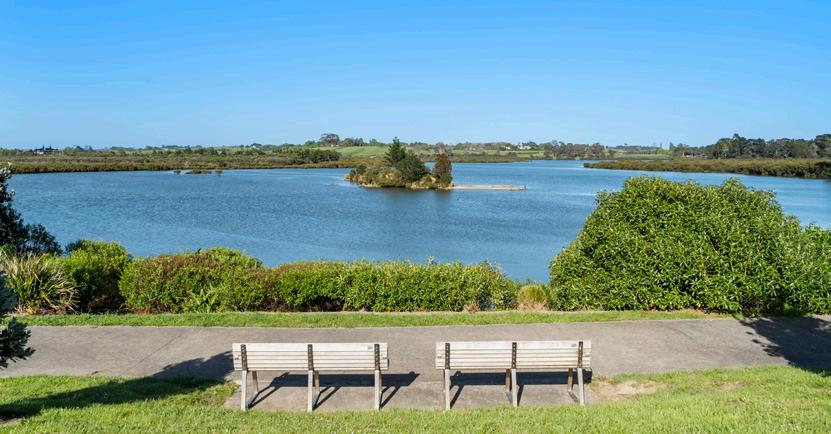

Discover coastal living on the shores of the Hingaia

Spanning 97 hectares with retained wetlands and stunning coastal views, Park Green brings together nature, convenience, and modern living on your doorstep.
Choose from quality new homes, design-and-build options, or secure a section today.
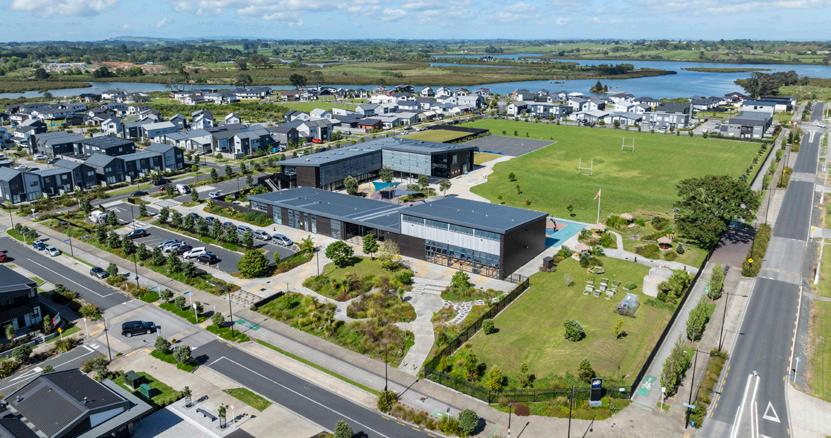

It’s been 70 years since Pukekohe Rugby Club first muddied their sprigs and 15 long seasons since the club last won the TP McNamara Memorial Cup, Division 1.
Up against this year’s minor premiers, Ardmore Marist, at the weekend, Pukekohe was equal to the challenge, winning the final of the Counties Manukau Rugby competition 24–22 at Navigation Homes Stadium.
“It’s just amazing,” Pukekohe captain Milan Kriletich told the Times
“The last time we won it, I was a boy looking up to all those players who were in the team back then, so there’s been a lot of people who have
been waiting a long time for this moment to come.
“We’ve seen so many teams that couldn’t quite get the job done over the years, so there were some serious celebrations on Saturday night and Sunday – it was long overdue party.”
Despite pressure applied by Ardmore Marist through an early try, Pukekohe then hit back to take the lead.
Their strong defence finally gave late in the game. However, the converted try that put Ardmore Marist in front wasn’t enough to see Pukekohe’s shoulders slump.
“I was quietly confident throughout the game that if we could just hold them out,

the result would take care of itself,” Kriletich says.
“We let them in there towards the end, which wasn’t great, but I was still optimistic running back to halfway – I looked over at the guys and thought ‘let’s just get down there and get some more points.’”
During the last encounter between the two teams, Ardmore Marist won by kicking a late penalty – this time, the boot was on the other foot.
“Then we were [awarded] a penalty,” Kriletich says. “Josiah [Unga] stepped up, took the shot and slotted it. He got the job done.”
Ardmore Marist lost just one of 15 matches ahead of
the final; Pukekohe had 10 wins, a draw and four losses, but all is even at the first whistle in finals football.
“They were the top ranked team and the most consistent, but the two [regular season] games we played against them were close, so we were pretty evenly matched.”
As 2026 marks 70 years since the Pukekohe club was founded, the win was even more special.
“All year, we had a lot of old boys coming back and had special weekends for them. That really fired us up all season,” Kriletich adds. “So, to make them proud of us by winning [the cup] means a hell of a lot.”

Iam a home-schooled athlete who feels excluded by the new School Sport New Zealand (SSNZ) policies.
I ran in the national road race for my year in December but, to the best of my understanding, I will be excluded from competition under SSNZ’s policy change regarding homeschooled students.
SSNZ has voted to exclude homeschooled students from participating in its sanctioned events, stating that:
‘The change to the SSNZ Constitution means that any student taking part in an SSNZ sanctioned event must be enrolled in a Ministry of Education recognised school.’
To me, this means that discrimination is in, homeschoolers are out.
In contrast to SSNZ’s discriminatory policy change, and its questionable claims that only 26 homeschoolers are affected, every single student should count.
They also claimed member principals had made a ‘democratic decision.’ However, democracy by definition is ‘rule by the people.’
Interestingly, a recent poll found that 83 per cent think homeschoolers should be able to win medals at inter-
school championships. This highlights public attitudes towards SSNZ’s decision, on the basis of which a final, democratic call should be made. If we can win, we must be allowed to compete.
If protecting homeschooled students is not SSNZ’s responsibility, neither is excluding them. Students should be treated equally.
In its press release, SSNZ also stated that:
‘Students must be regularly attending [school] and actively engaged in a full curriculum workload to represent their school in school sport. These requirements cannot be met outside of Ministry of Education rec-


ognised schooling.’
However, this ignores the fact that the Ministry of Education does recognise homeschooled students, as demonstrated by granting them exemptions, making their home their school. So, we deserve the opportunity to represent our ‘schools’.
Furthermore, home-educated students must be academically educated to at least an equally high standard as those being educated in schools, a condition of their exemption being granted.
This is in contrast to SSNZ’s arguments, which state that, because homeschoolers can apparently train more, they have an unfair advantage.
However, any advantage homeschoolers may have is also to be had by pupils of the New Zealand Performance Academy Aotearoa, a school purpose-made for excellence in sporting and academics.
Surely homeschoolers can
strive for that same excellence and still enjoy the right to participate in school sport. If it’s fair to exclude homeschoolers because of ‘unfair advantages,’ why can schools that also provide these be considered fair?
Additionally, students participating in a school curriculum that’s more difficult than NZQA cannot train as often as they devote more time to academics in order to obtain a pass on their exams. Why then is no attention being drawn to this inequality?
Homeschoolers don’t have an unfair advantage in their training compared to in-school students and even if they did, I believe there’s is no reason to exclude them. SSNZ’s definition of sporting equality is clearly a little off!
Sport isn’t always equal, in that everyone’s circumstances are different. If homeschoolers are to be excluded on the grounds of unfairness, then how many other groups should be excluded also?
Homeschoolers deserve to compete. Failure to allow us to do so is unjust and undemocratic. We deserve equal rights, we have long been campaigning to obtain them, so it’s high time that we did.
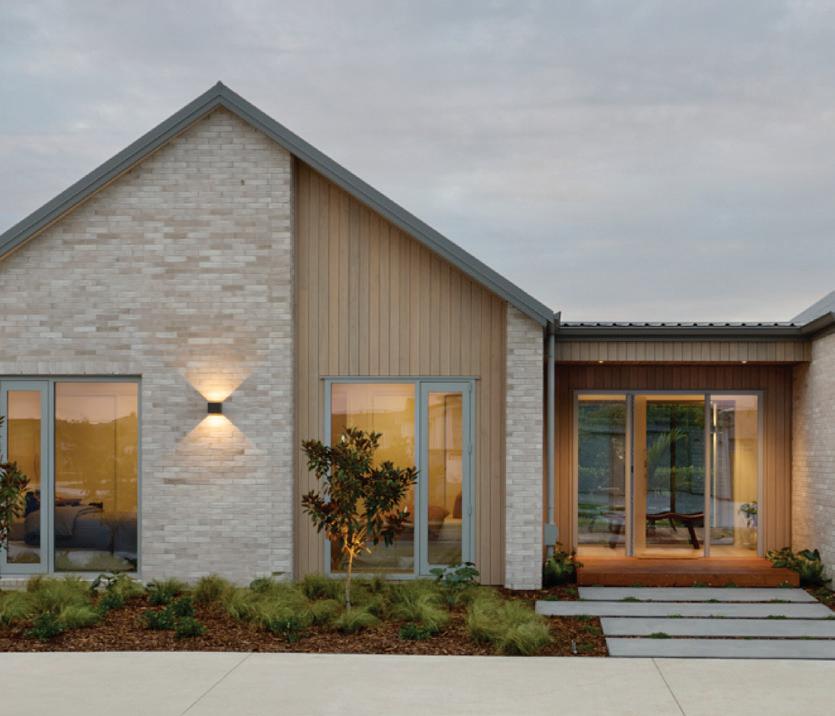









































































































































































































































































































Who likes sports shorts? For those who like their sports brief – to the point, that is, not unnecessarily revealing! – we have a few short shots to share. If you think we’re not playing fair, and other teams deserve a mention, email editor@franklintimes. co.nz and he’ll look into them… the teams that is, not their shorts.
By HEAD-KNOCKED NICK
Waiuku’s Blake Batten has come home with wet sails and a smile following the 29er World Championships.
It was a case of all hands on deck earlier this month as the combined efforts of New Zealand crews contributed to victory in sailing’s prestigious Nations Cup.
All five Kiwi crews qualified for the gold fleet (top tier of competitors) with three in the overall top 10, including Bella Jenkins and Jess Handley who won the Women’s Under-19 title. Batten and his
teammate, Hugo Smith finished 10th in their class.
During six days of racing on the waters of Kiel, Germany, the Waiuku Yacht Club sailor faced testing conditions, from light, tactical breezes to strong winds.
Performing well in their qualifying series, Batten and Smith were on par with some of the world’s best.
As featured in the Times, Batten has rapidly risen through New Zealand’s junior sailing ranks. In Kiel his progress was apparent.
New Zealand won the cup by a whisker, finishing just two points ahead of the USA.




As the F1 season enters the home straight, we’re sending out another appeal to a former kart racing ace – who’s since been driving a different type of car lately, or so we hear – Pukekohe pedaller, Liam Lawson.
Heading into the final two rounds of Formula 1 – Belgium (July 17–19) and Hungary (July 24–26) – Lawson is off the pace, 10th with his Racing Bulls team in sixth,
A six-game cold streak is not to be sniffed at, but the Franklin Bulls could still turn their Sal’s NBL season on its horns. Victories in their final three regular season games could still see them claim a playoff spot.
The local lads could use all the support we can muster as they take on the Airs at the Stockyard on Sunday for what could be their last home game of 2026.



• Use only the numbers 1-7, with each number appearing exactly seven times.
• Fill each outlined rectangle with a palindrome (the same number forwards and backwards i.e. 52425 or 1441).
• The numbers in each rectangle must add up to the total shown on the edge of the grid.
• No palindrome may be used more than once.
• Each main diagonal must contain all seven numbers (1-7) once. The centre square is shared by both diagonals and must be the same number.
• Solution on page 69
The puzzles (a webapp) are available online by scanning the QR code and the books are available at Poppies in Howick. PUZUP is suitable for all ages, comes in three sizes, and three difficulty levels. Scan me



ACROSS
6. Wait now, mom! (4,1,6).
7. Split when you run (4).
8. Sadly, by comparison with other months are short (8).
9. Stopped Sue moving into the flat (6).
10. Way back, stands right inside (6).
12. A big noise in the news (6).
15. Parents do their best to provide food (6).
17. Enamoured by, kept ringing (6,2).
19. Ladder I find amid the wreckage (4).
20. Regardless of whether it’s fair, in any event (4,2,5).
1. Not in Italian! (8).
2. The frightened-looking friend takes cover (6).
3. Makes - or breaks (6).
4. Name of some fallen angel (4).
5. Set out to get the airmen in to attack (6).
6. Capturing the young bird, a carnivore (5).
11. Hold back the remainder of the water (8).
13. The whole net will be repaired by one again (6).
14. Become popular when you hire (4,2).
15. Take disciplinary action about a French shipwreck (6).
16. What the foreigner meant by “make up”? (5).
18. One can usually head back (4).
6. Mediocre (6-5) 7. Plank (4) 8. Interrogate (8) 9. Boil (6) 10. Property (6) 12. Burn (6) 15. Whiten (6) 17. Flower (8)
19. Remain (4) 20. Comradeship (11)
1. Sword (8) 2. Solitary (6)
3. Assent (6)
4. Final (4)
5. Usher (6)
6. Leather (5)
11. Cherish (8)
13. Luck (6)
18. Woman (4) 9 4 1 3 75 8 5 1 42 3 8 4 2 59 21 3 89 1 754 8 6
Puzzle answers on page 69

14. Famished (6)
15. Drink (6)
16. Desire (5)









Registered Master Drainlayer Residential Commercial

Subdivision drainage valleydrainlaying@xtra.co.nz www.valleydrainlaying.co.nz

Ph 09 238 3485 Mob 0272 750 028













































































/ 0508 477 223

www.outofspace.co.nz
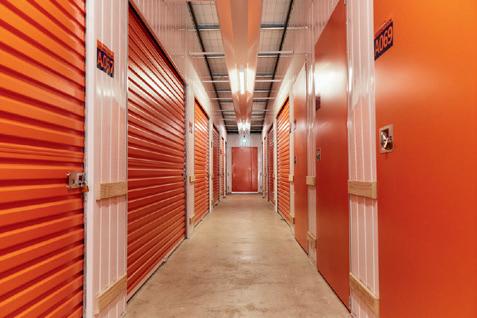

• Property&TitleInvestigation

• FarmPlans & Drone Surveys
Ph (09)238 6369


8am-11am Sat July 18
Furniture, household goods, books, toys, Op Shop. Pukekohe Anglican Church, cnr Queen St & Wesley St Cash only, no Eftpos
The Tractor Centre Limited has done $21,740 57 worth of work improving the following goods; Massey Ferguson 8160 and has been unpaid for longer than 2 months The goods are going up for auction through Ritchie Bros on 23 July 2026 at 8:00 am. The auction will be held at 25b Tegal Road, Drur y, Auckland NZ, 2578

Are you retired or semiretired? We welcome you to come along for some ‘fun’ and ‘friendship’ initially as a guest to see what we are about or join on your first visit. We meet on the fourth Monday of each month at the Pukekohe Cosmopolitan Club at 10.00am to listen to a guest speaker, learn of planned outings, etc and chat over morning tea. Enquiries: Joy Walker 027 919 7711 or email franklincombinedprobusclub @gmail.com
U3a clubs keep ‘third agers’ learning, laughing and living
In Pukekohe, u3a Franklin caters for people who are no longer working full time and would like to continue learning and living a life of interest. If this is you, then join us in your next stage of life. We are a group of people from all sectors of society, who meet to share our life skills and knowledge with other members through our wide range of interest groups: Art Appreciation, Aspects of NZ, Book Club, Classical Guitar, Current Affairs, Environmental Studies, Gallivanting, History, Literature Application, Mah Jong, Music Appreciation, Photography, Tech Talk, Transport, Traveler’s Tales, Trivial Pursuit and World Geography. These groups range in size from 8 to 20 members; on the third Tuesday of every month, we get together at the Cosmopolitan Club, 9.45am
to 11.45am, to socialise and listen to a guest speaker. We invite you to one of our monthly meetings to see if this might interest you.
Enquiries: Murray Trenberth02108686569 or visit u3a.nz
My family and I are looking to speak to someone who has reared a house cow on organic principles in the Franklin area or nearby. Please contact Martin Jelley on 022 492 9834 or martinjelleynz@gmail.com.
Our society provides a resource and a meeting point for all those with an interest in our local history. Contact us by email at franklinhistsociety@ gmail.com. We meet monthly, usually on the fourth Saturday afternoon and usually at the Vintage Machinery Club Rooms at the Pukekohe Showgrounds, check out our Facebook page for more info. We are also stewards of the Pioneer Cottage at Roulston War Memorial Park, which is open from 11.30am to 3pm most Sundays for a gold coin donation.
Karaka Women’s Institute has been the fastest-growing Women’s Institute group in New Zealand for the past two years. We hold our dinner meetings at Urban Soul at 7pm on the third Wednesday of each month. Check out our website karakawi.org.nz, search us on Facebook, or email karakawomeninstitute@ gmail.com for more info.
Send your free community events to info@times.co.nz. Due to limited space, we can’t guarantee every listing will run. This section is reserved for not-for-profit community groups.
COUNCILLORS:
• Andy Baker 021 283 2222
- Franklin Ward Councillor
• Daniel Newman 021 518 796
- Manurewa-Papakura Ward Councillor
• Matt Winiata 027 261 6354
- Manurewa-Papakura Ward Councillor
FRANKLIN LOCAL BOARD:
• Alan Cole 021 923 719
– Chairperson
• Amanda Hopkins 027 216 2452
– Deputy Chairperson
• Clare Alder 027 301 2785
– Board Member
• Gary Holmes 027 256 2849
– Board Member
• Andrew Kay 027 216 1819
– Board Member
• Alix Bonnington 027 216 4698
– Board Member
• Hunter Hawker 027 238 1942
– Board Member
• Lesieli Oliver 027 237 8646
– Board Member
• Merritt Watson 027 243 7277
– Board Member
MPs: Andrew Bayly Port Waikato MP Andrew.Bayly@parliament.govt.nz
• Terry Stanbridge 027 320 0013
• Stuart Britnell 027 475 6251
• Jean (Jofejean) Kiely JP 021 180 6743
• Anthony Searle 027 474 7593
• Roger Goulstone 021 180 1472
• Kamaldeep Singh 022 045 0077
• Jane (Hilary) Hancock 021 963 603
• Paul Brown 09 238 6827
• Heather Maloney MNZM 027 723 5328
• Trinity Jourdain 021 269 6138
• Joanna Blomfield 09 238 8188
• Jim (James) Carpenter 022 074 7017
• Dianne Glenn ONZM 027 428 4779
• Dr Siham El-Kafafi 021 323 662
• Sheryl Hazelwood 027 411 0584
• Alex Robinson 09 238 7653
• Kevin Birch 09 237 0780
• Helen Pulman 027 632 0924
• Peter Amies 027 298 6437
• Marie Appleton MNZM 09 238 5545
BUSINESS ASSOCIATIONS
• Pukekohe Business Association 09 910 0137
• Waiuku Business & Development Association 09 235 6231
• Clevedon Community & Business Association 09 292 8046
• Manurewa Business Association 09 2695252
• Papakura Business Association 022 099 7331
CHARITY SHOPS
PUKEKOHE:
• Franklin Hospice Shop, 29 King St, Pukekohe 09 238 5082
• Habitat for Humanity ReStore, 159A Manukau Rd, Pukekohe 09 222 5060
• SPCA Op Shop, 5 Seddon Lane, Pukekohe 09 239 3201
• Pukekohe Anglican Op Shop, cnr Queen St & Wesley St 09 238 7228
• Salvation Army Family Store, 7 King St, Pukekohe 09 238 6800
• St John Op Shop, 4b Harris St, Pukekohe 09 238 7000
WAIUKU:
• St Andrew’s Op Shop, 79 Queen St, Waiuku 09 235 7914
• St John Waiuku Store, 4 Court St, Waiuku 09 235 8954
TUAKAU:
• Mai Light House Op Shop, 5 George St, Tuakau 09 2386233
• Tuakau Union Parish Op Shop, 5 Madill St, Tuakau 09 237 8098
PAPAKURA:
• SPCA Op Shop, 178 Greet South Rd, Papakura 09 299 6671
• Salvation Army Family Store, 69 O’Shannessey St, Papakura 09 298 9485
• St John Op Shop, 138 Great South Road, Papakura 09 296 2333
• St Vincent de Paul, 275 Great South Road, Papakura 09 296 5052
• Papakura Anglican Op Shop, 40 Coles Cres, Papakura 09 299 8086
EMERGENCY SERVICES
• Ambulance 111
• Fire 111
• Police 111 Non emergency: 105
• Franklin Local Board 09 237 1317
• Civil Defense 0800 22 22 00
TRANSPORT:
• Auckland Transport 0800 10 30 80
• AT – HOP 09 366 4467
• Go Bus Transport 09 257 7688
• Train Services 09 366 6400
COUNCIL COMPLAINTS:
• Animal Control 09 301 0101
• Noise Control 09 301 0101
• Water Care 09 442 2222
• Illegal Dumping 0800 663 867
• Parks/Beaches 09 301 0101
• Pollution/Environmental

COMMUNITY FACILITIES
• Franklin Pool and Leisure Centre
• Jubilee Swimming Pool and Aquatic Centre 09 238 5240
• Massey Park Pools 09 298 8526
LIBRARIES & SUPPORT
• Pukekohe Library 09 377 0209
• Tuakau Library 09 236 9823
• Waiuku Library 09 377 0209
• Citizens Advice 09 238 6233
• Clarks Beach Library 021 0220 6929
• Sir Edmund Hillary Library (Papakura) 09 377 0209
• Takanini Library and Community Hub 09 377 0209
SPORTS CLUBS
• Pukekohe AFC (Football Club) 027 293 5775
• Franklin Gymsports 09 238 8290
• Pukekohe Netball Centre –pukekohenetball@xtra.co.nz
• Tuakau Netball Club 09 238 9321
• Tuakau Rugby Football & Sports Club 09 236 8296
• Counties Manukau Rugby Football Union 09 237 0033
• Counties Manukau Hockey Association 09 238 4333
• Pukekohe East Indoor Bowling Club 021 1179632
• Pukekohe Tennis Club 021 523 497 For local news, events and offers straight to your inbox franklintimes.co.nz/ subscribe