







Beachlands by Fletcher Living is a brand new neighbourhood offering a truly relaxed coastal community lifestyle.
With 2-5 bedroom homes available and starting at $899,000, there are properties to suit every life stage whether you’re looking to upgrade, downsize or secure your first home.
• Just 35 minutes from Auckland CBD by ferry
• Close to local beaches and coastal walkways
• Well connected to supermarkets, shops and schooling
fletcherliving.co.nz/beachlands
By PJ TAYLOR
Alongtime favourite fast-food restaurant in east Auckland destroyed by an arsonist-instigated fire last year is on track to reopen in just over a week.
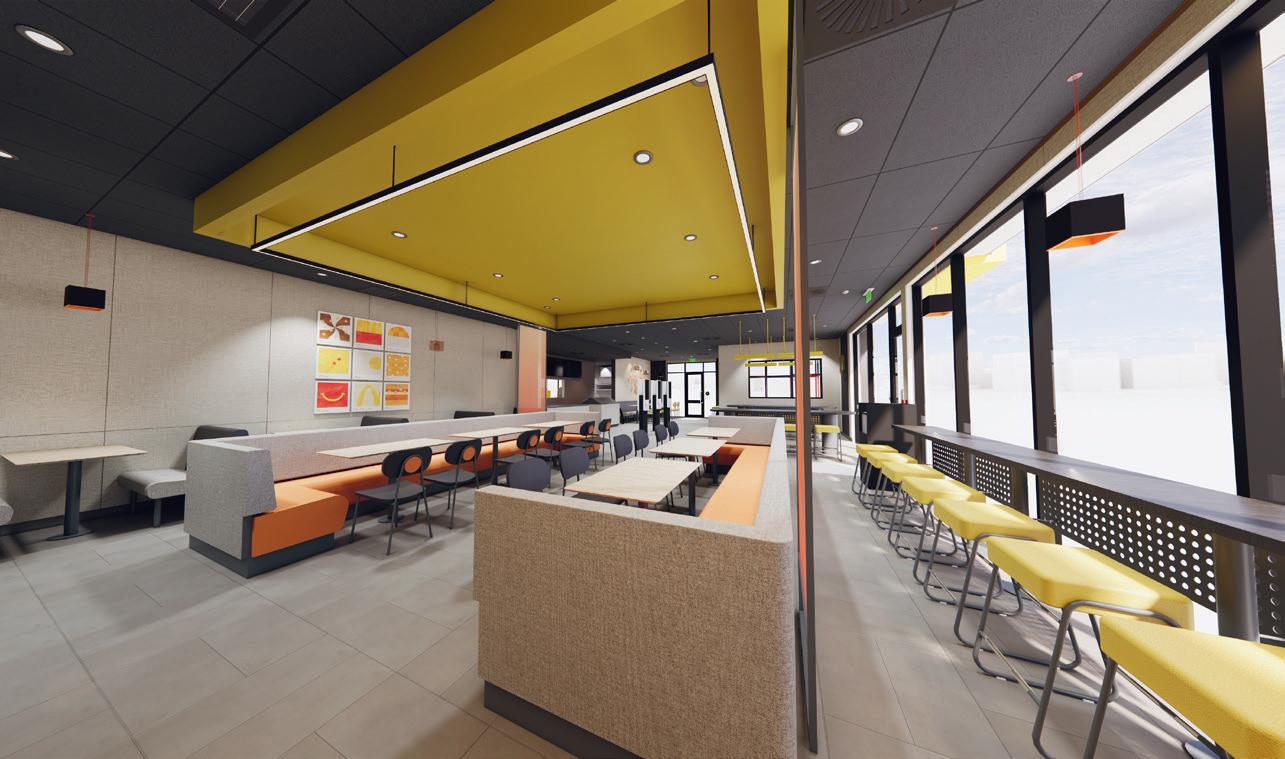
Doors at the new McDonald’s Pakuranga are due to swing open during King’s Birthday Weekend, May 30-June 1, if the final fit-out and site construction is completed and Auckland Council compliance regulations are approved for the brand-new building.
The Times met with owner Amon Jones on-site this week and found him inside in the middle of a busy work scene.
“Welcome to my office,” he said, smiling and standing next to a new counter looking at his laptop as workers hurriedly went about their tasks and tools sounded as installations were made.
He’s pleased with how the rebuild has progressed and the project’s kept to the anticipated date of the end of May for reopening set by constructors Livingstone Building in early March.
“We’re on target and hope to have our grand opening on May 30,” says Jones, who adds that electricity was due to be switched on at the premises on Wednesday.
Jones has owned McDonald’s Pakuranga for 21 years and the dramatic blaze that burned the original building to the ground was devastating for him, his family, the

tens of staff, and customers.
He’s grateful to be at this stage of the rebuild and says the constructors have “been fantastic”.
“It’s been pretty smooth and Livingstone has done a superb job,” says Jones, who’s overseen “refresher” upgrade projects of restaurants before but not a full rebuild.
Livingstone Building undertake a lot of developments for McDonald’s franchises across the country.
Not everything has been smooth sailing, however, and one additional job Jones has had to address is replacing ropes and flags for the external poles as thieves stole the originals after the fire on May 5, 2025.
On a quick tour of the construction site, Jones pointed out to the Times the new drive-through layout that’ll see vehicles enter a queue in
single file, to then split into two lanes to place takeout orders.
The final touches to landscaping and water-blasting of the external walls and windows were also being done.
In March, Jones told the Times he anticipates there will be up to 70 full-time and part-time staff employed at the new McDonald’s Pakuranga.
After last year’s fire, many of the employees were found jobs at other east Auckland McDonald’s restaurants, such as at Botany, and his other outlet at Glen Innes.
He said quite a few staff who previously worked at 472 Pakuranga Road opposite Lloyd Elsmore Park and near the intersection with Fortunes Road and next to the Z fuel station are keen to return once the doors open in about eight to 10 days’ time.
Meanwhile, Counties Manukau Police have not publicly commented further since June last year after announcing they had arrested and charged a 12-year-old with arson following the blaze that destroyed McDonald’s Pakuranga.
At the time, detective senior sergeant Dean Batey of Counties Manukau East Police’s criminal investigation branch, said: “This young person has appeared in the Manukau Youth Court and is currently on court bail conditions.
“Police appreciate the fire has been of high interest to the local community.
“We’re not able to comment further around the circumstances of the alleged offending, however police cannot rule out any further arrests in relation to the matter,” said Batey.















Editor Chris Harrowell
027 404 1512 chrish@times.co.nz
PJ (Phil) Taylor 021 644 923 phil@times.co.nz
ADVERTISING Display 09 271 8000 sales@times.co.nz
Howick ward councillor Maurice Williamson’s recent column (‘Let’s get real about climate change’, Times, April 29), repeats several long-debunked claims about the science and economics of climate change, but the bigger issue is what it leaves out.

New Zealand has already hit major economic tipping points that make practical climate action the cheaper, smarter path for Aucklanders.
Solar is now among the lowest-cost options for new electricity generation in New Zealand.
EVs already have a lower total cost of ownership than petrol cars thanks to minimal running and maintenance costs, and steady growth in used EVs is helping more families

save every week. Rooftop solar also stacks up, cutting rising household power bills.
Meanwhile, Aucklanders are being hammered by the fuel crisis – a direct result of sending billions more overseas for imported fossil fuels.
Public transport investments are paying off even more, giving families real options when petrol prices spike.
By focusing on the economic upside and practical problem-solving, more east Auckland households can benefit from clean transport, efficient homes, and renewable energy from day one.
Let’s work together today to make more solutions possible that strengthen our economy, wallets and environment.
Nic Hedge, Mellons Bay
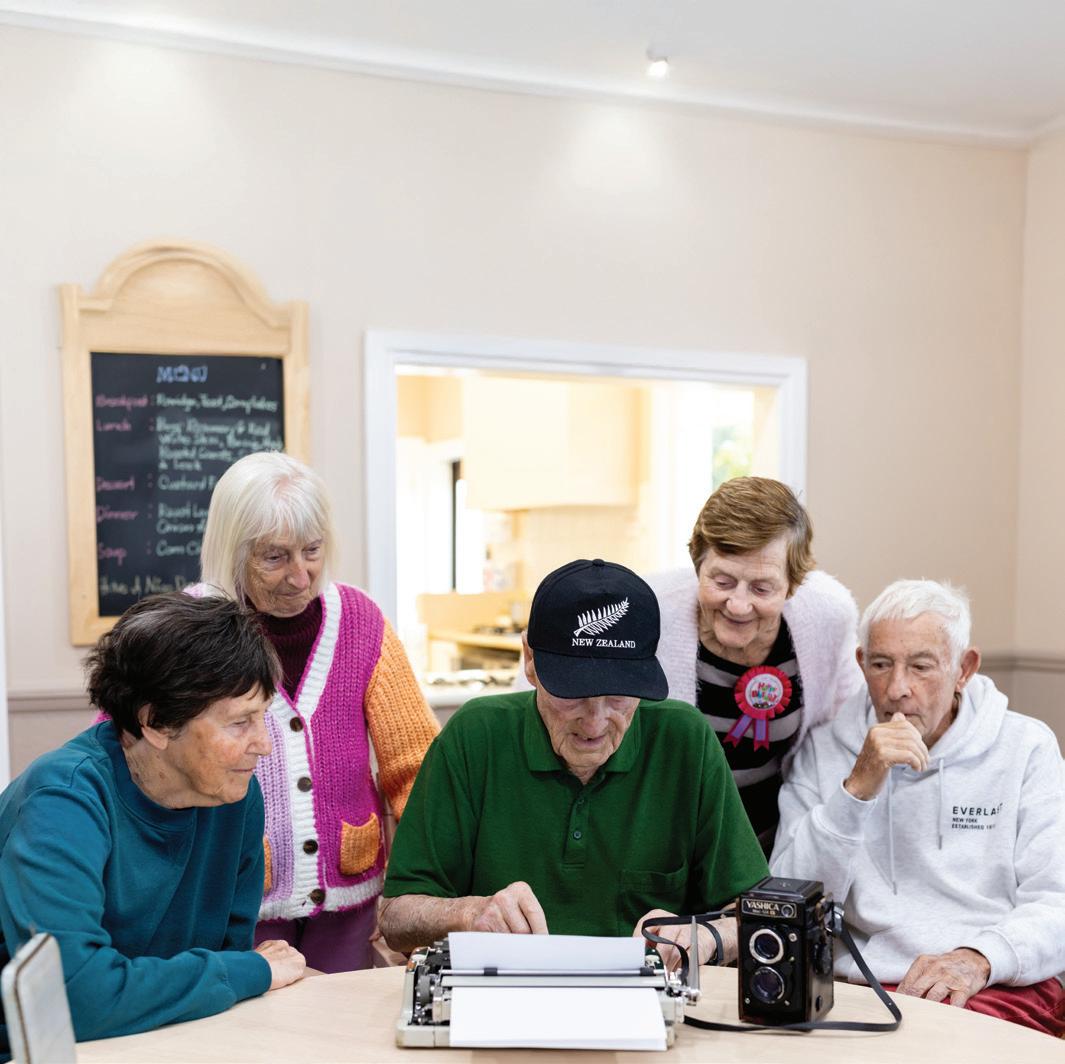





Illegal dumping of rubbish and its impact on local environments has become an increasingly relevant issue for community members.
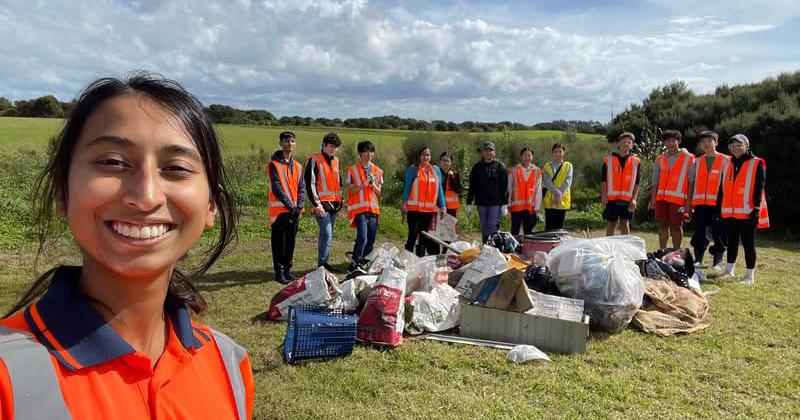
On March 15, I interviewed Yashvi Patel, Flat Bush community coordinator for the Otara Waterways and Lake Trust.
Asking her about her role, Yashvi explained: “The trust’s main goal is to increase community engagement to help look after local waterways.
“Flat Bush has an ongoing issue with illegal dumping. As a community coordinator, I organise community events such as clean-ups.
“Another reason this work is important is the involvement of student volunteers. They can gain valuable experience working with the Otara Waterways and Lake Trust, which can help them secure jobs in their desired fields.”
Many volunteers have gone on to receive scholarships, one of the reasons Yashvi values her role as a community coordinator.
She also notes students help raise awareness by sharing information with their families and friends, helping it spread throughout the community and encouraging greater involvement in caring for local waterways.
Yashvi also highlights the importance of increasing community involvement and pride in local reserves and waterways.
She shared an Auckland

Council brochure which stated illegal dumping is the responsibility of individuals.
Members of the public can get rid of items that are unsuitable for rubbish or recycling pickup by booking inorganic collections.
A transfer station will accept items such as garden, household, and hazardous waste, as well as scrap metal. Further information about the services can be found online at aucklandcouncil. govt.nz.
Additionally, if people see dumped rubbish on public property, it can be reported by calling 0800 NO DUMP (0800 66 3867).
Offenders caught illegally dumping rubbish are ordered to remove the rubbish and may be issued with a fine of up to $30,000.
The Otara Waterways and Lake Trust stated on April 18 it collected 30 bags of rubbish.
“From bags of shoes and clothes (suspected landlord disposals) to bags of dirt and other household waste, the sheer volume of hidden dumping in our reserves was a shock to everyone passing by.
“One psychological factor may be The Broken


Windows Theory (Wilson & Kelling, 1982).
“It suggests that visible neglect, like litter, encourages more of this behaviour. By keeping Flat Bush clean and beautiful, we aren’t just protecting nature – we are actively discouraging illegal dumping and criminal behaviour in our neighbourhood.
“Take action – join your local kaimahi (worker/guardian) group.”
Howick Local Board member Krish Naidu also took part in the clean-up on April 18.
“Let’s take pride in our neighbourhood and do our part to keep it clean,” he said.
“If you see illegal dumping, please report it and, where appropriate, call it out so it doesn’t continue.
“Please also get involved in upcoming clean-up efforts in Flat Bush. Every bit of help makes a difference.”
I interviewed Kai Zeng, a Howick Local Board member, who acts as a community
advocate focusing on community facilities and needs, on May 9, about the issue of illegal dumping in Flat Bush.
I asked Kai what the community could do if they saw a case of illegal dumping.
“There is an app called Snap Send Solve, which people can use. Some people use the method of calling people out, though it can be dangerous,” he said.
“I know community members that just regularly go out and pick up rubbish. There are many non-profit organisations that do this.
“The public can use the council website AI system ‘Ask Auckland Council’. The council can have a look at it and send someone to pick it up. So, report when possible.”
I trialled using this system for some illegal dumping in my neighbourhood by sharing a photo and location and found the system very accessible and user friendly.
• Josh Arnold is in year 10 at Elim Christian College



By PJ TAYLOR
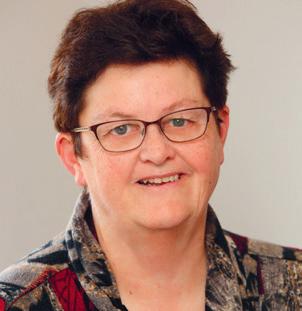
Awell-known health and message therapist has spoken to the Times for the first time since being discharged from hospital after suffering heart attacks following a half marathon run.
Jerome De Silva, of DeSilva Massage and Health based in east Auckland, says his health and strength is improving and he’s feeling better after sustaining seven heart attacks shortly after finishing Auckland’s Waterfront Half Marathon on April 18.
“After three weeks in hospital and one week at home, I’m starting to make good progress in all areas – heart, lungs, head and shoulder,” De Silva told the Times this week. “The support from friends and the community has blown me away and humbling to see.”
An online Givealittle page was set up by supporters of

the popular advanced massage specialist following his medical incident.
On May 19, it had collected $13,584 in donations.
“The next stage is to gradually return to work in my self-employed business DeSilva Massage and Health,” he says.
“From next week, I’ll be easing back into it.
“The funds from the
Givealittle page have relieved a lot of financial stress while I’ve been in recovery.
“It also allows me to start off slower on my return to work as my heart heals and gets stronger.”
De Silva says it has been a very worrying time for him and his family.
“It’s been a stressful journey from my initial cardiac attack to where I am now.
“I am sincerely grateful to all, from the ambulance and hospital staff who were top notch, to friends and the wider community for well wishes, meals and donations.
“And of course to my beautiful wife Michella, who has been a legend and a trouper through this difficult period of our lives.”
Following the heart attacks at the completion of the half marathon, De Silva said his heart was only functioning at around 50 per cent, leaving him exhausted and struggling to breathe as fluid
built up in his lungs.
Stents were inserted in both sides of his heart – one on the left and two on the right.
The Givealittle page organisers continue to say: “We have a chance to stand beside Jerome.
“Any donation, big or small, will help ease the burden on Jerome and his family while he focuses on healing.”
The Givealittle page says “many of us” in the east Auckland community know Jerome.
“He’s spent years helping others through pain, injury, and life’s harder moments –always with kindness, care, and a genuine desire to help people feel better.
“He’s now facing one of the hardest battles of his life.”
• To donate to the fund assisting Jerome De Silva and his family, see: www.givealittle. co.nz/cause/a-communityhealed-by-jerome-now-heneeds-us
Every morning, Mike could see the hills from his kitchen window. The communication towers on top, 750 metres up. He’d bought this twenty-acre block specifically so he could ride his mountain bike up there.
But his knees had other ideas.
Eighteen and a half years of farming sheep had taken their toll. By the time he retired, those hills had started to feel less like a promise and more like a taunt.
He’d tried ice gel after rides. Synthetic creams too. Nothing made a real difference. Some of them weren’t even recommended for long-term use.
Then one evening, an ad popped up. A cream called Koru FX. Made in New Zealand with all natural ingredients.
He ordered a bottle, not expecting much. He’d been

disappointed before.
Within a few weeks, Mike was back on his bike and heading for those hills.
“It’s given me more confidence to do things I want to do,” the 58-year-old says. “That’s everything to me.”
He’s up there once a week now. Fifty, sixty times and counting.
These days, Mike still looks out that kitchen window every morning. But now he’s checking the weather, not wondering what if.
The hills aren’t getting any smaller. Neither is his list of reasons to climb them.

By CHRIS HARROWELL
New Zealand’s potential future television and radio broadcasters and producers are honing their craft at an innovative east Auckland primary school.
A small team of teachers and year 5 and 6 pupils are involved with the production of Baverstock Oaks School’s ‘Baverstock Network News’. It’s broadcast live onto screens in the school’s classrooms three mornings per week and can feature items such as messages from the principal as well as news about celebrations and events.
The pupils involved are called ‘BNN Monitors’. They can take on roles including scriptwriter, producer, content presenter, director, and content maker. They need to arrive in their studio at the school by 8.30am to get ready for each broadcast, which goes live at 9am.
The Times visited on a recent Wednesday morning to see how it works, overseen on that day by teacher Jane Drury.
“Their producer sits on one side [of the desks] and then what’s going live to the classrooms and the script is on the screen for the presenters to read out,” she explains. “The students rotate and


they’re new. We lost quite a lot of year 6s so I’m training the year 5 and 6 students now. We’ve got about 10 students who rotate around.
“If we’re looking at something across the school that we’re trying to promote, or lift in some way, the principal might bring on a student who’s been displaying the Baverstock values and have a little chat with them.”
The first pupil into the studio was Japjot, an experienced BNN Monitor and scriptwriter. The two content presenters were the softly spoken duo of Ruixi and Isabella. Once their script was ready they did several runthroughs. During one practise
run, one of the girls intended to say “daily notices”, but it accidentally came out as “lady notices”, resulting in a fit of giggles in the studio.
Several more rehearsals followed. Japjot gave the presenters a final word of encouragement and Drury reminded them to speak with “nice big voices and big smiles” before they went live. Their broadcast was flawless. They told their listeners: “Don’t just have a great day, have a boss day!”, followed by a karakia.
They reminded their audience to start the day with positive thoughts and handed over to the school’s library and resource manager, Helen
de Leeuw, who read out a picture book, emphasising its message of looking after others.
The Times asked the two content presenters if the experience made them want to one day be television newsreaders, to which they both replied, “maybe?”, while Japjot is clear on what he enjoys the most about being a BNN Monitor.
“The most fun part is writing the script,” he says. “Just using your choice of words. And I love talking and my voice is very loud.”
Drury says the main things the BNN Monitors get from their participation is practising speaking for an audience and learning active listening.
“Each broadcast is five to 15 minutes. We try to keep it quite snappy. The children will prepare things and we can pre-record, and then do the show. The song of the week is practised and then sung in the assembly. We have a karakia and the whole school will stand.
“And from this side [the non-presenters] getting used to technology and doing things for a deadline as well, because they have to be in the studio by 8.30am. They have time to prepare what’s coming up and then communicating with each other as well.”
By CHRIS HARROWELL
An east Auckland actor has a starring role in an upcoming theatre production based on a short story written by one of India’s most acclaimed authors.
The Indian Ink theatre company is bringing its new show Balloon Dog to Auckland’s Q Theatre from June 3-20 as part of its national premiere tour. It’ll be followed by a season in Australia, as well as a recently announced season at the Sydney Opera House in June.
The play is written by Jacob Rajan and Justin Lewis and directed by Justin Lewis. Among the show’s cast is Howick actor Jehangir Homavazir. Of Indian-Iranian descent and a graduate of Toi Whakaari in 2020, he’s been part of an array of different works such as The
Mourning After, written and directed by Ahi Karunaharanan, The First Prime Time Asian Sitcom, with Silo theatre company, and recently was seen in The Pop-Up Globe’s edition of A Midsummer Night’s Dream
Homavazir has also been part of several screen projects, most notably as a featured extra in Netflix’s Choose Love and in Someday Shorts’ Ballsy. He’s a proud Parsi and Zoroastrian and is always working to show off the identities and stories that make up this unique world.
Homavazir says he wanted to be involved with the production because the chance to perform with Indian Ink was one he couldn’t pass up, and he likes the story behind it.
“They have such a strong reputation for storytelling, and being part of that process
was a real draw for me. It’s a deeply human story. While it touches on harsh realities that many people still face today, it does so with warmth and empathy. It really highlights connection across cultures and generations.”
He hopes audiences leave with more openness. “Maybe questioning their assumptions and seeing the humanity in people they might not immediately understand.”
The people behind Balloon Dog say it brings together humour, heart, original music and theatrical magic. It’s an adaptation of the story Kabuliwala by Indian writer Rabindranath Tagore.
The production sees Indian Ink swap 1800s Calcutta for 21st century Auckland in a “beautifully tender tale that reveals we’re more alike than we think”.
The production “blends

serious laughter with music and dance that lifts the room”. “It offers an intimate insight into the lives of migrant workers in New Zealand and the quiet ache that comes with parenthood. Revealing exploitation and resilience, Balloon Dog celebrates courage, grace, and our shared humanity.”
The production is the creation of Indian Ink’s award-winning duo, Rajan and Lewis, and marks the 12th theatre work they’ve made since co-founding the company almost 30 years ago. With Lewis directing and Rajan on stage, Balloon Dog brings together humour, heart, live original music and pure theatrical magic.


The Franklin Times is on the lookout for a talented community-driven journalist to join our team.
We’re looking for someone who:
• Lives in the Franklin Region
• Has excellent time management and communication skills
• Is outgoing, passionate about local storytelling, and loves the Franklin community
• Is tech and digital savvy (experience with online tools is a bonus
– full training provided)
• Thrives in a fun, innovative newsroom environment
• Can work with fast paced deadlines & kpis
This full-time role is based in Pukekohe (King Street) and includes perks such as opportunities for professional development, access to local and regional events, and working with a leading community newspaper that’s at the heart of Franklin.
Sound like you? Email your CV and a short cover note to bo@times.co.nz


Pink Ribbon Breakfast month is here and the Breast Cancer Foundation NZ urgently needs more east Auckland residents to get involved to ensure women affected by breast cancer can get the support they need.
A ssis tin g I n You r Su cc es s PROPERTY. COMMERCIAL. ESTATES. WILLS. MATRIMONIAL.
Experienced
















Throughout the month of May, and even into June, Pink Ribbon Breakfasts are held nationwide to raise funds for breast cancer education, research, and patient support services.
The programmes play a crucial role in improving outcomes for Kiwis affected by breast cancer, from early detection initiatives to practical and emotional support for patients and their families. In these challenging economic times, community-driven fundraising efforts like Pink Ribbon Breakfast are more important than ever.
Breast Cancer Foundation NZ receives no Government funding and relies entirely on the generosity of kind-hearted individuals and communities to sustain its work. Without continued support, essential programmes thousands of Kiwis depend on annually could be
at risk.
“Breast cancer doesn’t stop during tough times and as a community, neither can we,” says the Foundation’s chief executive, Ah-Leen Rayner.
“Each year, around 1,100 women across the greater Auckland regions are diagnosed with breast cancer, and Pink Ribbon Breakfasts help fund vital support, research and education.
“Without enough hosts, we risk losing millions of dollars to invest in programmes that save lives. There’s still time to get involved, rally your community and be part of something that truly matters.
“Whether it’s a morning tea at work, brunch with friends, or a large community event, every gathering helps ensure we can continue supporting Kiwis affected by breast cancer.”
For more information and to register to host a Pink Ribbon Breakfast, go online to pinkribbonbreakfast.co.nz. Once registered, people will be sent a free host kit with ideas and resources to get them started. Registrations close on May 31.
By KAITLYN NORTON
Youth mental health in New Zealand is a major issue and experts have clear opinions on what the Government can do to better equip organisations working in the sector to help young people in need.
Liz Hosking-Clement, clinical Improvement lead for Youthline, says it’s a question the organisation recently asked at the inaugural Youthline Youth Mental Health Summit.
“At Youthline, we see young people dealing with anxiety, depression, distress, loneliness, self-harm, suicidality, identity-related struggles, family conflict, school and university pressure, social disconnection, and the impact of the digital world, often all at once rather than as separate issues.
“Those experiences are also shaped by things like cost-of-living pressure, housing insecurity, racism, colonisation, disability-related barriers, and unequal access to support. Young people need services that are easy to access early, before things
escalate, and organisations need funding that allows them to build and retain a skilled workforce, respond across multiple channels, and provide support that’s culturally relevant and fits how young people want to receive support.
“We need to invest in prevention, early intervention, community-based support, and youth development services alongside specialist care.”
Howick Youth Council spokesperson Behrad Etemadipour says the group believes a stronger, centralised approach to mental health would be positive.
“I think the Government is not doing enough and the things they do seem scattered and un-cohesive. In addition to this there needs to be more funding and recognition of mental health in general.
“I think depression and anxiety/stress are the biggest issues I see young people facing today. I would highlight, in my opinion, young people in a liminal time of their life (16+) are at greater risk of developing these mental health issues.

“I believe these issues are growing more rampant among youth, due to but not limited to social media, rising economic strain, global tensions and increasing competition for education employment, and housing. Sometimes it can work backwards, further strengthening stigma around these mental health issues or creating echo chambers where certain mental health issues are the new ‘norm’.”
For Dr Ella Cullen, director of wellbeing system leadership and insights at Te Hiringa Mahara – Mental Health and Wellbeing Commission, it’s vital young people have a say in anything that impacts them.
“The Government can resource the youth co-design and participation in both service and policy development,” she says. “It’s critical that young people co-design support and services. The big part of the development and the design of any service and policy that guides service development.
“Government agencies can work together to ensure a more holistic wraparound support is available for young people. The pathway and transitions between services [can] take more of a person-centered approach and services are focused on connecting young people to what they need.”
> Full story at www.times.co.nz





We can’t have prosperity – more jobs, more opportunity, and higher wages for hardworking Kiwis – without security.
In an increasingly volatile world, a country’s ability to withstand international shocks depends on the size of the buffers it has in place.
For a small country like New Zealand, our security depends as much on the system of rules, relationships and institutions that have developed over decades, as it does the size of our defence force.
That’s why in this term of Government, diversification of both trade and defence relationships, particularly in the Indo-Pacific, has been an urgent priority. Upgrades to our relationships with India and Singapore, closer cooperation with NATO’s IP4 and ASEAN, and our role in the Pacific Island Forum are each critical steps against a volatile international backdrop.
Budget 2026 is about rebuilding our buffers and restoring New Zealand’s financial security.
That means getting the

books in order while continuing to invest in the essentials New Zealanders rely on – health, education, defence, law and order, and infrastructure.
Making that work requires ongoing reprioritisation of lower value spend, because the alternative is more borrowing or higher taxes, and ultimately a weaker economy.
The Government remains committed to returning the books to surplus by 2028/29 and putting net debt on a downward track towards 40 per cent of GDP. That discipline matters for the resilience of our economy and

the opportunities available to future generations.
The Budget 2026 operating allowance will total $2.1 billion, around $300 million less than the $2.4 billion allowance set in December. That reflects a deliberate choice: focussing new spending where it matters most, while saying no to lowervalue programmes.
New Zealand has given many migrants the chance to build a better life. People come here to work hard, raise families, start businesses, and study.
That opportunity matters. But it comes with a basic expectation: if you are given the right to live in New Zealand, you must respect New Zealand’s laws.
The Immigration (Enhanced Risk Management) Amendment Bill, now before Parliament, would strengthen deportation rules for serious criminal offending by residence class visa holders.
At the moment, a resident can be liable for deportation
if they commit an offence within their first two years of residence that could lead to a prison sentence of three months or more. Within five years, the threshold rises to offences that could lead to two years in prison or more. Within ten years, a person can be liable if they are sentenced to five years in prison or more.
The bill would extend those timeframes. The threemonth offence threshold would apply for the first five years instead of two. The two-year offence threshold would apply for the first ten years instead of five. The five-year sentence threshold
would apply for the first fifteen years instead of ten.
It would also create a new rule for very serious crime: a residence class visa holder sentenced to ten years in prison or more could be liable for deportation if the offending happened within twenty years of residence.
The Government’s bill is a welcome step in the right direction. But ACT is proposing to go further. For serious criminal offending, there should be no time limit on the ability to deport a resident who seriously breaks the law.
A violent or predatory crime does not become less
We saw the damage Labour caused – excessive spending, inflation and interest rates skyrocketing, and debt blowing out. And Kiwis are paying the price with a $9 billion interest bill every year. National is getting it sorted - fixing the basics and building a secure future, where you and your family can get ahead.

serious because many years have passed. The harm to the victim does not disappear. The consequences should not simply expire.
The overwhelming majority of migrants are law-abiding, hardworking people who strengthen New Zealand every day. Strong deportation rules protect them too. They protect public safety, public trust, and the value of New Zealand residence.
Auckland Transport (AT) have released a proposal to install a new set of traffic lights on Pakuranga Road, at the intersection with Hutchinsons Road and Aberfeldy Avenue, near the Howick Fire Station.
This proposal is currently out for consultation, with members of the public asked to provide their feedback by May 29.
I am concerned about any proposal to install yet another set of traffic lights on Pakuranga Road, which is one of the busiest and most congested roads in the country.
Another set of traffic lights on Pakuranga Road will only slow traffic down at a time when we are all desperately looking for ways to get it flowing more smoothly.
While I acknowledge
there are safety concerns at this intersection, I am not convinced that going straight to the most disruptive option is the right call.
It is not clear whether AT have considered other options to improve safety here, and I am interested in hearing the views of those who travel through the impacted area regularly as to what might be the most suitable solution.
I have already spoken with several nearby residents, who indicated the biggest risk with the current design of the intersection was allowing traffic to cross over Pakuranga Road, either turning right into Hutchinsons Road, or right into or out of Aberfeldy Avenue.
It certainly seems like this is unsafe and unneces-
sary, particularly when the intersection with Bucklands Beach Road is just a few metres down the road and already provides safe access to the same areas.
AT are also proposing to relocate the nearby bus stops further up the road to be closer to the intersection, moving them away from the shops and Pakuranga College, making it less convenient for public transport users visiting these locations.
I am of the view that an alternative solution that solves the safety issues at this intersection with minimal inconvenience and without disrupting traffic flows must be considered before settling on traffic lights.
This coming Saturday, May 23, I will be hosting a public meeting at 3.30pm at
For a while now, the central government (of both colours) has been claiming that Auckland has not zoned enough land for building new dwellings and that this is the reason for the huge spike in Auckland house prices, peaking at the end of 2021.
Since the 2023 election, Housing Minister Chris Bishop has regularly demanded that Auckland redo its zoning rules and make slightly more than 2 million sites available for new dwellings. He said if we didn’t, he’d do it to us.
This ridiculous increase in available capacity produced maps which showed zoning for a huge increase in dwellings in suburbs like Cockle Bay, and along small volume roads like Litten Road-Sandspit Road, when it simply wasn’t wanted or needed.
The data, however, shows that it was not the availability of land nor the lack of residential zoning that caused

the huge spike. It was the Government and the Reserve Bank.
Around the end of 2021, the Official Cash Rate was just one quarter of one per cent. Basically, you could borrow money at no real cost. At the same time, the Reserve Bank poured megaliters of liquidity into the marketplace, meaning heaps of money available at minimal cost to borrow. What could possibly go wrong?
Here’s why it wasn’t the lack of zoned land availabil-

the Howick Bowling Club, 33 Selwyn Road, to provide locals with an opportunity to share their views on this. Representatives from AT have been invited to attend and present their proposal, as well as answer questions from the public.
If you’d like to share your feedback on this, please come along to this public meeting, or you can view the proposal and respond to AT’s online consultation at haveyoursay.at.govt.nz/pakuranga-hutchinsons-aberfeldy.

sites in Auckland.
ity that created the house price spike.
For the 10 years since the Auckland Unitary Plan (AUP) was implemented, an average per year of 15,244 building consents were granted, and 12,494 were actually completed each year. But the AUP already allowed for 900,000 extra dwelling sites, a number that dwarfs the number of consents being asked for.
Essentially, there was never a crisis regarding the shortage of suitable dwelling
Now I’m the first to agree that we should have more housing capacity along major transport corridors such as the new CRL, and we should allow greater heights and intensification around town centres across Auckland. Adding these criteria to the 900,000 already allocated by the AUP, you get to around 1.4 million sites.
And after a long and very unpleasant battle with Minister Bishop, in March, he finally capitulated, dropped the insane 2.07 million target and reset it to exactly that number: 1.4 million. Well done.
I’ve always believed that Aucklanders deserve a council that treats every ratepayer dollar with real care. That’s why I’m pleased with where we’ve landed so far this financial year.
We’ve achieved $77.6 million in savings, putting us at 90 per cent of our annual target. And that target isn’t small – it rose from $66 million last year to $86 million this year, and it increases again to $106 million next year. We’re pushing ourselves because it’s the right thing to do.
What I’m most proud of is that $50 million of these savings are enduring. These aren’t quick fixes or temporary patches – they’re longterm improvements in how we operate. The remaining $27 million comes from oneoff initiatives and tighter spending controls, which also play an important role,



















especially in tough financial times.
As chair of the Value for Money Committee, I’m fortunate to work with councillors who take the responsibility of careful financial stewardship seriously, including Bo Burns, Councillor for Howick. Having colleagues who approach the work with focus and practicality genuinely supports the progress we’re making.























Should the fuel tax be scrapped during


When I’m out talking with Aucklanders, I hear the same message again and again –people want us to be careful with their money and upfront about how we’re spending it. They want to know we’re making every dollar stretch as far as it can. That’s exactly what we’re focused on. And importantly, these savings aren’t about cutting services. They’re about delivering them smarter – practical, sensible changes that reduce costs without taking away the things people rely on.
In the third quarter alone, we delivered another $9.7 million through higher nonrates revenue and operational efficiencies. That’s the momentum we need as we work toward the final $8 million.
The environment isn’t easy. Households and businesses across Auckland are

feeling the pressure of rising costs, and the council is no different. But that only makes discipline more important. We’re committed to operating efficiently, responsibly, and with Aucklander’s front of mind. Strong financial management isn’t a slogan –it’s a responsibility – and I’m determined we keep delivering on it.


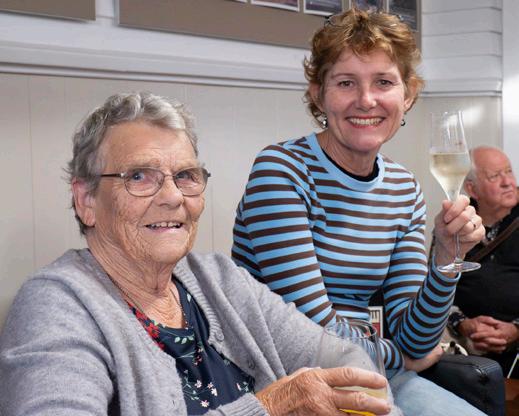
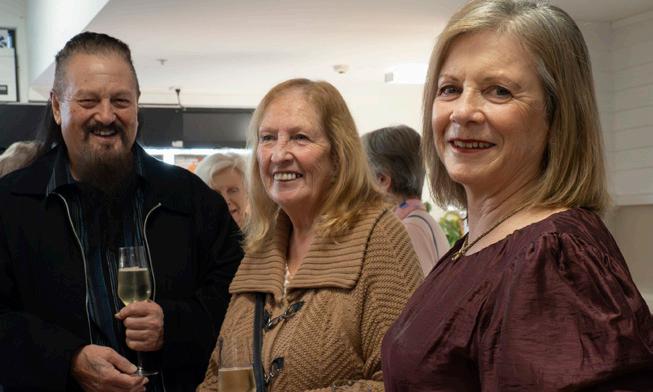
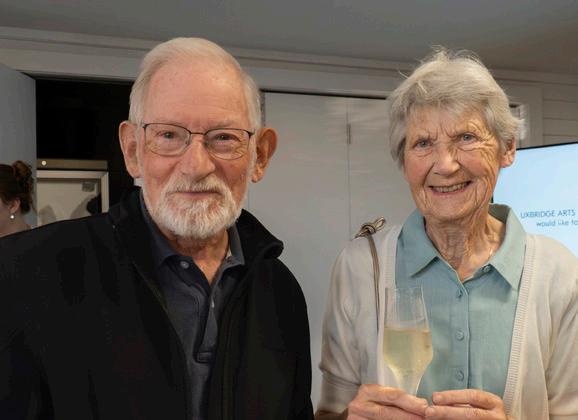
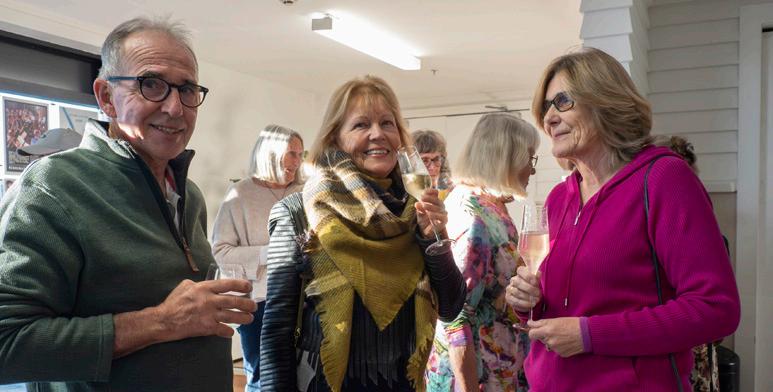
The opening of Interwoven exhibition, with artworks by Tony Clarke, was at Uxbridge Arts and Culture on May 16.


East Auckland resident Gay Sykes is stepping down as chairperson of the Howick Botany Neighbourhood Support (HBNS) after a successful stint in the role.
The crime-prevention group’s recent annual general meeting (AGM) was held in Howick and was well attended by its street co-ordinators, local police officers, and a representative of the police’s Eagle helicopter crew.
It was the last meeting as chairperson for Sykes, who’s been in the role for the six years.
“Gay has provided tireless service to HBNS and will be missed,” the group’s executive member Raj Rughunanan says.
“Under her stewardship HBNS has over 100 streets with street co-ordinators. She’ll stay on as a member of the executive committee and I’m sure she’ll help greatly



in helping the organisation grow.”
Shelly Smithies has been elected the group’s new chairperson. She’s served as its secretary for six years and has more than 30 years of experience with Neighbourhood Support.
During the AGM a constable from the police’s Eagle helicopter crew gave an “eye-opening” talk on their work and showed videos of the crew’s day-to-day activities.
“Most attendees were

surprised by the wide-ranging tasks undertaken by this team including tracking offenders, land and sea rescue, responding to emergencies, and providing support to ground staff,” Rughunanan says.
Howick Police community services supervisor, sergeant Brett Meale, reported to those in attendance that ram-raids were virtually non-existent in the local community. He said police were receiving calls from people with issues regarding their neighbours





and asked people to talk to each other to try to resolve the problem before calling police, Rughunanan says.
“HBNS’s focus this coming year will again be encouraging people to become street co-ordinators in streets that do not have a street co-ordinator,” Rughunanan says. “This helps foster good relationships between neighbours and creates strong bonds between residents. Know your neighbour as you don’t know when you will need each other’s help.”


















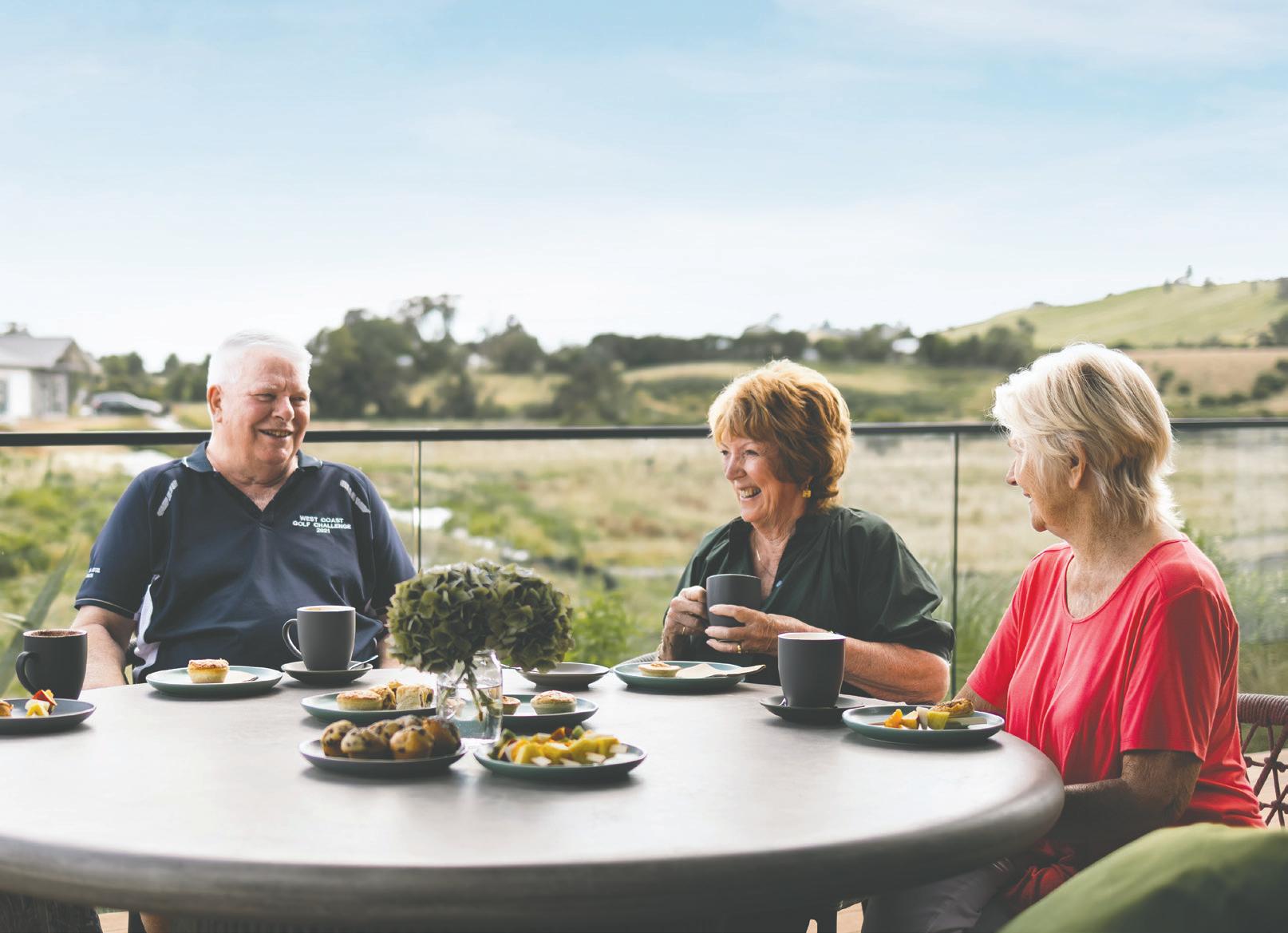
Join us at Ōtau Ridge in Clevedon this June for a series of cosy Sunday lunches. Whether you’re a local or just passing through, you’re always welcome.
Available Sundays 7, 14, 21 and 28 June, 12–2pm. Seats are limited and bookings are essential. Call now to book your table on 09 222 2832.



Find a village that feels like home
Call Jo Ashby on 09 222 2833 | joa@metlifecare.co.nz 2 Kumekume Way, Clevedon | otauridge.co.nz
Choose from two sumptuous courses for $38 or three courses for $45 per person. Scan QR code for menu.
The Macleans College Kapa Haka group has attended ASB Polyfest for the first time.
This is the first time Macleans College has entered a group into the ASB Polyfest Māori stage at the Manukau Sports Bowl. The group worked very hard for over 100 hours in total, including a noho kura.
The noho kura (an overnight stay at school) allowed us to get to know each other better, with the last night whispers and the morning walk down the beach. With the stronger connection as a group, it allowed us to work better and more efficiently together. We also had a dress rehearsal, where our parents and friends went along to watch and support us.

It made us feel more confident that we knew everything, and it was an amazing opportunity to perform in front of a big audience before the real thing.
The day before our performance, we got to go to see what the stage that we would be performing on is like and watch some of the other groups that were performing that day.
Getting to watch what all the other wonderful groups had prepared was such an amazing experience, and


it allowed us to reflect and think about what we wanted to bring to our performance the next day.
On the day of ASB Polyfest, the atmosphere was a mix of nervousness and excitement. We were all excited for the
day ahead of us. While we were backstage, it was such a special moment, all of us saying ‘good luck’ to each other and anticipating when we would go up on stage.
Performing together felt amazing, the energy, the pride, and the joy of sharing everything we had been working for.
Once our performance was over, it was such a bittersweet moment as we looked back at how far we’ve come in such a short period of time, and we knew that we would miss it.
It was such a wonderful journey and I’m grateful I got to experience it with such a wonderful and supportive group.
• Katherine Zuo is in year 11 at Macleans College





By CHRIS HARROWELL
By 7am on a chilly morning last Wednesday, dozens of people had begun queuing to enter the band new Spotlight retail store at Botany Town Centre.
The crowd had grown to over 100 people as 8am approached and there was a carnival atmosphere for the business’s grand opening with a three-piece band performing well-known Kiwi songs, candies being given away, a sausage sizzle, and even a man riding a unicycle.
Once the eager customers got inside just after 8am they found discounted products galore and a wide range of homeware from scented candles and picture frames to bedding and kitchen and dining products.
Among the company’s
senior staff who made the trip to celebrate the store’s opening is Australian Zac Fried, the executive deputy chair of Spotlight Group Holdings.
He told the assembled staff the new store was New Zealand’s 22nd Spotlight store.
“It’s pretty unbelievable when you think about it and where we are. The best thing about Spotlight is we’ve been in New Zealand for 30 years, so we’ll be celebrating our 30-year anniversary over the next few months.
“For us that’s pretty exciting. We came here one year after we went to Singapore, in 1996, and I remember being here with dad and [his uncle] Morry [Fried] and everyone and opened Wairau Park, and I think it’s the same store today that it was back then.”
Fried thanked people including the store’s manager, Trena Mossman, the merchandise team, and its project manager.
“We’re very excited, the family are all very supportive of you guys, and very happy with what your team has done today and the team in total in New Zealand as well.”
Howick ward councillor Bo Burns then spoke, congratulating the Spotlight leadership team who had made the journey to Auckland for the store’s opening.
“Recently you would have seen Game Over open [at the Pakuranga Plaza] and with places like Game Over and Spotlight bringing headline names to east Auckland, it’s really important and it brings regional visitors.
“That’s going to be great,


so I thank you on behalf of all of the councillors and the businessowners because you are going to bring prosperity to all of us. I wish you all the best.
“Looking at the crowd, there’s a lot of cold people waiting to come in and spend lots of money, so congratulations to you all and I look forward to being a regular customer.”
Mossman and Burns used a large pair of scissors to help cut the ceremonial ribbon to officially open the store. Customers then began streaming inside with many of them being handed a red shopping basket from Fried who greeted and thanked them for turning out.
> Disclosure: Bo Burns is the owner of Times Media.







Whatever age, whatever stage, life is for exploring. At Bruce McLaren Village in Howick, we offer the freedom to choose your ideal retirement lifestyle. Enjoy the perfect balance of convenience and leisure – with Botany Town Centre nearby for shopping, and scenic walking tracks and Shelley Park Beach only a short drive away.
Closer to home enjoy the friendly community at Bruce McLaren Village and amenities like a swimming pool, gym and cinema at your doorstep.


Whether it’s independent living or a little extra support, there’s a home waiting for you at Bruce McLaren Village. Our apartments offer modern, open plan living, surrounded by beautiful village gardens.
Serviced apartments priced from $399,000* Apartments priced from $699,000*

Care you can count on
At Bruce McLaren Village, care is not an add-on, but woven into the fabric of our village. We offer a range of care options including rest home, hospital and dementia care located onsite.
Call Diana on 09 535 0225. BRUCE MCLAREN
795 Chapel Road, Howick
rymanhealthcare.co.nz
*Reflects the lowest available price at time of publication. Availability and pricing subject to change.


People turned out to listen and learn at a recent community ‘Picnic in the Park’ suicide awareness event staged at Howick Domain by Mark and Charlene Anderson’s charity Living Jesus. The event’s theme was ‘You are not alone’ and it emphasised messages of hope, resilience and endurance. Health Minister and Pakuranga MP Simeon Brown was among the guest speakers.





Acacia Cove, a country-style village situated on the beautiful Wattle Downs Peninsula has 31 weekly activities.


For those who appreciate the tranquility of an estuary setting Acacia Cove has it all, as well as its own restaurant, heated indoor pool, library, bowling green and gym.
Whether you choose to live in a villa or one of our luxurious apartments, you’ll have the security of a 24 hour, fully monitored emergency call system built in.
Villas available for $640,000–$1,000,000
• Best Ageing Programme at the 2017 Ageing Asia Eldercare Awards • Finalist in the Facility of the Year Independent Seniors Living Category
If you’re aged 60 or over, value your independence but want greater security, come and have a look at the superb properties we have to offer.
Contact: admin@acaciacove.co.nz or phone 09 268 8522 Price is for an Occupation Rights Agreement secured by a first-ranking mortgage and in favour of the statutory supervisor on behalf of the residents.
Artificial intelligence is rapidly transforming the automotive repair industry, changing the way mechanics diagnose problems, order parts, and maintain modern vehicles.
In the past, finding faults often relied on experience, time consuming inspections, and a bit of detective work.
Today, many workshops use AI powered diagnostic systems that can scan a vehicle’s onboard computer and quickly identify likely causes of a problem.
These systems analyse huge databases of repair information gathered from thousands of similar vehicles, helping technicians pinpoint faults faster and more accurately.
Modern cars are also becoming increas-

ingly “smart.” Many vehicles now contain dozens of sensors that constantly monitor engine performance, braking systems, batteries, and even tyre pressure.
AI software can interpret this data and warn drivers about issues before they become serious. In some cases, vehicles can even send diagnostic reports directly to dealerships or repair centres.
Electric vehicles are pushing this trend even further. Because EVs rely heavily on software and battery management systems, technicians often need advanced digital tools alongside traditional mechanical skills.

Some manufacturers can even perform software fixes remotely without the car vis



iting a workshop. For drivers, AI could mean lower repair costs, shorter wait times, and fewer unexpected breakdowns.
However, it also raises concerns. Smaller independent garages may struggle to afford expensive diagnostic technology, while mechanics increasingly need computer and software training in addition to hands-on experience.
Despite these changes, experts say human mechanics are not disappearing anytime soon.
AI may assist with diagnosis and data analysis, but skilled technicians are still needed to carry out repairs, interpret unusual problems, and provide the personal service many customers value.




By CHRIS HARROWELL
Hundreds of school pupils, and their teachers and parents, have taken part in an ongoing initiative at east Auckland’s Fo Guang Shan Buddhist Temple designed to inspire them to be good people and treat others with respect.
Several members of the Eastern Times’ team, including director and Howick ward councillor Bo Burns, attended the recent 12th 3G4G Festival of Cultural Sharing Education Programme session alongside Howick Local Board members Adele White and Damian Light.
We were first taken into the Flat Bush temple’s expansive kitchen where the first order of business was to make the ‘3G4G Rice’ to be
served to the school pupils later that day.
Into a large wok went cooking oil followed by diced soy protein, chunks of Anchor butter, chickpeas, diced carrot, corn, and salt. It was all cooked thoroughly before a lashing of soy sauce was added along with small cubes of South Island potatoes. The temple’s Abbess Manshin arrived to show us how to expertly turn the fried rice so it cooked evenly.
We then got to eat some of the delicious fried rice we’d just made, along with some tasty vegetarian protein treats, with Abbess Manshin, before we moved on to help Ormiston Primary School pupils make lotus flowers using paper alongside BLIA members.
Among the other local
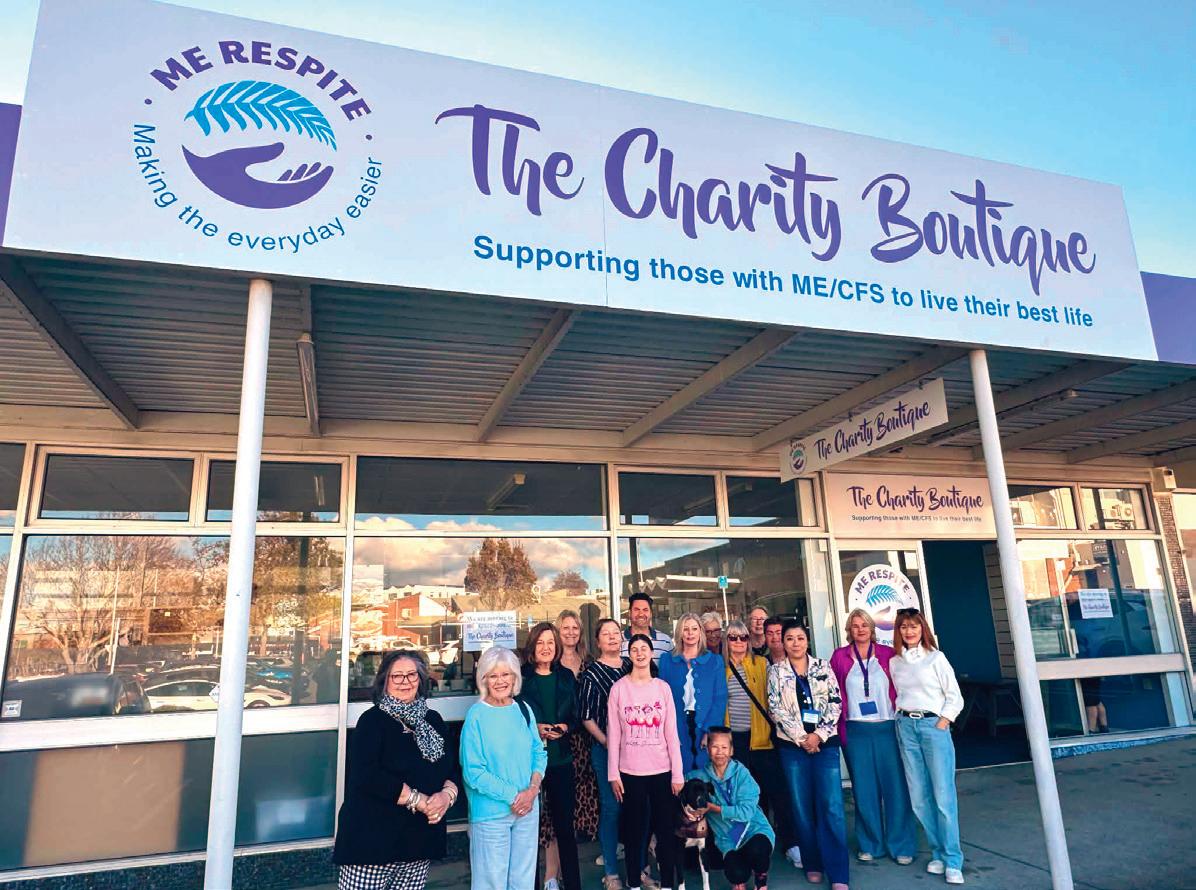
The Charity Boutique by ME RESPITE, a long standing Howick icon in Rice’s Mall is on the move, but don’t worry, it’s just a hop, skip and a jump away.
Officially open from the 2nd June, shoppers will have a more spacious experience from as early as next week in their new home at 10 Central Terrace, Howick, only a few steps around the corner from their current location.
The move has been a blessing for store manager, Cara Marris, who has long desired to have a larger space to showcase the many wonderful donations they receive.
“We are so grateful for the support of our volunteers, Wally Rice and the community who help us make so much of an impact for those we help.”
The new store will also house something a little different. ME Respite recently launched an online op shop, The Charity Store – thecharitystore.org.nz –
Visit our bigger store around the corner at 10 Central Terrace
schools participating in the initiative are Te Uho o te Nikau Primary School, Baverstock Oaks School, and Mission Heights Junior Colleges.
Local police officers were scheduled to attend the session later that day to talk to the pupils.
School groups who had attended the temple earlier in the week were involved in activities teaching them the ‘Three Acts of Goodness and Four Givings’, known as 3G4G, taught by Venerable Master Hsing Yun, the late Founder of the Fo Guang Shan Buddhist Order, and to cultivate a positive attitude towards life.
The pupils visited the commemorative art exhibition at the temple, 60 Years of Passing the Light, Honouring a 100 Year Legacy, to learn
life stories of the Founding Master.
They watched a video called The Life of the Buddha, wrote cards of wishes, and practised meditation in the courtyard. Each pupil received their own 3G Bear.
The temple says Fo Guang Shan New Zealand upholds Venerable Master Hsing Yun’s philosophy of Temples as schools.
“Through educational and cultural activities, the Temple plants seeds of Bodhi in students’ hearts, guides the community to purify the mind, shares the power of goodness and beauty, and works together to create a more harmonious society.
“During the first week of the 3G4G Festival of Cultural Sharing, more than 650 teachers and students visited
following a call from their supporters to have easy access to view some of their more treasured donations. These items will be displayed in the new store for viewing and fitting, taking the online shopping experience to another level.
ME RESPITE was founded in 2016, to support those living with ME/CFS (Myalgic Encephalomyelitis/Chronic Fatigue Syndrome). Identifying a need to provide a form of respite they took over the existing op shop from The
Charity Boutique, 10 Central Terrace, Howick
Cancer Society in 2017 the funds raised from these stores go to supporting their meals programme, mentoring networks, tailored support and their long-term vision of setting up a respite facility.
To mark it’s opening The Charity Boutique will have an in-store celebration on Saturday, June 6, and are currently running a clearance sale at their existing store in Rice’s Mall.

the Temple.
“Over the next three weeks, FGS NZ will continue welcoming more schools through diverse educational activities, guiding students to understand and practise 3G4G, apply positive values in daily life, and allow kind thoughts to take root and grow in schools and society.”
Ormiston Primary School leader of learning Heath McNeil says: “The experience
with the Temple reflected values that are deeply aligned with what we nurture at Ormiston Primary School –kindness, empathy, service and connection.
“The Three Acts of Goodness and the Four Givings provide our learners with simple but powerful ways to think about how they can positively influence the people and communities around them every day.
“Our learners experienced what it means to show care for others through actions and words, and to recognise that even small acts of goodness can have a lasting impact.
“Opportunities like this help our young people grow as collaborative, curious, capable and connected citizens who understand the importance of serving others.
“Partnerships and experi-
ences such as today’s remind our learners that education is not only about academic achievement – it’s also about developing compassionate human beings.
“The messages of giving confidence, joy, hope and convenience to others are values that resonate strongly within our school community and help shape the kind of future we want our children to create.”



East Auckland we’re ready to open the doors!







It’s been a year since the devastating fire on May 5 — a moment that meant so much more than the loss of a building. It was the temporary loss of a place that’s been part of the local community for years.
Today, we’re nearly ready to reopen.

More than 30 of our original Pakuranga team are returning, alongside new faces who have been training over the past month. Together, we’re getting ready to open the doors to a brand new restaurant

— and welcome our community back in.
Our construction team is working hard behind the scenes to have everything ready as soon as possible. We’re aiming for an opening around Saturday 30 May, though final confirmation will come soon.


Thank you for your patience, your support, and your encouragement over the past year.
We can’t wait to see you again.
– Kate and Amon









Proudly




By PJ TAYLOR
When looking back over half a century of voluntary service to east Auckland, Del Johnston says above all it’s been “the people” that have mattered most to him.
The people that have benefitted from the thousands of tangible voluntary efforts, and the people he did it with.
Johnston spoke of his 50 years’ membership of the highly valued community service group, the Rotary Club of Pakuranga, at its recent 56th anniversary celebrations.
At the Howick Club and witnessed by a large group of members and family, Johnston was awarded the coveted Ruby Paul Harris Medal, a Rotary International acknowledgement for voluntary service of five decades.
The ruby pin was presented to him by long-time Pakuranga Rotary colleague,
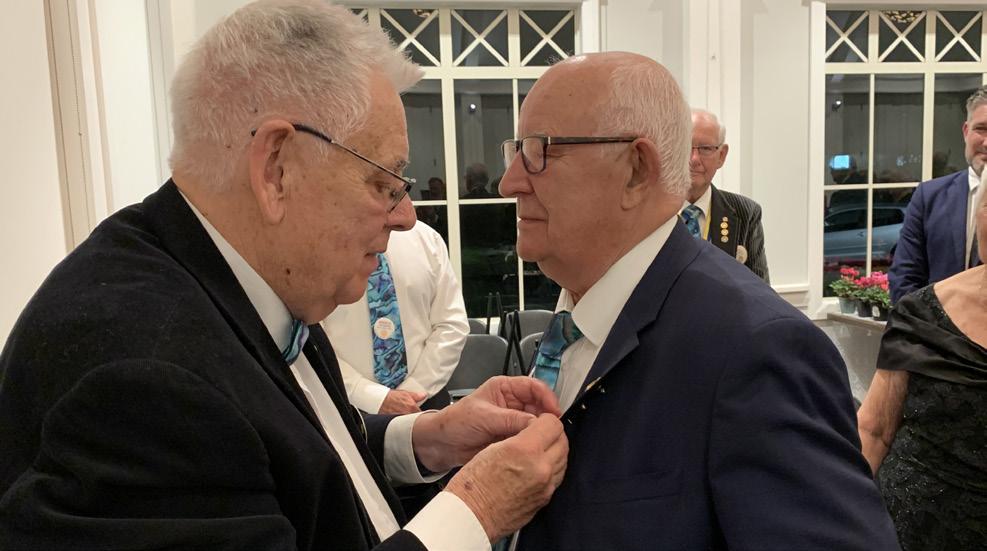
Bill Duncan, who said it was a “privilege”.
Duncan said Johnston, 84, has “truly” epitomised through “his commitment and example set” the true ideals of Rotary – Service Above Self.
A letter of congratulations to Johnston from Rotary International president Francesco Arezzo was also welcomed and read out.
“When I joined in 1976, I was told ‘be prepared to work’,” said Johnston, who assumed the club president
role a decade later in 1986.
“There have been countless roles and projects with purpose, bringing sunshine to people’s lives, and some of the best experiences of my life and I’m proud to be part of this dedicated group.
“Locally, Rotary has an incredible positive impact, and it does all over New Zealand,” Johnston said.
At the event, Pakuranga Rotary president Gerald Patterson also congratulated member Govind Pani who is taking on the two-year role of
Rotary Community Leader in the eastern area of Auckland from July, liaising between 12 clubs.
His wife, Sandhya Govind, is succeeding Patterson as president at the same time.
As well as several merit prizes awarded on the night, Auckland councillor for Howick and Times Media owner, Bo Burns, was afforded honorary club membership by Pakuranga Rotary secretary Joan Swift and Patterson.
In return, in what was an impressive list, Burns read out 56 individual reasons why Pakuranga Rotary plays a vital role in voluntarily supporting and contributing to east Auckland’s communities.
She talked with admiration about the “hundreds of projects you’ve delivered in our communities” and that she encourages “people to join” whenever the opportunities arise.



Earlier this year my school, St Cuthbert’s College, took me on an unforgettable camp where I had the best experience ever.
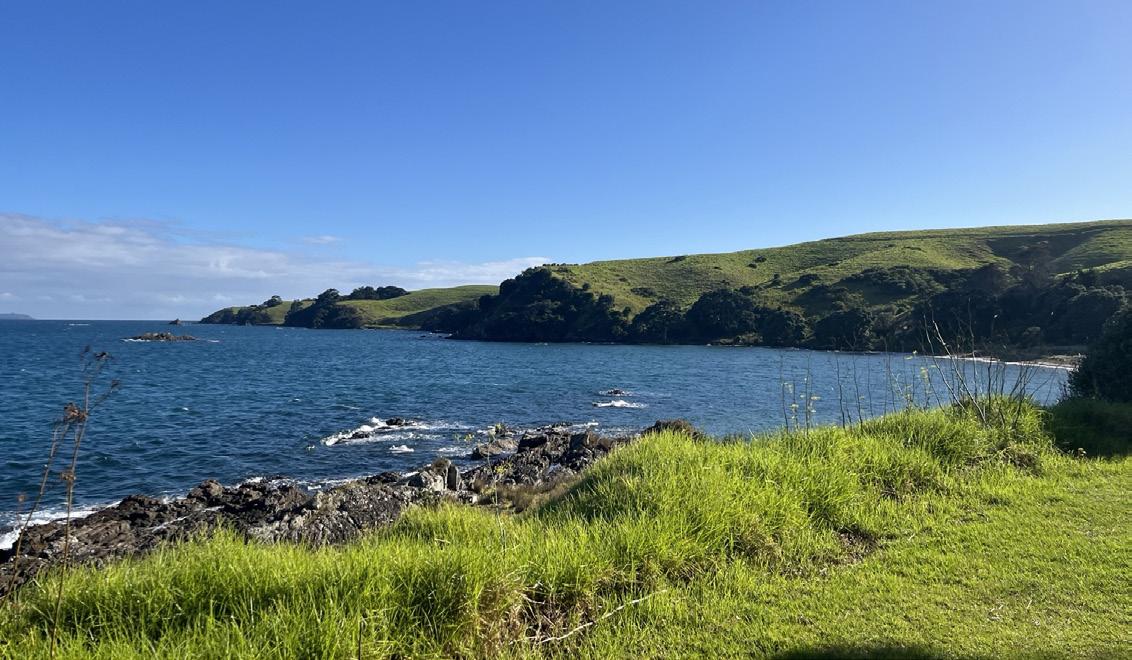
This was no ordinary trip to a nearby campsite, in fact we travelled to a completely different island, far away from the familiar comforts of home, Motutapu Island. It was an incredible destination!
On the morning of camp day, I was buzzing with excitement. I got up and got ready really fast which was not something I usually do. I got in the car with my dad who drove me to the Auckland SeaLink ferry terminal.
This was where I met all my friends and most of my teachers. We waited there for a couple of minutes, took a bathroom break, and boarded the ferry. The moment I stepped foot on Rangitoto was when everything became surreal.
No parents around to tell me to brush my teeth in the mornings, no brother to argue with, no one but my mum doing my snap streaks, no more doomscrolling on TikTok, but scariest of all there’s no going back. Once we got off the ferry, we were met with the prettiest view.
Trees everywhere, glassy water surrounding us in a way walls surround rooms, rocks and pebbles crunching under our toes and everyone buzzing with dopamine. My classmates and I then began our journey from Rangitoto Island Ferry Terminal to Motutapu Outdoor Education Camp.
The journey was a stretch
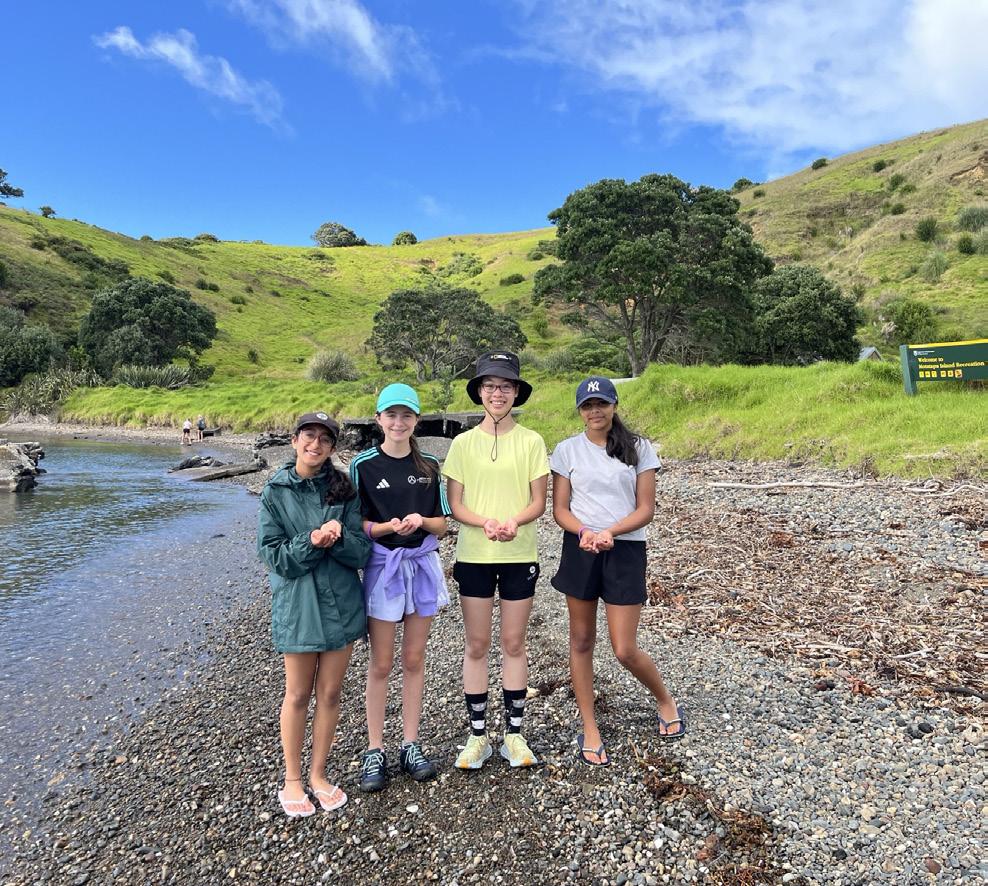
of 14km and took us three hours to cover. We talked and explored through nature as we walked on the path leading to the camp site. We saw marvellous things including native birds, unique and native trees, a wharf, pest traps and even a sheepdog rounding up cows.
It took persistence, courage and motivation for each of us to reach the campsite.
The teachers and parent helpers kept us engaged. The scorching hot sun followed us along the hike that led to severe sock tans and too many mosquito bites. At the end of the day, most of us were reeking of sunscreen and insect repellent … not our ideal scent.
As soon as we reached our final destination we felt on top of the world. It was breathtaking.
Although I have to share that if we’d to walk another kilometre, I’m sure we would have collapsed! We all got settled to go through the safety briefing. We were then released to find our dorms, shower, and prep for dinner.
On the first night for dinner, we had chicken wraps, which tasted epic. The evening activity included card games and gratitude. Bed-
time was at 9.30pm and trust me, I’m not exaggerating when I say every person fell asleep in two seconds flat.
On the morning of the second day of camp, everyone got up nice and early. Breakfast was a delicious feast of baked beans, spaghetti, toast, butter, jam, marmite, cereals, peaches and rice crispies.
The next three days went by in a blur of food, sunscreen, friends, fun activities, and more. The activities we accomplished over the course of four days included high ropes, Motutapu Challenge, Survival Challenge, beach art, beach clean-up, lots of walks, overnight camp at Homebay Wharf, kayaking, snorkelling, flying kiwi, confidence course, flying fox, duck pond, Burma trails and countless other things!
The food was the only thing that kept us all grounded. The delicious spaghetti bolognese, burgers, wraps, sandwiches, and a variety of other things were just yum! The dessert was incredible. It included ice creams, apple crumble, chocolate cake, and more such little treats.
Our evening activities consisted of gratitude, reflection time, karaoke, card
games, quiz night and movies. When my group went to the outcamp on the second night we were incredibly excited, tenting, waking up in the wild, food, beach walks, late night strolls, the perfect things to do on the second night of camp.
We’d put up our tent and went for a swim. The scariest (and looking back the funniest) thing was we found ants in our tent. Lots of them, small ones, big ones, chubby ones, skinny ones, all making a home in our tent.
After a couple of minutes of panicking and squealing, we finally cleaned them out. All our stuff was full of ants, and there’s probably still one living in my scrunched up sleeping bag. Another memory I fondly remember from the outcamp was the beautiful sea glass collecting competition that I and my friends had.
Seeing that sea glass is not a part of nature and that it’s basically manmade, we started our sea glass collecting competition. All of us ventured on the beach hoping to find sea glass, and we did! Purple ones, blue ones, teal ones, brown ones and even a little green piece, which was super cute.
When all of us woke up on the fifth day, the last day, I just knew we were going to miss the place, the vibe and beyond. The walk back home was a bit of a relief really. It gave everyone a chance to reflect on their emotions, catch up with friends, gossip a little, go over all the fun activities and say our final goodbyes.
Camp was an awesome experience, and I hope everyone gets to experience this at least once in their lifetime, to create awesome memories and experiences that are to be cherished for life.
Pia Grover is in year 9
By LIANA NGUYEN, Shortall Lawyers Law Clerk
My name is Liana Nguyen, and I am a Law Clerk at Shortall Lawyers. I joined the firm earlier this year after completing my Bachelor of Commerce and Bachelor of Laws at the University of Auckland, with my admission to the High Court soon approaching.
I was born in New Zealand to immigrant parents from Vietnam, and I grew up speaking Vietnamese at home and English outside of home.
Outside of work, I enjoy spending my weekends outdoors and staying physically active whether alone or with my family. I also love travelling whenever I can, as it allows me to experience different cultures and perspectives.
In my role, I assist clients with buying or selling a home, purchasing or leasing a business, preparing a will, dealing with immigration matters, or going through a separation or property division.
If you or your family need legal assistance, or you are unsure where to begin, you are warmly welcome to contact Shortall Lawyers. We would be happy to guide you through the process with care and professionalism.
Là một người Việt sinh ra và lớn lên tại New Zealand, mình rất mong có thể đóng góp một phần nhỏ cho cộng đồng Việt tại New Zealand. Nếu cô/chú, anh/chị hoặc gia đình mình đang cần hỗ trợ pháp lý, dù là chuyện mua bán nhà, kinh doanh, di trú, lập di chúc hay các vấn đề gia đình, mình rất vui được hỗ trợ cho.

A daughter checks the fridge before she leaves. A husband sets out tomorrow’s medication. A neighbour calls in each afternoon, just to make sure the curtains have opened.
Much of care happens quietly. It lives in the small reminders, the pharmacy trips, the meals prepared ahead, and the phone call at the end of a long day. Most people do not call this care. They call it love, family, or simply what needs to happen.




Xin cảm ơn và rất mong có cơ hội
được hỗ trợ cộng đồng mình. Please feel free to contact me at liana@shortalllawyers.co.nz.



Churton Hart & Divers 09 533 9476
For many east Auckland families, one person carries more than others see. They look after an ageing parent, spouse, or neighbour while they manage work, appointments, and their own health. Sometimes the carer is a husband or wife who is also in their seventies, quietly tired but unsure who to ask. Over time, that responsibility feels heavy.
Some older people also need extra care after surgery, illness, or a hospital stay. They may not feel ready to go straight home.
Respite care offers a planned short stay in a calm, supportive home with qualified care partners, good meals, and company. It gives families time to rest, travel, or attend to other commitments, knowing the person they love is safe and well.
Howick Views and Gulf Views both have dedicated respite rooms that families can book in advance. That matters when families plan around a wedding, a holiday, or a hospital date.
Nadia booked respite at Gulf Views so she could travel to her daughter’s wedding overseas.
“Now that I know Mum is so well cared for at Gulf Views, I can plan other trips and keep visiting my daughter regularly.”
HBH Group is a faith-based charitable organisation that has cared for older people in east Auckland for nearly 50 years. All surplus goes back into mission, care, and community.
Asking for help does not mean a family has stopped caring. Often, it means they care enough to plan ahead.
For respite enquiries, contact HBH Group on 09 538 0800 or visit www.hbh.org.nz
By PJ TAYLOR
An internationally recognised leadership coach was just the right person east Auckland business leaders needed to hear from as winter fast approaches and they further contemplate the troubling economic times.
On a beautiful and crisp, sunny Friday morning, Denis Gianoutsos was the guest speaker at the most recent breakfast meeting of The Click group of local entrepreneurs at Macleans College’s comfortable Bentley Pavilion, with its breathtaking view across the Tamaki Strait of the Hauraki Gulf.
East Auckland-based Gianoutsos is an expert and highly experienced mentor and motivator of business leaders, having spent the best part of the past three decades working in the arena, here and overseas.

His message was upbeat and positive, and from the beginning he got people focussed and involved by asking audience members to have a quick question and answer with the person seated next to them.
Gianoutsos has a business called Leading Change Partners and a globally popular podcast series Leadership is Changing
He emphasised to The Click group’s company owners that change in business arenas is constant, unavoidable, and has to be faced and “embraced”, using a key word “deliberate”.
“If we’re not keeping up with technology, we’ll get left behind.”
Under a banner, Adaptable Growth Mindset, Gianoutsos said business heads have the “responsibility to lead the change mindset”.
“Change is inevitable. What we need to do is help people through change.”
He talked about the “elephant in the room – AI” and about how it’s influencing many areas of society especially business, and that companies should “not fear the change – embrace it –you just need to know how
to use it”.
Gianoutsos also mentioned how it’s important to be an “adaptive leader – showing you’re willing to adapt” and being “match-fit” physically and mentally and “not trying to be everything to everybody”.
“Rethink mindsets, refocus on fitness, and reconnect with your purpose,” he said.
“A great leader doesn’t always speak. They allow other voices to be heard.
“They use their voice for impact and to connect.”
Towards the end of the event, which was sponsored by Forsyth Barr East Auckland, Drumm Nevatt and Associates Chartered Accountants, The Marketing Baker, Bathurst Brown Design, and Times Media, Gianoutsos cut to the chase.
“You are responsible for your own actions,” he said.
“Nothing will change and happen until you do something about it.”

In today’s competitive marketplace, having a great product or service is no longer enough.
Customers are increasingly turning to Google, social media, and online reviews to find businesses, compare options, and make purchasing decisions. This is where digital marketing plays a crucial role.
Digital marketing helps businesses connect with potential customers through a range of online channels, including search engines, social media platforms, email campaigns, websites, and online advertising. The goal is simple: increase visibility, attract qualified leads, and convert interest into sales.
A strong digital marketing strategy goes beyond simply posting online. It involves under-
standing customer behaviour, creating valuable content, improving search engine rankings, and ensuring websites provide a seamless user experience. Businesses that regularly publish helpful information, maintain active online profiles, and engage with their audience are often rewarded with greater trust and stronger online visibility.
As technology and artificial intelligence continue to shape how people search for information, businesses that invest in their digital presence are positioning themselves for long-term success.
A well-executed digital marketing strategy can help build credibility, increase enquiries, and create sustainable growth in an increasingly digital world.


Every business has a culture. The question is whether it’s intentional or accidental.
Culture is not your values on the wall or a slide in your onboarding deck.
It’s how people behave day to day. It’s how decisions are made, how feedback is given, and what gets tolerated, rewarded, or quietly ignored.
Healthy workplace cultures are built through consistent behaviours, clear expectations, and strong people skills.
The way leaders communicate, how teams handle conflict, whether people feel heard, and how accountability shows up all shape culture far more than fancy statements ever will.
Poor cultures create confusion, inconsistency, and frustration, often leading to disengagement, tension, and avoidable people issues.
Great cultures create alignment. People understand how
to show up, what success looks like, and how to work together effectively.
The best workplace cultures are those where expectations are clear, people feel supported, and leaders consistently rolemodel the behaviours they expect from others.
When done well, culture becomes your biggest advantage. That’s why we’re passionate about practical workplace learning.
Through our People Skills workshops and tools like Extended DISC, we help businesses strengthen communication, leadership, collaboration, emotional intelligence, and the everyday behaviours that shape high-performing teams.
Want to strengthen your workplace culture? Let’s chat. Add Spice.
Spice – Your People Partner Call Nicole Griffiths, Director, 021 653 559











Risk Insurance Advisor Steve O’Connor helps ensure people have the right insurance cover when they need it most.





DAREN LENG, Senior Business Broker at ABC Business Sales, discusses why the best business sales are often well planned and deliberate.






Selling a business can sound simple: list it and wait for interest. In practice, some businesses attract buyers quickly, while others linger.
The difference is usually preparation. Buyers want confidence. Clean financials, stable staff, repeat customers, and clear systems make a business easier to trust and easier to value.
In my experience, the businesses prepared for a smooth sale are often the ones that attract the most interest, sell faster, and achieve stronger multiples and overall value. The other key thing is that business owners are less likely to need to stay on longer-term, unless they want to.
On the other hand, owner dependence, poor records, and unclear processes create hesitation. Even profitable businesses can struggle if buyers sense too much uncertainty.
Timing and presentation matter too. A business that is priced well and brought to market properly will usually stand out far more than one rushed out without enough groundwork.
For owners thinking about selling, the key question is not just whether the business can be sold, but whether it is ready to be sold well. That is what can make the difference to both speed, value and ease of transition. Daren Leng, Senior Business Broker at ABC Business Sales – Your Business Broker of Choice. Ph 021 0278 6045 or email darenl@abcbusiness.co.nz

Personal risk insurance claims differ across age groups, with health and lifestyle risks changing as people get older. Recent claims data from Partners Life highlights how claim patterns evolve throughout life.
For people aged 20 to 29, claims are often related to accidents, injuries, and medical conditions requiring treatment. Private medical insurance was the largest claim category for this group, with digestive and genitourinary conditions among the leading causes. Income protection claims were also heavily influenced by accidents, injuries, neurological conditions, and mental health disorders. While younger people often believe they are unlikely to need insurance, these statistics show unexpected events can occur at any age.
In the 30 to 39 age bracket, claims rise significantly as many people take on larger financial responsibilities such as mortgages and young families. Accident and injury claims remain high, but cancer and cardiovascular conditions become more common. Income protection and trauma claims are particularly important during these years because a temporary loss of income can create major financial pressure.
For those aged 40 to 49 and 50 to 59, cancer becomes the leading cause of both trauma and life insurance claims, while heart-related conditions also increase sharply. Musculoskeletal conditions and mental health disorders continue to contribute heavily to income protection claims. These age groups recorded the highest total claims amounts overall, highlighting how health risks rise during midlife.
For people aged 60 and over, cancer, cardiovascular disease, respiratory conditions, and ongoing medical issues dominate claims across most insurance categories, particularly life and trauma cover.
Are you appropriately covered? Let’s talk… Steve O’Connor, Insurance Advisor, Insurance Market, 021 862 330, steve.oconnor@insurance-market.co.nz


How long have you been an educator, and where did you train?
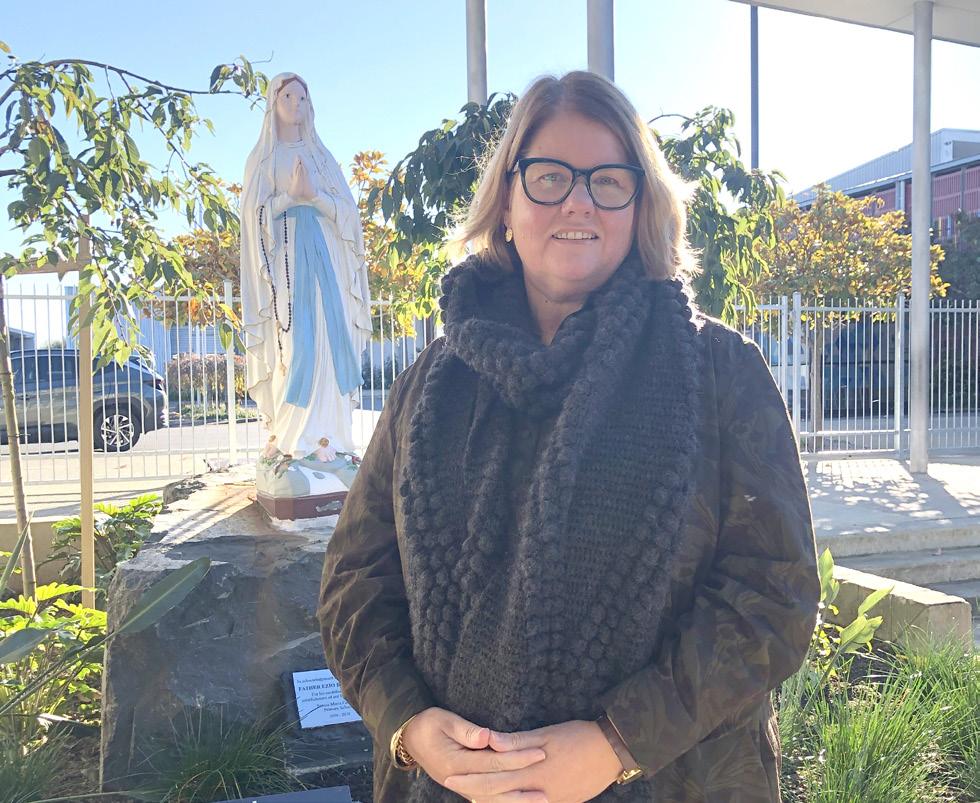
I’ve been involved in education since the age of 22, although I also took time away from teaching to be at home raising my four children, an experience that shaped me greatly both personally and professionally. I trained at Auckland College of Education in Epsom and at the University of Auckland.
When did you become principal of Sancta Maria Catholic Primary School?
I became a principal in 2018 and started at Sancta Maria Catholic Primary School in term two of 2024.
What’s the best thing about being an educator and principal?
The thing that continues to inspire me most is people. As a teacher, there is real joy in building relationships with children, understanding how they learn best, and seeing their confidence in their ability to learn grow. As a principal, the role becomes wider. I feel very fortunate to work alongside passionate staff, supportive families and wonderful students each day. One of the most rewarding aspects of leadership is
seeing others grow, whether that’s a child discovering their strengths, a teacher developing confidence in their practice, or a family feeling a strong sense of belonging within the school community. What makes the work especially meaningful in a Catholic school is the opportunity to nurture not only learning, but also faith, compassion, service and hope.
What’s special about Sancta Maria Catholic Primary School?
It has a very special character. We are a Catholic school with strong Gospel foundations, and we take great pride in educating both hearts and minds. Our Mary values are woven through all that we do. Our children are enthusiastic, caring and resilient learners, and our staff are deeply committed to ensuring every child feels known, valued and supported to succeed. Alongside strong academic learning, we place a strong emphasis on well-being, faith formation and providing opportunities for students to discover their God-given gifts through culture, sport, leadership, the arts and service. Being part of a combined campus with Sancta Maria College and St Luke’s Catholic Parish also
creates a strong sense of continuity and community for our families.
Is there anything you’d like improved in the education or school management sector?
I think many educators would like to see greater stability and long-term thinking within education. Meaningful change takes time, yet schools are often required to continually adapt to shifting priorities and reforms. At times, education can become overly politicised, when what schools really need is the time and support to embed effective practice well.
I would also love to see ongoing investment in teacher well-being, learning support and addressing staffing shortages. Schools are being asked to respond to increasingly complex needs, and ensuring schools are well resourced makes a significant difference for stu-
dents, families and staff alike. Despite the challenges, I’m optimistic about education and the extraordinary people who choose to work in it.
How is the relationship between Sancta Maria Catholic Primary School and its immediate local community?
There’s a real sense that we’re all working together for the good of our children. Our families are supportive and engaged, and we see education as a shared journey between home, school and parish.
Being located alongside Sancta Maria College and St Luke’s Catholic Parish strengthens those connections even further and helps create a strong sense of identity and belonging within the wider Sancta Maria community. It’s a special place to lead because there is such a strong culture of care, faith and commitment to one another.


























I am a protector who sits on a bridge. Only one person can see through me, while others cannot. What am I?
By CHARLOTTE HUTTON and DANIEL NG
The past two weeks have seen two key events delivered by the Howick Youth Council, both seeing amazing results and setting the bar high for the rest of the year!
On Saturday, May 9, Howick Youth Council hosted its first event of 2026; Stitched with Love — delivered by Team One: Daniel Ng (team lead), Carla Mursean, Ethan Govender, Kahuriki Vasquez, and Olivia Gu. Held at the East Auckland Youth Space at Botany Town Centre, the event reached full capacity with more than 50 rangatahi (young people) from across East Auckland coming together to create care packages made for youth, by youth.
Through a range of creative activities including stitched pouches, decorated cards, painted jars, and origami flower bouquets, young people were able to support the wellbeing of children experiencing health hardships while giving back to their wider community through creativity, compassion, and connection. By the end of the day, more than 170 handmade and decorated items had been created, showcasing the generosity and care of East Auckland’s rangatahi.


The event highlighted the power of youth-led initiatives in bringing communities together and creating meaningful impact through small acts of kindness. A huge thank you to everyone who attended and contributed towards making Howick Youth Council’s first event of 2026 such a meaningful success!
Meanwhile Youth Week has been occurring throughout East Auckland schools this week with a range of activities aimed at building the confidence of rangatahi and allowing their voices to be heard. There has been free hot chocolate accompanied by kind messages on sticky notes in the mornings as well as karaoke and sports sessions at lunch.
Following on from these two successful events, the next one is right around the corner! I Love Ugly Cooking aimed at teaching rangatahi how to cook sustainably is being held on Saturday, May 30, with registrations now open on the council’s Instagram page.
With more events happening throughout the year, be sure to keep up to date by following their social media (@howickyouthcouncil).
Aroha nui, the Howick Youth Council



April 25 is something that is memorable to all. To the families who mourn the lost.
To the Gallipoli campaign though unsuccessful, showing the importance of our national identity. To those brave men who selflessly volunteered themselves to fight.
It means something to everyone, young or old. We use this day to mourn the lost, show respect, and ensure the torch of remembrance is passed onto the next generation. Lest we forget.
On April 25, I attended the Anzac Day Parade in Howick, looking to find out more about this historical moment and be there to see it. It was a phenomenal experience. I got to be a part of the parade, watch the service and commemorate Anzac Day with all the other people.
It was a slightly frosty morning when I arrived near the meeting spot, the sun just beginning to rise into the cloudy blue sky, and the first thing I noticed was all the enthusiastic girls and teenagers with bright smiles on

their faces. Being in the Girl Guiding group as a Ranger (a group for the older girls), it gave all of us a chance to be part of the community and take part in the Anzac service.
Everyone looked awesome with their uniforms and big grins. We were enthusiastic and ready to go sell some poppies. From there on we were split into groups with one adult, a Ranger and some of the Pippins and Brownies (the younger children).
It was roughly 9.30am when the group got ready to go and sell some poppies, stickers and hand out the Civic Service programme. The donation money made from the poppies sold would go to supporting the RSA (Returned and Services’ Association), ex-veterans, servicepeople, families and many others who served.
Full of energy, and the pride of being one of the many groups to represent our unit, my group hurried downtown, determined to fundraise and do our best selling poppies. Each person had a different role, some holding the poppy baskets or stickers, handing out programmes, or helping sort out the funds.
We wandered through the village, occasionally stopping to take in the sights of the breathtaking display of Howick. The sounds of instruments and chatter, an aroma of bread from the bakeries lingering in the air, and the crowds of people in a rainbow of colours.
Around 10.20am we handed in the fundraised money and stood ready for the parade. When it started groups of people began marching forward. Stu-
dents, volunteers, Scouts, Girl Guides, ex-veterans, servicepeople, members of the RSA groups, bands, and many more. We went past streets full of watching eyes, and up Stockade Hill before finally coming to a halt.
Standing still in lines as we watched the Civic Service began to take place. Speeches, prayers, benedictions, and others were read out, as well as songs like God Save the King, the hymn O God, Our Help in Ages Past, and the Australian and New Zealand national anthems being sung.
The Howick Brass Band played a beautiful melody of Jesus Answers Prayer and the service finished with the Last Post, the Ode of Remembrance, and a minute’s silence. Then each group got to lay their wreaths down on the Cenotaph, poppies, flowers, each serene and stunning in their own way.
The day finished with the groups walking back down the hill for the parade and then stopping to finish off. Looking back, this was a day that will forever be sketched in my memories.
A way to mourn the brave young soldiers who fought for our future and gave their lives in war, and a way to face our national identity not only as people but as a country, as New Zealanders.
• Alina Jiang is in year 8 at Bucklands Beach Intermediate School





Guided by the Gospel values of Justice, Respect, Service, Resilience, and Courage– we offer inclusive, innovative learning that nurtures cultural identity and supports diverse learning styles. We set high standards, excelling in literacy and numeracy, and engage students through effective teaching practices. Our school fosters communication, collaboration, creative and critical thinking Every learner is celebrated in a warm and welcoming environment Accepting Enrolments Now
14 Oakridge Way, Northpark, Howick | Ph 09 538 0195 Faith Based Catholic Education office@starofthesea.school.nz | starofthesea.school.nz


A school of excellence where every person is able to succeed in a safe, happy and stimulating environment
Wednesday 19 August 2026 11:30am to 12:30pm
ENROLMENT
We only accept applications for in-zone enrolments through our website – www.howickint.school.nz



Website: www.howickint.school.nz Contact us: office@mellonsbay.scho
Wed 19 August
Wed 11 November Wed 11 November
Open Day 11:30am - 12:30pm Orientation Day New Parent Info Evening, 7pm
Perseverance, Respect, Attitude, Integrity, Service, Excellence -
Email: admin@howickint.school.nz Phone: 09 534 3922
We thrive on PRAISE


Out-of-Zone Enrolments Applications Now Open at Riverina School!
Riverina Primary School, located in the heart of Pakuranga, is a vibrant, community-focused school offering a nuturing and future-focused education

We are currently accepting Out-of-Zone applications for 2027 Be part of something special - join the Riverina whānau today!
Howick College is pleased to invite parents, caregivers and students interested in enrolling for Year 9 in 2027 to our Enrolment Information Evening
This is an informative evening to experience first-hand, our commitment to academic excellence through innovative learning and teaching practices
Families will have the opportunity to attend one of three sessions, beginning in the Bill Dimery Performing Arts Centre.
Student-led tours will enable prospective stude nts and their families to tour the school, meet our teaching staff, interact with students of various year levels, ask questions and see the school in operation around the campus
We look forward to meeting you!
THURSDAY 28 MAY 2026
Session 1 (In-Zone): 4:00pm – 6:00pm
Session 2 (In-Zone): 5:00pm – 7:00pm

Session 3 (In-Zone & Out-of-Zone): 6:00pm – 8:00pm




A school offering both NCEA and Cambridge International Examinations
Enrolment Procedures for 2027 – Years 9 to 13
Parents interested in enrolling their son or daughter for the 2027 school year please note the following: Applications are open for the 2027 academic year from Tuesday 2 June 2026. Enrolments will be completed online.
Enrolment applications for Years 9 – 13, including those from senior students wishing to study either the NCEA or the Cambridge International Examinations, should be completed on the school website by Wednesday 2 September 2026. The application form should be completed in full. In-zone enrolments remain open all year round but for administrative purposes we would like the in-zone enrolment, if possible, to be completed by this date.
In-zone students are expected to remain resident in-zone for the duration of their enrolment at Macleans College
The selection of out of zone applicants for Years 9 – 13, including those senior students wishing to study either the NCEA or the Cambridge International Examinations, will be carried out by a Ballot.
• Applications for the ballot must be completed on the school website before 3.30pm Wednesday 2 September 2026.
• The ballot will occur on Wednesday 9 September 2026. Applicants will be notified by email of the result of the ballot.
Note: Out of zone applications will be accepted for Years 9 to 13 in Category 2-5 Due to the large roll at the school NO APPLICATIONS WILL BE ACCEPTED IN CATEGORY 6
All students, in zone and out of zone, must remain living with their parent / legal guardian for the duration of their time at Macleans College.
The geographic area described below, shall operate as the school’s home zone under Section 11G of the Education Act 1989. All students living in the home zone are entitled to preenrol at the school at any time.
Starting at Howick Beach, cross Beach Road (107,102 and below included) travelling west and north of Uxbridge Road (excluded) to the intersection with Picton Street (67, 60 and below included). From Picton Street continue along Ridge Road (47,60 and below included) to Bleakhouse Road to the intersection with Gills Road (excluded). Travel west and north of Gills Road (excluded), crossing Bucklands Beach Road (340, 341 and below included) to the intersection with Pigeon Mountain Road (61, 56 and below included) and Himalaya Drive (excluded). Continue on Pigeon Mountain Road, along Ara Tai to the Coastline. Compass Point Way included. Follow the coastline back to the starting point. All residential addresses on included sides of boundary roads and all no exit roads off included sides of boundary roads are included in the zone unless otherwise stated.
A full list of streets is available on the school website –www.macleans.school.nz
Applications will be processed in the following order of priority:
• First Priority – Will be given to students who have been accepted for enrolment in special programme(s) run by the school and approved by the Secretary for Education. This priority category is not applicable at this school as the school does not run a special programme(s) approved by the Secretary.
• Second Priority – Will be given to applicants who are siblings of current students.
• Third Priority – Will be given to applicants who are siblings of former students.
• Fourth Priority – Will be given to applicants who are children of former Macleans College students.
• Fifth Priority – Will be given to applicants who are children of Board of Trustee employees.
• Sixth Priority – Will be given to all other applicants –Applications not accepted
If there are more applicants in the second, third, fourth, fifth or sixth priority groups than there are places available, selection within the priority group will be by ballot.
The Board of Trustees invites prospective parents and students to attend IN ZONE and OUT OF ZONE Applicants are welcome
PARENT ONLY INFORMATION EVENING (for parents new to Macleans College in 2027)
Date Thursday 30 July 2026
Venue Mansfield House
Time 7.00pm – 8.30pm
AND STUDENT OPEN DAY
Date Saturday 15 August 2026 (all parents / students welcome)
Venue Main Office
Time First tour will start at 09.00 am
Last Tour will start at 12.00 Noon
Duration of Tour – approx. 30 mins
Macleans College offers:
• NCEA
• Cambridge International Examinations
• An extensive extra-curricular programme, including a full range of sporting, cultural and service activities
• A strong pastoral care programme in a Whanau house environment
• A modern, well equipped campus

At Bright Beginnings Early Learning Centre in Howick, we believe every child is capable, curious, and full of potential.
Inspired by the Reggio Emilia philosophy, our approach places children at the heart of their learning, with a curriculum thoughtfully designed around each child’s interests, strengths, and natural sense of wonder.
Our highly trained and skilled teachers, supported by experienced management, create a warm, responsive, and enriching environment where tamariki (children) feel valued, supported, and empowered to thrive.
With excellent teacher-tochild ratios, we are able to provide meaningful relationships, personalised learning experiences, and the individual attention every child deserves.
At Bright Beginnings, learning extends beyond the classroom.


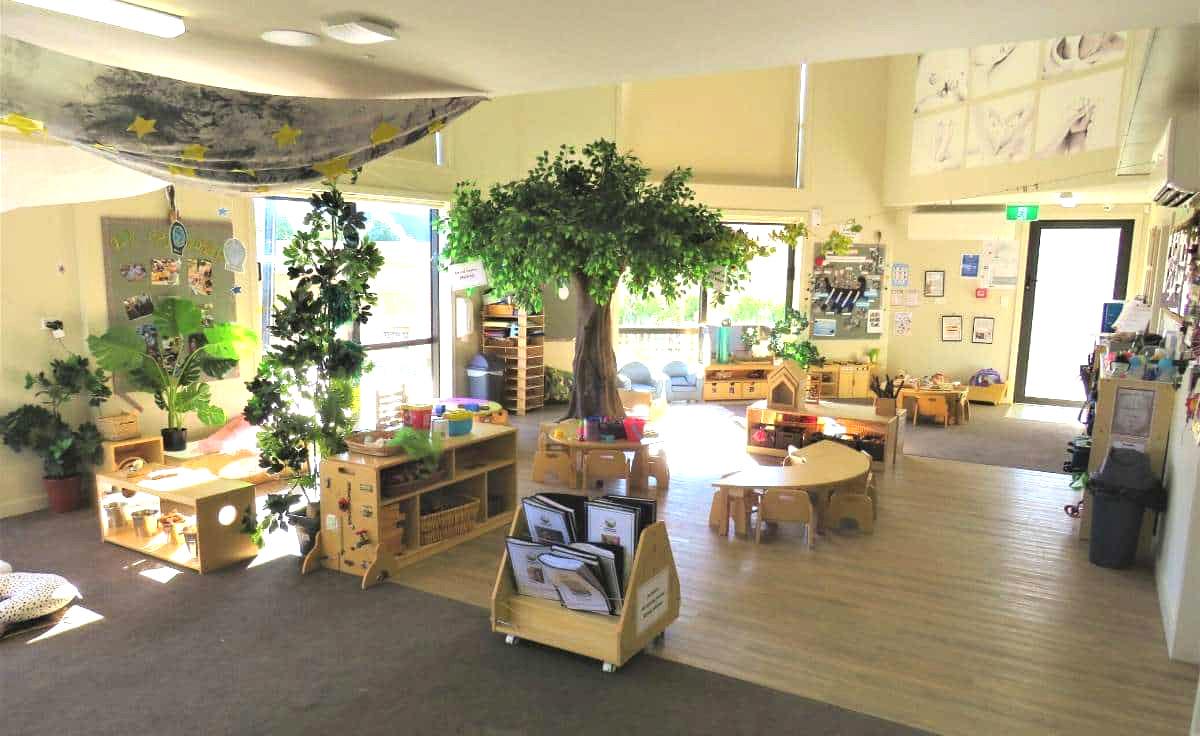
As part of our transition to school programme, our older tamariki enjoy regular visits to Owairoa Primary School, helping to build confidence, familiarity, and a strong foundation for their next step into school life.
Nutrition and wellbeing are also at the heart of what we do.
Children enjoy hot, nutritious meals prepared fresh on site each day by our professional chef, supporting healthy growth

while introducing children to wholesome, balanced food in a social and enjoyable setting.
As a centre deeply connected to the Howick community, we value the importance of local relationships.
From supporting community events to creating meaningful connections with local organisations and schools, we believe early learning flourishes when children feel connected to the
Mention this article and receive our 12-WEEKS FREE promotion when you enrol.
world around them.
Families choose Bright Beginnings because of our strong educational philosophy, dedicated teaching team, exceptional care, and commitment to seeing every child as unique.
If you are looking for an early learning centre where your child will be known, nurtured, and inspired, we invite you to come and experience Bright Beginnings for yourself.












Discover 12 AKA Kindergartens in East Auckland
Early learning for 2 - 5 year olds
Friendly, multicultural communities 20hrs free, small fee for additional hours Dis


Large, natural learning environments
Fully qualified teachers







The conclusion of the Government’s year 7 and 8 maths acceleration trial has shown students made double the progress of their peers in 12 weeks and largely retained their learning months later.
“The year 7 and 8 maths trial’s final analysis confirms our approach is working in bridging the gap for students who need it most,” Education Minister Erica Stanford says.
“In total, almost 3,500 students participated in the trial. This new group’s results echo the success and progress of the first groups.
“Last year’s trial helped year 7 and 8 students a year or more behind in maths to get support across four fun-
damental learning areas. Participants made up to two years’ worth of progress across four learning areas in 12 weeks.”
Stanford says the latest data shows when those students were tested three months later, their progress had largely been retained.
“Now, new results show that the second group of students that were tested have also made similar progress. Students in the in-person programme made twice as much progress as students in the control group.
“Students not in the trial, referred to as the ‘control group’, simply learning under the new curriculum, an hour-a-day of maths, and

Education Minister Erica Stanford says almost 3,500 students participated in a year 7 and 8 maths trial.
using high quality resources, also made, on average, a full year’s progress in four learning areas in just 12 weeks.
“This highlights the transformation under way in our classrooms under these education reforms. We promised to put student achievement at the centre of our education system, and this shows our plan is working.
“In addition to this, it supports our work to close the
equity gap. Students achieved similar results regardless of their background, gender, or ethnicity, emphasising the impact of quality, in-person teaching and learning.
The programme is now available across schools for students who will benefit from it. Our commitment is to ensuring children have mastered fundamental skills and are ready to excel at secondary school.”
At Kindercare, we understand that entrusting your child to the care of someone else is a big decision.
That’s why we promise care and education that is warm, attentive and respectful, and that we will work in close partnership with you, because you know your child best. Here, you’ll discover that your child is safe, loved, and nurtured through small daily moments and reassuring rituals. Because when your little one is given time to settle into the day at their own pace, learning and joy follow naturally.
Get in touch today. We’d love to hear from you.



Barfoot and Thompson Howick branch manager Steve Maserow has once again been named the company’s Branch Manager of the Year at its annual awards ceremony.
Maserow previously received the Maurice Thompson Cup by earning the award in 2024 and he’s taken it out again for 2026. The awards were staged at the Viaduct Events Centre in downtown Auckland on May 16 with more than 600 guests in attendance and the company’s top performers in the spotlight.
Barfoot and Thompson Howick’s Logan Boersma was named Residential Salesperson of the Year 2026, winning the Val Barfoot Cup. Maserow says he wasn’t expecting to be named Branch Manager of the Year again.
“There’s some very good operators in our company so we went in and it was a great event to achieve it again. It’s a big honour.
“Certainly it can’t be attributed to one person, an achievement like that. So it belongs to the whole branch and everyone’s combined contribution.
“From associates to salespeople to property management, I think we’ve got the best real estate people in the world here.”
He says it’s his team members’ humility to
enables them to be so successful. “They are really professional and on top of their game, but still willing to learn.
“I think it’s our learning culture in the office that keeps us ahead of the game. Keep learning the world’s best strategies and sharing them with our valued vendors.”
When he heard his name called out as winner of Branch Manager of the Year he felt gratitude and relief.
“It’s a huge privilege and honour to win number one branch. Barfoot and Thompson won best real estate agency at the interna tional awards and to be reckoned to be the number one branch in the world’s best real estate agency is a great honour. I felt very honoured.”
Maserow says his branch couldn’t have achieved its success without its team mem bers “and we’ve got the world’s best clients as well”.
“We are so grateful for all their support. We’ve managed to help many people sell their property and achieve their property goals in this tough market. Without our clients we’d look silly, so we are very grateful and look forward to serving our clients again this year.”


You love your location. The neighbours, the schools, the community, the lifestyle - it’s where you want to stay. But the home itself no longer works for the way you live today.
Maybe the layout feels closed off. Maybe there’s not enough storage, poor natural light, or spaces that simply no longer suit your family. While renovating can seem like the obvious answer, it often comes with compromises, hidden costs, and the challenge of making an old home fit a modern lifestyle.
Before committing to a costly renovation, consider another option - remove the old home and build new on the section you already love.
Many older homes in New Zealand were built on large sections, often positioned to one side to allow for huge lawns and gardens. But with today’s busy lifestyles, maintaining oversized outdoor spaces can become more work than enjoyment.
That’s also created a valuable opportunity for many homeowners to unlock the value of their land.
Whether it’s rebuilding a home to better suit your needs, creating a second dwell-
ing, subdividing your section, or designing a smarter layout for modern living, building new gives you the flexibility to maximise your property’s full potential.
A new build allows you to create a home designed around the way you actually live - open-plan spaces, better natural light, improved indoor-outdoor flow, increased energy efficiency, smarter storage, and layouts that work for your family now and into the future.
Unlike renovating, building new means you’re not constantly compromising around outdated floor plans, ageing materials, or unexpected issues hidden behind walls.
• Living through months of disruption.
• Unexpected costs and delays.
• Compromising your design around existing structures.
• Ongoing maintenance issues long after the project is finished.
• A home designed specifically for your lifestyle.

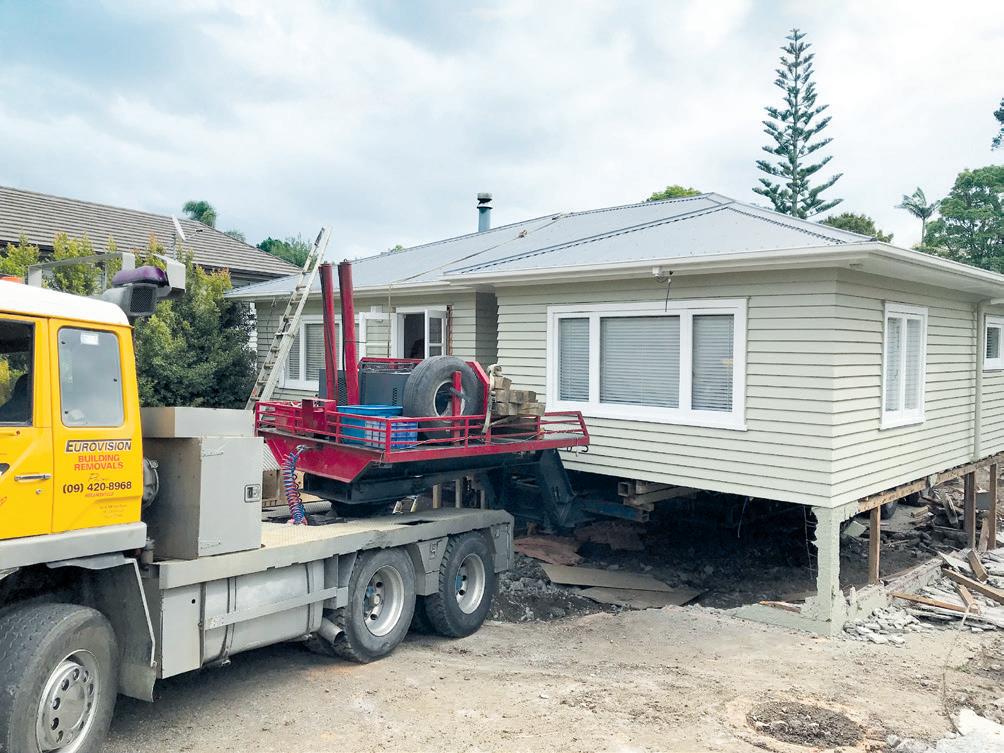
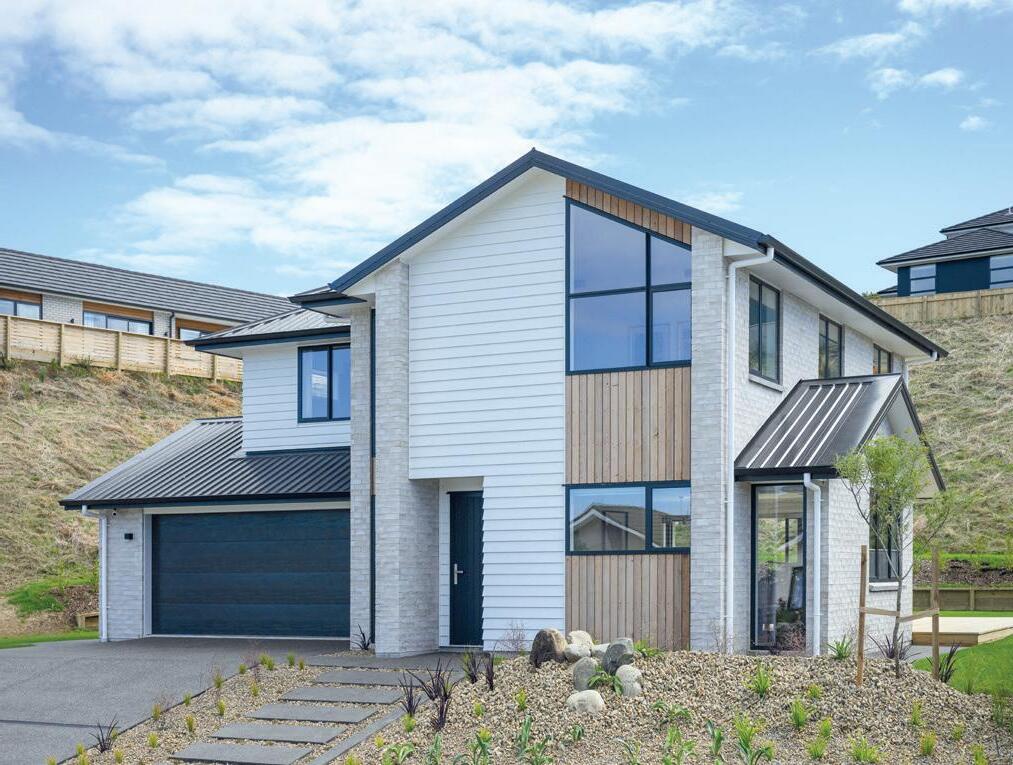
• Modern construction standards and energy efficiency.
• Lower maintenance and fewer ongoing repairs.
• Freedom to maximise your section’s potential.
• Peace of mind with new materials and warranties.
• Better long-term liveability and value.
At G.J. Gardner Homes, we have extensive experience helping homeowners explore what’s possible on their property. From initial ideas through to design, planning and construction, we can help guide you through the process with confidence.
Our free site feasibility assessment helps you understand the full potential of your property. We’ll assess suitability, explore home design options, discuss your goals and wishlist, and provide solutions aligned to your budget.
You may be surprised at what’s possible when you build new instead.
You already love where you live, now create a home that matches it.
Get the home you really want, without compromise.
By Angela Rudling of Bayleys Real Estate
Many people are talking about this year’s housing market, with the subject of likely market change at the top of the agenda. A regular question is: Will the coming six months see the normal slowing down of housing transactions over the winter months, and what effect will the election have on the market, before the end of 2026?
It is always interesting to look back over annual turnover on election years and find that even though over the month of the election, things may normally quieten, the annual sales volumes and figures, usually remain static.
This year, confidence has been slowly returning to the market, after approximately twelve months of uncertainty and the settling of interest rates, and we have seen some improvement in sales prices, so we look forward to a positive change and some market improvement between now and the year’s end.
There is a good saying within the industry, as a reminder to anyone considering a move. “If you buy and sell on the same market, the difference is similar.” When the market rises, so will the price of the next property you would be considering, and maybe there will be more competition, so there is nothing like the present for making a move, even if it takes a while to get the right result.
There is also talk that banks may review and slightly increase interest rates as this year progresses. We hope this does not happen, as recent ‘lower’ rates have offered encouragement to borrowers at all levels.
Banks have certainly become more challenging in their criteria for lending and seem to be reviewing approvals more regularly. Interestingly, the latest sale and purchase agreement requires a borrower to prove why they cannot satisfy the finance clause if it is refused by the bank, so this is a recent change in obligations.
If you have been waiting for mortgage rates to tumble into the abyss, the message this May is that we have likely hit a floor for now. With the Official Cash Rate holding steady at 2.25%, the Reserve Bank is keeping a close watch on sticky inflation before their next announcement on 27 May.
1 year fixed rates are lingering between 4.6% and 5.3% p.a.. While it looks promising compared to the 7% “nosebleed” peaks of 2024, wholesale pressures will keep it flat in the near future. Currently, about 58% of all existing mortgages are due to reprice onto a new term within the next year. If this is you, consider your strategy, act now, rather than waiting for the next plot twist.
There are roughly 36,000 homes currently sitting on the market. Yes, it is a buyer’s market, provided you can find a bank to look you in the eye. 1st home buyers are the big winners right now, making up over 27% of all sales through a mix of low-deposit allowances and sheer, unbridled optimism.
Many Kiwis are now choosing to fix for 1 year or are splitting their loans like a bad dinner bill, trying to hedge against whatever surprise the economy cooks up next. My role, is to help you navigate your way through these choices. Whether it is negotiating a better rate with your current lender, or finding a suitable loan with another from our wide lending panel, I do all the heavy lifting.

Looking ahead, we are seeing more confidence area-wide and believe this is already having a positive effect on the market, with multiple sold signs popping up everywhere. So, as we move forward through winter and towards spring, start planning, and please call us for any advice required, as traditionally, spring is a great time to embark on selling your home, and it will be here before we know it.
Ready to see if your loan could be working harder for you? Scan the QR code to download a free guide on seven ways to save big on your home loan. It is packed with simple tips to help you take control of your finances before the next market shift.












traditionally, spring is a great your home, and it will be here









Call Angela on 0274 770 176 or Michael Chi on 021 886 363.










Geoff Peterson
Adviser

PJ TAYLOR talks to one of east Auckland’s most respected and motivated educators and lifelong rugby and sports contributors.
Where were you born and grew up?
I was born in Lower Hutt and spent my first 21 years there. Family was very important and influenced many of my future decisions. Mum was a primary schoolteacher, and Dad had spent five years of his life overseas during World War Two. There were six children in our family. Sport, outdoor activities and family holiday trips to Christchurch were very much our lives.
What schools did you attend, and what was your tertiary education path?
I attended the local Catholic primary school and then on to St Bernards Intermediate and College. We had 550 boys at college, with up to 50 students in a class. We had 23 rugby teams and brought a medical note if you couldn’t play. Cricket, athletics and tramping were the other main activities outside the classroom. From school I went straight to Victoria University, majoring in chemistry and physics and then spent a year at Christchurch Training College.
Where did you teach once qualified, and when did you arrive at Macleans College?
I was fortunate to get my first teaching position at Hutt Valley High School, arguably the top coeducational school in the lower North Island. In the late 1970s and early 1980s there was a teacher surplus and to get a teaching job you needed to commit to taking extra-curricular activities. I taught junior science, senior chemistry and physics and coached afternoon rugby and cricket. Experienced teachers in those days were on a similar salary to a member of parliament, and the teaching profession was highly respected. In 1983 I took up a chemistry teaching position at Macleans College.
After teaching there for more than four decades, what does Macleans College mean to you?
Forty years at Macleans has been an incredible rewarding experience. The foundation three guiding principles of academic, co-curricular and the whanau house system fitted in with my educational philosophy of developing all-rounders. When I started in 1983, this was the fourth year of the school and there were 800 students. We had a very talented staff. The foundation head of art was Fred Graham, arguably New Zealand’s greatest Māori sculptor and also a Māori All Black – his legacy not only lies in his works he has left around Macleans but in his mentoring of us younger teachers. I was fortunate to get three quick promotions and in 1987 I took over as whanau house leader of Rutherford House and head of chemistry. As a house leader you were like a deputy principal of 300 students. Having a physical commons area that fitted all the students created a family environment. This also supported a strong pastoral component, particularly for the younger students but it also gave senior students plenty of leadership opportunities. This was the job I really loved. Year nine camp was important as an orientation week for our new students. The whole Macleans year 13 form also went on camp – qualified instructors would take all students through activities including caving, abseiling and in later years it included high powered management seminars run during the camp. Head of chemistry allowed me to work with the top academic students. I was fortunate to be awarded two Woolf Fisher Scholarships. The first allowing me to share what we were doing in chemistry with schools in Australia, and later on our developments in IT with UK and European schools. In 1994, I was appointed to a position in the senior leadership team with the ability of directly influencing educational change.
What has been the philosophy of the college’s leadership?
Following on from foundation principal Colin Prentice, the next three principals, Allen McDonald, Byon Bentley, and Steve Hargreaves always maintained, and in fact, enhanced the high student expectations, set by Colin. Effort was the number one priority. Macleans was also keen to benchmark itself against the best overseas schools and we also tried many innovative educational initiatives, including half-day Wednesdays for year 13, the direct teaching of thinking to year 9 and 10 students, and then the introduction of the Cambridge International examinations, practical vocational course and significant extra support for struggling students.
You have a lifelong affection for rugby union. Where did it start, and did you play?
I started playing barefoot rugby at age five for Hutt Marist, ready to be the All Black No. 7 in a few years. At intermediate we played for the school. We lost only one game in my three years at intermediate! National honours were getting closer. At college,


rugby was basically compulsory, which suited me. When I went to university, I went back to club rugby at Hutt Marist. Once teaching, I had to coach, so my playing career was over. The only national honours were in administration, with a number of roles which included running our New Zealand secondary schools Top 4 competition and international programme and sitting on the NZ school’s rugby council for nearly 20 years.
In the team management environment, what have been your philosophies on coaching and organising teams?
In my first years of coaching, it was old style. The coach was the guru and directed everything. We had one ball at training, and a lot of the training was fitness and then practice drills before Saturday’s game. Fortunately, I had the opportunity to attend a few weekend live-in courses run by Wellington Rugby. Coaching rugby, like any sport, requires proper planning, varied activities and good communication on objectives, very much what you do in the classroom. I think this explains why so many top coaches like Graham Henry and Joe Schmidt have been former teachers and school coaches, before they became professional coaches. Like my teaching, my coaching style has evolved to giving more ownership of decision making to the players and leadership group. They are the ones who are on the field and the ones that have to make the pressure decisions. I was fortunate when I came to Macleans that I had people like Waka Nathan to assist with the First XV and Auckland Rugby were always very generous in providing rugby development officers and courses to regularly upskill all school coaches. In later years I concentrated much more on management and administration of Auckland and NZ schools’ rugby. I’ve been fortunate to have taken 13 First XV Macleans trips overseas, including five to Japan and others to the UK, Canada and Australia. These end-of-season trips were more than rugby. They developed cultural awareness, memories and friendships that will last a lifetime. Japan is amazing, riding the fastest roller coaster in the world and having two TV news crews record the aftermatch captains’ and coaches’ speeches are truly unique experiences.
How was your tenure at College Sport Auckland?
At College Sport, I had the opportunity to see how nearly every Auckland school functioned. I had guided lunchtime tours of more than 80 Auckland schools. You really see how a school runs during lunch break. It reinforced what great work goes on in schools in the extra-curricular
environment. Sport is so important in developing self-esteem and self-discipline, as the then Children’s Commissioner Judge Andrew Becroft often said when he spoke at numerous sports conferences: “A teenager in team sport is a teenager out of court.” I also had some challenges with one school taking College Sport to the High Court and also fought for an even playing field for all schools to develop and keep their own students and stop the poaching of sports stars to fill a hole or weakness in a particular premier team. The reality is fewer than one per cent of school students will become semi-professional athletes, and even fewer will have a long-term career playing professional sport. Academic pursuits should be the number one focus of secondary schools. Sport and cultural activities are also very important but should complement academics but not dominate it.
You’re a very fit 70-year-old. When did you take up running and how’s that progressing?
I was never big enough to excel in contact sport, but I certainly loved cross-country running and tramping. I started running in 10km fun runs and marathons in my 20s. Running was a way of clearing the mind and reflecting on the previous day or week. After a long break from running marathons, I decided last October to get back into
it. Two weeks ago, I managed to finish this year’s Rotorua Marathon, gaining third place in the 70-74 age category and qualified for next April’s Boston Marathon. To run Boston has always been a dream of mine.
In your downtime, what are some of your favourite things to do in east Auckland and where?
I love taking a walk or stroll around the local beaches. The Rotary Walkway is my go-to running track. I’m a member of a gentleman’s local business group, the Pakuranga Breakfast Club, that weekly walk on several early mornings and then have a coffee at Roma Café or a catch up at the Howick Club or local restaurant.
If there was one thing you’d like to see change in New Zealand society, what would it be?
A little more tolerance and respect for each other’s points of view. You don’t need to agree with everyone, but don’t shut them down. We don’t want to be like the United States where you align with one of two parties and despise those on the other side. Social media exacerbates this and it’s a serious problem for our youth. Switching off the screen and having real conversations leads to better relationships and less stress.
supplied
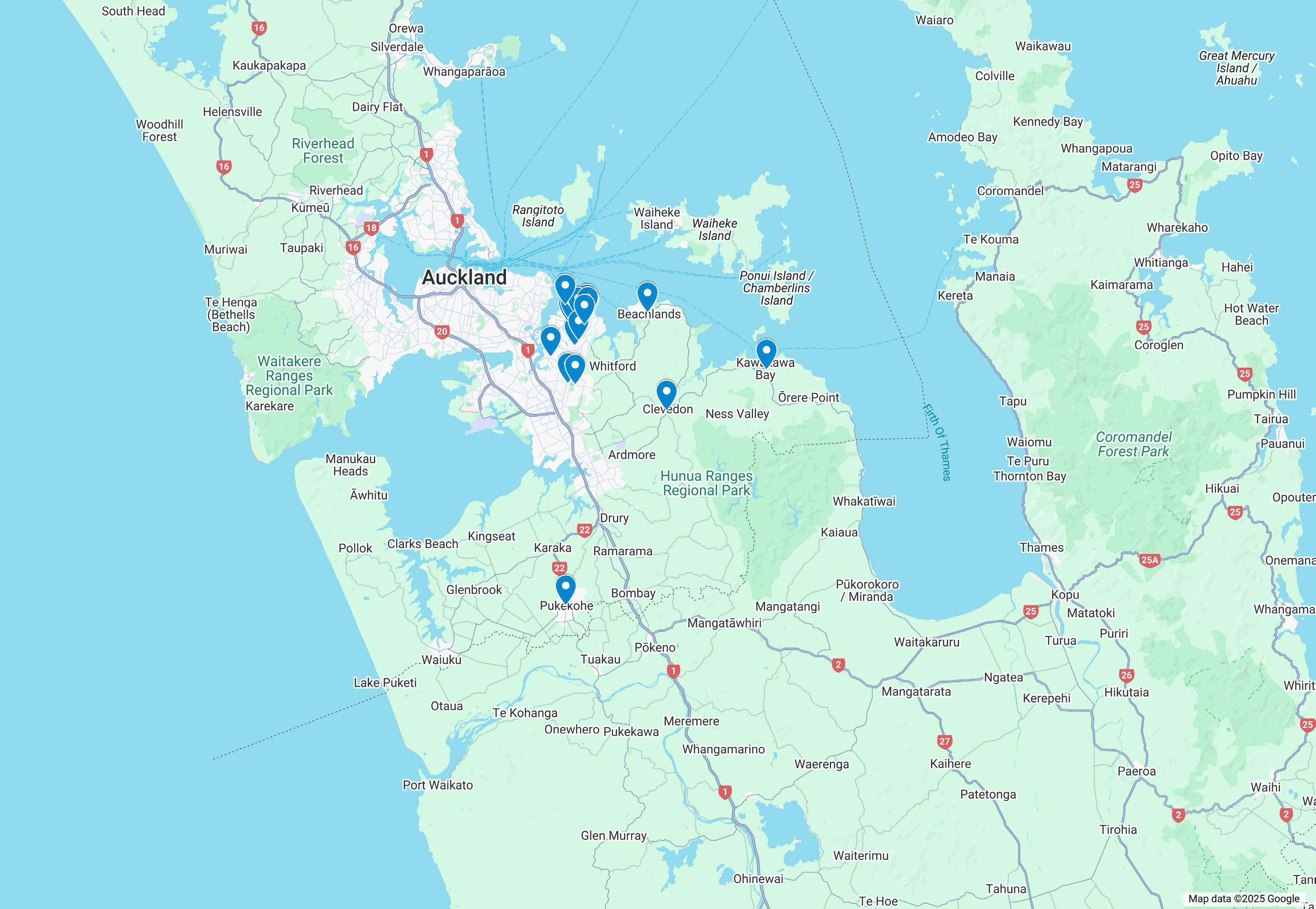
Do you have a beloved South Asian recipe passed down through generations, or a dish that brings your family together? We want to hear from you – and you could win a $50 voucher for sharing it.
East Health Trust and the University of Otago have partnered on a health study focused on improving the well-being of South Asian communities in New Zealand.
The goal is to develop culturally-appropriate resources to help prevent conditions like diabetes and heart disease – resources that reflect the real foods and flavours that families who connect with Afghanistan, Bangladesh, India, Maldives, Nepal, Pakistan and Sri Lanka cook and enjoy.
As part of this research, a collection of South Asian-inspired recipes will inform the development of practical, community-led health tools including a recipe bank.
Whether you grew up cooking these dishes, learned them from a parent or grandparent, or they’re simply part of your everyday life, your contribution matters.
Submit a recipe that’s low in saturated fat, low in overall fat, and ideally features creative use of lentils and vegetables – think dals, sabzis, curries, or any dish that’s both nourishing and delicious.
Share your recipe using the QR code below before June 30, 2026. Three lucky entrants will each win a $50 voucher.
This is a wonderful opportunity to celebrate South Asian food culture while contributing to research that could genuinely benefit your community’s health for years to come. No formal cooking experience is needed – just a recipe you love and want to share.
If you get stuck with the QR code, form or have any questions, email sherly.parackal@otago.ac.nz
Project reference: H24/0274 – Approved by the University of Otago Human Ethics Committee.

By MIKE KING, executive director, I Am Hope Foundation

I was watching a couple of dads with their kids at a sports event the other day. Nothing special. Just a normal Saturday. What stood out wasn’t the game. It was the dads and their sons. One dad was obviously athletic. You could tell straight away. Known. Respected. His son was the same. Natural. Coordinated. Born to play. The other dad looked more like your everyday office worker. Slightly clumsy. More comfortable behind a desk than throwing a ball. His son was the same.
Two completely different pairs. Or so I thought. As I watched, I started noticing the small things. One kid kept glancing at his dad, looking for reassurance. The nod coming back. “You’ve got this, son.” The other kid was pumping. Couldn’t wait to get out there. His dad was the same.
Watching them on the paddock, one kid played a hell of a game, the other was terrible. After the game, one looked like he’d had the time of his life, the other looked miserable. Only it wasn’t the kid I expected. The accountant’s son loved every minute of it.
Walking back to the car, replaying the highlights, high-fiving his dad. He was terrible. The athlete’s son was incredible. Everything you’d want in a player. But you wouldn’t have known it watching him walk off the field. It looked like he was carrying the weight of the world on his shoulders. Dad already had the notebook out. Straight into what looked like their post-game analysis.
And that got me thinking. Why do some kids feel pressure and others don’t? I’m not talking about sport. I’m talking about life. Because under pressure on the field, the athlete’s son was calm, composed, in control. Off it, completely different story. If you look at the issues affecting young people today, anxiety, depression and stress, I think the answer sits in that third one. Stress. And the biggest driver of stress is expectation. Not always what parents say. What kids pick up.
Throughout my life, I’ve always placed huge expectations on myself. I had to be the best. I had to be perfect. Why? Because that’s what I saw growing up. Not in words. In behaviour. And that’s the thing about perfectionism. You don’t have to say anything.
It’s in your reactions. It’s in what you don’t celebrate. It’s in the standard you quietly expect.
And kids feel it. So instead of playing freely, they play carefully. Instead of enjoying it, they overthink it. Not because they’re not capable. Because they’re terrified of getting it wrong. That’s the invisible pressure. And it’s heavy.
Both of those dads loved their kids. You could see it. Both were doing their best. But it wasn’t what they were saying that mattered. It was what they were carrying. Because kids don’t become what we tell them. They become what we show them. And sometimes, the pressure we carry quietly becomes the pressure they live with loudly.
Under 25 and need someone to talk to? Book a FREE counsellor at gumbootfriday.org.nz — no GP referral needed.







Your gut is talking to you, here’s how to listen
By KIMBERLEY HALL, Health Coach, Tend Pakuranga
Most people only think about their gut when something goes wrong. But your gut is doing a lot more than digesting your lunch. It influences your energy, your bowel habits, your comfort, and even how you respond to stress. Getting to know what’s normal for you is often the first step in noticing when something’s off.

The billions of bacteria living in your gut respond to your overall eating habits over time, not just to any single meal. More variety, more plants, and a bit of consistency go a long way. Think a mix of vegetables across the week, fibre introduced gradually, and foods like yoghurt or sauerkraut if they suit you. Your gut doesn’t need perfection - it just needs you to show up most of the time.
What surprises a lot of people is how much stress affects digestion. Your gut and brain are in constant twoway conversation. When you’re stressed or rushing, your digestion feels it - which is why bloating or discomfort often flares during busy periods, even when you haven’t changed what you’re eating.
Small habits can make a real difference here. Slowing down at meals helps more than people expect. Sitting down, putting your phone away, and taking a breath before you eat gives your body a chance to actually digest properly.
June is Bowel Cancer Awareness Month. Most gut symptoms are not cancer - but changes that stick around deserve attention. If you notice a change in your bowel habits lasting more than two weeks, blood in your stool or anything that feels unusual for you, see your GP.
Supporting your gut doesn’t have to be complicated. A bit of steadiness and a few small habits go further than any overhaul.




MICHELLE KEENAN empowers people and organisations to achieve optimal wellbeing by providing customised wellness coaching programmes tailored to their unique goals.

Cold plunges. Morning sunlight. Weighted vests. If you spend any time online, it can feel like there’s a new wellness trend popping up every week, all promising to change your life. And while some are genuinely beneficial, others can leave people feeling overwhelmed, confused, or like they’re somehow failing at wellbeing because they’re not plunging into an ice bath at 5am.
The reality is that good health is usually built on fairly simple foundations, and the basics still matter most. Moving every day, getting enough sleep, and a diet with plenty of whole foods are a great start. As far as wellness trends go, some of them are well-supported by evidence, some of them have some promising evidence, and some of them seem to take off with little to no evidence behind them at all!
Morning sunlight is one trend that does have science behind it. Getting outside for even five or ten minutes in natural light early in the day helps regulate your circadian rhythm, which affects your sleep, energy, mood, and hormones. It’s simple, free, and effective, so go for a short walk or sit on the deck to drink your cuppa if the weather allows.
Cold water exposure is a bit more mixed. You might find it energising or mentally refreshing, and there’s some evidence it may help build resilience over time, but the research has mostly been done on men and some experts believe it may be far less beneficial, and even have some negative effects, for women. If it feels good for you, great. If not, skip it.
And while we should be lifting weights for bone density, building and maintaining muscle, healthy, strong joints, and better mobility, there’s no evidence to suggest that walking with a weighted vest will give us those same benefits. You’re better off getting into the gym twice a week, doing a full-body heavy weights routine (heavy means choosing weights you can only do 4-6 reps with), and enjoying your walk without the weighted vest.
The best wellness habits are not the trending ones; they’re the ones with proven benefits, that fit into your real life, and that you can stick with consistently.
www.michellekeenan.com



Ormiston Medical has welcomed Dr John Sison to the team, bringing nearly a decade of experience across Auckland’s health system and a strong passion for community-based care.
Dr Sison graduated from the University of Auckland in 2016 and completed his junior doctor training primarily at Middlemore Hospital before moving into general practice in 2019. Over the past several years, he has worked across both East and South Auckland, building extensive experience in urgent care, acute injuries, long-term health management, and family medicine.
Now based at Ormiston Medical, Dr Sison says joining a practice in the community where he and his family already live felt like the right fit.
“My family is local; our children go to school nearby, and I really enjoy being part of this community,” he says. “General practice is about building trusted relationships over time and helping people stay well through every stage of life.”

Patients can see Dr Sison for everything from everyday health concerns and ACC injuries through to preventative care, chronic condition management and ongoing family healthcare.
Known for his approachable style and genuine interest in people, Dr Sison says one of the most rewarding parts of general practice is getting to know patients over time and supporting them through their health journey. Outside of medicine, he enjoys technology, gaming, basketball, football, and spending time outdoors with his family.

Dr John Sison is currently welcoming new patients to enrol at Ormiston Medical. To enrol or book an appointment, contact the clinic on 09 265 1325.


By DAVID MALLOWES
A walk around the Hololio Estate in Clevedon combines river views, open countryside, the 1892 Hololio House, gardens, and the polo terrace and fields. We were privileged to be guided by Josephine around this expansive property as part of the East Auckland Walkfest.
The walk begins beneath towering mature trees progressing to beautifully maintained flowers and established gardens surrounding the original Munro family kauri homestead. The interior of the house is warm and spacious, timeless with elegant verandahs. The adjacent huge old barn is an attraction in its own right, loaded with character and history.
We progressed along quiet farm tracks past horses and sheep and beehives to the Wairoa River and visited the original concrete crossing. The river was once an important transport route; food source and settlement corridor, travelled by waka between coastal and inland settlements.
Around the polo training field then to the
competition ground. Walking across the field is a sensory experience in its own right, dense and springy yet very soft; every step sinks slightly into the grass.
Beyond the polo area, there has been extensive tree planting and trail development. The wetland area is mesmerising – tall trees, ponds, reflections – absolutely beautiful. The track progresses into a wide winding bridle trail that extends through ribbonwood, coral, poplar, cypress, gum and other trees to a road entrance opposite the Clevedon Showgrounds.
Back towards the beginning, we visited the large limestone edged pool and the pool house, part of a private entertaining courtyard. If you have the opportunity to visit the Estate, it is a lovely outing with a sense of stepping into another era. Access can be by accommodation stays, private events (eg weddings), polo events, or by arrangement with the owners. We look forward to walking this again as part of the 2027 Walkfest.
While in the area, consider some of the public walks around Clevedon – Te Nikau Pa and the


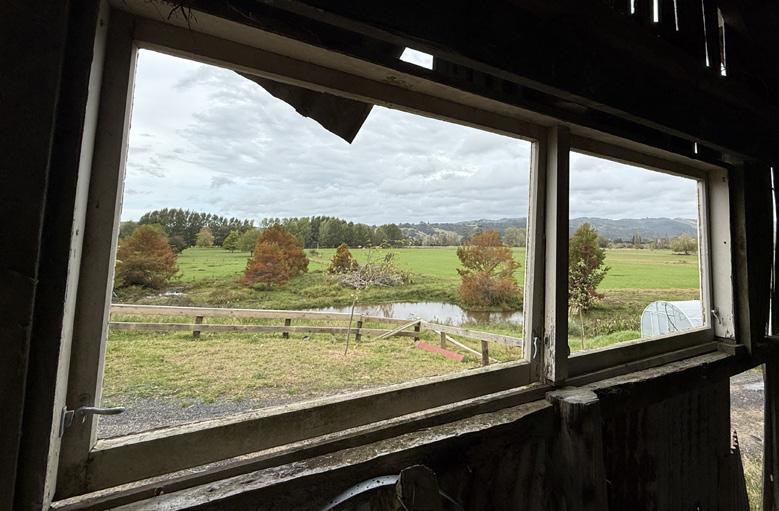
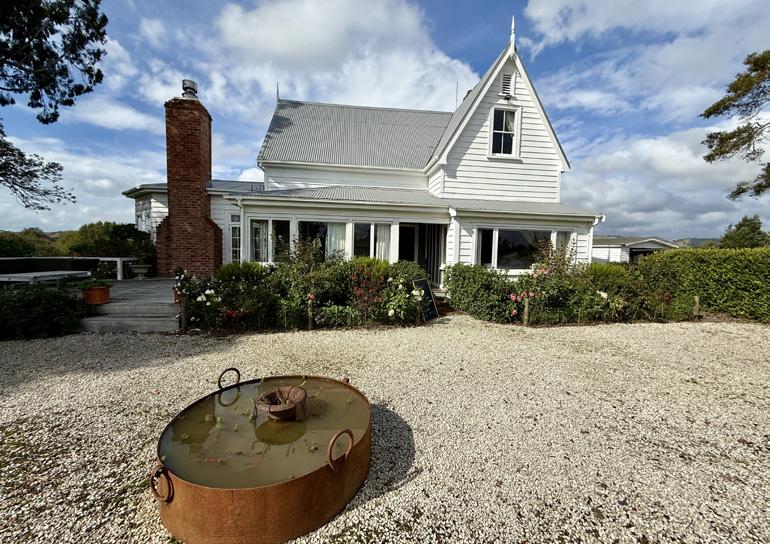
“Stairway to Heaven” climb, Clevedon Village and river pathways, Duder and Waitawa Regional Park walks, and the Hunua Falls to Cossey Dam loop. Then relax at Hallertau or one of the many cafes in Clevedon, or head towards Papakura and the Farm House Cafe with its own, always open, public rural walk.
For more information, photos, printable maps, visit Facebook page WalksOutEast.

At Estilo Hair and Beauty, beauty is approached with intention, expertise, and a deep understanding of what truly works for hair and skin.
More than just a salon, Estilo is a space where industry knowledge meets personalised care, creating an experience that feels refined, welcoming, and results-driven. Founded on the belief that good hair and healthy skin are not a matter of luck but of expertise, the Estilo team takes the time to understand each client’s individual needs before any service begins.
Every appointment starts with a thoughtful consultation, ensuring treatments are tailored to suit your features, lifestyle, and long-term goals. Estilo specialises in advanced hair colouring techniques including balayage, foils, root melts, and colour corrections, with a strong focus on maintaining the integrity and health of the hair.
Smoothing treatments such as nanoplasty, precision haircuts, nano tip extensions, and restorative hair rituals are designed to leave hair looking effortless, polished, and
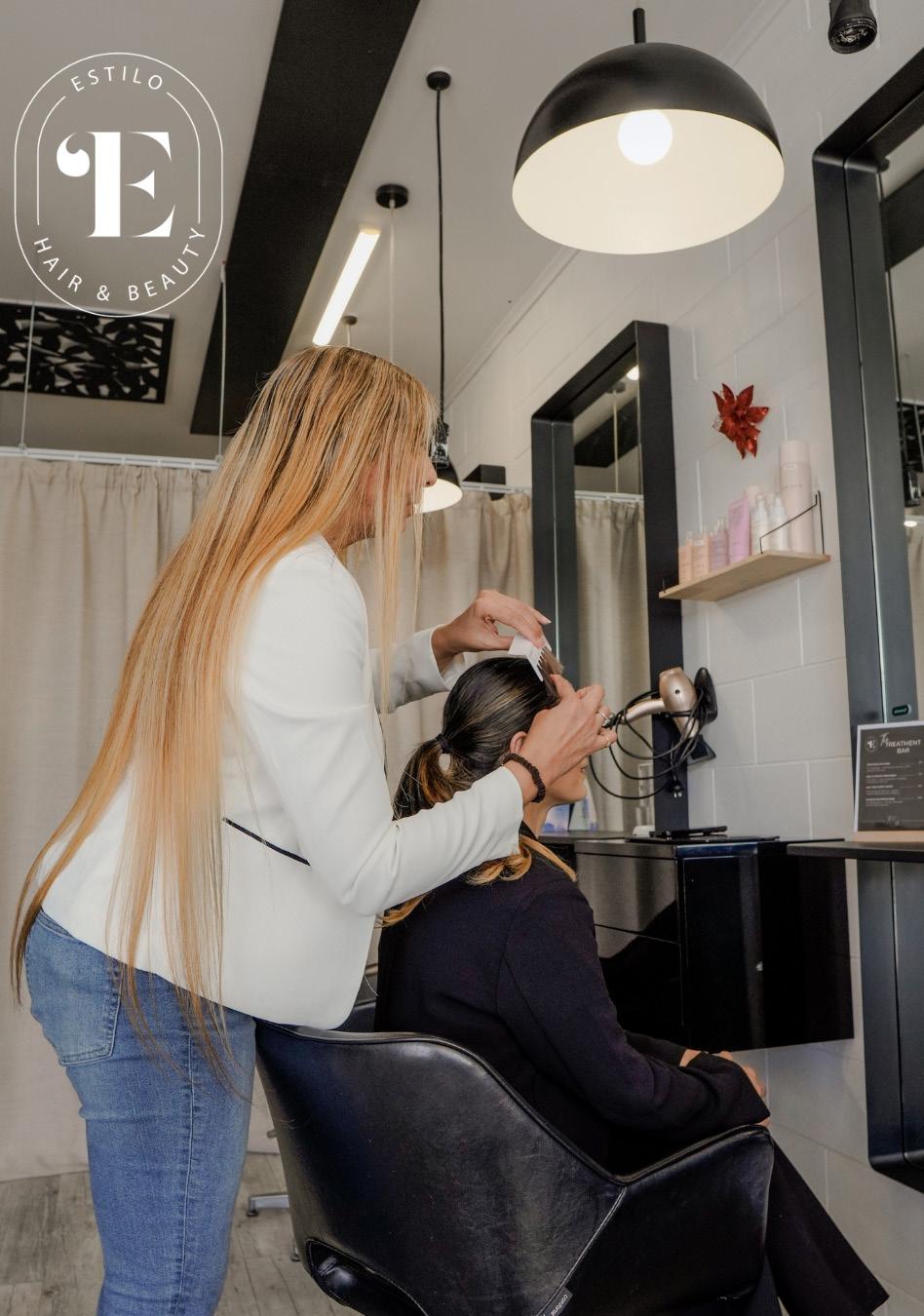
manageable long after you leave the chair.
Skin and beauty treatments are equally considered. Clients can choose from results-



driven facials, dermaplaning, microneedling, lash lifts and tints, brow services, and the newly introduced lip blush treatment, all performed with the same attention to detail and care.
Each treatment is selected and delivered to enhance natural features rather than mask them. What sets Estilo apart is its commitment to education. Clients are guided on how to care for their hair and skin at home through personalised haircare and skincare prescriptions, professional product recommendations, and practical advice that extends the life of every service.
With premium brands such as Davroe, NAK Hair and HIDEHERE now available in salon, clients have access to clean, highperformance products that support ongoing hair health between visits. For those seeking a salon experience grounded in knowledge, precision, and genuine care, Estilo Hair and Beauty in Howick offers a modern approach to beauty – where expertise is at the heart of everything they do.
• Book now: www.estilosalon.co.nz.




By SARAI ELORA, Bonita Artistry
There’s a moment that happens after you’ve bought the “right” products. You’ve matched your foundation. Invested in skincare. Your makeup bag feels considered. And yet… when you apply it, something still feels slightly off.
Not wrong. Just not you
This is the missing piece: it’s not just what you use, it’s how you use it. Makeup isn’t a checklist. It’s a method.
Skin first, always
Your skin sets the tone for everything. A wellprepped base doesn’t just improve longevity; it changes how makeup sits and reflects light. Hybrid formulas are leading this shift.
The Tower28 SunnyDays SPF 30 Tinted Sunscreen Foundation (MECCA $63), and

coverage in one step, creating a finish that feels like skin, not product.
Better makeup isn’t about more; it’s about placement. Where your bronzer sits, how your blush diffuses, the lift of your brow these details shape your face subtly.
The Westman Atelier Petite Face Trace Contour Stick (MECCA $51) allows you to build warmth gradually, melting into the skin for a natural, lived-in effect rather than a defined layer.
Texture changes everything
We’ve moved beyond heavy, matte finishes. Now it’s about skin that looks soft, dimensional, and light-reflective.
The ILIA Beauty Multi-Stick (MECCA $70) adds a natural flushed glow, making your makeup feel effortless rather than applied.


Build, don’t mask
The biggest shift you can make is to stop trying to complete your makeup in one step.
Build in layers. A sheer base. Soft dimensions. Blended colour. This is how you create that “yourself, but elevated” finish.
The real takeaway
If your makeup hasn’t been working, it’s not because you’ve been choosing wrong. It’s because no one showed you your method.
When you understand your features, your skin, and your style, everything aligns. Your routine becomes intuitive, and your reflection finally feels like you.
Follow @bonitartistry for more pro techniques, makeup lessons, or explore more at bonitartistry.co.nz/blog

This is a shared arts column space put together by Howick Historical Village, Te Tuhi, and Uxbridge Arts and Culture.
By LEXIE PALMER-GAPPER, Howick Historical Village
Over the last few days, many of us have found ourselves Mary Poppins-ing our way down into the past and landing on Waipaparoa Howick Beach. Joining Time Travel New Zealand’s AI-generated trip on Facebook, we came face to face with a representation of 1847 Howick…and this influencer has clearly struck a chord. As of the writing of this article, it is the most engaged with post on the whole page. We’ve received so many excited messages about it, even though we were as surprised as everyone else!
And it got us thinking about all the ways we can connect with the past that don’t involve dust, dates, and dry eyes. From the outstanding graphic novel The Writing Desk by Di Morris to the beautifully illustrated visual history of Aotearoa: The New Zealand Story by Gavin Bishop, both of which we sell in our gift shop, history is made accessible to all reading levels. Check out the charmingly funny (albeit slightly gross!) animation of Kea Kids’ “You Won’t Believe the Gruesome History Behind Panmure” published on October 30, 2025, created with input from our archives and our Collections Coordinator, Lee Lowden.
In our world, the initials V.R. mean something very different than today. A few years ago, a student drove this point home for us. Whilst on our

popular education programme, he saw a sign next to the Maraetai Post Office with those initials surrounding a crown and said “V.R.!? You guys have virtual reality?!” We explained that our V.R. meant Victoria Regina, for Queen Victoria, the centre of the Fencibles’ reality - virtual and otherwise.
We posit that while the past has happened, history is constantly being re-written… and re-photographed, re-illustrated, re-contextualised. Whatever it is that brings history alive to you, we are excited to support.

For instance, HHV is the bucolic Honeywood, home of Viva La Dirt League’s Epic NPC Man skits. Visitors travel from across the world to see behind-the-scenes and end up staying for our butter-making
have staged events on site and even shot a documentary. If someone first engages with history because of garlic and chainmail, then we are thrilled.
Our visitors may connect to the history of yeast in breadmaking or be enthralled by the smoky darkness of the fiery forge. We offer hands-on, experiential activities and try to engage as many senses as possible. Every day we show how much more alike you are to someone your age from the 1840s than you are different. When you are in Ford’s Cottage looking at a tally written on the wall in pencil and then pull out your phone to see a tally of how many steps you’ve taken around our 7 acres, you are living history.


Go watch Time Travel New Zealand’s video here: www.facebook.com/ timetravelnewzealand/

The Times is recognising the many wonderful people in our local east Auckland community who go out of their way to help others with our regular Community Hero Award.
If you know someone who’s doing amazing things in our community, please email 50 to 100 words describing why they deserve this recognition, highlighting specific actions they’ve taken to benefit our community, with your and their contact details and a high-resolution photo of them if possible to chrish@times.co.nz.
Be sure to include details about what they’ve been doing, the impact they’ve made, and how long they’ve been involved in these efforts.
The award is sponsored by New World Howick. Recipients receive a $50 New World gift card and are featured in print and online.

This week’s recipient is Barry Averis.
He’s nominated by Fencibles United AFC chairperson Aaron Carson, who writes: “Barry Averis never had any real interest in football. It was one of those sports he watched other people get excited about, never imagining it would matter to him.
“But everything changed the day his son stepped onto the field for the first time. What began as quiet support from the sidelines slowly grew into something deeper. When the club needed help, Barry put his hand up, unsure at first but willing to learn.
“Coaching opened a new world for him, one where he found himself caring deeply about each player, their environment, their confidence, and their growth. He celebrated their wins and losses both as a team and as an individual, encouraged them through challenges, and became a part of their journey in a way he never expected.


“Somewhere along the way, football became more than a game. It became a passion, a community, and a joy he never knew he was missing.
“Barry has now been volunteering his time as a coach at Fencibles for five years and the passion has never been stronger. When the winter season ends he’s already looking forward to the summer Academy!”
Nominate a Community Hero online at www.times.co.nz/nominate/














JACK WATSON

THE DEVIL WEARS PRADA 2
DIRECTOR: David Frankel
STARRING: Meryl Streep, Anne Hathaway, Emily Blunt, and Stanley Tucci
GENRE: Comedy-drama
RATING: Four stars
The Devil Wears Prada 2 is the latest legacy sequel, but in the sea of questionable products with no story to tell, Prada 2 feels like it has a lot to say about the state of journalism.
We are slowly slipping into a world that will be fully digital & with that comes the death of journalism, but Prada 2 fights back against that reality & the importance it still holds. As someone who doesn’t really enjoy the original film, Prada 2’s characters feel like they have a more fleshed-out sense of direction to them.
Streep’s Miranda is still grossly unlikable, but where the story goes, paired with a more felt comedic direction, she becomes more engaging instead of painfully one-note. But the one consistent aspect between the two films is Tucci’s Nigel. He constantly gets the most laughs out of me, and his arc is worth the price of admission.
While both films aren’t my sense of humour, seeing them in a crowded theatre is the best way to experience the films.
Overall, The Devil Wears Prada 2 is a successful legacy sequel that embraces its past whilst not feeling held back by the original film.
> Jack Watson saw The Devil Wears Prada 2 at Monterey Howick.

BEST NEW BOOKS
RRP $36.99
This is the story of Kiwi soldiers who made history in North Africa during the Second World War as part of the Long Range Desert Group (LRDG), the forerunners to the NZSAS. Operating behind enemy lines, they navigated vast deserts by sun and stars, carrying out daring raids and reconnaissance missions under extreme conditions. But behind the legend lies the reality. This series explores the brutal, often untold human cost of desert warfare, and the life-or-death decisions these men faced as individuals and as a unit. The series draws on recordings made during the war by the NZ Broadcast Unit on site in North Africa, along with narrations by John Daniell and Noelle McCarthy, and interviews with historians and those close to the men of the LRDG. Available via iHeart and Apple Podcasts.
This podcast is all about sharing incredible stories of people who are helping nature. In one recent episode, they talk to Ollie Rutland-Sims from Pest Free Banks Peninsula to learn about their possum elimination programme. A bold mission, strategically working to drive possum numbers to zero in their area under the ethos that “offence is the best defence”. Another episode explores one of the country’s most elusive and lesser-known birds: the matuku-hūrepo, or Australasian bittern. The Pūkorokoro Miranda Shorebird Centre also featured in January this year.
A great podcast to learn more about conservation efforts across the country.



1704: Alexander Selkirk, navigator of a buccaneering ship in the South Pacific Ocean, is abandoned by his crew on a deserted island. An intelligent yet disagreeable man, he surely only has himself to blame for this ignominious fate. In Cast Away, Francesca de Tores reimagines in mesmeric detail and sparkling prose the real-life years Alexander Selkirk spent as a castaway on a desert island, the inspiration for the classic novel Robinson Crusoe. Ousted from society, left in the company of only a goat and a cat, his story asks us who we are –and who we become – when no one is around.
A YEAR AT AWAKINO STATION
RRP $45
Set amongst the breathtaking landscape of North Otago, A Year at Awakino Station encourages you to slow down, live alongside the land and embrace the seasons. Join Jaz Mathisen, her partner Dan Devine and their three young daughters as they farm Awakino Station – the third generation to do so. Pull up a chair to the kitchen table as Jaz shares more than 30 of her favourite recipes and cooks her way through the seasons on one of New Zealand’s most spectacular working farms.
It is best when parents teach morality to their children and urge them to conduct themselves wisely, thus emulating the role model of the saints and sages




An east Auckland church is extending an invitation to the local community to its upcoming Festival of Choirs public performance. The musical event is being staged at Trinity Methodist Church in Pakuranga on Sunday, May 24.
Choir director Maheeka GunasekaraAriyapperuma says the Festival of Choirs will commemorate the spiritual conversion of the Reverend John Wesley, who’s known as the father of Methodism.
She says ‘Wesley Day’, which this year falls on May 24, is of significance to all Methodists “as we commemorate the spiritual conversion of Reverend John Wesley, the founder of Methodism”.
“His brother, Reverend Charles Wesley, is the

famous hymn writer who composed more than 6000 hymns and some of the most well-loved hymns we sing today are his compositions. The Trinity Methodist Church Pakuranga has taken this opportunity to organise a Festival of Choirs to celebrate this special day to glorify God for all his mercies throughout the years.
“Methodism was born in song, and no Methodist service would be complete without vibrant singing. Singing has always been a part and parcel of being a Methodist. This is what the congregation can expect to take part in at the service. Not only the afore mentioned, but the congregation will also have the pleasure of listening to special items sung by three visiting choirs from the Wesley Methodist Church Papatoetoe, All Saints’ Anglican Church Howick, Pitt Street Methodist
Church Auckland Central, and our very own Trinity Methodist Church, who will make the service even brighter and bolder with their singing!
“The congregation will also have unexpected surprises during the service, as the intention is to create an atmosphere which journeys back more than 250 years, when Methodism all began. To make the service bright, bold and beautiful, we’d like to invite all of you who enjoy singing Wesley hymns to participate in the service.”
The Festival of Choirs is from 6pm to 7.15pm, with fellowship in the church hall following the end of the service, on Sunday, May 24, at Trinity Methodist Church, 474 Pakuranga Road. Entry is free and all are welcome.
At the heart of Meadowlands Shopping Centre, The Coffee Club continues to be the go-to destination for locals seeking great coffee, relaxed dining, and all-day favourites in a welcoming, community-focused setting. Whether you’re meeting friends, taking a break from shopping, or settling in for a casual meal, The Coffee Club offers a comfortable space where good food and good company come naturally.
The café has built a strong reputation for consistently fresh meals, generous portions, and friendly service. It’s a convenient stop for breakfast, lunch, or an afternoon treat. Check out the cabinet for daily favourites or peruse the menu, designed to suit everything from quick bites to lingering catch-ups.
This winter, The Coffee Club is turning up the comfort with new limited-time promotions launching from June 1, designed to bring warmth and indulgence to cooler days.

Fancy a Philly Cheesesteak Sandwich? Sink your teeth into this classic comfort favourite, loaded with tender shaved beef, melted cheese, and sautéed onions, all served on a perfectly toasted roll. It’s hearty, satisfying, and exactly what winter cravings call for — comfort food done right.
For those with a sweet tooth, Sticky Date Pudding is the seasonal indulgence. Served with thick caramel sauce, creamy vanilla ice cream, and fresh cream. Rich, comforting, and deeply satisfying, it’s the kind of dessert that feels like a reward; in fact, you may want to skip the main and start with dessert.
Both winter specials are available for a limited time only, until August 30, making this the ideal moment to visit and experience the seasonal menu while it lasts.
If the taste buds are already salivating and you can’t wait for these June specials, try
the Corn Fritter Bene Stack. Warning: may cause brunch envy, but it’s only available for one more week. Double corn fritters are topped your way with all-time favourite bacon, or two other delicious options— salmon or mushroom—all smothered in silky hollandaise. It’s a vibrant, satisfying twist on a brunch classic.
With its easy location, relaxed atmosphere, and a menu that blends everyday favourites with seasonal creativity, The Coffee Club Meadowlands remains a favourite for locals across Botany, Howick, and surrounding suburbs.
Step inside this winter, warm up with something delicious, and enjoy a café experience built around comfort, connection, and flavour.
@MeadowlandsShopping meadowlands.co.nz
Step inside this winter, warm up with something delicious, and enjoy a café experience built around comfort, connection, and flavour.









PLEASE NOTE: information regarding times & dates of these events was correct at the time this issue went to print. However, readers are advised to check events online for updates.

Friday 19 June, 7.30pm-11.30pm, Howick Bowling Club, Selwyn Road
A night of comedy, magic, and mind-blowing entertainment with Jarred Fell. Expect a high-energy live show packed with illusions, laughter, and unexpected twists as Jarred brings his unique blend of magic and comedy to the stage. A fun, social night out perfect for groups and anyone after a good laugh and a bit of wow-factor entertainment.
Saturday 20 June, 5-9pm, Howick Historical Village, 75 Bells Road, Lloyd Elsmore Park
Step into an enchanting after-dark experience as the Winter Lights Festival returns, with stunning new illuminated spaces throughout the village and park. Enjoy food, drinks, and entertainment, with food vendors offering delicious options alongside mulled wine, hot spiced apple juice, beer, gelato, and old-fashioned sweets. Adult $20, child $10. Bookings highly recommended – no door sales (via Eventfinda).



Scan me for more local events


Saturday 20 June and Sunday 21 June, at 4.45pm, Paradice Botany
New Zealand’s fastest sport is back with back-to-back ice hockey action in Botany as the Botany Swarm take on the Pure NZ Admirals. Expect high-energy, full-contact hockey with fast breaks, big hits, and nonstop action on the ice. It’s a great live experience for both dedicated fans and first-timers. Tickets: Adults $19, children $15, family pass $55.

Sunday 21 June, from 9am, Beachlands Boating Club
Get ready for a fun-filled day of classic cars, scenic cruising, and friendly competition, all in support of the Beachlands Boating Club. The 2026 Classic Car Poker Run takes participants across local stops with poker cards collected along the way plus laughs, food, drinks and classic car banter. Expect brewery stops, oyster tastings, pub lunches, prizes, and more throughout the day. $25 entry.















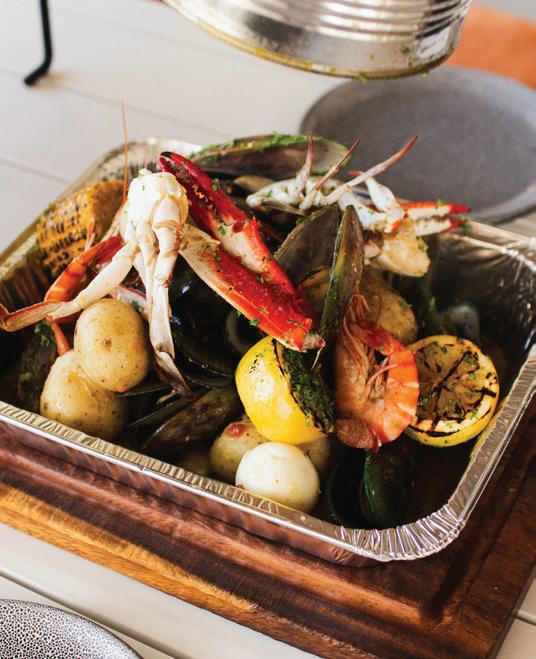











This is a practical potato gnocchi recipe for home cooks who want soft, delicate gnocchi without overcomplicating things.
• 500g riced potato flesh, passed through a potato ricer from baked Agria potatoes and weighed after ricing
• 150g Caputo Pasta Fresca e Gnocchi flour, plus a little extra for dusting
• 1 egg yolk
• 5g Murray River salt flakes, ground to a fine texture
Heat oven to 200°C. Bake Agria potatoes whole, skin on, for 60–70 mins until completely tender when pierced through. While still warm, pass through a ricer into a bowl, then weigh to ensure you have 500g. Tip onto a clean bench or tray and spread briefly (2-3 mins) to release steam. Return to a bowl, add ground Murray River salt, 130g flour and egg yolk. Bring together gently with hands or a dough scraper to form a soft dough, adding some or all of the remaining 20g flour only if needed. Dough should be soft and lightly tacky, not wet – do not knead. Divide into 4 pieces. On a lightly floured bench, roll each into a 2cm thick rope, then cut into 2-2.5cm pieces. Leave as pillows or roll over a gnocchi board or fork with your thumb to create ridges and a slight hollow. Place on a lightly floured tray in a single layer. Bring a large pot of well-salted water to a gentle boil. Cook in batches; once they float, cook a further 30-60 seconds, then lift out with a slotted spoon. Serves 4

Watch recipe video here!
TASTE WITH GAULT gaultsdeli.co.nz


With food prices remaining high, many households are looking for simple ways to reduce waste and make groceries stretch further. Fortunately, a few small kitchen habits can make a big difference.
One of the easiest tricks is proper storage. Potatoes and onions should be kept separately in a cool, dark place, while leafy greens stay fresher when wrapped in paper towels inside containers or bags. Herbs can last longer when stored upright in a glass of water in the fridge, much like fresh flowers.
Freezing is another useful tool. Bread, grated cheese, cooked rice, soups, and even milk can often be frozen successfully rather than thrown away. Labeling leftovers with dates also helps prevent forgotten containers from becoming fridge science experiments.
Planning meals before shopping can also reduce waste. Buying only what is needed for the week lowers the chances of produce spoiling before it gets used. Many cooks now build meals around ingredients they already have at home rather than making extra supermarket trips.
Understanding expiry labels matters too. “Best before” dates usually refer to quality, not safety, meaning many foods are still perfectly usable after that date.
As budgets tighten, making groceries last longer is becoming less about perfection and more about smarter everyday habits in the kitchen.
Enter the draw for a Russell Hobbs 11-in-1 Digital Multi-Cooker RHPC3000 RRP $299 at www.times.co.nz/win














Join Travel Culture for a relaxed afternoon with a drink and nibbles as we showcase a world of travel possibilities, from unforgettable guided holidays to incredible ocean and river cruises.
We’ll be joined by the Travel Corporation (TTC) Group including Trafalgar, Insight Vacations, Contiki, AAT Kings, Costsaver, Luxury Gold, Uniworld Boutique River Cruises and Brendan Vacations & more. Alongside our cruise specialists from Cruise World, representing leading names such as Cunard, AmaWaterways, Celebrity Cruises, Royal Caribbean and Holland America Line, plus a range of European river and Expedition cruises.
Whether you’re dreaming of a bucket-list journey near or far, this is your chance to explore, ask questions, and discover what’s possible. We’ll also have Europ Assistance on hand to talk through travel insurance options, giving you complete peace of mind when planning your trip.
Come along, get inspired, and let’s start planning your next unforgettable journey.
STEWART MCLAREN of Half Moon Bay Rotary Club reports on its 10th anniversary Bangers to Bluff fundraising car rally for Multiple Sclerosis NZ.
It’s hard to believe it’s been a decade. Ten years ago, a small group of Half Moon Bay Rotary members came up with a wonderfully daft idea: Buy the cheapest car one can find, drive it the length of New Zealand, and raise money for a good cause along the way. That brainwave became Bangers to Bluff – and it’s been going strong ever since.
The 10th anniversary rally in March was extra special. To mark the milestone, the route travelled via the East Cape of the North Island, taking in remote coastal roads and stunning scenery locals know and love but that most New Zealanders rarely get to see.

If you’re ready to take the next step toward an exciting career, you don’t have to look far. Right here at Botany Town Centre, International Travel College’s purpose-built campus offers a unique learning experience, including their very own Airport Training Centre designed to simulate real-world aviation environments.
With the aviation and tourism industries continuing to rebound and grow, there’s never been a better time to gain the skills employers are actively seeking. Airlines, airports, and travel companies are on the lookout for welltrained, professional staff who are ready to step confidently into the industry.
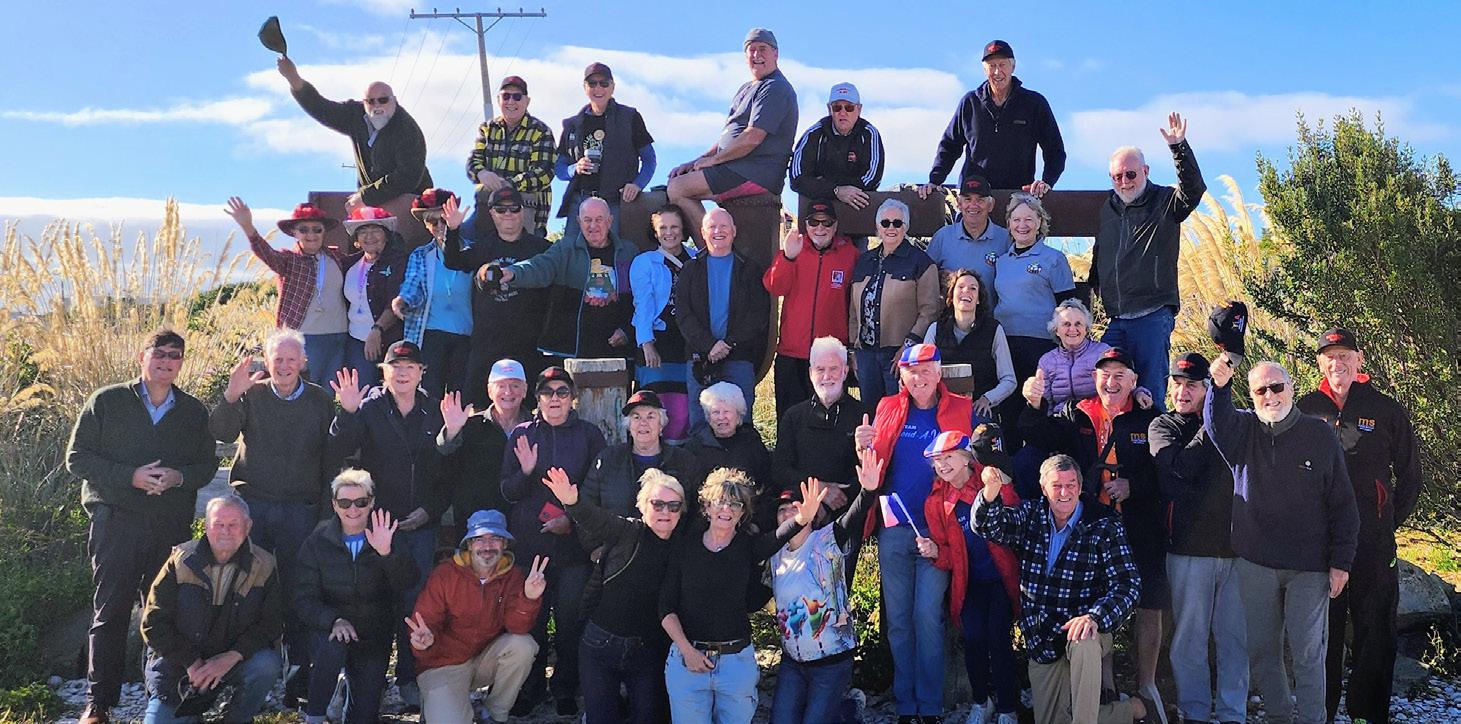
The South Island leg included a crossing of the iconic Molesworth Station in Marlborough, rounding out a route many participants described as the most memorable yet.
Each team bought a “banger” – a car costing under $2000 or was donated – and set off on a 13-day adventure across both islands. The rally is capped at 16 teams, keeping it personal and manageable. At the end, all the cars are auctioned off, with proceeds going to Multiple Sclerosis NZ, as well as local east Auckland community and Rotary youth programmes. This year’s rally has raised more than $70,000.
Bangers to Bluff isn’t about speed. It’s about the journey, the laughs, and shared sense of purpose. A support vehicle travelled with the group, and AA Motoring, which has backed the event since 2016, provides full roadside support if any banger needs more serious
help. That safety net means participants can venture into some of New Zealand’s most remote corners with confidence.
Over the years, Bangers to Bluff has attracted couples, all-female crews, families, and groups of mates of all ages. The youngest participant has been just seven years old; the oldest, a very sprightly 90. Teams can be a duo, trio, or foursome – all are welcome.
Entries are now open for the 2027 rally, and the route looks set to be another cracker. Organisers have confirmed the convoy will take in four iconic New Zealand destinations that together make a compelling case for putting hands up.
With only 16 entries available, spots fill fast. To enter the 2027 Bangers to Bluff rally or to find out more, see bangerstobluff.co.nz.
> Full story at www.times.co.nz
ITC’s highly popular Aviation Certificate (Level 3) is the perfect starting point and begins on 8th June. This hands-on course gives students insight into the world of aviation, building essential customer service, communication, and industry knowledge, all within a supportive and engaging environment.
Already have NCEA Level 3 or some

work experience? You may be ready to step into their Level 4 Certificate in Travel, with upcoming start dates on 25th May and 20th July. This programme is ideal for those looking to fast-track their pathway into travel, tourism, or airline roles. Best of all, you can study close to home, saving time, money, and making it easier to stay connected with your local community while preparing for a global career.
They’re also now enrolling for our November intakes and 2027 start dates, so it’s never too early to secure your





By PJ TAYLOR
Tony Tuia is the ultimate clubman, a tough and considered champion who has clocked up a playing record that will be long remembered and etched into the history of Auckland and New Zealand rugby league.
And he’s not finished yet. Last Saturday, May 16, Tuia, who earlier in his career was known as The Tuiaminator and turns 40 this year, pulled on the jersey of his beloved Howick Hornets for the 250th match he’s played for the club in premier grade.
In this modern era of first grade in Auckland club rugby league, it’s an achievement nothing short of miraculous, as there are a lot more demands on people from society these days, when family and work commitments end careers earlier than they did decades ago.
Tuia’s a throwback to the eras when amateur weekend warriors and good players at that kept on turning out for their clubs, season in, season out, displaying form and fitness to warrant consistent selection in premier grades.
Bruce Campbell, former two-time chairman of Howick Hornets and still committee member, led the
club when front-rower Tuia arrived in 2010.
“Tony is a rarity in our modern game having played 250 games wearing the Hornets jersey and over 300 games in the Auckland Rugby League Premiership,” Campbell says.
“Tony is without equal and the greatest player ever to have represented the Howick Hornets.
“His contribution across 17 years has been immense and on Saturday the club and its members came out to acknowledge his loyalty and his achievements.”
Tuia was rewarded on the Paparoa Park pitch, too, as his Hornets dispatched Glenora Bears 16-0 in the second division Sharman Cup.
Before and after the match, there were tributes afforded him – an honour guard as he led the Hornets onto the field holding the hands of his children, and after fulltime speeches and commemoration jerseys from the Auckland Rugby League and Counties Manukau Rugby League respectively.
“Since joining the club in 2010, Tony’s won two Fox Memorial Championships with the Hornets, and represented New Zealand Res-

idents, NZ Maori, and Counties Manukau,” Campbell says.
“He’s dominated at the highest level, at times terrorised the opposition, and today remains one of the most respected players in our game.”
The expression – ultimate clubman – is an old saying, used before in sports writing, and it’s totally applicable in the case of Tuia and the Hornets.
But it’s not his only club, as he grew up in Glen Innes, represented his first local club Mt Wellington, and went on to also play for Marist Saints and Mt Albert Lions, the latter where he won his first Fox Memorial Trophy.
Tuia’s probably played close on 300 premier grade club footy games, along with numerous provincial and national representative appearances.
Before the Glenora match, the Times talked with Tuia in the build-up.
“I feel like everyone’s saying 250. I’m saying too many,” he said, with a laugh in his humble, always friendly style.
“I’ve seen before, it can be hard in a team sport to acknowledge individuals, but I definitely look back and am proud.
“My junior club was Mt Wellington. It’s a great old club, but not what it used to be. I still love the place for what it was.
“I’m lucky. Not everyone’s able to find another place they love. I found a home here at the Hornets and I’m very grateful.”
Tuia recognises that he’s one of a few very experienced players still going round in premier grade.
“When I started, you had a lot of the old school guys because they loved playing local football with their mates, to socialise and have a beer later, that’s why people played local football.”

F1 is currently a hot topic and appears to have won the interest and passion of many!
F1, which is short for Formula 1, has been around since 1950, which makes it one of the oldest racing events in motorsports. It’s also the highest level of single-seater racing and is regulated by the Federation Internationale De L’Automobile (FIA).
There are 24 or so events across the globe during the F1 season. Eleven teams compete in Formula 1, and each of them designs and builds their own car from scratch.
This is another way in which it differs from other racing events. It’s not just the driver racing. It’s also the engineers, the strategists, and the entire team, all of them trying to gain just a 10th of a second. Mercedes is doing incredibly well, winning every single race so far.
Ferraris are also back with a bang after last season. Unfortunately, the once dominating Red Bull is struggling

with the huge new 2026 regulation change.
And then there are Aston Martin, Williams, Alpine, Haas, Audi, Racing Bulls, and Cadillac further down the grid, competing hard during each race weekend. The technology and capability of the cars is honestly hard to comprehend.
They weigh 768kg, and can go from 0 to 100km/h in 2.6 seconds, and can attain speeds of over 350km/h. In cornering sections, drivers are subjected to six times their own body weight. And they do this for two hours straight. The steering wheel alone has around 20 buttons.
Then we have tires – soft tires, medium tires, hard tires, intermediate tires, and full wet tires with each of them behaving in their own
way. The team’s strategy can define which team will win or not, even if it’s just a 10th of a second difference.
For New Zealand, 2026 has provided an obvious reason to watch. A Kiwi driver, Liam Lawson, is racing fulltime in this category, and he’s earned every right to be here.
It’s not every day that a country of five million people can say “we’ve got a driver racing at the highest level of world motorsport”. Let’s appreciate it. Each racing weekend is held over three days. On Friday, it’s practice – getting drivers used to the track.
On Saturday, it’s qualifying. Qualifying is essentially a shootout, with every driver pushing their car to its limits to get the best possible starting position. On Sunday, it’s

the race. Points are awarded to the top 10 finishers; 25 to first, and all the way down to one point to 10th
In a long racing season, every single point is vital. There are also Sprint race weekends, which add another level of excitement before the main event. Sky Sport NZ broadcasts the championship, and while European races that start at 1am or 2am are certainly a hassle, the F1 app does have everything live, from timing to team radio and pit stops, etc.
If you don’t know what’s going on, then simply put a race on. It’s only a matter of 10 minutes before you become totally invested in this gripping sport!
• Kaesar Wu is in year 9 at Macleans College
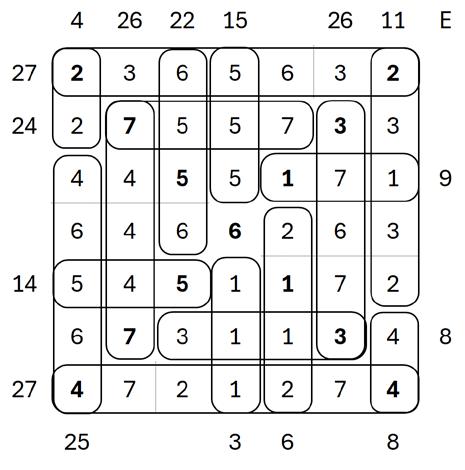
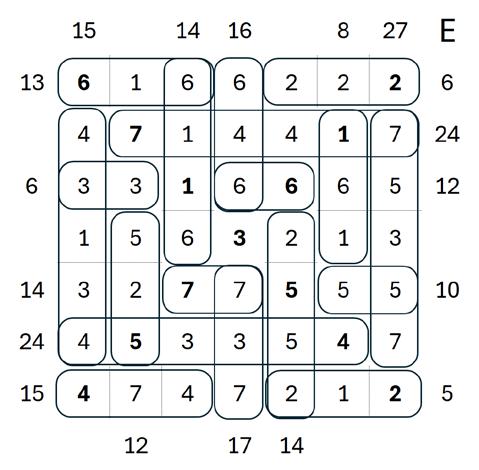
Macleans College small boat yachties have proven to be some of the best in the country.
During the final week of last month’s school holidays, seven Macleans College sailors represented the school at the New Zealand secondary schools team sailing championships at Parua Bay, near Whangārei in Northland.
The team was: Madi Russell (of Snell House), Martina Beavis (Kupe), Callum Noyer (Mansfield), Izzy Harrison (Hillary), Roberto Beavis (Kupe), Lauchy Wills (Rutherford), and Will Noyer (Mansfield).
Across five days of highly competitive racing, the Macleans College team experienced a wide range of challenging weather conditions, from light four-knot easterly winds through to strong
30-knot south-westerlies.
One day of racing was cancelled due to high winds, with students making the most of the break by enjoying a round of golf, the college says.
During the national schools’ regatta, the team competed in a total of 23 races. They had several close contests against strong sailing schools including Rangitoto College, Takapuna Grammar School, Glendowie College, and Napier Boys’ High School.
“A standout moment came on the final day of the round robin competition, where Macleans secured two important wins against Mount Aspiring College and Auckland Combined Girls’ School,” says Macleans College. “These results, combined with consistent performances earlier in the week,

saw Macleans finish in the top four and progress to the semi-finals.”
In the semi-final, Macleans faced Auckland Grammar School in a best-of-three series. Despite two closely fought races, Macleans was unable to secure a win.
The team then moved into the petit final against Westlake Girls High School.
After narrowly losing the first race, the team responded strongly to win the second.
“A fantastic start in the deciding third race set them up for victory, securing an impressive third overall placing.
“This result also saw Macleans College finish as the top co-educational school at the championship.
“The outstanding result also means the team has qualified for the Interdominion Championship, an international competition featuring the top six secondary school teams from Australia and New Zealand.”
Macleans College says it’s very grateful to its former student Tim McCulloch, who was a Rutherford House member, “for his outstanding guidance and support throughout the week”.
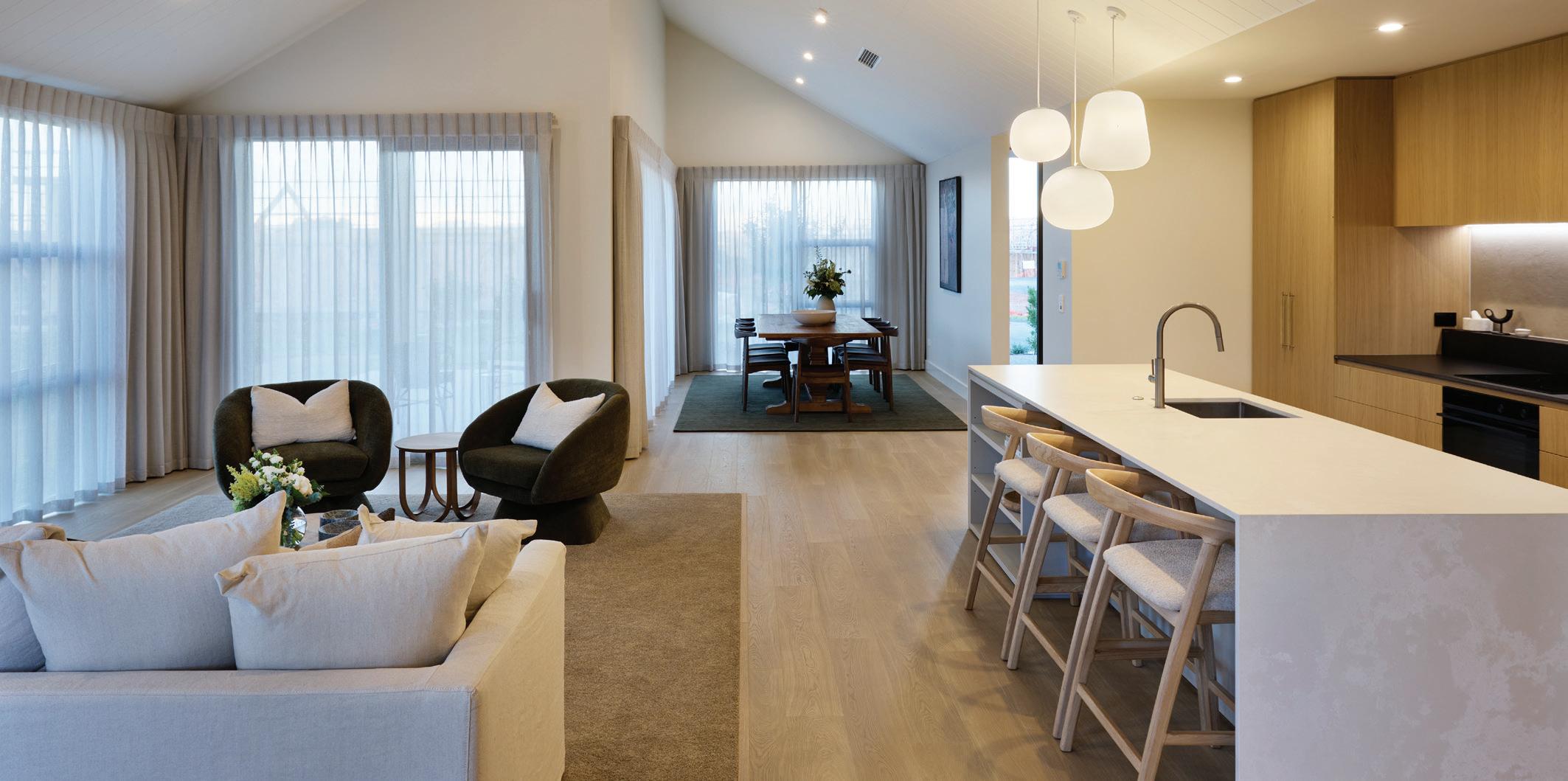
East Auckland locals can have their say on proposals to safeguard the sustainability of shellfish and other marine species in intertidal zones around Auckland and Coromandel.
“Fisheries officials have prepared proposals for better intertidal species management which will include options for area closures and additional restrictions on shellfish and some other species in these areas,” Oceans and Fisheries Minister Shane Jones says.
“Public consultation on the proposals start now and I encourage people to have their say during that process.”
Tangata whenua and local communities continue to express concerns about the quantity and types of shellfish and other marine life being taken from shorebased harvesters throughout Auckland and Coromandel, Under-Secretary Jenny Marcroft says.
“In recent months, there have been reports of intensive harvesting of an increasing range of species found in and around rock pools.
“Auckland’s extensive coastline is close to a large urban population and beaches can be easily accessed, making kaimoana in the intertidal zone vulnerable to over-harvesting.
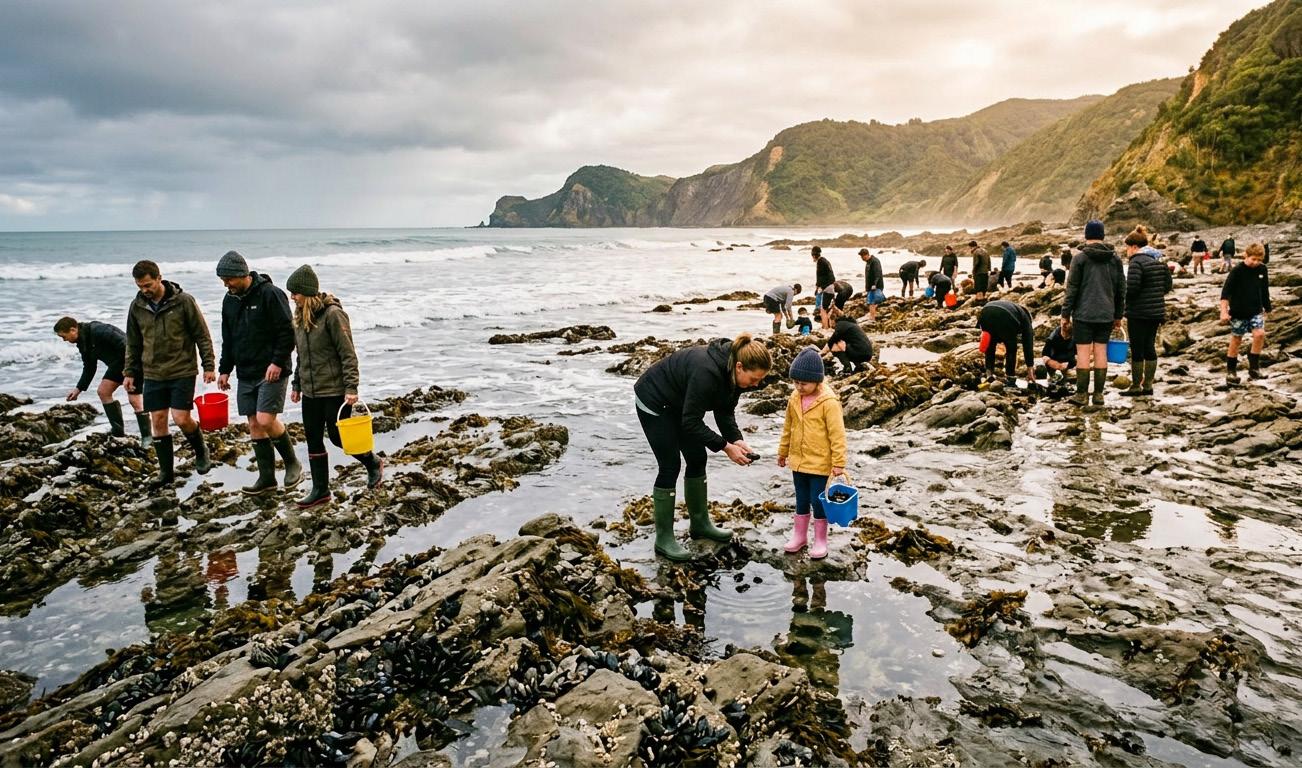
Concerns are being raised about how much shellfish is being harvested.
“I have spent a lot of time speaking to locals around these intertidal zones and we share the communities’ concerns about this issue.
“Officials have prioritised proposals to better manage shellfish and other sea life in these regions.
“Intertidal shellfish and other invertebrates are an important part of coastal ecosystems and it’s clear people care deeply about their coastlines and the diverse marine life found there.”
Auckland Minister Simon Watts encourages people to have their say on the proposals.
“Aucklanders are rightly
proud of our harbours and coastlines,” he says.
“However, in many places, shellfish beds aren’t recovering, and there’s a lot at stake for the future of this resource.
“We’re seeking feedback on proposed targeted protections, designed alongside local communities, to give these areas time to recover while also tackling pollution and runoff. We want your input on how to get this right.”
The review of management of intertidal species follows a recent two-year ban on gathering sea life from rockpools and other intertidal areas in the
northern Hauraki Gulf, which took effect on March 12.
“The restrictions already placed on shellfish-gathering north of Auckland have been welcomed by the community and there’s been a high level of compliance,” Jones says.
“In considering potential changes to the harvesting rules, it’s important that we get the balance right so people can continue to enjoy our coastlines for generations to come.”
More information including the proposals and how to make a submission can be found on MPI’s website.

East Aucklanders can join all Kiwis in supporting a culture of water safety by helping people who go rock fishing to know they must always wear a lifejacket.
Water Safety NZ chief executive Glen Scanlon says anyone rock fishing must understand the unpredictability of weather and tides and must wear a lifejacket.
Wearing a lifejacket may be the difference between life and death. Recent coroner’s findings share recommendations from the North Island deaths of two people in 2024.
“We share our condolences to the friends, family, and colleagues of these two loved men,” Scanlon says.
“The very harsh reality shown by so many drownings is that we need to help each other make those decisions which help us enjoy the water and get home
FRIDAY 22 MAY
Sun: Rise 7.16am Set 5.16pm High Tide: 11.34am
SATURDAY 23 MAY
Sun: Rise 7.17am Set 5.15pm High Tide: 12.01am 12.30pm
SUNDAY 24 MAY
Sun: Rise 7.17am Set 5.15pm High Tide: 12.59am 1.28pm
MONDAY 25 MAY
Sun: Rise 7.18am Set 5.14pm High Tide: 1.56am 2.27pm
TUESDAY 26 MAY Sun: Rise 7.19am Set 5.14pm High Tide: 2.52am 3.27pm
safe. Rock fishers need to wear lifejackets and never underestimate the conditions.”
Water Safety NZ supports the advice from Surf Life Saving New Zealand to follow the ‘Five Ways to Survive’. The basics of water safety are the core elements of being prepared.
“New Zealand’s drowning burden can be reduced,” Scanlon says. “The current total for this year is already at 41 preventable deaths. By working together and helping each other we can curb what may be one of our worst drowning totals in many years.”
Since 1980 a total of 237 people have drowned in a land-based fishing drowning. A total of 150 of those deaths occurred at a rocky foreshore.
FIVE WAYS TO SURVIVE:
WEDNESDAY 27 MAY Sun: Rise 7.20am Set 5.13pm High Tide: 3.46am 4.24pm
THURSDAY 28 MAY Sun: Rise 7.20am Set 5.13pm High Tide: 4.37am 5.17pm FRIDAY 29 MAY
Rise 7.21am Set 5.12pm
Tide: 5.26am 6.05pm
30 MAY
Rise 7.22am Set 5.12pm High Tide: 6.13am 6.50pm SUNDAY 31 MAY Sun: Rise 7.22am Set 5.11pm High Tide: 6.58am 7.32pm








• Know how to float – Only go fishing from rocks if you know how to float well. Always wear a lifejacket and take a flotation device, like a life ring or a bucket, with you. Lifejackets will increase your chance of survival if you fall in.
• Find the safest place –Check conditions: tide, swell, weather, and local hazards. Always face the ocean and be alert for large waves which can knock you off the rocks.
• If in doubt, stay out – If the weather or conditions look dangerous don’t go fishing –wait for another day.
• Take care of yourself and others – Always fish together. If something happens, the other person can help. Wear light, warm clothing, a lifejacket and shoes with grip (not gumboots).
• Know how to get help –Always take a mobile phone. In an emergency call 111 and ask for police.
MONDAY 1 JUNE Sun: Rise 7.23am Set 5.11pm High Tide: 7.41am 8.12pm TUESDAY 2 JUNE Sun: Rise 7.24am Set 5.11pm High Tide: 8.22am 8.50pm
WEDNESDAY 3 JUNE Sun: Rise 7.24am Set 5.10pm High Tide: 9.03am 9.29pm THURSDAY 4 JUNE Sun: Rise 7.25am Set 5.10pm High Tide: 9.43am 10.08pm

























ACROSS
1. Him heap man! (4).
7, Let slip it’s no longer under control (3,2,4).
8. Start with the ball on the ballpoint (4).
9. Soon a girl appears holding a hoop (4).
10. Catch and bring some back (4).
11. Wants to know when the shack inside was gutted (4).
14. An affection, or is it a fixation? (10).
16. Lag, with winter here (4,6).
19. Put to work, you say, on a farm (4).
22. For the man from the north of England, it’s business, in a way (4).
24. The others will be in the billiard room (4).
25. Charge the man (4).
26. Annoyed in varying degrees about 6,3).
1. She had a terribly hard round in it (5).
2. Stop a foreigner, say (5).
3. It’s a basket the nun is weaving inside, dear (6).
4. The tooth can be straightened? That’s the spirit! (6).
5. Try to have killed (4).
6. In the flesh, but in a trance, somehow (9).
12. Barks when one won’t play (9).
13. Upset because I left to go by sea (4).
15. Earned as a servant, say (4).
17. Rang off in mid-speech, to infuriate one (6).
18. Having circulated, gets prosecuted (6).
20. When upset, I go in to complain (5).
21. Rescue about fifty from some greasy substance (5).

27. The acme of fitness, we’re told, for a dog (4). DOWN
23. Prune to achieve balance (4).
179
53 6 97 1 42 3 8 79 8 2 1 5 2 849 541 3 89
1. Woman (4) 7. Spider (9)
8. Post (4)
9. Animal (4)
10. Skin (4)
11. Cultivate (4)
14. Country (dated) (10)
16. Entertainment (10)
19. Drew (4)
22. Land (4)
24. Coin (4)
25. Gun (4)
26. Frailty (9)
27. Language (4)
Puzzle answers on page 68
1. Restrict (5)
2. Bore (5)
3. Garment (6)
4. Zodiac sign (6)
5. End (4)
6. Mitigate (9)
12. Continual (9)
13. Musical instrument (4)
15. Relative (4)
17. Revenue (6)
18. Light (6)
20. Bury (5)
21. Thick (5)
23. Ireland (4)


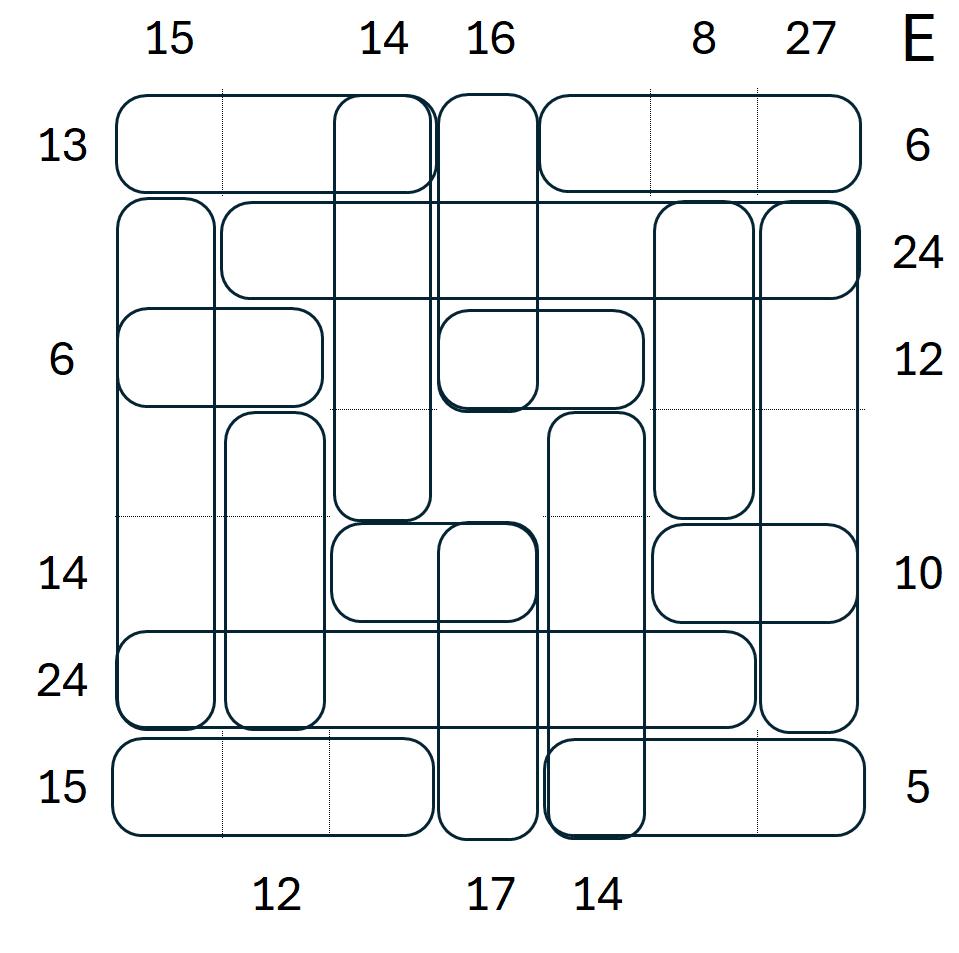

• Use only the numbers 1-7, with each number appearing exactly seven times.
• Fill each outlined rectangle with a palindrome (the same number forwards and backwards i.e. 52425 or 1441).
• The numbers in each rectangle must add up to the total shown on the edge of the grid.
•Nopalindromemaybeusedmorethanonce.
•Eachmaindiagonalmustcontainallsevennumbers(1-7) once. Thecentresquareissharedbybothdiagonalsandmust bethe samenumber.
• Solutiononpage68
Scan me
The puzzles (a webapp) are available online by scanning the QR code and the books are available at Poppies in Howick. PUZUP is suitable for all ages, comes in three sizes, and three difficulty levels.


3 LETTERS Eye Log Row Rye 4 LETTERS Atom Lynx Oslo Ride 6 LETTERS Fermat Fluent Supper Unseen 7 LETTERS Caption Closure Grandma Preface 10 LETTERS
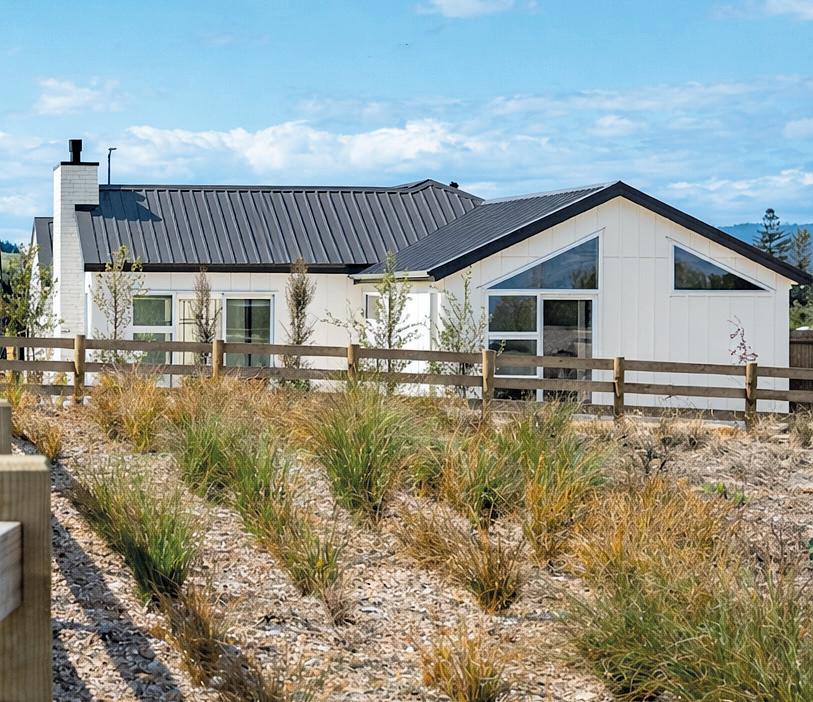


Support for BUSY Business Owne
Admin Rescue can assist with all your bookkeeping needs:
• Accounts payable/receiv
• GST filing
• Invoicing



• Payroll management 021 616 909 michelle@adminrescue co.nz











in Pakuranga









































































Our life affirming motto: Learn, Laugh, Live. Are you semi-retired but not ready to retire your brain? Then U3A Ormiston is for U in your 3rd Age to make the most of life. Join our friendly group to listen to speakers, join special interest groups and socialise. Next general meeting on Thursday, May 28, 10am-noon at The Park Community Centre, 141 Chapel Road, Ormiston. Speaker: David Addis on ‘Mud Hut Medicine in the Himalayas’, is speaking about his experiences in Nepal. Visitors always welcome. Membership only $40 p.a. Details at https:// www.u3a.nz/auckland.

Skilled staff required for positions in East Tamaki with regular overtime available
CNC Operator familiar with Okuma and Fanuc Controllers Fitter & Turner.
Positions are in East Tamaki with regular overtime available
Email CV to office@tandarra.co.nz
Citizens Advice Bureau Pakuranga is hosting a free information session on Friday, May 29, from 10.30am to 11.30am at Howick Local Board Room, Pakuranga Library building, 7 Aylesbury Street. Topics include business ideas, planning, structure, registrations, compliance, budgeting, and common mistakes to avoid. This is a practical, beginnerfriendly session designed for anyone thinking about starting a business or wanting to understand the fundamentals better. Free to attend. Registration required via email: settlement. pakuranga@cab.org.nz or text 021 084 42148.
U3A Pakuranga is for people 55+years looking to meet new people and continue to learn in interest groups of your choice. Our monthly
eyes, noses, and materials for soft toymaking – perfect for crafters, hobbyists, or groups looking to stock up. If you’re interested please give Glenise a call on 021 137 8489.
Life after a stroke can be a lot to navigate. Come and talk with people who understand the journey. We focus on fun and friendship. Join us in Howick on Mondays or Highland Park on Thursdays. A typical morning includes bingo, morning tea, bowling and card games. For more information and details email Avril at hpstrokeclub@ gmail.com.
Come and join us to learn a new craft. Free tuition and spinning wheel available. We meet on the 2nd and 4th Tuesdays of each month 10am till 12noon at the Guide rooms, 52 Vincent Street Howick . Ph Maureen 09 273 9777, or Jenny 021 127 5544. We look forward to meeting you.
Send your free community events to info@times.co.nz. Due to limited space, we can’t guarantee every listing will run. This section is reserved for not-for-profit community groups.
Botany Terrace Medical Centre Mon - Fri 8.30am-5.45pm No No, bookings only
Clevedon Village Medical Centre Mon-Fri 8am-5pm No No, bookings only
Crawford Medical Mon - Fri 7.30am- 7pm Sat 9am-noon Yes. Walk-ins Mon-Fri 9am4pm
Eastern Family Doctors Mon - Fri 9am-5.30pm No No, bookings only
Botany Junction Medical Centre Mon & Wed 7am-5pm Tue, Thu & Fri 8am-5pm Sat 8am-noon Yes. Walk-ins via Highbrook Medical Ormiston Medical Mon - Fri 7.30am-5pm No
Highbrook Medical Mon - Fri 8am-5pm No Yes. Walks in Mon-Fri 8am4pm
Howick House Medical Centre Mon - Thu 8.30am-6pm Fri 8.30am-5pm No No, bookings only
Juliet Ave Surgery Mon - Fri 8.30am-5pm No No, bookings only
Kawakawa Bay (K)/ Orere Health Clinic (O) Mon, Wed - Fri 9am-noon Tue O:9-10:30am K:11am-noon No No, bookings only
Highland Park Medical Centre Mon - Wed & Fri 8.30am-5pm Thu 8.30am-8pm No, bookings only
Marina Medical Mon - Fri 8.30am-5pm No No, bookings only
Millhouse Integrative Medical Centre Mon - Fri 8.30am-6.30pm Sat 9am-noon No, bookings only
Picton Surgery Mon - Fri 8.30am-5.30pm No No, bookings only
Pukekohe Family Health Care Mon - Fri 8am-5pm No No, bookings only
Vincent Street Family Doctors Closed - See Ormiston above No No, closed
About