








Photo supplied





Retirement is a chance to enjoy more of what you love.
The coastline, the marina and the community that’s always felt like home.
At Summerset Half Moon Bay, embrace contemporary retirement living just moments from the water, surrounded by familiar faces and your favourite places.
With brand-new homes, inviting social spaces and the peace of mind knowing that your future needs will be taken care of, this marks a new era of retirement living in Half Moon Bay.
Construction is well underway. Plans and pricing will be available from August 2026, with first residents expected mid-2027.
Love the life you choose.
Get your free info pack
Visit summerset.co.nz/halfmoonbay
Or call us on 09 306 1422


This year marks the 20th anniversary of Uxbridge Art and Culture’s Estuary Art and Ecology Awards, celebrating two decades of fostering environmental awareness and dedication to our local waterways and the Tāmaki Estuary.
These vital waterways have been contaminated to the point that awareness or recognition has diminished into the busyness of everyday life. Local groups like the Tāmaki Estuary Environmental Forum and Tāmaki Estuary Protection Society work tirelessly to maintain and cherish this important natural landmark that makes Auckland special.
The Estuary Art and Ecology Awards spread awareness through many art forms: spoken word poetry, embroidery, sculpting, painting, weaving, carving, and many others. This brings us to the big day. On July 4, Uxbridge in Howick was bustling with excitement.
As the doors opened the theatre was glazed in light, the students of Te Kura Taiao o Mātāto performed a capti-

vating set of waiata, beautifully blessing the ceremony ahead. There were multiple speeches, all conveying the same vital message: art allows people to form an emotional connection, imagine a future ahead, and to reflect on how human actions have impacted the world around us.
It reminds us that if we don’t take action, we’ll ultimately feel the consequences ourselves.
In 2006, the awards were initiated by Uxbridge employee Sarah Clacher and since then have been continued by successive curators and directors for two decades. This event is now an annual tradition which our communities look forward to.

This year the awards received over 70 submissions and confirmed 22 finalists from all over New Zealand.
Each piece entered holds a message deep and personal, powerfully intertwined with the estuary. This year’s judge, Charles Walker, the professor of future environments at Auckland University of Technology, had the tough job of narrowing down the finalists to the top three placings. When the placings were announced the artists came to the stage and received a prize.
First place went to Jessie Randles for her artwork The Body Remembers, featuring a beautiful but confronting painting using cigarette water and other colours displayed on a discarded cigarette packet found by the estuary. Her work reflects that how we treat our bodies mirrors how we care for the environment around us.
Second place went to Minke Lupa showcasing her artwork Remembering the River as Kin. This piece was made of beautifully crafted ollas (clay pots) made from terracotta and wild clay gathered from our local Tāmaki Estuary.
It explores the connection between her heritage and the significance of this land,
bridging her roots and the place she now calls home. Third place went to Rubes Prattley-Jones for her work titled The Mouth and the Body, using wild clay, sediment collected from Karaka Bay Beach and Point England Beach, and adorned with sea glass.
These materials were melted and formed to create a stunning, imperfect, but natural looking fossil-like form. The sea glass symbolises human intervention and demonstrates how we’ve shaped the environment around us.
Although I’ve seen so much damage happening to our surroundings, our depleted forests, our drained rivers, the land on which we thrive, our whenua, and our memories tied to these places, art has shaped my belief we can still change our ways. I strongly encourage you to visit the exhibition which is on display till October 3. Go, have a look, change your opinion, and dedicate a little time to stand up for a shared cause.
> Jianna Kapoor is in year 8 at Somerville Intermediate School

Editor Chris Harrowell 027 404 1512 chrish@times.co.nz
PJ (Phil) Taylor 021 644 923 phil@times.co.nz
ADVERTISING Display 09 271 8000 sales@times.co.nz

“REFLECT IMPROVING ECONOMY” (Times), July 2:
David Rowe – If the economy is picking up why the hell are we all still struggling from day-to-day?
Leena Smirnov – Is the economy in the room with us? Could someone call it, please. It’s been missing for three years.
Garvin Shackleton Wow, so many ignorant, indoctrinated comments. What a divided country we are. Can’t see past their preferred party to see this is our economy, and it’s starting to turn around. This is a good sign and as a nation we should be breathing a sigh and keep going. There is still lots to sort out with our economy. No time for handouts.
Donald Kewdale – Not hard when you are doing what
you did last time. Failing to fix hospital buildings, fix or replace fire engines, couldn’t employ enough police, failed to reduce child poverty etc.
Rowanne Huinga Jackson-Greenland – Improving for who? From where I’m living poverty has increased hugely, job losses are increasing, bloody shops are closing! Ordinary NZers are still bearing the brunt of your so-called economy! So who is benefiting, cos it ain’t the majority of the population is it! One term govt for sure!
NZ TO HOST INDIAN PRIME MINISTER NARENDRA MODI (Times), July 3:
George Dearden – What’s the go? Peters has been reporting Luxon has been changing the immigration settings in this new trade deal. Surely we should be

told about any changes. Is it more free immigration into New Zealand from India? Luxon needs to tell us.
Sandie O’Connor – Brian Tamaki was right. Gotta give him credit when it’s due, Leadership with insight and foresight is what New Zealand requires to move our nation forward. Not hindsight after failed experimentation – after failed experimentation – after failed experimentation. Enough is enough.
FORMER MP MICHAEL LAWS ATTEMPTS POLITICAL COMEBACK (Times), July Joan Matehe – Good choice Micheal, Waitaki electorate needs you, congratulations NZ First confirmed candidate. Laurence Williams – Welcome back Michael. NZ has sorely missed you!




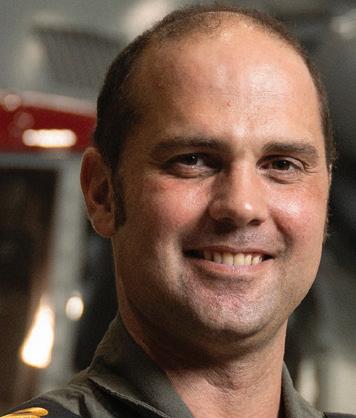
It’s all about the people, the place and the aircraft for Auckland man David Roderick, the newly appointed Commanding Officer of the Royal New Zealand Air Force’s (RNZAF) maritime helicopter squadron.
No. 6 Squadron flies the Seasprite SH-2G(I), maintained by the Air Force and crewed by the Royal New Zealand Navy (RNZN), while conducting missions from the flight decks of RNZN ships. The squadron celebrated its 20th anniversary last year.
Commander Roderick is a former pupil of Saint Kentigern College in Pakuranga. He took over from Commander Alex Trotter in a ceremony at RNZAF Base Auckland, Whenuapai, earlier this year.
His passion for helicopters can be charted back to tourist flights in a helicopter in Fiji as a child, followed by his first familiarisation flights as a teenager while growing up in Auckland.
After leaving school at age 17, Commander Roderick applied for the Air Force but wasn’t successful.
Instead, he undertook a year-long Certificate of Aviation course with Massey University Auckland, flying the Hughes 300 helicopter out of Ardmore aerodrome. Upon finishing the course, he wondered what to do next.
“One of my course mates at Massey – who came to the change of command ceremony – [told me] about how the Navy were super keen for helicopter pilots. I went through the selection board, got through the hurdles, joined the Navy in 2004, and now here I am, 22 years later.”
Commander Roderick undertook a tour of duty with No. 3 Squadron as a copilot flying Iroquois helicopters in East Timor between 2006 to 2008, then arrived at No. 6 Squadron to take up a variety of appoint ments as
a Seasprite helicopter pilot from HMNZ ships Te Mana, Te Kaha, and Canterbury.
This evolved to Flight Commander positions attached to ships, earning him a Chief of Navy commendation for his efforts. He then undertook instructor training at the Defence Helicopter Flying School at RAF Shawbury in the United Kingdom, staying on as an instructor for a year to train helicopter pilots.
On return to No. 6 Squadron, Commander Roderick has served in every executive position in the squadron, including Deputy Training Flight Commander, Training Flight Commander and Executive Officer. He’s

fresh from a recent staff appointment with the Maritime Helicopter Replacement team, planning the introduction of the MH-60R Seahawk helicopter to the squadron.
Commander Roderick is excited about the new capability. “The MH-60R is a great proven aircraft and we’ll be in good company with partners who have used it for a long time,” he says. “It’s got a strong operational track record and is much easier to maintain and sustain.”
He says the Seasprite has treated him well. “I’ve done nearly 3,000 hours on it. It’s a stable, powerful platform that gets you home and does everything you ask of it.
“But they’re getting on a bit, and a helicopter is a big shaking ball of parts. Those parts can break, and it’s hard to get replacements. The staff that have worked on them have been absolute heroes. So, coming back, I’ll see the Seasprite go out in style, and help the squadron look forward to a new machine.”
He’s excited to take command. “It’s not something everyone gets to do, and it’s really special to be considered worthy. No. 6 Squadron is a unit that’s given a lot to me, and I want to give back. It’s a place I know and love, and there’s no workplace I’d rather be.”
















By CHRIS HARROWELL
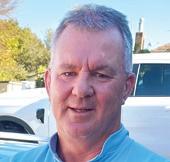
A man is allegedly falsely posing as a tradie and convincing senior citizens in east Auckland to hand over cash in exchange for building work that isn’t carried out.
Howick Police community services supervisor, sergeant Brett Meale, says he’s aware of six and possibly seven such cases involving unsuspecting residents in the past couple of months.
All of the known victims live in central Howick or Cockle Bay and are aged in their 80s or 90s, he says.
The man is reported to wear a high-vis vest and asks for the money upfront, whereas a legitimate builder or tradesperson would normally provide a quote, carry out the agreed work, and

then issue an invoice to the customer for the work that was done.
“He has a story that he’s developing either a section next door or he’s purchased a property on the boundary of theirs,” Meale says of the alleged offender.
“He somehow convinces them he’s going to build a new fence, or alterations to a fence, and he wants money towards it, and he’s convincing these people to hand over large sums of cash.
“Some of them are in the hundreds of dollars, but some are in the thousands of dollars that have been handed over.
“Our concern is that none of these fences have been built and the people have lost their money.”
Meale urges people in east Auckland to confirm a tradie or builder is legitimate before paying them.
“The warning we would issue is for people to verify who they’re talking to and
don’t hand over any money at all unless they’re absolutely certain of that person’s veracity.
“We want people to be aware this is going on. If they’re unsure about anything, don’t let the person in or hand over any money.
“If they’re unsure, or not confident in establishing that themselves, they could perhaps contact their adult children or a trusted neighbour or someone else to do that for them.
“If anyone has been a victim, let us know, report it to police, and if anyone has any CCTV footage of the person or their vehicle, also let us know.”
> The Howick Police station is at 76 Cook Street. It’s open 8am-4pm Monday and Thursday and can be contacted by phoning 105.
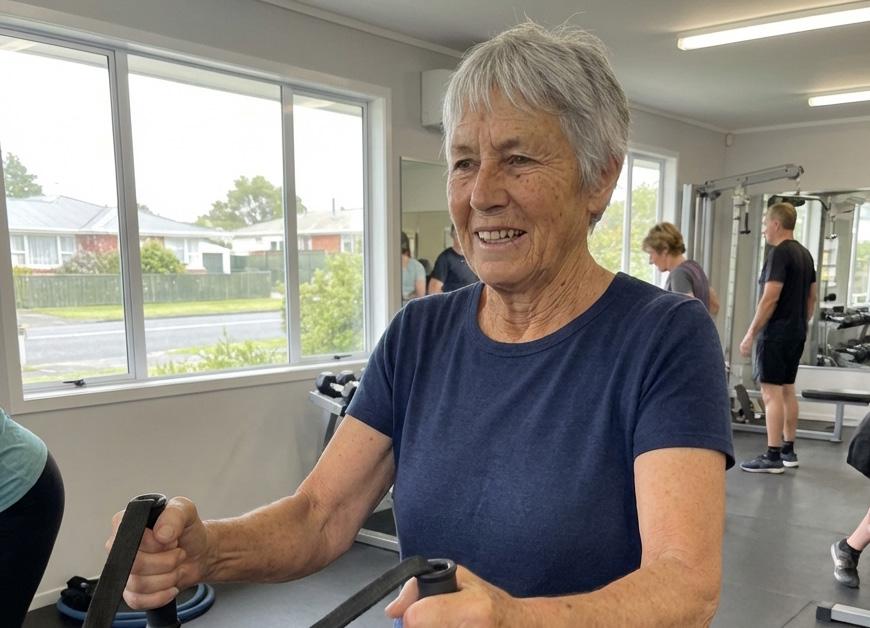
The alarm goes off at five-thirty, and 79-year-old Noleen pulls on her shoes, reaches for the cream, and works it into her hip. Then she’s out the door.
Why? Well, circuit starts at six. Monday. Wednesday. Friday. It is tough and she is the oldest one there and she is often encouraging those much younger than herself.
“If you don’t use it, you lose it,” she says. And she knows that.
But the thing about bodies is, they carry everything you’ve done to them. About four years ago, her body started to remind her.
What frustrated Noleen wasn’t how it felt exactly. It was the attitude she ran into.
“People just start to judge you on how old you are,” she says. “They think that, well, you don’t have much time left and you don’t get taken seriously. But I still have so
much to give and do.”
She walked into her local pharmacy, determined to see what else was out there, and they pointed her to Koru FX, a natural, New Zealandmade cream.
Noleen wasn’t sure another cream would make a meaningful difference. But what did she have to lose?
Her morning routine now: Shoes, bag, Koru FX. In that order.
She still shows up, three times a week. Still keeping pace with the others. Still doing what she’s always done.
Sometimes the others call her mum.
She’s earned it.

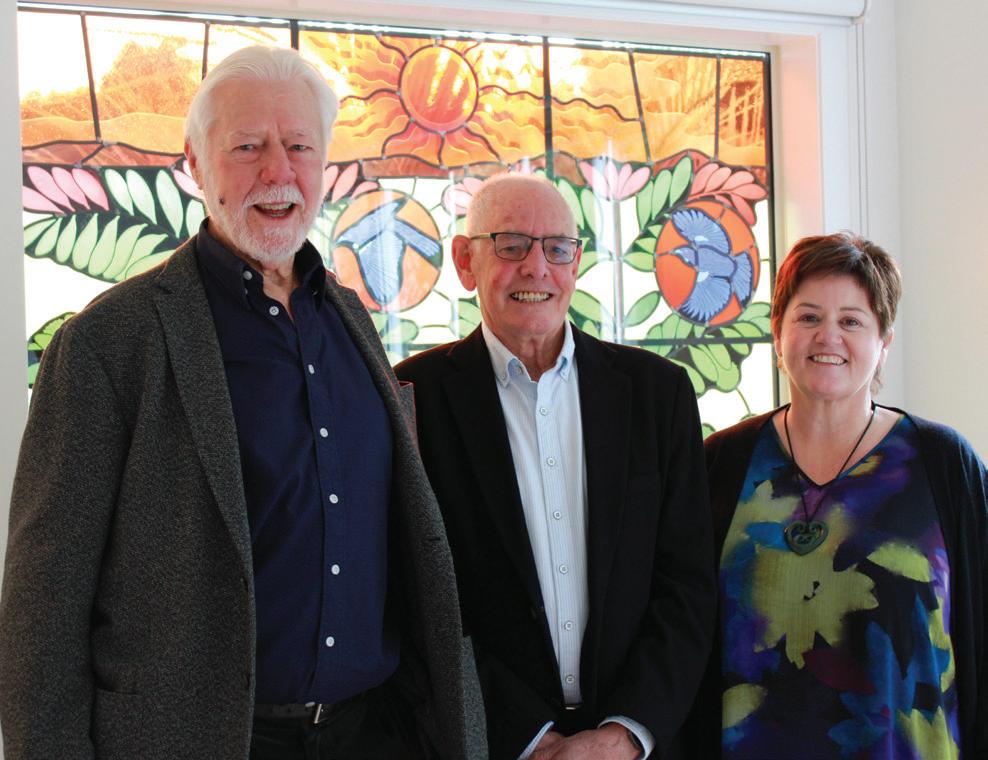
Tōtara Hospice has opened its Rangimārie Suite, a dedicated space for people accessing services under New Zealand’s End of Life Choice Act 2019.
The organisation provides specialist palliative care to people living with life-limiting illnesses across east and south Auckland. Its new suite has been created within the existing hospice environment and includes two interconnected spaces: a dedicated clinical suite and a comfortable family lounge area.
It provides a calm, respectful, and homelike setting where patients and families can spend meaningful time together at an intensely personal time, the organisation says. The development forms part of Tōtara Hospice’s wider facilities redevelopment, ensuring its physical environment reflects the needs of patients, families, staff, volunteers, and its communities.
Tōtara Hospice chief executive Tina McCafferty says the opening is an important milestone in its ongoing work to respond compassionately, ethically, and practically to the diverse needs, wishes, and choices of people at the end of life.
“Assisted dying is deeply personal, and people hold a range of cultural, spiritual, and ethical views. We respect
that. Our responsibility is to ensure every person is treated with dignity, compassion, and professionalism, whatever choices they make. The Rangimārie Suite sits alongside our wider specialist palliative care services, reflecting our commitment to care for the whole person and their whānau without judgement.”
Tōtara Hospice remains the only specialist hospice in New Zealand to provide a fully integrated voluntary assisted dying service onsite. Since the End-of-Life Choice Act came into effect, the organisation has learned much from the individuals and whānau it has had the
We o er personal service with a high level of professionalism and respond to your accounting needs promptly ensuring matters are dealt with. Our services include financial accounts, tax returns, GST, online accounting systems and support and business advisory. We o er Xero set-ups and training, and processing of GST and financial accounts through to tax submissions. If you need to discuss your future business plans, profitability or situation with someone who can o er a professional viewpoint – phone Carol Rigby today. You will receive a FREE 30 minute, no obligation consultation to discuss your needs.



Phone Carol on 09 533 0520
Email: carol@carolrigby.co.nz www.carolrigby.co.nz
privilege to support, it says.
McCafferty says the suite reflects the hospice’s broader commitment to care spaces that are fit for purpose.
“As part of our wider redevelopment, this suite reflects our commitment to creating spaces that support the way people and whānau experience care, with warmth, privacy, inclusion, and respect. Our buildings matter because the environment in which care is provided can deeply affect how people feel at one of the most significant times in their lives.”
The project has been made possible through the generous support of the Endof-Life Choice Society of New
Zealand, whose contribution enabled the completion of the refurbishment and development of the space.
Since the passing of the End-of-Life Choice Act 2019, its work has included engaging constructively with the health sector as services develop and providing information, support and compassion for terminally ill people considering the lawful assisted dying service.
The Society is continuing to advocate for law reform through the End-of-Life Choice Amendment Bill to further support fair, compassionate and equitable access to assisted dying.
Phil Melchior, of the Endof-Life Choice Society of New Zealand, says the Society values the work of Tōtara Hospice and is proud to have partnered on this development.
“Tōtara Hospice has shown thoughtful and compassionate leadership in this area. The Society values the work Tōtara Hospice is doing to support people and whānau with choice, dignity, care, and respect at the end of life.
“We are proud to have partnered with Tōtara Hospice on the Rangimārie Suite. This work reflects a shared commitment to ensuring people have clear information, safe support, and a respectful environment when considering their end-of-life choices.”





Term two saw the return of the popular Wearable Art unit for Mellons Bay School’s year 5 and 6 students, transforming their classrooms into spaces filled with imagination, creativity, and innovation.
This year’s unit focused on the technological design process rather than simply producing a polished final product.
Students became true designers – brainstorming, prototyping, testing ideas, and refining their creations while developing valuable problem-solving and perseverance skills along the way.
“I realised when you have a plan at the start it doesn’t always end up how you want it to be,”, explains year 6 student Isabella Steele.
The inspiration behind every creation was ‘Tūhono’, exploring people’s connection to the natural world. To honour the environment, students worked within strict sustainability guidelines.

They were challenged to consider their ecological footprint, use only recycled, repurposed, or natural materials, and minimise the use of plastic, commercial paint, and chemical glues. Instead of relying on hot glue guns, students used clever structural folds, stitching, tying, and natural binding techniques to engineer their garments.
“I found it was tricky not using hot glue and having to sew everything on,” year 6 student Thea Fowler says. “I
enjoyed showing off our work at the end to our school.”
Year 6 students Eli Hey, Clarke Dippenaar and Otto Woodward faced their own engineering challenge.
“We found it challenging to fit into our wearable art because it was a lot smaller than we anticipated,” they say. “We redesigned it so the doors could open and the model’s legs could go out the sides. We were really proud of what we’d made in just three weeks.”
Although one student modelled each design, every group member proudly walked the catwalk during the final showcase. “I enjoyed making my creation with my group,” says year 6 student Rayna Yang.
Alongside designing and constructing their garments, students stepped outside their comfort zones by learning the art of performance.
“The hardest part was getting a whole outfit together in one term,” year 6 Emelia Julian explains. “The fun part was showing everyone the creation and what you can do with reused stuff.”
For Harvey Reinbach, also in year 6, the greatest challenge was walking on stage in his unique creation because of its shape and size. Parents, caregivers, and the entire school community gathered to celebrate the students’ creativity, resilience, sustainable thinking, and engineering skills as they proudly showcased their work.

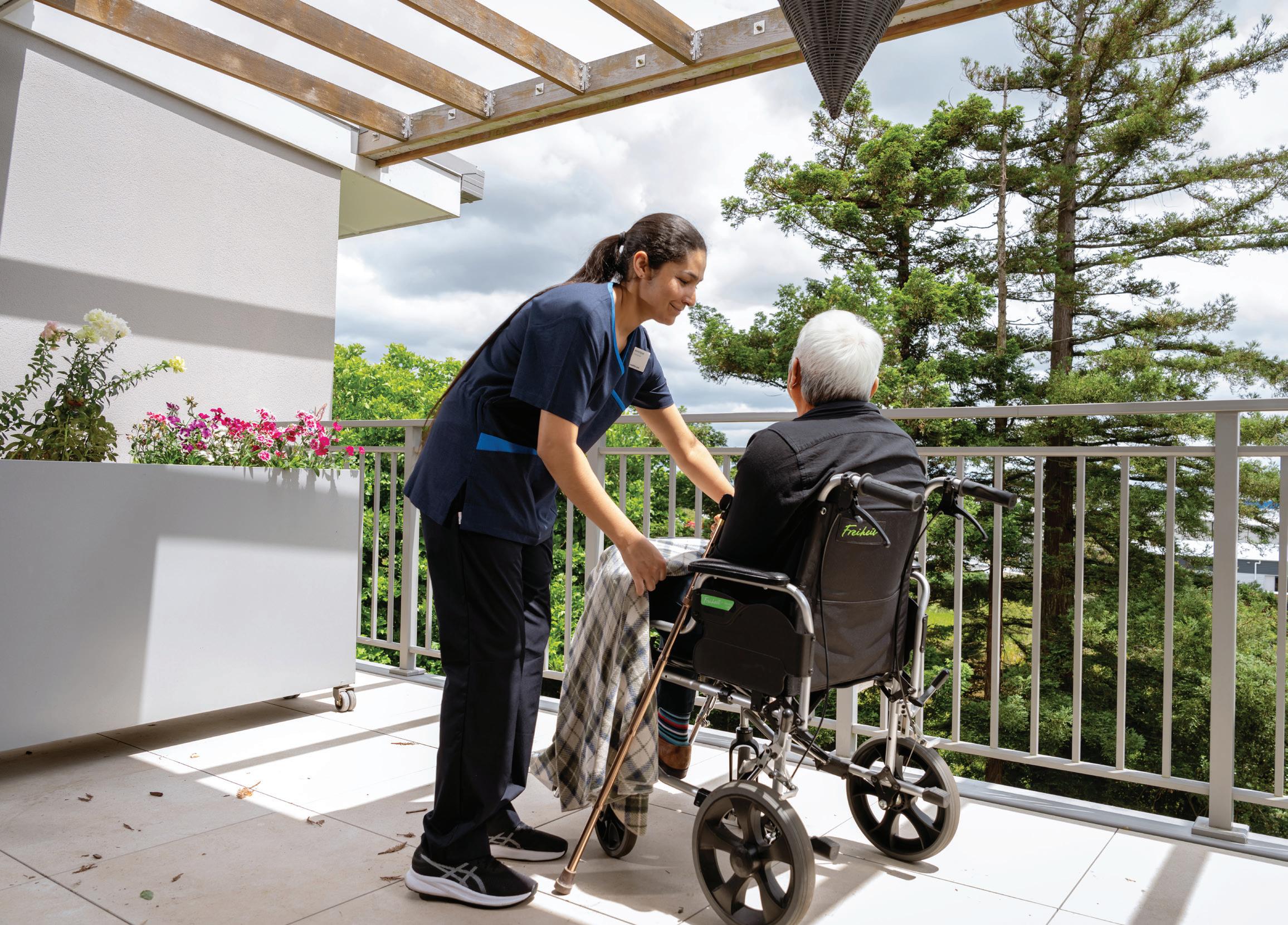
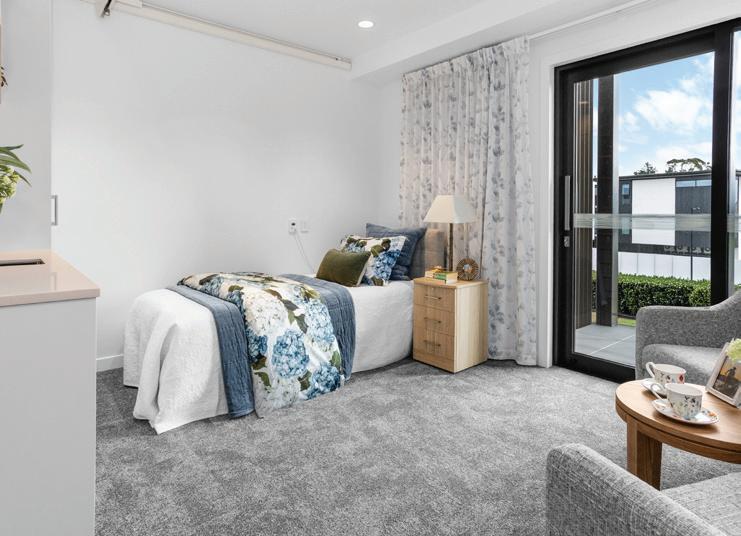
At Fairway Gardens, care isn’t tucked away, it’s part of a village that feels alive and connected. Sit back with a cup of tea, watching golfers move along the fairway or people heading about their day just beyond your window.
With home-cooked meals, welcoming spaces, and a beautiful location overlooking the Pakuranga Golf Course, it’s easy to feel settled, connected and at ease. Our spacious, thoughtfully designed care suites give you the freedom to enjoy your own spaces with support on hand.
For more information and to book a visit, please call Sheena on 09 890 9518.
Find a village that feels like home
Call Sheena on 09 890 9518 | sheena.benitez@metlifecare.co.nz 197 Botany Road, Golflands | metlifecare.co.nz


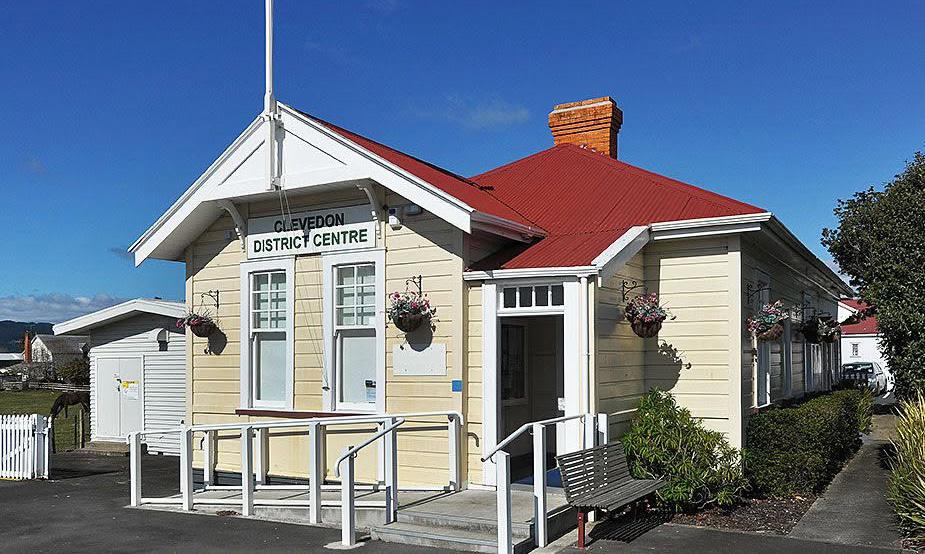
A small community library operated by dedicated volunteers in rural south-east Auckland has a new home.
marks given away to all visitors.
The library is part of Auckland Council but is separate from the council’s libraries network.





The Clevedon Village Library recently moved into a new space inside the Clevedon District Centre, at 2 Papakura-Clevedon Road.
The library closed in December last year in preparation for its move. It recently celebrated opening at its new location with a public open day featuring baked goods and a sausage sizzle supplied by Clevedon Kindergarten and the Clevedon Scout Group.
There was also a story and music time for children, colouring-in, and free book-
The Clevedon Village Library’s move to its new location was supported by the Franklin Local Board and the Clevedon Association.
The library is open Tuesdays from 1.30pm-3.30pm, Fridays from 2.30pm-5.30pm, and Saturday from 10am-12pm. It offers free membership and free wi-fi and can be contacted by emailing clevedonvillagelibrary@gmail. com.
The Eastern Times is partnering with University of Auckland Media, Screen Studies and Communications student Kaitlyn Norton to publish a series of news stories examining New Zealand’s mental health sector. This is part three and looks at youth mental health and the online space.
By KAITLYN NORTON
Asenior staff member with local online safety organisation
Netsafe says young Kiwis can experience a broad range of often isolated but interconnected harms on the internet.
“Netsafe would take reports on things like bullying and harassment, scams, grooming, image-based abuse, hate speech, exposure to harmful content,” says chief safety officer Sean Lyons.
“All of those things are subjects young people will talk to Netsafe about – they’re broad ranging and increasingly all connected.”
He explains Netsafe is engaged in a lot of work and prevention is a key part of it.
“We work directly with teachers and school leadership boards to try and make sure there’s practical digital literacy and digital citizenship skills within those institutions, and everybody’s aware of the importance of early intervention.
“The importance of seeking and getting help and what that help might look like, what the protections are that exist in legislation and what the protections are that might exist on individual platforms.
“We see research data that says … a significant percent-

age of young people [who] experience challenging online and safety situation, they seek no help, and we know that’s where the real danger sits.
“We also work with the platforms themselves and encourage them to make sure their reporting pathways are good and useful for young people and their platforms are designed to be as safe as possible.”
Netsafe encourages everyone to talk about what online harm is and to not feel shame or embarrassment from it.
“It is not your fault,” Lyons says. “You didn’t get there because of what you did. This is happening to you because of what somebody else did. Netsafe is a free, confidential service and can be an entirely anonymous service if that’s what people choose.”
People can make a report to the organisation by phone, text message, and online. The Times asked Lyons what Netsafe believes the Government could do to reduce online harm. “There’s no single silver bullet that’s going to fix online harm or the situations people find themselves in. There’s a shared responsibility here quite clearly.”
He says Netsafe believes online safety needs to be thought of as a core life skill, not something that fits into a
lesson in some way, at school or a community group or at home.
“We continue to appeal to the platforms for greater accountability, in terms of what they did, especially around things like the way their algorithms might amplify potential harmful content, but also most importantly around the kind of safety-by-design aspects of what they do and their responsiveness to when harm situations occur.”
He says the Government should focus on ensuring regulations allow systems to be safer and to make responsibilities clearer, while allowing for the kind of protections everyone wants when online. When New Zealanders find themselves the victim of such harm, Netsafe recommends they capture as much evidence as possible.
“Take screenshots, write down dates, take notes of usernames, write down links,” Lyons says.
“Increasingly, we see those who seek to harm individuals online can post things for a while, remove them in hope that covers their tracks, and then repost them from time to time.
“If you don’t know who to talk to or if you don’t want to talk to Netsafe, find somebody to talk to, find some-

body who can support you through this. And not just someone who’s there to say, ‘I’m here for you’, but someone who can be there for you and help you through the practical steps if you don’t know what to do, or support you through these steps even if you do.”
The Times asked Lyons what he says to young people currently experiencing online harm or its impact.
“What is happening to you right now matters,” he says. “Even if someone’s telling you ‘don’t worry about it, it’s just online’ or ‘that’s not important because it’s online’, we understand it matters and I’m sure you know it matters.
“Dealing with that is really important, because not dealing with it is likely to make things worse. We don’t judge. We don’t have a mandate to act in any other way than to support individuals to get to the right state and minimise harm.”
I recently addressed a letter to Auckland Transport (AT) alongside Howick ward councillors Bo Burns and Maurice Williamson, calling on AT to pause plans to install a raised intersection at Gossamer Drive and Ti Rakau Drive, pending a formal review.
These works were meant to take place beginning the weekend of Saturday, July 11, but at the time of writing, ahead of that weekend, we have yet to receive a response.
This intersection is one of the most heavily used in east Auckland, and we are deeply concerned that proceeding with a raised intersection will create significant problems.
The construction works alone are likely to cause major disruption for motor-

ists, public transport users, residents, and businesses, as they did on the weekend of June 28 when east Auckland was brought almost to a standstill.
More importantly, once completed, a raised intersection at this already congested intersection risks significantly slowing traffic move-
ments on Ti Rakau Drive, one of Auckland’s busiest roads, as well as surrounding streets.
That is why Bo Burns, Maurice Williamson, and I are calling on AT to halt the planned works at this intersection and to undertake a proper real-world reconsideration of the impact a raised intersection will have on vehicle movements and network performance.
It’s important to note that AT got the modelling completely wrong in relation to the intersection of Pakuranga Road and the new Reeves Road Flyover, and so we have little faith in the traffic modelling used for this intersection.
The design of the Eastern Busway was also approved under the previous Govern-
ment Policy Statement (GPS) on transport, which prioritised walking and cycling over traffic efficiency, and we expect that the review will consider the new government’s GPS.
We support sensible improvements that make roads safer for all users, but these must be designed in a way that is proportionate to the location and that does not create new and serious congestion problems for the tens of thousands of east Aucklanders who use their cars to get to and from work.
I’m looking forward to AT’s response and am interested in hearing the thoughts of our community as well. Please feel free to get in touch by emailing PakurangaMP@ parliament.govt.nz
National is focused on getting New Zealand out onto the world stage and securing more trade deals, because when New Zealand sells more to the world, Kiwi families are better off.
Every new market we open means more room for Kiwi businesses to grow and hire. Think about a kiwifruit exporter landing another overseas customer. That can mean more shifts for orchard workers here – and when those workers have more in their pockets, they spend it at the local cafe, the supermarket, and the shops down the road. Those businesses grow and hire too. That’s how trade reaches into a community like ours.
The New Zealand-India Free Trade Agreement is delivering before it’s even come into force, because businesses and customers can see the quality of what we produce. Apple exports to India are up 63 per cent on last season, and in just two years India has climbed from our seventh-largest

apple market to our fourth.
And the biggest gains are still ahead. From day one, 57 per cent of our exports to India will be tariff-free, with more to follow. Our kiwifruit growers alone expect around $125 million in tariff savings over five years.
This is what an ambi-
tious, outward-looking New Zealand looks like – backing our exporters, opening doors in fast-growing markets, and making sure the benefits are felt in communities right across the country, including ours.
Prime Minister Modi’s visit to New Zealand over

the weekend – the first by an Indian Prime Minister in 40 years – is a real sign of the momentum in this relationship.
National has set a clear goal to reach our next billion customers by opening doors for exporters around the world, and a re-elected National Government will do this by pursuing trade deals with seven new economies in the next five years.
This is all part of National’s plan to build New Zealand’s future – where our exporters succeed on the world stage, creating jobs and lifting incomes at home.
Imagine you’d decided to leave the car at home and make the shift to public transport.
After all, if you live around the Pakuranga part of town, you’ve been the subject of construction fatigue for years and years, and you finally thought “I might give the Eastern Busway a go”. Well, even though work started way back in 2018, the only part that’s complete so far is the leg called EB1 from Panmure to the Pakuranga Town Centre.
The other parts: EB2, 3, and 4 (along Ti Rakau Drive to Botany) are still a long way from completion. But when they do open, you’ll have to be aware of the names of the new bus stations that are being used by Auckland Transport (AT) and will be signposted accordingly: Te Taha Wai, Koata, and Pōhatu.
Now go on, be honest: how many of you could take me to one of these bus stations if you were asked? Note that in the last census, just under one per cent of the people of Howick said they spoke te reo.

Now it turns out these three new bus stations are located in reasonably wellknown parts of the Pakuranga landscape. They’re all along Ti Rākau Drive at Edgewater, Gossamer and Burswood.
If you said I’ll meet you at the Gossamer bus station, I’d be cool with that. But if you said meet me at Te Taha Wai bus stop, I wouldn’t have a clue. Now don’t get me wrong. I’m not opposed to using Māori place names, especially when they’re well known and part of the everyday lexicon.
During my time as a Member of Parliament for Pakuranga, I had to fight the Electoral Commission on two
separate occasions when it wanted to change the electorate’s name.
I’m proud of the name Pakuranga and did not want it changed under any circumstances.
And before you start calling me racist, can I just remind you that as Minister of Broadcasting, I set up 23 Māori language radio stations across New Zealand and created the Māori Broadcast Funding agency Te Māngai Paho.
For me, it’s just that when place names like Edgewater, Gossamer and Burswood have been here for decades, and it’s well-known roughly where they’re located, why are we forcing the public into

Howick Ward Councillor Maurice Williamson
having to learn new place names in a language that only one per cent say they can speak?
The same goes for the huge flyover that’s been built over the top of Reeves Road. It was always referred to as the Reeves Road Flyover, but now AT insists we call it Ra Hihi.
And here’s a classic. Big signs have gone up around the ward that say Waka Kōpiko. That supposedly directs travellers to the ferries. But I’ve asked two very fluent Māori speakers what Kōpiko means, and both say it means curved or bent.
This is just madness. If we have to have bilingual signs out here, then how about Mandarin, which is spoken by more than 35 per cent of the residents?
Howick Local Board is well supported by our council’s parks and facilities department. Throughout the highs and lows of the winter weather they have continued to maintain steady progress on local projects, along with ensuring our parks and sports fields are in good condition.
The renewal of Howick Library is now well advanced with more than half the project complete. As work has progressed, additional defects have been identified, particularly around Fencible Lounge.
As a result, the programme has been extended and is expected to be completed in mid-October. Our board is grateful for the flexibility and excellent service

Howick Local Board Member
library staff have provided in the temporary facility in the Howick War Memorial Hall.
Howick Domain’s Tennis Courts are to undergo full renewal. This will involve full reconstruction and will include installation of pickleball and basketball equip-
ment. New sports field lighting has been completed at Greenmount Park.
Planning is underway for renewal of the bridge at Cockle Bay Domain; and the addition of a formalised pathway through Mooney’s Bridge South reserve.
Due to damage and vandalism at playgrounds and toilet blocks throughout our Howick Ward, the team is in the progress of repairs, ordering and installing and replacements for these.
We acknowledge the vigilance of our local residents and encourage them to bring issues they come across to the council’s attention –especially those involving health and safety.
To ensure that matters are triaged to the correct
department, call 09 3010101. You will be given a job number which I suggest you note down as this is important should you need to follow up or add information to your issue.
In addition to our online Report A Problem service, we are proud to offer a new way of reporting issues concerning illegal dumping, roaming dogs, graffiti, party noise, problems with trees and bin collections.
Auckland Council has launched a new AI powered assistant, Ask Auckland Council This provides a more guided way to submit reports and upload photos, helping capture clearer information and ensuring this is responded to in a timely manner.
Every New Zealander deserves to feel safe in the places that should be ordinary: at home, at work, at the shops, on the bus, on the farm, or walking through town.
That is why ACT has announced a practical crime package focused on consequences, protection, and backing the people who keep communities safe.
We will introduce three strikes for burglary, because a small group of repeat offenders are treating people’s homes like easy targets. Burglary is not a paperwork offence. It robs people of the feeling that their home is secure. Under ACT’s policy, judges keep full discretion for a first and second burglary conviction, but on a third strike the offender faces

ACT List MP
at least three years in prison without parole, unless that would be manifestly unjust.
We have also announced a rural crime package. Farmers are dealing with stock theft, illegal hunting, shed break-ins, fuel theft, and machinery disappearing overnight. ACT will fund more rural police patrols, establish a dedicated rural

crime unit, extend 111 TXT to rural areas with unreliable coverage, and strengthen penalties for armed poaching and livestock rustling.
In towns and suburbs, ACT will create a new accredited security operator licence, giving properly trained guards limited powers to remove dangerous people, issue exclusion notices, verify identity, and briefly detain offenders until police arrive. Local shops, transport hubs, and public spaces should not be left defenceless while everyone
waits for police.
And for victims of family violence, ACT will stop abusers using pets as weapons of control. We will create a new offence for coercion by animal abuse, strengthen protection orders, and give police clearer powers to get at-risk pets to safety.
Across all of these initiatives, we will prioritise victims over offenders, restore consequences for those who repeatedly break the law, and give police and communities the tools they need to keep people safe.


















By PJ TAYLOR
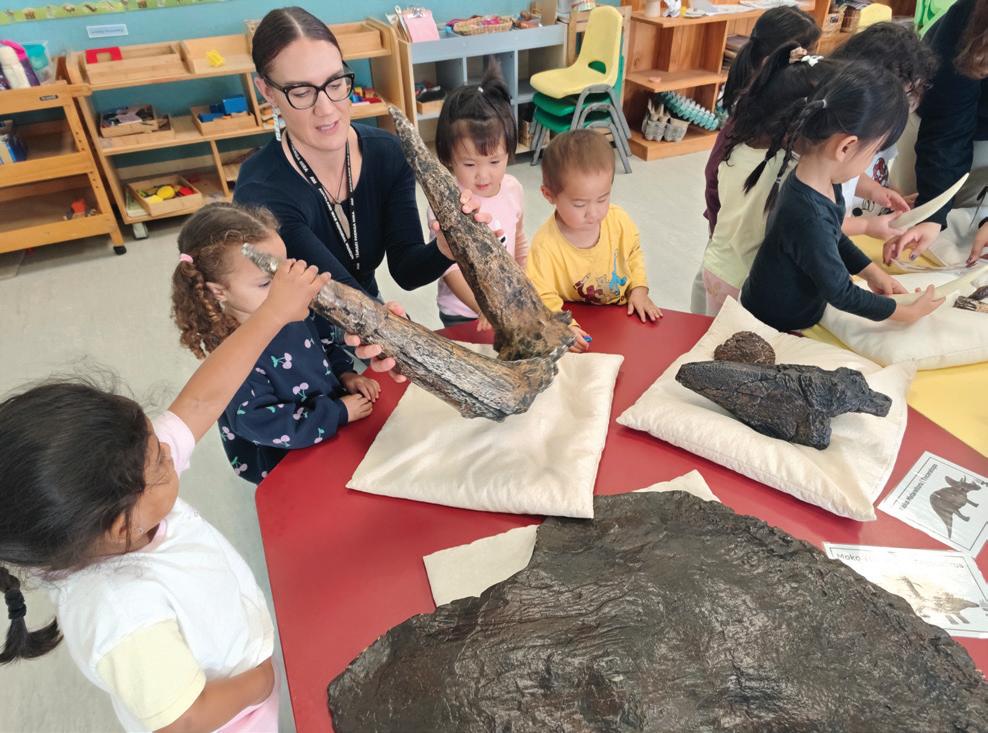
East Auckland preschoolers have been on a voyage of discovery learning about dinosaurs.
Kate Zhang, centre manager of WonderKids Childcare and Preschool in East Tamaki, says the young children got excited when Auckland Museum’s Dinosaur Discovery fossil van and crew arrived at the early learning centre.
She says the recent visit was supported by Watercare.
“The museum brought real fossils – skulls, bone models, a fossilised brain, and even dinosaur droppings. Our children could touch them. For many, that moment felt like a direct connection to an ancient forest world.
“Our young learners have become fascinated with dinosaurs. They ask questions about names, body parts, habits, and habitats.
“But our exploration had been limited to books and pictures.”
Zhang says the Dinosaur Discovery visit “elevated our entire learning programme”.
“It gave children deep wonder and hands-on learning that no photo could ever match.
“It also reflected the heart
of te whāriki, our early childhood curriculum: children becoming confident and competent explorers, building a sense of belonging through real community connections, and learning through sensory, meaningful experiences.”
However, Zhang says there’s a bigger message.
“Many families cannot afford museum trips. For those children, the museum came to them and that made all the difference.
“We’re deeply grateful to Auckland Museum and Watercare for their generosity.
“We encourage more businesses, trusts, and cultural institutions to step forward.
“Imagine more museums, art galleries, science centres – or any community organisation – bringing their treasures into early learning centres. The impact would be profound.
“To other potential supporters: You have the power to bring awe and knowledge to children who need it most,” says Zhang.
“Please consider partnering with early childhood services. The return on investment is measured in curious eyes, excited voices, and a generation that knows their community cares.”

By CHRIS HARROWELL
An east Auckland schoolteacher has created a new type of puzzle that will challenge people who love putting their brains to the test.
Richard Henty, who teaches science at Howick College, is the creator of the ‘Puzup’ palindrome puzzles published in the Eastern Times and in a book available at Poppies bookshop in Howick and online.
The puzzles are completed by using the numbers 1-5 with each number appearing five times, so people fill each outlined rectangle with a palindrome, which is the same number forwards and backwards, for example 52425 or 1441.
The numbers in each rectangle must add up to the total shown on the edge of the grid and no palindrome can be used more than once. Each main diagonal must contain all five numbers, 1-5, just once. The centre square is shared by both diagonals and must be the same number.
“This puzzle is new and there’s nothing else like it on the market,” Henty says. “It utilises the idea of a palindrome, so a reversible number, and that in itself limits the clues, which is good because then you can solve the whole puzzle by finding the appropriate numbers that match
the characteristics in the boxes. It’s a simple addition game.
“On the outside of the puzzle you’ve got the clues and on the inside you’ve got boxes that might be two, three, four, or five cells big, so those numbers need to be reversible when you put them in. In some cases there might be only one answer possible, but sometimes when you’re starting off a puzzle there might be three possibilities.”
For people who want to try Henty’s puzzles but find such brain teasers to be intimidating, he says first-timers should start with his easy puzzles. “Starting on the fiveby-fives, which are easy and small, means there are fewer combinations that could trip you up.
“When you get up to some of the hard levels, then they really do take a lot of cross-referencing between parts of the puzzle. You wouldn’t want to try one of those first. You want to have experience at the easier levels before moving up to the harder levels.”
Henty can create the bigger Puzup puzzles in about an hour and then spends time making sure each is correct. In some instances he creates a puzzle that unintentionally has two solutions.
“I make it by hand in my little notebook, then I crosscheck them to make sure they’re correct, then I transfer



them. I also have a webpage that allows users to pay $3, which gives them access to 199 puzzles that are ‘easy’, ‘medium’, and ‘hard’.”
He says he came up with the idea for the puzzles while travelling. “It became a daily challenge. Instead of travelling with a puzzle book of Sudokus, I ended up travelling with my own, made my own, and then solved my own. Over the last year and a half I’ve been making a puzzle a day and solving it.”
Henty says his puzzles are similar to Sudoku, Kakuru, and Kenken puzzles, but also different.
“My one is the only one I’ve found that has the palindrome as part of the answer.” He first created the puzzles
in mid-2024 and is pleased he invents each one from his own brainpower.
“A lot of people think this has been created by some sort of magical AI [artificial intelligence] thing, but it hasn’t. I’m very proud to say it’s handmade and humanbrain-made. There’s something for everyone and for all ages.
“It doesn’t matter whether you’re young or old. The small puzzles are solvable. Some people can solve the small puzzle in less than five minutes. Some people can solve the bigger ones in maybe 20 to 30 minutes depending on your experience and how numbers flow out of your head.”
> Full story at www.times.co.nz




In 1975 a new venture, under the Co-operating Parish system, was established in Bucklands Beach.
After lengthy planning and the uniting of Anglican, Presbyterian and Methodist congregation members, Bucklands Beach Co-operating Parish and Community Centre was dedicated in late 1975.
Worship and community activities have been a feature of the site for more than 50 years.
After all this time of serving the Bucklands Beach community, St Johns Church, as it’s now known, is holding a final service to acknowledge its mission in the community, and its building complex, has sadly come to an end.
“Everyone is deeply saddened by this final outcome, but we must reluctantly accept the end of our spiritual and community life here in this place,” a representative of the congrega-

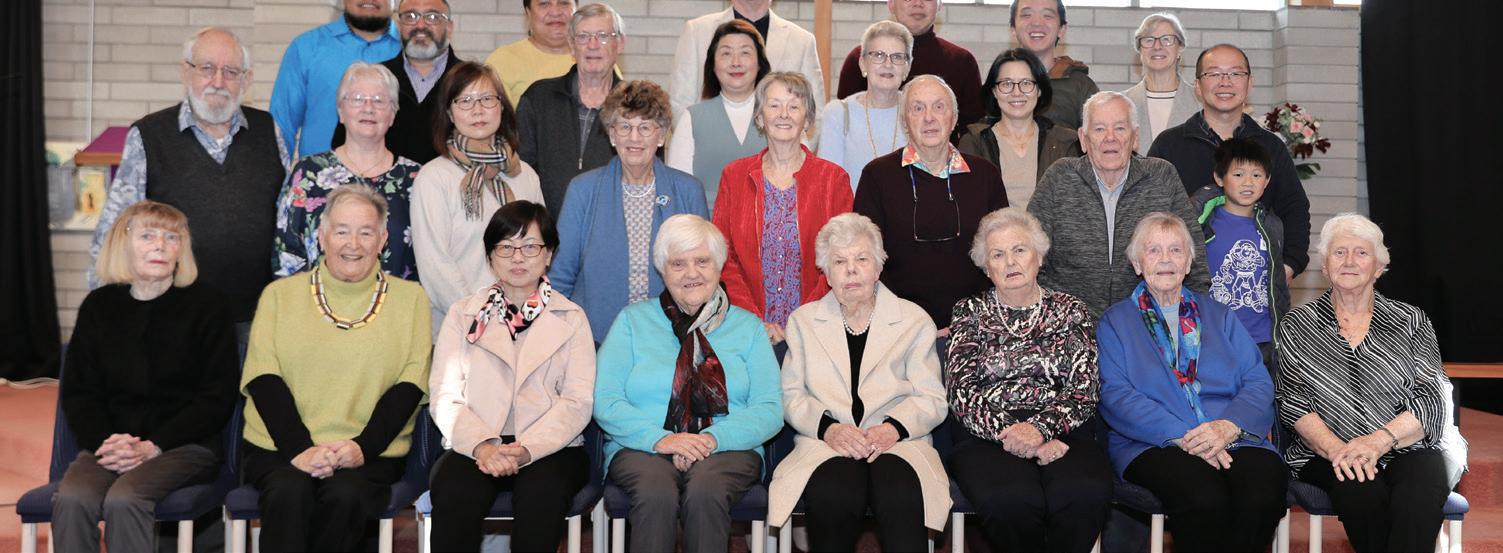
tion says. “Past and present congregation members hold onto many memories of their years of worship and sharing their faith in this place. Many baptisms, confirmations, funerals, weddings and other celebratory events have been held in St Johns Church, so it’s a great sadness and loss for this Bucklands Beach community. Long-lasting friendships have been formed, especially among the many new families who moved to the Bucklands Beach peninsula 50-plus years ago.”

However, the demographics of the local community have changed considerably in the past five decades. The now relatively small and ageing congregation is unable to sustain the costs of keeping a church running with a fulltime paid minister, along with the burden of maintaining the large property and building complex. St Johns Church has been without a minister since September, 2025.
“We acknowledge and appreciate the many ministers who have served at St
Johns, the commitment and generosity of all the congregation members over the years, and the lives of so many who have come to faith in this place. We also acknowledge the many community groups who have gathered here at St Johns and enjoyed calling it their ‘home’.”
A commemorative service of thanksgiving is being held at St Johns Church, 245 Bucklands Beach Road, at 2pm on Sunday, July 26, and all are welcome.
> Full story at www.times.co.nz
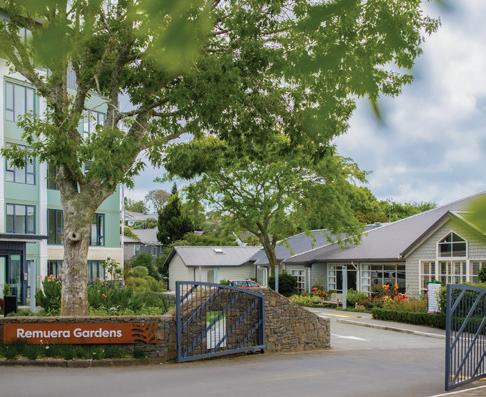
Remuera Gardens now offers rest homelevel care in your serviced apartment*. This means that if your care needs change in the future, you can remain in the apartment you love while receiving the care you need.
Come and discover our ground-floor studio serviced apartments, each featuring a private deck with views across our timeless gardens. Meals and housekeeping are included*.
Peace of mind for today and tomorrow.
To find out more, contact Lyn on 021 845 524
By TYRA HARRISON, AUT student majoring in journalism
Aseven-week series of public concerts has returned this year at All Saints Anglican Church in Howick.
The popular and long-running Thursdays @ Seven series is staged over seven weeks three times per year from 7pm-8pm on Thursday nights.
It’s organised by east Auckland musicians Peter and Katharine Watts, who say their aim is to provide music opportunities in the area, especially to single artists who struggle to attract a wider audience.
“Performers really need good venues and promotion, and the local audience really wants accessible music near home,” Peter says. “We just
bring the two together. Established performers are often too busy promoting their own concerts, and young performers find it hard to grow an audience.”
To combat this, they organised three concerts a year, allowing audiences to plan their attendance and enjoy a consistent weekly schedule. “Our vision was to create quality concerts in an appealing format,” Katharine explains.
She says an important part of the concert series has been the venue and the time slot. “The chosen time slot of 7pm accommodates to various lifestyles … [and] having a lovely venue with a beautiful acoustic and a piano that can be the foundation. It was essential because we couldn’t have people like those playing tonight if we didn’t have a decent instrument.”


Peter says the series has been successful in the community, offering a local alternative to city-based concerts.
“These days traffic is heavier and costs are higher, so for people who love music, travelling into the city and paying for parking can be a barrier, especially for those on their own.”
Over the years, the series has hosted a range of performances, from solo instrumentalists to trios, quartets,
and even orchestras, including the Auckland Youth Orchestra. The Thursdays @ Seven Winter Series begins at All Saints Anglican Church in Howick on Thursday, August 6, with a performance from 7pm-8pm by star pianist Madeleine Xiao. It continues from 7pm-8pm on Friday, August 7, at the same venue with a performance by Oregon Chorale from the United States.
> Full story at www.times.co.nz



PLANNERS SURVEYORS ENGINEERS ARCHITECTS ECOLOGISTS

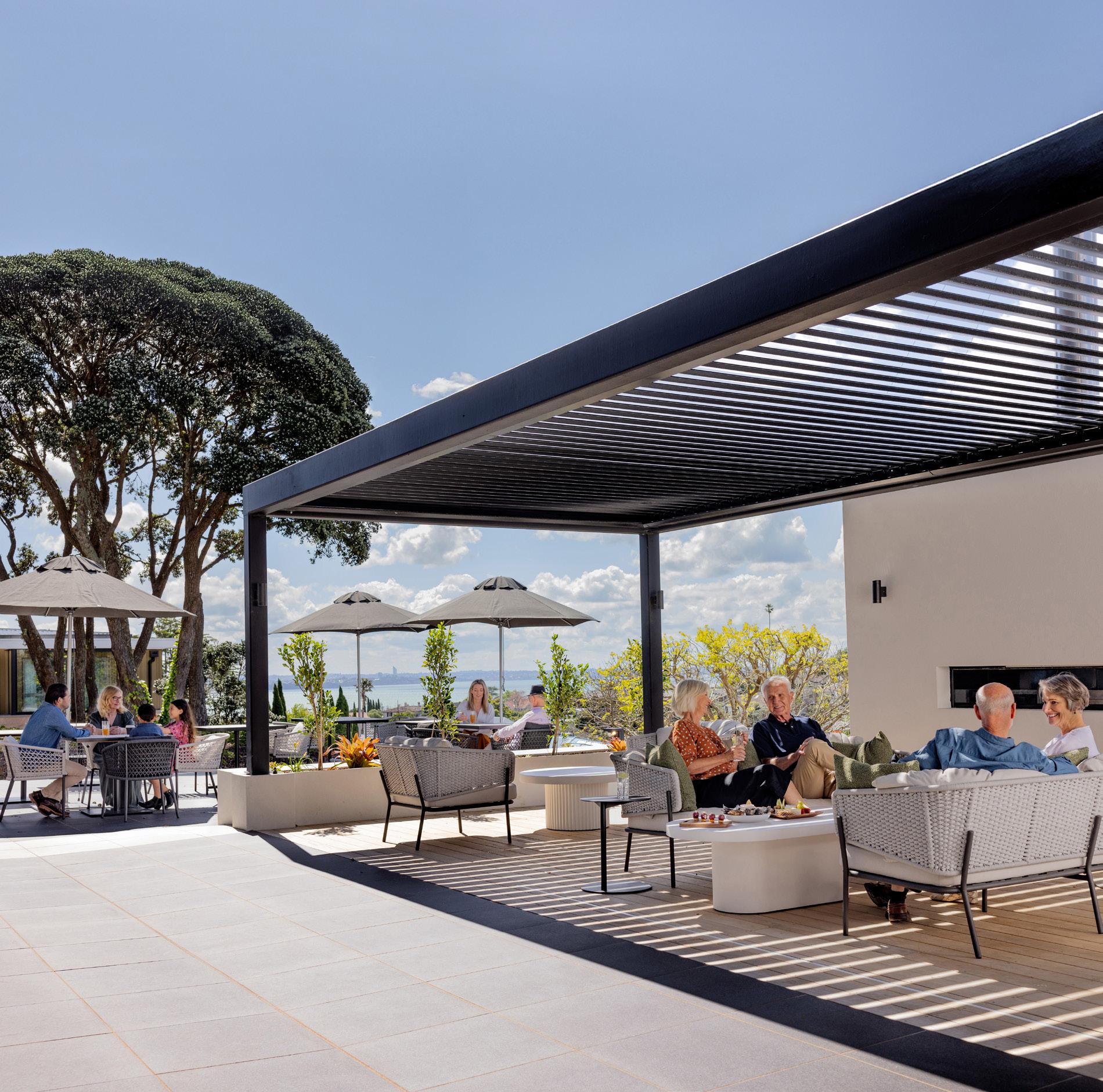

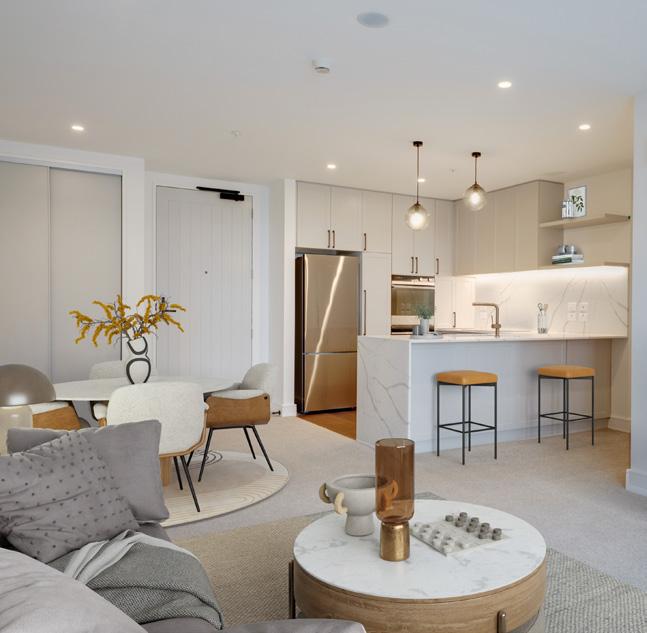
This Saturday, join us for a special Open Day at The Helier and discover thoughtfully designed retirement living in the heart of St Heliers.
Enjoy delicious finger food and barista-made coffee as you explore a beautifully appointed apartment and exceptional resident amenities designed for connection, wellbeing and ease.
From the pool and gym to the private cinema, shared studio space and stunning harbourview terrace, every detail has been thoughtfully considered to support a refined and connected lifestyle.
And with our Warm Welcome Offer available for a limited time, there’s never been a better opportunity to make The Helier your new home.
Enjoy one year of free weekly fees, one year of free hospitality fees, up to $10,000 towards moving costs, and $2,000 towards legal fees*.
Plus, attend our Open Day this Saturday from 11am-1pm and, if you subsequently purchase an apartment, you’ll receive an additional $10,000 cashback.*
28 Waimarie Street, St Heliers, Auckland thehelier.co.nz 09 356 1800
*For residents 70 years and older. Terms, conditions & eligibility criteria apply. Visit oceaniahealthcare.co.nz/current-offers for full details.
Talented east Auckland dancer Jasmine Jones is living her dream of sharing international stages with some of the biggest names in entertainment.
In 2016, when she was just 10 years old, she auditioned alongside 80 others to earn a spot in the Bubblegum Drance Crew run by renowned Kiwi dancer and choreographer Paris Goebel.
Jones spent several years in Bubblegum before moving into the Royal Family Dance Crew, which required training seven days a week and more than 30 hours in the studio. That took a “huge commitment” as she sacrificed a lot throughout her childhood and teenage years.
“I missed out on family dinners every night, I had no time during the school holidays and the weekend, meaning missing countless social events like friends and family member’s birthdays, and no time to keep up with my schooling,” Jones says.
Jasmine Jones


and it shaped my dream to where I am today.
“It taught me you have to work to achieve what you want and nothing in life comes easy.
“Throughout all these sacrifices and the hard work I was able to go to the Hip Hop International Worlds four times, reaching the finals every time and gained a bronze medal in 2016.”
my career highlight to date with full scale movie productions,” Jones says. “It was the glamour of Los Angeles moviemaking brought to Auckland. This added a new dimension to my dancing and I loved being in front of the camera for big screen production.
“It was hard missing out on life at the time, but I knew dancing always came first for me and throughout the eight years of living that lifestyle I’ve learned great work ethic, which I know will get me far in every aspect of life, and it taught me discipline, loyalty, commitment and hard work
Among Jones’s many notable achievements in the industry is dancing in a music video by South Korean rapper and singer Psy when she was just 11 years old, performing in dance shows across Europe, the United Arab Emirates, Australia and New Zealand, and dancing in locations including Abu Dhabi and Singapore.
She recently auditioned against 300 dancers for a role in the hit Disney+ streaming platform’s Zombies Franchise movies, playing a vampire dancer.
“These movies have been
“I was recently invited back to dance with some core Royal Family members in Malaysia, where I performed with the French rapper Big Ben at an event followed by 50 Cent as the headline act in front of the Prince of Johor and an audience of 50,000.
“I also teach dance classes and love passing on my passion for dance to the younger generation as that was me, a little girl with big dreams. Now 20 years of age and earning my living through dance I’m looking to further offshore opportunities and guide the next generation of dancers through their journeys.”
> Full story at www.times.co.nz
















East Auckland’s natural ecosystem is breathing easier thanks to the tireless efforts of a dedicated group of young local eco-warriors.
A team of 15 students from the Howick College Enviro Council has clinched first place in Pest Free Howick Ward’s annual Moth Plant Pod Collection competition, securing them a $600 cash prize.
Hunting across the Howick ward area, the dedicated team successfully cleared 14,343 invasive moth plant pods and 2,246 seedlings. The aggressive weeds
are notorious for suffocating native flora, making the students’ haul a victory for local biodiversity.
“I’m incredibly proud of the dedication shown by these 15 students,” says Neera Sundrum, the teacher in charge of the Howick College Enviro Council. “They spent countless hours tracking down these pods and seedlings. It was hard work, but they knew exactly what was at stake for our local environment.”
The $600 winnings will be go toward the Enviro Council’s future green projects.


Part of the fund will launch a brand new student-led native garden on campus, while the remainder will be used to support upcoming environmental initiatives. “The prize money allows us to create a beautiful biodiversity pocket right here on campus and kickstart other sustainable projects,” Sundrum says.
This year’s Moth Plant Pod Collection competition resulted in 206,452 moth pods and seedlings being collected, which has stopped an estimated 5.45 billion seeds from spreading.
In the preschool category, first place went to Cascades Kindergarten, with KiNZ Mission Heights runners-up and New Shoots Pakūranga in third place. In the whole school category, Howick College took the honours, followed by Howick Primary School Moth Busters, and Edgewater College.
In the community category, first place went to the Pakuranga Heights Pod Squad, followed by Team MothEnd and Youth Project NZ. The initiative is supported by the Howick Local Board.









New Zealand’s motoring history has been shaped by a number of vehicles that have become much more than just a means of transport. They reflected the lifestyles, industries, and aspirations of generations of Kiwis.
For many years, the humble stationwagon was the backbone of New Zealand family life. Models such as the Ford Falcon and Holden Kingswood carried families on holidays, to sports events and around the country. They were practical, reliable, and well suited to New Zealand’s roads and growing suburbs.
The Toyota Corolla also deserves a place among New Zealand’s most influential cars. Known for its dependability and affordability, it became one of the nation’s best-selling vehicles and helped introduce generations of drivers to car ownership.
In rural communities, the Toyota Hilux earned a legendary status. Farmers, tradespeople and outdoor enthusiasts valued its toughness and ability to handle demanding conditions. Even today, utes

remain among New Zealand’s most popular vehicles.
The arrival of Japanese imports during the 1980s and 1990s changed the market dramatically. Affordable, well-equipped vehicles gave consumers more choice and accelerated the shift away from locally assembled models.

More recently, electric vehicles have begun shaping the next chapter of New Zealand motoring. Early adopters helped
Keep your vehicle running at its best with trusted




demonstrate that lower-emission driving could be practical for everyday use, and the number of EVs on our roads continues to grow.
While automotive technology continues to evolve, the cars that have had the greatest influence are often those that met the needs of ordinary New Zealanders. Their legacy can still be seen on our roads today, reminding us how motoring has helped shape the way we live.




By WAYNE BROWN Auckland Mayor
East Auckland will benefit greatly from the City Rail Link when it opens later this year.
Auckland Council’s policy, planning and development committee recently agreed to ask local boards and iwi for feedback on two options for future housing intensification across the city.
On July 21, the committee will decide which option should proceed and for east Auckland this is particularly important.
That presents Auckland with an important opportunity. As our city grows, we should be making the most of major transport investments like the CRL by enabling more people to live close to the stations and town centres that will benefit from it.
This is not about widespread change across every suburb. Around 85 per cent of Auckland would remain exactly as it is under the current Auckland Unitary Plan, and the vast majority of east Auckland neighbourhoods would see little or no change at all.
The CRL is about to transform Auckland’s rail network. Communities along the Eastern line, from Glen Innes through to Meadowbank and Ōrākei, will be better connected than ever before.
Scenario B recognises that investment and says where transport connections are strongest, there should be opportunities for more people to live nearby. Scenario A is about doing the legal minimum, which only requires us to intensify along some of the Western line.
Scenario B also allows housing intensification along the inner Eastern and Southern train stations, the main bus routes into the city and local town centres.
If we lock in Scenario A, we would be turning our backs on many of these opportunities. We would be limiting growth around parts of the rail network that will benefit enormously from the CRL and missing opportunities for carefully considered development in locations that are already well served by transport and community facilities.
The alternative is further sprawl as more people choose to make Auckland their home, and sprawl comes at a cost. We should be making better use of infrastructure that already exists within the city before

expanding further into areas that require significant new investment. Scenario B provides flexibility.
It gives the Independent Hearings Panel sufficient capacity to consider public feedback and make sensible adjustments where required, while also ensuring natural hazard and infrastructure issues can be properly addressed.
> Full story at www.times.co.nz

A world of research, knowledge and advice is at your front door. Whether you’re starting out, or you’re an experienced investor, our advisers can help you build a portfolio to match your personal ambitions.
It may be to maintain a certain level of income, or to grow funds to help future generations reach their financial goals. Whatever your requirements, the Auckland East team can provide expert help.
Contact your local Auckland East Investment Advisers for a no-obligation review of your existing investment arrangements.

care you can trust, in a calm and beautifully designed setting.
When the time comes to consider care, what matters most is knowing you or your loved one will be well looked after.
At The Helier Care Residences, residents receive exceptional, personalised aged care, delivered by an experienced clinical team focused on comfort, dignity and wellbeing. Care is available around the clock, providing reassurance to both residents and their families.
Support at The Helier is designed to adapt as needs change, offering rest home, hospital or respite-level care within the same familiar environment*.
For those who wish, additional companion and hospitality services can be accessed to support everyday living. These services are optional and designed to complement, not replace, the high standard of care provided to every resident.
By focusing on what matters most, The Helier offers a place where residents and families can feel confident, supported and at ease.
To learn more about The Helier Care Residences, call Debbie on 09 356 1800 or visit thehelier.co.nz
28 Waimarie St, St Heliers, Auckland
*Psychogeriatric and dementia care are not offered at The Helier.
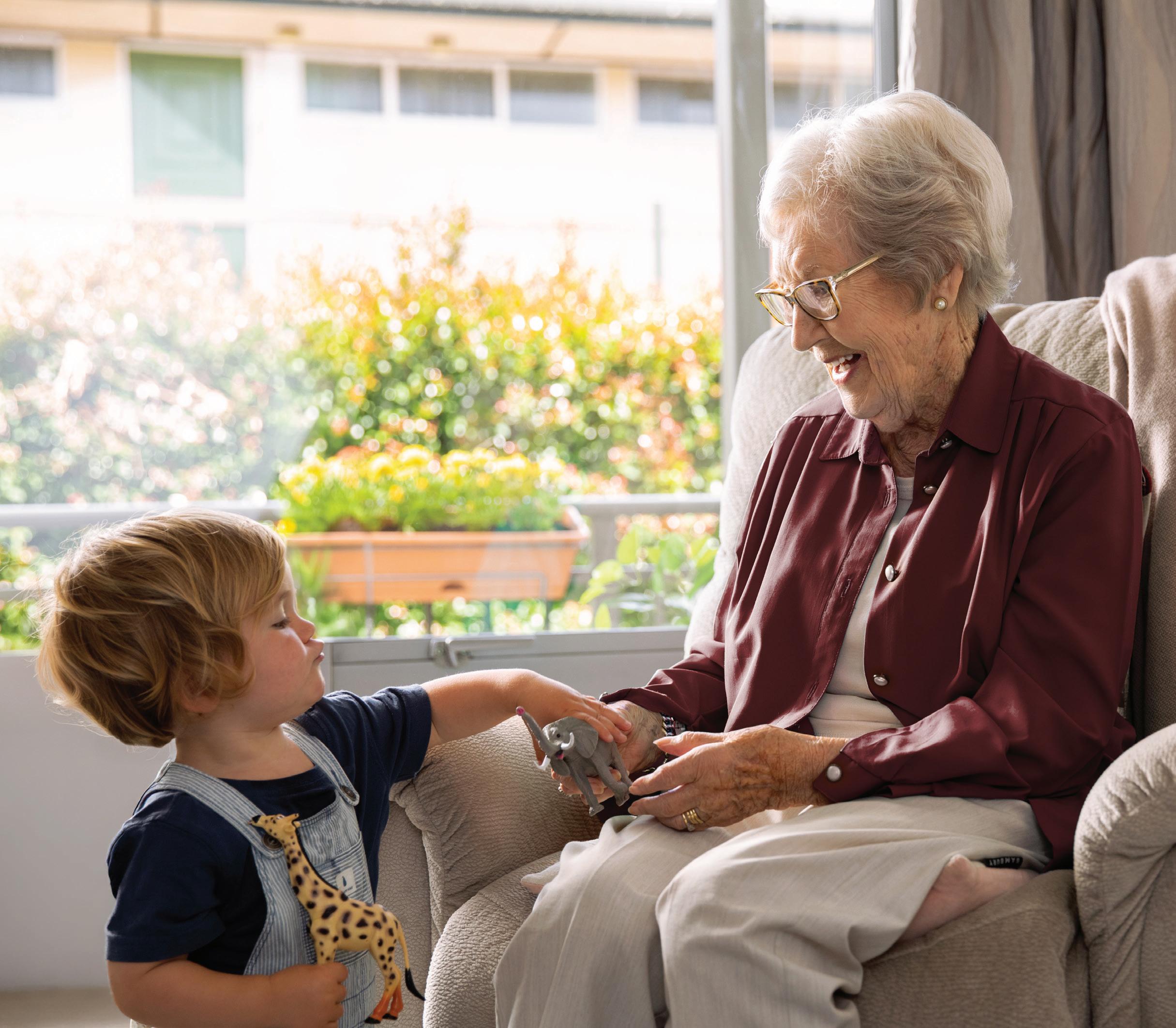

When it comes to Aged Care, the team at Meadowbank Village know it's the little things that make a big difference in your loved one's day.
It’s a day trip out and about, just because the sun’s shining. A visit to our in-house salon for a morning of pampering. It’s a treat from the on-site café, delivered to their private Care Suite – just in time for a visit from the grandkids.
Whether it’s Rest Home or Hospital-level care, our team take the time to truly know your loved one, delivering 24/7 clinical care that always feels personal. Because at Meadowbank, the little things aren't little to us.
Get in touch to chat through your options or book a visit on 0800 333 688.
148 Meadowbank Road, Auckland oceaniahealthcare.co.nz/location/meadowbank-care
and
By CHRIS HARROWELL
A community organisation that helps schoolchildren tackle serious issues has received four new vehicles that will make it easier for its educators to spread their message.
Life Education Trust Counties Manukau offers programmes in schools in east and south Auckland addressing challenges such as mental health, obesity, bullying and vaping. On July 9 its staff were at Manukau Toyota Group to meet with group managing director Ali Guise and receive four fully sponsored vehicles from the Manukau, Botany, Papakura and Pukekohe dealerships. Manukau Toyota Group says its relationship with Life Education Trust began through its Pukekohe Toyota dealer-


ship, which supported the organisation with contributions over several years.
“In 2019, the Group expanded the relationship across the wider business, supporting Life Education events, providing a vehicle, and committing to ongoing monthly financial support.
“This year, members of the Manukau Toyota Group
team had the opportunity to sit in on a Life Education class. The visit reinforced the value of the programme, with the team seeing first-hand the passion of the educators and the joy it brought to the children taking part.”
Following that visit, Manukau Toyota Group decided to provide four fully branded Life Education vehicles for
its educators to use as they travel with mobile classrooms to schools.
“The partnership reflects the Group’s commitment to supporting organisations that make a meaningful difference for children, families, and communities across Counties Manukau.”
Ricketts told Guise and her team the handing over of the four vehicles began with a conversation several months ago. “It gets our name out there and helps people see what we’re doing, and it’s going to help us big time, especially with fundraising. We can say, ‘here we are’, and what we’re doing, ‘we’re not one of these charities that start today and is gone in two years’ time. I thank all of your dealer principals from the four branches.”
Saint Kentigern College recently put on an excellent show of Beauty and the Beast Jr, the ‘tale as old as time’ that everyone loves.
Since mid-February, we had been preparing, with some cast members practicing up to four hours a week!
“Being an actor takes real work,” said Kenneth Faatau Mantell, who played Gaston. “You have to stay focused to learn all your lines, songs, and dances, even when the long schedule gets tiring.”
In the end, all these practises paid off, resulting in wonderful shows – lively song and dance numbers, heartfelt portrayals of beloved characters, and a massive round of applause after every performance.
Although the performances were rewarding, many cast members’ favourite parts of the process were to do with the friendships they had made throughout the few months.
“The most memorable

Patel-Kumar played the role of Belle in Saint
Photo supplied Saint Kentigern College

“Some more very important people were our senior student leaders who took time out of their own holidays and time to come support our show and assist our needs,” said Dia.
parts of the musical were all of the interactions with new people and close friends,” explained Elsa Taylor, who played Babette.
“The best part of the middle school production was definitely doing what I love with close friends making it enjoyable and fun,” commented Dia Patel-Kumar, who was cast as Belle.
Of course, the cast are not the only ones who con-
tributed to ‘the making of a musical’. The directors, student leaders, and other teachers played a big role in making sure the rehearsals and shows went smoothly.
“I would like to thank our directors (overall, dance, and musical) for all of the dedication they put into the show as well as everyone behind the scenes from stage management to lighting and sound to props and costumes,” said Elsa.
The directors, leaders and staff “have given up so much time and put so much work into making sure the show is at its best by the time it is put onstage,” said Pippa Ensor, who played Cogsworth. “You all work so hard and it shows.”
As my first experience with a musical, I can safely say that it was an amazing experience to be a part of, but the work behind the scenes is a LOT more than you’d expect! However, this taught me , and the rest of the cast, a valuable life lesson. Good things take time, and amazing musicals like this take lots of it!
• Manayah Peiris is in year 9
Follow signs for entry and parking.
To find out more, scan the QR code.



Join us at Ōtau Ridge in Clevedon on Sundays from 19 July–30 August for a series of cosy lunches. Whether you’re a local or just passing through, you’re always welcome.
Sundays only from 19 July–30 August, 12–2pm. Seats are limited and bookings are essential. Call now to book your table on 09 222 2832.





Find a village that feels like home
Call Jo Ashby on 09 222 2833 | joa@metlifecare.co.nz 2 Kumekume Way, Clevedon | otauridge.co.nz
Choose between two courses for $38 or three courses for $45 per person. Scan the QR code to view the menu.
By CHRIS HARROWELL
Demand for help at an east Auckland food bank has risen by almost 50 per cent over the past year as more Kiwis struggle to keep up with the cost of living.
Lole Turner, the co-ordinator of the food bank operated by All Saints Anglican Church in Howick, attributes that spike to increased housing costs and the high price of food.
This year marks 35 years the food bank has been serving and supporting locals in need. To mark the milestone the church is hosting a Service of Thanksgiving at 9.30am on Sunday, July 26. The service will be followed by a shared morning tea in Haseler Hall and all are welcome.
“We’ve invited our clients, they are welcome, and we have invited the [food bank’s] donors,” says the Parish vicar, Reverend Ivica Gregurec. “We’re going to be

present at the Howick Village Market for two Saturdays in a row, to raise the visibility so the community is aware this is happening and it raises the profile of our food bank in the wider community.”
The food bank distributes a wide range of groceries to members of the public. Turner says it’s also been giving out warm blankets, and wool beanies knitted by local volunteers, to people who need them.
The service recently received a donation of $4650 and boxes of food from pupils at Macleans College in Bucklands Beach. It’s supported by KiwiHarvest, New Zealand’s largest food rescue organisation.
“KiwiHarvest comes every week, it’s been amazing,” Turner says. “We’re lucky our church stands behind the food bank. We’ve had an almost 50 per cent increase in demand since last year. We
collect donations from local schools like Bucklands Beach Intermediate, Owairoa Primary, Wakaaranga Primary and Farm Cove Intermediate.”
Gregurec says if it wasn’t for the contribution of KiwiHarvest, the church’s food bank would be in a “much direr situation”. “Especially after the cuts in support for food banks. The food bank was in a really dire situation last year,” he says. “With Government completely cutting support for the food banks, the KiwiHarvest contract has made us rethink how things could be done.
“Otherwise, the situation is really bad. For 35 years the food bank has been going and some of the volunteers have been here for quite a long time, doing that ministry.”
People, organisations and business that can support the food bank can email office@ allsaintshowick.org.nz.
“Thank you to Unichem Mainstreet Pharmacy Howick for my CPAP machine. I have had sleep apnoea and a snoring problem for many years. I used a mouthguard, which was mostly helpful, but it was becoming painful and my jaw was becoming misaligned.
My doctor suggested that I should be tested for a CPAP machine. I had been putting this off for a few years because I could not face the prospect of having to sleep at a sleep centre to be tested. He recommended I try Unichem Mainstreet Pharmacy in Howick, as they had a good set-up. The whole process was so easy. The pharmacist met with me once a week to check on my progress and answer any questions. I had a trial machine, and after six weeks I was given the option to purchase it.

Yes, for me it did take a bit of getting used to. However, my partner is so happy and has had a great night’s sleep, with no more snoring or worrying that I’d stopped breathing during the night. I have been using this machine every night for six months, and I feel so much better and clearheaded. Thank you to Kelly and the team at Unichem Mainstreet Pharmacy Howick for your ongoing support. You have made what was almost an insurmountable job easy, and a pleasure.”


THE SEMINAR WILL INCLUDE:
• An overview of the legal and financial implications of securing a dwelling in a retirement village
• What Acacia Cove has to offer in terms of activities
• A tour of approximately six different models of villas ranging from $630,000 to $915,000
The tour will end with lunch and the chance to win prizes.
Numbers are restricted, so if you are interested, please RSVP by 17 July 2026 by calling 09 268 5822, or email admin@acacia.co.nz

Numbers are restricted, so if you are interested, please RSVP by 16 September by calling 09 268 5822, or email admin@acacia.co.nz $915,000

2 bedrooms, study, double garage next to village green $960,000 $960,000
131 Wattle Farm Rd, Wattle Downs, Auckland | Ph: (09) 268 8522 E: bruce@acaciacove.co.nz | www.acaciacovevillage.co.nz
Local schools have battled it out at the 2026 New Zealand Chess Federation’s (NZCF) East Auckland Regional Interschools Chess Championship. The competition was recently staged at Somerville Intermediate School by the Howick Pakuranga Chess Club on behalf of the NZCF. In the Intermediate Section, first place was won by Team A from Bucklands Beach Intermediate School, comprised of Isaac Lobo, Oliver Lin, Vincent Yam and Jeremy Wang. The win qualified them for the National Finals to be held in Auckland in September.
Earning second place in the Intermediate Section was Team A from Somerville Intermediate School, comprised of Olivia Li, Jaden Jhia
Xing Lee, Alexander Lee and Ahana Gupta.
In third place was Team A from Saint Kentigern College, featuring members Hannah Chen, Oscar Wang, Kian Lovell, Jeremy Li and Kaden Chen.
In the competition’s Primary Section, first place was captured by Pigeon Mountain Primary School Team A members Chu Yang Liu, Hayden Meng, Jeffrey Wang and Kayley Lin. Second place went to Team A from Willowbank School, comprised of Jasper Zhang, Matthew Li, Weslynn Yu and Kimi Jin. In third place was Team A from Cockle Bay School, comprised of Jeremy Wang, Oscar Yan, Max Man, Aden Mak and Caleb Xiong. The top three teams from the Primary Section qualify to take part in



the National Finals later this year.
Eight players recorded perfect scores of six wins from six games on the day. They are Jeremy Wang from Bucklands Beach Intermediate School, Oscar Wang from Wakaaranga School, Ethan Wang from Our Lady Star of the Sea School, Rex Zhao from Botany Downs

Next time you visit, please note that our main entrance is now at 66 Tuakau Road, Pukekohe.
Primary School, Hayden Meng from Pigeon Mountain Primary School, Ziheng Wang from Mission Heights Primary School, Kimi Jin from Willowbank School, and Miles Hong from Point View School. Each member of teams that finished first, second or third will receive medals with their names engraved on them.
















































































































































































































































































































Howick Local Board member John Spiller writes about his trip to take in this year’s Warbirds over Wanaka in the South Island.
My wife Moira and I had been keen on going to Warbirds over Wanaka for several years, however the event was cancelled in both 2020 and 2022 due to Covid-19.
We had everything booked for 2022 when the cancellation announcement came, but we still went to the Wanaka area for a week and had an enjoyable time staying in a Book-a-Bach near Lake Hawea.
We were determined to get there for this year’s Warbirds event so in January I booked airfares to Queenstown, a campervan for a week, three nights’ stay at Glendhu Bay campground, which is on the shores of Lake Wanaka, and bought three day passes for each of us for the airshow.
Meantime, I learned we could book to stay in our camper, for the duration of the airshow, at Criffel Station, a privately-owned deer farm directly across the road from Wanaka Airfield.
There was an additional charge for this but it meant we were on a plateau overlooking the runway and airfield, and this afforded spectacular views of the aircraft as they passed overhead or made low-level runs along the airfield.
The sight and noise of the aircraft, the trailing smoke plumes, and aerobatic dis-

plays made this a very worthwhile investment.
We shared the privilege with some 700 other campervans and converted buses on the terrace.
We weren’t permitted to leave the terrace for the three days so had to be completely self-contained.
One concession we made was to book a shuttle down to the airfield for the Saturday show, which enabled us to get up close to the aircraft that were on the ground at the time, and also inspect exhibitors stands, buy some hot food and enjoy the buzz of the large crowds watching the action close up.
It was unfortunate a decision had been made just a few days earlier to cancel all the military aircraft from New Zealand, Australia, Singapore and the United States from participating.
Everyone had been in high anticipation of seeing the F22 Raptor jet team
from the US Air Force blasting across the length of the runway and zoom up into the sky pulling countless G Forces, but it was not to be.
Nevertheless, the show was amazing, and by far the best airshow we’ve ever been to.
We did enjoy a Warbirds Day at Ardmore a couple of years ago but this was next level in terms of non-stop activity, the range of aircraft being put through their paces, and the sheer magnitude of the organisation that had taken place to put it all together.
Highlights were seeing the Blackhawk helicopter ‘Kahu’ carrying out seemingly impossible manoeuvres for such an aircraft, the close formation flying of the four jet trainers, the Tiger Moth slicing up a toilet roll with its wings that the pilot had dropped from higher up, and a stunning display of control performance of a model
plane by New Zealand’s top radio control pilot.
Emotionally, my top highlight was seeing the formation flying of the two Spitfires and hearing the wonderful roar of their Merlin engines.
One of the Spitfires had been especially shipped from the UK for the show after first having its wings removed so the entire aircraft could be stowed in a 40-foot container.
It was also wonderful so see the Harvards in action as they’re always a crowd favourite.
We loved the excitement of being so close to the action, enjoyed the new experience of living out of a campervan for a week, although my wife may have a different opinion), and, of course, the autumnal scenery of central Otago.
Flying into Queenstown is never disappointing but the place is busier every time I go there, despite the high property prices, so we were glad to hit the road on day one and get set up for our big adventure.
Would we go again? Possibly, and Warbirds over Wanaka in 2028 should be extra special as it will be the 40th anniversary of the event.
If you’ve never been then it’s a ‘must do’ bucket list item that needs to be ticked off, in my view, and 65,000 other people thought so too.

Book your on-property inorganic collection.
Search inorganic collections
Tāmaki Turuki. Altogether Auckland.

At Shortall Lawyers, we believe that the future of our profession lies in investing in people, Andrew Shortall writes.

This week marks a special milestone for our firm as we congratulate Nikita Raj and Liana Nguyen, who will be admitted to the Bar this Friday. Their admission reflects years of hard work, determination and commitment, and we are incredibly proud to celebrate this achievement.
Supporting the next generation of local lawyers has always been one of our core priorities. We are passionate about creating opportunities for talented young professionals to build rewarding legal careers in our community. Watching our team members develop into confident and capable practitioners is one of the most rewarding aspects of what we do.
Over the years, Shortall Lawyers has grown to four branches across Auckland. While our firm has expanded, one thing has never changed—our values. We remain committed to being a firm where people feel welcomed, respected and genuinely cared for.
Our experienced senior lawyers work alongside younger practitioners every day, combining decades of legal expertise with fresh thinking. For our clients, this means continuity of service and the confidence of receiving trusted advice from a firm investing in its future.
We understand that seeking legal advice can often feel overwhelming. That is why our approach has always been simple: providing clear, practical advice without unnecessary complexity. We focus on resolving issues efficiently and achieving practical outcomes.
Above all, we are a people-focused firm. We value our team, appreciate the trust our clients place in us, and are proud to serve the communities in which we live. Every matter is approached with professionalism, integrity and a genuine commitment to achieving the best outcome.
Congratulations once again to Nikita and Liana on this significant achievement. Their success reflects not only their own dedication, but also the bright future of our profession. As Shortall Lawyers continues to grow, our commitment remains unchanged: delivering practical legal advice, building lasting relationships, and helping the people and businesses of Auckland move forward with confidence.

Churton Hart & Divers 09 533 9476

Connection matters at every stage of life. As we age, the places, routines and relationships that keep us connected can change.
Driving patterns may shift. A regular outing may become harder to maintain. Friends may move, become unwell, or pass on. After illness or the loss of a spouse, confidence may take time to rebuild. Families may notice these changes and begin looking for ways to stay connected with local opportunities, information and support.
Strong local connections make a real difference. A coffee meet-up can become a valued part of the week. An outing can rebuild confidence and open the door to new friendships. An information session can give people and their whānau a clearer understanding of what is available locally, before things become overwhelming.
Ormiston Office 09 273 9678 42 Ormiston Road Flat Bush, Auckland
250 1558
Botany Junction Office 09 277 0170
Flat Bush, Auckland
Virtual Village East is a free local network where seniors connect, contribute, learn and remain involved in community life. Through a year-round programme of events, activities and community connections, members build relationships, share knowledge, access useful information and stay active in the places they know.
Despite the name, Virtual Village East is mainly about in-person connection. It brings people together with each other, with local information, and with services and organisations already active in the community.
As part of this community development approach, Virtual Village East is hosting a free open community session at Highland Park Community House on Wednesday, August 19, from 10am to 12pm.
The event is open to non-members and welcomes seniors, whānau, carers and community members who want to learn more about Virtual Village East and the range of local services, groups and opportunities available.
A range of trusted organisations will be present to share what they offer, who they support, and how people can connect with them when needed. It is also an opportunity to meet others, ask questions, share ideas and discover what is already happening in the local community.
Our motto is stay connected, age well. Ageing well is not only about medical care or housing. It is also about dignity, purpose, contribution and belonging.
When older people remain connected and visible in community life, everyone benefits. We become a place where people continue to participate, contribute, be known and be valued as they age.
Date: Wednesday, August 19 Time: 10am to 12 noon
Venue: Highland Park Community House, 47 Aviemore Drive, Highland Park virtual-village-east.org.nz
Cash flow is one of the biggest pressure points for business owners. A business can look profitable on paper, but if invoices are paid late, bills arrive first, or expenses are not tracked, stress can build quickly. Here are a few simple tips to help keep cash flow under control.
1. Invoice promptly. Send invoices as soon as the work is completed. The sooner the invoice goes out, the sooner payment can come in.
2. Make payment terms clear. State when payment is due and how customers can pay. Clear terms reduce confusion and make follow-ups easier.
3. Check overdue invoices weekly. Do not wait until cash is tight. Regular checks help you follow up sooner and keep payments moving.
4. Know what bills are coming up. Keep track of wages, tax, supplier accounts, subscriptions and other regular costs so you can plan ahead.

5. Keep bookkeeping up to date. Accurate records give you a clear picture of where the business stands and help you make decisions based on facts.
6. Ask for help early. Many owners wait until paperwork becomes overwhelming. Support with invoicing, reconciliations and reporting can free up time and reduce pressure. Good cash flow comes from consistent systems, regular attention and clear financial information. At Admin Rescue, we help business owners stay on top of the paperwork, understand their numbers and focus on running their business. Contact Admin Rescue at www.adminrescue.co.nz, email info@adminrescue.co.nz, or phone 021 616 909.


As businesses grow, so do their people challenges. What starts as a small team of passionate individuals can quickly become a business navigating recruitment, performance management, leadership development, employment legislation, workplace culture and employee engagement.
For many small and medium-sized businesses, these challenges don’t justify a fulltime HR manager. Yet they’re often too important to leave to chance. That’s where fractional HR is gaining popularity.
A fractional HR partner provides businesses with experienced HR expertise on a parttime or flexible basis. Rather than employing a senior HR professional full-time, businesses can access the support they need, when they need it.
The benefits go beyond managing risk. Good HR support helps businesses build stronger leaders, improve team perfor-

mance, create positive workplace cultures, and put the right people practices in place before problems arise. It also gives business owners someone to turn to when navigating difficult conversations, complex employment situations, or periods of growth and change.
For many organisations, fractional HR offers the best of both worlds: strategic expertise without the overhead of a full-time hire. As workplaces continue to evolve, having the right people support in your corner can be one of the smartest investments a growing business can make.
At Spice, that’s exactly what we do. Let’s chat. Add Spice. Spice – Your People Partner: Call Director Nicole Griffiths, 021 653 559.








Risk Insurance Adviser Steve O’Connor helps people ensure they have the right insurance cover when they need it most.
Many people believe the value of an insurance adviser ends once the policy has been arranged. In reality, that’s when the relationship is just beginning.
Life rarely stands still. You might buy a home, get married, welcome children, change jobs, start a business, or prepare for retirement. Each of these milestones can change your financial responsibilities and the level of protection you need. That’s why regular insurance reviews are so important. They ensure your cover continues to match your circumstances and give you the opportunity to benefit from improved products, new policy features, or potential premium savings.
The greatest value of an adviser, however, is often seen at claim time.
Making an insurance claim usually comes when life is already di cult. Whether you’re dealing with a serious illness, an accident, or the loss of a loved one, the last thing you want is the stress of navigating complex claim forms and insurer requirements alone.
Your adviser is there to guide you through every step of the process – explaining what’s required, helping gather medical information, liaising with the insurer, answering your questions, and advocating on your behalf. That support can make the experience far less stressful and help ensure your claim is processed as smoothly as possible.
Insurance isn’t just about buying a policy – it’s about having someone in your corner when life takes an unexpected turn.
If it’s been more than 12 months since your last insurance review, now is the perfect time to make sure your protection still fits your life today.
Steve O’Connor, Insurance Advisor, Insurance Market, 021 862 330, steve.oconnor@insurance-market.co.nz








is a valuable indicator of
DAREN LENG, Senior Business Broker at ABC Business Sales, says recurring revenue is a valuable indicator of confidence.



As a business broker, one of the first things buyers look for is the quality and predictability of a business’ earnings. While strong profits are important, how those profits are generated can have an equally significant impact on value.
Businesses with recurring revenue gives buyers greater confidence because future income is more predictable. Annual supply agreements, preferred supplier arrangements, maintenance contracts, subscription models and repeat purchasing patterns all reduce uncertainty and make future cash flows easier to forecast.
By contrast, businesses that rely on winning new customers every month or completing one-off projects can appear more volatile. Even if they are profitable, buyers may perceive greater risk and reflect that in their valuation.
Recurring revenue also demonstrates customer loyalty. It suggests a business is delivering consistent value rather than continually replacing lost customers. Business owners don’t need to reinvent their model to improve value. Sometimes introducing annual supply agreements, service contracts, consumable product lines or planned maintenance programmes can create more predictable earnings and a stronger business. Ultimately, buyers pay for confidence. The more predictable your future earnings, the more valuable your business is likely to become.
Daren Leng, Senior Business Broker at ABC Business Sales – Your Business Broker of Choice. Ph 021 0278 6045 or email darenl@abcbusiness.co.nz




The more you take, the more you leave behind. What am I?
By ALEX LIN, Howick Youth Council
The last few weeks marked a time for internal development and equitable upskilling.
The leadership team held an Induction Round 2, where the council focused on growing closer together. A guiding mission statement was created: “To create a positive environment where likeminded people build their skill sets to foster growth and make impacts by meeting the HYC vision statement.”
To continue our internal development, we had special guests from the Pakuranga Counselling Centre, Mei and Vicki, presenting a workshop on mental health and the consequences of burnout. More importantly, we heard about effective coping strategies to eliminate stress and decrease the risks of burnout and depression. We would like to take this opportunity to extend our thanks to Mei and Vicki, alongside the rest of the Pakuranga Counselling Centre, for their engaging presentation.
Last year, the biennial Youth Survey was facilitated, and by the end of the year, the leadership team had written the 2025 Youth Survey Report. To complement this, this year’s leadership team attended a Howick Local Board meeting to give a summary of data and rec-

ommendations regarding key statistics. The presentation went incredibly well, and we are very thankful to the board, and Asma Bashir, the council’s strategic broker, for their consistent support of the Howick Youth Council. Finally, we had a moment of reflection with engagement adviser Brandii facilitating a workshop on the local board consultation for our area. By her side were Damian Light, Kai Zeng, Jack Collins, Luke Collings, and Asma Bashir. We learned important information about the local board plan and were allowed to give feedback on what we thought was positive or negative about the plan. We highly encourage you to take a moment to look at the plan and give feedback. Remember to stay updated with the council by following them on social media and you can also check out the council’s recently refreshed website at howickyouthcouncil.org.nz.
Aroha nui, the Howick Youth Council

Are you aware New Zealand is home to a variety of native freshwater fish?
On June 20 I attended the Hidden Howick: Stream Discovery and Citizen Science event, which was intended to spotlight local native freshwater fish. This free event was organised by Peter Stevens, the Pest Free Howick Ward lead, to give community members the opportunity to experience first-hand the unique ecosystems that support New Zealand’s native freshwater fish.
The tour was led by Yashvi Patel, the Ōtara Waterways and Lake Trust Flat Bush community co-ordinator. At the event I joined staff, volunteers, and other participants on a tour through a sensitive freshwater stream habitat within Howick. We arrived at the location at 4.45pm with our headlamps, prepared for some off-track bush-bashing along the stream, and full of enthusiasm to spot New Zealand’s native fish in their biodiverse ecosystem.
Along the way, Yashvi informed the group about each variety of native fish species that we saw, such as the banded kōkopu. This is a long, slender brown fish with

yellow and brown stripes across its back, which grows up to 260mm in length.
New Zealand has over 50 species of native freshwater fish, such as kōkopu, īnanga, and kōaro. Yashvi explained that the most prominent threat to New Zealand’s native fish is pollution caused by humans. Anything humans produce, such as detergent runoff from washing cars, paint, pesticides, animal waste, construction materials, and oil, should not be going down stormwater drains.
Yashvi commented that “just one teaspoon of cement in the stream water could kill many of the native fish”. As residents, we can ensure only rainwater goes down stormwater drains and dispose of rubbish responsibly, rather than resorting to illegal dumping, to protect the delicately balanced stream ecosystem and conserve native fish.

Our native fish are also threatened by introduced pests. Rats and cats threaten native fish primarily by hunting them and devouring their eggs in streamside nests.
Rogue dogs trample sensitive riverside habitats, destroying the vegetation that provides fish with shade and destabilising riverbanks, which can suffocate waterways with sediment.
Yashvi informed me native fish in the stream eat small crustaceans and plant material and rely on healthy stream habitats. Native plants are essential for filtering nutrients from the sediment, as well as providing shade, which helps keep water temperatures down and oxygen levels up.
To protect stream life, citizens can clear weeds and plant native trees near streams to promote shade and improve sediment filtration. Peter Stevens stated: “Our freshwater ecosystems
in New Zealand are critical to supporting local wildlife, yet we need to better understand what lives in the Howick ward.”
With regard to protecting our environment and waterways, Krish Naidu, a member of the Howick Local Board, stated, “As residents and citizens of this country that we proudly call home, we all have a moral responsibility to do the right thing and care for our environment and surroundings”.
Together we can protect the unique biodiversity within our local freshwater stream ecosystems. Lookout for more discovery nights coming up and opportunities to support your local ecosystems through clean-ups, weeding, and planting days by following https://pestfreehowickward.org.nz/ or www. otarawaterways.org.nz/
• Josh Arnold is in year 10 at Elim Christian College
How long have you been an educator, and where did you train?
Teaching is my second career after a long time working as a children’s librarian. I completed the Graduate Diploma in Teaching at Auckland University in 2015 and began teaching in 2016.
When did you start teaching at Pigeon Mountain Primary School?
While sailing around Fiji in 2018 I applied to start a new entrant class in term four at Pigeon Mountain. The interview was conducted via Skype from my boat which felt very surreal. On starting in the new entrant class, I instantly loved the school and felt very welcomed. I spent several years travelling and returning to Pigeon Mountain for short guest appearances but have been back permanently for nearly three years. For the past two years I’ve moved into a new role as the classroom release teacher in the junior school and work across all nine junior classes with a focus on teaching social skills through play.
What’s the best thing about being an educator?
I feel incredibly lucky to have my current role at Pigeon Mountain. After attending


a workshop called Incredible Years – Autism, I became aware of how challenging social relationships are not just for our neurodivergent students but for all little people. So many of our students had their formative preschool years interrupted during covid lockdowns and it has impacted their ability to connect with other students, to form friendships, to share, to take turns, and to manage themselves. It seems so obvious, but I probably hadn’t realised how much early childhood education contributes to children learning these skills. The good news is that social skills can be actively taught and play is the perfect medium to work on these vital skills. Two years ago, I proposed to our principal an idea that began percolating after I completed the Incredible Years course. I suggested our classroom release programme for the juniors could have a play focus. My days are now spent coaching kids in social skills while they play. If you walk past my classroom, you might find me gathering “tools” for a child to fix the aeroplane that has broken down or talking with a group about how we can solve the problem of four people all wanting the doctor’s costume at

the same time. My days are busy and chaotic but filled with so much joy and creativity. My successes list keeps growing as I watch children move from solo play to collaborative play and overhear problems being solved without my help. We have delightful discussions at the end of our sessions about the ways we had been a good friend that day and the answers are always heartwarming.
What’s special about Pigeon Mountain School?
I’ve worked at a number of schools and always find myself drawn back to Pigeon Mountain. The staff are amazing at working together, helping each other out and being really realistic about the challenges of working in a school. Our students are absolutely delightful. It’s a strange thing to say but I feel valued and appreciated by the smallest people in our school who often thank me for thinking of fun activities for them to do!
Is there anything you’d like improved in the education/ school management sector?
My favourite age to teach is new entrants and this is where I’ve done most of my teaching. The first year of school is such a huge transition for our five-year-olds,

adjusting to life at school. Most primary schools manage this process really well. Our staff visit the local kindys, we have a programme called Off to a Good Start, where four-year-olds and their families come and spend time in the school and we also offer school visits for children about to start school. But, our five-year-olds have the same ministry expectations on them as our year 6s do. That means, every child completes an hour of reading, writing and maths a day along with regular assessments and reports which include their levels of achievement. In a lot of other countries, the first year at school is free from these pressures. I’d love the government to acknowledge that the first year of school is so different and the priority should be about settling these new learners into school, rather than expecting them to be ready to engage with structured learning from day one.






















Term 4, 2026: Out-of-Zone Enrolments
Applications are now invited for out-of-zone students wishing to enrol for Term 4, 2026.
Available Places:
New Entrants: 4 places
Year 2: 2 places
Year 3: 5 places
Year 4: 4 places
Important Dates:

Applications Close: Thursday, 6th August 2026 at 3:00 PM
Ballot Date (if required): Wednesday, 12th August 2026
Online Applications via the school website: Please contact the school office to find out more. Phone: (09) 534 4363 Email: admin@mellonsbay school nz

At Shelly Park School, we are a warm, community-focused school dedicated to growing great young humans. We pride ourselves on fostering strong, supportive relationships with both our students and their families, ensuring every child feels valued and connected. Our learning programmes develop:
• Creative & Critical Thinking
• Character & Citizenship
• Collaboration & Communication
With the addition of our specialist Art and Science teachers, our students receive a truly well-rounded, hands-on education that sparks curiosity and innovation.
Out-of-Zone Enrolment Details
Applications for out-of-zone places are now open.
Closing Date: All out-of-zone enrolments must be received by September 2, 2026.
Ballot Results: To be announced September 9, 2026
How to Apply: You can easily complete your enrolment application online via our website or come in and pick up an application pack from the office.
Join Us for Our Open Morning
Come and experience the Shelly Park difference for yourself. Meet our team, tour our wonderful facilities, and see our school in action.
Date: Wednesday, August 26, 2026
Time: 9:00 am – 11:00 am
To Register: Please email Brooke Taylor at brooket@shellypark.school.nz to secure your spot.
Our 2027 Out-of-Zone enrolment ballot is now open. The Owairoa Primary School Board has determined that 62 places are likely to be available across all year levels for out-of-zone students. Out-of-Zone enrolment applications must be received by the school office by Monday 7 December 2026. If the number of out-of-zone applications exceeds the number of places available, students will be selected by ballot on Thursday 10 December 2026. Parents will be informed if a ballot is to take place. Additional ballots may be held throughout the year if spaces are available:
Term Four 2026 Ballot – Closing: 7 Dec 2026 Ballot: 10 Dec 2026
Term One 2027 Ballot (1) – Closing: 29 Jan 2027 Ballot: 1 Feb 2027
Term One 2027 Ballot (2) – Closing: 29 Mar 2027 Ballot: 1 Apr 2027
Term Two 2027 Ballot – Closing: 21 Jun 2027 Ballot: 24 Jun 2027
Term Three 2027 Ballot – Closing 13 Sep 2027 Ballot: 16 Sep 2027
Further information is available at www.owairoa.school.nz/enrolment

Have you ever wondered what teaching is like? Would you want to have a job as a teacher? I got the chance to interview a local schoolteacher – who wants to remain anonymous – so we can have a better understanding of what education is like from their perspective. Looking back at your first year of teaching, what was one challenge you faced?
One of the biggest challenges was learning how to manage my time effectively. Teaching involves much more than classroom contact time. It includes planning, marking, administrative work, co-curricular involvement, professional learning, and meetings. As a beginning teacher, I was also completing a two-year formal induction and mentoring programme, which required me to provide evidence I’d met all the criteria to become fully registered. During those
By Times
KINGSLEY LAI

early years, I had to quickly learn how to manage all the responsibilities beyond the classroom, while striving to be effective within it. How do you handle if a student is a disruption to themselves and the class?
One of the key things I’ve learned is effective behaviour management starts with clear routines and well-planned lessons. Our school uses the Positive Behaviour for Learning (PB4L) framework to explicitly teach and reinforce expected behaviours. When a student doesn’t meet my class expectations, I always start with a conversation and give them an opportunity
to modify their behaviour before taking it further. Was there a time when you felt very successful and impressed by what you did, and what was it?
The most rewarding moments in teaching are when something “clicks” for a student, and I know I’ve helped make that happen. I get a lot of fulfilment seeing students genuinely engaged with a text I’ve chosen or a task I’ve created. Hearing their perspectives and insights and knowing I’ve created a classroom environment where they feel confident sharing their ideas gives me a strong sense of satisfaction and pride. Is there something parents often misunderstand about what happens in the classroom?
Building strong relationships with whānau is really important for student success, and it’s something schools work hard to do. One thing people outside of
education don’t always realise is how wide the range of learning needs can be in a classroom. Every student is different and as teachers we’re constantly adapting to support those differences. There’s definitely no ‘one size fits all’ when it comes to teaching and learning! When you feel the day is tough, what gives you the energy to keep teaching?
My commute home takes about 30 minutes. I find listening to music or a podcast on the drive helps me wind down after a busy or stressful day. When I get home, I switch into parenting my children. I really enjoy evenings when we don’t have afterschool activities and can sit around the dinner table as a family. I also find walking the dog on the beach or a gym class help me to recharge.
> Full story at www.times.co.nz Kingsley Lai is in year 8 at Somerville Intermediate School
At Kindercare, we understand that entrusting your child to the care of someone else is a big decision.
That’s why we promise care and education that is warm, attentive and respectful, and that we will work in close partnership with you, because you know your child best. Here, you’ll discover that your child is safe, loved, and nurtured through small daily moments and reassuring rituals. Because when your little one is given time to settle into the day at their own pace, learning and joy follow naturally.
Get in touch today. We’d love to hear from you.



Discover house and land packages at Conmara Estate with G.J. Gardner Homes, explore the opportunities at Paerata Rise – one of Franklin’s fastestgrowing master-planned communities – and gain valuable insights from local property experts. Angela Rudling looks at whether it’s time to simplify by downsizing, while Loan Market’s Geoff Peterson explains what the latest interest rate movements could mean for homeowners and buyers.



With the Reserve Bank recently increasing the Official Cash Rate (OCR) from 2.25% to 2.5%, mortgage structures are back in the spotlight. When the market shifts, it’s a smart time to see how your own home loan is affected.
Here is how I can help you navigate the changes as your local mortgage adviser:
Reviewing vs. auto-renewing
When your fixed term ends, it’s easy to just accept the first rate your current bank offers. I can look at the wider market to make sure that rate is actually competitive.
Different lenders, different rules
Every bank operates under completely different criteria, which can often limit your options. With access to over 30 banks and lenders, I can shop around to find the right fit for your goals.
I do the heavy lifting
Managing a mortgage application involves a significant amount of admin and paperwork. I take care of the entire process from start to finish to save you time and stress.
No cost to you
My advice, structural reviews, and ongoing financial support come at no cost to you. My services are entirely free because I am paid directly by the lender you choose.
Want to review your options?
Let’s have a quick, obligation-free chat.

Geoff Peterson
Mortgage Adviser
029 637 8344

geoff.peterson@loanmarket.co.nz loanmarket.co.nz/geoff-peterson
NZ Financial Services Group Limited (FSP286965)
is it time to simplify?
By Angela Rudling of Bayleys Real Estate
For decades, the traditional Kiwi dream centred on a large family home with plenty of space for children, pets, gardens, and entertaining. But as life circumstances change, many residents are discovering that a house that once felt perfect can become more work than enjoyment.
Downsizing is no longer simply about moving to a smaller property. For many, it represents a lifestyle choice – one that prioritises freedom, convenience, and financial flexibility.
Empty nesters often find themselves maintaining rooms that are rarely used and gardens that require constant attention. The costs associated with rates, insurance, maintenance, and utilities can also continue to rise. A move to a smaller home, townhouse, apartment, or retirement village can significantly reduce these ongoing expenses while freeing up time for travel, hobbies, family, and community involvement.
Eastern suburbs such as Howick, Bucklands Beach, Pakuranga and Botany offer a growing range of modern housing options designed for those seeking a lowermaintenance lifestyle without sacrificing comfort or location. Many developments are close to shops, cafes, medical facilities, public transport, and the beautiful coastal walks that make this part of Auckland so desirable.
Of course, downsizing is not purely a financial decision. Letting go of a long-held family home can be an emotional process. Years of memories are often attached to a property, making the decision both practical and deeply personal. The process also presents an opportunity to declutter, retain what matters most, and create a home that better reflects current needs and priorities.
For those considering a move, planning ahead is essential. Seeking advice from trusted real estate professionals, financial advisers, and family members can help ensure the transition is smooth and well-informed. Ultimately, downsizing is not about giving something up – it is about gaining something valuable. Whether that means more time, less stress, greater financial freedom, or simply a home that better suits the next stage of life, many eastern Auckland residents are finding that sometimes, less really can be more.

market appraisal, please call
For personal advice and free market appraisal, please call Angela Rudling on 0274770176 or Michael Chi on 021886363 or call in to our Bayleys office at 85 Picton Street, Howick.




























Paerata Rise is one of Franklin’s fastest growing master-planned communities, and the momentum is real.
This is a neighbourhood where you know your neighbours. Where it’s safe to put down roots, whether you’re raising a family or looking for a connected, independent lifestyle.
Built for people who want more from where they live. New stages are well underway, so there’s never been a better time to come and explore.


www.paeratarise.co.nz



PJ TAYLOR talks to a key leader who with others has established Pakuranga United Rugby Club (PURC) as one of the country’s biggest and successful sports clubs, bringing to it a professional business approach with strong community culture on and off the field.

Where were you born and grew up?
In the Waikato in Hamilton. My parents are Aucklanders, but myself and my six brothers and sisters all grew up in Hamilton. We moved back to Auckland when I was 15.
St Joseph’s Primary School, Fairfield, then to Marist Intermediate and St John’s College. Then we came to Auckland. It was a big eye-opener when I went to De La Salle College. I was in the First XV. John Kirwan was in the team. We won the 1B grade and went up to 1A. It was a good competition.
How did your rugby career play
When I left De La Salle, I went to the Grammar club for a year with my best mate whose brother played there. Mum and Dad moved to Pakuranga because we were in Mangere to start with and then I started playing in the under-19s at Pakuranga. Been here ever since.
What grades did you play in and at what
I played hooker in the under19s, under-21s, reserves, premiers, and then golden oldies and president’s grade for a number of years. I’m not the biggest guy in the world. In those days in the premiers, we were playing All Blacks every weekend. It was quite different to what it is now.
University had players such as Sean Fitzpatrick and Grant Fox, Marist the Brooke brothers, and Ponsonby Joe Stanley.
What does PURC mean to you?
You hear this from lots of people – rugby is a long-term process. It’s about mates, networking. You have mates for life. It’s what you give back in the end. The beauty of Pakuranga is there are a lot of people who have their own businesses. They’re prepared to put back into the local community first and foremost. You foster growth and create opportunities for young people to have lifelong friendships. I came on to the PURC board in 2003. The club has always been run in a professional manner from way back. It’s always had a board of management, but it’s changed. You have your committees that look after the smaller issues. The board looks at the alignment of the club for the future. That’s where we’ve driven it. One, to be successful on the playing field or netball and badminton courts so that you create a desire for young people to play sport and they see a pathway. And two, it can’t all be about rugby anymore. You’ve got to create a sports facility because it’s too hard for individual sports to survive by themselves.
How do you feel about the next-generation Howick Pakuranga Community Sports Centre now under construction?
We understand we’ve been very lucky with the Howick Pakuranga Badminton link to our club, which helps and it’s now expanding into the new facility, so you create a sporting environment for the greater community to come in and create pathways for different people in different sports. That’s really the only way a lot of clubs are going to survive. And by creating other revenue streams outside of trust funding and so forth, which is hard and harder to get. You can’t have a reliance on it. You look at how
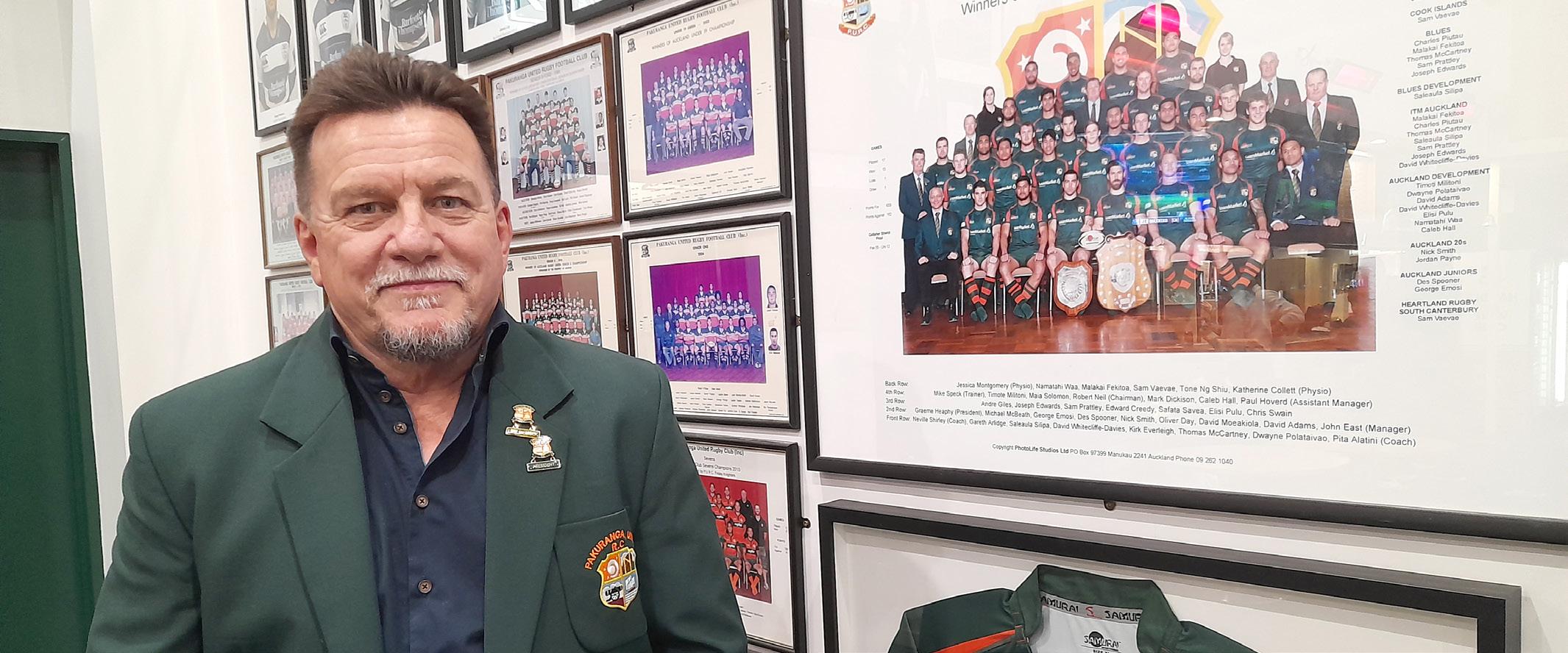
we’ve done the function centre and other activities which allows us to positively look at what we do in the future.
The move to bring on a well-known coach of the calibre of Wayne Pivac almost 20 years ago was bold at the time, in creating the director of coaching position. What did that do for PURC?
I was the new chairman when that happened. We had a meeting of all the key players and just said, we need a fresh approach. The premiers – we’re always thereabouts, but we’re never where we want to be. We’re all competitive people and want to win. We asked them and they said, it’s about coaching, it makes a difference. It draws younger people into the club to want to get quality coaching so they can see a pathway. That’s when myself and Graeme Heaphy, our president at the time, decided to have a crack. Wayne came up on our radar by pure chance. It was great timing. He came on board and started that process and then we moved on from there. And while we’re inconsistent from time to time, the pathways we’re creating for young people to come into the club now, there’s been some pretty good names go up on the honours board. It’s the right thing to do. It’s coaching the coaches and coaching the players to the highest level they can have. They can make their decisions, what they do, but at the same time, it’s also bringing a culture in the club that allows people to be part of it and stay. Like our president’s grade, it’s huge. That’s about men and women giving back in their sports. The under-85kg grade is another good cultural part of what we’re doing. They enjoy the competitive nature of the sport but also understand what they can do and give back. They coach junior teams, run committees and are on boards. That’s what it’s all about. Former All Black Pita Alatini, who followed Wayne’s first stint as director of rugby, is still part of our golden oldies team. Once you become part of the club’s culture, it’s pretty hard to disappear to be honest, which is a really good thing.
Your business Access Solutions is well-known through its advertising campaigns and associations with organisations and media, such as on Newstalk ZB’s weekend radio sports shows. Does the company have the same philosophy of giving back?
That’s where we do part of our branding and marketing, which you hear. Hear a lot. Outside that, it’s about giving back to the community. We’re also a long-term sponsor of the All Blacks. We’ve been the major sponsor of the Pakuranga premiers for a long time. We give back to the community, so it gets something out of it. We get a big kick out of that. That’s the main drive behind it. You’ve got people in the club who, such as Rob Neil, people involved in the board, they give back to the community because that’s where they want to see the growth and where they can have a positive impact. Neither of us looked to be in the roles that we’re in for this period of time. But we started a pathway for the gymnasium project. We have to see that through for the benefit of what we started. There is a succession that’s coming into the club, quality young people. I suppose the influence on both of us would be each other, to be honest, driving each other on.
What’s the club’s management focus?
Financially, it’s a tight ship for the right reasons. Run like a business. There’s plenty of people that help. There are a huge number of supporters within the club, right up from the junior club.
How long were you PURC chairman?
Five years. I had Rob as my deputy, and then I stepped back and he was made chairman. Then they got me back as president. We’ve worked in tandem since then.
When did you join Access Solutions?
The business entity has been in New
“You create a sporting environment for the greater community to come in and create pathways for different people in different sports. That’s really the only way a lot of clubs are going to survive.”
Zealand since 1986. It was called Oldfields Access. I joined them in 1987. It’s an Australian public company. They do lots of other products, paintbrushes and all that sort of stuff. I ended up as general manager of Australia and New Zealand for Oldfields Access, but I lived in Auckland. I didn’t want to live in Sydney. I travelled quite a bit while I still played rugby. In the end I got sick of it. What transpired after I resigned? After about three months, I did a management buyout of Access Solutions in New Zealand in 2000, and we’ve had it ever since. It’s 25 years old now operating nationally and I’m pretty busy with it. It’s specifically built around elevated work platforms and forklifts. That’s the main driver. We still have the historical aluminium scaffold part but it’s quite a small part of what we do now. We have almost 60 staff and three main locations in Auckland, Waikato and Christchurch.
What are some of the activities you enjoy in your downtime?
Rugby’s a 12-month-a-year process to be honest, because we all play touch in the summertime. My team, we’ve been going for 30-plus years. We’re always involved at PURC in one way or another. Everyone stays involved. Outside that, we have a bach at Langs Beach, which we’re rebuilding.
If there was one thing you’d like to see change in New Zealand society, what would it be?
The willingness of youth to realise they can’t have everything on a platter. You’ve got to get your hands dirty and work hard for it. When you do, the rewards will come your way. When you don’t, you just go with the flow of society. When we grew up, you had to earn your stripes, whether it was in sport or work life. You had to show your keenness. Today, unfortunately, there’s too many people think it’s going to come to them, and they can be millionaires when they leave school. You’ve got to learn to have a good work ethic.

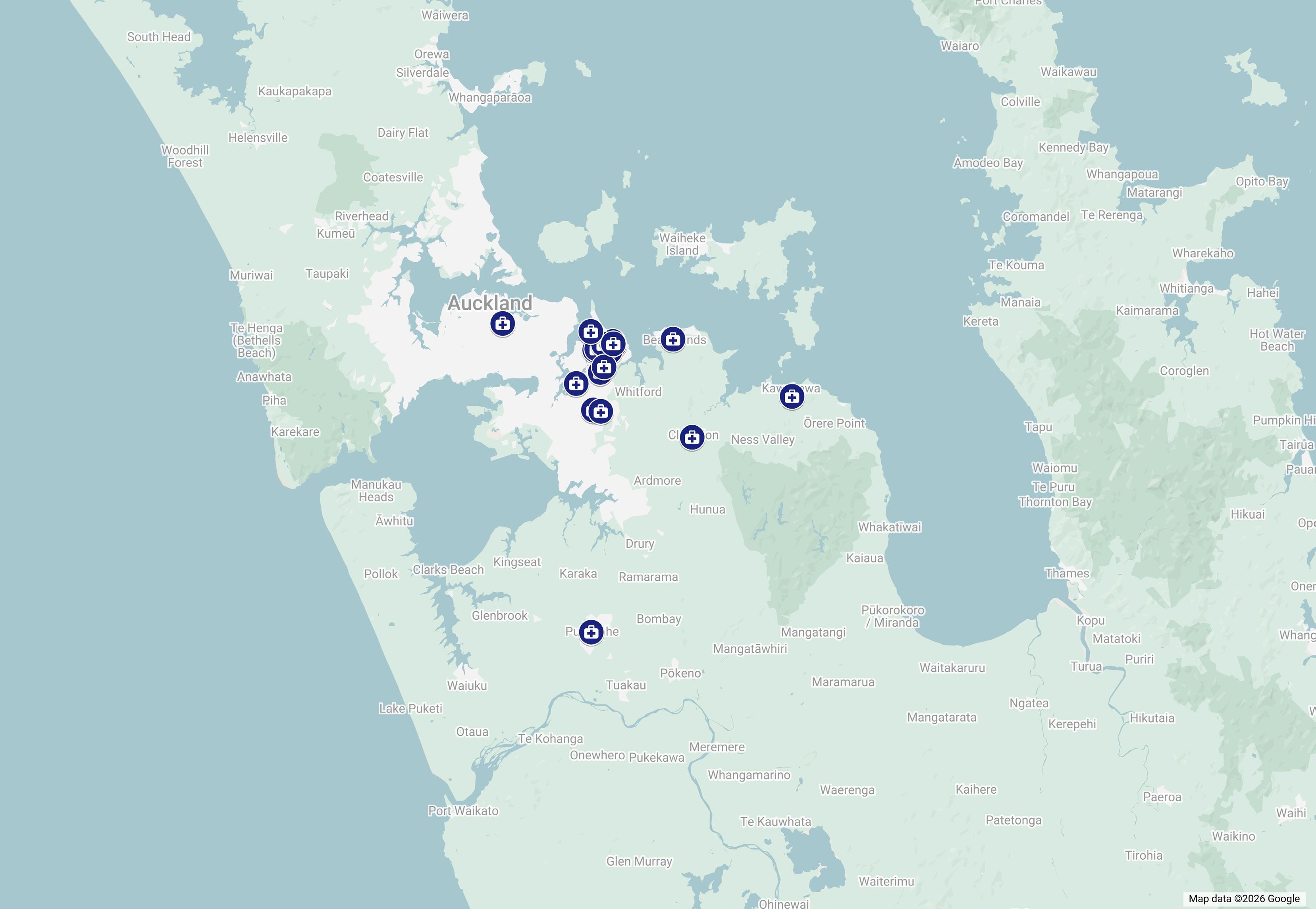
Diabetes is a long-term condition that affects how your body processes sugar. Left unmanaged, it can gradually damage blood vessels, nerves, eyes and other vital organs.
The tricky part is that diabetes often develops quietly. Tiredness, feeling thirsty more than usual, and cuts that take longer to heal are common early signs – but they’re easy to miss until the condition is already established.
In New Zealand, more than 300,000 people are living with diabetes, and treating it costs the country over $2 billion every year. The good news is that much of this is preventable. Eating well, staying active, keeping a healthy weight and having regular check-ups all make a real difference.
One important shift is that doctors are now able to pick up early warning signs sooner than before and get you or your loved one on a pathway of support. A simple blood test can measure your average blood sugar levels and show whether you’re in the “pre-diabetes” range – a stage where changes to diet and lifestyle can often stop full diabetes from developing at all. Because the levels used to flag this early stage have been refined, more people are now being identified before diabetes takes hold, giving them a real head start.
Finding out early – whether you’re at risk, in the pre-diabetes stage, or in the early days of a diagnosis – opens the door to changes that can prevent or delay the condition altogether.
If it’s been a while since your last check, or you’re simply unsure of your risk, have a chat with your local clinic team. A quick test now could make a big difference later. Stay
www.times.co.nz
By MIKE KING, founding ambassador, I Am Hope Foundation
Every now and then I come across a statistic that stops me in my tracks. Recently, I was reading research on childhood sexual abuse and male survivors. I expected the numbers to be confronting. What I wasn’t prepared for was just how large the problem appears to be.
One statistic suggested that approximately one in eight New Zealand men will experience sexual assault at some point in their lifetime. Let that sink in for a moment. One in eight. Then I came across another statistic. Only 6.6 per cent of sexual assault offences are reported to police. If both of those figures are accurate, we’re looking at a problem that’s likely far larger than the official numbers suggest.
When we talk about sexual abuse in New Zealand, we quite rightly focus on women and girls. The scale of harm they experience is enormous and deserves every bit of attention it receives. But in doing so, I wonder if we’ve unintentionally created the impression that boys and men are largely untouched by sexual violence.
The evidence suggests otherwise. Research indicates that around one in nine New Zealand boys experience sexual abuse before the age of fifteen. Other studies place the figure between one in six and one in ten. Whichever number you use, the conclusion is the same.
This is not rare. This is happening in our communities, our schools, our sports clubs, and sometimes within our own families. Many male survivors never tell anyone. Some disclose years later. Some wait decades. Many never disclose at all. Part of that is shame. Part of it is fear. Part of it is the belief that nobody will believe them. And part of it comes from the messages boys receive from a very young age.
Be tough. Harden up. Get over it. Don’t show weakness.
Sexual abuse doesn’t disappear because someone refuses to talk about it. It often reappears later as depression, anxiety, anger, addiction, relationship problems, selfharm or suicidal thoughts.
One of the most heartbreaking statistics I found was that the majority of males under





fourteen who die by suicide are reported to have a history of childhood sexual abuse.
Then ask yourself why we aren’t talking about this more. Perhaps because it makes us uncomfortable. Perhaps because we still struggle to see boys and men as victims. Whatever the reason, silence has never solved a problem.
If one in eight New Zealand men experiences sexual assault in their lifetime, then almost all of us know someone affected by it. A friend, a brother, a son, a workmate. Maybe even ourselves.
The challenge isn’t simply acknowledging the statistics. It’s creating a society where boys and men feel safe enough to tell the truth about what happened to them. Because we can’t solve a problem that we’re too afraid to see.
Under 25 and need someone to talk to? Book a free counsellor at gumbootfriday.org. nz – no GP referral needed.



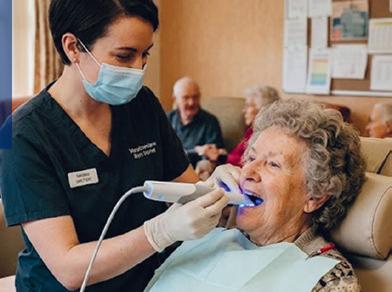





























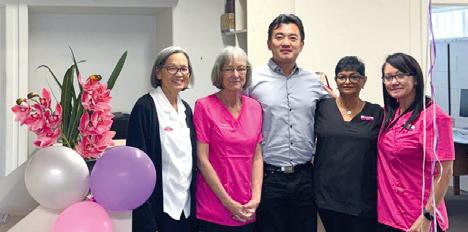
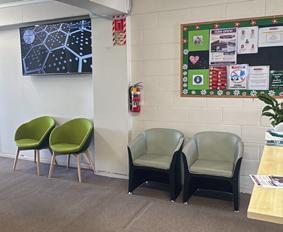




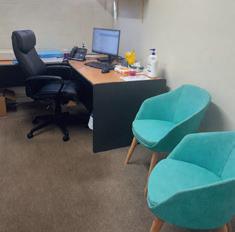

MICHELLE KEENAN empowers people and organisations to achieve optimal wellbeing by providing customised wellness coaching programmes tailored to their unique goals.

We’re past the solstice, but let’s be honest, Auckland winters can be a slog. Dark mornings, days of rain, and every second person is coughing. Hibernating until spring isn’t really an option, so here are a few tips to make it through.
Get outside
I know the couch is comfy and the weather is rubbish, but even 15 minutes of fresh air and daylight is really beneficial. It helps your sleep, your mood, and your vitamin D levels. Yes, even in winter! Just layer up. Merino base, a decent jacket, a beanie. You could even text a friend and meet up. Suddenly that walk around the block doesn’t feel so bad, and the couch and a movie will still be there when you get back.
Keep moving
Movement is one of the best things you can do for your immune system and your mental wellbeing. And no, that doesn’t mean you need to be at the gym every day. A 20-minute walk, yoga in the living room, a weekly dance class, or some squats and lunges while the kettle boils – it all helps. It gets your blood moving and helps your body fight stuff off. The trick is consistency – move every day, multiple times a day. Five minutes here, half an hour there. The benefits are cumulative and every little bit counts.
Winter is made for slow food. Dig out the crockpot for soups or throw a big tray of veges in the oven to roast. Your body craves warmth and comfort, and there’s no reason that can’t be healthy too. Think kumara, pumpkin and parsnips with lentils and greens. Add ginger and turmeric if you’ve got them. A good bowl of soup with a thick piece of toast is about as satisfying as winter gets – healthy, nourishing, and tasty. Eat well and drink plenty of water even when it’s cold outside.
We all catch some winter bugs at some point, and when it happens, the best thing you can do is stop pretending you’re fine. If you’re rundown, rest. Your body needs that energy to fight whatever it is you’ve picked up. Drink water, have some soup, drink tea. And please, stay home. You’re not a hero for bringing your cold to work, you’re just sharing it with everyone else.
www.michellekeenan.com
A new Women’s Health Hub designed to make it easier for women across New Zealand to find trusted health information has been launched by Minister for Women Nicola Grigg and Associate Minister of Health Casey Costello.
“The online hub brings together reliable information, practical tools and guidance in one place, helping women find what they need more quickly,” Grigg says. “Women have told us they’re often overwhelmed by health information and can’t find what they need. This hub provides a clear starting point, with practical, reliable information and resources that support women to make informed decisions and take an active role in their health and well-being. It’s also designed to navigate commonlyoccurring health needs at different life stages.”
Developed by the Ministry for Women in partnership with Health NZ, the hub brings comprehensive information about common health issues into one place. “The hub makes it easier for women to find information relevant to their life stage,” Costello says. “Women’s health needs change over time, and it is important they are supported to look after their health, act early when something does not feel right, and know where to find reliable information and support.”
It also provides guidance to help women prepare for appointments and make the most of their time with a healthcare provider, and educational videos with healthcare providers sharing practical advice on life stage health considerations. “The hub is a practical step toward helping women feel more informed and supported around their health,” Costello says. The hub and resources are available at: www.healthnz.govt.nz/ WomensHealth and www.women.govt.nz/womens-health.


























By DR EILEEN SABLES, GP at Tend Pakūranga
Whether you’re commuting to work, dropping the kids at school, running errands or balancing a busy family schedule, finding time to see a doctor isn’t always easy. When life is full, healthcare can quickly slip down the priority list.

At Tend Pakūranga, we understand the pressures of modern life because they’re the same challenges we hear from many of our patients. That’s why we’re making healthcare more accessible, more convenient and easier to fit around your day.
Alongside our welcoming Pakūranga clinic, we’ve introduced new web-based healthcare services designed to help you get the care you need, when you need it. Need a medical certificate for work but don’t need to see a doctor in person? Our same-day online medical certificate service makes it quick and simple to request one from the comfort of home, the office or wherever you happen to be.
Need to speak with a doctor today? Tend offers online GP appointments 24 hours a day, seven days a week. Whether it’s before work, during your lunch break or over the weekend, you can connect with an experienced New Zealand-registered doctor by secure video consultation using your phone, tablet or computer. There is no waiting room and no need to rearrange your day.
We also know that looking after your mental wellbeing is just as important as your physical health. That’s why Tend offers free 30-minute online mental health consultations for people aged 16 and over, making it easier to take that first step towards getting support when you need it. Of course, there are times when nothing replaces seeing your healthcare team face-to-face. Our Pakūranga clinic continues to provide personalised care and long-term relationships with patients, and we’re delighted to be welcoming new patients to the practice. Healthcare should fit around your life, not the other way around. Whether you choose to visit us in clinic or access care online, the team at Tend Pakūranga is here to provide trusted, connected healthcare that’s designed to work for you. To learn more about our online services, book an appointment or enrol, visit www.tend.nz. We’d love to look after you.
Scan the QR code to enrol now online



Highbrook’s Totz to Teenz Clinic has parents covered

Winter is peak season for coughs, colds and chesty little ones – and for parents, working out whether it’s “just a cold” or something that needs a doctor can be the hardest part. Highbrook Medical’s free Totz to Teenz Clinic is there to take that guesswork away, offering same-day appointments for children aged 3 months to under 14, Monday to Friday.
Leading the clinic is Nerice, a registered nurse currently completing her master’s on the pathway to becoming a nurse practitioner. As a designated nurse prescriber, she can assess, diagnose, prescribe and treat children directly – with the backing of Highbrook’s GP team close at hand.
Respiratory illness is one of the most common reasons whānau come through the door in winter, from persistent coughs and wheezing to fevers that won’t settle. Nerice’s approach is to look at the whole picture, not just the obvious symptom. “It’s about treating the child as a whole human,” she says – an ear infection, a chest infection or something else entirely can all present in similar ways and getting it right the first-time matters.
For many parents, the real relief isn’t just treatment –it’s reassurance. Nerice hears from plenty of mums and dads worried they’re overreacting. Her message is simple: their concern is always valid, and there’s no judgement in bringing a child in. If symptoms haven’t improved, Nerice will often recommend a review before the weekend and can arrange a follow-up with the family’s regular GP if needed – so parents always know what comes next.
This winter, if a cough or cold has you secondguessing, Highbrook Medical’s Totz to Teenz Clinic is free for enrolled patients, same-day and built entirely around your child.
• Bookings: Call Highbrook Medical on 09 273 4876. Be sure to look out for your next local health update in the next issue of the Eastern Times
Kristine Jensen, owneroptometrist at Eyes of Howick, introduces us to the latest innovation when it comes to eye care.

One of the things I love most about being an optometrist in Howick is getting to know generations of the same families. It’s not unusual for someone to tell me, “My mum had glaucoma”, or “My dad gradually lost his vision”. Those conversations are a timely reminder that while we can’t change our family history, we can do something about protecting our eyesight.
Glaucoma is often called the “silent thief of sight” because it usually develops without pain or noticeable symptoms. Many people don’t realise they have it until permanent vision loss has already occurred, making regular glaucoma screening essential.
At Eyes of Howick, we’re passionate about detecting glaucoma as early as possible. Our glaucoma screening combines advanced OCT optic nerve imaging, visual field testing and accurate eye pressure measurements. Together, these technologies allow us to identify even the smallest changes before they begin to affect your vision.
We’re also excited to introduce an additional tool that helps us better understand your individual risk. Through a simple genetic test from Seonix Bio, we can assess whether you carry genetic markers linked to a higher likelihood of developing glaucoma. While genetics don’t tell the whole story, they provide another valuable piece of the puzzle and help us personalise your ongoing eye care. This can be particularly reassuring for people with a family history of glaucoma, but it’s equally valuable for anyone who wants a clearer picture of their future eye health.
Our aim isn’t simply to find problems – it’s to prevent them. The earlier we identify risk, the greater our opportunity to preserve healthy vision for years to come.
If it’s been a while since your last eye examination, or you’ve never had a dedicated glaucoma assessment, now is the perfect time to put your eye health first. Book your comprehensive glaucoma screening today and let us help protect one of your most precious senses – your sight.

Pop in and see our friendly team for quality eye care and advice or check out our wide range of the latest fashion glasses.








By DAVID MALLOWES
The Tasman Holiday Parks Miranda hot pools are our favourite weekend away destination, about one hour from east Auckland. Yes, the public hot pools are long gone, but the park pools are superb and there are numerous family activities and some short walks waiting.
Explore further along the coast – a 1km birdwatching loop track at the Robert Findlay Wildlife Reserve, maybe continue along the 10km of coastline Hauraki Rail Trail path past the Pukorokoro Shorebird Centre to Kaiaua, even take time for kayaking or fishing. The seaside village of Kaiaua is a great rest stop to sample the excellent Kaiaua Fisheries burgers, or relax at the often-busy classic pub.
So much to see and do, all within a two-tothree-hour return drive from Howick. Either on the way there or on the way back we usually stop for fish and chips opposite the Z station in Clevedon – consistently excellent, friendly staff, basic tables, perfect to break the journey – or you can visit any of the many cafes nearby.
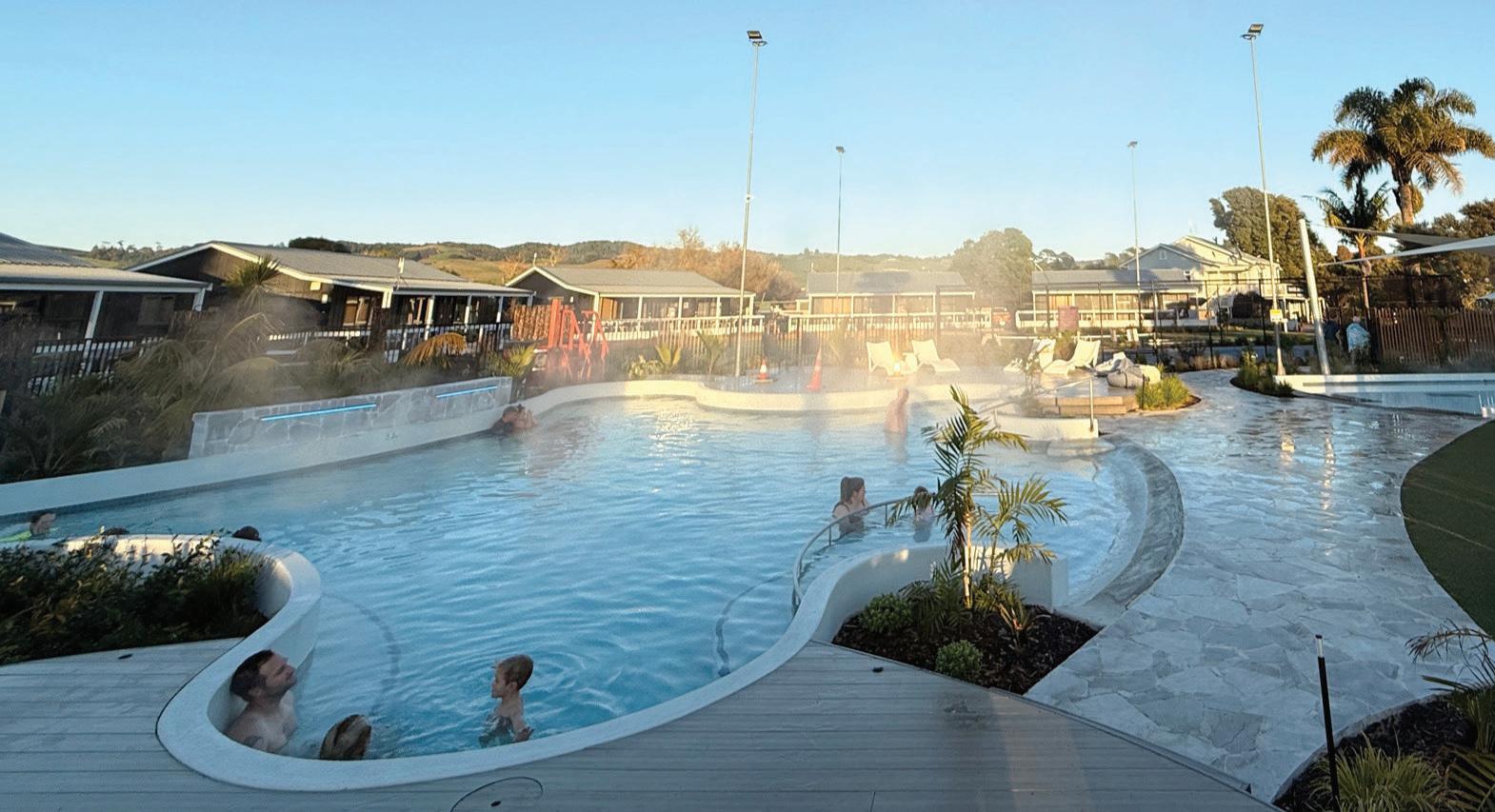
Walkers, keep the regional parks on your radar too: Waharau, Tawhitokino, Tapapakanga, Waitawa, Duder, Omana, Clevedon Scenic Reserve. Then there are the beaches to stroll along – Kaiaua, Orere Point, Kawakawa Bay, Mataitai Bay, Umupuia, Maraetai, Omana, Sunkist and more.
Motorhomers, you may choose one night at the park and another at the Kaiaua NZMCA park which we rate as one of the best, or freedom camp at Ray’s Rest.
What else do we love about the holiday park aside from three or four swims in a day (you do need to stay to enjoy these and the pools)?
Cabins large and small, motorhome sites, camping in summer, a huge kitchen and indoor dining area, large outdoor barbecue area and tables, and then all of the activities



– mini golf, frisbee golf, pickleball court, outdoor chess, outdoor table tennis, skate ramp, enchanted forest walk, open areas for games and picnics, flying fox, children’s playground, BMX/pump track, 1km jogging and cycling track, pedal carts, bike hire, private hot tubs, awesome burgers and coffee (check open hours). And none of these facilities ever seem to be overcrowded, we love it!
For more information and printable maps, visit Facebook page WalksOutEast.






By SARAI ELORA, Bonita Artistry
When people ask me what beauty product they should buy next, my answer is often surprising: Before purchasing anything new, learn how to get more from what you already own.
Beautiful makeup isn’t about owning hundreds of products. It’s about understanding where to place them, how much to use, and choosing formulas that work with your skin rather than against it.
One of the easiest ways to elevate your makeup is to prepare your skin first. Wellhydrated skin creates a smoother canvas, helping foundation and concealer blend more naturally and last longer throughout the day. A lightweight moisturiser suited to your skin type is often all you need.
When choosing a foundation, don’t automatically reach for full coverage. A light to medium coverage formula can create a fresher, more skin-like finish while still evening out your complexion. If you need extra coverage, apply concealer only where it’s needed instead of layering on more foundation.
Powder is another product that’s often overused. Rather than setting your entire face, focus on areas that naturally become oily, such as the T-zone or under the eyes. This helps maintain your skin’s natural glow while extending the wear of your makeup.


Blush is one of the quickest ways to bring life back into the face. Whether you prefer cream or powder formulas, placing blush slightly higher on the cheeks can create a lifted, fresh appearance. Start with a small amount and build gradually; it’s always easier to add than remove.
For the eyes, you don’t need a complicated routine. A soft wash of a neutral shade through the eyelid crease, paired with defined lashes and groomed brows, creates a polished look suitable for both everyday wear and special occasions.
When it comes to lips, think about comfort as much as colour. Hydrated lips allow any product, whether it’s a tinted balm, lipstick or gloss to be applied more evenly and wear better throughout the day. Keeping a


nourishing lip product in your handbag is one of the simplest beauty habits you can adopt.
Perhaps the most valuable beauty tip of all is this: makeup should enhance your features, not hide them.
The goal isn’t perfection; it’s helping you feel like the most confident version of yourself.
The best beauty routines are the ones you’ll actually enjoy doing. Start simple, practise often, and remember that confidence will always be your most beautiful feature.
To see more professional beauty tips, tutorials and behind-the-scenes transformations, follow us on Instagram and Facebook at @ bonitartistry. We love sharing practical advice to help you feel confident in your own skin, whatever the occasion.



This is a shared arts column put together by the Howick Historical Village, Te Tuhi, and Uxbridge Arts and Culture.
Following the success of last year’s Cultural Hub at Ormiston Town Centre, Te Tuhi and our community arts brokering programme for the Howick Local Board, Arts Out East, will bring the programme to Botany Town Centre this spring, continuing to celebrate the cultural diversity of east Auckland.
Running from September 26 to October 10 during the school holidays, the Cultural Hub will transform Botany Town Centre into a vibrant destination for creativity, connection and cultural exchange. Across two weeks, we’ll be delivering workshops, demonstrations, performances and
interactive activities that showcase the traditions, stories and creative practices of the many communities that call east Auckland home.
The Cultural Hub builds on the success of previous community pop-up programmes, creating opportunities for people of all ages to experience diverse artforms, music, dance, food, language, storytelling and more in an accessible and welcoming environment. By bringing these experiences into a shared public space, the programme encourages curiosity, strengthens community connections and celebrates the richness of our region.
As planning gets underway, Arts Out East is inviting expressions of interest from local creatives and community members who would like to contribute to the programme. We welcome proposals from

artists, performers, makers, musicians, storytellers, cooks, cultural practitioners and community groups interested in sharing a creative activity, workshop, demonstration or performance. Whether you’re representing a community organisation or working independently, we’d love to hear from you.
The Cultural Hub is funded by the Howick Local Board and supported by Botany Town Centre, continuing a shared commitment to making high-quality arts and cultural experiences accessible to local communities.
If you have an idea you’d like to be part of the programme, please get in touch with Te Tuhi by emailing ashley@tetuhi.art. We look forward to working with our communities to create another vibrant celebration of the creativity, cultures and stories that make east Auckland such a special place.

The Times is recognising the many wonderful people in our local east Auckland community who go out of their way to help others with our regular Community Hero Award.
If you know someone who’s doing amazing things in our community, please email 50 to 100 words describing why they deserve this recognition, highlighting specific actions they’ve taken to benefit our community, with your and their contact details and a high-resolution photo of them if possible to chrish@times.co.nz.
Be sure to include details about what they’ve been doing, the impact they’ve made, and how long they’ve been involved in these efforts.
The award is sponsored by New World Howick. Recipients receive a $50 New World gift card and are featured in print and online.

The latest recipient is Jill Barge, a volunteer with All Saints Anglican Church’s food bank in Howick. She’s nominated by the food bank’s co-ordinator Lole Turner.
Of her role with the service, Barge says: “In retirement I was looking for ways in which I could serve our community. All Saints’ food bank has been helping many people with food parcels. Seventeen years ago, when I started, the need was not so great as it is today, but it was still needed.
“Over the years the need has jumped up to 10 parcels per day. The families are so appreciative of the help as, often, we offer them not only the food, but also a listening ear.
“Some of the stories are heartbreaking and make us realise how difficult life situations are for many people. It’s very rewarding for me to be able to serve our wider community this way.


“This is one of the ways how our church looks beyond itself, outside of our walls, and engages with everyone. It’s great to help, but also connect with those who can help and contribute to this great initiative. All Saints’ food bank this year celebrates 35 years since its beginning. It operates Monday-Friday, 10am-11am.”
Nominate a Community Hero online at www.times.co.nz/nominate/















Our local Botany Library hosts a lot of events. One of the events it recently staged was The Rising Stars Junior Talent Show. That’s right, you may have guessed it already, I took part in it with much enthusiasm.
When I heard about a talent show, I started choreographing my own dance moves, on different songs. Then my mum came in and she was blown away and said, “You are doing so well. To stand out, do you want to do something unique since you have such great talent?”.
That’s when we decided to perform a drama with dance on Indian mythological song called Hanuman Chalisa, a story of Indian God, Lord Hanuman. My mum and I make a great team. We practised every day and boom! I learnt everything quick and started doing the complicated moves with ease.
This sequence had slow moves and fast actions with a lot of acting. My grandmother made my costume by sewing well and they were in sync and


showed teamwork.
Some of the performances were violin, piano, solo dance, Bollywood dance, martial arts, poetry, solo singing and group instrumental music. All participants received a consolation book, a $20 voucher for Lone Star and a Ferrero Rocher pack.
The audience was very noisy at times as there were a lot of people gathered to watch the show. Overall, it was a great experience, and I really enjoyed going
My extended family came together from all over Auckland to see me perform and boost my confidence. I learnt a lot about Lord Hanuman too along the way. He is
• Mihir Grover is in year 4









Brave the Crave $2 Soft Serve
July 16 – July 19, 7am–8pm, 505 Pakuranga Road, Highland Park
School holidays are getting sweeter with $2 soft serve at Brave the Crave Cookies & Goodies. Head to the Highland Park store for the final weekend of the holidays and enjoy a family-friendly treat with halal options available. Open daily from 7am–8pm during the promotion period.

Pubble at The Earl – Escape Room Meets Pub Quiz
Wednesday, July 22, 7pm, The Earl, 127 Picton Street, Howick
Enjoy a fun twist on the classic pub quiz with Pubble, where escape room-style puzzles replace traditional trivia. Work together with friends to solve clues, crack challenges, and progress through an interactive adventure story. Perfect for teams looking for a fun and unique night out. Bookings are essential: www.theearl.co.nz

Matariki Celebration
Saturday, July 18, 9am–3.30pm, O Wairoa Marae – Te Whare Wānanga O Wairoa, 27 Uxbridge Road, Howick
Celebrate Matariki at O Wairoa Marae with a free community gathering marking the Māori New Year. This daytime event offers an opportunity to come together in reflection, connection, and celebration of culture and community. Shared kai, waka experience, live performances, Kēmu Māori, market stalls. For more information, contact 021 112 9529.

Restoration Project Planting Day
Saturday, July 25, 10am–1pm, Potts Road Esplanade Reserve, end of Clifton Road (near Potts Road), Whitford
Join the Turanga Restoration Project community planting day at Potts Road Esplanade Reserve. Volunteers and whānau of all ages are invited to help plant native trees and restore this important wetland environment. Enjoy a hands-on conservation experience, meet locals and make a positive impact. The event runs rain or shine. Bring sturdy footwear, water and gloves if available. Children must be supervised.
★ Plan your next great day out!
PLEASE NOTE: information regarding times & dates of these events was correct at the time this issue went to print. However, readers are advised to check events online for updates.

Beats by Bingo Fun Night
Saturday, July 25, 7.30pm, Te Puru Park, 95R Whitford-Maraetai Road, Maraetai
Enjoy a high-energy evening of music, bingo, trivia, quiz games and karaoke at Beats by Bingo Fun Night. This interactive community event combines classic bingo with party-style entertainment for a fun night out. Gather your friends, test your knowledge, sing along and compete for prizes at Te Puru Park. Hosted by Beachlands Maraetai Rugby Club.

The Village Farmers’ Market at Bell House
Sunday, August 2, 9am–2pm, Howick Historical Village, 75 Bells Road, Lloyd Elsmore Park, Pakuranga
Fresh, local and full of charm, The Village Farmers’ Market at Bell House brings together local growers, makers and food producers in a relaxed heritage setting. Browse seasonal produce, artisan goods and handmade treats while enjoying the historic village atmosphere. It’s the perfect Sunday outing for families and food lovers, offering a chance to enjoy fresh, locally sourced goods while supporting local businesses.
Scan me for more local events


Tuesday, July 28, 6pm–9pm, Goode Brothers, Botany Town Centre
Learn the art of making fresh pasta from scratch at Pasta School at Goode Brothers Botany. This hands-on cooking class includes creating pasta and sauces, followed by a Negroni masterclass with Campari and a shared pasta dinner. Perfect for date nights, team outings, birthdays or food lovers, the experience includes fresh pasta to take home, recipe cards and a rolling pin. Tickets $65pp, including a cocktail and dinner.

Thursday, August 6 – Sunday, August 9, Spark Arena, Auckland
Join Mickey Mouse and Minnie Mouse as they bring Disney’s most beloved stories to life in Disney On Ice presents Magic In The Stars. This spectacular production features the most Disney characters ever in one show, including the on-ice debut of Raya from Raya and the Last Dragon. Featuring world-class figure skating, breathtaking acrobatics, dazzling costumes, spectacular special effects, and stunning set designs, it’s a magical experience the whole family will enjoy.







































The school holidays always seem to disappear faster than expected. One minute the kids are enjoying a well-earned break, and the next it’s time to think about lunchboxes and getting everyone back into a routine.
Fortunately, Meadowlands makes preparing for the new school term easy. With a fantastic mix of retailers and services all in one convenient location, you can tick off your back-to-school shopping list without having to drive from store to store.
Whether you need to replace a well-loved drink bottles and lunchbox containers, or the odd stationery item from the 123 Dollar store, Meadowlands has everything you need to help your family start the term organised and ready to learn. A fresh haircut is another back-to-school tradition for many families, helping kids feel neat, confident and ready for a new term.
Of course, heading back to school is about more than just haircuts. It’s also the perfect time to restock the pantry with healthy lunchbox favourites and easy meal ideas for busy weekdays. From fresh fruit and

vegetables to bakery treats, dairy products and everyday grocery essentials, you’ll find plenty of options to make packing lunches and planning family dinners simple and convenient.
As the holidays come to an end, many families are also getting back into their regular routines. Whether it’s picking up a prescription, or taking care of those everyday errands, Meadowlands offers a range of services that help make life that little bit easier.
And while the kids are getting organised, why not take a few moments for yourself? Enjoy a hot coffee or catch up with friends over lunch at one of Meadowlands’ welcoming cafes before finishing your shopping. It’s a great way to recharge before the busy school term begins.
Shopping locally also means supporting the businesses that are part of your community. Meadowlands is proud to bring together a variety of local retailers and trusted brands, all committed to providing friendly service and great value for local families.
With ample parking, easy access and everything you need in one place, Meadowlands takes the stress out of back-toschool shopping. Instead of spending your weekend racing between different stores, you can enjoy a simpler, more relaxed shopping experience close to home.
Before the school bell rings and the new term begins, make Meadowlands your first stop. Get organised, stock up on the essentials and start the school term with confidence, knowing you’ve got everything you need for a successful return to the classroom.

@MeadowlandsShopping meadowlands.co.nz
always

There was a time when the weekend coffee meant a trip into the city. Today, that has changed. Across Auckland’s suburbs, including east Auckland, local cafés have quietly become part of everyday life again, offering more than just a caffeine fix.
Suburban café culture has grown alongside the expansion of neighbourhood shopping areas and housing developments. Places that were once purely functional retail strips are now community meeting points, where people stop not only for coffee but also for conversation, connection, and a brief pause on a busy day.
For many residents, the local café has become an extension of home. Early morning regulars know the barista by name, and familiar faces are often seen reading newspapers, catching up with friends, or working remotely on laptops. It reflects a subtle shift in how people use their neighbourhoods – less rushed, more local, and more intentional.
East Auckland in particular has seen cafés become woven into weekend routines. Families meet after sports games, parents gather after school drop-off, and retirees enjoy a slow start to the day. The café is no longer just a stop along the way; it is often the destination itself.
This return of suburban café culture also highlights a broader trend: the desire for accessible, community-based spaces in an increasingly digital world. While technology connects people virtually, the local café continues to provide something screens cannot – a shared physical space and a sense of belonging.
As Auckland continues to grow and change, these small neighbourhood hubs are likely to remain an important part of daily life, quietly anchoring communities one coffee at a time.

This silky parsley soup is comforting, easy to make, and packed with flavour from Gaults Vegetable Stock Concentrate.
• 1 tbsp olive oil
• 1 tbsp butter
• 2 onions, thinly sliced
• 2 cloves garlic, minced
• 2 large potatoes, peeled and sliced, about 700 g
• 6 cups vegetable stock, made with Gaults Vegetable Stock Concentrate
• 2 large bunches of parsley, washed well
• 150 ml cream
• Salt, to taste
• White or black pepper, to taste
Optional to finish
• Semi-whipped cream
• Truffle oil
Heat the olive oil and butter in a large saucepan over medium heat. Cook the onion until soft, then add the garlic and cook for 30 seconds. Add the potatoes and vegetable stock, bring to a simmer and cook until the potatoes are tender. Stir in the parsley and cook for 2 minutes. Carefully blend until smooth, then return to the pan over low heat. Stir in the cream, season with salt and pepper, and serve in warm bowls. Top with semi-whipped cream and a drizzle of white truffle oil, if desired
SIMON SAYS: I make the stock using Gaults Vegetable Stock Concentrate, simply mixed with hot water. It adds great flavour with minimal effort, and any leftover concentrate can be stored in the fridge until the expiry date. Taste the soup before serving and adjust the seasoning if needed. A good trick is to season a small spoonful first, then compare it with the rest before adding more salt or pepper to the whole pot. This soup freezes well. For best results, freeze it without the cream, then stir the cream through after reheating. Parsley adds vitamins K and C, while potatoes provide potassium and vitamin C.





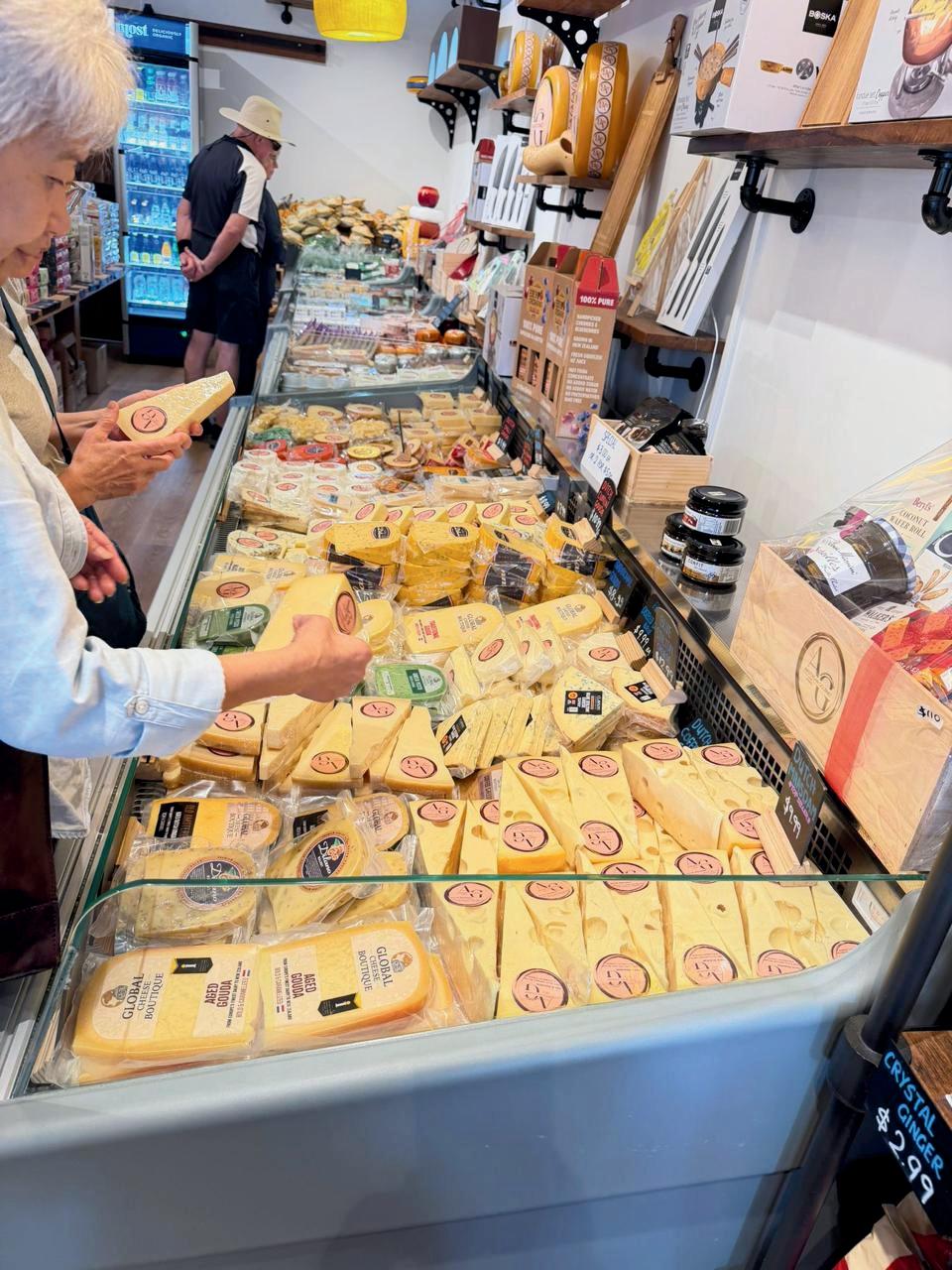

WATSON
DIRECTOR: Sebastien Vanicek
GENRE: Horror

STARRING: Souheila Yacoub, Tandi Wright, Hunter Doohan, Luciane Buchanan, Erroll Shand, Maude Davey.
RATING: Three and a half stars
Evil Dead Burn is the gruesome return to the Evil Dead universe. Although it serves as the weakest in the franchise, it still delivers better than some franchises’ best. Burn is still able to deliver signatures of the franchise that are still on par with its predecessors.
Whether it’s gore, laughs or basements, Burn still has you asking, “What the hell?” and although the film may look a bit drab, the movement of the camera is exquisite. The way that the camera is able to move through multiple action set pieces without scenes feeling overstuffed is great.
The drama at the centre of the film is also really compelling, albeit a tiny bit generic. After the death of her husband, Alice tries to handle the healing process amongst her in-laws in the most extreme way possible.
Although horrific, horror films are still able to capture that grounded emotional tragedy within the chaos, and that stems from the outsider cliché that characters suffer from when marrying into new families that viewers might resonate with (just not the same way Alice does).
Burn keeps the Evil Dead franchise’s hot streak and proves how good the French are at body horror.
> Jack Watson saw Evil Dead Burn at Monterey Howick.

Kelly Tarlton is widely known as the visionary behind Kelly Tarlton’s Underwater World. What’s less known is that Tarlton was also a highly successful treasure hunter of shipwrecks across the globe. Forty years after his death, a team made up of friends, family and marine enthusiasts embark upon an adventure to complete one of his final expeditions, setting off to find the location of one of the oldest European artifacts in New Zealand – the third anchor of the St Jean Baptiste. Produced by Motuihe Group for RNZ, the six-episode podcast is available on rnz.co.nz/podcasts and podcast apps.
Get ready for a wild ride through chilling true crime cases and jaw-dropping scandals from every corner of the globe – all served up by your favourite twin sisters, Rainy and Lollie. Living across the Ditch from one another (Rainy in New Zealand, Lollie in Australia), these dynamic, hilarious, and unfiltered twins reunite every week for an episode that’s packed with dark twists, sharp banter, and a whole lot of heart. The pair dive deep into the stories that captivate and terrify, balancing suspense with laughs.
In this podcast, you’ll hear real people share honest stories about mental health, addiction, trauma and recovery – straight from their own journeys. They’ll tell you what actually worked, what didn’t, and what they wish they’d known sooner. Host Kent Johns is a former broadcasterturned-health-coach who believes everyone has a story to tell if people take the time to really listen. So settle in; you’re going to hear some stories.

RRP $39.99
In 1870, three Chinese women arrived in the small, dusty and violent pueblo of Los Angeles. Each woman has her own desires. Dove wants to love and be loved, Petal desires freedom, and Moon seeks justice. Together, they face a larger society that wishes them not one ounce of goodwill. Anti-Chinese sentiment is strong in Los Angeles, and this eventually leads to the Night of Horrors, during which all three women are challenged in ways they could not have imagined. Brought together by hardship and heartbreak, they must discover their voices, find freedom and connect through solace and friendship. Together, they are daughters of the sun and moon.
RRP $39.99
This book uncovers the stories that helped build our collective history, from pioneering tales of New Zealand’s first bank and company to stories of high treason, nautical disasters, courage and survival. For over 40 years, retired journalist Tom Clarke has compiled this collection of fascinating, entertaining and extraordinary tales from New Zealand’s storied past.
RRP $39.99
In a brilliant feat of literary detective work, Master of Lies tells the extraordinary untold story of Anthony Blunt’s life as a spy. Based on extensive research into newly released files, he is revealed as not simply “the fourth man”, but the most dangerous spy of the 20th century. The official narrative is that Blunt was the least of the Cambridge spies – and yet he was the one who got away with it.










Young students who train at Neverland Studios in east Auckland have achieved outstanding results at the recent National Dance Challenge.
The prestigious performance event is New Zealand’s largest dance troupe competition and brings together dancers from across the country to compete in a wide range of genres and age divisions. Staged annually on Auckland’s North Shore, it showcases some of New Zealand’s most talented young dance performers. Dancers from Neverland Studios’ facility in Pakūranga achieved exceptional results across both team and individual categories.
Their success includes dance troupe 81: The Stake being named champions as Senior Dance Team of the Year. The Neverland dance

crew Beast are champions in the Pre-Teen Dance Team of the Year category. 81: The Stake were crowned champions at the National Dance Challenge’s Gala Awards, while Nvrlnd Nation were runners-up.
The Gala Awards recognise the highest-scoring and most outstanding performances from across the entire competition, making Neverland’s first and second
placing an extraordinary achievement. The Wedding Crashers were named a Top 10 Finalist, while 15-year-old Alina Wu and Avina Kwan, who’s nine years old, both earned the Standout Performer Award.
“The teams are part of Neverland Studios’ Extend Programme, which provides elite training, performance, and competition opportunities for dancers
from junior levels through to pre-professional pathways,” Neverland Studios’ head of marketing Tayla Gibson says.
“While we’re passionate about developing strong dancers, we’re equally committed to helping these young people grow into confident, resilient, and well-rounded individuals.
“These results come during an exciting year for Neverland Studios, which opened its new Pakūranga studio at the start of 2026. The new facility has enabled the studio to continue growing its east Auckland dance community and provide even more opportunities for local dancers to thrive. The success of these Pakūranga-based teams on the national stage is a fantastic reflection of their continue dedication and growth.”
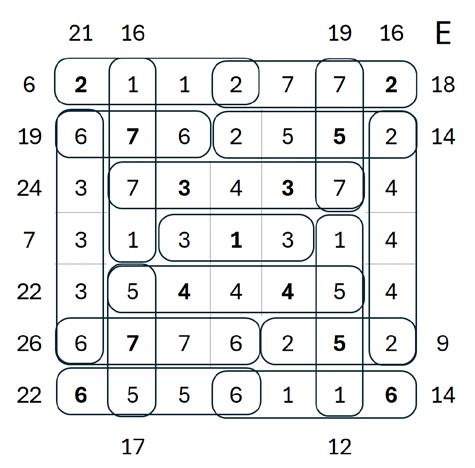
By CHRIS HARROWELL
Four young east Aucklanders are harnessing their sporting talents to proudly represent New Zealand on the global stage.
Pakūranga College pupils Doris Wang, Maia Panton, Billy Maui and Andrew Snijders are members of this country’s national teams competing at the 2026 World Junior Ultimate Championships held in Logrono, Spain, from July 11-18.
Doris and Maia are members of the New Zealand under-20 women’s ultimate frisbee team, named Kahu, while Billy and Andrew are on the U20 men’s team, named Katipo. They say the non-contact sport originated in the United States and is played on a pitch the size of an American football field.
Teams advance the disc down the field by throwing it to their teammates. If a thrown pass is not caught, the disc is turned over to the opposition. Points are scored when one team throws the disc and it’s caught by a teammate in the endzone.
“It’s like a mix of netball as you can’t run with the frisbee,” Doris says. “The scoring system is similar to American football as there’s an endzone and you want to catch the frisbee in it. There’s seven players on the field for each


team at once.”
Billy says each game runs for 60 minutes in duration and he likes how they flow. “I really enjoy that aspect as there’s a lot of movement, rather than something static like netball. The movement of the disc is quite satisfying. When you master it, it’s quite smooth.
“There’s running, but not as much, and that’s why I prefer it to other sports. We’re in the off-season at the moment but usually before a big tournament we’d train twice a week.”
Maia says the goal for the women’s team is to finish in

the top-five at the competition in Spain. It’s a physically demanding sport, she says. “You have defenders on you the whole time, so it’s also trying to get around the other team.”
For Andrew, the sport presents more than the physical challenge of scoring points and beating the opposition. “It’s more a mental sport. When you’re losing and you’re in a team, and then someone drops the disc or something, it’s all mental. So if you drop your head down, the whole game is lost.”
Pakūranga College marketing and communications
manager Jenna Edwards adds: “One big part of ultimate frisbee is the Spirit Awards.
“These guys win spirit awards at pretty much every tournament they go to. The spirt awards are about good team culture, sportsmanship, and being supportive of the other teams. These guys are out there cheering for themselves, but they also cheer everybody on.
“They’re cheerleaders for all the teams. They get voted into the spirit awards very regularly. It’s a great team culture the teams at the college have here.”
FRIDAY 17 JULY
Sun: Rise 7.29am Set 5.23pm High Tide: 9.26am 9.49pm
SATURDAY 18 JULY
Sun: Rise 7.28am Set 5.23pm High Tide: 10.17am 10.39pm
SUNDAY 19 JULY
Sun: Rise 7.28am Set 5.24pm
High Tide: 11.06am 11.28pm
MONDAY 20 JULY
Sun: Rise 7.27am Set 5.25pm
High Tide: 11.55am
TUESDAY 21 JULY
Sun: Rise 7.26am Set 5.26pm
High Tide: 12.16am 12.44pm
WEDNESDAY 22 JULY
Sun: Rise 7.26am Set 5.26pm
High Tide: 1.05am 1.35pm
THURSDAY 23 JULY Sun: Rise 7.25am Set 5.27pm
High Tide: 1.54am 2.30pm
FRIDAY 24 JULY
Sun: Rise 7.24am Set 5.28pm
High Tide: 2.45am 3.28pm
SATURDAY 25 JULY
Sun: Rise 7.24am Set 5.28pm
High Tide: 3.38am 4.26pm
SUNDAY 26 JULY
Sun: Rise 7.23am Set 5.29pm High Tide: 4.32am 5.20pm
MONDAY 27 JULY Sun: Rise 7.22am Set 5.30pm High Tide: 5.26am 6.09pm TUESDAY 28 JULY Sun: Rise 7.21am Set 5.31pm
Tide: 6.18am 6.54pm
29 JULY
Rise 7.21am Set 5.32pm
Tide: 7.05am 7.35pm
30 JULY Sun: Rise 7.20am Set 5.32pm
Auckland FC paraded their two magnificent shiny trophies won recentlythe Australian A-League after beating Sydney FC in the final, and the Oceania Football Confederation’s OFC Pro League with their second team - at Fencibles United’s William Green Domain recently. A lot of excited football people got their photos taken with the trophies.




Do you support Winston Peters’ proposal to deny non-citizens the right to vote?






• Use only the numbers 1-7, with each number appearing exactly seven times.
• Fill each outlined rectangle with a palindrome (the same number forwards and backwards i.e. 52425 or 1441).
• The numbers in each rectangle must add up to the total shown on the edge of the grid.
• No palindrome may be used more than once.
• Each main diagonal must contain all seven numbers (1-7) once. The centre square is shared by both diagonals and must be the same number.
• Solution on page 69
The puzzles (a webapp) are available online by scanning the QR code and the books are available at Poppies in Howick. PUZUP is suitable for all ages, comes in three sizes, and three difficulty levels. Scan me


CRYPTIC PUZZLE NO. 8208
ACROSS
6. Wait now, mom! (4,1,6).
7. Split when you run (4).
8. Sadly, by comparison with other months are short (8).
9. Stopped Sue moving into the flat (6).
10. Way back, stands right inside (6).
12. A big noise in the news (6).
15. Parents do their best to provide food (6).
17. Enamoured by, kept ringing (6,2).
19. Ladder I find amid the wreckage (4).
20. Regardless of whether it’s fair, in any event (4,2,5).
1. Not in Italian! (8).
2. The frightened-looking friend takes cover (6).
3. Makes - or breaks (6).
4. Name of some fallen angel (4).
5. Set out to get the airmen in to attack (6).
6. Capturing the young bird, a carnivore (5).
11. Hold back the remainder of the water (8).
13. The whole net will be repaired by one again (6).
14. Become popular when you hire (4,2).
15. Take disciplinary action about a French shipwreck (6).
16. What the foreigner meant by “make up”? (5).
18. One can usually head back (4).

NO. 8208
Mediocre (6-5)
Plank (4)
Interrogate (8)
Boil (6)
Property (6)
Burn (6)
Whiten (6)
Flower (8)
Remain (4)
Comradeship (11)
1. Sword (8) 2. Solitary (6)
3. Assent (6)
4. Final (4)
5. Usher (6) 6. Leather (5) 11. Cherish (8) 13. Luck (6) 14. Famished (6) 15. Drink (6) 16. Desire (5) 18. Woman (4) 9 4 1 3 75 8 5 1 42 3 8 4 2 59 21 3 89 1 754 8 6
Puzzle answers on page 69


Admin




















































Replace your doors, drawer f ronts & benchtops or have a completely new kitchen, all made to measure








































Youth in intermediate and high school are invited to learn the fun and active sport of lawn bowls at Howick Bowling Club, 33 Selwyn Road, Howick. Sessions run every Tuesday from July 21 to September 22, 5-7pm. All equipment and coaching provided, with spot prizes on the night. Cost $5 per week, $45 per term, or simply show and go. Rain won’t stop play under the club’s new cover. For more info, phone 09 534 5331, email howickbowls@ gmail.com, or contact Graham on 027 664 3888.
Matariki
Celebrate school holidays with a range of free familyfriendly activities at Flat Bush Library, 5 William Ralph Road, Flat Bush, until Sunday, July 19. Enjoy fun events celebrating creativity, and the spirit of Matariki.
The
The Howick knitting group is looking for wool - Yarn to knit for Middlemore Hospital and Botany Maternity. Ph Heather 535 5514 0r 021 1534953 for pick up or delivery info.
Join Auckland Parks rangers and volunteers for a rewarding tree planting day at Waitawa Regional Park, Waitawa Hill View, Kawakawa Bay, on Sunday, August 2, from 10am–12.30pm. Help restore native habitat, enjoy the outdoors, and contribute to keeping Auckland green. Wear sturdy footwear. Light refreshments provided. Free event. Dogs not permitted.
Enjoy a friendly afternoon of board games at Highland Park Library, 16 Highland Park Drive, Highland Park, on Wednesday, July 22 from 1.30–2.30pm. This free community event offers a welcoming space to relax, connect, and enjoy a variety of classic and modern games. Tea and coffee provided. Contact highlandpark.library@ aucklandcouncil.govt.nz or 09 377 0209.
All Saints Anglican Church in Howick hosts a public concert of exceptional chorale music by Oregon Chorale from the United States at 7pm on Friday, August 7. Tickets $20, or $10 for unwaged, and can be purchased before the concert.
Pakuranga Library, 7 Aylesbury Street, will host a movie afternoon on Saturday, July 18, from 2-3.30pm. Bring your whānau, relax with complimentary popcorn, and enjoy a family-friendly film as part of the Matariki school holiday celebrations. Entry is free, doors open at 1.55pm.
U3A Ormiston delves into history with speaker Ian Ferguson talking about ”Early books on New Zealand: what we can learn from witnesses to the developing colony”, including natural history and geography. Meeting 23 July, 10am-noon, The Park Community Centre, 141 Chapel Road, Flatbush. Vistors always welcome, no need to book.
Send your free community events to info@times.co.nz. Due to limited space, we can’t guarantee every listing will run. This section is reserved for not-for-profit community groups.
Procurement Entity: China Huadian Hong Kong Co., Ltd. Procurement Method: Open Comparative Inquiry Procurement Scope of Services (Single Contract Package):
Field Investigation
• 10 machine-drilled boreholes in the PV array area (up to 15 m below ground level) and 2 boreholes in the booster station area (up to 20 m bgl).
• 5 machine-excavated test pits to a maximum depth of 3.0 m bgl, including in-situ testing and sampling.
• 5 electrical resistivity tests in accordance with ASTM G57-06.
• Standard Penetration Testing (SPT) at 1.5 m intervals in all boreholes.
• Shear vane testing, groundwater level monitoring, and in-situ density testing where applicable.
Laboratory Testing
• pH and chloride testing for steel corrosion assessment (SNZ TS 3404:2018).
• Baumann-Gully, acid-soluble sulphate, and water-soluble sulphate testing for concrete corrosion assessment (NZS
3101.1:2006).
• Particle size distribution and standard compaction testing.
• Provisional thermal resistivity testing. Survey and Mapping Deliverables
• Digital survey dataset.
• Topographical plans at 1:1000 scale (PDF and DWG).
• Aerial orthomosaic imagery (ECW and GeoTIFF).
• Classified LiDAR data (LAZ format).
• 1 m grid DEM and DSM raster datasets.
• High-resolution DTM of ground points.
• Survey metadata report.
Reporting
• Geotechnical engineering assessment report including geological summary, investigation findings, site model, foundation recommendations, corrosion assessment, pile feasibility evaluation, and proposed engineering measures.
Delivery Period: Approximately 2–3 weeks after completion of fieldwork.
Contact Person: Wu Pengcheng Contact Number: +86 10-8356-5616 Email: Pengcheng1-wu@chdoc.com.cn
www.easthealth.co.nz
Botany Terrace Medical Centre Mon - Fri 8.30am-5.45pm No No, bookings only
Clevedon Village Medical Centre Mon - Fri 8am - 5pm No No, bookings only
Crawford Medical Mon - Fri 7.30am- 7pm Sat 9am-noon Yes. Walk-ins M-F 9am4pm & Sat 9am-noon
Eastern Family Doctors Mon - Fri 9am-5.30pm No No, bookings only
Botany Junction Medical Centre Mon & Wed 7am-5pm Tue, Thu & Fri 8am-5pm Sat 8am-noon Yes. Same day acute clinic bookings at Highbrook Medical
Ormiston Medical Mon - Fri 7.30am-5pm No
Highbrook Medical Mon - Fri 8am-5pm No Yes. Same day acute clinic bookings M-F 8am-4pm
Howick House Medical Centre Mon - Thu 8.30am-6pm Fri 8.30am-5pm No No, bookings only
Howick Community Medical Mon - Fri 8.00am-5pm No No, bookings only
Juliet Ave Surgery Mon - Fri 8.30am-5pm No No, bookings only
Kawakawa Bay(K)/ Orere (O) Health Clinic Mon, Wed - Fri K: 9am-noon Tue O: 9-10:30am K: 11am-noon No No, bookings only
Highland Park Medical Centre Mon - Wed & Fri 8.30am-5pm Thu 8.30am-8pm No, bookings only
Marina Medical Mon - Fri 8.30am-5pm No No, bookings only
Millhouse Integrative Medical Centre Mon - Fri 8.30am-6.30pm Sat 9am-noon No, bookings only
Picton Surgery Mon - Fri 8.30am-5.30pm No No, bookings only
Pukekohe Family Health Care Mon - Fri 8am-5pm No No, bookings only
We offer a competitive salary, uncapped commission, flexible working, phone allowance, event tickets and fantastic career growth opportunities. Ready to make an impact?
Send your CV to bo@times.co.nz and discover why Times Media is one of East Auckland’s most exciting places to work



































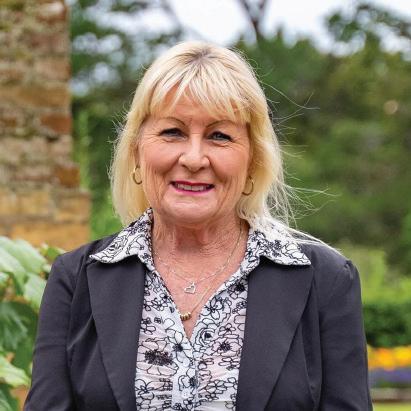











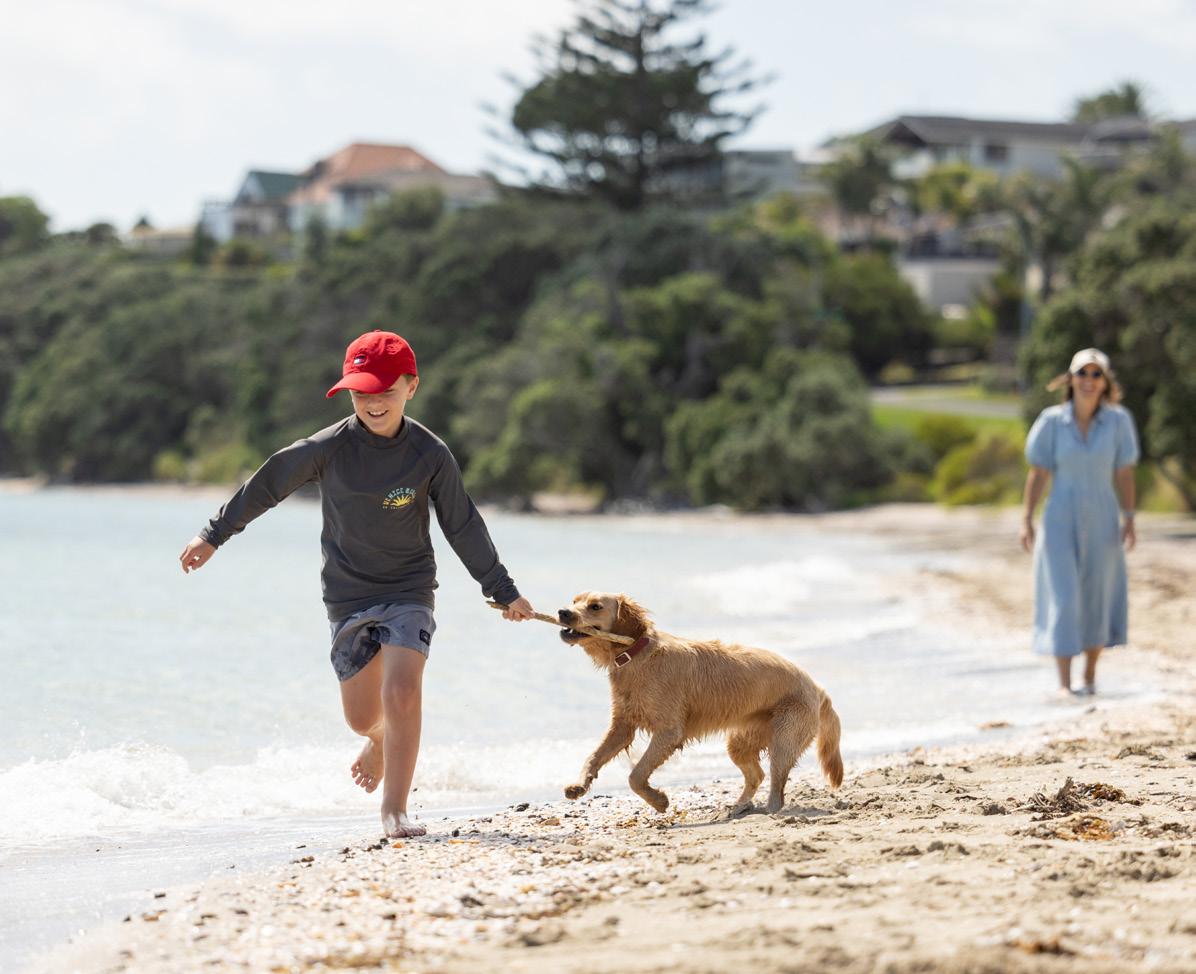
108 Mahutonga Avenue
Terrace Home
$999,000
Modern Living, Coastal Convenience
This light-filled home offers open-plan living that flows seamlessly to a sunny outdoor area, centred around a designer kitchen with quality finishes. Upstairs features three spacious bedrooms, including a master with ensuite. Complete with two car pads and positioned close to beaches, parks, and local amenities, this home delivers easy, coastal living in a wellconnected neighbourhood.
2 Toro Puke Lane
Standalone Home
Space to Live, Entertain & Grow
This stunning five-bedroom standalone home blends elegance with effortless family living. A spacious kitchen with quality appliances and pantry flows seamlessly to dining, lounge, and outdoor patio, perfect for entertaining. Upstairs, five generous bedrooms include a master with walk-in wardrobe and ensuite, plus a second living area and study nook.


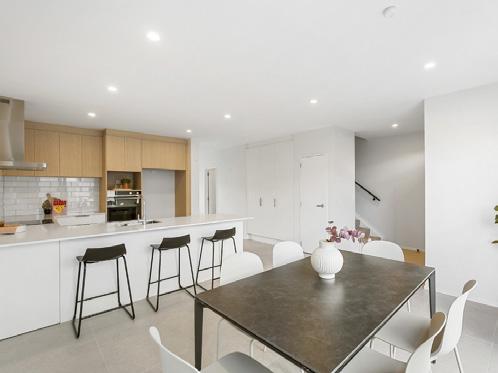

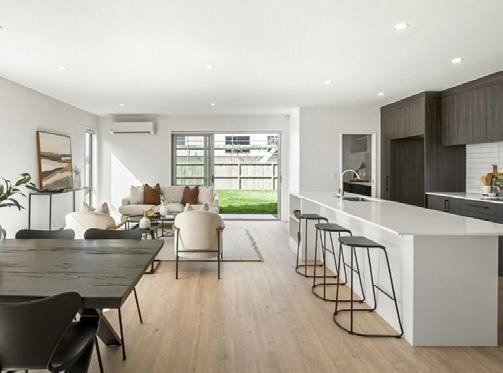
24 Pito-Wai Lane Terrace Home
$1,109,000
Effortless Living with Room to Grow
This thoughtfully designed threebedroom mid-terrace home offers exceptional flexibility, perfect for downsizers, growing families, or multi-generational living. The ground-floor bedroom and bathroom offer flexibility, while upstairs features two additional bedrooms, open-plan living flowing to a north-facing deck. Complete with a master suite and double internal garage.
119 Beachlands Road
Standalone Home
$1,589,000
Flexible, Family-Friendly Living
Designed for comfort and flexibility, this home features a designer kitchen with walk-in pantry, seamless indooroutdoor flow, and two living areas across both levels. A ground-floor bedroom with ensuite and walk-in wardrobe offers versatility, while upstairs includes a master suite, additional bedrooms, and family bathroom.