
Tilly’s Treat Cupboard
01
Do you know the harmful effects of crocodiles?
02
WHAT TO FEED ON HOLIDAY
Hints and tips from the tilly’s team on how to best feed your dog while your away
03 ALL ABOUT CROCODILES
WARMER WEATHER HELP
How to keep your dog cool and safe now the weather is warming up
Welcome to our exciting monthly magazine! At Tilly’s, we are dedicated to bringing you solutions for all your pet-related needs. This magazine is packed with valuable insights and thrilling events happening right here, along with adorable snapshots of your beloved pups enjoying their time in our shop.
�� Naturally Nourish Your Dog: Holistic Care for Lasting Wellbeing
�� Find us at 171 Moorwell Road, Scunthorpe, DN17 2SX
�� Open Mon-Fri 9-6; Saturdays 10-6; Sundays and Bank Holidays 10-4 �� www.tillystreatcupboard.co.uk

A l l A B O U T C R O C O D I L E S
Crocodile to My Dogs (And Why You Might Want to Think Twice Too)
With more dogs than ever developing food intolerances, many owners are seeking out novel proteins to feed their pets and use in treats. One such protein that has been gaining popularity recently is crocodile. At first glance, it sounds appealing: exotic, marketed as hypoallergenic, and ideal for sensitive dogs. But despite the buzz, I would never feed crocodile to my dogs and here’s why.
The Problem with Apex Predators
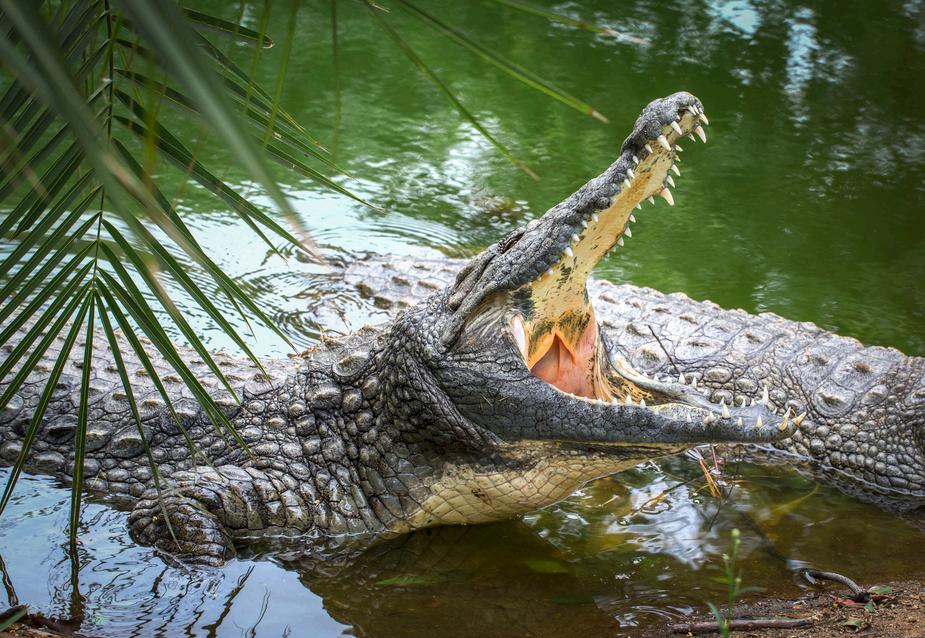
Crocodiles are apex predators meaning they sit at the very top of the food chain, feeding on a wide variety of animals beneath them. While this is a natural and important role in ecosystems, it also means crocodiles are especially vulnerable to a phenomenon called biomagnification.
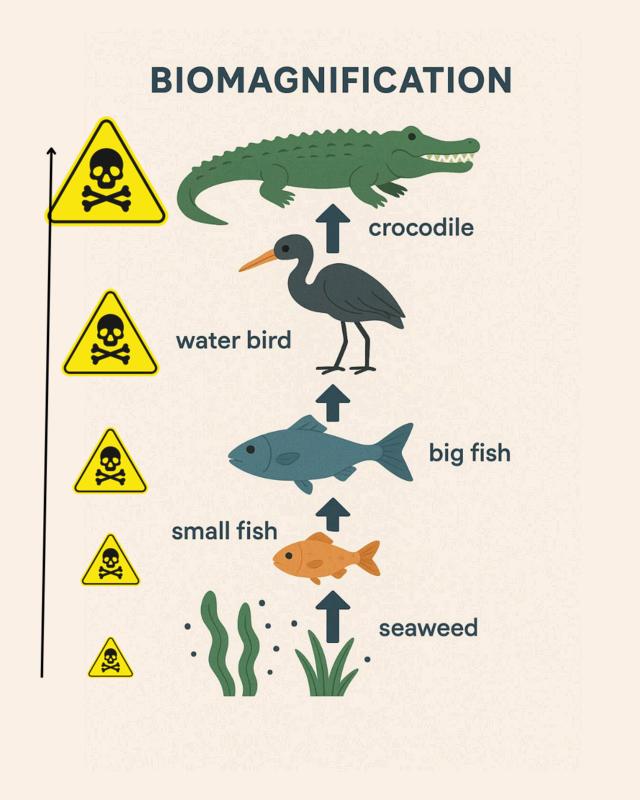
Biomagnification is the process where toxins, like heavy metals, pesticides, and other pollutants, become increasingly concentrated as you move up the food chain. These harmful substances don’t easily break down; instead, they accumulate in plants and small animals.
When one animal eats another, it not only absorbs toxins from its own environment but also inherits all the toxins stored in its prey.
With each step up the food chain, toxin levels multiply, meaning apex predators at the top carry the heaviest toxic load. This stacking effect means that apex predators like crocodiles can carry toxin levels millions of times higher than the original environmental concentration.
Why This Matters for Your Dog
When you feed meat from an apex predator, you’re potentially giving your dog a concentrated dose of toxins. Because dogs have a much smaller body mass compared to humans (and crocodiles!), their threshold for toxin exposure is significantly lower. Even small, repeated exposures can build up over time, harming organs like the brain, liver, kidneys, and immune system.
That’s why it’s crucial not just to look at what meat you’re feeding, but also where that animal sits in the food chain. Other meats high in accumulated toxins that are often offered to dogs include large fish such as tuna and shark.
In simple terms: avoid feeding carnivores to your pets. Instead, choose animals lower on the food chain primarily herbivores or small omnivores such as: rabbit, duck, venison, goat, and pheasant
Protecting Our Dogs in a Toxic World
We live in an increasingly toxic environment, and our dogs rely on us to make the safest choices for their nutrition. Being mindful of biomagnification and choosing clean, lower-risk proteins is a small but powerful way we can help protect their long-term health.
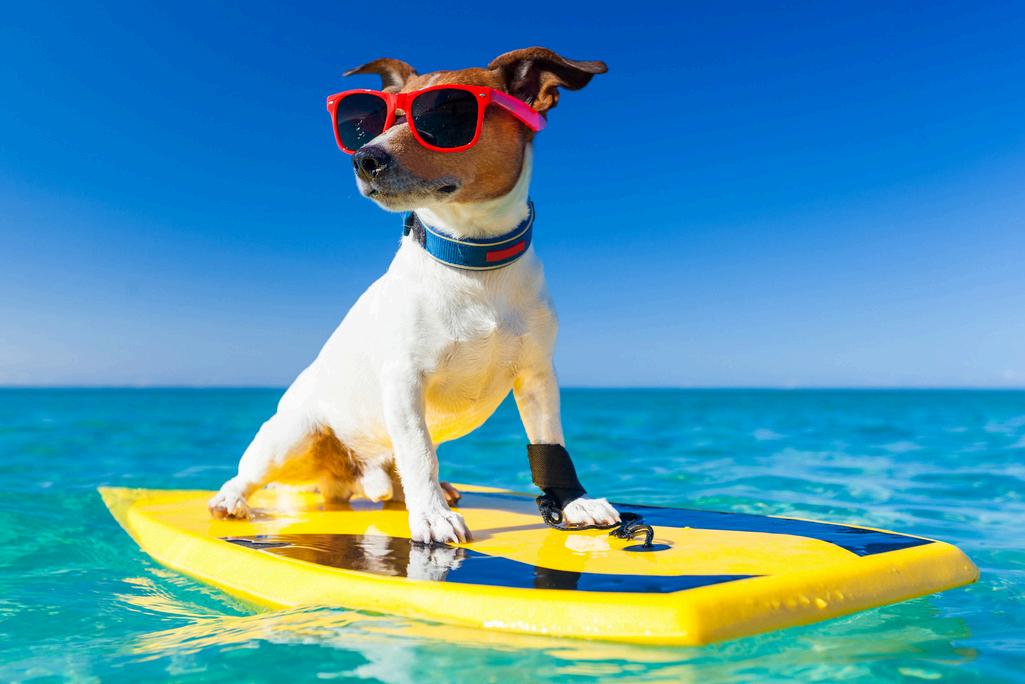
WHints and tips from the Tilly’s team Holiday season is approaching, and one of the most common questions we hear at Tilly’s is: "What can I feed my raw-fed dog while I’m away?" For many raw feeders, the thought of a holiday can bring a wave of panic. After all, when you’re committed to giving your dog fresh, speciesappropriate nutrition, the idea of switching to processed food, even temporarily, can feel like a big step backward.
The good news? With a little planning, it’s easier than you think to keep your dog's diet on track, no matter where your adventures take you. Our Tilly’s team travels with their dogs often, so we asked them to share their top tips to help you holiday with confidence.
Helen’s Advice: Staying
on the Road
Helen travels with her five dogs every year, and she’s a dedicated fresh feeder processed food is never an option for her. Even when staying in remote cottages far off the beaten track, she always finds a way to make raw feeding work. Here are her tried-and-tested tips:
Ask About Freezer Space
When booking private accommodation, always ask if a freezer is available. Many pet-friendly cottages now provide extra freezer space for raw food. If a freezer isn’t available, don’t worry — fresh raw food will last several days in a fridge, giving you time to track down a local shop.
Don’t Stress About Perfection
Unless your dog has a medical condition that requires careful dietary balancing, it’s okay if their meals aren’t perfectly complete while you’re away. A few days of simpler meals won’t harm a healthy dog.
Research Local Pet Shops
Before you travel, use the postcode of your destination to search for "raw dog food near me" or "pet shops nearby." Cottage owners are often great sources of local information too. Many bigger chain stores now stock raw food, even if it’s not your usual brand.
Contact Local Independents
if you find an independent pet shop, it’s worth messaging them directly. Confirm their opening times and check what brands they stock websites aren't always up to date.
Fallback to Fresh Meat and Veg
If there’s no pet shop nearby, supermarkets and butchers are your next best bet. While fresh meat and vegetables alone aren't enough for a balanced long-term diet, they’re fine for a short break.
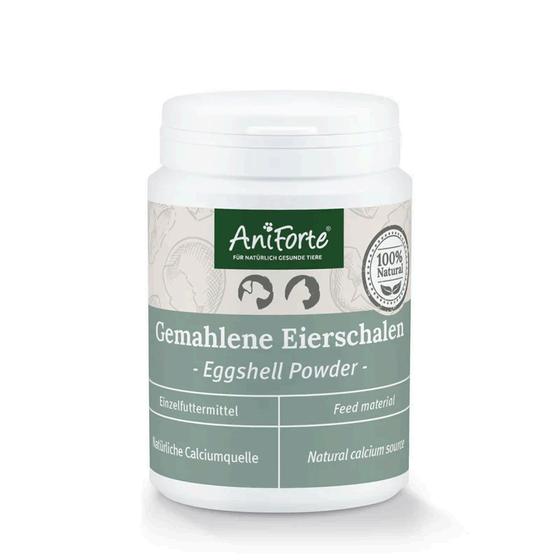
Important: Meat intended for human consumption is less rigorously tested for pathogens, so it’s safest to cook supermarket meat before feeding it to your dog. (Never cook bones! Instead, pack some bone powder or crushed eggshells to ensure your dog gets enough calcium.)

to Quality
Alternatives
Lewis feeds his dogs a mainly raw diet at home but prefers a more flexible approach when travelling. Here’s how he keeps his dogs happy and healthy on the go:
Start Transitioning Early
About a week or two before a trip, start introducing a small amount of kibble or freeze-dried raw into your dogs’ meals. Gradually increasing the amount gives their tummies time to adjust and helps avoid holiday upsets.
Choose High-Quality Kibble
Lewis uses Tilly’s Black Bag, a premium kibble made with carefully selected ingredients that both his dogs love — and that he trusts.
Bring Freeze-Dried Raw as a Backup
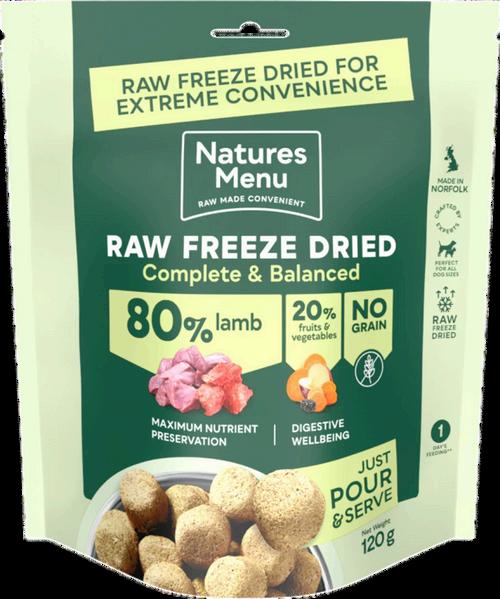
He also packs freeze-dried food like Nature’s Menu. It’s lightweight, easy to rehydrate, and ideal for fussy eaters who prefer moist meals.
Use Fresh Holiday Food
If cooking fresh meals during the holiday, add some safe, dog-friendly extras (like plain cooked meat, eggs, fruit or veggies) into your dog’s bowl for a little boost.
Whether you’re determined to stay 100% raw or are open to a temporary alternative, there’s a solution to fit every trip and every dog.
With just a little preparation, you can enjoy your holiday knowing your best friend is eating well, staying healthy, and loving the adventure as much as you are. Need help choosing the right holiday food for your dog?
Pop into the shop and chat with the Tilly’s team — we’re always happy to help!
✅ Supplements (only if essential — otherwise skip while away)
✅ Bowls
✅ Contact details for local pet shops or butchers
✅ Travel-safe treats
✅ Any medication your dog might need
✅Pack an extra meal or two — just in case your trip home takes longer than planned!
Bonus Tip
Quick Holiday Packing Checklist for Raw-Fed Dogs
✅ Food for the first few days
✅ Cool box with ice packs
✅ Bone powder or crushed eggshell (for calcium, if needed)
✅ Ask someone to get some food ready defrosted for your return

What to Feed Your Raw-Fed Dog While on Holiday
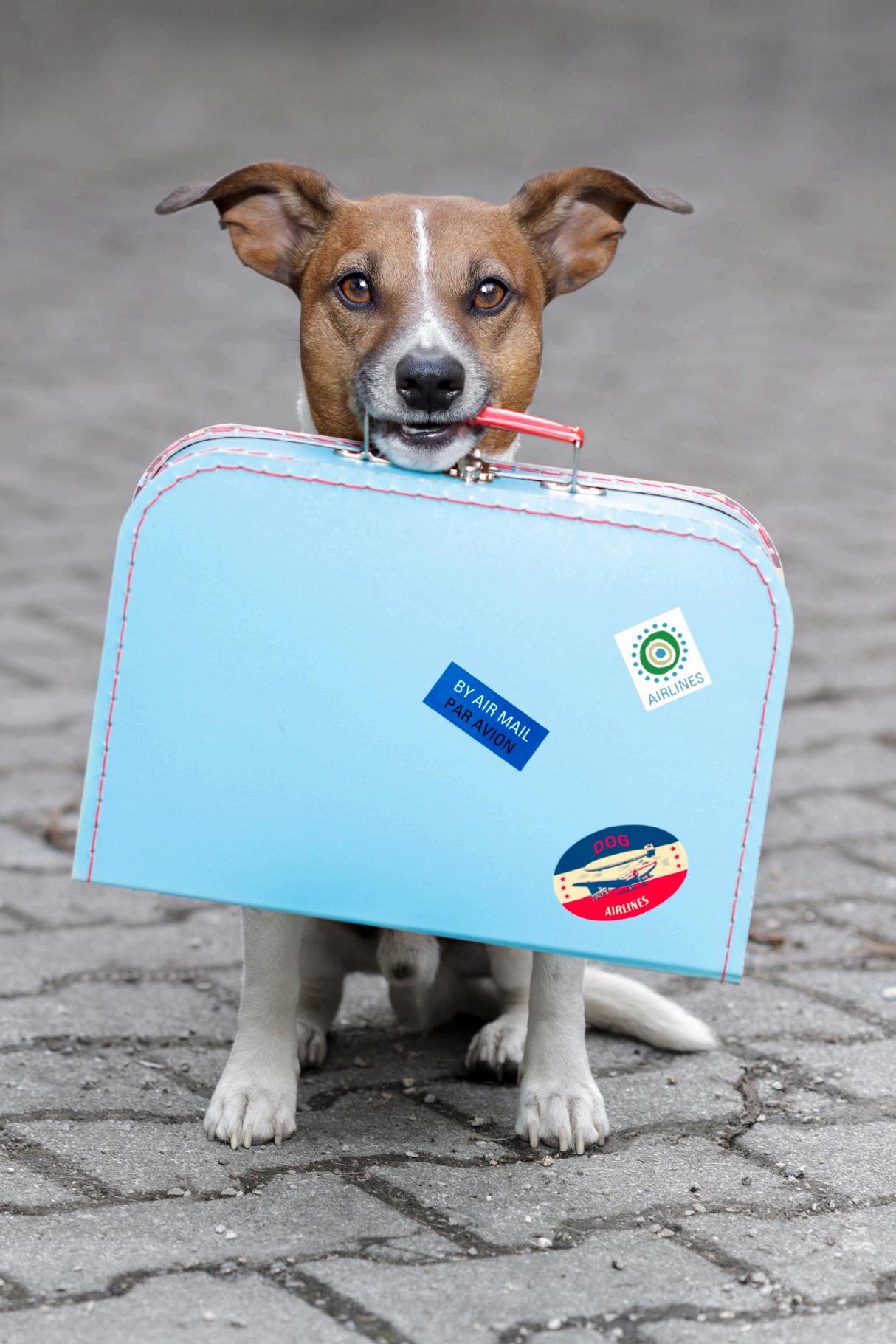
Warmer Weather Help.
Summer sunshine can be wonderful, but it also brings serious risks for dogs, including heatstroke and sunburn. Recognising signs of overheating like heavy panting, drooling, and lethargy is key to keeping your dog safe.
Natural Ways to Keep Your Dog Cool:
Fresh Water: Always offer cool, clean water. Add ice cubes or frozen treats to make it more appealing.
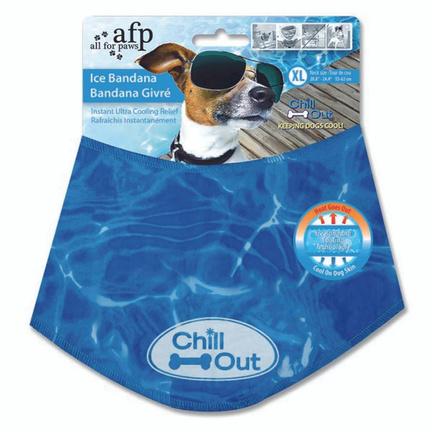
Cool Towels: Drape a damp, cool towel over your dog or let them lie on it for fast relief.
Shade: Set up shaded areas using trees, umbrellas, or natural canopies. If it’s very hot, you might need to ensure your dog stays inside.
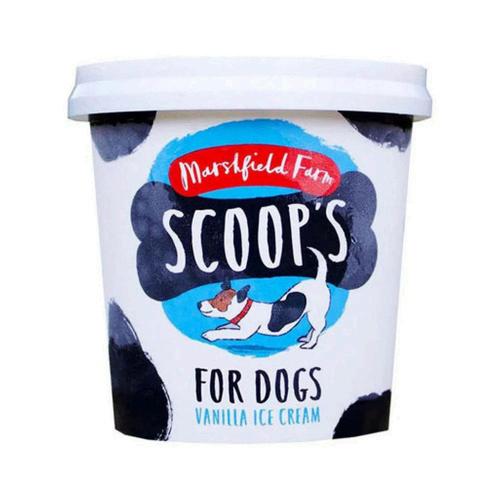
Frozen Treats: Freeze dog-safe foods watermelon, cucumber, bone broth. Freeze filled Kongs or lickimats for a cooling treat.
Herbs: Herbs like peppermint, lemongrass and chamomile can naturally cool the body.
Cooling Mats: Invest in a cooling mat to help regulate their body temperature naturally. Ensure they are good quality to avoid toxic filings.
Early or Late Walks: Avoid peak heat hours (10 a.m. to 4 p.m.). Walk your dog early or after sunset.
Smart Grooming: Brush regularly to remove mats which can trap heat. Avoid shaving their coat, as their coat helps regulate heat.
Sun Protection: Use dog-safe sunscreen on exposed areas like the nose and ears.

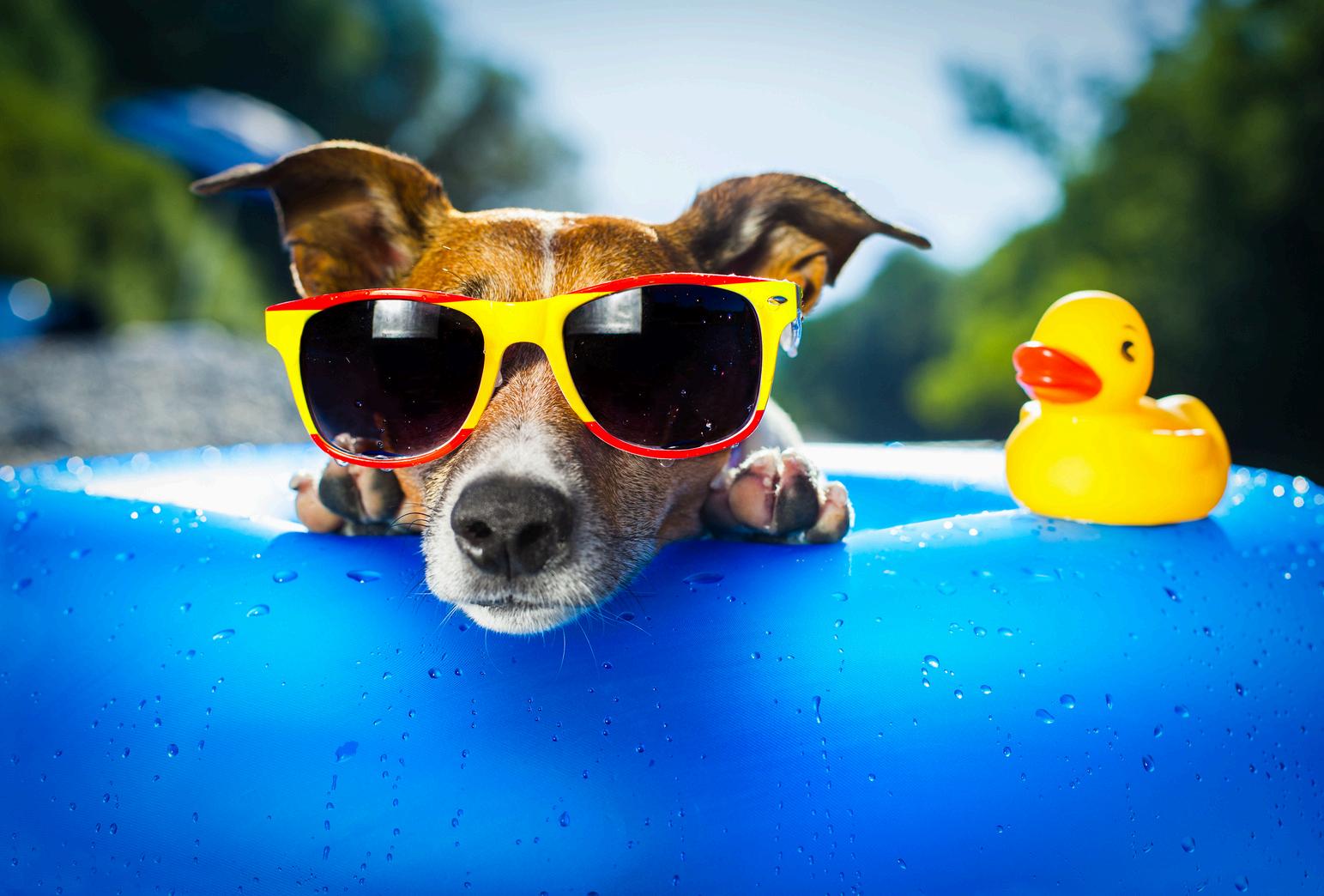
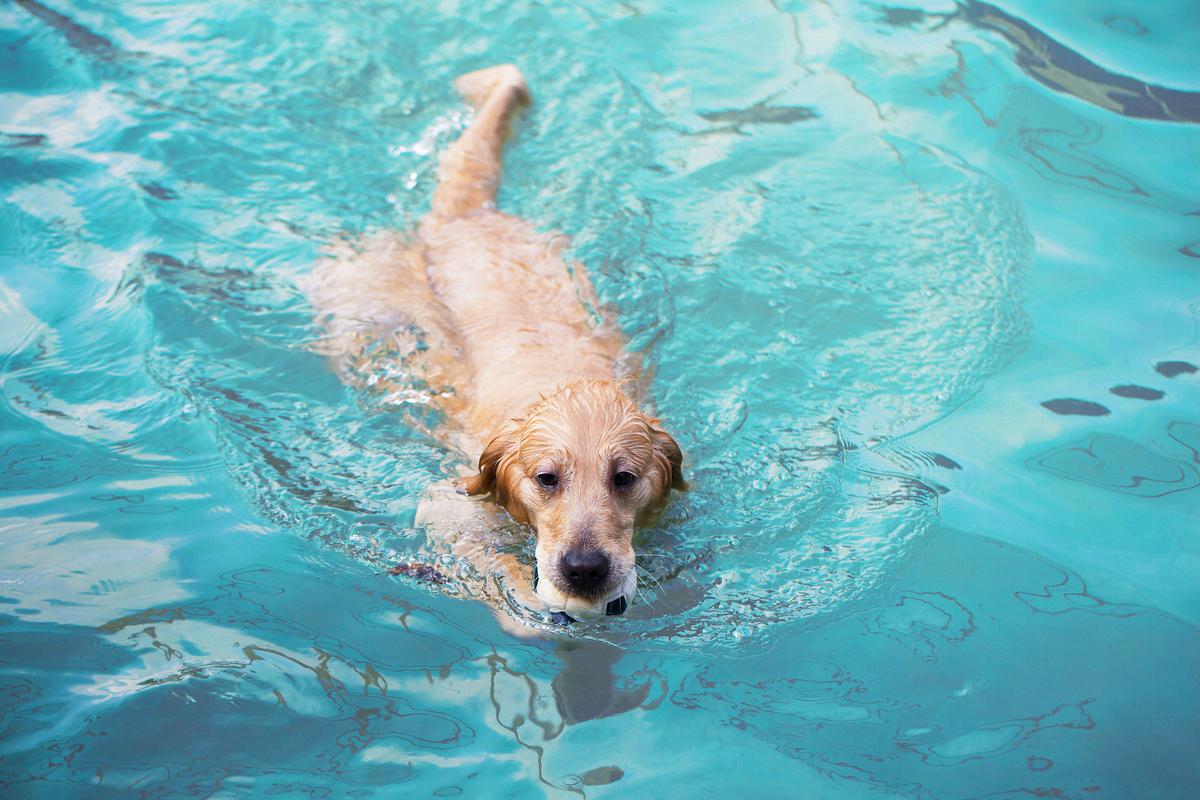
Pools: Let your dog splash in a shallow pool to cool off and play.
Know the Warning Signs: If your dog shows signs of overheating, move them to a cooler spot, offer water, and gently cool their body. Seek veterinary help immediately. With a little preparation and natural cooling methods, you can keep your dog happy, healthy, and safe all summer long!
Stay cool this summer with Tilly’s