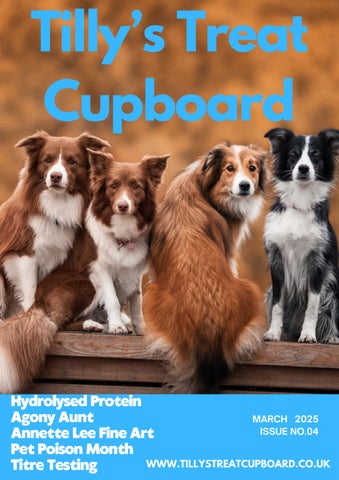

Tilly’s Treat Cupboard
01
HYDROLYSED PROTEIN AGONY AUNT
Do you know about Hydrolysed Protein and what the benefits are? How should it be used?
02
Your questions need answering and we are here to do that
03
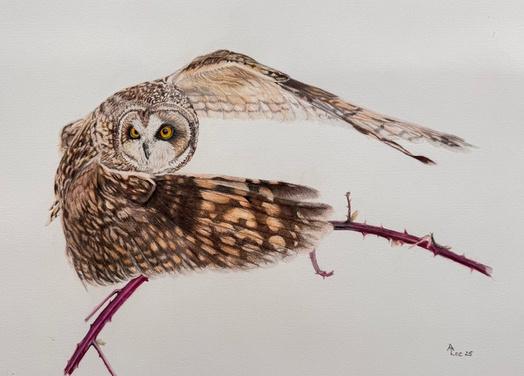
ANETTE LEE FINE ART
Abit about our amazing in shop artist with an incredible offer
04
PET POISON MONTH
Do you know what can posing your dog? what signs to look out for and what to do if this happens?
05
TITRE TESTING
Do you know what Titre testing is? Are you over vaccinating your dog?


From the team
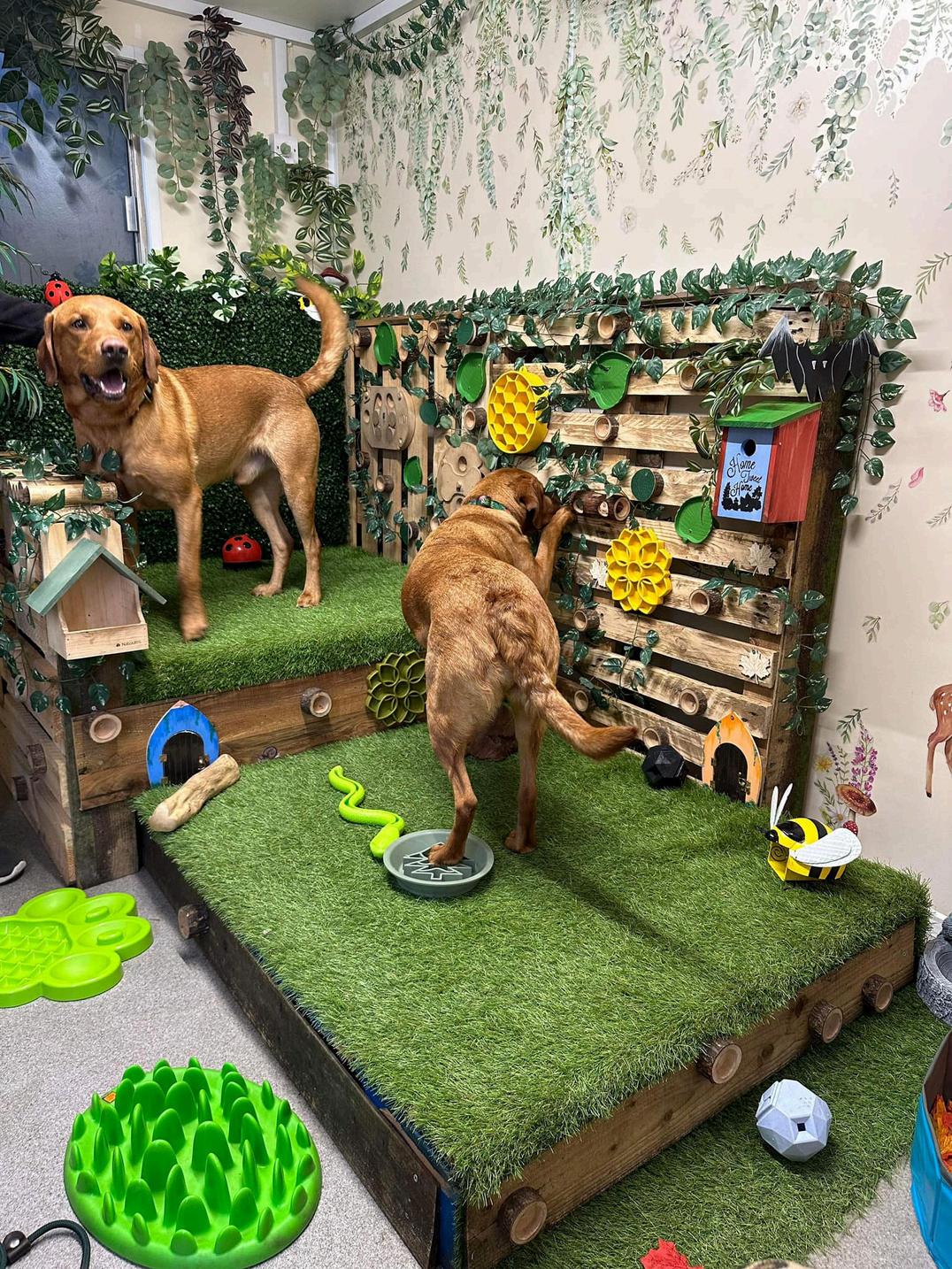
Our exciting monthly magazine! At Tilly’s, we are dedicated to bringing you solutions for all your pet-related needs. This magazine is packed with valuable insights and thrilling events happening right here, along with adorable snapshots of your beloved pups enjoying their time in our shop.
��Naturally Nourish Your Dog: Holistic Care for Lasting Wellbeing
��Find us at 171 Moorwell Road, Scunthorpe, DN17 2SX
��Open Mon-Fri 9-6; Saturdays 10-6; Sundays and Bank Holidays 10-4
��www.tillystreatcupboard.co.uk
Do You Know What Hydrolysed Protein Is?
Hydrolysed Protein: A Solution for Dogs with Food Sensitivities
For dogs with food sensitivities, allergies, or digestive issues, hydrolysed protein is often recommended by vets. But what exactly is it, and is it right for your dog? What is Hydrolysed Protein?
Hydrolysed protein is protein that’s been broken down into smaller components through acids, heat, or enzymes essentially “pre-digested” to make it easier for your dog to process.
Benefits:
1.
Helps with Food Allergies: Hydrolysed proteins are broken down so the immune system doesn’t recognize them as allergens, reducing reactions like itchy skin or digestive issues.
2.
Easier Digestion: Since the protein is already broken down, it’s easier on the digestive system, reducing GI problems.
3.
Improved Nutrient Absorption: For dogs with enzyme deficiencies, hydrolysed protein may improve nutrient absorption.
Drawbacks:
1.
Reduced Nutrient Bioavailability:
Hydrolysing can decrease the absorption of some essential nutrients, meaning dogs may need to consume more.
2.

4.
Lower Nutritional Value: Whole proteins offer natural peptides that support muscle, immune health, and overall wellness, which hydrolysed proteins lack.
3. Taste and Palatability Issues: The altered protein structure can make it less appealing for picky eaters.
Higher Cost: The specialised process makes this food more expensive.

Is it Right for Your Dog?
Hydrolysed protein food can be a great option for dogs with serious allergies or digestive problems, but it’s not necessary for healthy dogs. If your dog’s issues persist despite trying other diets, hydrolysed protein might help.
Make sure to check the full ingredient list, as some brands add unnecessary fillers or preservatives. And remember, it’s usually recommended for shortterm use to give the digestive system a break, after which your dog may be able to tolerate whole proteins again. Always consult with a canine nutritionist to find the best long-term solution for your dog.
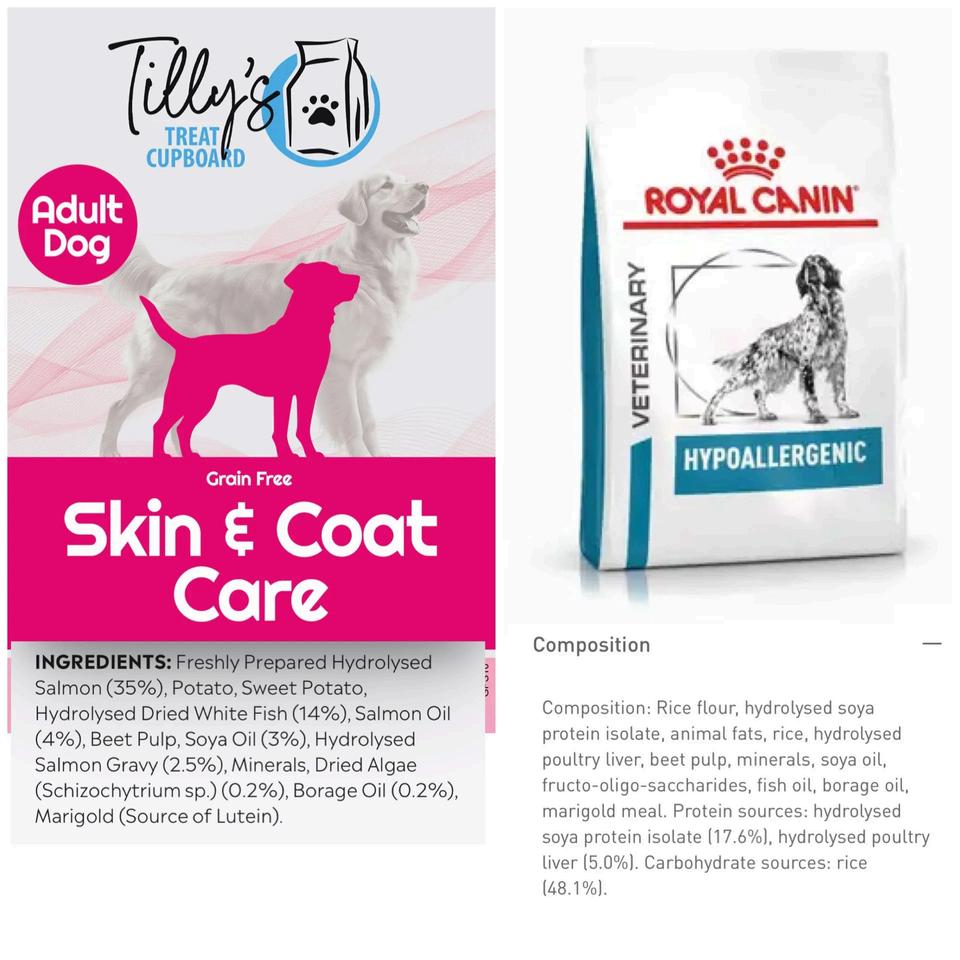
Hydrolysed Protein




Agony Aunt
Welcome to the Agony Aunt corner of our monthly mag! �� Here’s where we’ll tackle all your burning pet questions—whether it’s a mystery about your cat’s quirks or why your dog won’t stop digging. Got a pet dilemma? Hit us up on our socials and we’ll give you some pawsitively great advice! ��
Why is my dogs skin worse in winter?
Itchiness, bad skin and poor coat are usually associated with spring & summer with an increase in pollen levels. So why do some dogs seem worse in winter? In winter, when cold, blood is directed to the core to protect vital organs. This means less blood flows around the periphery of the body. Less blood flow means less oxygen and nutrients are being delivered to those areas contributing to poorer skin health. Plus, more time spent inside with central heating and household toxins (cleaning products, scented candles, etc) can also contribute .
If you have a question get in touch here!


For the love of Animals
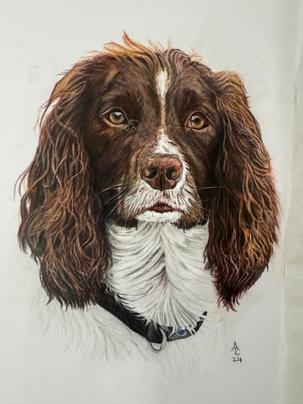
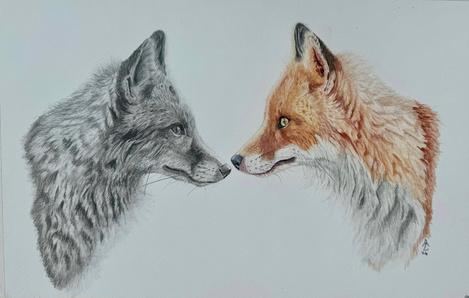
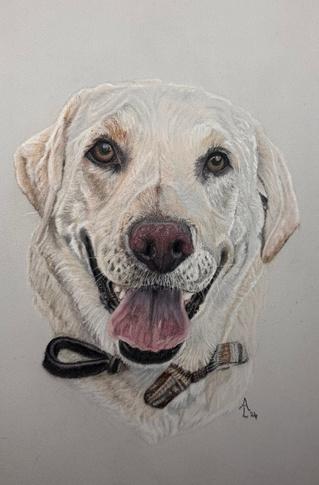
I started working at Tilly’s last summer and really enjoy working there, well apart from the cold !!! Before starting at Tilly’s I worked in education and for the NHS helping teenagers and parents I did this for over 20 years, but after losing my mum I decided life was too short to not follow your dreams and decided to build my art hobby into a business and do a less stressful job. Tilly’s was the perfect fit, I had shopped there for years as they are all about the health and wellbeing of animals, which really metters to me as a dog owner. Plus I get to fuss lots of cute dogs.

I have always loved animals and would draw them all the time as a child, especially horses. Art was one of the few subjects I was good at at school but I was unable to go to art college and my life followed a different path A few years ago I started drawing again in order to destress and I rediscovered the joy it gives me. I started drawing wildlife and horses and I was soon been asked if I would draw friends and families pets. I now take pet and wildlife commissions from people across the UK and have also sent my pictures abroad .
I always try to capture the unique character and look of the animals I draw , this is especially important when drawing someones pet All I need to complete a picture is a couple of clear photos of the animal. I use coloured pencils and graphite for my pictures. Why coloured pencils? well they are easier to store then paints, less dusty than pastels that effect my asthma and they are colourfast, so they will look good for a lifetime. I use only professional grade pencils and paper.
I have more information on my website and social media, see below. www.annetteleeanimalfineart.com www.facebook.com/annetteleeanimalfineart
As a small business I would be very grateful if you would like my Facebook page and share it with friends and family on social media
During March and April , I am offering Tilly’s customers 10% off commissions if booked before the 30th April . Enter the code Tilly10 on my booking form on my website .https://www.annetteleeanimalfineart.com/commissions

Pet Poison Prevention
Pet Poison Prevention: Keeping Your Furry Friends Safe
March is Pet Poison Prevention Month, a crucial time to raise awareness about household dangers that can harm our beloved pets.
Every year, thousands of pets suffer from accidental poisoning due to exposure to toxic substances. By understanding common hazards and taking preventive measures, pet owners can ensure a safe and healthy environment for their furry companions.
Common Household Poisons (not an exhaustive list)
Many everyday items in our homes can be toxic to pets. Here are some of the most common culprits:
Human Foods: Foods that are toxic to cats and dogs include chocolate, grapes, sultanas, raisins and currants, xylitol, onions, chives, leeks and macadamia nuts. Also alcohol and caffeine.
Medications: Over-the-counter and prescription drugs such as ibuprofen can be very harmful
Household Cleaners: Bleach, detergents, and disinfectants can cause severe health issues if ingested or inhaled by pets.
Plants: Many common houseplants, including lilies (toxic to cats), azaleas, and philodendrons, pose significant risks to pets.
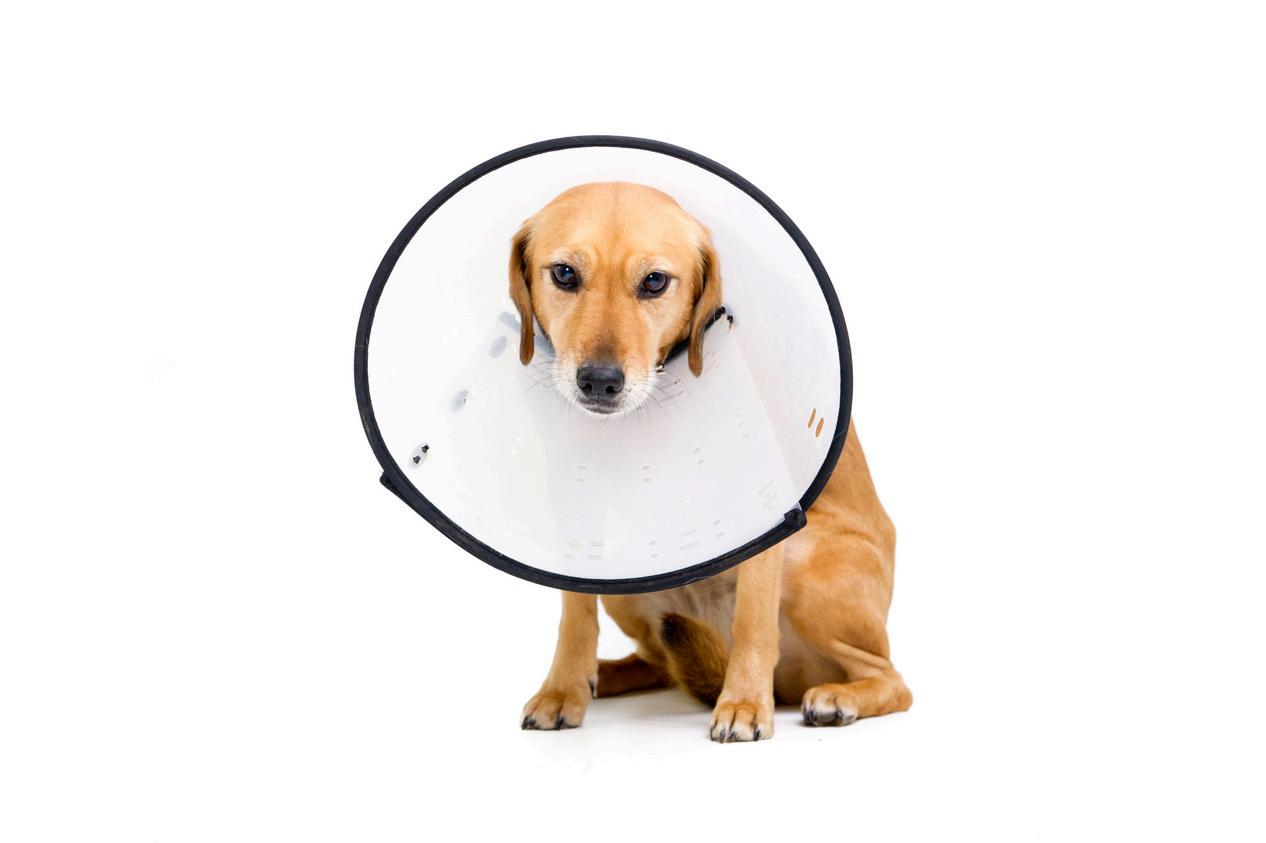
Rodenticides & Insecticides: Rat poison and certain pesticides contain chemicals that can be fatal to pets.
Essential Oils: Some essential oils, such as eucalyptus, tea tree oil, camphor, and clove, can be toxic to pets if applied to their skin or inhaled.
Antifreeze & Automotive
Products: Ethylene glycol, found in antifreeze, has a sweet taste that attracts pets but is highly toxic even in small amounts.
Prevention Tips
Taking proactive steps can help protect your pet from accidental poisoning:
Store toxic substances securely: Keep all medications, cleaning products, and chemicals out of reach of pets.
Be mindful of food scraps: Dispose of food waste properly and avoid feeding pets table scraps that may contain toxic ingredients.
Research pet-safe plants: Choose pet-friendly houseplants to eliminate the risk of accidental poisoning.

Use pet-safe pest control: Opt for pet-friendly alternatives when dealing with pests around your home.
Monitor outdoor areas: Be aware of toxic plants, fertilizers, and potential hazards around your house or on walks.
Educate family members: Ensure that everyone in the household understands what substances are harmful to pets.
Symptoms of Pet Poisoning
Signs of poisoning can vary depending on the toxin ingested but may include:
Vomiting or diarrhoea
Excessive drooling
Lethargy or weakness
Seizures or tremors
Loss of coordination
Difficulty breathing
Emergency Resources
If your pet encounters a potential poison, act quickly and reach out to one of these emergency resources immediately: Your local veterinarian or emergency out of hours vet. Contact Animal Poison Hotline 01202 509000 www.animalpoisonhotline.co.uk
By spreading awareness and practicing caution, we can help prevent pet poisonings and keep our furry friends safe and healthy.
This March, take the time to petproof your home and share this information with fellow pet lovers to make a difference!
Pet Poison Prevention Month - March

Titre Testing
Titre Testing: What Is It?
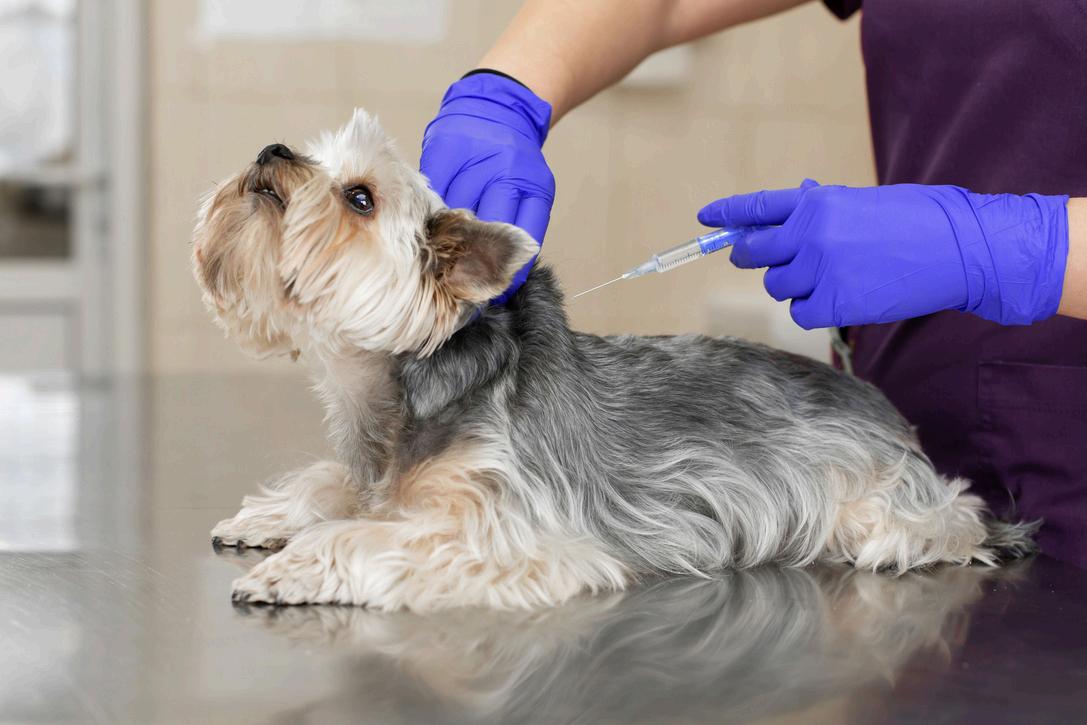
When it comes to protecting our pets from diseases, vaccinations play a crucial role. However, just like with any medical intervention, there’s a fine balance to maintain. That’s where titre testing comes in —a valuable tool that helps determine if your pet actually needs a vaccine booster or if they are still protected from previous vaccinations.
What
Is Titre Testing?
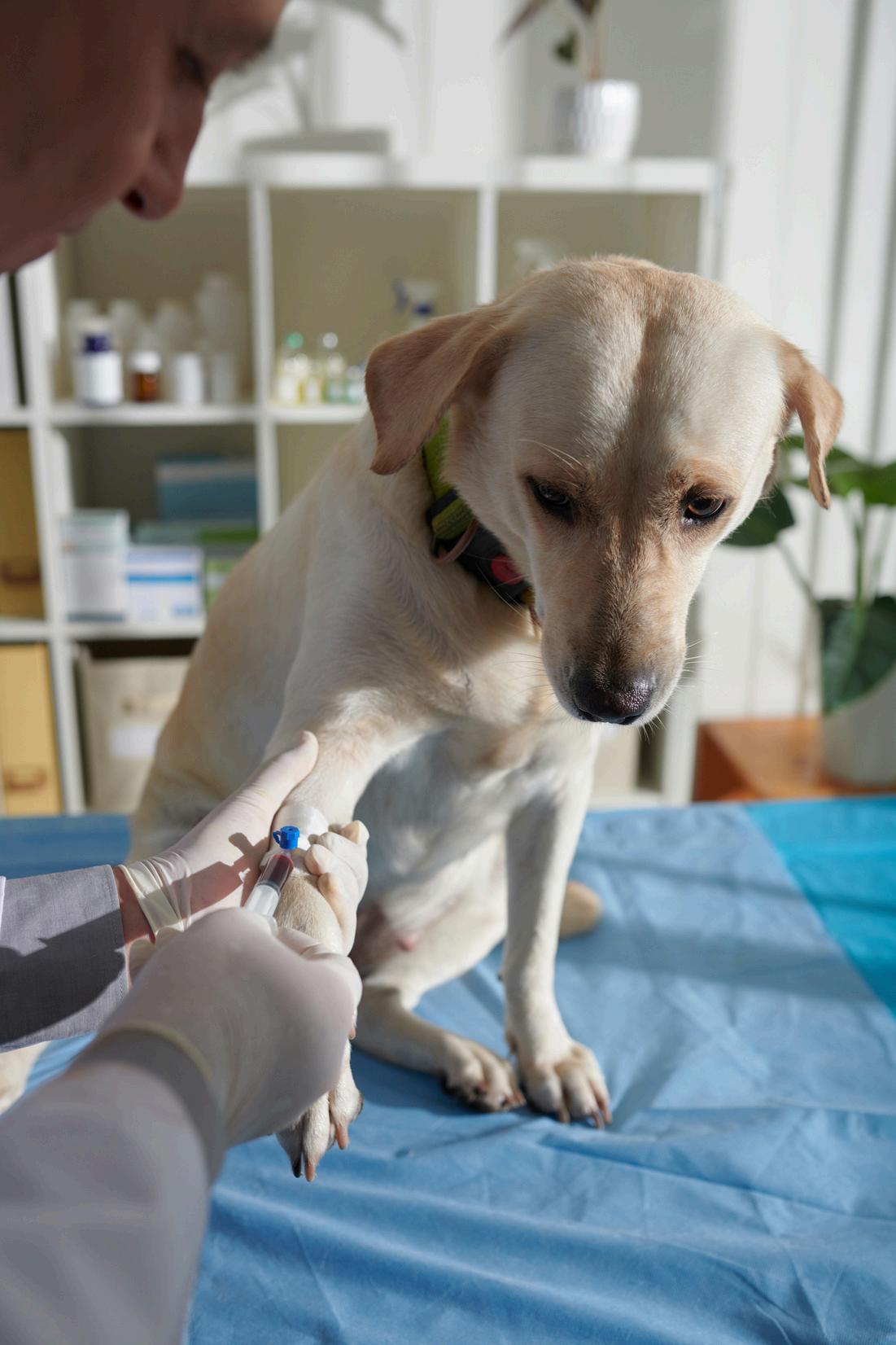
A titre test is a blood test that measures the presence of antibodies against specific diseases, such as distemper and parvovirus. If the antibody levels are sufficient, it means your pet still has immunity, and a booster isn’t necessary.
Why Is It Recommended?
Prevents Unnecessary Vaccination
The World Small Animal Veterinary Society state that yearly core vaccinations are not necessary and should not be give more than every three years (with the exception of the lepto vaccine).
However, many pets maintain immunity for longer than three years. A titre test can confirm this, reducing the need for unnecessary boosters.
Reduces the Risk of Adverse
Reactions Some animals can have severe vaccine reactions, such as allergic responses, autoimmune issues, or injection-site tumors
Supports Individualised Pet Care
Every pet is unique. Titre testing allows veterinarians to tailor vaccination schedules based on actual immunity rather than a onesize-fits-all approach.
The Dangers of Over-Vaccination
Over-vaccination can lead to various health issues, including:
Autoimmune Disorders
Excessive immune stimulation can trigger diseases like autoimmune hemolytic anemia or thyroid disorders.
Allergic Reactions Some pets may experience swelling, vomiting, or even anaphylactic shock after repeated vaccinations.

Chronic Inflammation Frequent vaccines may contribute to longterm inflammation, potentially leading to arthritis, skin conditions, or organ damage.
Conclusion
While vaccines are essential for preventing life-threatening diseases, titre testing helps ensure they are given only when necessary. It’s a simple, effective way to keep pets protected without exposing them to unnecessary risks.
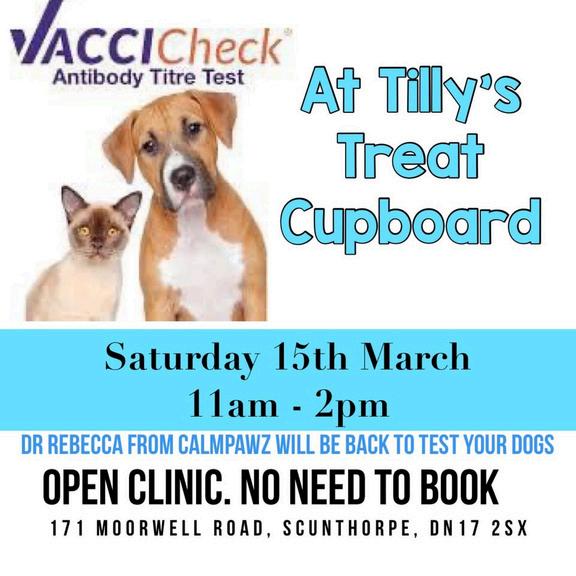
Tilly’s Treat Cupboard holds regular titre testing clinics. Why not pop along to our next event on March 15th ?