
Tilly’s Treat Cupboard
PAWS & KISSES
How can you show you dog love this valentines?

Your questions need answering and we are here to do that
February the 4th marks world cancer day


From the team
Our exciting monthly magazine! At Tilly’s, we are dedicated to bringing you solutions for all your pet-related needs. This magazine is packed with valuable insights and thrilling events happening right here, along with adorable snapshots of your beloved pups enjoying their time in our shop.
��Naturally Nourish Your Dog: Holistic Care for Lasting Wellbeing
��Find us at 171 Moorwell Road, Scunthorpe, DN17 2SX
��Open Mon-Fri 9-6; Saturdays 10-6; Sundays and Bank Holidays 10-4
��www.tillystreatcupboard.co.uk
Paws and Kisses: Ways to Show Your Dog You Love Them
This Valentine’s
Day
2. Plan a Doggy Date Day
Valentine’s Day isn’t just for humans; it’s the perfect opportunity to show your furry best friend how much they mean to you. Dogs are loyal, loving companions who deserve to be celebrated, and there are plenty of creative ways to pamper your pup and strengthen your bond this February 14th. Here are some tail-wagging ideas to make this Valentine’s Day extra special for your four-legged Valentine.
1. Create a Homemade Dog Feast
The way to your dog’s heart might just be through their stomach! Skip the store-bought treats and prepare a fresh, nutritious meal or snack for your pup Opt for dog-safe ingredients like lean proteins, sweet potatoes, carrots, or blueberries, and ensure the recipe is balanced Consider consulting a canine nutritionist if you’re new to homemade dog food This thoughtful gesture not only shows your love but also supports their health.
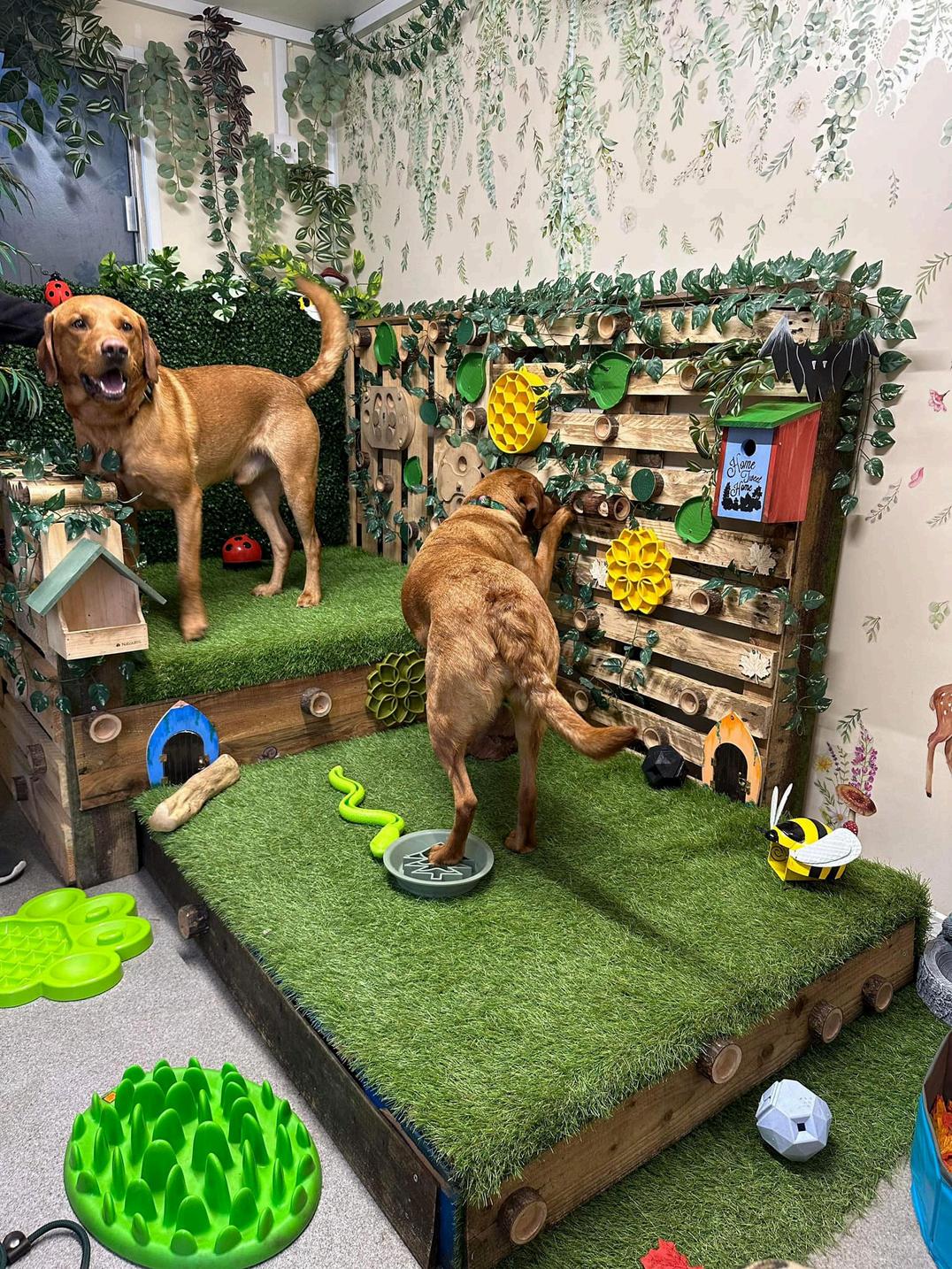
Set aside time to spend exclusively with your dog Take them on their favorite walk or hike, or explore a new dogfriendly trail If your dog loves socializing, plan a meet-up with other dogs at the local park. For indoor fun, you can set up a mini obstacle course, play interactive games like hide-and-seek or try Tilly’s Enrichment Rooms. The key is giving your dog your undivided attention and making the day all about them.



3. Give Them a Spa Day
Pamper your pooch with a relaxing grooming session. Start with a gentle brush to remove tangles and loose fur, followed by a soothing bath with dog-safe shampoo If they enjoy it, a dog massage can help relieve tension and improve circulation. Finish the session with nail trimming and a spritz of dog-friendly fragrance A spa day is not only a great bonding experience but also promotes their physical wellbeing.
4. Treat Them to a New Toy or Accessory
Surprise your pup with a new toy that matches their play style. Whether it’s a squeaky plush, a puzzle feeder, or a durable chew toy, a new addition to their collection will spark joy Alternatively, invest in a cozy bed or a stylish new collar or harness to show you’ve been thinking of them.
5. Bake Valentine’s Dog Treats Together
Get creative in the kitchen by baking Valentine-themed dog treats. Use cookie cutters in the shape of hearts, bones, or paws, and opt for dog-safe recipes featuring ingredients like peanut butter (unsweetened, no xylitol), pumpkin, or oats. Not only is this a fun activity, but your dog will love the tasty rewards.
6. Have a Photoshoot
Capture the love you share with your dog by having a Valentine’s-themed photoshoot. Dress them up in a cute bow tie or bandana and set up a festive backdrop with hearts, flowers, or red and pink decorations. Whether you snap candid moments or staged poses, you’ll create memories to cherish forever.
7. Donate or Volunteer in Their Honor

Extend the love by giving back to other dogs in need. Donate to a local shelter or volunteer your time to walk or play with rescue dogs. You can even purchase a gift in your dog’s name, like blankets or food for less fortunate pups. This act of kindness is a wonderful way to honour the love your dog brings to your life.
8. Learn Something New Together
Take a dog training class or try a new activity like agility or nose work. Learning something new strengthens your bond and keeps your dog mentally stimulated Plus, it’s a fun way to spend quality time together while building trust and communication

Puppy Love



Agony Aunt
Welcome to the Agony Aunt corner of our monthly mag! �� Here’s where we’ll tackle all your burning pet questions whether it’s a mystery about your cat’s quirks or why your dog won’t stop digging. Got a pet dilemma? Hit us up on our socials and we’ll give you some paws-itively great advice! ��
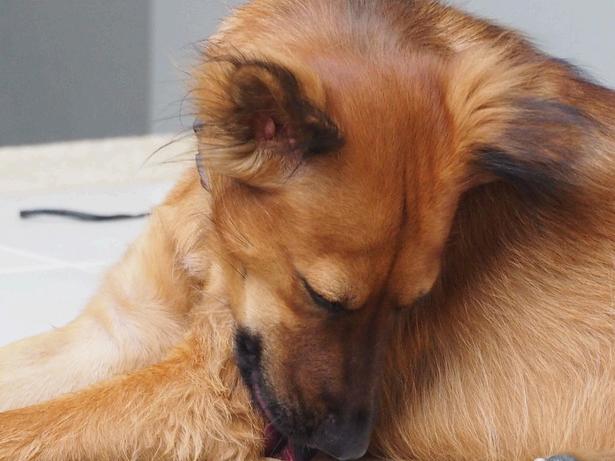
My dog keeps nibbling around his tail so much so that he has created a bald patch. I’ve wormed him but this hasn’t helped. What could the problem be?
So this is likely to be one of two problems: worms or anal glands What worming tablets did you use? Some are more effective than others and some only treat one or two types of intestinal parasites I would suggest doing a worm count just to make sure worms are not an issue A worm count is very simple – you just send a sample of your dog’s faeces to be tested and they will tell you if worms are seen The other issue could be anal glands. Dogs have an anal gland at either side of their anus When the dog has a poo, the poo squeezes the anal glands releasing the build-up of fluid and this emptying the anal glands. However, sometimes the poo can be too soft to squeeze effectively or food intolerances can cause the anal glands to get irritated. Sometimes, the anal glands are not positioned correctly anatomically so they aren’t emptied when the dog poos.
Filled anal glands can be incredible irritating making dogs nibble the area around including the tail. The fluid can also become compacted making the anal glands painful.
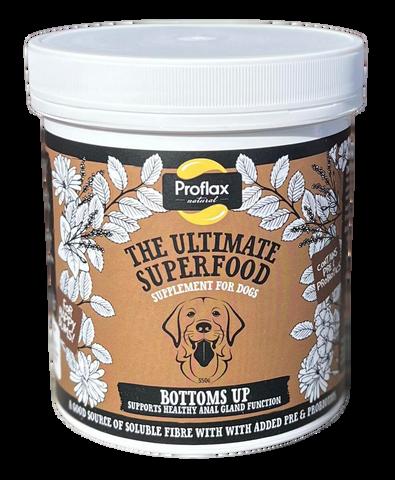
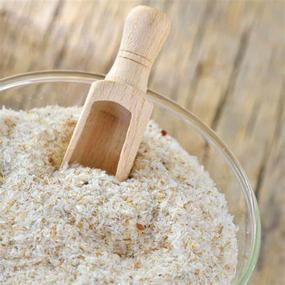
Adding a fibre source like psyllium husk or Proflax Bottoms Up will help bulk out the faeces making it more likely that they are emptied with each poo
Dog Cancer Day 4th Feb:
Raising
Awareness and Offering Hope
February 4th marks Dog Cancer Day, a day dedicated to shedding light on one of the most heart-breaking challenges our beloved furry companions face: cancer
Just like in humans, dogs can be diagnosed with various forms of cancer, and unfortunately, it's more common than we might like to think But with awareness, early detection, and advancements in treatment, there is hope for dogs diagnosed with cancer.
Understanding Cancer in Dogs
Cancer in dogs can manifest in many ways, ranging from lumps and bumps under the skin to internal health issues that affect vital organs. Some of the most common types of cancer in dogs include:
Lymphoma: A type of cancer that affects the lymphatic system, which is crucial for immune function
Mast cell tumours: Skin tumours that can vary in severity, ranging from benign to lifethreatening.
Osteosarcoma: A form of bone cancer, often seen in larger dog breeds.
Hemangiosarcoma: A cancer that typically affects blood vessels, often in the spleen, liver, or heart
Although some dog breeds are more prone to certain types of cancer, it’s important to remember that cancer can affect any dog at any age
.
Early Detection: The Key to Fighting Cancer
Early detection is one of the most effective ways to increase a dog’s chances of successful treatment. Regular vet checkups, routine blood tests, and monitoring your dog for unusual changes (such as weight loss, loss of appetite, lethargy, or visible lumps) can help spot potential problems early The sooner cancer is detected, the more treatment options are available, whether it be surgery, chemotherapy, radiation, or palliative care.
Treatment and Support
When your dog is diagnosed with cancer, it’s natural to feel overwhelmed. But remember, there are treatment options available Depending on the type and stage of cancer, a veterinary oncologist can provide a treatment plan tailored specifically for your pet. Many dogs undergo successful treatment and can go on to live happy, active lives Additionally, it’s essential to offer emotional support to both your pet and yourself during this difficult time Your dog may experience physical discomfort, so providing a calm and loving environment can help them feel secure. Food and Supplements
Food can play a big part in the treatment of cancer. The best diet will focus on boosting their immune system, maintaining weight and muscle, and reducing inflammation.
Here are Helen’s, our in-house nutritionist, key guidelines for a cancer-supportive diet:
1.
A fresh (raw or cooked), easily digestible, complete and balanced diet
2.
High-quality and moderate amounts of protein
Moderate fat content
3. Low carbohydrates Cancer cells thrive on sugar so minimising carbs is key. No kibble, no grains (e g corn, wheat, rice) and no starchy veg (like potatoes and peas) 4
Omega 3s which are anti-inflammatory
5. Easily digestible fibre for gut health e.g. cooked leafy greens, cauliflower, broccoli
7.
6. Polyphenols which are found in things like green tea, fruit, vegetables, spices (such as ginger and cumin), and herbs (such as peppermint and oregano). These are powerful antioxidants and anti-inflammatories.
8
Medicinal mushrooms e g turkey tail, reishi, shiitake, which have anti-cancer properties
How You Can Help
If you’ve gone through the journey of caring for a dog with cancer, sharing your experience can offer hope and support to others. We would love to hear some of your stories so please share them on our social media. Owner’s that are currently going through this journey will know they are not alone. You can also use your social media platforms to inform others about the signs of cancer in dogs, remind them about the importance of regular vet visits, and how giving the best nutrition can support overall health.
Final Thoughts
On Dog Cancer Day, we not only honour the dogs who have faced cancer but also celebrate their resilience, strength, and the bond we share with them. While cancer is a tough diagnosis, it’s important to remember that advancements in veterinary care are continually improving the outlook for dogs With the right care, many dogs continue to lead happy, fulfilling lives after their diagnosis
So, let’s come together this February 4th to raise awareness, offer support, and provide hope for all our furry friends who are battling cancer. Together, we can make a difference! ��❤
February4thmarks DogCancerDay,a daydedicatedto sheddinglighton oneofthemost heart-breaking challenges
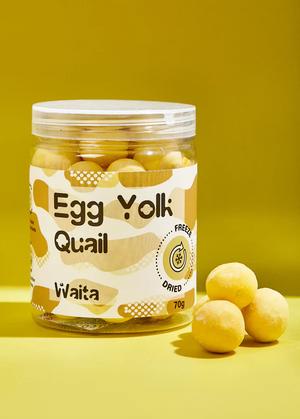
Quail eggs are among the most nutritious foods. Kind of 'Gold Treat' for dogs and cats.
· Low in calories, but super filling
· Loaded with nutrients
£6.50
· Packed with protein
· Filled with unique antioxidants
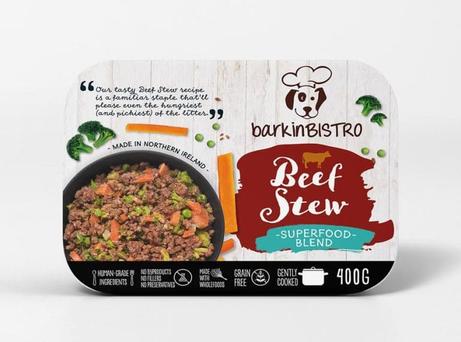
Our tasty Beef Stew recipe is a familiar staple that’ll please even the hungriest (and pickiest) of the litter. Comprised of 60% fresh human-grade beef and 40% fresh fruit and vegetables, with the addition of flaxseed oil and turmeric powder and absolutely no nasty ingredients, this dish offers the perfect balance of flavour and nutrients for a healthy, happy dog and fuss-free meal times.
£3.50
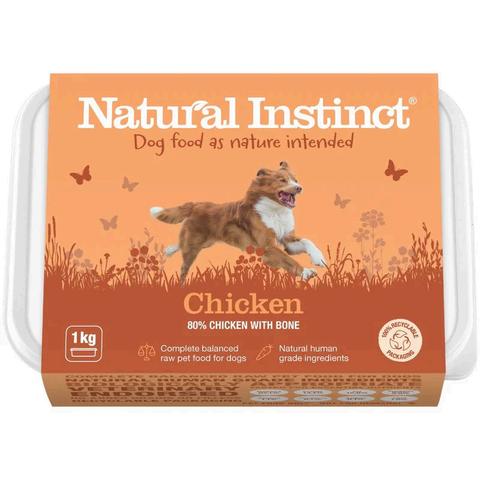
Natural Instinct's Natural Chicken is a complete and balanced raw dog food and one of our most popular recipes. This delicious blend of frozen raw chicken meat with bone (80%), vegetables and fruits is ideal for transitioning your dog onto a raw food diet or as a tasty staple meal. FROM £3.85
Featured Products
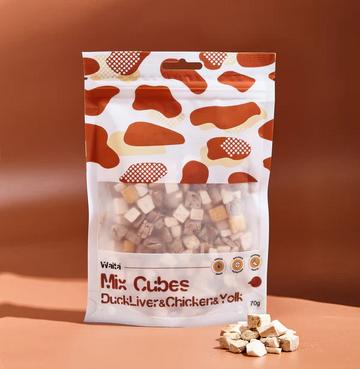
A mix collection of freeze dried cube treats, including 20g Chicken Cubes & 25g Duck Liver Cubes & 25g Egg Yolk Cubes. Provide verified nutrition and protein.
£5.50
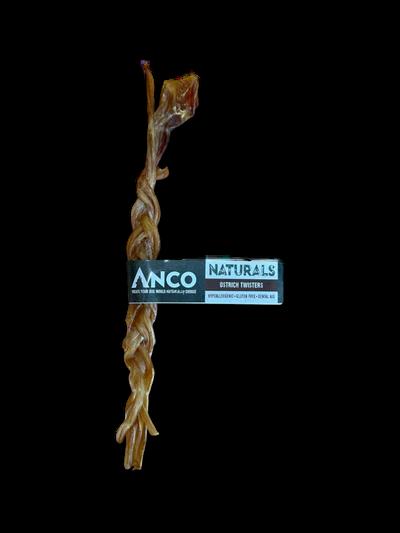
Ostrich Twisters! Made from 100% Pure meat, Ostrich Tendons are super high in protein and very low in fat –make for a delicious yet healthy treat. Tendons make a great dental aid – once the dog starts to chew, they become fibrous and massage between the teeth, right down to the gum helping prevent tartar build up. .
£5.50
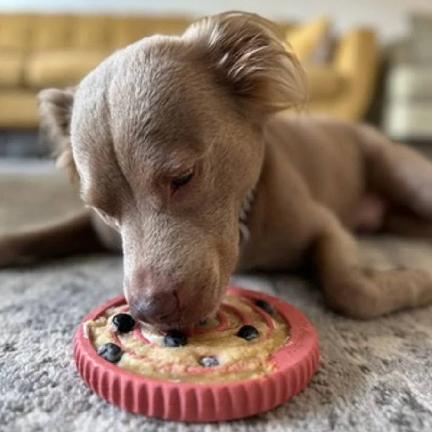
FreezSwirl a versatile chew toy with a unique swirling design that takes your dog’s playtime to the next level. The unique swirl are perfect for holding liquid fillers or solid treats. FreezSwirl Mat isn’t just any chew toy; it’s the ultimate refillable treat for your furry friend. Designed to suit dogs of all sizes.
£22.25