NETWORKING AND TECHNICAL INSIGHTS AT CERAMICS OF VALUE 2025
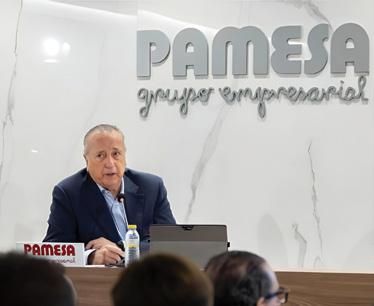
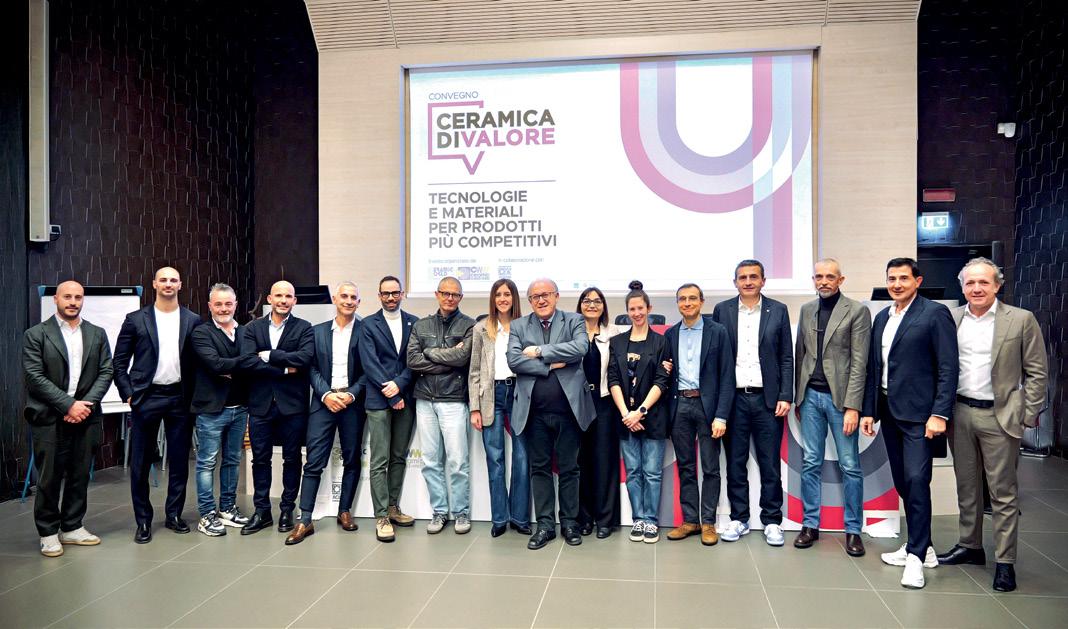
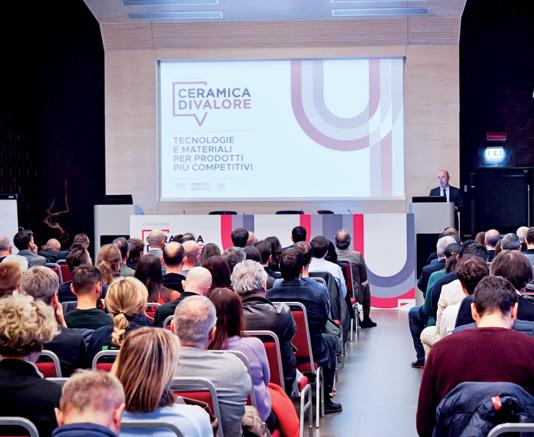
With over 200 participants, 15 speakers and 10 presentations, the Ceramica di Valore (Ceramics of Value) technical conference organised by Ceramic World Review and CeramicWorldWeb in collaboration with Aci-mac once again proved to be an event of great interest for the sector. Now in its third edition, the event held on 19 November in Modena (Italy) provided an afternoon of networking and technical insights, re-affirming its role as a key meeting place for professionals from across the ceramic industry, from technolo-gy and material suppliers to tile manufacturers.
The 2025 conference focused once again on the value of ceramic products and the ways in which technolo-gies and materials can make a tangible contribution to improving their competitiveness.
The technical presentations addressed several key themes for ceramic tile production, including aesthetics, sustainability, product technical quality and process efficiency, with the aim of creating increasingly smart factories with a lower environmental impact.
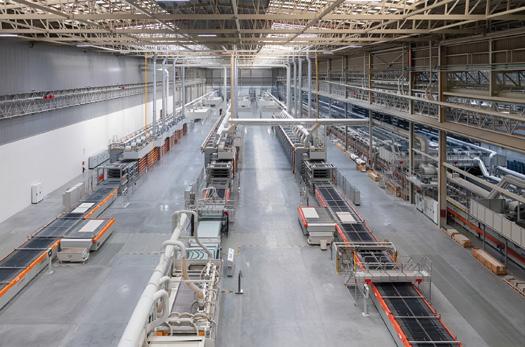
For more than thirty years, Arwana Ceramics has been one of the biggest success stories in the ceramic industry in the Far East. Founded in Indonesia in February 1993 with the farsighted mission of combining economic growth with innovation, creativity and social responsibility, the company has been listed on the stock exchange since 2001 and is now Indonesia’s top tile manufacturer and one of the largest producers anywhere in the world. From the very beginning, Arwana chose Italian technology for all its expansion projects, including the latest investment which is currently nearing completion. In this project, which aims to increase the group’s total annual capacity from 68 to 75 million square metres by 2026 with the addition of a further 7 million square metres of glazed porcelain stoneware, the use of advanced production plants and automation will broaden the product range while ensuring quality, efficiency and sustainability.
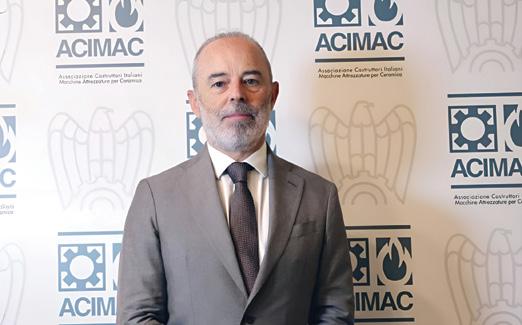
Tandean Rustandy, CEO of Arwana Ceramics
World sanitaryware exports and imports
Luca Baraldi, MECS / Acimac Research Dept. (l.baraldi@mecs.org)
Between 2010 and 2024, global trade in ceramic sanitaryware grew by 72% from 2.16 million to 3.72 mil-lion tonnes, equivalent to a compound annual growth rate of 4%. After a decade of almost consistently pos-itive growth, global sanitaryware exports peaked in 2021 (+17.3% due to the post-pandemic boom) before declining over the following two years. A fresh recovery came in 2024 with a +6.6% increase on 2023, driv-en almost exclusively by the performance of China.
Geberit maintains growth in 2025
In the period January to September 2025, the Geberit Group posted positive results, confirming its financial solidity and ability to grow even in a challenging global economic environment. Net sales rose by 2% year on year to CHF 2.45 billion (€2.6 billion). Adjusted for negative currency effects, the increase was 4.4%, driven by strong volume growth and the continued good performance of newly introduced products. EBITDA totalled CHF 753 million (+3.1% at constant exchange rates). Excluding one-off costs relating to the closure of a ceramic sanitaryware plant in Germany announced in January 2025, the EBITDA margin re-mained stable year on year at 30.8%.
TOTO strengthens its presence in the North American luxury segment
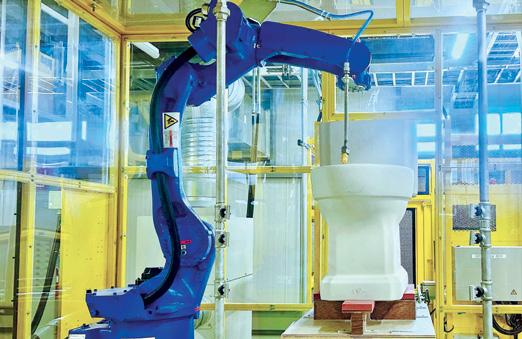
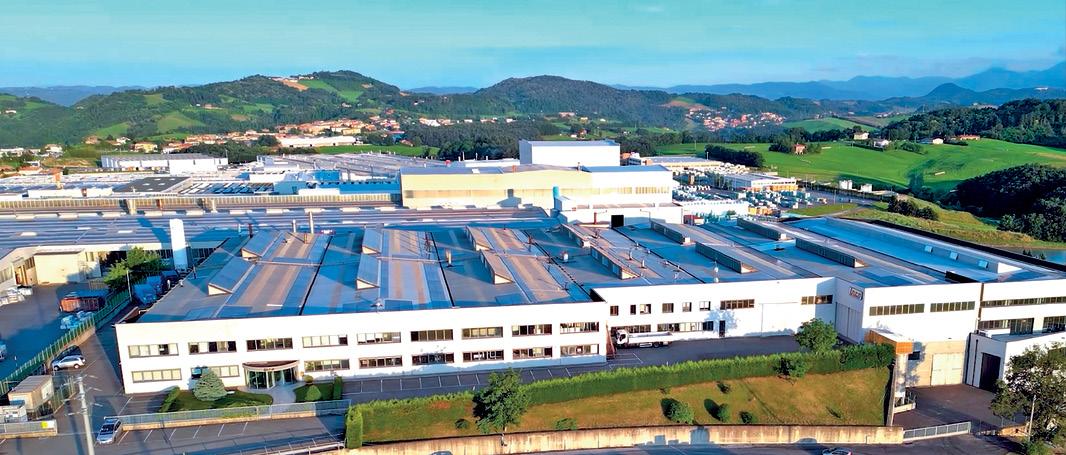
TOTO, a Japanese multinational company and one of the world leaders in the sanitaryware sector, inaugu-rated a state-ofthe-art manufacturing facility in Morrow, Georgia, on 22 August. The $224 million project marks a major investment in the group’s growth strategy in the Americas, which involves gradually trans-ferring part of its production from Asian plants to North America. The new facility will increase TOTO USA’s production capacity in the high-end one-piece toilet segment by 150%, allowing for faster deliveries and responding more effectively to growing market demand for this type of product. It will also strengthen its regional supply chain, enhance manufacturing resilience and advance its long-term sustainability goals.
TOTO factory in Morrow, Georgia, USA
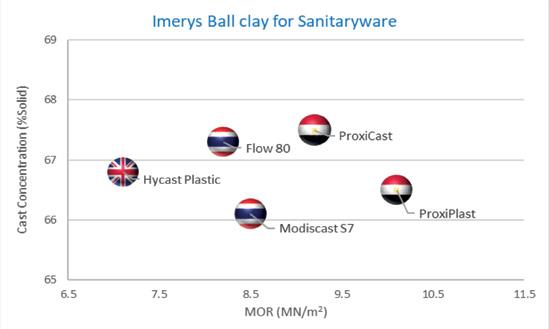
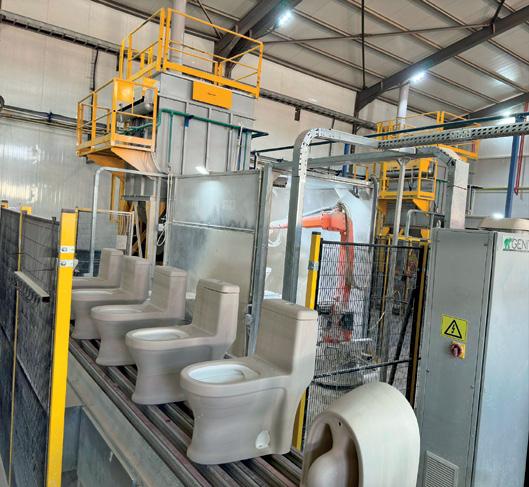
Mineral solutions to meet the evolving challenges of world sanitaryware markets
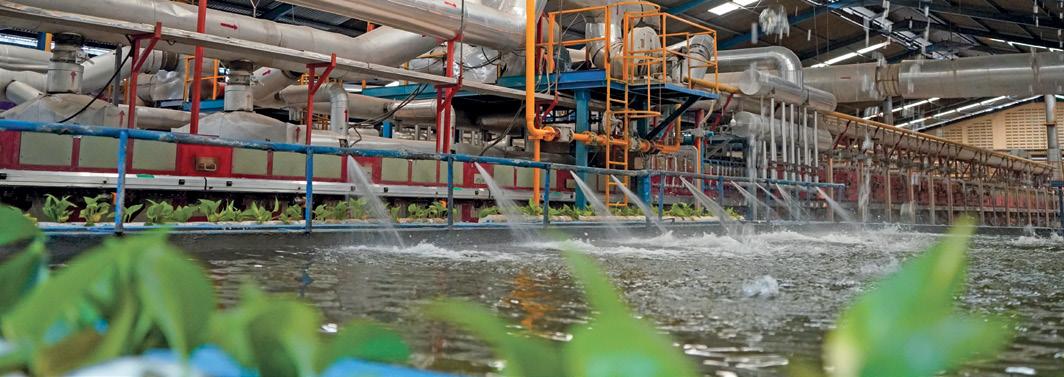
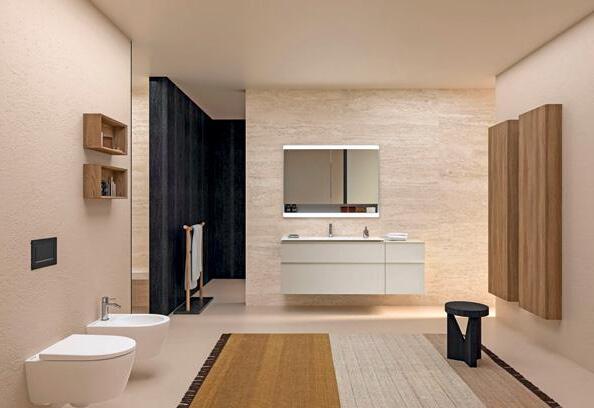
The sanitaryware industry is undergoing a period of profound transformation. Global market dynamics, new production technologies, and ambitious sustainability targets are reshaping how ceramics producers source materials and optimize their manufacturing processes. While mature markets such as Europe and China are witnessing a slowdown in residential construction - and a corresponding dip in sanitaryware de-mand - manufacturers in high-growth regions such as North Africa, the Middle East, and Asia-Pacific are stepping up production to meet rising demand from new builds.
The Villeroy & Boch Group has once again demonstrated its resilience in a complex global economic envi-ronment. In the period from January to September 2025, sales rose by 6.7% year on year to €1,075.2 mil-lion, largely driven by the acquisition of Ideal Standard. Operating EBIT also improved slightly to €65.1 mil-lion, marginally higher than the previous year’s level. Growth was particularly strong in the EMEA region (Europe, Middle East and Africa) and in the fittings and shower sys
tems business.
“Against the backdrop of the current global economic situation and the associated restraint in consumer spending and investment, which is particularly affecting key growth markets for us such as China and the eurozone, we performed well in the market in the first nine months,” commented CEO Gabi Schupp. “The positive response to our innovations in both business segments and the further internationalisation of our business are the result of our strategic realignment following the acquisition.”
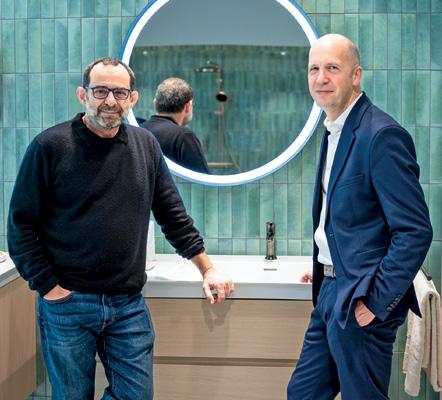
Roberto Palomba with Sven Ullrich
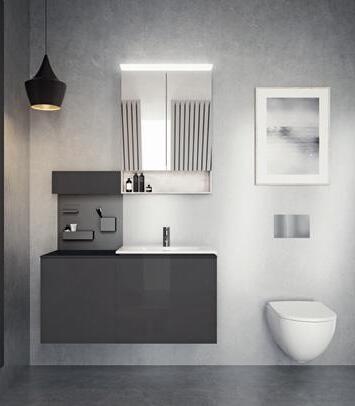
La Dolce Vita® (Atelier Collections) by Ideal Standard
GenItec
Anorthosite: a new resource for ceramic bodies
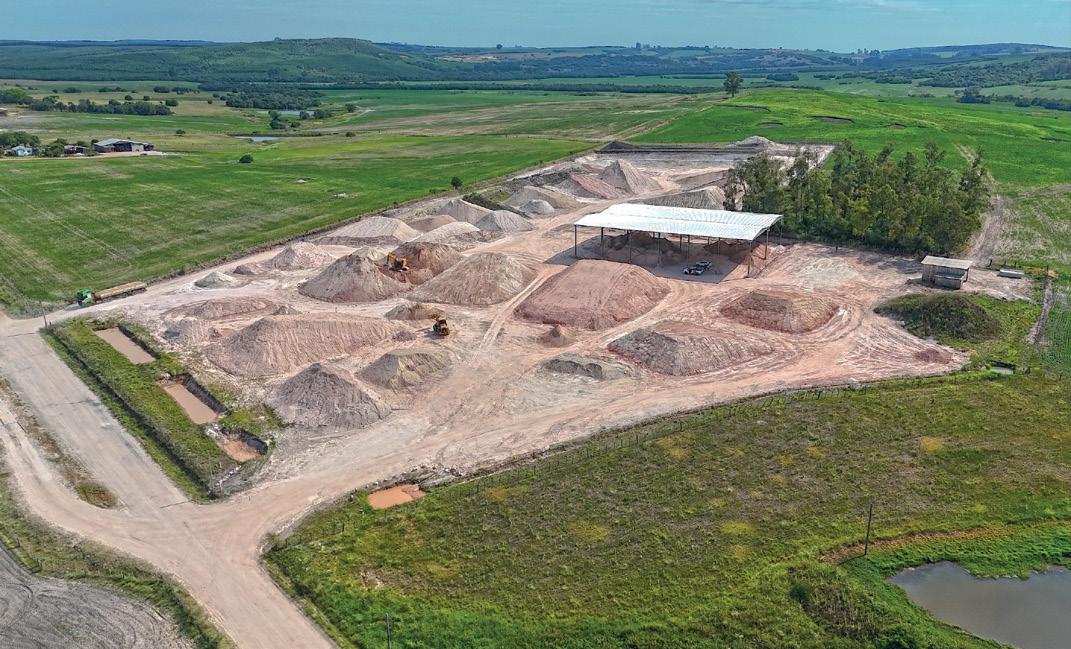
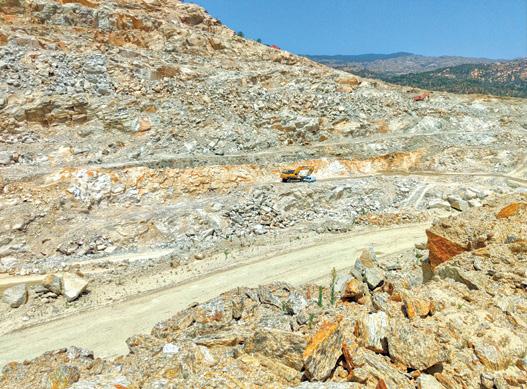
Effediesse has more than thirty years of experience in the production of raw materials for ceramic bodies, expanding its knowledge and expertise through an active presence in the main international production districts. In recent years, it has stepped up its investments in mining research and product development in Brazil, a country that offers a unique combination of geodiversity, local know-how and strategic industrial partner-ships. These efforts have fuelled interest in anorthosite, a raw material that is still largely unexplored by the Italian ceramic industry.
Effediesse (Campogalliano, Italy)
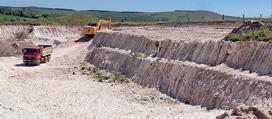
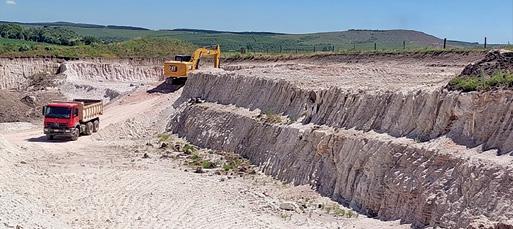
Anorthosite quarry in Brazil
Along the silk road: a journey through history, ceramics and raw materials
Gian Paolo Bertolotti (geo.bertolotti@libero.it)
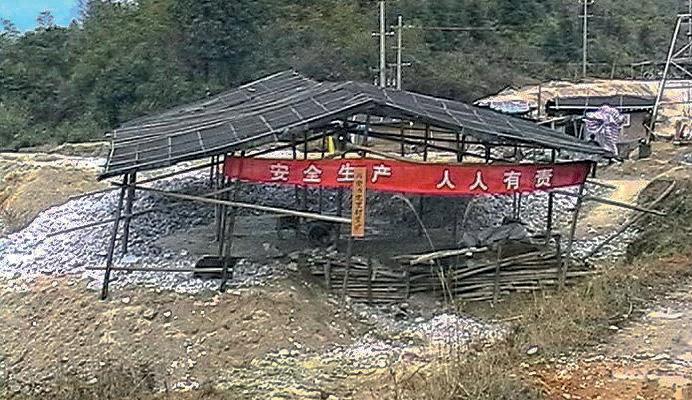
During my many business trips to Asia, I have often found myself retracing stretches of what is historically known as the Silk Road, the ancient network of land and sea routes along which goods, cultures and tech-nologies flowed between East and West.
For centuries, ceramics have been closely linked to these routes. Raw materials and finished products have travelled along them since ancient times, helping to spread techniques and styles and shaping the evolu-tion of ceramic production.
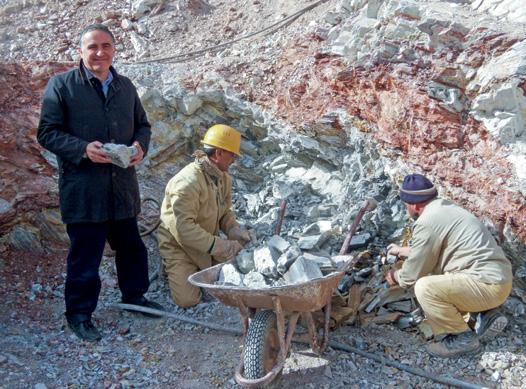
“Chinastone”, Jiangzi Yifeng, China 2003
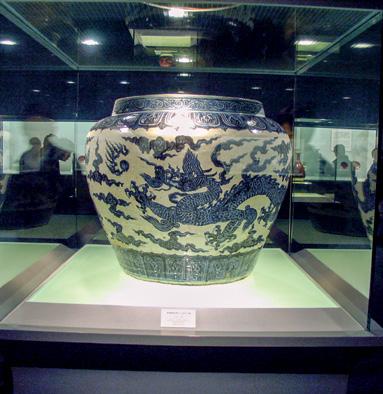
Ming porcelain vase, Shanghai
Clay deposit, Abadeh, Iran
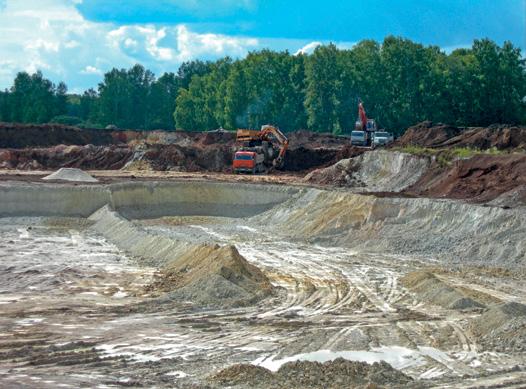
Kaolin mine, Russia
Oil lakes, Azerbaijan
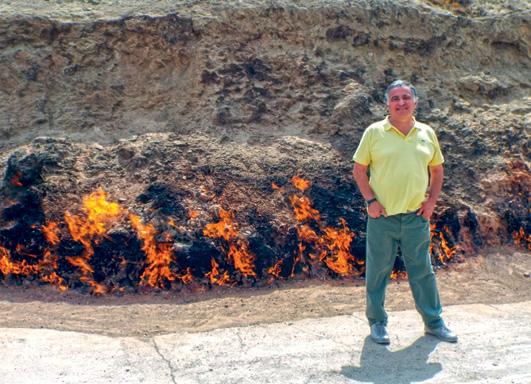
Yanar Dağ, the burning mountain, Azerbaijan
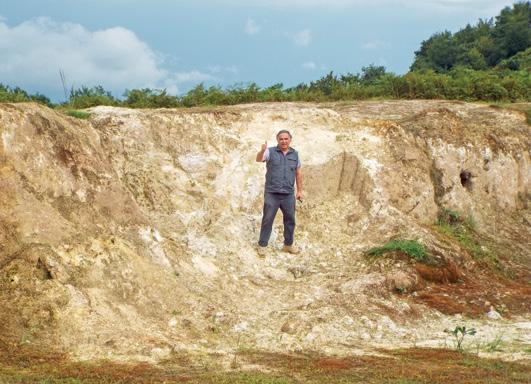
Kaolin deposit, Georgia
Feldspar quarry, Turkey
ECO-SUSTAINABLE INNOVATION IN RESPONSE TO NEW EMISSION LIMITS
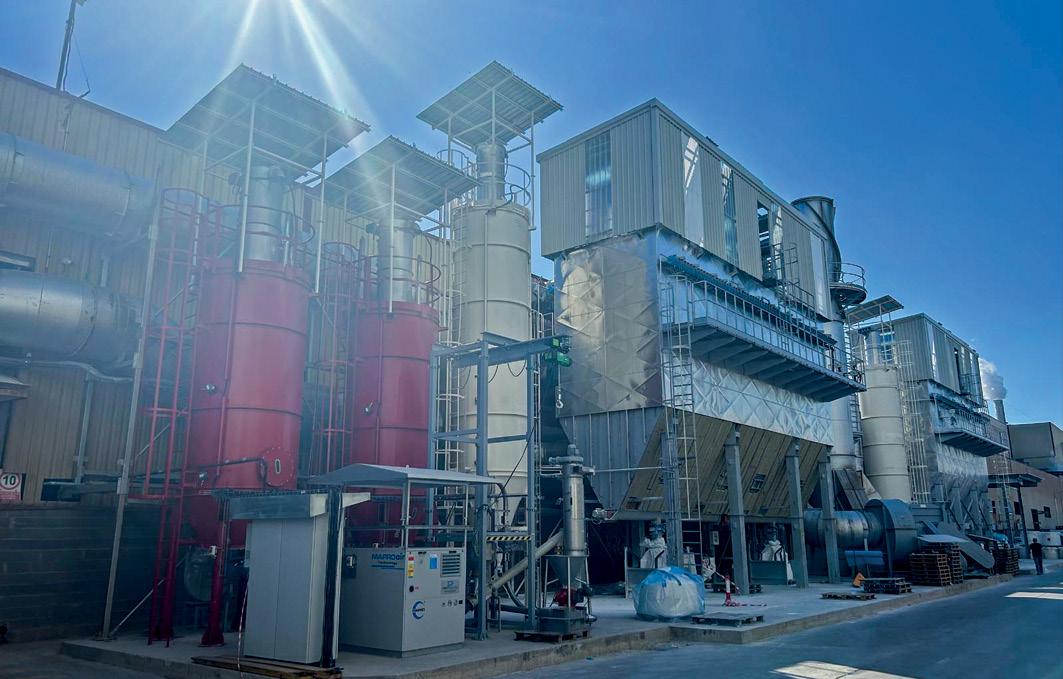
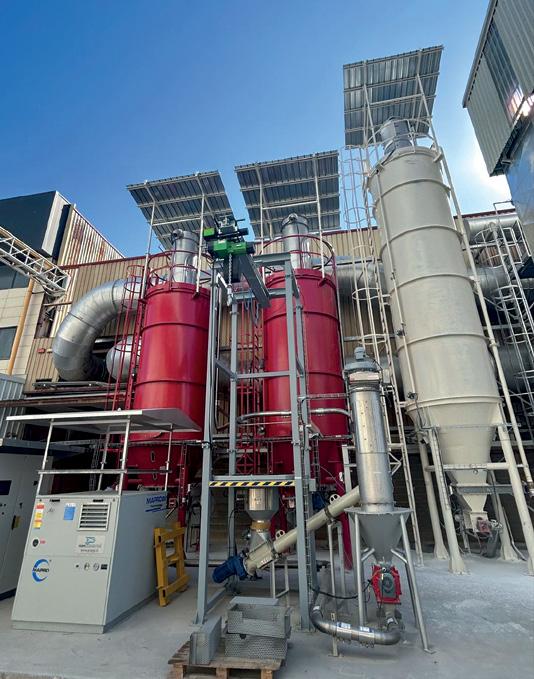
European and Italian regulations on industrial emissions are becoming increasingly stringent, particularly for chlorinated and fluorinated compounds. For companies that adopt thermal processes, adapting to these lower emission limits is no longer optional but an urgent necessity for the purposes of both environmental sustainability and regulatory compliance. Against this backdrop, Poppi Clementino has introduced an innovative dual-use flue gas treatment plant designed to abate acidic pollutants with maximum flexibility and efficiency.
Poppi Clementino (Reggio Emilia, Italy)
INCREASINGLY ADVANCED QUALITY CONTROL WITH AI
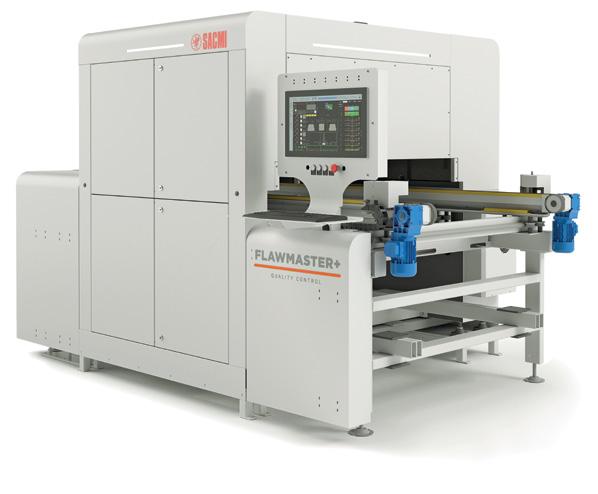
Flawmaster+ is the latest-generation automatic sorting system developed by Sacmi-Italvision for quality control of ceramic surfaces. Precision, compactness, ease of use and immediacy of operation are the key characteristics of a system designed to function as the “brain” of an interconnected digital production line.
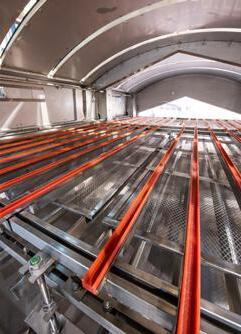
The module can be installed upstream of the sorting line, downstream of grinding or at the kiln exit.
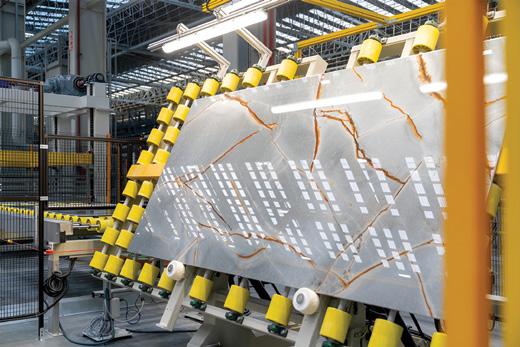
Using three high-resolution cameras and light sources positioned at different angles, Flawmaster+ is able to detect all types of defects (surface, mechanical, decoration, shade and colour defects, and more) with precision, accuracy and consistency.
Sacmi Group (Imola, Italy)
Caliber Planarity
Caliber Planarity
REDUCING KILN ENERGY CONSUMPTION THROUGH DIGITAL INNOVATION
La Favorita Italia (Castelvetro, Italy), Saitek (Casalgrande, Italy)
Close collaboration between La Favorita Italia and Saitek has led to the development of an innovative digi-tal technology for managing the air-gas ratio in ceramic kiln burners. The SCC (Stoichiometric Combustion Control) system makes kiln regulation far more precise, significantly improving energy efficiency, reducing CO2 emissions and increasing operating flexibility while maintaining the highest standards of production quality.
This patent-pending solution brings together the expertise of two well-established companies in the Italian ceramic district: La Favorita Italia, a specialist in industrial automation, and Saitek, a company with many years’ experience in the design and manufacture of industrial electronic equipment (burner electronics, sensors, control systems and electrical panels). Their shared goal is to develop intelligent, flexible solutions that respond effectively to the needs of a rapidly evolving sector.
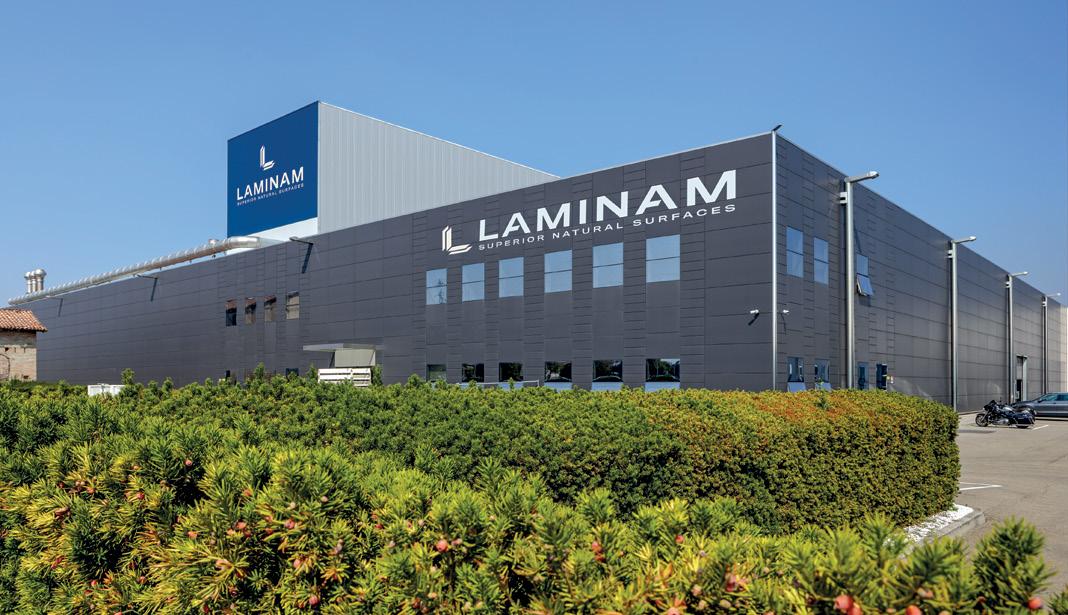
Michele Perozzi, Operations director Laminam
Paola Giacomini
ITALY AND SPAIN LEAD THE WAY IN THE US
2025 was a year of recovery for the Italian and Spanish ceramic industries.
In Italy, preliminary year-end figures published by Confindustria Ceramica indicate a 5% increase in tile production to approximately 388 million sqm, following a two-year period in which volumes remained stagnant at around 370 million sqm. Sales also continued their upward trend, albeit slowly, reaching 386 million sqm (+2% on 2024). Domestic sales remained stable (85 million sqm; +0.8%), while exports showed a more dynamic overall performance (approximately 300 million sqm; +2.4%), despite variations across different markets. In the main EU markets, the recovery was more subdued due to weaker economic conditions and a slowdown in construction investment, particularly in France and Germany, while growth was more pronounced in Eastern Europe. The US also performed strongly, confirming its status as the third largest export market for Italian tiles, as did the Middle East, where the Gulf states remain a key destination. The situation in Spain followed a similar pattern. Preliminary figures released by Ascer show production volumes rising to 427 million sqm (+2.7%) and total turnover of €4,834 million (+1%), a combined result of a domestic market worth €1,350 million (+3.1%) and exports stable at 2024 levels at €3,484 million (+0.2%). 51% of all export revenue
was generated in Europe, home to seven of Spain’s top ten markets: France, the UK, Italy, Germany, Portugal, Greece and Belgium. Next comes North America (16% of exports by value), where the United States remains the Spanish tile industry’s largest foreign market with sales of €465 million (-1% on 2024). In the Middle East, which accounts for 12% of exports by value, Israel saw a 17% increase in sales to become Spain’s fifth largest foreign market in 2025.
Italy and Spain remained the dominant forces in the US market in 2025, successfully increasing their sales despite an overall market contraction. Figures from the US Dept. of Commerce (updated to November) and reported by TCNA (see p. 34) confirm a further increase in the two countries’ market shares in terms of both volume and value compared to other countries exporting to the US. Spain remains the largest exporter by volume with a 21.4% share of US imports, followed by Italy at 17.7%. Italy, however, remains the undisputed leader in value with a 31.5% share of US imports (CIF value plus duties), followed by Spain at 28%.
Coverings in Las Vegas will be the ideal setting to gauge the market’s evolution this year while keeping a close eye on the Middle East, as the conflict is bound to have an impact on the global ceramic industry and market.
surface design
C eramic W orld P
Year16, No.70, Spring 2026 - Bimonthly review
Concessioner & Director responsible
Majid Mohassesian
ceo@cwr.ir
Chief Editor
Majid Mohassesian
Policy Council
Paola Giacomini
GianPaolo Crasta
Translation Team
Chat GPT 5.1
Editor Using AI
Art Director
Maryam Hosseini
Graphic Dept.
Mehdi Kamkar
Advertisements
Arta Group mktg@cwr.ir
phone:+989363249893
Printing Supervision
Mehdi Kamkar
Printing
Yazda
Internet & Social media
Meta Business Suite
Website Technical Manager
Hanieh Mohammadi
www.ceramicworldweb.ir info@cwr.ir
ARTA GROUP LTD
Unit 8 No. 11 Babak Bahrami St Africa Blvd. Tehran - Iran
KAIROS MEDIA GROUP S.r.l., in compliance with the «Consolidated law on privacy», guarantees the confidentiality of the data used for subscriptions and for the typical purposes of the specialized press and the possibility of modifying or deleting them. All reproduction and translation rights of published articles are confidential. Even partial reproduction is prohibited without the Publisher›s authorization. Manuscripts, drawings, photographs, and other material sent to the editorial office, even if not published, will not be returned. The Management does not assume responsibility for the opinions expressed by the authors of the editorial and advertising texts.