The north is a powerhouse when it comes to producing not just online, but socialdriven brands.
From Goliaths like Very and Greggs to brands built on TikTok such as P.Louise and Made By Mitchell, these northern businesses are setting the standard of how to build community, engagement, and sales on the platform. But how do they do it?
MAD//Fest has teamed up with TikTok to shine a light on some of the biggest social stars in the north and show why the region continues to punch above its weight in discovery commerce.
Read on to discover the strategy, campaigns, and tactics used by the brands making huge hits on TikTok.
Marketers on the Mic: Which brands are bossing it on TikTok?
#WeGotSoul
How TikTok changed shopping
Shopping has changed dramatically over the past decade or so. The high street or shopping centre used to be at the heart of it, but now we’re shopping on our sofas, in our beds, and on the train home.
In fact, shopping is no longer something that is plannedit just happens.
Shopping today is non-linear, immersive and culturedriven. We bounce between moments - watching, reading, chatting, reacting - and are discovering products whilst laughing, scrolling and sharing.
Right at the centre of that new shopping reality is TikTok.
Since launching in the UK in late 2018, TikTok has grown at the rate of knots with more than 36.3m Brits using the platform every month.
TikTok is a place to discover anything from cooking videos to makeup tutorials and everything in between. Almost two thirds (64%) of users say they discovered new products on the platform over the last month.
What’s more, it’s creating new centres of demand. Products such as air fryers, heatless curlers, and water bottles with time markers have all had their viral moments that have ignited interest at scale and brought new customers into categories. Just look at how many people now own a Stanley cup.
of users are likely to buy from a brand they’ve seen on TikTok Shop
Shopping is no longer a solo mission. TikTok users and creators are guiding purchase decisions by showcasing products, giving recommendations and reviews. This not only drives awareness; it fosters trust and gives people the confidence to buy.
Two thirds of TikTok users say relatable creator content makes them more likely to purchase, according to research conducted by Kantar1.
The combination of the discovery at scale and community that TikTok creates is resulting in purchase in the moment, what millions of users are calling #TikTokMadeMeBuyIt. In fact, almost 30 million TikTok posts carry that hashtag2.
“It’s a community-powered phenomenon. One that brands can’t manufacture, but can absolutely participate in,” says TikTok Brand Partnerships Manager Dana Fletcher.
Sometimes, what starts as a trend becomes something much bigger - a cultural movement that becomes a commercial force. Look at #BookTok, the literature subcommunity. It hasn’t just helped retailers sell a few novels, it’s reinvigorated the entire publishing industry.
A similar effect can be seen in other categories too. Unilever says it uses #CleanTok trends to inform how it designs cleaning products, and in food, Dubai chocolateone of 2025’s trending products - has made its way onto supermarket shelves across the country.
TikTok buzz leads directly to in-store sales. JD Sports Social Media Manager Olivia Owens tells MAD//Fest: “TikTok focuses on building the want; our stores make it easy to convert that demand into purchase.”
75% of advertised brands grow household penetration
To reinforce this, it makes sure its stores feature heavily on its TikTok channel, with customer vox pops, staff product recommendations, live giveaways, and big creators visiting shops.
However, TikTok users don’t have to venture to stores to buy products they’ve discovered on the platform. TikTok Shop launched in late 2021 to create a closed-loop commerce ecosystem.
During Black Friday last year, 27 items were sold on TikTok Shop every single second. Some of the UK’s biggest brands are having great success on TikTok Shop including Lidl, Asos, Sainsbury’s, and M&S.
M&S tells MAD//Fest: “We embed shopping into content formats audiences already enjoy; creator demos, tutorials, product discovery and live content - while ensuring that driving excitement around product remains central.”
The retailer sees TikTok “increasingly functioning as a search
and discovery engine”, particularly for those looking for inspiration or reassurance before buying.
“Our ambition is to treat it as a connected discovery, search and commerce ecosystem - embracing new shopping behaviours while staying true to what drives long-term brand growth, “ said M&S.
It’s also where a new generation of brands are born, with the likes of P.Louise and Made By Mitchell able to turn over millions in a single day.
In short, brands should ignore TikTok at their peril. It isn’t just another social platform to tack onto your marketing plan. “It’s a space where culture, creativity and commerce collide,” says Fletcher.
“The behaviours we’re watching unfold...they’re behaviours sparked, shaped, and born right here. And some brands really get it. They’re adapting, moving fast, and showing up with creativity and confidence.”
Marketers on the Mic: What marketing trend will be big on TikTok in 2026?
The brands building communities
TikTok is built around belonging, participation, and shared identity. Brands need to treat it as a community and not just a broadcast channel.
Brands build community on TikTok by acting less like marketers and more like hosts
To build a community, brands should step away from restrictive guidelines and express themselves in a more playful, culture-led way.
They need to entertain, invite participation, and create content that an audience bonds with.
Above all, brand content needs to be authentic. This is not a nice to have, it’s essential on TikTok.
Brands build community on TikTok by acting less like marketers and more like hosts. They create a
space people want to return to - not because of the product, but because of the feeling they get.
JD Sports Social Media Manager Olivia Owens tells MAD//Fest: “TikTok allows us to reinforce JD as a cultural leader, not just a retailer.”
It aims to “build a highly engaged community and strengthen brand love” by connecting with its audiences through “relevant cultural moments, community conversations, and trends that matter” to them, Owens adds.
This is how some of TikTok’s favourite brands have done it.
Yorkshire Tea P.Louise
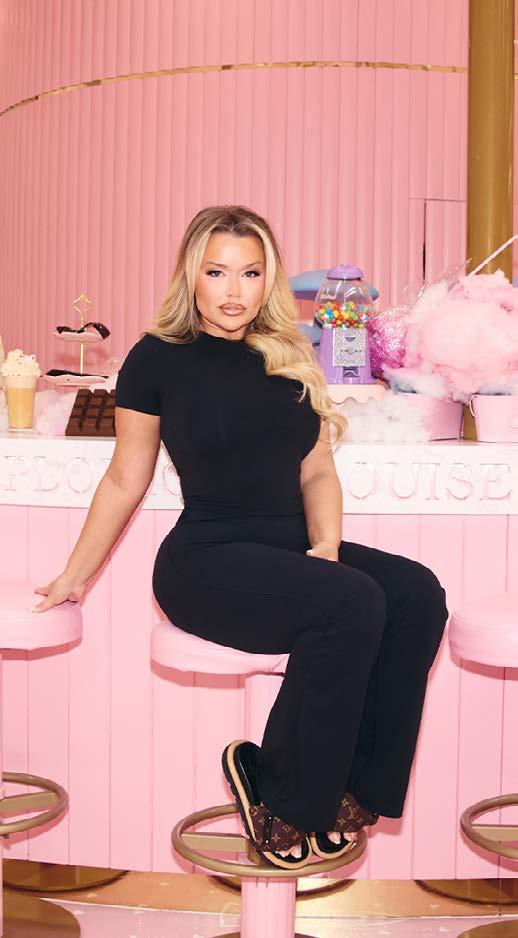
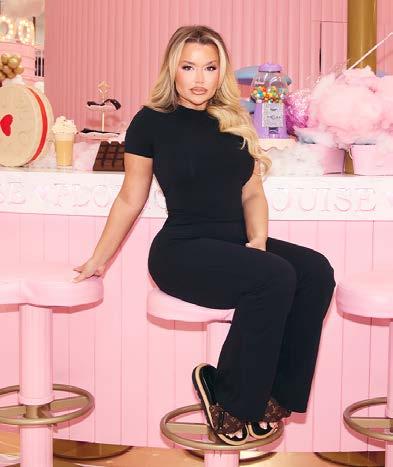
TikTok has helped P.Louise, a small beauty salon in Prestwich, Greater Manchester, grow into a multi-million pound beauty brand.
Makeup artist Paige Louise Williams set up her business in 2014 with the help of a £20,000 loan from her grandmother, and turned to TikTok to try to sell beauty courses. She started sharing makeup tutorials, which resulted in sold-out courses, and soon expanded into cosmetic sales.
Her debut product, Rumour Base, an eyeshadow primer that Williams created after the discontinuation of a MAC product that she loved, quickly went viral.
P.Louise now has more than 3.3million followers on TikTok and has sold more than 7 million products on the platform. In September last year, hers was named the number one brand on TikTok Shop.
P.Louise has a hyper-engaged, social-native audience that doesn’t just buy beauty, they participate in it.
And P.Louise facilitates this. The brand has embraced live videos and tutorials that its customers lap up. These consumers value relatability and transparency over corporate over-stylised content so live videos create a genuine sense of connection.
Williams is central to the brand’s TikTok presence. She is personally on TikTok everyday, responding directly to the community, taking feedback and making changes.
Alongside makeup tutorials, P.Louise also posts behind-the-scenes documentaries, and real-time product development, and much like the brand, the content is bright, bold and entertaining.
Live shopping has become a core part of its strategy and its high-energy events are huge sales drivers.
Last September, the brand hosted its most ambitious TikTok LIVE to date: a 14-hour showcase to pre-launch
the P.Louise Christmas Collection. The event gave early access to festive launches and its much-anticipated Advent calendars. The event generated over £2 million in sales and had millions of viewer participants.
TikTok may be where this brand has flourished but it is fast growing outside of the digital realm.
It operates the immersive P.Louise Empire experience, a permanent branded playground that drives further engagement, and forms the background for both brand and user-generated content.
Based in Stockport, the Empire features cafes, a makeup academy, workshops, and photo zones, alongside the brand’s full collection.
The TikTok native brand will be brought even deeper into the physical world when it opens P.Louise City, the brand’s first flagship store. It’s set to open at Manchester’s Trafford Centre this year.
If you don’t follow Yorkshire Tea on TikTok, you should. It’s one of the funniest brand accounts around.
Its content taps into a very specific cultural niche: British tea rituals, northern humour, and the collective obsession with making what its TikTok bio terms “a proper brew”.
The #YorkshireTea hashtag is a humorous ode to all things tea, full of jokes, mockumentaries and tea-making debates, all of which reinforce a shared cultural language.
Yorkshire Tea Senior Digital Business Developer Tom Craik says TikTok is a “creative test bed” for its playful and irreverent tone of voice.
“We’re able to experiment with formats, lean into the more surreal side of our brand personality and figure out what resonates with audiences that are important for our future.”
Craik says that TikTok has flipped the idea of community on its head: “It’s far more open, with interests and hashtags driving who’s part of a conversation, rather than likes and follows. The tried-and-tested approach for brands is to build on pop culture, trends and memes - a social newsroom approach, where the most agile succeed.
“We do that selectively, but some of our biggest successes have been original ideas that have nothing to do with what’s trending.”
A good example of Yorkshire Tea’s TikTok content is last year’s April Fool’s Day post which tapped into the idea that microwaving tea makes Brits very, very angry.
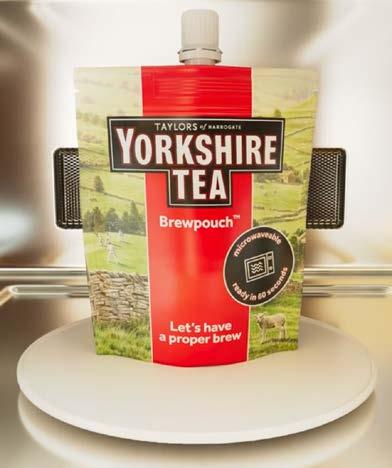
The brand decided to take this idea and launch a ‘Yorkshire Tea microbrew’ for April Fool’s, what it claimed was a “revolutionary brewpouch of pre-infused tea that goes straight into the microwave and is ready in 60 seconds”.
The post delivered 90,000 engagements and 2.3 million organic views, along with debate, confusion and a smattering of anger.
that because a lot of people saw the post after 12pm on April Fools Day, many still believe the product is real.
Sawyer advises brands to immerse themselves in TikTok and find their niche - whether that’s in entertainment, education, or somewhere in between.
And of course, authenticity is key. Sawyer says that while it can be helpful to explore what TikTok creators are doing, “don’t be afraid to chart your own course”.
The tea specialist also lets its community shape the conversation on TikTok.
The #YorkshireTea hashtag is full of user-generated comedy, tea rituals and British identity memes.
Sawyer advises other brands to embrace co-creation: “Remember there is power in getting other people making content about your brand.”
Yorkshire Tea Brand Communications Specialist Abi Sawyer says
The brands trending on TikTok
Brands that get intention, timing and tone right can stay visible, revelant and connectedand drive sales.
Trends are the core engine of how conversation, culture and commerce move on TikTok.
A trend can go from niche to global in as little as 48 hours and if you’re building or shaping a brand, this is the closest thing you have to a live cultural barometer.
The brands that react quickly can turn trends into shared moments that form a deeper connection with their community.
Trends can also often directly translate into product discovery, TikTok Made Me Buy It, and spikes in certain categories and products.
This can be gold dust for marketers, but getting trends right is not straight-forward.
Brands need to be wary to only jump on the topics that align with them and their audience.
But if they get the intention, timing and tone right, they can stay visible, relevant and connected - and also drive sales.
ASDA Greggs
Newcastle-based Greggs is a TikTok star and focuses on viral, lo-fi content that feels native rather than slick advertising.
Its TikTok presence is about amplifying Greggs’ iconic role in British culture, reaching new audiences, and building a loyal community of super fans through its social-first content strategy.
Greggs’ social agency That Lot says its aim is to “bring joy to people’s feeds”.
It adds: “Our always-on strategy has seen our memes featured in newspapers and on meme accounts, community management that’s as hot as Steak Bakes, and reactive social that leads culture, not follows it.”
The brand is quick to jump on a trend or big news event with its most recent posts featuring Wuthering Heights and Grammys references.
To ensure it pounces on trends, the brand often uses lo-fi, meme-led videos that enable it to react quickly.
Greggs leads with its tongue-in-cheek take, which results in engagement, awareness, and ultimately sales.
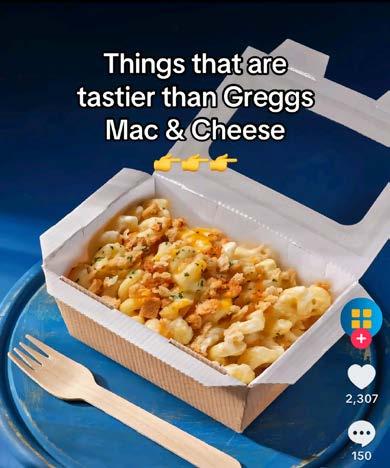
In fact, Greggs called out the viral TikTok success of its newly-launched Mac and Cheese dish in its financial results last year.
The product saw a surge of organic enthusiastic reviews on TikTok including from food influencer Carmie Sellitto who said the dish was “life-changing”. The videos generated more than 5 million views.
The fact that the Mac and Cheese meal was a “secret menu” item and only available in select stores increased its allure and prompted calls for a nationwide roll-out. When it was brought into more than 1,750 shops, a social media frenzy ensued, which Greggs, of course, was delighted to stoke up.
The baker also uses TikTok to test and promote new menu items and has seen many products go viral (vegan sausage roll, anyone?) with its fun, meme-worthy videos.
To drive social buzz, the baker also creates viral stunts.
In 2025, it launched a campaign that involved placing a sausage roll waxwork in Madame Tussauds, reinforcing its position as a cultural icon.
As well as generating lots of TV and radio coverage, the story took off on social. It garnered an estimated 460K TikTok plays, 13.2K shares, 50.8K likes, and a potential 6.77 million follower reach - effectively turning a pastry into a social moment.
Its TikTok strategy has helped Greggs to maintain high engagement, drive sales, and remain relevant to younger consumers - even if its TIkTok bio does describe the brand as “the sausage rolls that your dad always bangs on about”.
Leeds-based Asda is one of many supermarkets that have embraced TikTok trends to inspire new products and reach new shoppers.
It’s no surprise as TikTok is playing a pivotal role in shaping food culture today, and has become a hotbed of viral recipes, cooking hacks, and hot new products that are driving supermarket sales.
Almost half (49%) of users have taken action after seeing supermarket or grocery content on TikTok, while 36% have followed a new recipe, 30% have visited the supermarket in person, and 24% went on to buy a product from the supermarket, according to Grocery Gazette1.
Asda has set up its marketing team to have its finger on the pulse of the latest TikTok trends and reacts quickly to them.
It posts recipes, hacks, taste tests, budget meal ideas, and general food entertainment that often centres around trending products or flavours. Rather than overly-polished content, its focus is on authenticity and real-world usage.
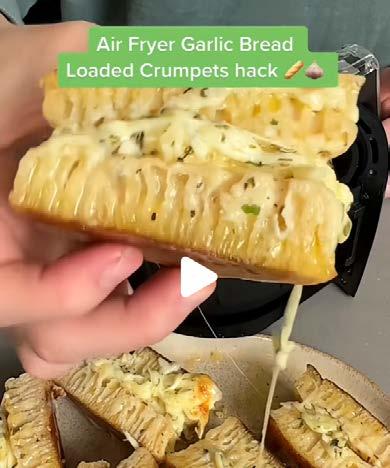
Many of its recipe posts have racked up millions of views, including its garlic butter crumpet (5.8 million views), creamy brie savoury s’mores (1.7 million views), and parsnip pigs in blankets (1.2 million views) recipes.
The supermarket has seen many of its products take off on TikTok. One of the most popular was its Just Essentials Potato Pops, which were the key ingredient in viral recipe Air Fryer Salt and Pepper Pops back in 2023.
This happened organically as multiple videos of TikTok users creating indulgent meals using the product clocked up hundreds of thousands of views. Asda was quick to pounce on the trend, with its own version of the Potato Pops recipe viewed almost 6 million times.
Asda doesn’t just wait for viral products to emerge, it makes them happen. Back in 2023, it became the first supermarket to launch its own content house.
In what it described as Big Brother meets Ready Steady Cook, the Asda FoodTok House, brought together five foodie creators to live and cook together. They were tasked with many food-based challenges, including creating picnic dishes, barbecue food, and delicious meals for a fiver, all with food from Asda, primed to spur product trends.
Across all of its TikTok content, Asda’s posts are injected with humour, and trending audio, with its core value-formoney message front and centre.
To bolster its value position, it teamed up with the Daily Mail’s commercial arm Mail Metro Media in 2025 to launch the Family Matters TikTok channel, which aims to support parents navigating the ups and downs of everyday lives.
Asda has also embraced TikTok Shop. It sold discount bundles of pink products to coincide with Breast Cancer Awareness Month in October 2025, with proceeds going to Asda’s Tickled Pink charity partners, Breast Cancer Now and CoppaFeel!
+70%
Creator ads drive a far higher click-through rate than non-creator ads
The brands winning with creators
TikTok isn’t built around brands - it’s built around people, personalities, and content that feels native, spontaneous, and trustworthy.
Creators are often the bridge that let brands participate on TikTok without feeling out of place
Creators are often the bridge that let brands participate in this world without feeling out of place and gives them access to a community they might not have been able to traditionally reach.
Users scroll TikTok for entertainment, not brand advertising, and creator-led content blends into feeds and feels human.
After all, this is their job. Creators can produce great content that resonates with their followers, at speed.
Creators can also bring trust to a brand, and unlock cultural relevance.
They bring with them their own audience, so it’s key that brands work with the right people for them. This is based on fit, rather than follower count.
A creator’s style, audience, and story-telling must mesh with that of their brand partner. It’s not a case of brands working with celebrities or creators with a massive TikTok following.
Authenticity is key and we’re seeing the rise of microcreators, genuine experts, and long-term tie-ups where brand and creator become intertwined.
Footasylum Gymshark
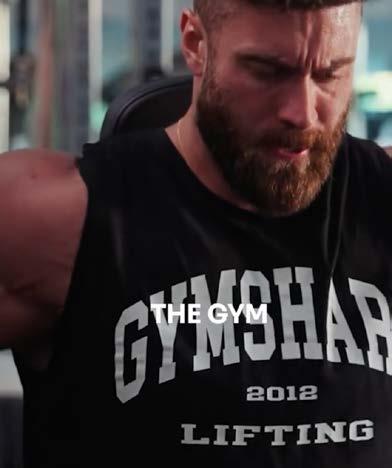
Activewear retailer Gymshark is the brand for fitness fanatics to follow on TikTok as its 6 million strong following demonstrates.
Rather than focusing on product and sales, Gymshark content embodies its ‘We Do Gym’ brand motto and is focused on the gym, mindset, and lifestyle.
Fitness influencers are a key part of Gymshark’s TikTok presence and have been a core tenet of the brand’s phenomenal growth story since it was set up in 2012.
Founder Ben Francis says: “At the time, no one else was doing [influencer marketing]. It came totally naturally to us because we were just fans of the guys.”
Since the beginning, Gymshark’s creator partners were an extension of the brand and it paired up with people who were credible and authentic in the fitness community.
Alongside well-known bodybuilders, it also works with micro-influencers that have high engagement rates and a particular gym-focused expertise and audience.
In a world where creators can work with multiple brands simultaneously, Gymshark has managed to forge long-term relationships and meaningful connections with its brand ambassadors, which it terms ‘Gymshark Athletes’.
Chief Brand Officer Noel Mack told The Uncensored CMO podcast that Gymshark signs its athletes up for 1 to 3 years. As the name suggests, the brand treats its Gymshark Athletes like sports stars, and becoming an athlete is akin to a footballer signing for a major club.
The brand sponsors the athlete who in turn produces content, both workouts and lifestyle, to inspire followers while, of course, wearing Gymshark clothing.
The retailer has around 80 to 100 Gymshark Athletes from a diverse mix of backgrounds, including UFC fighters, bodybuilders and endurance athletes.
They are chosen for their unique personality, dedication to fitness and ability to connect with, and motivate, others.
Many Gymshark Athletes have also worked with the brand to co-create their own lines, such as fitness creators Nikki Blackketter and Whitney Simmons who both spearheaded sell-out lines.
Gymshark Athletes live and breathe the brand. In fact, one of its most high-profile athletes, bodybuilder Chris Bumfield, even became a part-owner of Gymshark in 2024.
Bumfield, or @CBum, is one of the most famous gym-goers in the world and has more than 5 million TikTok followers.
However, you don’t have to be a champion athlete to partner with Gymshark.
Followers were recently invited to apply to become a Gymshark Athlete in a move that reinforces that it is a brand for the entire fitness community.
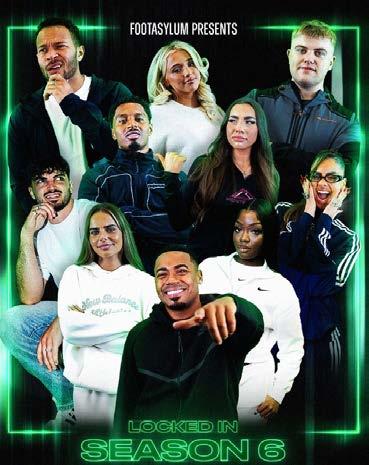
Manchester-based footwear retailer Footasylum has become a must-follow brand for Gen Z on TikTok thanks to its compelling creator-led content.
The retailer views its TikTok as an entertainment channel, and behaves more like a broadcaster than a brand. Rather than posting ads, the brand produces shows.
Footasylum Chief Marketing Officer Howard Tattersall says it allows the brand to “connect and seamlessly be part” of their consumer’s lives. He says: “Footasylum wants to join in and be part of everyday conversations in an organic and natural way.”
Content creators are the stars of its shows, including big names such as Chunkz (6 million followers), GK Barry (4.1 million followers) and Nella Rose (2.4 million followers).
Tattersall says: “We choose creators who not only have highly engaged communities, but who also genuinely align with our culture and share the same sense of community.”
It has created many hugely popular social content series, including dating show Does The Shoe Fit?, and Bad Bistro, where creators turn their hand at running a restaurant.
Footasylum builds long-term relationships with social stars and treats them as cast members. This creates familiarity and emotional investment, while the episodic nature keeps audiences returning for the next installment.
TikTok is used heavily to drive engagement to its shows through short-form content such as funny clips, behind-the scenes footage, and cast announcements.
Its Locked In series has been particularly successful and generates a level of views that broadcasters would be proud of. Into its sixth series, Locked In is a reality show that sees content creators locked in a house for two weeks with no phones and no contact with the outside world.
They take on challenges such as eating disgusting foods, roasting fellow contestants, and even outrunning attack
dogs, with the winner taking home £10,000. Posts about the show garner hundreds of thousands, and sometimes millions, of views on TikTok.
Tattersall says: “Not only does the series provide huge brand awareness at a key trading period, it allows us to showcase the latest and best products and drives mass app downloads with the viewer being able to have their say through voting. Each series has seen year-on-year uplifts across all KPIs from views to app downloads and incremental product sales.”
Such is the popularity of Footasylum’s content that many followers know it as content creator first and a streetwear retailer second. However, the brand’s former Chairman Barry Bown said it is fine with this as its social media content has been hugely effective in building brand equity among its target customers.
In fact, Footasylum CFO Nick Scott said its record-breaking financial performance last year was in part down to “the success of our creative content channels”.
The brands optimising their campaigns
Full-funnel marketing strategies ensure that brands improve marketing efficiency, agility, brand recall and sales
TikTok not only drive views and attention, it also spurs sales.
Brands seeking to maximise their return on investment employ full-funnel marketing strategies to improve marketing efficiency, agility, brand recall and sales.
To feed the top of the funnel, and drive views and reach, TikTok has various ads options, including TopView ads, which users see upon opening the app, or Pulse, which places in-feed ads immediately after top trending content.
Brand Consideration Ads, In-Feed Video Ads, and Spark Ads - a native format that allows brands to leverage organic TikTok posts in their advertising - can help marketers to engage, educate and build affinity in the middle of the funnel.
At the bottom of the funnel, TikTok Shop, and Smart+ catalogue ads can convert interest into sales.
We look at how brands push potential customers down the marketing funnel as efficiently as possible, and the results this has driven.
Marketers on the Mic: What impact did TikTok have on your marketing last year?
Manchester-based THG, owner of brands including LookFantastic and Cult Beauty is focused on turning TikTok buzz into sales.
THG Beauty CEO Francesca Elliott says the key to success lies in the alignment between content, creators, and its commercial plan.
“It’s about making sure the products we spotlight are trending, high-performing, and tied to real consumer demand. We then amplify that organic traction through targeted ad spend, ensuring visibility translates to conversion,” she says.
THG uses paid ads to scale what’s already working, whether that’s creator content, TikTok LIVE, or viral organic moments. “It’s an approach that allows us to compound momentum rather than interrupt it,” says Elliott.
It certainly came into its own during Black Friday 2025, the peak sales event of LookFantastic’s year. The retailer had a focused SKU strategy and strong creator partnerships, which it bolstered with paid activity to drive “continuous discovery” throughout the campaign, explains Elliott.
Its TikTok content was focused on 20 hero products across brands including The Ordinary, Sol De Janiero and Kylie Cosmetics, which played to LookFantastic’s strength as the number one multi-brand beauty retailer on TikTok Shop.
The retailer worked with 600 creators and used gamification to reward the top performing individuals based on sales, reach and content quality, with exclusive LookFantastic gift sets and limited editions given out to further boost the creator’s engagement and performance.
Paid amplification was a key part of LookFantastic’s approach, and its strategic ad spend both before and during the campaign contributed to 35% of total Black Friday impressions.
LookFantastic also ramped up its TikTok LIVE activity, increasing the frequency and duration, which included
running a 12-hour Black Friday LIVE. It acquired more than 3,000 new followers and ranked in the top 10 TikTok LIVEs on the day.
This all contributed to a record-breaking performance on TikTok as LookFantastic’s November sales spiked 112% year on year, as its average order value also reached new highs.
Elliott says the key to nailing TikTok is to move fast, think full-funnel, and collaborate closely with creators.
“Don’t treat TikTok purely as a paid channel. It behaves more like a dynamic marketplace, one that thrives on authenticity and community energy,” she advises.
Looking ahead, THG plans to scale TikTok growth exponentially and will be strengthening its creator network, optimising procurement to support demand, and doubling down on smart investment to reach audiences in new and engaging ways.
Digital department store Very strives to produce “playful but polished” content on TikTok and uses a strategic mix of brand and creator posts.
Creator content focuses on building community, while Very’s own content leans into key customer priorities and trending moments, explains Sarah Ware, social strategy lead at The Very Group.
Reactivity is crucial on TikTok and Very has a team set up for social listening so it can jump on trends. Ware says: “Brands need people who are constantly in the feed, know the unique conversations, spot trending moments and can strategically plan how to engage as a brand in a way that doesn’t feel forced.”
“This also goes hand in hand with giving social teams the ability to test and learn and truly find out what resonates with the audience on the channel.”
To ensure that content drives sales, Liverpool-based Very firstly makes sure that product is naturally integrated into posts and secondly, uses paid media to “capture attention at scale, retarget users showing purchase intent, and drive sales by amplifying the content that performs best across categories,” explains Ware.
“Performance marketing on TikTok allows us to turn organic momentum into measurable sales.”
Very uses Smart+, TikTok’s AI powered, fully automated advertising solution that allows users to create a single campaign for all their performance objectives.
This automates the process across campaign and audience targeting, optimisation, and creative, to deliver the right ad to the right person.
Ware says: “By using Smart+, we’re able to scale best performing category content - primarily a blend of both product feed and video-based content - while dynamically matching high-impact video to user intent.”
Very’s Christmas 2025 launch on TikTok was a particularly stand out campaign.
The retailer used TopView, which on launch day generated 7.8m impressions, a unique reach of 2.21m and an average view time of 7 seconds.
Ware says: “It successfully scaled attention and visibility at mass reach, boosting share of voice and converting highimpact exposure into measurable sales with 10% higher click through rates than UK TopView Benchmark which saw a 44% increase in conversions YoY in November, +65% lift in ROAS.”
TikTok will remain a big priority for Very in 2026 with Ware promising refreshed TikTok native content styles, unexpected creator collaborations to embody its “new polished and playful direction”, and the testing of new content styles including TikTok Shop.
The brands building a shopping empire
64% of users have bought something, either on or off platform, influenced by the content they have seen on TikTok
Ecommerce may have made shopping fast and more convenient. However, it has also taken away the joy of discovery.
In an increasingly digital world, we might only find items served from a couple of pithy search terms.
However, discovery commerce brings back serendipity. Customers can find the unexpected when they discover products through the content they engage with.
Also, the TikTok Search function and TikTok Search Ads tap into more intent-based discovery on the platform and drive purchases too.
Through TikTok Shop, people discover products through shoppable videos and interactive live streams and can conveniently make purchases without leaving the app.
This easy and convenient way to shop has proven hugely popular with consumers.
In fact, TikTok Shop was the fast-growing UK online sales platform in 20241.
That growth is benefitting both challenger brands and the raft of big big businesses that now sell on TikTok Shop.
Made by Mitchell SharkNinja
SharkNinja, creator of the air fryer, ice cream maker and LED face mask, is showing that consumers are happy to buy premium products on social media.
The electricals innovator certainly grabs attention on TikTok with videos that seem to constantly go viral thanks to its ever-growing array of innovative products and the things they can produce.
Be it inventive ice cream flavours created with the Ninja Creami, frosé slushie from the Ninja Slushi, or the on-trend blow dry’s created with Shark FlexStyle, its posts often attract millions of views.
A video posted in April 2025 of its newly-released Shark TurboBlade bladeless fan racked up more than 33 million views on TikTok.
But it is the use of live shopping and introduction of TikTok Shop that is turning this huge engagement into sales.
The brand, which has its UK head office in Leeds, frequently hosts high-engagement TikTok LIVE sessions featuring exclusive deals, product demonstrations and special guests.
TikTok LIVE allows brands and creators to broadcast live on the platform. Unlike a regular video, LIVE is two-way and allows brands to interact in real time with their audience, answer questions, and, with TikTok Shop, sell products directly without the user leaving the app.
These interactive events often showcase specific products, such as the Ninja Wood Fire Oven, and offer significant discounts that have resulted in huge sales.
Its SuperBrand Day, which ran in May last year, saw sales surge an eye-watering 818% as SharkNinja took the number one spot on TikTok Shop that day.
It kicked off the day with a 6-hour TikTok LIVE where it launched flash sales, exclusive vouchers, free shipping discounts and exciting giveaways.
That activity helped to keep viewers engaged and, crucially, get them buying.
The combination of hero deals and real-time momentum was a winning formula with sales surging 7,711% from the benchmark period.
The TikTok LIVE may have accounted for 59% of overall revenue driven by the campaign, however, it wasn’t the only driver of sales during its Brand Day.
SharkNinja also worked with creators to build buzz, viral moments and momentum with hashtag #SharkNinjaBrandDay. More than a thousand posts and 10 million video views were generated, which helped to boost engagement and purchase intent. Affiliate gross merchandise sales rocketed 628% over the event.
With results like that, it’s no wonder that SharkNinja is devoting a sizeable chunk of its global $700 million advertising budget to TikTok.
Liverpool-founded Made By Mitchell is a multi-million pound brand built on TikTok.
Prior to launching on the platform, Made By Mitchell, set up by makeup artist and creator Mitchell Halliday, was selling 20 orders a month. In just a year that had jumped to 200,000.
Made By Mitchell was an early adopter of TikTok Shop back in March 2022. Halliday already had a large following on social but wanted to capitalise on the emerging #BeautyTok audience eager to find the latest trending looks and products.
Working with a range of creators in the makeup space on diverse collaborations, Made By Mitchell launched on TikTok Shop with exclusive bespoke bundles and discounts with top creators including Its Nisrin, Amelia Olivia, and Melissa Jade.
The brand hosted a series of behind-the-scenes TikTok LIVEs with those collaborators. With Halliday being a creator himself, he was adept at directly engaging with the content that was created using his products.
The power of TikTok LIVE lies in entertainment. “Interacting in a LIVE on TikTok Shop feels less like watching a sales pitch and more like chatting with a friend,” explains Halliday.
The results for Made By Mitchell were nothing short of phenomenal. It drove 10.5 million impressions across TikTok LIVE, and sales surged 106%. In just 3 months on TikTok Shop, its following grew an impressive 4 times.
But that was just the beginning. TikTok soon became the driving force for the brand, which currently has more than 2 million followers and 38.2m likes on its page.
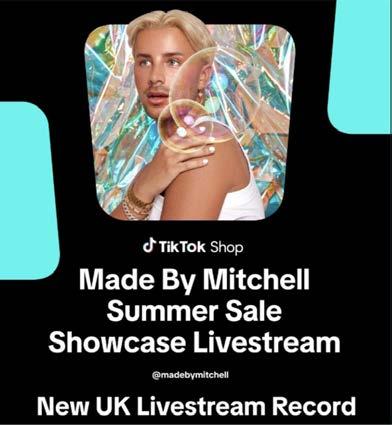
In 2024, the brand made history when it became the first brand to make $1 million in just 24 hours on TikTok Shop during its Summer Sale event.
Founder Halliday hosted a 12-hour LIVE session, where he unveiled 8 new products, offered TikTok-only bundles, and launched exclusive discounts on trending products. He was joined by several TikTok creators, including Amelia Olivia,
A product was sold every second during the TikTok LIVE.
Halliday says: “We put everything into making our 12 hour LIVE event the most exciting, engaging and enjoyable shopping experience for our audience in true Made By Mitchell style - just by being our authentic selves and it paid off.
“This is a moment in history not just for Made By Mitchell but the beauty industry at large, and shows how live shopping has the potential to grow businesses at scale, in a way that just isn’t possible on other platforms.”
TikTok is still the engine of the brand but it has an increasing presence offline. It is currently stocked in Boots, BeautyBay and Asos, and is set to launch in the US with Ulta Beauty. It also launched a pop-up store in Liverpool late last year.
This is a TikTok star that is set to shine across all channels.
makeup artists Hollie Flynn and Becky Morgan, and former Love Islander Mary Bedford, who all showcased the brand’s products throughout the sale event.
TikTok’s 5 tips for success
1
Know your audience. Tap into TikTok tools like MarketScope to learn more about your customers and where they are in the purchase journey - they may not always be who you think.
Marketers on the Mic: What’s the most memorable thing you heard at MAD//North?
2 3 4 5
Think of TikTok Shop as a marketplace not a social channel.
You need to have buy in from everyone, from sales to operations to product, for this launch to be successful.
Use creators to make content at scale.
From affiliate programs to brand building, think of them as an extension of your marketing team.
Make sure your feed follows TikTok best practice.
TikTok loves lifestyle images as it’s what users expect to see.
Discounts aren’t the only way to success on TikTok Shop.
Working with your product teams to create TikTok exclusive bundles is a great way to connect with your audience.