
Tidewater Times
March 2026
ST. MICHAELS
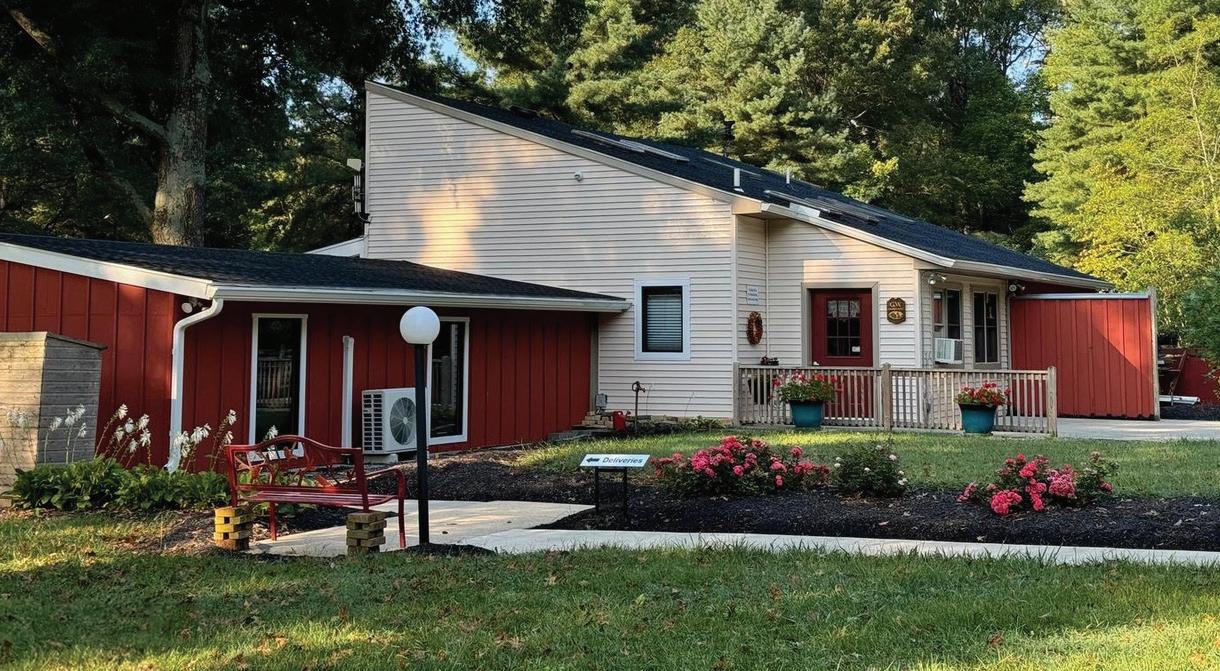
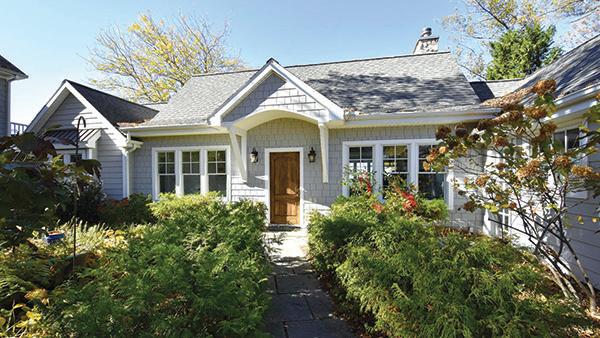
Attractive rancher, sited on a large lot near the center of town. Tasteful renovation just completed, it shows like brand new! $450,000

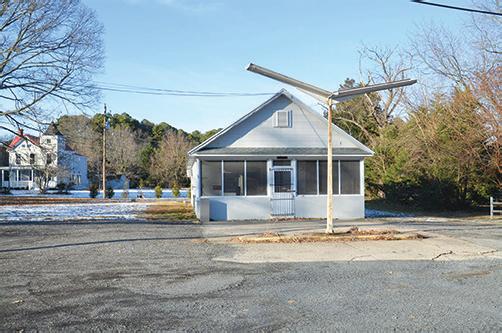
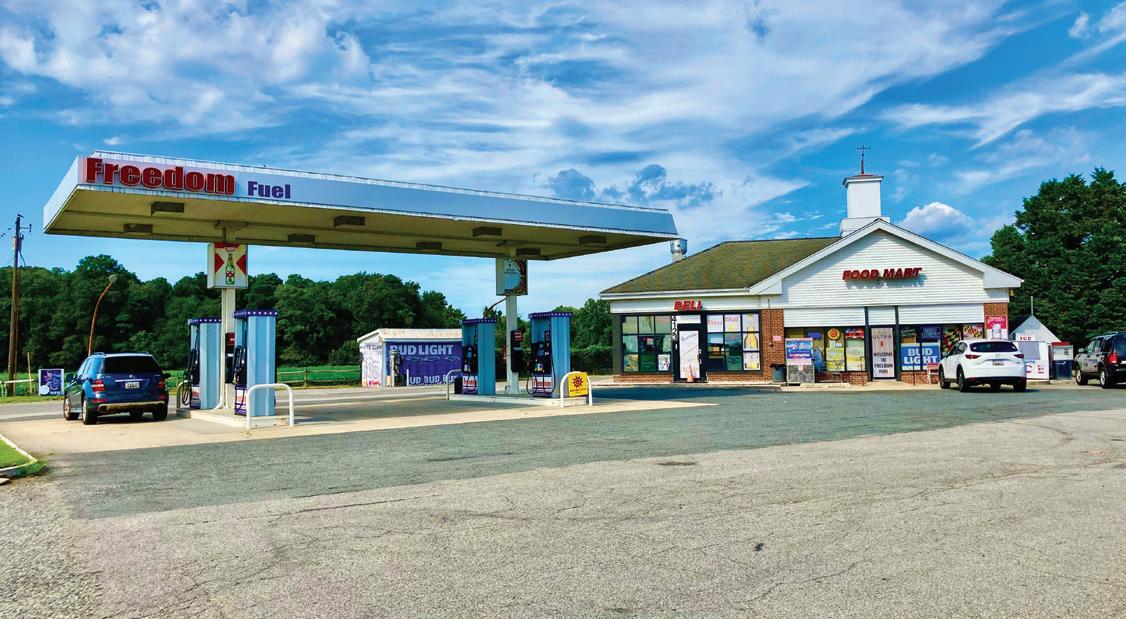
BOZMAN e former Bozman Store. So many possibilities... Re-open the store; Contractor/sub-contractor o ce; Workshop; Convert to a residence. $199,000
BUILDING
LOT
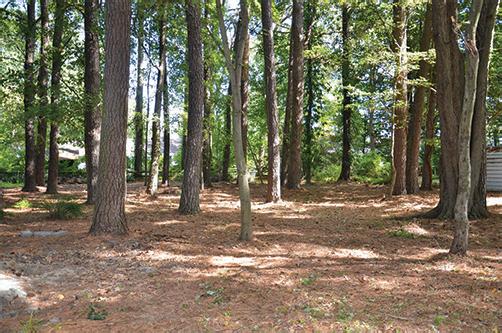
Ready for your new home. Wooded lot in the Bentley Hay area, just outside St. Michaels’ Town limits. Public water/sewer. No town taxes! $219,000


























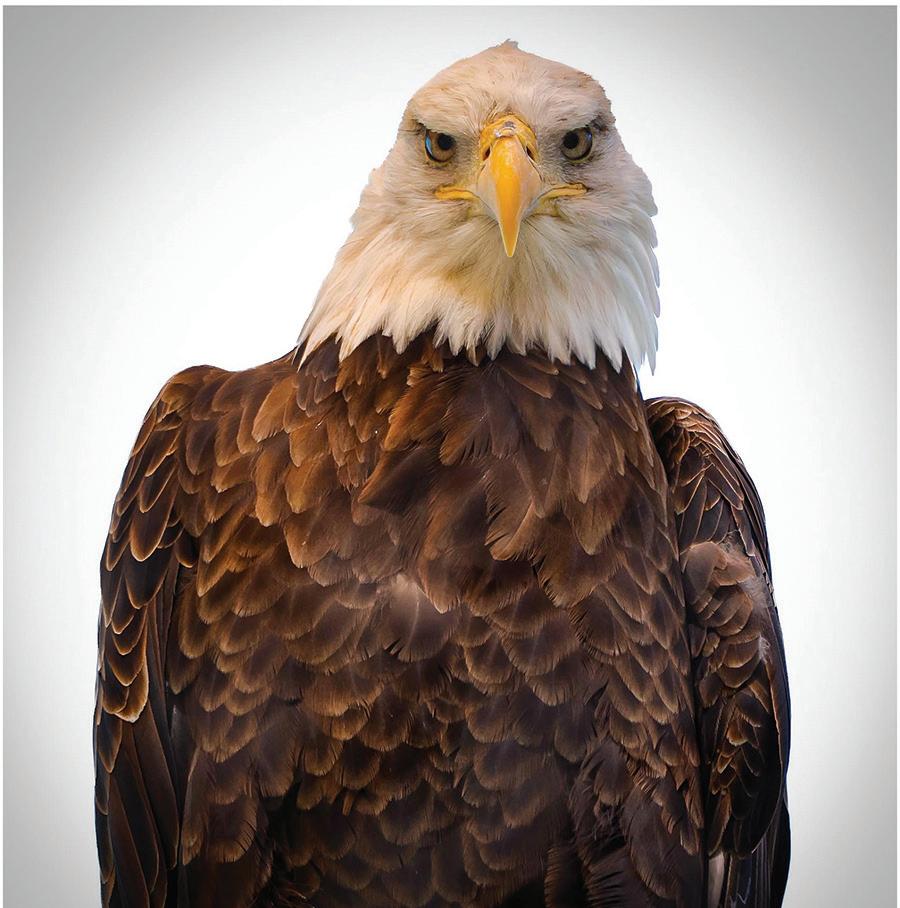
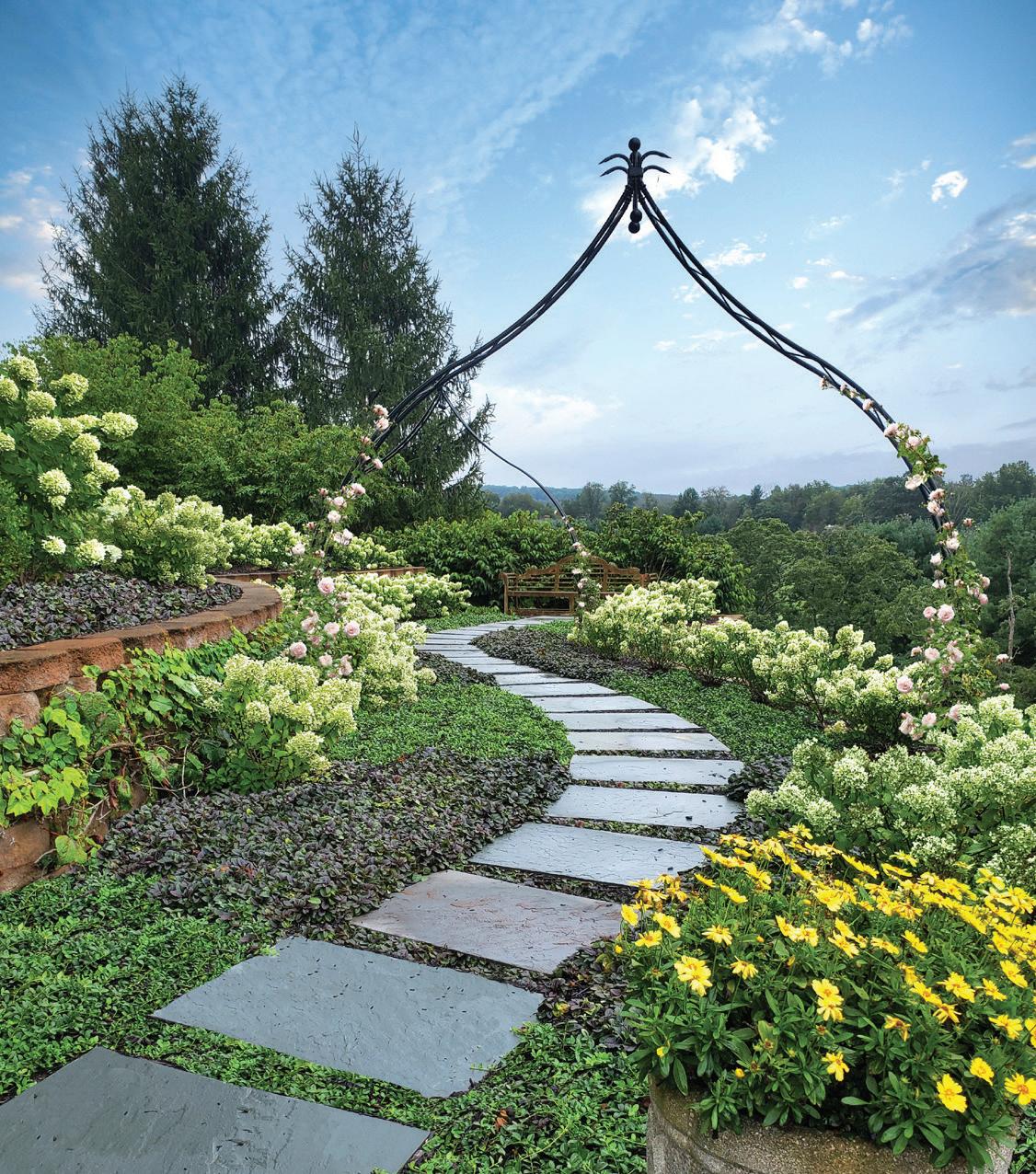
About the Cover Photographer Wesley Finneyfrock
Wesley Finneyfrock is a professional wildlife photographer and telecommunications contractor with many years of photography experience. Growing up in St. Michael’s and now a resident of lower Dorchester County, his work is
shaped by a deep connection to the landscapes and wildlife of Maryland’s Eastern Shore. Follow him on Facebook at www.facebook.com/sh are/16HWJPghYh/?mibextid=ww XIfr.

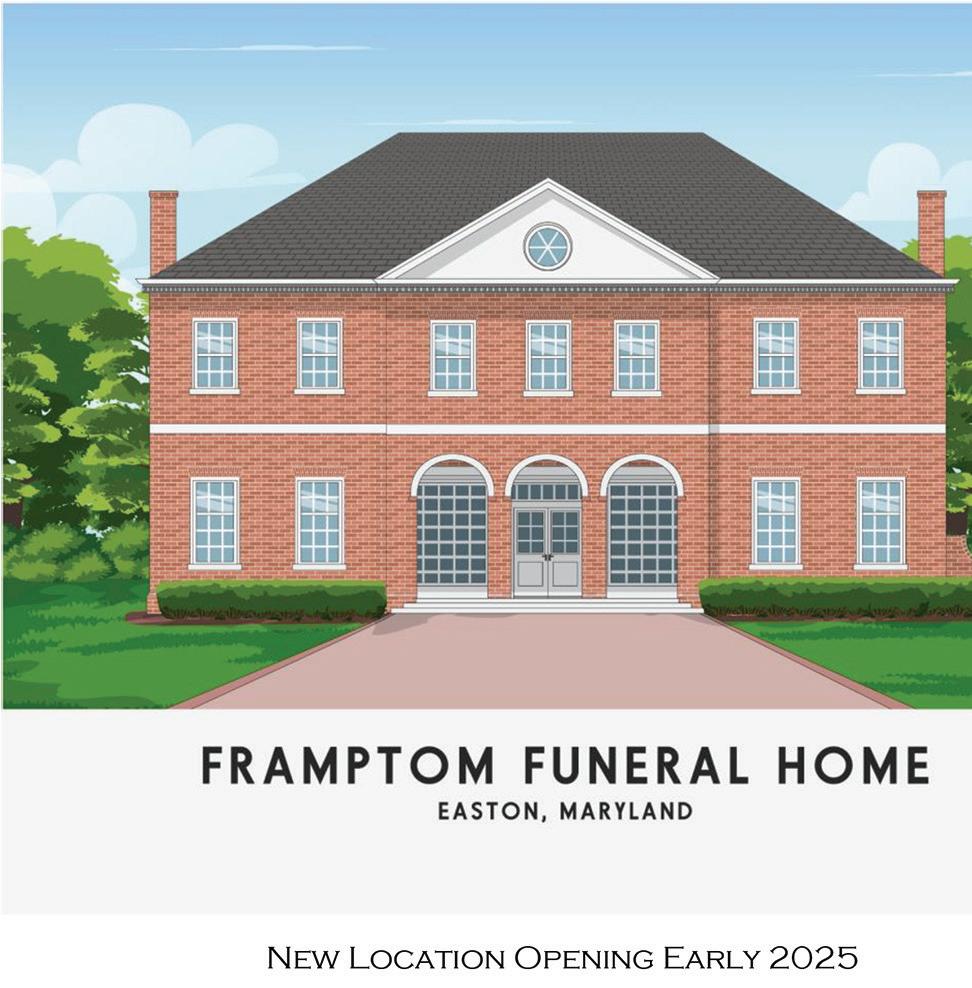
New Location Opening Soon

Where a Stay Becomes the Story
Inside Easton’s Hummingbird Inn
by Tracey F. Johns
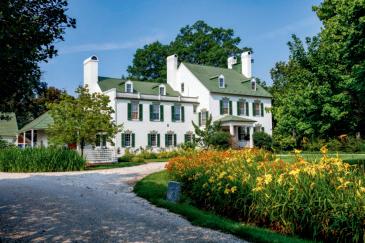
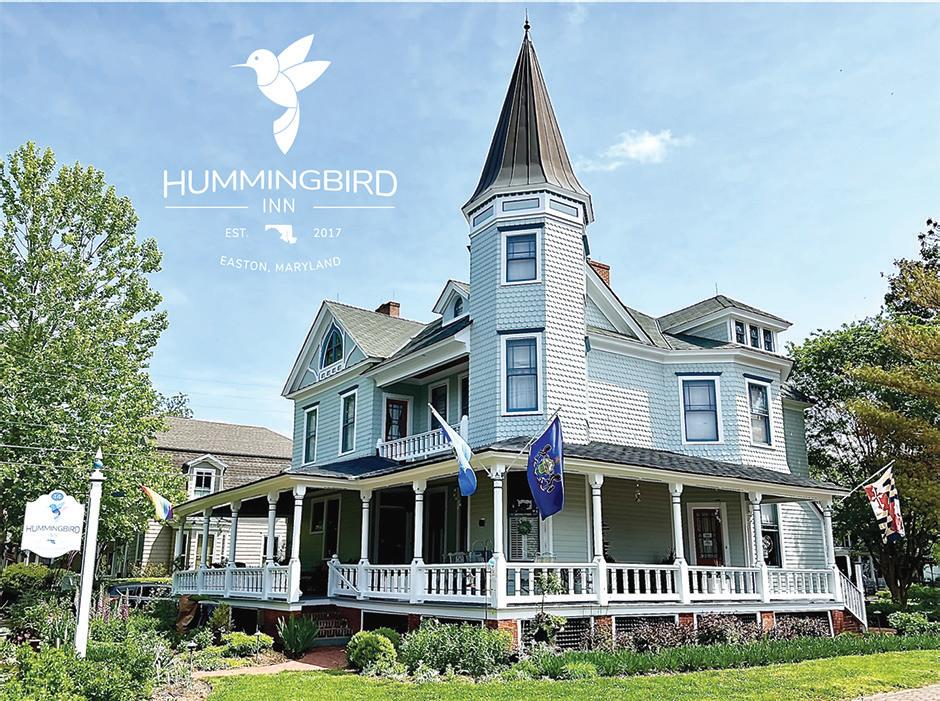
At first glance, the Hummingbird Inn looks like what it is: a stately, lovingly restored home tucked into Easton’s downtown residential neighborhood. Greeting you is a broad wraparound porch, native flowering gardens and the quiet confidence of a place that has been standing long enough to know who it is.
Spend a little time inside, though, and it becomes clear that the Hummingbird Inn is not simply a place to stay overnight. It is an invitation to belong, even briefly, to a town, a neighborhood and a way of experiencing travel that values connection over convenience.
That philosophy comes directly
Hummingbird Inn
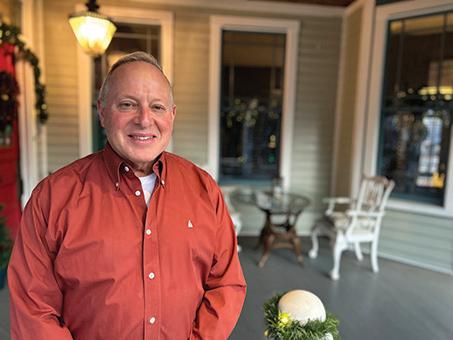
from owner Eric Levinson, who lives on-site and describes himself not just as an innkeeper but as a host in the truest sense of the word.
“My whole goal here was to provide more than just a place to
stay,” Levinson said. “I wanted to create an experience. Something people take with them when they leave, beyond an invoice.”
Hospitality
Rooted in Experience
Levinson’s idea of hospitality was shaped long before he bought the inn. After a career in IT management for international law firms, he traveled extensively, visiting more than 70 countries. Along the way, he and his late husband, Kevin, hosted travelers through Couchsurfing, welcoming strangers into their Manhattan home and offering them something hotels rarely provide: a local’s perspective.
That approach now defines the


































Hummingbird Inn. Guests are not insulated from Easton; they are immersed in it. Levinson offers recommendations, introductions and context, often steering visitors toward local restaurants, events and neighborhoods they might otherwise miss.
“We have numerous restaurants and attractions within walking distance,” he said. “People love this about our location, especially with the redevelopment of Easton’s East End neighborhood. We’re right in the heart of it all.”
It is a small-town scale that works in the inn’s favor, especially for guests looking to understand Talbot County beyond its postcard appeal.
A House That Tells Stories
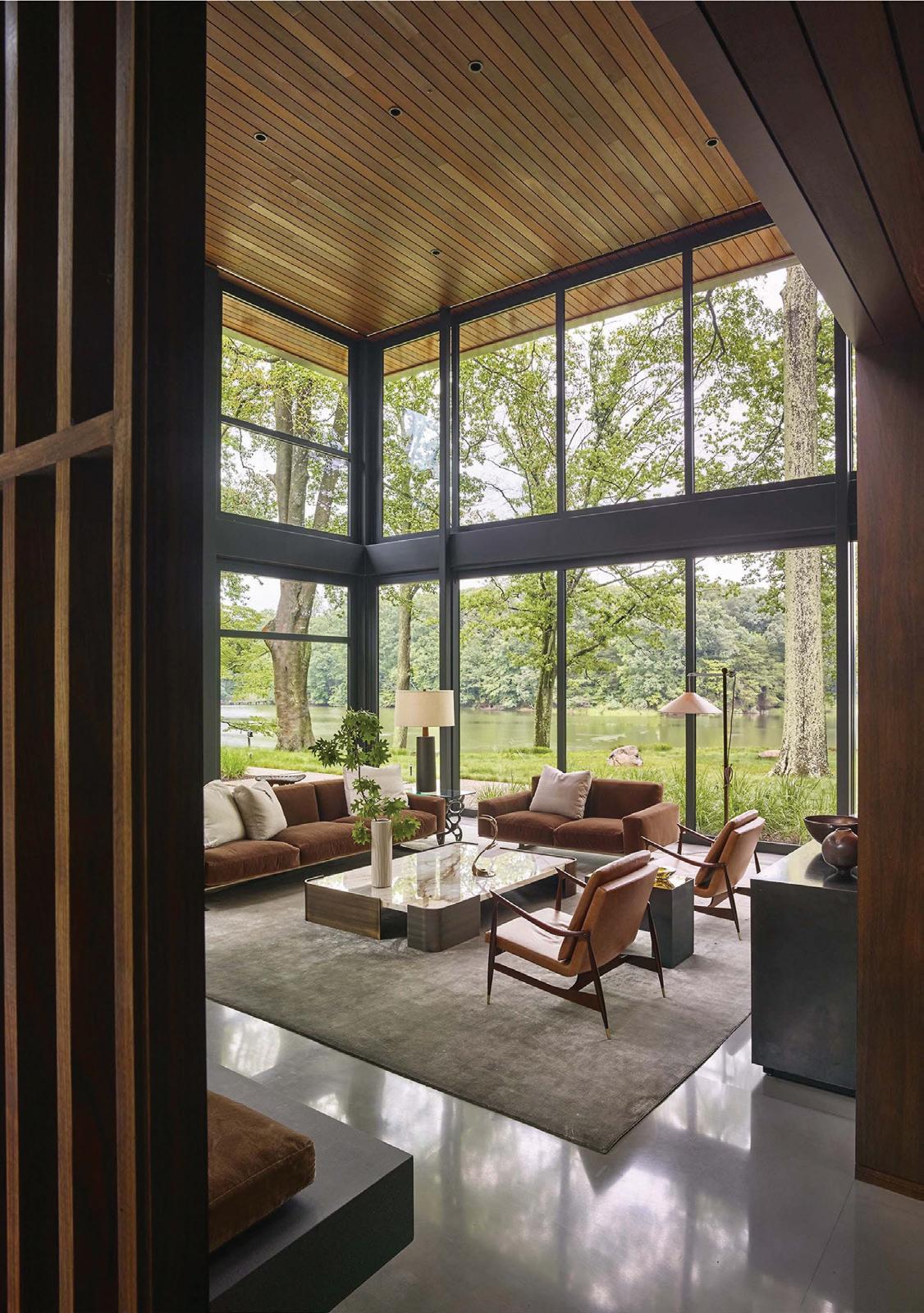
The inn itself plays an active role in that experience. Rather than minimalist or generic decor, the house is layered with meaning. Masks from Asia, Europe, South America and Africa line the grand
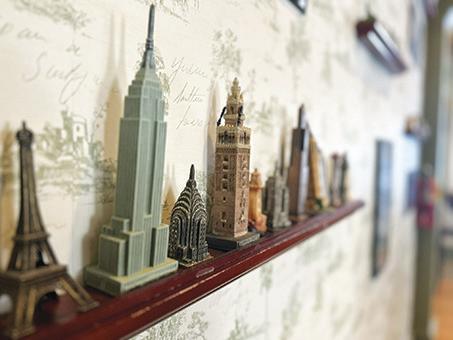
staircase, each purchased in the country of origin. Shelves of miniatures—Big Ben, the Eiffel Tower, fragments of the Berlin Wall—offer a visual travelogue of Levinson’s life.
Then there is the “charm wall,” a growing collection of hummingbird art sent or brought back by guests long after their stays have ended. A group of hummingbirds is called a charm, Levinson learned.
“That was never planned,” he said. “But people started seeing hummingbirds when they traveled, and it reminded them of their time here. That’s when I realized the experience continues even after guests leave.”
The name Hummingbird Inn carries personal significance. After Kevin passed away due to the acts of a drunk driver in 2013, Levinson received sympathy cards adorned with hummingbirds, a symbol believed by some cultures to carry the spirits of loved ones forward. What began as a private
Hummingbird


meaning has become a shared one, quietly woven into the inn’s identity.
Rooms With Personality, Not Uniformity
The Hummingbird Inn has six guest rooms, each named after towns on the Eastern Shore and each intentionally distinct. Most reflect the home’s Victorian roots, but one stands apart.
The Crisfield Room, located on the third floor, is contemporary and minimalist, with low-profile furniture and a calm, almost Zenlike feel. It has become the inn’s most-requested room, appealing to guests seeking something dif-

ferent and to couples who appreciate both traditional and modern elements under one roof.

Hummingbird Inn


Hummingbird Inn
“That room works because it’s different,” Levinson said. “Just like the town it’s named for.”
All rooms include private bathrooms, a nonnegotiable feature for Levinson, and breakfast is included with every stay. Levinson himself prepares the three-course morning meal and often draws inspiration from international cuisine.
“I love introducing people to something they’ve never had before,” he said. “Breakfast doesn’t have to be boring.”
The Charm Bar and the Social Side of Staying Put
In 2024, Levinson expanded the inn’s footprint with the open -
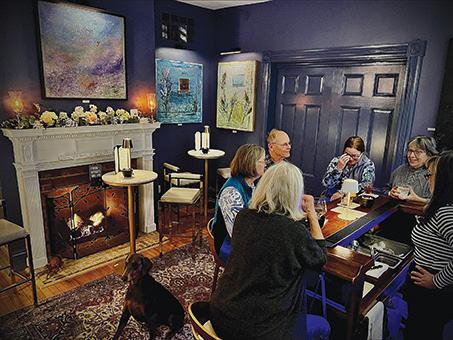
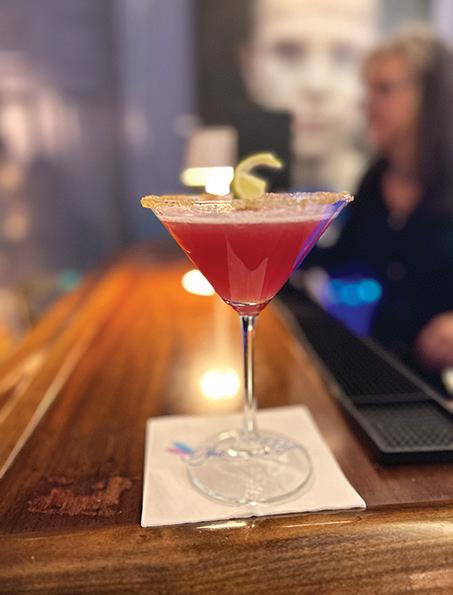
ing of the Charm Bar, an intimate space that spills out to the porches and is designed to serve both overnight guests and locals. It hosts everything from Pride dances and New Year’s Eve celebrations to casual winter evenings and pop-up events.
The bar—which has a speakeasy feel—is also emblematic of Levinson’s broader mission: to make the inn feel like part of the neighborhood, not an island within it.
“We’re in a residential area,” he said. “I wanted to be a good neighbor, not just a business.”
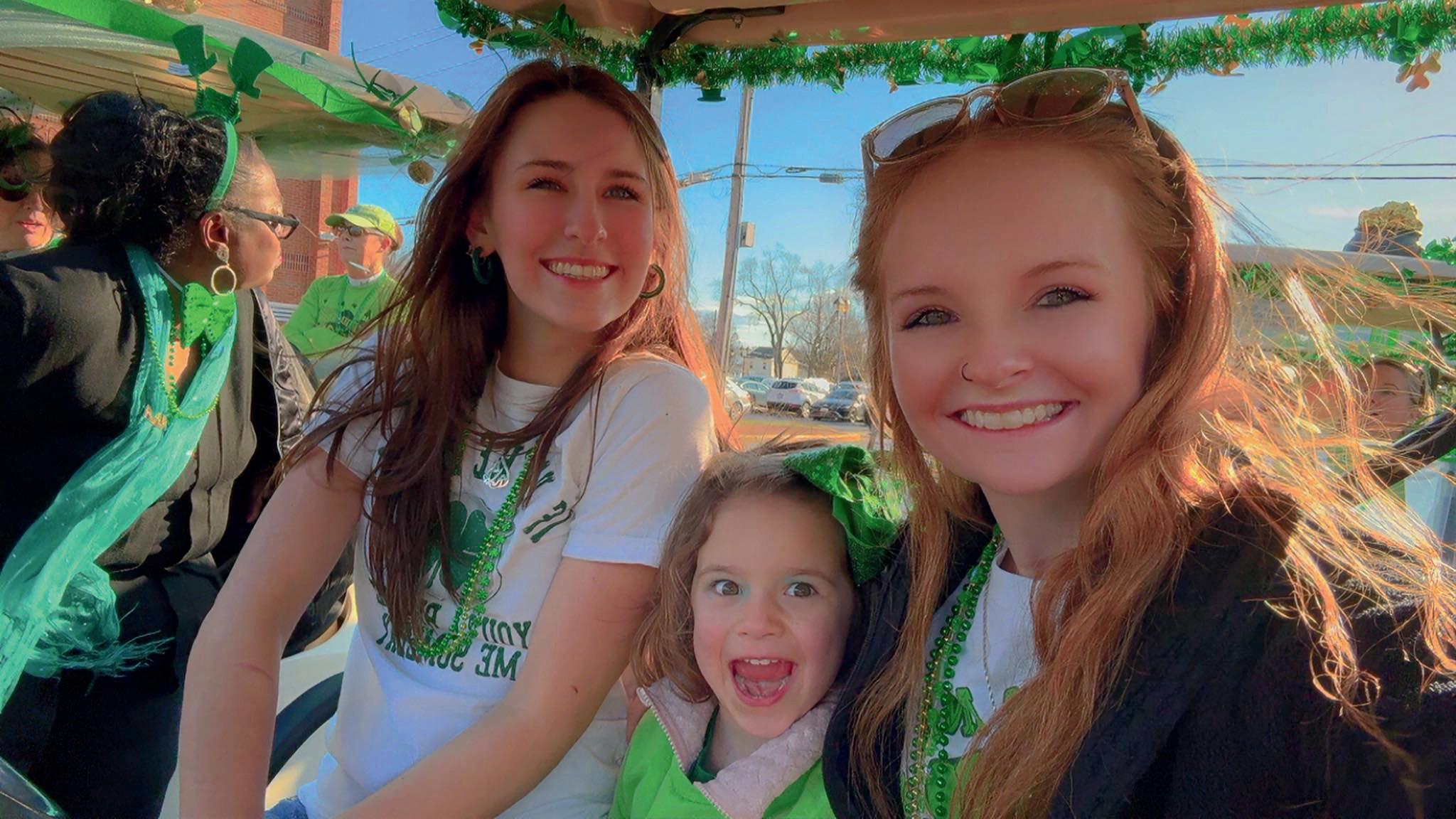
That commitment shows up year-round, from St. Patrick’s Day gatherings and Halloween parties to afternoon teas held monthly in cooler seasons. The inn can host



*Exclusions apply. See website for details.
Hummingbird Inn weddings for up to 150 guests, private events, and smaller social gatherings, often working with preferred local caterers.
More recently, Levinson has begun planning speed-dating and speed-friending events to help locals and newcomers connect during the quieter winter months, with spring dates announced on the Inn’s website.
“There are a lot of people here who just want to meet others,” he said. “Not necessarily to date, but to build community. We are a great place to host a friend’s gathering in this way, too.”
A Place Where Dogs Are Welcome, Too Another defining feature of
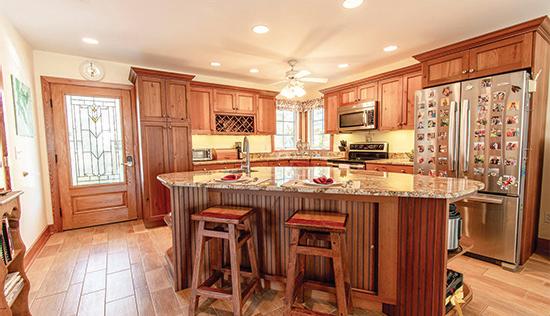

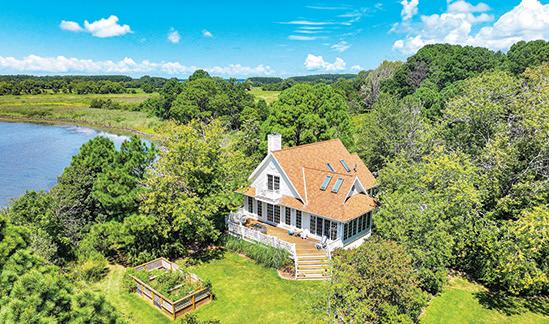
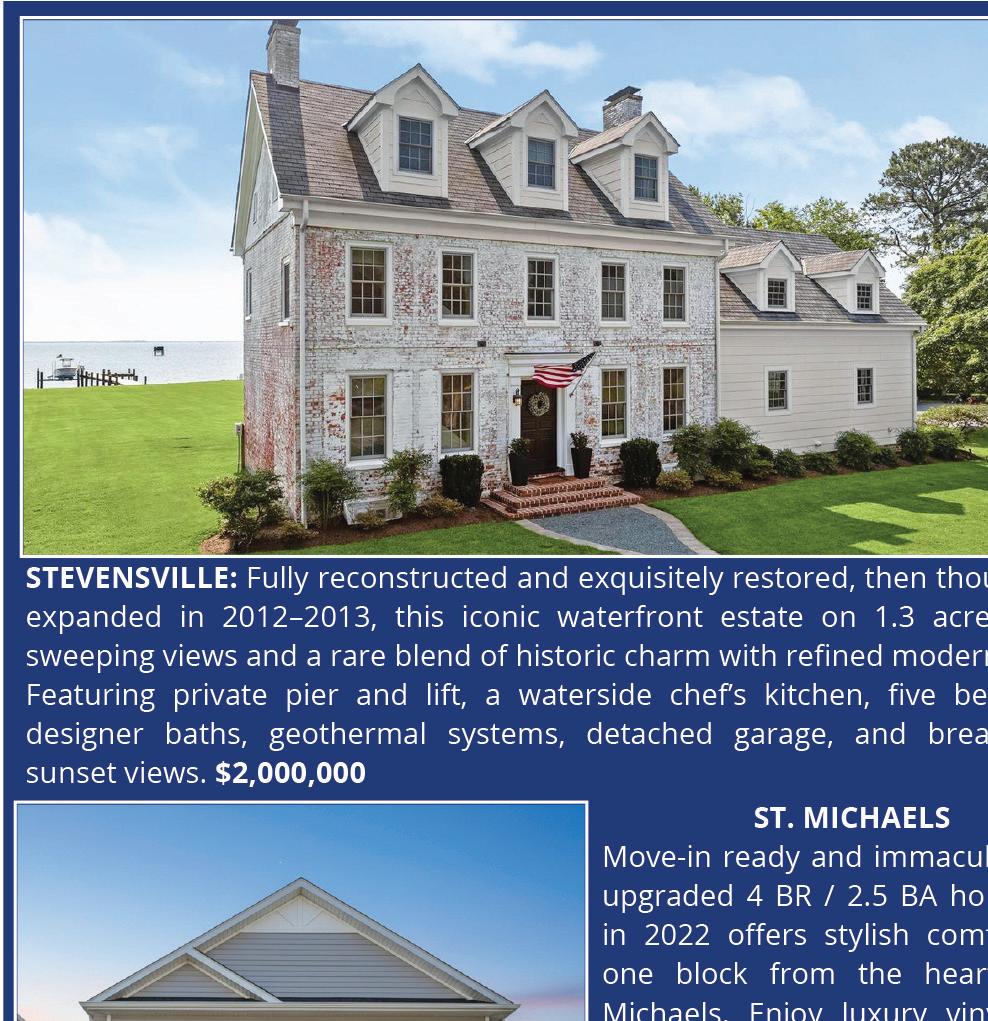
Tucked away on nearly four private acres, this inviting waterfront cottage combines quality construction, a well-designed floor plan, and sweeping broad water views. The main level features an open kitchen with abundant storage, a large island and granite counters. It flows seamlessly into the living room, sunroom, and waterside deck. Tile flooring and radiant heat provide comfort throughout this level. Upstairs, heart pine floors highlight two bedrooms, a full bath, and a versatile bonus room ideal for an office, workout space, or walk-in closet. Enjoy a private pier with floating dock and boat ramp plus a detached two-car garage and workshop. Offered at $995,900
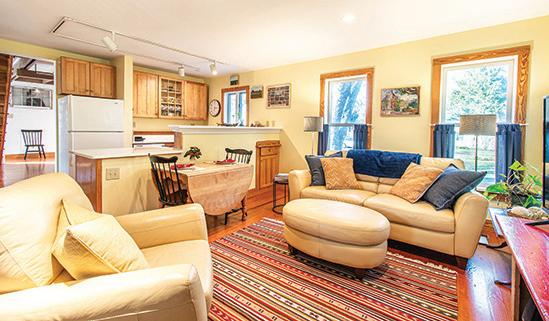

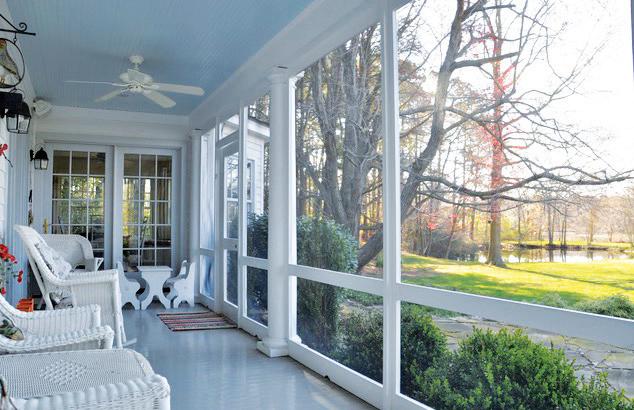
Brimming with natural light , this architecturally interesting cottage sits just minutes from St. Michaels and close to a public landing and park. Carefully restored and updated by a master carpenter, it showcases open beams, wood floors throughout, and exceptional character at every turn. The home offers multiple living areas— including living, dining, and family rooms—plus 2 bedrooms, 2 office spaces, and abundant storage. Recent upgrades include appliances, HVAC system, and more. A screened porch provides a relaxing outdoor retreat in this beautifully crafted home. $385,000


Hummingbird Inn
the Hummingbird Inn is its dogfriendly policy. Well-behaved dogs of any size are welcome, and Levinson even offers dog-sitting services so guests can enjoy a night out without worry.
His current dog, Birdie, a blue Doberman, has become something of an ambassador, easing the fears of guests unfamiliar with the breed. The inn’s approach has earned national recognition, including a No. 2 ranking among dog-friendly hotels by Newsweek.
“I’ve faced dog discrimination myself,” Levinson said. “I didn’t want that here.”
Selling Easton Without Trying
Perhaps the inn’s most unexpected impact is its role in attracting new residents to Easton. Levinson estimates that at least a dozen couples who first visited as guests have since bought homes in the area.
“They come here, they meet people, they sit on the porch, they go to the bar,” he said. “They start to see what life could be like.”
That, more than anything, defines the Hummingbird Inn. It is not about luxury in the traditional sense. It is about access, warmth and the rare feeling of being let in on something real.
As Levinson puts it, “Travel still comes to me. It just walks
through the front door now.”
And for guests who pass through, Easton often leaves with them, long after checkout.
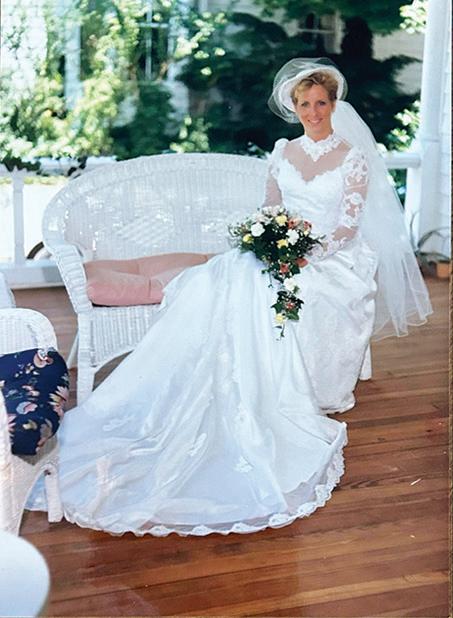
Author’s Note: The author’s 1988 wedding reception took place on a beautiful June day at what is now called the Hummingbird Inn in Easton.
Tracey Johns has worked in communications, marketing and business management for more than 30 years, including non-profit leadership. Tracey’s work is focused on public and constituent relations, along with communication strategies, positioning and brand development and project management.
Waterfront Living in St. Michaels
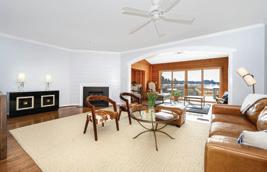
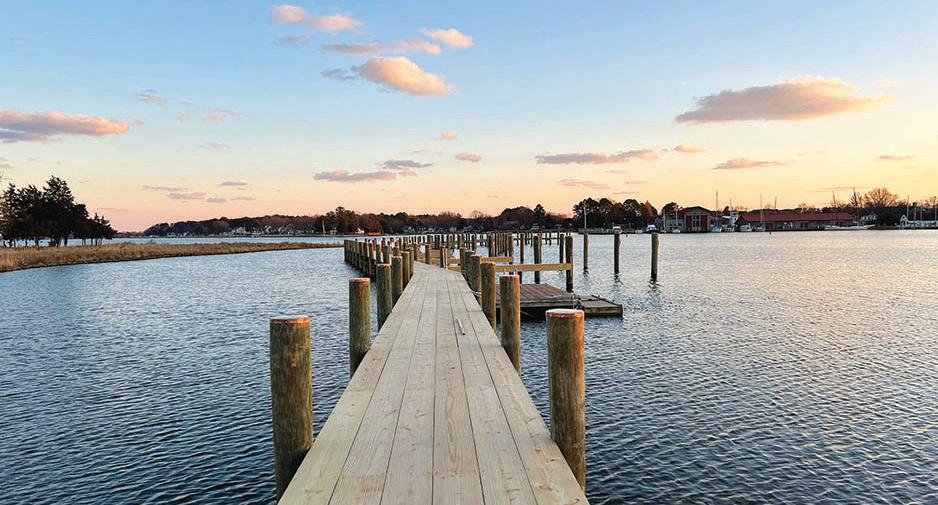
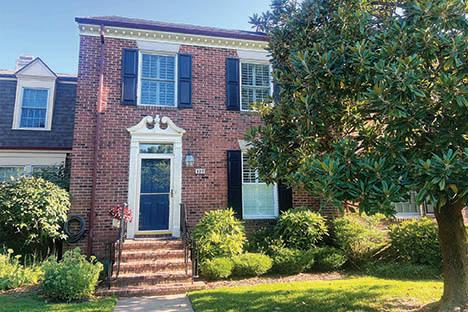
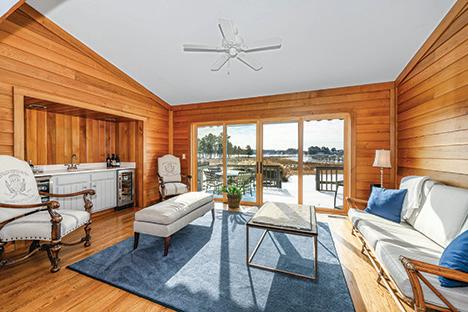
Fabulous townhome adjacent to the Inn at Perry Cabin with water views and a deep-water boat slip. This 2-bedroom, 2.5-bath residence features hardwood floors, fireplace and well-appointed kitchen. Sunroom with wet bar opens to waterside decks. Close proximity to St. Michaels’ restaurants, shops, and harbor amenities. $1,150,000


Adventures in the U.S. Pacific Northwest from the Mountains to the Coast
Oregon, Part 2
by Bonna L. Nelson
Oregon (OR) makes you want to slow down and embrace the spectacular natural wonders in one of the most geographically diverse states in the U.S. The territory is marked by abundant bodies of water, mountain ranges, volcanoes, dense evergreens, mixed forests, high deserts and semi-arid shrubland. From the wild Columbia River Gorge on the border with Washington State (WA) to the
glaciated, volcanic, Mt. Hood in the Cascade Mountain Range, to the monolithic Haystack rock formation on the Pacific Coast, we experienced some of the state’s most glorious sights.
A few days into our Pacific Northwest (PNW) adventure, we crossed the border between WA and OR, traveling through the towering pine forests of the Cascades past Alpine



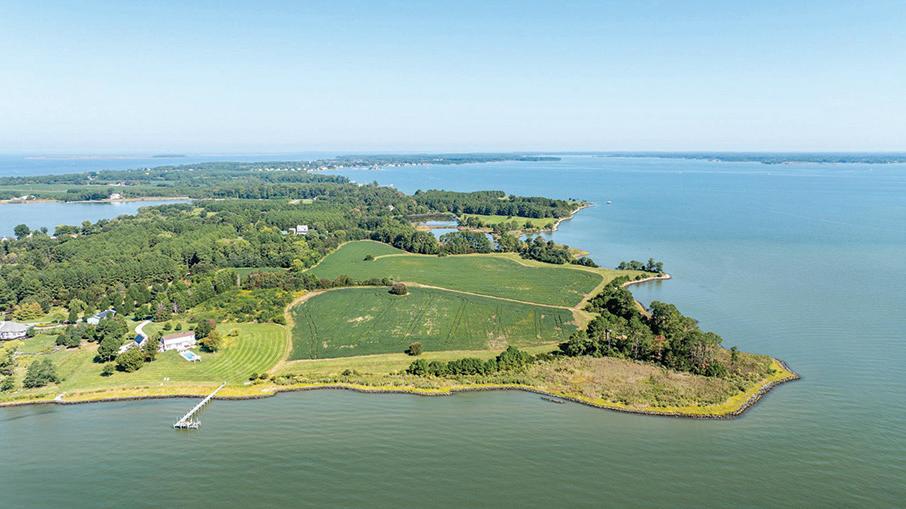
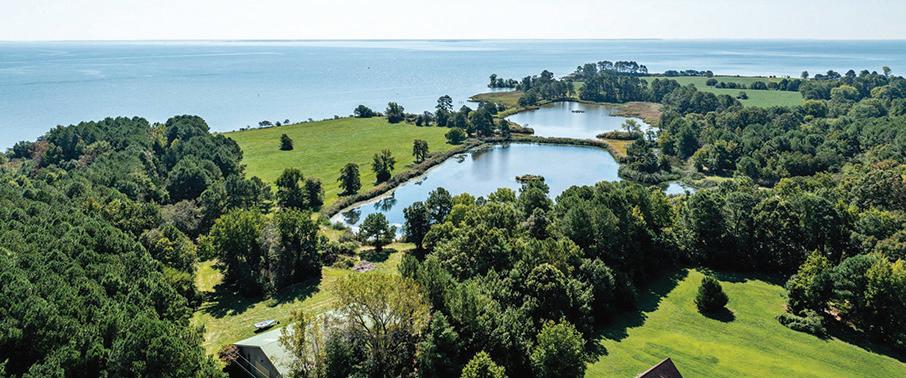

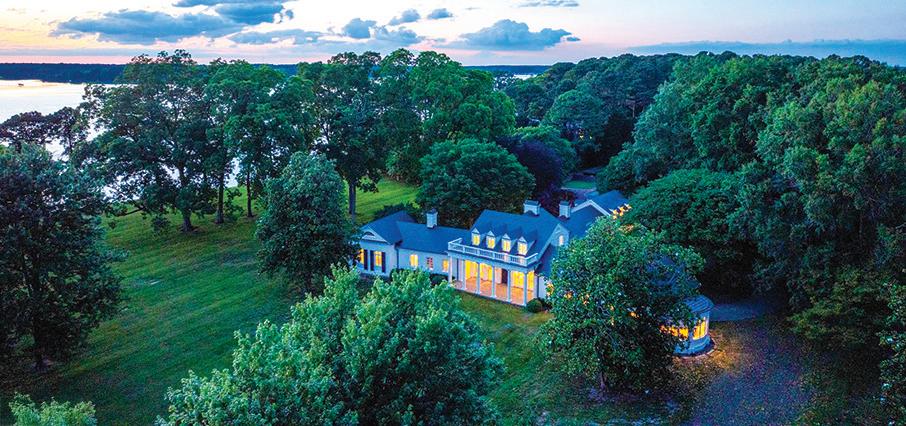
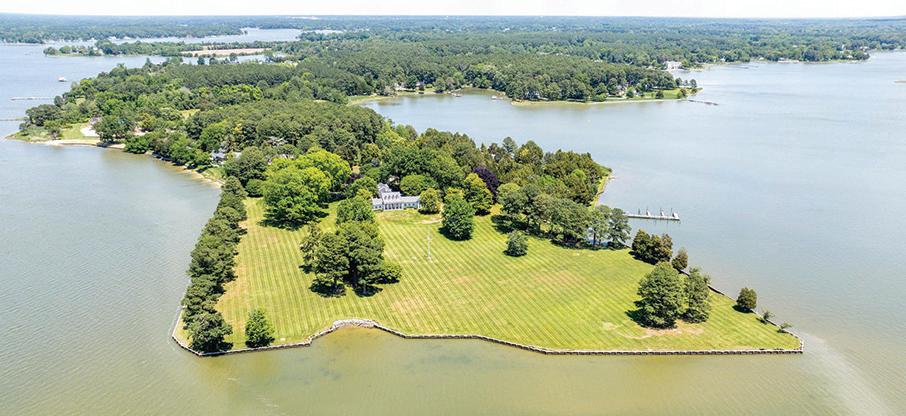
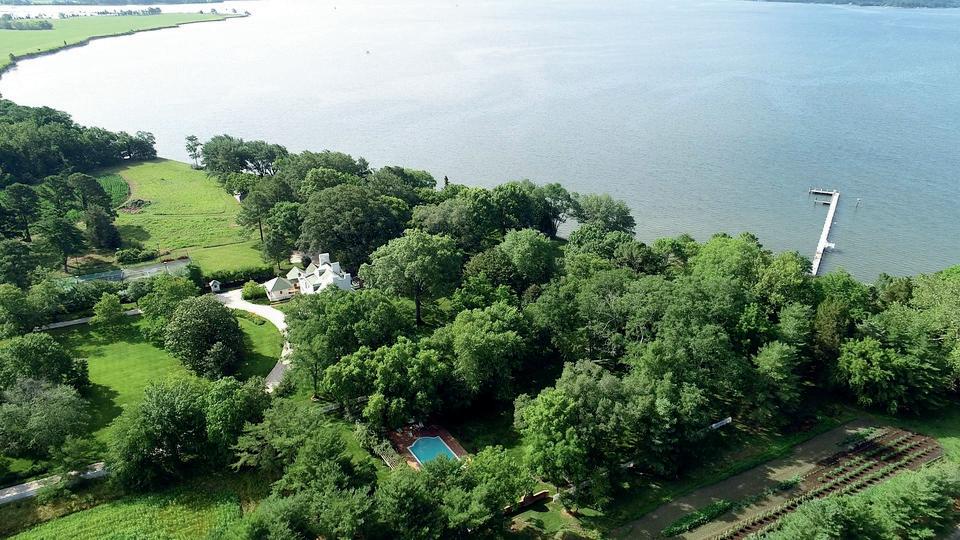
Situated on one of the finest residential parcels in the country, Ship’s Point, is an estate with few rivals anywhere, at any price. The completely private 13+/- acre estate includes a deep water pier, and 270-degree views at the confluence of Trippe’s Creek and the Tred Avon River. The south-west facing manor house has been meticulously renovated by renowned builder Winchester Construction. A visit is necessary to understand the rarity of the views provided by the nearly one-half mile of shoreline that surrounds this home.
EASTON | $9,900,000 | 6010ShipyardLane.com
Oregon

valleys dotted with Christmas tree farms, lakes and rivers. On the rainy 50-degree day, we passed a few small towns, modest farms with a cow or two and an occasional cottage. Through the heavy mist and clouds, we spotted some logging operations, mill works and cattle farms, but mostly we were forest bathing under a mesmerizing evergreen canopy.
Archaeologists think that people have lived in the Oregon region for at least 15,000 years based on prehistoric artifacts found there. For thousands of years, the Oregon area has been home to Indigenous tribes, including the Nez Perce, Tillamook,
Bannock, Killamuk, and Chinook and many more. Now nine federally recognized tribes continue their heritage in OR.
Europeans are thought to have arrived in the 1500s, including Spain and Great Britain. OR territory was part of the swath of land included in the United States Louisiana Purchase of 1803. A year later, President Thomas Jefferson sent explorers Meriweather Lewis and William Clark to map the newly purchased territory, which included the region that is now OR. The explorers traveled on the Columbia River, which we too explored along its bluffs, not on the water. Settlers began arriving in the 1830s, attracted by the region’s rugged grandeur and fertile land despite its sometimes-harsh climate.
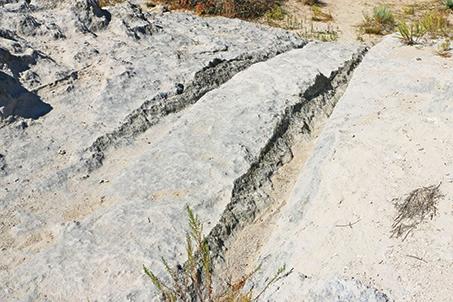
In the 1840s, American settlers arrived via the Oregon Trail, an over 2,000-mile wagon train route which began in Missouri. Wagon ruts can still be seen today. Oregon became the thirty-third state in the union in 1859. Its capital is Salem and its largest city is Portland, another stop on our itinerary.



Oregon
Experts disagree on the origin of the state name. Some say its from the French word, ourgan, meaning “hurricane” for the super winds in certain areas explored by French adventurers. Others believe it may have been derived from the Chinook word oolighan, a type of fish enjoyed by Native Americans. The state nickname is the “Beaver State” because early settlers used to trap beavers for their fur. The American beaver is now designated the state animal.

Oregon is bordered by Washington to the north, where we traveled from, Idaho to its east, Nevada, and California to the south and the Pacific Ocean on the west, where we planned to stay a few days. The state can be divided geographically into six areas of lowlands, plateaus, and mountains spanning 98,380 square 10:30-5:30







Oregon
miles, making it the 9th largest state. OR is home to 4.3 million residents. Our first destination was the town of Troutdale, OR, located near both the Columbia River Gorge and the Mt. Hood National Forest (MHNF).
After checking into a cozy, comfortable inn, we dined at the Bandits Bar downtown. The service was friendly and quick.
They smoke their own meats, our server shared, so we ordered smoked sliced turkey and pork sandwiches with local craft beer on tap. The meats were tender and the sauces
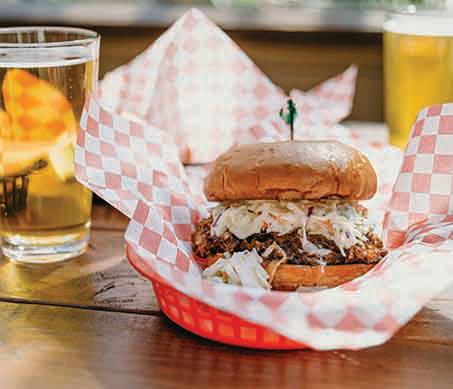
just the right blend of sweet and spicy. Cow skulls and framed six shooters decorated the pine paneled walls. We knew that we had selected the right dining spot when it started to fill with cheerful locals arriving from work for beer and meat on a bun.
A rainy morning greeted us the next day but did not deter us from our mission to explore the majestic Columbia River Gorge. The 80-mile river corridor is one of the most spectacular and scenic stretches in Oregon. Created by Ice Age floods, the gorge cuts through the volcanic rock of the Cascade Mountains. Gushing waterfalls, challenging hiking trails and plateaus invite travelers to explore.
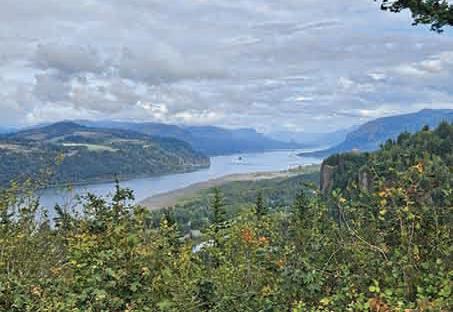
We explored the gorge via the Historic Columbia River Highway. The road was blasted out of the narrow basalt cliffs that encased the river. The highway was designed to maximize viewing pleasure of the spectacular geographic wonders of the Columbia River Gorge National Scenic Area while minimizing environmental damage.


Oregon
Up to 4,000-feet deep, the Columbia River Gorge stretches for more than 80 miles as it winds westward through the Cascade Mountain Range and it forms the boundary between WA and OR. The western gorge area is lush and green, with misty mountains, old growth forest and more than 40 waterfalls, some of them hundreds of feet high. The eastern gorge area, with less rainfall, is a region of rocky bluffs, rolling hills, desert wildflowers and wideopen prairies.

Our first stop on the highway was Vista House near Crown Point. The domed-octagonal structure built in the same era as the highway provides sweeping panoramic views of the gorge. The attractive, historic Art Nouveau structure, perched on a cliff 733 feet above the gorge, was built between 1916 and 1918 as a scenic rest stop and memorial to Oregon pioneers. The rotunda and gray sandstone exterior encase an impressive marble and bronze interior
housing historic exhibits, a visitor center, gift shop and café.
Unfortunately, Vista House was closed on the day of our gorge tour, but we enjoyed the views of the gorge and the structure, nevertheless. The 700-foot bluffs and cliffs here have a beautiful tawniness in contrast to the blues, grays and whites of the river floes.
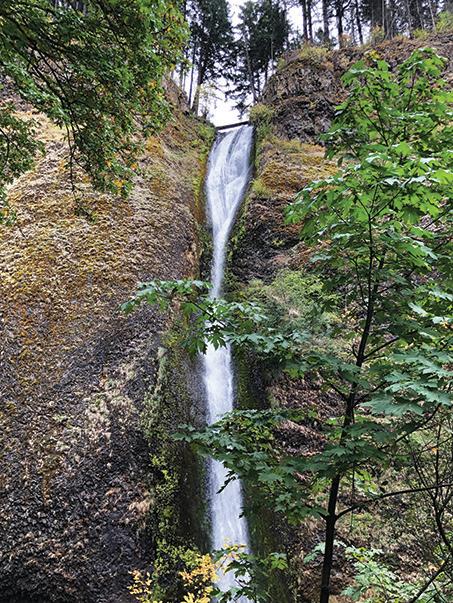
Another highlight of the highway was the numerous waterfalls with pullover parking and trails. The falls were delightfully named, including the Bridal Veil Falls, Multnomah Falls and Horsetail Falls. At Latourell Falls we met a couple from Switzerland who were biking the Pacific Northwest, beginning in Anchorage, Alaska. They had large saddlebags on their bikes filled with

gear and were headed to Portland after biking the highway. That is one of the things that I love about travel: meeting people from all over the world, joyfully exploring the world. Travelers were happily snapping photos of the gorgeous waterfalls and gorge.
After savoring numerous waterfalls and gorge vistas we detoured to the U.S. Army Corps of Engineersoperated Bonneville Lock and Dam, a National Historic Landmark. Situated on the Columbia River, the dam is a critical hydroelectric and navigation facility completed in 1938. It powers 900,000 homes and features vital fish ladders for salmon migration. A navigation lock allows ships and barges to bypass the dam.
On our drive back to Troutdale, we spotted some fellows fishing in the shallows. We talked about Lewis and Clark traveling the Columbia River to the Pacific and how we had connected with them at parks and museums in Iowa and Nebraska near the beginning of their explorations. Now we were experiencing the wonders of nature at the near end of their land and water journey.
Mt. Hood, a glaciated, potentially active volcano in the Cascade Range standing at 11,249 feet, is the highest point in the state and the centerpiece of the Mt. Hood National Forest, one of only two national parks in OR. Photos and words cannot ad -
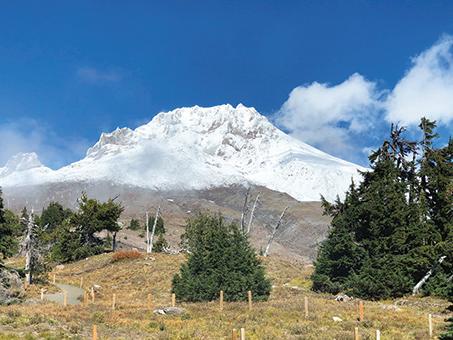
equately capture the massive mountain slopes, pines rising to the sky, and the stature and awe-inspiring beauty of Mt. Hood that we experienced as our adventure continued the next day.
We pulled over on the Mount Hood National Forest Camp Loop Road to contemplate the sensory spectacle of creation. We absorbed the miracle of the majestic mountains, lakes, rivers and sky. We watched delicate wildflowers swaying in stunning meadows. We embraced the quiet, serene landscape and spectacular panoramic views of Mt. Hood from multiple locations along the scenic Loop through the forest and mountains.
We were disappointed that the U.S. government had shut down the MHNF Headquarters and the ranger station where we would have chatted with park rangers, obtained maps and more information as well as taken a respite. We were pleased to find the Village of Government Camp, a town where hundreds of government workers used to live,


with a privately run museum and information center and friendly locals to answer questions and share maps.
Chili was on the menu at Timberline Lodge, a National Historic Landmark in the MHNF located on the southern flank of Mt. Hood. The historic, rustic alpine village and lodge offers accommodations, dining, and the only year-round lift-served skiing in North America. With windows facing towering Mt. Hood, we savored homemade chili, corn bread and craft beer, warmed by the fireplace and the camaraderie of the shared experience in nature with other visitors from around the globe.
The most populous city in OR was our next stop. A city that had been in the news recently as a site for upcoming ICE and National Guard activities, Portland was quiet and peaceful on the morning that we breezed through. I had tried to book a Hop On Hop Off (HOHO) tour only to learn that they stopped touring for the season a few weeks prior. So, we followed the HOHO tour map for a quick self-tour.
Portland is a lively city surrounded by natural beauty: parks, hills, the Willamette River and waterfront. The city is a bustling hub for shopping, dining (including famed food trucks), museums, parks and performance halls with iconic bridges
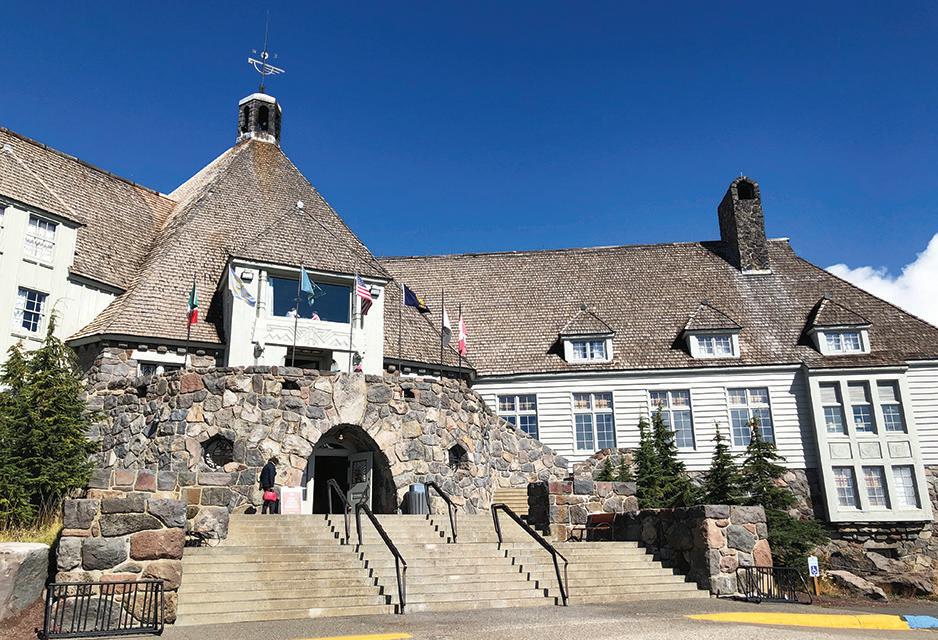
Timberline Lodge
Oregon

Oregon
over the river. The word “inspired” has been used to capture the spirit of Portland with its nationally acclaimed culinary world and thriving arts and culture scene.
Leaving Portland, we headed west to the Pacific Coast past pumpkin farms, acrobatic gliders in the clouded sky, mist and trees changing to gold and scarlet. We encountered armrest-gripping hairpin switchbacks and falling rocks as we drove through the mountains clothed in forests on our journey to the sea.
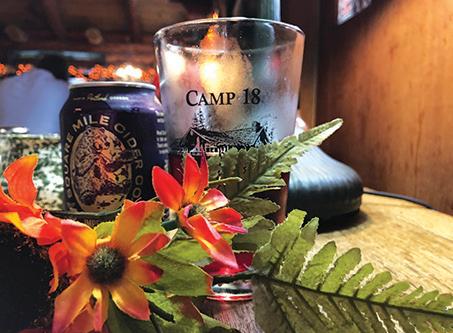
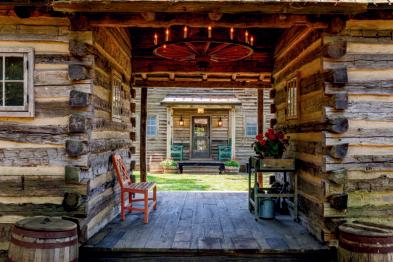
John found Camp 18 Restaurant on Sunset Highway during his trip research before we left home. What a find! Midway between Portland and Cannon Beach on the coast and just in time for lunch, the local landmark, housed in an iconic log cabin structure, encompasses fascinating local logging history and serves scrumptious local comfort food.
The family-run business incorporates both historic mill and logging memorabilia, art and artifacts inside
and out. The massive log cabin is filled with everything from elk antlers to chainsaw carvings. Outside in the open-air museum, we meandered around vintage logging equipment, antique hardware and ancient machinery surrounding the restaurant.
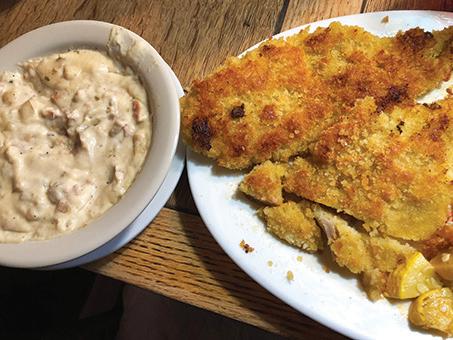
We ordered their famous clam chowder, the fried jumbo razorback clam special, local craft beer and blackberry pie. The food all lived up to their reputation for delicious, local, homestyle meals. After picking up a few gifts in their shop, we headed for the beach.
We checked into the Ebb Tide Oceanfront Inn, situated right on the Pacific Ocean. Our room overlooked the promenade, the sand dunes and the mighty ocean. It was a sunny 66 degrees in Seaside, OR, and folks were exploring the sand dunes, sailing kites and walking dogs on the promenade.
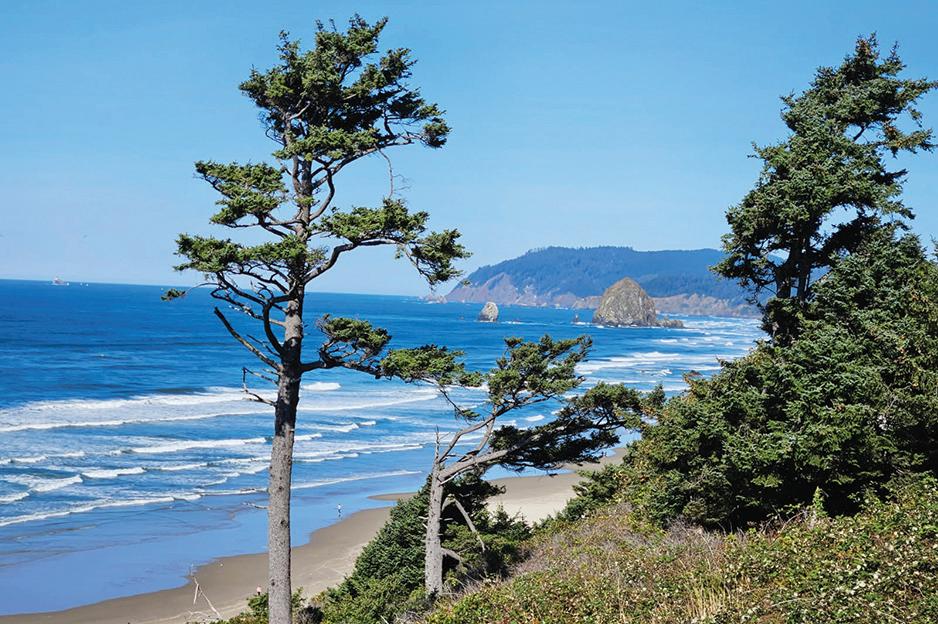
After a quiet, restful night, we drove south to Cannon Beach to view the dramatic monolith, Haystack Rock, a sea stack formed by volcanic activity 17 million years ago. Soar -








TIDE TABLE
OXFORD, MD MARCH 2026
HIGH LOW
1. Sun.
2. Mon.
3. Tues.
4. Wed.
5. Thurs.
6. Fri.
7. Sat.
8. Sun.
9. Mon.
10. Tues.
11. Wed.
12. Thurs.
13. Fri.
14. Sat.
15. Sun.
16. Mon.
17. Tues.
18. Wed.
19. Thurs.
20. Fri.
21. Sat.
22. Sun.
23. Mon.
24. Tues.
25. Wed.
26. Thurs.
27. Fri.
28. Sat.
29. Sun.
30. Mon.
31. Tues. AM
SHARP’S IS. LIGHT: 46 minutes before Oxford
TILGHMAN: Dogwood Harbor same as Oxford
EASTON POINT: 5 minutes after Oxford
CAMBRIDGE: 10 minutes after Oxford
CLAIBORNE: 25 minutes after Oxford
ST. MICHAELS MILES R.: 47 min. after Oxford
WYE LANDING: 1 hr. after Oxford
ANNAPOLIS: 1 hr., 29 min. after Oxford
KENT NARROWS: 1 hr., 29 min. after Oxford
CENTREVILLE LANDING: 2 hrs. after Oxford
CHESTERTOWN: 3 hrs., 44 min. after Oxford
3 month tides at www.tidewatertimes.com 1:22 2:16 3:07 3:56 4:43 5:28 6:13 7:58 8:44 9:33 10:28 11:2812:30 1:23 2:13 2:59 3:45 4:30 5:15 6:02 6:51 7:44 8:41 9:44 10:5512:16 1:17 2:14 3:05

Oregon
ing above the surf at 235 feet tall, the striking coastal sentinel and one of Oregon’s most recognizable landmarks is a protected wildlife habitat, home to multiple seabirds, including puffins, and juts off a 4-mile beach. Cannon Beach is also an art hub, with acclaimed galleries, eateries, breweries and boutiques. We strolled along the main street and then savored more local seafood and chowder at Moe’s Seafood on Hug Point Beach.
Back to our base camp in Seaside, we browsed through charming shops, strolled on the beach and grabbed pizza for dinner. With some light music playing in the back-

ground, we enjoyed our slices while watching more families, dog walkers, kite fl yers, dune climbers and seabirds with the Pacific Ocean as a backdrop from our picture window at the Ebb Tide.
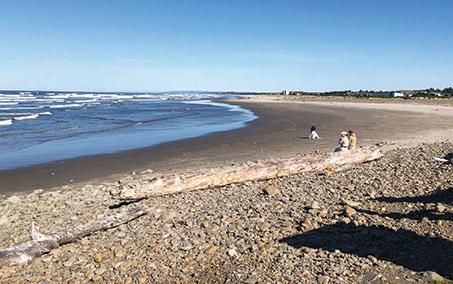
On our last day in Oregon, we had hoped to visit the Fort Clatsop Lewis and Clark National Historic Park to close out our travels with the site of the completion of their national adventure ending near the mouth of the Columbia River. Unfortunately, that park too was closed by the federal government.
After an exhilarating adventure in both Washington and Oregon, we drove north on the Pacific Coast Scenic Highway with its rolling sand dunes, quirky sea stacks, inviting state parks, elegant lighthouses and dramatic viewpoints. A day later, we flew home from Seattle, WA, ending our adventure in the Pacific Northwest and satisfying our lifelong quest to visit all fi fty states.
Bonna L. Nelson is a Bay-area writer, columnist, photographer and world traveler. She resides in Easton with her husband, John.



Emeritus the King of Cans
by William S. Dial
My adult leadership and I settled in Oxford almost 30 years ago. We arrived in Oxford by sailboat on our honeymoon. We had a long itinerary: saw Oxford; saw no reason to go anyplace else. Like any other couple arriving in a new community, we knew practically no one there. Holy Trinity is a sweet little Episcopal Church in Oxford, and, logically, as we are Episcopalians, we joined the congregation. Senior Warden was a fellow named Al
Smith. Big guy. Very nice; seemed very serious. The Senior Warden is like the chairman of the board for an Episcopal congregation, head of the Vestry, the board of directors. Al welcomed us, and we felt genuinely welcome.
Among the many shiny objects that attracted us to the Oxford community was the anonymity. No, not safe houses for the CIA, though they could have been. Oxford would be a great place. I’m talking about
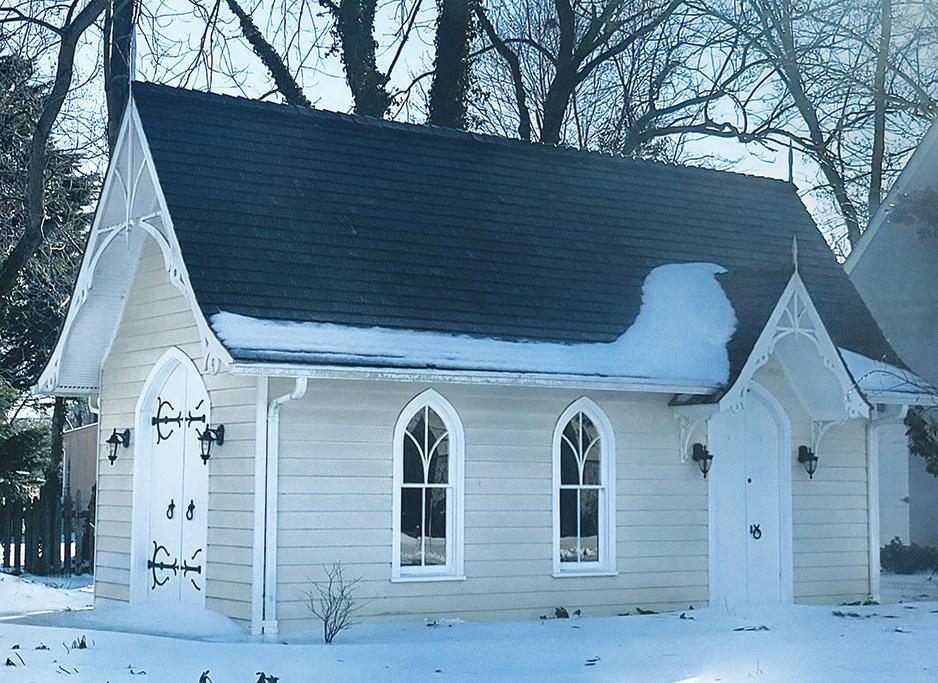
Photo by Susie Dial
King of Cans
PIPs...previously important people. We quickly learned that among our neighbors were ambassadors, congresspeople, scientists, admirals and generals, former heads of some of the world’s biggest companies, and diplomats. But you wouldn’t know it. I was told, and it seems true, that often you didn’t know someone’s background until you read it in their obituary. On my street lived a very nice older man. He had a nice lawn. The ducks from the creek across the street loved to wander over and munch on his grass. Nice man that he was, he said

some not-so-nice things to those ducks. Found out from his obit that he was a famous agronomist and held several patents on grass. Risking the wrong interpretation, those ducks knew good grass.
Al, whose full name is Albert Smith, is a prime example of a previously important person (PIP) in Oxford. Even during his time as Senior Warden, it was clear that Al had held positions of responsibility before; he carried himself with the authority and composure of someone accustomed to leadership. To borrow a phrase from Elijah, Al wore the mantle of authority, and this impression only grew stronger in the years that followed.
Al’s reputation for effective fundraising became well-known among his friends, who affectionately nicknamed him “Give Me Your Money, Al.” His exceptional skills benefited many charitable organizations, but his work with the Oxford Fire House and the Talbot Hospice stood out as particularly impactful. Al’s persuasiveness, integrity, and conviction played a vital role in the

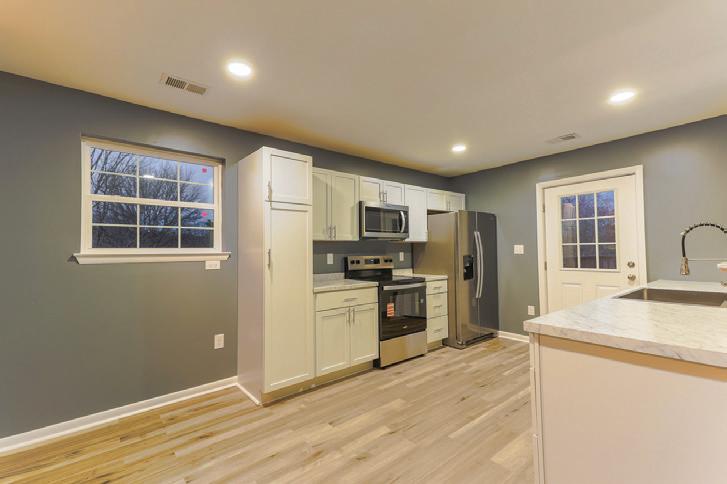
is 2 bedroom end unit has been attractively renovated and is read to be called “home”. Updates include new windows, carpet, luxury plank ooring, recessed lighting, cabinets, stainless steel appliances and fresh paint throughout. A large rear deck wraps around the back and side of the home. e generous basement with a laundry room, workshop now includes a brand new half bathroom. A large workshop and garage with parking.
Tubman Drive, Easton · $410,000
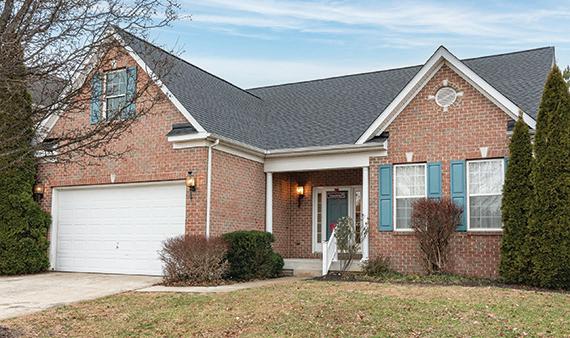
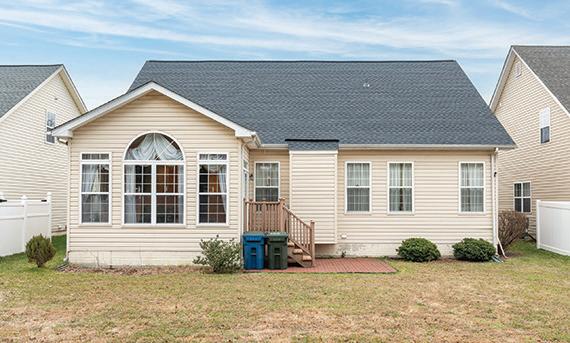
Former Builders Models Home with Many Upgrades! New Roof in December 2025! Tray ceilings, crown molding, chair railings, 9 foot ceilings, an o ce/library, recessed lighting, hardwood oors and more. is 3 bedroom, 2.5 bathroom home has a comfortable layout. e updated kitchen has granite counter tops and 42’ cabinets, leads into a bright sunroom/breakfast room with large windows overlooking the spacious backyard. Beautiful hardwood ooring carries throughout the foyer, o ce/sitting room, the large dining room and family room with replace. e main oor primary bedroom suite has hardwood ooring, a full bathroom with double vanities, soaking tub, shower and walk-in closet. e second oor has 2 bedrooms, a rec room and full bathroom. 2-car garage with built-in storage. Conveniently located across from the George Murphy community pool, schools, hospital and the Easton Point Marina.




King of Cans
success of their fundraising efforts, helping these organizations thrive and serve their communities.
The walls of Al’s office bear witness to his dedication, covered in tokens of appreciation for his contributions to Oxford, Easton, Talbot County, and other surrounding areas. His legacy as “Give Me Your Money, Al” is well-earned—not just for his fundraising ability, but for the genuine good he has done throughout the region. Among his many accolades, he has been designated “Emeritus.” Though not the traditional “academic” emeritus title, Al’s title is pure respect. He served the Vestry of Holy Trinity so long and so faithfully that he was awarded Emeritus status. So now

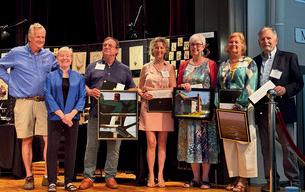
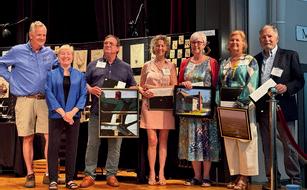
Al Smith (Center) receive a $5000 donation from Jeff Frederick of Fred Frederick Chrysler Dodge Jeep Ram towards the Talbot Mentors Mid Shore Scholars Program.
we call him Emeritus, the money title having got obsolete.
Enter “The King of Cans.” Harken back, if you will, to executives of large corporations living among us. Continental Can Company, big enough for you, Bunky? We are going to work our way up to the “executive suite,” but we must learn a little about cans to get there.
Parenthetically, before Al earned that cloak of Elijah, he was a student at Trinity University in Connecticut on a football scholarship. Played “end.” Big as he is, I’m guessing more than one party on the defensive side hoped he wouldn’t come at them head-on. He was in the Air Force ROTC in college and thereafter entered pilot training. He flew jet trainers and big, multiengine bombers. Back to cans.
In the summer between Al’s junior and senior years at Trinity, 1954, he worked at Continental Can, Patterson, NJ. Most of us probably would have liked that to an internship: not Al. I’ve learned, to my great amusement and edification, that Al’s peregrinations are never what you would expect. A supervisor’s mumps case bumped Al into leadership at a very young and relatively inexperienced nexus. A canning crisis at Ballentine Beer challenged. And young Al rose to the occasion. I suspect that summer impressed more than a simple internship might have. Seems so since Continental lured him back as


King of Cans
a sales representative after his Air Force stint.
It’s 1958, and Al and his young bride, Claire, move to Oxford, Maryland, and rent a small house off Market Street. After a training stint in the Baltimore Continental offices, Al was assigned to the Delmarva Peninsula, specifically the Continental factory in Hurlock, Maryland, as a sales representative, a territory he shared with one other. In his territory, there were 110 canneries.
The fifties were pivotal for agriculture on the Peninsula. Poultry was replacing truck crops. Since the late 19th century, the Delmarva Peninsula had been a geographic

succotash. Peaches led the march until disease stifled that crop; then strawberries, then beans, sweet corn, and tu-da, tomatoes. By 1958, when Al started peddling cans on the Peninsula, tomatoes filled most of the cans.
Ever heard of Cecile Steele? Me neither. A supply chain error involving Cecile’s order of 50 baby chickens is given credit for kicking off poultry as a major industry on the Shore. Cecile lived in Ocean View, Delaware, then the Baltimore 100. She had a standing order for 50 chicks every year to replace attrition amongst her laying hens. It was 1923. Cecile got 500 biddies, which we call baby chicks in North Florida—my origin. Smart lady: instead of sending 450 of them back, she raised them to be “broilers,” around 2.5 pounds—apparently highly marketable. She sold them for 65 cents a pound, about a third higher than full-grown chickens had been selling. Must have been happy with the outcome because 3 years later, 1926, Cecile and her husband Wilmer had 10,000 chickens. Source is a great read, “Delmarva’s Chicken Industry: 75 Years of Progress,” Internet, December 2025. To state it simply, following Ms. Steele’s chicken acumen, the industry took flight.
Back to canning. The literature acknowledges that in 1958, the “golden age” of tomato canning was ending. Labor issues, competition, and pressure from the poultry

King of Cans
industry were taking their toll. In 1960, Continental Can moved its star salesperson to the Pittsburgh District to sell oil cans, which, of course, Al excelled.
Al continued to excel with Continental in ever increasing areas of responsibility. He and Claire lived in Brussels, Belgium, and then later in London. Continental sent him to Harvard to polish his executive prowess. In 1996, he retired and returned full-time to Oxford, to our good fortune. His contributions to the community of Oxford, Easton, Talbot Mentors and the Episcopal Diocese of Easton and the area at large are immeasurable. The accolades on the wall of his office don’t come close.
A fun bit: Doors of the Chapel. In her search for interesting antiques in London, Claire had come across 2 church doors from a “deconsecrated” chapel. The ornate, wrought iron hinges and door locks immediately remind one of a gothic church. Claire insisted that these doors, shipped home from England, be incorporated into an outbuilding on the Smith Oxford property. The structure was a delightful recreation of an old chapel. Today the “chapel” as it is referred to, is on the grounds of the Church of the Holy Trinity in Oxford and…serves as a chapel.
Sadly, Claire, his bride with
whom he traveled the world, passed away in 2011. It has been noted in these words that with Al, good fortune is never far away. The sadness accompanying the loss of one so close as a beloved spouse cannot be ameliorated. But sometimes, the loss is tempered by an amazing gain. Eleanor Dalllum and her husband, Fred, had been friends with Al and Claire. Fred passed away. Sharing a loss with someone who has had similar sorrows might help. Maybe that drew Al and Eleanor together, but the point is moot. They are together, are very nice couple, and are very good friends of my wife and me.
As previously noted, Al Smith shared his years of successful business expertise with his community. Al, a “previously important person,” remained important. Emeritus, Al, is in his nineties. He is a great conversationalist, but don’t even try if there is a ball game.
William Stephen Dial achieved Masters Degrees in International Affairs and National Security Studies. Bill’s 31 years in the navy started as a Seaman Recruit and finished in June 1994 as a Captain. Bill has been a certified SCUBA Instructor, a Accredited Marine Surveyor, a Certified Emergency Manager and an Emergency Medical Technician. Bill is married to Susie and has 11 grandchildren.




The Weight of a Life Well Lived
by Dan Hoyt
I met Dennis the way a lot of young men meet their future father-in-law—nervous, underprepared, and thinking I knew more than I did.
I was seventeen years old, brand new to dating, and that night was my first date ever. Not my first date with Dawn—my first date ever with anyone. I pulled up in front of her house and did what I always did when I picked up friends: I honked the horn. Once.
Nothing.
So I honked again, thinking maybe they hadn’t heard me the first time.
Still nothing.
That should’ve told me something, but I didn’t know the rules yet, especially not Dennis’s rules. I got out, walked up to the door, and expected Dawn to answer. Instead, the door opened and there stood her father.
He wasn’t tall. I had that covered—six-foot-two and all elbows,

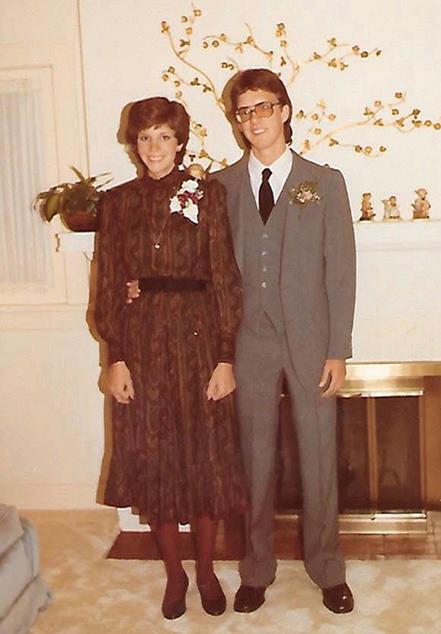
Dan Hoyt and Dennis “Big Guy” Miller
135 pounds soaking wet. But Dennis was built different. Five-seven, around 180 at the time, solid, the kind of guy who didn’t need to raise his voice to make you understand exactly where you stood. He was the enforcer that night, protecting his youngest daughter. He looked at me and said, plain as day, when someone picks up one of his daughters, they come to the door like a proper gentleman. I tried to be agreeable. “Okay, I can do that.”
Dennis didn’t miss a beat. “You will do that!”
I learned two things in that moment. First: I was dealing with a


Life Well Lived
man who took respect seriously. And second: I wasn’t going to get away with anything lazy ever again.
From that day on I never honked the horn at anyone’s house— friend, girlfriend, ever. Lesson learned.
The funny part is that first date worked out. It worked out so well, I married Dawn. Last November we celebrated our forty-first anniversary. And Dennis—the guy who set the standard at the door—became one of the most important men in my life.
Not just as a father-in-law.
But as a friend.
Over the years, Dennis became “Big-Guy” to me. I started calling him that when Dawn and I first began dating because he was a bigger man than I was. I was tall and skinny; he was compact and solid. I called him Big-Guy once and it stuck for more than forty years. Even now, even though he’s not so big anymore, he’s still BigGuy. Because the nickname was never really about size.
It was about who he was.
Dennis had humor—sarcastic, quick, perfectly timed. Sometimes he’d deliver a line, let it sit in the air for a beat like he was checking to see if you were smart enough to catch it, and then he’d laugh—after a short pause—like a signature. He
could lighten a room without trying, even when the room had no business being lit.
We were always taking shots at each other in the best way. I’d make fun of him, he’d throw it right back. Tons of laughs, the kind that pile up over decades until they become part of who you are. We golfed, fished, played poker, listened to music together. He taught me a lot about each with the exception of fishing.
Fishing, I taught him.
The first time we went fishing together, we went with my future brother in-law John, to Lake George in Illinois. Dennis didn’t
know much about fishing, but he knew how to pack a cooler with beer. I brought worms. He used a plastic worm that he globbed on the hook like he was frosting a cupcake and then put a bobber on the line. That technique didn’t catch a single fish, but he didn’t care. He enjoyed the company and enjoyed a few beers.
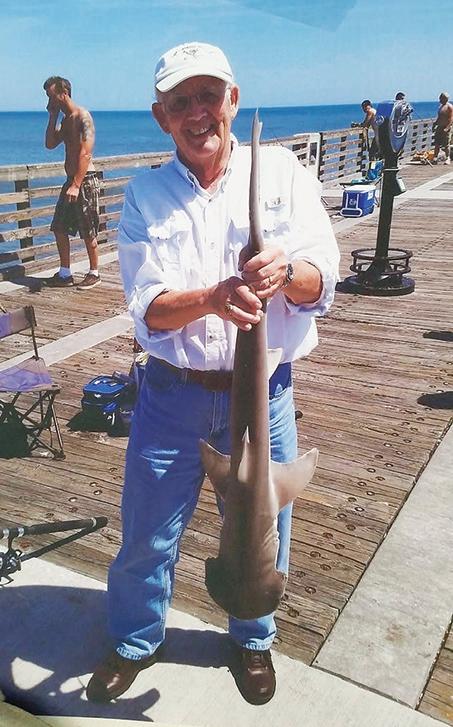
Later, I taught him the proper way to fish with a plastic worm. He learned a lot, and when they moved to Florida, it became a big part of his life—local ponds, surf fishing, fishing from the pier on the Atlantic. He always enjoyed a cigar while he fished, and he loved the sport of it.
Poker was another place Big-

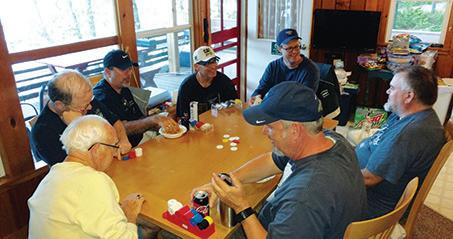
Guy shined. After Dawn and I moved from Florida to Iowa in 2004, I met some great guys at my new job and they always did a fishing trip—friends and brothers.
A lot of fun: fishing, poker, stories, drinks around the fire. The next year I invited Big-Guy and we ended up doing three trips together. He fit in right away—like he’d been part of the group all along—and he was a heck of a poker player. Most
2 NEW BIKES FROM





Breeze
Triker
Life Well Lived
nights he ended up taking home most of everyone’s money.
Back in Florida, he had a poker club in his neighborhood that played monthly. Every time we visited, he’d call a game with his friends and invite me. I fit right in too, and I became friends with all his friends.
Golf… golf was where he liked to mess with me.
He’d psych me out and, as a young brash kid, I always thought I could beat him. He’d convince me to place a bet and coerce me into giving him a few strokes. It wasn’t until I was in my early fifties that I finally figured him

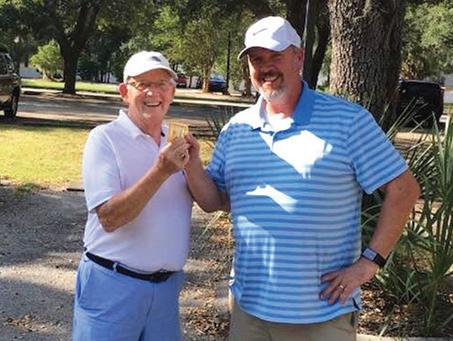
out and started beating him. For memories, he always wanted a picture of me giving him the money, and he’d laugh and laugh. When I beat him, I did the same to him, and we’d both laugh. It was never really about the money. It was about the friendship.
Dennis mentored me in count-



EASTERN SHORE
REAL ESTATE Specialist
XCEEDING EXPECTATIONS:
Lona has lived on the beautiful Eastern Shore her entire life. Her local knowledge and connections make her an expert in the area. Lona has a reputation for putting her client’s needs rst which she believes is at the heart of her success. Providing customer service with honesty and integrity is important to her. She also understands that buying and selling a home is more than just a transaction; it is a life-changing experience.



Life Well Lived
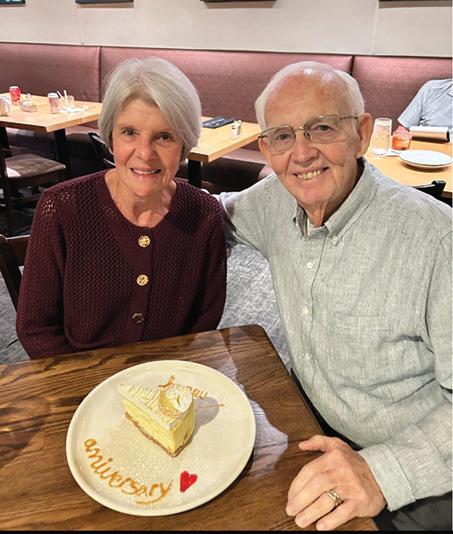
less ways, but some lessons stand out because they shaped how I live. He reinforced respect—how to show it and how to keep it. He taught me how to love my spouse, not just with words but with daily decisions. He always said, “A happy wife is a happy life,” and he lived that. I watched him love Carmen—his wife of sixty-five years— with consistency and devotion.
He also taught me something practical I’ve carried my whole life: if you buy something, buy something nice—not cheap—and take great care of it. Dennis loved cars, and in the time I’ve known him, he’s owned over thirty different cars. His cars were always immaculate and, in most cases, the used cars he purchased he

Life Well Lived
could resell later for more than he paid. When Dawn and I bought our first car, he came with us. Watching him negotiate was master class. We traded the car I had in high school. He liked that car and helped get us a better price for our new car, and then he lowballed them and bought our tradein from them.
I learned so much from that one experience, I’ve never been ripped off since.
Now we’re in a different chapter—one none of us asked for.
Dennis is dying of cancer, and we’re here caregiving for him. We moved in with them—me,
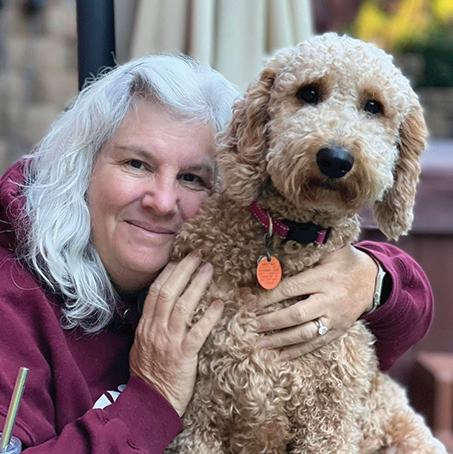
Dawn and our golden doodle Nellie—1,100 miles from our home, away from our adult children and our grandchildren. I’m fortunate to be able to work from home, so I work here daily. Dawn is providing 24/7 care. Carmen and Dawn have been by Dennis’s side, providing whatever he needs.
The decline comes quietly. One day he was walking around normally. Then a cane. Then a walker for a few days. Now a wheelchair.
As of late, he can no longer stand on his own, so I’m part of the care team now—helping him to his feet, holding him steady for certain care needs and being there to provide comfort.
We entered hospice just over a

8051 Leehaven Road | Easton
Presented by Tracy Wagner of Meredith Fine Properties
8051 Leehaven Road | Easton
Presented by Tracy Wagner of Meredith Fine Properties
8051 Leehaven Presented

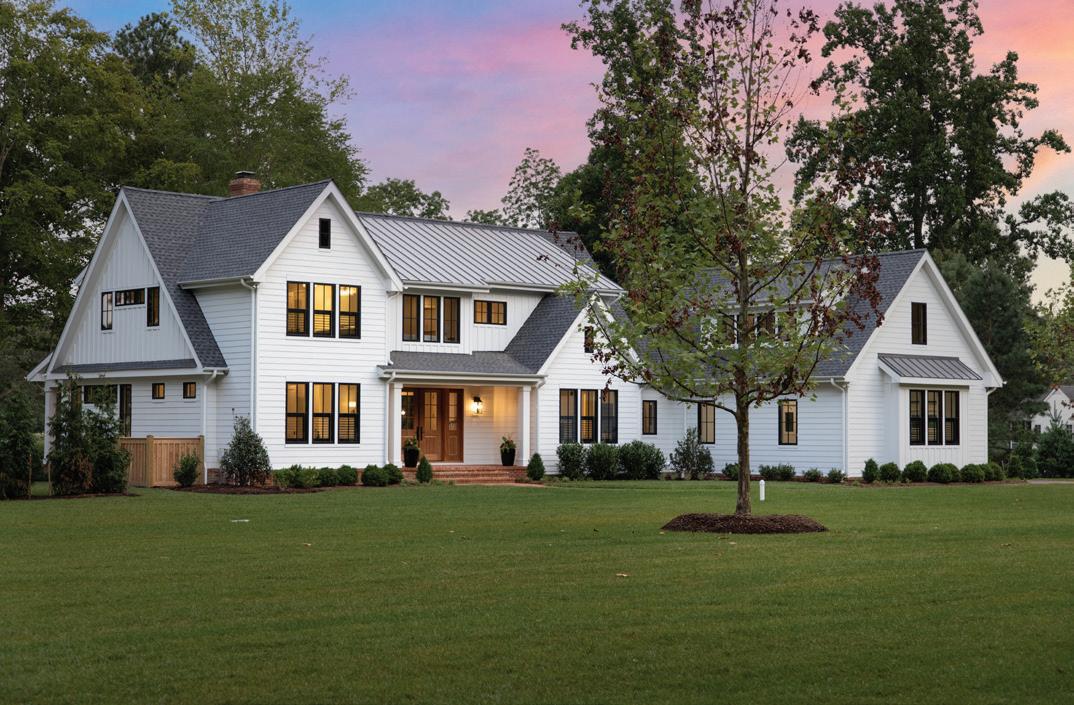
This 4,200 sq. ft. 4-bedroom custom home was built for luxury and convenience. All furnishings are included, making the home and the lifestyle it offers ready to enjoy at the turn of a key. Call me today for a private showing. $5,395,000.
This 4,200 sqft, 4-bedroom custom home was built for luxury and convenience. All furnishings are included, making the home and the lifestyle it offers ready to enjoy at the turn of a key. Call me today for a private showing.

tracyhiggswagner@gmail.com
This 4,200 sqft, 4-bedroom custom home was built for luxury and convenience. All furnishings are included, making the home and the lifestyle it offers ready to enjoy at the turn of a key. Call me today for a private showing.
Unionville RD Easton 47+ Acres $1,250,000.00. 202 S Talbot St Michaels - sold$1,295,000.00.


Cell 410-310-5581
Office 410-745-8060
tracyhiggswagner@gmail.com
Cell 410-310-5581
tracyhiggswagner.net
Office 410-745-8060
tracyhiggswagner.net

Life Well Lived
week ago, so our goal is to provide as much comfort as we can.
Even as he declines—subtle, a little each day—Big-Guy never loses that sense of humor. Even when he struggles catching his breath during longer conversations, he finds a hint of humor and shares it with anyone he’s talking with. It’s his way of saying: I’m still me. And then there’s Nellie.

When I drove down with her at the beginning of November, I told her she needed to take good care of Papa because he was sick. But I swear she understood every word. Every day, she takes her job seriously—sometimes too seriously. She is his enforcer now.
If someone gets too close, she tries to get between them. When Carmen was holding his hand, Nellie put her head right between them and pushed it away. Not be -
cause she doesn’t love Carmen— because she does—but because she senses his weakness, his sickness, and she becomes emotional about it. This means a lot to her. And Dennis loves her more for it.
The truth is, their bond goes back further than most people know.
When I was sick and in the hospital myself—leukemia—Nellie was just a puppy. We’d only had her for a week when we found out. When I called and told Dennis and Carmen, they were on the next flight to our home. They were there to help Dawn, and they helped raise Nellie too, right when she was learning what family even meant. I don’t know how much a dog “remembers,” but I know this: she has never forgotten them. She has never forgotten him.
Now she stands watch over BigGuy the way he once stood watch over all of us.
Dennis worries about leaving Carmen with burdens, so it’s been my mission these past months to make things easier for her after he is gone. I redesigned the backyard—came up with a plan, got Carmen’s approval, recruited local family, and we cleaned up and created a much easier landscape for Carmen. Another project that needed attention was the light switches and outlets inside and outside the house. The old ones were an ivory color that no lon -


Life Well Lived
ger matched the décor. Some were loose, worn out, and in some cases painted over. I ran choices by Carmen and she approved. With help from Dawn’s sister Kim, we replaced them all with a white matte finish. It brightens the home, matches the décor, and will keep her safer in the future.
Dennis has a new sense of relief now. He knows she’ll be okay. And Dawn… she has been incredible.
She was here the day we found out he had cancer. We heard he had issues and needed to go to the hospital; we immediately checked flights, found one about an hour
By Elizabeth Kelly, CID, NCIDQ, CLIPP
and a half from our home, and got her on it. She was there the day he entered the hospital, and she was here on her own for a full month before Nellie and I could join her. She helped her mom with every-


Life Well Lived
thing, including peace of mind.
As soon as we found out the cancer was terminal, she jumped into action—password organization, spreadsheets for bills, writing everything down. Dennis had always been the bill payer, the keeper of passwords. With Dawn’s help, he’s at peace knowing Carmen will be okay.
Sometimes I sit with Big-Guy and feel the weight of time—how long I’ve known him, how much he’s given me, how many laughs we’ve shared. I think about the kid who honked the horn twice and thought that was enough. I think about the man who opened the door and taught him better. And I think about how that one moment became forty-plus years of friendship, mentorship, and love.
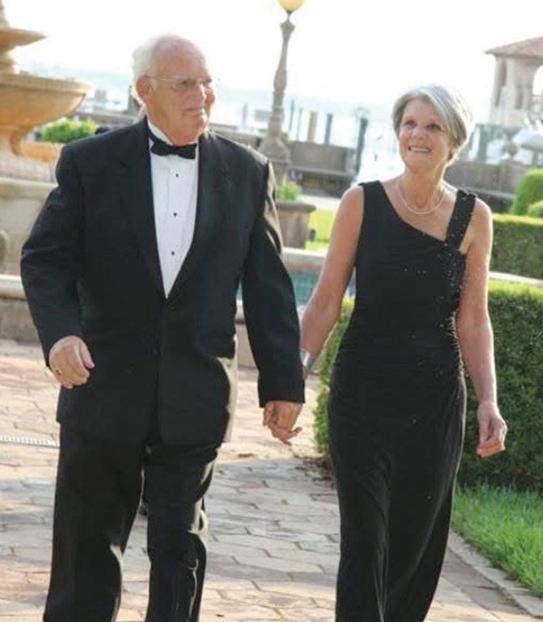
Lately, with one of the founders of the Grateful Dead Bob Weir’s passing, a line has been echoing in my head—one that fits this moment more than I ever expected: “Death is the last and best reward for a life well lived.”
And if that’s true, Big-Guy has earned his reward the hard way— by living with humor, by loving Carmen faithfully, by raising daughters strong enough to carry the family through this, and by mentoring a skinny seventeenyear-old kid until he became a man who knows how to show up.
I still call him Big-Guy.
And when he pauses after a sarcastic remark—just long enough to let it land—and then laughs, I hear the same man I met at seventeen. Older, tired, but unmistakably Dennis.
Still my friend. And I’m here.
Because he’s worth it.
Epilogue
— The Quiet After the Laughter
When the house settles into its evening rhythm and the lights dim in the corners, there’s a stillness that feels different now. Not empty. Not heavy. Just… aware. Like the walls themselves remember every laugh, every joke, every story Big Guy ever let loose into the air.
In these quiet moments, after a long day of caregiving, after the bustle of medications and visitors and whispered check-ins, I often
find myself thinking about the strange way life circles back on itself. How the boy I was at seventeen—awkward, skinny, honking a horn—could never have imagined sitting here now, holding steady the same man who once opened the door and set me straight.
Time does funny things. It softens edges. It sharpens meaning.
It reminds you what was real all along.
I watch him breathe—sometimes slow, sometimes uneven— and I realize this chapter isn’t about sadness. It’s about presence. It’s about being trusted to stand witness at the edge of a life lived fully, stubbornly, humorously, and
with a loyalty that never cracked. And in this room, in this season, there is a sense of rightness.
Not because it’s easy.
But because it’s true.
In the quiet, I hear echoes: His laugh after a well-timed jab. The clink of the quarters used as poker chips.
The scrape of golf shoes on a cart path.
The hum of the Atlantic behind him as he fished with a cigar.
Carmen’s soft voice calling his name.
Dawn’s steady care.
Nellie’s protective huff as she takes her post beside him.
A lifetime, distilled into memory. A man, distilled into love.
Mullins & Sons, Inc.
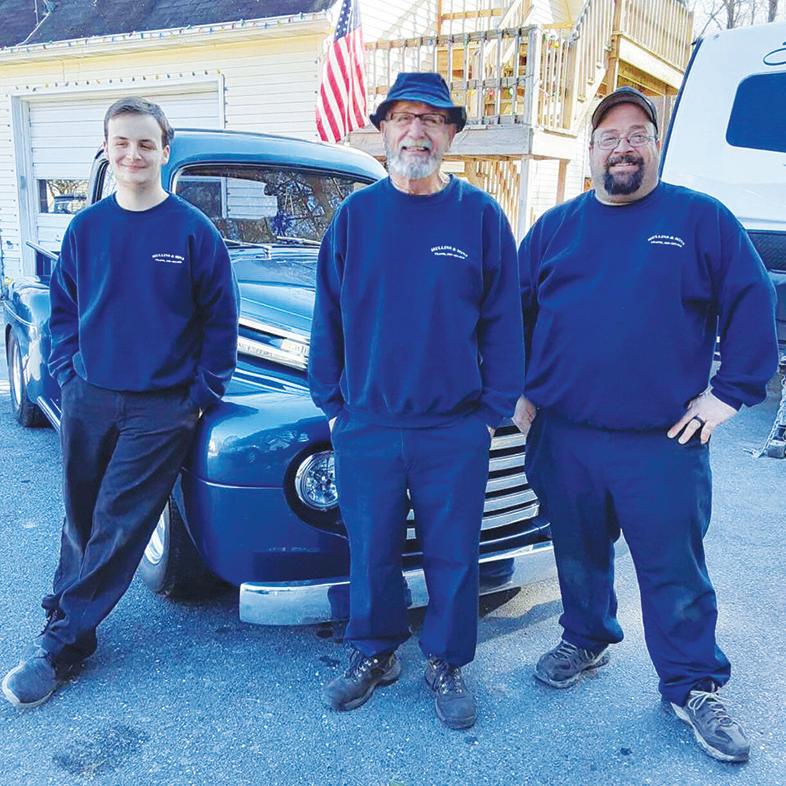
3 Generation Family Run Auto Service Shop with over 31 years experience. Offering a wide variety of services to include but not limited to: Brakes, Diagnostics, Tire Rotation, Rv & Trailer Repair, Heating, and Basic Services. Specializing in Transmissions. Reasonable Rates!

Life Well Lived
And I think again of the line that’s been following me lately— how Bob Weir said, “Death is the last and best reward for a life well lived.”
If that’s true, then Big Guy isn’t losing anything.
He’s earning something. What we carry forward isn’t just who he was, but who he helped us become:
A husband who learned how to love well.
A daughter who learned how to show up.
A wife who was cherished through sixty five years of devotion.


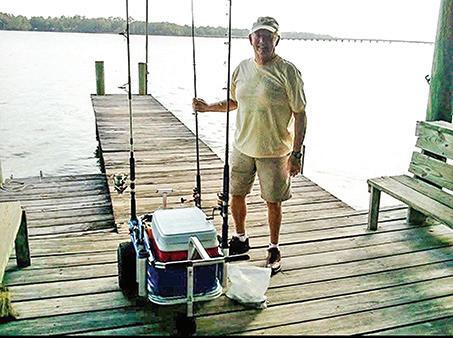
A family strengthened by his humor, steadied by his example.
Even a dog who remembers, in her bones, the kindness that raised her.
Love like that doesn’t vanish with breath. It lingers.
It roots itself.
It becomes part of the grain of the home, part of the rhythm of the people left behind.
Make your own mini sno cone!
And as I sit with him—sometimes talking, sometimes just existing in the same quiet space—I understand something I didn’t at seventeen:
Some men don’t teach you by lecturing.
They teach you by living.
Dennis—Big Guy—lived that way.
And because he did… I’ll carry the weight of his life, not as a burden, but as a gift—one I’ll never set down.
Dan Hoyt lives with his wife Dawn in Moline, Illinois.







Caroline County – A Perspective
Caroline County is the very definition of a rural community. For more than 300 years, the county’s economy has been based on “market” agriculture.
Caroline County was created in 1773 from Dorchester and Queen Anne’s counties. The county was named for Lady Caroline Eden, the wife of Maryland’s last colonial governor, Robert Eden (1741-1784).
Denton, the county seat, was situated on a point between two ferry boat landings. Much of the business district in Denton was wiped out by the fire of 1863.
Following the Civil War, Denton’s location about fifty miles up the Choptank River from the Chesapeake Bay enabled it to become an important shipping point for agricultural products. Denton became a regular port-ofcall for Baltimore-based steamer lines in the latter half of the 19th century.
Preston was the site of three Underground Railroad stations during the 1840s and 1850s. One of those stations was operated by Harriet Tubman’s parents, Benjamin and Harriet Ross. When Tubman’s parents were exposed by a traitor, she smuggled them to safety in Wilmington, Delaware.
Linchester Mill, just east of Preston, can be traced back to 1681, and possibly as early as 1670. The mill is the last of 26 water-powered mills to operate in Caroline County and is currently being restored. The long-term goals include rebuilding the millpond, rehabilitating the mill equipment, restoring the miller’s dwelling, and opening the historic mill on a scheduled basis.
Federalsburg is located on Marshyhope Creek in the southern-most part of Caroline County. Agriculture is still a major portion of the industry in the area; however, Federalsburg is rapidly being discovered and there is a noticeable influx of people, expansion and development. Ridgely has found a niche as the “Strawberry Capital of the World.” The present streetscape, lined with stately Victorian homes, reflects the transient prosperity during the countywide canning boom (1895-1919). Hanover Foods, formerly an enterprise of Saulsbury Bros. Inc., for more than 100 years, is the last of more than 250 food processors that once operated in the Caroline County region.
Points of interest in Caroline County include the Museum of Rural Life in Denton, Adkins Arboretum near Ridgely, and the Mason-Dixon Crown Stone in Marydel. To contact the Caroline County Office of Tourism, call 410-479-0655 or visit their website at www.tourcaroline.com .

Easton
Map and History
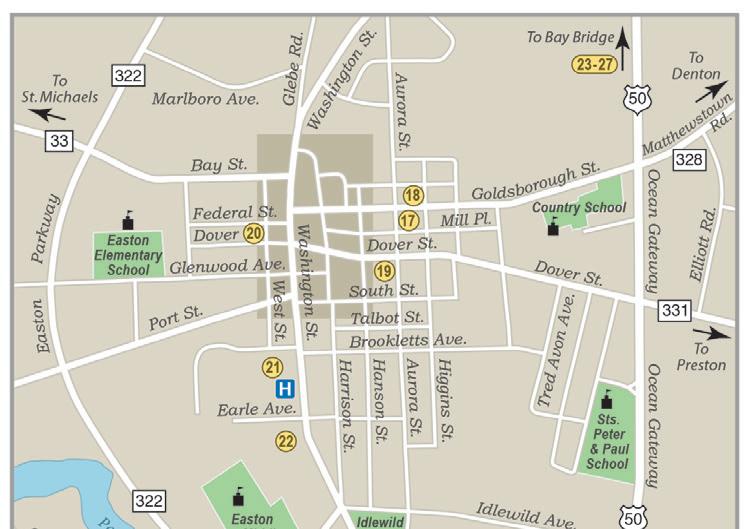
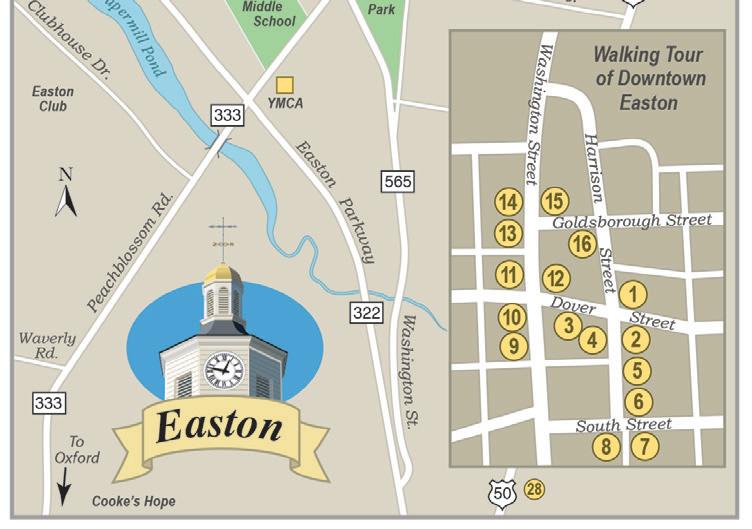

The County Seat of Talbot County. Established around early religious settlements and a court of law, Historic Downtown Easton is today a centerpiece of fine specialty shops, business and cultural activities, unique restaurants, and architectural fascination. Treelined streets are graced with various period structures and remarkable homes, carefully preserved or restored. Because of its historical significance, historic Easton has earned distinction as the “Colonial Capitol of the Eastern Shore” and was honored as number eight in the book “The 100 Best Small Towns in America.” With a population of over 16,500, Easton offers the best of many worlds including access to large metropolitan areas like Baltimore, Annapolis, Washington, and Wilmington. For a walking tour and more history visit https:// tidewatertimes.com/travel-tourism/easton-maryland/.



Dorchester Map and History
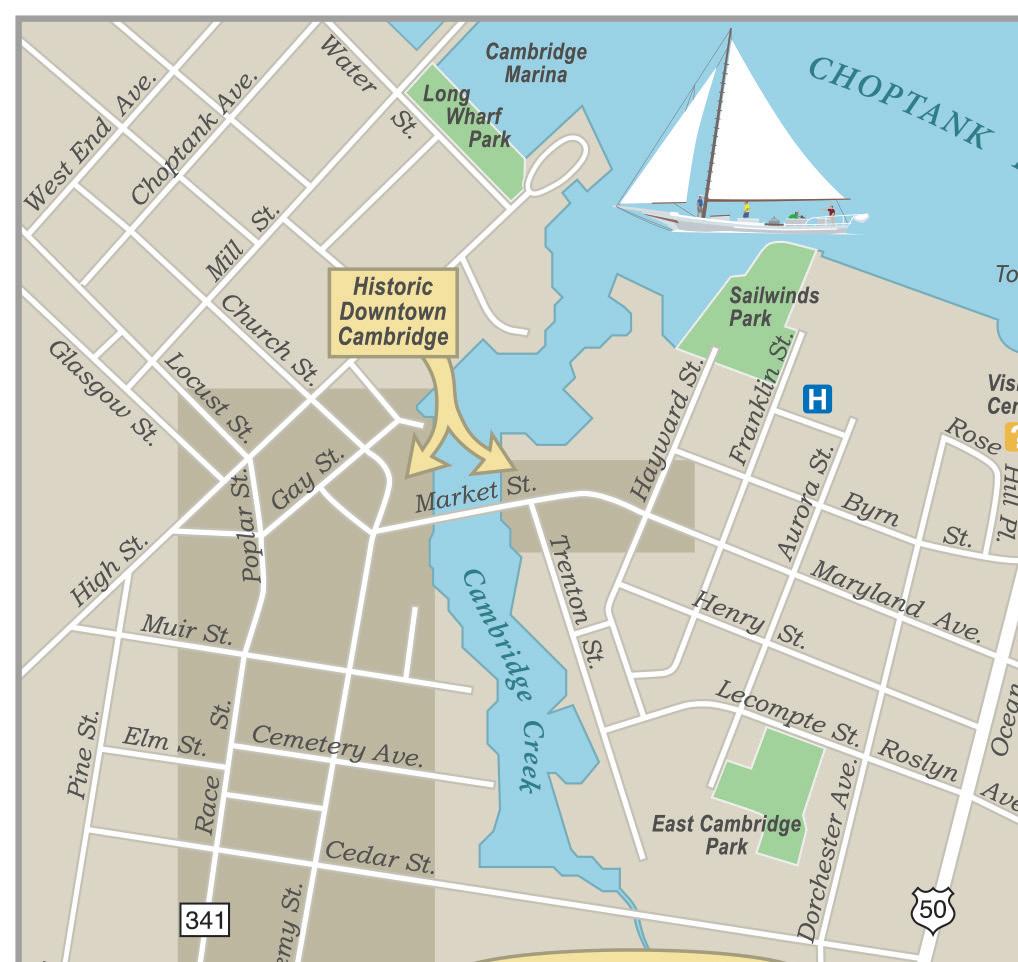



Dorchester County is known as the Heart of the Chesapeake. It is rich in Chesapeake Bay history, folklore and tradition. With 1,700 miles of shoreline (more than any other Maryland county), marshlands, working boats, quaint waterfront towns and villages among fertile farm fields – much still exists of what is the authentic Eastern Shore landscape and traditional way of life along the Chesapeake.
For more information about Dorchester County visit https://tidewatertimes.com/travel-tourism/dorchester/.


TIDEWATER GARDENING
by K. Marc Teffeau, Ph.D.
March Gardening Madness
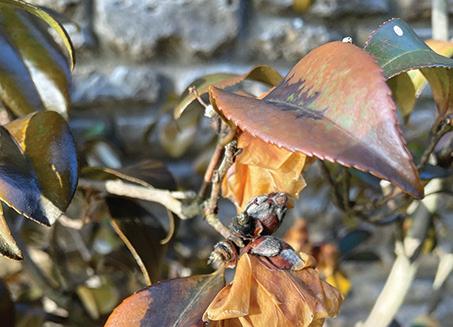
As I write this column, my wife and I are in Central Florida on our annual trip, enjoying the sunny weather and warmer temperatures for the week of February 8–15. It is remarkable to see the extensive damage to ornamental plants in Central Florida caused by the earlier freezing weather and the Polar Vortex that extended down to Miami. Entire hedges and plantings
have turned brown. Not to mention the loss of fruit and vegetable crops. Let’s not forget the frozen iguanas falling from the palm trees!
Florida’s circumstances raise the question for me of how much winter damage there is. Will we see plants in March and April? The prolonged period of extremely cold weather from the ’Shore’s own Polar Vortex in January and early

Tidewater Gardening
February, not to mention any additional very wintry weather that we received in February, will take its toll on ornamental plants and fruit plantings.
Cold-weather damage to woody plants is a complex process governed by multiple factors. These

FRANK E.DAFFIN,

include the minimum temperature level experienced, the speed at which the temperature dropped and how long the period of belowfreezing temperatures lasted. The plant’s genetics determine its hardiness during a freeze. Also, what other weather factors accompany the freezing periods, including whether the freeze is accompanied by wind or occurs suddenly after several days or weeks of warm weather.
Windy conditions and accompanying cold cause plant damage through desiccation (evaporative water loss exceeding water absorption). As a result, the leaves and stems of branches dry out, especially on narrow- and broad-leafed evergreens. Marginal leaf scorching or leaf-tip burn will occur, and leaves may eventually turn completely brown and defoliate.

I have mentioned in past columns the idea of microclimates and how they affect plant growth. The plant’s location in the landscape impacts the level. For example,
plants on the north and northeast sides of a house may suffer more damage than those on the south and west sides. Conversely, plants protected from wind exposure by walls or fences are less likely to be damaged.
I have observed this phenomenon before in Easton with camellias. These shrubs are not particu-
larly hardy in our area and will freeze if left in open areas. The plants were up against a southfacing brick wall, protected from freezing winds, and always seemed to bloom in the harshest weather.
Cold injury can harm any plant part—fruit, stems, leaves, trunk, and roots. We usually notice leaf and stem damage first. What happens is that ice forms in cells, killing tissue and turning it brownish black and soft. Cold-hardy plants withstand this occurrence better. Root damage, especially to nonacclimated plants in the landscape, may not show until the spring when these deciduous shrubs fail to leaf out.
Low or fluctuating temperatures



Tidewater Gardening

may damage flower and leaf buds, resulting in a reduction or total loss of blooms and damage to the foliage in spring. We can see this with forsythia failing to bloom. You can determine if damage has occurred by removing several buds and cutting them open to reveal their
condition. If they appear green throughout, they are healthy; if they are partially brown or darkened, they have been injured.
To determine if stems have been injured by the cold, peel the bark back to reveal the cambium layer (the layer directly under the bark). If there is any black or brown discoloration, damage has occurred. Damage to buds, stems and leaves may be localized, and the entire plant may not be affected.
Waiting to prune after the freeze has passed will help prevent the removal of living wood. If localized damage has occurred to the foliage or stems, prune several inches below the injured tissue. Although injured buds may reduce or elimi-





Tidewater Gardening
nate flowering or leaf emergence in spring, no pruning is necessary. Fortunately, ornamental trees and shrubs can leaf out again if the initial growth is damaged or destroyed. Damaged trees and shrubs have only suffered a temporary setback. If your shrubs and trees are healthy and well-established in the landscape, within several weeks they will generate new growth to compensate for the lost foliage.
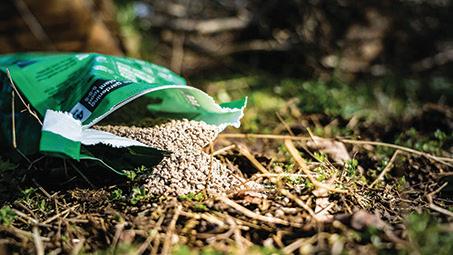
However, this will put some stress on the plant’s reserves. As a result, it is important to give the freeze-damaged woody ornamentals some extra attention during the growing season. This includes watering during dry periods and, if needed, additional fertilization to aid the plant’s recovery.
Newly emerging foliage may be subject to freezing damage for perennials. The foliage may turn brown or become twisted and offcolor. Perennial plants respond to the freezing damage by sending out new foliage to replace the damaged leaves. However, on fruit crops,
depending on the cultivar and how far the fruit blossoms have swollen or opened, we will probably see reduced blueberry and fruit tree production, especially on the early-flowering cultivars.
March is a transitional month from winter to spring. Nice March days are a suitable time to check out your ornamental plants to see how they may have fared over the winter. If you did not do it last fall, take time to clean them up. Also, remove any bagworm “Christmas ornaments” on your cedars and other narrow-leafed evergreens. Removing last year’s bags will reduce the population of this pest for this year. Each bag contains 500 to 1,000 eggs that will hatch out later this spring.
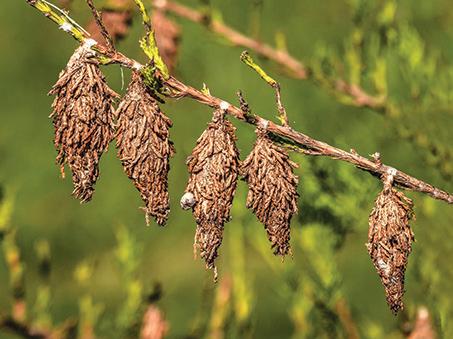
Prune out any dead or diseased branches and stems, and remove diseased leaves and insect eggs. Now is also a suitable time to prune out any branches that were obviously broken from excess snow and ice. For the spring-flowering shrubs like azaleas, forsythia and
lilacs, wait until after they flower to prune. If you prune these plants now, you will be pruning out the flowers.
You can tackle the perennial bed in March if the ground is not too wet. Divide and transplant summer- and fall-blooming perennials like astilbe, aster, bleeding heart, coral bells, daylilies, phlox and Shasta daisies. Remember to rework the beds before replanting,


adding compost, lime and fertilizer if needed. If you plan to do extensive bed restoration, get a soil test done on the bed first before starting so you know just the right amount of lime and fertilizer to add to the bed. Remember to go easy on the fertilizer, however, as perennials don’t require a whole lot.
If you want to spice up the annual bed, many annual flowers are very frost-hardy when the plants are small. You can sow the seeds of alyssum, California poppy, candytuft, larkspur, pansy, viola, phlox, pinks, Shirley poppy, snapdragons, stock and sweet pea as soon as the soil has thawed.
March is an excellent time to plant trees in the landscape. Many







of the trees available at the garden center are sold as balled-and-burlapped stock. Sometimes you need to pay close attention to the burlap
around the root ball. It may look like burlap, but it could actually be a brown plastic material. These synthetic materials enclosing the roots of trees and shrubs must be completely removed before the plant is placed in the ground. If you purchase balled-and-burlapped plants, remove the covering from the root ball as a precaution. If the tree is very heavy, peel the material down to the bottom of the hole and cut it off if you cannot remove it completely.
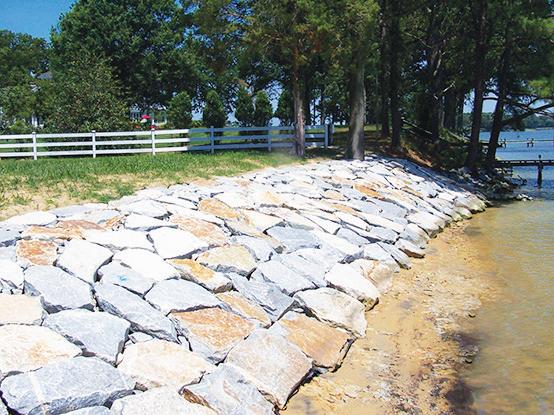
The warmer days of March can cause overeager gardeners to rush the vegetable planting season. Planting too early in cold, wet soil can cause disease problems in both seeds and transplants. It also slows








Tidewater Gardening
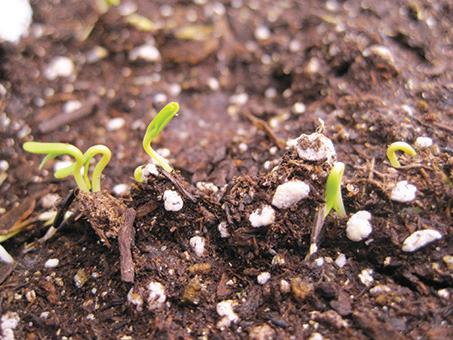
seed germination. Seeds must have the proper temperature and moisture conditions to germinate. Some seeds will sprout at soil temperatures below 50 degrees, but most require temperatures between 60 and 70 degrees. Planting seeds outdoors must be carefully timed to provide these temperatures.
A tradition for many tidewater gardeners is to plant white potatoes and peas on St. Patrick’s Day. Don’t forget the edible pod peas like Sugar Snap and Sugar Ann. Other cool-season crops that can be direct-seeded into the garden in March include beets, carrots,
turnips, kale, lettuce, Swiss chard, onion sets, radishes and spinach. Wait until the middle to end of the month to set out the transplants of broccoli, cabbage, cauliflower, Brussels sprouts and leaf and head lettuce. Make provisions to cover or protect them if severe weather is forecast. Plastic milk cartons with the bottoms removed make effective covers for transplants. Lima beans, cantaloupes, watermelons and pumpkins like warmer soil. It is usually best to wait until after May 1 to plant these seeds in the mid-shore area. Cut back overwintered perennial herbs (oregano, thyme, marjoram). Leave woody herbs like rosemary and lavender alone for now.
Happy Gardening!
Marc Teffeau retired as Director of Research and Regulatory Affairs at the American Nursery and Landscape Association in Washington, D.C. He now lives in Georgia with his wife, Linda.
QUALITY STROKES PAINTING




St. Michaels Map and History
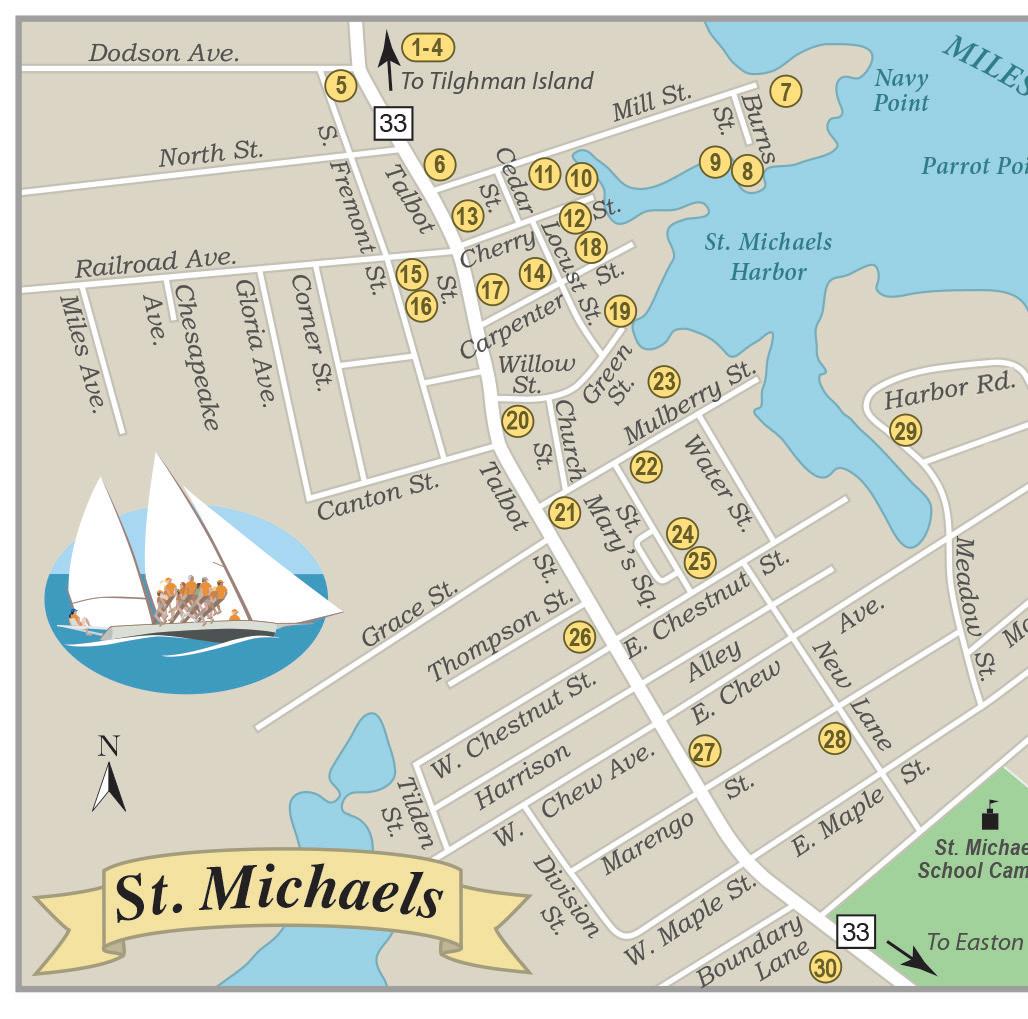


On the broad Miles River, with its picturesque tree-lined streets and beautiful harbor, St. Michaels has been a haven for boats plying the Chesapeake and its inlets since the earliest days. Here, some of the handsomest models of the Bay craft, such as canoes, bugeyes, pungys and some famous Baltimore Clippers, were designed and built. The Church, named “St. Michael’s,” was the first building erected (about 1677) and around it clustered the town that took its name.
For a walking tour and more history of the St. Michaels area visit https://tidewatertimes.com/travel-tourism/st-michaels-maryland/.




Wishing You a Merry Maryland Day
by A.M. Foley
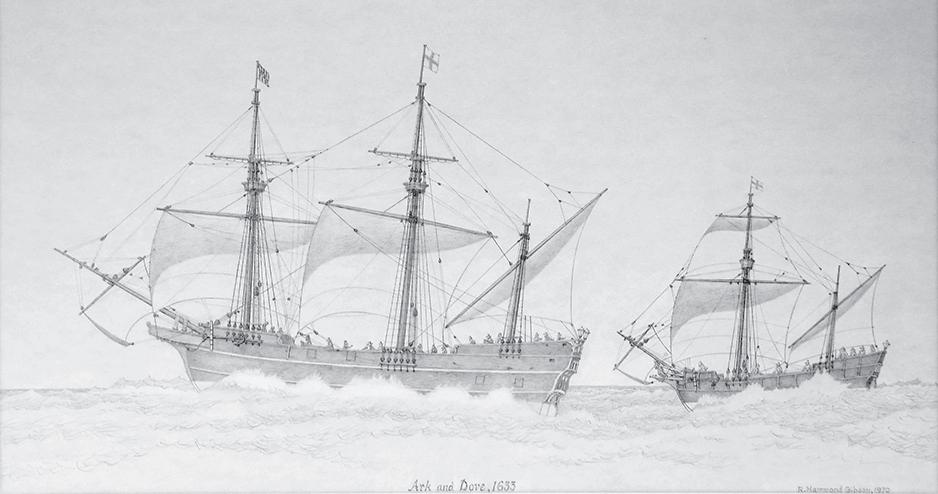
Maryland Day is rather muted lately, but March 25 is noteworthy. After all, chances are the state charter might never have been granted. The Ark and Dove might never have sailed, much less safely reached their destination. Governor Leonard Calvert survived that voyage, the third Calvert to assume responsibility for settling Maryland. His hand-me-down appointment was not due to familial disinterest. The colony’s success required two twenty-something brothers to overcome powerful political, religious and mercantile in-
terests opposed to them and their father’s dream.
The elder George Calvert (15801632), the first Lord Baltimore, was no mere absentee landlord. Before Maryland, he held charter for Avalon in Newfoundland. His settlement differed from earlier ones in Massachusetts and Virginia. He dreamt of escaping English religious strife by establishing a settlement where Christians would “tolerate” each other, regardless of denominations. George took his family and settlers across the Atlantic in 1628. Their first New-
Merry Maryland Day
foundland winter, lives lost to illness convinced him Avalon wasn’t tenable. Sailing south, he visited Virginia and explored to its north before returning to England.
George Calvert had risen to high office in the turbulent reign of King James I, whose mother, Mary Queen of Scots, had him baptized in her Catholic faith. After she was beheaded, James was reared in the Church of Scotland, then became heir to the throne and the official Church of England. To unite Christians of England, Scotland and Ireland under his rule, James needed to ally himself with all sects, including proscribed Catho -
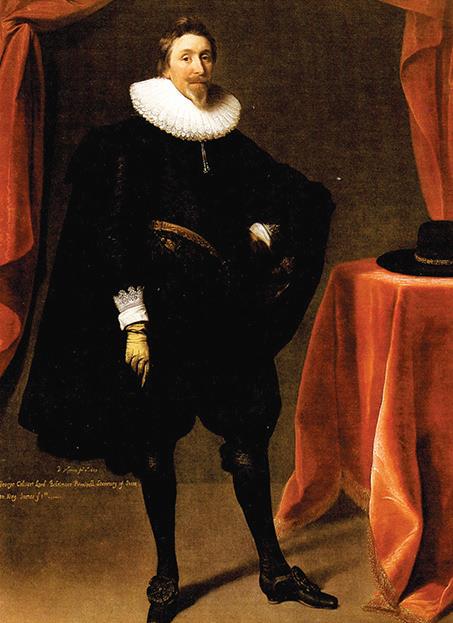
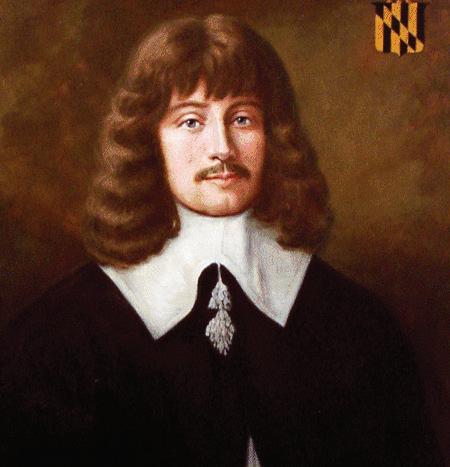
George Calvert, 1st Baron Baltimore

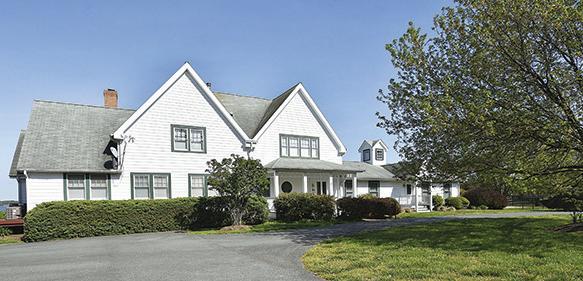
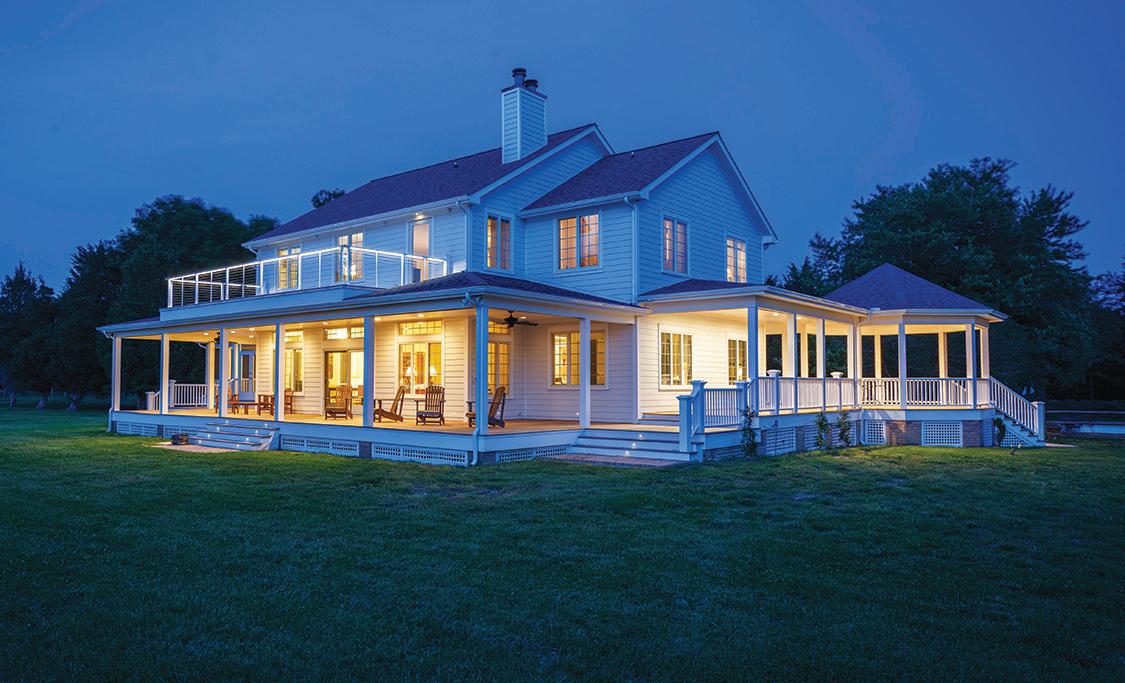
21721 Heavenly Haven Road, Sherwood is remarkable property has it all. Private 15 plus acres. Beautiful views overlooking Dunn’s Cove sunrises. A shore sportsman’s dream. Partially wooded, elds of crops, hunting blind and a pier for your shing vessel. is was a large compound with the Main house, inlaw wing and a separate 2 BR guest house w/ replace and large screened porch. Waterside in-ground pool and children’s play area. Large garage/barn to store all the water toys and pool equipment. It’s currently being used as a Vacation Rental. Reduced to $3,700,000


6050 Sunset Lane, Tilghman
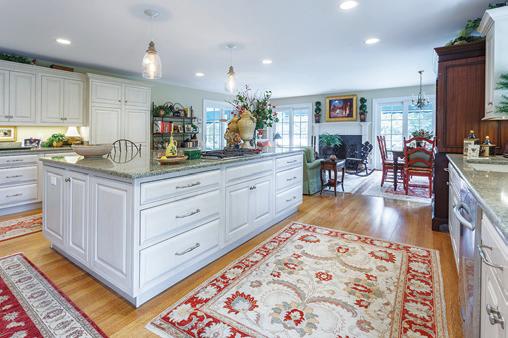
Exquisitely designed renovation incorporating high end nishes makes this waterfront 3BR, 3B cottage the perfect retreat! Large great room w/dining area, replace & multiple seating areas gives you ample spaces to enjoy the broad, westerly views of the bay. e gourmet kitchen & pantry is a chef’s dream. Screen room, private pier, garage w/ separate guest house. Reduced to $1,250,000


Oxford Map and History
Oxford is one of the oldest towns in Maryland. Although already settled for perhaps 20 years, Oxford marks the year 1683 as its official founding, for in that year Oxford was first named by the Maryland General Assembly as a seaport and was laid out as a town. In 1694, Oxford and a new town called Anne Arundel (now Annapolis) were selected the only ports of entry for the entire Maryland province. Until the American Revolution, Oxford enjoyed prominence as an international shipping center surrounded by wealthy tobacco plantations. Today, Oxford is a charming tree-lined and waterbound village with a population of just over 700 and is still important in boat building and yachting. It has a protected harbor for watermen who harvest oysters, crabs, clams and fish, and for sailors from all over the Bay. For a walking tour and more history visit https://tidewatertimes. com/travel-tourism/oxford-maryland/.
lics. He abided crypto-Catholics who would “be quiet and give but an outward obedience to the law.” George Calvert was one such, who served James faithfully. In 1625, King James rewarded him, creating the Barony of Baltimore for George and his heirs.
Neither King James I nor the first Lord Baltimore lived to see Maryland chartered. Fortunately for the Calverts, James I was succeeded by his son, Charles I, who honored his father’s intent to grant George another charter. Charles I granted a “palatinate” to the Lord Baron of Baltimore and his heirs forever. By that time, George had


















Cecilius Calvert, 2nd Lord Baltimore of Maryland
been dead six weeks. His son and heir, Cecil (1605-1675), received the charter. A year later, a prospectus sought to entice investors, adventurers and missionaries to Maryland. The pamphlet began:
This province is near the Colony in Virginia. The Most Serene King of England desired that it should be called the land of Maria or Maryland, in honor of Maria, his wife....Therefore the Most Illustrious Baron has already determined to lead a colony into those parts, first and especially, in order that he may carry thither and to the neighboring places, whither it has been ascertained that no knowledge of the true God has as yet
penetrated, the light of the Gospel and the truth; then, also with this intent, that all the associates of his travels and toils may be invited to a share in the gain and honor, and the empire of the King be more widely extended…”
Lord Baltimore, Cecil, planned to sail in September 1633, but the first of many boundary disputes with Virginia delayed departure. The original Virginia Company’s charter for a boundless extent of land had been nullified. Investors, leery of competition to their north, sought to void Maryland’s charter as well. One Virginian, William Clairborne, already had a trading post on Kent Island. Numerous
TIMOTHY B. KEARNS
such power struggles contended at court, often cloaked in sincere or feigned religiosity. Meanwhile, preparations for Maryland continued. Cecil and his backers purchased the small pinnace Dove for the colonists’ future use. They chartered the passenger ship Ark , a much larger, 400-ton capacity vessel, requiring forty crewmen. Ark would convey their party, then return to England.
Cecil hoped to disentangle himself from court in time to return to America with them but came to realize that would be unwise. His dicey political situation compelled him to remain close to court, de-







Repower for Spring




fending himself and his territory. So he appointed his younger brother, Leonard (1606-1647), interim governor to establish the settlement. In longhand, Cecil wrote out specific guidance for his colonists, stating his intent to join his “adventurers” the following year.
Lord Baltimore’s primary instruction set the tone for “toleration,” something then sorely lacking in England. He instructed that religious observances should be as private as possible to avoid offending others. He required they “be very careful to preserve unity and peace amongst all the passengers on Shipp-board.” This was “to be observed at Land as well at Sea.”
His second instruction sought information from “seamen and passengers to discover what any of them do know concerning the private plotts of his Lordship’s adver-
Leonard Calvert

Merry Maryland Day earlier. Father White was to write an historic record, describing the inherent hazards encountered on their four-month voyage.
saries in England, who endeavored to overthrow his voyage.” Passengers were carefully screened, but he seemed leery of some mariners, on whom their lives depended. He had witnessed the power of religious convictions mingled with material envy. The extent of his potential gain was unknowable. Under the palatinate, the king retained ownership of any land claimed, but Lord Baltimore received near-regal authority inside Maryland, including to create noblemen, allot land, and wage wars. In return, annual rent payments due the king were twenty percent of gold and silver discovered, plus two Native American arrows.
On November 22, 1633, the two ships sailed from the Isle of Wight. The governor and party were finally beyond the reach of landbased plots. Everyone embarking from England, regardless of their religious persuasions, took oaths of allegiance to the king. Aboard were 150 or so hopeful Marylanders, including Catholic and Protestant “gentlemen” investors; their indentured servants; and three Catholic priests. The clergymen aspired to openly practice their faith and to introduce “savages” to Christ. Passenger Andrew White, S.J. had once been banished from his native England because of his faith, but had returned some time
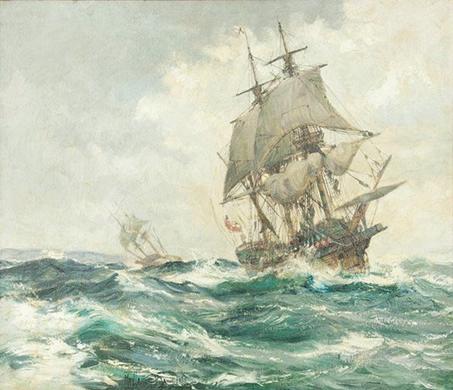
From the outset, Ark had to trim her sails to keep the slower Dove in view. Before clearing local waters, a storm threatened them both, fierce enough to “amaze the stoutest hearte, even of the sailours.” Through the tempest, two lanterns were sighted in Dove ’s masthead, signaling distress. When the lights disappeared, the worst was assumed. Likely forsaking privacy, “Catholiques fell to praier, Confessions, and vowes.” Ark survived the storm and cleared the rocky coast. Sailing south, a lookout was kept against “Turk” pirates. Westward from Africa, fair winds held. Passengers were spared anything worse than seasickness until Christmas, when “for the celebrity of the daye, wine being given over all the ship…the next day 30 sickened of
fevers, whereof about a dozen died.”
The Ark reached land January 3, 1634, and was pinned for days in the Caribbean harbor of Barbados under threat of capture by five Spanish ships cruising the vicinity. Instead, due to this delay, they were elated to see Dove arrive, “for before we saw her in the harbour we gave her for lost in that hideous storme.” When they could safely proceed north, the two sailed along various islands, trading “knives, bells and the like” for hammocks, baskets and unfamiliar fruits.
On February 27, 1634, they reached Virginia and delivered letters from King Charles. Contrary to his council’s inclinations,
Virginia’s governor offered assistance to the newcomers. At Jamestown, they also encountered Clairborne, Maryland’s staunchest opponent, “from whome we understood the Indians were all in armes to resist us, having heard that six Spanish ships were coming to destroy them all. The rumour was most like to have begunne from himselfe.” Father White then relates that on March 3 they “came into Chesapeake bay…the most delightfull water I ever saw, between two sweet landes…” Reaching Maryland’s boundary, they sailed into the Potomac River, so great “that the Thames is but a little finger to it.”

Experience



Merry Maryland Day
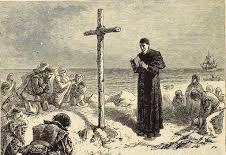
On March 25, they disembarked on an island they named Saint Clement’s. They erected a cross and “with devotion tooke solemne possession of the Country.” Confronted on mainland by an estimated five hundred “Pascatoway” warriors, with the help

of interpreters brought from Virginia, they persuaded the chief of their good will. The governor “bought the space of thirtie miles of ground of them, for axes, hoes, cloth and hatchets.” A tribal elder invited them to return to his village for the best entertainment. Father White found his host “(as they all generally be) of a very loveing and kinde nature.”
At least from a European perspective, Maryland Day entails a lovely origin story. Though Cecil never arrived to enjoy religious freedom, toleration attracted Quaker and Puritan refugees from Virginia. Father White learned to preach in native dialects. Governor Leonard Calvert found no gold or silver but dutifully sent two arrows to Windsor Castle each Easter. He died two years before Oliver Cromwell and Parliament had Charles I beheaded. England’s Civil War bled into Maryland, the Calverts were unseated and toleration ceased. For practicing his faith, White was taken to England in chains and spent years in Newgate Prison. Toleration returned after 1776.
SHORELY


Forty-some years ago, A.M. Foley swapped the Washington, D.C. business scene for a writing life on Elliott Island, Maryland. Tidewater Times kindly publishes Foley’s musings on regional history and life in general.
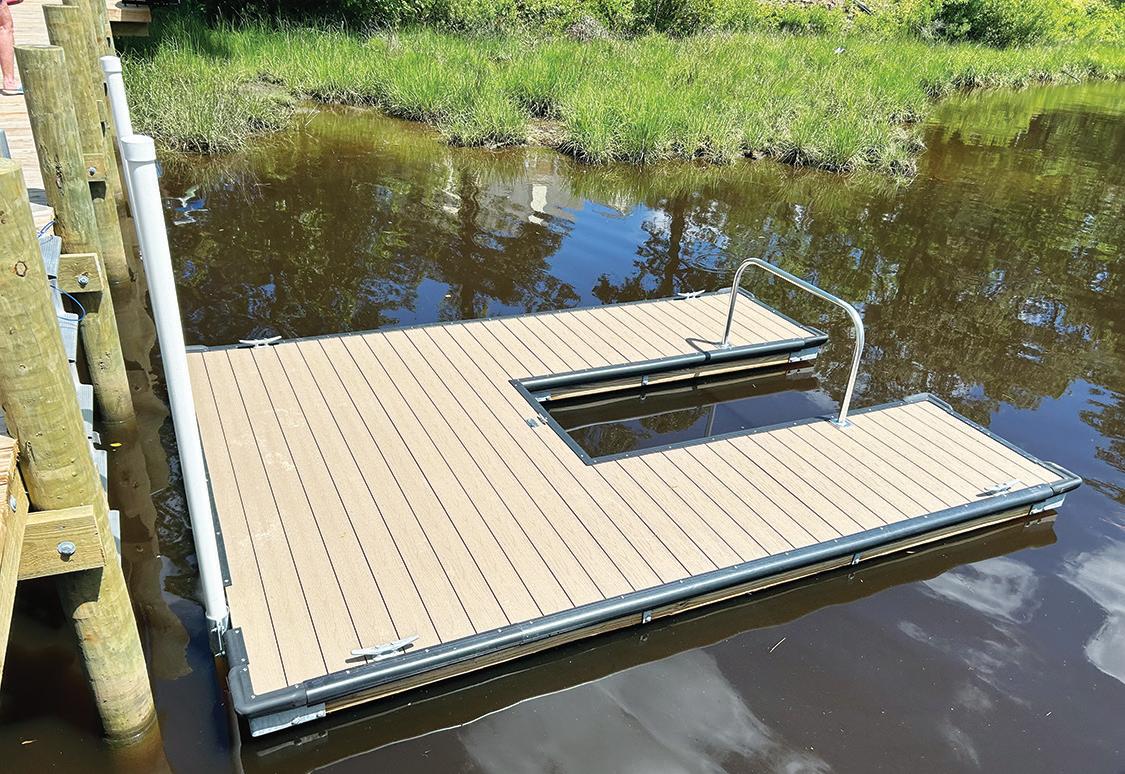
SLOT DOCK
Perfect for Kayaks and Paddleboards
• Kayak Docks
• Re-Decking
• Pressure Wash & Seal
• Boat Lifts, PWC Lifts
• Gangways
• Solar Dock Lighting
• Floating Piers
• Rowing Docks
• Kayak Racks
• Ladders
• Dock Boxes
• Piling Caps




Detox Your Kitchen (not your body)
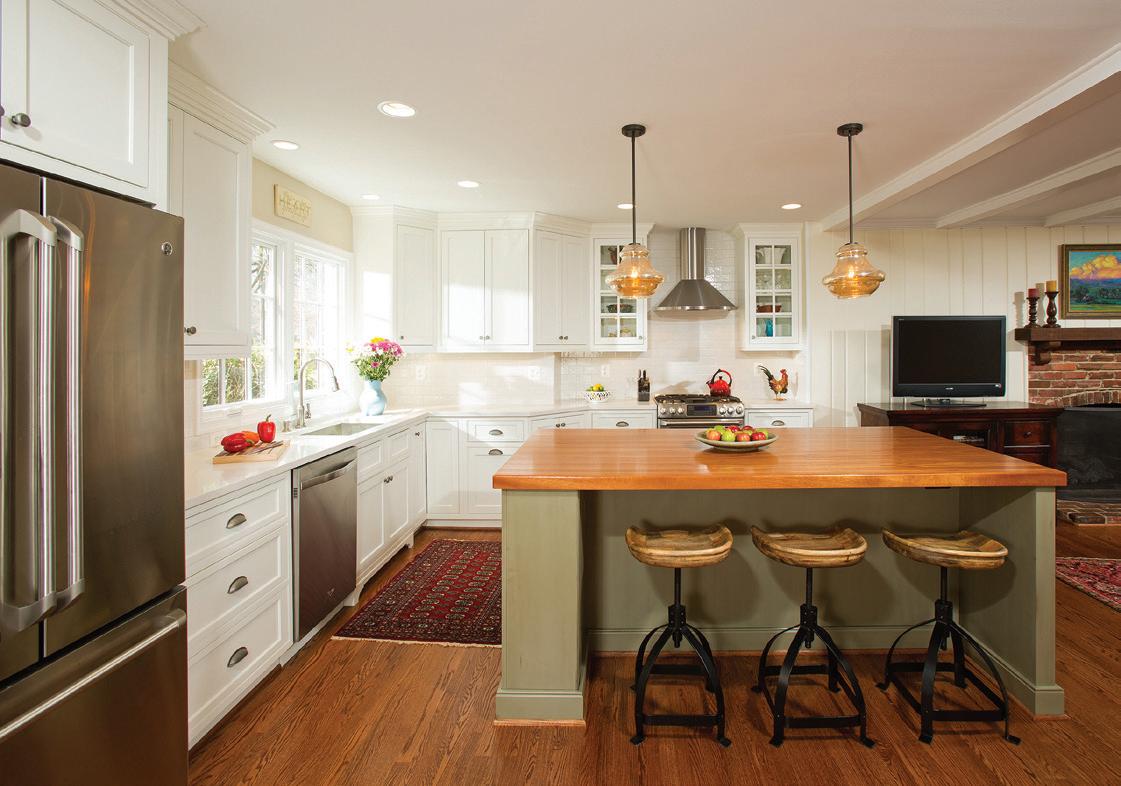
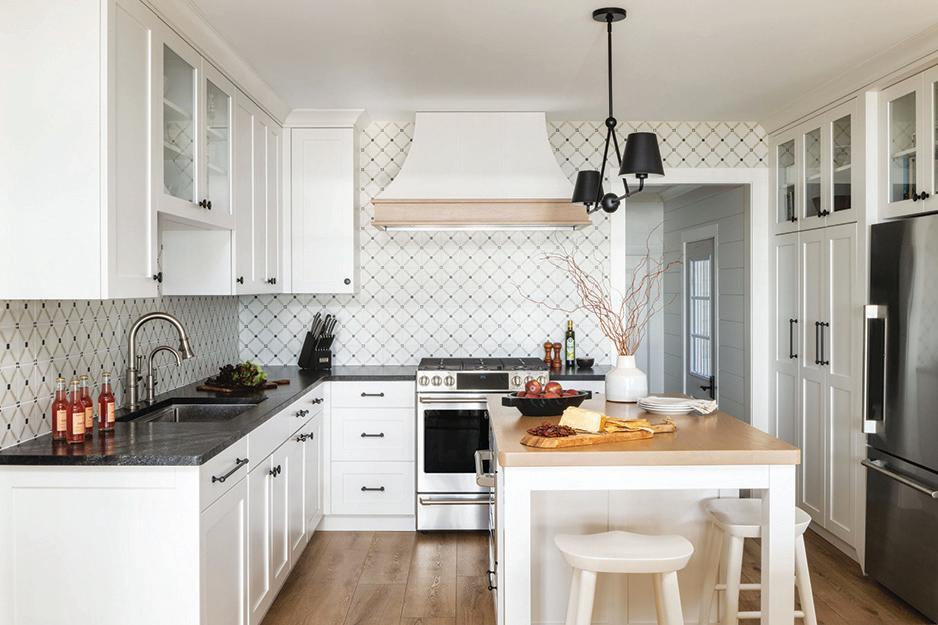
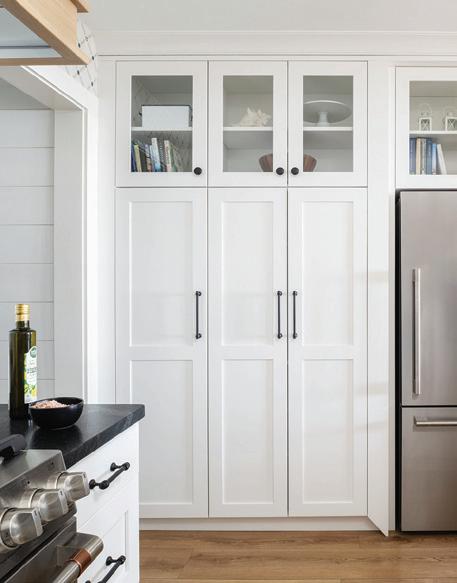
March is the perfect month to hit the reset button — not with restrictive cleanses or harsh detoxes, but by gently detoxing your kitchen habits . Real health doesn’t come from deprivation. It comes from simple, nourishing foods made with intention, a little planning, and a well-loved kitchen.
This month, let’s clear out what’s
not serving us — excess sugar, ultra-processed foods, forgotten pantry items — and make room for fresh, colorful meals that support digestion, energy and joy.
Stock Your Pantry for Simple, Healthy Cooking
Healthy Fats & Flavor Builders: olive oil, avocado oil, nuts,

Tidewater Kitchen
seeds; flax, chia, dark chocolate
Protein & Omega Boosters: salmon, trout, sardines, plantbased omega options
Eggs, tofu, chicken, grass-fed beef, or lean meats
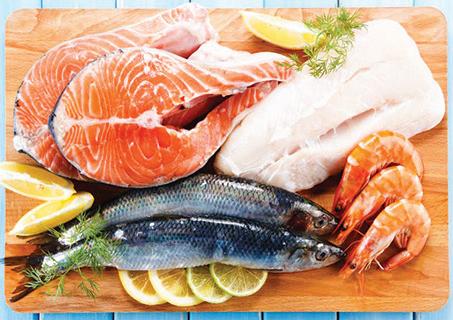
Whole Grains & Legumes:
brown rice, quinoa, oats, barley, lentils, chickpeas, black beans
Fruits & Vegetables: leafy greens, broccoli, carrots, squash, purple sweet potatoes
Berries, citrus, apples, pears
Fermented & Gut-Loving
Foods: sauerkraut, kimchi, fermented pickles (refrigerated, not shelf-stable); plain yogurt (Greek or regular, unsweetened) Kefir, miso, tempeh, apple cider vinegar (with the “mother”)
Spices That Heal: turmeric for absorption-black pepper, ginger, allspice, cinnamon
2025 Dirty Dozen Buy Organic
(Produce Highest in Pesticide Residues)

1. Spinach
2. Strawberries
3. Kale, Collard & Mustard Greens
4. Grapes
5. Peaches
6. Cherries
7. Nectarines
8. Pears
9. Apples
10. Blackberries (new on the list)
11. Blueberries
12. Potatoes (new on the list)
Simple 5-Ingredient Recipes with helpful Tips
Chia Pudding
This is a great breakfast that professional athletes love to eat. I enjoy lasting energy after hours of activity. Stir everything together, refrigerate overnight or put in a mason jar and shake it up and go.
1 cup soy milk or coconut milk
¼ cup chia seeds
1 cup fruit (such as blueberries, strawberries, raspberries and
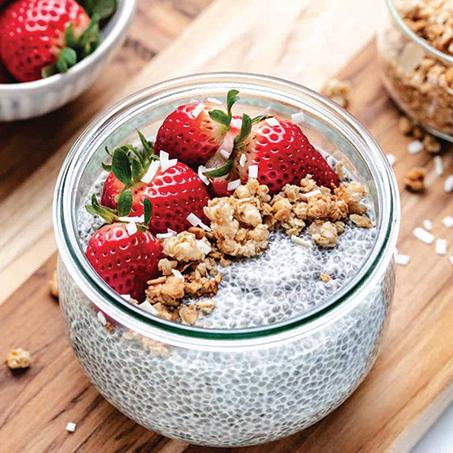
blackberries)
2 teaspoons honey
1 tablespoon pepitas or your favorite nut
1 tablespoon coconut flakes
In a 16-ounce mason jar, add the soy milk, chia seeds, fruit, honey, pepitas and coconut flakes. Screw the lid onto the jar and shake vigorously.
Prepare this the night before, storing it in the refrigerator to set. Just make sure the chia seeds are mixed well, so they don’t clump at the bottom. You can either add the fruit as you are preparing or the morning of. Enjoy. Serves 1.
Tip: Make a double batch for grab-and-go breakfasts all week.
Homemade Granola Granola is so delicious and easy to make. The good stuff can cost several dollars per serving. Ouch! Learning how to make your own
can save you big bucks. Plus, you can fill it with your favorite ingredients. Here’s the basic version. Feel free to add other dried fruits, coconut, vanilla extract or mini chocolate chips.
3 cups old-fashioned oats, or gluten-free oats, glyphosate free. I love One Degree organic foods
1 ½ cups, chopped nuts or seeds, such as pecans, walnuts, almonds, sunflower seeds or pepitas
½ cup olive oil or coconut oil
¼ teaspoon Himalayan salt
½ cup brown sugar
1 egg white, whisked
1 cup dried cranberries or tart cherries
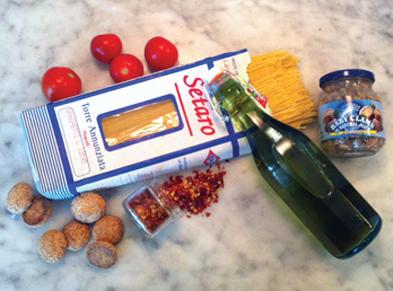
www.piazzaitalianmarket.com
Tidewater Kitchen
Preheat the oven to 350 degrees. Spread out the oats and nuts on a rimmed baking sheet with parchment paper. In a large measuring cup, whisk together the oil, salt, sugar, and egg white. Pour this over the oats and nuts and use your hands to mix thoroughly flatten the oats with your hands, packing the mixture down gently onto the baking sheet.
Bake for 10 minutes. Flip the granola over with a metal spatula and Pat down again. Bake for another 10 minutes, until golden. Flip the granola again, trying not to break up the larger pieces. Break for another five minutes. Allow to
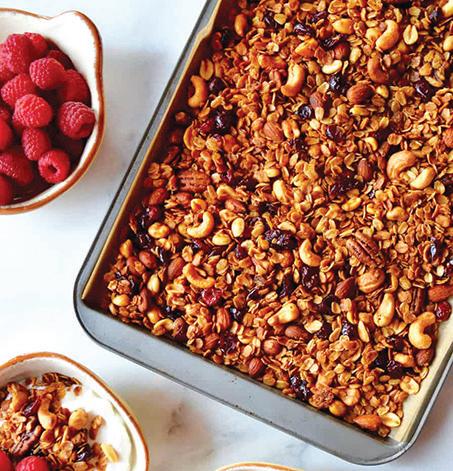
cool completely, then add the cranberries. Store in a container.
Tip: Keep sugar low, let fruit sweetness come from fresh toppings. Serves 6










Homemade Popcorn
Great for family nights, pop on the stove, season while warm.
½ cup organic popcorn
2–4 tablespoons coconut or olive oil
Favorite seasoning: sea salt, Old Bay seasoning, nutritional yeast, truffle seasoning

Pour oil and raw popcorn in a Whirly Popper or good heavy pot with a lid. Turn on stove to medium heat. The popcorn will start to pop. When it starts to really slow down, turn off the stove and pull off the burner. Pour into your favorite bowl and season with your favorite seasonings. Serves 4. Tip: Skip microwave bags — this

Schedule your




is cheaper, cleaner and better tasting.
Everyday Kale Salad with a Simple Vinaigrette
Kale has become the celebrity of leafy greens, and for good reason. It is sturdier than lettuce, is a good plant source of protein and has a sweet flavor and firm texture. It also plays well with other ingredients, serving as a delicious backdrop to spicy savory and subtle flavors. Use a good-quality olive oil when making this salad—its flavor really shines through in the raw preparations.
1 bunch kale, tough ribs removed
1 garlic clove, minced
Pinch red pepper flakes
Zest and juice of 1 lemon
1 tablespoon red wine vinegar
3 tablespoons extra-virgin olive oil
Sea salt
Freshly ground black pepper
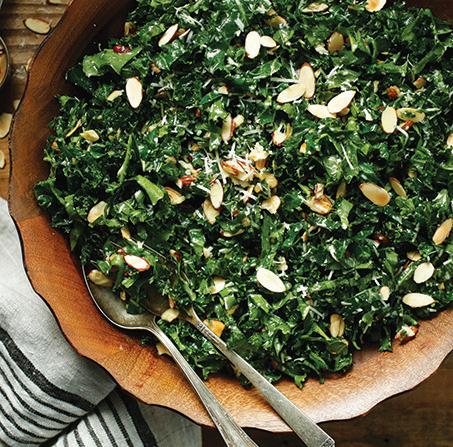



www.captainsketchseafood.com
Roughly chop the kale into bitesize pieces. In a large bowl, combine the garlic, red pepper flakes, lemon zest and juice and red wine vinegar. Pour in the olive oil in a thin steady stream, whisking constantly until the dressing emulsifies. Season with salt and pepper. With clean hands, add the kale to the bowl and mix, massaging the dressing into the leaves of the kale to coat. Massaging kale makes it tender and easier to digest. The kale will release some of its liquid and soften as you do this. Serve immediately with Romano cheese. Serves 2.
The three varieties of Kale

you’re most likely to see at the grocery store are Lacinato, green and purple. Lacinato kale, also called cavolo nero or Tuscan kale, has a dark green matte leaf with a thick, bubbled texture. Green and purple kales have a curly leaf and are, as their names suggest, green or purple. Use whatever variety suits your taste. Go to the farmers market in Easton and see my friend Barry at Tuckahoe Creek Produce. He has the best kale, greens and veggies you will ever taste!
Tip: To remove the stems from kale leaves, grasp the kale stem firmly with one hand. With the opposite hand, slide your fingers down the length of the stem, pulling the leaf off as you go. Tidewater Kitchen
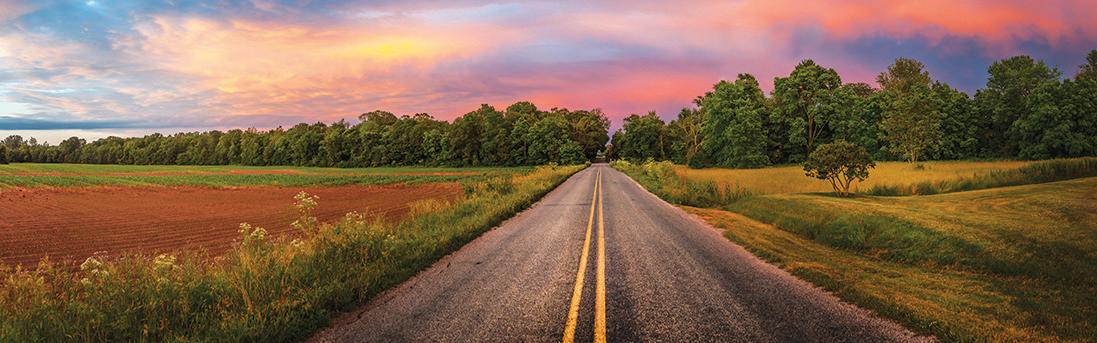




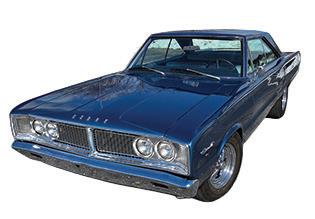



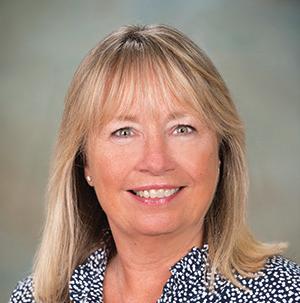
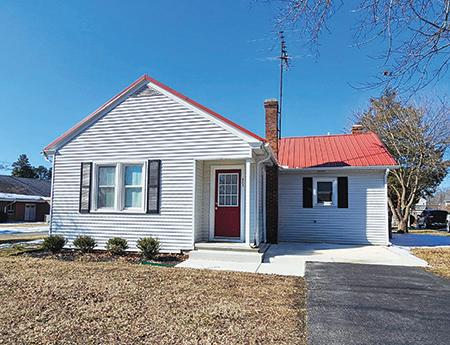
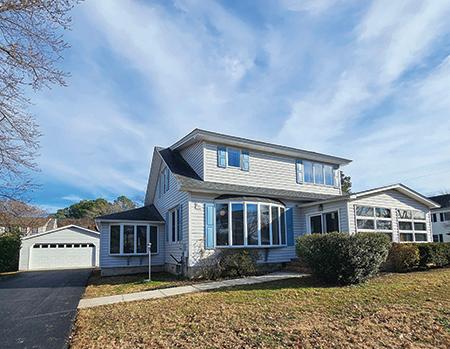
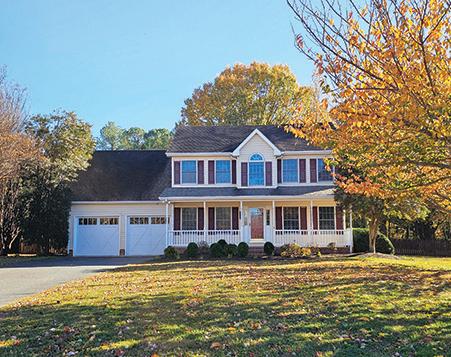
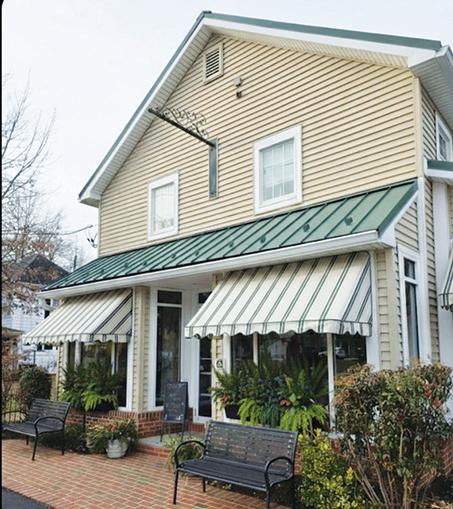
Tidewater Kitchen
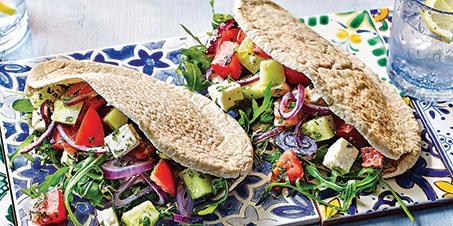
Greek Salad Pita
Pita bread is a perfect bread for a filling because it’s hollow and has space for filling, savory goodies. This sandwich has a lot of flavor, with lots of crunch from the cucumbers.
¼ cup pitted Kalamata olives, halved

1 cup diced plum tomatoes
1 cup diced cucumbers
2 cups cooked diced or sliced chicken
2 teaspoons extra virgin olive oil
1 teaspoon red wine vinegar
Sea salt and freshly ground pepper, to taste
4 pita bread, cut in half. For more fiber, get the whole-grain variety
In a medium-size bowl, mix together the olives, tomatoes, cucumber and chicken. Drizzle the olive oil and red wine vinegar, and season with salt and pepper to taste. Divide the mixture between the halves of the pita and enjoy. For a vegan option: instead of the chicken, add 1 ½ cups of



Tidewater Kitchen
rinsed and drained chickpeas (from a can) smash and add ½ cup of crumbled feta.
Tip: Add olives if you want more protein.
Roasted Veggies with Orzo and Feta
This is also great to serve with your favorite gluten-free pasta or orzo. Roast veggies, cook orzo, toss together with feta. It’s delicious and worthy of all who avoid gluten but love pasta. Serves 4.
4 tablespoons olive oil, divided 4 cups assorted veggies (zucchini, cherry tomatoes and/or bell peppers)
Sea salt
Freshly ground pepper
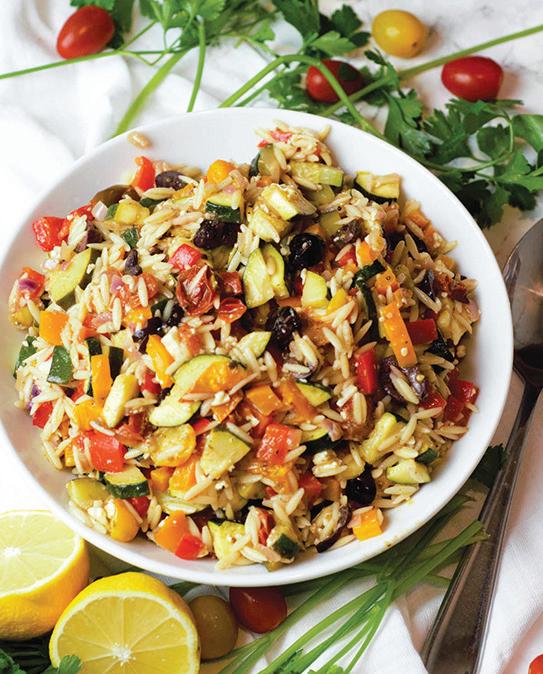
2 cups gluten-free orzo or your favorite pasta
Zest and juice of 1 lemon 1 cup roughly chopped fresh basil leaves 8 ounces crumbled feta cheese
Preheat the oven to 400 degrees. Place the vegetables in a large bowl. Add 2 tablespoons of olive oil and toss to coat. Spread the vegetables on a rimmed baking sheet and season with salt and pepper. Roast for 25 minutes.
While the vegetables cook, bring a large pot of salted water to a boil. Cook the orzo for about 10 minutes until it is firm but still chewy. Drain in a colander. In a large serving dish, combine the roasted vegetables, cooked orzo, lemon zest and basil. Drizzle with the lemon juice and remaining olive oil and toss gently to mix. Sprinkle with the feta.
Tip: Oven roasting at high heat brings out the sweetness and complexity in ordinary vegetables, giving them a caramelized exterior and soft, succulent interior. Make sure not to cover them or crowd the pan.
Roasted Pears with Thyme
This recipe is very simple and delicious. As with any dessert, vanilla ice cream makes it even better. When you slice the pears in half, be sure to leave the stems intact for a pretty presentation. Serves 4. 2 tablespoons olive oil or butter



Events for March 2026
SUN. 3/1 - Roger Street Friedman - Stoltz - 4 p.m.
THURS. 3/5 - Cold Chocolate - Stoltz - 7 p.m.
FRI. 3/6 - Dancing Dream - Avalon - 7 p.m. (benefits Sink or Swim)
SAT. 3/7 - Amish Outlaws - Avalon - 7 p.m.
WED. 3/11 - Kathleen Parks - Stoltz - 7 p.m.
THURS. 3/12 - Rakish - Stoltz - 7 p.m.
FRI. 3/12 - Radio Chesapeake Presents Comedian Monique Marvez - Avalon - 7 p.m.
SAT. 3/14 - Statesboro - Tribute to the Alman Bros. - Avalon - 7 p.m.
FRI. & SAT. 3/20-21 - Medium Debbie Wojciechowski - Stoltz - 7 p.m.
SAT. 3/21 - The Met: Live in HD Tristan und Isolde - Avalon -1 p.m.
WED. 3/25 - James McMurtry (solo) - Avalon - 7 p.m.
FRI. 3/27 - The Reagan Years - Avalon - 7 p.m. (dance floor open)
SAT. 3/28 - Comedy @ the Stoltz with Greg Stone - 7 & 9 p.m.
Tidewater Kitchen butter. Place the pears cut-side down in the baking dish, and dot with the remaining 1 tablespoon of butter. Sprinkle the thyme leaves over the pears and drizzle with the honey. Roast for 25 minutes, until soft and caramelized. Allow to cool for at least 10 minutes before serving. Serve with a scoop of vanilla ice cream.
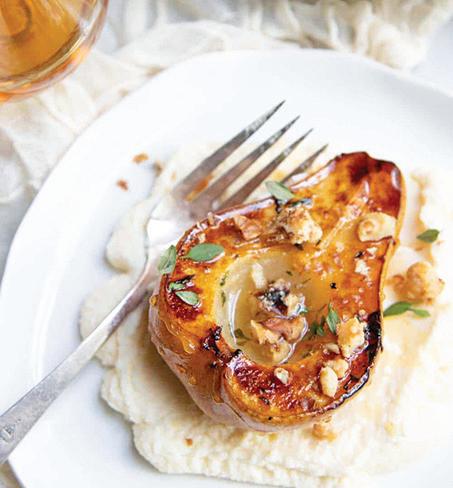
room temperature, divided
4 ripe pears, peeled, halved and cored
1 tablespoon fresh thyme leaves
2 tablespoons honey
A pinch of sea salt
1 pint vanilla ice cream or your favorite non-dairy alternative, for serving
Preheat oven to 425 degrees. Coat the bottom of an 8 by 8-inch baking dish with 1 tablespoon of
Tip: Serve warm with yogurt for breakfast or dessert.
Final Thought
Detoxing your kitchen is about adding nourishment, not taking joy away. When your pantry is stocked with real food, healthy meals come together effortlessly — and that’s where true, lasting wellness begins.
Live your healthiest life, one simple meal at a time. ♥
Pamela Meredith, formerly Denver’s NBC Channel 9 Children’s Chef, has taught both adult and children’s cooking classes.
For more of Pam’s recipes, visit the Story Archive tab at tidewatertimes.com.





Spring is a Sure Thing
by Michael Valliant
It’s been a rough winter. The number of subfreezing days in a row and persistent ice aren’t something we are used to on the Eastern Shore. Even the pets are confused and depressed. Thanks be to God that spring is on the way. Spring is a sure thing.
That’s something worth keeping in mind for our mental, physical, and emotional health. The sun will rise each morning in the east and spring follows winter. We will thaw out, the color green will make its presence known again, buds will appear and things will begin to bloom this month and in those that follow. I first learned about writer/ poet Luci Shaw in hearing about her death this past December. She was 96 years old and writing and publishing books all the while. Her collection of poems, “The Generosity,” came out when she was 91. She wrote:
“Often I feel as old as a stump, and I’m as shocked as anyone that poems keep surfacing, arriving without strenuous effort on my part. I’m not claiming to be the fulfillment of an Old Testament prophecy, or that I’m a burgeoning shoot of green, simply that I’m attempting something improbable at



Spring is a Sure Thing

the age of 91, and that I feel enlivened as fresh shoots of words jump off pages at me, demanding my attention… The title of this collection, The Generosity , is a reminder of the prodigal green that flourishes

Serving Caroline, Dorchester, Kent, Queen Anne's & Talbot Counties
The Mid-Shore Community Foundation connects private resources with public needs in order to enhance the quality of life throughout the Mid-Shore Region. We provide tools that enable donors to easily and effectively support the causes they care about - immediately or via bequest.
102 East Dover Street Easton, Maryland 21601 410-820-8175 www.mscf.org

everywhere in nature, despite our human depredations.”
I can’t tell you how much I needed to encounter Luci Shaw. Her writing, her life, her words and spirit have been a reminder of things that make me who I am, that I sometimes let drop off when life gets too busy. When I find myself only writing for work; when I am not noticing and dwelling on moments in nature; when I am not taking and sharing photographs and experiences; when my quiet time feels more like a pause and less like solitude.
Along comes Shaw with “Little Revelations”—
Perhaps we should consider stars as outposts of heaven. But right here, on our own lovely planet, in our town, the flickers of early light glance their bright air along the morning roadway compelling response.
At the stop light I write an answer, a scribbled line, maybe beginning a new poem.
It starts to rain. I notice the way a single drop on a windshield magnifies the whole landscape. Look close. It is like a book of revelation.
In poem after poem, she brings
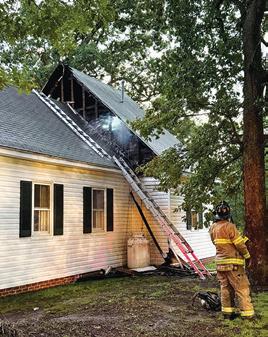
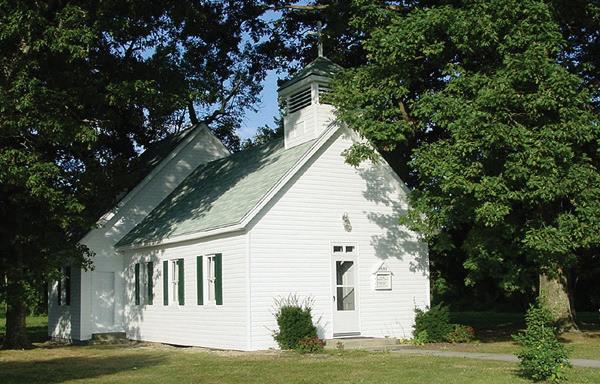
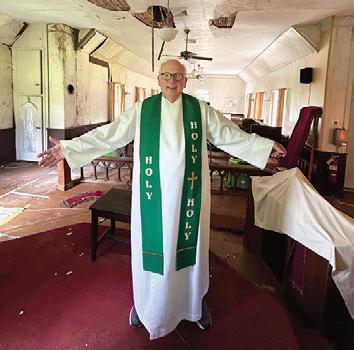

The moment of impact caught on a neighbors security camera.
Faith Chapel United Methodist Church is currently accepting donations for its rebuild following being struck by lightning and the resulting devastating fire on July 8, 2025. Many thanks to the Trappe, Oxford and Easton Volunteer Fire Departments for their quick response!
Contributions for the Re-Build Fund may be sent to: Faith Chapel UMC Rebuild Fund 4860 Windy Hill Road Trappe, MD
Spring is a Sure Thing

me back to the glorious present moment that I was about to walk by. I don’t aspire to be a proper poet, but when she asks, “What makes a poet a poet? The slender antenna of awareness combing the air for messages.”
I want to comb the air for messages. And sliding along the ice to go get firewood, to fill the bird feeders, feeling the cold in my bones, trying not to end up on the ground, it is the promise, the sure thing of spring that presents itself.
Whether it is the cold, whether it is the despair and divisiveness of current events, the new birth, the hope of spring is real and en route.
For more than 50 years, that’s been my lived experience. And it’s
been going on for millennia longer. It’s everyone’s experience. It’s something to store up in our souls.
Spring is Walt Whitman season, encouraging us to find our own leaves of grass. The Walt that implores us:
Love the earth and sun and animals,
Despise riches, give alms to everyone that asks,
Stand up for the stupid and crazy, Devote your income and labor to others...
And your very flesh shall be a great poem.
Soon we will be able to sit in parks or on porches in the evening or be out walking. While this March issue of Tidewater Times is out,
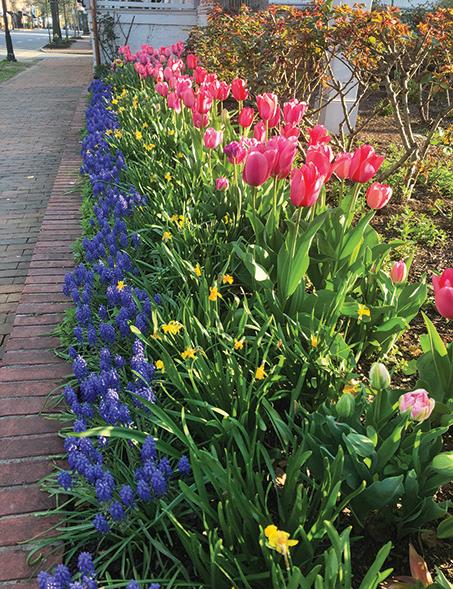


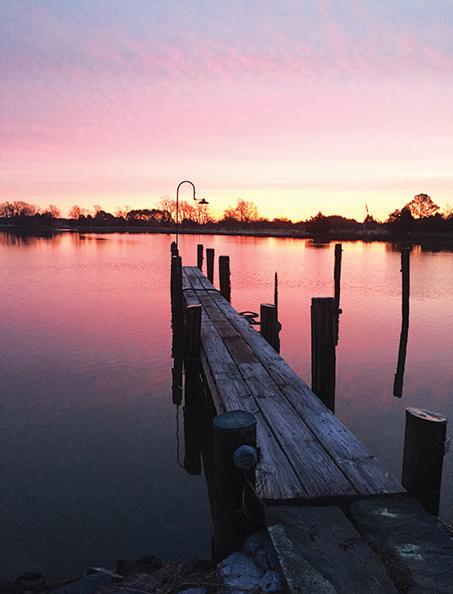


even with some cold days mixed in, spring sports will begin for kids and spring training is underway for baseball season. The universe conspires to warm our Mid-Atlantic bones and brackish blood on the Shore.
Am I over the top? Maybe. But these things will happen even so. There is a thawing on the way that feels more needed this year than others.
In March, the days get longer, the sun asserts itself, we find ourselves outside more. Physically and spiritually, we embrace the idea of rebirth by seeing it in action.
Luci Shaw is my reminder of spring this year. Finding her work and learning of her life after she
died makes for a carrying on, new life for her words and her legacy. My backpack and binoculars are packed. My pen is inked and my notebook is ready to receive. My trail running shoes and skateboard are in the car ready to be called into action, to explore, enjoy, and appreciate being outside.
Fall is my favorite season. But my soul is a chameleon and when spring hits, my colors go all in. I nod my head in agreement with Shaw when she closes her poem, “Green, Springing” by writing:
I t is the best season. There is such courage in bursting life. And yes, I promise, it is possible— to fulfill God’s reason for thrust-

ing us into full leaf, rooted in our unique, particular ground.
We are each rooted in our unique, particular ground. This month that ground will begin to thaw. And turn green. Buds will appear. It happens every year. Spring is a sure thing.
Michael Valliant is the Assistant for Adult Education and Newcomers Ministry at Christ Church Easton. He has worked for non-profit organizations throughout Talbot County, including the Oxford Community Center, Chesapeake Bay Maritime Museum and Academy Art Museum.
EASTERN SHORE TITLE COMPANY
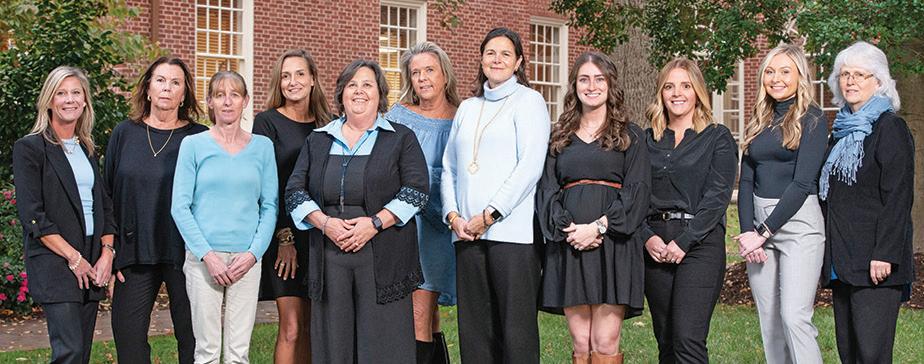
Melissa Grimes-Guy Photography
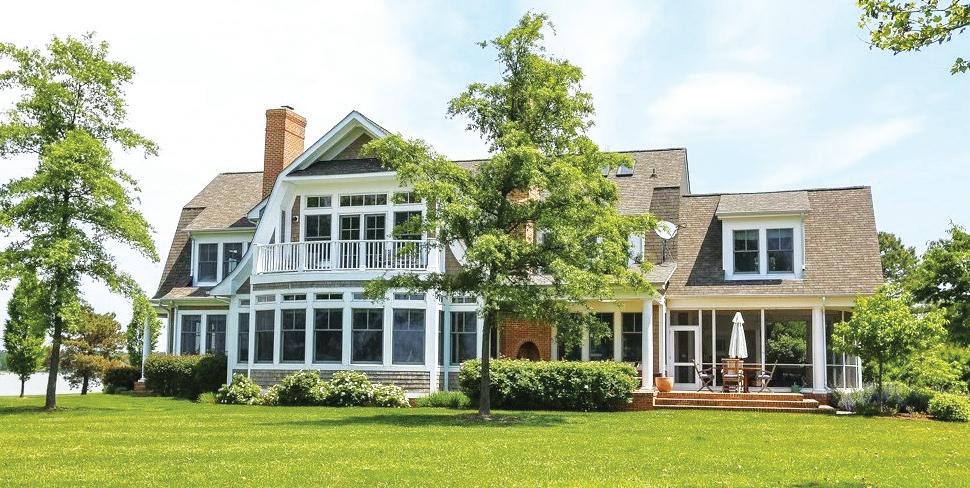


The Little Market by Holly Fairbank
The following is an excerpt from Holly’s book, Come with Me down Memory Lane: Scenes of Life in St. Michaels, MD, during the ’60s and ’70s through the Eyes of a Young Girl. Within the book’s pages you will find interesting history as well as touching and humorous stories about neighbors, the town bell, bomb shelters, the schools, the annual firemen’s carnival, Sam’s Shore, the big freeze of 1976–77, and a dozen businesses. Holly is currently writing another book about St. Michaels, which will include historical photos taken by several generations of her family as well as images from other sources.
NEXT
TO ST. LUKE’S United Methodist Church on Talbot Street sits a long and narrow shotgunstyle single-story frame and block building that used to be the home of The Little Market, a mom-andpop grocery store. The business was owned and run by Frank Nickerson and his wife, Mildred, who would later turn it over to their son, Gary, and his wife, Barbara. The charming storefront, with its recessed entrance and large plate-glass display windows framed by wood-paneled knee walls below and divided small panes of glass above, topped off with a bracketed cornice, was (and still is) one of only a few Victorian storefronts in town that has survived pretty much unscathed. The exterior of the building was painted red and a hand-crank awning featuring red and white vertical stripes completed the welcom -
ing look. As I talked with friends to share memories of the store, I found that some claimed its name was The Little Red Market. Huh , I thought and decided I’d have to do a little digging. So I searched the ads in old yearbooks and nary a one contained the word Red , but in an online search it showed up in a document from the Maryland Historical Trust. That’s strange , I thought. I knew the only way to get to the truth of the matter was to go directly to the source. I called Barbara and Gary and they both assured me that the name was The Little Market. So there you have it. The point is moot, though, because just about everybody in town called the place Nickersons. The elder Nickersons were known as Mr. Frank and Mrs. Mildred. When they ran the store, he did all the butchering and she worked the counter. They and all
their employees wore old-style white tie-on aprons rented from a laundry service, ensuring an ample supply so they could always look their best. The younger Nickersons would carry on this tradition.
Every Thursday, Mr. Frank made ground sausage from a recipe passed down to him from his father. It was so good there was always a run on it, with customers lining up early, not wanting to miss out. I imagine there were times when some had to go home with nothing to sizzle in their pan, but every week has a Thursday, so there would be plenty more oppor -
tunities to walk out of there with a nice bundle of what some called legendary. I was told it had plenty of sage and brown sugar, but as to the quantity of those ingredients and whatever else went into it, that will remain a mystery, for the recipe was lost ages ago.
The store carried just about every grocery item you could want, whether it was fresh or in cans, boxes, bottles, cartons or bags. Local fare included jars of honey from a woman who lived on Talbot Street and five-pound sacks of Just Right Flour from the St. Michaels Milling Co. They also carried eggs from a nearby farm, but the cartons had to be checked over because the supplier had

a tendency to try to sneak in a “quacker”—a duck egg—here and there. Just inside the front door on the right was a soda cooler, with the produce case standing nearby, followed by a chest freezer and shelves filled with canned goods. On the left you’d find the counter, with shelves displaying an array of candy and treats. In the back of the store was more shelving holding all sorts of goods. If you wanted something out of reach, whoever was waiting on you would use one of those long-handled claws to grab it. Also in the back was the dairy section as well as a refrigerated case filled with cuts of meat and a walk-in locker. If your arrival at the store was timed just right, you might get to witness the Esskay man pull up in front and carry inside a hind quarter of beef slung over his shoulder. Meat was butchered on a massive maple block, right in view for anyone to watch, the floor below covered in sawdust. One man recalls that when he first started working there, the block had been worn down to a concave shape and one of his duties was to clean it with corn meal and a wire brush. Gary tells me that occasionally they would have someone come in and take a saw to it to level it off again.
I imagine there were times when some had to go home with nothing to sizzle in their pan
A man by the name of Bush from Church Neck sold asparagus and strawberries to the Nickersons, and in the summertime, much of the produce they carried came from Caroline County. Baskets in front of the store brimmed with all kinds of vegetables and fruit, their fresh scents and pleasing colors beckoning to shoppers. For those folks who preferred to shop by weight rather than quantity, they had a hanging scale inside. At the end of each day, the baskets had to be lugged inside to spend the night in the walk-in box to keep the produce fresh. Then the following morning they were put back on display outside. Like some of the other stores in town, The Little Market offered free delivery service. Even people living in Rio Vista and other areas on the outskirts of town could get their goods delivered to their doorstep. When Gary was a young teenager working for his dad, he delivered small orders on his bicycle. The adults took care of delivering the larger orders, loading boxes and bags into a Chevy station wagon, then riding the roads until the last order had been handed over. Sometimes kids would stand at their front window watching for the wagon, and then when it rolled up, they would throw open the front door
The Little Market
and holler, “They’re here!” as they jumped up and down in excitement. I guess they were hoping their mother had ordered some treats. When the vehicle was traded in for another, the next owner, a local boy who knew its history, dubbed it “The Celery Wagon.”
A tab was another nicety the storekeepers offered, along with affordable prices. They were also compassionate and understood what it was like when life threw you a curveball. One woman says, “I’ll never forget their generos -
ity.” When she was just a young mother of two, her husband was in a near-fatal accident, leaving them with no means of financial support for several months. The Nickersons made sure they had food on their table and never took a penny in return.
Baskets in front of the store brimmed with all kinds of vegetables and fruit
What I remember most about The Little Market was from my days as a member of Girl Scout troop 276. Barbara was one of our leaders, and meetings were held next door at St. Luke’s parish hall after school. My friends and I would reward ourselves for the long walk uptown by hitting the store for snacks and

something to drink. Of the tons of packaged goodies to choose from, one of my favorites was the Hostess Sno Balls. I didn’t think anything could beat that combination of coconut, marshmallow, chocolate, and cream washed down with a small carton of cold milk. Then one day as my best friend snatched up one of those miniature sweet potato pies that came out of Hazel Pinkett’s kitchen and said to me, “You gotta try one,” I decided my ears had heard that advice more than enough. So I grabbed one too, we each forked over what was owed, and then we headed to the churchyard. As I stood on the lawn next to my friend and bit into that pie, I soon found out there was indeed something better than a pair of round, cream-filled chocolate cakes covered in PeptoBismol pink marshmallow and coconut. It would be Mrs. Pinkett’s pie from now on.
Little Market go, but what wonderful memories two generations of the Nickersons gave us.
Note:
Information about the architecture of the store was used with permission of the Maryland Historical Trust. See Touart, Paul B. 1988. “Little Red Market (Hodgepodge Antique Shop).” Maryland Historical Trust State Historic Sites Inventory Form, Survey No. T-609. Crownsville, MD: Maryland Historical Trust.
What wonderful memories two generations of the Nickersons gave us!
Holly’s book can be purchased at The Artisans’ Gallery in St. Michaels or at Psychedelic Bubble (in store or through their eBay account) in the St. Michaels Village Shopping Center. On April 1, the store will be located at 411 S. Talbot St. and operate under its new name, Starboard Bow.
For a little over two decades, the Nickerson family ran The Little Market. The store was open Monday through Friday from 8 a.m. to 6 p.m. and Saturday from 8 a.m. to 8 p.m. In 1972, Mr. Frank passed away and Barbara and Gary took over the business. They gave it their all, but the six-day-a-week grind was just too much. In 1973, they decided to close up shop. The townspeople were sad to see The
Holly Fairbank is a nearly fifty-year veteran of the publishing industry. For the past three decades, as an independent editor she worked with publishers and authors both nationwide and abroad. She now writes and publishes her work under her own imprint, Long Lane Reflections Press LLC. Nearly three centuries have passed since Holly’s paternal and maternal ancestors settled in St. Michaels. A lifelong resident, she is the last member of the Fairbank line to call it home.


What is a Skipjack?
by James Dawson
The answer to what a skipjack is would depend on when and where someone asked that question. It would be easy for anyone here knowledgeable about Chesapeake Bay oyster dredge boats, but centuries before that, according to the 1928 Oxford English Dictionary, it was the name of several non-nautical things long before it was a boat.
For instance, in 1554 in England if you called someone a skipjack, it would be an insult, as it meant a pert, shallow-brained fellow, a puppy, a whippersnapper, a con -
ceited fop or a dandy. In 1608, it was a horse-dealer’s boy or a jockey. Later, it was also a skipping toy made from the wishbone of a fowl, and then several kinds of fish that leapt out of the water, such as a halfbeak (other leaping fish in the U.S. not listed were the skipjack tuna, skipjack herring, skipjack shad and skipjack mackerel), and it was lastly a wireworm and a click beetle, which jumps up in the air when disturbed.
But here are a few more that the O.E.D. missed. It was the name of
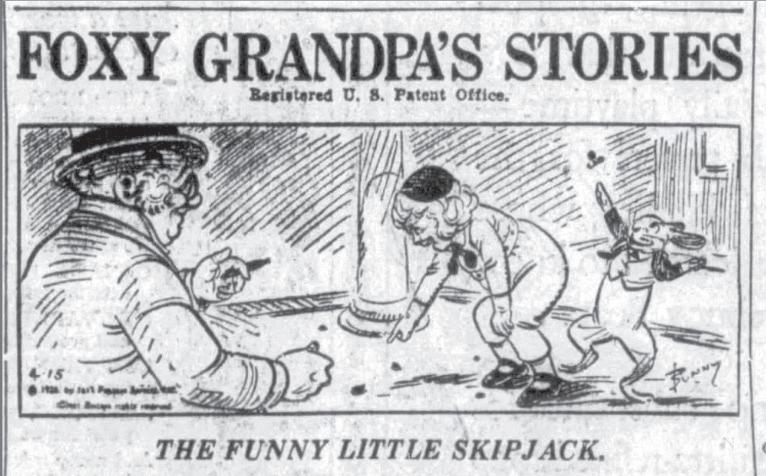
What is a Skipjack?
the gait of a racehorse, as noted in a June 2, 1883 article in the Baltimore County Union, Towson News: “Only a few years ago, the jumping jack kind of a trotter was very common in the very best locations. Indeed the skip jack gait was cultivated, and thought to be indispensable to fast speed in harness.”
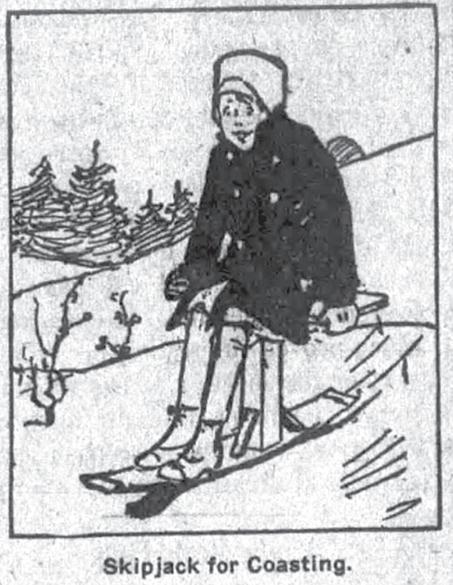
Then in the Amherst Bee , Williamsville, N.Y., on Feb. 20, 1913, there was an illustration of a skipjack sled that had a seat on it for coasting down snowy hills. “The boy who is handy with tools and fond of possessing an article of amusement quite out of the ordinary, will enjoy making a ‘skipjack.’ The skipjack is very easily made and it furnishes no
end of fun to those who like coasting. It takes the place of the sled.”
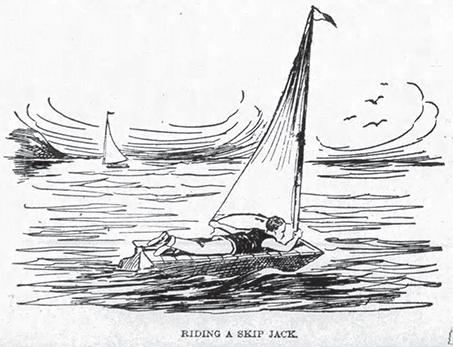
In 1914, there was even an early sail board version in Maine. “Skipjack—Kennebunkport Young Folks Have Exciting New Water Sport… The skipjack is a funny-looking contrivance. These boats look like miniature flat-bottomed squareended boats with boarded tops over them, as one watches them skimming over the waters of the river or harbor. But each skipjack has a center-board which makes it safe and there is depth enough between the upper and lower planking so that it carries the little triangular sail. The boat is about six feet long and the mast is the same height. There is no boom and little room. Hence the funniest part of the sailing is that the boatman has to lie almost flat on his stomach or side, while he manages the sail rope with the hands, and steers with his feet. To watch a fleet of these skipjacks in a race one might think a wreck had happened and the crew were making
off on planks with improvised sails” [Sun-Journal (Lewiston, Maine) Sept. 19, 1914].
But before it was a class of workboats, it could be the name of particular vessels such as the schooner H.M. Skipjack in 1835, a British gunboat in 1860. And in New York and New England it was a steamer, and later it was the name of a tugboat and a yacht.
It was only in the 1987 supplement to the O.E.D. that we get the earliest nautical use in the U.S. that they found: 1887 U.S. “A kind of sailing-boat.” and among the several sources listed were Chapell’s Boatbuilding , 1941 and Michener’s Chesapeake , 1976. My friend and former partner Ken Callahan tracked it down for me from an article in the August 9, 1877, issue of Forest & Stream magazine: “Boats and Yacht Building: The Skip-jack Model. The “skipjack” is a connecting link between the skiff and the round-bottom boat, and is more easily built than the latter, as it has no bent timbers, and the planking is put on without the trouble of shaping. Boats of this model row easily, and sail well, as the bow is sharp and consequently prevents “pounding” in a sea-way. It is a build of boat not often seen, and but little known, but I would recommend it strongly in preference to either a scow or skiff; especially if rough water is to be encountered. Some years ago, a member of the

What is a Skipjack?
New York Yacht Club is said to have one the prize at the annual regatta with a yacht built on this plan…” Aug. 9, 1877, p. 75.
Note that the 1877 usage was not necessary for the Chesapeake Bay oyster dredge boat, but for a smaller sailboat also called a skipjack that was used in New York and New England in the late 1800s that was often raced. By the way, the O.E.D. got the date wrong, it was 1877 and not 1887 as it misdated the reference. So I guess they’ll have to do the whole thing over, all 600,000+ words!
This article from 1898 gives a description of a skipjack and also speculates on the origin of the name:
“Skipjacks for Jamaica Bay [N.Y.]. A novelty from the Connecticut shores of the Sound will be introduced in Jamaica Bay next season by James V. Brown, of the Inwood Club. The novelty will be a thirtyfoot skipjack, which is being built for Mr. Brown at South Norwalk. The skipjack is a popular boat among the sailormen of the Nutmeg State, for the same reason that it is likely to make it appreciated by Jamaica baymen. It is a half-flat, hand-rounded bottomed affair, with turned-up nose that glides over the water, as the name implies, with a sort of skip. In a stiff wind the skipjack fairly slides along the top of the water, and some sailors of the Connecticut favorites declare that there are times when

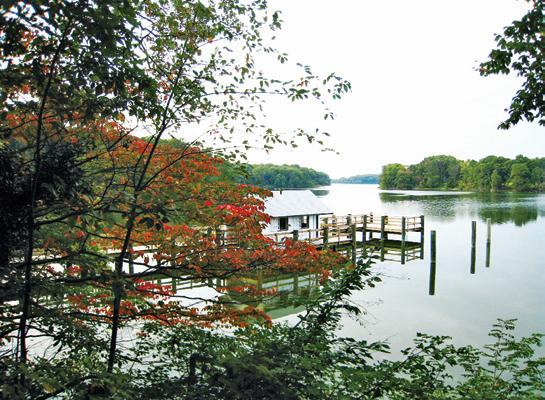
A beautiful 400-acre science education center and farm on the shores of Pickering Creek. Come explore our forests, shoreline, fields, wetlands and nature trails. Check out our adult and family programs!
the wind lifts the boat right from the water, and it skips along as does the merry clam shell scaled from shore. The shallow waters of Jamaica Bay will offer a ready welcome to the skipjack which seldom draws more than one-third the water of the ordinary boat…The skipjack building for Mr. Brown will be rigged in the style of the Shrewsbury dories with double leg-of-mutton sails and flying jib to lift the nose up” [The Brooklyn Daily Times, (Brooklyn, N.Y.) December. 7, 1898].
A leg-o-mutton sail is a simple triangular sail, and a flying jib is the outermost jib.
And locally, in the yacht race at Oxford, Md., on July 20, 1880, Capt. Jesse Dodson entered his boat named Skip-Jack. No mention as to what kind of a boat it was, but that
it measured 29 ft. 8 inches long and so probably was the smaller New England version of the skipjack. A skipjack named Skip-Jack [Baltimore Sun, July 21, 1880].
By 1882, skipjacks were definitely being built here. This is the earliest reference to a skipjack that was built in the Chesapeake Bay area that I have found:
“A new Baptist church is to be erected in Cambridge. Three successful launches were made at the shipyards Wednesday, the vessels consisting of a pungy, a sloop and a skip-jack. Several other sloops are under way, and there is the biggest building boom known in the history of the place” [Baltimore Sun Oct. 9, 1882].
But the skipjack oyster boat soon became very popular.
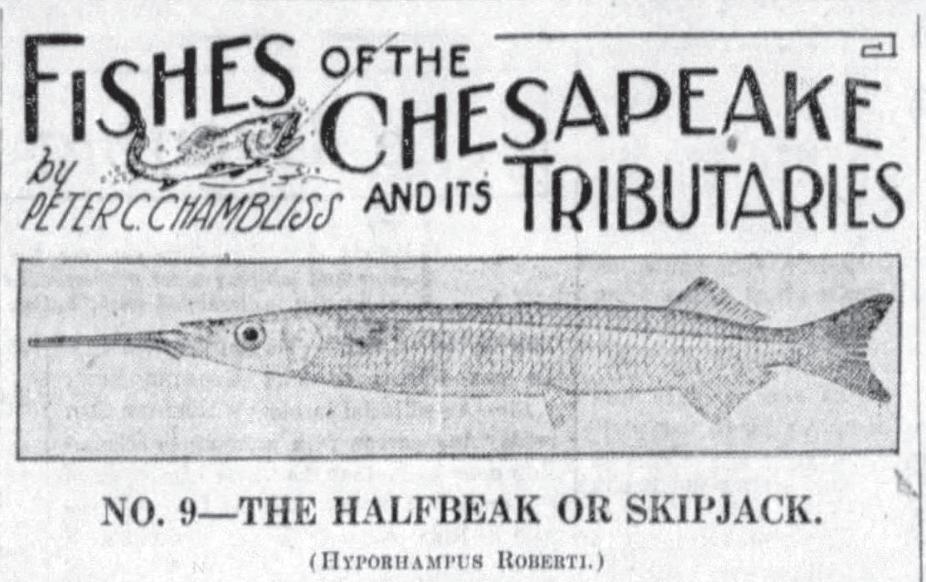
What is a Skipjack?
“The pungies and bugeyes which have held the attention of country shipbuilders on both sides of the bay for many years have a new competitor this season which, while not the product of the present, has come into such numbers as to be worthy of notice in this connection.
“The boat is a new creation which has received the name of ‘skipjack.’ This boat has been slowly making its way toward popularity for perhaps three years, but it was not until the opening of the present oyster season that the representatives of the type began to drop into the harbor as if there had been a rain of them…
“A local shipbuilder says the skipjack is the product of Eastern Shore thought, the home of the canoe and the bugeye, and that St. Peters [Creek], in Somerset county, is the place where the idea was rounded out and produced the skipjack…
“The proportions of the skipjack make it possible for the newcomer to turn within its own length, a fact of great value to the oyster dredging vessel. Their ability to go about may have earned for them the name of skipjack, which is applied by fishermen on the New England coast to the bonita, a fly[ing] member of the fish family when bait is out.
“But the origin of the name has not yet engaged the attention of the dictionary makers [“Types of Bay Craft,” Baltimore Sun, Dec. 8, 1901].
That said, it was thought locally that the skipjack got its name from the skipjack tuna, as both could leap over the waves.
The only skipjacks in Pat Vojtech’s book The Chesapeake Bay Skipjack are the full-sized versions over 30 feet long. The earliest date she found were two built in Cambridge and Tilghman in 1883. The Last Skipjacks Project does consider the smaller versions under 30 feet long to be small, or baby, skipjacks. Other authorities state that the first real skipjack was built in 1892. But by the turn of that century, use of the skipjack for oystering was rapidly expanding.
So where was a skipjack not called a skipjack? To complicate things even more, a skipjack wasn’t called a skipjack everywhere in the Chesapeake Bay area. As Vojtech noted, the open skipjack could be called a Crisfield flattie or sharpie in the lower James River in Virginia. On the islands especially, Smith and Deal, it was often called a hand scraper, bateau or barcat. These were generally the smaller sized sailing skipjacks with a flat or V-bottom, under 30 feet in length, with either no deck or a partial deck with leg o’ mutton sails or a cat boat rig and could easily be sailed or rowed by one man. A hand scraper meant that if an oyster dredge was used, it was a smaller one that was manually operated by one man. There is a photo of one of these boats


What is a Skipjack?
on p. 106 of Brewington’s Chesapeake Bay A Pictorial Maritime History. It does look like a small skipjack.
The origin of the name barcat might be from bark, barcat or barque (formerly a small sailing vessel, but later a three-masted schooner. Barcat might be a corruption of barque on Tangier, where they had a cat boat sail rig, so barque + catboat sail, i.e., barcat, but that’s just my guess. Or maybe the name was inspired by how nimble the boats were when working oyster bars in shallow water.
In other places, skipjack only referred to the sailing rig and not the type of craft. In parts of Virginia a
skipjack wasn’t a skipjack unless its bottom was planked fore and aft instead of athwartship. And in parts of the Eastern Shore, skipjack only meant the sail rig and not the type of craft. The boats themselves were known as two-sail bateau: a bateau is a V-bottom or dead rise hull larger than a skiff.
But usually on the mainland and in Baltimore, such a boat was still called a skipjack along with the larger versions over 30 feet. with a full deck, and robust enough to pull full two full-sized oyster dredges, one on either side to balance out the stress. It would seem that when the watermen here saw how useful the smaller skipjack was, they concluded that a bigger one would be even better.
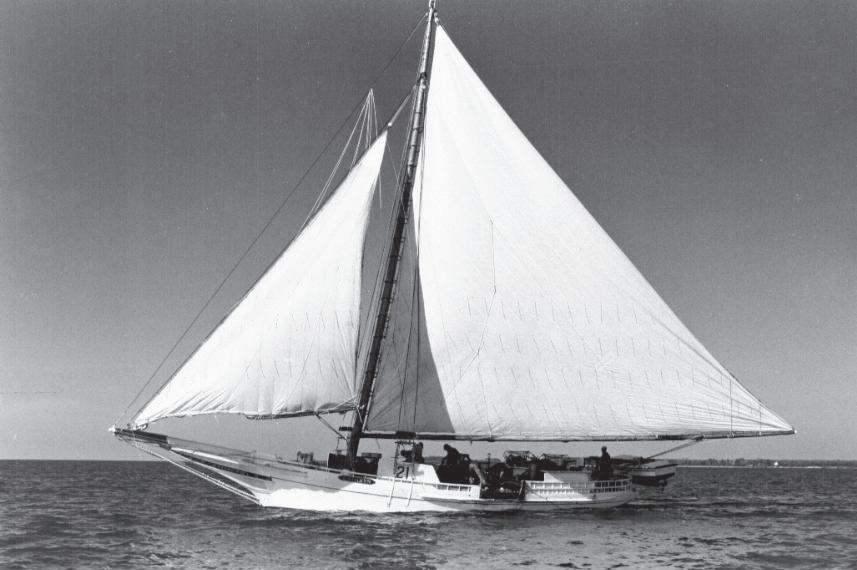
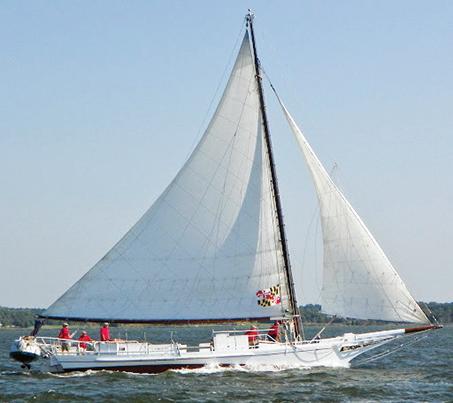
And it was. The full-sized version could also be called a drudge boat, drudge being watermen lingo for dredge, a two-sail bateau, a deadrise bateau or a crabbing bateau. Bateau was also spelled batteau and batteaux. Bateau is French for boat, and bateaux is the plural. A very few early skipjacks even had two masts and were called threesail bateaus, however these never caught on.
In the Chesapeake Bay workboat races held in the 1920s, there were two classes of skipjacks: Class 1: Decked skipjacks over 30 feet in length, either deadrise or round bilge type with a cabin and one mast and a jib. Class 2: Open skipjacks under 30 feet in length with either a partial deck or no deck and with one mainsail and a jib common to the Tangier Sound. Perhaps the name skipjack was used because barque and bateaux didn’t sound very Chesapeaky. Then from 1958 to 1961, skipjack
was the name of a class of nuclear submarines.
Two books have plans for building the smaller non-nuclear powered version, which was said to be a “fine boat for an afternoon sailing or knocking about in shoal water. Has been successful wherever built, sloop or catboat rig” [ Industrial Journal , Dec. 1, 1904]
“How To Build A Skipjack,” Rudder Publishing Co.; N.Y., N.Y., 1901 contains drawings, photos and plans for building a 19-foot skipjack cat boat with sloop or cat rig. A cat boat is a wide, shallow-draft sailboat with one mast and one sail designed for shallow coastal waters. Rudder How-To Books, “How to Build a Skipjack,” A Plan and pictures of completed boats.”
Over the years, probably over a thousand full-sized skipjacks were built, but only about thirty are still floating. The last full-sized skipjack built was the Nathan of Dorchester launched in 1994. Several of the small-sized skipjacks have been built as late as about 2001. And plans for the small skipjack are in “Sailboats You Can Build” by Peter Stevenson (1977).
The skipjack became the official state boat of Maryland by the state legislature in 1985 (Chapter 788, Acts of 1985).
James Dawson is the owner of Unicorn Bookshop in Trappe.


Chlorine Fever by B. P. Gallagher
Even before the station wagon comes to a stop, I can hear the party in full swing. The jubilant screams of my classmates, the slap of wet feet against concrete, the rattle of the diving board and triumphant splash of cannonballs. The Wheelers’ driveway abuts their pool enclosure, the near side of which extends from the corner of the house in a chain-link fence and gate combo. The far sides are whitewashed wood slats. Through the chain-links I can see further evidence of the fun that, for as long as I linger in the car, I am missing. Droplets of chlorinated water
dance like jewels in the sunlight. They arc and descend in glistening parabolas that plunge back, seamless, into the pool or spatter on the concrete, patterning its bone-white canvas with short-lived grayscale Jackson Pollocks. Fading wet patches mark the passage of my peers’ stampeding feet around the perimeter of the pool. The water, alive with the kicks and strokes of a dozen splashing children, laps against and overlaps its earthen container. The pool liner is the color of lapis lazuli, a term I will not learn until I am well out of college. Only the car door and that

Chlorine Fever
chain-link fence separate me from the most glorious afternoon of the summer: the season’s inaugural pool party. I wriggle in my seat, but Mom isn’t ready to let me off the leash yet. Distractedly, she checks off her list. “Towel? Earplugs? Change of clothes? Sunscreen? Good. If you plan to be in the pool all afternoon, make sure you reapply every couple hours. It’s a scorcher today. Whenever you hear Ms. Arnette tell Tommy to put more on, you do too.”
“I will, Mom.”
“Okay, hon. Remember, Tommy’s invited you to stay after the party while I drive your dad across the bridge.”
Of course I remember. It’s the cherry on top of the sundae. I’m so excited about the day ahead that for a moment the reason for their trip across the bridge slips my mind. Instead, I check for sprinkles. “Can I sleep over?”
“Maybe, baby. We’ll play it by ear, depending how Daddy’s doctor’s appointment goes. If we’re in and out like last time, I’ll pick you up around seven-thirty. But in case this is the one and you do wind up sleeping over, I packed your toothbrush and toothpaste. Don’t worry about your sleeping bag—Miss Arnette has extras.”
The reminder that plans hinge on Dad’s medical procedure puts a
damper on things, but not enough to eclipse my excitement. The siren song of the pool party is too great. “Okay, Mom. Can I go?”
“Hold on a sec. Isn’t there anything you want me to tell your father for you?”
“Like what?” My eyebrows stitch together in concern. “I’m going to see him tomorrow, right?”
“Of course, hon. But I’m sure he’ll miss you while we’re at the hospital, and I’m sure he’d like to know you’re thinking about him too.”
“Okay. Tell him I love him, and I’ll see him soon. Can I go now?”
Mom doesn’t say anything for a moment. She looks tired and distant. “Sure, hon. Just give me a kiss before you run off.” In answer to the face I make she says, “One! For me.”
I give her a peck on the cheek through the driver’s side window and make a break for freedom. Just then, the party’s hostess emerges from the gate next to the driveway.
“Hi, Miss Arnette!” I shout as I barrel past her.
“Hi, Pete,” says Ms. Arnette. “There’s juice-boxes and snacks on the picnic table, and Mister Doug’s going to fire up the grill in a couple hours, so I hope you brought your appetite. And slow down! The pool will still be there when you get there.”
I downshift out of respect for the lady of the house. Still, I’m going





















Chlorine Fever
for a kinetic entrance, so I can only comply so far.
Behind me I hear Ms. Arnette say, “Hey Susanne, how are you holding up?”
Mom’s reply is lost amid my friends’ whoops and cheers as I burst through the gate. I toss my stuff onto a deck chair and make a beeline for the deep end. Mounting the diving board, I am inspired to debut a new move, one I workshopped in the car on the way here. An ode to the Star Wars prequels, which I consider the highest form of art. I pantomime a series of vicious lightsaber slashes and pirouette off the end of the springboard. For added flair, I let my body go limp in the hangtime, as if I’ve been run through like Qui-Gon Jinn. My inert form hits the water with a satisfying smack. The splashdown is tremendous, and the move goes over swimmingly with my friends. What can I say? I know my audience.
When I surface, I see Ms. Arnette slip back inside the pool enclosure and latch the gate behind her. In the backdrop of the splashes and shouts, pulverized oyster shells grind and crunch as Mom’s station wagon pulls out of the driveway.
The next few hours are glorious. We swim until we get thirsty, then wet our whistles with sugary juiceboxes shaped like barrels. We play sharks-and-minnows, Marco Polo,
chicken-fight, keep-away with the pool torpedo. I playact a dozen heroic deaths from the diving board, each more dramatic than the last. Sunscreen is applied illiberally and irregularly.
When our energy ebbs and our skin reddens, Mr. Doug fires up the grill. Now the scents of charcoal and barbecue mingle with the chemical tangs of sunscreen and chlorinated water. Mr. Doug asks for orders, and hands shoot up for hamburgers, hotdogs, both. While they cook, the boys compete to see who can do the longest handstand in the shallow end. For a consolation prize, the losers are first to hear that the burgers and franks are done. They stampede from the pool while Tommy and I still have our heads underwater.
We towel off and plant our sodden butts on the picnic table to eat. The food is cooked to perfection, the hamburgers with grill marks and the hotdogs with blistered casing and just the right amount of char. I
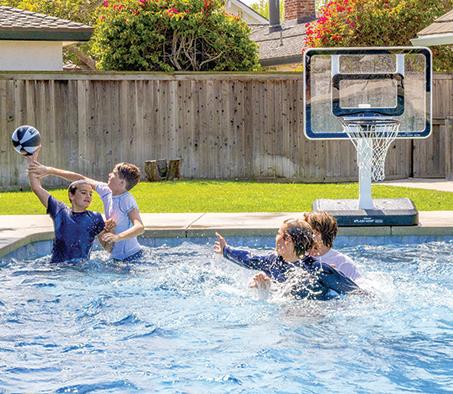
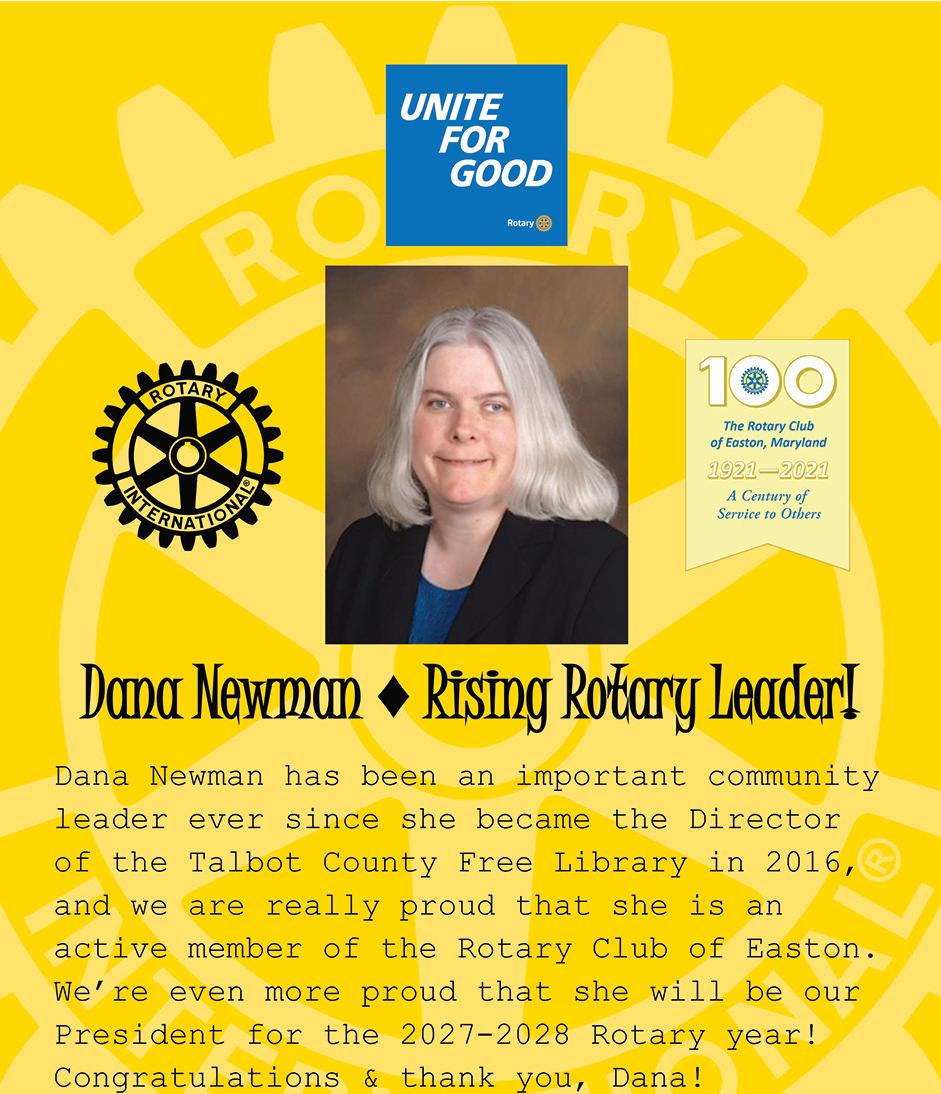

Chlorine Fever
slather mine in mustard and relish, load my plate with sides, and dig in. We gorge on the tastes of summer. Watermelon and sweetcorn. Macaroni salad, potato salad, those delicious misnomers. Even pretzel salad, that delectable descendant of ambrosia. For dessert, ice cream sandwiches.
As the afternoon stretches on, the partygoers dwindle, carted off sunbaked and exhausted by their parents. The girls first, who by this point in the day have segregated themselves, their games and counsel their own. They leave as they arrived, by carpool. Then the boys, in rough order of their parents’ loquaciousness and punctuality.
I feel special, knowing that I get to stay after the others have gone. And I feel a pang in my chest for my parents, far away across the bridge and likely even now speaking to a faceless doctor with clammy hands and a droning voice who with cold and alien intelligence will decide my father’s fate, and whether to save him and send him home to me or stamp an expiration date on him and let nature run its course. My fear is amorphous, naïve; it has barbed tentacles that ensnare my mind, bring tears to my stinging eyes. To dispel it I give a war cry, make a run for the pool and hurl myself from the diving board again. Again.
Wash, rinse, repeat.
Tommy’s big brother David gets home a little after the last of the other guests leave. A friend drops him off in a car that chugs like a diesel locomotive and leaves behind a lingering odor of gasoline. This is exciting for me. I don’t have an older brother, so sometimes I have to borrow Tommy’s. Once, back in kindergarten, I asked Dad why I don’t have a big brother. He giggled like he does when he takes his special medicine and said, “Maybe someday, kiddo.”
So I take it where I can get it: in small snatches from my best friends’ siblings.
I give Dave about ten minutes to settle in before I go pester him in his room. I’m no barbarian, but the issue I’ve got to ask him about can’t wait. His bedroom door is cracked, inviting the intrusion. When I push it open, he looks up from perusing a magazine with mild annoyance and zero surprise.
“Can you help me beat Zelda, Dave? I’m stuck on this one level.”
Dave rolls his eyes and sets his magazine down on the bedside table.
“The one with the lava? The same one I told you how to beat last time?”
I nod vigorously.
“Did you bring your Gameboy? Give it here and I’ll do it for you.”
I shake my head.
This earns another eyeroll. “Then how the heck am I supposed to help you beat it?”












Chlorine Fever
“Can’t you tell me what to do?”
“What, like step-by-step? That’s what I did last time! You’ll never remember.”
“Please? I could write it down.”
Dave chews on his cheek like he’s weighing whether he can fit this request into his busy schedule—or cares to. In the hallway Ms. Arnette, who happens to be hovering outside her eldest son’s room at that moment, clears her throat.
“Ah, alright,” says Dave, not without regret. “Go grab me a sheet of paper and a pen.”
I hop to, and again when Dave waves me off while he jots down the instructions himself. “It’ll be easier that way. Now go play with Tommy until I’m done. And both of you, stay out of my room for the rest of the night!”
Pooped after a long day of swimming and socializing, Tommy and I can only summon the energy to fire up the GameCube and veg out. We play the official Lord of the Rings: Return of the King game for the next couple of hours in a wellearned fugue state brought on by chlorine and sun exposure. It is a welcome lull. Before I even think to notice, seven-thirty comes and goes. There is no sign of Mom’s station wagon in the Wheelers’ driveway. No call either.
“Looks like you’re sleeping over,” says Tommy when his dad’s cuckoo
clock chimes eight. He grins.
I grin back, but it doesn’t pass my lips. I try not to think about what this change of plans portends for Dad’s trip to the special doctor across the bridge. I try not to imagine the hospital, with its sterile halls and white lights and machines that beep and whir and thud, its bedridden patients who wheeze and cough and moan. I try not to envision my father among them, hooked up to a tangle of tubes a person could easily get lost in, like the labyrinth of indistinguishable halls in that funhouse hospital where you could wander and wander, lost, until they send a nurse to look for you and find you sitting on the floor next to the snack machine, sobbing. That’s why I don’t go to Dad’s doctor appointments anymore.
I tell myself this is just another sleepover, something I’d look forward to any other day. And I have been looking forward to it all day, until now.
I try not to think about it while I brush my teeth. Tommy’s mom buys him mint toothpaste, which I prefer to the bubblegum-y highfluoride kind Mom gets me. I’ve taken to using Mom and Dad’s mint paste at home, too, but for reasons I can’t explain I haven’t told Mom to stop buying me the kids’ kind. Like it might hurt her feelings if I relinquished too many symbols of childhood too quickly.
We unroll our sleeping bags in
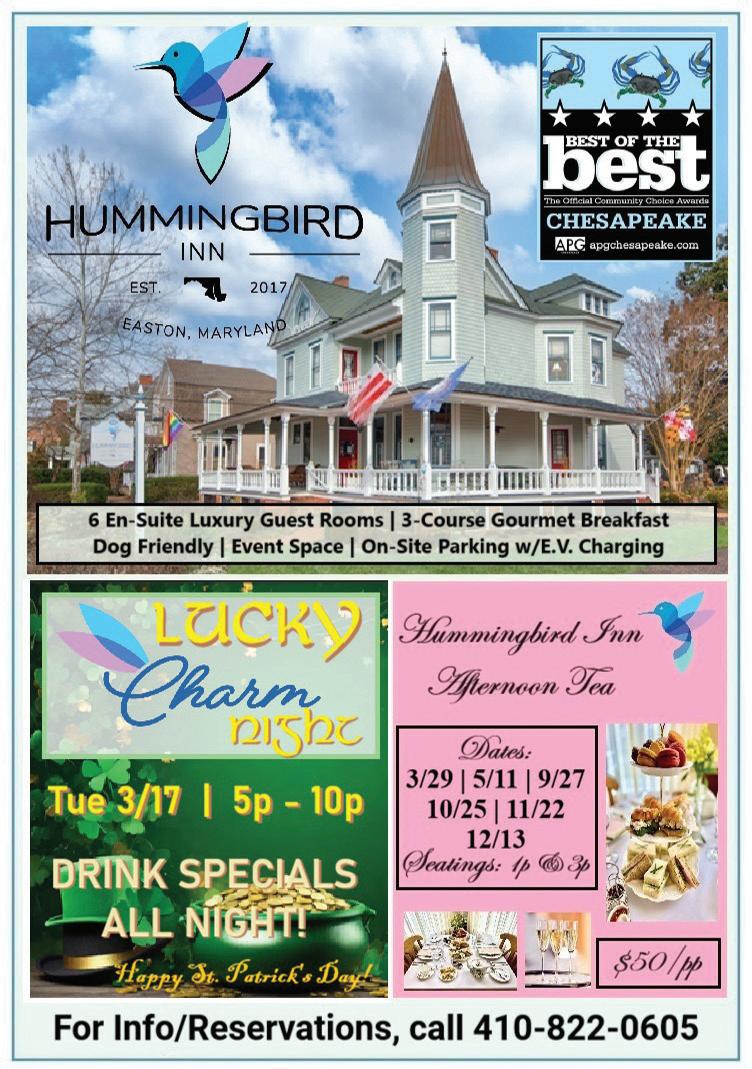
Chlorine Fever
the basement and sprawl out on them, but it’s a long time before we conk out. We talk at length about our schoolmates and Star Wars and whether Courtney Fischer like-likes me. As usual, I’m way more invested in the latter topic than Tommy, but tonight he’s a good sport about it. The conversation bestirs a second breeze. Since neither of us feels tired enough to fall asleep yet, we put on a movie to end the night. Options are limited to the VHS tapes on the TV stand; we pick Independence Day and feed it to the VCR.
When I finally fall asleep, I have a nightmare in which an extraterrestrial race of sentient cephalopods paralyze and vivisect me. There is no pain, but I watch as they remove my entrails and pass them around, taking careful notes in their alien tongue. At one point one of the aliens notices I’m conscious and says in English, Don’t worry. We always put things back the way we find them. After a while, true to their word, they reassemble my organs and stitch me back up, then send me on my way with the tentacular equivalent of a thumbs up.
I wake up sweaty and short of breath.
“I had a weird dream last night,” I tell Tommy in the morning.
“Prob’ly ’cuz of all the chlorine,” Tommy says. “I heard chlorine can make you go cuckoo. Maybe you
had, like, a chlorine fever dream.”
“If that was true, you’d be crazier than me. It’s your pool.”
“Maybe I am. Or maybe I’m immune to it.” Tommy grins, so I know he’s bullshitting. “Now c’mon. You smell that? My mom’s making pancakes.”
We bound upstairs for breakfast. We’re in luck. Ms. Arnette already has a batch of her special pancakes on the griddle. They are chocolate chip with shredded coconut, to this day the sole dish featuring the latter ingredient that I’ve loved. I’ve never seen anyone else make pancakes that way and can never quite seem to recreate them. We tuck in, and don’t savor them nearly as much as we should.
When Dave emerges from his bedroom for breakfast, he has a gift for me. “Here, Pete,” he says, laying it on the table next to my plate.
I look at the piece of fine literature in front of me. It’s thick as a book, but bound in glossy magazine paper. I recognize it at once as the official Zelda game guide. “Really? I can take it home with me?”
“Sure. You’ll get more use out of it than me at this point.”
“Thanks! I promise to give it back the same way you gave it to me.”
Dave yawns and waves his hand in a magnanimous gesture. “Forget about it. You can have it. I beat that game ages ago, and I’ve got all the secrets memorized anyways.”
“Wow, thanks. I’ll take good care


Chlorine Fever
of it, I swear! Oh, and thanks for breakfast, Miss Arnette.”
“Of course, Peter. You know what to do with that plate.”
I take my breakfast plate to the sink and rinse it off.
“Your mom called about an hour ago,” says Ms. Arnette. “She’ll be here around lunchtime. You two are free to do whatever you want until then.”
Tommy and I look at each other. He shrugs, ceding the decision to me.
“Can we swim?” I ask.
“You can swim, sure.”
We swim, with relish. Up and down the pool, splashing until the world is obliviated by a screen of crystalline droplets. I swim so hard I get a stitch in my side, then I swim until it works itself out. When I hear the crunch of oyster shells in the driveway, my whole body flushes despite the cool water. A thrill of anxiety courses from my fingertips to my cramping toes. A moment later the front fender of Mom’s station wagon appears behind the fence.
“See ya, Tommy,” I say.
“See ya, Pete.”
On a normal day, we could count on an extra fifteen minutes of play time while our moms chat. There will be no dillydallying today. I swim to the side of the pool and hoist myself out, start to dry off. My towel is starchy from sitting out
overnight. It scritches and scratches.
Tommy gets out of the pool to give me a quick hug, a rarity. Most times we’ve hugged in the past, it’s been a reconciliatory, usually mommandated, gesture in the wake of a scuffle. We don’t fight often, but we’ve been best friends since kindergarten. It happens. “Tell your dad I said get well soon.”
Everyone’s feeling huggy today, I guess, because Mom grabs me and gives me a squeeze the moment she sees me in the driveway. Then she and Ms. Arnette share a hug when she comes out of the house.
“Thanks for having him, Arnette. It’s a huge help. What do you say, Petey?”
My ears redden. “Mom, I already was going to. Thanks for having me, Miss Arnette.”
Ms. Arnette smiles. “Anytime, Peter. You’re always such a good houseguest.” Her tone switches, and I recognize that my part in the conversation is through. “How’s Chuck doing, Susanne?”
Time for the adults to talk, that change of tone says. I take full advantage. I wave to Tommy through the fence and climb in the car and shut myself in so I don’t have to hear them talking. I don’t want to find out this way.
Only when Mom slides into the driver’s seat and starts the car do I say, “Where’s Dad?”
“Your dad’s resting, sweetheart.
Chlorine Fever
He had his operation last night. You know that.”
I do, of course. Still, my stomach lurches. “Is he okay?”
Mom draws a shuddering breath. “He will be, kiddo. It’s a long road ahead, but we’re going to help him get better, aren’t we?”
“Yeah,” I say in a meek voice. I don’t like the way I sound, so I repeat it with greater force. “Yeah.”
Mom smiles. “Good. He’ll be so happy to see you.”
B. P. Gallagher’s fiction has appeared in Roi Faineant Press, Flash Fiction Magazine, Meniscus Literary Journal, and elsewhere. He is a 2013 graduate of Easton High School, holds a Ph.D. in Social/ Personality Psychology and is currently Assistant Professor of Psychology and Culture at Nazareth University.
The station wagon reaches the end of the Wheelers’ oyster shell lane and turns onto the paved main road. Within moments my eyes grow heavy. The combination of chlorine water and the car’s smooth motion never fails to visit a soporific spell on me. As I drift off to sleep, tendrils of worry probe the surface of my pacific mind, fi nd no purchase. Behind the curtain of my fluttering eyelids, Mom sniffles and brushes away a tear.

NEW LISTING

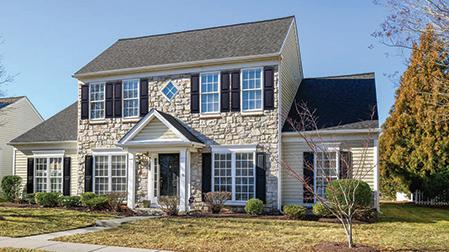
Chesapeake by Del Webb - Popular 2-story Wittman model. Great room with gas fireplace, dining room, eat-in kitchen with center island and breakfast nook, sunroom, office, 1st floor primary suite and bath with walk-in shower and soaking tub, guest bedroom, full bath and laundry. 2nd floor is perfect for guests with a loft, bedroom and bath. 2 car garage, patio and lawn irrigation. Improvements include roof, water heater and HVAC. 55+ age restricted section. Community amenities. $505,000
NEW PRICE
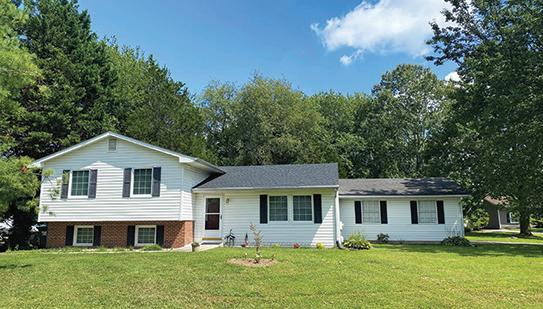
Stoney Ridge Farm - Spacious home on a corner lot in popular Easton neighborhood. Features a living room, galley kitchen with dining area, upper level primary suite with updated bath, 2 guest bedrooms and bath. Lower level offers 2 bedrooms, flex/game room and utility room. 2 car garage, deck, patio and fenced backyard. New roof 2024, new windows, wood flooring and patio. Move in condition. All appliances included. No HOA fees. $384,000


Chesapeake by Del Webb - McDaniel model. Living room, dining room, family room with gas fireplace, open gourmet kitchen with breakfast area, granite countertops, cooktop, double wall oven, sunroom, 1st floor primary suite with double vanities, jacuzzi tub and separate shower. 2nd floor loft, 2 guest bedrooms and bath and walkin attic storage. Patio, lawn irrigation and 2-car garage. New roof (fall 2023). 55+ age-restricted section. Community amenities. $525,000
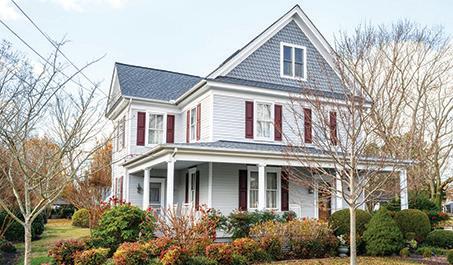
Trappe - This unique and well maintained home is located in the heart of town. Main home features formal living and dining areas, family room, kitchen, screened porch, 3 bedrooms and 2.5 baths. Wood floors throughout. All new windows. Detached 2-car garage with 2nd floor studio apartment/office with kitchenette and bath and heat pump. The .54 acre lot is lavishly landscaped with 2 garden sheds, gazebo and patio area. $550,000