

Tidewater Times
July 2026
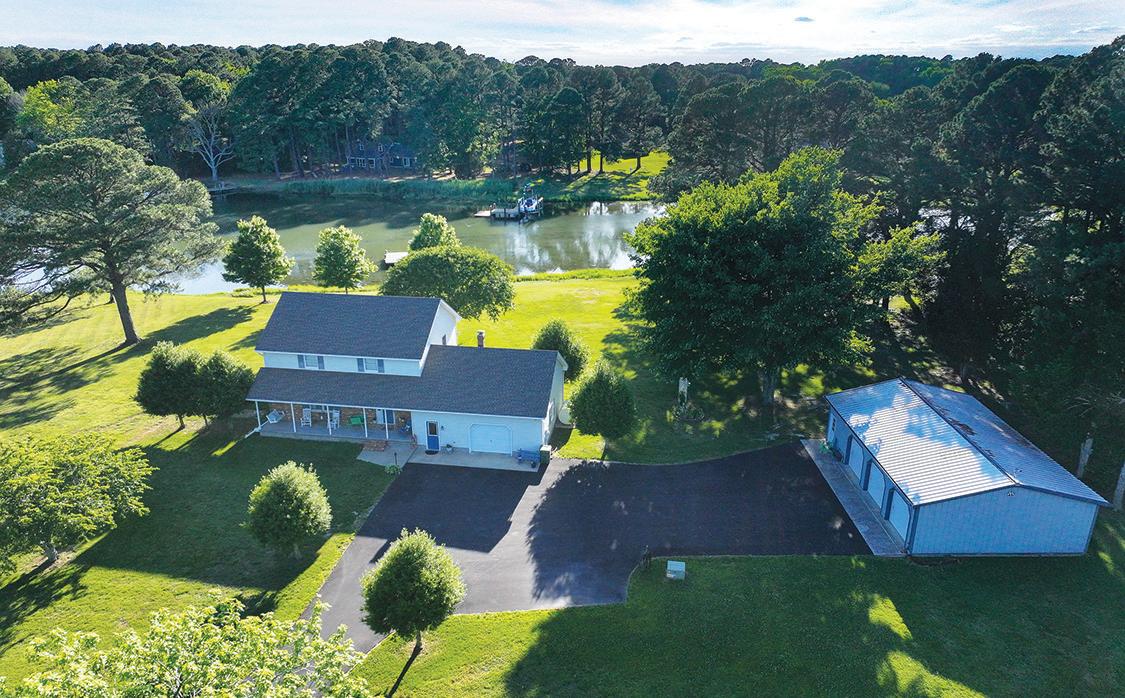
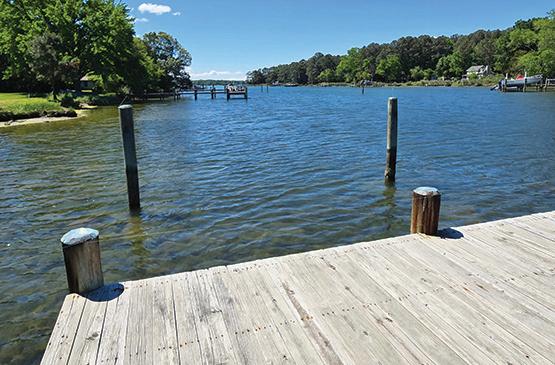
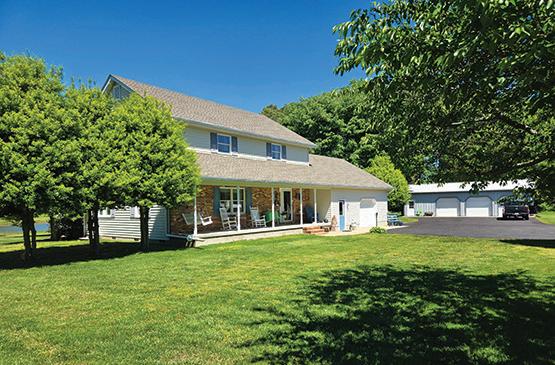
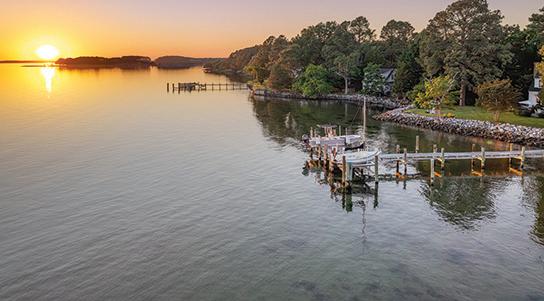
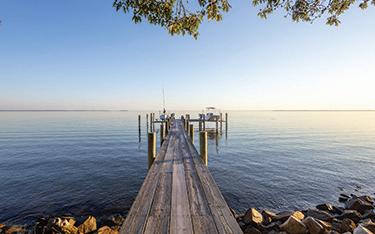
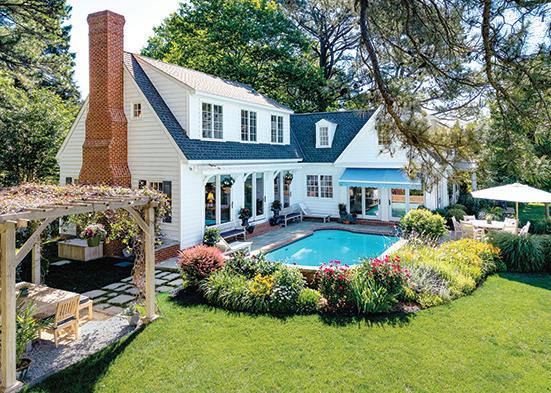
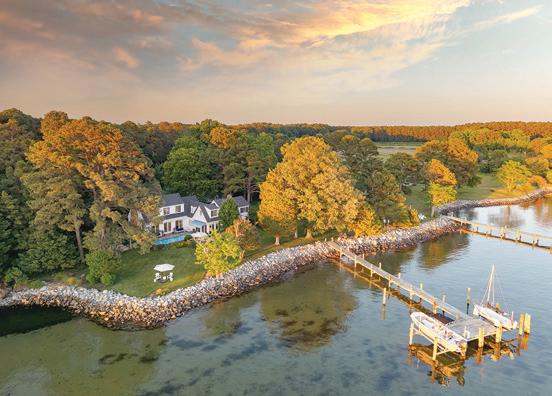
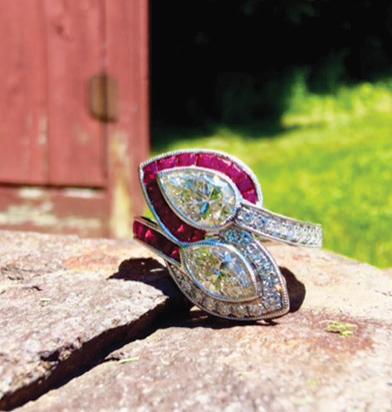
AFFORDABLE WATERFRONT HOME



















About the Cover Artist: Robert
The Lore of the Ring: James Dawson
Tidewater Gardening K. Marc Teffeau
Molding the Essential Man (Part 1): A.M. Foley
Tidewater Kitchen: Pamela Meredith
Duke of the Courts: B. P. Gallagher
The




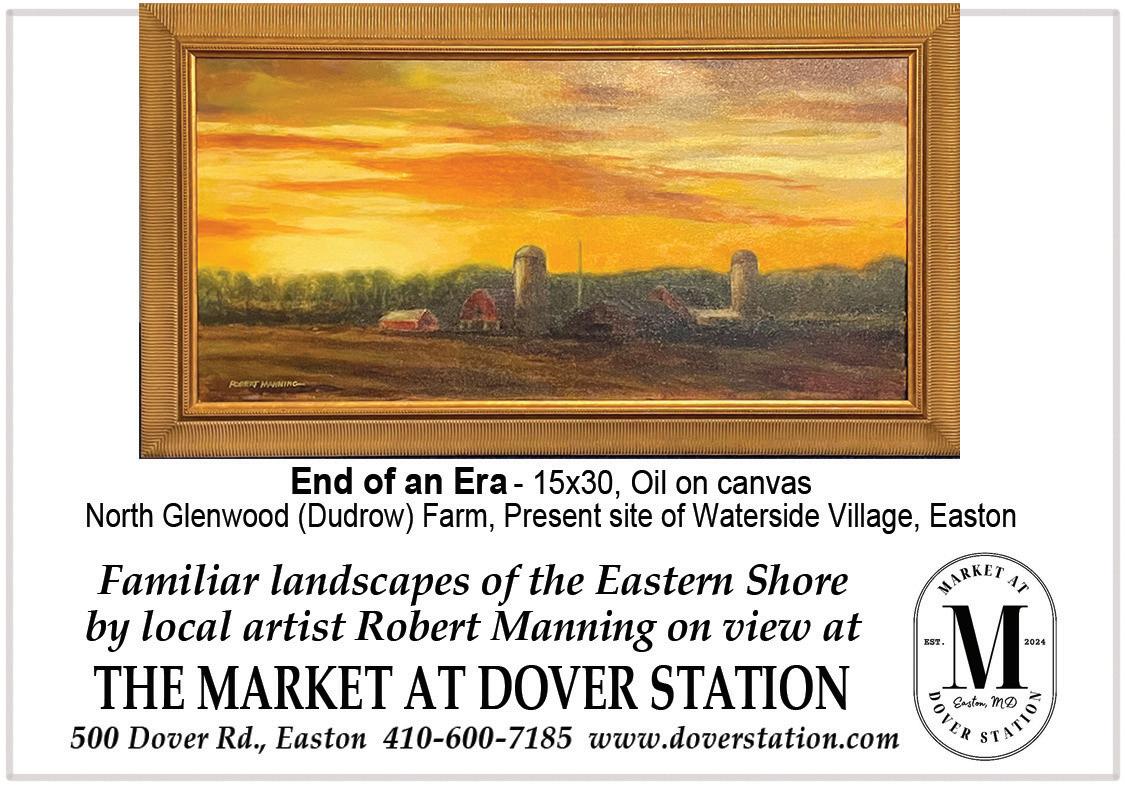
About the Cover Artist Robert Manning
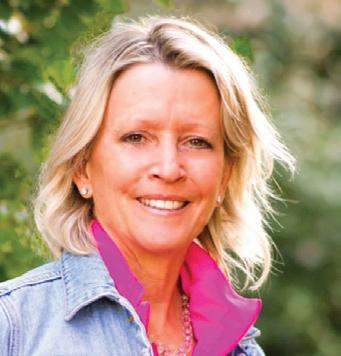
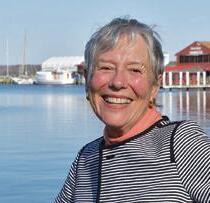
“While I was a member of the Plein Air Painters of the Easton Shore, we met one summer morning at the Wye Heights Plantation. I chose to paint the painters that day...and this is Anne Allbeury Hock, the founder of the group in the early 2000’s. Anne passed away last year and she is certainly missed, as she was a member of many art associations and a mentor to many. She was regular exhibitor at local art shows”.
Bob Manning was born and raised in the New York City area and he attended the School of Visual Arts, the Brooklyn Museum Art School, and NYU Graphics Art Center, all in New York.
He graduated from State University of New York and embarked on a career in advertising design and layout, eventually owning and directing his own design firm, Graphic Options. Bob served as creative director of a large commercial printing company before moving to the eastern shore of Maryland in 2002.
On the Eastern Shore, Bob turned to painting regional scenes of the rural, agricultural landscape…a landscape that began to disappear during the early days of the 21st century.
Bob enjoys the comfort of his

studio, however during many months of the year he will paint at locations that might include bins, barns and farm equipment; his favorite subjects. He has won many awards at local shows and completed numerous commissions for local farm owners.
Bob’s paintings can be seen at THE MARKET AT DOVER STATION in Easton, and on his web site at RobertManningFineArt. com .

Fourth of July Bins

Bridging the Birth Care Gap
by Tracey F. Johns
For many women across the Eastern Shore, access to prenatal and women’s healthcare has become increasingly difficult in recent years. Long drives to appointments, provider shortages, transportation concerns, insurance barriers and growing demand for services have complicated what should be routine healthcare for women and families. Those challenges can feel especially overwhelming during pregnancy, when regular appointments, testing, education and support become essential parts of everyday life.
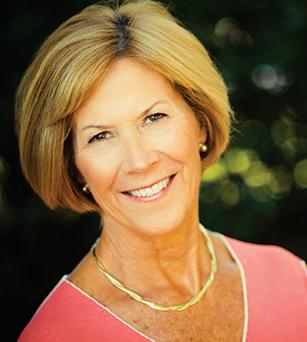
The physicians and midwives at Choptank Community Health say
those realities are exactly why the organization has continued to expand women’s health and prenatal services as part of its integrated primary care model serving Caroline, Dorchester, Talbot, Kent and Queen Anne’s counties.
Prenatal care services are available to community members, not only established Choptank patients. New prenatal patients are currently being welcomed at Easton Health Center, Fassett Magee Medical Center in Cambridge, Federalsburg Medical Center and Denton Health Center.
“Access to women’s health services, especially prenatal care, is es -

Birth Care Gap
sential to building healthier families and stronger communities,” said Sara Rich, President and CEO of Choptank Health.
For Rich, the issue extends beyond individual appointments or annual screenings. She sees women’s healthcare access as deeply tied to the long-term health of families and communities throughout rural Maryland.

“Too many rural communities still face gaps in care,” Rich said. “This work is about connecting patients to high-quality women’s health and prenatal care, and coordinating that care alongside primary care, behavioral health and other supportive services, when and where it’s needed most.”

The Mid-Shore’s geography alone can create challenges for pa-


Birth Care Gap
tients. A routine prenatal visit may require significant travel time, time away from work, childcare arrangements or reliance on family members for transportation. For women already balancing jobs, children and household responsibilities, maintaining consistent healthcare can be difficult.
“We know that access to see the OBGYN for things like routine cancer screenings, discussing contraception, discussing a problem or concern or even starting prenatal care can be challenging on the Eastern Shore,” says Rich.
The organization says barriers such as transportation and insur -

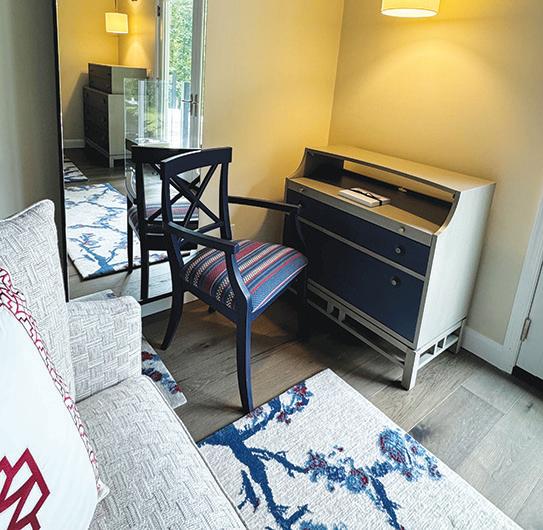
Contact us when ready to bring custom Sanctuary into your home!
Elizabeth Kelly CID, NCIDQ

sanctuaryinteriorsllc.com | 443-786-1766
ance, combined with fewer healthcare options in rural communities, have made comprehensive local care increasingly important.
That growing need is something Choptank Health’s Chief Clinical Officer Megan Wojtko, DNP, MBA, FNP-BC, says has helped shape the






Birth Care Gap
Rather than separating women’s healthcare from the rest of a patient’s medical needs, Choptank Health incorporates prenatal and women’s health services into its larger primary care system.
Patients can receive care that may include pediatrics, behavioral health, chronic disease management, dental services, laboratory services and care navigation within a single healthcare network.
The integrated model allows providers to care for patients through different stages of life rather than focusing only on isolated medical visits.
For some women, that means preventive screenings and annual exams. For others, it means support through pregnancy and postpartum recovery. For many families, it means establishing care with providers who understand

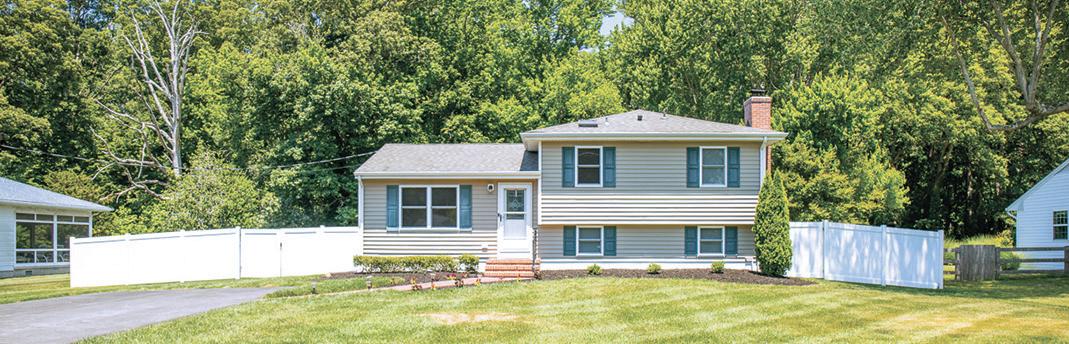
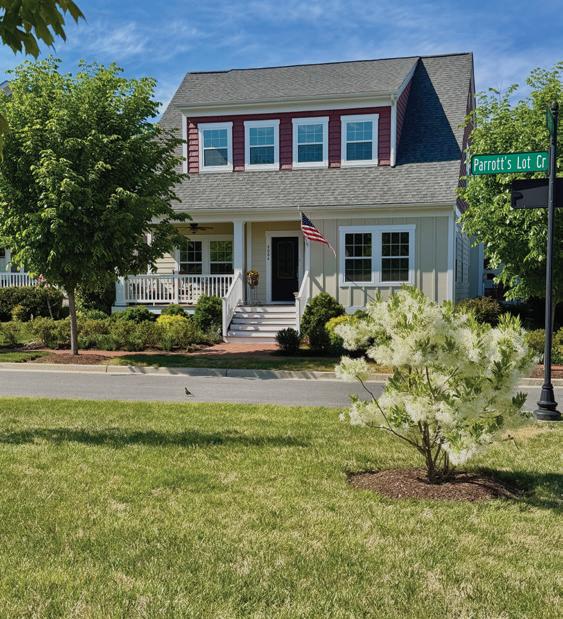
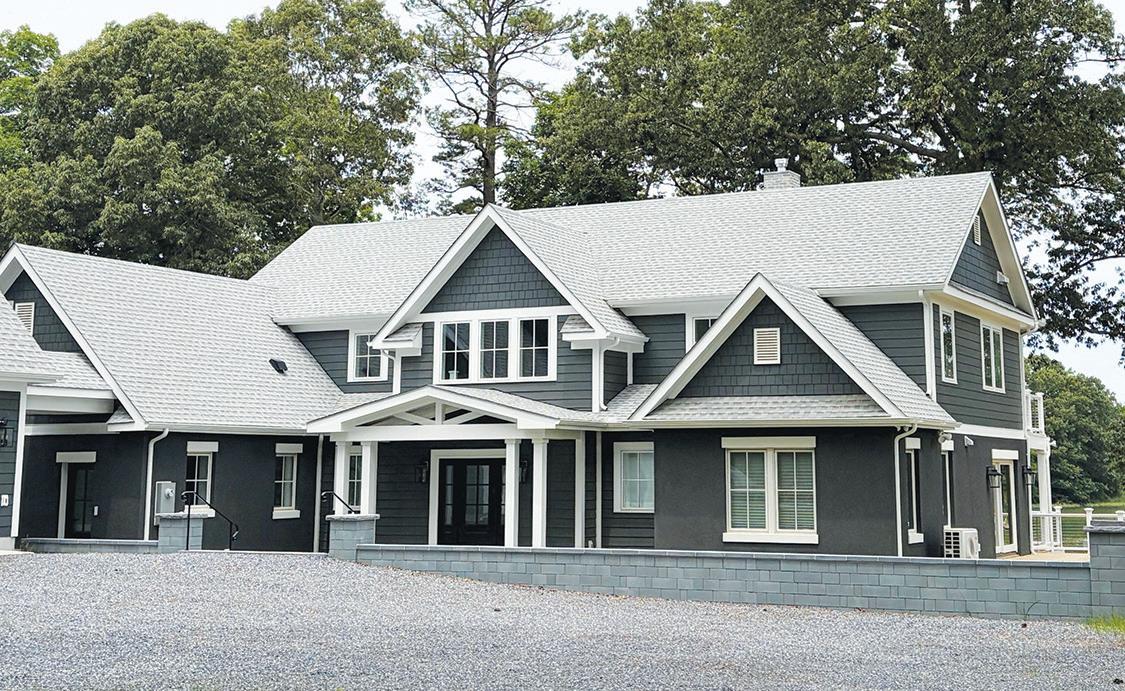
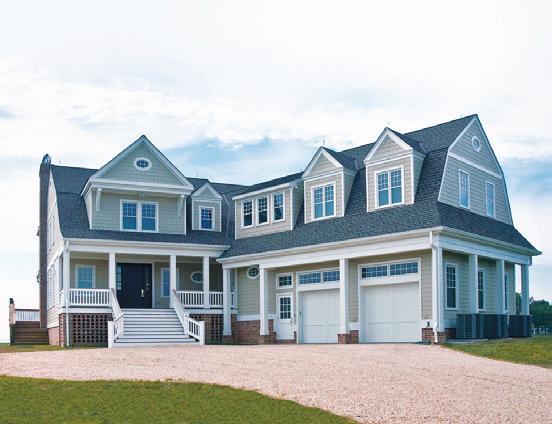
Welcome to 27990 Woods Road! Situated on approximately 1/2 acre lot, this home and property has much to offer. A new fully fenced backyard offers privacy to the large back yard with a generous sized deck making it perfect for entertaining, enjoying relaxing time in the hot tub or tinkering in the shed. This split-level style home has 3 bedrooms and 2.5 bathrooms, a primary bedroom with an en-suite bath. The main level includes a kitchen with stainless A new paved drive makes for easy parking your cars or boat. Located just minutes from downtown Easton. Priced at $425,000 organization’s broader approach to care.






Birth Care Gap
both medical history and the realities of rural life on the Shore.
“Rural healthcare access is not just a convenience issue, it’s a public health priority,” Wojtko said. “By strengthening community-based care, we can improve outcomes, reduce disparities and support healthier pregnancies and long-term wellness for women across the Mid-Shore.”
An important part of that effort is making prenatal care accessible to women throughout the region, including those who may not already be Choptank Health patients.
For expectant mothers navigating changes in healthcare options across the region, having multiple locations available near home can make a significant difference.
Choptank Health providers emphasize that their prenatal program serves women across the full spectrum of healthy, low-risk pregnancies, offering comprehensive care close to home for families throughout the Mid-Shore.
Through its collaboration with the University of Maryland Shore Regional Health, Choptank patients deliver at UM Shore Medical Center at Easton, whose labor and delivery unit has earned national
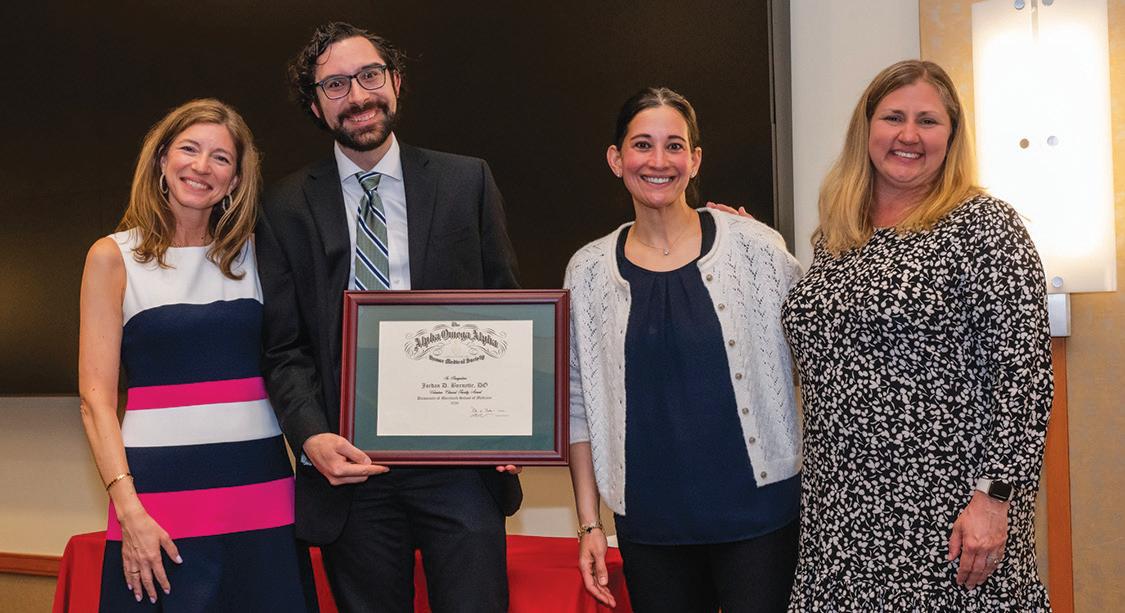
Pictured from left, Alpha Omega Alpha Maryland Beta Chapter faculty councilors Erin Guidice, MD; Choptank Community Health System Family Practice Physician Jordan Burnette, DO; Zaineb Makhzoumi, MD, MPH; and Katherine Goetzinger, MD, MSCI, gather during an April 13 ceremony recognizing Burnette as the recipient of the Alpha Omega Alpha Honor Medical Society’s Volunteer Clinical Faculty Award.


Birth Care Gap



recognition from U.S. News & World Report as a High Performing Hospital for Maternity Care.
The designation reflects excellence in team-based maternity services, strong support for midwifery-led care and low caesarean section rates. Providers say the partnership allows local families to receive high-quality maternity care on the Eastern Shore, reducing the need for many patients to travel across the Bay Bridge to access exceptional care for healthy pregnancies and childbirth.
The providers delivering that care come from both family medicine and midwifery backgrounds. Choptank Health’s midwives are advanced practice nurses specially trained in pregnancy, birth, postpartum care and women’s healthcare.
Jordan Burnette, D.O., in Federalsburg, and Eunice Asare, D.O., in
Denton, provide prenatal and postpartum care as family medicine physicians. Certified Nurse Midwives Mickey Dubroff in Easton, Gabrielle Trulove in Cambridge and Denton and Michell Jordan in Denton also provide prenatal, postpartum, gynecological and women’s health services throughout the Mid-Shore.
For Choptank’s prenatal team, the work often centers on helping patients feel informed and supported throughout pregnancy and recovery.
Prenatal care itself involves far more than routine checkups. Visits include monitoring the health of both mother and baby throughout pregnancy, prenatal testing, patient education, risk factor assessment and helping patients connect with additional resources when needed.
Providers also support patients after delivery through postpartum care and lactation counseling, helping mothers navigate the physical and emotional adjustments that come after childbirth.
Families are also connected with pediatric care for newborns after

Choptank midwives Gabrielle Trulove and Mickey Dubroff.




Birth
delivery, helping create continuity between prenatal care and a child’s early healthcare needs. Choptank provides a unique form of familycentered maternity care, in which one of the family physicians who saw the patient during prenatal care can also care for her newborn and continue care for years to come.
For patients who develop higherrisk pregnancies requiring specialized care during pregnancy, Choptank Health coordinates with the University of Maryland Shore Medical Group – Women’s Health. If additional specialty care becomes

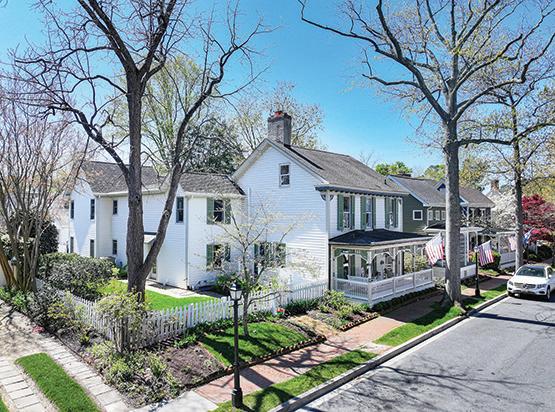
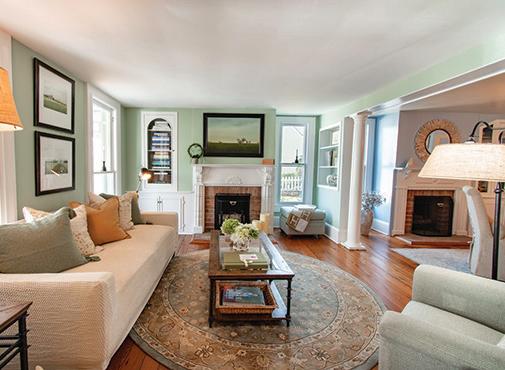
St. Michaels Historic District just ½ block from the waterfront, walking trail, public park, kayak launch, and the town’s amenities. Beautifully maintained three-story home with welcoming front porch, multiple living areas, and 4 wood-burning fireplaces. 4 bedrooms, 4½ baths, office, built-ins, abundant storage. Landscaped fenced yard, detached studio/workshop and off-street parking. An exceptional in-town opportunity. $1,195,000
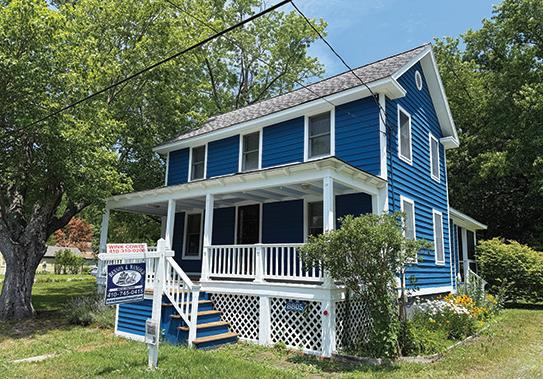
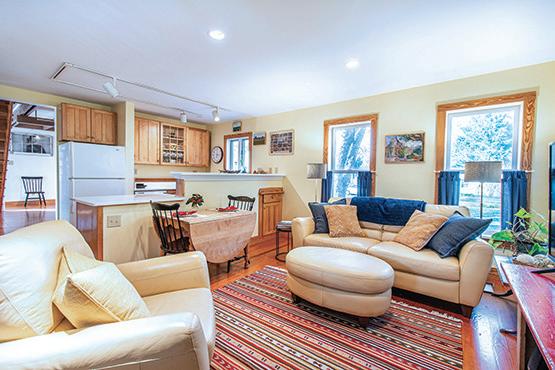
Charming and light-filled cottage near St. Michaels with easy access to a public landing and park. Thoughtfully restored by a master carpenter, showcasing exposed beams, wood floors, and unique architectural details throughout. Features multiple living areas, spacious bedrooms, 2 office spaces, screened porch, abundant storage, and numerous recent upgrades including HVAC and appliances . $375,000





Birth Care Gap
necessary at any point, referrals can be made quickly for higher-level evaluation or treatment.
“I have had a wonderful experience during my prenatal care at Choptank Community Health,” said a Choptank Health patient who receives prenatal care. “Everyone has been professional, compassionate and attentive to my concerns.
“The providers take the time to answer questions and make sure you feel supported at each visit,” she continued. “Communication is clear and timely, which helps you feel informed throughout each visit. I am very grateful for the outstanding care I have received.
Their dedication to patient care has made my prenatal experience much more positive.”
But pregnancy services represent only one piece of the larger set of women’s healthcare needs that providers continue to see across the Shore.
Most Choptank primary care providers incorporate some level of women’s healthcare into their practices based on their training and experience.
Women’s health services offered through Choptank Health also include well-woman exams, cervical and breast cancer screenings, gynecological and pelvic exams, STI screenings and treatment, contraceptive counseling, meno-


pause counseling and procedures that include IUD and Nexplanon placement.
Some locations also provide specialized procedures, including colposcopy services in Federalsburg and IUD placement in Cambridge, Federalsburg, Denton, Easton and Chestertown.
For patients, that can mean fewer referrals and less travel for care that might otherwise require appointments outside the immediate community.
Choptank also continues working to expand access for younger patients through school-based health centers that provide women’s
healthcare services as part of broader student healthcare support.
Language interpretation services, including Spanish and Haitian Creole, are available, helping ensure patients can communicate comfortably with providers and fully understand their care plans and treatment options.
While Choptank Community Health System serves more than 30,000 adults and children throughout the Mid-Shore region, providers say the heart of the work remains deeply personal.
For one patient, healthcare may mean hearing a baby’s heartbeat for the first time. For another, it may mean finally scheduling a long-postponed screening close


Birth Care Gap
to home. For others, it may mean finding a provider who listens, answers questions and remains part of their care through pregnancy, recovery and beyond.
In rural communities, healthcare access is often measured in practical terms such as travel distance, appointment availability or provider shortages. But providers say patients experience those challenges in much more personal ways: through stress, uncertainty, missed appointments or delayed care.
That is why Choptank Health leaders say building strong community-based care systems re-
mains so important throughout the Mid-Shore.
As healthcare needs continue evolving across Maryland’s Eastern Shore, Choptank Health leaders say their focus remains on helping women stay connected to care in the communities where they live, work and raise families.
live,
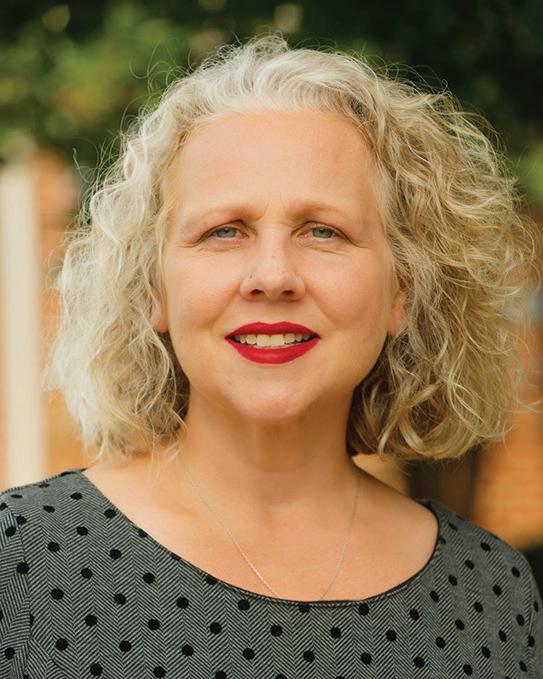
Tracey Johns has worked in communications, marketing and business management for more than 30 years, including non-profit leadership. Tracey’s work is focused on public and constituent relations, along with communication strategies, positioning and brand development and project management.


Celebrate Mardela Springs, A Microcosm of Early America on July 4, 2026
by Bonna L. Nelson
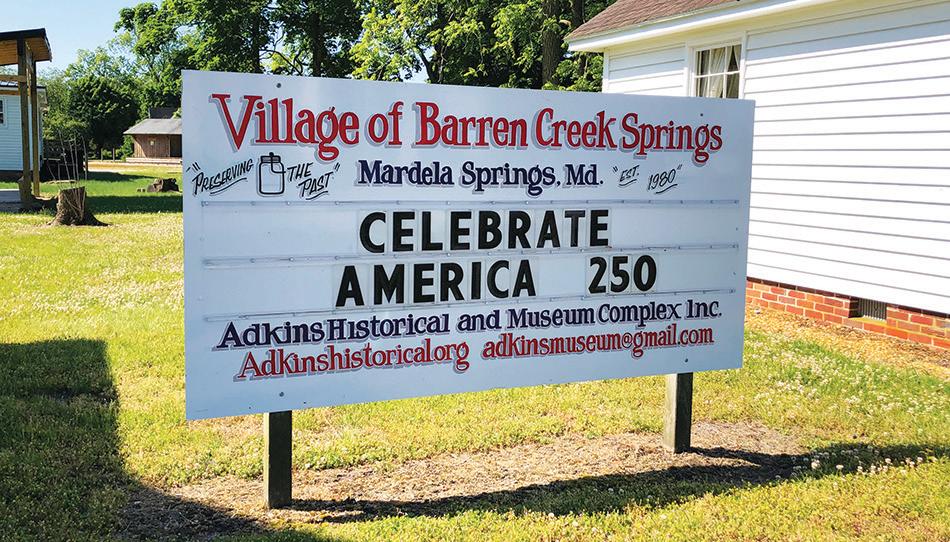
Folks it’s almost here! The big 250 of good ol’ USA!! And you know what you could do for one of the best holidays? You come on out to Mardela Springs for live music, games, hot dog eating contest, BBQ chicken, the B-25 ‘Panchito’ [WWII] fly over, and so much more!! Make plans and we’ll see you there!! ~@thehardwarestoremardela
It’s red, white and blue time! Hang your flags! Plan your gatherings! Celebrate America’s 250th anniversary of the signing of the Declaration of Independence from Great Britain. July 4, 2026, is the big day. Celebrate America’s 250 years of freedom!
You are invited to a July 4 celebration on the Eastern Shore of Mary-
land. The historic town of Mardela Springs welcomes you to commemorate the big day with them. What is Mardela Springs? Where is Mardela Springs? Why celebrate there?
Mardela Springs is a charming, historic town, a “Victorian Village” on Maryland’s Eastern Shore in Wicomico County. The town is


Chuck Mangold Jr. - Associate
Broker
BENSON & MANGOLD REAL ESTATE
C 410.924.8832 O 410.822.6665
chuck@chuckmangold.com · www.chuckmangold.com 31 Goldsborough Street, Easton, Maryland 21601
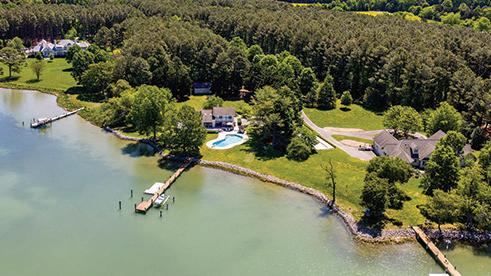

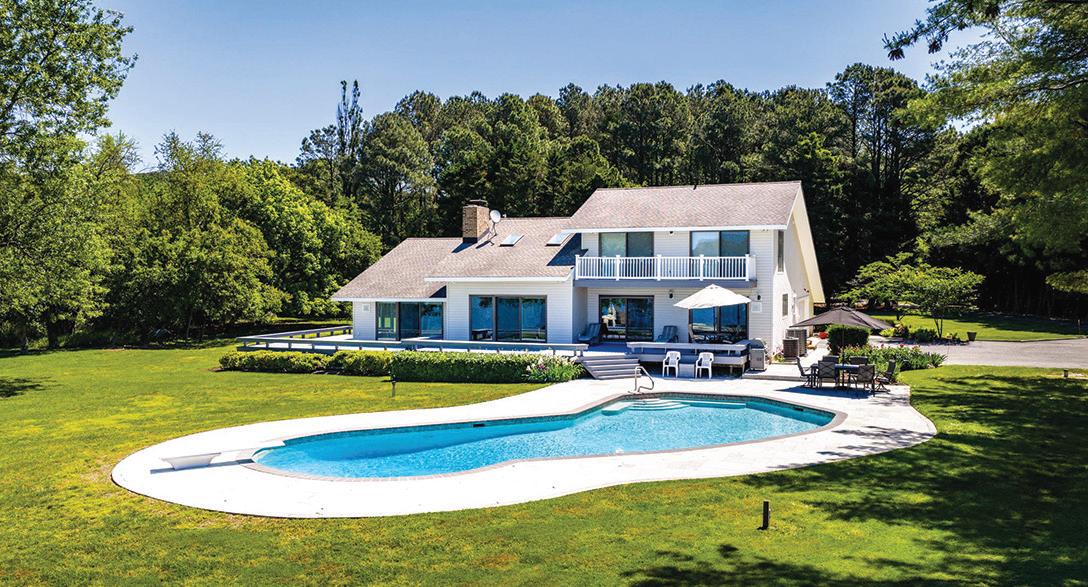
Tucked away on approximately 3 private acres along Plaindealing Creek just off the Tred Avon River, this striking waterfront retreat offers the perfect blend of Mid-Century Modern style, open-concept living, and exceptional Eastern Shore lifestyle amenities. With approximately 5’ MLW, a private dock with boat lift and floating dock, and sweeping water views from nearly every room, this property is designed for effortless waterfront living. The 3-bedroom residence features a desirable main-level primary suite with expansive creek views and direct access to the rear deck. The updated kitchen is a showpiece, centered around a massive U-shaped island with gas cooktop, abundant seating, and seamless flow into the light-filled living spaces. Hardwood flooring runs throughout most of the main level, while soaring ceilings and expansive windows create an airy, open feel that beautifully captures the surrounding waterfront scenery. Upstairs, two additional bedrooms share a full bath, accompanied by an open loft overlooking the foyer and living room -- could be used as an office space or sitting area. Outdoor spaces are equally impressive. A sprawling rear deck stretches across the back of the home with access from the primary suite, living room, and kitchen, creating effortless indooroutdoor living. The in-ground pool, mature landscaping, attached 2-car garage, and detached garage/workshop/storage building complete this exceptional waterfront offering. A rare opportunity to enjoy privacy, boating, and timeless architectural style in one of Talbot County’s most desirable waterfront settings.
EASTON | $2,495,000 | 26282DeepWaterHarborRoad.com

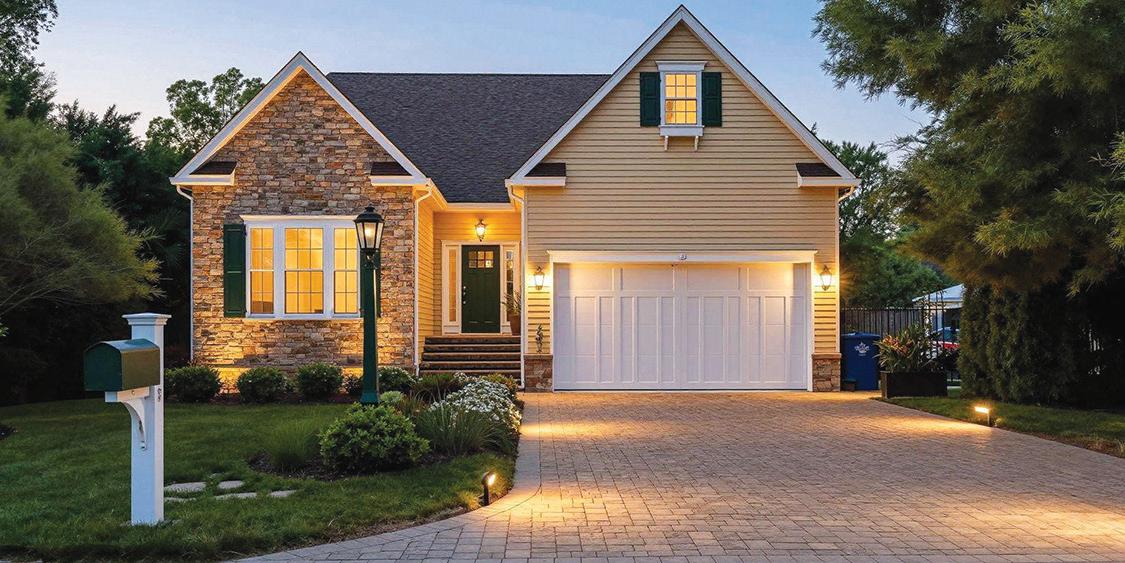
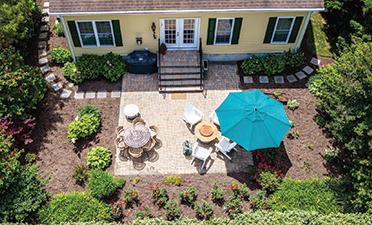
This thoughtfully designed 4-bedroom, 3-bathroom home features an open-concept floor plan ideal for both everyday living and entertaining. The main-level primary suite provides a private retreat with a spacious walk-in closet and an en-suite bath complete with a double vanity and glass-enclosed shower. The living room is anchored by a cozy gas fireplace and flows seamlessly into the dining area and well-appointed kitchen, featuring a gas stove and stainless steel appliances. Amenities include a mudroom with laundry just off the attached two-car garage, a Rinnai tankless water heater, and an efficient dual-zone heat pump system with separate upstairs and downstairs climate controls. The second floor offers flexibility with a bedroom, full bathroom, and a large family room - perfect for guests, a home office, media room, or recreation space. A spacious attic provides abundant storage and offers potential for future expansion. Outside, enjoy a beautifully landscaped backyard featuring a stone patio and ample garden space, creating the perfect setting for outdoor dining, gardening, or simply enjoying the peaceful surroundings. Ideally situated in the heart of St. Michaels, this home offers exceptional proximity to the area’s most beloved destinations. Located less than 200 feet from the St. Michaels Nature Trail, and only 0.2 miles from historic downtown St. Michaels, you’ll enjoy convenient access to shopping, dining, waterfront attractions, and community events. Adding to the appeal, plans are underway for the future San Domingo Creek Park at the end of W Marengo Street - a proposed 7.6-acre waterfront park focused on recreation, environmental restoration, and trail connectivity that is anticipated to become the largest waterfront park in St. Michaels.
ST. MICHAELS | $1,049,000 | 109WMarengoStreet.com
Mardela Springs
south of Easton and northwest of Salisbury. Heading east on US-50, Mardela Springs is on the right side of the highway below Cambridge and Vienna with well-marked signage.
We recently spent a day in the charming town of Mardela Springs with two groups of committed preservationists who, along with many other townsfolk, are dedicated to conserving the village and its structures, artifacts and history. My husband, John, and I left the tour with our heads filled with fascinating stories about the town, its history and people and our arms loaded with various books that included history, biography and cookbooks.
America records its colonial chronicle beginning with the first British settlement in Jamestown, Virginia in 1607. Similarly, Mardela Springs, Maryland, records its colonial chronicle beginning with British fur trader commerce in the area in the mid-1600s. Like most of America’s east coast, prior to colonial settle -

ments, what is now Native Americans inhabited Mardela Springs.
Nanticoke villagers hunted, fished, grew corn, beans, squash, tobacco and other staples and lived in long houses along the Nanticoke River and its tributaries, including Barren Creek. Later, between 1664 and 1723, at least eleven tracts of land were surveyed and patents granted to British settlers in the Barren Creek area.
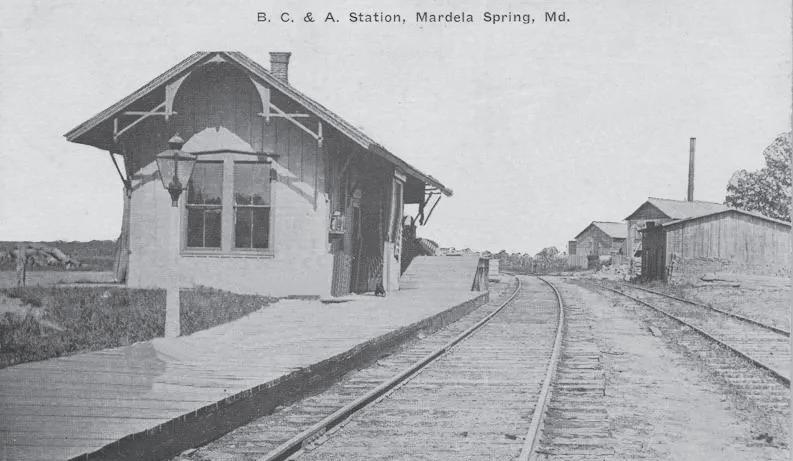
After the British colonists settled the area, the town, then known as Barren Creek Springs, evolved over the years from a trading and agricultural/tobacco town to a grain mill/sawmill town with a railroad, and later a mineral springs resort/ spa town with a water bottling operation. Many historic buildings from various periods of the village’s history have been preserved and maintained, some even moved to a town square, and located at other sites in the town proper.
Mardela Springs retains the character of its historical past. Touring the village is like stepping into the


Mardela Springs
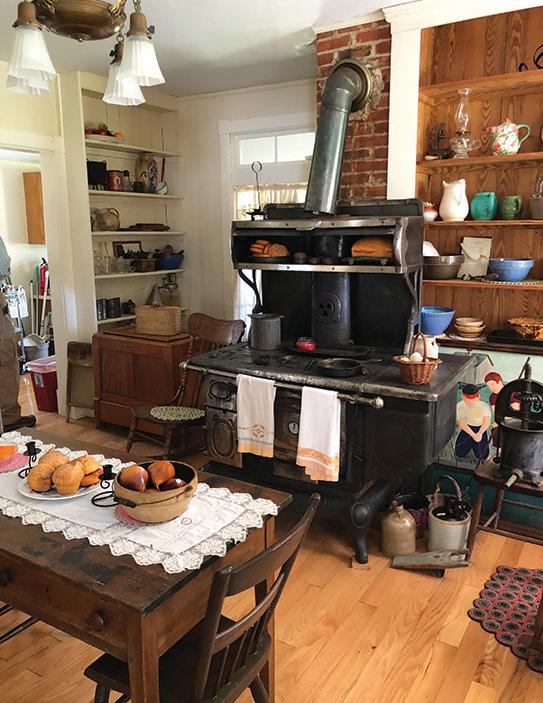
period of America’s birth. Antiquities, furniture, décor, machinery, tools, artifacts, journals, posters, photographs, artwork, fabric, toys, clothing, collections, documents, bills, receipts, books, games, implements and more are remarkably conserved and are on display in various town structures once occupied by professionals, tradesmen, families or manufacturers.
The small town of approximately 350 people resides on .40 square miles, has its own middle and high school and several churches and shops in addition to its historical properties and lovely Victorian-era homes. Resting on Barren Creek, a branch of the Nanticoke River, the friendly residents have a passion
for preserving their agricultural, mill, rail and spa/mineral springs town history.
We first met with Autumn Collins and David Kenney, two of the sixty-member Adkins Historical & Museum Complex volunteer team, which David chairs. We toured the complex’s eleven historical buildings. The Adkins Complex includes a General Store, Victorian-era Whitelock House, Lodge Hall and Voting House, Livery Stable, School House, Outhouse, Farmhouse, Doctor’s Office, War Memorial Building, Cannery and Train Depot.
The Museum Complex was established in 1980 by local business owners J. Howard and Louise Adkins. They donated the land and moved most of the buildings to the current location in downtown Mardela Springs. The Adkinses also owned the nearby popular Hardware Store on Rt. 50, which was bought by and is now owned by David Kenney and family, who promised the Adkinses to protect and maintain the Adkins Complex.
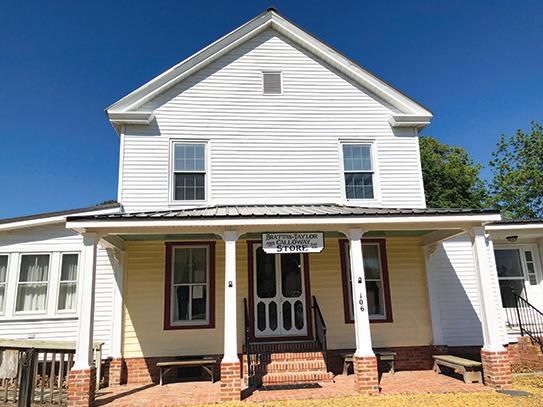
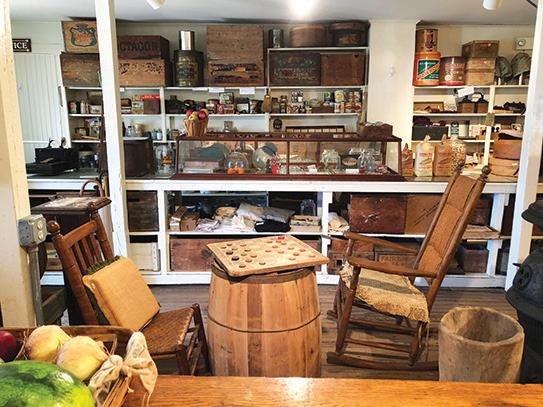
One of the most interesting buildings in the group, the General Store, also known as the Bratten-Taylor Village Store, was built in 1838, bought, moved and preserved by the Adkinses. The two-story building with multiple rooms includes fascinating displays of period furniture, store equipment and containers, period clothing, a potbellied stove, original counters and candy case,

Mardela Springs
photographs, paintings, posters, postal paraphernalia, an old game of chess on a barrel between two rocking chairs and more. Strolling through the store is like a walk back to a simpler time.
The Memorial Building is dedicated to all who have served our country. Displays include photographs, documents, uniforms, books, flags and artifacts from the Revolutionary War, Civil War and World Wars I and II. The School House, Doctor’s Office and Farmhouse all include remarkable, pertinent period furnishings. The Train Depot is situated
next to a remaining portion of train track. There is also a small cemetery on the grounds, which includes a gravestone for a local Revolutionary War soldier.
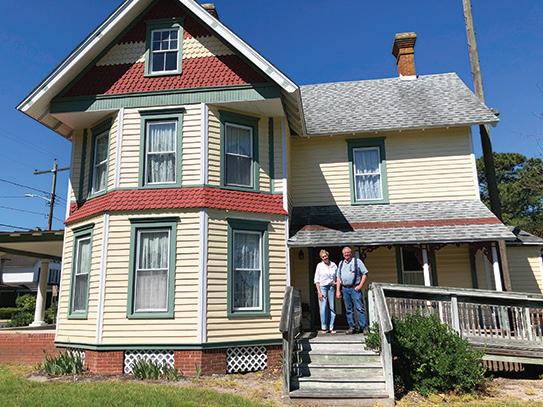
The last structure that April and David took us to was the renovated, early Victorian-style home, the Whitelock House, a real gem. Elegantly furnished with period pieces, clothing displays, and decor, the home is occasionally used for tea parties and holiday events. A perfect setting. David shared a marvelous book of recipes interspersed with descriptions of the buildings in the Adkins Historical and Museum Complex. The Whitelock House is a treasure trove of tasty food recipes and history.
The complex is visited frequently by schoolchildren eager to learn more about the history of their town and rural area. It is open to visitors by appointment only (details below).
Our next stop was the historic Barren Creek Springs Church off Main Street, where we met the delightful sisters, Claudia Hudson


and Sylvia Bradley. The ladies are members of the Westside Historical Society located in Mardela Springs (so named for Mardela Springs’ location on the west side of the Nanticoke River, of which Barren Springs is a tributary, and the west side of Wicomico County). The sisters are lifelong members of the community, and their grandfather preached at the church and owned the general store, now Historical Society headquarters and museum that we would visit next.
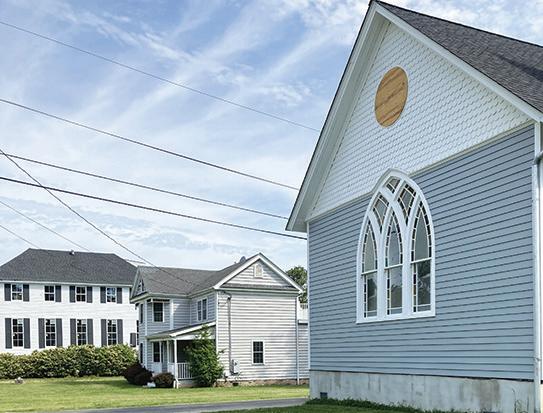
The charming chapel was built in 1842 and was also a school at one point in time. It is lovingly maintained by the 100-plus member Historical Society and the Austin family. The beautiful church interior includes most of the original
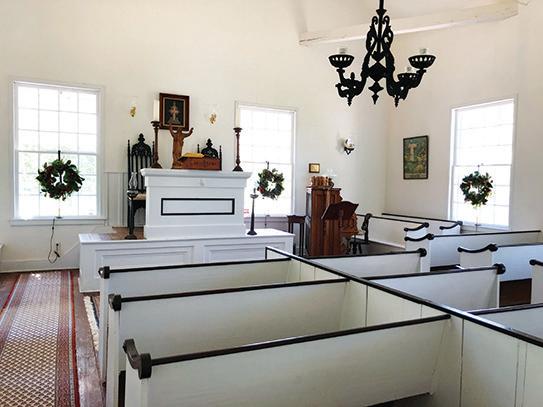
windows and wood pews, plain wood flooring, hanging black wrought iron oil chandeliers and tall pulpit lamps all stunning against the background of pure white walls.
Donated period accessories include a pump organ, antique chairs, tables, art and liturgical treasures. I was impressed by a stunning wood sculpture of The Last Supper. Schoolchildren enjoy touring the charming church, and couples still wed there.
Mardela Springs
Mardela Springs
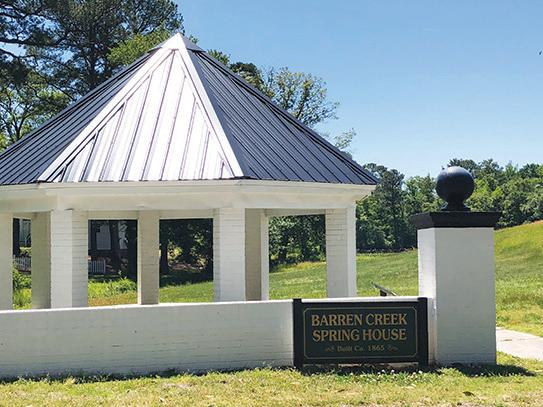
The sparkling white church sits on a small rise above Barren Creek and is situated near the famous mineral springs for which it is named. The mineral springs are encircled by an octagonal-shaped pagoda Spring House, which too has been renovated. The discovery of the bubbling, mineral-rich medicinal springs, long used by Native Americans, caused an economic boom and heralded in the Mardela Springs “Spa Era” (1840s-1900s).
A hotel was built on a hill above the spring to accommodate tourists visiting the resort town to partake of the healing waters. Entrepreneurs built a bottling plant nearby and shipped the healing water up and down the east coast. The water bottle business representatives were instrumental in the changing
the town’s name from Barren Creek Springs to Mardela (Maryland/ Delaware) Springs for more commercial appeal.
The hotel burned down in 1913, and an attractive private home was then built on the site. The bottling plant was demolished, but the spring remains.
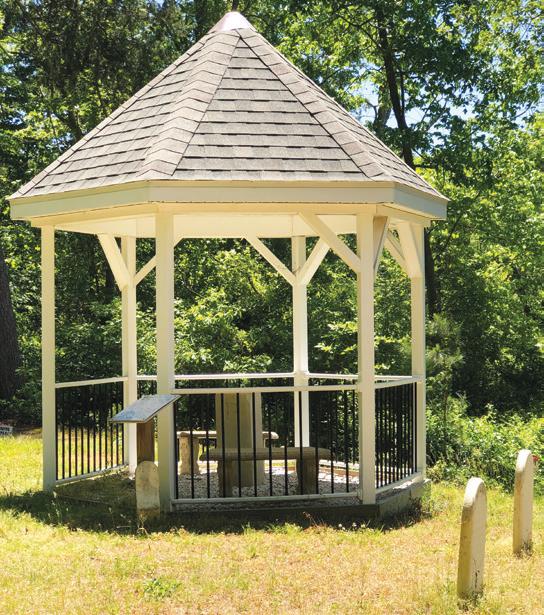
On the rear right side of the church, a white wood gazebo overlooking Barren Creek, which is mostly covered with lovely green spatterdock aquatic plants, protects a donated, original Mason-Dixon (Maryland/Delaware) line marker stone. Nearby, a headstone commemorates the Native Americans as the first settlers and founders of the area and the mineral springs. Other fading gravestones dating to 1763 guard the church graveyard.














































TIDE TABLE
OXFORD, MD
1. Wed.
2. Thurs.
3. Fri.
4. Sat.
5. Sun.
6. Mon.
7. Tues.
8. Wed.
9. Thurs.
10. Fri.
11. Sat.
12. Sun.
13. Mon.
14. Tues.
15. Wed.
16. Thurs.
17. Fri.
18. Sat.
19. Sun.
20. Mon.
21. Tues.
22. Wed.
23. Thurs.
24. Fri.
25. Sat.
26. Sun.
27. Mon.
28. Tues.
29. Wed.
30. Thurs.
31. Fri. AM
JULY 2026
HIGH LOW
5:45 6:27 7:10 7:55 8:43 9:34 10:28 11:24
SHARP’S IS. LIGHT: 46 minutes before Oxford
TILGHMAN: Dogwood Harbor same as Oxford
EASTON POINT: 5 minutes after Oxford
CAMBRIDGE: 10 minutes after Oxford
CLAIBORNE: 25 minutes after Oxford
ST. MICHAELS MILES R.: 47 min. after Oxford
WYE LANDING: 1 hr. after Oxford
ANNAPOLIS: 1 hr., 29 min. after Oxford
KENT NARROWS: 1 hr., 29 min. after Oxford
CENTREVILLE LANDING: 2 hrs. after Oxford
CHESTERTOWN: 3 hrs., 44 min. after Oxford
3 month tides at www.tidewatertimes.com 5:22 5:57 6:32 7:09 7:48 8:29 9:14 10:04 11:01 12:20 1:18 2:15 3:12 4:08 5:01 5:52 6:40 7:25 8:09 8:52 9:36 10:24 12:01 12:56 1:46 2:31 3:12 3:50 4:25 4:58 5:31


Mardela Springs
Down the main street a bit, Claudia, a former teacher, and Sylvia, a historian, writer and Salisbury University professor, took us into the Barren Creek Heritage Museum. They regaled us with stories about the former general store owned by their grandfather, now museum, and Westside Historical Society headquarters.
In multiple rooms on two levels, the history of Mardela Springs is on display. Period furnishings, art, artifacts, documents, posters, books, tradesman tools, clothing and more recreate the village history. Rooms dedicated to general store displays brought back fond memories for the sisters.
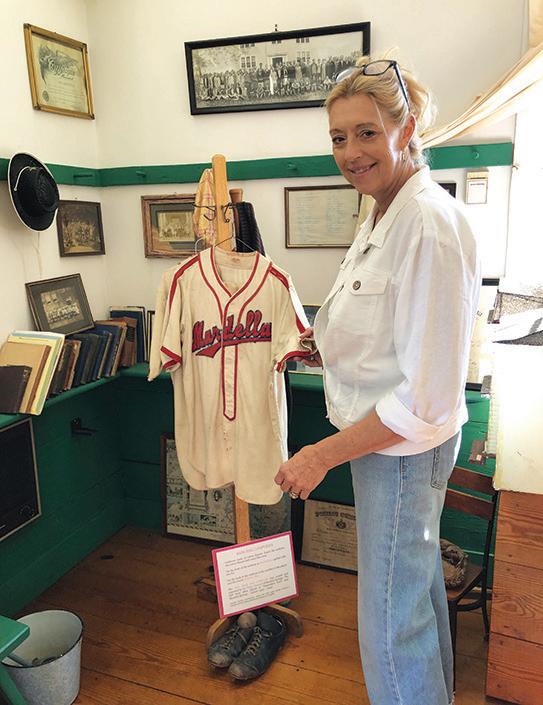
Noise from the baseball field behind the museum gave way to stories about how important baseball has always been to villagers and touring a room of baseball archives. Displays about the mineral water bottling business included original
bottles and labels featuring a Native American chief standing by Barren Creek and his village.
After browsing the first-floor rooms Claudia and Sylvia took us to their museum shop and selected books to pass on to us for more flavor and information about the town. Two fascinating and useful books, Mardela Springs, Maryland, A History, written by Sylvia Bradley, and Westside Historical Society’s Heritage Yearbook , edited by Sylvia were most informative.
Other titles included, the fun Farmin’, Fishin’, and Turkin’, Growing Up Along the Nanticoke by Franklin E. Horsman, Sr., a local Coast Guard veteran and farmer. There is a lifetime of recipes in Granny’s Sweet Tooth compiled and edited by Sylvia and Eric Layton for the society. A special patriotic tome, We Live Among Heroes, A Commemorative of Wicomico County’s World War Two Veterans was also written by the prolific Sylvia Bradley.
We said our goodbyes and thank
yous and were warmly welcomed to return for another visit.
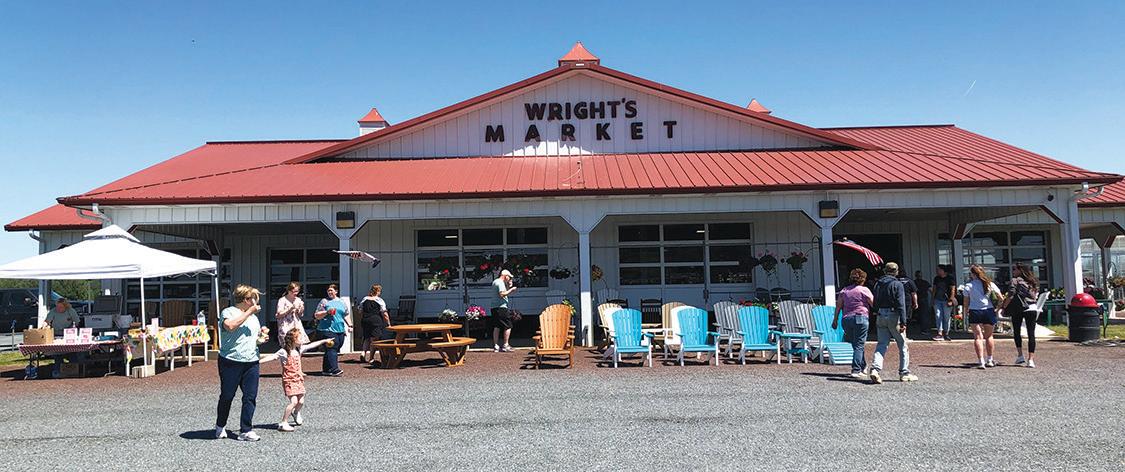
Between visits with the Mardela Springs preservationists, we had lunch at Wrights Market at 9300 Old Railroad Rd. and Rt. 50. A popular stop for locals and beach travelers alike. Wrights hosted a Strawberry Festival that day, and we indulged in delicious strawberry shortcake smothered in whipped cream and purchased flowers, fruits and vegetables. They have special events throughout the year. Check event dates at wrightsmarket.com .
While Americans celebrate a joyful 250th on July 4, 2026, Mardela Springs will be celebrating Independence Day with a good oldfashioned picnic and tours of the historic town. You are invited to learn about the cultural heritage of this microcosm of America’s early history, experience a taste of smalltown life in this well-preserved village on Barren Creek.
The Adkins Historical & Museum Complex is a 501c nonprofit organization with a mission to preserve the past for the future. They are located at 106 Bratten St., Mardela Springs, Maryland and are sponsoring the July 4 event. They welcome visitors to attend, a rare chance to experience all that Mardela Springs has to offer.
Springs Birthday,
plex, contact David Kenney at 410726-8113. Kenney can also be found at his family-owned The Hardware Store nearby on Rt. 50. Note that the building complex will be open during the festival.
Contact Claudia Hudson at the Westside Historical Society, also a 501c nonprofit, at 443-235-6815, to schedule a tour of the church, spring house, museum and other structures or to rent the church. The Barren Creek Heritage Museum is located at 413 Main St., Mardela Springs. They too will be open on July 4.
We left the microcosm of early American towns reflecting life as a young nation, knowing that we want to return. We want to study and understand more about how this quaint town evolved, like many on the Eastern Shore of Maryland, and on the east coast of America. We want to spend more time in the historic buildings among the artifacts located in the Adkins Historical & Museum Complex and in the Westside Historical Society Museum, Barren Creek Springs Church and Barren Creek Spring House.
What we learn about our past can prepare us for the future.
Happy Birthday, America!
For more information and to arrange a tour of the museum com-
Bonna L. Nelson is a Bay-area writer, columnist, photographer and world traveler. She resides in Easton with her husband, John.
Mardela






At 250 - A Reason to be Proud
by William S. Dial
My adult leadership and I moved to the Eastern Shore nearly thirty years ago. To be honest, I had never heard of Tench Tilghman, the Tilghman name, or any event associated with Colonel Tench Tilghman, whose remains are interred in Oxford Cemetery. If you read my scribbling, you know of my interest in history. Well, Bunky, it takes me only a minute to appreciate my
historic ignorance. Tilghman was, is and shall remain historic. So here goes!
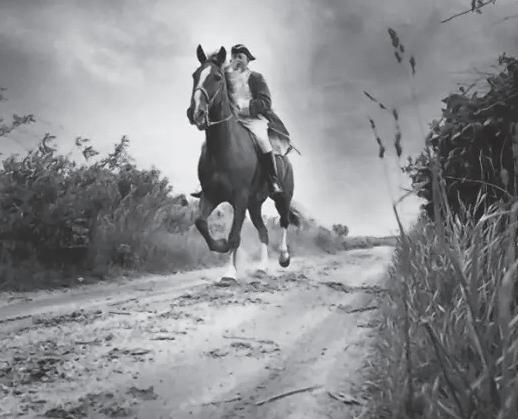
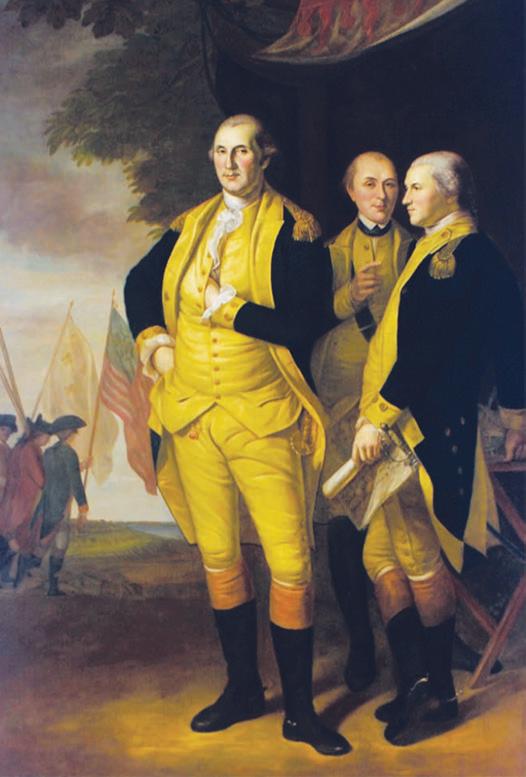
Many officers served under General George Washington during the American Revolution, but few were trusted as deeply as Colonel Tench Tilghman. He’s especially remembered for bringing the good news of the British surrender at Yorktown to the Conti -
A Reason to be Proud
nental Congress in Philadelphia. Tilghman truly stood out as a special kind of Revolutionary officer: educated, disciplined, loyal and talented at turning military victories into political support. His famous ride from Virginia to Philadelphia in October 1781 was more than just a test of stamina or patriotic spirit. It was a crucial link in the communication network that helped turn a battlefield win into a shared national achievement. This mission also highlighted how delicate the Revolutionary government was, depending on trusted individuals, tough roads and waterways and handwritten messages to keep



A Reason to be Proud
the young nation united across its large, often divided territory. That ride is worth discussing. The boss said, “Here, run this up to Philly and tell them Cornwallis is going home.” Tench Tilghman did not ride a single horse all the way from Yorktown to Philadelphia, and he probably did not use his own mount for most of the journey. Contemporary accounts describe him changing horses repeatedly. He traveled first by boat down the York River and up the Chesapeake Bay, then crossed Maryland’s Eastern Shore on horseback, taking fresh horses wherever he could find them. One wonders whether he stopped in Talbot County for a hug from his lady, sweet Anna Maria, his wife and cousin, before continuing. Historians are not certain where he spent the night before reaching Philadelphia. The surviving record is incomplete. He reached the Eastern Shore on the evening of October 22 and rode nearly continuously afterward despite fever and exhaustion. Most accounts suggest he pushed through Maryland and Delaware with very little rest. No definitive inn or town for his final overnight stop appears in surviving primary sources.
Before Tilghman’s arrival, delegates in Philadelphia were anxious and uncertain. Rumors of a major
victory had already reached the city through unofficial channels, but Congress still lacked formal confirmation from George Washington himself. Delegates continued their normal business while waiting for reliable news from Virginia.
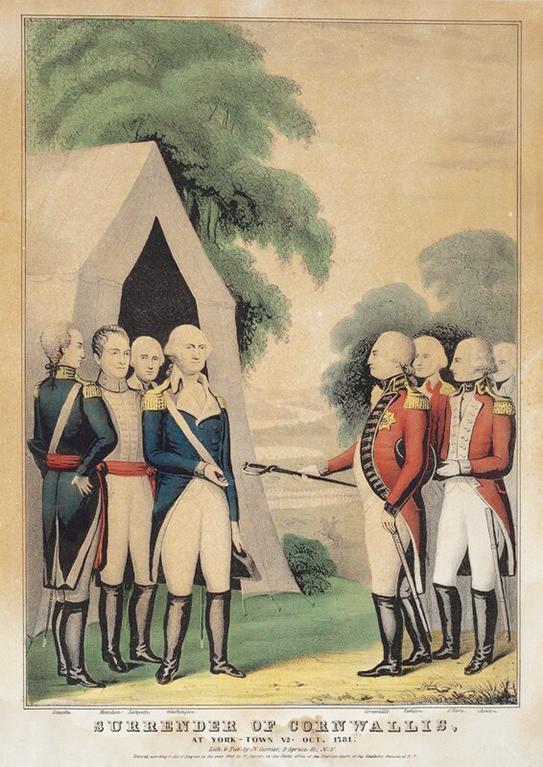
When Tilghman finally arrived early on October 24 with Washington’s dispatches, excitement spread quickly. Congress announced that Lord Cornwallis had surrendered. Church bells rang across Philadelphia, crowds gathered in the streets and Congress promptly organized ceremonies to give thanks and mark the moment. A few days later, on October 29, Congress officially honored Tilghman with “a


A Reason to be Proud
horse properly caparisoned and an elegant sword.”
Although fighting technically continued until the peace treaty of 1783, many delegates understood immediately that Cornwallis’s surrender was the decisive turning point of the American Revolution.
Tench Tilghman was born on December 25, 1744, in Queen Anne’s County, Maryland, into a prominent and well-off family. The Tilghmans were part of the colonial gentry, connected through trade, politics and landownership to many of the leading families in the Chesapeake. Like many young
men of his class, Tilghman received a solid classical education and became a successful businessman before the Revolutionary War began. At first, he was cautious in his politics. Many Maryland elites worried about both British overreach and the chaos that resistance might bring. Tilghman gradually concluded that reconciliation was no longer possible and joined the Revolution.
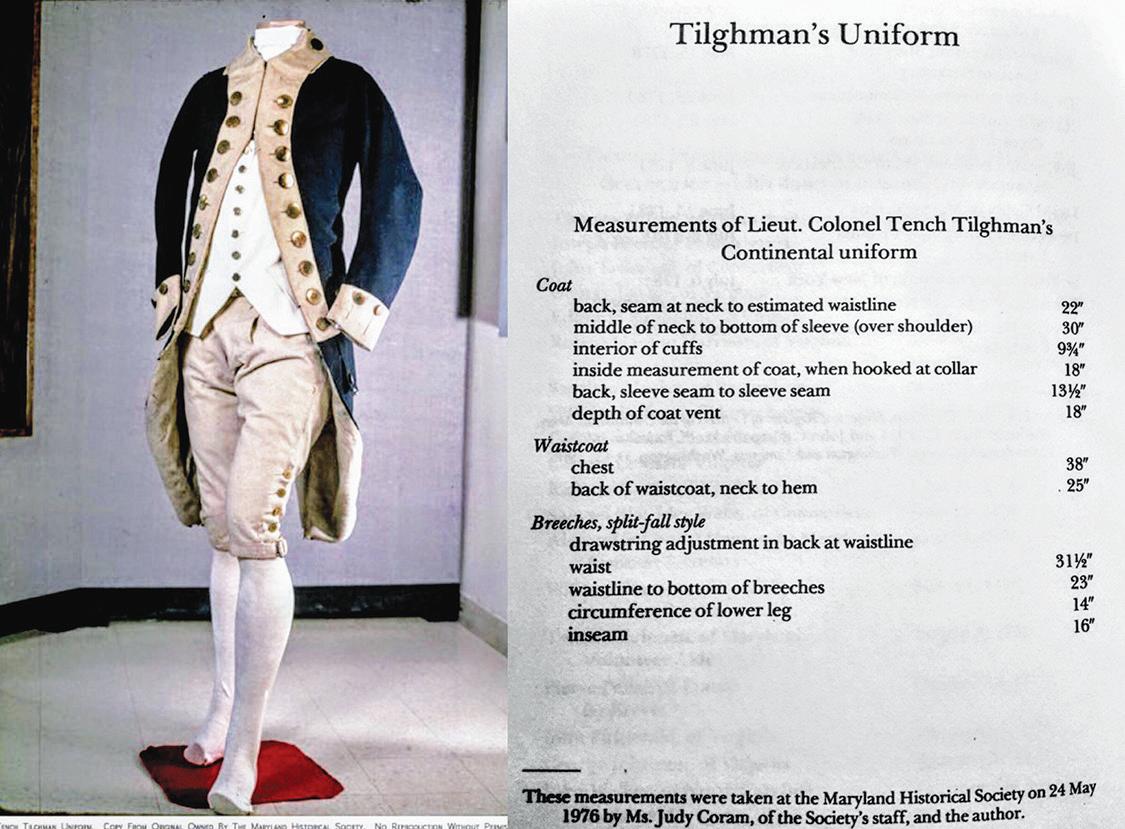
By 1776, Tilghman had fully committed himself and joined the military. His administrative skill and calm under pressure quickly drew notice. These qualities eventually caught Washington’s attention, and Tilghman became part


A Reason to be Proud
of the general’s close-knit military “family” of aides-de-camp and confidential secretaries. Washington’s headquarters was not about ceremony; it was the heartbeat of the Continental Army. There, orders were copied, intelligence was assessed, troop movements were organized, and communications with Congress and allied nations were kept flowing. Officers chosen for this work had to be discreet, resilient, educated and completely loyal.
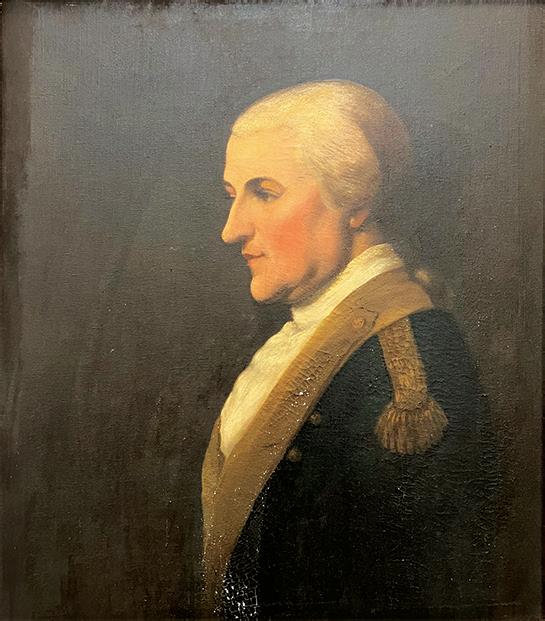
Tilghman quickly became one of his most trusted assistants. Washington relied heavily on written correspondence, and Tilghman handled some of the army’s most important and sensitive messages. Their relationship appears to have been grounded in mutual respect.



A Reason to be Proud
Washington valued efficiency and emotional control, and Tilghman had both. Unlike some officers who sought glory through dramatic battles or political schemes, Tilghman earned a reputation for dependability. That trust became crucial during the difficult middle years of the war, when the Continental Army often faced shortages of supplies, pay and men.
Washington’s aides are often overlooked, but they were essential to the Revolutionary War effort. Unlike today’s military, which relies on advanced technology, eighteenth-century commanders depended on trusted aides to carry orders, relay intelligence and manage communications accurately. Even a small delay or copying error could affect an entire campaign. These men traveled long distances through dangerous territory with sensitive messages that, if intercepted, could have disastrous consequences. Tilghman distinguished himself through his exceptional reliability in carrying out these duties.
The highlight of his career came during the Yorktown campaign of 1781. By then, the tide of war was turning in Washington’s favor. British forces under Lieutenant General Charles Cornwallis had moved into Virginia, hoping for reinforcements or escape by sea.
Washington, meanwhile, worked closely with French allies under the Comte de Rochambeau and with the French fleet led by Admiral de Grasse. This alliance made all the difference. French naval dominance blocked British efforts to rescue Cornwallis, while combined land forces surrounded him at Yorktown and sealed the victory.
On October 19, 1781, Cornwallis surrendered his army. While some isolated British forces still remained elsewhere in North America, this surrender was a significant blow that effectively sapped Britain’s political will to keep fighting. But winning on the battlefield only mattered if the news could reach the leaders promptly and convincingly. Congress needed to hear
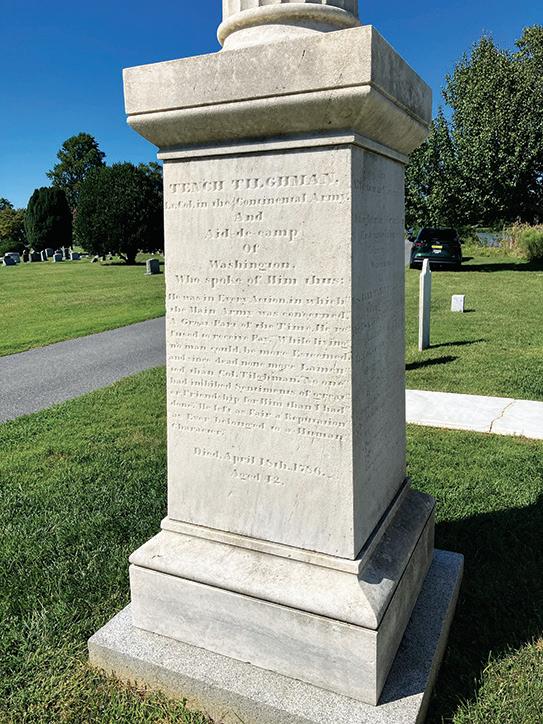


A Reason to be Proud dictatorship or personal ambition.
confirmation. State governments needed reassurance. Supporters back home and abroad needed to see that the long, uncertain struggle might finally be coming to an end.
Washington chose Tilghman to deliver the official dispatches announcing the victory to Congress in Philadelphia. The choice reflected the tremendous trust placed in him. The documents included Washington’s formal report of the surrender and other important campaign materials. Tilghman set out almost immediately after the surrender ceremony, beginning a rapid journey north over rugged and often difficult roads.
The event also highlighted the close connection between military authority and republican government during the Revolution. Washington deliberately chose to send an aide rather than issue grand, stand-alone proclamations. He understood that the Continental Army remained under civilian control, with Congress embodying the sovereignty of the United States. Tilghman’s role went beyond carrying messages; he served as a bridge between military achievement and constitutional legitimacy. His ride became a symbol of disciplined republicanism—a careful transfer of victory from soldiers to statesmen, without any hint of military
After the war, Tilghman returned to Maryland and resumed his business ventures. Like many Revolutionary officers, he faced financial difficulties in the unstable postwar economy. The Revolution brought political independence, but not immediate prosperity. Trade was disrupted, currency was unstable, and debt was widespread. Despite these hardships, Tilghman remained active in public life and maintained a close friendship with Washington. Washington’s lasting affection for him was evident in the deeply personal terms he used after years of trusted service.
Tilghman’s later years were brief. He died in 1786 at just forty-one, only a few years after Yorktown. His early death prevented him from assuming the larger political role many believed he might have achieved. Tilghman did not leave a large political or literary legacy. Instead, his name remains most closely associated with his vital role in the Yorktown dispatch mission.
Yet focusing too narrowly on Tilghman overlooks his broader importance. He embodied the administrative officers who sustained the Revolutionary effort behind the scenes. History often highlights famous generals and battles, but success also depends on organization, communication and trust. Washington’s headquarters relied
on officers like Tilghman to turn strategic plans into coordinated action across great distances. His strength lay in combining intelligence with restraint; he did not seek fame. At a time when political and military rivalries endangered the cause, his calm, steady presence proved invaluable.
Tilghman’s ride from Yorktown also became a symbol in the mythology of the early United States. In the nineteenth century, Americans celebrated Revolutionary messengers as symbols of patriotic devotion. Just as Paul Revere came to represent warning and resistance, Tilghman came to represent triumph and the birth of a new nation. The image of a lone horseman
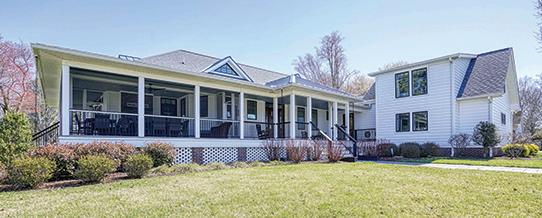
Exceptional coastal retreat on a spacious corner lot, this beautifully designed residence offers an ideal blend of comfort, style and convenience. Designed for effortless living with a contemporary open floorplan that connects to the large screened-in porch with gas fireplace is perfect for entertaining and relaxation.Enjoy the tranquil water views from this prime location just moments to the charm of historic St. Michaels. $1,985,000

carrying news of victory resonated deeply in a young republic that prized civic virtue and sacrifice. Modern historians place greater emphasis on the logistical and administrative dimensions of the
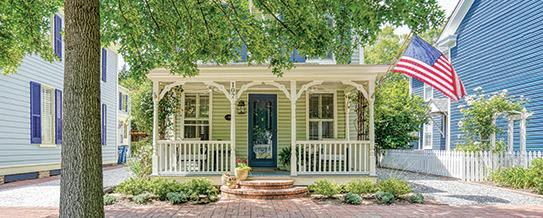
Beautifully restored circa 1870 residence in the heart of St. Michaels. The elegant living and dining rooms showcase the timeless character, while the designer’s kitchen opens to a stunning family room with soaring cathedral ceilings and expansive windows that fill the home with natural light throughout the year. The detached back building offers potential for a guest suite, office or studio. $1,165,000

Views of St. Michaels Harbor
Historic St. Michaels
A Reason to be Proud
Revolution, which further underscores Tilghman’s importance. Effective communication was crucial for eighteenth-century governments and armies. Delays in intelligence could cripple campaigns. The Continental Congress relied on couriers to connect distant states to a fragile central authority. Tilghman’s successful delivery of the Yorktown dispatches showed that the Revolution depended not only on battlefield bravery but also on dependable human communication systems.
When we consider Colonel Tench Tilghman’s place in history, it is important to look beyond the famous Yorktown ride. The mission represented confidence, discipline and an emerging American political order capable of enduring war. Washington chose Tilghman for the task because he embodied the qualities the general valued most: loyalty, skill, judgment and integrity. Delivering the surrender documents helped turn military success into political reality, strengthening Congress and the broader cause of independence.
Although he may not be as well known as other Revolutionary leaders, Tilghman deserves recognition as one of the Continental Army’s key officers. His service shows that revolutions are powered not only by charismatic leaders or dramatic battles, but also by capable individuals whose hard work keeps govern-
ments running, armies communicating and victories from becoming lasting national achievements.
On this 250th anniversary of the United States, it is fitting that we honor our local hero. I had never heard of Colonel Tench Tilghman until moving to the Shore. Now I understand why Tilghman is so revered. Along with Tubman and Douglass, and perhaps many others who by choice or neglect remain underrecognized, he reminds us to appreciate the contributions of our forebears to the preservation of our freedoms.
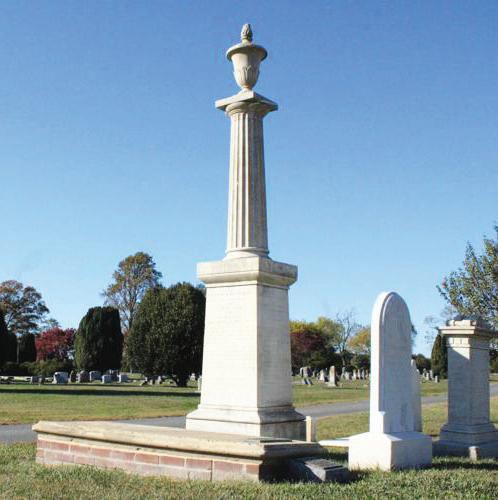
Editor’s Note: Tench Tilghman’s Grave - Oxford Cemetery, Oxford Cemetery Rd., Oxford. The grave is easy to find. Drive straight into the cemetery and look for the first section on your right. That section backs up to a body of water. Towards the far end of that section, the distinctive monument for Tilghman will be plainly seen.
William Stephen Dial achieved Masters Degrees in International Affairs and National Security Studies. Bill’s 31 years in the navy started as a Seaman Recruit and finished in June 1994 as a Captain. Bill has been a certified SCUBA Instructor, a Accredited Marine Surveyor, a Certified Emergency Manager and an Emergency Medical Technician. Bill is married to Susie and has 11 grandchildren.


The Lore of the Ring
by James Dawson
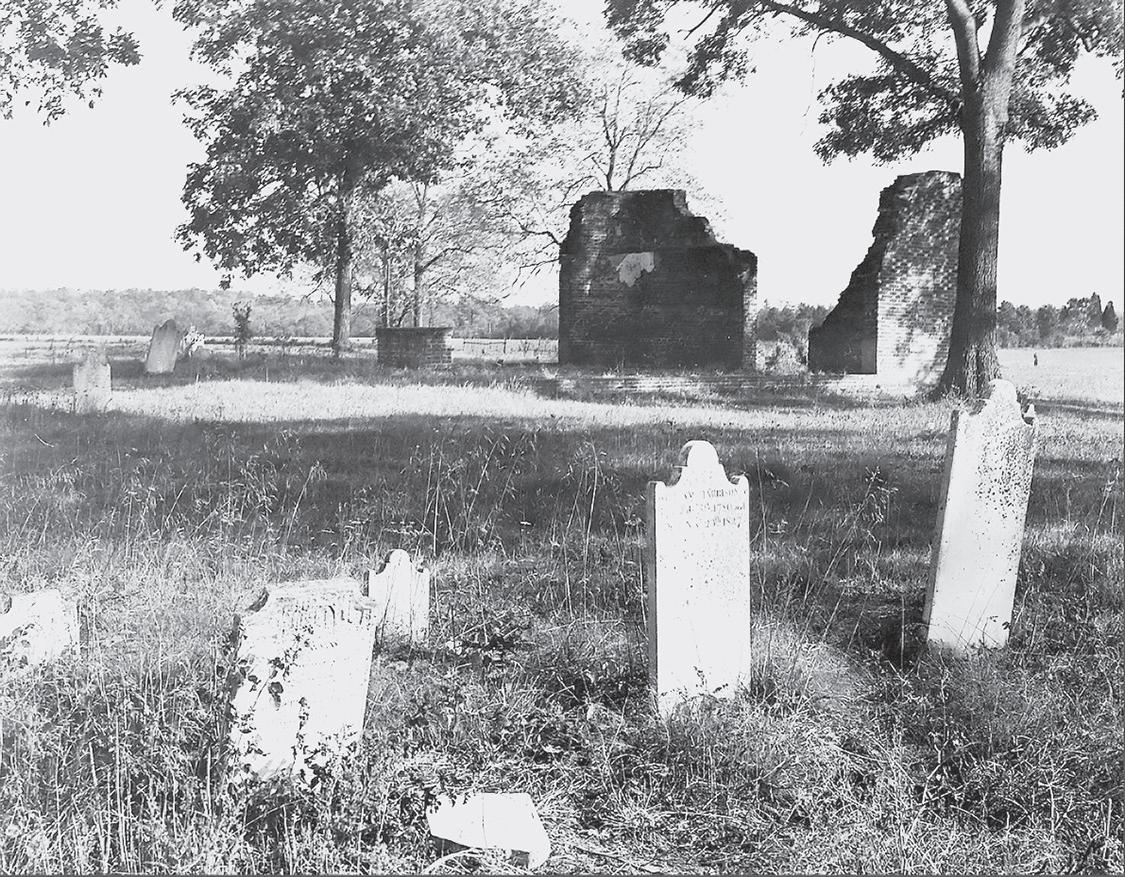
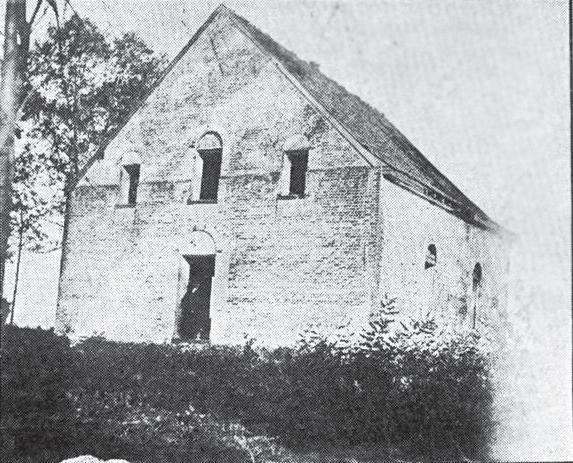
Based on a real legend about two would-be grave robbers at Old White Marsh Church near Trappe in the mid-1700s.
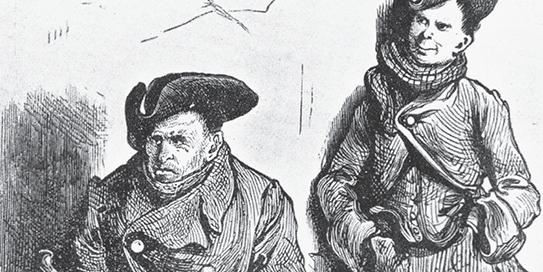
Two men on horseback rode slowly beneath a canopy of tree branches that inter-meshed like fingers shading a narrow dirt road. The chirping of summer birds offered a bright contrast to the dull plodding of the horses’ hooves and the dust. There was lots of dust and almost as many flies of all sizes. The first stranger
rode a dilapidated sorry-looking. He was a heavyset man of medium height. His black hair was tied in a pigtail and he wore a tattered army jacket. His name was Smith. Just Smith. Any more than just Smith might incriminate him. His companion was on a better-looking horse, although it might have only been
The Lore of the Ring
by contrast with the sorry-looking sorrel. He was about six feet tall and wore a ratty tricorn hat and brown clothing. The fi rst figure turned on a creaking saddle and said, “How far is it to Oxford?”
Jake surveyed the road from under the hot shade of his hat. “We’ll make it by afternoon if that swaybacked nag of yours don’t fall apart fi rst. Why didn’t you steal a nice, fast horse?”
I’d have had plenty of time if you hadn’t stepped on that cat’s tail and had the whole house down my throat.”
“Your throat be damned. All I saw of you was that backside of yours flying by me like you had wings on it. What did you do, pick up that horse and run with it?”
“If I wuz you, I’d,…what’s this?”
Passing a small brick church on the right, the riders had left the sunspeckled shade of the woods for the heat of the open road and come to a crossroads. Clustered about were half a dozen sway-backed unpainted
structures that passed for buildings, housing a blacksmith shop, tannery and the standard accessory of any crossroads at the time—a tavern.
It was the most sway-backed building of all, and the droop of its roof rivaled that of the spine of Jake’s horse. Over the door, a wooden sign baked motionless on its wrought iron rod like it was on a spit in an oven.
“What does she say?” asked Smith.
“It says, “Ye Hole in the Wall, spiritf and reft, for man and beaft.”
Since when do you lisp?” asked Smith.
“Since I started reading these tavern signs with the funny letter ‘s.’” replied Jake. “Any more back talk out































Lore of the Ring
of you and I’ll let the air out of your horse with a pin.”
The horses ambled up to a mosscovered wooden trough and slurped up the warm water. The two hitched them to a crippled rail and, brushing off some of the dirt and the smaller and less persistent of the flies from themselves, ducked through a low doorway and entered the tavern in a cloud of dust accompanied by the larger, more gregarious flies.
It was dark inside. They walked across the dirt floor and Jake ordered something cheap from the tavernkeeper.
A thin, ragged man lounging on a split log bench along the wall stated, “Gentlemen, yon proprietor has something here that will curl the boards off a barn, but you can’t git no drinks now on account of the obsequies goin’ on at the church in memory of Hannah Maynadier, deceased.”
“What did Mrs. Deceased die of?” asked Smith. He really didn’t care, but anything would be a diversion from talking to Jake.
“I think she died of a Thursday”, interjected the tavernkeeper.
“No respect for the dead,” the scarecrow said shaking his head, “no respect at all. If you gentlemen got nuthin’ better to do, come on over to the church with me. Got some business to attend to.”
The three stepped outside into the
glaring sun and the scarecrow picked up a shovel that was leaning against the side of the building.
The tavernkeeper stuck his head out of the door and said, “Ho, sexton, you’d better bury this man’s horse, too while you’re at it. Folks’ll be complaining if it stays out in the sun any longer. It’s already startin’ to spile.” The tavernkeeper laughed, but no one else, including the horse, laughed along with him.
They went down a road that led to a little brick church about half a mile east of the tavern.
“I apologize to you gentlemen for the tavernkeeper’s behavior,’” said the sexton. “He’s a little touched. He ain’t been right since he drank some of his own swill.”
As the trio approached the church, it was obvious that the funeral had ended. Passing a tall, well dressed, but grieving man, the sexton touched his cap and the man nodded a reply. Out of hearing, the sexton whis -


pered,” That’s the Reveren’ Maynadier. It was his wife what just died, all sudden-like. They’re stickin’ her in the ground purdy fast on a’cause of all this heat.”
They walked over to the nowdeserted graveyard between the white tombstones. The sexton took off his cap and begun to fill in the new grave. The two horsemen sat on the ground leaning against a locust tree.
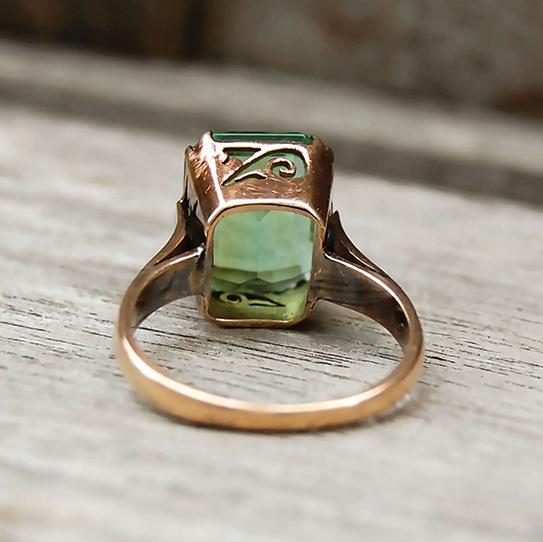
“Yes sir, it sure is a shame,” continued the sexton, “beautiful young woman like Miss Hannah. Reverend gave her a diamond ring as big as a walnut when they wuz married. Poor thing hardly had a chance to enjoy it. He had it buried with her, didn’t never want to see it again.”
“I’ll bet it wasn’t half as big as some I’ve seen,” prompted Jake, the wheels already beginning to turn.
“Doubt that, mister. This here ring come all the way from England. Almost put your eyes out when the sun hit it.”
Jake sat chewing on a blade of grass, ignoring the sexton as he rambled on about the Maynadiers, local gossip in general and the high cost of living in particular. It was obvious that he loved to talk and wanted an audience.
Soon the grave was filled in, and the sexton strode off, clapping his cap back on his head, and bid them good day, leaving his shovel lodged in a locust tree for next time.

“You know,” said Jake, “a person could git a good way from Dover with a ring like that.”
“Well, if a person had a ring like that he wouldn’t of been caught borrowing horses in the middle of the night.”
“I know where we can git a ring like that and be on a boat out of Oxford by morning.”
That dawned on Smith’s face. “Don’t you even think of it, Jake Barnsworth. I ain’t gittin’ mixed up in no grave robbin’. I come from a long line of respectable thieves. We’ll have enough trouble gittin’ away as it is without this end of the county after us, too.”
“Maybe you’re right. Come on over to the tavern and I’ll buy you all the rotgut you can hold.”
All the rotgut he could hold took up the rest of the day, and the dark moonless night found the now ghoulish Dern Keyhote and Sqancho Pawnza unsteadily wobbling their horses to the churchyard. The tavernkeeper’s rum had eroded what few morals they had, along with

Lore of the Ring
Smith’s balance, whose horse kept stepping on his foot. Muffled cursing ruffled the night.
Back at the graveyard, they went over to the fresh grave. Jake tied his horse to a tree while Smith moored his to a tombstone with a great wad of knots. It was eerie in the cemetery. Distant owls screeched and a bat swooped overhead against the night sky.
Jake lit a candle stub with flint and steel and stuck it on a nearby gravestone with a few drips of hot wax. “It’s a good thing they’s a ground fog comin’ up,” he said, “I’d just as soon not be seen here.”
Suddenly Smith started singing, “Oh, the King of Spain, he had a pain, and it lasted all the day-o.
Sing diddly-hey, sing...”
Jake dove at Smith and clapped his hand over Smith’s mouth. ‘For god sake, sing yer ditties somewhere else. Are you crazy? Shut the hell up.”
“Whatsa matter? ‘Fraid she’ll hear us?” Smith mumbled loudly.
“Shhhh! Listen, if we git caught, it’s gonna be your fault. Then you can take yer didilies to gaol and see how they like ’em there. Take this shovel and start diggin’ while I keep watch.” Smith stared at the shovel trying to decide which end went into the ground. “It goes like this,” Jake said rudely.
Smith stumbled over to the grave
and started to dig, casting weird shadows on the neighboring stones. The loose dirt was easily moved, and in no time he was waist deep in the hole. The exertion had had a sobering effect on him and he paused for a minute, resting his chin on the upright shovel handle.
Jake, why did I let you talk me into this?”
“Actually, I don’t know. I was wunderin’ the same thing myself, but we can’t stop now. Let’s git it over with and git out of here.
Silence, then more digging, and one of the horses nickered. “What did you say?” each asked the other simultaneously. Jake mopped his forehead. “Here, I’ll take it for awhile. This place is gittin’ to me.” he said just noticing the skull and crossed bones carving atop the stone of Miss Elizabeth Lee. Its hollow eye sockets seemed to flicker in the candlelight watching his every move and grinning at him with its naked skull teeth.
Soon the shovel thudded against the wooden lid of the coffin. Jake scraped the dirt off and used the shovel to lever up one end. The coffin nails shrieked in protest as he
pried off the lid to reveal the delicate features of a woman in her late twenties. She had long blonde hair and was wrapped in a linen winding cloth, her arms crossed demurely in front of her. She didn’t look half bad for a dead person, and there, on the fourth finger of her left hand, was a beautiful diamond set in a wide gold band. It shone even in the guttering candlelight. Smith whistled slowly, “Look at that! I ain’t never seen a ring like that a’fore.”
Jake set about to get the ring. “And I ain’t never touched a dead person a’fore,” he explained as he gingerly drew in a deep breath and tugged at the ring. “It’s stuck.”
“Of course, it’s stuck. She’s probably all swolled up. You’d be swolled
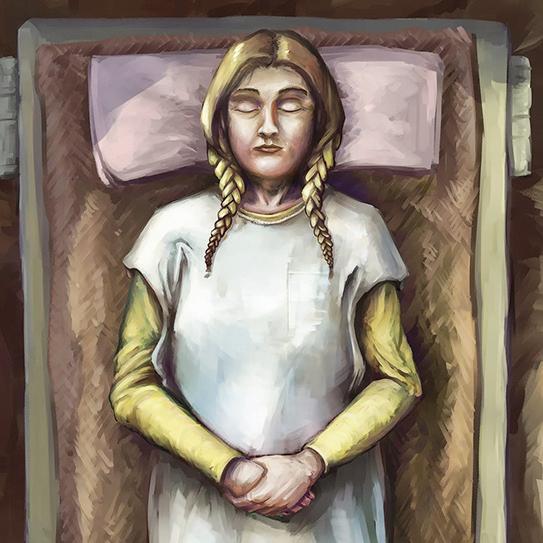
up too, stuck in the ground like that. Pull on it.”
“I am pullin’ on it.”
“Well, pull harder.”
“I am pullin’ harder. It ain’t comin’ off. Let’s git out of here.”
Lore of the Ring
“We’ve come too far to quit now. We’re in too deep already,” Smith said with more truth than he realized. “Let me down there. I’ll git it off!”
The two traded places and Smith pulled a knife out of his belt. “It’s comin’ off one way or another.” Smith picked up her arm and dropped it with a gasp. It fell limply at her side.
“She ain’t dead!”
“Well, of course she’s dead. She’s buried, ain’t she?”
“Well she ain’t cold. She ain’t dead and she ain’t cold. Dead people feel like marble. She ain’t stiff neither. I don’t like it. It ain’t natural.”
“Do you want the ring or not? Hurry up.”
In desperation, Smith touched the blade to her finger and started to cut. As blood started to flow, the shrouded form moved, groaned, opened her eyes and grabbed Smith’s hand.
“She’s got me!” Smith screamed. He tore himself loose and scrambled out of the grave in a shower of dirt. As the dazed woman sat up moaning, Jake was already on his horse racing from the church graveyard.
“Wait for me!” wailed Smith as he tumbled backwards over a tombstone. Picking himself up, he tried to untangle the reins, but his shaking hands couldn’t find the ends. Finally, he cut them in desperation. Jumping onto his horse, he glanced back to see the former corpse struggling out of her grave. With a blood-curdling scream,
he whipped the horse savagely and passed Jake in a thunder of hooves.
“Run for your life!” he yelled over his shoulder. “She’s comin’ and she’s madder th’n fire!”
It was a wild ride they had to Oxford that night. Shrouded forms seemed to be crouching in the trunks of large oaks that lined the road and branches grabbing at them to tear their clothing. They glanced behind them, half expecting Mrs. Maynadier to be chasing them on a resurrected horse, but saw nothing. Finally, they stopped to camp outside of town— both men and horses in a near state of collapse.
“Think they’ll be alright?” asked Jake looking at the horses.
“Oh, yeah. I’m just worried about us. In all my years as a convict deportee and all-purpose felon, I never seen nuthin’ such as the likes of that woman. She must of been awful fond of that ring, you should have seen her comin’ for us.”
“I’ll take your word for it. I wasn’t waitin’ around for no introductions. You have to admit she wasn’t any of your normal everyday corpses. First thing I know she’s openin’ her eyes and clutchin’ at me. Fine place for her to be makin’ advances at me like that.”
“You always did have a way with the ladies.”
“I wunder what her husband thought when she got home?”
“He probably dropped dead from fright. We can git his jewelry in a couple of days.”
Jake snorted.
“Anyway, it would serve her right, makin’ me drop my knife and all. I couldn’t of liked that knife better if I’d a come by it honestly.”
“Well, I lost my hat, too. I say we rest a while and take the ferry out of Oxford and put some water between us and her. They say hants can’t cross water and who knows what else in that graveyard might bring comin’ fer us!” Talking calmed the men, and soon they fell asleep from sheer exhaustion. They wouldn’t discover until the next morning that they had camped for the night in the Oxford cemetery.
Later in the morning, the men saddled the horses and made for the ferry, when soon they arrived at
of the
Investments
Oxford. It was a bustling little port town and the streets were full of traffic. They rode slowly past several shipyards building Baltimore clippers and several types of specialized Bay craft. They passed a large inn at the end of town and walked their horses down the slope to the ferry landing.
The two made their getaway and were scared straight, became honest men and never came back to Talbot County ever again. Rev. and Mrs. Maynadier were reunited, and everyone, even the horses, lived happily ever after, which is how all ferry tales should end.
James Dawson is the owner of Unicorn Bookshop in Trappe.
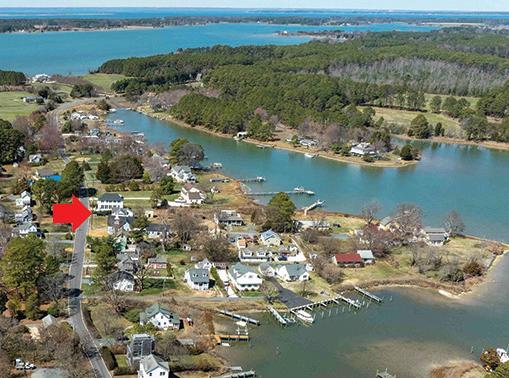
This 3 bedroom, 2 bath home in the charming village of Neavitt has tremendous upside potential! It’s located between two much larger properties that are under renovation, both of which will be valued at well over twice this home’s asking price of $435,000. Renovated and expanded in 2011, the house needs tweaking but is fully livable. Did I mention it has fabulous water views, too?
Joan Wetmore 410-924-2432
jwetmore@ttrsir.com

One
Best
on the Market! - 6403 Bozman Neavitt Road


Easton
Map and History
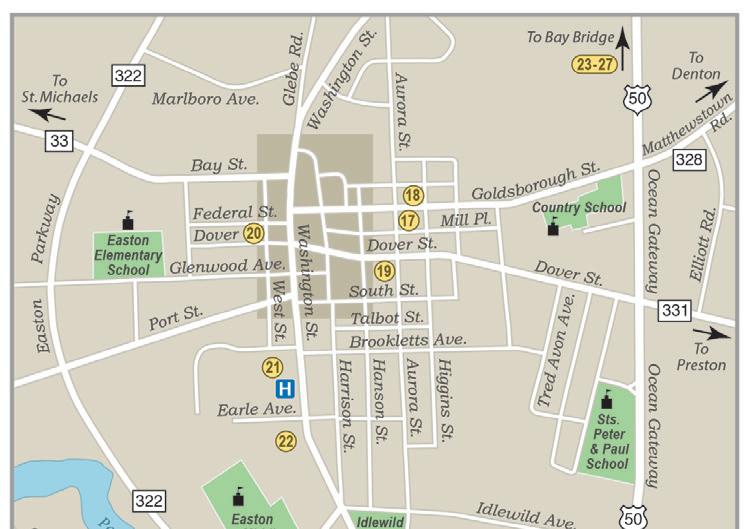
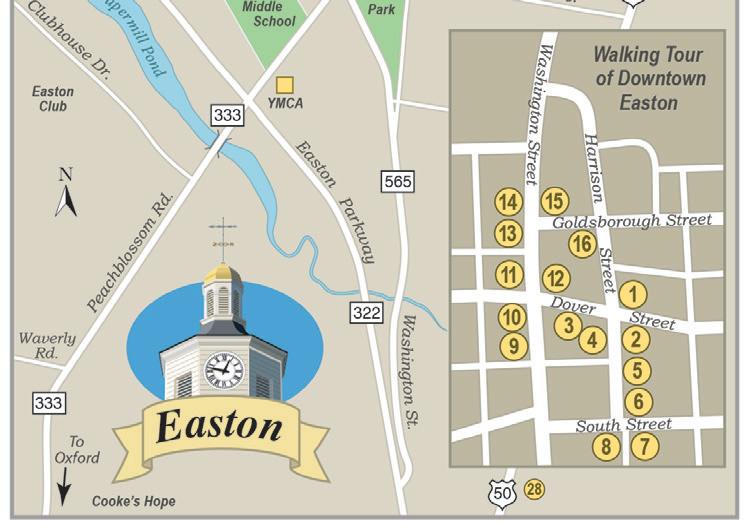

The County Seat of Talbot County. Established around early religious settlements and a court of law, Historic Downtown Easton is today a centerpiece of fine specialty shops, business and cultural activities, unique restaurants, and architectural fascination. Treelined streets are graced with various period structures and remarkable homes, carefully preserved or restored. Because of its historical significance, historic Easton has earned distinction as the “Colonial Capitol of the Eastern Shore” and was honored as number eight in the book “The 100 Best Small Towns in America.” With a population of over 16,500, Easton offers the best of many worlds including access to large metropolitan areas like Baltimore, Annapolis, Washington, and Wilmington. For a walking tour and more history visit https:// tidewatertimes.com/travel-tourism/easton-maryland/.





Dorchester Map and History
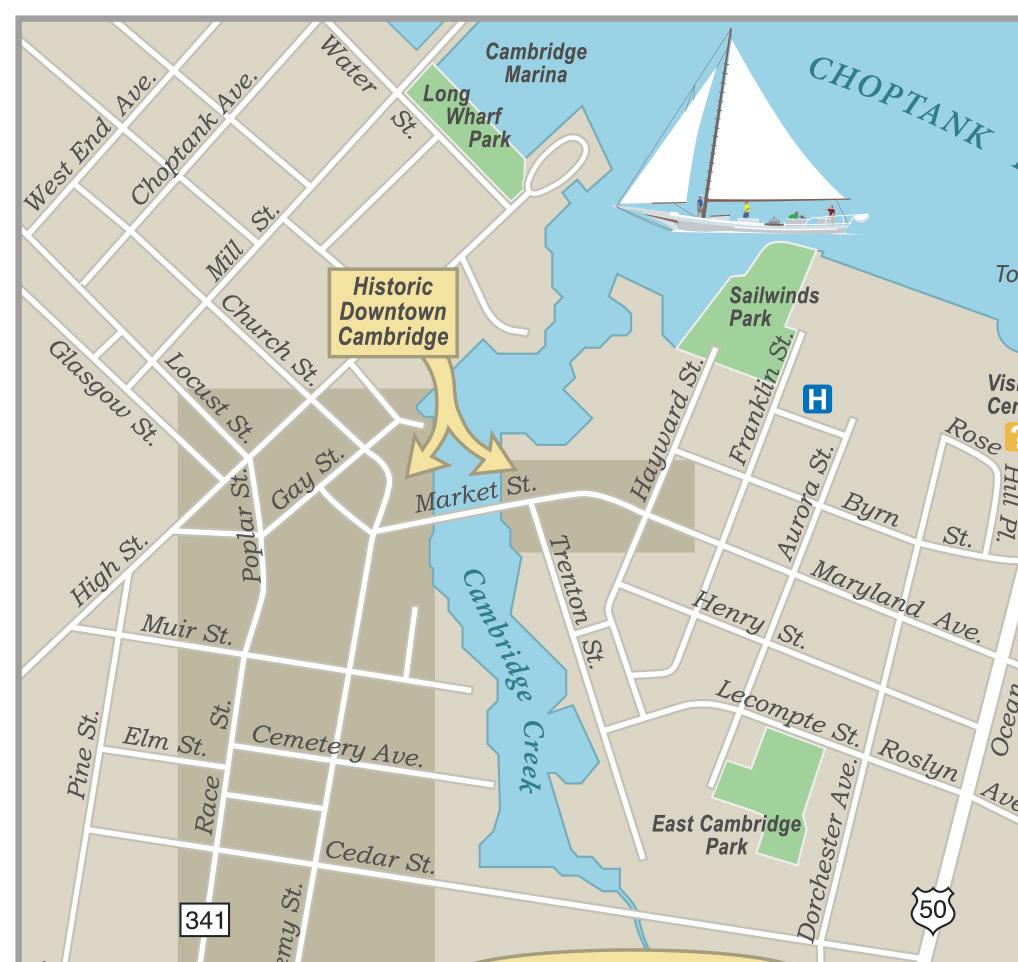



Dorchester County is known as the Heart of the Chesapeake. It is rich in Chesapeake Bay history, folklore and tradition. With 1,700 miles of shoreline (more than any other Maryland county), marshlands, working boats, quaint waterfront towns and villages among fertile farm fields – much still exists of what is the authentic Eastern Shore landscape and traditional way of life along the Chesapeake.
For more information about Dorchester County visit https://tidewatertimes.com/travel-tourism/dorchester/.


TIDEWATER GARDENING
by K. Marc Teffeau, Ph.D.

July is the Thunderstorm Month
July has arrived, bringing heat and humidity that can wear down both people and animals. Because a lot of thunderstorms occur in July, one Indigenous peoples tribe’s name for July is the Full Thunder Moon. Here in North Georgia, the Cherokee tribe calls July the Month of the Ripe Corn Moon. My late step-grandmother, who was half Cherokee, always planted her
garden by the signs of the moon. With the hot and humid weather, a beach vacation may sound appealing, but before you go “downy ocean, Hon,” take a little time to prepare your garden and landscape. Since you can’t take them with you, a few simple tasks before you leave can prevent bigger problems later. Just a few minutes in the garden before vacation can

save you hours of work when you

It is much easier to remove small weeds now rather than large, well-established ones later. Put down a good mulching material after weeding. A layer of mulch two inches deep will control most
FRANK E.DAFFIN, INC.
weeds. Use grass clippings, pine bark, hay or straw. The mulch will conserve soil moisture and keep the soil cooler. If your vegetable garden is in full production, make plans for someone to harvest while you are gone. Your neighbors will be glad to help you deal with excess tomatoes, cucumbers and squash while you are away!
July is the time to start planning the fall vegetable garden. By midsummer, many gardeners begin to lose steam, but a fall garden can be highly productive, especially when the season stays mild. I still remember harvesting beautiful broccoli heads on Christmas Day for dinner. In fact, many cool-season crops, such as broccoli, often perform better here in fall than they do in spring.

Start broccoli, cabbage and cauliflower seeds now so your transplants will be ready to set out in August. In the past, I often found it difficult to find fall vegetable transplants in this area.

At the end of July, plant directseeded lettuce, spinach, beets, carrots and turnips in the garden. Another fact about a fall garden is that if you have well-drained soil or a well-draining raised bed, covering the carrots, turnips and beets with a straw mulch after the first hard frost will keep them growing and producing for you through late fall and early winter. These fall-season crop seeds may germi-
nate a little slowly due to the high temperatures in late July and early August. Try lowering the soil temperatures by covering the seed bed with a floating row cover like “remay” or some other shading material. Wait until August to plant peas for fall.
In the existing vegetable garden, fill any empty spaces with productive vegetables. Successional plantings of green beans can go in until the first of August. Late plantings of cucumbers, summer squash and tomatoes can also be made. If your spring planting of squash has been ravaged by the squash vine borer, pull the infected plants, toss them in the garbage can – not the compost pile – and plant fresh seed.




Tidewater Gardening
In addition to planting the fall garden, be sure to keep diseases and insects under control. If you have tomatoes or eggplants, I am sure that the Colorado Potato Beetle (CPB) has found them. These insects are very difficult to control in the home garden, so I suggest you start with handpick-

ing or a botanical insecticide. B.t. var. tenebrionis, which specifically kills CPB larvae, and spinosad are two effective organic insecticides. Straw and thick mulch around the plants inhibit movement and encourage predator insects. If all else fails, squishing between two bricks is very effective. The leaf containing the pest is placed between the two bricks, and sufficient pressure is applied.
July is the time to renovate your strawberry planting. Select the most vigorous strawberry plants for next year’s crop. Remove other plants, including runners, that have developed over the last year to ensure that all the plant’s energy goes into developing the primary





Tidewater Gardening

plants. You might try to root the runner plants to start an additional bed planting. Cut the foliage 1 inch above the ground to eliminate insect and disease problems. Be careful not to cut the crown of the plant, however. Fertilize and water the plants regularly so they will set the flower buds for next spring’s crop.
Regarding the ornamental plant side of the landscape, container gardens are a great way to bring seasonal color to the porch or patio. One of the most notable summer foliage bulbs for containers is the Caladium. The heart-shaped leaves of this tropical plant range in size from 6 to 12 inches. The numerous Caladium cultivars offer foliage colors in red, salmon, rose, white or green with many variegated combinations. Caladiums prefer rich soil and shade. Grown mostly for their colorful foliage, they perform well in garden borders and containers. In the landscape, fertilize them once a month with a balanced fertilizer, such as 1-1-1 (8-8-8 or 10-10-10). For those plants in containers, use a liquid

plant fertilizer at half the recommended rate once a month.
Caladiums are true tender bulbs, and since they do not overwinter in Maryland, they must be dug in the fall and stored dry at 70 to 75 °F. The tubers are replanted in spring after the last chance of frost. Most caladium cultivars are adapted to full shade, but many selections tolerate partial sun or early morning sun. Caladiums planted in the shade tend to have bigger leaves and want to be taller to catch the light, as opposed to those in direct sunlight. The color intensity can vary according to sunlight and the amount of fertilizer used. Full sun generally reduces the intensity of the foliage color of most cultivars. Caladium bulbs are U.S. grown in Florida. In fact, Lake Placid, Florida, is considered the Caladium Capital of the World!
Because the flower garden is in full bloom in mid-summer, July

is a good time to evaluate its layout and note any changes that you might want to make for next year. You may want to combine colors or textures differently, change the location of some plants, or substitute different species. Get out the cell phone camera and take a few pictures of the plantings. Have the photographs available this fall or winter when you sit down to order new plants from

the catalogues or plant next year’s flower display. Don’t forget that now is the time to order any spring-flowering bulbs that you plan to plant this fall. Get your order early to get the best selection and freshest bulbs for fall planting.
In the landscape, be sure to deadhead or cut off the spent blooms of the plants in the perennial bed. Do this for annuals, too, to keep them blooming. You want the plant’s energy to go into producing more flowers and not seeds. Divide and transplant iris, saving only the most vigorous ones. Discard any with any type of root or iris borer damage. You can also divide and replant crowded, early blooming perennials now.

Tidewater Gardening

Be sure to stake tall perennials to keep them from falling over. Cut the first lavender flowers to encourage a second crop. Also try rubbing your hands with lavender leaves to remove strong odors, such as garlic or onion. Cut back and fertilize delphinium and phlox to encourage a second show of bloom and be sure to pinch chrysanthemums for the last time in mid-July.
One perennial I like that is easy to grow and for its beauty and simplicity is Maryland’s own Blackeyed Susan (Rudbeckia hirta). The Black-Eyed Susan was designated as Maryland’s state flower in 1918 by the General Assembly, officially recognized as the state’s “Floral Emblem” (Chapter 458, Acts of 1918). It flowers from May through fall and is a native perennial.
If you like Black-eyed Susans,

you might try a 2026 All-American Selections (AAS) winner known as Claire™ Orange, the world’s first pollen-free F1 hybrid Rudbeckia. According to the AAS, “This compact, early flowering beauty boasts a tidy, uniform habit and an abundance of bright, clear orange blooms that truly stand out. Inspired by its namesake, the central “eye” remains perfectly clean, free from pollen. Enjoy its exceptional vigor, impressive floriferousness, and remarkable heat and disease tolerance, which ensure a longlasting, vibrant display even in challenging conditions. Claire™ Orange delivers ‘clean’ beauty and reliable performance, transforming your garden with effortless cheer.”
Annuals in the landscape usually start to fade in mid- to late July. You can rejuvenate them by cutting them back to approximately half





Tidewater Gardening
their height, then fertilize them with 1/2 cup of 5-10-10 per square yard of planted area, water, and apply a 1-2-inch layer of mulch. You can also apply liquid fertilizer, manure or compost “tea” to give them a shot in the arm, so to speak. Remove any annuals that didn’t make it and add them to the compost pile. You can replant beds with hardy annuals or perennials such as calendulas, globe thistles or sea pinks.
Fall webworms (FWW) appear in late July. These larvae feed on more than 100 species of fruit, shade and forest trees. The larvae are pale yellow in color with dark heads. They live in conspicuous webs of silk that they spin at the ends of branches of host plants. FWW are often confused with eastern tent caterpillars, which produce large webs in the branch crotches of trees in the spring. FWW webs are at the end of the branch, not in a crotch, and they are active in the fall, as compared to spring for the tent caterpillar. Offensive webs can easily be pruned from the host plant and burned or destroyed. Young webs are easier to remove than older, established ones.
Young caterpillars can also be effectively controlled with several common insecticides, insecticidal soaps or Bt (Dipel). Control is

most effective when the web itself is sprayed with insecticide. Most of the time these webs are usually more of a nuisance and don’t need to be removed. If you do want to remove them, prune the web out when you can reach them.
Happy Gardening!
Marc Teffeau retired as Director of Research and Regulatory Affairs at the American Nursery and Landscape Association in Washington, D.C. He now lives in Georgia with his wife, Linda.



St. Michaels Map and History
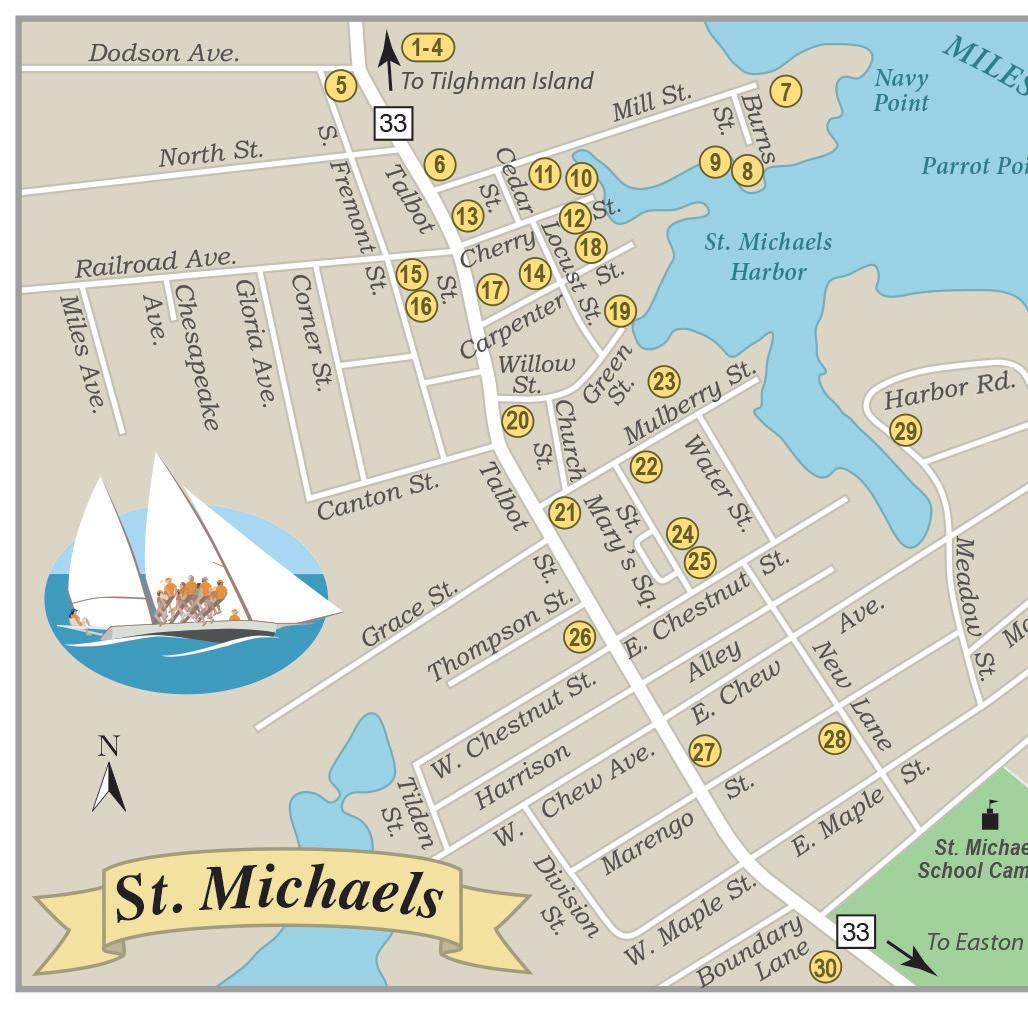


On the broad Miles River, with its picturesque tree-lined streets and beautiful harbor, St. Michaels has been a haven for boats plying the Chesapeake and its inlets since the earliest days. Here, some of the handsomest models of the Bay craft, such as canoes, bugeyes, pungys and some famous Baltimore Clippers, were designed and built. The Church, named “St. Michael’s,” was the first building erected (about 1677) and around it clustered the town that took its name.
For a walking tour and more history of the St. Michaels area visit https://tidewatertimes.com/travel-tourism/st-michaels-maryland/.





Molding the Essential Man by A.M. Foley
In the course of 250 years, George Washington—an actual person—has become somewhat locked in stone. It’s hard to think of him in the flesh, a tall, sturdy, auburnhaired officer early in life, suffering humiliating defeats, unknowingly besmirching his own honor and being accused of igniting a global war. Yet that was twenty-two-year-old Washington’s introduction to the world stage. Rather than rebelling, he was in Virginia’s militia serving King George II, undertaking four excursions into the wilderness: first a diplomatic mission, then three combat forays.
His path in life had been uncertain. George’s father, Augustine, held 2,500 acres on the Potomac River. When Augustine’s first wife died, leaving him with four children, he remarried to Mary Ball, who bore an additional six, including George. Though eldest of the Ball sons, George was younger than his half-brothers, Lawrence and Augustine Junior, which greatly reduced his prospects. Upon their father’s death, the estate went to his eldest son, Lawrence—along with care of eleven-year-old George and his Ball siblings.
Lawrence Washington had been

The Essential Man
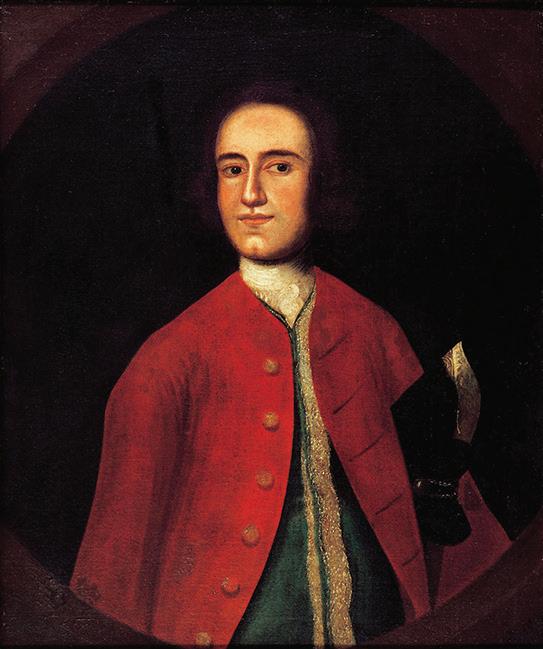
something of a military hero, serving in the Caribbean with the Virginia corps during a disastrous conflict between King George II and Spain. A great majority of the king’s combatants died, but Lawrence survived. When he later married, Lawrence rebuilt the ancestral manor house, naming it Mount Vernon in honor of British Admiral Edward Vernon, under whom he’d served.
Lawrence and Augustine Junior were among a number of speculators who founded the Ohio Co. in 1749. King George II granted the company 5,000,000 acres west of the Alleghenies. (Easy for him to say.) Western boundaries were contested among colonial Virginia, Maryland and Pennsylvania, as well


Lawrence Washington
as with France, her trappers and military—and not to mention Native Americans. Some, such as the Mingos, had already been dislocated by European settlement nearer the coast.
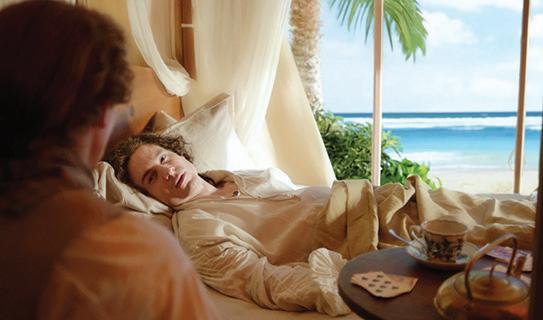
Lawrence Washington lost a battle with tuberculosis at the age of 34 in 1752. George, eleven years younger, was by his side through the fight. After the loss, George seemed almost driven to fulfill promises cut short by his beloved brother’s early death. Within a few months, he succeeded in lobbying for a commission as a major in Virginia’s militia. Learning that acting governor Robert Dinwiddie had London’s approval to protect British (and Ohio Co.) interests with a chain of western forts, twenty-one-year-old Major Washington applied to act as envoy to the French. George had a reputation for rectitude beyond his youth and experience in western wilderness as a surveyor. Besides, few would risk venturing in wintertime through wild, disputed territory to deliver an ultimatum near Lake Erie at the new Fort Le Boeuf. Appointed envoy on October 31,
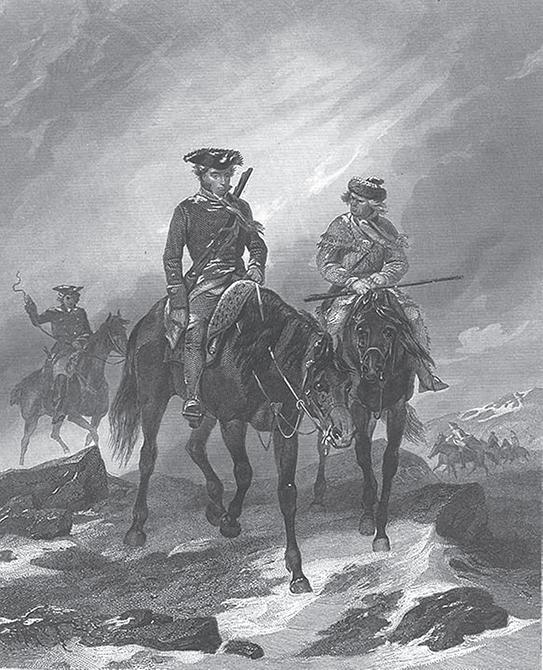
1753, Washington left the same day with a written ultimatum to the French. No linguist himself, Washington’s first of eight recruits was his former fencing instructor, Jacob Van Braam, a Dutchman knowledgeable in French. On western Maryland’s upper Potomac, he recruited Christopher Gist, a fellow surveyor and guide wellacquainted with Indian trading, plus six more backwoodsmen. He hoped, on the last leg, to persuade warriors of the Iroquois Confederacy to accompany him in a show of solidarity at the fort.
Crossing the Alleghenies on horseback consumed one week of November, scaling heights and wading cold mountain streams. In unrelenting rain and snow, Washington covered 250 miles, as he recalled, “through an uninhabited wilder -



Oxford Map and History
Oxford is one of the oldest towns in Maryland. Although already settled for perhaps 20 years, Oxford marks the year 1683 as its official founding, for in that year Oxford was first named by the Maryland General Assembly as a seaport and was laid out as a town. In 1694, Oxford and a new town called Anne Arundel (now Annapolis) were selected the only ports of entry for the entire Maryland province. Until the American Revolution, Oxford enjoyed prominence as an international shipping center surrounded by wealthy tobacco plantations. Today, Oxford is a charming tree-lined and waterbound village with a population of just over 700 and is still important in boat building and yachting. It has a protected harbor for watermen who harvest oysters, crabs, clams and fish, and for sailors from all over the Bay. For a walking tour and more history visit https://tidewatertimes. com/travel-tourism/oxford-maryland/.
The Essential Man
ness country” to “within 15 miles of Lake Erie in the depth of winter, when the whole face of the earth was covered with snow and the waters covered with ice.” En route he fulfilled further orders to evaluate potential fort sites and gather intelligence on French movements and intentions. Viewing the Forks, where Allegheny and Monongahela rivers meet to form the Ohio River, he judged it the premier location for a fort. From Indians and French deserters, he surmised French fortbuilding was intended to block British expansion into the Ohio Valley, so as to connect Canada and Louisiana via the Mississippi River.
Nearing Le Boeuf, Washington succeeded in assembling Iroquois sachems. He convinced Tanacharison, a Mingo diplomat, to come along, bringing a few warriors. They reached the fort December 11, 1753. The commandant observed diplomatic niceties and accepted Dinwiddie’s letter, but reportedly told Washington, through an interpreter, “As to the summons you send me to retire, I do not think myself obliged to obey it.” The envoy’s saddle- and pack horses being spent, the commandant provided canoes from hundreds of birch and pine vessels that Washington counted lining the creekside. After three days’ stay, Washington had a reply in hand and was ready to leave.
Tidewater Residential Designs since 1989
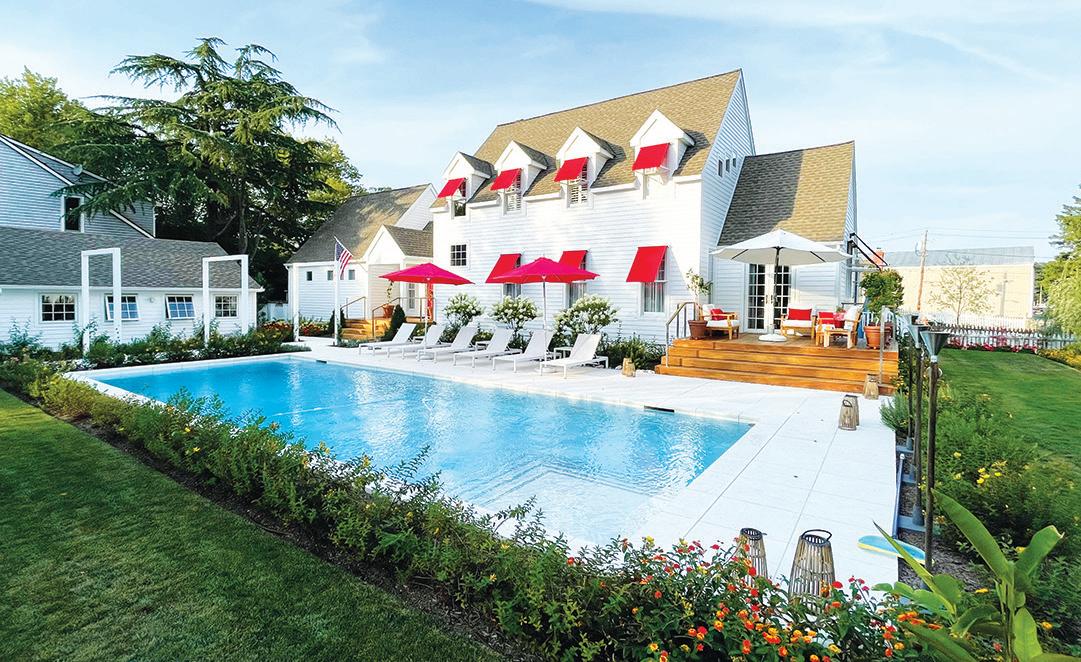
Traveling by water and afoot, hacking through thick forest, he traded his diplomatic attire for Indian-style buckskins. The journey became ever more hazardous, twice nearly costing Washington’s life. He and Gist were shot at by a traitorous Indian. Poling a hand-hewn raft across an icy river, Washington fell overboard but managed somehow to haul himself from the current. Stranded mid-river overnight on an island, Gist suffered frostbitten fingers and toes, waiting for sufficient ice to allow further crossing. Against all odds, by mid-January Washington was back in tidewater Virginia. At Williamsburg on January 16, 1754, he handed Dinwiddie the sealed French response, plus a
map he’d drawn of Fort Le Boeuf; his estimate of French strength; and a daily journal he’d managed to preserve. Dinwiddie circulated the journal to his council, London superiors and newspapers, alerting them to anticipate France’s push into disputed territory. (He too had Ohio Co. stock.)
Not yet twenty-two, Washington was promoted to lieutenant colonel and authorized to raise one hundred militiamen to build a fort and trading post at the Forks of the Ohio (present day Pittsburgh). Washington would be subordinate to British-born Colonel Joshua Fry, who would raise an additional hundred militiamen. Meanwhile, Dinwiddie sent a small force of 34 to recruit
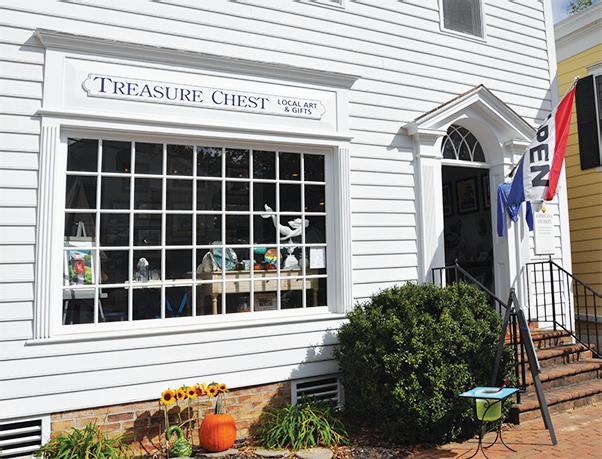
The Treasure Chest



The Essential Man
Mingos and start construction at the Forks. Within a month, Dinwiddie heard French were headed for the site, so ordered Washington “to march what soldiers you have enlisted immediately to the Ohio.” Washington left April 2, 1754 with raw recruits, authorized to enlist more men along the way. Unknown to him, two weeks after his leaving Alexandria, French forces had ousted Dinwiddie’s construction crew and set about building substantial fortifications, to be
named Fort Duquesne after their governor. Shortly after learning of the takeover at Fort Cumberland, Maryland, Washington heard warnings of strong French presence inside 20 miles. He established a camp at Great Meadows (near present Uniontown, Pennsylvania), which he would call Fort Necessity, Again he met Tanacharison, who some believe would maneuver Washington into complicity in a personal grudge against the French.
The Mingo alerted Washington to a French detachment camped in a secluded location seven miles away.
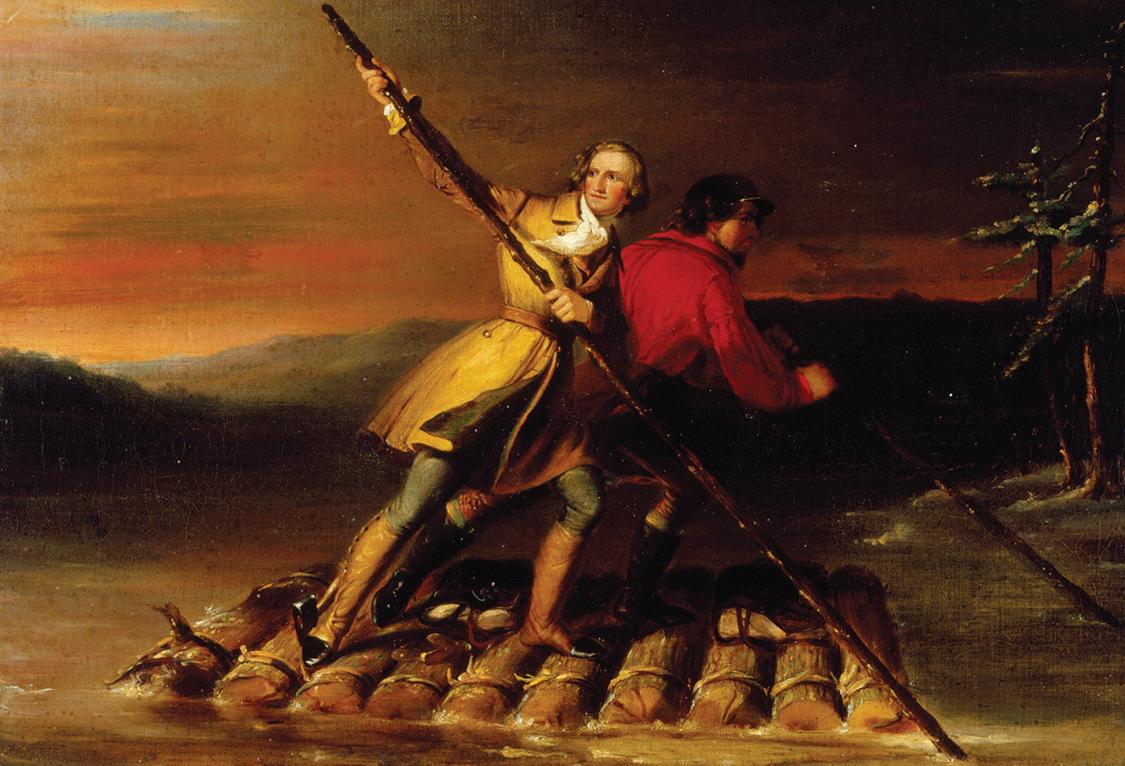
Major George Washington and frontiersman Christopher Gist cross the icy Allegheny River in Dec. 1753. They were returning from a failed diplomatic mission to the French Fort LeBoeuf, when Washington's fell off their crude raft into the river.
Tracks indicated a sizable body of men. Sentries fi red nervously at night sounds. Washington’s former comrade, Christopher Gist, reported a band of 50 French had ordered him from his nearby cabin. Washington and Tanacharison perceived the French detachment as a raiding party, threatening traders and spying on the advancing Virginians. France and Britain were nominally at peace, but Washington decided to confront the detachment. He took 40 men, plus warriors under Tanacharison, on a stealthy, single-fi le, overnight trek through rain-drenched forest, successfully surrounding a force roughly their own size. Who fi red the fi rst shot is disputed and unknowable. History
does agree that the ensuing skirmish was brief. Otherwise, every report on record skews to the benefit of its author, whether written by George Washington, Governor Dinwiddie or imperial officials in London, Paris and beyond.
The French would claim theirs was a diplomatic mission, comparable to Washington’s own months earlier—a contention Washington never accepted. In the French telling, Ensign Joseph Coulon de Villiers de Jumonville had been sent with a letter demanding Virginians leave the area, but he was “assassinated” after surrendering. To the contrary, Washington wrote his brother Augustine with seeming pride and clear conscience, uncon-
OCC Welcomes
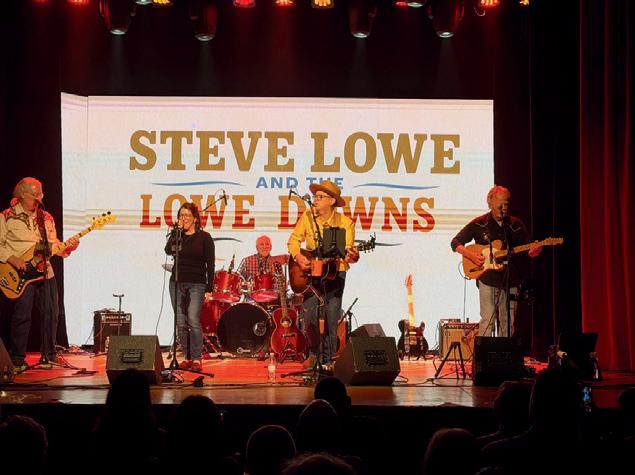

Saturday, August 1st 7:30PM Tickets $20
The Essential Man
cerned about any coming furor:
. . . 3 days agoe we had an engagement with the French . . . I had scarcely 40 men under my Command, and about 10 or a doz. Indians, nevertheless we obtained a most signal Victory. The Battle lasted abt 10 or 15 minutes, sharp firing on both sides, when the French gave ground & run, but to no great purpose; there were 12 killed, among which was Monsr De Jumonville the Commander, & taken 21 prisoners. . . . We had but one man killed, 2 or 3 wounded and a great many more within an Inch of being shott . . .
In an afterthought, Washington describes his fi rst exposure to enemy fi re: I fortunately escaped without a wound, tho the right Wing where I stood was exposed to & received all the Enemy’s fire and was the part where the man was killed & the rest wounded. I can with truth assure you, I heard Bulletts whistle and believe me there was something charming in the sound.

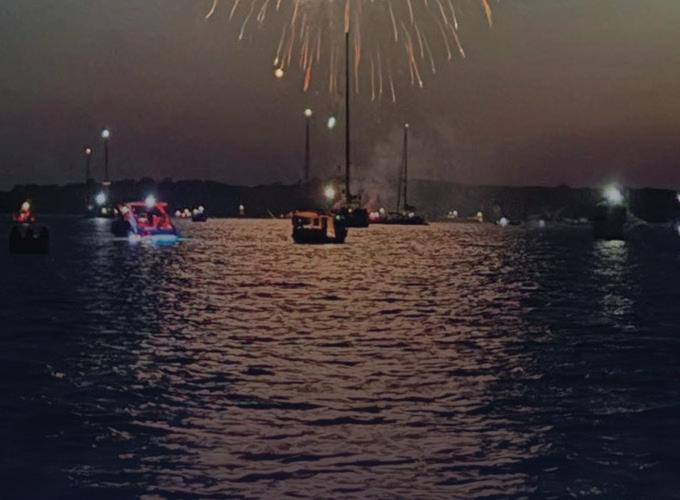

Even in this family letter, Washington avoids mentioning any Indian actions deemed savage. Duty dictated he cultivate tribal allies to counterbalance the French. At least one eyewitness said Jumonville was reading the French ultimatum when Tanacharison assailed him, split his skull with a tomahawk, and took his scalp. The “Jumonville Affair” was hardly the fi rst incident that occurred deep in the wilderness, but British politician Horace Walpole would famously declare, “The volley fi red by a young Virginian in the backwoods of America set the world on fi re.”
To be continued...
Forty-some years ago, A.M. Foley swapped the Washington, D.C. business scene for a writing life on Elliott Island, Maryland. Tidewater Times kindly publishes Foley’s musings on regional history and life in general.







The Return to Simple Food
Easy Summer Meals for Strength, Energy & Balance
July has always felt like an invitation to slow down a little. Farmers markets overflow with tomatoes, herbs, peaches, cucumbers and berries, yet many people still feel overwhelmed when it comes to preparing healthy meals at home.
We often think eating well has to be complicated — expensive ingredients, strict rules or hours spent in the kitchen. I believe the opposite is true.
Some of the most nourishing meals are also the simplest.

Tidewater Kitchen
Simple food creates consistency. A pot of quinoa, a bowl of lentils, fresh summer vegetables, good olive oil, creamy yogurt, fresh herbs and hearty sourdough can become beautiful meals that support energy, strength and balance without stress or perfection.
As I continue learning about Mediterranean-style eating and healthy aging, I keep returning to a simpler approach: meals built around whole foods, balanced carbohydrates, protein, healthy fats, fiber and enjoyment. Not restriction. Not extremes. Just real food prepared with care.
This summer while visiting St. Michaels, I’ll be sharing a simple

30-minute cooking demonstration at the library in July focused on easy meals anyone can recreate at home. My hope is to encourage people to feel more confident in the kitchen and to rediscover the joy of uncomplicated nourishment.
Because healthy food should not feel intimidating. It should feel welcoming.
Warm Blueberry Walnut Quinoa Bowl
Serves 2–3
1 cup cooked quinoa ½ cup blueberries
2 tablespoons chopped walnuts
1 tablespoon ground flaxseed
½ teaspoon cinnamon Splash of almond milk
Small drizzle of honey
Optional: spoonful of plain Greek yogurt
1. Warm cooked quinoa gently in a saucepan with a splash of almond milk.
2. Stir in cinnamon and flaxseed.
3. Top with blueberries, walnuts and a light drizzle of honey.
4. Add Greek yogurt if desired for extra protein.
This gives: protein, fiber, omega-3 fats, balanced carbohydrates Anti-inflammatory ingredients without feeling heavy or overly sweet.


Tidewater Kitchen

Simple Tuscan
White Bean Toasts
Serves 4
1 can cannellini beans, drained and rinsed
2 tablespoons olive oil
1 garlic clove, minced
Juice of ½ lemon
Pinch sea salt and pepper
Fresh rosemary or parsley
4 slices toasted sourdough
Cherry tomatoes, halved
Optional: shaved parmesan or feta
1. In a bowl, lightly mash beans with olive oil, garlic, lemon juice, salt and pepper.
2. Spread onto toasted sourdough.
3. Top with tomatoes, herbs and optional cheese.
4. Finish with a drizzle of olive oil.
Mediterranean Summer Nourish Bowl
Serves 4
Lemon Herb Quinoa
1 cup quinoa
2 cups water
Juice of 1 lemon
2 tablespoons olive oil
2 tablespoons chopped parsley
Pinch of sea salt
Simple Lentils
1 can lentils, drained and rinsed
1 teaspoon olive oil
½ teaspoon garlic powder
Pinch of sea salt and pepper
Summer Salad
1 cup chopped cucumber
1 cup chopped cherry tomatoes
¼ cup diced red onion
Fresh basil or mint

Drizzle of olive oil
Yogurt Herb Sauce
1 cup plain Greek yogurt
1 tablespoon lemon juice
1 tablespoon chopped dill or parsley
Small drizzle olive oil
Pinch of sea salt
For Serving: Toasted sourdough, hemp hearts or pumpkin seeds, extra lemon wedges
1. Rinse quinoa and add to a saucepan with water. Bring to a boil, reduce heat, cover, and simmer about 15 minutes until fluffy. Stir in lemon juice, olive oil, parsley, and sea salt.
2. Warm lentils gently in a skillet with olive oil and seasonings for 3–5 minutes.
3. Toss cucumber, tomatoes, onion and herbs together in a bowl with olive oil.
4. Stir yogurt sauce ingredients together until creamy.
5. Build bowls with quinoa, lentils, summer salad, yogurt sauce and toasted sourdough on the side. Sprinkle with hemp hearts or pumpkin seeds.
Warm Mediterranean Chickpea Skillet
Serves 4
2 tablespoons olive oil
1 small zucchini, chopped
1 red bell pepper, chopped


Tidewater Kitchen
2 cloves garlic, minced
1 can chickpeas, drained and rinsed
1 cup cherry tomatoes
2 handfuls fresh spinach
½ teaspoon oregano
¼ teaspoon turmeric
Pinch of sea salt and pepper
Crumbled feta (optional)
Fresh parsley
Lemon wedges
1. Heat olive oil in a large skillet over medium heat.
2. Add zucchini and bell pepper and cook about 5–6 minutes until softened.
3. Stir in garlic, oregano, tur -
meric, chickpeas and tomatoes. Cook another 3–4 minutes.
4. Add spinach and allow it to wilt gently.
5. Finish with parsley, lemon juice and optional feta.
Serve with: toasted sourdough,











Tidewater Kitchen
quinoa or brown rice.
This is fast, colorful, proteinrich and very approachable for a library demonstration.
Easy Berry Yogurt Cups
Serves 4
2 cups plain Greek yogurt
1 cup fresh berries
¼ cup chopped walnuts or pecans
2 tablespoons chia or flaxseed
Drizzle of honey
Cinnamon
Layer yogurt, berries, nuts and seeds into small jars or glasses. Finish with a drizzle of honey and cinnamon. These make an easy breakfast, light dessert or nourishing snack packed with protein, fiber and healthy fats.
Simple Summer Meal Formula
One reason simple meals work so well is because they are flexible.
Choose:
One protein: lentils, Greek yogurt, chickpeas, salmon, eggs
One nourishing carbohydrate:


quinoa, oats, sourdough, brown rice
Plenty of colorful produce: greens, tomatoes, cucumbers, berries, herbs
Healthy fats: olive oil, nuts, seeds, avocado
Fresh flavor: lemon, herbs, garlic, yogurt sauces
When meals are simple, balanced and enjoyable, healthy eating becomes much easier to sustain.
Pamela Meredith, formerly Denver’s NBC Channel 9 Children’s Chef, has taught both adult and children’s cooking classes.
For more of Pam’s recipes, visit the Story Archive tab at tidewatertimes.com.


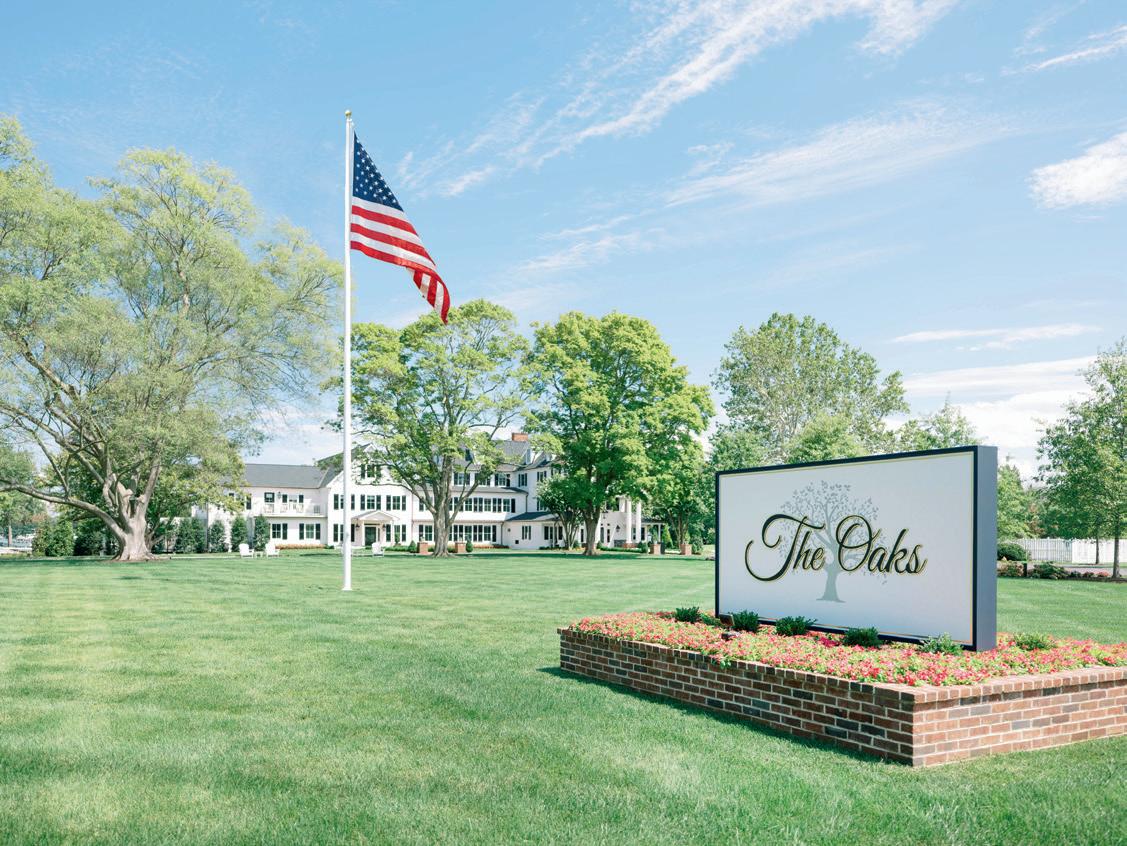
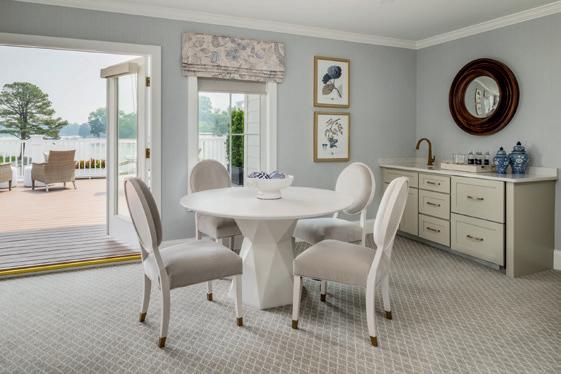

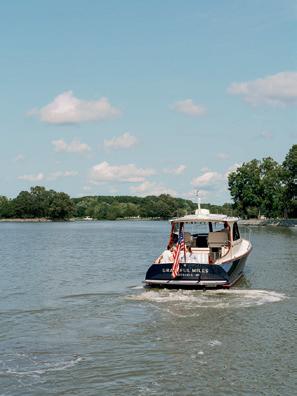
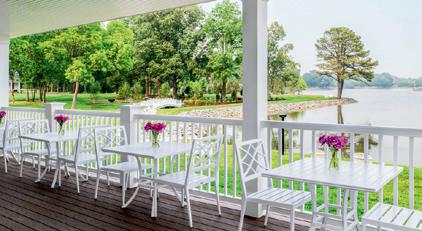
Duke of the Courts by B. P. Gallagher
On Friday, Duke turns up late to the courts with a white ribbon pinned to the left breast of his tank top. Even for Duke, this is a bold look. Ike hoots and tells him he looks like a prize-winning cow at the county fair. Duke flips him the bird and takes a knee to retie his sneakers. He leaves the ribbon where it’s at.
Where’d you get that swag, boy?
Tasha asks. Always sticking her nose in where it don’t belong, Tasha, but this time it’s warranted.
We’re all wondering the same thing.
I won something.
Duh, dummy. Whatchu win? A contest.
Tasha clucks her tongue. Fine, don’t tell us.
Ike says, Guess you’re shirts, then. Since you don’t seem to wanna take that thing off.
Duke replies by gesturing for the ball.
We get lost in the flow of the game. Duke’s mysterious rib -

Duke of the Courts

bon is forgotten amid the raucous shouts and good-natured jeers of the ballers, the tattoo of sneaker soles slapping asphalt, the gritty swivel of feet. See the sweat-yellowed undershirts and glistening skin, hear the rattle of the rim and
backboard, the swoosh of the net. Up and back we run, up and back. By the time we finish, floodlights are turning on all over the park and lightning bugs pulse in the purple light of evening.
I shoot a three-pointer to clinch the first game. Swish! A proud moment for me. But Duke, whose ribbon now stands out on his chest as the least sweat-soaked piece of his kit, is still the proudest person on the court.
Alright, asshole, says Ike, panting. You win, you got me curious. What’s the ribbon really for?
Duke sticks his head under the public water fountain and douses himself. When he resurfaces, he grins and says, Chill, Ez.




Duke of the Courts
Man, you better chill calling me that.
Your last name is Fernandez, says Tasha.
Girl, shut up. My mama’s last name is Johnson, same as yours. I’m just saying, it don’t make sense to be proud enough to pin a ribbon to your chest, but not proud enough to say what it’s for.
Ike got a point, I say. Murmurs of agreement from the others.
Ike looks at Duke as if to say, See?
Duke takes another long pull from the fountain and swishes the water around his mouth, stoic. Ike fills the pause with more specula-
Hair by Elana
Services for Women, Men and Children
tion, along with a deft bit of reverse psychology.
Mattafact, I’m starting to think you’re playing us. Probably found that ribbon on the side of the road somewhere and stuck it on your shirt for attention.
Duke spits out the water. I did win something, he says. I told you that already.
Then tell us what it was. It was a writing contest, okay? It’s nothing.
Don’t look like nothing. Looks ribbon-worthy.
Whatcha write, Duke? I ask. A play?
Man, I ain’t write no play! Why the hell would you guess that for?
Volunteer in the local community of Easton each month cutting hair for free...

A couple of the guys laugh. I shrug and shrink back into the knot of shirts and skins.
Duke keeps up the coy act. I don’t know why your nosey asses need to know my business so bad.
Ike gestures with both hands at Duke’s odd choice of accessory. Uh, Exhibit A? You are literally wearing the reason, bruh. Now hurry up and tell us so we can get back




Duke of the Courts
to the game. You’re starting to piss me off.
If you must know, it was an essay contest.
If you must know, Tasha mocks. See? This is why I don’t tell you guys shit.
Ike says, They hand out ribbons for essay contests?
For this one they did. What was your essay about, Duke? I ask. I really want to know, too.
But Ike, impatient, snatches up the ball and marches out onto the court. Probably some tight-ass smarty-pants bullshit. Why don’t you read it later, T? Let’s play already! Best two out of three?
Can I, Duke? I say, but he’s already moved off among the other players. I daub sweat from my bare pudge with my wadded up t-shirt and meld into the skins. I don’t mind playing skins. I happen to like the way I wiggle and jiggle.
The game sweeps us back up. The evening cools, turns blustery.

Egos flair in the faltering heat. Amid the resulting friction, competition heats up. Soon the game turns rough. The taunts and jeers are no longer so good-natured. They’ve grown barbs. The smack talk from the girls on the bleachers is no exception. They’ve drifted over from the picnic tables and swings and now watch with feigned disinterest. But still they watch, which only increases the intensity of play on the court. The game goes from rough to mean.
A lot of that meanness—the elbows, the shoves, the hard picks— is aimed at Duke. Maybe it’s the uppity tang of the sweat dripping

Reservoir Dogs. Charcoal on Paper 2026 Featured Artist Ray Brown
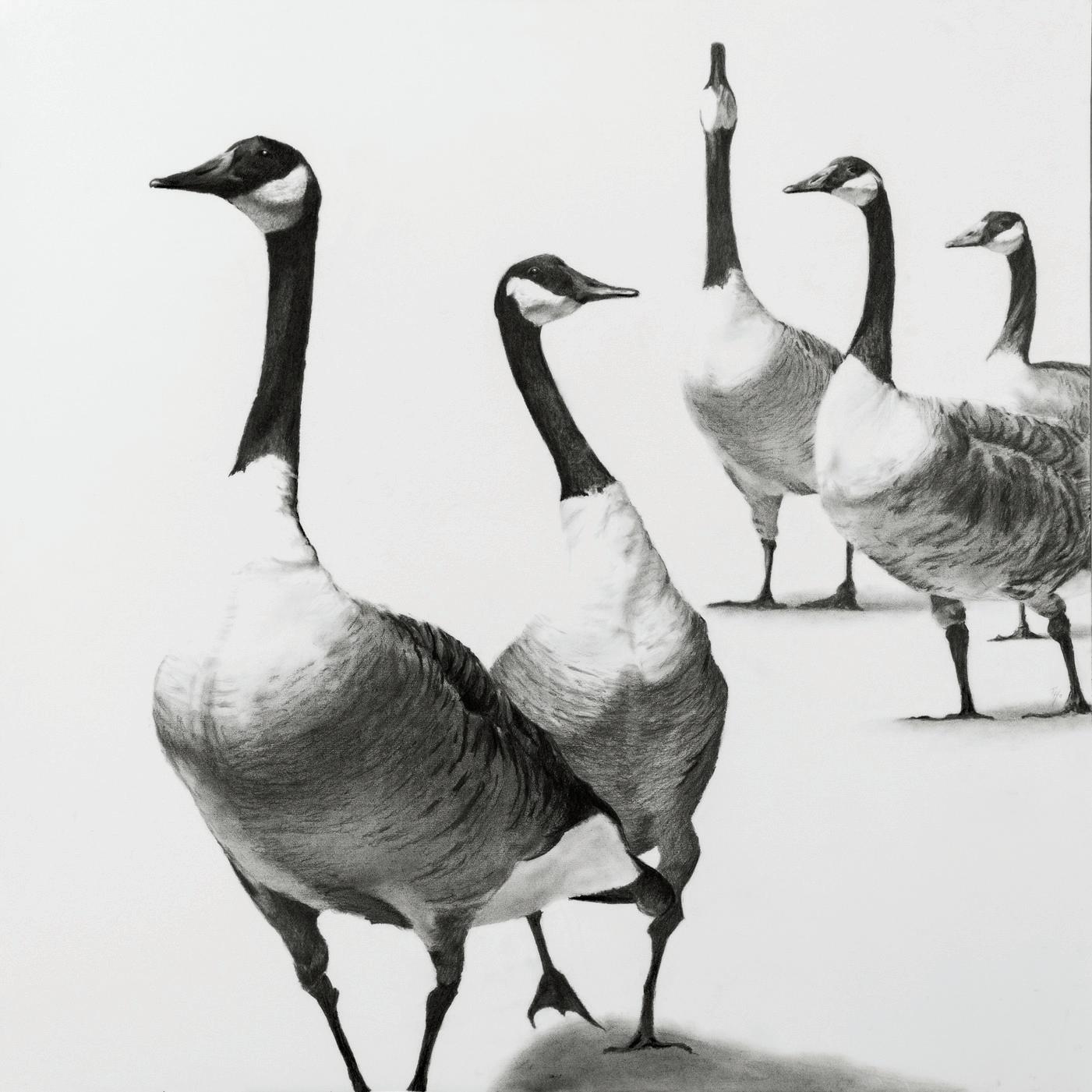
ART INSPIRED BY NATURE
Nov. 13-15, 2026
Mark your calendars for the the event of the year! Since 1971, the festival has supported our mission of giving back to the community - to date over six million dollars put towards protecting our precious open and wild spaces.
Each art work sold supports wetland restoration, youth environmental programs, and local nonprofits.
In this way, art becomes action: visitors leave with nature-inspired treasures while helping protect wildlife habitats for generations to come.



Duke of the Courts
onto his ribbon, or the hint of jealousy on the sweat of the others. Even I feel it. In biology class we learned about these chemical signals called pheromones that do stuff like make animals crazy with lust. Something like that must be happening here, because I keep getting madder and madder the more I think about it.
I didn’t hear about any writing contest. Maybe I could’ve won it, if somebody told me about it. If anybody at school ever gave me the sort of attention they give Duke. Instead one of the teachers probably pulled him aside and said, Listen Duane, we’ve got an oppor -
tunity we think would be great for you… Like’s been happening all our lives. Since they’ve got Duke pegged for one of the smart ones. What if I had an idea for an essay, or even a play? What if I wanted to be the next Shakespeare? I don’t, but what if I did?
Next play, Ike passes the ball so hard it almost pins the ribbon to Duke’s actual pec. Now Ike and Duke are jawing at each other, even though they’re on the same team. When Duke flubs his next shot, Ike gets right in his face and jabs a finger at his ribbon.
Chill! yells Tasha from the bleachers. Ya’ll are on the same team!
Dark clouds swell on the ho -
Happy 250th Birthday, America from the Mullins family!

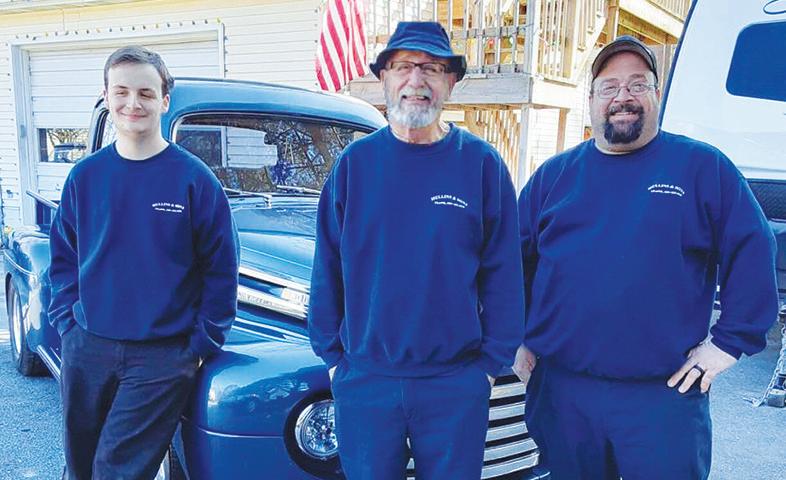
wide variety of
but not limited





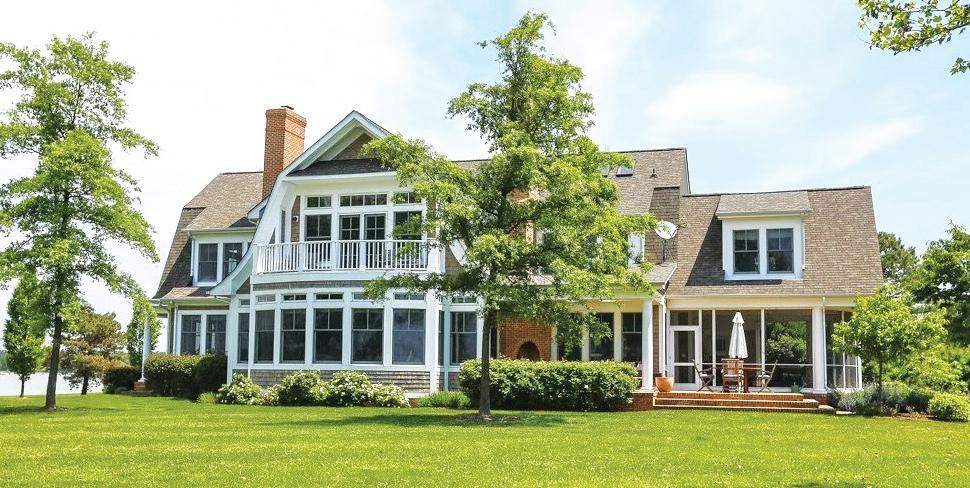


Duke of the Courts
rizon, form thunderheads that threaten to burst.
Shouldn’t we quit soon? I venture. I’m getting all bit up.
You shouldn’t make such a fourcourse meal of yourself then, fatso, says Tasha.
Shut up, Tasha. You’re fatter’n me. For real though, guys, it looks like it’s about to storm.
So go home if you want, says Ike. The rest of us have a game to finish.
I make as if to go, drift toward the edges of the court. Nobody speaks up to stop me. But just as I’m about to slink away with my tail between my legs, Duke hits me in the small of my back with an errant pass. Except it wasn’t an accident.
C’mon T, he says. Hang out for a while, so the teams aren’t uneven. I’ll let you read that essay you’re so curious about.
Ike gets in his face again about the wasted pass, and this time Duke pushes him and tells him to back off.
Yo, chill! a few of us say, or stuff like that. Same team, remember?
But calls for de-escalation go unheeded.
You cost us last game too, Duke! Ike says. Even T schooled you on that last three-pointer. You think you’re special ’cuz you won some nerd prize, but when it comes to
basketball you’re dookie, son. You can wear that fruity ribbon all you want, but you ain’t Prince, little bro! You’re Charlie Murphy!
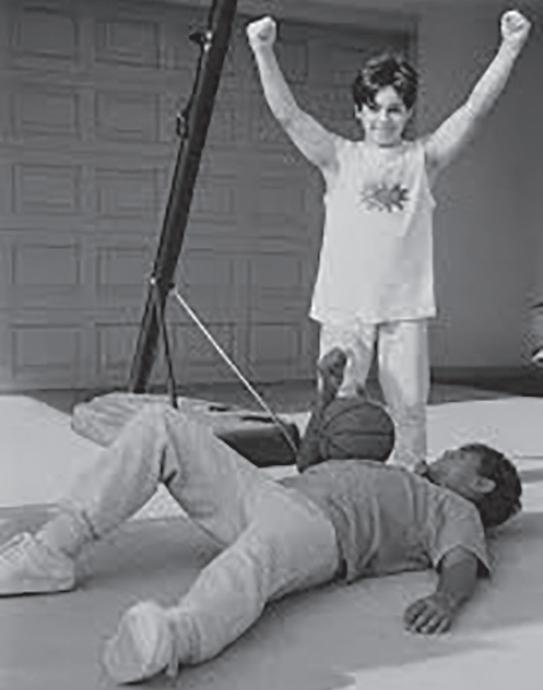
Ike snatches Duke’s ribbon from his chest and holds it over his head, keep-away style. For a moment it’s like we’re back on the playground at W. Whitman Elementary. It’s all Duke can do to resist standing on his tippy-toes and swatting for it. He’s got enough experience to know that’s a fool’s errand. Ike’s got a good half foot on him, even more than back in the day.
Man, give that back! Duke’s eyes flash with real anger. Give it back, esse!
Ike drops the ribbon and grinds it into the asphalt with the toe of his sneaker. I told you, he says. Don’t call me that.

Duke of the Courts
The ribbon must mean a lot to Duke, because he grips Ike up like he’s ready to throw down right there, size difference be damned. Ike pummels him twice in the belly, warning shots. Duke wheezes but doesn’t let go.
Yo, get off me!
You owe me a new ribbon! Duke pants. You didn’t have to go and ruin mine, just ’cuz you’re jealous. Just ’cuz you ain’t won nothing in your life!
In anger he leans more into vernacular. This is natural; people tend to express strong feelings best in the manner of speech they’re most comfortable with. Probably we even feel emotions more strongly when we put them in our own words. But the sudden switch only makes Ike madder.
See? he says, and this time he’s making his case to everyone. You think you’re better than us!
No I don’t! Duke says. His eyes narrow, and he shoves Ike back a step. Just better than you.
Fast as you can blink they’re whaling on each other, windmilling punches that mostly strike air. Enough land, though, and the ones that do land hard.
Tasha shrieks and some of the other girls join in, a chorus of halfexuberant, half-hysterical cries. Several of the spectators pull out their phones and start filming. On the court, we form a broken circle around the combatants. A few of the tougher guys on each team eye each other up, wondering if they should take this as an opportunity—nay, obligation—to brawl on their friend’s behalf. But on whose behalf, and with whom? Ike and Duke are on the same team, and we’re all friends here. Usually.
It’s not long before size wins out. Ike gets ahold of both straps of Duke’s tank top with one hand and hauls his head down, then delivers three unanswered blows to Duke’s face. He makes the third an open-palmed slap that sends Duke to his knees. Then the rest of us haul them apart.
Parkgoers over by the picnic


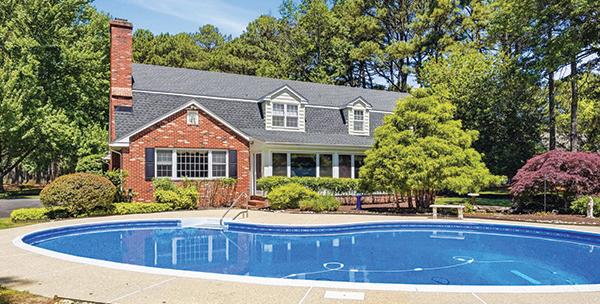
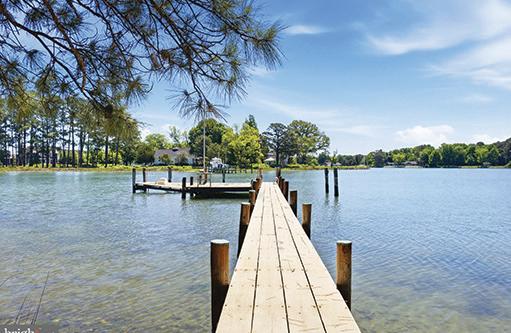
8209 Trice eld Road, St. Michaels
Experience the best of Eastern Shore Living at this stunning waterfront retreat. Set on 8+ private acres, this solid brick Dutch Colonial o ers timeless architecture, exceptional privacy and spectacular waterfrontage on San Domingo Creek. A long tree lined drive welcomes you to over 4400 square feet of thoughtfully designed living space. Additional highlights include a 2 car garage, paved parking, mature landscaping, pool, 4+ mlw water depth and pier. A short 5 minute drive to downtown St. Michaels. $2,500,000
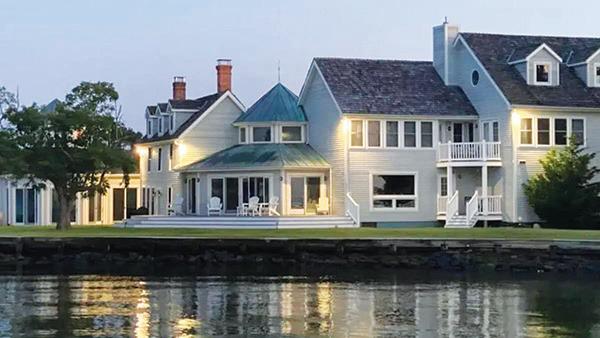

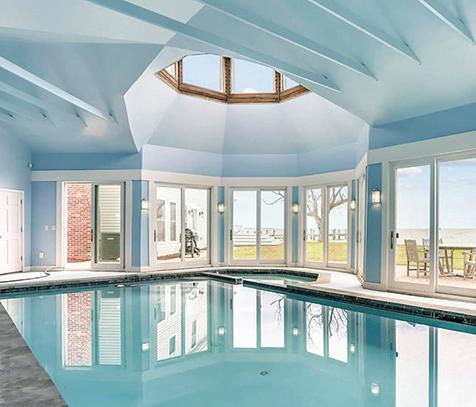
21642 Chicken Point Road Tilghman
“Tranquil Waters” is a rare Chesapeake Bay waterfront retreat on Tilghman Island, comprehensively renovated to the highest standard and designed to capture panoramic water views from nearly every room. is extraordinary residence blends re ned coastal architecture with the relaxed elegance of Eastern Shore living. Dramatic walls of glass, soaring ceilings, and open living spaces ood the home with natural light while framing endless Bay views. $2,650,000
Dukes of the Court
tables and CrossFit equipment watch with concern. The scrutiny is enough for a lot of the guys to quit for the day. Cops roll through the park regularly. At this rate, it’s only so long before someone flags one down. Better to not have to deal with that noise. But for all my earlier bluster about leaving, I stick around. I see Duke pick himself up off the ground and peel his tattered ribbon from the court. He dusts it off, then pockets it. At last I speak up.
They’re just jealous, you know.
Duke looks around. You’re still here? What do you want?
I dunno. I thought maybe I
could still read your essay.
Duke hocks a bloody loogie and probes his swollen jaw gingerly. Get the hell out of here, T.
I’m only trying to be nice. So? I don’t need you to be nice to me.
I could’ve won that contest, I say, angry tears springing to my eyes. If I knew about it. What? Duke says, and laughs. No you couldn’t, T.
This makes the tears flow in earnest. Why not? I say. Nobody told me about it, that’s all.
Because I’ve never seen you write anything. You sleep through class half the time! Shit, you probably slept through Mrs. Abrams’s announcement about it!



Mental health challenges can feel overwhelming and isolating, but with the right support, healing and clarity are possible.
I am a seasoned Doctor of Psychiatry specializing in the diagnosis of Depression, Anxiety & Mood Disorders, OCD, ADHD, PTSD, and Bipolar Disorder in adolescents and adults. I have experience in clinic, hospital and school settings. Trained at the University of Maryland Psychiatric Institute. Some positions I have held include Staff Psychiatrist at Fort Howard Veterans Administration, Chief of Psychiatry for U.S. Bureau of Prisons, Staff Psychiatrist at The Sheppard & Enoch Pratt Hospital and Staff Psychiatrist at the Eastern Shore Hospital Center.
While in some cases medicine may be necessary, I believe that talk therapy is always the first line of defense. Face to Face 50-minute therapy sessions, the most effective for success - priced on a sliding scale. Let’s Talk...

Duke of the Courts
I stare at my shoes until my vision blurs. When I wipe my eyes, Duke has taken his crumpled ribbon and bike and left. Somehow I’ve ended up the last one at the park again. You’re wrong, Duke, I think. I do have something to write about.
Maybe this throbbing anger, this dull ache, is what inspiration feels like. Maybe this is how Shakespeare felt when he wrote Hamlet or Phantom of the Opera or whatever.
I grab a spiral notebook from my backpack and flip past about a dozen pages of doodles and notes to find a fresh sheet. More doodles

than notes, if I’m honest, but I mean to change that starting now. I scrounge up a sharpened pencil from the depths of my bag, discarding three nubs and a broken ballpoint pen along the way.
My pencil wavers over the wideruled paper. At first no words come, then a few spill out.
Every time somebody wins, somebody else loses. Sometimes even when your on the same team. I don’t think that’s very fair. In fact, I think that’s pretty sad.
I read back what I’ve written and nod to myself. It’s a start. But just as I’m about to add to it, the clouds cut loose. Fat raindrops splatter the page, smudging the letters. The graphite swims, magnified and
EASTERN SHORE TITLE COMPANY
“Why settle for less when you can settle with the best!” e Mid-Shore’s Leader in Real Estate Title Services
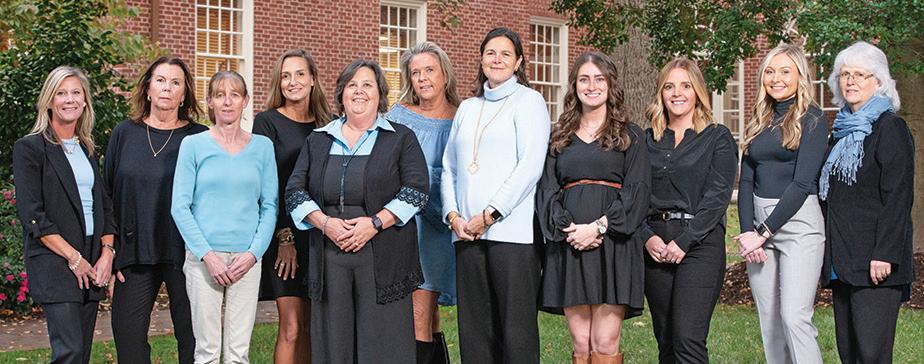
Melissa Grimes-Guy Photography


Duke of the Courts

distorted by beads of water. My handwriting looks no less sloppy, my words no more profound, under this lensing effect. They seem clumsy and trite. I rap the pencil against the notebook and some of the droplets fly off. Others run down the page, leaving long wet runnels in the condensed wood pulp.
I stare at it for a moment longer as the rain picks up. Then I tear out the page, ball it up, and shoot it into the trash. Swish!
B. P. Gallagher’s fiction has appeared in Roi Faineant Press, Flash Fiction Magazine, Meniscus Literary Journal, and elsewhere. He is a 2013 graduate of Easton High School, holds a Ph.D. in Social/ Personality Psychology and is currently Assistant Professor of Psychology and Culture at Nazareth University.


Chesapeake Film Festival
Strengthens Eastern Shore Arts and Education
As the Chesapeake Film Festival (CFF) prepares for its 19th season this October, it continues to grow as a year-round cultural and educational presence across Maryland’s Eastern Shore through collaborations, partnerships and community programming.
In support of this mission, CFF is proud to announce a new sponsorship with Bluepoint Hospitality. Known for its commitment to regional culture, exceptional hospitality, and community engagement, Bluepoint Hospitality’s
support represents a meaningful investment in the continued growth of independent film, arts education, environmental storytelling and creative collaboration across the region.
CCF has continued to demonstrate a strong commitment to student engagement and workforce development in the arts this year through an expanded investment in emerging talent and educational programming. This season, CFF has supported four new interns who are gaining hands-on

CFF Board Member and Producer Amber Monet
Chesapeake Film Festival
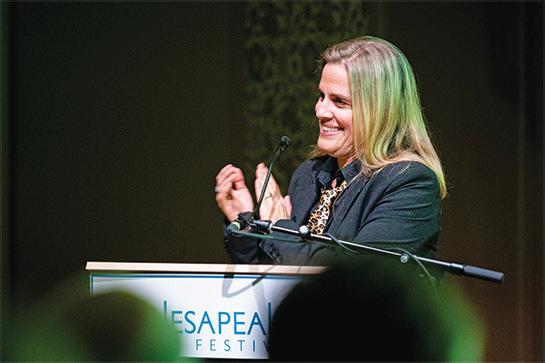
experience across festival operations, programming and community outreach, alongside several new junior staff members who are contributing fresh energy and skills to the organization’s yearround initiatives. In addition, 12 programming jurors—including students and early-career professionals—have participated in the film selection process, helping to shape a diverse and thoughtful festival lineup while receiving meaningful exposure to curatorial decision-making. Together, these initiatives reflect CFF’s ongoing
dedication to mentoring the next generation of filmmakers, arts administrators and cultural leaders on Maryland’s Eastern Shore. In addition to supporting educational outreach by engaging

Zane Jacquot, CFF Programming Coordinator


Irene Magafan, CFF President
area colleges and educational programs with Salisbury and Towson Universities, the Festival has also expanded its outreach through partnerships with local and regional organizations and institutions. Recent partnerships include local and regional collaborations with the Academy Art Museum, the Ebenezer Theater, the Talbot County Free Library and environmental organizations dedicated to protecting the Chesapeake Bay, including The Nature Conservancy and Eastern Shore Land Conservancy.
“These collaborations reflect the heart of our mission,” said Irene Magafan, president of the Chesapeake Film Festival. “Film

has the power to educate, inspire conversation and bring people together. We are proud to continue building relationships that support artistic expression, lifelong learning and community engagement throughout the Eastern Shore.”
The festival’s year-round programming includes environmental film screenings, educational discussions, filmmaker conversations and community presentations designed to make independent film accessible to broader audiences. During the most recent festival cycle, CFF reviewed more than 200 films from 30 states and six countries, reflecting its continued growth and engagement
C. ALBERT MATTHEWS
Where Integrity Meets Innovation INC.

within the independent film community.
“Our goal is to continue creating opportunities for connection,” said Cid Collins Walker. “Whether through educational programming, cultural partnerships, environmental initiatives or community events, we want the Chesapeake Film Festival to serve as a welcoming platform that celebrates diverse voices and brings people together through the shared experience of film.”
The Chesapeake Film Festival will take place October 8–10 and will feature independent films, documentaries, shorts, film-
maker discussions and special programming throughout Easton and the surrounding region. Additional announcements regarding programming, special events, sponsorship opportunities and community collaborations will be released throughout the summer.
For more information about the Chesapeake Film Festival, upcoming events, sponsorship opportunities, or volunteer involvement, visit chesapeakefilmfestival.com .
KEY DATES
Tickets now available – chesapeakefilmfestival.com
July/August
FREE Summer










Adventure Film Series
Talbot County Free Library
Fri., July 10, 2026 — 2 p.m.
Jurassic Park (33rd Anniversary),
Fri., July 31, 2026 — 2 p.m.
Raiders of the Lost Ark (45th Anniversary)
Sat., August 8, 2026 — 2 p.m.
Stand by Me (40th Anniversary)
Sat., August 29, 2026 — 2 p.m.
National Treasure (22nd Anniversary)
October 8–10
Chesapeake Film Festival, downtown Easton –Ebenezer Theater, Academy Art Museum and Talbot County Free Library
CFF programming is brought to you by our generous sponsors Bluepoint Hospitality, the Shared Earth Foundation, Artistic Insights Fund, The Nature Conservancy, Maryland State Arts Council, Talbot Arts, Talbot County Free Library, Shore United Bank, Easton Utilities, Laser Letters, Maxine Millar and by generous patrons like you. For further information about becoming a sponsor for the 2026 Chesapeake Film Festival or to become a volunteer, email artisticdirector@chesapeakefilmfestival.com .




SLOT DOCK
Perfect for Kayaks and Paddleboards

• Kayak Docks
• Re-Decking
• Pressure Wash & Seal
• Boat Lifts, PWC Lifts
• Gangways
• Solar Dock Lighting
• Floating Piers
• Rowing Docks
• Kayak Racks
• Ladders
• Dock Boxes
• Piling Caps

Queen Anne’s County
The history of Queen Anne’s County dates back to the earliest Colonial settlements in Maryland. Small hamlets began appearing in the northern portion of the county in the 1600s. Early communities grew up around transportation routes, the rivers and streams, and then roads and eventually railroads. Small towns were centers of economic and social activity and evolved over the years from thriving centers of tobacco trade to communities boosted by the railroad boom. The county is named for Queen Anne of Great Britain, who reigned when the county was established in 1706.
Queenstown was the original county seat when Queen Anne’s County was created, but that designation was passed on to Centreville in 1782. It’s location was important during the 18th century, because it is near a creek that, during that time, could be navigated by tradesmen. A hub for shipping and receiving, Queenstown was attacked by English troops during the War of 1812.
Construction of the Federal-style courthouse in Centreville began in 1791 and is the oldest courthouse in continuous use in the state of Maryland. Today, Centreville is the largest town in Queen Anne’s County. With its relaxed lifestyle and tree-lined streets, it is a classic example of small town America.
The Stevensville Historic District, also known as Historic Stevensville, is a national historic district in downtown Stevensville, Queen Anne’s County. It contains roughly 100 historic structures, and is listed on the National Register of Historic Places. It is located primarily along East Main Street, a portion of Love Point Road, and a former section of Cockey Lane.
The Chesapeake Heritage and Visitor Center in Chester at Kent Narrows provides and overview of the Chesapeake region’s heritage, resources and culture. The Chesapeake Heritage and Visitor Center serves as Queen Anne’s County’s official welcome center.
Queen Anne’s County is also home to the Chesapeake Bay Environmental Center (formerly Horsehead Wetland Center), located in Grasonville. The CBEC is a 500-acre preserve just 15 minutes from the Chesapeake Bay Bridge. Over 200 species of birds have been recorded in the area.
Embraced by miles of scenic Chesapeake Bay waterways and graced with acres of pastoral rural landscape, Queen Anne’s County offers a relaxing environment for visitors and locals alike.
For more information about Queen Anne’s County, visit www.qac.org .


Kent County and Chestertown at a Glance
Kent County is a treasury of early American history. Its principal towns and back roads abound with beautiful old homes and historic landmarks.
The area was first explored by Captain John Smith in 1608. Kent County was founded in 1642 and named for the shire in England that was the home of many of Kent’s earliest colonists. When the first legislature assembled in 1649, Kent County was one of two counties in the colony, thus making it the oldest on the Eastern Shore. It extended from Kent Island to the present boundary.
The first settlement, New Yarmouth, thrived for a time and, until the founding of Chestertown, was the area’s economic, social and religious center.
Chestertown, the county seat, was founded in 1706 and served as a port of entry during colonial times. A town rich in history, its attractions include a blend of past and present. Its brick sidewalks and attractive antiques stores, restaurants and inns beckon all to wander through the historic district and enjoy homes and places with architecture ranging from the Georgian mansions of wealthy colonial merchants to the elaborate style of the Victorian era.
Second largest district of restored 18th-century homes in Maryland, Chestertown is also home to Washington College, the nation’s tenth oldest liberal arts college, founded in 1782. Washington College was also the only college that was given permission by George Washington for the use of his name, as well as given a personal donation of money.
The beauty of the Eastern Shore and its waterways, the opportunity for boating and recreation, the tranquility of a rural setting and the ambiance of living history offer both visitors and residents a variety of pleasing experiences. A wealth of events and local entertainment make a visit to Chestertown special at any time of the year.
For more information about events and attractions in Kent County, contact the Kent County Visitor Center at 410-778-0416, visit www. kentcounty.com or e-mail tourism@kentcounty.com . For information about the Historical Society of Kent County, call 410-778-3499 or visit www.kentcountyhistory.org/geddes.php . For information specific to Chestertown visit www.chestertown.com .
Chorus of Dorchester Enters
51st Year with Free Concerts
Celebrating America’s 250th
by Jay Harrington
From its founding in 1975 as the nation prepared for its bicentennial to 2026’s celebration of America’s semiquincentennial—the 250th anniversary of the United States—the Chorus of Dorchester continues a proud tradition of bringing music and community together.
Now entering its 51st year, the Chorus of Dorchester will present two free summer concerts titled “Our Country ’Tis of Thee,” celebrating both America’s 250th anniversary and more than five decades of choral music in Dorchester County and throughout Maryland.
The concerts will feature a stirring selection of spirituals and patriotic favorites that have inspired performers and audiences alike over the chorus’s half-century history.
Concert Schedule
Saturday, July 11, 2026, at 4 p.m. Christ Episcopal Church Corner of High and Church Streets Cambridge, Maryland Sunday, July 12, 2026, at 4 p.m. Immanuel United Church of Christ 5401 White Hall Road Cambridge, Maryland
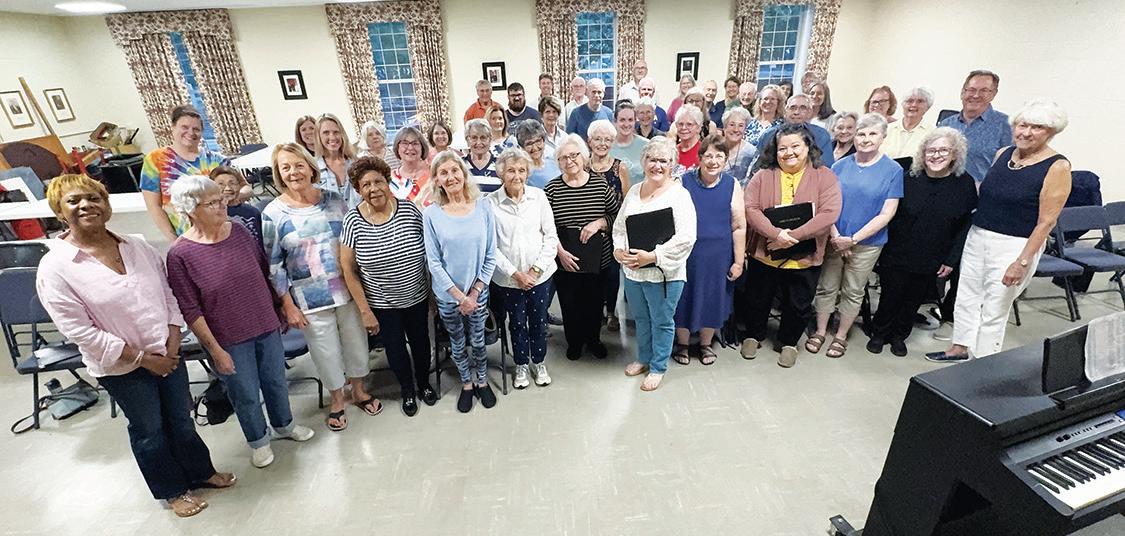
Both performances are free and open to the public.
The Chorus of Dorchester is a 70-voice, all-volunteer community chorus whose members range from high school students to singers who have participated since the organization’s earliest years. Since its founding, the chorus has delighted audiences with an eclectic repertoire that includes Negro spirituals, Broadway favorites, patriotic music, and beloved Christmas selections.
Chorus of Dorchester holiday season. Over the years, the chorus has performed in a wide variety of unique venues, from singing atop scaffolding as a “living Christmas tree” to performing aboard a historic sailing sloop.
The organization’s first Christmas concert quickly became a cherished annual tradition and remains a highlight of the local

The chorus owes its longevity and continued success to the vision, musical talent, and leadership of founder and director Cookie Brohawn, who continues to guide the ensemble more than five decades after its inception. The chorus also benefits from the longstanding contributions of accompanist Laura Todd, narrator Steve Long and Dr. Betty Malkus, who oversees programming and logistics.
As it begins its sixth decade, the

Chorus of Dorchester continues to welcome new members whose enthusiasm, talent and camaraderie strengthen the ensemble and ensure that the joy of community singing remains a vibrant part of life in Dorchester County.
For more information about the Chorus of Dorchester and its upcoming performances, members of the public are encouraged to attend one of the free concerts or contact the organization directly.




























JULY 2026 CALENDAR OF EVENTS
“Calendar of Events” notices: Please e-mail to info@tidewatertimes.com. The deadline is the 1st of the month preceding publication (i.e., July 1 for the August issue).
Thru July 30 Shorelines of Time:
Celebrating Talbot250 is an art exhibition by the Working Artists’ Forum exploring the landscapes, traditions, and people that shape Talbot County’s story. At The Market at Dover Station, Easton.
Every Thurs.–Sat. Amish Country
Farmer’s Market, 101 Marlboro Ave., Easton. An indoor market offering fresh produce, meats, dairy products, furniture and more. For more info. tel: 410-822-8989.
1,8,15,22,29 Summer Art Camp at The Foundry from noon to 2 p.m. at The Foundry Art Gallery, 401 Market St., Denton. $35 for one class, $60 for two classes, $150 for all five classes. Includes: All materials and a 15-minute snack break (snacks provided). Campers may register for
individual classes or attend all five sessions. Each week features a different project, allowing participants to explore mosaics, upcycled art, shell art, mixed media construction, and fairy house design.
2,9,16,23,30 Concerts in the Park series every Thursday beginning at 6 p.m. at Muskrat Park in St. Michaels
3 First Friday in downtown Easton. Art galleries offer new shows and have many of their artists present throughout the evening. Tour the galleries, sip a drink and explore the fine talents of local artists. 5–8 p.m.
3 Fireworks: Oxford, Rock Hall at Dusk
4 Independence Day!!!
Calendar
4 Fireworks: Easton, Cambridge, Chestertown, Kent Island at Dusk
4,11,18,25 Easton Farmers’ Market – Saturday 8 a.m. – noon year round. 114 North Harrison Street, Easton. 410-924-7279.
4,11,18,25 St. Michaels Farmers Market – Saturday 8:30 – 11:30 a.m. 206 S. Talbot Street, St. Michaels.
5 Fireworks: St. Michaels at Dusk
10 Free Summer Adventure Movie Series – Jurassic Park- 2 p.m. Talbot County Free Library, 100 W.
Dover Street, Easton. Free admission. Refreshments will be served. Presented by the Talbot County Free Library and the Chesapeake Film Festival.
10-19 Plein Air Easton! is the largest and most prestigious juried plein air painting competition in the United States, held annually in July in Easton, Maryland. Artists from across the country and around the world apply for the chance to be among the 58 juried artists selected by a distinguished juror each year. Those chosen will travel to Talbot County to create art from life—capturing the beauty of the outdoors rather than working in a studio.


Velotric Breeze 1 Step Thru Commuter Electric Bike
Lightweight cruiser e-bike made for smooth, easy city rides. Perfect for relaxed urban commutes and weekend cruises.


11 St. Michaels Second Saturday Art Night Out – Art galleries are alive with special events. Talbot Street, St. Michaels.
16-19 The Working Artists Forum (WAF) is proud to present its 22nd Annual Local Color Art Show & Sale. The exhibit takes place Thursday, July 16 through Sunday, July 19, at Christ Church Fellowship Hall in Easton. The exhibition is held in conjunction with the Plein Air Easton Art Festival and will feature the work of 44 juried artists from the WAF membership and other talented artists from Maryland’s Eastern Shore.












Caroline County – A Perspective
Caroline County is the very definition of a rural community. For more than 300 years, the county’s economy has been based on “market” agriculture.
Caroline County was created in 1773 from Dorchester and Queen Anne’s counties. The county was named for Lady Caroline Eden, the wife of Maryland’s last colonial governor, Robert Eden (1741-1784).
Denton, the county seat, was situated on a point between two ferry boat landings. Much of the business district in Denton was wiped out by the fire of 1863.
Following the Civil War, Denton’s location about fifty miles up the Choptank River from the Chesapeake Bay enabled it to become an important shipping point for agricultural products. Denton became a regular port-ofcall for Baltimore-based steamer lines in the latter half of the 19th century.
Preston was the site of three Underground Railroad stations during the 1840s and 1850s. One of those stations was operated by Harriet Tubman’s parents, Benjamin and Harriet Ross. When Tubman’s parents were exposed by a traitor, she smuggled them to safety in Wilmington, Delaware.
Linchester Mill, just east of Preston, can be traced back to 1681, and possibly as early as 1670. The mill is the last of 26 water-powered mills to operate in Caroline County and is currently being restored. The long-term goals include rebuilding the millpond, rehabilitating the mill equipment, restoring the miller’s dwelling, and opening the historic mill on a scheduled basis.
Federalsburg is located on Marshyhope Creek in the southern-most part of Caroline County. Agriculture is still a major portion of the industry in the area; however, Federalsburg is rapidly being discovered and there is a noticeable influx of people, expansion and development. Ridgely has found a niche as the “Strawberry Capital of the World.” The present streetscape, lined with stately Victorian homes, reflects the transient prosperity during the countywide canning boom (1895-1919). Hanover Foods, formerly an enterprise of Saulsbury Bros. Inc., for more than 100 years, is the last of more than 250 food processors that once operated in the Caroline County region.
Points of interest in Caroline County include the Museum of Rural Life in Denton, Adkins Arboretum near Ridgely, and the Mason-Dixon Crown Stone in Marydel. To contact the Caroline County Office of Tourism, call 410-479-0655 or visit their website at www.tourcaroline.com .

The Day the World Sang Together
by Dan Hoyt
Dawn and I were married on November 24, 1984. We were nineteen years old and madly in love.
Around that same time, MTV began airing Do They Know It’s Christmas —a song that brought together many of the greatest musicians of the era to raise awareness and money for the famine in Africa. We loved the song, but back then it felt like just another part of the soundtrack of our young lives. We didn’t yet understand where that spark would lead.
Life moved fast. January 1985 took me to Basic Training in San Antonio. February and March to
Tech School in Wichita Falls. By May, Dawn and I found ourselves halfway across the world at my first duty station—RAF Alconbury, England. We were newly married, far from home, and building a life one step at a time.
One day in June, while visiting Peterborough, we stopped for a rare piece of home—McDonald’s. As we walked past a travel agent’s office, a sign in the window caught our attention. This was before the internet; news traveled differently then. Whether we’d seen it on MTV or heard it on the news, we knew what it meant.
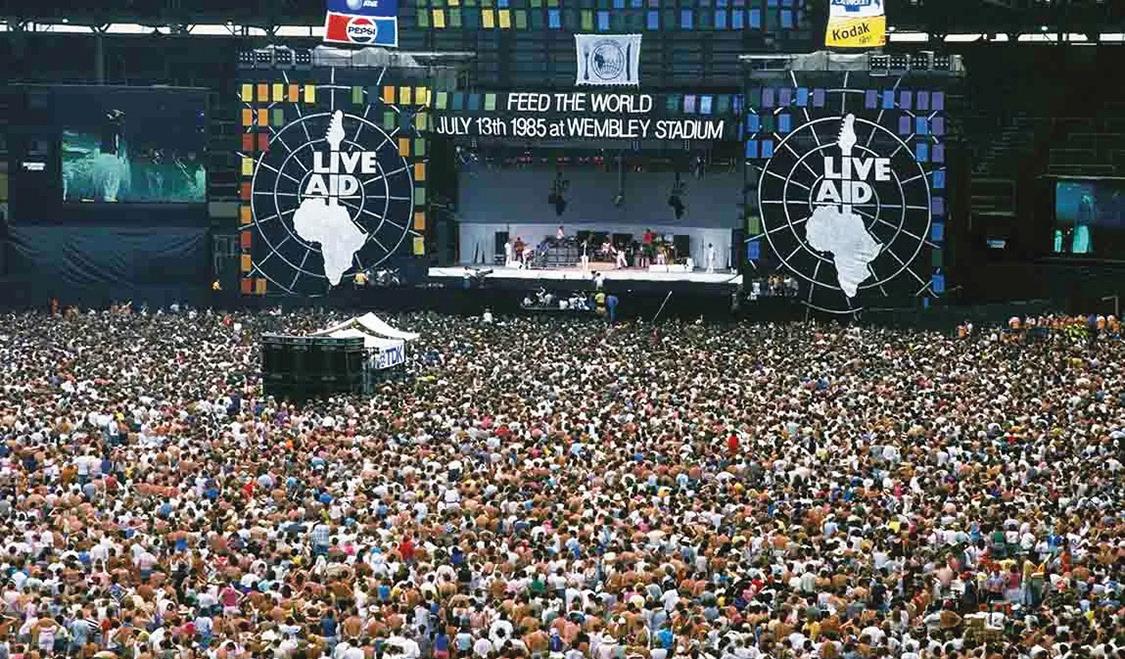
The World Sang
Live Aid – 50 pounds. “I Think We Should Do This” I told Dawn, “I think we should do this.”
There wasn’t a long debate. No spreadsheets. No practical analysis of interest rates or future bills. We didn’t have the luxury of overthinking back then. We were nineteen, married less than a year, and still learning what it meant to trust our instincts—not just individually, but together.
We didn’t have a pot to piss in. I was a young Airman First Class in the United States Air Force, stationed far from home, trying to figure out how to be a husband while still feeling like a kid myself. But something about that sign in the travel agent’s window felt different. Not urgent—inevitable.
So we used our credit card and bought two tickets. Fifty pounds. Bus transportation included. It felt irresponsible and absolutely right at the same time.
The Ride In
The bus ride itself didn’t make history—but the energy did.
Everyone on board seemed to know we were headed toward something bigger than ourselves. Accents mixed. Laughter carried down the aisles. Complete strangers already felt like companions because we were all chasing the same thing. No one slept much. No one needed to.
We weren’t just going to a concert. We were going to be part of something the world would talk about later.
Arrival
When we arrived, it hit us all at once.
The sheer number of people. The noise—joyful, anticipatory, electric.
The love—real, unfi ltered, fearless.
London in 1985 felt alive in a way that’s hard to describe now. The city, the people, the moment—it all pulsed together like a single heart. This wasn’t chaos. It was purpose.
Where We Chose to Sit
Live Aid was mostly general ad-
David Bowie, Brian May and Roger Taylor lean in for chat, as princess Diana is pictured to be seated in front of them.


The World Sang
mission, except for one section on the left side of the stadium near the halfway line—the royal box. Dawn and I chose to sit directly opposite it, on the right side of the stadium, if you were looking out from the stage.
Something about that spot felt exactly right—balanced between the musicians and the watchers, the performers and those quietly witnessing history.
From there, we could see everything.
Princess Diana.
Prince Charles, not yet king.
Other royals.
Musicians moving through the stadium like legends still unaware they were legends.
I had brought binoculars—not for vanity or celebrity worship, but because I didn’t want to miss a single detail. And we didn’t.
We watched the stage.
We watched the crowd.
We watched history unfold in real time.
And every so often, without needing to say a word, Dawn and I would look at each other—sharing that silent, wide-eyed understanding: We are here.
This matters.
Remember this forever.
The World Holds Its Breath
The show began in London at exactly noon.
The Prince and Princess of Wales
were introduced first, and the stadium responded with a standing ovation that felt less formal and more heartfelt. It wasn’t about royalty in that moment—it was about acknowledgment. This was important. Everyone there knew it.
Then the real show began.
Status Quo kicked things off, setting the tone with raw energy and familiar power chords. The Style Council followed, smooth and confident. Then The Boomtown Rats took the stage, with Bob Geldof— part musician, part force of nature, and the heart beating behind the entire event. Watching him perform, knowing he was also the architect of the day, made everything feel heavier and more urgent.
Adam Ant rounded out the early acts, theatrical and bold, and by the end of that first hour Dawn and I already knew—we weren’t just watching a concert. We were witnessing a moment the world had agreed to stop for.
Momentum Builds
As the afternoon wore on, the stadium seemed to breathe together.
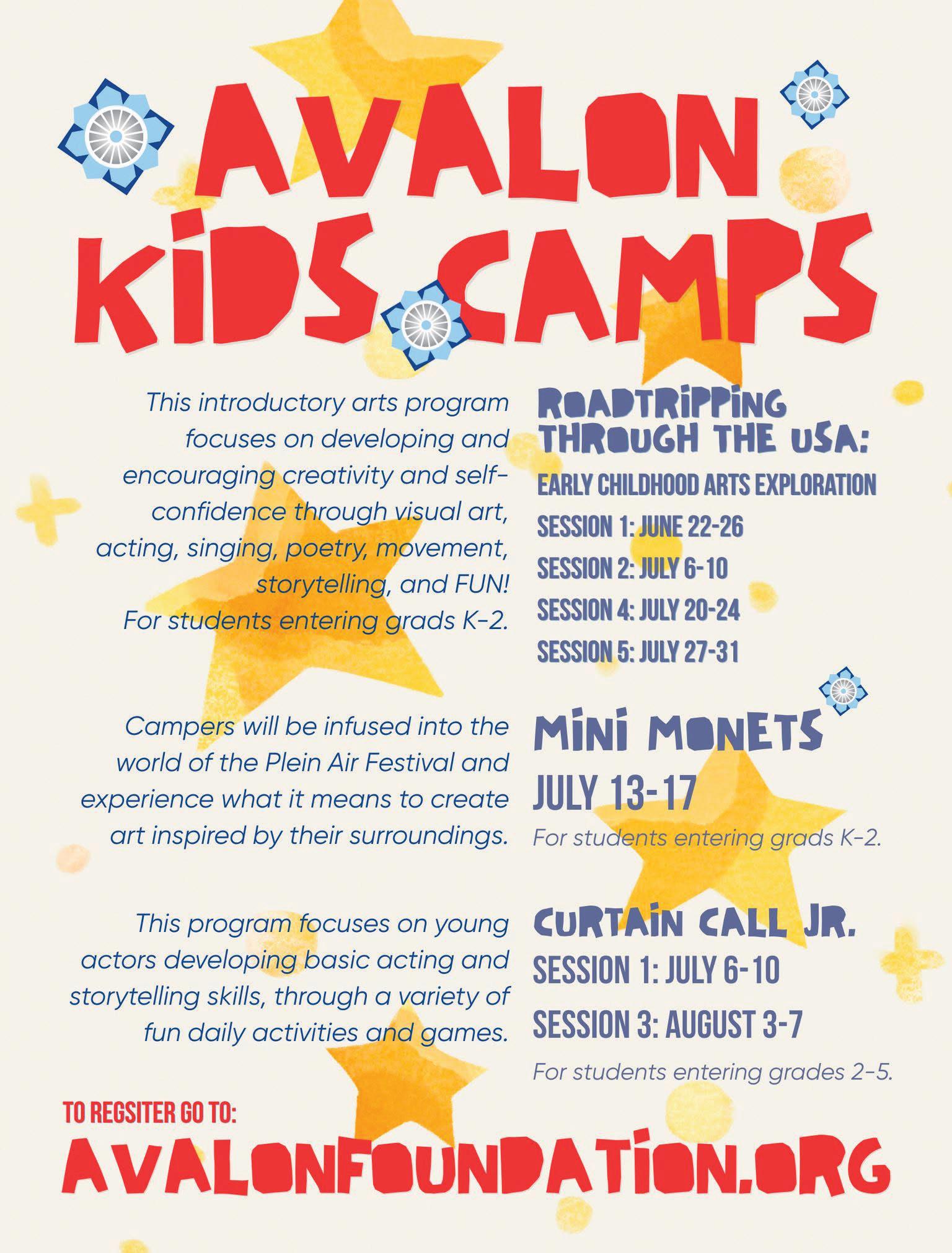
The World Sang
By around three o’clock, the pace shifted. Sting and Phil Collins shared a set, effortlessly cool and completely locked in. Then came one of those details that only makes sense in hindsight: Phil Collins stepping off the stage, heading straight for the Concorde, preparing to cross the Atlantic so he could play again that same day in Philadelphia.
It was unreal—even then. One performer, two continents, one cause. The scale of what Live Aid was attempting finally came into sharp focus.
Dawn and I kept scanning the stadium through the binoculars— crowds flowing like waves, musicians moving behind the scenes, the royal box directly across from us, filled with quiet observers witnessing something just as historic as we were.
The First Shockwave
Just after five o’clock, the day changed.
U2 took the stage.
They were young then—hungry, intense, and fearless. From the first moments of their set, the stadium shifted beneath us. The sound was massive, but it was more than volume. It was conviction. Bono’s presence, the band’s chemistry—it felt like a line had been crossed.
This wasn’t just a great performance.

This was a reminder that music could lift people, even in a place already buzzing with energy and purpose. Dawn and I looked at each other again, that familiar silent exchange, both of us thinking the same thing:
How does anything follow this? And Still… More Was Coming
As powerful as U2 was—and they absolutely were—it would soon pale in comparison.
A few performances later, Queen walked onto the stage.
Nothing dramatic. No spectacle. No tricks.
Just confidence.
When Freddie Took Us
Somehow, when Freddie Mercury stepped up to the microphone, it felt like he was looking straight at me. Not at the tens of thousands packed into Wembley.
Not at the cameras broadcasting across the planet.

The World Sang
At me.
There was no grand introduction. No wasted motion. Just presence. He stood there with that half-smile, that easy confidence, like he already knew the outcome. Like the crowd— like we—belonged to him, and he was about to prove it without breaking a sweat.
Then came the opening notes of Bohemian Rhapsody.
The stadium erupted, but Freddie never chased the noise. He let it come to him. He paced the stage like a conductor who didn’t need a baton, every movement calculated but effortless. Voice strong. Piano sharp. Command absolute. He wasn’t performing at us—he was pulling something out of us, something buried and ready.
Dawn and I sat there, hearts wide open, binoculars forgotten in my hands. This wasn’t about seeing
him anymore. It was about feeling him.
A Conversation with the Crowd
What happened next defies logic even now.
Freddie didn’t just sing—he played the crowd. The call-andresponse wasn’t a gimmick; it was communion. When he sang, the stadium followed. When he paused, we held our breath. His voice rose, fell, teased, challenged—and tens of thousands of people answered as one.
Ayy-oh.
The sound coming back at him was thunderous, joyful, feral. Complete strangers were laughing, shouting, singing with arms around each other like lifelong friends. Dawn squeezed my hand, and I remember thinking—not in words, but in certainty—this is why we’re here.
Every song built on the last. Radio Ga Ga turned into a sea of clapping hands, perfectly timed, echo -











The World Sang
ing across the stadium like a single heartbeat. Hammer to Fall hit with raw force, guitars cutting through the air, while Freddie moved with the confidence of someone who knew exactly how much time he had—and how to use every second of it.
He didn’t overstay. He didn’t waste a note.
And then came We Are the Champions —not as a victory lap, but as a declaration. Not loud with ego, but heavy with meaning. Sung not over the crowd, but with it.
We Knew. Even Then.
Sitting there, Dawn and I understood something quietly and completely: this wasn’t just the best performance of the day. It wasn’t even just the best performance we’d ever seen.
It was the moment when everything clicked.
Music. Purpose. Love. Youth. The fragile, hopeful belief that people— when given the right reason—could come together and mean it.
Freddie didn’t just command the crowd.
He unified it.
And when Queen left the stage, the stadium didn’t deflate—it hovered. Like we all knew we’d just witnessed something that wouldn’t happen again in quite the same way.
Dawn leaned into me, and I remember thinking how impossible
it would be to explain this someday. How words might fail. How memory would blur the edges.
But some things live deeper than memory.
They live in the chest.
They live in the heart.
And that day—standing on the far side of the world, young, broke, newly married, and wildly in love— we carried that moment away with us. Not as spectators.
But as witnesses.
After the Fire
After Queen left the stage, everything else felt… quieter.
Not smaller—just changed.
David Bowie and Mick Jagger followed, two absolute juggernauts of music sharing the stage. Legends, both of them. The crowd responded with respect, with enthusiasm, with recognition—but there was no denying it: coming after Queen was an impossible assignment. The bar had been lifted so high that even greatness felt subdued by comparison.
And yet, the day wasn’t finished leaving its marks.
George Michael and Elton John








The World Sang
took the stage together and delivered something different—not explosive, but intimate. “Don’t Let the Sun Go Down on Me” wasn’t just sung; it was shared. It settled over the crowd like a moment of collective reflection, reminding us that strength doesn’t always shout. Sometimes it leans in close and asks you to listen.
As the afternoon gave way to evening, the energy softened, becoming something deeper and steadier—a sense of togetherness rather than anticipation.

The Final Moment
Paul McCartney was the final performer of the day in London, standing alone at the piano to sing Let It Be. For a moment, his microphone failed, and only the voices of the crowd carried the song forward—tens of thousands of people
instinctively picking it up, holding it steady until his voice returned. It felt unplanned, human, and perfect. But that wasn’t the true ending. After the last notes faded, the artists returned to the stage together—musicians who had already given everything they had that day—standing shoulder to shoulder to sing Do They Know It’s Christmas. The song that had quietly started it all came back one final time, no longer just a recording, but a living expression of what we had just witnessed.
Tens of thousands of people—different countries, different lives, different futures—found themselves singing together one last time before returning to the world we had temporarily left behind. The crowd didn’t rush. No one wanted to break the spell. We stood there, Dawn and I among them, knowing instinctively that something rare had just ended.
And then, eventually, we turned and walked away.
Back to buses.
Back to routines.
Back to lives still being written.
But we didn’t leave empty-handed.
Years Later
Years passed.
Life did what life always does— it moved forward. Jobs, changes, challenges, joy, loss, growth. The young couple who sat opposite the royal box in 1985 became something deeper and steadier, shaped

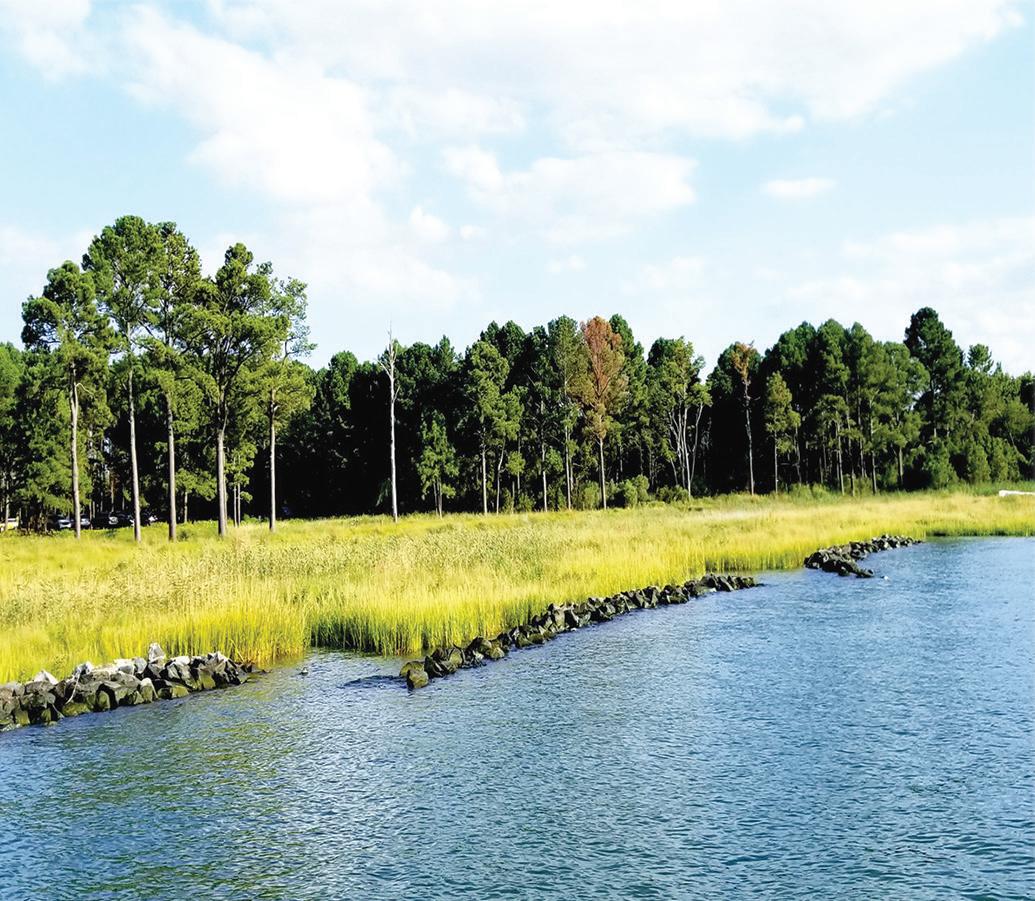





The World Sang

by time and everything it brings. And yet.
Every time Queen came on the radio, something stopped me mid stride. Not just nostalgia—but recognition. Respect. Awe. That day had etched itself into the music permanently. The world never quite heard Queen the same way again, because now we knew—now we had proof—of what was possible when talent meets timing and purpose.
Decades later, when a movie retold Freddie Mercury’s story and returned the Live Aid performance to the spotlight, it wasn’t news to us. It was remembrance. The rest of the world was catching up to what tens of thousands of us already knew: that afternoon at Wembley hadn’t just been iconic—it had been transformative.
We didn’t need a film to remind us. We were there.
What Remains
When I look back now, what stays with me isn’t just the music—though it was extraordinary. It’s the feeling of standing next to the woman I loved, young and broke and hopeful, in the middle of a crowd that believed, even for one day, that people could come together and mean it.
We went back to our lives after Live Aid.
But we never forgot what we witnessed.
Some days live on quietly, folded into who you become. That day didn’t fade. It still commands respect. It still opens hearts.
And for Dawn and me, it will always be the day the world sang together—and we were lucky enough to be listening.
Author’s Note
This story is shared not as a history lesson, but as a memory—of youth, love, and a moment when music reminded us of our common humanity. Live Aid, celebrating its 41st anniversary this July mattered because people mattered. Standing beside the woman I loved, surrounded by strangers who felt like family, I learned that some moments don’t just pass through your life—they stay.
Dan Hoyt lives with his wife Dawn in Moline, Illinois.
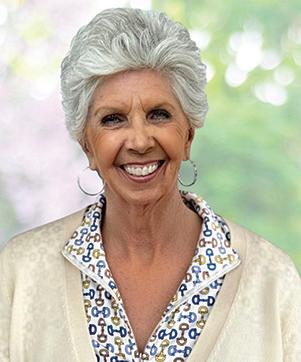

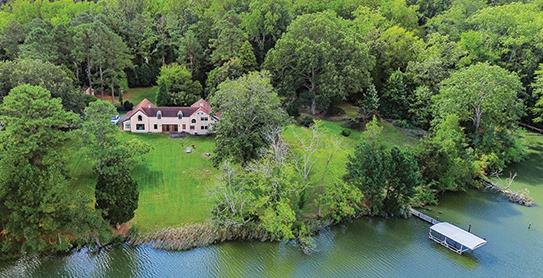
PEACHBLOSSOM CREEK – Built in 1920 and designed by noted Eastern Shore architect William Draper Brinckloe, this 4,000 sq. ft. Spanish inspired home is a rare waterfront estate on 4 private acres. Many fine features including gourmet kitchen, heart pine floors, antique tile work, sleeping porches and gracious gathering rooms. Detached 2-bay garage and circular driveway. Close to Easton, Oxford and St. Michaels. A must see property. $1,495,000

CHESAPEAKE BY DEL WEBB - 2-story
Wittman model. Great room with gas fireplace, dining room, eat-in kitchen with center island and breakfast nook, sunroom, office, 1st floor primary suite, guest bedroom and full bath. 2nd floor features a loft, bedroom and bath. 2 car garage, patio and lawn irrigation. Improvements include roof, water heater and HVAC. 55+ age-restricted section. Close to downtown Easton. $475,000

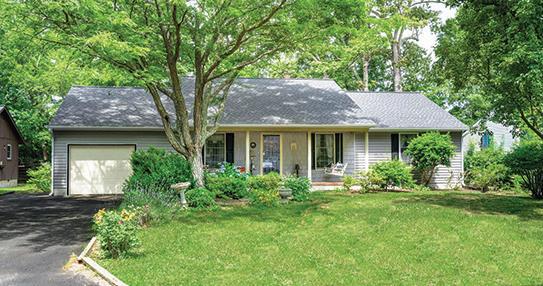
SOUTH BEECHWOOD - This well-maintained, one-story home features a living/dining room combo, eat-in kitchen, family room w/gas fireplace, primary suite, 2 guest bedrooms and additional bath. Recent upgrades include roof, interior painting, updated baths, heat pump, siding, shutters, sliders and carpet. One-car attached garage, fenced yard, front porch, patio and mature plantings. Established community close to downtown Easton, St. Michaels and Oxford. $389,900
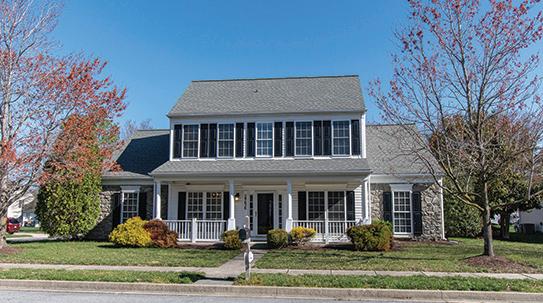
CHESAPEAKE BY DEL WEBB. Popular 2-story Wittman model. Great room with gas fireplace, office, kitchen with center island and breakfast nook. Sunroom, enclosed porch overlooking your own private fenced in-ground pool. Primary bedroom suite, guest bedroom and hall bath. 2nd floor features a loft, guest bedroom and bath. Central air (2025) and newer roof. Attached 2-car garage, patio and irrigation system. 55+ agerestricted section. Community amenities. $480,000



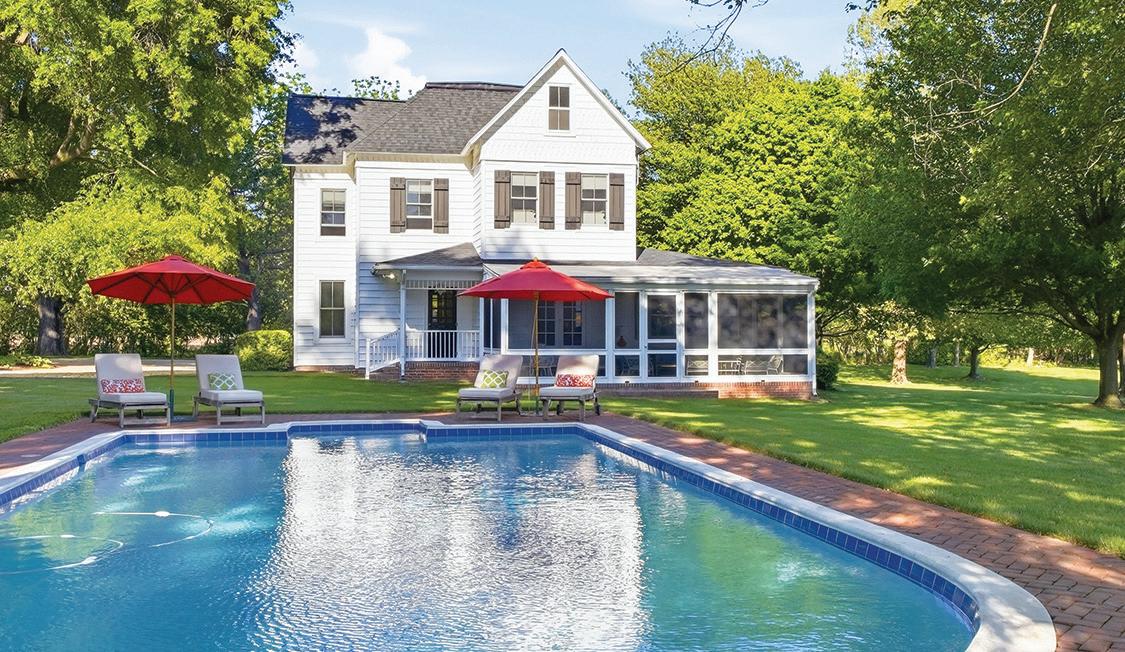
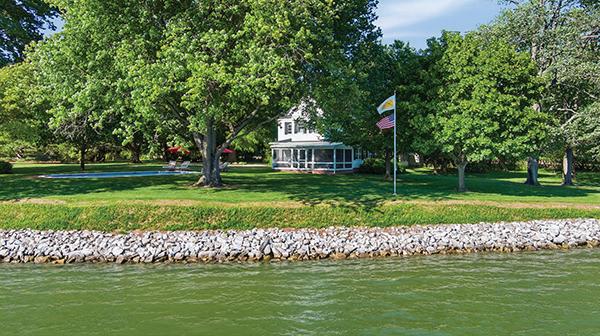
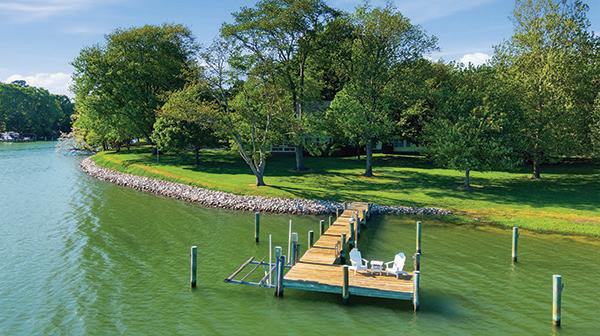
Meticulously renovated and featured in Coastal Living, this Tidewater Colonial-inspired waterfront estate is set on 3.5+ private acres with 870+ feet of shoreline and panoramic water views. The four-bedroom residence features a custom kitchen, updated baths, three fireplaces, water views from nearly every room, complemented by a magnificent screened porch, waterside pool, and private pier. Timeless architecture, exceptional privacy, and breathtaking views define this remarkable Eastern Shore retreat.