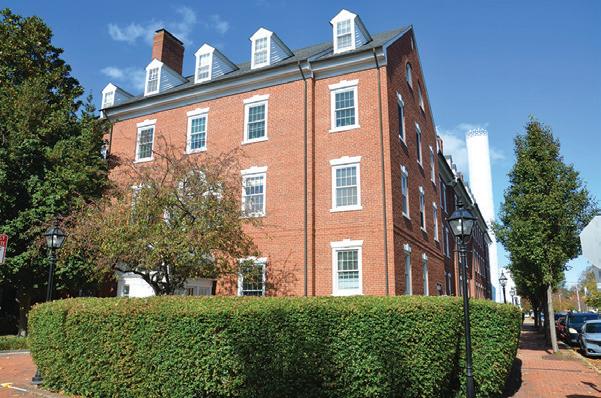
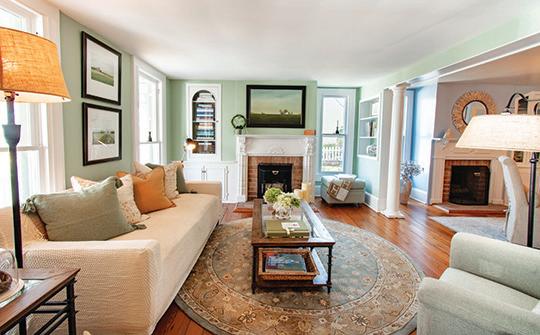
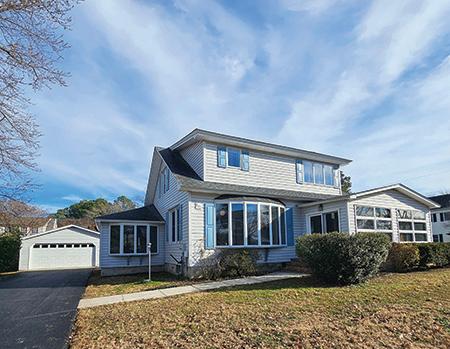
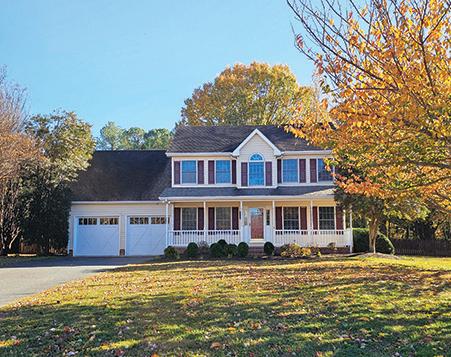
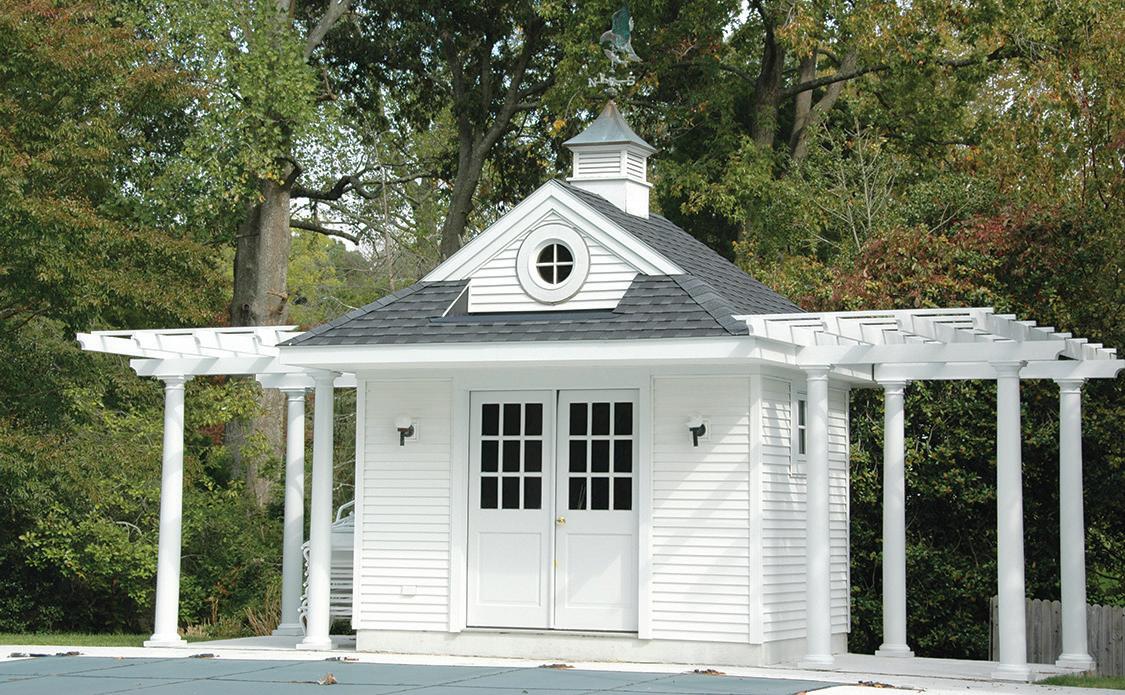
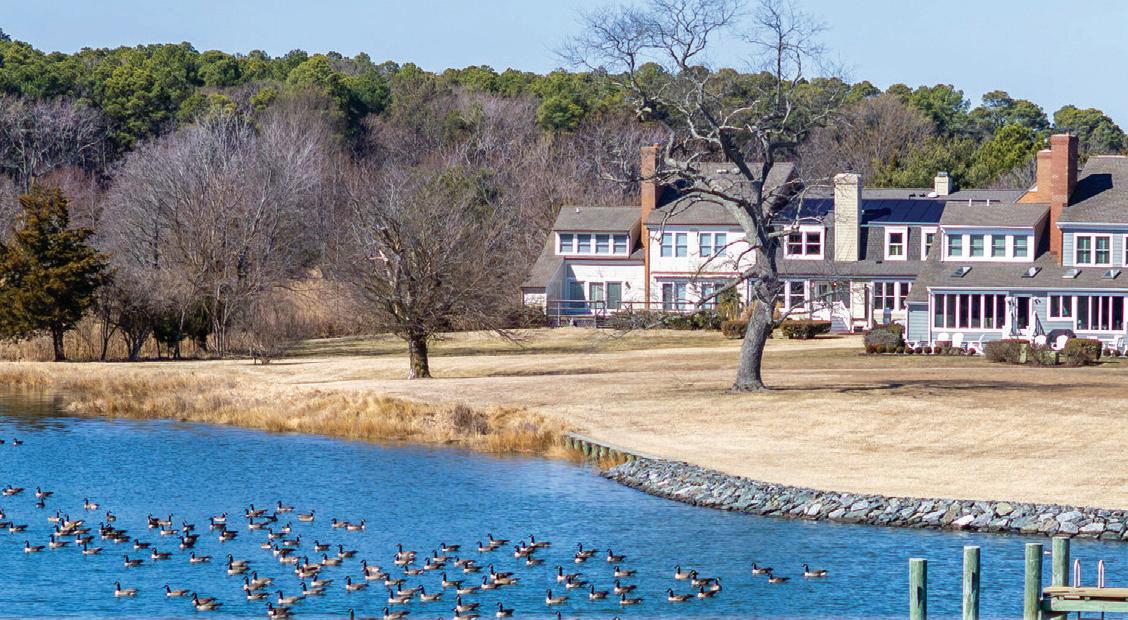
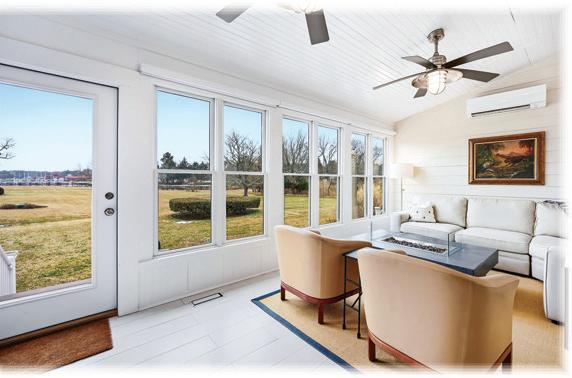
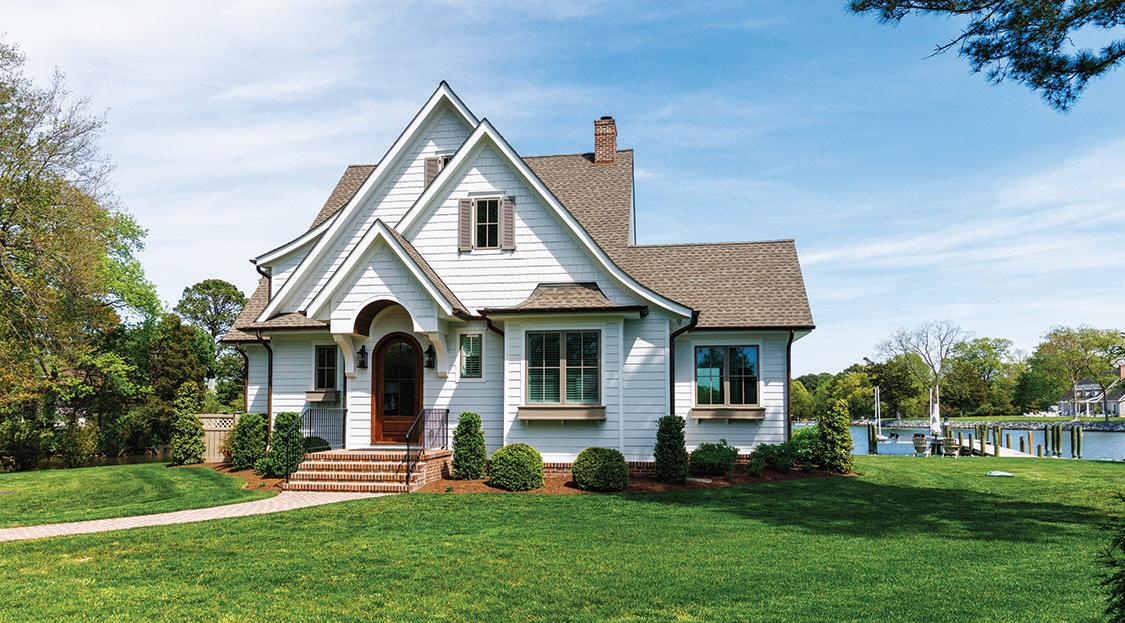
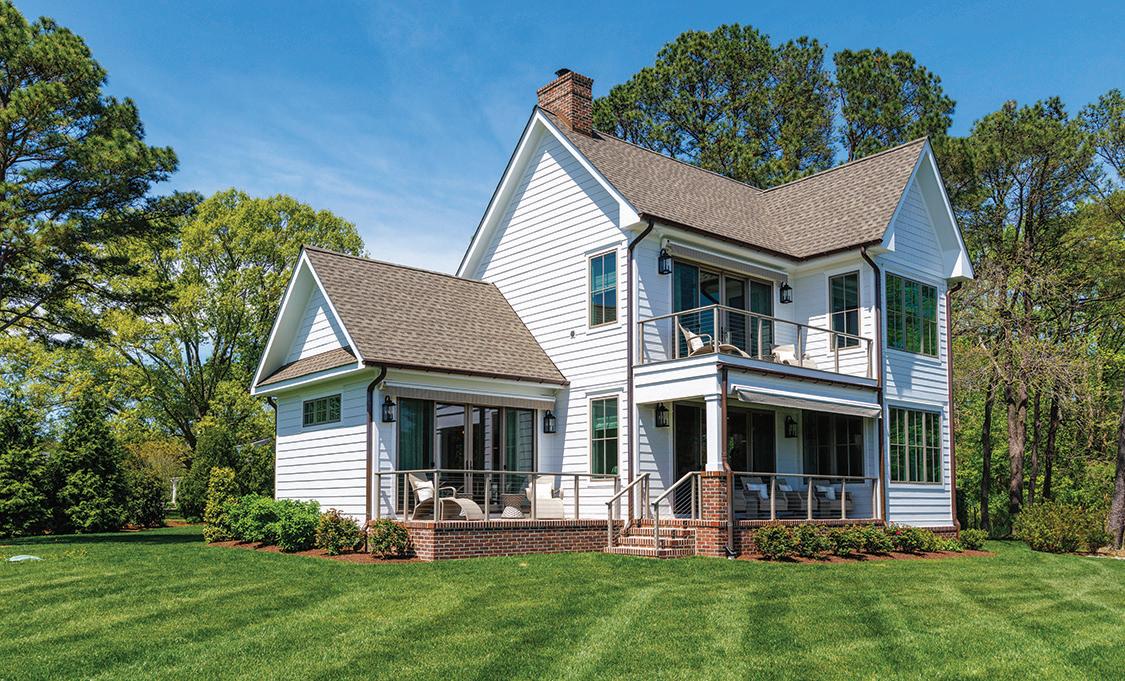
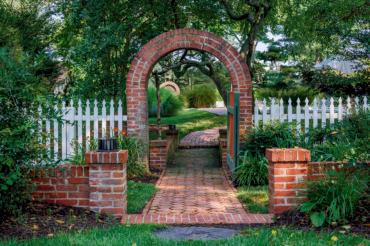
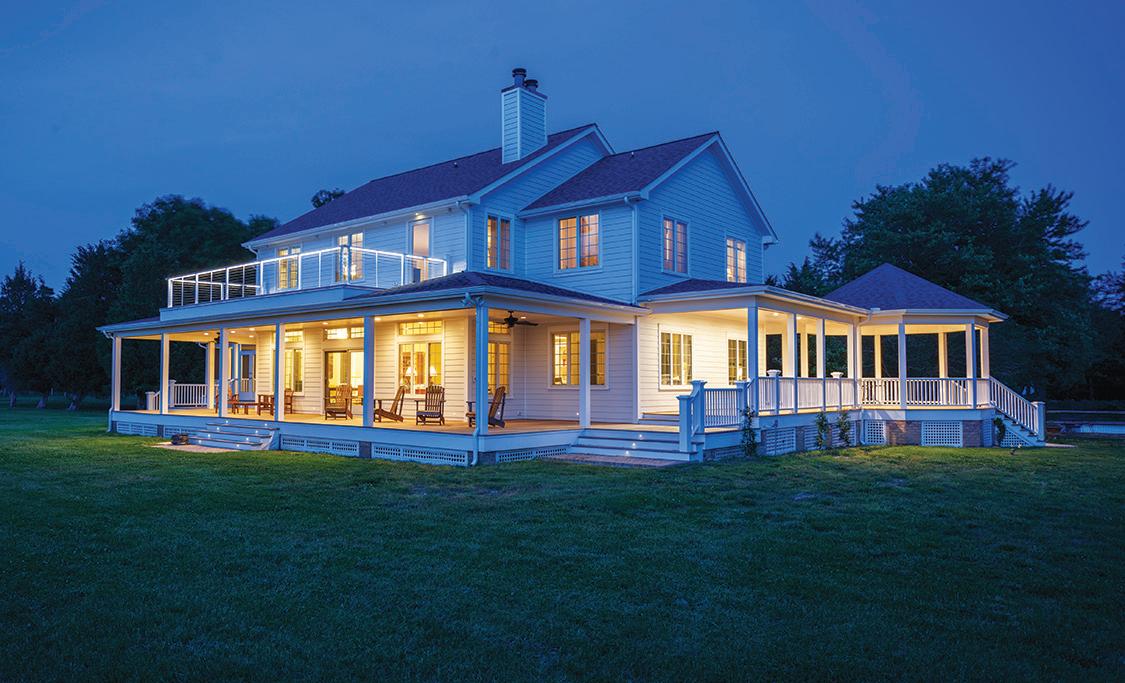
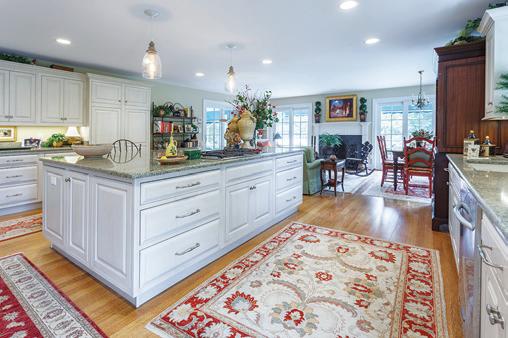
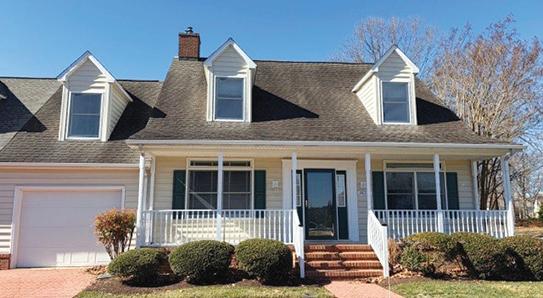
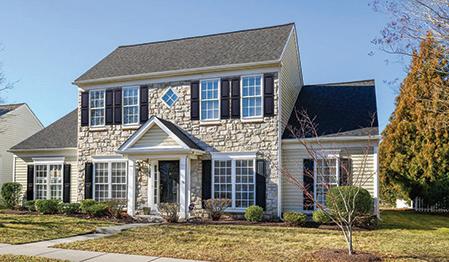
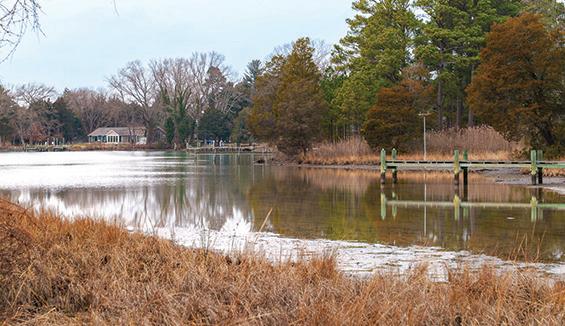
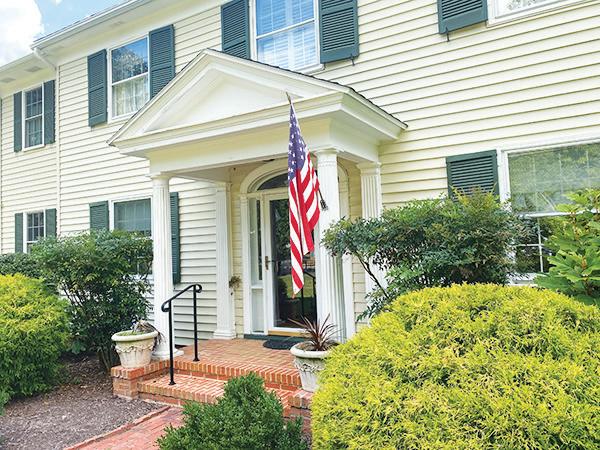
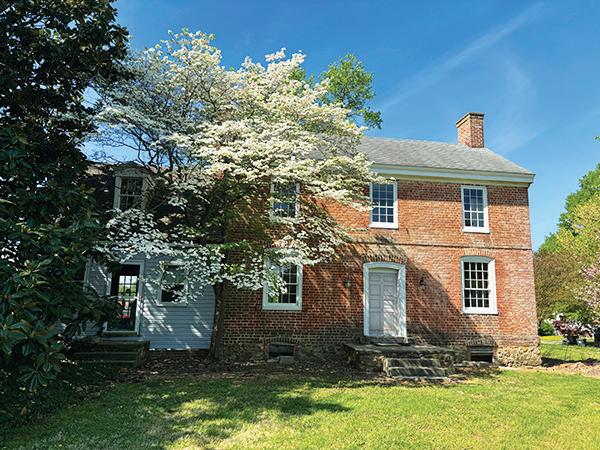
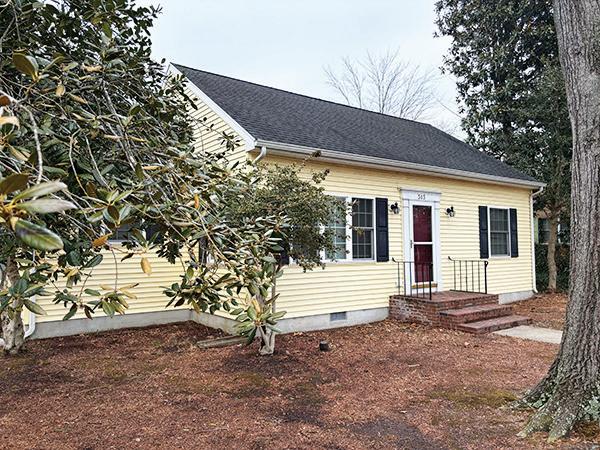
Spacious one bedroom, one bath unit with o ce alcove. Galley style kitchen and living room with built-in shelves, 10’ ceilings and replace. $375,000
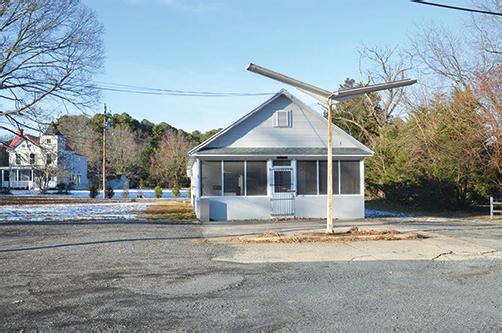
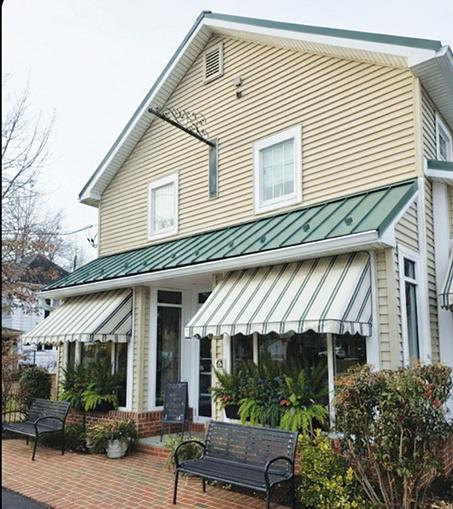
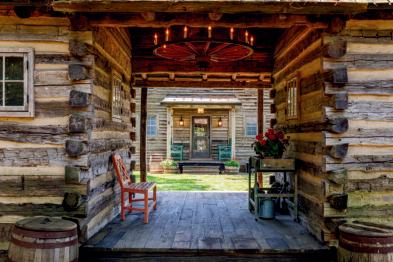
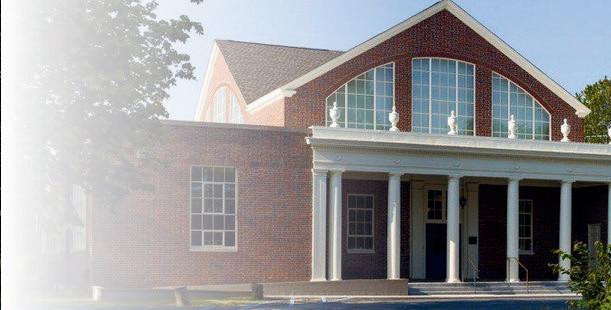
BOZMAN e former Bozman Store. So many possibilities... Re-open the store; Contractor/sub-contractor o ce; Workshop; Convert to a residence. $149,000
BUILDING LOT
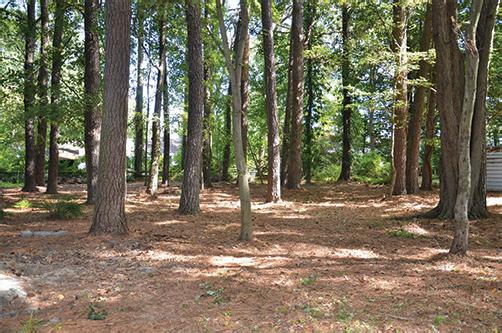
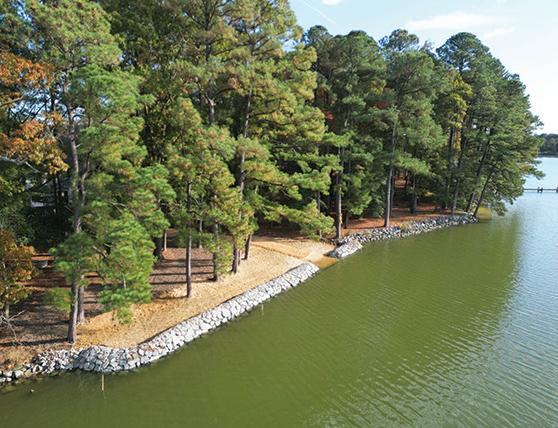
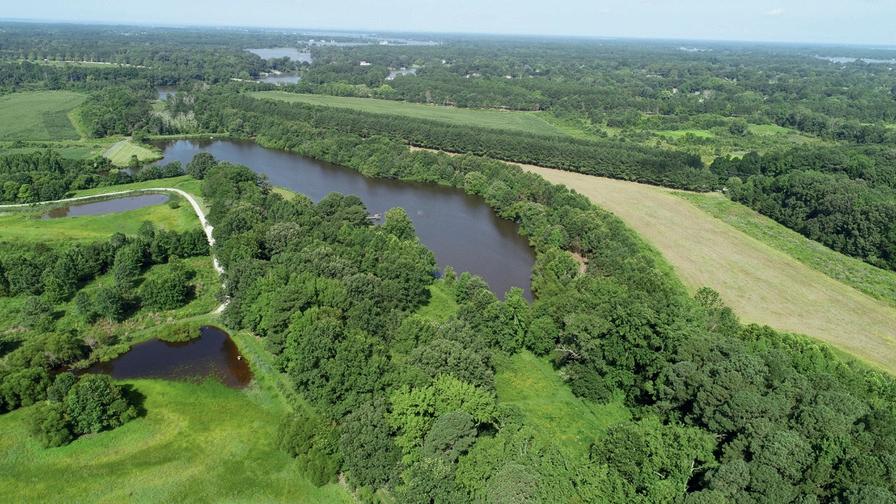
Ready for your new home. Wooded lot in the Bentley Hay area, just outside St. Michaels’ Town limits. Public water/sewer. No town taxes! $219,000
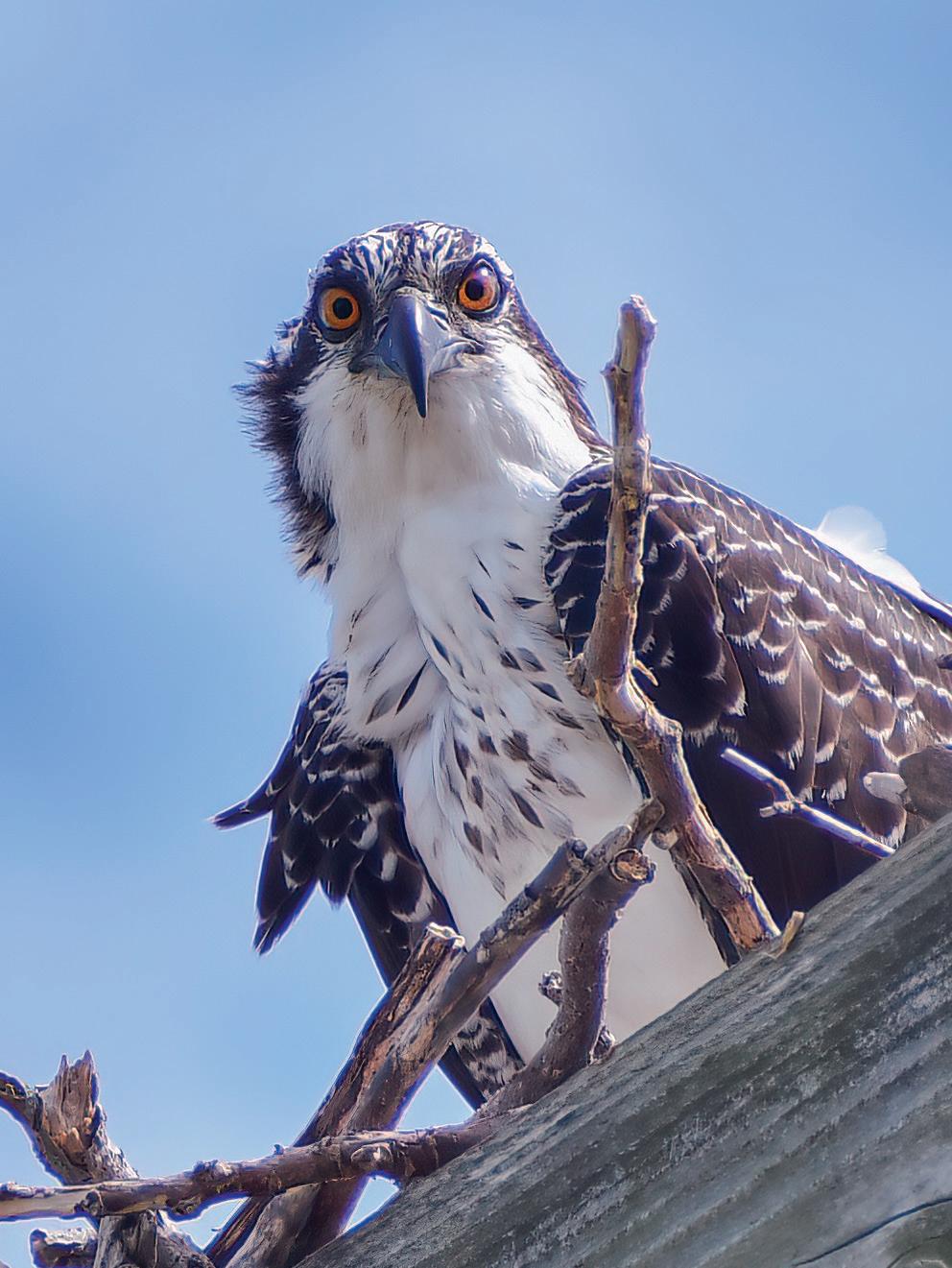
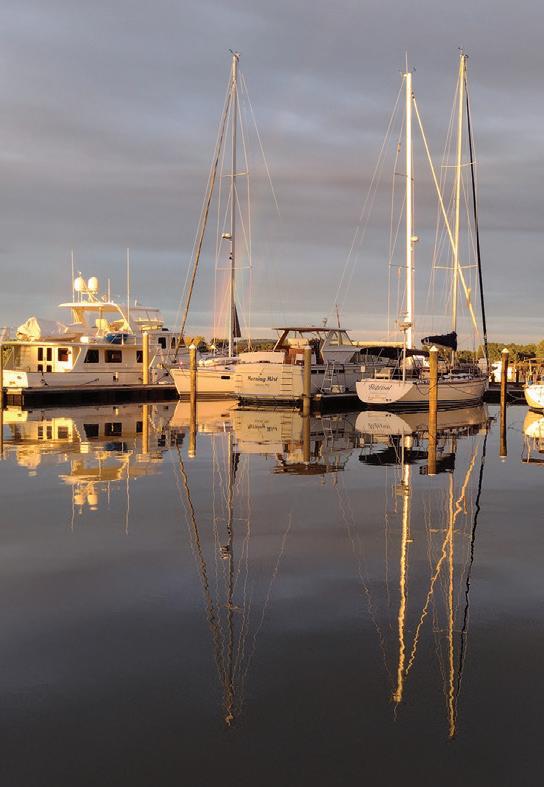
About the Cover Photographer David Lytwynec
David Lytwynec grew up in Catonsville in Baltimore County. He currently lives in Halethorpe, also in Baltimore County.
Lytwynec took up photography as a hobby about six or seven years
ago and never looked back. He’s still an amateur, but he love it!
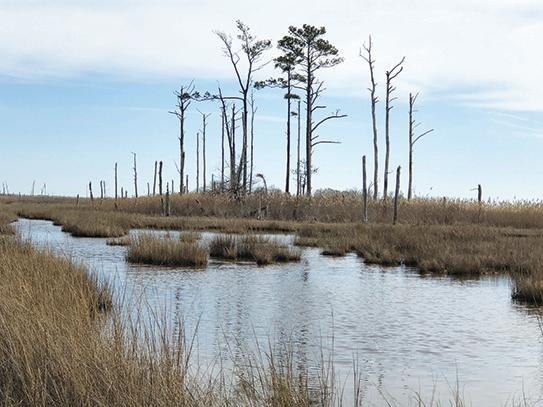
His favorite place to take photos is Blackwater Wildlife Refuge in Cambridge.
New Location Opening Soon
Stronger Before the Siren Sounds
by Tracey F. Johns
Ask an emergency responder what matters most at the start of a shift, and the answer is rarely about equipment. It is about who is there.
As a shift starts, they often trade stories, check in on one another and steady themselves for whatever the next call brings. When a life hangs in the balance, they rely not only on skill but on trust. They need to know the person beside them is prepared.
That trust is built long before the sirens sound.
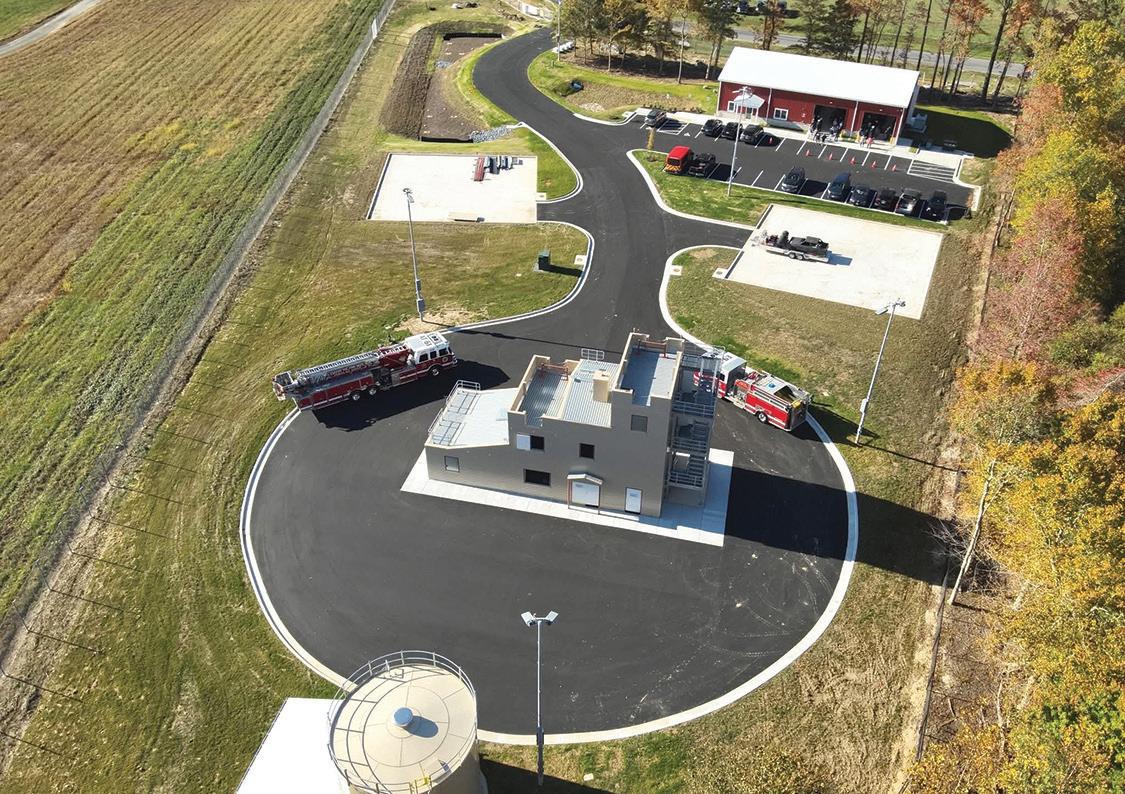
At the A. James Clark Emergency Training Campus, which opened this past October, responders from across Talbot County train side by side so they can respond the same way.
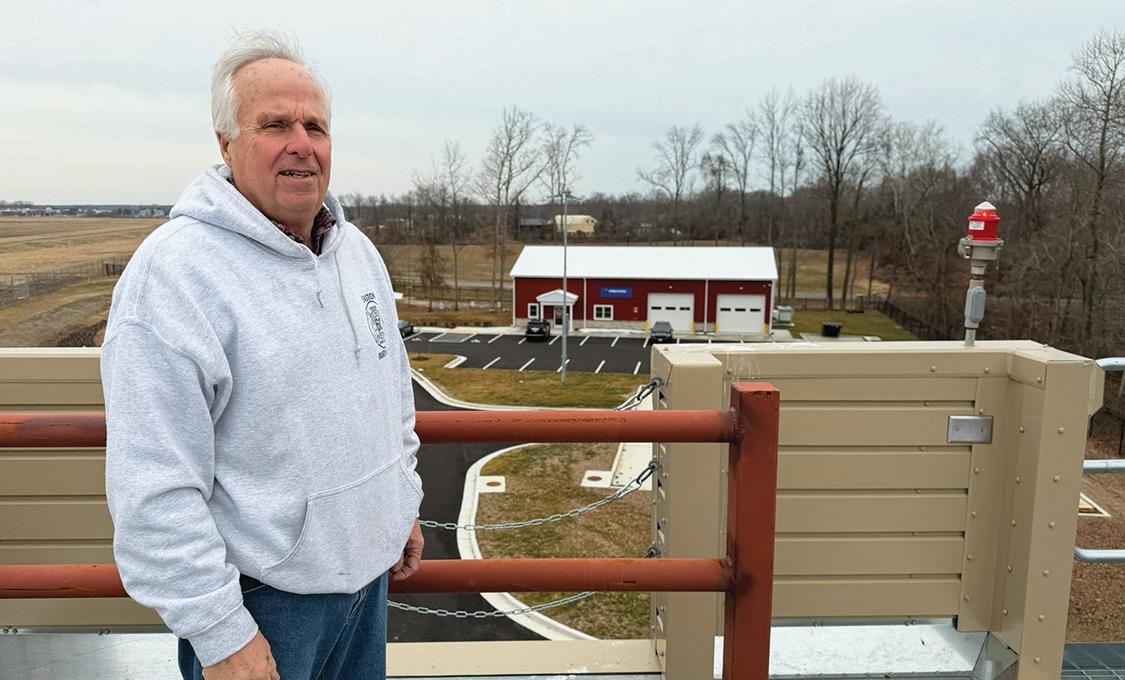
The campus was quiet on the recent Wednesday morning of my visit to interview Brett Whitehead, president of the Friends of the Easton Volunteer Fire Department’s capital campaign that brought the state-ofthe-art campus to life.
No smoke rose from the steel burn building. No lights flashed in
Brett Whitehead
The Siren Sounds
the parking lot. Still, the work of saving lives was underway.
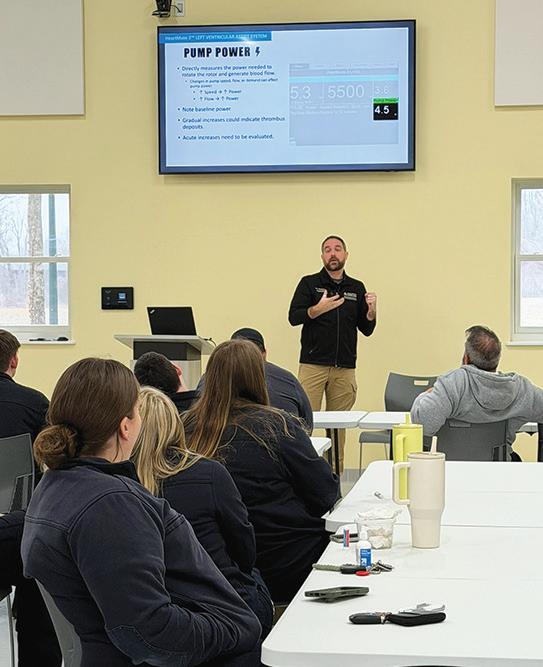
Inside the classroom, instructors arranged the equipment for back-to-
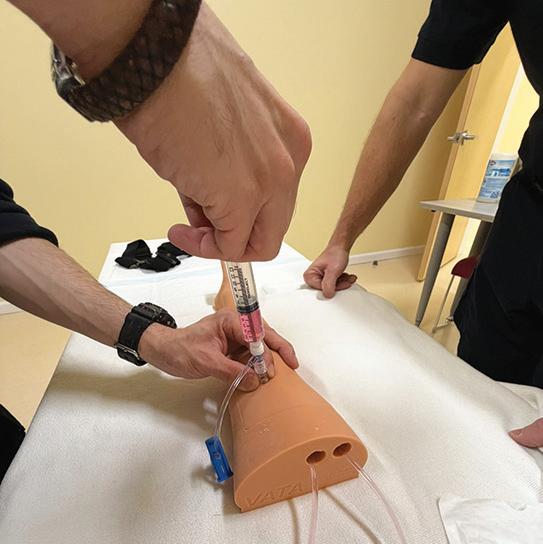
back sessions. In the large training bay, EMS providers practiced a procedure used only in the most urgent moments, drilling directly into bone to deliver medication when collapsed veins make an IV impossible. It is the kind of skill that cannot be improvised. Hands must know what to do before a patient’s life depends on it.
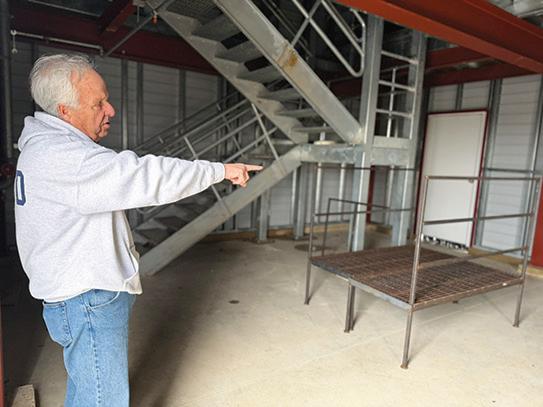
Across campus, the steel structure designed for live-fire drills and hostage-rescue simulations stood ready. Movable walls and controlled conditions allow firefighters and law enforcement officers to rehearse smoke-filled searches, coordinated entries and rescues in zero visibility. It is the only structure in the region built for that level of realism.
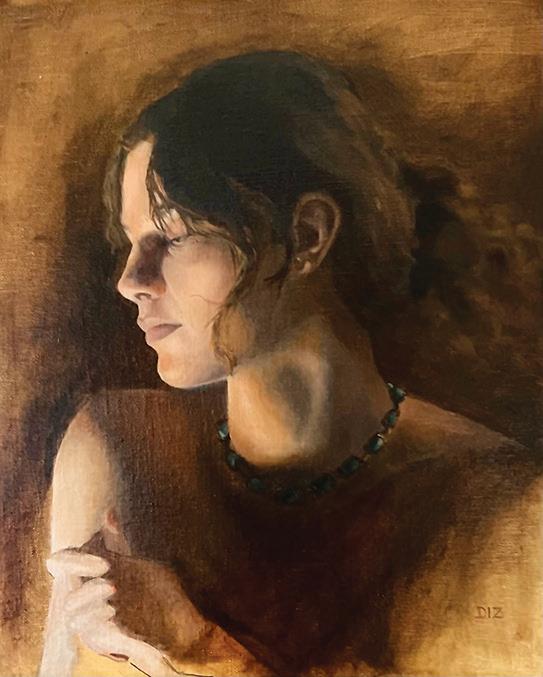
Annual exhibit of beautiful paintings by Diz Hormel at our First Friday opening reception on Friday, April 3 from 5 to 7 p.m.
Paper and Citrus 6” x 8” Oil by Diz Hormel
The Siren Sounds
For decades, Talbot County responders trained wherever they could.
“We used barns for controlled burns when we could,” said Whitehead. “Finding training spaces has always come piecemeal through a network of borrowed spaces.”
Access to state facilities in neighboring counties was limited, with services largely focused on fi refighters and EMS. Law enforcement could not conduct its own specialized drills there. Multi-agency coordination was difficult.
Yet in real emergencies, no one works alone.
Firefighters, deputies, town po-
lice, state troopers and EMS providers arrive together. They establish command together. They adapt together. The campus gives them a place to practice those roles as a team.
“We train together because we respond together,” Whitehead said.
That philosophy runs through the $5 million project, funded by private donations, state and federal grants, and support from the town of Easton. The campaign ultimately raised $4.8 million, including funds set aside for operations and maintenance.
But $200,000 remains.
“Closing that gap is not about adding another building,” Whitehead says. “It’s about protecting access.”
The campus was built as a regional resource. All seven fire companies in Talbot County can use it, along with the Talbot County Sheriff’s Office, Easton Police Department, EMS providers, and other emergency services.
Move Beyond Your Expectations
Buyer activity is picking up, inventory is improving and well-prepared homes are attracting strong interest. With the right pricing strategy, marketing plan and negotiating expertise, Sellers are seeing results. If you have been waiting for the “right time,” the market is showing encouraging signs-and opportunity is knocking. So, if you are thinking of making a move, now is the time to prepare. More than ever, it’s important to work with an experienced, knowledgeable and trusted agent who understands local trends, pricing strategies, and how to position your home for maximum value.
The Siren Sounds
Whitehead wants to keep it that way.
If the remaining $200,000 is secured, the campus will have the financial cushion to maintain specialized equipment, replace training props, manage wear and tear, and more.
The availability of the training center shapes how often crews can stand shoulder to shoulder in realistic drills before they stand shoulder to shoulder in someone’s driveway at 2 a.m.
“By offering more of that instruction in Talbot County, departments can control quality, ensure consistency, and reduce travel time to distant facilities,” says Whitehead. “The classroom bay and breakout rooms enable the combination of
High Banks Buildable Lot
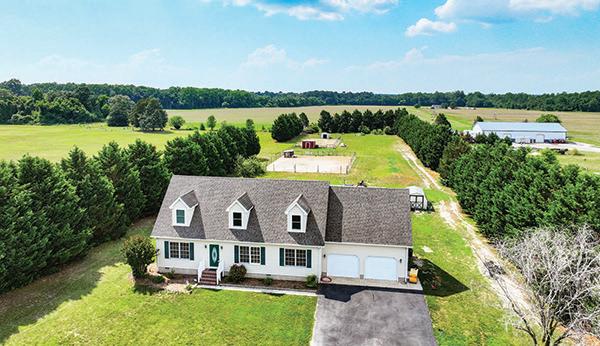
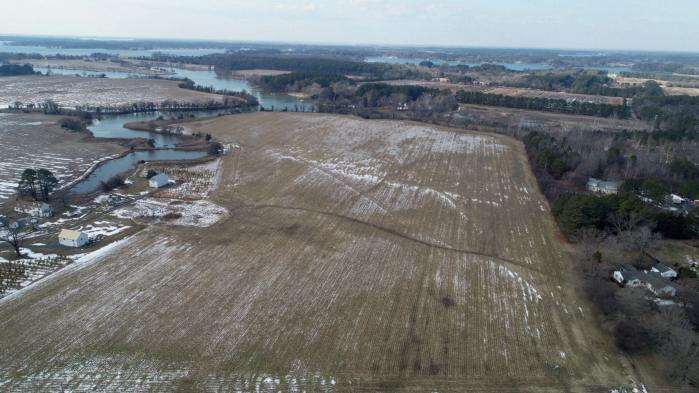
Build the home of your dreams on this picturesque lot in the sought a er High Banks community. Nestled just outside of town, the 2.49 acre lot overlooks scenic Turkey Creek with its frequent ducks, deer and squirrels. An approved Perk and recorded plat, this High Banks lot o ers privacy and tranquil living. is section of High Banks has a lot with access to a private community boat ramp for boating and shing. Annual HOF fees are presently $40.00. ere is also a public boat ramp nearby on Kingston Landing.
The Siren Sounds
lecture, hands-on practice, and scenario-based exercises in one location.”
Training builds more than technical ability. It builds familiarity.
When responders have practiced together, they communicate more clearly. They anticipate one another’s movements. They understand each other’s strengths and limits. They know who can force a door, who can lead a search, and who can manage an airway under pressure.
That knowledge protects more than the crews themselves.
It protects families waiting for headlights in the driveway.
It protects small businesses along Talbot County’s main streets. It protects waterfront homes, farms, historic buildings, cars, and boats that define the Mid-Shore’s economy and way of life.
Whitehead says the town of Easton owns the land and provides liability coverage, while the depart-
ment operates the facility under a memorandum of understanding. The Friends of the Easton Volunteer Fire Department led the capital campaign, broadening its appeal to include all emergency services.
Major donors stepped forward early. Now the community is being asked to finish the job.
The remaining $200,000 will stabilize the first-year operating budget and strengthen annual giving to support long-term costs. It will help keep the doors open to departments from St. Michaels, Oxford, Tilghman Island, Trappe, and beyond. It will ensure that cost is not a barrier to preparedness.
One emergency can change a life forever.
When residents invest in this campus, they are investing in the moment an EMT must act without hesitation, in the coordinated response that keeps a fire from spreading down the block, and in the teamwork that brings responders home safely at the end of a shift.
In a crisis, we expect precision.
Beautiful Women’s clothing, accessories and so much more!
The Siren Sounds
We expect calm. We expect competence.
This campus is where those expectations are earned together. Two hundred thousand dollars stands between a remarkable achievement and a fully funded future.
When the next alarm sounds, the strength of that response will depend on what happened here first.
The Friends of the Easton Volunteer Fire Department, the 501(c)(3) nonprofit that led the capital campaign for the Emergency Training Campus, invites the community to help finish what so many have begun.
Private gifts have brought this vision to life, but securing the final $200,000 will ensure ongoing operating support so departments across the region can continue to train together.
You can give now by visiting www.foevfd.org, mailing a tax-de -
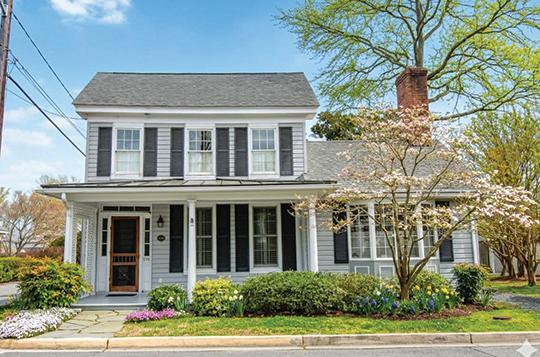
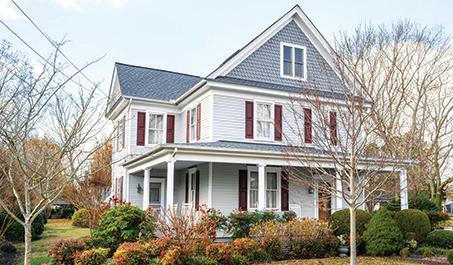
St. Michaels Historic District just ½ block from the waterfront, walking trail, public park, kayak launch, and the town’s amenities. Beautifully maintained three-story home with welcoming front porch, multiple living areas, and 4 wood-burning fireplaces. 4 bedrooms, 4½ baths, office, built-ins, abundant storage. Landscaped fenced yard, detached studio/workshop and off-street parking. An exceptional in-town opportunity. $1,350,000
Historic Home in the heart of St. Michaels, close to the harbor, shops, restaurants, scenic trails, and the Chesapeake Bay Maritime Museum. Beautifully preserved and thoughtfully improved, it blends period charm with modern comfort. Main-level primary suite, updated kitchen with large island, multiple living spaces - sunroom/library, family room and formal dining room. Fenced backyard includes a patio and detached studio with half bath. $1,365,000
The Siren Sounds
ductible gift to Friends of E.V.F.D., 315 Leonard Rieck Drive, Easton, MD 21601, or by calling 302-2366249 for more information.
Contributions of any size help cover utilities, maintenance, specialized equipment, training props, and instructor support — all of which are essential for keeping the campus available to every fire company, law enforcement agency, and EMS provider in Talbot County.
For those planning long-term giving, Friends of E.V.F.D. welcomes planned gifts, including bequests, beneficiary designations, and other legacy gifts that can provide lasting support for first
responders and expand access to lifesaving training for generations to come. Contact the Friends of E.V.F.D. to learn how your legacy can strengthen the region’s preparedness and keep crews ready when every second counts.
Tracey Johns has worked in communications, marketing and business management for more than 30 years, including non-profit leadership. Tracey’s work is focused on public and constituent relations, along with communication strategies, positioning and brand development and project management.
Exceptional Harris Creek Waterfront Living!
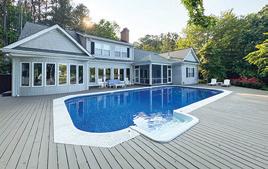
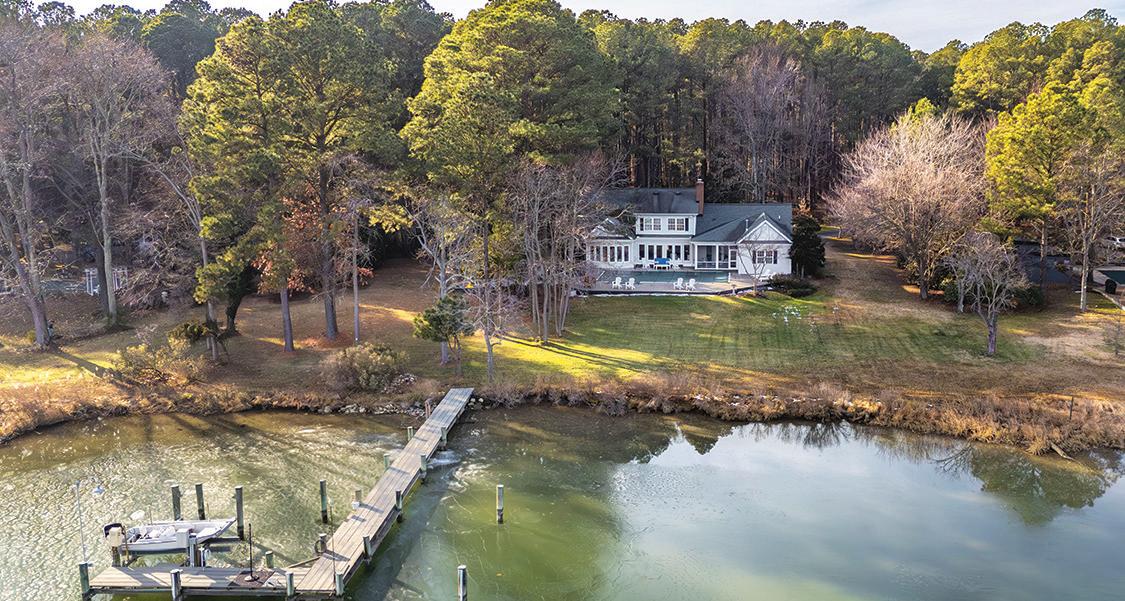
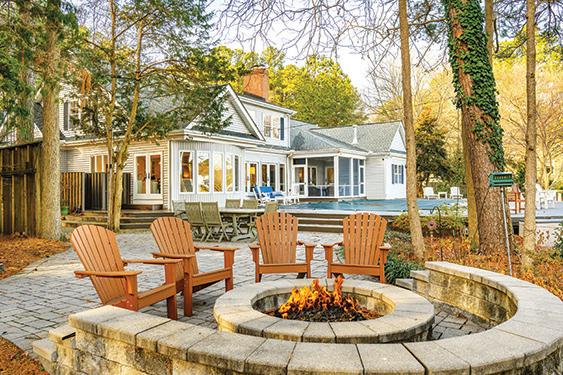
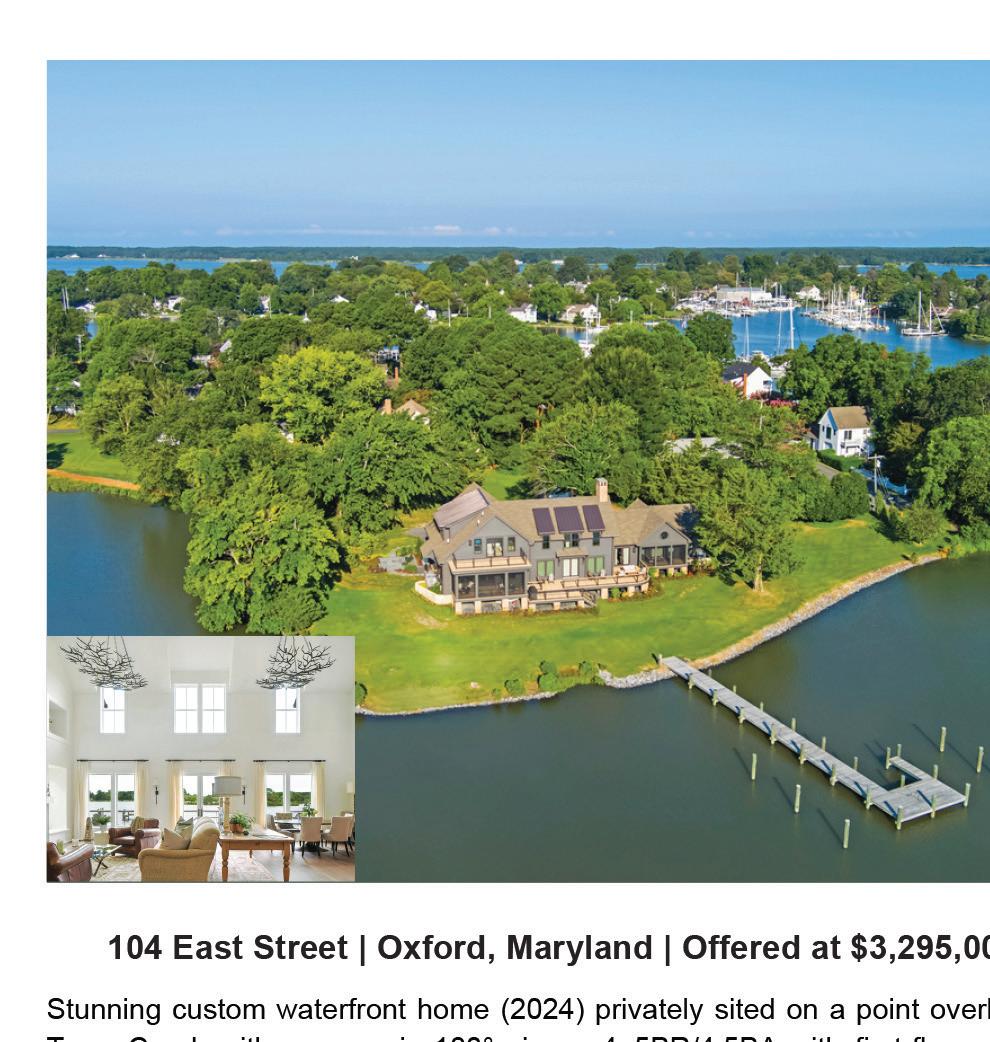
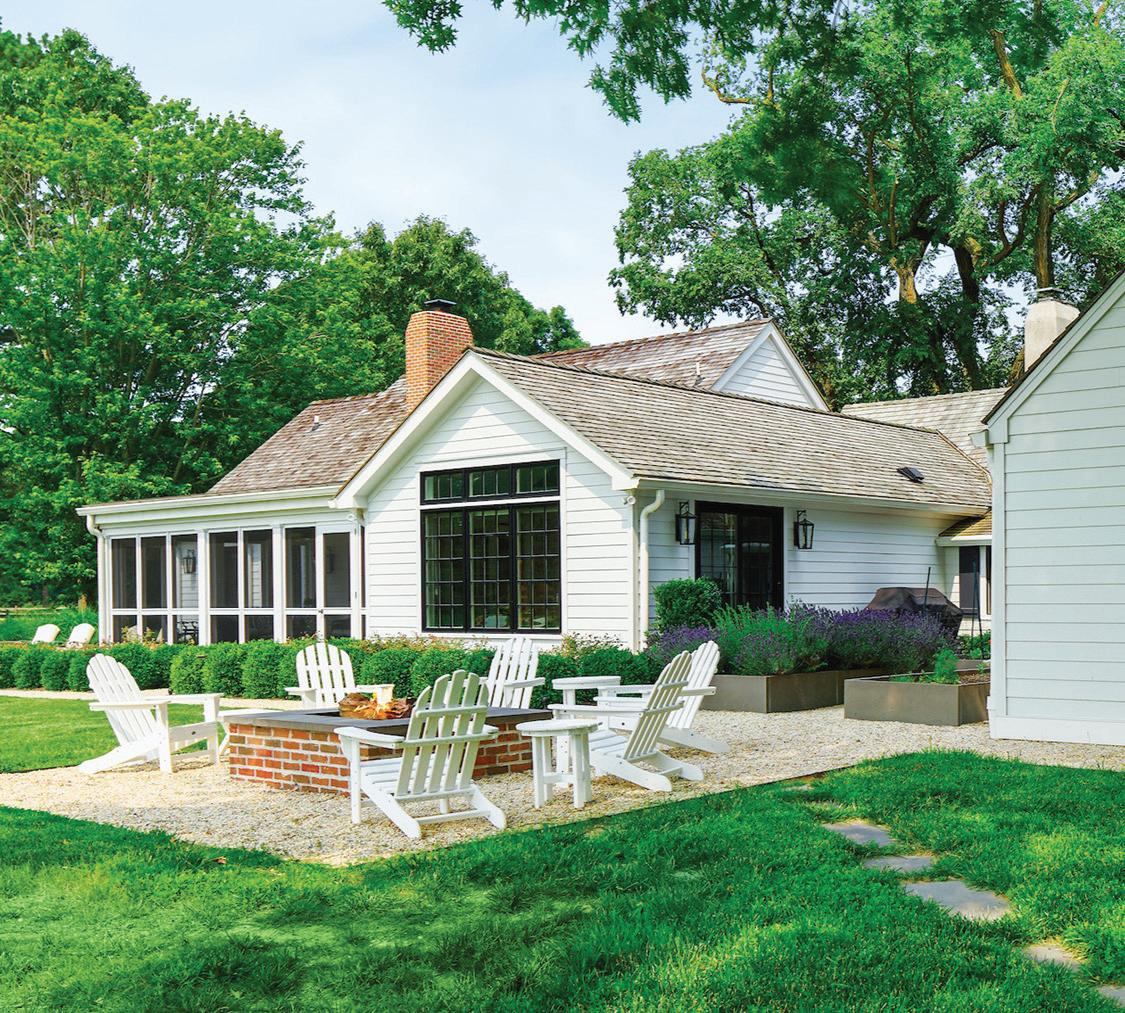
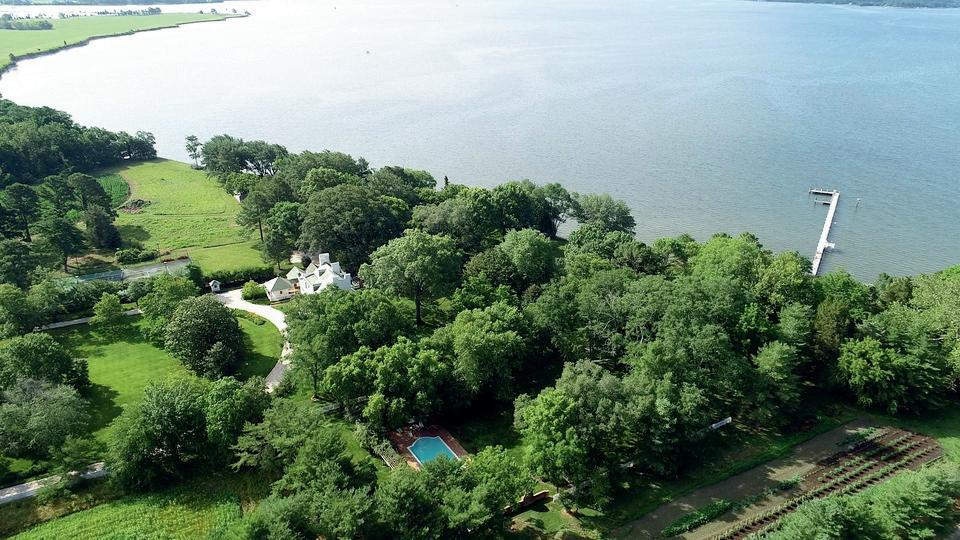
Custom 5 bedroom waterfront home on Harris Creek offering effortless Eastern Shore living. Light-filled interiors feature hardwood floors, open floor plan, multiple fireplaces, chef’s kitchen with oversized island and main level waterside primary suite and guest suite. Outdoor living includes a saltwater pool, extensive deck, fire pit patio, screened porch and pier. $2,195,000
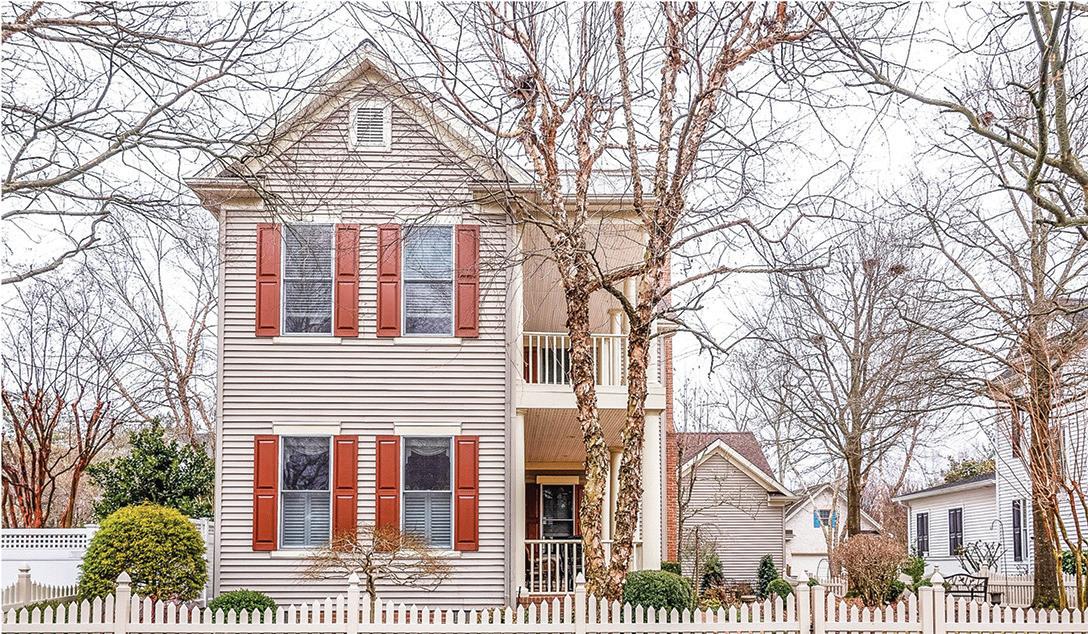
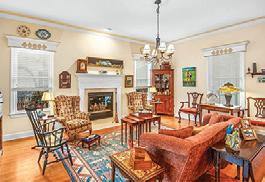
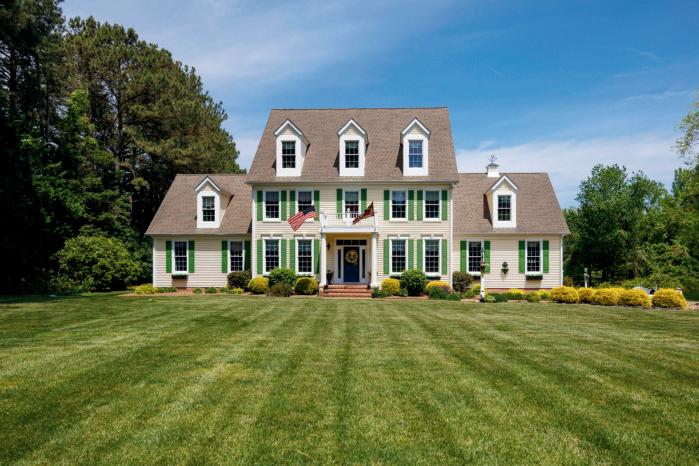
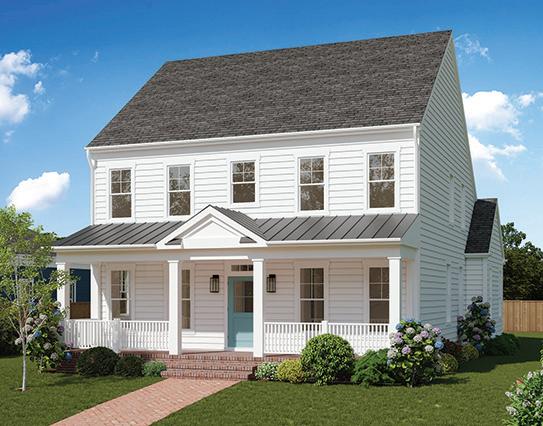
This two-story Charleston-style Colonial is located in the desirable Cooke’s Hope Village community and sits on an oversized lot with a fenced side and rear yard. The property includes a spacious entry-level side porch, second-level balcony, lush seasonal gardens, and a backyard gardening shed. Hardwood flooring runs throughout most of the home. The main level offers a flexible layout with a bedroom just off the entry and a nearby full bath. The kitchen features double wall ovens and a gas cooktop in the island and opens to comfortable living spaces. The living room includes a gas fireplace, while the family room offers a built-in entertainment center with storage, a wood stove, and direct access to the backyard. Upstairs, the primary suite includes a large bath with soaking tub, stall shower, and double vanity. A second en-suite bedroom currently serves as an office with extensive built-in cabinetry and could easily convert back to bedroom use. The second level also includes a generously sized laundry room. A mudroom off the attached two-car garage provides access to the side yard and leads to a staircase accessing the en-suite bedroom above the garage, offering additional flexible living space. Cooke’s Hope residents enjoy walking trails, tennis courts, fitness center, dog park, and well-maintained community green space.
EASTON | $995,000 | 28713EmanuelStreet.com
Chuck Mangold Jr. - Associate Broker
BENSON & MANGOLD REAL ESTATE
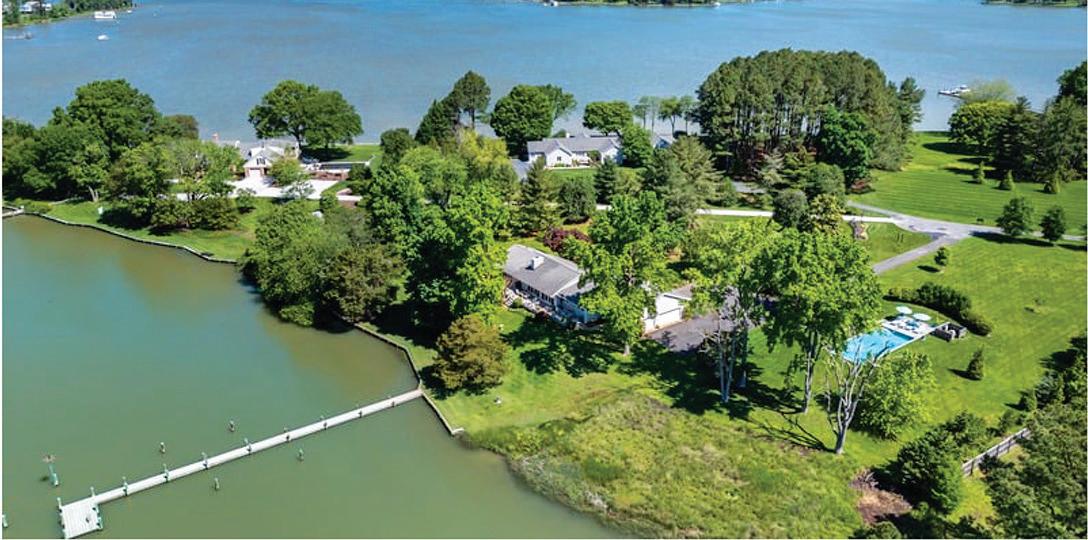
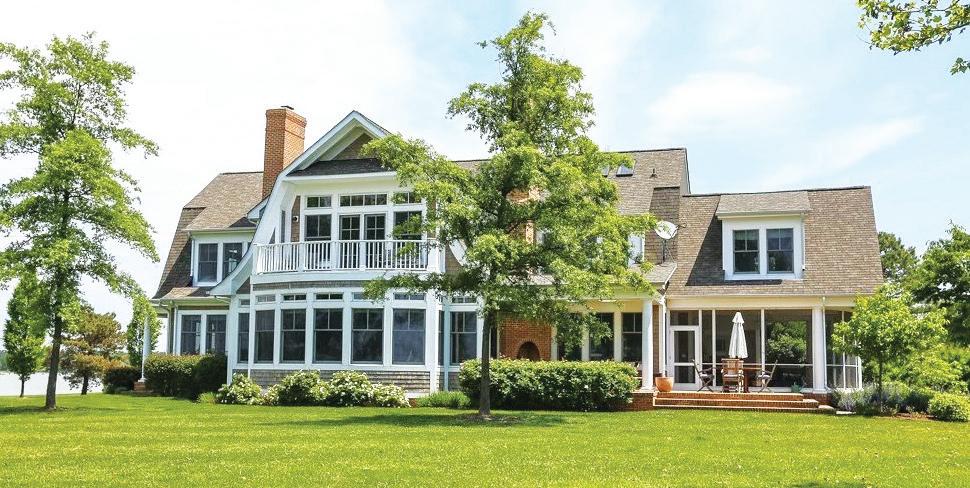
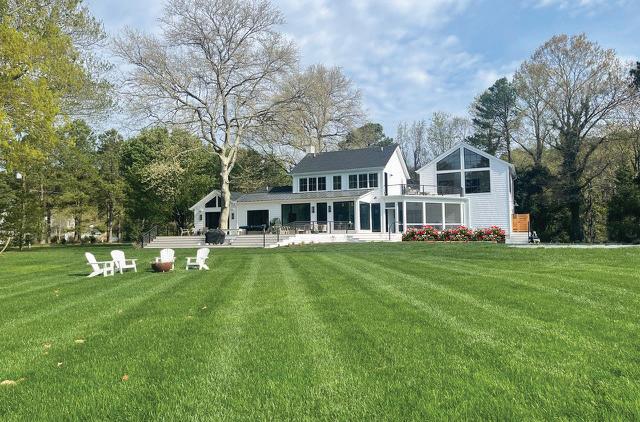
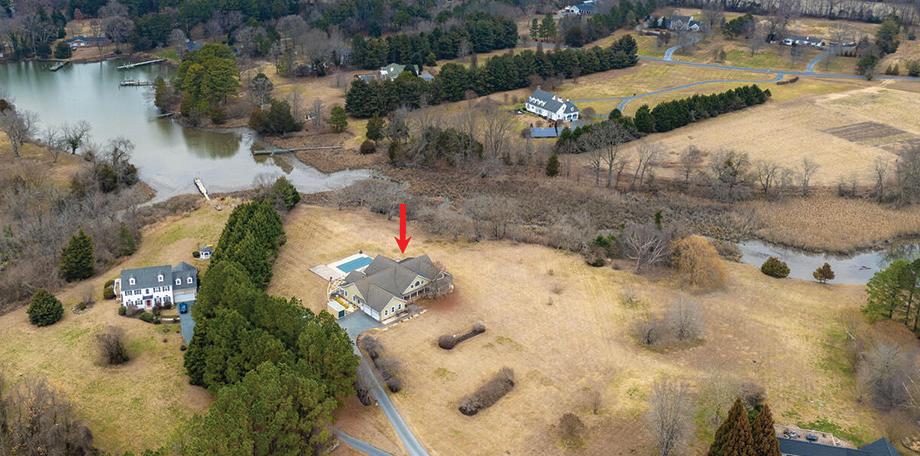
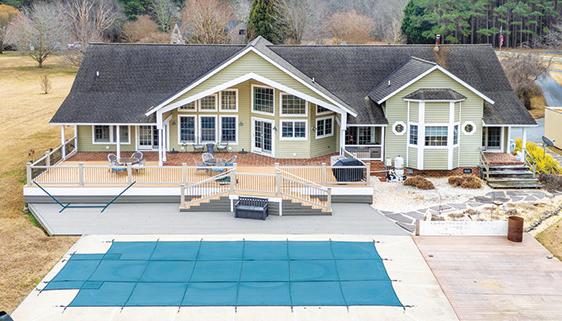
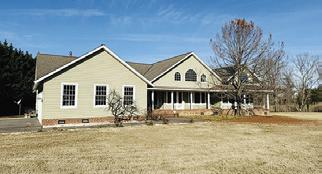
Waterfront living at its finest in Pirate’s Cove, tucked along the serene waters of Trippe Creek. Set on 2.71 waterfront acres and beautifully sited across from a nature preserve, this property offers serenity, sophistication, and sweeping water views. Built in 1986 and thoughtfully reimagined with a custom renovation in 2016, the home blends elegant design and modern comforts in a meticulously maintained, one-level layout featuring three bedrooms and three full baths. Vaulted ceilings and walls of windows fill the living spaces with natural light, creating a bright, open atmosphere throughout. Overlooking the water, the gourmet kitchen is a chef’s delight, featuring a Wolf range with warming drawer, Sub-Zero refrigerator, double wall ovens, quartzite countertops, generous cabinetry, and a spacious island perfect for gathering. The living room, kitchen, and primary suite are all sun-drenched and open seamlessly to the deck, providing stunning water views and creating effortless indoor-outdoor living. The primary suite is a tranquil retreat with expansive water views, a large walk-in closet, and a spa-like en-suite bath highlighted by a stone soaking tub, glass-enclosed shower, and a unique laundry-chute window that connects directly to the laundry room for added convenience. Outside, enjoy summer days by the salt water, in-ground pool or stroll down to your private pier with approximately 4’ MLW— ideal for boating, kayaking, or simply soaking in the peaceful setting. A large attached three-car garage provides ample space for vehicles, storage, and waterfront gear. This is the essence of Eastern Shore waterfront living—refined, relaxed, and ready to be enjoyed.
Travel Dreams Come True
Memories of Adventures in All 50 States
Part 1 by Bonna L. Nelson
God Bless America, land that I love. Stand beside her, and guide her Through the night with the light from above. From the mountains, to the prairies, To the oceans white with foam God Bless America. My home sweet home.
~ From God Bless America by Irving Berlin
God Bless America, our home sweet home! We recently completed our quest to put our feet down in all fifty states! It took us years to accomplish, and we want to share our travel stories with you.
My husband, John, and I are now eligible for the “All 50 Club,” an organization that celebrates the achievement. Our dream came true when we visited our last state, stunning Oregon, traveling from the Cascade
Travel Dreams
Mountains to the Pacific Ocean, from the mountains to the oceans, as Irving Berlin so movingly wrote. (See the Tidewater Times, March 2026 issue, for the Oregon story)
We were surprised to learn from a poll conducted by YouGov that fewer
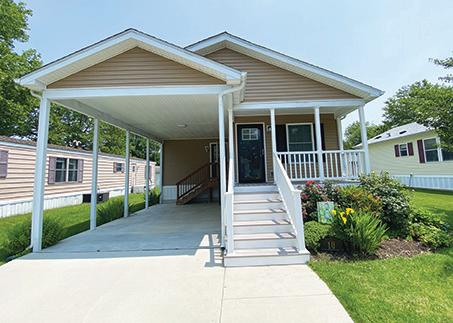
beautiful, spacious, manufactured home, like new, move-in ready in Hyde Park an active 55+ community.
than 2% of Americans have visited every state. The statistics are interesting: most Americans visit 16 to 17 states in a lifetime. 11% of Americans have never left their home state.
Hard to believe, but I met a lady who has never roamed beyond Maryland’s borders. We understand not wanting to leave Maryland. It is our favorite state with its beauty from ocean to Bay to mountains and everything in between. We have explored many of its outstanding towns, parks, museums, and sites.
Considering the geographical size of America, stretching over 2,800-miles from east to west, and 1600-miles from north to south,
Travel Dreams
covering enough space for nearly two billion football fields, visiting all fifty is remarkable and challenging. People often ask us how did we do it? What does it take to get out on the road to see all of America?
We talked about the how and whys of our journeys through America. Here are our thoughts…to travel to all fifty states takes some of the following: passion, commitment, planning, determination, time, expense, structure, and strength. Patience is a major virtue for the expedition. It helps to conduct research and collect information, have a sense of humor, and to add your interest, kindness, and intention to the recipe. We probably missed a few other factors that are helpful for getting to all fifty states, including Alaska and Hawaii,
but you get the picture, you really must want to do it.
Like most people, we have also visited Washington, D.C., a U.S. district. Fewer folks have visited some of the U.S. territories including Puerto Rico and the U.S. Virgin Islands. We loved their people, beaches, food, and my husband, the fishing.
More than the fulfillment of our hopes and goals, our fifty-state travel journeys have brought us unlimited memories funny, romantic, awe-inspiring, spiritual, troubling, astonishing, informative, amazing, and the “Ugh! I’ll never do that again”-type. We enjoyed meeting people, experiencing state cultures and historic sites, savoring cuisines, adventuring in National and State Parks, and the majesty and diversity of our country.
Between the Atlantic and Pacific coasts America encompasses seas, bays, gulfs, rivers, lakes, ponds, creeks, estuaries, and coves. Our country offers glaciers, mountain ranges, volcanoes, rolling hills, woodlands, rainforests, gorges,
Travel Dreams
canyons, valleys, plateaus, desserts, prairies, plains, tundra, grasslands, marshlands, craters, caves, caverns, geysers, waterfalls, islands, and both rocky and sandy seacoasts. We are thankful to have experienced the glorious bounty of our country, and you might enjoy it too.
My husband, John, and I both started traveling with our parents and siblings. Our earliest trips were to Maryland’s (MD) most popular beach town, Ocean City. As kids, we explored the lengthy boardwalk, stopped at the amusement parks to get a buzz on the rides, win toy tickets on the games, hope for a silly prize from the claw machines and eat.
Our favorite boardwalk treats were, and still are, Thrashers French
Travel Dreams national state parks and historic sites in PA, VA, and the Carolinas.
fries. However, we differ on how we adorn the peanut oil, deep fried potatoes. John goes for plain salt, but I smother my big bucket of fries with vinegar and Old Bay seafood seasoning. We are both fans of Dolle’s caramel coated popcorn, and I crave Candy Kitchen’s peanut butter-filled, chocolate flavored, saltwater taffy.
Our family still treks to the Atlantic Ocean every summer for a week. We still jump the ocean waves, sunbathe too much, and dig our toes in the sand. Ever since my parents moved to Bethany Beach, Delaware, when they retired and my brother and family followed, Bethany became our destination.
Our families roamed further as we got older, giving us opportunities to see more of our country’s bounties and learn more about our history and geography. John’s family spent time in West Virginia for his Dad’s work. My family spent years in Bryn Mawr, Pennsylvania for my Dad’s work. My folks took us to the Poconos, PA, Virginia’s Skyline Drive, and various
Our list of states visited began to grow without our being conscious of it. Both of us traveled for our work and began to explore more of the country on vacations, way before we decided to see all 50.
But first after marrying, we moved to Langley Air Force Base, VA, where John was stationed (after basic training in Texas). During that time John also traveled with airmen to California and New England.
Later I had work commitments and, I’ll admit some fun with coworkers in New York City (Times Square and Broadway), Chicago (architecture and Lake Michigan), and San Francisco (the Redwoods and wineries). John touched down in CA, New York, North Carolina, Arkansas, and the Canadian northwest for work.
After our daughter Holly was born winter travel took us to Florida, including Key West, which really is like another country all in itself! We also enjoyed the warmth of the sun on beaches outside of the U.S.
Travel Dreams
in Mexico, Central America, various Caribbean islands.
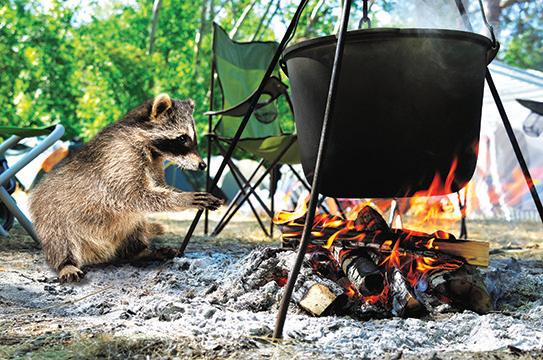
John reminded me of some of our funny escapades, many involving camping. In the Florida Keys, on Islamorada, the tide rose over the coral bank on which we had pitched our tent, flooding our sleeping bags. The same thing happened at a Catoctin Mountain Park campsite in Maryland during a rainstorm. And, in MD’s Elk Neck State Park, we awoke to raccoons scratching our tent and stealing our food.
Funny too was the winter that we hoped to stay in Orlando to take our daughter, Holly, to the parks but it was snowing there so we ended up driving to Key West for warmth. However, Key West was chilly and windy, so we put up our beach chairs in the parking lot between cars to block the wind and capture a little sun.
When we first married, we lived in Virginia near Langley Air Force Base where John was stationed. There we experienced Virginia’s
perspective on the Chesapeake Bay and unseasoned, boiled not steamed blue crabs, and picked up southern accents. More states were explored visiting family and friends including Massachusetts, Georgia, and Minnesota. And we vacationed in Cape May, Atlantic City, Ocean City and Wildwood, New Jersey. The list of states visited was growing without our even realizing it.
Friends introduced us to cruising. Our first cruise was to New England in the full brilliance of fall color. We dined on lobster and clam chowder, explored the waterways, scenic coastlines, parks, and charming towns of this area of the country known for its American colonial history and natural beauty.
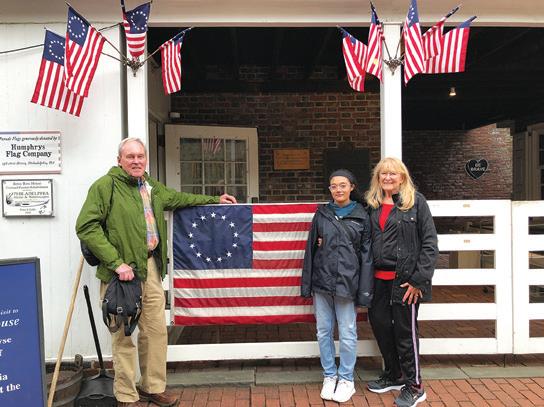
On trips to New York City, we explored the Statue of Liberty, were entertained by the Rockettes and Broadway plays and mourned at the site of the twin towers. I took my mother and mother-in-law on bus trips to Washington, D.C. to browse
Travel Dreams discoveries are some of my greatest joys. Sharing the world through my writing pays it forward.
museums and for boat trips on the Potomac. They looked forward to bus trips to the mountains of MD and VA in the fall, admiring autumn foliage and having lunch in a historic tavern. Granddaughter Bella took her fi rst train trip with us to explore Philadelphia.
While finishing my masters degree as an adult, I was exposed to more of the world doing studies abroad journeying to Turkey, Israel, Palestine, England, France and South Africa with fellow students and professors. Exhilarating! I learned so much about our world, cultures, history, and religions. I also wandered through China and India with close friends.
Over time we developed a great passion for travel and have accumulated a lifetime of experiences and discoveries. My curiosity is insatiable. Learning, studying, seeing, tasting, smelling, experiencing all that the world has to offer and journaling and writing about those global
While work, travel, adventures, and visits took us to many countries and states, It wasn’t until after John and I retired that we started to set some travel goals. My fi rst goal was to see all seven continents which we completed after trips to the Panama Canal and Columbia; Machu Picchu, Peru; Australia, Tasmania, and New Zealand; Italy, Malta, Greece and Turkey, and Argentina, Uruguay, and Antarctica. We will never forget our romantic dinners in Rome and Venice and our amazement during visits to ancient sites in Rome, Greece, Turkey, and Peru.
Then our real determination to see all fi fty states evolved. We hung a U.S. map on a wall. We marked the states that we had visited together and separately. We made a list of the states we both had yet to see. We noticed that we had covered both coasts fairly well, but the interior states needed our attention, and the outliers, Alaska and Hawaii. The discussions and planning began. What to see? When? How? The excitement to see the rest of America, our home sweet home, was building. What came next?
Bonna L. Nelson is a Bay-area writer, columnist, photographer and world traveler. She resides in Easton with her husband, John.
Do you know Ettore Boiardi? I didn’t either, but he used to live in my mother’s kitchen. I didn’t know Chef Boyardee’s real name, Ettore, until my adult leadership and I moved to the Eastern Shore 30 years ago. The chef’s son, Mario, owned a rather large estate here on the Shore. When he passed away, there was considerable hoopla about the Boiardi family, and I was told that Boyardee was a “nom de cuisine” for Ettore. Bet you’re wondering where I’m going with this, aren’t you?
Back to the presence of the chef
It's the Sauce!
in my mother’s kitchen. Six kids in my family: a large Boyardee pizza would feed the lot. And often did. I liked Chef Boyardee’s pies. Nothing fancy at our house. A big sheet pan and the crust was spread thin, not by “the toss” but by the “stretch.” The sauce was slathered on, and there you go, Bob’s your uncle.
Fast forward a few years, and I’m a young sailor aboard an aircraft carrier in the Mediterranean. The folks in charge said pack your ditty bag, you’re going ashore for a week assigned to the shore patrol: Naples, Italy. Confession time: I’m a cracker from North Florida. At age 21, I thought the world was Panama
HAPPY EASTER!
City, Florida, about 40 miles from where I grew up. Back then, Panama City was not worldly, but it was to me. Not so sure about today, but we’re reminiscing here. Okay, we’re in Naples now: real pizza. Real honest to goodness, baked in a fiery oven, enrobed in a succulent tomato sauce, and strewn with cheese unlike any ever stocked in the Piggly Wiggly back home, Neapolitan pizza.
Would you be shocked if I said it was revealed to me there on the shores of the Mediterranean that Chef Boyardee had been pulling a fast one on lots of folks? Real Neapolitan pizza in no way resembles that stuff that came out of a box and a can in my mother’s kitchen. There in Naples, Italy, I learned to love real pizza.
Fifty-eight years and probably hundreds of pizzas since those wonderful Italian pizzas, I feel I can speak as a minor expert on the venerable pie.
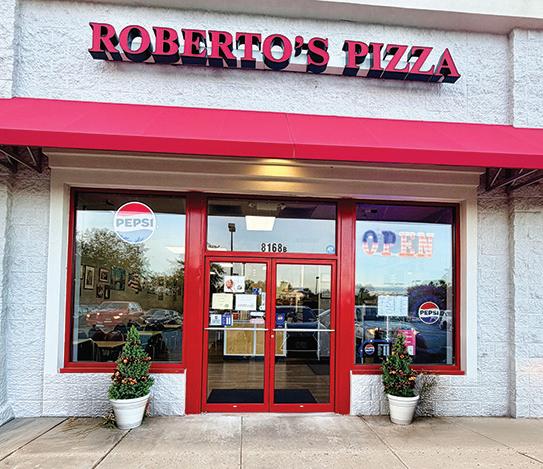
If you’re desirous of a heated discussion with your pals, tell them your favorite pizza place is better than theirs. Haven’t counted the number of pizza places in our area, but I’d say there are a bunch. Having sampled a few, most make good pizza. But there is one, in my humble opinion, that is above the rest: Roberto’s Pizza on Elliott Road, a few doors up from Staples.
A bit of history: It feels like a lifetime ago that there was a Roberto’s
It's the Sauce!
Pizza near the Amish Market. Talbot County employed me back then, and for my young colleagues at the 911 center, Roberto’s was the go-to
place for pizza. Then, suddenly, no Roberto’s. Robert Loforte, the man behind the name Roberto, said he needed a break. He took some time and, with his wife, Sabrina, returned to Sicily for almost a year. Robert grew up on the island. He was born in Pisa, the city famous for its out-of-plumb tower, and as an infant, he was moved to Sicily, where he stayed until he was 17. Then, he and his family moved to America. Olive oil is in his blood.
When Robert and his lovely wife, Sabrina, came home to the Eastern Shore, they traded motor oil for olive oil and opened an automobile repair shop. For 5 years, Sabrina and Robert operated the garage, then, to our great good fortune, “the
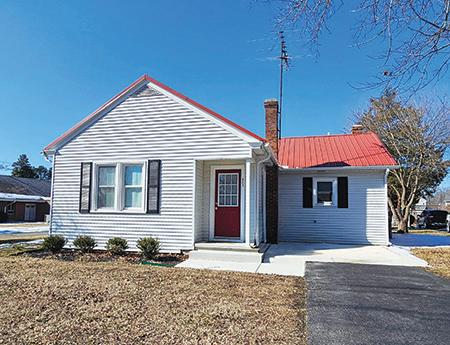
is 2 bedroom end unit has been attractively renovated and is read to be called “home”. Updates include new windows, carpet, luxury plank ooring, recessed lighting, cabinets, stainless steel appliances and fresh paint throughout. A large rear deck wraps around the back and side of the home. e generous basement with a laundry room, workshop now includes a brand new half bathroom. A large workshop and garage with parking.
Tubman Drive, Easton · $410,000
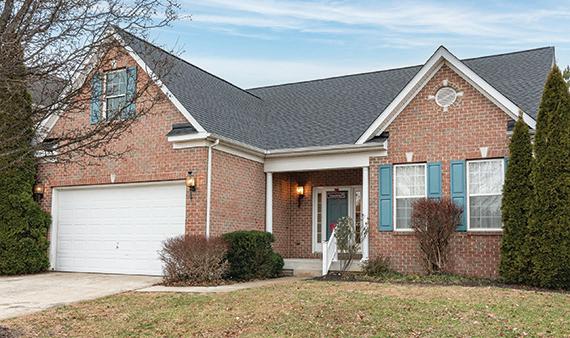
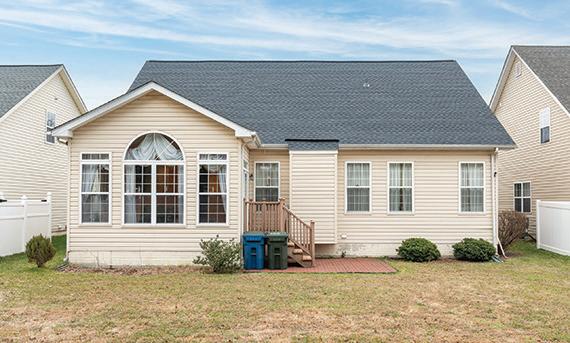
Former Builders Models Home with Many Upgrades! New Roof in December 2025! Tray ceilings, crown molding, chair railings, 9 foot ceilings, an o ce/library, recessed lighting, hardwood oors and more. is 3 bedroom, 2.5 bathroom home has a comfortable layout. e updated kitchen has granite counter tops and 42’ cabinets, leads into a bright sunroom/breakfast room with large windows overlooking the spacious backyard. Beautiful hardwood ooring carries throughout the foyer, o ce/sitting room, the large dining room and family room with replace. e main oor primary bedroom suite has hardwood ooring, a full bathroom with double vanities, soaking tub, shower and walk-in closet. e second oor has 2 bedrooms, a rec room and full bathroom. 2-car garage with built-in storage. Conveniently located across from the George Murphy community pool, schools, hospital and the Easton Point Marina.
It's the Sauce!
siren scent of sauce,” as the poet says, lured them back into the parlor. They opened the new Roberto’s on Elliot Road.
During one of my routine trips to Waldo’s for paper products, the Walmart across the street from Roberto’s, I noticed its newly reopened restaurant. “Could it be,” I wondered, “that truly great pizza has reemerged from the mists?” Yeppers, indeed it had. So I, figuratively, knocked on his door and inquired. He graciously agreed to answer my questions, offered me a cup of coffee, and we talked about pizza and the restaurant business—both of which I know very little about. Good coffee!
This is a good place to say I’m big on healthy food. Having passed my “sell by” date and recently becoming an octogenarian, I’m big on healthy food. I’m the cook at our house, and I try to cook healthy. My adult leadership approaches healthy food
with fanaticism. I was intrigued by Robert’s approach to healthy pizza, which is almost an oxymoron.
My sweet mama rarely said anything negative about anyone. I do, however, remember one snarky comment about a guy in our church who was a bit loquacious. “He does go on!” was her remark, and it said a lot. I don’t want that to be said about me, so I’ll get to the point. Flour! I think you will agree that flour is key in an Italian-themed restaurant. Roberto’s is no different, but his flour is. Imported from Italy, it arrives in large bags stacked in his storage area. When asked how something as simple as wheat flour could be different, his facial expression says a lot. It is flour. It is wheat. It doesn’t have all that stuff that makes your grocery store flour’s ingredient list look like the packing list for your kid’s chemistry set. Just pure, naturally white, bestin-the-world Italian flour.
Add to that wonderful flour and tomato sauce, also from Italy, which comes from tomatoes grown in fields untouched by anything other than sweet rain, and there you have
EASTERN SHORE REAL ESTATE Specialist
XCEEDING EXPECTATIONS:
Lona has lived on the beautiful Eastern Shore her entire life. Her local knowledge and connections make her an expert in the area. Lona has a reputation for putting her client’s needs rst which she believes is at the heart of her success. Providing customer service with honesty and integrity is important to her. She also understands that buying and selling a home is more than just a transaction; it is a life-changing experience.
It's the Sauce!
it. Add extra-virgin olive oil, coldpressed, and you can create almost any Italian dish. Oh yeah, cheese: Roberto’s cheeses would make any cow proud. All this stuff in the popular press about the Mediterranean diet: Well, Bunky, it isn’t new. Robert said on his visit back home to Sicily, his wife, Sabrina, ate more and lost weight. That is real, honest, no-additive food.
My mama is whispering in my
ear that I’ve been talking too long, so I’ll wrap this up. Healthy food is more than just healthy ingredients. Robert’s establishment sparkles, and I’m particular about that. I won’t do business with tradesmen whose vehicles have rusty wheels. Details matter! Take care of your equipment, and you probably care about your work. No figurative rusty wheels at Roberto’s. The $60,000-dollar electronically controlled hood over the stove alone says a lot.
I’m glad to see a new Roberto’s Italian restaurant. Roberto’s menu is inclusive. I have no doubt his pasta al pomodoro will match his
pizza in every way…and I plan to fi nd out soon. Roberto, thank you for your hospitality and for educating me about what it means to serve healthy Mediterranean food. Check out Roberto’s: buon appetito!
William Stephen Dial achieved Masters Degrees in International Affairs and National Security Studies. Bill’s 31 years in the navy started as a Seaman Recruit and finished in June 1994 as a Captain. Bill has been a certified SCUBA Instructor, a Accredited Marine Surveyor, a Certified Emergency Manager and an Emergency Medical Technician. Bill is married to Susie and has 11 grandchildren. out
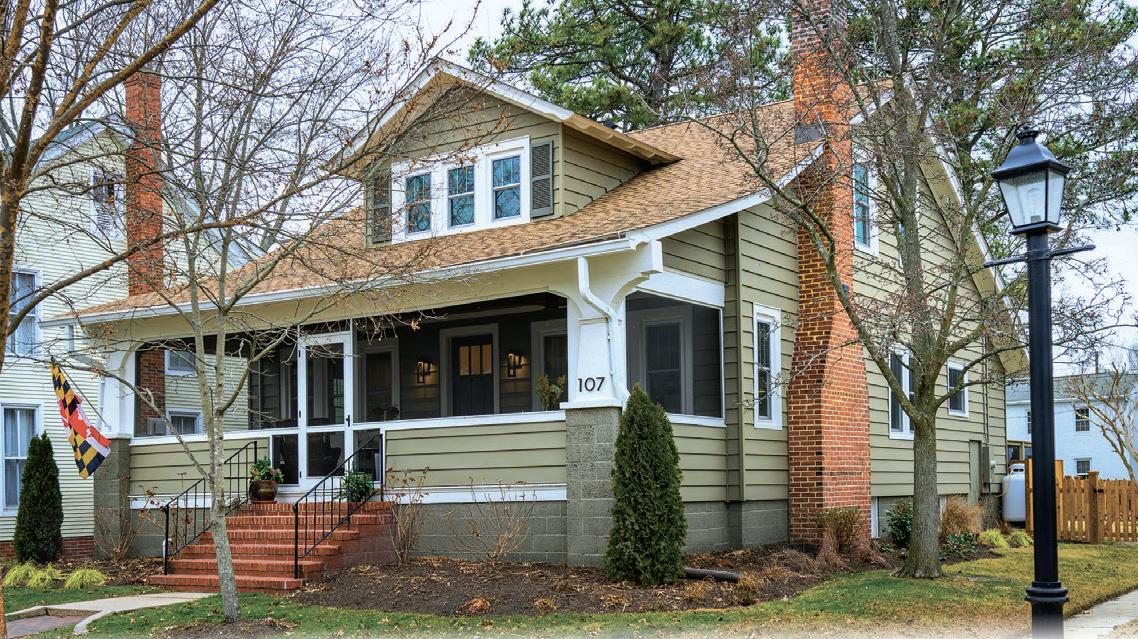
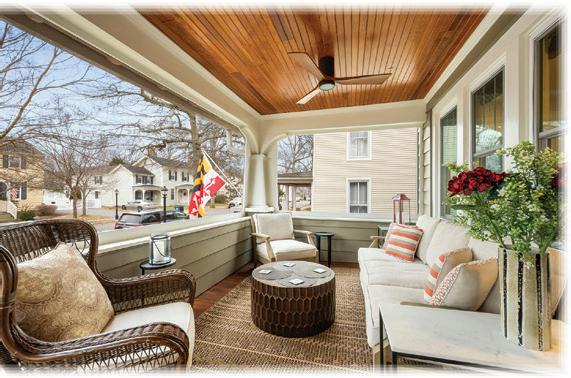
107 W. Chestnut in St. Michaels, MD, a charming 3BR, 2BA Craftsman cottage on one of the town’s most coveted tree-lined streets. Designer finishes highlight thoughtful lighting and preservation of the home’s original character. A welcoming screened front porch showcases beautiful woodwork and sets the tone for this movein ready Eastern Shore retreat near the restaurants, boutiques, and marinas of historic downtown St. Michaels.
228 Perry Cabin Drive in St. Michaels, MD, a rare 6BR, 6BA custom double townhome in a premier waterfront setting adjacent to the renowned Inn at Perry Cabin. Light-filled interiors, gourmet kitchen, and a main-level primary suite with enclosed porch and spa bath. Fully owned solar panels with backup batteries. Two deep-water boat slips just steps away. Designed for effortless entertaining.
Miracles, All by Michael Valliant
Albert Einstein is frequently credited with having said, “There are only two ways to live your life: as though nothing is a miracle, or as though everything is a miracle.” No one can find where he wrote that, but it sure sounds like something he would have said. Whoever said it, the thought strikes me as profoundly true and it has stuck to my soul since I first read it years ago. Here’s why.
Let’s look at three things that
don’t seem to go together at first glance: brain surgery, friendship and community, and our unique gifts and talents.
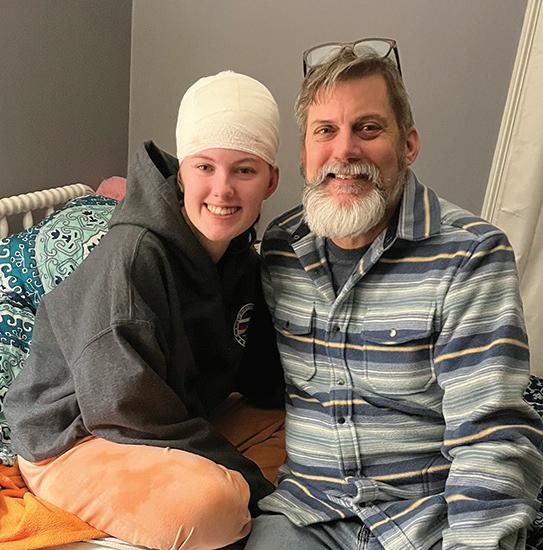
My younger daughter Ava developed epilepsy when she was 10 years old. I’ve written about our journey with epilepsy and the way life throws us curve balls, and how it was the gratitude of bringing Ava home from the hospital to start her 5th grade year at school, which started my faith journey in earnest.
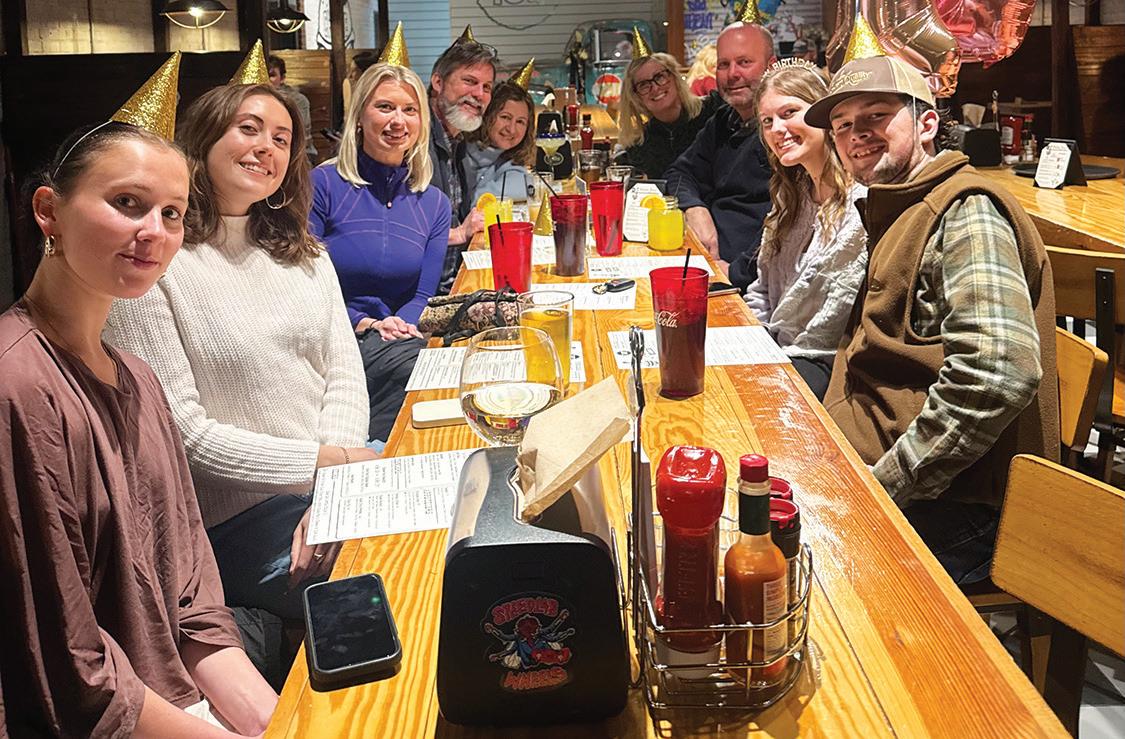
Ava, with family and friends, at a recent birthday party.
Miracles,
Last month, Ava had brain surgery at Thomas Jefferson University Hospital in Philadelphia to implant a Responsive Neurostimulator. This is the best succinct explanation I have found for what RNS does:
“Responsive Neurostimulation (RNS) is an FDA-approved, closedloop system for treating drug-resistant epilepsy, acting as a “pacemaker” for the brain to detect and stop seizures before they happen. Implanted in the skull, the RNS device continuously monitors brain activity, delivering small electrical pulses to neutralize abnormal signals.”
There have been some bumps and turns on Ava’s road to recov-
ery, as happens. All of her journey, or anyone’s journey with epilepsy, leaves its scars. Some of those scars are beautiful, many marked with gratitude. This month, the neurologists at Thomas Jefferson will turn Ava’s RNS on and it will start learning her brainwaves and her seizures
Wash away WINTER GRIME!
Miracles, All
and over the course of the next year it will train her brain not to have seizures, in as much as it can. RNS therapy is shown to reduce seizures by 70 to 80 percent.
To live in a world where doctors and surgeons can put a device on someone’s brain that teaches it how to not have seizures is a miracle. When I talk to family and friends and some of the things, from quality of life to life itself, that modern medicine and technology make possible, miraculous is the only word I have for it. In the history of human civilization, we have tapped into things that if they don’t make you marvel at the world we live in, you aren’t paying attention.
Friendship and community. There are times in life, maybe frequently if you are an overthinker like I am, when feeling alone and isolated is where we are. There is a likelihood that we will return to those moments. But maybe you’ve had the experience of a friend reaching out
to check on you. Maybe you’ve felt what it’s like to be stuck in the void of aloneness and to have that broken up by someone caring about you.
There is the miracle of technology and then there is a totally different kind of miracle: connection. If you have friends or family in your life who care about you, who support you, who challenge you, who keep you from feeling alone, especially in tough times, that feeling of connection is a miracle.
For the people who think that existence is the result of scientific processes alone, that there is nothing that physics, chemistry, and the like can’t explain—all of those fields have their places and purposes for helping us to understand the universe and world around us, absolutely. But the feeling of being connected to other people, the feeling of friendship, extended into community, there is not an equation or a proof that does justice to the experience of love and compassion.
Part of my experience of this type of love, friendship, and community has come out of Ava’s journey. People sending texts, cards, messages, calling, over the past ten-plus years, whenever something has come up, people have cared. Multiple people have said, “I pray for Ava every day.” I don’t have words to express what that feels like. We’ve experienced it with my wife Holly and her surgery, as well as for celebrations when life gives us wonderful moments.
If you have felt what if feels like to be loved and to know the connection of friendship and community, I hope you have the chance to offer that to others in your life, so that they can know what it is to be connected, cared for, and loved. Love is a miracle. One that we can make real for each other.
When I watch my older daughter Anna interact with people, ask questions that most people don’t ask—the kind of questions that show she is listening and wanting to know more, I witness what it is like to see someone using their gifts. Conversation is a gift of hers. When I watch children and pets flock to her pied-
friends? Tackling your daily commute like a boss? Make getting there the fun part.
different gifts—that people can grow up together, same parents, neighborhoods, schools, and be very different is remarkable. But going beyond that: when you witness a teacher teaching, a chef cooking, a dancer dancing, read something from a writer who speaks to you; when you experience someone doing something that they love and that they work at to get better, something that they excel at, our multi-faceted, diversely talented world presents itself as a miracle.
When our communities thrive, it is because the various talents, joys, and passions of people are engaged and in play, contributing to the whole. Our common good is achieved when each person is able to find, learn, and employ what makes them uniquely themselves and offer that to the community where they live.
That’s not an accident or a co-
incidence. We are made to be different than each other in ways that complement the whole. Even we hermits who frequently prefer to be left alone in our solitude can experience this interconnectivity and need for community.
I am writing this while in a hospital room in Philadelphia, where an unexpected turn during Ava’s recovery from surgery has us regrouping. It’s a short stay where we’ve received the hospitality, kindness, and skills of nurses, EEG technicians, neurologists, orderlies, cafeteria workers, and front desk staff. Where the technology and modern medicine that have supported Ava for the past 10 years help us assess the best way forward. Where text messages and e-mails and phone calls from people checking in and asking how they can help, buoy and assure us. Where every aspect of these things, and so many more, are miracles, all.
“There are only two ways to live your life: as though nothing is a miracle, or as though everything is a miracle.”
Einstein was onto something. They are miracles, all.
Michael Valliant is the Assistant for Adult Education and Newcomers Ministry at Christ Church Easton. He has worked for non-profit organizations throughout Talbot County, including the Oxford Community Center, Chesapeake Bay Maritime Museum and Academy Art Museum.
Taste of Easton and Restaurant Week 2026
Taste of Easton, presented by Bluepoint Hospitality, kicks off on Sunday, April 26th, from 1 to 4 p.m. at the historic Tidewater Inn. Easton eateries like Bas Rouge, Legal Assets, The Wardroom, Tiger Lily, Hunters Tavern, and many others will be offering samples of their most beloved dishes, giving attendees a culinary tour of the town and a tempting preview of what’s to come during restaurant week.
Attendees will also enjoy a delightful celebration with raffles for fantastic prizes, lively music, and delicious food.
Restaurant week will run from April 27th to May 2nd, with all of the amazing eateries that make Easton a culinary gem putting their best foot forward with 3-course, chef-curated meals, special menu items, and deals guaranteed to please the palate.
Restaurants, Bakeries, ice cream shops, and other eateries in and out of downtown Easton will be open, so you can enjoy the best of what Easton has to eat, all week.
“We couldn’t be more excited
to work together with our incredible eateries for this event,” said Tom Maglio, Events and Marketing Manager of Easton EDC. “Easton has always been a hub for amazing and diverse food from all backgrounds that really give you that Eastern Shore flavor, and we’re happy to highlight the cuisine and unique ambiance of our eateries.” Visit DiscoverEaston.com to find out more and grab your tickets for the exciting Taste of Easton Kickoff Event before they sell out! We can’t wait to see you there from April 27th to May 2nd for Taste of Easton, sponsored by Bluepoint Hospitality.
Events for April 2026
THURS. 4/2 - Arty Hill & the Long Gone Daddys - Stoltz - 7 & 9 p.m.
FRI. 4/3 - An Evening of Musical Comedy w/B.U.S.S.I. featuring Daphne London - Stoltz - 7 p.m.
SAT. 4/4 - Eilen Jewell - Avalon - 7 p.m.
THURS. 4/9 - Goldpine - Stoltz - 7 p.m.
SAT. 4/11 - Thomas Nicholas Band - Avalon - 7 p.m.
Meet and Greet Thomas Nicholas at 6 p.m.
TUES. 4/14 - Ukulele Orchestra of Great Britain - Avalon - 7 p.m.
THURS. 4/16 - Mark Erelli - Stoltz - 7 p.m.
FRI. 4/17 - Theatre Works USA “The Pout Pout Fish” - Avalon - 6 p.m.
Easton Farmer’s Market Every Saturday from 8-12 114-126 N. Harrison Street, Easton
Journalist Jeffrey L. Katz to Speak at Temple B’nai Israel
Journalist and author Jeffrey L. Katz comes to Temple B’nai Israel—the Satell Center for Jewish Life on the Eastern Shore—on April 9 at 7 p.m. to discuss his provocative new book re-examining Germany’s belated efforts to come to grips with the Holocaust. The book, Unsettled Ground: Reflections on Germany’s Attempts to Make Amends , is a personal tale of remembrance, responsibility and reconciliation. Katz’s book gives a fresh appraisal of Germany’s ongoing struggle to take responsibility for the Holocaust. All are welcome, but advance registration is required at https://bit. ly/40Iv5wR or by calling B’nai Israel at 410- 822-0553.
Much of what’s been written about Germany’s remembrance movement focuses on memorials and museums as acts of contrition, as if these alone could heal old wounds. Unsettled Ground goes deeper. It explores the background and motives of memory activists, recognizes that some of their actions are performative and analyzes the movement’s successes and limitations in a country that still contends with antisemitism, xenophobia and racism.
Unsettled Ground differs from
most books written about the Holocaust in that it focuses less on atrocities committed during the Nazi regime than on Germany’s fitful attempts to come to grips with them in the years afterward. The book is written in an engaging, conversational style by a veteran journalist who brings a personal perspective to his travels in Germany as a child of Holocaust survivors.
Unsettled Ground considers the place that the Holocaust holds in our collective memory as successive generations grapple with an appropriate response, tolerating differences among peoples be -
Unsettled Ground
comes more tenuous and the U.S. struggles to fully address its own painful past.
The book has drawn praise for its original approach. Historian Peter Hayes, author of Why? Explaining the Holocaust, calls it “a remarkably balanced and human portrait of the benefits and limits of reconciliation over time and space.” Marc Fisher, author of After the Wall , says, ‘Katz pushes to find what really drives people to dig among the shadows of a past that still hides so much pain.” And Alexander Wolff, author of Endpapers , says, “Katz deftly takes up larger, knottier questions of
410-822-7716 · 7 S. Washington St., Easton visit us online at www.crackerjackstoys.com
public history and collective remembrance in this courageous, nuanced and generous book.”
Katz has written and spoken frequently about Germany’s reconciliation efforts and his connections to a new generation there. His stories have been featured by NPR, both on-air and online, Moment Magazine and various newspapers. For more than four decades, Katz reported, edited and managed at local and national news organizations in print, broadcast and online. His editing experience included 15 years at NPR.
More recently, Katz has indulged his love of books by working as a part-time bookseller.
Coffee reception and book signing follow the program.
Cornhole Shootout. Let’s get outside!
Caroline County – A Perspective
Caroline County is the very definition of a rural community. For more than 300 years, the county’s economy has been based on “market” agriculture.
Caroline County was created in 1773 from Dorchester and Queen Anne’s counties. The county was named for Lady Caroline Eden, the wife of Maryland’s last colonial governor, Robert Eden (1741-1784).
Denton, the county seat, was situated on a point between two ferry boat landings. Much of the business district in Denton was wiped out by the fire of 1863.
Following the Civil War, Denton’s location about fifty miles up the Choptank River from the Chesapeake Bay enabled it to become an important shipping point for agricultural products. Denton became a regular port-ofcall for Baltimore-based steamer lines in the latter half of the 19th century.
Preston was the site of three Underground Railroad stations during the 1840s and 1850s. One of those stations was operated by Harriet Tubman’s parents, Benjamin and Harriet Ross. When Tubman’s parents were exposed by a traitor, she smuggled them to safety in Wilmington, Delaware.
Linchester Mill, just east of Preston, can be traced back to 1681, and possibly as early as 1670. The mill is the last of 26 water-powered mills to operate in Caroline County and is currently being restored. The long-term goals include rebuilding the millpond, rehabilitating the mill equipment, restoring the miller’s dwelling, and opening the historic mill on a scheduled basis.
Federalsburg is located on Marshyhope Creek in the southern-most part of Caroline County. Agriculture is still a major portion of the industry in the area; however, Federalsburg is rapidly being discovered and there is a noticeable influx of people, expansion and development. Ridgely has found a niche as the “Strawberry Capital of the World.” The present streetscape, lined with stately Victorian homes, reflects the transient prosperity during the countywide canning boom (1895-1919). Hanover Foods, formerly an enterprise of Saulsbury Bros. Inc., for more than 100 years, is the last of more than 250 food processors that once operated in the Caroline County region.
Points of interest in Caroline County include the Museum of Rural Life in Denton, Adkins Arboretum near Ridgely, and the Mason-Dixon Crown Stone in Marydel. To contact the Caroline County Office of Tourism, call 410-479-0655 or visit their website at www.tourcaroline.com .
Easton
Map and History
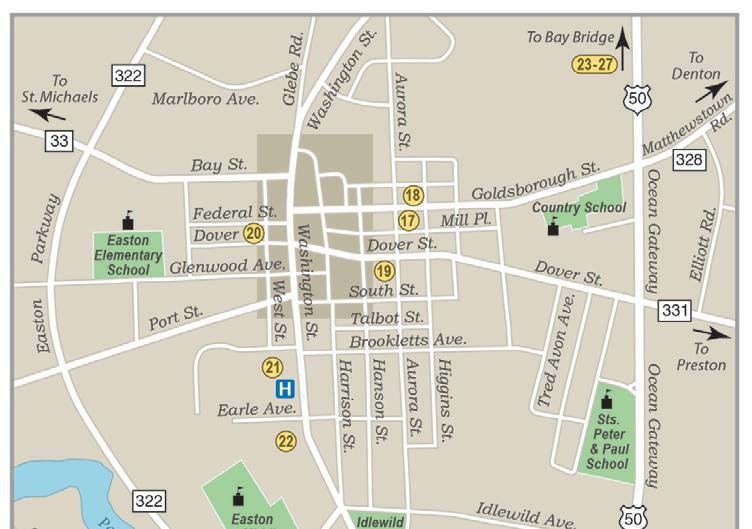
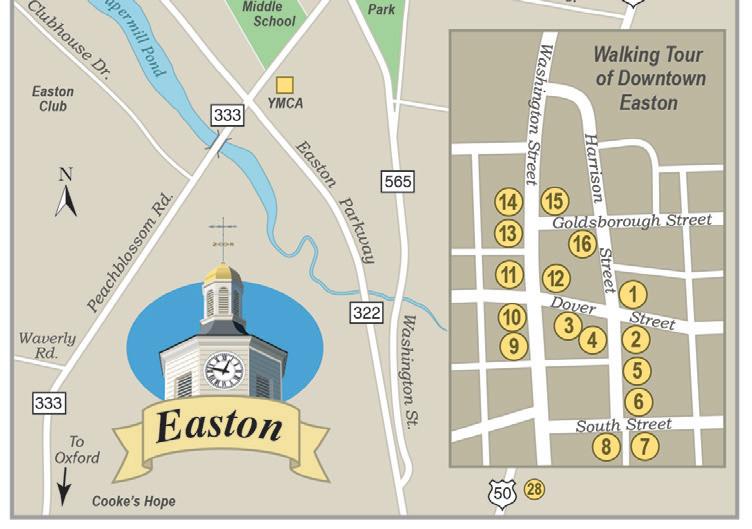
The County Seat of Talbot County. Established around early religious settlements and a court of law, Historic Downtown Easton is today a centerpiece of fine specialty shops, business and cultural activities, unique restaurants, and architectural fascination. Treelined streets are graced with various period structures and remarkable homes, carefully preserved or restored. Because of its historical significance, historic Easton has earned distinction as the “Colonial Capitol of the Eastern Shore” and was honored as number eight in the book “The 100 Best Small Towns in America.” With a population of over 16,500, Easton offers the best of many worlds including access to large metropolitan areas like Baltimore, Annapolis, Washington, and Wilmington. For a walking tour and more history visit https:// tidewatertimes.com/travel-tourism/easton-maryland/.
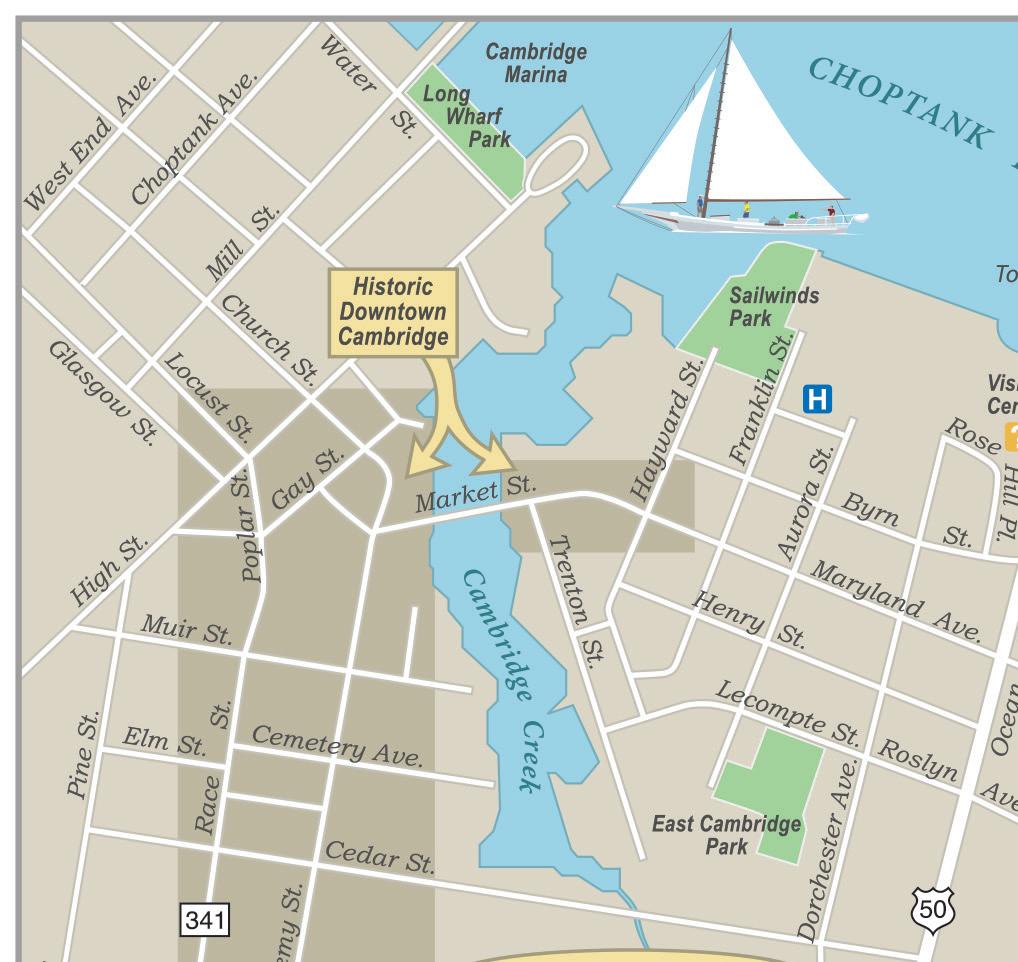
Dorchester Map and History
Dorchester County is known as the Heart of the Chesapeake. It is rich in Chesapeake Bay history, folklore and tradition. With 1,700 miles of shoreline (more than any other Maryland county), marshlands, working boats, quaint waterfront towns and villages among fertile farm fields – much still exists of what is the authentic Eastern Shore landscape and traditional way of life along the Chesapeake.
For more information about Dorchester County visit https://tidewatertimes.com/travel-tourism/dorchester/.
TIDEWATER GARDENING
by K. Marc Teffeau, Ph.D.
April Activities
Finally, winter has made its exit after a brutal season, and warmer weather is here! In past April columns, I have quoted T.S. Elliot’s first line in his poem The Wasteland: “April is the cruelest month…” Let’s hope that this April is the best month for gardening! But always be on guard for the final winter cold front, which seems to arrive at the end of April or early
May. Be prepared to cover transplants if this occurs.
There are many activities to do in the landscape this month. After the daffodils, hyacinths, tulips and other spring bulbs have flowered, cut the flower stalks back to the ground. Do not cut the foliage until it dies naturally. The bulb leaves are necessary to produce strong bulbs capable of reflowering next
Tidewater Gardening
spring. Fertilize the bulb plantings after flowering with a 10-1010 fertilizer at the rate of 3 lbs. per 100 sq. ft.
Check out your bulb plantings while in bloom to be sure the new growth of other tree or shrub plantings has not shaded them. If
FRANK E.DAFFIN, INC.
they have, you may need to move your bulbs to a new, sunny location in fall or prune back the plantings. Label overcrowded, non-blooming daffodils, then dig up and divide them once the tops die back to encourage blooming. Plant them in fall in new locations to give color next spring.
For springtime lawn care, now is the time to apply pre-emergent herbicide for crabgrass control in the lawn. The most effective way to control crabgrass is to mow your lawn at least two inches high. The higher the grass height, the more shade the soil surface gets. Crabgrass seed needs light to germinate, so if you reduce the light, you reduce your crabgrass population, not to mention having a thickerlooking turf.
In the pruning department, you can prune out the water sprouts and sucker growths that we find in the crabapples and other spring-flowering trees. However, wait until springflowering shrubs like azaleas, lilacs, forsythia and rhododendrons have finished flowering before pruning.
Prune needled evergreens now if needed. This includes cutting back the “rat tails” on yews. To keep needled pines and whorlbranched conifers short and bushy, pinch branch candles in
half. This will cause the plants to branch out instead. Pinching by hand rather than using pruning shears is recommended because pruning shears leave the needles with brown tips.
Prune the dead canes in the roses back to 3”. All other canes can be pruned back to 6 to 12”. Remove all the debris from the
Tidewater Gardening
plants. Clean up the iris beds of old, dead foliage, flower stalks and diseased rhizomes. This will help to reduce iris borer problems later this spring.
Flower bed activities in April include dividing chrysanthemums. Lift, divide and replant chrysanthemums as soon as new shoots appear. Each rooted shoot or clump will develop into a fine plant
for late summer bloom. Pinch out the top of the plants when they are about 4 inches tall to thicken them. You can also take chrysanthemum cuttings now through mid-June for flowers in the greenhouse during fall and winter.
Besides chrysanthemums, many popular perennials can be divided now, including phlox, fall asters, Shasta daisies, baby’s breath and liriope. Set up a plant exchange with friends and neighbors to share the excess.
Now is also the time to plan and plant perennial flowerbeds. One design technique to increase the apparent length of your flower borders when viewed from inside is to place the majority of warm-
Tidewater Gardening
and hot-colored perennials (yellows, oranges and reds) nearest the house. Concentrate on the blues, which tend to appear more distant, in the second half of the garden. Along with the blues, they include some pink and mauve flowers. Plants with silver foliage can be used to provide a unifying ground color throughout.
The actual dimensions of the borders and the paths separating them help increase the illusion of distance. In a 20-foot-long border, make the planting about 1 ½ feet narrower and the path about 1 foot narrower at the end away from the house.
If you would like to attract hum -
mingbirds to the flower border this year, plant red or orange flowers. Monarda (bee balm) is a good perennial to provide nectar for these small birds. April is also a good time to scatter annual poppy seeds in flower borders. The fine seeds need no covering. The plants grow rapidly and provide colorful flowers in early summer.
Including perennial ornamental grasses in the landscape and flowerbeds is always an option. The 2026 Perennial Plant of the Year® from the Perennial Plant Society (PPA) is Andropogon gerardii ‘Blackhawks’ Bluestem. According to the PPA, “With near-black coloration and a strong vertical habit, ‘Blackhawks’ big bluestem adds drama to the fall garden. Foliage emerges dark green, developing reddish purple tips as the summer progresses. In August, threeparted “turkeyfoot” inflorescenc -
es arise, and by September, the leaves, stems and blooms take on a deep purple hue. More compact than other big bluestem cultivars, ‘Blackhawks’ reaches five feet tall by two feet wide.”
The PPA goes on to note, “Big bluestem is one of the dominant grasses in North America’s once extensive tallgrass prairies. Its leaves and stems provide cover and nesting material for birds and serve as a larval food source for several species of skippers. It will remain a single, dense clump but may be reseed in the garden. This species has no major pest or disease problems and requires no maintenance other than cutting back to the ground in late winter.
Big bluestem is extremely drought tolerant once established, which may take a few years.” More information on this plant can be found at perennialplantoftheyear. com/2025/07/28/andropogon-gerardii-blackhawks//.
If we have a warm April, we might plant annuals in the landscape a week or two earlier than usual. However, don’t rush to work
Tidewater Gardening
the garden soil when it is wet. If you do, you will destroy the soil structure. The easiest test to determine whether the soil is ready to work is to squeeze a handful into a tight ball, then break it apart with your fingers. If the ball of soil readily crumbles in your fingers, the soil is ready to work. If it stays balled, however, it is too wet to work. Wait a few days and do the test again.
When purchasing bedding annuals this spring, choose plants that are properly grown and have good color. Buy plants with welldeveloped root systems that are vigorous but not too large for their pots. Also, when you are out shopping for annual flowers, look for plants with lots of unopened buds. Plants in the pack that bloom are often root-bound and can be set back by several weeks after transplantation. Plants that are not yet in bloom will bloom sooner, be better established and grow faster.
The same suggestions apply to vegetable transplants such as tomatoes and peppers. Don’t buy a tomato or pepper plant that already has flowers on it or has set fruit. If you do, be sure to remove all flowers and existing fruit before planting. Transplanting fruiting plants will delay their production. You will get a quicker crop by planting non- flowering plants.
Besides buying non-flowering or limited-flowering transplants, there are a few other guidelines. Look for plants that are stocky and compact, not leggy. Make sure the plants are dark green and have no diseased foliage. Check the undersides of the leaves for whiteflies and the new, succulent stems for aphids. One of the easiest ways to avoid insect and disease problems is to avoid importing them into the garden.
By the way, it’s always a strong temptation to rush the planting season in April, especially for warm-season crops like tomatoes, peppers, squash and cucumbers. If you try to get too much of a jump on the weather by setting out tender plants and seeds now, you are in for nothing but trouble.
Tidewater Gardening
The exception to this is coolseason crops like broccoli, cabbage, cauliflower and onions. The average last frost dates in Caroline County and Talbot are April 16 and April 17, respectively. This date can vary between 5 to 10 days depending on your location in the county and your proximity to a body of water, such as a river, creek or the Bay. However, my experience over 35 years on the ‘Shore is that we can get a killing frost the first week of May, so be prepared to protect early plants in the garden with a fabric cover, basket or similar covering.
Late April is a good time to plant dahlia tubers. If you dug up and stored dahlia tubers over the
winter, one easy way to determine whether they have survived storage is to sprout them indoors in a warm, well-lit spot.
Fill the bare spots in the flowerbed with moss roses and Portulaca, and feed regularly to encourage blooms into the summer. Besides planting annual and perennial flowers to attract hummingbirds, think about adding some woody plants to the yard to provide nectar for our smallest native birds. Some common trees visited by hummingbirds include buckeye, horse chestnut, catalpa, apple, crabapple, hawthorn, silk tree, redbud and tulip poplar. Shrubs include azalea, beauty bush, coralberry, honeysuckle, lilac, New Jersey tea and red weigelia.
Happy Gardening!
Marc Teffeau retired as Director of Research and Regulatory Affairs at the American Nursery and Landscape Association in Washington, D.C. He now lives in Georgia with his wife, Linda.
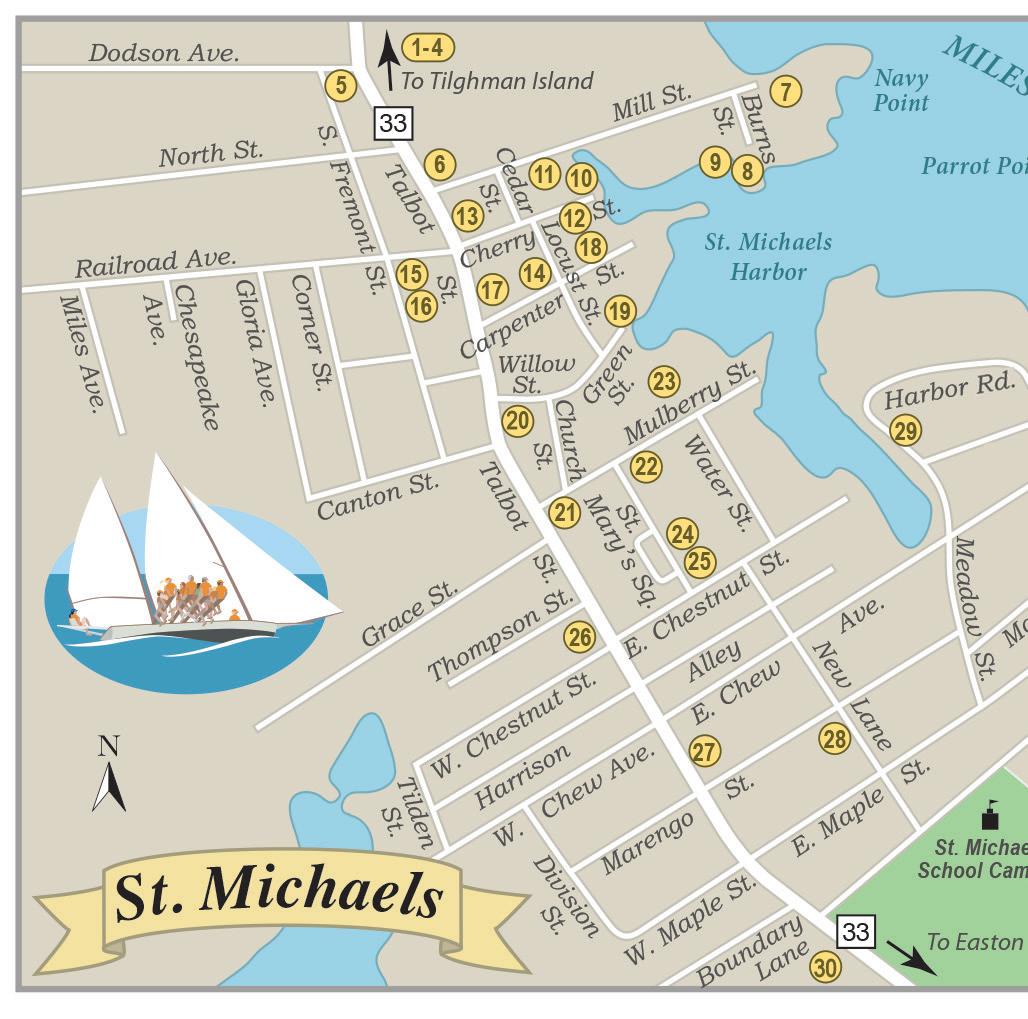
St. Michaels Map and History
On the broad Miles River, with its picturesque tree-lined streets and beautiful harbor, St. Michaels has been a haven for boats plying the Chesapeake and its inlets since the earliest days. Here, some of the handsomest models of the Bay craft, such as canoes, bugeyes, pungys and some famous Baltimore Clippers, were designed and built. The Church, named “St. Michael’s,” was the first building erected (about 1677) and around it clustered the town that took its name.
For a walking tour and more history of the St. Michaels area visit https://tidewatertimes.com/travel-tourism/st-michaels-maryland/.
The Compulsive Crabber by
A.M. Foley
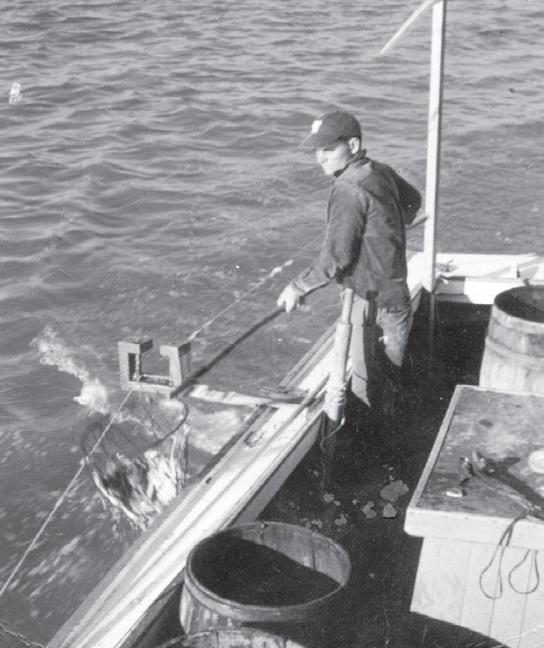
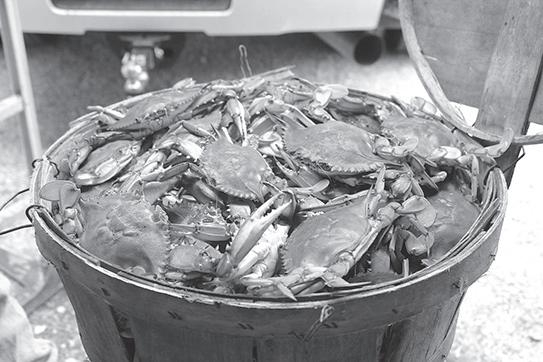
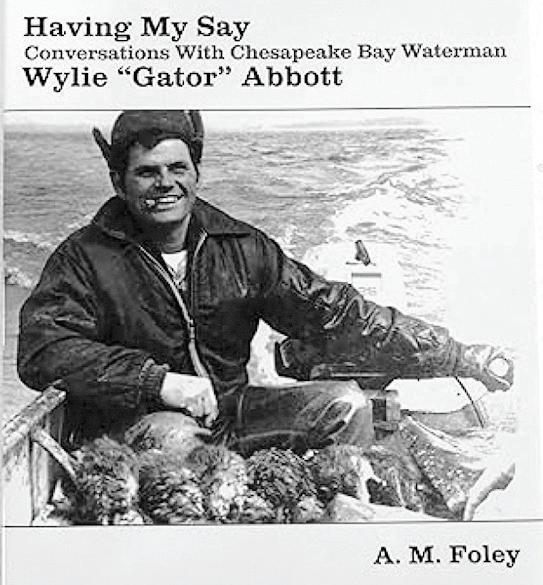
The first of April in Maryland triggers much more than April Fool’s Day. In fact, maybe it should be a state holiday: Crab Opening Day. For my late neighbor Wylie Abbott Sr., April first was effectively New Year’s Day. “Gator” to his many friends, Wylie was a waterman to his core, where it blended well with his Native American DNA.
Wylie much preferred to employ himself out-of-doors: hunting, trapping and working on the water. Occasionally he had to surrender to indoor employment, as when he hired on as a pipefitter at duPont. For a time, he commuted daily from Elliott Island to Seaford with a neighbor, Dick, who knew that arrangement wouldn’t last long. As Dick told Wylie, “You’ll hang on for a while, till you hear somebody caught a bushel of crabs. Then you’ll be gone, no matter what duPont’s paying.”
Like Wylie, Dick grew up helping his father trap muskrat on Dorchester County’s boundless marshes. He understood Wylie well but still got surprised once in a while. They commuted over what was then a one-lane road across miles of marsh below Vienna. As
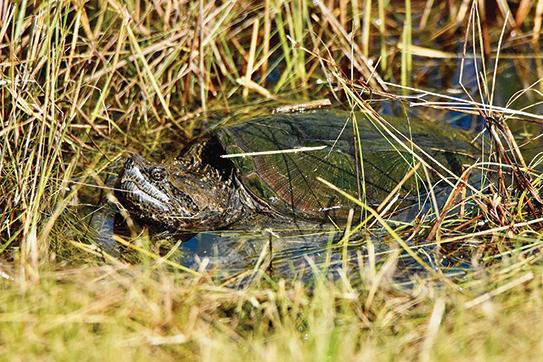
Dick’s pickup snaked around Savannah Lake toward home late one afternoon, Wylie suddenly called, “Stop!” He jumped out the passenger door, took off across the marshy verge and waded into the lake. When he came back, soaked to his knees, he held a good-sized snapping “turkle.” Across the marsh, from the moving vehicle, he’d somehow spied its small head breaking the water’s surface. He couldn’t resist it.
Born in 1940, Wylie grew up “down below” in Dorchester County, in the scattered community of Robbins, where water was never far
The Compulsive Crabber
away. He and his younger brother, Jimmy, were about thirteen and twelve when their father judged the boys ready to start crabbing seriously. They weren’t particularly big, but they were strong and savvy around boats. Their father, Winnie, and his brother Parks built
them what Wylie called a mansized boat: “An old wreck lay up on the bank at Shorters Wharf—a big boat about 40 foot long. Daddy and Uncle Parks cut her into three parts and made me and Jimmy a boat out of it.
“They took out the middle section that was rotten and joined the bow and stern pieces into a 28-foot boat—big in those days for anybody. Before they went to work on her, she was a regular squaresterned power boat, but they made her into a dovetail. I guess they just wanted to see what they could do. She was a sharp-looking thing when they got her done.”
The former owner, who hadn’t charged anything for his boat,
undoubtedly felt surprised to see her resurrected. Winnie bought the boys a used, inboard, 6-cylinder Chevrolet motor. Captain Wylie and mate Jimmy were ready to take off crabbing—launched for life. Winnie checked to make sure they’d loaded enough gasoline to get them harbored in Farm Creek for their next day’s work. (They hadn’t.)
Crab pots are banned in Fishing Bay, so the boys had trotline aboard as they followed twists and turns of the Blackwater River past familiar sights: “down reaches we knew like Backgarden Creek, Robbins Landing, Snare Pole Gut, Ther’fer [Thoroughfare], then farther than we’d ever been before.”
After twelve miles, they were harbored at Farm Creek. “Next morning, we’d be crabbing ‘out front’ like Daddy and the other men.”
Within a few years, Jimmy was in the army and Wylie was married with a young family to support. In the brutal winter of 1976-77, a hard freeze ended oyster tonging. Wylie and a restless pal, Grant, heard
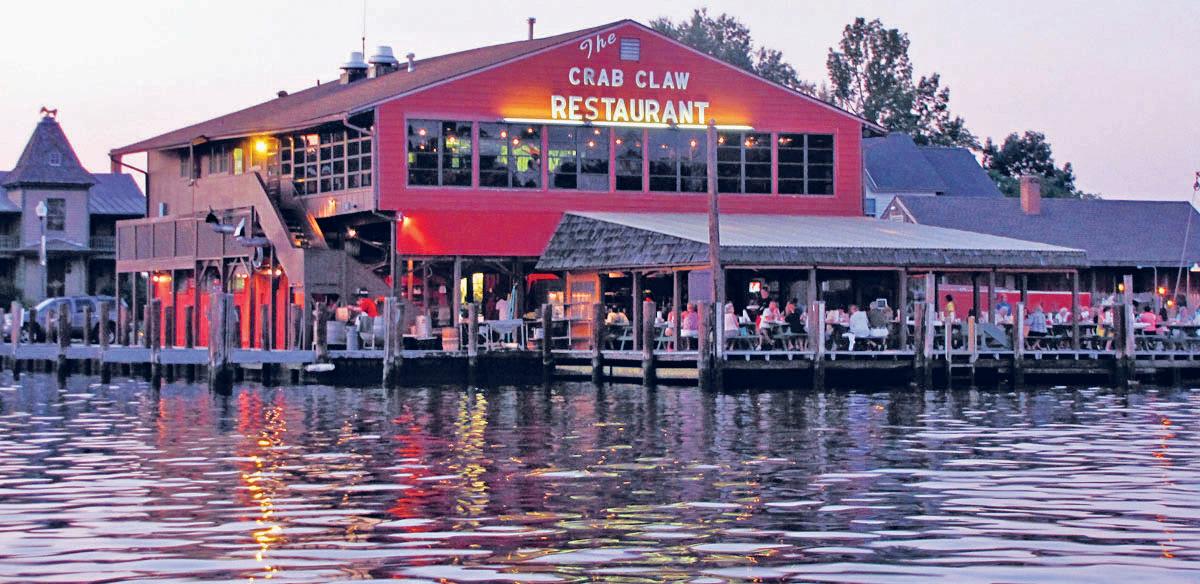
The CRAB CLAW RESTAURANT
Oxford Map and History
Oxford is one of the oldest towns in Maryland. Although already settled for perhaps 20 years, Oxford marks the year 1683 as its official founding, for in that year Oxford was first named by the Maryland General Assembly as a seaport and was laid out as a town. In 1694, Oxford and a new town called Anne Arundel (now Annapolis) were selected the only ports of entry for the entire Maryland province. Until the American Revolution, Oxford enjoyed prominence as an international shipping center surrounded by wealthy tobacco plantations. Today, Oxford is a charming tree-lined and waterbound village with a population of just over 700 and is still important in boat building and yachting. It has a protected harbor for watermen who harvest oysters, crabs, clams and fish, and for sailors from all over the Bay. For a walking tour and more history visit https://tidewatertimes. com/travel-tourism/oxford-maryland/.
crabs were being caught in the Gulf of Mexico, so they went to Crisfield and bought a hundred crab pots. They stacked and tied them down on Grant’s new fiberglass boat and headed for Texas. Along their 2,100-mile southern route, a farmer wondered, “Whatcha got there? Chicken coops?” “Nope, they’re crab pots.” “Why, you can’t catch no crabs ’round here.” When they stopped for gas farther on, another asked, “Whadda y’all catch in them wire baskets?” When Wylie answered crabs, “He looked at me same as if I’d said bear.” Even when they reached the Gulf, an elderly man out fishing asked, “Whadda
y’all catching in them wire baskets?” When Wylie answered, the old-timer said, “You’re the onliest man with crab traps I ever seen in my life.”
Finally, stopped at a light in San Antonio’s rush-hour, a traffic cop yelled, “Hey buddy, where you going with them crab pots?” Wylie called back, “Brownsville, Texas.” “Good enough,” said the cop, waving them on. Wylie learned that the only man who recognized their gear had served in the Coast Guard on Chesapeake Bay. In the entire Gulf, nearly nobody was crab potting before Wylie and Grant showed what a good winter market could be found in Maryland.
Going about his work, Wylie
wore warm-weather boots that came to be emblematic of his trade. He remembered buying his first pair, then losing them in the Intercoastal Waterway of Texas. He had a teenager aboard his T-Craft that day, a friend’s son on his first day of summer vacation. As Wylie pulled up a crab pot, his foot slipped off the narrow washboard, throwing him overboard. He kicked off the boots that would have pulled him down into deep water in the busy barge channel. With the tide running and the boat drifting away, he paddled after the boy hollering, “See that black knob on your left?”
Afraid the boy would back into him as he struggled to catch up, Wylie called instructions, “Move the stick back real easy. He did it. When he had me back aboard, that boy felt ten feet tall. That stuff happens on the water. Those boots I lost were white boots we bought for
The Treasure Chest
The
about $20 a pair at the fishhouse. Before going to Texas, I never had seen white boots. We brought them up here to the Eastern Shore when we came home. Now everybody in the world’s got a pair of white rubber boots.”
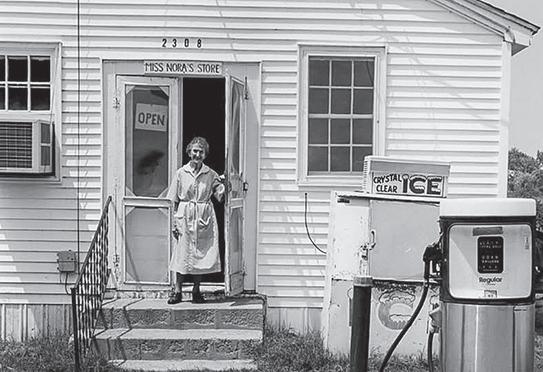
Wylie traveled back and forth from home several years to crab the Gulf. One cold day on Elliott Island, Dick was passing time in Nora Foxwell’s store when Wylie pulled up to the gas pump, trailing his boat. He filled the pickup, then numerous cans with gas, obviously preparing to head south again. When he came in to settle up, Dick
The Compulsive Crabber
said, “Wylie, I believe that boat’s run more miles on the road than it has on the water.”
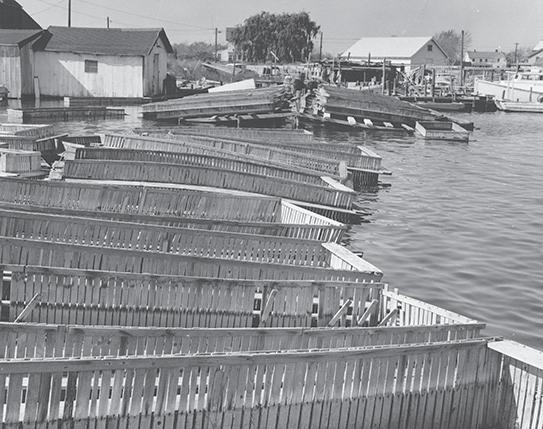
In later times, while spring warmed the home waters of Fishing Bay, Wylie and another pal, Ray, had the standing offer of a job closer to home, shedding crabs at Public Landing, outside Snow Hill. Fortunately for them, by the 1980s crabs were no longer shed from skiffs alongside actual slattedwood floats. Their modern “floats” were land-based rectangular, table-like containers, where they could stand and shed crabs from six inches of pumped-in seawater.
Wylie and Ray were aces at tend-
ing floats of molting crabs, reading swimfins for indications of ripeness—signs invisible to landsmen. They sorted the peeler catch according to proximity to shed, dividing them into separate floats reserved for greens, ranks, or busters. But for a period of some three days or so in May, there was little need for discernment. With a hundred chock-full floats to tend, seemingly all crabs busted at once. The two men worked those days around the clock, keeping up with the first run of peelers, always on hand to remove emergent soft crabs from the water that would cause the shells to harden. After that rush, given a few spare minutes, they could even help a peeler
in trouble extricating itself from its outgrown shell. That delicate operation meant the difference between a valuable softshell crab destined for a restaurant, or a free meal destined for the cats that hang around shedding operations. Though it’s hardly credible, Wylie clearly remembered, “One night we shedded 1,065 dozens of crabs.” Such times called for a couple helpers. Delicate, newly shed soft crabs had to be handled gently and packed for live-shipping: nestled in damp seagrass, face-up in rows, appendages neatly folded, sorted and graded by size. Markets recognize six different grades: whale, jumbo, prime, hotel, and medium. (In modern times, damp newspapers replaced seagrass and peelers grew scarcer. Otherwise, the process hasn’t changed—only the price.)
During his five-decade career, Wylie pursued blue crabs by every known method, plus a few experiments of his own creation. Before he caught his last crab, he reflected
on his trade: “Working on the water—once it gets in your blood—it sticks with you. I never got rich on the water, but it’s not supposed to make you rich. If a man wants a load of money, he better leave the water and find a different job. We’re just supposed to get by. That’s all we’ve done for generations. We see a lot of ups and downs, but if we’re left alone to do our job, we’ll keep on getting by.”
Forty-some years ago, A.M. Foley swapped the Washington, D.C. business scene for a writing life on Elliott Island, Maryland. Tidewater Times kindly publishes Foley’s musings on regional history and life in general.
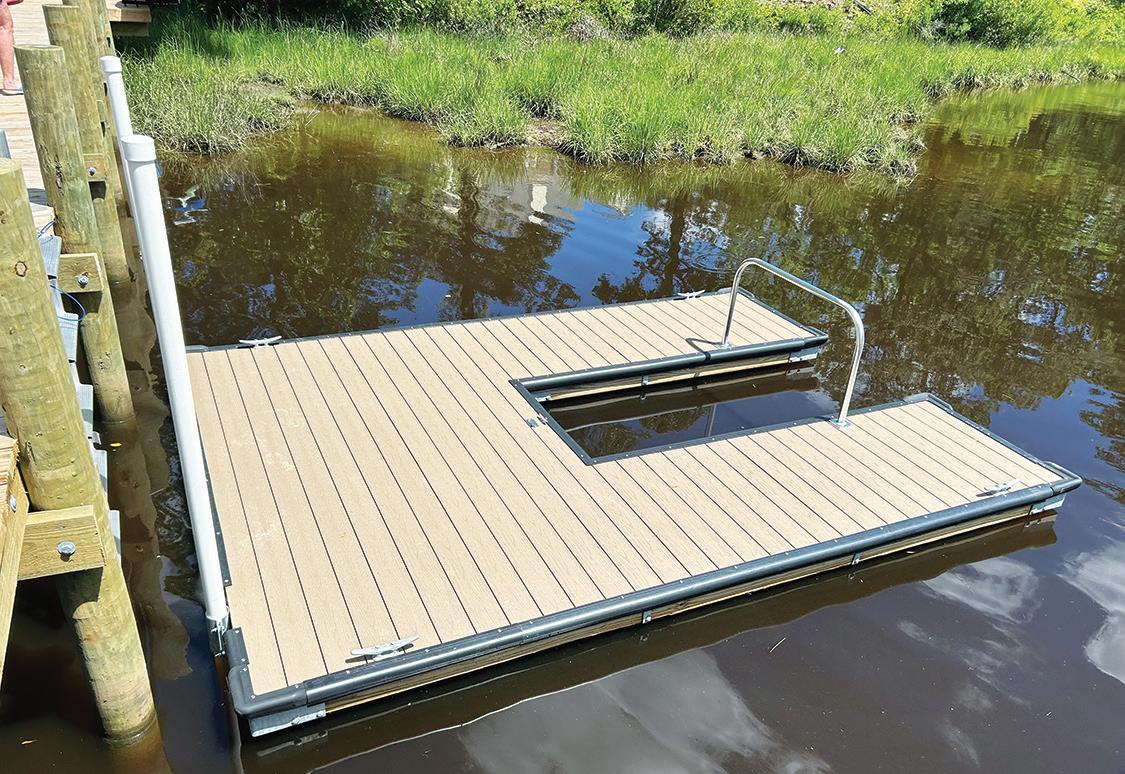
Fixed and floating dockage in Oxford available
Queen Anne’s County
The history of Queen Anne’s County dates back to the earliest Colonial settlements in Maryland. Small hamlets began appearing in the northern portion of the county in the 1600s. Early communities grew up around transportation routes, the rivers and streams, and then roads and eventually railroads. Small towns were centers of economic and social activity and evolved over the years from thriving centers of tobacco trade to communities boosted by the railroad boom. The county is named for Queen Anne of Great Britain, who reigned when the county was established in 1706.
Queenstown was the original county seat when Queen Anne’s County was created, but that designation was passed on to Centreville in 1782. It’s location was important during the 18th century, because it is near a creek that, during that time, could be navigated by tradesmen. A hub for shipping and receiving, Queenstown was attacked by English troops during the War of 1812.
Construction of the Federal-style courthouse in Centreville began in 1791 and is the oldest courthouse in continuous use in the state of Maryland. Today, Centreville is the largest town in Queen Anne’s County. With its relaxed lifestyle and tree-lined streets, it is a classic example of small town America.
The Stevensville Historic District, also known as Historic Stevensville, is a national historic district in downtown Stevensville, Queen Anne’s County. It contains roughly 100 historic structures, and is listed on the National Register of Historic Places. It is located primarily along East Main Street, a portion of Love Point Road, and a former section of Cockey Lane.
The Chesapeake Heritage and Visitor Center in Chester at Kent Narrows provides and overview of the Chesapeake region’s heritage, resources and culture. The Chesapeake Heritage and Visitor Center serves as Queen Anne’s County’s official welcome center.
Queen Anne’s County is also home to the Chesapeake Bay Environmental Center (formerly Horsehead Wetland Center), located in Grasonville. The CBEC is a 500-acre preserve just 15 minutes from the Chesapeake Bay Bridge. Over 200 species of birds have been recorded in the area.
Embraced by miles of scenic Chesapeake Bay waterways and graced with acres of pastoral rural landscape, Queen Anne’s County offers a relaxing environment for visitors and locals alike.
For more information about Queen Anne’s County, visit www.qac.org .
A Gentle Guide to Sourdough
April is the month of beginnings. The soil softens. Seeds wake up. Light stretches longer into the evening. Everything that seemed quiet through winter begins to stir again. Growth doesn’t happen by force. It happens with warmth, patience and nourishment. And so does sourdough.
Sourdough is alive. It rises when fed. It rests when left alone. It responds to the temperature of the room, the rhythm of your kitchen, the care of your hands. In spring, when the air naturally warms, sourdough becomes more active — bubbling a little faster, rising a little higher.
Tidewater Kitchen
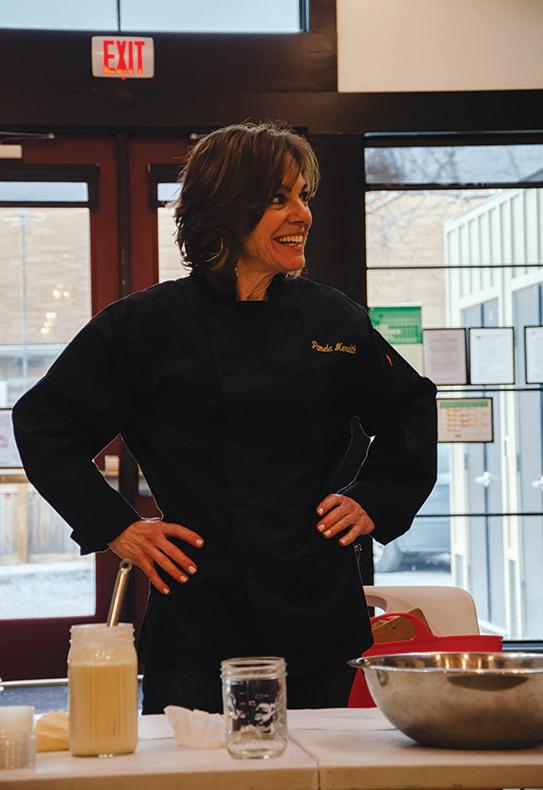
Over the years, I’ve taught many people how to make sourdough. And the most common emotion I see isn’t excitement. It’s stress. “Am I doing it right?
”“Why didn’t mine rise?” “Did I ruin it?” Let me gently say this: You cannot ruin flour and water. Sourdough is not about perfection. It is about rhythm. Feed. Rest. Rise. Repeat. When we approach it that way, it becomes less intimidating and more like tending a small kitchen garden — something living, responsive and deeply nourishing.
Why Sourdough Feels So Good
When flour and water ferment naturally, wild yeast and beneficial bacteria begin breaking down the grain. This slow fermentation:
• Makes nutrients more available
• Helps break down gluten, making it easier to digest for many
• Supports gut health
• Slows blood sugar response compared to commercial yeast breads
• Adds rich, complex flavor without additives
It’s slow food in a fast world. And spring is the perfect time to begin.
The Gentle Basics
When I teach sourdough, I simplify it into four calm phases:
1. Feed
2. Mix
3. Rest
4. Bake
No complicated language. No overwhelm. Just rhythm.
Terminology
Remember...The Start “starts” the dough, and the Mother runs the show!
Feeding a Starter
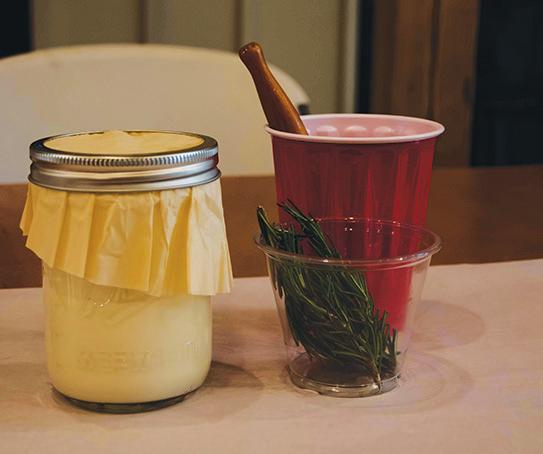
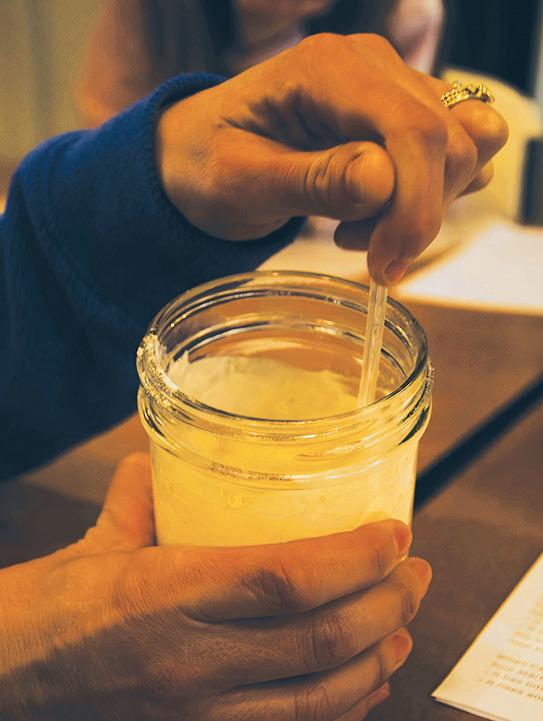
To start a sourdough at home, you can begin with about ½ cup of sourdough from a mother starter.
For the Starter—Place in a widemouth pint-size mason jar.
Feeding example:
• ½ cup starter
• ½ cup flour
• ¼–½ cup water
• Stir well—I like a wooden spoon or whisk—and let it rest.
• Cover loosely with a coffee filter or paper towel, secured with the jar ring or a rubber band.
• Let sit at room temperature. No scale required. No stress required. This is the gentle rhythm of sourdough.
When Is It Ready?
Your starter is ready to add to the flour
• 40-90 minutes
• Looks bubbly
• Smells pleasantly tangy
Watch the starter — not the clock.
Simple Sourdough Loaf
Ingredients
• 1 cup active sourdough starter
• 1 cup warm water
• 4 cups flour, I like a mixture of organic all-purpose white & whole wheat
• 1½ teaspoons salt, I like sea salt or Himalayan
Instructions
1. In a large bowl, stir starter and water until milky.
2. Add flour and salt. Mix until
A Taste of Italy
www.piazzaitalianmarket.com
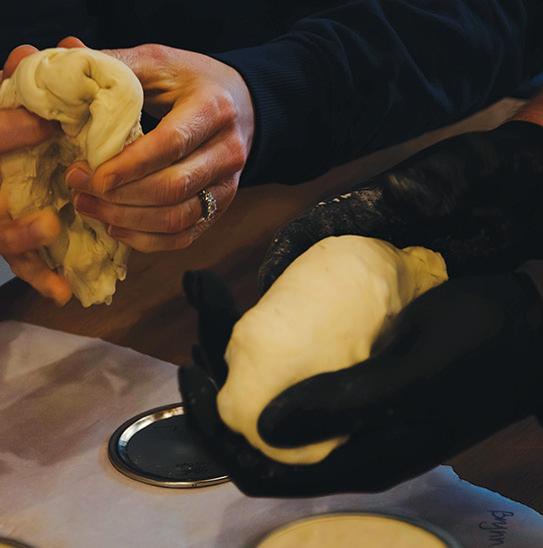
Tidewater Kitchen a shaggy dough forms into a ball. If you need more flour, add more.
3. Stretch and fold the dough 3-4 times.
4. Cover with a dampened flour sack or kitchen towel. Let rise until roughly doubled (12-14 hours, depending on room temperature).
5. Shape gently and place on parchment paper. You can score it with a serrated knife if you like. I always make an X on mine.
6. Lightly “baptize” the top with water for a beautiful crust.
7. Bake in a covered oven-proof pan, Dutch oven or covered with foil to trap steam.
8. Preheat oven to 450°F.
9. Place a small pan of water in oven to create steam (prevents
Tidewater Kitchen
burning bottom). Bake, covered, for 37 minutes. Remove lid and bake 5 more minutes to brown.
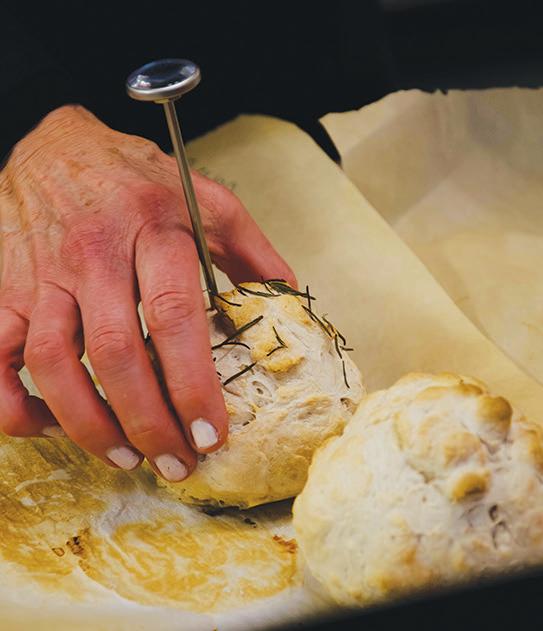
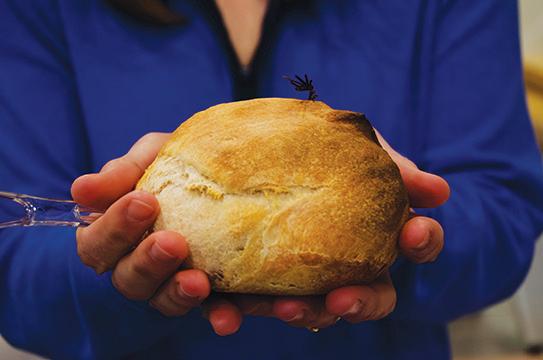
10. Internal temperature: 200°F confirms it’s done. You’re looking for deep golden color.
The Important Finish
As soon as you remove the bread from the oven:
• Lift it off the hot pan.
• Remove the parchment paper right away to prevent sticking on the bread.
• Let it cool at least 30 minutes before slicing.
Cutting too soon can make the inside gummy. Cooling allows the structure to set.
This is where patience becomes part of the recipe.
Beyond Bread: Using Sourdough Discard
Don’t Forget the Discard To reduce stress around “waste,” I always teach how to use discard. Your discard is still full of flavor and can be used in lots of recipes!
• Stir it in: Simply mix it back into your starter — it’s perfectly fine.
• Pour it off: If you want, you can pour off the top portion and use it separately for pancakes, waffles, muffins or cookies.
Nothing is wasted—everything nourishes and adds flavor.
Pancakes
Add ½–1 cup discard to your usual batter. Reduce flour slightly.
Cookies
Add ½ cup discard to chocolate chip cookie dough. Chill before baking.
Waffles
Replace ½ cup flour + ½ cup liquid with 1 cup discard.
Muffins & Quick Breads
Add ½ cup discard and reduce liquid slightly.
Sourdough doesn’t have to be
Tidewater Kitchen
complicated artisan bread every time. It can simply become part of everyday nourishment.
Calm Troubleshooting
“My starter isn’t bubbling.”
Move it somewhere warmer. It may be sleepy, not ruined.
“My bread didn’t rise.” It likely needed more time. Temperature matters more than the clock. If your kitchen is cold: place another towel under the bowl and an extra layer on top of the damp towel to help the dough rise.
“My dough is sticky.”
Use wet hands instead of adding too much flour.
“The bottom is too dark.”
Use a pan of water in the oven to create steam and buffer the heat.
“I’m not sure if it’s done.”
Use a thermometer. 200°F internally means it’s ready.
Confidence comes from simple tools and patience.
The Heart of It
When I teach sourdough— whether to my mother, a friend, or a room full of beginners—I remind them: It’s alive. It’s forgiving. It responds to warmth. Just like we do. Spring reminds us that growth happens gently. Not perfectly. Not instantly. Feed. Rest. Rise. Repeat. And perhaps we can do the same. If you don’t have a starter, I’d be
happy to share mine! Just send me an email, (lifestylecoachbypamela@gmail.com) and I’ll gladly send you a portion to get you started. And if you have any questions or need tips along the way, I’m always happy to help you feel confident in your sourdough journey.
Editor’s Note: Many thanks to 13-year-old Nolan Matney for providing the photos for this story.
Pamela Meredith, formerly Denver’s NBC Channel 9 Children’s Chef, has taught both adult and children’s cooking classes.
For more of Pam’s recipes, visit the Story Archive tab at tidewatertimes.com.
8129 Easton Village Drive, Easton $869,000
Carrigan Homes introduces our newest model, the “Talbot”, a custom home packed with generous standard features, to be built to your specifications. Buy now, make every selection and color choice and move in by the end of 2026! First Floor Primary Suite *Gourmet Kitchen and Butler’s Pantry *4 bedrooms, large closets *2nd floor Bonus Family room *Oversized garage *Energy-saving Features. Easton Village amenities include a community pier on the Tred Avon River, boat slips, extensive walking trails, an outdoor pool, kayak storage and launch, and close proximity to the Towns of Easton, St. Michaels and Oxford.
Chesapeake Music’s Chamber Music Festival
by James Carder
If the violin can be considered the “heart” of the chamber music ensemble, then the cello must be considered its “soul.” And for good reason. Although the cello is often tasked with providing a composition’s bassline or anchoring the piece rhythmically, more often than not the cello can be a work’s
soulful, lyrical star. The cello’s range is vast, spanning over four octaves, and when given the opportunity to carry the melody, the cello delivers with an intimacy that feels like it is speaking directly to you. Moreover, it resonates. Resting on the floor, the cello vibrates the floorboards and thereby the
Marcy Rosen
room. One feels the cello as well as hears it.
For 41 years, Chesapeake Music in Easton has given Eastern Shore audiences outstanding chamber music concerts performed by world-class musicians. And from its inception, the cello has been a stand-out feature of these concerts, thanks to founder, artistic director and virtuoso cellist Marcy Rosen. Widely regarded as a premier figure in the world of chamber music, she has been lauded by the Los Angeles Times as one of chamber music’s “abiding treasures” and by The New Yorker as a “legend of the cello.” Her cello has an incredible warm, woody
Chamber Music Festival sound that becomes beautifully nuanced and luminous in Rosen’s hands. Rosen will be back for this year’s Chesapeake Chamber Music Festival, where she will collaborate in nine performances over the twoweek festival period (June 12-20).
As artistic director for Chesapeake Music, Rosen has introduced other exceptional cellists to Eastern Shore audiences. Notable among them is Sterling Elliott, who debuted as a “rising star” in 2022 and quickly became an audience favorite, being invited back several times as he blossomed into an internationally acclaimed soloist. His cello differs from Rosen’s in that it has an unusually bright timbre and exceptional clarity that is mes-
Chamber Music Festival work, the doubling of the cellos creates a bass sonority that is “velvety,” almost organ-like, allowing the upper strings to soar without the texture feeling top heavy.
merizing to hear. His performance of Debussy’s famous Rêverie, for example, brought the Chesapeake Music audience to their feet.
At this year’s 2026 Chamber Music Festival, the cello will continue to hold star billing. In addition to Rosen’s performances, the festival will introduce two additional cellists: Julia Yang and “rising star” Chase Park. Yang is a founding member of the Merz Trio, an ensemble highly regarded for its innovative and multidisciplinary approach to classical music. She first became known to the Chesapeake Music audience when the Merz Trio won the organization’s Lerman Gold Prize at the 2018 Chesapeake Chamber Music Competition. Critics have praised Yang for her “joyful virtuosity” and her “remarkable precision.” Among her several ensemble collaborations at the festival, she will join Rosen on June 14 and perform the second cello part in Johannes Brahms’ monumental String Sextet No. 1, Opus 18. In that
Park was the winner of the 2021 Juilliard Cello Competition. A versatile soloist as well as a chamber ensemble musician, he has been praised for his agility and “searching lyricism.” He and his cello will be front and center, especially at the June 18 performance of Franz Schubert’s famous Piano Quintet in A Major, “The Trout,” where the cello enjoys a liberated and highly melodic role due to the inclusion of a double bass that assumes the cello’s usual “low-note” harmonic line. He will also join Rosen as first cellist in two works scored for two cellos: Luigi Boccherini’s Quintet in C Major and Pyotr Ilyich Tchaikovsky’s String Sextet in D Minor, “Souvenir de Florence,” both at the festival finale on June 20.
Be a part of this year’s Chesapeake Chamber Music Festival and experience the beauty of the cello and all the extraordinary music,
QUALITY STROKES PAINTING
performed in an intimate setting. Detailed information on the festival concerts, including programs, dates, times and ticket availability, can be found at chesapeakemusic.org.
Chesapeake
Chamber Music Festival
June 12–20, 2026
June 12 at 7:30 p.m.
Festival Opening Extravaganza!
June 13 at 7:30 p.m.
Music of Four Nations
June 14 at 4 p.m.
Heritage and Home
June 18 at 7:30 p.m.
Bridging the Eras
June 19 at 7:30 p.m.
Competition Winners and More
June 20 at 7:30 p.m.
Festival Finale
2 free and open rehearsals:
June 10 and June 17 at 10 a.m.
Chesapeake Music offers a limited number of free tickets to students, educators, and Talbot County First Responders, as well as a “buy-one-get-one” option for fi rsttime patrons of Chesapeake Music. Based in Easton, Maryland, Chesapeake Music is a 501(c)(3) nonprofit organization that brings renowned musicians to delight, engage, and surprise today’s audiences, and educate, inspire, and develop tomorrow’s. For tickets and more information, visit chesapeakemusic.org.
Studio B Art Gallery Welcomes Diz Hormel for April Exhibition
Studio B Art Gallery is pleased to announce that esteemed artist Diz Hormel will be the gallery’s featured artist for April 2026. Visitors are invited to meet her during Easton’s monthly First Friday Gallery Walk on April 3, 2026, from 5 to 7 p.m.
Hormel is known for her luminous oil paintings that explore the quiet beauty of everyday objects.
Working primarily in the still life tradition, she creates compositions that emphasize harmony, balance, and the subtle drama of light and shadow. Her work invites viewers to slow down and experience a sense of calm reflection through carefully arranged forms and rich, layered color.
Classically trained at the atelier of Juliette Aristides, Hormel developed a disciplined approach to painting rooted in traditional techniques. Her studio process often incorporates thoughtful composition, chiaroscuro lighting, and a patient, meditative layering of paint that builds depth and atmosphere within each piece.
“This past year I have continued exploring the relationships between form, light, shadow and color in still life painting,” Diz explained. “The time and deep observation that I spend with my subjects often makes the process feel like portrai-
Contemplation by Diz Hormel
ture. Objects gradually reveal their character, presence and relationships to one another. Painting can be meditative for me, and I hope to offer viewers a small respite from the noise and stress of an often chaotic world.”
Hormel initially studied metalsmithing at the Revere Academy of Jewelry Arts and later at the Corcoran School of the Arts and Design. Her desire to master classical studio painting ultimately led her to the Aristides Atelier, where she refined the traditional methods
that now define her work.
In addition to her studio practice, Hormel is an active supporter of the regional arts community. She serves on the board of the Academy Art Museum in Easton, Maryland, where she previously chaired the museum’s annual Craft Show for four years and now leads the Education Committee.
Hormel is a member of the Oil Painters of America, the Working Artists Forum, and the St. Michaels Art League. Her work has received numerous honors, including Best in Show at Local Color Easton in 2024.
“We are delighted to feature Diz Hormel this April,” said gallery
owner Betty Huang. “Her paintings have a timeless quality that reflects both technical quality and a deep appreciation for quiet moments. They fit beautifully within the spirit of our gallery.”
Guests attending the April First Friday Gallery Walk will have the opportunity to meet Hormel, view her newest still life paintings, and learn more about her artistic process.
For more information about Studio B Art Gallery, visit us online at www.studiobartgallery.com or contact Betty Huang at betty@studiobartgallery.com.
Studio B Art Gallery is located at 7 B Goldsborough Street in historic downtown Easton, Maryland.
downtown
You’ve Just Got to Laugh
by Kim Basta
Looking back at my career in real estate, I am very thankful for all the successes and good times I had. But like everything in life, sometimes things don’t always go as planned. I think that in order to survive in this life, you have to be able to laugh at yourself. When I retired after 35 years, I realized that several of those unforeseen dilemmas really produced some hilarious stories. Here are just three of them that are too good not to share.
The first story happened years ago on an Ash Wednesday. It was a particularly crazy housing market at the time, and inventory was at an all-time low. That day a home came on the market that sounded perfect for the buyers I was working with. I knew I needed to get
them to look at it quickly before it sold. I hated to do it, but this meant I would have to miss the Ash Wednesday service that evening. Reluctantly, I went ahead and scheduled the appointment to see the house. When we arrived, I was still feeling a bit guilt-ridden about giving God and my family a rain check. I told myself that God would totally understand my absence. I unlocked the front door, and we entered the foyer. It was a typical townhouse. There was nothing notable about it as we walked through the living room and dining Room. As we entered the kitchen, I was immediately dumbfounded by the unique wallpaper border that was plastered around the entire room. It was a border of The Last Supper. There
Laugh
was Jesus and all Twelve Apostles in brilliant color seated together at a long wooden table. The pattern was on repeat, and I was stunned that it encircled the entire room.
Now I was really feeling guilty! I swear that the divine group all sat there glaring down from up above as if they were judging me from every direction. Was this a sign from God that he knew that I had skipped Ash Wednesday mass, or was it just my guilty conscious?
After showing the home, the buyers confessed that this home was not a match made in heaven for them. So, feeling a bit deflated, I headed home. Later that eve-
ning, my husband asked me how the appointment went. I nervously laughed, and joked to him that I may be going to hell. He looked at me like I was crazy, and then I divulged my bizarre tale to him. After a warm hug, and a hot cup of tea, I was ready to face the world again. Looking back now, who knows what actually happened that day. Maybe the kitchen décor was just a strange coincidence, or perhaps our dear Lord just has a very good sense of humor.
The second incident happened over a decade ago. I had just recently sold a home, and I was looking for the perfect housewarming gift. I decided to hire a local artist to paint a portrait of my clients’
new home and present it to them at settlement. Unfortunately, the artist was a bit delayed with finishing the painting. She completed it just in time and dropped it off to me on closing day. I glanced at it quickly, and wrapped it in haste so I wouldn’t be late.
After all the paperwork was completed on the sale, I proudly gave them my beautifully wrapped gift. I remember the buyer took one look at the portrait, and teared up. She hugged me, and said how beautiful and thoughtful it was.
As we were just finishing our emotional embrace, I realized her husband was very quiet. He just
stood there staring at it. After a moment, he awkwardly whispered to me “Kim, I don’t think this is our home.”
We all stopped abruptly, stood
back and looked at the painting again. I immediately realized this was not their house, but actually it was the home next door. In my rush to get to closing on time, I didn’t realize the error.
After we all had a good laugh, I called to tell the artist that I think she went to the wrong address. She immediately realized her mistake and came out later to paint the right house. We gifted the beautiful, but incorrect portrait to the rightful owners of the home next door. They appreciated it very much, and my buyers definitely got off on the right foot with their new neighbors. The “not so perfect picture” actually made for a hilarious story for years to come.
The last story is my favorite. Many moons ago, way before cell phones, I listed a lovely little home for sale. Inside that home, along with the owner, lived a very timid feline. The seller explained to me that her furry friend hid when visitors came to the home. She said that I probably would never lay eyes on him. She was right because every time I visited, I never saw him.
One Sunday afternoon, I had an open House on the property. The Seller requested that I be very cautious not to let her cat outside. That day I was on high alert when anyone entered, or exited the home to make sure that the bashful cat did not escape. Many
Mullins & Sons, Inc.
3 Generation Family Run Auto Service Shop with over 31 years experience. Offering a wide variety of services to include but not limited to: Brakes, Diagnostics, Tire Rotation, Rv & Trailer Repair, Heating, and Basic Services. Specializing in Transmissions. Reasonable Rates!
people toured the home, and after 2 hours it was time to call it a day. I couldn’t believe during all that time the cat never made an appearance. When it was time to go, I gathered all of my belongings, turned off the lights, and headed to the front door.
Imagine my surprise when I opened the door, and saw a very unhappy feline purring on the front stoop. I must admit I was quite upset. I thought I had overlooked him, and he got out under my watch. I immediately opened the door, and welcomed the small runaway back into the house. I was so thankful that nothing had happened to him.
Later that evening, I planned to call the seller when I returned home. I wanted to apologize for my oversight, and explain what had happened. When I walked into my house, the phone rang before I could call her. I quickly answered it,
and it was my seller sounding quite confused.
She spoke softly into the receiver and said, “Kim, you won’t believe this! I just got home and there is a strange cat in my home!”
I was horrified! I explained to her what had happened at the end of the open house. I told her that I had obviously mistaken the furry stranger for her cat. The seller told me that the traveling stray turned up every evening on her stoop, and she fed him. She totally understood how I could have mistaken him as her cat. We both got a good laugh about the mix-up.
Weeks later my seller told me that after spending a few hours together that evening with the little guy, she didn’t have the heart to evict him. The mysterious fugitive not only got into her home that day, but he also got into her heart. I may not have found a buyer that Sunday at my open house, but I defi nitely did fi nd a good home that day for the little uninvited guest.
So, as you can see, at the end of the day all of my funny little stories had a happy ending. I have learned over the years that you can’t take everything too seriously. There are some times in life that “You Just Got to Laugh”.
Kim Basta and her husband moved here Queen Anne’s County after a successful 35-year career in real estate.
Three Noble Fishers
by Louis C. Wainwright
about when he was living on Deal Island in the 1880s. Written about 1941, transcribed and edited by James Dawson from an old manuscript he found.
It requires many factories and sporting-goods catalogs to keep expert fishermen and hunters informed and well supplied with fitting material that may enable them to pursue their modest recreational diversions; or to so shape affairs that a few of plethoric purse and quite fatigued with bearing the burden of time may be able to precipitate themselves into a seemingly busy life.
To some the flicking of a fly skillfully, the crumbling of a dozen or
two clay pigeons, or the making of a goodly pattern of shot, not in a brief recreational vacation, but as a pastime in sports, may seem almost synonymous with the footprints of great men “that oft remind us” of grand memories “we may leave behind us,” perhaps they may remind us of those worthies of whom the grim old sage of Chelsea wrote, when he summarized their achievements by saying some of them had through life’s work slain several thousand
partridges, in proof whereof that waste heap gave testimony.
Such were the cynically tinged reflections of my old true friend, Hunter Fisher, when one day we passed a fat-padded, florid graybeard, who in his manifest latter days was trying to divert and deceive himself in the vain thought that he was as young as he used to be, by lamely fl icking a fly over the flowing brook, and by donning a sportsman’s caparisons.
When I reminded friend Fisher that we, too, were loitering by a stream, and that we were not wholly removed from incipient antiquity, he greeted me with jolly laughter. Just then a trout leaped for a moth, it was to mock us, for we had no tackle.
“One always sees game when he has no gun” remarked Fisher, fl inging a stone into the ripple.
“By the way,” he remarked, “I have been reading lately of the three most successful fi shermen, who in fact came from a family of fi shers, generation after generation as far back as their families can be traced.”
His remark seemed somewhat cryptic, wherefore I did not hazard inquiry. After a brief pause, he said, “I shall tell you of them, though I am sure that you have known them a long time; at least I shall say a thing or two not altogether prosy.”
When I was younger, I lived near salt water, where many earned their livelihood by oystering or fi shing, or, Noble Fishers
SLOT DOCK
Perfect for Kayaks and Paddleboards
• Kayak Docks
• Re-Decking
• Pressure Wash & Seal
• Boat Lifts, PWC Lifts
• Gangways
• Solar Dock Lighting
• Floating Piers
• Rowing Docks
• Kayak Racks
• Ladders
• Dock Boxes
• Piling Caps
as they said, “By follerin’ the water.”
They caught not only oysters but shad, weakfish, even sturgeon, crabs and menhaden.
Sportsmen, too, with jaunty tackle and trappings gay, looked for bluefish, rock and other gamefish.
In the region near Cape Henlopen, it was not unusual to see large dead trees in the strong castle made of sticks and portions of tree branches. Near the coast, where I lived, there were two such castles in easy view of the mouth of the Delaware Bay. The whole region on the ocean side was a resort region. Houses lined both the Bay shore and the ocean beach.
Just around the capes, a series of seaside resorts extended, which were filled with visitors every summer. Among the early visitors to the region were two or three families named Osprey, who seemed to make it a point to arrive year by year, about the time that “the sun crossed the line,” and always were they received by the fishermen with a cordial welcome, for to them the arrival of these families had become so closely associated with the return of the desired schools of various fish, that they looked upon the coming of the Osprey families as a sign that the spring school session among the various fish were begun; indeed, legend had begun to attack these old families by reputation, now it almost seemed to many of the
fisherfolk that the families by some charm brought the trout and shad and other fish with them, which was, of course, only one of nature’s coincidences, and no Merlin spell whatever.
This old family that I speak of had for years been known as expert fishers, and their return to the calm of spring and summer days however gave such days a special importance in the coastal calendars, and the eagles themselves also were glad of their return to the reeds.
“Did you ever witness that master fisher plying his vocation? It is a most interesting sight—skill, speed, vision, strength all coordinated in
a perfect art. How often, in my old home, have I watched the fish hawk prospecting, as a miner out west prospects for gold! Leisurely he flaps to and fro, back and forth, peering from above and searching the liquid depths below for the denizens of the sea.
All seems prosaic enough, save for his patience and persistence, until his piercing eye detects a luckless fish in the stream or the waves below him.
Then it seems that all the batteries of the fish hawk are turned on, and a tremor of coursing strength permeates all his body: talons, beak, even feathers seem electrified and quivering till he releases all cylinders for his mighty rush when he sweeps
downward. He has calculated his position and the angle of trajectory, and quivering with excitement and trembling as a struggling ship, he makes the mighty plunge down, down, with grappling talons ready. Instinctively well assured that his aim has been accurately taken, with a last mighty stroke of his strong wings, he gains the desired momentum, claps wings and as a cannon ball hurtles down, down, down with a cry, and before the hypnotized fish can change positions, two strong claws close upon it, and its ‘day is done.’
Then the great bird begins to rise from the water, creating in its efforts a small maelstrom from the midst of which with the powerful stroke of his wings he emerges, shaking the
EASTERN SHORE TITLE COMPANY
“Why settle for less when you can settle with the best!” e Mid-Shore’s Leader in Real Estate Title Services
Melissa Grimes-Guy Photography
water from his plumage, cleaving the waters as a swift boat prow.
He rarely fails in bearing of his prey, though it is true that, urged by a prodigious appetite, he envisions often a fish too large, which makes his landing uncertain.
But it is not in his failure to land his prey that makes the fish hawk’s sorrows. However, that is another tale, and before I undertake that story, let me tell you of the second great fisher, whose wisdom might instruct all of us rod-and-reel men. He, too, is of ancient lineage, and his family has great renown. Their fearless cry has echoed through the ages as they fling their boastful challenge.
Often one sees men angling from a wharf, but this fisher operates from a tree. Though small, he is impressive and his fisherman’s luck has earned him the soubriquet of “King”—and he is indeed, like Pepin, quite royal and small, but he has a voice of command and a swiftness of assault, which together with the rapier he carries, speedily reduces any opposition.
I see that you are not willing to be mystified a second time, but recognize this fellow fisherman, so I shall announce the Kingfisher, a bird of renown, at the same time calling attention to the fact that in olden folklore, two legends are connected with this bird, and that his name (in both its Latin and Greek forms) has given to our language a very pretty
word to indicate a state of calm or peaceful repose, especially used with reference to days or seasons devoid of storm, when the rippling waves purr and play on the strand.
This skillful fisher was among the first to construct raid shelters, since he digs a tunnel in a bank and builds his house underground, and spends much or most of his time sitting motionless and watchful on a dead or leafless limb stretched over a brook or a pond, when he patiently waits for should a fish essay such adventure from his “robber’s roost,” the keen-eyed kingfisher darts suddenly upon him, as you well know; why, then should I be carrying “coals to Newcastle?”
A bold ruthless character is before us when we consider our third fisher, who had or has little in common with Isaac Walton, save only his persistency in fishing. Walton moreover was very careful, observant and gentle, but this fellow’s philosophy is “might makes right,” and the spoil belongs to the one who can seize and hold it.
He claims authority and cer -
tainly rules wherever he may elect to dwell. His antiquity is great, for he was always with the Roman armies; also, we ourselves do homage to him, placing as we do his image, if not superscription, on our coin, and calling our highest pieces by his name, which of course you recognize as the Eagle.
Considering his renowned background, who would class him among lowly fishers?
Saul of Tarsus, wonderful logician and theologian as he was and writer, was by trade a simple tentmaker; and the eagle, too, symbol of strength intelligent discernment (eagle eye) and power to conquer and subdue, when viewed from the standpoint of practicality
and livelihood is after all a lowly fisherman.
Whether the eagle is as industrious as the other two fishers mentioned is quite problematical, for he makes a ruthless use of his strength, and is of the Hitler or Mussolini type. His scream is alarming, and the industrious fish hawk, which after a morning’s search is lugging home a fine large fish for the little family, is all a-tremble and has the jitters when he hears the eagle’s scream—and that scream, is it not alarming? And his predatory boldness to pillage the weak—are not almost all conquerors constructed on similar pattern?
In common parlance, we call such bullies, but in history we dub them great, and greet them after a while
C. ALBERT MATTHEWS
Where Integrity Meets Innovation INC.
Noble Fishers they preferred to be scavengers by the seashore than to do any extensive fishing.
with song and praise. They troop through choicest society as captains of industry, kings, leaders and princes, and few are bold enough to call their bluff. Not even government (so anxious are the official classes for votes to enable them to retain their seats) dares stand for the right and to protect the weak—the lambs against wolves or lions.
Nevertheless, forthright old Dr. Franklin describing the eagles’ calls their bluff in no complimentary phrase. As I recall it the old Doctor called the eagles names that bear no flattery in them and wondered that they should be associated with the great and noble and princely, seeing that they were lazy louts, with our sufficient self-respect to catch their own living, but as highwaymen, thieves and robbers, lived by preying on the industry of others, unless driven by hunger to go fishing; and
However, it should not be forgotten that the eagle is a strong and skillful fisher when he sets his mind to catch fish. Being primarily a robber and instinctively prone to benefit by another’s industry, he prefers to use the osprey.
Down in Delaware about the sandy stretch where the bay rounds out to the ocean, that area called “the capes,” it used to be that every year, a pair or more of eagles made their fishing camp. I never saw the site of their nest but several times saw them surf fishing.
There were not, then, so many houses and hotels dotting the coast, and the eagles had charted the coast and knew what to avoid and what would profit them.
Many kinds of fish offered selection, bluefish, squanteague or “trout,” “black fish,” salmon and
others offered tempting variety, and besides several families of the osprey branch made their summer residence near the beach and were a sure source of plunder.
Such fi ne trout as were found in that water were not easily surpassed. Sportsmen knew it and drove their little vessels thither; the ospreys knew it and daily did they poise, hover and plunge to take some luckless trout that shone too clearly in the water; and the eagles knew it and above the plunge of the swell or the voice of the surge could be heard their scream as they sometimes fished, and sometimes plundered their neighbors and remote kinsmen.
When the eagles fished, they would measure their bearings and plunge and then rise like great submarines, and shake the water from their plumage. As broad-wired airplanes, they mounted into the air and sped to their lofty aerie.
Nevertheless, however a heroic a picture the eagle may aff ord, or however thrilling his Tarzan cry or yet however skillful as a fi sher he may lie, the homely fact remains the
eagle is no zealot for industry but delights to obtain his food with as little effort as possible.
He is not squeamish in his choice of food, and though skillful as his distant kinsman, he prefers to resort to highwaymanry than to diligent industry.
When the fi sh hawk screams, the eagle listens. When the fi sh hawk rises well laden, the eagle hustles after him. The poor hawk uses every cylinder and rolls in high, but in vain.
At last wearied and about to sink, the hawk drops his burden in effort to escape.
Then, trumpeting triumph, the swift eagle swoops and seizes the falling fi sh in midair.
Nor is the eagle an inferior hunter, and if cornered he proves to be a powerful adversary.
But in the spring and summer the bald eagle resorts to the seaside or river and becomes a feathered “brave,” a sport, and sometimes a fi sher.
James Dawson is the owner of Unicorn Bookshop in Trappe.
Etchings in Time by
B. P. Gallagher
This, Kelly thinks, will decide it. By the end of the day she will know whether this relationship is worth saving. Whether all the hard work to date—and it has been work—was laying the foundation of a deeper, more enduring connection or a monumental waste of time. The fizzling out of a oncepromising flame or their risefrom-the-ashes moment. A scenic hike along the stone staircase of Watkins Glen seems a poetic setting in which to make this decision. Mike is at best dimly aware of
the stakes. He has looked forward to this hike for weeks and considers it just another weekend outing in a more-or-less stable relationship. And what a gorgeous locale for it.
The afternoon is warm but overcast and the glen less crowded than usual. They pay the fee at the entrance to an aged park ranger in dark grey and park in the lot at the top of the glen. From there they will descend nearly 400 feet down 188 stone steps, then turn around and march right back up
CHAMBER MUSIC FESTIVAL 202 6
The Ebenezer Theater, Easton, Maryland presents
JUNE 12–20 MUSICAL MEMORIES
This six-concert series features renowned artists and Rising Stars performing works from Mozart, Schubert, Boccherini and Brahms to Tchaikovsky, Shostakovich, Soper, and Ravaei.
For further details, and to purchase tickets, please visit ChesapeakeMusic.org
Etchings
again. Kelly will take pictures by the dozens and this will be but another visually stunning memory in her camera roll. The scenery lends itself to nature photography and perhaps, unbeknownst to him, a rekindling.
Water tumbles down the gorge in a series of burbling waterfalls and pools in bowls carved from the stone by eons of continuous flow. The cliffs that form the walls of the gorge overhang the path in places, their stony faces frowning down at hikers whose feet scatter the pulverized shale piled at their base. A Jacob’s Ladder of steps etched into the wall on one side traces the trough down its length. Each flight descends through an epoch of geological history recorded in grayscale strata interspersed with bands of ferrous red. The steps are broken up by narrow stone landings where hikers pause to rest and take pictures. Clay-colored water puddles in divots in the landings and the air is misty with the spray of waterfalls and the whole place smells of damp earth.
Kelly’s doubts have grown over the past few weeks. Mike’s a good guy, no doubt, and they get along well enough aside from occasional political spats more reflective of gradients in their shared beliefs than contrasting views. And yes, this past year has been one of the
happiest and most comfortable of her life. But therein lies the problem: a sense of complacency gathering towards stagnation. He’s a great guy, sure, but are they right for one another? Is this going anywhere?
Why, she thinks, can’t you ever just let yourself be happy?
Kelly is taking far fewer photos than expected, Mike notes. She seems distracted, impatient even, so he makes sure not to linger too long over the placards affixed to alcoves in the canyon walls, however fascinating. Some of the placards detail the flora and fauna that populate the park throughout the year; others recount its geological history.
“A Tale of Collision & Erosion,” one reads. The blurb that follows describes the slow seismic violence and gradual degradation by which this natural beauty came to be. How tectonic plate movement buckled the earth’s crust and forced together two masses of formless stone enjoined and later encased beneath a sheet of ice miles thick. How in thawing, this ice sheet and its glacial remnant exposed rifts in foundations comfortably conjoined by that juncture for eons and more, rifts engorged with its retreat and the melt that followed as the Earth warmed and water suspended inanimate for an epoch awoke, first in a trickle, to a stream to an irresistible and implacable flow gush-
ing forth through the eons and which gushes there still.
About two-thirds of the way down the gorge the trail splits, one path continuing on down the staircase to the bottom and the other leading up to the ridge line. Lover’s Lane, reads the sign marking the ridge line path. That way promises the best views.
Taking Kelly’s hand, Mike draws her up the path. Past the drop-off to their right the cool clear water chuckles down the stony trough on its eternal pilgrimage. Where the ridge line trail ends a boulder sits prominently beside the overlook. Sunlight slants silver and glaring through gaps in the cloud cover and the gorge stretches out below them in shades of slate and glacial blue-grey water. They take a seat beside it and absorb the scenery in quiet.
Mike drapes his arm around her shoulders and leans over and kisses the crown of her head. Her dark blonde hair smells of her floral shampoo and a slight tang of sweat and he breathes in her scent and smiles. “Thanks for taking another hike with me,” he murmurs.
“It’s beautiful,” she says. After a moment she looks up into his eyes and kisses him on the lips and leans her full weight against him. A pacifying warmth fuzzes her mind, drives her doubts far afield.
It takes her a moment to place it. She feels safe.
Something has shifted in the posture of this afternoon, but Mike can’t be sure what. Still he has the vague sense that he has done something right and wants to capitalize on it. Picking up a chunk of pointed stone he uses it to etch their names into the boulder, going over the letters again and again to embed them in the stone. He sits back on his haunches and admires his handiwork. Good, but unfinished. Inspired, he takes up the stone again and adds artfully, 4EVA.
“What do you think?”
“I think if college doesn’t work out you might have a future in headstones.”
“Yeah,” he says with a broad smile. “Me too.”
“Want to take a selfie?” Kelly asks.
“Sure. Then we better hit the trails. My calves are already starting to ache.”
“There’s a shuttle at the bottom if you can’t hack it,” she says with a sly smile.
“I didn’t say that.”
They stroll off holding hands.
Park Ranger Ed Forsett walks the trails at the end of each day with his cordless grinder and his spike stick. The cordless grinder is for chewing gum and graffiti scratched into the stone surfaces of the park. The spike stick is for trash. He makes liberal use of both
Etchings
on a daily basis. Park visitors are prolific in their leavings.
Thanks to years of this routine, Ranger Ed’s calves are iron. At sixty-two he is proud of his iron calves. In a world of constant change, he prides himself also on his efforts to keep the park pristine. Even as the water erodes away the gorge by degrees imperceptible within a human lifespan he will work to preserve its natural beauty against more brazen alterations. Because these tangible signs of human life are more persistent than we think. Who knew? They’re still turning up footprints from prehistoric humans who strolled
The Mid-Shore Community Foundation connects private resources with public needs in order to enhance the quality of life throughout the Mid-Shore Region. We provide tools that enable donors to easily and effectively support the causes they care about - immediately or via bequest.
102 East Dover Street Easton, Maryland 21601 410-820-8175 www.mscf.org
the mud flats of New Mexico tens of thousands of years ago. Rewriting our species’ history around it, some say. He himself once went and took an RV tour of the western national parks and saw the Puebloan cliff dwellings of Mesa Verde and the Oregon Trail wagon ruts in a single trip. There was graffiti there too, hundreds of years old. And all that before the invention of plastic. He spends some time on the rim trails disassembling obtrusive cairns. People love to stack stones, which is fine, as long as they don’t interrupt the trail or scenery. He walks Lover’s Lane last, with the setting sun bruising the western horizon through silver filigreed breaks in the clouds. The boulder at the end of Lover’s Lane is defaced with a new protestation against impermanence: MIKE + KELLY 4EVA.
Not particularly original, thinks Ranger Ed, getting out his cordless grinder. He feels no more compunction over scouring away this leaving than any other.
B. P. Gallagher’s fiction has appeared in Roi Faineant Press, Flash Fiction Magazine, Meniscus Literary Journal, and elsewhere. He is a 2013 graduate of Easton High School, holds a Ph.D. in Social/ Personality Psychology and is currently Assistant Professor of Psychology and Culture at Nazareth University.
Easton Club - End unit 4 bedroom, 3 bath townhome. Features great room with gas fireplace and wood flooring, open kitchen with dining area, 1st floor primary bedroom and bath and guest bedroom and bath, 2nd floor offers 2 bedrooms, 2 baths and storage area/ office. Recently painted throughout. 2-zoned heating and cooling, one car garage and fenced backyard with patio. Short walking distance to community amenities with includes a pool and tennis/ pickleball court. Immediate occupancy. $430,000
Trappe - This unique and well maintained home is located in the heart of town. Main home features formal living and dining areas, family room, kitchen, screened porch, 3 bedrooms and 2.5 baths. Wood floors throughout. All new windows. Detached 2-car garage with 2nd floor studio apartment/office with kitchenette and bath and heat pump. The .54 acre lot is lavishly landscaped with 2 garden sheds, gazebo and patio area. $499,000
Chesapeake by Del Webb - McDaniel model. Living room, dining room, family room with gas fireplace, open gourmet kitchen with breakfast area, granite countertops, cooktop, double wall oven, sunroom, 1st floor primary suite with double vanities, tub and separate shower. 2nd floor loft, 2 guest bedrooms and bath and walk-in attic storage. Patio, lawn irrigation and 2-car garage. New roof (fall 2023). 55+ age-restricted section. Community amenities. $499,000
Chesapeake by Del Webb - Popular 2-story Wittman model. Great room with gas fireplace, dining room, eat-in kitchen with center island and breakfast nook, sunroom, office, 1st floor primary suite, guest bedroom, full bath and laundry. 2nd floor features a loft, bedroom and bath. 2 car garage, patio and lawn irrigation. Improvements include roof, water heater and HVAC. 55+ age restricted section. Community amenities. $505,000
Connie Loveland
Realtor
® CRS, GRI, ABR
Experience exceptional waterfront living in this custom-built home set on a private, 3-acre lot. Designed to maximize comfort and connection to the outdoors. The spacious floor plan includes 3 bedrooms and 2½ baths, a dedicated office, a cozy den and a gourmet kitchen. The oversized garage and separate laundry room are an added bonus to this perfect property. This custom designed and built - one of a kind home is conveniently located between Easton and St. Michaels. Large primary bedroom with ensuite bath, and 1500+ square foot deck overlooking an in ground pool. $1,249,000.