Thumbprint
Making every day matter for people with MND.
Unlocking doors
Campaigning for faster funding
Pages 3–4
£20m a year for research
Speeding up the search for a cure
Pages 8–9
Funds that work for you
All-new support programme launched
Pages 14–15
Kev’s ‘final challenge!’
The finish line is in sight
Pages 30–31
A fresh new start
Because every day matters.
Welcome to our new look Thumbprint which, I hope you agree, showcases our bold new brand brilliantly.
We were honoured to have our Royal Patron HRH The Princess Royal officially unveil our new look in January, and to start the conversation about our ambitious five year research and innovation strategy, which focusses on driving progress in four key areas. Read more on p8.
Our research investment portfolio (as of 31 December 2025) is a record £39.1 million and supports some of the brightest minds working diligently to make every day in the lab matter, see p24. And on p10 meet the MND Association research nurses in our £7.2 million Network who are bridging the gap between those researchers, neurologists and people with MND, supporting them to take part in trials of what could be life-changing treatments.
Research is our hope for the future — but of course there’s so much to do to make every day matter for people affected by MND. On p14 read about our Support Fund Programme — the new name for our grants programme — reshaped in response to what you told us you need, and discover how our branches and groups are working in their communities on p34.
None of this would be possible without the continued determination of our incredible supporters who find ever more innovative ways to raise money to make a difference for people affected by MND. Together, so many people, working so hard, in so many ways to really make every day matter. Thank you to you all.
Tanya Curry, Chief Executive
Thumbprint is the magazine of the Motor Neurone Disease Association, Francis Crick House, 6 Summerhouse Road, Moulton Park, Northampton, NN3 6BJ. Reg. charity number 294354.
Editorial and advertising enquiries: Telephone 01604 250505 Email editor@mndassociation.org
If you have comments or feedback about the magazine and its content, please do not hesitate to get in touch.
The views expressed in Thumbprint are not necessarily those of the Association. The advertisement of third party products or services does not in any way imply endorsement by the MND Association nor that those products or services will be provided, funded or available via the Association. All content © MND Association 2026.

Councils are starting to implement fasttrack financial support for people living with motor neurone disease, thanks to our Unlock the Door campaign.
In January, East Riding of Yorkshire Council announced it will ensure people with terminal, progressive conditions, including MND, can access Disabled Facilities Grants (DFGs) more quickly.
The council was the second local authority to respond positively to our campaign — Forest of Dean District Council led the way in December. DFGs help people living with a disability to adapt their homes to be safe, suitable and accessible.
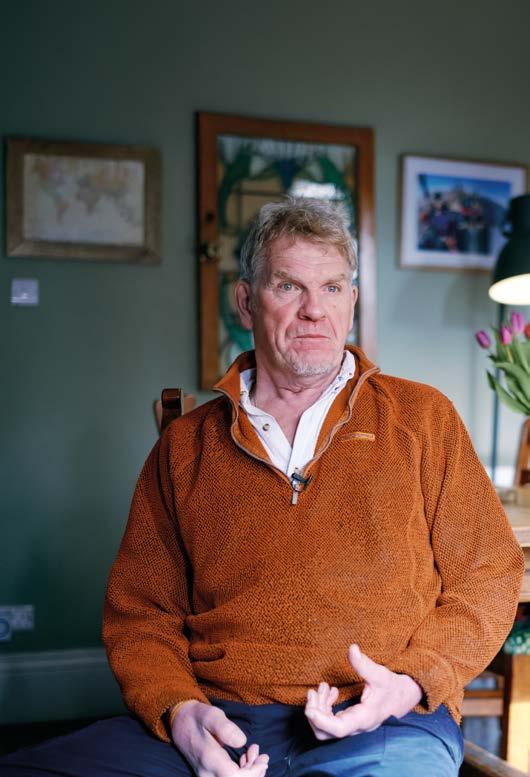
While some people, like Martin (pictured) are able to fund their own adaptations, too often those who need support face major delays. Our research found the average wait time for delivery of a major home adaptation was 375 days for people in England. With a third of people dying of MND within a year of diagnosis, this is too slow.
The motion passed by East Riding of Yorkshire Council, in line with our recommendations, commits to a new target
of delivering home adaptations for people with progressive terminal illnesses within 55 days for simple adaptations, and 130 days for more complex works. The council will now deliver very small adaptations, such as grab rails, in a matter of days.
Meanwhile, Forest of Dean District Council in Gloucestershire also agreed to review the current £15,000 discretionary cap to ensure it’s sufficient for larger adaptations where rapid delivery is critical.
Alex Massey, Head of Campaigning, Policy and Public Affairs at the MND Association, said: “This is a great result within a few weeks of us launching our campaign and our thanks go to both councils for leading the way on this vital issue.
“These two councils have shown what can be done by focusing on the issues that matter. For us, there is much more to be done. We will continue to campaign for every local authority to follow suit and ensure people with MND receive the support they need, wherever they live.”
Unlock the Door is calling on local authorities to:
— Implement a formal fast-track process for people with MND to access Disabled Facilities Grants
— Waive the means test for adaptations of all sizes for people with progressive, life-limiting conditions such as MND
— Increase the mandatory Disabled Facilities Grants cap, which hasn’t changed since 2008, in line with inflation.
Find out how your local council is performing, and join
“I think having a safe and accessible home has taken away some of the stress or worry.”
Martin Ashburn
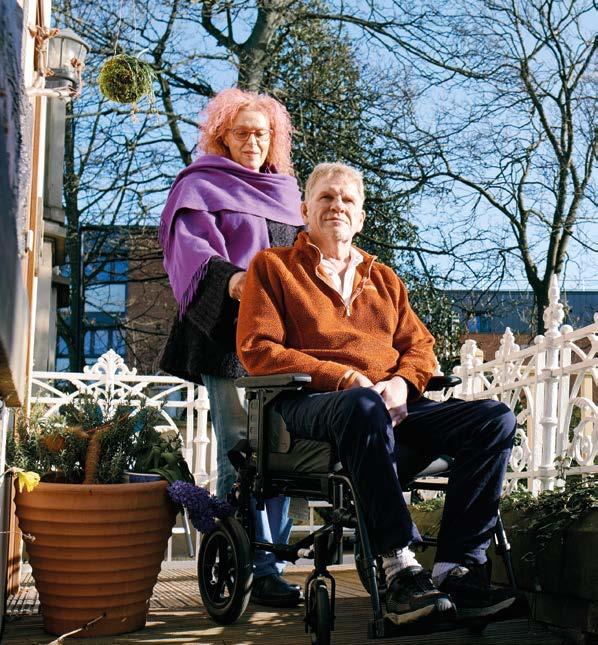
Martin Ashburn, 63, lives with his wife Rachel, 60, in Newcastle Upon Tyne. He was diagnosed with MND in December 2023. They were told means-testing ruled them out of being eligible for council funding to adapt their home to Martin’s changing needs.
He said: “When we had to make a decision about if or how we could make the home adaptations, my feeling was, let’s not do it.
I would like to have spent [the money] on making memories, travelling with the family…
“But now I realise Rachel probably made the right decision and we’ve got a house we can continue to live in. Decision makers should try to look at people on an individual basis, rather than MND — tick or cross.”
David’s running challenge!
A fundraiser is continuing to take on the challenge of running events to raise money for the MND Association, despite no longer being able to use his legs.
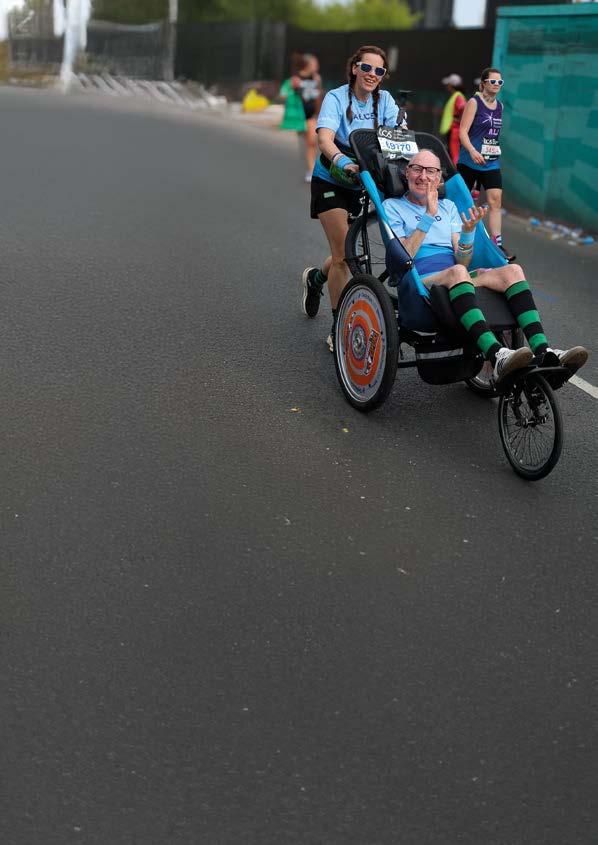
In 2023, David Baker who lives in Southampton with his wife Alice, was told he had MND. A keen runner since childhood, David has vowed to carry on running with help from Alice, who pushes him in a specially designed running chair — made possible through a support grant from the MND Association.
This year David and Alice, who share their experiences in a blog called MND Can Get in the Sea, are taking part in the Rob Burrow Leeds Marathon.
Alice explained: “I think people feel a little helpless when someone they love and care for is diagnosed with MND, but fundraising is something they can do. Having received grants and support from the Association you can see how the money’s helping people just like us.
“We started putting on events shortly after David was diagnosed. Our family and friends also took on challenges and have raised £20,000.”
Alice Baker
“To anyone considering fundraising, firstly thank you. Without our grant we wouldn’t have been able to achieve all we have.
“Secondly, wear MND Association kit and post on all your socials. Even if you raise a small amount, the MND Association tops can spark a conversation and awareness which is just as important.”
To find a fundraising event near you visit: mndassociation.org/ teammnd Scan now
New Chair to be elected
At this year’s Annual General Meeting (AGM) on Wednesday 8 July members will be invited to vote for a new Chair of the Board of Trustees, replacing our current Chair Dr Usman Khan who’s stepping down after five years in the role.
Anna Walker will be presented as the Association’s preferred candidate at the meeting to be held in person at central office — Francis Crick House, Northampton — and online.
Anna’s passion and focus for improving services for the people who use them has steered her career through senior roles across the civil service and public organisations, and driven her involvement at Board level in a number of charities.
All members will receive a voting guide through the post / via email in the coming weeks with an invitation to join the meeting.
‘An
Alongside the official business of the AGM including the Chair’s report and Honorary Treasurer’s report there will also be a review of our new support funds programme (see page 14) and an overview of our five year research and innovation strategy (see page 8).
For more information about the AGM please see our website:
mndassoc.org/agm
incredible five years’
Our Chair Dr Usman Khan bows out after five years.
“Five years ago, when I was voted in as Chair of the Board of Trustees, I joined a charity which was doing brilliant work, had a really engaged community and a passionate team of volunteers and staff.
But, even then, I knew so much more was possible. Awareness of the disease was increasing, our community was looking to us for leadership and our team was ambitious.
It’s been an absolute privilege to see that possibility, and so much more, realised and to know that, as I step down, the Association is in the strongest position it’s ever been in to deliver, day after day, for people affected by this brutal disease.
It’s been an incredible five years — meeting so many
inspiring people affected by MND, sharing the wonderful work of the Association and helping to develop truly aspirational plans to take our research, services and influencing to the next level.
By the time you read this, I will have (hopefully) completed this year’s London Marathon, proudly wearing my MND Association running vest. It’s my way of saying goodbye — and thank you for giving me the honour of playing just a small part in the Association’s history, and future.”
£20m a year to drive research
Our new research and innovation strategy will speed up the pace of research towards a world free from MND.
MND moves fast, so we need research to move faster. That’s why, in our new research and innovation strategy, we’ve shared our ambition to invest £20 million a year in research within five years to accelerate breakthroughs and improve lives.
MND research has shifted significantly since our last strategy was published in 2022. Advances in genetics have deepened understanding of the biological drivers of MND, while biomarkers are transforming how the disease is measured and diagnosed. Together, these developments are opening the door to earlier diagnosis and more efficient clinical trials.
Innovative platform trials like MND SMART (see page 26) are reshaping clinical research, enabling multiple potential treatments to be tested at the same time. Across laboratories, clinics and universities, researchers are connecting the dots to identify patterns and connections previously out of reach.
You said and we listened
This strategy didn’t start in the lab. It started with people affected by MND. We asked what questions matter most, what feels hardest not knowing, and what must change. The answers were clear. People want treatments that stop or slow MND. They want to prevent it before it starts. They want improved diagnosis, better understanding of the disease, and the best possible quality of life.
“We’re at a turning point”
Ali Simmonds’ mum died in March 2025 from MND. Taking part in shaping the strategy gave Ali a way to contribute during a difficult time. Ali said: “After my mum’s diagnosis, everything felt overwhelming. I remember feeling powerless in the face of something so cruel. Taking part in this work offered me a way to contribute. What struck me most was realising that we’re genuinely at a turning point in understanding MND. There’s fresh expertise coming into the field, new avenues being explored and a real sense that progress is starting to accelerate.”
“Pulling in the same direction”
Rick Nelms is a biologist, educator, advocate and artist living with slow progressing MND. Rick said: “Being involved in shaping the new research strategy has meant a great deal to me. I’ve lived with MND for many years and I’ve seen first-hand how urgently we need both treatments that slow or stop the disease, and innovations that simply make daily life more manageable.
“As a scientist, I’m excited by the progress. We now know MND can be stopped in principle, and continued work on delivery systems, biomarkers, and overcoming barriers like getting drugs into the brain is essential. What gives me real hope is seeing researchers, clinicians and people with MND pulling in the same direction. It feels like we’re edging closer to a breakthrough.”
Over the next five years, we will fund research to:
Understand the disease so we can effectively target potential treatments
Discover new treatments by collaborating on drug discovery and expanding access to clinical trials
Detect
MND earlier so people can get the best care at the first opportunity
Innovate
This research is only possible because of our MND community. And we’re doing it together. Because with MND, every day matters.
MND Matters:
Listen to our Director of Research and Innovation Mike Rogers talk about our new research strategy, alongside Rick and Ali, on Episode 38 of our podcast MND Matters.
to find new ways to improve the healthcare and support available to people living with MND right now Scan now
Meet our research nurses
The specialist team of MND Association Research Nurses is continuing to grow with 14 now in place.
The network, a £7.2 million commitment over four years from the Association, will bridge the gap between people with MND and researchers.
Nurses are in place across England, Northern Ireland and Wales and are making a huge difference to people with MND, offering information about research, identifying trials they are eligible for, explaining what is involved and providing ongoing support.
Every day matters to people with MND, so our work is continuing at pace with seven more nurses expected to join the network before the end of the year.
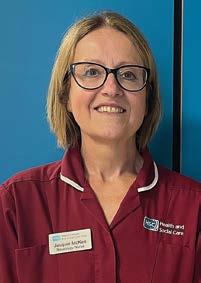
Jacqui McKee Care Centre: Northern Ireland
Jacqui’s ambition is to recruit as many people as possible into trials, continuing to be there to advocate and work with people with MND and their families.
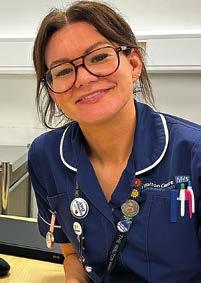
Rachael Taubman Care Centre: Liverpool
Rachael has been with her Trust for three years now and before that was a sister in A&E for 12 years.
Daniel Hansen Care Centre: Sussex
Daniel has been a neurology research nurse for 15 years but MND research has always been his passion.
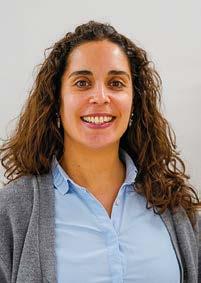
Ana Rita Gameiro Costa Care Centre: UCL, (MND)
Ana Rita has worked for the National Hospital for Neurology and Neuroscience since 2015 and has a special interest in MND.
Rebecca Ashton. Care Centre: Nottingham
Rebecca has been involved in research for 14 years within oncology and is excited to be able to contribute to MND research.
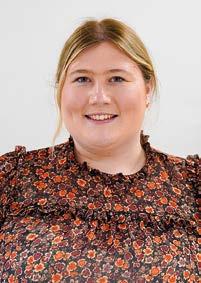
Katie has worked in neurology for six years and said her new role is an exciting opportunity to increase the visibility of research.
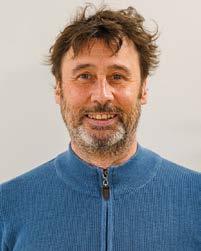
University College, London,
Luca joined UCL’s MND centre in 2015, co-ordinating observer-based research trials and the Kennedy’s Disease service.

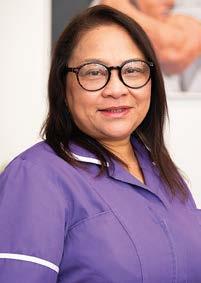
forward to raising the
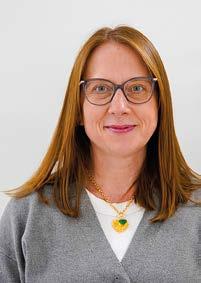
Liz said she was delighted to have joined the team to support people to have greater access to clinical research trials.
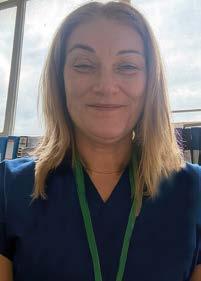
Dympna originally did a degree in psychology but knew she wanted a career where she could make a meaningful difference.
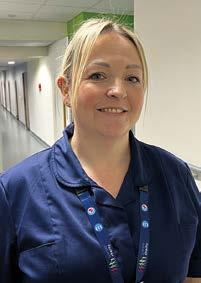
Kelly has been doing neurology research and likes the fact her new role is just centred on MND and being able to focus on one speciality.
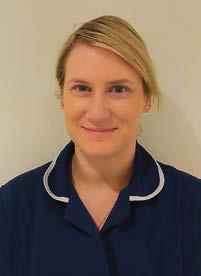
Sophie said in her role she will be holding research clinics to talk to people about the research opportunities available to them.
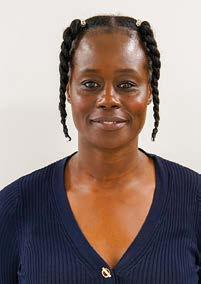
Hellen was formerly a neurology nurse and as the first point of contact for research related matters, works as an ambassador for people with MND.
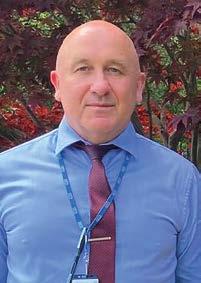
and
Katie Bowness Care Centre: Preston
Luca Zampedri Care Centre:
(Kennedy’s Disease)
Emelda Veraque Care Centre: The Rob Burrow Centre, Leeds
Emelda is looking
profile of research for people living with MND.
Liz Dale Care Centre: Bristol
Dympna McAleer Care Centre: South Wales
Kelly Westwood Care Centre: North Midlands
Hellen Fairley Care Centre: St George’s Hospital, London
Andy Hamilton Care Centre: Newcastle
Andy has always had an interest
passion for caring for people with neurodegenerative conditions.
Sophie Sayers Care Centre: Norfolk
A lesson in hairdressing
With Gill Fry’s MND symptoms leaving her struggling to style her hair, she came up with a novel solution.
Gill Fry’s long, naturally-highlighted hair has always been her crowning glory. Her husband Matt describes it as ‘beautiful hair’. But as the symptoms of her MND progressed, she was diagnosed last June after seven years of symptoms, it became more and more difficult for Gill to even comb, let alone style, her hair.
She said: “I can’t lift my arms up any more, they are very weak. I can’t even brush my hair.” Matt, 57, tried but, joking about his baldness, he admits he ‘has no experience of that’. Gill, who is 59, said: “I had seen other carers struggling too and I wanted to help — there had to be a need for carers to get some basic skills.”
So Gill approached her local hairdressing college — Barnfield College near the couple’s home in Luton. She talked to the team about
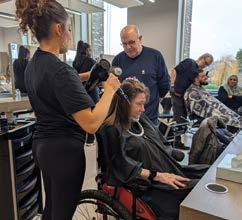
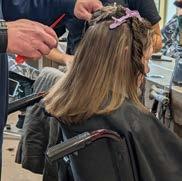
delivering workshops dedicated to teaching carers basic hairdressing skills.
The team were enthusiastic. Trainee hairdressers worked with the college to set up a special morning class and invited Gill and Matt to be their first students.
Matt was shown how to wash Gill’s hair, before attempting his first blow dry, and he’s progressing to using straighteners on his wife’s hair.
He said: “To do this has been really special and useful for me — to help Gill feel better about herself is very important.”
And Gill enjoyed being pampered under the watchful eye of experts. She said: “People with MND grieve so many losses. That loss of being able to take care of yourself is a great loss. It’s so important to look like myself so this has been wonderful.”
The couple are now enjoying practising Matt’s new-found skills at home.
“It’s definitely given me back my confidence. I like the idea that I’m going to look half decent for my son’s wedding. Matt’s doing really well!”
Gill Fry
The eye operation that restored my voice
MND has taken Pam Franklin’s ability to speak and so she uses a communication aid which relies on her moving a cursor on a screen using her eyes. When her eyesight began to deteriorate she lost her voice all over again. Here she tells her story.
MND has left me unable to do anything for myself and I rely on eyegaze to communicate. Over time, cataracts began to cloud my vision, and with it my ability to use the device. Emails became harder to write, while shopping online or watching a film were no longer enjoyable. Losing my sight meant losing my independence, my interests and, most devastatingly of all, my voice.
I was nervous leading up to surgery to remove my cataracts. I’m quite strong, but this was my eyes. Without them my eyegaze world would be gone. Once transferred onto the operating table at Moorfields Eye Hospital, the surgeon began his magic. Drops numbed my eyes, but I could still see and my daughter Kate held my hand.
It was over in a flash. Soon I was back in my wheelchair with pads on both eyes, while Kate and my carer Dana took over the joystick and brought me home.
I wore sunglasses even in bed for a few nights, and by the third day I couldn’t wait any longer. I tried my eyegaze. The relief was instant, I could see.
My eyegaze is my lifeline, and I’m just as attached to it as any teenager is to their
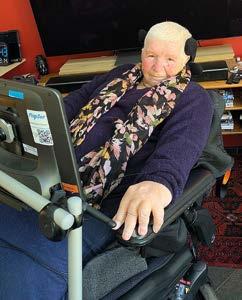
phone. I’ve been to the cinema with my daughter Liz, and I could see perfectly. Theatre trips are next, hopefully to see Hamilton. I’m living my life again and I’m incredibly grateful.
“With both my vision and voice back my life has opened. I can now email, read, shop, listen to books and control my devices.”
Pam Franklin
Making support funds work better for you
We’ve made it easier to secure financial support for you and your loved ones.
We’ve improved our Support Fund Programme to make it easier, faster and more flexible to get the help you need, when you need it.
These changes are the result of your feedback about how financial support should be delivered to our community. Introduced in March through our new Support Fund Programme, they’re designed to make applying for and receiving support easier and more efficient.
Demand for the Association’s financial support has risen sharply in recent years, increasing more than 300 per cent since 2021. Last year alone, we awarded more than £4 million in funds, approving 8,115 applications and supporting more than 3,500 people affected by MND. As the need for help has increased, so too has the importance of making sure our support works in the best possible way.
Speaking about the changes Pauline Marks, Head of National Support Services, said: “Think fewer forms, quicker decisions, and more freedom to choose what works for you. This is a shift shaped by real experiences, real feedback, and a rapidly growing need for support.”
What’s different?
People affected by MND told us they wanted a simpler way to apply for funds, faster
You said. We listened.
turnaround times, and extra flexibility and choice. Support will now be streamlined into four main Support Funds each broad enough to cover a wide range of needs.
The new Support Funds will continue to cover essential areas. We no longer loan equipment like iPads or communication devices but, instead will provide funding directly so you can buy or rent what works best for you, as recommended by your speech and language therapist.
Lesley Stopford, from Lewisham, who is living with MND, has received financial support from the Association for both cost of living and wellbeing.
She said: “I’m extremely grateful for the support as it helped enormously with me getting taxis and being able to do things which are pleasurable rather than having to miss attending some of the activities at St Christopher’s Hospice.”
“It also helped greatly with attending my hospital appointments because I didn’t have enough taxi-card allocations. The Association has been absolutely amazing with its support.”
Lesley Stopford
These improvements follow extensive consultation with people living with and affected by MND. We will continue to listen and improve the programme to make sure it works the way it should.
From support to the stars
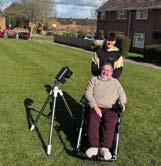
On a clear night, Jim Davis can be found in his garden exploring space through his smart telescope that he steers with his eyes.
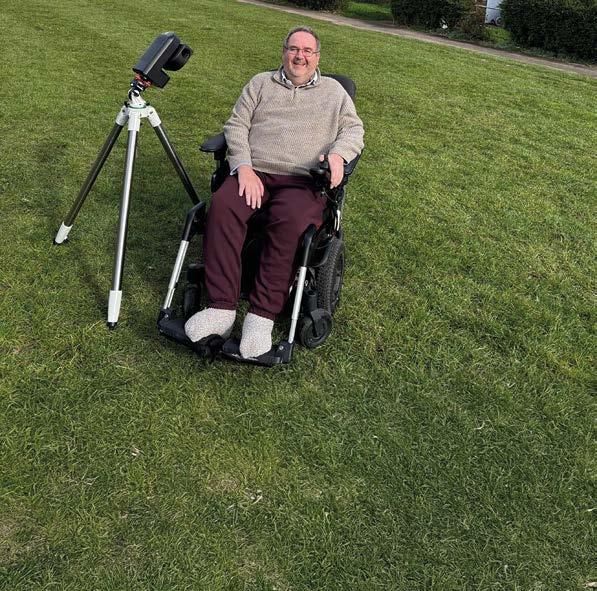
Jim was diagnosed with MND in 2023 after years of gradually worsening symptoms. For him, our funds have opened doors he thought were closed. As his mobility declined and he lost the use of his limbs, the hobbies he once loved such as gardening and cooking became impossible. But with the Association’s support, he has found new ways to stay active and enjoy himself.
A fund for a smart telescope gave Jim a new passion. Controlled entirely through his iPad
and EyeGaze, it allows him to explore the night sky from his garden, often alongside his youngest son. It keeps him busy, gives structure to quieter days and importantly, takes his mind away from MND. He said: “It keeps me active and helps me get through the days that aren’t as full as they used to be.” Another fund is helping him install a home aquarium, a calming source of joy the whole family can share. Find the right support fund for you
Everyday living support fund
Cost of living support fund
Wellbeing support fund
Seating, wheelchairs, or home adaptations recommended by professionals
Up to £500, once a year to help with household bills, or food costs
For holidays, hobbies, or counselling for people with MND or their families
Technology and innovation support fund
For voice banking, communications or more specialised wheelchairs
For more information, visit mndassoc.org/supportfunds or contact MND Connect on 0808 802 6262 or at mndconnect@mndassociation.org

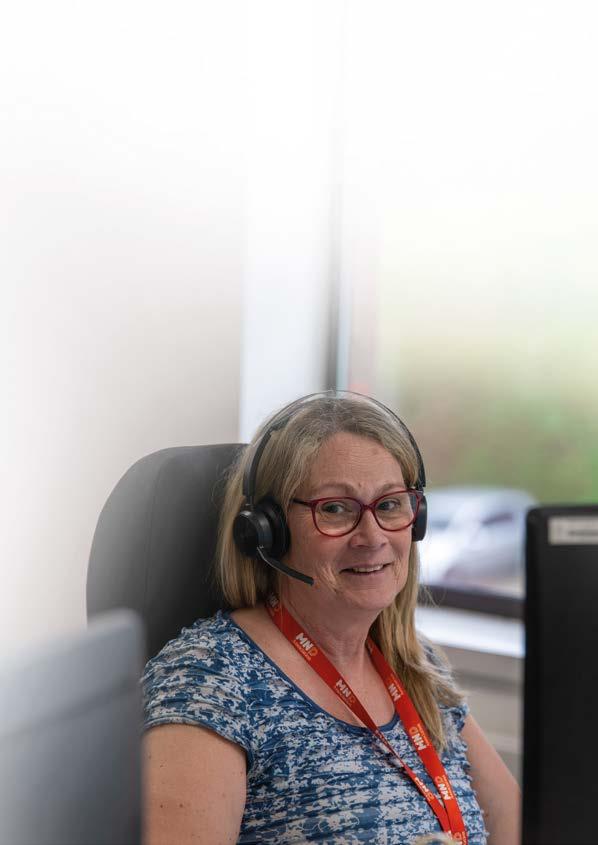
“MND Connect, how can I help you?”
Every day our helpline team of six are on the end of the phone and email to respond to people seeking information, guidance, support, reassurance — and sometimes just a friendly voice.
9am: open for business
Headsets on. Screens flicker. The phone rings.
9:17am: patience is key
Connect Adviser Annette Reeves ends her first call.
Annette says: “People need space. We can’t rush to fix things — they need to express what’s really going on. Every one and every call is different. Some conversations are practical, some emotional, some both.”
10:03am: a carer in need
Connect Adviser Zoe Brown takes a call from a carer who feels on the edge of burnout. They just need someone to listen and understand. Zoe is that person. Zoe says: “Sometimes people just need to offload. Listening can be the support.”
11am: emails
MND Connect receives around 40 emails every day from people with MND, their families, and health and social care professionals. Each is answered within three working days. Some are simply a case of sharing links to information, others require more complex responses to help people navigate statutory systems.
11:30am: newly-diagnosed
A person recently diagnosed with MND calls. The adviser answers questions one by one. The relief in the caller’s voice is audible. As a follow up, the adviser emails links to further information.
12:40pm: self-care concerns
Another call brings a different tone — a worried family member struggling to look after their loved one. The adviser suggests a way forward and offers practical steps to help and allay concerns.
1:15pm: protecting a voice
A caller wants to know how to bank their voice so they can use communication aids if they lose the ability to speak. This is a common question. There are lots of ways to do this and, with improvements in technology, it can take a matter of minutes. The adviser shares information about applying for an Association support fund to help cover the cost.
1:45pm: a moment of reassurance
Connect Adviser Jay Sanchania takes a call from a family trying to source essential equipment. She explains the steps clearly and offers to call back with further information. With a plan in place, the family’s worry eases. Jay says: “It’s important to give your best to every call — you may only get one chance to get it right for that person. It really feels like an honour to support someone affected by a life-limiting illness.”
2:30pm: a daughter grieving
The team regularly receives calls from people whose loved one has died. Zoe gives the woman time to share her experience and concerns. We put her in touch with specialist counselling services.
3pm: call backs
Today, the advisers have made seven outgoing calls following up calls and emails, including from a family whose loved one was newly-diagnosed. The family currently lives in the USA and wanted information on moving back to the UK and accessing support — now and in the future.
The follow up included sharing information about our support groups and branches in the area they’re moving to.
4pm: end of the day
Today’s tally — 20 incoming calls, seven outgoing calls and 41 emails.
MND Connect Manager Keeley WilsonTownsend says: “Today was pretty typical. Last year, as a team we became much more responsive and people are now more likely to get through to a Connect adviser first time.
“In 2025 we received 5,252 calls, made 1,487 outbound calls and sent 8,135 emails.”
“People tell us the service is reassuring, human and often a lifeline. That’s exactly what we want it to be.”
MND Connect has been awarded the prestigious Helplines Standard accreditation, a nationally recognised quality mark which highlights professionalism, compassion and best practice.
To contact MND Connect: Call 0808 802 6262 Monday to Friday between 9am and 4pm.
Email mndconnect@mndassociation.org
New series shares real-life experiences of MND care
Our library of trusted information is extending into a new collection of videos sharing people’s real life experiences.
Living with MND means navigating complex decisions about treatment and care every day. MND Views is a new collection of evidence-based videos that shares reallife experiences of treatment and care, alongside clear, trusted information.
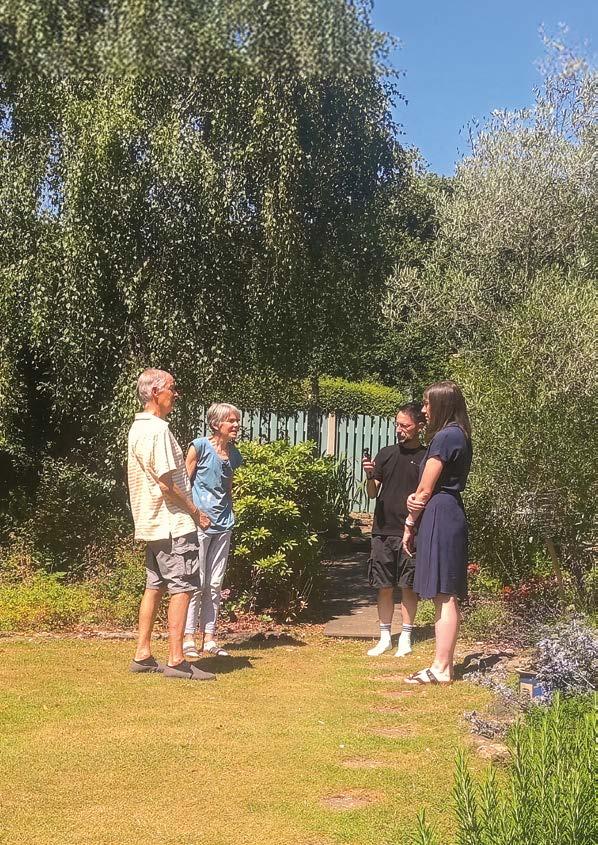
To create MND Views, we worked with a psychologist to interview people living with MND and Kennedy’s disease, and their carers. We travelled across the country, meeting families to hear their experiences about diagnosis, decision making, communication, eating and drinking and the realities of daily life with MND.
The videos give people affected by MND a chance to hear about other people’s experiences and feel less alone. They also provide health and social care professionals with insight into what it’s really like to receive care, how interventions are experienced and what good care looks like in practice.
Ian and Deanne Spooner were one of the couples that shared their experiences of living with MND. Ian said: “We enjoyed the interview experience and meeting everyone. It’s comforting and reassuring that there are
such special people as yourselves trying to find a way through the difficult MND journey and help future generations.”
Each video is organised by topic, based on the NICE Guideline for MND, covering areas like eating and drinking, or speech and communication, making it easy to find the topics most relevant to you. Practical advice comes straight from those living it. Meena Dhule, a carer said: “The best advice I can give to a carer, of somebody who’s just been diagnosed, is find out as much as you can because information is very useful. Get in touch with the MND Association, with the team.”
For people affected by Kennedy’s disease, there is specific information relating to the condition. Colin Hopps said: “The advice I’d give to somebody living with Kennedy’s is to not panic. I’ve said it before, Kennedy’s is bespoke.”
Our thanks to everyone who generously shared their time and their stories. We’re particularly keen to hear from people in Wales, Northern Ireland, and parents of young children.
“It’s
Ian Spooner
Take part in research
The ACORN study at the University of Oxford is investigating how changes in the C9orf72 gene can lead to MND, who is most at risk and how to prevent the development of MND.
Researchers are looking for people with MND (with or without a C9orf72 expansion), their family and healthy volunteers to take part in the research.

For more information: Visit mndassoc.org/takepart
Write your Will for free
Last year, gifts in Wills made up nearly a quarter of the MND Association’s income — helping to fund vital support and research.
Writing a Will is your chance to protect what matters most and make a lasting difference. That’s why we’ve partnered with The National Free Wills Network to offer you a simple way to write or update your Will for free.
Request your free Will pack today: Tel: 01604 611799
Email: legacies@mndassociation.org
Website: mndassociation.org/free-wills

Driving fundraising
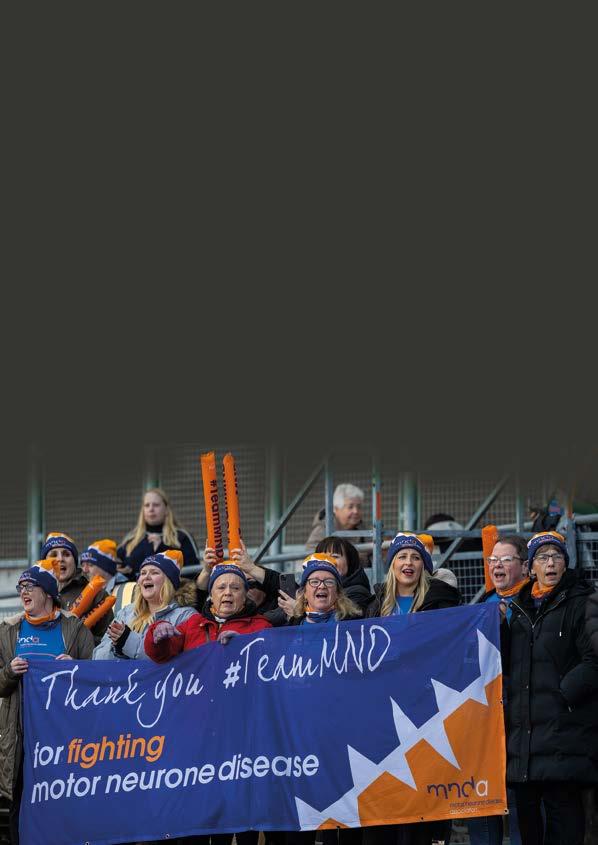
Staff at the Driver Vehicle Licencing Agency (DVLA) have raised more than £36,000 to support people with motor neurone disease.
The Government agency, which has offices in Swansea and Birmingham, named the MND Association as its Charity of Choice for 2025 following a vote by its 6,000 staff.
Throughout the year, the agency’s staff took part in a range of events to raise funds.
The DVLA’s choir was also there to cheer on Kevin Sinfield CBE when he ran through Swansea as part of his 7 in 7 challenge in December.
Cassie James, the DVLA’s Corporate Engagement Manager said: “This partnership has been incredibly meaningful,
“Staff cycled and ran more than 200 miles, took on the heights of Snowdon, and baked more than the Great British Bake Off.”
Cassie James
bringing our people together with a shared sense of purpose and compassion — all in support of those affected by motor neurone disease. Through every challenge and every event, our colleagues came together as one community, celebrating the vital work the MND Association does and showing just how powerful our collective effort can be when we stand behind a cause that truly matters.”
Mini brains in space kick-off Symposium
Our 36th annual Symposium brought together the brightest minds in global MND research to collaborate and innovate.
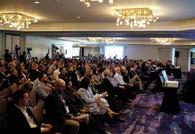
A striking demonstration of cutting-edge research kicked off our 36th International Symposium on ALS/MND in San Diego, in December.
In the opening Stephen Hawking Memorial Lecture, Professor Alysson Muotri showcased ‘mini brains’, 3D brain-like cell structures that are being sent to the International Space Station. In space, higher radiation and low gravity is thought to accelerate cell ageing, helping researchers create more accurate models to study neurological diseases, including MND.
The demonstration highlighted how innovative approaches are accelerating the search for discovery of new causes and treatments.
Over the Symposium’s three days, more than 1,150 people from 42 countries, including world-leading researchers, clinicians, health and social care professionals, industry partners and patient fellows came together to hear the latest in MND research and care.
Attendees heard from 115 speakers and nearly 300 poster presenters. Sessions explored biomedical and clinical topics, including earlier diagnostic methods, clinical trials and disease mechanisms.

Clinical sessions discussed support services and symptom management, assistive devices, and improvements in policy and decision-making for people with MND.
For the first time, we dedicated a session to Primary Lateral Sclerosis (PLS), a rare form of MND affecting around 3% of people with the disease. Experts discussed the biology behind PLS, possible biological markers and strategies to improve diagnosis and clinical trials.
To end each day, poster sessions created a lively space for discussion, collaboration
and knowledge exchange, with posters covering a range of topics from biomarkers and healthcare advances to cutting-edge technology.
The final talk was delivered by Steve Gleason, a former professional American football player and founder of Team Gleason, an organisation that helps people living with MND by providing access to technology, equipment and care in the United States. Diagnosed in 2011, Steve shared how assistive devices can improve independence and quality of life, and closed with a powerful reminder that every idea and every discovery matters.

3 days 1,150 participants from 42 countries
115 speakers
300 poster presenters
Symposium Live
We created Symposium Live for the event, allowing people at home to follow the news from the Symposium from the comfort of their armchairs. Through videos, news and summaries of selected talks, people were given a snapshot of the latest research, and the opportunity to experience some of the discussions taking place.
Backing the best and brightest
To turn tomorrow’s treatment into reality, we attract, retain and back the brightest scientific minds throughout their research careers. This year, we’ve awarded six new Non-Clinical Fellowships, the highest number ever in a single year. These awards fund individual projects and invest in future leaders of MND research. As many of our past Fellows are now leaders in the field, we know backing talented young researchers drives progress.


Dr Katie Hanna is investigating how changes in the skin before the onset of MND symptoms can help detect and diagnose MND. Earlier diagnosis means earlier access to care, clinical trials and potential treatments.
Dr Holly Spence
is investigating whether iron levels could act as a biomarker for oxidative MND, seen in three in five people with the disease. Finding ways to identify different types of MND could lead to the development of more personalised treatments.
Dr Heather Marriott is developing a tool that combines multiple types of biological data into a scoring system used to better categorise, understand and ultimately treat different types of MND.
Dr Bjorn Vahsen
is studying microglia, the immune cells of our brain and spinal cord. He is investigating if a specific immune process inside these cells might damage motor neurones and exploring if blocking this process may help to slow the disease.
Dr Hamish Crerar is focusing on RNA, which carries instructions for making proteins from DNA. RNA is tightly controlled by binding proteins, which stop working properly in MND. Understanding this process may help identify new targets for treatment.
Dr Ross Byrne is examining differences in MND based on people’s genetics. His analysis could identify specific genes linked to the speed of disease progression, and cognitive and behavioural changes that could be targeted with treatment.
Meet the researcher: Jade Lucas
Jade is a PhD student, working in the lab of Professor Siddharthan Chandran and Dr Bhuvaneish Selvaraj at the University of Edinburgh. She was driven to focus on motor neurone disease research by the experience of a friend.
What’s your current role?
I’m a Neuroscience PhD student. My research looks at the brains and spinal cords of people who had MND. I use imaging techniques to identify differences in biological compounds, things like proteins and chemicals, that might help us understand why some people with MND live longer than others.
What inspired you to focus on MND?
During my third year at university, a close friend was diagnosed with MND. It was heartbreaking to see what she was going through. I felt helpless but it also gave me a strong drive. I knew I couldn’t change things for her, but I could put my energy into research that might help others in the future.

What’s your biggest career achievement to date?
Not one big thing, but lots of small things that matter to me.
I’m proud of the outreach I’ve done. For example, I’ve helped run a local Science Technology Engineering and Maths club for primary school children. I’ve mentored secondary school students during work experience, and spoken with people and families living with MND. These experiences remind me why I do what I do.
What do you hope to achieve in your career?
I want to make a difference. Getting young people excited about science or listening to families affected by MND helps me keep my research focused on what actually matters: making a difference to people’s lives. That could be through research discoveries, or simply through conversations that help people feel included and understood. Even small actions can make an impact.

£1.5m to accelerate MND-SMART trial
The MND Association has made a five year financial commitment to pioneering approach to drug trials.
We have trebled our investment in the pioneering MND-SMART clinical trial platform, committing £1.5 million over the next five years to help accelerate the search for effective treatments for MND.
This increases our contribution from the £0.5 million originally planned to ensure the trial continues at pace. MND Scotland, the founding funder of the trial since 2018, has reduced its future commitments to MND-SMART but remains a committed partner, contributing £1 million to the £2.5 million collaboration.
More than 1,000 participants have taken part in trials of potential treatments via the platform since it was launched in 2018, with recruitment beginning in 2020. Today, there are 26 clinics, hospitals and universities across England, Wales, Northern Ireland and Scotland where people can participate. These include 12 MND Association-funded care centres and networks. A further two sites will open this year, including one at the Rob Burrow Centre for MND in Leeds.
Our increased investment will support the planned expansion of the platform, creating more opportunities for people with MND to take part in trials near their homes, and speeding up the testing of promising treatments.
The MND-SMART platform allows multiple potential treatments to be tested at the same time, with results measured against one group of people taking a placebo or dummy drug. That means more people who sign up are given drugs which could prove to be life-changing. If early results don’t show a positive effect, the drugs are removed from the trial platform, speeding up the trial process.
Tanya Curry, Chief Executive of the MND Association said: “MND-SMART is a pioneering drugs trial platform, exactly the kind of innovative research we’ve committed to focusing our investment on over the next five years. Thanks to the generosity of our supporters we’re pleased to be able to extend our funding commitment which will drive real progress for people with MND.”
“A lifetime of moments with Mum.”
By Ellie and Karis Atkinson
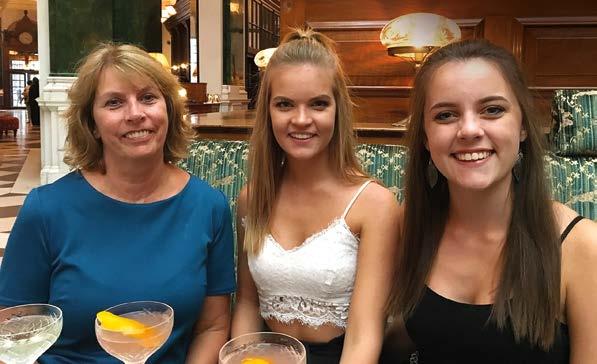
It’s hard to sum up what made our mum so special. Endlessly loving and unbelievably thoughtful, she showed us how to care, how to have fun and how to love unconditionally.
Mum was diagnosed with MND in 2021, and then frontotemporal dementia a year later. Since then the support from family, friends, carers and the MND Association has been incredible.
Since her death, remembering the big moments are incredibly special, but it’s the little things we hold closest to our hearts, an unexpected laugh, or a squeeze of the hand. If we could share one thing with anyone at the start of their MND journey, it’s to live in these moments and enjoy them for what they are.
The past three years have been challenging, but they’ve also strengthened bonds with family and friends and we’ve many happy memories. And that’s something that never would have happened without her MND.
Meeting others affected by MND has also been a special part of our journey. Now we raise awareness and fundraise in Mum’s memory to help other families and remain part of this special community.
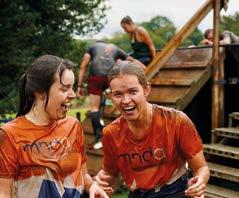
Rallying 12 friends for Tough Mudder and seeing a sea of orange and blue #TeamMND t-shirts battling round the course is an image that will stay with us forever. Across the country, our cousins were running the Rob Burrow Leeds Marathon and half marathon on the same day which made it all the more special.
Together our network has raised £12,200 and counting. We’re not stopping here and we’ll keep fundraising in Mum’s memory.
Improving psychological support
Many people living with MND face grief, loss and anxiety about what lies ahead. Psychological support can make a real difference but, until recently, there’s been limited guidance on how best to provide it.
To address this, we’ve developed a new online course to support psychologists to provide tailored psychological support. The course is based on the COMMEND study, co-funded by the MND Association and led by Professor Rebecca Gould at University College London.
The study found that Acceptance and Commitment Therapy (ACT) can improve quality of life by helping people manage distressing thoughts and focus on things that matter most to them. The course equips professionals with practical exercises and guidance on adapting ACT for the unique challenges of MND, combining modules to work on individually, with live sessions with Professor Gould.
Registration to future courses, open to qualified psychologists, is via our website. Dr Darren Reynolds, Highly Specialist Clinical Psychologist in Head and Neck Cancer recently completed the course and said:
“It’s strengthened my confidence in using ACT to help people build psychological flexibility when facing uncertainty. I also plan to share the learning with colleagues and use it to advocate for psychologically informed care.”
Dr Jess Smith, Principal Clinical Psychologist also completed the programme and highlighted the value of practical suggestions:
“It’s been so helpful to have concrete ideas on adapting ACT approaches for common difficulties in MND, such as dealing with the continual losses. I will definitely use these in my work.”
We also run one-day online workshops for all health and social care professionals, led by Professor Gould and Senior Clinical Psychologist, Dr Emily Mayberry. These sessions explore how ACT principles can support people with MND in making decisions and considering treatment options. The next workshops are on 19 May and 15 July.
Places for both the course and workshops can be booked via the Education Events page on our website.
Scan now
Where to find emotional and psychological support
A diagnosis of motor neurone disease (MND) is emotionally challenging for you and your loved ones. As you face the changes ahead, mixed emotions can be confusing, but identifying these can help you manage the impact. We’ve created a number of resources that can help:
Emotional and psychological support booklet
Our main guide to help with the emotions that come with a diagnosis. This guide includes how to seek support and the different therapies available.
Making the most of life booklet
Focusing on adapting your approach may help you continue doing the things you want to do. This piece focuses on quality of life.
“I think everyone is different. It’s hard to say ‘do this, do that’. But I think do your best.” Sue Vale, living with MND
Changes
to thinking and behaviour
Some people with MND may experience changes to thinking and behaviour. This booklet can help you identify changes that may happen and how to get support if they do.
Caring
and MND: support for you
Our guide suggests ways to look after yourself when giving support. See also our short booklet: Caring and MND: quick guide.
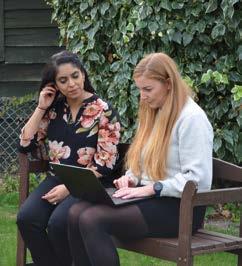
“It’s difficult because I have to control my emotions, so that I don’t look nervous and Dad’s just going to be falling apart. And trying to do that while you’re still trying to care for someone is a very difficult thing to do.” Meena Dhule, Carer.
Support for children and young people
We have resources to help young children, young people and young carers understand an MND diagnosis in their family. Explore our MND Buddies activity hub, our guide So what is MND, anyway? and more at: mndassociation.org/cyp
Find our full collection of resources: mndassociation.org/careinfofinder
Kev announces ‘final challenge’!
Our patron Kevin Sinfield CBE takes on his seventh 7 in 7 challenge in seven years!
Our patron Kevin Sinfield CBE has pledged to complete one final ultra marathon challenge on behalf of MND charities this autumn, having already raised more than £11 million.
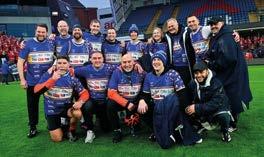
In September, Kevin and his team will take the annual challenge back to the rugby league heartlands of the north of England in memory of his friend and former Leeds Rhinos teammate Rob Burrow CBE who died from MND in 2024. Over seven days, Kevin will attempt to run seven ultra marathons between all 12 super league clubs starting in Hull and ending at the Betfred Super League Grand Final in Manchester on 3 October.
This will be the seventh and final challenge of the series in recognition of Rob’s playing number — seven.
Speaking at the end of his sixth challenge, 7 in 7: Together, last December, Kevin said: “There is something uniquely beautiful about the MND community, its sense of community and strong fighting spirit which gave us all the fuel we needed to complete this challenge. It may well have been the toughest yet but it was by far the best and the conversations we had with members of the community along the way will stay with us all for a very long time.
“But the job isn’t yet done. Six people every day in the UK are still diagnosed with MND — and for the majority of people there are no effective treatments or a cure.
“With that in mind, we’ll be back next year with our seventh challenge — a challenge
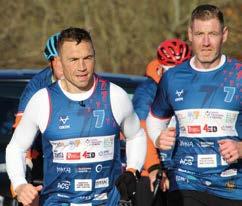
which will take us back to where it all started — to rugby league, to our team, to Rob.”
Throughout last year’s week-long challenge, crowds of people turned out to show their support for Kevin and the MND community, lining the streets and sharing messages. In villages and towns along the route, school children waved flags and took part in challenges of their own. The challenge also attracted widespread media attention, with BBC Breakfast following the team’s progress every day.
The Association’s Chief Executive, Tanya Curry said: “What Kevin and the team have achieved is incredible. As well as the money raised, which the Association will use to fund research and support people affected by MND, the challenge has started conversations about MND which wouldn’t have been possible before.
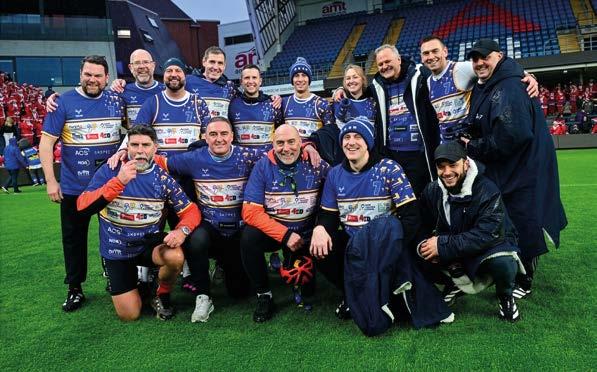
“The word hero is so often used but to our community he is exactly that — and we couldn’t be more grateful for everything he and the team continues to do to support us.”
Over the past six years, Kevin and the team have raised more than £11 million split between six MND charities, including the MND Association. His most recent challenge, which ended in Leeds on 7 December, raised more than £1.5 million.
Mike Rogers, the Association’s Director of Research and Innovation said: “During the week of Kevin’s challenge alone 42 people heard the words, ‘You have MND’.
“Hearing those words is devastating. And we don’t yet have effective treatments — but with the money raised from Kevin’s challenges we’re getting closer.”
“Thanks to Kevin and the team and everyone who donated so generously, the Association is funding the best research possible.”
Mike Rogers
Kevin and the team have raised more than £11m
split between six MND charities, including the MND Association
Look out for more information about Kevin’s final challenge on our website and socials
LEGO legacy
When Rodney Katchay died from MND in April 2025, aged 52, he left a very personal gift to the MND Association — his entire LEGO collection. Consisting of 218 sets with a potential value of £35,000, Rodney wanted his gift to help others affected by the disease.
The collection was built up after his diagnosis and gave him a focus as his MND progressed. By choosing to leave the full collection to the Association, Rodney ensured something that helped him will now help others.
Rodney was diagnosed after he began showing symptoms while on a football trip to Madrid with his close friend and carer, Adam Davis.
Adam said: “Rodney and I met shortly after his dad died from MND. From the very beginning our friendship was built around travel and football.”
Over the years the pair travelled to more than 16 countries across Europe and the Middle East, attending countless matches together.
“The last big final we went to was the 2021 Champions League Final in Porto during Covid,” says Adam. “Even then, nothing was going to stop us.”
“We faced MND together. If selling this collection can fund research and support families, then Rodney’s legacy will live on.”
Adam Davis
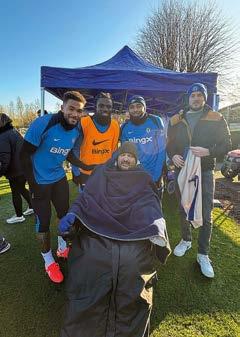
After his diagnosis, Rodney spent his life savings on something he could continue to enjoy.
Adam said: “Alongside football, LEGO was Rodney’s second great passion. Building the sets helped him to stay occupied and keep using his hands for as long as he was able.”
In his Will, Rodney named the Association as the beneficiary of his LEGO collection.

Adam said: “He wanted to make a difference. He hoped that by supporting the Association, others might have more time, more options, more hope than he did.” Adam is now auctioning the sets on eBay.
The power of ‘Fourtitude’
“Motor neurone disease is so horrific we have to stand together and do something about it.”
That’s the powerful motivation driving Northamptonshire business owner Matt Sirrell who will be one of four men taking part in a 3,000-mile transatlantic row to raise money for the MND Association later this year.
Matt and the Fourtitude team, David Watts, Peter Haymes and Tom Foster, will sail from La Gomera in the Canary Islands to English Harbour in Antigua and Barbuda on 12 December.
“All four of us have enjoyed playing sport and I cannot imagine the horror of being diagnosed with MND and having that taken away,” said Matt, who owns MSL Logistics in Northampton.
“We’ve all seen the stories of people like Rob Burrow who was diagnosed with MND at the prime of his life and I just can’t stand by and
let it happen. It pricks at my conscience and makes the fire inside burn even stronger.
“I’m grateful for the fact we have a training programme in place — for the physical side of the challenge but the mental side too.
“While I would shy away from saying we are putting ourselves in harm’s way, we have had to have some important conversations, in particular with our spouses. The support we have between us and from them has been critical.”
The challenge is not for the faint-hearted. Apart from endless days at sea, crews can expect to battle sleep deprivation, seasickness and pain.
Matt said: “People want to know the answers to two questions, ‘where do you sleep and where do you go to the loo?’ The answers are in two cabins at the front and the back of the boat in two-hour stints and in a bucket called Lucy!”
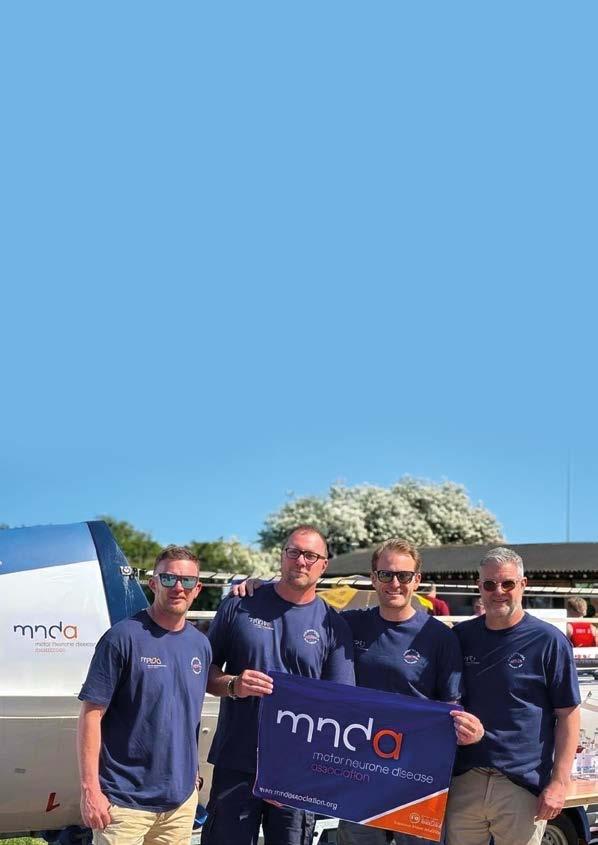
For more information, or to donate, search Fourtitude
Making a difference in your area
Influencing local decision makers
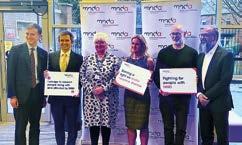
A letter from campaign volunteers in West Yorkshire to local MP, Kim Leadbeater, asking for a meeting to share the daily challenges of living with MND grew into an event bringing together MPs and people affected by MND from across the region.
Working with colleagues from the MND Association, the volunteers organised the event attended by more than 20 local people, five MPs — including a government minister, and guests from Leeds Rhinos Keith Senior and Jamie Jones-Buchanan.
New partnership introduces specialist support.
Families affected by MND in Wales have access to end of life and bereavement support thanks to a new partnership funded by our Welsh branches and groups.
The pilot project, launched on 1 April with Marie Curie Cymru, will provide specialist support and counselling and was developed in response to a specific request from people in Wales.
This specialist support is being funded by the North East Wales, North West Wales, South East Wales, South West Wales, and Cardiff and Vale of Glamorgan branches and groups.
Kate Bryon, Chair of the Cardiff and Vale of Glamorgan Branch, said:
“As volunteers, we spend a lot of time with people affected by MND and are increasingly being asked about emotional and practical support. This partnership will help so many people.”
Melanie Andrews, Head of Operations at Marie Curie Cymru, said: “Through this collaboration, families will have access to timely, compassionate support via a structured pathway which recognises the emotional daily challenges of MND both before and after bereavement. This project is a great opportunity for both organisations to better support people affected by MND throughout Wales.”
Our new service includes:
Pre-bereavement support groups to help carers understand and manage anticipatory grief.
Post-bereavement groups
offering emotional support.
Specialist one-toone counselling for people with MND and their carers, delivered in person, online or by telephone to ensure access across Wales.
There are almost 90 MND Association branches and groups working tirelessly across England, Wales and Northern Ireland to support families affected by MND.
A community remembers
Four years after pharmacist Galen Rosenberg died from MND, the community
“By working together, we’ve ensured politicians better understand MND. People at the event said they truly felt listened to, while MPs described it as an invaluable insight into life with MND.”
Alex Charilaou, Senior Campaigns Adviser
The bench was installed in memory of Galen and his parents, Paul and Doris, who founded
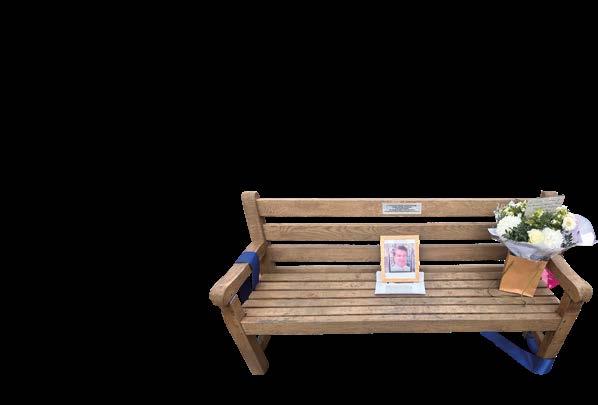
“I worked with Galen for over 26 years. He was not only my boss but my best friend and mentor.”
Anil Rokad
Seven for Sean
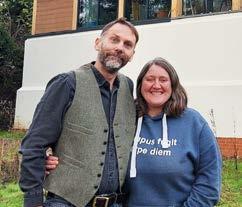
Seven members of one family are taking part in the Rob Burrow Leeds Relay Marathon in May as an act of defiance against a disease which has claimed the lives of loved ones.
Sean Davies was diagnosed with SOD1 MND — a genetic form of the disease — in 2023 having seen his father die from the same disease 19 years earlier. Several members of his family have also died from MND, including aunts and cousins.
In 2024, Sean, a keen runner, started taking a life-changing drug, tofersen, which has been proven to slow, or even stop, progression of MND in people living with the SOD1 genetic form of the disease.
Now Sean is taking part in the relay option of the Leeds Marathon alongside his wife, Mary, and other members of their family to raise awareness of the progress being made in MND research.
“I hear from lots of people that we aren’t making progress in MND research and things aren’t moving fast enough — I’m proof they are,” he explained.
“I’ve been taking tofersen for two years now and I can still use the stairs at the hospital where I receive my treatment — in fact I can get there quicker than the lift — so tofersen has changed my life.
“When my grandfather and father were diagnosed with MND there was no hope, but this treatment represents genuine hope and, for people living with MND, that hope means everything. It’s hope that I might be around for longer as a father and as a husband. I can still work, still contribute and take part in events like the Rob Burrow Leeds
Relay Marathon. I am mobile and have real purpose in my life. The difference that makes is enormous.”
As a father of five, Sean says there’s a 50% chance each of his children might have SOD1 MND.
“Having tofersen, and proving that it works, gives me hope for future generations. And by coming together at the marathon we intend to show just how important that is.”
Sean Davies
Telegraph Appeal raises vital funds
Four charities — including the MND Association — will benefit from a fantastic £672,000 raised by readers of the Daily Telegraph newspaper.
The Telegraph’s 2025 Charity Appeal ran for three months from November 2025 to January 2026 with readers being encouraged to donate and support four chosen charities — the MND Association, The Not Forgotten, Prostate Cancer Research and Canine Partners.
Coverage of the appeal, which featured the stories of people living with and affected by MND helped to raise awareness of MND among millions of readers, giving a unique insight into the reality of MND, the support available and the progress being made in MND research.
Thanks to the overwhelming generosity of Telegraph readers, in February it was announced the appeal total had exceeded the amounts raised for charity in 2024 and 2023.
As one of the benefitting charities, representatives of the Association also answered calls and took donations from readers on the appeal’s dedicated phone-in day early in December, and attended a special carol service.
Richard Evans, the MND Association’s Director of Engagement said:
“Throughout the three months of the appeal, the Telegraph devoted pages and pages to sharing the stories of people affected by MND, demonstrating the reality of the disease and showcasing the breadth of our work.”
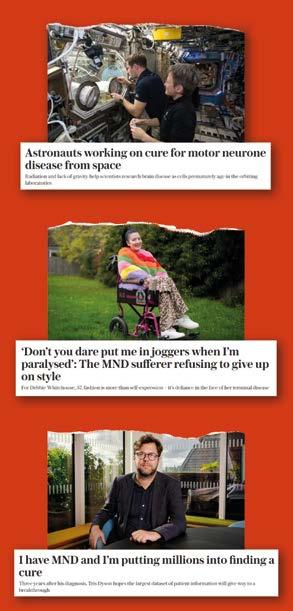

Thank you!
The money you raise is making every day matter for people with MND.
Brooke’s flying high
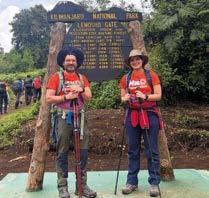
Brooke raised an incredible £22,443 in 2025 by throwing herself into an array of challenges including running a marathon, wing walking, a Kilimanjaro trek and a cycle.
Why? Her dad.
After her dad died in February 2025, Brooke found the challenges gave her a focus. She said: “Fundraising for such an important cause kept me going all year, and there’s no point stopping until there’s a cure. We may have lost Dad but if we can help other families get closer to some hope and never go through what we have been through, it means the world to us.”
Climbing
high
Well done to Alastair and his daughter Georgia, who took on Mount Kilimanjaro in February and raised an incredible £6,600 in honour of their friend Simon, who has recently been diagnosed with MND.
Brooke raised £22,443
Share
We’ve all got a favourite recipe — the delicious Victoria sponge only Mum makes, cookies Grandad loves or the cupcake recipe handed down through generations.
If you’d like to share a recipe to inspire our fundraising bakers, send it along with your story, to fundraising@mndassociation.org

You made every mile matter
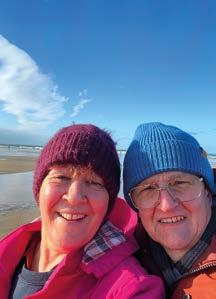
This January, 4,439 people took on the Run 31 Miles challenge. Together you raised over £615,000 for the MND Association!
One of those taking part was Louise, who has motor neurone disease. After receiving voice banking support and a quality of life grant, she wanted to give something back. She set a £150 target and went on to raise over £500.
Louise shared:
“I was happy to have a walk with friends or do exercises and raise money. I felt very proud of myself, at times it was a huge effort. I am looking forward to the next challenge that I can hopefully take part in.”
A huge thank you to Louise, and to everyone who signed up, donated, or supported the challenge. Your effort has made a real difference.
Water fundraising challenges
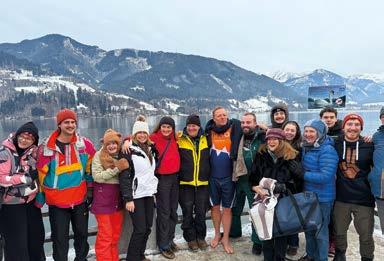
Jon (Joff) Machell was diagnosed with motor neurone disease in October last year.
Since then, he has raised over £50,000 for the fight against MND. Channelling his love of nature and swimming, Joff completed cold water plunges, paddleboarding challenges and more along with his family and friends.
Joff, you’re incredible, and you are truly making every day matter.
See you on the road!
The NX Group, a logistics company, has unveiled nine lorries which feature our logo in a bid to raise awareness and funds for the fight against motor neurone disease.
The company chose to partner with us in tribute to their Managing Director Neil’s grandma, who died of MND.
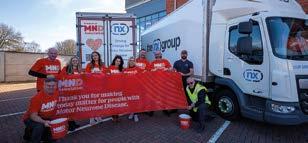
“By adding MND Association branding to a number of vehicles in our current fleet we hope to raise awareness and keep the conversation about motor neurone disease going wherever our fleet travels.” Neil Powell
Take part and make a difference!
Every
However
Register
and