
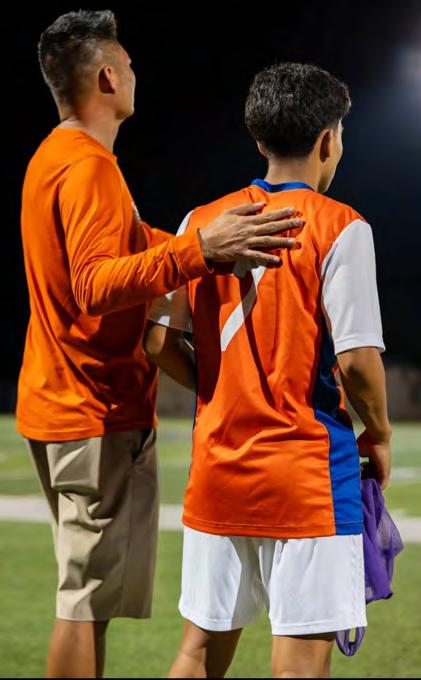
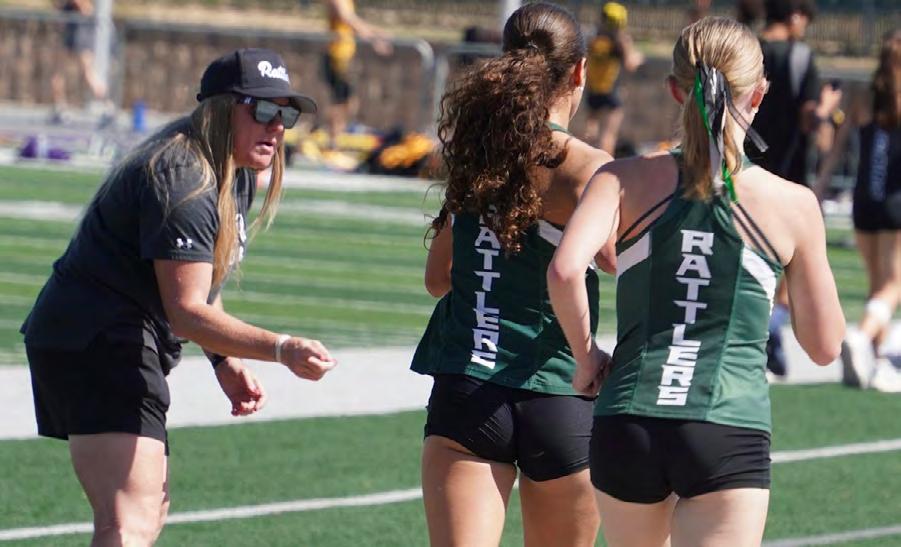
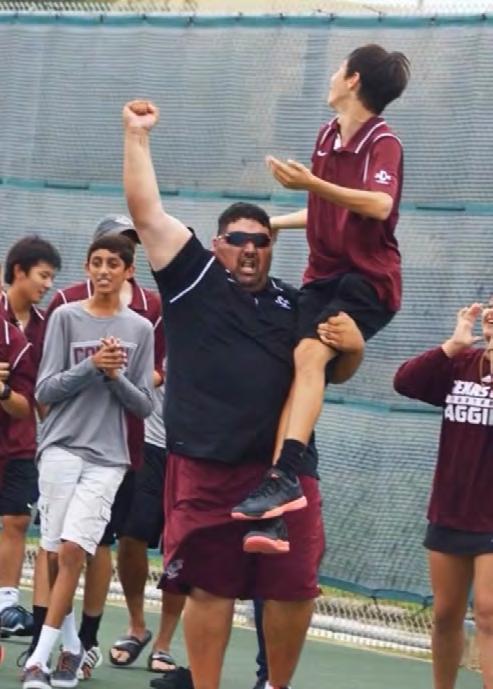
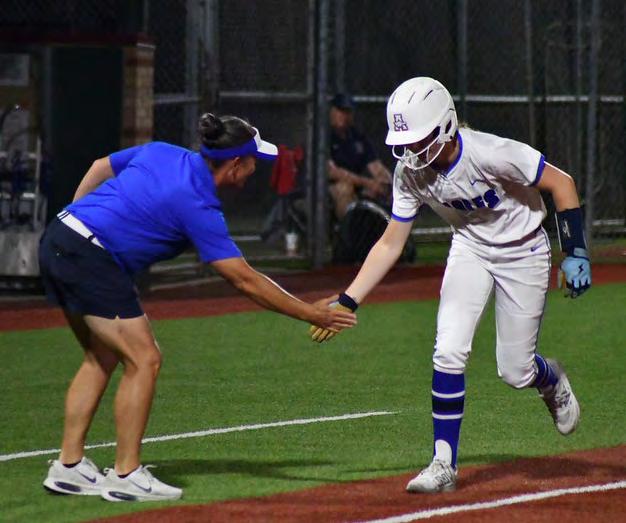

Fifty years ago, Sam Walton handpicked the town of Mount Pleasant for its first Texas-based Walmar t. It’s not just about building stores and clubs it’s about investing in associates, backing Texas manufacturing, par tnering with teachers, suppor ting local businesses and giving back to communities from El Paso to Texarkana, Amarillo to Brownsville and more than 500 other locations in between.
Learn how we’re making a difference in the Lone Star State at Walmar t.com/Texas.





DIGITAL TICKETING IS NOW PART OF THE FAN ENGAGEMENT SUITE.

Fan-friendly and easy to manage. Meet Hudl Tickets.
Fans can watch live games and highlights, see schedules, and now buy tickets, all in one place.
Completely customizable.
Choose your pricing, ticket types, capacity and single or multi-game ticketing.
No added cost.
It’s free to add Hudl Tickets to your organization.
More efficient entry.
Each ticket holds a QR code that fans scan at the gate, giving them direct entry in seconds and reducing lines. No minimums.
There are no minimums on tickets sold. Sell as many or as few as you’d like.
Let Hudl do the setup.
Let us know which events you want to offer digital ticketing and we’ll set it up for you.
Better reporting and security.
Digital sales simplify the accounting, security, and reporting process. Get a real-time look at who purchased tickets, tickets sold, and revenue generated.

Make your live events easier to attend. Get started with Hudl Ticketing at: hudl.com/solutions/fan/ticketing
TEXAS COACH - (ISSN 0040-4241) - Copyright 2025 Texas High School Coaches’ Association, Inc.
PUBLISHER
TEXAS HIGH SCHOOL COACHES ASSOCIATION, INC.
PUBLISHING/EDITORIAL OFFICES:
2553 N INTERSTATE 35 FRONTAGE RD SAN MARCOS, TX 78666-5924
web: www.thsca.com
Subscriptions: Annual subscription to TEXAS COACH for members of the Texas High School Coaches Association is $20.00, which is included in the THSCA membership dues. For non-members, digital versions of the magazine may be accessed for free at www.thsca.com. Single copies are $5.00 per current volume. TEXAS COACH is published monthly except in June, July, and August and is dated the first of the publication month, although it is mailed around the 10th of the publication month.
Change of address: Request for change of address must reach us 30 days before the date of issue with which it is to take effect. Duplicate copies cannot be sent to replace those undelivered through failure to send advance notice. Email change of address to info@thsca.com or members can go online and make the change in your member portal profile at www.thsca.com.
Periodicals Postage Paid at San Marcos, TX & additional entries. “All rights reserved”. (USPS 540-600).
POSTMASTER Send address change to:
TEXAS HIGH SCHOOL COACHES ASSOCIATION P.O. DRAWER 1138
SAN MARCOS, TX 78667-1138
Printed by Integ in Austin, Texas.
EXECUTIVE DIRECTOR
JOE MARTIN joemartin@thsca.com
ASSISTANT EXECUTIVE DIRECTOR
GLEN WEST glenwest@thsca.com
Chief Operating Officer of THSCA BRIAN POLK brianpolk@thsca.com
Chief Operating Officer of THSCEF
LIBBY PACHECO libbypacheco@thsca.com
Director of Publications & Technology
BECKY ADAMS beckyadams@thsca.com
Director of Administration
MARGARET BEYER margaretbeyer@thsca.com
Director of Media & Marketing
ANNA BUCKALEW annabuckalew@thsca.com
Director of Exhibits & Sponsorships MOLLY FLY mollyfly@thsca.com
Director of Membership
ALLIE HERRMANN allieherrmann@thsca.com
Director of Finance & Accounting
KEVIN SMITH kevinsmith@thsca.com
Director of Hotels & Hospitality CHELSEA MILLER chelseamiller@thsca.com
Director of Public Relations & Awards
TYLER WATTS tylerwatts@thsca.com
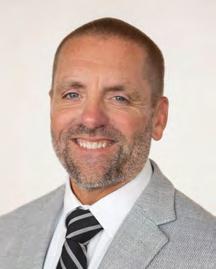
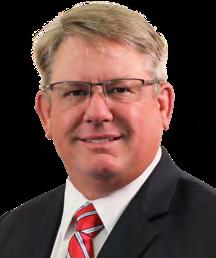

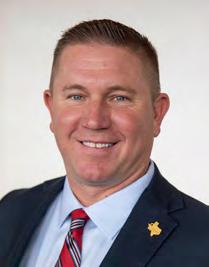
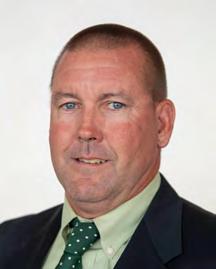
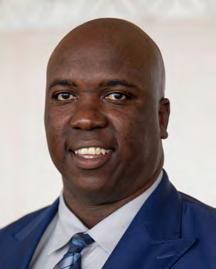
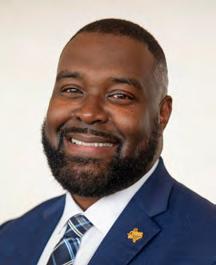

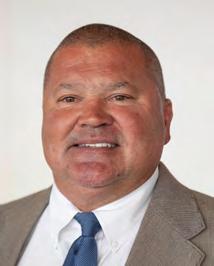
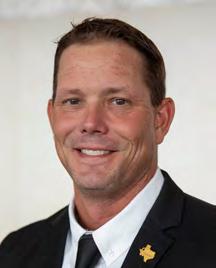
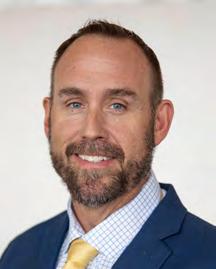
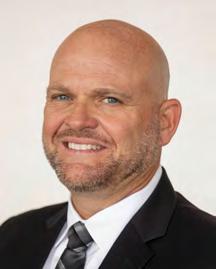
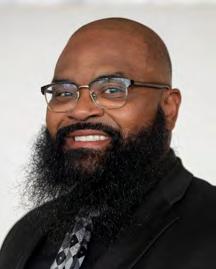
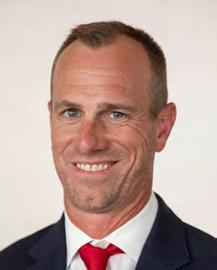
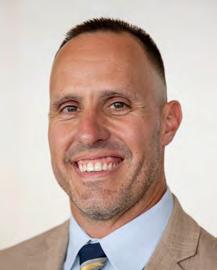
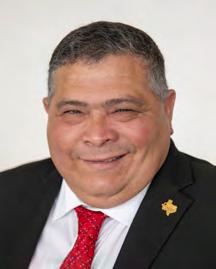
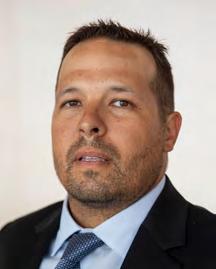
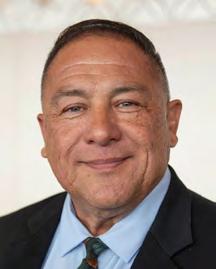
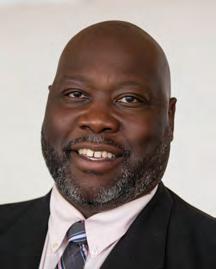
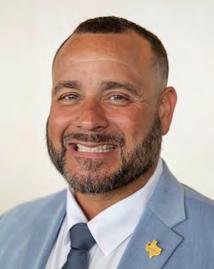
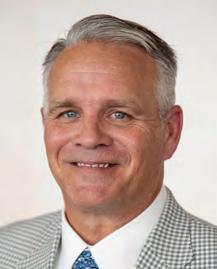
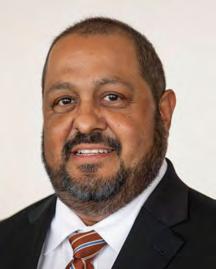
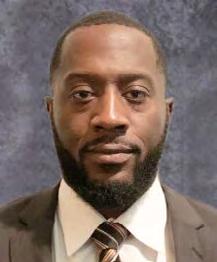

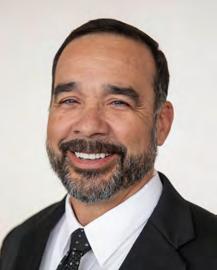

Finance: Brent Davis, Chip Darden, Sterling Doty, Clint Hartman, Marvin Sedberry Jr., *John Snelson, Drew Sanders
Bylaws: Chris Cochran, *B.J. Gotte, Joe Hubbard, Shaun McDowell, Leo Mireles, Rachel Torvik
Ethics: *LaQueisha Dickerson, Clint Fuller, Don Hyde, Casey Pearce, Marcus Shavers
Policy: Ben Bitner, Brian Randle, *Aaron Roan, Jason Richards, Antonio Wiley, Heather Woodman
Magazine: Andy Cavalier, *Jeff Ellison, Reuben Farias, Juan Morales, Mike Pry, Eddie Salas
Hall of Honor: *Dub Farris, Charlie Johnston, Gary Joseph, Allen Wilson
DIRECTOR-ELECTS
*Denotes Chair
R1 – Jason Richards, Frenship Memorial; R2 – Mike Reed, Gordon; 3 – Marcus Shavers, North Forney; R4 – Frank Maldonado, Midland Legacy; R5 – Rick LaFavers, Ridge Point; R6 – Clint Fuller, Kilgore; R7 – David Sanchez, Laredo United; R8 – Tony Salazar, Westlake
1ST ALTERNATES
R1 – Aaron Dunnam, Dumas; R2 – Mitch Ables, Hawley; R3 – Antonio Wiley, Coppell; R4 – Vance Washington, Permian; R5 – Travis Reeve, El Campo; R6 – Shane Tolleson, Waxahachie; R7 – JC Ramirez Jr., Veterans Memorial; R8 – Amanda Wolf-Schramm, Smithson Valley
2nd ALTERNATES
R1 – Rodney Vincent, Shallowater; R2 – Jake Escobar, Comanche; R3 – Riley Dodge, Southlake Carroll; R4 – Thad Fortune, Midland High; R5 – Kevin Berneathy, La Porte; R6 – Doug Wendel, Midlothian; R7 – Mark Chester, Gregory Portland; R8 – Galen Zimmerman, Dripping Springs







ATHLETIC WEBSITES
Unite your community through seamless communication. Engage provides a free, easy-to-use website for athletic and activity programs. Integrate tickets, schedules, rosters, announcements, and more.
Proud Sponsor of




Easily sell tickets, check in attendees, and access revenue faster than ever. Streamline operations with season passes, custom seat maps, and secure gate entry, while reducing the need for staffed windows and cash handling.
Simplify ticketing, fundraising, and more with Hometown's digital solutions.
Learn more at hometown.com
ONLINE FUNDRAISING
Access a fee-free fundraising platform designed to help you raise more and keep more. Our intuitive, district-friendly solution makes running fundraisers effortless, rallying donors with less work and stress.

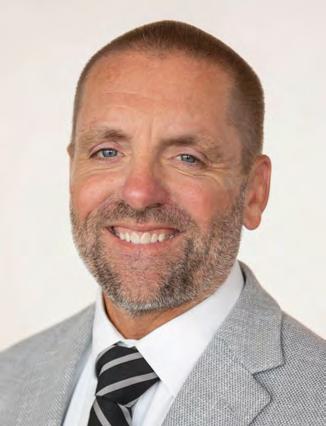
To the best coaches in the nation,
April 2026
Unfortunately, my time to write these letters is coming to an end. After this one, I’ve only got one left. So I thought I’d use this week to give a nod to one of the biggest mentors in my life—Hall of Honor Coach, Jimmie Keeling.
Coach Keeling is a legend in our profession. He’s won a lot of games; and heck, he even has a statue at Hardin-Simmons University. More importantly, he coached football and changed lives for over 50 years—56 total years. Wow. What a legacy.
After all those years, Coach had about a million sayings. One of his habits was repeating them daily or writing them on the big marker board in the locker room—or both. Needless to say, they all made an impact. I want to share four things he taught us that left a mark on me for life—things I still use today, and maybe they can help you too.
W.I.N. (What’s Important Now) – This has influenced my life daily. As a head coach, I’m constantly inundated with requests for my time—parents, community stakeholders, coaches, players, and my own family. Phone calls, emails, meetings… more meetings. Everything and everyone, all the time. And I’ll admit, there are times I think, how in the world am I going to get all of this done? Then I go back to W.I.N.—What’s important now? Right now. What has to be done first? What actually needs to be handled now, and what can wait? I can’t tell you the clarity that brought me in college during finals, or now as a 20-year head coach and athletic administrator. Don’t stress—just take the most important thing, handle it, and go from there. W.I.N.
You’re a lot better than you think you are – Coach Keeling said this before every game. “You think you’re good—but you’re a lot better than you think you are. You really, really are.” I’ll be honest—as a freshman, it didn’t resonate. But by my senior year, I believed it. That mindset started to bleed into every area of my life—and it still does today. It helped me walking into my first head coaching interviews: You’re a lot better than you think you are. It helped when I took my team into AT&T Stadium for the first time: You’re a lot better than you think you are. And it still resonates with me today.
Play hard no matter what – This was the hallmark of Coach Keeling’s teams, and I hope it’s what people see when they turn on the tape for mine. I want our teams to play with “extreme effort,” as Coach would say—no matter what, even if it’s raining sideways. I remember our defensive coordinator calling me out in a film session for loafing on the backside of a play in college. What’s funny is, at the time, I thought I was playing hard. Turns out, I had another gear—I just hadn’t tapped into it yet. If you can get this one thing out of your team—relentless effort regardless of the situation—you’ll win a lot more games than you lose. And you’ll earn the respect of every coach you compete against.
It’s a great day to be young and a Cowboy – I can still hear Coach Keeling saying this—loud, every day, usually during stretch period. And I’ll be honest, I didn’t always feel like it was a great day. I was tired, hot, worn down, not sure I even wanted to be there. Then I’d hear Coach say it again; and again. Then he’d come by, pat me on the helmet, and something would start to shift. By my senior year, I believed it. It was a great day to be young and a Cowboy. I started approaching practice—and life—with a different attitude. It’s amazing what a positive outlook can do.
But more than any saying, the thing I hope I emulate most is the confidence Coach Keeling carried himself with. When he walked into the locker room, you could feel his belief—in us and in our ability to win. Somehow, we usually did. I try to show that to my team every single day.
I hope one of these sayings helps you today. I know I use every one of them in our program, and I firmly believe they still impact young people—and help me too. I’m thankful for the coaches in my life, and I’d bet you feel the same way. Go be that person for someone today.
Moving on to THSCA news—Register for the greatest event of its kind, THSCA Coaching School. Deadline is June 1st for the $85 fee, after that date the fee goes up. Register today as you CANNOT miss this event. Golf, Track, Baseball, Softball and Tennis Elite team/Coach of the year nominations are due soon! The Spring POI (Power of Influence) meetings are starting up soon, stay tuned for those details. Thanks to those advisory committee members that have served, your role is so important. We will vote in new members this July! Last but not least, welcome to our newest ROCK class members. Congratulations, you just won the lotto. You’ll love all your new friends and connections you will make in this wonderful program.
Thank you for taking the time to read this—and more importantly, thank you for who you are and what you do. You matter to your families, your athletes, and this great state. Keep improving. Keep serving. Keep making a difference—one kid at a time.

Drew Sanders, THSCA President

• Analyze plays in the coaches’ booth
• Use our favorites and data to optimize your halftime strategy
• Videos are stored locally on iPads, allowing you to easily watch in the locker room and on the bus ride home

“SkyCoach allows our staff to see what is happening in between series and make needed in-game adjustments on the fly.”
- Ian Nichols, Mill Valley Assistant Coach

Struggling with your current replay system?
It’s NOT too late to sign up with SkyCoach!

To report a coach that is Retiring or On the Move to a new HEAD Coaching Job, (FOR ANY SPORT), login to your THSCA Member Portal and find "Report a Coach On the Move" under the Member Services tab.
James Adams retires from O’Donnell Middle School as Head Football and Basketball Coach.
Rudy Bernal retires from Antonion College Prep HS in San Antonio, as the Head Boys Basketball Coach.
Tommy Brashear announces his retirement, after eight seasons as a head coach, posting a 59-33 overall record with stops at Cameron Yoe and Troy. He was an assistant coach at Cameron Yoe on three state title teams and two state finalists.
Felipe Castro retires from Pflugerville Hendrickson as the Head Cross Country/Assistant Boys Soccer Coach.
Robert Draper, who spent three seasons leading Florence announces his retirement after a 34-year coaching career.
Glenn Gamez retires from New Braunfels Canyon as the Head Boys Track Coach.
Don Garlitz retires from Whitehouse as the Head Boys Track and Cross Country coach.
Lonnie Garza retires from Edinburg North as Defensive Coordinator.
Bren Jones retires from Smithson Valley as CTE Teacher/ Asst. FB/Head Boys and Girls Track and Field coach.
Pat Kennedy, who started the Lake Creek program in 2018, announces his retirement after a 31-year career. Kennedy led the Lions to the regional semifinals in 2022 and 2023; he posted a 52-36 record in eight seasons.
Steve Marrow retires as Special Teams Coordinator and Head Track coach at Ennis for 31 years and a part of four state titles in football at Ennis and one state title in Track.
Daniel Perez retires from La Villa Early College as the AD/ HFC.
Ron Rittimann, who led Alamo Heights to a pair of regional final appearances and five double-digit win seasons in six seasons announces his retirement. He posted a career record of 141-69 record in eighteen seasons as a head coach.
Brent Watkins, who led Kerens for two seasons and was a long-time assistant in the area announced his retirement. He led KHS to a regional semifinal appearance in 2024 and was the DC on Malakoff's 2023 state title team.
PJ Wells, assistant football coach at San Antonio Brennan is retiring, after 34 years, with stops at Laferia 4 yrs, Lyford 1 yr, Hondo 14 yrs, Devine 5 yrs, Brennan 10 yrs.
THSCA Hall of Honor inductee Rodney Webb retires after leading Heath for three seasons. He posted a career record of 181-91 with stops at Royse City, Mesquite Horn, Rockwall, Denton Guyer and Rockwall-Heath.
Paul Willingham retires from Ennis as the DC and Head Powerlifting Coach. He coached in Ennis for 40 years and was a part of four state titles at Ennis.
Stacey Alexander from OC at Amarillo to HFC at Stratford.
Hunter Ashley from DC at Marshall to HFC at Stinnett West Texas.
Ryan Baker from Head Softball at Katy Paetow to Head Softball at Wallis Brazos.
Marc Bindel from HFC at WF Memorial to HFC at Celina.
Jim Bird promoted from DC to AD/HFC at Lovelady.
Weston Bond from DC at Eagle Mountain to HFC at Riesel.
Robert Boone from HFC at Carrollton Smith to HFC at Mesquite Horn.
Michael Buro from DC at San Antonio Johnson to HFC at The Woodlands College Park.
Nathan Byerly from OC at Kountze to HFC at Hemphill.
Christopher Castillo from DC at Somerset to HFC at Greenville.
Cody Cheek promoted to AD/HFC at Frost.
Kyle Coats from HFC at Woodlands College Park to HFC at Humble Atascocita.
KaRon Coleman from OC at FB Hightower to HFC at Spring.
Kendrick Crumedy from HFC at Jasper to HFC at FB Travis.
Jonathan Cruz from OL coach at Arlington Bowie to HFC at Round Rock McNeil.

Daniel Davis from Asst. at Weatherford to HFC at Mt. Enterprise.
Elvis Davis named interim HFC at Houston Chavez.
Casey Dick from HFC in Fayetteville, AR to HFC at RockwallHeath.
Myles Duelm from OC at San Antonio Reagan to HFC at San Antonio Madison.
Mitch Esquivel from Asst. Basketball at SA Edison to Head Golf/ Asst. Basketball at Buda Johnson.
Justen Evans from HFC at CC Miller to HFC at Denton Braswell.
Ariel Famaligi from OC at EP Franklin to HFC at EP Bel Air.
Toby Foreman from HFC at Killeen Shoemaker to AD/HFC at Jasper.
Horacio Garza from OC at PSJA North to HFC at PSJA.
Leeland Hamilton from OC at Morton Ranch to HFC at Hillsboro.
Stephen Hernandez from DC at SA Holmes to HFC at Pearsall.
Joe Hicks from Head Girls Basketball at Marshall to Head Boys Basketball at Beckville.
Vincent Hooper promoted from Asst. HC to HFC at Frisco Heritage.
Mark Hopkins from OC at Katy Tompkins to HFC at Leander Rouse.
Peter Hopkins from OC at Humble to HFC at Manor.
Vernon Hughes from HFC at Mesquite Horn to HFC at Judson.
Matthew Kana, former Asst. at Snook from 2019-2021, hired as their new HFC.
Scott Lane from Asst. FB/Head Track at Coldspring-Oakhurst to OC/Asst. HFC/Head Track at Crockett.
Todd Ledford from OC in Nashville, AR to HFC at Hooks.
Jimmy Littleton from Asst. Basketball at Richland College to Head Basketball at Blum.
Rhudy Maskew from Asst. coach at Idalou to AD at Wilson ISD.
Matt McKinney promoted from OC to HFC at San Antonio Harlan.
Cale Melton from HFC at Humble Kingwood to HFC at Montgomery Lake Creek.
Cody Moore from OC at Rockwall-Heath to HFC at Mineola.
Trey Morgan, former DC from 2021-2024, hired as HFC at Grape Creek.
Frank Muir promoted from LB Coach to HFC at Austin Crockett.
Lee Munn promoted from DC to HFC at Southlake Carroll.
Paul Ortega from HFC at San Antonio Memorial to HFC at San Antonio Marshall.
Andrea Osbourn from Head Volleyball/Head Tennis at Tioga to Head Volleyball at Whitewright.
Brock Payne promoted from DC to HFC at Vernon.
Jake Pierson from OC at Red Oak to HFC at Rice.
Jose Ponce promoted from OC to HFC at Hidalgo.
Peggy Randolph from Head Volleyball at Saginaw to Head Volleyball/MS Coordinator/Asst. Track at Pecos.
John Ramsey moves to AD only role at Bonham.
Shawn Redd from Assoc. Head Baseball at Lakeview Centennial to Head Baseball at North Forney.
JJ Resendez from Asst. Football at Brewer to HFC/Boys Coord. at FW North Side.
Kenneth Riedinger promoted from Asst. to HFC at Warren.
Kirk Rogers from OC at Austin Westlake to HFC at Lake Belton.
Joey Saxe from HFC/AC at Akins to Asst. AD at Corpus Christi ISD.
Bruce Silman, former DC at Mineola, hired as HFC at Cooper.
Aubrey Sims from HFC at Weatherford to HFC at Alvarado.
Nicholas Tarr from Head Volleyball at Frankston to Girls Coord./ Head Volleyball/Head Golf at Olney.
Kerry Therwhanger, former Timpson HFC, hired as HFC at Garrison.
Bryan Waller from Head Softball/Girls XC at Copperas Cove to Head Softball at Arlington Martin.
Casey Walraven from HFC at Alvarado to HFC at Hutto.
Jeff Ward from OC at Mineral Wells to HFC at Munday.
Ryan Warner from Asst. coach at East View to Head Soccer Coach/JH Coord. at Cameron Yoe.
Christy Westbrooks from Head Girls Basketball at Randle to Head Girls Basketball at Humble Atascocita.
Brent Whitson from HFC at Denison to AD for Celina ISD.
Lawrence Williams promoted from DC to HFC at Waxahachie.
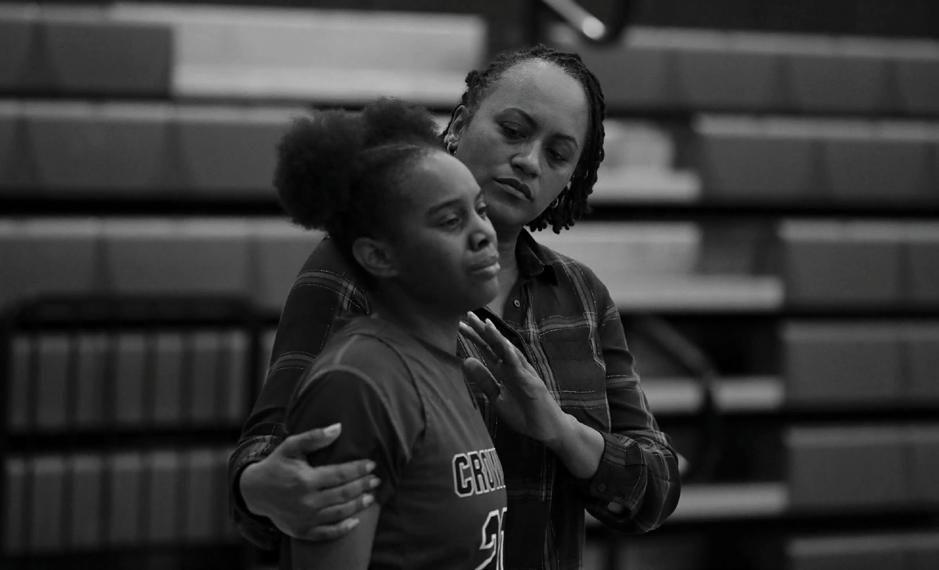
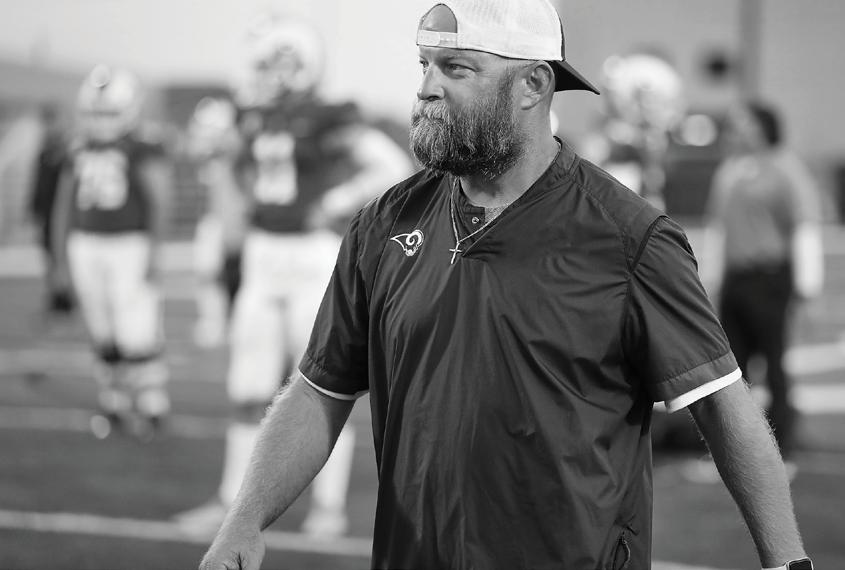
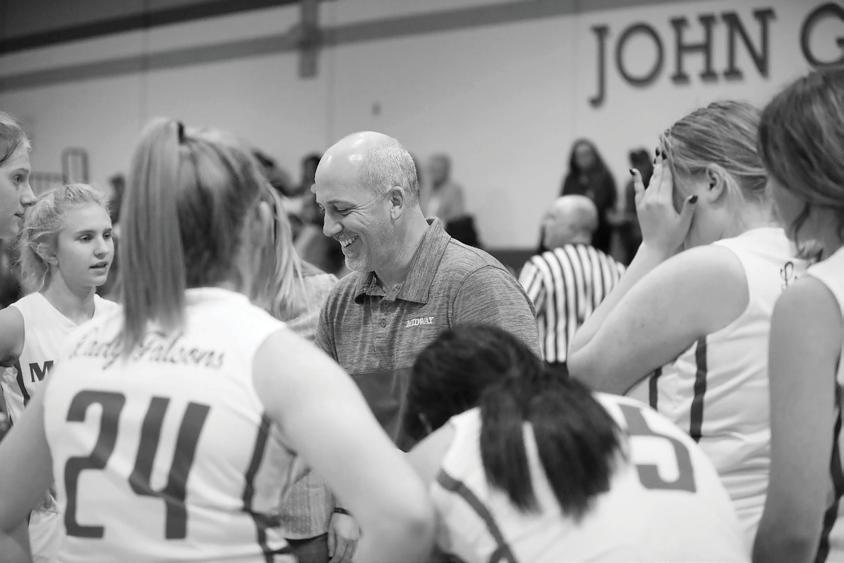
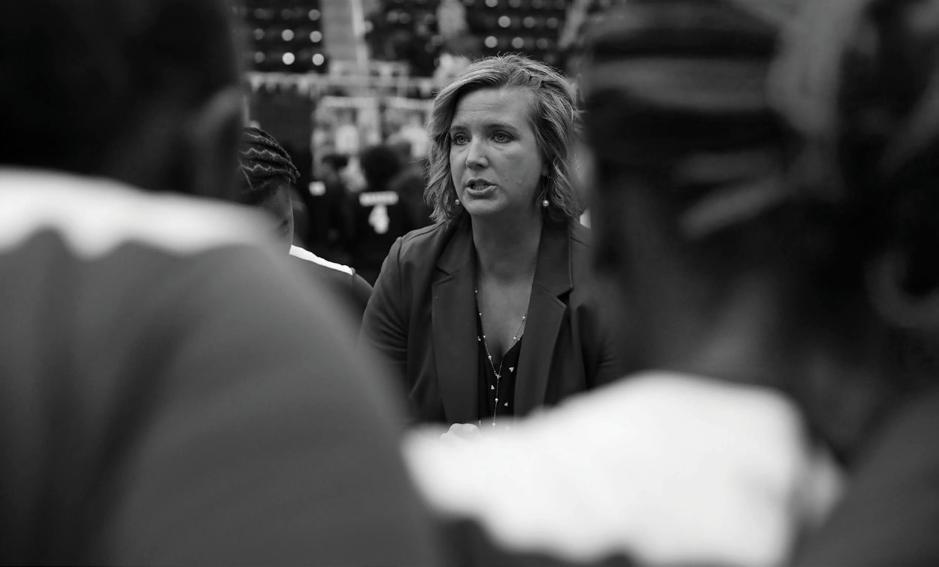

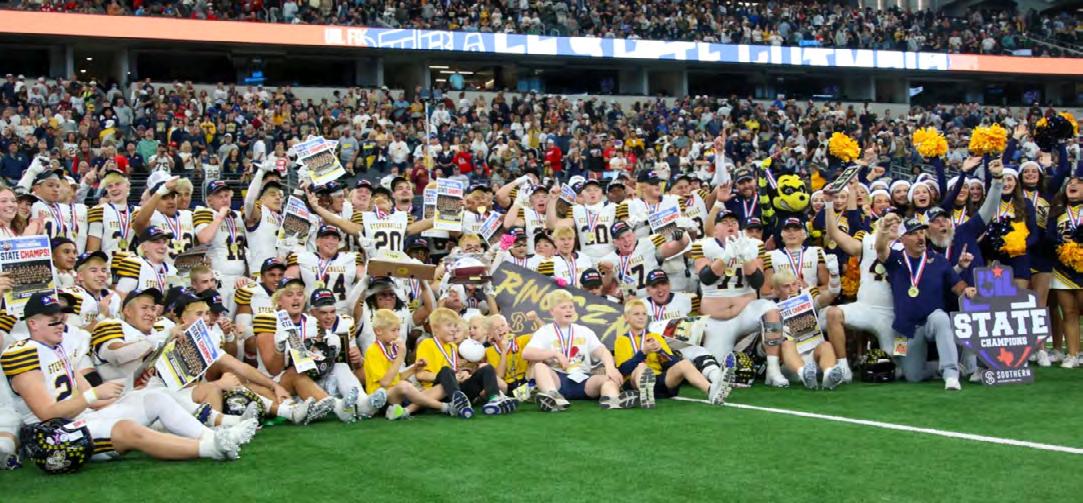
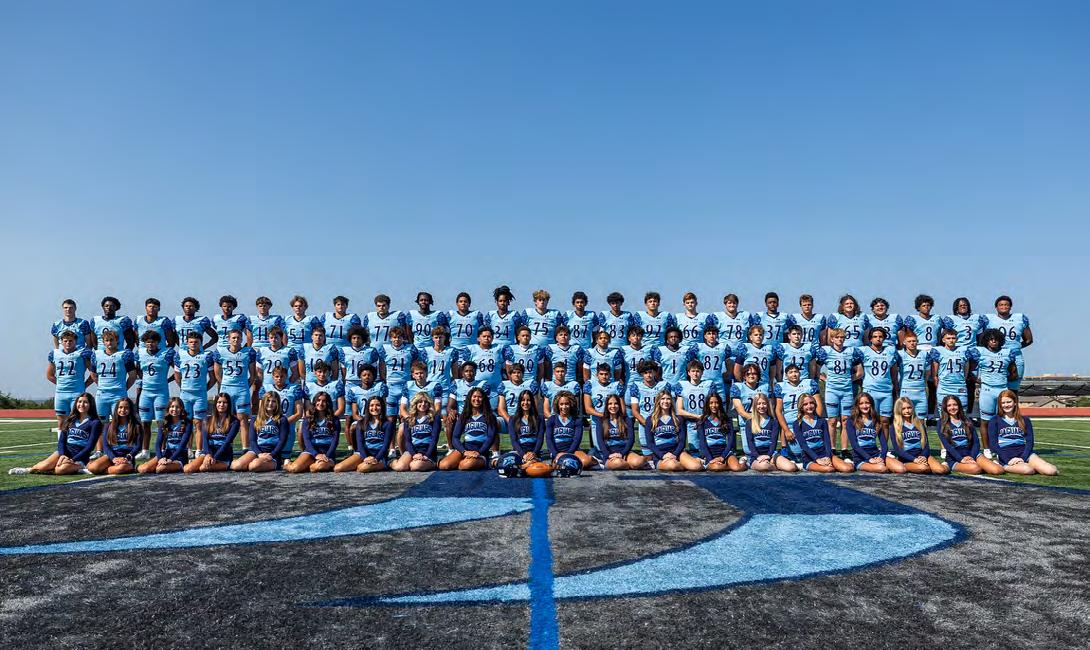
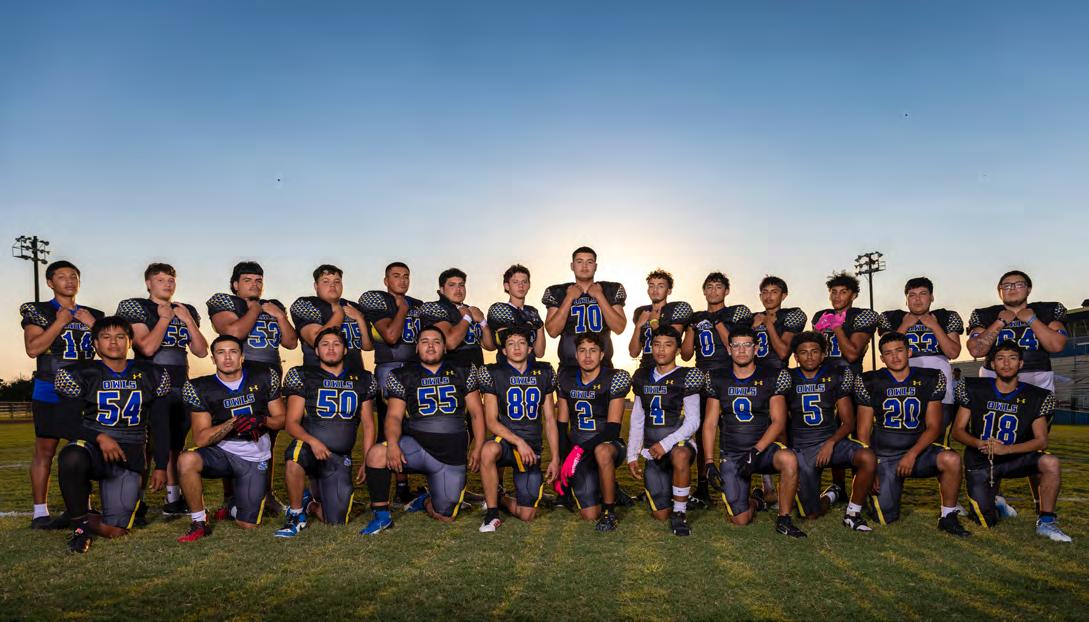
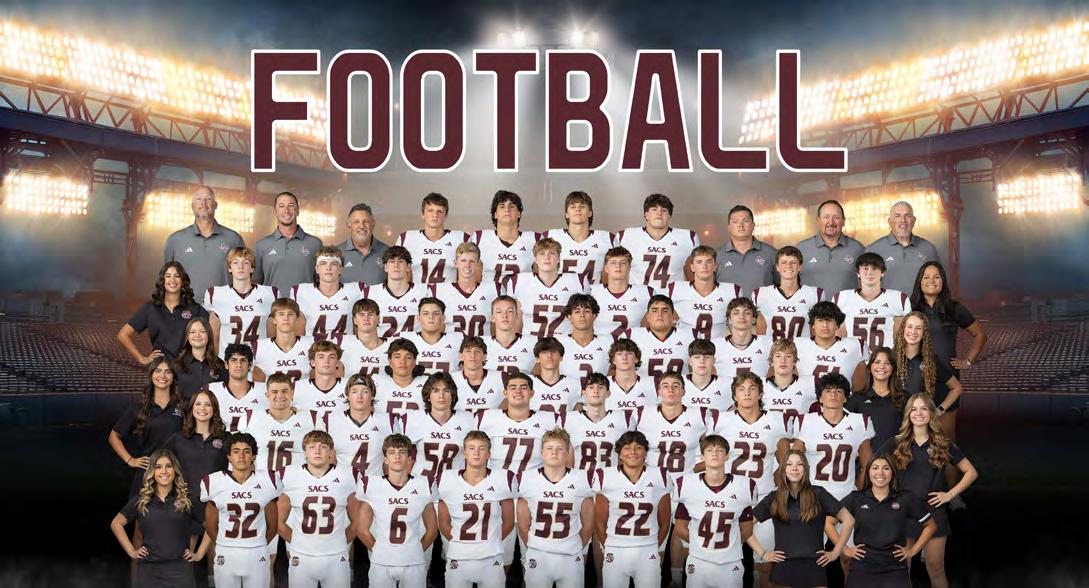
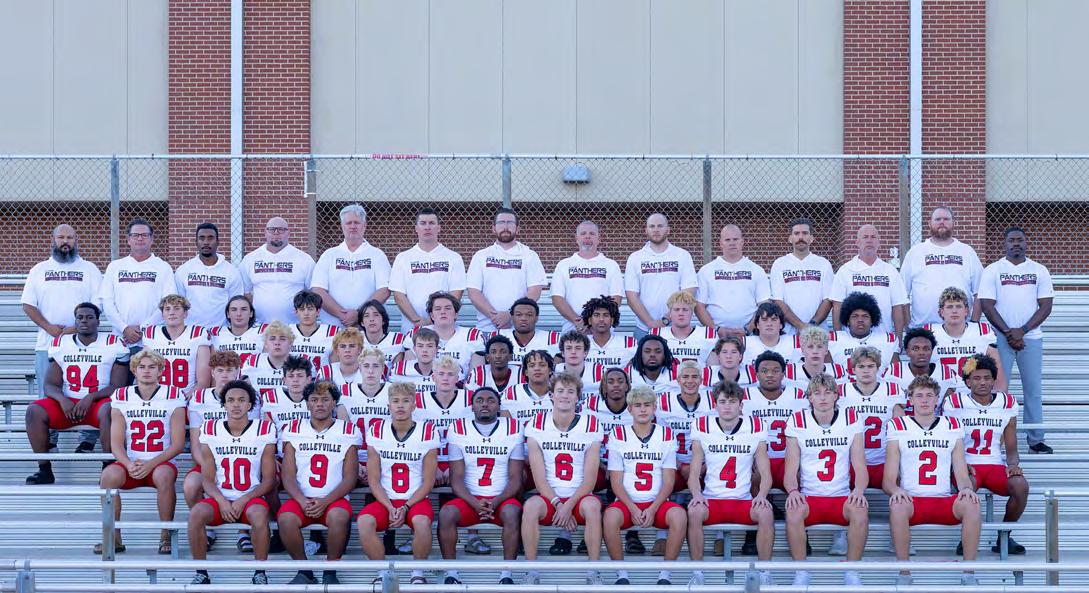
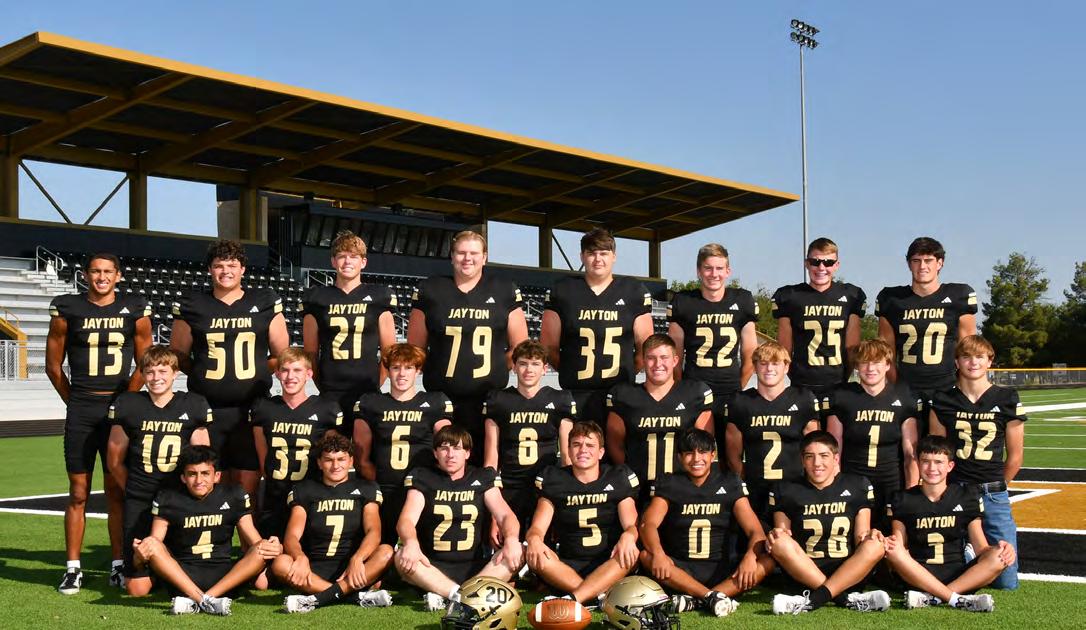
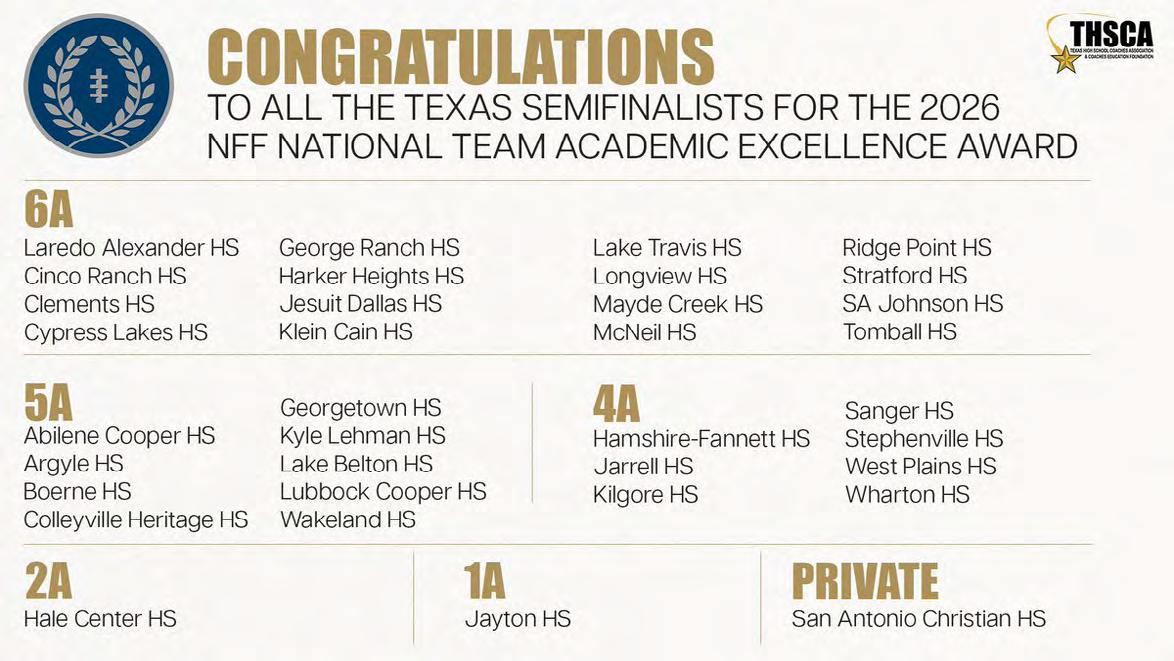
Texas State Finalist applications were reviewed and these State Champion selections for each classification were submitted to the National Football Foundation to be considered as National Finalists. Texas Overall State Champion, Stephenville HS, was selected as this years National NFF Hatchell Cup Recipient presented by Bob's Steak & Chop House.
SPECIAL RECOGNITION TO OUR overall state & National CHAMPION stephenville HS


Elevate your team culture with sportsYou: the free, secure messaging platform built for coaches, not classrooms. sportsYou streamlines athletic communication across every team, all in one place – saving you time so you can focus on what matters most: your athletes.

sportsYou is 100% Americanowned. All data is stored and encrypted in the US
sportsYou does not sell individual user data
Communication settings are customizable to support your school/district policies


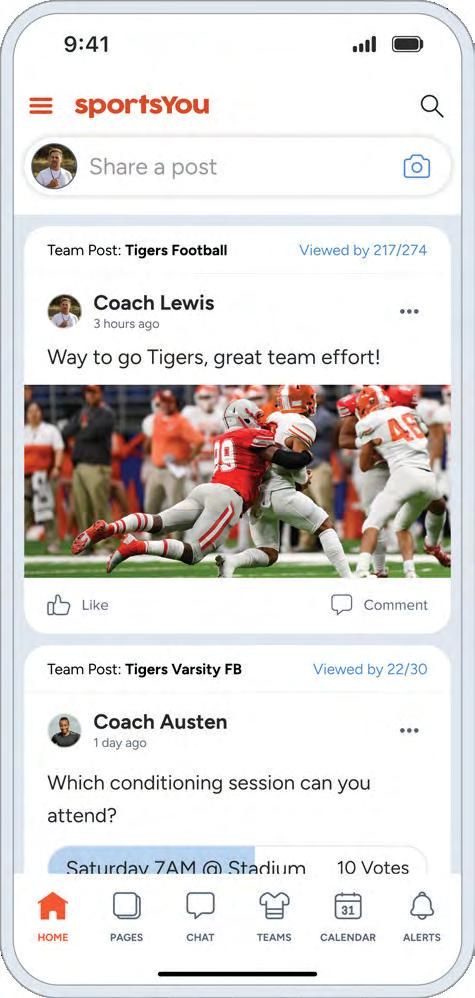
Districts own + can access communication history
sportsYou will review your DPA upon request
sportsYou will support you through the approval process + help you navigate HB 1481 and HB 4623
Meet with us: go.sportsyou.com/approval












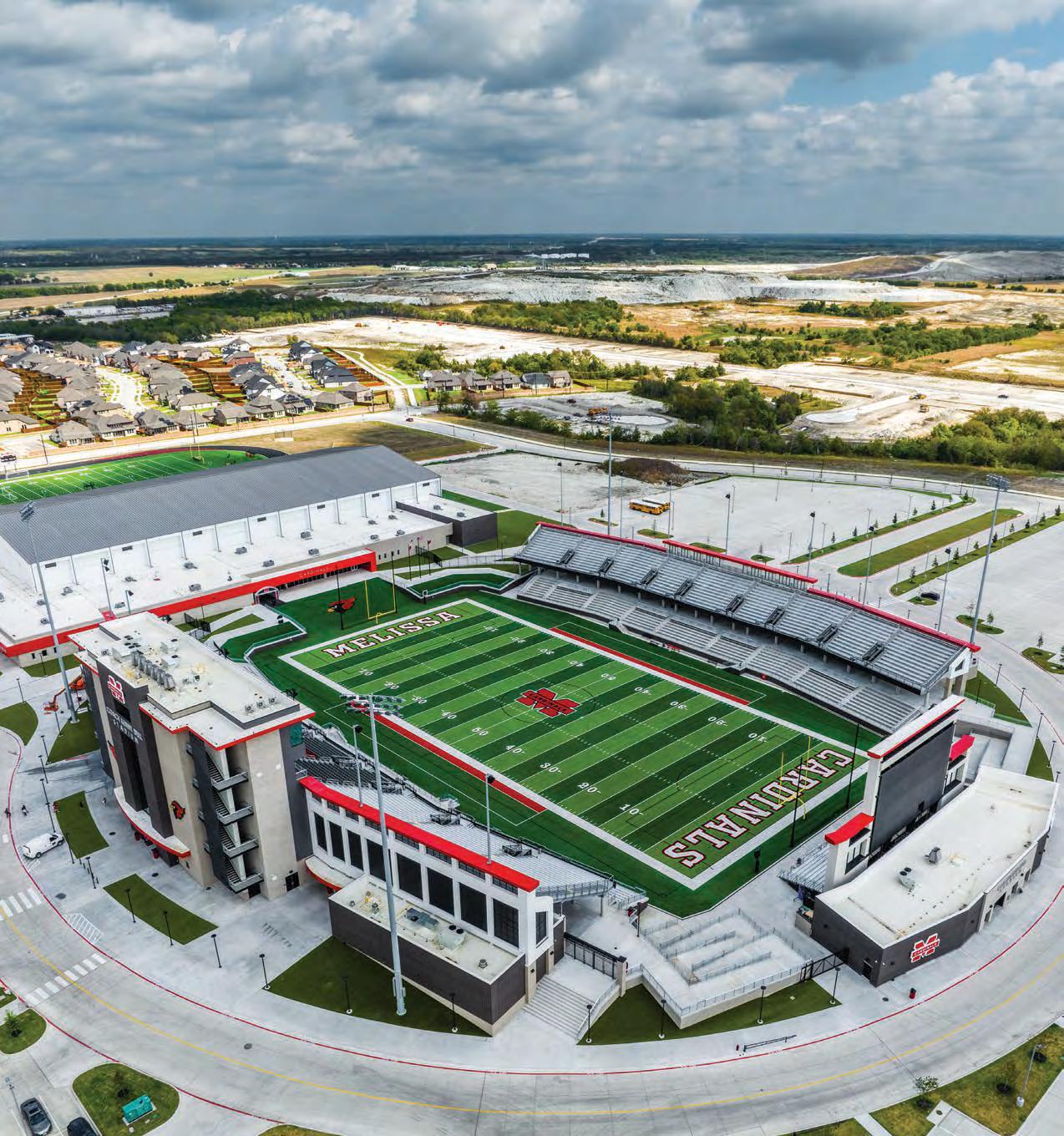
THE GREATEST STATE IN ALL THE LAND DESERVES THE GREATEST RING ON THEIR HAND!





“The two most powerful warriors are patience and time.”
Leo Tolstoy
“The best way to find yourself is to lose yourself in the service of others.”
Mahatma Gandhi
“The meaning of life is to find your gift. The purpose of life is to give it away.”
Pablo Picasso
“ou can’t live a perfect day without doing something for someone who will never be able to repay you.”
John Wooden
“Patience is not the ability to wait, but the ability to keep a good attitude while waiting.”
Joyce Meyer
“Patience and perseverance have a magical effect before which difficulties disappear.”
John Quincy Adams
“Patience is the calm acceptance that things can happen in a different order than the one you have in mind.”
David G. Allen
“The purpose of life is not to be happy. It is to be useful, to be honorable, to be compassionate.”
Ralph Waldo Emerson
"Well done is better than well said.”
Benjamin Franklin
"Involvement creates commitment.”
Stephen Covey
"Do something. If it works, do more of it. If it doesn’t, do something else.”
Franklin D. Roosevelt
“Change will not come if we wait for some other person or some other time. We are the ones we’ve been waiting for.”
Barack Obama


Four outstanding organizations, transformed into one powerhouse. And while our name may have changed, everything you count on - great service, uniforms, and gear remain.

YOUR GAME IS ALWAYS GAME ONE






By Brooke Brittain

Before I ever became a head coach, I learned something about leadership in a place very different from the court.
That lesson came during my second deployment as a military police officer to Iraq.
At the time I was a battalion operations sergeant conducting what the military calls a staff assistance visit. The idea is somewhat similar to an athletic director stopping by to watch a coach run practice or coach a game. You observe, support, and sometimes offer feedback. Other times you simply watch and take note when you see strong leadership in action so those lessons can be shared as best practices with others across the organization.
On this particular day, I was visiting a small Iraqi jail in Tikrit and sitting down for chai with a local Iraqi police chief. We were having a productive meeting when a soldier from our security team rushed into the room and told us that one of our patrol elements had been hit by a grenade attack.
The tone in the room changed immediately.
We ran outside, mounted up into our vehicles, and headed toward the patrol location to assist with the medical evacuation. When we arrived, the damage was clear. One of the gunners in the Humvee had taken the worst of it. The grenade had detonated near the turret, and he had taken shrapnel to the face.
The soldiers from the damaged vehicle were evacuated to other open seats and we attached a tow bar to the Humvee that had been hit in order to return to base so the wounded soldier could be taken to the combat support hospital.

Grenade attacks like that were unfortunately pretty common at the time, so the situation itself didn’t shock anyone. What happened after we got back to base, however, has stayed with me ever since.
When we returned, I watched the young squad leader gather the rest of his soldiers.
This was his squad. They had just been hit. One of their own had been seriously injured, and the adrenaline of the moment had not yet worn off.
Standing there, I realized I was in a sacred leadership space that most are not invited into and I had the rare opportunity to observe something important. I was not responsible for leading these soldiers. I could simply watch how a leader handled a difficult and emotional moment after taking a hit with his people.
The squad leader pulled everyone together and first gave them space to breathe. He acknowledged that the situation had shaken them and that it was frustrating and anger inducing not knowing yet how their teammate was doing. Then he reassured them that their gunner was in the right place and receiving care. He promised to share updates as soon as he had information.
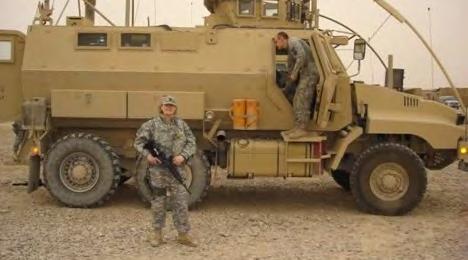
As sergeants in the Army, we have a creed we live by. In it, we acknowledge that our two basic responsibilities will “always be uppermost in my mind. Accomplishment of my mission and the welfare of my soldiers”.
That squad leader was living the creed as he narrowed his focus on the welfare of his soldiers.
Once the group had settled a bit, he transitioned his focus to the mission. He conducted an after-action review and walked through what had happened. They talked about what they needed to be aware of moving forward and how they could respond better if something similar happened again. Just as importantly, he pointed out what they had done well. He reminded them that their training had worked and that their response under pressure had helped protect each other.
The conversation held space for two things at the same time: care for their injured teammate and a commitment to learn from the moment and move forward in the mission.

By the end of it, the group looked steadier and united.
When the squad leader turned to me and asked if I had anything to add, I simply told them that I was impressed with the way they had handled themselves. They had taken care of their soldier and carried out the mission with excellence under threatening and vulnerable conditions.
But privately, I was thinking about something else.
Earlier that day, I had originally been scheduled to ride in that same Humvee in the exact spot that the
grenade hit. The squad leader had asked me to join him for the meeting with the Iraqi police chief instead so I switched vehicles.
The grenade had exploded in the exact seat where I was originally supposed to be sitting.
Watching him lead his soldiers in that moment, I remember feeling two things at the same time. First, I was just incredibly impressed as how exceptional this young leader was. Second, wondering how he had developed his capacity to lead so well. Was it natural and this was his first time, or was he seasoned from previous challenges and mentorship?
Either way, I knew I had witnessed something special, and I was thankful for his role in the fact that I was alive.
Years later, I would see that same kind of leadership again.
This time, however, it wasn’t as a soldier on a battlefield, it was as a coach at Martin High School.
In 2015 our community faced something no school ever wants to experience. One of our student athletes was murdered by gang violence miles away from the school.
The night after his death, my basketball team had a district game scheduled. Our community gathered for a candlelight vigil, while my players and I were in a quiet gym preparing to play a district rival.
Some of my players had just lost a close friend. One of them found me in the hallway earlier that day, wrapped her arms around me, and broke down crying. In moments like that it becomes very clear that basketball is not the most important thing happening in their lives.
As a soldier returning from combat, I learned that the world does not always stop when you are facing grief after tragedy. That is a reality that can feel incredibly cruel. I was reminded of that as we played that night while our community grieved. What stayed with me was the locker room afterward. I stood in front of a group of teenage girls who were trying to process something much bigger than a basketball game, and I realized that I had no script for what to say. We wanted to win. That loss ultimately cost us a
chance at a district championship and it mattered to us. And simultaneously, it couldn’t.
No coaching clinic prepares you for moments like that.
There is no playbook for leading a team through grief.
In the days that followed, I watched Coach Bob Wager lead his football team through that tragedy. He helped guide a locker room full of young men who were grieving and angry. They knew who killed their friend, and they wanted to take matters into their own hands. Fortunately, they trusted their coaches enough to have these conversations. He worked to keep emotions from turning into retaliation and further violence. At the same time, he was helping a community process loss and preparing to lay a young man who he loved to rest.
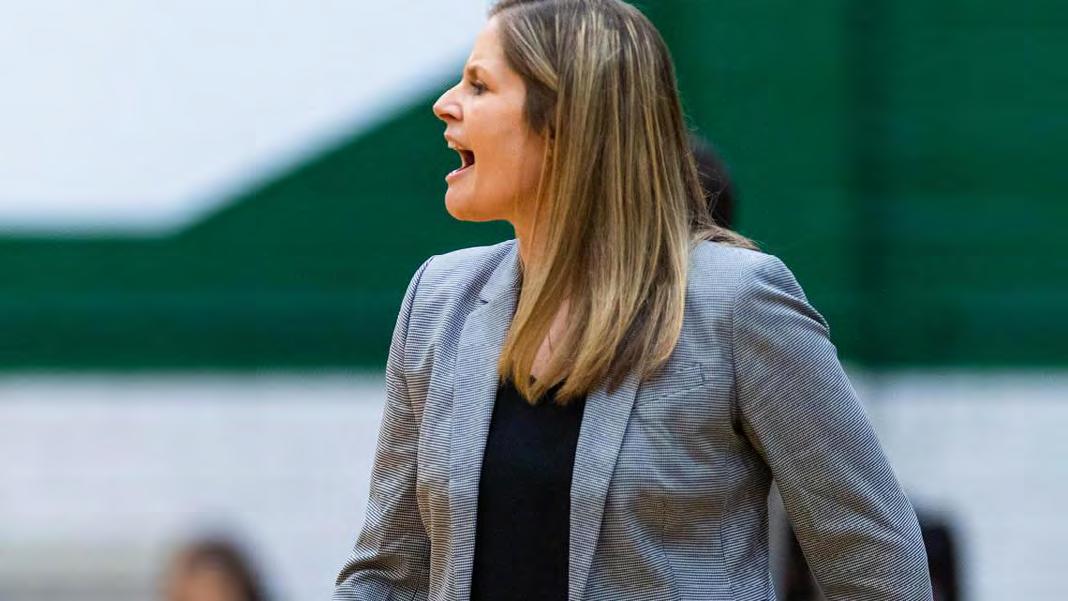
Watching him lead during that time reminded me of the sacred space I was allowed into with that squad leader years earlier in Iraq.
In both situations the leader was standing in the middle of a moment where people were angry and hurting and emotions were high. The situation demanded both care for the people involved and the ability to keep moving forward.
That was when something clicked for me:
Soldiers in combat had always been my heroes. But, coaches navigating crisis and trauma deserve a similar kind of leadership respect.
Because leadership in those moments has very little to do with a scoreboard.
It has everything to do with the willingness to carry heavy things for the people who are counting on you. It requires showing up when the moment is bigger than
the game and finding a way to guide others through situations that no one ever trained you to handle.
When tragedy touches a team, leaders often find themselves pulled in two directions.
On one side, there is grief. Loss brings sadness, anger, confusion, and the feeling that something about the world has suddenly shifted.
On the other side, there is the grit it takes as we take ownership of the responsibility inherent in our role. Practices still happen. Games are still scheduled. Young people are still looking to their coach for direction and stability.
Leaders will feel the pull to each of these directions in their own way and on their own time.
Some days the grief feels heavier. Other days the responsibilities of the job take the lead. For me, I alternated hour to hour for a while. I remember in that season, I was mission focused in the gym but I would “run home for lunch to let my dog out”. In reality, I wanted to pet my dog Sergeant Sweet cheeks (Sarge), and let out a good cry a couple of times a week and give myself space for the grief I was feeling. It was too heavy to not give myself room to breathe when I could find it.
I never knew if I was doing it right, but I recently found an old letter from a former player (who is now coaching) that said I taught her how to handle that loss and move forward. I don’t remember ever teaching her anything other than personally showing up, giving space, caring about my players, and being a steady guide in the fact that we would be continuing our mission. Over time, I’ve realized that the most meaningful thing a coach can offer in those moments isn’t a speech or the perfect set of words. What players often need most is not an answer, it is simply the steady presence of someone they trust.
They don’t expect their coach to fix something that cannot be fixed or explain something that doesn’t make sense. What matters more is knowing that the adult they rely on is still there beside them as they work through it.
Sometimes leadership in those moments is quieter than we expect. It may look like listening more than
talking, allowing space for emotion, and simply remaining present while people process what has happened.
Routine can help as well. Unlocking the gym, turning on the lights, greeting the team, and continuing the rhythms of the season can provide stability when everything else feels uncertain. Those ordinary moments remind players that the team still exists and that they remain connected to something that supports them.
Coaches obviously cannot erase tragedy. However, what we can do is help create environments where people feel supported enough to begin healing.
As coaches, we spend a lot of time talking about toughness, resilience, and mental strength; but leadership in real life rarely unfolds as neatly as those words suggest.
Sometimes leadership means standing in front of a team while carrying your own emotions at the same time. Sometimes it requires admitting that you do not have every answer. Sometimes it simply involves walking alongside the people who trust you, while everyone works through a difficult season together.
Experiences like these are what eventually led me to write my book, Between Grief and Grit: A Flashlight for Leaders Navigating the Dark. The story above appears in the book in a different way, but moments like that were a big part of why I felt compelled to write it in the first place.
The book reflects on lessons drawn from combat, coaching, and my own personal experiences with trauma. It explores how leaders continue showing up for others even when they are navigating their own battles.
Along the way, I write honestly about things many leaders quietly wrestle with—fear in the dark, the lies we tell ourselves, seasons of numbness and disconnection, my own struggles with PTSD and suicidal thoughts, moral injury, guilt, and even fighting cancer. These experiences shaped the way I understand leadership and the responsibility we carry when others are depending on us.
More than anything, the book reflects the reality
that leaders are often navigating their own battles while still showing up for others.
The truth is that a lot of leaders carry more than people realize. If sharing these stories helps even one coach feel less alone when facing the difficult parts of this profession, then writing and sharing them has been worth it.
Brooke Brittain is the Campus Athletic Coordinator and head basketball coach at Mansfield High School and a retired U.S. Army Military Police Sergeant First Class. She is completing her doctorate in Interdisciplinary Leadership Studies at Creighton University, where her research focuses on high school coaches leading through violent loss. Her book Between Grief and Grit: A Flashlight for Leaders Navigating the Dark will be released later this year. More information on this book here: www.betweengriefandgrit.com






























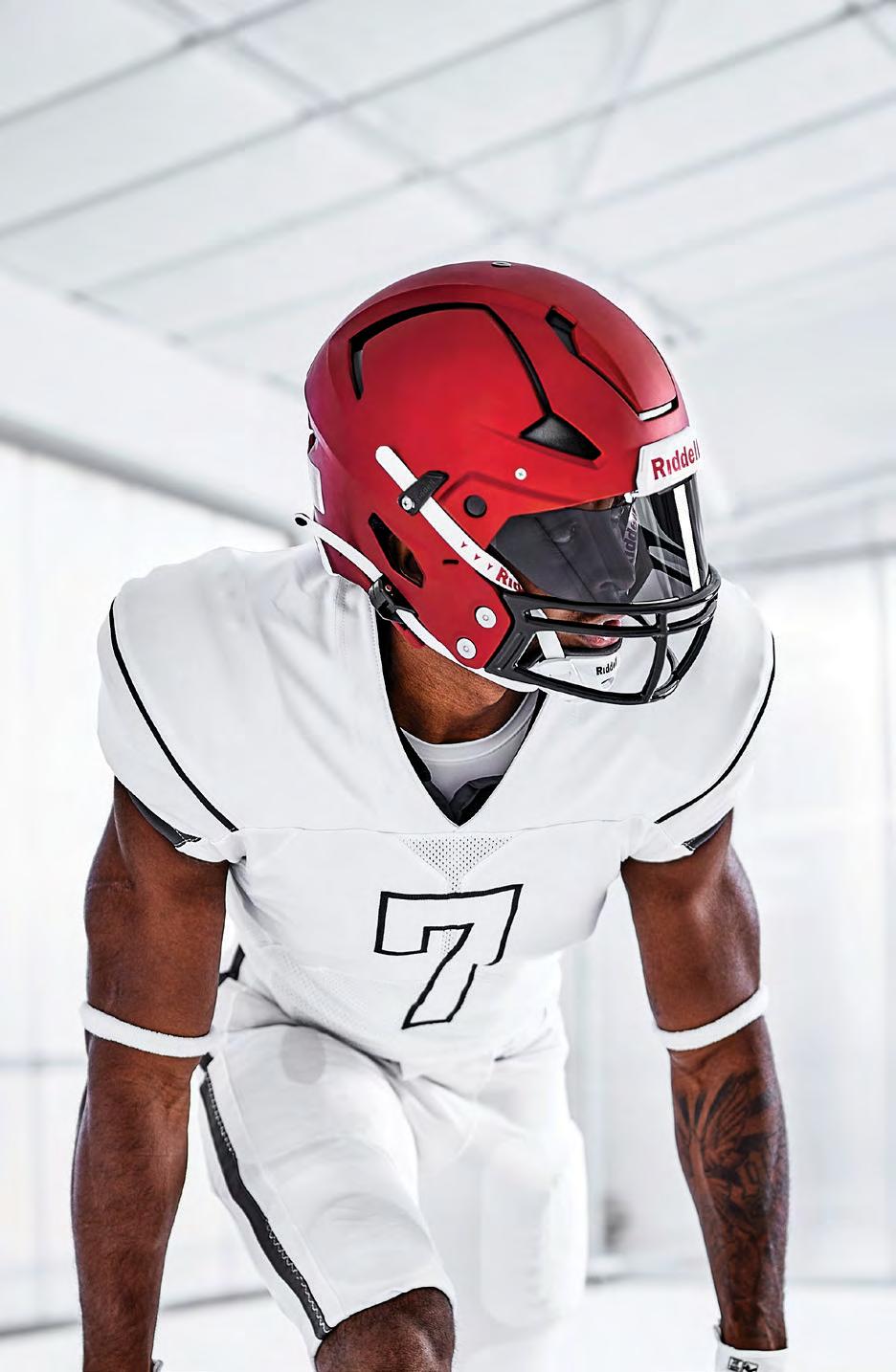
Largest football equipment manufacturer of helmets and shoulder pads.
Largest reconditioner of football equipment in the world. Market leader in football head protection technology. The industry leader in smart helmet technology.
Riddell is proud to sponsor the Texas High School Coaches Association

How I became a better coach being a coach's kid.
chip
The label of being a “coach’s kid” has a bad reputation at times. There are people that think any amount of playing time, the position a coach’s kid plays, good grades, or anything positive is just “given” to coach’s kids and nothing is earned. Coach’s kids can’t get away with anything, especially in a small town. You usually lose some friends through coaches moving, friends getting mad about something (usually playing time), or a conflict with their parents. I could list a lot of negatives to being a coach’s kid, but I think we get it. As I’ve grown older, I have come to realize that I wouldn’t trade being a coach’s kid for anything. I lived the best life growing up, and I think my experiences as a coach’s kid have helped me to become a better coach. The lessons I learned as a coach’s kid are countless but I think a few stand out. These 6 lessons have truly helped me to become a better coach:
Like most coach’s kids, I was at the fieldhouse and the gym all of the time. I didn’t know any different, and I loved it; but I didn’t fully understand how valuable that was until later in life. As I grew up, I realized how important my dad and the other coaches were to those kids. I got a backstage pass to see how relationships between athletes and coaches can be so important. I started noticing that the kids that won MVP awards or got All-District were also the kids that seemed to be Top 10% or Valedictorian. Being a coach’s kid made me see the importance of competitive athletics beyond the game. My Dad also had me around the athletes that were great role models and leaders. I always remember him talking about a three sport AllState player that was Mr. SHS, Valedictorian and just Mr. Everything. Everyday at lunch, he went and sat with a special needs girl and became great friends with her. When Prom came around, she asked him to go, and of course he went. It showed me what true leadership was. When I got old enough for competitive athletics, I got to see kids in my class make something of themselves from athletics. They might have had a tough time in elementary school or been in trouble. They might have had a tough home life or had a hard time making friends. Being in athletics changed them for the better. They became leaders and good
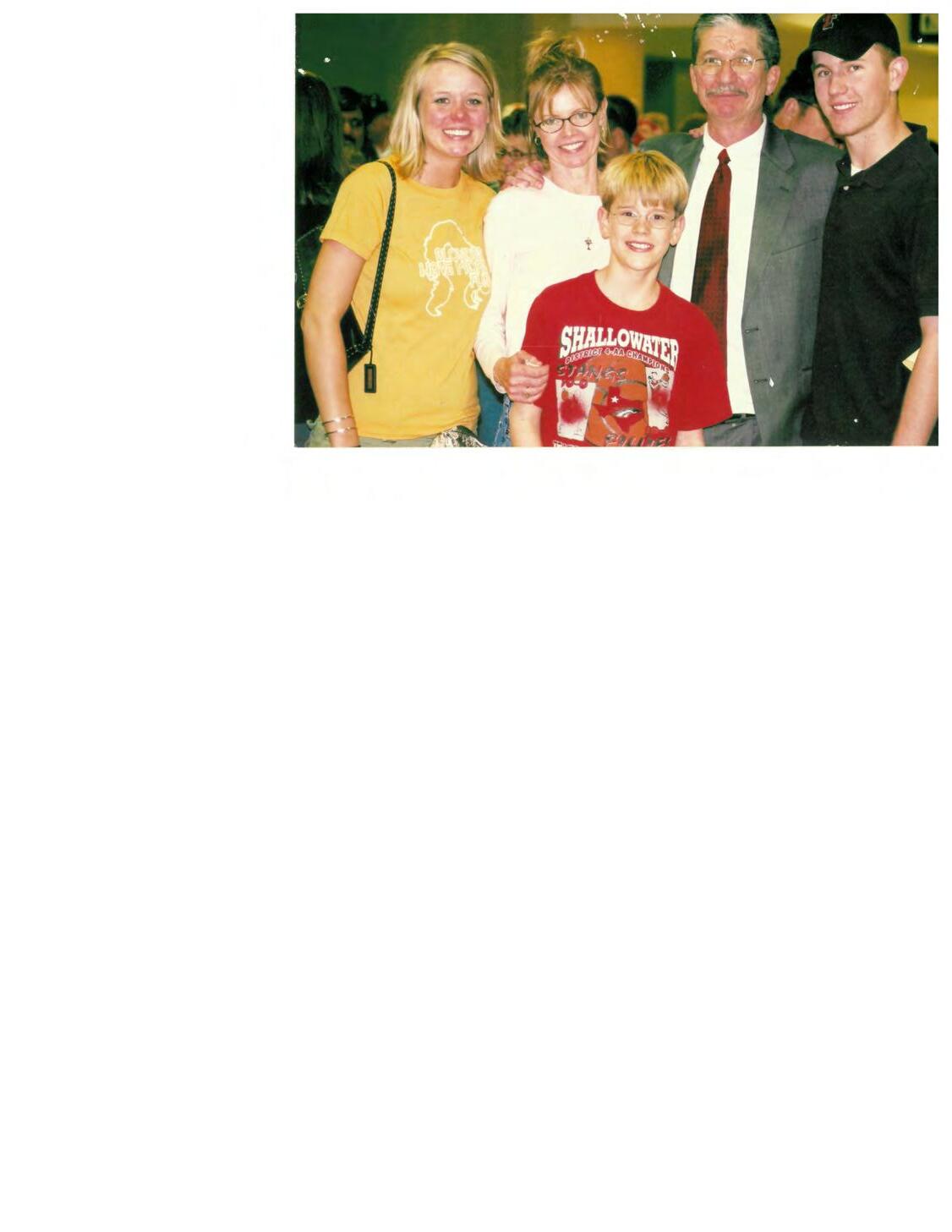
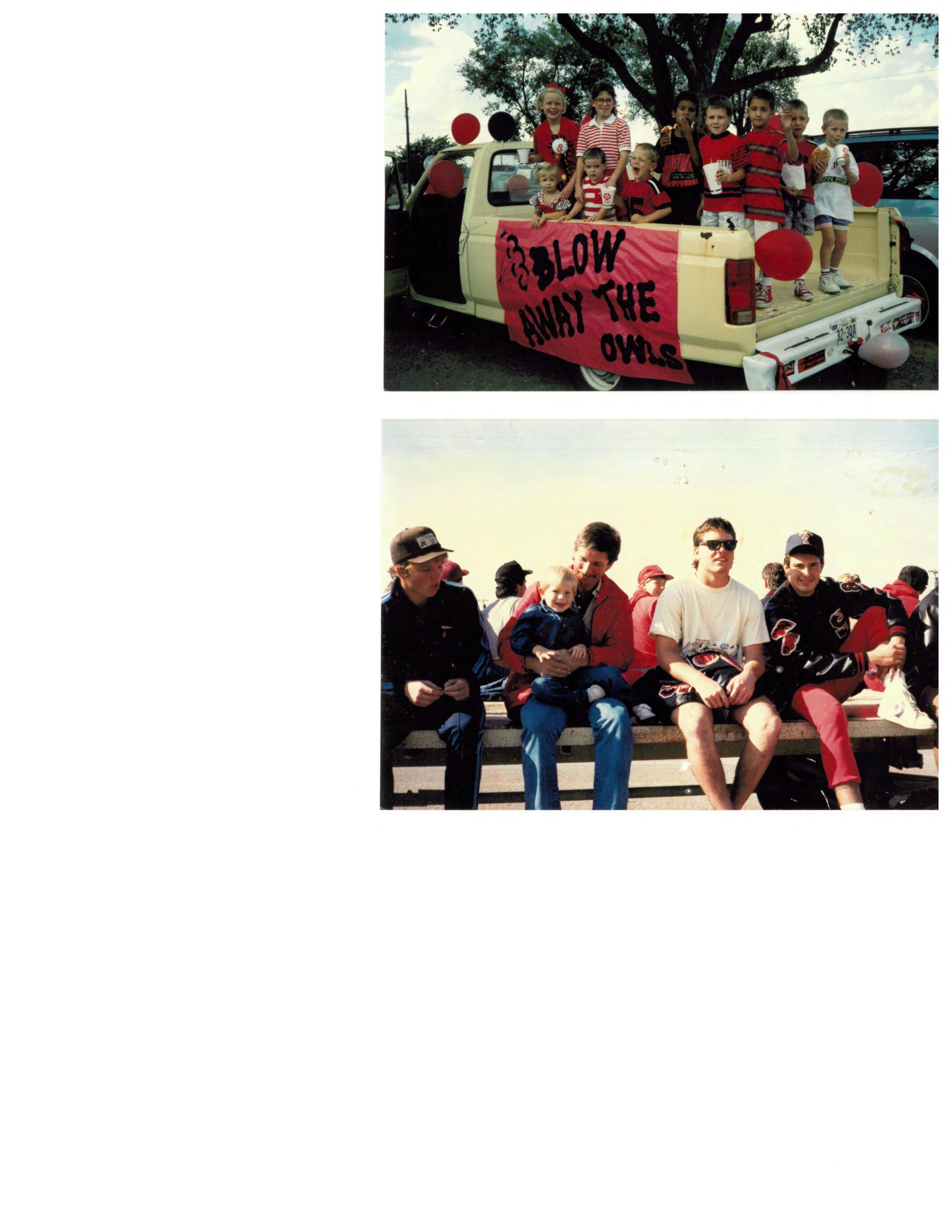
have known it. Our parents loved us and supported us. Heck, I never even walked to school; and I lived two blocks away! We had a great childhood. Even though I didn’t have a financial need or a hard home life, I still needed coaches loving me and supporting me. Ed Robison will never know how important it was to me when he asked me after a tough loss to end our football season, “Did you have fun? Did you learn something? If you did those two things, what a great year you had!” I would get a similar message at home from my parents, but it really mattered when Coach Rob said that to me. I can still remember my football coach and best friend’s dad, Coach Kitchens, saying positive things to me during Saturday morning film. I remember Coach Tarter telling me after recovering an onside kick, “Chipster, there is no one else I’d want in that spot than you.” I also remember my dad (as my track coach not as a dad) telling me how proud he was of me for making finals in the 300 hurdles. Those words and moments were impactful to me. Some coaches may think the kids with the great home life don’t need positive comments or the same love and support as those in different situations. The truth is, all of our athletes need it. As a coach’s kid, I got to witness the different ways coaches took care of athletes from different backgrounds and home situations.
Lesson 2: Love and support ALL of your athletes, because they all need it.
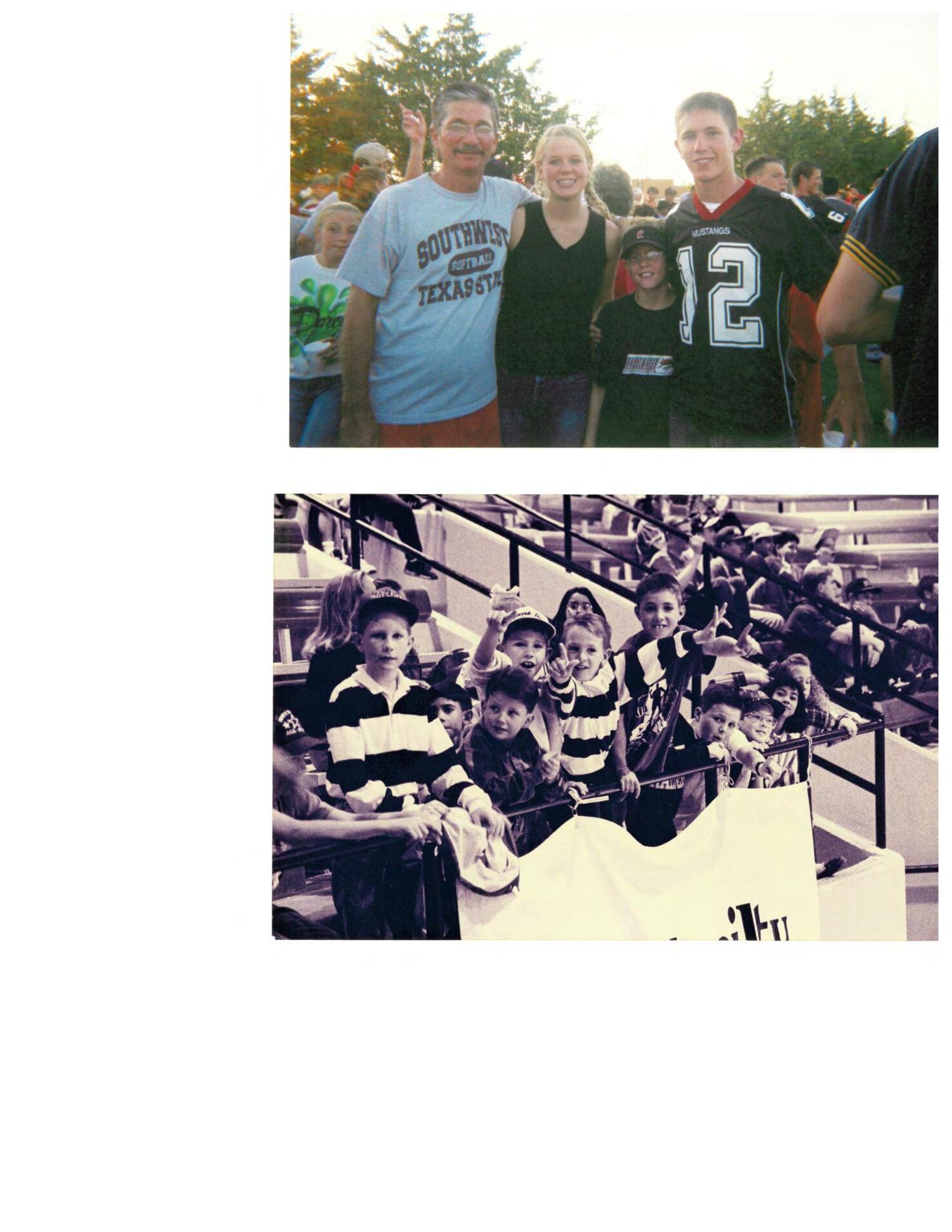
Coach Rob’s impact and words increased my intrigue on being a coach but my dad did too. I got to witness one interaction with my dad and a student that wasn’t in athletics. I don’t have time to hash out the entire story but the gist is that a coach had an impact on a student in need simply by being kind to her and knowing who she was. I remember leaving that interaction as an 8th grader and being surprised that my dad had such an impact on someone he doesn’t interact with often. Other conversations that my dad had with students around town didn’t seem too important until I matured enough to understand. A student that he taught in Government/Economics or Driver’s Ed would come up to him beaming to tell him a random story. Or someone would tell him they got a job or promotion. He didn’t coach these students but he still made a huge impact on their lives. Being a coach's kid gave me a chance to see our other coaches having this impact as well. As I got older I would hear (sometimes eavesdrop) their conversations about athletes or students. I got to hear how they were planning and preparing…not X’s and O’s but planning and prepping to help a player or student. I saw coaches help kids with homework,
give them a friendly greeting, give a hug to a student or a high five, and I saw how important it was to the students. These were such valuable lessons for me as a youngster because I started to understand that

One of the hardest struggles that coaches have is the time away from their families and the long hours. I had the best example of how to make sure family came first. I ran around with other coach’s kids, specifically Kiel Kitchens and Eric Morris. Kiel’s dad was the head football coach, Eric’s the head boys basketball and mine the head girls basketball. They all coached football in the fall so we were always together. It wasn’t until after I started coaching that I realized what a great job our dads did of prioritizing quality time. They would have 2-a-days (literal 2-a-days, not today’s version) with in-service in between, get home about 6:30 pm, and take us dove hunting. I can remember waiting at the door not wanting to waste one second of hunting time. From my experience as a coach, I can now guess that was probably the last thing our dads wanted to do after practice. I remember Texas Tech playing Nebraska in football on a Thursday night. Our dads coached JV football then came home, picked us up and took us to the Tech game. My dad let me go with him to the regional and state track meets. It was probably a pain for him to drag me around and take me to the concession stand 15 times, but it was quality time that we had. Some of my best memories are from the state track meet with my dad. As a dad now, I have to constantly work on this and improve on this. My mom was a teacher at the high school, and she took great pride in prioritizing our family as well. When you are an elementary kid or middle school kid, you don’t think sit down meals are that important. I now appreciate my mom doing that to create some quality time during seasons that we didn’t see Dad as much.
My wife, Stacy, has the same passion for things like that. I am very thankful for it. I look back and see the ways our parents were creative in creating some of these moments. We didn’t see them a ton during their main seasons, but our parents did an awesome job of creating meaningful moments whenever it was possible. Those experiences helped me form how I would prioritize time with my family as a coach.
Lesson 4: Make sure you give your family the time and energy they need.
I recently listened to the legend, Joe Lombard, speak at the THSCA Leadership Tour, and he had a very interesting comment about “giving kids opportunities to learn about Jesus.” It made me think about how I got to see coaches giving all kinds of opportunities to kids, and it made me evaluate if I’m doing a good job of giving kids different opportunities. Once or twice a year, my dad would invite his team to church. He never required it or pressured anyone to go, but I can see now that he was simply giving them an opportunity to hear about Jesus. Had I not been a coach’s kid, I don’t think I would have seen or understood this. I got to see and hear my dad plan team meals and team activities. I realize now he was giving them an opportunity to fellowship. He was creating bonds and relationships that would last long after HS athletics was over. This has helped me try to do the same at Lubbock-Cooper. We’ve started giving our kids opportunities to build relationships with men of our community through our Breakfast of Champions. Some will create meaningful relationships, some will have job opportunities from their mentor, and others will just get a free breakfast out of the deal. We are at least giving them the chance at something meaningful. We have also brought in a “character coach” or some would maybe call it a “Chaplain” to be around our football team. We’ve had two different men do this ,and it has been something that we will do every year. It is simply another opportunity for kids. I got unique opportunities as a coach's kid that maybe all kids don’t get; but more importantly, I got to see how my dad gave kids opportunities.
Lesson 5: Work to give kids opportunities in different parts of their lives.
The time, stress, and emotions of coaching can be overwhelming. I don’t think the demands of our profession are changing anytime soon either. Social media and our society are making things worse. I think one of the most helpful things during tough times is
having a close staff that truly cares about one another. When I was growing up the staff at Shallowater ISD was a great model for that. The hunting trips I mentioned earlier were with Coach Kitchens, Coach Morris, Coach Rob and even our high school principal, Tommy Townsend. Our families got together after football games, we had birthday parties together and watched Texas Tech football games with each other. During the summer we went to the lake, the pool, and played golf. It was always with other coaches and coach’s families. Our families created a culture to help each other through the tough times. There were several instances of certain coaches getting heat from the community or admin; and I can now see how the staff my dad was on was unified and strong. I would listen to my dad on the phone battling for coaches. I heard him talk to my mom about how they could support said coach. The staff at Shallowater created a culture that made it easy to take each other’s backs. Their bond helped create a bond across multiple sports and activities. I truly believe the closeness of our coaching family helped create a closeness in our community. It was a model for our school and parents on how to care for everyone and support everyone. I will always strive to have a staff that is close, because I believe in the benefits of both the families directly involved and also the benefits for the community.
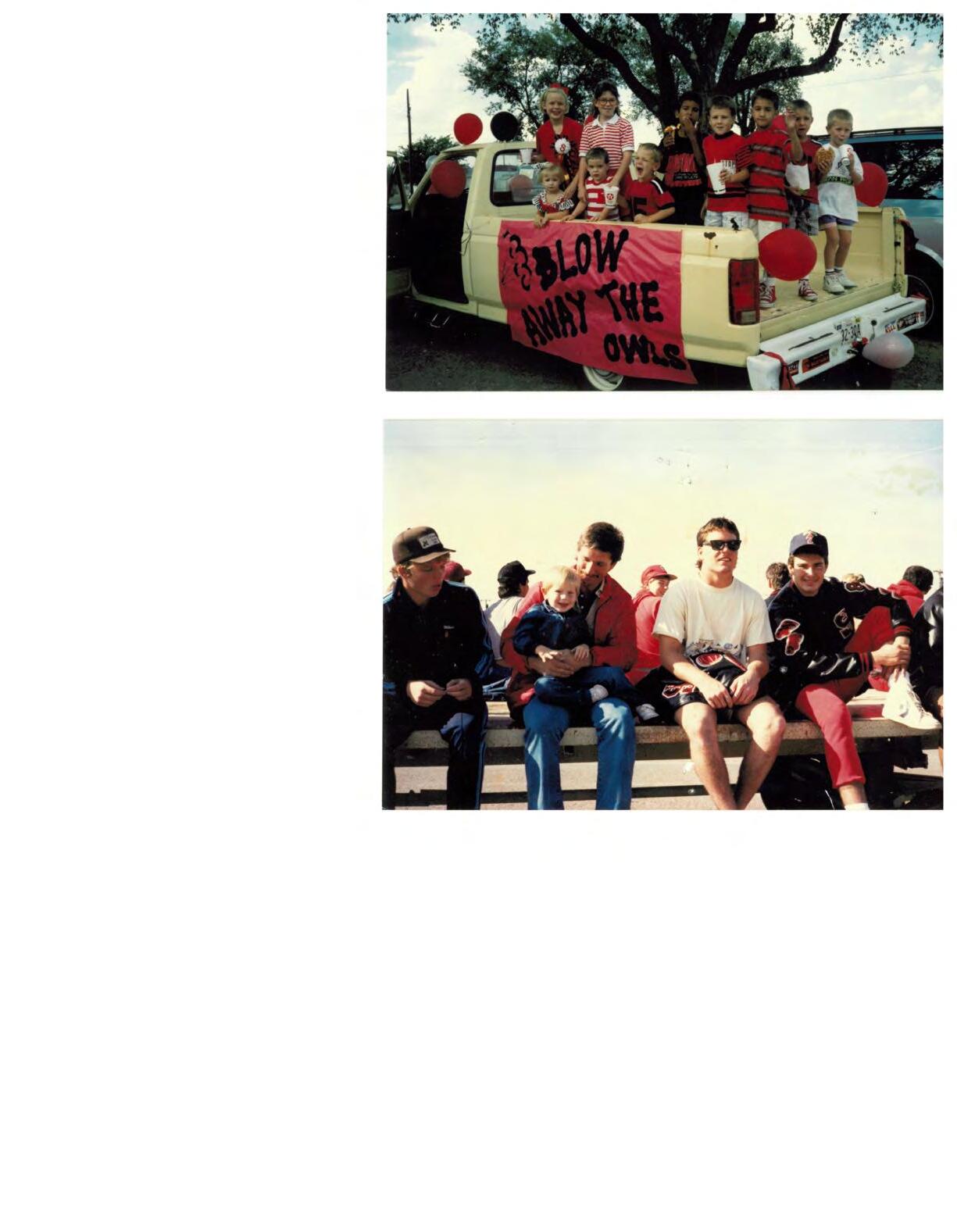
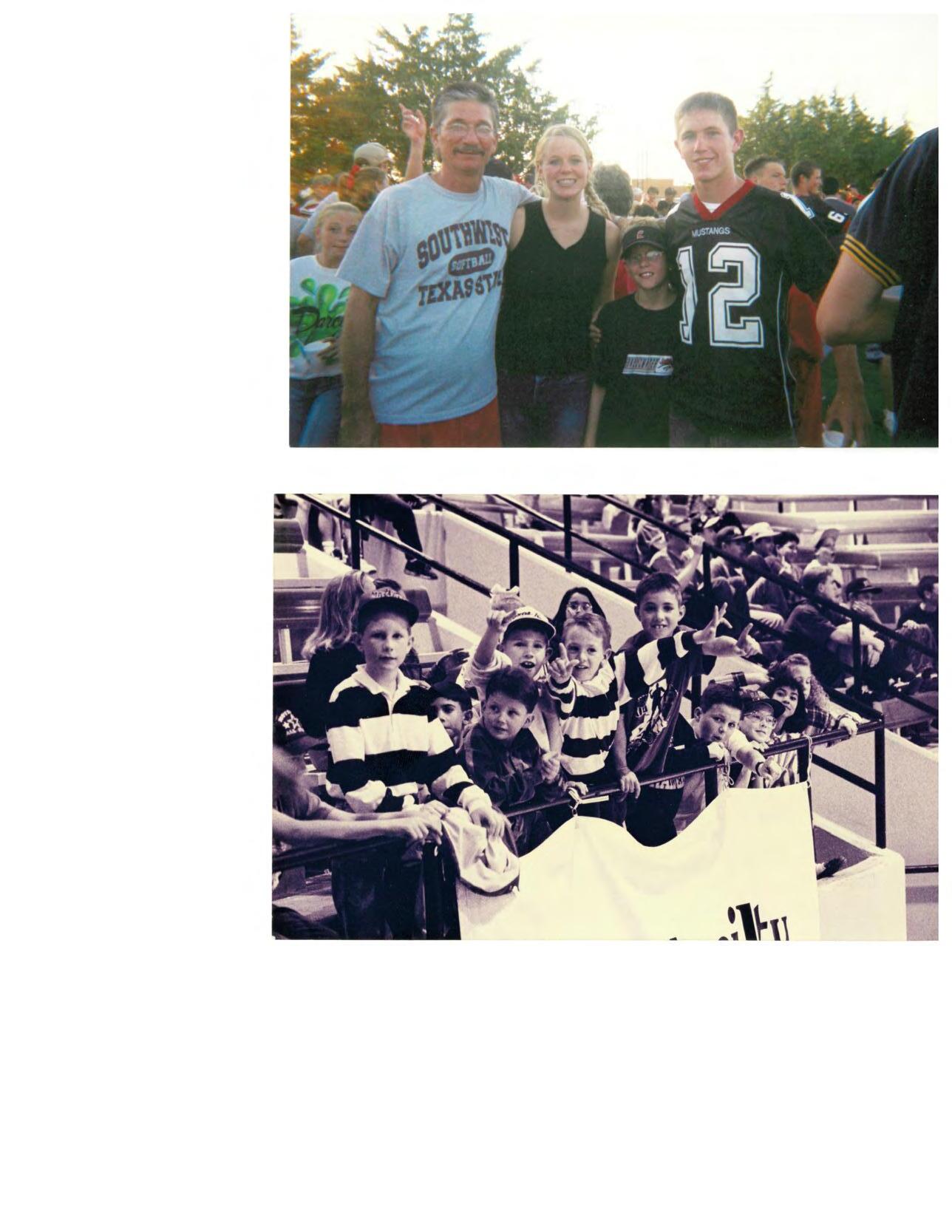
Being a coach’s kid gave me a front-row seat to what truly matters in this profession. It was never just about wins, losses, or championships—it was about people, relationships, and the lasting impact a coach can have on a young person’s life. Every lesson I learned growing up continues to shape how I approach coaching today. I’m far from perfect, but I strive every day to model the same care, intentionality, and passion that I witnessed as a kid running around the gym or track. My challenge to myself and to all coaches reading this is to remember these lessons and use them each day. I also challenge anyone with kids to make sure you give your coach’s kids the experience I had. I know I’ll keep striving to do that for mine. Because ultimately, there isn’t much better than being labeled
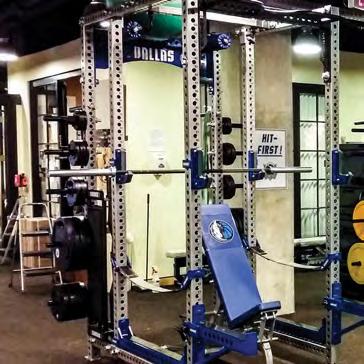
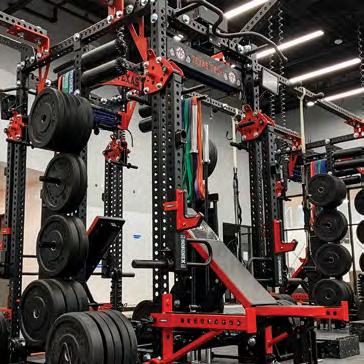
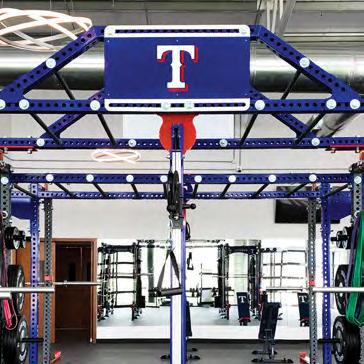
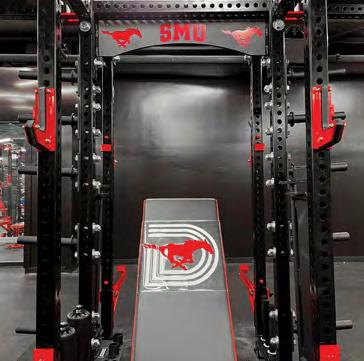



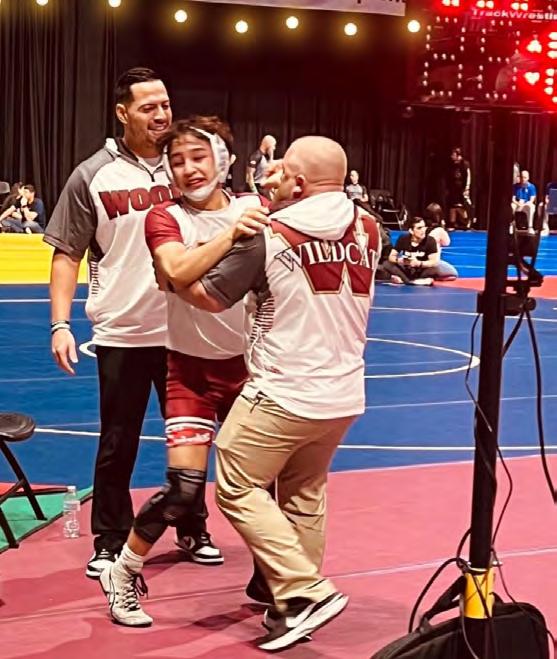
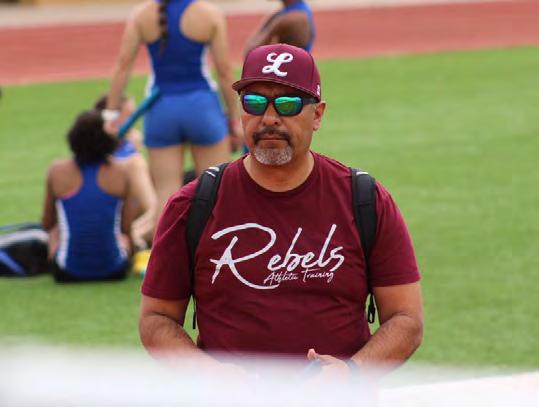
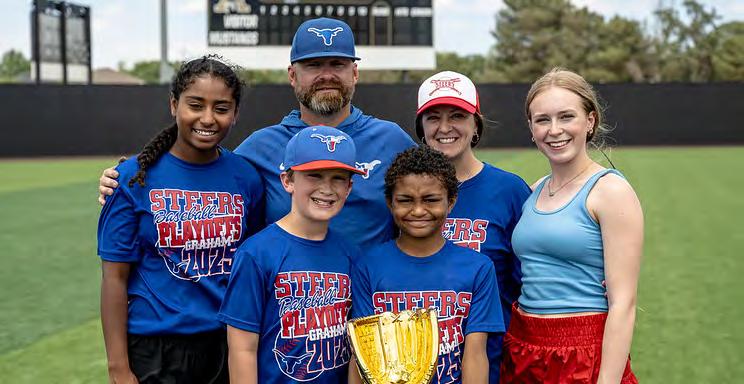
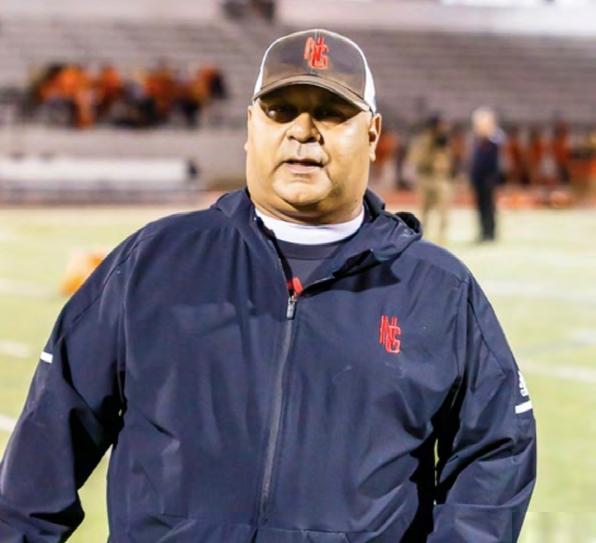

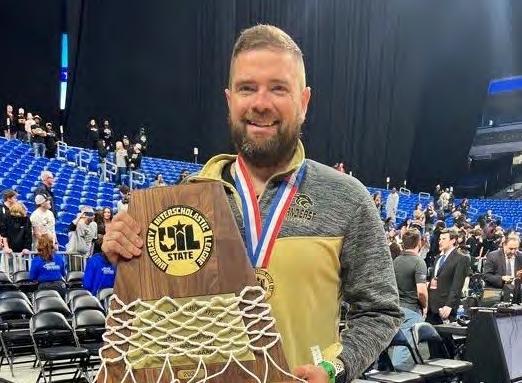
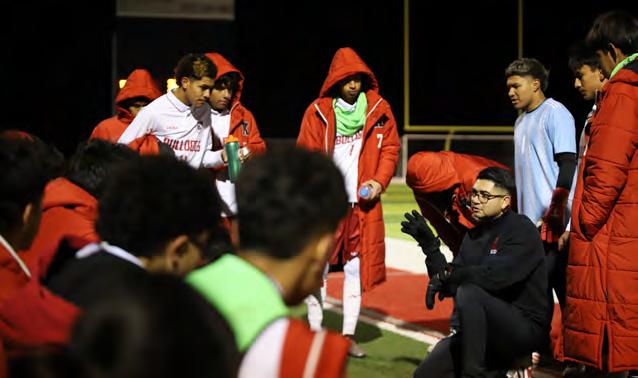
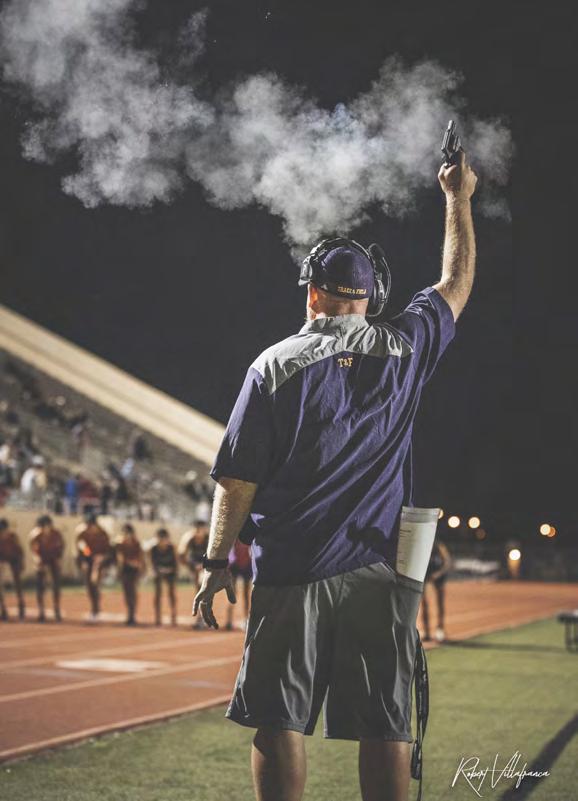
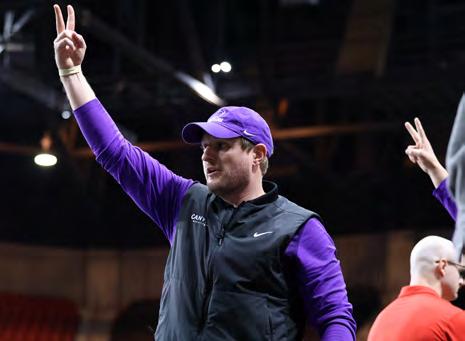
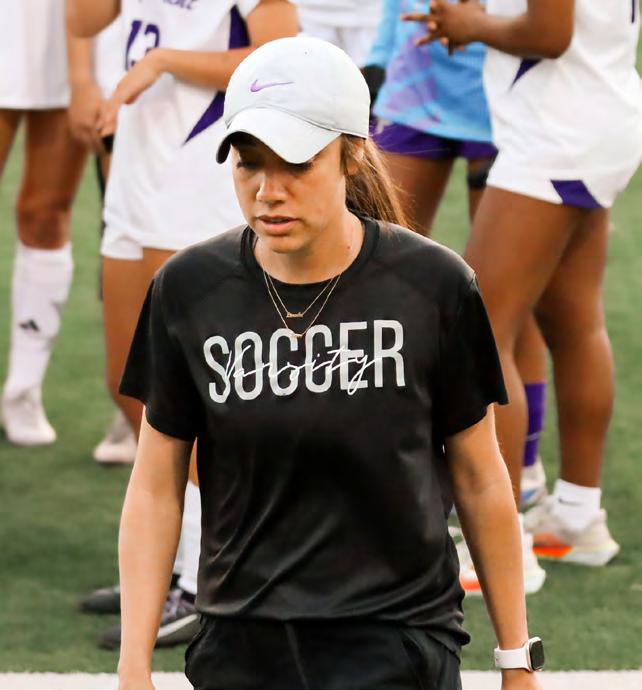
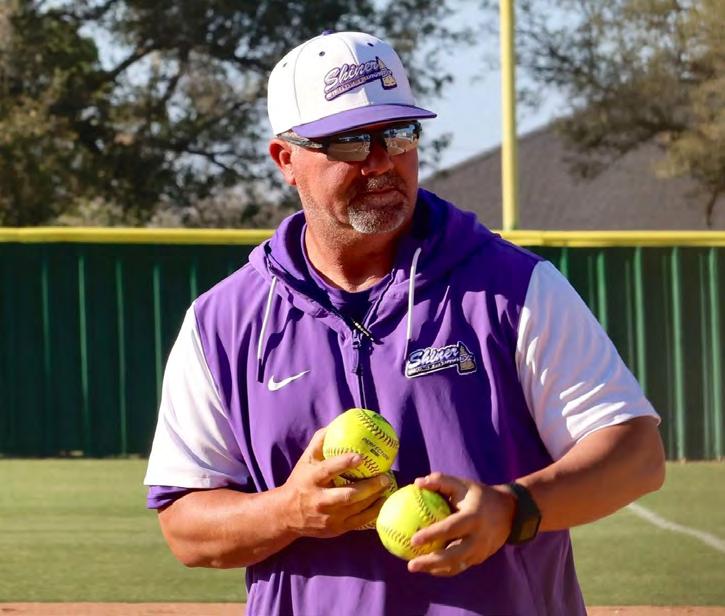
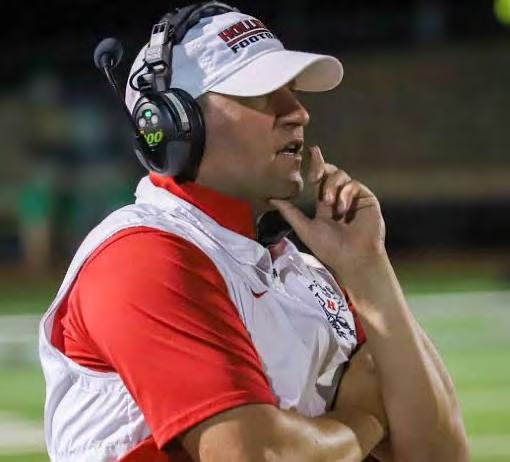

THSCA is committed to representing and advocating for its members across the state. One of the most powerful ways it does this is through its Advisory Committees—an essential group of coach representatives who serve as the voice of their sport and region. These committees play a key role in guiding policies, influencing rule changes, and ensuring that the concerns and insights of Texas coaches are heard by both the THSCA Board of Directors and the University Interscholastic League (UIL).
As part of THSCA’s first pillar: Representation, Advisory Committees embody the Association’s dedication to giving coaches a voice at the decisionmaking table. Through these committees, coaches have a direct line to advocate for their sport and influence the policies that impact high school athletics.
An Advisory Committee is made up of dedicated coaches who are passionate about their sport and eager to contribute to its growth and success. While these committees do not have fiscal oversight or executive authority, they have a significant impact by helping the THSCA implement its goals and objectives. Their role is to advocate for the Association, represent the interests of their fellow coaches, and foster communication between the THSCA leadership and members.
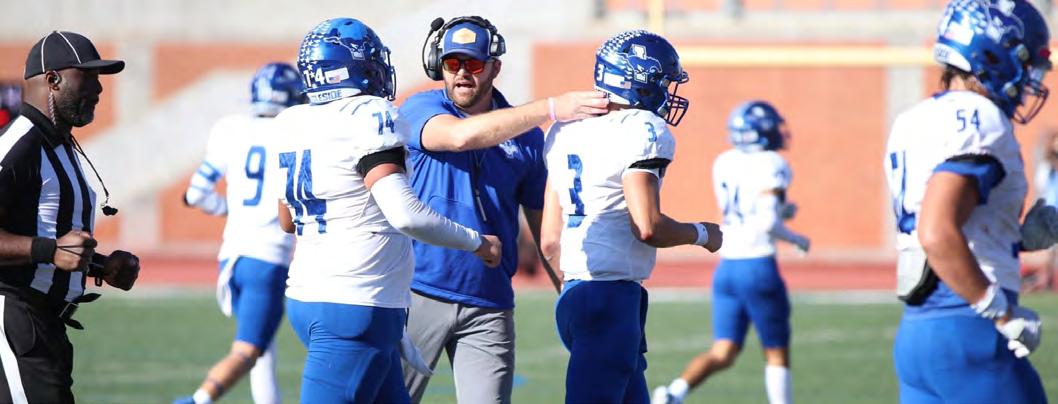
Each committee is composed of elected regional representatives, with an at-large committee member appointed by the THSCA President. All committee members must be head coaches in their respective sport and serve a three-year term.
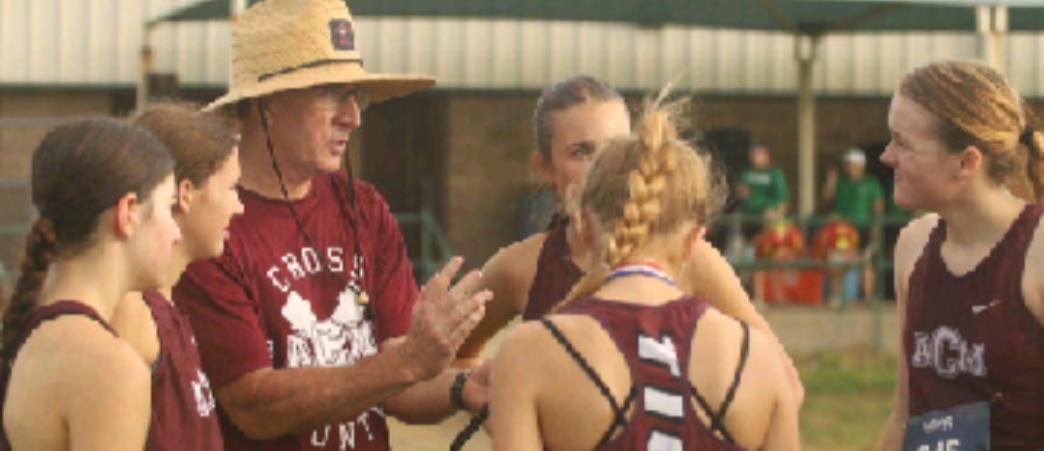
The president also appoints a Chairman for each committee, who serves as the spokesperson for their sport’s delegation. The chairman is responsible for keeping detailed records of all meetings and submitting them to the THSCA for reference.
Committee members have a unique opportunity to influence UIL rules and policies that affect their sport directly. Their responsibilities include:
• Serving as an ambassador: Committee members represent their sport in their region, bringing forward the concerns, ideas, and needs of local coaches to the THSCA leadership.
• Selecting Super-Elite Teams (SET): Members collaborate with the SET committee in their sport/region to finalize the selection of Texas’ most outstanding high school athletes.
• Attending key events: Members are expected to participate in the THSCA Coaching School, Regional Meetings, and the State Tournament/ Meet for their sport, where they will attend

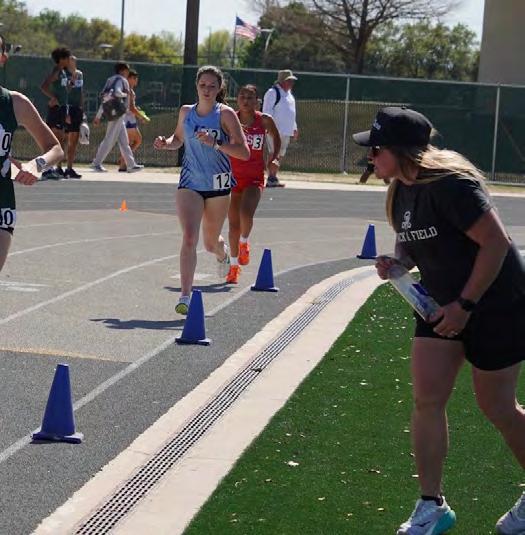
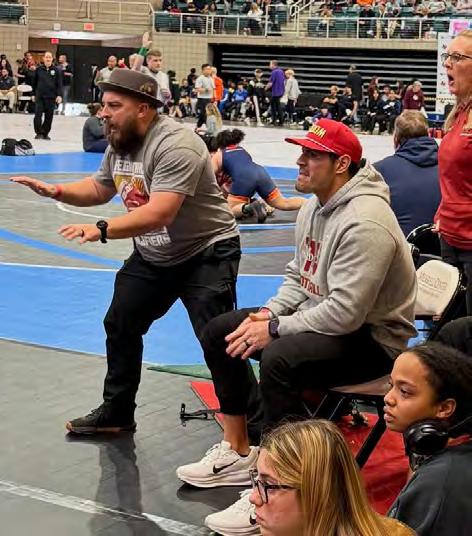
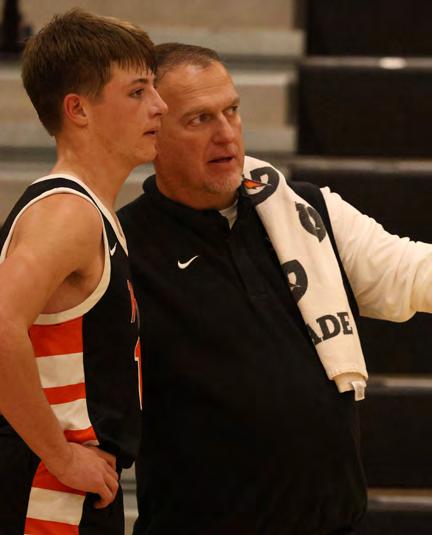
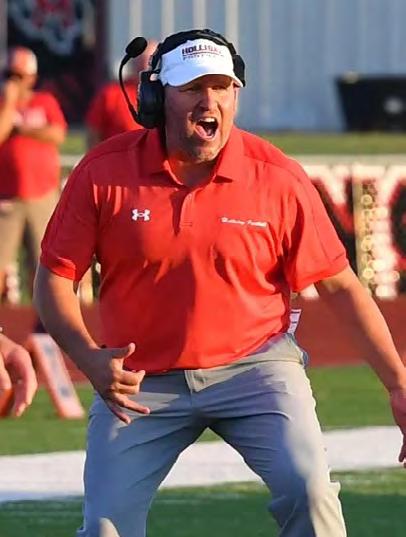
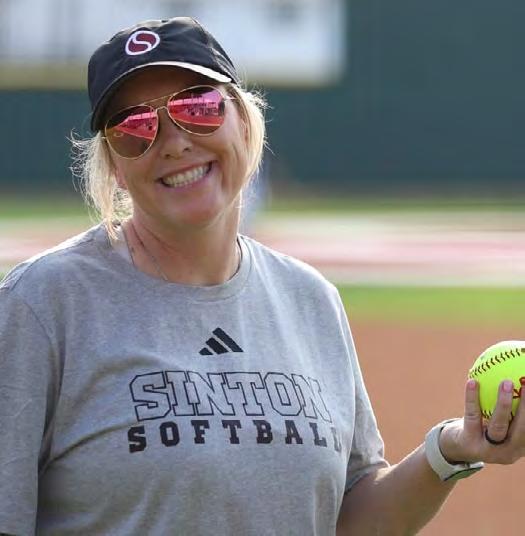

advisory committee meetings with THSCA staff, UIL representatives, and officials organizations.
• Contributing to the THSCA magazine: Each year, committee members submit an article covering their sport, providing valuable insights, updates, and perspectives for THSCA members.
• Acting as a liaison: Committee members share THSCA news, initiatives, and updates with their region’s coaches, ensuring open and effective communication.
Becoming part of a THSCA Advisory Committee is an opportunity for coaches to actively influence the direction of high school athletics. Here’s how the selection process works:
1. Nomination Phase (February): During the THSCA Regional Meetings, coaches in attendance can nominate individuals for advisory committee positions. Nominees do not have to be present at the meeting to be considered.
2. Nominee Announcement: THSCA compiles all nominations and announces the candidates.
3. Voting (Post-Spring Break): An electronic ballot is posted on the THSCA Member Portal, where members can vote for their preferred nominees. Each member coach receives one vote per sport.
4. Finalists Announced (April): The top three votegetters for each sport’s committee advance as finalists.
5. Final Election (July Coaching School): During the Regional Meeting at the THSCA Coaching
School, the three finalists are voted on by the attending coaches. Finalist must be present at the Regional Meeting held during Coaching School in order to qualify for the position. The candidate with the most votes wins the committee seat.
THSCA Advisory Committees are more than just representatives—they are advocates, problem solvers, and catalysts for meaningful change. Their collaboration with the THSCA Board of Directors, Executive Staff, and UIL ensures that the voices of Texas high school coaches are heard where it matters most.
By participating in Advisory Committees, coaches have the opportunity to shape the future of their sport, improve the coaching experience, and ultimately, enhance the athletic opportunities for Texas student-athletes.
If you’re passionate about your sport and committed to making a difference, consider getting involved with a THSCA Advisory Committee. Your voice matters—and through these committees, it can help shape the future of high school athletics in Texas.
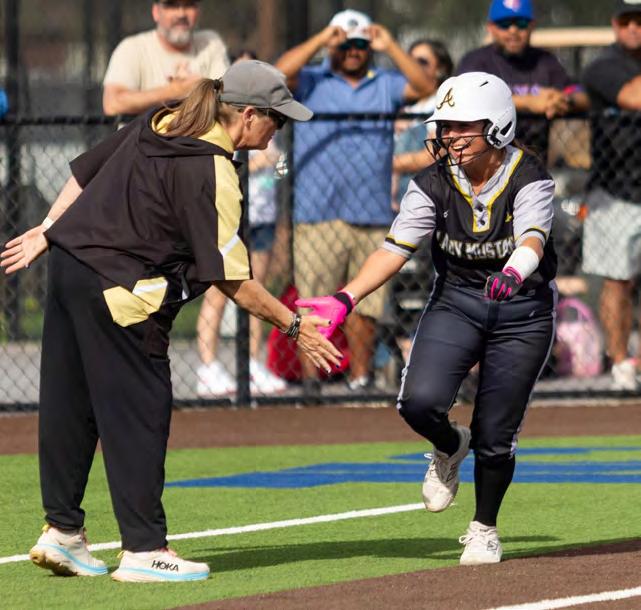
ATHLETIC DIRECTORS
R-1 Mike Meeks, Lubbock
R-2 Jake Escobar, Comanche
R-3 Jeff Smith, Prosper
R-4 Jaime Boswell, Andrews
R-5 Lance Carter, Katy
R-6 Sam Gillespie, Tyler
R-7 Mike Troutman, Sinton
R-8 Becky Craig, Leander
ATHLETIC TRAINERS
R-1 Isaac Wimberley, Lubbock Cooper
R-2 Billy Abbe, Abilene
R-3 *Mike Harrison, Allen
R-4 Steven Ortiz, Midland Lee
R-5 Aimee Williams, Fort Bend
R-6 Greg Goerig, Midlothian
R-7 Benjamin Garcia, Harlingen
R-8 Chad Hennessey, Georgetown
At-Large Ally Furey, Dell Children's
AQUATICS
R-1 Dakota Tefertiller, Lubbock
R-2 Casey Pacheco, Abl. Wylie
R-3 Tony Arbogast, Flower Mound
R-4 Jessica Minjarez, Pecos
R-5 Ty Halford, Clear Creek
R-6 Dan Marlin, Waco Midway
R-7 Yvonne Moran, Harlingen CISD
R-8 Kari Brothers, Northside
At-Large *Michael Waldmann, Andrews
BASEBALL
R-1 Jed Anderson, Canyon
R-2 Allen McGee, Graham
R-3 Mike Smith, Lake Ridge
R-4 *Juan Orozco, EP Coronado
R-5 Jacob Hooker, El Campo
R-6 Matthew Anderson, Franklin
R-7 Adrian Alaniz, Sinton
R-8 Tom Alfieri, SA Churchill
BOYS BASKETBALL
R-1 Tony Wagner, Estacado
R-2 Justin Reese, Abilene
R-3 Matt Wester, Plano East
R-4 Jason Archibald, Wink
R-5 David Montano, Stafford
R-6 Colten Gober, Venus
R-7 Brandon Bourg, Flour Bluff
R-8 Andrew Brewer, Alamo Heights
At-Large *C.J. Villegas, Frenship Memorial
GIRLS BASKETBALL
R-1 Tate Lombard, Canyon
R-2 *Kenni Patton, Electra
R-3 Monesha Allen, Denton Ryan
R-4 Cynthia Hernandez, Burges
R-5 Christy Westbrooks, Atascocita
R-6 Marcus Willis, La Vega
R-7 Ashley McHugh, Sinton
R-8 Christina Camacho, Antonian
At-Large Brooke Brittain, Mansfield
BOYS CROSS COUNTRY
R-1 Jarrod Thomas, Littlefield
R-2 Glenn Griffin, Holliday
R-3 Landon Wren, Coppell
R-4 Alonzo Samaniego, Presidio
R-5 Anthony Branch - Consolidated
R-6 John Capron, Midway
R-7 *John (Eric) Miller, CC Veterans Mem.
R-8 Kelly Thompson, Leander Rouse
GIRLS CROSS COUNTRY
R-1 Luke Buckner, Shallowater
R-2 Loy Triana, Burkburnet
R-3 Zach Morgan, Rock Hill
R-4 Corina Marrufo, Del Valle
R-5 Josh Hill, Cy-Fair
R-6 Edward DeLaCruz, Waxahachie
R-7 Daniel De La Rosa, McAllen
R-8 *Rachel Freeman, SA Reagan
FOOTBALL
6-Man Josh Stanaland, Jayton
R-1 Jason Richards, Muleshoe
R-2 Kyle Atwood, Holliday
R-3 *Joe Castillo, Frisco Centennial
R-4 Thad Fortune, Midland
R-5 Rick LaFavers, Ridge Point
R-6 Sam Wells, Troup
R-7 Travis Chrisman, Ingleside
R-8 Brad Molder, New Braunfels
BOYS GOLF
R-1 Justin Wilborn, Lubbock Cooper
R-2 Mitch Aston, Abilene Cooper
R-3 Owen Clifton, Glen Rose
R-4 Mark Burgen, Andrews
R-5 Jason Jezek, FB Clements
R-7 Celso Gonzalez, McAllen Mem.
R-8 Michael Rome, Westlake
At-Large Paige Martin, Southlake
GIRLS GOLF
R-3 Kerry Gabel, FM Marcus
R-4 Shelbye Hill, Odessa
R-5 *Angela Chancellor, Kingwood Park
R-6 Liz Gray, Springhill
R-7 Jennifer Rangel, McAllen
R-8 Russell Aki, SA Reagan
At-Large Brent McCuiston, Alamo Heights
BOYS SOCCER
R-2 Tony Vu, San Angleo Central
R-3 Alexi Upton, Royse City
R-5 *Ben Powell, Bellville
R-6 Hector Peralez, Kilgore
R-7 Julian Robles, Harl. South
R-8 Juan Romero, SA Southwest
At-Large Jason Meekins, Katy Jordan
GIRLS SOCCER
R-2 Alexis Mosqueda-Walker, Brownwood
R-3 Kelly Thompson, Allen
R-4 Stephanie Sazo, EP Del Valle
R-5 *Evelyn Torres, Ridge Point
R-6 Andrew Procell, Corsicana
R-7 Matthew Kaiser, McAllen Memorial
R-8 Corey Elrod, Leander Rouse
*DENOTES CHAIR
SOFTBALL
R-1 Styler Haddock, Canyon
R-2 Jenna Aguirre, Abilene
R-3 *Kathy Schoettle, Allen
R-4 Carol Vaughn, Andrews
R-5 Katie Roberts, Brenham
R-6 Jordan Williams, Midway
R-7 Audra Troutman, Sinton
R-8 Maggi Welham, East Central
At-Large Jason Keller, Shiner
TENNIS
R-1 Darby Norman, Canyon Randall
R-2 *Carrie Castleberry, Vernon
R-3 Sylvia Sims, Frisco Heritage
R-4 Ray Perez, Midland Lee
R-5 Daniel Marshall, A&M Consol.
R-7 Eddie Marquez, Roma
R-8 Andrew Duong, Comal Canyon
At-Large David DeLeon, Canyon
BOYS TRACK & FIELD
R-1 Jon Murphy, Stratford
R-2 Levi Keith, Abilene Cooper
R-3 *Janson Head, Denton Ryan
R-4 Brien Burchett, Greenwood
R-5 Jason Haddock, Wharton
R-6 Josh Rankin, Longview
R-7 Bob Bechtold, McAllen
R-8 Daryl Jones, Taylor
GIRLS TRACK & FIELD
R-1 Crista Jones, Lub. Monterey
R-2 *Jeremiah Butchee, Stephenville
R-3 Ashley Broom, Sunnyvale
R-4 Robert Ontiveroz, Monahans
R-5 Shelton Ervin, Summer Creek
R-6 Jordan Johnson, Midway
R-7 Stacy Zamzow, Goliad
R-8 Jen McHugh, SA Reagan
R-1 Kelly Lozada, Lubbock Monterey
R-2 Shay Douglas, Stephenville
R-3 Jennifer Chandler, Northwest
R-4 Heather Archibald, Wink
R-5 *Jenny Adcock, Stratford
R-6 Arden Johnson, Troup
R-7 Ariana Bermea-Mendoza, Alexander
R-8 Kayla Allen, Anderson
At-Large Kristina Finger, D'Hanis
BOYS WRESTLING
R-1 Dalton Clear, Canyon
R-2 Brock Payne, Vernon
R-3 *Kyle Stevens, Anna
R-4 Oscar Norez, EP Montwood
R-5 Vinnie Lowe, Katy
R-6 Collin Stroner, Midlothian Heritage
R-7 Donald "Ed" Arvin, CC Veterans Mem.
R-8 David Burdick, Vista Ridge
GIRLS WRESTLING
R-1 Tyler Frausto, Canyon
R-3 Tiffany Mangini, Flower Mound
R-4 Stephen Scott, EP Franklin
R-5 *Nicholas Johnson, Cy-Woods
R-7 Ronald Pratt, Rio Grande City
Below are the finalists for each committee that will be voted on at Coaching School regional meetings this July:
* Those listed in GOLD, were the only nominee for that committee, and will be considered the automatic selection to serve.
FOOTBALL
Clay White - Idalou HS
Bo Bryant - Littlefield HS
Jeff Smith - Floydada HS
GOLF (BOYS)
Chris Coursey - Lub-Cooper HS
GOLF (GIRLS)
Madison Davis - Littlefield HS
SOCCER (BOYS)
Jonathan Kelly - Dumas HS
SOFTBALL
Hannah Limmer - LC Liberty HS
TENNIS
Brent Abilez - SA Central HS
TRACK & FIELD (BOYS)
Levi Keith - Abilene Cooper HS
Robert Hinton - Seymour HS
Mike Reed - Sweetwater HS
TRACK & FIELD (GIRLS)
Kevin Johnson - Abilene Cooper HS
Jaime Salinas - Comanche HS
Ty Palmer - Early HS
VOLLEYBALL
Emily Gravitt - Abilene HS
WRESTLING (BOYS)
Seth Bell - Henrietta HS
FOOTBALL
Matt Nally - Melissa HS
Kenneth Gilchrist - Richland HS
Stu Johnson - McKinney Boyd HS
GOLF (BOYS)
Alan Green - Bridgeport HS
Erik Peterson - Frisco Memorial HS
Trampas Wilson - Mansfield HS
GOLF (GIRLS)
Sarah Fulfer - Walnut Grove HS
SOCCER (BOYS)
Kent Ackman - Princeton HS
Nathan McBride - Richland HS
Joey Lockart - Arl. Martin HS
SOCCER (GIRLS)
Wendy Knight - Frisco Memorial HS
Jessica Serjeant - Mansfield HS
Cody Moles - Celina HS
SOFTBALL
Kylie Sumners - Wilson HS
Brianna Garcia - Adamson HS
Brady Ribinskas - Arl. Lamar HS
TENNIS
Tyler Thompson - Odessa HS
TRACK & FIELD (BOYS)
Josh Kelley - Andrews HS
Lloyd Chisum - Midland Lee HS
Cody Reeves - Seminole HS
TRACK & FIELD (GIRLS)
Wade Floyd - Andrews HS
Blaike Thompson - Greenwood HS
Machele Pahl - Crane HS
VOLLEYBALL
Ashley Dyches - Andrews HS
Peggy Randolph - Pecos HS
Naldo Esparza - Crane HS
WRESTLING (BOYS)
Robert Rodriguez - EP Burges HS
WRESTLING (GIRLS)
Paige Edwinson - EP Franklin HS
FOOTBALL
Jason Brittain - Angleton HS
Chris Dudley - Cinco Ranch HS
Sergio Gonzalez - Sam Rayburn HS
GOLF (BOYS
James Kearns - Tomball HS
Jeff Bellnap - Kingwood HS
Kerry Jones - Katy Jordan HS
GOLF (GIRLS)
Jennifer Johnson - Klein Cain HS
Nate Embley - Barbers Hill HS
Kerry Jones - Katy Jordan HS
SOCCER (BOYS)
Christopher Helton - Cy-Ridge HS
Robert DeStephano - Katy Taylor HS
Vinny Vaccaro - Katy Freeman HS
SOCCER (GIRLS)
Amy Simpson - Grand Oaks HS
Dennis Fyke - FB Austin HS
Robert Courtney - Katy Jordan HS
SOFTBALL
Christa Williams - Kingwood HS
Candace Carter - Lake Creek HS
Tatiana Abrego - Mayde Creek HS
TENNIS
Isaac Anders - Longview HS
TRACK & FIELD (BOYS)
Chad Cooper - Lindale HS
Torey Elder - Tyler HS
Jermaine Carpenter - La Vega HS
TRACK & FIELD (GIRLS)
Blair Magee - Lindale HS
Veronica Hawkins - Longview HS
Cody Mohan - Palestine HS
VOLLEYBALL
Stephanie Dillard - Palestine HS
Jeff Coker - Crawford HS
Chaka Jackson - Longview HS
WRESTLING (BOYS)
Eric Ware - Whitehouse HS
FOOTBALL
Michael Troutman - Sinton HS
Benny Cabello - Laredo Nixon HS
Travis Chrisman - Ingleside HS
SOCCER (BOYS)
Frenando Segovia - McAllen HS
SOCCER (GIRLS)
Michael Gonzalez - Sinton HS
Casey Wyatt - Gregory-Portland HS
SOFTBALL
Teresa Lentz - Calallen HS
Whitney Dupuis - Lar. Johnson HS
Audra Troutman - Sinton HS
TENNIS
Orlando DeLaFuente - Lehman HS
TRACK & FIELD (BOYS)
Josh DeMarco - Wimberley HS
Isaiah Robinson - Brennan HS
Jason Starnes - New Braunfels HS
TRACK & FIELD (GIRLS)
Ychilindria Dolce - Steele HS
Jennifer Mojica - Marshall HS
Shayla Rawls - Troy HS
VOLLEYBALL
Melissa Miller - Smithson Valley HS
Jenny Richardson - Georgetown HS
Megan Liverett - O'Connor HS
WRESTLING (BOYS)
Bobby Allen - Jefferson HS
Paul Muck - Vandegrift HS
Adam Sandoval - Lake Travis HS
WRESTLING (GIRLS)
Ryan Doyle - McNeil HS
Mike Wendel - Leander Glenn HS
Tyson Dobinsky - Aus. Bowie HS
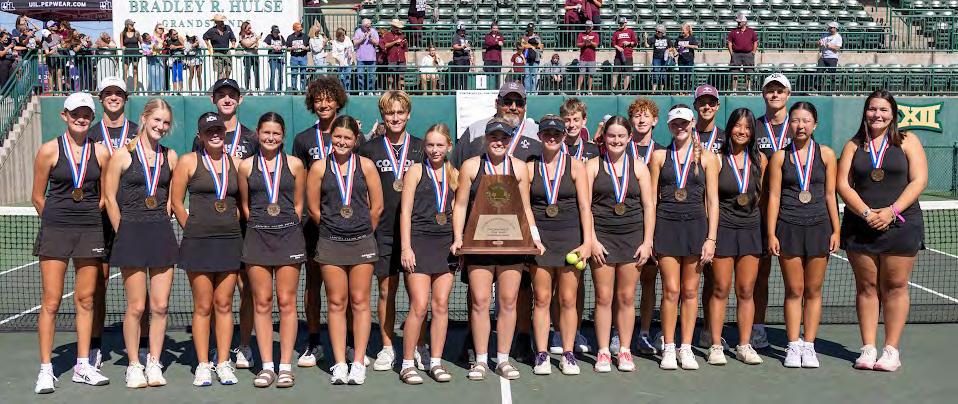


Planning for the 2026 Coaching School & Convention in Houston is underway, and we are excited to host all our Texas coaches! We want to provide you with some details & updates and what to expect for 2026!
» REGISTRATION Please make note of the registration deadlines below to afford our office staff time to get registrations processed before the event.
REGISTRATION DEADLINES/COST:
MARCH 1 - JUNE 1 - $85 PER COACH
JUNE 2 - JULY 1 - $100 PER COACH
ONSITE AT CONVENTION - $115 PER COACH
(Please note convention registration fees are separate from the annual membership fee. Membership fee/renewal is a separate $70 fee.)
Registering a group of coaches with a school payment? You can now find a packet including a Registration Checklist & a Registration Payment Cover Sheet for download on our THSCA website. www.thsca.com/convention
» TRANSFERS & REFUNDS The deadline to request a refund or transfer of payment for a Coaching School registration will be July 1st. If you are paying with a school check and still need to hire a coach, you may send in the registration fee with the rest of your staff and make a note that you would like us to store it in our system as open credit on your school's account until you are able to hire that person.
» THSCA MEETINGS AT COACHING SCHOOL
Regional meetings will be on Monday afternoon, from 3:45-5:00 PM as the final agenda item to finish out the day. The THSCA general meeting will still be held on Tuesday morning at 11:00 AM, and we will vote on the THSCA President-Elect nominees.
» HALL OF HONOR We will celebrate all of our Hall of Honor Class of 2026 Inductees (Robert Brown, Steven Cerny, Mike Hedrick, John King, Weldon Nelms, Dennis Parker and Johnny Ringo), our State Champion coaches, and our esteemed award winners at the Hall of Honor Banquet.. This banquet will kick off our Coaching School schedule on Saturday, July 18th at 6:30 PM in the George R. Brown Convention Center, Grand Ballroom on the third floor. Tickets are now available for purchase (in advance only) on the THSCA website.
» WHAT IS INCLUDED IN THE 2026 COACHING SCHOOL REGISTRATION FEE:
► ACCESS to LIVE Demos, Sport Lectures & Professional Development Lectures, Exhibit Show and Sponsored Networking Events
► ACCESS to THSCA Regional Meetings & General Meeting, including your OPPORTUNITY TO VOTE OR BE NOMINATED in our 2026 THSCA elections.
► Email Certificate of Participation for Continuing Education Hours to provide to your School. (Only available to those who attend the convention in-person and pick up their badge onsite in Houston.)

Booking for the THSCA housing block and updates on hotel availability and parking are only accessible on our website at:
www.thsca.com/hotels
Online booking will require a credit card in order to secure the room; Your card WILL NOT BE CHARGED during the initial stage and will be held as a GUARANTEE only. THE DEADLINE FOR BOOKING AT THE DISCOUNTED RATE WILL BE JULY 1ST.
Cancellations made after June 1, 2026, and prior to 5 days prior to arrival date will be charged a $50.00 cancellation fee.
Continue to use Orchid.Events for all changes and cancellations through July 1, 2026. After July 1, 2026, cancellations must be directed to your assigned hotel at least 5 days prior to arrival or a one night’s room and tax charge will be assessed by the hotel.
An early departure date fee will apply. Verify your departure date and contact the hotel at least three (3) days prior to check-in to avoid this penalty. Your hotel reserves the right to charge your credit card a deposit for one night’s room and tax for each room reservation on or after July 1, 2026.
Orchid.Events is the ONLY THSCA designated housing provider for the 2026 THSCA Convention & Coaching School. Beware of other companies misrepresenting themselves as affiliated with THSCA.
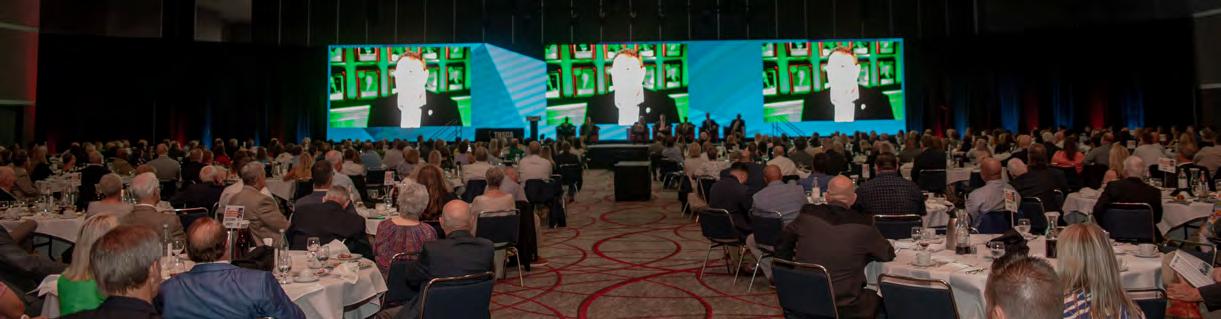
SATURDAY, JULY 18
8:30 AM New Board Member Indoctrination
1:00 PM THSCA Board Meeting
6:30 PM Hall of Honor Banquet GRBCC Grand Ballroom
7:30 AM - 4:30 PM
SUNDAY, JULY 19
Registration Open
THSCA Office & Help Desk
Exhibits Open
THSCA Career Center
10:00 AM FULL LINE-UP OF LECTURES
11:00 AM FULL LINE-UP OF LECTURES
12:00 PM FULL LINE-UP OF LECTURES
1:00 PM FULL LINE-UP OF LECTURES
2:00 PM FULL LINE-UP OF LECTURES
3:00 PM FULL LINE-UP OF LECTURES
4:00 - 5:15 PM - NCAA FBS Div. I Head Football Coaches Panel - Leadership in Women's Coaching Panel - Athletic Trainer's Networking Event
5:30 - 6:30 PM Various Networking Opportunities
7:30 AM - 4:30 PM
MONDAY, JULY 20
Registration Open THSCA Office & Help Desk Exhibits Open
THSCA Career Center
9:00 AM FULL LINE-UP OF LECTURES
10:00 AM FULL LINE-UP OF LECTURES 11:00 AM FULL LINE-UP OF LECTURES
12:00 PM FULL LINE-UP OF LECTURES 1:00 PM FULL LINE-UP OF LECTURES 2:00 PM FULL LINE-UP OF LECTURES 3:45 - 5:00 PM THSCA REGIONAL MEETINGS
5:15 - 6:15 PM Various Networking Opportunites
7:30 AM - 12:00 PM
TUESDAY, JULY 21
THSCA Office & Help Desk Exhibits Open
THSCA Career Center
8:30 AM FULL LINE-UP OF LECTURES 9:30 AM FULL LINE-UP OF LECTURES 11:00 AM - 12:30 PM THSCA GENERAL MEETING
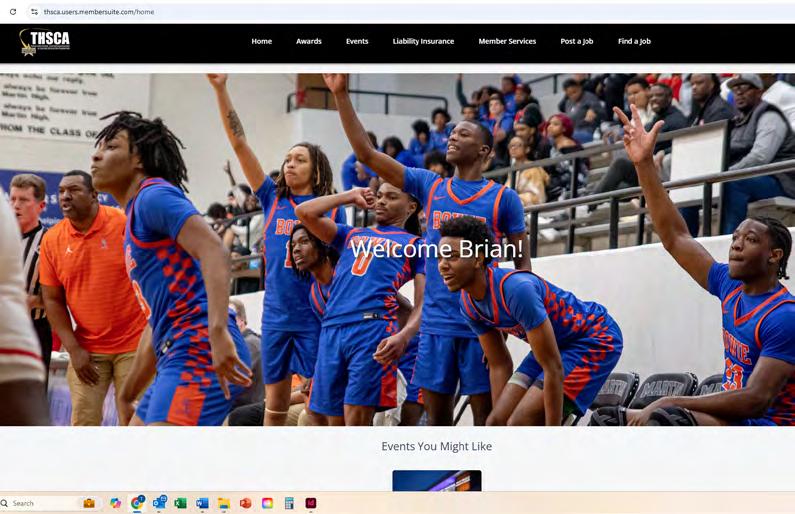
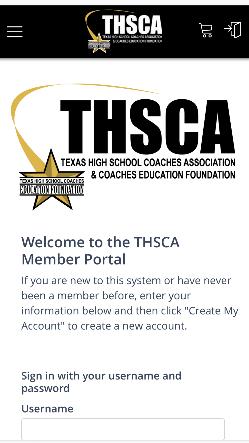
1. The first time visiting the new portal you will be required to set up a new password, so select the Forgot your Password? option. Your username will be the email address we have on file for your member account.
2. The system will email a link/verification code for you to verify your account and set-up a new password. (If you have any difficulty remembering the email address you used for account set-up, or you do not receive the verification email to reset your password, please call our THSCA office 512.392.3741 and we can assist you.)
3. Once you have logged in, click on the Round User icon on the top right and select “Update Profile/ View My Membership”

4. Select the pencil icon under “My Personal Information” to update your contact data.

5. Under “Communication Preferences” please OPT-IN to receive THSCA Updates & Reminders via email throughout the year.
access your THSCA Member Portal online today! Please visit www.thsca.com and click on login at the top to update your THSCA profile info, renew your membership for 2026-2027, and register for thsca Coaching School.
The THSCA member portal functions as a shopping cart experience. If you would like to pay for multiple things at once, (example: Membership, Coaching School Registration, Liability Insurance, etc.) you will need to add them ALL to your shopping cart before proceeding to check out.
1. Click on the Round User icon on the top right and select “Update Profile/View My Membership”
2. Click on the Membership tab, and you should find an button to Renew at the bottom.

3. Be sure that your contact information and profile settings are correct and then hit the blue Update button to save your changes.
4. Select the appropriate membership type and hit the Next button to proceed.
5. Read the disclaimer information and check the box marked “Above Read.” Also, please select an option on your Texas Coach magazine delivery preference. Then click Next.
6. Select any add-ons, including a Political Action Committee Donation, Benevolence Donation or Professional Liability Insurance. Then click Next.

7. You will be prompted with a summary of your selections. When you are satisfied with your selections, choose Add to Cart.
1. Click on the Events tab on the menu at the top and select Browse Events.

2. Select the event you would like to register for:
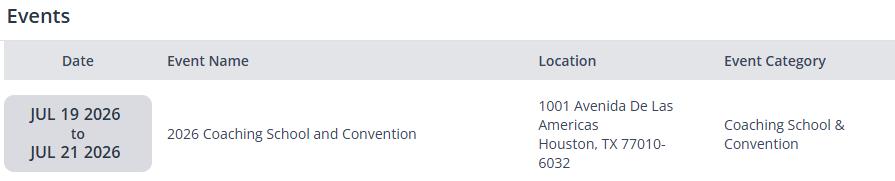
3. And look for the Register button on the top right.

4. Select the appropriate registration fee and hit the Next button to proceed.
5. Read the disclaimer information and check the box that you understand the terms of registration, then click Next.
6. Select any add-ons you would like (Benevolence Donations) and then click Next.
7. You will be prompted with a summary of your selections. When you are satisfied with your selections, choose Add to Cart.

1. Click on the shopping cart icon to view the summary of selected items to purchase.
2. When you are satisfied with the summary click, CHECK OUT.
3. You should be redirected to the Checkout screen to proceed with credit card payment.
Upon completion of the transaction you should IMMEDIATELY receive an emailed, itemized receipt you can turn in to administration for reimbursement if necessary. You no longer have to wait until coaching school to pick up your receipt. If for any reason you do not receive the email, you can always log back into your Member Portal account and print it from your account history.
You should also receive an email confirming registration for Coaching School if you have registered for that event. (Please remember that THSCA membership for the year and Coaching School registration are TWO SEPARATE fees.)
After you have completed check-out in the member portal you will be prompted to update your profile information. Please make sure we have the correct contact information for you and that your communication preferences are set-up so you can receive THSCA Updates & Reminders emails.
If you need to update the school you are affiliated with in your profile please email your name, THSCA ID number and new school affiliation to info@thsca.com so we can correct it for you.


Professional -
1st)
- $115 (7/19 or 7/20 Only)


by: jason archibald
In today’s era of comfort and convenience, the art of the tough conversation has become a thing of the past. Whether it is between parents and coaches, coaches and athletes, or between adults themselves, we have drifted away from uncomfortable dialogue when it is necessary to hear it. Tough conversations are exactly what build the things we are all striving for: trust, growth, and accountability.
While the tough conversation may not be easy, it is imperative that we use them when necessary. A coach telling a player—or a parent—that their child lacks effort, is not being accountable, is missing their potential, or lacks discipline are all things that, while difficult to hear, are vital to a person’s growth. While we may temporarily avoid hurt feelings or maintain a perceived peace, in the long run, we cause growth to become stagnant or strain our relationships. Most growth doesn’t happen in times of comfort; it happens in times of adversity and confrontation handled with respect and purpose.
It is also vital to understand the difference between a tough conversation and a loud one. Leaders often mistake the volume of their voice for authority; yelling and being loud is rarely synonymous with correction. While having a tough conversation may require bluntness, it absolutely loses its power when it turns into a shouting match. When people choose volume over the value of what is being said, the focus of the person receiving the message often shifts from the content to the question: “Why is this person yelling at me?” They begin to simply endure the noise rather than
processing the message. Once someone mentally removes themselves, the chances of growth are lost. We must keep in mind that the weight of our words carries the impact and the growth we are looking for, not the decibel of our voice.
Tough conversations model integrity and leadership. When spoken from a place of fairness, honesty, and care, the truth becomes a teaching tool and not a personal attack. I truly believe all people want honesty and growth, provided it comes from a place of respect; if trust has been built, that uncomfortable space is exactly where we all will find what we need. For parents, it requires trusting the process in which their child is involved, supporting their child being held accountable, and resisting the temptation to shield them from every challenge or adverse situation they end up in. Ultimately, for the student-athlete, it’s about learning to listen without being defensive and seeing correction not as criticism, but as a coach helping to build on their potential.
Leadership is not for the faint of heart. It requires courage—the courage to speak, receive, and grow from the truth. A student, a coach, an administrator, a parent, a team, a school, or a community that avoids healthy, tough dialogue will lose their edge and fall short of their potential. So, the next time our comfort level tempts us into silence, we must choose the courage of the truth. I believe that we will build our young people into strong leaders who can handle adversity and accept feedback to lead others. If you choose silence, expect the reality of what your silence accepts.

BY PETE PADILLA n.i.s.d. HOLMES H.s. - San Antonio, tx ATHLETIC COORDINATOR/HEAD FOOTBALL COACH
Before holding athletes accountable, a leader must ask a harder question:
Were we clear?
Not implied.
Not assumed.
Not mentioned in passing.
Clear
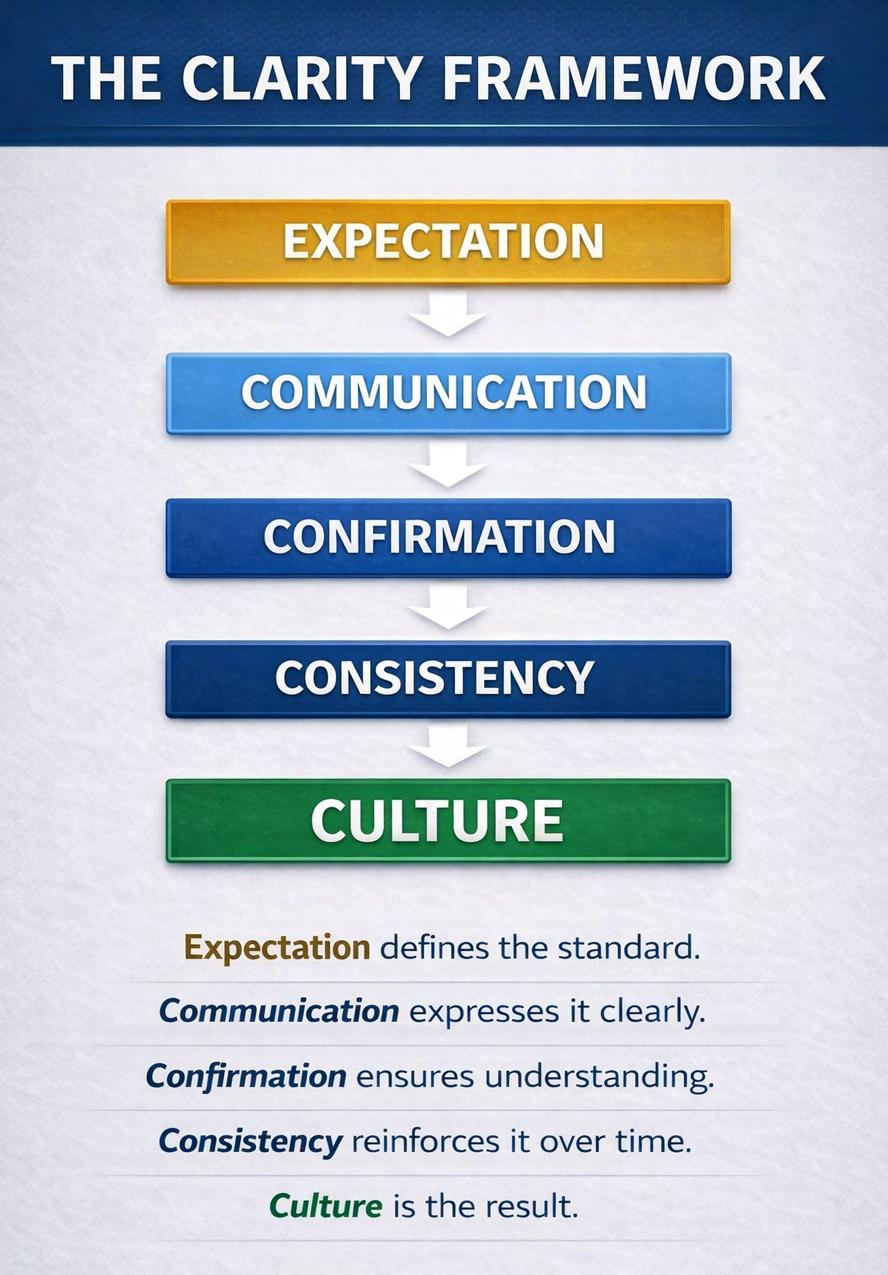
Standards matter. Effort matters. Discipline matters. None of those can be enforced fairly unless expectations are communicated, confirmed, and reinforced consistently.
Clarity precedes accountability.
There are moments mid-season when frustration builds. Energy drops. Details slip. Execution suffers.
It is easy to assume effort is the issue.
Sometimes it is not.
Early in my career, I remember a week where practice tempo felt flat. I addressed the team sharply about “lack of focus.” The next practice looked exactly the same.
That evening I realized something uncomfortable: I had never clearly defined what “full effort” looked like in that drill. I assumed they understood the pace and detail required. They assumed something different.
The next day we reset the drill. I demonstrated the expectation. I explained the purpose behind it. I asked them to repeat it back to me.
The energy changed immediately.
It wasn’t an effort problem. It was a clarity problem.
Admitting that mid-season requires maturity. A genuine reset does not weaken leadership — it strengthens it.
Sometimes leadership sounds like this:
“That’s on me. I didn’t communicate it clearly enough. Here’s the standard moving forward.”
Clarity restores alignment. Alignment restores trust.
Clarity must exist at every level of a program — from the head coach to the coordinators, assistants, and support staff.
Alignment within a staff is not automatic. Coordinators and assistants may see standards differently. That’s healthy — in the staff room.
• Disagreement in a staff room is productive.
• Disagreement on the practice field is damaging.
If one coach corrects a behavior that another coach ignores, athletes do not become more disciplined. They become confused.
A leader’s responsibility is not to eliminate differing opinions. It is to ensure shared expectations before stepping in front of the team.
If the staff is unclear, the team will be inconsistent.
Not every mistake requires escalation.
However, every moment requires evaluation.
Consider two scenarios:
• A player jumps offsides once in practice.
• A player jumps offsides four practices in a row.
The first may be a lapse in focus.
The second is a pattern.
Without clarity, leaders react emotionally to both situations the same way.
With clarity, leaders evaluate first.
When correction is consistent and tied to patterns — not frustration — accountability feels fair.
Clarity protects accountability. Accountability protects culture.
Some coaches may read this and think:
“We don’t have time to reset expectations every time something slips.”
The truth is, we don’t have time not to.
A five-minute reset early prevents weeks of frustration later.
Clarity is not extra work. It is preventive work.
Clarity is not a single statement — it’s a process: define it, confirm it, and reinforce it long enough for it to become culture.
Communicating an expectation is not the same as confirming it was understood.
This distinction matters most during high-pressure periods — summer camps, two-a-days, the first weeks of installation. Coaches are moving fast. Information is constant. Athletes are tired. In those moments, it is easy to confuse delivery with understanding.
Telling is not teaching. Teaching requires confirmation.
Techniques that create genuine confirmation:
• Have athletes explain it back in their own words. If they can explain the “why” behind the standard, they understand it.
• Use demonstration as confirmation. After showing the standard, have a player execute it while the group watches. Confusion surfaces quickly and correction becomes immediate.
• Ask the question athletes are afraid to ask. “What part of this is still unclear?” produces more honest feedback than “Does everyone understand?”
• Build short confirmation loops into daily practice. At Holmes, we use brief check-ins at the start of position periods — not to re-teach everything, but to verify yesterday’s standard
is still understood today. Thirty seconds of confirmation protects the next forty-five minutes of practice.
Confirmation is not remediation. It is not a sign athletes are struggling. It is a sign the coach takes communication seriously enough to verify it.
Confirmation without consistency is temporary.
The real test of clarity is not what happens in week one of camp. It is what happens in week nine, when the schedule is demanding, the staff is tired, and the temptation to let small things slide is strongest.
Culture is not built in August. It is revealed in October.
Consistency requires structure, not just intention. At Holmes, our coordinators use brief weekly alignment conversations — five to ten minutes before practice to ask: are we all reinforcing the same things the same way this week? That simple habit prevents quiet drift when coaches operate in silos.
It also requires coaches to hold each other accountable, not just athletes. When a standard is enforced differently across position groups, the coordinator’s job is to address it before athletes notice the inconsistency and trust begins to erode.
Small drift ignored becomes large drift accepted.
Consistency is not rigidity. Standards can evolve as athletes grow. Changes must be intentional and communicated — not accidental and unspoken.
• Instructions that were delivered but never confirmed
• Standards that were stated but inconsistently enforced
When any of those fracture, culture weakens quietly before it ever collapses publicly.
Athletes do not resist accountability.
They resist inconsistency.
Staff members do not resist leadership.
They resist confusion.
Before correcting effort, revisit clarity.
Because clarity always comes first.
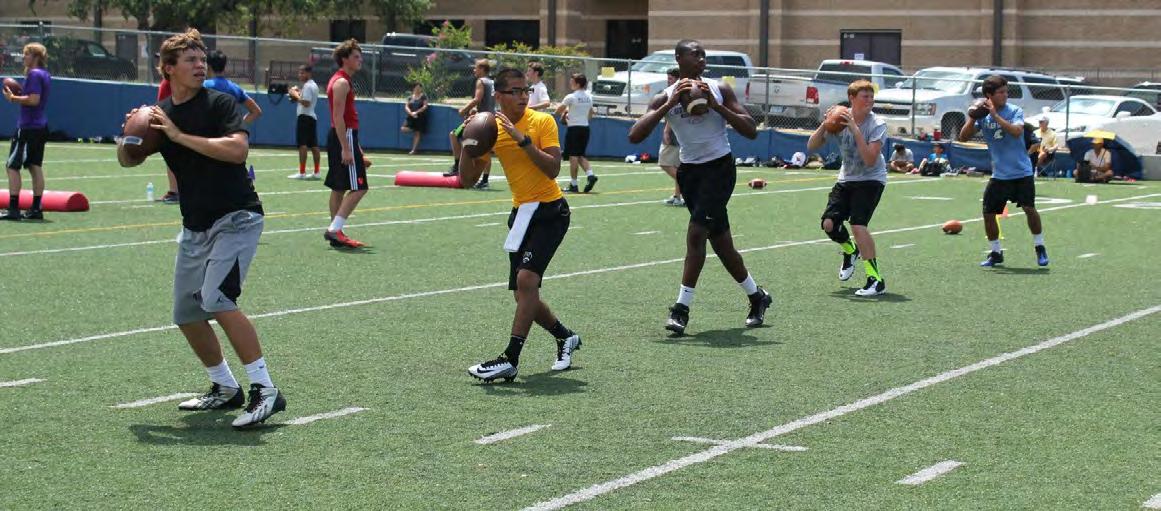
When consistency holds across a full season, athletes stop testing the edges of expectations. The standard becomes “how we do things,” and culture stops being something you talk about and starts being something you have.
Most cultural issues don’t begin with effort. They begin with breakdowns in one of three places:
• Expectations that were assumed but never defined

A Texas based Football Camp that develops young Quarterbacks & Receivers through proper instruction and training. Established in 1990, Air It Out has left a lasting impact on many young players lives; not only through what they learned on the football field, but through leadership and teamwork exercises that can be used in their professional lives in the future.
BUILT-IN SEGMENT TIMER
DISPLAYS AND ANNOUNCES PERIOD NAME AND NUMBER
SPEAKERS SWIVEL AND ROTATE 360°
BLUETOOTH® 4.0 COMPATIBLE
BUILT-IN 25/40 SECOND CLOCK
CUSTOMIZE GRAPHICS FOR YOUR TEAM RICH, BOLD AUDIO PERFORMANCE AND IMMERSIVE SOUND
HEAVY-DUTY LOCKABLE WHEELS FOR EASY TRANSPORT

12” SUBWOOFER FOR MASSIVE, DEEP BASS
FEATURES:
NEW & IMPROVED TEMPO® PRACTICE MANAGEMENT
• Drive the pace of practice by keeping it moving
• Displays and announces periods
• Practice with structure and organization
SUPER POWERFUL SOUND
• Simulate loud and hostile game day environments
• Motivate and energize your players
• Stay in communication from anywhere on the field
WEATHER-RESISTANT TO ENDURE HARSH ELEMENTS
• Bright, sunlight-readable screen
• Water-resistant, crystal-clear 4k display
• One tool - Use it anywhere on or off the field





CAN TEMPO MAV PRO DO FOR YOUR PROGRAM?






April 2026
Happy Spring!
Spring is in full swing, and we all know what that means—the countdown to summer has begun! As we wrap up another busy season of supporting our coaches, schools, and athletes, we celebrate accomplishments while looking ahead to an exciting summer.
We are already gearing up for one of the most anticipated events of the year—our THSCWA 40th Anniversary Convention in Houston, July 19–21! This milestone year will be one to remember, filled with connection, celebration, and plenty of fun. Whether you are a first-time attendee or a returning member, we encourage you to make plans now to join us. It’s an incredible opportunity to reconnect with friends, meet new members, and strengthen the community that makes THSCWA so special. Registration information will be available at thscwa.org, so be sure to check the website and secure your spot.
In addition to preparing for convention, we are currently seeking high school senior applicants for our THSCWA scholarships. Supporting coaches’ families is at the heart of what we do, and these scholarships allow us to invest in their futures. We encourage you to share this opportunity with any eligible seniors. Application details and deadlines can be found on our website and social media platforms.
As always, we invite you to stay involved, bring others along, and continue growing this incredible organization. The more we show up for one another, the stronger our community becomes.
I am truly looking forward to the summer and celebrating this special 40th anniversary with each of you in Houston. It’s going to be a memorable convention, and I can’t wait to see you there!
Wishing you a wonderful and successful spring season!
Clara Simmons
THSCWA President txcoacheswives@gmail.com
THSCWA OFFICERS: 2023-2024
PRESIDENT: Clara Simmons
PRESIDENT ELECT : Autumn Softley
SECRETARY: Kristen haywood
TREASURER: cynthia griffing
PAST PRESIDENT: Justine Palmer
DIRECTORS
REG 1: Kayla Henry
REG 2: Angie Martinez
REG 3: cat shea
REG 4: gentry staugh
REG 5: leigh montgomery
REG 6: lyndsey ratliff
REG 7: courtney reeve
REG 8: amanda aguirre
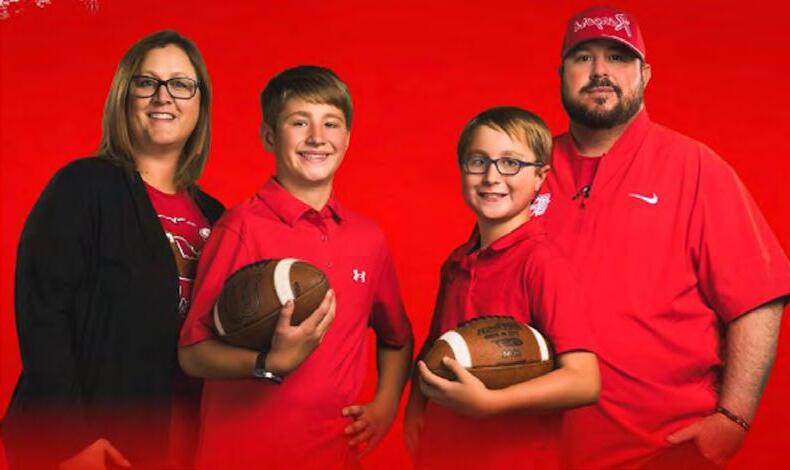
ASSISTANT DIRECTORS:
REG 1: kortney villegas
REG 2: brittany roberts
REG 3: jonith wilkinson
REG 4: stacie sanchez
REG 5: misty wheeler
REG 6: tracy schaub
REG 7: emily gamez
REG 8: hilary moore
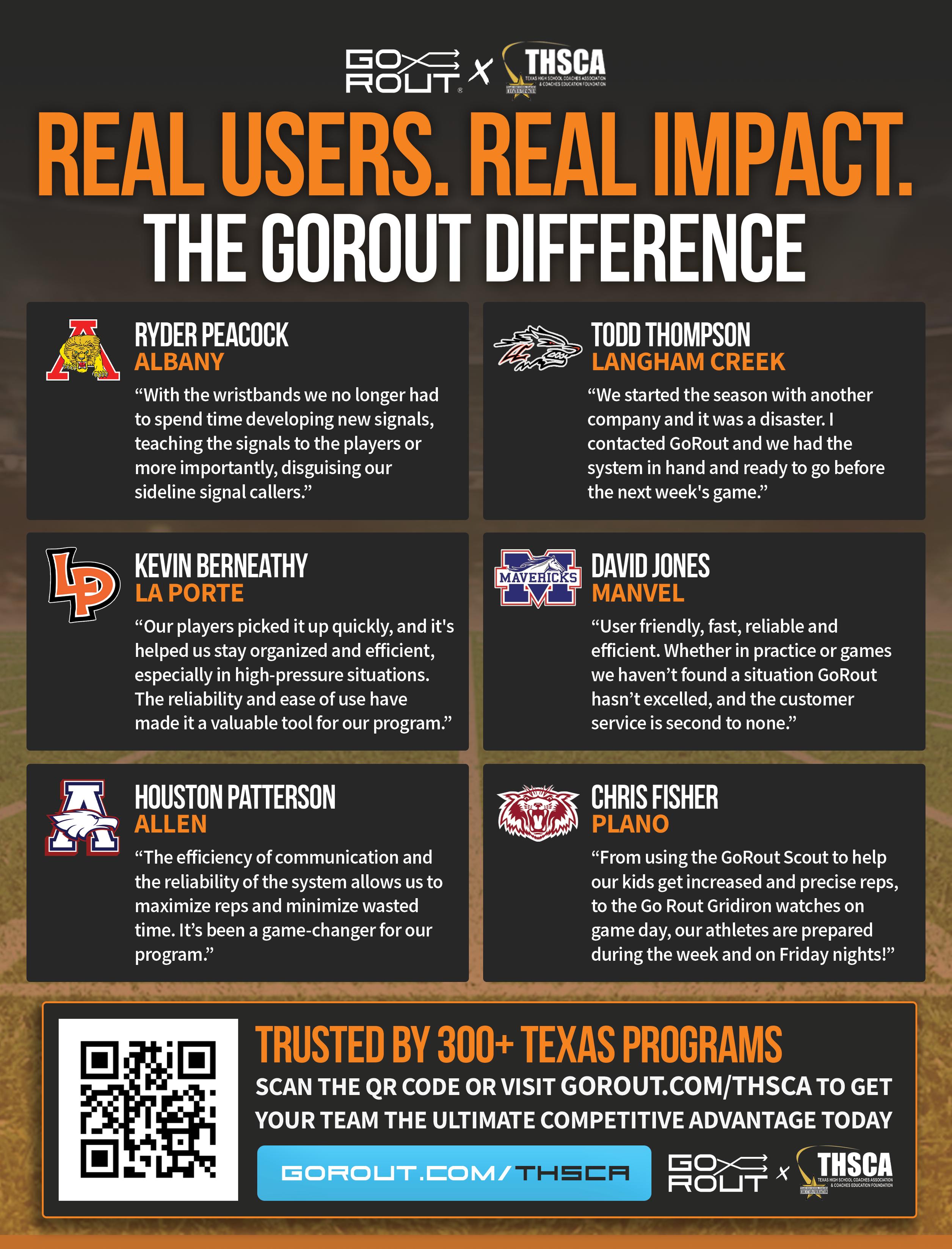

AT&T Stadium - Arlington, TX - March 1-2, 2026
Thank you to our program sponsors & collaborators:
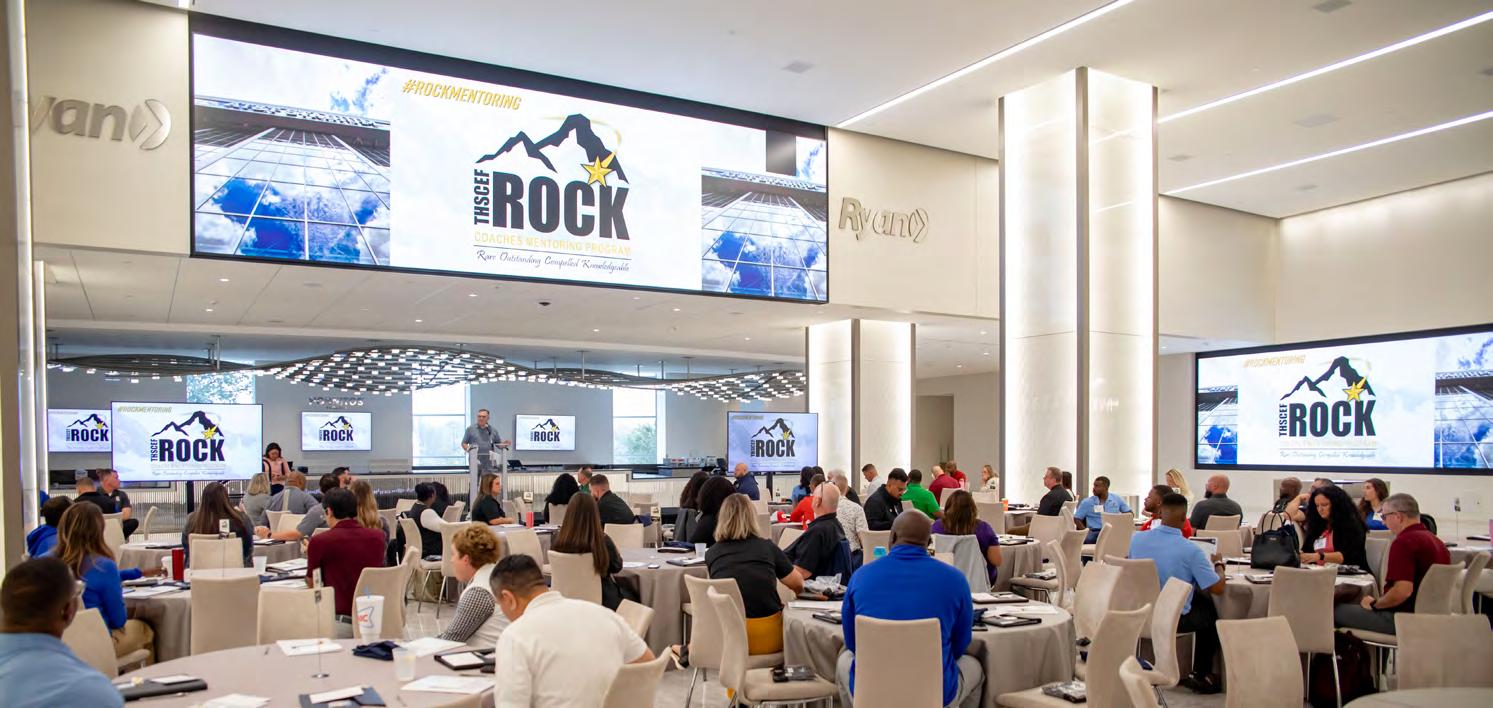
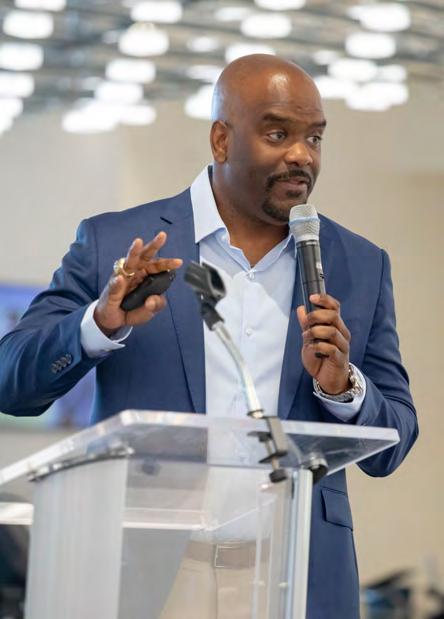
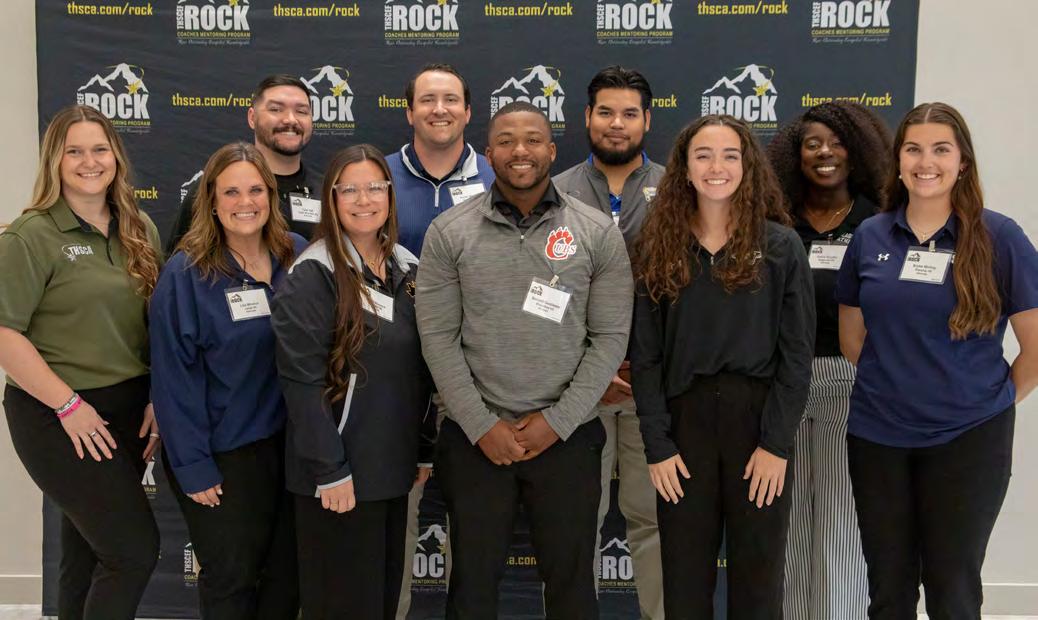
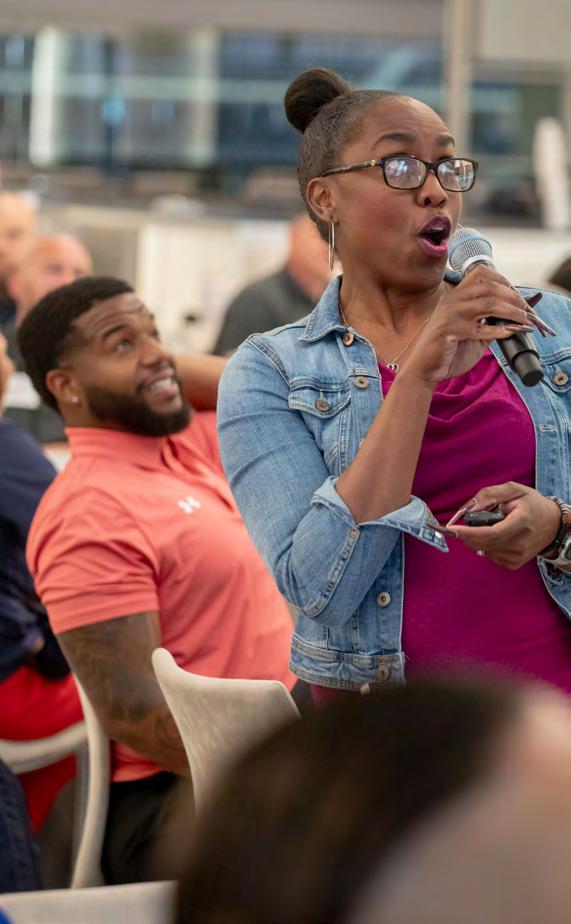
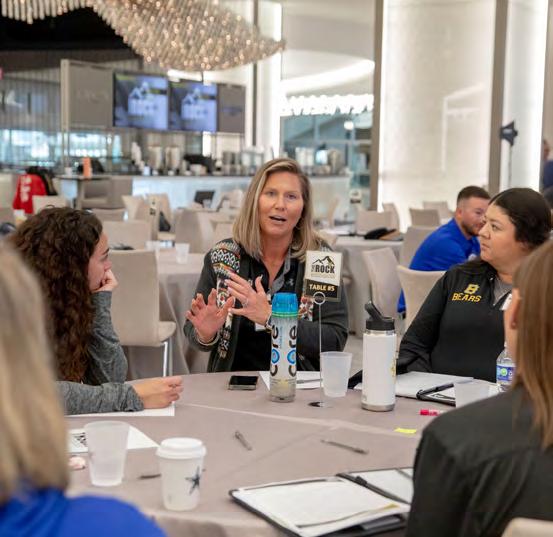
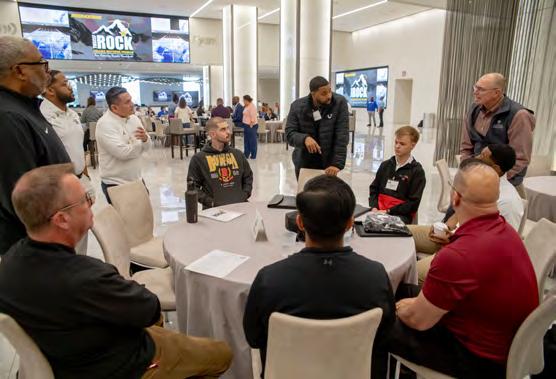
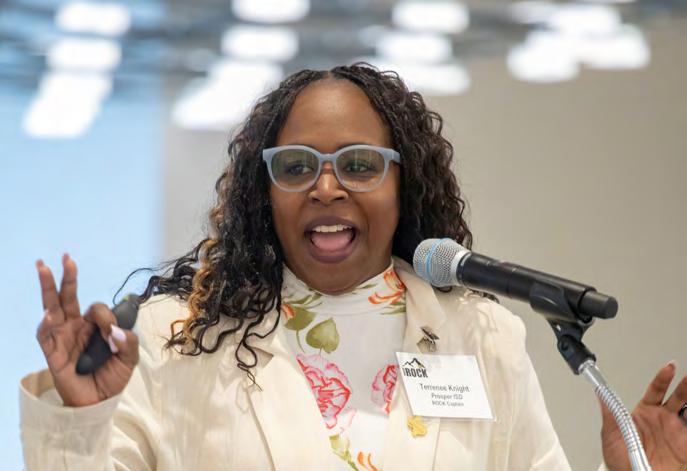
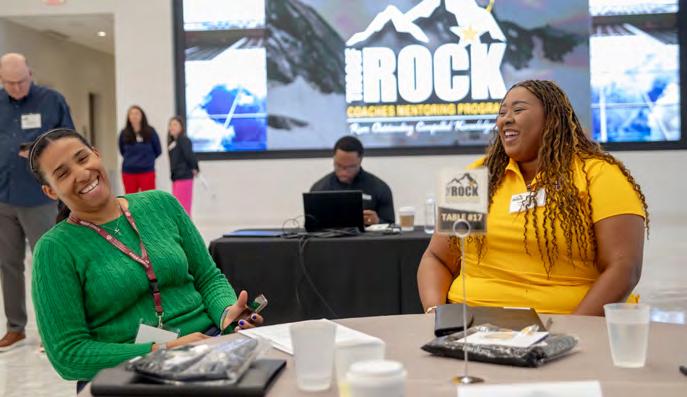
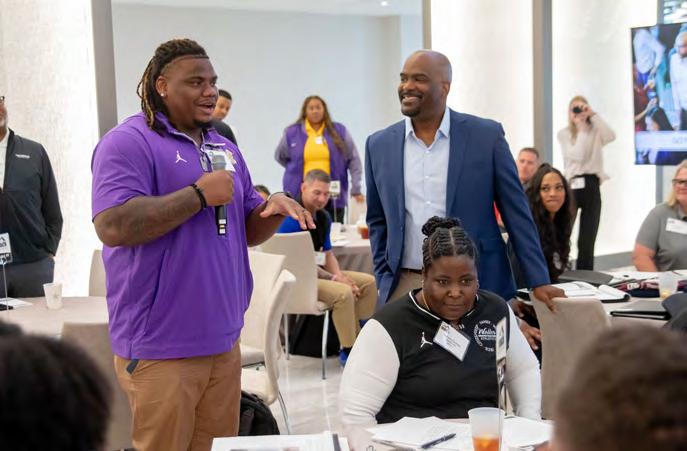
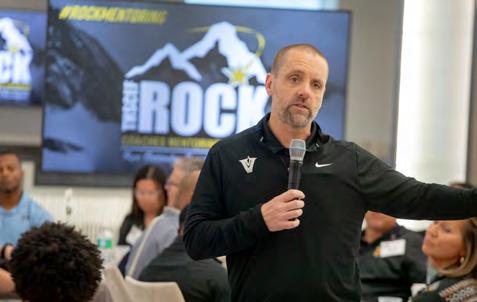
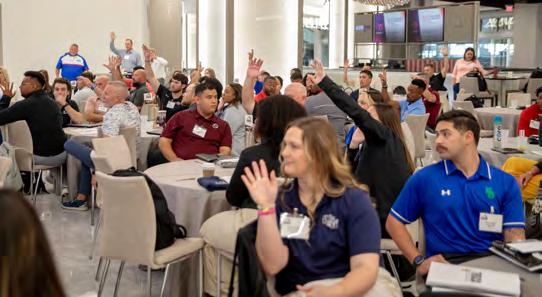
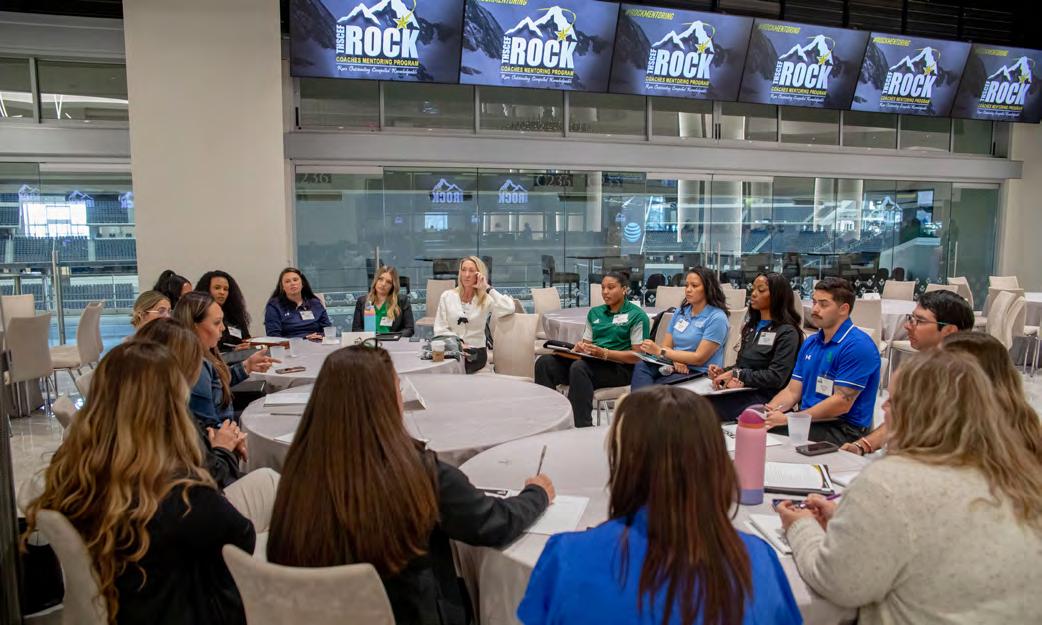
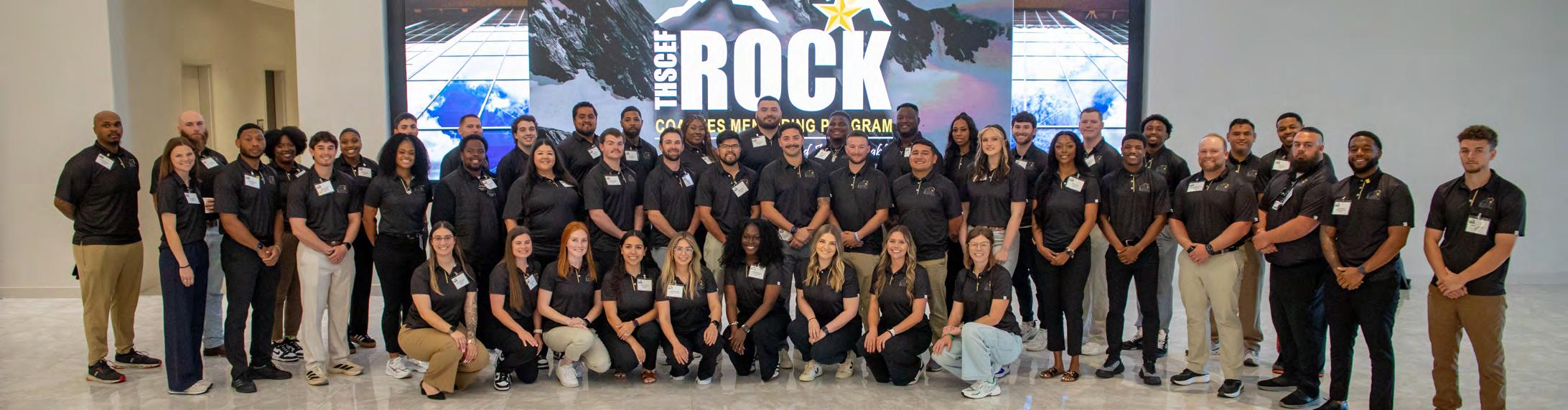
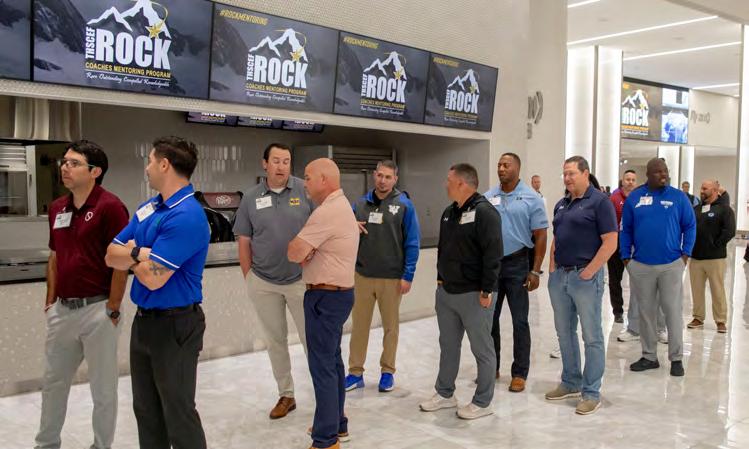
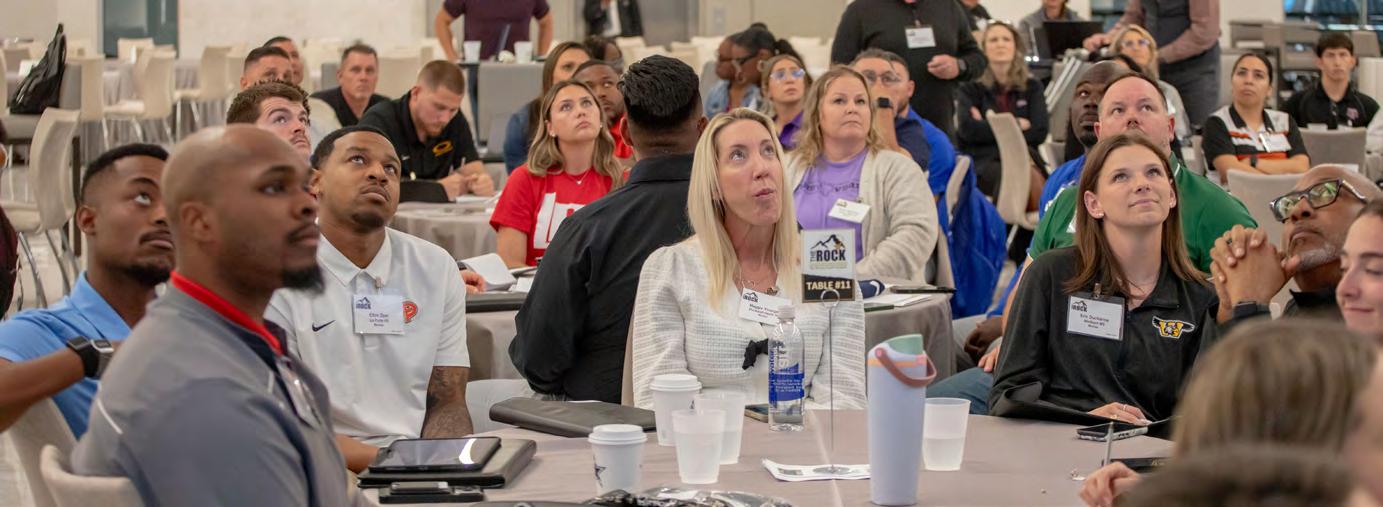
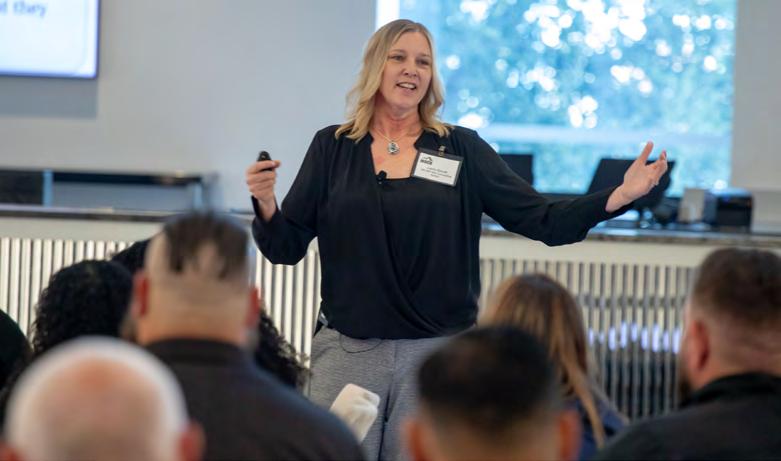
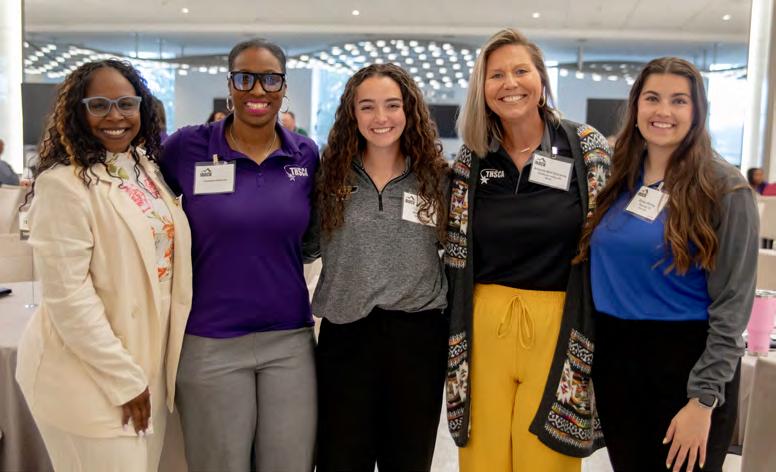
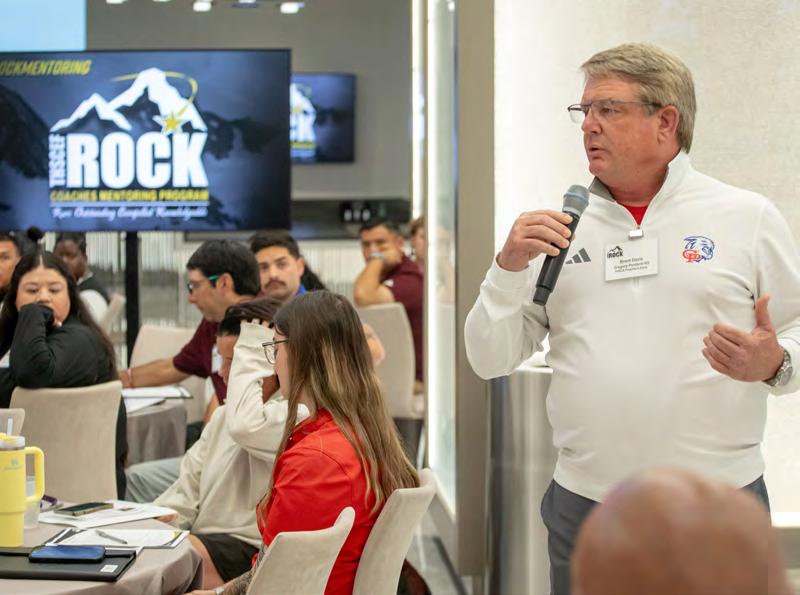
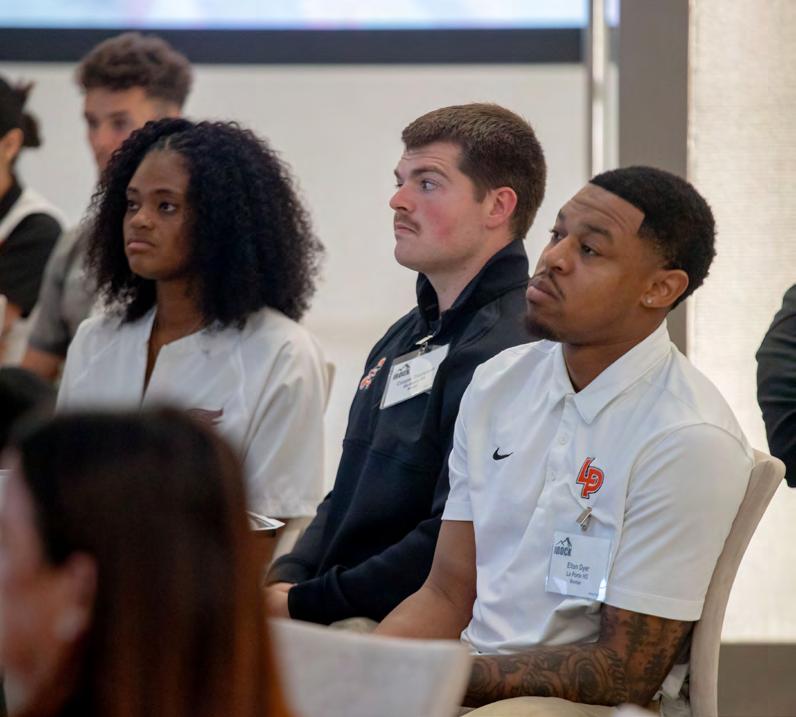
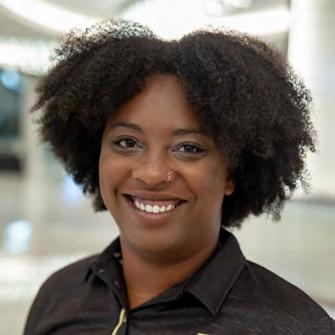
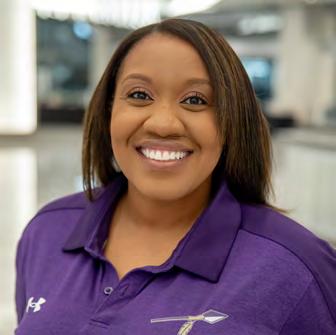
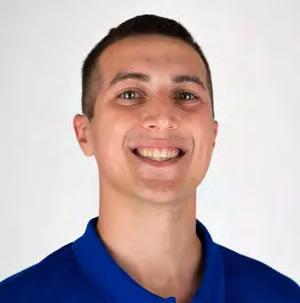
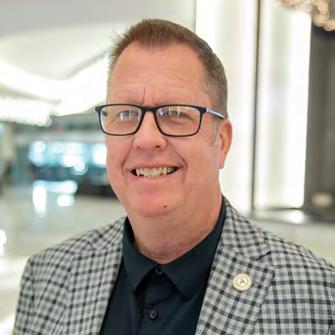


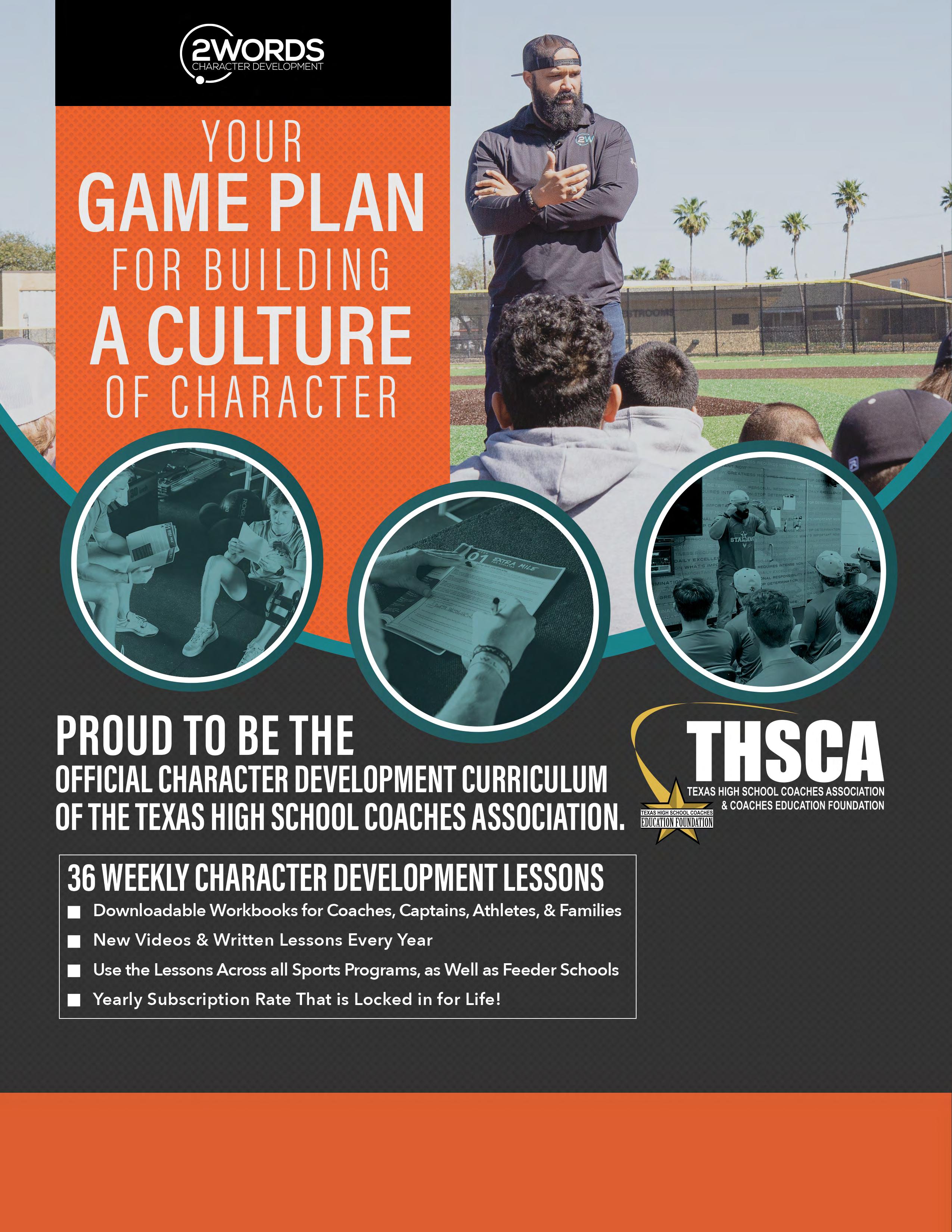

By Alexander Ramart - CC Veterans Memorial Offensive Coordinator & Assistant Track Coach
Mobility training and the integration of low impact mobility exercises have become an essential component of athletic development. While we as sport coaches prioritize strength, speed, and agility training; mobility is equally important for maintaining efficient movement and preventing injuries. When discussing the term “mobility”, I am not referring to whether or not your athletes can touch their toes or if they are “flexible”. The mobility we are discussing refers to the ability of joints to move through a full range of motion with control and stability. Mobility exercises can play a critical role in both in-season and off-season training programs by improving performance and function, maintaining movement quality, and reducing the risk of injury.
Developing an athlete's mobility takes time, but programming exercises into your training schedule that will make an impact doesn’t. Impactful mobility training doesn't need to be an hour-long training session during your athletic period, even though it can be. Dedicating 10-15 minutes at the beginning of a training session to introduce your athletes to the movements and provide coaching cues is substantial. Doing this three times a week gives your athletes the knowledge to do their own 30-45 minute mobility training at home.
While you may see an instant shift in an athlete's movement pattern, or they may feel some instant “unlocking” of tightness within their body from the
“pre-lift mini session” you provide, mobility training is not a one time pill - swallow and solve all your issues. The majority of athletes will need to dedicate multiple short sessions per week doing the same exercises in order to develop the true benefit from this training rather than dedicating an entire period to it once every 6 weeks.
Consistent mobility training helps reduce the risk of injury and supports long-term athletic health by allowing joints and muscles to move properly under physical stress. The more we can put our athletes in a position where they can work on controlling movements in awkward/uncomfortable positions, the more prepared their bodies will be when they find themselves in those positions at high speeds or after high-impact collisions.
The off-season is the ideal time for athletes to prioritize mobility training. This is the time of the year where we as coaches can pivot and shift our focus into establishing new routines, prioritize different exercises, and spend a little extra time coaching movements. This allows our athletes to begin correcting any movement limitations and build a stronger physical foundation before having to focus on the X’s and O’s again. During the season, we naturally place more importance on the scheme, concept development, and overall execution of our respective sports. The off-season is the time to build
new skills and afford more time than the in-season.
Even during the competitive season, maintaining mobility is essential to help athletes recover from intense practices and games while preserving their movement quality. Non-sport specific practices are going to decrease during the in-season, and so will your opportunities to incorporate mobility work. Similar to the ideology of lifting during in-season, for maintenance of strength, the same principle can be applied for mobility training. We do not want to have to start from ground zero at the conclusion of the sports season. Incorporating short, quick mobility sessions in conjunction with training sessions can suffice during in-season training.
Earlier, I alluded to the idea of quick, short sessions combined with normal training programming. The idea behind smaller introductions, that are highly coached, is to give the athletes the ability to complete those exercises on their own. We are never able to dedicate time to every little thing, although we wish we could; we have to maximize what we are given and be smart with our planning and timing. By installing short increments over a period of time, similar to a playbook, we are giving athletes a plethora of options for exercises to perform outside of our hands-on coaching sessions.
Dedicate a week to a specific focus area. Mobility focus can be paired with increased stressors of an area, or introduced in sequence week to week and recalled and repeated based on specific demand. For example, for week 1 of our training program - focus might be high on hip mobility in order to pair with the dramatic increase in demand of those joints, like the hips. Week 6 of the training program may be dedicated more to T-Spine mobility due to high stressors of pulling movements and prolonged strength training. It could also be easily programmed to follow the kinetic chain: Week 1 - dedication to ankle mobility, Week 2 - dedicated to hips, Week 3 - focus on T-Spine, and Week 4 - focus on shoulder/ rotator cuffs.
By the end of a training cycle, athletes now are afforded the knowledge to access specific exercises
based on problem areas they currently feel, or areas they know that have been problems for them in the past.
Listed below are three exercises each for four common mobility focus areas. Most exercises don’t require any equipment and can be done at home as well. The focus for these exercises aren’t reps or sets, but intentional, slow and controlled movements, pushing past their comfort levels. All exercises can be searched and googled to find videos on how to perform each exercise and how to coach each exercise as well. These are only ideas, or a starting point for you and your program. There are a litany of exercises for each area that can be found and successfully integrated into strength and conditioning programming.
1. Kneeling Banded Ankle Distraction
2. Forced DorsiFlexion
3. Heel Drops
1. 90/90 Switches
2. Manual Hip Internal/External 90/90
3. Figure 4 Knee Touches
Low Back
1. Jefferson Curl
2. Bent Knee/Straight Leg Truck Rotation
3. Single Bent Leg Side Lying Upper Rotation
T-Spine
1. Deep Squat Single Arm T Spine Rotation
2. Wall Half Kneeling T Spine Opener
3. Quadruped Reach Through and Opener
Shoulders
1. Prone Swimmers
2. Kneeling T Spine Extension/Lat Stretch
3. Hanging Scapular Adduction/Abduction (Protraction/Retraction)


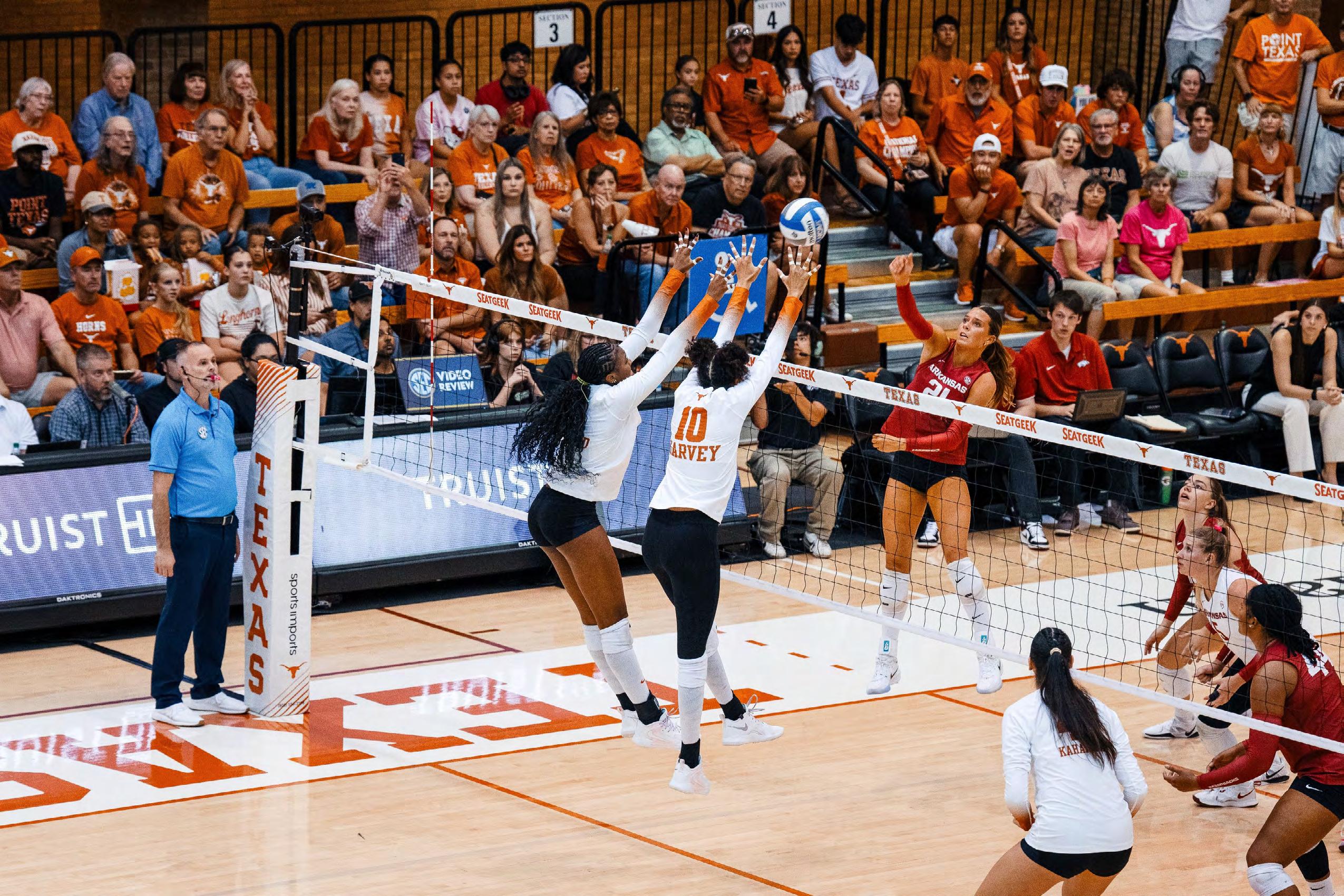

KB3 SPORTS APP has allowed us to streamline our stats & maxes for inseason & offseason as well as given us the ability to promote our players across the country.
James Clancy HFC, Klein Cain HS
MAXES & MEASURABLES can be entered by a player or coach and will be added to a player’s profile page.
TEAM PROFILE PAGE
Your teams’ profile page is publicly accessible to parents, players, media and recruiters with links to each player’s profile page.
PLAYER TRACKING
Download a Team Stat File to keep track of team stats by player or team totals.
Download a Game Summary File to view play-by-play game recap.
Automatically generate a Player Stat File to view per game and cumulative player stats as well as in-season and off-season maxes and measurables.
RECRUITING
College coaches can access your players test scores, stats, maxes & measurables.
College Coaches can DM with coaches and players via our IN-APP MESSAGING.
Get Started!
Download the free app for Android or Apple, join now!

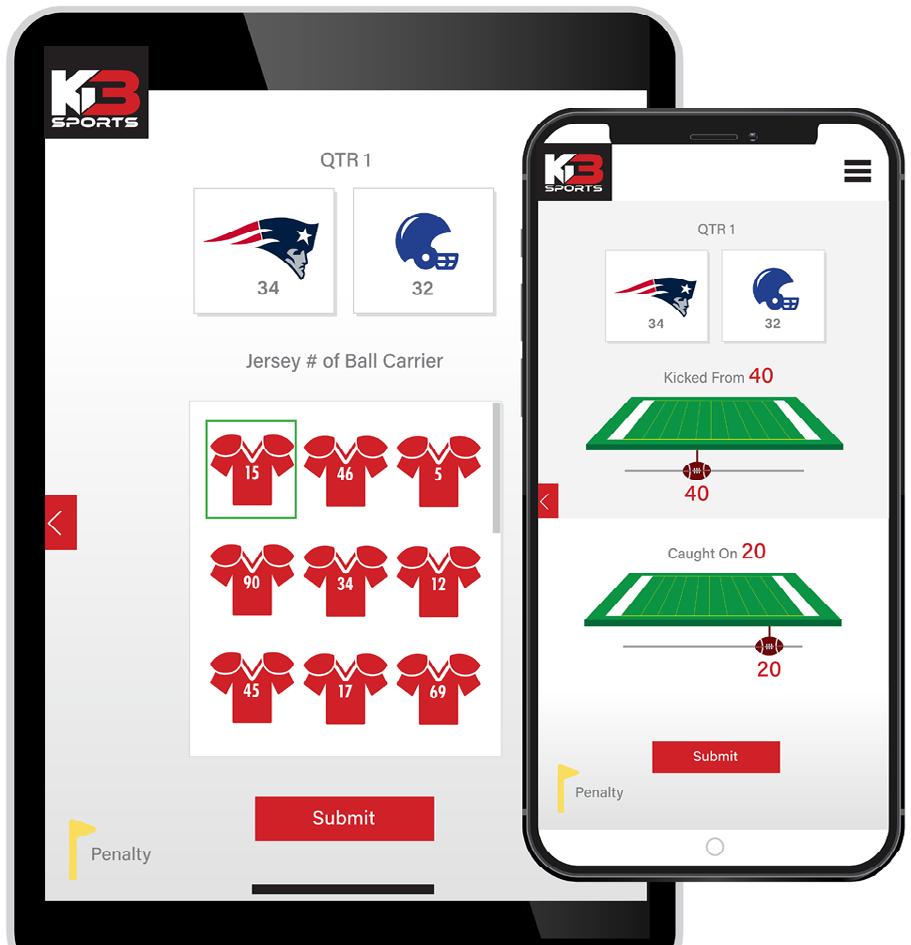
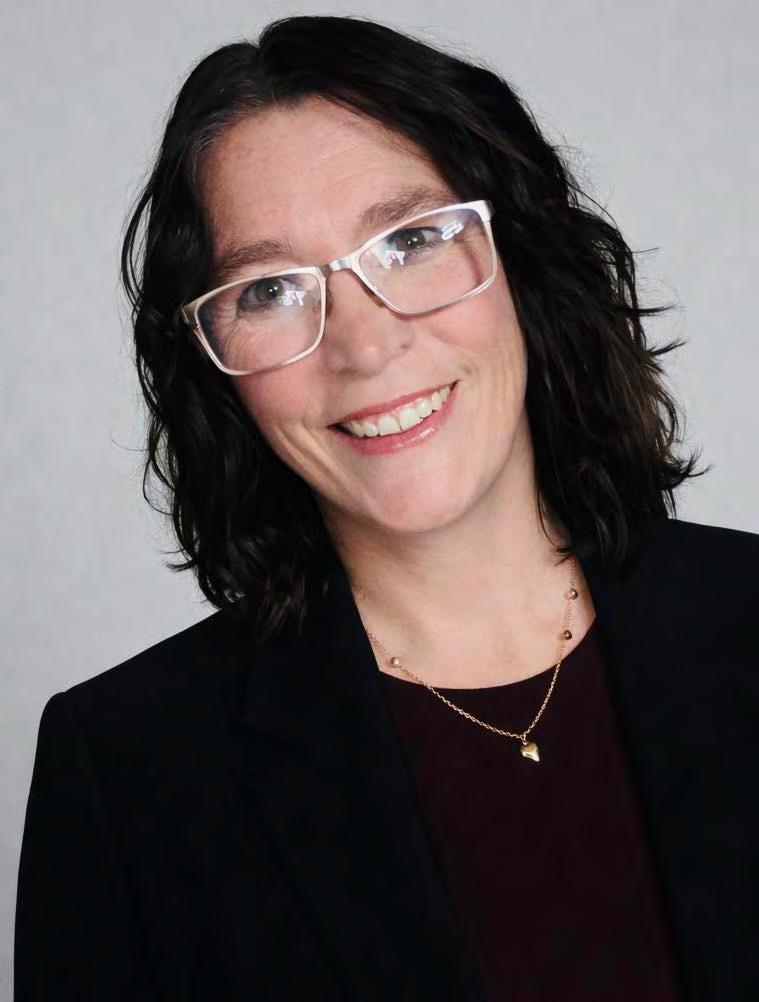


The saying, “this isn’t like the old days,” is a true statement, but not just by those of us who have been in education for 20+ years. In the transition from being students to becoming new teachers, individuals encounter challenges distinct from those experienced in their own student days. Every day, educators and coaches encounter obstacles that require readiness, and they desire a leader whom they are willing to follow into difficult situations, much like a burning building. They want a leader who will mentor and facilitate the development of their skills, rather than criticize them for their shortcomings.
A leader must have the qualities that inspire confidence and trust, even in challenging or highpressure situations. Students and parents face academic pressure, including high expectations, standardized testing, and competition for athletic, educational, and career opportunities. A leader must be ready to balance the importance of supporting their staff and recognizing these pressures and work towards building a balanced and supportive environment.
I have been in education for 22 years, and during that time, I have experienced a wide range of leadership styles. Out of all the leaders I’ve worked under, only two truly stand out, two
individuals I would follow into a burning building without hesitation. One is a Superintendent with a background in coaching, and the second is an Athletic Director and Head Football Coach. Their distinguished characteristics are not only the long history they have had in coaching, but also their ability to grasp the big picture without letting go of the very small details that make an organization thrive.
Both leaders see that strong leadership is the basis of strong coaching, and strong coaching will eventually lead to the creation of strong student-athletes. They are the people who take up the responsibility, keep the promise, and give the program direction.When leaders show these traits, others begin to reflect them in their own actions. When a coach gets trust, support, and a sense of direction from a leader, he introduces a team atmosphere to the players, and thus, the players, in their turn, show discipline, become resilient, and get motivated on and off training. These two leaders have demonstrated to me that culture is something you get from the top. When leaders put people first, they build a community defined by excellence, teamwork, and integrity.
Thanks to their leadership, I’ve realized that it's not just about wins or losses. To be specific,
it’s all about showing respect for the characters, reinforcing the self-confidence of individuals, and creating an environment where everybody understands their own role in the search for the shared goal. Strong leaders don’t produce results; they produce people who know how to lead, follow, and succeed.
As a leader, do you feel your staff would follow you into a burning building? That question serves as a true measure of trust, respect, and the culture you’ve built within your team. Leadership isn’t defined by title or authority, it’s defined by influence, consistency, and the willingness to serve alongside those you lead. The most effective leaders earn loyalty through actions that demonstrate commitment, empathy, and integrity every single day.
Equally important is how a leader invests in their people. Do you spend as much time assisting in the education of the educators as you do in educating the students? Great leaders recognize
that developing their teachers and coaches is just as vital as developing their students. Teachers and coaches may clearly understand your expectations, but it is a mistake to assume they automatically know how to translate those expectations into the classroom, the practice field, or the game. The bridge between vision and execution is built through guidance, modeling, and support. Strong leadership requires a balance of accountability and encouragement. You must provide detailed direction while also empowering others to grow with confidence. When leaders take the time to mentor, model, and motivate, they create a ripple effect.
Strong leaders build strong coaches, and strong coaches build strong student-athletes who carry those lessons far beyond the walls of the school or the lines of the field. Be the type of leader you would willingly follow into a challenging situation. Be the kind of leader you would follow into a burning building.

Oscar Villasenor: Clinic Co - Director (956) 432 - 2803
villasenoroki50@gmail.com



Eric Villasenor: Clinic Co - Director (830) 776 - 1979 (469) 387- 6226
Jesus Villasenor: Clinic Co-Director



Hotel Information
Hampton Inn Eagle Pass
$99.00 Clinic Room Rate 3301 E. Main St.
Ends June 6th
Group Code: {Dos Amigos Clinic} Hotel Number: (830) 757 - 5565
Registration Information Clinic Registration & Payment Info:

Send Check to:
Oscar Villasenor
421 Starling Creek Laredo, Texas 78045
$90.00 Registration Fee









All Sessions on Friday June 12th @ the Eagle Pass International Center for Trade 3295 Bob Rogers Drive 0.2 miles from Hotel


8:00 AM Registration/ Continental Breakfast



Ranch Sponsor: Dr. Hector Villasenor
8:30 - 9:25 Alan Haire- Head Coach, Jarrell High School
“Slot T Tempo Offense & More”
9:35 - 10:30 Neal Parsons - LB Coach, Denton Guyer High School
“3 High Safety structures and fits. Technology Integration”
10:50 - 11:45 Matt McKinney - Head Coach, San Antonio Harlan
“Take What the Defense Gives You –Multiple Methods”
11:45 - 12:40 Travis Reeve - Head Coach, El Campo H.S.
“Systems for Quality Control & Program Growth”
12:40 - 1:30 Lunch - Provided by Dos Amigos Clinic
1:30 - 2:25 Larry Hill - Head Coach, Smithson Valley H.S.
“Ranger 4-3 Defense”
2:35 - 3:30 Doug Bull - Strength and Conditioning, Devine AD
“Summer Strength and Conditioning”
6:00 PM Barbecue - Mariachis - Dos Amigos Ranch









Thursday June 11th
10:00 AM Rene & Josh Villasenor Memorial Golf Tournament
Eagle Pass Golf Course No Fee / Cart 9 Holes
Breakfast Tacos @ 9 A.M. Coaches Hospitality Choche’s Bar B Que 6:00 PM - ?
1995 N Veterans Blvd





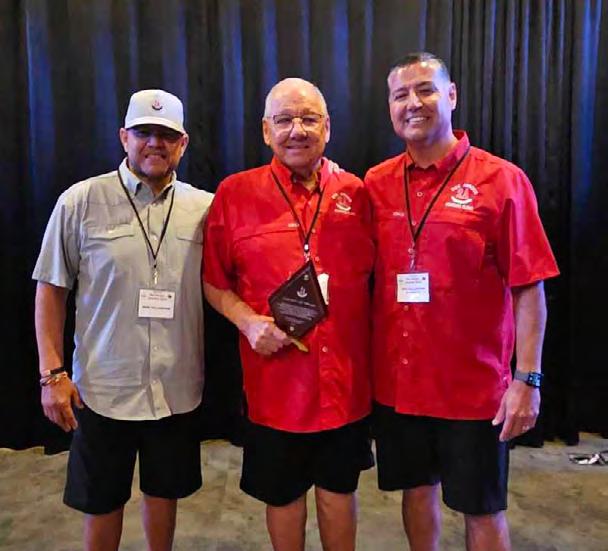
STORY SUBMITTED BY Guillermo Villasenor
It’s 1993, on the Dos Amigos Ranch located on the outskirts of the small town of El Indio, Texas, 19 miles east of Eagle Pass. Two brothers, Dr. Hector Villaseñor, the owner of the ranch, and his brother, Eagle Pass High School Coach Oki Villaseñor, are discussing two common south Texas topics: ranching and high school football. As the conversation continues, Hector floats the idea of them organizing and hosting a coaching clinic on the ranch. Within a couple of hours, the brothers have planned and organized what is to be soon known as the Dos Amigos Ranch Coaching Clinic, which is now entering its 32nd year in June, 2026. The clinic is now considered the second longest running coaching clinic in Texas.
The Dos Amigos Ranch Coaching Clinic is unique in that during its first few years, only 25 invitations were sent out to Texas Coaches living outside of the south Texas region. At the time, this was considered a small number of coaches when compared to other coaching clinics being held throughout Texas. The coaches who did attend these first clinics were hosted at the Dos Amigos ranch and provided with a room and meals while attending the clinic. As the clinic grew in popularity, so did the number of attendees, with eventually more coaches staying in a bunk house and the guest house that was built several years later. After 31 years, the clinic has grown from approximately 50 attendees in 1995 to nearly 200 attendees in 2024, with the last two clinics being held at the Lucky Eagle Kickapoo Casino.
The Dos Amigos Ranch Coaching Clinic is unique in that many of the coaches have attended the clinic more than once, while a few have even been attending the event for over 25 years! This commitment to attending the clinic has resulted in a strong camaraderie among the coaches that is very distinct to this clinic.
Another rare aspect of the clinic is that retired coaches continue to attend, either as guest speakers or just to visit with old friends. While there, these coaches provide short mentorship opportunities for younger coaches and aid the clinic organizers. The list of these iconic coaches reads like the Who’s Who of Texas High School football, icons known by their
names, their character, and of course their game records. Past speakers and repeat attendees and members of the Dos Amigos Coaching Clinic Hall of Honor include legendary coaches D.W. Rutledge, Tommy Watkins, Mike Honeycutt, Larry Hill, Bruce Bush, John Lerma, Alex Leal, Cozel Foster, Joe Martin, Pete Fredenburg, Jim Streety, and Todd Dodge to name a few. Included in this list are current speakers and future coaching icons, David Sanchez, Craig Stump, John Kay, Tony Salazar and many others.
The camaraderie among the coaches attending this clinic is not only intrinsic to that microcosm that is created when you put 200 plus football coaches in a room. The Dos Amigos Ranch coaching clinic is also a Villaseñor family affair. From its conception back in 1994, to the planning of this year’s event, several Villaseñor family members have been brought into the planning of the event.
For the first 25 years, Dr. Hector Villaseñor hosted the event at his ranch; providing rooms and meals for coaches attending the event and a conference room for training sessions. A recreation area for cornhole and horseshoe tossing competitions and fishing is also provided. Assisting Coach Villaseñor was his father, Oscar, known as “Big O”, who was the ad hoc ranch manager who maintained the ranch house where the clinic is held. He was also a gracious host with old and new friends he met at the clinic functions. Memo Villaseñor, the youngest brother, was contracted on several occasions, with both his sons and friends, to cook for the coaches; specializing in the preparation and cooking of a whole pig, with all the trimmings for the farewell dinner. The most recent and major change involving family was the addition of Coach Villaseñor’s son, Eric Villaseñor, and nephew, Jesus Villasenor, as co-hosts and administrators of the coaching clinic. In addition to those family members are both Oki and Eric’s wives, and children who assist in the registration of coaches arriving for the training sessions.
Texas high school football coaching is a large community; a community that several times a year gathers at certain places to share and learn new
aspects of their jobs. Members are all compassionate community-minded individuals with huge hearts. This common fellowship and compassion is highly evident at the Josh and Rene Villaseñor Memorial Golf Tournament, organized and sponsored by the Dos Amigos Ranch Coaching Clinic. The tournament is held at the Maverick County Golf Course the day before the clinic is slated to begin. Prior to the renaming of the golf tournament in 2021, participants would compete for a pot of money in ten 6-man teams. In 2021, the tournament was renamed in memory of Joshua Villaseñor, the son of Memo Villaseñor, who had passed away the previous year. During the first two years of the tournament a total of $2600 was raised, these donations included registration fees and individual donations from the participating coaches. These monies were utilized by the Villaseñor family, along with the City of Eagle Pass to conduct week long Suicide Awareness/Prevention events in Eagle Pass. In 2023, the Villaseñor family was presented with a proclamation designating September as Suicide Awareness/Prevention month because of those donations. In 2024, approximately $900 was raised at the golf tournament from coaches participating in the event. This money, along with donations from family and friends, totaled to over $5000, of which 100% was donated to the K9s For Warriors organization (K9sforwarriors.org) in San Antonio. This year, the tournament was renamed the Joshua and Rene Villasenor Golf Tournament, in
memory of Rene Villaseñor; Coach Oki Villaseñor’s son and Coach Eric Villaseñor’s brother who passed away in 2025. In addition to K9s For Warriors fund raising, the tournament also raised funds for the St. Jude’s Children’s Research Hospital in memoriam to Rene Villaseñor. A total of $2000 was raised for St. Jude’s Children’s Research Hospital during the coaching clinic, and $8,540 with the help of the coaches, family, and friends for the K9s For Warriors Foundation, ($13,926 when combined with 2023 donations).
The support these coaches have given in these past few years has been deeply appreciated by the Villaseñor family and the community of Eagle Pass.
In 31 years, the Dos Amigos Ranch Coaching Clinic has evolved from 1993 to now; the event has grown from approximately 50 or so coaches to 200 plus attendees. The original coaching clinic was held at the Dos Amigos Ranch for 25 years, it’s rapid growth requiring it to be moved to the Lucky Kickapoo Casino, where special room rates and meals were provided for the attendees. This year’s event is expected to bring in 200 coaches from across the state. The Dos Amigos Ranch and Dr. Villaseñor will once again host the much-anticipated farewell dinner held on the last day of the clinic, which include a BBQ Dinner and a Mariachi band serenade. This coaching clinic is surely “One of a Kind”.
As the popularity of high school girls flag football grows in the United States, the Dallas Cowboys are working with school communities across Texas to provide girls an opportunity to use the game of flag football as a fun and exciting way to be healthy, to learn values taught through sport, and potentially further their education with scholarships to collegiate intitutions now playing flag football at a higher level.

For more information or to discuss partnering with the Dallas Cowboys on this effort, contact YouthFootball@DallasCowboys.net.



Your questions and concerns about your health matter. Ascension Seton care teams are here to empower you and your family by listening, respecting your experiences, and creating a care plan that works for you. You deserve to be seen and heard. That‘s why our doors are always open to provide health and healing, for the whole you — body, mind and spirit. To us, you are more than a patient. And together, we are a community.