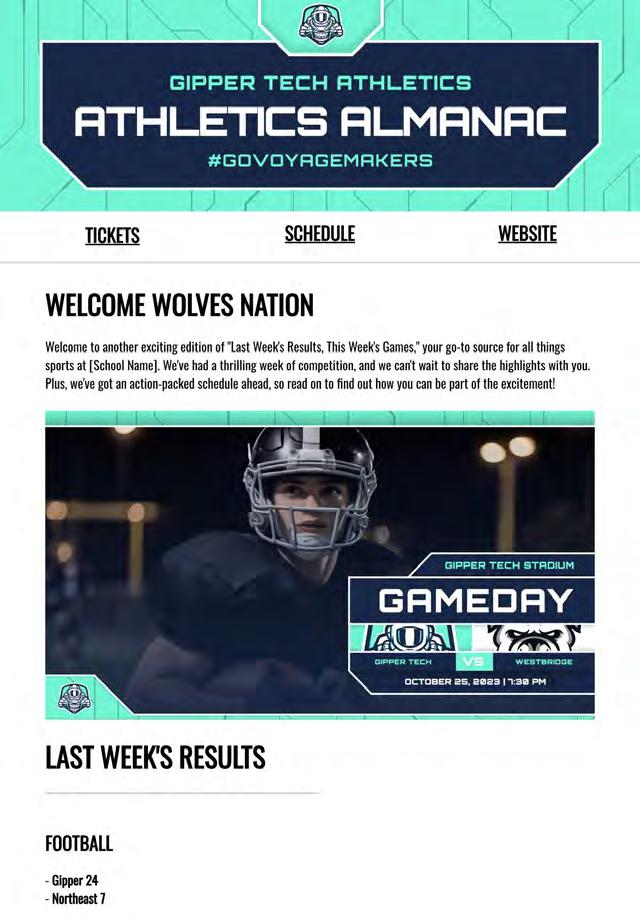
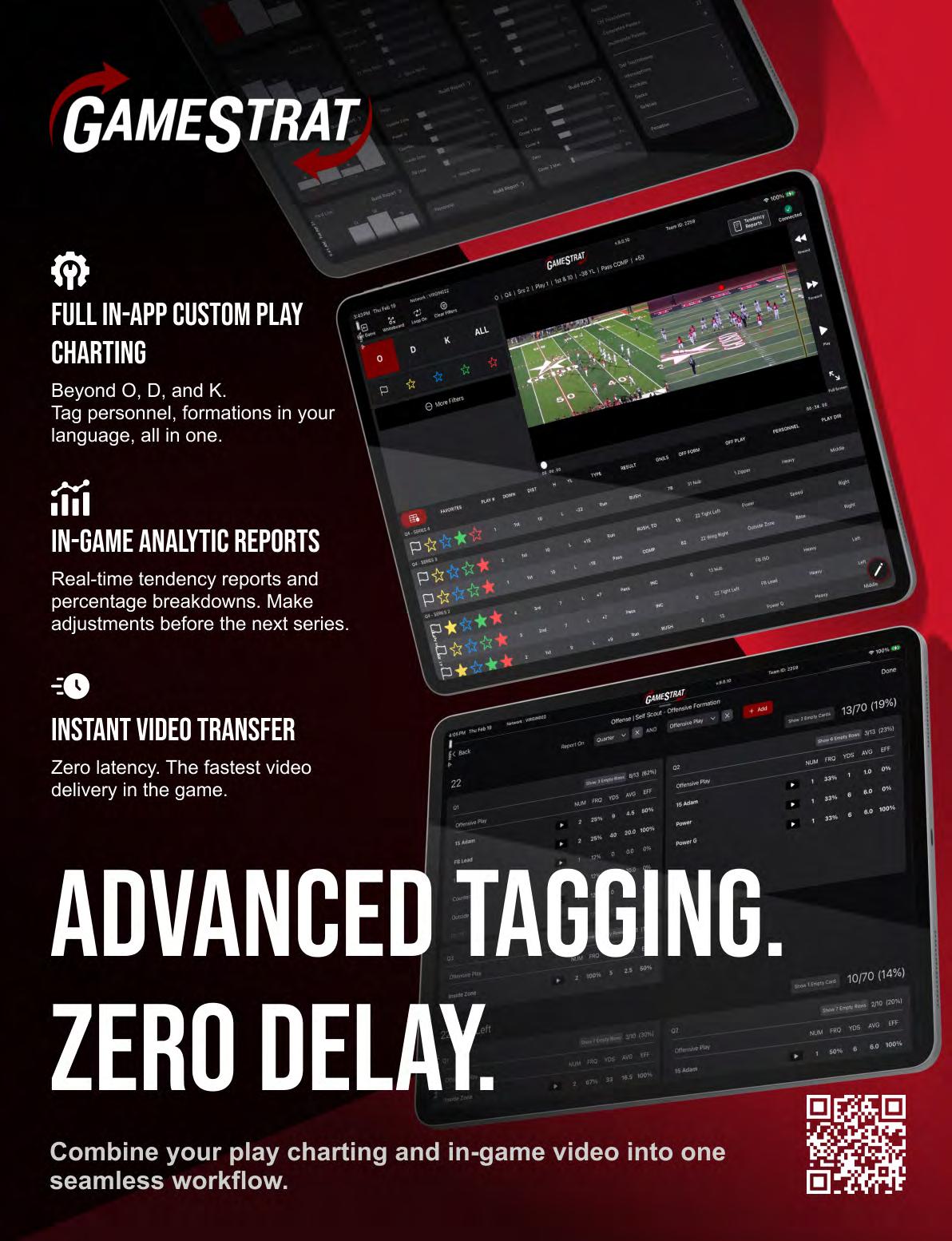
DIGITAL TICKETING IS NOW PART OF THE FAN ENGAGEMENT SUITE.
Fan-friendly and easy to manage. Meet Hudl Tickets.
Everything in one place.
Fans can watch live games and highlights, see schedules, and now buy tickets, all in one place.
Completely customizable. Choose your pricing, ticket types, capacity and single or multi-game ticketing.
No added cost.
It’s free to add Hudl Tickets to your organization.
More efficient entry.
Each ticket holds a QR code that fans scan at the gate, giving them direct entry in seconds and reducing lines. No minimums.
There are no minimums on tickets sold. Sell as many or as few as you’d like.
Let Hudl do the setup.
Let us know which events you want to offer digital ticketing and we’ll set it up for you.
Better reporting and security.
Digital sales simplify the accounting, security, and reporting process. Get a real-time look at who purchased tickets, tickets sold, and revenue generated.
Make your live events easier to attend. Get started with Hudl Ticketing at: hudl.com/solutions/fan/ticketing
TEXAS COACH - (ISSN 0040-4241) - Copyright 2025 Texas High School Coaches’ Association, Inc.
PUBLISHER
TEXAS HIGH SCHOOL COACHES ASSOCIATION, INC.
PUBLISHING/EDITORIAL OFFICES:
2553 N INTERSTATE 35 FRONTAGE RD
SAN MARCOS, TX 78666-5924
web: www.thsca.com
Subscriptions: Annual subscription to TEXAS COACH for members of the Texas High School Coaches Association is $20.00, which is included in the THSCA membership dues. For non-members, digital versions of the magazine may be accessed for free at www.thsca.com. Single copies are $5.00 per current volume. TEXAS COACH is published monthly except in June, July, and August and is dated the first of the publication month, although it is mailed around the 10th of the publication month.
Change of address: Request for change of address must reach us 30 days before the date of issue with which it is to take effect. Duplicate copies cannot be sent to replace those undelivered through failure to send advance notice. Email change of address to info@thsca.com or members can go online and make the change in your member portal profile at www.thsca.com.
Periodicals Postage Paid at San Marcos, TX & additional entries. “All rights reserved”. (USPS 540-600).
POSTMASTER Send address change to:
TEXAS HIGH SCHOOL COACHES ASSOCIATION P.O. DRAWER 1138
SAN MARCOS, TX 78667-1138
Printed by Integ in Austin, Texas.
EXECUTIVE DIRECTOR
JOE MARTIN joemartin@thsca.com
ASSISTANT EXECUTIVE DIRECTOR
GLEN WEST glenwest@thsca.com
Chief Operating Officer of THSCA BRIAN POLK brianpolk@thsca.com
Chief Operating Officer of THSCEF
LIBBY PACHECO libbypacheco@thsca.com
Director of Publications & Technology
BECKY ADAMS beckyadams@thsca.com
Director of Administration
MARGARET BEYER margaretbeyer@thsca.com
Director of Media & Marketing
ANNA BUCKALEW annabuckalew@thsca.com
Director of Exhibits & Sponsorships MOLLY FLY mollyfly@thsca.com
Director of Membership
ALLIE HERRMANN allieherrmann@thsca.com
Director of Finance & Accounting
KEVIN SMITH kevinsmith@thsca.com
Director of Hotels & Hospitality CHELSEA MILLER chelseamiller@thsca.com
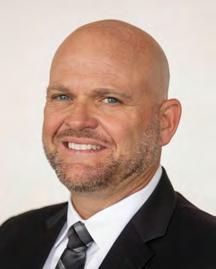
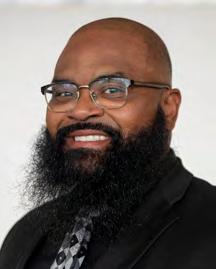
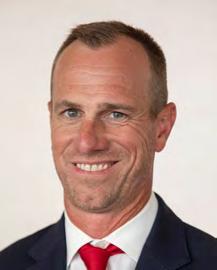
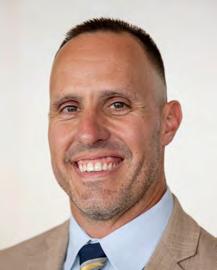
Jason Richards (interim) region 1 - frenship memorial chip darden region 1 - lub. cooper
john snelson past-Pres - dickinson
brent davis Pres-elect - Gregory portland
drew sanders President - vandegrift
marcus shavers (interim) region 3 - north forney
Casey Pearce region 2 - Breckenridge
sterling doty region 2 - stephenville
aaron roan region 2 - abl. cooper
andy cavalier region 1 - canadian
jeff ellison region 4 - permian
clint hartman region 4 - midlAND leE
heather woodman region 3 - arl. lamar
ANTONIO WILEY (interim) region 3 - COPPELL
marvin sedberry jr. region
terrell
brian randle
laqueisha dickerson region 5 - timberview shaun mcdowell region 5 - grand oaks Michael Pry region
reuben farias
chris cochran
clint fuller (interim)
rachel torvik
eddie salas
joe hubbard
juan morales region 8 - sotomayor
Ben Bitner reg 7 - cc veterans memorial
FROM THE PRESIDENT
To the best coaches in the nation,
May 2026
This is my last letter to you, and I can’t even begin to explain how fast this year has gone. It’s been a joy to share just a little of what I’ve learned over the past 30 years. Thank you to all of you who emailed or texted to say you were reading these letters. Honestly, I thought maybe only my mom would read them, so it’s been cool to connect with so many of you. It’s also been a great reminder that everybody needs encouragement. Today, I want to use this space to share a phrase I learned during my first year of coaching that has motivated me ever since.
Growing up, I started following high school football closely. I was the kid buying the newspaper, pulling out the playoff bracket, and trying to predict every winner. I’d start with 3A — that’s what Mexia was back then — and go all the way to 5A, which was the biggest classification at the time. I learned about the statewide powers of Midland Lee, Sealy, Permian, and of course the Judson Rockets. I followed Judson intently and became familiar with the name of their head coach, D.W. Rutledge.
After graduating from college and beginning my coaching career, I picked up a book/study guide called Coaching to Change Lives by Coach Rutledge. That book opened my eyes. I could suddenly see what my high school and college coaches had been doing all along, even though I’d never had a name for it. They were truly coaching to change lives.
That idea gave purpose to everything I was doing. During those early years, when things didn’t go exactly how I pictured them, I’d remind myself, “That’s okay — I’m here to impact young people in a real way, just like my coaches impacted me.” That mindset has been a driving force ever since, and I know many of you reading this feel the exact same way. The truth is, coaching can wear on you. Budget cuts, staff reductions, community concerns, classroom issues, tough seasons — all of it can challenge you and even make you forget why you started in the first place. I know why most of us started. We started to change lives.
At my third stop in coaching, I went to San Antonio Taft High School. I had moved up the ladder and was promoted to Off-Season Coordinator. I was proud of our program and felt like things were going really well. One day, my head coach, Lee Bridges, told me he wanted to visit a few programs to see what they were doing in the off-season to improve. If I’m honest, I was a little offended at first because I thought our off-season was already going pretty well. After all, we were undefeated. That attitude changed quickly when I found out one of the stops was Judson, and we’d be watching their famous “Boot Camp.”
To say I was blown away would be an understatement. I had been part of good programs in Mexia and at HSU, but I had never seen anything like that. The energy the coaches brought every single day was unbelievable. The effort, enthusiasm, and intensity were paradigm-shifting to me. I remember wondering: How do they get that kind of buy-in from their players?
A few weeks later, it hit me. They got that kind of buy-in because they were changing lives every single day. Their players knew it, trusted it, and responded to it. I took some of those concepts back with me to Taft, but more than anything, I took back the realization that I had more to give my athletes. From that point on, I tried to coach every day with a deeper purpose. I pray that when people watch my teams play, they see that kind of buy-in. More importantly, I hope that when former players talk about their experience, they would say, “My coach truly changed my life.” I’ll always be thankful to Coach Rutledge and his staff for hosting us that day more than 20 years ago.
Before I close, I want to say a quick thank you to Joe Martin and Glen West. Thank you both for the way you have led this incredible organization. The Texas High School Coaches Association is the envy of every state in the nation, and that is a direct reflection of your leadership. Thank you for the way you treat people, for your organization, your attention to detail, and for inspiring others daily. It’s been a joy to serve this organization over the past year. I can’t wait to see all of you at Coaching School.
Moving on to THSCA news—New membership year begins on July 1st, 2026, so be sure to renew your membership asap! Coaching school registration deadline for the $85 rate is June 1st, so please get those in before the school year ends. Finally, what a great class on the cover of this magazine. Congrats to Clint Hartman, Carlos Lynn, and Mark Torres for their Presidential nomination. All three of you are very deserving of this prestigious honor and best of luck.
Thank you for taking the time to read this—and more importantly, thank you for who you are and what you do. You matter to your families, your athletes, and this great state. Keep improving. Keep serving. Keep making a difference—one kid at a time.
Drew Sanders, THSCA President
The future of flag f tba INCLUDES the GIRLS!
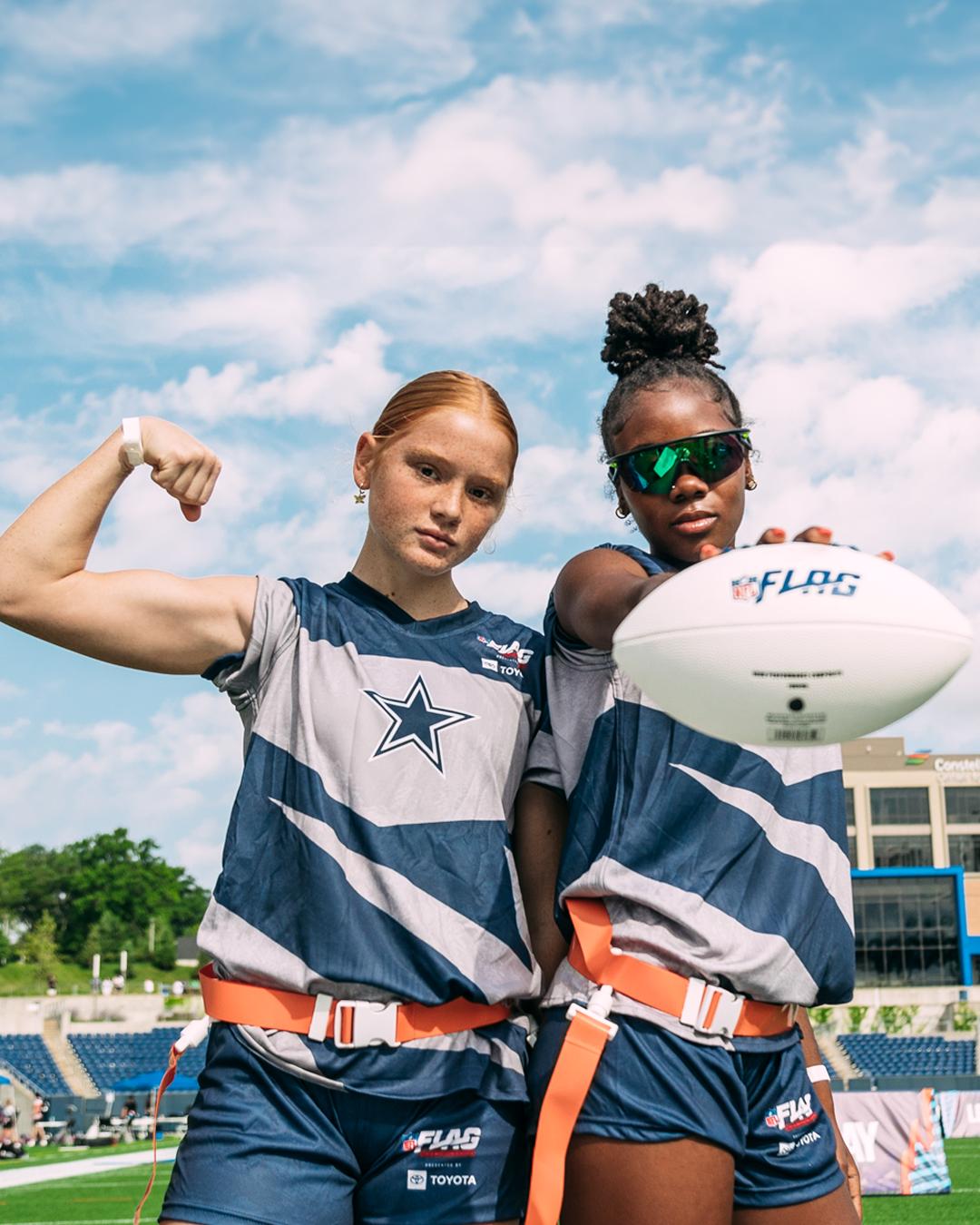
As the popularity of high school girls flag football grows in the United States, the Dallas Cowboys are working with school communities across Texas to provide girls an opportunity to use the game of flag football as a fun and exciting way to be healthy, to learn values taught through sport, and potentially further their education with scholarships to collegiate intitutions now playing flag football at a higher level.
For more information or to discuss partnering with the Dallas Cowboys on this effort, contact YouthFootball@DallasCowboys.net.
NOW HEAR THIS
Obituary
COACH JONNY MARTINEZ
Jonny “Frog” Martinez dedicated much of his life to mentoring and uplifting others through education, coaching, and service. From his early years coaching and teaching at St. James Catholic School to his work as a Special Education Specialist with Southwest ISD, Jonny poured his heart into helping students grow both academically and personally. Whether working one-on-one with special education students or leading young athletes in volleyball, basketball, baseball, track, tennis and football, he was known for his patience, encouragement, and unwavering belief in every child he encountered.
Education remained one of Jonny’s greatest passions throughout his life. As an ESL teacher with Austin ISD and later as a substitute teacher and gate monitor at Somerset ISD, he created welcoming spaces where students felt seen, supported, and safe. In 2018, he found his home at Somerset Junior High, where for seven years he taught Digital Media CTE courses including radio, television, music production, studio engineering, and event management. Students and athletes alike knew him simply as “Frog” or “Mr. Martinez” — a teacher, coach, mentor, and biggest fan who always went above and beyond for Bulldog Nation.
Beyond the classroom and field, Jonny shared his experience and love of music with future generations through his work with the Network for Young Artists, teaching seminars on artist management, copyrights, publishing, and tour support. He believed deeply in opening doors for others and giving young people the tools to succeed. Remembered for his infectious smile, humor, and genuine care for others, Jonny Martinez leaves behind a lasting legacy as a coach and educator who changed countless lives through his compassion, leadership, and love for his students.
Congratulations to our 2026 THSCA Award Winners:
Putt Powell Sportswriter of the Year: Jack Stallard, Longview News Journal
Curly Hays Officials Award: Ricky Prine, Houston
Distinguished Service Award: Phil Sirois
Athletic Trainer of the Year (presented by Dell Children's): Anthony Peppers, Lubbock
Coaching Beyond the Game Award (Boys Sports): John King, Longview HS
Coaching Beyond the Game Award (Girls Sports): Brooke Brittain, Mansfield HS
These award winners will be honored at our THSCA Hall of Honor Induction Banquet on Saturday, July 18th, in houston, texas. For banquet tickets please visit www.thsca.com/hoh
Welcome to the
• 4L’sCurriculum(Listen,Learn,LoveandLead)
• Access toTexasCoachMagazine
Fellowship of Christian Athletes honors Texas Tech University football coach Joey McGuire with the Grant Teaff Coach of the Year Award
Named after Grant Teaff, former Baylor University coach, a FCA executive director and Trustee Emeritus of the FCA Board of Trustees, the Coach of the Year Award presented by FCA recognizes a football coach who exemplifies Christian principles and who is involved in FCA. The award is also based on the success and performance of the coach’s team that season.
“Fellowship of Christian Athletes is honored to recognize Coach McGuire, who has used his coaching career to build a football program that puts the Lord first and opens doors for his players and staff to grow in their faith,” said FCA President and CEO Shane Williamson. “It is clear that Coach McGuire lives out the qualities and characteristics highlighted by this award, as his Christ-like servant-leadership is evident to all who know him.”
Now in his fourth year at Texas Tech, Coach McGuire led his team to a 12-1 record in 2025, ranking No. 4 in both the College Football Rankings and AP Top 25 poll. He is in the Texas High School Football Hall of Fame for his successful tenure as a Head Coach in the Dallas-Fort Worth area at Cedar Hill High School, where he won two State Championships. He has won many Coach of the Year awards and helped rebuild programs into title contenders at Cedar Hill High School, as an Assistant at Baylor University and as the head coach at Texas Tech University.
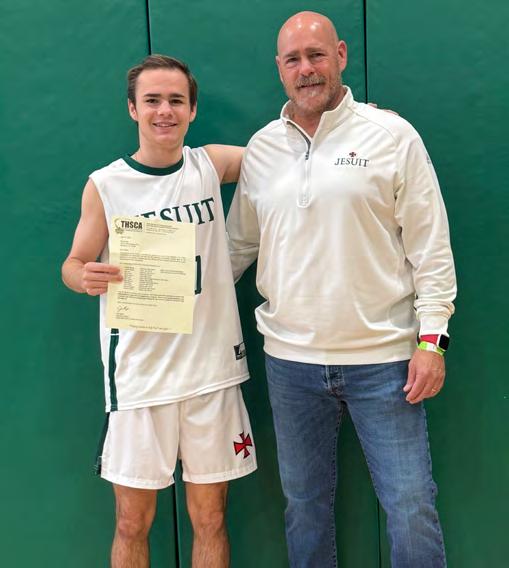
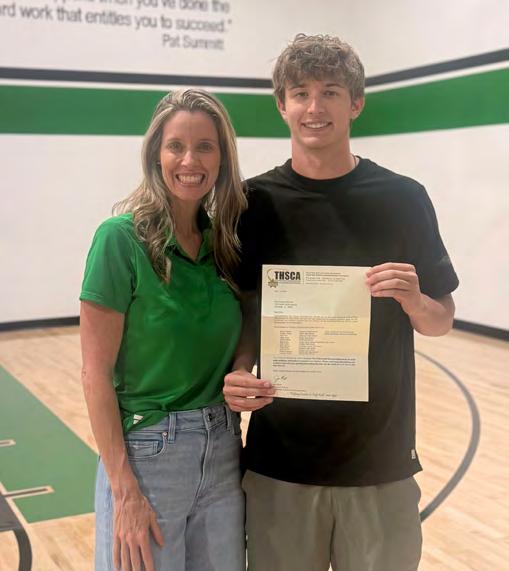
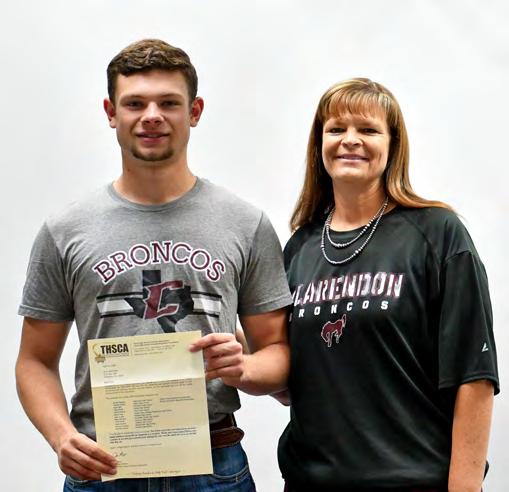
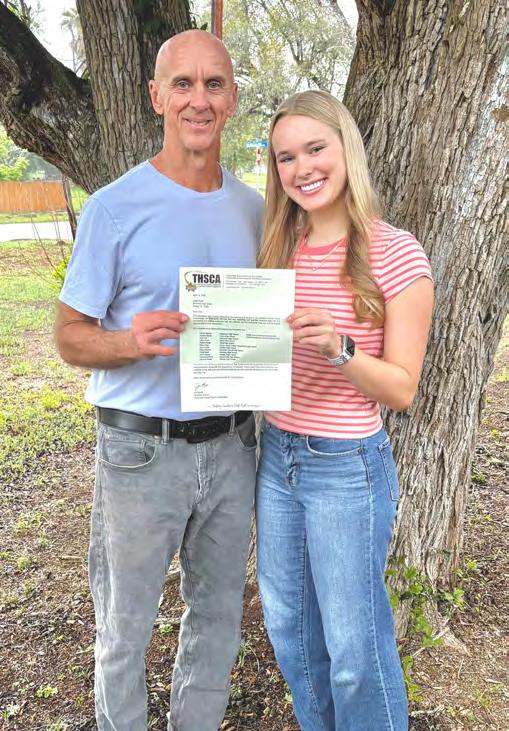
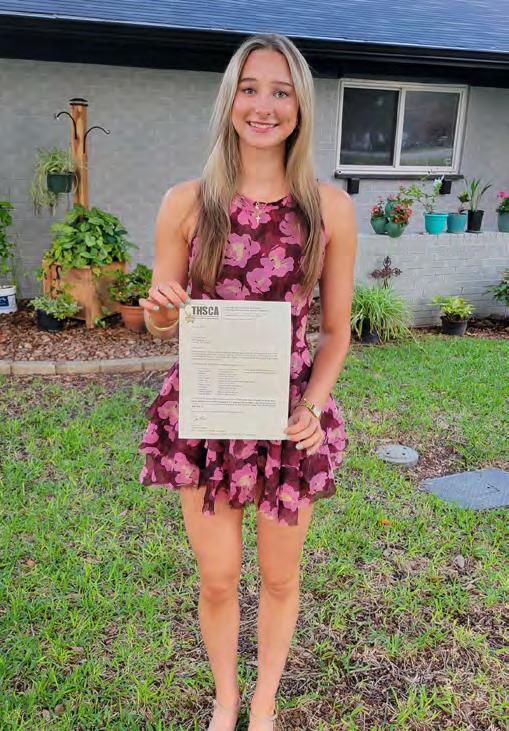
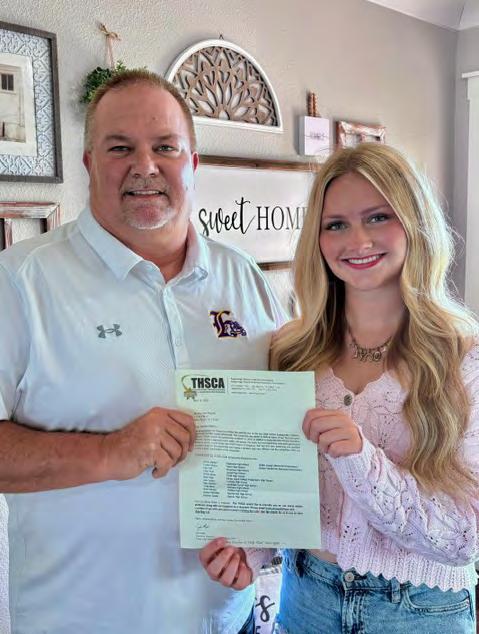
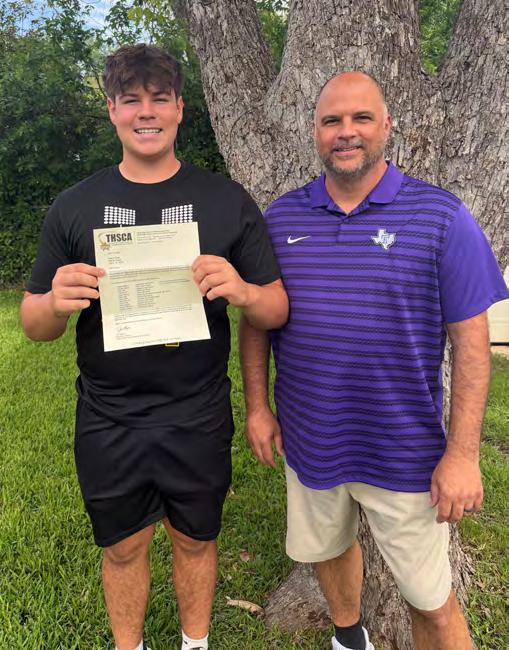
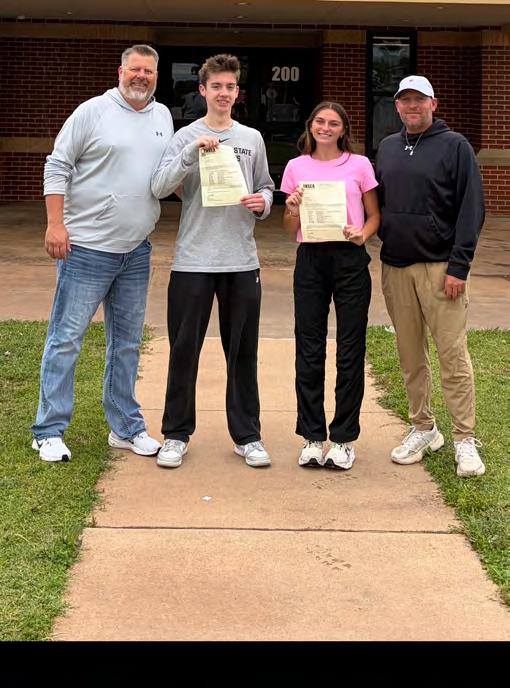
SCHOLARSHIP RECIPIENTS CONGRATULATIONS TO OUR 2026 THSCA
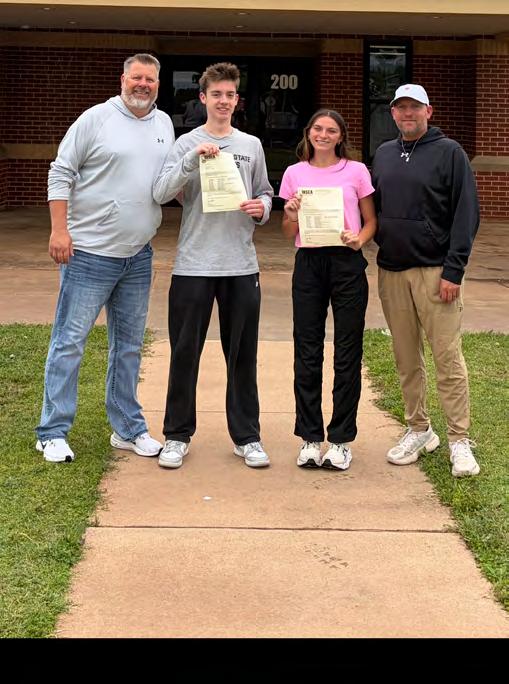
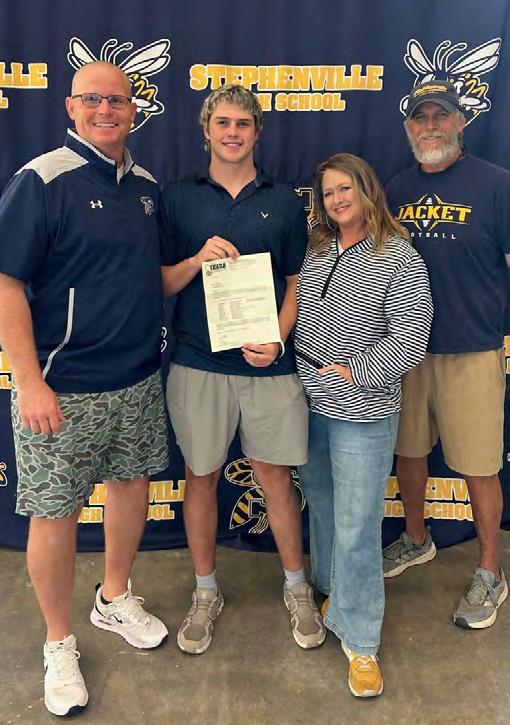
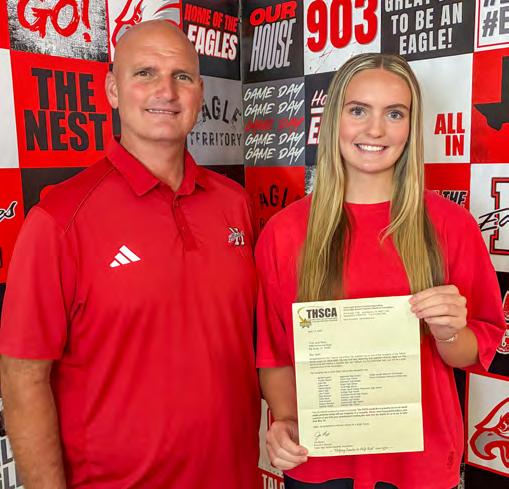
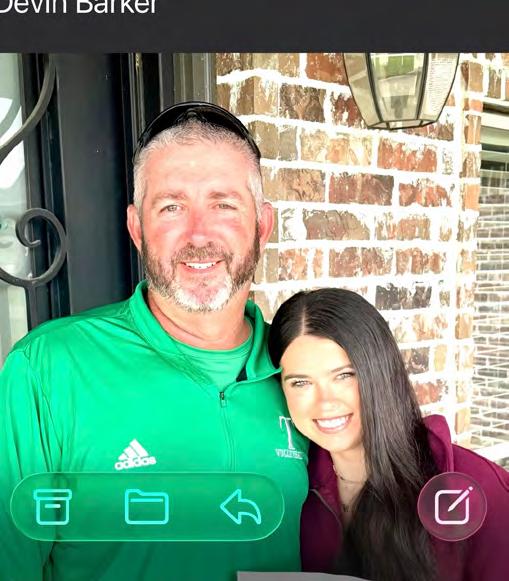
The THSCA annually awards 10 - $2,000 scholarships, as well as 1 - $2,500 Eddie Joseph Memorial Scholarship and 1 - $2,005 Fisher Woodchick Memorial Scholarship to graduating seniors that are the child of a member in good standing of the THSCA.
Kenli Ky Atwood
Holliday HS
child of thsca member
kyle atwood
Hudson butchee
stephenville HS
child of thsca member
jeremiah butchee
triniti mauk
harmony HS
child of thsca member
brian mauk
fisher woodchick Memorial Scholarship Winner
taydem barker
tatum HS
child of thsca member
leven barker
blaine kipp
strake jesuit HS
child of thsca member blaine kipp
riley mccoart
southlake carroll HS
child of thsca member robyn mccoart
kyler brand bell
clarendon HS
child of thsca member kasey bell
lillian knetl
goliad HS
child of thsca member tim knetl
summer sodek flatonia HS
child of thsca member christopher sodek
Eddie Joseph Memorial Scholarship Winner
Berklie Bigham
edgewood HS
child of thsca member flint bigham
dakota marak
thrall HS
child of thsca member robert marak
jake tucker
holliday HS
child of thsca member
kyle tucker
PRESENTING SPONSOR OF THE COACH OF THE WEEK
CANE’S FOR THE WIN
wit wisdom&
MENTAL HEALTH
“The mind is the most powerful thing, and it has to be healthy to be successful.”
STRENGTH
“There are five levels… and at the top, mental discipline”
Rafael Nadal
“You never know how strong you are until being strong is your only choice.”
Bob Marley
“Do not pray for an easy life, pray for the strength to endure a difficult one.”
Bruce Lee
“It’s not the will to win that matters—everyone has that. It’s the will to prepare to win that matters.”
Paul "Bear" Bryant
Michael Oher
“In training everyone focuses on 90% physical and 10% mental, but in races it’s 90% mental.”
Elka Graham
“Asking for help is not a sign of weakness. It’s a sign of strength.”
Michael Phelps
“Gold medals aren’t really made of gold. They’re made of sweat, determination, and a hard-to-find alloy called guts.”
Dan Gable
PATIENCE
"Patience and perseverance have a magical effect before which difficulties disappear and obstacles vanish.”
John Quincy Adams
“Endurance is patience concentrated.”
Thomas Carlyle
"Adopt the pace of nature: her secret is patience.”
Ralph Waldo Emerson
“Patience is not simply the ability to wait—it’s how we behave while we’re waiting.”
Joyce Meyer
Powering Events. Connecting Communities.
Proud Sponsor of
WEBSITES & APPS
Unite your community through seamless communication. Engage provides a school-branded website and mobile app for athletic and activity programs. Integrate tickets, schedules, rosters, announcements, and more.
TICKETING
Easily sell tickets, check in attendees, and access revenue faster than ever.
Streamline operations with season passes, custom seat maps, and secure gate entry, while reducing the need for staffed windows and cash handling.
Simplify ticketing, fundraising, and more with Hometown's digital solutions.
FUNDRAISING
Access a fee-free fundraising platform designed to help you raise more and keep more. Our intuitive, district-friendly solution makes running fundraisers effortless, rallying donors with less work and stress.
2026 THSCA Convention & Coaching School Houston, TX
George R. Brown Convention Center
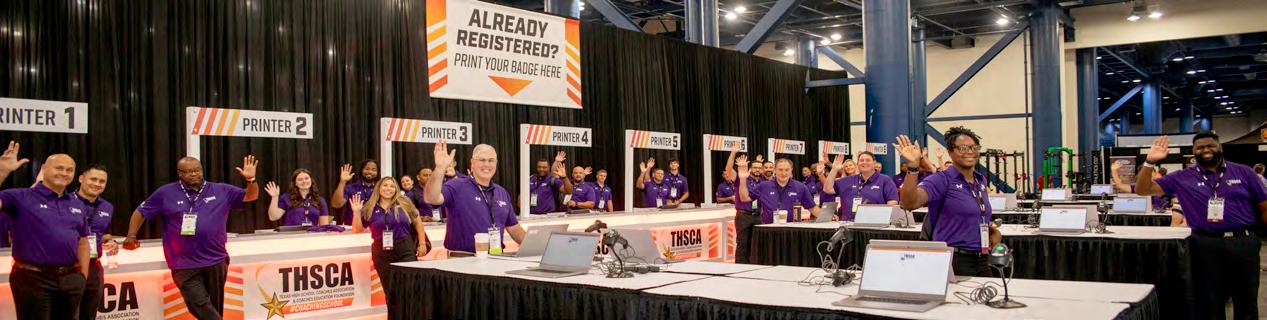
Planning for the 2026 Coaching School & Convention in Houston is underway, and we are excited to host all our Texas coaches! We want to provide you with some details & updates and what to expect for 2026!
what to start planning for now...
» REGISTRATION Please make note of the registration deadlines below to afford our office staff time to get registrations processed before the event.
REGISTRATION DEADLINES/COST:
MARCH 1 - JUNE 1 - $85 PER COACH
JUNE 2 - JULY 1 - $100 PER COACH
ONSITE AT CONVENTION - $115 PER COACH
(Please note convention registration fees are separate from the annual membership fee. Membership fee/renewal is a separate $70 fee.)
Registering a group of coaches with a school payment? You can now find a packet including a Registration Checklist & a Registration Payment Cover Sheet for download on our THSCA website. www.thsca.com/convention
» TRANSFERS & REFUNDS The deadline to request a refund or transfer of payment for a Coaching School registration will be July 1st. If you are paying with a school check and still need to hire a coach, you may send in the registration fee with the rest of your staff and make a note that you would like us to store it in our system as open credit on your school's account until you are able to hire that person.
» THSCA MEETINGS AT COACHING SCHOOL
Regional meetings will be on Monday afternoon, from 3:45-5:00 PM as the final agenda item to finish out the day. The THSCA general meeting will still be held on Tuesday morning at 11:00 AM, and we will vote on the THSCA President-Elect nominees.
» HALL OF HONOR We will celebrate all of our Hall of Honor Class of 2026 Inductees (Robert Brown, Steven Cerny, Mike Hedrick, John King, Weldon Nelms, Dennis Parker and Johnny Ringo), our State Champion coaches, and our esteemed award winners at the Hall of Honor Banquet.. This banquet will kick off our Coaching School schedule on Saturday, July 18th at 6:30 PM in the George R. Brown Convention Center, Grand Ballroom on the third floor. Tickets are now available for purchase (in advance only) on the THSCA website.
» WHAT IS INCLUDED IN THE 2026 COACHING SCHOOL REGISTRATION FEE:
► ACCESS to LIVE Demos, Sport Lectures & Professional Development Lectures, Exhibit Show and Sponsored Networking Events
► ACCESS to THSCA Regional Meetings & General Meeting, including your OPPORTUNITY TO VOTE OR BE NOMINATED in our 2026 THSCA elections.
► Email Certificate of Participation for Continuing Education Hours to provide to your School. (Only available to those who attend the convention in-person and pick up their badge onsite in Houston.)
Booking for the THSCA housing block and updates on hotel availability and parking are only accessible on our website at:
www.thsca.com/hotels
Online booking will require a credit card in order to secure the room; Your card WILL NOT BE CHARGED during the initial stage and will be held as a GUARANTEE only. THE DEADLINE FOR BOOKING AT THE DISCOUNTED RATE WILL BE JULY 1ST.
CANCELLATION POLICY:
Cancellations made after June 1, 2026, and prior to 5 days prior to arrival date will be charged a $50.00 cancellation fee.
Continue to use Orchid.Events for all changes and cancellations through July 1, 2026. After July 1, 2026, cancellations must be directed to your assigned hotel at least 5 days prior to arrival or a one night’s room and tax charge will be assessed by the hotel.
An early departure date fee will apply. Verify your departure date and contact the hotel at least three (3) days prior to check-in to avoid this penalty. Your hotel reserves the right to charge your credit card a deposit for one night’s room and tax for each room reservation on or after July 1, 2026.
Orchid.Events is the ONLY THSCA designated housing provider for the 2026 THSCA Convention & Coaching School. Beware of other companies misrepresenting themselves as affiliated with THSCA.
TENTATIVE OUTLINE OF EVENTS FOR 2026 COACHING SCHOOL AND CONVENTION...
SATURDAY, JULY 18
8:30 AM New Board Member Indoctrination
1:00 PM THSCA Board Meeting
6:30 PM Hall of Honor Banquet GRBCC Grand Ballroom
7:30 AM - 4:30 PM
SUNDAY, JULY 19
Registration Open
THSCA Office & Help Desk
Exhibits Open
THSCA Career Center
10:00 AM FULL LINE-UP OF LECTURES
11:00 AM FULL LINE-UP OF LECTURES
12:00 PM FULL LINE-UP OF LECTURES
1:00 PM FULL LINE-UP OF LECTURES
2:00 PM FULL LINE-UP OF LECTURES
3:00 PM FULL LINE-UP OF LECTURES
4:00 - 5:15 PM - NCAA FBS Div. I Head Football Coaches Panel - Leadership in Women's Coaching Panel - Athletic Trainer's Networking Event
5:30 - 6:30 PM Various Networking Opportunities
7:30 AM - 4:30 PM
MONDAY, JULY 20
Registration Open THSCA Office & Help Desk Exhibits Open
THSCA Career Center
9:00 AM FULL LINE-UP OF LECTURES
10:00 AM FULL LINE-UP OF LECTURES 11:00 AM FULL LINE-UP OF LECTURES
12:00 PM FULL LINE-UP OF LECTURES 1:00 PM FULL LINE-UP OF LECTURES 2:00 PM FULL LINE-UP OF LECTURES 3:45 - 5:00 PM THSCA REGIONAL MEETINGS
5:15 - 6:15 PM Various Networking Opportunites
7:30 AM - 12:00 PM
TUESDAY, JULY 21
THSCA Office & Help Desk Exhibits Open
THSCA Career Center
8:30 AM FULL LINE-UP OF LECTURES 9:30 AM FULL LINE-UP OF LECTURES 11:00 AM - 12:30 PM THSCA GENERAL MEETING
PROFESSIONAL LIABILITY INSURANCE
WHAT THE POLICY COVERS:
COVERAGE A - LIABILITY INSURANCE
Up to $2,000,000 per insured per occurrence/$ 3,000,000 per occurrence, plus the cost of defense, investigation and legal fees
•Applies in the event a member is alleged to have caused injury or damage to others while performing his/her professional duties
•Errors and omissions insurance for claims for damages arising out of a member’s duties as a professional educator, including all defense cost
Note: The duty of the insurer to defend extends even to groundless, false and frivolous suits and accusations.
COVERAGE B - REIMBURSEMENT OF ATTORNEY FEES
Up to $10,000 per insured per occurrence
•The policy provides reimbursement of attorney fees in a broad range of situations not included under Coverage A. This includes allegations of criminal and/or sexual misconduct and employment related actions
other professional rights and duties.
or resignation, the matter in dispute must be resolved in favor of the member to qualify for the full reimbursement of $10,000. However, $2,000 of this amount is available for initial consultation and research, whether or not the member prevails, to determine if there exists a reasonable chance of the case being resolved in the member’s favor.
COVERAGE C - BAIL BONDS
Up to $2,000 premium on bail bonds
WHAT THE POLICY PAYS:
COVERAGE A: Up to $2,000,000 per insured per ccurrence/$3,000,000 per occurrence, plus the cost of defense, investigation and legal fees.
COVERAGE B: Up to $10,000 per claim per Insured. Coverage for criminal proceedings and /or sexual misconduct limited to $10,000 aggregate per policy term.
COVERAGE C: Up to $2,000 premium on bail bonds.
COVERAGE FEATURES:
Criminal/Sexual Misconduct Allegations
The policy provides reimbursement of attorney fees up to $10,000 under Coverage B if the educator is acting in the scope of his/her duties.
Corporal Punishment
Corporal punishment is covered under Coverage A (Liability) if administered according to the rules of the jurisdiction in which the school is located.
Outside Activity
As long as the educator is within the scope of his/her professional duties, the policy covers liability for injury to students and others while the educator is conducting visits to industrial and commercial establishments, entertainment automobile, watercraft, & aircraft exclusions
Coverage B
Reimbursement of Attorney Fees - Such reimbursement as is afforded the professional rights and duties is assured under the policy and is not contingent on the approval of a board or review committee, as might be the case where the only available assistance is from a defense fund.
The John A. Barclay Agency
AM I ELIGIBLE FOR COVERAGE & HOW DO I PURCHASE?
The Texas High School Coaches Association offers a Coaches Professional Liability Insurance option to eligible members with coverage beginning July 1, 2026. The THSCA has chosen the John A. Barclay Agency, Inc. to provide this coverage to our members. This plan was devised to offer liability insurance and legal assistance to THSCA members. In order to be eligible for this coverage you must meet the following criteria:
•
• Your THSCA Membership must be current for the school year in which the coverage is effective – 7/1/26 - 6/30/27
•PROFESSIONAL, AFFLIATE and LIFE members are eligible only if they meet the criteria above. This insurance is not available to STUDENT or RETIRED members.
If you choose to purchase this insurance coverage and do not meet the criteria for eligibility, this coverage will not be valid. This coverage will be in effect July 1, 2026 through June 30, 2027. Insurance purchased after July 1, 2026 will commence on the payment received date. This insurance coverage is not retroactive.
Payment should be made directly to the THSCA. The total 26/27 annual premium for the insurance coverage will be $65.00 per member.
Checks should be made payable to: THSCA Mail payment to: THSCA, P O Box 1138, San Marcos, TX 78667 DO NOT MAIL PAYMENT to the Barclay Agency.
Eligible members will be able to purchase the Coaches Professional Liability Insurance on the THSCA website, or by selecting to purchase the coverage on the THSCA membership application form and submitting it by fax, email or mail to the THSCA Office with payment
NOTE: In order to be eligible to purchase the coverage your membership must be current for the same year of policy coverage. (7/1/26-6/30/27) )
QUESTIONS TO ASK YOURSELF
Doyouhavethefinancialabilitytodefendyourselfintheevent of claim?
THIS IS NOTA CERTIFIED COPY OF THE POLICY BUTA SUMMARY AND IS PROVIDED FOR REFERENCE ONLY. ALL COVERAGE PROVIDED UNDER THE TERMS OF THE POLICY IN THE EVENT OF A LOSS OR OCCURRENCE IS SUBJECT TO THE EXCLUSIONS AND CONDITIONS CONTAINED IN THE MASTER POLICY ON FILE WITH THE POLICYHOLDER, INCLUDING ALL AMENDMENTS, ENDORSEMENTS, AND ADDITIONS. QUESTIONS REGARDING SPECIFIC INSURANCE POLICY COVERAGE SHOULD BE ADDRESSED TO: The John A. Barclay Agency, Inc. 512.323 6566
2026-2027 THSCA Registration Form
P ROFESSIONAL MEMBERSHI P
AFFILI ATE MEMBERSHI P
Shall include all coaches and athletic administrators employed at a Private, Parochial, or out of state school, all College/University employees, & individuals wishing to support the THSCA. ($90 after 10/15/2026)
Shall include all coaches and athletic administrators employed at a school in Texas under the direction of the University Interscholastic League. ($90 after 10/15/2026) RETIRED MEMBERSHI P
Shall include all members in good standing of the THSCA, who have completed their coaching career and are no longer employed by an educational institution of any kind. ST UDENT MEMBERSHI P -$50
UPDATE YOUR MEMBER PROFILE:
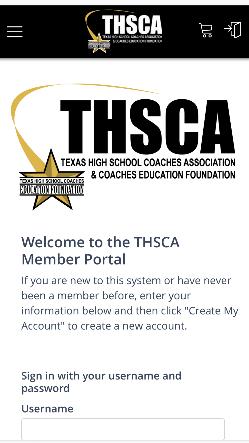
1. The first time visiting the new portal you will be required to set up a new password, so select the Forgot your Password? option. Your username will be the email address we have on file for your member account.
2. The system will email a link/verification code for you to verify your account and set-up a new password. (If you have any difficulty remembering the email address you used for account set-up, or you do not receive the verification email to reset your password, please call our THSCA office 512.392.3741 and we can assist you.)
3. Once you have logged in, click on the Round User icon on the top right and select “Update Profile/ View My Membership”
4. Select the pencil icon under “My Personal Information” to update your contact data.
5. Under “Communication Preferences” please OPT-IN to receive THSCA Updates & Reminders via email throughout the year.
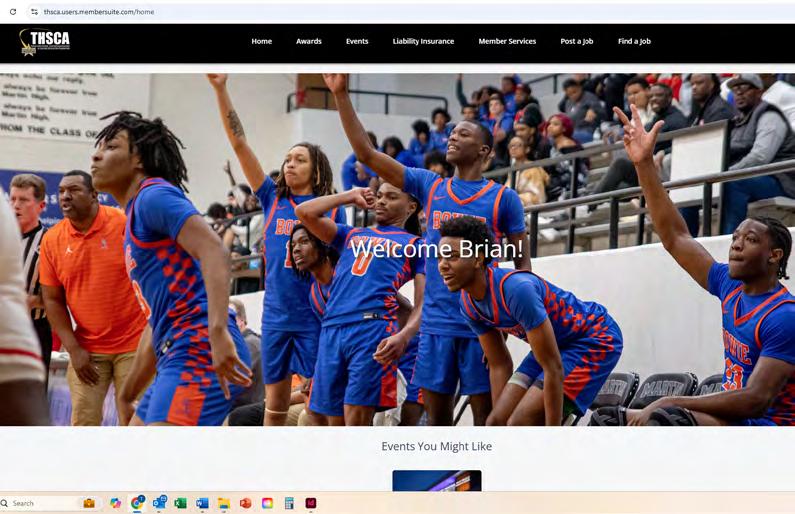
access your THSCA Member Portal online today! Please visit www.thsca.com and click on login
at the top to update your THSCA profile info, renew your membership for 2026-2027, and register for thsca Coaching School.
Membership & Event Registration:
The THSCA member portal functions as a shopping cart experience. If you would like to pay for multiple things at once, (example: Membership, Coaching School Registration, Liability Insurance, etc.) you will need to add them ALL to your shopping cart before proceeding to check out.
To Renew your Membership:
1. Click on the Round User icon on the top right and select “Update Profile/View My Membership”
2. Click on the Membership tab, and you should find an button to Renew at the bottom.
3. Be sure that your contact information and profile settings are correct and then hit the blue Update button to save your changes.
4. Select the appropriate membership type and hit the Next button to proceed.
5. Read the disclaimer information and check the box marked “Above Read.” Also, please select an option on your Texas Coach magazine delivery preference. Then click Next.
6. Select any add-ons, including a Political Action Committee Donation, Benevolence Donation or Professional Liability Insurance. Then click Next.
7. You will be prompted with a summary of your selections. When you are satisfied with your selections, choose Add to Cart.
To Register for an event like Coaching School:
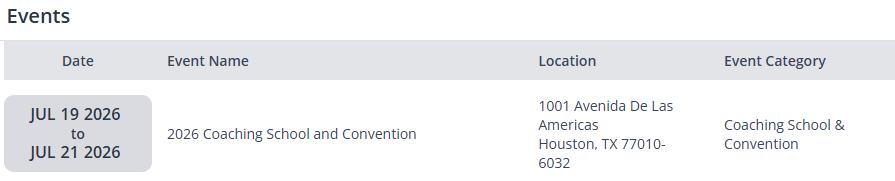
1. Click on the Events tab on the menu at the top and select Browse Events.
2. Select the event you would like to register for:
3. And look for the Register button on the top right.
4. Select the appropriate registration fee and hit the Next button to proceed.
5. Read the disclaimer information and check the box that you understand the terms of registration, then click Next.
6. Select any add-ons you would like (Benevolence Donations) and then click Next.
7. You will be prompted with a summary of your selections. When you are satisfied with your selections, choose Add to Cart.
REAdy to checkout?
1. Click on the shopping cart icon to view the summary of selected items to purchase.
2. When you are satisfied with the summary click, CHECK OUT.
3. You should be redirected to the Checkout screen to proceed with credit card payment.
Upon completion of the transaction you should IMMEDIATELY receive an emailed, itemized receipt you can turn in to administration for reimbursement if necessary. You no longer have to wait until coaching school to pick up your receipt. If for any reason you do not receive the email, you can always log back into your Member Portal account and print it from your account history.
You should also receive an email confirming registration for Coaching School if you have registered for that event. (Please remember that THSCA membership for the year and Coaching School registration are TWO SEPARATE fees.)
After you have completed check-out in the member portal you will be prompted to update your profile information. Please make sure we have the correct contact information for you and that your communication preferences are set-up so you can receive THSCA Updates & Reminders emails.
If you need to update the school you are affiliated with in your profile please email your name, THSCA ID number and new school affiliation to info@thsca.com so we can correct it for you.
26-27 MEMBERSHIP
Professional - $90
1st)
Registration - $115 (7/19 or 7/20 Only)
IF YOU BUILD IT, THEY WILL COME
BY MARCUS SHAVERS NORTH FORNEY HIGH SCHOOL ATHLETIC COORDINATOR/HEAD FOOTBALL COACH
Across Texas, public schools are facing a shared reality: declining enrollment. The conversation usually sounds the same—families are moving, kids are transferring, and districts are losing students to neighboring schools or alternative options.
But if we’re being honest, that conversation often stops too soon.
Instead of asking why are they leaving, we should be asking a harder, more productive question:
Why should they stay?
“If you build it, they will come” isn’t just a quote from a movie—it’s a blueprint for leadership. And in Texas public schools, athletics may be the most powerful place to start building.
Athletics Is the Front Porch of the School
Athletics is the front porch of the school. It’s where the community gathers, where pride is visible, and where stories are formed long before test scores or accountability ratings are ever discussed.
Friday night lights. Packed gyms. Youth camps. Middle school nights. Community workouts. These are not extracurricular moments—they are branding opportunities. They shape how a school district is perceived and whether families feel connected to it.
That’s why the THSCA EXCEL, Educate, and Play initiative is so important. It reinforces what the best programs already understand: coaching is about more than winning games. It’s about developing
people, educating young men and women, and creating experiences that make students want to belong.
When athletics are aligned with education, they don’t just support the school—they help define it.
Engagement Is Not a Buzzword—It’s the Data
Data consistently shows that students who are engaged are:
• Less likely to have behavior issues
• More likely to attend school regularly
• Less likely to transfer or leave their home district
Athletics provides built-in engagement. It creates structure, accountability, relationships, and identity. It gives students exposure to opportunities and connects them to mentors who care deeply about their development.
The programs that do this consistently don’t complain about losing kids. They don’t panic when boundaries shift or demographics change. Why? Because families see what’s being built.
Students feel connected. And word spreads.
Strong programs sell themselves—not through recruiting, but through culture. Stop Complaining. Start Building.
Stop Complaining. Start Building.
Too many schools focus their energy on what they’re losing instead of what they’re offering.
If students are leaving your attendance zone legally, the response shouldn’t be frustration—it should be reflection.
What does your program stand for? How are kids being developed?
What opportunities are being promoted?
What story is your district telling the community?
The truth is, Texas public schools are doing incredible things every day—but too often, they fail to tell their story. And if you don’t tell your story, someone else will gladly tell it for you.
This isn’t about blaming families for leaving. It’s about challenging leaders to build programs that make staying an easy decision.
Selling Your Brand Isn’t Selling Out
“Selling your brand” isn’t about recruiting, hype, or social media flash. It’s about clarity and consistency. Who are you? What do you value? How do you develop students beyond the field?
Athletics can lead this charge. Coaches are
some of the most visible leaders in a district. When aligned with administrators and educators, they become ambassadors—not just for a team, but for public education itself.
Community-based athletics strengthens community-based schools. When families believe in the program, they believe in the district.
Build It—One Student at a Time
Saving public education won’t happen overnight, and it won’t happen through complaints alone. It happens through intentional programs, strong culture, and daily commitment to developing kids the right way.
Build a quality program in your community. Promote what you’re doing.
Celebrate your people.
Tell your story boldly and honestly.
If you build it—if you truly build it—they will come. And as coaches, we have the opportunity to help save Texas public education one student at a time.
PUT US IN YOUR PUT US IN YOUR STARTING LINEUP STARTING LINEUP
The seat no one can prepare you for
By Jessica Pauls - Weatherford HS Head Softball Coach
They’ll tell you it’s different. They’ll tell you it’s more responsibility. More emails. More decisions. More pressure. What they don’t tell you is how personal it becomes.
Your first year as a head coach is not just a new job title. It is a complete identity shift. One day you are an assistant coach, responsible for your role, your position group, and your piece of the puzzle. The next you are responsible for everything: the culture, the standard, the communication, the details, the decisions, and the moments people may never know you were carrying.
No matter how prepared you think you are, there are some lessons you only learn once you are the one sitting in the seat. You learn quickly that the little details matter. You can spend hours building practice plans, preparing your team, organizing schedules, and thinking through every possible scenario, and still forget to put the flags up before your first home game. There is nothing quite like standing on the field during the national anthem, looking up, and realizing you missed it.
You might confidently turn in your lineup card, only to realize later that you forgot to
include jersey numbers. You know, a pretty key aspect of the whole thing.
You might even wake up in a panic the night before your first official game because you had a nightmare that you forgot to request umpires. So naturally, you check your email at 2:00 a.m. just to make sure. For the record, I did request them.
Those are the moments people may laugh about later, and eventually you do too. In the moment, they feel huge. Because as a head coach, everything feels like it matters. In a way, it does.
What I learned is that year one is not about being perfect. It is about learning how to recover, adjust, own your mistakes, and keep moving forward. That may be one of the biggest lessons of all.
As an assistant coach, there is usually someone above you. Someone to bounce ideas off of. Someone to make the final call. Someone who ultimately carries the weight. As a head coach, that weight is yours.
The silence at the top can be louder than people realize. You sit with decisions longer.
You replay conversations. You question lineups. You wonder if you pushed too hard or not enough. You think about what you said, what you should have said, and what you wish you could take back.
Leadership is not always loud. Sometimes it is quiet. Sometimes it is lonely. Sometimes it is sitting in your office after everyone has left, trying to make peace with the fact that you made the best decision you could with the information you had. Then you show up the next day and do it again.
What they also do not tell you is how much you will care. The losses do not just sting; they stay with you. The wins do not just feel good; they validate the work. The hard conversations do not end when the conversation ends. Your players do not leave your mind when practice is over. You carry them with you.
Coaching stops being just about the game very quickly. It becomes about people. It becomes about growth, trust, accountability, confidence, and relationships. It becomes about helping young people become tougher, more self-aware, more resilient, and more prepared for life. That is a beautiful responsibility, but it is also a heavy one. That is why finding your circle matters.
Find coaches who understand. They do not all have to coach your sport. Some of the best advice and encouragement may come from a football coach, a baseball coach, a basketball coach, or someone miles away who simply knows what it feels like to sit in that chair.
You need people who get the pressure without needing you to explain it. People who understand the second-guessing, the late nights, the parent emails, the tough losses, the constant planning, and the emotional investment. Being a head coach can feel lonely, but it does not have to be isolating.
Find your people. Lean on them. Learn from them. Let them remind you that you are not the only one figuring it out as you go. You will make mistakes; publicly. You will miss something; say something imperfectly; make a decision someone disagrees with; handle something one way and later wish you had handled it differently. That is part of it.
Your players do not need you to be perfect. They need you to be real. They need to see you own mistakes, learn from them, and keep going. In many ways, that teaches more than getting everything right ever could.
The first year will also test what you truly believe about culture. Culture is easy to talk about. It is harder to enforce. You can have the best slogans, the best team talks, and the best intentions, but your culture will not be built on what you say. It will be built on what you allow.
Every standard you enforce teaches something. Every standard you ignore teaches something too. Year one forces you to decide who you are going to be when holding the line is uncomfortable. It will be uncomfortable. However, that is where growth happens, not just for the players, but for you.
Somewhere in the middle of all the chaos, you also have to remember that it is okay to be proud of yourself. Coaches are often wired to focus on what needs to improve. We move quickly from one game to the next, one practice to the next, one problem to the next. We replay the losses more than we celebrate the wins. We remember the mistakes more than the progress. In your first year, take a moment to look around. You showed up. You led. You made hard decisions. You built relationships. You started something. Maybe it was not perfect, but it mattered. It is okay to be proud of that.
My first year as a head coach did not go exactly how I planned. There were things I got
right, and there were things I wish I could redo. There were moments that made me laugh later and moments that kept me up at night. Every one of them shaped me: the forgotten flags; the lineup card without jersey numbers; the nightmare about umpires; the tough conversations; the close losses; the big wins; the quiet moments no one saw. All of it mattered!
At the end of the day, what they do not tell you about your first year as a head coach is that it will stretch you in ways you did not
expect. It will humble you. It will challenge you. It will reveal things about yourself that you did not know were there. It will also remind you why you wanted the seat in the first place: the relationships; the growth; the belief; the foundation; the chance to lead young people and build something bigger than yourself. That is what makes it worth it.
So, to the first-year head coach: you do not have to have all the answers. You will learn. You will adjust. You will mess up. You will grow. Eventually, you will look back and realize that even the hardest parts were teaching you something.
Just remember to check the flags, the lineup card, and yes, the umpires. The seat may be heavier than you imagined. But it is worth every second.
Coaches
ONE APP FOR STATS, MAXES, AND RECRUITING
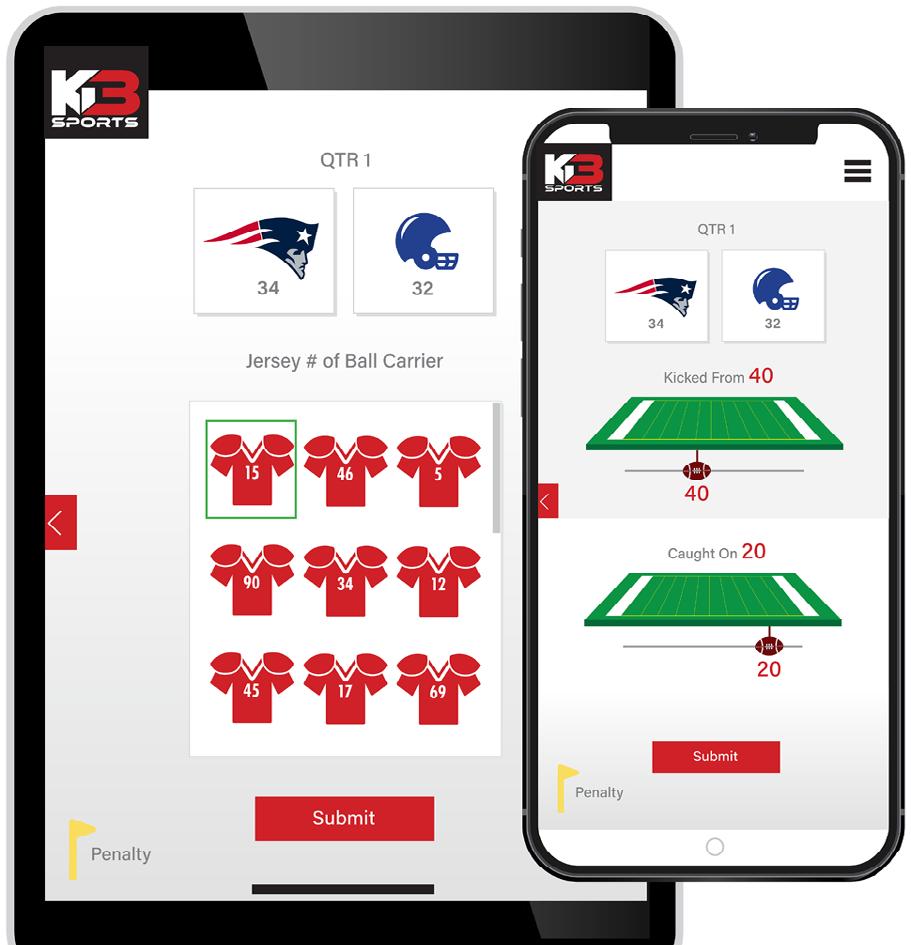
KB3 SPORTS APP has allowed us to streamline our stats & maxes for inseason & offseason as well as given us the ability to promote our players across the country.
James Clancy HFC, Klein Cain HS
ACCURATE INFORMATION
MAXES & MEASURABLES can be entered by a player or coach and will be added to a player’s profile page.
TEAM PROFILE PAGE
Your teams’ profile page is publicly accessible to parents, players, media and recruiters with links to each player’s profile page.
PLAYER TRACKING
Download a Team Stat File to keep track of team stats by player or team totals.
Download a Game Summary File to view play-by-play game recap.
Automatically generate a Player Stat File to view per game and cumulative player stats as well as in-season and off-season maxes and measurables.
RECRUITING
College coaches can access your players test scores, stats, maxes & measurables.
College Coaches can DM with coaches and players via our IN-APP MESSAGING.
Get Started!
Download the free app for Android or Apple, join now!
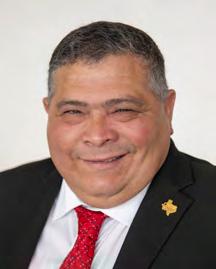
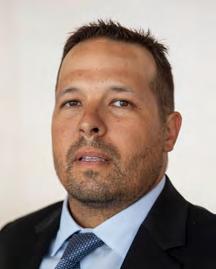
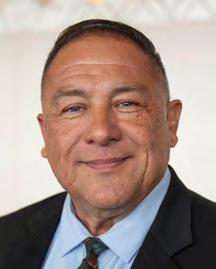
2026 meet your President-elect nominees...
Nominees will be voted on at the THSCA General Meeting on Tuesday, July 21st AT 11:30 AM DURING Coaching School in Houston, Texas.
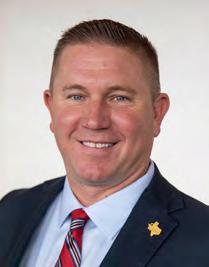
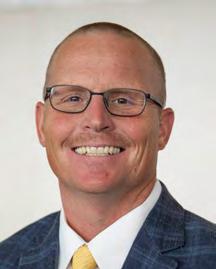
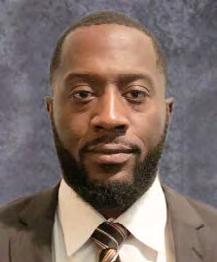
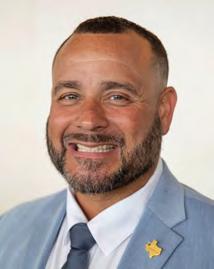
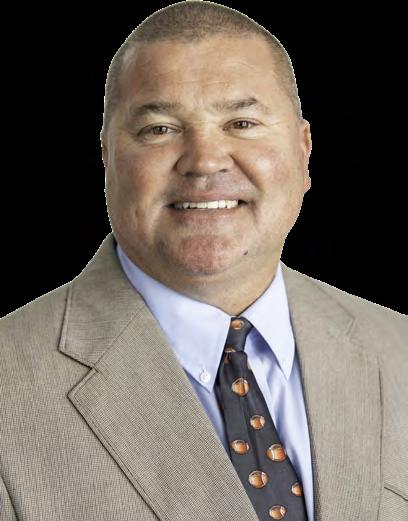
clint hartman midland lee HS
I have been coaching for over 25 years. Two years at Hardin Simmons, one year at Tornillo High, one year at Odessa High, one year as the head coach at Tulsa TSST McCain, four years at Seguin as the DC, seven years at Clear Springs as the Head Coach, three years at East Central as the Head Coach, ten years at Midland Lee. In the past 19 years as a head coach, I have been blessed to win 14 District Championships. My overall head coaching record is 138-73. I have been named District Coach of the Year 14 times. I have been blessed to be the FCA head coach in the inaugural West Texas FCA All-Star game. I have been Greater Houston Touchdown Club finalist for Coach of the Year. I am currently on the THSCA Board as a representative from Region 4. MRT Coach of the Year 2017, 2020. 2019 FCA Impact Coach of the Year. MRT Man of the Year. I was named 2025 Grant Teaff Coaching Beyond the Game Award, and was named 2025 Dave Campbell’s Game Changing Coach Finalist.
My wife of 27 years, Ginger, is my best friend and without her I would be lost. She recently stopped coaching after 25-plus years, but still is the head coach of our family. We have three daughters. Madison (24) currently is teaching high school science and is a married to an amazing man, Blaine Warmbrod; Kodi (20) currently is in college working towards being elementary teacher; and Jetta (13) is competing in all sports. I am a proud girl dad.
Records and accolades are great, but I truly believe in coaching beyond the game. The late, great Bum Phillips sat and had lunch with me at the Coaches’ Outreach retreat and said, “Son if you do this right, you can reach more people than a preacher.” I asked him, "How is that coach?" His reply was, "They go to the preacher when they need help, you get to help them so they never have to do that."
Coach Larry Lafuente, Mike Morgan, Steve Kennum, and Jimmy Keeling have all coached me beyond the game. Coach Lafuente picked me up in high school and told me, "You would make a great coach." I didn’t really want to teach at that time, but I knew I wanted to coach when I was 13. He helped me get into school, and I am a firstgeneration college graduate. Coach Morgan bought me a pair of cleats when I couldn’t afford a pair. When I was fighting cancer and woke up in the intensive care unit, he was at the foot of the bed. Coach Kenneun was my college coach. When I was fighting cancer, I had to drive back and forth from San Antonio for chemotherapy sessions. Coach Keeneun kept me in school. Coach Keeling was my college coach my senior year, and he taught me the life lessons that I needed to be a great man. He told me he would not accept me for the man that I am today but only the man that I could become. Coach told me he loved me, and I knew he meant it. I do not believe kids have changed as much as we think. I believe we have allowed them to become different. We as coaches are the bridge builders.
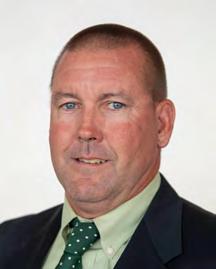
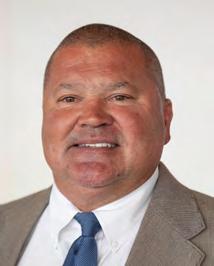
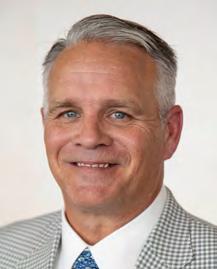
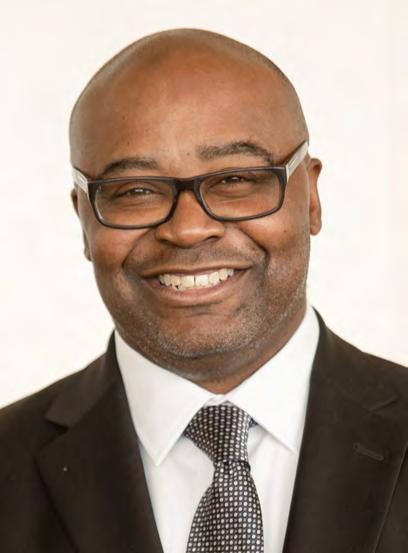
CARLOS LYNN Crowley HS
Coach Carlos Lynn is in his 31st year of coaching. During his first three years, he served as a speech teacher and coach at Wilmer-Hutchins High School in Dallas, TX. He was the Offensive Coordinator during his last year there. He then moved on to Cedar Hill High School in 1998; and was the Defensive Line coach until 2003, when he was elevated to Defensive Coordinator. He served in that capacity until 2008. Coach Lynn served as Head Football Coach at Arlington Seguin for nine years. Lynn has served six years as the Head Coach of the Cedar Hill Longhorns. He led the Longhorns to the 2020 6A Division 2 State Finals. Coach Lynn was also selected as Dave Campbell’s Texas High School Football 6A Coach of the Year in 2020. Coach Lynn is currently in his fourth year as Head Football Coach/Athletic Coordinator for the Crowley Eagles. The Crowley Eagles
have been to the playoffs in every season of Lynn’s tenure.
Coach Lynn graduated eighth in his class from Wilmer-Hutchins HS in 1991. He was the team captain of the 1990 4A State Championship team at Wilmer-Hutchins. He received a football scholarship to East Central University. While at East Central, he was a part of the 1992 Oklahoma Intercollegiate Conference Championship Team and the 1993 N.A.I.A. Division I National Championship team. Also in 2006, he coordinated the Cedar Hill defense to a 16-0 record en route to the 5A Division II State Championship. Coach Lynn took a 1-9 program at Seguin and turned it into a well-respected playoff team. He has been involved in the Fellowship of Christian Athletes for over 20 years. In 2013, he was awarded the Fellowship of Christian Athletes Huddle Leader of the Year. Coach Lynn has been a threetime finalist for the DFW Tom Landry Coach of the Year Award and has been twice nominated as the THSCA Region 3 Landry Award. Lynn is an Advisory Board Member of Sideline Power and is also a director of the I-20 Football Coaches Clinic. Coach Lynn has been honored to be nominated for THSCA President for four years straight.
Coach Lynn is an ordained deacon of the Church at the Inspiring Body of Christ Church (IBOC) in Dallas, TX, where the Pastor is Rickie Rush. He is also a motivational speaker and team builder.
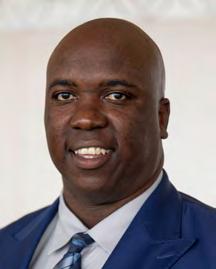
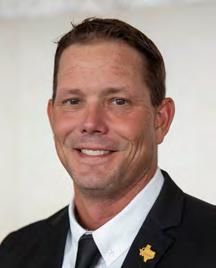
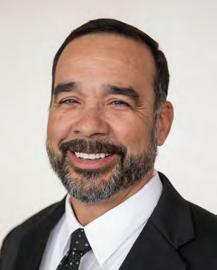
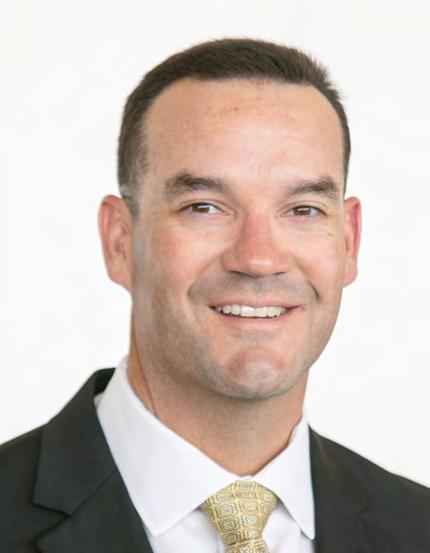
Mark Torres Buda Hays HS
Mark Torres is a dedicated family man, educator, and football coach whose life has been shaped by strong roots in El Paso, Texas. Born and raised in Northeast El Paso, he went on to graduate from Irvin High School, where he was a three-sport letterman. He continued his education and athletic career at the University of Texas at El Paso (UTEP), earning a Bachelor of Science in Health Sciences while competing as a track and field athlete from 2001 to 2004 and contributing to conference championship teams in 2002 and 2003. He later earned a Master of Education in Athletic Administration from Concordia University Texas in 2019. Mark and his wife, Angie, are active members of Santa Cruz Catholic Church in Buda, Texas, and together they have five children, with their growing family soon welcoming their first grandchild.
Family and community are central to Mark’s life. His wife serves as a counselor at Cullen Elementary, where their youngest daughter attends, while their children are actively involved in academics and athletics within the Hays CISD community. His son Marcus is a wide receiver at UTEP, and Joseph is a junior at Hays High School playing under his father. Coaching and mentorship run deep in the Torres family, as both of Mark’s brothers are also Texas high school coaches, further reinforcing a shared commitment to developing young athletes across the state.
Mark’s coaching career began humbly as a volunteer at Irvin High School from 2002 to 2003, where he helped the team achieve District and Bi-District Championships. He later served as the Offensive Line Coach at Irvin before moving to Austin High School as Defensive Coordinator and Linebackers Coach, leading the team to a playoff appearance in 2009. His career continued to ascend at Franklin High School, where he served as Offensive Coordinator and Quarterbacks Coach, contributing to District Championships in 2012 and 2014.
In 2014, Mark was given the opportunity to build the Pebble Hills High School football program from the ground up. Under his leadership, the program experienced remarkable growth, transforming from a 2–8 first-year varsity team into a consistent playoff contender. His teams reached the playoffs multiple times across both Division I and Division II in Class 6A; capturing a District Championship and Bi-District Title in 2022. His success earned him numerous honors, including District 1-6A Coach of the Year twice, El Paso Times Coach of the Year, and recognition as one of Dave Campbell’s Texas Football Top 40 Under 40 coaches. In 2024, he was named the Head Football Coach and Athletic Coordinator at Hays High School, continuing his impact on student-athletes and programs.
Beyond the field, Mark has demonstrated a strong commitment to service and leadership within the coaching profession. As the first El Paso coach elected to the Texas High School Coaches Association (THSCA) Board of Directors, he has played a key role in growing regional engagement and supporting fellow coaches. He has been an FCA Campus Huddle Leader at multiple schools, a frequent clinic speaker across Texas, and a finalist for Coaching Beyond the Game. His influence is also seen in the success of his former players and assistant coaches, many of whom have advanced to collegiate athletics or leadership positions in coaching. Through his work, Mark Torres continues to shape not only winning programs, but also the lives of those he leads.
School-Safe Communication
for Schools, Built for Coaches
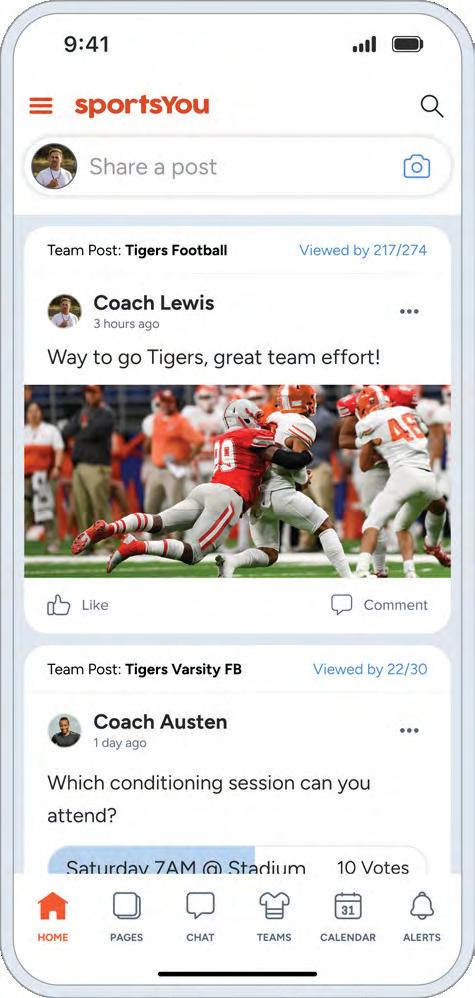
Elevate your team culture with sportsYou: the free, secure messaging platform built for coaches, not classrooms. sportsYou streamlines athletic communication across every team, all in one place – saving you time so you can focus on what matters most: your athletes.
sportsYou is 100% Americanowned. All data is stored and encrypted in the US
sportsYou does not sell individual user data
Communication settings are customizable to support your school/district policies
Districts own + can access communication history
sportsYou will review your DPA upon request
sportsYou will support you through the approval process + help you navigate HB 1481 and HB 4623
Meet with us: go.sportsyou.com/approval
5 ESSENTIAL TIPS TO HELP YOU THRIVE AS
AN ASSISTANT VOLLEYBALL COACH
BY GLORIA GARCIA
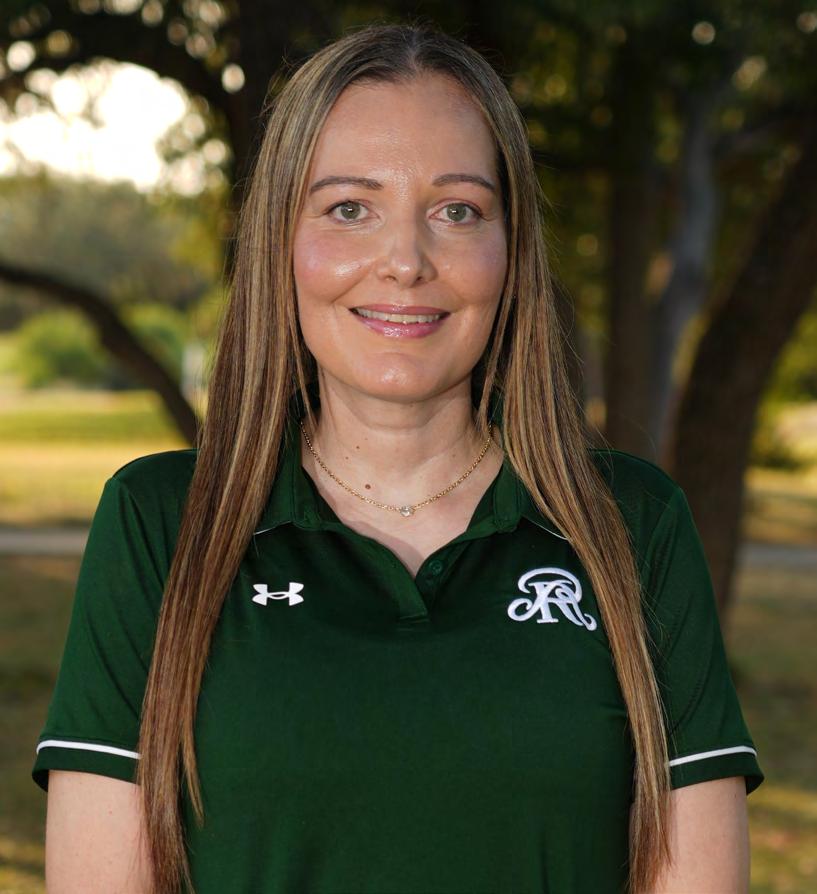
SAN ANTONIO REAGAN HS | NORTH EAST ISD ASSISTANT VOLLEYBALL COACH
Twenty years in coaching tells a story not just of time served, but of lessons learned, relationships built, and a deep commitment to the role. With experience as both a head coach and an assistant, the journey has been shaped by adaptability and a passion for helping programs succeed from any position on the staff. The past 12 years at Reagan have been especially meaningful, highlighted by State Semi-Final appearances in 2016 and 2020 and the opportunity to contribute to a consistently competitive program.
Along the way, working under outstanding mentors in a variety of systems has provided a wealth of knowledge and perspective; helping to build a strong foundation for long-term success as an assistant coach. From year one to year twenty, the game has continued to develop players that are different, strategies have advanced, and expectations have grown. Through all that change, one principle has remained constant: to be a truly successful assistant coach, loyalty matters.
Becoming a successful volleyball assistant coach requires more than just knowledge of the game. It’s a role built on trust, communication, adaptability, and a deep commitment to both the Head Coach’s vision and the athletes’ development. Assistant coaches are often the bridge between players and leadership, the extra set of eyes during practice, and the steady presence that helps keep a team grounded.
Below are five essential tips to help you thrive as a volleyball assistant coach and make a lasting impact on your team.
1. Master the Art of Supporting the Head Coach
The most effective assistant coaches understand that their primary role is to support the head coach’s system, philosophy, and decisions. This doesn’t mean
you can’t have your own ideas it means you must align with the overall direction of the program.
A successful assistant coach:
• Reinforces the head coach’s messaging to players
• Avoids contradicting decisions in front of the team
• Offers input privately and constructively
Think of yourself as both a collaborator and an amplifier. When players hear consistent messaging from both coaches, it builds trust and clarity. If disagreements arise, handle them behind the scenes. Unity among the coaching staff sets the tone for the entire team.
2. Build Strong Relationships with Players
Assistant coaches are often more accessible to players than head coaches, which puts you in a unique position to build meaningful relationships. Players may come to you with concerns, frustrations, or questions they hesitate to bring elsewhere.
To build trust:
• Be approachable and actively listen
• Show genuine interest in players as people, not just athletes
• Offer encouragement as well as constructive feedback
Strong relationships don’t mean being overly lenient or trying to be a “friend” instead of a coach. It means creating an environment where players feel respected, heard, and motivated to improve. When players trust you, they are more likely to accept feedback and push themselves.
3. Be Detail-Oriented and Prepared
Assistant coaches often handle the finer details that keep practices and matches running smoothly. Preparation is one of the easiest ways to stand out and add value to your coaching staff.
Key areas to focus on:
• Drill setup and transitions
• Tracking player performance and stats
• Observing technique and making small corrections
• Preparing scouting reports or opponent tendencies
During practice, your attention to detail can make a huge difference. While the head coach may focus on the big picture, you can zero in on footwork, arm swing mechanics, positioning, and communication. These small adjustments often lead to big improvements over time.
4. Communicate Clearly and Consistently
Communication is one of the most important skills for any coach, but especially for assistants who operate in multiple roles—teacher, mediator, motivator, and organizer.
Effective communication involves:
• Giving clear, concise instructions during drills
• Providing feedback that is specific and actionable
• Adjusting your communication style to different players
• Keeping open lines of communication with the head coach
Avoid overloading players with too much information at once. Focus on one or two key points and reinforce them consistently. Also, be mindful of tone—how you say something can be just as important as what you say.
5. Stay Adaptable and Keep Learning
No two teams are the same, and no season goes exactly as planned. Injuries, skill gaps, personality dynamics, and unexpected challenges all require flexibility.
Great assistant coaches:
• Adjust drills based on team needs
• Step into different roles when necessary
• Stay calm under pressure during matches
• Continuously seek opportunities to learn and improve
Watch other coaches, study the game, attend clinics, and reflect on your own experiences. The best coaches are lifelong learners who are always refining their approach.
Adaptability also means being ready to take initiative. If something needs to be done—whether it’s organizing equipment, helping a struggling player, or analyzing an opponent—step up without waiting to be asked.
Final Thoughts
Being a successful volleyball assistant coach is about far more than standing on the sidelines. It’s about being intentional in your actions, supportive in your role, and committed to the growth of your players and program.
When you:
• Align with the head coach
• Build strong player relationships
• Pay attention to details
• Communicate effectively
• Stay adaptable and keep learning you position yourself as an invaluable part of the staff and contribute to the overall success of the program.
In the end, being an effective assistant coach goes far beyond supporting a single team it’s about strengthening the entire program from top to bottom. By implementing these five essential tips, assistants can become invaluable in bridging the gap across all three levels, helping ensure not only varsity success but long-term program stability and growth. A strong foundation built at every level creates consistency, culture, and a pathway for future success.
These principles have played a major role in my own journey, contributing to 11 out of the last 12 subvarsity District Championships at Reagan. Still, there is no perfect formula. Success is always accompanied by challenges, and no single approach fits every team or situation. The game continues to evolve, and so must we as coaches in how we connect with and develop our athletes.
around the state
advisory edition
LEADING SOLUTIONS DELIVERED BY EXPERT BUILDERS
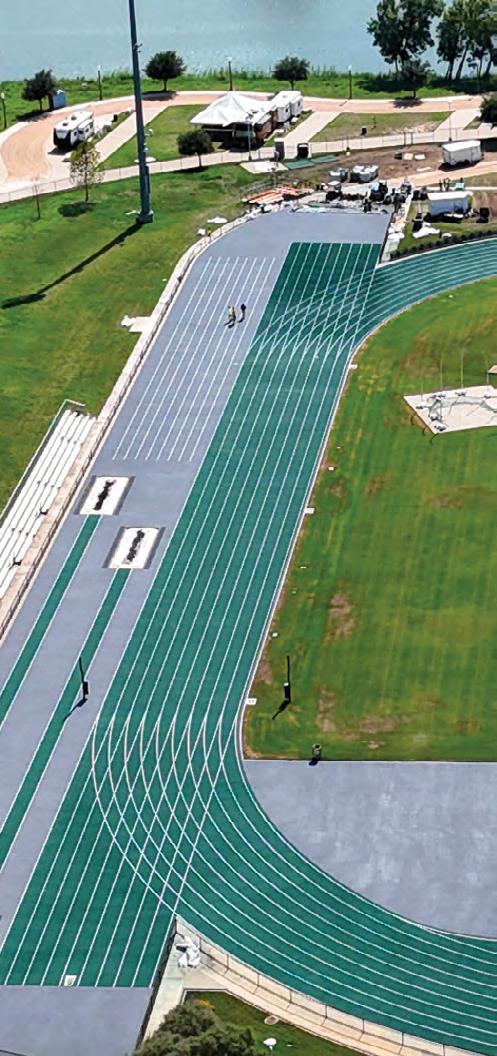
ARTIFICIAL TURF TRACK & COURT SURFACING
POST-TENSION CONCRETE COURTS
PROUD SPONSOR
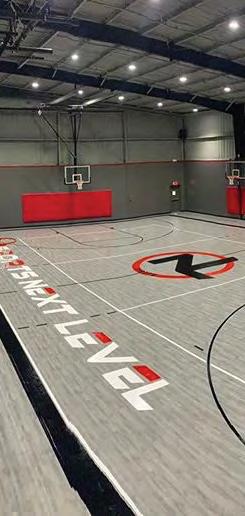
INDOOR ATHLETIC SURFACING
DESIGN & CONSTRUCTION
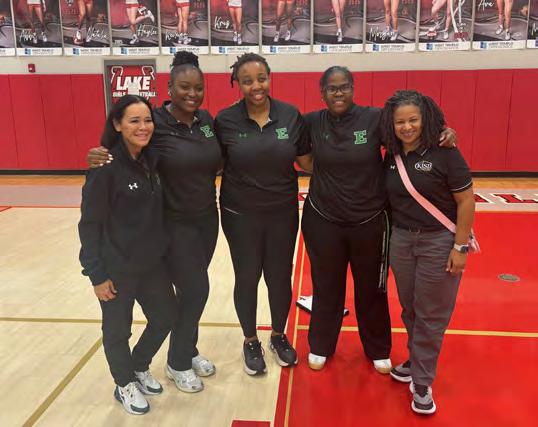
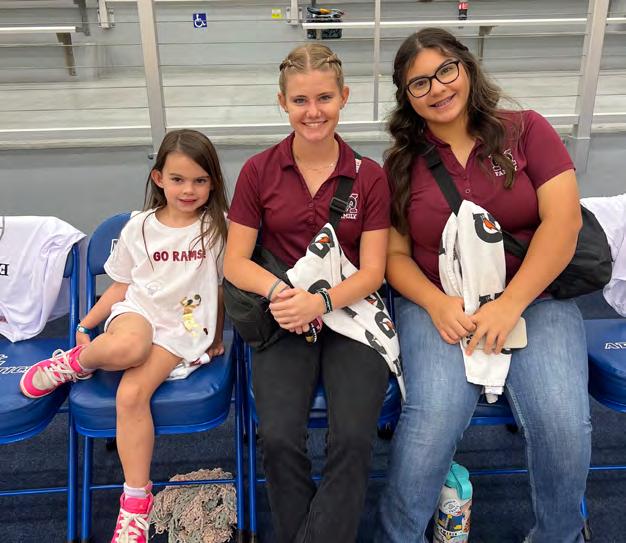
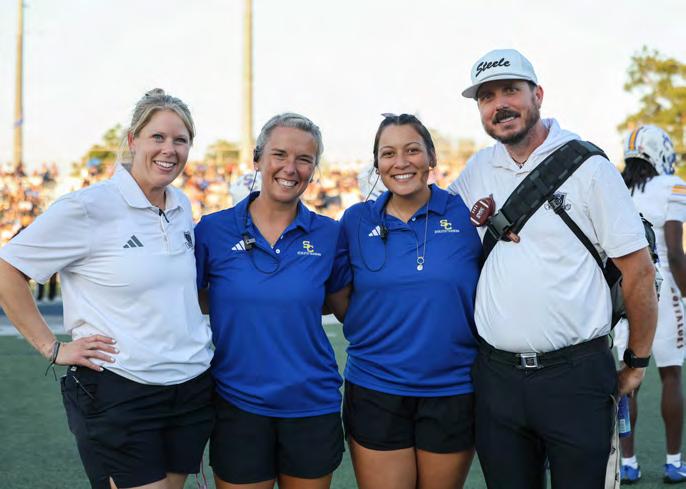
THREE GENERATIONS OF FEMALE COACHES IN TEXAS ON PROGRESS, PASSION, & POWER
by: Ariana Bermea-Mendoza
"When I grow up, I want to be a coach."
It’s not the typical answer you hear next to a police officer or doctor; but for several in the profession, it’s not a job title, it’s a calling. It’s a life spent in gyms or on the field, away from our own homes; shaping young athletes into resilient adults. Right now, what a time to answer that call. What a time to be a coach – what a time to be a female in the sports world.
The dynamic of Texas athletics is shifting. Now more than ever, women are stepping into positions of influence; using their platforms not just to win games, but to redefine leadership and opportunity for the next generation of coaches. Like they say, “Rome was not built in a day.” I would like to recognize those who coached when equity was a battle and opportunities were few and far between. To understand the evolution of female coaches in Texas, we must listen to the bricklayers who worked passionately, quietly, and tirelessly to build the foundation we stand on now. I decided to go down memory lane and bring three generations of female coaches to the table to share their stories of progress, passion, and the power of earning their seat.
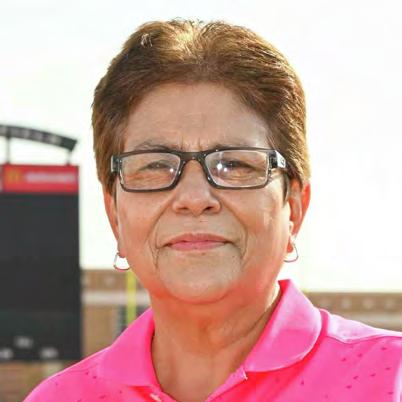
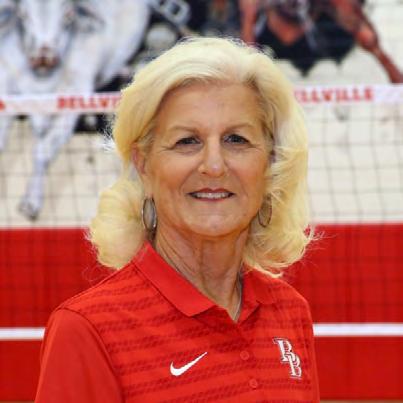
The Pioneer Women: Susan Brewer, Bellville High School, Head Volleyball Coach and Sylvia Barrera, Laredo ISD, Retired Athletic Director
I remember sitting in a large convention hall a few years back, listening to Coach Susan Brewer
speak about what it takes to stay the course in this profession. Now in her 48th year of coaching, she is nothing short of a legend. When I look at her career, I admire the grit and heart she has poured into her athletes over nearly five decades. She is an inspiration whose words and actions continue to shape the next generation.
When Sylvia Barrera entered the coaching ranks in 1981, she wasn't just building a team; she was navigating a world without the luxuries we have today. Before the "year-round" culture of travel ball and private training, Barrera recalls a lack of resources.
What was the biggest obstacle you faced when you first started coaching?
Coach Barrera: One of the biggest obstacles I faced as a coach in the 1980s was the lack of resources available to build and strengthen our program. We simply didn’t have the opportunities that athletes and coaches benefit from today. There were very few options for our athletes to train outside of the school setting. Club programs, private lessons, and year-round competition were not common, so most of their development had to take place during our season. We did the best we could with the time we had, knowing that once the season ended, structured training often did too.
Laredo Alexander High School | Head Volleyball Coach | THSCA Advisory Committee
Professional networking was also limited. There were occasional clinics and meetings, but we didn’t have email, online forums, or social media to exchange ideas and learn from other coaches. If we wanted to grow, we had to seek out inperson opportunities, make phone calls, and build relationships the traditional way. Collaboration required effort and intentionality.
Technology was basic by today’s standards. We didn’t have video breakdown software, digital scouting reports, or instant access to information. Game preparation relied on handwritten notes, memory, and hours of observation. If we were fortunate enough to have game film, reviewing it was time-consuming and far from sophisticated.
How do we move from just having female coaches for girls sports to seeing more women as Athletic Directors and coaches for boys sports?
From leadership roles to the sidelines of boys athletics, women are shattering glass ceilings. In Laredo, Nixon Varsity Boys’ Basketball Coach, LeaAnn Mendoza, is a testament to this progress. A local sports journalist, Clara Sandoval, referred to Mendoza’s transition from the girls side to the boys side of athletics as 'Breaking Barriers.' Female roles in sports are shifting from a rarity to common ground, revealing a new era in the sports world.
Coach Barrera started her career as a junior high coach, then moved on to become the first female Athletic Director for Laredo ISD in 2003. She experienced first-hand the professional transition from coach to administrator and being a female navigating through several changes.
Coach Brewer: I believe that women coaches can coach any sport or gender. As for female Athletic Directors, if you feel a door has opened and you are qualified, then go after the job. We need our female coaches to demonstrate professionalism in the workplace at all times.
Relationships are important, but keeping the boundaries in perspective and professionally is very important.
Coach Barrera: This requires intentionality and a shift in mindset. We can’t just hope that it will naturally happen. Progress in these areas are gained through deliberate growth in leadership skills such as strategic thinking, strong communication, structured methods, and program development. Women must commit to identifying leaders who will actively encourage and support their pursuit of administrative responsibilities, advocate for their development and create a strong support system. In addition to these skills and identifying mentors, one must ensure the educational requirements are attained to compliment the soft skills required for a successful transition into administrative roles.
This will also be true for women to be considered a valuable member and asset to a coaching staff within a men’s sports program. The deliberate growth in leadership skills will radiate confidence and break the gender barrier, as women will be hired based on qualifications rather than tradition. As more women become more visible and successful in these roles, the shift in mindset will become more apparent. As women continue to evolve, the importance of intentional hiring practices, strong support systems and a focus on selecting leaders based on competence instead of tradition will enable the visibility of women as administrators and coaching men’s sports.
What is the secret to balancing coaching with
your personal life?
Coach Brewer: Early in my career, I failed at the demands of balancing coaching and life outside of the school. Coaches need to recharge, stay healthy, rest, take care of their families and enjoy life outside of their work. You are only young once in your life, so keeping all of the balls in the air is a very important juggle for career coaches. Loyalty,
passion, energy, enthusiasm, and compassion are important qualities of being a coach and at times it can drain you. So, make time for you and help yourself sustain what it takes to be good everyday.
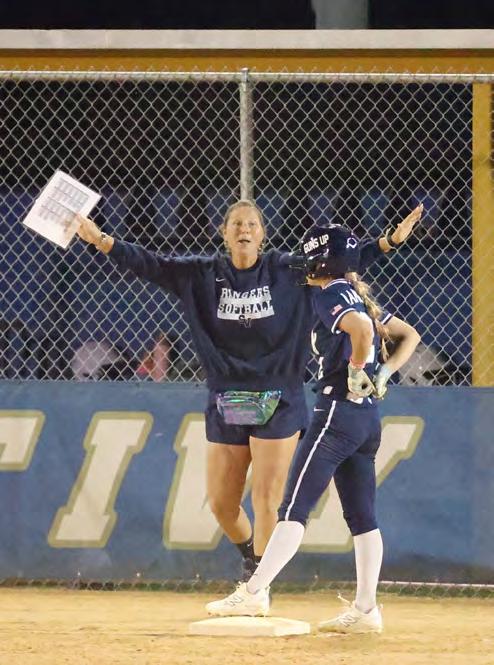
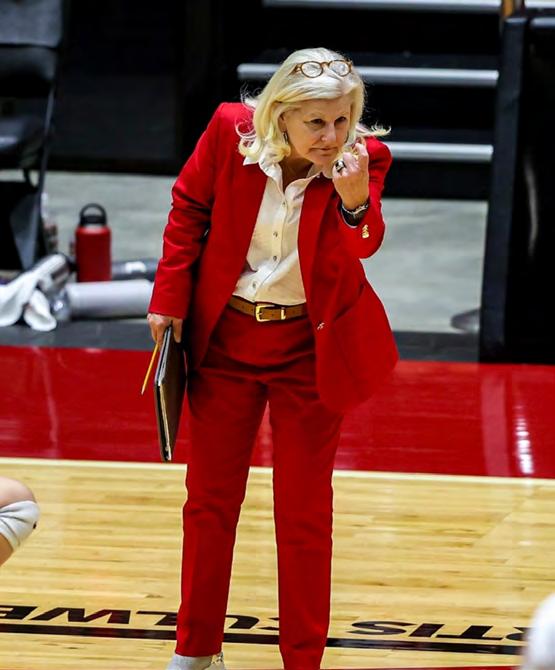
The Seasoned Leaders: Amanda WolfSchramm, Head Softball Coach, Smithson Valley High School, & Kelly Lozada, Head Volleyball Coach, Lubbock Monterey High School
Kelly Lozada is in her 24th year in education and currently serves as THSCA’s Region 1 Volleyball Advisory Committee representative. She is passionate about the kids, and the people she engages with. Behind the scenes, Kelly is a voice for all volleyball coaches and has played an integral role in the dynamic shift of what girls sports looks like today. When I think of breaking barriers, I think of Amanda Wolf-Schramm. She is a history-making figure in Texas athletics, becoming the first female coach to serve on the Board of Directors for THSCA. Her passion for sports and everyone around her is evident in her actions; she is a prime example of true servant leadership.
What is the one piece of advice you'd give a young woman considering a career in coaching today?
Coach Lozada: Go into coaching with a growth mindset: that you know all that you know, but you don’t know all there IS to know. Be active in your education and growth as an educator and coach. Also, you need to know that coaching is an office job. We are solving problems, putting out fires, strategizing, planning, and maintaining compliance through many computer tasks. The part where we go out on the court or field with the kids is the fun part.
Coach Wolf-Schramm: Get involved; serve. In my 20 years of coaching, this has meant everything. People often ask me, “How did you do what you’ve done?” The truth is, my journey didn’t start with the goal of sitting on a board. It started with wanting to do right by my athletes. Service opened every door.
If you want to make an impact, step into the work. Attend regional meetings; serve on a committee; write for the magazine; be present at the General Meeting at Coaching School; become a R.O.C.K. mentor or mentee. Do not underestimate consistent service. Don’t wait until you feel ready. Sometimes, if we want to make a difference, we have to step into spaces that have never looked like us before.
How do you balance the demands of coaching with life outside of school?
Coach Lozada: That’s a great question. When I was raising my boys, I made a few choices that helped. First, I married a very supportive husband who works in the trades. The importance for me is that he can take care of things I cannot, and our worlds are so different that they don’t clash. The second decision I made was to enroll my kids at a school within our feeder pattern. That made things a lot easier for me to be able to see their competitions, stay connected with their teachers, and support their coaches. Also, my faith in Jesus; I feel like the Lord has done so much for me and my husband in our decision-making and discerning where we should be/go in my career. Now that we are empty nesters, I am able to expand who I really am in my personal life, ministry, and community, while maintaining all my commitments to our students and athletes. It’s been pretty sweet, to be honest!
Coach Wolf-Schramm: Balance requires purpose and partnership. Everything I have accomplished, I could not have done without my husband’s unwavering support and my boys’ understanding. They have sacrificed alongside me. However, I have never viewed this work as “extra.” It’s an extension of my calling, to serve coaches, and protect opportunities for student-athletes across our state. When you believe in the mission, advocacy, professional development, mentoring, and benevolence support, the time feels purposeful. This profession is demanding. It stretches you, but it is also incredibly rewarding. I am proud to have served during a season of growth, and I am deeply grateful for leadership that was willing to welcome change and pursue progress.
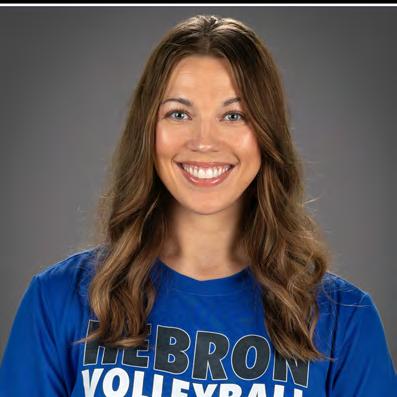
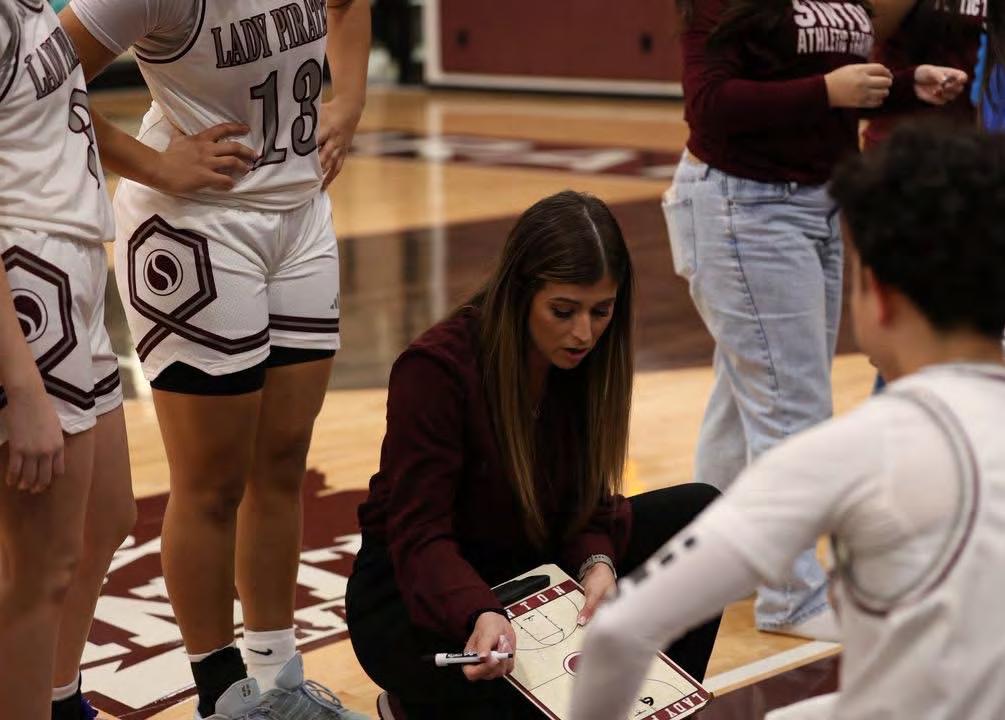
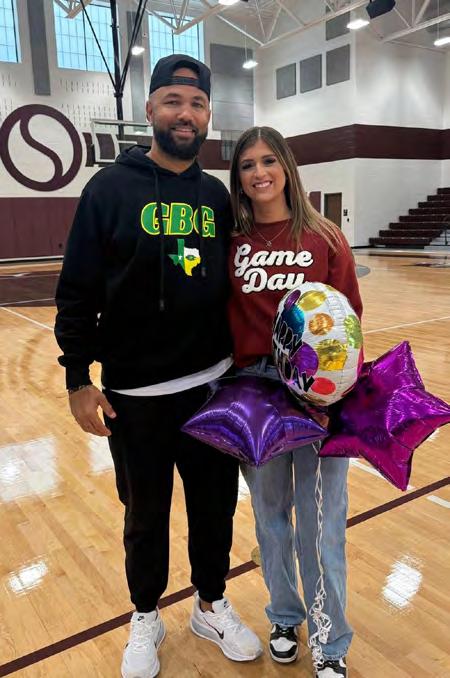
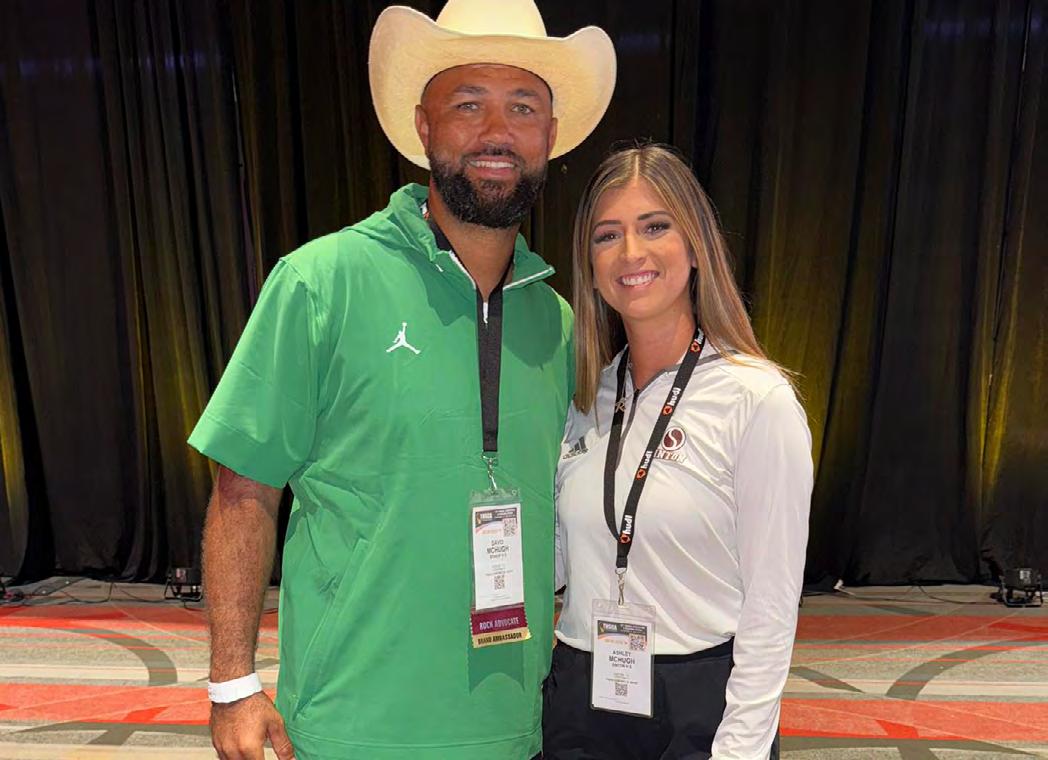
The Rising Stars: Rachel Buckley, Head Volleyball Coach, Hebron High School, Ashley McHugh, Head Girls Basketball Coach, Sinton High School
"Things aren't what they used to be" is a phrase every young coach knows well. While times change, the passion for student-athletes stays the same. Through some great starts in their programs, these two coaches prove the future of the profession is in good hands: Ashley McHugh and Rachel Buckley.
In her sixth year of coaching, Coach McHugh climbed the ladder from middle school to Head Girls Basketball Coach at Sinton High School. Coach Buckley made her coaching debut in 2018 ,where she now leads her alma mater, Hebron High School, as the Head Volleyball Coach. Both were standout athletes who have smoothly transitioned into leaders in their programs. Though they are considered "rising stars," they put that pressure on themselves to continue building a culture of excellence that will last for generations.
What was the biggest obstacle you faced when you first started coaching?
Coach Buckley: One of the biggest obstacles for me when I first started coaching, and still something that I am constantly working through, is the balance between club volleyball and high school ball, especially in the offseason. Club volleyball is more demanding than it was when I was in high school, and even just 10 years ago when I was an assistant coach. My girls that play club are really never in an off-season. In fact, they end up being in tournament season for months, which makes heavy lifting and intense conditioning more detrimental than beneficial on their bodies, but we all know that the offseason is the prime time to really build that muscle and push limits in conditioning. So, balancing going hard and giving them recovery has been challenging.
Coach McHugh: The biggest obstacle was honestly learning to trust myself. I was young. I am intense. I cared and still care a lot. I always wondered, “Am I doing enough? Or is what I am doing good enough? Am I saying the right thing? Do they believe in me?” I had to learn that leadership doesn’t come from having all the answers, it comes from consistency, relationships,
and showing up every single day. I was and I still am hard on my kids because I saw what they could be. Over time, I realized that when they know you love them, they’ll let you push them. That balance took growth.
What is the one piece of advice you'd give a young woman considering a career in coaching today?
Coach Buckley: I have two pieces of advice, and they kind of work hand in hand. 1. Don't lose yourself in this career; it's easy to do. For example, “Don't forget who Rachel is on the journey of being Coach Buckley.” 2. You will never please everyone; and everyone won't like you, no matter what you do. Know who you are, stay close to yourself, your values and your Higher Power, so that you are confident that the choices you are making are what is best for your team and program as a whole. If possible, surround yourself with a staff you trust and can lean on; but be ready to make the final call and stand by it.
How do you balance the demands of coaching with life outside of school?
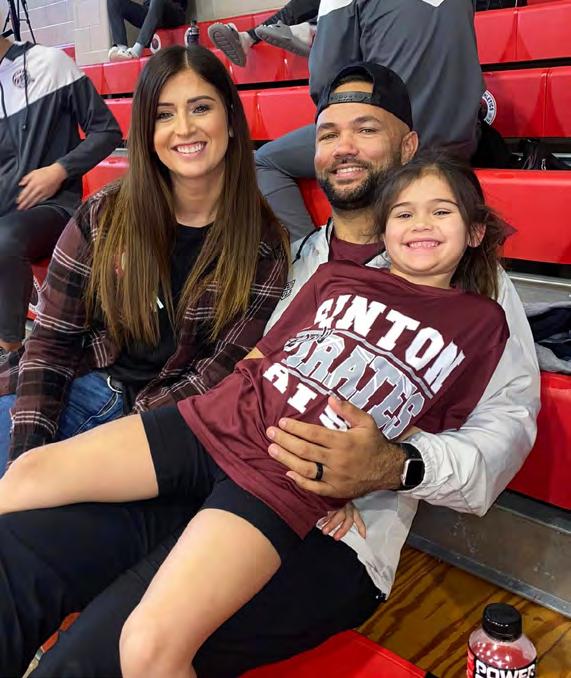
Coach McHugh: Balance is never perfect; it’s intentional. My family is part of my coaching journey, not separate from it. My husband is also a Head Football Coach at Bishop High School. Our two girls have grown up in gyms and on sidelines. They see the work. They see the heart behind it. I’ve learned that when I’m home, I need to be present. When I’m at practice, I’m all in. Coaching can consume you if you let it, but at the end of the day, championships are special while your family is permanent. So I protect both with purpose.
While we celebrate the rise of female leadership, it is important to acknowledge that this progress doesn't happen alone. Many of the coaches featured here credit their success to a foundation of faith, family, and passion for the game. As a coach myself, I want to honor the men who have stood alongside us: the spouses, colleagues, and administrators who mentor with integrity and fight for the profession as a whole. They don’t just see a 'female coach'; they see a peer and a leader. Together, we are navigating an era of Texas high school sports and a shared commitment and vision to the athletes we serve.
You deserve more than healthcare.
You deserve compassionate care.
Personalized healthcare when you need it most
Your questions and concerns about your health matter. Ascension Seton care teams are here to empower you and your family by listening, respecting your experiences, and creating a care plan that works for you. You deserve to be seen and heard. That‘s why our doors are always open to provide health and healing, for the whole you — body, mind and spirit. To us, you are more than a patient. And together, we are a community.
TITLE
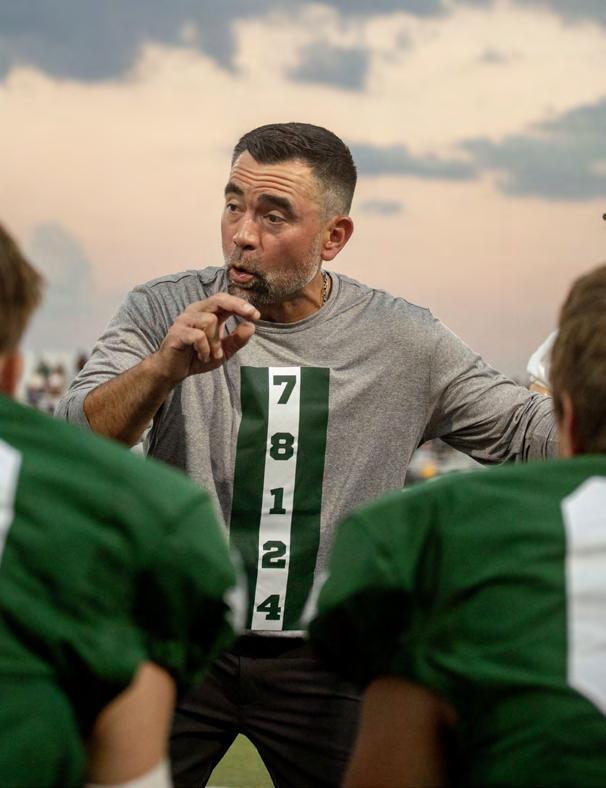
LEADING TWO LOCKER ROOMS: COACHING AT WORK & AT HOME
BY DAVID MCHUGH HEAD FOOTBALL COACH/ATHLETIC COORDINATOR | CORPUS CHRISTI MILLER HS
As coaches, we spend hours building a program.
We script practices down to the minute. We demand communication, accountability, and toughness. We correct mistakes in real time and expect our players to respond the right way.
We talk constantly about standards. The reality is, the most important standard we set might not be only in our locker room. When I leave the field, I’m not leaving coaching. I’m walking into another locker room.
At home, my wife is a head basketball coach. My nine-year-old daughter, Riley, is juggling basketball, softball, and track. And my one-year-old Jordyn, is just getting started; but for us, coaching isn’t something we turn off. It’s who we are.
When Coaching Lives in Your House
In most homes, there’s a separation between work and family. In ours, the lines blur.
We sit down for dinner and talk about practice structure, culture issues, effort in the weight room, and kids who need more than just coaching. My wife might be breaking down a defensive rotation from her game, and I’m talking through red zone struggles, practice tempo, or how we’re communicating adjustments to our quarterback. Some nights it’s strategy. Some nights it’s frustration. Most nights, it’s both.
Sitting right there in the middle of it is Riley listening, asking questions, soaking it all in. She’s been around gyms and fields her whole life. One
night she’s at my practice, the next morning she has a pillow and a blanket in the bleachers at 5:30am at moms practice. She’s learning what leadership looks like long before anyone ever formally teaches her.
Jordyn may not understand it yet but she’s growing up in an environment where energy, passion, and communication are constant. Communication isn’t just something we teach in our programs. It’s the foundation of our home.
The Season Never Ends
Football coaches love to talk about the grind of the season. When you’re married to another head coach, the grind doesn’t take turns; it overlaps.
During football season, I’m deep into game plans, practice scripts, and Friday night decisions. We’re installing inside zone, play action off of it,
and making sure our kids understand not just what to do, but why we’re doing it.
At the same time, my wife is preparing for her basketball season, building her rotations, installing her system, and continuing her culture.
Then when football ends, basketball is in full swing. There’s no real offseason; just different uniforms.
That constant movement forces you to be intentional with your communication. There are nights when one of us needs to talk about a tough loss. Maybe it’s a game that slipped away, a fourth down decision, or a kid you know you could’ve reached better.
Then there are nights where the best thing we can say is:
“Let’s not talk about it tonight.” As coaches, we’re wired to fix things. At home, sometimes the best communication is knowing when not to.
Friday Nights and the Ride Home
There’s nothing like Friday night football in Texas. The preparation, the pressure, the expectations it all builds to that moment. You spend all week emphasizing communication getting the call in quickly, making sure your quarterback sees the coverage, making sure your defense is aligned and speaking the same language.
When communication breaks down on Friday nights, everything breaks down:
A missed call.
A blown assignment.
A moment of hesitation.
That’s the difference in a game. What people don’t always see is what happens after:
The locker room speech.
The quiet moments.
The drive home.
Win or lose, your mind is moving. After a win, you’re correcting mistakes.
After a loss, you’re replaying everything.
I’ve had nights where I walk in the door, and my wife doesn’t need to ask how it went. She already knows. That’s the advantage of being married to another coach. There’s no explaining the pressure; no explaining the responsibility you feel toward your players.
There’s also a responsibility that comes with that understanding. I can’t bring the locker room home in a negative way.
My players deserve my best on Friday night. My family deserves my best when I walk through the door. That’s not always easy.
Coaching on the Field vs. Coaching at Home
On the field, I’m direct.
We emphasize accountability in our program. If a receiver runs the wrong route, we correct it immediately. If effort isn’t where it needs to be, we address it right there. Our standard is our standard.
I’ve had to learn sometimes the hard way that the same communication style doesn’t always work at home. Riley doesn’t need a coach when she’s had a tough game. She needs a dad.
There have been times after one of her games whether it’s basketball, softball, where my first instinct is to “coach it.”
“Hey, next time you need to—”
“You should’ve—”
“What if you—”
I’ve had to catch myself. Because what she really needs in that moment is:
“I’m proud of you.”
That doesn’t mean we don’t talk about improvement. It just means timing matters; tone matters; and understanding who you’re talking to matters. The same is true in football.
You don’t talk to your senior quarterback the same way you talk to a freshman lineman. You don’t coach your most confident kid the same way you coach one who’s struggling to believe in himself.
Communication is never one-size-fits-all.
The Little Eyes Are Always Watching
One of the biggest realizations I’ve had as both a coach and a father is this:
People are always watching how you communicate. Our players are watching how we handle pressure, how we talk to officials, how we respond to adversity.
At home, it’s even more important. Riley is watching how I talk about my players. She’s watching how I treat her mom after a tough loss. She’s watching how we handle stress, time, and each other. Jordyn she’s watching too, even if she doesn’t fully understand it yet. That changes you; because you realize your words don’t just impact your team. They shape your family.
Building Buy-In in Both Locker Rooms
In football, we talk all the time about buy-in. You don’t get it through schemes. You don’t get it through slogans. You get it through trust. The same applies at home.
If I expect my players to trust me, I have to communicate clearly, consistently, and honestly. If I expect my family to feel valued, I have to do the same thing. That might look like:
• Putting the phone down after practice and being present
• Showing up to Riley’s games with the same energy I expect on Friday nights
• Supporting my wife not just as a coach, but as a partner
Because leadership isn’t situational; it’s consistent.
Two Locker Rooms, One Standard
I used to think I was balancing two separate roles: Head football coach; Husband and father; But I’ve realized they’re not separate; It’s one standard.
The way I communicate with my players affects how I communicate at home. The way I handle adversity at home affects how I lead on the field. It all carries over. And if you get it right, both locker rooms benefit.
Final Thought
At the end of the day, wins and losses will fade: scoreboards reset; seasons end. The impact of how you communicate that stays.
Our players may not remember every play we call. They’ll remember how we treated them, and how we led them.
Riley, and Jordyn? They remember even more. Because for them, we’re not just coaching a team. We’re setting the standard for how to lead a life.
Moving the Needle on Effective Coaching
What 34,000 student-athletes tell us about the coaches who change lives
A report by EverRise in partnership with the FAIR Foundation | Spring 2026 Edition
For high school student-athletes around the country, the athletic field can serve as an extension of the classroom. The lessons learned in gymnasiums, on fields, and courts nationwide are immediate and can have a lasting impact, extending and deepening what students learn in the classroom
A new national study from EverRise, conducted in partnership with the FAIR Foundation and researchers from The University of Texas at Austin led by Dr. Joshua Childs, puts data behind that reality Surveying nearly 34,000 high school student-athletes in grades 9-12 across thirteen states, the Spring 2026 edition of Moving the Needle on Effective Coaching identifies the specific coaching behaviors that build confidence, resilience, and character - and offers a clear framework for what it means to coach effectively
The Six Pillars of Coaching Effectiveness
At the heart of the report is a framework called the Six Pillars of Coaching Effectiveness, a research-backed model of coaching leadership that quantifies the relationship and experience between a student-athlete and coach
The pillars are:
Connection
Psychological Safety
Structure
Communication
Skill Development
Challenge
The depth and quality of the respect, engagement, and trust between a leader and those they lead
Constructing a healthy environment that allows growth and development without fear
Establishing an organized, consistent, and predictable team environment
A leader ’s capacity to effectively share information, strategies, and expectations.
Advancing competence and technique so everyone performs to the best of their ability.
Creating unique growth opportunities for each person to move them out of their comfort zone
What the Data Reveals
The study produced three headline findings that should reshape how coaches think about building a program. Throughout this report, correlation scores (r values) measure the correlation coefficient, meaning that as one question increases, the likelihood of the other question increasing at the same time is represented by a decimal The closer the score is to 1 0, the stronger the connection
1. Fun isn't optional - it's the engine of elite performance.
The strongest statistical finding in the entire dataset is the relationship between an athlete's sense of fun and their overall confidence: r = 0.776. That is a near-perfect correlation. When athletes enjoy their environment, their intrinsic motivation rises, they stay more engaged during challenging drills, they acquire skills faster, and their confidence grows. This strong statistical link suggests that enjoyment is not merely a superficial byproduct of participation but a fundamental driver of an athlete's psychological belief in their own abilities
r =
0.776
Correlation between athlete enjoyment and overall confidence. When a coach prioritizes making the sport engaging and enjoyable, they are simultaneously laying the groundwork for the athlete’s self-efficacy.
"Athletes do not find ‘fun’ in the absence of work, but in the presence of meaningful, engaging, and successful work." - Moving the Needle on Effective Coaching, Spring 2026
2. How a coach reacts to a mistake is the most critical moment in athlete development.
81 4% of student-athletes in the study agreed that their coaches have appropriate reactions to mistakes, and the data shows this single behavior correlates directly with athlete confidence (r = 0.654). When a coach responds calmly and constructively after an error, they send a signal that mistakes are data points, not defining moments That environment of Psychological Safety frees athletes to take the creative risks that are required for peak performance.
88.4% of student-athletes reported their coach helps them respond under pressure, which is directly linked to coaches having appropriate reactions to mistakes.
3. Connection must come before correction.
87 2% of athletes feel their coach believes in them That belief is not soft - it is empowering The data shows a strong correlation (r = 0.71) between an athlete feeling like an important part of the team and the coach's overall belief in them Athletes who feel seen and valued are more willing to accept difficult feedback, are more resilient under pressure, and more likely to perform to the best of their abilities Connection is the gateway through which all other coaching influence flows.
Athletics Is Co-Curricular, Not Extra-Curricular
One of the report's boldest arguments is also its most timely The authors make a clear case that high school athletics should no longer be called "extra-curricular." The evidence shows that the athletic field is a co-curricular environment, one where some of the most important educational lessons of a student's life are taught
District Athletic Director Christopher Poynter of Maury County Public Schools put it plainly in the report's foreword: the school day does not end at 3:00 pm. It ends when the last student goes home. Coaches are educators Their classroom just happens to have turf or hardwood
Implications for Athletic Directors, Coaches & District Leaders
The report goes beyond diagnosis and offers a concrete framework for action. For athletic directors evaluating program health, the Six Pillars provide a concrete framework for coach development that goes beyond win-loss records and in-game statistics For district leaders, with over 34,000
student-athlete responses, this research provides districts with quantifiable, actionable data, shifting coaching from an anecdotal strength to a more measurable part of student development The authors recommend that evaluation rubrics include metrics on athlete retention, perceived support, and academic engagement
For coaches, three practical shifts stand out from the data:
1 Design practices to include “Games.” Bringing elements of play into practice does not mean lowering standards It means creating challenges that are intrinsically rewarding A practice environment with room for competitive games produces better skill acquisition and reduces burnout
2. Standardize your response to mistakes. Rather than leaving your reaction to the moment, develop a personal "Reset Protocol" - a consistent, constructive approach to errors that signals safety and keeps athletes focused on solutions, not self-preservation
3 Invest in the relationship before the skill. The data is unambiguous: Connection precedes effective correction. Knowing your athletes as people - not just performers - creates the trust that allows you to push them harder and further
"By focusing on the Six Pillars, coaches can ensure that student-athletes are not just becoming better players, but more resilient, confident, and growth-minded adults." - Moving the Needle on Effective Coaching
The full report, including complete data findings, methodology, and practitioner recommendations, is available at EverRise.ai - a worthwhile read for coaches, athletic directors, and decision-makers across the field of education invested in the future of interscholastic athletics
Citation: EverRise, Childs, J , Fousek, B , Navarrete, J , & Fair Foundation (2026) Moving the Needle on Effective Coaching Retrieved from EverRise.ai.
Read the Full Report
Scan the QR code or visit EverRise ai to access the complete Spring 2026 edition of Moving the Needle on Effective Coaching
VIDEO SCOREBOARD FOOTBALL
Fire up athletes, fans, and sponsors with a scoring and entertainment system from Watchfire. We engineer and build our own football scoreboards from the ground up. That's why our videoboards outhustle and outlast, making your program shine season after season.
Co
THE IMPORTANCE OF MENTAL HEALTH WITH STUDENT-ATHLETES
By Kaitie Kasperitis
May is Mental Health Awareness Month. With as much effort that we put into the importance of the physical and tactical components of our sports, we must also invest that same energy into the mental and emotional well-being of our teams. Performance and success is not just physical; it is deeply mental. If we neglect the mental side of the game, we are limiting our athletes’ potential both on and off the field.
In today’s world, it often feels easier to dwell on the negatives rather than recognizing the positives. We live in a world heavily influenced by social media and technology. We are constantly comparing ourselves to others. An environment has been created where our athletes feel under more pressure than ever. Our thoughts and words shape our realities just as much, if not more, than our actions. What we say to ourselves and others matters. The more we repeat something, the more true it begins to feel. I know firsthand just how challenging this can be. I am often my own biggest critic. As a perfectionist, I want immediate results and have set the expectation bar for myself pretty high. That mindset can and is difficult to manage. It can be motivating but also limiting. There have been times where I have allowed the negative self-talk to creep in and take over. Athletes experience this same internal pressure mixed with various external pressures that they encounter in their young lives. As coaches, we need to teach our athletes, and ourselves, to be more positive and to focus more on the positives. As coaches, we must intentionally
model and teach positivity, how to bounce back from mistakes, and that the importance of grit, resilience, and determination are contributing factors to success.
How do we react when mistakes happen? There are some sports where you can take a “time-out” and regroup. In soccer, however, the game is fastpaced and free-flowing. There are no timeouts to be able to regroup. Therefore, players do not have time to dwell on mistakes. I constantly see players dwelling on mistakes they’ve made. Being able to reset quickly, move on from mistakes, and refocus is a critical skill and one I believe is not practiced and reinforced enough. Players have to be able to reset mentally or “snapback” after a mistake is made. Being able to do so quickly can make all the difference for the individual player and for the collective team.
Have you ever had a player that was “in their head”? I know I have. As a player, I would get in my own head. My mom would constantly yell at me from the sidelines “get out of your head!” I never knew what that really meant until I got older and became more in tune with the importance of mental health. Many athletes struggle with overthinking during their competitions. They become hesitant and are afraid to make mistakes. Players may go out on the field/court and play cautiously because of this fear. They are looking to avoid failure. Young athletes are often aware and critical of their performance, while often hyper-focusing on the perceptions from their
head girls soccer coach - stephenville H.S.
peers, teammates, family, and coaches. Those that are people-pleasers are constantly worried about letting others down. The result becomes cyclical… make a mistake, dwell on it, stop playing to their full potential because they’re overthinking, make another mistake.
How do we get out of this cycle and build the necessary skills to improve the mental fortitude of our athletes? What I’ve used are reset routines, confidence cues, visualization, and controllables. Reset routines consist of breath work and a physical cue to “snapback” into their game. A snapback is a physical cue to help the athlete get some of the pent up, negative energy out. It can be something like a clap or even a tug on the jersey. They can also consist of specific words/phrases to say outloud, such as “Next one” or “I’m good.” All of these can be used to interrupt negative thoughts and to help refocus on the present moment. Another effective strategy is the use of confidence cues. These are short, intentional phrases that athletes repeat to themselves in order to build confidence and to stay composed. Specific phrases to focus on and positive self-talk can help athletes regain control of their mindset during high-pressure moments. Find what works for you and your athletes.
As coaches, we sometimes get caught up in “what is going wrong?” or “what do we need to do better?” I know I do. Positive self-talk and positive reinforcement plays a powerful role in the mental game. Many athletes thrive on words of affirmation. A simple “Great job” or acknowledgment of effort can help to build confidence, reinforce positive behavior, and help shift an athlete’s mindset. Think about a time when your hard work was recognized. How did it affect your motivation and confidence? For many athletes, those moments matter more than we realize.
Visualization is also a powerful tool. With visualization, athletes can begin to mentally rehearse successful plays, movements, or game situations. I used this one a lot when I played in high school and college. By seeing themselves in action and being successful, they are able to build confidence and prepare their minds to be able to respond if/when it happens in a game. One aspect that we constantly
forget about within sports are controllables. There are things that we can and cannot control when we are playing. We cannot control the weather, the officials, or the opposing player(s)/team. If we channel our energy to focus on those, it’s wasting valuable energy and mental space. What we can control is our own individual effort and attitude. Being able to focus on the controllables helps athletes stay grounded and shift their attention to what they can directly do to influence a specific moment with the game.
Athletes carry stress from school, friendships, relationships, family, and personal expectations. We must remember that we never fully know what someone else is going through. Bad moments and bad days happen. Supporting an athlete's mental health is a foundational part of coaching, not just extra. When we prioritize the mental and emotional well-being of our athletes, equip them with the necessary tools like reset routines, confidence cues, visualization, and a focus on controllables, and provide a culture/environment that is accepting, empathetic, and understanding, we not only improve performance, but we also help shape stronger, more confident, and more resilient individuals. Implementing some of these methods is easier said than done. I know it feels like we may not have enough time in the week to include these techniques. But what we see on the field with the skills and tactics is only a small part of the whole game. These techniques can and will help improve your players and your team.
Supporting the mental health of our athletes isn’t just beneficial–it’s essential.
MY DAD, MY COACH, MY FRIEND
By Troy Moses Pleasanton HS - Offensive Coordinator
My father, Tommy Moses, spent his life serving others, most of it in Orange Grove, Texas. He grew up there, graduated from Orange Grove High School, and after college at Texas A & I and the start of a family and coaching career, he found his way back home. Once he returned, he never really left—not physically, not emotionally, and certainly not in spirit.
In Orange Grove, my dad wore a lot of titles: Athletic Director, Head Football Coach, Principal, Church council member, Volunteer for just about anything that needed doing. If someone asked for help, the answer was always yes. He showed up for people—quietly, consistently, without expecting recognition. He served his community well, but what he did better than anything else in his life was being a father. When I look back on my life, I don’t think my dad ever did anything by accident. At the time, I couldn’t have explained it that way—but now I see it clearly. Every lesson, every expectation, every long day was part of a bigger plan. He was shaping me with purpose, long before I understood what that meant. As a father, a coach, and eventually a friend, he taught me how to work, how to lead, and how to live with integrity. Those lessons didn’t come in lectures. They came in moments, routines, and time spent side by side.
Some of my earliest memories are inseparable from my dad. If he was doing something, I was usually right there with him: Working on an old car, fixing something around the house, or spending long hours in the yard—it didn’t matter what the task was. I was his helper. My dad could do just about anything: carpenter, electrician, mechanic. Without ever making a big deal of it, he
passed those skills along to me. I was the runner, the assistant, the extra set of hands. “Troy, go get this. Troy, grab that.” At the time, it felt like constant work. Now, I recognize it as constant teaching.
Every summer brought a new project. Our home in Orange Grove seemed to evolve year after year, especially the kitchen—which I’m convinced we remodeled at least four times. I’m pretty sure we rebuilt the fence three times as well. Those projects weren’t really about the house. They were about pride and patience, about learning that doing something the right way mattered, even if it meant doing it more than once. I learned that lesson mowing the yard and washing the cars too—jobs that were often redone if they didn’t meet his standard. I didn’t always appreciate it then, but I do now. That discipline stuck with me. To this day, I still can’t stand a dirty car, and I genuinely enjoy yard work—small habits that trace back to much bigger lessons.
When I wasn’t with him at home, I was with him at school—at the field house, the practice field, the gym, or the track. My childhood was spent watching my dad be more than just my dad. He was a father figure to countless young athletes. Even then, I think he knew what he was doing. By watching him coach others, I was learning how to treat people, how to lead, and how to hold others accountable without losing their respect.
From the moment I could walk, I was part of his teams. I filled water bottles, moved equipment, helped with laundry, and did whatever small job needed to be done. Sometimes I helped. Sometimes I was a distraction. Sometimes I got called out for it. Looking back now, I can only imagine the patience he had with me.
Being the coach’s kid was a privilege I didn’t fully understand at the time. Standing on the sideline on Friday nights as an elementary school kid filled me with pride. As I grew older, my responsibilities grew with me—water boy, ball boy, stat keeper. All the while, my dad was doing what great coaches do best: taking a young boy and slowly, intentionally molding him into a young man.
Eventually, my Dad became my Coach.
When I was finally old enough to play for him,
the relationship shifted. He hadn’t coached many of my earlier teams, but when I thought about what a coach was supposed to be, I thought of him. When he coached me, he was harder on me than anyone else. His expectations were high, and he never lowered them just because I was his son. He pushed me because he believed in me—even when I didn’t believe in myself.
Like most teenage boys, I was convinced I knew more than my dad. That made those years challenging for both of us. We butted heads more than once. There was a moment in the locker room when a disagreement became very public—chairs thrown, doors slammed, voices raised. At the time, it felt harsh. Looking back, I understand what it really was: leadership. The message was clear—not just to me, but to the entire team—that when he spoke, it mattered.
Even in those difficult years, he never stopped believing in me. He gave me confidence, pushed me beyond my comfort zone, and taught me what accountability really meant—not just to myself, but to a team.
What stood out most was that he wasn’t just coaching me. He was still being “Dad” to a lot of kids— giving rides home, offering guidance, mentoring those who needed it. He took an interest in my friends, held them to the same standards he held me to, and treated them like family. Some of my strongest friendships today were forged during those years, and I know my dad played a role in that.
He taught us about sacrifice and commitment— about doing the extra work when no one was watching. I remember running track workouts after baseball games, sometimes late at night under the lights. I was rarely alone. My teammates were there with me, whether out of loyalty, respect, or friendship. Either way, my dad showed us what it meant to be part of something bigger than ourselves. Those bonds have lasted a lifetime, and I know those men would be there for me if I ever needed them. I hope they know I’d do the same.
When I graduated high school and left for college, my relationship with my dad changed again. He wasn’t coaching or instructing anymore—he became a mentor. He understood that his role now was to support me as I made my own decisions. I never struggled with choosing a career path. I WANTED TO BE LIKE DAD. Education and coaching felt natural.
During college, he offered advice, but the choices were always mine. I didn’t always make the right ones. Sometimes I ignored his guidance completely. He never shielded me from the consequences—but he was always there when things didn’t go as planned. Dad’s support during those years never wavered. He made sure I had what I needed, and he never missed a game—no matter the distance. Arkansas. Alabama. New Mexico. Even North Dakota. Of course Mom was always there as well.
When I began my coaching career in the Austin area, the relationship shifted once more. I found myself calling Dad for advice more often—this time seeking it instead of resisting it. When he called me, it was simply to check in; to talk; to stay connected.
As my own life grew—marriage, children, family— those conversations deepened. We talked less about football and more about life; about raising kids; about being present. I tried to model my life after his example: loving my wife, providing for my family, and leading with toughness and integrity.
Some of my favorite memories are those quiet earlymorning conversations over coffee. By then, he wasn’t just my dad—he was my friend.
Being a father is tough, I haven’t always gotten it right. There are times I’ve felt like I failed completely. When I watch how my children treat their grandparents and others, I know my wife and I have done something right. I know exactly where that example came from.
My dad taught me how to be a father, how to be a coach, and how to be a friend. His influence didn’t end with me—it lives on in my children, and someday, in theirs. That was his plan all along.
Reliable In-Game Video Replay
• Analyze plays in the coaches’ booth
• Use our favorites and data to optimize your halftime strategy
• Videos are stored locally on iPads, allowing you to easily watch in the locker room and on the bus ride home
“SkyCoach allows our staff to see what is happening in between series and make needed in-game adjustments on the fly.”
-
Ian Nichols, Mill Valley Assistant Coach
Struggling with your current replay system?
It’s NOT too late to sign up with SkyCoach!
Teaming Up With Texas Since 1975
Fifty years ago, Sam Walton handpicked the town of Mount Pleasant for its first Texas-based Walmar t. It’s not just about building stores and clubs it’s about investing in associates, backing Texas manufacturing, par tnering with teachers, suppor ting local businesses and giving back to communities from El Paso to Texarkana, Amarillo to Brownsville and more than 500 other locations in between.
Learn how we’re making a difference in the Lone Star State at Walmar t.com/Texas.