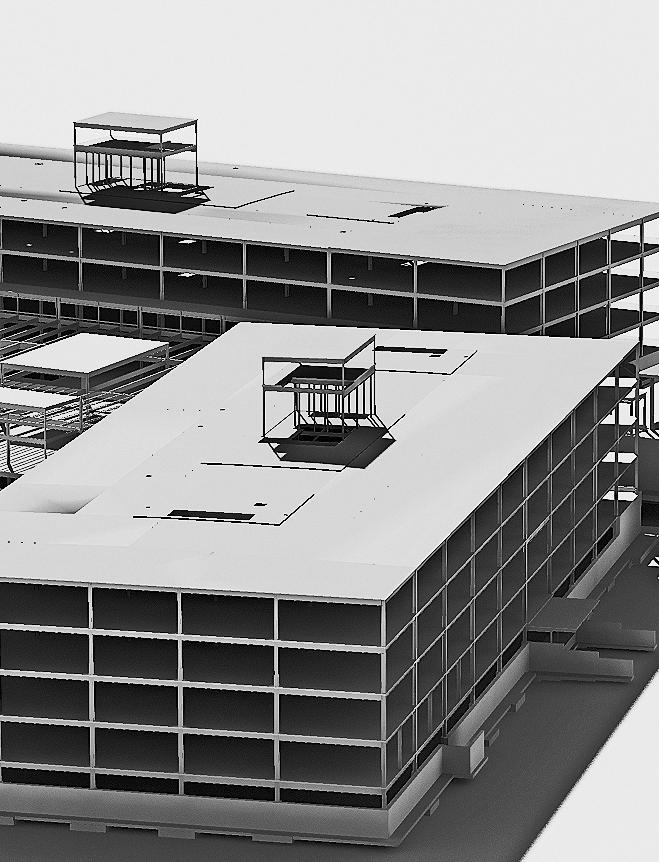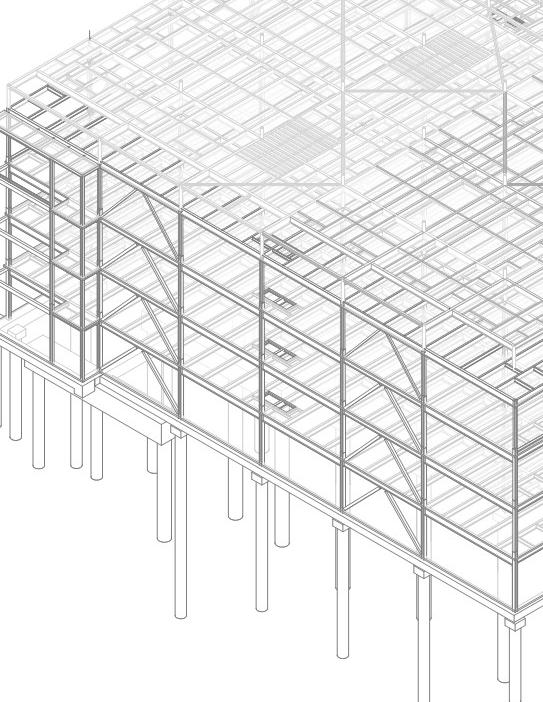

DE-RISKING DATA CENTER ENVELOPE PERFORMANCE
CRITICAL FACILITIES
© James Steinkamp, Design by Gensler
Verifying performance before operations begin.
THE BUILDING ENVELOPE IS PART OF DATA CENTER RELIABILITY
The most disruptive building envelope issues are often not discovered until a data center is operational — when they become significantly more difficult and costly to resolve. Building Envelope Commissioning (BECx) provides quality assurance throughout design, construction and early occupancy, helping project teams verify envelope performance while corrective action is still practical.
What’s at risk?
• Air leakage can increase cooling demand
• Moisture intrusion can compromise building assemblies
• Thermal bridges can create condensation
• Small façade inconsistencies can affect long-term performance
SQUARE FEET OF COMMISSIONED BUILDINGS
1.5M + 100 +
BUILDING ENCLOSURE SPECIALISTS
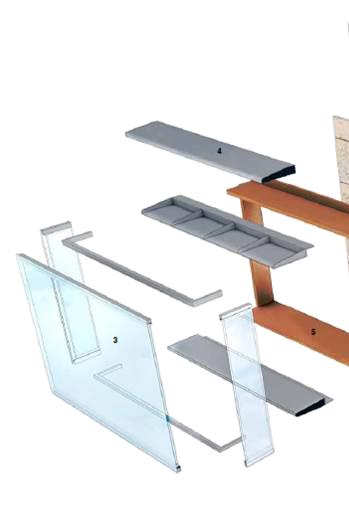

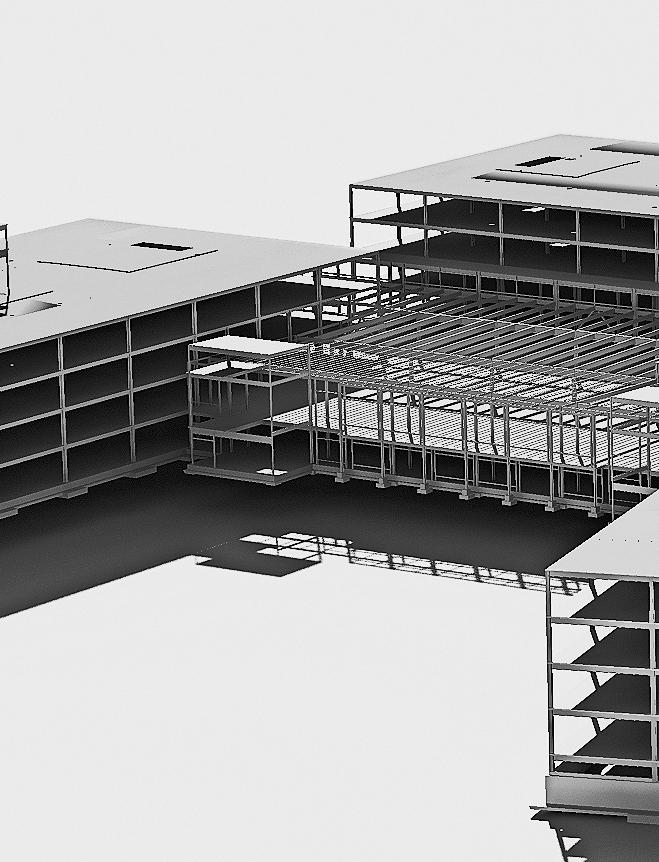
BEC x : QUALITY ASSURANCE FOR THE ENVELOPE
A quality assurance process that verifies the building envelope performs as intended from design through early occupancy.
VALIDATE EARLY
Confirm the owner’s project requirements and design intent, define testing needs, and peer review drawings and specifications before details and procurement lock in.
MONITOR
IMPLEMENTATION
Independent design and submittal reviews, construction observations, and performance testing help verify that the envelope is being built and performs as intended.
VERIFY IN OCCUPANCY
Verification continues into early occupancy to confirm the envelope is performing under real operating conditions before end of warranty period, and identify issues that may not have been evident during construction.
One part of a larger building system
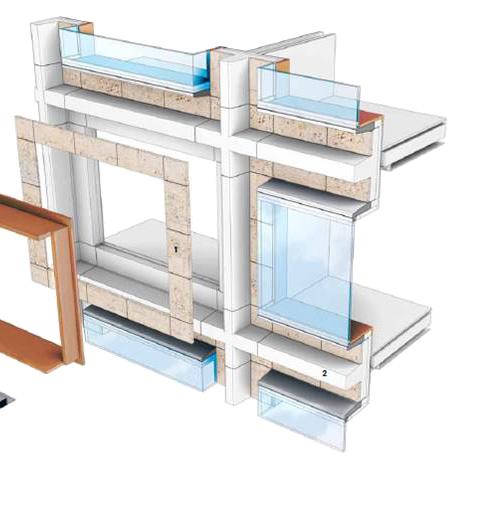
The building envelope does more than protect against the elements; its performance influences structural movement, thermal efficiency, moisture management, acoustics, and the environmental conditions that mechanical systems are designed to maintain.
For data centers, where reliability depends on multiple systems working together, evaluating these relationships together identifies coordination issues that may not be visible when each discipline is reviewed independently.