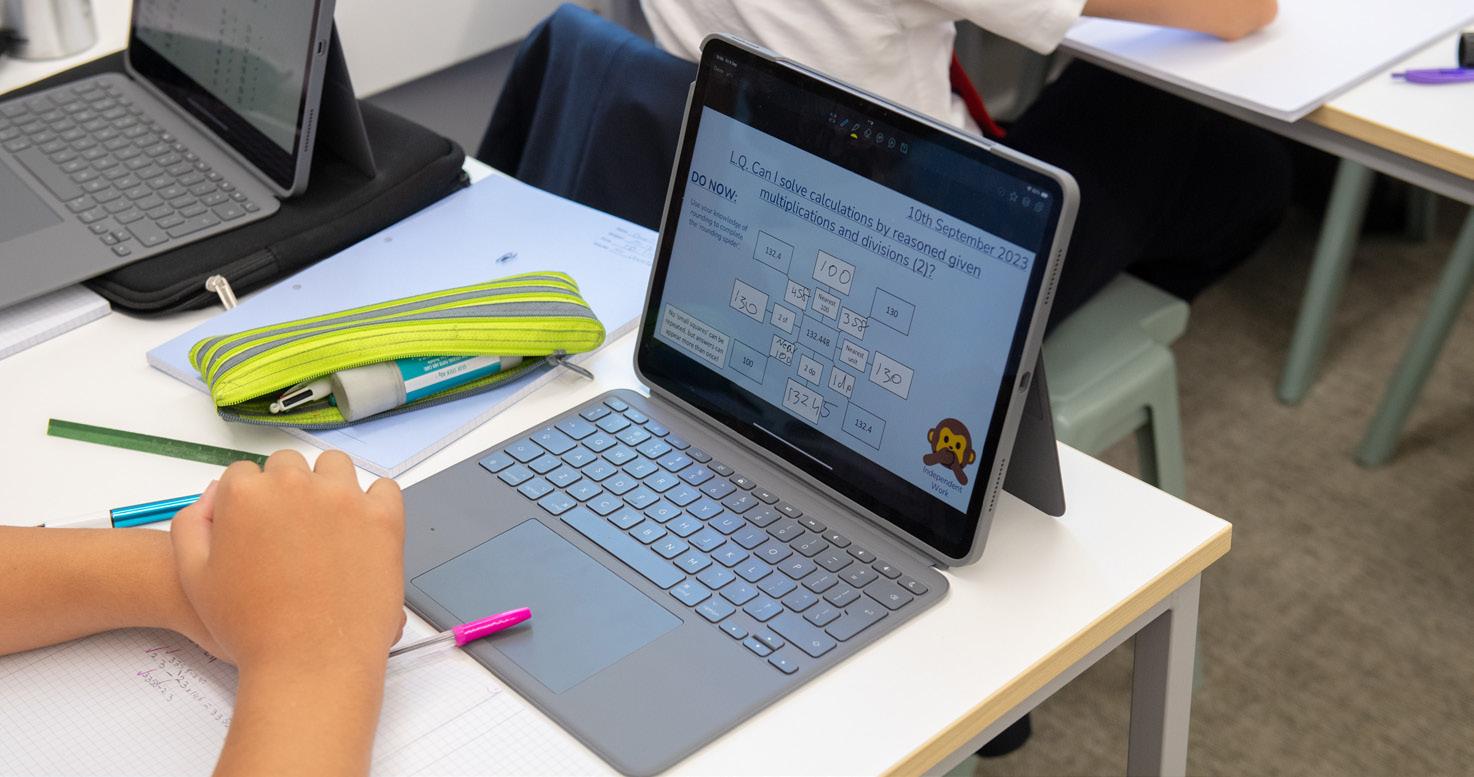
Digital skills, analogue childhood
Creativity, play, learning and wellbeing in the digital age

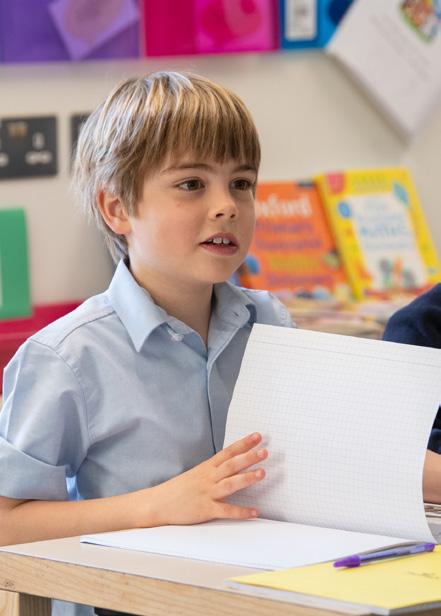


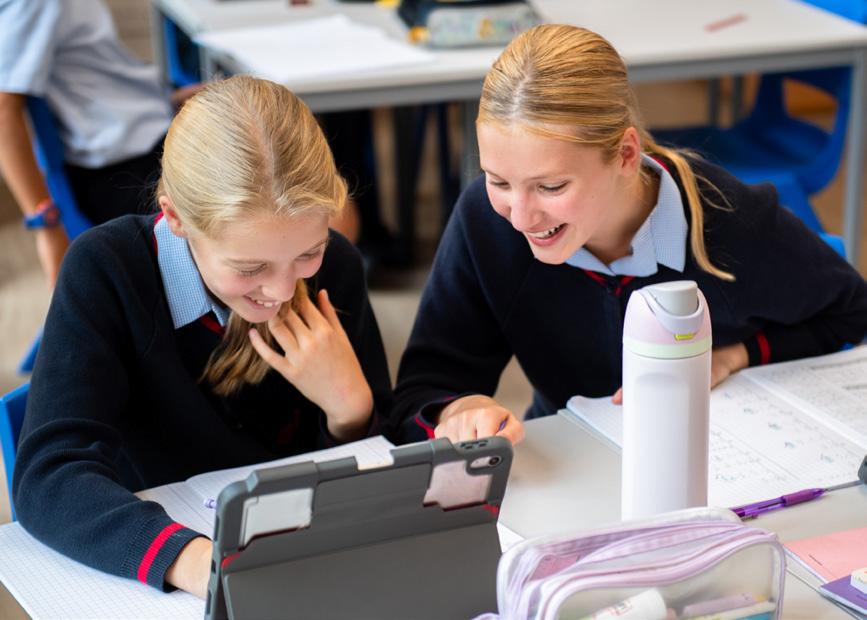
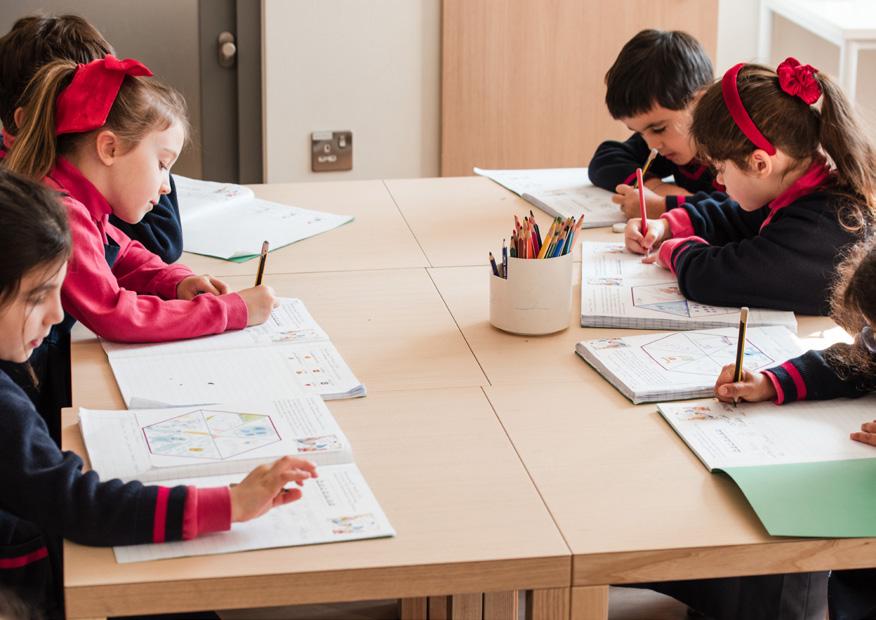
Creativity, play, learning and wellbeing in the digital age

Discussion, research and imagination drive all learning
Helping children focus and connect in the real world
Championing childhood through creativity and human interaction
Digital Lab: best-in-class teaching of digital skills and safety
Strict digital use limits in place
Purposeful technology, not passive screentime
Parents stay in control of take-home devices
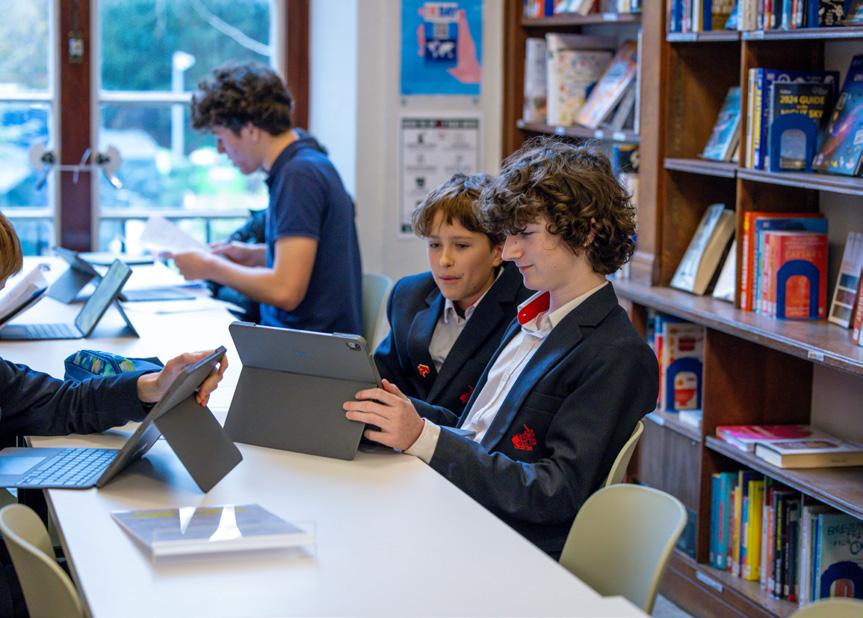
Phone-free from the earliest years to Sixth Form
The Thomas’s Tech Test: technology only used to enhance learning, or where the task can be done no other way
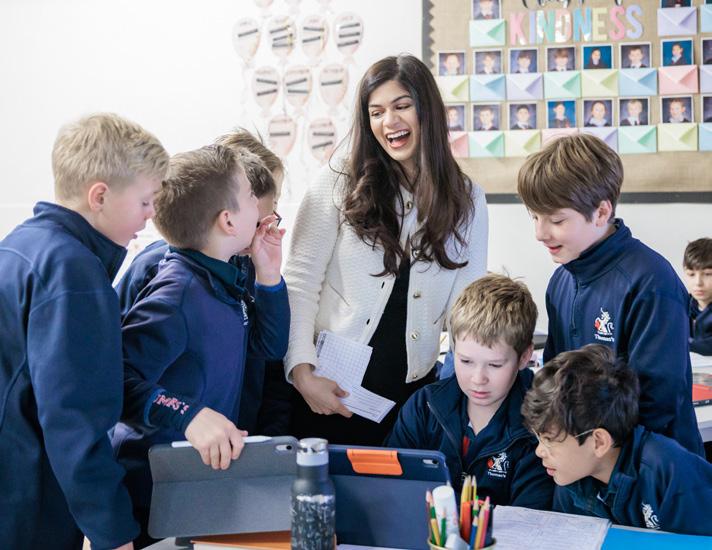
Phone-free and device-free in youngest years.
Parents to choose if and when any devices come home for older pupils, with sector-leading parental and safety controls.
Digital Lab: an outstanding bespoke digital curriculum focused on creativity and safety.
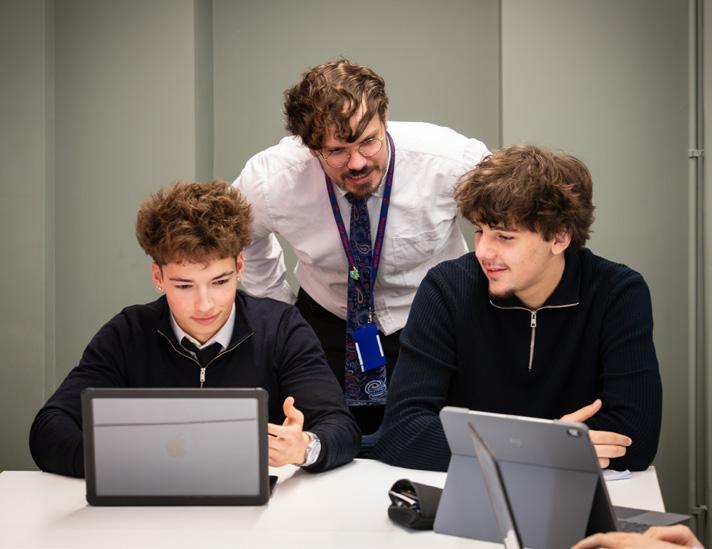
Phone-free to Sixth Form and no use of phones around campus by older students or staff.
Parents to choose if devices come home in Years 7&8, in line with Thomas’s Preps.
Gradual introduction of device autonomy from Year 9 upwards, with careful controls retained.
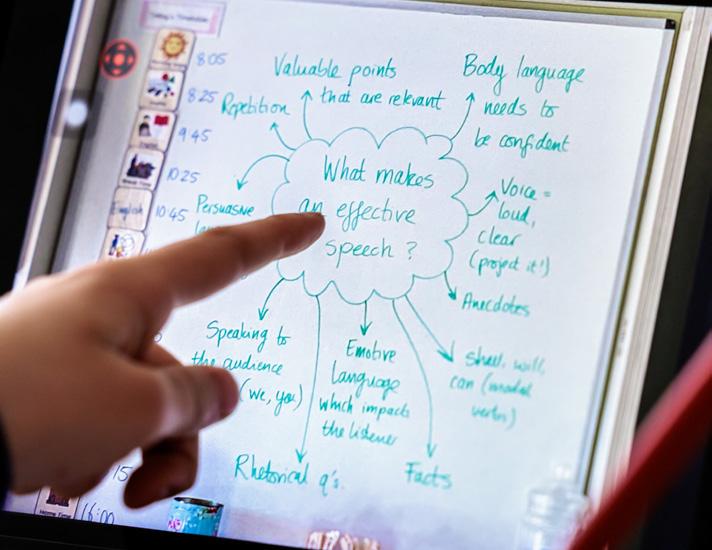
Technology is only ever used to enhance learning, or where the task can be done no other way.
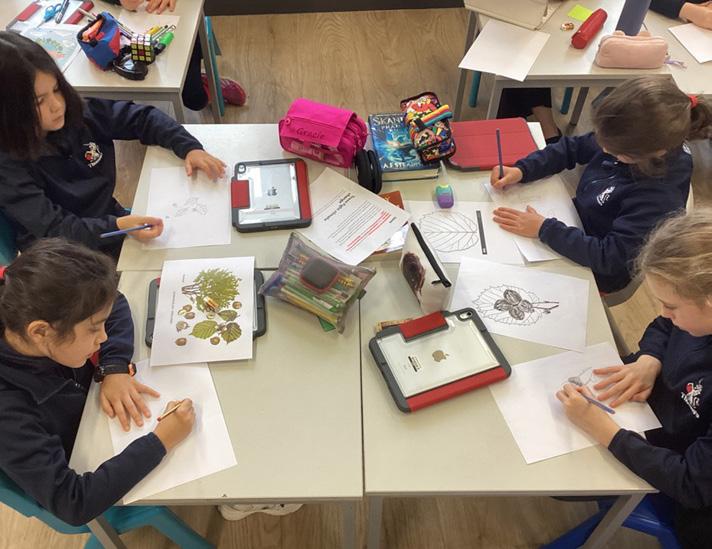
We distinguish between limited and purposeful use of technology and passive and habitual screen time.
We aim to offer the best lessons in tech, digital creativity and digital harm avoidance available anywhere.
All learning, paper and digital, will always be based on discussion, research and imagination.
We prepare children to know how to focus, concentrate and connect in the real world.
Our schools teach transformative digital skills, always in support of our goal: to champion childhood. We prepare children to know how to focus, concentrate and connect in the real world: an analogue childhood strengthens academic outcomes.
Rec - Year 2
Years 3 - 4
Years 5 - 6
Digital Lab lessons. Very occasional use to extend wider learning
Digital Lab lessons. Very occasional use to extend wider learning
Digital Lab lessons.
Max 20% use to extend wider learning with min 80% of learning paper and discussion-based
None outside the Lab
None
iPad banks for year group to be accessed when essential
iPad banks for class. Limited account access (no email)
Years 7 - 8
Digital Lab lessons.
Max 20% use to extend wider learning with min 80% of learning paper and discussion-based
Years 9 - 10 Computing becomes an optional subject.
Max 20% to extend wider learning remains in place
Years 11 - 13
iPad banks for class: students may take devices from lesson to lesson.
Limited account access (no email)
iPad banks for class: students may take devices from lesson to lesson. Wider use of school accounts
Teacher discretion 1:1 (iPad or Macbook in Years 12-13)
None
No compulsory digital homework or home use. Parents may request iPads come home on an optin basis for extension, collaboration and future schools preparation and will have control over internet access
iPads may come home with careful balance of paper and digital work following the 20:80 rule. Parental controls remain in place. Parents may still opt out of any home use
Some home use for teacher-directed tasks, with careful balance of paper and digital work. Parental controls in place
Increased autonomy with graduated reduction of controls
The 20% limit represents time where a digital tool is active, often for collaboration and creative group tasks - this is not individual screen-time, where the proportion is much lower. Individual schools may follow slightly different approaches within these overall guidelines.

• There is passionate debate focusing around ‘screen time’: but there are many different types of online activity, some unhelpful, some excellent.
• While there should be maximum limits on any device use, we’ve worked with pupils and parents to define what we believe to be the key concerns:
• Autonomy too young: children unequipped to ‘run’ their own device
• Child ownership: ‘this is my device’ - parents, teachers and peers not welcome
• Home use: parents unable to set their own rules because schools impose usage on them
• Passive scrolling: short-form, grabby content that can doom-spiral
• Access to harmful content: from inappropriate material to AI ‘best friends’
• Social media pressure: streaks, groups chats and more
• Overuse: hours online, leading to potential physical and mental health risks
• Excessively gamified learning: rapid rewards, but longterm attention span harms
• Our approach is designed to minimise these harms and free children from device misuse.

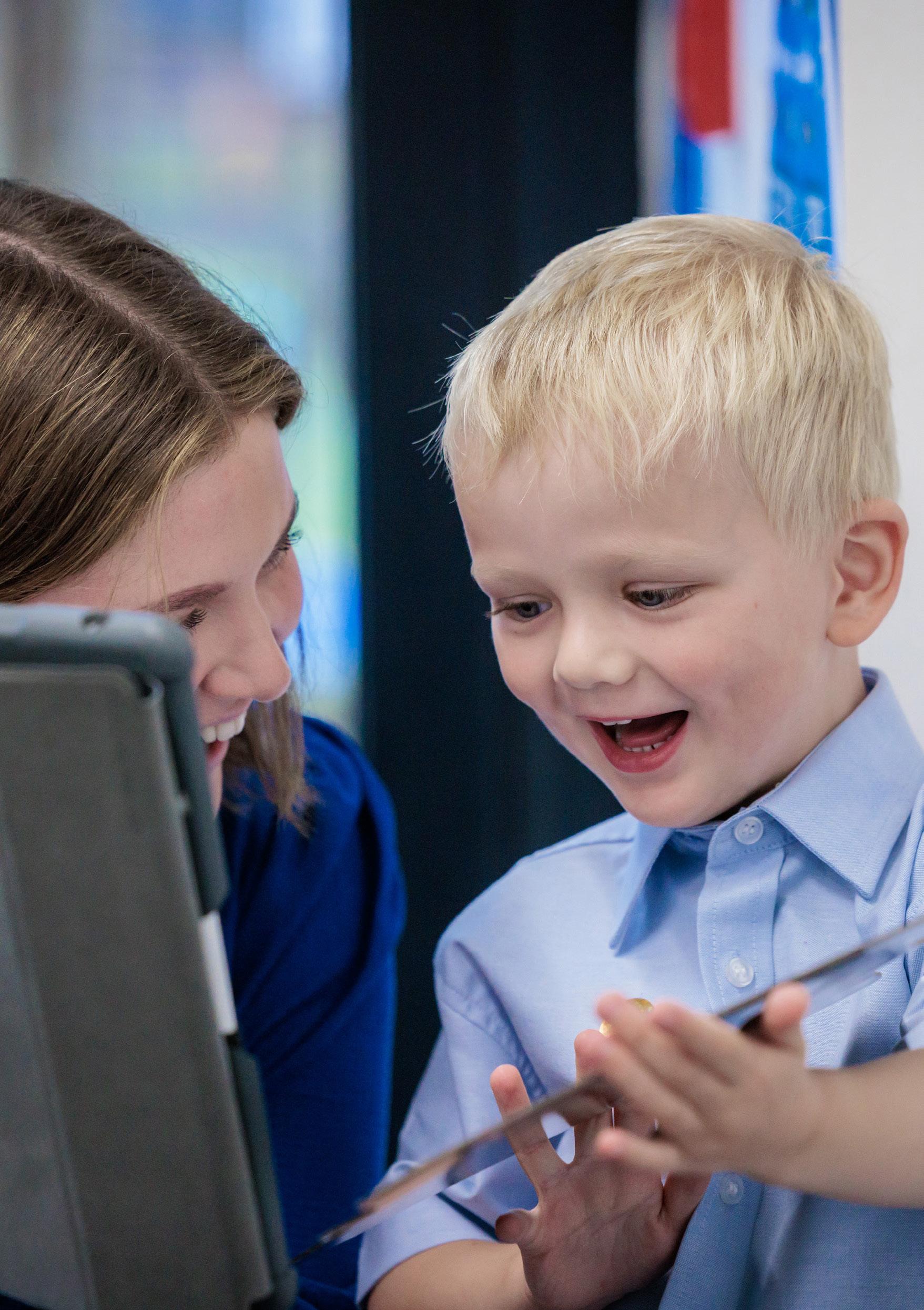
• We believe technology can be transformative when it removes specific barriers to learning and supports focused, purposeful use
• It is a learning tool for research, coding and digital creativity, while building the practical digital skills children will need for the future
• We also believe there are negative aspects to technology, that children’s wellbeing is the absolute priority, and that we must navigate with vigilance and care
• The landscape is shifting almost week-by-week and we commit to continual review of our approach to ensure it always serves the best interests of children
• Many popular online ‘free’ tools sell our data to drive their earnings
• We advocate both wisdom over convenience, and curation over censorship
OUR APPROACH IS INFORMED BY
• Educational best practice and the careful management of secure, proven platforms, including the dedicated educational environments of Apple and Google.
• The Big AI Project
• Safescreens, Close Screens Open Minds, and the OFF Movement
• Our own bespoke research via Dr Fiona Aubrey-Smith and One Life Learning
• The best tools for the job
• Strictly controlled devices introduced at the right age to supplement not supplant traditional learning
• Limited technology used for research, creativity and collaboration, extending and reinforcing imagination and play
• An outstanding education in digital and other technologies via our bespoke Digital Lab: the best tech education available anywhere
• Understanding technology from a critical and ethical base
• Teaching digital fluency and how enduring skills and values translate online
• Teaching the risks of harm and equipping young people with the skills and savvy to avoid it
• Always children-first
• Nurturing critical thinkers about technology in education, not passive consumers of EdTech
• We don’t retreat from technology: a ban risks being counter-productive and increasing the desire to mis-use
• We aim to normalise tech as an occasional tool
• Children no longer retreating behind screens or developing unhealthy attachments and private relationships with devices
• Nurturing a generation of adults:
• Who have phones but know how to manage and forget them
• Who make eye contact with the world
• Whose devices are helpful tools to connect with people and ideas, not the lens through which their experience is narrowed
• Phone-free at school, always. Staff share the same commitment and never use phones in public or student spaces
• Device-free in the Early Years, from Reception to Year 2, outside strictly controlled Digital Lab exploration
• Freedom from compulsory home use of devices and digital homework throughout
• Older children have access to iPad banks: simple and depersonalised learning tools that stay at school unless parents request they come home for research, virtual collaboration, or preparation for future assessments on an opt-in basis
• No family is ever pressured to accept home use of devices and we very rarely use gamified digital learning
• We follow a minimum 80:20 rule. At least 80% of work is traditional, based on books and discussion. A maximum of 20% of children’s work may be accessed via devices, only where the task passes the Thomas’s Tech Test
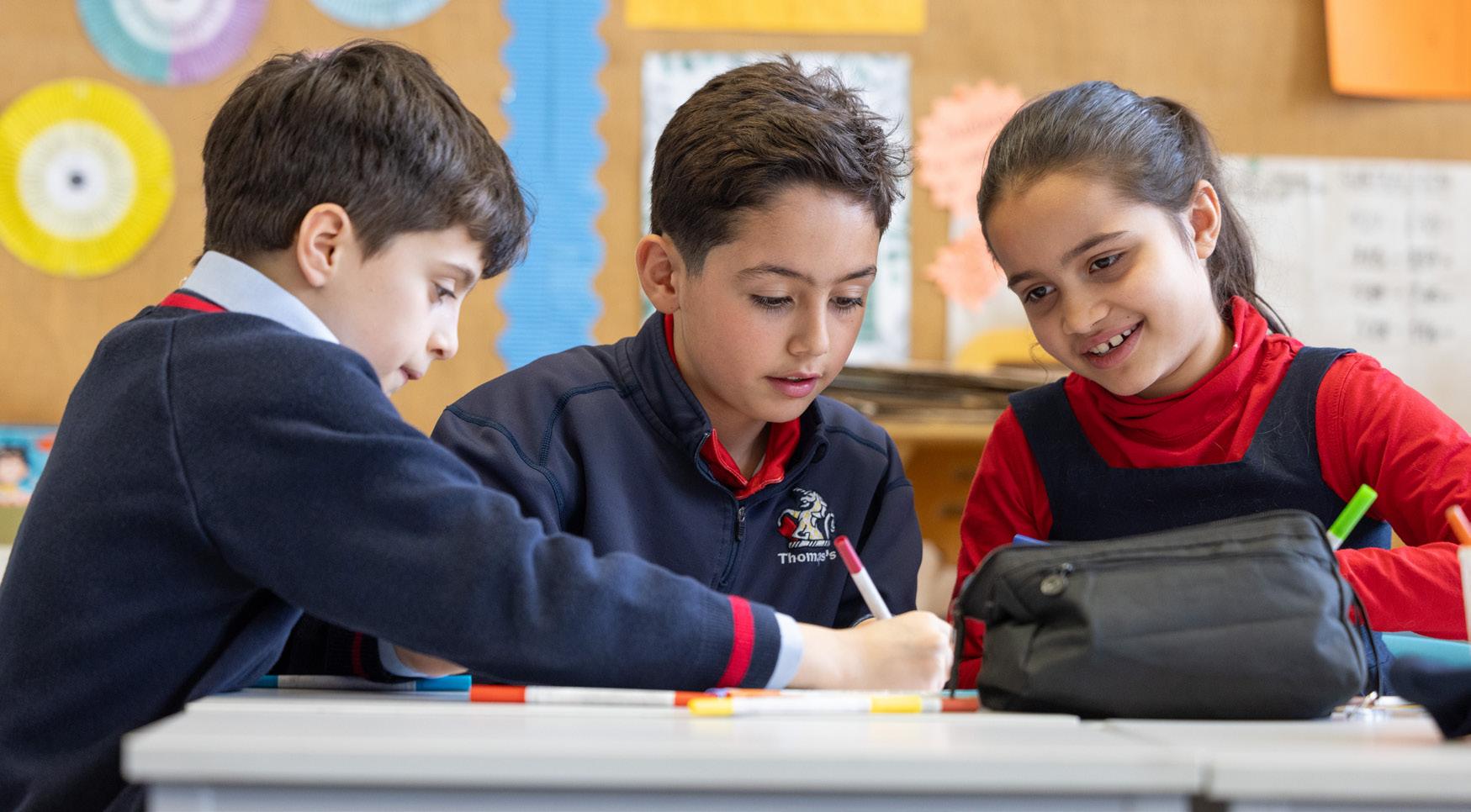
• Phone-free until Sixth Form. Sixth Formers and staff avoid phone use in public or general student spaces
• iPad banks in Years 7-8, with opt-in home use, in line with our prep schools: no compulsory home use of devices in these years
• Computing lessons that continue the deep learning of the Digital Lab
• In Years 9 and 10, students take iPads home, but under strict controls
• The 80:20 rule still applies, with 80% of work based on traditional methods and completed in traditional exercise books
• From Year 11 onwards, controls are eased to prepare students for fully autonomous use, with the selfregulation skills to manage digital workload healthily and with integrity







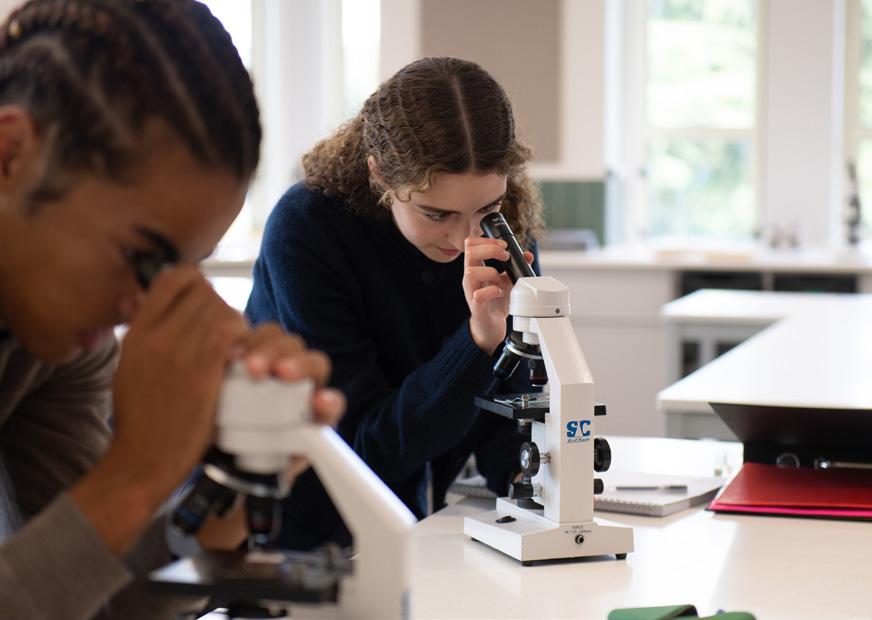






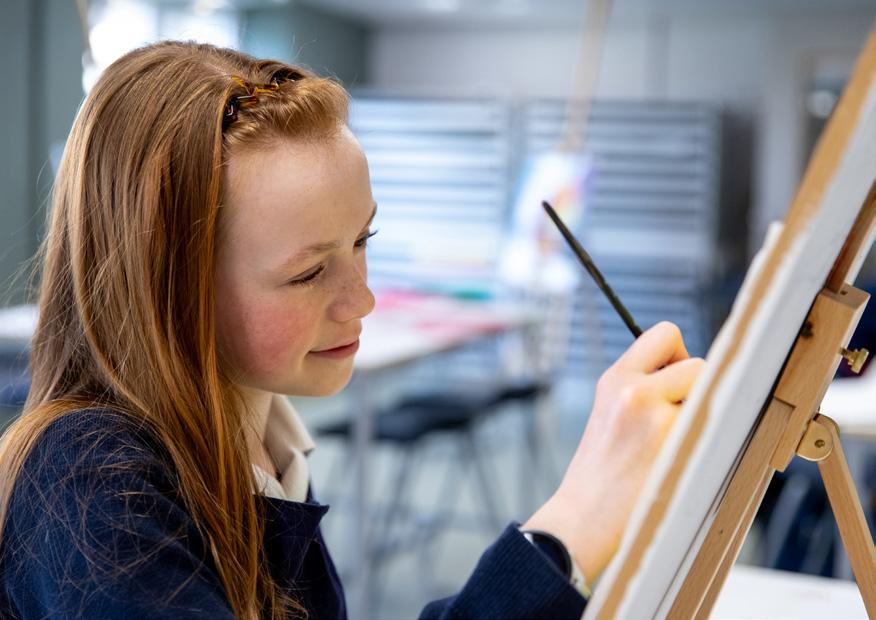




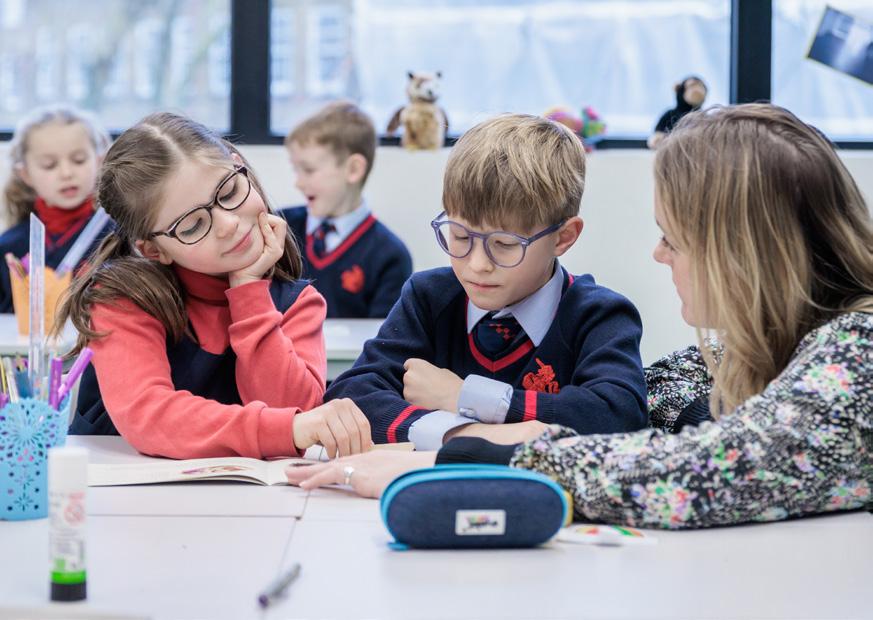
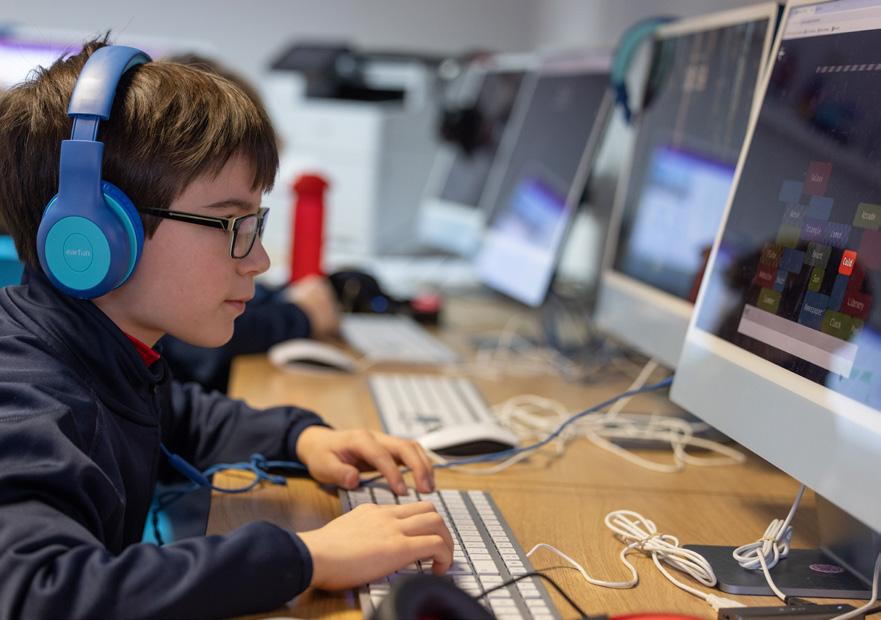
The Digital Lab is a key aspect of our curriculum and provides a dedicated space where younger pupils can learn how to use technology in a purposeful and balanced way. They will develop new skills that support their traditional learning and bring lessons to life through the thoughtful use of digital tools. In this space, curiosity is encouraged, creativity is developed and technology is used with a clear purpose, all through the lens of guided critical thinking and an awareness of the risks involved and ability to confidently navigate them.
The Digital Lab focuses on four key areas:
Understanding how technology works, beginning to code and developing problem-solving skills that support logical and independent thinking.
Using technology to create and present ideas, for example, through music production, film-making and digital design.
Using technology safely and responsibly, with an understanding of online behaviour, online media literacy, privacy and how to make good decisions in the digital world.
Applying technology across the curriculum, where teachers and pupils use it to enhance learning in subjects such as English, Science and the Arts.
This foundation leads into a Senior School Computing curriculum, where pupils build on these skills with greater depth and independence.
Our Core Promise: we will always follow the Thomas’s Tech Test: technology is only ever used to enhance learning, or where the task can be done no other way.
Here are five examples of ways we may use technology to support children in their wider learning for a maximum of 20% of teaching time from Years 5-10:
Hearing how they think: instead of just marking a final maths answer, students record short audio clips explaining how they solved a problem. This allows teachers to hear every child's thought process and catch misunderstandings early, which isn't possible in a busy classroom without recording.
Building ideas together: students share and build on each other's ideas. For example, using a wholeclass interactive digital whiteboard. This helps them learn from their classmates and unlike a traditional whiteboard, their collective brainstorming can be saved and looked at later to help with writing assignments.
Accessing real-world information: teachers provide students with specific research topics using up-todate digital maps, videos and live data rather than relying on older, static textbooks. This teaches students how to judge the quality of information and work with current, real-world facts.
Providing private, personalised help: teachers can quietly send learning support digitally to individual students exactly when they need it. This allows children to get the right level of help without interrupting the lesson or feeling singled out in front of the class.
Checking everyone's understanding: during lessons, teachers use interactive polls and collaborative digital activities where every student answers at once. Instead of just calling on the few pupils who raise their hands, the teacher immediately knows who understands the lesson and who needs a bit more help.
• Alongside our careful device strategy, a simple approach to phones: banned in all our schools until Sixth Form.
• Parents strongly encouraged to avoid smartphones until Year 12 and to encourage independence via basic phones supplemented by technology such as AirTags as needed.
• There is no single effective way to prevent any young person determined to misuse a device:
• Pouches, charging lockers, phone trays: these methods normalise bringing phones into school. Any young person with a problematic relationship to phones will use a fake phone for the locker and keep their device with them
• Never seen, never used: this method relies on trust and will be abused by students at times
• Installation of control software blocking access in school: can be effective but again relies on trust
• Complete ban: an outright ban means that schools assume young people are not bringing phones into school, but short of stop and search, there is no way to verify this
• Any successful phone-free strategy must rely on developing trust and developing the ability to manage negative relationships with devices. At the heart of all strategies is rigorous enforcement, with breaches meaning a long-term confiscation of devices.
• Each of our schools operates its own policies to develop this trust and support young people to learn to manage any personal device.
• AI Literacy: Pupils are taught what AI is, how it works and how to recognise its biases, limitations and ethical implications.
• Critical Understanding: Pupils learn to verify, question and challenge AI-generated content, so they can navigate a world shaped by AI with judgement and care.
• Academic Integrity: We ensure every piece of work remains an authentic expression of a pupil’s own reasoning, safeguarding the value of original thought and independent thinking.
• Human Judgement: As AI evolves, we prioritise distinctly human qualities such as empathy, ethics and emotional intelligence.
• Staff Guidance: Clear frameworks support staff to use AI in ways that uphold professional judgement, safeguarding and academic integrity.
• Children-First: Any use of AI is carefully controlled, used with a clear purpose and always guided by what is best for the child.
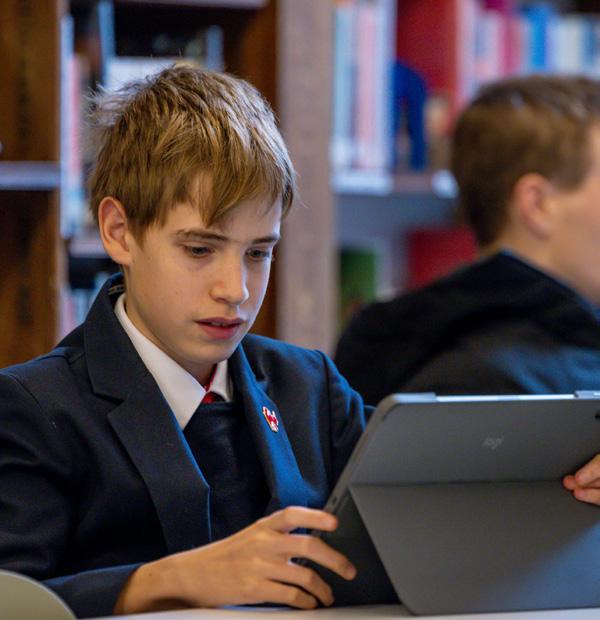


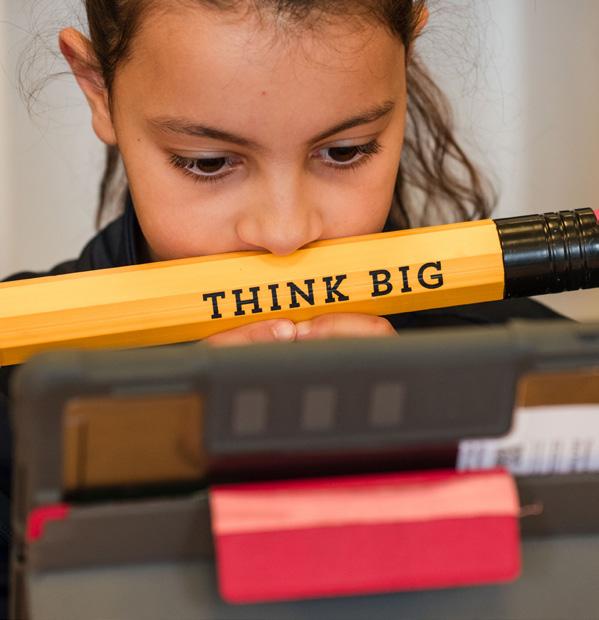
Through our Digital Skills, Analogue Childhood approach, we nurture learners who are:
Agile thinkers
Confidently choosing the right tools and critically evaluating ideas, information and outcomes.
Empathetic collaborators
Communicating with respect, listening well and working constructively with others, both in person and online.
Responsible learners
Demonstrating integrity in their work and using digital tools responsibly.
Creative problem-solvers
Applying technology with imagination, purpose and care.
Grounded and resilient individuals
Ready to flourish in a complex and ever-changing world.
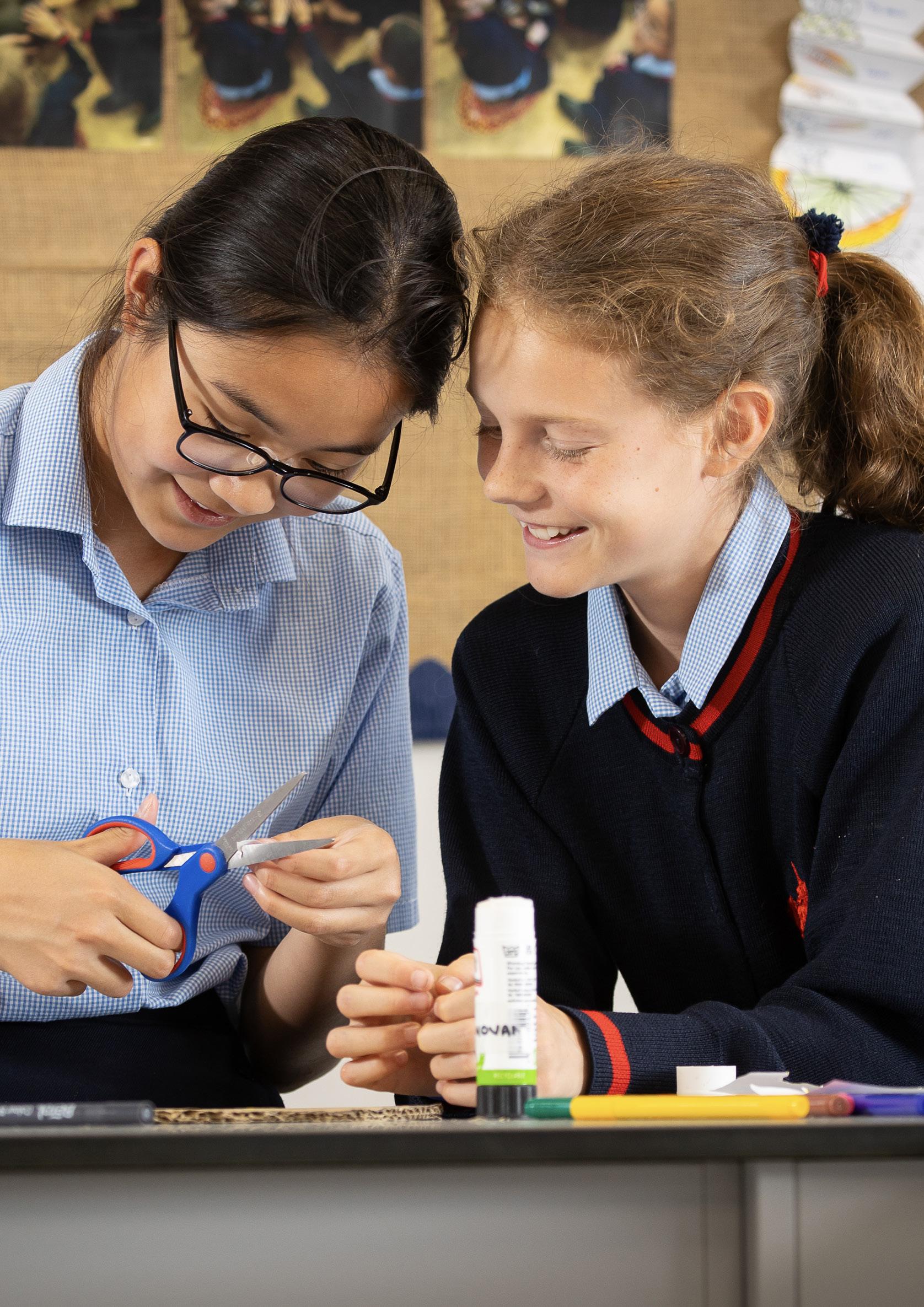
At Thomas’s, our approach to teaching and learning is grounded in evidence. In 2025, Thomas’s London Day Schools commissioned an independent review by Dr Fiona AubreySmith, a well-respected external researcher with no operational interest in the schools, to examine the use of digital technology across our prep schools. The review was undertaken over seven months to include classroom observations, interviews, document analysis and surveys with leaders, teachers, parents and pupils.
The study’s findings were clear across all Thomas’s schools that digital use has been purposeful, careful and educationally beneficial. The review confirmed that traditional teaching methods remain the foundation, with technology acting as a carefully blended support tool to achieve the best outcome for our students. This approach was found by Dr Aubrey-Smith to support working memory, strengthen metacognition and nurture intellectual curiosity.
The review quantified exactly how much time is spent on devices, showing that digital use is highly limited:
• Reception to Year 2: average 15 minutes a day
• Years 3 to 6: average 30 minutes a day
• Years 7 to 8: average 52 minutes a day
For Years 3 to 6, this equated to around 16% of learning activities. A Thomas’s education is not a screen-based education. It is a traditional education in which digital tools
are used sparingly and only with a specific purpose, entirely at the discretion of the teacher and, when at home, the parents.
The review captured a wide spectrum of views across our parent community:
• Most parents who responded to the survey agreed that children should have an iPad as part of their learning toolkit
• A smaller group of parents who responded to the survey preferred that children use only traditional methods
• Many pupils said they want teachers and parents to work together to help them develop healthy digital habits
This suggests that the challenge is not simply the technology itself, but ensuring clarity, balance and trust between school and home.
The review found that children experience clear rules around digital use in school.
• 99.5% of pupils said they had clear rules for using school iPads in class
• Pupils were more likely to follow device rules at school than at home
We recognise how challenging device management can be for families. By using the school day to explicitly teach, model and reinforce digital boundaries and self-control, we aim to build healthy habits that support children both in and out of the classroom.
Thomas’s assists many pupils who require specific support. The review highlighted Thomas's Accessibility Wheel, a framework that carefully maps specific learning needs, such as dyslexia, ADHD, autism and anxiety, to the right digital support tools. At Thomas’s, technology facilitates inclusion by offering practical help alongside greater independence and dignity.
When artificial intelligence is used by staff, it is used carefully to help design and create learning resources, freeing up valuable time for more personalised, human intervention and support. Alongside this, children are proactively taught about the opportunities, challenges and ethics of AI, ensuring they understand through structured guidance how to live positively and safely in the digital world they are growing up in.
Dr Aubrey-Smith’s independent review found that digital use at Thomas’s is precise, wellmanaged and pedagogy-led. This manifesto aims to build on that foundation by setting even clearer limits, strengthening parental partnership and keeping children’s best interests at the centre.
Our direction is:
• Purposeful and professional, teacher-led use of technology
• More creativity and critical thinking
• More parental choice and control
• More freedom from digital pressure
• More protection of childhood
This is the foundation of Digital Skills, Analogue Childhood.