Dangote: Our Refinery Listing Will Democratise Africa’s Industrial Prosperity
eye

eye
Doubts Atiku can win presidential election Wants open primaries if consensus fails Promises to tackle growing nationwide insecurity Emmanuel Addeh in Abuja and Sunday Ehigiator in Lagos
A former Minister of Transportation, Rotimi Amaechi, has dismissed suggestions that he entered the presidential race under the African Democratic Congress (ADC) to emerge as a vice presidential candidate, insisting that he purchased the party’s nomination form solely to contest for the presidency. Amaechi, and ex-governor of Rivers state, stated this during an interview on Trust TV, amid growing speculation over possible consensus arrangements within the ADC ahead of the party’s presidential primary scheduled
Continued on page 8 for May 25, 2026. Responding sharply to sug-
Says ex-head of state’s life stands as rebuke to those reducing nation’s diversity to regional, religious stereotypes Nigeria won’t fail despite current challenges, Gowon says Jonathan: no victor, no vanquished declaration laid foundation for nationwide healing Danjuma donates N3bn at book launch

State Governor, His Excellency Caleb Mutfwang, during the public presentation of General Yakubu Gowon’s autobiography titled: ‘My Life of Duty and Allegiance’ at the Bola Ahmed Tinubu International Conference Centre, Abuja, yesterday







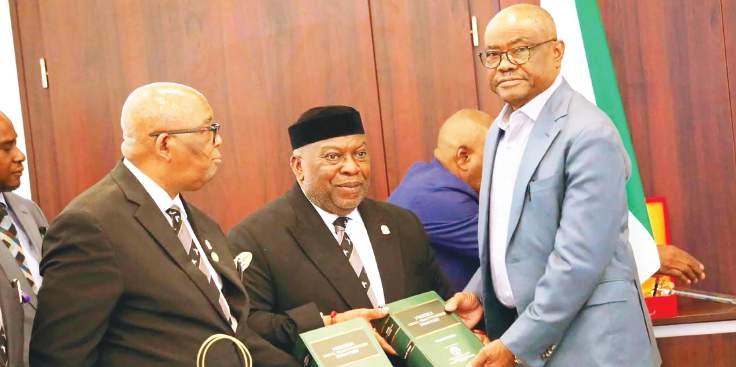
SAN; FCT Minister, Mr. Nyesom Wike, during a courtesy visit to the minister... recently
Zacch Adedeji: every tier of government must play its part responsibly to contribute to national revenue pool we all draw from NRS to institute award for most tax-compliant states across multiple dimensions
James Emejo in Abuja
Minister of Finance and Coordinating Minister of the Economy, Mr. Taiwo Oyedele, yesterday declared that Nigeria’s drive towards fiscal federalism would remain ineffective unless all tiers of government embraced shared responsibility, fairness, and accountability in tax administration.
Oyedele spoke in Abuja at the opening of a national workshop on “Strengthening Tax Compliance in our New Tax Regime: Collaborating with Sub-national Governments for Enhanced Tax Collection.”
He said the country must create an environment where taxpayers contributed fairly while also benefiting from the economic gains generated through improved revenue mobilisation.
Executive Chairman of Nigeria Revenue Service (NRS), Dr. Zacch Adedeji, said the country must build a tax system to ensure broad and
equitable contribution from every tier of government to the national revenueAdedejipool.said the country could no longer sustain a fiscal structure where some states and government- owned entities benefitted from federally distributed revenues without making commensurate tax contributions.
He said, “We have to be honest about the structural imbalances affecting voluntary tax compliance within our system. Going forward, we must create an environment where every taxpayer contributes fairly to the seed, and everyone can expect to share in the harvest.”
Oyedele stressed that structural imbalances within the nation’s tax system had continued to weaken voluntary compliance, stating that the new tax regime is designed to build a fairer and more sustainable fiscal framework for national development.
The minister said the success of
the country’s new fiscal direction would depend largely on effective collaboration among the federal, state and local governments as well as public institutions responsible for revenue administration.
According to him, the ongoing tax reforms are part of broader structural adjustments aimed at repositioning the economy away from dependence on volatile revenue sources towards a stable and equitable tax-based system.
He stated that the reforms were being implemented alongside major economic measures, including the floating of the naira, fuel subsidy removal, and inflation-tightening policies, all targeted at restoring macroeconomic stability despite prevailing socio-economic pressures.
Oyedele stated, “We are not here to just talk about administrative rules and regulatory guidelines; we are here as state actors to actively think on implementation of the new
tax reforms and shape our fiscal architecture to provide sustainable funds required to address our pressing socio-economic challenges, promote economic growth, and development of our dear country.”
Oyedele said taxes remained the foundation of the social contract between government and citizens, adding that efficient tax collection is critical to funding of infrastructure, healthcare, education, and national security.
He pointed out that the new fiscal framework sought to expand the tax net without necessarily increasing the burden on taxpayers while also deploying technology to block leakages and improve compliance.
The minister emphasised the need for policy alignment among the federal government, sub-national administrations, and government- owned enterprises to ensure prompt remittance of withheld taxes and improved institutional coordination.
A witness of the Department of State Service (DSS), yesterday, told a Federal High Court that the National Security Adviser
Emmanuel Addeh in Abuja
The Transmission Company of Nigeria (TCN) has announced the arrest of suspects caught vandalising its facilities along the Nkalagu–Abakaliki 132kV single circuit transmission line in Ebonyi state.
In a statement in Abuja signed by the General Manager, Public Affairs, Ndidi Mbah, the TCN stated that preliminary investigations at the scene established that structural
tower members valued at ‘billions of naira’ were systematically removed and sold to illicit scrap metal dealers. This comes as the TCN has said that over 276 of its towers were vandalised between 2022 and 2025, lamenting the growing negative impact of the menace on its facilities nationwide.
General Manager, Transmission Company of Nigeria (TCN), Adeshina Adeonipekun, who spoke during a sensitisation programme in Ogun
state, to educate the public on the dangers of vandalising transmission infrastructure, however stated that with the collaboration with host communities, the menace was reducing.
“Between 2022 and 2025, TCN recorded nothing less than 276 tower vandalism. But this year, with the support of communities and proactiveness of our staff, we have been able to minimise the issue of vandalism to about 40,” he stated.
having the conversation which former Kaduna State governor, Mallam Nasir El-Rufai, claimed to have received from a source that wiretapped the NSA.
The witness simply identified as APC, for security reasons, stated this during the continuation of his evidence at the ongoing trial of the former minister and chieftain of the African Democratic Congress (ADC).
El-Rufai is standing trial on alleged breach of national security. He was specifically charged with wiretapping the communication of the NSA.
The former governor, while appearing as guest at a television programme in February, alleged that the NSA was behind plot to arrest him, adding that he got to know that through a source who wiretapped the phone conversation of Ribadu.
El-Rufai pleaded not guilty to the charge and has been admitted
to bail in the sum of N100 million.
At the resumed trial before Justice Joyce Abdulmalik, yesterday, APC, who is the 1st Prosecution Witness (PW1), told the court that following the broadcast, investigators interviewed the NSA, who verbally confirmed that he actually had such discussion with the chairman of the Independent Corrupt Practices and other related offences Commission (ICPC), Musa Aliyu, SAN.
The witness further disclosed that the ICPC boss equally confirmed having the exact conversation with Ribadu after portions of the interview were played to him.
Meanwhile, counsel to the DSS, Mr Oluwole Aladedoye, SAN, sought to tender the silver flash drive containing the media interview and a certificate of compliance.
The senior lawyer, who led the witness in evidence, said the flash drive was a replacement for the one that was faulty the previous
day, which the court admitted in evidence.
The judge then directed that the video in the flash drive, containing an interview granted by El-Rufai to Arise News, be played in the open court.
The 43-minute long recorded video where the ex-governor allegedly stated that someone had wiretapped a conversation involving the NSA and forwarded it to him, was played.
In the interview, El-Rufai made efforts to justify the act by arguing that governments routinely monitor communications.
The PW-1, who started giving evidence on Monday, said shortly after the interview was aired, investigators interviewed Ribadu andTheAliyu.witness said the anchor of the programme, Charles Aniagolu; a lawyer, Deji Adeyanju, and a cameraman were invited for questioning.
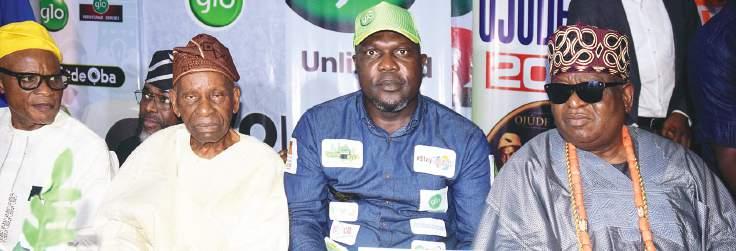
L-R: The Ogun State Commissioner for Culture and Tourism, Hon. Sesan Abolaji Fagbayi; Chairman, Ojude Oba 2026 Organising Committee, Chief Olu Okuboyejo; representative of Globacom, the main sponsor of the festival, Mr. Olumide Orojimi, and Coordinator, Ojude Oba Festival Organising Committee, Chief Fassy Adetokunbo Yusuff, at the press conference announcing the plans for the event in Ijebu Ode, Ogun State on Tuesday
Emma Okonji
Lagos State Governor, Babajide Sanwo-Olu has said that Kasi hyperscale AI-ready data centres will not only boost Nigeria’s economy in the area of digital transformation, but will also improve data connectivity and create employment for Nigerians.
The governor said this yesterday in Lagos, while cutting the ribbon for the launch of Kasi Cloud LOS1 Data Centre in Lagos, the
single largest data centre in West Africa, designed to deliver AI-era performance, hyperscale capacity and intelligent connectivity for the world’s digital leaders.
He thanked the founders and financiers of Kasi Cloud Data Centres for bringing the vision of AI-ready data centre to Nigeria.
“Our startups are built here in Nigeria, but they all playing big abroad. Our businesses generate data here in Nigeria, but they process it elsewhere.
Our digital economy creates value here in Nigeria, yet too much of that value lives on our shelves. That model may have survived in the early internet era, but it will not sustain the economy that we see today, and Kasi hypercale AI-ready data centre will change that narrative to boost Nigeria’s economy, improve connectivity and create digital job opportunities,” Sanwo-Olu said.
Lagos is already commanding a substantial share of the nation’s fiscal capacity in terms of data centre
infrastructure. Connectivity lands here. Enterprise demands and innovation all live here, but we have not satisfied yet. The next phase of global digital economy will be led by cities that deliberately build enabling infrastructure and scale. That’s why we need data infrastructure like the Kasi Clod Data Centres that we are launching today, Sanwo-Olu further said. He added that the data centre will answer most of Nigeria’s challenges. It will lower the cost
Globacom has reaffirmed its commitment to the preservation and promotion of Nigeria’s cultural heritage with the announcement of its sponsorship of the 2026 Ojude Oba Festival, marking 21 consecutive years of partnership with the people of Ijebuland.
The 2026 edition of the festival underscores the remarkable transformation of what was once a traditional communal gathering into one of Africa’s most celebrated cultural spectacles and an internationally admired tourism and heritage event.
Speaking at the pre-event press conference held in Ijebu-Ode, the company’s representative, Mr. Olumide Orojimi, described
the milestone sponsorship as a reflection of Globacom’s belief in the enduring value of culture as a vehicle for identity, unity, and national pride.
According to him, Globacom’s over two-decade collaboration with the Ojude Oba Festival Planning Committee has elevated the festival’s global visibility and cultural prestige, while reinforcing the company’s longstanding dedication to preserving and amplifying the richness of African heritage.
“This edition represents a defining milestone for us. For twentyone unbroken years, Globacom has walked this cultural journey with the people of Ijebuland. Beyond sponsorship, this partnership
symbolises our deep respect for tradition, community, and the enduring spirit of our heritage.
“To commemorate this historic anniversary, we are committed to making this year’s celebration even more colourful, memorable, and impactful for Ijebu sons and daughters across the world,” he stated.
The 2026 edition carries even deeper emotional and historical significance as it will be the first festival to hold following the passing of the Awujale of Ijebuland, Oba Sikiru Kayode Adetona.
The late monarch, whose reign spanned more than six decades, stood as the foremost custodian and symbol of the Ojude Oba
heritage.
As part of activities lined up for the festival, Globacom disclosed that winners in various age-grade competitions would receive substantial cash rewards, including N750,000 for first place, N600,000 for second place, and N500,000 for third place winners.
In addition, festival attendees will have the opportunity to purchase a range of Glo products and devices, including high-speed MiFi units and routers, especially during the celebration.
of doing business and digitally improve connectivity and make Lagos a more competitive home for innovation and entrepreneurship, Sanwo-Olu said.
The Minister of Finance and the Coordinating Minister of the Economy, Dr. Taiwo Oyedele, who co-chaired the launch ceremony, in his keynote address, said: “The nations and companies that control computing infrastructure are helping to shape the future architecture of the global economy. Nigeria therefore faces a strategic choice. We can remain consumers of digital intelligence, paying continuously in foreign exchange to assess AI capability posted abroad, or we can become producers, hosts, and builders of the infrastructure powering the next generation economy. Today, we have made a choice, through the launch of Kasi Cloud Hyperscale AI-ready Data Centres. This project represents far more than a physical facility. It is strategic. It’s a national infrastructure. It strengthens the foundation for innovation, expands opportunities for enterprise, enhances productivity across sectors, and positions Nigeria as a competitive player in an increasingly AI-driven world.”
Chief Executive Officer, Nigeria Sovereign Investment Authority (NSIA), Aminu Umar-Sadiq, one
of the financiers of Kasi Cloud, said: “Four years ago, NSIA defended, not on a building but on a thesis, that Nigeria could not credibly pursue digital transformation whilst exporting its data. That a country with over 200 million people, more than 110 million internet users and two of the world’s most significant submarine cable landings, had no business sending some of its most valuable digital assets offshore for storage and processing.
“Today, that thesis stands before us, in concrete and steel. The classical hyperscale data centre is not just another facility, it is a statement of ambition, built on 4.2 hectares of plot in Lekki, Lagos. It represents Nigeria’s first indigenous hyperscale data centre and signals that the country is ready to host the next generation of cloud, Artificial Intelligence and high-density computing infrastructure on its own soil.”
Co-Founder and CEO, Kasi Cloud, Mr. Johnson Agogbua, said the world currently lives in a moment when Artificial Intelligence rewrites the rule of economic competition, hence the need to replicate world standard hypercale AI-ready data centre in Nigeria that would impact every industry like, banking, healthcare. agriculture, education, and government, including manufacturing.
Olawale Ajimotokan in Abuja
The Federal Capital Territory Administration (FCTA) has launched a N41.2 billion FCT HIV and AIDS Strategic Plan (FSP) 2025–2027 aimed at eliminating the scourge in the territory as a public threat by 2030. The Mandate Secretary FCTA Health Services and Environment Secretariat, Dr. Adedolape Fasawe, said at the unveiling yesterday that the roadmap would aggressively tackle
stark demographic disparities, structural stigma and a massive 98% funding gap within that period.
In her keynote address read by Dr. Dan Gadzama, she said while the FCT has achieved a 100 per cent Antiretroviral Therapy (ART) initiation rate among identified patients, its HIV burden had persistently remained above the national average since the Nigeria HIV/AIDS Indicator and Impact Survey (NAIIS).
The survey indicated that a stagger-
ing 98 per cent of children requiring HIV treatment are currently left unsupported, with only two per cent receiving care, while key populations (including sex workers, men who have sex with men, and people who inject drugs) account for 12 per cent of new infections but remain underserved due to deep-rooted social stigma.
“If we continue business as usual, the 2030 target to end AIDS will be a mirage. The FSP 2025-2027 changes the rules of engagement,” Fasawe warned.
The Vice President of the Association of Professional Party Organisers and Event Managers of Nigeria (APPOEMN), Babatunde Olawuyi, yesterday, stressed the need to recognise waiters and service personnel as critical stakeholders in Nigeria’s hospitality industry, saying their roles go beyond merely serving guests at occasions.
Speaking at its training and empowerment session themed, ‘Beyond the Tray: The Power Behind the Service’, to commemorate the International Waiters Day, in Lagos, Olawuyi explained the association is committed to changing the mindset of workers in the sector
and helping them understand their importance in the event business value chain.
According to him, many people in the profession have failed to see waiting and hospitality services as a career path capable of growth and leadership opportunities.
He stated the association has taken it upon itself to reorganise and reorientate practitioners in the sector in order to eliminate mediocrity and promote professionalism.
“It is beyond serving. They are a vital part of every event and they must be taken very seriously. Without waiters, there cannot be an event,” he said.
The vice president noted the initia-
tive was aimed at helping participants build confidence, discover purpose, and understand that their current position does not define their future.
He added that a waiter today could become a business owner, supervisor, or leader in the hospitality and event management industry through continuous learning and self-development.
“The impact is to change their mindset, help them build confidence, and make them realise they are an important part of any business they find themselves in,” Olawuyi stated. He also commended participants for their attentiveness and willingness to learn, expressing optimism that the training would positively shape their future careers.
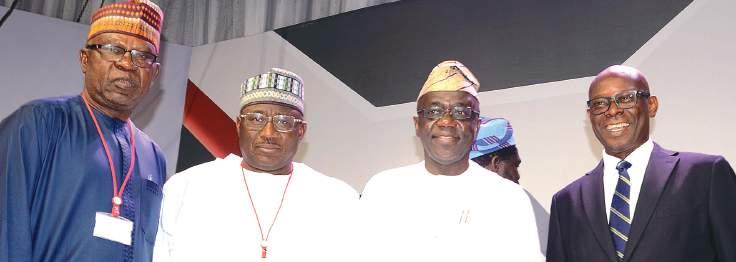
of the Chairman, Nigeria Revenue
the Minister of Finance, Mr. Tolu Adegbile, during the forum for strengthening tax compliance in the new tax regime in Abuja, yesterday
The Jetties and Petroleum Tank Farm Owners of Nigeria (JETFON) yesterday expressed its support for the Dangote Refinery, expressing the view that Nigeria currently has the capacity to produce all its fuels without importation.
It also disassociated itself from the recently proposed suit by the Depot and Petroleum Products Marketers Association of Nigeria (DAPPMAN) against the Dangote Petroleum Refinery, after the 650,000 barrels per day facility returned to the court to stop the issuance of new petrol import permits.
In a communique signed by the Executive Secretary of the organisation, Mr Olayiwola Temitope, the association noted that it does not hold the same position on the issuance of fresh import licences with the members of DAPPMAN.
The Nigerian Midstream and Downstream Petroleum Regulatory Authority (NMDPRA) NMDPRA recently issued fresh import licences for the importation of over 600,000 metric tonnes into the country. This prompted fresh controversy in the downstream oil industry after Dangote withdrew his first court case on the
issue.
While marketers have argued that import restrictions create a dangerous monopolistic situation and could negatively impact Nigeria’s energy security, the tank farm owners maintained that local refining output can fully satisfy domestic demand.
The association stated that allowing imports to continue uncurbed will be economically counterproductive, especially considering the growing number of refineries in Nigeria at the moment.
The tank farm owners also called on the federal government and the NMDPRA to halt importation and cancel all active fuel import licences to safeguard the national economy and foster industrial growth.
They argued that continuously granting import permits undercuts domestic production and devalues massive local investments like the Dangote Refinery. The association further asserted that absolute reliance on local refining capacity is the ultimate path to true economic independence and energy security.
It stated: “Relying on foreign refined products leaves the local economy vulnerable to external supply chain shocks, international logistics disruptions, and continuous foreign exchange
pressures that weaken the Naira.
“By prioritising local refineries, Nigeria can build a self-sustaining and secure domestic fuel supply ecosystem.”
The group highlighted the latest statistical April factsheet from the NMDPRA, which it said recorded a dynamic change in the nation’s supply-and-demand metrics.
Quoting the regulator’s data, it explained that Nigeria’s daily consumption of Premium Motor Spirit (PMS) also known as petrol, surged significantly to 51.1 million litres per day in April 2026, marking a notable increase from the 47.3 million litres per day recorded in March.
Concurrently, the NMDPRA data, it said, revealed that actual fuel
importation by marketers dropped sharply by 37.3 percent, falling to 3.7 million litres per day in April compared to the 5.9 million litres per day imported in March.
Besides, it pointed out that domestic refining output, heavily led by the Dangote Refinery, displaced the largest portion of these foreign imports by supplying 40.7 million litres daily to
the local market, demonstrating the capacity of local production to handle national consumption.
“With the federal government backing local refineries, Nigeria stands to drastically reduce its heavy reliance on foreign exchange for fuel imports, thereby easing the persistent pressure on the Naira and conserving vital external reserves.
The U.S. Trade and Development Agency has launched a major initiative aimed at expanding American wireless infrastructure across West Africa in a strategic move widely seen as an attempt to challenge China’s long-standing dominance in the region’s telecommunications sector.
The agency announced funding for a feasibility study that will pave the way for the deployment of about 1,500 U.S.-made mobile communications base stations across Nigeria, Ghana, Benin and
No fewer than 30 operational vehicles have been distributed to the police and other sister security agencies in Osun State as part of efforts to strengthen security across the state. They were distributed by the factional Chairman of the Association of Local Governments of Nigeria (ALGON), Osun State Chapter, Hon. Samuel Idowu Abiodun, during a ceremony held at the Police Headquarters in Osogbo yesterday. Speaking during the donation, Abiodun reaffirmed the commitment of local government councils in the state to protecting lives and property as well as promoting peace and
stability in communities. He described the initiative as a demonstration of the resolve of local governments to support security agencies in combating crime and ensuring grassroots development.
According to him, security remains the foundation for meaningful development, stressing that no society can thrive in an atmosphere of fear andTheinsecurity.
ALGON chairman noted that local governments, being the closest tier of government to the people, understand the peculiar security challenges confronting communities and are committed to supporting security agencies with necessary logistics and resources.
Abiodun commended security operatives in the state for their efforts in tackling criminal activities, particularly their swift intervention in a recent kidnapping incident in Ora town, Ifedayo Local Government Area, where victims were later rescued.
He said the prompt response of security agencies prevented the incident from escalating into a wider security threat in the state.
The ALGON chairman also recalled the killing of a former council chairman, Hon. Remi Abbas, during the crisis that followed the attempt by elected local government officials to resume office after the February 10, 2025 Appeal Court judgment.
Côte d’Ivoire, targeting millions of people in underserved and off-grid communities.
The project will utilise wireless technology developed by Vanu Inc., a United States firm known for its software-based radio systems designed for difficult and lowincome environments.
The development signals Washington’s growing interest in Africa’s digital infrastructure space amid rising geopolitical competition with China, whose companies have for years dominated telecom expansion projects across the continent.
Deputy Director of the U.S. Trade and Development Agency, Thomas Hardy, said the initiative would provide trusted and affordable internet access while creating opportunities for American companies
in emerging markets.
“USTDA is bringing private sector solutions to unlock widespread, affordable, trusted internet access in off-grid communities across West Africa,” Hardy stated.
“By helping American companies compete in these critical markets, we are offering an alternative to insecure infrastructure while creating export opportunities that make America more prosperous.”
The study, to be carried out for Vanu Côte d’Ivoire, will evaluate existing telecommunications infrastructure, market conditions, financing options and regulatory environments in the four West African countries.
Georgia-based Vernonburg Group LLC has been selected to provide technical expertise for the assessment
and support financing mobilisation for the eventual rollout.
Industry analysts say the project could significantly improve connectivity in rural communities where millions still depend on weak 2G and 3G services or remain completely disconnected from digital networks.
The planned deployment is also expected to open up broader opportunities for American digital infrastructure providers, including suppliers of wireless systems, network management platforms and broadband support technologies.
Chief Executive Officer of Vanu Inc., Andrew Beard, said the company’s technology was specifically designed to make broadband connectivity commercially viable in economically difficult terrains.
Sunday Ehigiator
The Ojumitunrayo Onaara Olufade Foundation has been launched in Lagos to deepen awareness about asthma and improve access to treatment for people living with chronic respiratory diseases.
The foundation, unveiled recently with the theme “Free to Breathe,” was established in memory of the late Ojumitunrayo Onaara Olufade, whose family and associates said her death
exposed the urgent need for better awareness, emergency support systems and access to respiratory care in Nigeria.
Speaking at the launch, the brother of the deceased, Demilade Olufade, said the initiative was created to honour his sister, who died last year from asthma-related complications.
According to him, the foundation would focus on advocacy, support vulnerable patients, and provide access to medications for
people battling respiratory illnesses such as asthma, bronchitis and lung cancer.
“They must have access to ventilators, inhalers, and medication that they need to ensure that they can live a quality life, given the challenges that they have,” he said.
He added that the foundation plans to collaborate with primary healthcare centres to distribute medications and support patients struggling to afford treatment.
Kayode Tokede
In furtherance of its mandate to promote an efficient, fair, and transparent capital market, the Securities and Exchange Commission (SEC) has announced the transition to a T+1 settlement cycle for equities and commodities transactions with effect from Monday, June 1, 2026.
This notice, published by the SEC, outlines a comprehensive framework that all capital market operators and relevant stakeholders are encouraged to adopt in preparation for this significant change.
The Commission stated that the migration to a T+1 settlement cycle forms part of the Commission’s ongoing market modernisation initiatives aimed at enhancing
market efficiency, strengthening risk management, reducing counterparty exposure, improving liquidity, and aligning the Nigerian capital market with international standards and global best practices.
According to the notice, with the new framework, all eligible trades executed in the Nigerian capital market would settle one business day after the trade date, effectively reducing the current two-business-day settlement period.
“Importantly, the final trading day under the existing T+2 cycle will be May 29, 2026.
“Specifically, trades executed on both May 29 and June 1, 2026, will settle on the same date, June 2, 2026, creating a seamless convergence window that supports an efficient transition.
“From June 1 onward, all trades will operate under the T+1 framework, and it is essential for all capital market operators, securities exchanges, clearing and settlement infrastructure providers, custodians, registrars, issuers, and other stakeholders to ensure they are fully operationally ready by the commencement date.
“Implementation Highlights are:
Effective Monday, June 1, 2026, all eligible trades shall settle on a T+1 basis; Friday, May 29, 2026, shall be the final trading day under the existing T+2 settlement cycle; Trades executed on Friday, May 29, 2026, and Monday, June 1, 2026, shall both settle on Tuesday, June 2, 2026; and All trades executed from Monday, June 1, 2026, onward shall be subject to the T+1 settle-
ment cycle.”
This strategic move further positions Nigeria on a trajectory of convergence with developed market standards, following in the footsteps of the United States, which migrated to T+1 in May 2024, along with Canada and Mexico. India has also made notable strides in compressing its settlement cycle and is piloting instantaneous settlement for select trades.
For retail investors, this means quicker access to proceeds from share sales.
Meanwhile, institutional players and custodians are expected to prioritise reconfiguring their backoffice systems and reconciliation workflows to align with the T+1 cycle before June 1.
The recent reforms reflect
Nigeria’s dedication to bridging the infrastructure gap with more developed markets and signify an attractive opportunity for foreign institutional investors.
The journey from T+3 to T+2 and now to T+1 in less than seven months highlights the SEC’s proactive approach toward fostering a more dynamic and robust capital market.
“Market participants are expected to review and align their systems, processes, controls, and operational workflows ahead of the implementation date.
“The Commission will continue to engage stakeholders and monitor the implementation process to ensure an orderly and seamless transition. We remain committed to strengthening market integrity,
enhancing investor confidence, and fostering the development of a modern, resilient, and globally competitive Nigerian capital market,” it added.
Deji Elumoye, Chuks Okocha and Onyebuchi Ezigbo in Abuja
President Bola Tinubu, yesterday, described the memoir of former Head of State, General Yakubu Gowon, as an important national document that of-fered guidance for Nigeria’s future, regional cooperation, and the preservation of national unity.
Tinubu made the assertion in Abuja at the launch of Gowon’s memoir, “My Life of Duty and Allegiance.”
The president said Gowon’s life was a rebuke to divisive narratives that attempted to reduce Nigeria’s diversity into rigid regional or religious stereotypes.
Earlier, Gowon said he wrote his memoir just to set the record straight, and not to join issues with anyone or sit in judgement over what was right or wrong.
He said speaking out became necessary because his “story and that of Nigeria became intertwined”.
The ex-military head of state added that the book reflected his modest at-
tempt to document the opportunity he had to serve Nigeria. He maintained an optimistic view of the country’s situation, saying, “Nigeria can get better and achieve her potentials as the giant of Africa.”
Former President Goodluck Jonathan, who was chairman of the occasion, described the book as a fitting presentation of the living testimony and reflections of a man who led at a critical time in Nigeria’s turbulent history.
Jonathan said Gowon’s “No Victor, No Vanquished” declaration at the end of the civil war laid the foundation for national healing.
The book presenter, former Chief Defence Staff, Gen. Theophilus Danjuma, launched the book with N3 billion.
Tinubu, who was represented at the book launch by Vice President Kashim Shettima, called for wide circulation of the memoir across the country, stating that it is a civic inheritance for all Nigerians.
A capacity gathering of prominent Nigerians witnessed the public presenta-
tion of the book, which was held at Bola Ahmed Tinubu International Conference Centre.
Tinubu, who was represented by Vice President Kashim Shettima, said the reflections of leaders, who witnessed defining moments in the nation’s history, were essential for democratic stability and national cohesion.
He said Nigeria must preserve its historical memory to avoid repeating the mistakes of the past, stressing that societies that fail to learn from their history risk drifting into division and uncertainty.
“A nation that misplaces its memory soon begins to quarrel with its own reflection. A society without memory becomes an orphan in time,” he said.
The president observed that the former Head of State’s account was arriving at a time when Nigeria and the wider West African region was grappling with insecurity, economic pressures, and social fragmentation, making the lessons of reconciliation and statesmanship even more relevant.
He praised Gowon’s post-civil war
gestions that he could eventually pair with former Vice President, Atiku Abubakar, on a joint ticket, Amaechi said: “Please stop that. I didn’t buy the ADC presidential ticket to become Vice President.”
The former minister stressed that his focus remained on securing the party’s presidential ticket and leading the ADC into the 2027 general election. According to him, discussions around consensus should only be entertained if all aspirants willingly agree, warning that the party must avoid imposing candidates.
“If you don’t agree, then primary. I don’t have any other answer to give you,” he said, while maintaining that a transparent primary election remains the best democratic option if consultations fail.
Amaechi also expressed confidence in his chances of defeating Atiku for the ADC ticket, arguing that although the former vice president had consistently emerged victorious in party primaries over the years, he had failed repeatedly to convert those victories into electoral success at the presidential level.
“I listened when the former vice president said he never failed a primary before. I hope this will be the first time he will fail in primary,” Amaechi stated.
“The issue is that at all times that you have passed the primary, you
have not won an election. So it’s about electability,” he pointed out.
Amaechi argued that his own candidacy could offer Nigerians a fresh alternative since he had never previously contested a presidential election. “I’ve never run. If nothing else, I can argue that I’ve never run any presidential election,” he said.
Despite his criticism of Atiku’s electoral record, Amaechi praised both the former vice president and former Labour Party (LP) presidential candidate, Peter Obi, saying they would perform better in office than President Bola Tinubu.
“If you give this country to Vice President Atiku to govern, I believe he would do well, just as I think Governor Obi would do well. Honestly, both of them would do better than President Tinubu,” he said.
Amaechi also accused Tinubu of encouraging ethnic considerations in governance, contrasting the current administration with that of former President Olusegun Obasanjo, whom he described as “a huge nationalist.”
“He’s a Nigerian president. He’s not a Yoruba president,” Amaechi said in reference to Obasanjo.
On the issue of zoning and power rotation, Amaechi said he supported the principle because Nigeria was still struggling with national cohesion and inclusiveness.
“The answer is yes and no. Yes
in the sense that the country, for now, is yet to be found as a united entity,” he explained.
The former Rivers governor also spoke extensively on insecurity and feelings of marginalisation across parts of the country, particularly in the South-east, warning that all regions must be given a genuine
Continued on page 36
reconciliation efforts, particularly the declaration of “No victor, no vanquished,” describing it as one of the defining principles that helped preserve Nigeria’s unity after the civil war.
Tinubu said peace and national healing required deliberate policies built on trust, inclusion, and shared citizenship.
He stated, “The decisions of that period cannot be understood by those who examine them with the arrogance of comfort. Every generation that inherits peace must learn to speak gently about the choices made in the season of peril.”
The president added that national unity must be sustained through institutions and policies that encouraged interaction, fairness and mutual understanding among citizens.
He highlighted the role of the National Youth Service Corps (NYSC) as one of the enduring legacies of Gowon’s administration, saying the programme has helped bridge ethnic, cultural and religious divides across generations.
According to him, shared national experiences remain vital to building a stronger federation and deepening trust among Nigerians.
He described Gowon’s life as a rebuke to divisive narratives and tendencies that attempted to reduce Nigeria’s diversity into rigid regional or religious stereotypes.
“His story teaches us that the Nigerian project becomes stronger when a citizen refuses to become a weapon in the hands of sectarian entrepreneurs,” the president said.
On regional affairs, Tinubu commended Gowon’s role in the establish-
ment of the Economic Community of West African States (ECOWAS), describing the regional body as one of the continent’s most important platforms for economic cooperation and collective security.
He said the founding vision behind ECOWAS remained critical as West Africa confronted terrorism, political instability, and economic disruption.
“We need cooperation against insecurity. We need trade that empowers our young people. We need diplomacy that prevents conflict from becoming contagion,” he stated.
The president maintained that Nigeria’s prosperity and security were closely tied to the stability and development of neighbouring countries.
Tinubu said Gowon’s influence extended beyond his years in office, describing him as a statesman whose commitment to peace, unity and national service has endured across generations.
Speaking earlier, Gowon said he was only out to present the facts, and not to join issues with anyone or sit in judgement.
He stated, “Each time I reflect on my service to my country, I become further persuaded that Nigeria can get better and achieve her potentials as the giant of Africa.
“Under my watch as head of state, the country did not fall, and I am confident that the nation, despite all its challenges, still will not fall, but I am worried that Nigerians never seem to get tired of presenting difficult solutions to simple problems, which they further complicate with more complex and
ambiguous solutions that invariably generate tensions in the country.” Gowon, who was flanked by his wife and former First Lady, Mrs. Victoria Gowon, said he was driven to write his memoir as Nigeria’s former Head of State to put issues in right perspective as far as he knew them.
He also said in writing the book he was aware of the possibility of reopening old wounds, but stated that he tried to avoid such negative narratives. Gowon stated, “My belief is that this book, ‘My Life of Duty and Allegiance,’ will help to correct misconceptions and fill the gaps in public narratives for the proverbial ordinary man and those who currently shoulder the burden of leadership.
“I hope my story will show that public service is never a call to vain glory, but an aspiration of guardianship by those who would lead with conscience and conviction.”
Gowon also spoke on the current happenings in the polity ahead the 2027 general election, saying the resort to do or die politics should be avoided. He cautioned Nigerians to avoid any acts that could lend credence to predictions by naysayers that the country would become a failed nation. Gowon said, “Today Nigeria has again launched another cycle of preparation towards the general election in 2027.
“It goes without saying that we all must rise to contain the desperation frequently exhibited by the political class who engage in what they love to call
Continued on page 34
DANGOTE: OUR REFINERY LISTING WILL DEMOCRATISE AFRICA’S INDUSTRIAL PROSPERITY
continent’s industrial transformation.
Dangote stated this during the visit of the leadership of South Africa’s Government Employees Pension Fund (GEPF), alongside the Public Investment Corporation and Alterra Capital Partners, to the Dangote Petroleum Refinery & Petrochemicals and Dangote Fertiliser Limited in Lagos.
This comes as ahead of the take-off of what was projected to become Africa’s largest deepseaport, the Dangote Industries Limited, commenced preliminary activities for the execution of the Olokola Deep Seaport project, a multi-billion-dollar maritime and industrial infrastructure initiative at the Olokola Free Trade Zone.
The South African delegation, according to a statement by Dangote Group, included Chairperson of GEPF, Frans Baleni; Principal Executive Officer of GEPF, Musa Mabesa; Deputy Chairperson of PIC, Mongwena Maluleke; Chief
Executive Officer of PIC, Patrick Dlamini; and Managing Partner of Alterra Capital Partners, Genevieve Sangudi.
The visit comes amid rising investor interest in Africa-led industrialisation and long-term infrastructure investments.
The GEPF is Africa’s largest defined benefit pension fund, managing the retirement and associated benefits of more than 1.8 million public sector workers in South Africa, while PIC is the continent’s largest asset manager.
Speaking on the planned refinery listing, Dangote said Africa’s next phase of economic growth must be anchored on large-scale industrial projects capable of creating jobs, strengthening domestic production capacity and generating broadbased prosperity.
“We are opening the doors for investors to participate directly in Africa’s industrial future and the prosperity it will create,” Dangote
said.
According to him, the refinery project reflects the scale of untapped opportunities within Africa’s energy market, particularly as most African countries remain dependent on imported refined petroleum products despite growing industrial demand and rising consumption.
Dangote said the Group’s long-term investment strategy was driven by Africa’s expanding energy needs and the urgent requirement for regional refining capacity capable of serving multiple markets across the continent.
The billionaire industrialist noted that demand for products such as polypropylene, aviation fuel, and refined petroleum products has exceeded earlier projections, reinforcing the commercial viability of the refinery and shaping future expansion plans.
“We thought about Nigeria first and then exports, but even with our current production, we are
practically living hand to mouth because the market demand is extremely high,” he said.
Speaking after the tour of the Dangote facilities in Ibeju-Lekki, the Chairperson of GEPF, Frans Baleni, said that the refinery stands as evidence that Africa can execute transformational infrastructure projects when backed by visionary leadership, long-term investment and strong technical expertise.
“If it can be done anywhere else in the world, it can be done in Africa. This project has shown that the continent is capable of achieving world-class industrialisation at scale”, he said.
Baleni added that the significance of the project extends well beyond Nigeria’s borders.
He added: “What has been built here is reshaping how the world should think about African industrial capability — and it should
Continued on page 35

Alex Enumah in Abuja
Economic and Financial Crimes Commission (EFCC) has arrested former Minister of Power, Mamman Saleh, who was recently sentenced to 75 years’ imprisonment for fraud and money-laundering.
Chairman of EFCC, Mr. Ola Olukoyede, said Saleh was arrested on Tuesday morning about 3.30am
in the Rigasa area of Kaduna State. Olukoyede, who disclosed the arrest to journalists yesterday in Abuja, also said the former minister was arrested alongside two Nigerians suspected to be shielding him from the law.
Justice James Omotosho of the Federal High Court had on May 13 sentenced Saleh to 75 years’ imprisonment in absentia for money
laundering and fraud to the tune of N33.8 billion.
Having convicted him the previous week on all 12-count charges of fraud and money-laundering, also in absentia, the judge sentenced Saleh to seven years each on 10 counts and three years on count four, while handing down the convict two years in count five of the charges.
According to the judge, the
sentences are to run consecutively, and without the option of a fine, except for count four, which allows a N10 million fine.
Omotosho, who directed all security agencies in the country to arrest Saleh wherever he was found, held that the jail term would begin from the day the convict was arrested.
Barely a week after the arrest order
The Chief Executive Officer and Co-founder of Purple Group, Olaide Agboola, has disclosed that the company’s gross asset valuation across Nigeria has exceeded N100 billion, driven largely by its flagship mixed-use development in Lekki, Lagos.
Agboola, who spoke during a media tour of Purple Lekki, said the development was conceived as a lifestyle destination combining retail, entertainment, office spaces and serviced residences within a single ecosystem. According to him, the retail and commercial component of the project spans 11,500 square metres, while the serviced residence section comprises 206 studio apartments managed under the Citadins brand by Singapore-based Ascott.
“Purple generally is into the business of lifestyle. What we’ve been able to do with Purple Lekki is to put together a mixed-use development which cuts across retail, commercial activities and serviced residences,” he said.
He explained the commercial and retail sections are already almost fully occupied, with major brands including Market Square, Genesis Cinemas, Skate City, iFitness and VFS Global operating within the facility.
“The retail and commercial aspect of the building is pretty much 99 per cent fully leased and operational,” Agboola stated.
He added that the project hosts visa application centres for several countries including South Africa, Canada, Saudi Arabia, China, the United Kingdom, Australia and the UAE, describing the development as “a confluence” of multiple lifestyle
and commercial experiences.
Agboola revealed the serviced apartment component, expected to commence operations towards the end of the year, would significantly boost revenue generation for the company.
“In there, you’re going to have internationally managed branded serviced apartments by Ascott under the Citadins brand,” he said.
According to him, Purple controls 103 of the 206 units, valued at about N22 billion to N23 billion, while the retail component contributes another N45 billion to N47 billion in valuation.
“So the building itself, for the portion that Purple has control over, is about N77 billion in value,” he said.
The CEO noted that Purple has steadily reduced its debt exposure over the past two years, bringing borrowings to below 10 per cent
Fidelis David in Akure
Achievers University, Owo, Ondo State, has secured pre-clinical accreditation for its Bachelor of Medicine, Bachelor of Surgery (MBBS) programme from the Medical and Dental Council of Nigeria (MDCN), alongside approval to increase its annual medical student admission quota from 50 to 120.
The approval followed a comprehensive accreditation
visit conducted by an 11-member MDCN team to the University, during which the institution’s College of Medicine was evaluated against national standards for medical education, infrastructure, staffing and clinical training.
In a letter dated May 7, 2026, signed by Prof. Fatima Kyari, Registrar and Chief Executive Officer of the MDCN, the Council conveyed “approval for pre-clinical accreditation of the MBBS programme” of the
University, the Council also approved an increase in the University’s medical students’ admission quota from 50 to 120.
The accreditation visitation team led by Dr. N. U. Nwakanma, the Deputy Registrar of the Council conducted a detailed review of the university’s teaching facilities, laboratories, diagnostic equipment, governance systems, curriculum implementation, clinical partnerships and academic staffing.
of gross asset value, with plans to reduce it further to about seven per cent.
“We’ve gradually been able to bring down our borrowings down to circa just below 10 per cent, and we’re looking at taking that down to seven per cent within this month,” he said.
Speaking on the uniqueness of the development, Agboola said Purple Lekki represented a new model of mixed-use infrastructure in Nigeria.
“I don’t think anyone has actually done it in the context of retail, office, entertainment and then serviced apartments, then you now drop a visa application centre in the middle of all of those things,” he said.
was made, EFCC operatives, in the early hours of Tuesday, apprehended the fugitive somewhere in Kaduna State.
Olukoyede announced, “On the 13th of this month, he was sentenced in absentia... Since then, we have decided to open our intelligence surveillance and reconnaissance, looking for him all over the place.
“And I’m happy to announce to Nigerians that at about 3.30 a.m. this morning, we arrested Mr. Saleh Mamman, somewhere in Kaduna.”
While describing the feat as a test of the federal government’s commitment to the fight against corruption in Nigeria, he assured that anyone who had stolen from government or from the country’s resources will not go unpunished.
According to him, the eagle eyes of EFCC will always catch up with such a person wherever they may be hiding.
Olukoyede stated, “So, it’s important for us to let Nigerians know that we are working. There is no area that we will not go into, will not leave any area untouched, just for us to ensure that we fulfil our mandate and to assure Nigerians that we will uphold our mandate and ensure that everyone, whether private or public, the same who has stolen Nigerian money, will be investigated and be brought to book.”
Responding to questions from journalists, the EFCC chairman, confirmed that Saleh was currently in the custody of the agency and would be transferred to a correctional service facility in due course.
He also disclosed that the commission was investigating those arrested with him as well as the owner of the property in which the convict was arrested, stressing it is “a crime for you to harbour, or to protect, or to give protection to a convicted felon. He is a fugitive”.
Olukoyede disclosed that EFCC would review how it handles defendants being tried for corruption to prevent the Saleh incidence from re-occurring.
He stated, “For every high-profile case, as a matter of fact, for every corruption case, we must be able to put every defendant under surveillance because it’s not in the interest of the country for somebody who is under criminal trial, criminal prosecution, to escape from jurisdiction.”
Besides the jail term, Omotosho had also ordered the forfeiture of foreign currencies recovered from the convict, as well as four choice properties in Abuja linked to him.
The judge also ordered the convict to refund the outstanding balance from the alleged N22 billion linked to the Mambilla and Zungeru hydroelectric power projects.
Wale Igbintade
Justice Ambrose-Lewis Allagoa of the Federal High Court in Lagos on Tuesday adjourned to May 22, 2026, for hearing of committal proceedings filed against the Federal Competition and Consumer Protection Commission (FCCPC) over the alleged breach of a court order suspending the enforcement of the Digital Electronic Online and Non-Traditional Lending Regulations.
The suit was filed by the Wireless Application Service Providers Association of Nigeria Ltd/GTE (WASPAN) against the FCCPC in relation to the controversial
regulations.
At the proceedings, counsel to the plaintiff, Kemi Pinheiro, SAN, drew the court’s attention to what he described as the FCCPC’s contemptuous conduct despite the subsisting order restraining the implementation and enforcement of the regulations.
Pinheiro argued that the court must first protect its authority and sanctity before proceeding with the hearing of the pending applications.
He further informed the court that the plaintiff had brought the alleged acts of disobedience to the attention of the FCCPC’s counsel, who, instead of advising compliance with the court order,
allegedly justified the actions in a letter dated May 5, 2026. According to him, the FCCPC, in the letter, maintained that the actions of telecommunications companies were independent business decisions unrelated to the Digital Electronic Online and Non-Traditional Lending Regulations.
Responding, counsel to the FCCPC, Funke Aboyade, SAN, argued that the matter scheduled for hearing was the commission’s preliminary objection alongside the originating summons, and contended that the court could not proceed with the committal proceedings at this stage.
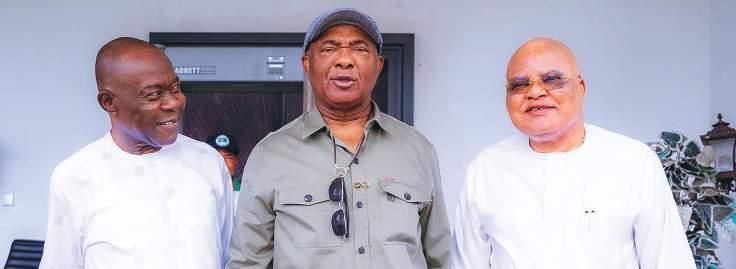
L-R: APC Leader in Okigwe Zone, Chief Tony Chukwu;
Owerri, on Monday
Kuni Tyessi in Abuja
The Christian Association of Nigeria (CAN) has slammed the worsening insecurity in the country following the abduction of schoolchildren, teachers and school officials in Oriire Local Government Area of Oyo State.
CAN President, Archbishop Daniel Okoh, described the attack on schools in Ahoro-Esinele and Yawota communities as a national disgrace, warning that terror was spreading dangerously across the country.
The Christian body expressed outrage that armed men reportedly invaded schools in broad daylight, killed innocent residents and whisked away pupils and teachers without resistance.
CAN also mourned the
reported killing of an assistant headmaster said to have died while trying to protect the children during the attack.
“When children are hunted in their classrooms, silence becomes complicity and delay becomes dangerous.
“It is intolerable, disgraceful and utterly unacceptable that Nigerian children can no longer sit safely in classrooms without the fear of being kidnapped by armed gangs.
“Their sacrifice must never be forgotten, and those responsible must be identified, apprehended and prosecuted without hesitation,” the statement added.
Okoh lamented what he called the government’s repeated promises without concrete action, insisting that Nigerians were
tired of endless condolences while kidnappers continued to operate freely.
“Nigerians are exhausted by condolences without consequences and promises without protection,” he stated.
The CAN President warned
that kidnapping and organised criminal violence, once rampant in parts of northern Nigeria, had now spread to the South-West, threatening national peace and security.
He urged the Federal Government, security agencies and
the Oyo State Government to immediately deploy all available resources to rescue the abducted victims and arrest those behind the attack.
CAN further called for stronger protection of schools and rural communities, insisting that safe school initiatives must move beyond paper promises. The association also expressed solidarity with affected families, churches and residents of Oriire Local Government Area, while praying for the safe return of all abducted victims.
David-Chyddy Eleke in Awka
The Academic Staff Union of Universities (ASUU), Owerri Zone has warned the federal government about waning trust in the implementation of the 2025
The Trade Union Congress of Nigeria, (TUC) has approved disciplinary measures against members found guilty for various offences.
At its National Executive Council (NEC) meeting on Monday in Lagos, the union approved the expulsion of 11 members and suspension of 14 others for two years.
The union said it had earlier constituted a Disciplinary Committee to investigate allegations against the affected members, adding that NEC approved the sanctions based on the recommendations of the committee.
In a communique signed by the President General of TUC, Comrade Festus Osifo and Secretary General Nuhu Toro, the union said the expulsion and suspension of the members took immediate effect.
The communique said that the union’s NEC meeting had in April set up disciplinary committee, mandating it to invite all concerned officers, members and affiliates of Congress, with the mandate to review cases of flagrant disobedience by any member, officer or affiliate who has disregarded the resolutions
and decisions of NEC.
The committee was also asked to determine culpability of the members and “recommend appropriate sanctions against any member, officer or affiliate found guilty”.
It said that the committee was given seven working days from the date of the letter of appointment to complete their assignment and submit a comprehensive report of findings and recommendations to the National Secretariat.
“The NEC, at its meeting held on 18th May, 2026, received the report of the Disciplinary Committee and deliberated extensively on its findings and recommendations. At the end of deliberations, the NEC resolved as follows:
“That the underlisted officers and members are hereby expelled from the Trade Union Congress of Nigeria with immediate effect: Lagos State Council: Comrade Abiodun Aladetan – ASCSN, Comrade Gbolahan Kabiawu – NUAHP, Comrade Veronica Egbukichi – ATSSSAN, Comrade Salau Oladele – SSAUSCGOC Rivers State Council, Comrade
Josiah Udoka – ASCSN, Comrade Emmanuel Onumbu – ASCSN, Comrade June Danangogo – ASCSN Enugu State Council, Comrade Ben Asogwa – NUAHP.
Others affected by the expulsion were; Comrade Simeon Ejikemen Akaeme – ASUSS, Comrade Igbokwe Joe Igbokwe – ASCSN, purported Returning Officer, Enugu State Council. Bayelsa State Council, Comrade Fefegha Muneneyi Edwin – NUAHP”.
TUC said the consequences of expulsion are that the persons cease forthwith to be members, officers, representatives or functionaries of the union.
The union also suspended 14 of its officers and members.
Those suspended for a period of two years, with immediate effect include: Comrade Martins Adesanoye – CCESSA, Comrade Idoka John – NMNWOTSSA from Lagos State Council, while Comrade Nnamdi Cosmos Jacob Simon Idakwo from Rivers State Council and Comrade Enemotimi Allen – ASCSN from Bayelsa State Council were also handed two years suspension.
FGN-ASUU Agreement reached.
The coordinator of ASUU in the zone, Prof. Dennis Aribodor, who briefed journalists at Nnamdi Azikiwe University, Awka on Tuesday said the zone has maintained a studied silence since the signing of the December 2025 Agreement with the Federal Government and its public presentation in January 2026.
While presenting their review of the outcome of the implementation of the signed agreement and other outstanding issues, Aribodor warned that trust which the union has in government may be entirely lost if the agreement is not kept.
He said: “We are apprehensive that the momentum of trust and goodwill generated with the unveiling of the 2025 FGN-ASUU Agreement on 14th January, 2026 is fast waning and may soon be lost if government’s promise to fully implement the agreement
is not kept.
“Our apprehension is predicated on government’s failure to inaugurate the Implementation Monitoring Committee (IMC) expected to shield the agreement from bureaucratic bottlenecks and guide its strategic actualization.
“So far, the Federal Government agents have implemented it in a distorted and an uncoordinated manner while very few state governments have embraced and implemented aspects of the Agreement.
“Administrators of federal universities are picking and choosing what to pay among the Consolidated Academic Tool Allowances (CATA), Earned Academic Allowances (EAA) and Professorial Allowances (PA) whereas all of these should have been mainstreamed with the Consolidated Academic Staff Salary Scale (CONUASS)
as monthly salary packages for the concerned academic staff.”
The coordinator lamented that two universities within the zone, which are owned by the Anambra and Imo State governments have continued to face challenges, especially academic staff of the universities.
He said: “Chukwuemeka Odumegwu Ojukwu University (COOU) and Imo State University Owerri (IMSU) have key issues demanding the urgent attention of their visitors. The issues demanding urgent attention.
“At COOUTH, they include; withheld salaries of academic staff that participated in the 2020 and 2022 Strike actions, the non-implementation of 25% and 35% wage awards and the current N70,000 minimum wage, the non-implementation of all the components of the 2025 ASUUFGN agreement.
Michael Olugbode in Abuja
The National Environmental Standards and Regulations Enforcement Agency (NESREA) has sealed off a rice processing facility in Kano State, Fortune Rice Mills Limited, over alleged violations of environmental regulations relating to air pollution and offensive emissions.
The enforcement action, carried out on Monday, was led by the agency’s North-West Zonal Director,
Dr. Mudashiru Raheem, following investigations into public complaints against the company.
According to NESREA, residents had raised concerns over persistent dust emissions and offensive odour emanating from the facility despite earlier compliance notices issued to the company.
The agency said investigations established that the rice mill violated provisions of the National Environmental (Air Quality Control)
Regulations 2014 as well as the National Environmental (Food, Beverages and Tobacco Sector) Regulations 2023, prompting the sealing of the plant. Director-General of National Environmental Standards and Regulations Enforcement Agency, Innocent Barikor, who authorised the shutdown, condemned what he described as the “reckless attitude” of some industrial facilities towards public health and environmental safety.





Acting Group Politics Editor DEJI ELUMOYE
Email: deji.elumoye@thisdaylive.com
08033025611 sms only
Iyobosa Uwugiaren argues that what should have been a democratic process aimed at strengthening public trust in the electoral process during the a ll Progressives Congress’ primaries instead became another symbol of the deepening crisis within Nigeria’s political culture.
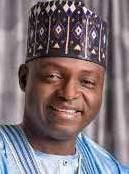
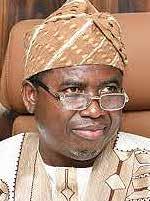
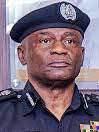
The controversies trailing the outcomes of the recent primaries of the All Progressives Congress (APC) have once again exposed one of the greatest threats to the nation’s democracy — the persistent absence of internal party democracy.
From reports of violence and thuggery to complaints of candidate’s imposition, manipulation of delegates’ lists, vote-buying, intimidation, rigging and lack of transparency, the exercises have left many Nigerians questioning whether political actors truly understand the essence of democracy beyond the pursuit of power.
Although complaints emerged across the country, nowhere were these political fraud and rascality more pronounced than in Edo State, particularly in Edo South, where discontent among party faithful over the conduct of the primaries became impossible to ignore.
What should have been a democratic process aimed at strengthening public trust in the electoral process instead became another symbol of the deepening crisis within Nigeria’s political culture.
Ordinarily, political parties are supposed to be the foundation of democracy. They are expected to provide platforms for fair competition, encourage political participation, and allow members to freely choose their candidates through transparent processes. However, when a ruling party fails to obey its own internal rules and guidelines, it sends a troubling message about its commitment to democratic principles ahead of the 2027 general elections.
The concern is simple: if democratic values cannot thrive within political parties themselves, how can Nigerians expect fairness during the general elections? That question now hangs heavily over the nation’s political landscape.
APC, as the governing party, carries a burden of responsibility greater than that of opposition parties. Citizens naturally expect the party in power to set standards in political conduct and democratic culture. Unfortunately, the recent primaries appear to have achieved the opposite.
Rather than inspiring confidence, the process has reinforced public cynicism about politics in Nigeria. Many Nigerians and members of the international community now see elections not
as contests of ideas or competence, but as battles controlled by money, influence, violence and elite manipulation.
This perception is dangerous for democracy.
At the core of the crisis is the recurring problem of candidate imposition.
Across Nigeria’s political system, party structures are often dominated by powerful individuals, especially state governors and political godfathers who determine outcomes long before delegates cast their votes. Aspirants who enjoy grassroots popularity are frequently sidelined if they lack the backing of influential interests.
The consequences are severe. When candidates emerge through manipulation rather than genuine support, party unity suffers. Aggrieved members become disillusioned, defections increase, and voters lose faith in the credibility of the electoral process. In many cases, unpopular candidates eventually become liabilities during general elections because they lack organic public acceptance.
The situation in Edo South illustrates this wider national problem. Complaints from party stakeholders over irregularities and exclusion suggest that many participants believed the process was compromised from the outset. How does one explain a situation in which a sitting Senator, Neda Imasuen, was reportedly prevented from voting in his ward during the primaries?
Whether every allegation is ultimately proven or not, the perception of injustice alone is damaging enough.
Democracy depends not only on fairness but also on public trust. Once citizens and the electorate begin to believe that outcomes are predetermined, participation declines. People become apathetic because they feel their votes no longer matter. This growing distrust is already evident in Nigeria’s declining voter turnout figures over the years.
Equally troubling is the normalization of violence during political contests. Reports of thuggery and intimidation during the primaries reveal how deeply violence has become embedded in Nigeria’s political environment. Elections are increasingly treated as wars to be won at all costs rather than democratic exercises governed by rules and civility.
This trend discourages decent and competent individuals from participating in politics. Many professionals, intellectuals, women, students and young people avoid active political engagement because of the dangerous atmosphere surrounding elections. Politics becomes dominated by those with access to money, coercive networks or political muscle.
The long-term effect is the steady decline in leadership quality. A political system that rewards intimidation over ideas cannot consistently produce visionary leadership. Instead, it risks empowering individuals who view political office primarily as an instrument of personal survival, enrichment and patronage.
The role of institutions in this crisis should also be critically examined. The Independent National Electoral Commission (INEC) is expected to monitor party primaries and ensure compliance with electoral laws.
Although the commission’s powers over internal party affairs may be limited, stakeholders in the political landscape still expect stronger oversight and moral authority in defending
When a ruling party cannot faithfully obey its own rules during primaries, nigerians have every reason to worry about the integrity of the larger electoral process. The warning signs are already visible. Ignoring them would come at a great cost to the future of nigeria’s democracy.
electoral integrity.
Security agencies, too, must rise above accusations of selective enforcement or political bias. Their responsibility is to protect lives and preserve order, not to become instruments in political power struggles. Failure to curb violence during party primaries only emboldens those who believe intimidation is an effective political strategy.
The judiciary has also become an unavoidable battleground after most controversial primaries. Increasingly, aspirants dissatisfied with internal party processes seek justice in courtrooms rather than within party mechanisms. While judicial intervention may sometimes correct injustices, excessive litigation reflects the collapse of credible internal dispute-resolution systems within political parties.
More fundamentally, the crisis surrounding the primaries highlights the commercialization of politics in Nigeria. Money has become one of the most decisive factors in electoral contests. Delegates are routinely accused of selling their votes to the highest bidder, while aspirants spend enormous sums securing endorsements and political loyalty.
Politics has gradually transformed from public service into a high-risk investment venture. This reality fuels corruption in governance. Politicians who spend heavily to secure nominations and elections often enter office under pressure to recover their investments. Public resources then become tools for political compensation rather than instruments of national development.
The damage goes beyond politics alone.
When democratic processes lose credibility, democratic values themselves become devalued. Young Nigerians watching these developments may begin to conclude that democracy is merely a façade masking elite bargains and political manipulation. Such cynicism weakens national unity and threatens long-term political stability. A democracy cannot thrive where citizens no longer believe in the system. The APC — and indeed all political parties in Nigeria — must therefore understand the seriousness of this moment. Internal democracy is not a luxury; it is the foundation upon which credible governance rests.
Bennett Oghifo
The Lagos State Government has raised fresh concerns over the growing dangers associated with indiscriminate dredging activities across the state, warning that the increasing scarcity and high cost of sand could trigger wider economic, environmental, and food security challenges if urgent measures are not taken.
The Commissioner for Waterfront Infrastructure Development, Dayo Bush Alebiosu, disclosed this while presenting his account of stewardship over the last two years to journalists at the annual ministerial press briefing held at the Bagauda Kaltho Press Centre.
According to the commis-
sioner, while dredging remains essential for development and land reclamation projects, the growing desperation for sand across Lagos is already exposing the dangers of over-exploitation of the state’s waterways and coastal resources.
Alebiosu noted that developers carrying out reclamation projects in the Lekki-Ajah axis now source sand from
communities as far as Ikorodu, sometimes pumping sand across distances of up to 10 to 12 kilometres due to depletion in closer locations.
“For me, it confirms my fears,” he said. “If you are reclaiming land in Ajah and you now have to pump sand from Ikorodu, it means the sand resources within Ajah are gradually running out.”
He warned that the development points to mounting pressure on available sand deposits across the state and underscores the urgent need for accurate data and stricter regulation of dredging activities.
The commissioner stressed that the state government is becoming increasingly cautious in issuing dredging licences and permits because of the need to properly understand how much sand is being extracted daily, how many operators are involved, and the volume of sand still available in various locations.
“We need proper data. We need to know how many people are dredging, how much sand is being dredged daily, and what is left within those areas,” he stated.
Stakeholders in the built environment and sustainability sectors have reinforced the critical role of facility management in shaping behaviour, fostering community connection, and driving sustainable urban living at the 2026 World Facility Management Day celebration organised byInternational Facil-
ity Management Association (IFMA) Nigeria Chapter held at the Alliance Française Mike Adenuga Centre, Ikoyi, Lagos state.
The event, themed “Cultivating Belonging Through Built Environments,” brought together professionals, policymakers, sustainability advocates, and industry leaders to explore how built environments can create
stronger, more inclusive, and people-centred communities.
Delivering the keynote address, the Managing Partner, GYB Cojsults Limited, Architect Olugbenga Onabanjo explained that built environments go beyond physical structures and must be intentionally designed to influence emotional connection, responsible behaviour, and civic consciousness.
Onabanjo noted that cultivating belonging requires deliberate investment in communitycentred infrastructure, including walkable neighbourhoods, safe public spaces, green environments, and proper maintenance culture.
“Built environments are not just physical spaces; they are emotional and behavioural systems that shape how people
think, interact, and behave. The environment sends messages every day, and when spaces are intentionally designed with safety, walkability, greenery, and proper maintenance in mind, they encourage connection, civic responsibility, and a stronger sense of belonging,” he said.
Speaking at the event, the President, IFMA, Nigeria Chapter, Engr Sheriff Daramola, explained that facility management has evolved significantly in about three decades from informal maintenance practices into a strategic discipline that delivers measurable value across sectors including banking, healthcare, transportation, education, oil and gas, telecommunications, media, public infrastructure, and the broader built environment.
Goke Ilesanmi
Otunba Odeyeyiwa Kazeem
Olayemi, GMD/CEO of Repton Group has stressed the need to acquire technology skills, especially Artificial 1ntelligence (AI) skills, for career advancement in the digital age. Odeyeyiwa said building a successful career in today’s technology-driven global economy requires a strategic blend of continuous technical upskilling, adaptability and emotional intelligence.
The CEO of Repton Group, a conglomerate with subsidiaries such as Kazab Heritage Limited (for distribution); Defrost Ventures Limited (for haulage and logistics); Kazab Oil and Gas; Heritage Engineering Services Limited, and Kazab Homes and Properties, made the disclosure at the recent Lagos Career Fair 2026 where he was the Keynote
Speaker. Odeyeyiwa who spoke on the theme, “Building a Winning Career in Today’s Technology- and AI-Driven Global Economy” said as AI, automation and digital platforms transform industries, workers must change or pivot from routine tasks towards roles that require human-AI collaboration.
According to the Repton CEO, “This step becomes imperative because research confirms that by 2030, nearly 90% of jobs will require digital skills. The emerging trends clearly show that new technologies, including AI, will definitely have both positive and negative impacts on career in the digital age of global economy.
“A recent research report by the Nexford University says anyone who does know that
artificial intelligence will affect jobs and careers between 2026 and 2030 must definitely be living under a rock. One major recurrent question is whether or not AI will enhance careers and global economy or disrupt them. This is a controversial subject that has proponents and opponents on both sides of the divide.” Odeyeyiwa explained that many market research analysts say AI has the potential to bring about numerous positive changes in society, including enhanced productivity, improved healthcare and increased access to education but calls for immediate adaptability. The Repton CEO added that others, especially those working in human work types of jobs that are manually repetitive, assert that AI and robotics technologies are a disruptive force when it comes
to the future of jobs or careers because they are merely set to steal jobs and disrupt careers.
In his own submission, Odeyeyiwa said, “Building a winning career in today’s tech-
nology- and AI-driven global economy requires a deliberate and strategic transition from viewing AI and other technologies as competitors to treating them as collaborative partners.
In 2026, AI is transforming roles across all sectors rather than just eliminating them, with a shift from ‘human vs machine’ to ‘human x machine’ orchestration.
Kunle Awobodu
Against all odds, the Ogun State Government has blazed the trail of legal domestication of the National Building Code (NBC). The journey to instituting a
national regulatory framework that would attenuate incessant collapse of buildings by setting minimum standards for the building construction sector began in 1987, which was 39 years ago.
Since it gained approval of the Federal Executive Council in 2006, getting a Legislative Act for the NBC became an impossible task in the face of futile efforts and multiple setbacks.
Lagos State, being the notable
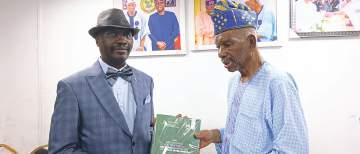
epicentre of building collapse and with the high level of awareness of its government on the relevance of the NBC at addressing this overwhelming problem took a bold step to domesticate the NBC.
Lagos, ahead of all other states of the Federation, pushed far in the pursuit of the Legislative Act for the NBC. Delays encountered in the NBC domestication in Lagos have surprisingly made Ogun emerge as the first state in Nigeria to adopt the NBC with Legislative Act.
This feat, this unprecedented achievement of the Ogun State Government, challenges the inquisitive mind.
The NBC domestication process in Ogun State was handled by the State’s Ministry of Physical Planning and Urban Development. The background and the experience of the ministry’s commissioner
evidently contributed to the doggedness displayed in attaining the Olympian heights of the National Building Code adoption, domestication or implementation as the case may be.
The Honourable Commissioner of this Ministry, Tpl. Tunji Odunlami is a Fellow of the Nigerian Institute of Town Planners and a Barrister - atLaw. He was a Director in the Lagos State Ministry of Physical Planning and Urban Development, and he later became the Permanent Secretary of the Lagos State Ministry of Housing.
In professional advocacy, Tpl. Odunlami had been the National Secretary of the NITP, and he was the Chairman, Constitution Review Committee of the Building Collapse Prevention Guild.
As shown in the attached flyer, he was a Special Guest at the Advocacy Programme
of the Nigerian Bar Association Ikeja Branch and BCPG Ikeja Cell with the theme; ‘Building Collapse And Application Of Punitive Laws In Lagos State.’ The programme was held at the Bar Centre, Lagos State High Court, Ikeja on Wednesday, 25th October, 2023.
The importance of the nation having a legally backed National Building Code was emphasised by the Guest Speakers, including the Human Rights Advocate, Barr. Femi Falana, SAN; the Lagos State Attorney General & Commissioner for Justice, Barr. Lawal Pedro, SAN; and the Lagos State Commissioner of Physical Planning and Urban Development, Dr. Oluyinka Olumide, FNIOB.
-Bldr. Kunle Awobodu, Pioneer National President, Building Collapse Prevention Guild
Blessing Ibunge reports that for seven days between April 26 and May 3, 2026, the Nigerian Navy turned the waters of the Gulf of Guinea into a theatre of calculated manoeuvres, tactical simulations and coordinated operations designed to test, showcase and strengthen its maritime security capabilities
The Nigerian Navy had within a week showcased capacity in tackling sea piracy and other maritime crimes in the Gulf of Guinea. What unfolded across that period was not merely a sequence of naval exercises, but a deliberate demonstration of force, readiness and regional cooperation at a time when the security of maritime corridors has become increasingly critical to global commerce and national economic survival.
From the flag-off of Exercise Obangame Express 2026 to the conclusion of Exercise Fleet Sentinel, the Central and Eastern Naval Commands mobilised ships, aircraft and elite personnel in a display that underscored the Nigerian Navy’s evolving doctrine: preparedness through collaboration, vigilance through presence, and deterrence through capability.
Strengthening Regional Cooperation
The week-long activities began on Sunday, April 26, at the Federal Ocean Terminal, Onne, Rivers State, where the Chief of Naval Staff (CNS), Vice Admiral Idi Abbas, declared open Exercise Obangame Express 2026 aboard NNS Ikenne.
Represented by the Chief of Operations at Naval Headquarters, Rear Admiral Patrick Effah, the CNS set the tone for the exercise, emphasising discipline, professionalism and the strategic importance of multinational cooperation in combating maritime threats.
Obangame Express, first initiated in 2010 under the auspices of the United States in collaboration with Gulf of Guinea navies and select European partners, has grown into one of the region’s most significant maritime security exercises. Its core objective remains consistent: to strengthen coordination among participating nations, enhance information sharing and build the operational capacity required to combat transnational maritime crimes such as piracy, crude oil theft, illegal fishing and narcotics trafficking.
In his address, Abbas highlighted the changing nature of maritime threats, describing them as increasingly transnational and asymmetric.
According to him, exercises like Obangame Express provide a rare but vital opportunity for navies to “train together, operate together and build the trust necessary for real-time coordination during actual operations.” That emphasis on interoperability would define much of the activity that followed in the days at sea.
Tactical Simulations at Sea
The Nigerian Navy deployed a formidable array of assets for the 2026 edition, including about 10 ships, two helicopters, maritime domain awareness platforms and elements of its elite Special Boat Service (SBS). Once deployed into the Gulf of Guinea, these assets engaged in a series of structured scenarios designed to mirror real-world threats.
Across four days, naval crews rehearsed interdiction operations, maritime patrols, boarding procedures and coordinated surveillance missions. Warships moved in tactical formations while helicopters provided aerial reconnaissance and rapidresponse support.
The SBS units, known for their agility and precision, executed boarding drills and close-quarter operations on suspect vessels.
One of such simulations involved NNS Chalawa, commanded by Commander James Emmanuel, which intercepted a vessel suspected of transporting stolen crude oil. Following standard boarding
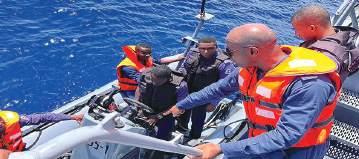

procedures, the team conducted a thorough search, eventually confirming the cargo as legitimate and releasing the vessel.
The exercise, though simulated, reflected the delicate balance naval personnel must maintain between enforcement and lawful maritime conduct.
In another scenario on April 29, naval vessels including NNS Shere pursued a Spanish merchant ship entering Nigerian waters from the Benin Republic. Supported by aerial surveillance from a naval helicopter, the ships intercepted and boarded the vessel, conducted necessary checks and subsequently cleared it to continue its voyage to Cameroon.
Such coordinated actions illustrated the importance of intelligence sharing and rapid deployment in modern maritime operations.
Throughout the exercise, participating ships maintained a steady patrol presence across designated sectors of the Gulf of Guinea. Midway into the operations, NNS Kada, one of the Nigerian Navy’s largest platforms, joined the fleet, providing both logistical reinforcement and a command hub for operational reviews. Its deck became a floating command centre where senior officers assessed progress, exchanged insights and fine-tuned strategies.
By April 30, the sea phase of Exercise Obangame Express had concluded, with all participating vessels returning to Bonny Anchorage for a comprehensive debrief. The exercise was formally declared a success, with the CNS commending the professionalism and coordination displayed by officers and ratings.
Rear Admiral Effah, speaking on behalf of the CNS, noted that the exercise went beyond mere drills.
“We did not just exercise alone,” he
said. “We exercised with other navies not only to project power within our maritime domain but also beyond our shores into the Gulf of Guinea.” That outward projection, he explained, is critical in assuring international shipping interests of Nigeria’s commitment to maritime security.
Indeed, the broader significance of Obangame Express lies in its measurable impact over the years. Nigeria’s removal from the International Maritime Bureau’s list of piracy-prone countries in 2022 remains a landmark achievement often attributed to sustained naval operations and international collaboration fostered through such exercises.
The resulting increase in investor confidence, shipping traffic and maritime safety has reinforced the Federal Government’s ambition to build a viable blue economy.
For the Flag Officer Commanding (FOC) Eastern Naval Command, Rear Admiral Chiedozie Okehie, the 2026 exercise came at a particularly crucial time. With renewed global focus on the Gulf of Guinea as a vital corridor for energy supply and international trade, he stressed that Nigeria’s maritime domain must remain secure.
“This exercise provides a timely opportunity to reinforce efforts to protect critical infrastructure and counter crude oil theft and other maritime crimes,” Okehie said, adding that its success underscores the value of partnership and collective responsibility in addressing shared security challenges.
Even as Obangame Express wound down, preparations were already underway for another major operation, Exercise Fleet Sentinel. Unlike the multinational Obangame Express, Fleet Sentinel is a homegrown initiative designed to test the internal operational readiness of the Nigerian Navy’s fleet.
Coordinated from Bonny and jointly hosted by the Eastern and Central Naval
Commands, the exercise focused on assessing combat readiness, enhancing coordination among naval units and sharpening tactical responses to emerging threats.
The Flag Officer Commanding Central Naval Command, Rear Admiral S.D. Ibrahim, described the exercise as a necessary response to evolving maritime challenges. “In an era of asymmetric threats, it is imperative that the Nigerian Navy remains fully prepared to support national and regional maritime security initiatives,” he said.
Fleet Sentinel brought together nine ships and two helicopters in a series of manoeuvres that included patrol operations, formation sailing and live-fire drills. According to the Officer in Tactical Command, Commodore I.B. Salisu, the exercise provided a practical environment for testing procedures and validating operational concepts.
Ships were assigned patrol sectors, where they conducted surveillance and threatresponse simulations before converging for coordinated exercises, including target engagements at sea.
The emphasis, once again, was on realism, ensuring that personnel are not only trained but conditioned to respond effectively under pressure.
Securing the Gulf of Guinea
Representing the CNS at the flag-off of Fleet Sentinel, Rear Admiral P.S. Anabraba, Chief of Naval Safety and Standards, described the exercise as emblematic of the Navy’s enduring role as a “maritime guardian.”
He noted that the lessons drawn from Obangame Express would feed directly into Fleet Sentinel, creating a continuum of learning and operational refinement.
“This exercise will significantly enhance the Nigerian Navy’s capacity to conduct fleet operations and other maritime tasks,” Anabraba said, commending the leadership of the Eastern and Central Commands for their coordination.
Complementing both exercises were the activities of the Special Boat Service, which conducted parallel drills within the Bonny Anchorage.
These exercises focused on improving rapid-response capabilities, close-quarter combat readiness and precision operations, skills essential for countering piracy and maritime terrorism.
By the time Fleet Sentinel concluded on May 3, 2026, the Nigerian Navy had effectively executed a comprehensive cycle of training, evaluation and operational demonstration. The closing review aboard NNS Kada brought together senior officers to assess outcomes, identify gaps and chart the way forward.
Notably, the entire week-long operation recorded no casualties, a testament to the professionalism and safety protocols observed throughout the exercises.
Beyond the immediate tactical gains, the twin exercises send a broader strategic message. They affirm Nigeria’s commitment to securing its maritime domain, protecting economic assets and contributing to regional stability. In a world where maritime threats are increasingly complex and interconnected, such demonstrations of capacity are not merely symbolic, they are essential.
As global attention continues to focus on the Gulf of Guinea, the Nigerian Navy’s sustained investment in training, collaboration and operational readiness positions it as a central pillar in the region’s security architecture. And if the events are any indication, the service is not only prepared for today’s challenges but is steadily building the capacity to confront those of tomorrow.
General Manager of Abuja Continental Hotel, Aurelio Giraudo, has hospitality experience spanning over 30 years in luxury hotel management. He has held senior leadership roles with renowned brands globally. His expertise covers hotel openings, repositioning, quality enhancement, team development, and financial performance. Giraudo says he is focused on raising service standards, strengthening market positioning, and delivering exceptional guest experiences through hands-on leadership and a commitment to operational excellence. Charles Ajunwa brings excerpts
How would you describe Abuja Continental Hotel's evolving identity as a home away from home for both residents and walk-in guests?
Abuja Continental Hotel has evolved into far more than a place to stay—it is a destination where comfort, familiarity, and genuine hospitality come together. For resident guests, it offers the reassurance of refined accommodation and attentive service; for walk-in guests, it provides welcoming spaces for dining, meetings, recreation, and social connection. Our aim is to create an environment where every guest feels at ease, valued, and cared for. That is what transforms an iconic hotel into a true home away from home.
Luxury today goes beyond opulent rooms to encompass holistic experiences. How is Abuja Continental redefining luxury stay through personalised service, comfort, and ambiance?
Abuja Continental is redefining luxury by moving beyond product alone and focusing on experience. Today’s luxury guest values recognition, personalisation, comfort, and atmosphere as much as physical design. Our role is to ensure that every touchpoint, from service style to room comfort to the ambiance of the overall environment, feels intentional, refined, and emotionally engaging. In that sense, luxury for us is not only about what we offer, but about how consistently and thoughtfully we make our guests feel cared for.
What makes your recreation facilities and dining experiences stand out in Abuja’s competitive market?
At Abuja Continental Hotel, we offer far more than accommodation—we create a complete lifestyle experience. Our recreation facilities, from the pool and fitness areas to our relaxing resort-style environment in the heart of Abuja, give guests a rare sense of escape within the city. Our dining experiences are equally important, with a focus on variety, quality, and atmosphere that appeals to both resident guests and Abuja’s wider social community. What truly sets us apart is the way these elements come together to create memorable moments. Guests may arrive for business or leisure, but they return for the experience, the ambiance, and the feeling of genuine hospitality.
Abuja hosts diplomats, business executives, and tourists alike. How does the hotel tailor its offerings to meet the diverse expectations of such a sophisticated clientele?
We tailor our offering by understanding that each guest arrives with different expectations, but all value efficiency, comfort, and thoughtful service. For diplomats and business executives, we focus on discretion, security, seamless stays, and strong meeting and event facilities. For leisure guests, we create a more relaxed and engaging experience through our dining, recreation, and warm hospitality. What unites all of our guests is the desire to feel recognised and well cared for. That is why personalisation, attention to detail, and flexibility are at the heart of the Abuja Continental experience.
With rising competition in Abuja’s hospitality space, what strategic investments has Abuja Continental made to maintain its leadership position in luxury and service excellence?
To maintain our leadership position, we continue to invest strategically in product
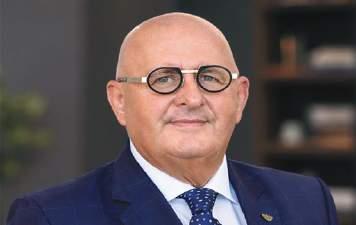
enhancement, service culture, and guest experience. This includes the ongoing upgrade of our facilities, the refinement of our dining and recreation offerings, and a strong focus on elevating service standards across the hotel. At the same time, we are investing in our people, because true luxury is delivered through exceptional service. In a competitive market, it is this combination of continuous improvement, operational excellence, and genuine hospitality that keeps Abuja Continental relevant, distinctive, and trusted.
Culinary tourism is now a major draw for travellers. How is your culinary team blending international cuisine with authentic Nigerian flavours to create a signature dining experience?
Our culinary philosophy is to celebrate both international excellence and local identity. We want every dining experience at Abuja Continental to feel refined and global, while still reflecting the richness and character of Nigerian flavors. By blending international techniques with authentic local ingredients and regional influences, our culinary team creates menus that are both familiar and distinctive. The result is a dining experience that resonates with international travellers, while also giving guests a genuine taste of place.
How is Abuja Continental leveraging technology to enhance guest convenience while preserving the warmth of human service?
We see technology as an enabler, not a replacement for hospitality. Our focus is on using it to make the guest journey smoother, more efficient, and more convenient—from communication and service coordination to the overall ease of the stay—while ensuring that the human touch remains at the centre of the experience. In luxury hospitality, warmth, attentiveness, and personal connection can never be replaced. Technology helps us respond faster and serve better, but it is our people who create the lasting impression.
Sustainability and wellness are shaping modern travel preferences. What initiatives have the hotel introduced to ensure guests enjoy
luxury without compromising on health, safety, and environmental responsibility?
At Abuja Continental, we believe modern luxury must be responsible as well as comfortable. Our approach is centred on creating a safe, wellness-driven environment for guests, while continuously improving operational practices that support sustainability and long-term efficiency. From maintaining high standards of hygiene, safety, and guest well-being to adopting more mindful ways of managing resources and hotel operations, our goal is to deliver an experience that feels refined, reassuring, and aligned with the expectations of today’s conscious traveller.
Beyond accommodation, hotels are becoming lifestyle destinations. What recreational and lifestyle experiences at Abuja Continental keep guests choosing to stay longer or return more often?
What encourages guests to stay longer and return is the fact that Abuja Continental offers far more than accommodation—it offers a lifestyle experience. Beyond the comfort of the stay, guests can enjoy tennis, squash courts, padel, pickleball, a football ground, badminton, a dance studio, a gym, and a swimming pool, all within the hotel environment. This variety gives guests the freedom to relax, stay active, socialise, and enjoy a true resort-style atmosphere in the heart of Abuja. It is this balance of hospitality, wellness, and recreation that makes the experience memorable and keeps guests coming back.
What systems and culture does the hotel have in place to ensure every guest, whether resident or walk-in, receives the same exceptional experience?
Service consistency begins with culture. At Abuja Continental, we work to ensure that every guest experience is guided by the same standards of professionalism, attentiveness, and genuine care, whether the guest is staying in the hotel, dining in one of our outlets, or visiting for an event. This is supported by clear operational standards, team training, leadership presence, and a strong service mindset across all departments. In luxury hospitality, consistency is what builds trust, and our goal is to make every interaction reflect the same quality, warmth, and excellence.
Abuja is positioning itself as a MICE and tourism destination. How is Abuja Continental capitalising on
this by offering world-class conference, event, and banquet facilities that attract high-profile gatherings?
Abuja Continental is well positioned to support Abuja’s growth as a MICE and tourism destination because we offer the scale, location, and versatility required for highprofile events. Our conference and banquet facilities are designed to host everything from diplomatic gatherings and corporate meetings to large social occasions, with the service standards expected of an international luxury hotel. What makes the difference is the combination of space, experience, and hospitality. We do not simply provide venues—we create an environment where business, prestige, and guest experience come together seamlessly.
Following your recent recognition as Abuja’s Best Luxury Hotel and Conference Centre by the Luxury Lifestyle Awards, what tangible benefits can guests and patrons now expect in terms of elevated service standards, amenities, and overall experience at Abuja Continental Hotel?
This recognition is both an honour and a responsibility. For our guests, it means an even stronger commitment to service consistency, product quality, and continuous improvement across the entire hotel experience. The award specifically recognises Abuja Continental Hotel as the 2026 winner for Best Luxury Hotel and Conference Centre in Nigeria, reflecting our focus on excellence in hospitality and conference delivery. In practical terms, guests can expect elevated comfort, refined dining, upgraded wellness and event spaces, and a service approach built around efficiency, warmth, and attention to detail. Our aim is not simply to celebrate the recognition, but to translate it into a more polished, memorable, and rewarding experience every time a guest walks through our doors.
How will this recognition translate into enhanced value for both leisure guests seeking a premium stay and corporate clients hosting high-level conferences and events?
This recognition strengthens confidence in what guests and clients can already expect from Abuja Continental: a premium stay experience supported by trusted service standards and event excellence. For leisure guests, it means greater assurance of comfort, quality dining, wellness, and a more refined overall experience. For corporate clients, it reinforces our ability to deliver conferences and events with professionalism, scale, and the level of service high-profile gatherings require. In essence, the award does not change our direction—it validates it. It gives both leisure and business guests added confidence that they are choosing a hotel committed to continuous improvement, international standards, and memorable hospitality in the heart of Abuja.
Looking ahead, what is your vision for Abuja Continental?
Our vision is for Abuja Continental to be recognised not only as the leading hotel in Abuja, but as a reference point for hospitality excellence across Nigeria. We want to set the benchmark through consistent service, continuous investment, strong culinary and recreational experiences, and a culture that places the guest at the centre of everything we do. Ultimately, our ambition is to build a hotel that reflects international standards while expressing the warmth, character, and pride of Nigerian hospitality. That is how we intend to remain relevant, competitive, and truly distinguished in the years ahead.


JACK OKUDE pays tribute to Matthew Tonlagha, philanthropist and managing director of Maton Engineering Ltd
Even if the country has the right to pursue mercy, it should not be carelessly done, contends K. BOLANLE ATI-JOHN

Modern states are often judged not merely by how they defeat enemies, but by how they treat former enemies after conflict. This is one of the moral tests of civilization. Societies that cannot imagine redemption eventually become consumed by perpetual vengeance. Yet societies that abandon prudence in pursuit of reconciliation can commit an equally dangerous error. They can weaken the very institutions responsible for preserving order, sovereignty and public trust.
This tension lies at the heart of one of the most sensitive national security questions confronting states battling insurgency and terrorism: what should be done with repentant insurgents?
Rehabilitation is understandable. Deradicalization may even be strategically necessary. Reintegration into civilian society can, under carefully managed conditions, serve both humanitarian and security objectives. But the proposition becomes profoundly different when the discussion moves from society into the armed institutions of the state itself.
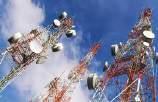
The NCC is seeking help from Office of the National Security Adviser to shore up deteriorating services, writes SONNY ARAGBAAKPORE See page 21 See page 21


The armed forces are not merely another public institution. They are the coercive spine of the republic. They are built upon trust, discipline, loyalty, secrecy, unit cohesion and command confidence. A military formation functions effectively only because soldiers believe the person standing beside them is fully committed to the mission, the flag and the chain of command. Once that confidence is weakened, the institution begins to suffer silent corrosion long before visible breakdown occurs.
This is why the mere contemplation of integrating former insurgents into armed or security-sensitive institutions raises grave national security questions, even if such integration is never formally implemented.
The issue is not whether people can repent. Human beings can change. History is full of individuals who abandoned violent causes and rebuilt their lives honorably. The issue is whether repentance automatically eliminates strategic risk. It does not.
Repentance is a moral category. Security clearance is a national security category. Confusing the two is dangerous statecraft.
The central problem is the insiderthreat dilemma. Modern security doctrine treats insiders as among the most dangerous threats precisely because they possess trusted access. External enemies must struggle to
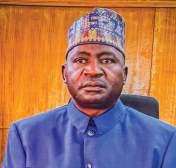
penetrate defenses. Insiders already exist within them. They understand routines, vulnerabilities, operational culture, command patterns and institutional psychology. In military environments, this danger becomes even more acute because access may involve weapons systems, deployment information, operational planning, intelligence procedures and force protection measures.
States fighting active insurgencies cannot afford strategic naivety about insider threats.
Nigeria’s challenge is especially delicate because the country is not dealing with a concluded historical conflict. Boko Haram and ISWAP remain active operational threats. Military bases continue to be attacked. Soldiers continue to die. Communities continue to experience displacement, fear and trauma. In such an environment, the psychological distance between combatant and victim remains dangerously narrow.
This is what makes the discussion fundamentally different from postconflict integration arrangements seen elsewhere.
In some countries emerging from civil war, former combatants were integrated into reconstituted national security structures as part of negotiated peace settlements. But these arrangements usually emerged under highly specific conditions: formal ceasefires, internationally supervised disarmament frameworks, political settlements between organized factions and extensive institutional restructuring. Even then, such integrations often produced enduring tensions, factionalism and distrust within the security apparatus.
Nigeria’s situation is not analogous to a fully settled postwar transition. The insurgency environment remains fluid. This changes the risk calculus entirely.
The state therefore faces a difficult but
unavoidable puzzle: how does it pursue rehabilitation without compromising institutional integrity?
The answer begins by recognizing that not all forms of reintegration carry equal levels of national security risk.
Civilian reintegration, under structured monitoring and deradicalization programs, belongs to one category. Integration into armed institutions belongs to another entirely. The first seeks social stabilization. The second affects the integrity of the state’s coercive infrastructure itself.
This distinction is crucial because prolonged insecurity can gradually produce institutional desensitization. States exhausted by endless conflict sometimes begin lowering psychological and operational red lines in pursuit of short-term stabilization. Under pressure, abnormal propositions slowly begin to appear reasonable. Over time, societies can become so accustomed to crisis management that they stop recognizing the deeper strategic implications of certain decisions.
This is where sober national security analysis becomes essential.
One of the least discussed consequences of poorly designed reintegration policies is their effect on military morale. Armies are not abstract organizations. They are emotional institutions built around sacrifice, memory and shared danger. Soldiers remember fallen colleagues. They remember ambushes, funerals and battlefield trauma. They remember communities destroyed by insurgency. If troops begin to perceive that the state is rewarding or elevating those once associated with the same forces responsible for those losses, the psychological consequences can be severe.
Morale does not collapse overnight. It erodes gradually through silent resentment, declining trust and weakening institutional attachment. This is especially dangerous in countries already struggling with recruitment pressures, operational fatigue and public confidence challenges. A military fighting a long insurgency requires cohesion more than ever. Policies perceived as morally confusing can unintentionally damage that cohesion. There is also the broader legitimacy question.
Rear Admiral Ati-John Rtd is a Distinguished Fellow of the National Defence College, Abuja and writes from Lagos
philanthropist
managing
The NCC is seeking help from Office of the National Security Adviser to shore up deteriorating services, writes SONNY ARAGBA-AKPORE

At just 50, Matthew Tonlagha’s life has orbited the full cycle of human accomplishments. From general welfare, education support, healthcare provision, community development, youth empowerment, job and wealth creation, and security of lives and physical infrastructure. In case, you don’t know him, Tonlagha is the Chairman of Maton Engineering and vice chairman of Tantita Security Services. He hit the golden age on February 8, this year. And it was a national celebration. A buzz full of substance and laden with significance. But the buzz was not for nothing. It was a testament to the impactful life of Tonlagha, especially in the oil and gas sector where his footprints are boldly expressed. The two enterprises he’s involved in play huge roles in oil exploration and security of oil and gas facilities especially in the difficult to navigate creeks of the oil-rich Niger Delta.
What stands him out is that he’s a homegrown entrepreneur. A made-in-Nigeria solution provider. A grassroots man devoted to the advancement of his community, his state and the nation at large. Endowed with natural brilliance and a wide knowledge bandwidth too exuberant to ignore, he has become a role model to many Nigerian youths. An exemplar of the truism that hard work has its due reward. Tonlagha is a futuristic and strategic thinker. This reflects in the manner he is handling operations at Tantita, whose chairman is the courageous Oweizdel Thomas Ekpemupolo (aka Tompolo).
To properly situate and appreciate the relevance of Tonlagha, let’s do a little inquisition into the state of the nation’s oil and gas sector. It was a sector fraught with fraud, brazen oil theft, sometimes on ship-load scales. At a time, the Niger Delta, the patch of earth that bears the oil, was a theatre of unbridled militancy, upheavals and agitations by listless youths who felt a sense of alienation from the benefits accruing from the crude oil drilled from their veins. Like the proverbial story of a woman scorned, the youths, justifiably so, raged and rallied against the Nigerian government and the oil majors that often treated them and the Niger Delta people with disdain.
This sense of injustice bred a wide range of challenges that impacted negatively on oil production. The consequences were dire for Nigeria - low revenue from oil, illegal bunkering, artisanal crude oil theft, and destruction of oil infrastructure. At a time, Nigeria’s oil production sunk to an all-time low, falling far short of OPEC quota. But all that changed in September 2022 when the Federal Government through the Nigerian National Petroleum Company Limited (NNPCL), awarded oil infrastructure surveillance contract to Tantita Security Services. That was the masterstroke that pulled Nigeria from the brink of acute oil production downturn.
The impact was instant. Oil theft reduced by 79% between 2022 and 2023 with average production rising from one million barrels per day and peaking
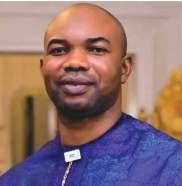
at 1.8m barrels/day by end of 2024. This was no magic. It came out of a deeper understanding of the causes of the agitations that defined militancy in the Niger Delta. Tantita quickly moved in, engaged the once restive but idle youths, collapsed the structures that divided the people from the traditional leaders and other stakeholders in the communities. Suddenly, the youths became engaged. They were employed, those who could handle small contracts were given. They committed to the ideal of Tantita and owned the entire ecosystem of protecting oil infrastructure in the region. Tantita simply democratised wealth in the Niger Delta through active stakeholder engagements especially the youths.
And peace, real peace, returned to the creeks. What was thought impossible became possible. Nigeria began to earn more money, thieving cartels and transnational syndicates of corruption in the oil sector were dismantled. For once in decades of oil exploration and exploitation, the youths became active participants in the oil production value chain. Government’s engagement of Tantita became the silver bullet that settled all the dust of crisis in the Niger Delta. Tompolo and his oil and gas business partner had been the ones driving the pulley of peace in the Niger Delta and ensuring that Nigeria ups it production in recent years.
There are copious reasons to appreciate the role of Tonlagha in the new push by the government to drive oil production to over 2 million barrels/day. First, here is a homegrown entrepreneur playing at the big stage of oil exploration, logistics and infrastructure protection. It is sure proof that Nigerians, not foreigners, are the solution to the multi-dimensional challenges bearing down on the nation. Tonlagha has proven to the world that Nigerians are capable of standing up and confronting their fears. In the oil and gas sector where foreign firms have held sway with clear command and control influence over the decades, Tonlagha has popped up to re-calibrate the dashboard and he has done so with stellar results.
The man who has ensured more earnings for Nigeria in oil and gas, is also a role model for many Nigerian youths. He is an example of men who turned adversity to advantage.
Okude, a public policy analyst, writes from Abuja
With recorded cases of 27,000 fibre optic cable cuts in 2025 alone, the Nigerian Communications Commission (NCC) is worried about the state of quality of service and seeks help from the Office of the National Security Adviser (ONSA) to manage and reduce to the barest minimum the incessant cuts on fibre optic cables by alleged vandals across the country. The NCC is equally disturbed that unless the ONSA and other security and concerned agencies support the moves to checkmate the increasingly sophisticated fibre optics cuts, its desire to reduce vandalism may be a pipe dream. And the quality of service will continue to decline.
In 2024, NCC published guidelines on Quality of Service (QoS) thresholds, and among others, specifies possible sanctions for operators who do not comply with the threshold. But while this appears to be in the right direction, poor QoS does not rest alone on the Mobile Network Operators (MNOs), the commission reasons. Only recently, it signed a Memorandum of Understanding (MoU) with the Central Bank (CBN) on how Mobile Network Operators (MNOS) should compensate subscribers for failed and incomplete calls. The NCC wants to enforce standards and strict regulations for optimum subscribers' experience, and it wants us to believe. Early last week, Communications, Innovation and Digital Economy Minister Bosun Tijani gave a marching order to the NCC to enforce compliance with the Quality-of-Service guidelines it initiated in 2024.
The Minister, in a statement said among other things that since transparency in the sector has brought operators to profitability, to whom much is given, much is expected from them. And so the “NCC, has been fully empowered, without interference, to carry out its mandate of monitoring performance, enforcing service standards, and ensuring compliance across the industry” adding that the Ministry “will continue to rely on the Commission’s periodic reports to track network performance, as well as feedback from Nigerians, including complaints and experiences shared across public platforms, to engage both the NCC and operators even more actively in the days, weeks, and months ahead.” Also, last week, the NCC released mandatory improved performance metrics for Mobile Network Operators (MNOs) and Tower companies, with a focus on reducing dropped calls and increasing data speeds.
These Operators must now notify consumers during major service outages and report them via the NCC’s Major Network Outages Reporting Portal. The Operators have equally been specifically directed to upgrade infrastructure, with plans for over 12,000 additional sites in 2026, of which nearly 3,000 have already been completed, including 5G site expansion. Enforcement of the updated QoS Regulations 2024, including potential sanctions and automatic consumer compensation for poor network service, is said to be ongoing. On Performance Metrics, the regulator tar-
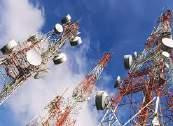
gets improvements in network coverage, capacity, and internet speed, with a goal of raising the national median download speed above 20 Mbps.
The reality of incessant complaints about the quality of service by consumers weighs heavily on the NCC that it returned to the drawing board to release elaborate ongoing efforts, including massive infrastructure investments, and strict regulatory enforcement that are aimed at permanently resolving the country’s Quality of Service challenges. Admitting the stagnated period of under-investment to grow the networks, the commission said the massive, ongoing network expansion and modernisation cycle is beginning to yield fruits. The commission's working document, signed by Head, Public Affairs Nnenna Ukoha, explained that in 2025 alone, Mobile Network Operators injected over ₦2.13 trillion into network upgrades, while Tower Companies contributed an additional ₦373.8 billion, a funding effort that successfully added and upgraded over 2,800 telecom sites nationwide. “This is expected to be accelerated during the course of 2026 with ambitious expansion targets, as the NCC has secured industry commitments to deploy and upgrade over 12,000 sites this year alone, with nearly 3,000 already completed,” he said.
In arriving at its present position to create a meaningful customer experience, the commission noted recent public concerns regarding the quality of telecommunications services in parts of the country. The working paper states that “It recognises the frustration experienced by consumers when calls drop, internet speeds slow down, data services become unstable, or service disruptions affect daily activities.” It admits that telecom services are now central to how Nigerians work, learn, do business, access essential services, and stay connected. “Consumers are therefore entitled to reliable service and must receive value for the services they pay for.”
For the past two years, improving Quality of Service has been a central regulatory priority for the Commission. Hence, it has intensified monitoring of Mobile Network Operators, Internet Service Providers and Tower Companies, strengthened data-driven oversight, and deepened engagement with relevant public institutions to address structural barriers that affect service delivery.
Aragba-Akpore is a member of THISDAY Editorial Board
Editor, Editorial Page PETER ISHAKA
peter.ishaka@thisdaylive.com
All stakeholders should do more to stem the scourge
The death toll from the outbreak of Lassa fever in the country rose to 191 last week, with health authorities warning over increasing infections across several states. According to the Case Fatality Rate (CFR) from the Nigeria Centre for Disease Control and Prevention (NCDC), 23 states across 106 local government areas have recorded at least one confirmed case this year. The data also revealed that the 21–30 age group remains the most affected, with cases spanning ages from one to 90 years and a median age of 30. “We are seeing late presentation of cases in many communities, and this continues to drive preventable deaths,” according to the NCDC.
“The high fatality rate is a clear signal that people are arriving at treatment centres too late.”
Not only is it egregious that Nigerians die needlessly from a preventable disease like Lassa fever, what the latest figures indicate is that if indeed there have been any preventive strategies, they are not working. “Early detection and prompt treatment remain critical to survival,” NCDC said in explaining the spike in fatality rates. But to rid the nation of a preventable disease that claims the lives of dozens of citizens on an annual basis, authorities in the health sector need to do more work.
Lassa fever are so varied and non-specific, clinical diagnosis is often difficult, especially early in the course of the disease. For that reason, steps should be taken by the government, at all levels, to emphasise routine infection prevention and control measures. Healthcare workers should also be advised to be careful to avoid contact with blood and bodily fluids in the process of caring for sick persons.
The authorities should take both preventive and longterm measures so that we do not continue to lose our citizens to the virus that has for decades been an emblem of shame
T
EDITOR SHAKA MOMODU
DEPUTY EDITOR WALE OLALEYE
MANAGING DIRECTOR ENIOLA BELLO
DEPUTY MANAGING DIRECTOR ISRAEL IWEGBU
CHAIRMAN EDITORIAL BOARD OLUSEGUN ADENIYI
EDITOR NATION’S CAPITAL IYOBOSA UWUGIAREN
THE OMBUDSMAN KAYODE KOMOLAFE

T H I S D AY N E W S PA P E R S L I M I T E D
EDITOR-IN-CHIEF/CHAIRMAN NDUKA OBAIGBENA
Lassa fever is an acute febrile illness which is caused by a virus with an incubation period of between six to 21 days. The onset of the disease is usually gradual, starting with fever, general weakness, before being followed by headache, sore throat, chest pain, nausea, and bleeding from the mouth. However, because the symptoms of
GROUP EXECUTIVE DIRECTORS ENIOLA BELLO, KAYODE KOMOLAFE, ISRAEL IWEGBU
DIVISIONAL DIRECTORS SHAKA MOMODU, PETER IWEGBU, ANTHONY OGEDENGBE
DEPUTY DIVISIONAL DIRECTOR OJOGUN VICTOR DANBOYI
SNR. ASSOCIATE DIRECTOR ERIC OJEH
ASSOCIATE DIRECTOR PATRICK EIMIUHI
CONTROLLERS ABIMBOLA TAIWO, UCHENNA DIBIAGWU, NDUKA MOSERI
DIRECTOR, PRINTING PRODUCTION CHUKS ONWUDINJO
TO SEND EMAIL: first name.surname@thisdaylive.com
Unfortunately, Lassa fever has been a serious health challenge in Nigeria since it was first diagnosed in Lassa (the village for which it was named) in Borno State in 1969. Even though there have been efforts in the past to contain the scourge, the country has been witnessing frequent outbreaks in recent years. This, according to the World Health Organisation (WHO) “could be attributed to reduced response capacity in surveillance and laboratory testing.”
Experts have advised that people should ensure their food (cooked or uncooked) is properly covered while regular handwashing should be adhered to always. The bush around the home should also be cleared regularly while windows and doors of the house should be closed, especially at nighttime. The public should also be adequately enlightened on the dangers posed by rats in their homes. With the enormous resources available to them now, authorities in the 36 states and 774 local government areas should be able to mount a campaign on the disease.
We hope the authorities will take both preventive and long-term measures so that we do not continue to lose our citizens to the virus that has for decades been an emblem of shame.
Letters in response to specific publications in THISDAY should be brief (150-300 words) and straight to the point. Interested readers may send such letters along with their contact details to opinion@thisdaylive.com. We also welcome comments and opinions on topical local, national and international issues provided they are well-written and should also not be longer than (750- 1000 words). They should be sent to opinion@thisdaylive. com along with photograph, email address and phone numbers of the writer.
The recent kidnapping of students and teachers in Oriire Local Government Area of Oyo State has once again exposed the frightening state of insecurity confronting Nigeria. Condemnations have continued to trail last Friday’s bandits’ attack on three schools in the area, where an unspecified number of students and teachers were abducted, while two persons were reportedly killed. The tragedy has left families devastated and communities gripped by fear, as another painful chapter is added to the growing list of violent attacks across the country.
The attack, which occurred on May 16, saw armed bandits storm the community and abduct staff, students, and pupils from three schools; Community Grammar School, Baptist Nursery and Primary School, and L.A. Primary School. Eyewitness accounts revealed that the attackers operated for hours without resistance, moving freely through the area while terrified residents watched helplessly. The incident has raised serious concerns about the
safety of schools and the preparedness of security agencies to respond swiftly to emergencies.
Worst of all, one of the teachers kidnapped during the attack was reportedly beheaded by the terrorists, a horrifying development that has deepened public outrage. Such brutality underscores the dangerous evolution of criminal activities in Nigeria, where terrorists and bandits now operate with alarming boldness and cruelty. The gruesome killing has further strengthened calls for urgent and decisive action from government authorities at all levels.
This unfortunate incident of school attacks is happening yet again despite repeated assurances from security agencies that schools across the country are safe. Nigerians have continued to hear promises of improved intelligence gathering, stronger patrols, and enhanced protection for vulnerable communities, yet attacks persist with devastating consequences. The contradiction between official assurances and the reality on the ground has weakened
public confidence in the nation’s security architecture. Another disturbing trend is that insecurity is rapidly spreading into the South-West region, an area once considered relatively safer compared to other parts of the country. Reports of Lakurawa terrorists and other armed groups establishing footholds in parts of the region have heightened fears that criminal networks are expanding their operations unchecked. The Oyo school kidnapping has therefore become more than a local tragedy; it is a warning sign that no region in Nigeria can afford to feel immune from terrorism and banditry.
Every now and then, government officials continue to assure citizens that security agencies are on top of the situation, yet many innocent people are still being killed and abducted with little or no arrests made afterward.
Tochukwu Jimo Obi, Obosi, Anambra State
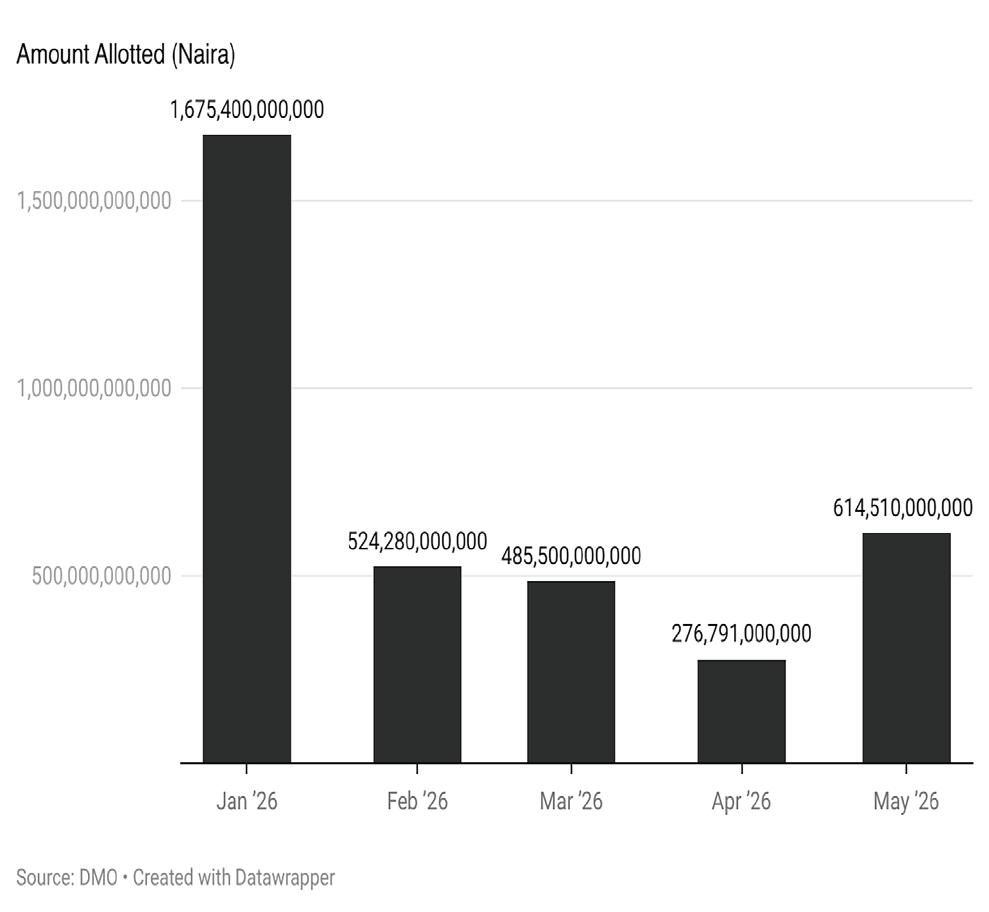
Kayode Tokede
Buoyed by drive to bridge budget deficit, the federal government, through the Debt Management Office (DMO), raised an estimated N3.6 trillion from investors in five months of 2026 using the FGN Bond.
The N3.6 trillion FGN Bond raised between January and May 2026 is against a backdrop of sustained government reliance on the domestic debt market to fund fiscal obligations amid constrained external financing conditions.
The N3.6 trillion raised in five months of 2026 is about 51.5 per cent increase when compared to N2.66 trillion raised in the five months of 2025.
Despite the cut in yield, the total investors subscription stood at N7.63 trillion in five months of 2026, representing an increase of 106 per cent from N3.7 trillion declared by the debt office in five months of 2025.
The debt office offer stood at N3.75 trillion which is about 114.3 per cent increase over the N1.75 trillion offered in the five months of 2025 but eventually settled
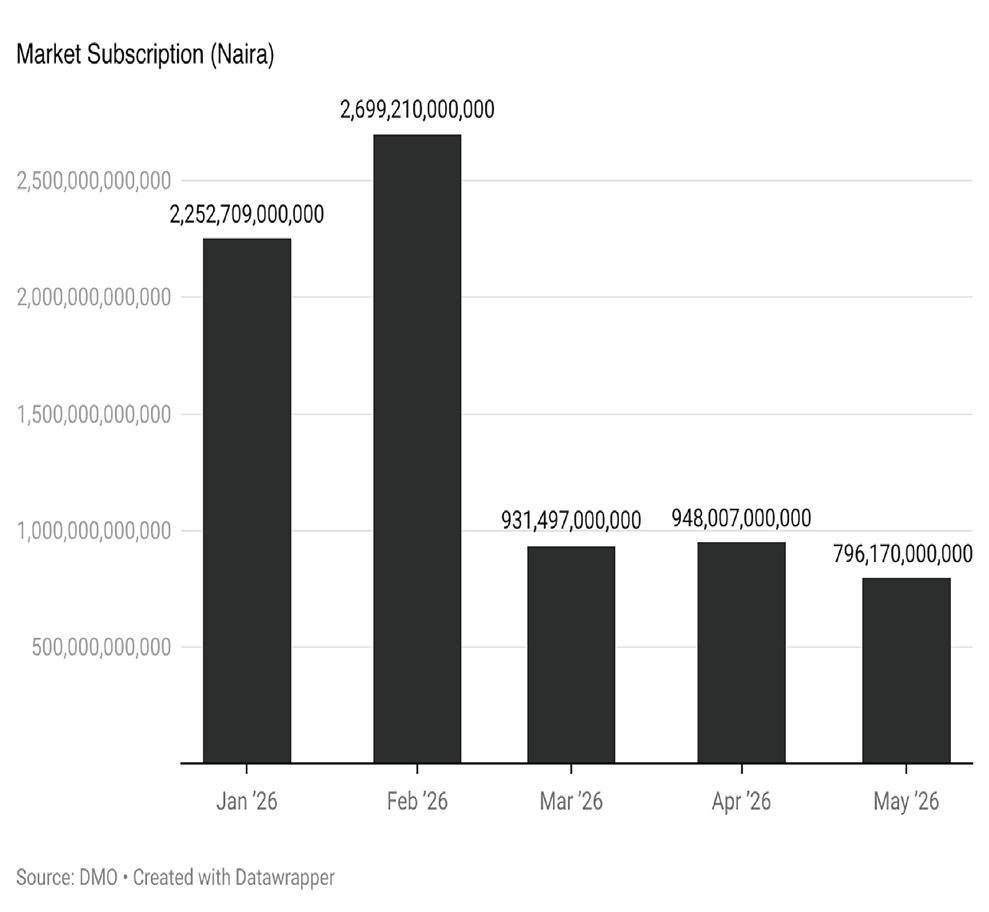
for N3.6 trillion.
The N7.63 trillion total subscription in the five months of 2026 is a reflection that investors, most especially the Pension Fund Administrators (PFAs), tend to invest in risk-free instruments, of which FGN Bond and Nigerian Treasury Bills (NTB) offer to the investing public. PFAs and fund managers have played a critical role in the success of FGN bonds over the years.
Since the beginning of the year, the DMO has continually re-opened some FGN Bonds amid modest interest rates in its moves
to attract investors.
Insight into the latest FGN Auction for May 2026 showed that DMO reopened the JAN-2035 and APR-2037 bonds, offering a total of N600.00 billion to the investing public.
Total subscription (noncompetitive bid) settled at N796.17 billion (bid-to-offer: 0.9x), with the DMO eventually allotting N614.5 billion (bid-to-cover: 1.5x).
The stop rate on the JAN2035, which was on-the-run last month, expanded by 41basis points to 17.00%.
While the stop rate on the APR-2037 printed 17.04%
Also, the FGN ’s April
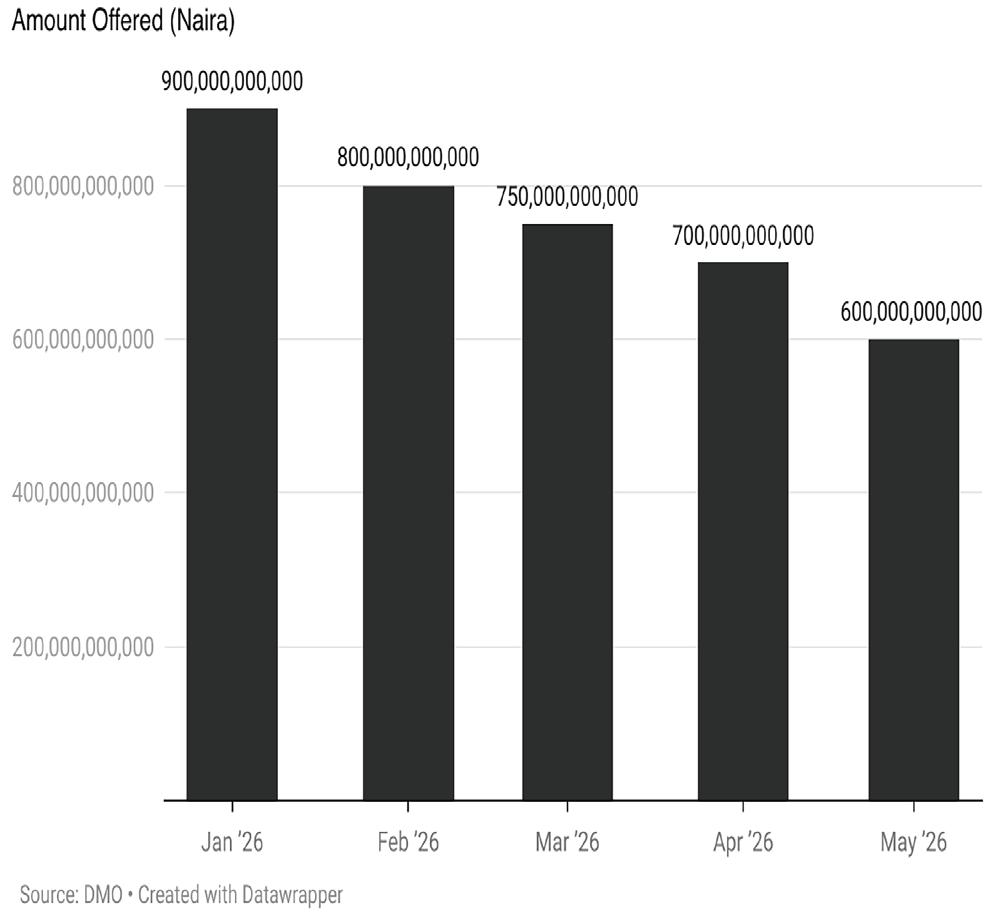
2026 bond auction attracted a total of N948 billion in bids—well above the N700 billion offered—across three maturities for the months of April 2026.
According to the DMO, the auction was conducted on April 27, 2026 and covered the re-opening of the 17.945% FGN August 2030 bond, the 17.95% FGN June 2032 bond, and the 22.60% FGN January 2035 bond.
Investor participation was broad-based, but demand was heavily skewed toward the long end of the curve, reflecting continued preference for
higher yields in a tight monetary environment.
However, the widespread bid rates, ranging from 15.00per cent to 22.60per cent, also point to divergent investor expectations around inflation, monetary policy direction, and future interest rate movements. Analysts attributed the strong demand for FGN bonds to modest yields, stressing that the over-subscription also revealed that investors have confidence in the federal government’s ability to meet its debt obligations.
Nume Ekeghe
With over N3 trillion expected to hit the financial system this week from maturing securities, analysts have projected a further moderation in fixed income yields even as pressure persists on the naira despite improving foreign exchange liquidity conditions.
The Financial Markets Dealers Association (FMDA),
in its latest market report, estimated that about N3.03 trillion would flow into the banking system this week, largely driven by Open Market Operations (OMO) maturities valued at N2.25 trillion.
The report stated that system liquidity had remained significantly elevated at N6.29 trillion in the previous week, supported by large inflows from maturing securities.
Analysts said the massive liquidity injection is expected to sustain strong demand for fixed income instruments and potentially drive yields lower in the near term.
“System liquidity remained elevated at N6.29 trillion, supported by sizeable inflows from maturing securities. Looking ahead, an estimated N3.03 trillion is expected to flow into the
system this week, largely driven by OMO maturities, which account for about 74 per cent of projected inflows,” said a market watcher.
Reflecting this trend, average FGN bond yield eased marginally to 16.20 per cent from 16.25 per cent in the prior week, amid improved demand across most maturities.
Treasury bill yields also closed lower on average at
17.45 per cent from 17.51 per cent, with the 12-month tenor recording the sharpest decline of 41 basis points to 18.61 per cent.
FMDA stated: “FGN bond yields moderated slightly across most maturities, reflecting improved demand and relatively stable market conditions. Treasury bill yields showed mixed movements, with slight increases at the
mid-tenors, while the average yield declined marginally to 17.45 per cent. Across global markets, bond yields edged higher, driven by persistent inflation concerns and cautious monetary policy expectations. Nigeria’s long-term benchmark yield remained broadly stable, despite upward movements in major developed and African markets.”
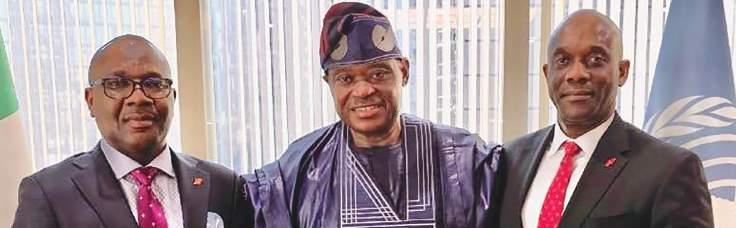
The Nigerian Navy and the Nigerian Maritime Administration and Safety Agency (NIMASA) have renewed their commitment to combating maritime crimes and strengthening security collaboration within Nigeria’s territorial waters and the Gulf of Guinea.
This commitment was reiterated during the C4i Capability Demonstration and Graduation Ceremony held in Lagos, where 177 maritime security personnel completed specialised operational training under the Deep Blue Project initiative.
Speaking at the event, the Chief of Naval Staff, Vice Admiral Idi Abbas said
the graduation ceremony symbolised a stronger collective resolve among maritime stakeholders to secure Nigeria’s maritime domain.
Abbas who was represented by the Flag Officer Commanding Western Naval Command, Rear Admiral Mustapha Bala Hassan, said; “This ceremony marks not only the completion of a course, but also the strengthening of our collective resolve to ensure safety, security and prosperity of the Nigerian maritime domain.
“It reflects the strong partnership and shared commitment between the Nigerian Navy, other sister services and NIMASA towards
The National Pension Commission (PenCom), has kicked off the pilot phase of its PenCare initiative by inviting retirees rom 60 years up who receive monthly pension less than N70, 000
Group
Deputy Business Editor
Chinedu Eze
Comms/e-Business
Asst. Editor, Energy
Emmanuel Addeh
Asst. Editor, Money Market
Nume Ekeghe
Correspondents
KayodeTokede(CapitalMarkets)
James Emejo (Finance)
Ebere Nwoji (Insurance)
Reporter Peter Uzoho (Energy)
under the Contributory Pension Scheme (CPS) to enrol in the PenCare free healthcare initiative.
The commission in a recent statement made available to the media on this, said at least 30,000 eligible retirees would be beneficiaries of this pilot phase on first come -first - serve basis.
“If you are at least 60 years old and receive a monthly pension not more than N70,000 from a Pension Fund Administrator (PFA), you qualify for this pilot phase. Registration is now open for up to 30,000 eligible retirees on a first-come, first-served basis. To register, scan the barcode above or published in various newspapers or any of the PFAs’ websites today”, the commission said in the statement.
According to the commission, PenCare is a CSR project dedicated to preserving retirees’ dignity and well-being by reducing the burden of medical expenses.
enhancing maritime safety and security within the Nigerian maritime domain and the Gulf of Guinea.”
He described the Deep Blue Project as a clear example of successful inter-agency collaboration in tackling security challenges.
He commended
Ebere Nwoji
The Commissioner for Insurance, Mr Ayo Olusegun Omosehin, has said that the success of insurance in any economy is fundamentally anchored on the level of public understanding, trust, and acceptance.
The Rockefeller Foundation has launched its 2025 impact report, Big Bets, Real Results, detailing the Foundation’s 2025 work, including big bets on Universal Energy Abundance and Regenerative School Meals around the world, to accelerate the reach of frontier technology, community-driven models, and decisive data
the dedication and professionalism of the participants, noting that the training would improve operational awareness and coordination among maritime stakeholders.
In his keynote address, the Director-General of NIMASA, Dr. Dayo Mobereola, disclosed
Omosehin, who spoke at the opening ceremony of this year’s Insurance Week held in Lagos, said without awareness, there could be no demand.
“Without understanding, there can be no trust. And without trust, sustainable growth cannot be achieved. Despite the inherent value of insurance
across its core focus areas.
Amid a volatile global landscape and a historic decline in global aid, the 113-year-old philanthropic organization successfully awarded more than $350 million, directly mobilized $3 billion, and funded $133,166,945 across 66 opportunities across Africa—
Champion Breweries Plc has announced that its 50th Annual General Meeting (AGM) will be held on Thursday, May 21, 2026, at the Oriental Hotel, 3 Lekki Road, Victoria Island, Lagos, at 11:00 a.m.
The milestone AGM comes at a defining moment in the
Ebere Nwoji
Managing Director/Chief Executive Officer Universal Insurance Company plc, Jeff Duru, has said that his company pioneered fast claims service in Nigeria. Duru also assured the public that his company would
that the 177 graduands comprised 33 Special Mission Vessel Officers, 14 Special Mission Vessel Engineers, 107 Fast Intervention Boat Operators, Technicians and Boarding Team members, as well as 23 Helicopter Team personnel.
Mobereola explained that the trainees underwent rigorous courses in helicopter operations, medical evacuation, vessel landing and clearing, interceptor boat tactical manoeuvres, communications training, unmanned aerial systems capability and combat medical support.
as a critical risk management tool, insurance appreciation remains best parameter for measuring its impacts,” he noted.
He noted that a major contributor to observable gaps in the desired impacts is the persistent lack of adequate public understanding of insurance products, processes, and benefits.
reaching 731 million people worldwide.
The report highlights how African-led partnerships and innovative solutions are helping to prevent disease outbreaks through strengthened laboratory networks, address food insecurity and agricultural resilience, and accelerate
According to him, this reality underscores the need for a more deliberate and strategic approach to public engagement. He said insurers must therefore rethink and reposition their communication strategies.
progress toward energy abundance across Africa.
“As The Rockefeller Foundation marks 60 years of its Africa Regional Office, it reflects a broader shift in the future of development. Amid aid cuts, geopolitical tensions and conflict, climate impacts, and political change, progress is becoming harder to sustain.
Company’s corporate journey, following a transformative year marked by strategic expansion initiatives, including the acquisition of Bullet Energy Drink and the Company’s successful engagement with the capital market to raise growth capital.
emerge stronger and better positioned after the on-going recapitalisation exercise in the insurance sector.
Duru, who spoke during courtesy visit by the executive members of National Association of Insurance and Pension Editors (NAIPE) in his office in Lagos said his
Champion Breweries Plc has strengthened its transition into a Group structure with the acquisition of an 80% stake in enJOYbev B.V., a strategic move already delivering early earnings contribution and validating its international expansion
predecessor, Ben Ujoatuonu, laid the foundation for the entire achievements.
“In terms of digitalisation, we are already there. All our personal line products have been digitised. Customers can visit our website or portal and purchase products seamlessly without
drive. The subsidiary’s results are now being consolidated into the Group accounts for the first time, with enJOYbev B.V. already contributing positively to earnings through operating profitability within the reporting period, an early validation of the Group’s expansion strategy.
physical contact with our staff. We are also the first insurance company to introduce fast claims service, and others are now learning from us.
“We are receiving positive feedback from users adopting digital fast claims solutions for online surveys.”
Oluchi Chibuzor posits that the crusade by the Chairman of Access Holdings, Aigboje Aig Imoukhuede for lower cost of capital as a precondition for growth, competitiveness and institutional resilience is a timely intervention that will redeem Africa
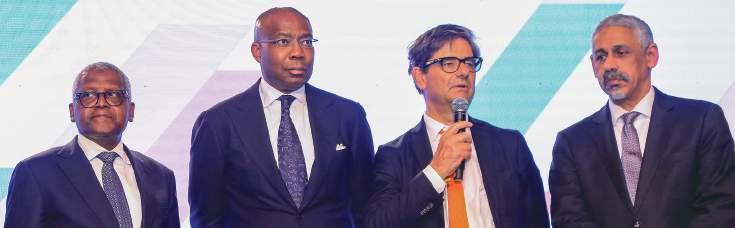
At the Africa Forward Summit 2026 in Nairobi, Kenya, Chairman of Access Holdings and Chairman of the France Nigeria Business Council lowering the cost of capital as a precondition for growth, competitiveness and institutional resilience. (FNBC), Aigboje Aig Imoukhuede, focused attention on one of Africa’s most important economic priorities:
Speaking before a high-level audience that included 18 African Heads of State, President William Ruto of Kenya, President Bola Ahmed Tinubu of Nigeria, President Emmanuel Macron of France and leading global investors, Aig-Imoukhuede made a clear case for structural reform. Africa has already established its strategic relevance in the global economy. What is now required is the deliberate strengthening of the institutions, financial markets and investment frameworks that can translate that relevance into durable economic power. This can only be achieved through deliberate execution and collaboration.
Positioning Africa within a rapidly evolving global order, Aig Imoukhuede argued that the continent is no longer peripheral to global change but central to it. However, he cautioned that opportunity without execution would not deliver transformation.
“Africa is not on the margins of global change; it is at the centre. But potential
alone will not deliver transformation; capital mobilisation, institutional strength, and execution will,” he said.
This framing set the tone for a conversation that moved beyond optimism to the hard realities of economic competitiveness.
At the heart of his intervention during a high-level Africa France Impact Coalition (AFIC) session was a stark assessment of Africa’s risk premium, what he described as one of the continent’s most critical barriers to growth.
Africa, he noted, continues to carry the highest aggregate risk premium globally, a factor that significantly inflates the cost of borrowing for both sovereigns and businesses. In practical terms, this means African economies routinely pay between 4% and 15% above U.S. Treasury rates, with distressed conditions pushing costs even higher, sometimes up to 20%, even in the absence of default.
“This risk premium is becoming essentially a tax on development, not a tax that we pay to our governments, but largely a tax that actually goes into external markets.”
Africa cannot build competitive economies when too much of its capital is consumed by the cost of financing rather than directed towards
infrastructure, industrial expansion and job creation.
For Aig Imoukhuede, the consequence of this pricing distortion goes beyond balance sheets, it directly undermines Africa’s ability to compete globally.
He warned that while large corporations may have the capacity to absorb some of the burden, smaller businesses, the backbone of most African economies, are far more vulnerable.
The result is a structural disadvantage that limits entrepreneurship, stifles innovation, and slows industrialisation across the continent.
As an experienced leader in bringing together private and public sector players, Aig Imoukhuede proposed the creation of a task force aimed at reducing Africa’s perceived risk profile over the medium term. Even a modest reduction, he argued, could have transformative impact.
His proposal triggered an immediate exchange with Kenya’s President William Ruto, who sought to clarify whether the focus was on interest rates or broader risk perception.
In response, Aig Imoukhuede emphasised that, the issue cuts across both debt and equity markets, shaping
how Africa is priced globally, including by its own institutional investors.
President Ruto, while acknowledging the challenge, pointed to ongoing efforts among African governments and development finance institutions to address de-risking through existing frameworks. He also revealed active discussions with President Macron on establishing a dedicated institutional platform to support investment de-risking across the continent.
The exchange quickly emerged as one of the defining moments of the Summit, highlighting a rare convergence between political leadership and private sector voices on the urgency of lowering Africa’s cost of capital.
Aig Imoukhuede used the platform to call for a more balanced and commercially serious relationship between Africa and its global partners, particularly Europe. He argued that the next phase of cooperation must move beyond transactional engagement towards investment, institutional capacity, infrastructure, technology and shared economic value.
Africa should not be positioned merely as a destination for capital. It should be recognised as a strategic partner in building the next era of global growth. The question now is execution, and who will rise to meet it.
Nume Ekeghe
CIBA Hospitality Limited has unveiled Terra Delyssa Extra Virgin Olive Oil, a premium Tunisian olive oil brand, in the Nigerian market as it seeks to deepen consumer access to high-quality healthy cooking products.
The launch marks the entry of one of Tunisia’s internationally recognised olive oil brands into Nigeria’s growing edible oil and
wellness segment.
Speaking at the launch ceremony in Lagos over the weekend, Executive Director of CIBA Hospitality Limited, Dr. Ade Adegbite, described Terra Delyssa as a global olive oil brand with a growing international presence.
“The Terra Delyssa brand we are launching today is a Tunisian brand that is no longer made only for Tunisians. It has become a
global brand with footprints in more than 50 countries around the world,” he said.
According to him, Terra Delyssa is currently the number one selling olive oil brand in Canada, ranks second in France, among the top three in Sweden and is the fourth best-selling olive oil brand in the United States.
“That tells you it is one of the fastest-growing olive oil brands globally,” Adegbite added.
Nume Ekeghe
Guaranty Trust Holding Company Plc Fintech subsidiary, HabariPay, has announced Team ‘Block X’ as the winner of the Squad Hackathon 3.0, following a highly competitive innovation showcase that brought together some of Nigeria’s most promising young software developers, engineers and AI innovators.
Held at the GTCentre, the grand finale featured cutting-edge technology solutions aimed at addressing
critical economic and societal challenges, with a strong focus on artificial intelligence, automation, productivity systems and digital inclusion.
Speaking at the event, Group Chief Executive Officer of Guaranty Trust Holding Company Plc, Segun Agbaje, described the hackathon as a platform for developing future technology leaders through real-world problem solving.
“You are the best of the best. Everybody who made it into this room today is
already a winner. The world is not ruled by extroverts; it is ruled by thinkers,” Agbaje said.
He emphasised resilience, collaboration and ethical execution as critical success factors in innovation and enterprise building.
Managing Director of HabariPay, Eduofon Japhet, said this year’s edition marked the most ambitious iteration of the hackathon to date, with participation increasing more than tenfold compared to previous editions.
Oluchi Chibuzor
Nigeria’s Permanent Representative to the United Nations,Ambassador Jimoh Ibrahim, has directed the Permanent Mission of Nigeria in New York to open a bank account with within seven days, describing the absence of such relationship for over 42 years as unacceptable.
Ambassador Ibrahim gave the directive during a meeting with officials of UBA in New York, where he stressed the importance of supporting Nigerianowned businesses abroad as part of the Federal Government’s local content and public-private partnership drive.
According to a statement signed by his media office, Ibrahim said it was surprising that despite both UBA and the Nigerian Mission operating in New York
for over four decades, no official banking relationship existed between them.
“Let me thank you for taking the time to come and see me. While reviewing our account, I asked the Financial Attaché if he was aware that UBA is here in New York, and he confirmed he was.
“However, I am surprised to learn that even though your office has been here for the past 42 years- just like our permanent mission,we don’t have any account with you, not even a deposit account,” Ibrahim said.
He added that President would expect stronger collaboration between government institutions and indigenous private sector organisations operating internationally.
“I need to address this unacceptable situation because President Bola
Tinubu would not be pleased if, after some days of resumption, I cannot facilitate a partnership between the Nigerian government and the private sector for collaborative results. Therefore, within seven days, the Financial Attaché must open an account with you,” he added.
Responding, the Chief Operating Officer of UBA New York, Mr Osilama Idokogi, commended Ibrahim for his patriotism and commitment to promoting Nigerian institutions globally.
Idokogi stated that UBA would be delighted to begin formal banking relations with the Nigerian Mission after several years of unsuccessful efforts.
Ibrahim also noted that opening the account would improve transparency and accountability and support agencies sucof government whenever necessary.
PAC Research has announced the release of two landmark publications: “From Shortage to Opportunity: Unlocking the BillionDollar Housing Market” and “Lagos Housing Report: A Treasure Trove of Possibilities.”
The reports provide one of the most comprehensive assessments yet of Nigeria’s housing ecosystem, revealing a national housing deficit of more than 28 million units, with Lagos State alone accounting for a shortfall of 3.4 million units. Despite the scale of the challenge, the reports position the deficit as a major investment opportunity, estimating the market’s potential value in trillions of naira.
The national report, which features a foreword by the Managing Director of the Federal Mortgage Bank of Nigeria (FMBN), Shehu Usman Osidi, notes that Nigeria needs approximately 800,000
new homes annually to keep pace with population growth. That figure is projected to rise to 2 million homes per year by the end of the decade. The report also highlights the country’s low mortgage penetration, currently below 1 percent of GDP, compared with 77 percent in the United States and 31 percent in South Africa.
“Nigeria stands at a critical juncture where rapid urbanization and economic transformation converge to create unprecedented opportunities,” the report stated. The publication outlined innovative financing solutions aimed at bridging the housing gap, including Real Estate Investment Trusts (REITs), diaspora mortgage products, and the Renewed Hope Housing Scheme.
A major section of the report focuses on Lagos, Nigeria’s commercial hub, which attracts more than 475,000 new residents
annually. According to the report, Lagos currently has an estimated housing stock of 1.49 million units, while demand stands at approximately 4.69 million units, leaving an accessible market gap of about 2.81 million units.
Among the report’s key findings is a growing preference for smaller housing units, with more than 52 percent of residents favoring one- and two-bedroom apartments, reflecting strong demand for affordable and compact living spaces.
Reviewing the reports, Shehu Usman Osidi described them as a timely call to action.
“This report is more than an analysis — it is a call to action. The time to invest in Nigeria’s housing market is now. The rewards extend beyond financial returns to include inclusive growth and urban resilience,” he said.
Leading midstream and downstream energy company, Pinnacle Oil and Gas Limited, has reaffirmed its commitment to Environmental, Social and Governance (ESG) principles as it commemorated the 2026 World Day for Safety and Health at Work.
Speaking at the event, the Managing Director/ Chief Executive Officer of Pinnacle Oil and Gas Limited, Mrs. Adenike Labinjo, said the company remains committed to creating
a work environment that protects not only the physical safety of employees, but also their mental and emotional wellbeing.
“Our goal is clear: to build a workplace where safety is foundational; where every employee operates in an environment that is physically secure, mentally supportive and emotionally enabling,” she said.
She added that the company’s approach aligns with this year’s theme, “Ensuring a
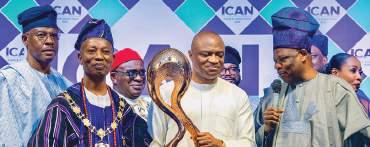
Healthy Psychosocial Working Environment,” noting that workplace safety extends beyond physical conditions to include how employees feel, interact and receive support within the organisation.
Also speaking, Executive Director of the company, Mr. Austin Omoyibo, emphasized management’s commitment to maintaining a workplace culture that enables employees to perform at their highest potential.
Kayode Tokede
Berger Paints Nigeria Plc led the gainers’ chart on the Nigerian Exchange Limited (NGX) at the weekend after its share price jumped by 55.57 per cent to close at N168.95 from an opening price of N108.60, amid heightened investor demand driven by the company’s strong
earnings performance and attractive dividend outlook.
Investor sentiment around the stock strengthened ahead of the company’s Annual General Meeting (AGM), scheduled for tomorrow, where shareholders are expected to approve a final dividend of N1.25 per share for the 2025 financial year. Combined
with the interim dividend of N0.40 already paid, Berger Paints’ total dividend payout for the year stands at N1.65 per share.
The rally in the stock was further supported by the company’s impressive 2025 financial results, which reflected strong revenue growth, improved profitability, and efficient cost management despite
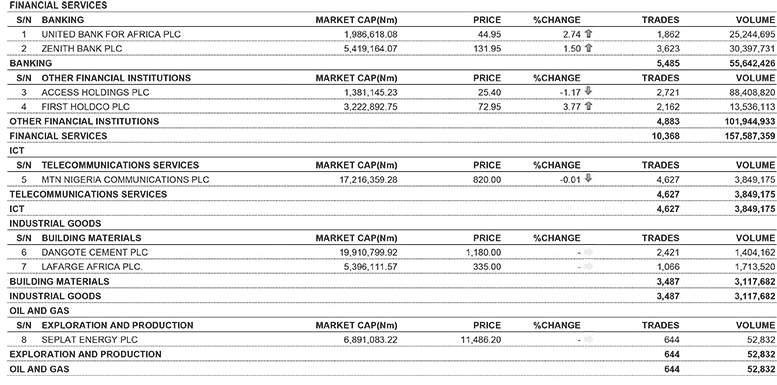
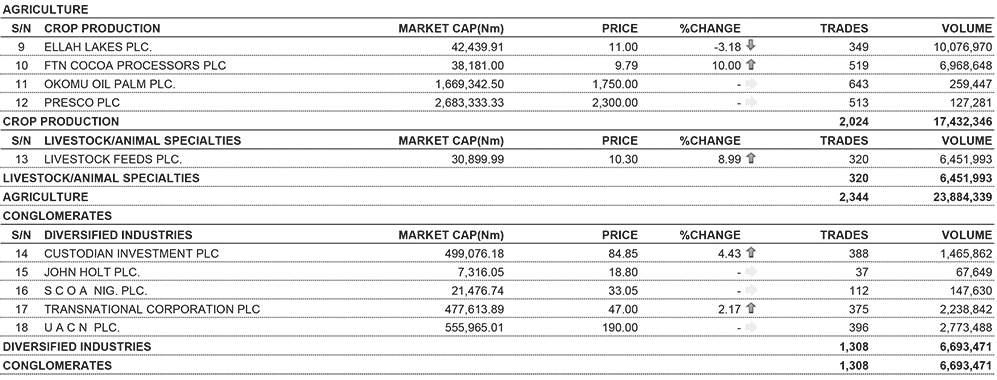
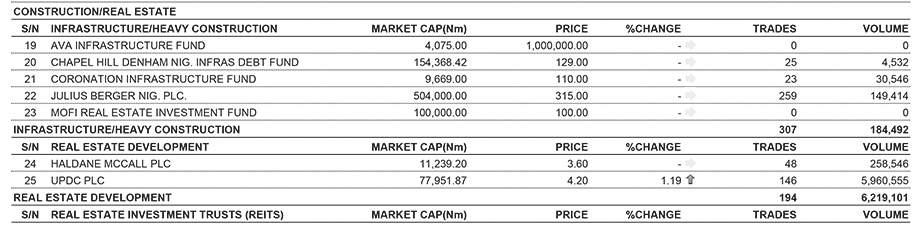
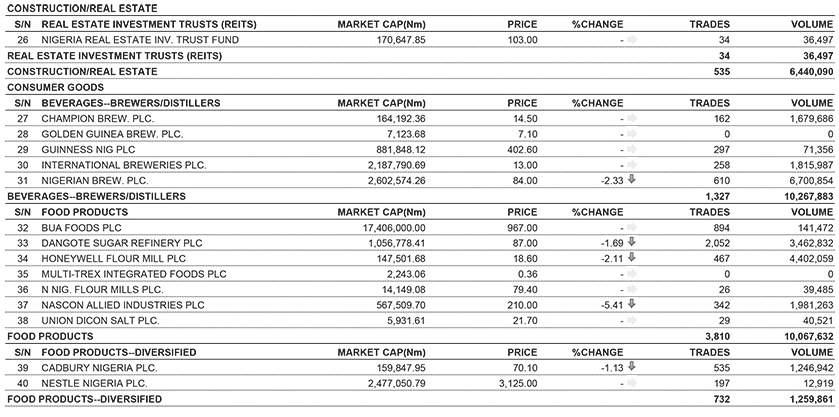
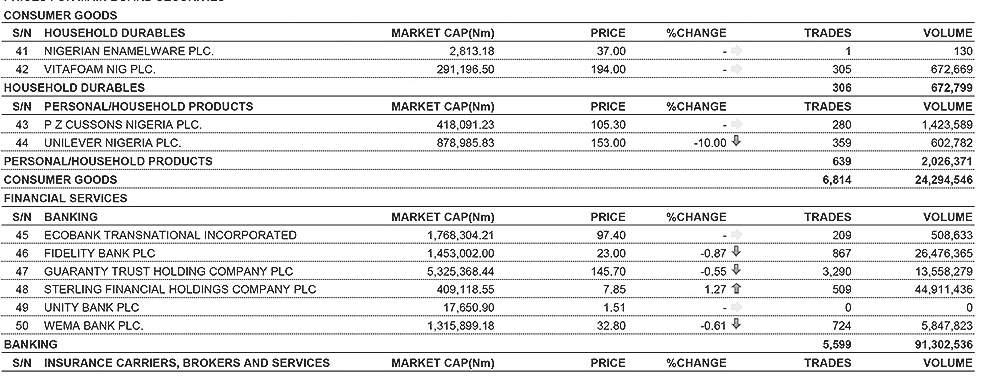
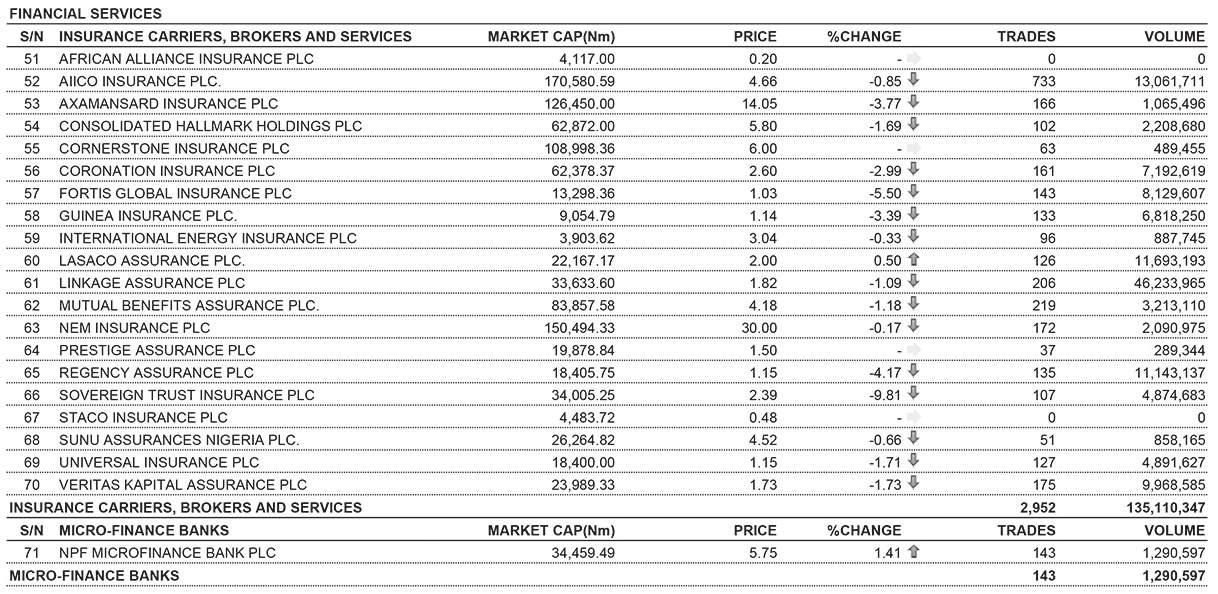
inflationary pressures in the economy.
Berger Paints grew revenue by approximately 20 per cent from N10.83 billion in 2024 to N12.99 billion in 2025, while gross profit rose significantly from N3.84 billion to N5.72 billion. Profit after tax also climbed sharply to N1.57 billion from N610.9 million in the previous
year. The company attributed the performance to stronger sales, improved operational efficiency, better treasury management, stronger finance income, and disciplined cost control measures.
Analysts said the combination of robust earnings growth and dividend expectation
triggered renewed buying interest in the stock as investors moved to take positions ahead of the AGM and dividend qualification date.
Berger Paints outperformed other top gainers on the exchange, with SCOA Nigeria Plc gaining 45.92 per cent to close at N33.05, while DAAR Communications Plc rose by 42.41 per cent to N2.25 per share.

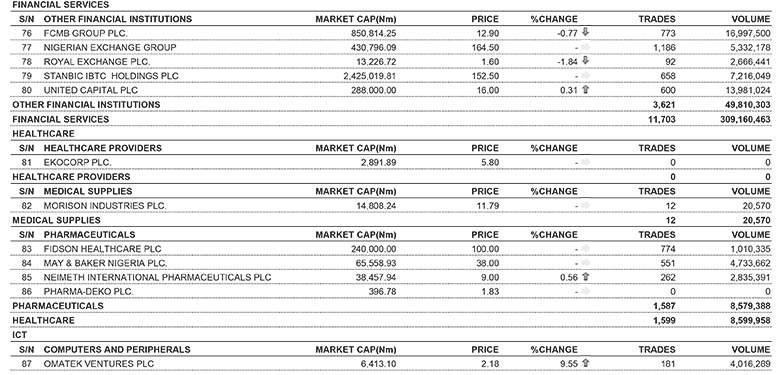
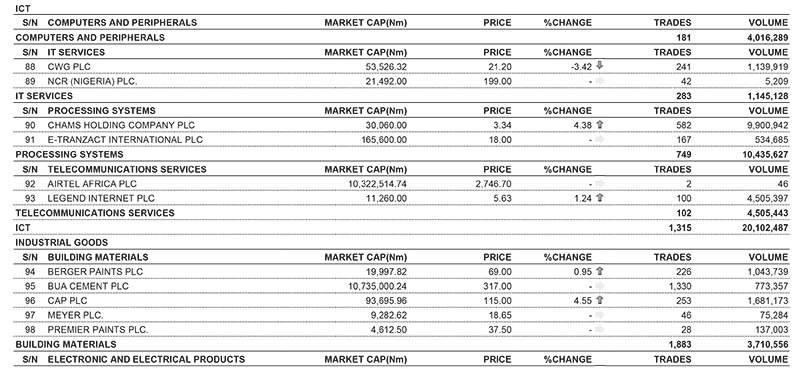
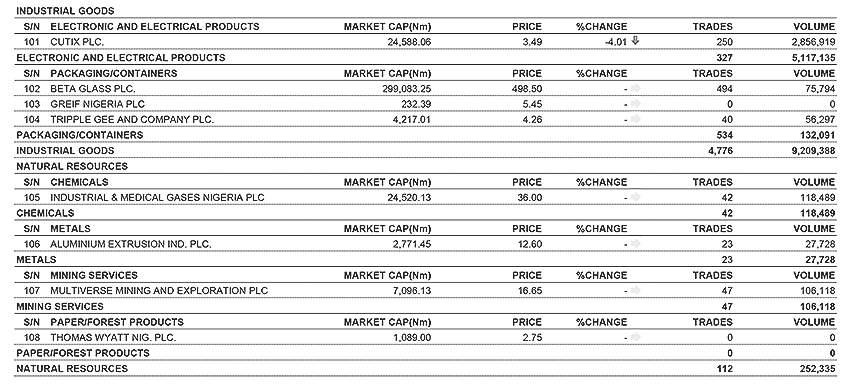
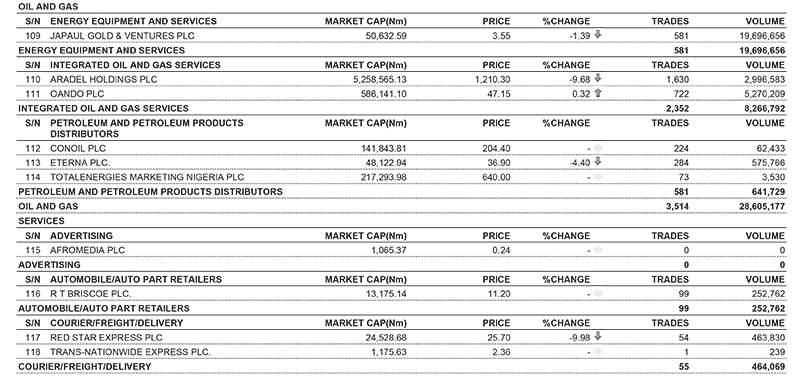

A Mutual fund (Unit Trust) is an investment vehicle managed by a SEC (Securities and Exchange Commission) registered Fund Manager. Investors with similar objectives buy units of the Fund so that the Fund Manager can buy securities that willl generate their desired return.
An ETF (Exchange Traded Fund) is a type of fund which owns the assets (shares of stock, bonds, oil futures, gold bars, foreign currency, etc.) and divides ownership of those assets into shares. Investors can buy these ‘shares’ on the
floor of the Nigerian Stock Exchange. A REIT (Real Estate Investment Trust) is an investment vehicle that allows both small and large investors to part-own real estate ventures (eg. Offices, Houses, Hospitals) in proportion to their investments. The assets are divided into shares that are traded on the Nigerian Stock Exchange.
GUIDE TO DATA:
Date: All fund prices are quoted in Naira as at 18th May 2026, unless otherwise stated.
Goddy Egene writes on how reforms by the Central Bank of Nigeria is helping to boost foreign exchange inflow into the Nigerian economy
The Central Bank of Nigeria (CBN’s) decision to clear over $7 billion unsettled foreign exchange (FX) backlogs raised investors’ confidence in the economy, supporting dollar inflows and foreign reserves accretion. Nearly three years after the backlog clearance, FX inflows into the economy rose significantly, hitting $112 billion in 2025. Market analysts said rising autonomous inflows, including diaspora remittances, foreign portfolio investment, non-oil export proceeds shows positive effect of the reforms in attracting foreign capital to the domestic economy.
The rising investors’ confidence in the economy started with a systematic planning and commitment to due process through policies initiated by a combination of the CBN and other fiscal authorities.
The CBN’s decision to clear over $7 billion unsettled FX backlogs raised investors’ confidence in the economy, supporting dollar inflows and foreign reserves accretion, CBN Governor, Olayemi Cardoso said.
The CBN boss had explained that although he had no idea where the fund for the backlog clearance would come from, when he assumed office, but he believed it was the right thing to do, and gave investors his word.
He said: “Credibility is at the heart of any central bank. If you don’t have credibility, people do not trust you and they do not invest in your economy. When I took office, I made a promise we would pay the backlog, the verifiable backlog of monies that were owed by Nigeria to third parties.”
“And it was, at the time, estimated at over $7 billion US dollars. And to be honest with you, I had no idea how I was going to do it, but I just felt it was not something to be negotiated.”
Cardoso explained that Nigeria needed to ensure that its integrity is maintained.
He said the apex bank started with a forensic audit to understand the issues better and based on the recommendations, the backlog of foreign exchange transactions was paid, which was a huge sacrifice.
He explained that “as a going concern, the CBN knows that if it expected people to continue to trust and invest in our economy, you’ve got to keep your promises”.
Some of these moves, including reforms in the exchange rate are key factors that continues to attract global investors into the economy.
Expectedly, forex inflows into the domestic economy closed 2025 at $112 billion, a new report from Financial Markets Dealers Association (FMDA) showed.
The forex inflows were dominated by autonomous sources — private capital flows outside the CBN’s direct control — accounting for 64.94 per cent of total FX inflows during the year.
The report, which also showed that the CBN’s own FX sales rose by 126.37 per cent within the coverage period, hitting $8.94 billion from $3.95 billion recorded in the previous year.
Autonomous inflows surged to $72.91 billion in 2025, up from $59.29 billion in 2024 and $41.80 billion in 2023, reflecting a near-doubling of private-sector dollar flows in two years.
The FMDA data reveal a market in which rising autonomous inflows are progressively displacing CBN-supplied liquidity as the primary driver of FX
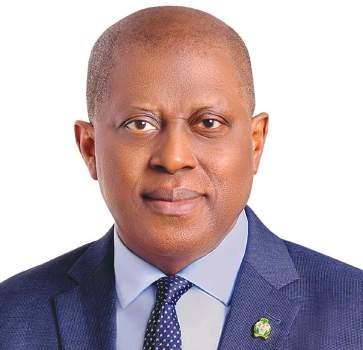
availability, even as the apex bank continues to play a stabilising role.
Total FX utilisation reached $47.17 billion in 2025, driven by a dramatic surge in invisible-related transactions and sustained industrial-sector demand. The data reveal a significant compositional shift in how Nigeria consumes its foreign exchange.
Invisible-related FX utilisation surged to $27.27 billion in 2025 from $11.10 billion in 2024, with financial services alone accounting for $21.22 billion.
Also, total import-related FX demand rose more moderately, from $15.54 billion in 2024 to $19.90 billion in 2025 while the industrial sector remained the largest merchandise-related source of demand at $8.43 billion, up from $7.96 billion in 2024.
“Oil-sector FX demand nearly doubled, from $2.26 billion in 2024 to $4.98 billion in 2025. Business services demand leapt from $702.38 million to $3.48 billion, while educational services demand fell sharply from $396.40 million in 2023 to just $55.16 million in 2025,” the report said.
The data indicates that invisible transactions — services, financial flows, and cross-border payments — have now eclipsed merchandise imports as the dominant driver of FX demand in Nigeria.
In the foreign exchange market, the country faced a backlog of over $7 billion in unfulfilled commitments and a fragmented FX regime characterised by multiple forex rates, which had encouraged arbitrage opportunities. This regime stifled much needed foreign investment, and led to the depletion of our external reserves which fell to $33.22 billion in December 2023. It must also be understood that the cost of the FX
The apex bank has also undertaken critical reforms to unify Nigeria’s exchange rate, eliminating distortions and restoring transparency. This unification has enabled it to clear the outstanding foreign exchange obligations, giving businesses—ranging from manufacturers to airlines—the confidence to plan and invest in the future.
To further enhance the functionality of the foreign exchange market, the CBN introduced an electronic FX matching system, which has proven effective in other markets.
With these developments came positive Fitch Ratings on Nigeria economy, signaling positive fallout from the reforms.
The global rating agency said that from exchange rate unification to reduce arbitrage in the markets, introduction of electronic FX matching platform and a new FX code to enhance transparency and efficiency in the market as well as deployment of monetary policy tightening to keep inflation on check, the Central Bank of Nigeria (CBN) has demonstrated commitment to achieving sustainable economy growth and exchange rate stability.
Already, the Fitch rating moved Nigeria’s long-term foreign-currency issuer default rating (IDR) from negative to stable, meaning that the country stands a better chance of attracting foreign investment, borrow money on international markets at better interest rates, and boost investor confidence.
Fitch also applauded government’s commitment to policy reforms implemented since its move to orthodox economic policies in June 2023, including exchange rate liberalisation, monetary policy tightening, and steps to end deficit monetisation as well
as fuel subsidies removal.
“These have improved policy coherence and credibility and reduced economic distortions and near-term risks to macroeconomic stability, enhancing resilience in the context of persistent domestic challenges and heightened external risks,” the agency stated.
The S&P Global Ratings, also revised its outlook on Nigeria to “positive” from “stable” on Friday, backing the country’s ongoing economic reforms, and also affirmed the country’s rating at “B-/B”.
“The monetary, economic, and fiscal reforms being implemented by Nigerian authorities will yield positive benefits over the medium term,” S&P said.
Moody’s also upgraded Nigeria’s rating by one notch to “B3” from “Caa1”, citing notable improvements in the country’s external and fiscal positions, while Fitch last month kept its “B” rating and “stable” outlook.
The rating agencies continue to cite FX reforms instituted by CBN as crucial in the current macroeconomic stability and push to tame inflation.
President, Association of Bureaux De Change Operators of Nigeria, Dr. Aminu Gwadabe, applauded the rating upgrade.
He said the FX reforms have really supported the stability in exchange rate, and is helping the economy to achieve desired growth.
Other analysts described the S&P rating as ‘a significant step forward in restoring investor confidence and economic stability.”
According to them, the development means an improvement in Nigeria’s creditworthiness, which could open up new opportunities for the country across several sectors.
Dr. Muda Yusuf, Convener of the Centre for the Promotion of Private Enterprise (CPPE), said the data pointed unambiguously to the impact of reform.
“The autonomous inflows are driven by the reform. Remittances from the diaspora, inflows from foreign portfolio investors, non-oil export proceeds — all manner of things outside the traditional sources of our forex. This reflects the fact that the reform has positioned the economy to attract those inflows,” he said.
On the rebound in CBN FX sales, Yusuf was careful to place the development in proper context.
“It is not necessarily because the CBN has significantly increased its intervention. A lot of inflows are coming in. Those are not CBN funds. In fact, there was a time the CBN was even buying forex on the market because of the liquidity. The bigger factor is the supply side — the fact that autonomous inflows have increased significantly,” he said.
The erstwhile Director General of the Lagos Chamber of Commerce and Industry (LCCI) also addressed the surge in invisible-related demand, noting that greater caution was needed before drawing conclusions.
“Invisible covers a lot of things. When you are paying foreign debt, it is a financial services transaction. When airlines come to Nigeria, when shipping companies operate here, when expatriates come into oil and gas and tech — all of these services have to be paid for in foreign currency.”
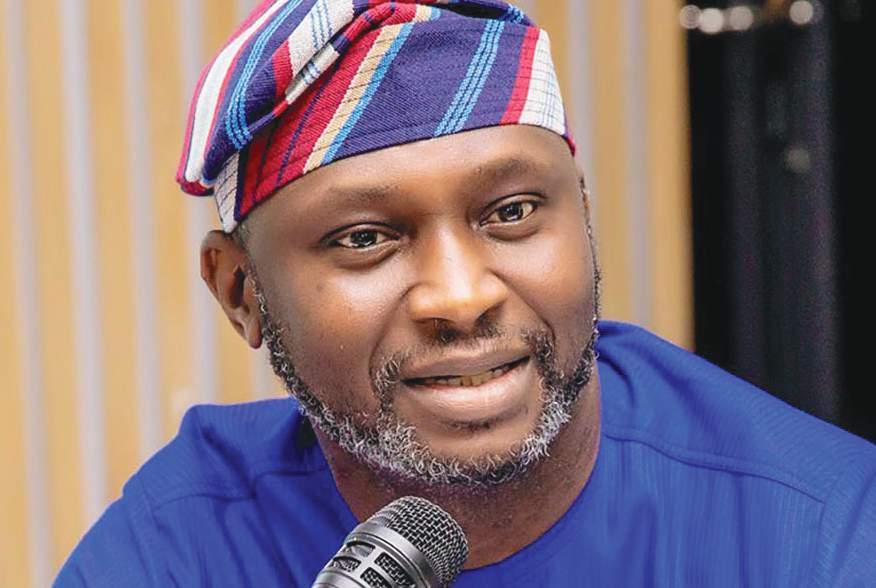
In less than two years as Managing Director of the Bank of Industry, Dr Olasupo Olusi has shifted the institution’s language from banking to measurable development. In this interview with senior journalists, the development economist said he inherited “a Rolls-Royce”, one of Africa’s strongest DFIs, but set out to reposition it as a catalyst for inclusive growth rather than just a lender. His reforms began internally. BOI was reorganised in line with global industry standards, and an Impact Group was created to track jobs, skills, and outcomes across all interventions. For the first time, the bank will publish an Annual Development Impact Report this June. Sustainability was elevated with the creation of a new division and the appointment of a chief sustainability officer, leading to BOI’s accreditation by the Global Adaptation Fund as Nigeria’s first institution to deploy adaptation financing through the private sector. Expansion has been physical, too. Offices grew from 31 in 30 states to 36 in 33 states, bringing development finance beyond urban centres. Subsidiaries were recapitalised: LECON got N50 billion and delivered N33 billion in lease financing, while BOI Microfinance Bank secured a state licence to deepen inclusion. BOI’s 2025–2027 strategy targets six pillars: youth and skills, gender, infrastructure, digital, tech, climate, and MSMEs, using debt, equity, and blended finance. A BOI Impact Fund now backs catalytic projects, including $15 million for the New Africa Medical Centre and N25 billion for the National Credit Guarantee Company. Non-interest banking is set to launch, pending CBN approval. For Olusi, the goal is clear: “It is about impact. Titles are temporary, but transforming Nigeria’s economic landscape is enduring.” Excerpts:
You described the media as the biggest agent of development. Why do you hold that view so strongly?
The media occupies a very strategic place in the development ecosystem. Development work is not only about what institutions do. It is also about how
those efforts are communicated, understood and amplified. That is why I always say the media is one of the biggest agents of development anywhere in the world. Communication is central to impact. If people do not understand policies, programmes or opportunities, the intended outcomes may never materialise. This engagement is therefore important because we see
the media not just as observers, but as partners in Nigeria’s development aspirations.
What was your assessment of the Bank of Industry when you assumed office?
I inherited a very strong institution.
The Bank of Industry was already one of the leading development finance
institutions in Africa, and certainly a respected institution in Nigeria. I usually describe it as inheriting a Rolls-Royce. The challenge for us was how to innovate and reposition the bank to become even more effective in delivering long-term financing and developmental impact for Nigeria’s private sector. Coming
from a development economics background, I approached the institution differently. My predecessors were largely commercial bankers, but I came in with a development economist’s perspective - one that is focused strongly on measurable impact and national transformation.
What were the first reforms you introduced?
We began by looking inward. Before attempting external transformation, we needed to strengthen our internal structures and systems. One of the earliest things we did was reorganise the bank along globally recognised industry classifications. We also established an Impact Group dedicated specifically to measuring and tracking the developmental outcomes of our interventions.
For us, it is no longer enough to disburse loans. We must be able to measure the jobs created, the impact on women and youth, the skills developed, and the broader economic outcomes generated by every intervention. That is why, for the first time in the history of the bank, we will launch an Annual Development Impact Report in June this year. Financial reports are important, but development institutions must also account for how they are changing lives and transforming economies.
Why was sustainability elevated as a core part of the bank’s agenda?
Climate and sustainability have become central to economic development globally. Enterprises cannot grow sustainably without paying attention to environmental resilience, climate mitigation, and adaptation. To address this, we created a Sustainability Division led by a Chief Sustainability Officer. The division is responsible for driving our climate finance and sustainability agenda.
One major milestone was our accreditation by the Global Adaptation Fund in October last year. This made the Bank of Industry the first Nigerian institution accredited to deploy adaptation financing through the private sector. That was a landmark achievement not only for the bank, but for Nigeria as a whole.
The bank has also expanded its physical presence. What informed that move?
Financial inclusion and accessibility remain critical to development finance. There were states previously without BOI presence, and we believed that had to change. When we started, the bank had about 31 offices across 30 states. Today, we have expanded to 36 offices in 33 states. We opened new offices in states such as Kogi, Akwa Ibom and Jigawa, while discussions are ongoing for additional locations. The idea is simple: development finance should not be concentrated in a few urban centres. Every region of the country must have access to opportunities.
What roles are BOI subsidiaries playing in this transformation agenda?
Many people only see the parent institution, but the BOI Group has several strategic subsidiaries, including the Leasing Company of Nigeria (LECON), BOI Microfinance Bank, BOI Insurance, and BOI Investment and Trust Company. Over the last two years, we recapitalised and restructured most of these subsidiaries to sharpen their developmental focus.
For example, leasing remains a powerful development finance instrument because it allows businesses to access productive assets without the burden of outright ownership. We recapitalised
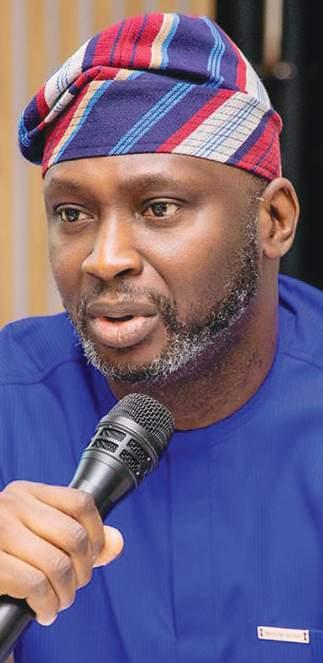
LECON with about N50 billion in 2024, making it the largest leasing company in Nigeria. By the end of last year, LECON had provided over N33 billion in lease financing across sectors such as agriculture, logistics, and mining. Importantly, the company also secured an improved credit rating, moving from a negative to a positive outlook due to stronger governance, liquidity, and capitalisation.
What changes have been made to BOI Microfinance Bank?
We recapitalised the microfinance bank and also changed its mandate. Previously, it operated with a unit licence, but we approached the Central Bank of
these sectors using a wider range of instruments, including debt, equity, and blended financing.
Traditionally, development finance institutions relied heavily on debt financing, but we realised that some enterprises cannot sustainably carry debt obligations. In such cases, equity financing becomes more appropriate. Development institutions must be flexible and innovative in the instruments they deploy.
Tell us about the BOI Impact Fund.
The BOI Impact Fund is one of the most important innovations we introduced. It is funded through a percentage of the bank’s profit after tax every year and is dedicated to catalytic developmental investments. Through the fund, we invested about $15 million in the New Africa Medical Centre of Excellence in Abuja - a worldclass healthcare facility developed with support from King’s College Hospital, London.
We also invested about N25 billion in the National Credit Guarantee Company, which was established to help MSMEs overcome collateral constraints and access financing from financial institutions. These are the types of catalytic national investments that can unlock broader economic transformation.
Why is BOI venturing into noninterest banking?
Nigeria is a diverse country, and many people prefer non-interest financing because of their personal beliefs. We recognised that development finance must also accommodate those preferences. We have already secured the licence for non-interest banking and are currently awaiting final approval of the implementation framework from the Central Bank.
Once operational, the service will be deployed particularly in regions where non-interest banking is highly preferred. We are also working with international institutions such as the Islamic Development Bank to strengthen our technical and financing capacity in that area.
Youth empowerment appears central to your strategy. What exactly is the bank doing in that space?
Young people are critical to Nigeria’s future, which is why youth and skills development is one of the pillars of our strategy. We have established over 20 innovation and skills hubs across the country focused on ICT, agro-processing, fashion, digital printing, and other productive sectors.
The idea is to create spaces where young people can learn, innovate, develop products, and even package them for commercialisation before eventually establishing independent businesses. We believe that with the right support structures, Nigeria’s youth population can become one of the country’s greatest economic assets.
Nigeria for a state licence as part of our long-term vision to transform it into a national microfinance institution. The objective is to deepen financial inclusion and extend support to people at the bottom of the pyramid who are often excluded from formal financing systems.
You recently unveiled a new corporate strategy. What are its major pillars?
Our 2025–2027 corporate strategy is fundamentally centred on development impact. The strategy focuses on six thematic areas: youth and skills, gender, infrastructure, digital transformation and technology, climate and sustainability, and the MSME sector. We want to significantly increase financing to
Ultimately, what kind of legacy do you hope to build at the Bank of Industry?
For me, it is about impact. Titles and positions are temporary, but the opportunity to contribute meaningfully to national development is enduring. Nigeria has enormous potential across every sector. The developmental challenges we face are not insurmountable if we channel our resources and energies appropriately. At the Bank of Industry, our goal is not merely to finance businesses but to help transform the economic landscape, create opportunities, empower people, and contribute to building a more inclusive and sustainable economy for all Nigerians.
Omolabake Fasogbon
Cambridge University Press and Assessment, and Alsama Project, have signed an agreement to develop and expand a new qualification aimed at helping refugees and displaced youths gain access to universities, vocational training and employment in Nigeria and across the world.
The agreement, signed during the Education World Forum, in the presence of representatives of UNESCO and the UK Foreign, Commonwealth and Development Office, will support the rollout of the G12++ qualification, an alternative secondary school-leaver credential designed for young people whose education has been disrupted by conflict and displacement.
Nigeria hosts about 3.6 million forcibly displaced persons, while globally, there are about 117.3 million displaced people, including 49 million children.
The partners noted that only nine per cent of refugees worldwide have access to higher education compared to the global average of 42 per cent.
The G12++ qualification was created by Alsama Project, an NGO operating in the Shatila refugee camp in Beirut, Lebanon, to provide displaced youths with recognised proof of learning outside formal school systems.
Managing Director, Partnership for Education at Cambridge, Jane Mann, said that the initiative would help displaced youths to regain access to education and employment opportunities.
“When young people are forced to leave school and flee, it’s not only their past they leave behind, but their future too. Working with Alsama Project, we will help them take back their futures
through a new global qualification that will open pathways to universities, vocational programmes and employment.”
Mann added that displaced youths in Nigeria and across the world need educational models that reflect their realities, noting that the world also needs their talents.
The first G12++ examination was conducted in February 2026 in the Shatila Refugee Camp, with many students earning the qualification after completing the programme.
Under the partnership, both organisations will further develop the qualification, expand delivery through NGO partners globally, build recognition among universities and employers, engage governments and international bodies, and seek funding support for wider implementation.
Co-founder and CEO of Alsama Project, Meike Ziervogel, described the partnership
as a major step for displaced youths whose education outside formal systems is often unrecognised.
According to her, “the barrier has never been ability. What has been missing is recognition. The G12++ exists to change that.”
A Syrian refugee student, Wissal Al-Jaber, said the qualification would help her to pursue her ambition of studying psychology.
“I have not had the opportunity to complete a full education, but I deserve the same future opportunities as those who have. The G12++ gives me that,” she said.
Professor Bhaskar Vira of the University of Cambridge said the initiative demonstrated that quality assessment for displaced learners is achievable globally.
He described the G12++ as “a unique, transformative opportunity for refugee youths, universities and the global education community alike.”
Funmi Ogundare
A Professor of Transport, Mobility and Development at the Lagos State University (LASU), Charles Asenime, has called for urgent implementation of the National Transport Survey (NTS) Plan and a review of the Master Plan for Integrated Transportation Infrastructure (MITI).
He warned that years of neglect have fuelled informality, inefficiency and safety challenges in Nigeria’s transport system.
Asenime stated this while delivering the 122nd inaugural lecture of the university titled, ‘Who is this Agbero? Catechising the Role of Informality and Non-state Actors in Nigeria’s Transport System and Development’.
He stressed that transport planning and implementation must be treated as a national priority to improve mobility, safety and productivity across the country.
“I recommend the prioritisation of projects contained in the National Transport Survey (NTS) Plan and review of the Master Plan for Integrated Transportation Infrastructure (MITI). It is overdue by so many years,” he said. He also recommended that every state should develop a transport infrastructure master plan or strategic transport master plan similar to that of Lagos.
According to him, states with littoral communities should establish inland water transport authorities and work closely with the National Inland Waterways Authority (NIWA) to improve safety and efficiency on waterways.
Asenime further advocated the integration of informal transport operators and non-state actors into transport planning processes to reduce informality and improve regulation within the sector.
He called for greater investment in multimodal transportation, especially rail and inland waterways, as well as improved deployment of intelligent transport systems in areas like traffic control, port operations, vehicle administration, enforcement and transport safety.
The don also urged the federal government to prioritise the development of an integrated multimodal national transport policy and establish an interministerial committee with a supervising minister to oversee implementation.
He maintained that stricter monitoring of drivers’ licence issuance is necessary to prevent unqualified individuals from obtaining licences, while also recommending the establishment of a road transport commission.
Describing transport as central to human existence and national development, Asenime said, “persistent traffic congestion in cities like Lagos continues to reduce productivity and negatively affects the quality of life.
The don stated that transportation plays an octopian role in society through its impact on trade, education, tourism, healthcare, communication, manufacturing and urban development.
He noted that transport supports the movement of goods and services, facilitates imports and exports, aids access to schools and healthcare, enhances tourism, and drives logistics and industrial activities.
Asenime acknowledged the enormous contribution of the informal transport sector to Nigeria’s economy, saying that it has sustained livelihoods and mobility for millions of Nigerians.
“Without it, nearly 80 per cent of Nigerians would struggle to move. Food supplies would dwindle, fish would be scarce, and businesses would grind to a halt. This sector has provided livelihoods to more Nigerians than the formal system ever has,” he stated.
Wellington College International Lagos, has announced the appointment of Christine Haslett as its founding headmaster, effective August 1, 2026.
The appointment marks an important step as the school progresses towards its opening in September 2027, providing experienced leadership at a formative stage in its development.
Haslett is an experienced international school leader with a strong track record in both day and boarding schools in the UK, China and Indonesia. She has played a key leadership role in the establishment of Wellington College Independent School Jakarta, contributing to the development of its academic, pastoral and organisational foundations.
She is recognised for a leadership approach that combines strategic clarity with a strong commitment to pastoral care, community building and academic standards.
The International Director of Wellington College International, Paul Vanni said: “Christine brings the experience and judgement required to lead a school through its founding years. Her commitment to education grounded in
values and purpose makes her well placed to shape Wellington College International Lagos as it develops its identity and culture.”
Commenting on her appointment, Haslett said: “It is a privilege to take up the role of Founding Headmaster at Wellington College International Lagos. I look forward to working with students, families and colleagues to establish a school that is ambitious, values-led, and deeply rooted in the Wellington ethos. My vision is to create a vibrant learning environment where every child is known, challenged and inspired to realise their potential, whilst developing the character, confidence and compassion to serve and shape the world around them. I am excited to help build a school that honours Nigeria’s rich heritage whilst preparing pupils to thrive with confidence in a global future.”
Located within Alaro City, Lagos, Wellington College International Lagos

forms part of the global family of Wellington College schools, united by a shared purpose of pioneering education to serve and help shape a better world. The school shares a common educational philosophy centred on academic excellence, character education and holistic development.
The school will serve families in Nigeria,
West Africa and the wider African diaspora, educating children aged 3 to 18 in both day and boarding settings. The school will offer a values led, holistic and future facing education, grounded in academic excellence and character development, enabling every student to realise their potential and contribute positively to the world around them.
Gbenga Sodeinde in Ado Ekiti
As part of efforts to ensure the seamless commencement of academic activities at its proposed Law College, Venite University has intensified engagements with key stakeholders in Nigeria’s legal education sector through a strategic visit to the Nigerian Law School. The Vice-Chancellor, Professor Charity Aremu, led officials of the university’s Abuja Liaison Office on a courtesy visit to
the headquarters of the Nigerian Law School in Abuja, where discussions centred on the successful establishment and smooth take-off of Venite Law College. The delegation was received by the Director General of the Nigerian Law School, Olugbemisola Titilayomi Odusote, alongside the Secretary to the Council of Legal Education and Director of Administration, Aderonke
Olufemi Osho, as well as the Law School Librarian, Olayinka Akinwumi. During the meeting, the Nigerian Law School management offered advisory support and encouragement to the university as it prepares to launch the Law College, stressing the importance of maintaining high standards, professionalism and integrity in legal education.
In a symbolic gesture of support, Akinwumi donated a book to the proposed Law College
and assured the institution of continuous guidance towards achieving excellence in legal training. Professor Aremu reaffirmed the commitment of Venite University to producing globally competitive legal professionals through quality academic training and institutional excellence. The visit is seen as another major step in the university’s ongoing expansion drive and preparations for the commencement of its Law College programme.
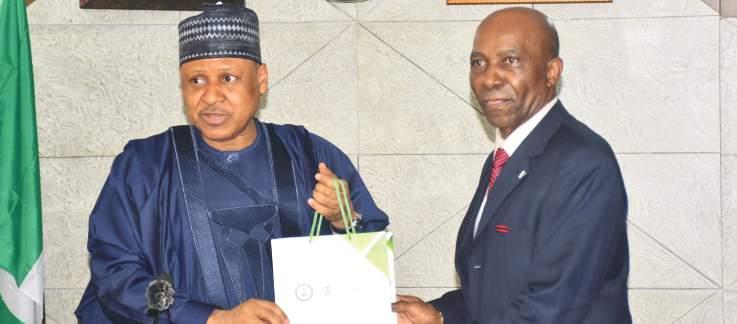
Minister of Information and National Orientation, Mohammed Idris (left), presenting a souvenir to the representative of the Chairman, Nigeria Revenue Service (NRS), Dr. Nwabueze John, during a courtesy visit by officers of the NRS to the minister on tax matters held in Abuja, yesterday
Again, DHQ reveals Nigeria-US joint air interdictions on ISIS/ISWAP enclaved eliminate 175 terrorists
No permanent terrorist operational base within South-west, military clarifies
Chuks Okocha and Linus Aleke in Abuja
Former Vice President Atiku Abubakar has condemned the abduction of schoolchildren and educators in Ogbomoso, Oyo State, and the brutal killing of innocent Nigerians in Katsina State, including a pregnant woman.
Atiku described the tragedies as further proof that Nigeria was bleeding under a government that had reduced leadership to post-tragedy press statements.
In a statement issued by his Senior Special Assistant on Public Communication, Phrank Shaibu, Atiku said he was particularly heartbroken by the news of the gruesome murder of one of the teachers abducted in the Ogbomoso kidnapping incident.
He said the continued bloodshed across the country did not only mark a breakdown of security, but also a
frightening collapse of leadership at the highest level.
Atiku stated, “At a time when armed criminals are abducting schoolchildren, slaughtering innocent citizens, and turning communities into graveyards, President Tinubu’s response remains the same tired ritual: condemn the killings, threaten that the perpetrators will face the ‘full wrath of the law,’ and then wait for the next massacre.
“Nigerians have heard this script too many times. It has become painfully predictable and utterly meaningless.
“President Tinubu must stop governing by obituary statements. Enough of the recycled outrage. Enough of the empty threats. Nigerians are dying, and this government keeps responding with press releases.”
The former vice president stated, “A president, who only finds his voice after blood has been spilled is not leading but presiding over failure.
“The horrifying abduction in Ogbomoso and the gruesome killings in Katsina are not isolated incidents. They are part of a grim national pattern in which criminals operate with terrifying confidence because they no longer fear the Nigerian state.
“When terrorists can invade schools, abduct children and teachers, butcher pregnant women, sack entire communities, and disappear without consequence, it is because the authority of the state has collapsed.”
Atiku said, “What comfort is ‘the full wrath of the law’ to families already burying their loved ones? What solace is another presidential statement to parents now terrified that sending their children to school may be a death sentence?
“Even more disturbing are reports suggesting deliberate attempts to suppress images and documentation of these atrocities from reaching the
Nigerian public.
“If this government is indeed more interested in censoring evidence of mass killings than in preventing the killings themselves, then that is not merely incompetence — it is cruelty of the highest order.”
The ex-vice president stated, “No serious government hides the blood of its citizens to protect political optics. A government that cannot protect the living but seeks to censor evidence of their deaths has lost every moral right to govern.
“This is no longer just a security failure. It is a moral failure. A leadership failure. A national disgrace.
“Nigerians deserve more than performative outrage and ceremonial condolences. They deserve a government that can protect lives, defend communities, and act before tragedy strikes — not one that merely reacts after the damage is done.”
Women were challenged to stop accepting limited roles and step into leadership positions that rightfully belong to them.
This position was stated at the Professional Insurance Ladies Association (PILA) Valedictory Lecture and Award Day held in Lagos yesterday.
The event, held to honour outgoing PILA President, Mrs. Bimbo Onakomaiya, brought together insurance professionals, corporate leaders, and young women for a session that moved from celebration to a direct call for action. Speakers pressed the audience to match ambition with
audacity, power with purpose, and to refuse to wait for permission to lead.
Delivering the keynote address on “Creating a Victorious Generational Legacy Through Audacity, Power and Purpose,” Prof. Lere Baale, CEO of Business School Netherlands, rejected the notion that women should occupy secondary roles.
He said the idea that a woman is “the neck of a man” was wrong, and argued that women function as destiny helpers with greater responsibility in shaping outcomes.
“I don’t like when society puts you where you do not belong, particularly women. You belong to a position where you are supposed to be the leader,” Baale said.
He used his own career to show what it takes to break through low expectations. Baale recalled telling human resources at Pfizer that he wanted to become a director, only to be told he was too ambitious and lacked the charisma for the role because of his height.
He said he spent 15 years working toward the position and eventually achieved it.
“It requires audacity to overcome the limitations society puts you in,” he told the audience. “Without audacity, there is no innovation, no reform, no transformation.”
He urged women not to wait for perfect conditions, warning that many people die with potential unrealized because they wait
endlessly for the right moment.
“Transformation does not wait,” he said.
Baale explained that lasting legacy requires three elements working together: audacity to act despite obstacles, power used in service rather than for ego, and purpose as the compass that gives meaning to ambition.
He said true power is measured by how a leader treats people without formal authority, such as drivers and housekeepers, rather than only by how they manage staff with key performance indicators. Purpose, he said, answers the question of why a person was created and prevents success from becoming shallow and temporary.
Atiku called for the immediate rescue of all abducted victims in Oyo State, urgent and decisive security action across vulnerable communities, and a comprehensive overhaul of the country’s increasingly ineffective security architecture.
DHQ: Nigeria-US Joint Air Strikes on ISIS/ISWAP Areas Eliminate 175 Terrorists
Defence Headquarters (DHQ) announced fresh gains in ongoing counterterrorism operations being conducted jointly by Armed Forces of Nigeria and the United States Africa Command against ISIS terrorists in North-east Nigeria, revealing that 175 terrorists have so far been eliminated.
In a statement, Director of Defence Information, Major-General Samaila Uba, said the coordinated airstrikes, which commenced a few days ago, had continued to record significant operational successes across multiple terrorist enclaves in the region.
According to him, assessments conducted as of May 19 confirmed that 175 ISIS fighters had been neutralised during the operations.
The defence headquarters stated that the joint airstrikes also led to the destruction of ISIS checkpoints, weapons caches, logistical hubs, military equipment, and financial networks used to sustain terrorist activities.
“The operations further resulted in the elimination of several senior ISIS commanders, including Abu-Bilal al-Minuki, described as one of the most significant ISIS operatives globally,” Uba said.
According to the statement, alMinuki played a major role in ISIS external operations, coordinating terrorist financing, recruitment, logistics, and attack planning targeting Nigerians and civilians across different parts of the world.
The military said his death had dealt a major blow to ISIS command
structures, operational coordination, and external attack networks.
The statement revealed, “Other terrorist figures reportedly killed during the strikes include Abd-al Wahhab, an ISWAP senior leader responsible for coordinating attacks and distributing propaganda; Abu Musa al-Mangawi, a senior ISWAP member; and Abu al-Muthanna al-Muhajir, a senior member of the ISWAP media production team and close associate of al-Minuki.”
The defence headquarters stated that the latest operation further demonstrated the sustained commitment of the country’s armed forces to tracking down and eliminating terrorists wherever they operated within the country.
It added that the joint operations would continue until all individuals and groups threatening national security and regional stability were dismantled.
The Nigerian military dismissed reports and public speculation suggesting the existence of a permanent terrorist operational base within the South-west geopolitical zone, insisting that no entrenched terrorist structure currently exists in the area.
The armed forces stated that the recent concerns followed the attack in Oyo State, but clarified that the incident did not indicate the presence of an established insurgent network in the region.
The military said the multiple abductions in schools within Oriire Local Government Area were isolated criminal acts and not evidence of a permanent terrorist camp.
It explained that troops had earlier carried out comprehensive clearance operations in the Old Oyo National Park (OONP), significantly degrading the operational capacity of criminal elements operating within the corridor.

L-R: Head of the Civil Service of the Federation, Mrs. Didi Esther Walson-Jack; third position winners of the Science Exhibition and Competition; First Lady of Nigeria, Senator Oluremi Tinubu; first position winners; Minister for Women Affairs and Social Development, Hajiya Imaan Suleiman Ibrahim; and second position winners of the Science Exhibition and Competition after being presented with their prize money during the celebration of the 2026 National Children’s Day at the Banquet Hall, State House, Abuja, yesterday
Stakeholders, transport unions rally support as Speaker Danladi backs move NILDS DG Sulaiman withdraws from race after governor’s announcement
Ahead of tomorrow’s gubernatorial primary of All Progressives Congress (APC), Governor AbdulRahman AbdulRazaq of Kwara State yesterday unveiled Ambassador Abdulfatai Yahaya Seriki as his preferred candidate, triggering a wave of endorsements from party stakeholders, political blocs and transport unions across the state.
AbdulRazaq, in a statement issued after what he described as extensive consultations with party leaders and stakeholders within and outside the state, said Seriki possesses the capacity, political reach and grassroots appeal required to sustain the administration’s programmes and consolidate the party’s hold on the state.
The governor described Seriki, chairman of the Kursi Group, as a “young, pro-people, astute and broad-minded” political mobiliser with deep investments and widespread goodwill across the state.
do or die politicking and their inability to conduct free, fair, and transparent elections, even in matters as minor as intraparty elections, which has continued to plague our nation from colonial times.”
Jonathan, who was the chairman of the occasion, called the book a living testimony and reflections of a leader during Nigeria’s turbulent history.
He said Gowon deserved commendation for his farsightedness and vision for a united and prosperous nation, which, he said, was manifested in the former head of state’s many legacies.
Jonathan observed that memoirs such as “My Life of Duty and Allegiance” would help preserve institutional memory and deepen public understanding of critical phases and decisions in Nigeria’s history.
Jonathan also said the “no victor, no vanquished” declaration by Gowon after the Nigerian civil war laid the foundation for healing across the country.
He described Gowon as a “living testimony” of leadership during one of Nigeria’s most defining periods.
The former president said Gowon’s memoir provided deep insight into the challenges of nationhood, peace build-
“Young, pro-people, astute, and broad-minded, Amb. Yahaya Seriki has been a great political mobiliser with profound investments in and extensive goodwill among the people of Kwara State. I have no doubt about his capacity and that his choice is appropriate for the people of our state at this time,” AbdulRazaq stated.
The governor, however, stressed that the endorsement did not foreclose the rights of other aspirants to participate in the primary election, urging party members and leaders to support Seriki in the interest of unity, cohesion and continued electoral success for the APC in the state.
He commended the conduct of the other aspirants, saying they had demonstrated discipline and commitment to the development of the state through their campaigns and engagements ahead of the primaries.
The announcement immediately reshaped the political landscape within the ruling party, as major stakeholders and support groups moved swiftly
ing, reconciliation and statesmanship, especially during and after the Nigerian civil war, between 1967 and 1970.
He stated, “Today’s event is not merely the unveiling of a book. It is the presentation of a living testimony. It reflects a leader, who stood at the centre of some of the defining moments in our national journey.”
He commended Gowon for introducing policies that transformed the country, particularly the establishment of NYSC.
Jonathan said the youth service scheme was created to foster unity among young Nigerians and bridge ethnic divisions across the country.
Recalling his personal experience, Jonathan said NYSC teachers posted to his secondary school in 1973 contributed significantly to his education at a time graduate teachers were scarce in many rural schools.
He said, “The vision of the NYSC was great and it will continue to remain great. The youth corps scheme was meant to unite our nation and help us live as one Nigeria.”
Jonathan also praised the late former Vice President Alex Ekwueme for working alongside Gowon on reforms that shaped the country.
He acknowledged the importance
to align with the governor’s choice.
Among the earliest endorsements was that of the Speaker of the Kwara State House of Assembly, Rt. Hon. Salihu Yakubu Danladi, a leading governorship aspirant, who congratulated Seriki on the endorsement and pledged to work for his emergence at the primaries.
Similarly, Director-General of the National Institute for Legislative and Democratic Studies, Prof. Abubakar Suleiman, announced his withdrawal from the governorship race shortly after the governor’s declaration.
The former minister of National Planning, cited the need for unity, responsibility, and the greater interest of the party and the state.
Sulaiman announced his decision in a statement issued on Tuesday after what he described as “extensive consultations and recent developments” within the political landscape of the state.
The former aspirant said his decision was inspired by a commitment to
of preserving historical records through memoirs, saying younger generations must hear directly from leaders, who witnessed critical moments in Nigeria’s history.
The former president said Gowon had continued to distinguish himself through peace-building efforts and advocacy for national unity long after leaving office.
Jonathan added that initiatives championed by the former military head of state demonstrated that true leadership extended beyond political power into service to humanity.
He described the memoir as timely, especially at a period when many nations across the world were grappling with insecurity, division, and political polarisation.
Jonathan urged contemporary leaders and younger Nigerians to learn from the values of courage, vision, reconciliation, and patriotism highlighted in the book.
He commended Gowon for documenting his experiences for future generations and preserving an important part of Nigeria’s historical record.
In their remarks, former heads of state, Ibrahim Babangida and Abdulsalami Abubakar, described Gowon as a noble man and a soldier
peace, party cohesion, and the overall progress of Kwara State, stressing that leadership must be guided by wisdom and responsibility rather than personal ambition.
He explained that his initial decision to seek the governorship position was borne out of a desire to contribute meaningfully to the development of the state and to respond to the aspirations of citizens yearning for a safer, stronger, and more prosperous Kwara.
According to him, interactions with people across Kwara North, Kwara South, and Kwara Central convinced him that the state possesses enormous potential that must be harnessed through visionary and inclusive leadership.
Sulaiman expressed appreciation to his supporters and political associates across the state for the encouragement, prayers, and goodwill extended to him throughout the period of his aspiration.
He, however, stated that despite
gentleman, whose efforts helped in very significant wayS to keep the country’s military as one united and patriotic fighting force.
Sultan of Sokoto, Alhaji Muhammad Sa’ad Abubakar III, and Emir of Kano, His Highness Muhammadu Sanusi, paid tributes to Gowon, describing him as a humble and impactful leader.
Book reviewer and Catholic Bishop of Sokoto Diocese, His Lordship, Matthew Kukah, stated that the book was a vivid account of Nigeria’s turbulent history through a civil war, and Gowon’s personal travails and life’s journey.
Kukah said the account was important, especially as the country continued to navigate through similar challenges.
He stated that different sections of the book provided valuable insights into events during the General’s reign as head of state, saying, however, that no memoir summaries history in totality, as each account presents a particular point of view.
While praying for Nigeria’s continued unity and progress, Kukah assured the gathering of God’s continuous favour and blessing for the country.
He said, “God will continue to do great things for Nigeria.”
stepping down from the race, his commitment to the future of the state and the success of the APC remained unwavering.
The former aspirant reaffirmed his loyalty to the ruling party and pledged continued support for the administration of President Bola Ahmed Tinubu, as well as efforts aimed at strengthening the APC in Kwara State ahead of future elections.
He said, “While I may no longer be participating in this contest, my belief in the future of Kwara State remains unwavering.
“I also reaffirm my loyalty and commitment to our great party, the APC, and to the leadership of President Bola Ahmed Tinubu.”
Sulaiman added that he would continue to work with stakeholders to promote peace, unity, and development within the party and the state.
Political observers believe the withdrawal may reshape the dynamics of the APC governorship contest in Kwara State as consultations intensify
Group Chief Executive of Havilah Group, Publishers of the book, Lanre Adesuyi, said Gowon had chosen to tell his story openly and truthfully, without bitterness or judgement.
Adesuyi stressed the importance of telling one’s own truth as in the case of Gowon in the book.
Highlights of the ceremony included speeches and donations by various personalities, prominent among them, Danjuma, who donated N3 billion to launch the book.
Among those present at the event were Abdulsalam; representative of First Lady, Senator Oluremi Tinubu; former First Lady, Dame Patience Jonathan; and Governor of Plateau State, Caleb Mutfwang.
Equally present were ministers: Senator Atiku Bagudu (Budget and Economic Planning); Hannatu Musawa (Arts Culture and Creative Economy); and General Christopher Musa (Defence).
In attendance, too, were Sultan of Sokoto, His Eminence, Muhammad Sa’ad Abubakar III; CAN President, Archbishop Daniel Okoh; serving and retired senior military officers as well as traditional and religious leaders, among others.
ahead of the party primaries.
The development is also expected to trigger fresh alignments among party stakeholders and supporters across the three senatorial districts of the state.
Sulaiman urged his supporters not to be discouraged by the decision, describing the move as the end of a political process but not the end of the collective aspiration for a better Kwara State.
He concluded by calling for continued support for the APC and prayers for peace and progress in Kwara State and Nigeria as a whole.
The support base for Seriki continued to expand on Tuesday evening, with APC structures across the state indicating readiness to back his candidacy ahead of Thursday’s exercise.
Local government party chairmen in Kwara Central and Kwara South were among the first to publicly endorse him, while the state chapter of the Association of Local Governments of Nigeria (ALGON) also declared support for the governor’s decision.
ALGON Chairman, Hon. Abdullahi Danladi, said council chairmen across the state were united behind the choice made by the governor, describing it as one aimed at strengthening party cohesion and stability.
Several sociocultural groups in Kwara Central also sent congratulatory messages to the APC nominee, while no fewer than five influential party blocs were said to be preparing endorsement rallies and solidarity engagements for Wednesday, in what party insiders described as a move that could further cement Seriki’s path to victory at the primaries.
In a further demonstration of growing momentum around his candidacy, thousands of party supporters and loyalists reportedly thronged the General Tunde Idiagbon International Airport area and adjoining routes in Ilorin to welcome Seriki to the state barely hours after the governor’s announcement.
The development is widely seen as a major turning point in the APC succession battle in Kwara, with political observers saying AbdulRazaq’s endorsement may significantly influence the outcome of Thursday’s governorship primaries.
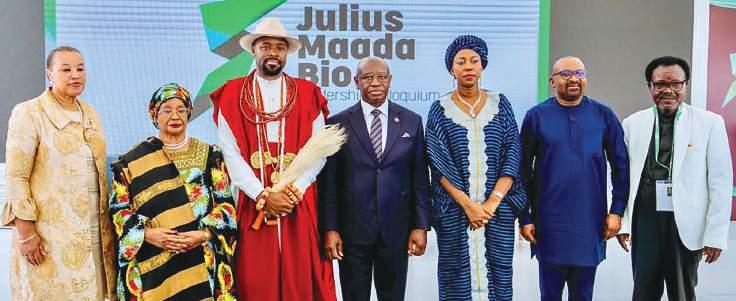
L-R: Rt. Hon. Baroness Patricia Scotland, former Secretary General of the Commonwealth and current British MP; Her Excellency, Dr. Joyce Banda, former President of Malawi; His Majesty Ogiame Atuwatse III, the Olu of Warri; Convener, His Excellency, President Julius Maada Bio, President of the Republic of Sierra Leone; Her Excellency, Dr. Fatima Maada Bio, First Lady of the Republic of Sierra Leone; His Excellency, Dr. Mohamed Juldeh Jalloh, Vice President of the Republic of Sierra Leone; and His Excellency, Victor Bockarie Foh, former Vice President of the Republic of Sierra Leone, at the Julius Bio Leadership Colloquium in the Sierra Leone State capital … recently
Chuks Okocha in Abuja
Secretary of Peoples Democratic Party (PDP) Board of Trustees (BoT), Babangida Aliyu, yesterday, said the party had exempted former President Goodluck Jonathan from screening.
Aliyu,
Aliyu, a member of the PDP presidential screening committee, who was represented by the chairman of the committee, former Vice President Namadi Sambo, spoke to newsmen after yesterday’s screening of all the
reshape how Africa thinks about itself. For too long, projects of this magnitude have been associated with other parts of the world.
“The Dangote Refinery and Petrochemicals Complex is a powerful demonstration that, with visionary leadership and long-term capital, that perception no longer holds. This is the kind of African-led industrial scale that institutional investors on this continent should be backing.”
On his part, Chief Executive Officer of PIC, Patrick Dlamini, described the refinery as one of the most transformative industrial projects undertaken on the continent, saying it was reshaping global perceptions about Africa’s industrial capabilities and economic potential.
Quoting former South African President, Nelson Mandela, Dlamini said: “It always looks impossible until it’s done. This project is redefining the story of Africa and the possibilities of Africa.”
He said PIC, which manages about $230 billion in assets largely on behalf of South Africa’s Government Employees Pension Fund, was actively seeking long-term partnerships aligned with infrastructure development, industrialisation
governorship and lone presidential aspirant of the party.
Answering questions after the screening exercise, the former governor of Niger State, said, ‘’The party had already given a presidential aspirant a waiver from screening.
“Like I said in the beginning, he was deputy governor, became governor, became vice president, became president, so we didn’t see anything that needed screening.
‘’And, therefore, the party had given him waiver. In other words, he has been declared and cleared
and economic transformation across Africa.
“PIC’s mandate is to deploy long-term, patient capital in service of industrialisation, infrastructure and economic transformation across Africa.
“What we have seen today reinforces our conviction that the next chapter of African prosperity will be written through partnership between African institutional capital and African industrial champions. There is real strategic alignment between Dangote’s industrial agenda and how we are positioning our portfolio, and we look forward to exploring meaningful avenues for collaboration”, Dlamini stated.
According to him, poverty, unemployment and economic exclusion remain major drivers of instability across Africa, making industrialisation and large-scale job creation critical to the continent’s long-term development.
Meanwhile, Dangote Industries Limited has commenced preliminary activities for the execution of the Olokola Deep Seaport project, a multi-billion-dollar maritime and industrial infrastructure initiative at the Olokola Free Trade Zone.
The project, which spans more than 10,000 hectares across Ogun
as a candidate of the PDP for the presidential election, and that is former president Jonathan.”
He also said the PDP presidential nomination screening committee gave waivers to other aspirants on its platform.
According to him, ‘’The other waiver is also for the former deputy governor and ambassador, and the secretary of the party, Amb. Taofeek Arapaja, who for many reasons, have to be in Ibadan, Oyo State to ensure that everything has gone well. So we also declared him as been given a waiver by
Waterside Local Government Area of Ogun State and stretches to Ilaje Local Government Area of Ondo State along the Gulf of Guinea coastline, forms a central part of the Group’s “Vision 2030” expansion agenda.
Dangote Industries said the project was aimed at deepening logistics, maritime infrastructure and export-led industrialisation as the company pushes to become a globally recognised manufacturing and industrial leader within the next five years.
Leading the company’s management team on a visit to host communities, the Managing Director, Infrastructure and Logistics, Dangote Industries Limited, Capt. Jamil Abubakar described the proposed seaport as a strategic gateway that would transform both the host communities and Nigeria’s export capacity.
According to him, “The Olokola Port project is a major step in opening up Nigeria’s economic potential, strengthening trade, reducing pressure on existing ports and supporting industrial growth.”
He added: “It will create real opportunities for host communities through jobs, business activities and
the party.
‘’The others, as I’m sure you have interacted with many of them who have come here. We had two from Taraba, one from Adamawa, one from Kano, one from Akwa Ibom, one from Delta, and Kano.
‘’Anytime the other people come within the screening period, we will continue the screening exercise.
‘’We are very happy that even those who have been attempting to kill the party cannot succeed, and the party will contest this election by the grace of God and by the constitution of Nigeria.
long-term developments across both Ogun and Ondo states. With its strategic location, Olokola would serve as a key gateway for exports and imports, boosting Nigeria’s competitiveness in regional and globalAbubakartrade.”further stated that the project reflects the company’s long-term commitment to economic growth and industrial development.
“This project reflects our commitment to building infrastructure that benefits both the people and the economy at large,” he said.
He explained that the deep seaport was designed as, “a logistics gateway for an integrated industrial ecosystem,” that would strengthen Africa’s maritime trade and regional commerce.
According to him, the port would facilitate the export of fertilisers, petrochemicals, and refined petroleum products, while also supporting future Liquefied Natural Gas exports and the importation of industrial equipment and inputs.
During the engagement tour, the Dangote team, accompanied by land surveyors, estate valuers and environmental consultants, visited Ode-Omi community in Ogun State, Araromi Seaside Kingdom and Igbokoda town in
Meanwhile, PDP announced the extension of its timetable for screening and submission of nomination of completed forms.
In a statement by National Publicity Secretary of the party, Ini Ememobong, and National Organising Secretary, Hon. Theophilus Dakas Shan, the party said, ‘’Arising from the increasing demands from aspirants and other stakeholders, the Interim National Working Committee has approved a further and final amendment to the timetable for pre-nomination activities as follows:
Ondo State.
Abubakar assured the communities that consultations and stakeholder engagement would remain continuous throughout the execution process.
“We have come to engage with the communities because this continuous engagement is a crucial part of the whole process,” he stated.
At the Ode-Omi community, the Lenuwa of Ode-Omi, Oba Folailu Adekunle Hassan (Oshotekun II), expressed satisfaction over the choice of the area for the project and pledged the support of the community.
“We have been expecting you for long. It is good that you are here today. Do your best, and we will all benefit from this process,” the monarch said.
The traditional ruler also approved for the company to commence survey activities and other preliminary processes related to the project.
According to him, the activities would include “the enumeration of households, economic trees, and compensation and settlement to all communities that will be covered by the deep seaport project.”
Similarly, the Alara of Araromi
‘’Last date for the submission of completed forms - 22nd May, 2026. Special Screening (for those who have not been screened) - 23rd May, 2026.
‘’Screening Appeals Publication of cleared Aspirants - 25th May, 2026. Publication of cleared Aspirants - 27th May, 2026. Primaries for all offices - 28th May, 2026.” The party advised members to conform to the timetable as there would not be any further extension, due to the need to meet up with the electoral umpire’s schedule.
Seaside Kingdom in Ilaje Local Government Area of Ondo State, Oba Adeoloye Olawole, assured the company of the community’s support for the project.
“We can’t wait for this project to commence. We are going to give you physical and spiritual support. If this project can begin tomorrow, you are welcome,” the monarch said.
The Dangote management team also paid a courtesy visit to the Nigerian Navy Forward Operating Base in Igbokoda, where the Base Operations Officer and Acting Commanding Officer, Lt. Commander A.A. Makinwa, pledged the Navy’s cooperation with the Group.
According to the company, the proposed Olokola Deep Seaport was expected to drive large-scale economic activities, create jobs, attract foreign direct investment and stimulate sectors such as logistics, manufacturing and services. Dangote Industries further stated that the project would strengthen Nigeria’s participation in intraAfrican trade under the African Continental Free Trade Area while boosting export diversification and foreign exchange earnings.
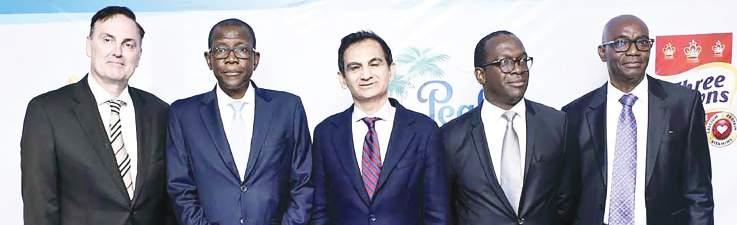
L-R: Executive Director, Finance, FrieslandCampina WAMCO Nigeria Plc, Ramon van Deventer; Chairman, Board of Directors, Olayinka Sanni; Non-Executive Director,
Managing Director, Roger Adou; and Non-Executive Director, Peter Eshikena, during the 53rd Annual General Meeting of the dairy company held in Lagos, yesterday
Yahaya, Ahmed, Damara win in Gombe; Aliero, Yahaya, Gajere emerge in Kebbi
APC panel to review five petitions from Delta primaries as Nwoko dismisses result More states battle post-exercise crisis
by Chairman of APC Gombe State Primary Election Committee, Mallam Labiru Musa Kafur.
Kafur announced that Yahaya polled a total of 131,009 certified affirmation votes to clinch the party’s ticket.
There is growing discontent in the ruling All Progres-sives Congress (APC) in the aftermath of its National Assembly primary elections.
Although results had not been officially released by the party across the states of the federation, more winners continued to emerge from the exercises, especially the senatorial primaries.
Gombe: Yahaya, Ahmed, Damara Win Senate Tickets
Gombe State Governor, Alhaji Muhammadu Inuwa Yahaya, emerged as the APC candidate for Gombe North Senatorial District after securing a landslide victory in the primary election.
The declaration was made yesterday
sense of belonging within the federation.
“If they have to be in Nigeria, then they must be part of Nigeria. They must have a sense of belonging that they are Nigerians,” he stated.
Amaechi further said his administration, if elected president, would focus on national integration, education, equal opportunities and addressing regional grievances, while promising to tackle the worsening insecurity across the country.
Meanwhile, a chieftain of the Peoples Democratic Party (PDP), Umar Sani, has insisted that former President, Goodluck Jonathan, has already obtained the party’s presidential nomination form ahead of the 2027 general election.
Sani, who served as Senior Special Assistant on Media and Publicity to former Vice President, Namadi Sambo, made the disclosure during an appearance on Trust TV yesterday. His remarks come amid
The committee stated that the primary election, conducted on Monday, May 18, was peaceful, transparent, and orderly across all eleven local government areas of the state.
In Gombe Central Senatorial District, retired Deputy Commissioner of Police, Mohammed Ahmed, emerged as the APC candidate-elect with 89,415 votes, and was declared winner at the Kumo local government secretariat.
For Gombe South Senatorial District, Mr. Jerry Joseph Damara secured victory with 56,687 certified votes to become the party’s standard bearer for the district.
The committee affirmed that all the declared winners fulfilled the necessary constitutional and party requirements and were validly returned as APC candidates for the forthcoming senatorial elections.
renewed political consultations involving Jonathan, fuelling speculation that the former president may be considering a return to partisan politics nearly 12 years after leaving office.
Although Jonathan has yet to publicly declare his ambition or confirm the political platform on which he may contest, Sani maintained that the former president’s actions already indicated strong interest in the race.
According to him, political actions speak louder than public declarations, stressing that Jonathan had gone beyond consultations by allegedly obtaining the necessary nomination documents.
“The issue is not about whether we will extract commitment from him. What is most important in politics is action. If your action suggests you are interested, there are certain actions to follow, one of which is the procurement of the nomination form.
“He has procured the nomination form. In fact, he is about to come and submit the forms
Idris Unites Kebbi APC as Aliero, Yahaya, Gajere Clinch
Senate Tickets
Governor Nasir Idris consolidated his control in Kebbi State APC after the party concluded its National Assembly primaries through consensus.
The exercise produced a rancour-free outcome as all aspirants voluntarily withdrew their letters of intent and endorsed single candidates for each of the state’s three senatorial districts.
According to Special Adviser on Communication and Strategy to the Governor, Abdullahi Idris Zuru, the success was driven by Idris’s loyalty to the party, guidance from elders, and a clear determination to secure APC’s victory in 2027.
Affirmation of the consensus candidates held simultaneously across the state: Birnin Kebbi for Kebbi Central, Kamba for Kebbi North, and Zuru for Kebbi South.
The party’s candidates are Senator Muhammad Adamu Aliero for Kebbi Central, Senator Yahaya Abdullahi for
publicly,” Sani said.
The PDP stalwart dismissed suggestions that the party or Jonathan’s supporters were merely using the former president’s name to regain political relevance, insisting that many Nigerians still hold positive memories of his administration. According to him, the current state of the country has led many citizens to reassess Jonathan’s tenure more favourably.
“Most Nigerians know him and are nostalgic about Jonathan. At the time he left office, many people felt the PDP was not performing, but now Nigerians have seen the difference clearly,” he added.
Sani also expressed confidence that the legal challenge against Jonathan’s eligibility to seek the presidency again would fail, arguing that the issue had already been settled judicially.
“We are very confident that the matter will be thrown out because you cannot relitigate something that has already been decided upon,” he said.
revealed he went beyond the party’s guidelines by setting up a high-powered committee headed by former Ambassador Sa’idu Nasamu Dakingari to engage aspirants and deliver a conflict-free consensus.
Chairman of All Progressives Congress (APC) National Assembly Primaries Appeal Committee for Delta State, Dr. Chukwuemeka Ujam, yesterday, disclosed that the committee had received five petitions arising from the party’s recently concluded National Assembly primaries in the state.
Ujam, who spoke with journalists at the APC secretariat in Asaba, said the committee was already reviewing petitions submitted by aggrieved party members and stakeholders over the conduct of the exercises.
He explained that the five-member panel was in Delta State in line with the provisions guiding the conduct of the APC primary elections.
According to him, the committee first arrived in the state on Sunday shortly after the House of Representatives primaries and later reconvened following the senatorial district primaries to continue its assignment.
“We have been receiving petitions and we will prepare our reports later. The process is still ongoing because the day is not yet over,” he said.
On the outcome of the senatorial primaries in the state, Ujam clarified that the committee’s mandate was strictly limited to examining complaints relating to the conduct of the primaries.
He stated, “As we receive the petitions, we are already reviewing them and making our notes on each one. But you do not expect me to divulge what we are doing.”
The senator for Delta North Senatorial District, Ned Nwoko, cautioned those celebrating the victory of the former governor of the state, Senator Ifeanyi Okowa, at the senatorial primaries.
Ned, in a statement by Media Director
of Anioma State Creation, Tonnie Oganah, said the results of the election could only be announced by the national headquarters of the APC in Abuja.
He stated that all the candidates in the elections had their strongholds and announcing partial results amounted to half-truth and half truths were embellished lies capable of misleading the public.
The statement said, “Media director of Anioma state creation championed by Senator Ned Nwoko, Chief Barr Tonnie Oganah has cautioned those celebrating the so called victory of their candidate to exercise restraint and caution lest they run fowl of the law as the official and authentic results of the exercise which held on Monday this week can only be announced from the APC national headquarters in Abuja and signed by the chairman of the party as there are no factions in the party.”
Ned Nwoko, the statement added, symbolised the Anioma dream of identity and economic liberation as he wanted Anioma to have three senators and nine House of Representatives members, as opposed to only one senator and three House of Representatives members that it currently has.”
At the same time, a fresh dispute emerged within the Delta North chapter of APC following conflicting claims over the outcome of the party’s senatorial primary.
Stakeholders aligned with Nwoko insisted that figures from several wards indicated he secured the majority of votes cast in the exercise.
In a statement in Abuja, the stakeholders rejected the declaration of victory credited to Okowa, maintaining that only the party’s authorised national structures could formally announce the outcome of the primary.
According to the statement by Emma Eboh, the stakeholders stated that results obtained from several wards across Delta North showed substantial support for Nwoko.
But Delta State Commissioner for Works (Rural Roads) and Public Information, Mr. Charles Aniagwu, defended the conduct of the APC primaries in Delta State, insisting that the exercises were free, fair and reflective of the wishes of party members across the state.
Speaking on national television, yesterday, Aniagwu dismissed allegations of manipulation and imposition raised by some aggrieved aspirants, describing many of them as “pretenders” who
failed to prepare for the elections. According to him, the primaries, which covered the 10 Federal Constituencies and three senatorial districts in Delta State, were conducted openly through the Option A4 voting system, making it impossible for results to be manipulated. Aniagwu particularly faulted claims made by an aspirant from the Ndokwa/ Ukwuani Federal Constituency, saying the contestant lacked grassroots presence and failed to engage party stakeholders before the election.
Akwa Ibom South Returns Sampson as Consensus Candidate
In Akwa Ibom State, Ekong Sampson emerged unopposed as the APC senatorial candidate for Akwa Ibom South.
The exercise, which took place across the senatorial district, was reportedly attended by party members and stakeholders, with voting conducted peacefully in most areas monitored.
Sampson, who currently represents the district in the Senate, had previously served as councillor, chairman of Mkpat Enin Local Government Area, member of the Akwa Ibom State House of Assembly and commissioner in different ministries in the state.
Ekiti APC Primary Sparks Row, Aggrieved Aspirants Contest Result, Claim Victory
Aggrieved aspirants in the APC senatorial primary election in Ekiti North Senatorial District openly rejected the outcome of the exercise, claiming victory and alleging widespread irregularities in the conduct of the poll.
The controversy, which continued to trail the primary election, pitted former senator, Ayodele Arise, and another aspirant, Dare Owolabi, against the incumbent senator, Cyril Fasuyi, over the authenticity of the declared result. While Arise and Owolabi dismissed the outcome announced by the APC Senatorial Primary Election Committee as manipulated and fraudulent, Fasuyi insisted that the process was credible and reflected the will of party members across the district.
The APC committee had declared Fasuyi winner of the primary with 14,179 votes, while Arise polled 4,868 votes. Other aspirants, Dipo Bamisaye and Dare Owolabi, secured 3,694 and 2,836 votes respectively.

L-R:
House of
Tonlagha (EMT), Mrs. Esther Tonlagha; The Divisional Police Officer of Ogborikoko Police Station, Uvwie, CSP Omosetemi Agbede-Zuokomor; Ogoba Beauty, and Robo Anoka, during the EMT Foundation Skill Acquisition Students Graduation/Empowerment ceremony in Effurun, Delta State…recently
Linus aleke in abuja
The Chief of the Air Staff (CAS), Air Marshal Sunday Kelvin Aneke, has charged branch chiefs, air officers commanding, directors, and air component commanders across various operational theatres in the country to intensify pressure on insurgents and other criminal elements in order to enhance operational effectiveness.
Air Marshal Aneke gave the charge during an operational
briefing with commanders in Abuja, where he emphasised the importance of sustaining aggressive operations against hostile groups threatening national security.
He also stressed the need for continuous evaluation and reassessment of operational strategies and procedures, noting that every mission must deliver a decisive impact against criminal elements while ensuring the protection of civilian lives
sunday Okobi
Oden Ewa has emerged the winner in the All Progressives Congress (APC) Cross River Central senatorial district primary election, thereby securing the party’s ticket ahead of the 2027 general election.
The result was declared by the Returning Officer, Eyo Nsa Ekpo, after the collation exercise at the Ikom Local Government Area Council Hall. Ewa scored 32, 426 votes while his closet rival, Mary Ekpere, scored 991, and Eteng Jones scored 726 votes.
Ewa, the immediate-past state Commissioner for Special Duties and Intergovernmental Affairs under Governor Bassey Edet
Otu, expressed appreciation to the party leaders, delegates, members, and his followers, noting that the resounding victory is a testimony to the hard work and contributions to the development of his district, state, and people over the years.
He also commended Governor Otu for the level playing field and environment he provided, as well as for the stability, peace, and progress that the State has enjoyed since his regime came on board.
The former commissioner also expressed appreciation to Otu for granting him the opportunity and privilege not only to serve in his government for about three years but also to contest the primary as a first timer.
Professor of Nutritional Biochemistry and Toxicology in the Department of Biochemistry, School of Basic Medical Sciences, Babcock University, Ilishan-Remo. Ogun State, Prof Olutayo Sunday Shokunbi, is to deliver the institution’s 62nd Inaugural lecture on Thursday, June 4, 2026.
According to the Registrar, Dr. Patience Chioma, “Professor Shokunbi will deliver paper presentation on the topic, “Food as Medicine, Food as Poison: Navigating the doubleedge Plate”, the President/ Vice Chancellor, Babcock University, while Professor
Afolarin Olutunde Ojewole, will be the Chairman of the occasion.”
Dignitaries, academicians, nutritionists, food experts, scientists, and agriculturists are expected to grace the Inaugural lecture.
The statement by the register note that inaugural lecture is an auspicious occasion for the university to acknowledge the appointment or promotion of new, full professors, introduce them to the academic and nonacademic community of the university, and to provide opportunity for further engagement with the larger community.
through precision, discipline, and professionalism.
The CAS emphasised striking hostile targets while maintaining precision to protect civilian lives.
He stressed the necessity of synchronising intelligence-led air, land, and maritime operations, adding that The Nigerian Air Force (NAF) will continue
to enhance cooperation with sister services and other security agencies to achieve unified mission success.
He urged frontline personnel to
“fly smarter and strike harder” to stay ahead of the enemy’s next line of action, ultimately neutralizing threats and denying them freedom of movement.
Michael Olugbodeinabuja
Vice President Kashim Shettima is set to unveil a new book chronicling Nigeria’s counterterrorism and counterinsurgency operations in the North-east, as top security officials, military commanders, diplomats and scholars converge on Abuja for the event tomorrow,
Thursday, May 21, 2026. The book, titled Counterterrorism and Counterinsurgency Operations in Northeast Nigeria, was authored by retired Major General Ibrahim Manu Yusuf, a former Commander of the Multinational Joint Task Force (MNJTF) and ex-Commandant of the Nigerian Defence Academy.
The public presentation is scheduled to hold at the National Defence College, Abuja, beginning.
Shettima is expected to attend as the Special Guest of Honour and Chief Unveiler alongside governors, members of the National Assembly, the Minister of Defence, Chief of Defence Staff, Service Chiefs, retired military chiefs, diplomats and other major stakeholders in Nigeria’s security architecture.
Organisers said the publication captures Yusuf’s operational experiences, strategic insights and lessons from years of military campaigns against Boko Haram and other terrorist groups operating in the North-east and the wider Lake Chad Basin.
‘Late Awujale Warns Against Suspending Celebration of Ojude Oba’
James sowole in abeokuta
The Organising Committee of the 2026 Ojude Oba Festival yesterday disclosed that the late Awujale of Ijebuland, Oba Sikiru Adetona, warned against suspending the celebration of the socio-cultural festival of the land, Ojude Oba, after his demise or during the period of interregnum.
The committee disclosed the
wish of the late monarch, who joined his ancestors last year after reigning for 65 years, at a news briefing to herald the 2026 celebration with the theme: ‘Ojude Oba 2026: Celebrating The Legacy of Oba Sikiru Adetona.’
The news briefing, held within the premises of the palace in Ijebu Ode, was attended by members of the Organising Committee, sponsors, and partners, who seized the opportunity to exhibit
their products and services. According to the committee, the disclosure of the warning of the late Awujale was sequel to the insinuations in some quarters that the celebration may be suspended due to the demise of the monarch.
Addressing journalists, the Coordinator of the Ojude Oba Festival, Professor Fassy Yusuf, said the 2026 edition of the Ojúdé Ọba Festival was to honour the
legacy of the late Awujale, who displayed unalloyed commitment to the transformation of Ijebuland. He said: “The 2026 Edition of Ojude Oba Festival is therefore not only a celebration of culture and heritage, but also a solemn tribute to the longest reigning monarch in the history of Ijebuland, a revered royal icon whose legacies remain indelible and whose impact will continue to resonate across generations.
A group under the aegis of Plateau Initiative for Growth and Development has faulted what it described as misleading claims made by a governorship aspirant of the All Progressives Congress (APC), Commander Yilchini Jan Bida (rtd), against the administration of Governor Caleb Manasseh Mutfwang. The group said it watched
with disbelief Bida’s recent media engagement in Jos, where he declared his ambition to unseat Governor Mutfwang in the 2027 governorship election.
In a statement signed by its state Coordinator, Nengak David, the group accused the retired military officer of attempting to downplay the achievements of the Mutfwang
administration and previous governments while portraying himself as the only solution to Plateau State challenges.
According to the statement, Bida’s remarks on security and infrastructure reflected what the group described as a poor understanding of the realities, history, and aspirations of the Plateau people.
“Ordinarily, such claims
would not deserve a response, but it has become necessary to set the record straight for the benefit of the peace-loving and patriotic people of Plateau State,” the statement said.
The group argued that a review of Bida’s public record raises concerns about his capacity, sincerity, and connection with the people he seeks to govern.
Francis sardauna in Katsina
Katsina State Governor, Dikko Umaru Radda, has approved the training of 74 artisans on Electric Vehicle prototype development as part of efforts to promote youth empowerment and technological innovation in the state.
The Coordinator of the Katsina Youth Craft Village, Abdullahi Kabir, in a statement issued yesterday, said the six-month training programme would be conducted at the Katsina Youth Craft Village in partnership with Maglush
Electric Vehicle, an indigenous EV company owned by indigenes of the state.
According to the statement, the programme is designed to equip young artisans with modern technical skills in electric vehicle technology and prepare them for opportunities in the emerging green transportation sector. The statement said the trainees would be drawn from the 34 local government areas of the state to ensure the availability of skilled technicians for the maintenance and repair of electric vehicles across Katsina State.
Duro Ikhazuagbe
Nigeria’s Super Eagles have been paired in Group L with familiar foes and joint-hosts Tanzania, Madagascar and Guinea Bissau in the qualifiers for the 2027 Africa Cup of Nations finals to be jointly-hosted by Kenya, Tanzania and Uganda.
At Tuesday’s draw ceremony at the Egyptian Football Association headquarters in Cairo, all the 48 teams were slotted into 12 groups of four teams each, with the two top-placed
countries in each pool advancing to the finals scheduled for between June 19th and July 17th, next year.
The Super Eagles will open their campaign to qualify for the 2027 AFCON at home against Madagascar.
The game will be played on September 23 at the Godswill Akpabio International Stadium in Uyo.
The three-time African champions will then fly out to Guinea Bissau
four days later in continuation of the qualifying series.
They will then complete the first half of the qualifiers with a home game against AFCON co-hosts Tanzania on November 11.
In previous encounters, Nigeria defeated Madagascar home and away in the qualifying series for the 2012 Africa Cup of Nations, and shared honours with Guinea Bissau in the race to the 2023 AFCON finals that were held in Cote d’Ivoire. Guinea Bissau won in Abuja while the Super

Super Eagles will begin their AFCON 2027 qualifiers at home against Madagascar after draw yesterday also pitted Nigeria with co-host Tanzania and Guinea Bissau
Bournemouth’s 1-1 draw with City gives Gunners four-point edge with one game to go
Arsenal’s 22-year wait for the Premier League title is over after rivals Manchester City drew 1-1 at Bournemouth, in what is expected to be Pep Guardiola’s penultimate game in charge.
Tuesday’s result on the south coast leaves Mikel Arteta’s men four points clear of City before the final round of games take place on Sunday, with the Gunners set to lift the trophy at Crystal Palace.
Build-up to this game had been overshadowed by dramatic reports that Guardiola is set to step down as City manager at the end of this season.
He told television broadcasters before the game that speculation over his future had “absolutely zero”
impact on preparations, but his side were outplayed and outfought by the brilliant Cherries, who extended their unbeaten run to 17 matches.
Buoyed on by a raucous following at the compact venue, teenager striking sensation Junior Kroupi curled in a sublime finish six minutes before half-time.
Home goalkeeper Djordje Petrovic making a vital save to deny Nico O’Reilly early in the second half and although Erling Haaland scored a late equaliser, the hosts held on.
Bournemouth boss Andoni Iraola announced he will leave at the end of this season - and this result ensures the Spaniard has helped achieve the magnificent feat of securing European football for next term.
The Super 8 Play-off draw ceremony of the second edition of the N-Youth League was held yesterday in Abuja.
The draw was attended by the President of the Nigeria Rugby Football Federation (NRFF), Dr Ademola Are, the Chief Operating Officer of Nigeria National League (NNL), the Dr. Ayo Hammed Abdulrahman and former National team goalkeeper, Emmanuel Babayaro.
After the play off draw, Kano Pillars will meet Right2 Win, Mailantarki against Sunshine FC (U-19), Sporting Supreme will play against House of Prayer, while Kwara FA will be up against Pepperest Academy.
The winners will join Plateau United (U-19), Grassrunners Ikenne, Darazo Bauchi and Supreme Kings Abia for the N-Youth League Super 8 National Championship.
Three matches are to be played by each team, while the winners of each group will play the final in Eket, Akwa Ibom State on May 31.
The President N-Youth League, Robinson Adakosa, described the championship as a celebration of vision, development, opportunity and the future of Nigerian football.
He said the Super 8 Championship has become a platform where young talents are discovered and the next generation of stars are groomed for national and international footballs.
Registration for Nigerian participants in the 11th Okpekpe International 10km Road Race will close on Saturday, May 23, 2026, organisers announced yesterday.
The race, a World Athletics Gold Label event, is scheduled for Saturday, May 30, 2026, in Okpekpe, Etsako East Local Government Area of Edo State. Race Director, Zak Amodu, encouraged athletes and other intending runners to register promptly via Okpekperoadrace.com, stressing that the deadline ensures smooth logistics and accreditation.
Bib collection and accreditation will take place at Uyi Ground Hotel (swimming pool side) in Auchi on
Friday, May 29, 2026. The Okpekpe race has carved a unique place in athletics history as the first road running event in Nigeria measured by a World Athletics certified course measurer, and the first in West Africa to earn a World Athletics Label.
Organised in strict accordance with World Athletics rules and powered by Pamodzi Sports Marketing, the event continues to attract elite athletes and inspire communities.
Since its debut in 2013, the race has delivered far-reaching benefits beyond sport. It fosters social cohesion, encourages healthy living, and stimulates economic activity in Edo State and Nigeria.

Arsenal emerged champions of England last night after Bournemouth played 1-1 draw with second placed Manchester City to leave the Gunners four points clear at the top of the Premier League with just one match to end of season
In other fixtures, Morocco’s Atlas Lions, who hosted the last finals that was the first-ever to span across two different years (2025 and 2026), will tackle Gabon, Niger Republic and Lesotho in Group A. Seven-time champions Egypt will face Angola, Malawi and South Sudan in Group B, while five-time champions Cameroon must deal with a tricky pool that contains Comoros, Namibia and Congo.
Cristiano Ronaldo is set to play in a record sixth World Cup after being selected in Portugal’s squad for this summer’s tournament.
The 41-year-old forward, who holds the men’s record for all-time international appearances (226) and goals (143), is one of six players to have played in five World Cups.
That group includes his former La Liga rival Lionel Messi, who is also set to play in his sixth World Cup after leading Argentina to victory four years ago in Qatar.
Ronaldo, a five-time Ballon d’Or winner, has been playing for Saudi Arabian side Al-Nassr since January 2023.
He is eligible for all of Portugal’s group games having avoided a threematch ban after being sent off in their penultimate World Cup qualifier against the Republic of Ireland in November.
There were no surprises from coach Roberto Martinez as he named a squad of “27 players plus one”, a reference to former Liverpool forward Diogo Jota, who died in a car crash last July.
“He is our strength, our joy,” said Martinez. “Losing Diogo was an unforgettable and very difficult moment, but the very next day it was up to all of us to fight for Diogo’s dream and for the example he always set in our national team.
“Diogo Jota’s spirit, strength and example are the plus one and will always be the plus one.”
The squad also features Bruno Fernandes, who aims to claim the outright record for most assists in a Premier League season as Manchester
United play their final game of the season this Sunday. Meanwhile, Paris St-Germain quartet Vitinha, Joao Neves, Nuno Mendes and Goncalo Ramos are set to play in the Champions League final against Arsenal on 30 May. Portugal have friendlies against Chile and Nigeria before their World Cup opener against DR Congo in Houston on 17 June. They also face Uzbekistan in Houston before concluding their Group K campaign against Colombia in Miami.
The Nigerian boxing scene is set to witness another major title fight after reigning Nigerian and West African light heavyweight champion Lekan “The Engine” Muibi challenged newly crowned WBO Africa cruiserweight champion Godday “Zodsolo” Appah for his title.
Muibi who has a fearsome record of 20 wins in 20 fights, (19 of them via knockouts), threw down the gauntlet to his rival yesterday, stressing that he is willing to go up to the cruiserweight in order to become a two-division
champion.
Appah claimed the title on the May 1 in Lagos by defeating fellow Nigerian boxer, Ezra “The King” Arenyeka via majority decision in a 10-round bout, improving his record to 15 wins, 2 losses and no draws with 13 knocouts. According to Muibi, he feels Appah, who had challenged him before facing Arenyeka, is too scared to face him and promised to stop him.
“I want to move up to cruiserweight,” he said. “I’ve cleaned out my division. All possible challengers
here in Nigeria and West Africa are too scared to face me so i’ve run out of opponents.
“It’s just a 5kg difference. It’s an easy jump to make. And as a matter of fact, i specifically want to face Godday Appah aka Zodsolo. Earlier this year, he called me out on Instagram, saying all kinds of stuff. And when my management tried to make the fight, he ducked and ran like a coward. He took the easier option of fighting Ezra Arenyeka for the WBO Africa cruiserweight belt.

underperformance. To discuss today’s debt profile without acknowledging yesterday’s accumulated distortions is intellectually dishonest.
Debt Must Be Understood in Context
Serious economists do not assess debt through sensational headlines or absolute figures alone. They assess debt sustainability, debt service capacity, debt composition, maturity structures, currency exposure and debt-to-GDP ratios.
By global standards, Nigeria’s debt-to-GDP ratio remains comparatively modest at 36.9 percent as at December 2025. By comparison, the United States carries debt above 120 percent of GDP, Japan above 250 percent, Singapore above 170 percent, France above 110 percent, the United Kingdom around 100 percent, India above 80 percent and Brazil above 85 percent.
Nigeria therefore remains significantly below many advanced and emerging economies on pure debt stock metrics. The real Nigerian challenge is not simply debt accumulation, but weak revenue mobilization and the productive deployment of borrowed resources. A country with low revenue-toGDP ratios will naturally face debt-service pressures even at comparatively moderate debt levels. The solution is therefore not performative austerity, but economic expansion, export growth, productivity enhancement, tax-base broadening and structural transformation.
No country reforms an economy painlessly. Not China under Deng Xiaoping. Not India during the reforms of 1991. Not South Korea during industrial restructuring. Not Indonesia after the Asian Financial Crisis. Every serious reform programme produces temporary dislocation before stabilization gains emerge.
What shallow critics casually describe as “hardship” is often the unavoidable transitional cost of dismantling decades of accumulated distortions. Serious reform requires political courage, fiscal realism and long-term strategic discipline. Economies are not transformed through slogans or sentimentality.
Due Process and Democratic Responsibility
There is also a disturbing tendency in public discourse to convert allegations into convictions before institutions conclude investigations. If matters are before the National Assembly or other oversight bodies, how can supposedly educated commentators proceed as though allegations are already established facts? Since when did parliamentary inquiry become equivalent to judicial conviction?
A mature democracy distinguishes between
allegation and evidence, inquiry and guilt, accusation and proof. To collapse those distinctions is to weaponize suspicion and undermine the very constitutional order critics claim to defend. One cannot selectively believe in institutions only when outcomes align with partisan expectations.
What is increasingly evident in contemporary discourse is the collapse of analytical rigor into prosecutorial sensationalism. Allegations are casually elevated into conclusions, investigations are rhetorically transformed into convictions, and parliamentary inquiries are treated as substitutes for judicial determination.
This is profoundly dangerous for constitutional democracy.
If oversight institutions of the National Assembly are investigating claims, then intellectual honesty requires restraint pending evidentiary findings. The mere existence of an allegation does not establish factual guilt. In every serious democracy, inquiry is a process of verification, not a declaration of culpability.
Yet many commentators proceed with astonishing certainty, constructing elaborate political arguments upon matters still under investigation. This betrays not confidence in evidence, but impatience with due process itself.
A mature democratic culture distinguishes
significance are often demolished entirely instead of renovated with respect for their heritage.
The old Carter Bridge remains one of the enduring symbols of Lagos Island’s connection to the mainland and the city’s early expansion. Yet many of the surrounding historical environments that once gave character and context to such infrastructure have gradually vanished under relentless redevelopment.
At Murtala Muhammed International Airport, generations of Nigerians experienced emotional departures abroad and unforgettable reunions home. The airport became part of the memory of post-independence Nigeria itself. Yet while modernisation is necessary, little effort appears to have been made to preserve elements of its earlier architectural identity as part of a living historical narrative.
The same can be said of older civic and medical institutions across Lagos, including facilities once central to public life around Awolowo Road in Ikoyi. Buildings representing important chapters in healthcare, nursing, and public service disappear entirely instead of being thoughtfully adapted into modern facilities that still preserve architectural continuity.
One particularly painful example was the gradual destruction of historic Brazilian and Portuguese-influenced architecture around Tinubu Square and other parts of Lagos Island. These buildings reflected the Afro-Brazilian returnee culture that helped shape nineteenthcentury Lagos. Their balconies, arches, facades, and courtyards were not simply old structures; they were physical evidence of Lagos’ multicultural origins and maritime trading history.
The old Brazilian Quarters of Lagos Island could have evolved into one of Africa’s great heritage districts — a cultural and tourism destination comparable to preserved historic quarters elsewhere in the world. Instead, much of it has slowly disappeared building by building, street by street.
Equally symbolic was the disappearance of the historic Lagos Racecourse, once an important civic and social gathering space in colonial and early post-colonial Lagos. The open elegance and civic atmosphere of the old racecourse environment eventually gave way to dense modern construction that many feel lacks any meaningful
carefully between accusation and proof. Once societies normalize the treatment of allegations as established facts, public discourse degenerates into mob adjudication and institutional credibility collapses.
Even more troubling is the selective morality underpinning much of the outrage. Many of those now presenting themselves as guardians of accountability maintained remarkable silence during periods of far deeper fiscal opacity, systemic leakages and structurally ruinous subsidy regimes. Their newfound indignation appears less driven by principle than by political convenience.
There is also a glaring contradiction in the criticism itself. The same voices condemning current fiscal interventions routinely ignore the inherited liabilities, contingent obligations and quasi-fiscal distortions accumulated over many years before the present administration assumed office. They discuss the consequences while deliberately erasing the causes.
No serious economic assessment isolates outcomes from historical context.
One cannot inherit structural disequilibrium built over decades and resolve it within months without difficult transitional adjustments. To pretend otherwise is either economic illiteracy or deliberate political manipulation.
Indeed, some critics now invoke anti-corruption rhetoric as though fiscal expansion itself were evidence of misconduct. This is analytically absurd. Deficit spending is neither criminal nor abnormal. It is one of the oldest instruments of macroeconomic stabilization known to economic theory and modern statecraft.
The relevant questions are whether borrowed resources are directed toward productive stabilization, whether distortions are being corrected, whether institutional reforms are advancing, and whether medium-term growth capacity is being restored. Those are the serious questions of economics — not headline-driven outrage masquerading as analysis.
History repeatedly shows that nations undergoing structural transition often experience intense political resistance precisely because reforms disrupt entrenched rent structures. Those benefiting from previous distortions rarely surrender quietly. They weaponize discomfort, amplify transitional pain and present necessary adjustments as evidence of failure.
But serious governance cannot be reduced to the management of political optics. Statesmanship requires confronting inherited realities, not merely postponing them for applause.
And perhaps the greatest intellectual failure of all is the refusal by some commentators to recognize that economic management involves trade-offs,
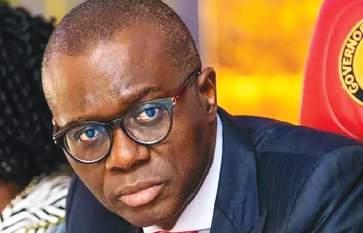
connection to the historical spirit of what existed before. The question therefore becomes unavoidable: are we building for civic legacy — or simply for commercial density and short-term wealth creation?
This debate is not unique to Lagos. Many great cities faced similar crossroads and chose preservation alongside development.
Rome continues expanding while preserving ruins and architecture dating back thousands of years. Beijing, despite massive modernisation, still protects parts of its historic hutongs and imperial heritage. Shanghai has preserved districts such as the Bund alongside futuristic skyscrapers.
Quebec City protected its old quarters so successfully that they became UNESCO-recognised heritage zones and major tourism assets.
London modernises constantly while fiercely protecting
sequencing and temporal effects. Reforms do not mature instantly. Stabilization precedes expansion. Correction precedes recovery.
Every major economy that eventually achieved durable growth passed through periods of painful adjustment.
Nigeria will not be the first country required to endure transitional difficulty in order to escape structural stagnation.
Markets, the State and Economic Reality
What is most disappointing is the slavish attachment to simplistic market fundamentalism. Every advanced economy in history was built through strategic state intervention. The United States used industrial policy. China used state-directed capital. South Korea relied heavily on developmental financing. Japan deployed coordinated industrial targeting. Europe continues to subsidize strategic sectors extensively.
Yet some local commentators behave as though government intervention is uniquely immoral in Nigeria. That is not economics. It is colonial mimicry disguised as sophistication.
Markets are powerful allocators, but they also fail. They underinvest in public goods, misprice externalities, ignore inequality and collapse under coordination failures. That is precisely why governments exist. Even the most capitalist economies abandon fiscal puritanism during crises. In 2008 governments rescued banks. During the COVID-19 pandemic, trillions of dollars were injected globally through deficit financing because real policymakers govern economies as they are, not as ideological fantasists imagine them to be.
History will not remember who shouted loudest on television panels or social media platforms. History will remember who understood the scale of Nigeria’s structural crisis and had the courage to confront it.
Economic transformation is difficult, disruptive and politically costly. Nations are not rebuilt through selective memory, performative outrage or shallow populism. They are rebuilt through reforms grounded in macroeconomic realism, fiscal pragmatism and strategic long-term thinking.
Perhaps the greatest irony of all is that many of those condemning deficits today benefited directly from the very fiscal injections they now denounce. Their salaries, contracts, businesses, liquidity positions and consumption patterns were often sustained by the same public spending they now pretend to oppose.
That is not principled opposition. It is selective amnesia. TV
The lush gardens, low-density elegance, and distinctive architectural atmosphere that once defined the area have steadily given way to aggressive vertical development. One must ask whether this represents balanced urban progress — or development driven primarily by land value and commercial return at any cost.
This is not an argument against development. Lagos must grow. Infrastructure must improve. Airports must modernise. Roads must expand. New architecture must emerge.
But development and preservation are not enemies. They can — and must — coexist.
Old bridges can be restored and integrated into modern transport systems. Historic public buildings can become museums, galleries, libraries, hotels, restaurants, or civic centres. Original road names can coexist alongside modern names through dual-signage systems explaining historical origins. Important architectural districts can be protected before demolition approvals are casually granted.
historical districts and landmarks. Istanbul carries Roman, Byzantine, and Ottoman history simultaneously within a functioning modern metropolis. Havana preserved large parts of its colonial architecture despite economic hardship.
Old cities understand something Lagos increasingly risks forgetting: preservation is not anti-development.
In fact, preserved history often becomes an economic asset in itself through tourism, education, culture, architecture, and civic pride.
What exactly are we preserving in Lagos today for future generations to inherit, understand, and feel connected to?
Perhaps there is still time for places like Yaba — with its railway history, educational institutions, and older residential character — to be protected before the same pattern repeats itself completely.
Ikoyi itself has already undergone dramatic transformation.
Most importantly, Lagos urgently needs a serious long-term urban preservation policy — one that treats heritage not as an obstacle to growth, but as part of growth itself. Without such policies, decisions are left entirely to short-term commercial pressures and changing political administrations. Cities then begin evolving without memory, continuity, or cultural direction.
Because once history disappears physically, memory soon follows.
And when memory disappears, identity weakens. Lagos is one of Africa’s greatest cities — energetic, ambitious, creative, and globally influential. But greatness is not measured only by skyscrapers, luxury towers, reclaimed land, or expressways. Great cities preserve visible evidence of their journey.
A people without historical reference points eventually lose part of their cultural compass.
To understand the present, we must preserve the past.
And to build a meaningful future, Lagos must remember where it came from — otherwise it risks becoming simply another vast modern city without character, continuity, memory, or soul.
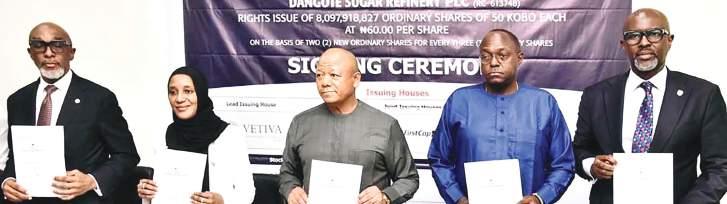
L-R: Group Chief Executive Officer Vetiva Capital Management limited, Chuka Eseka; Group Executive Director Commercial Operations, Cement and Foods Businesses, Dangote Industries Limited, Mariya Aliko Dangote; Group Managing Director/CEO, Dangote Sugar Refinery Plc, Thabo Mabe; Group Chief Finance Officer, Dangote Sugar Refinery Plc, Oscar Mbeche; and Chief Executive, StanbicIBTC Capital, Oladele Sotubo during the signing ceremony of the Dangote Sugar Refinery Plc N500 billion Rights Issue Of 8,097,918,827 Ordinary Shares of 50 Kobo each by parties to the offer at the Dangote Sugar Apapa Refinery Complex Lagos...yesterday

Those who speak glibly about deficits, debt and fiscal expansion often reveal not economic sophistication, but economic illiteracy disguised as moral outrage.
Much of today’s opposition rhetoric confuses accounting identities with ideological slogans and mistakes macroeconomic intervention for recklessness.
A modern economy is not managed through market romanticism. It is managed through theory, evidence, history and context. The loudest critics of the Tinubu administration speak as though government borrowing is inherently immoral, as though deficits emerge from vice rather than economic necessity, and as though Nigeria’s economic difficulties suddenly materialized on 29 May 2023. Such arguments are neither historically grounded nor economically coherent.
No serious economist — from Keynes to Samuelson, from Krugman to Stiglitz — has argued that governments should retreat into fiscal paralysis during periods of structural imbalance, liquidity stress and inherited distortions. The central
insight of modern macroeconomics is precisely the opposite: when private demand weakens, when markets fail to allocate efficiently, or when structural
rigidities suppress growth, the state must intervene counter-cyclically to restore equilibrium. That is not ideology. That is orthodox macroeconomics.
Those attacking deficit spending behave as though government borrowing is money disappearing into a void. They fundamentally fail to understand the most elementary principle of national income accounting: government expenditure becomes somebody else’s income.
When government spends on infrastructure, security, rail, roads, social transfers or capital projects, that money circulates through the economy as contractor revenues, household income, supplier payments, corporate earnings, pension assets and tax receipts. One sector’s deficit is frequently another sector’s surplus. Indeed, the private sector balances often celebrated by critics are themselves the mirror image of public deficits.
The irony is profound. Many of those condemning
public borrowing are often the first to celebrate improved liquidity, increased business activity, rising consumer demand and stronger corporate earnings, even though these outcomes are frequently driven by fiscal injections into the economy. What they denounce politically, they quietly benefit from economically.
Many of the liabilities now being weaponized against the current administration were accumulated over years, including periods when President Tinubu was not in office. Yet propagandists compress decades of structural dysfunction into a single political narrative. That is not analysis; it is propaganda masquerading as economics. Nigeria’s fiscal vulnerabilities did not begin in 2023. They are the product of decades of fuel subsidy distortions, chronic underinvestment, oil dependency, exchange-rate misalignment, insecurity, weak productivity growth and persistent revenue
Continued on page 39

There is a dangerous trend quietly unfolding across Lagos — the gradual disappearance of its memory.
Cities, like people, derive identity from history. Streets, bridges, public buildings, monuments, and even names are more than physical objects; they are chapters in a collective story. Remove them carelessly, rename them endlessly, demolish them completely, and eventually a city begins to forget itself. Lagos today is developing at extraordinary speed. Towers rise where bungalows once stood. Roads expand. New estates emerge from reclaimed land. Investment pours in. Progress is necessary. Growth is inevitable. But development without preservation creates a city with no visible roots — perhaps even a city without a soul.
Over the decades, Lagos has steadily changed the names of roads and landmarks that once connected generations to the city’s past. Colonial names disappeared after independence, which many understandably viewed as symbolic of a nation reclaiming its identity. Yet one must also ask an uncomfortable question: should history be erased simply because parts of it are painful or controversial?
not erase the past itself. Mature societies acknowledge history, learn from it, and move forward without pretending earlier chapters never existed.
Unfortunately, the renaming did not stop with decolonisation. Roads, public places, and institutions have continued changing identities depending on political administrations, personalities, or the fashions of the moment.
In the process, historical continuity has slowly been lost.
A city should not erase its past every few decades. It should explain it.
Young Lagosians increasingly move through streets whose original stories they no longer know. Entire generations may never understand why certain roads existed, how districts evolved, or who shaped the city before them. Historical understanding becomes fragmented, reduced to fading memories carried mainly by the elderly.
But perhaps the deeper question is this: what happened to the memory of the original Lagos itself?
Before the bridges, skyscrapers, and commercial districts, there was Eko — shaped by indigenous Awori settlements, fishing communities, lagoon trade, migration,
and layered cultural influences that would eventually form modern Lagos. Over time the city absorbed Benin influence, Portuguese traders, Afro-Brazilian returnees, British colonialism, and later Nigerians from every part of the country.
That layered identity is precisely what made Lagos unique.
Yet many of those layers are disappearing physically and culturally at the same time.
Historic neighbourhoods vanish. Old family compounds disappear. Traditional architecture gives way to anonymous concrete towers. Oral histories fade. Even the memory of who originally inhabited parts of Lagos risks becoming unclear to younger generations. A city that loses its historical layers eventually loses depth itself. The problem extends beyond names. Historic infrastructure that once defined Lagos is steadily disappearing rather than being carefully restored, modernised, or integrated into contemporary life. Structures carrying emotional, architectural, and historical
Continued on page 39