NATIONAL TRADITIONAL AND RELIGIOUS LEADERS SUMMIT...
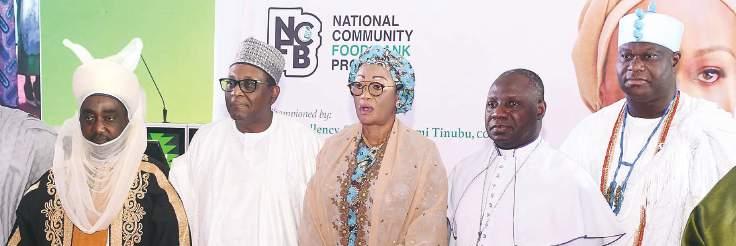
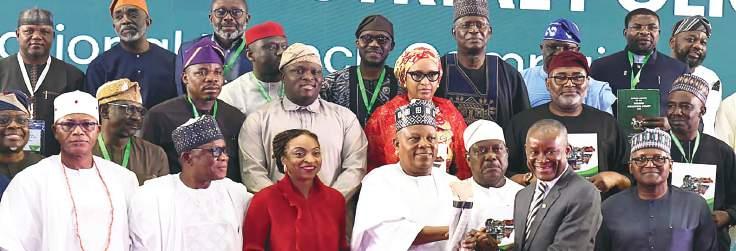
L-R: Emir of Zazzau, Ambassador Ahmed Nuhu Bamalli; Coordinating Minister of Health and Social Welfare, Prof. Muhammad Ali Pate; First Lady of Nigeria, Sen. Oluremi Tinubu; President of the Christian Association of Nigeria (CAN), Archbishop Daniel Okoh; Ooni of Ife, Oba Adeyeye Enitan Ogunwusi, Ojaja II, at the National Traditional and Religious Leaders Summit on Health 2026 and flag off of Nutrition Campaign in Nigeria, held at the State House Conference Centre, Abuja, yesterday
MTN Acquires IHS Towers in $6.2bn Deal, Regains Its Initial Towers
Emma Okonji
In a dramatic business twist, MTN has regained its old telecoms towers it initially sold to IHS Towers, as MTN Group, yesterday, reached an agreement to acquire IHS Towers, the largest independent towers, operators, and developers of shared communication infrastructure globally, at an enterprise value of approximately $6.2 billion.
The deal followed weeks of negotiation between both parties, which was eventually concluded yesterday.
IHS Towers’ Board of Directors unanimously approved the transaction and recommended it to shareholders.
Founded in Nigeria in 2001, IHS Towers grew to become one of the largest tower operators globally, after purchasing telecoms towers hitherto built and operated by MTN Nigeria and other telecoms operators in Nigeria.
Chairman and CEO of IHS Towers, Sam Darwish, described the agreement as a compelling opportunity to crystallise value built over the company’s 25-year history.
According to Darwish, “The
acquisition announcement creates a compelling opportunity that provides certainty and immediate returns for our shareholders, enabling them to crystallise the significant value generated during our strategic review.
“The transaction deepens our long-standing partnership with MTN, as it combines Africa’s largest mobile network operator with one of its largest digital infrastructure platforms, and underscores the strong connection between IHS Towers and the African continent.”
MTN’s Group President and CEO, Ralph Mupita, said the transaction would strengthen the company’s strategic and financial position as digital infrastructure became increasingly central to economic development on the continent.
Mupita stated, “The transaction gives us a unique opportunity to buy back our towers and strengthen our ability to be partners for progress to the nation-states in which we operate.
“For IHS customers and partners across the continent, we commit to continuing high standards of service and the right governance of what is the largest standalone and integrated tower company in Africa, enabled
by the excellent people within HIS.”
Under the terms of the merger agreement, IHS shareholders will receive $8.50 per ordinary share in cash, representing a 36 per cent premium to its 52-week volumeweighted average price, and a modest three per cent premium to its unaffected closing price of
$8.23 on February 4, 2026. MTN, which already held roughly 24 per cent of IHS on a fully diluted basis, committed to vote its shares in favour of the deal. Long-term investor Wendel also pledged support, bringing total committed backing to more than 40 per cent of shareholders.
MTN, Africa’s biggest mobile operator, will pay $8.50 per share in cash. The deal will be funded through the rollover of MTN’s existing stake of around 24 per cent in IHS, as well as about $1.1 billion in cash from MTN, roughly $1.1 billion from IHS’ balance sheet, and the rollover of no more than
existing IHS debt, the tower operator said in a statement. With the deal, South Africa-based MTN returns to direct ownership of thousands of towers it originally built and later sold to IHS, reversing a decade long shift across the industry towards outsourced tower leasing.
The House of Representatives has begun a comprehensive review of how tax incentives, export support schemes, waivers, exemptions, and other fiscal concessions granted by the federal government were administered between 2015 and 2025, as well as their overall impact on the economy.
This comes as the Joint Committee of the Senate of Nigeria and the House of Representatives voiced strong dissatisfaction over the failure to release capital funds
earmarked for the Federal Ministry of Interior, describing the situation as a serious blow to project delivery and institutional efficiency.
The Chairman of the Committee, James Abiodun Faleke, disclosed moves to review tax incentives and others yesterday.
He recalled that following the adoption of a motion in November 2025, the House set up a 19-member Ad-hoc Committee tasked with probing revenue leakages and losses linked to the management of the incentives, with a mandate to recommend suitable legislative
TCN Announces Restoration of Shiroro–Mando 330kV Transmission Line
Engages traditional leaders in Kaduna to curb vandalism
Emmanuel Addeh in Abuja
The Transmission Company of Nigeria (TCN) has announced the successful restoration of the 330kV Shiroro–Mando Transmission Line 1, which is currently operational, the organisation said in a statement.
The line was restored at the weekend, following the completion of repair works undertaken by TCN’s engineers, General Manager of Corporate Affairs of the company, Ndidi Mbah, stated.
With the restoration of line 1, bulk power supply to Kaduna Electric
has significantly improved, and power supply constraints previously experienced in Kaduna have been alliviated, the TCN noted.
According to the TCN, repair works are also ongoing on the 330kV Shiroro–Mando Transmission Line 2, and barring any unforeseen circumstances, restoration of the line will be completed soon. This, it said, will further strengthen network redundancy and the overall system reliability.
“TCN appreciates the patience, understanding, and cooperation of its customers and stakeholders
throughout this period and remains firmly committed to delivering stable and efficient transmission service nationwide,” the statement said.
Meanwhile, TCN, Kaduna Region, has engaged traditional leaders in a community sensitisation campaign against vandalism and encroachment on transmission line Right-of-Way (RoW) through a series of strategic engagements this month.
The General Manager (Transmission), Kaduna Region, Nasir Fada, led the delegation on the visits to key locations, including the palaces
At the sensitisation meetings, first with the Sarkin Mando, Alhaji Sani Musa, and subsequently with the District Head of Rigasa Community, Aminu Idris, Fada raised serious concerns about the increasing rate of encroachment on transmission corridors. Capital budget deadlock: NASS committee faults zero funding release to interior ministry
of prominent traditional leaders in the Mando and Rigasa communities. The visits were aimed at strengthening collaboration with host communities and addressing the growing safety risks associated with illegal developments beneath high-tension transmission lines.
and policy reforms. According to him, existing data suggest that Nigeria forfeits about N8 trillion every year through waivers and concessions.
Faleke, explained that projections showed the federal government expects to forgo about N12.4 trillion in tax revenue between 2023 and 2026 due to incentives, while the country’s tax-to-GDP ratio remains just 10.6 percent. This, he said, was one of the lowest on the continent.
He described the situation as troubling and contradictory, particularly in view of the country’s fiscal pressures, noting that the emerging tax regime presents an opportunity for reassessment.
He added that the review was prompted by rising concerns drawn from official data and budget reports that large amounts of public revenue may have been lost or poorly utilised through incentive programmes, even as the nation grapples with serious fiscal, infrastructure, and developmental needs.
The lawmaker stressed that although the incentives were initially introduced to attract investment, boost exports, support key sectors, and expand the economy, the House believed they were both appropriate and necessary to scrutinise how they were implemented, their economic outcomes, and any irregularities associated with them.
He further stated that the Committee would examine the real economic benefits of the
incentives, verify whether they were applied transparently and in line with due process, and ensure that government interventions produce measurable returns for the Nigerian economy.
Faleke noted that due to the wide scope and complexity of the assignment, the Committee would carry out the exercise in stages.
He explained that the first phase would concentrate on four major areas with substantial fiscal and economic consequences: The Export Expansion Grant, the RT200bn FX Programme, the Pioneer Status Incentive, and selected fiscal incentives in the oil and gas sector.
He emphasised that the exercise was not intended to target businesses or dismantle legitimate government programmes, but rather to improve how incentives are managed, protect public resources, and rebuild trust in policies meant to promote investment and export-driven growth.
Faleke also acknowledged exporters’ concerns over unpaid obligations under the Export Expansion Grant, saying the Committee was conducting a fact-based verification process to confirm valid claims and ensure they are properly resolved.
As part of its investigation, the Committee has requested documents from relevant Ministries, Departments, and Agencies and may invite beneficiary companies to supply explanations and records where necessary.
Juliet Akoje in Abuja
PHOTO: GODWIN OMOIGUI
ECOBANK CUSTOMER FORUM 2026...
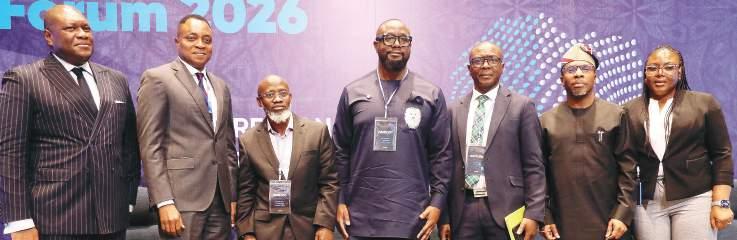
L-R: Head, Corporate Bank, Ecobank Nigeria Limited, Segun Anjorin; Treasurer, Ecobank Nigeria Limited, Olumide Adebayo; Deputy MD, Agro Trader Group, Alhaji Taiwo Ayoade; Operations Director for Africa, Rio Money Transfer, Robert Kotei; Assistant Director, Imports and Trade Relations Office, Trade and Exchange Department, CBN, Tiku Allu; Group Chief Economist and MD, Research and Trade Intelligence, African Export Import Bank (Afreximbank), Dr. Yemi Kale; and Head, Corporate Business, Ecobank Nigeria, Mary Airen, during the Ecobank Customer Forum 2026 themed, Strengthening Regional Integration for Economic Transformation, held in Lagos on Tuesday PHOTO:
Kale: Nigeria Must Leverage Banking Sector Recapitalisation to Close $120bn Trade Finance Gap, Drive $1trn Economy
Says retaining reforms, industrialisation key to unlocking AfCFTA gains
Nume Ekeghe
The Group Chief Economist and Managing Director, Research and Trade Intelligence at Afreximbank, Dr. Yemi Kale, yesterday said Nigeria must strategically leverage the ongoing banking sector recapitalisation to help close Africa’s $80 billion to $120 billion annual trade finance gap and position the continent as a
central driver of intra-African trade under the African Continental Free Trade Area (AfCFTA).
Speaking at the Ecobank Customer Forum in Lagos, Kale stressed that as Africa’s largest economy and consumer market, Nigeria’s ability to mobilise capital and support domestic producers would significantly shape the continent’s trade trajectory.
He said: “Nigeria is a very large economy. Not only do we have a big domestic market, but we also have a potentially large market that can benefit the entire continent.
“The policies being introduced to stabilise the macroeconomic environment are helpful, and I would advise that those policies be retained. We have to keep faith with the reforms.”
He argued that closing the continent’s wide trade finance shortfall, estimated at between $80 billion and $120 billion annually, would require stronger banks’ balance sheets, deeper capital buffers, and more aggressive lending to exporters and small and mediumsized enterprises.
“Recapitalisation of the banks is important. You cannot lend to
Value of Transactions Processed through eTranzact in 2025 Surpassed N103trn
The value of transactions processed through one of the nation’s leading fintech operators, eTranzact Plc, rose to over N103 trillion in 2025, Head, Federal Government Partnership of the firm, Adedayo Adejokun disclosed yesterday.
She made the disclosure in Abuja during a one-day e-invoicing Compliance Workshop and Stakeholder Engagement organised by etranzact in collaboration with the Nigeria Revenue Service (NRS).
E-invoicing is a digital represen- tation of a transaction between a supplier and a buyer, which contains essential transaction details like supplier and buyer information, item
descriptions, quantities, prices, tax, and total amounts.
The NRS (then Federal Inland Revenue Service) had last year certified eTranzact as a provider for its nationwide e-invoicing rollout.
In her presentation, Adejokun noted that in 2025, over N103 trillion transactions were processed on the etranzact platform, adding that such transactions were across banks, government agencies and businesses.
She said, “We processed on our platform over N103 trillion. That is a platform that powers transactions, and that was just in 2025, alluding to several global recognitions of the company, including that of Silicon Valley.”
Speaking at the event, the Execu-
tive Director of eTranzact, Abubakar Achimugu, who expressed his company’s support to facilitate sameday onboarding, easy and effortless upload of e-invoicing, underscored the need for tax payers to comply easily using various solutions provided by the
“Weorganisation. at e-tranzact have had this collaboration with the NRA for so many“Weyears. are the main major platform that have been doing all the revenue collection in the country especially on the VAT funds, which has been very exceptional, very seamless, secured and safe.
“In respect to e-invoicing, we are moving away from the manual process to now digitalisation. The
FG, IEA Seal Pact on Methane Reduction, Clean Cooking Expansion
Emmanuel Addeh in Abuja
The federal government has signed a Memorandum of Understanding (MoU) with the International Energy Agency (IEA) to strengthen cooperation on methane emissions reduction, gas development, clean cooking access and technical support.
Speaking yesterday during the signing ceremony at the IEA Headquarters in Paris, France, the Minister of State Petroleum
Resources (Gas), Ekperikpe Ekpo, said the agreement formalised a strategic partnership aimed at improving efficiency, strengthening governance and aligning Nigeria’s petroleum industry with global best practices.
He noted that the collaboration builds on earlier engagements between both parties, including the inaugural Sub-Saharan Roundtable on methane emissions reduction hosted in Nigeria.
“This MoU marks an impor-
tant milestone in our collective efforts to advance the Nigerian petroleum sector in a manner that is efficient, sustainable and aligned with global standards,” he stated.
The minister explained that the framework covers methane emissions reduction, policy and analytical support, institutional and technical capacity building, data sharing, gas development and expansion of gas infrastructure.
platform (e-tranzact) is very seamless, it’s user-friendly, regardless of your literacy level.
“This will also protect the average Nigerian from multiple taxation, such that as you are inputting and processing you are getting a notification to see what exactly you have paid for and documenting that process as well.
“At e-tranzact, we have a multiple application channel, built both within the middle wear and also at the front end that has enabled and will enable this.
businesses to grow, expand or import machinery if you do not have enough capital. How do Nigerian banks support deepening intra-African trade if they do not have enough capital?” he asked.
According to him, increasing banks’ capital base would expand their capacity to finance domestic businesses, scale export-oriented production and support SMEs seeking to integrate into regional value chains.
“By increasing recapitalisation, you increase the ability of banks to lend more to domestic businesses and exporters. There are significant benefits for the Nigerian economy, especially in improving intra-African trade,” he added.
Kale also linked Nigeria’s longterm growth ambition, including the federal government’s $1 trillion economy target to improvements in competitiveness and production efficiency.
“There are two ways to grow: You produce goods and services and sell them to consumers within Nigeria, across the continent, and preferably outside the continent. But the only way you can sell goods outside Nigeria is if they are competitive,” he noted.
Reducing structural bottlenecks in infrastructure, regulation, and logistics, he said, would lower production costs, moderate inflation and raise purchasing power.
“If you fix the Ease of Doing Business, you reduce the cost of production. Goods become cheaper, inflation comes down, and purchasing power improves.
“Higher demand leads to higher production, more jobs and more income. That is how you significantly grow the economy and move towards a $1 trillion target,” Kale explained.
On Nigeria’s trade structure, he reiterated the need to break the cycle of exporting raw materials and importing finished goods.
“The reason we export raw materials and import finished goods is that we do not have a production structure that is competitive,” he said.
“If it is cheaper to import something than to produce it locally, consumers will import.”
He called for accelerated industrialisation and value addition, arguing that Nigeria should process its raw materials locally, meet domestic demand and export surplus finished products.
Governor Adeleke Drums Support for NigeriaCanadian Sub-national Economic Initiatives
Kolawole in Osogbo
Governor Ademola Adeleke of Osun State has called on the Canadian High Commission to join hands with his government to open a new partnership between Nigerian and Canadian sub-national governments.
The Governor made the request yesterday while hosting a delegation of the Canadian High Commission led by the Deputy High Commissioner.
He called the initiative “a timely option in view of global economic realignment.”
Accompanied by the Deputy Governor, Kola Adewusi, the
Secretary to the State Government, Hon. Teslim Igbalaye, and the Head of Service, Ayanleye Aina, Governor Adeleke said, “Osun State presents to Canada a test case for expansion of economic and trade relations.
“I recognise the strong diplomatic and economic ties between Canada and Nigeria, built on shared democratic values and mutual respect.
“I am glad that we are jointly building on a partnership to extend the Nigerian-Canadian trade pact to sub-national levels of both countries.
“In view of global economic realignment, Canada should
expand its partnership to state governments where economic and trade opportunities abound.
“We are a politically stable and economically strong state with extensive opportunities for Canadian companies and businesses. Osun is open for business and ready for strategic international partnerships.
“Our State parades huge investment opportunities in key areas such as agriculture and agro-processing; solid minerals and responsible mining; renewable energy; education and skills development; technology and innovation; creative and cultural industries, among others.
Yinka
Ndubuisi Francis in Abuja
SUNDAY ADIGUN
REGULATOR OF THE YEAR...
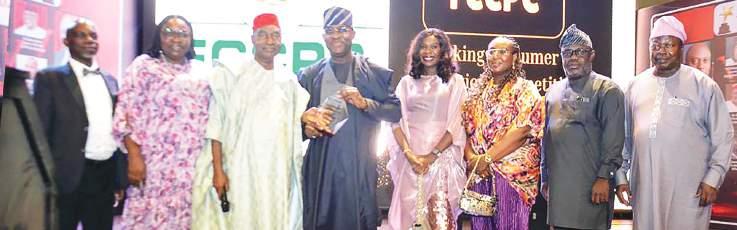
The Executive Commissioner (Operations) of Federal Competition and Consumer Protection Commission (FCCPC), Mr. Louis Odion (fifth right), receiving a plaque for FCCPC as New Telegraph’s “Regulator of the Year 2025” at the award ceremony at Oriental Hotel, Lekki, Lagos held at the weekend. With him are Mr. Yisau Adepoju, Head of Administration, FCCPC (right); Mr. Akoji Achimugu, Ag. Director of PRS Department, FCCPC; Mrs. Teni Medupin, Head, Procurement Unit, FCCPC; Mrs. Eme David-Ojugo, Head, M& A Department, FCCPC; Chief Solomon Akuma, SAN, Board Chairman of New Telegraph; Dr. Olubunmi Oti, Head of Lagos Office of FCCPC; and Mr. Chizenum Nsitem, Head, Legal Services Department, FCCPC.
ACIS 2026 Set to Open $40trn
Africa-Caribbean Investment Market
The 2026 edition of the AfroCaribbean Investment Summit (ACIS) will focus on boosting trade, investment, and private sector partnerships between Africa and the Caribbean, targeting a combined market valued at $40 trillion across Africa, the Caribbean, and the Americas. Chief of Staff of Aquarian Consult Ltd, Serumun Ubwa, disclosed this while briefing journalists in Abuja, ahead of the summit scheduled for March 23–28, 2026.
Ubwa described ACIS as a strategic platform designed to connect African businesses with Caribbean partners, attract foreign investment, and promote sustainable economic collaboration across key sectors.
She stated that the inaugural ACIS in 2025 achieved landmark outcomes, including the establishment of the first direct flight from
Africa to Saint Kitts and Nevis, the signing of Memoranda of Understanding in agriculture and cultural exchange, and a $40 million deep-water port agreement.
Ubwa said the successes set the stage for the 2026 summit, which will expand opportunities for trade and investment.
She revealed the 2026 summit will introduce two specialised events: Afri-Caribbean Agriculture and Food Security Summit (March 23–24) and the Afri-Caribbean Health Summit (March 26), running alongside the main Investment Summit from March 25–28.
Ubwa said, “By focusing on agriculture and healthcare, we aim to strengthen regional cooperation, enhance food security, open new export markets for African producers, and support policy frameworks that reduce import dependence in the Caribbean.”
She added that the sum-
mit will feature structured Business-to-Business (B2B) and Business-to-Government (B2G) matchmaking sessions, an Investor Deal Room managed by investment promotion agencies, and sector-specific engagements
in agriculture, healthcare, pharmaceuticals, renewable energy, tourism, digital technology, and the creative economy.
Ubwa added that over 2,000 participants were expected at the summit, including current and
Cross River State Governor, Bassey Out has declared that the State would no longer be denied its rightful place in Nigeria, as he returned to a jubilant reception at the Margaret Ekpo International Airport after weeks away on official engagements.
Otu, made the declaration at the Margaret Ekpo International Airport, Calabar, upon his return from Abuja, while addressing a cross section of people from the State, comprising government officials, political support groups, youths and market women who poured out to welcome him back to Calabar.
Addressing journalists and supporters shortly after his arrival, Otu thanked the people of the State for their prayers and steadfast support, describing their solidarity as the driving force behind his administration’s resolve.
Reflecting on the sacrifices made by Cross River in the interest of national unity, including the ceding of Bakassi for peace, the Governor
insisted that fairness and justice must prevail.
“The ceding of part of Bakassi was for the peace of the country. It was not for Cross River State to lose its oil well. We are full-fledged Nigerians. Nobody can deny us our right. And that time has come,” he declared to loud cheers from the crowd.
Otu reaffirmed that the state would continue to forge ahead under his “People First” agenda, assuring residents that Cross River’s future remains bright and unstoppable.
“Cross River State will not die. It’s forward ever, backward never,” he said.
He highlighted infrastructure renewal and social welfare as immediate priorities, lamenting the deplorable state of some roads which, he noted, have endangered lives across the state. According to him, citizens must be able to move safely and enjoy improved social amenities.
The governor also acknowledged the hardship faced by unemployed
former heads of government, sovereign wealth funds, multilateral institutions, and private sector leaders. She emphasised that ACIS sought to strengthen South-South cooperation and increase Africa-Caribbean trade,
which currently represents less than one per cent of total trade between the regions. Interested participants are expected to register for the summit at www.aquarianconsult. com/ACIS.
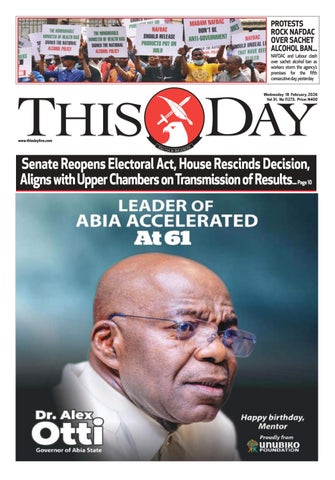
Looming Mass Job Losses: Union Cries Out to FG, Protests Rock NAFDAC Office
Workers in the food and beverage sector staged yet another protest at the office of the National Agency for Food and Drug Administration and Control (NAFDAC) in Lagos, calling on the federal government to urgently intervene and protect their livelihoods.
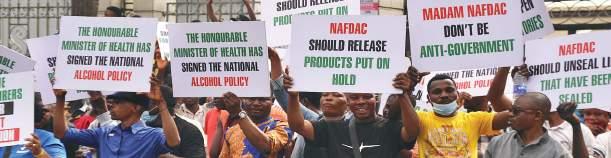
For the fifth time in 2026, distillers operating under the umbrella of Food, Beverage and Tobacco Senior Staff Association (FOBTOB) flooded the NAFDAC office along the
Oshodi-Apapa Expressway, Lagos, demanding an end to what they described as the crippling enforcement of the ban on sachet alcohol and PET bottles below 200ml.
The workers, both junior and senior staff, thronged the agency’s premises in large numbers, standing firm at the entrance of the facility as they voiced their frustration.
With emotions running high, they sang solidarity songs and waved placards boldly declaring, “Tinubu does not want jobs to be lost,” “Stop destroying local manufacturers,” “NAFDAC should release products put on hold,” and “5.5 million jobs at risk,” among others.
youths, many of whom struggle daily to make ends meet. He maintained that Cross River possesses vast human capacity capable of competing favourably anywhere in the country if given adequate opportunities.
“We are a hardworking people. We have human capacity in all ramifications. Cross River State must go forward,” he affirmed.
On his recent recognitions, including an honour by Modibbo Adama University and being named ‘Governor of the Year’ by The Sun Newspaper, Otu described the awards as a collective achievement for the people of Cross River State. He further disclosed that the Silverbird Group was set to honour him on March 1, dedicating the season of awards to the cooperation and contributions of the people.
“This season of awards is dedicated to them. Without their cooperation, we would not be where we are. To God be the glory,” the Governor concluded, as chants of support echoed across the airport grounds.
The protest followed the continued sealing of factories accused of violating the ban, a move labour leaders said had paralysed operations and pushed thousands of families to the brink of economic hardship.
National President of FOBTOB, Jimoh Oyibo, warned that shutting
down legitimate, regulated manufacturers could open the floodgates for illegal operators.
“Once you stop licensed manufacturers from producing approved products, you create space for unregulated and dangerous alternatives,” Oyibo said. “This is not just about jobs it is about public safety, government revenue, and the survival of lawful businesses.”
Addressing the protesters, also, Secretary of National Union of Food, Beverage and Tobacco Employees, Comrade Jeffery Igein, said the enforcement contradicted the spirit of the national alcohol policy, which, according to him, had already been signed.
Igein stated, “The alcohol policy has been signed. Therefore, NAFDAC should have lifted restrictions on these factories.”
He added, “This action threatens manufacturers and workers. The economy is already harsh. Policies
should support the president’s agenda of job protection and economic growth, not undermine it.” The labour leaders insisted they were not resisting regulation but demanding clarity, dialogue, and policies that balanced public health concerns with economic realities. He stated that similar protests were ongoing in Abuja and Aba, signalling growing nationwide dissatisfaction within the industry. While some protesters claimed the federal government had directed a pause in enforcement, NAFDAC Director-General, Mojisola Adeyeye, maintained that no official communication to that effect had been received.
As uncertainty lingers, workers say they will not relent in their appeal to the federal government, warning that prolonged factory closures could worsen unemployment and deepen economic strain across the country.
Sunday Ehigiator
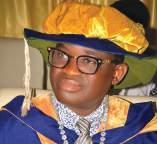
Professor Oluyele Akinwalie Akinkugbe has been appointed as the substantive Vice-Chancellor of James Hope University, a development the institution described as a major step towards strengthening its academic excellence and global competitiveness.
The announcement was made through a statement signed by the university’s Registrar, Dr. Achugamonu Bede Uzoma, on behalf of the Board of Trustees, the Governing Council, and the entire university community.
Uzoma said the appointment marked a pivotal milestone for the institution as it continued to pursue its mission of delivering quality higher education.
He stated, “On behalf of the Board of Trustees, the Governing Council and the entire James Hope University community, I am pleased to announce the official appointment of Prof. Oluyele Akinwalie Akinkugbe as the substantive Vice-Chancellor of the university.”
Uzoma added, “Akinkugbe brings over 40 years of distinguished experience in higher education, coupled with
a proven track record in university administration.”
He expressed confidence that the new vice-chancellor’s leadership would be transformative for the institution, adding that the university remains committed to its vision of producing globally competitive graduates and advancing academic research.
The university extended its appreciation to stakeholders and the academic community, expressing optimism the new leadership would strengthen its growth and development trajectory.
Michael Olugbode in Abuja
Bassey Inyang in Calabar
Major Win as NUPRC Unveils Nigeria’s First Gravimetric Flow Meter Calibration Facility
To curb crude oil losses, bolster revenue transparency
Peter Uzoho
The Nigerian Upstream Petroleum Regulatory Commission (NUPRC) has recorded a major win for the country in the effort to tighten accountability in crude oil production operations with the inauguration of a Gravimetric Multifaceted Flow Metering Calibration Facility in Eket, Akwa Ibom State.
The project — the first of its kind in West Africa — addresses a long-standing industry challenge of uncertainty in crude measurement and accountability.
For decades, inaccurate metering contributed to disputes, revenue leakages, and reliance on overseas laboratories for calibration.
Speaking at the unveiling of the facility, yesterday, Commission Chief Executive of the NUPRC, Mrs. Oritsemeyiwa Eyesan, commended Engineering Automation Technology Limited (EATL), the indigenous firm that developed the facility, for its vision, belief, courage, and patriotism in investing in the state-of-the-art project.
Eyesan, who was represented by the Deputy Director of Development at the NUPRC, Mr. Manuel Ibituroko, described the plant as a transformative leap forward, featuring zero-touch automation, tamper-proof audit trails, and high-precision gravimetric standards designed to eliminate human error and minimise downtime.
The Commission explained that the facility could calibrate turbine, ultrasonic, Coriolis, electromagnetic, and positive displacement meters — critical devices used to determine volumes of crude flowing through pipelines and export terminals — thereby improving operational efficiency, regulatory compliance, and production optimisation.
According to the regulator, accurate measurement would curb revenue losses, strengthen reserves management, and free public funds for infrastructure, healthcare, and education, while positioning Nigeria as a regional hub for metering excellence.
Previously, operators depended on foreign calibration services,
incurring shipping costs, delays, and foreign-exchange outflows, but the local plant retains that value within the domestic economy.
In his remarks, EATL Managing Director/Chief Executive Officer, Dr. Emmanuel Okon, said the project emerged from Nigeria’s local content drive after indigenous companies were encouraged in 2020 to build in-country technical capacity.
“Without dependable calibration, even advanced meters produce inconsistent narratives. With it, we align on a unified truth,” he said.
He said the facility incorporates traceable standards, automated data capture, and documented uncertainty budgets certified to international benchmarks, allowing
regulators, auditors, and commercial partners to rely on a single verified dataset.
“This facility promises streamlined revenue reconciliation and compelling investment cases, as Nigerian oil producers will now experience reduced measurement uncertainties,” Okon said.
“It empowers regulators and oil field operators to demonstrate precision, while communities receive transparent insights into production, royalties, and environmental impacts. Such clarity fosters social license, which is the essential and ongoing consent that sustains exploration and production,” he added.
The project was executed
Jesse Jackson, Civil Rights Activist, Whose Moral Vision, Fiery Oratory Reshaped America, Dies at 84
Tinubu mourns, remembers deceased as servant-leader, activist
Deji Elumoye,
Emmanuel
Addeh
and Chuks Okocha in Abuja
The Rev. Jesse Louis Jackson, the towering civil rights leader whose moral vision and fiery oratory reshaped the Democratic Party and America, has died, a Rainbow Push Coalition spokesperson confirmed to CNN yesterday. He was 84.
Jackson, a protégé of the Rev. Martin Luther King Jr., had been hospitalised in recent months and was under observation for progressive supranuclear palsy (PSP), the Rainbow PUSH Coalition said.
Jackson was what one pundit called “an American original.” He was born to an unwed teenage mom in Greenville, South Carolina, during the Jim Crow era but rose to become a civil rights icon and a groundbreaking politician who mounted two electrifying runs for the presidency in the 1980s.
Jackson’s dual bids for the Democratic presidential nomination inspired Black America and stunned political observers who marveled at his ability to draw White voters. He was a Black crossover figure long before Barack Obama hit the national stage, CNN reported.
Jackson first rose to national prominence in the 1960s as a close aide to the Rev. Martin Luther King Jr. After King’s assassination in 1968, Jackson became one of the most
transformative civil rights leaders in America — to the chagrin of some of King’s aides, who thought he was too brash.
But his Rainbow Coalition, a bold alliance of Blacks, Whites, Latinos, Asian Americans, Native Americans and LGBTQ people, helped pave the way for a more progressive Democratic Party.
“Our flag is red, white and blue, but our nation is a rainbow – red, yellow, brown, Black and White – and we’re all precious in God’s sight,” Jackson once said.
One of Jackson’s signature phrases was “Keep hope alive.” He repeated it so often that some began to parody it, but it never seemed to lose meaning for him. He was a force for social justice over three eras: the Jim Crow period, the civil rights era and the post-civil rights era that culminated with the election of Obama and the Black Lives Matter movement.
Through his eloquence and singular drive, Jackson didn’t just keep hope alive for himself. His dream of a vibrant, multiracial America still inspires millions of Americans today.
Jackson’s vision remade the Democratic Party. He made a concerted effort to challenge the Democratic Party’s prioritisation of White, moderate, middle-class voters, says David Masciotra, author of “I Am Somebody: Why Jesse Jackson Matters.”
“A Democratic party that now represents a multicultural America and has someone like Kamala Harris as the (former) Vice President and Obama as the former President began in many ways with those Jackson campaigns,” Masciotra says.
Obama may have never made it to the White House without Jackson’s pioneering presidential runs. Jackson successfully fought to change the awarding of delegates during the Democratic primaries from a winner-take-all system that benefitted frontrunners to a proportional system that helped other candidates even if they didn’t win a state.
Those changes helped Obama mount a come-from-behind victory over frontrunner Hillary Clinton during the 2008 Democratic primaries, Masciotra says. Jackson was once asked if it hurt that he didn’t become the nation’s first Black president.
“No, it doesn’t,” he told a Guardian columnist, “because I was a trailblazer, I was a pathfinder. I had to deal with doubt and cynicism and fears about a Black person running. There were Black scholars writing papers about why I was wasting my time. Even Blacks said a Black couldn’t win.”
Jackson smashed the perception that a Black person couldn’t be a viable presidential candidate. Some pundits predicted he would be outclassed by his more experienced political opponents during the presidential
debates. They grudgingly recognized his charisma, but many never gave him credit for his analytical ability and political savvy. “It turned out he not only held his own; he often won those debates,” Masciotra says.
Political observers shouldn’t have been surprised. Jackson was one of the most gifted communicators in American history. Even as a child, he had a preternatural facility with words and metaphors. Like King, he injected the rhyming, cadences and poetic imagery of Black church preaching into American political life.
“Jesse was an unusual kind of fella, even when he was just learning to talk,” Noah Robinson, Jackson’s father, told The New York Times in 1984. “He would say, ‘I’m going to lead people through the rivers of the water.’’’
Jackson’s signature line, “I Am Somebody,” which he often chanted during speeches, was aimed as much at himself as it was to his audience.
Marshall Frady, who wrote “Jesse: The Life and Pilgrimage of Jesse Jackson,” said Jackson was prodigiously gifted but was plagued by “chasmic insecurities despite all he’s done.”
Some of those insecurities sprang from his childhood. Jackson was born on October 8, 1941, in Greenville, South Carolina — a double outcast because of his race and the circumstances of his birth. He was born in the Jim Crow South to Helen Burns,
then an unmarried 16-year-old, and her married-next-door neighbor, Noah Robinson. Burns married a year later, and her husband, Charles Jackson, adopted her son.
Biographers invariably describe Jackson as feeling lonely and different as a child. He was teased by classmates for being “a nobody who had no daddy.” Frady described Jackson as an “aggrieved and brooding little boy.”
But Jackson told a New York Times reporter that he had a “father surplus.” He said his biological and adoptive fathers were friends, and that he inherited his strong ego and “sense of dignity” from his biological father.
”It is where I get the drive to think I could change the South through the civil rights movement and run for President,” Jackson said.
Jackson was able to build the kind of stable family life that was denied to him as a kid. In 1962 he married Jacqueline Lavinia Brown, who was in many ways as dynamic and strong-willed as he was. They had five children and stayed together through the wild swings of fortune that Jackson endured during his six decades in public life.
Jackson once said that “both tears and sweat are salty,” but while tears will get you sympathy, “sweat will get you change.” He took his childhood tears and channeled them into a relentless activism that
only flagged when he announced in 2017 that he was suffering from Parkinson’s disease.
Jackson’s other frailties were evident long before that diagnosis. He was accused of exaggerating his actions following King’s assassination and making anti-Semitic remarks. He also fathered a daughter after an affair with a former aide. There were few national leaders whose highs and lows played out on the national stage like Jackson, the CNN report added.
Yet he continued to make change while making headlines. In 1984 he negotiated the release of 48 Cuban and Cuban-American prisoners held in Cuba and of Navy Lieutenant Robert Goodman, an African-American pilot held hostage in Syria.
In 1999 he negotiated the release of three US soldiers who had been held in what was then Yugoslavia for more than a month. A year later, he received the Presidential Medal of Freedom, the nation’s highest civilian honor.
In his later years, Jackson became an elder statesman in the civil rights movement. He was a bridge between the civil rights movement of the 1960s and the contemporary era, when many young White Americans saw nothing odd about a Black man in the White House.
Lawal: FG Excluded Zamfara from N500bn Palliative Because I’m
Zamfara State Governor, Mr Dauda Lawal, yesterday, made a serious allegation against the President Bola Tinubu-led federal government, alleging it adopted a selective political affiliation approach in the distribution of palliative funds to states of the federation.
Lawal said Zamfara State was denied the privilege of partaking in the N500 billion palliative because he was not a member of the ruling All Progressives Congress (APC), as the Tinubu government deliberately
excluded opposition-led states.
He said Zamfara had not received any federal palliative funds since the removal of fuel subsidy because of his membership of the opposition Peoples Democratic Party (PDP).
Lawal spoke in a trending video, alleging that states controlled by APC have received huge financial support from the federal government. He added that the funds were meant to help citizens cope with rising cost of living occasioned by the economic policies and reforms of the APC
federal government.
Lawal said, “I know of states that have received from the over N500 billion from the federal government as palliative, but I have never received anything. I think the reason I don’t get it is because I’m not in the APC.”
The governor emphasised that Zamfara State had been left to struggle on its own despite facing serious economic and security challenges.
“Our administration in Zamfara State has had to rely solely on state resources to support residents
Not in APC
through food distribution and other welfare programs,” he said.
He explained that the palliatives introduced by the federal government were supposed to be shared fairly among all states, regardless of party affiliation, stressing that citizens should not suffer because of political rivalry between different levels of government.
Lawal’s remarks highlighted growing frustration among opposition governors regarding perceived favouritism in federal resource allocation.
Similar complaints had arisen
from Osun State, formerly controlled by PDP, which cried out over withheld local government funds.
The palliatives, which included cash transfers, food items, and other relief materials, were rolled out nationwide following the 2023 removal of fuel subsidies, a policy that triggered hyperinflation and increased living costs.
While the federal government initially provided some support packages to states, it was gathered that additional distribution and disbursements became varied.
When Obama delivered his election-night victory speech in Chicago’s Grant Park in 2008 to a massive crowd of cheering onlookers, the cameras caught Jackson looking on, tears in his eyes.
“I cried because I thought about those who made it possible who were not there,” Jackson later explained.
“People who paid a real price: Ralph Abernathy, Dr. King, Medgar Evers, Fannie Lou Hamer… those in the movement in the South.” Jackson suffered additional health problems in recent years. He and his wife were hospitalised in August 2021 after testing positive for Covid-19. And in November 2021 he was hospitalised after falling and hitting his head during a protest at Howard University in Washington. He was arrested in 2021 while urging Congress to protect voting rights, and led a march for criminal
under NUPRC oversight with support from the Nigerian Content Development and Monitoring Board (NCDMB) and other stakeholders, ensuring certificates are recognised for statutory reporting and compliance.
Mrs. Eyesan
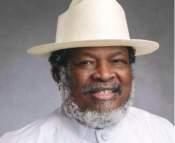
The late Jesse Jackson
Chuks Okocha in Abuja
OFFICIAL LAUNCH OF NIGERIA INDUSTRIAL POLICY...
L-R: President of the Manufacturers Association of Nigeria (MAN), Otunba Francis Meshioye; Minister of Regional Development, Abubakar Momoh; Minister of Trade and Investment, Dr. Jumoke Oduwole; Vice President Kashim Shettima; Secretary to the Government of the Federation, George Akume; Minister of State for Industry, Sen. John Enoh; and Founder President and Chief Executive of Dangote Group, Aliko Dangote, during the official launch of the Nigeria Industrial Policy 2025 at the Bola Ahmed Tinubu International Conference Centre, Abuja, yesterday
Tinubu Unveils National Industrial Policy to Boost Economic Diversification, Jobs, Others
Declares implementation will determine document’s success Hails Dangote group for paying N900bn taxes in 2025, vows increased support for private sector
Owan Enoh: policy impact to be judged by factories that expand, jobs that endure, confidence that returns
Aliko Dangote seeks govt protection for local industries, warns importation of finished goods harmful to economy, declares no growth without power
James Emejo in Abuja
President Bola Tinubu, yesterday, launched the Nigeria Industrial Policy (NIP) 2025, a robust incentive framework, including fiscal, monetary, export, and industrial measures to spur investment, reduce cost of doing business, and foster innovation and economic diversification.
The policy, a brainchild of Minister of State for Industry, Senator John Owan Enoh, offers a comprehensive framework that reaffirms national
resolve to diversify the economy, create inclusive prosperity, and secure Nigeria’s rightful place as a leading industrial hub in Africa and the wider global economy.
The president stated that the success of the policy document depended on its effective implementation, adding that the current administration will not assess success by the “number of documents we produce but the number of factories that open instead of shutting down”.
President/Chief Executive,
Dangote Group, Aliko Dangote, commended government policies so far. However, he said there was a need to protect local industries, adding, “If we get that right, we will create massive employment.”
Dangote also urged the federal government to organise a national forum to address the challenge of power, insisting there cannot be growth without electricity.
Represented by Vice President Kashim Shettima, Tinubu said the impact of the NIP will also
FG Orders Compulsory Retirement of Directors After Eight-year Tenure
The Federal Ministry of Health has directed the immediate retirement of directors who have spent eight years or more in the directorate cadre across its departments, agencies and federal health institutions.
The directive was contained in an internal memo signed by the Director overseeing the Office of the Permanent Secretary at the ministry, Tetshoma Dafeta, mandating affected officials to disengage from service without delay in line with existing public service regulations.
The move followed an earlier directive by the Federal Government instructing all Ministries, Departments and Agencies to strictly enforce the eight-year tenure limit for directors and permanent secretaries, in accordance with a deadline issued through the Office of the Head of the Civil Service of the Federation.
In the memo, the management of the ministry reminded agencies of the compulsory retirement policy contained in the Revised Public Service Rules 2021, which requires directors to exit the service after spending eight years in the rank.
The circular therefore directed
heads of agencies and parastatals to ensure that all affected officers, particularly those who completed eight years as of December 31, 2025, immediately hand over official responsibilities and government property.
It also ordered the stoppage of their salaries through the Integrated Personnel and Payroll Information System.
It said that any payment made beyond their disengagement date must be refunded to government coffers forthwith.
The ministry further instructed parastatals, agencies and institutions to submit the nominal roll of directorate officers within specified salary structures to designated official email addresses, noting that compliance monitoring would be carried out jointly by officials from the Head of Civil Service office and the ministry. According to the memo, failure to comply with the directive would attract strict sanctions against defaulting institutions or officers.
The policy is part of the revised Public Service Rules introduced after approval by the Federal Executive Council and formally implemented from July 27, 2023,
following an announcement by the then Head of Civil Service of the Federation, Folasade Yemi-Esan, during activities marking the 2023 Civil Service Week.
Under Section 020909 of the revised rules, permanent secretaries are limited to a four-year tenure subject to renewal based on performance, while directors on Grade Level 17 or their equivalents are required to retire compulsorily after eight years in the position.
be gauged by the volume of jobs created for Nigerians, and exports that left the shores bearing the mark of Nigerian excellence as well as the value retained within the economy.
The president said the NIP was firmly aligned with ongoing macroeconomic reforms, including its trade and export ambitions under the African Continental Free Trade Area (AfCFTA) as well as government’s commitment to local content, competitiveness, and investment certainty.
Tinubu further hailed Aliko Dangote, for his contributions to the Nigerian economy.
The president pointed out that in 2025, Dangote Industries collectively paid about N900 billion in taxes to the government, adding, “This is how the economy grows.”
He said, “This is how we create jobs. Government has no business being in business. You are the creators of wealth—all of you here. We are proud of the manufacturers in this country who remain resilient despite the challenges. We are not unappreciative of your efforts. Many of you are literally generating your own power.”
The president reaffirmed his full commitment to redefining the
meaning and concept of modern leadership.
Tinubu said the document reflected the federal government’s resolve to build an industrial economy that works for everyday Nigerians, stating, “This is how nations rise”.
Tinubu pointed out that the industrial policy initiative was also in fulfilment of his 2023 election promise to “redefined our industrial ambition—to move beyond the margins in this world, to compete on a global scale, and to contribute meaningfully to international commerce”.
The president said, “I am excited to share the progress of this initiative as we unveil a new industrial policy—one that has been carefully crafted. This policy is the product of thorough introspection and serves as a roadmap for engineering our industrial base, unlocking value across sectors, and placing production, competitiveness, and job creation at the centre of Nigeria’s economic strategy.
“For too many years, we have contended with fragmented value chains, high production costs, infrastructure gaps, policy inconsistencies, and insufficient
coordination between government and industry. This stops now.
“The idea of industrial policy is an acknowledgment of our deficiencies. We have realised that industrialization is not a wish—it is an action. More than that, we must remind ourselves that this task demands coherence across energy, trade, infrastructure, finance, skills, and innovation. It requires partnership between government and the private sector.”
The policy prioritises strategic sectors where Nigeria has comparative and competitive advantages, and advances value chain development so that Nigeria moves steadily from exporting raw materials to producing finished goods.
He said the policy integrated micro, small, and medium enterprises into the heart of industrial growth, “because prosperity must not be exclusive”.
Tinubu stressed that the NIP also aligned infrastructure and energy with industrial ambition, stating that “our factories cannot run on policy alone”.
Tinubu said if the policy must come alive, all stakeholders in the industrial sector must have a seat at the decision-making table.
Ogun Clears Eight-year Pension, Gratuity Backlog, Says Finance Commissioner
The Ogun State Government has announced the clearance of pension and gratuity arrears owed to workers who retired between 2012 and 2020, reaffirming its commitment to the welfare of retirees.
The Economic Adviser and Commissioner for Finance, Dapo Okubadejo, disclosed this on Tuesday during a media parley organised by the Ogun State Ministry of Budget and Planning. Okubadejo explained the
backlog was linked to the Defined Benefits Scheme, under which retirees receive monthly pension payments, stressing that the present administration of Governor Dapo Abiodun has not defaulted on pension obligations since assuming office.
“Since the inception of this administration, we have not missed a single month of pension payment. What we inherited were arrears tied to the Defined Benefits Scheme,” he said.
According to him, annual pension payments rose from N6.7 billion in 2019 to N20 billion in 2025, with projections showing a possible increase to N40 billion by 2029.
He disclosed the state had so far paid N23.3 billion in gratuities covering retirees from 2012 to 2020, alongside N32.8 billion in outstanding gratuities for local government retirees inherited by the administration. Okubadejo added that between
2019 and July 2, 2025, the state disbursed N93.26 billion in pensions under the Defined Benefits Scheme and N94.78 billion to local government pensioners. He assured that the remaining backlog would be cleared as Internally Generated Revenue (IGR) continues to improve, noting that over 300 workers who retired in July 2025 are currently receiving six-month palliatives pending the completion of their pension documentation.
Onyebuchi Ezigbo in Abuja
PHOTO: GODWIN OMOIGUI
HANDOVER OF AFRICAN ENERGY BANK HEADQUARTERS...
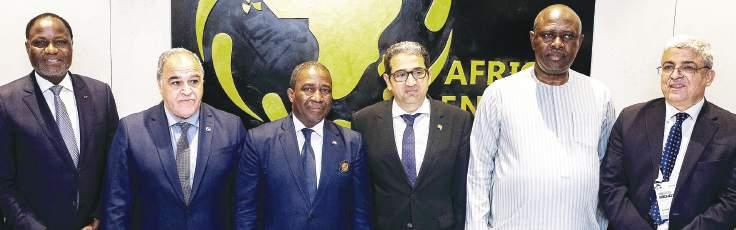
L-R: President of African Petroleum Producers Organisation (APPO) and Minister of Mines, Petroleum and Energy, Republic of Cote d’Ivoire, Mamadou Sangafowa Coulibaly; Secretary General, APPO, Farid Ghezali; Deputy Minister of Mines and Hydrocarbons, Equatorial Guinea, Domingo Mba Esono; Executive Vice President, Afri Exim Bank, Haytham El Maayergi; Nigeria’s Minister of State for Petroleum Resources (Oil), Sen. Heineken Lokpobiri; and Director General, Ministry of Energy, Algeria, Miloud Medjelled, at the official handover of the African Energy Bank headquarters on the sidelines of NIES 2026 in Abuja, Nigeria… recently
Senate Reopens Electoral Act, House Rescinds Decision, Aligns with Upper Chambers on Transmission of Results
Senate clears pathway for INEC to shift 2027 elections Reduces 360-day notice to 300 days to avert Ramadan, Lent clash
55-15 division retains manual collation proviso amid e-transmission row Opposition lawmakers stage walkout Civil society storms National Assembly, seeks mandatory real-time result transmission
Michael Olugbode, Adedayo Akinwale and Sunday Aborisade in Abuja
In a dramatic twist of events, Senate yesterday reopened the contentious Electoral Act amendment process, withdrawing a bill it had passed barely a week ago, and moving to shift the 2027 general election from February to avoid a collision with Ramadan and the Christian Lenten season.
Just as the House rescind its earlier position on mandatory electronic transmission to conform with Senate position. What began as a procedural motion quickly turned into a charged confrontation over faith, technology, and the mechanics of democracy, culminating in a rare division of the chamber and a 55–15 vote that split lawmakers over the future of electronic transmission of results.
Presiding over the high-stakes session, Senate President Godswill Akpabio invoked the chamber’s Standing Orders to rescind the Electoral Act 2022 (Repeal and
Re-enactment) Bill, 2026, which had been hurriedly passed during an emergency sitting last week.
The reversal followed fresh consultations with Independent National Electoral Commission (INEC) after it released its 2027 election timetable.
INEC had fixed the presidential and National Assembly elections for February 2027, in compliance with the 360-day statutory notice requirement contained in Clause 28 of the amended law.
But the proposed window sparked anxiety across religious communities, with projections showing a likely overlap with Ramadan and part of Lent.
Moving the motion, Senate Leader Opeyemi Bamidele said the upper chamber was compelled to act in the interest of inclusiveness and broad participation.
Bamidele said, “The primary reason for convening today is to further amend the relevant provisions of the Electoral Act so that INEC can review its timetable in line with the concerns raised.
“Time is already running, and
Moon Sighted, Ramadan Begins Wednesday Says Sultan
Onuminya Innocent in Sokoto
The Sultan of Sokoto, Sultan Sa’ad Abubakar III, has officially declared Wednesday, February 18, 2026, as the first day of the Holy Month of Ramadan.
In a statement released in Sokoto, the Sultan announced that the crescent moon was sighted in various parts of the country on Tuesday, marking the beginning of Ramadan.
The announcement was made by Professor Sambo Wali Junaid, Chairman of the Advisory Committee on Religious Affairs.
According to the statement, reports of the moon sighting were received
from Islamic leaders across Nigeria, confirming the start of the fasting period. “The council got information of the moon sighting from many Islamic leaders cut across the country, signifying the start of Ramadan fast on Wednesday,” the statement read.
The Sultan called on Muslim communities in Nigeria to commence fasting on Wednesday, in accordance with Islamic teachings. He urged Muslims to use the month of Ramadan as an opportunity for prayer, spiritual reflection, and renewal.
“Muslims should use this month of Ramadan to pray and seek forgiveness,” the Sultan’s statement emphasized.
without legislative intervention, it would be impossible for the commission to adjust the schedule.”
He warned that conducting elections during intense periods of fasting and devotion could depress voter turnout, complicate logistics, overstretch security agencies, and erode public confidence in the process.
Beyond the faith-calendar concerns, Bamidele disclosed that a technical review had uncovered drafting inconsistencies across several clauses of the bill, including errors in crossreferencing and serial numbering.
A harmonisation committee of leaders from both chambers, conference committee members, and legal experts had identified gaps requiring urgentChairmancorrection. of Senate Committee on INEC and Electoral Matters, Simon Lalong, who seconded the motion, rejected insinuations that INEC deliberately fixed a date to clash with Ramadan.
Lalong stated that the commission had unveiled a long-term election cycle as far back as 2019, projecting polls up to 2031.
Following debate, Senate unanimously adopted two motions, first, to rescind its earlier passage of the bill, and, second, to recommit the bill to Committee of the Whole for fresh clause-by-clause consideration. Inside the Committee of the Whole, lawmakers repealed the earlier version in its entirety and commenced a painstaking reconsideration.
The most consequential amendment came in Clause 28, where the notice period for elections was reduced from 360 days to 300 days.
The adjustment created legal
room for INEC to revise the 2027 timetable without breaching statutory limits, effectively clearing the path for a shift away from the sensitive religious window.
But the chamber’s calm dissolved when senators arrived at Section 60(3), dealing with electronic transmission of election results. At issue was a proviso permitting presiding officers to rely on manually completed Form EC8A for collation where internet connectivity failed to
Directs NEMA to assess damage, search for seven missing traders Urges market redesign as Tinubu, governors pledge N8bn support Calls for soft loans to help over 1,000 affected businesses rebuild
Sunday Aborisade in Abuja
The Senate on Tuesday ordered a comprehensive investigation into the devastating fire outbreak at Singer Market in Kano State, where goods and property valued at over N100 billion were destroyed, affecting more than 1,000 businesses.
The upper chamber mandated its Committee on Interior to probe both the immediate and remote causes of the inferno and submit its findings within four weeks, amid concerns over recurring fire incidents in major markets across theThecountry.resolutions followed the adoption of a motion moved by the Deputy Senate President, Senator Barau I. Jibrin, and co-sponsored by Senators Kawu Samaila and Rufai Hangar during plenary.
Leading debate on the motion, Jibrin described the scale of destruction as monumental, noting that the blaze had crippled mostly small and medium-scale enterprises that constitute the backbone of
regional commerce in Kano and neighbouring states.
He disclosed that preliminary reports indicated losses exceeding N100 billion, while seven traders were still unaccounted for as of the time of deliberation.
According to him, the market, a critical commercial hub in northern Nigeria, suffered extensive damage partly due to delayed emergency response, raising questions about preparedness and safety compliance.
“Many of the traders do not have insurance coverage, thereby compounding their problem,” he lamented, stressing that the economic shock would reverberate beyond Kano.
Disturbed by the magnitude of the tragedy, the Senate directed the National Emergency Management Agency (NEMA) to urgently assess the full extent of the destruction and provide immediate relief materials to affected traders.
The agency was further tasked with conducting search and rescue operations to locate the seven
traders reportedly missing since the incident.
In addition, lawmakers called on the Federal Ministry of Humanitarian Affairs and Social Development to design a soft loan scheme to enable victims rebuild their businesses and restore economic activities in the market.
The Senate also mandated the Federal Fire Service to undertake a nationwide audit of safety compliance in major markets, in what appeared to be a broader attempt to forestall similar disasters across the country.
While commending President Bola Tinubu for approving a N5 billion donation to support victims of the inferno, the chamber also acknowledged the N3 billion intervention announced by the Progressive Governors’ Forum.
Lawmakers said the combined N8 billion support demonstrated national solidarity but stressed that immediate structural reforms were required to prevent a recurrence.
Beyond financial intervention,
the Senate urged the management of Singer Market to embark on a comprehensive redesign of its layout and structures to reduce vulnerability to future fire outbreaks.
Contributing to the debate, Senator Aliyu Wadada insisted that the Senate must go beyond expressions of sympathy and identify the root causes of the incident.
“What is the root of all this? Where is it coming from?” he queried, recalling that the same market had reportedly experienced a fire outbreak just weeks earlier.
“Because this particular market was ablaze two to three weeks before now, we need to know what is the matter. We need to get to the root of this; otherwise, God forbid, it will be an experience we will continue to experience,” he warned.
The recurrence of market fires in different parts of the country has often been attributed to poor electrical wiring, storage of inflammable materials, and weak enforcement of safety standards.
FEaturEs
Group Features Editor: Chiemelie Ezeobi
Email chiemelie.ezeobi@thisdaylive.com,
Lekeelekee: Reclaiming Africa’s Voice in Global Media Distribution
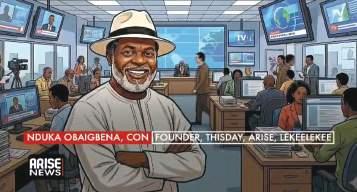
In a world dominated by a handful of global tech giants, Africa’s voice in media and technology has often been peripheral. With the launch of Lekeelekee, a revolutionary social media platform birthed in Africa by the Chairman and Editor-in-Chief of THISDAY Media Group and ARISE News Channel, Nduka Obaigbena, that narrative is beginning to change. Designed as a homegrown alternative to the Western and Chinese digital monopolies, Lekeelekee is not just another app; it is a statement about reclaiming Africa’s narrative, empowering creators, and reshaping the digital landscape on African terms. Chiemelie Ezeobi reports
For the Chairman and Editor-in-Chief of THISDAY Media Group and ARISE News Channel, Nduka Obaigbena, the need to reclaim Africa’s voice in global media distribution is quite germane, and his message is clear — the world is evolving, and Africa must not be left behind.
Known for his purpose-driven projects that stand the test of time, he recently birthed Lekeelekee, a homegrown digital platform that offers an African alternative to fill that lacuna for the continent.
Lekeelekee has been positioned as a multimedia hub that allows creators, editors, and broadcasters to distribute and monetise their work independently of Western or Chinese digital giants.
Essentially, the start and launch of Lekeelekee represents a tangible effort to reclaim the continent’s role as a creator, not just a consumer, of content in the global digital economy.
The Lekeelekee Story
As told by Obaigbena himself, the vision behind Lekeelekee is deeply personal. A veteran of more than five decades in journalism, Obaigbena has witnessed the media landscape evolve from the era of weekly and monthly magazines to the age of real-time AI-driven news, and he has played a huge role in each era.
The introductory video he voiced before the launch welcomed us all to “Lekeelekee, a revolutionary new social network with a story that goes back 50 years. I began my journalism career in the late 1970s, when weekly and monthly magazines shaped social, political, and cultural behaviour. Then the digital age took shape in 1982, when Time magazine named the personal computer ‘Man of the Year’ — a watershed moment indeed.
“From there came the mobile phone, and our societies and our lives changed forever. With artificial intelligence, the digital age has been transformed yet again. As we navigate the crossroads of globalisation and community, our societies are changing profoundly.
“I have lived through this evolution — from the era of the weekly news magazine to the daily newspaper, and now at the cutting edge of delivering information by the minute across all platforms. Each transformation has taught me one truth: the new moment matters.
“Welcome to the moment. Welcome to the new world of Lekeelekee. It’s time to change your connections. It’s time to advance your networks. Our goal is to build the world’s best social platform, birthed in Africa for global audiences. It is a new way to connect with friends and deepen conversations. We are building this platform in the open, and we want you to be involved.
“We already have a waiting list in the thousands, with a select 5,000 people gaining early preview access from today. This is your exclusive invitation to be part of Lekeelekee’s evolution. Your honest feedback at this stage will directly shape what this network becomes.
“Post text, photos, videos, voice notes, and location tags. Send fully encrypted one-on-one and group messages. Follow, like, comment, repost, and react. Discover your ‘For You’ feed, follow other users, check what’s trending, and discuss the latest news.
Get paid, build your business, find clients, and monetise your content. Get ready. Get smarter. Share real moments.
“I am Nduka Obaigbena, and I dedicate Lekeelekee to freedom — freedom from global domination, freedom for the underserved. As Nelson Mandela said, freedom is not merely to cast off one’s chains, but to respect the freedom of others.”
A Homegrown African Alternative
When he recently carried this message to the 21st All Nigeria Editors Conference in Abuja, he urged editors to defend democracy, adapt to artificial intelligence, and reclaim Africa’s voice in global media distribution.
Speaking to an audience of over 500 editors, policymakers, and diplomats at the State House Conference Hall, Obaigbena, who announced the launch of the digital platform then, said he
aims to “dilute the chokehold of the United States and China” over the global flow of information and entertainment content.
He said: “We are entering an AIdominated information age. Google’s algorithms are changing, search models are shifting, and the monetisation of content is being rewritten. If we do not act, we will again be consumers, not creators, in the new media economy.”
He said Lekeelekee would serve as a homegrown African alternative, a multimedia hub that allows creators, editors, and broadcasters to distribute and monetise their work independently of Western or Chinese digital giants, adding that “we have a responsibility to build our own technology and algorithms to determine how our content is earned and shared”.
Designed for African Realities
Introduced by ARISE Media Group and THISDAY Media Group, Lekeelekee is a fast, lightweight social media platform and super-app built in Africa for global audiences, with users exploring it through lekeelekee. com, and the app available on both iOS and Android devices.
Designed for African connectivity realities, it offers low-data, high-speed feeds, video streaming, messaging (including voice notes), community groups, and monetisation options for creators. Mini-apps, regional advertising networks, built-in moderation, and verification tools ensure that users can interact safely and securely.
With speed, scale, and independence at the centre of the platform’s mission, the goal is to target over 500 million smartphone users across Africa and a potential audience of 1.5 billion voices, including the diaspora. Essentially, Lekeelekee allows users to
Welcome to the moment. Welcome to the new world of Lekeelekee. It’s time to change your connections. It’s time to advance your networks. Our goal is to build the world’s best social platform, birthed in Africa for global audiences. It is a new way to connect with friends and deepen conversations. We are building this platform in the open, and we want you to be involved
post text, photos, videos, voice notes, and location tags, while enabling fully encrypted one-on-one and group messaging. Users can follow accounts, like, comment, repost, react to content, explore trending topics, and engage with breaking news through a personalised “For You” feed.
Empowering Creators and Communities
Beyond engagement, Lekeelekee places strong emphasis on economic empowerment for creators. Users can post content, engage audiences, find clients, and get paid directly, an initiative designed to counter the structural inequities inherent in American- and Chinese-owned platforms.
The platform’s early access programme allows thousands of users to participate in shaping its development because community input is central to the philosophy of Lekeelekee, which aims to combine digital freedom, open conversation, and local empowerment into one cohesive experience.
At its heart, Lekeelekee is founded on a philosophical stance of freedom from global digital domination, freedom for underrepresented voices, and freedom rooted in mutual respect.
A New Chapter in African Media
By all standards, Lekeelekee is more than a technological milestone; it is a statement of intent. For years, Western and Chinese platforms have dominated the flow of information and entertainment content. Lekeelekee offers speed, scale, and independence while remaining deeply rooted in African experiences and realities. Again, with over 500 million smartphone users across Africa and a potential audience of 1.5 billion voices worldwide, Lekeelekee is poised to become a transformative force. For the diaspora and African audiences alike, it promises a space where local content is valued, creators are rewarded, and interactions are genuinely meaningful.
As digital media continues to shape culture, commerce, and community, platforms like Lekeelekee may have just defined a new chapter in African innovation. By prioritising speed, independence, and economic empowerment, Obaigbena is offering more than just a platform, but also a vision for a digital future that is African in origin and global in ambition. Beyond that, Lekeelekee promises a smarter, fairer, and more inclusive social media experience for the continent.
From Gulf of Guinea to Alexandria: Nigerian Navy Strengthens Skills, Training and Bilateral Ties
In a deliberate push to strengthen fleet effectiveness, deepen operational learning and expand defence diplomacy, the Nigerian Navy recently concluded a strategic cross-attachment visit to the Egyptian Navy and key maritime institutions in Alexandria. Chiemelie Ezeobi writes that the engagement reflects a growing emphasis on international partnerships as critical enablers of interoperability, technical self-reliance and sustained maritime security
Under the leadership of the Chief of Naval Staff, Vice Admiral Idi Abbas, the Nigerian Navy (NN) has been positioned to develop as a modern, agile and professional naval force dedicated to securing Nigeria's maritime interests and advancing national security objectives in synergy with other security agencies.
One of such ways of developing a modern naval force is opening the doors to military cross attachments. In an era of increasingly transnational maritime threats, including piracy, illegal trafficking and terrorism, naval cooperation and cross-attachments have become indispensable as they help strengthen coalition cohesion by balancing complementary capabilities across intelligence, logistics, special operations and maritime air components, while building enduring professional relationships.
Expanding Bilateral Naval Engagements
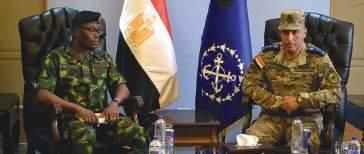
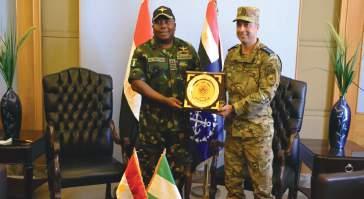
Accordingly, in a strategic move aimed at strengthening maritime capacity, enhancing operational effectiveness and deepening bilateral defence cooperation, the Nigerian Navy (NN) recently concluded a high-level cross-attachment visit to the Egyptian Navy and key maritime organisations in Alexandria, Egypt.
The engagement, which took place from 8 to 12 February 2026, underscores Nigeria’s growing commitment to international naval partnerships as a cornerstone of fleet modernisation and regional maritime security.
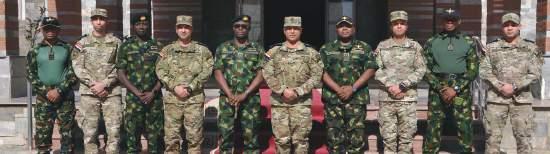
The Nigerian delegation was led by Rear Admiral Ikenna Ubani, Admiral Superintendent of the Nigerian Navy Shipyard, and included senior officers such as the Commander of the Nigerian Navy Special Boat and Service (NNSBS), Captain Andrew Zidon.
The visit formed part of the NN’s broader efforts to explore and expand international bilateral engagements, with a focus on learning, interoperability and technical advancement.
Cross-attachment as a Tool for Operational Learning
At the heart of the engagement was the concept of cross-attachment, a recognised practice in military and diplomatic circles that allows personnel from one armed force to be temporarily integrated into the structure and activities of another.
During such programmes, visiting officers participate directly in operational routines, briefings and inspections under the tactical control of the host force, while maintaining national command, discipline and administrative oversight.
This framework ensures meaningful exposure without compromising sovereignty and has become an increasingly important mechanism for coalition building, interoperability and professional development among allied navies.
Exposure to Special Forces Operations
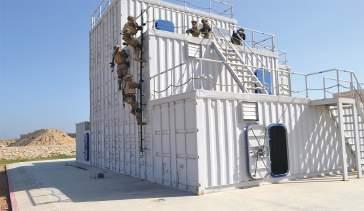
During the Alexandria visit, the Nigerian delegation was embedded in a structured programme of operational briefings, demonstrations and technical inspections.
A key highlight was the visit to the Egyptian Navy’s
framework.
models and the integration of specialised units within broader naval missions, particularly in complex littoral and amphibious environments.
Insights from Egyptian Shipbuilding and Dockyard Systems
The delegation also toured major shipbuilding and maintenance facilities, including the Egyptian Navy Shipyard and the Alexandria Shipyard. These visits offered first-hand exposure to vessel construction processes, dockyard management systems and maintenance philosophies employed by one of Africa’s most established naval forces.
Observations covered a range of naval platforms at different stages of construction, reinforcing the importance of indigenous shipbuilding capacity, structured maintenance cycles and technical workforce development in sustaining a modern and responsive fleet.
Driving Interoperability and Technical Cooperation
For the Nigerian Navy, the visit went beyond ceremonial diplomacy. It successfully achieved its core objectives of operational exposure and the identification of potential areas for bilateral cooperation in training, acquisitions and technical skills transfer.
Cross-attachment programmes are designed to improve interoperability and knowledge-sharing by allowing officers to work within the operational environment of a partner navy. Such exposure enhances understanding of differing doctrines, command coordination mechanisms and logistical systems, which are critical factors in joint and combined maritime operations.
Reciprocity and the Road Ahead
In line with the reciprocal nature of crossattachment arrangements, plans are already underway for an Egyptian Navy delegation to undertake a similar visit to Nigeria in April 2026. The forthcoming engagement is expected to further consolidate the partnership, offering Egyptian officers insights into Nigeria’s maritime security architecture, operational environment and ongoing naval reforms.
As the Nigerian Navy continues to position itself as a leading maritime security provider in the Gulf of Guinea and beyond, the cross-attachment visit to Egypt stands as a practical demonstration of defence diplomacy in action, which was a combination of learning, partnership and operational relevance in pursuit of a more capable and resilient naval force.
Nigerian Navy delegation with their e gyptian naval counterparts during the recent high-level cross-attachment visit to the
e gyptian Navy and key maritime organisations in a lexandria, e gypt
e gyptian Navy s pecial forces Brigade
Leader of the delegation, r ear admiral Ikenna u bani, admiral s uperintendent of the Nigerian Navy s hipyard with Commander of the e gyptian Navy s pecial forces Brigade
Commander of the Nigerian Navy s pecial Boat and s ervice (NN s B s ), Captain a ndrew Zidon with Commander of the e gyptian Navy s pecial forces Brigade
RE-OPENING OF THE KAMBA-TSAMIYA BORDERS
It’s a stroke of economic diplomacy, writes SUNDAY DARE
KALU OKORONKWO argues that Kwankwaso problem arises from his courage to disagree publicly
KWANKWASO AND
THE
COST OF CRITICISM
At first glance, the news felt disconcerting and almost surreal. Of all Northern Nigerian Muslim politicians, why was Senator Rabiu Musa Kwankwaso, former governor of Kano State and presidential candidate of the New Nigeria Peoples Party (NNPP) in the 2023 general election, singled out by Republican lawmakers in the United States for possible visa restrictions and asset freezes under the proposed Nigeria Religious Freedom and Accountability Act of 2026?
The instinctive reaction was that of shock. Yet a closer examination of the facts reveals something more familiar, more political, and more revealing about power, and the cost of constructive criticism, and principled independence.
between popular pressure, clerical insistence, and his own convictions about state authority and social cohesion.
Crucially, Kano’s Sharia bill was not sponsored by Kwankwaso’s government. It was a private legislative initiative, one he resisted for months. This distinction matters. It placed him at odds with powerful religious interests and sections of the public. The pressure became so intense that he temporarily withdrew from public engagements for his own safety, delegating appearances to his deputy, Alhaji Abdullahi Ganduje, who himself bore the brunt of public anger, including a widely reported attack during a religious procession.
REDEFINING NIGERIA’S POWER
AND PURPOSE
Heirs Energies is making a difference, reckons DAN AIBANGBE See page 21
Anyone with even a passing knowledge of Kwankwaso’s political journey knows that accusations of religious extremism sit awkwardly, if not absurdly on his record. His career has been defined less by religious fervour than by restraint, negotiation, and an often costly refusal to surrender governance to mob sentiment or clerical absolutism.
What now appears as an attempt to stigmatise and politically isolate Kwankwaso did not arise from extremism, fanaticism, or sectarian hatred. Rather, it emerged from something far more consequential in international politics: a refusal to nod obediently, a willingness to question a dominant narrative, and the courage to dissent publicly.
division. God bless Nigeria.”
In today’s ideological climate, however, nuance is often mistaken for defiance and defiance recast as guilt. What followed was swift and personal. One of the cosponsors of the proposed legislation, U.S. Congressman, Riley Moore, abandoned policy debate for accusation. On social media, Moore responded not with facts, but with a loaded indictment: “Governor, do you care to comment on your own complicity in the death of Christians? You instituted Sharia law. You signed the law that makes so-called blasphemy punishable by death.”
When Sharia was eventually launched, Kwankwaso’s words were revealing. He warned against vigilantism and insisted that only the state had the authority to punish offenders. He urged protection for non-Muslims. This was not the language of a zealot; it was the language of a governor struggling to impose order, restraint, and legality amid volatile passions.
On November 2, 2025, Kwankwaso responded to remarks by President Donald Trump, following the United States’ designation of Nigeria as a Country of Particular Concern over alleged religious persecution. While many Nigerian political figures opted for silence or quiet diplomacy, Kwankwaso spoke calmly, deliberately, and with statesmanlike restraint. “I have noted with increasing concern the heightened pronouncements on Nigeria by President Donald Trump,” he said. “It is important to emphasise that our country is a sovereign nation whose people face different threats from outlaws across the country. The insecurity we face does not distinguish based on religious, ethnic, or political beliefs.”
He rejected confrontation and instead proposed cooperation. “The United States should assist the Nigerian authorities with better, cutting-edge technology to tackle these problems, rather than posing a threat that could further polarise our country,” Kwakwanso wrote. And in a moment that revealed both patriotism and foresight, he appealed to Nigerians themselves: “This is an important moment where we should emphasise unity of belonging over
In a single tweet, decades of history were flattened, context erased, and complexity replaced with moral absolutism. Kano’s Sharia experience long documented as contested, reluctant, and cautiously implemented under Kwankwaso was repackaged as proof of extremist intent. His silence was interpreted as guilt; his restraint as evasion.
Kwankwaso did not respond, not because he lacked an answer, but because some accusations are not designed for dialogue, only for damage. No social media exchange could capture the political pressure, personal risk, and institutional resistance he faced in 2000, when Sharia was forced onto the political agenda against his initial opposition. Nor could it convey his insistence that only the state had the authority to punish offenders and that nonMuslims must not be intimidated; words that remain on record, unambiguous and humane.
As governor of Kano State between 1999 and 2003, Kwankwaso presided over one of the most emotionally charged moments in Northern Nigeria’s modern history: the agitation for the introduction of Sharia law in 2000. Contrary to revisionists’ narratives now circulating abroad, he was not a cheerleader for Sharia. He was, in fact, deeply reluctant. Contemporary reporting from the period shows a governor trapped
Even after the declaration, his implementation of Sharia was widely regarded as cautious, if not lukewarm. That caution earned him no favours. His uneasy relationship with influential clerics persisted and became a decisive factor in his defeat in the 2003 gubernatorial election by Ibrahim Shekarau, the preferred candidate of the clerical establishment. In a political culture where fanaticism is often rewarded, Kwankwaso paid the price for moderation.
Ironically, this same moderation fueled bizarre conspiracy theories about his identity, including the patently false claim that he was not Hausa-Fulani at all. Such rumours resurfacing years later in the media underscored how deeply his refusal to conform unsettled entrenched expectations.
By any fair political or sociological assessment, Kwankwaso is an unlikely poster boy for religious extremism. Why, then, did he become the focus of legislative ire in Washington?
The answer lies not in Kano in 2000, but in Washington decades later. Kwankwaso was the only nationally prominent Nigerian politician to openly criticise the United States’ designation of Nigeria as a Country of Particular Concern. His objection was measured, not belligerent. He argued that the label oversimplified a complex security crisis, risked inflaming interreligious tensions, and privileged confrontation over cooperation.
Okoronkwo is a communications strategist, a leadership and good governance advocate
It’s a stroke of economic diplomacy,
writes SUNDAY DARE
RE-OPENING OF THE KAMBA-TSAMIYA BORDERS
The border reopening reflects a balanced and pragmatic approach to governance that recognises the link between economic inclusion, regional diplomacy, and national security.
The recent opening of the Kamba and Tsamiya border routes by President Bola Ahmed Tinubu is both timely and strategic. The livelihoods of northern communities that straddle the Nigeria–Niger border have been significantly revived. Nigeria–Niger relations have been strengthened, and commercial activities, particularly the automobile, transport, and logistics business across both sides of the border, are back in full swing.
Beyond these immediate gains, the reopening of the Kamba and Tsamiya corridors has restored economic life to communities that depend almost entirely on cross-border movement for trade, agriculture, transportation, and small-scale commerce. For many families in these border areas, this decision has translated into renewed income opportunities, reopened markets, and a return to lawful economic activities after a prolonged period of restriction.
The positive impact is already evident across border towns and transit corridors, where traders, transport unions, artisans, and logistics operators have resumed operations. Agricultural produce is once again moving through recognised routes, local markets are regaining vitality, and businesses linked to vehicle sales, spare parts, and cross-border haulage are experiencing renewed demand. These developments are critical for employment generation and economic stability in northern Nigeria. Diplomatically, the reopening of these routes has reinforced people-to-people ties and mutual trust between Nigeria and the Republic of Niger. Border communities separated by colonial boundaries share deep cultural, historical, and family bonds. By restoring lawful movement through established border points,
Heirs Energies is making a difference, reckons DAN AIBANGBE
REDEFINING NIGERIA’S POWER AND PURPOSE
A seismic shift is vibrating through the sprawling onshore fields of the Niger Delta. In January 2021, a $1.2 billion landmark deal sent a clear signal to the global markets: Heirs Energies had arrived. By acquiring a 45% stake in OML 17 from Shell, Total, and ENI, the company did more than purchase an asset; it planted the flag of Africapitalism in the heart of Nigeria’s energy landscape. The message was clear—Africans must not only have a seat at the table but must own the future of their natural resources.
the administration has strengthened regional cooperation and reaffirmed Nigeria’s role as a stabilising leader within the West African sub-region.
From a strategic and security perspective, functional and regulated borders offer better oversight, intelligence coordination, and cooperation than prolonged closures that often push activities into informal channels. The reopening of Kamba and Tsamiya provides an opportunity for improved monitoring, stronger engagement with neighbouring authorities, and greater involvement of local communities in maintaining peace and security along the border corridors.
This reopening reflects a balanced and pragmatic approach to governance that recognises the link between economic inclusion, regional diplomacy, and national security. It is a decision that directly addresses the realities of border communities while advancing Nigeria’s broader economic and diplomatic interests, and it stands as a clear demonstration of responsive and people-centred leadership.
The healthy relations and collaboration between Nigeria, the Niger Republic and Republic of Benin need to be highlighted. The Comptroller-General of the Nigerian Customs Service, Dr Bashir Adewale Adeniyi, painstakingly ensured that both countries were fully committed to respecting international trade protocols before the reopening of the Kamba and Tsamiya border routes, which have already stimulated economic activity.
Apart from the three countries’ collaboration for prosperity, the Kebbi State Government, border communities, and security outfits were also consulted and sensitized on the benefits, technicalities and use of new technology for monitoring border routes and the implications for trade and security.
Again, President Tinubu’s vision and initiative are driving a win-win for economic diplomacy for the West Coast.
Dare is Special Adviser to President Tinubu on Media and Public Communication
At the center of this revolution is Tony Elumelu—a consummate investorbanker, philanthropist, and a fierce believer in African capacity. Elumelu has consistently championed the creed that for foreign investors to take Africa seriously, Africans must first demonstrate world-class operational excellence in high-stakes ventures. Heirs Energies was founded to shatter the fallacy that Africa cannot manage its own wealth. Today, that myth is being systematically dismantled and consigned to the dustbin of history.
The path Elumelu chose initially appeared high-risk. To the uninitiated, acquiring "brownfield" assets—mature fields often viewed by oil majors as declining—seemed a precarious move for a new indigenous player. But it proved to be a masterstroke of strategic brilliance. Within just 100 days of taking operational control in July 2021, the "miracle" began. Under the leadership of a seasoned indigenous CEO, Osa Igiehon, production surged from 27,000 barrels per day (bpd) to over 50,000 bpd.
Heirs Energies achieved this growth by focusing on disciplined brownfield optimization, rehabilitating and restoring existing wells and facilities, as well as maintaining an unwavering commitment to safety and operational excellence.
This feat is even more remarkable considering the operating environment. Battling the twin shadows of the COVID-19 pandemic and systemic oil theft, Heirs Energies achieved the impossible.
Through strategic intervention, Heirs Energies stabilized its operations and significantly reduced theft-related losses from a staggering peak of 97% to less than 10%.
While reviving crude output, Heirs Energies simultaneously ignited Nigeria’s gas ambitions. In November 2021, only six months post-takeover, the company delivered first gas from the Agbada NonAssociated Gas (NAG) Plant—a project that had languished for over a decade under previous operators. This success provided the critical pulse for the national "Decade of Gas" initiative, immediately necessitating the commencement of Agbada Train-2 to meet domestic demand.
By its third anniversary, the results were undeniable. Heirs Energies had moved to a gold standard. Today, the
company produces over 50,000 bpd and approximately 120 million standard cubic feet of gas per day ( MMscf/d), supplying up to 100 MMscf/d of gas into the domestic market and enabling more than 300 megawatts of power generation.
The momentum reached a fever pitch in December 2025. Heirs Energies signed landmark Gas Flare Commercialization Agreements (NGFCP),with five flare gas offtakers, marking a decisive victory for environmental responsibility.
By partnering with these gas offtakers, the company is accelerating flare reduction and gas monetization, effectively turning waste into economic value, directly supporting Nigeria’s green energy transition.
Simultaneously, Elumelu leveraged his profound financial influence to secure a $750 million financing package —one of the largest funding arrangements ever secured by a locally owned African producer, the same way he facilitated a strategic $500 million acquisition of a 20% stake in Seplat Energy. This move represents a powerful horizontal and vertical integration, reminiscent of the historic merger that created today’s UBA. Elumelu does not merely acquire; he creates synergy, infusing every venture with world-class governance and a "winning" culture that turns challenges into blueprints for success.
The Heirs Energies story is a narrative of renewed hope for the continent. The industry is winning, the Niger Delta is winning, and the environment is winning. Through the "Decade of Gas" policy, Nigeria is witnessing an energy revolution that creates thousands of jobs, reduces carbon footprints, and maximizes ROI through the revitalization of existing fields rather than the risky over-drilling of new ones.
These results are a magnet for global capital.
Where Tony Elumelu leads, confidence follows. Nigeria is no longer just a participant in the energy sector; it is a leader. The Giant of Africa has not just awakened—it is fueling the future.
Aibangbe is a Media & Public Relations Consultant
Editor, Editorial Page PETER ISHAKA
Email peter.ishaka@thisdaylive.com
WELCOMING 2026 RAMADAN
Leaders should avail themselves of the lessons of the season
As Nigerian Muslims join their counterparts all over the world for the 30-day fasting period which commences today, it is our hope that the season would enhance the spiritual growth of adherents of Islam and mark a new beginning in the journey to reposition our country for peace, progress and security. It is particularly noteworthy that the Ramadan fast for this year is coming at a period the nation faces not only economic challenges but is also being threatened almost on daily basis by violent cartels of insurgents and bandits. While President Bola Tinubu and most of the governors have sent out their well wishes, it is more important that they internalise those messages.
Traditionally, the fasting month is a season of self-exertion and spiritual reward through physical deprivation, religious communion, and charitable work. It is a joyful season when families and friends get together to celebrate life and mutual bonds of affection, especially when they wake up early to eat their pre-dawn meal called Suhoor, and when they break their fast with a meal referred to as Iftar. Ramadan fasting is believed to be one of the most observed of all the pillars of Islam, and it is obligatory for all Muslims of both genders from the age of puberty. Exempted from the fasting season are travellers, pregnant and breastfeeding mothers as well as the elderly and sick, though they are expected to make up the missing days any time after the Holy month.
If this spiritual core of man is recognised, it could lead to a positive change in our perspective on life: there would be no room for senseless materialism and primitive accumulation of wealth
T H I S D AY
EDITOR SHAKA MOMODU
DEPUTY EDITOR WALE OLALEYE
MANAGING DIRECTOR ENIOLA BELLO
DEPUTY MANAGING DIRECTOR ISRAEL IWEGBU
CHAIRMAN EDITORIAL BOARD OLUSEGUN ADENIYI
EDITOR NATION’S CAPITAL IYOBOSA UWUGIAREN
THE OMBUDSMAN KAYODE KOMOLAFE
T H I S D AY N E W S PA P E R S L I M I T E D
EDITOR-IN-CHIEF/CHAIRMAN NDUKA OBAIGBENA
GROUP EXECUTIVE DIRECTORS ENIOLA BELLO, KAYODE KOMOLAFE, ISRAEL IWEGBU
DIVISIONAL DIRECTORS SHAKA MOMODU, PETER IWEGBU, ANTHONY OGEDENGBE
While we congratulate Nigerian Muslims on the occasion of this season, we feel obliged to point attention to some evergreen lessons of this great religious observance. The essence of Ramadan is to expose the faithful to their spiritual roots while
teaching them that true humanity does not equate to mere material possessions, passions or physical cravings. This, we believe, is the real meaning of sharing with, and caring for, the needy and the less privileged that sets Ramadan apart from other religious festivities. The point is that if this spiritual core of man is recognised, it could lead to a positive change in our perspective on life: there would be no room for senseless materialism, greed and primitive accumulation of wealth. Rather, there would be greater concern for the less privileged of our society. Therefore, the Ramadan fast, like the other four pillars of Islam, is aimed at promoting both the spiritual and material well-being of mankind. When they are able to rein in their impulse for self-gratification and greedy accumulation of wealth, individuals are more liable to make their society a better place to live in, not only for themselves but also for their neighbours. Thus, after such self-denial, expectations are that the wealthy should become more empathetic to the plight of millions of their less fortunate compatriots and those in positions of authority should make policies that would alleviate the sufferings of the people. Ramadan fasting is also a leveller of sorts, as both the rich and poor are exposed to hunger and thirst at the same time. And the nation’s political leaders have much to take from the enduring lessons of Ramadan. There is much greed in our polity, and it has all but ruined the nation. If only our politicians can curtail their materialistic tendencies and pay more attention to the yearnings of the people, the country will certainly become a much happier place to live in. The Ramadan offers such a great opportunity, and we hope our leaders would avail themselves of the lessons of this season. We also hope that the outcome of this annual spiritual exercise will be of immense benefit to the nation.
Ramadan Kareem to all our Muslim brothers and sisters.
Letters in response to specific publications in THISDAY should be brief (150-300 words) and straight to the point. Interested readers may send such letters along with their contact details to opinion@thisdaylive.com. We also welcome comments and opinions on topical local, national and international issues provided they are well-written and should also not be longer than (750- 1000 words). They should be sent to opinion@thisdaylive. com along with photograph, email address and phone numbers of the writer.
LETTERS
AJAOKUTA, ACCOUNTABILITY AND THE LIMITS OF CONFRONTATION
The recent heated exchange between Senator Natasha Akpoti-Uduaghan and the Minister of Steel Development, Prince Shuaibu Audu during the joint budget defence session of the National Assembly has once again drawn national attention to the long-suffering Ajaokuta Steel Company. While robust oversight is a constitutional duty of lawmakers, the tone, framing, and substance of the senator’s intervention raise important questions about method, motive, and maturity in public discourse.
No one disputes that Ajaokuta Steel Plant is a national tragedy of stalled ambition. For over four decades, successive governments have pledged to revive it. Billions of dollars have been expended with little to show. It is therefore understandable that emotions run high whenever the plant is discussed. However, passion must not eclipse prudence, especially in a forum as consequential as a joint budget defence session.
Senator Akpoti-Uduaghan’s comparison of Ajaokuta’s
funding needs with the proposed 750-kilometre coastal road project—reportedly costing ₦15 trillion—was rhetorically striking but fundamentally flawed. National budgeting is not a zero-sum emotional contest between projects. Infrastructure priorities are determined by strategic economic frameworks, sectoral projections, financing structures, and long-term development plans. The coastal road, whether one agrees with it or not, is a transportation and logistics infrastructure project expected to unlock coastal economies and attract private capital. Ajaokuta, on the other hand, is a heavy industrial project with complex technical, legal, and financial entanglements spanning decades.
To juxtapose both projects as though one automatically undermines the other oversimplifies Nigeria’s economic planning process. It creates a false dichotomy and fuels public resentment rather than constructive debate. Ajaokuta’s revival requires clarity of ownership, technology partnerships, commercial viability studies, and credible fi-
nancing models—not rhetorical comparisons designed to inflame.
Furthermore, questioning “the government’s real intention” in reviving the plant suggests bad faith without presenting concrete evidence of sabotage or insincerity. Oversight should interrogate timelines, procurement processes, and measurable deliverables. It should not descend into insinuations. When lawmakers imply hidden motives without substantiation, they risk eroding public trust in institutions rather than strengthening them.
The senator also criticized the committee for holding meetings and engaging with the media, suggesting that these efforts have yielded minimal impact. Yet legislative oversight often begins with consultations, stakeholder engagements, and policy reviews.
Musa Wada, Abuja
Acting Group Politics Editor DEJI ELUMOYE
Email: deji.elumoye@thisdaylive.com
08033025611 sms only
Ministers Square Up to Senators at 2026 Budget Defence Sessions
The Senate chamber, built for measured debate and orderly oversight, last week crackled with defiance, wounded pride and raw political brinkmanship. What began as routine scrutiny of 2026 budget estimates morphed into a spectacle of shouted objections, gavel slams and daring ultimatums that laid bare the fault lines of power. sunday Aborisade reports.
What should have been a week of sterile fiscal arithmetic inside the Nigerian Senate instead unfolded like a political drama. It is a reminder that in Nigeria, even budget defence sessions are arenas where hierarchy, party loyalties, regional sensitivities and personal pride collide.
As heads of ministries, departments and agencies appeared before lawmakers to defend their 2026 estimates, the committee rooms of the National Assembly became stages for confrontations that revealed as much about the politics of governance as about the numbers themselves.
From a near shouting match between two deputy whips, to a heated exchange between the Minister of Works, David Umahi, and Senator Adams Oshiomhole, and finally to a dramatic standoff over Ajaokuta Steel, the week exposed the deeper tensions simmering beneath the surface of legislative oversight.
The fireworks began during the joint Senate and House Committees on Works’ consideration of the Ministry of Works’ N3.245 trillion capital proposal for 2026.
Presiding over the session was Senator Rufai Hanga, Vice Chairman of the Committee, standing in for the substantive chairman. The early part of the sitting, which was aired live on major national television channels, was predictable: presentation, clarifications, nods of approval.
Umahi, confident and combative in equal measure, reeled out figures. Of the proposed capital allocation, N760 billion would fund new projects across the six geo-political zones. He separated these from ongoing legacy projects and assured lawmakers that the N7 trillion required to complete projects previously financed under the Nigerian National Petroleum Company Limited model would be sourced from the domestic bond market.
Then came the moment that changed the tone. Challenged over allegations of substandard work on the Abuja–Kaduna–Zaria–Kano road, Umahi threw caution aside.
“I invite the committee members to go
for an on-the-spot assessment. If it is found not to be up to standard, I will resign.”
It was a bold political statement, not just administrative assurance. In an era of public distrust over infrastructure quality, Umahi’s vow was both defensive and daring. It also shifted the session from technocratic review to political theatre.
The more explosive confrontation, however, came not between the Minister and lawmakers, but among senators themselves.
When Senator Peter Nwaebonyi, the Deputy Whip, took the floor, he started diplomatically by commending the minister’s efforts. But he quickly pivoted to funding gaps.
“It is not just about approving projects. It is about funding them. Underfunding is not good and it gives the party a bad name,” he said.
The remark was politically loaded. It implied that insufficient releases, not lack of plans, could undermine the ruling party’s credibility ahead of future elections.
As Nwaebonyi continued, Hanga repeatedly urged him to summarise. The interruptions grew sharper. The response was immediate and fiery.
He replied in anger, “Please don’t interrupt me because you allowed Senator Adams Oshiomhole to speak for 15 solid minutes. I’ve barely spent about five minutes and you are telling me to round up. I won’t!”
What followed was less about budget lines and more about status. Nwaebonyi invoked his position as a principal officer of the Senate. Hanga responded with a firm assertion of his authority as presiding officer of the session.
When Nwaebonyi alluded to party hierarchy, referencing majority status, the atmosphere thickened. Hanga countered by pointing to the strength of his electoral mandate in Kano.
In seconds, a technical session became a microcosm of Nigerian politics: majority versus minority, ranking versus presiding authority, ego versus procedure.
It took senior figures such as Senators Ali Ndume and Adamu Aliero to restore calm, reminding colleagues that beyond party labels, they remain equals under the Senate’s rules.
Yet the clash was instructive. It revealed the fragility of order when political sensitivities are triggered, even during routine oversight.
If the deputy whips’ clash suggested partisan undertones, the exchange between Umahi and Oshiomhole showed that party
For Umahi, the week underscored the dual burden of engineering and politics. For senators, it was a reminder that oversight is as much about asserting institutional authority as scrutinising numbers. And for nigerians watching from afar, it was proof that within the s enate chamber, the struggle over the nation’s purse is never quiet, and rarely predictable.
unity has limits. The flashpoint was the controversial N15 trillion Lagos–Calabar coastal highway project, which is one of the Tinubu administration’s flagship infrastructure initiatives.
Oshiomhole pressed Umahi on funding transparency and implementation delays. Umahi bristled.
“Sir, are you judging or asking me questions?” he asked sharply.
“You are not entitled to interrupt me,” Oshiomhole shot back.
The tension escalated when Umahi accused the senator of using “foul language.”
“You can’t use foul language on me. I’m a distinguished Nigerian. You cannot speak to me in that manner,” he said, visibly agitated.
Some senators sided openly with Oshiomhole, teasing Umahi over his brief tenure in the Senate before becoming minister. The subtext was unmistakable: legislative seniority still matters in the upper chamber.
Oshiomhole pivoted to praise President Bola Tinubu for ending the NNPC tax credit model for road projects, describing it as difficult to monitor transparently. Umahi agreed that private sector funding offered promise but blamed delays on unreleased allocations from the finance ministry.
In political terms, the exchange highlighted an emerging fault line: how to fund megaprojects without sacrificing transparency, and without exposing internal divisions within the ruling party.
If the Works Ministry session showcased political rivalry, the budget defence of the Ministry of Steel Development laid bare deeper frustration.
Nearly four hours into deliberations, Senator Natasha Akpoti-Uduaghan of Kogi Central was still interrogating the ministry over Memoranda of Understanding linked to Ajaokuta Steel Company.
She insisted she had formally requested copies of key agreements but was not furnished with them.
NOTE: Interested readers should continue in the online edition on www.thisdaylive.com
oshiomhole
Akpoti-Uduaghan
Umahi
Kayode Tokede
Following the unprecedented rally in the Nigerian equities market, MTN Nigeria Communications Plc has seen its market capitalisation jumped N16.37 trillion as of February 16, 2026, surpassing BUA Foods Plc, among others to become most capitalised stock on the Nigerian Exchange Limited (NGX).
BUA Foods and Dangote Cement Plc with market capitalisation of N14.38 trillion and N13.5trillion came second and third respectively.
Findings by THISDAY showed that MTN Nigeria since late 2025 and January 2026 was the second most capitalised stock on NGX with an average market
Nume Ekeghe
Nigeria’s foreign exchange reserves climbed to $47.81 billion as of February 12, 2026, reinforcing the external buffers that have been steadily rebuilding since mid-2025.
The latest figures from the Central Bank of Nigeria (CBN) showed that reserves
capitalisation of N10 trillion.
The company has not announced its result and accounts for year ended December 31, 2025. But capital market analysts have expressed that the stock market fundamentals and National Pension Commission (PenCom) reforms, which has favoured the market has boosted inventors’ confidence.
PenCom had recently announced its decision to raise equity limits for pension funds, a development that has positively impacted MTN and other stock prices on the bourse, leading to some reaching a 52-week high.
The announcement was as a result of the amendment of Section 9 of PenCom investment regulations,
rose from $45.78 billion on January 13, 2026, a $2.03 billion gain or 4.43 per cent increase in just one month, as sustained foreign exchange inflows continued to bolster the country’s liquidity position.
The recent build-up in reserves follows a strong second-half recovery last year, when external buffers
increasing equity allocation caps across multiple Retirement Savings Account (RSA) fund classes: RSA Fund I moved from 30 per cent to 35 per cent; RSA Fund II from 25 per cent to 33 per cent; RSA Fund III from 10 per cent to 15 per cent; while RSA Fund VI (Active) from 25 per cent to 33 per cent.
The new policy impacted injection of fresh liquidity into the stock market helping the stock price of some blue-chip companies to advanced significantly.
Between February 9, 2026, when the policy was announced till February 16, 2026, the market capitalisation has appreciated by N10.47 trillion to N122.13 trillion on investors’ demand for MTN
rebounded from levels below $38 billion to finish 2025 on an upward trajectory. After sliding to $37.21 billion in June 2025, reserves surged to $39.36 billion in July before climbing to $41.31 billion in August.
The upward trend carried through the remainder of 2025, with reserves rising to $42.35 billion in September, $43.20
Nigeria, Dangote Cement, Aradel Holdings Plc, among others.
THISDAY analysis of trading numbers showed that MTN Nigeria, 16 others listed companies contributed about N97.44 trillion of the N122.13 trillion market capitalisation on the NGX.
They are: Airtel Africa Plc, N8.53 trillion; BUA Cement Plc, N6.87 trillion; Seplat Energy Plllc, N5.03 trillion; Aradel Holdings, N4.76 trillion and Guaranty Trust Holding Company Plc, N4.29 trillion.
A further breakdown showed that the stock price of MTN Nigeria appreciated by 36.3 per cent to close at N779.70 per share as of February 16, 2026 from N572.00 per share it closed
billion in October, and $44.67 billion in November.
By the end of December, reserves had reached $45.50 billion, and the momentum carried into the new year with January’s $46.28 billion position before the strong jump recorded in February.
On a year-on-year basis, the reserve stock has
trading in January 2026, to outpace BUA Foods that has remained flat at N798.90 per share since 2025.
The stock price of Dangote Cement appreciated by 31.1 per cent to close February 16, 2026 at N798.60 per share from N609.00 per share it opened for trading this year.
Cordros Research in a report stated that PenCom had cited practical implementation challenges arising from the existing limits across ordinary shares, FGN bonds and alternative assets, with the key constraint being the limited availability of qualifying alternative asset instruments.
The report stated, “The shortfall has hindered effective deployment into the alternative instruments
expanded significantly.
From approximately $40.88 billion at end-December 2024, reserves have risen by nearly 17 per cent to $47.81 billion, reflecting the cumulative impact of stronger oil receipts, robust remittance inflows through formal channels and renewed participation by
asset class, resulting in an underutilisation of the alternative asset allocation, and leaving PFAs with excess liquidity. Given the importance of PFAs to domestic market liquidity, we expect the adjustment to translate into a supportive flow dynamic for Nigerian equities, strengthening the institutional bid over the near to medium term.
“PenCom increased the maximum allocation to ordinary shares for RSA Funds I, II, III and VI-active to 35.0 per cent, 33 per cent, 15.per cent and 33.0per cent, from 30 per cent, 25.0 per cent, 10per cent and 25 per cent, respectively.”
foreign investors in Nigeria’s fixed-income market. At nearly $48 billion, Nigeria’s reserve buffers provide stronger import cover and greater confidence in the country’s ability to navigate a challenging global environment marked by financial volatility and commodity price fluctuations.
NAICOM: No Room for Ambiguity, Favouritism, Compromise in Recapitalisation Directive
Ebere Nwoji
The National Insurance Commission (NAICOM), has said that there would be no room for ambiguity, favouritism, compromise, or shortcuts in the on-going recapitalisation exercise in insurance industry.
The commission noted that Nigeria required a robust, well capitalised, and shock resistant insurance sector capable of supporting economic stability, investor confidence, and sustainable national development.
The Commissioner for Insurance, Mr Olusegun Ayo Omosehin, stated these at NAICOM’s 2026 Management Retreat held in Uyo, Akwa Ibom State.
He said the ongoing recapitalisation exercise was one of the most consequential regulatory interventions in recent decades.
He said the initiative transcends capital raising,
adding that it was designed to strengthen the financial health of insurers by enhancing consumer protection, deepen insurance penetration, building shock resistant industry, reinforce insurance as a pillar of national development as well as restoring and sustaining public trust.
He also stressed that the success of the exercise would be judged by its credibility, transparency, and professional execution, Omosehin, underscored NAICOM’s critical role in advancing President Bola Ahmed Tinubu’s $1 trillion economic agenda and electoral oversight as he declared the retreat a defining moment in NAICOM’s 29year institutional journey. According to him, NAICOM was entering a new phase of transformation anchored on integrity, professionalism, and a united leadership culture.
According to the CFI, the theme of the retreat Insurance
Ango: FCT IRS Working Towards Global Tax Standard
Olawale Ajimotokan in abuja
The Acting Executive Chairman of the Federal Capital Territory Internal Revenue Service (FCT-IRS), Michael Ango said he is working to making the service run in line with the global standard.
He asserted this in Abuja at a Stakeholders engagement forum, noting the FCT-IRS, as a statutory member of the Joint Revenue Board, now has enhanced access to national tax systems, that enables it to leverage existing legal frameworks, digital infrastructure, and institutional collaborations to improve tax administration.
Ango also described the engagement with the theme “Harmonising Revenue Systems and Implementing New Tax Laws” as a
transformative initiative aimed at fostering genuine partnerships with stakeholders.
“This stakeholder engagement forum is one with a difference. We have not called you here today to educate you on your obligations or to tell you how much taxes we have collected. Rather, we have called you here to discuss our vision for the FCT and how we can work together as partners to achieve that vision,” he stated.
Ango stressed that economic growth was fundamentally driven at the community level, noting that national economic progress was built upon the collective productivity and tax contributions of citizens, businesses, and institutions.
The FCT-IRS boss also lauded the FCT Minister for infrastructure development and improvement in security across the territory noting that development in the last two years was unprecedented,
Regulation: Reset, Reimagine, Refocus represents a call to deliberate action—to reset outdated practices, reimagine the industry’s full potential, and refocus regulatory strategies to deliver greater national impact.
He called for unified
leadership and regulatory discipline among the commission’s management, adding “Let integrity be your anchor. Let professionalism be your compass. Let transparency be your operating standard.”
Canada–Nigeria
Strengthen Bilateral Ties with Street Food Competition
Esther Oluku
Diplomats, culinary entrepreneurs and media personalities gathered in Lagos for an evening of food, culture and commerce, as a local TV partnered with the Deputy High Commission of Canada in Nigeria to strengthen bilateral ties through food.
This year’s Street Food Naija competition is the sixth in the series of competitions organised by a local TV and was themed: “Naija to The World”.
The event which held in Lagos, brought together eight contestants from Nigeria’s street food ecosystem in a competition of Nigerianinspired dishes. Addressing guests, Canadian Deputy High Commissioner to Nigeria, Carlos RojasArbulú, emphasised that the evening, more than about sampling dishes, was also about building meaningful businesses and people-to-people connections between both countries.
“Tonight, we will not only be seeing and tasting. It is also a way to make sure that we are connected at a business level, that we’re connected with the people, and that is very important to us,” he said.
In his remarks, Chief Executive Officer of FoodBay and convener of the event, Femi Ogundoro, described the competition as a transformative enterprise designed to create economic value and impact for young Nigerians.
Driving Personal Pension Plan
Recent licensing of the first accredited pension agent by the National Pension Commission has been described as the right tool for achieving mass inclusion of informal sector operators into pension scheme, writes Ebere Nwoji
Recently, the National Pension Commission (PenCom) licensed the first officially accredited pension agent with the primary purpose of expanding pension coverage to millions of Nigerian workers in the informal sector, still outside pension coverage.
The premier pension agent named Awabah, is expected to collect micro-contributions and build confidence in the pension system.
“They will take pensions to markets,
villages, motor parks, farms, and workshops,” said the Director General PenCom Omolola Oloworaran.
According to the PenCom DG, the accredited pension agent, which regulation was introduced in September last year is designed to bridge the gap between pension fund managers and Nigerian workers, especially those of informal sector. This latest move by PenCom to sweep millions of Nigerian informal sector workers into pension net has been commended
and described as a positive response towards salvaging Nigerian micro business operators, artisans, and other self-employed workers from old age poverty.
It was also described as a step in the right direction towards pushing pension fund managers into joining force with the commission in marketing the contributory pension scheme and growing pension assets from the present figure of N27 .45 trillion to huge investible funds
well above the present figure.
CPS / PFAs
For over 20 years since the establishment of the Contributory Pension Scheme by PenCom, Pension Fund Managers (PFAs) who were supposed to be at the fore front of marketing the scheme to Nigerian workers have not done so.
The story continues online on www.thisdaylive.com
Access Bank Launches Campaign to Promote Intra-Africa Transfers
Nume Ekeghe
Access Bank Plc has announced the Zero-fee Outbound Campaign, a customer-focused initiative designed to drive
adoption of the Pan-African Payment and Settlement System (PAPSS) through the Access Africa platform. The campaign’s major highlight is simple and impactful:
customers can send money from Nigeria in Naira to other African countries, while beneficiaries receive the funds in their local currencies, all with zero outbound transfer cost From February 1
to April 30, 2026. By removing outbound charges on eligible PAPSS transactions, Access Bank is lowering the barrier to crossborder payments and giving
individuals and businesses the opportunity to experience the speed, affordability and seamlessness of African payments processed in local currencies.
Firms Collaborate to Enable Card Requests on Mobile
Nume Ekeghe
AfriGO has partnered with PalmPay to allow Nigerians request the national
domestic card directly through the PalmPay app, expanding the reach of the country’s payment ecosystem. The collaboration bridges digital
convenience with AfriGO’s payment infrastructure, enabling users to apply for the card without visiting physical banking channels. By leveraging PalmPay’s
Speaking on the initiative, Unit Head, Remittances at Access Bank, Aminat Olatunji, said the campaign is about removing both cost and complexity from African payments.
platform, already widely used for payments, transfers, and other financial services, more Nigerians can now access seamless card-based transactions.
Coy Takes Valentine’s Message to Streets, Campuses
Ebere Nwoji
In a deliberate move to celebrate this year’s Valentine’s Day, AIICO Insurance Plc stepped
beyond the traditional flowers-and-chocolates narrative to meet young Nigerians where they are—on the streets and on campus. Partnering with popular street influencer,
Kabiyesi, AIICO Insurance brought energy, laughter, and meaningful conversations to undergraduates through engaging street interviews focused on one powerful question:
How far would you go to protect the ones you love? The underwriting firm said the answers were heartfelt, surprising, and deeply moving.
UBA Unveils Strategy to Bridge Africa’s $100bn Trade Finance Gap
Kayode Tokede
The Chief Executive Officer of UBA UK, Loknath Mishra, has unveiled a strategy to position the bank to be at the forefront of efforts to bridge Africa’s estimated $100 billion trade finance gap and strengthen cross-border trade flows between the continent and global markets.
Mishra who spoke in an interview on Arise TV’s Global Business Report yesterday, outlined a vision to leverage UBA’s Pan-African footprint and international banking platform to unlock capital, enhance correspondent banking relationships, and support African corporates and SMEs in accessing global markets.
He explained that since African trade is projected to grow faster than many other regions,
the continent faces a trade finance gap estimated at over $100billion, further widened by the withdrawal of several international banks from African markets
“The global trade order is changing, supply chains are being rewritten, and Africa is increasingly becoming a reliable and strategic partner. UBA has a significant role to play in ensuring Africa is connected to the globe, and UBA UK, plays a critical role in providing hard-currency liquidity, structured trade finance, and settlement services through London’s financial infrastructure,” Mishra said.
He emphasised that UBA’s presence across 20 African countries enables the Group to connect buyers and sellers seamlessly across borders while leveraging UBA
GTBank Launches
Guaranty Trust Bank
Limited (GTBank), has announced the launch of Quick Airtime Loan, a digital solution that gives customers instant access to airtime when they run out of call credit and have limited funds in their bank accounts, ensuring customers can stay connected when it matters most.
The bank in a statement noted that Quick Airtime Loan was created to solve this problem, offering customers instant access to airtime on credit, directly from their bank. With Quick Airtime Loan, eligible GTBank customers can access from N100 and
UK for efficient foreign currency settlement and international trade structuring.
Mishra also indicated plans for the UBA UK to leverage the African Continental Free Trade Area (AfCFTA) and South-South Trade Growth, adding that a major driver of opportunity, is the transformative impact of AfCFTA, which is one of the largest trade agreements globally, covering 54 countries, 1.3 billion people, and a combined GDP of approximately $3 trillion.
UBA’s Group Managing Director/Chief Executive Officer, Oliver Alawuba, while announcing Mishra’s as the new UBA UK CEO, has said the appointment signals UBA Group’s continued commitment towards strengthening its international banking franchise and expanding Africa’s integration into the global economy.
Quick Airtime Loan at 2.95%
up to N10,000 by dialing *737*90#. Available across all major mobile networks in Nigeria, the service will soon expand to include data loans, further strengthening its proposition as a reliable on-demand platform.
Commenting on the product launch, Managing Director of Guaranty Trust Bank Ltd, Miriam Olusanya, said: “Quick Airtime Loan reflects GTBank’s continued focus on delivering digital solutions that are relevant, accessible, and built around real customer needs. The solution underscores the power of a connected financial ecosystem, combining GTBank’s digital reach and lending expertise with the capabilities of
L-R: Head, Strategy, Research & Investor Relations, Africa Prudential, Joshua Omewah; Group Head, Sales, Retention and Growth, AVON, Ajibola Bakare; Managing Director, UBA Pension, Blessing Ogwu and Head, Diaspora Banking, Anant Rao, during UBA’s Panel session, themed: ’Beyond Banking: Powering the Diaspora Lifestyle,’ held at UBA House Marina, in Lagos…recently
HabariPay to deliver a smooth, end-to-end experience. By leveraging unique strengths across the Group, we are able to accelerate innovation, strengthen execution, and deliver a more integrated customer experience across all our service channels.
“Importantly, Quick Airtime Loan highlights GTCO’s evolution as a fully diversified financial services group. Leveraging HabariPay’s Squad, the solution reinforces the Group’s ecosystem proposition by bringing together banking, payment technology, and digital channels to deliver intuitive, one-stop experiences for customers.”
FITC to Host Conference on Delivering WorkforceValue in Digital Age
Financial Institutions
Training Centre (FITC) has announced the 6th edition of its flagship Employee Engagement and Experience Conference (E3 Conference 6.0), scheduled to hold on Wednesday, March 18, 2026, at 9:00am, in a hybrid format (physical and virtual).
Themed; “Delivering Workforce Value in the Digital Age: Productivity, Accountability, and Performance through AI & Hybrid Work,” the conference will convene senior business leaders, HR professionals, people managers, technology experts, and policy influencers to explore practical strategies for optimizing workforce performance in an increasing digital and hybrid work environment.
Over the years, the E3 Conference has established itself as a leading thoughtleadership platform on employee engagement, workforce strategy, and organizational performance, supporting organizations across sectors in navigating the future of work.
This year’s edition will feature an exceptional lineup of distinguished resource persons and industry leaders, including: MD/CEO of FITC, Dr. Chizor Malize, Group Head, Human Capital Management and
As organisations continue to adopt artificial intelligence, hybrid work models, and data-driven decision-making, E3 Conference 6.0 will focus on how leaders can drive productivity, strengthen accountability, and enhance performance while sustaining positive employee experience.
Development, First Bank of Nigeria, Olumuyiwa Olulaja, Head, Human Resources, Providus Bank, Kingsley Ogirri, Chief Talent & Culture Officer, Polaris Bank, Oyiza Salu, Head, Human Resources, SunTrust Bank, Tolulope Dayo Peters, Head, Human Resources, Sterling Financial Holdings Company, Dr. Omotola Adedapo and Director of Human Resources, Eko Hotels and Suites, Emmanuel Michael, SPHRi.
“These respected leaders will share practical case studies, strategic insights, and real-world experiences on; leveraging AI-enabled systems, managing hybrid workforce accountability, redefining employee engagement, and building high-performing teams in a rapidly evolving business landscape.
The price of OPEC basket of twelve crudes stood at $63.14 a barrel on Monday, according to OPEC Secretariat calculations.
The OPEC Reference Basket of Crudes (ORB) is made up of the
Nume Ekeghe
following: Saharan Blend (Algeria), Djeno (Congo), Zafiro (Equatorial Guinea), Rabi Light (Gabon), Iran Heavy (Islamic Republic of Iran), Basrah Medium (Iraq), Kuwait Export (Kuwait), Es Sider (Libya), Bonny Light (Nigeria), Arab Light (Saudi Arabia), Murban (UAE) and Merey (Venezuela).
Stock Market Drops by N577bn on Investors Profit-taking Activity
Kayode Tokede
The Nigerian stock market yesterday halted its positive momentum after 11-day consecutive gains, yielding to investors’ profit-taking activities as the market capitalisation dropped by N577 billion.
The Nigerian Exchange Limited All Share Index (NGX ASI) depreciated by 899.50 basis
points, or 0.47 per cent to close at 189,362.94 basis points,causing the Month to Date and Year to Date returns to taper to 14.5per cent and 21.7per cent, respectively.
Also, market capitalisation declined by N577 billion to close at N121.553 trillion.
Sectoral performance was largely negative as the NGX Banking (-3.7per cent), NGX Insurance Index (-0.6per cent),
NGX Industrial Goods Index (-0.5per cent) and NGX Oil & Gas Index (-0.1per cent) while the NGX Consumer Goods Index (+2.5per cent) advanced. Despite the broad market decline, sentiment remained mildly positive, with market breadth closed positive as 44 stocks advanced compared to 40 decliners. ABC Transports recorded the highest price gain of 9.94 per cent to close
at N9.07, per share. Zichis Agro Allied Industries followed with a gain of 9.93 per cent to close at N13.06, while Red Star Express grew by 9.87 per cent to close at N29.50, per share. Meyer up by 9.81 per cent to close at N22.95, while Japaul Gold & Ventures rose by 9.78 per cent to close at N3.03, per share.
On the other hand, Zenith Bank, MeCure Industries and
Skyway Aviation Handling Company led the losers’ chart by 10 per cent each to close at N80.55, N93.60 and N117.00 respectively, per share.
R.T. Briscoe followed with a decline of 9.95 per cent to close at N14.12, while Tripple Gee & Company lost 9.77 per cent to close at N6.00, per share.
Also, the total volume traded declined by 8.63 per cent to 1.200 billion units,
valued at N60.193 billion, and exchanged in 86,607 deals. Transactions in the shares of Access Holdings topped the activity chart with 103.486 million shares valued at N2.717 billion. Zenith Bank followed with 93.097 million shares worth N8.007 billion, while Japaul Gold & Ventures traded 73.789 million shares valued at N223.579 million.
PRICES FOR SECURITIES TRADED AS OF FEBRUARY /17/26
SOStainability Week ly
Edited by Oke Epia | e-mail: sostainability01@gmail.com
Trends and Threads
The Hidden Climate Cost of Nigeria’s Electricity Crisis
More often than not in Nigeria, the flip of a light switch brings disappointment. For decades, the nation’s electricity sector has shown a chronic inability to provide stable, reliable power to its 200 million-plus citizens. What Nigerians have come to call “epileptic power” - unpredictable, often nonexistent electricity - is more than a daily irritation. It’s a structural crisis that harms the economy and silently accelerates climate change and environmental degradation. Despite abundant resources and decades of reform efforts, Nigeria’s national grid remains fragile, and its repeated failures tell a story that goes far beyond lights flickering in and out.
The collapsing grid and frequent outages
At the heart of Nigeria’s power problems is the national grid- a network designed to distribute electricity from power plants to homes and businesses. On paper, Nigeria has an installed capacity of more than 13,000 megawatts (MW). But in practice, most of that capacity is never available due to a combination of factors affecting the grid. Year after year, the grid has faltered. In 2024, only around 4,200 MW of electricity was actually generated on average, a tiny fraction of what a country of Nigeria’s size needs. Reports from the Nigerian Electricity Regulatory Commission (NERC) show that between 2020 and 2024, the grid collapsed 26 times, with nine of those collapses in 2024 alone. In January 2026, the grid collapsed at least twice. Some experts dispute the language of “collapse” referring to certain outages as “tripping.” Yet, the everyday experience remains the same: power disappearing without warning and often taking hours or days to return.
The hidden cost of generators as an alternative power supply
When the grid fails, households, offices, and factories turn to what is often the only immediate backup: diesel and petrol generators. These machines, powered by fossil fuels, produce electricity with a constant stream of harmful emissions. For most low-income communities, the cost of a large solar system with batteries is simply out of reach. Wealthier businesses and industries can sometimes afford larger renewable installations, but struggling families, micro-businesses, and poorer communities largely cannot. This means their fallback is often the cheapest short-term option: a polluting generator that burns fuel continuously. Generators emit carbon dioxide (CO₂), carbon monoxide (CO), nitrogen oxides (NOₓ) and soot, all of which degrade air quality and contribute to respiratory illnesses. Over time, these emissions also add to the global greenhouse effect, fueling climate change and making heatwaves, droughts, and extreme weather more frequent and severe.
The International Energy Agency reports that Nigerians rely on generators for around 40 percent of the electricity consumed, a staggering share that reflects just how unreliable the grid has become. This has a two-fold consequence: households and businesses spend valuable income on fuel, and emissions add silently but steadily to Nigeria’s
contribution to global warming. In Lagos for instance, the heavy dependence on diesel generators stands out as a major contributor to worsening air pollution, thereby significantly increasing harmful emissions and deepening public health risks across the city.
The economic framing is part of the problem
Most discussions about Nigeria’s electricity crisis understandably focus on economic losses. Unstable power forces firms to self-generate energy, often at massive cost. An estimate says businesses lost over $26 billion annually due to outages and self-generation expenses. But this figure understates the true societal cost, because it rarely accounts for long-term environmental damage and the hidden climate cost.
By framing the crisis almost entirely as an economic problem, the search for solutions tends to ignore a vital factor: air quality, climate vulnerability, and environmental health are power issues too. The climate crisis cannot be treated in isolation from the way we produce and consume energy, and Nigeria’s electricity crisis inadvertently shifts the burden from the grid to the atmosphere. A study shows that emissions from diesel-generators are often higher per unit of energy than grid power, worsening urban air quality and adding millions of tons of CO2e annually, while also exposing populations to harmful toxic pollutants that can enter the food chain, degrade ecosystems, and undermine sustainable efforts towards energy transition.
The toll on social services
Nigeria’s power instability extends far beyond the inconvenience of blackouts, hitting the very heart of social service delivery. Hospitals and clinics face frequent disruptions that jeopardize patient care, interrupt critical medical procedures, and compromise the safe storage of vaccines and essential medicines that rely on refrigeration. Inadequate or unpredictable electricity forces medical facilities to rely on costly diesel
generators, increasing operational expenses while exposing patients and workers to additional health risks from air pollution. The ripple effect on healthcare infrastructure diminishes trust in public services and amplifies health inequalities, particularly in rural and underserved communities where access to reliable backup power is limited.
Educational institutions are similarly affected, as schools and universities struggle to maintain a consistent learning environment. Digital learning tools, laboratory experiments, and online research platforms depend on reliable electricity; frequent outages disrupt teaching schedules and limit students’ exposure to practical, technology-driven skills. This instability not only hampers educational outcomes but also undermines long-term human capital development, leaving students ill-prepared for the demands of a modern economy. Addressing Nigeria’s epileptic power supply is not simply an energy challenge; it is a social imperative as well, as the quality of health, education, and overall societal development hinges on a reliable and resilient electricity system.
SDGs are still afar off
The United Nations Sustainable Development Goal (SDG) 7 is to achieve universal access to affordable, reliable, and clean energy by 2030. This isn’t just about having a light switch that works. It’s about ensuring that energy is clean, sustainable, and accessible to every community. Nigeria’s story of persistent blackouts, rising generator dependence, and uneven progress on renewables suggests that this target remains far from reach. With just a few years left until the 2030 deadline, the question becomes not whether Nigeria wants universal clean energy, but whether its current path can realistically deliver it. There is promising momentum in renewable energy adoption, especially solar. Solar installations are increasing, demand has grown significantly, and even some farmers are turning to solar irrigation and off-grid systems for reliable power. Yet cost and access
are major barriers. High upfront prices and limited financing options make solar systems unattainable for many households and small businesses. Only wealthier consumers typically have the means to invest in rooftop solar or storage batteries, leaving the most vulnerable populations still dependent on dirty, polluting generators. For a truly just energy transition, solar and clean energy solutions must be made affordable and scalable, especially for communities and low-income families who currently have no viable alternatives.
Accountability and call to action
To change this trajectory, Nigeria needs more than technical fixes: it needs political will, accountability, and coordinated action across key stakeholders such as the Federal Ministry of Power, Nigerian Electricity Regulatory Commission (NERC), the Transmission Company of Nigeria (TCN), the Nigerian Bulk Electricity Trading Plc (NBET), and the state-level Electricity Distribution Companies (DISCOs). The country must prioritize investment in infrastructure that prevents grid collapse, modernizes grid management, and decentralizes power production. Regulators and power generation companies must work together to enforce standards and expand affordable clean energy access. Civil society, youth groups, and activists must push for transparency in energy spending, environmental impact reporting, and equitable energy policies. International partners and investors such as the World Bank and African Development Bank (AfDB) should attach climate risks and social standards to energy financing, ensuring that commitments to renewables are meaningful and impactful. Every actor has a role to play in solving this crisis, and every day that passes without decisive reform is another day Nigeria’s climate and people pay the price. If Nigeria truly seeks universal, clean, modern energy by 2030 as envisioned in SDG 7, then leaders, communities, and citizens must confront the crisis holistically: stable power isn’t just an economic issue but a climate and human rights imperative. While the lights must come on, they must be clean, sustainable, and equitable for all.
• Minister of Power, Adebayo Adelabu
• MD, REA, Abba Abubakar Aliyu
•Vice President, Kashim Shettima, GCON
SOStainability Week ly
Edited by Oke Epia | e-mail: sostainability01@gmail.com
WashingandHushing
Nigeria’s Climate Partnerships: The Search for Real Impacts
In today’s interconnected world, no country, regardless of size, resources, or demographic advantage, can thrive in isolation. Strategic partnerships and negotiations with foreign governments, multinational institutions, corporations, and civil society are not optional but are critical necessities. For Nigeria, Africa’s most populous nation and one of its largest economies, the art of collaboration has shaped policy, opened markets, and built bridges to innovation. But while agreements are signed with much ceremony, their true worth must be measured in impact on the everyday lives of Nigerian citizens. It comes down to transparency and accountability.
From rhetoric to real impact
Partnerships play a role that is much more profound than simply attracting foreign investment. Economically, partnerships help bridge funding gaps that many developing nations like Nigeria face when trying to modernize infrastructure, transition energy systems, and scale up climate action. By aligning with global partners, Nigeria taps into financial resources, technical expertise, and innovation networks that can accelerate progress beyond what domestic funding alone could achieve. They help catalyze growth in sectors such as renewable energy, green infrastructure, and climate finance, expanding job opportunities and enabling new businesses to thrive. Politically, these collaborations serve as a testament to Nigeria’s role on the international stage. As nations grapple with climate change, how a country positions itself in global negotiations, climate finance, and cross-border initiatives speaks to its diplomatic maturity, willingness to share responsibility, and readiness to contribute to collective solutions. Standing at global forums with new agreements signals that Nigeria is not a mere observer of global trends but an active participant in shaping them.
Partnerships have the potential to touch the everyday lives of citizens through cleaner air, increased energy access, and economic opportunities that uplift marginalized communities. Yet, this potential is only realized when agreements are not lost in the shelves of government offices but are communicated clearly, understood by the public, and shaped with local inclusion in mind. Too often, discussions of climate finance and carbon markets remain abstract to the average person, even though their outcomes can affect job creation, health outcomes, and community resilience.
Notable climate partnerships with promise
Over the past few years, Nigeria has engaged in a range of strategic negotiations and agreements that touch on economy, environment, technology, and social welfare. One of the most visionary bilateral engagements was a $1 billion agreement signed with Brazil to enhance agriculture, food security, energy cooperation, and defense partnerships. Announced in mid-2025, this agreement aims to strengthen mechanized farming, create service centers, and drive Nigeria toward larger-scale agricultural productivity.
Another notable one is a $200 million agreement between the Rural Electrification Agency (REA) and a distributed renewable energy provider backed by international investors with a plan to deploy hundreds of renewable mini-grids to serve rural and peri-urban communities. This effort promises to
provide reliable electricity to over a million people, bridging infrastructure shortcomings in power access. At the same time, state governments are stepping into the global sustainability arena. For example, Kano State has signed renewable energy partnerships focused on solar manufacturing, positioning itself as a clean energy hub in West Africa.
Tying into global industrial and climate goals, Nigeria launched a four-year partnership programme with the United Nations Industrial Development Organization (UNIDO) to accelerate sustainable economic and industrial development, a strategy designed to diversify the economy and promote inclusive growth.
The Rural Electrification Agency (REA) signed multi-stakeholder agreements with government agencies and private renewable energy service companies to expand access to clean energy across underserved communities, aligning with Nigeria’s broader energy transition vision. At the United Nations Climate Change Conference (COP30) held in Belém, Nigeria and the Government of California signed a five-year clean energy cooperation pact designed to deepen
collaboration on renewable energy, sustainable transport, and low-carbon technologies. The agreement includes knowledge exchange on greenhouse gas monitoring, clean aviation research, air quality improvement strategies, and sustainable trade policies. By partnering with a sub-national economy that leads the United States in clean energy policy and innovation, Nigeria is opening doors to best practices, technical research partnerships between universities, collaborations on methane detection and abatement, and shared planning on green ports and sustainable urban systems, among others. It is a type of cooperation that could translate directly into job creation, skills transfer, and actionable climate programmes if it is followed by clear implementation plans and public reporting. These partnershipsstretching from trade and infrastructure to renewable energy and industrial growth - show ambition.
Partnerships and the carbon market framework
Perhaps the most significant policy development in recent Nigerian climate diplomacy
is the approval and launch of a National Carbon Market Framework. Approved by President Bola Tinubu ahead of COP30, this framework creates the rules, institutions, and incentives for Nigeria to participate in both domestic and international carbon credit markets. The framework promises the following: a national Carbon Registry will track the issuance and trading of carbon credits; mandatory emissions reporting for companies to improve data quality and accountability; and incentives such as tax exemptions on carbon credit revenue and accelerated investment allowances designed to attract private capital. In addition, the operationalization of the national climate change Fund promises dedicated resources for climate projects. These mechanisms are projected to unlock up to $2.5 to $3 billion in climate finance annually, potentially positioning Nigeria as a key player in carbon trading and climate investment. When viewed alongside a growing number of registered voluntary carbon projects already numbering in the dozens with millions of tons of issued credits, this framework begins to look less like a policy document and more like a platform for climate-driven economic development. But, the essential question for citizens is this: once these markets are operational, how will the benefits be shared? How will revenue be reinvested into communities most at risk from climate impacts? Who oversees the environmental and social integrity of projects, and what safeguards exist against exploitation? These questions cannot be left unanswered.
The key importance of public awareness
A recurring concern across many countries, including Nigeria, is the gap between signing ceremonies and tangible outcomes. Agreements are often celebrated with great fanfare, but follow-through engagements can be obscure, leaving citizens uninformed about progress, delays, or the delivery of promised benefits. Partnerships should not be shrouded in obscurity. Accountability is not just a bureaucratic exercise but a democratic imperative. When deals involve public resources, foreign capital, or national priorities, citizens deserve to know: what commitments were made? What timelines were agreed upon? What milestones have been achieved so far? Are there safeguards against waste, corruption, and mismanagement?
Answering these questions openly strengthens trust, ensures that policy serves the people, and enhances the country’s reputation. Periodic public progress reports, accessible project dashboards, or parliamentary oversight briefings could turn agreements from abstract promises into lived progress. When the people are informed and engaged, partnerships cease to be opaque government transactions and become shared national ventures, where community voices, civil society, media, and academia can contribute to course corrections and celebrate successes when due.
The true measure of partnerships
The true test of these collaborations will be found not in announcements but in implementation, transparency, and shared impact. Public awareness must be more than headlines; it must involve accessible reporting, clear narratives about benefits and challenges, and ongoing dialogue with communities, civil society, and youth groups, among other stakeholders. Only then can climate action become a national movement that strengthens social cohesion, economic growth, and environmental stewardship. Partnership is not about importing solutions or outsourcing responsibility. It is about engaging with the world in ways that amplify local strength, build national capacity, and create shared prosperity that everyone can see, feel, and participate in. For Nigeria to truly harness the power of partnerships, it must do more than sign dotted lines. There must be clarity, public reporting, inclusive dialogue, and joint accountability structures that let citizens see and feel the value of the partnerships.
Theophilus Ugah: How Nigeria’s Education System Can Keep Pace with Future of Work
as the world grapples with a rapidly changing job market, Nigeria’s education system is at a critical juncture. With technological advancements and shifting industry demands, universities and institutions must adapt to produce graduates who are equipped to thrive in the future of work. In this interview with Mary Nnah, the Vice-Chancellor of Highstone Global university,Theophilus aku ugah shared his expertise on how the country’s education system can be reimagined to meet the demands of a rapidly evolving job market. He stressed the need for a paradigm shift in teaching and learning; the importance of industry-academia collaboration; and the role of technology in shaping the future of education
What informed your interest in academia after a successful career in the oil sector?
My transition into academia was not a departure from industry, but a continuation of purpose. After decades in the oil and gas sector, working across operations, Health, Environment and Safety (HES), project execution, and leadership, I became increasingly aware that many of Africa’s persistent development challenges are fundamentally knowledge, governance and capacity problems.
In Nigeria, I observed brilliant graduates entering the industry without sufficient exposure to applied problem-solving, ethics, systems thinking, or sustainability frameworks. Academia offered a platform to institutionalise lessons learned from real-life engineering failures, safety successes, climate risks, and organisational leadership. Globally, institutions like MIT, Imperial College, and Stanford thrive because industry practitioners actively shape teaching and research. I was motivated to replicate that model, particularly for Africa, by building academic systems that produce solution-oriented graduates, not just certificate holders.
How has your experience in the oil industry helped your present position?
The oil industry is one of the most structured, risk-sensitive, and performance-driven sectors in the world. My experience instilled discipline in systems thinking, data-driven decision-making, stakeholder management, and regulatory compliance. These competencies translate directly into university leadership. For example, process safety principles now inform our institutional risk management and quality assurance systems at Highstone Global University (HGU). Project management skills developed on multi-milliondollar energy projects are applied in curriculum rollout, digital infrastructure deployment, and international partnerships. In Africa, universities often struggle with execution; industry experience helps bridge the gap between strategy and delivery.
What sets your university apart in Nigeria’s higher education landscape?
Highstone Global University is intentionally designed as a globally networked, digitally native, industry-aligned institution. Unlike traditional universities that emphasise physical infrastructure over learning outcomes, HGU prioritises access, relevance, and future readi-
ness.
Our programmes integrate climate change, sustainability, entrepreneurship, AI literacy, and global competencies across disciplines. For instance, environmental management students engage with real Nigerian case studies, oil spill remediation in the Niger Delta, waste governance in Lagos, and desertification in the north, while benchmarking against global best practices. Furthermore, our governance model reflects international accreditation frameworks, ensuring that Nigerian students earn qualifications that are globally competitive, portable and respected.
What is the impact of university students prioritising phones over academics, and how can they get back on track?
Mobile technology is not the enemy; unstructured consumption is. Excessive social media use erodes attention span, deep reading capacity, and reflective thinking. In Nigeria and across Africa, we see students more familiar with trending content than foundational academic concepts. The solution is intentional digital discipline. Institutions must teach digital literacy, not just allow device usage. At HGU, we integrate phones into learning through micro-learning, academic discussion forums, research alerts, and virtual labs. Students must shift from being consumers of content to producers of
knowledge, using the same devices for research, collaboration and innovation.
How do you foster industry-academic collaboration, given your corporate experience?
Industry collaboration thrives on trust, relevance and mutual value. My corporate background enables direct engagement with industry leaders in energy, environment, technology and consulting. We design curricula with industry input, invite practitioners to serve as adjunct faculty, and align research with real operational challenges, such as climate risk disclosure, ESG reporting, and renewable energy integration. In Nigeria, partnerships with consulting firms, non-governmental organisations, and small and medium-sized enterprises (SME) provide internship pipelines, while globally we leverage professional networks for joint research and executive education.
What is your take on brain drain in Nigeria, and how can it be addressed?
Brain drain is a symptom, not the disease. The real issues are limited opportunities, weak research ecosystems, and poor institutional support. Nigerians excel globally because of their resilience capacity and adaptability, not because they left home.
Our response is brain circulation. Through online and hybrid models, we engage Nigerian professionals in the diaspora as faculty, mentors, and collaborators without requiring permanent relocation. Students gain global exposure while remaining locally grounded. Africa does not need to stop mobility; it needs to convert mobility into a national and continental advantage. Africa holds the rare knowledge currency that will liberate the world, but the resources to fully explore and deploy these vast human resources are grossly limited.
How do you leverage international partnerships to promote academic programmes?
International partnerships are not ceremonial - they must be functional. At HGU, partnerships focus on curriculum co-development, faculty exchange, joint research and dual certification pathways. For instance, climate change and sustainability programmes that draw from global frameworks such as IPCC, UN SDGs, and IRENA, while contextualising them for African realities. These partnerships enhance credibility, attract international faculty and ensure that our students compete effectively in global labour and research markets.
Given Nigeria’s challenging job market, is university education still worthwhile? How can students maximise their value? University education remains essential, but only if approached strategically. The era when a degree automatically guaranteed employment is over globally. Education must now build capability, adaptability and value creation. Students must combine academic learning with digital skills, entrepreneurship, internships and problem-solving projects. For instance, a graduate who understands environmental policy and data analytics is far more employable than one with theory alone. Universities must therefore act as talent accelerators, not certificate factories.
How does your institution foster collaboration with Nigerian industries to establish job opportunities?
We engage Nigerian industries through needs-based programme design, professional certification pathways and applied research. Industry partners contribute to curriculum review, guest lectures, and student assessment. Additionally, we support students in building portfolios, consulting reports, data dashboards, and sustainability audits that employers can immediately evaluate. This practical orientation increases employability and encourages industries to see universities as solution partners rather than just talent suppliers.
How can students balance leveraging AI tools while ensuring real understanding and critical thinking?
AI should be treated as an intellectual amplifier, not a cognitive replacement. Students must first understand concepts before using AI to refine, test or expand their thinking. AI is rapidly creating a borderless global e-learning campus, bringing knowledge to learners’ doorsteps through a vast e-library platform, rather than having learners chase analogue information databases. At HGU, we teach AI ethics, prompt engineering, and verification skills. Students are required to explain outputs, challenge assumptions and cross-check sources. Globally, the most competitive graduates will be those who can work with AI, ask better questions, make informed judgments, and apply insights responsibly.
NOTE: Interested readers should continue in the online edition on www.thisdaylive.com
Manuwa Old Students Begin 2026 Reunion February 20
The 2026 annual reunion of members of Manuwa Memorial Grammar School, Iju Odo, Ondo State Old Students Association (MMGSOSA) will kick off on February 20 at the premises of the 72-year-old college, with registration of alumni on arrival to be followed by a quiz among the students, which will be presided over by Dr Tade Olowogboye.
The programme will continue on Saturday morning with “health trek for long life” to be led by the National President, Rev. Mrs Olugbemisola Onasanya, and in the afternoon, the association will confer various awards on some eminent members who have distinguished themselves in their various professions and contributed to the growth and development of the college.
The awardees include an ex-Quartermaster-General of the Nigerian Army,
of Assembly, Chief Adetunji Logo.
The national president who disclosed this in her pre-reunion press briefing, noted with delight that the contributions of those to be honoured and many others who are not in this year’s list but would be honoured in subsequent programmes, had in no small measure helped in the restoration of the lost glory of the college especially in the comity of AIONIAN schools and secondary schools generally in the country.
She stated that the Ondo State Commissioner for Education, Prof Igbekele Ajibefun, is expected as a special guest, while Governor Lucky Aiyedatiwa is the special guest of honour.
According to her, 19 individuals will receive awards, while three sets of past classes that distinguished themselves especially in voluntary construction and funding of some housing projects and
other related supports to the school will also receive awards. One such housing project is the Girls’ Hostel, newly reconstructed by one of the old sets slated to be honoured.
On the same day, the association will inaugurate one of its legacy projects, a multimillion-naira lodge built to house National Youth Service Corps members posted to the college.
Onasanya reiterated the determination of the old students to return the college to the boarding system it used to be in earnest, just as she called for more financial and housing projects support from the alumni worldwide. The activities will be rounded off on Sunday with a thanksgiving service at St. Paul Anglican Church, Iju Odo, where one of the alumni, Rt. Seyi Pirisola, Bishop of the Anglican Diocese on the coast, will officiate.
84-year-old retired Major General Oluyemi Bajowa, and a former legislator of the Ondo State House
Ugah
Onasanya
FUCAP INITIATIVE ORGANISED BY UNILEVER IN PARTNERSHIP WITH UNICEF...
L-R: Communication Officer, the United Nations Children’s Fund(UNICEF), Blessing Ejiofor; Head Communications and Sustainability and Corporate Affairs, Unilever Nigeria Plc, Zainab Obagun; Managing Director, Unilever Nigeria Plc, Tobi Adeniyi; Chief Of UNICEF, Lagos Office/Lead, Generation Unlimited Nigeria, Celine Lafoucriere; Skills Development Specialist, UNICEF Generation Unlimited Nigeria, Bharat Kundra and Partnership Specialist UNICEF Nigeria, Ochuko Ege, during a press conference for the FUCAP initiative organised by Unilever Nigeria in partnership with UNICEF and held at Unilever’s Learning Centre in Lagos on Tuesday
ECOWAS at 50: Nigeria, ECOWAS Court Push Reform Proposals as Enforcement Crisis Takes Centre Stage
Fagbemi seeks major reforms to strengthen enforcement of Court’s judgments ECOWAS Court insists enforcement of decisions, a binding obligation not political choice without practical effect undermines the transformative vision of regional integration.
Calls for sweeping reforms and firmer compliance dominated a high-level bilateral meeting between Nigeria and the ECOWAS Court of Justice, as both sides acknowledged that weak enforcement of judgments threatens the credibility of regional justice in West Africa.
The meeting, held as part of activities marking the 50th anniversary of
the Economic Community of West African States, brought together Nigeria’s Attorney-General of the Federation, Prince Lateef Fagbemi, judges of the Court, representatives of the Nigerian Bar Association and senior government officials. At the heart of the discussions was a shared but urgent concern: how to ensure that judgments of the ECOWAS Court move beyond declarations to actual implementation.
In a firm but diplomatic address, the President of the ECOWAS Court, Hon. Justice Ricardo Gonçalves, stressed that enforcement of its decisions is not a political choice but a binding obligation under the Revised ECOWAS Treaty and related protocols.
The Court reminded Nigeria that its judgments are final, binding and immediately enforceable on Member States, Community institutions and
individuals.
Failure to comply, the President warned, erodes the authority of the Court, weakens the regional legal order and diminishes citizens’ confidence in justice at a time when many approach the Court as a last resort.
He said: “Without enforcement, the decisions of the ECOWAS Court become merely declaratory,” cautioning that declaratory justice
...CJN Raises Alarm Over Member States’ Noncompliance with ECOWAS Court Judgments
The Chief Justice of Nigeria (CJN), Justice Kudirat Kekere-Ekun has advised the Economic Community of West African States (ECOWAS) Court of Justice to come up with guidelines that will facilitate the enforcement of its judgment by member states.
She said this will address the persistent challenge of noncompliance with judgments of the ECOWAS Community Court of Justice by member states.
Justice Kekere-Ekun made the call in Abuja while receiving the President of the ECOWAS Court, Justice Ricardo Goncalves, and other judges of the regional court
on a courtesy visit at the Supreme Court.
The visit, according to Justice Goncalves, was aimed at seeking the support of Nigeria’s judiciary in strengthening the enforcement of the court’s decisions across the sub-region.
He disclosed that approximately 80 per cent of the court’s judgments remain unenforced, largely due to a lack of political will and other institutional challenges within member states.
Describing the situation as a major setback to regional justice, Goncalves urged Nigeria to take the lead in demonstrating compliance with the court’s decisions.
He expressed optimism that
if Nigeria, as a key member of the Economic Community of West African States, consistently enforces the court’s judgments, other countries in the bloc would be encouraged to follow suit.
Responding, Justice Kekere-Ekun acknowledged the significance of the enforcement deficit and commended the ECOWAS Court for its landmark rulings, particularly in advancing the protection of fundamental human rights within West Africa.
However, she emphasised that the primary responsibility for enforcing the regional court’s judgments rests with the executive arm of government in member states, not the judiciary.
While reaffirming the Nigerian judiciary’s commitment to the rule of law and regional cooperation, the CJN noted that effective enforcement ultimately requires political commitment and administrative action by national authorities.
To address the enforcement gap, she advised the ECOWAS Court to use the opportunity of its ongoing bilateral engagements on the status of its judgments to develop a harmonised and practical enforcement framework that can be adopted across member states.
He disclosed that since its establishment, 128 cases have been instituted against Nigeria. Of that number, 66 have been closed, 10 executed, while 52 remain pending enforcement.
He noted that though this should serve as a basis for reflection rather than censure, the figures underscored the scale of the compliance gap — particularly for Nigeria, a founding member and the bloc’s largest economy.
Responding, Attorney-General Fagbemi acknowledged the enforcement deficit but situated the problem within broader institutional challenges facing regional and international courts.
He noted the ECOWAS Court lacks direct enforcement powers and relies heavily on the goodwill of Member States — a structural limitation common to many supranational tribunals.
Fagbemi also highlighted sovereignty concerns, political sensitivities in human rights and governance cases, administrative and budgetary constraints — especially where judgments involve financial compensation — and weak coordination among national institutions.
Beyond national challenges, he
argued the general institutional weakness of ECOWAS itself has contributed to compliance difficulties.
“Limited political authority, dependence on voluntary compliance and inconsistent enforcement across sectors have created a perception of soft power,” he said, warning that when ECOWAS decisions in trade, security or governance are inconsistently applied, it sets a precedent that affects respect for judicial rulings.
According to him, strengthening the Court cannot be separated from strengthening ECOWAS as a whole. Despite the frank exchanges, both sides framed the meeting as an opportunity for institutional renewal rather than confrontation.
Fagbemi proposed reforms aimed at improving acceptance and enforceability of judgments, including: Establishment of a regional supervisory oversight mechanism to monitor compliance and apply political pressure; Introduction of an appellate or review process to address concerns over finality of judgments; Structured compliance hearings and follow-up reporting obligations; Clearer enforcement protocols and possible cooperation agreements similar to other international courts.
WAEC Releases 2025 CB-WASSCE Results for Private Candidates, Records 42% Pass
Funmi Ogundare
in Hospitality Industry
Commissioner: New Five-Star Enyimba Hotels Will Upscale Abia’s Visibility
Boniface Okoro in Umuahia
The five-star new Enyimba International Hotel Limited, Aba, which Governor Alex Otti will formally flag-off its construction on February 25, 2026, will make the Abia State visible in Nigeria’s tourism industry, the Commissioner for Information, Prince Okey Kanu, has said.
The 250-room facility would also create over 5,000 direct and indirect jobs and boost the state’s
Internally-Generated Revenue (IGR), the Commissioner equally revealed.
Prince Kanu who was briefing journalists in Umuahia on the outcome of this week’s State Executive Council meeting also announced that the state was deploying Education Management and Information System (EMIS), an integrated data gathering technology, to halt indiscriminate transfer of pupils from one school
to another, among other functions.
Governor Alex Otti will perform the flag-off ceremony to facilitate the renovation of the dilapidated facility and addition of new features to the new Enyimba Hotels being constructed by a global hospitality giant, the Radisson Blu Group.
He said the project was in line with the state government’s industrial transformation agenda, with particular focus on the hospitality industry.
The West African Examinations Council (WAEC), Nigeria, yesterday, released the results of the 2025 Computer-Based West African Senior School Certificate Examination (CB-WASSCE) for private candidates, second series.
Out of 65,752 candidates, who sat the examination, 61,943 candidates, representing 94.21 per cent, have had their results fully processed and released, while the remaining 3,809 candidates are awaiting completion of some subjects due to errors traceable to them.
Analysis of the results shows that 33,989 candidates (51.69 per cent) obtained credit and above in
at least five subjects, with or without English Language and Mathematics.
A total of 27,727 candidates representing 42.17 per cent earned credit and above in five subjects including English Language and Mathematics, a slight decrease from previous years’ performances.
Of these, 48.39 per cent were male and 51.61 per cent were female candidates.
The acting Head, Public Affairs of the Council, Moyosola Adesina, in a statement, explained the examination held across 370 centres nationwide from November 11 to December 17, 2025, saw 69,604 candidates register a 1.8 per cent increase from the 2024 entry.
Seven marking venues in Lagos, Ibadan,
and
she noted, coordinated the marking process between January 14 and February 3, 2026, involving 3,361 examiners. “Additionally, 1,899 candidates representing 2.89 per cent had their results withheld due to reported examination malpractice. Investigations are ongoing, and final determinations will be communicated to the affected candidates,” she said.
Adesina said special provisions were made for 235 candidates with special needs, including visually impaired, hearing-impaired, and albino candidates, ensuring equitable access to the examination.
Benin, Enugu, Uyo, Jos,
Kaduna,
Alex Enumah and Wale Igbintade
Michael Olugbode in Abuja
PHOTO: SUNDAY ADIGUN
ENVIRONMENT MINISTER VISITS OANDO FOR STRATEGIC ENGAGEMENT FOCUSED ON TACKLING PLASTIC WASTE...
L-R: Chief Executive Officer, Polymateria, Richard Horne; Honourable Minister of Environment, Federal Republic of Nigeria, Mr. Balarabe Abbas Lawal; President and Chief Executive Officer, Oando Clean Energy, Ademola Ogunbanjo; and Director, Department of Pollution Control and Environmental Health, Federal Ministry of Environment, Engr. Dr. (Mrs.) Bahijjahtu Abubakar, FNSE, at the Oando headquarters following a strategic engagement focused on tackling plastic waste in Nigeria
Southern Traditional Rulers Council: Monarchs Express Discordant Views
Ooni: Joining Council is optional not compulsory No justification remanding Kanu while Igboho is a free man, says Eze
What looked like a a crack in the rank of traditional rulers from the Southern part of the country played out yesterday in Abuja as they openly disagreed on the existence of the Southern Traditional Rulers Council chaired by the Ooni of Ife, Oba Adeyeye Enitan Ogunwusi.
While Eze Ogbunechendo of Ezema Kingdom, Dr Lawrence Agbuzu, who spoke at the 1st National Traditional and Religious Leaders Summit held at the State House maintained there was no such group as the Southern Traditional Rulers Council, the traditional ruler of Arochukwu Kingdom in Abia State, Dr Eberechukwu Kanu Oji Eberechuckwu (Eze Aro IX), who doubles as Publicity Secretary to the Council, insisted that the group was inaugurated some time ago in Oyo.
Also responding to Aguzu’s disclaimer, the Ooni of Ife, insisted on the existence of the Council adding that traditional rulers unwilling to join the council were at liberty to stay off.
Agbuzu in his comments at the summit said “Now, again, they were talking about the Southern Traditional Rulers Committee on Health, and the eminent Professor Pate was saying that this will become an annual event—what we are doing today—if I heard him correctly. The truth of the matter is that there is nothing like a Southern Traditional Rulers Council. If you come here and give money to people on that basis, it is not correct. The South is not the North. We have our system. We need unity in diversity. So, if you want to deal with us, deal with
us in the Southeast. If you have resources for us, give it to us. Don’t give it to people who come and say they represent a traditional rulers council. Democracy is representative government, and anybody who goes to present himself without his people is not democratic or traditional. So, get it right. He further said: “You see, some of us here are being asked to go and work, but the young people in the Southeast are so agitated they can even beat us. They see us as sellouts. We come to Abuja—they may think we’ve come to collect money and then keep quiet. So sad. Please do something about this. We cannot make progress in this country if we don’t tell ourselves the truth. There’s no way.”
The Ogbunechendo equally called for the release of the jailed leader of the proscribed Indigenous People of Biafra (IPOB), Mazi Nnamdi Kanu, currently serving jail term in Sokoto insisting that it would be difficult for the traditional rulers in the South-east to sell any federal government’s program in the region with Kanu still being held in captivity. According to him, there was no justification for freedom for Sunday Igboho, whom is being regarded as the equivalence of Kanu in the South-west, when the IPOB leader is left to rot in jail. His words: “I listened to the opening address by His Imperial Majesty, and he was gingering all of us to work as a family, to work as a team, and to see Nigeria as one. This is good. But when you look at it, this same Imperial Majesty is arranging to confer a very high honor on Sunday Igboho—who, in
my own part of Nigeria and the Southeast, we see as a counterpart of Nnamdi Kanu.
Oh, my brother, fellow royal father, the Imperial Majesty does not seem to understand the pain in my heart when Nnamdi Kanu is in Sokoto. So sad—the ball stops in your court. Bring this man out. If we don’t want him in Nigeria, return him to Kenya or London, where they took him from.”
Responding to Aguzu’s denouncement of the Southern Traditional Council, the Eze Aro
IX said “the Southern Nigerian Traditional Rulers Council is a movement—a journey—comprising members from across the entire southern part of Nigeria. He (Ooni) is our chairman. We have the co-chair here from the Southeast and we have eminent traditional rulers from across the southern parts of Nigeria.
“We have come together to advance the cause of the Southern Nigerian Traditional Rulers Council. The President was part of the inauguration of the Southern
Nigerian Traditional Rulers Council. It happened in Oyo, and we had representatives from both the press, the government, and stakeholders at that inauguration. Since that inauguration, the Southern Nigerian Traditional Rulers Council has been active. We have had our AGM, which took place in Ogun State. We have undertaken several activities together. So, please, for the purposes of clearing any doubts, the Southern Nigerian Traditional Rulers Council exists. The Southern Nigerian Traditional Rulers Council
is united, with traditional rulers and royal fathers from across the entire southern Nigeria—all represented here.”
Chairman of the Council and the Ooni of Ife in his comments also made some clarifications on the Council saying : “The Southern Traditional Rulers Council is very optional. You don’t need to join us if you don’t want to, but it is a force—a formidable force—among traditional institutions for us to come together. We are all reputable in our domains.
Oando Clean Energy Hosts Environment Minister, Seeks Partnership on Plastic Waste Management
Emmanuel Addeh in Abuja
Oando Clean Energy Limited (OCEL), a subsidiary of Oando PLC, yesterday hosted Nigeria’s Minister of Environment, Balarabe Lawal, at its Lagos headquarters for a strategic engagement focused on deepening collaboration to address the country’s growing plastic pollution challenge and advance Nigeria’s circular economy agenda.
The meeting featured discussions on introducing a revolutionary biodegradable additive into single-use plastic manufacturing as a practical solution to reducing plastic waste in the country, a statement from the company said.
Representatives from Oando Clean Energy, the Federal Ministry of Environment, and partner companies, Polymateria and Hercules, explored actionable pathways to reduce plastic waste through in-
novation, policy alignment, and stakeholder engagement.
The minister commended Oando Clean Energy for its leadership in advancing sustainable solutions and its commitment to promoting environmentally friendly alternatives to waste management challenges in the country.
He noted that private-sector participation in waste management represented a significant milestone in Nigeria’s ongoing environmental efforts, emphasising the government’s readiness to support such initiatives through regulatory guidance, collaboration with state governments, and the integration of solutions, such as the newly proposed biodegradable technology, developed in Imperial College, London by Polymateria, into its ongoing national frameworks.
He said : “It is exciting to know that we are now able to degrade
plastics when we have long thought they were non-degradable. With this technology, we can safely degrade these materials while also promoting recycling.
“We are currently developing a framework in collaboration with the state governments, and with this addition, we can now revisit the drawing board to see how to best incorporate it and scale its adoption.”President and Chief Executive Officer of Oando Clean Energy Limited, Ademola Ogunbanjo, commended the ministry’s commitment to fostering collaboration with the private sector to ensure significant, lasting impact in tackling Nigeria’s waste management challenges.
“To ensure immediate action and shared understanding among industry players, we propose a government-supported certification framework that could recognise
Tinubu Names Kaduna Gov Sani as Renewed Hope Ambassador and Deputy DG
Deji Elumoye in Abuja
President Bola Tinubu has appointed Governor Uba Sani of Kaduna State, as Renewed Hope Ambassador and deputy director-general for party outreach, engagement, and mobilisation.
The appointment is with immediate effect.
According to a release issued
on Tuesday by presidential spokesperson, Bayo Onanuga, the President, as the leader of the All Progressives Congress (APC), appointed Governor Sani to the role for his salient leadership and organisational abilities.
The governor’s responsibilities will include working in close collaboration with the
director-general of Renewed Hope Ambassador and the party hierarchy, particularly the national chairman of the APC, to ensure harmony, inclusiveness, and strategic coordination across all levels of mobilisation and engagement architecture.
Tinubu expects the Renewed Hope Ambassador and deputy director-general to galvanise,
promote and disseminate the party’s programmes and policies, including milestones and achievements, thereby strengthening public confidence and reinforcing the message of Renewed Hope nationwide.
In a letter conveying the appointment of Governor Sani, the President wrote: “The overall objective of your appointment is
to ensure that the entire citizenry is aware of, understands, and ultimately supports our party and its candidates at all levels for broad national acceptance in the 2027 election. Preparation is critical and essential to achieving this outcome, and your leadership will be central to guiding this process effectively and strategically”
and exempt manufacturers using biodegradable technologies from existing single-use plastic bans,” Ogunbanjo stated.
Ogunbanjo further highlighted the advantage of the Polymateria solution, noting its ability to be seamlessly integrate into existing manufacturing processes. He reassured that adopting biodegradable additives would not result in job losses, as manufacturers would only need to incorporate around 2 per cent of these additives into their current production master batch.
“We believe the ministry can encourage widespread adoption of this and other environmentally friendly solutions by allowing manufacturers who use compliant technologies to continue production, exempting them from existing bans, which contributes to a cleaner yet productive Nigeria,” he added.
Speaking on the practicality of the solution to the Nigerian environment, Richard Horne, Chief Executive Officer, Polymateria, commented Nigeria remains a perfect environment for the technology.
“Nigeria is a perfect climatic environment for the technology as it combines high heat, high humidity, moisture and high exposure to sunlight, which are the factors that cause the plastic to biodegrade over a short period of time, breaking down into a recognisable food source for bacteria,” Horne stated.
Deji Elumoye in Abuja
2026 OGUN STATE BUDGET BREAKDOWN...
L-R: Ogun State Commissioner for Budget and Planning, Mr. Olaolu Olabimtan; Commissioner for Finance and Chief Economic Adviser to the Ogun State Governor, Mr. Dapo Okuboyejo; and Special Adviser to the Ogun State Governor on Information and Strategy, Mr. Kayode Akinmade, during the 2026 budget breakdown media parley held at the Olusegun Osoba Press Centre, Oke Mosan, Abeokuta, on Tuesday
Senate Demands Reinforced Military Presence as 56 Killed in New Niger Massacre
Orders joint security assessment within four week, seeks deployment of more men
Sunday Aborisade in Abuja Senate, yesterday, rose in outrage over the massacre of no fewer than 56 persons in Konkoso Village, Niger State, demanding the immediate reinforcement of security presence in the troubled communities and a comprehensive reassessment of the country’s counterterrorism architecture.
In a resolution adopted during
SENATE
allow immediate upload to INEC’s Result Viewing Portal (IReV).
Critics feared the clause could weaken the integrity of electronic transmission, supporters argued it was a practical safeguard against technical failures in remote areas.
Rising on a point of order, Senator Enyinnaya Abaribe demanded a formal division.
“Any senator may challenge the opinion of the president by claiming a division. So, I am calling for a division,” Abaribe declared, triggering audible gasps across the chamber.
Akpabio upheld the request. In a scene rarely witnessed in recent years, senators were ordered to physically indicate their positions.
One aisle at a time, lawmakers stood to be counted by the Sergeantat-Arms as chants of “no proviso” reverberated.
Among those opposing the proviso were Senators Abdul Ningi, Natasha Akpoti-Uduaghan, Aminu Tambuwal, Victor Umeh, Seriake Dickson, Peter Jiya, and Tony Nwoye.
When the tally was completed, Akpabio announced the verdict: 55 senators voted to retain the proviso; 15 opposed it.
“The proviso stays,” he ruled, drawing applause from the majority benches.
With the contentious clause settled, Senate concluded clause-by-clause consideration, passed the bill for third reading, and reconvened briefly to adopt the votes and proceedings.
In his closing remarks, Akpabio struck a conciliatory tone, praising both the majority and minority for demonstrating democratic courage.
He commended those who voted against the proviso “for answering your father’s name”, saying their minority stance proves democracy is alive.
plenary, the upper chamber condemned, in the strongest terms, the February 14 attack on communities in Borgu Local Government Area of Niger State, describing the killings, abductions, and arson as “brutal, callous and unacceptable”.
The assault, which occurred in Konkoso and neighbouring Pissa villages, reportedly, left over 56 people dead, with several women and children
At the same time, he lauded supporters of the clause for safeguarding the electoral process from endless reruns by preserving Form EC8A as the primary mode of collation, while institutionalising electronic transmission through IReV.
Describing the portal as a “major innovation since 1960”, Akpabio said it would enable observers, local and international, to monitor polling unit results in real time across Nigeria’s more than 176,000 polling units.
The amended bill is now expected to be transmitted to the House of Representatives for concurrence, after which INEC could formally review and potentially adjust the 2027 election timetable.
Opposition Lawmakers Stage Walkout as House Rescinds Decision on e-Transmission, Aligns with Senate
Opposition lawmakers, yesterday, staged a walkout following the decision by House of Representatives to rescind its decision on mandatory transmission of results in conformity with the decision of Senate.
The green chamber had voted for real-time and mandatory electronic transmission of election results during the electoral amendment.
However, Senate had recently held an emergency plenary, where it passed its version of the electoral law amendment bill, but refused to mandate e-transmission, opting instead for a controversial amendment that leaves the process to the discretion of INEC.
But in a stunning turn, the House, at the emergency plenary made a U-turn when Speaker, Hon. Tajudeen Abbas, asked that a motion be moved for the House to rescind its decision in order to debate the contentious
abducted.
The attackers also razed homes and public facilities, including a police station, in what lawmakers characterised as a coordinated act of terror.
Moving a motion of urgent national importance, Senator Sani Musa (Niger East) painted a grim picture of the security situation, warning that the violence underscored widening
part of the electoral bill.
It was at that point that the House was forced into a closed-door session, which began about 11:36am and ended at 1:21pm.
After the resumption of the plenary, Hon. Francis Waive moved a motion for the House to rescind its decision on e-transmission and was supported by Hon. Adebayo Balogun, who chaired the House Committee on Electoral Matters.
However, Hon. Adamu Ogene moved a point of order that the members were not given copies of the bill.
But Deputy Speaker, Hon. Ben Kalu, who presided over the amendment of the bill, said the electronic ver-sion was on their tablets, and also pleaded with them to share with others who already had copies.
The chamber soon became rowdy when Kalu was not calling the clauses of the bill serially, which led to uproar in the chamber.
Unmoved by the uproar, Kalu continued by calling Clause 1-20, 20-40, and so on, of amendment bill while continuously hitting the gavel.
Displeased with the show of shame, some members stood up and started chanting “Clause by Clause”, while some chanted “carry”, and yet another group was calling on Abbas to take over.
When normalcy returned, Kalu started calling the clause by clause consideration of the bill again, and when he got to the contentious Clause 60, which deals with mandatory electronic transmission of results, some lawmakers were in favour, while others were against it.
To restore normalcy, Kalu asked for the House to be divided by directing members, who were in support of mandatory transmission of results to stay on one side, while those against
vulnerabilities in rural communities across the North-central zone.
According to him, the affected communities share boundaries with strategic forest corridors linking neighbouring states, routes he said have increasingly been exploited by armed groups for cross-border movements and coordinated criminal operations.
“These forest corridors have become safe havens for terrorists,”
should stay on the other side of the chamber.
Most APC lawmakers voted in favour of the bill while the opposition lawmakers voted against. At this point, some members started chanting “APC ole”, meaning “APC is a thief”.
But Minority Leader, Hon. Kingsley Chinda supported a motion moved by Hon. Bamidele Salam that they should remove the proviso in Clause 60(3), which stat-ed that INEC should revert to manual where electronic transmission failed.
When put to vote, All Progressives Congress (APC) lawmakers voted against it.
On his part, Hon. Benedict Etaghene moved a motion that where there were discrepancies between IRev and form EC8A, that of IReV should be reckoned.
Expectedly, it was also voted against by the APC lawmakers, who were in majority.
Addressing journalists after staging a walkout, Hon. Kingsely Chinda said their position remained that election results should be transmitted electronically. He said they were against any proviso that would give room for mutilation of results and rigging.
He added that the provisions that they proposed were turned down by the APC lawmakers, not on the basis of patriotism, but because of party affiliation.
The opposition lawmakers vehemently kicked against Clause 84 of the bill.
Clause 84(1) says, “Political party seeking to nominate candidates for elections under this Bill shall hold primaries for aspirants to all elective positions which shall be monitored by the Commission.
“(2) The procedure for the nomination of candidates by political parties
Observes minute of silence for victims
Musa warned.
He said the massacre was not an isolated incident but part of a troubling pattern of escalating attacks on rural settlements and farmlands.
Senate, in its resolutions, called for the immediate deployment of additional security personnel to the affected local government areas to strengthen rapid response mechanisms and forestall further attacks.
for the various elective positions shall be by direct primaries or consensus.”
Chinda maintained that nomination of candidates should be a party affair, saying political parties should be at liberty to adopt any mode of primary of their choice.
Hon. Ifeanyi Uzokwe wondered why the leadership of the House had to summon an emergency plenary having passed the bill initially.
According to him, “Did we have any reason to call for an emergency plenary today? We have agreed on something but they called us back because they’ve gone to Aso Rock.
“We have borrowed money three times to pay contractors, that money, three times, we have diverted it and contractors are dying.”
Hon. Alex Ikweche said Nigerians needed to stand up the same way people converged anytime they were having crusades, the same way people used to converge when they said they were having Islamic sitting.
Spokesperson of the House, Hon. Akin Rotimi, said though the House had previously set up a conference committee to deliberate with the senate, the leadership had to summon an emergency session in order to introduce a few amendments.
“The harmonisation committee met yesterday (Monday), we would had left the work for the harmonisation committee, but for few amendments introduced in the bill,” he stated.
Civil Society Storms National Assembly, Demands Mandatory Real-Time Result Transmission
Civil society groups, yesterday, intensified pressure on the National Assembly, staging a second day of protests demanding that the proposed Electoral Act (Amendment) Bill 2026 enshrine mandatory real-time
It also mandated its Committees on Defence, Army, Air Force, Police Affairs and National Security to undertake a joint assessment of the security architecture in the region and report back within four weeks. Lawmakers observed a minute of silence in honour of the victims and extended condolences to bereaved families, as well as to the government and people of Niger State.
RESULTS
electronic transmission of election results from polling units to the portal of Independent National Electoral Commission (INEC).
The demonstrations, spearheaded by ActionAid Nigeria, alongside other civic organisations, came amid concerns that the senate version of the bill dilut-ed provisions for e-transmission, in contrast to the House of Representatives’ version, which civil society groups endorsed.
Addressing the crowd, Country Director of ActionAid Nigeria, Andrew Mamedu, stressed that the demand was absolute.
Mamedu stated, “Real-time electronic transmission of results. Mandatory. Without any condition,” warning that manipulation often occurs at the transmission stage, undermining the credibility of elections.
He cited India as a global example, highlighting that even with nearly one billion registered voters and limited network coverage, the country successfully implements electronic voting and results transmission, a model Nigeria could emulate. He urged citizens to hold senators and representatives accountable for not supporting the mandatory provision. Convener of Lawyers in Defence of Democracy and Human Rights, Okere Nnamdi, described the protest as “people’s parliament” rallying behind the House version of the bill. Nnamdi called on the harmonisation committee of both chambers to adopt the House proposal in full. Nnamdi warned of legal challenges if the final version fell short, stating, “If anything less than the House of Representatives version is endorsed and signed into law, there will be over 1,000 public interest litigations challenging the 2026 electoral bill.”
TRIANGLE FACE OF AFRICA LEADERSHIP AWARD...
Otunba Femi Salako, Chief Executive Officer of Triangle International Magazine, presenting the nomination letter for the Triangle 2025 Face of Africa Leadership Award for Excellence to Nigerian businessman and philanthropist, Dr. Olalekan Sunday Ajisafe, Chairman and Chief Executive Officer of Post Assurance Brokers Limited, ahead of the awards ceremony scheduled for Thursday, April 2, 2026, at the Great Hall, Strand Campus, King’s College London, United Kingdom
Okey Ikechukwu: El-Rufai’s Statement on Nuhu Ribadu His Biggest Political Mistake
Chuks Okocha and Folalumi Alaran in Abuja
Political analyst and THISDAY columnist, Prof. Okey Ikechukwu, has described recent statements by a former governor of Kaduna State, Nasir El-Rufai, as one of the biggest political mistakes of his career as a public officer.
Speaking on The Morning Show on Arise Television on Tuesday, Ikechukwu said El-Rufai’s claims were specific and not speculative, particularly his assertion that the communication lines of the Office of the National Security Adviser, NSA, were tapped.
According to him, El-Rufai went further to suggest that it was not only the government
that had the capacity to carry out such actions.
Ikechukwu stressed that violating the privacy of a public office holder, especially in relation to confidential information, amounted to a breach of privacy and an encroachment on national security infrastructure.
He warned that the matter should be treated with utmost seriousness, noting that Nigeria and neighbouring countries battling terrorism would be concerned about such statements.
“Well, the statements of Nasir El-Rufai are not gestural or if you like, he wasn’t guessing. He made very specific statements declaring that the communication lines of the NSA is, if you like, tapped.
“He declared even more convincing, in case you’re doubting him, it’s not only the government that have the capacity to do that.
“You have no right to violate anybody’s privacy if somebody is holding a public office. And you violating the privacy of confidential information or information access to that office is also a violation of privacy. On top of that, it is an encroachment on the infrastructure of national security.
“I may be mistaken, but this seems to me to be one of El-Rufai’s biggest political mistakes in his career as a public officer.
“It’s a matter of national security. Remember there are four countries under pressure from Boko Haram and terror-
ists – Nigeria, Benin, Niger and Chad. Those countries will be interested in his statement.
“So this is a frightening statement that has to be treated with every seriousness. It was intended to get political mileage. Well, he has got more mileage than they can handle. I don’t see anybody joking with this,” Ikechukwu said.
Meanwhile, a group, Democracy Watch Initiative (DWI),has urged former Kaduna State Governor, Nasir El-Rufai, to stop what it described as diversionary tactics and face ongoing investigations by anti-graft and security agencies.
DWI expressed concern over ElRufai’s admission that he breached the communication lines of the Office of the National Security
Adviser (NSA), describing the action as a violation of established national security protocols.
In a statement issued by its Director of Strategic Communication, Dr. Tunji Bamidele, the group said El-Rufai was currently under investigation by the Economic and Financial Crimes Commission (EFCC) and the Department of State Services (DSS) over serious allegations.
“As he faces serious investigations by multiple anti-graft and security agencies, including the Economic and Financial Crimes Commission (EFCC) and the Department of State Services (DSS), El-Rufai’s attempts to divert attention from these grave allegations are not only disingenuous
but also pose a significant threat to our national security.
“El-Rufai has openly admitted to breaching the communication lines of the National Security Adviser (NSA), a move that raises serious concerns about his respect for established protocols and the sanctity of our national security apparatus.
“His actions cannot be dismissed as mere political maneuvering; they represent a blatant disregard for the laws and principles that govern our nation. The Democracy Watch Initiative views this breach as a critical threat to our collective safety and a violation of the trust placed in our leaders,” Bamidele said.
JESSE JACKSON, CIVIL RIGHTS ACTIVIST, WHOSE MORAL VISION, FIERY ORATORY RESHAPED AMERICA DIES AT 84 justice reform that same year. Jackson announced plans to step down as president of the Rainbow PUSH Coalition in 2023, more than 50 years after he founded the international human and civil rights organization.
His legacy was celebrated the following year when he was honoured on stage at the 2024 Democratic National Convention, which would see Kamala Harris become the first Black woman to lead a major-party ticket.
Jackson is survived by his wife, Jacqueline, and their five children, Santita, Jesse Jr., Jonathan, Yusef, and Jacqueline. He is also survived by a sixth child, Ashley.
Meanwhile, a presidential aspirant of the Peoples Democratic Party (PDP), Dr. Gbenga Hashim, has mourned the passing of renowned American civil rights leader, Jesse Jackson, describing him as one of America’s finest moral exports and a global symbol of justice, unity and democratic struggle.
In a tribute issued on Tuesday, Hashim said the death of Jackson at the age of 84 marked the end of an era in the global pursuit of equality, human dignity and social justice, noting that his influence extended far beyond the borders of the United States.
Hashim, who served as General Secretary of the Youth Solidarity for South Africa in Nigeria in 1986, described Jackson as a moral voice molded in the crucible of the struggle for democracy and inclusion.
He added that the late civil rights icon stood firmly in the tradition of prophetic activism and carried forward the unfinished work of the Civil Rights Movement.
He recalled that Rev. Jackson, a close associate of Dr. Martin Luther King Jr., helped transform grief into organised resistance and hope into measurable political progress, particularly in the post-King era.
According to him, Jackson’s leadership of the Rainbow PUSH Coalition mobilised millions and consistently amplified the voices of the marginalized, the poor and the excluded, insisting they must have a seat at the table of power.
Hashim, who was also an Amnesty International Prisoner of Conscience in 1989, further highlighted Jackson’s presidential campaigns in the 1980s, describing them as historic efforts that expanded the imagination of what was politically possible for minorities in America and helped reshape the nation’s democratic landscape.
He noted that the late civil rights
icon believed deeply in the power of the ballot, peaceful protest and moral conviction, stressing that democracy must work for everyone and not only the privileged few.
“His message was always clear, inclusion is not charity, it is justice,” Hashim stated.
Hashim, who has a long history in human rights and pro-democracy activism, said Jackson’s legacy resonates deeply with many African advocates of justice and liberation.
Beyond America, Hashim described Jackson as a statesman of conscience who engaged in diplomatic interventions, advocated for peace and lent his voice to oppressed people across the world.
He added that Jackson’s life carries enduring lessons for Nigeria and Africa, particularly on the need for leadership anchored on courage, compassion and moral clarity.
“At a time when the world confronts division and distrust, his legacy challenges us to rebuild bridges, defend democratic institutions, and protect the dignity of every human being,” he said.
Hashim concluded by commiserating with the United States over the loss, describing Jackson as a tireless advocate who refused to surrender to cynicism and whose courage and
compassion will continue to inspire generations.
“A towering voice for justice has fallen silent, but the echo of his unwavering fight for equality will inspire generations to stand boldly for what is right,” he added.
Also, President Bola Tinubu has mourned the renowned civil rights icon and Baptist preacher, Jackson.
In a tribute issued on Tuesday on the demise of the civil rights icon, the President described late Jackson as servant-leader, activist, defender of human rights and strong voice for universal ideals of justice.
Tinubu, in the 12-paragraph message to Jackson stated:”I join the rest of the world and the people of the United States of America to mourn the passing of civil rights icon and renowned Baptist preacher, Reverend Jesse Jackson, who passed away this morning at the age of 84.
“Reverend Jackson was a servantleader who captured the global imagination as a young activist, alongside civil rights leader Martin Luther King Jr., fighting for the dignity of black people, the oppressed, and the voiceless in the United States and across the world.
“Although he built a career working as a preacher and active political organiser, Reverend Jackson became
a national and global icon, demanding improved social and economic conditions for African-Americans.
“Along with other compatriots, Reverend Jackson carried on the unfinished business of Martin Luther King Jnr in the noble fight for racial justice in the United States.
“As a student in the United States in the 1970s, I lived in Chicago, the same city where Reverend Jackson fought the most important battles against injustice and all forms of discrimination. I witnessed firsthand how, as a faithful servant of God and humanity, he pointed the arc of American society to the great promise of the American dream.
“As a community organiser and activist, Rev. Jackson was an influential figure in American politics and global affairs. If Barack Obama became the first Black American president, it was because Reverend Jackson and his fellow activists did not relent in their march for justice, reminding America of its values and creed.
“When Barack Obama broke the glass ceiling as the first Black President in America, it was Reverend Jackson who first inflicted the cracks on the ceiling in 1984 and again in 1988 when he offered himself as a Democratic Party presidential contender.
“Reverend Jackson was a great
friend of Nigeria and Africa. He was a moral voice and a formidable resistance to apartheid in South Africa. He played a leading role in the campaign for the release from prison of Nelson Mandela and other African National Congress leaders. He won critical support for sanctions against the then apartheid government.
“During the dark era of military dictatorship in Nigeria, Reverend Jackson stood in defence of human rights and the restoration of democratic rule. He was the Special Envoy appointed by President Bill Clinton to Nigeria and Africa in 1997 and 1999.
“In Nigeria and across Africa, Reverend Jackson promoted civil liberties and advanced the course of democracy and good governance. He also helped link African leaders with the Congressional Black Caucus to promote Africa’s interests in Washington.
“Reverend Jackson lived a remarkable life as a strong voice for the universal ideals of justice and human progress. Even as age and illness mellowed him, his voice still resonated, urging us never to stop fighting for what is right and never to lose faith in humanity. He wanted us to “keep hope alive”.
STAKEHOLDERS MEETING ON MSME...
L-R: Chairman, House Committee on MSME, Manu Soro; Minister of Information and National Orientation, Mohammed Idris; Vice President Kashim
and Deputy Chief of Staff to the President, Office of the Vice President, Sen. Ibrahim Hadejia, during the Stakeholders Meeting on MSME at the Presidential Villa, Abuja, yesterday
Tinubu to Young Health Fellows: Serve with Humility, Courage, Honour
Says
Nigeria believes in them First Lady: we’ll together build healthier, stronger generations of children Flags off advocacy and awareness campaign for the national community food bank programme
Deji Elumoye in Abuja
President Bola Tinubu has charged the young fellows of the federal government’s National Health Fellowship Programme to serve with honour, humility, and courage, assuring them that the government will work assiduously to secure their career paths. Tinubu stated this on Tuesday in Abuja during the first National Traditional and Religious Leaders Summit on Health.
He described the fellows as the driving force towards achieving the Renewed National Health Alliance.
The National Health Fellows are carefully selected from each of the 774 local government areas in Nigeria. This is the Second Cohort of
the Fellows, selected to boost health care delivery nationwide, as part of a programme championed by Federal Ministry of Health and Social Welfare. Tinubu stated, “Today, I stand here with pride that our young people are proving yet again that Nigeria’s future is not something to fear. It is something to look forward to. I thank the Federal Ministry of Health and Social Welfare, state governments and all our partners for keeping this vision alive.
“We are working to secure your career paths through the federal structure and support from development partners. I am also aware that the Honourable Minister of Health and Social Welfare and his team have requested state governments to host a
fitting graduation ceremony for you in your states as you complete your fellowship. I thank you on behalf of a grateful nation and urge you to carry the spirit of altruism, as it will bring great rewards.”
The president added, “To Cohort 2, the National Health Fellowship Programme represents a new Nigeria where talent and competence help you reach your full potential. This administration recognises and believes in the potential of our youth. We will harness your energy to fuel our renewal and create opportunities that provide you with dignity, purpose and a pathway to leadership.”
Tinubu enjoined the fellows to work in synergy with the traditional and religious leaders to ensure ef-
fective and efficient service delivery.
He stated, “You are the driving force that traditional and religious leaders will count on to fulfil the commitment they made today as the operational backbone of this national health alliance.
“Bring structures where systems are weak, data where decisions lack clarity and energy where communities seek hope. You are the youthful force behind Nigeria’s health transformation.”
The president also urged traditional and religious leaders to support government efforts to achieve universal health coverage.
He said, “We are building an inclusive, united and committed society to renew the hope of our
Shettima Urges Stakeholders to Expand Scope Of Support for MSMEs
Says govt agencies, private sector partners must harness nation’s potential in digital space, agriculture
Vice President Kashim Shettima has charged stakeholders, including financial institutions, government agencies, and the private sector, to expand their scope of support for Micro, Small, and Medium Enterprises (MSMEs) in Nigeria.
Emphasizing their critical role in economic growth, job creation, and poverty reduction, he urged them to leverage technology to enhance the MSMEs sector, particularly for young Nigerians in the digital world.
Shettima, who made the plea on Tuesday when he received the 2025-2026 MSME report during the Nigerian MSMEs stakeholders meeting at the State House, Abuja, told stakeholders at the meeting:
“We have our jobs cut out for us. SMEDAN is doing an awesome job, so also is ITF. Every stakeholder here, from NAFDAC, to CAC, NITDA, Nigerian Export Promotion Council, and NIPC, is putting in their best, and we are mightily proud of all of you”.
Urging government agencies and private sector partners to harness the nation’s potential in the digital space, agriculture, and other key areas that can benefit MSMEs, the Vice President asked them to take a cue from India, which generated $130 billion in 2025 from business process outsourcing alone, noting that the potentials in that outsourcing space are tremendous.
“So, we need to really harness our potential in the digital space, in agriculture,” he added.
Shettima thanked the stakeholders for doing a great job in advancing MSMEs in Nigeria, assuring that the administration of President Bola Ahmed Tinubu will do all it can to ensure the growth of small businesses in the country.
Speaking earlier, Minister of Information and National Orientation, Mohammed Idris, commended the Vice President, describing the meeting as an overview of what has been done by MSMEs over a period of time.
He noted that all the participants and stakeholders facilitating the
success of the MSMEs programme were in attendance to appraise the achievements of the programme, even as he revealed that over 250,000 jobs were created and more are on the way.
Idris also commended the Special Adviser to the President on MSMEs and Job Creation (Office of the Vice President), Mr. Temitola Adekunle-Johnson, for bringing all stakeholders in MSMEs in Africa to converge on Abuja to showcase
Nigeria and chat the way forward in enhancing the development of the sector on the continent.
Presenting the MSME report to the Vice President, Special Adviser to the President on Job Creation and MSMEs, Adekunle-Johnson, gave a brief rundown of how the Renewed Hope Agenda, under President Tinubu, has repositioned MSMEs as a central pillar of national economic transformation and job creation.
people. The keyword here is HOPE. Nothing good is achieved without our hope, and we pledge to do everything possible to renew it.”
Tinubu reaffirmed his administration’s determination to sustain the war against insecurity, assuring that Nigeria will eventually win the battle.
Earlier, Minister of Health and Social Welfare, Professor Mohammed Ali Pate, thanked the president for providing the required leadership in policy direction. Pate presented the 2025 State of Health Report to the president.
The minister said, “We have used the 2025 State of Health of the Nation Report as a basis for the dialogue. As you can see, Christian and Muslim faiths are represented to hear their feedback, and I think we have carried some important lessons from what we have heard from them.
“We hereby commend the federal and state governments for embarking on the ambitious Nigeria Health Sector Renewal Investment Initiative and for the inclusive spirit of the Health Sector Compact.”
Traditional rulers and religious leaders from the six geopolitical zones of the country attended the event. Among them were Ooni of Ife, Oba Adeyeye Ogunwusi; Olu of Warri, Ogiame Atuwatse III; Emir of Zazzau, Alhaji Ahmed Nuhu Bamalli; and Tor Tiv, Professor James Ortese Ayatsev.
Others were Olowo of Owo, Oba Ajibade Ogunoye; Shehu of Borno, Alhaji Abubakar Umar Garbai AlKanemi; Igwe, Dr Lawrence Chikezie Agubuzu, the Ogbumechendu of Ezema Olo Kingdom; Ayangburen
of Ikorodu, Oba Kabiru Adewale Shotobi; and Olumobi of Imobi-Ijesa Kingdom, Oba Jacob Adetayo Hasstrup.President of Christian Association of Nigeria (CAN), Most Rev. Daniel Okoh, and Deputy President-General (South), Nigerian Supreme Council for Islamic Affairs, Alhaji Razaq Oladejo, committed to champion community healthcare coverage among the Muslim and Christian faithful, respectively.
The wife of the president, Senator Oluremi Tinubu, also flagged off the National Advocacy and Awareness Campaign for the National Community Food Bank Programme, a programme designed to address the issues of malnutrition among infants across the country.
The event was held during the First National Traditional and Religious Leaders Summit in Abuja.
According to Mrs Tinubu, “This year, the Office of the First Lady of Nigeria will be working with the Federal Ministry of Health and Social Welfare, and the National Primary Health Care Development Agency to address Child Malnutrition across the nation.
“We are collaborating with the Bank of Industry, Bank of Agriculture and other partners to launch the National Community Food Bank program in April, 2026.This programme is designed to strengthen community nutrition support, improve access to safe and nutritious food for vulnerable children, and contribute meaningfully to the national response to ending child malnutrition.”
Fagbemi Credits Justice Sector Successes to Proper Adoption of Technology
Alex Enumah in Abuja
The Attorney General of the Federa- tion (AGF) and Minister of Justice, Prince Lateef Fagbemi, SAN, has attributed gains recorded in the justice sector to proper administration of technology.
He made the disclosure on Tuesday, in Abuja, at an event tagged JusticeTechNG HACKATHON and Accelerator Demo Day.
The event which was organised by the Special Assistant to the President
on Justice Sector Reform, ICT/ Digital and Innovative Technology, Mr. Fernandez Marcus-Obiene, in collaboration with JusticeTech Nigeria Ltd/Gte and Arravo Technology Ltd, attracted critical stakeholders in the justice sector as well as technology experts.
In a remark, the minister stated that technology, when properly deployed, offers powerful tools in addressing issues relating to case backlogs in courts, delays that amount to denial of justice for many
citizens amongst others.
While urging that its deployment must be intentional and carefully managed, Fagbemi stressed that users must respect due process and the rights of parties, adding that, “it must protect privacy and prevent unauthorised access to sensitive information. It must recognise and preserve institutional roles rather than centralizing power inappropriately”.
Stating that JusticeTechNG reflects this necessary balance between innovation and institutional integrity,
the AGF claimed that under his leadership, the Federal Ministry of Justice has moved decisively beyond conversation to concrete action.
“We have taken tangible steps to embed technology into justice sector administration, not as an experiment or a showcase, but as a core operational capability. A key example that demonstrates our commitment is the implementation of the Electronic Content Management System (ECMS) within the Ministry.
Deji Elumoye in Abuja
Shettima;
PHOTO: GODWIN OMOIGUI.
CELEBRaTiNG FiVE yEaRs OF EXCELLENCE…
L-R:The Oniru of Iru Land, Victoria Island, Oba Omogbolahan Lawal, Abisogun 11; Deputy Governor of Lagos State, Femi Hamzat and monarch’s wife, Olori Mariam Lawal, during the celebration of five years of excellence held in Lagos…yesterday
Kwara Massacre: 707 Ganawuri Indigenes Displaced, 40 Held by Terrorists
Again, terrorists attack communities in Niger
yemi Kosoko in Jos and Laleye dipo in Minna
No fewer than 707 natives of Ganawuri in Riyom Local Government Area of Plateau State have been displaced following the February 3 terrorist attack on Woro community in Kaiama Local Government Area of Kwara
State.
The Deputy Chairman of Riyom LGA, Hon. Gwong Gwya Song, confirmed the figures in an interview, describing the incident as one of the most devastating assaults on members of the Aten ethnic group in recent years.
The attack on Woro and neighbouring settlements
Group Seeks Probe of Wike, Fubara’s Governments
reportedly left over 160 people dead, with gunmen shooting residents at close
range, razing homes and shops, and abducting dozens during the attack.
Many of the affected Ganawuri indigenes had travelled to the area for farming and other commercial activities when the attackers struck.
‘Community Policing Remains a Panacea to Insurgency in Nigeria’
Hammed shittu in Ilorin
A political group, Rivers First Movement (RFM), has demanded an independent investigation and probe of Rivers State Government from May 29, 2015, to January 31, 2026.
In a statement signed by its Director-General, Maobuye Obu; Secretary-General, Collins Nnodi, and Director, Publicity/ Spokesperson, Saatah Nubari, the group said it is imperative to audit the two administrations under Nyesom Wike and Siminalayi Fubara.
They expressed concerns about the state of Rivers State in the last 10 years, claiming that under the two administrations, trillions of naira had entered the state coffer with the governor and his predecessor turning the state to personal empire with bogus projects.
The group declared its determination to pursue the probe, stressing that the unhealthy political situation in the state has set residents on the path of slavery and servitude.
The group, a revolutionary political movement, made the call at a press conference in Port Harcourt, the state capital.
SWDC Pledges Result- driven Development
The South-West Development Commission (SWDC) has pledged its commitment to coordinated, result-driven regional development following its participation in a high-level South-west Regional Development Clinic organised by the Federal Ministry of Regional Development in collaboration with the Office of the Vice President.
Sponsored by the United Nations Children’s Fund (UNICEF), the three-day clinic, held in Lagos, brought together SWDC Board
and Management, senior federal government officials, development partners, and policy experts to align regional development planning and execution with public service rules, financial regulations, and international best practices.
The engagement forms part of the national regional development clinics initiative aimed at translating federal regional development policy into region-specific operational diagnostics, priority setting, and implementable delivery frameworks.
A security expert and 2019 governorship aspirant of the Peoples Democratic Party(PDP) in Kwara State, Dr. Ibrahim Mohammed Ajia, yesterday said that community policing remains the panacea to addressing insurgency across the country.
Ajia, who is now a chieftain
of the All Progressives Congress (APC). stated this in Ilorin on the sidelines of his defection to the APC at his political ward of Magaji Ngeri, Ilorin West Local Government Area of the state.
Describing the community policing as one of the most effective frameworksforo tackling insecurity in the country, the APC chieftain said the adoption of community
policing would help security agencies to harvest information among locals.
This, he said, would go a long way for the security agencies to process the information and act accordingly against those threatening the peace and development of the country.
The security expert urged Nigerians to regard bandits as enemies of the state, stressing
that national interest and the well-being of citizens must take precedence over political and religious differences.
The APC chieftain posited that the current security challenge confronting the country transcends a purely kinetic approach, saying that it requires the collective involvement of all Nigerians.
NSCDC Busts Criminal Ring in Abuja, Arrests 10 Suspects
Michael Olugbode in abuja
The Nigeria Security and Civil Defence Corps (NSCDC) has dealt a major blow to criminal networks in Abuja and neighbouring states, arresting 10 suspects involved in vandalism, theft, and kidnapping, in a high-stakes operation by its elite Special
Intelligence Squad (SIS) and Crack Squad. The arrests come under directives from NSCDC Commandant General, Prof. Ahmed Audi, aimed at protecting lives, national assets, and critical infrastructure.
According to a statement yesterday by the spokesman
of NSCDC, Afolabi Babawale, six suspects were apprehended for vandalising electrical and communication installations and stealing government property.
Items recovered from them include: large quantities of armoured cables, heavy-duty hacksaws, ropes, and water pipes.
He said those arrested were: Suleiman Ibrahim, caught at Jabi Park with stolen cables and tools; Umar Rabiu (18) arrested at Berger Junction with significant recovered materials; Muktar Yusuf (22) and Ibrahim Haruna (18), implicated in infrastructure vandalism and theft.
Thugs Storm APC Secretariat, Assault Party Chairman in Ondo
Violence erupted at the Ondo State secretariat of the All Progressives Congress (APC) yesterday after the party’s state Caretaker Chairman, Ade Adetimehin, was allegedly beaten and chased out of a stakeholders’ meeting by armed thugs.
Eyewitnesses said the attackers,
armed with sticks, machetes, and other dangerous objects, stormed the premises and suddenly started shouting threats and chasing party members out of the building.
“The whole place was turned into a war zone. People ran in different directions to save their lives,” a party member said, linking the violence to the forthcoming party congress.
The violence forced the abrupt cancellation of the meeting as party officials and supporters fled the venue in panic. Some reportedly took refuge in nearby buildings, while others escaped the area entirely.
Adetimehin, who spoke to journalists shortly after the incident, alleged that armed thugs who disrupted the stakeholders’
meeting in Akure yesterday acted on the directive of the state governor. He particularly accused members of the National Union of Road Transport Workers (NURTW), led by their state Chairman, Ademilua Odudu, of storming the secretariat and violently disrupting the gathering on the directive of the governor.
‘Lagos Economy Thrives on Reforms, Palace–Private Partnership’
yusuf Ebiti
The Deputy Governor of Lagos State, Obafemi Hamzat, yesterday said Lagos remains Nigeria’s foremost economic driver, following deliberate reforms, strong institutions and effective collaboration with traditional authorities in the state.
Hamzat stated this at
The Oniru of Iru Kingdom, Oba Abdulwasiu Omogbolahan Lawal, has inaugurated the Oniru Business and Culture Day (OBCD), a structured engagement platform designed to deepen collaboration among investors, government and host communities, with a view to driving inclusive and sustainable development.
the has inauguration of the Oniru Business and Culture Day (OBCD), a structured engagement platform designed to deepen collaboration among investors, government and host communities, with a view to driving inclusive and sustainable development.
According to Hamzat, Lagos accounts for about 28 per cent
of Nigeria’s Gross Domestic Product (GDP), hosts the largest concentration of SMEs in West Africa and serves as the country’s principal gateway for foreign direct investment.
“These outcomes did not happen by chance. They are the result of deliberate government choices and sustainable reforms,” he said.
Blessing ibunge inPort Harcourt
Fidelis davidinakure
RESULTS
Osimhen Fires Two Assists as Galatasaray Hammer Juventus in Istanbul
Duro Ikhazuagbe
Victor Osimhen provided two assists as Galatasaray defeated Juventus 5-2 in Istanbul on Tuesday evening. The three-goal advantage going into the second leg of
their UEFA Champions League knockout phase Playoff in Turin gives the Turkish champions the hope of reaching the Last 16 first time in 13 years.
Despite Osimhen not getting on the scorer’s sheet, he had a
Arsenal Make Saka Best-paid Gunner with New Deal
England winger Bukayo Saka has signed a new five-year contract with Arsenaluntil 2031.
Sources have told BBC Sport that the agreement will make Saka the club’s best-paid player on wages in excess of £300,000 a week.
Talks over a new deal have been ongoing for nearly a year, with Saka verbally agreeingto commit his future to the club in January.
Saka signed his previous deal, which was due to expire in 2027, in 2023 but his renewal means the 24-year-old has committed his peak years to the Gunners.
The news comes as a major boost for the Gunners, as they battle on four fronts to win silverware for the first time since 2020.
The agreement is the latest example of Arsenaltying down their key players to long-term contracts as they look to keep their title-chasing squad together.
William Saliba, Gabriel Magalhaes, Ethan Nwaneri and Myles Lewis-Skelly all signed
new long-term contracts in the summer.
Saka has scored seven goals in 33 appearances for the Gunners this term.
He made his first-team debut as a 17-year-old in 2018 after coming through Arsenal’s academy and has gone on to make 217 Premier League appearances, scoring 57 goals.
Saka is 116 Premier League appearances behind Ray Parlour’s record 333 for the Gunners and will have been a professional at the club for 13 years when his new deal expires in 2031.
Saka has scored 14 goals in 48 appearances for England and is expected to be part of Thomas Tuchel’s squad for the World Cup which begins in June.
Arsenalare four points clear at the top of the Premier League and they will face Manchester Cityin the EFL Cup final in March.
The Gunners are also through to the the knockout stages of the Champions League, as well as the fifth round of the FA Cup.
Nigeria’s Sports Revolution Signals Breath of Fresh Air, Says Igoche Mark
A prominent basketball promoter and initiator of the Mark D’ Ball Basketball Championship, Mr. Igoche Mark, has praised the country’s president’s efforts to prioritise sports development.
Alluding that Nigeria’s sports landscape is undergoing a significant transformation under President Bola Ahmed Tinubu’s administration, and stakeholders are taking notice.
“It is refreshing to know that Nigeria’s sports landscape is undergoing a significant transformation under President Bola Ahmed Tinubu’s administration,” began Mark . “I was glad to have read the president’s tweets few weeks ago, acknowledging the role of sports, and the president’s quest to prioritize sports development with increased budget allocation and timely releases of funds for sports.”
Mark commended the President Bola Tinubu’s initiative, The Renewed Hope Initiative for Nigeria’s Sports Economy (RHINSE), which aims to position sports as a driver for job creation, tourism, investment, and global influence.
“The government has identified key areas for development, including infrastructure rehabilitation,
grassroots engagement, and elite athlete development,” Mark noted.
“The National Sports Commission (NSC) is working to promote sports development, with initiatives like the rehabilitation of key facilities and scientific development of elite athletes.”
Mark revealed that he wrote a letter to the president on February 10, 2026, commending him for his efforts.
“I immediately wrote personally to the President of the Federal Republic of Nigeria on February 10, 2026, thanking him and urging him to continue in that light,” Mark said.
Mark urged corporate entities to take advantage of the opportunities in Nigeria’s sports industry, citing the Super Eagles, Super Falcons, and other national teams as big brands worth investing in.
“The Super Eagles, the Super Falcons, The D’Tigers, D’Tigress, the Yellow Green senior cricket team and other big national teams in our various sports are big brands that corporate entities can subscribe to sponsor; these brands ought to be self-sustained, thereby freeing up logistics for grassroots sports development,” he said.
CHAMPIONS LEAGUE
decent showing against the Old Lady who wanted to sign him before penning the deal with Galatasaray. His handicap was playing against the same Coach Luciano Spalletti who made him the superstar when they both won the Italian Scudetto in the 2022/2023 Italian Serie A season.
The hosts who trailed 2-1 at half-time produced a superb fightback to lead 3-2 by the hour
mark through goals from Noa Lang and Davinson Sanchez.
That came after Juventus had launched an excellent response of their own to complete a 17-minute first-half turnaround, through Teun Koopmeiners’ double, after going behind to Gabriel Sara’s opener.
However, the second half went from bad to worse for the Serie A side.
Half-time substitute Juan Cabal
received a second yellow card just 21 minutes after his introduction to leave Juventus a goal and a man down.
The Turkish champions were relentless in attempting to make their man advantage count.
Lang punished lax Juventus defending for his second on the night, before Sacha Boey added a late fifth to put Okan Buruk’s side in firm control of the tie.
The return leg takes place in Turin on Wednesday, 25th February (20:00 GMT).
Spires 5-Aside Opens Registration for Season 3, As Qualifiers Begin in April
The Divisional Qualifiers for the 2026 edition of the Spires 5-Aside Naija Street Soccer Tournament will kickoff in April across the five divisions in Lagos State according to the organisers.
At a media briefing in Lagos on Tuesday, the road map for the new season was unveiled with significant expansion in players’ empowerment beyond the pitch.
To compete at this year’s event, the teams who must be affiliated to the Lagos State Football Association through their respective Divisional Football Association (DFA’s) are to register for the tournament via official website www.spires5aside.ngwith effect from today, Wednesday, 18th February.
The age restrictions for players have also been lifted to expand the scope of participants beyond the ages of 19 years and above. The Tech-Meet-Sports initiative, which was introduced in 2025, will be sustained with further collaboration with Tech professionals to train the players on modern skills outside their football career.
GTCO Reinforces Commitment to Sports as Lagos STL Triumphs at 2026 NPA Lagos Int’l Polo
Guaranty Trust Holding Company Plc (GTCO), has reaffirmed its commitment to advancing sports development in Nigeria and across Africa following the thrilling conclusion of the 2026 NPA Lagos International Polo Tournament, where Lagos STL emerged champions of the prestigious Majekodunmi Cup.
As headline sponsor of one of Africa’s oldest and most celebrated polo showcases, GTCO continues to champion a platform that blends sporting excellence with cultural heritage, lifestyle engagement, and international participation.
The 2026 edition of the tournament, hosted at the historic Lagos Polo Club from January 27 to February 15, attracted elite local and international teams, dignitaries, corporate leaders, and thousands of spectators, reinforcing its status as Africa’s premier polo spectacle.
The Majekodunmi Cup final delivered a gripping contest as Lagos STL defeated Shoreline/A1 10–7 in a high-intensity encounter decided by a dramatic late goal. The victory capped a dominant
campaign for STL, who also secured the Independence Cup, Dapo Ojora Cup, Owen Cup, and the Argentine Ambassador’s Cup, a sweep that underscored the team’s depth, discipline, and championship pedigree.
Speaking on the significance of the tournament and GTCO’s enduring sponsorship, Group Chief Executive Officer, Segun
Agbaje, highlighted the broader impact of sport in nation building and global positioning.
“This tournament celebrates not only the noble sport of polo but the values we hold dear, the teamwork, discipline, fair play, and excellence. Beyond the field, it showcases Nigeria and Africa to a global audience, reinforcing the continent’s place on the world
stage. Our longstanding sponsorship reflects our conviction that sport can amplify opportunity, foster connections, and deliver world-class experiences.”
Lagos STL Captain Yasin Amusan, who was named Most Valuable Player of the Majekodunmi Cup final, credited his team’s resilience and unity for the victory, describing the moment as a testament to preparation and belief.
He also acknowledged the passionate support of fans who energised the team throughout the tournament.
While finishing runners-up in the Majekodunmi and Independence Cups, Shoreline/A1 celebrated success earlier in the tournament by claiming the Oba of Lagos Cup.
Additional highlights included Lagos Art Hotel’s dramatic Chapel Hill Denham Open Cup victory and Kano Golden Alchemy’s commanding performance to win the Sani Dangote Memorial Cup, results that showcased the tournament’s competitive depth and national reach.
Victor Osimhen (second, right) and his Galatasaray teammates celebrating the 5-2 defeat of Juventus in the first leg, Last 16 Playoffs of the UEFA Champions League...on Tuesday night in Istanbul
Yemo Alakija (right), President, Lagos Polo Club and Mr. Segun Agbaje, Group CEO, GTCO Plc along side other dignitaries and players during the presentation of the Majekodunmi Cup to winners at the NPA Lagos International Polo Tournament sponsored by GTCO in Lagos.
ZULUM FLAGS OFF RAMADAN PALLIATIVE DISTRIBUTION...
BOLA AHMED TINUBU
Why Africa Needs Its Own Credit Rating Agency
Africa is paying too much to borrow. Calls to end the “Africa premium” — the gap between how Africa is assessed and the reality of its economies — can no longer be ignored.
Fitch, Moody’s and S&P Global Ratings, the three dominant global credit rating agencies, wield outsized influence over Africa’s access to international capital. Their judgments shape investor behaviour, yet they consistently misjudge African risk. Just three African countries are rated investment grade, even as the IMF projects the continent to be the world’s fastest-growing region this year.
Africa is now establishing its own credit rating agency; it is a necessary corrective.
Detractors claim Africa wants to mark its own homework. The evidence suggests otherwise: a 2023 UN Development Programme report notes that “idiosyncrasies” in credit ratings cost Africa $75bn annually in excess interest and foregone lending.
An African credit rating agency would address the greatest weakness of the “Big Three”: limited on-the-ground presence.
In their models, quantitative data is weighed against subjective judgments on political risk, institutional strength and policy durability. How those judgments
are reached — and how much they count — is left to opaque “analyst discretion”.
Conclusions drawn from afar fail to capture local realities. Relying on such judgments means global market cycles trump individual states’ economic fundamentals.
Many countries across the continent have export-led economies based on commodities. When prices fall
or markets tighten, African nations are downgraded swiftly and broadly — even when their reserves are strong, fiscal buffers are intact and debt profiles remain manageable.
Downgrades then become self-fulfilling, raising borrowing costs and straining public finances.
But an African credit rating agency will not suffice on its own. The agency must earn the confidence of global capital with assessments anchored in the sort of timely, comprehensive data to which international markets respond.
Better data has been partly responsible for Nigeria’s recent upgrades: improving the timeliness and breadth of economic statistics; bringing previously off-balancesheet central bank lending on to the official public debt register; rebasing GDP to reflect economic reality more accurately; publishing more budget documents to strengthen fiscal transparency.
The rest reflects hard policy choices, such as the removal of a wasteful fuel subsidy and the liberalisation of the exchange rate. Non-oil growth has helped diversify the economy as the Naira, for the first time, decouples from global crude prices.
Even so, Nigeria’s ratings still lag behind reforms and market sentiment. Our November dollar-denominated bonds were oversubscribed 5.5 times.
Slow upward adjustments are commonplace across Africa, especially when set against the speed of downgrades. Smaller countries, lacking Nigeria’s scale and analyst coverage, bear the cost of this delay most. A continent-wide credit rating agency will capture reform momentum in real time.
Delayed upgrades cost money: African countries cannot afford to wait years to access markets after implementing hard reforms.
Nations must stand on their own feet — especially in the wake of aid cuts. But they should be able to do so on a level playing field.
We understand that global capital will still look to the established agencies for validation. However, if an African agency can identify progress earlier, later corroborated by the Big Three, it will gain credibility while serving as an early signal to both markets and those agencies. It is not a replacement, but a complement. Affordable access to credit will determine whether Africa becomes the growth engine that its demographic boom promises.
By mid-century, the continent will account for a quarter of the world’s working-age population. Africa’s success is not a regional concern, but a global opportunity.
•Tinubu is the President of the Federal Republic of Nigeria Credit: Financial Times
Obaigbena, Nigeria’s Media Entrepreneur, Launches a Revolutionary Digital Platform
At a time when Nigerians are demanding more transparent and acceptable methods of election results transmission, Prince Nduka Obaigbena, Chairman of Arise News Television/ThisDay Newspaper media group, has floated an African-built social media platform, LekeeLekee.com, to expand his business empire, cater to the needs of digitally underserved communities and at the same time, challenge media imperialism.
Africa’s estimated 1.4 billion people are largely consumers of media applications/platforms built mainly by the West and China.
“For too long, global platforms have been built far from our realities. LekeeLekee is our answer - a platform that is fast, fair, and open, one that amplifies voices rather than extracting them,” Obaigbena, a journalist and media mogul, said in a statement on Monday, 16th February 2026.
The new platform derives from the African communal spirit of Ubuntu, “I am because you are.”
Lekeelekee or Cattle Egret, biologically known as “Bubulcus ibis,” is a white-plumed bird found globally across tropical, subtropical and warm-temperate regions,
including Africa, Europe, Asia, Australia, and the Americas.
The choice of name for the new media platform could not have been a sheer coincidence.
Prince Obaigbena, the Duke of Owa Kingdom in Nigeria’s Mid-western Delta state, explained that the “new social media space is also available as a Progressive
Web App (PWA), which would enable seamless access across devices and connectivity levels.”
He described LekeeLekee as “a fast, cutting-edge social media platform and super app… engineered to function optimally in low-bandwidth environments, offering low-data, high-speed feeds alongside video sharing, instant messaging with voice notes and built-in content moderation tools.”
Lekeelekee also “represents a strategic response” to what Obaigbena called “the disconnect between global technology platforms and local realities,” adding that the platform “is positioned not merely as a social networking site but also a digital ecosystem designed to empower users, encourage authentic engagement, and foster inclusive online communities.”
According to him, Lekeelekee “enters the competitive social media space, leveraging (the Arise News/ThisDay) strong brand presence in broadcasting and print media, to build a homegrown digital alternative.”
Obaigbena urged users to “embrace the new platform… as an opportunity to participate in shaping a more equitable digital landscape.”
He also encouraged stakeholders to join in the
organisation’s unfolding digital future vision.
The launch “marks a significant milestone in the media group’s ongoing innovation drive and underscores its ambition to redefine digital engagement from an African perspective,” the statement said.
Ahead of Nigeria’s crucial 2027 elections, the national debate about the level and quality of Internet connectivity in Africa’s most populous Black nation, with an estimated 240 million people, has reached a fever pitch.
The Nigerian Senate is in the eye of the storm, amid civil society and opposition-led street protests by Nigerians urging federal lawmakers to act against election rigging in the country, by passing a law for real-time electronic transmission of election results.
With its simple community-friendly features, Lekeelekee platform is accessible via iOS, Android and Web links, and could not have come at a better time, that is, if the Nigerian legislature is willing to revolutionise the country’s controversial and divisive electoral system.
A game-changing digital opportunity is up for the taking!
•Ejime is a Global Affairs Analyst and Consultant on Peace & Security and Governance Communications.
Prince Nduka Obaigbena
L-R: Borno State Governor, Babagana Umara Zulum; Sen. Kaka Shehu Lawan; Hon. Abdulkadir Rahis; and Hon. Engr. Bukar Talba, during the flag off of Ramadan palliative distribution for 300,000 households at Ramat Square, Maiduguri, yesterday