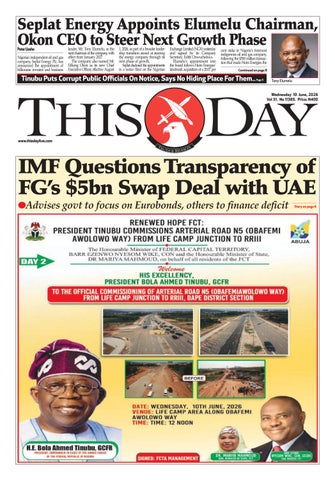
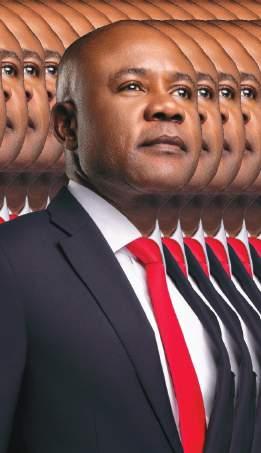
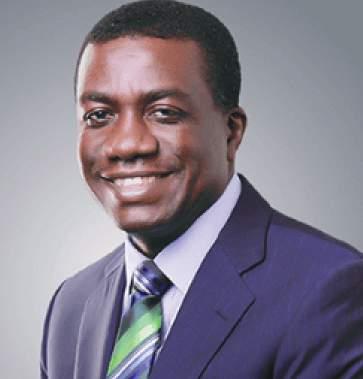
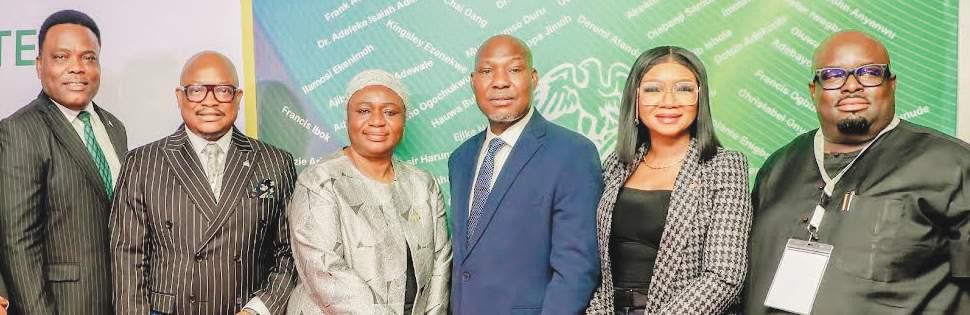
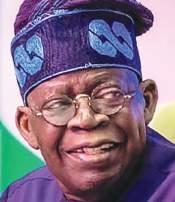
Seplat Energy Appoints Elumelu Chairman, Okon CEO to Steer Next Growth Phase
Peter
Uzoho
Nigerian independent oil and gas company, Seplat Energy Plc, has announced the appointment of billionaire investor and business
leader, Mr. Tony Elumelu, as the next chairman of the company, with effect from January 2027.
The company also named Mr. Effiong Okon as its new Chief Executive Officer, effective August
1, 2026, as part of a broader leadership transition aimed at steering the energy company through its next phase of growth.
Seplat disclosed the appointments in a notice filed on the Nigerian
Exchange Limited (NGX) yesterday and signed by its Company Secretary, Edith Onwuchekwa. Elumelu’s appointment into the board follows Heirs Energies’ landmark acquisition of a 20.07 per
cent stake in Nigeria’s foremost indigenous oil and gas company, following the $500 million transaction that made Heirs Energies the
www.thisdaylive.com
IMF Questions Transparency of FG’s $5bn Swap Deal with UAE
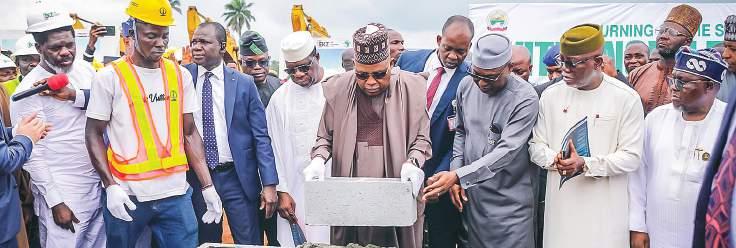
INAUGURATION OF TWO MAIN CARRIAGE WAYS...
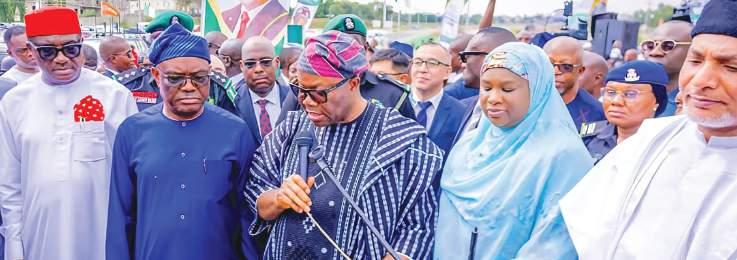
L-R: Chairman, PDP Board of Trustees, Senator Adolphus Wabara; FCT Minister, Nyesom Wike; President of the Senate, Godswill Akpabio; FCT Minister of state, Dr. Mariya Mahmoud; and Chairman, Senate Committee on Agriculture and Food Security, Senator Saliu Mustapha, during the inauguration of the Two Main Carriage Ways of the Outer Southern Expressway by President Bola Tinubu, who was represented by the senate president, yesterday
Tinubu Puts Corrupt Public Officials on Notice, Says
No Hiding Place for Them
Warns that his govt’ll pursue anti-graft war with vigour Pledges prudent financial architecture, stronger support for nation’s anti-corruption institutions
Inaugurates multi-billion naira economic, infrastructure projects in Ekiti Shettima rallies support for Oyebanji’s reelection as gov
Deji Elumoye in Abuja
PPresident Bola Tinubu on Tuesday declared total war on corrupt public officials, saying there is no hiding place for them in his government.
Speaking during the unveiling of the EFCC Zonal Directorate Office Complex in Ado Ekiti, the Ekiti state capital, Tinubu, who was represented by Vice President Kashim Shettima, reaffirmed the federal government’s commitment to strengthening anti-corruption institutions and ensuring accountability across public and private sectors.
He issued a blunt notice to corrupt officials in the country, warning that his administration will pursue the anti-graft war without retreat.
He described the new EFCC facility as a strategic investment in institutional capacity, public trust and national development.
“The message is clear: there are no hiding places for the corrupt. Nigeria will not tolerate graft, and such conduct will be punished under our laws,” he stated.
The president restated his resolve to actively pursue domestic fiscal
reforms and overhaul Nigeria’s financial architecture to ensure the execution of programmes aimed at removing economic distortions, stabilising macroeconomic indicators, and restoring investor confidence.
Tinubu said Nigeria’s long-term prosperity depended on the credibility of its public institutions, warning that development becomes impossible when corruption obstructs the relationship between citizens and the state.
The president said, “Nigeria’s future rests on the strength of the institutions we build and the faith we invest in them.
“No nation can rise above the integrity of its public systems because development is defeated when corruption is allowed to stand between citizens and the promises of the state.”
He stated that the Economic and Financial Cries Commission (EFCC) was established to protect the economy from criminal enterprises and preserve public confidence in governance, adding that government will continue to provide the institutional support required for the commission to
carry out its mandate effectively.
Commending Executive Chairman of EFCC, Mr Ola Olukoyede, and members of the commission, Tinubu praised their persistence and professionalism in advancing Nigeria’s anti-corruption agenda. According to him, the fight against corruption cannot succeed through rhetoric alone but requires strong institutions, modern facilities
and operational support.
He stated, “Our administration considers it important that law enforcement agencies, which are critical to our collective safety, security, prosperity and general well-being, should have the necessary facilities to enhance their efficiency.”
The president expressed confidence that the inauguration of the Ekiti zonal directorate office
complex would strengthen the commission’s effectiveness and encourage officers to intensify efforts against economic and financial crimes.
He described anti-corruption agencies as strategic partners in the administration’s broader economic reform and national security agenda.
Tinubu highlighted recent outcomes achieved by EFCC,
including actions against cyberenabled financial crime, illicit financial flows, and organised criminal networks.
He cited the commission’s dismantling of a foreign-controlled cryptocurrency syndicate in Lagos, along with other enforcement actions, as evidence of growing institutional capacity and improved coordination in tackling financial crime.
TCN: Salvaging Nigeria’s Power Sector Requires Stronger Laws, Political Will
Says transmission capacity far ahead of generation, distribution infrastructure CEO calls for implementation of cost-reflective tariff
Emmanuel Addeh in Abuja
The Managing Director and Chief Executive Officer of the Transmission Company of Nigeria (TCN), Sule Abdulaziz, has stated that addressing Nigeria’s persistent electricity challenges will require stronger legal protections, sustained political commitment and coordinated investments across the power value chain.
Speaking in Lagos at a four-day Parliamentary/Stakeholders’ Engagement Summit organised by the House of Representatives Ad-hoc Committee on Probe of Power Sector Reforms and Expenditure
John Nwabueze: Nigerians Can Challenge Unfair Tax Assessment Without Going to Court
Assures
James Emejo in Abuja
on expedited resolution of revenue disputes, others
Taxombud/Chief Executive, Office of Tax Ombud, Dr. John Nwabueze, yesterday said it was well-positioned as the first point of contact for taxpayers seeking redress over disputes with revenue authorities.
Nwabueze said the office existed as part of efforts to strengthen confidence in the country’s newly reformed tax administration system.
He spoke during a breakfast
meeting with journalists in Abuja.
Nwabueze said complaints had begun to emerge from different states.
He stressed that the institution was established to provide an independent platform for resolving complaints between taxpayers and revenue agencies through mediation and alternative dispute resolution, rather than lengthy litigation.
He stressed that the office was created under the new tax administration framework to promote
transparency, accountability, fairness and greater trust in the nation’s tax system.
Nwabueze said the agency would serve as a bridge between taxpayers and revenue authorities, including Nigeria Revenue Service (NRS), Customs, and other government revenue-generating institutions.
He explained that taxpayers who disagreed with assessments issued by tax authorities could approach the Ombud’s office for mediation
and review.
Nwabueze stated, “When people have issues arising from tax or revenue authorities, they can come to us for resolution. For the most part, mediation is actually the way we look at solving these issues.”
According to him, the office offers citizens and businesses an accessible, timely and cost-effective mechanism for lodging complaints, resolving disputes, and protecting taxpayer rights.
(2007-2024), Abdulaziz argued that the country’s transmission network was no longer the weakest link in the electricity supply chain.
Calling for firmer laws against vandalism of power infrastructure nationwide, as well as the political will to tackle a lot of the longstanding problems, Abdulaziz said the solutions to Nigeria’s electricity challenges were already well known, but required the will to act.
“What is required now is sustained political will, coordinated action and effective implementation of existing plans, laws and partnerships,” he said.
According to him, available data shows that TCN has significantly expanded the capacity of the national grid, enabling it to transmit much more electricity than is currently being generated and supplied to consumers.
He noted that while Nigeria’s installed generation capacity stands at 13,625 megawatts, the highest power ever generated and delivered to the national grid was 5,801.84MW, achieved on March 4, 2025.
On the same day, he said,
the national grid recorded its highest-ever daily energy delivery of 128,370.75 megawatt-hours, while TCN’s wheeling capacity had risen to 8,700MW.
“The implication is clear. The national grid can currently transmit significantly more power than has ever been generated and supplied to it. TCN has consistently wheeled all available generation, demonstrating that the transmission network is ready to support higher levels of electricity delivery,” Abdulaziz said. He explained that the company had expanded the nation’s bulk power transmission capability from about 7,000MW to 8,700MW through strategic investments backed by the federal government and development partners, representing an additional 1,700MW of transmission capacity.
The TCN chief executive highlighted a series of infrastructure upgrades undertaken by the company, including the commissioning of 82 transformers between January 2024 and November 2025, which added about 8,500MVA of transformation capacity to the national grid.
PHOTO: SENATE PRESIDENT’S OFFICE
EKITI KNOWLEDGE ZONE GROUNDBREAKING CEREMONY...
L-R: Senate Leader, Senator Opeyemi Bamidele; The Vice President, Senator Kashim Shettima; Ekiti State Governor, Mr. Biodun Oyebanji; Ondo State Governor, Mr Lucky Aiyedatiwa, and Special Adviser to the President on Political Matters, Hon Ibrahim Masari, during the groundbreaking ceremony for Ekiti Knowledge Zone, in Ado-Ekiti.. yesterday
IMF Questions Transparency of FG’s $5bn Swap Deal with UAE
Advises govt to focus on Eurobonds, others to finance deficit Urges CBN to maintain tight monetary policy FG: Impact of inflation on Nigerians painful ongoing conflict in the Middle East.
Emmanuel Addeh, Olawale Ajimotokan in Abuja and Nume Ekeghe in Lagos
The International Monetary Fund (IMF) yesterday raised concerns over the federal government’s plan to secure up to $5 billion through a Total Return Swap (TRS) arrangement with First Abu Dhabi Bank, warning that such financing structures are often opaque, complex and carry significant financial risks.
Speaking during a virtual briefing on the IMF’s 2026 Article IV Consultation Report on Nigeria, the Fund’s Resident Representative in Nigeria, Christian Ebeke, said although the country had regained access to international capital markets, authorities should exercise caution in pursuing the proposed transaction.
The warning comes weeks after Nigeria’s Senate approved the government’s request to raise as much as $5 billion through the swap arrangement, joining countries such as Senegal and Angola that have recently explored similar financing structures.
According to Ebeke, the IMF’s review of comparable instruments across several countries showed that the terms of such arrangements are often not sufficiently transparent, making it difficult to fully assess the risks involved.
“Our view is that transactions in these types of structures carry risks. Usually, they are opaque, so the terms are not always very transparent when we review these instruments across countries,” Ebeke stated.
Beyond transparency concerns, the IMF official noted that swap arrangements could expose countries to additional financial liabilities through margin calls if the value of underlying assets declines or if the domestic currency depreciates significantly.
“They also carry risk, as we flag in the report, the margin calls in the case that the value of the asset drops or the currency depreciates,” Ebeke added.
The federal government has indicated that proceeds from the proposed transaction would be used to refinance expensive debt obligations and support infrastructure development.
However, the IMF argued that Nigeria currently has alternative funding sources available to it, particularly given the country’s improving macroeconomic fundamentals and renewed access to international capital markets.
Ebeke suggested that the government could instead issue Eurobonds or seek concessional financing from development institutions and other multilateral lenders.
“We think that Nigeria has market access. Nigeria can issue Eurobonds to finance the deficit. We also think that there are other avenues for Nigeria to raise funds, including on concessional terms,” he said.
While noting that the IMF had not yet been provided with detailed information regarding the exact structure of the transaction, Ebeke stressed the need for authorities to carefully monitor any risks associated with the arrangement.
The IMF’s caution formed part of an assessment of Nigeria’s economy, which acknowledged that reforms undertaken since 2023 have significantly strengthened macroeconomic stability
and improved the country’s resilience to external shocks.
On the broader reform agenda, the Fund said measures undertaken by the authorities have significantly improved Nigeria’s ability to withstand external pressures.
Ebeke said the reforms implemented by the administration have left the economy in a stronger position than in previous years. “These reforms are helping Nigeria withstand global economic shocks. The country is now in a stronger position to absorb external pressures than it was previously.
“Despite significant volatility in global markets, the naira in the parallel market is trading at levels that are relatively close to the official market rate. This is a clear indication that progress has been made in restoring macroeconomic stability and that Nigeria’s economy has become more resilient to external shocks,” he added.
In his submission, the IMF Mission Chief for Nigeria, Axel Schimmelpfennig, said recent reforms had helped Nigeria better withstand global economic uncertainties, including the
...FG Committed to Sustaining Reforms, Says Oyedele
Ndubuisi Francis in Abuja
The federal government has welcomed the International Monetary Fund (IMF) 2026 Article IV Mission Concluding Statement on Nigeria, expressing a resolve to sustain the current economic reforms.
While noting the Fund’s overall positive assessment of the country’s reform programme.
The Minister of Finance and Coordinating Minister of the Economy, Mr. Taiwo Oyedele said in a statement that the IMF report provided “further independent validation that the bold and necessary reforms undertaken under the leadership of President Bola Ahmed Tinubu, GCFR, are strengthening macroeconomic stability, restoring confidence, and laying the foundation for sustainable and inclusive growth.”
Citing the multilateral institution’s report on the country, Oyedele said the IMF observed that reforms implemented
over the past three years have yielded improved macroeconomic outcomes and enhanced Nigeria’s resilience to external shocks.”
The Fund, he noted, specifically highlighted improvements in foreign exchange market functioning, stronger external buffers, ongoing fiscal and revenue reforms, banking sector resilience, and growing macroeconomic stability.
“These developments affirm that Nigeria is moving in the right direction and is better positioned to withstand global economic uncertainties than at any time in recent years.
“The Government is particularly encouraged by the IMF’s recognition that the difficult but necessary decisions to end fuel subsidies, eliminate deficit monetisation, liberalise the foreign exchange market, and strengthen fiscal discipline have contributed significantly to reducing vulnerabilities and rebuilding confidence in the economy.
“The report notes that Nigeria now faces global shocks with stronger policy frameworks and buffers than before.
The recent conflict in the Middle East has created new challenges for economies around the world through higher energy prices, rising food costs, tighter financial conditions, and disruptions to global supply chains.
“While these developments present inflationary pressures, the IMF acknowledged that Nigeria has demonstrated notable resilience. Despite significant increases in global energy prices, the foreign exchange parallel market premium has remained below five percent, sovereign spreads have remained broadly stable, and investor confidence has been preserved.
“The IMF further noted that Nigeria is well positioned to benefit from higher energy prices through stronger export earnings, improved fiscal revenues, and increased foreign exchange inflows,” the minister said.
According to him, the federal government remains focused on translating these opportunities into long-term gains by increasing crude oil production, expanding domestic refining capacity, growing gas production and exports, and attracting new investments across the energy value chain.
The government, he explained, acknowledged the IMF’s observation that poverty and food insecurity remain significant challenges
The minister stated that while progress is being made in terms of per capita income growing by nearly 10 per cent in 2025 indicating marked reduction in poverty levels, “we are mindful that macroeconomic stability, while necessary, is not sufficient on its own.”
Economic growth must be inclusive and must translate into tangible improvements in the welfare of Nigerians, he admitted.
According to him, higher crude oil prices resulting from the conflict could boost Nigeria’s export earnings and government revenues, but could simultaneously worsen inflation through higher costs of fuel, food and fertilisers.
Schimmelpfennig stated that the IMF continues to support Nigeria’s flexible exchange rate regime, noting that the naira had appreciated against the US dollar since the beginning of the year.
He added that the Fund expects Nigeria’s economy to grow by 4.1 per cent in 2026 and accelerate further to 4.3 per cent in 2027, although both forecasts were lower than previous projections due to the economic consequences of the Middle East conflict.
The IMF also recommended that monetary policy remain restrictive for longer than previously envisaged to contain inflationary pressures, while urging the government to maintain a broadly neutral fiscal stance in 2026.
Despite recognising improvements in economic management, the Fund stressed that the benefits of recent reforms have yet to sufficiently reach millions of Nigerians, with poverty and food insecurity remaining significant challenges.
It therefore called for an expansion of social safety nets, including cash transfer programmes, while urging continued reforms aimed at improving electricity supply, infrastructure, security, agriculture, education and healthcare.
The IMF further reiterated the need for Nigeria to increase domestic revenue mobilisation, noting that the country still ranks among those with the lowest revenue-to-GDP ratios globally, limiting the government’s fiscal space to finance development priorities.
Global Bank Urges CBN to Keep Tight Monetary Policy
Besides, in the Executive Board’s assessment, following the conclusion of the 2026 Article IV Consultation with Nigeria, the Washington-based institution urged the Central Bank of Nigeria (CBN) to maintain a tight monetary policy stance, preserve recent economic reforms, and acceler-
ate structural changes to protect the economy from renewed inflationary pressures, rising poverty and external shocks.
The IMF highlighted the need for the CBN to sustain its restrictive monetary policy stance until inflation is firmly under control. According to the Executive Board, “Directors commended the authorities’ success in bringing down inflation, while noting renewed external inflationary pressures.”
Consequently, the Board stressed that monetary easing would be premature.
“They agreed that the CBN should maintain a tight monetary policy stance with a data-dependent approach until disinflation is entrenched and inflation expectations are anchored,” it explained.
“Inflation remains high in the midteens, and bringing it down remains critically important. The Governor has spoken previously about achieving single-digit inflation, and we continue to believe that this is an important objective because inflation erodes the purchasing power of Nigerians.
“Monetary policy has the primary responsibility of bringing inflation down. That is why the CBN has maintained a tight monetary policy stance to ensure that, even in the face of external shocks, inflation returns to a downward trajectory,” the IMF official said.
The IMF also welcomed progress towards the adoption of an inflationtargeting framework. “Directors welcomed progress toward adopting inflation targeting and encouraged steps to strengthen monetary transmission and communication,” it stated.
The IMF Executive Board similarly endorsed Nigeria’s commitment to a flexible exchange rate regime.
“Directors welcomed the authorities’ commitment to the flexible exchange rate regime, recognising that foreign exchange interventions can play a complementary role under certain circumstances.”
However, the Board advised the authorities to reduce dependence on foreign portfolio inflows. It added: “Directors called for reducing reliance on portfolio flows with roll-over risk, phasing out remain-
Continued on page
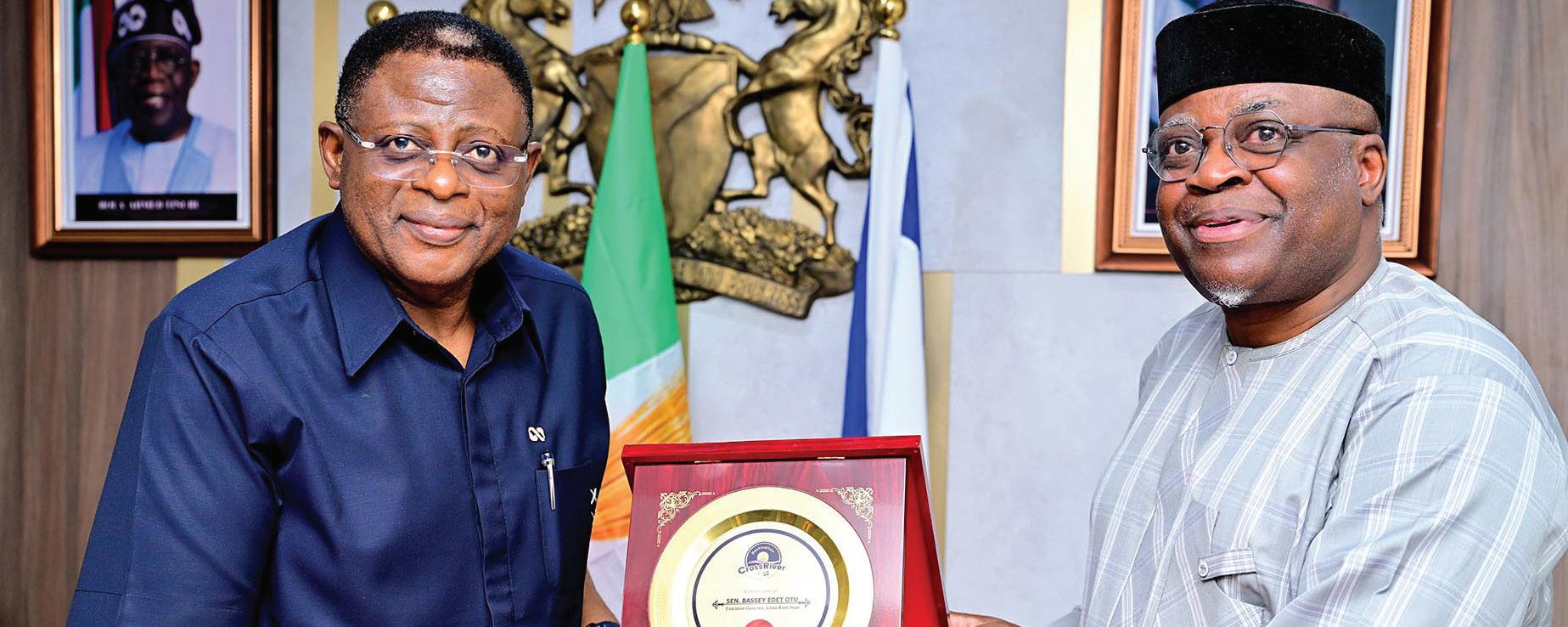
NEPZA MANAGEMENT TEAM VISITS CROSS RIVER GOVERNOR...
Cross River State Governor, His Excellency, Senator Bassey Otu (L) and Managing Director of Nigeria Export Processing Zones Authority, Dr. Olufemi Ogunyemi, during the latter’s courtesy call on the Governor, with his management team in Calabar, on Monday
First Lady: Judiciary Is Central to Sustaining Rule of Law
CJN: Judiciary occupies unique place in democracy, derives its authority from its impartiality, integrity, and fidelity to the law
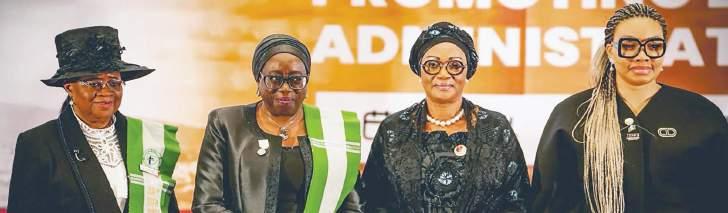
Wife of the President, Senator Oluremi Tinubu, has declared that the judiciary is central to sustaining the rule of law in a democratic society.
The first lady spoke on Tuesday in Abuja at the opening of the International Association of Women Judges African Regional Conference, with the theme, “Promoting Excellence in the Administration of Justice.”
She pointed out that the sector served as the institution where justice and fairness were upheld and the rights of citizens protected.
Mrs. Tinubu emphasised that the presence of women on the bench added value to the judicial system.
According to her, “The presence of women on the Bench adds value to the judicial system by broadening perspectives and deepening understanding in the dispensation of justice.
“Across Africa, women judges have broken through long-standing barriers and by their resilience and excellence, paved the way for future generations of women in the legal
profession.
“I understand the challenges women face while aspiring for leadership positions, this is why I remain committed to initiatives that promote equitable access to opportunities for women and girls and strengthen our democracy.”
Mrs. Tinubu commended Association for Women Judges for their sustained commitment to promoting judicial excellence, gender equity, and access to justice, which she described as an inspiration to the legal community and the larger society.
Chief Justice of Nigeria (CJN), Justice Kudirat Kekere-Ekun, speaking at the occasion, explained that the administration of justice was not an abstract ideal existing in isolation, but served as a foundational cornerstone of societal and institutional stability, transcending the mere operational functions of courts and their procedural workflows.
Kekere-Ekun pointed out that the judiciary not only guaranteed good governance but also shaped the equity and equality of existing
systems.
She stated, “The judiciary occupies a unique position within democratic governance. Unlike the Executive, it commands no army. Unlike the Legislature, it controls no public purse.
“Yet its authority derives from something far more enduring and
that is the confidence of the people in its impartiality, integrity and fidelity to the law. It is, therefore, incumbent upon all judicial officers to ensure that every action, every decision, and every interaction strengthens rather than diminishes that confidence.
“Consequently, fostering excel-
lence within the judicial framework demands efficiency, transparency, accountability, accessibility, and unwavering commitment to ethical standards.”
Kekere-Ekun stressed that while digital transformation offered unprecedented opportunities for
efficiency, it must never eclipse the human dimension of justice. She said, “Behind every case file is a human story; behind every legal dispute are individuals, families, communities, and institutions whose lives may be profoundly affected by judicial decisions.
CBN, NITDA, CCC Strategic Campaigns Shortlisted for Finals of IPRA Golden World Awards
Three strategic communication campaigns executed by Image Merchants Promotion Limited (IMPR) for Central Bank of Nigeria (CBN), National Information Technology Development Agency (NITDA), and Centre for Crisis Communication (CCC) have been shortlisted as finalists for the prestigious 2026 International Public Relations Association (IPRA) Golden World Awards (GWA). The shortlisted entries included “Reclaiming Public Trust in Nigeria’s
Warri Refinery Contractors Kick over Non-payment for 2024 Jobs
Aggrieved contractors to the Warri Refining and Petrochemical Company (WRPC) Limited, Ekpan, Delta State, have cried out over alleged non-payment by the refinery for contracts executed since 2024.
The contractors said they were particularly pained that the management was yet to consider it worthwhile to address its indebtedness for the various contracts, which they stressed were executed according to specifications and duly certified by the authorities.
The aggrieved contractors warned that they had decided to embark on a peaceful protest to draw attention to their plight, saying they are facing untold hardship, a condition they accused the
WRPC management of subjecting them to.
The contractors said they had adopted the peaceful protest as a last resort after several formal appeals to Group Chief Executive Officer of the Nigerian National Petroleum Company Limited (NNPC), Bayo Ojulari, and Refinery Coordinator, Bayo Adenrele, to release funds for the payment of the outstanding debts, the contractors said in a joint statement on Monday.
They stated, “Sadly, the failure of payment is having a negative impact on the contractors who borrowed money to execute the various contracts done.
“Above all, it is having a negative effect on president Bola Ahmed Tinubu’s renewed hope agenda that is working perfectly for the nation.”
Earlier in an S.O.S to Aderenle,
the aggrieved contractors stated that banking institutions were not swayed by sentiments even if WRPC had issued promissory note in respect of the contracts executed for the refinery as they obtained loans to carry out the contracts.
The contractors lamented, “Yet, we went the extra mile to source funds for the proper execution of these contracts.
“Our financiers are no longer comfortable with us and are threatening to sell our properties, which we used as collateral since our post-dated cheques issued have rolled over severally.”
The contractors pleaded with the refinery authorities to pay and save them from the embarrassment of inability to meet family responsibilities, saying they are unable to pay their children’s school fees.
Central Banking,” for CBN, “AI for Crisis Communication: From Study to Strategy,” for NITDA, and CCC.
The entries advanced to the final round of the global competition, where they will be evaluated by an international jury of communication experts.
A statement by PRNigeria said the nominations fell under the Corporate Communication, AI for Crisis Management, and Publication categories.
The IPRA Golden World Awards are widely regarded as one of the most respected honours in global public relations, celebrating campaigns that demonstrate innovation, measurable impact, creativity, and adherence to the highest professional standards.
The CBN entry spotlights a strategic communication programme designed to rebuild public confidence in Nigeria’s
apex bank following sweeping monetary and foreign exchange reforms introduced under Governor Olayemi Cardoso.
According to the submission, the campaign repositioned the CBN as a transparent, reform driven institution through structured Monetary Policy Committee (MPC) briefings, stakeholder engagements, investor relations, media management, and international advocacy.
The initiative, implemented under the Corporate Communication Department after Cardoso appointed Hakama Sidi Ali as the first female spokesperson in the history of the CBN, sought to close communication gaps around difficult monetary policy decisions while strengthening domestic and international confidence in Nigeria’s economic reform agenda.
The documentation cited improvements in investor sentiment, rising foreign reserves, exchange rate stability, inflation moderation, and Nigeria’s successful return to the Eurobond market as outcomes supported by a coherent communication strategy.
The second finalist entry focused on the establishment of the Crisis Communication Hub (CCHub)—a national platform that emerged from a 107-page empirical research project on Artificial Intelligence and crisis communication conducted by IMPR CEO, Yushau A. Shuaib, with support from NITDA. The research examined the risks and opportunities of AI driven communication technologies and recommended a coordinated national framework to combat misinformation, disinformation, and digital threats.
UNIOSUN VC Advocates Africa-led Solutions to Global Devt Challenges
Funmi Ogundare
The Vice-Chancellor of Osun State University, Osogbo, Prof. Odunayo Adebooye, yesterday, criticised the application of uniform global development solutions to diverse local realities, urging stakeholders to champion Africa-led approaches to achieving the Sustainable Development Goals (SDGs).
He made this known at the opening ceremony of the 2026 International Sustainable Develop-
ment Dialogue (ISDD), hosted by the university’s Global Affairs and Sustainable Development Institute (GASDI) in partnership with Rosa-Luxembourg Stiftung, Germany, themed, ‘ The Problem with Solutions: SDGS, and Global South Development Challenges’. Adebooye explained that global development frameworks often suffer from a top-down approach in which solutions designed in developed countries are exported to developing nations without
adequate consideration for local contexts.
The VC, who was represented by the Deputy Vice Chancellor, Academic, Research, Innovation and Partnership (ARIP), Prof. Adetunji Lawrence Kehinde, noted that while the SDGs provide a noble and necessary roadmap for human progress, their implementation frequently overlooks the historical, cultural and institutional realities of communities in the Global South.
Deji Elumoye in Abuja
Ndubuisi Francis in Abuja
Omon-Julius Onabu in Asaba
GSK Boosts Cancer Portfolio, Acquires Nuvalent for $10.6 Billion
Emmanuel Addeh in Abuja
GSK has agreed to buy U.S.-listed cancer drug developer, Nuvalent, for $10.6 billion in its largest deal in more than a decade, marking a major strategic shift under new Chief Executive, Luke Miels, as the British company steps up its focus on oncology.
The all-cash deal values Nuvalent at approximately $124 per share, a 40 per cent premium to its last closing price. Shares in Nuvalent, which develops lung cancer drugs, were up about 38 per cent at $122.10 in U.S. premarket trade. GSK shares slipped over 3 per cent in early
trading in London.
The deal marks a departure from GSK’s usual strategy of smaller “bolt-on” deals as Miels, who took over from Emma Walmsley at the start of the year, looks to convince investors the drugmaker can hit a bold target of £40 billion in annual revenue by 2031, a Reuters report said.
“It’s larger than the bracket because it was unusual,” Miels told reporters on a call, although he said GSK’s sales targets were not dependent on the acquisition.
“It’s a multi-product deal... So it’s essentially three products in one.”
UBS analysts said that investors
could be surprised by the size of the deal, given GSK’s normal preference for acquisitions in the $2 billion to $4 billion range. After an initial jump at the start of 2026, GSK’s shares are up ~2 per cent year-to-date
Miels said the acquisition offered “significant new treatment options” for lung cancer patients and creates a platform to expand its experimental antibody-drug conjugate Ris-Rez, now in late-stage testing.
He has pledged to speed development of new medicines and target assets to strengthen GSK’s late-stage pipeline and manage the 2028 patent expiry of its key HIV medicine dolutegravir. GSK
has struck two smaller deals this year since Miels took over.
In 2025, GSK saw notable growth across its oncology portfolio, with sales income across the disease area swelling by 43 per cent to just under £2 billion compared to 2024. Oncology accounts for about 6 per cent of GSK’s £32.7 billion in total sales.
Barclays analysts said the Nuvalent deal made strategic sense because it adds late-stage cancer assets in an area where GSK already operates, and could help offset the expected HIV patent cliff if approvals come on time.
GSK is also seeking to close
the gap with London-listed rival AstraZeneca in cancer drugs. Oncology accounted for 44 per cent of the Anglo-Swedish group’s total sales last year.
Net of cash acquired, GSK’s aggregate investment is estimated to be $9.4 billion, the British company said, adding that the deal is expected to add to sales and operating profit in 2027 and core earnings per share in 2029.
Miels said GSK had tracked Nuvalent for over a year after it was first identified by its oncology and business development teams, and was internally known as “Nashville”. Nuvalent’s data at a major medical
Senate Moves to Ban Textile Imports, Targets Revival of Local Industry
Urges FG to resuscitate moribund textile factories nationwide Seeks increased BoI funding, expansion of cotton production to create jobs
The Senate yesterday moved to halt the importation of textile materials into Nigeria, urging the federal government to impose a total ban on textile imports as part of a comprehensive strategy to revive the country’s once-thriving textile industry, stimulate local production and create millions of jobs.
The upper chamber also called on the federal government, the Federal Ministry of Industry, Trade and Investment, and the Federal Ministry of Agriculture and Food Security to take urgent steps to resuscitate textile manufacturing companies across the country, describing the sector as a critical driver of employment generation
and economic growth.
In addition, lawmakers advocated increased funding for the Bank of Industry (BoI) to support struggling textile firms and urged government agencies to expand cotton cultivation and production in order to strengthen the industry’s supply chain and boost local content.
The resolutions followed the adoption of a motion titled, “Urgent Need to Revive the Textile Industries in Nigeria,” sponsored by Senator Katung Marshall and co-sponsored by nine other senators during plenary. Leading the debate on the motion, Katung painted a grim picture of the collapse of an industry that once ranked among the nation’s largest employers and contributed significantly to economic development.
He recalled that Nigeria’s first large-scale textile manufacturing mill was established in Kaduna in 1957, laying the foundation for the rapid expansion of textile production across the country.
According to him, government policies in the 1960s and 1970s, particularly restrictions on textile imports, attracted investors and enabled the industry to flourish, leading to the establishment of about 167 textile mills nationwide.
At its peak, he said, the industry employed more than 500,000 Nigerians directly, making it the second-largest employer of labour after the federal government.
Katung noted that Kaduna became widely known as Nigeria’s, “Textile City” due to the concentration of
major textile firms such as Arewa Textiles Plc, Fantext Nigeria Limited, Nortex Nigeria Limited, Supertex Limited and United Nigerian Textiles Limited, all of which generated thousands of jobs and commercial opportunities.
However, he lamented that the sector began a steady decline in the late 1990s owing to obsolete machinery, inadequate working capital, poor electricity supply and other operational challenges.
The lawmaker said the situation deteriorated further over the years, resulting in the closure of major textile companies, including Kaduna Textile Limited (KTL), Arewa Textiles and United Nigerian Textiles Limited (UNTL), with the attendant loss of thousands of jobs.
As Public Accounts Committee gives BOA, NSPMC, REA one week to answer audit queries
The Senate on Tuesday intensified its oversight of key government agencies, directing the South East Development Commission (SEDC) to provide detailed records of expenditures from the N16.6 billion it has received from its 2025 budget allocation, while also giving several federal agencies a one-week ultimatum to respond to outstanding audit queries.
The Senate Committee on South East Development Commission, chaired by Senator Orji Uzor Kalu, asked the commission to submit comprehensive financial records, including contract documents, payment schedules and supporting expenditure details, following a review of its financial report.
During an investigative session with the commission’s management, lawmakers raised questions over certain expenditure items contained in documents presented to the committee and requested additional clarification on the utilisation of funds released to the agency.
Kalu said the committee expected a clearer breakdown of expenditures made from the allocation received by the commission and stressed the need for transparency and accountability in the management of public funds. According to him, information available to the committee indicated that the commission had received N16.6 billion in December last year,
while a substantial balance remained in its account.
“The committee is not satisfied with the level of detail provided in the report before us. We expect a comprehensive account of all expenditures made from the funds released to the commission,” Kalu said.
Other members of the panel, including Senators Enyinnaya Abaribe, Victor Umeh and Austin Akobundu, also sought further explanations on specific expenditure categories and urged the
management of the commission to furnish the committee with all relevant documentation.
Responding, Managing Director of the SEDC, Mr. Mark Okoye, maintained that expenditures undertaken by the commission were in line with its mandate and guided by available resources.
He explained that the commission had adopted a cautious approach to project execution to ensure that contracts awarded were backed
by actual cash releases rather than budgetary provisions alone.
According to him, the commission was determined to avoid the accumulation of unfunded obligations that could hinder project delivery in the future.
“Our approach has been to ensure that available resources are directed towards priority projects. We want allocations to guide the procurement process so that contracts awarded can be backed by available funding,” he said.
According to him, by 2007 alone, more than 7,000 workers had been displaced following the shutdown of some of the industry’s leading operators.
Katung observed that the textile sector, which was once the third-largest in Africa and generated about $2 billion annually, has been reduced to a fraction of its former capacity despite repeated government interventions aimed at reviving the cotton, textile and garment value chain.
SEPLAT
ENERGY
He attributed much of the industry’s current challenges to the dominance of imported textile products in the domestic market, arguing that the removal of restrictions on textile imports in 2010 significantly worsened the situation.
He said, “With the lifting of the ban on textile importation in 2010, Nigeria now has almost 80 per cent of its textiles imported from China, Indonesia, Taiwan and other countries.
APPOINTS
ELUMELU CHAIRMAN, OKON CEO TO STEER NEXT GROWTH PHASE
single largest shareholder in the dual-listed energy company.
Elumelu will succeed Senator Udoma Udo Udoma, who currently chairs the board of Seplat Energy.
The company said the transition signals “a new chapter of leadership” as Seplat continues its growth and transformation journey.
Seplat said Elumelu’s experience in corporate governance, institution building, and value creation would support the company’s ambition of becoming a resilient and globally competitive energy business.
Elumelu is the Founder and Chairman of Heirs Holdings, a panAfrican investment company with interests spanning energy, power, banking, insurance, technology, real estate, hospitality, and healthcare.
He is also known as the founder of Africapitalism, an economic philosophy that advocates longterm private sector investments to drive economic development across Africa.
four years before becoming New Energy Director. Most recently, he served as Managing Director of ANOH Gas Processing Company (AGPC). According to the company, he played a key role in delivering the ANOH gas project, which achieved first gas in January 2026.
Seplat said Okon’s operational expertise and understanding of the business position him to lead the company as it expands its energy portfolio and pursues long-term growth opportunities.
Raheem Akingbolu
The Minister of Justice and Attorney General of the Federation, Prince Lateef Fagbemi, has argued that Nigeria is currently undertaking some of the most far-reaching economic and institutional reforms in its history.
Speaking in Abuja on Monday at the opening dinner of the 20th Annual Business Law Conference, with the theme, ‘Beyond Reforms - Measuring Impact,’ the Minister, who was represented by the Special Assistant to the President on Arbitration, Office of the AGF and Minister of Justice, Hussein Taiye Oloyode, acknowledged that while the pace of
these reforms may appear gradual, they are both strategic and necessary for the country’s long-term prosperity.
He emphasised that the true measure of successful reform lies not merely in policy formulation, but in effective implementation and tangible outcomes.
The Attorney General expressed confidence that Nigeria’s economic future remains promising, provided reforms are translated into meaningful improvements in governance, investment, and the overall wellbeing of citizens.
Also speaking during a Ministerial Dialogue Session at the event, the Honourable Minister of Industry, Trade and Investment, Jumoke
Oduwole, stated that the agenda of the administration of Bola Ahmed Tinubu is fundamentally focused on driving and coordinating impactful reforms across Nigeria’s economic and governance landscape.
She explained that the success of the administration is measured by the extent to which its policies and reforms deliver tangible outcomes capable of improving economic performance, strengthening institutions, and enhancing the welfare of citizens.
Speaking on the administration’s reform agenda, the Minister emphasised that impact remains the central benchmark against which government initiatives are assessed.
Beyond Heirs Holdings, Elumelu currently chairs Transcorp Group, one of Nigeria’s largest listed conglomerates, with investments in power and hospitality through subsidiaries such as Transcorp Power and Transcorp Hotels Plc.
He also serves as Chairman of United Bank for Africa (UBA) Group, one of Africa’s largest financial services institutions.
The company’s incoming Chief Executive Officer, Okon, replaces Roger Brown, who assumed the role on 1 August 2020.
Okon has more than 35 years of industry experience and has held several leadership positions within Seplat since joining the company in 2018.
Okon initially served on Seplat’s board as Operations Director for
In December last year, Heirs Energies acquired a 20 per cent stake in Seplat Energy for $500 million, becoming the single largest shareholder in the company. The transaction was structured with an upfront payment of $248 million, with the balance due within 30 days and secured by an irrevocable letter of credit, plus a contingent consideration of up to $10 million tied to Seplat’s share price performance over six months. The deal was co-financed by two African multilateral institutions: Afreximbank and Africa Finance Corporation (AFC) and came on the heels of a separate $750 million financing facility Heirs Energies closed with Afreximbank to fund its existing operations and expansion plans.
With the acquisition complete, Heirs Energies — a subsidiary of Elumelu’s pan-African Heirs Holdings —replaced Maurel & Prom, which had held the position since Seplat’s founding in 2009.
Other significant shareholders include Petrolin Group at 13.77 per cent, Sustainable Capital
Sunday Aborisade in Abuja
conference last week convinced him that GSK should pursue the deal, he said.
Luke Miels
Sunday Aborisade in Abuja
PREMIERE OF NOLLYWOOD-BOLLYWOOD CROSSOVER MOVIE “ON DIFFERENT GROUNDS” IN LAGOS...
L-R: Miss World Angola 2025, Núria Assis; Chairman, RiverDrill Group, Prince Tonye T.J.T. Princewill; Movie Director, Mildred Okwo; and Miss Nigeria 2024, Doris
during the grand premiere of the Nollywood-Bollywood crossover movie On Different Grounds (ODG) at EbonyLife Place, Lagos, on Sunday night
W’Bank: Climate Change May Push 5.1m More Nigerians into Poverty by 2035
Says GDP could shrink by as much as 6.8% by 2050 without adaptation measures Seeks $94.6bn investment in climate resilience, low-carbon growth by 2030
The World Bank Group has warned that climate change could push an additional 5.1 million Nigerians into poverty by 2035 and reduce the country’s Gross Domestic Product (GDP) by as much as 6.8 per cent by 2050 if urgent adaptation measures are not implemented.
The warning was contained in
the World Bank Group Nigeria Country Climate and Development Report (CCDR), which painted a stark picture of the economic and social risks facing Africa’s largest economy as rising temperatures, floods, droughts, coastal erosion and other climate-related shocks increasingly threaten livelihoods, infrastructure and productivity.
According to the report, climate
change has emerged as a major threat to Nigeria’s ambition of becoming a $1 trillion economy by 2035 and achieving its long-term goal of transitioning to a low-carbon, climate-resilient economy by 2050.
While acknowledging recent economic reforms and improvements in macroeconomic stability, the World Bank stressed that climate-related risks could undermine gains in poverty
reduction, economic growth and shared prosperity unless the country significantly scales up investments in resilience and adaptation.
The report noted that about 138 million Nigerians, representing roughly 60 per cent of the population, were estimated to be living in poverty as of 2024, with nearly half unable to afford a minimum caloric consumption basket even if all their
First Batch of Nigerians Fleeing South Africa’s Xenophobic Attacks to Arrive Lagos Tomorrow
The first batch of Nigerians evacuated from South Africa following renewed xenophobic attacks is expected to arrive in Lagos early tomorrow as the federal government moves to bring home citizens affected by the violence.
Ministry of Foreign Affairs announced on Tuesday that the returnees will depart Johannesburg on Wednesday night aboard an Air Peace aircraft specially designated for the evacuation exercise.
According to the ministry, the flight is scheduled to land at the Murtala Muhammed International Airport in Lagos at 5am, marking the beginning of what could become
a broader repatriation effort should more Nigerians seek to return home.
The government said it had fully funded the evacuation, ensuring that all affected Nigerians are transported back to the country free of charge.
Spokesperson of Ministry of Foreign Affairs, Kimiebi Ebienfa, said necessary arrangements had been concluded to receive the evacuees and provide immediate support upon arrival.
Ebienfa explained that officials from relevant government agencies will undertake documentation and profiling procedures before the returnees would be reunited with their families and provided appropriate assistance.
The arrival of the first batch of
returnees comes amid growing concerns over the safety of Nigerians living in South Africa following reports of fresh xenophobic attacks targeting foreign nationals.
Although South Africa remains home to thousands of Nigerians engaged in business, professional careers, and other economic activities, periodic outbreaks of anti-foreigner violence have continued to threaten the security and livelihoods of migrant communities.
Over the years, attacks blamed on xenophobic sentiments have led to deaths, injuries, and destruction of businesses owned by foreign nationals, including Nigerians.
Similar incidents in 2019 triggered a large-scale evacuation programme
ITH Holdings, OED Foundation Support FACADO Orphanage, Sponsor Education of 14 Children
Sunday Ehigiator
ITH Holdings and the OED Foundation recently extended support to the Fatherless and Motherless Children Aid Organization (FACADO) in Abuja, providing financial assistance for the upkeep of vulnerable children and tuition support for 14 beneficiaries.
The intervention formed part of the organisations’ Corporate Social Responsibility (CSR) initiative aimed at improving the welfare
and educational opportunities of orphaned and underprivileged children.
FACADO, a faith-based orphanage founded in 2006 by Ambassador Ngozi-Anih George, provides shelter, care, education and developmental support for children between the ages of one and 19 years.
Speaking during the outreach, the Group Chief Executive Officer of ITH Holdings and Founder of OED Foundation, Olusegun Enitan Dada, said corporate organisations must
move beyond symbolic gestures and embrace initiatives that create meaningful social impact.
“The true measure of leadership is not in what we build for ourselves, but in what we make possible for others. Through OED Foundation and ITH Holdings, our mission is to create opportunities that empower people to rise beyond limitations. Being here is a part of our broader commitment to building a future where every child has the chance to dream, grow, and succeed,” he said.
by the Nigerian government after widespread violence erupted in parts of South Africa.
The latest evacuation underscores Abuja’s determination to protect its citizens abroad, while responding swiftly to emerging threats to their safety.
Officials said agencies responsible for migration, emergency management, and social welfare had been mobilised to ensure a seamless reception process for the returnees when they touch down in Lagos on Thursday morning.
expenditure was devoted to food.
It stated that under a pessimistic climate scenario characterised by higher temperatures and lower rainfall, poverty levels could worsen substantially, with millions more Nigerians falling below the poverty line.
“The impacts of climate change are projected to hamper progress in poverty reduction, with the pessimistic Dry/Hot scenario pushing an additional 5.1 million Nigerians into poverty by 2035,” the report said.
Besides, the World Bank warned that climate change could worsen inequality, with poorer households likely to suffer disproportionately because they are more dependent on agriculture and outdoor work.
According to the report, expenditures among the poorest 20 per cent of Nigerians could decline by about 3 per cent by 2035 under adverse climate conditions, compared to 1.7 per cent among the wealthiest households.
The report highlighted labour productivity as one of the biggest casualties of climate change, noting that rising temperatures and heat stress could reduce national productivity by up to 3.8 per cent by 2050. Agriculture, which remains
the primary source of livelihood for two-thirds of poor Nigerians and contributes about 25 per cent of GDP, is expected to face the most severe impact.
The World Bank projected that labour productivity losses in agriculture could reach as high as 6.3 per cent by mid-century, while rain-fed crop production could decline by up to 3.9 per cent and irrigated agriculture by as much as 11.2 per cent under some climate scenarios. It further noted that climate change was already contributing to social tensions and insecurity, including herder-farmer conflicts, by intensifying competition over land and water resources.
The report warned that rising temperatures and extreme weather events would also increase the burden of disease, worsen nutrition outcomes and place additional strain on Nigeria’s already overstretched healthcare system.
It estimated that annual damages to bridge infrastructure from inland flooding alone could rise to $172.8 million by 2050, while damages to transport infrastructure generally are expected to increase sharply as flooding and extreme weather events become more frequent.
Cholera Outbreak Overwhelms
Health Facilities in Borno as Nearly 8,000 Fall Sick
A rapidly escalating cholera outbreak in north-eastern Nigeria has placed immense pressure on healthcare facilities in Borno State, with nearly 8,000 suspected cases recorded within five weeks and dozens of deaths reported.
Health authorities said the outbreak, which began in early May, had spread across multiple communities, affecting 14 local government areas and 50 wards.
Official figures indicated that 7,850 suspected cases and 74 deaths had been recorded as of June 7, raising concerns over the state’s ability to contain the disease.
The surge forced humanitarian responders and health officials to
expand emergency treatment facilities, as hundreds of new patients continued to arrive daily with symptoms of acute watery diarrhoea and severe dehydration.
Working alongside Borno State Ministry of Health, Médecins Sans Frontières (MSF) established a Cholera Treatment Centre in the Ngarannam area of Maiduguri shortly after the outbreak emerged.
The facility has since undergone multiple expansions, increasing its capacity from 121 beds to 271 beds in response to the growing influx of patients.
A separate 20-bed treatment unit has also been opened in the Dalaram area of the state capital.
According to MSF, more than 7,400 patients have received treatment at its facilities by June 7, with an average of about 230 admissions recorded daily.
The organisation reported that June 5 marked the peak of the outbreak so far, with more than 500 patients admitted in a single day.
Medical workers on the frontline said many patients arrived in critical condition after travelling long distances to seek treatment.
“The continued increase in cases shows that more needs to be done to prevent transmission and ensure people can access care as early as possible,” said Bienfait Tombola, MSF’s medical coordinator for the emergency response in Maiduguri.
Ogah,
PHOTO: KUNLE OGUNFUYI
Michael Olugbode in Abuja
Michael Olugbode in Abuja
Emmanuel Addeh in Abuja
TO: ALL SHAREHOLDERS
NOTICE OF THE 9TH ANNUAL GENERAL MEETING OF INFRASTRUCTURE CREDIT GUARANTEE COMPANY PLC
NOTICE IS HEREBY GIVEN that the 9th Annual General Meeting (“AGM”) of Infrastructure Credit Guarantee Company Plc (the “Company”) is scheduled to be held on Friday, 3rd July 2026, at the Lagos Continental Hotel, Plot 52A, Kofo Abayomi Street, Victoria Island, Lagos, at 10:00am (WAT), to transact the following business:
ORDINARY BUSINESS
1. To lay before Members the Audited Financial Statements of the Company for the year ended 31st December 2025, together with the Reports of the Directors, Auditors and the Statutory Audit Committee thereon
2. To declare a Dividend
3. To re-elect the following Directors who are retiring by rotation:
a. Ms. Vivien Shobo
b. Ms. Hamda Ambah
c. Mr. Kolawole Owodunni
4. To appoint the following Directors:
a. Mr. Boo Hock Khoo, as an Independent Non-Executive Director
b. Mr. Michael Nzewi, as a Non-Executive Director
5. To authorize the Directors to fix the remuneration of the Auditors
6. To disclose the remuneration of the Managers of the Company
7. To elect shareholders’ representatives to the Statutory Audit Committee
SPECIAL BUSINESS
8. To consider and, if thought fit, approve the following resolutions as special resolutions of the Company:
8.1. That the amendment of Article 12.1 of the Company’s Articles of Association, which provides for the composition of the Board, be and is hereby approved to read as follows:
“Unless and until otherwise determined by the Company at a General Meeting, the Board shall comprise not more than twelve (12) Directors”
8.1.1. That the appointment of Ms. Abimbola Sulaiman as a Non-Executive Director be and is approved, subject to the shareholders’ approval of resolution 8.1 above and subject to the approval of the Securities and Exchange Commission.
8.2. That the conversion of the 8,022,905,000 (Eight Billion, Twenty-Two Million, Nine Hundred and Five Thousand) irredeemable preference shares held by the Nigeria Sovereign Investment Authority, to redeemable preference shares of ₦1 each, on such terms and conditions as may be determined by the Board, be and is hereby approved.
8.3. That, further to the redemption of the redeemable preference shares held (or previously held) by:
a. Africa Finance Corporation
b. InfraCo Africa Investment Limited
c. Nigeria Sovereign Investment Authority
d. Leadway Assurance Company Limited
The reduction of the Company’s share capital from ₦61,421,392,875 (Sixty-One Billion, Four Hundred and Twenty-One Million, Three Hundred and Ninety-Two Thousand, Eight Hundred and Seventy-Five Naira) divided into 35,000,000,000 (Thirty-Five Billion) preference shares of ₦1 each and 26,421,392,875 (TwentySix Billion, Four Hundred and Twenty-One Million, Three Hundred and NinetyTwo Thousand, Eight Hundred and Seventy-Five) ordinary shares of ₦1 each, to ₦36,832,130,194 (Thirty-Six Billion, Eight Hundred and Thirty-Two Million, One Hundred and Thirty Thousand, One Hundred and Ninety-Four Naira) by the cancellation of 24,589,262,681 (Twenty-Four Billion, Five Hundred and Eighty-
Nine Million, Two Hundred and Sixty-Two Thousand, Six Hundred and Eighty-One) preference shares of ₦1 each, be and is hereby approved.
8.4. That, subject to the effective reduction of the Company’s share capital as contemplated under resolution 8.3, the share capital of the Company be and is hereby increased from ₦36,832,130,194 (Thirty-Six Billion, Eight Hundred and Thirty-Two Million, One Hundred and Thirty Thousand, One Hundred and NinetyFour Naira) divided into 10,410,737,319 (Ten Billion, Four Hundred and Ten Million, Seven Hundred and Thirty-Seven Thousand, Three Hundred and Nineteen) preference shares of ₦1 each and 26,421,392,875 (Twenty-Six Billion, Four Hundred and Twenty-One Million, Three Hundred and Ninety-Two Thousand, Eight Hundred and Seventy-Five) ordinary shares of ₦1 each, to ₦50,449,955,454 (Fifty Billion, Four Hundred and Forty-Nine Million, Nine Hundred and Fifty-Five Thousand, Four Hundred and Fifty-Four Naira) by the creation of 13,617,825,260 (Thirteen Billion, Six Hundred and Seventeen Million, Eight Hundred and Twenty-Five Thousand, Two Hundred and Sixty) new ordinary shares of ₦1 each, ranking pari-passu with the existing ordinary shares of the Company.
8.5 That pursuant to resolution 8.4 above, the amendments of Clause 6 of the Memorandum of Association and Article 3.1 of the Articles of Association of the Company, be and are hereby approved to read as follows:
“The Share Capital of the Company is ₦50,449,955,454 (Fifty Billion, Four Hundred and Forty-Nine Million, Nine Hundred and Fifty-Five Thousand, Four Hundred and Fifty-Four Naira) divided into 10,410,737,319 (Ten Billion, Four Hundred and Ten Million, Seven Hundred and Thirty-Seven Thousand, Three Hundred and Nineteen) preference shares of ₦1 each and 40,039,218,135 (Forty Billion, Thirty-Nine Million, Two Hundred and Eighteen Thousand, One Hundred and Thirty-Five) ordinary shares of ₦1 each”.
8.6 That the Directors be and are hereby authorized to raise equity in an amount up to ₦35,800,987,344.27 (Thirty-Five Billion, Eight Hundred Million, Nine Hundred and Eighty-Seven Thousand, Three Hundred and Forty-Four Naira, Twenty-Seven Kobo) via a Rights Issue at the price of ₦2.71 per share, at the allocation ratio of one (1) new share for every two (2) existing shares as of 31st December 2025, in such tranche or tranches and on any other terms and conditions as may be determined by the Board.
8.7 That the dividend declared by the Company for the financial year ended 31st December 2024 in respect of 407,128,823 (Four Hundred and Seven Million, One Hundred and Twenty-Eight Thousand, Eight Hundred and Twenty-Three) ordinary shares at ₦2.07 each be and is hereby applied towards the allotment of additional ordinary shares to those shareholders whose names appear below who elected to receive their dividend entitlement in the form of a scrip dividend:
a. Nigeria Sovereign Investment Authority - 283,390,844 ordinary shares
b. Leadway Assurance Company Limited - 50,125,565 ordinary shares
c. AIICO Insurance PLC - 73,612,414 ordinary shares
8.8 That, further to the enactment of the Investment and Securities Act (ISA) 2025 and the Securities and Exchange Commission (SEC) Rules on Credit Enhancement Facility Providers 2025, the:
8.8.1 Registration of the Company with the SEC as a Capital Market Operator, be and is hereby approved.
8.8.2 Amendment of Clause 3(D) of the Memorandum of Association of the Company be and is hereby approved to read as follows:
“To provide Technical and/or Advisory Services to Issuers of securities in connection with the provision of a Credit Enhancement Facility”
8.9 That, for the purpose of giving full effect to the resolutions above, the Directors be and are hereby authorized to do all such things as may be necessary, expedient or desirable, including but not limited to making applications to the Federal High Court, appointing professional advisers, entering into and executing any agreements or documents, making or approving share allotments, cancelling unallotted shares, further increasing the Company’s share capital, registering additional shares, securing all regulatory approvals, complying with applicable laws and regulations, and taking all such further steps as may be required to implement the resolutions, including any modifications thereto.
NOTES
1. ATTENDANCE AND VOTING BY PROXY
1.1 A Member of the Company entitled to attend and vote at the AGM is entitled to appoint a proxy to attend and vote in their stead. Such an appointed proxy need not be a Member of the Company.
1.2 For the instrument of proxy to be valid, it must be completed, duly signed and deposited at the office of the Registrars, CardinalStone Registrars Limited, 335/337 Herbert Macaulay Street, Sabo, Yaba, Lagos or by email to registrars@cardinalstone.com not less than 48 hours before the time fixed for the meeting. The instrument of proxy shall be signed at the instance of the Company.
1.3 A blank Proxy Form is enclosed in the Annual Report and can be downloaded from the Investor Relations’ portal on the Company’s website www.infracredit.ng
2. PAYMENT OF DIVIDEND
2.1 The Board of Directors has recommended for Members’ approval a declaration of total cash dividends for the financial year 2025 amounting to ₦8,279,328,948.89 (Eight Billion, Two Hundred and Seventy-Nine Million, Three Hundred and Twenty-Eight Thousand, Nine Hundred and Forty-Eight Naira, Eighty-Nine Kobo) comprising ordinary dividends of 22 kobo per share amounting to ₦5,812,706,432.50 (Five Billion, Eight Hundred and Twelve Million, Seven Hundred and Six Thousand, Four Hundred and Thirty-Two Naira, Fifty Kobo) and preference dividends of $1,713,015.57 (One Million, Seven Hundred and Thirteen Thousand, Fifteen United States Dollars, FiftySeven Cents).
2.2 If the dividends being recommended by the Directors above are approved by Members at the AGM, the dividends will be paid by Friday, 3rd July 2026, to duly mandated accounts of Members so entitled, whose names appear in the Register of Members as at close of business on Friday, 27th February 2026.
3. CLOSURE OF REGISTER OF MEMBERS AND TRANSFER BOOKS
The Register of Members and Transfer Books of the Company were closed from Monday, 2nd March 2026, to Friday, 6th March 2026 (both days inclusive), to enable the Registrars to update the Register of Members.
4. NOMINATIONS TO THE AUDIT COMMITTEE
4.1 Pursuant to Section 404 (6) of the Companies and Allied Matters Act 2020, any Member may nominate another Member for appointment to the Statutory Audit Committee by giving notice in writing of such nomination to the Company Secretary at least twenty-one (21) days before the AGM.
4.2 The Code of Corporate Governance for Public Companies issued by the Securities and Exchange Commission (SEC) and the Companies and Allied Matters Act 2020 require all members of the Audit Committee to be financially literate and able to read financial statements. At least one member must be a member of a professional accounting body in Nigeria established by an Act of the National Assembly. In view of this, all nominations to the Audit Committee should be supported by the curriculum vitae of the nominees.
5. E-DIVIDEND MANDATE
Members who need to update their records and relevant bank accounts are urged to complete the e-Dividend Mandate Activation Form, which can be detached from the Annual Report and can be downloaded from the Investor Relations’ portal on the Company’s website www.infracredit.ng. The duly completed form should be returned to the office of the Registrars, CardinalStone Registrars Limited, at 335/337 Herbert Macaulay Street, Sabo, Yaba, Lagos, or by email to registrars@cardinalstone.com
6. RE-ELECTION OF DIRECTORS
Pursuant to Section 285 (1) of the Companies and Allied Matters Act 2020, the Directors to retire by rotation are Ms. Vivien Shobo, Ms. Hamda Ambah, and Mr.
Kolawole Owodunni. They have indicated their willingness to stay in office and offer themselves for re-election. Their profiles are contained in the Annual Report and are also available on the Company’s website www.infracredit.ng.
7. APPOINTMENT OF DIRECTORS
7.1 Pursuant to Section 274(1) of the Companies and Allied Matters Act 2020, in August 2025, the Board appointed Mr. Boo Hock Khoo as an Independent Non-Executive Director to fill a casual vacancy on the Board. His profile is contained in the Annual Report and is also available on the Company’s website www.infracredit.ng
7.2 To ensure appropriate representation of the Company’s expanded shareholder base following its ₦27 billion equity capital raise via a Private Placement in 2025, the Board, in June 2026, recommended the appointment of:
a. Mr. Michael Nzewi as a Non-Executive Director, subject to the resignation of Mr. Michael Chilton following the conclusion of the 9th AGM, and subject to the subsequent approval of the SEC. His profile can be accessed via the Investor Relations’ portal on the Company’s website www.infracredit.ng
b. Ms. Abimbola Sulaiman as a Non-Executive Director, subject to shareholders’ approval of the Board’s recommendation for the amendment of Article 12.1 of the Company’s Articles of Association to increase the Board size from eleven (11) to twelve (12), and subject to the approval of the SEC. Her profile can be accessed via the Investor Relations’ portal on the Company’s website www.infracredit.ng
8. RIGHT TO ASK QUESTIONS
It is the right of Members to ask questions, not only at the AGM but also in writing prior to the meeting. Such questions should be sent by email to the Company Secretary via conwubere@infracredit.ng not later than one (1) week before the AGM.
9. ELECTRONIC ANNUAL REPORT
The electronic version of the Annual Report is available online for viewing and can be downloaded from the Investor Relations’ portal on the Company’s website www.infracredit.ng. Members whose email addresses are provided to the Registrars will receive the electronic version of the Annual Report via email. Furthermore, Members interested in receiving the electronic version of the Annual Report should send their request to the Registrars via email to registrars@cardinalstone.com
10. LIVE STREAMING OF THE AGM
The AGM will be streamed live. This will enable Members and other Stakeholders who will not attend the meeting physically to follow the proceedings.
Please log on to the Company’s website www.infracredit.ng for the live streaming.
11. EXPLANATORY MEMORANDUM
An Explanatory Memorandum outlining the rationale for certain special business resolutions is available for viewing and can be downloaded from the Investor Relations’ portal on the Company’s website www.infracredit.ng
Dated this 10th day of June 2026
By Order of the Board
Company Secretary
Chidinma Onwubere
FRC/2015/PRO/NBA/002/00000011359
1, Adeyemo Alakija Street Victoria Island, Lagos
HIS EXCELLENCY
PETER NDUBUISI MBAH
GOVERNOR, ENUGU STATE
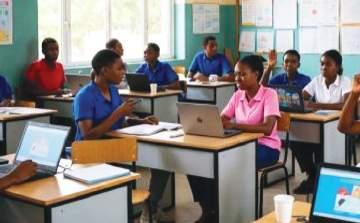
267 NEW SMART SCHOOLS FOR OUR CHILDREN IN ENUGU STATE
We aren’t just building classrooms; we are building global competitors. With digital whiteboards and internet access in ever y ward, our children are learning at the speed of the future.
Politics
Email: deji.elumoye@thisdaylive.com
08033025611 sms only
Military Spending: A Defining Test for the N’Assembly
Military spending was under scrutiny last week at the nation’s apex legislative institution when some senators demanded a thorough probe of allocated funds and its utilisation following the deepening security challenges in the country. sunday Aborisade reports.
The abduction of scores of schoolchildren and teachers in Oriire Local Government Area of Oyo State has once again exposed the widening gap between Nigeria’s huge security expenditure and the worsening insecurity confronting citizens.
But beyond the Senate’s emotional appeal for the rescue of the victims lies a more consequential political debate: whether the National Assembly should subject military spending and security allocations to deeper scrutiny amid growing public concerns about accountability, effectiveness and results.
The controversy erupted during Senate deliberations on the latest school abduction in Oyo State, where lawmakers demanded the immediate rescue of the victims and called for stronger protection of schools.
Yet the debate quickly transcended the immediate tragedy and evolved into a broader interrogation of Nigeria’s security architecture, particularly the management of billions of naira appropriated annually for defence and internal security.
At the heart of the controversy are calls by some senators for a comprehensive audit of security spending, a position that has generated tension between advocates of stronger legislative oversight and those who fear that a public probe could undermine military operations at a critical period in the country’s fight against terrorism, banditry and kidnapping.
The Oyo incident is only one among several security emergencies confronting Nigeria. Across the North-West, bandit groups continue to attack communities and schools. In the North-Central region, kidnappings and attacks on rural settlements have become frequent occurrences. In the South-East, separatist-related violence remains a concern, while parts of the South-South continue to grapple with criminality linked to economic sabotage and illegal oil activities.
The Senate’s consideration of the Oyo school abduction coincided with deliberations on escalating violence in Kwara North, where lawmakers lamented recurring kidnappings, killings and attacks on traditional institutions.
Reports of women and children still being held captive months after the Woro massacre, as well as the burning of the palace of the Emir of Yashikira and the abduction of members of the royal family, reinforced concerns that insecurity is no longer confined to traditional flashpoints.
For many Nigerians, the persistence of
such attacks raises an uncomfortable question: Why does insecurity continue to worsen despite years of increased security budgets, military procurements, recruitment exercises and emergency interventions?
It was against this backdrop that Senator Adams Oshiomhole ignited a debate that may shape future legislative engagement with the security sector.
The former Edo State governor argued that the National Assembly could no longer limit itself to passing resolutions and expressing condolences whenever attacks occur. Instead, he insisted that lawmakers must examine how security funds have been spent and whether they have produced measurable results.
His intervention drew attention to a previous school abduction incident in which military personnel were reportedly withdrawn from a vulnerable area shortly before bandits attacked and kidnapped nearly 200 pupils.
According to Oshiomhole, the Senate had earlier requested explanations from military authorities regarding the withdrawal of troops and demanded the identification of the officer responsible for the decision. However, he noted that the legislature had yet to receive satisfactory answers.
His argument reflects growing frustration among lawmakers who believe that oversight of the security sector has not matched the scale of appropriations approved over the years.
For Oshiomhole and others who share his position, accountability is
not an attack on the military. Rather, it is a constitutional obligation designed to ensure that public resources allocated for security translate into tangible improvements in the safety of citizens.
Perhaps the most direct challenge came from Senator Mohammed Sani Musa, who questioned the management of security funds despite acknowledging the efforts of successive governments and security agencies.
Musa’s remarks touched a sensitive nerve in Nigeria’s security discourse. While recognising improvements in procurement, recruitment and operational coordination, he questioned why complaints about inadequate welfare and allowances for frontline personnel continue to surface despite substantial budgetary allocations.
His question was simple but politically explosive: if resources have been appropriated consistently, where is the money going?
The concern resonates beyond the Senate chamber. Civil society organisations, security analysts and members of the public have repeatedly questioned the disconnect between rising defence budgets and persistent operational challenges reported by security personnel.
In recent years, Nigeria has allocated trillions of naira to defence and security.
Additional supplementary budgets have often been approved to address urgent security threats. Yet reports of poorly equipped personnel, intelligence gaps, delayed responses and recurring attacks continue to emerge.
For advocates of a probe, the issue is not merely the size of the allocations but the effectiveness of expenditure.
Supporters of a legislative review argue that accountability and operational effectiveness are not mutually exclusive.
Nigeria’s Constitution empowers the National Assembly to appropriate funds and
After years of unprecedented security spending, n igerians want to know not just how much has been spent, but whether those expenditures are making the country safer. That question is likely to remain at the centre of political discourse until the gap between security investment and security outcomes begins to narrow.
conduct oversight of public institutions. In theory, this oversight extends to the armed forces and other security agencies.
Those advocating stronger scrutiny insist that security agencies should not be exempted from accountability simply because they operate in a sensitive environment.
They point to democracies around the world where legislative committees routinely review defence spending, procurement processes and military operations through confidential briefings and classified hearings.
Their argument is that transparency, when properly managed, can improve efficiency, reduce waste and strengthen public confidence in security institutions.
Furthermore, proponents contend that continued insecurity despite massive spending makes legislative scrutiny not only legitimate but necessary.
For them, the real danger lies not in asking questions but in failing to ask them.
The Senate President’s office moved quickly to distance itself from suggestions of a public legislative investigation into military operations.
In a statement issued after reports emerged about calls for a probe, the office acknowledged the legislature’s oversight responsibilities but argued that the timing of a public inquiry was inappropriate.
The statement emphasised that Nigerian troops are currently engaged on multiple fronts against terrorists, bandits and other armed groups. Subjecting the military to a public investigation, it argued, could affect morale, distract commanders and potentially expose sensitive operational information.
This position reflects a long-standing tension between transparency and national security.
Supporters of the Senate President’s position argue that military institutions require a degree of operational confidentiality to succeed. They caution that public hearings could inadvertently reveal strategic vulnerabilities or create political distractions at a time when troops need support and encouragement.
Their preferred approach is oversight through closed-door engagements, classified briefings and confidential reviews rather than highly publicised investigations.
Deputy Senate President, Jibrin Barau attempted to bridge the divide during plenary.
Akpabio
Barau
Gen. oluyede
MEMO TO PRESIDENT BOLA TINUBU
OLUSEGUN
OLORUNTOBA pleads for reparation and restoration of dignity of victimised officers
RESHAPING GOVERNANCE IN DELTA
Delta State government is making giant strides in critical road infrastructure, writes JACKSON EKWUGUM See page 21
page 21
RISING
It is both: coincidence in production, choreography in historical effect, argues PAT ONUKWULI
SURVIVING BIAFRA: COINCIDENCE OR CHOREOGRAPHY?
Nearly 60 years after the first shots of the Nigerian Civil War tore through the fragile fabric of a young republic, Biafra has returned to public conversation, not as an apology, a restitution, or a national reckoning, but as a memoir and a documentary.
General Yakubu Gowon released My Life of Duty and Allegiance, his account of a war he led from the summit of state power in Abuja on May 19, 2026. Almost simultaneously, the BBC released Surviving Biafra, directed by Meji Alabi, on BBC iPlayer and YouTube on June 1, 2026. Coincidence may explain the timing. It cannot erase the symbolism. The question is stark: is Biafra being remembered, or managed? This question is not paranoia. It is prudence.
Meji Alabi is an accomplished filmmaker, having worked on major visual projects such as Beyoncé’s Black Is King. His competence is not in doubt. But competence is not neutrality. A gifted director may still be shaped by vantage, inheritance, and proximity. His familial connection to the Nigerian military, his grandfather, a former Nigerian Army commando, gives the film intimacy; it also burdens it with suspicion. Intimacy may illumine, but it may also prejudice.
Even the title is uneasy. Surviving Biafra belongs, first, to those who endured starvation, bombardment, displacement, bereavement, and postwar humiliation. For them, survival was not metaphor. It was bone, hunger, terror, and memory. When such a phrase is handled from a vantage associated with the side that prosecuted the war, it risks sounding less like empathy than appropriation. The film therefore carries contrasting meanings: witness and revision; remembrance and erasure; balance and flattening; survival and evasion.
The BBC’s role compounds the unease. It is respected, but respectability is not innocence. It is professional, but professionalism is not neutrality. Britain was no bystander in the war. It backed the federal government, defended Nigeria’s unity, and had strategic interests in the outcome. The BBC cannot now approach Biafra as if it floated above that imperial architecture.
Frederick Forsyth remains the uncomfortable witness; this does not make him a saint of neutrality. He
came as a BBC correspondent, broke with the corporation, and later accused it of failing to tell the full truth about Biafran suffering and Britain’s role. His own position was pro-Biafran, but his rupture matters because it came from inside the British media establishment. Therefore, before the BBC frames the wound, it must confront its proximity to the blade.
Again, this is where the language of “balance” becomes morally thin. Yes, both sides suffered casualties. Federal soldiers died. Biafran soldiers died. Families everywhere mourned. But “both sides suffered” is not analysis when it avoids responsibility. There is a difference between casualties and catastrophe; between battlefield losses and mass civilian starvation; between soldiers dying in combat and children dying under blockade; between grief and policy; between pain and power.
False balance counts bodies but ignores causes. It weighs tears but forgets weapons. It says everyone suffered while avoiding the essential questions: who controlled the ports, who enforced the blockade, who commanded the state, who received foreign support, and who shaped the global narrative?
To some, the film feels less like remembrance than reductionism: not dangerous because it exists, but because it may turn Igbo suffering into archival spectacle while sidestepping the forces that produced it: pogroms, failed federalism, broken negotiations, oil politics, propaganda, and state power.
The Biafran War was not simply “a tragic conflict”; it was born from Nigeria’s fractured politics, with the collapsed Aburi Accord standing as one of its great missed bridges. In today’s season of military memoirs, from
Babangida’s challenge to the “Igbo coup” label to Gowon’s wartime account, the BBC documentary enters not neutral ground. However, a national wound is still struggling to heal.
If the BBC seeks moral seriousness, it must go beyond documentary sympathy. It should investigate Britain’s role: arms, diplomacy, oil interests, humanitarian obstruction, media framing, and the blockade. It should open its archives. It should allow Igbo historians, survivors, jurists, and victims' families to shape the story's moral grammar.
Gowon, too, should go beyond memoir. He should offer a clear apology to civilian victims, support a Truth, Memory, and Restitution Commission, and call for the declassification of Nigerian and British records. History cannot rest on the recollections of generals alone. The issue is not whether Biafra should be remembered. It must be remembered. The issue is whether it will be remembered truthfully or conveniently; as confession or choreography; as justice or content.
If Surviving Biafra preserves testimony, it has value. But if it turns atrocity into atmosphere, dispossession into texture, and starvation into “complexity,” it becomes part of the machinery of minimisation. Biafra is not merely a war to be narrated. It is a debt to be acknowledged.
A people who survived Biafra do not need Britain to package their pain, Gowon to footnote their dead, or Nigeria to balance their graves against federal discomfort. They need truth, apology, restitution, and a country courageous enough to admit that what it called victory may have been its deepest moral defeat.
So, is Surviving Biafra coincidence or choreography? Perhaps it is both: coincidence in production, choreography in historical effect. It arrives at the precise moment when old generals are polishing their medals and arranging their memories before the court of posterity. It arrives when Britain still has unanswered questions. It arrives when Nigeria is suffocating under the same overcentralised structure that the war helped entrench. Dr. Onukwuli is a legal scholar and public affairs analyst patonukwuli2003@yahoo.co.uk
Delta State government
is making giant strides in critical road infrastructure, writes JACKSON EKWUGUM
RESHAPING GOVERNANCE IN DELTA
Just a little over three years ago, travelling from Asaba, the capital of Delta State, to Warri via Ughelli on the Asaba-Ughelli Expressway, was a journey that lasted a minimum of three hours, sometimes stretching to four or more hours depending on the mood of the persistent traffic gridlock at Otovwodo Junction, Ughelli. The 148-kilometre strategic highway, carved into three sectors, was conceived and started by Governor Emmanuel Uduaghan in 2007. It was continued by Uduaghan’s successor, Ifeanyi Okowa. However, as at May 29, 2023, when Sheriff Oborevwori assumed office as Governor of Delta State, the road was only about 33% completed, leading to murmurings, complaints, frustration, and hardship among commuters and residents in the state.
In his typical no-nonsense approach to life and governance, Governor Oborevwori got all the contractors back on track and a little over two years into his administration, the road was completed to the astonishment of Deltans and the dismay of his detractors. Today, travelling from Asaba to Ughelli, previously a journey of more than two hours, takes only 90 minutes or less, while travel time to Warri is expected to be significantly shortened once the Otovwodo Junction Flyover is completed.
The story is the same across the three senatorial districts of the state. It has been three amazing years of record-breaking achievements, giant strides in public sector efficiency, and transformational leadership. Gifted with boldness and bulldog tenacity, Oborevwori is an exemplar when it comes to project execution and delivery. In the not-too-distant future, the flagship Trans Warri-Ode Itsekiri Bridges (comprising 15 bridges) and Access Roads, which was previously thought jinxed, will be commissioned. This critical road infrastructure that leads to ten riverine communities was awarded in 2006 by the administration of Governor James Ibori. The Uduaghan administration got it off the drawing board while the Okowa administration approved a re-appraisal of the scope of work after offsetting some inherited contractual liabilities. Driven by his passion to change the development narrative in the riverine areas of the state, Governor Oborevwori took the bold step of clearing all outstanding contractor liabilities and pumped in the resources needed to complete the Trans Warri-Ode Itsekiri Bridges and Access Roads. Today, this mega project stands tall as a testament to Oborevwori’s audacity and strong leadership.
Some cynics speak contemptuously of the governor’s giant infrastructural strides, vainly attempting to diminish it by claiming that governance is beyond building flyover bridges. That certainly is true, and Oborevwori’s phenomenal achievements in the social services sector and human capital development are
ample evidences that his administration is more than brick and mortal. His administration has expanded the coverage and reach of the Delta Community Action for Resilience and Economic Stimulus (D-CARES) programme. This is a World Bank–supported social protection and economic recovery initiative being implemented by the state government as part of the Nigeria Community Action for Resilience and Economic Stimulus Programme (NG-CARES).
Under the Oborevwori administration, direct beneficiaries increased from 31,130 that he met on ground to 307,491. This represents an addition of 276,361 beneficiaries and an increase of 887.8% over the initial figure, reflecting a remarkable expansion in programme coverage. The D-CARES programme is executed through the disbursement of cash transfers to poor and vulnerable individuals, the engagement of unemployed youths in labour-intensive public work, disbursement of livelihood grants for household enterprises, supply of agricultural input and asset support to farmers, and the provision of operational support grants to micro and small business owners. In the health sector, Delta State has maintained its leadership position in health insurance with over three million subscribers. Meanwhile, scores of primary and tertiary health institutions have been upgraded and equipped with state-of-theart health infrastructure.
Having said that, it is obvious that these cynics and mischief makers conveniently gloss over the fact that the many legacy infrastructure projects of this administration are needs-based, not driven by personal ego or the desire to trend by the governor. There is nobody in his right mind who would argue that the three flyover bridges and slip ways in the Warri-Effurun axis are an economic and social necessity. For decades, residents and commuters have suffered untold hardship because of the agonising traffic gridlock on the East-West Road. Today, even before the projects have been completed, we have seen a vast improvement in vehicular movement and a boost in socio-economic activities.
Ekwugum is Manager, Communications, Government House, Asaba
OLUSEGUN OLORUNTOBA
pleads for reparation and restoration of dignity of victimised officers
MEMO TO PRESIDENT BOLA TINUBU
We find great delight that you and several other democracy fighters in the mould of June 12, 1993, struggles are still alive, hale and hearty today. We hold you in high esteem as a dogged democrat and generous giver. Your unwavered conviction for the dignity of those who side with truth is well-documented. It is against this backdrop that we extend our warm regards and hope this letter finds you in good health.
Another June 12 celebration is around the corner. Almost every box of that epic moment in the annals of Nigeria's history has been ticked. We firmly believe that you will tick the remaining boxes on June 12, 2026. It has been 30 awful and agonising years for us. In our last open letter to you, dated June 10, 2025, we made humble appeals. As in that letter, we are making the same urgent request again. We can't stop believing you will make it happen.
We, the victims of the alleged coups of 1995 and 1997, write to you with a mix of trepidation and hope. For over 30 years, we have waited for justice, our hopes raised and dashed with each change of administration. With you is our renewed hope.
We are convinced that your presidency marks a new chapter in our quest for justice.
In 1993, Nigeria was on the cusp of democracy, but the military dictatorship crushed our hopes. Many of us were accused of coup plotting, tortured, and detained without trial.
The Oputa Panel, established by President Olusegun Obasanjo in 1999, investigated human rights violations during the military rule and recommended compensation for victims like us. However, successive governments have ignored these recommendations, leaving us in a state of limbo.
While demanding justice, we are appealing to your gracious and generous presence, Mr President. We seek the implementation of the Oputa Panel's recommendations, including promotion to our rightful ranks, an apology letter, and comprehensive rehabilitation. We also request that you endorse the reliefs and compensation recommended by the Oputa Panel.
We are aware that time is running out, and many of our colleagues have passed away without seeing justice. We are aware that several of our colleagues are languishing in untold hardship and indignity. We appeal to you, one more time, Mr President, to act promptly and right the wrongs of the past.
We trust in your magnanimity, Mr President, and believe that you will bring an end to our long wait for justice. We cannot stop hoping and are convinced that your administration will bring us the reprieve we so desperately seek.
We are more buoyed than ever before that we can renew our strength and hope in your 'Renewed Hope Agenda'.
In Nigeria's history, certain years stand
as stark reminders of the nation's aspirations and its darkest hours. The year 1993 is etched in the collective memory as a period of immense hope, a time when civilians dared to envision a future free from the shackles of military dictatorship. Within the ranks of the army, whispers of a return to democratic governance echoed with growing fervour.
Yet, as many would later realise, the boundary between hope and despair is perilously thin. For those who dared to dream, their aspirations were brutally extinguished when a new regime of tyranny seized power, plunging the nation into an abyss of uncertainty and fear. Accusations of coups and "phantom coup plotters" became the chilling refrain of the regime, leading to the imprisonment of countless civilian and military figures.
Mr President, while some, like ex-President Olusegun Obasanjo, would later find their path to power paved by the very suffering they endured under the despot, others were left to languish in obscurity, their pleas for justice unanswered, their lives irrevocably scarred. Now, three decades later, since Your Excellency assumed the mantle of leadership, a flicker of hope ignites once more in our hearts.
The weight of unresolved grievances:
The wounds inflicted during the General Sani Abacha regime run deep, leaving scars that torturous times have left open and untended, that we only hope God, using you, Mr President, can tenderly heal and close. For all of us "phantom coup" plotters, the years since our unjust imprisonment have been a relentless cycle of hope and disappointment, of promises made and broken. We have witnessed successive administrations come and go, each offering a glimmer of hope, only to ultimately fail to deliver the justice we desperately and rightly seek.
Mr President, we earnestly appeal to you to expedite action and order the immediate implementation of all reliefs.
Former President Buhari's recognition of MKO Abiola as a national hero and the declaration of June 12 as a nationwide public holiday further fuelled these hopes. Yet, despite these promising signs, the wheels of justice turned slowly, leaving the Oputa recommendations unfulfilled.
Col Olusegun Oloruntoba, Cdr Dennis Omesa
Editor, Editorial Page PETER ISHAKA
Email peter.ishaka@thisdaylive.com
RISING COST OF COOKING GAS
The stakeholders should do more to bring the cost down
The astronomical rise in the cost of cooking gas is posing problems for many consumers in the country. It is particularly biting hard on the ordinary people. Consequently, many families are resorting to cooking with firewood and charcoal as alternative means of energy. With the Nigerian Association of Liquefied Petroleum Gas Marketers (NALPGAM) warning that the challenge could trigger a social upheaval, authorities in the country must find a solution to the problem. The marketers, according to NALPGAM, are grappling with soaring depot prices, supply constraints, logistics challenge and rising operational costs.
In a statement jointly signed by both NALPGAM National President, Edu Inyang, and Executive Secretary, Bassey Essien, marketers now pay between N25.2 million and N26.2 million for 20 metric tonnes of the product. “The citizens of Nigeria now have to buy cooking gas, which should be a social commodity, at a prohibitive cost of over N1,500 per kilogramme,” according to NALPGAM. Meanwhile, the escalating price of gas has inevitably led to an increase in the cost of food items in the market just as people's purchasing power continues to dwindle in the face of surging prices of essential commodities. This development is all the more confounding against the background that figures from the Nigerian Midstream and Downstream Petroleum Regulatory Authority (NMDPRA) reveal that local production from refineries and gas processing plants have actually increased. They accounted for the bulk of supply between April 2025 and April 2026.
into use is flared into the atmosphere every day. The escalating cost of food and cooking gas has prompted the Petroleum and Natural Gas Senior Staff Association of Nigeria (PENGASSAN) to express concerns for the fate of poor families struggling to survive the social economic hardships. The union has attributed the prevailing gas crisis to devaluation of the naira coupled with the inconsistent policy of the government.
The option of resorting to firewood should not be encouraged as it contributes to the destruction of the environment
While warning that many Nigerians could be compelled to drop LPG for traditional cooking methods, NALPGAM has noted that its rising cost imposes severe hardship on households, food vendors and small businesses that rely on cooking gas for their daily operations. This is forcing households to reconsider their energy choices amid worsening economic hardship in a country where many can hardly afford Kerosene for cooking. But the option of resorting to firewood should not be encouraged as it contributes to the destruction of the environment. It is therefore important that the problem be expeditiously tackled by relevant stakeholders, given its implications.
It is scandalous that the cost of cooking gas should be soaring beyond the means of the ordinary people in a country reputed to have the ninth largest deposit of proven gas in the world. Sadly, a large volume of this gas that should have been put
EDITOR SHAKA MOMODU
DEPUTY EDITOR WALE OLALEYE
MANAGING DIRECTOR ENIOLA BELLO
DEPUTY MANAGING DIRECTOR ISRAEL IWEGBU
CHAIRMAN EDITORIAL BOARD OLUSEGUN ADENIYI
EDITOR NATION’S CAPITAL IYOBOSA UWUGIAREN THE OMBUDSMAN KAYODE KOMOLAFE
EDITOR-IN-CHIEF/CHAIRMAN NDUKA OBAIGBENA
GROUP EXECUTIVE DIRECTORS ENIOLA BELLO, KAYODE KOMOLAFE, ISRAEL IWEGBU
DIVISIONAL DIRECTORS SHAKA MOMODU, PETER IWEGBU, ANTHONY OGEDENGBE
DIRECTOR, PRINTING PRODUCTION CHUKS ONWUDINJO TO SEND EMAIL: first name.surname@thisdaylive.com
Letters to the Editor
It is imperative that there be a strong commitment to all the international pacts on climate change, that are aimed at reducing the use of coal, firewood, and encouraging greenhouse gas emissions. To that end, authorities in both the federal and the states should give adequate attention to the gas crisis in the country by granting concessions to importers and people that want to invest in the domestic gas production business.
We commend states like Rivers, Imo, Delta, Edo, Bayelsa and a few others that have established major natural gas processing and liquefaction plants, which supply power and domestic cooking gas while we enjoin others to make investment in the sector. It is only through a significant increase in domestic production of LPG and reduced reliance on imports that we can make the price affordable to the ordinary citizens.
Letters in response to specific publications in THISDAY should be brief (150-300 words) and straight to the point. Interested readers may send such letters along with their contact details to opinion@thisdaylive.com. We also welcome comments and opinions on topical local, national and international issues provided they are well-written and should also not be longer than (750- 1000 words). They should be sent to opinion@thisdaylive. com along with photograph, email address and phone numbers of the writer.
UNAFFORDABLE COOKING GAS AND NIGERIA’S CLIMATE GAINS
Climate-wise, the many policies and actions recently announced and committed to by government bodies in Nigeria — the launch of the various components of the emerging carbon market, the just-concluded Nigeria Youth Climate Change Summit organised by the National Council on Climate Change (NCCC), and the number of calls and admonishments from federal and sub-national governments to citizens on World Environment Day to prioritise planting trees as an effective way to mitigate the already increasingly manifesting climate change challenges — are something that calls for commendation. On the surface, these collective policies and actions have signalled serious commitment to climate action. But the reality of the common man in Nigeria tells a different story.
Early this year, a kilogram of cooking gas was sold at around ₦1,200. That price was an all-time high, with
consumers complaining about unaffordability. But the current price is now ₦2,000 across Nigeria. Reports from various cities and suburbs have been pouring out of media outlets, with citizens, especially low-income earners, lamenting how they abandoned their cooking cylinders for charcoal and firewood as an alternative. Some have acknowledged the inconvenience of their newfound ways of cooking and the effects on their health, but they cannot help it; they have to survive. Low-income Abuja residents, living in the Federal Capital Territory, are also rapidly adapting to the new reality caused by the exorbitant hike in cooking gas prices. Sellers of charcoal and firewood have revealed how booming their business is becoming across the FCT, with prices rising significantly as demand increases. From 2020 to 2025, Nigeria reportedly exported wood and charcoal worth over ₦772 billion, according to the National Bureau of Statistics. In
2025 alone, from January to September, it exported over ₦243 billion worth of those products. This happened in what can be categorised as an informal, unregulated market. And that is just for the export figures. In terms of local consumption, figures from 2018 placed Nigeria's wood and charcoal production at 4.2 million tonnes annually, preceded only by Brazil and Ethiopia with 5.5 million and 4.4 million tonnes respectively. India, with almost 20 times Nigeria's population, ranked fourth. Within Nigeria, however, I have yet to come across a reliable estimate of the revenue or volume generated from domestic wood and charcoal production and consumption, even as over 70% of both urban and rural households remain largely dependent on firewood and charcoal for cooking.
Isah Kamisu Madachi, isahkamisumadachi@gmail.com
Amid Volatility: 10 Banks Exposure to Oil &
Kayode Tokede
On the back of uncertainty in the global oil market, 10 Nigerian banks’ exposure to the sector in the 2025 financial year, declined by 13.4 per cent to N12.22 trillion from N15.7 trillion reported in 2024.
Analysis of the banks’ financial results showed that the sector contributed to their Non-Performing Loans (NPLs), and drove loans provisions during the period under review.
The banks investigated by
THISDAY are; FBN Holdings Plc, Access Holdings Plc, Guaranty Trust Holding Plc (GTCO), United Bank for Africa (UBA) Plc and Zenith Bank Plc.
Others include; Fidelity Bank Plc, Wema Bank Plc, FCMB Group Plc, Sterling Financial Holdings Company Plc and Stanbic IBTC Holdings Plc.
THISDAY findings also revealed that, during the period, banks made huge loan provisions for Oil & gas, among other key sectors as demanded by the Central
Bank of Nigeria (CBN) prudential guidelines.
A breakdown revealed that Zenith Bank and Fidelity Bank had the highest amount of exposure to the oil & gas sector in 2025.
According to the 2025 audited results, Zenith Bank exposure to the oil & gas stood at N2.59 trillion, about 36.8 per cent drop from N4.11 trillion declared in 2024. The sector contributed 14.2 per cent to Zenith Bank’s NPL as against 30.5 per cent reported in 2024.
Fidelity Bank announced
N1.91 trillion exposure to the oil & gas sector in 2025, representing a decline of 4.3 per cent from N1.89 trillion in 2024.
“Net loans and advances dropped by 2.4% to N4.3trillion, with three key sectors accounting for the decline in the loan book (Oil & Gas Upstream, Communication and General Commerce, Construction, Manufacturing, Agriculture, etc.),,” the management of Fidelity Bank explained.
In addition, GTCO posted N1.59 trillion exposure to the
Oil & gas sector in 2025, up by 39 per cent from N1.14 trillion in 2024.
The Group in a report obtained by THISDAY said the upstream and Natural Gas sectors contribution increased to 26.3 per cent from 25.6 per cent, and 14.9 per cent from 8.9 per cent, while Midstream and Downstream sectors dropped to 6.9 per cent & 1.1per cent from 8.9 per cent and 4.6 per cent in 2025 and 2024, respectively.
“Contributions of the Manufacturing sector closed at 14per cent, Information,
Telecoms, and Transport also closed at 11.4per cent and Agriculture at 6.7per cent,” GTCO explained in a presentation.
However, the 10 banks’ gross loans & advances to customers in Oil & gas, among other sectors, closed 2025 at N56.05 trillion, an increase of 14.7 per cent from N48.9 trillion reported in 2024. The Oil & gas sector contributed about 21.8 per cent of the N56.05 trillion gross loans in 2025.
The federal government as well as five State governors are wooing investors present at the ongoing ‘Invest In Lagos 3.0’ Summit, to invest in critical sectors at national and subnational levels, promising great investment returns.
Aside representatives from the presidency, the governo’rs of Lagos, Imo, Abia, Plateau, Taraba and Nasarrawa States made presentations at the Invest In Lagos 3.0 Summit
tagged , ‘Lagos: The Business Gateway To Africa.’
Earlier, the Minister of Finance, Dr. Taiwo Oyedele assured investors of the determination of the federal government to create a condusive operating environment for businesses to thrive.
Part of the move, he said, is the new tax law that corrects some of the ills in the old tax system, adding that, the new law has now eradicated multiple taxation, increases compliance level
while giving waivers to some businesses, especially, the Small and Medium Enterprises (SMEs) across the country to enhance their survival.
At the subnational level, he said, the collection of Stamp duty has been relinquished to State governments applauding States that have already passed the Harmonised tax systems.
This, he said, will create good operating environment for businesses to thrive, promising the over 600 high-level delegates
comprising innovators, global institutions, sovereign wealth funds, development finance institutions, multilateral institutions, structured finance specialists, trade networks across the Commonwealth and senior public officials that the federal government is pursuing a trillion dollar economy and iits providing the needed fiscal and monetary policies to make this a reality.
Similarly, the governor of Lagos State, Babajide SanwoOlu, called for increased
private sector investment across key infrastructure sectors, including rail transport, energy, agriculture, and agro-processing.
Sanwo-Olu said, the state is opening up major opportunities to bridge its infrastructure gap and unlock economic growth.
According to him, the state has significant untapped potential, particularly in transportation and utilities, noting that solving mobility challenges would have farreaching economic benefits.
“We have opportunity in water, we are currently enjoying some credit facilities, but we still have a lot of opportunity. Just one thought of Lagos for water,” he said, highlighting the need for broader investment in water infrastructure. On transportation, the governor stressed that Lagos’ long-term growth depends heavily on efficient mobility systems, particularly rail and waterways.
Omolabake Fasogbon
Credit Gap: Inside DBN’s N1tn Support for Small Businesses
As Nigeria seeks to diversify its economy, create jobs and promote inclusive growth, Development Bank of Nigeira expanding footprint offers a glimpse into how targeted financing can unlock enterprise potential across sectors and regions. Eromosele Abiodun and Nume Ekeghe writes.
As Nigeria grapples with the twin challenges of accelerating economic growth and creating jobs for its rapidly expanding population, one reality has become increasingly evident: sustainable development cannot be achieved without empowering the country’s millions of micro, small and medium enterprises (MSMEs).
Across the world, MSMEs serve as the backbone of economic activity, driving innovation, employment and wealth creation. In Nigeria, they account for more than 90 per cent of businesses and contribute significantly to national output. Yet, despite their importance, access to affordable financing remains one of the most stubborn constraints to their growth.
For decades, many Nigerian entrepreneurs have found themselves trapped in a vicious cycle. Without adequate collateral or formal credit histories, they struggle to secure loans from commercial banks. Without financing, expansion becomes difficult, productivity remains low and opportunities for job creation are lost.
It is against this backdrop that the Development Bank of Nigeria (DBN) has steadily emerged as one of the country’s most important development finance institutions. Through a combination of wholesale lending, credit guarantees and capacity-building initiatives, the bank has sought to close Nigeria’s vast financing gap and unlock the economic potential of small businesses.
The results have been significant. Since commencing operations in 2017, DBN has channelled more than N1 trillion to MSMEs through participating financial institutions, supported over one million end-beneficiary loans and contributed to the creation of more than 1.6 million jobs across the country.
At a time when economic diversification has become a national imperative, DBN’s expanding footprint offers compelling evidence of how targeted development finance can stimulate entrepreneurship, deepen financial inclusion and foster inclusive economic growth.
Tackling MSME Financing Challenge
Nigeria’s financing deficit remains one of the most significant obstacles to private-sector growth. While the country boasts a vibrant entrepreneurial population, access to longterm and affordable credit continues to lag behind demand.
For many MSMEs, borrowing from traditional financial institutions remains difficult due to high interest rates, stringent collateral requirements and perceived lending risks. This has left countless businesses unable to invest in productive assets, expand operations or scale their enterprises.
Recognising this challenge, DBN was established as a wholesale development finance institution with a mandate to increase access to finance for MSMEs and small corporates.
Unlike commercial banks, DBN does not lend directly to businesses. Instead, it operates through a network of participating financial institutions comprising deposit money banks, microfinance banks, merchant banks and other financial intermediaries. This model allows the institution to leverage existing financial infrastructure while strengthening the broader lending ecosystem. By providing long-term funding
to partner institutions, DBN enables them to extend credit to businesses that would otherwise remain underserved. Since commencing operations, the bank has disbursed more than N1 trillion through its participating financial institutions, supporting over one million loans to businesses across diverse sectors of the economy. These figures underscore both the scale of the financing challenge facing Nigeria and the importance of innovative interventions designed to bridge the credit gap.
Deepening Financial Inclusion
One of the most distinctive features of DBN’s operations has been its deliberate focus on inclusion. While access to finance remains a challenge across the board, women-owned businesses, youth-led enterprises and businesses operating in economically disadvantaged regions often face even greater barriers.
To address these disparities, DBN has embedded inclusion at the core of its development strategy. According to the bank’s impact records, women account for 77 per cent of beneficiaries reached through its lending programmes. This is particularly significant in a country where female entrepreneurs frequently encounter structural barriers to accessing formal finance.
The institution has also prioritised youth-led enterprises, with young entrepreneurs accounting for 28 per cent of beneficiaries supported through its financing interventions.
Beyond gender and youth inclusion, DBN has directed substantial resources towards underserved regions where access
to capital remains limited and development indicators lag national averages.
More than N108 billion has been disbursed to over 132,000 MSMEs operating in states such as Borno, Adamawa, Katsina, Yobe and Zamfara.
These interventions go beyond simply providing loans. They represent strategic investments in economic resilience, helping businesses create opportunities in regions facing economic and social challenges.
By expanding access to finance in underserved communities, DBN is helping ensure that the benefits of economic growth are distributed more broadly across the country.
Financing Enterprise, Job Creation
Perhaps the most tangible measure of DBN’s impact lies in its contribution to employment generation. Nigeria continues to face significant labour market pressures, particularly among young people. Against this backdrop, MSMEs remain one of the most effective vehicles for job creation due to their labour-intensive nature and broad geographic spread.
Access to financing often determines whether a small business can survive, expand or hire additional workers. It enables entrepreneurs to purchase machinery, increase inventory, adopt new technologies and enter new markets.
The cumulative effect of thousands of such business decisions has translated into substantial economic activity. DBN estimates that its interventions have contributed to the creation of more than 1.6 million direct and indirect jobs since inception.
Behind these numbers are thousands
of enterprises operating in sectors ranging from agriculture and manufacturing to trade, logistics, technology and services.
Each successful business expansion creates ripple effects throughout the economy, supporting suppliers, distributors, employees and local communities. In an economy where job creation remains a top national priority, the role of MSMEs as engines of employment has become increasingly important.
Building Stronger Businesses
While access to finance remains essential, capital alone is rarely sufficient to guarantee business success. Many MSMEs struggle with challenges related to financial management, governance, bookkeeping, strategic planning and operational efficiency. Recognising this reality, DBN has complemented its financing activities with extensive capacity-building programmes aimed at strengthening entrepreneurial capabilities.
To date, the institution has trained more than 52,000 MSMEs across Nigeria, equipping entrepreneurs with practical skills required to build sustainable businesses. The training programmes cover a broad range of areas including financial literacy, business planning, corporate governance and risk management. These initiatives are designed to improve business survival rates and enhance the capacity of enterprises to effectively utilise financing.
The bank has also extended technical assistance to more than 20 participating financial institutions, helping them improve their ability to serve the MSME segment.
To scale these interventions further, DBN developed a Learning Management System that provides broader access to training resources and business development tools.
This integrated approach reflects a growing understanding within development finance circles that sustainable enterprise growth requires both access to capital and access to knowledge.
Unlocking Credit Through Risk-Sharing Mechanisms
One of the most innovative aspects of DBN’s intervention strategy has been its use of credit guarantees to stimulate lending. In many cases, banks are reluctant to lend to small businesses because of concerns over repayment risks and inadequate collateral. This risk aversion has historically constrained credit flows to MSMEs despite their significant economic potential.
DBN’s credit guarantee programme seeks to address this challenge by sharing lending risks with participating financial institutions. Through these guarantees, lenders gain greater confidence to extend financing to businesses that may not meet conventional lending criteria.
Since 2019, the institution has issued more than N512 billion in guarantees supporting over 100,000 MSMEs.
The programme has become a critical tool for expanding access to finance and encouraging private-sector participation in MSME lending.
By reducing risk exposure for lenders, DBN has helped unlock additional financing and improve credit availability across multiple sectors of the economy.
A Mutual fund (Unit Trust) is an investment vehicle managed by a SEC (Securities and Exchange Commission) registered Fund Manager. Investors with similar objectives buy units of the Fund so that the Fund Manager can buy securities that willl generate their desired return.
An ETF (Exchange Traded Fund) is a type of fund which owns the assets (shares of stock, bonds, oil futures, gold bars, foreign currency, etc.) and divides ownership of those assets into shares. Investors can buy these ‘shares’ on the
floor of the Nigerian Stock Exchange. A REIT (Real Estate Investment Trust) is an investment vehicle that allows both small and large investors to part-own real estate ventures (eg. Offices, Houses, Hospitals) in proportion to their investments. The assets are divided into shares that are traded on the Nigerian Stock Exchange.
GUIDE TO DATA:
Date: All fund prices are quoted in Naira as at 3rd June 2026, unless otherwise stated.
Nigerian Firm Seals N81.6bn Coffee Production Deal with Liberia
Olawale Ajimotokan in Abuja
Nigerian agro-development company, JR Firm Group has signed a $60 million (about N81.6 billion) 20year partnership deal on coffee production with the government of Liberia.
The agreement will revitalise the Liberia’s coffee sector, expand exports and benefit over 200,000 farmers, expected to develop over 250,000 hectares of coffee plantations over the next two decades.
The initiative, signed in Monrovia by Liberia’s Minister of Agriculture, Dr. Alexander Nuetah, and the Founder and Group Chief Executive Officer of JR Farms Group, Olawale Rotimi Oyeyemi, will support the planting of at least 200 million coffee trees and is projected to generate more than 300,000 direct and indirect jobs across
Liberia’s coffee value chain.
Liberia, renowned for its unique Liberica coffee variety, possesses favourable agroecological conditions and fertile soils suitable for cultivating Liberica, Arabica, and Robusta coffee.
Under Nuetah’s leadership, coffee has been identified as one of the priority crops to drive agricultural transformation, economic growth, and export diversification.
The partnership also aligns with Liberia’s National Agriculture Development Plan (NADP), which targets the development of 15,000 hectares of new coffee farms over the next five years as part of efforts to revitalize Liberia’s coffee sector and expand agricultural exports.
Speaking during the signing ceremony, Nuetah said the partnership was a major milestone in Liberia’s
efforts to reposition itself as a competitive coffeeproducing nation.
“This partnership represents a major opportunity to revive Liberia’s coffee sector, empower farmers, create jobs, and unlock new economic opportunities for rural communities across the country,” he said.
The CEO of JR Farms, Olawale said the deal was a historic journey to revitalize and reposition Africa as global powerhouse for coffee, one country per time.
“Historically, Liberia is a known as a coffee producer with its unique variety called Liberica. With this partnership, the country’s coffee sector will be revitalized and repositioned for growth, value chain development, job creation and revenue generation for the nation,” Olawale said.
Stransact Introduces Honours Roll for Exceptional Students
Stransact Chartered Accountants, part of RSM International, a global network, has launched the Stransact Honours Roll - an initiative to recognise and reward outstanding final-year students across Nigeria’s top-ranked universities.
The programme will annually honour five (5) exceptional graduating students from each of twenty (20) universities identified by the Times Higher Education (THE) World University Rankings, spanning the following disciplines: Sciences, Mathematics, Engineering and Technology, Business and Accounting, and Law and Humanities.
Each recipient will receive a cash award of N100,000, formal recognition as a Stransact Honours Roll recipient, and an
invitation to join the Stransact Talent Vault (“STV”) - a structured programme designed to equip high-performing graduates with the practical skills and professional exposure needed for today’s workforce.
Speaking at the launch, Eben Joels, Managing Partner of Stransact Chartered Accountants, said: “As a firm committed to developing future-ready talent, we are delighted to introduce the Stransact Honours Roll. This merit-based initiative celebrates exceptional final-year students in top-ranked Nigerian universities and connects them to meaningful opportunities.”
He also commended the qualifying institutions: “Inclusion in this programme is a testament to the
dedication of these universities to academic excellence, research impact, and global relevance. We celebrate their leadership, faculty, and students.”
Joels described the Talent Vault as central to the firm’s longterm strategy: “STV is the cornerstone of our approach to building a pipeline of ethical, innovative, and execution-focused professionals.”
Stransact Chartered Accountants is a premier accounting and advisory firm with deep expertise in the Nigerian business landscape. Through its affiliation with RSM, the world’s sixthlargest network of independent audit, tax, and consulting firms, Stransact serves a broad local and global clientele.
CEVA Logistics, EFL Africa Launch Joint Venture in Nigeria
CEVA Logistics, a global leader in 3PL logistics, and EFL Africa, a leading logistics company in Nigeria, announced today the formation of a joint venture in Nigeria— CEVA EFL Limited. This partnership marks a significant milestone in the shared ambition of both companies to expand their footprint and strengthen their presence in key global markets.
As one of the largest and most dynamic logistics markets in the world, Nigeria serves as a strategic gateway to West Africa. The CEVA EFL joint venture strengthens the combined position of CEVA Logistics and EFL
in Nigeria, reinforcing the roles as both players in the West African logistics ecosystem.
Commenting, the Vice President of Finance IMEA at CEVA Logistics, Sylvain Kluba, said: “This joint venture represents a bold step forward in our commitment to connecting Nigeria and West Africa to the world. By combining CEVA’s global reach and logistics expertise with EFL’s deep local knowledge and infrastructure, the CEVA EFL joint venture is uniquely positioned to deliver seamless and reliable solutions to our customers. Together, we are creating a logistics ecosystem that drives
L-R: ManagingDirector/CEO, Coronation Asset Management, Mr. Aigbovbioise AigImoukhuede; CEO Iwosan Investments, Fola Laoye; Founder/CEO, W8 Advisory/Panel Moderator, Bimpe Nkontchou; Director, VAR Capital, Annie O’Callaghan and Senior Private Banker, Mauritius Commercial Bank; Olivier Brun during the Lagos Private Wealth Conference…recently
growth and unlocks new opportunities CEO of EFL, Yemi Adunola, said:“We are thrilled to partner with CEVA Logistics to launch CEVA EFL. This collaboration underscores our shared vision of transforming logistics in Nigeria and West Africa. By leveraging our combined strengths, we are not only addressing the challenges of this complex market but also creating value for our customers through efficient, integrated and customerfocused solutions. CEVA EFL is a testament to our commitment to driving progress and fostering economic growth in the region.”
following: Saharan Blend (Algeria), Djeno (Congo), Zafiro (Equatorial Guinea), Rabi Light (Gabon), Iran Heavy (Islamic Republic of Iran), Basrah Medium (Iraq), Kuwait Export (Kuwait), Es Sider (Libya), Bonny Light (Nigeria), Arab Light (Saudi Arabia), Murban (UAE) and Merey (Venezuela).
Tony Elumelu Emerges Seplat Chairman as Okon Replaces Roger Brown
Kayode Tokede
The board and management of Seplat Energy Plc, yesterday elected Mr. Tony Elumelu,, as the next Chairman of the company, effective January 1, 2027.
Elumelu, who joined the Board in January 2026, is the Founder and Chairman of Heirs Holdings, which has a 20.07per cent shareholding in
Seplat Energy. He will replace former Chairman, Senator Udoma Udo Udoma, who gave notice of his intention to retire at the end of the year on December 31, 2026. Senator Udoma joined the Board in December 2023 and became Independent Chairman in April 2024. Since assuming the role, he has also worked closely with the Board and Management to oversee the
successful integration of MPNU and setting out the 2030 strategic plan for the Company.
In addition, Mr. Roger Brown will retire as Chief Executive Officer and as a Board Director on July 31, 2026. This is coming when he successfully lead the Company during a period of significant strategic expansion and transformation, including the acquisition of Mobil Producing Nigeria Unlimited
(‘MPNU’), Under Brown’s leadership, Seplat Energy has established itself as one of Africa’s leading independent energy companies, with a strong pipeline of organic growth projects.
The Board, however, announced the appointment of Engr. Effiong Okon as Chief Executive Officer and Executive Director
commencing August 1, 2026. An accomplished leader with over 35 years of global industry expertise, he brings a formidable track record of operational excellence and strategic execution
Incoming Chairman of Seplat Energy, Mr. Tony Elumelu added that: “I am honoured to succeed Senator Udoma as Chairman in January 2027 and to lead the
Board through Seplat Energy’s next phase of growth. “I firmly believe in the critical role indigenous resources play in the economic transformation of Nigeria and Africa, and Seplat Energy’s culture of execution and governance aligns strongly with my own values. I thank Senator Udoma and Roger for their stewardship and look forward to delivering further value for shareholders.
PRICES FOR SECURITIES TRADED AS OF JUNE 9/26
Girls Left Behind: How Digital Learning Can Expand Educational Opportunities for Marginalised Girls
Millions of girls in Nigeria remain excluded from education due to poverty, insecurity and other social barriers. However, digital learning platforms and artificial intelligence are creating new opportunities for marginalised girls to continue learning, acquire vocational skills and improve their future prospects. Funmi Ogundare writes
For millions of girls across Nigeria, access to education remains a daily struggle. Poverty, early marriage, insecurity, cultural barriers and household responsibilities continue to keep many girls out of school, limiting their chances of building better futures.
Yet, emerging digital technologies are offering new hope. Through online learning platforms, mobile applications and artificial intelligencepowered tools, girls who might otherwise be left behind are finding new pathways to education, skills development and economic empowerment.
One such beneficiary is Bisola Abolaji, a computer and graphic design student at the Ruth Aina Ataiyero Foundation Skills Acquisition and Vocational Training Centre, Ilesha, Osun State.
Her story illustrates the transformative potential of digital learning for girls seeking opportunities beyond traditional classrooms.
Soft-spoken but determined, Abolaji chose graphic design because of her fascination with creative works such as banners, flyers, books and other visual materials.
“I like graphic design because of the things designers create, such as flyers, banners, books and jotters,” she stated.
What began as a personal interest has evolved into a valuable vocational skill. Today, Abolaji designs logos, banners and flyers for clients, earning income while continuing her training.
A key factor in her journey has been the Learn-
Girls in a classroom using Nigerian Learning Passport to enhance their skills
ing Passport, a digital learning platform that provides educational resources and self-paced learning opportunities. According to her, the platform has helped her understand lessons better through detailed explanations and assessments that allow
learners to monitor their progress.
“It has made a difference in my education. The lessons are explained deeply and in a way that helps you understand. The tests also help you know whether you are improving,” she said. For girls who may face interruptions to their
education due to family responsibilities, financial challenges, or limited access to schools, digital platforms offer flexibility that conventional learning often cannot provide. Learners can revisit lessons, learn at their own pace and access educational materials whenever they are able.
Abolaji noted that she also embraced AI as a tool for creativity and productivity, helping her improve her designs and expand her capabilities, adding that through AI, she can create logos, banners, and flyers and do “small design jobs for people and earn money from them”.
Wunmi Adebayo, 15, is another school leaver at the same vocational centre who has made her waiting period a season of growth, learning, and self-improvement, thanks to the Learning Passport digital education platform.
Having completed her secondary education in 2025, Adebayo was determined not to allow financial constraints or admission delays to interrupt her educational journey. Instead of remaining idle, she turned to Learning Passport, a digital learning platform that is helping thousands of young people continue their education beyond the classroom, using it to design banners and even make shoes for customers. She told THISDAY how the programme has transformed her daily routine and expanded her horizon.
NOTE: Interested readers should continue in the online edition on www.thisdaylive.com
Entries Open for 2026 Maltina Teacher of the Year Competition
Uchechukwu Nnaike
The Nigerian Breweries-Felix Ohiwerei Education Trust Fund has announced that the submission of entries for the 12th edition of the Maltina Teacher of the Year Competition, which opened on June 3, will close on August 7, 2026.
The competition is a nationwide initiative aimed at identifying, recognising and rewarding outstanding secondary school teachers for their invaluable contributions to shaping the country’s future.
Speaking at the flag-off ceremony in Lagos, Secretary of the Nigerian Breweries-Felix Ohiwerei Education Trust Fund, Uaboi Agbebaku, described
the competition as a vital platform for celebrating teachers, whose dedication, innovation, and commitment continue to transform lives and strengthen the nation’s education system.
Agbebaku disclosed that a few organisations have expressed interest in partnering with the trust fund to support this year’s competition, adding that the fund is now open to partnership opportunities with reputable, progressive organisations that share the initiative’s vision and mission.
Public Relations Officer, NB-Felix Ohiwerei Education Trust Fund, Uzodinma
Odenigbo, disclosed that the overall winner of the 2026 edition would receive a cash prize of N10 million, a brand-new Honda HR-V, a year’s supply of Maltina, and a capacity-building training opportunity overseas. In addition, the winner’s school will get an infrastructure project valued at N30 million.
“The first runner-up will receive N5 million and a trophy, while the second runner-up will receive N3 million and a trophy. All state champions will be rewarded with recognition plaques and a cash prize of N1 million each,” Odenigbo said.
He reaffirmed the company’s longstanding commitment to supporting education through
impactful interventions that strengthen teaching and learning outcomes nationwide.
“The Maltina Teacher of the Year Competition remains one of our flagship interventions in the education sector. Through this initiative, we continue to celebrate teachers who go beyond the classroom to inspire excellence, nurture future leaders, and contribute meaningfully to national development. At Nigerian Breweries, we believe that investing in teachers is an investment in Nigeria’s future,” he said. He thanked all the partners, including Honda Automobile West Africa Limited, Union Bank Plc, and Air Peace, for their support in advancing the initiative.
ADEB Foundation Advocates Healthy Masculinity among Boys
As part of activities marking the 2026 International Day of the Boy Child, Adebukola Eniobanke Foundation for Impact visited Alimosho Junior Grammar School, Lagos, to engage students on meaningful conversations around masculinity, emotional wellbeing, and mental health.
The outreach, held on June 3, with the theme ‘Redefining Masculinity and Mental Health in Boys’, brought together students, educators and volunteers in an interactive session aimed at challenging harmful stereotypes and encouraging
healthier perspectives on what it means to be a boy in today’s society.
The guest speaker, Comrade Abiodun Ajayi represented by Comrade Elijah Jagbadi, emphasised the importance of creating safe spaces where boys can express their feelings without fear of judgement.
He noted that while society often places expectations on boys to appear strong and unemotional, true strength also involves self-awareness, seeking
support when needed, and caring for one’s mental well-being.
The session featured discussions on emotional intelligence, self-esteem, peer pressure, responsible behaviour, and the importance of speaking up about personal challenges. The boys were also encouraged to share their thoughts and experiences, fostering an atmosphere of openness and mutual respect.
Representative of Education District I, Mrs. Oluyinka Iyanda, commended the initiative, describing it as timely and relevant in addressing
issues that many young boys face but rarely discuss openly.
For ADEB Foundation for Impact, the outreach reflects its ongoing commitment to youth development, education and community-based interventions, aimed at promoting the wellbeing of children and young people. Through programmes like this, the foundation continues to advocate for a society where every child irrespective of gender is equipped with the knowledge, confidence, and support needed to thrive.
A student of Penny International College, Anyiam Chimkwesiri, has emerged the winner of Verboheit Mathematics League Competition that featured over 350 participants from Abuja, Lagos, Ogun, Rivers and Ondo States. Other winners were Ukeme-Obong, Danison Kina High School, who came second; Kuranga Muhammad of Vetland Senior Grammar School came third, while the Dipo Olomofe Award went to Abdullah Adeyemo of Greater Tomorrow International Day College, who came fourth.
Speaking at the awards ceremony in Lagos, the convener, Mathematics League Competition, Tosin Ojo, said that young people must see mathematics as a core skill that they need for life.
With the third edition of the competition witnessing an increased participation, Ojo lauded the quality and intensity displayed by the students. She emphasised the need for parents to begin to teach their children numeracy as a core soft skill needed to succeed in life.
“I realised that if students, teenagers,
will still pay attention to the most important, most fundamental things, they will still make it out of life. Because these skills are at the core, at the bedrock of almost every profession.
“That’s why we did not structure the competition to just be one day, write one exam, you get the prize. Because we recognise that there are students that may not be good enough to just compete for that one day and get a prize.
“But we want to teach them the importance of perseverance, hard work, resilience, grit, which are the things you need to have to be good in mathematics. Because you need
to practise and solve the questions.
“When it’s difficult, you need to think about it again, approach it again, not abandon it. So, that’s why we structured it the way we did. It’s a three-month competition, from beginning to the end. And that’s the motivation behind it. This year, we have over 353 applicants.”
Responding on behalf of the winners, Adeyemo pledged to continue to be excellent as the recipient of the co-founder award.
“I want to thank the organisers for this competition which is very tough and transparent. The quality was high because it really pushed everybody,” he said.
FEaturEs How Enhanced Boating Culture Can Position Nigeria as Africa's Next Global Aqua-tourism Destination
Nigeria's extensive coastline, inland waterways and rich cultural heritage provide a strong foundation for the development of a world-class aqua tourism industry. To this end, Chairman, Bras Marine & Yacht Services, PrinceYomi Sonuga, has been championing the call to make Nigeria an aqua-tourism destination through greater investment in boating safety, modern marine infrastructure, navigation technology and recreational boating culture, which will be critical to unlocking the country's vast aquatic potential and positioning it as Africa's next global maritime tourism hub. Chiemelie Ezeobi reports
Undoubtedly, Nigeria has the potential to become Africa's next global aqua tourism destination if stakeholders invest in boating safety, modern marine infrastructure, navigation systems and world-class recreational experiences.
Re-echoing this sentiment recently was the Chairman of Bras Marine, Prince Yomi Sonuga, who during a media tour of notable beach resorts in Lagos, said the country's vast coastline, inland waterways and vibrant cultural heritage provide a strong foundation for a thriving maritime tourism industry capable of competing with leading global destinations.
Sharing his thoughts on what can help Nigeria become a leading aqua tourism destination considering the immense potentials the country has in this regard, he said ‘’For decades, the world's leading aqua-tourism destinations have transformed their coastlines, waterways, and maritime cultures into powerful economic engines.
Today, destinations such as Santorini, Seychelles, Maldives, and Cancun attract millions of visitors annually through a combination of safety-focused marine infrastructure, world-class boating experiences, strategic tourism development, and a strong culture of maritime recreation. Nigeria possesses many of the natural ingredients that helped these destinations achieve international prominence.
Yet the country's vast aquatic resources remain significantly underutilised.
With greater investment in safe boating practices, modern navigation systems, marine infrastructure, and recreational boating culture, Nigeria has the opportunity not only to become Africa's premier aqua-tourism destination but also to establish a globally recognised maritime tourism industry capable of competing with the world's most celebrated coastal regions.
The success of Santorini, Seychelles, Maldives, and Cancun was not accidental. While each location possesses natural beauty, their rise to international prominence resulted from deliberate, long-term planning.
First, these destinations prioritised marine safety. Governments and private operators established clear navigation routes, enforced boating regulations, invested in rescue services, and developed internationally recognised safety standards.
Visitors gained confidence knowing that water excursions, yacht charters, ferry operations, and recreational boating activities were professionally managed.
Second, they invested heavily in marine infrastructure. Modern marinas, docking
facilities, fuel stations, maintenance centers, navigation aids, and waterfront developments created an ecosystem capable of supporting both tourism and private boating activities.
Reliable infrastructure encouraged investors, attracted international operators, and improved visitor experiences.
Third, they transformed boating from a niche activity into a lifestyle experience. Rather than simply offering transportation across water, they developed boating excursions, island-hopping adventures, sunset cruises, fishing charters, luxury yacht experiences, water sports, eco-tours, and cultural maritime excursions. The boat itself became part of the attraction.
Finally, these destinations consistently marketed their unique identities. The Maldives became synonymous with overwater luxury. Seychelles became known for pristine island exploration.
Santorini leveraged its dramatic volcanic landscape and seascapes.
Cancun combined coastal leisure with entertainment and hospitality. Each destination differentiated itself while maintaining exceptional visitor experiences.
Nigeria's Natural Competitive Advantage
Nigeria may possess one of the most diverse aquatic tourism opportunities on the African continent.
The country boasts approximately 850 kilometers of coastline along the Gulf of Guinea, extensive inland waterways, large river systems, lagoons, creeks, estuaries, islands, and some of West Africa's most vibrant waterfront communities.
The potential stretches far beyond traditional beach tourism.
The Lagos lagoon network alone offers opportunities for recreational boating, waterfront dining cruises, sightseeing excursions, water taxi systems, fishing charters, and luxury leisure boating.
The river systems of the Niger Delta present opportunities for eco-tourism , and cultural immersion experiences unavailable anywhere else in the world.
Destinations such as Tarkwa Bay, Ilashe Beach, Lekki Lagoon, Bonny Island, and the broader Niger Delta region could evolve into internationally recognised boating destinations if supported by coordinated development strategies.
Unlike many established aqua-tourism
markets, Nigeria also possesses a significant demographic advantage. With one of the world's youngest and fastest-growing populations, the country has a large domestic market capable of supporting marine recreation long before international visitor numbers reach their full potential.
Safety as the Foundation of Growth
No aqua-tourism destination can flourish without confidence in marine safety.
A heightened focus on boating safety would immediately strengthen public trust and expand participation in recreational boating activities. Investments in life-saving equipment, operator certification programs, emergency response systems, vessel inspections, weather monitoring, and navigation training would significantly improve the overall boating environment.
The introduction of modern navigation technologies—including GPS-assisted navigation, digital marine charts, vessel tracking systems, and improved channel marking—would further enhance operational reliability and reduce risk.
As confidence increases, more families, tourists, investors, and commercial operators become willing to participate in marine leisure activities. Safety is not merely a regulatory requirement; it is an economic catalyst.
Building Comfort and Experience into the Nigerian Boating Industry
Modern tourists increasingly seek memorable experiences rather than simple transportation. This presents a significant opportunity for Nigeria's recreational boating industry.
Bras Marine , the authorised dealer of Searay Boats in Nigeria, West & Central Africa sells comfortable boats equipped with modern seating, shaded decks, onboard entertainment, safety systems, and premium amenities which transform ordinary journeys into premium tourism experiences.
Recreational boats can serve as platforms for sightseeing, private celebrations, corporate events, cultural tours, and luxury waterfront experiences.
According to the Chairman of Bras Marine, Prince Yomi Sonuga,’ one of our objectives is to make boating a safe destination activity.
As more Nigerians and international visitors associate boating with comfort, safety, leisure, and adventure, demand for boats and marine services naturally increases.
The country's greatest competitive advantage lies in the combination of its waterways, cultural diversity, entertainment industry, entrepreneurship, and vibrant social culture.
Imagine boating experiences that integrate local cuisine, live music, cultural storytelling, waterfront festivals, historical tours, and luxury hospitality.
Few destinations can combine maritime recreation with the energy and creativity that characterise modern Nigeria.
The influence of Nigerian music, film, fashion, and culture already extends across Africa and increasingly around the world. Integrating these strengths into marine tourism experiences would create a distinctive offering that competitors would struggle to replicate. Rather than marketing only scenery, Nigeria can market experiences’.
The Mid- to Long-Term Economic Opportunity
The long-term implications extend far beyond tourism.
A thriving recreational boating sector stimulates demand for boat sales, marine engines, maintenance services, marina construction, hospitality businesses, waterfront real estate, insurance services, logistics providers, tour operators, and training institutions.
It creates jobs for boat operators, technicians, engineers, tour guides, hospitality professionals, safety personnel, and maritime educators.
It also encourages broader investment in coastal and inland infrastructure while generating tax revenues and attracting foreign exchange earnings.
Countries that have successfully developed aqua-tourism industries often benefit from significant economic spillover effects across multiple sectors. Nigeria stands to gain similar advantages if strategic investments are made today. Nigeria possesses the waterways, climate, population, entrepreneurial spirit, and cultural influence necessary to become a major global aqua-tourism destination.
Prince Yomi Sonuga was speaking to journalists during a media tour of some notable beach resorts in Lagos.In summary, he stated that the pathway to actualising our growth to becoming a global aqua tourism destination is clear: prioritise safety, modernise navigation systems, improve marine infrastructure, elevate boat comfort standards, and create uniquely Nigerian boating experiences that celebrate the country's rich cultural identity.
He is confident that if these efforts are pursued consistently over the coming decade, Nigeria could emerge not merely as Africa's leading aqua-tourism destination but as one of the world's most exciting maritime tourism markets.
L-R: Bras Staff, Ms Mina Hein; Chairman Bras Marine & Yacht Services, Prince Sonuga; and MD Bras Marine & Yacht Services, Austin Akpovili at Aqualina Resort in Ilashe
Chairman Bras Marine & Yacht Services, Prince Yomi Sonuga onboard the luxury home on water Searay 320DAO Sundancer
Koko Beach in Ilashe, one of Nigeria's coastal destinations at par with international locations
L-R: Ogun State First Lady, Mrs. Bamidele Abiodun; President/Vice-Chancellor, Babcock University, Prof. Afolarin Olutunde Ojewole; Inaugural Lecturer, Prof. Olutayo Sunday Shokunbi; and Vice President, Advancement and Strategic Development, Babcock University, Niyi Arije, during Babcock University’s 62nd inaugural lecture presented by Prof. Shokunbi at the university in Ilishan-Remo, Ogun State… recently
L-R: Lagos-based businessman, Bayo Fatusin; former Abia State Governor, Senator Orji Uzor Kalu; and Osun State Governor, Ademola Adeleke, at a dinner in honour of Adeleke and Kalu’s birthdays hosted by Fatusin in Lagos…recently
L-R: The Alara of Ara Kingdom, Oba Olubayo Windapo Abidogun I; Asiwaju of Ara Kingdom and Chairman, Ara Growth and Development Foundation (AGDF), Dr. Tunji Olugbod; and the Principal, Baptist Grammar School, Ara, Mr. Ajibola Tajudeen Abiodun, during the presentation of a N2.2 million cheque to the principal, Baptist Grammar School, Ara, to cover the NECO fees of all SS3 students of the school… recently
Professor of Political Economy and founding senior member, Lagos Business School, Pat Utomi, and author, Dr. Victor Ikem, during the presentation of the book ‘Media and Poverty Reduction in Nigeria: Communication, Development and Policy Options’, to Prof Utomi at the Centre for Values in Leadership headquarters, Victoria Island in Lagos… recently
L-R: The immediate-past District 9111 Governor, Dr Wole Kukoyi; Rotary International President-elect, Yinka Babalola; former President of Nigeria, Chief Olusegun Obasanjo; and District 9111 Governor-elect, Bukola Bakare, during a courtesy visit to Obasanjo at OOPL Kuto, Abeokuta, Ogun State… recently
Lagos at the Centre of Nigeria’s Growth Story PERSPECTIVE
By Gboyega Akosile
The latest
Phillips Consulting
State Performance
Index
places Lagos at the summit of Nigeria’s state rankings, reaffirming the state’s position as the country’s most competitive economy and a leading example of how strategic governance, fiscal discipline and longterm planning can drive sustainable development.
Few rankings capture the realities of governance and development as clearly as those that measure outcomes. The latest Phillips Consulting State Performance Index (pSPI) does exactly that, and its verdict is unmistakable: Lagos remains Nigeria’s leading state, setting the benchmark for economic competitiveness, institutional effectiveness and sustainable growth.
Emerging ahead of Ogun, Kaduna, Adamawa and Niger in the 2025 rankings, Lagos once again demonstrated why it remains the country’s most influential economic centre and the preferred destination for investment, innovation and enterprise. More importantly, the result affirms the value of a governance model built on long-term planning, fiscal discipline, infrastructure development and policy continuity.
The ranking is significant not simply because Lagos occupies the number one position, but because it reflects the growing importance of governance quality in determining economic outcomes. At a time when many states are grappling with declining revenues, rising unemployment, infrastructure deficits and mounting social pressures, Lagos continues to demonstrate an uncommon ability to generate wealth, attract investment and create opportunities on a scale unmatched across the federation.
According to Phillips Consulting, the assessment combines objective governance indicators with citizen perception surveys, measuring performance across critical areas including fiscal sustainability, economic competitiveness, institutional effectiveness, transparency and service delivery. Against these benchmarks, Lagos once again distinguished itself as the state against which others are measured. The report’s findings reinforce what years of economic data and investment patterns have consistently shown: that Lagos has developed one of the strongest governance and economic ecosystems in the country.
The achievement did not happen by chance. It is the outcome of years of strategic planning and a development model that has consistently prioritised productivity, investment and economic diversification. Unlike many states that remain heavily dependent on federal allocations, Lagos has built a resilient economy supported by multiple sectors, including commerce, logistics, financial services, technology, manufacturing, real estate, entertainment and the creative industry.
Today, Lagos remains Nigeria’s largest sub-national economy and the country’s foremost commercial hub. The state hosts the nation’s busiest seaports, its largest concentration of financial institutions, major industrial corridors and one of Africa’s
fastest-growing technology ecosystems. It is home to thousands of local and international businesses and continues to attract the largest share of private investment entering the country. Its economic footprint extends far beyond its borders, influencing supply chains, trade networks and investment flows across virtually every region of the federation.
Perhaps the clearest evidence of Lagos’ economic strength lies in its revenuegenerating capacity. While many states rely overwhelmingly on monthly allocations from the Federation Account, Lagos has developed one of Africa’s most successful internally generated revenue systems. Through tax reforms, business formalisation, digital administration and continuous economic expansion, the state has built a revenue base that provides the fiscal flexibility required to fund infrastructure, improve public services and respond to emerging challenges. This capacity for self-sustaining growth remains one of the strongest differentiators between Lagos and most other sub-national economies in Nigeria.
That financial strength has translated into visible development outcomes. Over the years, Lagos has pursued extensive investments in transportation, urban renewal, housing, public infrastructure and digital governance. Ongoing rail development projects, road expansion initiatives, transport
reforms and technology-driven public services reflect a broader vision aimed at improving productivity while supporting one of the fastest-growing urban populations in the world.
What further separates Lagos from many of its peers is the continuity of its development agenda. Successive administrations have largely sustained a common commitment to infrastructure development, economic expansion, institutional reform and public sector modernisation. This consistency has allowed long-term projects to mature and strategic policies to deliver measurable results. In an environment where political transitions often disrupt governance priorities, Lagos has demonstrated the value of maintaining a clear and coherent development trajectory.
The state’s institutional capacity has also emerged as one of its defining strengths. Strong revenue administration, expanding digital platforms, structured planning systems and relatively effective public institutions have created a governance framework capable of managing complexity while supporting economic growth. These institutional foundations have helped sustain investor confidence and positioned Lagos as a preferred destination for business, innovation and enterprise.
Yet the Lagos success story is not
without its challenges. The same economic opportunities that attract investment and talent also attract people. Every year, thousands of Nigerians migrate to Lagos in search of employment, education and better prospects. The resulting pressure on housing, transportation, healthcare, environmental services and public utilities presents challenges that would test even the most advanced urban administrations.
Indeed, one of the paradoxes of Lagos is that many of its most pressing challenges stem directly from its success. Citizen perception surveys continue to highlight concerns around traffic congestion, affordability, sanitation, flooding and quality-of-life issues. However, unlike jurisdictions where dissatisfaction is driven primarily by economic decline or governance failure, Lagos is largely confronting the pressures associated with rapid growth and urban expansion. The state is managing the demands of being Nigeria’s principal destination for opportunity.
This reality explains why the Phillips Consulting findings should be viewed within a broader context. Beyond the rankings, the report highlights the relationship between institutional strength and development outcomes. States that invest in governance systems, infrastructure, economic productivity and public sector effectiveness are increasingly outperforming those that remain dependent on short-term interventions and federal transfers.
The rise of states such as Ogun, Adamawa and Niger in the latest rankings further demonstrates that progress is possible when governments pursue strategic reforms. Yet Lagos remains the clearest example of what sustained commitment to economic competitiveness can achieve. Its performance offers a practical lesson in how long-term planning, fiscal discipline and public-private collaboration can translate into measurable development gains.
Ultimately, Lagos’ leadership in the Phillips Consulting rankings is about more than occupying the top spot. It is a reflection of what becomes possible when vision is matched with execution, and when institutions are allowed to mature over time. The state’s journey demonstrates that growth is not merely a product of geography or population size but of governance choices made consistently over decades.
As Nigeria continues to navigate economic uncertainty and increasing demands for development, Lagos offers one of the clearest examples of how strategic governance can translate into measurable progress. Through strong institutions, sustained infrastructure investment, economic diversification and policy continuity, the state has built a model that continues to attract attention across the federation. For now, Lagos remains firmly at the centre of Nigeria’s growth story, setting a pace that others continue to study, emulate and aspire to match. This version retains your structure and distinctiveness while strengthening the lead, enriching the analysis, improving transitions, and giving the conclusion a more authoritative and memorable finish.
•Akosile is Special Adviser, Media and Publicity to Governor Sanwo-Olu.
Lagos State Governor Babajide Sanwo-Olu
COMMEMORATION OF WORLD ENVIRONMENT DAY 2026...
L-R: Managing Director/CEO, UBA Foundation, Mrs. Bola Atta; Principal, CMS Grammar School, Mr. Jacob Ayokunle Ogunyinka; and Health, Safety and Environment Manager, United Bank for Africa (UBA), Mr. Khalid Agboola, flanked by students of CMS Grammar School, Bariga, during the UBA Foundation Tree Planting Exercise held at the school in commemoration of World Environment Day 2026, on Friday
Tinubu Approves Establishment of Presidential Task Force On Ebola Virus Disease Preparedness
Directs immediate release of N10bn as emergency intervention fund Task force headed by Gbajabiamila to, among others, intensify passenger screening at all international airports, including enhanced temperature checks and crowd-control protocols
Deji Elumoye in Abuja
President Bola Tinubu has approved the establishment of a Presidential Task Force on Ebola Virus Disease Preparedness and Emerging Public Health Threats, and ordered the immediate release of N10 billion as emergency intervention funding.
According to a statement issued on Tuesday by presidential spokesperson, Bayo Onanuga, the fund will strengthen the operational preparedness of National Centre for Disease Control and Prevention (NCDC) and support critical national public health emergency response activities.
The Presidential Task Force on Ebola will be chaired by Chief of Staff to the President, Hon. Femi Gbajabiamila, with membership drawn from relevant Ministries, Departments, and Agencies (MDAs), as well as state representatives.
Ebola has recently resurfaced in the Democratic Republic of Congo (DRC) and Uganda, both neighbouring countries to Nigeria.
The president’s approval followed a stakeholders’ meeting, chaired by Gbajabiamila, to review Nigeria’s
preparedness and develop strategies against the possible importation of Ebola into Nigeria.
Other critical stakeholders at the meeting included representatives from the Ministry of Interior, Federal Airports Authority of Nigeria (FAAN), Nigeria Immigration Service (NIS), Nigerian
Civil Aviation Authority (NCAA), and Lagos State Government.
Tinubu also directed all states hosting international airports and international border corridors, as well as relevant MDAs to submit their plans, funding requirements, and intervention needs for consideration
and coordinated implementation.
Additional measures to be put in place by the task force are: intensification of passenger screening at all international airports, including enhanced temperature checks and crowd-control protocols; enhanced monitoring of passengers arriving
through high-risk airline routes, including Air Uganda, Rwanda Air, Air Tanzania, Air Angola, Kenya Airways, and Ethiopian Airlines; and immediate activation of referral and isolation centres at Lagos and Abuja international airports, with other airports to follow.
Nigeria Backs OPEC’s Capacity Review as
Emmanuel Addeh in Abuja
Nigeria has welcomed the decision of the Organisation of Petroleum Exporting Countries and its allies (OPEC+) to maintain the current framework governing crude oil production until the end of 2026, while also emphasising the importance of an ongoing review of members’ production capacities that will determine future output baselines from 2027.
The Minister of State for Petroleum Resources (Oil), Senator Heineken Lokpobiri, who led the Nigerian delegation to the 41st OPEC and non-OPEC Ministerial Meeting
(ONOMM), the 66th Joint Ministerial Monitoring Committee (JMMC) meeting and the 193rd meeting of the OPEC Conference, said the meetings reaffirmed the production levels earlier agreed under the Declaration of Cooperation (DoC).
According to Lokpobiri, the participating countries agreed to retain the existing framework until December 31, 2026, while underscoring the need to conclude the assessment of the Maximum Sustainable Capacity (MSC) of all member countries.
The MSC assessment is expected to serve as the reference point for determining production baselines from
Cross River, NEPZA Deepen Partnership to Revive Tinapa, Boost Investment
The Cross River State governor, Senator Bassey Otu, has reaffirmed his administration’s commitment to forging stronger strategic partnerships that will unlock Cross River State’s vast economic potential, revive key economic assets, and position the state as a preferred destination for local and international investment.
The governor said sustained collaboration with critical federal agencies, such as Nigeria Export Processing Zones Authority (NEPZA), was central to his vision of transforming Cross River into a leading hub for commerce, tourism, manufacturing, and export-oriented industries.
Otu made the remarks on Monday while receiving the
management team of NEPZA, led by its Managing Director and Chief Executive Officer, Dr. Olufemi Ogunyemi, during a courtesy visit to the state executive council chamber at the governor’s office in Calabar.
The meeting focused on strengthening existing ties between the state government and the authority, with particular emphasis on revitalising the Tinapa Business and Leisure Resort and expanding opportunities for industrial growth.
Welcoming the delegation, the governor expressed appreciation for the support and commitment NEPZA had shown to Cross River over the years, stating that the agency has remained a dependable partner in the state’s economic development aspirations.
He said the renewed engagement between both institutions signalled
a new chapter of possibilities that could significantly alter the economic landscape of the state.
“We have a lot of possibilities in Cross River, and we deeply appreciate the support that NEPZA has continued to provide over the years,” Otu said.
“The next phase of our engagement is even more promising because it creates stronger convergence with Tinapa and opens up greater opportunities for investment, trade, manufacturing, tourism, and overall economic growth,” he added.
The governor stressed that Cross River possessed unique advantages that placed it in a strong position to attract investors, including its strategic coastal location, rich tourism assets, fertile agricultural land, and peaceful business environment.
2027, a development that could have significant implications for Nigeria’s future oil output quota.
“We also noted the importance of completing the Maximum Sustainable Capacity (MSC) assessment for all DoC countries, which will serve as the reference point for determining production baselines from 2027. These deliberations reflect our shared commitment to ensuring market stability, transparency, and long-term sustainability within the global energy sector,” Lokpobiri stated.
The minister stressed that Nigeria has consistently maintained crude oil production within its assigned OPEC quota while at the same time strengthening its capacity to raise output.
According to him, the country’s ability to comply with existing
Others include mandatory activation of QR code-based pre-arrival health declaration systems for passengers originating from or transiting through designated high-risk countries, and disinfection of departure halls, cargoes, baggage areas, and airport facilities as precautionary environmental measures.
Cartel Raises Output
production targets while expanding production capability places it in a favourable position ahead of future quota reviews.
“For Nigeria, it is particularly noteworthy that we have consistently maintained production within our OPEC quota while simultaneously strengthening our capacity to produce more. This balanced approach positions us to respond effectively to future opportunities while safeguarding the best economic interests of our people and supporting national development objectives,” he added.
The development came as OPEC+ on Sunday approved a fourth consecutive increase in oil output targets for a group of key producers, extending a gradual unwinding of earlier production cuts.
Under the latest decision, seven
core members of the alliance agreed to raise their collective output target by 188,000 barrels per day from July, matching the increase approved for June.
The countries involved in the adjustment are: Saudi Arabia, Iraq, Kuwait, Algeria, Kazakhstan, Russia and Oman.
The increase forms part of efforts to gradually reverse a 1.65 million barrels per day voluntary production cut agreed in 2023, although actual production levels across the group have remained constrained by supply disruptions and geopolitical tensions. Despite the adjustment, ministers at a separate meeting involving all OPEC+ members made no changes to the production policy framework, which remains in force until the end of 2026.
More than 30,000 retired police officers across Nigeria have appealed to President Bola Ahmed Tinubu to urgently assent to the Police Exit Bill, arguing that improved welfare for serving and retired personnel is essential to strengthening the nation’s internal security architecture.
The appeal was made on Tuesday in Akure, Ondo State, during a press conference addressed by the National Coordinator of the Police Retired Officers Forum of Nigeria (PROF), CSP Raphael Irowainu (Rtd), who described the bill as a strategic national
security intervention rather than a mere welfare package.
According to him, the legislation, which seeks to exempt the Nigeria Police Force from the Contributory Pension Scheme (CPS), was passed by the National Assembly in December 2025 and transmitted to the President in March 2026 for assent.
He said the forum’s immediate demands include presidential assent to the Police Exit Bill, total withdrawal of the Nigeria Police Force from the Contributory Pension Scheme, migration to a Defined Benefit Pension Scheme, establishment of a Police Pension
Board and payment of all accrued pension rights and arrears owed to retirees.
The forum expressed confidence that President Tinubu would ultimately approve the bill, noting that similar security agencies already operate outside the CPS framework. However, the group threatened to resume a nationwide peaceful protest if the bill is not signed into law before June 22, 2026.
“Our position remains unchanged, unwavering and non-negotiable - total exit from PENCOM and restoration of pension justice for retired police officers,” Irowainu declared.
Bassey Inyang in Calabar
TVET CONFERENCE 2026...
L-R: Representative of Minister of Economic Planning, Director, International Cooperation , Dr. Samson Ebimaro; Consul General of France in Nigeria, Mr. Laurent Favier; his Switzerland Counterpart, Ms. Conny Camenzind; her German counterpart, Mr. Daniel Krull; Lagos State Deputy Governor, Dr. Kadri Obafemi Hamzat; Minister of Education, Dr. Tunji Alausa, and Head of European Union Cooperation to Nigeria and ECOWAS, Mr. Massimo De Luca at the National Technical and Vocational Education and Training (TVET) Conference 2026, held at Victoria Island, Lagos, on Monday
ACCI Seeks Suspension of Senate-approved Sugar Tax
Says proposed levy will inflict economic burden on businesses, impact investments, jobs, others Reschedules AGROMEQA Expo 2026 to November to allow wider stakeholder participation
Abuja Chamber of Commerce and Industry (ACCI) yesterday urged the National Assembly to halt further consideration of the proposed Sugar-Sweetened Beverages (SSBs) tax bill recently approved by Senate, warning that the bill could undermine
investments, threaten jobs, and increase the cost of doing business across the country’s beverage industry.
The chamber called on the House of Representatives to reconsider the proposal, which seeks to replace the current flat excise duty on sweetened beverages with a percentage-based levy tied to retail prices.
ACCI President, Chief Emeka Obegolu, said while the private sector supported efforts to improve public health outcomes, the proposed tax structure could impose significant economic pressure on businesses, particularly Micro, Small and Medium Enterprises (MSMEs), at a time when companies were already grappling with inflationary pressures, foreign exchange volatility, and rising energy costs.
According to him, the non-alcoholic beverage industry sustains a vast ecosystem of manufacturers, distributors, retailers, transporters, hospitality operators, and informal traders whose livelihoods depend on the sector.
Moghalu Calls for Constitutional Overhaul, Regional Governance to Strengthen Nigeria
Former presidential candidate and political economist, Prof. Kingsley Moghalu, on Monday called for a fundamental restructuring of Nigeria’s constitutional framework, arguing that the country’s long-term stability, economic prosperity and security depend on a regional system of governance that grants greater autonomy to constituent units.
Speaking during an interview, on PrimeTime AriseTV, Moghalu said Nigeria’s current constitutional arrangement, inherited from military rule, has failed to adequately reflect the country’s diverse ethnic composition and has contributed to persistent governance and development challenges.
According to him, the constitution should be rewritten through a process agreed upon by Nigeria’s various ethnic nationalities rather than one imposed from above.
“With the right kind of leadership, you can avert chaos and actually build on the diversity, but you must create space for those groups to be able to self-determine in many ways,” he said.
The former Deputy Governor of Central Bank of Nigeria ( CBN), identified constitutional restructuring as his foremost priority, proposing that Nigeria’s six geopolitical zones be transformed into regions that would serve as the basis of a new federal arrangement, while existing states function as provinces.
He argued that a regional structure
would enhance economic viability by leveraging economies of scale and reducing dependence on the federal government.
“Many of the states are not as economically viable as others, but there is no region in this country that is not an economic powerhouse because you have economies of scale when you have regional bases,” he said.
Moghalu also advocated resource control by federating units, insisting that natural resources should belong to the regions where they are located rather than the central government.
He noted that resource ownership would encourage innovation and value addition across the country, including in northern Nigeria, where untapped natural resources could drive significant economic growth.
On security, he proposed the establishment of regional police forces operating alongside a federal police structure.
He stressed, however, that constitutional safeguards must be put in place to prevent abuse of power by regional authorities while preserving local capacity to address security challenges.
Assessing Nigeria’s current security architecture, he expressed concern over what he described as a lack of political will to protect citizens and tackle insecurity decisively.
“There is a lot of talk in Nigeria, but it is action that speaks,” he said, adding that leaders must demonstrate genuine commitment to the safety
and welfare of Nigerians.
Moghalu also renewed his support for the temporary deployment of foreign military contractors to assist in combating terrorism, citing the gains recorded during efforts undertaken under former President Goodluck Jonathan.
According to him, such an approach could help recover territories held by insurgents while providing time for the country to reform and strengthen its internal security institutions.
He also emphasised on the inadequacy of Nigeria’s police force, noting
that the country’s security personnel remain insufficient for a population exceeding 200 million people.
Moghalu called for a significant expansion of police recruitment, improved training and better welfare packages to enhance national security and create employment opportunities for young Nigerians.
He also warned that terrorism in Nigeria should not be viewed solely as a domestic issue, describing it as part of a broader international extremist movement affecting countries across the Sahel region and beyond.
Obegolu said the introduction of additional fiscal burdens could weaken business sustainability, discourage. investment and lead to job losses across the value chain.
He said, “We are not choosing between health and wealth; we are advocating a policy framework that achieves both. Nigeria can improve public health outcomes while preserving jobs, supporting investments and maintaining the competitiveness of its manufacturing sector.
“The objective should be to encourage healthier consumption patterns without imposing unintended consequences on businesses and consumers.”
The chamber expressed concern that moving from a predictable per-litre excise regime to a retail-price-based taxation model would create uncertainty for businesses and investors, complicate long-term planning and increase compliance costs.
Obegolu, while reiterating support for government efforts to tackle non-communicable diseases, said public health interventions should be evidence-based, predictable, and structured to encourage innovation rather than place excessive burdens
on productive sectors of the economy.
As part of its recommendations, the chamber called for broader stakeholder consultations before any further legislative action and advocated the adoption of a sugarcontent-based excise framework that would tax beverages according to actual sugar levels.
ACCI stated that such an approach would incentivise manufacturers to reformulate products and reduce sugar content while achieving public health objectives without eroding industrial competitiveness.
In a statement issued by ACCI Media and Strategy Officer, Olayemi John-Mensah, the chamber urged the federal government to ensure that revenues generated from any sweetened beverage tax were transparently deployed towards health education, nutrition awareness campaigns, disease prevention programmes and initiatives that support local manufacturers in developing healthier product alternatives.
ACCI also announced the postponement of the Agricultural Mechanisation for Export-Quality Products in Africa (AGROMEQA Expo 2026), originally scheduled for June 10 to 12.
Warri Delineation: Mulade Commends Gov Oborevwori for Brokering Peace, Urges INEC to Prevent Fresh Crisis
Sylvester Idowu in Warri
Niger Delta Rights Activist, Chief Sheriff Mulade, has called on the Independent National Electoral Commission (INEC) to urgently implement its final report on the Supreme Court-ordered ward and polling unit delineation in Warri Federal Constituency, warning that delays could trigger renewed tensions in the area.
The renowned Delta State-born peace and development advocate commended the governor of Delta State, Rt. Hon. Sheriff Oborevwori, for his administration proactive steps adopted to prevent the looming crisis among the various ethnic groups mainly the Ijaw, Itsekiri and Urhobo
of Warri Federal Constituency.
Mulade, who is the candidate of the Nigeria Democratic Congress (NDC) for Warri Federal Constituency in the 2027 general elections, made the appeal yesterday in a personally signed statement made available to journalists.
He urged electoral authorities to act swiftly and decisively to avoid a repeat of past hostilities, particularly the Warri crises that occurred between 1997 and 2003, which he said had devastating consequences for communities across the Niger Delta.
According to him, the implementation of the Supreme Court-backed delineation exercise covering Warri South, Warri South-West, and Warri
North Local Government Areas has generated rising tension among ethnic groups in the constituency, a development he warned could escalate if not properly managed.
He cautioned that failure to implement the report transparently and fairly could inflame long-standing grievances, potentially snowballing into a broader conflict capable of disrupting oil production activities in the region and threatening Nigeria’s economic stability.
“The situation must be handled with utmost caution and urgency. Any delay or perceived injustice in the implementation of the delineation report could reopen old wounds and push the area into an avoidable crisis,”
Mulade said. He emphasised that the Warri Federal Constituency remains highly sensitive due to its ethnic diversity and strategic importance to Nigeria’s oil and gas economy, stressing that peace must be prioritised above all political considerations. The Ibe-Sorimowei of Ancient oil-rich Gbaramatu Kingdom further appealed to the Delta State Governor, Sheriff Oborevwori, to take proactive steps to deepen partnership and adopt collaborative efforts with security agencies, traditional rulers, and community leaders to ensure that tensions are de-escalated and that peace is maintained across the affected local government areas.
Funmi Ogundare
James Emejo in Abuja
CLOSING CEREMONY OF INVEST LAGOS 3.0...
Front
themed “Lagos: The Business Gateway to Africa”, at Eko Hotels and Suites, Victoria Island, Lagos, yesterday
Obi Challenges Tinubu to Account for N200trn Debt as Borrowing Hits Record High
NDC, Kwankwaso movement move to resolve Kano crisis through Dickson-led mediation Party vows not to impose candidates, dismisses purported primary election results
Sunday Aborisade in Abuja
The 2027 presidential candidate of the Nigeria Democratic Congress (NDC), Peter Obi, yesterday challenged President Bola Ahmed Tinubu to explain what he described as the questionable deployment of borrowed funds after accusing the administration of engaging in excessive borrowing without corresponding accountability.
This comes as the national leadership of the NDC moved to calm tensions within its Kano State chapter following a high-level meeting with leaders of the Kwankwasiya movement.
Continuing, Obi alleged that Nigeria’s total public debt had risen to about N200 trillion under Tinubu’s administration, representing an increase of more than N100 trillion within three years.
He demanded explanations for what he called the government’s lack of transparency in the utilisation of the borrowed funds.
In a statement posted on his verified X account, Obi compared the current administration’s borrowing profile with that of former President Muhammadu Buhari, arguing that the pace of debt accumulation under
Tinubu had significantly outstripped that of the previous administration.
According to him, the current debt burden has become a major concern for Nigerians already struggling with economic hardship, inflation and declining purchasing power.
Obi wrote, “President Bola Tinubu’s administration has engaged in remarkably imprudent borrowing, escalating Nigeria’s total debt to approximately N200 trillion.
“This represents an increase of over N100 trillion within a mere three years, a stark contrast to the roughly N49 trillion accumulated during President Muhammadu Buhari’s eight-year tenure.
“As millions of Nigerians grapple with the shock of this unsustainable debt accumulation, the situation is exacerbated by the government’s reckless approach to borrowing and a profound absence of accountability and transparency in the utilisation of these funds.”
The former Anambra State governor cited figures from the Federation’s Budget Office, claiming that the federal government borrowed N11.89 trillion between January and September 2025, exceeding its planned borrowing target of N10.34 trillion for the period.
He argued that such an overrun should ordinarily trigger scrutiny and explanations from relevant government institutions.
Obi further contended that only N3.10 trillion of the borrowed funds was committed to capital projects during the same period, representing what he described as a small fraction of the amount budgeted for infrastructure and development programmes.
According to him, the discrepancy
between the volume of borrowing and actual capital expenditure raises serious questions about the destination and utilisation of the funds.
“The most disturbing aspect of the financial management fiasco under Bola Tinubu is that there is no explanation or information regarding how the balance was utilised or deployed,” he said.
Obi challenged the government to provide a detailed account of the
spending of the funds, insisting that Nigerians deserved full disclosure on how public resources were being managed.
“The question that Nigerians are rightly asking and deserve an answer to is what happened to the balance?” he asked.
The Presidency had not responded to Obi’s allegations as of press time.
Meanwhile, the national leadership of the NDC has moved to
calm tensions within its Kano State chapter following a high-level meeting with leaders of the Kwankwasiya movement.
A delegation of the movement met behind closed doors with the national leader of the NDC, Henry Seriake Dickson, and other senior party officials in a bid to resolve disagreements involving the group and legacy party structures in Kano State.
Sanwo-Olu, Hamzat, Policymakers Lead Govt’s Drive for Investments in Lagos State
Segun James
The Lagos State Government, yesterday, reinforced its ambition to become Africa’s leading destination for investment, innovation and enterprise, unveiling new opportunities across infrastructure, tourism, creative economy and financial services.
Speaking at the second day of the Invest Lagos 3.0 Summit held at Eko Hotels and Suites in Victoria Island,
Governor Babajide Sanwo-Olu, his deputy, Dr. Obafemi Hamzat, top government officials and policymakers outlined concrete plans, ongoing projects and investment-ready opportunities designed to attract local and international capital.
In his address during the closing ceremony, Sanwo-Olu said the success of the summit would ultimately be measured not by the quality of conversations held but by
IMF QUESTIONS TRANSPARENCY OF FG’S $5BN SWAP DEAL WITH UAE
ing exchange restrictions, capital flow management measures, and remaining multiple currency practices as conditions permit.”
It also welcomed recent tax reforms but said further measures may be required to strengthen public finances and support vulnerable households.
“Directors welcomed the recent tax reforms, noting that additional tax policy measures may be needed over the medium term, including to fund a scaled-up cash transfer program to provide relief to the most vulnerable.”
FG Bemoans Impact of Inflation on Nigerians
Meanwhile, the federal government has lamented the impact of inflation on Nigerians, stressing that President Bola Tinubu shared in the pains of the citizens. The government noted that its efforts were already bearing
results as the country was on the path to recovery despite prevailing hardship and security challenges.
The Secretary to the Government of the Federation, Senator George Akume, made the comments yesterday in Abuja at the National Press Conference organised to commemorate the 2026 Democracy Day.
Akume said: “The message from the government today is straightforward. This administration wishes to let us all recognise the fact that Nigeria is a huge, viable project and it is work- in-progress.
“The government, though with all hands on deck, would never claim that every challenge has been solved. While we pursue various reforms diligently, with purpose and with compassion, the government recognises that inflation has been painful, though it is on a downward trend.”
He pointed out that despite all,
prevailing evidence indicated that the country was moving in the right direction and toward a more connected programme of delivery, stating that available statistical evidence signaled that confidence, market activity and productive exchange were responding to reforms.
The SGF said available economic indicators showed that the country’s fortunes were improving under the Renewed Hope Agenda, stressing that the Tinubu’s administration remained committed to delivering on its promises as it approached the 2027 general elections.
He vowed that the government would seek, “a revalidation of our mandate” from Nigerians at the elections.
According to him, Nigeria’s economy has recorded steady growth, with real GDP expanding by 4.07 per cent in the fourth quarter of 2025 and
3.89 per cent in the first quarter of 2026.
While acknowledging that inflation and insecurity continue to affect citizens, the SGF maintained that the government’s reforms were beginning to produce tangible results.
“Government will never claim that every challenge has been solved,” he said. “Inflation has been painful, though it is on a downward trend. Insecurity still threatens lives and livelihoods, but evidence shows that the country is moving in the right direction.”
He described the Democracy Day briefing as part of the administration’s commitment to accountability, saying June 12 was not merely a date but a reminder that democracy carries both memory and mandate.
He congratulated Nigerians for sustaining 27 uninterrupted years of democratic governance, describing the feat as one of the longest democratic experiences on the African continent.
the investments, partnerships and projects that emerged from them.
The governor said strategic agreements signed during the summit represented practical commitments capable of facilitating investments, creating jobs and driving economic growth.
“The answer to whether Lagos is Africa’s business gateway is no longer theoretical. It is reflected in the partnerships forged, commitments secured and confidence demonstrated by investors over the past two days,” he said.
Sanwo-Olu noted that Lagos has continued to strengthen its position as a gateway connecting Nigeria to Africa and Africa to global markets through strategic investments in transportation, logistics, energy and digital infrastructure.
He highlighted major projects, including the Lagos Rail Mass Transit system, the Lekki Deep Sea Port, road expansion programmes and ongoing investments in energy infrastructure as critical foundations for long-term economic competitiveness.
He also pointed to the state’s strategic role within the African Continental Free Trade Area (AfCFTA), describing Lagos as uniquely positioned to benefit from a market of more than 1.4 billion people across the continent.
The governor further reaffirmed plans to establish the Lagos Inter-
national Financial Centre (LIFC), describing it as a major step toward positioning Lagos as a global hub for finance, trade and investment.
Earlier, Lagos State Deputy Governor, Dr. Obafemi Hamzat, identified policy continuity, institutional stability and long-term planning as key factors driving investor confidence in Lagos. He said Lagos State’s development model was built around creating a sustainable environment where people could comfortably live, work, invest and raise families.
Hamzat explained that Lagos remained attractive to investors because of the consistency of its governance systems and policies, which provided certainty beyond political transitions.
“No city can fund all its infrastructure needs alone. We require local and international investors, but attracting that investment depends on maintaining stable processes and predictable policies,” he said.
Commissioner for Tourism, Arts and Culture, Mrs. Toke BensonAwoyinka, unveiled a broad portfolio of investment opportunities across tourism, hospitality, entertainment, culture and the creative economy.
She described the sectors as powerful economic drivers capable of generating employment, attracting foreign direct investment and stimulating urban regeneration.
row, L-R: Deputy Chief of Staff to the Governor of Lagos State, Mr. Sam Egube; CEO, Commonwealth Enterprise and Investment Council (CWEIC), Ms Samantha Cohen; Chairman, Commonwealth Enterprise and Investment Council (CWEIC), Lord Jonathan Marland; Governor of Lagos State, Mr. Babajide Sanwo-Olu; Deputy Governor of Lagos State, Dr. Obafemi Hamzat; and Chairman, Access Holdings Plc, Mr. Aigboje Aig-Imoukhuede, during the closing ceremony of Invest Lagos 3.0,
PRESS CONFERENCE ON FORTHCOMING MEGA MUSIC FESTIVAL 2.0...
L-R: Assistant National Youth Pastor, Redeemed Christian Church of God (RCCG)Nigeria, Femi Oyetunde; National Youth Pastor, Jacob Obaro; Special Assistant to General Overseer, RCCG on Youth Affairs, Sola Olukoya; his wife, Pastor Titi Olukoya; and Pastor in charge, RCCG Youth Province 18, Lagos, Anthony Ibe, during a press conference on the forthcoming Mega Music Festival 2.0, in Lagos...recently
Senate Leader to Propose Six-Year Single
Term Bill for the President and Governors
Challenges RMAFC to publish salaries, allowances of lawmakers, all public office holders
Defends Senate’s rejection of probe into military spending amid insecurity
Backs death penalty for kidnappers, says anti-terrorism bill near completion Insists 10th Senate not rubber stamp, collaboration with executive delivering reforms
Senate Leader, Opeyemi Bamidele, has disclosed plans to sponsor a constitutional amendment bill in the 11th National Assembly seeking to replace the current two-term tenure arrangement for the president and governors with a single six-year term.
The proposal, which is expected to form part of a broader package of political and constitutional reforms, is aimed at strengthening governance and reducing the distractions associated with re-election campaigns.
Bamidele made the disclosure during an extensive interview in Abuja, where he spoke on constitutional reforms, insecurity, legislative transparency, anti-terrorism measures and the performance of the 10th Senate.
The Senate Leader also challenged the Revenue Mobilisation Allocation and Fiscal Commission (RMAFC) to immediately publish the salaries, allowances and benefits of all public office holders in the country, including members of the National Assembly, ministers, commissioners and state legislators.
According to him, persistent public misconceptions about lawmakers’ earnings were largely the result of a lack of transparency by the commission constitutionally empowered to determine the remuneration of political office holders.
He maintained that legislators neither fixed their salaries nor determined their allowances and insisted that making the information public would help dispel widespread assumptions about the financial privileges of lawmakers.
“All allowances received by parliamentarians at both the federal and state levels should be published fully and publicly. Legislators do not determine their remuneration.
The Revenue Mobilisation and Fiscal Commission is responsible for that.
“The commission should publish comprehensively what every category of public office holder earns. These includes members of the National Assembly, state assembly members, ministers and others. Once that is done, many of the misconceptions surrounding legislative remuneration will disappear,” Bamidele said.
He also clarified that vehicles
provided to senators and members of the House of Representatives were official government assets meant for legislative and constituency responsibilities and not personal property of lawmakers.
On the nation’s security challenges, Bamidele defended the decision of the Senate to reject a motion seeking the establishment of a special committee to probe all financial releases made to the military in the prosecution of the war against insurgency and terrorism.
He argued that opening a public investigation into military expenditure while troops remained actively engaged in combat operations would amount to putting the armed forces on trial in the middle of a war.
According to him, the military has continued to make enormous sacrifices under exceptionally difficult circumstances, confronting terrorists who have shifted from conventional warfare to guerrilla tactics.
He explained that the Senate considered it more appropriate to allow the existing oversight committees on Defence, Army, Navy and Air Force to continue
their constitutional responsibilities of monitoring military spending and procurement.
Bamidele stressed that lawmakers regularly inspect military equipment acquisitions both within and outside the country and are involved in monitoring procurement processes to ensure accountability.
He said much of the military operations and acquisitions could not be publicly discussed because of national security considerations.
Despite growing public concerns over renewed attacks in some parts of the country, the Senate Leader insisted that substantial progress was being recorded in the fight against terrorism.
He attributed the recent spate of attacks partly to the pressure being mounted on insurgent groups through intensified military operations and international counterterrorism partnerships.
According to him, terrorist groups were increasingly resorting to retaliatory attacks in an effort to undermine public confidence in the armed forces and create the impression that security efforts were failing.
“We must not allow political interests or propaganda to weaken public support for our military. Significant progress is being made, even if much of it cannot be discussed openly,” he said.
On efforts to strengthen the legal framework against violent crimes, Bamidele reaffirmed his support for the death penalty for convicted kidnappers and disclosed that the anti-terrorism bill he sponsored was approaching final legislative approval.
He noted that recent court decisions imposing death sentences on convicted kidnappers reflected the growing national consensus that stronger sanctions were required to combat the menace.
The Senate Leader also rejected claims that the 10th Senate functioned as a rubber stamp of the executive arm of government.
He contended that the Assembly deliberately adopted a model of constructive engagement with the presidency and government agencies rather than public confrontation.
He explained that many disagreements with the executive were
Akume: Atiku Backed Rotational Presidency in 1993
Olawale Ajimotokan in Abuja
Secretary to the Government of the Federation (SGF), Senator George Akume, has said the presidential candidate of the African Democratic Congress (ADC), Atiku Abubakar, was among the leaders of the Peoples Democratic Party (PDP), who met in Kaduna State and opted to adopt rotational presidency in Nigeria following the annulment of the June 12, 1993 presidential election. He disclosed this yesterday in
Abuja during the World Press Conference as part of activities marking Nigeria’s 27th Democracy Day Anniversary.
He said far-reaching political decisions that would preserve national unity and strengthen democratic foundation was mooted following the annulment of the June 12 election, won by Chief Moshood Abiola. According to him, the PDP stalwarts, led by the late Chief Solomon Lar and Alhaji Adamu Ciroma, had on their agenda power
shift and the party’s presidential candidature.
Akume said: “It was a tough argument before the issue of rotational presidency was agreed to. At the end, we had to concede. We must do this. June 12 annulment had complicated the whole thing. It was finally agreed that we’ll be alternating between North and South.
“Atiku was one of the leaders at that meeting, which was convened by Chief Solomon Lar. He was part of that agreement.”
He identified the need to promote inclusiveness and national cohesion and to address the political consequences of the June 12 annulment that necessitated the decision to alternate presidential power between the North and the South.
He described the annulment of June 12 election, the freest in the history of the country, while reflecting on the significance of the event, as a painful setback to the democratic aspirations of Nigerians.
He said one of the most enduring
lessons from the June 12 experience was the supremacy of the people’s will in a democratic society, stressing that the key lesson was that the voice of the people must always be supreme.
The SGF expressed confidence in the country’s democratic institutions, particularly the Independent National Electoral Commission (INEC), saying the country has learnt valuable lessons from the events of 1993 and would never allow a repeat of another annulment.
resolved through consultations before bills and nominations reached the floor of the Senate.
Bamidele noted that the approach helped to avert unnecessary institutional conflicts while ensuring that legislative concerns were adequately addressed.
Citing the administration’s tax reform programme as an example, he said lawmakers engaged extensively with government officials and relevant stakeholders before the bills were eventually passed. He maintained that collaboration between the executive and legislative arms should not be mistaken for a lack of independence, arguing that statesmanship often required quiet negotiations rather than public disputes.
Reflecting on the performance of the 10th Senate, Bamidele identified the controversy surrounding the suspension of a female senator as one of the lowest moments of the Assembly.
He said the episode created a public perception of division within the Senate and overshadowed important legislative work being undertaken at the time.
Nevertheless, he argued that the Assembly’s achievements in economic reform, taxation, education, agriculture and institutional development would have far-reaching benefits for the country.
The lawmaker argued that the Senate has worked closely with the executive to pass laws aimed at stabilising the economy, expanding access to education, promoting investment and strengthening non-oil revenue generation.
He, however, expressed confidence that the reforms already enacted by the National Assembly would, over time, contribute significantly to national development and improve the welfare of Nigerians.
Sunday Aborisade in Abuja
THE INAUGURAL LECTURE POST...
L-R: Former lawmaker, Senator Tokunbo Afikuyomi; the Obaro of Kabba, Oba Solomon Owoniyi; Vice Chancellor, Baze University and inaugural lecturer, Prof. Abiodun Adeniyi; ProChancellor/Founder, Baze University, Dr. Yusuf Datti Baba-Ahmed; former Deputy Speaker, House of Representatives and former Governor of Imo State, Rt. Hon. Emeka Ihedioha, CON; and Executive Director, Lux Terra Leadership Foundation and Catholic priest, Rev. Fr. George Ehusani, at the inaugural lecture delivered by Prof. Adeniyi titled “How Your Village Is Following You: Mobility, Memory, and Mediated Persistence of Belonging” at Baze University, Abuja, yesterday
Military Alone Cannot Address Today’s Complex Security Threats, Says Army Chief
Reps summon finance minister, NSA, service chiefs, IGP, others over escalating violence
Disu deploys DIGs
to their zones to coordinate ongoing sevcurity operations Okpebholo worries over students’ abduction
The Chief of Army Staff (COAS), Lieutenant General Waidi Shaibu, has warned that the Nigerian military could not tackle the country’s increasingly complex security challenges alone.
He, however, underscored the importance of stronger collaboration among security agencies, government institutions, local communities and other critical stakeholders.
According to the Army Chief, contemporary threats such as terrorism, banditry, kidnapping and other forms of criminality required a coordinated, multi-dimensional response that extends beyond military operations.
He noted that enhanced intelligence sharing, community engagement and inter-agency cooperation remained vital to achieving sustainable peace and security across the nation.
Shaibu made the remarks at the Directorate of Army Public Relations Combined First and Second Quarters Media Workshop 2026, where he also expressed concern over the growing impact of fake news and misinformation on military operations and troop morale.
Represented by the Chief of CivilMilitary Affairs (Army), Major General Musa Etsu-Ndagi, the COAS said, “No single institution can effectively address today’s complex security threats in isolation.
“I am pleased to state that the Nigerian Army continues to record significant operational successes across various theatres of operation. These achievements have been driven by enhanced inter-agency cooperation, intelligence sharing, coordinated planning and the unwavering dedication of our officers and soldiers.
“However, operational successes must be complemented by effective strategic communication. Accurate and timely dissemination of information is essential for projecting factual narratives, countering misinformation and reinforcing public confidence in the nation’s security institutions.”
He explained that a well-informed citizenry was more likely to support ongoing security efforts, thereby boosting troop morale and strengthening national resilience.
The Army Chief further stressed that the media have a responsibility to highlight the sacrifices, gallantry and
professionalism of troops engaged in military operations, noting that many personnel continued to serve under extremely difficult conditions in defence of the nation.
He added: “In an era where perception often shapes reality, the role of the media in countering misinformation, disinformation and fake news, as well as mobilising public support for security operations, cannot be overstated.
“The ongoing successes being recorded against terrorists, bandits, economic saboteurs and other criminal elements highlight the urgent need for sustained and responsible media engagement. Public support is not merely desirable; it is a strategic necessity for operational success.”
Shaibu also warned that modern adversaries increasingly relied on propaganda and information manipulation, stressing that disinformation, when left unchecked, could be as damaging as a direct security threat.
In her welcome address, the Acting Director of Army Public Relations, Colonel Apollonia Anele, described the media space as a critical domain in contemporary warfare and national security.
She said: “Beyond the physical battlefield, public perception, information credibility and strategic narratives significantly influence operational outcomes, especially with the proliferation of social media space with various forms of information disorders such as fake news and Artificial Intelligence-generated content. Consequently, the partnership between the military and the media has never been more important.”
The workshop was themed: “Media Integration as a Force Multiplier for Joint and Multi-Agency Operational Success.”
Reps Summon Finance Minister, NSA, Service Chiefs, IGP, Others over Violence
The House of Representatives, yesterday, summoned the Minister of Finance, the National Security Adviser (NSA), Service Chiefs, the Director-General of the Department of State Services (DSS), and the Inspector-General of Police (IGP), to appear before it over the worsening security situation across the country.
The Minister of Finance, Taiwo Oyedele, is expected to brief the House on the release and utilisation of funds allocated to security agencies, while security chiefs were to provide updates on measures being taken to tackle the growing wave of insecurity nationwide.
The House also urged President Bola Tinubu to adopt a more aggressive, comprehensive and sustained security strategy aimed at dismantling bandit enclaves, protecting vulnerable schools and places of worship, and securing the unconditional release of all persons currently held captive by criminal elements.
The resolutions followed the consideration and adoption of two separate motions of urgent public importance sponsored by Hon. Abubakar Gumi (APC, Zamfara) and Hon. Ibe Okwara Osonwa (LP, Abia).
Lawmakers further called for a review of the federal government’s cashless policy, noting that restrictions on the movement of large sums of cash often complicated efforts by families seeking to secure the release of kidnapped relatives through ransom payments.
In addition, the House urged the president to direct the immediate recruitment of more forest guards across the federation to strengthen security operations in response to growing threats in various states.
Presenting his motion, Hon., Gumi lamented that insecurity in Zamfara State and the wider North-West region had deteriorated into a major humanitarian crisis fuelled by armed banditry, mass kidnappings and the infiltration of transnational terrorist groups.
He disclosed that between June 1 and June 6, 2026, heavily armed bandits riding approximately 250 motorcycles, with three persons on each motorcycle, launched coordinated attacks on communities in Gumi/ Bukkuyum Federal Constituency of Zamfara State and parts of Sokoto State, killing no fewer than 93 people.
Gumi further revealed that on the night of June 2 into the early hours of June 3, seven students of the Federal Polytechnic, Kaura Namoda, were abducted from an off-campus hostel by bandits.
He also informed lawmakers that two senior lecturers of the institution
had earlier been kidnapped and remained in captivity for over two months despite the payment of ransom by their families and associates.
The lawmaker recounted another deadly attack in Zurmi Local Government Area of Zamfara State where bandits killed four persons and abducted several travellers.
He also cited an incident in Talata Mafara Local Government Area where a councillor and a director were kidnapped while travelling from Jangebe to the council headquarters in connection with preparations for the 2026 Hajj exercise.
According to him, the kidnappers later murdered both victims despite refusing to accept ransom offers made for their release.
Gumi also expressed concern over the increasing frequency of bandit attacks in other North-West states, including Sokoto, Katsina, Kaduna, Kano, Kebbi and Jigawa.
He recalled that on May 31, 2026, at least 17 villagers were killed when hundreds of armed bandits riding motorcycles invaded Dangulbi community in Tureta Local Government Area of Sokoto State.
The lawmaker further noted reports indicating that more than 15 communities in Tureta and Sabon Birni Local Government Areas of Sokoto State had been abandoned by residents as a result of persistent attacks by bandits.
Furthermore, he cited the abduction of retired Major General Rabe Abubakar Batsari, a former Director of Defence Information of the Nigerian Army, and his wife, who were kidnapped after their vehicle was ambushed along the Marabar Musawa-Kafinsoli Road in Matazu Local Government Area of Katsina State on May 30, 2026.
Gumi expressed deep concern over what he described as the unchecked movement of bandits across communities, states and forest hideouts, warning that the development continues to undermine public confidence in the country’s security architecture.
He warned that unless urgent measures were taken to reverse the trend, insecurity could further devastate lives, livelihoods and the socio-economic fortunes of the entire North-West region.
Contributing to the debate, Hon. Stanley Olajide (APM, Oyo)
advocated increased investment in satellite surveillance technology to improve intelligence gathering and monitor the activities of terrorists and criminal groups.
Hon. Olumide Osoba called on state governments to deploy Closed-Circuit Television (CCTV) systems as part of efforts to strengthen security monitoring and crime prevention.
Hon. Babajimi Benson stressed the need to prioritise the establishment of state police, urging the National Assembly to dedicate a special legislative session to the consideration and passage of the state policing bill.
In a separate motion sponsored by Hon. Ibe Okwara Osonwa, the House called for immediate and decisive executive action to address the escalating insecurity across the country, particularly the growing incidents of banditry, attacks on educational institutions and places of worship, and the persistent abduction of schoolchildren.
The House anchored its concerns on Section 14(2)(b) of the 1999 Constitution (as amended), which provides that the security and welfare of citizens remain the primary responsibility of government.
Lawmakers expressed grief and alarm over what they described as the relentless rise in banditry, mass kidnappings and terrorist attacks across several parts of the country, warning that Nigerians have continued to live under an atmosphere of fear, uncertainty and mourning.
The House observed that the repeated abduction of schoolchildren had evolved beyond isolated incidents and now constitutes a major threat to the nation’s education sector.
The House subsequently mandated its Committees on Defence, National Security and Intelligence, and the Army to intensify oversight of the implementation of the resolutions and report back within two weeks for further legislative action.
IG Deploys DIGs to Their Zones to Coordinate Ongoing Security Operations
The Inspector-General of Police (IGP), Olatunji Disu, has deployed Deputy Inspectors-General of Police (DIGs) to their respective geopolitical
zones as part of efforts to strengthen ongoing operations aimed at addressing the country’s growing insecurity. According to the IG, the deployment was designed to reinforce operational oversight, enhance intelligence-led policing and improve coordination among security personnel in tackling terrorism, kidnapping, banditry and other criminal activities.
He reaffirmed the commitment of the Nigeria Police Force to restoring peace and public confidence through proactive and sustained security measures.
Speaking during a conference with Police strategic managers at the Goodluck Ebele Jonathan Peacekeeping Hall in Abuja, Disu explained that the initiative was intended to bring senior leadership closer to the field and improve operational effectiveness across the country.
He said: “It is in furtherance of our operational objectives that I have approved the deployment of Deputy Inspectors-General of Police to their respective geopolitical zones with effect from Monday, 15th June, 2026.
“This initiative is designed to strengthen supervision, improve operational coordination, enhance accountability, and provide closer strategic oversight of policing activities within the zones.
“The Deputy Inspectors-General are expected to work closely with Assistant Inspectors-General and Commissioners of Police in ensuring that operational directives are effectively implemented and measurable results achieved.
“Let me make it clear that this deployment is not ceremonial. It is intended to bring leadership closer to the field, improve response mechanisms, and ensure that emerging security threats receive prompt and coordinated attention.”
As part of broader efforts to enhance inter-state security cooperation, the IGP also directed Commissioners of Police to establish cross-border patrols to prevent criminals from exploiting jurisdictional boundaries to evade arrest after committing offences.
Disu said: “In addition, I hereby direct all Commissioners of Police to immediately establish what I have termed ‘Handshake Patrols’ with Commissioners of Police in contiguous states. Criminals do not respect state boundaries.
Linus Aleke, Juliet Akoje in Abuja and Felix Omoh-Asun in Benin
PHOTO: KINGSLEY ADEBOYE
FORTHCOMING ANNUAL MARKETING CONFERENCE...
L-R: Registrar, National Institute of Marketing of Nigeria (NIMN), Mrs. Thelma Okoh; Electoral Committee Chairman, Mr. Shaibu Abubakar; President/Chairman of Council, Dr. Mrs. Bolajoko Bayo-Ajayi; and Past President, NIMN, Mr. Tony Agenmonmen, at the press conference to announce the forthcoming Annual Marketing Conference and Annual General Meeting of the Institute held in Lagos, yesterday
INEC to Issue Official Access Codes for Candidates’ Nominations to Parties June 26
2026 Electoral Act created unintended consequences, says IPAC
The Independent National Electoral Commission (INEC) has said it would issue official access codes to all political parties for the purpose of accessing the Candidate Nomination Portal on Friday, 26th June, 2026.
Amupitan disclosed this, yesterday, in Abuja at the Second Quarterly Consultative Meeting with leaders of political parties. He noted that the access codes would enable designated national officers of political parties to upload the names, personal particulars and other required information relating to nominated candidates.
institutional transparency, he recently led a high-level delegation to Ekiti State to undertake a comprehensive assessment of the Commission’s preparedness for the election.
the addition of 66,664 new voters registered during the first and second phases of the Continuous Voter Registration exercise to the 2023 register of 987,647 voters.
The chairman said with 10 days away from the Ekiti State Governorship Election scheduled for Saturday, 20th June 2026 and to ensure complete
Describing INEC preparations as progressing satisfactorily, Amupitan stressed that the Register of Voters for the election contained a total of 1,059,360 registered voters.
He noted that this figure reflected
According to him, “In line with our commitment to maintaining the integrity of the Register, 2,103 registrations identified as cases of double registration were invalidated. Our logistics arrangements, election
One Feared Dead, Two Injured in Osun State as the Accord, APC Supporters Clash
Adeleke urges security to beam special light on state, identifies Oyetola, Oyebamiji in crisis Police advise parties to suspend all gatherings, rallies, processions, campaigns in Oriade LGA
Tension, yesterday, enveloped parts of Osogbo following violent clashes between supporters of the ruling Accord Party and the opposition All Progressives Congress (APC) with heavy shootout in parts of Osogbo, the state capital.
The development was said to have led to the killing one person while two others were injured and taken away to the hospital.
Reacting to the worrisome situation, Governor Ademola Adeleke of the state called on the National Security Adviser, the Inspector General of Police, the Director General of DSS and other top security officials to beam special light on the state when he visited injured victims at the UNIOSUN Teaching hospitals as well at private hospitals.
The governor noted that the attacks were outrageous, unprovoked and a deliberate steps to plunge the state into chaos.
Gunshots were reportedly fired around the Owode, Aisu, Olaiya, Government House Area, and Oke-Fia areas of the state capital.
The confrontation, caused panic among residents as people scampered to safety.
It was gathered that the incident occurred around 1:30pm when a motorcade conveying APC members was travelling along the route and they drove dangerously along the route which made some Accord members
to allegedly attack them.
It was further learnt that security operatives attached to the convoy started shooting sporadically to scare away those who attacked them at Aisu junction.
The security operatives also fired shots at Ola-Iya, and Old-Garage which sent panic message to the residents of the community.
Meanwhile, Governor Adeleke, has condemned the alleged destabilising roles of Marine Minister, Gboyega Oyetola and the Osun APC candidate, Bola Oyebamiji.
Adeleke said, “The provocation is getting to an unbearable level. For the past few months, I have been calming my people to maintain peace despite persistent attacks.
“Reports indicated that the attacks started early this morning in Ile Ife, especially the Sabo area. The APC thugs fired guns sporadically, creating commotion in the ancient city.
“We were processing that information when we got details of large scale attacks and gun shots at both Ede and Osogbo. According to eyewitness accounts, the attacks started at Akoda and continued at Aisu junction where the assailants jumped down and shot sporadically.
“The attackers in a 15 vehicle convoy branded with AMBO pictures further launched attacks at Owode. They then proceeded to Olaiya, Old Garage, Oke Fia and even around Government House.”
Adeleke alleged that, “Worse still, the state police command has not raised a finger to stop the attacks or arrest the attackers.
“Just a month or so ago, a youth leader of Accord was killed at Ikire. A few days ago, the Osogbo chairman of Accord was shot at Osogbo.”
He appealed to President Bola Tinubu to call Oyetola and Oyebamiji to order, saying deliberate sponsoring of violence should be condemned by all people of conscience. Election is about the people. The voters should be allowed to make their choice under peaceful atmosphere.
technology deployment, training of election officials and stakeholder engagements are all proceeding according to schedule.
“We remain committed to the simultaneous opening of all 2,445 Polling Units across the 16 Local Government Areas of the State at 8:30 a.m. on Election Day.”
Amupitan stressed that it was necessary to address recent judicial pronouncements relating to the Commission’s Timetable and Schedule of Activities for the 2027 general election.
He explained that the Commission has carefully considered two recent judgments of the Federal High Court concerning the scope of its powers to prescribe timelines for electoral activities.
Amupitan recalled that in Suit No. FHC/ABJ/CS/517/2026 – Youth Party v. INEC, delivered on 20th May 2026, the Court questioned certain timelines contained in the Commission’s Timetable and Schedule of Activities for the 2027 General Election.
Subsequently, he said in Suit No. FHC/ABJ/CS/720/2026 – Social Democratic Party (SDP) v. INEC, delivered on 26th May 2026, the Court
affirmed the Commission’s authority to issue an electoral timetable and observed that “an election timetable, without date for submission of parties’ membership register, timeframe for primaries, etc. is inchoate.
Amupitan added: “Without this timetable, there would be chaos in our electoral system. At the same time, the Court nullified certain timelines relating to the nomination and substitution of candidates contained in the Commission’s Timetable and Schedule of Activities.
“While the Commission remains fully respectful of the decisions of the Courts and of the judicial process generally, these judgments raise important legal questions concerning the extent of the Commission’s constitutional and statutory powers in coordinating and regulating electoral activities.
“In view of the differing conclusions reached in the judgments and in order to ensure certainty and stability in preparations for the 2027 general election, the Commission has filed appeals against the decisions and has taken the necessary legal steps to obtain authoritative pronouncements from the Appellate Courts.
Atiku: Babachir Armed with Rage, No Proof Lawal: Amaechi More Prepared Than You
Chuks Okocha in Abuja
Presidential candidate of the African emocratic Congress (ADC), Atiku Abubakar, has dismissed the latest allegations by a former Secretary to the Government of the Federation, Mr. Babachir Lawal, describing them as an unfortunate cocktail of bitterness, conjecture, and political revisionism masquerading as public interest.
But Lawal, has insisted that Atiku did little to secure the ADC presidential ticket, declaring that a former governor of Rivers State, Rotimi Amaechi was more prepared for the office of the president and the party’s ticket than the former vice-president.
In a statement by his Senior Special Assistant on Public Communication, Phrank Shaibu, Atiku said Nigerians, who watched Lawal’s recent televi-
sion interview were confronted with a curious spectacle of a man armed with outrage but bereft of evidence; rich in allegations but poor in facts.
He noted that what was presented as a serious political intervention ultimately collapsed into an extended exercise in speculation and unsubstantiated claims.
“Mr. Lawal spent nearly an hour making grave accusations about the conduct of the ADC presidential primary. Yet, he failed to produce a single piece of verifiable evidence. No document. No petition. No result sheet.
“No witness statement. No recording. Nothing. For a man, who repeatedly insisted that proof was ‘everywhere,’ his performance was a masterclass in making extraordinary allegations without meeting the elementary obligation of substantiating them.
“He arrived with accusations. He left with accusations. In between, the evidence never arrived.
“Ordinarily, one would expect a former Secretary to the Government of the Federation and former National Vice Chairman of a political party to understand the elementary distinction between evidence and suspicion.
“Instead, Nigerians were treated to stories about unnamed callers, unnamed officials, unnamed witnesses, and unnamed conspirators. By the time the interview ended, the only thing in abundance was speculation.
‘’One would have expected a higher regard for evidence from a man, who once vigorously resisted being judged by mere allegations.
Having demanded fairness for himself, Mr. Lawal should understand that accusations without proof are
nothing more than prejudice dressed up as argument
“What the interview ultimately revealed was not a whistleblower exposing wrongdoing but a disappointed political actor struggling to come to terms with the failure of his preferred candidate.
“By his own admission, Mr. Lawal openly aligned himself with another aspirant long before the conclusion of the process. He campaigned for that candidate, promoted that candidate, and publicly believed that candidate should emerge victorious.
“Having failed in that objective, he now seeks to dress personal disappointment in the borrowed robes of moral outrage. Perhaps the most laughable contradiction in Mr. Lawal’s performance was his attempt to portray Atiku Abubakar as both politically irrelevant and politically omnipotent at the same time.”
Yinka Kolawole in Osogbo
Adedayo Akinwale in Abuja
PayMENTs sysTEM VisiON 2028 LaUNCHEd…
Vice Chairman, Committee of Heads of Bank Operations (CHBO), Tolulope Ogundipe; Chairman, Committee of eBusiness Industry Heads (CeBIH)/Chief Partnership Officer, Wema Bank Plc, Ajibade Laolu-Adewale; Director, Payments System Supervision. Central Bank of Nigeria (CBN), Dr. Rakiya Yusuf; Director, Payments System Policy, CBN, Musa Jimoh; Vice Chairman, CeBIH/Head e-Business, Premium Trust Bank, Abidemi Asunmo, and President, Fintech Association of Nigeria, Dr. Stanley Jacob, at the launch of the Payments System Vision 2028 by the CBN in Abuja…recently
NECO Raises the Alarm over Fake Supervisor Recruitment Sites, Launches Official E-Portal
Kuni Tyessi in abuja
The National Examinations Council (NECO) has warned teachers and the public about fraudulent online portals collecting money for examination supervisor jobs, clarifying that it charges no fees for applications.
The alert was issued in a statement signed by NECO’s acting spokesperson, Azeez Sani, yesterday ahead of the 2026 Senior School Certificate Examination (Internal), set to begin on June 15, 2026.
According to the statement, NECO said fake sites have been asking applicants to submit academic credentials after paying fees.–
For this reason and in line with recommendations from the ministerial committee on the improvement of the quality of examination in Nigeria, the council said it has shifted from analogue to a fully electronic recruitment process for supervisors and assistant supervisors.
“NECO wishes to inform the public that the Council does not request any payment from teachers applying to serve as examination supervisors,” he said.
The Council said the new system would curb fraud, reduce examination malpractice, and make recruitment fairer and more credible. The process is
Olusoga Emerges President of ALAN
The legal management community in Nigeria has ushered in a new era of professional leadership with the election and investiture of Modupe Olusoga, Chief Operating Officer of Streamsowers & Köhn, as president of the Association of Law Firms Administrators Nigeria (ALAN).
Olusoga was formally invested during the association’s investiture ceremony held recently in Lagos, marking a significant milestone for the legal administration profession in Nigeria.
Olusoga is a respected legal management executive with extensive experience in law firm operations, governance, strategy, and organisational development. She is a leading advocate for excellence, innovation, and professional standards within the legal services sector. Her emergence as president reflects the confidence of members in her capacity to advance the association’s vision and
strengthen the role of law firm administrators as strategic partners in the delivery of legal services.
Speaking after her investiture, Olusoga reaffirmed her commitment to promoting professional development, knowledge-sharing, and institutional growth across Nigeria’s legal management landscape.
She emphasized the importance of building stronger networks among legal administrators while fostering global best practices that enhance operational efficiency and client service delivery.
At the event, colleagues and industry stakeholders have described her election as a well-deserved recognition of her leadership, professionalism, and longstanding contributions to legal administration.
The association believes that, as she assumed office, expectations are high that her tenure will further elevate ALAN’s profile and deepen its impact on the advancement of legal practice management in Nigeria.
automated and “no third party is required.” It also emphasised that eligibility includes pensionable teachers on Grade Level 12 and
above, aged 30 years or older, while the official application link is https://supervisor.neco. gov.ng.
“22,000 supervisors are
needed for June examinations, and the council plans to recruit at least 22,000 supervisors for the 2026 SSCE internal to ensure smooth conduct of the
exams nationwide,” it stated. The Council, therefore, urged applicants to ignore any website demanding payment and to use only the official portal.
Train Accident: Oborevwori Assures Victims of Adequate Support
Omon-Julius Onabu in asaba
Governor Sheriff Oborevwori has expressed sadness over the train accident which occurred in Agbor, Ika South Local Government Area of DeltaState, assuring the people of prompt government’s response and support for the victims of the mishap.
The accident reportedly claimed the lives of four
persons and left more than 30 others injured.
In a statement yesterday by issued by his Chief Press Secretary, Sir Festus Ahon, the governor condoled with the families of the deceased while praying for the quick recovery of those who sustained various degrees of injury in the accident.
Oborevwo described the accident as heartbreaking and unfortunate, noting
that the loss of lives was a painful tragedy for the affected families and the state at large.
However, he stated that the state government had swiftly mobilised relevant authorities to the scene of the accident to ensure an effective emergency response.
According to the state, Governor Oborevwori immediately directed the Commissioner for Special Duties, along with the
Chairmen of Ika South and Ika North-East Local Government Areas, to move to the scene and coordinate rescue efforts. The governor also commended security agencies for their prompt intervention, disclosing that the Commissioner of Police was also at the scene and had deployed adequate security personnel to safeguard passengers’ luggage and other valuables in the train.
‘Purveyors of Misinformation Misrepresent CDS as COAS’
Linus aleke inabuja
The Defence Headquarters has cautioned against the growing spread of misinformation on social media, warning that some purveyors of false narratives have misrepresented the Chief of Defence Staff (CDS), General Olufemi Oluyede, as the Chief of Army Staff (COAS), in some cases using artificially generated
images.
The Defence spokesperson, Major General Samaila Uba, raised the alarm in a statement in which he stressed the need for accuracy in reporting military-related issues, noting that such distortions are capable of misleading the public and eroding confidence in the armed forces.
He explained that the Defence
Headquarters had observed the circulation of a fabricated video across social media platforms, falsely portraying the Chief of Defence Staff, General OO Oluyede, and in some instances attempting to present the individual featured as the Chief of Army Staff.
Uba strongly dismissed the content, saying: “The Defence Headquarters categorically states
that the video is false, misleading and does not represent any official communication, position, statement or engagement involving either the Chief of Defence Staff or the Chief of Army Staff. The content is a deliberate attempt to misinform the public and create confusion regarding the activities and leadership of the Armed Forces of Nigeria.
SDP Chair: INEC Portal Does Not Determine Party Leadership
sunday aborisade in abuja
The National Chairman of the Social Democratic Party (SDP), Prof. Abubakar Sadiq Gombe, yesterday fired back at attempts to use the Independent National Electoral Commission (INEC) online portal as an instrument for resolving internal party
leadership disputes.
He declared unequivocally that no digital registry maintained by the electoral umpire has the constitutional authority to determine who leads a political party in Nigeria.
Gombe spoke with journalists in Abuja immediately after INEC
convened a consultative meeting with the leadership of registered political parties.
He used the occasion to draw a firm legal and constitutional line between the Commission’s administrative functions and the sovereign right of parties to govern their own internal affairs.
“The issue is not about
the INEC portal. It is about the party itself. The party has organs that regulate its day-to-day running,” the SDP chairman said.
He anchored his position on a succession of Supreme Court judgments that have consistently held that intraparty affairs remain beyond INEC’s regulatory reach.
Cohort: iDICE Startup Bridge Admits 185 Founders
Nume
Ekeghe
The federal government’s Investment in Digital and Creative Enterprises (iDICE) programme has onboarded 185 founders into the inaugural cohort of its Startup Bridge initiative,
marking an early milestone in the rollout of the $617 million programme aimed at strengthening Nigeria’s digital and creative economy.
The selected founders will join the Founders Lab, one of two tracks under the
Startup Bridge designed to support early-stage and growth-stage startups. The cohort was drawn from a competitive pool of over 7,000 applications received after the portal opened in March 2026.
Launched in 2023, iDICE is a federal government initiative co-financed by the African Development Bank (AfDB), Agence Française de Développement (AFD), and the Islamic Development Bank (IsDB), with the Bank of Industry sethe rving as executing agency.
sunday Okobi
Ronaldo’s Portugal in Final Warm up against Super Eagles Before World Cup Opener
Duro Ikhazuagbe
Tonight’s Grade A international friendly between Nigeria’s Super Eagles and Portugal’s Seleção das Quinas in central Portuguese town of Leiria, promises to be full of fireworks.
For Roberto Martinez’ men, the clash with Nigeria will give the inkling of what to expect when they take on DR Congo in their opening Group K clash next week Wednesday.
Recalled that it was the same Congolese that beat Nigeria in the African playoffs in Rabat, Morocco
last November? For Martinez who had all the stars but failed to make hey with Belgium before crossing to Portugal, this World Cup is another chance to make a statement.
And so will expectedly come out against Eagles with his full arsenal despite nothing at stake beyond prestige. Losing to Nigeria is not an option for him as his unbeaten squad aim to consolidate going to the World Cup proper.
Eric Chelle on the other hand is equally not willing to surrender a brilliant record with Nigeria since
Masai Ujiri Makes Time Magazine’s ‘The 100 Most Influential People in Sports 2026’
Nigeria and Africa’s highest sports franchise Executive, Masai Ujiri, made the latest list of Time Magazine’s100 Most Influential People in Sports 2026.
The list also includes the FIFA President, Gianni Infantino, lady golfer Nelly Korda, NBA star Stephen Curry, and 19-year-old Formula One driver Kimi Antonelli. There is also Prince Harry, the Duke of Sussex, and women’s number one tennis player Aryna Sabalenka, amongst others.
The Timepublication released on Tuesday, June 9 reads, “In May, less than two months after Masai Ujiri joined the ownership group of the WNBA expansion franchise, the Toronto Tempo, the Dallas Mavericks named him their new president, the latest stop for one of the most admired executives in sports.
“He’s tasked with surrounding
2026 NBA Rookie of the Year Cooper Flagg, who is still just 19, with championship-level talent. “We have a little prince here. Now we’re going to turn him into a king,” Ujiri said in his introductory press conference.
“Ujiri, who was born in England and raised in Nigeria, is still the only non-American to win the NBA’s Executive of the Year award: he was given that honor in 2013 as general manager of the Denver Nuggets. That year, Ujiri took over the Toronto Raptors and began a bold run.
“Before the 2018-2019 season, he traded one of the franchise’s most popular players, DeMar DeRozan, to acquire Kawhi Leonard, who was in the final year of his contract and unlikely to stay in Canada beyond one season. The gamble paid off, as the Raptors won the championship.
Access Bank, Danmarna, Max Air, Golden Brickmore Shine at Charity Shield Fiesta
The 2026 Access Bank/UNICEF Charity Shield Polo Tournament concluded in Kaduna with thrilling displays of skill, sportsmanship and philanthropy, as Access Bank, Katsina Danmarna, Max Air and Golden Brickmore emerged champions in the tournament’s four major categories.
Following eight days of highprofile competition featuring leading international professionals and some of Nigeria’s finest polo players, Access Bank dominated the closing celebrations, defeating Malcomines in two consecutive finals to secure both the prestigious Charity Shield and the Herbert Wigwe Memorial Cup.
Katsina Danmarna claimed the Access Bank Cup, the tournament’s
second most coveted prize, while Max Air lifted the Usman Dantata Cup. Golden Brickmore completed the list of champions with a hard-fought victory in the UNICEF Cup.
The international polo fiesta attracted an impressive array of dignitaries, led by His Royal Highness, the Emir of Katsina. Other notable guests included the Governor of Niger State, Mohammed Umar Bago; the Deputy Governor of Kaduna State, Dr. Hadiza Sabuwa Balarabe; the Speaker of the House of Representatives, Rt. Hon. Tajudeen Abbas; the Ambassador of Argentina to Nigeria; as well as polo enthusiasts, development partners and philanthropists from across the country and beyond.
taking over the Eagles’ dugout 15 months ago.
In that period, Franco-Malian Chelle has overseen 24 matches, losing only once in regulation time – a pre-Africa Cup of Nations friendly in Cairo in December 2025 that he executed with an understrength squad.
Martinez, a wise old cock in the game, has taken his team through a four-match unbeaten streak during which they defeated USA and Chile, and drew with Mexico. Their last defeat was a two-goal reverse against the Republic of Ireland seven months ago.
Wednesday’s encounter against three-time African champions Nigeria will be Portugal’s final preparatory game before they take on the Congolese.
Martinez has expressed confidence going into this send-forth encounter, considering that he has all his aces with him including five-time Ballon d’Or winner Cristiano Ronaldo, goalkeeper Diogo Jota, defenders Nélson Semedo, Rúben Dias and Diogo Dalot, midfielders Bruno Fernandes, Bernardo Silva and João Neves, and forwards João Félix, Gonçalo Guedes and Rafael Leão.
Against Chile at the Estádio Nacional in Lisbon on Saturday, Manchester United of England’s Bruno Fernandes scored a spectacular goal after supplying the assist for Guedes to score the opener.
There have not been too many encounters between both countries at senior level, but on 17th November 2022, Portugal spanked the Super Eagles 4-0 in a friendly at Lisbon’s Estádio José Alvalade. Portugal’s U20 team also denied Nigeria the trophy at the 1989 FIFA U20 World Cup in Saudi Arabia, with the Flying Eagles suffering a 2-0 reverse in the final.
Chelle will not be concerned by all these as he sends his team out tonight at the 29,000-capacity Estádio Dr Magalhães Pessoa in Leiria - a city halfway between Lisbon and Porto.
Before kick-off, Nigeria will honour midfielder Alexander Iwobi as the Trojan collects his 100th senior cap – an inspiration and occasion for him to exert dominion in the middle against Martinez’s World Cup-bound stars.
Even as he will be missing star strikers Victor Osimhen and Ademola Lookman, Chelle is focusing on his squad with confidence with the arrival
of the mercurial Samuel Chukwueze (who missed the clash with Poland), the experience of Moses Simon, the forms of Paul Onuachu, Akor Adams and Terem Moffi, and the promising output of Philip Otele at the Unity Cup in London and the friendly against Poland in Warsaw last week.
Wing-back Abdullahi Bewene had a dream debut against the White-andRed in Warsaw, and could start against the das Quinas, in the absence of Bright Osayi-Samuel.
Centre-back Igoh Ogbu departed the team camp on Tuesday morning due to injury, but Semi Ajayi, Calvin Bassey and Scotland-based Emmanuel Fernandez are all up for the big tie. Bruno Onyemaechi and Zaidu Sanusi are both available for the left wing-back role.
Captain Wilfred Ndidi will join Iwobi and any of Frank Onyeka, Tochukwu Nnadi, Fisayo Dele-Bashiru and Raphael Onyedika in the middle. And there is also the promising young KRC Genk midfielder Christian Akpan. Wednesday’s game will kick off at 8.45pm Portugal time – same time as in Nigeria.
22 SUPER EAGLES TO BATTLE PORTUGAL
Goalkeepers: Maduka Okoye (Udinese FC, Italy); Arthur Okonkwo (Wrexham FC, England); Francis Uzoho (Omonia FC, Cyprus)
Forwards: Samuel Chukwueze (Fulham FC, England); Moses Simon (Paris FC, France); Paul Onuachu (Trabzonspor AS, Turkey); Akor Adams (Sevilla FC, Spain); Terem Moffi (FC Porto, Portugal); Philip Otele (Hamburger SV, Germany)
international
in
It is also Portugal’s
NGF, R&A Foundation to Train Nigerian Golf Coaches
Olawale Ajimotokan in Abuja
The Nigeria Golf Federation (NGF) and R&A Foundation have partnered on the training of professional golf coaching in Nigeria through international training and capacity development.
Under the partnership, Nigeria’s certified PGA professional, Mark Oseni, will attend PGA Levels 1 and 2 coaching courses in South Africa in July 2026.
The R&A Foundation, which is the charitable arm of The R&A, supporting global golf participation, development, and coach education initiatives, is facilitating the programme as part of its global commitment to growing golf through coach education and development.
The initiative will equip Oseni with internationally recognised coaching qualifications and modern teaching techniques.
Upon completion, Oseni will help to improve coaching standards nationwide by training PGA professionals across Nigeria.
The programme is also expected to enhance grassroots golf development and support efforts to produce more competitive Nigerian players.
The NGF President, Otunba Olusegun Runsewe, described the partnership as a first-of-its-kind and a milestone for golf development in Nigeria.
“This collaboration demonstrates our commitment to building local capacity
WCGC2026:
and creating sustainable growth for golf in Nigeria,” Runsewe said.
He added that NGF was investing in coach education and laying a solid foundation for future champions and reducing dependence on foreign expertise.
He said Oseni’s training would have a multiplier effect on coaching standards across golf clubs nationwide.
“The knowledge and experience he acquires will be shared with other professionals, ensuring wider benefits for the sport,” he added.
Teams NSITF,Yoke Solutions Win, to Represent Nigeria in Beijing
Team NSITF and Yoke Solutions stole the show at the World Corporate Golf Challenge (WCGC) held in Ikoyi Club 1938 over the weekend, securing their tickets to represent Nigeria at the prestigious World Corporate Golf Challenge (WCGC) World Finals in Beijing, China, later this year.
The high-stakes national finals, held at the club’s premier golf section, delivered a thrilling conclusion to this year’s annual corporate tournament.
The powerhouse pairing of Oluwatoyin Oni and A. Johnson, flying the flag for Team NSITF, carded a commanding combined 75 stableford points to seal their victory.
The formidable duo of Talal Akar
and Arun Sharma, playing for Yoke Solutions, played masterful golf to top the leaderboard with a gross score of 65.
With their victories, both pairs will now advance to the world stage, where they will compete against corporate executives from across the globe between October 19th and October 23rd, 2026.
Speaking shortly after the official announcement, Team NSITF representative; A. Johnson, expressed immense pride in the achievement and promised that both teams would be worthy ambassadors for Nigeria during the world finals.
While NSIFT top in the net category, debutant Sai Atlantic represented by
the pair of Vinayak Advani and Elias Abdelahad finished second.
Megamound Investment placed third also, losing on countback to Sai Atlantic. Satisfied with the outcome, the Brand Manager of TCL, the event’s major sponsor, Eyet Spencer, pledged TCL’s commitment to golf and sports sponsorships, saying it aligns with the brand’s vision to inspire greatness through sports.
The Chief Executive Officer of Falcon Golf Development Company; the WCGC franchise holder in Nigeria, Mr Remi Olukoya, restated the outfit’s commitment to developing the game of golf in Nigeria.
Super Eagles will take on Portugal in their second
friendly
Leiria this night.
final warm up match before they open their 2026 World Cup campaign against DR Congo
L-R: Third back row, Access Bank Managing Director and Chief Executive Officer, Roosevelt Ogbonna; Minister of Defence, General Christopher Musa; Fifth Chukker Polo & Country Resort’s Adamu Atta; Representative of UNICEF; Players of Access Bank, winners of the 2026 Charity Shield and school children in a group photograph during the Cheque Presentation ceremony at the just concluded Access Bank/ UNICEF Charity Shield Tournament in Kaduna...last Sunday
2026 INTERNATIONAL ASSOCIATION OF WOMEN JUDGES AFRICAN REGIONAL CONFERENCE...
L-R: President of the Court of Appeal and President, National Association of Women Judges, Hon. Justice Monica Dongban-Mensem; Chief Justice of Nigeria, Hon. Justice Kudirat Kekere-Ekun; First Lady of Nigeria, Senator Oluremi Tinubu; and wife of the Imo State Governor, Barr. Chioma Uzodimma, at the 2026 International Association of Women Judges African Regional Conference held in Abuja, yesterday
FEMI FALANA
Ending Abduction Cannot Wait Until After 2027 Elections
Kidnapping of school children began in 2014 when Boko Haram terrorists abducted 300 girls in a government secondary school in Chibok, Borno State. Since then, the abduction of primary school pupils, secondary school students and undergraduates has become a regular occurrence in Nigeria without any solution in sight.
However, in order to prevent further abduction of school children in the country, a Safe Schools Initiative (SSI) was launched in 2014. The SSI is a global intervention fund under the leadership of a former British Prime Minister, Mr. Gordon Brown. The SSI is dedicated to mobilise financial resources from government bodies, private organizations, and local communities. The fund generated through the SSI is dedicated to the safety of educational institutions.
The SSI was launched with $10 million from Nigerian business leaders and an additional $10 million pledged by the Federal Government. Reports indicate that over $30 million was mobilised between 2014 and 2021. The federal ministry of finance was tasked with managing the initial Safe Schools Fund. Reports. More recently, the government was reported to have allocated funds through the National Plan for Financing Safe Schools (2023-2026), proposing an investment of over N144.77 billion over the four-year period.
But like all public funds, the fund raised by the SSI has been criminally diverted by the heartless ruling class. Sometime in 2018, a member of the House of Representatives disclosed that the School Safety Fund had not been spent on providing security for schools in the north east zone. The disclosure led the House to mandate its Committee on Internally Displaced Persons, Refugees and Initiatives to investigate the extent of the funds collected and investigate the management of the fund, its custodian and determine whether or not the fund had been applied to the purpose for which it was collected.
Even though the committee was given eight weeks to submit the report, its report has not been published or acted upon by the House. In December 2025, the Senate set up another committee to inquire into the failed $30 million Safe Schools Initiative.The Senate Committee Chairman, Senator Orji Kalu stated that the Nigerian
people deserve to know why despite enormous investment and global support, our schools remain unsafe.
Because the fund has not been judiciously spent, terrorists and bandits have continued to abduct students.
A few days ago, seven teachers and 25 school children from a Community High School, Ahoro-Esinele, and Baptist Nursery and Primary School in the Ogbomoso Yawota area of Oriire Local Government Area of Oyo State were abducted by terrorists. To the eternal shame of the government, one of the teachers, Mr. Michael Oyedokun has been beheaded by the mentally deranged abductors.
At about the same time, gunmen kidnapped 42 children from three schools in the same town in north-eastern Nigeria. The schools are Government Day Secondary School, Mussa Central Primary School, and State Universal Basis Education Board (SUBEB) Secondary School.It has been confirmed that most of the missing children are aged between two and five years. Up till now, no group has claimed responsibility for the abduction.
Although it is the constitutional responsibility of
the federal government to ensure the welfare and the safety of lives and property, many state governments have created their own security agencies to combat the increasing wave of terrorism, abduction, armed robbery, and other forms violent crimes. The 36 states and the federal capital territory earmarked a total sum of N525.23bn for security votes and related operations between 2023 and 2025, according to an analysis of figures extracted from their approved budget documents.
The states’ budgets are contained in Open States, a BudgIT-backed website that serves as a repository of government budget data. Despite the huge security votes, governments have failed to acquire vital security gadgets and train security personnel. To compound the crisis of insecurity, the operatives of the state security bodies set up by many state governments are only permitted to use locally made guns to comb the forests and confront terrorists and kidnappers who are armed with AK 47 pistols and modern communication equipment.
To the utter chagrin of many Nigerians, the federal government has filed criminal charges against the leaders of the forest guards, a private initiative set up to protect citizens that have been left at the mercy of criminal gangs. Meanwhile, terrorists who had kidnapped and killed many unarmed citizens are being integrated into the security system. Even the terrorists who had abducted and beheaded citizens are given amnesty on the spurious ground that they have repented.
In July 2025, the Oyo State Government announced that it had purchased two security surveillance aircraft at a cost of N7,763,360,000 (Seven billion, seven hundred and sixty-three million, three hundred and sixty thousand naira). The Commissioner for Information, Prince Dotun Oyelade stated that once the aircraft become fully operational, they would serve as effective support for Amotekun and other security forces in the state, helping to locate and eliminate bandits in their hideouts.
The surveillance aircraft are also expected to help combat illegal mining, kidnapping, and other security threats, particularly in the vast hinterlands of Oyo State. Although the government paid for the two security surveillance aircraft, almost a year ago, they have not been delivered. To prevent citizens from holding the government accountable to account and explain its failure
to address the worsening security crisis, citizens are are encouraged to pray and fast to secure the release of kidnapped teachers and school children. As if that is not enough, governments have directed vigilante groups to provide security for the people.
As a matter of urgency, state governments should apply to the Safe School Security Initiative to provide security for all schools in the rural areas in the country. In addition, security gadgets should be acquired for the state security agencies. Apart from contributing counterpart funds to assess the matching grant of over N100 billion in the Universal Basic Education Fund, state Governments should collaborate with the Almajiri and out of school commission to remove 18.5 million children of the poor from the streets and enrol them in schools in line with the provisions of the Child’s Right Education Law of every state.
On October 26, 2020, Philip Walton, a 27-year-old American citizen was abducted in his farm in Massalata village, in Niger State. The kidnappers subsequently demanded a $1 million ransom. As the Nigerian security apparatus could not secure the release of Mr. Walton, the U.S. Department of Defense authorized a rescue mission. In the early hours of October 31, 2020, a team of 30 U.S. Navy SEALs parachuted into a remote bush in Sokoto State, killed 6 out of the 7 kidnappers and recovered Walton recovered unharmed. No US armed personnel was injured during the operation.
The Senate President, Senator Godswill Akpabio, has linked the rising insecurity in Nigeria to the build-up towards the next elections, insisting that the situation will change once the polls are concluded. He said, “Insecurity is increasing because election is coming, because people don’t know what to do again. Immediately after election, two weeks after election, the insecurity will stop. The insecurity is being sponsored by people.”
One would have expected the leader of the legislature to convene a special session of both houses of the National Assembly with a view to appropriating adequate fund for the armed forces and the police. Since ending abductions cannot wait until 2027, the federal government and state governments should adopt urgent measures to end insecurity in the country. Otherwise, the elections may not hold in many areas as a result of the violence.