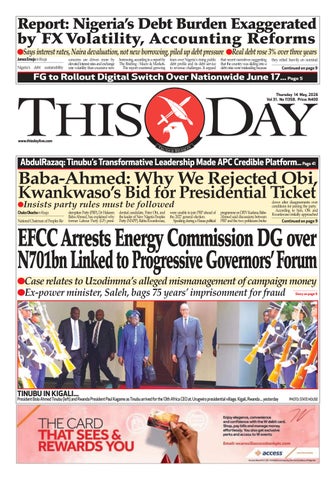
Report: Nigeria’s Debt Burden Exaggerated by
FX Volatility, Accounting
Says interest rates, Naira devaluation, not new borrowing, piled up
www.thisdaylive.com
AbdulRazaq: Tinubu’s Transformative Leadership Made APC Credible
3% over three years
Says interest rates, Naira devaluation, not new borrowing, piled up
www.thisdaylive.com
AbdulRazaq: Tinubu’s Transformative Leadership Made APC Credible
3% over three years
Insists party rules must
Case relates to Uzodimma’s alleged mismanagement of campaign money Ex-power minister, Saleh, bags 75 years’ imprisonment for fraud




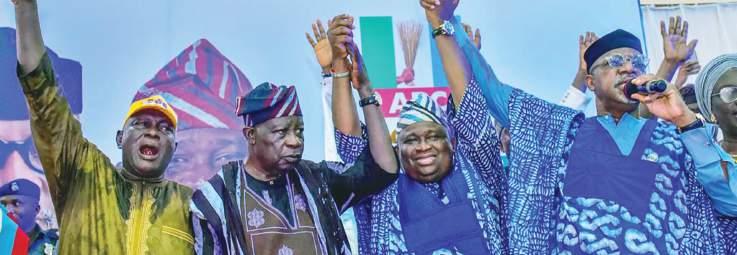
OGUN 2027 GUBER: ABIODUN PRESENTS SENATOR OLAMILEKAN ADEOLA, AKA YAYI, TO APC STAKEHOLDERS IN OGUN WEST SENATORIAL DISTRICT...
L-R: Chairman, Ogun West Senatorial District, Alhaji Muhammed Azeez; Ogun State Chairman of APC, Chief Yemi Sanusi; Gubernatorial Aspirant of APC, Senator Solomon Olamilekan Adeola; and Ogun State Governor, Prince Dapo Abiodun, at the Ogun West strategic stakeholders meeting held at Pavilion Ground in Ilaro, yesterday
Olawale Ajimotokan in Abuja
The federal government yesterday said the Digital Switch Over (DSO) project was complete and would be rolled out nationwide on June 17, 2026.
Minister of Information and National Orientation, Mohammed Idris, stated this during a facility tour of the headquarters of the Nigerian Communications Satellite Limited (NigComSat) in Abuja.
“You recall that for many years, Nigerians have been grappling with this idea of the DSO, the digital switchover. In other words, removing our transmissions from analogue to digital. Now this has happened, and it is ready to be commissioned by the 17th of June this year,” Idris said.
Idris, who was received by the Managing Director and Chief Executive Officer of NigComSat, Jane Egerton-Idehen, said the project would impact broadcasting, advertising and television viewership in Nigeria and sub-Saharan Africa.
He added that the DSO would also improve audience measurement for broadcasters and advertisers, enabling them to determine viewing patterns and make informed advertising decisions.
Idris said: “This will help advertisers to take informed decisions about what programme it is that people are watching, what it is that Nigerians want to watch across all the demographics.
“This is going to bring a lot of advantages to all the broadcasters, the viewers, and everybody that advertises, the standard measurement that was absent in the previous experiment is now being made available here.”
He assured that the DSO would grow viewership and ensure healthy competition among broadcasters and content producers, adding the platform, expected to transit fully to high-definition would also provide free and clean television services.
Idris also explained how the new system differs from the truncated
DSO initiatives, noting that the set-top boxes manufactured in the past were encrypted and had limited flexibility in choosing or switching services.
“As a result, the cost also became
higher. Now, this service is free, and the government has already absorbed some of these costs,” he said.
Also speaking, the DirectorGeneral of the National Broadcasting
Commission (NBC), Charles Ebuebu, said 100 television channels would be available on the day of the launch.
He said the new DSO platform was designed to leverage emerging
technologies and expand accessibility beyond major cities, adding the NBC had also established six regional studios nationwide to support content creators and reduce dependence on Lagos and Abuja.
Felix Omoh-Asun in Benin
Secretary-General and Chief Executive Officer of Rotary International and Rotary Foundation, John Hewko, said the non-governmental organisation had spent over $3 billion towards the global eradication of polio since 1985.
Hewko said the money was raised from donors, individuals, and corporate groups from all over the world. He disclosed this on Wednesday in Benin, saying 2029
FG Says 24,000 Nigerians will Benefit from $65m World Bank Funding
Kuni Tyessi in Abuja
National Universities Commission (NUC) says no fewer than 24,000 Nigerians will benefit from a new $65 million funding phase of the World Bank-supported Sustainable Procurement, Environmental and Social Standards Enhancement (SPESSE) project.
Executive Secretary of NUC, Professor Abdullahi Ribadu, disclosed the plan on Wednesday in Abuja during the signing of performance contracts for the additional SPESSE financing.
Ribadu said the new funding built on the success of the initial $80 million SPESSE project, which became effective in 2021.
has been set for the global eradication of the viral disease.
Speaking on why the disease was still prevalent in some parts of the world, Hewko listed religious and cultural issues, as well as misinformation and insecurity as major hindrances to the eradication of the virus.
He stated, “This issue of misinformation is a big problem. And not just in the north here, but in Pakistan and Afghanistan and some of the other places where you have some of these challenges.
“Our Rotarians continue to raise money. They continue to advocate. They continue to vaccinate children. We are in this until we finish the
job. We will stay in the fight until we eradicate polio.
“We are currently projecting that we hope to be able to eradicate polio in 2029. That is the current plan.”
According to him, Rotary is committed to be in the fight until total eradication. “There is a whole series of techniques that we have used over the years in different countries to try to get to every child. But again, it is all about getting to the children. And it is about, very often, the security situation on the ground.
“The challenge with polio is, we have now eradicated polio in every place but two countries. But until we eradicate it everywhere, you need to vaccinate children all over
the world. We need to vaccinate everybody around the world until there are no more cases.”
Earlier, Rotary Governor of District 9141, comprising of Edo, Delta, Bayelsa and Rivers states, Rotarian Anthony Woghiren, announced the election of Rotarian Adeyinka Babalola as the next Global President of Rotary International worldwide. Woghiren added that the humanitarian organisation had empowered the less privileged in skill acquisition in various ways. Founded in the USA in 1905, Rotary International is made up of about 46,000 clubs worldwide, with about 6,000 members in Nigeria, the largest in Africa.
According to him, the project addresses the shortage of skilled professionals in critical governance areas.
Ribadu said, “With the support of the World Bank and under the coordination of the NUC, six centres of excellence were established across the six geopolitical zones to provide sustainable capacity building in these critical sectors.”
He added that the centres were ensuring inclusivity across all regions of the country.
Ribadu said the participating universities were selected through a rigorous and competitive process that assessed institutional readiness, quality assurance, and sustainability.
He said the initiative was designed to strengthen Nigeria’s capacity in procurement, environmental management, and social standards across public and private institutions.
He said the institutions were already playing key roles in producing skilled manpower to support transparency, environmental responsibility, and inclusive development.
The NUC boss described the contract signing as a renewed commitment to accountability, sustainability, and institutional excellence.
He disclosed that three of the six centres had commenced PhD programmes, while others were expected to begin by July 2026.
Under the new phase, he said the commission targeted at least 60 PhD graduates, enrolment of 60 foreign students, staff internships, and expanded student exchange programmes with international institutions.
The Executive Secretary of the Tertiary Education Trust Fund (TETFund), Sonny Echono, has disclosed that four out of the six proposed multi-purpose zonal laboratories across Nigeria would be fully equipped and operational before 2027 as part of efforts to strengthen research and industrial development in the country.
Echono made this known yesterday in Abuja while receiving the report of the Advisory Committee on the Equipping of
TETFund Multipurpose Zonal Laboratories, chaired by former Acting Executive Secretary of the National Universities Commission, Chris Maiyaki.
The committee was inaugurated on 17 February 2026, to advise TETFund on the most suitable scientific and technological equipment for the six regional laboratories located across Nigeria’s geopolitical zones.
Speaking during the presentation, Echono explained that the idea of establishing central multi-purpose laboratories had been conceived more than a decade ago but was
delayed after the government at the time prioritised the establishment of new universities instead of regional research centres.
He noted that recent global advancements in science, technology and public health had further highlighted the urgent need for modern laboratories capable of supporting Nigeria’s research ecosystem and industrial transformation agenda.
“Our country is in dire need of these facilities as engines of growth to stimulate industrial transformation and research,” Echono stated.
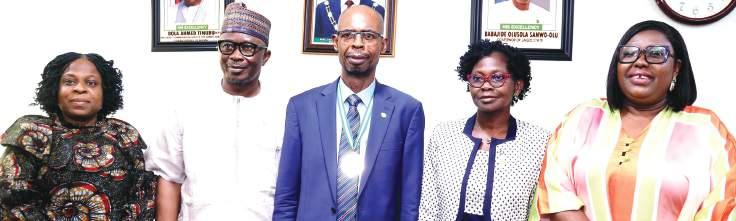
L–R: Registrar/Chief Executive, Chartered Institute of Taxation of Nigeria (CITN), Mrs. Afolake Oso; Deputy Vice President, CITN, Mr. Samon Kato; 17th President/ Chairman of Council, CITN, Mr. Innocent Chinyere Ohagwa; Deputy Vice President, CITN, Dr. Titilayo Eni-Itan Fowokan; and Chairman, 28th Annual Tax Conference Committee, Mrs. Caroline Ndubuisi, during a press conference on 28th Annual Tax Conference preparation by CITN, held in Lagos ... recently
Nigeria recorded its strongest oil production performance so far in 2026, as total liquid output rose to 1.66 million bpd in April from 1.54 million bpd in March, although crude output fell short of the 1.5 million bpd quota allocated to the country by the Organisation of Petroleum Exporting Countries (OPEC).
Latest production data released by the Nigerian Upstream Petroleum Regulatory Commission (NUPRC) showed that crude oil
production alone increased to 1.489 million bpd in April from 1.383 million bpd in March, reflecting a rise of about 7.7 per cent. OPEC does not consider condensates in its overall monthly output data. In all, crude oil and condensate in April was 49.90 million barrels, representing an increase from the 47.93 million barrels recorded in March. On a daily basis, total liquid production rose from 1.55 million bpd in March to 1.66 million bpd in April, indicating an increase of approximately 7.1 per cent month-on-month.
In addition, total liquid production was 50,451,281 barrels in January. It then fell in February to 41,550,703 barrels, before rising again to 47,928,897 barrels in March and further to the 49,902,382 barrels in April.
For daily average production, it began at 1,627,461 bpd in January, dropped to 1,483,954 in February, then increased to 1,546,093 in March and rose again to 1,663,413 in April. By April, daily output had not only recovered but slightly exceeded January’s level, showing a gradual
improvement after the February decline.
However, despite the improvement, the country still missed the OPEC production target, with the NUPRC data indicating that Nigeria’s average crude oil production in April represented 99 per cent of the country’s OPEC quota of 1.5 million bpd.
Combined condensate production therefore rose to 174,872 bpd in April, compared to 163,251 bpd in March, representing an increase of roughly 7.1 per cent. The improved national output
The President, Abuja Chamber of Commerce and Industry (ACCI), Chief Emeka Obegolu, yesterday described China’s recently announced zero-tariff policy for African countries as a significant strategic opening capable of reshaping Nigeria’s export performance.
He said the initiative has the potential to accelerate the country’s industrialisation, and strengthen Africa–China trade relations.
The zero-tariff policy for 53 African countries was announced by Chinese President Xi Jinping on February 14, 2026, during the 39th African Union Summit, with implementation commencing May 1, 2026.
Reacting to the policy introduced by the Government of China, Obegolu said the initiative represented a deliberate shift towards more balanced global trade relations and offers African economies a rare opportunity to expand their participation in international markets on improved terms.
He noted that for Nigeria, the development comes at a critical time when economic diversification and non-oil export expansion had become urgent national priorities.
The ACCI president stressed that the country must respond proactively by scaling up the production and export of value-added goods rather than continuing its dependence on primary commodities.
According to him, priority export
segments should include cocoa and cocoa derivatives, sesame seeds, cashew nuts, ginger, leather products, textiles, and other agro-processed goods with strong demand in the Chinese market.
Obegolu however, reaffirmed the chamber’s commitment, as the leading Organised Private Sector voice in the Federal Capital Territory (FCT) and its environs, to mobilising businesses, SMEs, and investors toward building competitive export value chains capable of meeting international quality standards.
He further observed that the zero-tariff arrangement had the potential to improve the price competitiveness of Nigerian exports, expand market access, and generate increased foreign exchange earnings.
He added that the policy could also serve as a catalyst for job creation, industrial expansion, and SME development if properly harnessed.
Obegolu cautioned that the benefits of the policy would only be fully realised if Nigeria addresses structural constraints within its export ecosystem.
He called for urgent investments in agro-processing, storage facilities, logistics infrastructure, packaging, and quality assurance systems to enhance global competitiveness.
He also urged government at all levels to strengthen policy support in areas such as ease of doing business, export financing, industrial incentives, and trade
facilitation frameworks that enable private sector participation in global value chains.
In addition, he emphasised the importance of deeper collaboration between the public and private sectors in developing export-oriented industries, while ensuring greater inclusion of youth and women entrepreneurs in international trade opportunities.
He warned that Nigeria must avoid remaining a supplier of raw
materials in the global market, stressing that value addition and domestic processing are essential to improving export earnings and economic resilience.
He reaffirmed ACCI’s commitment to supporting initiatives that promote trade expansion, enterprise development, and sustainable economic growth, urging Nigerian businesses to take advantage of China’s market of over 1.4 billion consumers.
was driven largely by stronger production from key export terminals, particularly Bonny, Forcados, Bonga, Anyala-Madu and several offshore assets.
Bonny retained its position as Nigeria’s biggest producing stream in April, with combined crude oil and condensate production rising to 8.85 million barrels from 8.42 million barrels in March, an increase of about 5.1 per cent.
Also, Forcados posted one of the strongest recoveries among the country’s major streams during the month. Total output surged to 7.35 million barrels in April from 5.18 million barrels in March, representing a sharp increase of about 42 per cent.
Qua Iboe, one of Nigeria’s major export grades, however recorded a decline in output. Total production from the stream fell to 4.97 million barrels in April from 5.25 million barrels in March, representing a decline of about 5.4 per cent.
The NUPRC data further showed that some streams remained inactive or posted minimal production volumes during the period. The Aje field again recorded no production in April.
Overall, the April figures
represented Nigeria’s highest production level since the beginning of the year and suggested continued recovery in the country’s upstream petroleum sector after years of operational disruptions caused by crude theft, pipeline vandalism, deteriorating infrastructure, underinvestment and force majeure declarations at several export terminals.
The improvement also indicated that ongoing security interventions around oil infrastructure and the restoration of key evacuation channels may be gradually stabilising production activities across the Niger Delta.
Nonetheless, Nigeria’s continued inability to fully attain the 1.5 million bpd OPEC crude oil quota underscores the fragile nature of the recovery and highlights the need for sustained investment, stronger pipeline security and improved operational efficiency across the sector.
Although Nigeria has now moved within less than 1 per cent of its OPEC allocation, sustaining current momentum will depend largely on the ability of operators and government agencies to prevent fresh disruptions and maintain stable production across major oil assets.
Michael Olugbode
International medical humanitarian organisation, Médecins Sans Frontières (MSF) has raised fresh alarm over what it described as a deepening humanitarian catastrophe in Nigeria, warning that worsening hunger, disease outbreaks, and insecurity are driving thousands of vulnerable families — especially children — towards death and despair.
In its 2025 Nigeria Country Report of Activities, the organisation painted a troubling picture of overstretched hospitals, rising cases of severe acute malnutrition, and communities trapped between poverty and violent conflict, particularly across northern Nigeria.
The report revealed that hundreds of thousands of children were now battling life-threatening malnutrition in Africa’s largest economy, exposing what humanitarian workers describe as
the widening gap between economic realities and human survival.
MSF said more than 250,000 severely malnourished children were treated in outpatient facilities in 2024, while over 76,000 children suffering dangerous complications linked to malnutrition required emergency hospital admission.
The organisation warned that the crisis was no longer seasonal or temporary but had evolved into a chronic humanitarian emergency fuelled by inflation, displacement, insecurity, and collapsing access to healthcare.
“Malnutrition is no longer just an emergency during the lean season,” the organisation stated in the report.
“For many families, it has become a permanent condition of survival,” it added.
In states across the North-west and
North-east, medical facilities supported by MSF were reportedly struggling under the weight of increasing admissions linked to severe hunger, measles, malaria, and respiratory infections.
MSF sad the situation in Bauchi State reflected the scale of the emergency. It said between January and April 2025 alone, nearly 28,000 malnourished children were treated — a dramatic increase compared to the same period last year.
MSF also highlighted the deadly combination of malaria and malnutrition in Kano and surrounding states, warning that both conditions are reinforcing each other and placing children at even greater risk of death.
The humanitarian organisation said many parents now arrived at treatment centres after exhausting every coping mechanism, including skipping meals, selling possessions, and withdrawing
children from school. Beyond hunger, the report drew attention to the effect of insecurity on healthcare delivery, especially in conflict-affected communities where violence, displacement and fear continued to cut millions off from medical services.
In several communities, MSF teams reportedly operated in fragile environments where healthcare workers faced enormous logistical and security challenges while attempting to respond to disease outbreaks and medical emergencies.
The organisation also reflected on its long-running intervention against Lassa fever in Ebonyi State, where it supported treatment, laboratory systems, and emergency preparedness before formally transferring responsibilities to local authorities this year.
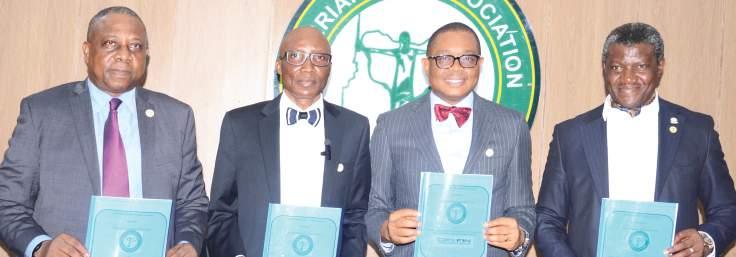
L-R: Registrar/Chief Executive, Chartered Institute of Forensics and Certified Fraud
Gashinbaki; President, Nigerian
Forensics and Certified
and General
Ogun State Government has described Senator Gbenga Daniel’s recent allegations against Governor Dapo Abiodun as the “rantings of a drowning politician”, accusing the former governor of shamelessly turning against the same consensus political arrangement that facilitated his emergence as Ogun East Senatorial candidate in 2023.
The government said it was ironic that Daniel, who benefited immensely from the All Progressives Congress (APC) consensus process through the support and intervention of Abiodun ahead of the 2023 elections, was now attacking the same party structure and collective decision-making process that secured his senatorial ticket.
Daniel, while speaking during his Midterm Assessment and Empowerment Tour in Ijebu Ode, had accused Abiodun of neglecting Ijebuland, frustrating federal projects facilitated by him, causing Ogun State to lose the proposed Dangote Refinery project, and opposing the establishment of a naval base in Abigi.
Reacting, in a statement issued on Wednesday, Special Adviser to the Governor on Media and Strategy, Hon. Kayode Akinmade, dismissed the allegations as baseless, politically motivated, and symptomatic of a politician battling declining influence within APC.
According to Akinmade, Daniel has resorted to “cheap propaganda
and outright falsehood” after allegedly realising that his political ambitions ahead of 2027 have suffered a major setback.
The statement said, “Daniel is simply fighting the same consensus arrangement and party structure that produced him as senator in 2023.
“It is shocking that someone who benefited immensely from the collective decision of the party is now demonising the same process simply because it no longer aligns with his personal ambition,”
He recalled that Abiodun, in the interest of party unity and cohesion, persuaded other aspirants, including the then incumbent senator, to step down for Daniel during the 2023
senatorial contest.
Akinmade stated, “The governor ensured a peaceful consensus arrangement that paved the way for Daniel’s emergence as the APC senatorial candidate. It is therefore ironic that the same individual now seeks to discredit the party and its leadership merely because he could not have his way politically.”
The government maintained that residents of Ogun State, particularly in Ijebuland, remained appreciative of the development strides of the Abiodun administration, especially in infrastructure renewal and road rehabilitation.
It stated, “Everybody in the state, especially in Ijebuland, appreciates the
modest achievements of Governor Dapo Abiodun. Most of the deplorable roads abandoned by previous administrations have now been fixed, while about 29 major road projects have been completed in Ijebu Ode alone.”
The statement also faulted Daniel’s comparison of federal allocations received during his tenure as governor with those accruing to the current administration, accusing him of deliberately ignoring prevailing economic realities and the sharp depreciation of the naira.
The statement added, “It is interesting that Daniel, who left office in 2011, when the exchange rate hovered between N150 and N170
to a dollar, is now claiming he would have executed more projects with current allocations at a time the dollar exchanges for over N1,370. In his desperation to attack the governor, he ignored basic economic realities.”
On Daniel’s allegation that Abiodun frustrated the Dangote refinery project in Ogun State, the statement described the claim as false and contrary to publicly available facts.
Akinmade referenced remarks credited to President of Dangote Group, Aliko Dangote, during a visit to Abeokuta, where he reportedly praised the administration’s investor-friendly policies and enabling business environment.
The government added that the ongoing expansion of Dangote cement plants in Itori and Ibeshe reflected renewed investor confidence in Ogun State under the Abiodun administration.
The statement further accused Daniel of engaging in anti-party activities during the 2023 governorship election and subsequent political contests in the state.
Akinmade stated, “The leadership and stakeholders of the APC in Ogun East became uncomfortable with Daniel’s repeated anti-party activities, including openly supporting opposition elements during the 2023 governorship election and other elections in the state.”
James Sowole in Abeokuta
Ogun I Area Command of the Nigeria Customs Service (NCS) has disclosed the interception of contraband goods with a cumulative Duty Paid Value (DPV) of over N6.77 billion within 41 days, including more than 10,000 parcels of cannabis indica, popularly known as “Ghana Loud.”
The interception was disclosed by Acting Customs Area Controller, Olukayode Afeni, at a news
briefing at Idiroko, Ogun State. Afeni, a Deputy Customs Controller, said the seizures were made through intensified intelligence operations and inter-agency collaboration aimed at dismantling smuggling networks operating across Ogun State. He stated that the command remained committed to securing Nigeria’s land borders and frustrating the activities of economic saboteurs undermining the country’s economy.
He said the latest operations resulted in 73 seizures, comprising 1,759 bags of foreign parboiled rice, 10,126 parcels of cannabis indica weighing about 4,627 kilograms, with an estimated street value exceeding N5 billion, as well as 26 sacks of raw cannabis sativa.
Other intercepted items included 2,685 kegs of 25-litre vegetable oil, 14,550 litres of Premium Motor Spirit stored in jerricans, 46 bags of foreign sugar, 66 bales of second-hand clothing, 205 packs
Mary Nnah
CEOs, bankers and students packed the Muson Centre recently, not for a corporate seminar but for a raw reckoning on resilience, tenacity and authenticity at Imperfectly Awesome Conversations 4.0.
Keynote speaker Dr. Segun Ogunsanya, former Managing Director of Airtel Nigeria and Africa and Chairman of Airtel Africa Foundation, opened by protesting “gender bias” before dismantling the myth of flawless leadership. “None of us arrived here perfectly put together,” he told the audience.
“We arrived looking renewed, reshaped. Some look bruised. There’s imperfection everywhere. Whether you are rich, whether you are poor, whether you are a student.”
His defining moment came with a raw call to vulnerability: “Life is full of things. It fluctuates. So please start practising how to cry…” For Ogunsanya, resilience is not about bouncing back but bouncing forward.
“Resilience doesn’t shout. It whispers, try again, try again,” he said. “It doesn’t mean you don’t struggle. It means you choose not to stop. Because when you stop,
you drown. The dancing stops.”
He recounted a failed Barcelona pitch where the airline refused to let him fly, leaving him to reframe setback as data, not defeat.
“Temporary disruption doesn’t equal permanent failure,” he said. On tenacity, he revealed he nearly quit during his nine years as CEO for one of Airtel’s 14 African countries, where he was the only black CEO of a Fortune 100 company. “But I stayed.”
He also recalled resistance to Airtel’s 4G rollout in Africa and stressed that tenacity means refining strategy instead of abandoning it.
Authenticity, he insisted, is nonnegotiable. “To succeed in life, you must be an authentic person. You must be true to yourself. You don’t want to lie to yourself.”
When asked whether to pursue the CEO path or entrepreneurship, he rejected the dichotomy: “Both parts can make you very prosperous… It depends on how ambitious you are and how you define success. Success is not just in terms of the dollar, the naira.”
He added that the true test of leadership is grooming others: “If you’re the only lodestar, you’re a very selfish leader.”
of footwear, 77 cartons of Analgin injection without NAFDAC registration numbers, and 50 cartons of expired Maggi seasoning cubes.
The acting controller said the command also seized cartons of basmati rice, organic honey, used clothes, diesel, spaghetti, macaroni, ladies’ handbags, and two used vehicles.
Afeni disclosed that six live pangolins intercepted during operations had already been handed over to the relevant agency for appropriate action.
He stated that the command had earlier, on March 16, handed over 2,543 parcels of cannabis sativa to the National Drug Law Enforcement Agency (NDLEA), Idiroko Special Command, stressing that the latest seizures demonstrate that Customs officers have intensified their anti-smuggling strategies rather than relaxing enforcement efforts.
The acting controller warned that the growing abuse of cannabis posed a serious threat to national security, linking the illicit drug trade to crimes such as armed robbery, kidnapping, cultism, terrorism and banditry.
He said, “From January to date, we have taken 26,002 parcels of cannabis off the streets. This is not just a seizure; it is a preventive measure against drug-related
crises capable of overwhelming our healthcare and rehabilitation systems.
“Importation of rice through land borders remained prohibited under federal government policy designed to encourage local production and boost food self-sufficiency.”
Afeni said persistent smuggling of foreign rice continued to threaten Nigeria’s economic growth and agricultural development, urging Nigerians to support government policies aimed at strengthening local industries.
Highlighting one of the major interceptions, Afeni revealed that Customs operatives intercepted a DAF truck with registration number MSA105XB along the Sagamu Interchange/Ogere axis on May 5, loaded with 2,185 kegs of smuggled vegetable oil.
He said unchecked importation of vegetable oil was negatively affecting local producers, threatening jobs and exposing consumers to health risks associated with adulterated products.
The Customs boss added that another operation conducted on May 7 along the same corridor led to the interception of a Volvo truck carrying unregistered pharmaceutical products, expired food items, rice, vegetable oil, footwear, and used clothes.
Emmanuel Addeh in Abuja
Barton Heyman Limited in partnership with the Rural Electrification Agency (REA), UK PACT, First City Monument Bank (FCMB), and ARMHIIL, are set to raise $188 million to finance 191 megawatts of distributed solar capacity for households, communities, and businesses across Nigeria.
Coming under the Green Finance Investment Facility (GFIF), it is a blended finance platform to mobilise large-scale private and institutional investment into distributed renewable energy infrastructure across Nigeria.
The initiative also supports the Distributed Access through Renewable Energy Scale-Up (DARES) programme, a national
effort to expand electricity access through decentralised renewable energy solutions, a statement in Abuja stated.
Launched in Lagos, the platform brought together financial institutions, renewable energy developers, policymakers, and development finance stakeholders. Its goal is to unlock financing solutions that accelerate energy access, reduce financing gaps, and support Nigeria’s transition to cleaner, more sustainable energy systems.
Speaking at the launch, the Managing Partner of Barton Heyman Limited, Olumide Lala, described the facility as a market-driven model capable of unlocking private capital at scale for Nigeria’s energy transition. “The Green Finance Investment
Facility is more than a financing arrangement; it represents direct support for over one million Nigerians. Nigeria’s distributed renewable energy sector can be financed using a private-sector framework that leverages sovereign pipelines, results-based funding, and commercial loans to attract private capital at the national level. This is our initial step to raise $40 billion to finance 20 gigawatts of distributed renewable energy,” he said.
In his remarks, Senior Partner, Barton Heyman, Anthony Feyitimi, said: “The Green Finance and Investment Facility is not simply about clean energy. It is about what reliable, distributed power makes possible for Nigeria’s economy. Every megawatt we finance is a business
that can operate, a supply chain that can function, a community that can compete.
“We have structured a blended finance platform that brings together sovereign pipelines, results-based funding, and commercial capital into a single, replicable facility. The GFIF Pilot is our first $188 million step. The platform’s ambition is $40 billion and 20 gigawatts. We are building it from Nigeria, for Nigeria.”
In his remarks, the Managing Director of the REA, Abba Aliyu, said the initiative directly addresses one of the sector’s most pressing constraints, access to finance.
“The Green Finance Investment Facility can tackle access to finance, one of the main barriers to renewable energy deployment. Today’s launch
is the outcome of a strategic partnership created to ensure communities lacking reliable power can access electricity. We are proud of what this facility signifies for Nigeria’s energy future,” he stated.
Aliyu further explained that the GFIF was pioneered by the REA as a long-term institutional framework designed to replace the fragmented, project-by-project financing models of the past with a scalable and sustainable funding ecosystem.
By establishing this formal financial architecture, the agency, he said, aims to provide developers with more reliable access to capital, accelerating the nation’s drive toward universal energy access.
Speaking on behalf of FCMB,
EFCC ARRESTS ENERGY COMMISSION DG OVER N701BN LINKED TO PROGRESSIVE GOVERNORS’ FORUM
Alex Enumah in Abuja
Economic and Financial Crimes Commission (EFCC) has arrested Director-General of Energy Commission of Nigeria (ECN), Mustapha Abdullahi, over funds to the tune of N701 billion linked to Progressive Governors Forum (PGF), an association of All Progressives Congress (APC) governors.
In another development, a former Minister of Power, Mamman Saleh, was yesterday sentenced to 75 years’ imprisonment in absentia for money laundering and fraud to the tune of N33.8 billion.
Abdullahi was arrested yesterday in Abuja by operatives of the antigraft agency, following his failure to honour two different invitations in respect of an ongoing financial investigation involving him.
THISDAY independently gathered that the matter might be connected to the allegations of financial mismanagement levelled against Chairman of Progressive Governors’ Forum (PGF) and Governor of Imo State, Hope Uzodinma.
Uzodimma’s alleged failure to properly account for the over N700 billion had caused tension among the APC governors, with some supporting him and expressing confidence in his leadership of
PGF, while others accused him of mismanaging funds said to be set aside for the 2027 election campaign.
THISDAY learnt that the money might have been approved for distribution among the APC governors ahead of 2027, but it resulted in controversy over how it was disbursed. Some of the governors accused Uzodimma of misapplying the funds, while others disagreed with the charge.
About 18 of the APC governors followed up with a vote of confidence in Uzodimma.
Vice Chairman of PGF, Governor Uba Sani of Kaduna State, denied reports of a rift within the APC governors’ ranks, describing the recent tensions as only a “slight misunderstanding”.
But the matter is now the subject of an investigation as to how the funds were applied.
A former minister from the South-east, who resigned some time ago over forgery allegations under the current administration, was also said to be linked to the investigation involving Abdullahi. Abdullahi’s arrest in Abuja was sequel to a warrant of arrest for him to answer to corruption allegations, a reliable source at the headquarters of EFCC told THISDAY yesterday in confidence.
BABA-AHMED: WHY WE REJECTED OBI, KWANKWASO’S BID FOR PRESIDENTIAL TICKET
the PRP for possible collaboration, and negotiations progressed to the point where a committee was proposed to continue talks.
“They came and said they wanted to join the PRP, but when we sat down and discussed with them, there were certain demands they made,” he said.
The PRP chairman said one of the major issues was the request by both politicians to secure the party’s presidential ticket without facing internal opposition.
“Before they joined, they told us that they were the presidential candidates, meaning they should be given the ticket. We told them no, this is PRP; we do not practice that kind of politics,” Baba-Ahmed said.
He stated that the party insisted that Obi and Kwankwaso must, first, formally join PRP and follow its laid-down procedures before seeking any elective position.
Baba-Ahmed explained, “I told them, first, come into the party.
After joining, you can then tell me, ‘I am Obi and I want to run for President,’ and ‘I am Kwankwaso and I want to be his running mate.’
“But for you to come even before a decision is made and ask us to guarantee you the ticket without opposition. If you are truly strong contenders, then why fear competition?”
Baba-Ahmed said the PRP leadership acknowledged the political influence and support base of both men, but maintained that the party could not violate its constitution and internal democratic process.
He said, “We believed that if anyone entered a room and saw Obi and Kwankwaso, they would think strong contenders had arrived. But we cannot break our party’s rules.”
He further disclosed that the camps of the two politicians also requested a significant number of party positions because of the supporters they intended to bring into PRP.
Baba-Ahmed stated, “They requested that many positions be given to them because they said they had many supporters. We told them this was not a problem, come into the party first, then we can sit down and discuss.”
According to the source, Abdullahi has been taken into custody and would be questioned over alleged fraudulent activities to the tune of N701 billion.
The source stated, “Yes, we have arrested him (the Director-General of the Energy Commission of Nigeria, Dr Mustapha Abdullahi), for alleged money laundering offences.
“Operatives of the commission went after him after he didn’t honour invitation extended to him and is currently in our custody. The money is to the tune of about N701 billion.”
ECN spokesman, Mr Dele Oyewale, could not be reached for comments at the time of filing this report.
Abdullahi was appointed DirectorGeneral of ECN on October 24, 2023 by President Bola Tinubu.
Former Minister of Power, Mamman Saleh, was sentenced to 75 years’ imprisonment for money laundering and fraud to the tune of N33.8 billion.
Justice James Omotosho of the Federal High Court, Abuja, sentenced the ex-minister to seven years each on 10 counts, three years on count four, and two years on count five of the charges.
According to the judge, the sentence is to run consecutively, and without the option of a fine, except for count four, which allows a N10 million fine.
Omotosho, who directed all
security agencies in the country to arrest Saleh wherever he was found, held that the jail term would begin from the day the convict was arrested.
The judge ordered the forfeiture of foreign currencies recovered from the convict, as well as four choice properties in Abuja linked to Saleh.
He added that the convict should refund the outstanding balance from the alleged N22 billion linked to the Mambilla and Zungeru hydroelectric power projects.
The court had last week found the former minister, who served in the administration of former President Muhammadu Buhari, guilty of fraud in respect of the Mambilla and Zungeru hydroelectric power projects.
Omotosho, on May 7, also issued a warrant for his arrest, adding that Saleh should be brought to court for sentencing on the next adjourned date.
The former minister was arraigned in July 2024 for alleged money laundering and conspiracy with officials at the ministry and some private companies to “indirectly convert” the sum of N33.8 billion meant for the Zungeru and Mambilla Hydro Electric Power projects.
The former minister, however, pleaded not guilty to the charges.
The anti-graft agency, in proving its case, called 17 prosecution witnesses (PWs) through its lawyer, Rotimi Oyedepo, SAN, the current Director of Public Prosecutions of the Federation.
The commission also tendered
43 exhibits against the defendant before closing its case.
Saleh, through his lawyer, Femi Atteh, SAN, did not call any witness in his defence.
Delivering judgement last week, Omotosho held that EFCC was able to establish the 12-count amended charge against the defendant beyond reasonable.
The judge held, “The prosecution has established that, at least, N22 billion was siphoned by the defendant and his cronies.
“This is sufficient to sustain the charge. Consequently, the defendant is hereby convicted of Count 1 of the charge.
“The defence did not offer any credible evidence to refute the evidence of the prosecution.
“Upon the unchallenged evidence of the prosecution, the court hereby convicts the defendant of Count 1 of the Omotoshocharge.”held that Saleh’s act of diverting funds meant for other purposes, such as the Zungeru and Mambila Hydroelectric Power Project, to his own use was quite an eyesore.
The judge stated, “The sheer greed of the defendant and his comrades in crime is nothing but a downright shameful thing.
“For defendant, who held a critical position such as Minister of Power, rather than being concerned with creating a legacy of solving the epileptic power supply in the country, the defendant began siphoning and converting monies for serious projects into private pockets.
“The defendant was living large at the expense of ordinary Nigerians who had suffered from the consequence of his malfeasance. Little wonder that Nigeria has remained in darkness now.” the judge said also stated, “I must say the defendant was ingenious in trying to hide his involvement by using proxy companies and accomplices to pick the funds for him.
“However, the diligent investigation of the prosecution was able to link him to the said funds.
“This court must salute the detailed nature of the investigation carried out in this matter and for presenting a coherent and cogent case against the defendant.
“The defendant on the other hand is condemned for greedily converting public funds to his own use.
“In final analysis, the prosecution has established the 12-count charge against the defendant beyond reasonable doubt. Consequently, he is hereby convicted as charged.” Since the defendant was not in court when the judgement was delivered, EFCC’s lawyer, Oyedepo, prayed the court to issue a warrant for his arrest and production in court on the next adjourned date. However, Saleh’s lawyer, Mohammed Ahmed, begged the court for an adjournment to enable his client present himself before the court.
In a short ruling, the court granted the anti-graft agency’s request and directed that the defendant be arrested and produced in court for sentencing on May 13.
REPORT: NIGERIA’S DEBT BURDEN EXAGGERATED BY FX VOLATILITY, ACCOUNTING REFORMS
Naira figures without adjusting for FX distortions and historical liabilities.
The publication maintained that while Nigeria’s public debt rose sharply from N49.8 trillion in March 2023 to N159.2 trillion by December 2025, representing an apparent increase of over 200 per cent, much of the jump did not arise from fresh borrowing. Instead, it said the increase was largely driven by the formal recognition of previously unrecorded obligations as well as the sharp depreciation of the Naira, which significantly inflated the local currency value of external debts.
The report identified two major factors behind the spike, namely the securitisation and recognition of about N30 trillion in Ways and Means advances previously owed the Central Bank of Nigeria (CBN) but excluded from official debt records.
The report stated, “For years,
the government quietly borrowed from the central bank. About N30 trillion of that was never on the official list. In 2023 they finally added it in. The debt was always there — they just wrote it down.”
It also identified the sharp depreciation of the Naira following the foreign exchange market reforms and unification policy introduced in 2023 as one of the reasons why official debt swelled.
The report said nearly N43 trillion was added to the debt stock merely from the revaluation of existing foreign currency obligations after the Naira weakened from about N460/$ in March 2023 to about N1,500/$ by December 2025.
The Briefing stated, “Nigeria owes some money in dollars. When the naira got weaker, those same dollar loans suddenly counted as a much bigger number in naira. About N43 trillion of the ‘increase’ was just this maths - not new debt.
A $100 loan now costs far more
naira on paper.”
It pointed out that the exchange rate adjustment created the impression of a massive debt accumulation even where no fresh loans were contracted.
The report stated that when the debt stock was measured in dollar terms, instead of naira, the picture changed significantly. It said Nigeria’s total public debt was about $108.2 billion in March 2023 and rose only marginally to $110.9 billion by December 2025, representing a real increase of approximately three per cent over nearly three years.
The document maintained that the more critical issue confronting the country was not the size of the debt stock itself, but the rising cost of servicing obligations amid elevated interest rates and weak government revenues.
It stated that domestic interest rates surged from about eight per cent in 2023 to as high as 24 per
cent in 2024, before moderating to about 17 per cent, significantly increasing debt service costs.
The report said, “It’s like a homeowner whose mortgage rate suddenly doubled — same house, same loan, but the monthly bill got brutal.”
The publication also dismissed conclusions drawn from debt burden methodologies based purely on nominal debt levels, insisting that globally accepted debt sustainability frameworks focus instead on ratios, such as debt-to-GDP and debt service-torevenue.
The report stated that Nigeria’s debt-to-GDP ratio stood at 36.1 per cent in 2025, below the global average of about 92 per cent, and significantly lower than the United States’ ratio of about 116 per cent. Meanwhile, Minister of Finance and Coordinating Minister of the
Continued on page 43

ARISE NEWS is Africa’s leading business and financial news website, providing a unique blend of international and pan‑African business and economic news.
Native Article is the innovative way of strategically packaging content to blend in with editorial.
This allows for content to appear as more credible, as it reads naturally without the marketing agenda of the company coming across as obvious.
Client to provide Arise News with an article, Arise News Editorial team will then re‑write this to fit the consumer content behaviour.
The Article will be posted on the website, and the article page will have full advertiser branding.
The Article link will be embedded on the homepage for one week.
The article will get a social post dedicated to drive users to the article page on the day it is released.
The article will be archived on the site and can be accessed for 6 months thereafter.

N3,000,000.00/Week shared (30‑seconds refresh rate) N6,000,000.00/Week, static


N2,500,000.00/Week shared (30‑seconds refresh rate) N4,450,000.00/Week, static



N2,250,000.00/Week shared (30‑seconds refresh rate) N3,750,000.00/Week, static
N2,950,000.00/Week shared (30‑seconds refresh rate)
N5,650,000.00/Week, static












Sanwo-Olu’s relief package to workers sends a reassuring message that the government is not indifferent to their plight, writes ADEBISI MARTINS
CANDIDACY AND THE PEOPLE'S DEMOCRATIC WILL SAMSON ITODO argues that consensus candidacy is elite imposition, and undemocratic See page 21
Xenophobia shouldn’t be allowed to replace apartheid or fester much longer, writes MONDAY PHILIPS EKPE

The peculiarity of South Africa goes beyond its geography, being located at the southern-most part of Africa. Same for its enduring status as arguably the continent’s most successful and thriving economy. That makes it a beautiful bride that’s attractive to opportunity seekers from the less-endowed nations in its part of the planet and elsewhere. But, quite unfortunately, more than many countries on earth, the rainbow nation has hosted two of humanity’s worst conditions: apartheid and xenophobia. While history doesn’t restrict these extreme abnormalities to SA, its association with them has become an albatross. And with the advancement in information and communication technology (ICT) somewhat on steroid, it’s left to the imagination how posterity will remember this enchanting land. So much has been said about the manic attacks on African migrants by irate South Africans whose angst stems from the belief that their jobs are being snatched by foreigners, particularly blacks. This illogic has been begging to be seen for what it is. A rare chance for official intervention presented itself the other day when South African President Cyril Ramaphosa hosted his Mozambican counterpart, Daniel Chapo, in Pretoria. Ramaphosa challenged his continental colleagues to fix their underperforming economies which make “people to migrate in large numbers and seek refuge in different parts of the continent, including South Africa”. He bungled it right there. It was an endorsement of the sad premise upon which his uninformed, violent compatriots have built their defence. Your Excellency, Sir, no further proofs are needed to show the overarching failure at the various levels of leadership across Africa but framing the issue this way is simplistic.
A presidential statement later tried to clarify Ramaphosa’s stand thus: “These (xenophobic assaults) are the acts of opportunists who are exploiting the legitimate grievances, particularly those of the poor, under the false guise of ‘community activism.’ Some of these people are assuming functions that only state officials are permitted to perform. Such lawlessness will not be tolerated, regardless of who the perpetrators or victims are… In a country with high unemployment, some employers are exploiting undocumented, cheaper foreign labour over hiring citizens and paying them legal wages. This is fuelling social tension and undermining labour protection laws… We are stepping up workplace enforcement against employers who hire undocumented foreign nationals in violation of labour

and immigration laws….”
This attempt misses the mark still. If there’s anything black South Africans should avoid like a plague, it’s the “we vs they” narrative. For one, it is a variant of the segregation they suffered in the hands of their white tormentors. True, no one should deny them their right to nationalism having gone through a lot to reach where they are now.
The very arduous route to the freedom that has resulted in their present relative peace and national pride ought to teach them the wisdom in remaining loyal to the famed African brotherhood. South Africans should legally handle the criminals in their midst – citizens and immigrants alike – without resorting to the kind of barbarism that is tarnishing the image of this vibrant and otherwise welcoming country.
Personally, I’ve used five SA visas and forged lasting friendships in the process. I visited different parts and acquired memories that would be with me for the rest of my life. On one occasion, I travelled by road from Johannesburg to Bloemfontein to Cape Town just to catch some of the nation’s energies before flying back to Joburg. Which experience should I even narrate? Is it the tour of Robben Island where the great Nelson Mandela and some other legends of anti-apartheid struggles were kept in confinement?
The day I went to the apartheid museum in Soweto, I came face to face with the harsh, heart-wrenching realism I first encountered in my study of literature. Race-based discrimination and brutality can test anyone’s very soul to the limits. It was by divine intervention that I did not become a racist that day.
A re-enactment of some sort of my call on the museum of slave trade in Calabar, Nigeria some years ago. Those who rush to blame South Africans for being protective of their country which is rightfully their heritage are hasty and insincere. They’re clearly misguided and disproportionate in their actions and reactions but measures like retaliation would equally be off-mark.
At this point, our South African brothers and sisters, especially those pushing to get rid of fellow Africans,
should kindly take this unsolicited counsel: Be considerate, humble and sober. Most of the attackers are youths who may not be conversant with the country’s quest for emancipation and are left with only whatever the social media dish out. The unprecedented supports that came from the rest of Africa in those days were highly sacrificial and products of genuine love for the victims of the prolonged white rule. Of course, South Africa can’t be blackmailed into throwing its borders open for reckless entry on that score. But it won’t be too much to expect decent, reasonable treatment of aliens from its people.
Let’s not forget that other African nations were not always this hopeless and helpless. What has happened in many cases is an inexorable slide into retrogression. It shouldn’t also be difficult for the rabid South African aggressors to accept that SA today isn’t the same as the one Madiba left behind. Politically, socially and economically, it’s been looking south. The then almighty African National Congress (ANC), an epitome of black power and resurgence in SA, what’s its stature now? Its hold on the reins of national government can no longer be taken for granted. No bad wishes here but tables do turn. Black South Africans can’t say with certainty that they won’t ever need other Africans again.
Ramaphosa needs this introspection urgently. Instead of admonishing his peers to provide adequate amenities in their domains to disincentivise unbridled emigration, he should weigh his own stewardship as president. Has his government done enough to satisfy the basic expectations of the people, to meaningfully bridge the gap between them and their erstwhile masters?
The continent nurses largely selfinflicted wounds, chiefly the overindulgent, perpetuating, inept and wicked political leaders who have contributed to its underdevelopment more than any other factor. This selfsabotage in a world that’s increasingly contemptuous of weakness and mediocrity is truly tragic. Even if African countries don’t metamorphose into a single geo-political entity, it can and should explore avenues for understanding, integration, cooperation and brotherliness among them and their peoples. Divisive tendencies like the hate monster which periodically bursts loose in SA surely has no place in that equation.
Dr Ekpe is a member of THISDAY Editorial Board X: @monday_ekpe2
Sanwo-Olu’s relief package to workers sends a reassuring message that the government is not indifferent to their plight, writes ADEBISI MARTINS
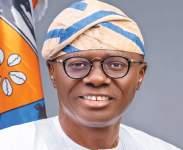
In a period marked by economic uncertainty, rising inflation, and the mounting pressures of daily living, leadership is increasingly being measured not only by infrastructure projects and policy announcements but also by empathy, responsiveness, and the ability to connect governance with the everyday realities of citizens. In Lagos State, Governor Babajide Olusola Sanwo-Olu is steadily defining his administration through this people-centred approach to governance.
His recent approval of a ₦50,000 relief package for workers across Lagos State for the month of May is more than just another economic intervention. It is a strong statement of compassionate leadership, a recognition of the sacrifices of workers, and an affirmation that the government must remain sensitive to the burdens confronting ordinary citizens.
At a time when many workers across Nigeria are grappling with inflationary pressures, transportation costs, energy shocks, and rising living expenses, the gesture by the Lagos State Government stands out as a practical and humane response to prevailing realities. It reflects a governor who understands that beyond macroeconomic indicators and fiscal projections are real people—teachers, nurses, artisans, civil servants, transport workers, and countless others—whose daily efforts sustain the engine room of Lagos.
Announced during the 2026 Workers’ Day celebration at the iconic Mobolaji Johnson Arena, the intervention carried symbolic and emotional significance. Workers gathered under the theme, “Insecurity, Poverty – Bane of Decent Work,” were not merely treated to ceremonial speeches. Instead, they received tangible assurance that their government was listening, watching, and willing to act.
Represented by Deputy Governor Obafemi Hamzat, Governor Sanwo-Olu delivered a message that resonated deeply with workers across the state. He acknowledged the difficult economic climate and admitted that the government has a duty to respond with practical support mechanisms.
In many political environments, leaders often appear disconnected from the struggles of ordinary citizens. But Sanwo-Olu’s intervention demonstrates an administration attempting to bridge that gap between policy and human reality. By approving an across-the-board relief package irrespective of grade level, the governor reinforced the principle that every worker matters.
Whether senior or junior staff, the relief package recognises the collective contribution of workers to the Lagos success story. Indeed, Lagos remains Nigeria’s economic heartbeat not merely because of its towering infrastructure or bustling commercial centres, but be-
cause of the resilience and productivity of its workforce. The teacher staying beyond school hours to prepare students for a better future; the nurse enduring long shifts to save lives; the artisan mentoring apprentices; the sanitation worker keeping the city clean; the civil servant ensuring government functions effectively, all form the invisible pillars upon which the megacity stands.
Governor Sanwo-Olu captured this sentiment eloquently when he declared: “Lagos is great because of you.”
That simple but powerful statement reflects a leadership philosophy anchored on inclusion and appreciation rather than detachment and bureaucracy. More importantly, the governor’s approach demonstrates a broader understanding of governance as a social contract. Workers are not just payroll statistics or administrative units; they are stakeholders in development. A responsive government therefore must not only demand productivity but also create conditions that support dignity, motivation, and welfare. This is where Sanwo-Olu’s intervention assumes greater significance.
The ₦50,000 relief package may not solve every economic challenge confronting workers, but it sends a reassuring message that the government is not indifferent to their plight. In difficult economic periods, empathy itself becomes a powerful policy instrument. Citizens want to know that their leaders recognise their struggles and are making sincere efforts to ease the burden.
Over the years, the Sanwo-Olu administration has consistently projected an image of consultative and humane governance. From transport reforms to healthcare interventions, social support programmes, and housing initiatives, the administration has sought to combine infrastructure development with social responsiveness.
Significantly, the governor also reaffirmed his administration’s commitment to sustained engagement with organised labour. In a democracy, industrial harmony is not achieved through confrontation but through dialogue, mutual respect, and continuous communication. By emphasising openness to engagement with unions, the Lagos State Government is reinforcing the importance of collaboration in governance.
Martins writes from Lagos
SAMSON ITODO argues that consensus candidacy is elite imposition, and undemocratic

In Nigeria, candidate nomination has traditionally been defined by two legally recognized modes of selection: direct and indirect primaries. However, in 2022, former President Muhammadu Buhari pressured the National Assembly to institutionalize consensus candidacy as a third mode in the Electoral Act. This conferred legality on a long-standing practice in which political parties adopt to nominate candidates, even at the expense of the will of party members. Consensus has always been used as a tool to eliminate competition, including candidates who do not enjoy the blessing of party hegemons.
In the 2026 Electoral Act, the National Assembly eliminated indirect primaries and retained only direct primaries and consensus candidacy as the two legally approved modes for candidate selection. For direct primaries, the Act empowers political parties to determine their procedures. However, the Act prescribes three strict conditions for validating a consensus arrangement adopted by a political party. First, only cleared aspirants may participate, and they must voluntarily withdraw from the contest. Second, each aspirant must endorse one of the remaining aspirants as the consensus candidate. Third, the consensus candidate must be ratified at a special convention or nomination congress held at designated centers across the national, state, senatorial, federal, and state constituency levels. All three conditions must be fulfilled before INEC will recognize any consensus candidate. Where one aspirant declines to withdraw, the party must conduct a direct primary.
As Nigeria counts down to the 2027 general elections, the political temperature is rising, and political mobilization is in full swing. Political parties are also racing to meet a highly compressed and arguably unjust timeline for candidate nominations. One mode of selecting candidates that is generating controversy is consensus candidacy. This is not due to its theoretical intent, but rather how it is currently being implemented. What is unfolding is not consensus; it is elite imposition. It is unmistakably clear that consensus candidacy has become a practice whereby political parties, godfathers, and so-called party stakeholders anoint a candidate ahead of any competitive process, then exert pressure on other aspirants to withdraw, step aside, or be simply ignored. Let us call this practice what it is: organized theft of the people's franchise and the proscription of political aspiration.
Consensus candidacy is increasingly a mechanism of elite capture, dressed in the language of unity, cost reduction, and party stability. But recent experiences show that consensus candidacy shrinks the space for contestation,
concentrates excessive powers in the hands of godfathers and party leaders, and strips party members of genuine choice.
What Consensus Candidacy Is — and Is Not
In politics, there are genuine instances where convergence of opinion occurs around the suitability and preferability of a particular aspirant, especially when, following an assessment of the electoral landscape, one candidate commands broad support and offers the party its best prospect of electoral victory. That kind of convergence is democratic solidarity: earned, voluntary, and transparent. Where it authentically exists, parties can legitimately rally behind a single, electable candidate. Notwithstanding, that process needs to fulfill some conditions to be legally certified. What is happening in the lead up to the primaries is a choreographed elimination of competition. Powerful individuals, governors, cabals, and backroom brokers decide who the candidate will be before any primary is conducted, then deploy financial incentives, intimidation, threats of political exile, and institutional manipulation to clear the field. Those who dare to resist are branded as disloyal, divisive, or worse, a tool of the opposition. This frontloaded 'consensus candidacy' is undemocratic and amounts to the imposition of candidates.
At its core, democracy is defined by fundamental principles such as competition, participation, transparency, and legitimacy. Consensus candidacy undermines all four. Consensus candidacy hands the power of selection to party governors, godfathers, and backroom negotiators, rather than allowing party members to debate ideas, assess competence, and freely choose among aspirants. What is then presented to the public as an 'agreement' is often nothing more than forced withdrawal dressed up as unity.
Itodo is an election, democracy, and public policy enthusiast. Itodo serves as the Executive Director of Yiaga Africa, Principal Partner of the Election Law Center and Chairperson of the African Union Advisory Group on AI in Peace,
Editor, Editorial Page PETER ISHAKA
Email peter.ishaka@thisdaylive.com
Financial independence for the local councils is still a mirage
In a landmark judgment on 11 July 2024, the Supreme Court ruled that statutory funds for the 774 local government areas in Nigeria should be paid directly to democratically elected councils, while abolishing the state-local government joint account system. But two years after, financial independence for the third tier of government is still a mirage as the judgment has remained largely unenforced. A handful of states claimed they have taken their hands off the council funds. Most are still predominantly in charge of the management of the funds as the Federation Account Allocation Committee (FAAC) allocations are processed through the old distribution structure. For instance, the N1.46trn allocated to the local government councils for the first quarter of 2026 were received by the state governments.
President Bola Tinubu authorised the suit to seek a less complex way to free council funds from the stranglehold of the governors. And in its judgment, the apex court nullified Section 162 (6) of the constitution which establishes the joint account into which monies due to the councils from the Federation Account are paid for onward disbursement to them by the states. But the abuse of local governments by state governments has persisted. Ironically, there is also no evidence that any of the 774 local government areas had opened accounts with the Central Bank of Nigeria (CBN) to enable the direct disbursement of statutory allocations.
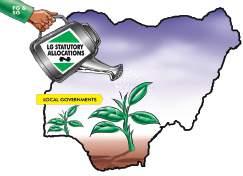
lect and manage both tax and non-tax revenues of the councils.
Even though there is no reported interference with the council funds in Lagos State, allocations for the 20 local governments are still paid through JAAC, and shared among councils and local council development areas by a joint committee of the state and councils. Osun State is in a more complex situation as it awaits resolution of the lingering local government crisis between the state and the federal government.
While financial control remains an issue, it is by no means the only one. The control of the local councils is reinforced through council elections. Section 197 establishes State Independent Electoral Commissions (SIECs) to conduct local government polls. The SIECs are mainly appointed and funded by state governments, making them answerable to governors.
There is no evidence that any of the 774 local government areas had opened accounts with the CBN to enable the direct disbursement of statutory allocations
T H I S D AY
EDITOR SHAKA MOMODU
DEPUTY EDITOR WALE OLALEYE
MANAGING DIRECTOR ENIOLA BELLO
DEPUTY MANAGING DIRECTOR ISRAEL IWEGBU
CHAIRMAN EDITORIAL BOARD OLUSEGUN ADENIYI
EDITOR NATION’S CAPITAL IYOBOSA UWUGIAREN THE OMBUDSMAN KAYODE KOMOLAFE
T H I S D AY N E W S PA P E R S L I M I T E D
In Imo State, allocations from Federation Account are reportedly paid directly to the governor, who in turn disburses funds for salaries and running costs to the 27 council chairmen. In nearby Enugu State, the funds are still disbursed through the state’s Joint Allocation Accounts Committee (JAAC). Besides, the 17 local government chairmen reportedly granted a power of attorney to the state government, through the Board of Internal Revenue, authorising it to col-
EDITOR-IN-CHIEF/CHAIRMAN NDUKA OBAIGBENA
GROUP EXECUTIVE DIRECTORS ENIOLA BELLO, KAYODE KOMOLAFE, ISRAEL IWEGBU
DIVISIONAL DIRECTORS SHAKA MOMODU, PETER IWEGBU, ANTHONY OGEDENGBE
DEPUTY DIVISIONAL DIRECTOR OJOGUN VICTOR DANBOYI
SNR. ASSOCIATE DIRECTOR ERIC OJEH
ASSOCIATE DIRECTOR PATRICK EIMIUHI
CONTROLLERS ABIMBOLA TAIWO, UCHENNA DIBIAGWU, NDUKA MOSERI
DIRECTOR, PRINTING PRODUCTION CHUKS ONWUDINJO
TO SEND EMAIL: first name.surname@thisdaylive.com
For the third tier of government to be accountable, there must be a free and fair electoral process. But the process of electing council officials is skewed as governors still hold the aces. Over the years in states that conduct elections for local government chairmen and councillors, winners get rigged into their offices with the support of the governors. After their elections, many of them are either only too grateful to do the bidding of the governors or are too scared to assert their independence.
The effects of these have been chronic underdevelopment of the council areas which, castrated as they are, remain unable to deliver on their primary mandate of providing basic social infrastructure, including primary healthcare, primary education, feeder roads and modern markets. While Tinubu even threatened executive order to enforce compliance of the Supreme Court ruling, many are of the view that constitutional reform remains the only imperative. In many federations, local governments are administrative units of the states. Perhaps that is the only way to resolve this problem.
Letters in response to specific publications in THISDAY should be brief (150-300 words) and straight to the point. Interested readers may send such letters along with their contact details to opinion@thisdaylive.com. We also welcome comments and opinions on topical local, national and international issues provided they are well-written and should also not be longer than (750- 1000 words). They should be sent to opinion@thisdaylive. com along with photograph, email address and phone numbers of the writer.
As the 2027 general elections approach, with several contenders already expressing interest in the Kogi West Senatorial seat, it is important to recognize that legislative representation is ultimately shaped by capacity, competence, and the level of acceptance a candidate enjoys among the people.
Electoral cycles are not only about rotation of office but about sustaining effective representation that can translate into measurable gains for the district at the national level. In this regard, experience remains a central factor in determining who is best positioned to advance the interests of Kogi West.
Kogi State must present its best to the National Assembly to have voices that represent the entire state. This is not merely a call for participation in the electoral process, but a reminder that the strength of representation defines the reach of every Senatorial district and its contribution to the state as a whole. The National Assembly is a place
where influence is built through experience, sound judgment, and the ability to engage national issues with clarity and purpose. When Kogi State puts forward its most capable representative, it not only secures stronger advocacy for its own interests but also reinforces its role as a steady and credible voice for the interest of its people in national affairs.
Senator Smart Adeyemi stands within this context as a figure with extensive legislative exposure and tested competence, having served three terms in the National Assembly with unmatched records of legislative achievements. His years in the Senate have provided him with institutional experience that is difficult to replicate within a short period. That depth of service has also positioned him to understand the inner workings of lawmaking, committee engagement, and national negotiations that shape development outcomes for his constituency.
Beyond legislative experience, he is widely regarded as
a representative with strong connection to his constituents and a consistent focus on their welfare. Over the years, he has maintained a presence that reflects accessibility and responsiveness to local concerns. His public service record includes numerous constituency projects across different communities in Kogi West, reflecting efforts aimed at addressing infrastructure, education, and community development needs.
He also carries a notable record of legislative activity, including sponsorship and support of several bills that cut across key sectors such as education, health, governance, and economic regulation. This combination of constituency interventions and national legislative engagement places him among lawmakers whose contributions extend beyond symbolism into practical representation.
Dr Tom Ohikere, Lokoja
Email chiemelie.ezeobi@thisdaylive.com,
There are designers whose work announces itself, and then there are those whose work lingers, unfolding slowly, revealing intention over time.Tinuke Odunfa, founder and head Interior Architect & Designer at The 4th Place Company, belongs firmly in the latter. With a practice shaped by discipline, cultural awareness, and a deep respect for process, she has built a body of work that resists excess and leans into clarity. In this conversation, she speaks about her craft, context, and the responsibility of designing spaces that carry meaning. Nume Ekeghe brings excerpts
Your work moves across residential, commercial, and now culturally significant national projects. What, for you, defines a distinct design voice within Nigeria’s evolving landscape?
My perspective is rooted in structure before expression. Creativity and artistic flair is inevitable for me so discipline, clarity, and function come first. Every design choice has to be intentional and earned.
I design with restraint rather than excess, focusing on balance, proportion, and how a space feels the moment you enter it.
Context matters deeply to me: who the space serves, what it needs to communicate and the influencing environment in which it exists. That grounding is what makes my work in Nigeria feel distinct, thoughtful, and lasting.
Across such varied project types, what principles remain constant in how you approach design?
My foundation in commercial design has shaped everything. It taught me rigor, how to think at scale, how to respect timelines, budgets, consultants, and how to design for people I may never meet. That discipline never leaves you.
Across all project types, my guiding principles are clarity, restraint, and emotional intelligence. I don’t design to impress other designers. I design to serve the space, the client, and the story that needs to be told.
In Nigeria especially, where design can sometimes lean toward excess, I’m interested in balance, spaces that feel resolved rather than loud, confident rather than busy.
I also design with context in mind. Where are we? Who are we designing for? What does this space need to communicate subtly, without explanation? Those questions guide everything I do.
Your recent work with the National Museum in Lagos places you at the intersection of design and cultural memory. What does that responsibility mean to you, both professionally and personally?
This project is deeply personal. Designing and renovating a building for the National Museum in Lagos isn’t just another commission, it’s a responsibility.
It places you in conversation with history, identity, and national memory.
Artistically, it challenges me to design with humility.
The architecture and interiors must never overpower the story. They must

support it. Culturally, it’s an opportunity to help shape how Nigerians, and the world, experience our history in a contemporary way. Personally, it feels like a quiet full-circle moment.
I’ve spent years honing my craft, often behind the scenes, and this project affirms that there is space in Nigeria for designers who take both creativity and professionalism seriously.
Interior design is often misunderstood as surfacelevel work. What are some of the misconceptions you’ve encountered, and how have you defined your professionalism in response?
One of the biggest misconceptions is that interior design is primarily about decoration.
People underestimate the technical depth, the coordination, problemsolving, negotiation, documentation, and stamina involved.
My career has been built on showing up prepared. On understanding drawings, systems, contractors, and constraints.
On being someone clients trust with complex projects, sensitive budgets, and high expectations. Standing out isn’t about being flashy. It’s about consistency,
accountability, and taste that doesn’t expire. I’ve earned respect by delivering, by managing difficult situations calmly, and by treating every project, big or small, with seriousness.
Looking back, which projects have stayed with you the most, and why?
My favorite projects are usually the ones that demanded the most clarity.
Projects where the brief was layered, the stakeholders were many, or the space had to communicate something intangible - trust, calm, authority, or belonging.
I’ve loved commercial projects where structure and creativity had to coexist, and residential projects where restraint made the space feel timeless rather than trendy. Increasingly, I’m drawn to projects with cultural weight, spaces that will outlive trends and speak to something larger than the client or the designer.
When someone walks into a space you’ve designed, what do you hope stays with them long after they leave?
I want people to remember how they felt when they first walked in, before they noticed finishes or furniture. That first inhale. That moment of calm, curiosity, or quiet confidence. I want my spaces to feel considered,
not forced.
To feel like they make sense, even if you can’t immediately explain why. When someone leaves a space I designed, I hope they feel grounded, respected, and slightly changed, as if the space understood them.
As a designer and as an artist, I want to be remembered for emotional intelligence. For designing spaces that don’t shout, but stay with you. Spaces that reveal themselves slowly and feel better over time.
The conversation around the Benin Bronzes continues to evolve. From your perspective, how should we be thinking about their return and ownership?
The debate around the Benin Bronzes goes far beyond technical considerations like climate control or museum storage. At its heart, it’s a clash between two worldviews.
In the West, these works are treated primarily as historical artifacts, fragile objects to be preserved under strict institutional standards, which I understand.
But for the people of Benin, these works are not simply objects. They represent lineage, memory, identity, and continuity. They are culturally alive. Once you acknowledge that, the conversation changes.
True repatriation isn’t just about returning objects while maintaining control over how they are displayed or cared for.
That’s supervision, not restitution. If these works are to return, the authority to decide their future must rest fully with the culture that created them. Autonomy is essential.
If you could define a project that fully captures your creative ambition, what would it look like?
My dream project is a boutique hotel with a generous budget and real creative freedom. A project where design is trusted, not diluted - where storytelling, materiality, and atmosphere are taken seriously. Hospitality design allows you to choreograph experience from arrival to departure. It’s emotional, immersive, and demanding. That’s where I thrive.
And the ideal client; what kind of collaboration brings out your best work?
My dream client is someone who understands that good design is an investment, not an expense. Someone curious, decisive, and respectful of expertise.
They don’t need to know the answers - they need to trust the process. The best clients are collaborators who value thoughtfulness, patience, and integrity over trends.
Anayo r oyce
In a country where the corridors of power in politics and business have long been dominated by men, the voices of women have often struggled to rise above systemic barriers, cultural expectations, and institutional limitations.
Across Nigeria, women continue to navigate a complex terrain marked by underrepresentation, inequality, and, in many cases, silence imposed by tradition and circumstance.
Amid these challenges, a new generation of bold, determined women is emerging, women who are not only breaking barriers but also redefining leadership and advocacy.
One such figure is Engr. Stella Ifeoma Okengwu, a fearless entrepreneur and vocal defender of the female gender.
As the Chief Executive Officer of Winhomes Global Services Ltd, Engr. Okengwu has carved a distinctive niche for herself in a competitive and often male-dominated industry.
Her rise in business is not merely a personal success story; it is a powerful statement about the capacity of women to lead, innovate, and excel at the highest levels.
In an environment where female leadership is still gaining traction, her achievements stand as a testament to resilience, vision, and determination.
However, what truly sets Engr. Okengwu apart is not just her corporate accomplishments, but her unwavering commitment to defending women, particularly those whose voices are often unheard.
At a time when many prefer silence or neutrality in the face of controversy, she has consistently chosen courage. She has publicly spoken out in high-profile situations involving alleged harassment, intimidation, and injustice against women, positioning herself as a strong and unrelenting advocate for fairness and dignity.
Nigeria’s socio-political structure has historically placed women at a disadvantage. From limited access to leadership roles to societal expectations that confine them to predefined roles, the challenges are deeply rooted.
According to various reports and gender indices, women remain underrepresented in governance, corporate leadership, and decisionmaking positions.
This imbalance has contributed to a culture where issues affecting women are sometimes minimized or overlooked.
It is within this context that Engr. Okengwu’s voice becomes even more significant.
By stepping into the public space to challenge injustice, she is not only confronting individual cases of wrongdoing but also addressing a broader culture of silence. Her advocacy sends a clear message, that the rights, dignity, and safety of women are non-negotiable.
In several instances, Engr. Okengwu has used her platform to condemn the treatment of women subjected

to harassment and intimidation.
Her statements, often firm and unapologetic, resonate with many who see in her a reflection of their own struggles.
For countless Nigerian women, especially those without access to influence or visibility, Okengu's voice represents a form of solidarity and hope.
Her approach to advocacy is rooted in both empathy and action. She understands that behind every headline or publicized case is a human story, one that often involves pain, fear, and the courage to speak out.
By lending her voice to such causes, she amplifies these stories and brings them to the forefront of national discourse.
In doing so, she challenges both institutions and individuals to reflect on their roles in perpetuating or addressing gender-based injustices.
Beyond public statements, Okengwu’s work also contributes to changing perceptions about women in leadership.
In business, she exemplifies competence, strategic thinking, and innovation, qualities that dismantle outdated stereotypes about women’s capabilities.
Her leadership at Winhomes Global Services Ltd demonstrates that women are not only capable of managing enterprises but can also drive growth, create employment, and contribute meaningfully to economic development.
Her journey has not been
without obstacles. Like many women who dare to challenge the status quo, she has had to navigate resistance, skepticism, and, at times, criticism. It is precisely this resistance that underscores the importance of her work. Each barrier she confronts and overcomes becomes part of a larger narrative, one that encourages other women to persist despite challenges.
The significance of Okengwu’s advocacy also lies in its ripple effect. When influential figures speak out against injustice, it often emboldens others to do the same. Young women, in particular, are inspired by examples of leadership that combine professional success with social responsibility. Seeing someone who not only excels in business but also stands firmly for gender equity can be transformative.
Moreover, her stance contributes to an ongoing national conversation about gender equality. Nigeria, like many countries, is at a crossroads where traditional norms are increasingly being questioned, and calls for inclusion are growing louder.
Advocacy from individuals like Okengwu plays a crucial role in accelerating this shift. By challenging harmful practices and advocating for fairness, she helps to create a more inclusive and equitable society.
It is also important to recognize that the fight for gender equality is not solely a women’s issue—it is a societal one. When women are empowered, societies benefit as a whole.
Economic growth, social development, and community wellbeing are all positively impacted when
women are given equal opportunities to participate and lead. Okengwu’s work, therefore, extends beyond defending women; it contributes to the broader goal of national progress. Her advocacy aligns with global movements that emphasize the importance of gender equality and women’s rights. Across the world, there is a growing recognition that empowering women is essential for sustainable development.
In Nigeria, this global perspective intersects with local realities, making the work of advocates like Engr. Okengwu even more critical. In addition to her public engagements, her personal story serves as a powerful example of what is possible when determination meets opportunity.
From building a successful enterprise to becoming a respected voice in advocacy, she embodies the idea that women can excel in multiple spheres. Her story challenges limiting beliefs and encourages a reimagining of what leadership looks like.
Critically, Okengwu’s advocacy is not just about confrontation for its own sake, but about justice and accountability.
By addressing issues of harassment and intimidation, she calls for a society where individuals are held responsible for their actions and where victims are supported rather than silenced.
This approach fosters a culture of respect and responsibility, values that are essential for any thriving society.
As Nigeria continues to evolve, the role of women in shaping its future cannot be overstated. From entrepreneurship to governance, education to advocacy, women are increasingly taking their place as key contributors to national development.
Figures like Engr. Stella Ifeoma Okengwu are at the forefront of this transformation, demonstrating through both action and example that change is not only possible but inevitable.
Her fearless defense of the female gender is more than a personal mission, it is a movement in itself. It represents a shift in narrative, from one of limitation to one of possibility, from silence to voice, and from marginalization to empowerment.
Each time she speaks out, she reinforces the idea that women deserve to be heard, respected, and protected.
In the final analysis, Engr. Okengwu’s impact goes beyond immediate outcomes. It lies in the conversations she sparks, the minds she influences, and the courage she inspires. Her work reminds us that advocacy is not reserved for a select few—it is a responsibility that can be embraced by anyone willing to stand for what is right.
As the nation looks toward a future defined by inclusivity and progress, voices like hers will continue to play a vital role.
Through resilience, leadership, and an unwavering commitment to justice, Engr. Stella Ifeoma Okengwu is not only defending women, she is helping to shape a more equitable Nigeria for generations to come.
•Prince Anayo Royce writes from Lagos
Acting Group Politics Editor DEJI
Email: deji.elumoye@thisdaylive.com
08033025611 sms only
a presidential aspirant on the platform of the african Democratic Congress, alhaji Mohammed HayatuDeen, in this interview stresses the importance of protecting the democratic right to assembly while urging the electorate to choose the best and brightest candidate capable of effectively governing Nigeria, noting that effective leadership is essential for national progress and stability. linus Aleke brings excerpts.
Why do you want to be President of Nigeria?
The answer is straightforward. By 2019, it had become increasingly clear to me that Nigeria was heading in the wrong direction. The signs were visible across virtually every sector. A country that once projected strength and stability across Africa, contributing troops to United Nations peacekeeping missions from Congo to Liberia and Sierra Leone, and supporting liberation struggles in Southern Africa, was gradually descending into violence, instability and uncertainty.
For someone who experienced Nigeria’s golden era as a student and young professional, watching the country deteriorate in that manner was deeply painful. Nigeria is a nation of about 240 million people with no history of natural disasters. We possess approximately 88 million hectares of arable land, abundant sunshine and rainfall, maritime access to the world, and a vibrant population that has always celebrated unity in diversity. Yet, despite these enormous advantages, we have consistently underperformed because of governance failures.
I believe many of us in the private sector made a mistake in the 1980s and 1990s. We looked down on politics and regarded it as a dirty game. We remained in our boardrooms, criticising politicians without participating directly in governance. In hindsight, that was a serious error. If more professionals had entered politics from 1999 onward, whether as local government chairmen, lawmakers or governors, Nigeria might have benefited from a stronger blend of technical competence and political leadership.
By 2021, I concluded that it was no longer enough to sit back and complain. I decided I had to participate directly in shaping the country’s future. That decision led me to join the Peoples Democratic Party in January, 2022 to contest for the presidency. I travelled extensively across the country and engaged with Nigerians from different backgrounds. The experience gave me deeper insight into both the strengths and weaknesses of our political system.
However, as the primaries approached, I became increasingly disturbed by what I described at the time as the obscene monetisation of politics. I witnessed political transactions conducted in ways that deeply troubled me, and on the eve of the convention, I withdrew from the race.
By 2026, I began to observe what I considered a gradual decline in the quality of political practice, beginning within the PDP and extending more broadly across the political landscape.
You are not a newcomer. Before joining the race, you knew what you were entering. But you are also not the only person in the party. Your party has former Vice President Atiku Abubakar and other prominent figures. What do you think your chances are, especially against people many believe are already politically well organised?
I thought you might spare me because I am Lagosian like you. But that is the essence of democracy. Every eligible citizen has the constitutional right to contest for any office of their choice. More importantly, this is a serious undertaking, and we are at a defining moment in the country’s history. I am a thorough professional, and I do not approach important matters lightly. I have carefully studied the current situation, where the country is headed, and the kind of leadership required at this critical moment.
I believe Nigeria’s problems are fundamentally social and economic. They require someone with a deep understanding of the country’s economic and social history, as well as the capacity to provide practical and far-reaching solutions. Growing up, including during the Civil War, whenever Nigeria faced major challenges, it usually recovered within a few years because leadership clearly understood the nature and scale of the problems. Governments acknowledged those challenges, outlined solutions and gave citizens hope with a clear direction forward.
However, from around 2007 onwards, the country entered a prolonged period of decline characterised by worsening living conditions, rising unemployment, inflation, insecurity, and the deterioration of education and healthcare systems. For a country with such enormous resources, that is deeply troubling. If you look at the period between 2007 and 2027, that represents two decades of hardship. At the same time, the population has continued to grow rapidly. Yet Nigeria is not without potential. Countries such as Rwanda and Ghana faced severe crises in the
past, but through focused leadership and strategic planning, they were able to recover and achieve significant progress. Today, countries such as Kenya, Rwanda and Uganda are recording strong economic growth rates. For Nigeria to remain trapped in decline for such a prolonged period is unacceptable. That is my primary motivation for entering the race. Throughout my career, I have built a reputation for solving problems, and I believe that experience equips me to lead the country effectively. What Nigeria requires is a disciplined, efficient and focused government capable of delivering welfare, stability and prosperity to its citizens. I am also a firm believer in national unity. I was raised to believe that if one Nigerian in Okitipupa, Yola or Kontagora goes to bed hungry, then all Nigerians are affected in one way or another. We must rise above regionalism, tribalism and other divisions. The responsibility of leadership is to deliver the greatest good for the greatest number of people and to reduce poverty significantly.
I believe the platform I am presenting is highly competitive. What I am offering the party are the unique capabilities and experience I bring to the table in the hope of being chosen as its flag-bearer.
If you are not given the ticket, what should Nigerians expect from you? Will
For the opposition, what we need to do is build bridges among ourselves and push aside individual ambitions to collaborate on things that are more common and futuristic, in order to give the APC a good run for its money.The people of this country deserve a choice. That is the whole essence of constitutional democracy.
you remain in the party?
As I have said previously on television, I am guided by values and principles. I am not a conventional politician. In my own modest way, I have built a reputation over the years, and at this stage of my life, I would never do anything to compromise my integrity or credibility.
Loyalty and commitment are important to me, and I have demonstrated both throughout my career. Personal ambition, when taken too far, can destroy a person. God has been very kind to me, and I have been privileged to serve in positions of significance in this country. I do not believe I need anything more for myself personally.
The simple answer is that I trust the party leadership to conduct a fair process. Whoever emerges as the candidate will have my support. I will stand behind that person and work with the party to ensure victory. What gives you confidence that whoever emerges as your party’s candidate stands a chance in the next election, given the voting patterns Nigeria has maintained over the last few years, and coupled with the legal challenges still facing the party?
It is part of human existence that life is full of opportunities and challenges. When you see opportunities and challenges, you take action to maximise the opportunities and mitigate the challenges. These legal challenges were not of our making. They were thrown at us, and most of them, in my humble opinion, are without merit. They are meant to stop us. So far, we have been doing well in dealing with those challenges. Secondly, we believe in party supremacy, and that is one of the core things that distinguishes the ADC from other parties.
In the First Republic under Tafawa Balewa, and in the Second Republic under Shehu Shagari, parties were supreme. Whoever was president subjected himself to party dictates.Every Wednesday under the Shagari administration, I was very young at the time, but I remember that President Shagari would go to the party headquarters. Adisa Akinloye, who was the chairman, would sit at the head of the table. They would discuss party programmes, link them to what the executive was doing, take decisions, and the President would go on to implement them. Over time, the authority of the party has been eroded, and individuals now take a lot of liberty to do what they like. In answering your question, I would like to state that the ADC intends that once the primaries are over and somebody emerges, we will collectivise all our energies, imagination and resources to nudge the candidate forward in consonance with the values and policies of the party, and prosecute a brilliant campaign to get our people into office. Once they get into office, we will put them on watch to ensure that they carry out the programmes and policies of the party for which the Nigerian people voted them into office. That does not mean there will be total rigidity. As things change on the ground, based on feedback from the Nigerian people, you adjust your policies and programmes accordingly.
Thirdly, you are not going to deprive a governor or a president of exercising the constitutional powers given to him under the Constitution and the laws. But that person must not become a runaway dictator. He needs to be put in check. Charity begins at home. That will be my answer.
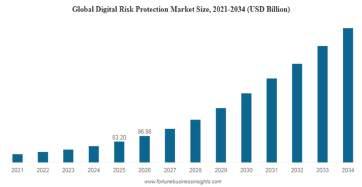
emma Okonji
A new report has outlined risk scenarios on earth, at sea, and in space, raising concern about the fragility of global interconnected digital systems and offering a roadmap for preparedness.
The report, tagged: ‘When Digital Systems Fail—The Hidden Risks of Our Digital World’, is a joint expert effort put together by the International Telecommunication Union (ITU), the United Nations Office for Disaster Risk Reduction (UNDRR), and
Sciences Po.
The experts highlighted resilience as the cornerstone of digital infrastructure stability and called for coordinated action between countries to improve digital resilience and protect essential services like healthcare, finance, and emergency response.
The experts were of the view that solar storms, submarine cable cuts, satellite disruptions, and extreme weather could disrupt communication networks and potentially trigger a ‘digital pandemic’ globally, based on identified critical
vulnerabilities in the world’s interconnected systems.
Highlighting the risks of digital dependency, the report said: “Digital technologies have revolutionised how we live, connect, and work, yet our growing reliance on these systems has created risks that often go unnoticed. A severe solar storm could disable satellites, disrupt navigation systems, and destabilise energy grids, with recovery times measured in months. Extreme temperatures could overwhelm data centers, leading to mobile service outages, as well as failures
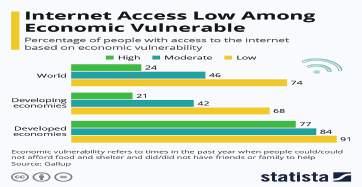
in healthcare systems and financial transactions. In the meantime, earthquakes or other natural hazards can sever vital internet connections, slowing business operations and leaving entire nations offline for weeks.”
The report therefore called on policymakers, the private sector, and civil society to act now to prevent these risks from becoming a ‘digital pandemic’, urging for global commitment and coordinated action.
ITU Secretary-General, Doreen Bogdan-Martin, said: “Resilience must be built into
the DNA of the technologies we depend on. The report urges us to consider the systemic nature of risks and rethink how we protect the systems that connect and empower humanity.”
Special Representative of the United Nations SecretaryGeneral for Disaster Risk Reduction and Head of UNDRR, Kamal Kishore, said: “As our societies become more reliant on digital technologies, disruptions caused by disasters can cascade across systems and borders, triggering far reaching and potentially catastrophic failures. We
must plan, build and maintain digital infrastructure with systemic risk in mind - now and for the future. Digital infrastructure must be resilient infrastructure.”
Dean of the Paris School of International Affairs at Sciences Po, Arancha González, said: “Facing systemic risks means looking beyond data and working across disciplines. The report shows how evidence-based policymaking can help us build resilience in an increasingly interconnected world.”
Building on a proven track record across 34 African markets, Ecobank Group has said it will partner with Development Finance Institutions (DFIs), including Proparco, to deploy this $3 billion commitment.
“By expanding access to competitive trade finance, the funds will directly fuel the core engines of Africa’s real economy: agribusiness, manufacturing, and general commerce. This strategic
deployment is designed to accelerate the structural transformation of the continent, anchoring future growth in sustainable industrialization, resilient infrastructure, and human capital.
By strengthening liquidity, providing guarantees, and deploying specialized trade instruments, Ecobank will help African businesses secure essential inputs, access new markets, and build resilience within increasingly complex global supply chains,”
Ecobank said in a statement. CEO, Ecobank Group.
Jeremy Awori said, “The Africa-France Impact Coalition marks a fundamental shift toward shared sovereignty and integrated supply chains, and we are proud to drive this vision.”
He added that, “Africa is rising and trading. By leveraging our Paris banking hub and partnerships with DFIs like Proparco, we are connecting African opportunities with global
capital. This initiative is more than a financial commitment, it is a catalyst for trade, investment and talent - the pillars of Africa’s next decade”.
This $3 billion commitment signals strong confidence in Africa’s capacity to industrialize, scale production, and participate as a highly competitive partner in global trade, strongly aligning with the moment of intra-Africa trade acceleration.
Central to this pledge is
EBISA, Ecobank’s Paris-based hub, which serves as the critical gateway connecting African enterprises with international markets.
EBISA will anchor the cross-border flows that drive both investment and trade, facilitating the “Made in Africa” and “Co-Made in Africa and France” ecosystems.
“By focusing not just on capital, but on the entrepreneurs, small business owners, youth innovators, and women-led enterprises
that drive the continent forward, Ecobank will deliver measurable impact across five priority dimensions: support sustainable development across Ecobank’s expansive footprint; enhance market access for SMEs and large corporate entities; deepen integration into regional and global value chains; empower women and youth-led businesses and strengthen economic resilience and long-term value creation.
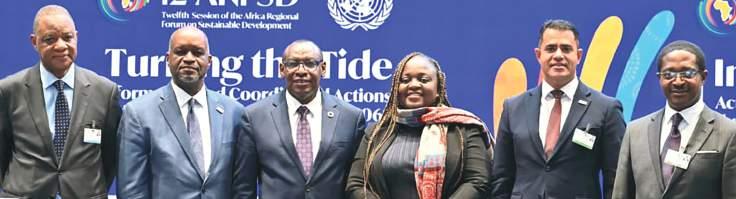
Stories by Emma Okonji Paradigm Initiative (PIN), a Pan-African organisation, has released its 2025 Annual Impact Report, highlighting a year of exceptional organisational delivery and sustained impact across its digital rights and digital inclusion initiatives in Africa and the rest of the Global South.
The report looked at the broader sector-wide developments across Africa and the rest of the Global South, and revealed a widening gap between rapid digital expansion and the protection of human rights, thereby undermining privacy, freedom of expression, and civic participation.
According to the report, 2025 saw a surge in vague
Gloopro, Africa’s premier enterprise eProcurement and Procurement-as-a-Service (PaaS) provider, is set to host the Digital Procurement Africa (DPA) Summit 2026 in Lagos.
Speaking at a press conference in Lagos to announce the summit, the CEO of Gloopro, Dr. Olumide Olusanya, said Africa’s procurement ecosystem was entering a defining moment, adding that digital transformation is at the centre of it all. “The DPA Summit 2026 is a call to the leaders shaping the future of procurement across public and private sectors to
come together, share what is genuinely working on the ground, and commit to the practical shifts that our continent now requires,” Olusanya said. According to Olusanya, the international and local experts in procurement that will speak at the summit will explain what digital procurement means, and the potential impact of procurement to organisations that are supposed to be leveraging digital procurement as a means of strategic lever to achieve their own business objectives.
To drive a new narrative for a better Nigeria and ensure young people are active participants in the national development, PressPayNG recently assembled over 200 Nigerian students across the geopolitical zones in Abuja for a critical intervention in Nigeria’s evolving social architecture.
In a statement by the organisers, the forum, convened by PressPayNG and supported by the United Nations Educational, Scientific, and Cultural Organisation (UNESCO) under its
Intercultural Leadership Programme, was held in Abuja.
Founder/CEO of PressPayNG, Abiola Metilelu, said: “The forum brought together over 200 students from across Nigeria’s six geopolitical zones. But beyond the numbers, what mattered was the composition, as young Nigerians positioned not as passive participants in national discourse but as active architects of peace, championing the narrative for a better Nigeria.
cybercrime and cybersecurity laws, increasing risks of surveillance, censorship, and disproportionate
enforcement. At the same time, internet shutdowns, online harassment, and platform restrictions in some African
countries continued to disrupt civic space, particularly during elections and periods of political tension, the report
said. Giving details of
Visa, a global leader in digital payments, has released report on its latest consumer spending insights for the Ramadan and Eid Al-Fitr period in Nigeria, based on the Visa Consulting & Analytics Retail Spend Monitor.
According to the report,
during the period, spending on Visa premium consumer cards increased 20 per cent year-over-year, with spend share reaching over 10 percentage points, reflecting higher spending on travel, everyday retail, and foodrelated categories.
Analysing the report, Vice President and Country Manager for Visa in West Africa, Andrew Uaboi, said: “The Ramadan and Eid Al-Fitr period saw higher spending across travel and everyday retail categories, reflecting both inbound visitor activity and sustained local spending. These insights highlight how consumer behavior shifts during key seasonal moments and underscore the opportunity for businesses to respond with more relevant and seamless commerce experiences.”
The Nigerian Engineering Olympiad (NEO) has unveiled 30 outstanding innovation teams selected to advance to the regional stage of its national competition, a 10-month initiative aimed at transforming academic research into commercially viable and sustainable enterprises.
Each shortlisted team will receive a N3 million grant for prototype development and technical mentorship, representing an immediate N90 million investment in indigenous innovation.
Chosen from 375 submissions, the teams represent higher institutions across Nigeria’s six geopolitical zones, with five projects emerging from each zone. Launched in November 2025, the Olympiad seeks to bridge the long-standing gap between theoretical engineering education and practical industrial application.
The competition now enters a rigorous regional phase where teams from federal, state, and private universities, as well as polytechnics, will compete for 12 places at a national bootcamp in Lagos. Projects are being assessed on technical excellence, originality, feasibility, scalability, sustainability, and their relevance to Nigeria’s infrastructure and economic needs.
The 12 successful teams will undergo intensive mentorship in business development and industry best practices before progressing to semifinal knockout rounds. Ultimately, four finalist teams will compete for a share of N100 million in seed funding at the Grand Finale.
General Manager for Integrated Gas Development at First E&P, Yetunde Taiwo, said initiatives like the Nigerian Engineering Olympiad are crucial to reducing brain drain by creating clear career
pathways for young engineers. She noted that supporting STEM education and innovation would strengthen Nigeria’s engineering sector while inspiring youths to develop solutions capable of transforming industries and improving lives.
The initiative comes at a critical time for Nigeria’s engineering sector. Executive Secretary of the Nigerian Content Development and Monitoring Board (NCDMB), Engr. Felix Omatsola Ogbe, noted that despite Nigeria’s vast human capital, only about 5% of engineering graduates are considered industryready, while over 70% lack the practical technical skills required by modern industries.
According to him, the Olympiad is designed to position Nigeria as an engineering innovation hub by identifying and nurturing exceptional talent nationwide.
President of the Nigerian Society of Engineers (NSE), Ali
Alimasuya Rabiu, described the programme as a bold step toward repositioning young engineers as drivers of sustainable national development, especially in renewable energy, smart cities, healthcare technology, and manufacturing.
Country Director of Enactus Nigeria, Michael Ajayi, said the initiative would harness the creativity and energy of young Nigerians to solve real-world challenges, build sustainable businesses, and create jobs.
General Manager of Nigerian Content Development at Renaissance Africa Energy Company Limited, Mr. Olanrewaju Olawuyi, described the Nigerian Engineering Olympiad as a strategic platform for building indigenous engineering capacity, promoting innovation, practical problem-solving, and industry readiness.
PalmPay Group has announced a strategic partnership with Lagos State Universal Basic Education Board (LASUBEB) to recognise and reward high-performing students in selected public schools across Lagos, as a broader commitment to
supporting ambition and expanding opportunities for young Nigerians. Nigeria continues to face a significant out-of-school children challenge. According to UNICEF, 18.3 million school age children are currently out of the classroom.
Speaking on the partnership, Managing Director at PalmPay, Chika Nwosu, said:
“Recognising and rewarding high-performing students goes beyond celebrating excellence. It reinforces the value of education, strengthens motivation, and supports families in keeping their children in school. Through our partnership with LASUBEB, we are contributing to an ecosystem where young people are encouraged to stay engaged and pursue their ambitions.”
With the disruption of work on the 80-kilometre gas pipeline being constructed from Sagamu in Ogun State to Ibadan in Oyo State, by NIPCO Gas Limited in joint venture with NNPC Gas Marketing Limited, foreign and local investors in Nigeria’s oil and gas industry are seeking the Presidency’s urgent intervention for a speedy resolution of the dispute according to the provisions of the Petroleum Industry Act (PIA), Ejiofor Alike writes
The efforts by the administration of His Excellency, President Bola Tinubu to revive economic activities in the South-west by encouraging manufacturers and other businesses to use gas to generate their own electricity have faced serious setback following the disruption of work on the construction of the 80-kilometre gas pipeline from Sagamu in Ogun State to Ibadan in Oyo State.
As part of the implementation of the Petroleum Industry Act (PIA) and in line with President Tinubu’s policy of utilising Nigeria’s abundant gas resources towards revamping the nation’s industrial growth and kickstarting its economic prosperity, NIPCO Gas Limited was in September, 2024, awarded four Gas Distribution Licences (GDL) for 25 years by the Nigerian government.
These licences cover the Ibadan Axis (Ogere-Ibadan-Oluyole-Olorisaoko-AsejireAjoda); Lekki Free Trade Zone, and KaraSagamu-Abeokuta-Ibadan Axis (Sagamu Interchange-Ibafo-Isheri-Otedola Bridge, in addition to Benin City, where NIPCO Gas Limited started Nigeria’s Compressed Natural Gas (CNG) programme in about two decades ago, using gas to power vehicles.
In line with the PIA, the exclusivity period of 25 years granted under these four licenses by the Nigerian Midstream and Downstream Petroleum Regulatory Authority (NMDPRA) was to attract investment in gas infrastructure development, prevent infrastructure duplication, and maximise efficiency and national resource optimisation.
NGML operates the largest network of gas pipelines of over 500 kilometres in Nigeria.
On its part, NIPCO Gas Limited is Nigeria’s largest indigenous licensed gas distribution company, with a very robust network of gas distribution infrastructure that caters to customer’s energy needs across 22 states and the Federal Capital Territory (FCT).
Currently, the NNPC Limited, through its gas arm, NGML, is aggressively implementing audacious plans to supply an additional 1.8 billion cubic feet of gas per day (bcf/d) in 2026 to meet rising demand in the domestic market.
The national oil company’s subsidiaries, NNPC Upstream Investment Management Services (NUIMS) and Nigerian Exploration and Production Limited (NEPL), are expected to produce additional volumes of 1.496bcf/d and 223.6 million standard cubic feet per day
(mmscfd), respectively this year.
According to the NNPC Gas Master Plan 2026, this effort is expected to contribute to Nigeria’s target of supplying 10bcf/d by 2027 and 12bcf/d by 2030. It will also catalyse over $60 billion in new investments across the oil and gas value chain by 2030.
In line with President Tinubu’s agenda to ensure the utilisation of Nigeria’s abundant gas resources for the country’s economic growth, NGML and NIPCO Gas Limited have continued to lead the federal government’s efforts in promoting the use of domestic gas to support industries and businesses nationwide. NIPCO’s robust network of gas distribution infrastructure in 22 states and the FCT, has also continued to boost Nigeria’s economic and industrial growth. NIPCO Gas Limited’s joint venture with NGML has strengthened industrial gas supply, particularly in the Lekki and Lagos-Ibadan corridors. The company has successfully commissioned several CNG stations across Abuja, Lagos, Edo, Delta, Ogun, Oyo, Kogi, and Akwa Ibom states. The company’s strategic partnerships with NNPC Limited and the Presidential CNG Initiative (PCNGI) are driving the adoption of CNG as a cleaner, more affordable, and sustainable energy alternative.
The company also entered into an agreement with Delta State and recently commissioned a CNG station and CNG conversion workshop in Asaba. With NIPCO’s robust network of gas distribution infrastructure that caters for the power supply needs of industries in the South-west, the region has retained its position as the country’s industrial base and home of manufacturers.
However, NGML and NIPCO Gas Limited’s efforts to drive the use of gas as a more affordable, and sustainable energy alternative in the South-west are being frustrated by the stoppage of work on the 80km Sagamu-Ibadan pipeline project, which was scheduled for completion in June 2026.
Local and foreign investors who are monitoring the unfortunate development described it as a defining test of President Tinubu’s gas reforms. The 80 kilometre gas pipeline from Sagamu to Ibadan being constructed by NIPCO Gas Limited, was backed by over $100 million in investment.
Under the law, the project was based on the Gas Distribution Licence (GDL) issued to NIPCO Gas Limited under the PIA 2021, by the Nigerian Midstream and Downstream Petroleum Regulatory Agency (NMDPRA) on behalf of the Nigerian government.
The licence granted NIPCO the exclusive rights to distribute gas within Ibadan for 25years based on the PIA. However, for about three months, the project has been halted through stopwork notices pasted on the line pipes by the Oyo State Ministry of Lands, Housing and Urban Development.
Since then, all efforts made by NIPCO Gas Limited to resolve the dispute, including writing an application for approval to construct the pipeline to the state Ministry of Energy as directed by the state government, were rebuffed by the agents of the state government.
The silence by the state government has fueled the speculations that NGML and NIPCO Gas Limited were being frustrated because one of Governor Makinde’s companies operating in the Niger Delta region allegedly has business relationship with an international oil company (IOC) that is interested in the Ibadan gas pipeline project.
Though the identity of the IOC could not be confirmed, it was gathered that the representatives of NGML and NIPCO Gas had held several meetings with officials of the Oyo State Government and Shell Nigeria Gas, where the position of PIA regarding GDL exclusivity was presented to all the parties.
Curiously, the NMDPRA, which issued the licence to NIPCO Gas, has also remained silent as this regulatory dispute escalates, strengthening the speculations that powerful political forces are interfering in regulatory matters in violation of the PIA 2021.
By the provision of the PIA, the license awarded to NIPCO Gas overrides the 20 years gas distribution agreement which the Oyo State Governor, Seyi Makinde and Shell Nigeria Gas signed in London in May 2024.
Before the license was awarded to NIPCO Gas, NMDPRA also confirmed that it did not issue key permits for any other company to execute gas pipeline projects in Ibadan. The two permits required for
such a project are Permit to Survey (PTS) and Oil Pipeline Licence. NMDPRA was said to have communicated this development to Shell Gas. A source privy to one of the meetings called by Oyo State Government, revealed that NIPCO Gas Limited was told to divide the gas distribution license with the state government to accommodate Shell Gas but NIPCO Gas Limited raised an objection, citing the 25 years exclusivity clause in the PIA. Multiple sources claimed that by the provision of the PIA, Shell Nigeria Gas or any other company cannot lawfully execute pipeline projects in a gas distribution zone already licensed to another operator as such entry constitutes a breach of the PIA. According to one of the sources, the exclusivity was meant to protect investors and investments, and give them assurances and guarantees that the future of their investments is safe and secure.
In the current global energy transition, gas is expected to play a central role in powering industries, stabilising electricity supply, and reducing reliance on expensive diesel. President Tinubu’s administration is a global champion in the campaign for use of gas as a transition fuel in Nigeria and Africa. Though his administration has rolled out ambitious and audacious reforms to actualize this objective, gas availability remains inconsistent, constraining power generation and limiting industrial output.
The 80km Sagamu - Ibadan pipeline project is one of the administration’s deliberate efforts to close the energy gap. To halt such a project in flagrant violation of the PIA 2021, is to halt the development of the South-west and frustrate the efforts by the Nigerian government to use the country’s abundant gas resources to power industries and other businesses.
However, the Oyo State Government, NGML, NIPCO Gas, and Shell Nigeria Gas have remained silent on the issue. But some oil and gas industry operators, who spoke on condition of anonymity, described the stop-work order issued by the Oyo State government as a continuation of the political cold war between the state government led by the Peoples Democratic Party (PDP) and the Federal Government controlled by the All Progressives Congress (APC). While describing the stoppage of the project as anti-people and anti-South-west, the stakeholders warned of the dangers of mixing politics with business.
When the GTCO Food and Drink Festival hit full swing in Oniru, one tent went quiet. Inside, French chef Jean-Baptiste Ascione stood over a burner with beef aged in coffee, butter bubbling with toffee, and a crowd waiting for more than a recipe. He gave them a lesson in trust, context, and why “fresh” means something different in Lagos than it does in Paris. Writes Mary Nnah
It was 4:30 p.m. on Sunday, May 3rd, at the GTCO Food and Drink Festival in Oniru, Lagos. The air at Plot 1 Water Corporation Drive hung thick with humidity, smoke, and anticipation.
Outside the tent, the festival was in full roar - vendors shouting about the “baddest, creamiest shawarma,” a radio booth calling for the parents of 10-year-old William George, and a sandwich bar promising “bragging rights” for ₦5,000.
Inside, it was quieter. Hotter. A single burner hissed. And there was Chef Jean-Baptiste Ascione, sleeves rolled up, holding a slab of beef that glistened dark as polished wood.
The chef who had flown in to show Lagos what happens when you age beef in coffee for two days.
“I put the beef in this coffee two days ago,” he said, turning it in his hands like a relic. His voice was soft, French-accented, almost apologetic. “After two days, it’s tender. You can taste the smell of the coffee, and taste the taste of the coffee.”
The crowd leaned in. You could smell it - deep, bitter, and animal. At that moment, the audience stopped watching a masterclass and started witnessing a confession.
Ascione, 32, doesn’t look like the chefs on billboards. No towering toque, no stern scowl. He looks like he cooks with his whole body. He started at 13, not for glamour, but because it felt inevitable.
He trained in Michelin-starred kitchens, La Grande Cascade, Prince de Galles, and Masa, where precision is religion.
In 2015, all of France watched him on Top Chef when his dessert was named best across all seasons.
At 26, he bet on himself and opened Petit Gris in Paris, a farm-to-table restaurant serving “seasonal, honest cuisine” without pretense. Faby followed, a wine bar built around sharing. This June, he opens Le Petit Brochant, his third act.
But on this Sunday in Oniru, he wasn’t a brand. He was a man with a knife, a pan, and a problem: how do you teach trust?
His class was called “Refined Dish Inspired by French Cuisine.” What unfolded was anything but aloof. He started with duxelles. “Mushroom and onion,” he said, dropping both onto the board.
“We are going to cook it directly. We need to cut it into really little pieces. After that, you have a mash of mushrooms. Mushroom bits.”
He held up champignon de Paris and grinned. “Mushroom from Paris. But

Jean Baptiste Ascione with one of his assitants duirng his class
I’m sure it’s not from Paris.” The tent exhaled. He had permitted them to laugh.
Then came the beef. Two plates, one animal. “One is going to be beef tartare, and the other, I’m going to cook the beef in butter. Because I’m French.” The line got a roar.
Butter foamed in the pan with thyme and, improbably, toffee.
“Butter, thyme, and toffee. It’s a French recipe. We don’t want to lose the beef.” The smell was narcotic: smoke, sugar, flesh.
The tartare was different. Intimate. He diced the coffee-aged beef into small, glistening cubes. “Tartare is when you cut it like this. Little pieces. That’s it. If I cut it like this, it’s a carpaccio.” He showed both cuts, fingers moving with muscle memory. “This is a recipe for tartare. But normally, tartare is just a cut.”
Then the room asked the question everyone was thinking: “Does tartare always have to be raw? Fully raw?”
“Normally, it’s raw. Yes. Normally,” Ascione said. “But in Paris, some people ask to have it cooked. But then it’s just a steak.” He paused.
“So how do you keep it safe to eat raw?” He didn’t dodge. “Yeah, it’s safe. We eat a lot of things raw. Fish, meat. That’s true. It’s okay. You just need fresh pieces.”
“How fresh?” someone pressed.
“How long after the animal dies
can you eat it?” That’s when Ascione’s face changed. The showman dropped. The chef stayed.
“In France, I can have the meat one hour after it arrives at my restaurant,” he said, choosing each word carefully. “So I can’t really answer here. I don’t know if you have it that fresh. It’s very hot outside. In Paris, it rains every day. It’s not the same situation.”
He looked up at the tent, at the Lagos heat pressing in. “For me in Paris, I get my meat for tomorrow. It’s at my restaurant. The next day I work with it, and my customers eat it right away. So in two days, you can eat fresh meat at my restaurant. That’s why it’s complicated here. I don’t really know.”
No bravado. No brand-speak. Just a chef from a rainy city telling a humid city the truth: freshness isn’t a recipe. It’s a context. The questions kept coming. Wine. Religion. Alcohol. “Does cooking with alcohol reduce the alcohol content?” “Normally, when you cook with alcohol, you put fire to it,” he said, miming a lighter. “Big flame. In the end, you don’t have alcohol. If you don’t drink alcohol for religious reasons, you can’t really ‘steal’ alcohol. But you’re not going to get drunk.”
He plated both dishes as the light slanted gold through the hall. The tartare wore mustard, smoked cream, parsley oil, and so
on. The seared beef glistened under toffee-butter. “This is the first recipe. Yes, it’s complete.”
The crowd wasn’t clapping yet. They were asking for more. “If there’s a place where we can get this information… not everyone is taking notes… We need step by step so we can practice.”
The moderator jumped in: “We will get back to you if you need anything.”
Ascione said his cooking is “shaped by travel, instinct, and a deep respect for product and fire.”
In Oniru, you saw all three. The trip that brought coffee-aged beef to Lagos. The instinct that told him to say “I don’t know” when he didn’t. The fire he kept lighting under pans and assumptions.
Outside, the festival kept spinning. “If you’re a Liverpool fan, approach any vendor for a discount,” the radio host joked. Shawarma Bistro was still “holding it down.” But for more than one hour on Sunday, May 3rd, a hall at the Water Corporation Drive went silent for a Frenchman who believed refined didn’t mean untouchable. It meant honesty. It meant coffee in your beef, toffee in your pan, and admitting that Paris rain and Lagos heat don’t play by the same rules.’
GTCO Food and Drink 2026, themed Promoting Enterprise, ran May 1–3. The enterprise Ascione left behind wasn’t a dish. It was a dare: to cook with fire, to eat with trust, and to say “I don’t know” out loud. In a city that rewards certainty, that might be the most refined thing of all.
By Abdulaziz Abdulaziz
Marketing is too important to be left to the marketing department.
J— David Packard
uene Media Group-founded Africa CEOs Forum has sealed its place as the largest private sector gathering on the continent. It has become the rendezvous where investors engage leaders, tycoons meet mandarins, big ideas find platforms, and visions chance upon lifelines. The 2026 edition, co-hosted by the World Bank’s International Finance Corporation (IFC), is being held in Kigali, Rwanda, on May 14 and 15. Headlining the Forum this year are scores of juggernauts, among them six heads of government from around Africa.
As the biggest private sector assemble, the Forum is hosting over 2,800 business leaders, investors and policymakers from over 90 countries in Africa and around the world. Over 300 journalists, organisers say, are also billed to attend. There is no better place to pitch your ideas and vision!
The Africa CEOs Forum is a perfect place for President Bola Ahmed Tinubu, who is always keen for opportunities to sell Nigeria to investors, local or international. As he concludes a similar investment-focused event in nearby Nairobi, President Tinubu arrived in Kigali on Wednesday to continue from where he had stopped in the Kenyan capital.
The words of David Packard, co-founder of tech giant Hewlett Packard, quoted as epigram to this piece, have found great accommodation in President Tinubu. Since he assumed office as President of the Federal Republic of Nigeria in May 2023, he has demonstrated that marketing Nigeria to the world and attracting Foreign Direct Investment are not duties to be left to bureaucrats or even exclusively in the hands of officials in charge. It is a duty for all, and most especially for him as the chief salesman of the country. The cornerstone of his administration is this sort of economic diplomacy that he takes as the sine qua non for achieving the $1 trillion economy target he had set for himself.
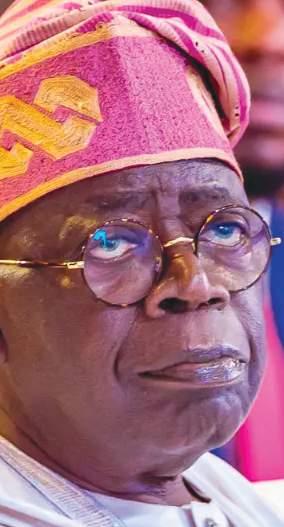
Indeed, in today’s interconnected world, economic diplomacy has become an important survival strategy, as salient as traditional diplomacy. Nations no longer compete only through natural
resources or military strength; they compete through perception, visibility, trust, and strategic engagement. A country that does not actively tell its story risks being defined by prejudiced narratives, outdated assumptions or external constructs. This is why international engagements and strategic travels by national leaders matter.
For President Tinubu these trips are not empty junkets or ceremonial luxuries; they are opportunities to market a nation’s potential, attract investment, deepen trade partnerships, promote trust and build confidence in the economy. In a world where investors are worried about erratic leadership and political instability, investors are more likely to commit to countries whose leaders demonstrate vision, stability, accessibility, and ambition on the global stage.
No country rises globally while remaining invisible internationally. The world invests in countries it understands and trusts. Strategic communication, bilateral engagements, and economic outreach help translate national achievements into global opportunities.
Economic diplomacy is ultimately about opening doors for citizens; creating jobs, attracting capital, expanding markets for local businesses, and positioning the country as a competitive destination for innovation and enterprise. In a highly competitive global economy, visibility is not vanity; it is strategy. Nations that confidently promote themselves create stronger partnerships and accelerate national development.
This is where President Tinubu’s thoughtfulness pays up and this is why this trip to Kigali is vital for Nigeria.
The economic diplomacy prioritised by President Tinubu is about opening Nigeria to the world and opening opportunities to Nigerians. This marketing task is something he does so effortless and so passionately using sophisticated arts of marketing and advocacy. I have seen him speak to investors whether Siemens or ExxonMobil visiting him in Abuja or to a room full of Saudi investors in Riyadh. It is the same energy and candour. It is always a presentation from the heart that was as unpretentious as it was unscripted. He’d spurn out the facts and the figures, reeled
out the justifications and tickle the boardroom chiefs where it matter without appearing weak or pitiable. It is a masterful combination of economic diplomacy and salesmanship at the highest level.
But it is not all talks. Even the best of marketers need good product to advertise. In this case, President Tinubu has executed much-praised reforms that have sharpened the Nigerian investment climate and make it palatable to investors.
Incentives provided to oil companies has suddenly drafted Nigeria back into choice destination for oil firms. Years of investment freeze in the sector have given ways for a boom. Last year Nigeria arractied 40% of fresh investment in deepwater and gas projects to Africa It is the same story in renewable energy and in mining, making the two areas darling of investors. Exchange rates have been unified giving investors the assurance they need while making plans. The new tax regime has eased regulatory compliance and improved transparency in the system, making it easy to do business without fear of multiple taxation.
Nigeria today has a lot to show for these reforms. Companies that had closed shop or those who were considering exiting the uncertain climate are reconsidering their decisions. Only in January, oil giant, Shell announced a new $20 billion for the historic Bonga oil project. Mining that was commatose attracted $2.7 billion in one year alone, aside many lined-up commitments. In the same vein, sovereign fund managers and niche investors are trooping to pitch their tents in Nigeria in different sectors. This has helped in shoving up our external reserve and firming up the naira.
Like in similar outings before it, President Tinubu —who will be in a chat with with the publisher of Africa Report, Nicholas Norbrook, on the second day of the Forum in Kigali–will use the platform to reiterate his clarion call for investors to bet on the bolder, stable ans stronger Nigerian economy.
•Abdulaziz is Senior Special Assistant to the President on Media and Public Enlightenment
Geopolitics has moved to the centre of the CEO risk agenda, with 56 per cent of them citing it as the most significant risk over the next 12 months, the latest EY-Parthenon CEO Outlook survey has shown.
The report, which highlighted responses of 1,200 CEOs from 21 countries, said CEOs are responding to rising geopolitical and macroeconomic risk with greater discipline and selectivity, not retrenchment.
Despite this, the report noted that business leaders remain focused on profitability, resilience, and long-term growth, with 82 per cent prioritising disciplined growth over rapid expansion.
“CEOs are focusing more on careful growth and long-term change using AI and smart business deals, even though there is more risk from world politics and the economy. In times of uncertainty
and many problems happening at once, CEOs are not giving up. Instead, they want to make their businesses stronger and more profitable by growing carefully and learning from past problems,” the survey further revealed.
On how world politics are changing business plans, the report revealed that more than half of CEOs (56 per cent) say world politics is the biggest risk to their business in the next year. This is much higher than before.
Continuing, the report posited that many CEOs (46 per cent) say high energy prices because of world politics are making business harder. This shows how politics affects money and operations directly, adding that CEOs are not stopping their plans because of this. Rather, they want to be careful about where they spend money. They want to grow in a way that is safe, focused on profits, and strong against risks.
“Most CEOs (82 per cent) want steady, long-term growth and clear profits, not just fast expansion. They are focusing on saving money, working better, keeping good workers, and using technology like AI to be more productive,” the report added.
Corroborating, EY-Parthenon West Africa Leader, Olufemi Alabi, said: “Even with many challenges, CEOs in West Africa and beyond are not slowing down. They have learned from past problems and now plan carefully where to grow. They know the world is always changing, so they want to be ready for anything by growing in a smart and steady way.”.
On AI, the report also pointed to AI as still very important for CEOs everywhere, noting that 80 per cent plan to spend more on AI in 2026, and only 1 per cent plan to spend less. Almost half (48 per cent) are buying or selling parts of their business to get better AI
technology.
According to the report, AI is helping businesses grow by improving customer service (42 per cent), creating new ideas (40 per cent), making operations better (41 per cent), and helping with plans (41 per cent). Most CEOs (83 per cent) feel good about investing in new technology.
But there are still problems. Rules about AI are different in many places and changing fast. 30 per cent of CEOs say these rules make it harder to use AI well, and 38 per cent say the rules are confusing and stop AI from growing fast.
On how AI changes people’s perception around the work environment, the report said people worry AI will take jobs, but CEOs see it differently. Almost all CEOs (99 per cent) say AI will change how they manage workers in the next three years, but only 20 per cent think AI will mean
fewer new hires, down from 46 per cent last year.
“CEOs see AI as a tool to help workers do better, not replace them. 42 per cent plan to train workers in new skills, and 44 per cent want to change jobs so people and AI work together. Still, finding workers with AI skills is hard. 20 per cent of CEOs say not having enough AI skills and leaders who understand AI is a big problem. This means companies must invest in training and leadership.”
But Alabi noted that CEOs in West Africa see AI as a tool to help people, not replace them. The real challenge, according to him, is teaching workers new skills to use AI well. Without this, companies will miss out on what AI can do, he stressed.
On smart deals, AI and longterm goals, the survey also has it that, even with risks, CEOs still see buying and selling parts of businesses as key to growing, with
89 per cent saying they will do more deals in the next year but will be more careful.
The report disclosed that the US is the top place for deals, followed by India, the UK, Canada, and Germany, noting that AI is a big reason for deals. 48 per cent say getting better AI tech is the main reason for buying or selling parts of their business. 47 per cent say deals must fit their long-term growth plans.
Regional Managing Partner for EY West Africa, Anthony Oputa, said that in Nigeria and West Africa, businesses face many challenges, but also great chances to grow.
“We see leaders using smart plans and new technology like AI to build stronger companies. At EY, we are ready to help our clients make the best decisions for long-term success and to grow their businesses carefully and confidently,” he added.
Esther Oluku
The Lagos State Government is set to host the third edition of its flagship investment forum, ‘Invest in Lagos 3.0’, with the target to attract both local and foreign direct investment worth N4trillion. The summit scheduled to hold from Monday, June 08 to Tuesday, June 09, 2026, at Eko Hotels and Suites, Victoria Island, Lagos state, in partnership with the Commonwealth Enterprise and Investment Council (CWEIC).
The summit, which will attract experts and business leaders from the fifty-six Commonwealth nations, is conceived to position Lagos as Africa’s leading sub-national hub for capital flows, trade integration, financial innovation, and infrastructure development.
Speaking during a press conference in Lagos, the Co-Chair, Local Organising Committee (LOC) of the summit and Commissioner for Commerce, Cooperatives, Trade and Investment, Folashade Bada Ambrose-
Medebem declared that outcomes from the summit 3.0 will build on and surpass the achievements of the previous editions with greater depth, stronger global engagement, and clearer implementation pathways.
Ambrose-Medebem said the high-level forum, themed, “Lagos: The Business Gateway to Africa -Where Innovation Meets Capital,” is expected to feature investment opportunities across key priority sectors including infrastructure, industrialisation, the digital economy, agriculture, energy transition, logistics, financial services, real estate, and SME development.
“Lagos sits at the centre of the African economic story. With a population in excess of 23 million people, a GDP that ranks among the largest city economies on the continent, expanding infrastructure, a vibrant innovation ecosystem, a growing industrial base, and one of the busiest seaports in Africa, Lagos remains uniquely positioned as the preferred destination for investment,
trade, manufacturing, finance, technology, and enterprise development,” she said.
In his remarks at the conference, the Co-Chair of the Local Organising Committee and Deputy Chief of Staff to Lagos State Governor, Mr. Sam Egube disclosed that more than twenty-nine global speakers from across the different countries of the world and industries have confirmed attendance.
“This summit will move conversation into measurable outcomes. In fact, the summit will spotlight key sectors including technology, infrastructure, healthcare, transportation, energy, environment, and the creative economy,“ he added.
With this Summit, Lagos is determined to translate investment conversations into deployable channels and maintain commitment to the Lagos State Development Plan 2052 as well as the T.H.E.M.E.S+ policy framework of the current administration designed to stimulate socio-economic development in the state.
Nume Ekeghe
Polaris Bank, has been honoured with the Private Sector Champion Award at the 2026 Jobberman Partners’.
The award which held recently in Lagos recognised of the Bank’s outstanding and stellar contributions to youth employment, talent development, and workforce empowerment across Nigeria.
The bank in a statement noted that the award recognises private sector organisations that have demonstrated exceptional commitment and leadership in advancing youth employability through impactful recruitment initiatives, graduate trainee programmes, executive hiring support, candidate
assessment programmes, and strategic partnerships that create sustainable career opportunities for young Nigerians.
Speaking on the recognition, Cynthia Sanyaolu, Head Talent Management at Polaris Bank reaffirmed the bank’s commitment to empowering young Nigerians and strengthening the nation’s workforce through strategic people-focused initiatives designed to create long-term economic and social impact.
“This recognition reflects Polaris Bank’s unwavering belief in the potential of the Nigerian youths and our commitment to building platforms that enable them thrive professionally and economically. At Polaris Bank, we see talent development and
youth empowerment as critical drivers of national growth and sustainable development,”Sanyaolu stated.
Themed: “From Impact to Action: Collectively Designing the Future of Youth Employment in Nigeria,” the convening focused on fostering collaboration between the private sector and other stakeholders to expand access to meaningful employment opportunities and equip young Nigerians with the skills and opportunities required to succeed in an evolving economy.
On the recognition, Jobberman commended Polaris Bank for consistently going beyond transactional partnerships to deliver measurable impact within Nigeria’s employment ecosystem.
Nume Ekeghe
Union Bank of Nigeria has reinforced its position as a key partner to Nigeria’s small business community after emerging winner of the Best SME Growth Banking Initiatives Award 2025 at the Nigeria National SME Business Awards organised by the Association of Small Business Owners of Nigeria in Lagos. The award recognised the bank’s sustained commitment to supporting small and medium-sized enterprises through
targeted financial solutions, capacity-building initiatives, and business support programmes aimed at driving enterprise growth, resilience, and long-term value creation.
Receiving the award on behalf of the Bank, Ayokunnumi Abraham, Head of SME Segment at Union Bank, described the recognition as a strong endorsement of the Bank’s commitment to supporting small and medium-sized businesses.
He said:”We are honoured to receive this recognition, which reflects Union Bank’s continued
commitment to helping SMEs grow by making banking simpler, faster, and more accessible. Through enhancements to our specialised platforms such as Union360, we have meaningfully reduced the time it takes for businesses to come on board and begin transacting. These improvements have shortened onboarding, increased digital adoption among our SME customers, and supported the acquisition of new business clients. Our focus remains on delivering practical solutions that help Nigerian businesses thrive.”
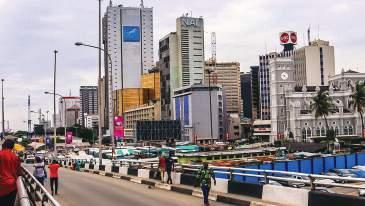
Kayode Tokede
The Shareholders of Custodian Investment Plc have commended the board and management of the company for the impressive financial performance and strong returns on investment in the 2025 financial year.
The commendation came during the company’s virtual Annual General
Meeting (AGM) held in Lagos.
Addressing shareholders at the meeting, Chairman of the company, Dr. (Mrs.) Omobola Johnson said Custodian Investment Plc demonstrated the strength of its integrated financial services structure in 2025 by leveraging synergies across its insurance, pensions, trusteeship, and real estate businesses.
“In 2025, Custodian
Investment Plc demonstrated the strength of its integrated financial services structure, leveraging synergies across its insurance, pensions, trusteeship, and real estate businesses to drive operational efficiency and enhance competitiveness,” she said.
According to her, the Group’s commitment to prudent risk management, innovation, and customercentricity enabled it to
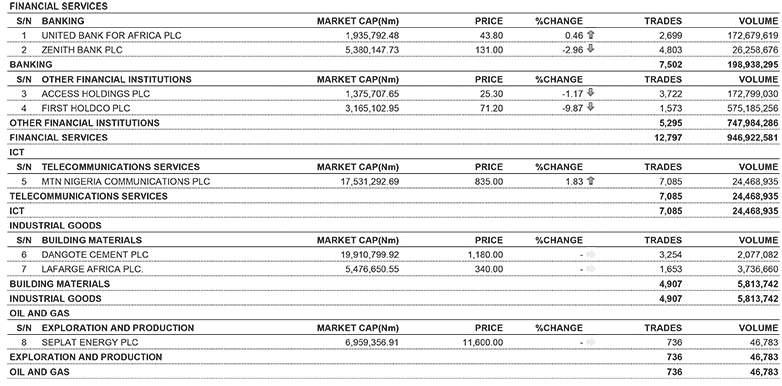
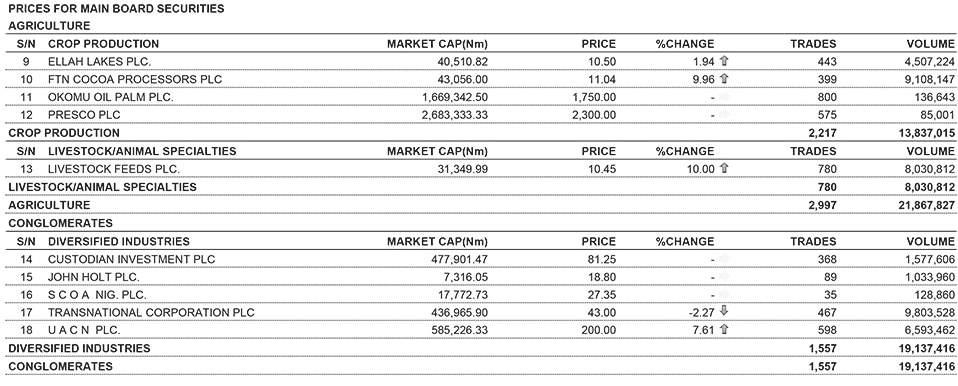
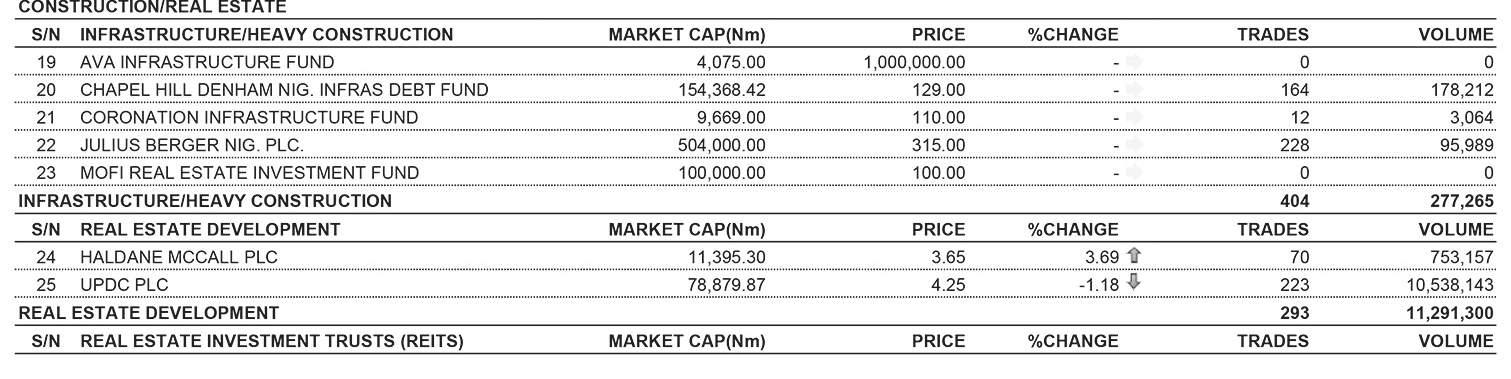
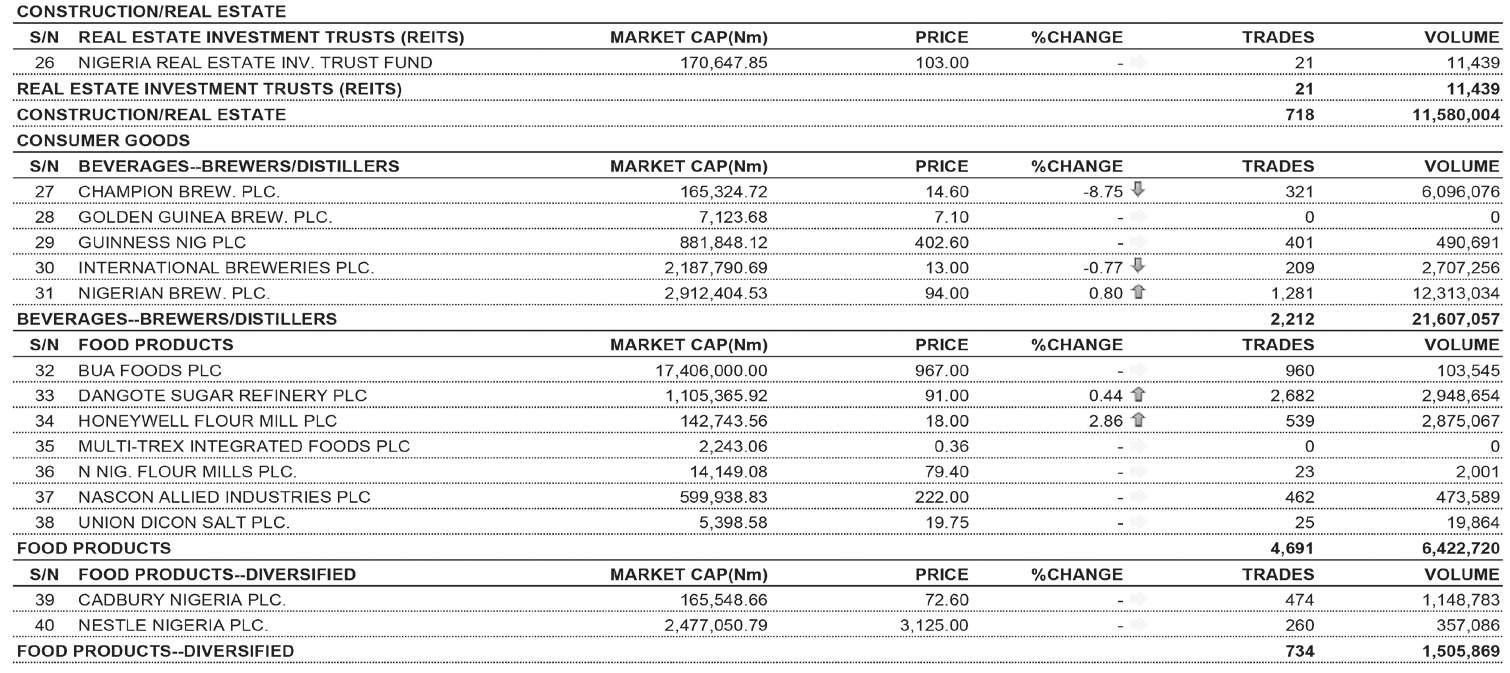
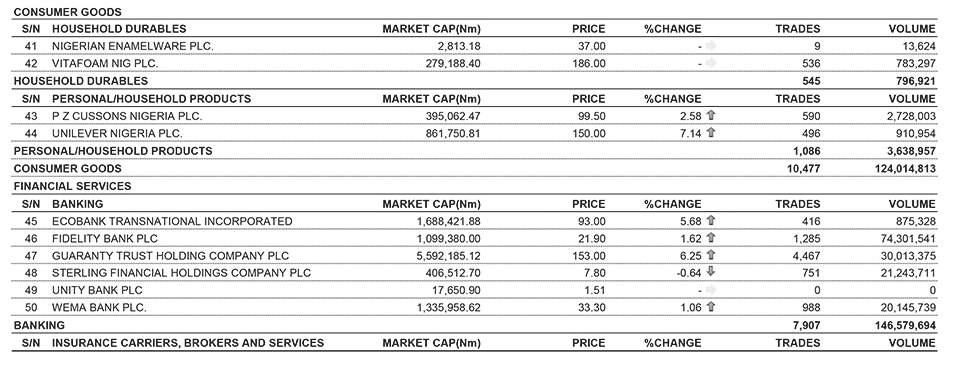
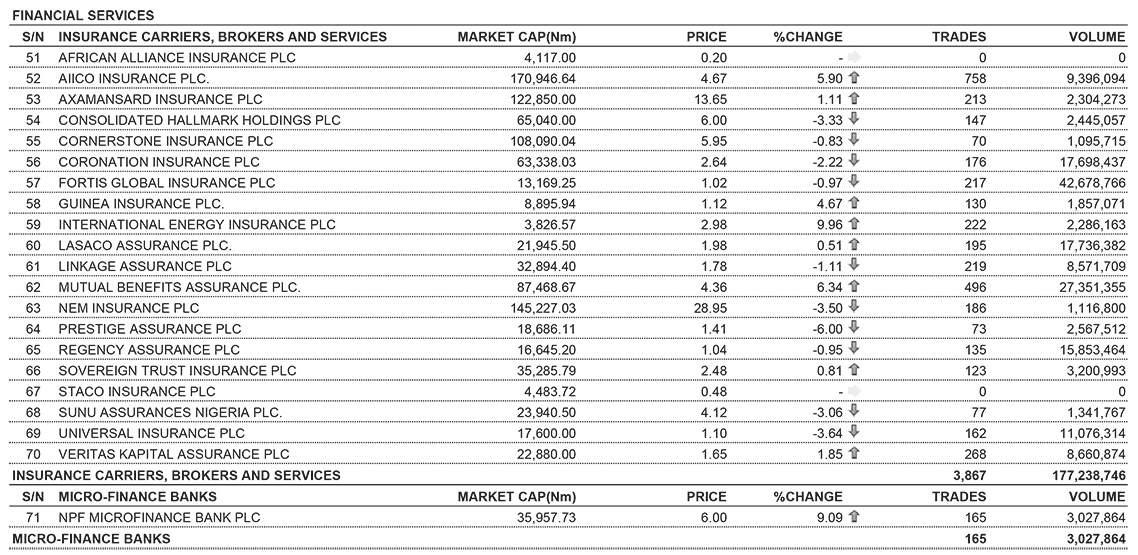
navigate market volatility effectively while expanding its presence in key growth sectors of the economy.
Johnson stated that during the review period, the company intensified efforts to improve operational excellence, optimise capital allocation, and invest in technology-driven solutions aimed at supporting longterm value creation.
She added that the dedication of employees, as
well as the continued loyalty of clients and shareholders, contributed to the Group’s stronger performance and reinforced its position as one of Nigeria’s leading investment holding companies.
Custodian Investment reported strong financial results for the year ended December 31, 2025. The Group recorded total revenue of N225 billion, compared with N152.01
billion in 2024, representing a 48 percent increase. Further analysis of the results showed that profit before tax rose to N77 billion from N62 billion recorded in 2024, representing an increase of 24 per cent, while profit after tax increased by 22 percent to N68 billion. Shareholders at the meeting also approved a total dividend of N2.75 per 50 kobo share.


A Mutual fund (Unit Trust) is an investment vehicle managed by a SEC (Securities and Exchange Commission) registered Fund Manager. Investors with similar objectives buy units of the Fund so that the Fund Manager can buy securities that willl generate their desired return.
An ETF (Exchange Traded Fund) is a type of fund which owns the assets (shares of stock, bonds, oil futures, gold bars, foreign currency, etc.) and divides ownership of those assets into shares. Investors can buy these ‘shares’ on the
floor of the Nigerian Stock Exchange. A REIT (Real Estate Investment Trust) is an investment vehicle that allows both small and large investors to part-own real estate ventures (eg. Offices, Houses, Hospitals) in proportion to their investments. The assets are divided into shares that are traded on the Nigerian Stock Exchange.
GUIDE TO DATA:
Date: All fund prices are quoted in Naira as at 12th May 2026, unless otherwise stated. Offer
his investment. Money Market Funds report Yield

Edited by nseobonG okon-ekonG
The global gaming industry is entering a defining moment as artificial intelligence rapidly transforms the economics and structure of game development. What began as experimental automation tools for testing, animation, and scripting is now evolving into a broader industry-wide shift capable of reshaping creative workflows, reducing production costs, and altering the future of employment across studios worldwide, writes Iyke Bede

But while gaming giants increasingly celebrate AI as the next frontier of efficiency and innovation, the transition is unfolding alongside a troubling wave of layoffs, restructuring, and uncertainty for thousands of workers within the industry. From North America to Europe and Asia, major studios are reorganising operations around leaner, AI-assisted production pipelines in pursuit of profitability and faster development cycles.
For Africa, where the gaming ecosystem is still emerging yet expanding at an impressive pace, the development presents both an opportunity and a warning. AI could democratise game creation for smaller African studios operating with limited resources, enabling them to compete more effectively on the global stage. At the same time, the continent must grapple with deeper questions about digital skills, creative ownership, and whether local developers can build sustainable industries in a global market increasingly shaped by automation. Artificial intelligence is no longer a distant concept in the global gaming industry; it is rapidly becoming one of the defining forces reshaping how games are conceived, produced, and distributed. From streamlining animation workflows to accelerating testing and scripting processes, AI tools are transforming production pipelines at a pace few could have predicted. Yet alongside the promise of efficiency and innovation comes a more unsettling reality: mounting layoffs, sweeping restructuring, and growing concerns about the future of creative labour in gaming studios around the world.
As major publishers race to integrate generative AI into development, the global industry is entering a period of profound transition — one that could ultimately redefine employment, creativity, and competitiveness across both established and emerging gaming markets. For Africa, where the gaming ecosystem is still in its formative growth stage, the shift presents a delicate balance of opportunity and risk. While AI may lower entry barriers for small studios and independent developers, it also raises urgent questions about sustainability, talent development, and how African creators can remain relevant in an increasingly automated global industry.
From movie production to video game development, artificial intelligence is reshaping creative work. Studios say it improves productivity, speeds up production, and reduces costs. It is also coinciding with layoffs and internal restructuring across parts of the industry.
Over the past few months, gaming companies have integrated AI tools while cutting roles and reorganising teams. These companies reportedly laid off members of their artificial intelligence division, including its Head of AI, despite previously signalling strong support for generative AI in future game development.
The move came weeks after Take-Two CEO said the company was actively embracing generative AI to improve production efficiency.
Another Take-Two-owned studio also confirmed layoffs during work on its upcoming title. The studio described the changes as part of efforts to become more agile and speed up development cycles.
Recent waves of restructuring have also been visible across the wider industry. Major publishers and studios, including those owned by Xbox divisions and the partner ecosystem, have announced job cuts over the past two years as development costs rise and live-service models come under pressure. Industry tracking estimates that more than 10,000 gaming jobs were cut globally in 2023 alone, with further layoffs continuing into 2024 and 2025 as companies restructure around profitability and new AI-driven workflows.
Across the sector, AI is increasingly being positioned as a production tool.
Developers use it to reduce repetitive tasks, support testing, assist with asset creation, and shorten production timelines.
Epic Games has defended its experiments with AI, arguing that the goal is efficiency rather than job elimination.
Financial analysts expect the shift to have a significant economic impact.
A Morgan Stanley analysis projected that AI-driven efficiencies could reduce development costs across the gaming industry by nearly 50 per cent and generate up to $22 billion in additional annual profit.
Regulators are beginning to respond to the wider implications. Courts have ruled that companies cannot dismiss workers solely on the basis that AI can perform their roles more cheaply. Courts ordered compensation in cases where employers attempted to justify layoffs on that basis, stating that automation alone is not a sufficient legal ground for termination.
In Africa, the gaming sector is still
in a growth phase but continues to expand, supported by mobile-first adoption and rising smartphone penetration across markets.
That expansion is also feeding interest in original game development. One notable example is developed by a South African studio. The game is an African-futurist heist title centred on recovering cultural artefacts taken from African communities and held in Western museums. It has drawn attention for placing cultural restitution at the centre of its design.
In Nigeria, small studios are beginning to test locally grounded game ideas despite limited funding and infrastructure constraints. Developers say AI tools are already lowering production costs across animation, scripting, localisation, and testing, enabling small teams to build and ship games at a pace previously reserved for larger studios.
The question now is how African developers position themselves within this shift, as AI becomes more deeply embedded in production pipelines and global studios continue restructuring around automation, efficiency, and rapidly evolving technological demands.
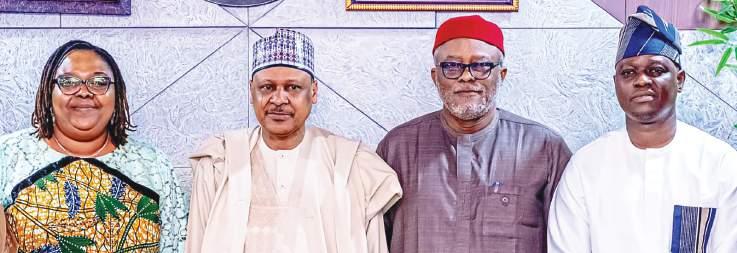
L–R: The Permanent Secretary, Federal Ministry of Information and National Orientation, Dr. Binyerem Chigbonwu Ukaire; Minister of Information and National Orientation, Mohammed Idris; Executive Secretary/Chief Executive Officer, Nigerian Press Council, Dr. Dili Ezughah; and Director-General, Nigerian Tourism Development Authority (NTDA), Dr. Olayiwola Nurudeen Awakan, during a meeting with the Book Publication Committee of the Nigerian Press Council in Abuja on Tuesday
Nigerian Meteorological Agency (NiMet), led by its Director-General and Chief Executive Officer, Profes-
sor Charles Anosike, Wednesday in Abuja, signed a landmark Memorandum of Understanding (MoU) with Central Bank of Nigeria (CBN) on data sharing to
improve the country’s economic decision-making.
Speaking at the event, Anosike highlighted the importance of integrating weather and climate data
into economic research, especially in sectors, such as agriculture, energy, and transportation. He stated that extreme weather events could reduce agricultural
A group comprising former foreign ministers, former members of the federal executive council, service chiefs, retired diplomats, and other prominent individuals have expressed their enthusiastic support for the recent appointment of Ambassador Audu-Rafiu Enikanolaiye as Minister of State for Foreign Affairs.
This endorsement reflects the high regard in which he is held within diplomatic circles and highlights the collective optimism about his ability to navigate complex international relations effectively.
The commendations from such a diverse array of experienced professionals underscore the confidence in Enikanolaiye’s leadership and vision for the future.
Notable figures in the realm of diplomacy, such as Professor Bolaji Akinyemi and General Ike Omar
Sanda Nwachukwu, both of whom served as “External Affairs Ministers” during the military regimes of Generals Muhammadu Buhari and Ibrahim Babangida between 1984 and 1993, have personally called to express their admiration.
They characterized him as a dedicated patriot who has devoted many years to the advancement of nation-building efforts.
Prominent military and governmental figures have also taken the time to celebrate Enikanolaiye’s recent appointment.
General Gabriel Olonisakin, the Chief of Defence Staff during President Buhari’s administration, and Professor Eyitayo Lambo, former Health Minister under President Olusegun Obasanjo, have lauded his exceptional service in previous administrations.
The group highlighted Enikanolaiye’s tenacity and exemplary commitment, noting that his involvement
in the current administration is expected to yield significant productivity and results. Additionally, notable Rear Admirals Mackson Makanju Kadiri and Murtala Bashir, both of whom served as Commandants of the Nigerian Defence College (NDC), have also congratulated him on his elevation to the Federal Executive Council (FEC) by President Bola Ahmed Tinubu, describing this move as timely and crucial for enhancing the administration’s accomplishment especially on the foreign relations podium.
The responses have extended beyond government officials to include various organizations and institutions. Correspondences have been received from a wide range of entities, including the Nigerian Institute for International Affairs (NIIA), the Nigerian Technical Aid Corps (NTAC), the Society for International Relations Awareness
Amby Uneze in Owerri
Respite came the way of the affected persons from over 32 communities in Imo State as the Transmission Company of Nigeria (TCN) commenced compensation and resettlement benefits for those who occupy the right of way (ROW) of the company.
The company also flagged-off the skills acquisition and start-up support to about 62 people and Small Business Empowerment Programme to 210 beneficiaries which is an intervention under the Renewed Hope Initiative of President Bola Ahmed Tinubu for
the power sector.
Performing the implementation of resettlement action plan (RAP) acquisition and clearing of right of way for the proposed reconstruction of 138 kilometres Alaoji in Abia State to Onitsha in Anambra State 330KV single circuit to 330KV double circuit quad core transmission line, the TCN Managing Director, Dr. Ahmed Sule Abdulaziz, expressed gratitude to President Tinubu for supporting the implementation and compensation payment of project affected persons in the areas.
The managing director who was represented by the Project Manager
(AfDB-PIU TCN) managing Nigeria Transmission Expansion Project Phase-1 (NTEP-1), Engr. Omobola Odusoga-Sobo commended their funding/donor partner, African Development Bank (AfDB) for making sure that the project is fully realized.
“We gather here because of one simple truth: the future of our people cannot wait. Renewed Hope is not just a slogan. It is a commitment to restoring dignity, creating opportunity, and putting tools in the hands of ordinary Nigerians so they can build better lives for themselves and their families.
(SIRA), and the Association of Retired Career Ambassadors of Nigeria (ARCAN). These organizations have conveyed their congratulations, reflecting a broad consensus regarding Enikanolaiye’s integrity and expected efficacy in his new role.
Messages of support have also come from the Alliance for Economic Research and Ethics (AERE), the Nigerian Embassy in Prague, Czech Republic, the Federal University Lokoja (FUL), and the Kogi State University (KOSU) in Kabba, all expressing confidence in his capabilities.
productivity and threaten food security.
Anosike cited the World Bank (2026), which reported that extreme weather, driven by climate change, was significantly affecting global food security, with more than 87 million people facing hunger in East and Southern Africa and 52 million in West and Central Africa.
He added that the collaboration aligned with the Renewed Hope Agenda of President Bola Ahmed Tinubu, which prioritises food security through major agricultural investment, including the cultivation of 10 million hectares of land and the distribution of mechanised equipment.
He also referenced the Berkeley Earth Report (2026), which projected that “2026 is likely to be the fourth warmest year on record, a trend that continues to shape agricultural and energy market projections.”
In his remarks, Deputy Governor, Economic Policy Directorate of CBN, Muhammad Abdullahi, said the signing of the MoU marked
an important step in efforts to strengthen the partnership between two key national institutions whose mandates intersected in data, research, and policy support. Abdullahi emphasised that, in an increasingly complex and dynamic economic environment, timely and reliable data remained essential for effective policy decisions.
He further stated that the Economic Policy Directorate, relied heavily on timely and credible statistical information from NiMet, stating, “Such data are critical for inflation monitoring, agricultural sector assessment, and broader economic policy advisory functions.”
He described the initiative as both timely and important, adding that strong institutional partnerships are essential for strengthening evidence-based policymaking and improving the robustness of national data systems. At the close of the event, Anosike and Abdullahi signed the MoU on behalf of their respective institutions.
The United Kingdom Government, in partnership with the School of Media and Communication, Pan-Atlantic University (PAU), recently sponsored no fewer than 60 Nigerian journalists for specialised training in science and technology reporting aimed at strengthening ethical journalism, combating misinformation, and promoting evidence-based reporting.
The training, themed ‘Advancing Media Freedom through Science and Technology Journalism’, brought together journalists from different media organisations across Nigeria, including THISDAY’s Sunday Ehigiator; for sessions focused on science communication, media freedom, access to information, and the impact of technology on journalism practice.
Speaking at the programme, the British Deputy High Com-
missioner in Lagos, Jonny Baxter, reaffirmed the UK’s commitment to supporting press freedom and responsible journalism in Nigeria, stressing the need for accurate and evidence-based reporting in an era dominated by rapid technological changes and misinformation.
According to Baxter, “the training was designed to equip journalists with the skills needed to gather data, challenge misinformation, and communicate verified scientific information responsibly.
“In an age of rapid technological change, accurate, ethical and evidence-based reporting has never been more essential,” he said, while noting that unverified information circulating on digital platforms has increased the responsibility on journalists to provide factual and balanced reports.
He also highlighted the longstanding collaboration between the British High Commission
and Nigerian media professionals through a series of capacity-building initiatives held in Lagos, Abuja, and the United Kingdom over the last two years.
The Dean of the School of Media and Communication at Pan-Atlantic University, Ikechukwu Obiaya, described journalism as a public service that must remain rooted in truth, fairness, accountability, and ethical responsibility.
Obiaya warned that the rise of social media and digital platforms had created a “free-for-all” information environment where professional journalism increasingly competes with misinformation and ideologically-driven narratives.
“Good journalism is that which is accurate, fair, ethical and responsible,” he said, adding that the public depends on the media not only for information but also for guidance on critical societal issues.
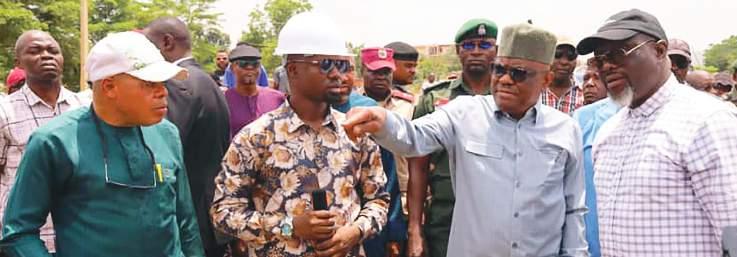
L-R: Director, Engineering Services, STDD, Engr. Bayo Baderinwa;
and
Chief Judge of the Federal High Court, Justice John Tsoho, has called for a careful balance between urgency, fairness, and regulatory objectives in the resolution of banking and insolvency disputes, warning that inconsistency in judicial and regulatory actions can undermine public confidence in Nigeria’s financial system.
Tsoho made the call in a keynote address at the 2026 Sensitisation Seminar for Judges of the Federal High Court, organised by National Judicial Institute (NJI), in collaboration with Nigeria Deposit Insurance Corporation (NDIC), in Lagos.
Speaking on the theme, “Enhancing the Efficacy of Bank Resolution and Depositors’ Protection,” the chief judge said disputes arising from banking transactions and financial regulation now demanded more than the straightforward application of legal principles due to their complexity and wider economic implications.
Represented by Justice Olayinka Faji, Tsoho stated that courts were increasingly confronted with applications for interim reliefs, insolvency proceedings, competing claims over financial assets, and challenges to regulatory powers, often under circumstances
that required both urgency and restraint.
He stressed that judges were frequently required to reconcile competing interests while ensuring that judicial and regulatory processes are not used in ways that defeat statutory objectives.
“Where both the adjudicatory and regulatory processes collide in uncertainty or prolonged inconsistency, confidence in both systems becomes weakened, and distrust eventually leads to economic instability,” Tsoho said.
He observed that banking disputes now extended beyond the interests of litigants, directly affecting public trust, confidence in financial institutions, and the overall stability of the banking sector.
He attributed the growing complexity of financial sector litigation to evolving financial regulations, technological innovations, and the rise of digital financial tools.
Tsoho said the Federal High Court occupied a central position in determining disputes relating to
insolvency proceedings, liquidation matters, creditor claims, recovery actions, and oversight of financial institutions.
According to him, judicial decisions in such cases often shape the practical operation of financial regulation and influence public perception of accountability within the sector.
He emphasised that bank liquidation proceedings should not be treated as ordinary commercial disputes, given their far-reaching implications for depositors, credi-
tors, investors, employees, and regulatory institutions.
“Such proceedings involve questions that directly affect depositors, creditors, investors, employees and regulatory institutions,” he said.
Tsoho also underscored the importance of depositor protection in sustaining confidence in the banking sector, stating that adequate safeguards during financial distress are essential to preserving systemic stability.
He added that the judiciary played a critical role in maintaining
public confidence through decisions that reinforced fairness, legal certainty, and orderly financial administration.
Tsoho said the evolving financial landscape continued to generate new legal challenges relating to regulatory authority, management of liquidation estates, enforcement mechanisms, and applications for interim reliefs. He said this underscored the need for continuous judicial engagement with emerging trends and contemporary realities in financial sector litigation.
Sunday Ehigiator
The Chinese government has called for deeper collaboration between Chinese and Nigerian media professionals as part of efforts to strengthen bilateral relations and foster mutual understanding between both countries.
Speaking at the opening ceremony of a seminar for renowned Nigerian editors and commentators in Beijing, Deputy Director of the Institute of International Studies and Advanced Training under the China International Communications Group, Li Hengtian, said journalists and commentators from both nations had a crucial role
to play in dismantling stereotypes and building bridges of understanding.
Li noted that China and Nigeria had built a robust relationship over the past five decades, anchored on economic cooperation, cultural exchanges and infrastructure development.
According to him, Nigeria remains China’s largest engineering contracting market, second-largest export market and third-largest trading partner in Africa.
He cited major infrastructure projects executed under China-Nigeria cooperation, including the Lagos Light Rail, Abuja Rail Mass Transit, Lekki Deep Sea Port and Zungeru
John Shiklam
Kaduna State Governor, Senator Uba Sani, has constituted a high level Consensus Committee on Party Harmonisation and Aspirants’ Engagement as part of efforts to strengthen unity within the ruling All Progressives Congress (APC) ahead of the 2027 general elections.
The move comes amid growing concerns over the increasing number of aspirants and contending interest groups seeking elective positions in the state, a development believed to be threatening cohesion within the party.
In a statement issued Wednesday by the state government, the com-
mittee was mandated to drive constructive engagement among aspirants and stakeholders across the state with the aim of promoting political stability, mutual understanding and consensus within the APC. According to the statement, the committee will engage aspirants, party leaders and other stakeholders to facilitate amicable resolutions in constituencies where competing interests exist.
The statement added the committee would also encourage voluntary withdrawals where necessary “in the broader interest of party harmony and electoral success.”
It further noted the constitution of the committee “reflects the com-
mitment of Governor Uba Sani to inclusive leadership, internal cohesion, and the preservation of unity within the party”.
The nine member committee is chaired by the Deputy Governor, Dr. Hadiza Balarabe while the state secretary of the APC is to serve as secretary.
Other members are the Speaker of the Kaduna State House of Assembly; the State Chairman of the APC; the Secretary to the State Government (SSG); the Chief of Staff to the governor; the Commissioner for Justice and Attorney General; the Commissioner for Information; and the Deputy Chief of Staff, Legal Services.
Hydropower Station, as evidence of the growing partnership between both countries.
Li stated that China-Nigeria relations had become a major highlight within the framework of the Belt and Road Initiative and the Forum on China-Africa Cooperation.
“Today, more Nigerian youths are travelling eastward in pursuit of knowledge in Chinese institutions, while more Chinese builders and entrepreneurs are journeying westward to Nigeria to contribute to development and prosperity,” he said.
He added that both countries were now working towards building what he described as a “China-Nigeria community with a shared future.”
Quoting celebrated Nigerian
author Chimamanda Ngozi Adichie, Li warned against the dangers of “single stories” and stereotypes in international reporting.
“Media professionals have the responsibility to break down onedimensional narratives and present the complexity and richness of the world,” he said
Li stressed that despite growing cooperation between both countries, there was still a need for deeper people-to-people understanding.
According to him, journalists and commentators serve as “bridge-builders of understanding” capable of dispelling prejudice and misconceptions between nations.
He urged media practitioners from both countries to strengthen
collaboration and tell “stories of friendship, cooperation and shared development” capable of promoting peaceful relations between China and Nigeria.
“I hope this seminar will open a wider window for our Nigerian media friends to understand China more deeply and serve as a bridge of mutual understanding, mutual respect, mutual trust and mutual support between China and Nigeria,” he stated.
Li also highlighted the activities of the China International Communications Group, describing it as one of China’s leading international communication agencies established in 1949 to project China’s history, culture and development achievements globally.
Segun Awofadeji in Bauchi
The management of Sa’adu Zungur University has reiterated its commitment towards staff development, research advancement, innovation, and industry collaboration as part of efforts to promote academic excellence and contribute meaningfully to societal development.
This was highlighted during a 3-Day Stepdown Training Workshop on Research Administration, Industry Collaboration, and Commercialization organized by the Centre of Excellence for
Research and Innovation (CERI) at the University’s Gadau Main Campus.
Speaking at the opening ceremony weekend, the Vice Chancellor of the University, Professor Fatimah Tahir, emphasized the importance of continuous staff development through training, particularly in the area of research, to enhance productivity and innovation within the institution.
Represented by the Deputy Vice Chancellor Academic, Professor Bala Ma’aji Abdulhamid, the Vice Chancellor stated that the workshop
was in line with the federal government’s policy direction aimed at ensuring that research outcomes are transformed into practical solutions for industries and society instead of remaining unused in laboratories. She reaffirmed the university’s commitment to equipping its staff with the requisite knowledge and skills necessary for institutional growth and societal transformation, adding that the institution remains open to collaboration with relevant organizations and stakeholders towards achieving sustainable development.
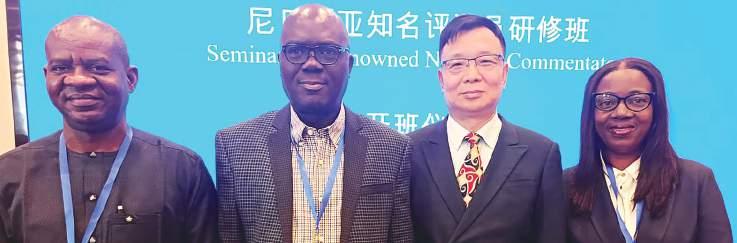
L-R: President, International Press Institute (IPI), Musikilu Mojeed; National Treasurer, Nigerian Guild of Editors (NGE), Dr. Iyobosa Uwugiaren; Deputy Director, CICG Institute of International Studies and Advanced Training, Li Hengtian; and Deputy Editor, The Guardian Newspapers, Dr. Bridget Onochie, at the opening ceremony of a seminar for Editors/Commentators in Beijing, China, yesterday
Kwara State Governor and Chairman, Nigeria Governors Forum (NGF), Alhaji AbdulRahman AbdulRazaq, said the transformative leadership of President Bola Tinubu had made All Progressives Congress (APC) a credible platform to win elections. AbdulRazaq stated this in Ilorin, yesterday, at the party’s secretariat while addressing House of Assembly aspirants.
He said the unprecedented number of people wanting to contest elections under APC showed that the par-ty
was vibrant, democratic, and loved.
The governor said there were very limited elective positions, but the aspirants’ efforts were well recognised and would be rewarded accordingly by the party, including through appointments.
AbdulRazaq stated, “We have strong leadership at the national level. President Bola Ahmed Tinubu is transforming our economy.
“That is why you see all these developments in this state. He was able to release the resources. You can see the development we did in the
first term of the administration and in the second term.
“So things are moving rapidly. And we’ll continue to do our best in every area, every segment of this state economy.
“APC is the vehicle to come on board with. You know what we met in this state and you see how we have transformed the state, as against the poor state of things we inherited. Kwarans are not fools. They know their history very well.”
AbdulRazaq said, “In 2019 when we came in, they were not paying
salaries. Teachers were being owed. Our schools were dilapidated.
“The counterpart funds to UBEC had not been paid for seven years. They abandoned education. These are the same people that want to come back.
“I’m not even talking about health care or going into infrastructure. In seven years, we have built more roads than they built in 16 years. We have transformed the state.
“Look at education. Our students keep winning honours all over the world. That shows our investment
The Managing Director of the Federal Airports Authority of Nigeria (FAAN), Mrs. Olubunmi Kuku, has reaffirmed the Authority’s commitment to strengthening its collaboration with the Lagos State Emergency Management Agency (LASEMA) in the areas of emergency preparedness, disaster management and coordinated response operations.
Mrs. Kuku gave the assurance on Wednesday during a courtesy visit by the Permanent Secretary/Chief Executive Officer of LASEMA, Dr. Olufemi Damilola Oke-Osanyintolu, to the FAAN Headquarters in Lagos.
The FAAN MD commended LASEMA for its continued support
and cooperation during emergency situations at the Murtala Muhammed International Airport, noting that the relationship between both agencies has played a key role in improving emergency response coordination and incident management in Lagos State.
She described the partnership between FAAN and LASEMA as strategic, especially in the area of emergency mock drills, disaster response exercises and safety management operations within airport environments.
Mrs. Kuku also welcomed LASEMA’s proposal seeking FAAN’s participation in the proposed Lagos Institute of Disaster Management, an initiative being established by the Lagos State Government in
collaboration with the Lagos State University (LASU), the International Organization for Migration (IOM), and other institutions.
While acknowledging the importance of additional training in areas such as Basic Life Support, Advanced Life Support, Disaster Management, Recovery and Logistics, the FAAN MD stressed that all training programmes involving airport personnel must align with the operational standards and regulatory frameworks of the International Civil Aviation Organization (ICAO) and the Nigeria Civil Aviation Authority (NCAA).
She emphasized that FAAN operates within strict aviation safety and regulatory guidelines, adding that any decision regarding participation
Authorities of Ambrose Alli University (AAU), Ekpoma, Edo State, have rusticated no fewer than 27 students of the College of Medicine for alleged examination misconduct and impersonation.
The affected students, who were mainly from the departments of Nursing, Medical Laboratory Science, Anatomy, Human Physiology, and Medicine and Surgery, were sent away for between two and four
semesters.
They were in their 300, 400 and 500 levels of the institution.
Registrar of the university, Mrs. Oluwayomi, said the rustication of the students followed approval of the recommendations of the Mobile Disciplinary Committee of the College of Medicine for 2024/2025.
A statement made available to newsmen in Benin City by Otunba Mike Ade Aladenika, Head, Information, Protocol and Public Relations, said out of 31 accused students, 27
were rusticated for two and four semesters while four were exonerated.
The registrar said 14 of the students were from the Department of Medical Laboratory Science, out of which one was exonerated, while 10 were sent away from the Department of Anatomy, and three were exonerated.
She added that one student from the Department of Nursing, three from the Department of Human Physiology, and three from Medicine and Surgery were among those rusticated by the institution.
in the proposed programmes would be subject to the necessary approvals and compliance requirements.
According to Mrs. Kuku, FAAN already has a structured emergency management system with designated Incident Commanders responsible for coordinating emergency operations across airport facilities.
To ensure continuous engagement on the initiative, she named the South-West Regional Manager, Mr. Arewa Olatokunbo, as FAAN’s focal point for further discussions with LASEMA.
in education is yield result.”
AbdulRazaq commended the aspirants for showing interest in the APC platform, saying the party is proud of them for their readiness to contribute to the development of the state.
He stated, “I congratulate all of you. All of you are winners. Each one of you. You see that our party is a very vibrant party. That is what the numbers have shown.
“It is a democracy. Nobody is stopping you from obtaining forms. You are free to aspire to any position you want in this state, in this federation. Now, our numbers are large for just 24 positions.
“We will do some engagements among ourselves and thereafter do the contest for these positions. But what I can assure you is that the leadership and the party is proud of you.
“You’ve qualified yourself for appointments by obtaining the forms to contest for this office. You’ve shown that you are qualified to lead in this state. So, this is just a stepping stone.
“You’re all young people. Who knows, there’s a governor among you here today, In Sha Allah. I continue to urge you to support the party.
“We just need to pray to God to guide us to achieve our goals. And if you don’t get the ticket now, that’s not the end of the world. Maybe
that’s not what God has in stock for you. You will have something else.” AbdulRazaq urged support for Tinubu in his effort to take Nigeria to greater heights.
“He’ll be coming to Kwara before the end of this year to launch some of our projects,” the governor said of Tinubu.
“And we’ll give him a rousing welcome when he comes in,” he added.
AbdulRazaq stated, “On road infrastructure, we have constructed Osi-Obbo-Aiyegunle road and many others in the South, Central, and North.
“We are fixing no fewer than three other major roads in Pategi at the moment. The Pategi Motel is ongoing. The Great Cultural Centre in Pategi is ongoing. That is how it is across the state.
“We will continue to develop and work together. Now, in various ways, we might not have our way, but we just have to work together.”
Earlier, state Chairman of APC, Sunday Fagbemi, commended AbdulRazaq for his achievements across the state and urged the aspirants to continue to promote the activities of the government before the people.
Fagbemi said, “Every segment of Kwara has experienced progressive changes. You are supposed to make this your campaign point. Our achievements are huge and unprecedented.”
The Lagos State Commissioner for Health, Prof. Akin Abayomi, yesterday, called for sustained investment in primary healthcare infrastructure and modernisation, describing Primary Health Care (PHC) as a critical determinant for achieving Universal Health Coverage (UHC).
Abayomi made the call at the IMPACT project review meeting convened by the Lagos State Government in collaboration with the National Primary Health Care Development Agency (NPHCDA) to review implementation progress and strengthen PHC systems across
participating states in Nigeria.
Speaking on the theme, ‘Strengthening PHC: A Critical Determinant for Achieving UHC’, the commissioner explained that Lagos State has introduced purpose-built PHC facilities equipped with improved ventilation systems, solar-powered infrastructure, infection prevention and control measures, as well as decentralised isolation capabilities.
He also emphasised the need for sustainable healthcare financing through the domestication of the National Health Insurance Authority (NHIA) Act, mandatory health insurance initiatives and stronger integration between public and private healthcare systems.
The high-level meeting attracted representatives from the NPHCDA, World Bank, National Malaria Elimination Programme (NMEP), State Ministries of Health, state primary health care boards, project managers and accountants. In her remarks, the Special Adviser to the Governor on Health, Dr. Kemi Ogunyemi, reaffirmed the state government’s commitment to health sector reforms and universal health coverage. She stated, “the IMPACT project has significantly contributed to PHC infrastructure upgrades, improved malaria diagnostics, service integration, accountability and systems strengthening across Lagos state.”
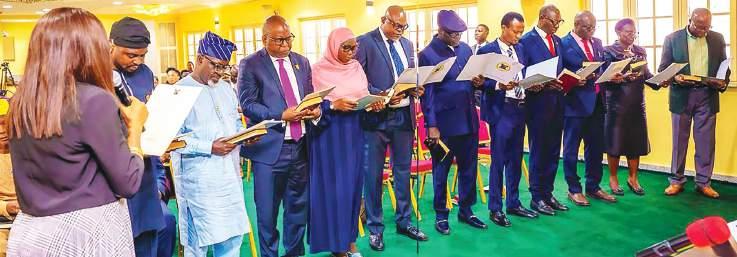
Newly appointed members of the Lagos State Physical Planning and Building Control Appeals Committee taking Oath of Office, presided over by Governor of Lagos State, Mr. Babajide Sanwo-Olu, at the Banquet hall, Lagos House, Marina on Tuesday
Ogun State Governor, Dapo Abiodun, has presented the senator for Ogun West Senatorial District, Solomon Adeola, to stakeholders of All Progressives Congress (APC) in Ogun West as the party’s consensus candidate for the 2027 governorship election in the state.
Abiodun, alongside the state chairman of the party, Chief Yemi Sanusi, and members of the party’s state executive committee, made the presentation during a stakeholders’ meeting held at the Empire Ground, Ilaro, in Yewa South Local Government Area.
Speaking at the event, Abiodun said the decision to support a candidate from Ogun West was aimed at correcting the longstanding imbalance in the state, stating that the senatorial district has not produced a governor since the creation of Ogun State about 50 years ago.
The governor said the consensus arrangement emerged after extensive consultations and was ratified during a state caucus meeting
held in Abeokuta, where Adeola received unanimous endorsement.
He described the emergence of the consensus candidate as a major political milestone, adding that the model has become an example worthy of emulation by other states.
Abiodun called on party members to remain united as the elections drew closer, assuring aspirants, who were unsuccessful in the selection process, that the party would adequately compensate all “serious candidates”.
The governor also appreciated the people of Yewaland for their unwavering support, especially during the 2023 governorship election, assuring them that his administration would continue to ensure equitable distribution of development projects across the state.
He announced that the party’s direct primary elections would commence on Friday, and urged members to conduct themselves peacefully and avoid actions capable of undermining the integrity of the process.
In his acceptance speech, Adeola thanked party leaders and faithful for the confidence reposed in him, promising not to disappoint them. He stated, “I want, on behalf
of myself, my family, and supporters across the APC, to accept this endorsement by the people of Ogun West Senatorial District as the gubernatorial candidate of our great party ahead of the
February 6, 2027 governorship election.
“I do not take this endorsement for granted, and I sincerely appreciate the leadership of the APC for this great honour.”
He pledged to embark on a tour of all the 236 wards across the state after the primaries and urged party members to remain united and work collectively for the success of APC at the polls.
Sunday Aborisade in Abuja
Deputy President of the Senate, Jibrin Barau, yesterday, commended President Bola Tinubu for promoting unity and ensuring a peaceful conduct of the ongoing primaries of All Progressives Congress (APC).
Speaking with journalists on his return to Abuja from Kano, where he emerged as the consensus candidate for Kano North Senatorial District, Barau described the development as a reflection of
Tinubu’s commitment to internal democracy and cohesion within the ruling party.
He said the adoption of consensus arrangements in several states had helped to ease tension and minimise conflict among party members ahead of the general election.
Barau attributed the growing stability within APC to Tinubu’s long-standing political experience and understanding of grassroots politics, stating that the president has continued to guide party leaders towards reconciliation and unity.
According to him, the consensus model is designed to create a conducive atmosphere for the emergence
of candidates and prevent disputes capable of weakening the party before the polls.
Barau stated, “The credit goes to Mr President, the Commander-inChief of the Armed Forces of the Federal Republic of Nigeria and leader of the APC, His Excellency Bola Ahmed Tinubu.
“Consensus is based on the premise of encouraging party unity and creating a good atmosphere for the emergence of candidates so that by the time we go into the general elections, there will not be much problem.”
The deputy senate president praised governors and other stakeholders in APC for aligning
with the president’s reconciliation efforts.
He also singled out the Special Adviser to the President on Political Affairs, Alhaji Ibrahim Masari, for his role in promoting understanding and harmony among party members across the country. Barau expressed optimism that the peaceful conduct of the primaries would strengthen APC ahead of next year’s elections and improve the party’s chances at the polls. According to him, the ongoing exercise would ultimately produce stronger unity within the ruling party and pave the way for improved electoral outcomes nationwide.
Former Jigawa State governor, Sule Lamido, has expressed concern over what he described as Nigeria’s “murky political environment,” lamenting the defection of several prominent PDP figures to rival political parties ahead of the 2027 generalLamidoelection.made the remarks yesterday in a post published on Facebook page, where he reflected on the country’s evolving political landscape.
He said he was struggling to “decipher and understand the political chemistry and direction of the moment in Nigeria” in order to make what he described as “a less confused decision.”
He said many leading figures in the ruling All Progressives Congress, the ADC and the NDC were products of the PDP, stressing that the party played a
historic role in shaping Nigeria’s democratic leadership after the end of military rule.
According to him, several of his former colleagues in the PDP were now spread across different political platforms.
“In APC, I have my governor colleagues like Senate President Godswill Akpabio, SGF George Akume, Abdullahi Adamu, Aliyu Wamakko, Danjuma Goje, Abdullahi Ganduje and many others,” Lamido said.
He also referenced former Delta State governor and PDP vice presidential candidate in the 2023 election, Ifeanyi Okowa, whom he said was now leading the second-term campaign efforts of President Bola Tinubu.
Lamido further pointed to the growing coalition in the ADC, where he said former Vice President Atiku Abubakar, former governors and ex-ministers including Liyel
Imoke, Rotimi Amaechi and Aminu Tambu-wal were now aligning.
He further cited the NDC, where he said former Bayelsa State governor Seriake Dickson and former Kano State governor Rabiu Musa Kwankwaso were influential figures, alongside Labour Party presidential candidate in the 2023 election, Peter Obi.
Lamido argued that all the politicians he mentioned rose to national prominence on the PDP platform.
“Whatever titles or status they hold was conferred on them by PDP. Whatever visibility they now command is all thanks to PDP,” he said.
Reflecting on the formation of the PDP in 1999, Lamido said the party and its leaders worked collectively to rebuild Nigeria after the political crisis triggered by the annulment of the June 12 presidential election annulment.
Blessing Ibunge in Port Harcourt
Rivers State Governor, Siminalayi Fubara, has dismissed reports speculating that he has defected from the All Progressives Congress (APC), and insisted that he remained a member of the party.
Fubara made the clarification yesterday, after inspecting the Neuropsychiatric Hospital and the newly constructed General Hospital in Rumuigbo, Port Harcourt.
He described the defection rumours as products of social media speculation and misinterpretation of events, urging the public to disregard the reports.
The governor insisted that he remained a member of the ruling party and would continue to work
for the overall interest of the party.
“I know that there has been a lot of drama in the media, with one story or the other. I am a member of APC and nothing has changed.
“People should stop using whatever situation they pick up from social media or their own interpretation of any situation to present me wrongly.
“I have not gone anywhere, I am still a member of APC and I remain a member. Whatever happens, what is most important is supporting the overall interest of the party,” he said.
The Rivers State governor also reiterated his administration’s commitment to strengthening healthcare delivery in the state, stressing that the protection of lives
and welfare of residents remained a top priority.
He explained that the new General Hospital project was initiated to address concerns about limited access to quality healthcare, particularly mental health services, in the area.
According to him, many residents previously had to travel long distances to access medical care, with the University of Port Harcourt Teaching Hospital being the nearest facility.
Fubara said his administration decided to make use of available space within the hospital premises to establish a General Hospital that would serve Rumuigbo, Rumuola, Rumuolumeni, and surrounding communities.
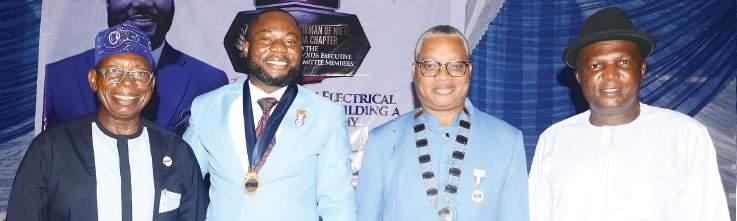
L-R: Former Abuja Chapter Chairman, Nigerian Institute of Electrical and Electronic Engineering, Ayila Cletus; Chairman, Abuja Chapter, NIEEE, Ohida Maiyak; President of Nigerian Institute of Electrical and Electronic Engineering, Felix Adegboye; and Registrar of Chartered Institute of Electrical and Electronic Engineering, Isibor Simeon, during the inauguration of a new chapter in Abuja ... recently
Worried by the increasing insecurity across the country,former military president, General Ibrahim Badamasi Babangida, has advocated serious collaboration
between the various communities and the armed forces in the country.
Such relationships, Babangida said, would improve the security situation across the country
Babangida made the observa-
tion at his Minna uphill residence when he received participants of Senior Course 48 of the Armed Forces Command and Staff College Jaji.
“There is an urgent need for stronger collaboration between
communities and security agencies in order to address contemporary security challenges facing the country” Babangida told the Course participants.
He emphasised the importance of study tours which he said
among other things enhanced the knowledge base and operational capacities of senior military officers, particularly in areas relating to national security and community engagement.
Babangida commended the
Chuks Okocha in Abuja
The African Democratic Congress (ADC), has extended the dates for the submission of nomination forms, screening of candidates and primary election activities ahead of the 2027 general election.
At the same time, the Interim National Working Committee of the Peoples Democratic Party (PDP) has announced the extension of dates for submission of all nomination forms by aspirants.
This was as a former Minister of Information, Labaran Maku; Senator Ishaku Abbo, Emmanuel Ben, Adamu Bako Blanzou, and Jesse James Ayenajeh, among other prominent Nigerians, have picked up the Labour Party expression of interest and nomination forms to contest for various positions.
However, the national spokesman of the AFDC, Bolaji Abdullahi, who revealed this in a statement, yesterday, said changes were made in response to aspirants’ requests and logistical considerations.
“Adjustments have been made to the primary elections timetable in response to aspirant requests and logistical considerations. Affected items are indicated accordingly. All other previously published dates remain unchanged,” he said.
He added that the submission of nomination forms previously scheduled for May 13, 2026, has been postponed to May 14, 2026.
According to him, the screening of aspirants previously scheduled for May 14–15, 2026, will now be held from May 16 to May 17, 2026.
The party equally noted that the publication of screening results has been scheduled for May 17, 2026, while appeals against screening decisions will run from May 18 to May 19, 2026.
It announced further that the
publication of cleared candidates will be done on May 20, 2026.
The party also announced that the post-primary election appeals for legislative elections will be held on May 22, 2026, governorship election appeals on May 23, 2026, and presidential election appeals on May 26, 2026.
According to the new timetable, screening of presidential and governorship aspirants will be conducted in Abuja, while screening of legislative aspirants will take place in their respective states.
The ADC further clarified payments for women and persons with disabilities, stating that the 25% concession is still applicable, noting that candidates who fell into the categories and had paid in excess would be refunded accordingly.
“Aspirants who may have submitted amounts in excess of this rate are advised that refunds will be processed and communicated in due course,” the statement added.
The Interim National Working Committee of the PDP has announced the extension of dates for submission of all nomination forms by aspirants. In a statement jointly signed by the National Publicity Secretary, Comrade ini Ememobong, and the National Organising Secretary, Hon. Theophilus Dakas Shan, the party said the extension was in response to request by various aspirants and stakeholders.
‘’In response to the appeals from stakeholders and aspirants across the country, the Interim National Working Committee of the Peoples Democratic Party, has amended the earlier published timetable for activities culminating in the nomination of candidates activities as follows:
‘’End of Purchase of forms – 15th May, 2026. Last date for the submission of completed forms – 18th May, 2026. Screening of Aspirants – 19th May, 2026.
‘’Aspirants for National and State Assemblies will be screened at their respective states, while Gubernatorial and Presidential Aspirants will be screened in Abuja. Other activities will remain as previously announced,’’ the statement stated.
Maku, Abbo, Adamu, Others Pick LP Forms
A former Minister of Information, Labaran Maku; Senator Ishaku Abbo, Emmanuel Ben, Adamu Bako Blanzou, and Jesse James Ayenajeh, were among the prominent Nigerians, who picked the Labour Party (LP), expression of interest and nomination forms to contest for various positions on the party’s platform ahead of the 2027 elections.
Maku picked the form for the Nasarawa North Senatorial District; Senator Abbo picked for the governorship of Adamawa State; Emmanuel Ben picked for the governorship of Akwa Ibom State; Adamu Bako Blanzoum is going to the House of Representatives for Akwanga/Nasarawa Eggon/Wamba Federal Constituency; while Hon. Jesse James Ayenajeh is also in for the House of Representatives for Toto Federal Constituency, Nasarawa State.
They were among the aspirants from different parts of the country, cutting across the Northern and Southern regions, who stormed the secretariat to obtain nomination forms for various elective positions.
Speaking with journalists shortly after receiving his nomination forms, Labaran Maku expressed strong confidence in the Labour Party’s chances in the forthcoming elections.
“The Labour Party has won the
confidence and support of Nigerians, and I am convinced that the party will emerge victorious in the next general elections, from the presidency to the governorship elections,” he said,
According to him, the party
“has firmly established itself as a household name in many states, particularly in Nasarawa State and across my senatorial district, where the people remain determined to ensure the victory of the party in
the forthcoming senatorial and other elections in the state.”
Similarly, Abbo commended the growing momentum of the Labour Party and praised the National Chairman of the party, Nenadi Usman, for providing the leadership that has revitalised and repositioned the party.
He also expressed optimism about the party’s prospects in the forthcoming elections across Adamawa State and the wider North-East region.
Armed Forces Command and Staff College for sustaining a culture of strategic learning and professional military development before urging participants to maximise the opportunities presented by the study tour.
Leader of the delegation, Air Commodore O.O. Obasa, highlighted the enduring legacy of General Babangida, particularly his pivotal role in the establishment of the Armed Forces Command and Staff College.
Obasa recalled that the former military president laid the foundation stone for the establishment of the Department of Air Warfare on July 3rd, 1986 and commissioned it on July 4, 1987, describing the initiative as a landmark contribution to military training and national development.
Highlight of the visit was the presentation of a College souvenir to Babangida as a mark of honour and appreciation.
Economy, Mr. Taiwo Oyedele, while reacting to the report, said, “Concerns about Nigeria’s debt sustainability should be assessed within the framework of globally accepted debt sustainability principles, rather than relying on the nominal size of debt stock, which is neither a threshold nor a determinant of sustainability anywhere in the world.
“There is no jurisdiction globally where debt sustainability is evaluated based on the absolute nominal value of public debt. Sustainability is determined by a country’s capacity to service its obligations over time, not by headline debt figures.
“This is why the DMO, in line with IMF/World Bank methodology, conducts Debt Sustainability Analysis (DSA) using ratios and stress scenarios rather than nominal stock comparisons.”
Oyedele said drawing conclusions solely from nominal debt levels was methodologically flawed and potentially misleading, as it ignored macroeconomic size, revenue capacity, currency composition, maturity structure, and debt dynamics.
The minister said, “The increasing share of domestic borrowing primarily reflects the depth and absorptive capacity of Nigeria’s domestic financial market, rather than heightened solvency risk.
“Domestic debt being largely denominated in local currency poses materially lower repayment risk compared to foreign currency obligations.
“A useful parallel is the United States, where total public debt stood at approximately US$36.2 trillion as of April 2026, equivalent to about 116% of GDP.
“Despite the large nominal figure, sustainability concerns are limited precisely because the debt is largely US-dollar denominated and financed domestically.
“The same logic applies, in proportional terms, to Nigeria’s domestic debt structure, though legitimate concerns around crowding-out effects remain valid and continue to be monitored.”
He added, “Using June 2023 as a base period for nominal comparisons creates a distorted narrative. A more appropriate reference point is March 2023, when the
exchange rate was approximately N460/US$, compared to about #770/$ by June 2023, following the unification of the foreign exchange market.
“This adjustment was a corrective transparency measure, implemented when net FX reserves had fallen below US$4 billion, alongside an FX backlog exceeding $7 billion.
Comparing debt stocks across periods without adjusting for this structural FX break significantly overstates the real change in debt.”
According to him, “As of March 2023, Nigeria’s total public debt stood at $108.2 billion. By December 2025, this had increased marginally to $110.9 billion, representing a real increase of about three per cent over nearly three years. This presents a far more accurate picture of debt accumulation than nairadenominated figures.
“While the naira value of public debt rose sharply from #49.8 trillion in March 2023 to N159.2 trillion in December 2025, a nominal increase exceeding 200 per cent. This primarily reflects accounting and valuation effects, not excessive new borrowing.”
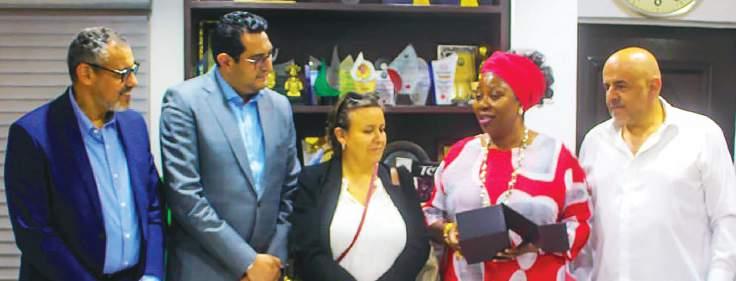
L-R: Senior Advisor, Digital Kaza, CIRES Technologies, Mr. Amin Taleb; Sales Director, Critical Infrastructures & Private Sector, CIRES Technologies, Mr. Ali
Director, Business Development, CIRES Technologies, Mrs Iman Chaara; Lagos State Commissioner for Tourism, Arts and Culture, Mrs Toke Benson-Awoyinka; and Managing Director/CEO, Sageto Limited, Mr. Salim
The Ministry of Solid Minerals Development (MSMD) has generated a total of N15.62 billion in revenue in the first quarter of 2026, a Federation Account Allocation Committee (FAAC) document seen by THISDAY has indicated.
The revenue, which covered the period from January to March 2026, highlighted the ministry’s pivotal role in the federal government’s ongoing economic diversification efforts through the extractive industry.
A granular breakdown of the quarterly performance revealed that February was the ministry’s most productive month, yielding N5.62 billion, which accounted for approximately 36 per cent of the total Q1 collection.
This was followed closely by the January collection of N5.12 billion, accounting for 32.8 per cent of the total, while March recorded a slight dip to N4.87 billion, representing 31.2 per cent of the quarterly total.
Despite the minor monthon-month decline in March, the cumulative figure of N15.6
billion has set a strong precedent for the ministry’s annual revenue target, which is pegged at a total approved budget of N41.97 billion for the year 2026.
Analysing the March performance against the government’s set benchmarks, the ministry recorded a significant positive budget variance. With a monthly target set at N3.49 billion, the actual collection of N4.87 billion represented an impressive 39.4 per cent over-performance against the budget.
However, this success was largely driven by royalty collections rather than administrative fees. In March alone, royalties accounted for the entirety of the N4.87 billion revenue, significantly exceeding the monthly royalty target of N2.24 billion by over 116 per cent. This surge in royalties suggests an increase in mining activity or more efficient collection mechanisms within the mineralproducing sectors.
Conversely, the data highlighted a notable challenge in the collection of fees. While the monthly target for fees was set at N1.24 billion, the ministry recorded “NIL” col-
lections for this category in March. This resulted in a 100 per cent negative variance for fees during the month under review.
Official notes accompanying the revenue schedule attributed this deficit to technical and administrative issues within the Mining Cadastral Office, which
reportedly delayed the remittance of these specific payments into the Federation Account.
When compared to February’s performance, the March collection saw a decrease of approximately N744.99 million, marking a 13.2 per cent monthly variance decline. This dip is primarily attributed
to the non-remittance of fees, as February had successfully generated N2.81 billion from that stream.
The February fees collection was particularly strong, exceeding its own target by over 125 per cent, which bolstered that month’s record-breaking figures.
The ministry’s leadership remained optimistic in their assessment of the figures, noting that the recorded positive variance of N1.377 billion in March, when compared to the total monthly target, proved that the ministry is on the right track to meeting its annual obligations.
Justice Jude Onwuzuruike of a High Court of the Federal Capital Territory (FCT) in Apo, Abuja, will on May 25, decide whether to grant bail to a former Chairman of the Board of Directors of Skye Bank Plc, Tunde Ayeni, in his alleged corruption trial.
Justice Onwuzuruike fixed the date for his ruling yesterday, after taking arguments from lawyers representing parties in the case.
Ayeni is standing trial on a
17-count charge bothering on alleged N15.6 billion fraud, brought against him by the Economic and Financial Crimes Commission (EFCC).
He however, pleaded not guilty to the entire counts in the charge.
Arguing the bail application, at the resumed trial, Ayeni’s lawyer, Dele Adesina, SAN, prayed the court to admit the applicant to bail, adding that the anti-graft agency had earlier granted the defendant an administrative bail.
He further submitted that the
Chuks Okocha in Abuja
Renowned economist and presidential aspirant of the African Democratic Congress (ADC), Mohammed HayatuDeen, yesterday, submitted his presidential nomination form, urging his party to prioritise competence over zoning Hayatu-Deen, who spoke after submitting his form said the leadership of the ADC was in the best position to determine between consensus option and direct primary election, which was
best option for the party.
According to Hayatu-Deen, “So competence should be prioritised over zoning. Competence is exceptional at this point in time, because anybody who is going for the office of president is actually going there as a quintessential Nigerian, and not because I come from Borgo or from Imo or any state.
“So, now we are truly about to begin and what we are here to do is to give people a choice in terms of who their representatives will be for various election offices
in the country.
“The pinnacle of this office is the office of the presidency and I can tell you with full confidence that I am fully prepared to contest this election. Are you certain of defeating Atiku at the primaries?
I’m certain of myself and I’m very, very confident about the kind of campaign that I’m going to run.
“I’m confident that I will make this campaign and win it. All right, sir. Talking about the journey, you referred to it as a journey.
“I would know that after this stage, we’re talking about
the primaries and then there are issues around the primaries. Some aspirants would prefer consensus, others would prefer going for the direct primaries. And there’s also issues about zoning that are common in political parties.
“Talk to us about your feeling on these two issues. As far as the mode of primaries is concerned, it’s firmly entrenched in the electoral act. The party leadership would decide what mode of primaries will best suit the needs of ADC in order for it to win this election.”
administrative bail was about to be perfected when the court at the last sitting gave a remand order.
Submitting that the offence the defendant was accused of was a bail-able offence, the senior lawyer stated that the defendant has a constitutional right of presumption of innocence until proven otherwise.
Responding, prosecution counsel, G.I Inde, opposed the application referencing the grounds listed in the prosecution’s counter affidavit dated and filed May 7.
“We also filed a further counter affidavit of 9 paragraphs deposed to by on Halimat Kabir an officer of EFCC. We relied on all deposition. We adopt the written address as our oral submission in praying your lordship to refuse the bail application,’’ Inde said.
After listening to both parties, Justice Jude Onwuzuruike adjourned till May 25 for ruling.
A similar criminal charge was instituted against Ayeni and one Timothy Oguntayo in 2019, in which they had pleaded not guilty to all the counts.
At the trial before Justice Ijeoma Ojukwu of the Federal High Court, Ayeni’s counsel, Chief Wole Olanipekun, SAN, had argued that the transactions under investigation by the EFCC were fundamentally commercial and banking transactions rather than criminal diversions of funds and in fact there was already
an understanding between the bank and the duo for which the approval of the Central Bank of Nigeria (CBN) was sought and obtained by the management of Skye bank.
Olanipekun at the trial then had submitted that the dispute “arose out of business transactions that went sour” and emphasised that the issues were amenable to amicable resolution.
He further maintained that the funds in question were not unlawfully diverted, but were part of legitimate banking transaction arrangements undertaken in the ordinary course of the bank’s operations.
The defence had also resisted the EFCC’s attempt to criminalise what it described as commercial decisions taken within the framework of legitimate banking business.
Subsequently, the parties agreed to settle the matter out of court and informed the court accordingly. At the final sitting, the terms of settlement reached by the parties were presented to the court which were the terms already approved by the Central Bank of Nigeria even before the commencement of the investigation by the EFCC. Justice Ojukwu thereafter adopted the settlement terms as the judgment of the court, thereby bringing the matter to a formal conclusion.
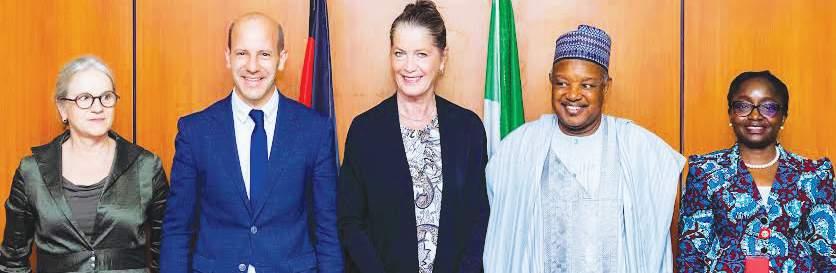
L-R: Head of Division of West Africa II, BMZ, Ms Karen Pfundt; Deputy Director-General of the Federal Ministry of Economic Cooperation and Development, BMZ, Mr. Philip Knill; Ambassador of Germany to Nigeria, Ms Annett Gunther; Minister of Budget and Economic Planning, Senator Abubakar Bagudu, and the Permanent Secretary of the Ministry, Dr. Deborah Odoh, during the Nigeria-Germany Development Cooperation negotiations in Abuja…yesterday
adedayo akinwaleinabuja
The National Chairman, Democratic Leadership Alliance (DLA), Samuel Memeh, has said that the All Progressives Congress (APC)-led administration under President Bola Tinubu, has brought untold hardship and insecurity upon Nigerians. Memeh disclosed this yesterday in Abuja at the inaugural national convention of the party, saying millions of citizens are struggling under worsening economic conditions,
rising inflation, unemployment, and declining living standards.
He emphasised that the government must begin to focus on practical solutions that directly improve the lives of ordinary Nigerians rather than policies that continue to deepen hardship and uncertainty.
Memeh stressed that the party’s convention was not merely a political gathering; but a formal establishment of a movement built on ideas, discipline, leadership, and national transformation.
Speaking on the theme, “The Road Map to Credible Leadership,” the chairman added that it is the laying of a solid foundation for what we believe shall become one of the greatest political reform movements in
the history of Nigeria. His words: “The crisis confronting our nation today is fundamentally a crisis of leadership. Nigeria is blessed with enormous human and natural resources, yet millions
of our citizens continue to suffer from poverty, unemployment, insecurity, weak institutions, and economic instability.
“The difference between prosperous nations and struggling nations is leadership.
Credible leadership is not built on propaganda, intimidation, ethnic sentiments, or empty promises. Credible leadership is built on vision, competence, integrity, accountability, courage, and sacrifice.
JulietakojeInabuja
shutting women out ahead of the 2027 general election.
than a favour.
The Force Commander of the Multi National Joint Task Force (MNJTF), Major General Saidu Audu, has stressed that collaboration and joint operations remain critical to decimating terrorist groups and denying them freedom of action across the Lake Chad region.
Major General Audu stated this during an operational visit to the Headquarters Joint Task Force (North East), Operation Hadin Kai (OPHK), in Maiduguri, Borno State, as part of ongoing counter-terrorism efforts aimed at strengthening cooperation between the MNJTF in N’Djamena and OPHK.
During the visit, the commander received a comprehensive operational briefing on the activities of OPHK and later held an interactive session with senior officers on key operational engagements.
According to a statement by the Spokesperson of Headquarters Joint Task Force (North East) Operation Hadin Kai, Lieutenant Colonel Sani Uba, Major General Audu said the visit was intended to generate fresh ideas and deepen collaboration between the MNJTF and OPHK towards achieving greater operational successes.
OneWallet Microfinance Bank, which says it gives loans to Small and Medium Enterprises (SMEs), traders, and other businesses without collateral, has commenced operations in Aba, Abia State.
The bank was officially unveiled in the commercial city last Tuesday at Ariaria International Market, with a pledge to give traders, artisans, and small businesses the digital tools and financing needed to scale beyond local markets.
The launch marks the start of a platform built over the last two years to support SMEs, which the bank described as “the bedrock of the Nigerian economy.”
The bank is designed as a “business support platform” built around the real needs of SMEs, traders, merchants, and artisans.
The bank stated that its goal is to expand financial inclusion by making payments and collections easier through affordable digital devices, including UnionBell Smart Phones and POS terminals.
The Founder of TOS Foundation Africa, Chief Mrs. Osasu Igbinedion Ogwuche, has raised concerns over what she described as the systematic exclusion of women from political leadership through party primary processes, warning that internal party mechanisms are increasingly
Ogwuche, who also heads the HerCademy Leadership Institute, cited a statement by former Liberian President and Nobel laureate Ellen Johnson Sirleaf, noting that women constitute half of society and that their empowerment should be regarded as a necessity rather
She recalled that when TOS Foundation Africa launched its advocacy campaign for the passage of the Reserved Seats for Women Bill, one recurring question was why women could not compete directly with men in politics instead of seeking reserved seats.
According to a statement issued
by her yesterday, critics argued that political success is earned through struggle and not handed out. However, Ogwuche argued that the current realities within Nigeria’s political system provide answers to those concerns, insisting that the structures guiding political participation already place women at a disadvantage before electoral contests even begin.
The Northern Coalition for Accountability and Public Trust (NCAPT) faulted call by the Socio-Economic Rights and Accountability Project (SERAP) on President Bola Tinubu to probe the Universal Service Provision Fund (USPF) over alleged missing N26.9 billion.
SERAP had based its allegation and call for the probe on a 2025
Auditor-General report, which it said included unaccounted expenditures, unapproved contract awards, and missing, non-existent project payments.
However, in a statement by its Executive Director, Amb. Abubakar Yusuf Yaro, NCAPT said the narrative being pushed to the public is selective, exaggerated and lacks critical context.
According to the group, public accountability is too important to be reduced to headline activism and media sensationalism.
“To start with, available records and findings clearly show that the widely circulated N26.9 billion allegation was completely misleading.
In the same vein, NCAPT critically observed that data available from the investigation shows the average annual allocation to the USPF within the period under review was about N7.5 billion. Simple arithmetic, therefore, raises a legitimate question: how does an institution with an average yearly funding of N7.5 billion suddenly “lose” N26.9 billion?,” it said.
ibrahim shuaibu in dutse
Nigeria Police Force authorities in Jigawa State yesterday highlighted community policing and grassroots intelligence gathering as key tools in tackling crime and maintaining public safety across the state.
The state Commissioner of Police, Haruna A. Yahaya,
disclosed this yesterday while presenting a paper titled: ‘Community Policing and Community-Based Intelligence Gathering Initiatives’, to participants of Course 48 of the Armed Forces Command and Staff College during their study tour to Jigawa.
The delegation was led by Brig. Gen. B.O. Omopariola
and coordinated by Navy Capt. B.A. Bassey.
Speaking during the session, Yahaya said modern policing could no longer succeed without strong collaboration between security agencies and local communities, stressing that intelligence supplied by residents had continued to help the Command prevent and
detect crimes across the state. According to him, the Command has recorded operational successes in combating armed robbery, motorcycle snatching, drug abuse, rape, culpable homicide, mob violence, and farmersherders conflicts through credible intelligence provided by members of the public.
Polaris Bank, Nigeria’s leading digital retail and commercial bank institution, has announced a strategic partnership with Cyclotron Cycling Development Initiatives, otherwise known as Cyclotron Club, to advance LiveWell by Polaris, a wellness initiative designed to promote healthy living, preventive
healthcare, and overall wellbeing among employees, customers, and communities across Nigeria.
The partnership was formally unveiled at a ceremony in Lagos, where both organisations launched a co-branded partnership jersey symbolising their shared commitment to
fostering healthier lifestyles and supporting cause-driven advocacy through cycling.
Speaking at the event, Executive Director, Retail and Commercial Banking at Polaris Bank, Chris Ofikulu, described the collaboration as a major milestone in the bank’s commitment to promoting
wellness and expanding the reach of its corporate social responsibility initiatives.
“This partnership is a significant step in the evolution of LiveWell by Polaris and reflects our commitment to championing healthier lifestyles and meaningful social impact,” Ofikulu said.
Duro Ikhazuagbe
World record holder in the 100m hurdles, Tobi Amusan, on Wednesday evening won Nigeria’s first gold medal with 12.83seconds at the ongoing 2026 CAA African Senior Athletics Championships in Accra, Ghana.
The gold is her fourth in the Championship, having won the 2015, 2019 and 2024 editions consecutively.
Another US-based Nigerian sprint hurdler, Adaobi Tabugbo, settled for the bronze. Zimbabwe’s Ashley Miller took the silver .
Sadly for African track and field, CAA and the local organisers were still grappling with fixing the dysfunctional timing device in use for the competition on Day 2, a situation that made it difficult to really know how fast Amusan and the other athletes ran. The event was Amusan’s first 100m hurdles competition of the outdoor season.
The Nigerian speedster didn’t leave anyone in doubt of coming to Ghana to Win her fourth African title. She dominated the event from the heat, through the semifinal before claiming the gold yesterday evening.
In the women’s 100m, Rosemary Chukwuma, was initially announced as the winner of the event until few minutes later when video replace of the photo finished confirmed her for the silver medal. Cameroon’s Kole Etame Herverge was declared the winner of the short sprint.
In the men’s version of the short sprint, Chidera Nzeakor won bronze for Team Nigeria.
On the opening day of the competition, Divine Oladipo won silver with a throw of 55.37m in the women’s Discuss event, while Obiageri Amaechi secured bronze with 53.23m to give
Nigeria an encouraging start in Accra. Meanwhile, Ghanaian sports journalist, Yaw Ofosu, has described the chaotic situation at the competition as “an absolute farce.”
In a post on X yesterday, Ofosu said: “What is an athletic meet without the times the athletes finished? How are we as journalists supposed to tell the stories? How do we know how well they have done here in comparison to what they did in other meets? Athletes finish races and are asking for their times and it’s crickets…,” he explained. Ofosu expressed his disappoint-
ment at the embarrassing start to a competition that Ghana had known it would host since winning the bid over Botswana at the CAA Congress in Douala, Cameroon in June 2024.
He also insisted that there was no space for the media to work (media centre). “The media tribune had Jama singers screaming so much you can’t hear a thing or focus to do your job.
“We had 7,100m men’s heats on Tuesday and the starting gun faltered about four times - affecting the athletes. It’s a shame,” Ofosu wrote, while hoping that the situation improves in the next
few days.
Nigerian sprinter, Favour Ashe was one of the victims of the faulting starter’s gun in the heat event of the 100m. He was initially disqualified for beating the gun. But on Nigeria’s protest, that decision was reversed and was asked to race alone to qualify for the semifinal.
Nigerian sports journalist and photographer, Christopher Maduewesi, also posted on X: “By the way, this is the first African championship that I am covering, where journalists have been gleefully told to purchase their own data for internet.”

R-L: Nigeria’s Adaobi Tabugbo; Tobi Amusan and Zimbabwe’s Ashley Miller displaying their medals shortly after the 100m hurdles event at the ongoing 2026 African Senior Athletics Championships in Accra, Ghana... yesterday
Nigeria U20 women’s Head Coach Moses Aduku, and Team Administrator, Kelechi Omeke, will be part of Friday’s much-anticipated draw ceremony for the 12th FIFA U20 Women’s World Cup finals taking place at the EC1 Cultural Centre in the city of Łód, Poland. Nigeria, Benin Republic, Ghana and Tanzania emerged at the weekend as Africa’s four flag-bearers at the 24-nation tournament, set to be staged 5th – 27th September in the Polish cities of Łód, Katowice, Sosnowiec and Bielsko-Biała.
All the 24 qualified teams have been drawn into four pots of six teams each, from which will emerge six groups of four teams each, as the FIFA U20 Women’s World Cup final tournament continues to captivate the global audience.
Poland 2026 takes the excitement even higher with as many as six new debutants (hosts Poland, Portugal, New Caledonia, Ecuador, Tanzania and Benin Republic), while Germany, who edged Nigeria in the final matches of the 2010 and 2014 tournaments, will be missing for the first time ever.
Manchester City kept their Premier League title hopes alive after brushing aside Crystal Palace 3-0 at the Etihad. City broke the deadlock when Phil Foden produced a moment of magic to backheel the ball through for Antonie Semenyo to angle home the opener. Foden was the provider again before half time when he hooked on Josko Gvardiol’s clipped pass into the box and Omar Marmoush found space to
turn and finish past Dean Henderson. It was nearly three before the interval but Henderson produced a fine one-handed save to keep out the returning Josko Gvardiol’s header from a Foden cross. The second half was a more pedestrian affair but Savinho added a third late to add gloss to the victory and move City’s goal difference to one better than Arsenal’s. The Gunners are two points clear with two games to go.
Europe’s flag will be flown by hosts Poland, France, Italy, England, Portugal and Spain, while China, South Korea, Japan and North Korea represent Asia.
North and Central America will have Mexico, USA and Costa Rica, with Brazil, Ecuador, Argentina and Colombia flying South America’s flag, and New Zealand and New Caledonia representing the Oceania region.
The Falconets, ever-present at the competition, have been drawn in Pot 2 alongside USA, Canada, Colombia, Mexico and New Zealand, while Ghana, making their eighth
appearance, will be in Pot 3 with South Korea, England, Argentina, China and Italy.
Pot 1: Poland, Japan, Spain, North Korea, Brazil, France
Pot 2: USA, Nigeria, Colombia, Mexico, Canada, New Zealand
Pot 3: South Korea, England, Ghana, Argentina, China, Italy
Pot 4: Portugal, Ecuador, Costa Rica, Benin Rep., Tanzania, N’Caledonia
The Confederation of African Football is addressing the “deficiencies” which contributed to the chaotic finale of the 2025 Africa Cup of Nations in Morocco, according to the organisation’s president Patrice Motsepe.
Senegal were crowned winners on the night, following a 1-0 victory after extra time,but were stripped of the title by a Confederation of African Football (Caf) appeal board in March, with the trophy instead handed to the hosts.
The sanction was applied because the West Africans walked off the pitch in protest after Morocco were awarded a penalty following a VAR review in second-half injury time, when the game was goalless.
With stadium security also clashing with fans and Morocco accused of unsportsmanlike conduct over so-called ‘towelgate’ - a series of incidents which saw players and ballboys moving the Senegal goalkeeper’s towel - Motsepe says African football’s governing body has taken action.
“We’ve done good work in terms of building the confidence and the trust amongst the football community of our referees and of our VAR,” the South
African told BBC Sport Africa.
“But there are still these challenges and we’ve recognised what the deficiencies were that led to the unfortunate incidents we had in Morocco.
“We’ve introduced new laws, new regulations which will ensure that doesn’t happen again.”
Despite Motsepe’s assurances that African football emerged from the tournament “stronger than ever before”, the events in Rabat’s Prince Moulay Abdellah Stadium on 18 January and the subsequent move to hand Morocco the trophy have undoubtedly undermined Caf’s attempts to cultivate an improved image.
Nigel Reo-Coker was among the pundits who went viral for his comments, with the former West Ham and Aston Villa midfielder telling US broadcaster CBS Sports that the decision to strip Senegal of their crown was an “embarrassment”.
“It gives other federations around the world an opportunity to laugh at Caf, to laugh at the Africa Cup of Nations [Afcon] and laugh at Africa as a continent because of how this whole situation has been handled,” he continued.
The Nigeria Judo Federation (NJF) has secured the commitment of the Inspector General of Police, IGP Tunji Disu, to partner the federation in advancing judo across Nigeria.
The delegation, led by NJF President, Dr. Musa Oshodi, paid a courtesy visit on the IGP yesterday at the IGP Conference Hall, Force Headquarters, Abuja.
The visit focused on deepening collaboration between the federation and the Nigeria Police Force, which has historically produced several of the country’s top judokas.
Briefing journalists on Wednesday on the outcome of the visit, Dr. Oshodi described the engagement as “cordial, productive, and inspiring,” noting that the IGP’s background as a former judo athlete made the discussions more meaningful.
“We presented three key requests to the IGP,” Dr. Oshodi said. “First, we sought his sponsorship and support for the 2026 IGP Judo Championships.
Second, we proposed closer collaboration with the Nigerian Police to intensify their kinetic defence base through judo training. Third, we appealed to him to use his good office to attract individual and corporate sponsors to the federation.”
Responding, IGP Disu, who holds a 4th Dan Black Belt and now serves as Life Patron of the NJF, assured the delegation of his readiness to support the federation’s goals.
“IGP Disu told us unequivocally that he is ready to partner the federation’s aspirations. He understands the values of discipline, resilience, and respect that judo instills, and he wants to see those values spread further within the Force and beyond,” Dr. Oshodi quoted the IGP as saying.
The visit also served as an opportunity to formally inform the IGP of his recent upgrade from 3rd Dan to 4th Dan and his promotion from Patron to Life Patron of the Nigeria Judo Federation.
Super Eagles goalkeeper Maduka Okoye has been cleared of any wrongdoing after a betting-related fraud investigation against him was permanently dropped by an Italian court, bringing an end to months of uncertainty surrounding the Udinese shot-stopper.
Okoye, who has been in impressive form for Udinese this season, was earlier charged in connection with a betting scandal that led to his absence from several matches for the Italian club.
The Nigeria international was sidelined for six league matches at the start of the
campaign, missing games against Hellas Verona, Inter Milan, Pisa, AC Milan, Sassuolo, and Cagliari.
Although he returned to action in October, the aggravated fraud investigation linked to the betting scandal remained ongoing. Okoye was sidelined for six matches at the start of the Italian Serie A season, missing games against Hellas Verona, Inter Milan, Pisa, AC Milan, Sassuolo, and Cagliari.
Although he returned to action in October, the aggravated fraud investigation linked to the betting scandal remained ongoing.
fear will come.”
The new rule is reportedly targeted at the current Imo State Governor, Chief Hope Uzodimma, who represented Imo West Senatorial District from 2011 to 2019. Beyond his position in the APC hierarchy as Chair of their Governors Forum, Uzodimma understands how the game is played in the Senate chamber where, as of today, he has spent more time than Akpabio. And Uzodimma is a politician you ignore to your own peril. As an aside, the battle for the Imo West Senatorial ticket promises to be intriguing. Uzodimma will battle former Governor Rochas Okorocha (who had also spent 2019 to 2023 in the Senate) and the incumbent Osita Izunaso who had similarly been in the Senate between 2007 and 2011 before the current session. Interestingly, Uzodimma’s gubernatorial tenure ends in January 2028 so by contesting for Senate in the 2027 general election, all kinds of cold calculations, including getting a ‘placeholder’ to warm a critical public office for him, are being designed. “My dear people of Imo West Senatorial District have once again called upon me to serve, and I have accepted the noble call with humility, sincerity of purpose, and unwavering commitment to the collective advancement of our people,” Uzodimma posted on his X handle after the screening by his party last weekend. Since no law bars him from contesting the Senate even as a serving governor, Uzodimma is in a prime position to eat his cake and still have it. If he loses the senatorial election, he remains the Governor of Imo State. If he wins the election and the Senate Presidency gambit fails, he can still refuse to be sworn in as an ‘ordinary’ Senator and return to Imo. Should that happen, the seat will be declared vacant. And knowing Nigeria, the subsequent by-election can even be delayed until Uzodimma leaves office in January 2028 so he can contest again. I have looked at all the permutations on this Imo West Senatorial
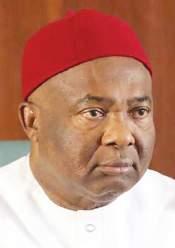
District matter vis-à-vis the ambition of Uzodimma and none of them is about the public good. But then, which politician is making strategic personal calculations in promotion of the public good?
Meanwhile, Akpabio may have gotten away with his new rules but if I understand how power works in Abuja, he is wasting his time. It would take no more than a few minutes to have those rules changed again the moment it becomes clear that Aso Rock prefers somebody else for the senate presidency next year. Afterall, if it were left to the Senators, Abdulaziz Yari and not Akpabio would be holding
the Senate gavel today. But there are issues with the senate rules-change that we should not gloss over. When such an important institution shuns accountability to prioritise self-serving legislation that weakens public trust and undermines the rule of law, we have a problem.
It may not have been his intention but Oshiomhole touched on something fundamental in his admonition to colleagues on ‘youthful exuberance’: It is about the kind of maturity expected of the Senate. I once referenced an interesting article on the website of the Dirksen Congressional Centre written by Betty K. Koed, an associate historian at the United States Senate Historical Office. It highlights why the Senate is a critical legislative institution:
It is said that on his return from France after the framers had completed the U.S. Constitution, creating two houses of Congress, Thomas Jefferson called George Washington to account for having agreed to a second chamber. “Of what use is the Senate?” Jefferson asked Washington, as he stood before the fire with a cup of tea in his hand. As he asked the question, Jefferson poured some of the tea into his saucer, swirled it around a bit, and then poured it back into the teacup.
“You have answered your own question,” Washington replied.
“What do you mean?” Jefferson asked.
“Why did you pour the tea into your saucer?”
“To cool it,” said Jefferson.
“Just so,” said Washington, “that is why we created the Senate. The Senate is the saucer into which we pour legislation to cool.”
Although smaller in number, the Senate is the most important legislative institution which plays unique roles in federal systems. Such critical roles include the confirmation of executive/judicial appointments, removal of presidents, and in crucial national security moments, declaration of wars. Such
an institution should not be a place where rules are rigged by presiding officers for self-serving ends. Therefore, the senators who conceived the ‘Akpabio Law’ may say they have the power to do what they did, but by not weighing the moral implications of their action, they have done incalculable injury to the institution.
The primary role of the legislature is to pass laws for good governance and the protection of the rights and interests of citizens. But with such a cynical rules-change, according to a Prof. Brown Imasuen, Akpabio and his cohort have effectively neutered the democratic essence of the legislature. “Leadership positions in the Senate are not mere ceremonial perches; they determine committee chairmanships, legislative priorities, budgetary allocations, and the vigour of oversight,” Imasuen wrote to explain the implications of treating power as an inheritance. “When these positions are pre-ordained for a select clique, many of whom, like Akpabio, have accumulated more scandals than achievements, the entire legislative machinery becomes an extension of personal empires rather than a servant of the people.”
To Imasuen whose trending online piece, ‘Akpabio’s Brazen Rape of Legislative Democracy,’ hits the nail on the head, the rules-change gambit exposes the rot at the core of our current democratic experiment. “A legislature that cannot even manage its own succession without descending into self-serving chicanery has no moral authority to lecture the executive or the judiciary. It becomes complicit in the national failure,” Imasuen wrote and I concur.
“The developmental paralysis indicated by youth unemployment, brain drain, crumbling education and health systems, and pervasive insecurity stems fundamentally from this elite consensus that public office is a private estate, rules are malleable, and the people are expendable.”
I honestly don’t know what else to add!
Nigeria’s infrastructure financing crisis took centre stage at the 2026 Infrastructure Dialogue held in Abuja, where top government and private sector leaders warned that the country’s widening infrastructure gap — estimated at $2.3 trillion — can no longer be addressed through traditional public funding alone.
The event, organised by Deutsche Partners Holding (DPH) at the Shehu Musa Yar’Adua Centre, brought together policymakers, investors, and development experts to explore sustainable financing solutions under the theme: “Building Nigeria’s Future: The Strategic Role of DFIs and Capital Markets in Infrastructure Financing and Economic Development.”
The Director-General and Chief Executive Officer of the Infrastructure Concession Regulatory Commission, Dr. Jobson Oseodion Ewalefoh, delivered a goodwill message and policy update, warning that Nigeria faces a severe infrastructure shortfall across transport, energy, ICT, agriculture, aviation, and housing sectors.
He disclosed that Nigeria requires about $100 billion annually for infrastructure development, while government spending currently covers less than 30 per cent of the need.
“Traditional procurement models and dwindling budgets are no longer enough. To bridge this gap, the mobilisation of private capital is not just an option—it is an absolute necessity,” he said.
Ewalefoh said Nigeria has fully embraced Public-Private Partnerships (PPPs) as a strategic alternative to conventional procurement, describing them not just as financing tools but as “catalysts for infrastructure renewal, economic growth, and poverty alleviation.
He urged stakeholders to shift focus from identifying problems to executing bankable solutions, stressing the importance of Development Finance Institutions (DFIs) in de-risking projects and capital market instruments such as Sukuk, green bonds, and pension funds in unlocking long-term financing.
Ewalefoh also outlined recent reforms aimed at improving Nigeria’s investment climate, including updated PPP guidelines issued in August 2025.
A key feature of the reform was
Michael Olugbode in Abuja
The Nigeria Civil Aviation Authority (NCAA) has granted operation license to Pioneer Airlines for unscheduled flight operations.
The Director General of the NCAA, Captain Chris Ona Najomo, who handed over the certificate to the management of the airline in Abuja, yesterday, congratulated the airline. He also commended the airline for its high safety standard. He, however, said it was imperative that the airline maintain the standard, saying operatives of the NCAA would continue to monitor its operations to ensure
best standards.
Speaking after receiving the operation certificate, the Managing Director of Pioneer Airlines, Capt. Henry Ungbuku, said the airlines got the certification in just over four months as a result of its readiness for business.
He said: “We have two aircraft, which is owned by the Bayelsa State Government. Before the certification process, the regulation states you must have a minimum of six aircraft for you to be able to get the certification for scheduled operations.
“So, since we had two, we applied for unscheduled, which is like charter and group booking
and things like that.
“But before we finished the certification process, the civil aviation authority reviewed the process and now brought the aircraft requirement down from six to two.
“That is why we are applying for the scheduled operation from tomorrow (Thursday). Because the requirement is two and we already have two aircraft,” he said.
Ungbuku said company leases aircraft from the Bayelsa State Government, adding that “once we start flying, we pay on monthly basis in terms of lease rentals.”
the decentralisation of approval powers: Ministries can now approve projects up to N20 billion, while agencies and parastatals can approve up to N10 billion, with larger or multi-agency projects still requiring Federal Executive Council approval.
He said the reform was already accelerating project delivery, improving transparency, and strengthening investor confidence.
The ICRC boss further revealed that a model PPP agreement, developed in collaboration with the Federal Ministry of Justice and PPP experts, would be unveiled in June 2026 to reduce transaction delays and speed up commercial and financial closure of projects.
He also announced plans to publish an updated national PPP project pipeline to guide investors and improve project visibility across sectors.
Ewalefoh reaffirmed that the commission was not only regulating PPPs but actively building a structured marketplace where
private capital participation is secured and public interest is protected.
He noted that the federal government’s 2025 Nigeria PPP Summit—hosted by President Bola Ahmed Tinubu—reinforced PPPs as central to delivering the administration’s Renewed Hope Agenda and bridging Nigeria’s long-term infrastructure gap.
Earlier, President of the Abuja Chamber of Commerce and Industry, Dr. Emeka Obegolu, delivered the opening goodwill address and chaired the first day of the dialogue, calling for urgent and coordinated action to unlock infrastructure financing.
Obegolu said infrastructure remains the backbone of every thriving economy, directly influencing productivity, investment, industrial growth, and citizens’ quality of life.
However, he warned that Nigeria’s greatest challenge is no longer identifying infrastructure gaps, but mobilising long-term,
sustainable capital to close them.
“For Nigeria, the need for modern and resilient infrastructure has become increasingly urgent. However, beyond identifying infrastructure gaps, the greater challenge today lies in financing—how to mobilise adequate, long-term, and sustainable capital,” he said.
He described the dialogue theme as timely, noting that global experience shows that blended finance, infrastructure bonds, guarantees, and PPPs have helped countries unlock large-scale development financing.
Obegolu urged stronger policy consistency, regulatory clarity, transparency, and investor confidence as key conditions for attracting capital into Nigeria’s infrastructure space. He stressed that infrastructure investment is critical to economic diversification, job creation, industrial competitiveness, and national resilience, adding that the private sector must play a central role alongside government.
Kano State will host the launch of the Northern Corridor Compressed Natural Gas (CNG) and Electric Vehicle (EV) Programme on Thursday, May 14 (today), a statement by the Presidential Initiative on Compressed Natural Gas and Electric Vehicles (Pi-CNG & EV), has said.
The programme, organised by the Pi-CNG & EV, is aimed at promoting cleaner and more
affordable transportation alternatives across Northern Nigeria.
The event will bring together stakeholders from government, the private sector, and the transport industry to activate the expansion of CNG and EV infrastructure and adoption in the region.
Activities scheduled for the launch include the unveiling and commissioning of CNG and EV assets and infrastructure, as well as demonstrations of clean
mobility solutions currently being deployed across the country.
According to the organisers, the programme supports the federal government’s efforts to expand access to alternative fuel transportation and reduce dependence on traditional fuels.
“The launch is also expected to provide a platform for stakeholder engagement and collaboration on the development of Nigeria’s clean mobility ecosystem,” the statement added.
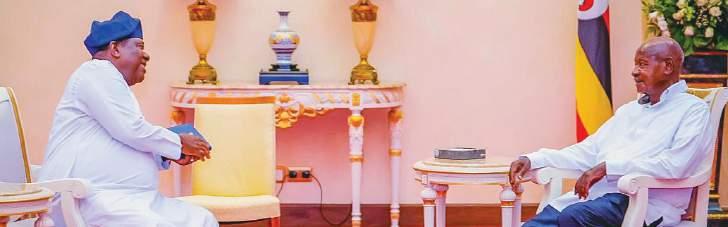
The Secretary to Government of the Federation and Representative of President Bola Ahmed Tinubu, Senator George Akume, with the President of Uganda, Yoweri Museveni, at the Presidential Villa, Kampala during Museveni’s inauguration for a seventh consecutive term as Uganda’s president on Tuesday
THE VERDICT
olusegun.adeniyi@thisdaylive.com

Despite Standing Rules practically exempting him from serving as a principal officer in the 8th Senate, the name of a certain Godswill Akpabio was announced in plenary as Minority Leader on 28th July 2015. Having left office as Akwa Ibom State Governor just a few weeks before, Akpabio had been nominated by the Peoples Democratic Party (PDP) for the position. But Kabir Marafa, then an All Progressives Congress (APC) Senator from Zamfara State, challenged the decision on grounds that Akpabio was not qualified to be a principal officer in the chamber as a first-time senator, especially when the PDP had many returning (ranking) senators who could fill the position.
Although Marafa cited the requisite provisions of the Senate Standing Rules to back his claim, he was immediately countered by then Deputy Senate President, Ike Ekweremadu, who insisted that it was an internal affair of the PDP and none of his (Marafa’s) business as an APC member. “If the ranking senators cannot take the position for
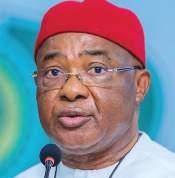
any reason, then the next level of ranking senators can be considered,” Ekweremadu argued, while
explaining that Akpabio was the only candidate the PDP would nominate for the office. In using his gavel to end the debate, then Senate President, Dr Bukola Saraki told Marafa that since the PDP senators were not complaining, he (Marafa) should “stop crying more than the bereaved.”
Of course, we all remember that three years later, precisely on 7 August 2018, Akpabio resigned his position as Minority Leader, joined the ruling APC and was subsequently ‘rewarded’ with a cabinet appointment by the late President Muhammadu Buhari. But having learnt enough (from his own experience) on how the Senate Standing Rules could easily be manipulated to achieve a predetermined end, it came as no surprise that Akpabio would ram through a controversial rule that legislates for his future ambition. In the coming 11th Senate, according to the ‘Akpabio Law’, nobody can be Senate President “unless he has been elected and served as a Senator for at least two full terms of eight years, one of which shall immediately precede such election.”
Barely 48 hours after the controversial session ended, Senate Leader, Opeyemi Bamidele came with another amendment to the amendment because they had put the cart before the horse. “Election of the officers will have to take place, as it had always been, before the swearing-in of senators,” Opeyemi said in explaining how they breached section 52 of the 1999 Constitution while enacting the ‘Akpabio Law’. Of course, the ‘minor error’ was immediately corrected and the new rule still stands but Senator Adams Oshiomhole, who had opposed the whole shenanigan, put something on record. “I believe the average age in this Senate is over 40, and so we don’t have an excuse for youthful exuberance,” Oshiomhole said while criticising the underhand manner the amendment was imposed without debate such that basic errors were made in the process. He then amplified his misgivings on ARISE Television during the week: “You don’t make laws either for yourself or against specific individuals that you
Linda Ejiofor-Suleiman made history at the 12th Africa Magic Viewers Choice Awards (AMVCA) last week. She won both ‘Best Lead Actress’ for her role in ‘The Serpent’s Gift’ and ‘Best Supporting Actress’ for her role in ‘The Herd’. I cannot think of anybody more deserving of these honours. Linda is that rare combination of a young woman who blends talent with beauty, brain, and character—a thoroughbred professional whose inner strength is as admiring as her outer charm and grace.
The story of my friendship with Linda and her husband, Ibrahim, is quite an interesting one. Ten years ago, at the instance of Pastor (Dr) Evaristus Azodoh, The Everlasting Arms Parish (TEAP) of the Redeemed Christian Church of God (RCCG) initiated an annual teens career conference, with the aim of bringing accomplished Nigerians (at home and in the Diaspora) to inspire young people. Although a Christian programme, it is open to youth of all religious backgrounds—mostly undergraduates—from Abuja and environs and it is usually a big event with food, drinks, and music.
In the first edition held in 2016 with the theme, ‘Your Life, Your Future: Not a Laughing Matter’, the lead speaker was Mr Atunyota Alleluya Akpobome, popularly known as Ali Baba. Other speakers were then Central Bank of Nigeria (CBN) Deputy Governor, Dr Serah Alade, former Federal Inland Revenue Service (FIRS) chair, Mrs Ifueko Omoigui-Okauru and the then

Linda Ejiofor-Suleiman
Director General of PENCOM, Ms Chinelo Anohu. The theme for the second edition in 2017 was ‘Life is a Stage’ with foremost Nollywood actor, Mr Richard Mofe Damijo (RMD) as the anchor person. Other speakers included wife of then Vice President, Mrs Dolapo Osinbajo and wife of the late former Kaduna State Deputy Governor, Mrs Charity Shekari. Considering the ease with which I secured the commitments of these two great thespians (Ali Baba
and RMD) who came all the way from Lagos without demanding any money, I took it for granted that Nigerian movie/comedy/music stars are so publicspirited that they would seize opportunities to inspire young people. I have since learnt my lessons the hard way!
Subsequent efforts to invite other movie stars or musicians (including those in the Gospel genre) were met with ‘please talk to my manager’, ‘find out from my agent how much’ and all such demands. Some of the few with whom I had phone conversations even spoke to me as though they were talking to their houseboy. And then the fencing and all sorts of pranks from some that I even know personally. At the end, I came to the inescapable conclusion that even though they remain the biggest names in their crafts, Ali Baba and RMD (our own Amitabh Bachchan) were outliers. They just happen to be wonderful people.
So, when in planning the 2022 edition a number of teenagers suggested Linda’s name to headline the conference, I simply told them to forget it. I didn’t want to waste my time chasing another prima donna. It took a ‘why don’t you just try?’ plea from my wife for me to send a message to Linda after securing her email address. And then I got a pleasant surprise. After about a week, she sent this reply: “It will be an honour to be able to interact with the young people, alongside such illustrious members of the society. I
will do all that I can to keep my calendar clear on the 20th August, to fly into Abuja on the day and return to Lagos on the 21st. I do not require an honorarium, as it is a charity cause. However, I do not travel alone, and would require identical logistics planned for my husband, who usually travels with me when my manager is unavailable. Kindly let me know if this works for you.”
With her husband by her side, the teenagers were able to ask Linda questions about the intersection between career and family, especially for young couples. And before they left for Lagos, I hosted them to lunch in our house. With teenagers, and friends joining us, it was a fitting climax to an amazing weekend. I still recall her parting words to the teenagers after sharing the story of her career trajectory. “Leaders are not immune to failure, just that their attitude to failure is different. They take time to reflect on what they did wrong and work on it. Leaders are focused people with vision, who are willing to ask questions,” she said while admonishing the teenagers never to forget the God factor in whatever they do. “He alone perfects all our plans.”
Over the past four years, I have found Linda to be even sweeter than she is on screen. And her husband, Ibrahim, is now my beloved aburo. Therefore, while winning two awards at the AMVCA may be a big deal, this is just the beginning for Linda. The Academy (Oscar) Awards will come.