Emejo
www.thisdaylive.com
Congressmen seek sanctions for
Emmanuel Addeh in Abuja and Ahmad Sorondinki in Kano The New Nigeria Peoples Party (NNPP), Kwankwaso’s party, yesterday expressed shock over the reports
Emejo
www.thisdaylive.com
Congressmen seek sanctions for
Emmanuel Addeh in Abuja and Ahmad Sorondinki in Kano The New Nigeria Peoples Party (NNPP), Kwankwaso’s party, yesterday expressed shock over the reports
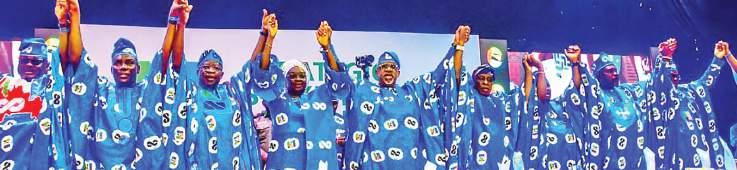
L-R: Speaker, Ogun State House of Assembly, Rt. Hon. Oludaisi Elemide; Ogun State APC Chairman, Chief Yemi Sanusi; Ogun State Deputy Governor, Engr. Noimot Salako-Oyedele; Governor of Ogun State, Prince Dapo Abiodun; former Governor of Ogun State, Chief Olusegun Osoba; Senator representing Ogun West Senatorial District, Sen. Solomon Olamilekan Adeola; Senator representing Ogun Central Senatorial District, Sen. Shuaib Salisu; and Minister of state for Health and Social Welfare, Dr. Iziaq Adekunle Salako, during the Strategic Stakeholders’ Meeting of the All Progressives Congress (APC) held at the June 12 Cultural Centre, Kuto, Abeokuta on Wednesday




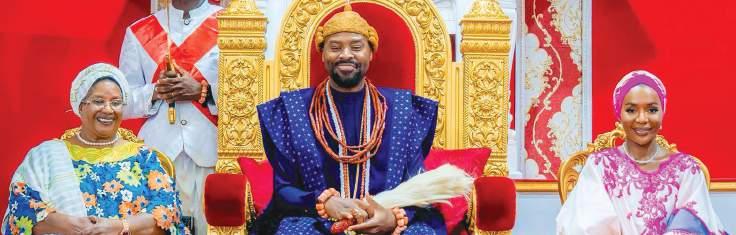
Atuwatse III, Queen Consort of the Warri Kingdom, during a courtesy visit by Dr. Banda, who also doubles as Chairperson of the Board of Directors, Global Fairness Initiative (GFI), at the Olu of Warri Palace on Tuesday
Advanced N202 billion to agro-allied enterprises, infrastructure N100 billion, manufacturing N79 billion, extractive industries N77 billion, services N55 billion
Creates 1.6 million jobs, 570 startups supported Olusi says milestone aligns with Tinubu’s vision to drive industrialisation, economic diversification, inclusive growth
James Emejo in Abuja
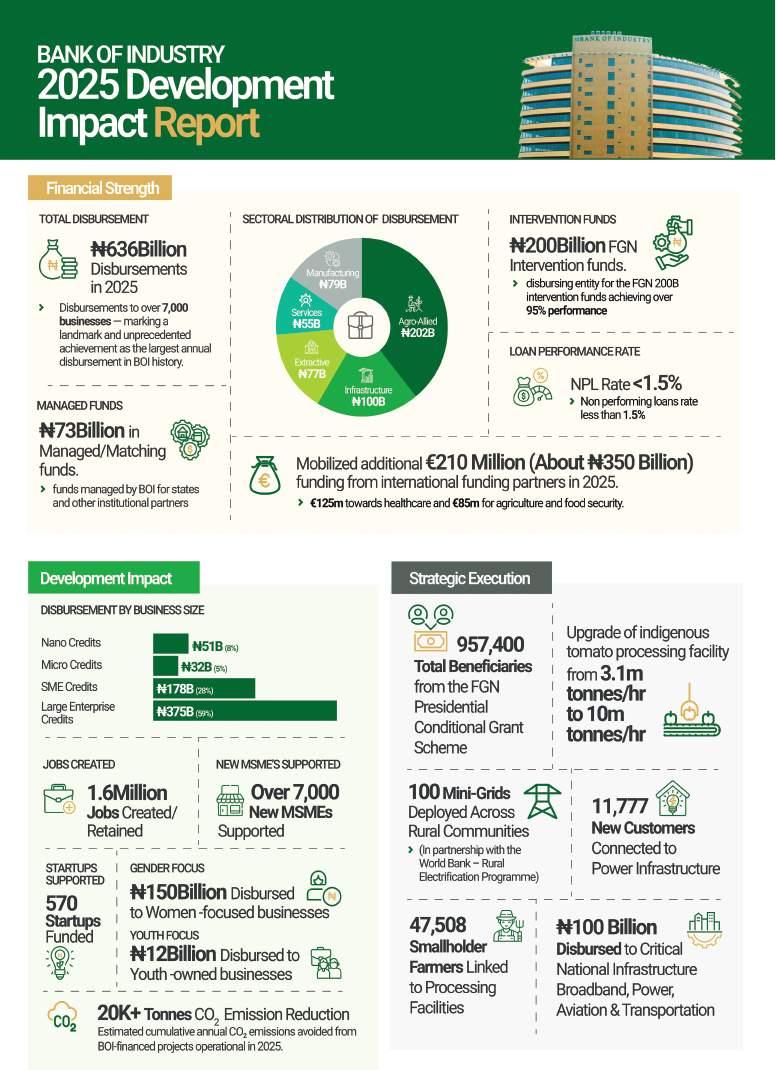
The Bank of Industry (BoI), yesterday disclosed that it disbursed a total of N636 billion to over 7,000 businesses across manufacturing, agribusiness, MSMEs, infrastructure, power, ICT and the creative sector in 2025.
This, the bank stated, marked the largest annual disbursement in the history of BoI, reinforcing its position as the nation’s leading development finance institution for industrial and enterprise growth.
According to the bank’s 2025 Impact Report, sectoral allocations included N202 billion to agro-allied enterprises, N100 billion to infrastructure, N79 billion to manufacturing, N77 billion to extractive industries and N55 billion to services.
Disbursements were supported partly by the €2 billion syndicated facility secured at the end of 2024, and N200 billion FGN MSMEs loans and grants, in addition to an additional €210 million mobilised in 2025 from international partners, the bank further stated. BoI also deployed N73 billion in managed and matching funds on behalf of states and institutional partners.
Commenting on the performance, Managing Director Chief/Executive, BoI, Olasupo Olusi, said, “Achieving over N600 billion in loan disbursements to our customers in 2025 is a significant milestone for the Bank of Industry, which aligns with the vision of President Bola Ahmed Tinubu to drive industrialisation, economic diversification, and inclusive growth across Nigeria.”
He said, “Beyond this milestone, our performance this year demonstrates BOI’s continued commitment to supporting enterprises, creating jobs, and strengthening the nation’s industrial base, delivering tangible
impact in line with national development priorities.”
In a statement by Divisional Head, Public Relations BoI, Theodora Amechi, the performance reflected its transition from strategy to scale under its 2025-2027 transformation agenda, which prioritised balance sheet strengthening, access to longterm capital, operational efficiency, and the deployment of financing in line with national economic and industrial priorities.
She said the milestone was achieved despite global macroeconomic challenges that created a significant financing gap and
placed pressure on development finance institutions.
Amechi said, “Demand for BoI financing grew due to its relatively cheaper and longer tenored funding.”
The bank maintained strong asset quality, recording a non-performing loan ratio of less than 1.5 per cent.
Under the federal government’s N200 billion intervention programme, BoI served as disbursing entity and achieved over 95 per cent performance, the statement added.
The Presidential Conditional Grant Scheme reached 957,400 beneficiaries during the year while disbursements
by business size showed N51 billion to nano enterprises, N32 billion to micro businesses, N178 billion to SMEs and N375 billion to large enterprises.
In total, 1.6 million jobs were created and retained, while over 7,000 new MSMEs and 570 startups were supported.
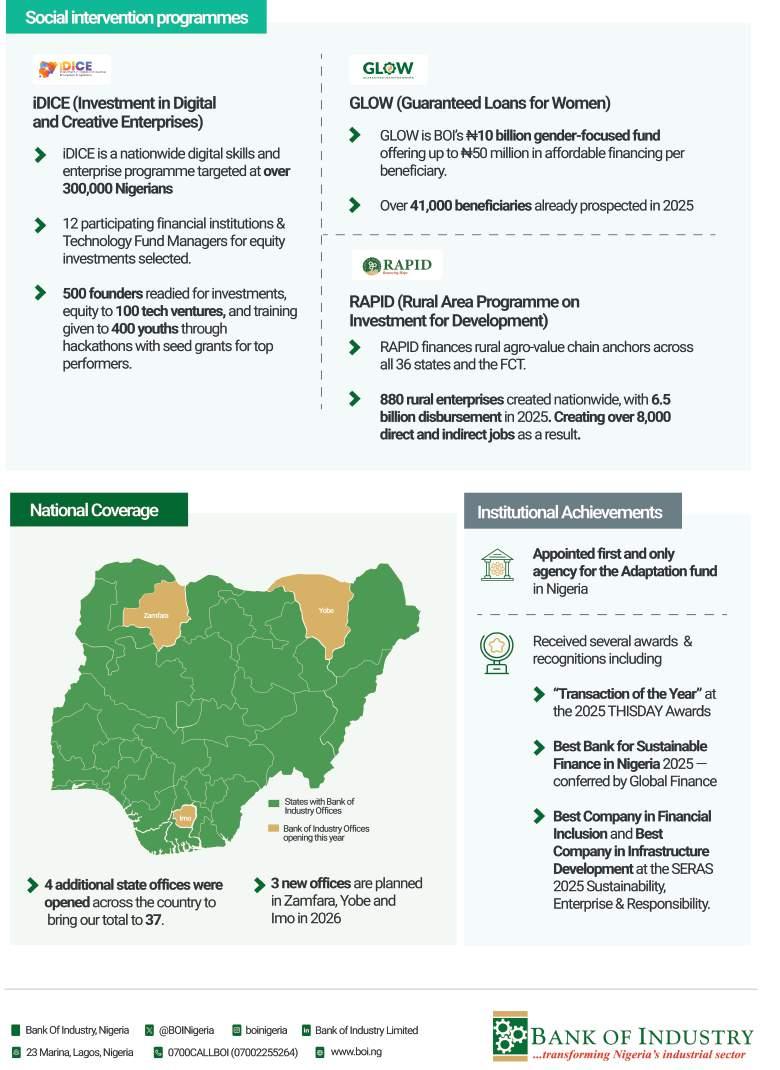
Inclusive finance remained central to the bank’s operations, including under its Guaranteed Loans for Women (GLOW) Programme, a N10 billion gender-focused fund offering up to N50 million in affordable financing per beneficiary.
Youth-owned enterprises
received N12 billion in financing, while the Rural Area Programme on Investment for Development (RAPID) supported 880 rural-based enterprises with over N6.5 billion across the 36 states and FCT. Strategic interventions included upgrading a tomato processing facility from 3.1 metric tonnes to 10 metric tonnes per hour, linking 47,508 smallholder farmers to processing facilities. The bank also deployed 100 mini-grids in partnership with global Development Finance Institutions (DFIs), connecting 11,777 new customers to electricity,.
An engine rupture forced Arik Air’s Boeing 737-700 aircraft, registered 5N-MJF, operating Flight W3 740 from Lagos to Port Harcourt on Wednesday, to divert to Benin Airport as a precautionary safety measure. According to a statement signed by the airline’s PR & Communication
Manager, Adebanji Ola, the flight crew decided to divert after the operating crew heard a loud bang on the left engine of the aircraft, indicating engine damage.
“The aircraft was on its descent to Port Harcourt International Airport, Omagwa, when the incident happened, and as a precautionary measure, the crew had to make a safe diversion to Benin.
The National Identity Management Commission (NIMC) has announced that it would commence nationwide ward-level enrollment for the National Identification Number (NIN) from Monday, February 16, 2026.
The commission said the initiative followed a presidential directive mandating NIMC to expand NIN registration to the grassroots to capture more Nigerians and legal residents in the National Identity Database. In a statement signed by the Head of Corporate Communications, Dr. Kayode Adegoke, NIMC stated that the ward-level exercise was aimed at ensuring comprehensive registration
of all citizens and legal residents, including children and adults. The enrollment would be conducted free of charge.
According to the commission, the move aligns with the federal government’s renewed hope agenda under President Bola Tinubu, which seeks to promote inclusive governance, national development and broader access to identity services.
NIMC described the ward-level rollout as a strategic step toward decentralising identity services and improving accessibility, particularly for residents in rural and underserved communities. By taking enrollment centres closer to communities, the commission said it hopes to reduce
travel burdens and encourage wider participation.
As part of preparations for the exercise, NIMC said it has begun engaging key stakeholders at national, state, and local government levels. Sensitisation and awareness campaigns are ongoing to educate the public on the importance and benefits of obtaining a NIN.
The commission disclosed that state governments, local government authorities, traditional rulers, community leaders, market associations and faith-based organisations are being consulted to ensure seamless implementation across wards nationwide.
“There were no injuries to passengers and crew as all 80 passengers on board were safely disembarked. Arrangements have been made to transport the affected passengers to their final destination,” the statement said.
Confirming the incident, the Nigerian Safety Investigation Bureau (NSIB), added that during the cruise phase of flight, the crew detected abnormal indications on one of the engines.
“In accordance with established safety procedures, the flight crew conducted a precautionary engine shutdown and diverted to the nearest
suitable airport, Benin.
“The aircraft landed without incident, and all passengers and crew disembarked normally. No injuries have been reported,” the NSIB explained said in a statement signed by its Director, Public Affairs and Family Assistance, NSIB, Mrs. Bimbo Olawumi Oladeji.
The NSIB stated further, “Preliminary observations at the diversion airport indicate significant damage to the affected engine based on initial visual assessment.
“In line with its statutory mandate and in accordance with international standards under ICAO (International
Civil Aviation Organsiation) Annex 13 and applicable Nigerian civil aviation regulations, the NSIB has commenced an investigation into the occurrence.
“A preliminary assessment team is en-route to Benin to secure the aircraft, document evidence, interview relevant personnel and witnesses, and recover flight data and cockpit voice recorder information.”
The NSIB also stated that it was working closely with the Nigerian Civil Aviation Authority (NCAA), Arik Air, and other relevant stakeholders to determine the sequence of events and any contributing factors.
Juliet Akoje in Abuja
The House of Representatives has expressed concern over poor funding of the Office of the Auditor-General for the Federation (OAuGF), cautioning that continued financial neglect of the apex audit institution could worsen corruption and further erode accountability frameworks. The alarm was raised by the House Committee on Public Accounts during its ongoing scrutiny
of the 2026 budget proposal of the Auditor-General at the National Assembly.
In examining the proposed 2026 allocation of N15,881,134,488 to the OAuGF, the Committee noted that the sum amounted to about 0.027 per cent of the federal government’s N58.4 trillion total appropriation bill for the year. Lawmakers described the allocation as grossly inadequate when weighed against the constitutional
mandate of the Office, which is responsible for auditing more than 1,000 Ministries, Departments and Agencies (MDAs), in addition to other government-funded institutions.
The Chairman of the Committee, Hon. Bamidele Salam, argued that it was impractical to expect the Auditor-General’s Office to effectively oversee and audit a proposed N58.4 trillion expenditure with such limited financial support.
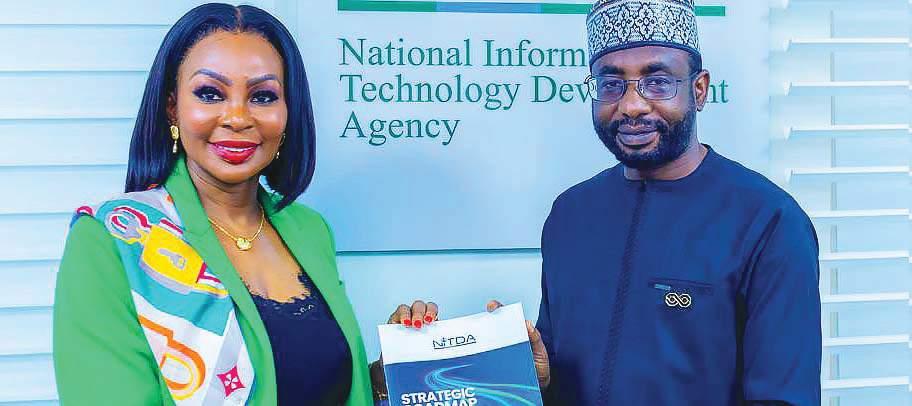
Managing Director/CEO, South South Development Commission (SSDC), Ms. Usoro Akpabio (left), receiving a souvenir from the Director General, National Information Technology Development Agency (NITDA), Mr. Kashifu Inuwa Abdullahi, when Akpabio paid a courtesy visit to Abdullahi in Abuja, yesterday.
Emmanuel Addeh in Abuja
Germany’s Deputy Head of Mission in Nigeria, Mr. Johannes Lehne, yesterday said the $2.3 billion Siemens power deal between Nigeria and Germany remained largely dormant until President Bola Tinubu’s administration revived it when he assumed office.
Speaking on the second day of the Sub-Saharan Africa International Petroleum Exhibition and Conference
(SAIPEC) in Lagos, tagged: “Celebrating a Decade of Energy, Oil, and Gas Innovation in Sub-Saharan Africa”, Lehne said the bilateral partnership in the power sector had stalled before gaining renewed traction under the current government.
The Siemens deal, originally conceived under former President Muhammadu Buhari, was designed as a government-to-government framework between Nigeria and Germany
to overhaul Nigeria’s transmission and distribution infrastructure, improve grid stability and gradually increase available power capacity.
Siemens then set phased capacity targets of 7,000 megawatts by 2021 and 11,000 MW by 2023, ultimately aspiring to reach 25,000 MW by 2025. These targets were ambitious given the country’s 4,000 MW supply. However, for reasons the government failed to disclose, it never truly progressed.
“The strange thing was that this partnership was dormant until the beginning of President Tinubu’s time, where actually we revived this. We are in the power sector. We have a Presidential Power Initiative with President Tinubu for the reactivation of the Nigerian transmission system and electricity to everybody,” he said.
Lehne noted that beyond the PPI, Germany has expanded its energy cooperation with Nigeria through an
Arco Worldwide Services, in partnership with Nigeria LNG Limited, has officially inaugurated Nigeria’s first commercial Mobile Drone Operations Command Centre (MDOC).
The inauguration took place at NLNG’s Corporate Head Office in Port Harcourt.
Developed by Arco Worldwide Services (AWS), the MDOC represents a landmark achievement in adapting advanced aerospace technology to protect national infrastructure.
MDOC, produced through a strategic partnership between NLNG and Arco, marks a significant milestone in Nigeria’s growing ability to deliver world-class engineering and aviation solutions powered by indigenous expertise.
Speaking at the inauguration ceremony, Managing Director of Arco Worldwide Services, Mr. Okosubide Mozimo, commending NLNG for its forward-thinking support, stated that AWS’s aviation subsidiary, Arco Aviation Academy (AAA), had moved aggressively to close the gap in drone training and operations since 2025.
Mozimo explained that Arco began working with NLNG in
2020, when drone operations were largely nomadic.
He stated, “Our teams had to move from one location to another, manually setting up ground control stations every day. This process took up to 90 minutes each morning. Fatigue would set in, equipment suffered wear and tear, and overall efficiency was affected.”
He said operational challenges led to the development of MDOC.
Mozimo explained, “The MDOC is a fully customised MercedesBenz Sprinter, retrofitted into a climate-controlled command hub. It features in-house air conditioning, integrated green energy powered inverter systems, and a triple-monitor monitoring panel.
“From this single centre, we can monitor drone operations and communicate directly with air traffic control.”
Mozimo commended NLNG for its forward-thinking support.
Chief Operating Officer of Arco Worldwide Services, Mrs. Ann Temidara, expressed delight over the partnership, describing the project as a breakthrough for the Nigerian drone ecosystem.
Temidara stated, “We are proud to be launching Nigeria’s first locally integrated mobile Ground Control
System.
“While the aerial platforms are procured globally, the customisation, structural integration, and operational optimisation were performed entirely by Nigerian engineers to suit our specific environmental and service requirements.”
Providing technical insight, Chief Technical Officer of Arco Worldwide Services, Mr. Sunday Idajili, explained that MDOC was designed to solve the “Last Mile” connectivity gap.
“This system enables real-time aerial surveillance of pipelines with uninterrupted Realtime video feeds, streamed via Low Earth Orbit (LEO) satellite systems to ensure stability even in remote areas,” Idajili said.
He added, “The vehicle transports a five-man crew and the Sky Whale VTOL drone system, which boasts an impressive three-hour endurance and a 60km operational range. This allows us to cover vast distances while airborne without requiring frequent battery swaps.”
Energy Support Programme, drawing from Berlin’s own experience in energy transition and diversification.
He explained that between 2021 and 2024, Germany intensified investments in renewable energy sources including solar, wind and geothermal, as part of efforts to reduce hydrocarbons and lower carbon emissions. Despite this push, he argued that what many countries describe as “energy transition” is often more accurately an “energy addition,” involving a broader mix of sources rather than a complete replacement of fossil fuels.
“There is no real energy transition; there is energy addition and a different mix of energy sources, which every country should consider in order to have the right energy policy,” he added.
According to him, gas remains central to Germany’s energy stability and will continue to serve as a key industrial feedstock for the next two to three decades. He stressed, however, that lessons from the Russia-Ukraine crisis underscored the dangers of overdependence on a single supplier.
Germany, he said, has since diversified its energy import base and rapidly developed four LNG import terminals capable of handling
between 80 and 84 gigawatt hours of gas daily, in addition to pipeline supplies.
“For Germany, diversification of energy sources all over the world is part of policy. We need different partners. It is not clever to put all your eggs in one basket,” Lehne stated, explaining that if it’s available, Germany was ready to import gas from Nigeria.
Germany, with a Gross Domestic Product (GDP) of about $5 trillion and limited domestic energy resources, relies heavily on imports for oil and gas. Lehne said strengthening ties with resource-rich partners such as Nigeria aligns with the country’s long-term economic and energy security strategy. Also speaking at the session, Deputy Director of Gas Utilisation at the Nigerian Upstream Petroleum Regulatory Commission (NUPRC), Jennis Anyanwu, said Nigeria’s challenge is not resource availability but converting abundant reserves into economic value.
He reiterated that Nigeria holds about 210.54 trillion cubic feet equivalent (TCF) of proven gas reserves, ranking it number one in Africa. When contingent resources are considered, he said the upside rises to about 650 TCF.
Michael Olugbode in Abuja
Bayelsa State has stepped up efforts to strengthen economic and diplomatic ties with Angola, as it moves to implement a Memorandum of Understanding (MoU) signed with Namibe Province during the renewed Nigeria–Angola Bilateral Commission.
The partnership, which began with an exploratory visit to the Angolan coastal province of Namibe, has now entered an implementation phase with both sides expressing commitment to
translating agreements into tangible economic outcomes.
Governor of Bayelsa State, Senator Duoye Diri, said the relationship between Bayelsa and Namibe was built on shared economic characteristics and strategic interests.
Diri spoke while receiving a delegation from Angolan President João Manuel Gonçalves Lourenço, led by Minister of State and Chief of the Civil House of the President of the Republic of Angola, Dionísio Manuel da Fonseca, at Bayelsa House
in Abuja, on Wednesday.
The delegation included senior Angolan government officials and investment representatives.
Diri explained that the first visit to Namibe was exploratory, aimed at identifying areas of mutual interest.
Namibe, like Bayelsa, is a coastal region with strong potential in aquaculture, fisheries, marine services, and other blue economy sectors.
“Namibe is a coastal province like Bayelsa. We have a lot in common in terms of marine resources, fisher-
ies and natural endowments. That informed our decision to foster closer cooperation,” the governor said. He stated the second engagement coincided with the Nigeria–Angola Bilateral Commission meeting — the first in over two decades, the last having been held in 2005. The high-level meeting was attended by Nigeria’s Minister of State for Foreign Affairs, federal government officials, Yusuf Tuggar, and representatives of subnational governments, including Nasarawa State.
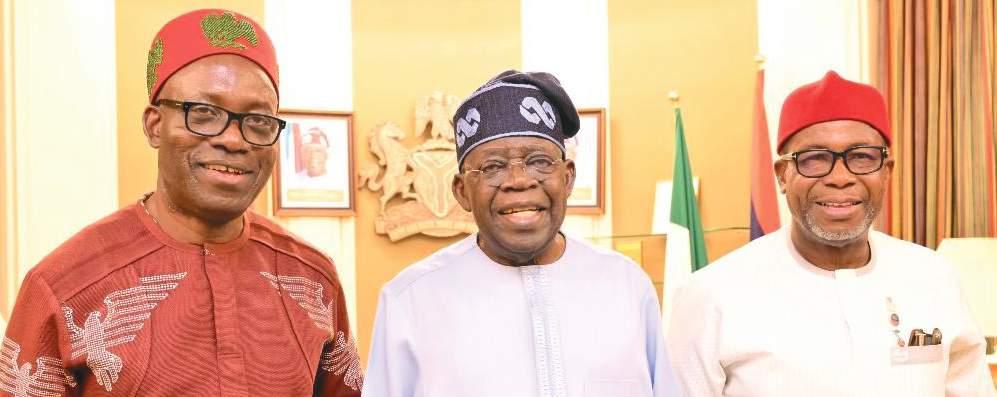
L-R: Governor of Anambra State, Prof. Charles Chukwuma Soludo; President
during a courtesy visit to the president at the Presidential Villa, Abuja, yesterday
The federal government has urged developers, financial institutions, pension funds, real estate and agribusiness investors to embrace the recently-launched Mass Housing and Agricultural Settlement Project as a scalable model to be replicated across the pilot state (Niger) and beyond.
Minister of Finance and Coordinating Minister of the Economy, Mr. Wale Edun, made the call in Abuja at the signing of a Memorandum of Understanding (MoU) between Ministry of Finance Incorporated (MOFI), and Niger State Government.
The project, to be implemented by MOFI and Niger State Government, is designed to integrate housing development with agricultural productivity under the supervision of the Federal Ministry of Finance.
Edun stated that the MoU signing ceremony represented more than a formal agreement, describing it as a powerful demonstration of cooperative federalism, strategic alignment, and shared commitment to inclusive economic development, in line with President Bola Ahmed Tinubu’s Renewed Hope Agenda.
The minister stressed that the MoU sent a clear signal to the investment community that Niger State, working in alignment with Federal Ministry of Finance and MOFI, was open for credible, well-structured, and impact-driven investment.
“We invite developers, financial institutions, pension funds, real estate investors and agribusiness investors to see this project as a scalable model that can be replicated across the state and beyond,” he said.
With Federal Ministry of Finance serving as the anchor, Edun affirmed that the initiative benefited from strong policy coordination, financial credibility, and institutional oversight at the highest level.
He said, “Housing, as we know, is a fundamental pillar of development.
But in Niger State, housing also intersects directly with agriculture, food security, rural stability, and economic productivity.
“This project is therefore deliberately designed not just as a housing intervention, but as a settlement framework for farmers, aimed at strengthening agricultural value chains and improving livelihoods across the state. Niger State remains one of Nigeria’s most agriculturally endowed states.
“Yet, challenges such as insecure settlements, rural-urban migration, and inadequate infrastructure continue to limit the full potential of our farming communities.”
The minister added, “This initiative seeks to address these challenges by providing structured, secure, and well-planned housing settlements for farmers, strategically located to support agricultural
production, storage, processing, and market access.
“By anchoring farmers in stable communities with access to basic infrastructure, this project will enhance productivity, reduce postharvest losses, improve security, and encourage youth participation in agriculture.
“Simply put, when farmers are properly settled, agriculture becomes
more efficient, more attractive, and more profitable. The role of MOFI in this partnership is both strategic and catalytic.”
The minister stated that as a key institution under the Federal Ministry of Finance, MOFI brought deep expertise in asset optimisation, project structuring, and private capital mobilisation.
According to him, through the
collaboration, public land and assets are being transformed into productive economic instruments that deliver tangible value to citizens while reducing fiscal pressure on government.
He added that the project adopted an innovative financing model that blended public assets with private investment, ensuring sustainability, transparency, and shared risk.
Ehigiator
Governor Dapo Abiodun of Ogun State has commended Dangote Industries Limited (DIL) for its significant contributions to the industrial and economic development of the state.
Abiodun described the conglomerate as a major force behind Ogun State’s rising competitiveness as Nigeria’s industrial hub.
Abiodun gave the commendation during the opening ceremony of the 15th Gateway International Trade
Ogun Poised to Join Oil-Producing States as NNPCL Kicks Off Commercial Oil Production at Eba
A technical team from the Nigerian National Petroleum Company Limited (NNPCL) has visited the Eba oil well in Ogun Waterside Local Government Area as preparations advance for commencement of commercial drilling operations in the state.
The inspection followed President Bola Ahmed Tinubu’s approval for commercial exploration and forms part of the federal government’s efforts to deploy the required technical capacity and infrastructure forOfficialsproduction. of NNPCL carried out the exercise alongside representatives of the Nigerian Upstream Petroleum Regulatory Commission (NUPRC)
and national security agencies to evaluate the site and confirm its readiness for drilling activities.
The delegation was led by Hussein Aliyu, Project Coordinator for Enserv, who headed the NNPCL Enserv technical team. Other members included Wasiu Adeniyi, Onwugba Kelechi, Engr. Rabiu M. Audu, Ojonoka Braimah, Ahmad Usman, Akinbosola Oluwaseyi, Salisu Nuhu, James Amezhinim, Yusuf Abdul-Azeez, Amararu Isukul and Livinus J. Kigbu.
Governor Dapo Abiodun described the development as a landmark achievement for Ogun State, saying the commencement of drilling at Eba would stimulate economic growth,
create employment opportunities and attract increased federal presence to the state’s coastal communities.
Geological reports had earlier confirmed the presence of hydrocarbons within the Ogun Waterside axis, leading to preliminary surveys and technical engagements by NNPCL.
The Ogun State Government also carried out an independent verification of the oil well’s coordinates, affirming the discovery is located within the state’s boundaries.
To secure the project, naval security personnel have been deployed to the site for over 18 months, with the support of the Ogun State Government, to protect the facility and its environs.
Fair, held yesterday in Abeokuta, where Dangote Group featured prominently among participating organisations.
Represented by Commissioner for Trade, Industry and Investments, Mr. Emmanuel Sofela, the governor said the state government proudly recognised Dangote Group as “a truly exemplary strategic partner in our collective pursuit of industrial advancement and sustainable economic development”.
He said the group’s consistent commitment to excellence, innovation, and nation-building had strengthened Nigeria’s industrial base, while enhancing Ogun State’s economic prosperity and global competitiveness.
Abiodun stated, “Through vision-
ary investments, job creation, and consistent support for infrastructure and community growth, the Dangote Group has demonstrated what it means to be a responsible corporate citizen and a catalyst for broad-based development.
“Their partnership with Ogun State continues to open doors of opportunity for our people, energise local industries, and reinforce our reputation as a leading destination for productive enterprise.
“Dangote’s legacy in Ogun State stands as a model of how meaningful collaboration between government and the private sector can deliver transformative results.”
The governor described Dangote Group as more than just an investor, stating that the conglomerate has
become a trusted ally whose impact is evident in the state’s economy, communities, and long-term development outlook.
Dangote Cement Plc operates a 12-million metric tonnes per annum cement plant in Ibese, located in the Yewa axis of Ogun State, while construction is ongoing on another six million metric tonnes per annum cement plant at Itori, also in the state. Earlier, in his remarks, President of Ogun State Chamber of Commerce, Industries, Mines and Agriculture (OGUNCCIMA), Lion Oshiyemi, also praised Dangote Group for its continuous support and collaboration with the chamber and the private sector towards economic growth and industrial expansion.
Onyebuchi Ezigbo in
Abuja
The National Agency for Food, Drug Administration and Control (NÀFDAC) has said that federal government did not order a reversal of the ban placed on sachet alcohol and 200ml PET bottle alcoholic products.
While reacting to a trending report on social media stating the federal government through the Office of Secretary to the Government of the
Federation has directed it to withdraw the ban on sachet or 200 ml alcohol containers forthwith, NÀFDAC said there was no such order.
A statement signed by the Director General of NÀFDAC, Prof. Mojisola Adeyeye, clarified: “The National Agency for Food and Drug Administration and Control (NAFDAC) wishes to categorically refute a news publication alleging that the federal government has directed the agency to suspend enforcement
actions relating to the regulation of sachet alcohol and 200ml PET bottle alcoholic products.
“The said publication is false, misleading, and does not reflect any official communication received by the agency from the federal government.
“NAFDAC operates strictly within the ambit of its statutory mandate and in alignment with duly communicated federal government policies and directives.
Deji Elumoye in Abuja
Vice President Kashim Shettima has said the Connect NextGen Innovation Hackathon will transform Nigeria to a global supplier of digital solutions, while creating jobs in the technology sector.
The four-month programme is one of the key operationalisation phases of the Ericsson and Nigerian Government’s Memorandum of Understanding (MoU) to collaborate on digitally upskilling Nigerian youths, policymakers, and public sector decision-makers in modern technologies.
Shettima said the programme will build on Nigeria’s rise as Africa’s top hub for unicorns and global tech talent.
He spoke on Wednesday while launching the initiative at State House Conference Centre, in Abuja.
The vice president, who was
represented by Deputy Chief of Staff to the President, Senator Ibrahim Hadejia, said the programme aligned with President Bola Tinubu’s job creation agenda by harnessing the country’s youth population for the digital economy.
According to him, “President Bola Tinubu has placed job creation at the very top of his priorities. So, this hackathon is not an isolated event; it is a continuation of a national strategy.
“The _Connect NextGen Innovation Hackathon_ is designed to deepen this reality—to make Nigeria a supplier of solutions to the world. A brilliant line of code written in Abuja can power a system in Stockholm; a solution imagined in Kano can transform a farm in Kenya.”
Shettima explained that the hackathon will empower young talents, start-ups, and university students to build transformative
solutions using 5G, artificial intelligence, cloud computing, IoT, and sustainable technologies.
He said, “The current wave of the Industrial Revolution—powered by 5G, artificial intelligence, cloud computing, IoT and sustainable technologies—is not a tide we can afford to watch from the shore. History is unkind to nations that choose the backseat in moments of transformation.”
The vice president observed that Nigeria’s greatest asset lay in its human capital rather than natural resources, stating that the country’s demographic dividend tilts decisively in favour of youth.
On Ericsson’s role in the initiative, Shettima said the partnership had reinforced the tech giant’s “position as a strategic enabler of Nigeria’s digital transformation goals, providing real-world applications of 5G, IoT platforms, edge computing and
AI in networks”.
He stated that Ericsson’s commitment to sustainability, energy-efficient networks, and technology for good aligned with Nigeria’s national ambitions.
Earlier, in his remarks, Minister of Science, Technology and Innovation, Dr. Kingsley Udeh, explained that the launch was an indication that the agreements, MOUs, and expressions of interest would not remain in the books but also find expression in activities and investments running into billions of dollars.
He pledged the support of the ministry to hackathon in various ways, including commercialisation, competition, research, and invention outcomes.
In her remarks, Ambassador of Sweden to Nigeria, Anna Westerholm, described Nigeria as a country of talent, creativity, and ambition.
Westerholm stated that Nigeria’s digital sector was one of the most dynamic and promising innovation ecosystems on the African continent.
She explained that the launch was a powerful illustration of what publicprivate collaboration could achieve, stressing, “Through the Hackathon and the Educate Program, Ericsson, a private company proudly rooted in Sweden, is partnering with Nigerian institutions to equip young people, students and civil servants with the skills needed to navigate and lead in the fast-changing global economy.”
She added, ‘’Nigeria’s partnership with Ericsson demonstrates how the Swedish private sector contributes to national development priorities by combining technological leadership with long-term commitment and strong local collaboration. We are proud that the Swedish technology and Swedish values of openness and partnership and trust contribute to
signed in 2024 between Ericsson and the federal government to boost innovation, skills development, and the digital economy. Shettima
Governor, Rabiu Kwankwaso, over what the bill described as systemic religious persecution and mass atrocities in Nigeria.
The move, which is still at the proposal stage, if it materialises could subject the former Nigerian presidential candidate to travel restrictions and financial sanctions when adopted and implemented.
The bill is also seeking potential sanctions and possible terrorist designations of Fulani militia groups. Aside from those they termed Fulaniethnic nomad militias in Nigeria, the
lawmakers also listed Miyetti Allah Cattle Breeders Association of Nigeria (MACBAN); and Miyetti Allah Kautal Hore as two other organisations that should be sanctioned.
However, the promoters of the new bill asked the US Secretary of State, Marco Rubio, to carry out these sanctions under the Global Magnitsky Human Rights Accountability Act and determine whether the violent Fulani groups should not be designated as terrorists.
The proposed legislation, titled: “Nigeria Religious Freedom and
Accountability Act of 2026”, was introduced during the 119th Congress by Rep. Chris Smith of New Jersey alongside Rep. Riley Moore of West Virginia and other co-sponsors, including Reps. Brian Mast, Mario Diaz-Balart and Bill Huizenga. The bill has been referred to the relevant House committee for consideration.
The legislation would require the U.S. Secretary of State to submit a comprehensive report to Congress within 90 days of enactment and annually thereafter detailing American efforts to address religious persecution
DANGOTE REFINERY HITS 650,000 BPD AS CDU, PMS UNITS REACH FULL CAPACITY
The Dangote Petroleum Refinery yesterday announced that it had achieved a major operational milestone with the full restoration and optimisation of its Crude Distillation Unit (CDU) and Motor Spirit (MS) production block.
Stressing that it is the first such refinery to achieve the feat globally, the management of the facility stated that the refinery has now hit its nameplate 650,000 barrels per day capacity.
The refinery announced this in a statement, adding that both the CDU and MS units are now running at optimal performance, further strengthening the steady state operations of Africa’s largest oil refining facility.
Following a scheduled maintenance exercise on the CDU and MS Block, the statement said the refinery has commenced an intensive 72 hour series of performance test runs in collaboration with the licensor, UOP.
These tests, according to the statement, are designed to validate operational efficiency and confirm that all critical parameters meet global standards.
Chief Executive Officer of Dangote Refinery, David Bird, noted that the seamless integration and strong performance of the units demonstrate the refinery’s advanced engineering and robust operational capabilities.
“Our teams have demonstrated exceptional precision and expertise in stabilising both the CDU and MS Block, and we are pleased to see them functioning at optimal
efficiency. This performance testing phase enables us to validate the entire plant under real operating conditions. We are confident that the refinery remains firmly on track to deliver consistent, world class output.
“This milestone underscores the strength, reliability, and engineering quality that define our operations. We remain committed to producing high quality refined products that will transform Nigeria’s energy landscape, eliminate import dependence, and position the nation as a net exporter of petroleum products”, he said.
Bird added that the CDU and MS Block, which comprise the naphtha hydrotreater, isomerisation unit, and reformer unit, are now operating steadily at the full nameplate capacity of 650,000 barrels per day.
The central bank also approved that weekly FX purchases by each BDC be capped at $150,000, and that utilisation comply with existing BDC operational guidelines. Also, Minister of Industry, Trade and Investment, Dr. Jumoke Oduwole, revealed that Nigeria’s total capital importation rose to about $21 billion in the first 10 months of 2025.
However, at the close of trading yesterday, the Naira was quoted at N1,348.95 per dollar, marking the first time it traded stronger than the N1,350 thresholds since the inception of the official FX window.
Data from the CBN website showed that the naira exchange rate against the greenback stood
He further confirmed that all remaining processing units will begin their respective performance test runs in Phase 2, scheduled to commence next week.
During the recent festive period, the refinery said it supplied between 45 million to 50 million litres of Premium Motor Spirit (PMS) or petrol daily.
The statement noted that with the CDU and MS Block now fully restored, the refinery is positioned to comfortably deliver up to 75 million litres of PMS to the domestic market as required.
Expressing appreciation to customers and Nigerians across the country, Bird reaffirmed the refinery’s unwavering commitment to enhancing Nigeria’s energy security while supporting industrial development, job creation, and economic diversification.
at N1,351/$ on Tuesday.
Year-on-year, the naira had gained N165, or 10.9 per cent, underscoring sustained strength amid policy interventions and improving market liquidity.
The development also influenced the parallel market, where the local currency appreciated marginally by N10, exchanging at N1,440 per dollar on Wednesday, up from N1,450 the previous day.
The central bank however explained that its latest dollar sale to BDCs was part of efforts to improve foreign exchange liquidity in the retail segment of the market and meet the legitimate needs of end users.
The development was conveyed in a circular signed by CBN
and mass atrocities in Nigeria. The reporting obligation would continue until Nigeria is no longer designated as a Country of Particular Concern (CPC), the bill suggested.
In its findings, the bill asserted that systemic religious persecution has persisted in Nigeria since at least 2009, including mass killings, kidnappings, rape, village destruction and forced displacement perpetrated by Boko Haram, the Islamic State West Africa Province, Fulani militant groups and other extremist organisations.
The lawmakers alleged that the Fulani groups have carried out repeated acts that meet the statutory definition of terrorist activity under U.S. immigration law, including targeted killings, hostage-taking, armed assaults, massacres and forced displacement.
The legislation pointed to a series of attacks in Benue and Plateau states between May 2023 and May 2025, including incidents in Umogidi, Mgban, Yelwata, as well as Christmas Eve massacres in 2023 and 2024 and Holy Week and Easter attacks in 2024 and 2025. According to the bill, more than 9,500 people, mostly Christians, were killed in those incidents, while over half a million others were displaced.
The proponents argued that such actions meet the criteria for designation as a Foreign Terrorist Organisation under Section 219 of the U.S. Immigration and Nationality Act.
The bill criticised what it described as the Nigerian government’s routine denial of religious persecution and failure to intervene adequately in some attacks, including the October
Director, Trade and Exchange Department, Dr. Musa Nakorji. Under the new directive, all BDCs duly licensed by the CBN are permitted to access foreign exchange through any Authorised Dealer Bank (ADB) of their choice, at the prevailing market rates.
The move, according to the circular, also aimed to deepen market efficiency and ensure broader access to foreign exchange across the economy.
The CBN, however, imposed strict compliance and riskmanagement conditions on the transactions.
Authorised dealers are required to conduct full KnowYour-Customer (KYC) and due diligence checks on BDC clients
14, 2025 massacre in Plateau State.
Recall that President Donald Trump designated Nigeria as a CPC in 2020 and again in October 2025.
In its “Sense of Congress” section, the bill affirmed support for the CPC designation and called on the United States to use diplomatic, humanitarian, economic and security tools to pressure Nigeria to end impunity, protect Christian communities and enable the safe return of internally displaced persons.
It urged the Departments of State and Treasury to consider targeted sanctions, including visa bans and asset freezes under the Global Magnitsky Human Rights Accountability Act, against individuals or entities responsible for severe religious freedom violations.
Specifically named for consideration are Fulani-ethnic nomad militias, the Miyetti Allah Cattle Breeders Association of Nigeria, Miyetti Allah Kautal Hore and former Kano State Governor Rabiu Musa Kwankwaso.
“The Government of Nigeria has historically failed to adequately respond to or prevent religiously motivated violence and continues to tolerate impunity by extremist actors, in part by denying the religious nature of such extremism. The United States should use all available diplomatic, humanitarian, economic, and security tools to pressure the Government of Nigeria to:
“End impunity for perpetrators of mass atrocities and religious persecution; protect Christian communities, clergy, and other targeted religious minorities; enable the safe and voluntary return of internally
before any FX sale.
To further strengthen transparency and accountability, the central bank directed that all licensed BDCs must submit timely and accurate electronic returns in line with extant regulations.
Any unutilised foreign exchange must be sold back to the market within 24 hours, as BDCs are prohibited from holding FX positions purchased from the NFEM.
The circular further restricts settlement practices, mandating that all FX transactions be conducted through settlement accounts with licensed financial institutions.
Third-party transactions are prohibited, while cash settlement
displaced persons to their homelands, prioritising persecuted Christian communities.
“And ensure freedom of religion is protected by every level of government and that the proper legal channels ensure this right remains wholly intact, including the repeal of blasphemy laws and release of prisoners detained for their faith,” a section of the bill read. It added: The Department of State and the Department of the Treasury should impose targeted sanctions, including visa bans and asset freezes under the Global Magnitsky Human Rights Accountability Act, on individuals or entities responsible for severe religious freedom violations, or report to Congress the reasons such sanctions have not been imposed, including:“Fulani-ethnic nomad militias in Nigeria; Rabiu Musa Kwankwaso, former Kano State Governor; Miyetti Allah Cattle Breeders Association of Nigeria (MACBAN); and Miyetti Allah Kautal Hore. The Secretary of State should determine whether certain Fulani-ethnic militias in Nigeria, qualify as a foreign terrorist organisation under section 219 of the Immigration and Nationality Act.
“Individuals and networks— domestic or foreign—that provide support to these Fulani-ethnic militias should be investigated and held accountable,” the lawmakers requested.
The bill also encouraged technical support to Nigeria to reduce violence from armed militias, including
Continued on page 36
is limited to a maximum of 25 per cent of each transaction amount. Overall, the directive reflects the CBN’s broader strategy to balance market access with strong regulatory oversight, ensuring liquidity in the foreign exchange market while safeguarding financial system integrity. The CBN had stopped weekly dollar allocations to BDCs, alleging they were involved in illegal transactions and money laundering. However, the return of BDCs into the official forex operation remained heavily regulated. The current volume of FX allocation is an improvement
Continued on page 35
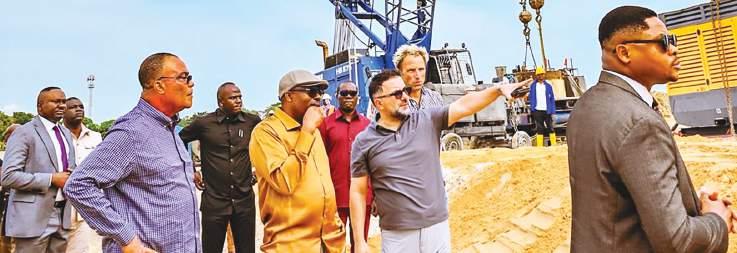
L-R: Project Coordinator, Region South and East, Mr. Sam Ngbor; Rivers State Governor, Mr. Siminalayi Fubara; and Regional Manager, South, Engr. Rimon Mauricio, pointing out issues of interest during the governor’s assessment visit to sections of the ongoing Port Harcourt Ring Road Creek Bridge on Monday
Founder and Executive Chairman of BUA Group, Abdul Samad Rabiu, has called for a decisive shift in Africa’s development strategy, urging governments, financiers, and the private sector to move the continent from raw material extraction to large-scale industrial processing and value addition. Rabiu made the remarks as Special Guest of Honour at an Africa Finance Corporation (AFC) forum during the Mining Indaba 2026, where African
leaders, policymakers, financiers, and industry executives gathered to discuss the future of mining, industrialisation, and real sector development on the continent.
Commending AFC for its role in mobilising long-term capital for Africa’s industrial sectors, a statement quoted Rabiu as saying the institution’s leadership and recent S&P Global rating, with a positive outlook, underscored the importance of strong development
finance institutions in shaping Africa’s growth trajectory.
Drawing from BUA Group’s experience, he recounted the company’s decision over 16 years ago to transition from cement importation to local production in Nigeria, despite the capital intensity and long gestation periods associated with mining and heavy industry.
“At the time, Nigeria was importing cement despite being richly endowed with limestone,”
Rabiu said.
He added, “We were spending more time chasing foreign exchange than selling cement. The real question was not whether the resources existed, but whether there was enough conviction to stop importing and start producing locally.”
He said today, BUA mined and processed about 40,000 tonnes of limestone daily, producing roughly one million tonnes of cement every month.
North East Health Awareness Forum (NEHCAF) has expressed concern over the release of only N36 million out of N218 billion capital funds allocated to Nigeria’s federal health sector.
In a statement, Chairman of NEHCAF, Abdullahi Ahmad, and Secretary, Ummu kulsum Rabiu, questioned the transparency of the funding process, saying the discrepancy raises concerns about healthcare resource management.
The forum called for an inves-
tigation into the matter, urging authorities to ensure allocated resources are utilised efficiently and transparently for the benefit of Nigerians.
The statement said, “Our attention has been drawn to the wide publication in various national dailies, of the statement credited to Minister of Health and Social Welfare, Professor Mohammed Ali Pate, where he alleged that out of the N218 billion capital project appropriated funds for the health sector, only N36 million was released.”
The forum stated, “It is alarming to learn that only N36 million has been received by the Ministry of Health and Social Welfare out of the staggering N218 billion earmarked for this critical sector.”
According to the forum, the minister’s statement highlights the urgent need for a thorough investigation into the funding processes to ensure that allocated resources are utilised efficiently and transparently.
It observed that under democracy, the citizens deserved an adequatelyfunded and well-equipped health
John
Governor Uba Sani of Kaduna State has reiterated his commitment to support initiatives that will expand digital literacy, promote innovation, and equal learning opportunities for every child.
The governor stated this on Wednesday at the DigiTruck Digital Skills Training Programme, tagged, “Class is Open Everywhere”. Sani, represented at the event by the Commissioner of Youth Development, Gloria Ibrahim, emphasized that no child will be discriminated against, whether in urban or rural communities.
He noted that access to technology and the right skills is no longer a
luxury but a necessity.
The governor said students in Kaduna State must not only be educated but must be equipped.
According to him, a fully equipped mobile digital classroom will move directly to secondary schools, ‘’bringing learning to the students instead of waiting for students to find learning. It ensures that opportunity is not limited by location.’’
The governor said the ‘’programme will introduce students to basic computing, AI fundamentals, digital creativity, and other essential 21stcentury skills.’’
Governor Uba Sani pointed out that ‘’these are the very skills that will define employability, innovation, and leadership in the years ahead.’’
‘’During its stay in Kaduna State, the DigiTruck is expected to reach between 20 and 30 schools across our three zones, impacting over 1,000 students,’’ he disclosed.
‘’This means hundreds of young people will have their first real interaction with practical technology, and for many of them, this experience may shape their career paths,’’ he added.
Sani expressed confidence that an ‘’exposure like this will spark curiosity, build confidence, and inspire our students to see themselves not only as users of technology, but as creators and problem-solvers.’’
He urged the students to participate actively, ask questions, explore, and make the most of this
system to meet their needs.
“We remain committed to advocating for the necessary reforms to ensure that financial resources are not only allocated but also effectively utilised for the benefit of all Nigerians,” the forum said. It urged all stakeholders, government officials, civil society, and the media to collaborate in addressing the concerns.
That shift helped Nigeria move from being a cement importer to a net exporter, saving the country billions of dollars in foreign exchange annually, he stated.
Rabiu stressed that such a transformation would not have been possible without patient, long-term financing from DFIs, particularly the AFC, which had supported BUA’s cement and industrial operations with over $400 million in financing.
He added that a significant portion of the facilities had already been repaid, demonstrating that wellstructured African industrial projects are not only developmental but also commercially viable and recyclable.
Turning to the broader continental picture, Rabiu highlighted what he described as a structural paradox: Africa remains one of the world’s most resource-rich regions, yet exports the bulk of its minerals and agricultural produce in raw or minimally processed form.
He cited examples across gold, cobalt, copper, iron ore, diamonds, and cocoa, stating that while Africa supplies much of the world’s raw inputs, it captures only a fraction of the value created downstream.
“Africa does not lack resources,” he said, stressing, “What it lacks is processing capacity, industrial scale, and disciplined execution.”
He explained that the same challenge extended beyond mining into agriculture, where Africa holds a majority of the world’s arable land, yet continues to import billions of dollars’ worth of food annually. Rabiu called for coordinated action among governments, DFIs, and the private sector, urging DFIs to scale long-term financing targeted at beneficiation and industrial value chains.
He urged governments to adopt deliberate policies that incentivised local processing and invested in power, transport, and industrial infrastructure.
He said, “Industrialisation does not happen by accident,” adding, “Countries that industrialised did so by design, not by chance. Africa must do the same.”
Rabiu stated that Africa’s opportunity lay in aligning private enterprise, patient capital, and supportive policy to move the continent from extraction to transformation, and from potential to shared prosperity.
A high-powered joint delegation of the Federal Government of Nigeria, the Gates Foundation and Aliko Dangote Foundation paid an advocacy visit to the governor of Gombe State and Chairman of the National Economic Council (NEC) Task Team on Polio Eradication, Muhammadu Inuwa Yahaya, as Nigeria intensifies efforts to interrupt the transmission of circulating variant poliovirus types 2 and 3 within the next twoTheyears. visit is part of coordinated national and global efforts to consolidate existing gains and fast-track the permanent interruption of all poliovirus variants in Nigeria, building on the historic certification of the African Region as free of wild poliovirus in 2020. The delegation was jointly led by the Executive Secretary of the
National Primary Health Care Development Agency (NPHCDA), Dr. Muyi Aina, on behalf of the Coordinating Minister of Health and Social Welfare, Professor Muhammad Ali Pate, and the President of Global Development at the Gates Foundation, Mr. Chris Elias.
They stressed the urgency of scaling up coordinated action across federal, state and local government levels to eliminate the disease, particularly in high-risk and hard-to-reach communities, noting that the final phase of eradication requires intensified political commitment, community engagement, effective surveillance and high-quality immunization campaigns.
Speaking during the meeting yesterday, Dr. Muyi Aina described Governor Inuwa Yahaya as a critical driver of Nigeria’s polio eradication efforts, commending
his leadership of the NEC Task Team for reinvigorating subnational engagement, strengthening accountability and enhancing intergovernmental coordination. He restated the federal government’s strong commitment to ending polio transmission, emphasizing that success hinges on sustained political will, grassroots mobilization and strong partnerships with development agencies.
Also speaking, Mr. Chris Elias lauded Nigeria’s steady progress, attributing recent gains to improved governance, strengthened primary healthcare systems and the proactive leadership of state governors.
He commended Governor Inuwa Yahaya for his personal ownership of the eradication agenda and his role in galvanising collective action through the NEC platform.

L-R: Organisation Effectiveness Consultant, Habiba Balogun Consulting, Ms. Habiba Balogun; Founder/Executive Director, WILAN Global, Mrs. Abosede George-Ogan; Regional Director, Africa Centre for International Private Enterprise, Ms. Lola Adekanye; and Founder/Lead Consultant, Will Way Paradigm, Mrs. Dolapo Agbede, at the premiere of The Leading Woman Show, Season 4, themed “The Nigeria We Want”, held in Lagos… recently
The Attorney-General of the Federation (AGF) and Minister of Justice, Prince Lateef Fagbemi, SAN, has charged civil servants in the country, especially those in the justice sector to be up and doing in their various responsibilities, stressing that Nigerians are eagerly waiting on the President Bola Tinubu’s administration to make a difference in governance.
Fagbemi who spoke on Wednesday in Abuja, at the opening of the 2026 Justice Sector Retreat, reminded participants the justice sector is the conscience of government, hence the need for those in the sector to endeavour to leave behind a lasting legacy.
Besides, the minister charged the participants to commit to delivering quantifiable results, by moving beyond generalized aims towards strategic objectives defined by SMART targets, adding that goals must be specific, measurable, achievable, relevant, and time-bound.
“Distinguished colleagues, history
will judge us not by our intentions but by our impact. Nigerians are watching, waiting, and hoping that this administration will break the cycle of unfulfilled promises.
“The justice sector is the conscience of government, and we must exemplify what is right, just, and lawful. I challenge each of you to consider your legacy and what initiatives your agencies will be remembered for in 2026.
“Let us work together to make the Justice sector a model of governmental excellence, delivering transformative results that justify the confidence reposed in us”, the AGF said.
While acknowledging the significant achievements made by stakeholders in the areas of improved access to justice and service delivery, Fagbemi urged the civil servants to do more, adding that there is room for more improvement.
“To our prosecution agencies, I encourage you to invest in modern tools, processes and mechanisms that significantly improve the rate of successful convictions, and to work diligently toward accelerating the
pace of justice by reducing the time between the filing and conclusion of cases.
“Our legal aid services must focus on expanding their reach to ensure that a vastly increased number of indigent citizens receive the representation they deserve, while our law reform bodies should focus on comprehensive modernization of
our legal frameworks, by addressing and reviewing outdated legislation.
“Furthermore, I encourage our regulatory agencies to embrace digital transformation to streamline their operations and drastically reduce processing times for the public”, he added.
In a welcome, solicitor-General of the Federation (SGF) and Permanent
Secretary, Ministry of Justice, Mrs. Jedy-Agba, remarked that the theme of the retreat, “Streamlining the Ministry’s 2026 Performance Management System Cycle in Alignment with the Presidential Priorities and Sector-Specific Deliverables” could not be clearer.
She disclosed the goal of the retreat was to devise a roadmap
with fine-tuned mechanisms for practical, measurable steps toward a more efficient system of justice administration, while remaining fully aligned with executive priorities.
“Over the next few hours, we will engage in frank conversations about how far we have come in delivering our respective mandates, and our aspirations for 2026.
Michael Olugbode in Abuja
The National Agency for the Prohibition of Trafficking in Persons (NAPTIP) has exposed an emerging human trafficking route funneling Nigerian youths to Southeast Asia for forced involvement in cybercrime, rescuing and repatriating 23 victims from Thailand.
The victims, mostly young and tech-savvy Nigerians, were allegedly deceived with promises of scholar-
The Amasiri Community in Afikpo Local Government Area of Ebonyi State has appealed the 72-hour ultimatum issued by the state government, rejecting allegations of killings and abductions linked to recent violence in neighbouring Edda and accusing security forces of serious human rights violations.
In a statement released on Tuesday, the community described the directive by Governor Francis Ogbonna Nwifuru of Ebonyi State which reportedly ordered Amasiri to produce severed heads of alleged victims and return persons said to have been abducted, as unjust, unlawful and capable of worsening tensions.
Signed by Princess Joy Omagha
Idam, the community’s spokesperson, the statement said Amasiri people neither participated in nor condoned such acts of deadly violence.
Amasiri argued that attributing collective criminal responsibility to the community violates the 1999 Constitution, which guarantees presumption of innocence and prohibits collective punishment.
The community maintained it has, in fact, suffered significant losses in the crisis. Many residents, it added, have been killed or abducted. These, it said, included a retired Army Warrant Officer, Chukwu Charles; his wife, Patricia; and a relative who accompanied them to the farm. Their whereabouts remain unknown.
Amasiri also listed earlier incidents in which it alleged that its indigenes were abducted or killed by people from Edda. Six persons (Sunday Oko Akwa, Oko Akpu Egele, Christian Enya, Agha Oko, Itoro Essien, and Monday Abang) were alleged to have been abducted and killed on January 20, 2025.
On April 2, 2025, two others, Obinna Oko Eze and Emmanuel Okpara, were reportedly abducted and killed. The community further alleged that an electrician, Monday Ogbonnia, was killed on his rice farm in August 2025, while Mr. Ndubuisi Agha Ukpai died in February 2026 from gunshot wounds after soldiers allegedly blocked access to medical care during security operations.
ships and high-paying jobs abroad before being trafficked to countries including Myanmar, Thailand, Laos and Cambodia. Instead of legitimate employment, they were reportedly compelled to participate in sophisticated online fraud schemes targeting victims across several continents.
Director General of NAPTIP, Binta Adamu Bello, described the development as a troubling shift in trafficking patterns, warning that criminal networks are now deliberately targeting educated and skilled youths.
According to Bello: “This is a disturbing evolution in the trafficking landscape. The perpetrators are no longer focusing only on vulnerable,
unskilled individuals. They now recruit intelligent young people with computer and IT skills, especially those with clean health backgrounds, under the guise of scholarships and professional opportunities.”
According to the agency, upon arrival in their destination countries, the victims were trained in cyberenabled crimes such as romance scams, cryptocurrency fraud and fake investment schemes.
Some were enrolled in language programmes, particularly in Chinese, and later deployed as translators or customer service agents to engage and deceive foreign targets.
The rescued youths reportedly revealed that they were housed
in tightly controlled facilities and monitored by armed guards. They were assigned daily fraud targets and subjected to threats, intimidation and physical abuse if they failed to comply. In some instances, victims alleged that those who resisted were tortured, while others claimed there were threats of organ harvesting, particularly against younger recruits perceived to be in good health.
NAPTIP said the rescue operation was carried out in collaboration with civil society organisation Eden (Myanmar), with significant support from the British Government and the Nigerian Embassy in Bangkok, which facilitated emergency travel documentation for the victims.
The South South Development Commission (SSDC) has intensified efforts to position the region to fully harness the potentials of Information Technology for youth development.
In furtherance of this goal, the youth-friendly Managing Director of the Commission, Ms. Usoro Akpabio, paid a courtesy visit to the Director General of the National Information Technology Development Agency (NITDA), Kashifu
Inuwa Abdullahi, on Wednesday at the agency’s headquarters in Abuja.
The visit underscored SSDC’s commitment to strategic partnerships aimed at expanding digital skills, innovation, and inclusive access to ICT opportunities for young people across the six South-South states.
Ms. Akpabio emphasized the region’s vast youth tech-ready population and its strategic
importance to Nigeria’s economic growth, noting that targeted collaboration with NITDA would help bridge digital skills gaps, create employment pathways, and unlock innovation-driven development. She described NITDA as a critical national institution whose leadership in digital capacity building, ICT infrastructure, and innovation aligns strongly with SSDC’s mandate to drive sustainable regional development.


The Q4 2025 Industry Performance Report, released by the Nigerian Communications Commission (NCC), has rated MTN Nigeria as the clear leader in network connectivity, outperforming other operators in download, upload and latency speeds.
Also, the report said 5G technology offers the best consumer experience with page loading times of between two and three seconds, compared to 2G and 3G technologies that take up to 10 seconds for page loading.
The report, which is the outcome of a study on telecoms industry performance, carried out by Ookla, a global leader in network intelligence and
Emma Okonji
Stakeholders in the technology industry have stressed the need for infrastructure sharing among telecoms services providers, as well as the availability of resilient data centres across the country, if Nigeria must achieve the status of a digitally connected economy.
The stakeholders said this in Lagos during a media workshop, themed: ‘Digital Infrastructure and Artificial Intelligence (AI)’, organised by Africa Hyperscalers, a panAfrican market-intelligence
connectivity insights, showed that MTN toped others in network connectivity and stability for modern applications like video calls, video streaming and gaming.
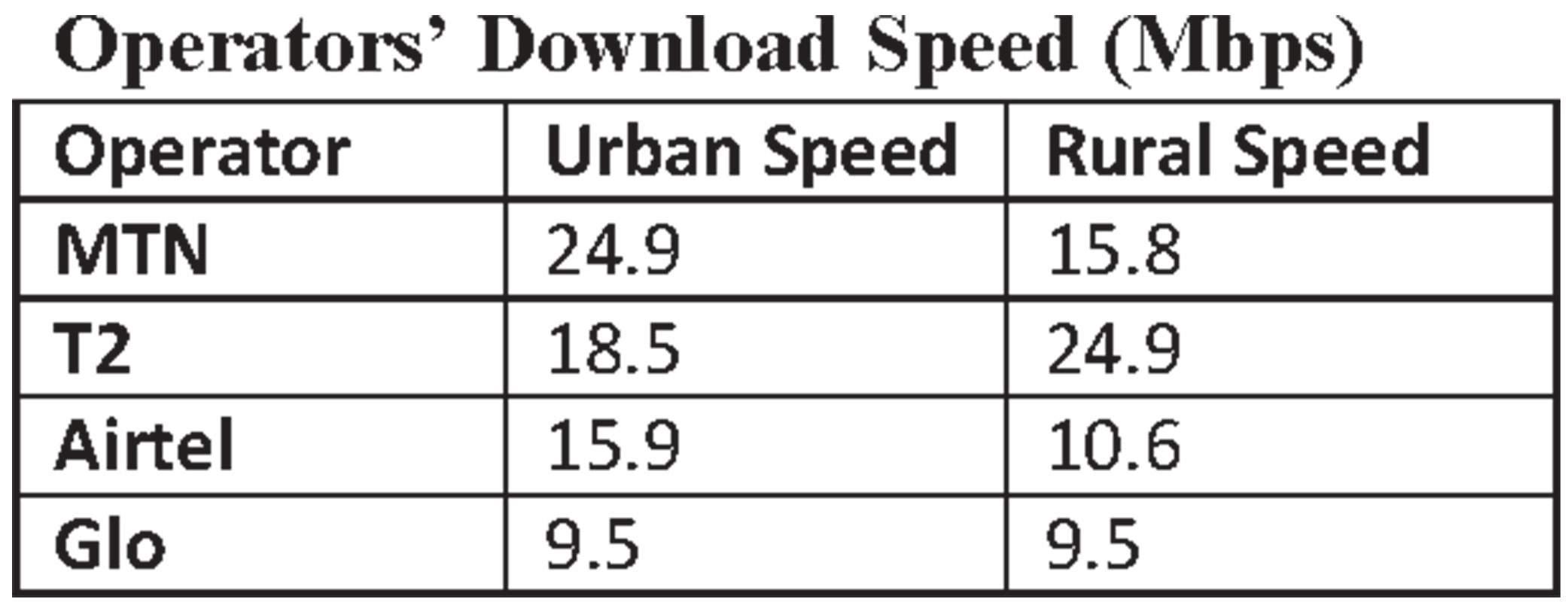
According to the report, several metrics were analysed to find out how they support consumers’ daily digital activities. The report showed that MTN has urban download speed of 24.9 Mbps and a rural download speed of 15.8 Mbps, while T2 has urban download speed of 18.5 Mbps and a rural download speed of 24.9 Mbps. Airtel has urban download speed of 15.9 Mbps and a rural download speed of 10.6 Mbps, while Globacom has urban download speed of 9.5 Mbps and a rural download speed of 9.5 Mbps.
MTN, the report said,
and ecosystem platform focused on accelerating the continent’s digital infrastructure economy across data centers, cloud, connectivity, power, and policy. Head, Marketing and Communications, Rack Centre, a Tier 111 Co-location Data Centre, Mr. Adebola Adefarati, said shared infrastructure among telecoms operators would speed up infrastructure development and boost widespread digital connectivity for easy internet access in both rural and urban areas. According to him, it will also reduce operational cost
averages a speed of 28.6 Megabits per second (Mbps), while Airtel and T2 average less than 20 Mbps in download speed, which supports how quickly telecoms consumers can download large files or apps.
In the area of responsiveness, the report said MTN showed a loaded latency of 787 milliseconds (ms), while Airtel and T2 are under 1,000 ms, as lower latency reduces the delay in completing a task, when telecoms consumers click a link or a message.
For network stability, MTN and T2 maintain jitter levels between 11.2 and 11.6 ms, which helps to prevent ‘freezing’ during live video calls or streaming.
The service highlights from the telecoms operators, showed that MTN
and help nations achieve the status of a digitally connected economy.
Addressing the issue of trust among telecoms operators, Adefarati said no operator would want to compromise trust in any form of infrastructure sharing agreement in order to maintain its network integrity and to avoid sanction from industry the regulator that could lead to withdrawal of operational license.
Chief Executive Officer, Geniserve, a digital infrastructure company, Mr. Gbenga Adegbiji, stressed the
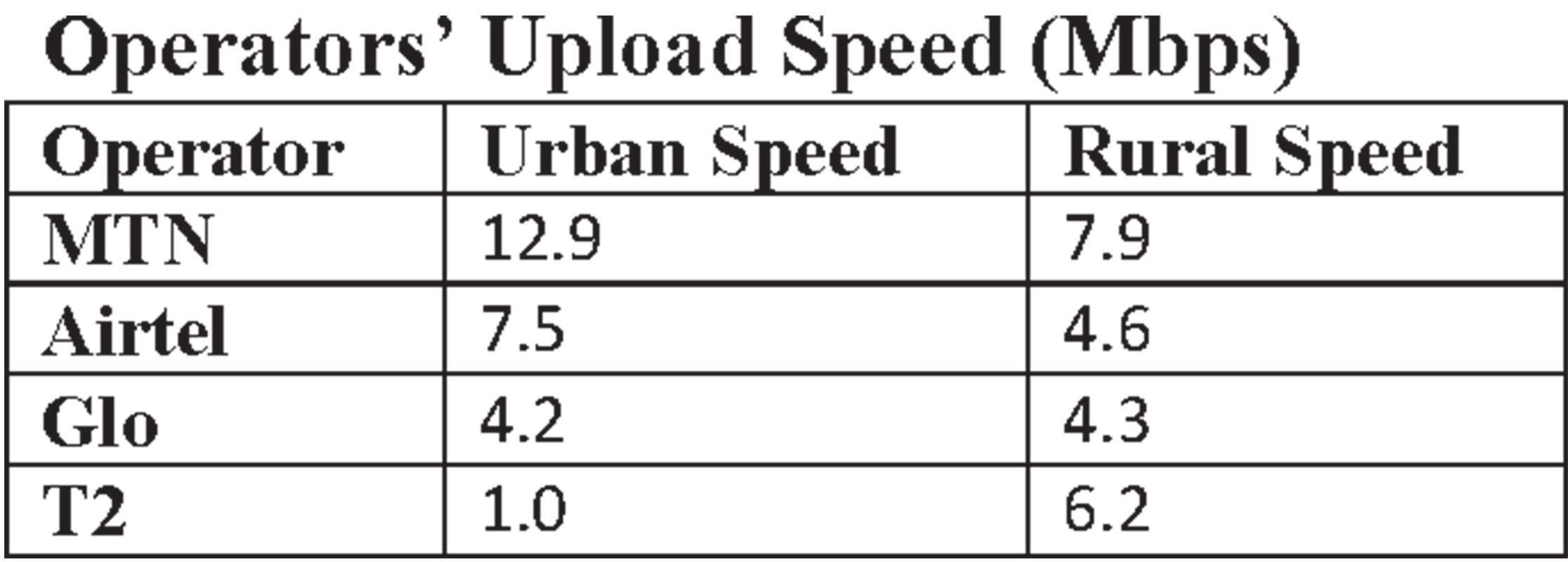
operates as a benchmark for infrastructure depth, maintaining high availability and consistent speeds in urban economic hubs like Lagos and Abuja and it remains the leader in 5G video streaming, scoring 63.98 Mbps.
But Airtel offers a balanced profile, frequently serving as a competitive alternative for browsing and streaming in southern and metropolitan states of Nigeria, showing strong uplink of 8.6 Mbps, while T2 focuses on localised capacity, delivering high download peaks in specific markets such as Anambra State with 82.3 Mbps and Oyo State with 80.0 Mbps.
The report said Globacom continues to provide essential baseline connectivity for a wide user base, with specific regional successes in video
streaming in areas like Sokoto South.
The report named MTN as the fastest for browsing, scoring 65.9 Mbps, making e-commerce and news reading smoother, followed by T2, which scored 50.0 Mbps and showing strong local performance. While MTN and T2 lead on start times, Airtel and Globacom provide stable urban streaming experiences. The gap between urban and rural video streaming quality is only two per cent, suggesting fairly even basic video access, the report further said.
The report added that urban users currently access connectivity speeds at roughly 22 per cent (35.52 Mbps) faster than those in rural areas (27.67 Mbps).
Based on the industry performance statistics, the
importance of resilient data centre that would enhance digital connectivity. “Resilience means availability over time. So we need resilient data centre infrastructure that can power the digital economy, where volumes of online transactions are processed on a daily basis,” Adegbiji said According to him, if a data centre is built in a particular location and there is no connectivity, such data centre will eventually become just a warehouse. “So data center functions with reliable connectivity to boost access to it, and this relies a lot on
submarine connectivity, and of course, after the submarine connectivity, you have the metro network or the longhaul fiber,” Adegbiji said. According to him, data centres must be scalable because of the nature of the capital expenditure (capex) that is involved in building a single data centre. Resilient data centre cannot be built to operate for a stretch of 10 years period without salability, because technology is evolving and customers’ demand changes with technology evolution, Adegbiji said. He further explained
NCC therefore advised telecoms consumers to upgrade to 4G/5G technologies by moving away from 3G devices as the single biggest step to improve consumer experience.
The NCC also advised telecoms operators to prioritise their infrastructure investment in the North-east and North-west in order to close the existing 40 per cent performance gap. “Operators must also optimise for stability (jitter/ latency), not just speed, in order to support the growing demand for video calls and gaming. They must also improve on upload speeds currently lagging at between 11 and 12 Mbps, in order to support the creator economy and remote work,” NCC further advised.
that the location of data centres would no longer be determined by access to fibre connectivity, but would be determined by access to power. He gave details of the different kinds of data centre such as Enterprise Data Centre, Cloud Data Centre, Co-location Data Centre and Edge Data Centre, insisting that each of them must be built to have resilience, depending on the choice of the operator, in order to achieve a digitally connected ecosystem.

their
Stories by Emma Okonji
The Nigeria Computer Society (NCS), the umbrella body for all Information Technology (IT) practitioners in Nigeria has called on the National Assembly (NASS), the Independent National Electoral Commission (INEC), and all stakeholders in the IT industry to fully embrace real-time electronic transmission of election results in the forthcoming 2027
Organisers of WIEG Investment Summit has announced the 2026 edition of the summit, taking place in Lagos on February 25th and 26th, which seeks to address the challenges militating against the support for Micro, Small and Medium Enterprises (MSMEs,) cooperatives, and women-led businesses in Nigeria.
Speaking at a press conference in Lagos to announce the 2026 summit, Lead WIEG representative and spokesperson, Mr. Bassey Essien, highlighted some of the challenges to include: Limited access to structured investment and capital; Gaps
in investment readiness and compliance among enterprises; Fragmented engagement between policy, investors, and market actors; and Weak post-intervention tracking to measure outcomes, among others.
According to him, the summit will address the challenges by providing a platform that connects policy, private capital, and growthready enterprises.
“The WIEG Investment Summit is a curated, private sector-led event designed to deliver practical results for pre-screened MSMEs, cooperatives, investors, DFIs, and development partners.
New Horizons Nigeria and the Redeemed College of Technology and Management (RECTEM), recently sealed a strategic partnership with the signing of a Memorandum of Understanding (MoU).
Group
Eromosele Abiodun
Deputy Business Editor
Chinedu Eze
Comms/e-Business Editor
Emma Okonji
Asst. Editor, Energy
Emmanuel Addeh
Asst. Editor, Money Market
Nume Ekeghe
Correspondents
KayodeTokede(CapitalMarkets)
James Emejo (Finance)
Ebere Nwoji (Insurance)
Reporter Peter Uzoho (Energy)
The collaboration further underscores New Horizons’ commitment to driving digital transformation and preparing Nigerian students for global competitiveness in the Fourth Industrial Revolution.
Speaking at the event, the Managing Director and Chief Executive Officer of New Horizons Nigeria, Mr. Tim Akano, assured stakeholders of the organisation’s capacity to deliver excellence. He highlighted New Horizons’ 43-year legacy as a US-based international ICT training institution, with operations in over 90 countries and more than 400 centers worldwide.
general election as a national imperative.
President of NCS, Prof. Muhammad Sirajo Aliyu, who said this in a statement issued by NCS, explained that Nigeria has the talent, technology, and experience to conduct elections that would
be transparent, verifiable, and trusted. According to the statement, NCS joins other democratic and civil society organisations to demand the compulsory inclusion of electronic transmission of results in the proposed amendment bill of the Electoral Act, adding that technology must not merely be deployed, but must be trusted, protected, and legally empowered.
“The Nigeria Computer Society unequivocally affirms its full support for the real-time electronic transmission of election results as a cornerstone of Nigeria’s digital transformation agenda and democratic consolidation. This position aligns with global best practices, Nigeria’s National Digital Economy Policy and Strategy, and the proven capacity of indigenous ICT professionals and firms.
Sophos, a global leader of innovative security solutions for defeating cyberattacks, has acquired UK-based Arco Cyber, a cybersecurity assurance company dedicated to helping organisations improve their security posture while staying ahead of compliance requirements and emerging threats.
According to Sophos, the acquisition is an important step in its strategy to help organisations strengthen cybersecurity strategy and governance across all levels of maturity, delivered through the company’s global partner ecosystem.
Speaking about the acquisition, CEO of Sophos, Joe Levy, said: “There is
no shortage of exemplary security technology in the market. What’s missing for most organizations is the ability to govern those tools, understand whether controls are actually working, and make informed decisions about risk.”
Addressing the leadership gap in cybersecurity, Research Director, Governance, Risk
and Compliance Solutions at IDC, Phil Harris, said: “As cybersecurity matures beyond alerts and point solutions, organisations are increasingly focused on proving impact, not just activity. Boards, regulators, and insurers want clear evidence that security investments are reducing risk and strengthening governance.”
LG Electronics (LG) has introduced a comprehensive lineup of AI-powered home solutions tailored for the Middle East and Africa (MEA) at LG InnoFest 2026 MEA, which took place in Abu Dhabi, United Arab
Emirates (UAE).
Under the theme: ‘Innovation, Forward Together’, the exhibition highlighted LG’s latest developments across clothing care, kitchen, built-in kitchen and total cleaning solutions, with
a focus on user-centric design and regional relevance.
Returning after a sevenyear hiatus, LG InnoFest is the company’s signature regional event for key partners and media.
Designed as a “festival” that celebrates innovation, cooperation and the Life’s Good philosophy, LG InnoFest 2026 MEA reflects LG’s long-term commitment to, and growing presence in markets throughout the MEA region.
Dr. Cairo Ojougboh Foundation has strengthened its focus on driving initiative that enhances government’s efforts for educational development in Nigeria. The Foundation was established in honour of the late medical doctor and member of the House of Representatives, Dr. Cairo Ojougboh.
As part of the initiative, the foundation recently held a special programme at St. Columba’s Grammar School, Agbor, in Delta State, with the theme: ‘Your Future, Your Choice’, where the Foundation presented a cheque of N2.7 million to cover examination fees for students sitting for West African Examination Council (WAEC), National
Examination Council (NECO), and the Junior Secondary School (JSS3) examinations. The Foundation also rewarded academic excellence by giving cash gifts to the best students across the nine academic arms of the school. In addition, notebooks and writing materials were distributed to support effective learning among
the students.
Speaking at the event, the Chairperson of the Foundation, Mrs. Bose Ojougboh, emphasised the importance of giving back to the institution that helped shape Dr. Cairo’s life and values, noting that St. Columba’s Grammar School played a significant role in shaping Dr. Cairo’s life.
TD Africa has once again reaffirmed its leadership position in Africa’s technology
Ecosystem as it emerges as “Distributor of the Year” at the Hewlett Packard Enterprise (HPE) Award, operated by Selectium, which held recently in Ikoyi, Lagos.
Receiving the award
on behalf of TD Africa, Coordinating Managing Director, Chioma Chimere, described the recognition as a reflection of the company’s collaborative approach and commitment to excellence.
“This award is a testament to what we can achieve when we collaborate effectively,
push boundaries, and remain focused on delivering value,” she said. “It highlights the strength of our partnership and our shared commitment to providing innovative, reliable solutions for our customers.
We sincerely thank the leadership of HPE and the wider partner community
for their continued trust and support,” Chimere said. Also speaking at the event, Country Manager (Nigeria) for Hewlett Packard Enterprise operated by Selectium, Dr. Ifee Kojo, commended TD Africa for its consistency and professionalism over the years.
By Dare Adekanmbi
Today, we must pause— deliberately—from whatever else may beckon for our attention. Let associates, friends, colleagues, and well-wishers, from far and near, dust off their dancing shoes and, bedecked in their finest apparel, make their way to Trenchard Hall, University of Ibadan. There, we the participants converge to celebrate the archpriest as he marks his diamond anniversary.
Three scores, as street lingo would have it, no be joke—especially against the backdrop of the 2025 UN data that places Nigeria’s average life expectancy at 54.6 years.
Who is today’s archpriest? He is a man with clean hands and a pure heart; one who does not put his trust in idols; blessed by God with a sound mind in a healthy body: Professor Lateef Babatunde Ayeleru, a fellow of the Nigerian Academy of Letters, FNAL, and immediate past Director/Chief Executive Office of the Nigeria French Language Village, Badagry, Lagos State.
I met Professor Ayeleru during my journalism career, specifically in the build-up to the 2015 governorship election in Oyo State. As an investigative journalist with a penchant for exclusives, I engaged political grandees across party lines within the state’s ever-shifting political terrain. At that time, two dominant schools of thought shaped Oyo politics: the Rashidi Ladoja Bodija School and the Abiola Ajimobi Marines. Prof, as the celebrant is fondly called, was one of the leading eggheads of the Bodija School.
We bonded almost instantly—drawn together by our shared Humanities background and our common roots in Obafemi Awolowo University, Ile-Ife, that fiery furnace where many of us were forged.
Several encounters stand out. At the height of preparations for Governor Abiola Ajimobi’s second-term bid, his spokesperson published an article in the
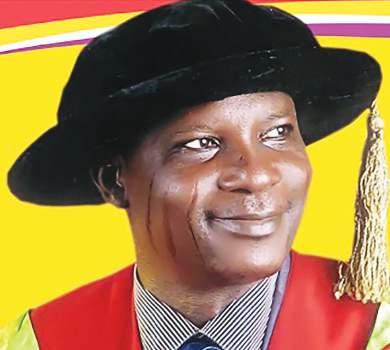
Tribune containing what many considered outlandish claims against Senator Rashidi Ladoja, who had emerged as the sitting governor’s most formidable nemesis. Prof and I held a virtual meeting to dissect the piece. Before dawn the next day, an intellectually robust response had germinated from his fecund pen.
It was my professional duty to ensure Ladoja’s right of reply, and Prof’s article was consequently deployed—lavishly—by
the paper. The rejoinder not only rattled Governor Ajimobi but reportedly compelled him to instruct his media team to temporarily sheath their swords against Ladoja. Such was the force of Prof’s reasoned intervention. His writings elevated political discourse in Oyo State and resonated even on the national stage.
Yet his contributions extended far beyond polemical writing. Professor Ayeleru convened like-minded academics
in his office to engage Ladoja in rigorous intellectual sessions—cross-fertilising ideas and preparing him for the gubernatorial debate organised by Splash FM, the state’s pioneering private radio station.
In celebrating my diamond mentor, we are not merely marking the passage of time; we are honouring six decades of excellence, service, and inspiration. A distinguished scholar, Prof firmly believes that knowledge without humility leads only to ruin. Outside the arena of intellectual engagement, one could scarcely guess that he has attained the summit of academic pursuit.
Students and close associates admire his humility, quiet strength, and unwavering commitment to fairness and truth. His principled stance has always been clear: true achievement is not measured solely by the volume of publications, but by the lives enlightened, enriched, and transformed along the way.
At 60, the life of this Professor of French, Applied Linguistics and African Literatures reminds us that greatness is sustained not by position, but by consistency of values and depth of purpose. He has mentored generations with patience, discipline, and generosity. Many of his former students are now professors, professionals, leaders, and scholars who embody the ideals he modelled—explaining why his influence remains potent far beyond the classroom. Professor Ayeleru stands as a moral exemplar—demonstrating that leadership is best expressed through service, wisdom, and ethical clarity.
My family and I join numerous wellwishers to celebrate Professor Ayeleru and this remarkable milestone with gratitude and admiration. It is my earnest prayer that his pitcher will not break at the fountain, and that the Almighty God will continue to strengthen and confirm him in all goodness. Félicitations et joyeux anniversaire, mon chef.
•Adekanmbi, one of Professor Tunde Ayeleru’s numerous mentees, wrote in from Ibadan, Oyo State.
Professor Emeritus Biodun Jeyifo, one of Nigeria’s foremost literary scholars, critics, and public intellectuals, has passed away at the age of 80. His death was announced yesterday, by Professor Andrew Haruna, President of the Nigerian Academy of Letters (NAL).
In a statement, Professor Haruna said “The President of the Nigerian Academy of Letters, Professor Andrew Haruna, FNAL, regrets to announce the death of Professor Emeritus Biodun Jeyifo, FNAL, which occurred today, 11th of February, 2026. May his gentle soul rest in peace, and may God comfort the family he left behind.”
Popularly known as Professor BJ, Jeyifo had a distinguished academic career spanning Nigeria and the United States.
He began his work at the then University of Ife, now Obafemi Awolowo University, before moving abroad.
In the U.S., he held dual academic appointments at Cornell University and Harvard University, earning international recognition for his scholarship in African literature, drama, and Marxist literary criticism.
Jeyifo was widely regarded as one of Africa’s most influential voices in postcolonial studies.
He attained particular prominence as a leading authority on the works of Nobel laureate Wole Soyinka.
His award-winning book, Wole Soyinka: Politics, Poetics and Postcolonialism (Cambridge University Press, 2004), is celebrated as the most comprehensive study of Soyinka’s oeuvre and a landmark in African postcolonial literary scholarship.
In his work, Jeyifo demonstrated how modernist and avant-gardist techniques underpinned the complexities often associated with Soyinka’s writing.
In addition to his scholarly achievements, Jeyifo was recog-
nised for his analyses of capitalist modernity and its social and cultural crises, earning him prominence in global intellectual circles.
Just over a month before his death, Jeyifo’s 80th birthday was celebrated on 5 January 2026 at an international event held at the MUSON Centre in Lagos.
The gathering attracted scholars, admirers, and intellectuals from across the globe, reflecting his profound impact on literature and academia.
Born on 5 January 1946 in Ibadan, Jeyifo studied at the University of Ibadan and New York University.
Over decades, he inspired generations of students and scholars through his teaching, critical writings, and public engagement, leaving an enduring legacy in African and world literary studies.
Professor Biodun Jeyifo’s passing marks the end of a luminous era in literary scholarship, and his work will continue to influence generations of writers, critics, and scholars worldwide.
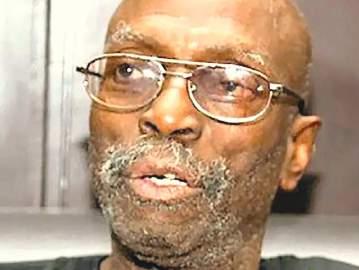
Dike Onwuamaeze
The National President of Nigerian Association of Chambers of Commerce, Industry, Mines and Agriculture (NACCIMA), Mr. Jani Ibrahim, has commended the federal government for directing the immediate reopening of the Samiya International Border in Kebbi State that links Nigeria with the Republic of Benin.
Ibrahim, who is also the chairman of the Organised Private Sector of Nigeria, said that the reopening of the border represented a timely and forwardlooking policy decision aimed at strengthening cross-border trade, deepening regional economic cooperation, and revitalising legitimate economic activities along the corridor.
He said: “NACCIMA
notes with appreciation that the reopening of the border is accompanied by strengthened compliance measures, the deployment of modern cargo monitoring technology, improved transit controls, and firm directives against smuggling and regulatory abuse.
“The emphasis on faster cargo clearance timelines and coordinated interagency oversight reflects a balanced and pragmatic approach that supports trade facilitation while safeguarding national security and revenue interests.”
He said that as a leading advocate for cross-border trade enhancement and regional integration, NACCIMA recognised the far-reaching developmental impact that functional and well-regulated border posts have on border community livelihoods, agricultural and commodity value
chains, Small and Medium-Scale Enterprises (SMEs) and informal sector traders.
Other impacts are regional food security, bilateral and ECOWAS trade integration and social and cultural exchange Ibrahim said: “The reopening of the Samiya International Border sends a strong policy signal that regulated, technology-driven border operations can simultaneously promote economic growth, enhance competitiveness, and protect national interests.
“NACCIMA reaffirms its commitment to partnering with government agencies and stakeholders to ensure that this policy direction translates into sustainable trade expansion, inclusive growth, and strengthened regional cooperation.”
The West Africa Industrialisation, Manufacturing & Trade Summit & Exhibition will convene regional and international investors, policymakers, development finance institutions, and industrial leaders in Lagos. The summit comes at a pivotal moment as West African governments move from macroeconomic stabilisation and trade reform toward execution-focused industrial growth, manufacturing investment and job creation. Themed “Accelerating West Africa’s Sustainable Industrial Revolution for Economic Prosperity,” West Africa IMT 2026 is positioned as a policy-toproject platform focused on converting regional trade opportunities into factory-level investment, resilient value chains and measurable industrial capacity within the next
12–18 months. Recent changes to national industrial and trade policies across the region have sharpened this urgency. In Nigeria, the Federal Government’s National Industrial Policy (NIP), unveiled in January 2026 has reinforced the shift toward manufacturing competitiveness, value addition and industrial execution. At the continental level, the African Continental Free Trade Area (AfCFTA) has transitioned from policy negotiation to implementation, with emphasis on digital trade, industrialisation and practical delivery. Together, these shifts have moved the conversation decisively from access to outcomes.
Confirmed participants include H.E. Sen. John Enoh, Minister of State for Industry, Nigeria,
alongside industry ministers from Benin, Senegal and Ghana. The summit will also host key stakeholders from Nigeria, Kenya, South Africa, Egypt, the United Kingdom, France, Italy, Austria, China, India, Singapore, the United Arab Emirates, the United States, Canada, and over 15 additional countries, reflecting growing international interest in West Africa as an emerging industrial and manufacturing hub.
West Africa IMT 2026 arrives at a decisive policy inflection point. AfCFTA implementation timelines, persistent energy and logistics bottlenecks, and constrained availability of medium-term industrial capital mean the next 12–18 months are critical for translating regional trade integration into onthe-ground production capacity.
Addosser Microfinance Bank Limited has successfully redeemed its N3.9 billion Series 1 Commercial Paper, which matured on February 6, 2026. The Commercial Paper was issued under the bank’s N10 billion programme and listed on the FMDQ Securities Exchange. The Series 1 issuance recorded over 150 per cent subscription, reflecting strong investor confidence in the Bank’s governance framework and financial capacity. The programme forms part
of Addosser’s broader liquidity and funding strategy to support on-lending and balance sheet growth. In addition, the bank has recapitalized a prerequisite for obtaining a national microfinance bank license with final approval from the Central Bank of Nigeria currently being awaited. Managing Director, Mr. Adebayo Fabiyi, said the successful Commercial Paper redemption reflects the Bank’s strong financial capacity and disciplined approach
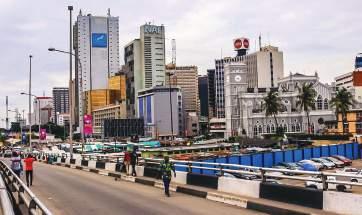
to growth, as it prepares to leverage the national licence to expand its branch network from 27 to 50 locations over the next five years.
He further noted that while the recapitalisation strengthens the Bank’s capital base, the Commercial Paper Programme provides flexible funding to support lending activities and serve customers at scale, supported by the Bank’s digital banking platform called Atlas Digital Solution.
Kayode Tokede
The shares of Nigerian Exchange Group (NGX) hit the N100 per share mark last week Friday,, following a 43 per cent rally year-to-date, dwarfing the performance of the overall market and all benchmarks.
The shares of the Group, which was originally
listed at N27, after the demutualization of the premier Nigerian Stock Exchange (NSE) in 2021 was initially a “poster child” for many investors and the legacy shareholders, as it plunged quickly to N17 by 2023, casting doubt on the efficacy of the demutualisation of the Bourse and loss of value to investors.
However, with the reinvigorated governance of the Board, renewed innovation and diligence of the executive management, NGX Group has become the new bride for both institutional and retail investors, leading gainers board and delivering alpha returns to shareholders.
The Executive Vice Chairman of Fund Matrix, also a broker/dealer firm, Mr.
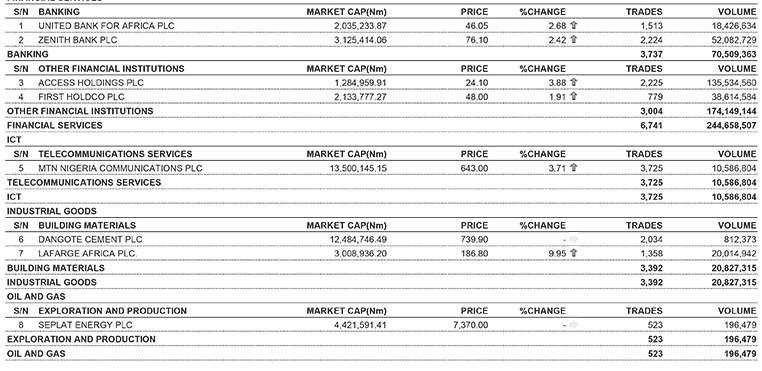
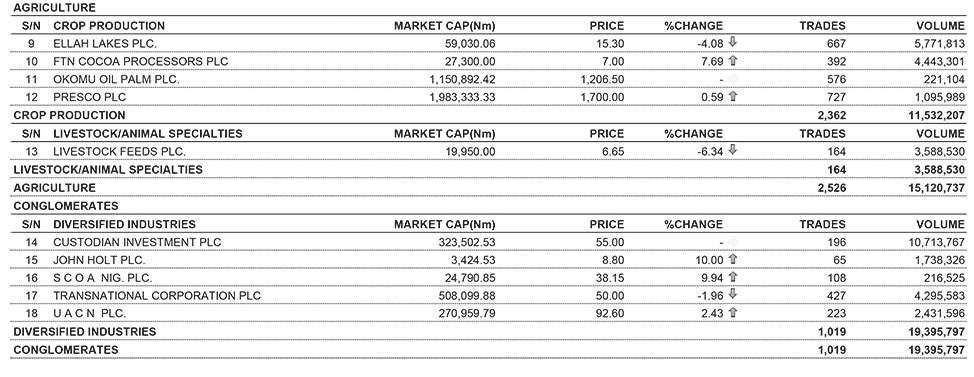
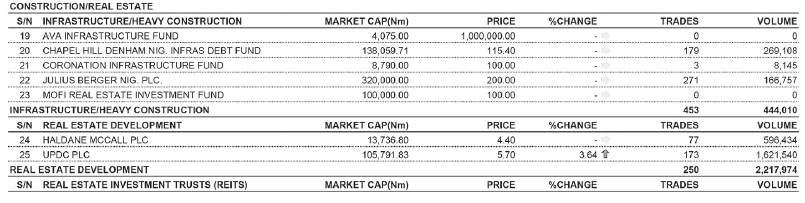
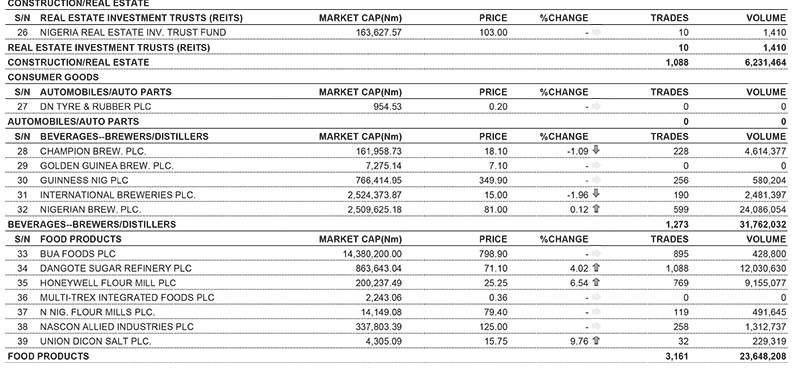
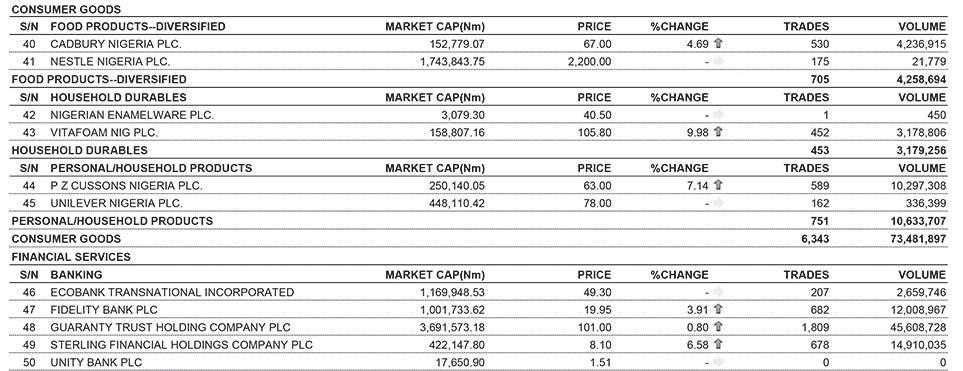
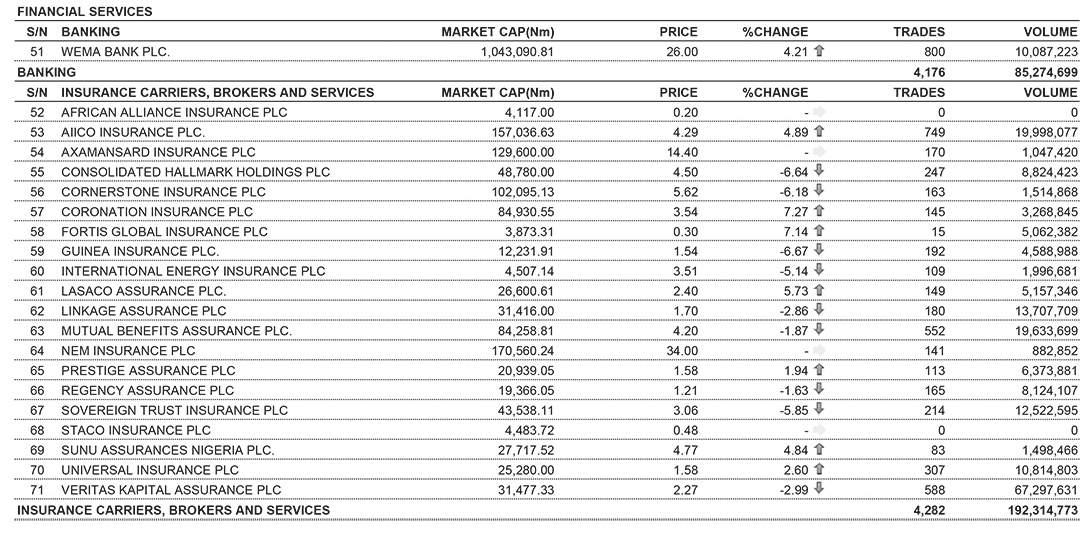
Yadinma Onwu noted that NGX shares worth a lot more and the performance of the stock over the past two years is a testament to the intrinsic value of the Group.
“The Board and Management of the NGX have been diligent in their leadership, with a host of innovations. This has helped to position the Exchange appropriately to harness
the benefits of ongoing economic reforms and renewed appetite of both local and foreign investors for Naira-denominated assets.
“Even as the shares plunged after demutualisation, I remained upbeat on the intrinsic value of the shares and I am more than ever optimistic that with consistent and reliable leadership, the NGX Group would continue
to deliver exceptional returns to shareholders.
“It’s a rare infrastructure in the financial market and being a shareholder of such entity affords exposure to the growth prospect of the Nigerian financial market, as the country increasingly harness latent and new opportunities to deepen market penetration and broader financial inclusion,” he saiid.
/11/26

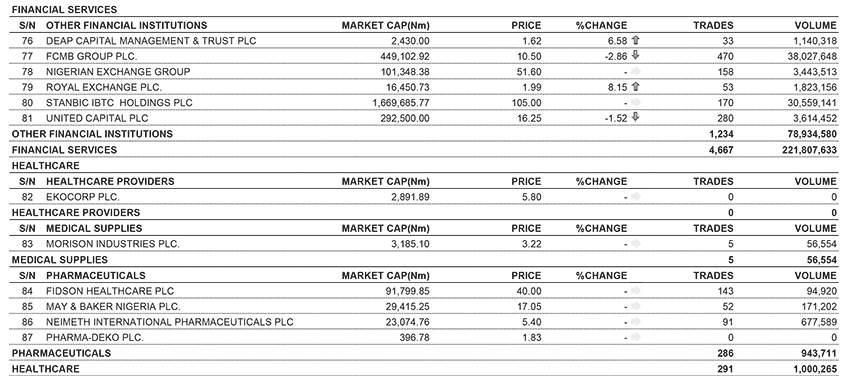
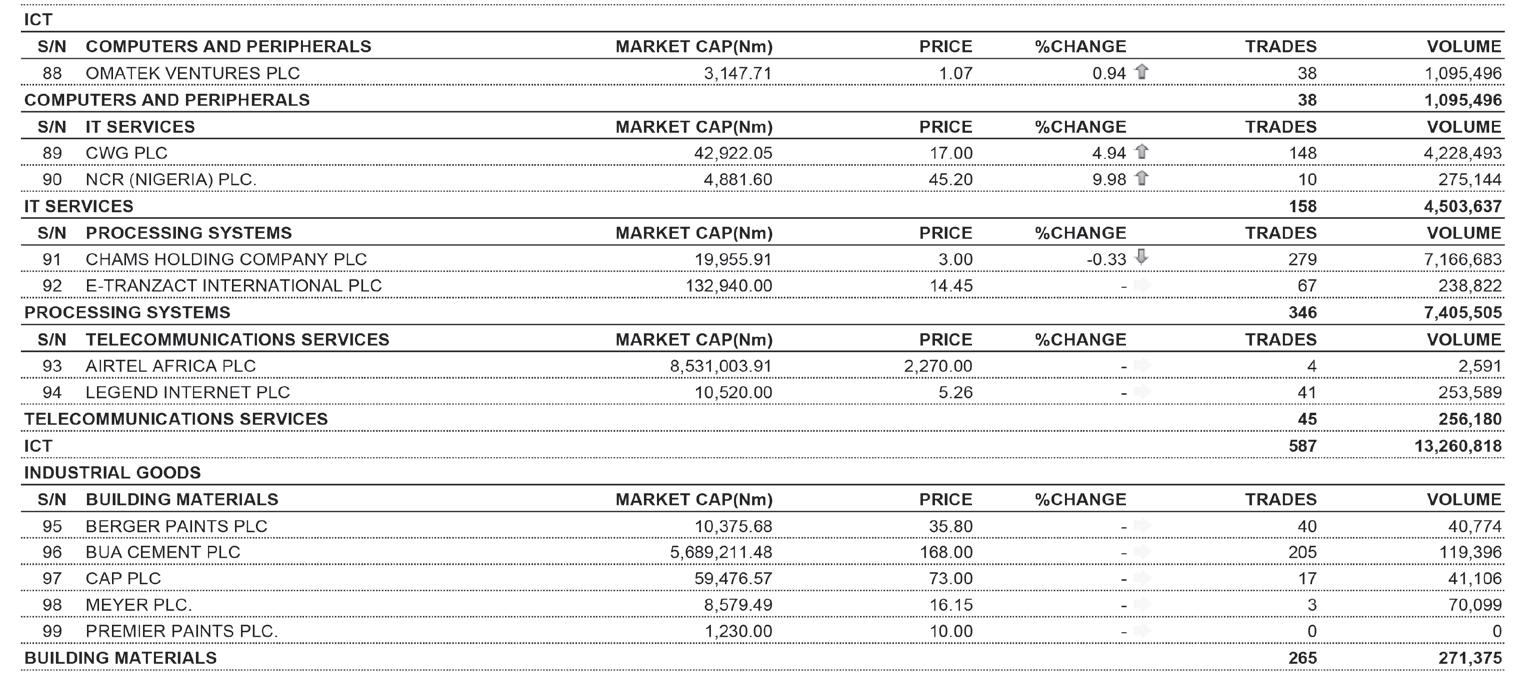

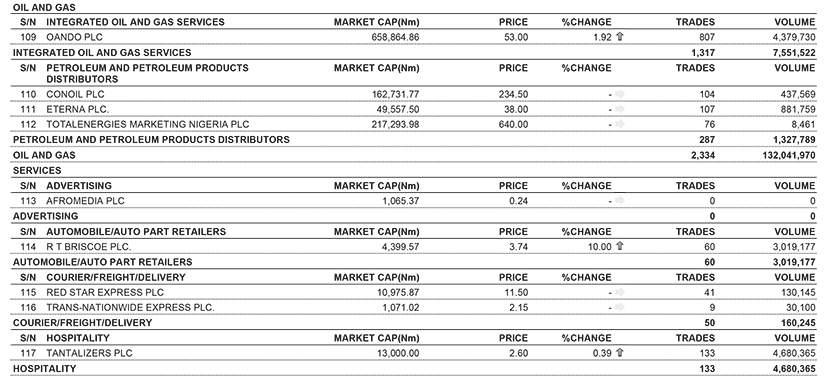
Acting Group Politics Editor DEJI ELUMOYE
Email: deji.elumoye@thisdaylive.com
08033025611 sms only
as the Senate and House of Representatives head into a crucial conference committee on electronic transmission of election results, sharp divisions over mandatory real-time uploads versus discretionary manual collation threaten to redefine Nigeria’s electoral transparency framework. sunday Aborisade in this piece, examines the stakes, the fault lines, and the compromise required to protect democratic credibility.
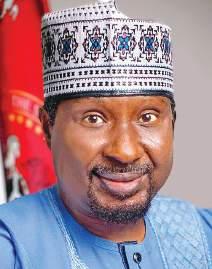
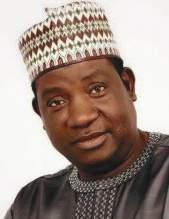
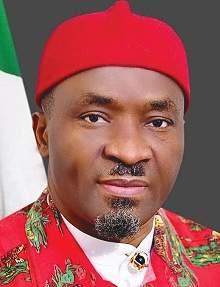
If Nigeria’s electoral law leaves room for the widespread manual collation of results across 176,974 polling units on the grounds of “network challenges”, the consequences may be far-reaching: delayed declarations, disputes over figures, accusations of manipulation, and renewed post-election tensions. In a nation where electoral credibility is closely tied to political stability, even the perception of opacity can trigger uncertainty.
It is against this combustible backdrop that the Senate and the House of Representatives are heading into a decisive conference committee on the Electoral Act (Amendment) Bill, 2026. At issue is Clause 60(3), the provision governing the transmission of election results.
The Senate has passed an amendment approving electronic transmission of results from polling units but retaining a fallback to manual collation where transmission fails.
The House of Representatives, by indications from earlier debates, is expected to insist on mandatory, real-time electronic upload of results without provision for manual collation.
Between discretion and compulsion lies the task now before the Senate’s reconstituted conference committee, chaired by Senator Simon Lalong (Plateau South), with members including Tahir Monguno, Adamu Aleiro, Orji Kalu, Abba Moro, Asuquo Ekpeyong, Aminu Abbas, Tokunbo Abiru, Isah Jibrin, Ipalibo Banigo, Peter Nwebonyi, and Adeniyi Adegbonmire.
Their mandate goes beyond defending the red chamber’s position. They must reconcile technology with terrain, transparency with practicality, and public trust with institutional realism.
The controversy that has culminated in the present impasse began with language. In its earlier version of the bill passed on February 4, the Senate retained the word “transfer” rather than “transmission” of results, a choice that sparked widespread criticism and raised fears about possible dilution of electronic safeguards.
In a tense and disorderly emergency sit -
ting days later, the Senate rescinded that decision. Invoking its Standing Orders, lawmakers revisited Clause 60(3) and approved a fresh amendment providing that presiding officers shall electronically transmit results to INEC’s Result Viewing Portal (IReV) after completing and signing Form EC8A.
However, the amended clause also provides that where electronic transmission fails due to network or communication challenges, the manually completed and duly signed Form EC8A shall serve as the primary source for collation and declaration.
Senate President, Senator Godswill Akpabio, clarified during plenary that the new framework empowers electronic transmission but recognises contingencies. For supporters, this strikes a balance between reform and realism. For critics, it leaves a loophole that could undermine the spirit of electoral transparency.
House of Representatives is expected to test that balance.
At the heart of the coming negotiations is a philosophical divide: should electronic transmission of results be mandatory and real-time in all circumstances, or should INEC retain discretion to revert to manual processes where technological challenges arise?
Proponents of a mandatory framework argue that only a clear, unequivocal legal obligation can prevent backsliding. They contend that if the law allows discretion, the exception may become the norm, particularly in high-stakes contests.
On the other hand, Senate advocates of conditional flexibility point to Nigeria’s uneven telecommunications infrastructure. Vast rural areas still experience unreliable connectivity. In such locations, insisting on real-time upload without fallback options could stall the collation process, disenfranchise voters, or create legal uncertainty if uploads fail.
The Senate’s position reflects a caution that electoral law must anticipate worst-case scenarios. The House’s likely stance reflects a different caution that democracy suffers when transparency is compromised.
The conference committee must now harmonise these cautions into a coherent legislative outcome.
To navigate this delicate terrain, the Senate delegation should approach negotiations with a structured agenda built around clear safeguards.
If discretion is to remain, it must be tightly defined. Objective thresholds for invoking manual collation, such as certified network unavailability confirmed by designated officials, would reduce ambiguity. Vague references to “network challenges” risk future disputes.
Even where manual collation becomes necessary, electronic records, where avail-
opposition figures and civil society actors have framed the debate as a test of commitment to electoral reform. The political temperature surrounding the bill means that whatever compromise emerges must not only function technically but also command legitimacy.
able, should remain authoritative. The law can stipulate that any later-uploaded result must correspond exactly with the manually declared Form EC8A, with penalties for discrepancies.
If transmission fails at a polling unit, there should be mandatory public documentation of the failure, time-stamped and signed by party agents and security personnel. Such documentation would reduce suspicion and provide an audit trail.
The law could also require that where real-time upload fails, results must be electronically uploaded within a specified timeframe once connectivity is restored. This would ensure that manual fallback does not permanently exclude digital verification.
INEC’s discretion, if retained, should be guided by published regulations laid before the National Assembly. This would preserve operational independence while enhancing oversight.
Beyond the legal text lies the realm of perception. The disorderly Senate sitting that preceded the amendment, marked by procedural disputes, voice votes, and calls for division, has already heightened public scrutiny.
Opposition figures and civil society actors have framed the debate as a test of commitment to electoral reform. The political temperature surrounding the bill means that whatever compromise emerges must not only function technically but also command legitimacy.
For many Nigerians, electronic transmission symbolises progress from contentious electoral cycles of the past. Any dilution, however justified in practical terms, risks being interpreted as regression.
The conference committee must therefore communicate its rationale clearly. Technical explanations about connectivity gaps and rural infrastructure must be matched with firm assurances that manual processes will not become a backdoor to opacity.
NOTE:
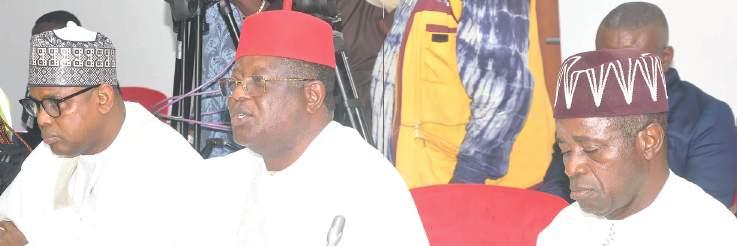
L-R: Permanent Secretary, Ministry of Works, Mr. Adedamola Olarire; Minister of Works, Sen. Dave Umahi; and Minister of state for Works, Hon. Bello
during the 2026 budget defence of the ministry in Abuja, yesterday
Sunday Aborisade in Abuja
What began as a routine budget defence session at the National Assembly on Wednesday spiralled into a dramatic confrontation between two deputy whips of the senate, overshadowing deliberations on the 2026 budget of the Ministry of Works, and drawing sharp attention to simmering tensions over hierarchy, party lines, and legislative procedure.
The verbal clash erupted between Deputy Whip of the Senate, Senator Peter Nwaebonyi (APC, Ebonyi North), and Deputy Minority Whip, Senator Rufai Hanga (NNPP, Kano Central), during a joint session of Senate and House of Representatives Committees on Works.
The session was convened to consider the 2026 budget proposal of the Federal Ministry of Works, and chaired by Hanga in his capacity
as Vice Chairman, standing in for the indisposed Chairman, Senator Mpigi Barinada (Rivers South East).
The meeting had progressed smoothly at the outset.
Minister of Works, Senator Dave Umahi, presented details of his ministry’s capital expenditure plans, after which lawmakers took turns to ask questions and make observations.
Trouble, however, started when
Nwaebonyi rose to speak. He began on a conciliatory note, commending Umahi for what he described as visible progress in the road sector and ongoing infrastructure interventions across the country.
But he quickly shifted focus to what he termed the central challenge confronting the ministry, inadequate funding.
“It is not just about approving projects,” he stated. “It is about
In a decisive move to end the administrative deadlock in Rivers State, Governor Siminalayi Fubara is set to reconstitute his cabinet by appointing a new set of commissioners and other aides.
This development follows a highstakes resolution where the Rivers State House of Assembly, previously at odds with the executive, has formally agreed to screen and approve the governor’s nominees.
The sudden shift toward legislative cooperation marks a significant deescalation in a crisis that has threatened to paralyse the state’s governance for about two years.
THISDAY learnt that the breakthrough was achieved following
the last marathon meeting at the Presidential Villa. President Bola Tinubu, acting as a mediator, had convened the closed-door session with Fubara and the Minister of the Federal Capital Territory, Nyesom Wike.
The President’s intervention was aimed at brokering a sustainable peace between the two political heavyweights, whose fractured relationship had split the state’s loyalties and led to several legislative stalemates. After the meeting, Wike expressed optimism that this would be the final intervention needed to restore order.
The roots of the conflict trace back to a bitter altercation between Wike and his successor, Fubara, shortly after the 2023 elections. The disagreement centered on the control of the state’s
political machinery, eventually leading to a fractured House of Assembly and the mass resignation of commissioners loyal to Wike.
Throughout the past two years, the state witnessed several failed attempts at reconciliation, with legal battles and impeachment threats becoming the norm. The chaos even led to a period of emergency rule in 2025, during which executive powers were temporarily suspended to prevent a total breakdown of law and order.
However, this latest intervention appears to have more weight. Following the Villa meeting, both leaders were seen together, signaling to their supporters that a formal truce had been reached.
As part of the new deal, the House of Assembly has committed to a
Kuni
The Christian Social Movement of Nigeria (CSMN) has called on all Nigerians to demand for a new constitution, or at least, call on the executive and legislative arms of government to revert to the 1963 Republican Constitution. It says a new constitution will benefit all Nigerians irrespective of religion or ethnic affiliation and will promote justice in the country.
In a statement titled, “Resignation of INEC Chairman: A Call for Caution” and signed by the chairman, Governing Council of CSMN, Sunday Oibe, and the Chief Executive Officer, Bosun Emmanuel, the group said the call is in the wake of the demands made from certain quarters for the resignation of the chairman of the Independent National Electoral Commission Chairman, Prof. Joseph Amupitan. It says rather than demand for
the resignation of a government official in a tone that smacks unpleasantly of religious intolerance, the decommissioning of the 1999 Constitution, which it alleged does not pass the test of a valid sovereign document for Nigeria needs to be changed.
It also noted the matter of Sharia has been carefully examined by legal luminaries in the country and their position does not support its insertion into the constitution.
smoother working relationship with the governor, sources told THISDAY, starting with the prompt confirmation of his new cabinet members.
For Fubara, the agreement provides the necessary breathing room to fill critical vacancies in his government and move forward with his development agenda. While the political climate in Rivers remains sensitive, the willingness of the House to approve these new aides suggests that the “Aso Rock Accord” might finally provide the stability the state has been searching for.
funding them. Underfunding is not good and it gives the party a bad name,” he said.
As Nwaebonyi pressed his point and urged colleagues to move beyond praise to a more critical examination of allocations, Hanga repeatedly interjected, asking him to summarise his remarks and allow other lawmakers to contribute.
The interruptions appeared to irritate Nwaebonyi.
“Please, don’t interrupt me because you allowed Senator Adams Oshiomhole to speak for 15 solid minutes,” he protested. “I’ve barely spent about five minutes and you are telling me to round up. I won’t,” he shouted.
Visibly agitated, he declared that as a ranking senator and principal officer of the senate, he could preside over the session if necessary.
“You cannot stop me from speaking,” he said. “I am also a principal officer.”
Hanga fired back, insisting that Nwaebonyi could not take over proceedings of the committee.
At one point, he angrily struck the gavel and directed him to stop speaking.
The exchange soon degenerated into open confrontation, with both senators trading sharp words across
the chamber.
In the heat of the moment, Nwaebonyi referenced party hierarchy, stating that he belongs to the ruling party, while Hanga is a member of the minority caucus, a remark that further heightened tension in the room.
Hanga responded by pointing out that the votes that brought him to the senate were significantly higher than those secured by his colleague in Ebonyi North.
As voices rose and lawmakers spoke over one another, the atmosphere grew increasingly tense. Proceedings were momentarily thrown into disarray.
Senator Ali Ndume (APC, Borno South) intervened in a bid to restore order, urging his colleagues to remember that they are equals in the chamber and to temper their language.
“Whatever we do, we should not forget that we are colleagues,” Ndume cautioned.
“You must remember that you only say those things that if somebody says it to you, you will be okay,” he added. Other senior lawmakers, including Senator Adamu Aliero (APC, Kebbi Central), also stepped in to calm frayed nerves.
economic relevance in a rapidly evolving global economy.
Following the unveiling of the Niger Delta Digital Museum in Abuja, stakeholders drawn from government, the diplomatic community, the creative sector and development organisations have called for renewed investment in technology and historical preservation.
The project which combines history, technology and innovation, was presented as a platform to preserve the region’s heritage while positioning it for future
Speaking on the sidelines shortly after the unveiling, Founder of Project-Delta and Curator of the Niger Delta Digital Museum, Edward Brisibe, noted the initiative was aimed at reconnecting the people of the Niger Delta with their roots and equipping younger generations with the tools needed to thrive beyond the era of crude oil.
Brisibe said the region’s contribution to global development predates the discovery of petroleum and that the Niger Delta was once known
as the “Oil Rivers” because of its dominance in palm oil exports, stressing that at a point in history the region supplied more palm oil than the rest of Africa combined. According to him, “Our relevance did not begin with crude oil, and it will not end with it and the region remains strategically positioned as the world shifts away from fossil fuels.”
He highlighted the Niger Delta’s vast gas reserves, long coastline, fertile land and large youth population as key assets that could drive future growth if properly harnessed.
The outgoing Vice-Chancellor of the Federal University, Oye-Ekiti, Prof. a bayomi Fasina, recently presented a five-year scorecard showing rapid growth in enrolment, revenue, programmes, research, and infrastructure, among others. While celebrating achievements like the largest graduating class and a new College of Medicine, he explained why the university should sustain progress without overstretching its capacity, staff development, infrastructure, and long-term strategic planning. Funmi Ogundare reports
The 10th convocation ceremony of the Federal University OyeEkiti (FUOYE), which was held on February 7, was more than an academic ritual. It became a formal presentation of stewardship, an institutional scorecard laid before the public by the outgoing Vice-Chancellor, Prof. Abayomi Fasina.
Fasina framed the convocation as the culmination of a five-year reform cycle spanning 2021 to 2026, marked by rapid expansion, infrastructural build-out, financial diversification and rising global visibility.
He presented data on enrolment growth, internally generated revenue (IGR), research funding, staff development, and international rankings, which painted a picture of a university that has grown at a pace rarely seen among Nigeria’s younger federal institutions.
Yet the same figures expose a central question now confronting the university: how to consolidate rapid gains without overstretching institutional capacity.
What the graduation figures say about growth
The 10th convocation produced 7,684 gradu-
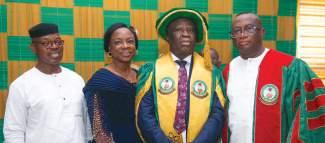
L-R: Former Ekiti State Governor, Segun Oni; wife of the FUOYE Vice-Chancellor, Bosede
tenure, recently
ates, comprising 7,396 undergraduates and 288 postgraduates across 10 faculties and multiple postgraduate programmes. This represents the largest graduating cohort in the
university’s history and reflects the scale at which FUOYE now operates.
The distribution of first degree graduands reveals the academic centres of gravity within the institution. The Faculties of Sciences and
Social Sciences each produced 1,524 graduates, followed by Arts (952), Education (841), Management Sciences (830) and Agriculture (657). Engineering accounted for 499 graduates, while newer and more specialised faculties, including Communication and Media Studies (302), Basic Medical Sciences (83), and Law (50), recorded lower outputs, reflecting their more recent establishment and perhaps stricter accreditation requirements.
According to the scorecard, 131 students made first class; 2,519 with second class upper; 3,777 with second class lower; 966 with third class, and three with pass degrees. Postgraduate graduands included 32 PhD holders, 145 master’s degree recipients, and candidates from professional programmes such as MPA, DBA, DPA, PGD and eMBA. Fasina described this as evidence of FUOYE’s gradual transition from a predominantly undergraduate institution to one expanding its postgraduate and professional training profile.
NOTE: Interested readers should continue in the online edition on www.thisdaylive.com
Uchechukwu Nnaike
The dual mandate education policy of the federal government, authorising selected colleges of education in the country to concurrently run the National Certificate in Education (NCE) with degree programmes in education, has been described as a pragmatic, cost-effective policy, mutually and doubly beneficial to government, institutions, students, and the Nigerian public.
The Provost of the Federal College of Education, Abeokuta, Dr Rafiu Soyele, stated this recently while appraising the policy, noting that his institution is among those approved to operate.
He assured the government that the institution would not fail to deliver on its mandate, adding that the college at 50 has come of age and has the requisite human and infrastructural capacity to run NCE and degree programmes effectively and efficiently.
The provost also reflected on the institution’s 50 years, and the programme of activities for the golden jubilee commenced on February 6
with a Jumat Service. He commended the federal government for “nursing the college from infancy till even the age of 50, still funding it without looking back”.
The week-long programme which continues today, February 11 with a convocation lecture to be delivered by Prof. Josiah Ajiboye, former Registrar of the Teaher Registration Council of Nigeria, will be followed tomorrow February 12 by the convocation ceremony, where in addition to awarding certificates to graduating students, prominent Nigerians who have contributed to the development of the college and to education would be confered with honorary fellowship of the institution.
The recognition of the sacrifices of patriots would be climaxed by the naming of the institution’s newly built edifice housing the ICT Complex after the Minister of Education, Dr Olatunji Alausa.
Highlighting the policy’s cost-effectiveness, the provost noted that, while the government would use the same human resources and infrastructure to run both programmes, students in the NCE programme would find it more expedient and less costly to continue their degree programmes after completing the NCE. He added that running
the programmes simultaneously could give NCE graduates a moral boost and challenge them to return much earlier to complete the degree programme.
Underscoring the significance of NCE and applauding the government for not phasing it out, the provost argued that the programme’s products remain relevant to the successful implementation and attainment of the country’s educational policy, especially at the primary and junior secondary school levels.
The don who thanked the minister on behalf of the governing council for recognising the college as a centre of excellence that merited approval to run a degree programme revealed that the council and his administration had been working hard to secure the approval.
This, he said, prompted his administration to embark on massive infrastructural renewal and provision, evidenced by new lecture rooms, several office complexes, and other facilities that littered the college, aimed at enhancing effective and efficient teaching-learning.
The West Africa Academy of Science is collaborating with the Political Science Department of the Lagos State University (LASU) to facilitate an international conference on President Bola Tinubu’s economics.
With the theme, ‘Tinubunomics, an Ideological Perspective and its Philosophical Components’, said to be premised on an interrogation of a work, ‘Financialism: Water from an Empty Well’, authored by the president himself and Hon. Brian Browne, a former Consul General of the United States in Nigeria, the conference will hold at the LASU Conference Hall, with a
plenary session from 10:00am on March 25, and paper presentations on March 26, 2026.
In a joint statement, the Executive Secretary of the academy, Mr. Michael Igaga; the Chairman of the organising committee, Professor Odion Akhaine; and Head of the Department of Political Science, LASU, Dr Abdul Wasi Tunde, said that the conference will celebrate the advancement of ideological thoughts, drawing from authentic African resonance, charging Africans to transcend
borrowed ideas that are not intuited into the African cultural and metaphysical idioms. They stated that the conference is being organised because countries of the West African sub-region have continued to rely on foreign perspectives on matters of development even as African academics are continuously calling for an Afro-centric ideological perspective, drawing heavily on Africa’s peculiarities, knowing that foreign ideological components that are not drawn from the integration of cultural and environmental peculiarities cannot effectively resolve the contradictions underlining Africa’s
development trajectory.
According to them, in the work ‘Financialism: Water from an Empty Well’, President Tinubu and Brian Browne interrogated global development and gave significant attention to the Nigerian question, stating that the West Africa Academy of Science observes that since the exit of early post-independence rulers like Kwame Nkrumah, Leopold Sedar Senghor, Julius Nyerere, and Kenneth Kaunda, Africa has remained denied in subsequent years of philosopher kings in the realm of governance.
The Nigerian Institute of Journalism (NIJ) has formally welcomed 293 new students into its fold, urging them to embrace ethical journalism, adapt to technological changes, and prepare to shape Nigeria’s media landonscape. Delivering the matriculation speech at the Sir Kesington Adebutu Media Resource Centre, Ikeja, Provost of NIJ, Mr. Gbenga Adefaye, said that the ceremony marked more than a formality, describing it as a solemn academic covenant binding students
to discipline, integrity and academic excellence.
He added that signing the matriculation register affirmed their commitment to the responsibilities and privileges of the NIJ community.
The provost noted that journalism in Nigeria is undergoing profound transformation, driven by digital technology, artificial intelligence, datadriven storytelling, and an increasingly
complex information ecosystem.
He told the students that mastering multimedia production, digital investigations, podcasting, and strategic content management would be essential.
“For over five decades, NIJ has combined rigorous academic instruction with hands-on professional training. This dual approach is the bedrock of our reputation, and your education here will prepare you not just to adapt to change, but to lead it with competence,
courage and conscience,” Adefaye said. He restated the institute’s commitment to professionalism, warning that NIJ is not a “certificate factory.” Students were reminded that attendance, continuous assessment, proper conduct, and professional decorum would be strictly enforced.
This year, 293 students matriculated, comprising 138 National Diploma (ND), 69 Higher National Diploma (HND), and 86 Postgraduate Diploma (PGD) students.
Edited by nsEobonG okon-EkonG
As the Africa Gaming Expo (AGE) prepares for its 2026 edition, Chief Executive Officer Charles Ekundayo told Nseobong Okon-Ekong that the event is entering a bold new era—one defined by digital innovation, startup empowerment, and measurable growth that reflects Africa’s expanding gaming ecosystem
The countdown to AGE2026 is more than just another date on the industry calendar. For Mr Charles Ekundayo, Chief Executive Officer of the Africa Gaming Expo, this year’s gathering represents a decisive evolution in both ambition and execution.
“What excites me most about AGE2026 is the launch of two major firsts for the expo: AfriPitch and, most especially, the AGE App,” Ekundayo says with unmistakable enthusiasm.
Those two innovations—one digital, the other entrepreneurial—are set to redefine how participants experience the expo and how African innovators access opportunity.
At the centre of this transformation is the AGE App, which Ekundayo describes as nothing short of revolutionary.
“The AGE App is a game-changer for how people will experience the event,” he explains. “For the first time, attendees won’t just ‘attend’ AGE—they’ll actively engage through the app.”
According to him, the app moves the expo from a largely physical experience to a fully integrated digital ecosystem.
“From personalised schedules, live updates, and session reminders to networking, exhibitor discovery, and realtime engagement, the app transforms AGE into a fully connected digital experience before, during, and after the expo,” Ekundayo explains.
In practical terms, this means delegates can curate their own agendas, connect directly with exhibitors, receive instant updates, and sustain conversations long after the exhibition halls close. The platform is also expected to enhance deal-making by making it easier to identify partners and initiate conversations.
Ekundayo is clear that this innovation is not about novelty for its own sake.
“It’s about deepening engagement,” he says. “We want people to derive measurable value from every hour they spend at AGE.”
AfriPitch: Empowering African innovators
If the AGE App is about enhancing experience, AfriPitch
is about unlocking opportunity.
“Alongside this, the debut of AfriPitch is deeply exciting because it reflects our stand for education, empowerment, and opportunity,” Ekundayo notes.
AfriPitch is designed as a high-visibility competition platform for African game developers, digital entertainment innovators, betting startups, and fintech entrepreneurs.
AGE2026 has invited submissions of “innovative ideas and projects in gaming, digital entertainment, betting, or fintech,” offering finalists direct access to investors and regulators.
“(Through the AGE2026 AfriPitch competition), we will showcase African game developers and startups,” Ekundayo says. “The AGE2026 platform will be made available to the top three finalists to pitch to potential investors and judges, competing for the AGE 2026 AfriPitch Innovator Award.”
The implications extend beyond recognition.
“This is about unlocking exposure, possibly attracting funding, and partnerships into the future,” he adds.
In an industry where access to capital and networks often determines survival, AfriPitch could become a critical bridge between raw innovation and commercial success. By placing startups directly in front of investors and policymakers, AGE is positioning itself as a catalyst for Africa’s digital gaming economy.
“We are creating a platform where African innovators, startups, and entrepreneurs can pitch directly to investors, regulators, and thousands of industry leaders,” Ekundayo points out. “That visibility can change
AGE2026 is not only innovating—it is scaling. Compared to previous editions, Ekundayo outlines ambitious yet calculated growth projections.
“Compared to previous editions, AGE2026 projections target building on the momentum from the inaugural edition and the 2025 successes,” he explains. “We are aiming for between 30% and 40% growth in attendance—that will be around 10,000 visitors.”
Exhibitor participation is also expected to expand significantly.
“We aim to expand exhibitor footprints to around 250 to 270 exhibitors,” he says.
But for Ekundayo, the figures tell only part of the story.
“These aren’t just numbers,” he insists. “It is about doubling deal-making opportunities and inherent cross-border partnerships.” In other words, growth is being measured not only in footfall but in economic impact. More exhibitors mean more product showcases, more service integrations, and more partnership possibilities. Increased attendance widens the networking pool, amplifying cross-border collaboration in a sector that is increasingly continental in scope.
A defining feature of AGE has been the calibre of its speakers and panellists. For 2026, Ekundayo says the selection process remains deliberate and strategic.
“We prioritise speakers and panellists with proven leadership and demonstrated expertise in gaming, fintech, regulation, esports, or innovation,” he explains. “Direct relevance to African market dynamics and relevance to the theme of the conference is critical.”
The story continues online on www.thisdaylive.com

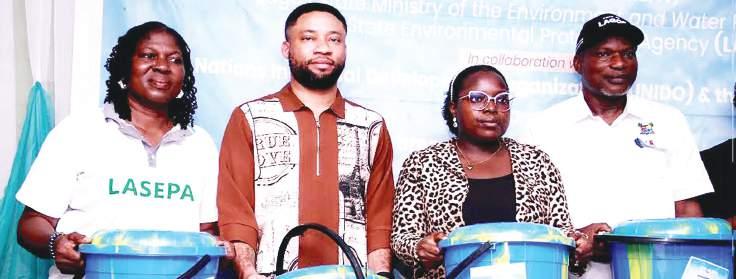
L-R: Director, Environmental Sustainability, Lagos State Environmental Protection Agency (LASEPA), Mrs. Adedayo Adebayo; Field Coordinator, United Nations Industrial Development Organisation (UNIDO), Mr. Charles Uzoma; Executive Assistant to the Governor on Environmental Protection, Mr. Tolulope Adebowale; and representative of the Permanent Secretary, Ministry of Environment and Water Resources, Dr. Hassan Sanuth, during a training for informal food and water vendors on cholera prevention in Lagos… recently
N’Assembly’s legislative aides drum support for Tinubu’s re-election Dickson tells senate c’ttee to adopt house version of electoral bill
Only e-transmission can strengthen Nigeria’s democracy, says ADC Senate’s loophole has set stage for fresh election disputes, EiE warns
Chuks Okocha, Adedayo Akinwale and Sunday Aborisade in Abuja
In spite of the refusal by the Senate to enshrine real-time, mandatory electronic transmission of election results into Nigeria’s electoral law, the All Progressives Congress (APC) Support Group Council has said, contrary to insinuations, the ruling party was not panicking ahead of the 2027 elections.
This was as a member of the Senate Committee on Electoral Matters, Senator Seriake Dickson, has called on other members of the committee to adopt the House of Representatives’ version of the Electoral Act Amendment Bill in its entirety, warning that any deviation could weaken the integrity of Nigeria’s elections.
Also, the African Democratic Congress (ADC), has clarified its stand on the amendment, stating that only real-time electronic transmission of results, without exceptions capable of abuse, could command public confidence and strengthen Nigeria’s democracy.
At the same time, a civil society group, Enough is Enough Nigeria (EiE), has warned that the upper chamber’s decision on electronic transmission of results could plunge the country into “another cycle of disputed elections.”
Similarly, a coalition of Civil Society Organisations (CSOs) on the aegis of Speak Out Africa Initiative (SOAI), has raised red flag over what it described
as “the deliberate attempt by the Senate to muddle up the integrity” of future elections in the country.
On Monday, a coalition of civil society organisations called on the National Assembly committee on Electoral Act Amendment Bill to adopt the House’s version of the electoral bill, mandating electronic transmission of electoral results ahead of the 2027 elections.
However, when the Senate held an emergency plenary on Tuesday, the red chamber refused to mandate e-transmission, opting instead for a controversial amendment that left the process to the discretion of the Independent National Electoral Commission (INEC).
Speaking after the inauguration of APC National Assembly Legislative Aides Support Group (ANALAG), the Director General of APC Support Group Council, Sadiq Jikta, insisted that it was the opposition that was panicking and not the ruling party.
He said, “No, APC is not panicking. It is the opposition that are panicking because they feel APC being the party in power will muzzle power with them. “We are doing everything transparently, and that’s why we’re giving a free playing ground for every party to participate. You know, in terms of this electronic transmission, it is left for the National Assembly to do their job.
“We believe in whatever position the National Assembly comes up with, we are ready and prepared. The most important is the grassroots and we
are concentrating on the grass and grassroot mobilization.”
Jikta noted that the support group was also pushing for a seat at the National Working Committee (NWC) of the party ahead of the national convention of the party.
He explained that the constitution of the party didn’t capture support groups, but expressed hope that with the ongoing amendment of the party constitution, the support groups would be captured, being the backbone of the party.
Jikta noted: “I think it’s an opportunity now, as the party has set up a constitutional review committee, they have gone up to all the six geopolitical zones for public hearing. So we, the APC Support Group Council, have gone to one of the zones and make
our presentation.”
Earlier, the National Coordinator, Ms. Ayoola Fakunle, said it had never happened before in the history of the National Assembly that legislative aides come together to support their principals for reelection.
She noted that they have supported them by employing them and it was high time they, too, gave back to them.
“Since we are in the state assembly, local government assembly and national assembly, we can do a lot. We can move mountains for them and at the same time, our president, the father of the nation, is a former senator, we have every reason to make sure we support his re-election,”Fakunle noted.
A member of the Senate Committee on Electoral Matters, Seriake Dickson, has called on other members of the Committee to adopt the House of Representatives’ version of the Electoral Act Amendment Bill in its entirety, warning that any deviation could weaken the integrity of Nigeria’s elections.
The senator representing Bayelsa West in the 10th National Assembly, made the appeal on yesterday while addressing journalists.
Dickson, a former governor of Bayelsa State, said the House’s version accurately reflected the consensus reached after nearly two years of
extensive legislative work and stakeholder engagement. He said, “The main issue I want to talk about is already out there in the public space. For almost two years, as a member of the Senate Committee on Electoral Matters, we worked extensively on amendments to the electoral laws.
“We held workshops, joint sessions with the House of Representatives, meetings with INEC, the technical committee, consultants and other stakeholders, as well as public hearings in Abuja and Lagos.”
According to him, the process produced a broad agreement, particularly with the Independent National Electoral Commission (INEC), on a framework to regulate the conduct of elections going forward.
A former Minister of Transportation, Hon. Rotimi Amaechi, has cautioned that it could be difficult for the African Democratic Congress (ADC) to sell a northern presidential candidate to voters in southern Nigeria, urging the party to weigh zoning realities carefully ahead of the next general election.
Amaechi, speaking in Kano
while responding to questions on whether he would support any candidate that emerges from the ADC, said he was prepared to back the party’s flagbearer but insisted that strategic decisions were necessary to enhance national appeal and electoral success.
“I will support whoever emerges. But I also advise the ADC to look around and identify the best material that can convince
Nigerians that things will be turned around,” he said.
He said the party must consider three critical factors in choosing its presidential candidate: capacity, age and the prevailing power dynamics in the country.
“First is capacity. Second is age. Third, which is the last point, is to respect the unwritten law of power that is now in the South,” Amaechi said.
Adedayo Akinwale in Abuja
The Independent National Electoral Commission (INEC) and the National Peace Committee (NPC), yesterday, in Abuja, discussed strategies that would ensure upcoming elections were conducted in a manner that reflected the will of the people, free from violence and destruction.
At the meeting with the delegation of the Peace Committee held at INEC headquarters, the evolving security landscape in the Federal Capital Territory (FCT) was also discussed ahead of the February 21 Area Council elections.
Speaking, the INEC Chairman, Prof. Joash Amupitan, said the National Peace Committee, which aimed at promoting peaceful elec-
tions, mitigating electoral conflict and safeguarding democratic processes, resonated with the mission of INEC.
He noted that as they prepared for these elections, especially the FCT Area Council election, the responsibility they shared in maintaining peace and security during this period is paramount.
“Let me specifically appreciate
you for establishing the Election Security Information Hub to complement our efforts.
“I listened carefully to your analysis of the security landscape in the Federal Capital Territory and observed that AMAC is an area requiring special scrutiny and attention, as well as Gwagwalada, Kuje and Bwari.
“We have noted the points
you made, particularly regarding Gwagwalada and Kuje, which you described as the ‘elephants in the town’. On our part, the Planning and Monitoring Department has also conducted its own mapping and analysis.
“It is imperative that we share information, learn from one another and implement best practices that have proven effective.
According to him, acknowledging the current rotation of power would make it easier for politicians and voters in the South to rally behind the party.
“They should conclude that and then transfer power to the North. It makes it easier for those of us from the South to say we are going to compete because the North has said, ‘finish all this’,” he said.
Amaechi warned that fielding a northern candidate at a time when many southerners believed power should remain in the South could weaken the ADC appeal in the region.
“If you elect somebody from the North, I’m not saying we won’t campaign, but it will be difficult to convince the South to give up power because they will ask the north, ‘Why is it that it’s only when power comes to the South that there is a problem?” he said.
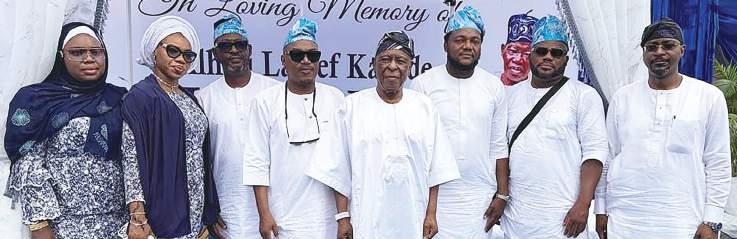
Former Ogun State Governor, Chief Olusegun Osoba (middle); Mr. Ayodeji Jakande (fourth left); Mr. Oluseyi Jakande (third right); Dr. Olanrewaju Adeboye (left); Mr. Abiola Jakande (second left); member, House of Representatives, Mr. Olumide Osoba (right); and others, at the 5th remembrance prayer for late Alhaji Lateef Kayode Jakande at his Ilupeju residence, yesterday
The Chief of Army Staff (COAS), Lieutenant General Waidi Shaibu, has said Nigerian troops bore the brunt of peace enforcement operations in Liberia, recording significant casualties to halt state collapse and restore law and order during the country’s civil war. He noted that Nigeria’s interven-
tion, undertaken under the auspices of the ECOWAS Monitoring Group (ECOMOG), was driven by firm political resolve and regional responsibility. According to him, the federal government committed substantial troops, resources and diplomatic support over an extended period, laying the groundwork for Liberia’s national reconciliation, democratic transition
and post-conflict reconstruction. Shaibu made these remarks yesterday at the Barclay Training Center in Monrovia, where he attended events marking the 69th Armed Forces Day Anniversary of the Armed Forces of Liberia (AFL) as Special Guest of Honour.
Reaffirming Nigeria’s strategic leadership in regional peace and security, the COAS declared that
the relative stability Liberia enjoys today was a direct outcome of deliberate governmental action, African solidarity and the sacrifices of Nigerian troops.
He stressed that Nigeria’s involvement was neither incidental nor transactional, but a conscious foreign and defence policy decision taken in the collective interest of West African stability.
In a statement by the Acting Director of Army Public Relations, Colonel Apollonia Anele, the Army emphasised that Nigeria’s role in Liberia’s civil conflict reflected its long-standing commitment to regional peacekeeping and security cooperation.
Reflecting on Nigeria’s contribution to rebuilding Liberia’s defence architecture, Shaibu recalled his
The Arewa Consultative Forum (ACF), lameted the increasing activities of terrorists and bandits in the North.
Chairman of the forum, Mamman Mike Osuman, SAN, stated this yesterday at the National Executive Council Meeting (NEC) of the ACF in Kaduna.
Osuman said the region has continued to face grave difficulties, natural disasters, tragic loss of lives, and the harsh vicissitudes of daily existence.
“Terrorism, armed banditry, insurgency, and kidnapping are on the rise, as witnessed in Kwara, Southern Kaduna, Katsina, Benue, and other locations. The consequences have been devastating, with families and communities violently uprooted and displaced,” he said.
He added that the displacements had resulted in overcrowded camps and informal settlements with limited access to basic services, thereby increasing the risks of malnutrition and mortality among survivors.
According to Osuman, “Repeated attacks and the climate of fear have disrupted education, leading to school closures across affected areas.
“Rural economies have been severely strained, travel has become unsafe, and access to farming, schooling, and healthcare has been discouraged.
“Insecurity has deepened to such
an extent that external military assistance has been required. This grim situation heightens ACF’s concern and underscores the urgent need for our State Chapters to be proactive.
“Our existence as a socio-cultural organisation must not be merely ceremonial or rhetorical; it must be principled, sincere sacrificial, and action-driven.”
The ACF chairman, therefore, called for constructive engagement with governments at national and subnational levels in the pursuit of peace, stability, to ensure the rehabilitation of the people.
He also noted that as the 2027 elections approached, the ACF would collaborate with relevant authorities to ensure peaceful and credible elections.
Benue State Governor, Hyacinth Alia, has pledged to construct the roadNyihemba-Anwase-Abande to ease movement and also enhance security patrol and rapid response.
He promised to revive the energy (power) at Anwase, provide water both at Nyihemba and Anwase as well as send additional motorbikes to enhance surveillance.
The governor made the pledge when he visited the people of Turan, Kwande Local Government today to have first hand information on the recent attacks at Anwase and Abande communities.
Briefing reporters at the corre-
spondent of the Nigerian Union of Journalist, the Chief Press Secretary to the Governor, Mr Tersoor Kula, said the governor has assured the people that they are not alone and that their lives and dignity remained his top priority.
He promised to make contacts and see to it that network providers provide a network booster in the area to facilitate quick communication when the need arises.
Alia, who condemned the unprovoked attacks assured of his readiness to enhance collaboration and provision of the needed logistics to security personnel, who were in the trenches battling to bring peace to the affected areas.
He assured the people of succour in the nearest future stating that President Bola Tinubu, is already properly briefed of the untoward development and has directed reinforcement to the area.
The Senate, yesterday, issued a stern warning that delays in implementing Nigeria’s defence budget could undermine the country’s battle against insurgency and other security threats, insisting that funding for the armed forces must be released and fully utilised without further setbacks.
Chairman of the Senate Committee on Defence, Senator Ahmed Lawan, sounded the alarm during a budget defence session where the Minister of Defence, General Christopher Musa, presented the
ministry’s 2025 performance review and 2026 budget proposal.
Lawan expressed concern over what he described as the slow pace of implementation of the 2025 defence budget, parts of which have been rolled over into the 2026 fiscal framework.
“The exercise of implementation has been slow. How are we prepared to move forward if we are unable to implement the 2025 budget fully? How do we deal with 2026?” he queried.
The lawmaker stressed that defence spending was too critical to be delayed, warning that any postponement could embolden criminal elements and insurgent groups operating across the country.
“It is defence. You cannot
over earlier interventions when the apex bank allocated between $10,000 and $20,000 to each BDCs.
However, spoking at the ministry’s 2026 budget defence before the Joint House of Representatives Committee on Commerce, Oduwole stated that the rise in capital importation marked a sharp increase from about $12 billion in 2024 and less than $4 billion in 2023.
She attributed the recovery to deliberate ministry interventions, including the curation of over $5 billion in bankable projects, the establishment of sector-specific deal rooms, and the hosting of Nigeria’s inaugural Domestic Investors’ Summit.
On trade performance, Oduwole
postpone the implementation of the defence budget because that gives an edge to the enemy.
“We have to insist that our armed forces and other security agencies have their budgets implemented to secure the lives of Nigerians,” Lawan said.
In his presentation, Musa, acknowledged that security challenges persisted across various parts of the country but assured lawmakers that the ministry remained committed to strengthening operations and delivering better results.
“Challenges are still there, but we are hoping to do better,” he said, attributing progress recorded so far to the sustained support and cooperation of the National Assembly.
said Nigeria recorded a trade surplus in 2025, with total trade valued at about N113 trillion in the first three quarters of the year.
She added that exports increased by about 11 per cent year-on-year to $6.1 billion — the highest ever recorded in both value and volume.
Oduwole noted that the ministry intensified efforts to promote non-oil exports, improve market access for Nigerian goods, and strengthen quality infrastructure to meet international standards.
She added that Special Economic Zones contributed significantly to industrial diversification, generating over $500 million in export revenues and creating more than 20,000 direct jobs.
personal involvement in the early phases of restructuring the AFL.
Speaking at a dinner held in his honour, he recounted working alongside the late Major General Suraj Alawo Abdurrahman, then Chief of Staff of the AFL, and other regional partners in what he described as a complex “aircraft-in-flight” reform process—rebuilding the military while it remained operational. He expressed satisfaction that officers mentored during that formative period now occupy key leadership positions within the AFL, describing the Liberian military as a testament to sustained international partnership, regional cooperation and fidelity to professional military values. The COAS urged the AFL to safeguard its ethos of sacrifice, professionalism and loyalty to constitutional authority.
He assured Liberia of Nigeria’s continued advisory and capacitybuilding support in furtherance of national stability and regional peace. He noted that Nigeria played a pivotal role in mentoring, training and reorienting the force, contributing to its evolution into a disciplined and democratically accountable institution now recognised as “A Force for Good”.
Emphasising the enduring ties between both countries, Lieutenant General Shaibu stated that the Nigeria–Liberia defence relationship is anchored on shared sacrifice, strategic trust and a bond forged in adversity.
However, the minister appealed for an upward review of the proposed N2.72 billion capital allocation to the Ministry for 2026, warning that the amount would be insufficient to sustain momentum and execute priority programmes at scale. The minister recalled that in 2024, the ministry had a total appropriation of N14.39 billion, with Personnel and Overhead allocations fully utilised, while 93.2 per cent of the N8.36 billion capital allocation was released and fully expended. She revealed that the revenue performance that year exceeded target by approximately N154 million, with full remittance to the Consolidated Revenue Fund.
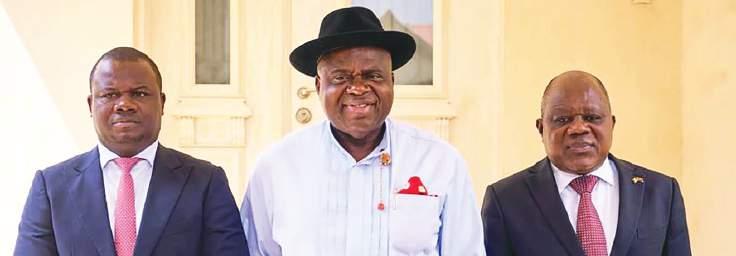
Wale Igbintade
The President of the Nigerian Bar Association (NBA), Afam Osigwe, SAN, has raised fresh concerns over the integrity of Nigeria’s judiciary, warning that corruption and undue political influence in the courts are eroding public confidence.
Osigwe highlighted that the declining trust in judicial institutions not only undermines democracy but also threatens investor confidence and national stability.
Speaking on Arise News Prime Time, Osigwe defended his recent comments, recalling his keynote address at the 17th Ralph Opara Memorial Lecture, themed “Judicial Corruption in Nigeria: A Menace to Democracy and Social Justice”, where he said a corrupt judge poses a far greater danger to the nation than a violent criminal.
He cautioned that if left unchecked, these challenges could weaken the rule of law and compromise the courts’ role as impartial arbiters.
The NBA President emphasised the need for urgent reforms and stronger safeguards to protect the
judiciary from external pressures, stressing that public perception of judicial independence is crucial for sustaining democratic governance and attracting investment.
Osigwe said negative perceptions of the judiciary inevitably affect public trust in election adjudication.
Conflicting judgments and what some describe as the “judicialisation” of politics, he noted, have fueled doubts.
He suggested that pre-election matters should be limited and that evidentiary requirements in election petitions should be reviewed to remove undue obstacles.
He described the erosion of integrity within the legal system as a “democratic emergency.”
“The judiciary is facing a perception crisis, and when citizens begin to doubt the impartiality of our courts, access to justice is eroded and democracy suffers,” Osigwe said.
He warned that declining trust in the judiciary could discourage investment, encourage capital flight, and prompt litigants to take disputes to foreign courts.
He also highlighted concerns about the transparency of case assignments,
noting that while filing processes may be digitised, the allocation of cases to judges remains susceptible to influence.
“If people believe justice will not be done, they may simply avoid the system altogether,” he said.
Osigwe stressed that his observations reflect the long-standing position of the NBA, not personal opinion, citing statements from former and current jurists, the Supreme Court, and international agencies including the ICPC, UNODC, and Chatham House.
“The real likelihood of bias, even if unproven, can be enough to overturn a judgment. It’s about what a right-thinking member of the public believes,” he said.
He recounted the Supreme Court’s resolution of a governorship dispute in Kano, noting how public acceptance of the decision restored order and peace, underscoring the importance of public perception in maintaining stability.
On judicial reform, Osigwe reiterated the NBA’s call for the Chief Justice of Nigeria not to chair the National Judicial Council (NJC), arguing that no
Chiemelie Ezeobi
Commodore Aiwuyor Adams-Aliu, Wednesday, pledged to reinforce focus on securing Nigeria’s economic waters and strengthening the fight against maritime crimes as he assumed command of the Nigerian Navy Ship BEECROFT (NNS BEECROFT), Apapa, Lagos.
Speaking at the handing and taking over ceremony at the NNS BEECROFT Conference Room, Adams-Aliu said his leadership would be guided by the actualisation of the Chief of the Naval Staff’s vision of “a mobile, agile and professional naval force dedicated to safeguarding Nigeria’s maritime domain in collaboration with other security agencies”.
The new commander said his immediate priority is to reposition NNS BEECROFT to effectively fulfil its core mandate of securing Nigeria’s economic waters, which host a significant proportion of the nation’s commercial activities. He noted that increased economic activities at sea often attract criminal elements, underscoring the need to strengthen investigative processes and reinforce measures against maritime crimes.
Adams-Aliu affirmed his commitment to intensifying operations against smuggling, stowaways and cross-border maritime offences, stressing a zero-tolerance stance against criminal activities within and around Nigeria’s territorial waters.
He also highlighted the importance of collaboration within the command structure and sustained engagement with the media to ensure timely and effective dissemination of information.
The ceremony marked the formal handover of command from Rear Admiral PP Nimyel, who completed his one-year tenure as the 64th Commander of NNS BEECROFT, having assumed office on February 6, 2025.
Nimyel expressed appreciation to officers, senior and junior ratings, civilian staff and members of the media for their cooperation during his stewardship, noting that their support helped sustain the base’s operational effectiveness despite a demanding operational tempo.
person subject to potential disciplinary action should lead the body that oversees judges.
While acknowledging the NJC’s
disciplinary actions, he criticised some sanctions as insufficient, describing them as “a slap on the wrist.”
He expressed support for lifestyle
audits of judges to promote accountability, while urging caution on blanket public asset declarations due to security risks.
disarmament programmes and counter-terrorism cooperation. It raised concerns about alleged hostile foreign exploitation, including claims that Chinese illegal mining operations pay protection money to armed groups.
Under the reporting requirement, the Secretary of State must assess Nigeria’s compliance with the International Religious Freedom Act, identify sanctioned individuals and entities, detail joint humanitar- ian assistance efforts, evaluate U.S. security assistance and assess whether it risks enabling persecution.
The report must also examine steps taken by Nigeria to repeal blasphemy laws, investigate abuses under Sharia law, improve conditions for internally displaced persons and dismantle extremist networks. It would include recommendations for further executive or congressional actions deemed necessary to halt religious persecution and mass atrocities.
If enacted, the legislation would institutionalise sustained congres- sional oversight of U.S. engagement with Nigeria on religious freedom and security issues, linking the future trajectory of bilateral relations to measurable progress in addressing religious violence and impunity.
But the New Nigeria Peoples Party (NNPP) has expressed shock over the reports that the US Congress is considering a bill, which names the party’s national leader, Kwankwaso, alongside the Miyetti Allah Cattle Breeders Association and Fulani Ethnic Militia, for potential targeted sanctions.
Responding to the reports, the NNPP National Publicity Secretary, Ladipo Johnson, dismissed any notion that Kwankwaso has been responsible in any way for religious freedom violations.
The party said it was curious and regrettable that Kwankwaso would be cited for what he knew nothing about. “We see this development as a contrived action against an innocent
man who clearly has no relationship with religious fundamentalism in Nigeria.
“His record is there in the public domain, either in public office or in private life and it is advisable for people to investigate such things properly, before reaching such conclusions,” the party said.
In trying to link a recent exchange of words between Kwankwaso and US rep Moore to the latest development, Johnson stated that months before now, Kwankwaso had openly reacted when President Donald Trump redesignated Nigeria as a country of particular concern over alleged religious persecution.
He quoted Kwankwaso as cautioning against what he described as oversimplified characterisations of Nigeria’s internal challenges at the time.
“Kwankwaso stated that it was important to emphasise that our country is a sovereign nation whose people face different threats from outlaws across the country,” the NNPP statement said.
However, the party said Moore stated: “Governor, do you care to comment on your own complicity in the death of Christians? You instituted sharia law. You signed the law that makes so-called blasphemy punishable by death
”This was because Kano state, under Kwankwaso’s leadership, brought the Islamic legal code into full effect, joining other northern Nigerian states such as Zamfara, Sokoto, Katsina, Yobe, Jigawa, and Borno.”
The NNPP’s statement queried whether this online altercation was enough to accuse Kwankwaso of severe religious freedom violations.
“Why were the other state governors that introduced Sharia in their states not accused as well? Is Rep Moore being fair or selective? Isn’t the US in a good relationship with Qatar and Saudi (both Sharia Countries)? Why is this coming just after our government apparently
paid for a consultant in the US.
“Isn’t it strange that it is Kwank- waso, an opposition leader that has spoken out so many times about the insecurity under this administration that the United States now seems to be turning on?
“We recall that as governor of Kano State, Senator Kwankwaso ensured that the Boko Haram sect was wiped out of the state and his close relationships with Christian leaders in Kano and across the country attest to his credibility as a national leader and statesman
“Even when he was pressured to introduce Sharia, he still lost his election because the predominantly Muslim voters punished him for supporting a Christian presidential candidate, in the person of Chief Olusegun Obasanjo,” the NNPP statement said.
Furthermore, the party stated that in 2023 Kwankwaso ran his presidential campaign with a Christian Bishop, Isaac Idahosa as his running mate.
“These are the facts, which we think, should guide the Congress and its leaders, particularly Reps Riley Moore and Chris Smith to do a thorough investigation on the credibility of our leader, Senator Rabiu Musa Kwankwaso so that justice is done to his noble name and cleared of such undue embarrassment,” the statement added.
Meanwhile, Nigeria’s military confirmed yesterday that about 200 U.S. troops were expected in the country in the coming weeks, but explained that they would not take part in combat action and that Nigerian forces would retain full control over all security decisions.
This followed comments from a U.S. official on Tuesday that the Pentagon planned to deploy the troops to train Nigerian forces fighting Islamist militants, weeks after President Donald Trump ordered against what he described as Islamic State targets, a Reuters report said.
has characterized Kwara for generations. These were not Christian villages caught in sectarian warfare but Muslim communities that rejected militant extremism. The attackers demanded submission to ‘Sharia’, as if the residents were not already Muslims living according to their faith. This is the cruel irony that outsiders often miss: Jihadists enjoy targeting Muslims who refuse their perverted interpretations. Meanwhile, growing up in Kwara State, we learned that Islam was capacious enough to accommodate diverse practices, that Yoruba identity and Muslim faith were not contradictory, that we could be Nigerians without surrendering our particularities. My late mother was Munirat before she married my father and then became Felicia. Every year, I still buy Sallah rams for members of that side of my family. It is the state where a Bolaji could be fathered by an Abdullahi (apologies to the late Pa Abraham Adesanya). Therefore, the militants attacking our communities represent everything we were taught to reject: intolerance
and violence as religious expression. What makes the North Central expansion particularly alarming is the infrastructure already in place. According to recent research, the Shiroro cell has been operating since at least 2021. Lakurawa has grown to approximately 2,000 members drawn from multiple countries. These groups have established indoctrination schools, developed financial networks, and created supply chains connecting theatres. They are not coming; they are already here, building capacity while we sleep and make political permutations about a tomorrow not guaranteed.
The response to the Kwara massacres followed a now-familiar script: presidential condemnation, troop deployments, promises to “checkmate the barbaric terrorists.” These are necessary. But are they sufficient? We have been deploying military battalions for almost two decades. Yet the insurgency has metastasized from one state to half the country.
I write this with both anguish and anger.
Anguish for the almost 200 lives cut short in communities that deserved protection. Anger at the government—at all levels—that has systematically failed its most basic obligation. We have had years to disrupt financial networks, revive regional cooperation, reimagine forest policy, reform the Nigeria Police Force, resource our military properly and address the governance vacuums that make rural communities vulnerable. But we have squandered every opportunity as our country increasingly becomes one vast ungoverned space. In the course of the assignment as a member of the ‘Facts Finding Committee on the Incessant Attacks, Killings and Destruction of Plateau Communities’ established last year by Governor Caleb Mutfwang, I was privileged to see the vulnerability of our rural communities. Which is why we must rethink our national security because we do not have, and cannot have, enough military troops to police all of them.
My fear is that the recent massacres in Kwara State may not be the last, that we
may have normalised this horror and mass burials. Beneath the fear is a stubborn insistence that it does not have to be this way. Kwara should not become another front in Nigeria’s endless wars. The people of Woro and Nuku, like all Nigerians, deserve a state that protects them. We owe the massacred people more than our grief. We owe them a reckoning with the choices that brought us here, and the political will to make different choices going forward. Anything less is complicity in the next massacre.
I apologise to my readers if I sound emotional today. The Woro and Nuku massacres are not distant tragedies for me. They are personal. They are an assault on my home. These are my people. And I am writing this as a son of Kwara who can no longer pretend that the crisis afflicting Nigeria is happening somewhere else. It is happening to me. It is happening to us. And unless we confront that reality with the urgency it demands, we will run out of people to bury in our rural communities.
Emmanuel Addeh in Abuja Nigeria’s crude oil production rose to 1.459 million barrels per day in January 2026, according to data submitted directly by the country to the Organisation of the Petroleum Exporting Countries (OPEC) and published in the group’s February 2026 Monthly Oil Market Report (MOMR) released yesterday.
The January output represented an increase of 37,000 bpd compared to December 2025 production of 1.422 million bpd. It also marked a rebound from November’s level of 1.420 million bpd, indicating a return to growth at the start of the
new year. Data based on direct communication showed that Nigeria averaged 1.345 million bpd in 2024. Production improved in 2025 to an annual average of 1.453 million bpd, according to OPEC, reflecting gradual recovery efforts in the upstream sector. However, OPEC’s calculation is based on only oil production and not condensate output.
The 37,000 bpd month-on-month increase in January is one of the more notable upward adjustments among OPEC members for the period under review. Nigeria’s performance placed it behind only Saudi Arabia, Iraq, the
United Arab Emirates and Kuwait within the organisation based on direct communication figures.
Saudi Arabia, OPEC’s largest producer, raised its output by 16,000 bpd to 10.1 million bpd in January from 10.084 million bpd in December. Iraq also increased production by 16,000 bpd to 4.097 million bpd, while the UAE recorded a 10,000 bpd rise to 3.383 million bpd. Libya posted a 6,000 bpd increase to 1.378 million bpd.
Besides, Algeria trimmed output by 1,000 bpd to 971,000 bpd, while Congo reduced production by 6,000 bpd to 275,000 bpd. Equatorial Guinea and Gabon remained among
the smallest producers in the group. Within Africa, despite struggling crude output, Nigeria continued to rank as the leading oil producer in the cartel, ahead of Libya, Algeria, Congo and Equatorial Guinea based on declared figures. The improvement in output comes against the backdrop of sustained efforts to stabilise crude production through enhanced pipeline surveillance, clampdown on oil theft and gradual reactivation of previously shut-in wells. Over the past few years, Nigeria’s production had been constrained by vandalism, security challenges in the Niger Delta and underinvestment in
Emmanuel Addeh in Abuja
Nigeria NLG Limited (NLNG) has reaffirmed that a well-structured, low-risk in Nigeria’s energy sector is essential to unlocking investments, accelerating economic development and strengthening energy security.
Speaking at a panel session titled: “De-Risking Investments in African Oil and Gas Projects” during the ongoing Sub-Saharan Africa International Petroleum Exhibition and Conference (SAIPEC) in Lagos, NLNG’s General Manager, Production, Nnamdi Anowi, said when oil and gas projects are perceived as too risky, investors tend to withdraw.
According to him, this leads to stalled projects, job losses, and missed revenue opportunities critical for national growth.
He stated that reducing risks in oil and gas projects, beyond being a business strategy, was a matter of national importance for Nigeria’s economy, energy security, and long-term development.
Besides, he explained that for NLNG, lowering risk means keeping gas flowing reliably, meeting longterm contracts, and ensuring the company remains a trusted supplier to global and domestic markets.
“When our projects are well planned and well managed, investors have confidence, operations are stable, and NLNG can continue contributing to Nigeria’s economy,” he said.
According to Anowi, de-risking starts with clear and consistent government policies, strong contracts that are respected, and projects that are properly prepared before money is spent. These steps make it easier for banks and investors to fund projects at lower cost, which ultimately benefits both companies and the country.
Anowi also highlighted the importance of good infrastructure, local skills, and modern technology in reducing everyday operational risks. He said that when pipelines, processing facilities, and digital systems work well, projects are safer, cheaper to run, and more reliable over time.
“If we reduce risk the right way and work together, investment will come, the next decade must focus on growing proven, bankable projects that deliver real value to the country, ” he further said.
Anowi, a process engineer, noted that Africa and Nigeria in particular is investable when risks are planned for and managed carefully, not ignored.
On what financiers look out for when they are approached to fund gas projects, he said: “Any investor who wants to invest wants to know where his revenue is coming from. It’s the big one. You have to really take a risk.
“So if you don’t have long-term
contracts signed, where you are going to deliver the gas, no investor is going to touch it. Then you look at governance again. Every investor wants to know who is on your governance team. Do you have experience on your governance team?
upstream infrastructure.
Overall, OPEC oil production declined sharply last month amid losses in Kazakhstan, Venezuela and Iran, the group said. The 22 nations of the alliance produced an average of 42.448 million barrels a day in January, or 439,000 a day less than the previous month, according to a copy of the group’s monthly report.
Meanwhile, the Group Chief Executive Officer of NNPC Ltd, Bayo Ojulari, has identified shared infrastructure, policy alignment, coordinated investment frameworks, cross-border knowledge and technology exchange, integrated gas market development, and sustained regional diplomacy among National Oil Companies (NOCs) as key pillars for securing Africa’s energy future.
Ojulari disclosed this during a fireside chat with Mr. Andy Brown, Deputy Chair of Orsted and President of the Energy Institute, at the 2026 International Energy Week (IEW) in London, on Wednesday, according to a statement from the oil company.
Addressing the imperative of expanding cross-border energy infrastructure, Ojulari said NNPC ongoing regional gas initiatives demonstrate how shared assets
can unlock scale, efficiency, and resilience.
He emphasised that accelerated delivery of flagship projects such as the Nigeria–Morocco Gas Pipeline and the expansion of the West African Gas Pipeline is critical to strengthening regional integration and advancing cross-border energy trade.
According to him, the continent must move towards aligned pricing frameworks, transit protocols, local content standards, and joint technical regulations, drawing lessons from reforms such as Nigeria’s Petroleum Industry Act (PIA), to reduce investment friction, safeguard cross-border infrastructure, and ensure equitable access to shared energy assets. He further called for structured joint investment platforms among African NOCs, stressing that Africa can attract and deploy capital more effectively when acting collectively rather than individually.
On NNPC ambition to raise oil output, expand gas production, and attract investment, Ojulari said delivery will require a pragmatic, Africa-centric strategy—one that positions energy as both a catalyst for economic development and a contributor to global climate goals.
Yinka Kolawole in Osogbo
Osun State Governor, Senator Ademola Adeleke, has called on local and foreign investors to harness the state’s vast solid minerals potential, assuring them of policy stability, enhanced security and a significantly improved ease of doing business environment.
The governor made the call in Cape Town, South Africa, at a high-level dinner hosted by Romulus Mining on the sidelines of the Mining Indaba. At the forum, Governor Adeleke outlined Osun State’s strategic roadmap to position mining as a key driver of economic diversification, job
creation and sustainable internally generated revenue.
Governor Adeleke disclosed his administration has implemented farreaching regulatory reforms to attract credible and long-term investors, noting that state-level permitting and approval processes have been streamlined, cutting timelines by over 50 per cent.
He added that comprehensive geological resource mapping has been completed, providing investors with reliable, bankable data to support informed investment decisions.
Commending Romulus Mining for its growing footprint in the State, Adeleke acknowledged the
company’s commitment to expand its investment in Osun State from $50 million to $150 million over the next three years.
He described Romulus Mining as a responsible and value-driven operator, citing its use of advanced exploration techniques, innovative financing models and strong host community engagement.
The governor highlighted that Osun State is richly endowed with commercially viable deposits of gold, lead, zinc, quartz and feldspar, supported by 19 active mining licences operated under the state’s investment framework.
He further noted the government has strengthened security architecture
around mining corridors while expanding public-private partnerships to promote local processing and value addition.
Adeleke also revealed the state is formalising artisanal and small-scale mining through targeted training programmes, access to finance and the deployment of modern mining technology, aimed at improving productivity, safety and regulatory compliance.
“Osun State is open for mining business. The government is not just a regulator; we are a committed partner focused on delivering predictable policies, secure operations and sustainable returns for investors,” the governor said.
Michael Olugbode in abuja
Violent conflicts across Nigeria claimed at least 4,654 lives in 2025, while 3,141 people were kidnapped in 1,274 separate incidents nationwide, according to the Nigeria Violent Conflicts Database 2025 released by Nextier Advisory Ltd yesterday.
The report, a partnership between Nextier, and SPRiNG Programme, titled “Nigeria Security and Conflict Outlook 2026: When Capability Meets Resolve,” highlights a worsening security landscape
fueled by banditry, terrorism, communal clashes, and organised crime.
Presenting the findings in Abuja, the Managing Partner of Nextier, Dr. Ndubuisi Nwokolo, said banditry remained the deadliest driver of violence. In 2025, bandit attacks accounted for 599 incidents and 2,724 fatalities, a sharp rise from 256 incidents and 1,585 deaths recorded in 2024.
“The North-west recorded the highest number of attacks, while the North-Central zone experienced more fatalities,
showing a disturbing increase in brutality,” Nwokolo said.
The report also noted a dramatic spike in kidnapping, including mass abductions in rural areas, marking one of the highest levels in recent years.
Terrorism and insurgency continued to claim lives, with 43 terror-related incidents reported. Borno State remained the epicentre, accounting for 397 casualties. Farmer-herder conflicts also intensified, rising from 58 incidents and 188 deaths in 2024 to 87 incidents and 322 fatalities in 2025.
Gbenga sodeinde in ado ekiti
Professor Joshua Ogunwole assumed office yesterday as the fifth Vice-Chancellor (VC) of the Federal University Oye-Ekiti (FUOYE), pledging comprehensive reforms to strengthen governance, discipline and academic standards in the institution.
Speaking at his inauguration ceremony, Prof. Ogunwole emphasised the urgent need for structural,
administrative and cultural reforms to reposition the rapidly growing federal university for sustainable development.
He said that the major task ahead for the new leadership of the university was to expand its carrying capacity in order to avoid reaching an inflection.
“The immediate former VC had grown the university tremendously. The university has experienced a vertical growth and normally when
you plant maize and it grows so tall, if you don’t take time, a small wind can break it down. So, my own plan is to strengthen the base as we go up.
“The university has grown from 20,000 students when Fasina came in to 60,000 within five years. Now, what that means is that our carrying capacity is just about 20,000 to 25,000 students.
“If we keep growing like that, we can be blown down.”
Blessing ibunge in Port harcourt
In a bold step to provide alternative livelihoods for young people in Ogoniland, River State, and boost Nigeria’s Blue Economy sector, the Hydrocarbon Pollution Remediation Project (HYPREP) has trained 100 youths in seafaring.
The training is part of the ongoing cleanup and remediation of impacted
sites in Ogoniland as recommended by the United Nations Environmental Programme (UNEP).
Speaking during the graduation ceremony at the Charkins Maritime Academy in Port Harcourt, Rivers State, yesterday, the Project Coordinator of HYPREP, Prof. Nenibarini Zabbey, emphasised the importance of the training, saying it is in line with the Blue Economy objectives of
the federal government.
Prof Zabbey said the graduation of the seafarers marks an important milestone in HYPREP’s efforts to restore livelihoods and promote sustainable development in Ogoniland.
He pointed out that the approach is to integrate all projects and activities towards the goal of environmental sustainability and sustainable development of Ogoniland.
Thirty-two students on the scholarship of the Presidential Amnesty Programme (PAP) made first class in different competitive courses in 2025 at various universities in Nigeria.
Similarly, no fewer than 134 of the scholarship beneficiaries also graduated with second-class upper division in various courses of study in the same year.
The courses are law, pharmacy, aeronautical engineering, cybersecurity,
electrical engineering, software engineering, nursing science, mechanical engineering, architecture, accounting and criminology.
Others include computer science, anatomy, international relations and diplomacy, geography and regional planning, microbiology, public health, information technology, medical laboratory science, estate management and mass communication. Commenting on this development, the Administrator
of PAP, Dr. Dennis Brutu Otuaro, commended the sponsored students under his leadership for graduating with first-class and secondclass upper division grades in various disciplines.
He expressed joy over their outstanding academic performances, noting that his administration is greatly encouraged by their exemplary conduct and seriousness as shown by the quality of their academic grades.
yusuf Ebiti
District Governor-elect (DGE) of Rotary International District 9127 for the 2026/27 Rotary year, Sikiru Adetona Owonikoko, has said his incoming administration will prioritise technology adoption, organisational discipline and communityfocused service as Rotary responds to global changes.
Owonikoko spoke at
the 2026-2027 District Learning Seminars held in Abuja, where he addressed incoming Rotary leaders and members.
He said the focus of his tenure reflects the need for Rotary in Nigeria to adapt to new realities while strengthening its service culture. According to him, Rotary cannot operate in isolation from global developments.
“Things are changing around the globe, and Nigeria should not be left behind.
He said: “We are trying to upgrade from what we are used to, to bring quality back to the organisation and improve the area of service.”
He identified technology as a key tool for expanding membership and participation, noting that physical presence should no longer be a barrier to engagement.

Duro Ikhazuagbe
Tonight’s Copa del Rey semifinal first leg clash between Atlético Madrid and Barcelona will be the real first test for Nigerian international, Ademola Lookman, since his switch from Atalanta in the Italian Serie A to Spain.
Expectedly, after a fairytale run with the Super Eagles at AFCON 2025 in Morocco, Lookman, hit ground running in Spain. He had a dream debut landing in Spain, getting on the scorer’s sheet and providing an assist as Atlético hammered Real Betis 5-0 in that Copa del Rey quarterfinal clash away.
But Betis have since exerted their pound of flesh in their La Liga fixture last Sunday, snatching all three points from Atlético in their fortress in Estadio Metropolitano. Lookman after that dream debut in the Copa del Rey, has been humble and given the Spanish treatment in the Liga.
And so, his return to play mighty Barcelona in the Copa del Rey semifinal tonight, will expectedly be different kind of baptism from one of the ‘Big Two’ of Spanish club football.
The match which will kick off at 9:00 p.m. local time, will be the first of two legs against the Catalan club. Atlético once again find themselves
*Premier League
Aston Villa 1-0 Brighton
Cry’Palace 2-3 Burnley
Man City 3-0 Fulham
Nottingham 0-0 Wolves
Sunderland 0-1 Liverpool (TODAY)
Brentford v Arsenal
*Copa del Rey
Bilbao 0-1 Sociedad (TODAY)
Atlético v Barcelona
in the semifinals of the Copa del Rey and facing Barcelona in their pursuit of silverware.
In last year’s edition of the King’s Cup, the tie between the two rivals saw a thrilling 4-4 draw in Barcelona, followed by a disappointing 0-1 defeat in Madrid. The fixture order is flipped this time, with the first leg in Madrid and the second at the Camp Nou. It’s tough to find a more in-form squad than Barcelona in Europe right now. They have won 17 of their last 18 matches in all competitions and have already secured a spot in the last 16 of the Champions League.
Exactly one month ago, they
captured the Spanish Super Cup with a dominant victory over Athletic Club and a Clásico win over Real Madrid in the final.
The bad news for Barça is that they will most likely be without star player Raphinha. He was a particularly difficult matchup for Atlético’s defence last time out and will undoubtedly be missed if truly unable to start.
Pedri and Gavi also remain unavailable for Hansi Flick, while Frenkie de Jong looks primed to return from the groin injury he suffered a few weeks ago. A new name to the injury sheet for Barcelona is the Englishman Marcus Rashford, who has been ruled
Ademola Lookman at Atlético Madrid training yesterday ahead tonight’s Copa del Rey semifinal first leg clash with Barcelona at Estadio Metropolitano
Africa’s largest mobile network operator, MTN, yesterday reaffirmed its long-term commitment to Nigeria’s grassroots athletics ecosystem by signing a landmark three-year extension with Making of Champions (MoC) for the continued sponsorship of MTN CHAMPS through the LA 2028 Olympic Games.
The historic partnership was announced at a press conference inside the corporate headquarters of MTN Nigeria at its Plaza in Ikoyi, Lagos.
While confirming the sponsorship, MTN’ Chief Technical Officer, Yaya Ibrahim, said the landmark multiyear agreement confirms that MTN CHAMPS Seasons 4, 5 and 6 are now secured through 2028.
The sponsorship will provide athletes nationwide across all age groups, from Cadet and Youth to Junior and Senior, with a structured three-year runway to support longterm preparation toward the 2028 Olympic Games, the 2026 and 2028 World U20 Championships, and other continental and global competitions.
Similarly, Obiageli Ugboma, the
Chief Risk and Compliance Officer (CRCO), MTN Nigeria, reaffirmed the telecommunications company’s commitment to youth empowerment.
“MTN CHAMPS Season 4 reflects our commitment to discovering and nurturing the next generation of Nigerian sports stars. We are breaking barriers and bringing the opportunity closer to home for thousands of aspiring champions.
“At MTN, we are proud to play a role in shaping the future of Nigerian athletics, because investing in young talent today secures the victories of tomorrow,” she observed with enthusiasm.
MoC Founder and CEO, Bambo Akani, described the renewal as transformational: “This is an absolutely monumental and historic move by MTN. Never in the history of Nigeria have athletes across all age groups had such certainty of a multi-year runway to prepare for international, continental and national competitions all the way to the Olympic Games.
“A three-year runway allows athletes, coaches and institutions
to plan properly for Olympic and World U20 cycles. We are about to witness a complete transformation of athletics in Nigeria, and I look forward to seeing the impact that MTN CHAMPS will have on Nigeria’s Olympic team in 2028.
“This is a rallying call for brands across the country to join MTN and partners such as Beacon Power Services in our mission to make champions for Nigeria at the LA 2028 and Brisbane 2032 Olympic Games and beyond,” concludes Akani whose MoC has given a new vista to track & field growth in Nigeria.
According to the schedule for the Season 4 of MTN CHAMPS roles out yesterday, Calabar will kick off this edition with MTN CHAMPS Athletics Classics between March 5 and 7, 2026.
It will be followed by the MTN CHAMPS Continental Relays in Jos between March 26 and 28, 2026.
The MTN CHAMPS Grand Final will hold in Ibadan from April 15 to 18, 2026 to cap the 2026 edition.
out of this fixture with a knee injury. For Diego Simeone’s side, the most notable name on the injury sheet is Pablo Barrios, who is in the midst of a four-week absence due to a thigh injurypicked up against Betis last Thursday.
According to Marca, the oft-injured Johnny Cardoso is pushing to be available for Simeone today, but as of Wednesday morning he was still not fully training with the rest of the team. Given the state of Atlético’s midfield and Koke’s recent surge in
minutes, this would be a welcome gift for the Colchoneros, but it appears as Simeone is going to have to once again rely on his long-time captain. Nico González also looks primed for a return to the team sheet after suffering a lower back strain last week.
Pamodzi Sports Marketing, organisers of the historic Okpekpe International 10km Road Race, have welcomed delegates to Lagos for the African Road Running Conference, expressing confidence that the gathering will energise the discipline across Africa.
The two-day conference, which runs from February 12 to 13 in Nigeria’s commercial capital, has drawn representatives from World Athletics, including Alessio Punzi, Head of Road Running, and Kenyan legend Paul Tergat, a five-time World Cross Country champion, two-time Olympic silver medalist and multiple World Championships medalist.
Mike Itemuagbor, promoter
of the Okpekpe race, the first in Nigeria and West Africa to earn World Athletics label status, said the timing is perfect for Africa to reposition road running as both a sporting and socio-economic driver.
“Let me first say a big welcome to all the international delegates to this conference in Lagos, Nigeria’s commercial capital. I am thrilled we have the opportunity to discuss road running in Africa. The benefits of road running to a nation go far beyond sport itself as it touches health, economy, tourism, and national identity,” Itemuagbor said.
He stressed that the conference is not just about races but about aligning with global standards,
elevating athletes to elite levels, showcasing innovations in race organisation, and highlighting the economic and social impact of road running.
Itemuagbor pointed to Kenya and Ethiopia as examples of how road running can transform societies.
“Road running is a major source of employment in many countries, especially Kenya and Ethiopia, which have produced thousands of elite-level runners over time. These athletes have become social and economic drivers of their regions and countries. If we embrace this in Nigeria, it can also help boost employment generation,” he explained.

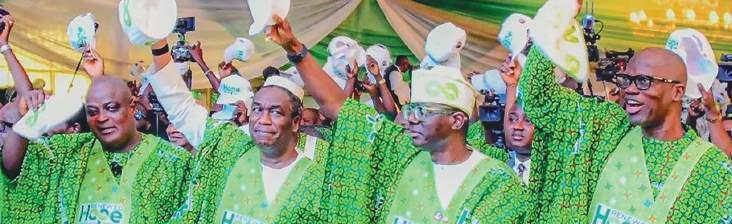
L-R: Speaker, Lagos State House of Assembly, Rt. Hon. Mudashiru Obasa; Deputy Governor, Dr. Obafemi Hamzat; Governor Babajide Sanwo-Olu and his Chief of Staff, Mr. Tayo Ayinde, during the inauguration of Local Government Coordinators of the Renewed Hope Ambassadors, in Ikeja, Lagos ... yesterday

What distinguishes me from my siblings is that I was the only one to be born in a hospital. My brothers and sisters were more traditionally born at home. Since my mother (of blessed memory) loved telling the story of the circumstances that conspired for me to end up with such a ‘privilege’, I wore it as a special badge while growing up. But then, which hospital? Oke-ode Maternity Hospital in Ifelodun local government area of Kwara State. Yes, the same Oke-ode where on 28 September 2025, armed bandits murdered no fewer than 15 members of a local forest guard and others. I know the contours of that community, the compound architecture, the communal rhythms, etc. And for those reasons, the brutal killings hit me hard.
So, the more details I learn about last week Tuesday’s massacre in Kaiama local government of Kwara State, the more difficult it has been for me to remain detached from the tragedy. When heavily armed militants stormed these twin communities on the evening of 3rd February, systematically executing residents who dared to reject their strange doctrine, they were announcing the opening of a more sinister insurgency front in a country already reeling from two active theatres of jihadist warfare. And they were doing it in my Kwara, a state that has prided itself on its relative peace, harmonious coexistence of diverse faiths and status as a bridge between the North and South.
The details emerging from Woro and Nuku are horrifying. Survivors describe hundreds of gunmen arriving at dusk on motor cycles, binding the hands of villagers, and executing them at close range. Some were burned alive. Others had their throats slit. The chief Imam of Woro, a school principal, a headmistress, and schoolchildren are among the dead. No fewer than 38 people were abducted, predominantly women and children. The village head of Woro, Alhaji Salihu Umar, lost three children while his wife and two others were kidnapped. His palace was razed to the ground.
The identities of perpetrators are still contested, which itself tells a troubling story. The State House of Assembly member representing the constituency, Mohammed Omar Bio attributes
the massacre to Lakurawa, an affiliate of the Islamic State-West African Province (ISWAP) that has been making incursions from Niger Republic since 2018. President Bola Tinubu blamed Boko Haram. Researchers at the
Hudson Institute point to Jama’atu Ahlis Sunna Lidda’awati wal-Jihad that has established what security analysts call the ‘Shiroro cell’ in neighbouring Niger State. One Abubakar Saidu, a protege of the late Abubakar Shekau who goes by the name Sadiku, is said to be the leader of this group that has made the Kainji National Park, which covers an area of about 5,341 square kilometres, (far more than the total landmass of Lagos State) its operational headquarters. The confusion about perpetrators reflects the convergence of multiple jihadist networks: Boko Haram splinter factions, Lakurawa fighters, ISWAP and Ansaru elements that are now operating with increasing coordination across Nigeria’s North Central region.
This convergence represents a strategic threat of the first order. But let me be clear about what that means in human terms. For about two decades, we watched the Northeast burn. We sympathized, wrote editorials, called for government action. But there was psychological distance; Borno seemed far away, the Lake Chad Basin felt like another country.
The Northwest’s descent into banditry was more proximate, alarming, but still somehow containable in our minds as a regional crisis. But we can no longer pretend that we don’t face a clear and present danger. The North Central zone serves as Nigeria’s strategic hinge, connecting the North to the South. If Jihadist groups consolidate their presence in Kwara State, as they clearly intend to do, they will have achieved what has eluded them in the northeastern insurgency: a strategic position from which to threaten not just Nigeria’s political capital and economic heartland, but our national cohesion.
This is not abstract for those of us from these communities. This is about whether we can go home. Whether our children can visit their grandparents. Whether the funerals we attend will be of elders who died in old age or young relatives massacred for refusing to submit to extremism. The religious dimension cuts particularly deep. The Woro and Nuku are predominantly Muslim communities practicing the tolerant, syncretic Islam that
‘Bandits and terrorists are transmitting live videos from Nigerian forests but the Senate says INEC cannot transmit election results from polling booths’—WhatsApp message
The altercation between the African Democratic Alliance (ADC) National Chairman, Dr David Mark and Senate President Godswill Akpabio over an amendment to the 2022 Electoral Act may have been mild but it was quite revealing. Speaking in Abuja at the unveiling of a book by a former senator (Effiong Bob), titled ‘The Burden of Legislators in Nigeria,’ Akpabio said the phrase “real time” was the only thing removed from the provision on the electronic transmission of results. But those two key words make all the difference. And Akpabio knows this!
To be fair, Akpabio also explains why the Senate decided to retain the provision as contained in the Electoral Act 2022. “All we said during the discussion was that we should remove the word ‘real-time’ because if you say ‘real-time’, then there is a network
or grid failure, and the network is not working. When you go to court, somebody will say it ought to have been real-time. That was all we said,” Akpabio said to justify the Senate decision. “Real time means that in over nine states where networks are not working because of insecurity, there will be no election results. Nationally, if the national grid collapses and no network is working, no election results will be valid.”
In his reaction, Mark, who spent 24 years in the senate and presided for eight years, said INEC should be allowed to “decide whether they can do it (real-time electronic transmission) or not. Don’t speak for INEC...If INEC cannot do it, it’s their own problem, and it’s not for you to speak for INEC. It’s as simple as that.” Instructively, Mark then dismissed his own call as “just a by-the-way issue; it’s not a serious issue.” But for most Nigerians, it is.
The proposed amendment now jettisoned by the Senate but accepted by the House of Representatives requires the Independent National Electoral Commission (INEC) presiding officers to electronically transmit results from each polling unit to the INEC
Result Viewing Portal (IREV) portal in real time, after the prescribed Form EC8A had been signed and stamped and counter-signed by candidates’ agents. But this controversy is not new. When it arose in the process of amending the 2022 Electoral Act, then INEC chairman, Prof Mahmood Yakubu, had argued that the provision was “long overdue, doable, achievable and inevitable.” The then INEC National Commissioner for Information and Voter Education, Mr Festus Okoye amplified that: “We have uploaded results from very remote areas, even from areas where you have to use human carriers to access. So, we have made our own position very clear, that we have the capacity and we have the will to deepen the use of technology in the electoral process.”
It is interesting that the view of INEC was not even sought before Akpabio and colleagues began inventing excuses as to why the electronic transmission of results would be problematic for the commission in the 2027 general election. The question is: What exactly is the Senate afraid of?