KUNLE AFOLAYAN THE
VISIONARY




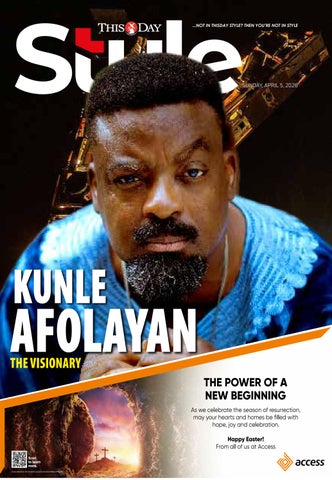

There are some names you feel like you have heard all your life. In my short twenty-something years, the name Afolayan has been a constant in the Nigerian film landscape, woven into the fabric of every cinema trip, every film studies debate, every hushed conversation about what African storytelling could truly become. I remember the first day I saw October 1. I remember thinking, “This is different.” That same feeling followed me through The CEO, through Aníkúlápó, through every project that carries that unmistakable stamp, that quiet certainty that whatever this man touches, it turns to gold. I met him at KAP Hub in Lagos, and nothing quite prepares you for walking into that space.

ow is it April already?
It feels like we blinked through January, hurried through February, and somehow sprinted through March without fully catching our breath. And if we’re being honest, it hasn’t just been fast, it’s been a lot. This first quarter has come with its own weight, especially here at home, where the headlines have been difficult to sit with and even harder to ignore.
The recent tragedy in Jos is one of those moments that stays with you. The kind that makes everything else pause, if only briefly. It’s heartbreaking, unsettling, and deeply unfair. My thoughts and prayers are with the families and communities affected, and with everyone across the country who continues to live with the reality of insecurity. One can only hope, earnestly, persistently, that there is an end in sight. That peace becomes more than just something we speak about, but something we actually experience.
And maybe that’s what makes this entry into April, into a new quarter, feel different.
Because beneath the busyness, beneath the routines we’ve quickly settled back into, there’s a quiet honesty that this point in the year demands. The kind that doesn’t allow you to hide behind resolutions or timelines anymore. By now, you know what’s working. You know what isn’t. You know where you’ve been consistent, and where you’ve quietly let things slide. And that’s okay. The second quarter isn’t asking you to start over. It’s asking you to pay attention. To adjust. To be a little more truthful with yourself about what you want and what you’re willing to do differently to get there.
It also arrives with something softer, something lighter; Easter.
A moment of reflection, of faith, of hope. After forty days of prayer, fasting, sacrifice, and quiet conversations with God, there’s a certain expectation that comes with Easter Sunday. That something will shift. That the prayers whispered in private will find their answers.
So, Happy Easter Celebrations.
hope it feels like a true exhale. I hope it brings you peace, joy, good food, laughter, and the kind of moments that remind you why you slowed down in the first place.
How are you spending the day? Are you hosting, stepping out, keeping it intimate, or doing a bit of everything?
However it looks for you, we’ve put together a fun guide on Easter activities, something to spark ideas, or at the very least, inspire your own version of a good time. Elsewhere in the issue, we get into conversations that feel very… now.
Our feature on dating in your 40s is one think many people will see themselves in. It’s layered, honest, and refreshingly real about what it means to navigate love at a stage where the pool may feel smaller, expectations are clearer, and people come with full lives, histories, and sometimes a few scars. It’s less about rules and more about awareness, about choosing with intention.
As you move through today, hope you give yourself a little grace. For how far you’ve come, for what you’re still figuring out, and for the fact that you’re even trying at all. Be gentle with yourself. And hold on to hope.



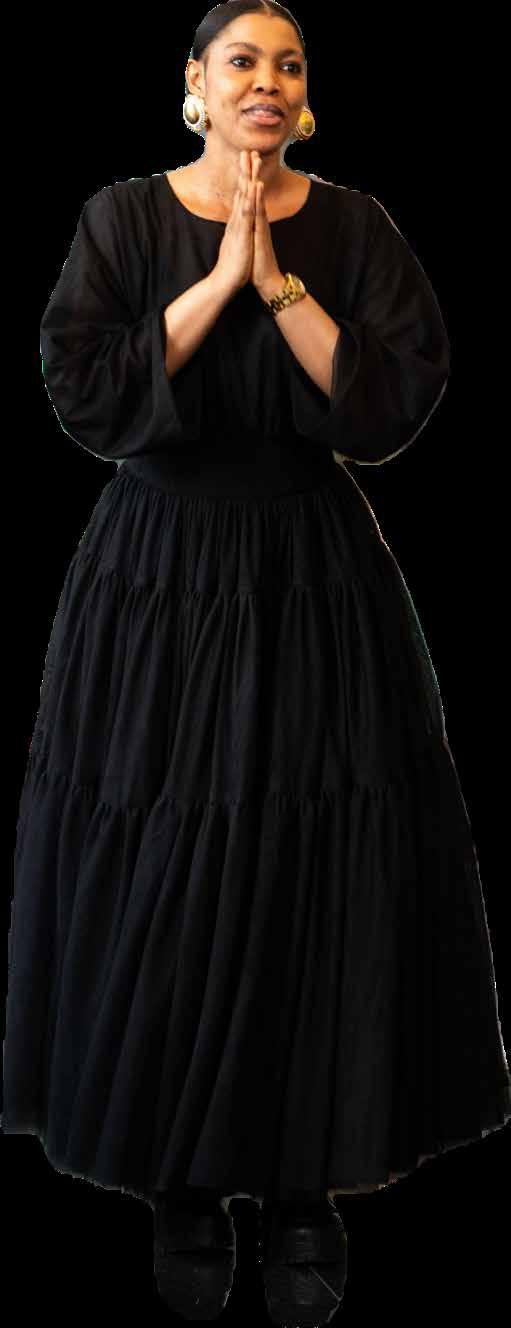

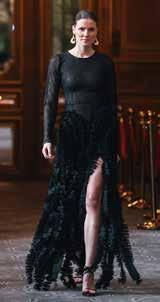



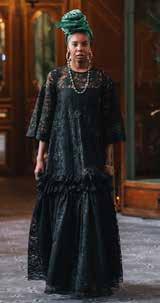


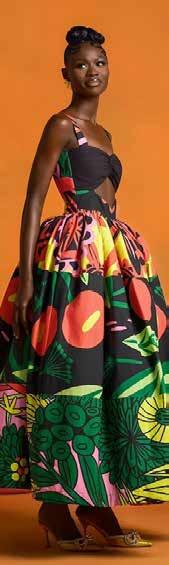
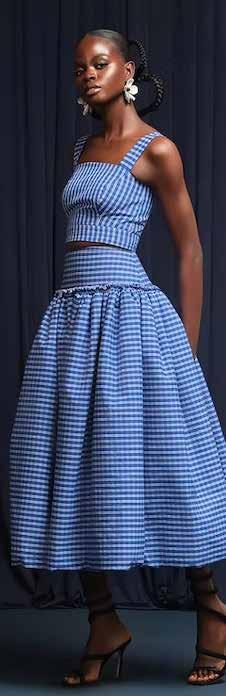
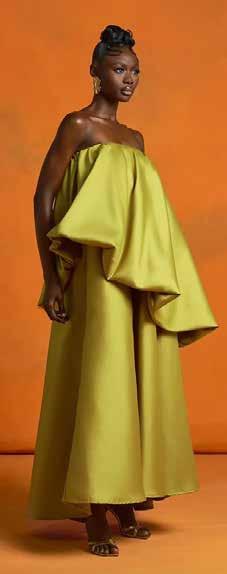
The Waterfall Collection by Bemi Ivory, unveiled at Paris Fashion Week 2026, is built on movement.
Not exaggerated movement, not theatrical movement, but something far more controlled. Fabrics fall in soft, continuous lines, tracing the body with quiet precision. Then the structure reveals itself: vertical ruffles placed with intent, elongated silhouettes that guide the eye downward, and a clear sense that every element is working toward a single idea. Nothing interrupts the flow. Inspired by the natural architecture of cascading water, the collection draws from the steady descent of a waterfall, seamless, rhythmic, uninterrupted. Layers are arranged to mirror that motion, creating garments that seem to move even when still. What makes The Waterfall Collection particularly compelling is its restraint. Water, as inspiration, can easily become literal. Here, it is approached with discipline. The reference lies not in imitation, but in behaviour, in how the fabric holds, releases, and continues forward. There is an understanding that water is not just soft; it is directional, persistent, and quietly forceful. That balance between delicacy and strength runs through the collection. The ruffles, while fluid, are sculptural, almost architectural. They are not decorative afterthoughts but central to the construction, guiding movement and shaping form. The verticality becomes a defining language, elongating the body, creating continuity, and giving the pieces a certain authority without heaviness.
There is also a noticeable absence of excess. The fabrics are allowed to speak without interruption. Nothing feels overworked, nothing feels added for effect. Instead, the collection leans into clarity — a confident understanding of what it wants to say and how it wants to say it.
Beyond the visual, there is an emotional undercurrent that sits just beneath the surface. Water, as a symbol, carries ideas of renewal and transformation, but the collection doesn’t lean on this too heavily. It’s present in the way the pieces move, in how they adapt to the body, in the sense of quiet evolution rather than dramatic change.
At the centre of it all is Oritsegbubemi Ogbobine, the founder and creative designer of BÉMI IVORY. Her technical training in fashion design anchors her vision, ensuring that the concept translates seamlessly into execution.
The result is a collection that feels resolved, not experimental for the sake of it, but deliberate in every choice.




By Konye Chelsea Nwabogor
There was a time, not too long ago, when, for many Nigerian women, dressing well meant looking outward.
Imported labels carried weight, foreign runways dictated taste, and style was often measured by distance, how far removed it felt from home. But somewhere along the line, that idea softened, then shifted, and now, quite decisively, it has been replaced. Today, the women setting the tone are not waiting for validation from elsewhere. They are dressing themselves, for themselves, in clothes that understand them. And quietly, almost without announcement, one brand has found its way into that conversation in a way that feels both intentional and inevitable: Rendoll.
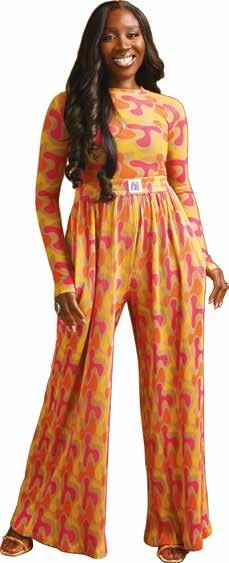
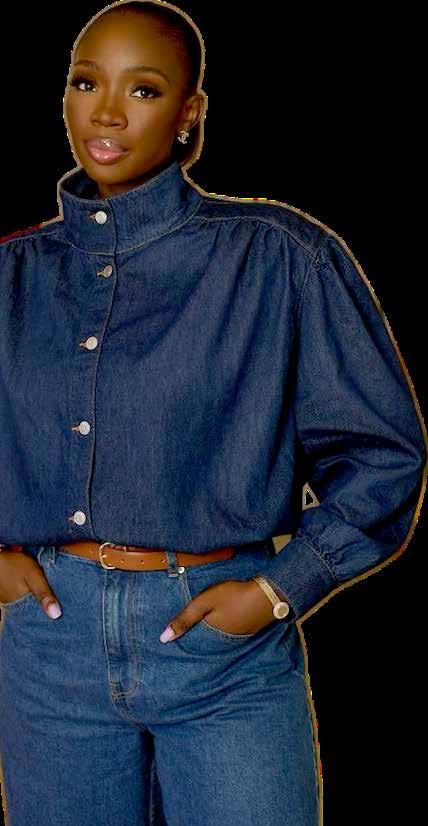
Founded in 2019 by Reni Abina, Rendoll has become the kind of label that travels by word of mouth, by sight, by that familiar moment when you see a woman across a room and wonder, not just what she’s wearing, but how she’s wearing it. It is a brand that has built its identity not on noise, but on clarity. Sculptural silhouettes that hold their own without excess. Bold custom prints that feel considered rather than decorative.
a commitment that goes beyond convenience. It speaks to a larger philosophy, one that values craftsmanship, respects process, and understands that true luxury is not just about how something looks, but how it is made, and who is part of making it.

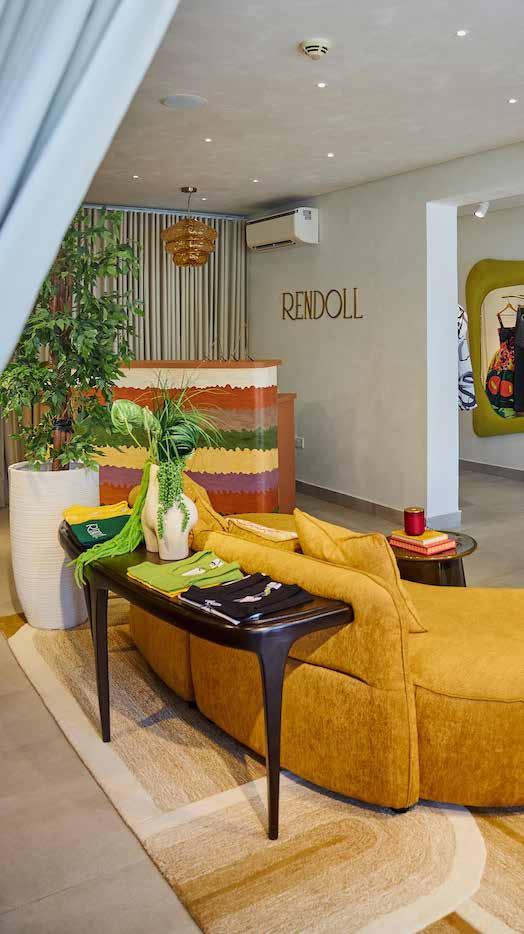
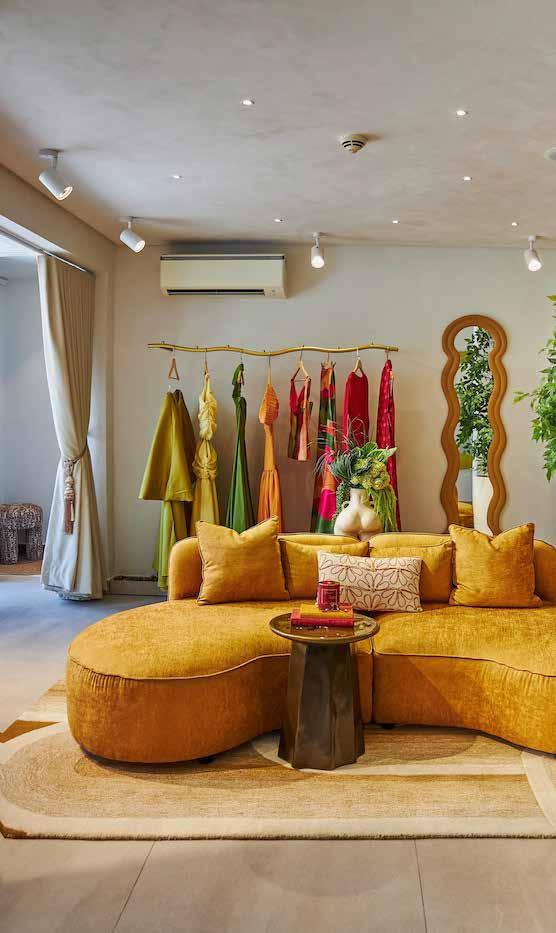
What makes Rendoll particularly compelling is how instinctively it understands the modern woman it is dressing. The Rendoll woman is not dressing to be seen in the most obvious way. She is dressing to feel aligned. There is intention in the way she chooses her clothes, in how they sit on her body, in how they carry her through a room. And that intention is exactly what the brand has learned to translate into fabric.
Reni Abina did not arrive at fashion in the traditional sense. Her path, like many stories that end up being interesting, began somewhere else entirely. After studying law at the University of Reading and completing law school in Nigeria, she stepped into a career that, on paper, made perfect sense. Structured, respected, familiar. But reality has a way of clarifying things very quickly.
On her first day in court, she realised something fundamental: she could do it, but she did not want to. And that distinction between capability and desire is one many people ignore for far too long. She didn’t.
Instead, she pivoted. An MBA followed, and somewhere in that transition, Rendoll emerged.
Not as a grand, overthought plan, but as something far more immediate. She had already been designing clothes for herself, already understood what she liked, and already had people asking questions. The leap, when it came, was quick. The business was registered within weeks. An Instagram page went live almost immediately. There was no long period of hesitation, no time given to talking herself out of it. In her own words, once she had told the world it was coming, she had no choice but to follow through.
That decisiveness still sits at the heart of the brand. There is a sense, when you look at Rendoll’s trajectory, that it has been built not by waiting for perfect conditions, but by moving forward regardless of them. Starting small, producing in limited quantities, working within constraints, then gradually expanding as both taste and access evolved. What began as a modest, Instagram-led operation has grown into a globally recognised label, featured in international publications without ever losing its grounding.
And that grounding is Lagos.
Every piece is designed and produced locally, in close collaboration with artisans who understand the work not just technically, but intuitively. It is
What is particularly striking about Reni Abina is the balance she maintains between creativity and discipline. The artistic instinct is evident in the clothes, but behind it sits a very structured approach to business. She speaks openly about growth in practical terms about pricing, about scaling, about the shift from direct-to-consumer to wholesale, and about understanding when to expand into new markets. There is no illusion about how difficult building a business in Lagos can be. Every day presents a new problem, she once said in an interview, but every problem also has a solution. It is less about avoiding challenges and more about being willing to face them repeatedly without losing momentum. That mindset becomes even more important when you consider the less visible side of entrepreneurship, the self-doubt, the moments where things don’t land the way you expect, the quiet questioning that happens even after success has been established. She does not pretend those moments don’t exist. In fact, she acknowledges them quite plainly. But what stands out is how she moves through them. By returning to the work. By trusting the process that has brought her this far. By surrounding herself with people who are not afraid to remind her of her own value when she forgets.
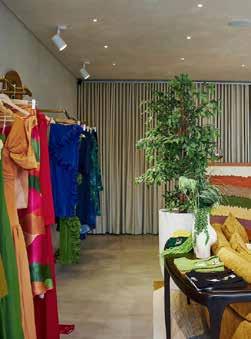
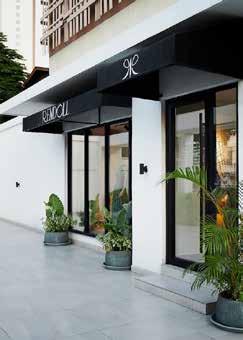
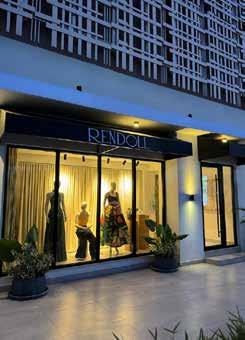
The opening of the brand’s flagship store marks a new phase in that evolution. Located at Ile Oja Mall on Sanusi Fafunwa Road in Victoria Island, the space feels less like a retail outlet and more like a physical translation of the brand’s identity. Clean, intentional, and considered. A place where the clothes are not crowded, but given room to exist. Where the experience is not rushed, but felt. At a time when so much of fashion happens online, there is something quietly powerful about creating a space where people can engage with the brand more tangibly. To see the structure up close. To feel the fabric. To understand the detail.
It is, in many ways, a full-circle moment for a brand that began in direct messages and digital conversations. But it is also a signal of intent. Rendoll is no longer just building quietly; it is stepping into a more defined presence, both locally and internationally, with pop-ups in cities like London and New York, and growing wholesale partnerships that will place it in spaces it once only occupied conceptually. And yet, for all of this growth, the essence remains unchanged. The focus is still on the woman. On how she feels when she wears the clothes. On the experience from the moment she places an order to the moment she steps out in it. That level of attention is not something you can manufacture at scale. It has to be built into the brand from the beginning. Which is perhaps why Rendoll resonates the way it does. It does not feel like a brand trying to convince you of its worth. It feels like one that already knows it. And maybe that is what defines this new era of fashion more than anything else. The confidence to create from a place of certainty. To design clothes that are not just beautiful, but meaningful. To build something that women don’t just wear, but recognise themselves in. Rendoll has managed to do that, and in doing so, it has become exactly what every cult brand is, at its core, not just popular, but personal.
By Funke Babs-Kufeji
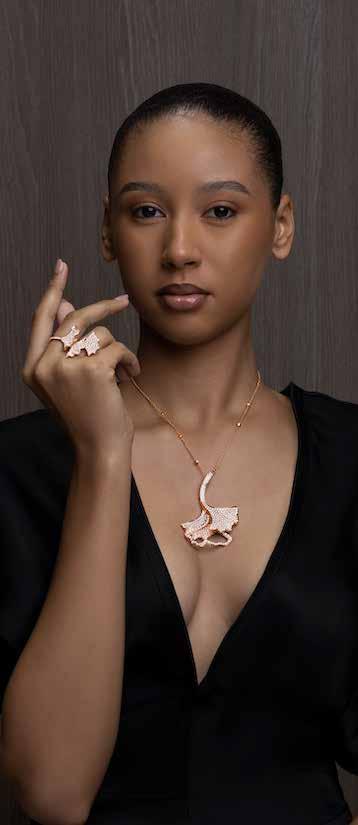
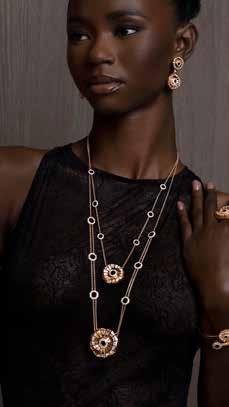
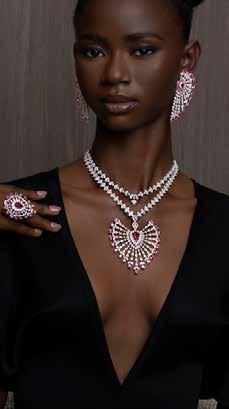
Lagos has always been a city that communicates through style. For years, the signals were easy to read. Designer labels, visible logos, statement accessories, you could tell who was who at a glance. But those codes have shifted. The conversation has moved away from what is immediately recognisable to what requires a second look. And in that space, diamonds have quietly taken centre stage. What makes them powerful is their restraint. A handbag announces itself across a room. Diamonds don’t. They ask you to come closer.
A clean pair of studs, a tennis bracelet worn without fuss, a wellcut ring that sits effortlessly on the hand. These are details you notice, then register, then understand. And in a city like Lagos, where so much is communicated without being said, that understanding matters. Across social settings, the shift is impossible to ignore. Weddings, private dinners, milestone celebrations, the focus has moved. Jewellery is no longer secondary. It has become part of the main conversation. Women notice each other instantly. A glance at the wrist, the ear, the neckline. A quiet acknowledgment. Sometimes a compliment. Sometimes, just a knowing look that says, I see it. And increasingly, diamonds are no longer reserved for special occasions. That boundary has blurred. They are worn during the day, with workwear, simple outfits, and casual looks. That contrast is part of the appeal. It feels effortless. Like luxury that fits into everyday life rather than being saved for moments that need explaining.
In Lagos, where presentation is everything, effort has to look like ease. Try too hard, and it shows. Get it right, and it feels natural. Diamonds sit perfectly in that space. They add polish without noise, presence without performance. At the same time, there is a growing shift toward individuality. Women are becoming more intentional about what they wear and why. It is less about stacking pieces and more about choosing the right ones. A custom design. A family piece reworked into something modern. A single item that fits seamlessly into a wardrobe and feels like it belongs there. The emphasis has moved from quantity
to meaning, from display to discernment. But like most things tied to status, this evolution comes with its own pressure. In certain circles, showing up without that level of detail can feel like something is missing, even when everything else is in place. The codes are subtle, but they exist. And not everyone playing the game is doing so on the same terms.
There has been a quiet rise in alternatives, particularly moissanite, being passed off as diamonds. To the untrained eye, the difference is almost impossible to spot. The stones sparkle, they catch the light, they deliver the same visual effect at a fraction of the cost. For some, it is a practical choice. For others, it is about keeping up, fitting into a space where certain signals are expected. And the truth is, most people already know.
There is an unspoken understanding in many Lagos social settings. Not everything is what it seems, but as long as it looks right, the conversation moves on. The appearance is often enough. In that sense, diamonds, real or otherwise, become part of a larger performance of belonging. This does not take away from the value of real diamonds, but it does highlight something more interesting. Their power today is not just in what they are, but in what they suggest. Access. Taste. Awareness. A certain comfort within specific rooms. There is also a generational shift happening. Younger women are approaching diamonds differently. Less bound by tradition, more focused on how pieces fit into their lives. Some are investing in high-quality stones that they can wear often. Others are mixing fine jewellery with more accessible pieces, creating a layered, personal style that feels current. At the same time, conversations around value are becoming more open. Questions about sourcing, craftsmanship, and long-term worth are no longer reserved for experts. Owning a diamond is one thing. Understanding it is another. And increasingly, that knowledge is becoming part of the appeal. Because in Lagos, nothing exists in isolation. Everything is context. Where you wear something, how you wear it, and who notices all play a role. Diamonds have found their place in that language. Not oversized, not excessive, but intentional.
SIX LETTERS, ONE STORY:
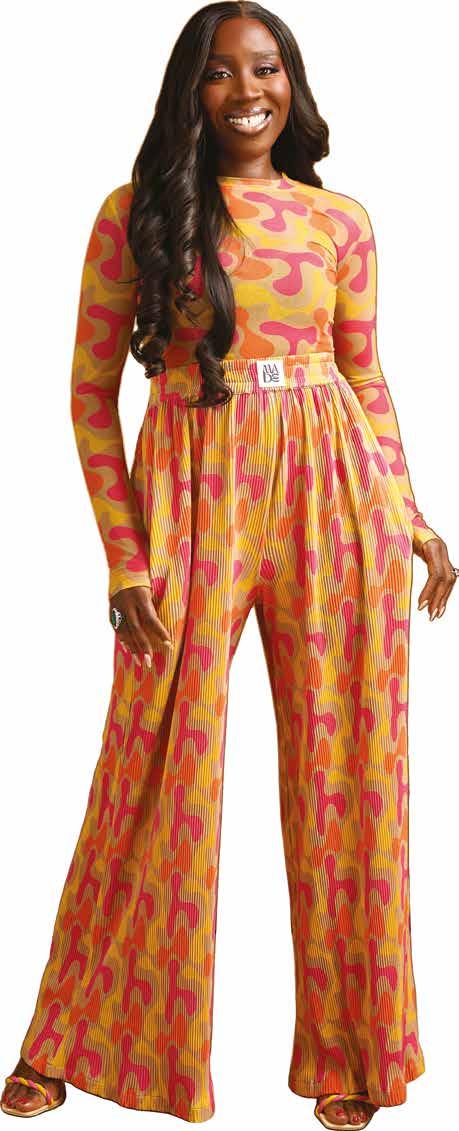
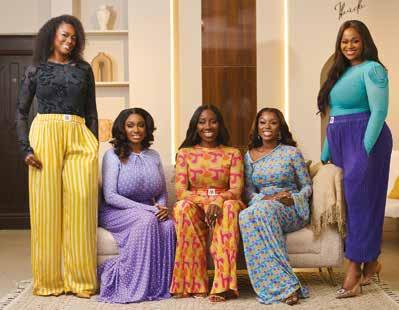
Awoman’s life is rarely linear. It unfolds in layers, marked by seasons that are at once defining and delicate—moments of clarity, as well as periods of quiet becoming. There are times she stands firmly in her identity, and others when she is still discovering it; times when she bears unseen burdens, and times when she learns, finally, to release them.
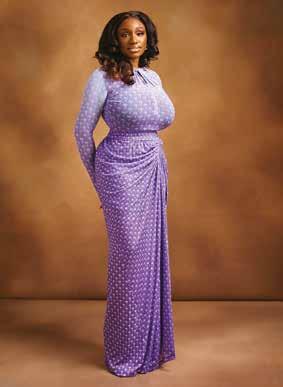
It is within this emotional landscape that MADE Lagos unveils its latest campaign, “Letters To —a compelling body of work that transcends fashion to embrace something more intimate: recognition.
At the core of the campaign lies a simple yet evocative idea—six letters, one story. It is a poignant reminder that no woman is defined by a singular narrative, but by the many seasons she journeys through. Each letter is thoughtfully crafted to meet her at a specific point along that path.
From the woman who is weary, yet holds everything together despite feeling undone; to the one in transition, navigating growth and uncertainty. From the woman who bears strength for others, carrying invisible weight with quiet resilience; to the one who gives endlessly, often without pause.
It also speaks to the woman who is grieving, learning to exist between loss and healing; and ultimately, to the woman who has found her haven—arriving at a place of peace within herself.
Collectively, these letters weave a continuous narrative—a reflective mirror of the shared, yet deeply personal, experience of womanhood.
Bringing these words to life are the voices of Jumoke Michael Ojo, Jokotade Shonowo, Morenike Molehin, Halimat Mogaji, and Yolanda Okereke, each delivering a letter that captures a distinct season with striking honesty and emotional depth.
What distinguishes this campaign is its deliberate positioning of fashion as more than mere outward expression. Through “Letters to Women,” MADE Lagos adopts a more nuanced and intentional language of style—one that is rooted in identity, faith, and emotional authenticity.
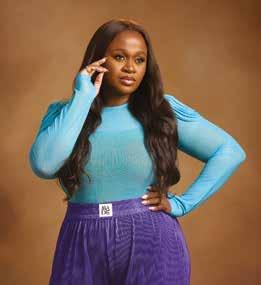
In acknowledging the unseen moments, the in-between spaces, the quiet struggles, and the understated victories, the campaign gives voice to experiences many women carry but seldom articulate. The result is not just a campaign, but a powerful sense of connection.
With “Letters to Women,” MADE Lagos offers a gentle yet profound reminder: becoming is not a destination, but a continuous journey— complex, evolving, and deeply personal.
tends to slow everything down.
Flights may be out of reach, but that hasn’t stopped anyone. Airbnbs, daycations, short drives out of the city people are creating their own version of escape.
Good food, a speaker, the right crowd, and suddenly it feels like a proper holiday without the stress of travel.
Church is still church, but it’s also a moment.
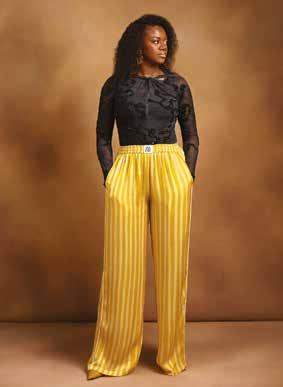
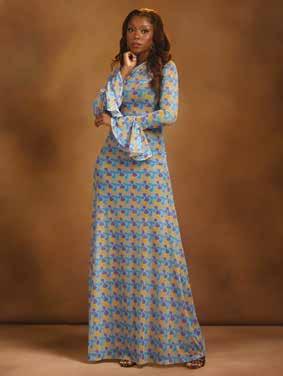
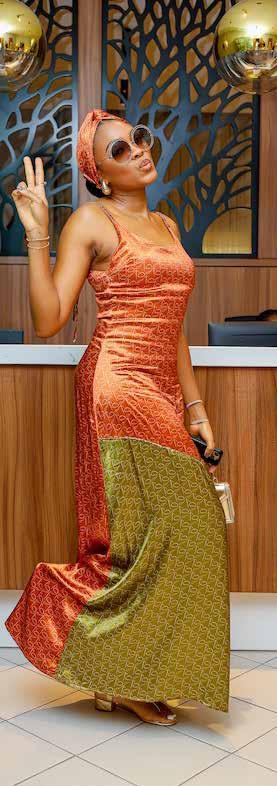
Pastels, sharp tailoring, dramatic sleeves, clean kaftans. Everyone looks like they planned it (because they did). And once service ends, there’s always that pause; no one moves until the pictures are taken properly.
Less of the long, exhausting visiting. More of the “just us” gatherings. A few people, good food, proper conversation. There’s something about keeping it small that makes it feel more intentional and honestly, more enjoyable.
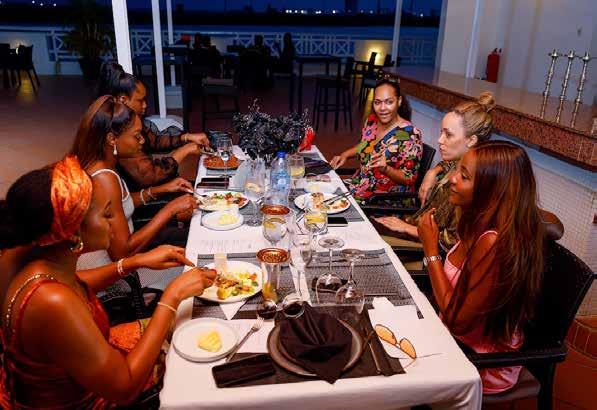
Easter used to follow a script. Church, rice, visits, repeat. You didn’t overthink it, you just showed up. Now, everyone is rewriting it. The long weekend has become less about routine and more about intention. People are still holding on to the essence of faith, food, and family, but they’re also adding their own layer: style, content, a bit of planning, and a quiet determination to actually enjoy it.
Here’s what Easter really looks like right now.
People are no longer winging the day. It’s church, then photos, then brunch, then a quick reset before the evening plan.
Outfits are chosen with movement in mind. Locations are predecided. It sounds structured, but it actually removes the usual “what are we doing next?” confusion that
Instead of going out, more people are bringing the experience home. Styled tables, intentional plating, music that’s not too loud but sets the mood. Guests show up knowing this isn’t a random hangout; it’s been thought through.
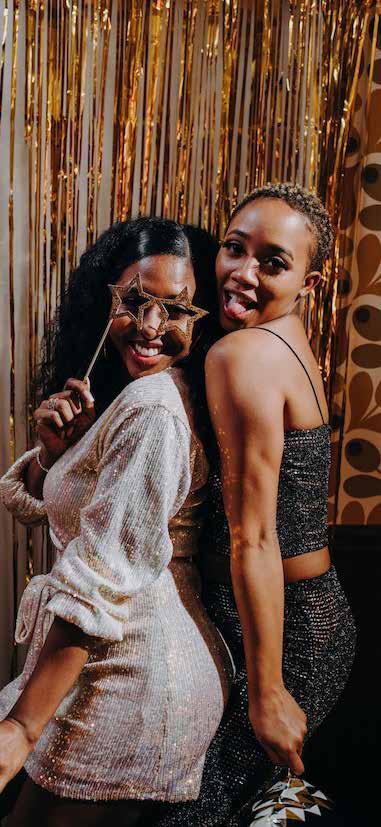
Hair is done. Nails are fresh. Outfits are planned days ahead. Because if you’re going to be seen and possibly photographed, you might as well look like you meant to be there. Easter prep has quietly become part of the experience itself.
Matching outfits, coordinated outings, soft captions that are slightly cheesy but still work. Easter has quietly become a couple’s weekend, too, equal parts romance and subtle flex. You’ll see it, even if you pretend not to notice.
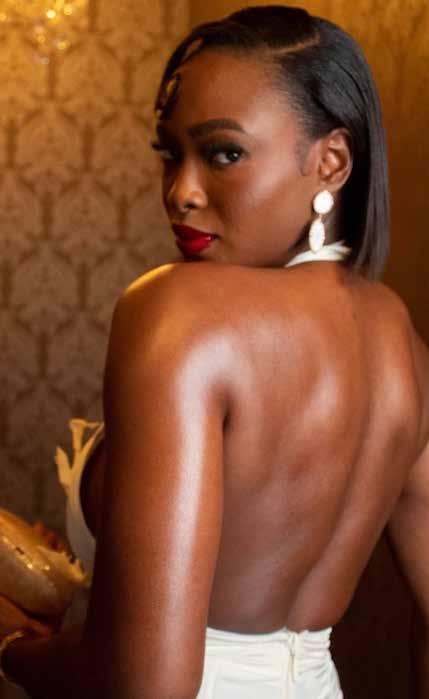
There was a time when skincare began and ended at the jawline. Serums for the face, maybe a hurried swipe of lotion for the rest of the body, and out the door. But somewhere between the rise of selfcare culture and a more informed generation of women who now read ingredient lists like contracts, the narrative shifted.
Quietly at first, then all at once. That expectation doesn’t stop at the face. Your arms, your legs, your back, your décolletage, they’re all part of the conversation now.
So the question is no longer “Do you have good skin?” It’s “Does your entire body look like you take care of it?”
Welcome to the era of fullbody skincare.
And if you’re doing it right,
when used consistently. And importantly, don’t suffocate the skin with heavy oils when it’s already congested.
4.




the glow doesn’t start at your face, and it definitely doesn’t end there.
1. Your Shower Routine Is Your Foundation, Fix It First
Everything begins here, and most people are getting it wrong. That overly fragranced body wash you’ve been loyal to? It might be the reason your skin never quite feels as soft or balanced as it should. Cleansing is no longer about being squeaky clean; it’s about respecting your skin barrier. Switch to gentle, hydrating cleansers, cream-based washes, oil cleansers, or formulations with nourishing ingredients. Your skin should feel comfortable after a shower, not tight or stripped. That “tight” feeling is damage disguised as cleanliness.
We were all raised on harsh scrubs that felt like punishment.
That era is over.
The real glow comes from controlled, intelligent exfoliation. Chemical exfoliants like lactic acid, glycolic acid, and salicylic acid are now bodycare essentials, not just facial luxuries. They work beneath the surface to smooth texture, brighten dull skin, unclog pores, and deal with uneven tone. If you struggle with rough patches, ingrown hairs, or “strawberry skin,” this is where your transformation begins. But restraint is key. Two to three times a week is enough. Overdoing it will set you back.
Treat Body Breakouts
Body acne is far more common than people admit, and yet, it’s still treated like an afterthought. The same logic you apply to your face should apply here. If you’re dealing with breakouts on your back, chest, or shoulders, you need targeted ingredients, not just perfume-heavy creams.Salicylic acid, benzoyl peroxide washes, and lightweight treatments can make a visible difference
This is where most routines fall flat.
Applying lotion randomly and expecting long-term results is like drinking water once and expecting to stay hydrated all week. Body hydration now mirrors facial skincare; it’s layered, intentional, and ingredient-driven. Start with damp skin. This is non-negotiable. Then go in with a hydrating product, something with hyaluronic acid or glycerin, followed by a richer cream or oil to seal it in.
While everyone is focused on their face, these areas are quietly giving everything away. The neck, chest, and hands receive just as much exposure, sometimes more, but far less care. And they are often the first places to show dryness, pigmentation, and ageing.
Extend your skincare downward. Your serums, your sunscreen, your treatments don’t stop at your chin. The difference is subtle at first, then undeniable over time.
6. SPF Is Not Optional
If there is one step that separates good skin from consistently great skin, it’s this. Sunscreen on your body, especially arms, chest, and shoulders, is what preserves everything you’re trying to achieve. Without it, hyperpigmentation, uneven tone, and premature ageing will undo your efforts quietly but steadily. And no, this is not just for holidays. It’s an everyday decision.
You can buy every product on the shelf and still not glow. Because the real difference, the one people notice but can’t quite explain, comes from consistency. From routine. From those small, repeated actions that compound over time.
And beyond that, there’s something else. Taking care of your body in this way shifts how you experience it. It moves you away from criticism and into awareness. You start to notice your skin, understand it, and respond to it. That’s where the real glow lives.
A well put together wardrobe goes beyond clothes. The right bags shape how you move through your day and can make even the simplest outfit feel complete. Think of them as everyday essentials that carry not just your belongings, but also a sense of ease and intention. When your bags are functional and well chosen, you spend less time switching things around or feeling unprepared. It is also about versatility. Life does not happen in one setting, and your wardrobe should reflect that. From quick errands to full work days and evenings out, having the right bag for each moment makes a difference. Instead of relying on one bag for everything, building a small rotation allows you to stay organised while still looking put together. These three bags cover your everyday needs and help you move through different parts of your day with ease.
By Funke Babs-Kufeji
The Everyday Errand Bag
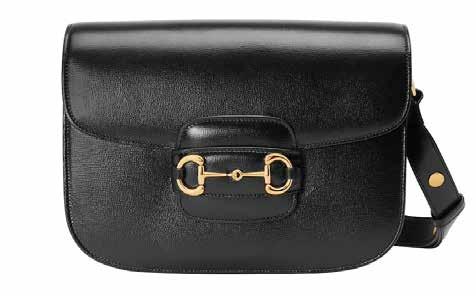
This is the bag you carry the most, so it needs to be easy and reliable. A shoulder bag or crossbody is ideal because it keeps your hands free and works for busy days. It should be light but spacious enough for your essentials like your phone, wallet, keys, sunglasses and a few extras. Look for something durable that can handle daily use without wearing out quickly. Simple designs in neutral tones like black, brown or tan tend to work best since they pair easily with different outfits. This is your grab and go bag, the one that fits into your routine without stress.
Image - Gucci Horsebit 1955 medium shoulder bag & Ayo Amusan

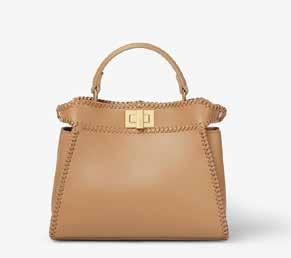
Image -Louis Vuitton Neverfull
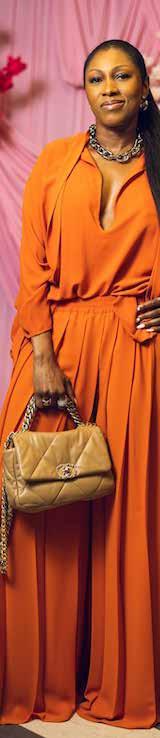
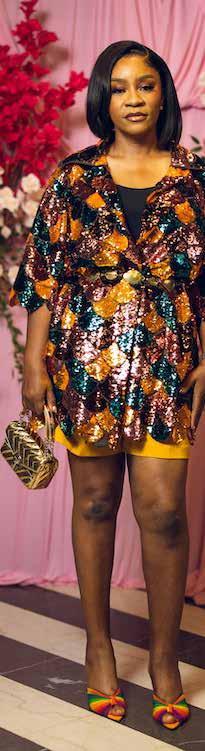
This is your finishing touch. Smaller in size but stronger in impact, your going out bag should add something extra to your outfit. It does not need to be loud or overly flashy, but it should stand out in a subtle way. This could be through texture, shape, colour or a unique detail. It only needs to carry the basics like your phone, cards, keys and lip gloss. Whether you are heading to dinner, a party or an event, this is the bag that brings your look together and adds a bit of personality.
Your work bag needs to be practical without looking bulky. It should carry everything you need and still sit comfortably on your shoulder. A structured canvas or good quality leather bag is a strong choice because it holds its shape and lasts longer. Think about space and organisation. Your laptop, charger, makeup pouch, water bottle and documents should fit without feeling squeezed in. Compartments or inner pockets help keep things in place, so you are not digging around during the day. This bag should feel polished and dependable, something that works just as well in meetings as it does on your commute.
Image - Deola Art-Alade


BY AYO LAWAL
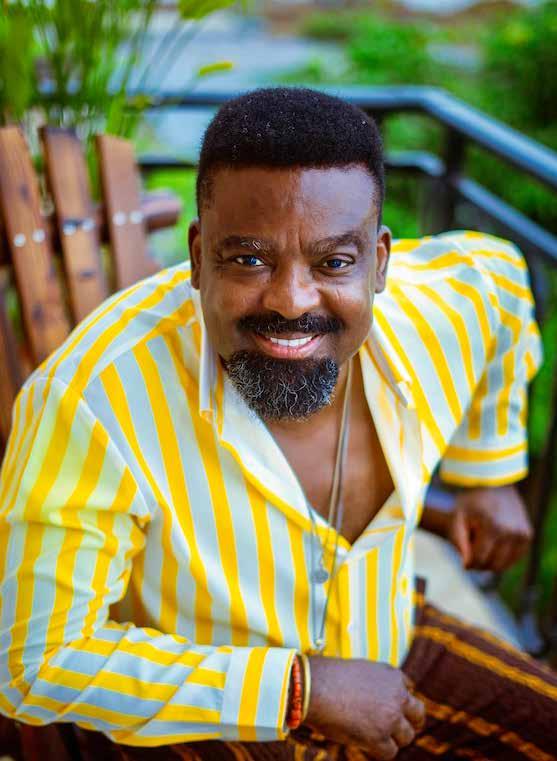
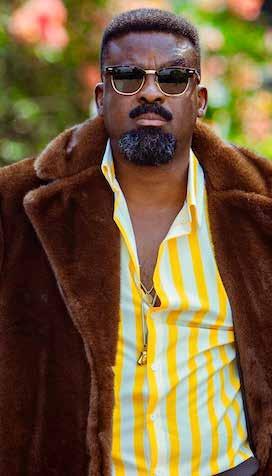
There are some names you feel like you have heard all your life. In my short twentysomething years, the name Afolayan has been a constant in the Nigerian film landscape, woven into the fabric of every cinema trip, every film studies debate, every hushed conversation about what African storytelling could truly become. I remember the first day I saw October 1. I remember thinking, “This is different.” That same feeling followed me through The CEO, through Aníkúlápó, through every project that carries that unmistakable stamp, that quiet certainty that whatever this man touches, it turns to gold.
I met him at KAP Hub in Lagos, and nothing quite prepares you for walking into that space. The man himself is magnetic, regal, unhurried, carrying the kind of presence that fills a room before a word is spoken. And yet, he is warmer than you expect. Far warmer. But it is the office that catches you first. Everywhere you turn, there is something worth pausing for: a plethora of awards on the shelves, their shine so unapologetic you are almost blinded stepping through the door. A table dressed in seashells and sand sits like a meditation on memory. There are sculptures, carefully curated light bulbs casting amber pools across the room, surfaces that reward a second and third look. It is, without overstating it, the interior of a man who sees everything as composition, who cannot, even at rest, stop making something beautiful. We sat down. He smiled. And the conversation that followed felt less like an interview and more like being let in.
Your films carry a very distinct Pan-African flavour, particularly this embrace of Francophone culture. Where does that come from?
Growing up, had several encounters with Francophone African countries. From the age of ten, was always following my father’s theatre group on tour across West Africa — Benin Republic, Togo, Abidjan, Gabon, Ghana. have clear memories of what it felt like. When was about sixteen, in Togo, I met a girl in a community called Aneel, she was the only one in the entire place who could speak English. I was a teenager. She would take me to play basketball every day. But was also being exposed to Francophone films, and I noticed something: most Francophone African countries were far more hungry for films from the Anglophone side. They looked forward to my father’s films, to Tunde Kelani’s films. Their own films were largely funded by the West and made for festivals nobody got to see them in cinemas. So what informed the multilingual idea behind The CEO was this: wanted to see if Pan-Africanism could actually break something open. We took it further with Citation, I thought, okay, have done a lot with French-speaking Africa, let me do something with the Portuguese-speaking side. That is why Cape Verde was included. Film and the audiovisual is one of the most powerful tools we have to bridge that gap.
You come from a lineage of storytellers. At what point did the legacy start to feel like a responsibility?
Nobody has ever asked me that, and really like the question. Honestly, it has never felt that way, and I think it is because I just sank into it naturally. I did not start until after my father passed. It was not like, while he was alive, I was actively trying to step into his shoes, even though made one or two moves, you know, hovering around hoping he would say, come on, come on. He completely discouraged it. But after he was gone, saw a vacuum

in the industry, and I thought: maybe this is the time. Maybe I can carve out my own corner and do this thing entirely. There was never pressure. It never even occurred to me to want to be better than my father. just knew there was something could bring, something that, if committed to it fully, would not just continue his legacy. It would push the needle of African cinema altogether.
When I watch a Kunle Afolayan film, I know I am watching a Kunle Afolayan film. What does a frame need before you are satisfied and ready to move on?
Visual storytelling and depth. I was talking to a group of writers just yesterday, and I said to them: in Nigeria, we rely far too much on dialogue as the medium of expression. But in film, that is not how it works. Everything in the frame should be saying something. That is why my office looks the way it does. I am always thinking, that way is interesting, this way is interesting. So before even set my camera, am looking at the background. The camera alone cannot carry it. The director alone cannot carry it. It has to be a combination of art, literature, and craft. If someone in a white shirt is being shot against a white background, will not shoot. The frame is not speaking. You also have to understand the camera deeply, the lenses, and the light. I always say: if I shoot with this phone, in the right light, and I know where to position you, will get something extraordinary. That is what I am always after: a frame that is artistically alive.
Was refining the look and feel of Nollywood a conscious rebellion, or was it simply the natural evolution of who you are as a filmmaker?
grew up on my father’s films, yes, but also watched a lot of Western, Indian, and Chinese films. And there is a very clear difference between sitting in a cinema and watching a motion picture, and turning on your TV to watch a studio-based

drama. A lot of what we call Nollywood films are technically TV dramas, and there is nothing wrong with that, but people need to understand the distinction. Film is identified by image alone. You should be able to mute it and still understand the story. When the likes of my father stopped making films on celluloid, Nollywood came and filled that storytelling gap, and that was vital. But I felt there was room to maintain production value as the non-negotiable. That intentionality is why my films go to festivals. That is why they are studied in universities. It is not just about entertainment; it is about posterity.
Are there parts of Nigerian culture you feel are still underexplored on screen?
So many. One of my dreams is to make a film with Native Americans, set in their world. The spiritual parallels between their culture and ours are remarkable. They are about the universe, about nature, about a deep spirituality that mirrors so much of what we carry here. have always been drawn to that. I also shot my very first film, Irapada, in Kaduna, in the north, somewhere did not know a single person. Because in my head I was already fantasising about the Sahara, about Mali, about Morocco, about Senegal. That is why Citation was shot in Senegal. I like blending, Yoruba with the north, Yoruba with the Lusophone world, because it creates a feel that is entirely new. I do not like staying in my comfort zone. As a storyteller, you have to explore. You have to have geographical depth. And authenticity means getting everything right: the music, the costumes, the language, the people.
Aníkúlápó traveled far beyond Nigeria. Did its global reception change how you think about your audience?
I have never really made films for a Nigerian audience. I have always wanted my films to be seen anywhere, regardless of tribe or language. What Aníkúlápó did was validate what I have always believed, that even a film in a minority language can move the world. Look at the films that have won Oscars in recent years: Parasite is Korean. Tótem is Mexican. Slumdog Millionaire is Indian. The language was never the barrier. The barrier is the infrastructure of recognition, the politics, the pushes, the platforms. If Netflix were to put their full weight behind an African submission the way they do for others, the film would fly. Even if it did not win, it would get the nomination. That bridge has not been fully crossed yet. But I believe it will be. And when the richness of the work, not just who you know, begins to determine the parameters for selection, African cinema will be standing right there.
You have built an entire ecosystem, KAP Hub, the Film Village, and the Academy. Was this about control, or about solving an industry problem?
There was never a blueprint. Everything happened out of necessity, out of me trying to solve specific problems and challenges as they appeared. KAP Hub here? We took a loan in 2019, just before COVID, and bought this property. I wanted a one-stop ecosystem: a cinema to curate films, a restaurant, live music, a space where painters, sculptors and musicians could all find a home. Then Aníkúlápó came, and we needed somewhere bigger to shoot, more like the countryside. We found the place. After filming, we needed accommodation for future productions, so we added rooms. Now we have about a hundred rooms, and we are growing. Everything is self-funded. Everything. And can tell you honestly, I always see the end result before it exists. Once the idea is conceived, it is already done in my mind. am not building an empire. I am not chasing wealth. am creating solutions to the problems of the creative industry. And there is a way God rewards good intentions and diligent work.
What is the biggest misconception about being a filmmaker in Nigeria right now?
It is a very confusing industry right now, and the confusion is this: everyone is making films to generate revenue; no one is making films for posterity. cannot make a film that would not want people to remember in ten years. I will not do it. If make something, it has to make people argue. It has to give them different perspectives, make them sit with something after they leave. Nigeria is in a moment where the economy is forcing filmmakers into survival mode everyone is rushing to monetise the next thing. The literature has gone quiet. And refuse to follow that. I would rather make fewer films and mean every single one of them.
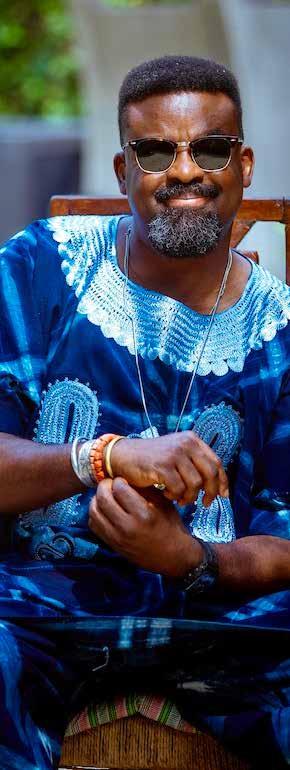
How does fashion factor into your filmmaking and into who you are?
There is no film without fashion. The wardrobe department is not a support function; it is a pillar. Whoever designs your costumes must have a deep understanding of what is worn, when, and why. In the last few years, I have been doing production design and art direction myself. For October 1, started researching Nigeria in 1960, before we had even hired a full crew. I was on eBay buying props. I was thinking about who could make the most authentic colonial-era tailoring, and the answer was the Alasago, the traditional master tailors. Do you know what it means to have an Alasago design and produce those colonial uniforms? And when I cast the British colonists, I actually flew to London and held proper auditions. You cannot throw caution to the wind on details like that. As for my personal style, you cannot separate me from my work. If you watch my films, you see me. If you look at my life, you see my films. They are the same thing.
What have you had to unlearn to keep evolving?
I used to be very hard on myself. If something was not exactly right, exactly the way I saw it in my mind, I would get agitated.
But about ten years ago, I realised: you cannot control everything. If I set the camera for a scene and it starts raining, I cannot stop that. So now my brain says make the raining scene. Check continuity, adjust, and shoot. Because that rain is an asset.
God has just given you rain, and if you had to manufacture it, it would cost you a fortune. That shift in thinking has transformed how I work. And in life, too, have just learned we are nothing, really. could walk out of this building tomorrow and be gone. So try to live by the day. To enjoy what I have built. To not hold myself hostage to a perfect vision that the universe has other plans for.
What scares you creatively right now?
There are genres I will never touch, things built purely on what is popular today, what is trending, what will fill seats this weekend. That sensational style of creativity has never been mine. If everyone is going one way, am going the other. have been saying the same things in interviews since the day I started making films: my ideology, my dreams, my intentions, and they have not changed. That consistency is not stubbornness. It is identity. And I will protect it.
When we take away all of it, the awards, the impact, the legacy, what still drives you to tell stories?
I think it is a burden that God, or the universe, has placed on me as a responsibility. And I am going to carry it until die. There is no retirement in what we do. My brain does not switch off every time turn around, it is processing something.
The KAP Film Village was not a ten-year plan. It was a Tuesday morning thought that became real. That is how my mind works. am not trying to outshine anyone. am following the lead of something inside me that will not be quieted. And beyond the filmmaker, am an entrepreneur; I run about seven companies, I book my own flights, and I post my own content.
People are always shocked when they find out. But live the simplest life possible. And am enjoying it.
If someone were to make a film about Kunle Afolayan, what would you want them to get absolutely right? I would want them to get inside my mind. On the outside, people think am very tough. I think you probably had the same impression. But the people who get close, my staff, the people who have worked with me for years, they will tell you: this man is a clown. can have drinks with you tonight and let you go tomorrow if you have been indisciplined, and those two things are not contradictions. I hate indiscipline. hate when someone is given opportunity and privilege and cannot read between the lines. But also love deeply, and I lead with generosity. So if anyone is going to tell my story, I want them to separate the human from the visionary. I am a family man. I have personal relationships with my children despite everything on my plate. live simply. I do not have a social media manager. do not have a PA, or barely do. I just live, and I work, and I try to do both with as much intention as can.

There’s an honesty to dating in your 40s that no one really prepares you for. The pool is undeniably smaller—let’s just say it. Not in a dramatic, “there’s no one left” way, but in a more practical sense. People are coupled up, divorced, emotionally unavailable, or deeply set in their ways. And then there’s the other layer: societal pressure, particularly for women. The quiet questions, the not-so-subtle comments, the assumption that by now you should have “figured it out.” As if love operates on a timeline you somehow missed.
And when you do meet people, many are coming with history, real history. Marriages that didn’t work. Children. Emotional scars that show up in subtle ways. Expectations shaped by what they’ve already experienced. You’re not just meeting a person; you’re meeting their past, their patterns, and how well they’ve made peace with both.
Which is why dating in your 40s feels different. Not heavier, just clearer. Somewhere along the way, you realise there are a few unofficial rules no one tells you, but you learn anyway.
1. The Pool Is Smaller, But the Filter Is Stronger
Yes, your options are fewer. But so is your tolerance for nonsense. You’re no longer entertaining every “maybe” just because it’s there. You can sense misalignment earlier, sometimes within a single conversation. What once felt like rejection now feels like redirection. The smaller pool doesn’t limit you; it refines you.

2. You’re Dating People With History –Pay Attention to How They Carry It
Everyone has a past, but not everyone has processed it. There’s a difference between someone who has been through something and someone who is still reacting from it. You’ll notice it in the little things: defensiveness, unrealistic expectations, and emotional distance. Healing isn’t perfection, but it is awareness. And at this stage, that matters more than anything.
3. Attraction Is Just the Entry Point
Chemistry still sparks, but it doesn’t sustain. You’re paying attention to lifestyle now. Does this person’s life make sense? Are they emotionally steady? Do they bring peace or subtle chaos? You’re no longer impressed by charm alone; you’re watching for depth, for consistency, for how they actually live.
4. You Don’t Date Potential Anymore
This one comes from experience. You’ve seen what happens when you fall in love with who someone could be. So now, you focus on what is. Their habits. Their effort. Their patterns over time. You’re not trying to build anyone; you’re looking for someone who has already done some of the work.
5. Consistency Is the Real Love Language
Not intensity. Not occasional grand gestures. Consistency. The kind that feels calm, not confusing. Someone who shows up the same way on a Tuesday afternoon
as they do on a Friday night. At this stage, predictability is not boring; it’s reassuring.
6. Time Is Too Valuable for Confusion You don’t sit in grey areas anymore. If something feels off, you don’t overanalyse it or wait for it to “make sense.” You’ve learned that confusion is often clarity in disguise. And instead of stretching situations out, you step back sooner, cleaner, and without drama.
7. You Want Love, You Don’t Need It
This is the quiet power shift. You’re not dating from lack, you’re dating from fullness. Your life already works. So anyone who enters it has to complement it, not complicate it. You’re choosing, not settling. And that changes the entire dynamic. There’s also something else—something softer.
You’re more yourself now. Less edited. Less performative. You’re not pretending to like things you don’t, or shrinking to be more “acceptable.” You ask better questions. You listen differently. You trust your instincts faster.
And perhaps the most underrated part? You know you’ll be fine either way. So you date with openness, but also with boundaries. With hope, but not illusion. With interest, but not desperation. And that balance, that quiet, grounded confidence, is what makes dating in your 40s feel less like a gamble and more like a decision. Not rushed. Not forced. Just intentional.
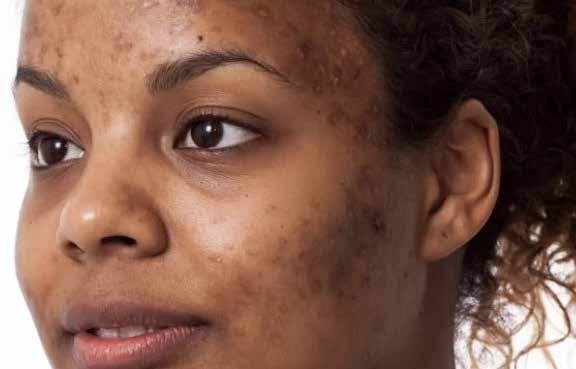
There’s a quiet frustration that comes with looking in the mirror and seeing marks you didn’t invite. Not acne exactly, not a rash, not something dramatic enough to demand sympathy, but enough to make you pause.



THE
SMART WAYS TO FINALLY EVEN OUT YOUR SKIN TONE
Hyperpigmentation, dark spots, uneven skin tone… it’s the kind of skin concern that doesn’t scream, yet somehow manages to linger, stubborn and unbothered.
For many Nigerian women, it’s not just a skincare issue; it’s a long-term relationship. One that starts innocently: a breakout here, a mosquito bite there, a little sun exposure, maybe a “quick fix” cream someone swore by. Then slowly, your skin begins to tell a different story. Spots deepen. Tone shifts. That glow you once had starts to feel like a memory.
The real problem isn’t just the pigmentation, it’s the confusion around how to treat it. Too many products, too much advice, and not enough clarity. So instead of chasing every trending solution, here’s a smarter, more realistic way to tackle it.
1. Fix what’s causing it first
Dark spots rarely appear out of nowhere. Acne, ingrown hairs, shaving irritation, hormonal changes, and even certain facials can trigger them. If you don’t deal with the root cause, you’ll keep treating the same problem in cycles. Clear the acne, switch up harsh shaving methods, simplify irritating routines, and your skin will respond better when it’s not constantly under attack.
2. Sunscreen is your real skincare investment
This is where most routines quietly fail. The sun deepens pigmentation, making spots darker and more stubborn. And in our climate, that exposure is constant. A good sunscreen doesn’t just prevent damage, it allows your other products to actually work. Without it, you’re fading spots at night and darkening them again by noon.
3. Stop trying to rush your skin
There’s a certain desperation that comes with wanting clear skin again, and it often leads to over-exfoliating, mixing too many actives, or using products that feel “strong” enough to work fast. But hyperpigmentation doesn’t respond well to pressure. Irritation only makes it worse. The calmer your routine, the better your results.
4. Choose ingredients that work quietly but effectively
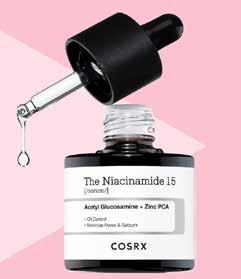
Forget the hype for a second. The real stars are the ones that work in the background: niacinamide to reduce inflammation, vitamin C to brighten, alpha arbutin to fade spots, azelaic acid to calm and even tone, and retinoids to speed up skin renewal. These ingredients don’t shout, but over time, they shift your skin completely.
5. Repair your skin before you try to perfect it
A lot of people are trying to treat pigmentation on damaged skin. If your face feels constantly dry, tight, or sensitive, your skin barrier is compromised, which slows healing. A simple routine with a good moisturiser and gentle cleanser can do more for your skin than a complicated 10-step routine. Healthy skin fades marks faster. It’s that simple.
6. Be very selective with “fast results” products
We all know someone who used a cream and saw results in two weeks. But what’s inside those creams is the real question. Many contain unregulated ingredients that aggressively lighten the skin, often leading to long-term damage. It’s not just about what works, it’s about what’s safe. If it sounds too fast, it usually comes with a cost.
7. Give it time and adjust your expectations
This is the part no one likes to hear. Hyperpigmentation takes time to fade. Not days, not one week, real time. Skin renews itself gradually, and consistency matters more than intensity. The goal isn’t overnight perfection; it’s steady, visible improvement. And when it starts to clear, it’s always worth the wait.
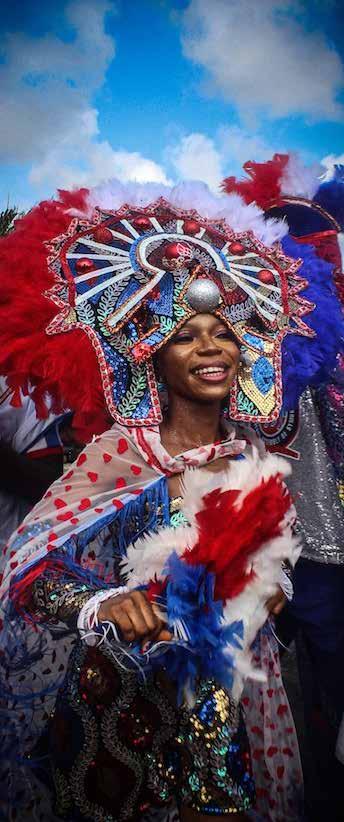
WHAT TO WEAR, WHAT TO CARRY, AND HOW TO SHOW UP PROPERLY
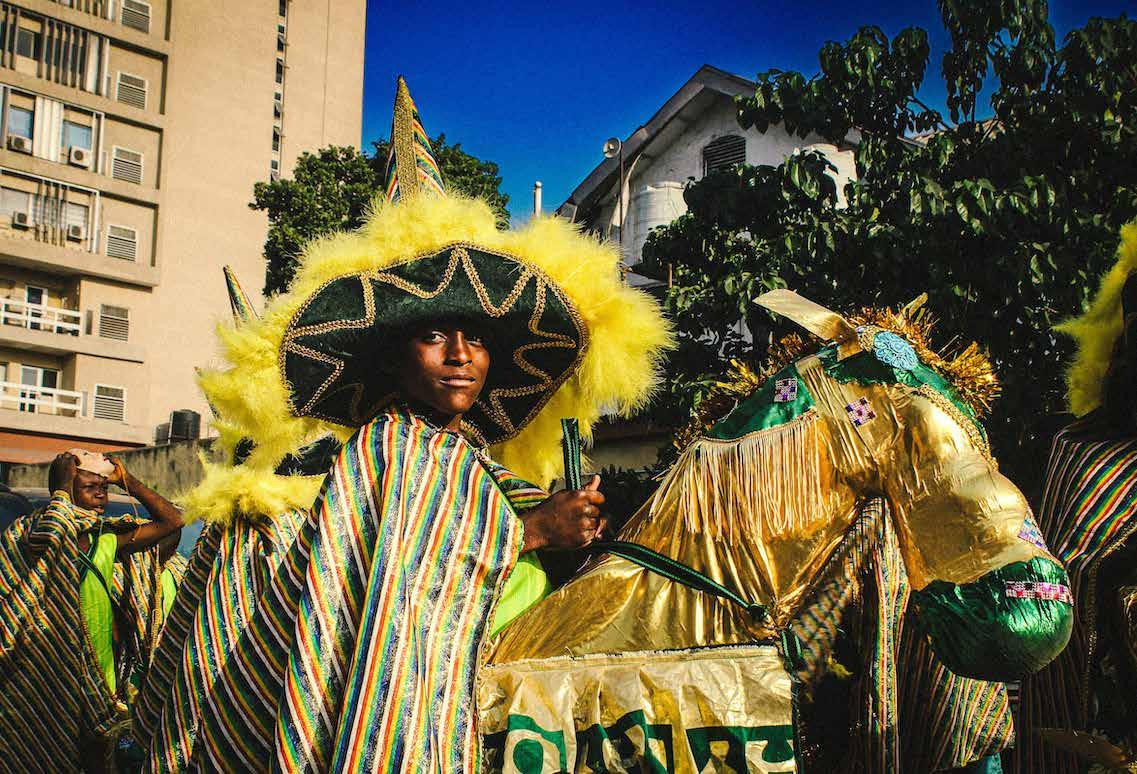
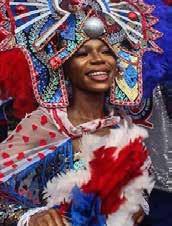
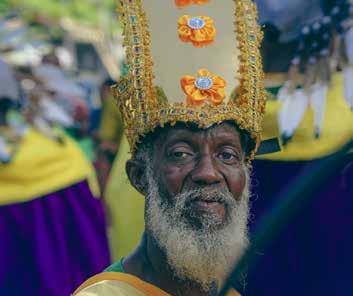
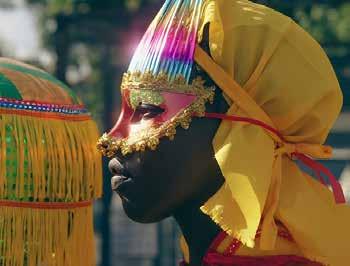
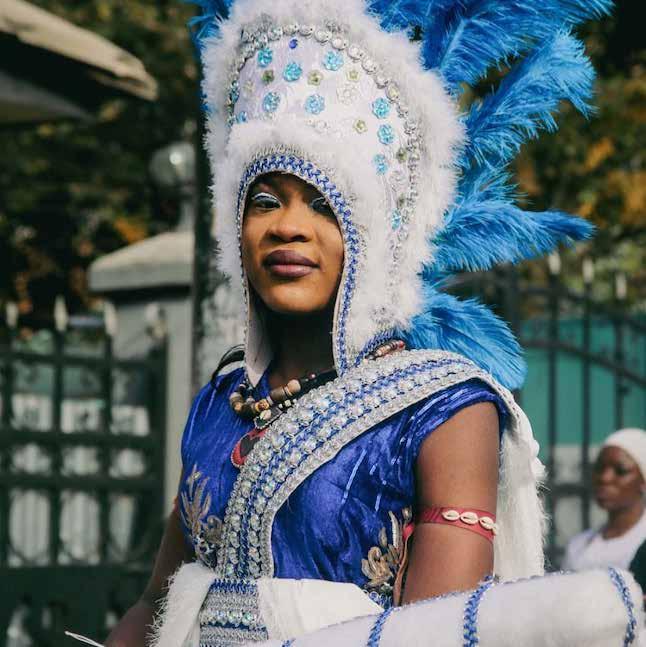
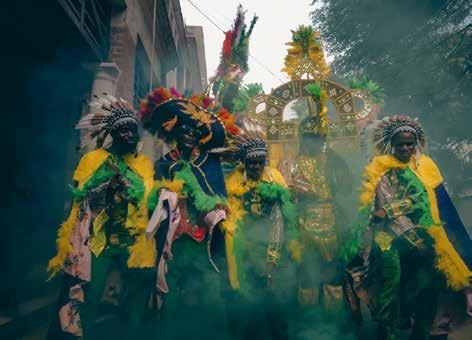
Easter Monday will be the most colourful day in Lagos as the city returns to the beauty of its colonial heritage through the Afro-Brazilian experience, Lagos Fanti Carnival. Scheduled to hold at the Tafawa Balewa Square all day long, the carnival will assemble tens of thousands of fun-seekers as the city reverberates with fashion, glamour, music and dance.To get you ready for this carnival, here are ten things you’d need to enjoy this beautiful carnival:
By Yinka Olatunbosun
This is where everything begins. Fanti is not interested in subtlety for its own sake; it responds to effort, personality, and presence. Lace fabrics, bold colours, structured silhouettes, exaggerated sleeves, dramatic skirts, anything that feels considered and slightly elevated beyond your everyday look. You don’t have to be in full parade costume, but you should look like you made a decision. The best looks always carry a sense of intention, from hair to makeup to accessories; nothing feels accidental.
Accessories at Fanti are not an afterthought; they are part of the storytelling. Think oversized sunglasses, bold earrings, layered beads, embellished headpieces, even a well-chosen hand fan. These are the details that bring your look to life and give it character. The key is balance, not everything has to compete, but everything should contribute. A strong accessory can completely transform a simple outfit, and at a carnival like this, there is room to be expressive without it feeling excessive.
Once you step into the crowd, practicality becomes real. You need a bag that stays close, sits comfortably in front of you, and doesn’t interrupt your movement. This is not the moment for oversized totes or anything you have to keep adjusting. A compact cross-body bag does the job secure, easy, and unobtrusive. It should carry your essentials without becoming one.
Photos, videos, calls, directions, all of it adds up. A power bank is not optional. It is the difference between capturing the day fully and missing half of it.
7.
Hydration is important, but the approach matters. You don’t need to carry more than you can comfortably manage. A small bottle, something easy to reach and easy to store, is enough. The goal is to stay steady throughout the day, not to weigh yourself down.
This is where experience shows. A quick refresh in the middle of a long day can make all the difference. Face wipes, a handkerchief, a light fragrance; small things, but they go a long way. You don’t need a full kit, just the essentials that help you reset without stepping away from the moment.

4.
Fanti is movement, constant, unpredictable movement. You will walk more than you expect, stand longer than you planned, and dance whether you intended to or not. This is where many people get it wrong. Heels may look great at the start of the day, but by midday, they become a distraction. Choose something that supports you, stylish sneakers, well-made flats, anything that allows you to stay present in the experience. Because once your feet start to hurt, everything else fades.
By midday, the sun is fully in charge. A hat becomes less of a styling choice and more of a necessity, but that doesn’t mean it should feel random. Straw hats, bucket hats, or something slightly dramatic if it fits your look. It should sit naturally within your outfit, not feel like something you added out of panic. At Fanti, even functional pieces deserve attention, and a good hat can elevate your look while doing its job quietly.
There is too much happening not to document it. The colours, the movement, the unexpected moments; your phone becomes part of your experience. And it will be working constantly.
9. Sunglasses That Add Attitude
Sunglasses are both practical and aesthetic. Yes, they protect you from the sun, but more importantly, they complete your look. The right pair adds presence, slightly oversized, tinted, something that feels intentional. It’s a small detail, but at an event like this, small details are what people notice.
10. The Right Energy
This is the one thing you cannot pack, but it shows immediately. Fanti is not for standing on the sidelines looking unsure. It is for stepping in, moving with the crowd, responding to the rhythm of the day. The people who stand out are not always the most dressed up, but the most present. There is a certain ease that comes from understanding where you are and allowing yourself to be part of it.
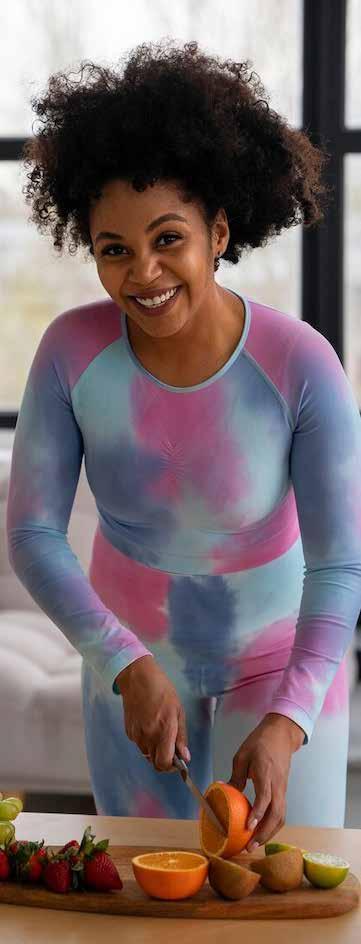
Wellness used to feel like something you visited. A spa day. A retreat. A oncein-a-while reset. Now, it’s showing up in smaller, more consistent ways, the kind that slip into your routine and quietly change how you feel, how you move, even how you show up in your clothes. And the interesting part?
It’s no longer one-size-fitsall. It’s layered, personal, sometimes contradictory, but always intentional.
Here’s what the glow really looks like right now:
Structured eating, not chaotic snacking
Intermittent fasting is still very much in the mix, but the energy around it has softened. It’s less about “losing weight fast” and more about giving your body some rhythm. People are eating at specific times, cutting out mindless late-night snacking, and actually paying attention to how

Walking like it’s a lifestyle, not a chore
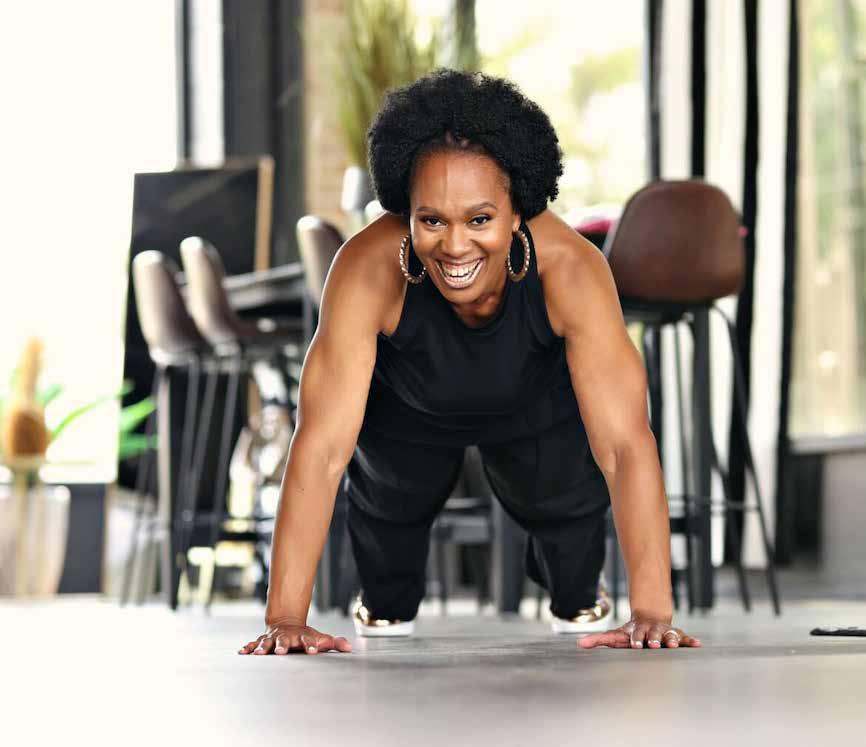
Hot girl walks have quietly become real life. Morning walks, postdinner walks, walking meetings, it’s movement without pressure. No gym anxiety, no performance metrics, just you, your thoughts, and maybe a good playlist or podcast. It’s simple, but it’s grounding in a way high-intensity workouts sometimes aren’t.
Soft mornings are nonnegotiable.
The rush is still there, but the entry into the day has changed. People are carving out small pockets of calm, prayer, journaling, stretching, and even just sitting in silence before touching their phones. It’s less about perfection and more about intention. Five to ten minutes that set the tone before the world starts pulling at you.
Skincare as maintenance, not emergency response
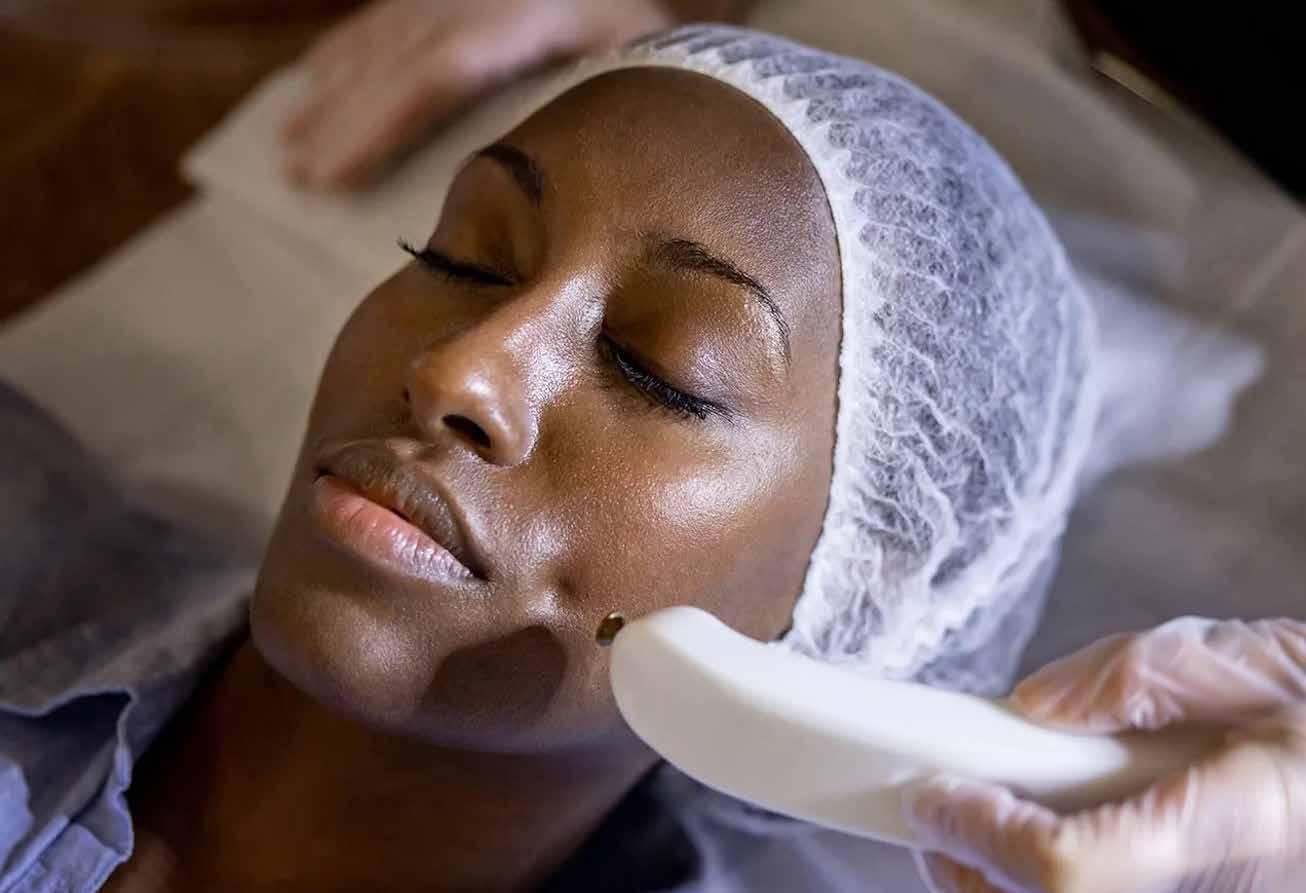
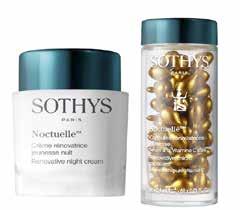
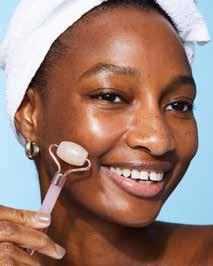
The era of trying everything at once is fading. Now it’s about consistency. Fewer products, better formulations, and an actual understanding of what your skin needs. Sunscreen is finally a daily habit. Facials are booked in advance, not just when things go wrong. And there’s a quiet confidence in skin that looks like skin.
food makes them feel. Add in proteinheavy breakfasts, greens powders, and a growing curiosity about gut health, and suddenly food feels less random, more deliberate.
over punishment workouts
There’s been a noticeable shift away from aggressive, sweatdripping workouts towards slower, more intentional movement. Pilates has taken centre stage, not just for the aesthetic (though yes, the long, toned silhouette helps), but for how it makes the body feel. Stronger core, better posture, less strain. It’s quiet luxury, but for your body.

Therapy, coaching, and doing the inner work
Scent is part of the ritual now.
Perfume isn’t just for stepping out anymore. People are scenting their homes, their bedsheets, even their mornings. Essential oils, incense, custom home fragrances, it’s about how a space feels, not just how it looks. A good scent has become part of the reset button.
Supplements, but make it intentional.
Magnesium for sleep. Collagen for skin. Probiotics for gut health. The supplement shelf is getting crowded, but people are becoming more informed. It’s less about blindly taking everything and more about choosing what actually supports your body.
Digital boundaries (or at least trying to)
Logging off is no longer a dramatic statement; it’s becoming necessary. No-phone mornings, reduced screen time before bed, even social media detox days. Not perfectly executed, but the awareness is there: constant consumption drains you.
There’s a quiet normalisation of emotional wellness. Therapy isn’t whispered about the way it used to be. Life coaching, mindset work, even journaling prompts— it’s all part of the mix. Looking good is great, but feeling steady is becoming the real flex.
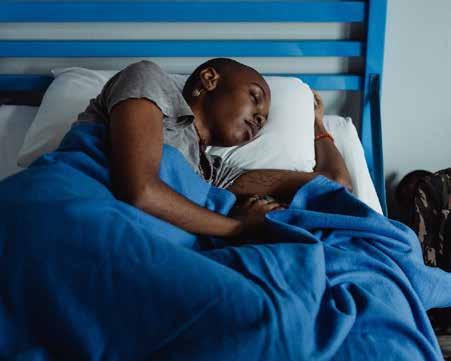
Rest as a real priority.
Sleep is finally getting the respect it deserves. Silk pillowcases, better mattresses, magnesium teas, early nights when needed. Cancelling plans isn’t always a failure—it’s sometimes self-preservation.
Dressing in a way that supports how you feel
Wellness is even showing up in wardrobes. Softer fabrics, more breathable pieces, clothes that allow movement. You can see it, people are dressing not just to impress, but to feel good in their own bodies.
What makes all of this interesting isn’t any single habit. It’s how they come together to form a lifestyle that feels… kinder. Less extreme. More sustainable.