







Cecil Hammond is not the loudest name in the room, but he is often the reason the room exists. For over two decades, he has been quietly building the infrastructure of Nigerian entertainment, long before the world turned its attention to Afrobeats and the culture surrounding it. Through Flytime Promotions, Hammond did not just organise shows, he set a standard for what live entertainment in Nigeria could look and feel like.
Rhythm Unplugged became more than an annual concert, it evolved into a cultural marker, one that signalled not just who was hot, but where the industry was headed.




I’m going to start by asking a very random, but somehow very relatable question: Would you leave if your partner consistently cheats?
Don’t answer quickly.No, really, don’t. Think about it again.
Because what sounds like a simple yes-or-no question has a way of unravelling once you sit with it.
So this exact question came up over dinner recently.
One of those lively, slightly chaotic, laugh-too-loud kind of evenings where everyone is relaxed enough to be honest, but not so serious that it feels like a therapy session. Someone threw the question out casually, and just like that, the table shifted. What followed was equal parts hilarious and revealing. People doubled down on their “never me” stance, others started with certainty and then quietly negotiated their way into “well… it depends,” and a few simply refused to commit to an answer at all.
And that was the interesting part, not the answers themselves, but how quickly they began to reflect everything else. Personal experiences. Financial realities. Emotional thresholds. Pride. Fear. Love. Society. The very real, very unspoken compromises people make every day.
Because the truth is, relationships don’t exist in isolation. They sit within a larger context, shaped by culture, expectations, gender roles, and sometimes survival. What we say we would do and what we actually do are often two very different things. And women, in particular, are usually at the centre of that gap, navigating loyalty, dignity, independence, and sometimes, the lack of it.
It’s a conversation that feels light until it doesn’t.
I explore this more in my opinion piece, Is Cheating a Deal Breaker? and I’d really like you to read it, not just for the answers, but for the questions it raises. The uncomfortable ones. The honest ones.
And you know, that same idea of thinking you need one thing, only to realise it’s something else entirely, shows up in other parts of life too, sometimes in ways that feel far less serious, but are just as telling. Take getting dressed.
You Don’t Need New Clothes, You Need Better Styling is, quite honestly, the kind of intervention many wardrobes need. It pushes past the easy habit of buying more and looks at what you’re already doing or not doing with what you have. The small shifts that change everything. The difference between wearing clothes and actually putting a look together. You should read that, fashion lover or not.
It’s a new month and another chance to do things the same way or slightly differently, depending on your mood. How are you doing? As you move through it, just remember, not everything needs a quick answer. Some things deserve a pause.
Even if it’s just long enough to realise your first answer wasn’t your real one.



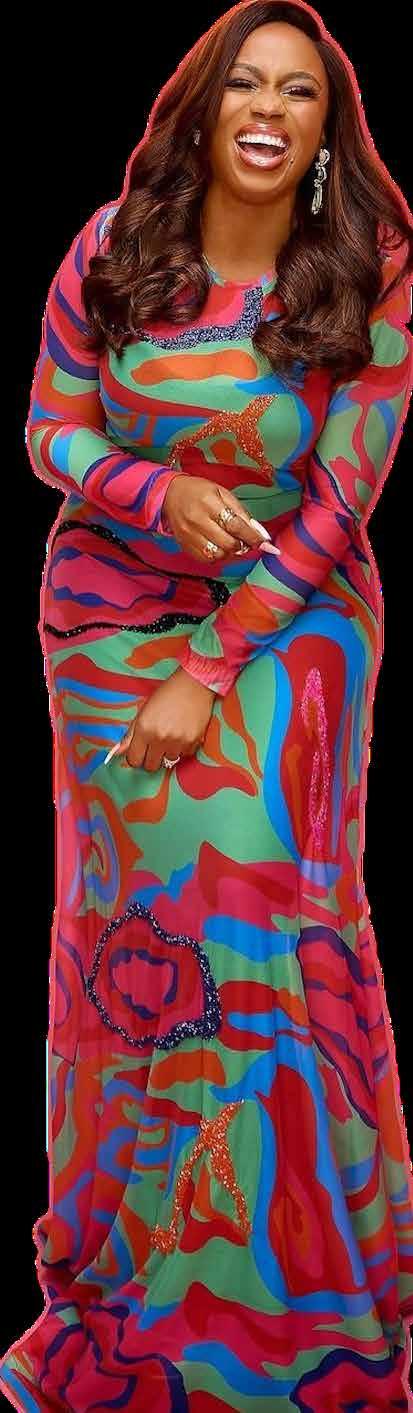
A good hair day is often treated like luck. The kind of thing that just happens when everything aligns, the weather, your mood, your mirror. But the truth is far less accidental. Good hair days are built. Quietly, consistently, and across every texture, length, and style. Because whether it’s your natural hair, braids, a wig, a weave, or a clean cut, the expectation is the same: it should look like it belongs to you, and to the outfit you’re wearing. Anything less, and the whole look feels slightly unfinished.

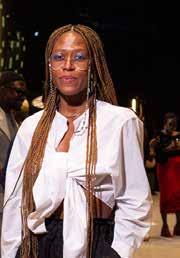


1. Commit fully to the style you’ve chosen
Indecision is what shows. Natural hair that hasn’t been defined properly, a wig that hasn’t quite been installed right, braids that are already past their prime, these are the small things that quietly undo an outfit. Whatever you choose, follow it through. Defined curls. Sleek finish. Fresh parts. Intention is what people read, even if they can’t explain it.
2. The base matters more than the style
The difference between a good install and a questionable one is rarely the hair itself; it’s what’s underneath. Clean scalp, flat, neat braiding, properly prepped hair. The same goes for natural styles. Hydration, detangling, and structure are what make everything sit properly. Ignore the base, and the entire look loses its foundation.
3. Freshness is everything
(and you always know when it’s gone)
There’s a moment where hair stops working for you. It’s subtle at first. Braids lose their crispness. Lace starts to lift. A silk press loses its movement. A short cut begins to grow out unevenly. The mistake is pretending it’s still fine. Good hair days rely on knowing when to refresh, not stretching things past their moment.
4. Edges, hairlines, and parts are the real finish
Across every style, these details carry the look. A clean, intentional part. A natural-looking hairline. Edges that are styled but not forced. These are the things people notice subconsciously. When they’re right, everything looks polished. When they’re not, nothing quite lands.
5. Texture should always feel like a decision
Coils, curls, waves, straight hair, braids, none of it should look accidental. Undefined natural hair, limp straight strands, or extensions that don’t blend properly all create the same problem: they look unfinished.
Texture needs direction. Whether soft or structured, it should look like you meant it.
6. Wigs and extensions should make sense on you
This is where many people get carried away. Density that’s too full, lengths that overwhelm, colours that don’t sit well against your skin, it can all feel slightly off. The goal isn’t to impress. It’s to integrate. The best wigs and extensions don’t announce themselves immediately. They just work.
7. Short hair requires the most discipline
There’s nowhere to hide with a pixie cut, a fade, or a tapered style. Growth shows quickly. Shape matters constantly. But when it’s maintained clean lines, defined structure, it sharpens everything else. Clothes look better against it. Jewellery stands out more. It’s low-effort in theory, but high-maintenance in practice.
8. Protective styles still need styling
Braids, twists, and locs are often treated as “done and dusted,” but that’s where people miss it. How you wear them matters. A middle part versus a side part. Tied up versus left down. Pulled into a bun or styled half-up. Even the simplest adjustment can shift the entire look from routine to considered.
9. Work with your environment, not against it Hair that fights your environment will always lose. Humidity will undo a silk press. Heat will test a wig install. Wind will expose poor layering. The smartest approach is choosing styles that can hold their own throughout your day, not ones you’ll spend hours trying to maintain.
10. It has to feel right on you This is the part that can’t be taught. You know when your hair is working and when it isn’t. You can feel it in how often you touch it, adjust it, second-guess it. A good hair day settles you. It lets you move through your day without thinking about it. That ease is what completes the look.
The life of Chief (Barr.)
Matthew Egwuenu, a retired Commissioner of Police and the revered Akatapo of the Ukwuani Kingdom, was celebrated with dignity, colour, and a deep sense of legacy across a series of well-attended funeral events that drew together Nigeria’s political, business, and social elite.
Chief Egwuenu, who passed on February 6, 2026, in New York, was remembered not just as a distinguished law enforcement officer, but as a man whose life bridged service, tradition, and quiet influence. Across Lagos and Delta State, tributes flowed—personal, powerful, and, at times, deeply emotional.
The ceremonies began in Lagos with a Service of Songs and Night of Tributes held at the iconic Eko Hotel & Suites, where family, friends, and associates gathered to honour a life many described as “steady, principled, and impactful.” The evening transitioned into a dinner, where conversations lingered on his legacy, his values, and the imprint he left on those who encountered him.
The final rites moved to Delta State, to his hometown of Obionyeonicha in Umukwata, where tradition and faith converged. A Vigil Mass held at his compound drew community members, local leaders, and extended family, transforming the quiet town into a place of collective remembrance.
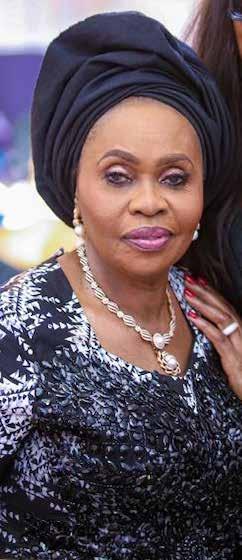



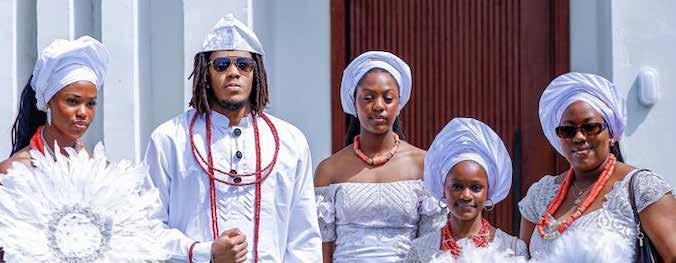
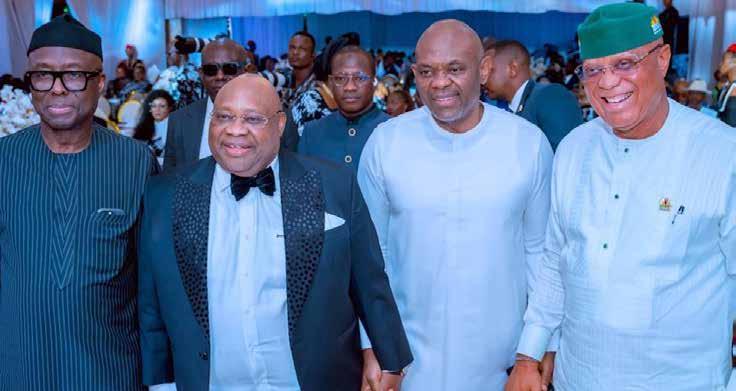














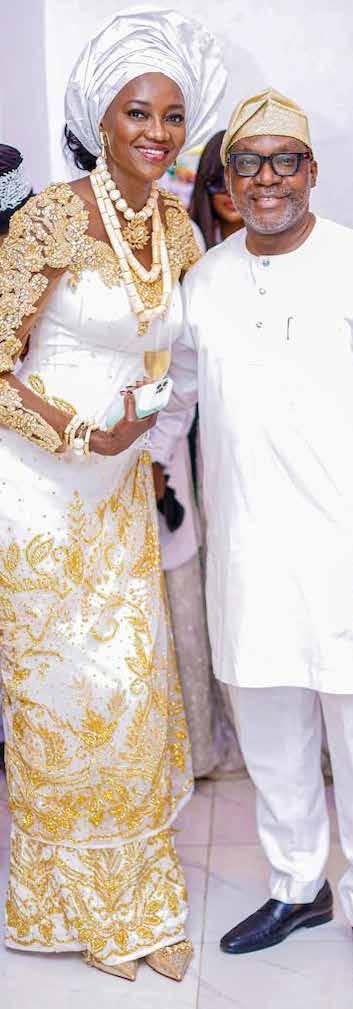

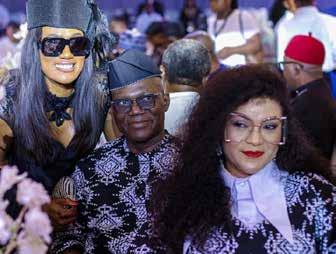





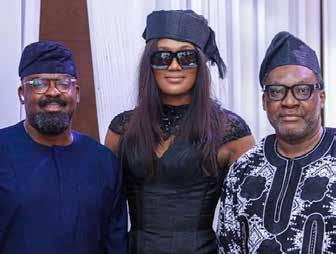




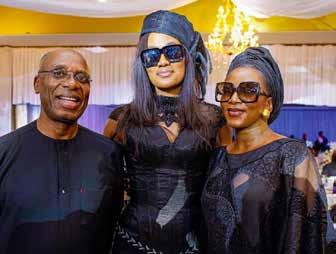



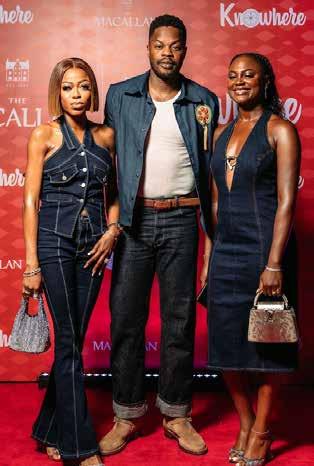
Lagos’ nightlife circuit turned its attention to one address as Osazee Bazuaye—popularly known as Bazu— celebrated his birthday with his now-anticipated annual all-black party, bringing together a well-curated mix of society figures, business personalities, and nightlife regulars. The celebration took place at Knowhere Lagos, which was transformed for the evening into a sleek, high-energy setting that mirrored Bazu’s signature taste for understated luxury. Hosted by premium whisky brand The Macallan, the event struck a balance between refinement and revelry, with curated drinks, controlled guest access, and a steady build in atmosphere as the night unfolded. Bazu, who is also the owner of Silk Lagos Nightclub and the highend London restaurant Shakara London, is widely regarded as a lifestyle connoisseur with a keen eye for hospitality and experience design. That sensibility was evident throughout the evening—from the pacing of the night to the composition of the guest list and the seamless flow between lounge conversations and dance floor moments.


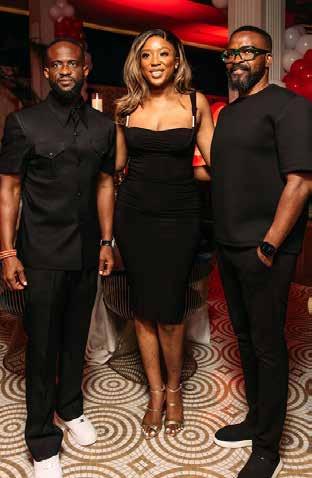





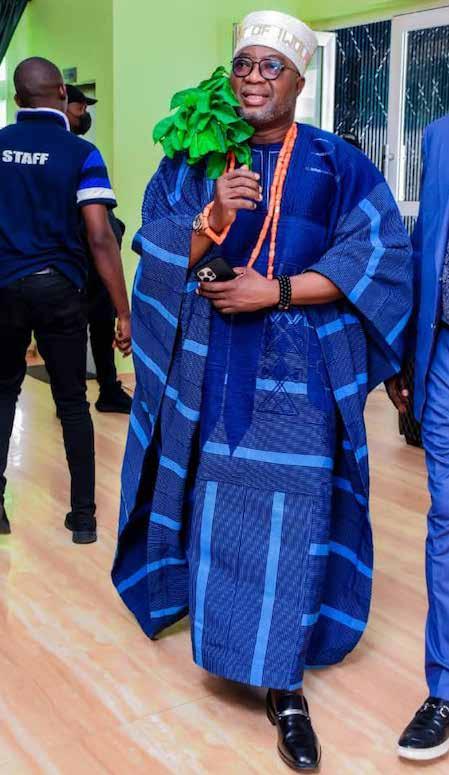
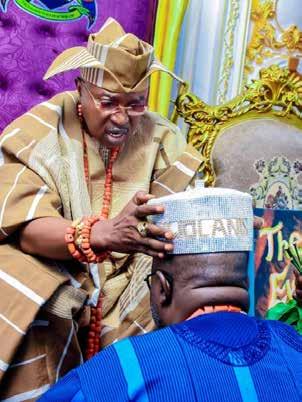
Chief Tunde Rahman, Senior Special Assistant to President Bola Ahmed Tinubu on Media and Special Duties, marked a three-in-one milestone on April 4, 2026, in Iwo, Osun State.
The event combined his 60th birthday, his installation as the Ba’aroyin of Iwoland, and the launch of the STRIDES Initiative Foundation.
The chieftaincy installation formally conferred on Rahman the title of Ba’aroyin of Iwoland, a traditional honour within the Iwo kingdom. The ceremony was conducted in line with local customs.
Also announced at the event was the STRIDES Initiative Foundation, a new platform expected to focus on social impact initiatives. Details of its programmes and areas of intervention were outlined as part of the launch.
Rahman, a media professional and public affairs strategist, has had a longstanding career in journalism and communications, and currently serves in the administration of President Tinubu.














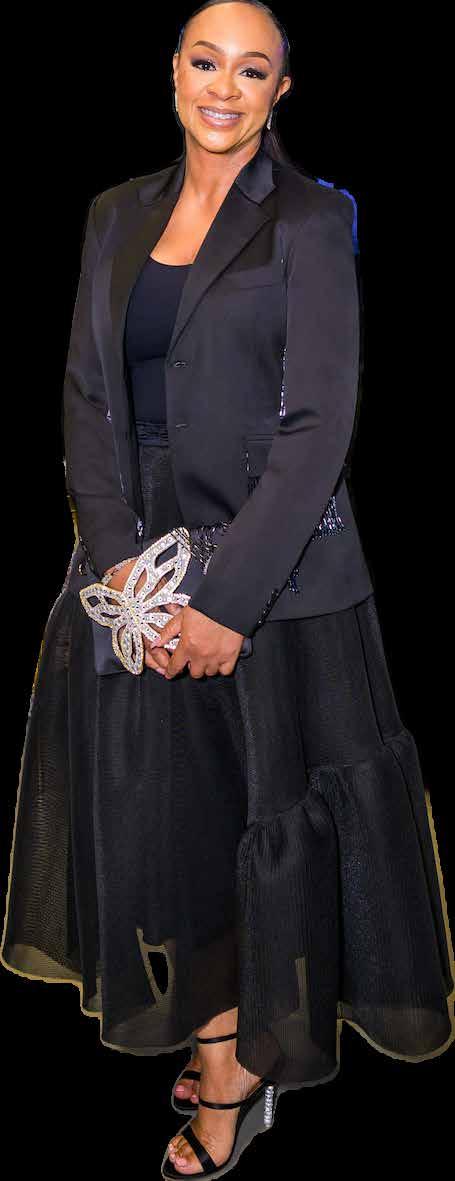
There’s a version of wearing black that feels like effort. And there’s the version that looks like you ran out of ideas. The difference is rarely dramatic. It’s usually in the small decisions, the ones people think don’t matter. Black has no interest in carrying you. It doesn’t distract, it doesn’t soften, it doesn’t hide behind colour. If anything, it exposes how well (or how poorly) everything else is working. Which is why getting it right feels so much more satisfying.
1. Treat Fabric Like the Main Character
If you’re wearing black, the material is doing most of the talking whether you realise it or not. Flat fabrics make black look flat. Rich ones give it depth. This is why the same black dress can look forgettable in cotton and quietly expensive in satin or crepe. Texture catches light, and black needs that. Without it, everything starts to blur into one tone with no movement, no dimension, nothing to hold the eye.
2. Stop Letting Everything Fit the Same Way
Head-to-toe fitted is where black gets predictable. When every piece clings, there’s nothing to read visually. Shape matters more than colour here.
A wide-leg trouser with a clean waistband, a blazer that sits slightly oversized, a skirt that moves when you walk—these shifts in proportion do more for black than any accessory ever will. It gives the outfit structure instead of just presence.
3. Choose a Focal Point and Commit to It
The strongest black outfits are rarely busy. They’re decisive. It might be a dramatic sleeve, a sharply cut neckline, or trousers that fall perfectly at the shoe. But there’s always one thing that feels intentional. The mistake people make is trying to compensate for black by adding too much. You don’t need layers of interest. You need one clear idea, executed properly.
4. Pay Attention to Where Things End
Lengths are one of those details that quietly determine whether an outfit looks considered or accidental. A cropped jacket hitting just at the waistline of high-rise trousers. A coat that



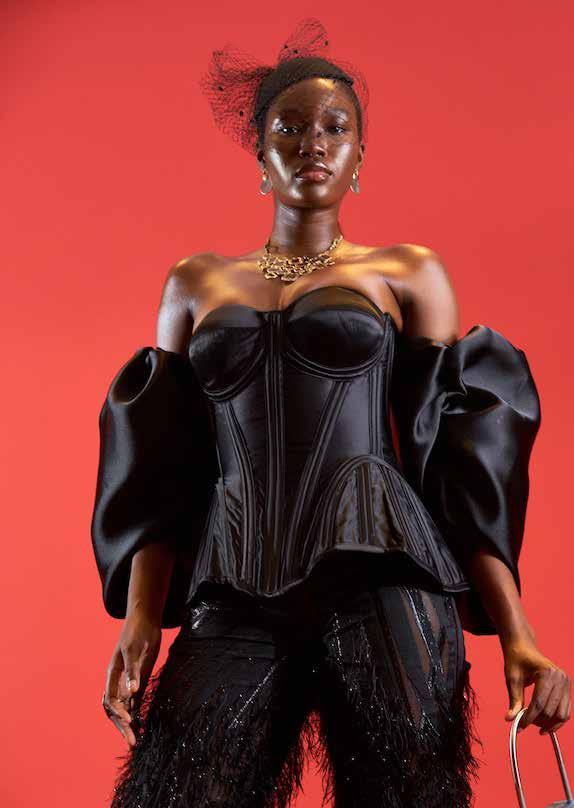
falls lower than the hem underneath. Trousers that either break cleanly over the shoe or stop just before. Black makes these transitions more obvious, so when they’re off, it shows.
5. Mix Textures Instead of Overthinking Colour
If everything is the same finish, same matte cotton, same density, black starts to look heavy. Almost dull. The easiest fix is contrast. Leather against something soft. Sheer layered under structure. A slight sheen paired with something completely matte. You’re still in black, but it no longer feels onedimensional.
6. Shoes Decide the Mood, Every Time
You can build the exact same outfit and change only the shoes, and suddenly it reads completely differently. A pointed heel sharpens it, makes it feel intentional. A chunky boot gives it weight and attitude. Minimal sandals soften everything. Black outfits rely on these shifts more than colourful ones because there’s nothing else pulling focus.
7. Accessories Should Interrupt, Not Decorate
The goal isn’t to “finish” the outfit. It’s to shift it. A strong belt that changes the line of a dress. Earrings that catch light against all that darkness. A bag that has structure, not just function. When accessories are chosen properly, they don’t sit quietly; they redirect attention.
8. Let There Be Space Somewhere
All black can start to feel dense if there’s no visual break. That doesn’t mean adding colour. It could be as subtle as a slit, a sheer panel, an open neckline, or even just a bit of skin at the wrist or ankle. It gives the eye somewhere to land. Without it, everything can feel a little too closed off.
9. Movement Matters More Than You Think
Black can feel static if every piece is stiff and structured. Something needs to move—fabric that shifts, a layer that catches air, a hem that reacts when you walk. It keeps the look from feeling flat or overly controlled.
10. If It Doesn’t Fit Properly, It’s Over
This is the one thing black refuses to forgive. Poor tailoring stands out immediately. A sleeve that’s slightly too long, trousers that bunch awkwardly, a blazer that doesn’t sit right—it all becomes more visible because nothing is distracting from it. When the fit is right, though, black does something very few colours can: it looks precise.
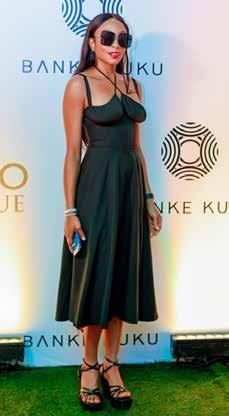

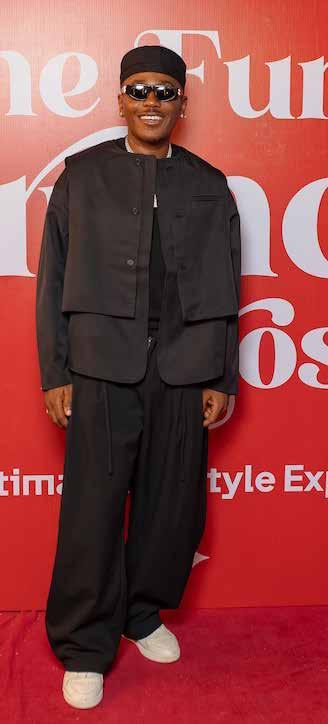


Enjoy elegance, convenience and confidence with the W debit card. Shop, pay bills and manage money effortlessly. You also get exclusive perks and access to W events












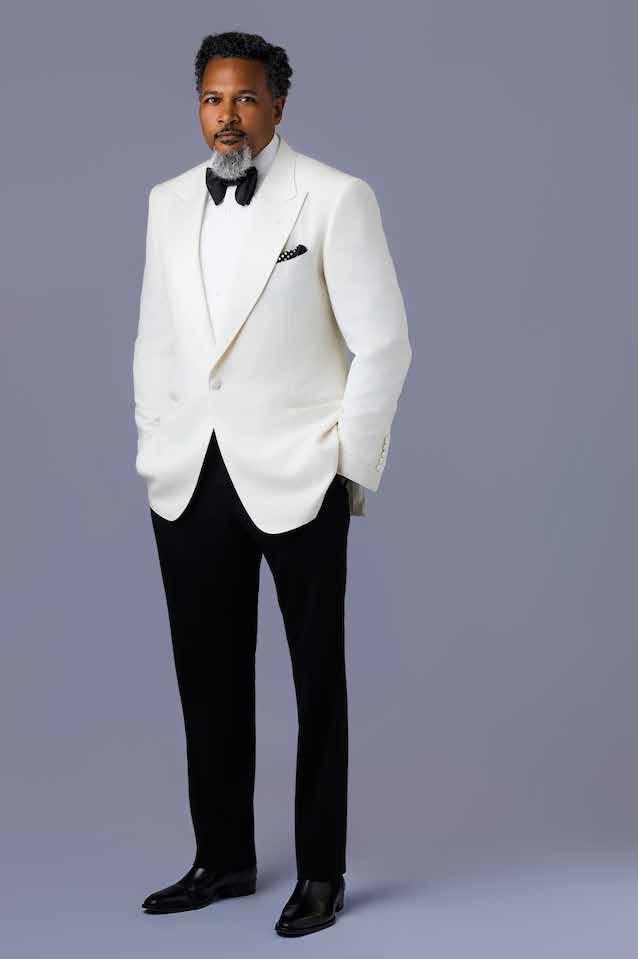

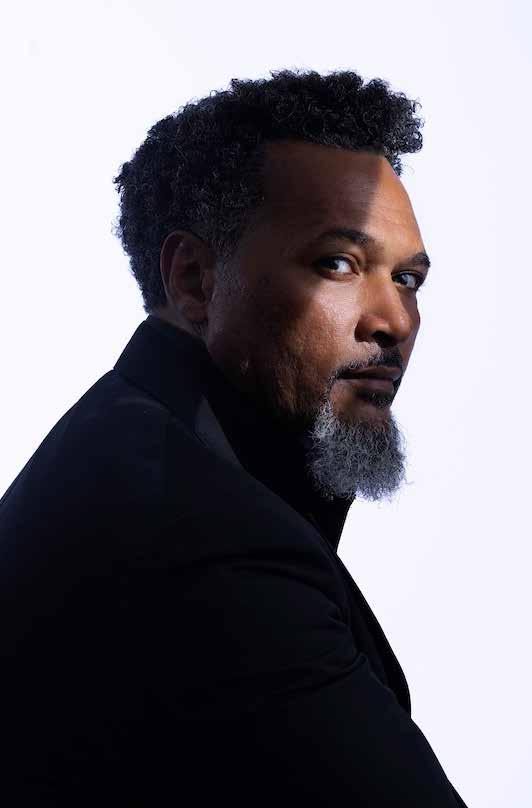
ecil Hammond is not the loudest name in the room, but he is often the reason the room exists. For over two decades, he has been quietly building the infrastructure of Nigerian entertainment, long before the world turned its attention to Afrobeats and the culture surrounding it. Through Flytime Promotions, Hammond did not just organise shows, he set a standard for what live entertainment in Nigeria could look and feel like. Rhythm Unplugged became more than an annual concert, it evolved into a cultural marker, one that signalled not just who was hot, but where the industry was headed. Years later, Flytime Fest would take that vision even further, transforming December in Lagos into a destination, a season, and an experience that now draws audiences from across the world. Together, these platforms have hosted hundreds of artists and created moments that sit firmly in the memory of a generation.
But his story stretches far beyond the stage. Hammond has always operated with a wider lens, one that sees opportunity not just in moments, but in systems. From identifying and backing talents like Tiwa Savage, Davido and Seyi Shay at pivotal points in their careers, to building Flytime TV into a space that shaped pop culture conversations, his work has consistently influenced the direction of the industry. Today, that vision extends into Flytime Records, with global distribution partnerships that position African music within an even broader market. Beyond music, his footprint cuts across film, corporate event production, talent booking, and nightlife, with ventures like TAPE Lagos reflecting his understanding of culture as both experience and business. There is a rhythm to how he builds, he identifies a gap, creates structure, and allows the culture to grow within it.
At 50, there is a natural inclination to focus on milestones, to count the numbers, the names, the scale of what has been achieved. But sitting across from him, what stands out is something quieter. Hammond is measured in his thinking, deliberate in his choices, and largely uninterested in the noise that often surrounds the industries he operates in. His focus remains on the work itself, on building things that last, and on investing in what comes next. That future is already taking shape through initiatives like the Flytime Foundation, a significant commitment to nurturing creative talent and supporting the next phase of the ecosystem he helped create. In this interview with Funke Babs-Kufeji, he reflects on the journey so far, the risks that defined it, the evolution of Nigerian entertainment, and what it means to arrive at this moment with both clarity and ambition still intact.
You’ve spent overtwo decades building platforms for others while staying largely out of the spotlight. At 50, how do you see your own story?
I see my story as one of purpose, consistency and quiet impact. I have never been someone who needed to be in front of the camera or constantly talking about what I have done. have always preferred for the work and the brands to speak for themselves. For over two decades, my joy has been in building platforms that give others the opportunity to shine. Artists, creatives, young entrepreneurs, brands, teams, everyone around the ecosystem. At 50, look back and feel grateful. Not because the journey has been easy, but because it has been meaningful.
I came into this industry with passion, but over time it became bigger than entertainment. It became about building culture, creating opportunity, and proving that world-class experiences can come out of Nigeria.
When you returned to Nigeria in 2003, you saw a gap in live entertainment. What exactly did you see that others were missing at the time?
I saw talent everywhere, but didn’t see enough structure around the talent. Nigeria had incredible artists, comedians, performers and creatives, but the live entertainment space was not yet organised in a way that could truly showcase them at the level they deserved. There were parties, shows and one-off events, but I felt there was room for a proper live entertainment platform with strong production, good timing, proper audience experience, sponsorship value, and long-term consistency.
For me, it was not just about putting artists on stage. It was about building a real platform that audiences could trust, artists could aspire to perform on, and brands could confidently support.
Rhythm Unplugged has become an institution. Did you know from the start it would have this kind of longevity, or were you simply solving a problem in the moment?
Honestly, I was solving a problem at the time. launched Rhythm Unplugged in 2004 because I believed Nigeria needed a proper live entertainment platform that brought music and comedy together in a polished way.
I didn’t sit down then and say, “This will still be here 20 years later.” But I knew the idea was strong. I knew the audience wanted it. knew the artists needed it. And knew that if we stayed consistent and kept raising the standard, it could become something important. The longevity came from discipline. Every year, we had to earn the trust again. That is why Rhythm Unplugged means
so much to me. It was not just an event; it became part of Nigeria’s entertainment history.
Flytime Fest reshaped Detty December. What does it take to move from organising concerts to creating culture?
It takes consistency, taste, risk and understanding people. A concert is one night. Culture is when people begin to organise their lives, travel plans, wardrobes, tables, December calendars and memories around what you are building.
Flytime Fest became more than a festival because we were not just booking artists. We were creating experiences. We were building December moments that people looked forward to every year.
To create culture, you must know your audience deeply. You must know what excites them, what moves them, what makes them proud, and what makes them feel part of something bigger. That is what Flytime has always tried to do.
Detty December in Lagos has become a global destination. Do you ever pause and think, “we helped build this,” or are you already focused on what’s next?
definitely pause sometimes. You have to. When you see Lagos in December now, with people flying in from everywhere, global artists paying attention, brands investing, hotels full, restaurants busy, and the whole city alive, you realise this did not happen by accident.
Flytime played a major role in building that December calendar and making Lagos a serious entertainment destination. I am proud of that. But I am also always thinking about what comes next. The danger with success is that you can become too comfortable. For me, the question is always: how do we make it better, bigger, more organised, more global, and more beneficial to the entire ecosystem?
You’ve hosted everyone from global legends to first-time performers. What tells you an artist is ready for a Flytime stage?
Talent is important, but talent alone is not enough. I look for presence, confidence, hunger, connection and discipline.
A Flytime stage is not just another stage. The audience is sharp, the production is serious, and the expectations are high. An artist has to be ready to hold the room, whether they are performing for 10 minutes or headlining for 90 minutes.
Sometimes you see it before the world sees it. It may be in their voice, their confidence, their work ethic, or the way the audience reacts to them. When an artist has that special spark and the discipline to match it, you know they are ready.
You were early in backing artists like Tiwa Savage and Davido. What do you look for in talent that others often overlook? look for conviction. Before the fame, before the numbers, before the endorsements, you can usually tell when someone has something special.
With great talent, there is often a certain energy. They may not have the full machine around them yet, but you can see hunger, confidence, uniqueness and ambition. I also look at how badly they want it and how willing they are to work.
A lot of people look only at what is already popular. try to look at what can become powerful with the right support, platform and belief.
The business of entertainment in Nigeria has evolved dramatically. What part of the industry still needs fixing?
The industry has grown tremendously, but structure is still a major issue. We need stronger systems around venues, production, ticketing, sponsorship, artist contracts, insurance, security, crowd control, rights management and long-term financing.
Too much is still carried by individual effort. For the industry to scale properly, we need infrastructure. We need more world-class venues, better technical capacity, proper regulation that supports growth, and more respect for the business side of entertainment. Creativity is not our problem in Nigeria. We have that in abundance. What we need now is structure to protect and grow creativity.
You’ve expanded into film, nightlife, talent booking, and now a record label with global distribution. Was this always the plan, or did the ecosystem build itself over time?
It was both intentional and organic. The more we built Flytime, the more we saw the gaps in the ecosystem.
Film, nightlife, hospitality, talent booking, ticketing, records, they are all connected. The audience does not experience entertainment in separate boxes. They experience culture as one full lifestyle. Flytime Records is part of that evolution. With global distribution through our partnership with Virgin UK, we are now able to support artists beyond the stage and help take their music to the world. That is important to me because the next generation needs platforms that

The future still excites me. Nigeria still excites me. Young talent still excites me. The possibility of what African entertainment can become still excites me. I feel like we have done a lot, but there is still so much more to build. More platforms, more infrastructure, more global partnerships, more opportunities for young creatives, and more ways to show the world the power of Nigerian culture.
do not just expose them locally, but position them globally.
You’ve worked with governments, global brands, and private clients. What’s the biggest misconception about running large- scale productions in Nigeria?
The biggest misconception is that it is easy because people only see the glamour at the end. They see the lights, artists, celebrities and sold-out crowds. They don’t see the months of pressure behind it.
Nigeria is a very difficult environment to produce at a world-class level. Costs are high, logistics are complicated, equipment is expensive, power is a challenge, and timing can be unpredictable. So, when people see a seamless show, they should understand that a lot of work, relationships, experience and problem solving went into making it look effortless.
You’ve built in Nigeria when many chose easier markets. What has it cost you personally to stay committed to building here?
It has cost me time, peace of mind, money, and sometimes personal comfort. Building in Nigeria requires patience and a lot of emotional strength.
There are easier markets, no doubt. But Nigeria is home, and I believe deeply in what this country can become. have always felt that if we don’t build here, who will?
The cost has been real, but the reward is also real. Seeing what Flytime has become, seeing artists grow, seeing Lagos become a December destination, seeing young people inspired, that makes the sacrifice worth it.
Turning 50 is a milestone. What are you most proud of, beyond the obvious successes?
I am proud that have stayed consistent. am proud that I have built without losing myself. I am proud that many people have grown through platforms I helped create. Beyond the shows and the brands, I am proud of the relationships, the trust, and the impact. I am proud that Flytime has given many artists their first major stage and has hosted over 400 artists over the years.
I am also proud of my family. Success means very little if you lose the people who matter most. At 50, I am grateful for the journey, but I am even more grateful for the people who have walked it with me.
What did your younger self get wrong about success?
My younger self probably thought success was mainly about achievement. The biggest show, the biggest artist, the biggest brand, the biggest moment. Now I understand that success is also peace, health, family, reputation, and the ability to sleep well knowing you built something with integrity. Success is not just what people clap for. It is what remains when the noise is gone.
You’ve built a career without chasing visibility. In today’s culture of constant self-promotion, do you think that approach is still possible?
Yes, but it is harder now. Today, visibility has become a currency. People want to see the face behind everything, and sometimes that is useful. But still believe substance lasts longer than noise. have always preferred to build quietly and let the results speak. That may not be the loudest approach, but it has worked for me.
For young people, would say promote your work, but don’t let promotion become bigger than the work itself. The foundation must always be real.
Outside of boardrooms and backstage, what does a typical day in your life look like now, and what are the nonnegotiables that keep you grounded?
My days are usually very full, but I try to stay grounded through family, reflection and staying connected to the things that matter. I spend a lot of time thinking, planning, meeting people, checking on projects, and making sure the brands are moving in the right direction. But outside that, I value quiet moments. I value being around my family. value good friends, good food, music, and spaces where I can just be myself.
My non-negotiables are family, loyalty, integrity, respect and peace of mind.
The Flytime Foundation signals a shift toward legacy and impact. What does the next phase of your work look like?
The next phase is about legacy, impact and building systems that outlive me. Flytime Foundation is very important because I believe opportunity should not only be available to people who already have access. There is so much raw talent in Nigeria.
Many young people just need guidance, training, exposure and support. Through the Foundation, we want to invest in performing arts education, support young creatives, improve the structure and availability of roles for behind the scenes professionals and help create pathways for the next generation. I have spent years building stages. Now also want to help build the people who will stand on and off those stages in the future.
When the lights go off after a major show and the crowd goes home, what stays with you in that quiet moment?
Relief first. Then gratitude. People see the excitement, but the pressure before and during a major show is very intense. So, when the lights go off and everyone leaves safely, there is a quiet moment where you breathe and thank God. What stays with me is usually the faces. The crowd singing, the artists giving everything, the team working hard, the sponsors happy, the city alive. Those moments remind me why we do this.
If you had to define your contribution to Nigerian entertainment in one sentence, what would it be?
I helped build platforms that gave Nigerian entertainment structure, scale and global confidence, while allowing artists, audiences and the culture itself to shine.
And finally, at 50, what still excites you enough to keep building?
The future still excites me. Nigeria still excites me. Young talent still excites me. The possibility of what African entertainment can become still excites me.
I feel like we have done a lot, but there is still so much more to build. More platforms, more infrastructure, more global partnerships, more opportunities for young creatives, and more ways to show the world the power of Nigerian culture.
At 50, am grateful for what has been done, but am not finished. In many ways, I feel like the next chapter may be the most important one.

T“Immediately.”

@thisdaystyle @thisdaystyleon | www.thisdaystyle.ng
BY KONYE CHELSEA NWABOGOR
here’s a version of this conversation that feels almost performative now. Someone asks, “If your partner cheats, are you leaving?” and the answers come sharp, immediate, almost rehearsed. “Yes.”
“No second chances.”
It sounds strong. It sounds like self-respect. It sounds like certainty.
But a lot of things sound simple when they’re still hypothetical. Cheating, when it actually happens, doesn’t arrive as a clean decision point. It arrives in the middle of a life that is already in motion. A life with rent or a mortgage, children, shared accounts, family expectations, years invested, routines that have quietly become your normal. And suddenly, that bold “I’ll leave” has to contend with reality. In Nigeria, that reality is not always forgiving.
There are people, many, if we’re being honest, who endure not because they want to, but because leaving is not an option that feels available to them. Not practically. Not financially. Not socially.
A woman who has built her life around a marriage, who may not have an independent financial footing, who knows exactly how society treats divorced women, is not answering the cheating question from the same place as someone who can pack a bag and start over comfortably.
A man who discovers betrayal in a society that ties masculinity to control, respect, and lineage is not just dealing with heartbreak; he’s dealing with ego, perception, and in some cases, the deeply unsettling question of paternity.

else about my life is not what I thought it was?”
So now, when people say cheating is a dealbreaker, what exactly are they reacting to?
The act?
The deception?
The loss of control?
Or the quiet fear that no matter how stable something looks, it can still come undone?
And then there’s the question people circle but rarely sit with properly:
Can you love someone deeply and still fall in love again?
Not attraction. Not distraction. Something real enough to disrupt what already exists.
It’s an uncomfortable question because it challenges the version of love we like to believe in, the one that is complete, consuming, and exclusive. The idea that if something is solid, it should be enough.
But people are not always that disciplined, or that linear.
There are relationships that are stable, even good, yet one person finds themselves emotionally entangled elsewhere. There are people who cheat and still insist they love their partner, and not always dishonestly.

So when people say, “I can never stay,” the unspoken follow-up is: under what conditions?
Because for some people, leaving is a choice. For others, it’s a luxury.
And that alone complicates the idea of a dealbreaker. Then there’s the part we don’t like to admit because it disrupts the clean narrative:
People don’t just stay because they’re trapped. Some stay because they want to.
Because relationships are not built on one moment, however significant. They are built on accumulation, years of knowing someone, shared experiences, the sense that this is your person, even when they disappoint you.
So the decision becomes less about the act and more about the weight of everything around it.
But even that isn’t the full story.
Because the entire conversation around cheating is shifting, and not in a neat, predictable way.
For a long time, infidelity, especially in African contexts, was quietly coded as a male behaviour. Not acceptable, but expected enough to be absorbed into the structure of relationships. Men strayed, women endured, and life went on.
But that balance, if you can even call it that, is no longer holding. Women are cheating too. Not as a scandal, but as a reality. And it unsettles things in a way people are still figuring out how to talk about. Because it removes the comfort of blame. It forces a more uncomfortable truth: betrayal is not gendered, and neither is desire. And then there’s the part that makes people even more uneasy, paternity. Because that kind of betrayal doesn’t just break trust, it rewrites reality. It shifts the conversation from “you hurt me” to “what
So what does that mean?
That love is not as exclusive as we think?
That commitment requires something beyond feeling, something more deliberate, more chosen?
Or that people sometimes want two things at once, and only confront that contradiction when it’s too late?
Because once cheating happens, the conversation shifts from theory to decision.
And that decision is rarely as clean as people imagine.
Some people leave immediately because something in them closes the door completely. The betrayal doesn’t just hurt; it changes how they see the person. There is no desire to fix it, no interest in context.
Some people stay and try to rebuild, not out of denial but out of belief that the relationship is bigger than the mistake.
Some stay because leaving would dismantle too much at once—financially, socially, emotionally.
And some stay while quietly checking out, maintaining the structure of the relationship, but no longer fully in it.
None of these choices are as straightforward as they look from the outside. Because cheating doesn’t just ask “what happened?” It asks “what now?”
Can trust be rebuilt, or does it simply become something you learn to work around?
Can respect return, or does it shift in ways that are difficult to name but impossible to ignore?
Are you staying because you still believe in the relationship, or because leaving feels like stepping into a different kind of uncertainty?
And maybe the question people don’t ask enough:
If this is who this person has shown themselves to be, are you prepared for the possibility that it might not be a one-off?
Because sometimes the issue isn’t just the cheating. It’s what the cheating reveals.
Not every relationship survives that revelation. Not every relationship needs to.
But not every relationship ends because of it either.
Which is why the idea of cheating as a universal dealbreaker feels… incomplete. It sounds good. It reads well. It gives people something firm to hold on to. But in real life, people don’t just follow rules. They negotiate realities. And sometimes, the decision isn’t between right and wrong.
It’s between what you can walk away from and what you can live with without slowly resenting yourself. Because everybody says cheating is a dealbreaker. Until it isn’t.


There’s a point most people reach, usually in front of a wardrobe that’s already too full, where buying more clothes stops making sense. Not because the options aren’t there, but because nothing feels right. Everything looks fine on the hanger. Somehow, on you, it just… falls flat. That’s the moment you realise it’s not a shopping problem. It’s a styling one.Because the difference between looking dressed and looking welldressed is rarely about what you own, it’s about what you do with it. The people who always seem put together aren’t necessarily buying more; they’ve just figured out how to stretch what they already have. Here’s where that shift actually happens:
1. Stop Wearing Pieces the Way You Bought Them
Most clothes are styled to sell, not to express you. That clean shirt, that co-ord set, that dress, they come with a “default setting,” and most people never move past it.
But styling begins the moment you disrupt that default.
Unbutton more than you think you should. Push the sleeves up instead of leaving them stiff. Halftuck instead of fully tucking. Belt it when it wasn’t meant to be belted.
Layer it when it wasn’t designed that way.
It sounds simple, but these small decisions create shape, movement, and personality. Without them, even expensive clothes can look forgettable.
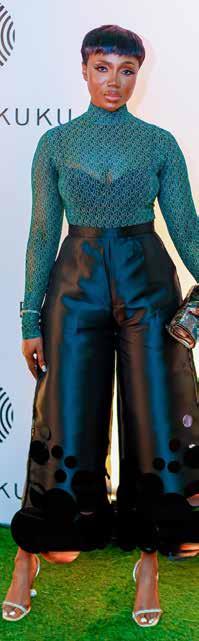
2. Treat Your Wardrobe Like Options, Not Outfits
One of the biggest limitations in personal style is mental, not physical.
The blazer becomes “for meetings.” The heels become “for occasions.” The dress becomes “for somewhere special.” And just like that, your wardrobe becomes smaller than it actually is. Styling is about removing those labels.
That blazer works just as well with denim and a tank top. Those heels can elevate something deliberately casual. That “special” dress can be worn in the daytime, stripped of its formality, and made effortless.
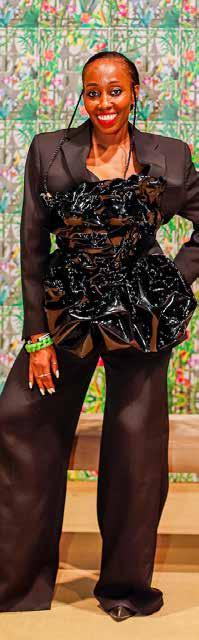

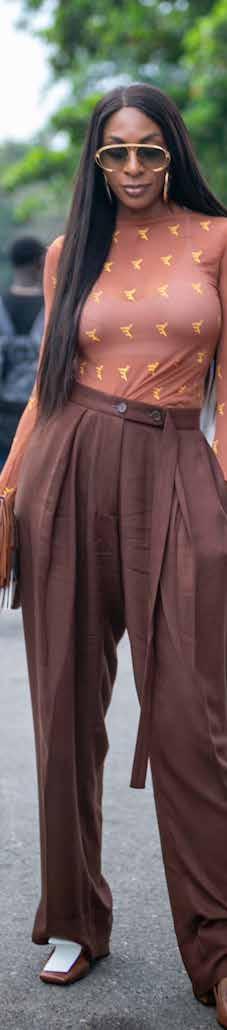

The more you stop assigning roles to your clothes, the more combinations start to appear. What felt like a limited wardrobe suddenly opens up.
3. Fix the Fit Before You Fix the
A lot of outfits don’t fail loudly; they fail quietly because the proportions are off. Everything is either too tight, too loose, or sitting in a way that doesn’t create any structure. And no amount of expensive clothing can fix that.
Styling is often just balance. If something is oversized, anchor it with something more fitted. If everything feels fitted, introduce ease. If the outfit feels heavy, create space, show a bit of ankle, wrist, or neckline. Even the smallest adjustments matter. Rolling a sleeve, adjusting a hem, shifting a tuck, these are not minor details. They’re what separate something that looks thrown on from something that looks considered.

4. Repeat Outfits, Change the Energy
There’s an unspoken pressure to always look new, but the truth is, most stylish people repeat their clothes constantly; they just don’t repeat the feeling of the outfit. Take one look and change one element.
Swap heels for flats. Replace a structured bag with something softer. Add a layer or remove one. Change your jewellery from minimal to bold.
The outfit itself doesn’t need to change dramatically. Just its energy.
That’s how you rewear without looking like you’re rewearing.
5. Use Shoes to Redirect the Entire Look
If an outfit feels slightly off and you can’t explain why, start with your shoes.
Shoes aren’t just an addition, they’re a decision. They set the tone before anything else does.
A simple outfit with the wrong shoes feels confused. The same
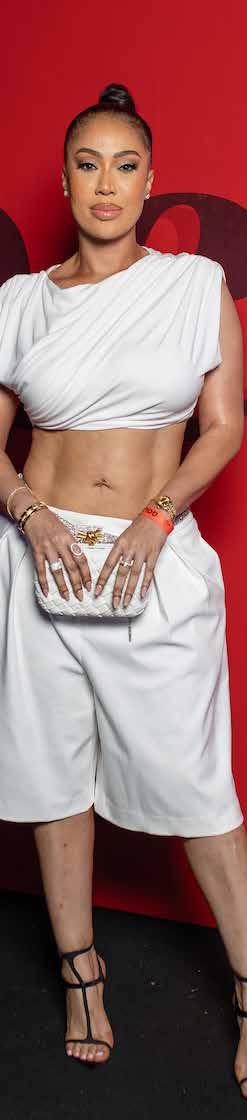
outfit with the right shoes feels intentional.
Sneakers relax everything. Heels sharpen everything. Flats can soften or dull, depending on what they’re paired with.
Before you abandon an outfit, change your shoes. You’ll be surprised how often that solves it.
6. Mix What “Shouldn’t” Go Together
This is where styling becomes interesting.
Pair something structured with something soft. Something tailored with something undone. Something polished with something deliberately casual.
The tension between those elements is what creates style.
An outfit that is too perfect, too coordinated, too “correct” can feel predictable. But when there’s contrast, when something feels slightly unexpected, it becomes memorable.
It also starts to feel like you, instead of something you copied.
7. Pay Attention to Texture, Not Just Colour
Most people rely on colour to make an outfit work. But texture is what gives it depth.
Denim against silk. Crisp cotton against leather. Matte fabrics mixed with something that catches light.
Even in a monochrome outfit, especially in an all-black look, texture is what keeps it from looking flat. It creates dimension without needing to introduce more colour.
If everything you’re wearing feels like it belongs in the same category, the outfit will look onedimensional. Texture breaks that.
8. Accessories Are Not Optional, They’re the Finish
An outfit without accessories often looks incomplete, even if you can’t immediately explain why.
A belt can define shape and pull everything together. Jewellery can elevate something basic or soften something structured. A bag can completely shift the tone, from polished to relaxed, from day to evening.
But the goal isn’t excess, it’s intention.
It’s knowing when something needs more, and when it needs less. Because styling isn’t about adding everything. It’s about finishing the thought properly.
9. Your Hair Is Part of the Outfit
This is where a lot of people miss it.
You can have the perfect outfit, but if the hair feels disconnected, the entire look loses impact. Hair changes the mood instantly. Sleek hair makes things feel polished. Slightly undone hair makes things feel relaxed. Braids, wigs, natural textures, each one carries its own energy. It doesn’t have to be elaborate. It just has to make sense with what you’re wearing.
Because style doesn’t stop at the clothes.
10. Edit More Than You Add
The instinct is always to add another accessory, another layer, another detail.
But often, better styling comes from restraint.
If something feels off, remove one thing. Then look again. Too many layers can overwhelm. Too many accessories can distract. Too much effort can show.
The goal is clarity. The kind where everything feels intentional, but nothing feels forced.
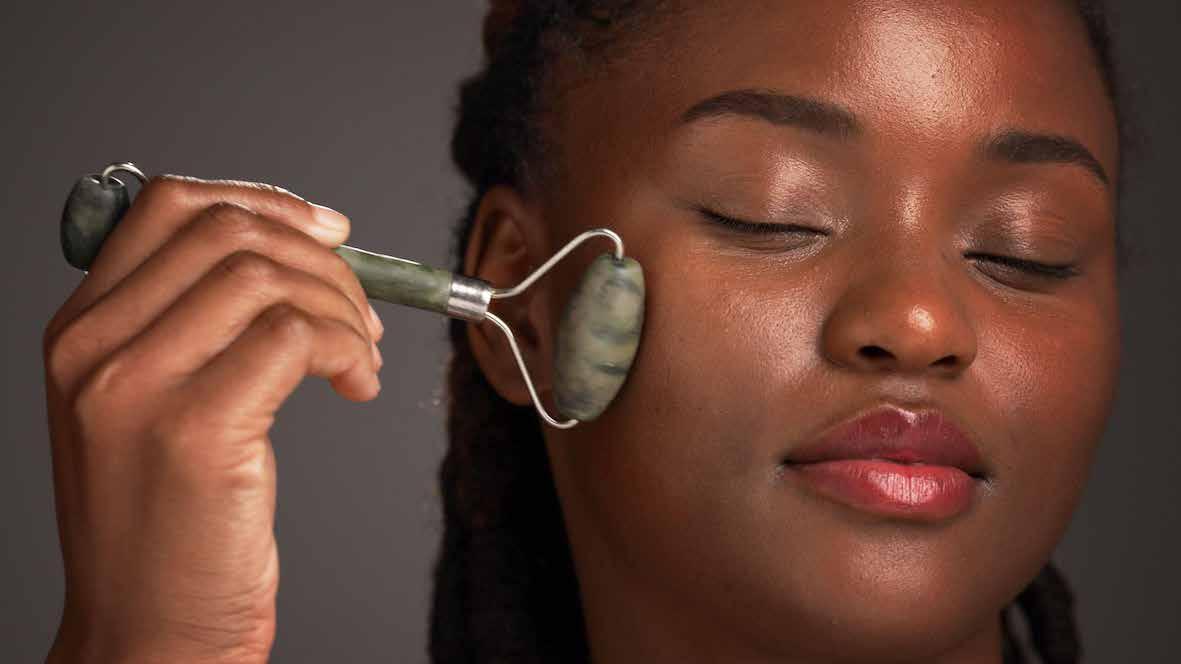
Most people don’t realise how much guesswork sits behind their skincare routine. You buy a serum because someone swore by it. You switch moisturisers because your skin suddenly feels “off.” You add another step because it feels like you should be doing more. And before long, your shelf looks impressive—but your skin isn’t necessarily better. That’s usually when the question changes. Not what should I use? but am I even using the right kind of solution? Because skincare isn’t just about products anymore. It’s about knowing when a cream will do—and when it simply won’t.
1. The Speed Myth: Why Treatments Feel Like They Work Better
Treatments have one clear advantage: speed.
A chemical peel can do in a week what a brightening routine might take three months to achieve. Laser treatments can target pigmentation at a depth no serum can reach. Microneedling stimulates collagen in a way that topical products can only attempt to support.
So yes, treatments often “work faster.” But faster doesn’t always mean better—it just means more aggressive. And aggressive isn’t always what your skin needs. Sometimes, it’s not about speed. It’s about sustainability.
2. Depth vs Surface: Where Products Hit Their Limit
There’s only so far a product can go. Even the most potent actives—retinoids, acids, vitamin C—are working within the upper layers of the skin. They can refine texture, brighten tone, improve clarity. But when the issue sits deeper—stubborn pigmentation, acne scarring, significant collagen loss—products start to plateau. That’s where treatments step in. Not because products are useless, but because they were never designed to go that far in the first place.
3. The Maintenance Problem: Why Treatments Don’t Last
Here’s the part people don’t like to admit: treatments are not a permanent fix.
You can get the best facial, the most advanced laser, the most perfectly timed peel—but if your




daily routine is inconsistent, the results fade. Quickly. Hyperpigmentation comes back. Breakouts return. Texture creeps in again. Treatments create results. Products are what keep them. Without that follow-through, you’re essentially resetting your skin over and over again.
4. When You’re Wasting Time on Products
There’s a point where persistence becomes avoidance.
If you’ve been using the right ingredients consistently— properly, not randomly—and nothing is shifting, it might not be a product problem. It might be a treatment-level issue.
Deep congestion. Hormonal acne. Long-standing pigmentation. These things often need intervention, not just patience. We all know someone who has been “trying a new routine” every three weeks, convinced the next serum will be the one. At some point, it isn’t experimentation—it’s delay.
5. When You’re Overdoing Treatments On the flip side, more isn’t always smarter. Jumping from peel to laser to facial in quick succession doesn’t mean you’re being proactive—it usually means you’re overwhelming your skin. Barrier damage, sensitivity, breakouts that

Dear Reader,
feel sudden—these are often signs of too much, not too little. Treatments should be strategic, not reactive.
If your skin constantly feels like it’s recovering, you’re probably doing the most.
6. The Blur: Why It’s Getting Harder to Tell the Difference
Part of the confusion isn’t accidental.
Products are now marketed like treatments—“clinical strength,” “at-home peels,” “dermatologist-grade”—while treatments are packaged like lifestyle experiences. Everything is positioned to feel essential. So people end up treating products like quick fixes and treatments like one-time solutions, when neither is designed to work that way. Add real life to the mix—heat, long days, inconsistent routines— and it becomes even harder to tell what’s actually working, and what just sounds convincing.
7. The Smart Approach: Knowing When to Switch
The real skill isn’t choosing sides. It’s knowing timing. When your skin needs consistency, give it that. When it needs intervention, recognise it early. Don’t keep layering products hoping for a breakthrough. Don’t keep booking treatments hoping for perfection. A good routine will take you far. The right treatment will take you further. But neither works properly when used out of context. Most people aren’t confused. They’re just hoping the easier option will suddenly start working.


BY DR. KEMI DASILVA-IBRU AND GLORIA JOACQUIM
Welcome to the WARIF Survivor Stories Series, a monthly feature where stories of survivors of rape and sexual violence are shared to motivate and encourage survivors to speak their truth without the fear of judgment or stigmatisation and to educate the public on the sheer magnitude of this problem in our society. The Women at Risk International Foundation (WARIF) is a non-profit organisation set up in response to the extremely high incidence of rape, sexual violence, and human trafficking of young girls and women in our society. WARIF is tackling this issue through a holistic approach that covers health, education, and community service initiatives.
WARIF aids survivors of rape and sexual violence through the WARIF Centre - a haven where trained professionals are present full-time, 6 days a week, including public holidays, to offer immediate medical care, forensic medical examinations, psychosocial counselling, and welfare services which include shelter, legal aid, and vocational skills training. These services are provided FREE of charge to any survivor who walks into the Centre.
My name is Ebubechukwu, and am 26 years old. I am a survivor of sexual assault. was referred to the WARIF Centre for medical assessment, treatment, and counselling after reported the case to the police. I work in a hospital and have known the perpetrator, a doctor, since 2018. We were friends, and even knew his fiancée. Over the years, we developed a close friendship, and trusted him because he had always respected my boundaries. I had spent some nights in his room before, but nothing inappropriate had ever happened. never imagined that someone trusted so deeply could hurt me in such a way. The assault occurred one night about a year ago when he called me to collect a patient’s injection. When I arrived, he told me he had “fooled” me so I could spend time with him in his room. I immediately turned to leave, but he insisted stay. When went to lock my door for privacy, he took my phone from me to ensure I could not leave. Once I lay down on the bed, he locked the door and raped me. felt trapped, terrified, and powerless, unsure of how to protect myself from someone considered a friend.
alone. We shared our stories, encouraged each other, and celebrated small milestones in our healing journeys. These sessions helped me regain confidence, rebuild self-esteem, and develop hope for the future. We were also given further coping techniques to assist us in our healing journey.
Thanks to the support of WARIF and the police, the perpetrator was arrested and brought to justice. Knowing that he could no longer harm anyone else gave me a sense of closure and relief. also learned that other survivors who were previously afraid to speak up felt empowered to come forward once the case was reported. Today, I continue to work on my emotional and psychological well-being. I have learned to trust myself again, and am stronger and more resilient than ever thought possible. have returned to my daily life and work with renewed focus and purpose. The journey has not been easy, but with the support of WARIF, I have
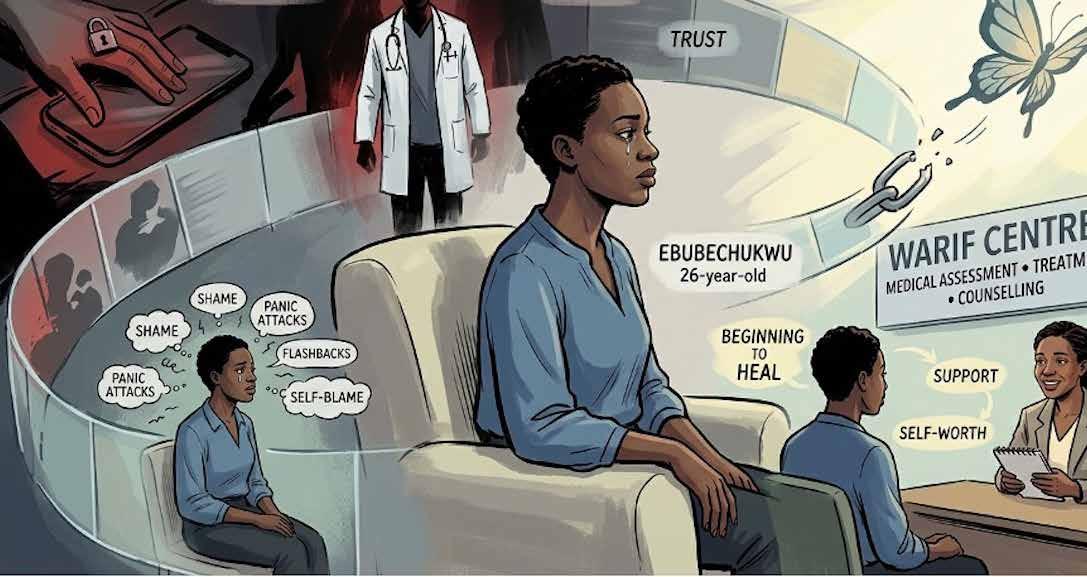
Following the assault, I experienced intense emotional and psychological distress. I blamed myself, felt shame, and questioned my judgment. began experiencing panic attacks, flashbacks, fear, loss of control, and feelings of low self-worth. struggled to concentrate at work and avoided social interactions. These were all symptoms of Rape Trauma Syndrome, and I did not know how to begin healing. I was referred to the WARIF Centre, where I received immediate medical examinations, laboratory tests, and psychosocial counselling free of charge. The counsellor who attended to me at WARIF helped me to begin my healing journey in a safe, non-judgmental space where could share my story. She reassured me that what happened to me was not my fault and that the responsibility lay entirely with the perpetrator. Through counselling, I learned coping strategies to manage flashbacks, regulate my emotions, and rebuild my sense of self-worth. was also privileged to participate in monthly Group Therapy Sessions, a confidential support system for survivors. Meeting others who had experienced similar trauma gave me a sense of belonging and reminded me that I was not
been able to reclaim my life and regain control over my future. I am deeply grateful to WARIF, its staff, and management for providing holistic care that addresses both the physical and emotional needs of survivors. Their support has transformed my pain into strength, and their compassion has helped me see that healing is possible.
For survivors like me, hope is not lost. With the right support, guidance, and care, it is possible to rise above trauma and rebuild a life of dignity, confidence, and purpose.
* Real name of the Survivor changed for confidentiality
Dear Survivor, please know that you are not alone, and it is not your fault. Help is available. If you have been raped or know someone who has, please visit us at:
The WARIF Centre 6, Turton Street, off Thorburn Avenue, Sabo, Yaba, or call our 24-hour confidential helpline on 0800-9210-0009.