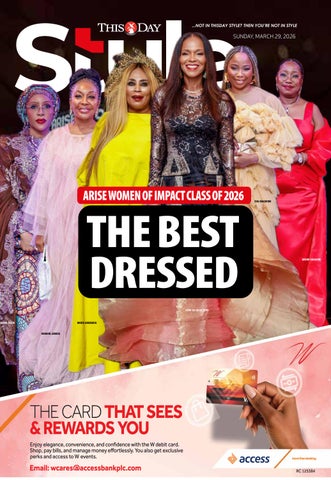
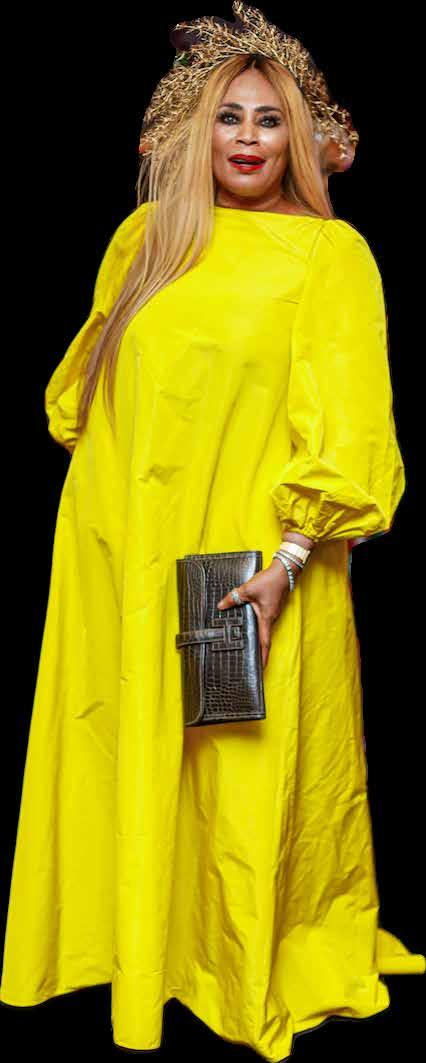
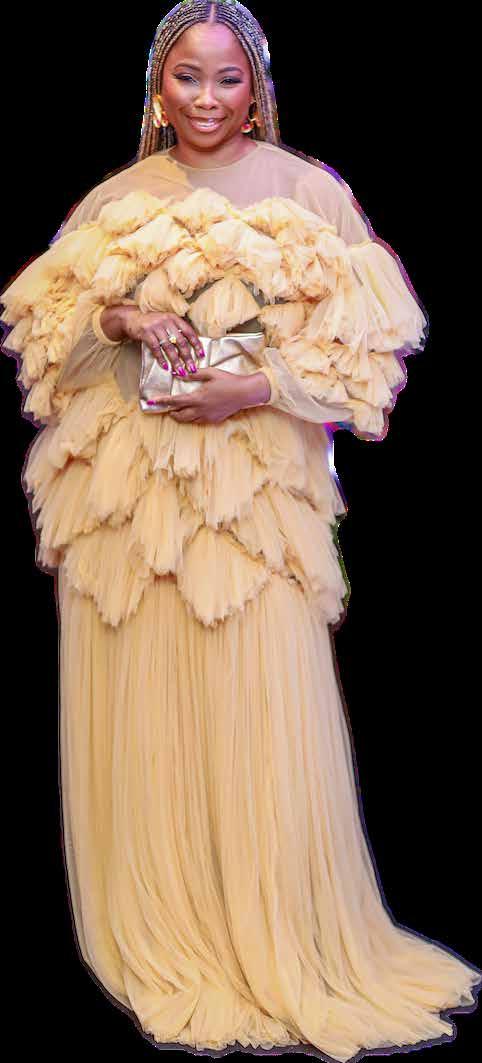
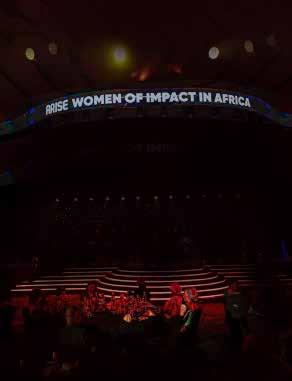
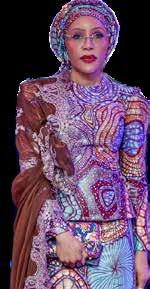
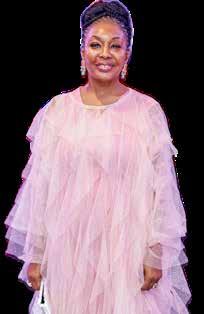
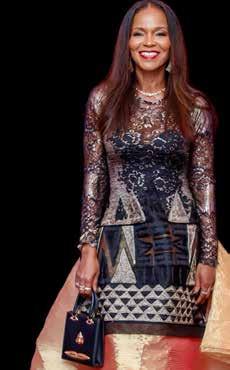
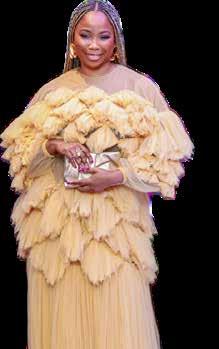
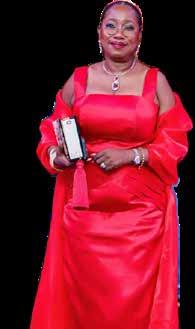
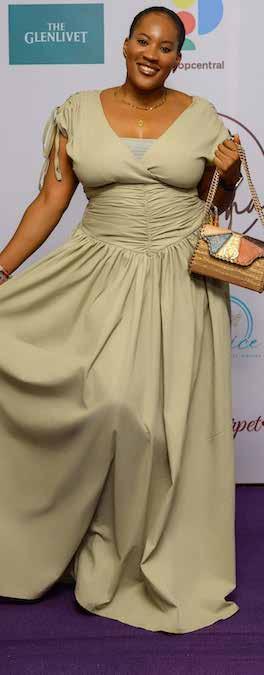
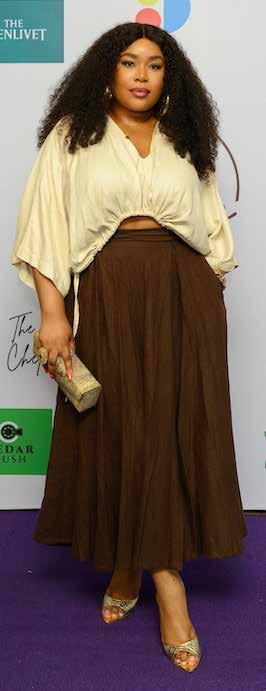
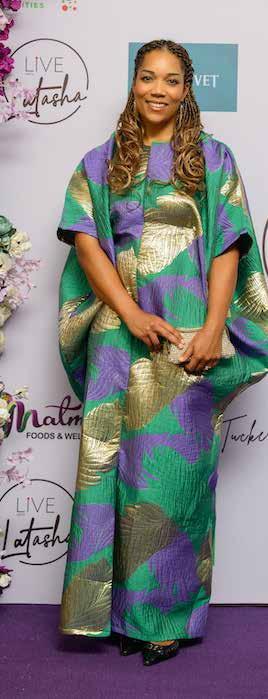
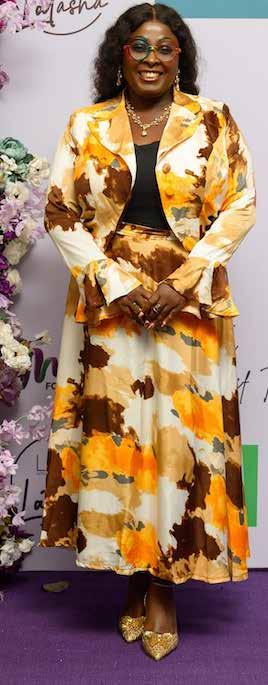
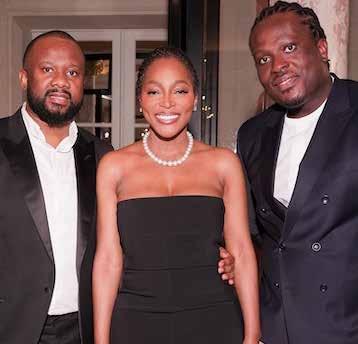
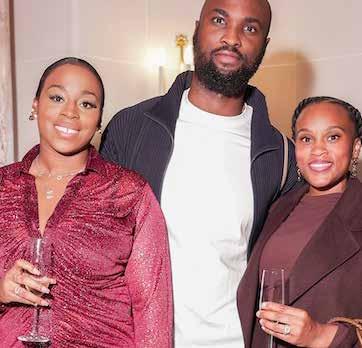
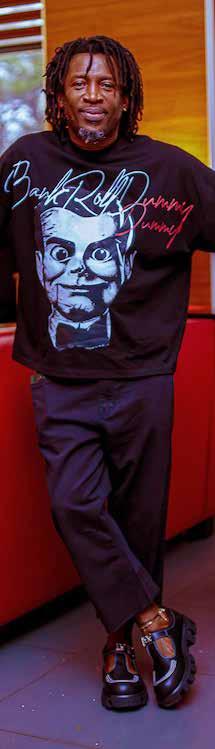
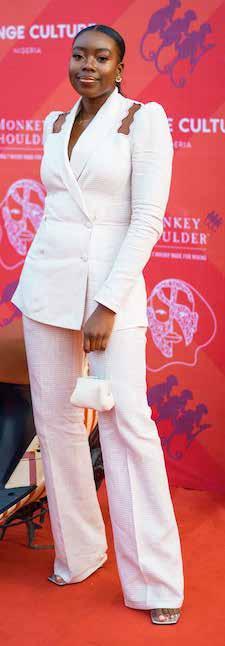
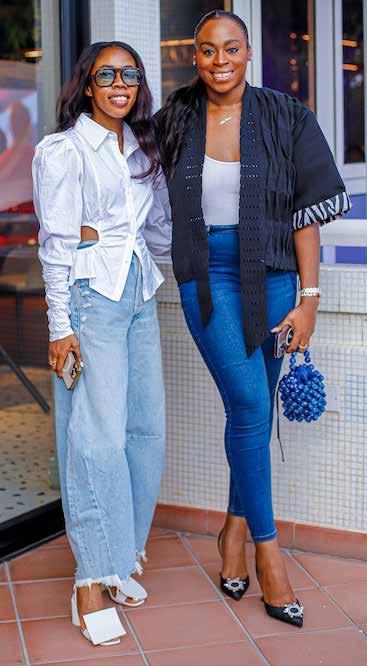
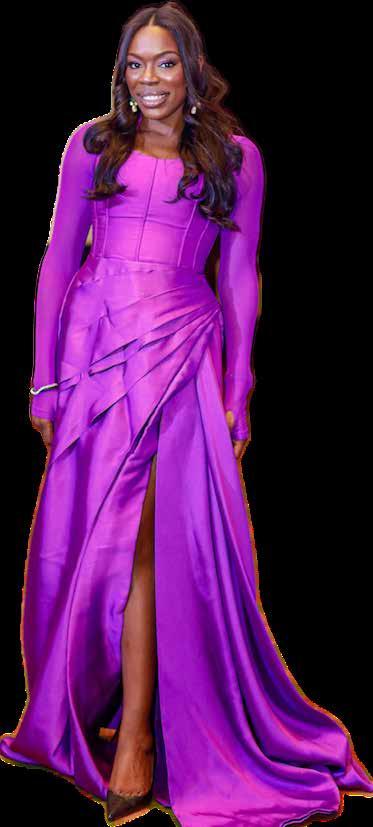
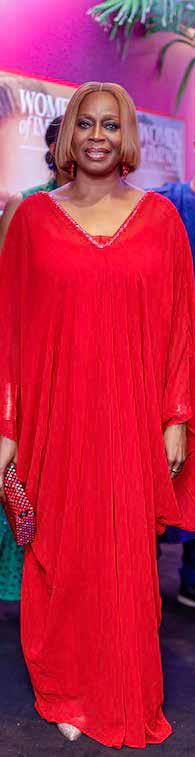
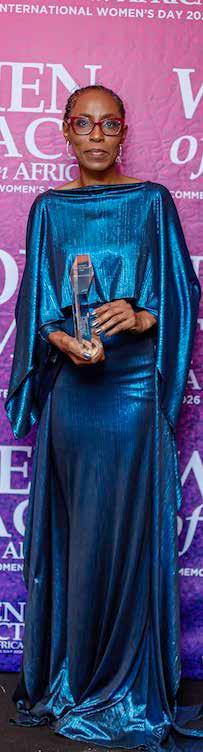
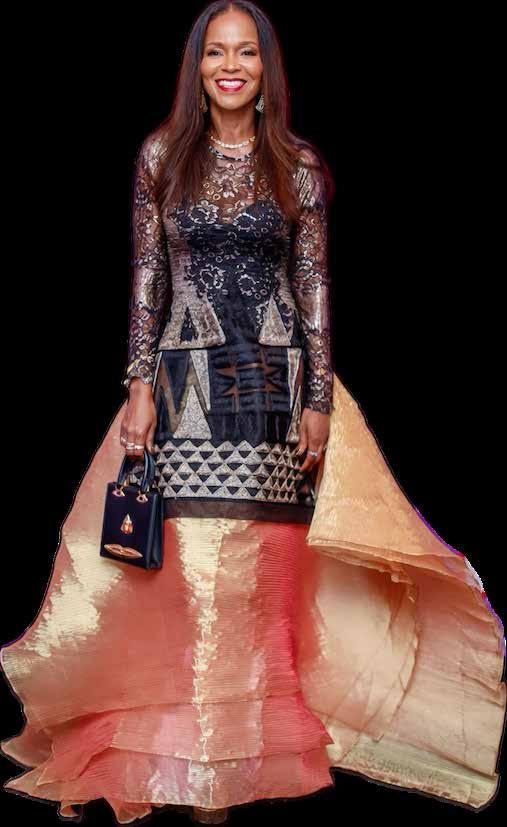
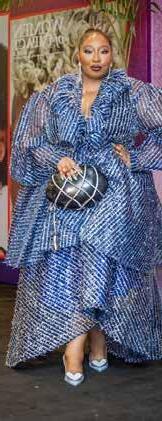
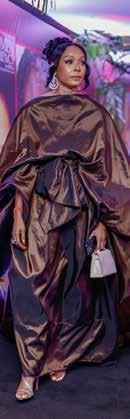
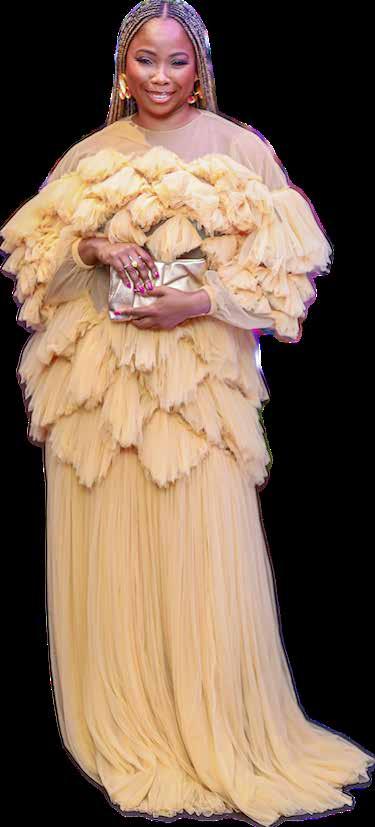
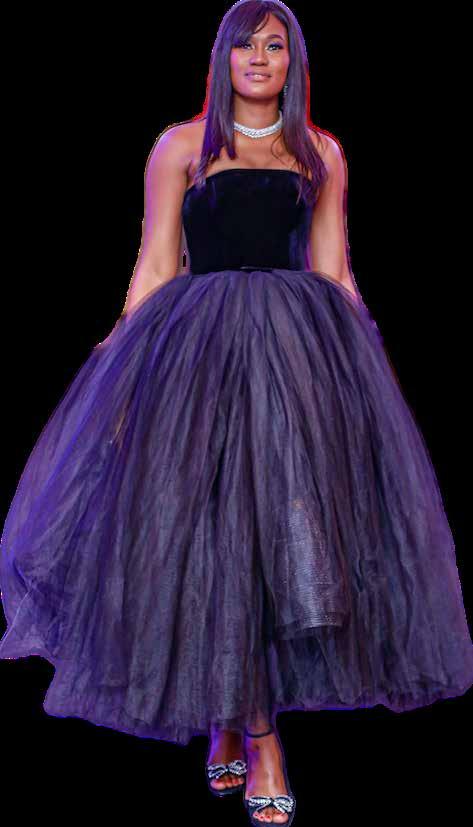
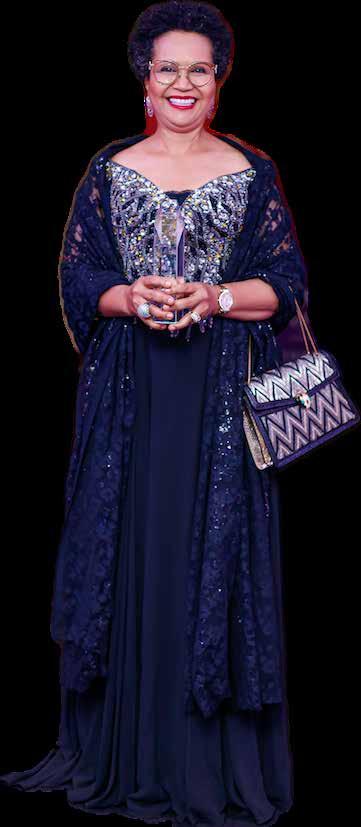
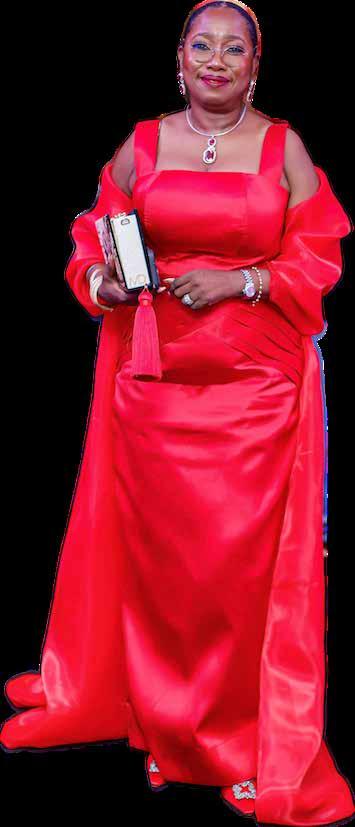
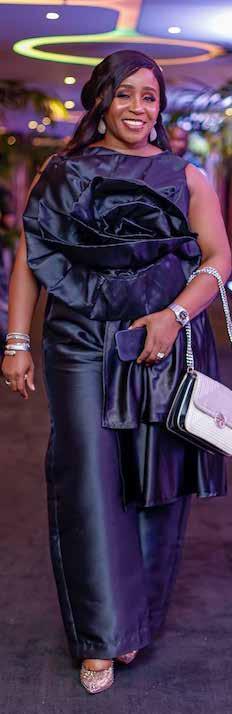
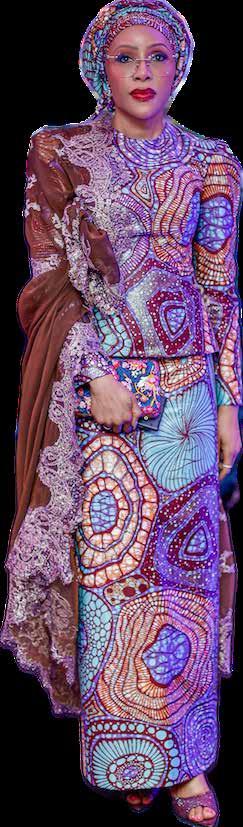
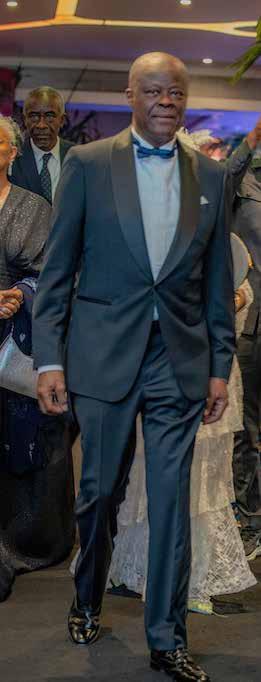
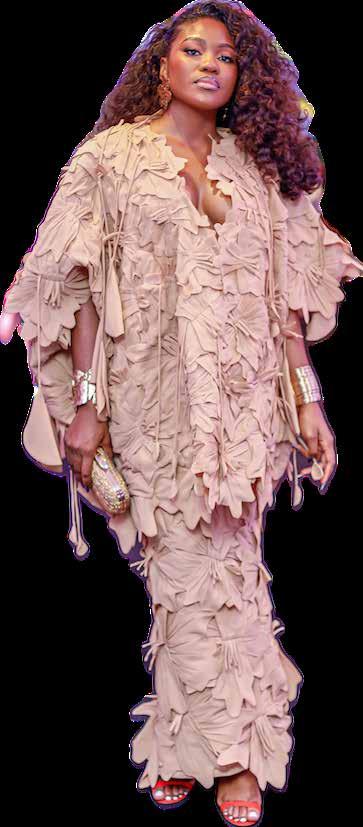
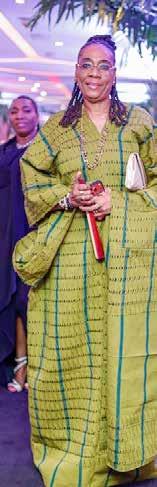
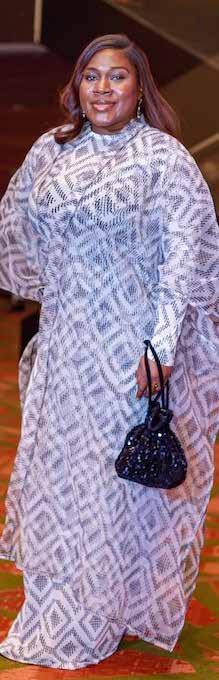
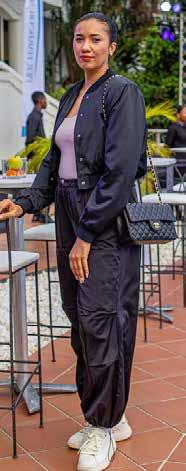
There are red carpets, and then there are rooms where you immediately understand that nobody is dressing by accident. The ARISE Africa Women of Impact Awards 2026, held on International Women’s Day at the Eko Convention Centre, Lagos, was exactly that kind of room. Before a single award was announced, the red carpet had already established the tone. And the interesting thing? It wasn’t chaotic. It wasn’t a mix of random fashion moments fighting for attention. There was a clear direction. You could see it almost instantly.
Women arrived in colour, in volume, in texture, in shine. Native wear held its ground. Headpieces carried weight. And even the simplest looks had intention behind them.
EDITOR’S LETTER
t’s the little things Power is often easiest to recognise in its loudest forms: visibility, scale, access, the ability to move things and make others move with you. But the more interesting version is usually quieter. It sits in what people choose to build, who they make room for, and what they continue to support long after the attention has shifted.
At 63, Tony Elumelu remains one of the clearest examples of that kind of influence. Much has been said about his business success, and rightly so, but what feels increasingly central is the work of the Tony Elumelu Foundation and what it has come to represent across the continent. More than 27,000 entrepreneurs funded, over $100 million committed, and a system that moves beyond encouragement into something far more practical- access.
But beyond the scale, and this is very significant, there is a more personal question that sits underneath all of this.
What does it actually mean to show up for other people?
Because while not everyone has the resources to operate at that level, the principle itself is far more accessible than we sometimes admit. Support does not always have to look like millions of dollars or large platforms. Sometimes it is attention.
Sometimes it is an introduction. Sometimes it is choosing to create room where it did not previously exist.
The thought counts more than we give it credit for.
And perhaps that is where the real conversation begins. Not in comparison, but in participation. In asking, quietly, what we are each building around the people in our own lives, and who benefits from it.
Read more about what Tony is building in Fortune, Family and Philanthropy.
In a different space, but not entirely removed from that same conversation, Joseph Edgar’s all-women theatre season, Powerfully Unapologetic, arrives at a time when the entertainment industry is beginning to slowly, but noticeably, open up in more meaningful ways. Six productions, all written and directed by women, drawn from across the country. Not because the talent is new, but because the willingness to centre it is finally catching up.
And that shift matters.
Because there is a difference between being visible and being in control. Between performing within a story and deciding how that story is told. The more women are given the space to lead, to create, to interpret on their own terms, the more layered and honest our cultural output becomes. It moves away from a single perspective and begins to reflect something closer to reality.
There is something really exciting about that. Something worth paying attention to as it unfolds.
Find out more about this in the article Joseph Edgar’s AllWomen Theatre Season, and if you can, see the first set of plays over the Easter weekend when it debuts
And you, how are you?
What’s life been like lately, really?
It already feels like the year is moving at breakneck speed as we edge toward the end of the first quarter. Some people are fully in motion, others are still finding their pace. Both are valid. hope you’re finding your rhythm in it all, in your own way. hope things are working, or at the very least, beginning to make sense.
And more than anything, hope you’re winning.
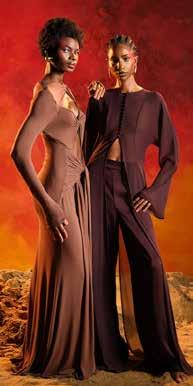
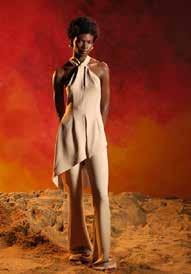
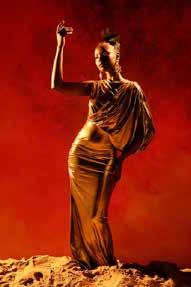
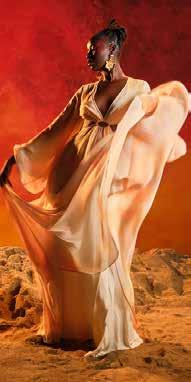
LAVISH’S RESORT 2026 IS LESS ABOUT IMAGE, MORE ABOUT INTENT
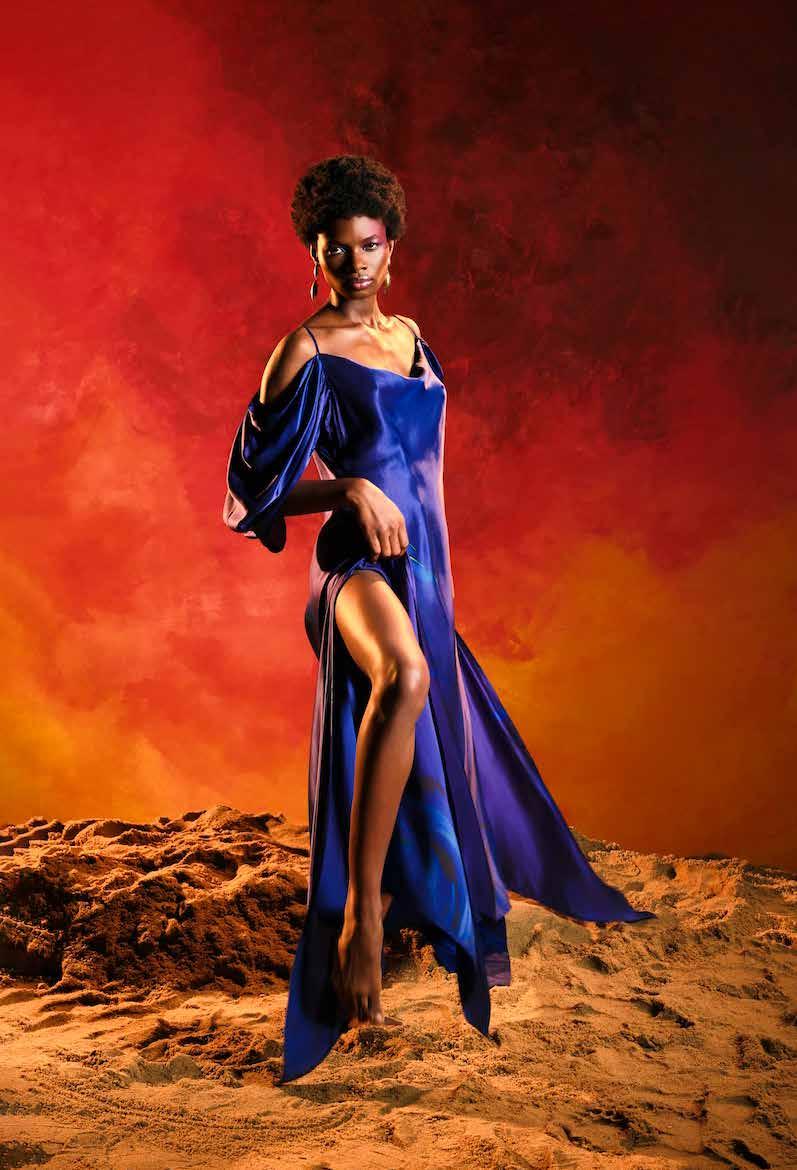
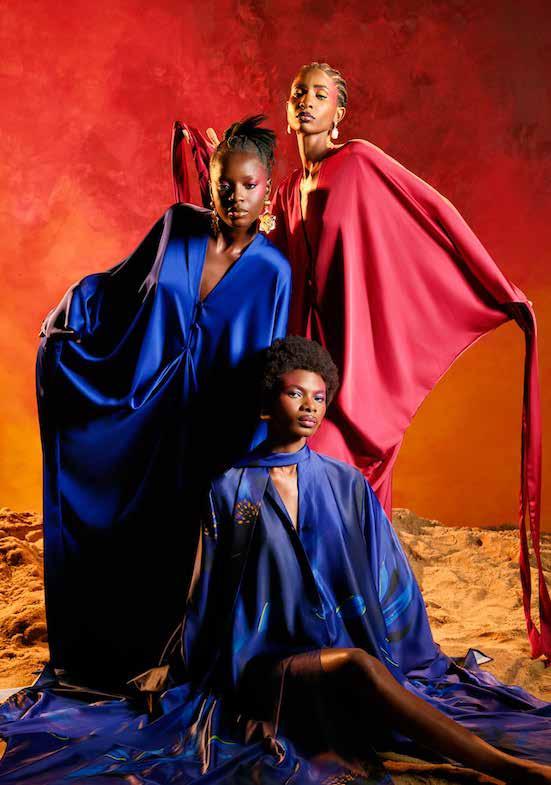
Lavish’s Resort 2026 collection, The Calling, marks a notable shift in the brand’s narrative, moving away from outward expressions of identity toward a more introspective exploration of purpose. This season, the focus is less on who the Lavish woman is and more on what drives her and the quiet, often unseen forces that shape her decisions, discipline, and direction.
Drawing on the biblical account of the burning bush, a fire that burns without consuming, the collection introduces a central motif of endurance and refinement. Rather than referencing spectacle, the inspiration is interpreted as a controlled, sustaining energy, one that suggests clarity, conviction, and spiritual grounding. It is this idea of a refining fire, rather than a destructive one, that underpins the collection’s design language. There is a noticeable restraint in how this narrative is expressed. Purpose, here, is treated as something lived rather than displayed. The Lavish woman is presented as self-assured and intentional, grounded in heritage, but not confined by it. Her presence is quiet but decisive, shaped by moments of choice: the willingness to say yes, the discipline to say no, and the understanding that direction is often defined by what is left behind.
Visually, the collection balances modern minimalism with organic detailing. Clean, structured silhouettes provide a sense of control, while softer elements, particularly through prints and fabric movement, introduce fluidity. Tailoring plays a central role, offering sharp lines that anchor the collection, while lighter pieces allow for ease and motion.
The colour palette leans into ember tones and warm neutrals, reinforcing the collection’s thematic focus on contained heat and steady intensity. These are not overtly dramatic shades, but rather colours that suggest depth and quiet strength.
Two key prints carry the narrative forward.
The Alora print interprets the image of the burning bush through layered botanical forms that appear to flicker subtly across the fabric, creating a sense of movement without excess.
In contrast, the Chemi print draws from the imagery of Pentecost, translating descending flames into lighter, more diffused motifs that evoke illumination and presence rather than drama.
Founded in 2014, Lavish has consistently positioned itself at the intersection of contemporary design and enduring elegance, with a strong emphasis on African creativity. With The Calling, the brand refines this positioning further, presenting a collection that is less about statement-making and more about intention — a study in restraint, clarity, and the evolving definition of modern femininity.
EXECUTIVE EDITOR
Omenala In Paris: Akano Unveils Heritage In High Jewellery
Lavish’s Resort 2026 Is Less About Image, More About Intent
LIVE WITH LATASHA: A POWERFUL CELEBRATION OF VOICES, IMPACT, AND EMPOWERMENT
Live With Latasha marked Women’s Month with a compelling gathering in Lagos on March 18, bringing together over 200 women at the Civic Centre for an evening centred on empowerment, dialogue, and shared experience. Broadcast live on Pop Central via DStv, the event extended its reach far beyond the room, reinforcing its growing influence as a platform for meaningful conversations.
The programme unfolded across four panel sessions tackling themes that resonate with women today. Media personality Ebuka Obi-Uchendu led the opening “He for She” conversation, offering reflections on the role of men in advancing gender equality. “Breaking the Money Ceiling” followed, with Funke Bucknor and Kikelomo Atanda sharing practical insights on financial independence and career growth.
Patricia Obozuwa and Tacha headlined “The Confidence Gap,” addressing self-doubt and the importance of showing up boldly, while Waje and Ella closed with “The Power of Her Voice,” a discussion on self-expression and influence.
Beyond the panels, the event blended music, spoken word, and curated hospitality, with contributions from Freeborn, Abisola, and Miss Wana Wana, alongside a surprise gift reveal featuring silk scarves by Ade by Femi. Founder Latasha Ngwube described the gathering as a testament to “women and allies who show up ready to learn, share, and uplift,” as the platform continues to expand its reach and impact.
OMENALA IN PARIS: AKANO UNVEILS
HERITAGE IN HIGH JEWELLERY
By Funke Babs-Kufeji
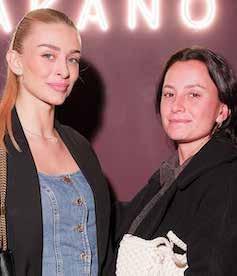
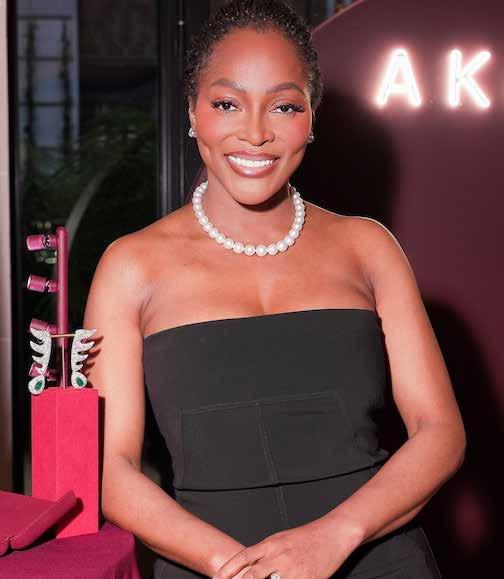
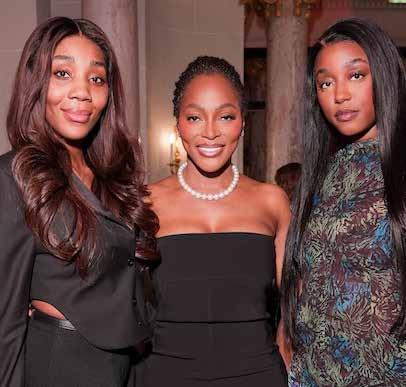
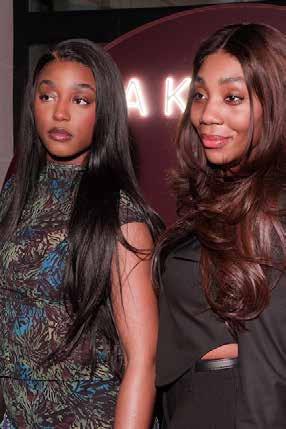
During Paris Fashion Week, Akano unveiled its latest high jewellery collection, Omenala, at an intimate cocktail event held at the Peninsula Paris. The evening brought together a select group of guests from fashion, media and culture for a closer look at the Nigerian maison’s evolving presence on the global stage.
Meaning “heritage,” Omenala explored legacy as something lived and shaped over time. Drawing on Igbo cosmology and broader West African symbolism, the collection translated cultural ideas into bold, sculptural pieces set with high-carat diamonds and rare gemstones. Guests experienced the collection up close within the Peninsula’s rotunda, accompanied by a live harp performance from Jehanne Drai.
Hosted in partnership with Vogue100, the event closed with a private viewing, during which attendees engaged directly with founder and creative director Akunna Nwala Akano.
JOSEPH EDGAR’S ALL-WOMEN THEATRE SEASON
For years, Nigerian theatre has been rich with female presence; visible, essential, often central to performance, yet noticeably absent at the point where stories are shaped and controlled.
Women have long occupied the stage, but far less frequently the position behind it, where meaning is decided. However, the Duke of Shomolu Foundation is choosing to confront that imbalance directly through its 2026 theatre season, titled ‘’Powefully Unapologetic.’’
This new theatre season brings together six productions, all written and directed by women and drawn from Nigeria’s six geopolitical zones. It is a first for the Foundation, which, over the course of forty-one stage plays, had never previously staged a work led by a female writer or director.
The shift is striking, not because it introduces something new, but because it acknowledges something that has always been there.
“If we’re being honest, it’s a question we should have asked ourselves much earlier,” says Joseph Edgar, founder of the Duke of Shomolu Foundation.
“The talent has always been there; what’s changing now is our willingness to centre it, not just include it.”
With more than 70% of the cast and crew made up of women, Powerfully Unapologetic extends beyond who is visible on stage to who is responsible for interpretation, structure, and voice. It shifts creative authority to the people whose perspectives have often been present, but not prioritised.
The line-up itself reflects that breadth of perspective. Opening the season at Easter are Kokoro the Blind Minstrel by Dr. Abiola Adumati and Dora by Dr. Toyin Bifarin Ogundeji. The latter revisits the life and legacy of Dora Nkem Akunyili, her years at NAFDAC, her fight against counterfeit pharmaceuticals, and her role in public service, but does so through a lens that is likely to favour nuance over mythology. Stories of national figures are often flattened into symbols. What is more interesting is what happens when those stories are
told by those who may recognise the quieter, less documented dimensions of power.
By December, the season expands with four additional productions: Makamba by Prof. Ifure Ufford-Azorbo, Hafsatu by Prof. Rasheedat Liman, Dein of Agbor by Prof. Juliana Okoh, and Princess Inikpi by Dr. Tayo Joan Adenuga. Each draws from a different region, bringing with it distinct cultural references, histories, and narrative traditions. Taken together, they form a broader, more textured reflection of Nigerian identity as interpreted through different female perspectives.
There is also a certain intentionality in the types of stories being staged. Themes that, when reframed, begin to shift subtly in tone, less distant, perhaps more interior, more attentive to the human details that sit beneath public legacy.
Speaking on the season, the Foundation’s MD/ CEO, Mofoluwake Edgar, describes it as a matter of visibility, voice, and validation, a framing that captures both its cultural and structural significance.
“Nigerian women have always told powerful stories,” she says. “This time, they are doing so unapologetically, from the centre of the stage.”
What Powerfully Unapologetic ultimately proposes is a different way of thinking about who constructs narrative in Nigerian theatre. It raises a quiet but important question: not simply who is present, but who is trusted to interpret, frame, and decide what is remembered.
Beyond the productions themselves, there is the introduction of a Roll of Honour, recognising women who have supported and advanced other women across sectors, extending that thinking beyond theatre, into the broader structures that shape visibility and opportunity.
Weekends are unpredictable. A simple outing can easily turn into something more.
So your outfit needs range.
A great dress is always a safe bet, something easy but striking enough to carry you from day to night. Or denim styled properly with a strong top and accessories that elevate the look instantly. This is where you allow a bit more expression. A bolder colour, a statement piece, something that feels a bit more “you” than your weekday wardrobe. Because weekends are less about rules and more about how you want to show up.
WHAT TO WEAR THIS WEEK: A REAL-LIFE OUTFIT GUIDE FOR EVERY WOMAN
The Casual That Still Looks Expensive Errands. Quick meetings. “I’m just stepping out for a bit.”
These are the days people often get wrong, either too dressed down or trying too hard to compensate. The balance is in elevated basics. A clean T-shirt that fits properly, relaxed trousers or good denim, and accessories that pull everything together. Your bag matters here. Your shoes matter even more. Nothing in the outfit is loud, but everything looks considered.
That’s what gives it that effortless, expensive feel.
The Put-Together Workday Look
There are days when you need to look like you mean business, even if you’re still figuring things out internally.
This is where structure comes in. Tailored trousers, a well-cut blazer, a crisp shirt, or a clean, sculpted top. Nothing overly complicated, but everything intentional. The fit has to be right; that’s what makes the difference between looking dressed and looking polished. Keep your base simple, then let one thing carry the outfit. A strong bag, a pair of shoes that feel considered, or even your hair done properly.
The Slightly Elevated Moment
Some days call for just a little more. Not full drama, not overdressed, just a step up from your usual. This could be a skirt with movement, a silk blouse, a pop of colour, or an interesting texture. Something that catches the eye without screaming for attention. This is where personality comes in. The way you mix pieces, the way you style them, that’s what makes the outfit feel like yours. Because style, at its best, should feel like an extension of you, not a costume.
The Soft, Reset Dressing
And then there are the days when you just want to feel like yourself again. Soft fabrics. Easy silhouettes. Pieces that don’t cling or restrict. Whether it’s a flowy dress, relaxed tailoring, or something simple but beautiful, the goal here is comfort without losing yourself in it.
The “I Tried, But Not Too Much” Outfit
This is for the days when you want to look good, but not like you spent an hour trying to achieve it.
A well-cut midi dress does the job perfectly.
So does a matching set, one of fashion’s easiest cheats. It looks cohesive without requiring effort.
You can throw on a blazer if you need structure or keep it light if the day allows it. The key here is ease. You should feel like yourself, just slightly more refined.
Like you woke up like this, even if you didn’t.
The Midweek Slump Uniform
There’s always that point in the week where your energy dips. You’re tired, slightly over it, and the last thing you want to do is overthink an outfit. This is where your reliable pieces come in.
A good pair of jeans, the ones that actually fit, paired with a simple but elevated top. Add solid shoes, and you’re done.
This is not the day for experimenting. It’s the day for leaning on what works and letting simplicity carry you through. And honestly, there’s something very chic about not trying too hard.
KAMSI NNAMANI
NANCY ISIME AND POWEDE AWUJO
By Konye Chelsea Nwabogor
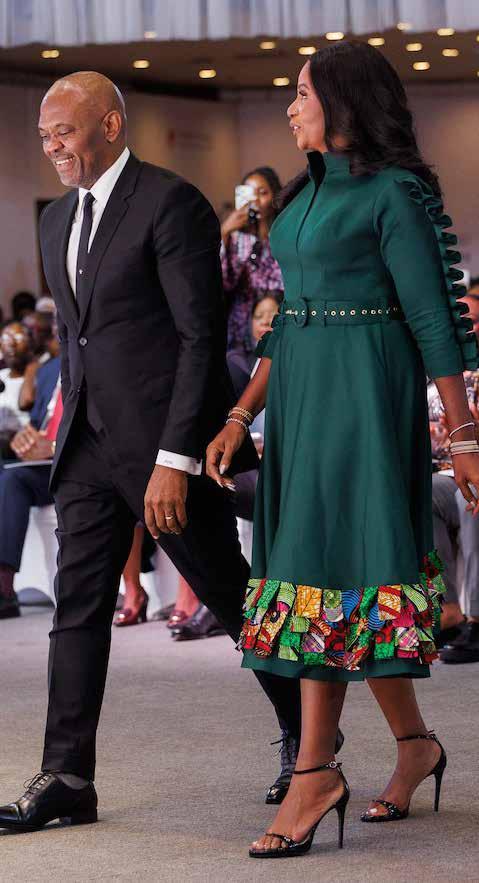
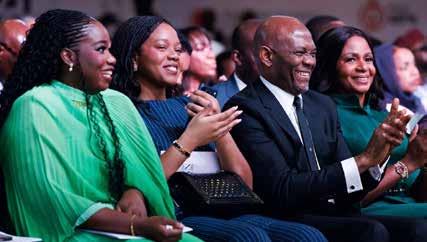
There is something cinematic about the way Tony Elumelu moves through the world. Not in a contrived, overly polished way, but in that rare manner of people who are fully aware of the rooms they occupy and the responsibility that comes with it. Whether stepping into a high-level meeting in Abuja, navigating the corridors of global power in Davos, or pausing to exchange a few words with a young entrepreneur, Elumelu carries a certain clarity of purpose. It is less about presence, more about intent.
At 63, he stands at an intersection many aspire to reach, but few fully understand: the point where wealth, influence, and legacy are no longer separate pursuits, but deeply intertwined obligations.
And if there is one place where that intersection becomes most visible, it is not in balance sheets or boardrooms. It is in people.
Over the past decade, his foundation, the Tony Elumelu Foundation, has quietly built one of the most ambitious entrepreneurial platforms on the continent. More than 27,000 African entrepreneurs have been funded, trained, and mentored. Over $100 million has been disbursed in seed capital. Those businesses have gone on to generate over $4.2 billion in revenue and create approximately 1.5 million jobs, with an estimated 2.1 million people lifted out of poverty as a result. These are not abstract figures. They represent a deliberate attempt to shift economic participation from the margins to the centre.
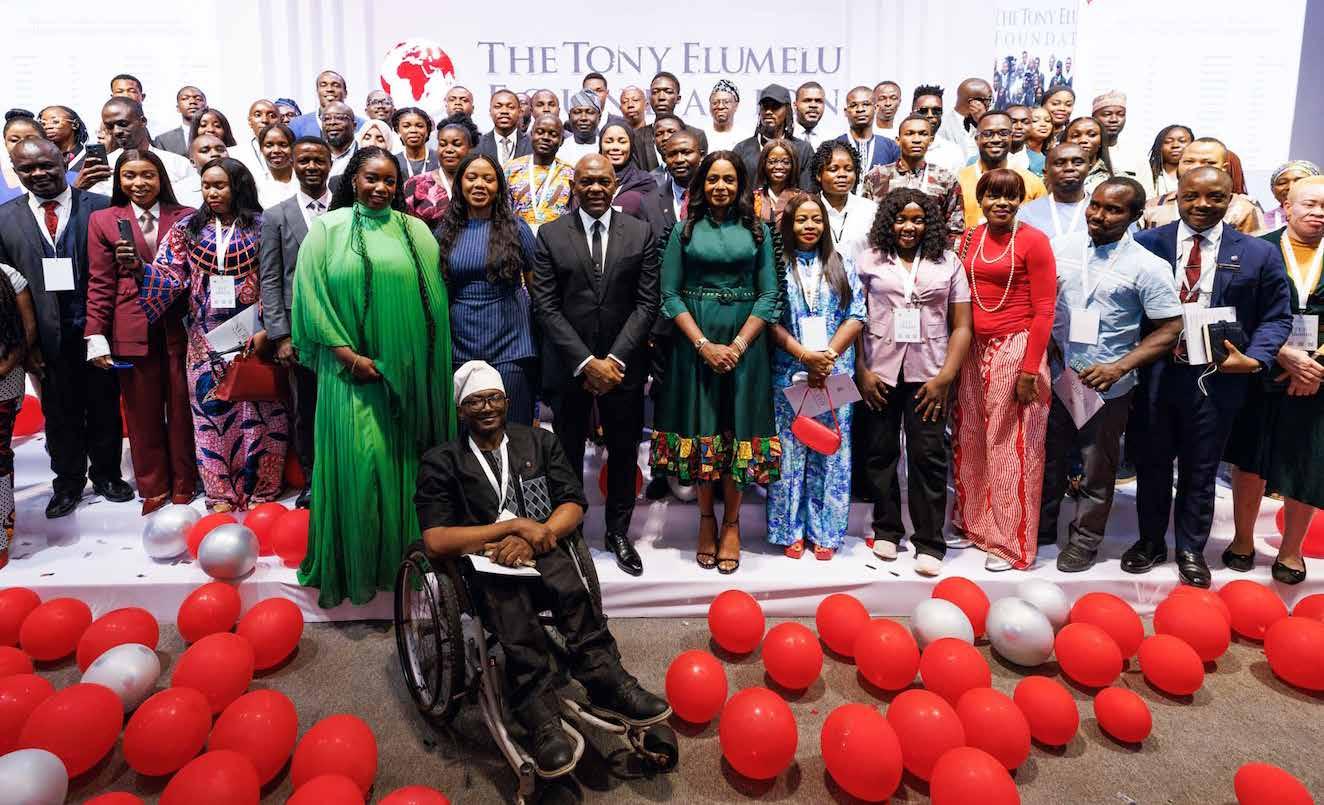
The 2026 cohort, announced on his birthday, 22 March, at a colourful event at the Transcorp Hilton Abuja, adds another 3,200 entrepreneurs from all 54 African countries, backed by over $16 million in funding. Fifty-one per cent are women. A large number are between 18 and 35. And many are at idea stage, untested but not without potential. It is a selection that reflects not just ambition, but intention.
“What we do is about democratising luck and spreading prosperity, because everyone deserves the opportunity to succeed,” Elumelu has said. “I believe that no one but us will develop Africa. also believe that the future of our continent is in the hands of our youth.” It is a statement that, in his case, does not end at rhetoric. The foundation’s model, capital, training, mentorship, and access, has been structured to address the exact points where most entrepreneurs fail: not at the level of ideas, but at the level of opportunity.
Elumelu often describes this approach as “self-enlightened interest,” a phrase that reveals more than it tries to impress. “What we do at the Tony Elumelu Foundation is not because we have so much to spread, but because we see it as self-enlightened interest to make sure that everyone is given the opportunity to succeed. Because poverty, anywhere, is a threat to all of us everywhere.” In other words, prosperity is not something to be observed from a distance. It is something to be built, expanded, and shared.
To understand why this philosophy sits so centrally in his life, you have to look at the rest of his career. Elumelu has consistently positioned himself within industries that are foundational to economic growth; banking, power, oil and gas. Through Heirs Holdings and Transcorp, his influence now stretches across sectors that determine not just profitability, but possibility.
His early years in banking, particularly his role in transforming Standard Trust Bank into a top-tier financial institution, offered an early glimpse of the instincts that would define him. He saw potential where others saw risk and stayed long enough to make that potential real. It is a pattern that has repeated itself across sectors: identify the gap, commit to the long term, and build with precision.
Yet, for all the scale of his business interests, Elumelu’s approach has never been purely transactional. If anything, one of his most consistent beliefs is that the real asset is people. Not just talent in the abstract, but relationships, built over time, sustained through trust, and reinforced through shared growth.
He has maintained close professional ties for decades, often working with individuals who have grown alongside him rather than revolving in and out of his orbit. It is a quieter aspect of his success, but a significant one. Empires are not built on capital alone. They are built on continuity.
This same belief runs through his engagement with entrepreneurship. His interest in young Africans does not feel ceremonial or strategic
for optics. It feels personal. He pays attention to ideas, encourages ambition, and, perhaps most importantly, creates access. Not the kind that is promised in theory, but the kind that arrives in the form of funding, mentorship, and visibility.
It also explains why he returns, so often, to his own beginnings. Not to romanticise them, but to contextualise them. He is open about his journey, showing it in real time, through the day-to-day. The meetings, the site visits, the quiet in-between moments, the work that rarely makes headlines. It’s less about looking back and more about letting people see the process as it unfolds. A reminder, especially for younger audiences paying attention, that scale rarely begins at scale. It begins with decisions, often difficult, often uncertain, made long before there is any guarantee of outcome.
Then there is family, which sits at the centre of his life in a way that feels deliberate and consistent. For all the demands of his schedule, Elumelu is a present, engaged father, the kind who is not just spoken about, but seen. He shares moments with his children, and in particular, has gradually brought his first daughter, Oge, into his world, giving her a front-row view of how he works and leads.
He is just as intentional in his role as a husband, consistently celebrating Dr Awele Elumelu and showing up in ways that go beyond obligation. In his case, family is not something separate from success. It moves alongside it, shaping how he shows up, both at home and in the world.
It provides balance and perspective.
Of course, there is also the matter of style, which, with Elumelu, is never incidental. The tailored suits, the now-signature red tie, the polished presentation, these are not simply aesthetic choices. They are part of a broader understanding that leadership, particularly on a global stage, is communicated as much through presence as it is through action.
And yet, for all the polish, he has not shied away from confronting the realities that shape the environment he operates in. He has spoken openly about the challenges facing entrepreneurs across Africa, particularly around infrastructure and power. It is not unusual to hear him point out that many small businesses spend a disproportionate share of their revenue simply trying to generate electricity. These are structural barriers that determine whether ambition can translate into growth.
At 63, there is a sense that he is not slowing down, but recalibrating. Shifting focus from building for himself to building for others at scale. The businesses continue to grow, the influence continues to expand, but the emphasis is increasingly on what outlasts him.
Because if there is one thing Tony Elumelu’s story makes clear, it is this: success, in its most meaningful form, is not about how far you go. It is about how many people are able to come with you.
TONY ELUMELU
Enjoy elegance, convenience and confidence with the W debit card. Shop, pay bills and manage money effortlessly. You also get exclusive perks and access to W events
WHAT THEY WORE
RED CARPET TRENDS FROM THE ARISE WOMEN OF IMPACT AFRICA 2026
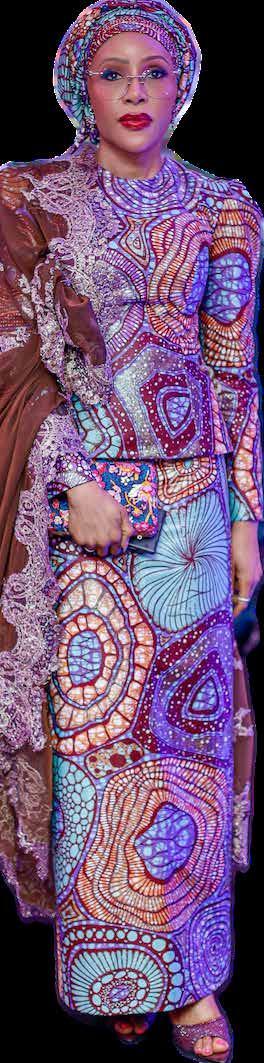
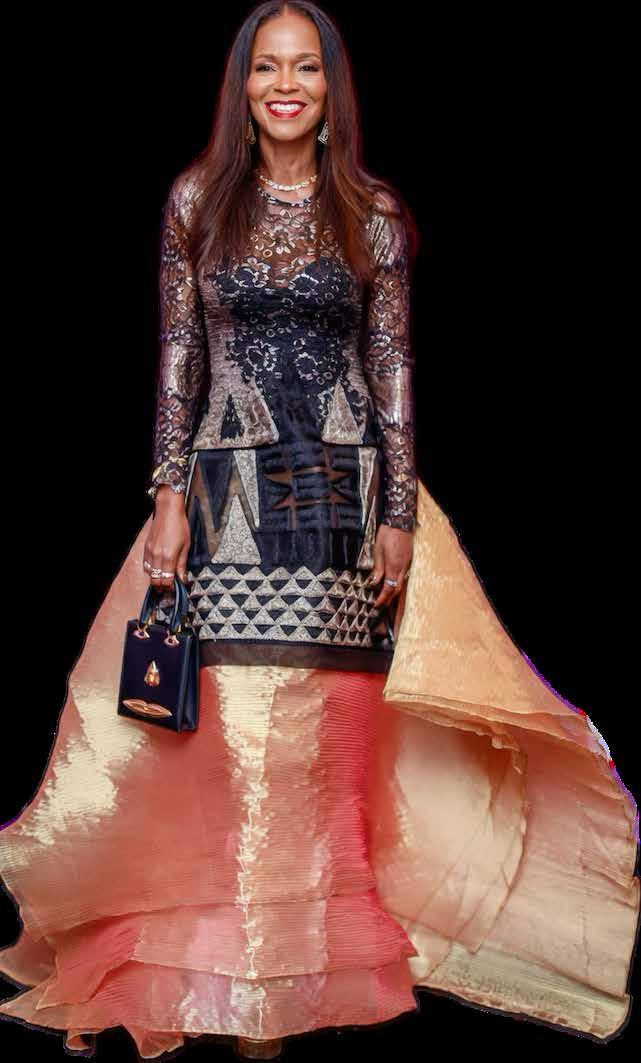
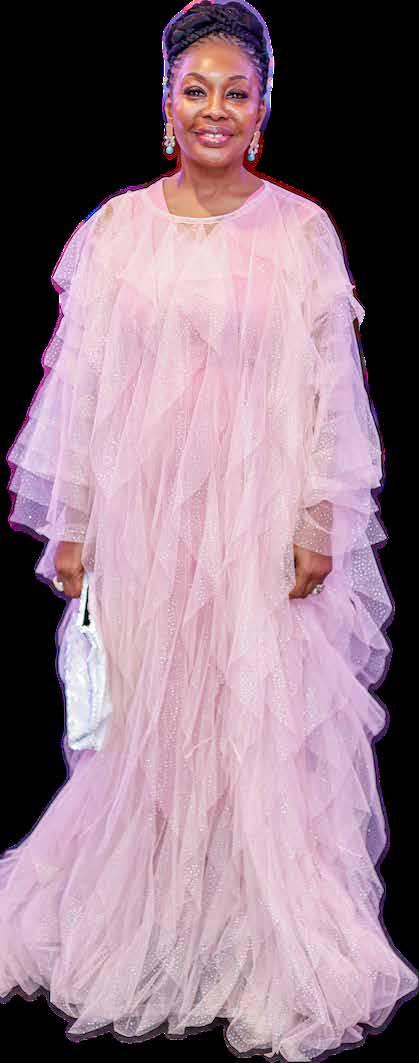
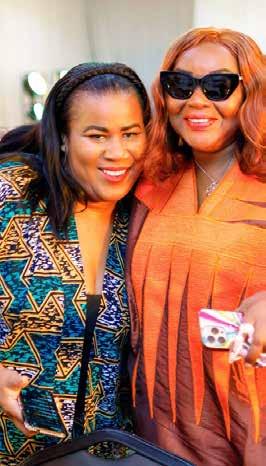
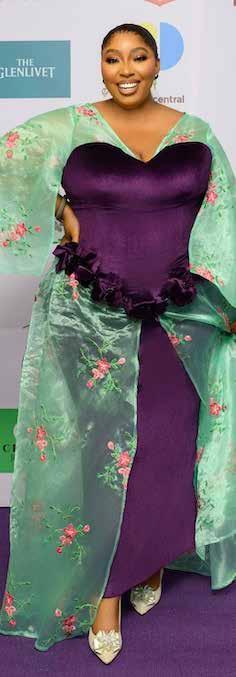
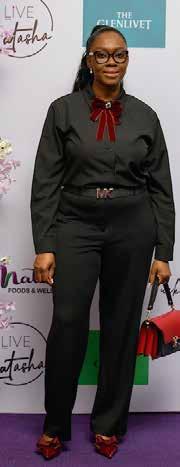
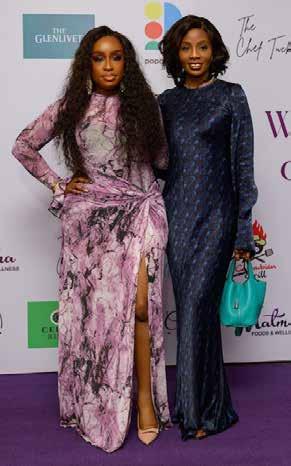
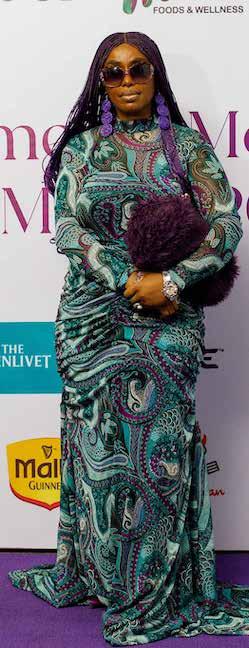
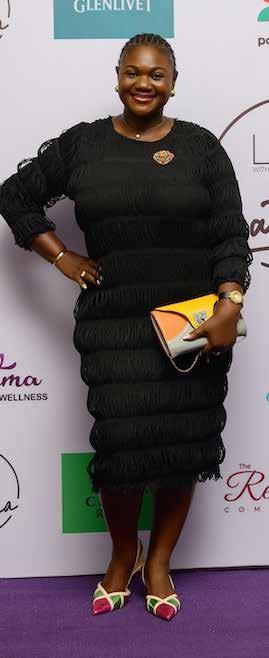
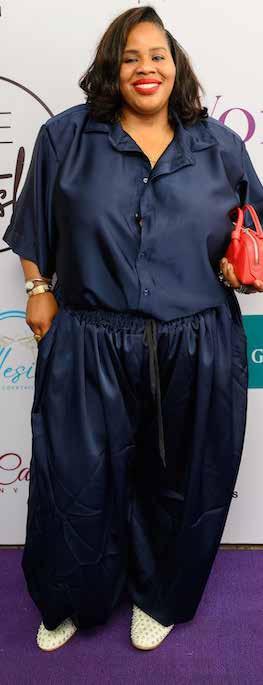
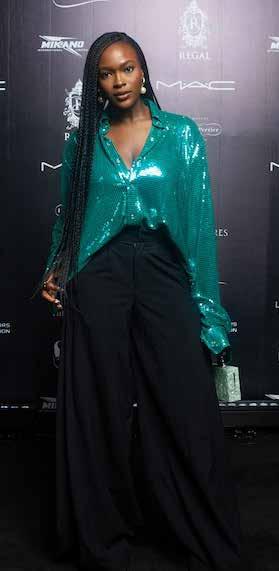
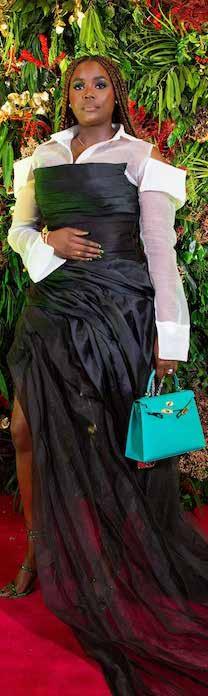
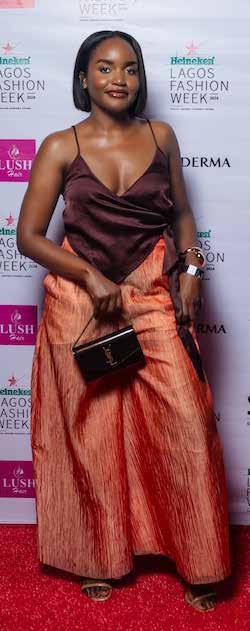
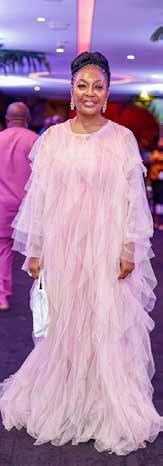
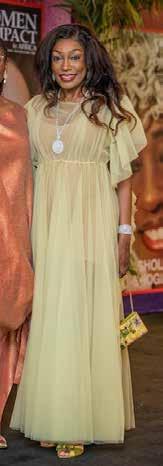
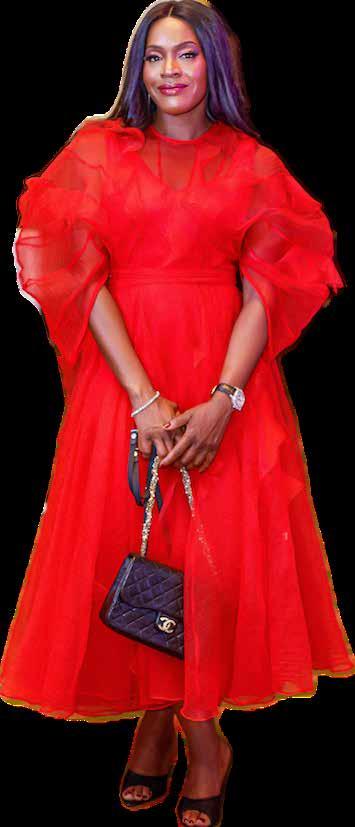
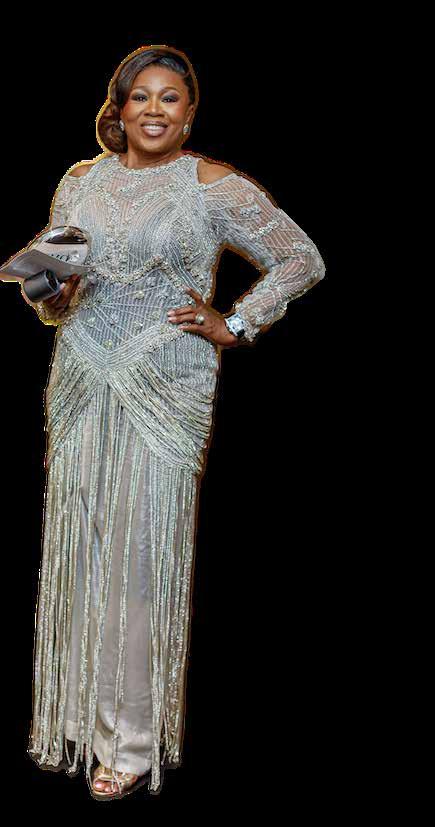
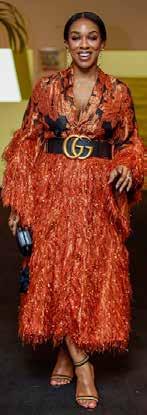
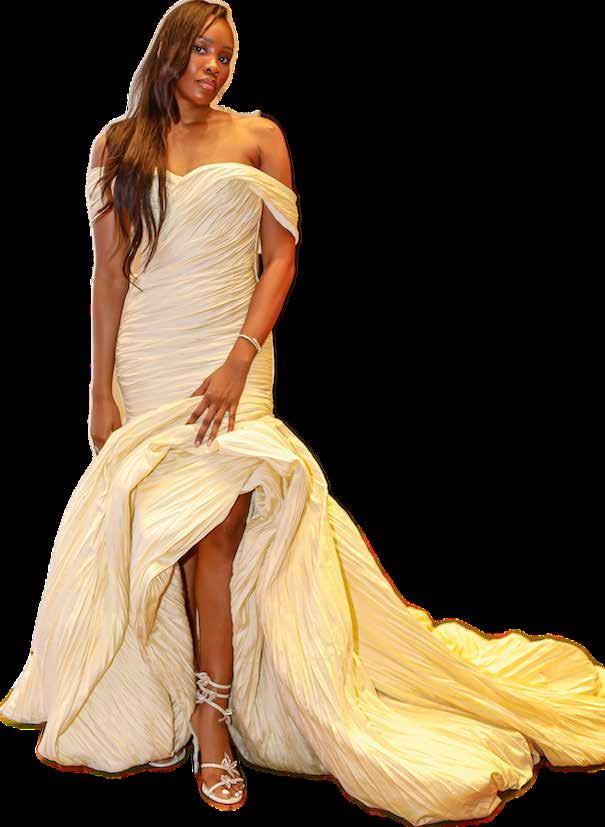
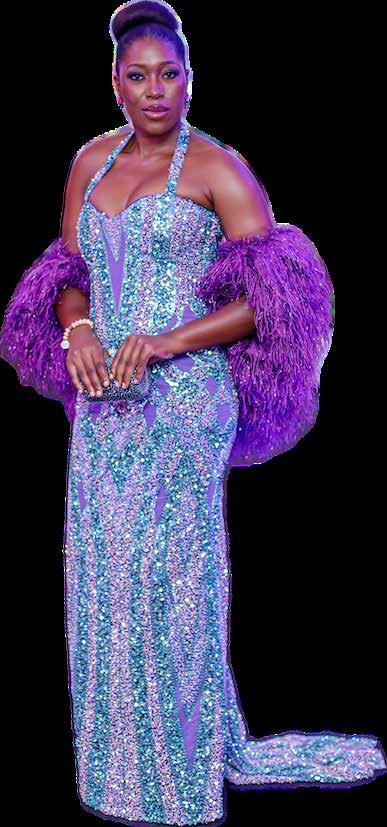
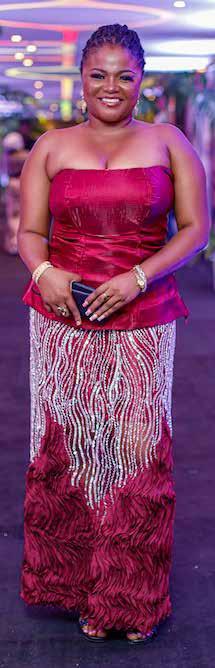
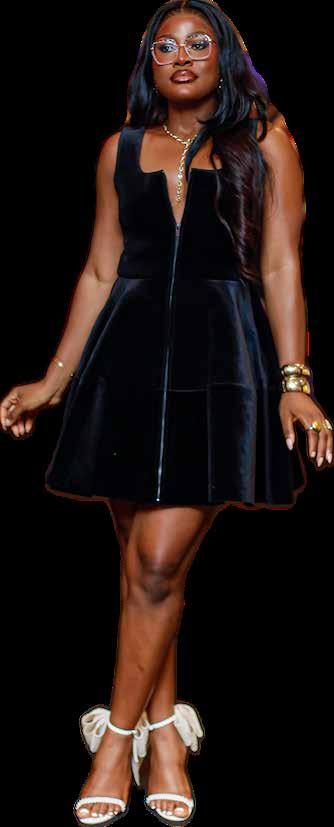
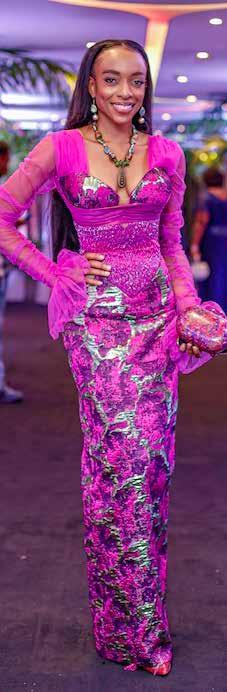
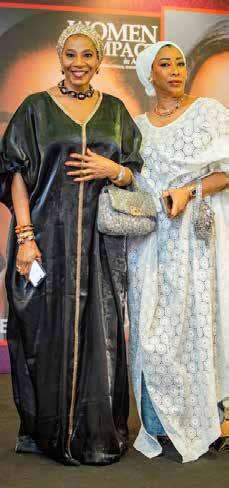
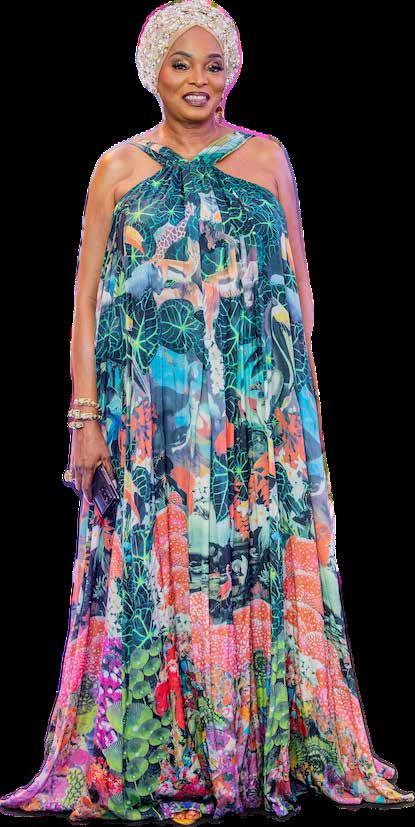
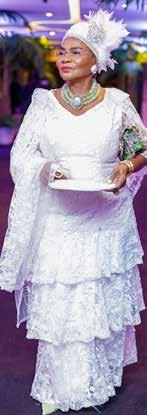
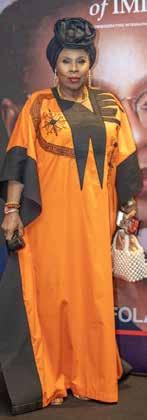
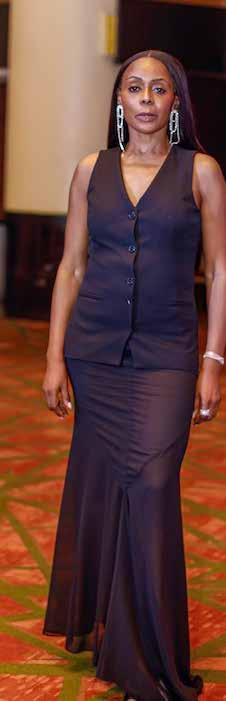
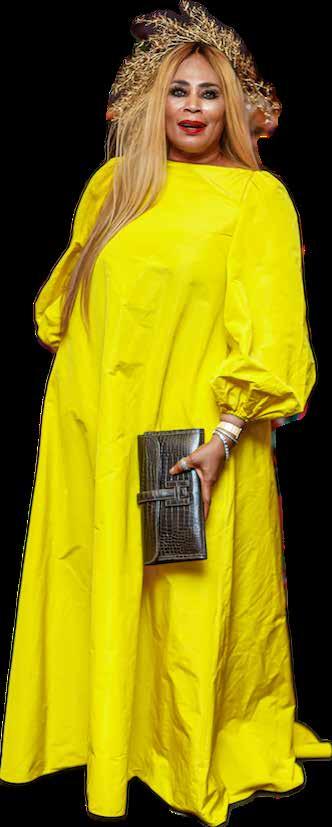
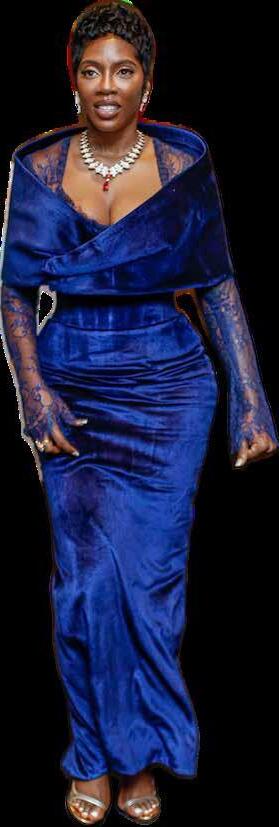
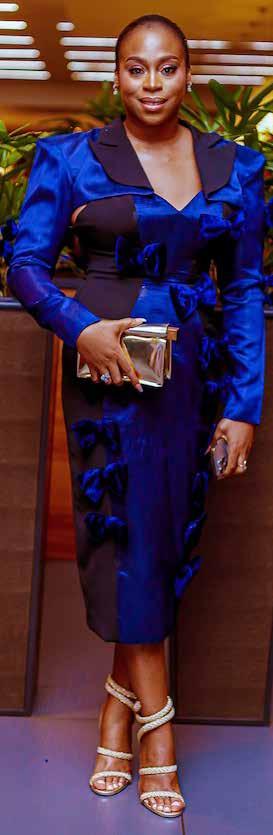
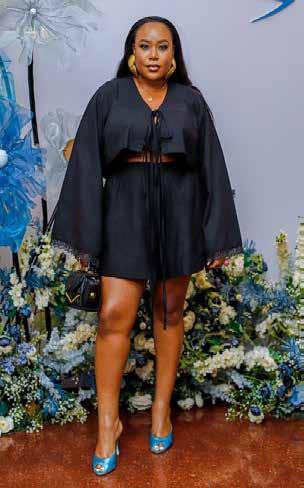
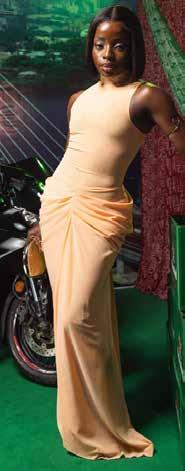
There are red carpets, and then there are rooms where you immediately understand that nobody is dressing by accident. The ARISE Africa Women of Impact Awards 2026, held on International Women’s Day at the Eko Convention Centre, Lagos, was exactly that kind of room. Before a single award was announced, the red carpet had already established the tone. And the interesting thing? It wasn’t chaotic. It wasn’t a mix of random fashion moments fighting for attention. There was a clear direction. You could see it almost instantly. Women arrived in colour, in volume, in texture, in shine. Native wear held its ground. Headpieces carried weight. And even the simplest looks had intention behind them. This wasn’t about trends in the usual sense. It was about how women who understand power are choosing to dress right now. Here’s what actually defined the carpet.
COLOUR, WORN WITH AUTHORITY
Colour led the conversation, and it did so without hesitation. Deep emerald greens, oxblood reds, royal blues, burnt oranges, rich purples, shades that carry weight on their own, worn in full, uninterrupted looks. Monochrome dressing dominated, and that’s what made it work. No unnecessary layering, no confusion. Just one colour, fully expressed. It gave the looks clarity and confidence. Even the softer tones held their own because they were supported by strong fabrics and clean construction. Nothing felt washed out or tentative
VOLUME, WITHOUT APOLOGY
Volume showed up, but more importantly, it stayed controlled. We saw full skirts, extended trains, exaggerated hips, but none of it felt careless. The proportions were intentional. You could tell where the volume started, how it was built, and why it worked. Boubous stood out again this year, but in more elevated forms. Sheer layers, embroidery, structured draping, pieces that moved easily but still held presence. They didn’t overwhelm the wearer; they framed her. There’s something about volume on a carpet like this it reads as confidence. As someone who understands that taking up space is not something to negotiate or tone down.
TULLE, REWORKED AND REPOSITIONED
Tulle made a strong case for itself this year, but it came with far more control than we’re used to seeing.
Instead of leaning into softness or overt femininity, designers used tulle as a structural tool. It appeared layered into dresses to create depth, shaped into sleeves to build volume, and inserted into bodices to add dimension without heaviness.
In some looks, it softened otherwise sharp tailoring, creating contrast between structure and movement. In others, it gave garments that floating effect without making them feel fragile or overly delicate.
TUNDUN ABIOLA WINIHIN JEMIDE
EVA OMAGHOMI
EFE OBAIGBENA
SEQUINS AND SHINE
Of course there was shine. There always is. But this time, it felt measured. Yes, there were fully sequinned gowns, high-impact, reflective, impossible to ignore. But even those were handled with more discipline. Clean lines, strong silhouettes, minimal styling. No excess. Then there were the quieter interpretations, beaded fabrics, subtle shimmer woven into textiles, metallic finishes that revealed themselves as the wearer moved. These looks didn’t demand attention immediately, but they held it. The women who chose shine understood how far to take it. They didn’t overload the look with accessories or competing details. They let the fabric do the work.
SKIN AND SHOULDERS
Off-shoulder gowns, strapless dresses, asymmetric necklines, onesleeve cuts - just enough to introduce softness into otherwise strong silhouettes. The shoulders, in particular, had a moment, offering a clean, elegant way to break up structure. It didn’t tip into excess. Instead, it worked as a contrast, balancing volume, tailoring, and fabric weight with something lighter, more open.
BLACK, BUT NOT PREDICTABLE
Black had its moment, but it refused to fall into its usual role. Instead of playing safe, black came layered with texture, with structure, with detail. Sheer panels added depth. Velvet introduced richness. Lace brought intricacy. Tailoring sharpened everything. Each black look had a point of difference. A neckline that stood out. A sleeve that carried weight. A fabric choice that changed how the colour behaved under light.
NATIVE ATTIRE, FULLY IN ITS ELEMENT
Native wear didn’t feel like a category. It felt like a foundation. Aso-oke, lace, brocade, everything showed up, but with refinement. Agbadas were cleaner, less exaggerated. Kaftans felt more tailored. Iro and buba sets came styled with sharper precision. There was also a noticeable ease in how traditional fabrics were used. Some stayed within expected silhouettes, while others pushed into more contemporary territory, corseted dresses, draped gowns, hybrid designs that didn’t feel forced. What made it work was the lack of tension. No one was trying to “modernise” tradition. It simply existed in its current form.
ADENIKE OGUNLESI
EDIKAN MUSA EMELDA RUFAI
HEADGEAR THAT COMPLETED THE CONVERSATION
Headgear did what it always does, but this time, it felt more considered across the board. Geles were sculpted with precision, layered, folded, structured into shapes that held throughout the night. You could tell they were part of the look from the start, not something added at the end. There were also turbans, embellished wraps, and a few experimental pieces that leaned slightly theatrical, but still grounded in the overall look. The best-dressed guests didn’t treat headgear as optional. It was integrated into the look, both in colour and proportion. And when done right, it carried just as much presence as the outfit itself.
STRUCTURE AND TAILORING: THE QUIET POWER MOVE
Amid all the movement and volume, structure quietly anchored the red carpet. We saw well-cut dresses, defined bodices, and silhouettes that relied on precision rather than embellishment. Pieces where the focus was on fit, how the fabric sat, how it moved, and how it held the body. There’s a certain confidence in choosing structure over excess. It leaves no room to hide. The cut has to be right. The fabric has to be right. And when it is, the result is undeniable.
MENSWEAR THAT UNDERSTOOD THE BRIEF
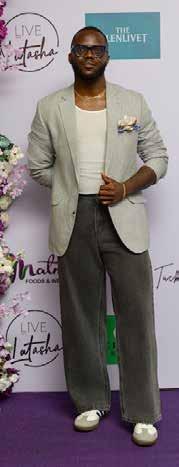
The men approached the carpet with clarity, and that worked. Classic tuxedos showed up, clean and well-fitted. Nothing overdesigned, nothing trying too hard—just proper tailoring and attention to detail. Traditional looks, agbadas and kaftans, also held their place, often in rich fabrics with minimal embellishment. The focus stayed on fit and fabric rather than excess styling. There were no unnecessary risks, but there didn’t need to be. The brief was simple: show up well. And they did.
FABRIC AS THE REAL STORY
Beyond colour, beyond silhouette, fabric quietly did most of the heavy lifting on this red carpet. You could see it in the way garments moved and in some cases, how they didn’t. Silk came through with that unmistakable fluidity, catching light without needing embellishment. Organza held volume without adding weight, allowing dramatic shapes to exist without feeling heavy. Lace added detail, but in a more controlled way, less decorative, more intentional. Structured fabrics like aso-oke and brocade sat alongside lighter materials like tulle and chiffon, creating looks that balanced weight and movement. They were about sparkle, they were about texture. About how light interacts with the garment as the wearer moves.
WALE EDUN TOKUNBOR ADEDOJA LEO STAN EKEH ENIOLA BELLO
JENNIFER
THE NEW LAGOS DRESS CODE
Lagos has always been stylish, but what defines style in the city today has quietly shifted. There was a time when how you dressed was dictated by where you were going. Work meant structure. Weddings meant excess. Casual meant almost careless. Everything had its place, and the rules were clear. That clarity is gone. What has replaced it is something less rigid but far more interesting. A way of dressing that prioritises balance over perfection, ease over performance, and personal expression over expectation.
By Funke Babs-Kufeji
Lagos still dresses up, but not in the way it used to. The effort is there, but it is controlled. You can see it, but you are not meant to feel it.
This is what now defines the Lagos dress code.
Not a set of rules, but a shared understanding. Look like you tried, but not too hard. Be comfortable, but never careless. Stand out but still belong.
Nowhere is this shift more obvious than in how people approach workwear. The full corporate uniform still exists, but it has loosened its grip. Blazers remain, but they are softer, often paired with wide-leg trousers, skirts, or even well-cut denim on less formal days. Footwear has relaxed too. Heels are no longer a requirement, and clean sneakers or understated flats now sit comfortably within many office spaces.
The emphasis is no longer on strict conformity but on looking put together in a way that feels natural. Fit, fabric, and neatness have replaced rigid dress codes.
Beyond the office, most people now exist in a space best described as smart casual, but Lagos has made it its own. These are outfits designed to move through the day without needing a complete reset.
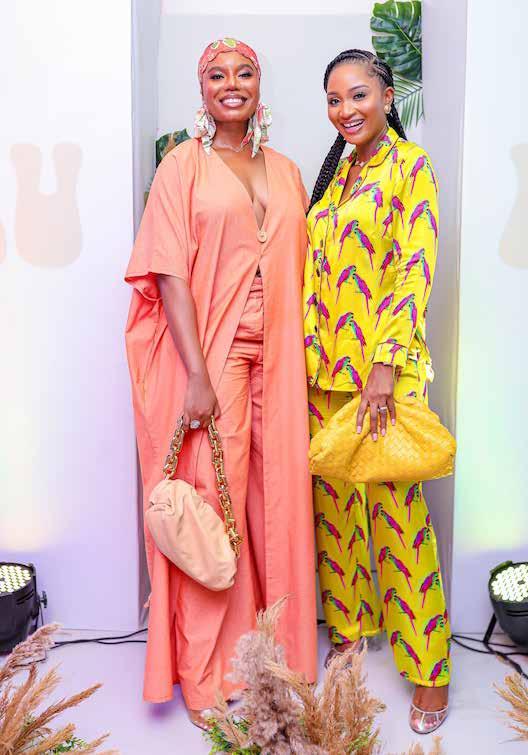
A co-ord set that works for meetings and lunch. Tailored trousers worn with a light shirt that can transition into the evening. Simple dresses that feel effortless but are clearly considered. Nothing looks overdone, but nothing is accidental either. Even the most relaxed outfits carry intention. At the same time, comfort has taken on a new kind of legitimacy. What people often refer to as the “soft life” has influenced how clothes are chosen and worn. Loose silhouettes, breathable fabrics,
and softer colour palettes have become more common, not as a rejection of style, but as a refinement of it. There is a quiet confidence in clothes that do not try too hard. A wellcut linen set, a flowing dress, minimal jewellery. It looks easy, but it is precise in its own way. And yet, for all this restraint, Lagos has not lost its love for dressing up. If anything, it has become more expressive. Weddings, birthdays, and social events remain spaces where people push their style further, but even here, the approach has evolved. Aso ebi is still central, but it is no longer about uniformity. It is about interpretation. Structured bodices, exaggerated sleeves, unexpected colour choices, cleaner tailoring. The goal is no longer just to match, but to distinguish yourself without losing the shared identity of the event.
Streetwear, once considered separate from mainstream style, now sits comfortably within it. T-shirts, cargos, sneakers, and caps are worn across different age groups and in more settings than before. The difference is in the execution. Fits are cleaner, combinations are more deliberate, and the overall look feels intentional rather than thrown together. It is relaxed, but it is not careless. Even traditional wear reflects this shift. Agbadas are more tailored, senator styles are sharper, and fabrics are lighter and easier to wear. Women are reworking classic silhouettes into something that feels current without losing their cultural grounding. There is still respect for tradition, but it is being interpreted through a more modern lens. What ties all of this together is not a trend, but a mindset. Lagos is not dressing to fit into a single category. It is dressing to move through different parts of our lives without having to become different people in each one.
At some point, your makeup bag stops working for you and just starts holding things. You see it in the little moments, digging too long for one lip gloss, rotating the same few products while the rest sit untouched, carrying more than you actually use. It’s full, yes, but not necessarily useful. And if you’re honest, half of what’s inside doesn’t really earn its place. The truth is, it’s rarely about needing more. It’s about knowing what works, what you reach for, and what quietly doesn’t. So maybe it’s time for a quick edit, not a complete overhaul, just a smarter, more intentional version of what you already have.
Step One: Empty Everything
• Not a quick tidy-up. Not a casual rearrange.
• A proper, slightly uncomfortable empty.
• Lay everything out, every lipstick, every compact, every brush, every palette you swore you’d start using. Seeing it all at once forces a kind of honesty that your makeup bag has been shielding you from.
• You can’t claim something is essential when it’s been sitting untouched for months. This is where clarity begins.
Step
Two: Check Expiry (Seriously)
This is the part most people avoid, but it matters. Mascaras dry out faster than we admit. Liquid foundations don’t age well. Lip products, especially glosses, have a lifespan we conveniently ignore. If it smells off, has changed texture, or you genuinely cannot remember the last time you used it, it’s time to let it go.
Step Three: Be Honest About Your Routine
Strip away the aspirational version of yourself for a moment. Who are you on a regular day? Not an event. Not a photoshoot. Just your actual life, work, meetings, quick outings, maybe an owambe if the weekend calls for it.
For most women, the routine is consistent:
• A base (powder or foundation)
• Brows
• Mascara or liner (optional)
• Lip gloss or lipstick
A touch of blush or bronzer
• That’s your real makeup life.
• Everything else needs to earn its place.
Step Four: Keep What Works for You
Trends are persuasive. Social media is even more so. It’s easy to buy into products because they look good on
THE MAKEUP
BAG
AUDIT: DO YOU ACTUALLY NEED EVERYTHING YOU OWN?
someone else, or because they’ve been positioned as essentials. But your skin tone, your texture, your climate, your lifestyle, those are the real deciding factors.
If it doesn’t suit you, it doesn’t stay. Simple.
Step Five: Build a Tight Core Kit
Think of your makeup bag like a wardrobe you actually wear. Not options for every possible mood, but pieces you trust. Your core kit should include:
• One or two base products that match perfectly
• A reliable brow product
• A fresh mascara
• Two to three lip options (a gloss, a nude, and maybe something bold)
• A blush or bronzer that adds warmth
Everything in this kit should be something you’ve reached for recently and would replace without hesitation.
If you wouldn’t miss it, it doesn’t belong here.
Step Six: Separate the Extras
There’s nothing wrong with having options.
That bold red lipstick. The shimmer palette. The things you wear for weddings, parties, or when you’re in the mood to do a full face.
But they don’t need to live in your everyday makeup bag.
Create a separate “occasion” pouch. It keeps your daily routine clean and makes getting ready far less chaotic, while still giving you room to play when you want to.
Step Seven: Watch the Duplicates This is where most of the clutter hides.
Multiple nude lipsticks that look the same. Glosses that differ only slightly. Powders doing identical jobs. It adds up quickly. Once you see the repetition, it becomes easier to stop buying it. Because at some point, more stops being variety and starts being excess.
Spice, Smoke and Story
Is a food column by Funke Babs-Kufeji, telling her love story for cooking and food in Nigeria, while exploring everything from restaurant reviews and recipes to fine dining, hosting, and the culture that shapes how we eat.
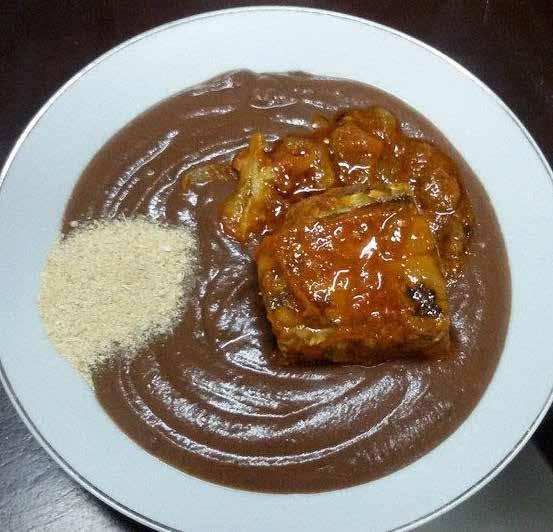
Easter on a Plate: Lagos’ Best Kept Secret, Frejon
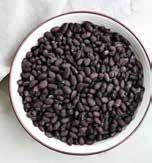
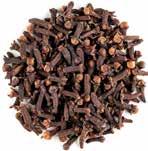
Some dishes belong to a season. Not casually, but in a way that feels fixed in time. You wait for them without even realising it, and when the season comes, nothing else quite fills that space. Frejon is one of those dishes. I am Lagosian on both sides, and growing up, Easter always came with a clear rhythm. On Good Friday, there was only one meal that mattered. Frejon. It was never announced, never debated, just understood. In my mother’s family, the day had its own pace. No meat, that was nonnegotiable because it was Good Friday, the day our Lord Jesus Christ was crucified. Meals leaned towards seafood, and at the centre of it all was a pot of Frejon, cooked slowly and with care. Black beans were thoroughly cooked, coconut milk extracted, and the kitchen filled with the scent of cloves and bay leaves. It was a quiet kind of cooking, one that asked for time and attention. There was no rushing it, no cutting corners. You could feel, even as a child, that this was not just food being made, but something being honoured and preserved. Known in some homes as feijão, this rich, coconut-infused beans dish is deeply rooted in the Brazilian quarters of Lagos, where returnee Afro-Brazilians shaped a distinct food culture that still lingers today. On Good Friday and through the Easter period, kitchens in these communities come alive with the slow, careful preparation of Frejon. It is not rushed. It cannot be rushed. At its core, Frejon is made from black-eyed beans, cooked down until soft, then blended or mashed into a smooth paste. Coconut milk gives it its body and flavour, while spices like cloves and bay leaf add warmth and depth. Depending on the home, it leans sweet or savoury. Some serve it with sugar, others balance it differently, but the essence remains the same. It is one
SPICE, SMOKE & STORY
BY FUNKE-BABS KUFEJI
of those dishes that carries both technique and instinct. You can follow a recipe, but it still requires a certain understanding to get it right. The texture, the balance, the timing. Everything matters. Frejon is never served alone. There was always fried stew, rich and peppery, fried or fresh fish cooked just right, and ovenbaked garri, a detail that might sound simple but completed the meal in a way that felt intentional. Everything on the plate had a place. It was the kind of meal you sat down for properly. The kind you remember long after the plates have been cleared. Over time, my mother became known for it. People who did not know how to make Frejon began to rely on her, especially around Easter. Calls would come in, requests here and there. What started as a family tradition slowly grew into something shared. That is how food travels, quietly, from one home to another, from one person to the next. These days, that same tradition continues in a more structured way. For those who want to experience it without going through the full process, it is now something you can order. The same care, the same attention to detail, just without the hours in the kitchen. Silver Spoon has continued that tradition, making Frejon available every Easter for those who know it and those just discovering it. Orders are usually placed ahead of Good Friday, and for many, it has become part of their own routine. If you know, you know. And if you don’t, their Instagram page @silverspooncatering.ng is where many have started.
HABITS THAT MAKE YOU UNFORGETTABLE
Dear Reader,
What I find interesting now is how many people living in Lagos and outside Lagos have never heard of it. You mention Frejon and there is a pause, a slight curiosity, sometimes confusion. And then once they taste it, it becomes something else entirely. It becomes something they want again. There is a certain joy in introducing people to a dish like this, watching it move from unfamiliar to unforgettable in one sitting. In a time where food trends come and go, Frejon feels steady. It does not try to compete, but it stays with you. These days, not everyone has the time and patience it takes to cook this dish the way it requires, but the craving remains. And every Easter, the question still comes up, where will I get my Frejon?
Not out of obligation, but out of desire. Because once you know it, it becomes part of your own rhythm. For me, Easter will always taste like Frejon. Some dishes do not need to change. They just need to be shared.
SURVIV R
BY DR. KEMI DASILVA-IBRU AND GLORIA JOACQUIM
WARIF SURVIVOR STORIES
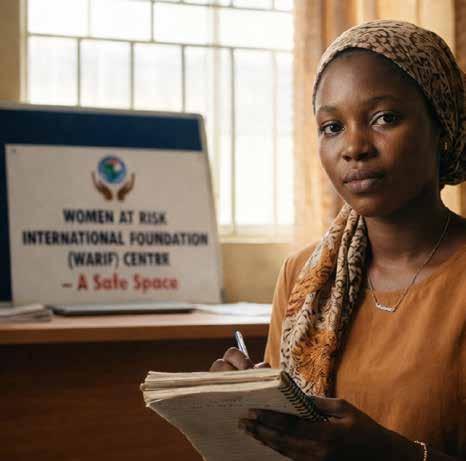
Welcome to the WARIF Survivor Stories Series, a monthly feature where stories of survivors of rape and sexual violence are shared to motivate and encourage survivors to speak their truth without the fear of judgment or stigmatisation and to educate the public on the sheer magnitude of this problem in our society. The Women at Risk International Foundation (WARIF) is a non-profit organisation set up in response to the extremely high incidence of rape, sexual violence, and human trafficking of young girls and women in our society. WARIF is tackling this issue through a holistic approach that covers health, education, and community service initiatives.
WARIF aids survivors of rape and sexual violence through the WARIF Centre - a haven where trained professionals are present full-time, 6 days a week, including public holidays, to offer immediate medical care, forensic medical examinations, psychosocial counselling, and welfare services which include shelter, legal aid, and vocational skills training. These services are provided FREE of charge to any survivor who walks into the Centre.
My name is Amina. I am 19 years old.
I was born into a family of five, the first child, the big sister, the one who was meant to be strong. My parents are hardworking business owners who built their lives from determination and sacrifice. They travelled often for work, chasing opportunities so my siblings and could have better ones. Even when they were away, I never doubted their love. It lived in the way they called to check on us, in the things they provided, and in the dreams, they had for me.
For a long time, my life felt ordinary: school, home, helping my younger siblings with homework, laughing at small things. was a student at my religious school, focused on my studies and my faith. trusted my teachers. I believed I was safe.
Then one ordinary school day changed everything.
After classes ended, was asked to stay behind. The halls slowly emptied. The laughter of other students faded. I remember the quiet and how heavy it felt. remember thinking it was just a routine request.
But it wasn’t.
Someone in authority, someone had trusted, someone who was supposed to guide and protect me, violated that trust in the most painful way. He forced himself on me and threatened me into silence. was only a girl, standing alone in a place that had once felt safe. Fear wrapped itself around my voice. Confusion clouded my thoughts. Shame, though it did not belong to me, settled heavily on my shoulders. I told no one.
The silence felt like a prison. tried to avoid him. I changed my routines. I prayed it would stop. But he found ways to isolate me again. It happened three times, on different occasions. Each time, felt smaller. I felt trapped inside my own body. learned how to smile in front of others while breaking inside. I carried on with school, with family life, pretending everything was normal, but nothing was normal anymore.
Eventually, my brother noticed. He saw the quietness, the withdrawal, the sadness could no longer hide. For a long time, I wrestled with fear. What if I wasn’t believed? What if I caused trouble? What if everything became worse? But one day, through tears and trembling words, told him. That moment changed my life.
My family did not question me. They did not blame me. They stood up for me. Immediately. They took me to the police station and reported the case. was referred to the Women at Risk International Foundation (WARIF) Centre.
Walking into WARIF, I did not know what to expect. Part of me was still afraid. But something different met me there, gentleness. I received medical care, counselling, and emotional support, all free of charge. For the first time since the abuse began, I felt heard. I felt protected. felt believed. Through therapy, slowly began to untangle the lies fear had planted in my heart. learned that what happened was not my fault. I learned that shame belonged to the perpetrator, not to me. In group therapy sessions, met other survivors. Sitting in that room, listening and sharing, felt something I had lost — belonging. We held space for one another. We reminded each other that survival is strength. That healing, though slow, is possible. Today, have been certified medically fit. Emotionally and psychologically, I am still growing, still healing, but am stronger than once was. The case is currently in court, and I hold onto hope that justice will be served. Sharing my story has not been easy. There are still days when memories resurface, when emotions feel heavy. Healing is not a straight line; it is a journey. Some days are brighter than others. But look at myself now and see courage where fear once lived. am grateful to my brother, who saw my pain; to my family, who stood beside me without hesitation; to my therapist, who patiently walked with me through the darkness; and to the team at the WARIF Centre, whose compassion and professionalism reminded me that humanity still exists. have dreams again.
want to become a medical doctor. I want to own an NGO. I want to advocate for survivors of gender-based violence and stand in the gap for girls who feel voiceless. want them to know they are not alone. What happened to them does not define them. That healing is real. am more than what happened to me. am strong. am healing.
And I have a future.
* Real name of the Survivor changed for confidentiality
Dear Survivor, please know that you are not alone, and it is not your fault. Help is available. If you have been raped or know someone who has, please visit us at:
The WARIF Centre 6, Turton Street, off Thorburn Avenue, Sabo, Yaba, or call our 24-hour confidential helpline on 0800-9210-0009.
STILL, I RISE: AMINA’S JOURNEY FROM SILENCE TO STRENGTH.