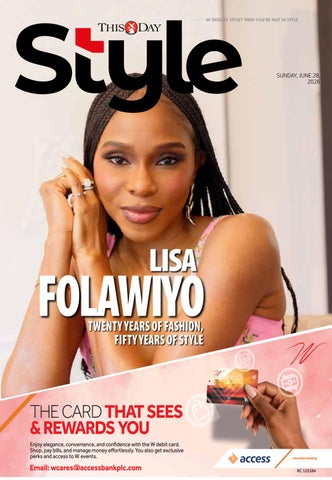
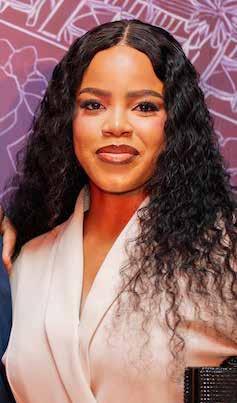
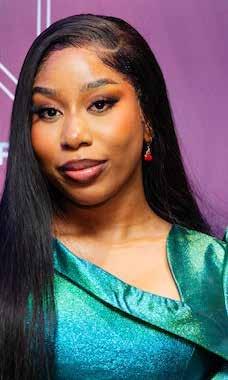
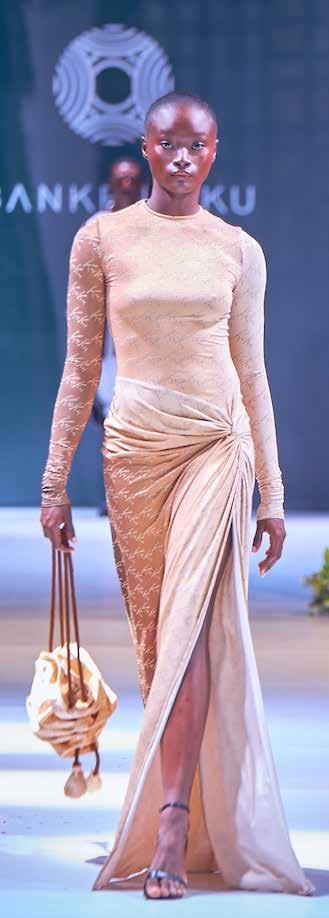
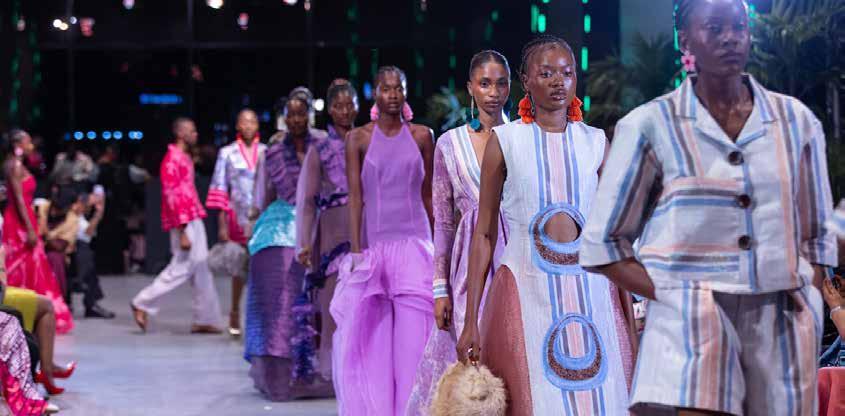
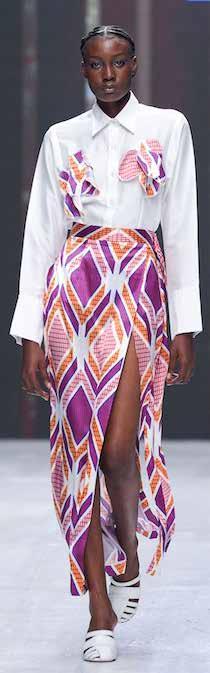
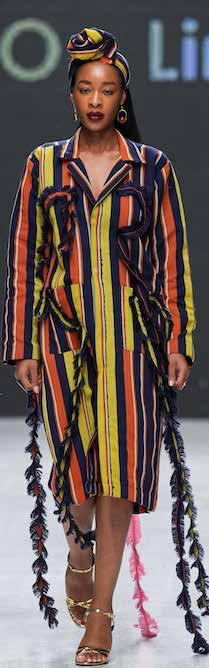
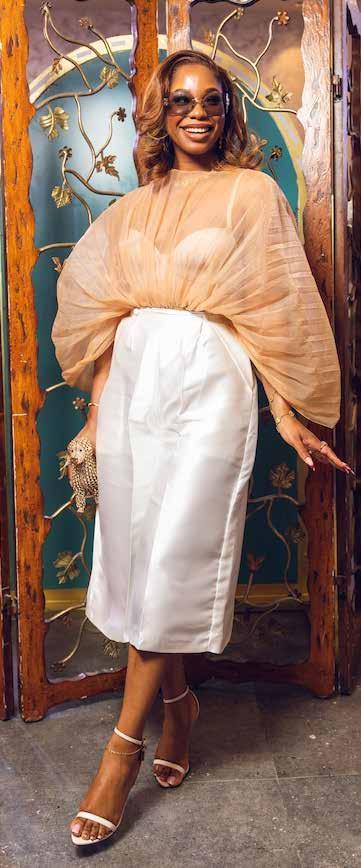
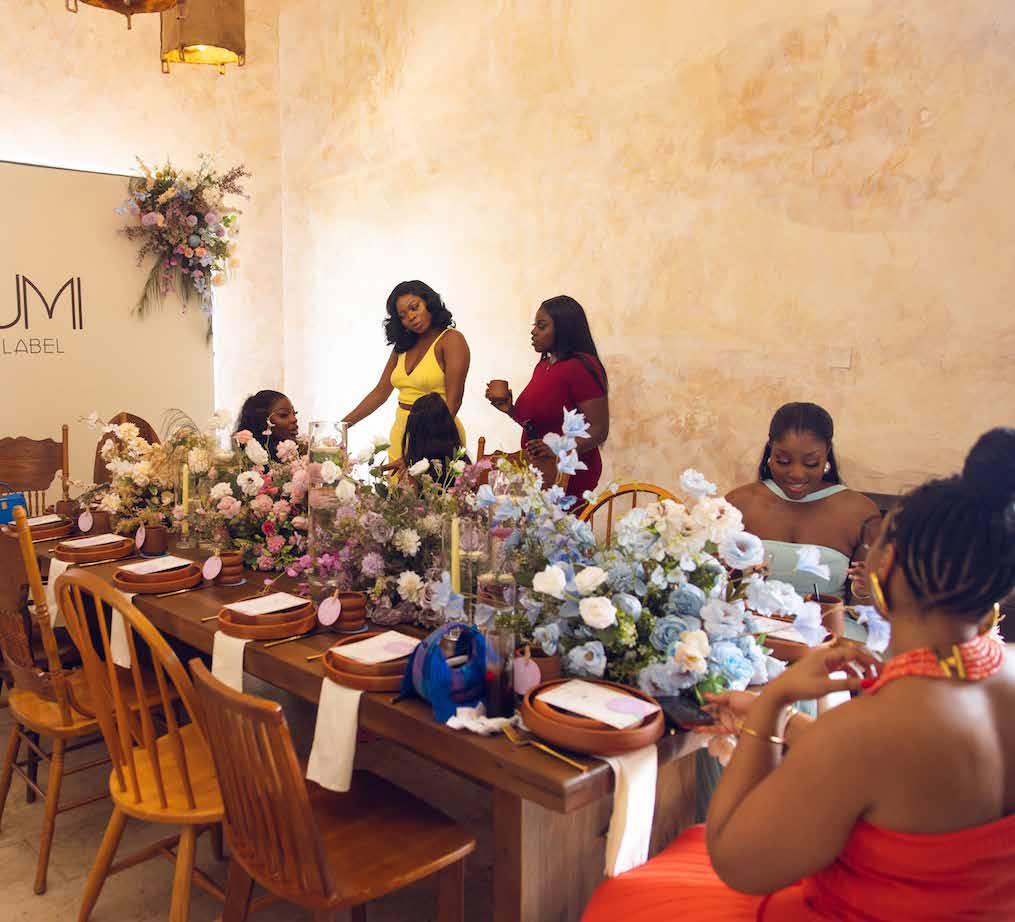
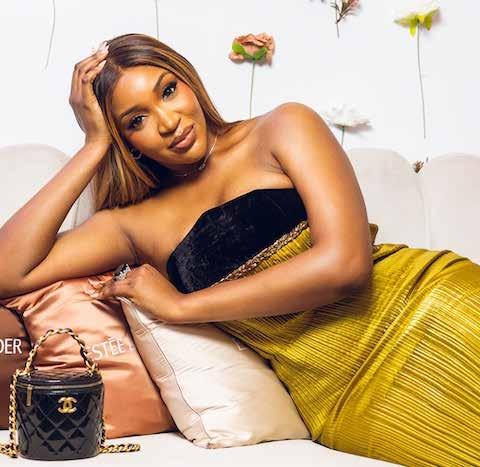
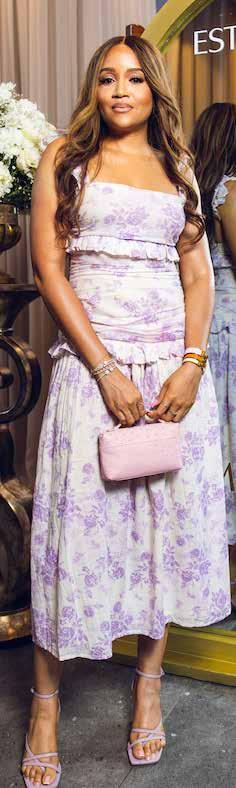
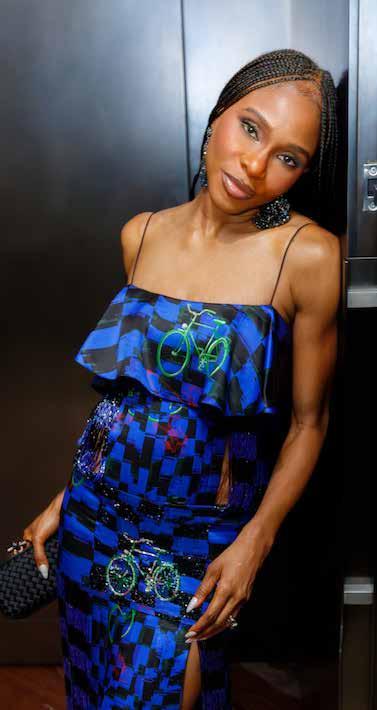
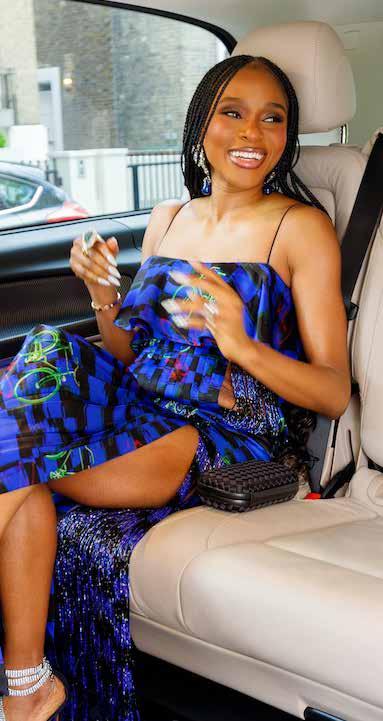
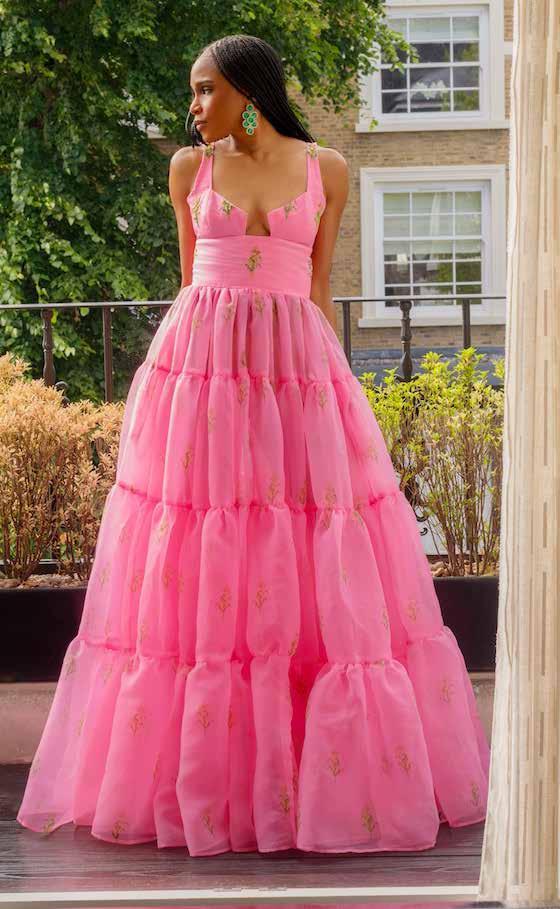
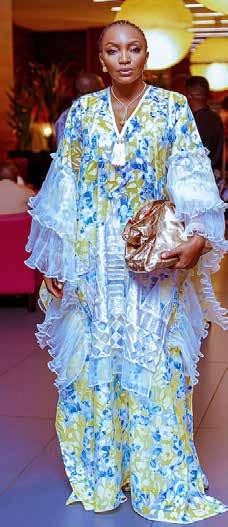
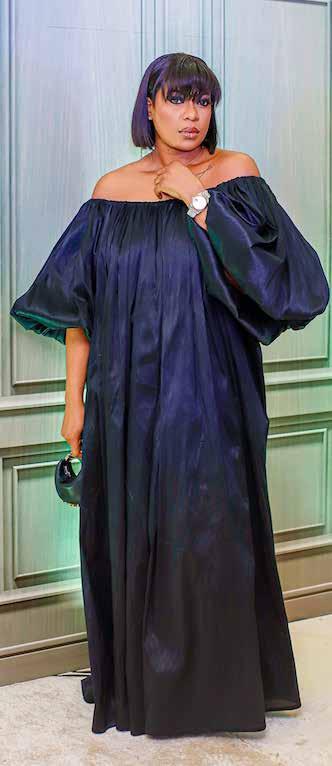
This year marks two major milestones for Lisa Folawiyo: her 50th birthday and 20 years of building one of Africa’s most respected luxury fashion brands. Few designers can claim to have changed the course of an industry, but Lisa has done just that. Through vision, persistence and an unwavering commitment to craftsmanship, she transformed Ankara from a familiar fabric into a globally recognised symbol of contemporary African luxury. When she launched her label in 2005, there was no blueprint for what she was trying to achieve. At a time when African fashion was still largely viewed through a traditional lens, Lisa introduced something different.
Lifestyle & Fashion
EDITOR’S LETTER
There are very few things more satisfying than watching something you love grow.
Having covered Nigerian fashion for well over a decade, I have had the privilege of watching our industry evolve in ways that once felt almost impossible. I remember when many designers were simply trying to survive from one collection to the next, when “Made in Nigeria” did not always receive the respect it deserved and when conversations about fashion businesses rarely went beyond creativity. Today, the picture looks very different.
Our designers are showing internationally. Ready-to-wear has grown into a thriving category. Pop-ups have become serious business opportunities. Digital platforms have opened new markets. More people are proudly wearing Nigerian brands, not just because they are local but because they are genuinely good. Having watched that journey unfold up close, couldn’t be prouder of how far we’ve come.
But perhaps the greatest compliment we can pay the industry is to stop asking whether we are good enough and start asking what comes next.
How do we build brands that can compete globally? How do we strengthen manufacturing, attract investment, improve distribution and create businesses that will still be thriving decades from now? How do we move from exciting labels to globally recognised fashion houses?
These are important questions, and there is no better time to ask them than now, while the momentum is firmly on our side. In this issue, we explore that conversation in Can Nigerian Fashion Truly Scale? It is a topic hope sparks plenty of discussion because the future of Nigerian fashion will depend not only on brilliant designers but also on everyone working tirelessly behind the scenes to keep the wheels turning. To every designer, manufacturer, stylist, photographer, retailer, model, journalist and creative contributing to the industry’s growth, this is your story too. Elsewhere in the issue, we shift the conversation from building successful brands to building fulfilling lives. The Modern Woman’s Guide to Living Beautifully looks beyond fashion and beauty to explore what living well really means. Yes, great style will always matter to us, but so will good health, meaningful relationships, financial confidence, peace of mind and creating a life that feels as beautiful as it looks. I hope you enjoy that feature as much as did.
As always, thank you for making us part of your Sunday. hope you find a comfortable corner, a cup of something you love and a little time to enjoy these pages. We certainly enjoyed putting them together.
Before go, here’s my usual check-in. I hope life has been kind to you. hope you’ve found moments to laugh, reasons to celebrate yourself and enough grace to remember that you don’t have to have everything figured out all at once. Have a beautiful week, take good care of yourself and remember to make time for the things that make life feel full.
THE HAIR GROWTH PROBLEM NOBODY IS TALKING ABOUT
Afro-Textured Hair Is Naturally More Fragile Than It Looks
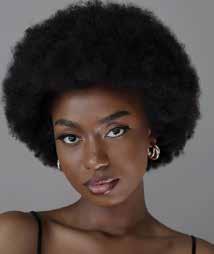
One of the biggest misconceptions about textured hair is that because it appears thick and full, it must also be strong. In reality, the tight bends and coils that make Afro-textured hair beautiful also make it more vulnerable to breakage. Every twist and curl creates weak points along the strand, making the hair more susceptible to snapping during detangling, styling and everyday manipulation. This is why many women mistake breakage for hair loss and end up treating the wrong problem.
Protective Styles Are Not Always Protective
have started long before. When the body is under prolonged stress, hair growth is often one of the first things to suffer.
The Growth Problem May Be Happening Inside the Body
Hair growth begins internally. Iron deficiency, low protein intake, vitamin D deficiency, hormonal imbalances and thyroid disorders can all contribute to thinning and slow regrowth.
This is particularly important for women with Afro-textured hair because changes in density can sometimes be hidden until significant thinning has already occurred.
By Funke Babs-Kufeji
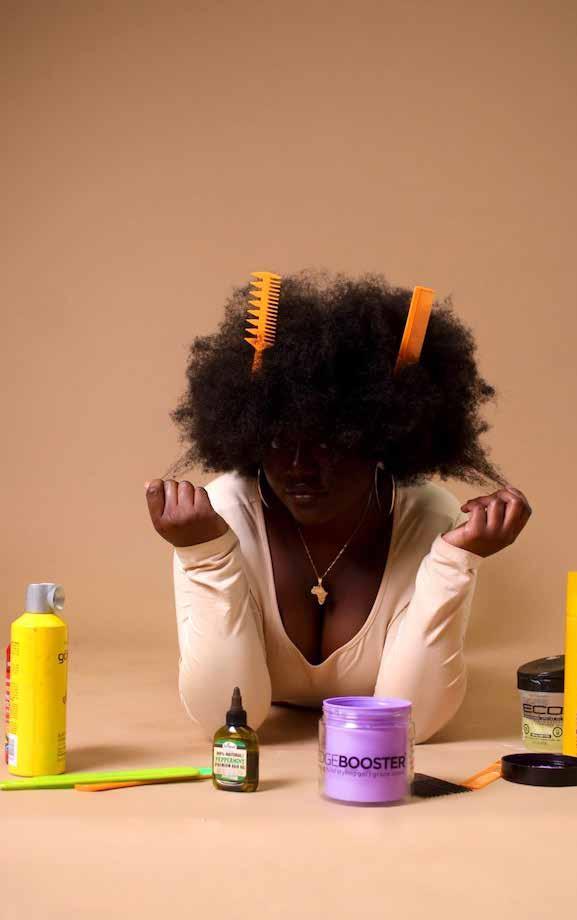
If you have Afro-textured hair, chances are you have spent years hearing the same advice: oil your scalp, drink more water, wear protective styles and avoid excessive heat. Yet despite doing everything right, many women are noticing something worrying. Their hair is shedding, their edges are thinning, their crowns look less dense and, most frustratingly, the hair does not seem to be growing back. For women with Afro-textured hair, this conversation hits differently. Hair is not simply beauty. It is identity, expression and culture. The problem is that many of us focus on the strands that fall out rather than the follicles that are supposed to replace them. The truth is that shedding is often normal. What is not normal is when the hair never returns.
The good news is that hair thinning and slow regrowth are not always caused by a single problem. In many cases, everyday habits, styling choices, scalp health, and even factors within the body may all play a role. Here are some of the most overlooked reasons your hair may not be growing back the way it used to.
Braids, cornrows, sew-ins and wigs have become staples for many women with textured hair. They save time, offer versatility and can help retain length. However, they can also become a major cause of hair loss when installed too tightly or worn continuously without giving the hair a break.
Many women first notice thinning around the temples and edges. This is often traction alopecia, a condition caused by prolonged tension on the hair follicles. Over time, repeated pulling can damage the follicles, making regrowth increasingly difficult.
Your Scalp Deserves the Same Attention as Your Face
Many women spend more on facial serums and moisturisers than they do on caring for their scalp. Yet healthy hair growth starts beneath the strands.
Product build-up, inflammation, dandruff and poor scalp health can all affect growth. If the scalp is unhealthy, hair growth becomes compromised, no matter how expensive the products sitting on your bathroom shelf may be.
Stress Is Showing Up in Our Hair
The connection between stress and hair loss is stronger than many people realise.
Emotional stress, financial pressure, illness, grief and burnout can all trigger excessive shedding. The frustrating part is that the shedding often appears months after the stressful event itself, making it difficult to identify the cause.
Many women blame a new product or hairstyle when the real issue may
If your hair is not growing back despite your best efforts, it may be worth looking beyond products and examining what is happening inside the body.
Hair Oils Are Not Miracle Solutions
The natural hair industry has convinced many women that the next oil will finally solve their hair concerns. Rosemary oil. Castor oil. Peppermint oil. Countless growth oils promising thicker, longer hair. While some oils can help improve scalp health and reduce dryness, they are not miracle treatments. If the underlying issue involves hormones, traction damage, inflammation or nutritional deficiencies, no amount of oil can completely solve the problem.
What Actually Helps Hair Grow Back
For women with Afro-textured hair, healthy regrowth often depends less on finding a miracle product and more on creating the right conditions for growth.
Reducing tension from hairstyles, maintaining a healthy scalp, protecting the hair from excessive manipulation, prioritising good nutrition and seeking professional advice when necessary, can all make a difference.
The conversation around textured hair is finally evolving. More women are moving away from obsessing over length alone and focusing instead on density, scalp health and long-term hair wellness. Because the goal is not simply to stop shedding. The goal is to ensure that healthy, thriving hair continues to grow back.
7-FIFTEEN CAPITAL BRINGS ITS LUXURY REAL ESTATE VISION TO LAGOS
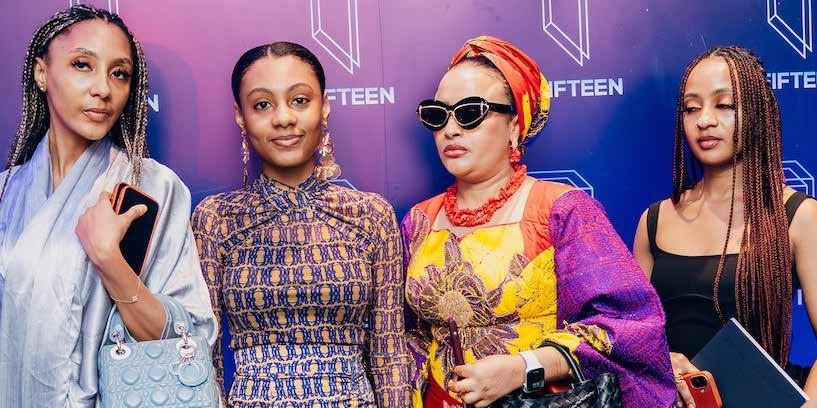
There are launches, and then there are arrivals that feel like a statement, and 7-Fifteen Capital’s Lagos debut was very much the latter. The premium real estate developer officially unveiled its presence in the city with an elegant evening in Ikoyi, introducing itself to Lagos in a way that felt polished, intentional and unmistakably luxurious. With a reputation already established in Abuja for delivering refined residential developments, the company’s move into Lagos signals not just expansion, but a confident entry into a market where taste, exclusivity and attention to detail matter. Aptly themed “An Evening at the Museum,” the launch blended art, architecture and high society, opening with LoadBearing, a curated exhibition by Yenwa Gallery featuring sculptural works commissioned to reflect the brand’s design philosophy and journey. At the heart of the evening was Zuri Residences, 7-Fifteen Capital’s flagship Lagos development currently rising on George Street, Ikoyi, a project that offers a glimpse into the company’s vision of elevated urban living, where elegance meets craftsmanship and luxury is expressed in the finer details. The guest list was as impressive as expected, bringing together some of the country’s most influential names across business, finance and government, while Lagos State Governor Babajide Sanwo-Olu formally welcomed the company to the state, noting the role of high-quality private developments in shaping aspirational communities and driving growth. For Tope Adekoya, CEO and Co-Founder of 7-Fifteen Capital, Lagos is a natural next step, and one the company is approaching with the same commitment to excellence that has defined its Abuja portfolio. Yet beyond the glamour of the evening, there was also a sense of substance. A panel session on the realities of real estate delivery in Lagos brought industry insight to the table, while the unveiling of the 7-Fifteen Foundation, focused on education, skills development and opportunities for young people, added a more purposeful layer to the brand’s story. By the end of the night, one thing was clear: 7-Fifteen Capital did not simply open an office in Lagos, it announced itself with the kind of sophistication, confidence and quiet opulence that suggests it fully understands the city it has come to court.
CAN NIGERIAN TRULY SCALE? FASHION
By Konye Chelsea Nwabogor
Not long ago, the biggest challenge facing many Nigerian fashion brands was getting noticed.
Today, that conversation has changed. Nigerian designers are showing at major fashion platforms, shipping orders across continents, attracting international press and building loyal customer communities far beyond Lagos.
Brands that once relied almost entirely on bespoke clients now operate e-commerce platforms, release seasonal collections and organise pop-ups in cities such as London, New York and Atlanta.
In many ways, Nigerian fashion has already achieved something remarkable. It has successfully convinced the world to pay attention.
The more pressing question now is
driven largely by bespoke tailoring.
Designers built businesses around weddings, social events, asoebi culture and made-to-measure garments. It was a model that worked well in a country where dressing up is practically a national pastime.
But bespoke fashion has natural limits.
A designer can only attend to so many fittings. Production is often dependent on individual measurements. Growth becomes tied to the availability of the founder and their team.
The rise of ready-to-wear has started to change that equation.
Some of the most ambitious Nigerian brands today are investing heavily in collections designed for repeat purchase rather than one-off commissions.
Brands such as Wanni Fuga, Hertunba, and This Is Us are part of a broader movement that sees fashion not simply as design but as product.
The distinction is important.
that Nigerian brands understand this.
Pop-ups have become an increasingly important strategy for testing international demand.
Over the last few years, Nigerian designers and retailers have organised activations across London, New York and other diaspora-heavy cities. These temporary retail experiences allow brands to meet customers directly, gather feedback and build international audiences without the enormous cost of opening permanent stores.
The growing popularity of these events suggests that Nigerian fashion is no longer waiting to be discovered. It is actively pursuing new markets.
Fashion platforms have also played a significant role in that journey.
Both Arise Fashion Week and Lagos Fashion Week have spent years helping Nigerian designers connect with buyers, media, investors, and international industry stakeholders. Beyond the runway shows, these platforms have become important meeting points where designers engage with retailers, manufacturers and business partners. Increasingly, the conversation is not just about aesthetics. It is about sustainability, production, retail and growth.
Yet visibility alone cannot solve the industry’s biggest challenge.
what happens after the attention arrives.
Can Nigerian fashion build brands that grow beyond cult followings?
Can local labels develop into companies with the scale, structure and staying power of the international fashion businesses they admire?
The conversation matters because the industry itself is changing. For decades, Nigerian fashion was
A customer who purchases a dress online in Abuja should ideally have the same experience as one ordering from London or Toronto. The garment should arrive on time. The sizing should be predictable. The quality should be consistent.
That level of reliability is what turns a fashion label into a scalable business. And there are encouraging signs
transportation costs fluctuate.
Exchange rate instability can alter production costs almost overnight.
A delayed shipment can affect an entire collection launch.
These realities influence everything from pricing to profitability.
What makes the achievements of many Nigerian brands particularly impressive is that they are growing despite these obstacles.
Unlike established fashion capitals, where manufacturing ecosystems have evolved over decades, many Nigerian designers are effectively building businesses while simultaneously helping to build the industry.
That dual responsibility creates challenges but also opportunities.
One of the less discussed aspects of scaling is distribution.
When people think of global fashion brands, they often think about the clothes. What they do not always see is the network behind those clothes. Department stores, stockists, retail partners, showrooms and wholesale buyers help international brands reach customers in multiple markets without relying entirely on their own websites or social media accounts.
This is where Nigerian fashion still has significant work to do.
Many local brands remain heavily dependent on direct-to-consumer sales. Instagram has become a storefront, customer service desk and marketing platform rolled
into one. While social media has undoubtedly helped brands grow, it can only take them so far.
For true scale to happen, Nigerian fashion will likely need stronger retail ecosystems, more multibrand stores, better access to international stockists and stronger wholesale relationships.
A customer should be able to discover a Nigerian brand in Lagos, Johannesburg, London or New York without necessarily following the founder online.
That kind of visibility creates a different level of business growth.
There is also the question of talent beyond design.
The future of the industry will depend not only on creative directors but also on production managers, merchandisers, supply chain specialists, retail buyers, fashion marketers and operations professionals. The world’s biggest fashion companies are rarely built by designers alone.
Perhaps this is why some of the most interesting conversations in Nigerian fashion today are no longer about trends. They are about systems.
How do brands manufacture more efficiently? How do they fulfil international orders faster?
How do they maintain quality as demand increases? How do they move from founder-led businesses to institutions capable of surviving for decades?
These questions may not generate the excitement of a runway finale, but they are likely to shape the industry’s future far more than any trend forecast.
The talent has never been in doubt. Every season, Fashion Week provide ample evidence of that. The creativity is here. The audience is here. International interest is increasingly here as well.
What remains uncertain is whether the ecosystem can keep pace with the ambitions of the brands emerging from it. For now, Nigerian fashion occupies an interesting position. It is no longer trying to prove it deserves a seat at the table. It has already earned that. The conversation has shifted to something more ambitious: what it would take for Nigerian fashion companies to grow into the kind of businesses that shape global fashion rather than simply participate in it.
Infrastructure remains the elephant in the room.
It is difficult to discuss scaling a fashion business in Nigeria without discussing electricity, logistics, manufacturing and access to capital.
Many brands continue to produce in environments where power supplies are inconsistent, imported raw materials are increasingly expensive, and
DODOS UVIEGHARA IN THIS IS US
By Funke Babs-Kufeji
Dress Like You Mean It
The modern woman understands that style is not about chasing every trend. It is about knowing what works for your body, your lifestyle and your personality.
Build a wardrobe around pieces that fit well, flatter your shape and make you feel confident. Pay attention to details. Iron your clothes. Repair loose buttons. Invest in good undergarments. The difference between looking polished and looking average often comes down to the little things nobody notices consciously, but everyone sees.
Find Your Signature Scent
Every woman should understand the power of fragrance. A good scent enters the room before you do and lingers long after you have left. The secret is not necessarily buying the most expensive perfume but knowing how to wear fragrance well.
Master the art of perfume layering. Start with a scented
THE MODERN WOMAN’S GUIDE TO LIVING BEAUTIFULLY
Living beautifully means different things to different women. For some, it is a carefully curated wardrobe and a signature fragrance. For others, it is financial independence, meaningful friendships, good health or simply the ability to enjoy life’s small pleasures without guilt.The truth is that a beautiful life is rarely built on one grand gesture. More often, it is the result of small choices, daily habits and intentional decisions that make life feel richer, easier and more enjoyable over time. From the way you dress and care for yourself to how you manage your finances, protect your peace and spend your free time, here are some simple but powerful ways to create a life that looks good, feels good and reflects the woman you want to become.
friendship deserves unlimited access. Not every invitation requires a yes. Learn to identify situations that drain you and create boundaries around them.
Peace is part of a well-lived life. Constant stress, drama and negativity eventually show up on your face, your mood and your health. The older you get, the more selective you should become about who and what gets access to your time.
Treat Self-Care as Maintenance, Not a Reward
restaurant. Sign up for the class you have been curious about. Years from now, most people remember experiences far more vividly than purchases. A beautiful life is often built through moments, memories and stories rather than possessions.
Learn the Art of Hosting
There is something timelessly elegant about a woman who knows how to host. You do not need a massive house or an extravagant budget. Sometimes all it takes is a beautifully set table, good conversation, soft music and thoughtful food. Learn how to make guests feel welcome. Keep a few simple entertaining recipes in your repertoire. Invest in beautiful serving dishes and glassware over time.
Hosting is not about impressing people. It is about creating memorable experiences and meaningful connections.
Be Financially Beautiful
Many women wait until they are exhausted before taking care of themselves. A woman who lives well does the opposite. Drink water. Sleep properly. Exercise regularly. Take care of your skin. Schedule health checks. Eat nourishing foods. Stretch. Rest.
Looking radiant at 40, 50 and beyond is rarely about genetics alone. It is usually the result of years of small habits repeated consistently. Self-care is not about occasional spa days. It is about creating routines that support your wellbeing every single day.
Have a Life Outside Work and Relationships
Nothing is more attractive than a woman who genuinely enjoys her own life. Develop interests that have nothing to do with your career or romantic life. Read books. Learn a language. Take dance classes. Visit art galleries. Join a book club. Travel. Learn to cook. Start a garden. Hobbies make you interesting. They give you confidence, perspective and joy. A fulfilled woman does not rely on other people to entertain her because she has already built a life she enjoys.
Invest in Experiences
Living beautifully is not just about what you own. It is also about how you spend your time. Take the trip. Attend the concert. Visit the exhibition. Try the
The goal is not to look wealthy. The goal is to create freedom. There is a different kind of confidence that comes from knowing your bills are paid, your future is protected, and your lifestyle is sustainable.
Curate Your Digital Life
What you consume shapes how you think, feel and see yourself. Social media can inspire, educate and entertain, but it can also encourage comparison and unrealistic expectations. Be intentional about who and what you follow. Unfollow accounts that leave you feeling inadequate. Protect your attention. Create a digital environment that informs and uplifts rather than constantly pressures you to keep up.
Carry Yourself Like You Belong
The modern woman understands that financial literacy is one of life’s greatest luxuries. Looking glamorous means very little if you are constantly stressed about money. Learn how to budget. Save consistently. Invest. Understand debt. Build multiple streams of income where possible.
The most stylish women in any room are rarely the loudest. They are simply comfortable in their own skin. Stand tall. Make eye contact. Speak clearly. Practice good manners. Be kind to service staff. Show up on time. Say thank you. Send thoughtful messages. Confidence is not about demanding attention. It is about knowing your value without needing constant validation from others.
By Ayo Lawal
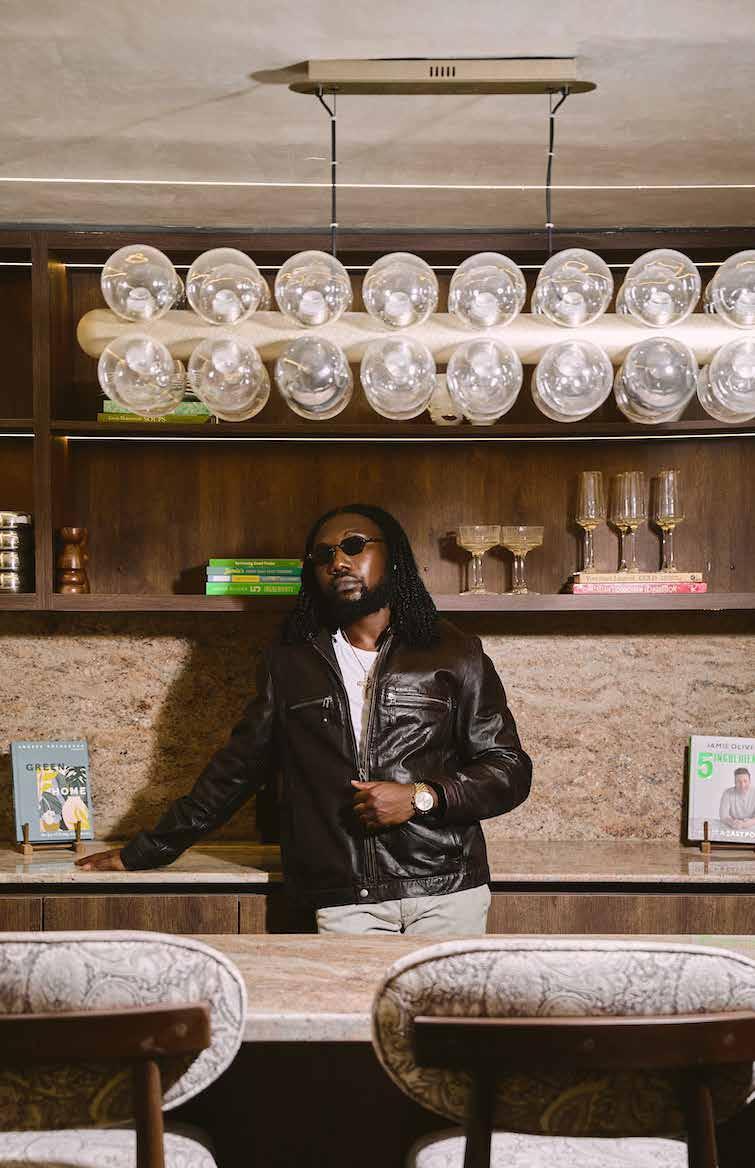
There’s a particular kind of person who makes everything around them feel more considered — more intentional — without ever making a show of it. Chisom is that person.
The founder of Huemaine, a communications and creative agency rooted in the belief that African brands deserve to be seen, understood, and celebrated on their own terms, he has spent his career doing something quietly radical: helping people and ideas become more fully themselves in the eyes of the world. From the pages of Vogue Italia to partnerships with global names like Porsche, Hugo Boss, and Puma, his path has been shaped less by ambition in the conventional sense and more by a deep, abiding curiosity about how culture moves, how influence is built, and why the stories we tell about ourselves matter more than most of us realise.
For readers meeting you for the first time, how would you describe what you do? Your work spans media, PR, branding, luxury, technology, and culture. What connects all of those worlds for you?
At the core of everything I do — whether it’s media and public relations through my creative company Huemaine, branding, luxury, technology, or culture — is the art of shaping how people, brands, and ideas are understood by the world. I’ve always been fascinated by the intersection of storytelling, human behaviour, and aspiration. That’s the common thread that connects every industry I operate in.
You’ve built a reputation as someone who operates behind some of the most interesting cultural conversations and brands. What drew you to becoming a builder behind the scenes rather than the face of the story?
I’ve always been more interested in building influence than seeking attention. What fascinates me is understanding how brands, ideas, and people become culturally relevant — and helping create the strategies that make that happen. That said, I’ve never seen being behind the scenes and being the face of a story as mutually exclusive. Because I’m naturally multi-faceted, I’ve been fortunate enough to do both — building brands and narratives for others while also developing a personal brand that has led to opportunities with global companies like Porsche, Hugo Boss, Singleton, Puma, and more.
That dual perspective is what makes my work unique. understand how to shape culture from behind the scenes, but also understand what it takes to represent a brand in the public eye. At the end of the day, whether I’m building for myself or for others, my focus is always the same: creating influence and meaningful impact.
Huemaine has grown into a respected communications and creative agency. When you founded it, what gap did you see in the market that others weren’t paying attention to?
The gap saw was not a lack of great brands or talented founders — it was a lack of strategic communication and world-class brand building.
Before founding Huemaine, I spent years working within the media ecosystem, with publications such as Vogue Italia and The Guardian. That experience gave me a unique perspective on how brands from different parts of the world approached storytelling, communications, and market positioning.
What stood out to me was that many African brands had products, founders, and ideas that could compete with the best in the world, yet they were often underserved when it came to strategy, narrative development, media relations, and long-term brand building. International brands approached media houses with carefully planned campaigns, compelling stories, and clear positioning, while many local brands relied solely on great products to do the heavy lifting. realised that the challenge wasn’t one of talent or creativity — it was an ecosystem gap. There was a need for an agency that could help African brands communicate with the same level of sophistication, ambition, and intentionality as their global counterparts.
Huemaine was built to fill that gap. We wanted to move beyond traditional PR and become strategic partners to founders and brands, helping them shape perception, build influence, and create lasting cultural relevance. That vision continues to guide everything we do today.
You’ve worked across fashion, entertainment, luxury, and emerging technology. How do you decide which projects are worth your time and attention?
For me, it comes down to three things: intentionality, originality, and resources. First, I look for founders and brands that are intentional about what they’re building. want to work with people who have a clear vision and understand the long-term value of brand building, not just short-term visibility. Second, look for originality. The world doesn’t need more copies — it rewards fresh thinking. I’m naturally drawn to projects that bring a unique perspective, challenge conventions, or have the potential to shape culture in some way. And finally, budget matters. Not because I’m interested in working only with large brands, but because quality requires resources. The best campaigns, experiences, ON BUILDING INFLUENCE, AFRICAN LUXURY, AND THE QUIET POWER OF
active contributors to the story rather than passive observers. That’s something I’ve always been conscious of in my work. Whether it’s first-ofa-kind initiatives like HeadsByBNXN, a brand campaign, or a cultural initiative, my goal has never been to simply generate attention. Attention is valuable, but it’s temporary. Community is what creates longevity.
Fashion and image play a significant role in how people perceive power, influence, and success. How would you describe your personal style, and what does getting dressed mean to you?
I’ve always viewed personal style as an extension of my brand. The way I present myself is intentional because it communicates who I am before I say a single word. I would describe my style as confident, detail-oriented, and authentic. Whether I’m in a boardroom, at a fashion show, or attending a state dinner, try to show up as the same person. Consistency matters to me because trust is built when there’s alignment between who you are and how you present yourself to the world. I also don’t believe in shrinking myself to fit into any room. If I want to wear a diamond piece, a rare watch, or a bold look, I’ll do so unapologetically. For me, style isn’t about showing off — it’s about self-expression and confidence.
Nigerian creativity is receiving unprecedented global attention. What do you think international audiences still misunderstand about African luxury and African cultural influence?
I think one of the biggest misconceptions is that African luxury and African cultural influence are emerging. In reality, they’ve existed for centuries. What’s changed is that the world is finally paying attention.
Too often, international audiences view African creativity through the lens of potential rather than excellence. There’s still a tendency to treat African fashion, art, music, design, and innovation as exciting discoveries instead of recognising them as established contributors to global culture.
The same applies to luxury. Many people still associate luxury with European heritage, but luxury is really about craftsmanship, storytelling, exclusivity, and cultural significance. Africa has always possessed those qualities. From our textiles and artisanship to our architecture, hospitality, and design traditions, we’ve been creating luxury long before the modern luxury industry gave it a name.
Looking back, what’s a risk you took professionally that felt uncomfortable at the time but ultimately changed the trajectory of your career?
and brand-building efforts are the result of great strategy, great execution, and the investment needed to bring both to life.
When those three things align — intentionality, originality, and a healthy commitment to excellence — it’s usually a project I’m excited to be part of.
Luxury means different things to different people. What does luxury mean to you in 2026, and how has that definition evolved over the years?
For me, luxury has always been about attention to detail.
A lot of people associate luxury with price tags, exclusivity, or status symbols, but I think those are just by-products. What truly defines luxury is the level of thought, care, craftsmanship, and intentionality that goes into creating something. Whether it’s a fashion collection, a hotel, a communication campaign, a product, or even a personal experience, luxury reveals itself in the details.
In 2026, my definition of luxury has evolved beyond simply owning premium things. Today, I see luxury as excellence without compromise — the willingness to obsess over details that most people will never notice but will always feel.
Through projects like HeadsByBNXN and your broader work in culture, you’ve been involved in shaping communities, not just campaigns. What’s the difference between building an audience and building a community?
The difference is simple: an audience consumes, while a community participates. An audience may follow your content, buy your product, or attend your events, but a community feels a sense of ownership. They believe in what you’re building and become
Without question, the biggest risk took was betting on myself and building Huemaine. At the time, it felt incredibly uncomfortable because there wasn’t really a blueprint for the kind of agency wanted to build. was stepping away from the security of established institutions and entering a space where I had to convince brands, founders, and organisations to see communications, culture, and brand building differently. What made it even riskier was that I wasn’t interested in building a traditional PR agency. wanted to create a company that sat at the intersection of media, culture, luxury, technology, and influence — something that wasn’t particularly common in the market at the time. There were moments of uncertainty, as there always are when you’re building something from scratch, but looking back, that decision completely changed the trajectory of my career. Special shoutout to Porsche for giving us our first big shot.
What are some of the habits, philosophies, or routines that help you stay creative while balancing multiple ventures and responsibilities?
My approach is actually quite simple: plan, strategise, do it afraid, and trust God. I’ve learned that creativity isn’t something you can wait around for. The more responsibilities you have, the more important structure becomes. spend a lot of time planning, thinking ahead, and creating systems that allow me to move between different ventures without losing focus. Strategy creates the space for creativity to thrive.
I also believe in taking action before feel completely ready. Some of the biggest opportunities in my life and career came from stepping into situations that felt intimidating or uncertain. If waited until had everything figured out, I would have missed many of them. So I’ve adopted the philosophy of doing it afraid and trusting that clarity often comes through action.
When people look back at your career years from now, what do you hope your contribution to African culture, media, and creative entrepreneurship will be?
I hope people will say that helped them see Africa — and Nigeria in particular — through a more elevated, nuanced, and respectable lens.
For far too long, the continent’s story has often been told by others, and in many cases, told incompletely. Through my work across media, branding, culture, luxury, and entrepreneurship, I’ve always been interested in documenting Africa as it truly is: ambitious, sophisticated, innovative, creative, and globally relevant. Whether through the brands I’ve helped build, the stories I’ve amplified, the campaigns I’ve created, or the cultural moments I’ve contributed to, I hope my work has played a small role in reshaping perceptions and expanding what people believe is possible for Africa.
More than anything, want my legacy to be that helped tell our story with dignity, excellence, and ambition — and that because of that work, people around the world came to see Africa not through stereotypes, but through the richness, beauty, and potential that have always existed here.
FOLAWIYO LISA
TWENTY YEARS OF FASHION, FIFTY YEARS OF STYLE
BY FUNKE-BABS KUFEJI
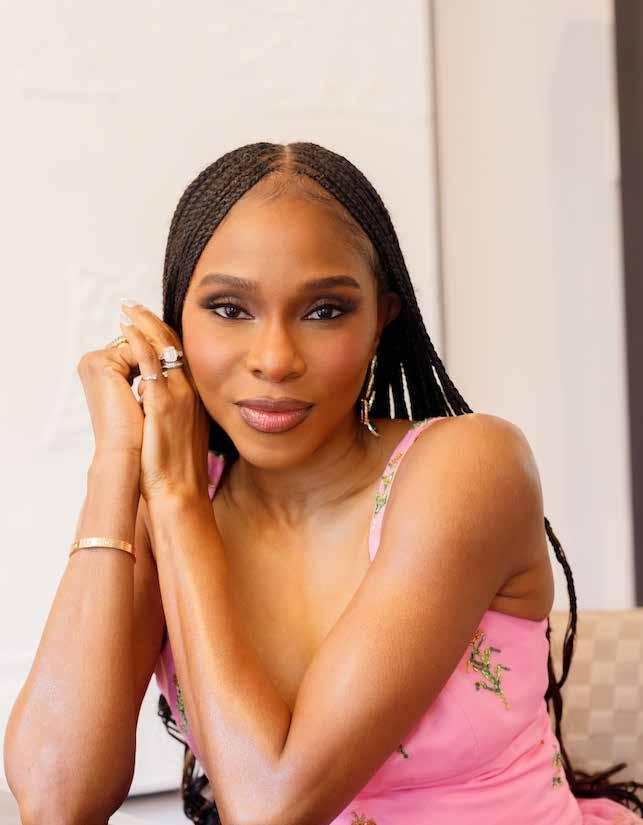
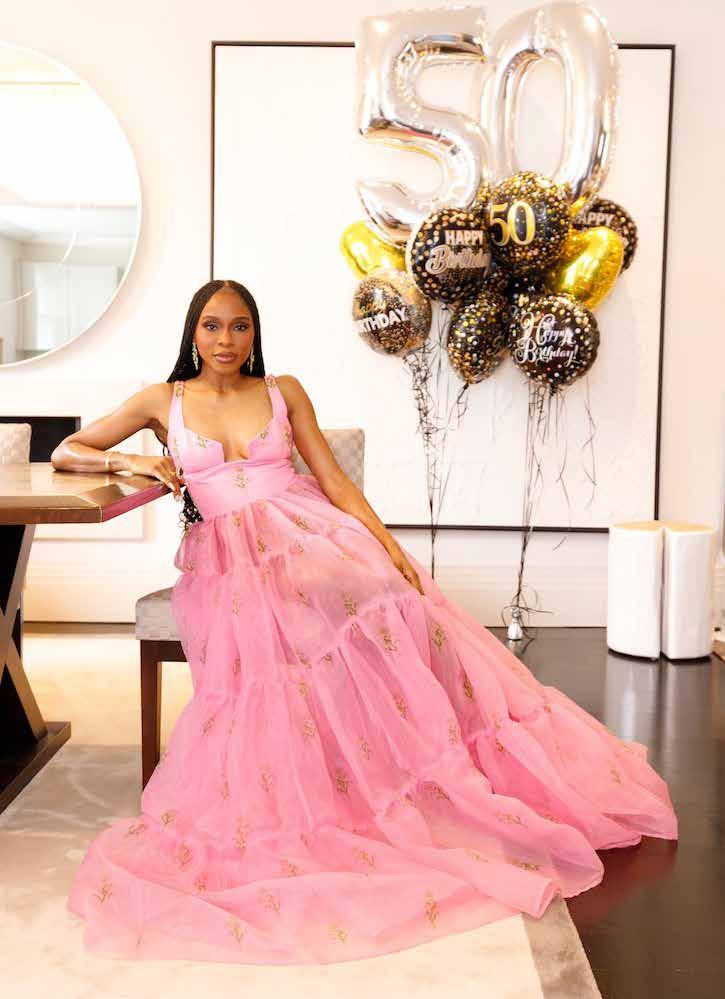
This year marks two major milestones for Lisa Folawiyo: her 50th birthday and 20 years of building one of Africa’s most respected luxury fashion brands. Few designers can claim to have changed the course of an industry, but Lisa has done just that. Through vision, persistence and an unwavering commitment to craftsmanship, she transformed Ankara from a familiar fabric into a globally recognised symbol of contemporary African luxury.
When she launched her label in 2005, there was no blueprint for what she was trying to achieve. At a time when African fashion was still largely viewed through a traditional lens, Lisa introduced something different. By combining intricate hand-beading, modern tailoring and meticulous attention to detail, she created a new aesthetic that was sophisticated, distinctive and impossible to ignore. What began as a bold, creative experiment has since grown into a fashion house celebrated worldwide.
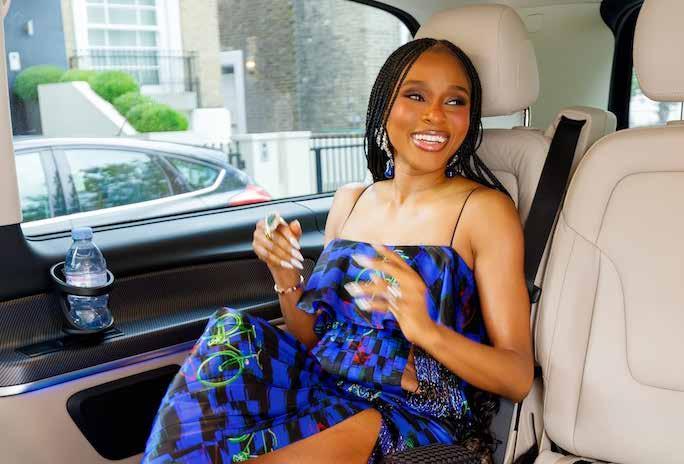
Over the last two decades, her designs have appeared in leading international publications including Vogue, Harper’s Bazaar, Elle and The New York Times. They have been worn by style icons such as Lupita Nyong’o, Solange Knowles, Issa Rae and Thandiwe Newton, while her collections have been showcased in fashion capitals from New York to Paris and Milan. Yet despite the global recognition, Lisa has remained firmly committed to the values that built her brand: authenticity, craftsmanship, innovation and a deep respect for African heritage. Her influence extends beyond fashion. As an entrepreneur, she has built a business that champions local artisans, supports responsible production practices and demonstrates that African luxury can compete confidently on the world stage while remaining rooted in its identity.
As she celebrates this landmark year, Lisa stands at an interesting point in her journey. There is the story of what she has built, but also the question of what comes next. In this conversation with Funke BabsKufeji, she reflects on two decades in fashion, the evolution of the Lisa Folawiyo brand, her enduring love for style and self-expression, the lessons she has learned along the way, and what turning 50 means to a woman who continues to redefine the possibilities of African fashion.
Twenty years ago, when you launched your brand, did you envision that your reinterpretation of traditional African textiles would become a defining voice in global luxury fashion? Honestly, at the very beginning in 2005, I was driven by a pure, almost naive passion. I saw a gap in the market for beautiful, modern clothes that celebrated our local textiles, specifically Ankara. didn’t think about ‘global luxury’ in the grand, strategic sense back then; I just wanted to design beautiful pieces that I, and women like me, would love to wear. That it has become a defining voice feels like a beautiful,
humbling realisation of that initial spark.
Lisa Folawiyo Studio has been described as a brand ‘redefining what it means to be designed in Africa.’ What has that mission meant to you personally, and how has it evolved over the years?
It has meant taking control of our own narrative. Initially, it was about proving that African-made fashion could be high-end, luxury, and sophisticated. Over the years, it has evolved from merely redefining to embodying excellence. It is about asserting that our craftsmanship, our beads, our textiles, and our silhouettes are world-class and do not need external validation to be considered luxury.
Looking back at your journey since 2005, what have been the most pivotal moments that shaped the trajectory of the brand?
The most pivotal moments were the ones that forced us to grow beyond the domestic market—being featured in global publications and seeing our pieces worn by international style icons. But also, the quiet moments, the realisation that we had created a sustainable, consistent business model despite the logistical challenges of producing in Nigeria. Each of those hurdles taught us resilience.
You transformed Ankara from a fabric often associated with occasion(tradition) wear into a sophisticated luxury proposition. What inspired you to challenge conventional perceptions of African textiles?
It wasn’t a calculated challenge as much as it was a fresh perspective. I saw the potential in Ankara, the boldness of the prints, and wanted to elevate it by re-texturising it with beadwork and sequins. wanted to give it a new language. By treating it with the same care and intricate workmanship as haute couture, it naturally shifted from traditional occasion wear to high-fashion luxury.
Your work seamlessly balances heritage and innovation. How do you honour tradition while continuously pushing creative boundaries?
For me, the heritage is in the fabric itself, and the innovation is in what we do with it. We respect the traditional prints, but we deconstruct and reconstruct them with modern tailoring and contemporary embellishments. It’s a dialogue between the past and the present, honouring the roots while ensuring the design feels relevant for the woman of today.
Building a globally recognised fashion business from Africa comes with unique realities. What have been some of the greatest challenges you’ve faced, and how did they shape your resilience as an entrepreneur?
The logistics of production, the supply chain, and changing global perceptions have been constant challenges. But these challenges forced us to be more innovative, more handson, and more disciplined. They taught me that you cannot wait for the perfect environment; you must build the environment that allows your work to flourish.
When you reflect on two decades of collections, is there one particular piece, collection, or achievement that best represents the essence of Lisa Folawiyo Studio?
It’s hard to choose one, but the essence is captured in the fully embellished Ankara pieces that first gained us international attention. They represent the perfect synthesis of our
Today, I am a mother, a woman of faith, and someone who finds joy in the simple, quiet moments, in great conversations, in time with family, in prayer time, and in the beauty of our culture. These are the things that ground me, and they are ultimately the source of the inspiration for everything I create.
brand: the bold, vibrant print and the intricate, labour-intensive hand-beading that has become our signature.
Meticulous hand-beading and exceptional craftsmanship have become the brand’s signature. In an increasingly quick-moving landscape, why is preserving artisanal excellence so important to you?
It’s important because that is where the brand’s soul lies. In a world of fast fashion, there is a profound, quiet luxury in something that has taken hours, days, or weeks to create by hand. It is an act of defiance against the disposable nature of modern fashion; it honours the artisan and the wearer.
How has your creative process changed over the years? Do you approach design differently today than you did in the early days of the brand?
In the beginning, I was very much creating from a place of intuition and, yes, a bit of naivety. Today, my process is more refined, informed by years of experience, but it still maintains that core of personal expression. I am more purposeful now, but still design with the same joy and curiosity that I had at the start.
African fashion is receiving unprecedented global attention. What opportunities excite you most, and what conversations do you believe the industry still needs to have?
I am excited by the sheer visibility we now enjoy. The opportunity lies in moving beyond just visibility to equity, ensuring that we are at the table where the business of global fashion is decided. We need to keep talking about infrastructure, production, and how we can better support the talent that exists in abundance on our continent.
Having helped shape perceptions of contemporary African fashion internationally, what responsibility do you feel towards the next generation of designers emerging from the continent?
I feel a deep responsibility to keep the door open and to mentor. It is important that they know they don’t have to follow the traditional path to succeed. I want them to see that, while the challenges are real, the possibility of success is also very real if you are disciplined and true to your vision.
After 20 years of growth and international recognition, what does the next chapter of Lisa Folawiyo Studio look like?
The next chapter is about legacy and expansion. We want to continue innovating in how we present our brand to the world and explore new creative territories while deepening the relationships we have built with our community over the last two decades.
Are there new categories, collaborations, or creative territories you are eager to explore in the years ahead?
Always. Fashion is an evolving language. As an avid shoe lover, I would love the opportunity to design a pair or two. I’m also interested in exploring lifestyle categories, perhaps home, and
collaborations that push our aesthetic into new spaces, all while maintaining that core ‘Lisa Folawiyo’ DNA.
Beyond commercial success, what legacy do you hope the Lisa Folawiyo brand will leave within the global fashion industry? To stay marked as a brand that elevated African craftsmanship to the highest standard of luxury. A brand that continues to show the world that African identity is a powerful, beautiful, and enduring force in fashion.
Turning 50 while celebrating 20 years in business feels particularly significant. How are you embracing this milestone personally and professionally? embrace it with gratitude. Fifty is a powerful number—it represents a coming of age, a time of reflection, and a time to look forward with even more clarity. Professionally, I am more confident in my vision than ever; personally, am more settled in who I am.
What has this season of life taught you about ambition, success, and the importance of reinvention?
It has taught me that success is not a destination; it’s the ability to keep evolving while staying true to your core values. Reinvention is not about changing who you are; it’s about finding new ways to express your truth as you grow.
You’ve spent two decades creating pieces that empower women to feel confident and seen. What makes you feel most powerful and authentic today? Being comfortable in my own skin and having the freedom to create from a place of authenticity, not obligation. Also, seeing the women who wear my clothes feel empowered—that is a very powerful feedback loop.
Your personal style has always reflected confidence and individuality. What first sparked your love affair with fashion and dressing up?
I’ve loved dressing up since was young. It was always an extension of my personality. saw fashion as a creative outlet, a way to tell the world who I was without speaking. That innate love of aesthetics and symmetry eventually drew me to design.
How has your relationship with style evolved over the years? Has turning 50 changed the way you approach getting dressed?
My style has become more purposeful. prioritise comfort and fit, but still love to have fun with colour, texture, and the little fine details. Turning 50 has just reaffirmed that wear what makes me feel good, regardless of trends and ‘rules. Authenticity is the ultimate style marker.
Outside of the designer and creative director the world knows, who is Lisa Folawiyo today? What brings you joy, grounds you, and inspires you in this chapter of your life?
Today, I am a mother, a woman of faith, and someone who finds joy in the simple, quiet moments, in great conversations, in time with family, in prayer time, and in the beauty of our culture. These are the things that ground me, and they are ultimately the source of the inspiration for everything create.
WHAT YOUR WEEKEND OUTFIT SAYS ABOUT YOU
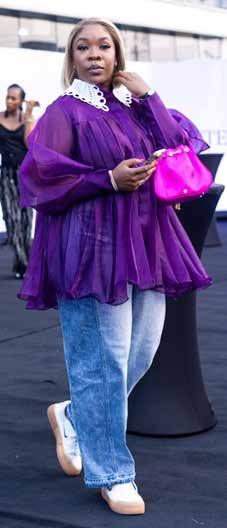
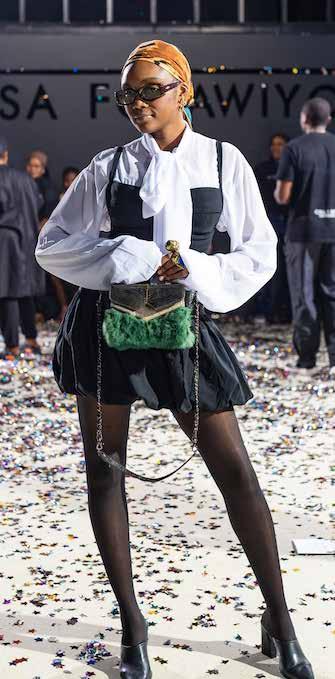
Weekend fashion is interesting because it is usually the most honest part of our wardrobe. Nobody is forcing us into a particular dress code. There are no office expectations to meet, no corporate image to maintain and, for many people, no real reason to impress anyone. Yet the moment Saturday arrives, most of us reach for the same types of outfits again and again. The woman who lives in matching sets. The friend who wears activewear everywhere. The fashion lover who treats every brunch like a runway. The person who somehow looks expensive while claiming they made no effort at all. Our weekend clothes may seem casual, but they often reveal a surprising amount about our personalities.
The Matching Set Enthusiast
You know the look. A coordinated two-piece outfit, perfectly paired with matching accessories and immaculate grooming.
People who gravitate towards matching sets usually appreciate order. They like looking put together without appearing as though they spent hours planning an outfit. They enjoy efficiency and often have busy schedules that leave little room for fashion emergencies.
They are the type of people who seem to have their lives organised, even if they occasionally don’t. Their wardrobes are practical, intentional and surprisingly versatile.
Most importantly, they understand that looking stylish doesn’t always require complicated fashion choices.
The Denim-and-T-Shirt Loyalist
Every weekend, at least one person reaches for jeans and a
simple T-shirt, regardless of the occasion.
These dressers tend to value comfort, reliability and consistency. They are not interested in chasing every trend or reinventing themselves every season. Instead, they know what works and stick with it. Contrary to popular belief, this isn’t laziness. In many cases, it reflects confidence. They are comfortable enough with themselves not to require constant validation through fashion. The secret, however, is that their simplicity is often carefully considered. The perfect jeans and the perfect white T-shirt rarely happen by accident.
The Fashion Risk-Taker
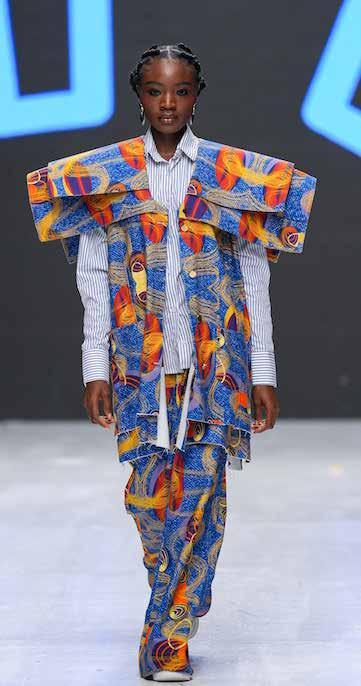
This is the person wearing oversized trousers, statement sunglasses, unusual silhouettes or a colour combination nobody else
thought to try.
Fashion risk-takers enjoy selfexpression. They see clothing as a creative outlet rather than a practical necessity. Their wardrobes are often filled with pieces collected from different eras, brands and inspirations. They are usually curious people
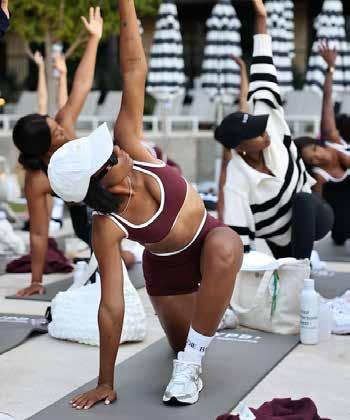
The Athleisure Addict Leggings, sneakers, matching workout sets and oversized hoodies have become weekend staples for many people. Those who embrace athleisure tend to prioritise comfort, convenience and movement. They often have active lifestyles
who enjoy experimenting in other areas of life as well. They are often early adopters, trend spotters and the first among their friends to try something new. Sometimes the outfit works brilliantly. Sometimes it doesn’t. Either way, they are rarely boring.
The Luxury Casual Dresser
You can spot them immediately. The outfit appears effortless, yet somehow everything looks expensive. The linen shirt fits perfectly. The sunglasses are understated. The sandals are simple but clearly well-made. These individuals understand the power of subtlety. They are less interested in flashy logos and more interested in quality, craftsmanship and longevity. Their style suggests confidence and maturity. They know exactly who they are and feel no need to announce it loudly. They are also usually the people whose outfits receive the most compliments because they make elegance look easy.
ceremonies and celebrations. For them, fashion is social. Dressing up is part of the experience, and showing up looking good is a sign of respect for the occasion. They enjoy the excitement of planning outfits, seeing friends and being part of memorable moments.
and appreciate clothing that can transition seamlessly from a morning walk to coffee with friends.
There is also a practical mindset at work here. They dislike unnecessary complications and prefer outfits that keep up with their schedules. For them, fashion should work around life, not the other way around.
The Traditional Style Lover
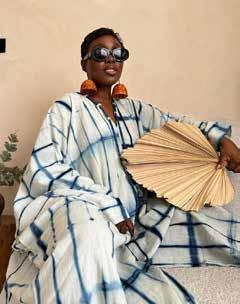
Whether it’s a beautifully tailored kaftan, a relaxed adire outfit or a chic native ensemble, some people naturally gravitate towards traditional wear even when there is no special occasion.
These dressers often appreciate culture, heritage and craftsmanship. They understand the value of clothing that tells a story and reflects identity. It is also a reminder that style does not always have to look international to feel sophisticated.
The Owambe-Ready Dresser
This is the person whose weekend calendar revolves around weddings, birthdays, naming
They also tend to be some of the most optimistic people around. No matter how stressful the week has been, they are already looking forward to Saturday.
The “I Might Run Into Someone” Dresser
Every Nigerian knows this category.
This person treats a quick supermarket run as though there is a reasonable chance they might meet an ex, a former classmate, a potential client and their favourite celebrity all within ten minutes. As a result, they are always prepared. Their outfits strike a careful balance between casual and polished. Hair is done. Shoes are clean. Accessories are considered.
These individuals understand something many people learn the hard way: unexpected encounters have a habit of happening when you look your worst.
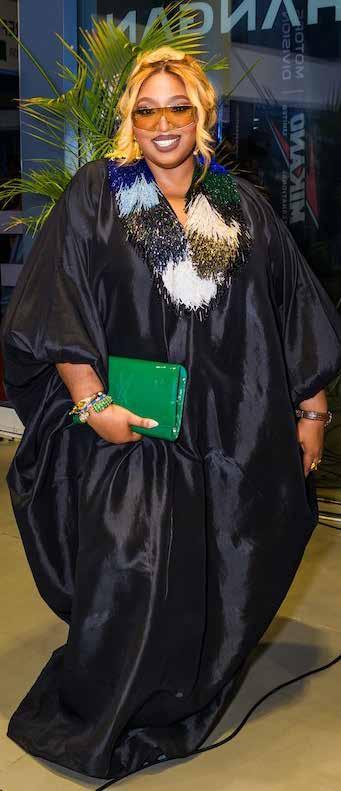
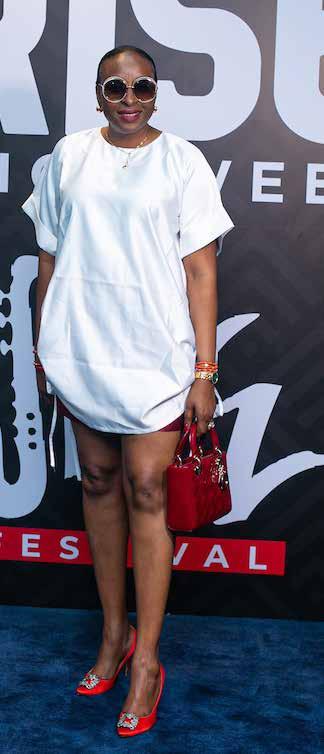
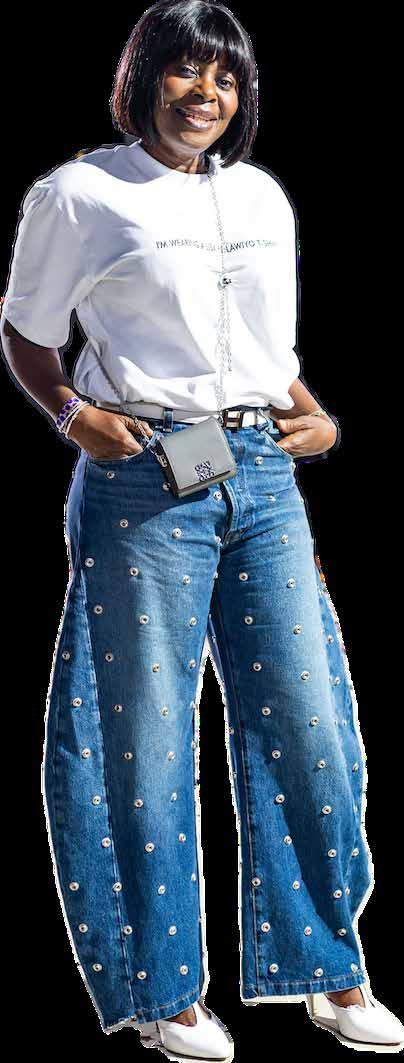
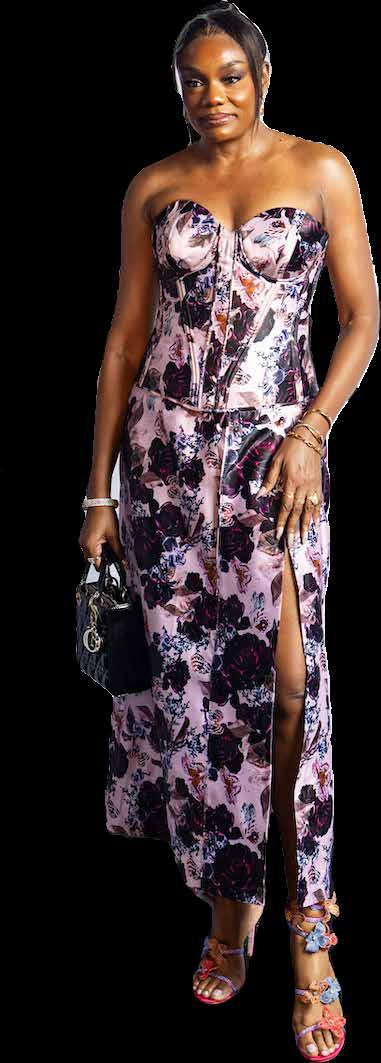
EVBADE OHIOWELE IN EJIRO AMOS TAFIRI LATASHA NGWUBE OWEN OMOGIAFO
BUNMI TEJUOSHO
ONO BELLO
YVONNE NWOSU BUKKY
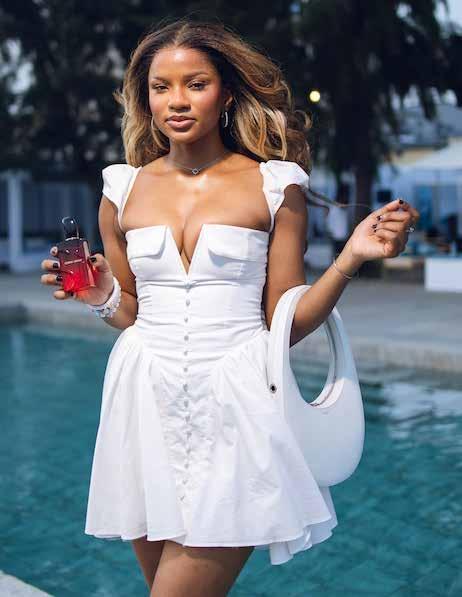
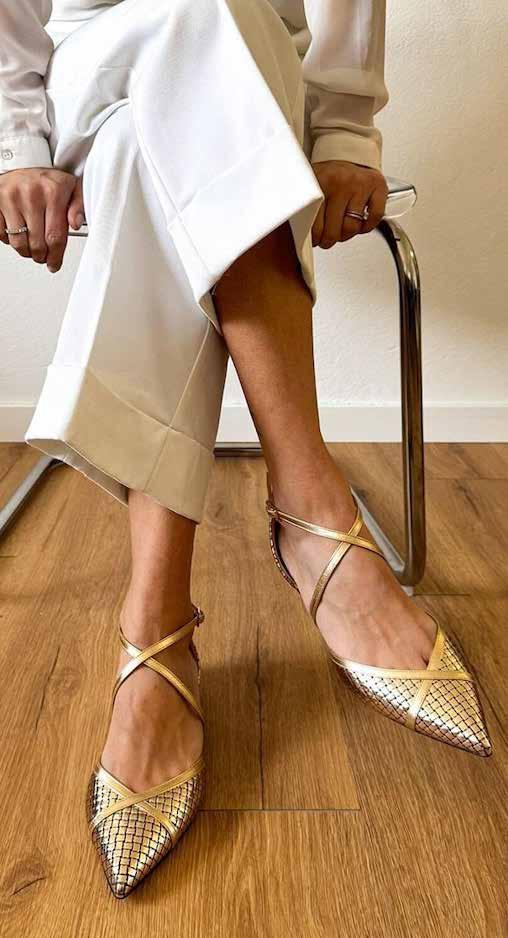
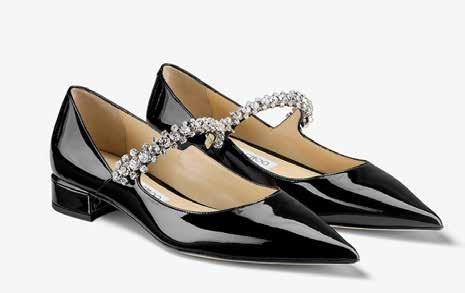
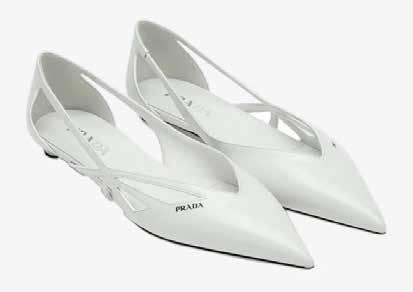
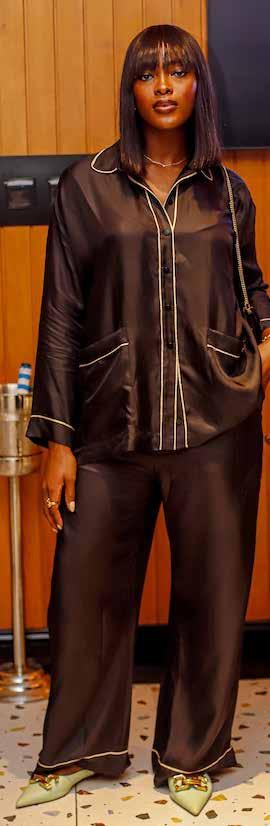
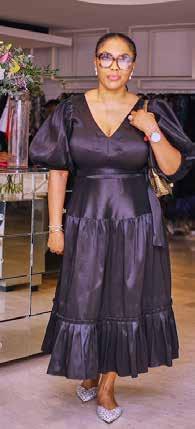
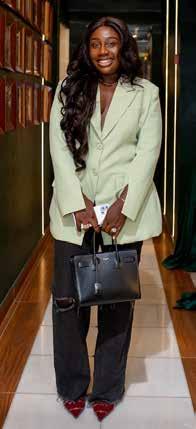
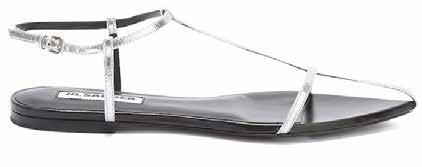
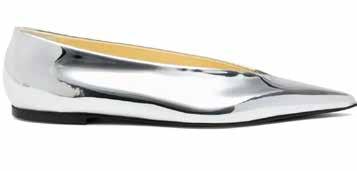
Pointed-toe flats are having a major fashion moment. Once seen as a practical alternative to heels, they have become a wardrobe staple for stylish women who want elegance without the discomfort. From the office to weddings, brunches and everyday errands, the sleek shoe seems to be everywhere again. Part of the appeal lies in its versatility. Pointed-toe flats work with almost everything, from tailored trousers and denim to dresses, skirts and traditional wear. They are polished, comfortable, and increasingly available in weather-resistant materials, making them ideal for everyday life. Here are some of the reasons fashion has fallen back in love with the pointed-toe flat.
By Funke Babs-Kufeji
They Make Every Outfit Look More
Expensive
There is something about a pointed toe that instantly elevates an outfit. While round-toe flats can sometimes feel casual, pointed styles create a sharper, more refined silhouette. They lengthen the leg, add structure and bring a sense of polish that makes even simple outfits feel intentional. A white shirt and trousers suddenly look more sophisticated. A simple midi dress feels more elegant. Even denim benefits from the addition of a sleek pointed flat. It is one of those rare fashion pieces that quietly does a lot of work without demanding attention.
Comfort Is Finally
Fashionable
The biggest fashion shift of the past few years has not been a colour, silhouette or trend. It has been the growing belief that comfort and style can coexist. Women are no longer interested in choosing between looking good and feeling comfortable. The pointed-toe flat sits perfectly within this new mindset. It offers allday wearability without sacrificing sophistication. Whether navigating meetings, errands, lunches or events, it allows women to move comfortably while still looking polished.
They Create a Longer, Leaner Silhouette
One reason stylists have always loved pointed shoes is their ability to flatter
the body. The elongated shape visually extends the foot, creating the illusion of longer legs and a leaner silhouette. It is a subtle effect, but one that makes a noticeable difference. Unlike towering heels, which achieve length through height, pointed-toe
flats create a similar sense of elegance without the discomfort. They offer many of the visual benefits of heels while remaining practical enough for everyday wear.
The Rubber Versions Are Having a Moment
Perhaps the smartest evolution of the pointed-toe flat is the rise of rubber and weather-resistant styles. Traditionally, rainy weather meant sacrificing style for practicality. Beautiful suede shoes stayed indoors while women reached for whatever could survive puddles and wet pavements.
Today, brands are producing chic rubber flats that look just as stylish as their leather counterparts. They are easy to clean, resistant to water damage and ideal for unpredictable weather. For anyone who has ever stepped into a puddle moments after leaving the house, the appeal is obvious.
They Work Across
Almost Every Dress
Code
One of the biggest strengths of the pointed-toe flat is its ability to adapt. It works with wide-leg trousers, tailored suits, jeans, skirts, dresses and traditional wear. It transitions effortlessly from office meetings to weekend outings and even more formal occasions.
Few shoes offer this level of flexibility, in an era where people are shopping more thoughtfully, versatility matters. The pieces that earn space in modern wardrobes are those that can play multiple roles, and pointedtoe flats excel at just that.
Quiet Luxury’s Favourite Shoe
The rise of understated dressing has also contributed to the popularity of pointedtoe flats. As fashion moves away from obvious logos and trend-chasing, attention has shifted towards timeless pieces with lasting appeal.
Pointed-toe flats embody this perfectly. They do not demand attention. They simply make everything around them look better.
Elegant without being flashy, fashionable without trying too hard and practical without looking practical, they represent exactly where fashion seems to be heading.
11 SUNSCREEN MISTAKES YOU MIGHT BE MAKING
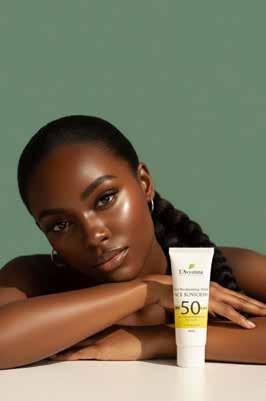
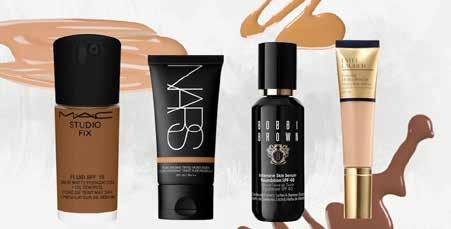
Sunscreen, sunscreen, sunscreen. A product we can never seem to stop talking about. Over the last few years, SPF has gone from being an afterthought to becoming the star of many skincare routines. Beauty editors, dermatologists and skincare influencers have all delivered the same message: wear sunscreen every day. Yet despite the increased awareness, many people still find SPF confusing. Between social media advice, skincare trends and conflicting opinions, sunscreen has become one of the most discussed—and misunderstood—products in beauty. People are buying it, carrying it around, and even building entire routines around it. But are they actually using it correctly? While sunscreen is one of the most effective ways to protect the skin from premature ageing, hyperpigmentation and sun damage, its benefits depend heavily on how it is used. Here are ten common sunscreen mistakes that could be preventing your SPF from doing its job.
By Funke Babs-Kufeji
1. Applying Too Little
One of the biggest sunscreen mistakes is not using enough. Many people apply a small amount and assume they are fully protected. Dermatologists often recommend the “two-finger rule” for the face and neck, squeezing sunscreen along the length of two fingers to ensure adequate coverage. Using too little can significantly reduce the level of protection stated on the label.
2. Wearing SPF Only for Special Occasions
For many people, sunscreen still feels like a product reserved for holidays, beach trips and outdoor events. In reality, much of our sun exposure happens during everyday activities such as driving, running errands or sitting near windows. You do not need to be lying on a beach to experience the effects of UV exposure.
3. Treating SPF as a Once-aDay Product
Applying sunscreen in the morning and forgetting about it for the rest of the day is incredibly common. However, sunscreen gradually loses effectiveness due to sun exposure, sweat and natural wear.
If you spend extended periods outdoors, reapplication every two hours is recommended. If you work mostly indoors, reapplying before prolonged outdoor exposure may be a more realistic approach.
4. Thinking Deeper Skin Tones Do Not Need Sunscreen
One of the most persistent skincare myths is that melanin alone provides enough protection against sun damage. While deeper skin tones do have some natural protection, they are still susceptible to hyperpigmentation, uneven skin tone and photo ageing caused by UV exposure. Sunscreen remains
practical alternatives for topping up protection throughout the day without completely disrupting your makeup.
7. Choosing Sunscreen Based on Hype
an important step regardless of complexion.
5. Relying Solely on Makeup With SPF
Foundations, skin tints, and tinted moisturisers with SPF can contribute to sun protection, but they are rarely applied in sufficient quantities to achieve the advertised level of coverage. They work best as an additional layer rather than a replacement for a dedicated sunscreen.
6. Not Reapplying Because of Makeup
Reapplying sunscreen over makeup can feel inconvenient, leading many people to skip it altogether. Fortunately, sunscreen sticks, SPF powders, cushion compacts and facial mists offer
Social media has turned certain sunscreens into beauty superstars, but a product that works beautifully for someone else may not work for you. Climate, skin type and lifestyle all matter. A lightweight formula that performs well in another country may feel heavy in Lagos heat and humidity. The best sunscreen is ultimately the one you enjoy wearing consistently.
8. Assuming Higher SPF Means All-Day Protection
An SPF 50 sunscreen provides more protection than SPF 30, but it does not eliminate the need for reapplication. Higher SPF numbers can create a false sense of security, encouraging people to spend longer periods in the sun without additional protection. Higher SPF offers extra protection, not unlimited protection.
9. Using Expired Sunscreen
Like all skincare products, sunscreen has an expiration date. Over time, active ingredients can become less effective, reducing the product’s ability to protect the skin properly. If your sunscreen has changed in texture, colour or smell, or has passed its expiration date, it is probably time for a replacement.
10. Waiting Until You Are Already Outside
Many sunscreens need a little time to form an effective protective layer on the skin. Applying SPF 15 to 20 minutes before sun exposure allows the product to perform at its best, particularly in the case of chemical sunscreens.
11. Refusing to Wear Sunscreen
Until You Find the Perfect One
Perhaps the most relatable sunscreen mistake is becoming trapped in the search for the perfect formula. Some people stop using sunscreen altogether while searching for one that feels weightless, leaves no white cast, sits perfectly under makeup and costs very little. While finding a sunscreen you love is important, consistency matters far more than perfection. A good sunscreen you wear every day will always outperform the perfect one sitting unused on your shelf.
TBUKKA: THE SOUL OF NIGERIAN FOOD
SPICE, SMOKE
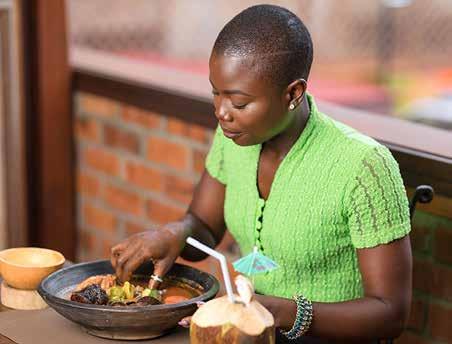
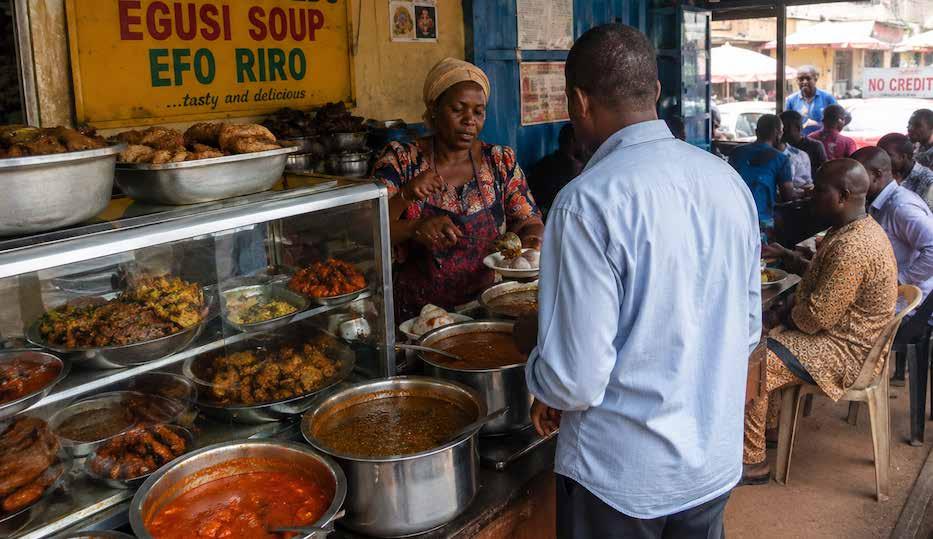
here is a certain honesty that comes with eating at a bukka. No mood lighting, no carefully curated playlist in the background, no hostess asking if you have a reservation. Just steaming pots lined up behind a glass display, the unmistakable aroma of pepper and palm oil in the air, and a woman asking, “Customer wetin you want?” with the confidence of someone who knows her food speaks for itself. In a city increasingly obsessed with aesthetics and dining experiences, the bukka remains one of Lagos’ greatest levellers. It is where bankers sit beside artisans, students queue next to executives, and everyone focuses on the same thing: the food. For all the new restaurants opening across Lagos, serving deconstructed local dishes on expensive plates, the truth is that many of us still crave the comfort of a good amala spot, a reliable ewa agoyin seller, or that neighbourhood bukka that somehow gets everything right. It is not just nostalgia. It is familiarity. Bukka food rarely disappoints because it understands its purpose. The amala should be soft and smooth. The gbegiri should be rich and well-seasoned. The ewedu should have the right consistency. The assorted meat should be tender and juciy. There is no room for reinvention because people come expecting consistency. And perhaps that is the secret. Bukkas do not try too hard. Unlike many modern restaurants where the focus can sometimes lean heavily towards presentation, bukkas place
flavour first. The portions are generous. The food arrives quickly. There is an understanding that people are there to eat well and leave satisfied. The affordability is another reason why bukkas continue to thrive. In a city where the cost of dining out continues to climb, a good meal at a bukka still offers value. You leave feeling like your money was well spent. That is not to say they are perfect. Some struggle with ambience, consistency, or hygiene standards. Yet despite these shortcomings, they endure because they provide something many dining spaces struggle to replicate: authenticity. As a food writer and someone who dines across Lagos regularly, I have come to realise that the city’s food story cannot be told through fine dining alone. The bukka is just as important. It reflects how Lagos really eats. Practical, flavourful, unpretentious. The rise of upscale Nigerian restaurants has undoubtedly expanded how local cuisine is presented. It has introduced our food to new audiences and elevated the dining experience. But the bukka remains the original custodian of many of these dishes. It reminds us that food does not have to be complicated to be memorable. The truth is, the bukka will never die because it was never built around trends. It was built around feeding people well. And in a city like Lagos, that will always matter.
Spice, Smoke and Story is a food column by Funke Babs-Kufeji, telling her love story for cooking and food in Nigeria, while exploring everything from restaurant reviews and recipes to fine dining, hosting, and the culture that shapes how we eat.