SUNDAY, FEBRUARY 22 2026






SUNDAY, FEBRUARY 22 2026

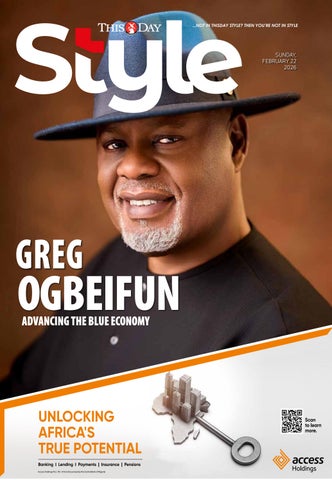
Long before “local content” entered Nigeria’s policy vocabulary, and long before the “blue economy” became a global development buzzword, Engr. Greg U. Ogbeifun was already doing the work, building ships, building companies, building capacity, and, in many ways, building a future the country had not yet imagined. In an industry once dominated by foreign players, he carved out room for indigenous excellence through technical mastery, strategic daring, and an unwavering belief that Nigerians could lead on their own waters. For over four decades, his imprint has shaped the nation’s maritime landscape from founding Starzs Investments, one of Nigeria’s most dependable marine logistics companies, to establishing the country’s first privately-owned ship repair yard




very now and then, a fashion feature sneaks up on you and says more about life than it does about clothes. And that’s exactly what’s going on with Dressing for the Life You Actually Live. Yes, it speaks wardrobe, but between the lines is a reminder most of us avoid: how often we build our lives around versions of ourselves that haven’t arrived yet. And strangely, fashion is always the first place to expose the gap. You know, those outfits we buy for imaginary bodies, schedules and routines, they tell the truth long before we do. But the idea reaches beyond closets. It touches the way we set expectations, make plans, and measure progress. Life becomes a lot more coherent when we stop styling ourselves for a chapter we haven’t earned. There’s a certain intelligence in acknowledging your present circumstances, not as a limitation but as a starting point. Being realistic about the season you’re in isn’t surrender; it’s strategy. Whether you’re navigating finances, career shifts, relationships, or simply the pace of your days, nothing flourishes in denial. Sometimes the smartest move is choosing what genuinely supports your life today, not the fantasy you’ve postponed for “later.”
That same clarity runs through another standout feature in this issue: What’s Your Style Archetype? Fashion celebrates reinvention, but most of us already have a quiet internal signature guiding our choices. The pieces we reach for instinctively- structure, softness, boldness and restraint, say more about our wiring than any trend report. Your archetype isn’t a box; it’s self-awareness in its most elegant form. And once you understand it, everything simplifies. You edit better. You buy smarter. You stop negotiating with trends that don’t belong to you. You dress from a place of intention, not insecurity.
Maybe that’s the thread tying this entire issue together: life becomes easier when you stop resisting who you are and where you are. Alignment isn’t dramatic. It’s subtle. It looks like decisions that match your reality instead of your wishlist. It also looks like finally retiring the performance for an audience that was never really watching.
So, as we wrap this up, consider it a gentle nudge: ensure your clothes and your reality are actually on speaking terms.



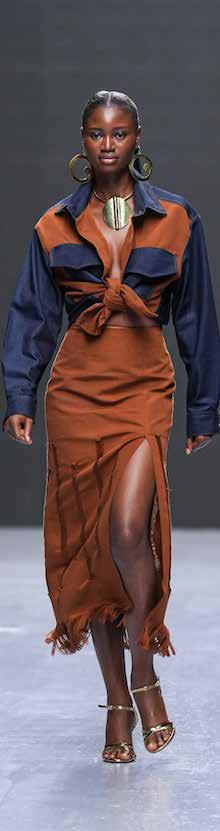
After seasons of pared-back minimalism, the pendulum has swung, and suddenly everyone wants jewellery with presence. The kind that adds attitude, personality, and a hint of theatre to even the simplest outfit. It’s not loud for the sake of loud. Today’s statement jewellery feels more refined than the chunky bib necklaces of the early 2010s. Designers are sculpting metal like clay, bending it into fluid, organic shapes or bold architectural silhouettes that could easily sit in a modern art gallery. Oversized earrings skim shoulders, bracelets stack up like armour, rings stretch across two knuckles, and necklaces refuse to be shy. So why now? Maybe it’s the moment we’re in. People want joy—visual joy, emotional joy, tactile joy. Statement jewellery offers that immediate lift. You can be in a plain black dress or a crisp white shirt, and one bold piece transforms
you from “running errands” to “effortlessly iconic.” It’s fashion’s fastest confidence boost. But the real magic is in how you wear it. Statement jewellery isn’t difficult; it just demands intention.
Start with one hero piece.
If your earrings are dramatic and shoulder-grazing, let them shine. Hair pulled back, neckline clean, no competing pieces. You want focus, not noise. The same rule applies to a bold necklace; keep earrings minimal or skip them entirely. Balance is everything.
Let your clothes do the supporting work.
Statement jewellery thrives on simple silhouettes. A slip dress, a blazer, a monochrome look, a classic tee, these are perfect canvases. You don’t need a complicated outfit; the jewellery becomes the complication, in the best way.
Play with contrasts.
A delicate silk blouse paired with a heavy metal cuff? Chic. A structured blazer with sculptural

earrings? Even better. Fashion loves contrast, and bold jewellery shines brightest when the rest of your look whispers.
Don’t run away from colour.
Statement moments aren’t limited to gold and silver. Exaggerated pearls, gemstone brights, shells, lacquered metals, this is the season to experiment. A pop of emerald or amber around your neck can revive your entire wardrobe. Let the jewellery be the palette when your clothes aren’t.
Mix metals confidently.
Forget the old rules about gold vs silver. Today’s stylistic freedom embraces layered, stacked, and
There’s something undeniably thrilling about jewellery that doesn’t just sit quietly on your skin but instantly shifts the energy in a room. Statement pieces, big, sculptural, dramatic, are back in full force, and fashion seems delighted to give them the spotlight.



intertwined. A chunky silver chain next to a slim gold choker looks intentional, modern, and stylishly undone. The secret is proportion: vary thickness and lengths to keep it visually interesting.
Statement doesn’t mean random. The best pieces carry personality. Maybe you love asymmetry. Maybe you’re drawn to geometric forms. Maybe you prefer jewellery with cultural notes or handcrafted imperfection. Your statement jewellery should read like a
signature, not a costume.
And most importantly: wear them often.
Once considered “special occasion” accessories, statement pieces now belong in everyday life. They pair beautifully with denim, elevate workwear, and add polish to simple day dresses. Don’t save the drama for weddings and events. Wear your oversized hoops to brunch. Rock your sculptural cuff on a coffee run. Add a chunky necklace to your Monday meetings. The point is to let them live.
It was an evening filled with worship, gratitude, and soul-lifting music as friends, family, colleagues, and well-wishers gathered to celebrate Elizabeth Idigbe, Managing Partner at Punuka Attorneys, on the occasion of her 60th birthday.
The Thanksgiving event, themed “Praising God for Amazing Grace,” was held on the 2nd Floor of the PAS World Centre, Plot 7, Block A10, Layi Yusuf Street, Off Admiralty Way, Lekki Phase 1, Lagos. Guests arrived to an atmosphere of warmth and reverence, as the celebrant chose to mark her milestone year not with extravagance, but with worship—an intentional expression of her faith and gratitude.
The evening featured performances by renowned gospel singers who led the congregation in praise sessions that kept guests on their feet.
The celebration concluded with prayers, joyful singing, and a renewed sense of community among attendees—an evening that beautifully tied faith, achievement, and gratitude together in honour of a woman whose life continues to inspire many.
PHOTO CREDIT - Sunday Adigun


















The older we get, the more obvious it becomes: half the things hanging in our wardrobes were bought for moments that never happened. The fantasy lifestyle, the imaginary social calendar, the “one day I’ll wear this” version of ourselves. Meanwhile, real life is telling a different story — mornings that start too early, days that move too fast, comfort that suddenly matters, and style that needs to keep up. Dressing for the life you actually live is not about lowering your fashion standards; it’s about raising your self-awareness. When your wardrobe finally matches your real rhythm, getting dressed becomes less of a chore and more of a quiet joy. These eight rules will help you build a wardrobe that serves you, not the fictional woman you sometimes shop for.
1. Stop Dressing for a Fantasy, Dress for Your Real Calendar
Most of us own outfits for the woman we imagine we are: always at a gala, always at brunch, always jet-setting. But the truth? Your life has a pattern. If 80% of your week is work, errands, school run, meetings and life admin, then 80% of your wardrobe should be built around that. The most stylish women are not overdressed; they are appropriately dressed.





2.
You More Than You Think)
A personal uniform isn’t boring; it’s intelligent. It’s the formula that makes you feel polished with zero effort: maybe crisp shirts and tailored trousers, maybe floaty dresses and good flats, maybe monochrome staples with strong accessories. When you find your uniform, your style starts making sense — every single day, not just on special ones.
3. Comfort Is a Power Move, Not a Weak One
Fashion used to glorify discomfort; now it just feels unnecessary. Clothes that choke, shoes that fight back, fabrics that don’t breathe… for what? When you prioritise comfort with style, you move differently. You stand taller. You walk more. You live more. A wardrobe that lets you breathe is a wardrobe that lets you shine.
4. Invest in Pieces That Work Harder Than You
A great blazer, a pair of well-cut trousers, flats that can take you from meetings to dinner, a dress you can wear in five different ways, these pieces make your mornings easier and your days smoother. If something only works for one hyper-specific event, it’s a costume. Your real life deserves better than one-time outfits.
5. Let Go of Clothes for the “One Day” Version of Yourself
We all keep that “one day” dress when we lose weight, when life slows down, when the perfect event appears. But clothes shouldn’t hold you hostage. Dress the body you have, the life you live, and the woman you are now. The freedom that comes with this decision will make you stylish in a way trends can’t replicate.
6. Choose Fabrics and Silhouettes That Match Your Reality
Are you always on the move? Choose breathable fabrics. Spend your day seated? Prioritise stretch and structure that doesn’t wrinkle. Live in a warm climate? Linen, cotton, flowy cuts, and lighter layers will serve you more than heavy, overworked styles. Clothes should make your day easier, not require maintenance.
7. Build a Wardrobe That Works Across Seasons of Your Life
Your lifestyle changes, your wardrobe should too. A new job, motherhood, entrepreneurship, hybrid work, fitness commitments, living alone, social seasons, each one demands a slightly different way of dressing. Reassess often. Edit often. Style grows when life grows.
8. Wear Your Special Pieces on Regular Days, Not Just Big Ones
If you love a dress, wear it on an ordinary afternoon. If a pair of statement earrings makes you smile, wear them to run errands. Stop saving joy for important occasions. You are the occasion. The new luxury is treating yourself like someone worth dressing up for, even when nothing “special” is happening.


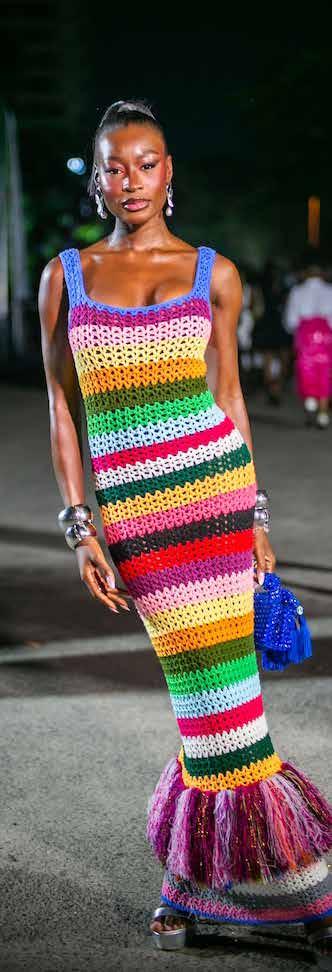

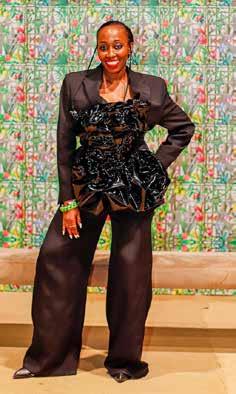
For decades, fashion behaved like a tightly controlled society. There were commandments stern, inherited, unquestioned. Sequins were nocturnal. Prints behaved like well-trained children and never mingled without permission. You dressed to belong, not to express. And hanging over every wardrobe was the phantom presence of a style police you never actually met but always feared. This season? The style police has retired. The handbook has been set on fire. The only surviving rule is simple: there are no rules. But don’t confuse this liberation with chaos. What’s happening now is intentional, expressive, deeply personal. Dressing has become an act of self-curation, not conformity.
A declaration instead of an apology. The kind of fashion that doesn’t seek approval—just honesty.
Clash It, Don’t Match It
Once upon a time, mixing prints could earn you a public scolding from an auntie at a wedding. Today, it’s practically a thesis on modern cool.
Stripes with florals. Ankara layered over tie-dye. Neon sneakers under a silk slip. An oversized blazer shrugged over gym shorts. Nothing needs to “make sense” in the traditional way. It just needs to make sense to you. And Lagos has been ahead of the curve for years. Think aso-ebi lace styled with sneakers—an audacity now so commonplace it barely raises an eyebrow. Or a thrifted Balogun jacket hanging effortlessly beside a mini Dior saddlebag. Street style isn’t just a trend here; it’s a language. The new flex isn’t matching—it’s storytelling.
There was a time when outfits belonged to specific hours, specific rooms. Sequins waited for nightfall. Pyjamas lived strictly at home. Workwear demanded a certain stiffness that had nothing to do with comfort and everything to do with tradition. Now? Mood trumps occasion. Sequins at brunch? Acceptable. Pyjamas at a party? A power suit with combat boots in a boardroom? No one’s blinking. Fashion has slipped out of society’s tight grip and landed somewhere far more intuitive. What you wear is no longer dictated by where you’re going but by who you are that day. If tulle feels right on a Monday, wear it. If a silk dress wants to spend the day with chunky loafers, let them live their truth.
Perhaps the most delicious part of this era is watching the so-called “fashion mistakes” of our childhood become runway staples and street-style signatures.
• Socks with sandals — the once-mocked pairing now struts down runways stamped with designer logos.
• Mixing metals — gold and silver no longer compete; they collaborate.
• Denim on denim — double, triple, even quadruple it. The Y2K loyalists are thriving.
• Oversized silhouettes — volume is not only allowed, it’s encouraged.
• Thrifted treasures — a perfectly reworked Yaba find can eclipse an entire luxury haul.
We’ve entered an age where rebellion has become the aesthetic—and the aesthetic has become the standard.
Perfection is out. Personality is in.
Thrifting has only raised the stakes. Young Nigerians, like their counterparts across the world, are transforming secondhand pieces into original, sustainable statements. In a season where authenticity and environmental awareness coexist, reworking is not just responsible but also aspirational.
Fashion is becoming less about purchasing power and more about creative power.
You can always spot an intentional man. He doesn’t need to announce himself; his clothes do that quietly. His shirt fits the way it should, his trousers sit properly, and his shoes are clean, even though he definitely fought Lagos traffic to get here. He’s not loud, but he stands out. What sets him apart is effort. He dresses with purpose. He understands that style speaks before he does. And here’s the real secret: an intentional man doesn’t chase trends or dress like he’s stuck in a past decade. He simply knows what works — for his body, his lifestyle, his taste. This starter pack isn’t about buying everything in one day; it’s about building slowly, choosing wisely, and looking put together without stress.



By Funke Babs-Kufeji
Every well-dressed wardrobe begins with basics that never betray you.
A crisp white button-down is non-negotiable — corporate, romantic, or effortlessly rich depending on how you style it. Add a light blue shirt and a subtle striped option for rotation. Then stock up on quality T-shirts in black, white, and grey. The line between “casual” and “careless” is almost always defined by fabric and fit.
For trousers, start with tailored black or charcoal; they solve 70% of your styling problems. Add a beige or stone pair for daytime, straight-leg dark jeans for smart-casual days, and sharp-cut linen trousers for heat-heavy weekends. When the tailoring is right, even the simplest outfit looks intentional.

Footwear is where the intentional man never compromises. You can fake a lot of things in fashion, but you cannot fake good shoes.
Start with truly clean white sneakers, not “almost white,” not “still okay.”
Then add a pair of loafers or smart slip-ons that can take you from brunch to meetings to native looks. You also need one formal shoe — derbies or oxfords — for weddings, boardrooms, and anywhere sneakers will make you look unserious.
Sandals? Yes. But leather, structured, and polished — not flimsy or rubbery. Remember: an outfit can survive a basic shirt, but it cannot survive tired shoes.
Accessories are personal, but they should never be chaotic. A good watch is a cheat code, not because it’s expensive, but because it shows attention to detail. Two belts, black and brown, both with simple buckles. Sunglasses that suit your face, not Instagram trends. A proper bag that respects your laptop and your look: a structured backpack, a leather tote, or a sleek crossbody.
Style matters most when it works for your actual life.
For work, keep it sharp: fitted shirts, tailored trousers, clean footwear. If your office is relaxed, switch to quality tees with light jackets. For brunch, think linen shirts, fitted polos, clean sneakers, or loafers — effort, but not overkill.
For weddings, especially native wear, fabric and tailoring matter more than drama. A well-cut outfit will always outperform a loud one. For nights out, go dark and refined — black shirts, monochrome looks, sleek jackets. Weekends should be relaxed but never sloppy. Comfort is allowed; carelessness is not.
You can wear the best outfit in the room and still miss the mark if your grooming is off. Hair should look maintained, whether low cut, grown out, or loc’d. Beards should be shaped with intention, not left to the mercy of three-week confusion.
Nails, lips, skin, they matter. Skincare isn’t feminine; it’s basic self-respect. And fragrance? Your signature. One everyday scent, one for evenings. Classy, not choking. Perfume is not hygiene. Deodorant is still required. A man should smell good, not like he’s wrestling with a bottle of perfume.
The most stylish men aren’t the ones with the most clothes; they’re the ones who understand themselves. They know the colours that flatter them, the fits that make sense for their body, and they repeat what works with quiet confidence.
He doesn’t dress like he’s doing the world a favour. He irons his clothes, checks his shoes, fixes the small details people notice even when they don’t comment. He moves like a man who respects himself — and that is the real foundation of great style.





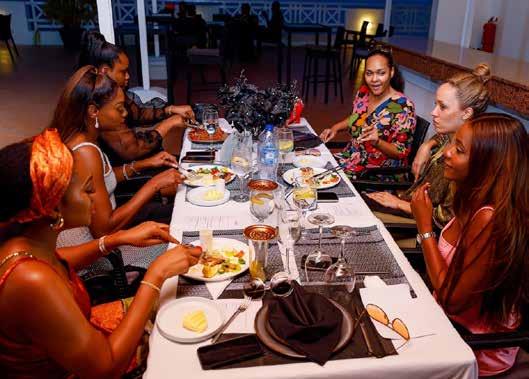
There’s something magical about a wellhosted evening, the kind of gathering where conversation flows, the room feels warm, and everyone leaves feeling a little lighter than they arrived. Great entertaining isn’t about perfection. It’s about intention, atmosphere, and the tiny gestures that make guests feel considered. If you want to host beautifully without the stress, these seven points are your new blueprint.
1. Set the Tone Before the First Doorbell Rings
Every memorable gathering begins with clarity. Are you going for an intimate dinner, a lively cocktail night, or a slow, indulgent Sunday lunch? The tone dictates everything, from the playlist to the seating to how you dress. When the host is clear, guests instinctively fall into the rhythm you’ve created. Think of it as setting the emotional temperature of the evening.
2. Ambience Is Your Silent Co-Host
You can have Michelin-level food, but if your lights are harsh and the room feels stiff, nothing works. Soft, warm lighting immediately relaxes people. Candles add glow and depth. Music should float, not fight with conversation. A great playlist should ease people in, rise gently with the energy of the night, then soften again as the evening winds down. Ambience is the difference between “nice” and unforgettable.
3. A Beautiful Table Needs Heart, Not Perfection
The table carries the night, but this isn’t the era of intimidating showpieces. Today’s best hosts favour thoughtful over theatrical. Think linen napkins, a few well-placed candles, a simple bouquet, or even herbs in tiny vases. A slightly mismatched plate, a candle that tilts a little, these touches make the space feel lived-in, warm, and human. The goal is charm, not choreography.
4. Cook Smart, Not Complicated
If you’re sweating in the kitchen while everyone else is laughing in the living room, you’ve missed the point. Choose dishes that are forgiving and prep-friendly. Think slow-cooked mains, hearty salads, pastas that hold well, and desserts that chill quietly until needed. People remember delicious food; they don’t remember whether it took you six hours to make it. And no one minds a shortcut if the meal tastes good.
5. Drinks Should Feel Thoughtful, Not Overdone
You don’t need a bartender or a 30-item bar cart. Offer one signature cocktail, even if it’s just a beautifully garnished gin and tonic, plus a good bottle of red, something bubbly, and a non-alcoholic option that doesn’t feel like an afterthought. A self-serve setup works wonders: glasses grouped neatly, ice in plain sight, everything intuitive. Guests feel at home when they can pour themselves a drink without fuss.
6. Master the Art of Hosting Without Hovering
The best hosts circulate with ease: attentive but never intrusive. Introduce guests who might connect. Notice when someone is left out. Gently steer a heavy conversation away from dangerous waters. Laugh easily. Hosting is emotional intelligence in motion — reading the room, adjusting the pace, and making everyone feel genuinely welcome. Your vibe sets the tone, so stay relaxed. If the host is tense, the night will be too.
7. The Smallest Gestures Make the Longest Memories
Sometimes it’s the tiny, unexpected touches that linger: place cards with inside jokes, a playlist shared after the party, a parting treat, or a handwritten note. People may forget your menu, but they will never forget how they felt in your space. Entertaining well is, at its core, an act of generosity, opening your home and offering warmth in a world that often feels rushed and transactional.





BY KONYE CHELSEA NWABOGOR
Long before “local content” entered Nigeria’s policy vocabulary, and long before the “blue economy” became a global development buzzword, Engr.
Greg U. Ogbeifun was already doing the work, building ships, building companies, building capacity, and, in many ways, building a future the country had not yet imagined. In an industry once dominated by foreign players, he carved out room for indigenous excellence through technical mastery, strategic daring, and an unwavering belief that Nigerians could lead on their own waters.
For over four decades, his imprint has shaped the nation’s maritime landscape from founding Starzs Investments, one of Nigeria’s most dependable marine logistics companies, to establishing the country’s first privately-owned ship repair yard, to influencing national manpower development as a member of numerous government committees, industry councils, and international advisory boards. Across his companies, more than a thousand Nigerians now work in marine logistics, ship repair, gas development, security, automotive engineering, and hospitality, a testament to a vision rooted in long-term national capacity.
Yet beyond the impressive titles and industry accolades lies something more telling: a builder who chose to stay the course in Nigeria when the easier option was to build elsewhere. He has navigated policy uncertainty, economic downturns, shifting industry dynamics, and the quiet solitude that often shadows pioneering work, not out of convenience but out of conviction.
At 75, Engr. Ogbeifun reflects not from a place of nostalgia but from a lifetime of lessons, on bold beginnings, decisive risks, resilience in the face of doubt, and the discipline required to build from obscurity to industry relevance. In this milestone conversation, he speaks frankly about what Nigeria still gets wrong about its maritime potential, the opportunities the country continues to overlook, and what the next generation must understand about patience, excellence, and staying power in a sector and a nation that rewards those willing to build with intention.

Congratulations, Sir. Turning 75 is no small feat. When you pause and look back, what stands out to you most about the life you’ve lived so far? You began your journey in Marine Engineering long before it was seen as a viable or glamorous path in Nigeria. What drew you to it in the first place?
When I pause and look back, what stands out to me most about the life I’ve lived so far is that from the day or even before I was born, God had destined a peculiar and unique life for me, and God has had a hand in every step of my life so far. My journey in marine engineering was a journey of purpose. When I finished high school, knew I wanted to be an engineer. I knew clearly that did not want to be a regular engineer. I wanted to pursue something different from conventional mechanical engineering, civil engineering, electrical engineering, and the like. It was a chance of destiny when I read in the newspapers that both the Federal Government of Nigeria and the then Shell Petroleum Development Company of Nigeria were advertising a scholarship scheme for young Nigerians to study Nautical Science and Marine Engineering. subsequently applied to Shell and the Federal Government for the scholarship. After a series of interviews, I was lucky to be awarded a scholarship to study Marine Engineering by both Shell and the government. My decision to accept the Shell Scholarship was predicated on the fact that from Day 1 with Shell, will be placed on a salary. Subsequently, I proceeded to the United Kingdom (UK) to begin my journey to become a Marine Engineer under the auspices of Shell Tanker UK, marking the beginning of my journey to where am today.
In those early years, when resources were limited and recognition was scarce, what kept you going?
I would say destiny. Also, back then, our country, Nigeria, offered numerous scholarship opportunities, having recognised that the lack of resources could hinder the ability to identify young, talented people with the potential to succeed. Getting those scholarships depended on a child’s academic intelligence. There were many scholarships available, but you had to earn them by excelling academically. Coming from a modest home, knew that to improve my life, needed to focus on my academics. This led to scholarship opportunities from as early as class three, the current equivalent of SS1. I received my first scholarship from the Benin Local Authority, which supported me through my West African School Certificate (SS3). The principal of my secondary school, Casto .V. Alonso, a British man, also awarded me a scholarship to complete my higher education, which is equivalent to the A-levels, after which, received the Shell Petroleum Development Company of Nigeria scholarship. You can see that, through sheer brilliance and God’s grace, my entire educational journey from the end of the 3rd year of secondary school enabled me to become a marine engineer.
When you founded your first company, did you already see yourself building an ecosystem, or were you simply responding to immediate needs as they arose?
I would say it was purely luck: had been asked to resign from my job, and at the time, I had only N100 in my pocket. didn’t immediately set out to build an ecosystem. I was primarily focused on surviving until one thing led to another, and I got opportunities to conduct survey inspections. From there, the
rest is history, as it progressed from one stage to another. It unfolded naturally, and I now believe that God’s divine guidance was steering the course of my life.
How did you navigate building indigenous capacity in an industry dominated by international players who already had the advantage?
First, during my time in the UK, I trained as a marine engineer with Shell Tankers UK, under whose auspices I was trained on behalf of Shell BP Nigeria. I was determined to study and work hard to become the best marine engineer I could be. This was exactly what I did. I returned to Nigeria after 11 years of my sojourn with a first-class combined certificate and steam and motor certificates of competency, which were the highest in the industry worldwide at the time. With these, I was highly qualified for any role in the industry requiring that level of expertise and competence. The British firm was the first to employ me when was working for the United Arab Emirates in Kuwait, and then brought me back to Nigeria after my certification. From that moment on, in a predominantly male industry, I was one of the few Nigerians operating at the management level. That continued until realised I was underutilised and needed to go out on my own, which did. While working for myself, had no choice but to give my very best. Whether I’m working for individuals or providing services for multinationals, always ensure I deliver, do my job well, and seize opportunities so that everyone is very pleased to work with me again. Through fate, I managed to gather the resources needed at that moment to purchase an old, abandoned tugboat I spotted in the creek. I worked on it and refurbished it myself in a yard, and after completing the refurbishment, Shell Nigeria awarded the boat a contract in 1988 at a rate of 600 naira per day for the first six months. That was when I started to see some resources, which diligently worked to grow into the business.
Looking back now, what did you underestimate when you first entered the maritime and energy space?
Honestly, what underestimated when first entered the maritime and energy sector was how few Nigerians, both in the public and private sectors, knew about the industry. As early as the 1970s, Nigeria already had a robust global trading line, the Nigerian National Shipping Line, with its operational headquarters in Liverpool. Many expatriates were involved in the industry; Egyptians and others of other nationalities ran the ships. As more Nigerians were trained by the National Shipping Line and employed, awareness started to grow, yet the industry was still quite new in the country. The government did not, at the time, see the need to raise national awareness of that sector. For some of us privileged to be trained in the industry abroad, when we returned, we chose not to leave the country, despite greener pastures elsewhere. This was to enable us contribute our quota in deepening Nigerians’ involvement in both the public and private sectors of the industry. That is why this year, my shipping company, Starzs Investments Company Limited, will be celebrating 40 years of existence. Thanks to the success I have achieved in helping Nigerians take control of their destiny in this sector. believe we are doing very well as a company. On the Nigerian government’s side, yes, much has been accomplished, especially since the establishment of the Ministry of Marine and Blue Economy, and, thankfully, with a minister like ours, who is committed to ensuring Nigeria reaches its full potential both domestically and internationally.
If Nigeria’s maritime story were being told honestly, what chapters do you think are often ignored or misunderstood? One important chapter often ignored is that the maritime industry is international, and we cannot grow or compete in isolation. Secondly, people do not understand how long it takes to train and develop a Nigerian maritime professional. It took me 11 years from starting my cadetship to becoming a well-qualified officer, 8 years to reach the first stage of our professional training, and then an additional 3 years, during which I took my fate into my own hands and ensured I completed it quickly, 3 years instead of 5. Technically speaking, it takes about 12 to 13 years to produce a maritime seafarer who meets international standards at the highest level and is capable of becoming a chief engineer, master mariner, or ship captain.
Another often-ignored aspect is the realisation that a maritime nation like Nigeria must play a critical role in international shipping affairs. You also find charters and conventions of the International Maritime Organisation that are signed but not domesticated, which would otherwise enable Nigerian maritime players to operate and participate in the industry in accordance with global standards.
Ours is a very specialised profession, and one major tool or platform required for us to maximise our global participation in shipping, in particular, is that Nigeria must find a way to re-enter global shipping. Thank God for the likes of Nigeria Liquified Natural Gas Company, which set up a shipping arm to carry its cargo around the world.
I will continue to raise awareness of the importance of our sector, the maritime and shipping industry, and highlight the significance of our great country, Nigeria. I will also work to ensure the government pays greater attention to the struggles of our young Nigerians eager to participate in this sector. I will deepen engagement with the authorities to ensure we build a Nigerian global trading fleet of Nigerian shipowners, enabling us to participate actively in global trade and shipping, reduce the capital flight we are currently experiencing, and train as many Nigerians as possible in this industry.


Today, it has over twenty ships that provide platforms for young Nigerians to be trained as seafarers to international standards. We need ships, and we also need to understand that it takes a long time to produce seafarers who can operate them to an international standard.
The blue economy is now a buzzword, but from your perspective, what does Nigeria still need to get right for it to truly work?
For Nigeria to succeed in the maritime and shipping sector and make it genuinely effective, it must make all necessary efforts to promote local trade using Nigerian-owned ships, registered and flagged in Nigeria, supported by the right fiscal policies to ensure the success and sustainability of those operating in the sector. By doing so, we can demonstrate to the world that we are a true maritime nation. Despite having a population of about 230 million people, all our imports and exports are transported by foreign ships flying foreign flags. This is unfortunate, and reversing this trend as quickly as possible is essential.
You’ve created thousands of jobs and trained generations of professionals — what gives you the greatest satisfaction about that impact?
Interesting, you asked this question. Truly, what gives me the greatest satisfaction about the impact I’ve had in our sector, as you mentioned, is creating jobs and, in particular, developing a trained generation of professionals in my area of expertise: the maritime industry and related fields. It is satisfying, and am grateful to God for it. At 75, can look back and, as you said, have produced quite a few Nigerians through my professional competence, and many more are still in the process of development. By the grace of God, I have established platforms and companies in this industry, employing Nigerians and nurturing these professionals. It is profoundly gratifying, and am thankful to God for this.
Failure is often edited out of success stories. What is one setback that shaped you more than any win?
Well, I’m glad you refer to it as a setback. You ask what the setback is rather than failure.
Yes, setbacks sometimes delay your progress, so you can maximise your opportunities of success. In my own case, I would say that one setback that has shaped me more than any achievement was the day I was asked to resign from my job, and that was on the 30th of June 1986. Up until then, always thought I would be a staff member, an employee at companies, and rise to the highest level in the organisation. never imagined would have to go into business because didn’t think I had what it took to cope with the rigours of business. But that setback of being asked to quit my job with little or no money, let me put it this way: after that happened, I, of course, naturally began to look for another job, and within a couple of weeks, I was offered two jobs, one by NNPC and the other by a classification society. The temptation to jump back into employment because of the uncertainty was there, but something inside of me said no. If, after all your dedication, hard work, and passion for your previous employer, you find yourself here, I would not want to work for anyone anymore. decided that, going forward in my life, would work for myself, develop my skills, and be valuable to society. The rest is history, because I am
grateful to God for the level He has brought me to thus far.
When you think about legacy, is it the businesses, the people, or the principles that matter most to you?
For me, when I think about legacy, what matters most is the people I have impacted, those have been able to instil with principles that lead to success in life without compromising, hurting, or taking advantage of others who work for you. Because it is the people who shape your legacy, not the structures, money, or houses you leave behind. It is the people who remember to follow the footprints you’ve left in the sands of time and succeed.
What kind of leader do you hope your children and mentees remember you as?
This is an interesting reflection. My children and mentees would first remember me as a very strict and honest man. They will remember me as a workaholic, a generous individual, and someone who does not truly care about money or material things, but who values integrity, honesty, and good citizenship. They will remember me, of course, as someone who does not tolerate mediocrity in anything I do. But they will also remember me as a leader who, in all I did, did not have the luck of having a single wife in my life. Yet, despite this, all the children have, to the glory of God, are united as if they come from the same mother. I cannot hesitate to acknowledge that this could be a challenge for a man, but in my case, God has helped me manage the circumstances and realities of my destiny in this area, while also being a successful leader whom people say I am.
What does success look like to you at 75? Well, for me, success is relative. seldom consider myself a successful man, nor do often say that am one. You can be successful in some aspects of life and a failure in others; it depends on who is evaluating you. But at 75, thank God for how have lived my life. I am grateful that I am not leaving any liabilities for my successors or for the people who cross my path. I thank God that at 75, I see people who have truly succeeded, who have had interactions with me at different stages of my life as part of their success stories. At 75, am grateful, content, and happy. I may not be among the rich or the high-profile names, but am immensely happy and thankful to God. I move about like an ordinary person; I don’t need a platoon of security around with me; living a normal, humble life is a form of success in an environment like the one we are in today. am thankful to God for this.
If you were starting again today in Nigeria, what would you do differently?
Not much really. I will continue on the same trajectory I am currently on. will continue to raise awareness of the importance of our sector, the maritime and shipping industry, and highlight the significance of our great country, Nigeria. will also work to ensure the government pays greater attention to the struggles of our young Nigerians eager to participate in this sector. Additionally, will deepen engagement with the authorities to ensure we build a Nigerian global trading fleet of Nigerian shipowners, enabling us to participate actively in global trade and shipping, reduce the capital flight we are currently experiencing, and train as many Nigerians as possible in this industry. This training will not only meet local needs but also prepare them to work abroad, bringing back the much-needed foreign exchange to boost our economy and improve the lives of our people.
There’s always that woman who just gets it. Her outfits feel aligned. Intentional. Never confused. She doesn’t panic before events. She doesn’t impulse-buy every trend. She doesn’t stare into her wardrobe, whispering, “I have nothing to wear,” while surrounded by clothes. It’s not magic. It’s clarity. She understands her style archetype.
A style archetype isn’t a trend category or a Pinterest phase. It’s the dominant energy your wardrobe carries, the consistent mood behind what you buy, what you repeat, and what makes you feel most powerful. It’s the invisible thread tying your best outfits together. The reason some pieces feel instinctively right and others feel like costume.
When you understand your archetype, your wardrobe starts to make sense. You stop dressing for the algorithm and start dressing for alignment. You recognise why certain silhouettes always work on you and why some trends — no matter how viral — never quite sit properly. Here are the archetypes that quietly shape most wardrobes.
1. The Dramatic She does not enter rooms — she arrives. Bold prints. Strong shoulders. Oversized coats. Sculptural gowns. Statement accessories. She understands scale and impact. Her wardrobe is built on presence. Even her simplest outfits have a focal point. She is comfortable being seen. There is nothing timid here. Volume, contrast, exaggerated proportions — they energise her.


2. The Bohemian Texture and movement define her. Earth tones. Prints. Vintage finds. Layered jewellery. Flowing silhouettes. She mixes intuitively and isn’t overly concerned with polish. Her wardrobe feels collected rather than curated. There’s personality in every layer. Pieces often look like they carry stories.
She enjoys pattern, craft, artisanal details. There’s warmth and individuality in her style choices.
3. The Ed Contrast is her language. Leather with silk. Boots with delicate dresses. Dark palettes. Asymmetry. Hardware. Sharp details. There is always tension in her look. She resists anything too sweet or predictable. Even when she wears something traditionally feminine, she disrupts it. There’s an undercurrent of rebellion.
Her wardrobe often plays with structure and fluidity at the same time. She balances hard and soft instinctively.



The Classic respects structure. Think crisp white shirts, tailored trousers, sharp blazers, clean silhouettes. Nothing fussy. Nothing loud. Everything intentional. She believes in investment pieces and clothes that age well.
Her wardrobe leans into navy, black, cream, and camel. She gravitates toward quality fabrics and precise tailoring. Even her denim is structured. Even her flats are polished. There’s discipline here. A sense of control. The Classic doesn’t chase novelty; she refines consistency. Her style rarely dates because it was never trying to trend in the first place.
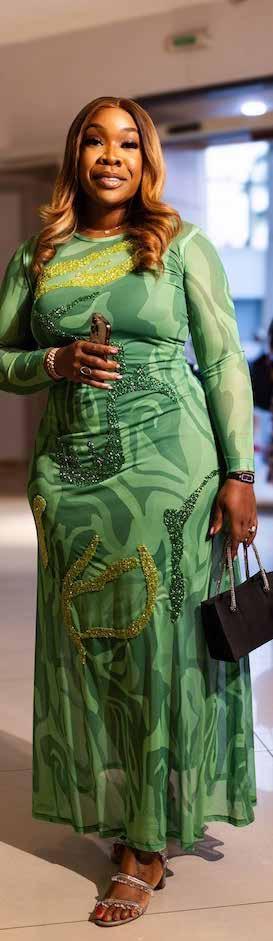
The Minimalist strips everything back but with precision. Monochrome outfits. Clean palettes. Sharp lines. Elevated basics. Perfectly cut trousers. Impeccable white shirts. She edits ruthlessly and repeats unapologetically. Where the Classic values tradition, the Minimalist values reduction. She doesn’t need embellishment. Fabric, cut, and proportion do all the talking. Her wardrobe may look simple, but it’s highly considered. Every piece earns its place. There’s no clutter, no excess, no emotional purchases that don’t align.
Most wardrobes aren’t onedimensional.
You may be Classic at work but Dramatic at events. Minimalist during the week, Romantic on holiday. The Hybrid understands her foundation and builds outward from there. The difference is intention. She knows her base archetype and uses it as an anchor. Trends are filtered through it, not layered on top without thought. That awareness prevents wardrobe chaos. It keeps her style cohesive even when it evolves.

Effortless is her comfort zone.
Linen sets. Soft knits. Relaxed denim. Cotton shirts. Neutral tones with warmth. Comfort matters, but she never looks sloppy.
She understands ease and proportion. Her clothes breathe. They move naturally. Nothing feels forced. The Natural prioritises feel as much as appearance. If a piece restricts her, she won’t wear it — no matter how fashionable it is.
If your best outfits are built from breathable fabrics and uncomplicated silhouettes, this is your space.

8. The Romantic
Softness defines her. Flowing dresses. Lace. Satin. Florals. Ruffles. Feminine silhouettes that move when she walks. Gold jewellery. Gentle palettes. Even her tailoring has curve. She gravitates toward pieces that feel expressive and beautiful rather than sharp or severe. There’s emotion in her wardrobe. A sense of mood. She understands drape. She understands fluidity. Even when she wears something structured, it’s balanced with softness.
If you feel your best in fabrics that move and silhouettes that flatter rather than command, you’re Romantic.\
Luxury used to be something people chased in big, dramatic moments, the holiday, the five-star dinner, the “I’ve earned this” purchase. But the truth is, most of our lives are lived in the in-between: the mornings, the commutes, the evenings we barely remember. And slowly, luxury has shifted to meet us there. It no longer lives only in the spectacular; it sits quietly in how we treat ourselves every day. Real luxury has become personal, subtle, and rooted in habits that make ordinary life feel beautifully intentional. Here are ten ways to bring that feeling into your daily routine, without waiting for a special occasion or spending a fortune.
1. Curate the atmosphere of your home.
The feeling of luxury almost always begins with environment. It’s not about expensive furniture — it’s about emotional ambience.
Warm lighting instantly softens a room, a signature scent can turn a house into a sanctuary, and one consistently tidy, styled corner can anchor your entire space. Your home should feel like somewhere you exhale, not endure. A curated atmosphere is one of the quickest ways to elevate your day.
2. Turn one daily routine into a ritual. Luxury comes from attention. Choose a moment you repeat without thinking — your shower, your tea, your skincare — and perform it with a little more care. Use the products you genuinely enjoy, take a few extra seconds to breathe, and add small touches like music or warm lighting. A ritual creates a pocket of calm in your day, and the more you protect it, the richer your routine begins to feel.
3. Give your mornings structure.
A luxurious day starts with a composed morning. Make your bed properly, open your blinds, drink water from a glass you actually love, and resist the urge to scroll the second you wake up. Give yourself a few quiet minutes to stretch or think. These small acts shift you from survival mode to intention, and the feeling follows you throughout the day.
that glides, a mug that makes morning drinks feel special — these details matter. They improve your everyday experience and create a sense of quiet richness without requiring a large budget.
5. Establish a personal fragrance identity.
Scent is one of the most effortless ways to feel elevated. Wear your perfume at home, layer scented oils after your evening shower, and refresh your bedding with a light spritz. Fragrance creates memory and mood. It softens your presence and subtly refines your environment. A signature scent is a small, luxurious decision with a lasting impact.
6. Add one intentional pleasure to your day.
This is the difference between existing and enjoying. Instead of waiting for the weekend, pick one small pleasure — something just for you. It could be a dessert, a short walk, a chapter of a book, a favourite show, or a moment of silence. Pleasure becomes luxury when it’s deliberate, not accidental.



4. Invest in the small things you use constantly. Luxury isn’t always dramatic; it’s often found in the daily objects we underestimate. A towel that feels soft on your skin, good bedding, a pen


7. Protect your time with elegance.
Time is the greatest luxury, especially when it belongs to you. Say no to what drains you. Keep a part of your day sacred — mornings, evenings, or even a short midday break. Reduce obligations that exist out of habit rather than desire. Luxury often looks like having enough emotional space to breathe.
8. Make your meals feel like an experience. Food becomes luxurious when you slow down for it. Set a plate, sit down properly, light a candle, and treat each meal — even a simple one — with intention. Presentation matters. Pace matters. When you stop rushing through your meals, you invite calm and pleasure into a part of life that happens every single day.
9. Dress for how you want to feel.
Luxury in style isn’t always about labels; it’s about how your clothes make you move. Choose fabrics that feel good, silhouettes that flatter you, and pieces that brighten your mood. Wear perfume. Put on the earrings you love. Stop saving your beautiful things for “the right moment.” That moment is today.
10. Edit your life like a wardrobe.
Luxury thrives in simplicity. Remove habits, obligations, and relationships that weigh you down. Keep only what fits your current life and who you’re becoming. When your emotional and mental space is uncluttered, your days feel lighter, calmer, and more luxurious by default.
Dear Reader,



BY DR. KEMI DASILVA-IBRU AND GLORIA JOACQUIM
Welcome to the WARIF Survivor Stories Series, a monthly feature where stories of survivors of rape and sexual violence are shared to motivate and encourage survivors to speak their truth without the fear of judgment or stigmatisation and to educate the public on the sheer magnitude of this problem in our society. The Women at Risk International Foundation (WARIF) is a non-profit organisation set up in response to the extremely high incidence of rape, sexual violence, and human trafficking of young girls and women in our society. WARIF is tackling this issue through a holistic approach that covers health, education, and community service initiatives.
WARIF aids survivors of rape and sexual violence through the WARIF Centre - a haven where trained professionals are present full-time, 6 days a week, including public holidays, to offer immediate medical care, forensic medical examinations, psychosocial counselling, and welfare services which include shelter, legal aid, and vocational skills training. These services are provided FREE of charge to any survivor who walks into the Centre.
My name is Maliya. I am 24 years old, and on that day, I woke up unaware that my life was about to change forever. had recently relocated to Lagos after reconnecting online with a former school friend. In search of better job opportunities, accepted her encouragement to move, and she kindly agreed to accommodate me temporarily while tried to find my footing. Sadly, after a misunderstanding arose between us, made the difficult decision to leave her home.
With nowhere else to go, I remembered an uncle, a distant relative my late parents had visited years earlier. did not have his contact details, but I recalled the area they once described. Holding on to hope, set out to find him. spent hours searching in a suburb of Lagos, but my efforts were unsuccessful.
Tired, hungry, and stranded, approached a man who owned a nearby boutique and asked for assistance. He did not know my uncle, but he appeared kind. He offered me refreshments and allowed me to rest briefly in his shop.
to the Women at Risk International Foundation (WARIF) for medical care and psychosocial support.
At WARIF, was treated with compassion, professionalism, and dignity. I received medical assessments, treatment, and a forensic examination. also began psychosocial counselling to help me cope with the trauma, anxiety, fear, shame, guilt, and recurring flashbacks. Through counselling, I was reassured that what happened was not my fault. My counsellor helped me process my emotions and supported me as began my healing journey. After my initial sessions, I experienced relief and gained greater emotional clarity. also participated in WARIF’s group therapy sessions, where met other survivors. Connecting with women who had similar experiences gave me a sense of belonging and renewed confidence. learned healthy coping strategies and slowly began to move forward with hope and purpose. With the support of the police, the perpetrator was arrested. Investigations revealed a pattern of abuse involving other women, and the case was charged to court. Legal proceedings are ongoing, and remain confident that justice will be served.

As evening fell and was still unable to locate my uncle, the man offered me a place to stay for the night, saying I could continue my search the next morning. With no other options and feeling vulnerable, accepted.
That night, he expressed romantic interest in me, which clearly declined. The next day, my search again yielded no results. When I returned, he continued to present himself as helpful, offering food and allowing me to remain in his home.
That night, despite my clear refusal and without my consent, he raped me. He raped me twice before morning. I was left deeply traumatised, overwhelmed by fear, shame, confusion, and self-blame. He later apologised and made false promises of marriage, which only deepened my distress. I blamed myself for trusting someone barely knew.
The following morning, contacted my friend and told her everything. After described the location, she immediately came to meet me and took me to the nearest police station to report the assault. From there, we were referred
Six months later, my life has taken a positive turn. I have secured employment with a multinational company and am thriving in my role. I am currently staying with my friend, whose support has been vital to my continued healing.
I am deeply grateful to the staff and team at the WARIF Centre for their compassion, professionalism, and unwavering support to survivors like me. Your work restores hope, dignity, and strength, and reminds us that healing is possible.
* Real name of the Survivor changed for confidentiality Dear Survivor, please know that you are not alone, and it is not your fault. Help is available. If you have been raped or know someone who has, please visit us at:
The WARIF Centre 6, Turton Street, off Thorburn Avenue, Sabo, Yaba, or call our 24-hour confidential helpline on 0800-9210-0009.
There’s something almost cinematic about the pursuit of glowy skin. The late-night TikTok rabbit holes, the impulse purchase of a serum promising “glass skin by morning,” the rows of half-used products standing like tiny monuments to our optimism. We’ve all believed at one point that the glow lived inside an expensive bottle with a French name. But here’s the truth the beauty industry rarely volunteers: the secret to radiant, healthy, lit-from-within skin is not luxury. It’s routine. It’s the simple, sustainable habits you repeat far more often than you shop. Real glow doesn’t come from doing everything. It comes from doing the right things consistently.
Step 1:
Skincare only becomes stressful when it becomes excessive. Somewhere along the line, routines ballooned into 12-step rituals, each promising transformation but often delivering overwhelm.
Start with the essentials—the foundation of every glowing face:
A gentle cleanser that respects your skin barrier.
A moisturiser that locks hydration in without suffocating.
A broad-spectrum SPF to protect your glow from the sun’s silent sabotage. That’s your core. Everything else— Vitamin C, exfoliating serums, retinol— is a bonus, not a baseline. Once your essentials are solid, then you can play.
Step 2:
Human
Skincare shouldn’t require a science degree. The simpler the rhythm, the easier it is to follow.
Morning:
Cleanse – Moisturise – SPF.
Fresh, intentional, protective.
Night:
Cleanse – Moisturise – (Treatment if you have the energy.)
Restorative and forgiving.
No complex layering rules, no waiting 15 minutes between steps. Just a routine that works whether you’re rushing, multitasking, or half-asleep.
Step 3:
A routine is what you have to do. A ritual is something you look forward to. Create a tiny pocket of luxury around your skincare: Play your favourite podcast. Light a candle. Display your products on a chic tray. Use textures and scents that make you pause. Skincare should feel like a soft moment carved out of the day, not another thing on your to-do list. When it feels indulgent, you show up for it.
Theory
The easiest glow trick is behavioural,
not topical.
Tie your skincare to habits you never skip, brushing your teeth, showering, and your morning coffee. When your routine becomes part of an existing pattern, it stops feeling like effort and starts feeling like autopilot. The glow thrives when the routine becomes instinctive.

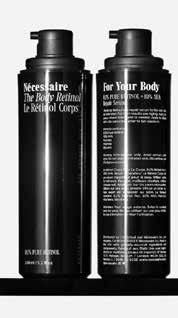


Every skincare lover has fallen asleep in makeup or skipped SPF on a chaotic morning. The glow doesn’t disappear because you had one off day. Consistency, not perfection, is what transforms skin over time.
Be disciplined, yes, but also gentle. The ritual should serve you, not punish you.
The internet is loud about skincare, but your skin whispers what it truly needs. If it feels tight, moisturise more. If it’s irritated, simplify. If it’s breaking out, scale back. No influencer’s routine is worth replicating if it doesn’t suit your skin. The only rule that matters? Listen to your face.
The prettiest glow often begins far from the bathroom shelf.
Sleep is a nightly reset button for your skin.
Water is internal moisturiser. Stress? A known dullness culprit. You don’t have to overhaul your life; small, intentional tweaks add up. Think of it as skincare from the inside out.
(The Underrated Tip Every Dermatologist Swears By)
If there’s one modern skincare lesson worth repeating, it’s this: your barrier is everything. Glow cannot survive a damaged barrier.
This means: Avoid overexfoliating.
Be careful with too many actives at once.
Choose products that support repair, ceramides, peptides, and hyaluronic acid. When your barrier is calm, strong, and moisturised, every other product in your routine works better. And your glow? It becomes effortless.

By Funke Babs-Kufeji
Rule One: Retire the Bath Soap
If you’re using your regular bath soap on your face, you’re not simplifying your life; you’re sabotaging your skin. Bath soaps are too harsh; they strip your face and leave it dry, tight, or dull. The fix is simple: get a gentle face wash. Nothing fancy, nothing expensive. Just something designed for your face, so you don’t create problems before the day even starts.
Every Man Can Handle
Skincare becomes complicated only when you make it. The truth is, most men need just three easy
Most men don’t hate skincare; they just hate anything that feels like unnecessary work. The moment routines start sounding like complicated chemistry (“serum,” “retinol,” “peptides,” “exfoliating acids”), interest disappears. And truly, no man wants to stand in front of a mirror wondering why a simple face wash now feels like an exam. But skincare isn’t about beauty. It’s about grooming. It’s about looking clean, healthy, and well put together — the same way you care about your haircut, beard line, or shirts being ironed. Your face shows everything: stress, late nights, sun exposure, even when you insist you’re fine. If you want to look fresh, you need the basics. Not ten products. Just a functional routine you can actually stick to.


Breakouts don’t just happen; sometimes your hands are the problem. Many men constantly touch their faces — rubbing their cheeks, stroking their beards, wiping sweat — and then wonder why their skin is irritated.
Your hands carry dirt, oil, and bacteria. Every touch transfer something. Picking at pimples only creates dark spots and makes healing slower.
If your skin is misbehaving, simplify: Use a gentle cleanser
Moisturise
Don’t touch or pick
Skip the random products you saw on social media
Let your skin calm down before adding anything new.
The “I’m Fine”
Use sunscreen Night:
This basic structure solves about 80% of the issues men experience
— dryness, uneven skin tone, dullness, random breakouts, that permanently “tired” look. It’s consistency that does the work, not an army of bottles.
Moisturiser: The Unsung Hero
Many men with oily skin avoid moisturiser because they’re afraid of looking shiny. Ironically, skipping moisturiser makes your skin produce even more oil as compensation. That leads to midday shine, clogged pores, and breakouts you pretend not to notice.
The key is choosing the right type: Oily skin: lightweight gel moisturiser
Dry skin: richer cream
Moisturiser keeps your skin smooth, reduces ashiness, and enhances your grooming overall.
Your haircut and beard look better when the skin underneath is healthy.
Sunscreen: The Step You Avoid That
Everything
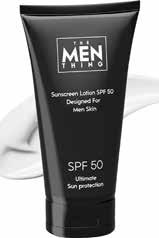
Men skip sunscreen the most, usually because it feels unnecessary.
But daily sun exposure is the biggest culprit behind dark spots, uneven tone, and that rough texture that no amount of sleep fixes.
Think of sunscreen as insurance.
You use it on days you go to work, sit in traffic, run errands — not just when you’re at the beach. A good sunscreen doesn’t leave white streaks or feel heavy. And once you start using it consistently, your face will look fresher, smoother, and more even.
Mask
Dark spots take time to fade, especially for men who shave often or deal with acne scars. The first step is sunscreen; without it, you’re wasting effort. The second is patience.
If you want to add one treatment product, choose vitamin C or niacinamide. Just one. You’re not conducting research; you’re improving your face. Consistency will always outperform panic-buying.
Razor bumps can ruin even the cleanest grooming. They happen when you shave too close, use blunt blades, or shave against the grain.
A few simple corrections make a big difference:
Use clippers more often if you’re prone to bumps
Shave with the grain, not against Always use a sharp blade Moisturise right after shaving And avoid aftershaves that burn like punishment — gentler options exist now.
Skincare Isn’t “Soft.” It’s Maintenance
Some men still see skincare as unnecessary or feminine. But skincare is the foundation of every grooming effort you already make. When your skin is healthy, your beard looks sharper, your haircut stands out, and you appear cleaner and more refreshed.
The goal isn’t perfect skin. It’s fresh skin. Skin that looks like you actually sleep, drink water occasionally, and care about yourself. A cleanser, a moisturiser, and sunscreen are the real essentials. Add one extra product only if you need it. Give it three weeks. You’ll see the difference, and you won’t hate skincare anymore. You’ll just wonder why you waited so long to start.