NDOMAEGBA VICTOR







There are men whose careers are defined by a single moment, a decisive victory, a headline appointment, a turning point that shifts everything at once. And then there are men whose lives are built differently, shaped not by sudden elevation, but by a steady accumulation of influence, responsibility and restraint. Victor Ndoma-Egba belongs to the latter. His story does not unfold in dramatic leaps. It moves with intention, across law, governance and public life, guided less by urgency and more by a quiet understanding of timing. It is the kind of life that, at first glance, appears seamless, until you begin to notice the decisions behind it. The moments he stepped forward, and just as importantly, the ones he chose not to.


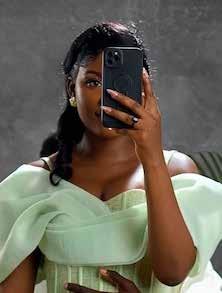

Lately, I’ve noticed something small but telling. Not dramatic enough to complain about, but consistent enough to feel like a pattern. We don’t ease into moments anymore; we enter them halfway documented. Before the first proper laugh, someone has taken a photo. Before the conversation settles, a clip has been recorded. It’s instinctive now. Almost automatic. And to be fair, it’s not without reason. There’s something reassuring about capturing things as they happen, about having proof that you were there, that it was good, that it mattered. But it does raise a quiet question: at what point did experiencing something become slightly secondary to recording it?
That’s the thread running through my opinion piece, Are We Living or Just Documenting? It doesn’t take the moral high ground (because honestly, who can?). It simply holds up a mirror. The kind that makes you aware of your own habits without immediately rushing to defend them. Read it slowly. You’ll recognise yourself in it, whether you like that or not. That idea of awareness, of paying attention to what we’re doing and why, doesn’t stop with how we move through life. It shows up just as clearly in how we dress. Because if we’re being honest, a lot of what people call “personal style” is still heavily negotiated. Not just with trends, but with age. Somewhere along the line, we accepted the idea that certain clothes come with timelines. That at some point, you’re meant to quietly retire pieces that still look good on you, just because they no longer align with a number.
Dress Your Body, Not Your Age pushes against that in a way that feels overdue. It’s less about rebellion and more about clarity. Knowing what works for you now, understanding your proportions, and dressing with that awareness, without overthinking who is watching or what they might say. It sounds simple, but for a lot of people, it isn’t.
And then there’s love. Or more accurately, how we keep trying to define it.
Love Languages, Redefined takes a concept that once felt neat and universally applicable and stretches it a little. Because life has changed. The way we communicate has changed. Even our expectations have shifted. Love isn’t always loud or poetic; it’s often practical, sometimes inconsistent, occasionally inconvenient.
It’s in the follow-up text. The remembered detail. The decision to show up when it would have been easier not to. And interestingly, in a world where we are constantly visible, constantly sharing, real intimacy still seems to exist in the things that aren’t posted.
Which, if you think about it, circles us right back to where we started.
Which brings me to the question. When something good happens, do you feel the urge to capture it immediately, or have you mastered the art of waiting… even if it’s just for a few seconds?
Be honest. I’m still figuring out my own answer.



At some point, fashion decided your birth year should dictate your wardrobe. Not your personality. Not your lifestyle. Not even your body. Just… your age. It’s why hemlines are expected to drop the moment you hit a certain decade. Why bright colours quietly disappear. Why entire categories of clothing, crop tops, minis, anything remotely playful are suddenly labelled inappropriate, as though style has an expiry date. But your body doesn’t age in theory. It exists in reality. And that reality has far more to do with how clothes sit, move, and flatter than any number on a birthday cake. If you want a style that actually feels like yours, the real shift isn’t dressing your age. It’s dressing your body. Because one of these rules is rooted in fear. The other is rooted in awareness.



By Yinka Olatunbosun
The Problem With Dressing “Your Age”
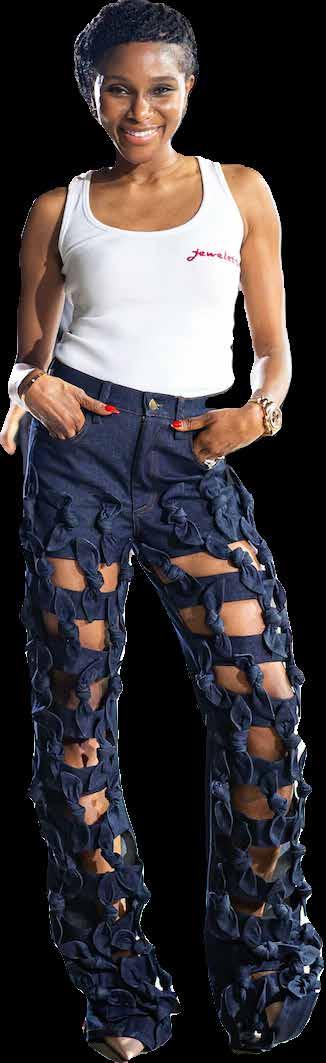
The “dress-your-age” rule sounds harmless until you realise how limiting it actually is. It shows up at very specific moments in a woman’s life after a certain birthday, after marriage, after children. Suddenly, there’s an expectation to tone things down. To be more “appropriate.” To prioritise comfort in a way that often feels less like choice and more like quiet surrender.And it’s rarely applied equally. Men are allowed to age with personality. Women are expected to age with restraint. So wardrobes begin to shrink not in size, but in expression. Less colour. Less shape. Less presence. But not everyone subscribes to that script.
There are women, mothers, unmarried women, women in their 40s, 50s and beyond who simply refuse to disappear. Not because they’re trying to look younger, but because they understand something fundamental: Style has nothing to do with age when it actually works on your body.
the Timeline
If age is a vague, ever-changing number, the body is something far more concrete. It has structure. Proportion. Balance. And that’s where real style begins. Dressing for your body means paying attention to how clothes interact with your shape. Where your waist naturally sits. How your shoulders carry a jacket. Whether something elongates your frame or cuts it awkwardly. Once you start here, everything becomes more precise. You’re no longer asking, “Is this too young for me?” You’re asking, “Does this sit right on me?”And those are two completely different conversations.
This is where the shift becomes obvious. Nothing kills a look faster than poor fit. Not age. Not trends. Fit. You can wear the most “appropriate” outfit in the room and still look uncomfortable if it hangs wrong. At the same time, someone in a fitted dress, a bold silhouette, or even something unconventional can look completely effortless because it works with their proportions. That’s the difference between dressing safely and dressing well.
When you understand your body, you stop hiding inside clothes. You start using them.
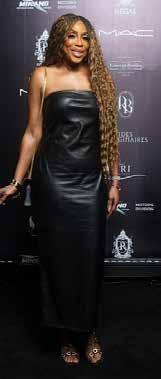
One of the biggest misconceptions about fashion is that certain pieces belong to certain ages. But when you dress for your body, you realise nothing is truly off-limits. It just needs to be interpreted differently. The mini dress becomes about proportion, not rebellion. The leather trousers become about cut, not age. Oversized tailoring becomes about structure, not trend.You’re not abandoning style as you grow older. You’re refining how you wear it. And that refinement often looks better than anything you wore in your twenties.
Dressing for your body requires something the “dressyour-age” rule never asked for: self-awareness. You have to actually look at yourself. Understand your shape. Accept what works, what doesn’t, and what you want to highlight. But once you do, everything shifts. You stop outsourcing your style decisions to social expectations. You start building a wardrobe that feels intentional. You keep the pieces that work, not because they’re “appropriate,” but because they make sense on your body. And suddenly, style stops feeling like something you’re trying to get right. It just… fits.
CITIBANK HONOURS EMEKA
EMUWA WITH PRESTIGIOUS ALUMNI AWARD AT EXCLUSIVE LAGOS DINNER
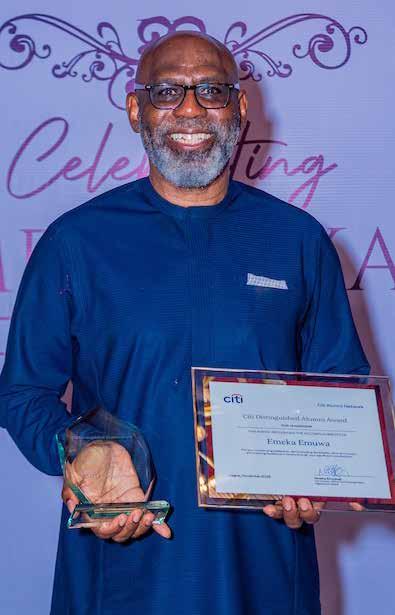
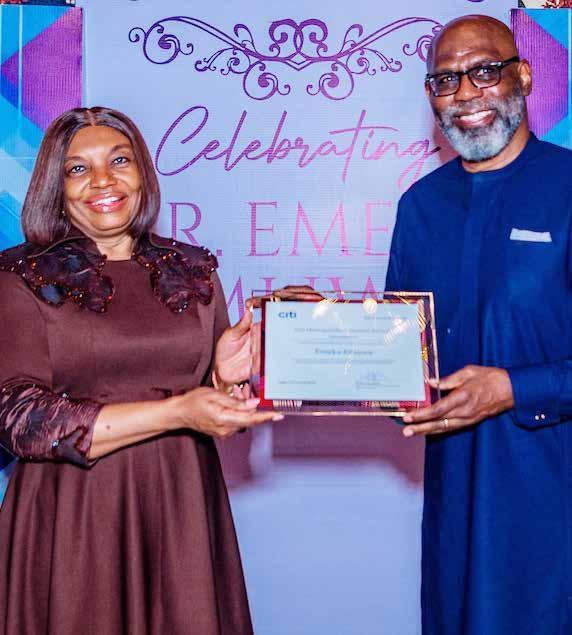
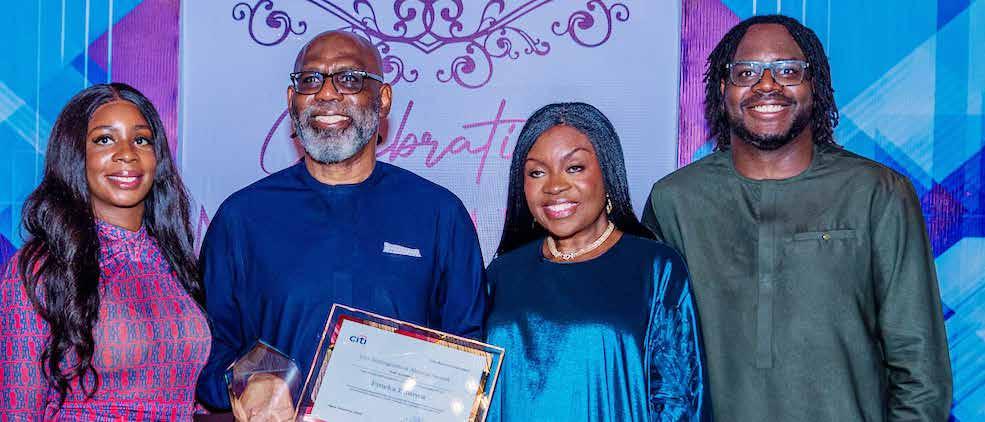
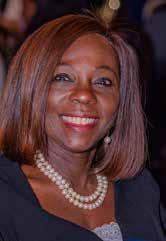
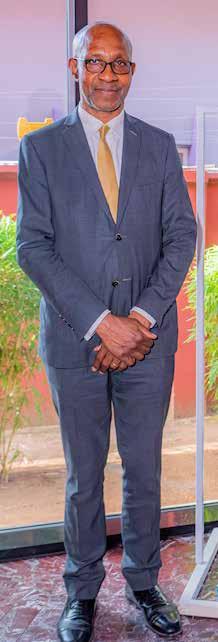
In the rarefied circles of global finance, leadership is often measured by longevity and the ability to steer through volatility. Last week in Lagos, at an intimate and sophisticated dinner, Citibank celebrated a man who has come to embody both. Emeka Emuwa, Chairman of Verod Holdings and former Citi Nigeria CEO, was formally honoured as the recipient of the Citi Distinguished Alumni Award in Leadership.
The recognition, reserved for a select group of former executives across Europe, the Middle East, and Africa (EMEA), marks only the second time in over 40 years that a Nigerian has received the honour.
The first Nigerian recipient was Olayemi Cardoso, former Chairman of Citibank Nigeria and the current Governor of the Central Bank of Nigeria (CBN).
The understatedly elegant evening perfectly mirrored the man of the hour. Nneka Enwereji, the Managing Director and CEO of Citibank Nigeria Limited, presented the distinction to Emuwa, marking a symbolic bridge between the bank’s historic foundation and its current leadership.
While the dinner was exclusive, the work that led to it has been remarkably public and impactful. Emuwa’s journey is defined by institutional transformation. In 2005, he made history as the first Nigerian to be appointed Chief Country Officer and CEO of Citibank Nigeria, following a 25-year tenure in which he led operations across eight African countries.
His career is a map of African financial resilience. From orchestrating $200 million and $500 million recapitalisations at Citibank and Union Bank, respectively, to chairing the Africa Finance Corporation (AFC) and its $10 billion infrastructure portfolio, Emuwa has consistently managed the kind of scale that defines economies.
An alumnus of the University of Lagos, Purdue University, and INSEAD, Emuwa is a Fellow of both the Institute of Directors (UK) and the Institute of Bankers (Nigeria).




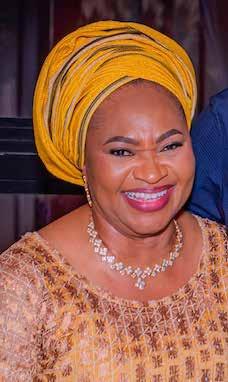

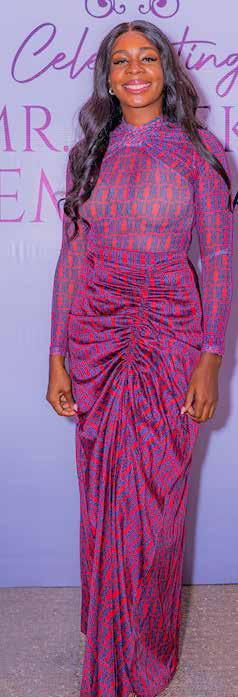

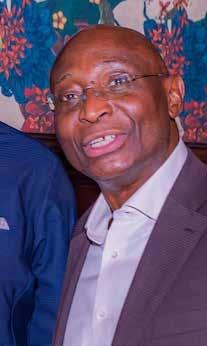

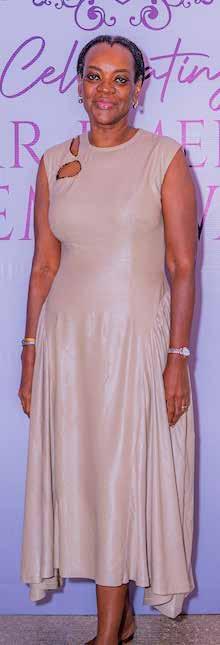




THE CLUBHOUSE @ CAROLINE’S PLACE MARKS WOMEN’S MONTH WITH EXCLUSIVE LUNCHEON.
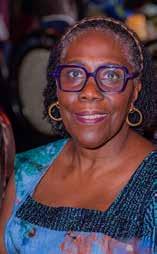
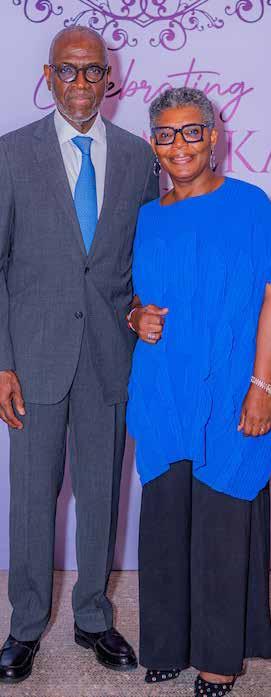
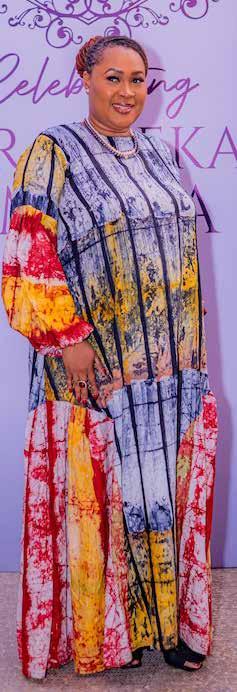
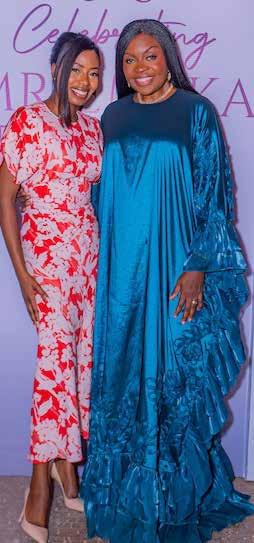
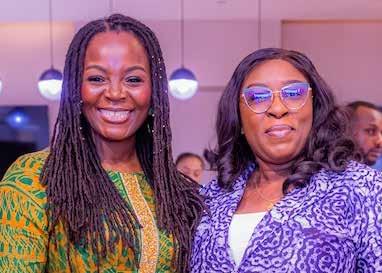
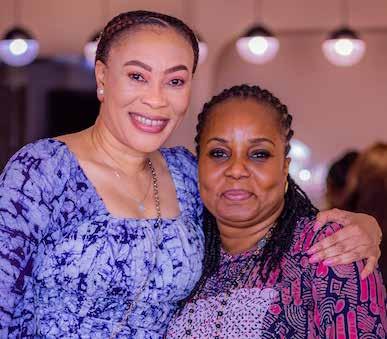
In celebration of Women’s History Month, The Clubhouse @ Caroline’s Place convened an exclusive gathering in Lagos, bringing together Nigeria’s C-suite women and leaders for an intimate afternoon rooted in restoration and connection.
Designed as more than a luncheon, the event introduced a sanctuary experience tailored for female leaders.
Founded by Executive Coach & CEO of BMO Advisory Services, Bola Matel-Okoh, The Clubhouse @ Caroline’s Place is a deliberate shift from one-off experiences to lasting infrastructure for women in leadership. It responds to a quiet but pervasive reality: the isolation that often accompanies the highest levels of professional success, especially for women.
“For years, have watched some of the most brilliant women in Africa build tables of impact for others, often at the expense of their own stillness,” said Matel-Okoh. “I have always believed that leadership that burns bright should not have to burn out. This is why I created The Clubhouse @ Caroline’s Place as a sanctuary where ambition and ease can coexist. Here, we don’t just celebrate your success; we protect the woman behind it. Welcome to your sanctuary. It’s time to exhale.”
Guests were taken on a guided tour of the luxurious facility, each space reflecting the duality of relaxation and high performance. From the N Lounge & Spa, designed for deep, intentional rejuvenation, to the beauty salon, a fully equipped fitness centre for clubhouse members, and a private conference room for high-level engagements and more, the environment is both functional and deeply personal.
The Penthouse Lounge, a standout feature, offers a quiet, elevated retreat where reflection and strategy meet. Conversations flowed easily, touching on leadership, self-care, and the often-unspoken challenges women navigate in top-tier roles. The dining experience further underscored the clubhouse’s commitment to fostering a warm, exclusive environment.
With its launch, The Clubhouse @ Caroline’s Place clearly distinguishes itself within Lagos’s gradually growing ecosystem of female-focused spaces.










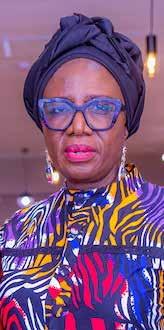






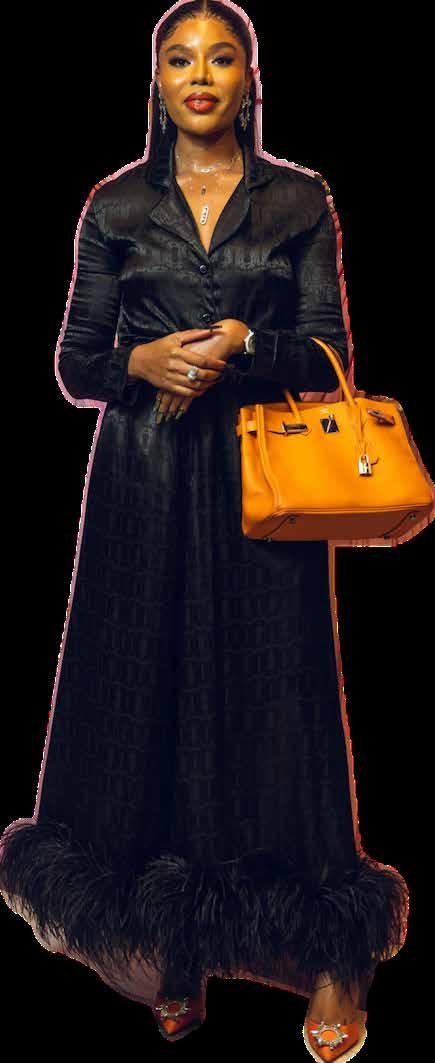
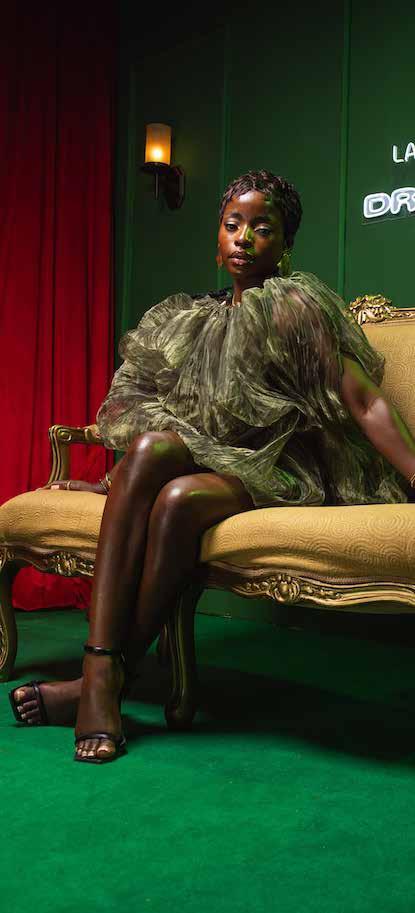
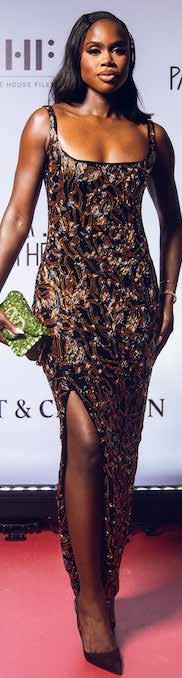
Elegance does not ask for a bigger budget, it asks for better choices. It is often mistaken for expense, but it has very little to do with how much you spend. Instead, it shows up in how you carry yourself, how you combine simple pieces, and the attention you pay to small details. Looking put together is less about chasing trends and more about consistency, restraint, and care. You can walk into any room looking polished without relying on designer labels from head to toe. When you focus on grooming, fit, and subtle finishing touches, even the most affordable wardrobe can feel refined. In the end, style is not about how much you own, but how well you present it every day.
By Funke Babs-Kufeji
Your hair is one of the first things people notice, and it quietly sets the tone for your entire look. You do not need expensive treatments or constant salon visits, but you do need consistency. Keep your hair clean, neat, and properly styled, whether it is natural, relaxed, braided, or in a wig. Pay attention to your edges and overall finish. A simple style done well will always look better than something complicated that is poorly maintained. Healthy-looking hair, with a soft sheen and tidy appearance, instantly makes you look more polished.
Solid colours have a way of making outfits look more expensive than they are. They create a clean, streamlined appearance that is easy on the eye and simple to style. Neutral tones and rich, deep colours often feel more refined, but even bright shades can look elegant when worn well. If you enjoy patterns, keep them subtle and limited. One patterned piece is enough to make a statement. Mixing too many prints can look busy and distracting. The goal is balance, where your outfit feels intentional rather than overwhelming.
Smelling good is part of your overall presence. It is not just about perfume, but about cleanliness and care. Fresh clothes, good hygiene, and a light fragrance can leave a lasting impression. You do not need to spend a fortune on luxury scents. Find something simple, clean, and suitable for your personality. The key is subtlety. Your fragrance should be noticed when someone is close to you, not from across the room. A pleasant scent adds a quiet confidence to your look and makes you feel more put together throughout the day.
Makeup should support your features, not hide them. The most elegant looks are often the simplest ones. Focus on even skin, neatly shaped brows, a bit of mascara, and a natural lip colour that suits your tone. You do not need heavy contouring or dramatic colours for everyday elegance. The aim is to look fresh and effortless, like yourself on a really good day. When makeup is applied with a light hand,
it complements your overall appearance and keeps your look soft, balanced, and refined.
Your hands are always visible, so your nails should never be an afterthought. Clean, well-shaped nails instantly give a polished impression. You do not need long extensions or bold designs to look elegant. Simple finishes like nude, clear, or soft pink polish are timeless and easy to maintain. Even if you prefer no polish at all, keeping your nails trimmed and your cuticles neat makes a difference. Minimal nails signal attention to detail without trying too hard, which is a key part of looking effortlessly put together.
Accessories have the power to elevate even the simplest outfit. A classic handbag, understated jewellery, or a pair of sunglasses can pull your look together in seconds. The trick is to choose pieces that complement your outfit rather than compete with it. You do not need a lot, just a few wellchosen items that add structure and interest. Stick to clean, timeless designs that you can wear often. When used thoughtfully, accessories can make your outfit feel complete without looking overdone or forced.
The right underwear can completely change how your clothes sit on your body. Ill-fitting bras or visible lines can disrupt an otherwise well-put-together outfit. Invest in pieces that fit properly and offer the right support. Seamless underwear works well under most fabrics and helps maintain a smooth silhouette. Your clothes will fall better, and your overall look will appear more refined. It is a small detail that is often overlooked, but it plays a big role in how polished and comfortable you feel throughout the day.
Building an elegant wardrobe is not about having many clothes, but about having the right ones. Focus on pieces that fit well, feel good, and last over time. Well-made garments, even if few, will always look better than a wardrobe full of items that lose shape quickly. Pay attention to fabric, stitching, and fit. Tailoring can also make affordable clothes look more expensive. When you choose quality over quantity, you create a wardrobe that works harder for you and keeps you looking consistently put together.
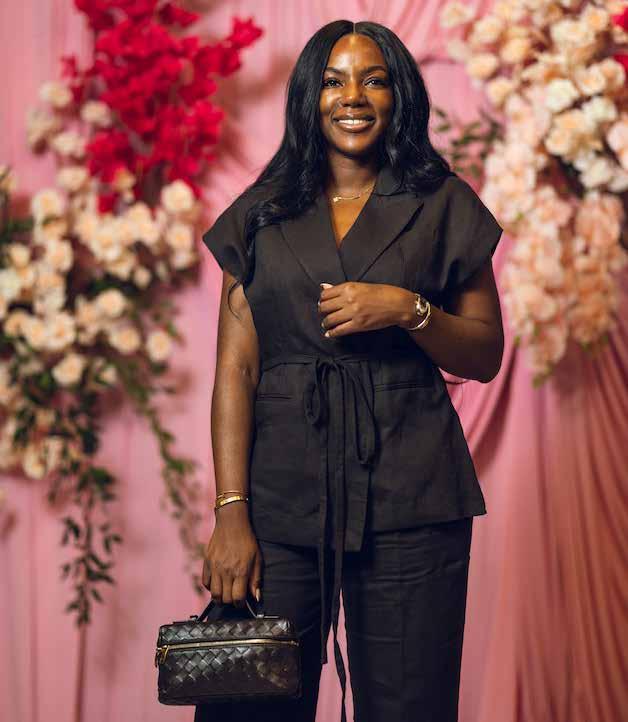
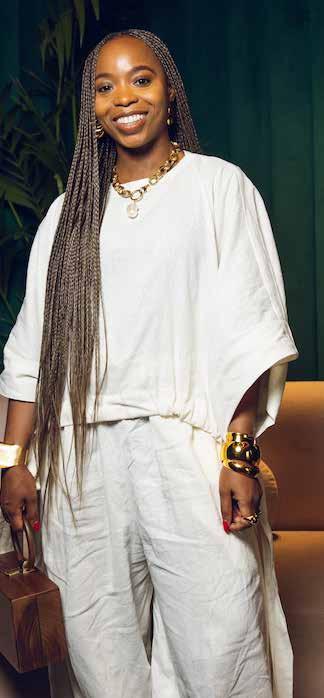
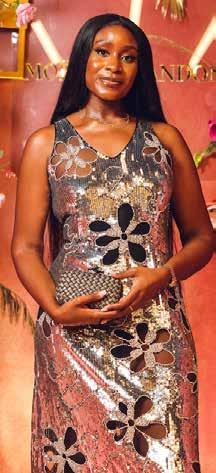
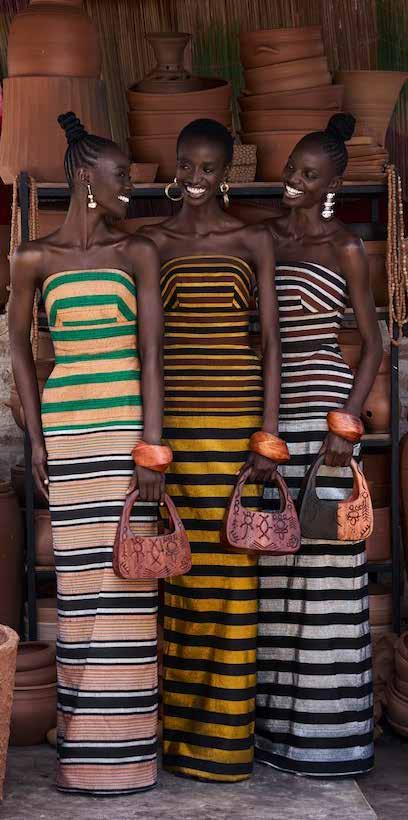
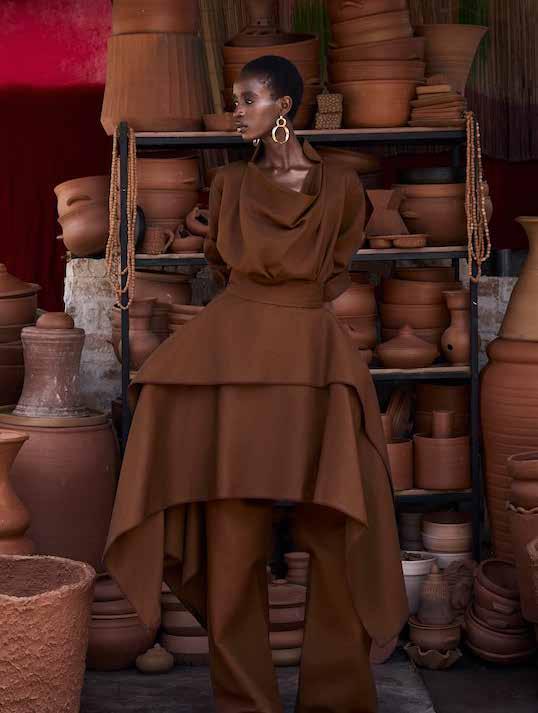
Lagos-based fashion house HERTUNBA has released its latest collection, Akaoru, a body of work that emphasises craftsmanship, materials, and construction at a time when speed and visibility continue to shape much of contemporary fashion.
The name, derived from the Igbo word for handwork, reflects the collection’s core direction. Rather than focusing on surface-level design or overt statement pieces, Akaoru,centres on the process behind each garment, with attention given to how pieces are developed, structured, and finished.

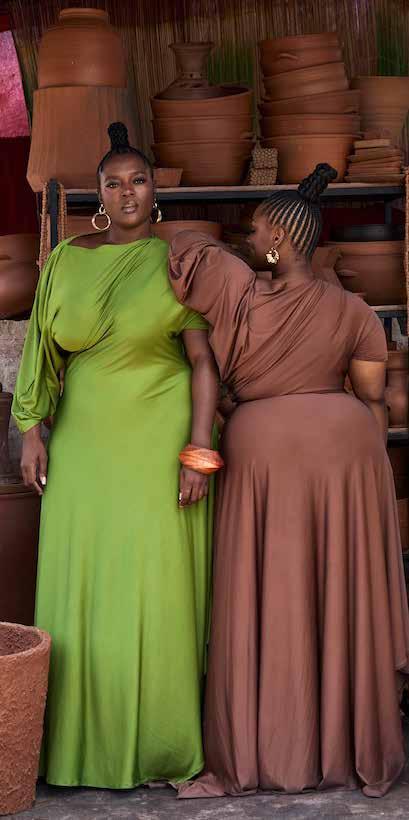
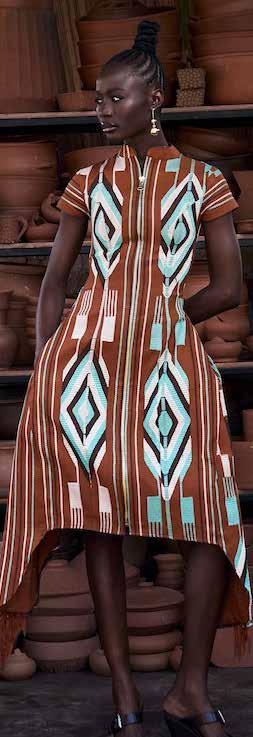
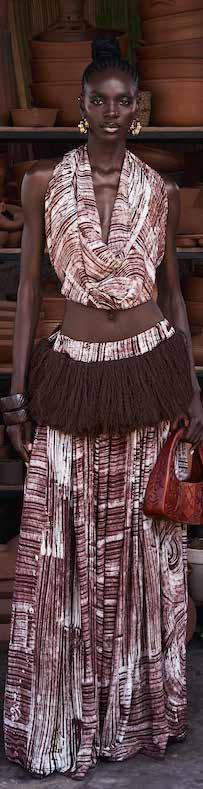
Across the collection, silhouettes are controlled and deliberate. Fabrics are handled to maintain form, giving the garments a sculptural quality without relying on exaggerated volume. Proportions are considered, and the overall approach remains restrained, with clean lines and minimal detailing guiding the visual language.
Material plays a defining role. Textured fabrics are used to introduce depth and variation, allowing the collection to hold interest without heavy embellishment.
Surfaces are tactile but not overworked, and the choice of fabric supports the structural integrity of each piece. This focus on material ensures that the garments maintain their shape while remaining wearable.
Construction is central to the collection. Seams are clean, edges are precisely finished, and each piece appears resolved without excess intervention. The lack of decorative layering places greater importance on execution, making the quality of construction more visible.
HERTUNBA continues its engagement with indigenous West African craft techniques, though these references are integrated into the making of the garments rather than presented as overt design features. The influence of disciplines such as weaving, ceramics, and painting can be observed in the handling of fabric and the development of form, but they remain understated within the final outcome.
The collection also reflects a measured design approach. There is a clear editing process at play, with an absence of unnecessary additions. Details are limited, and garments are allowed to stand on structure and material rather than embellishment or styling.
With Akaọrụ̄, HERTUNBA maintains a consistent focus on execution, prioritising clarity and construction. The collection positions the brand within a space that values process and precision, offering a considered alternative to more trend-driven outputs.

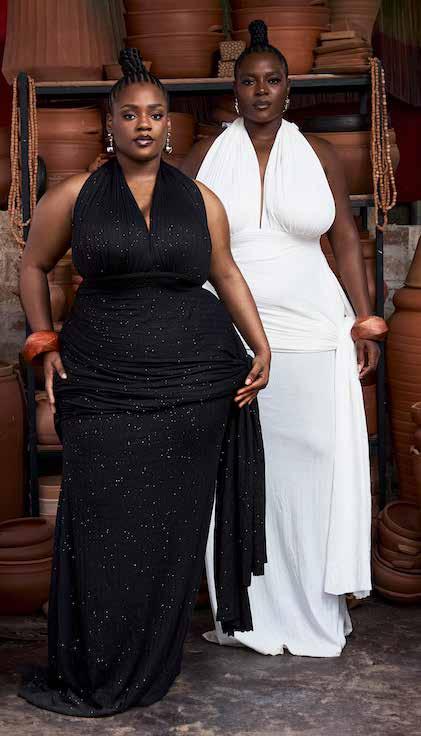



Enjoy elegance, convenience and confidence with the W debit card. Shop, pay bills and manage money effortlessly. You also get exclusive perks and access to W events













BY KONYE CHELSEA NWABOGOR
There are men whose careers are defined by a single moment, a decisive victory, a headline appointment, a turning point that shifts everything at once. And then there are men whose lives are built differently, shaped not by sudden elevation, but by a steady accumulation of influence, responsibility and restraint. Victor Ndoma-Egba belongs to the latter. His story does not unfold in dramatic leaps. It moves with intention, across law, governance and public life, guided less by urgency and more by a quiet understanding of timing. It is the kind of life that, at first glance, appears seamless, until you begin to notice the decisions behind it. The moments he stepped forward, and just as importantly, the ones he chose not to. Born on March 8, 1956, into the family of the late Justice Emmanuel Takon Ndoma-Egba, his early life was shaped within a structure that combined intellectual discipline with a strong sense of public duty. His father, one of the earliest legal figures from Ogoja in present-day Cross River State, belonged to a generation that understood education not as a privilege but as a responsibility. It was an environment that demanded seriousness early on and left little room for entitlement. That grounding showed itself quickly. Called to the Nigerian Bar in 1978 at the age of 21, Ndoma-Egba entered the legal profession at a time when it still relied heavily on mentorship, proximity and patience. By 1984, at just 27, he had already moved into governance, appointed Commissioner for Works in the old Cross River State, then a larger entity that included what is now Akwa Ibom State. It was a significant responsibility for someone so young, and one that could easily have accelerated his movement into the centre

of political life. But what followed instead was something more measured.
Rather than build his career on proximity to power alone, he moved across different layers of influence, grounding himself in both professional and public institutions. His leadership of the Nigerian Bar Association in Calabar placed him within the core of legal practice at a time when the profession still carried a certain intimacy. His tenure as President of the Calabar Chamber of Commerce extended his engagement beyond law into enterprise and economic development. As Director of the Cross River Basin and Rural Development Authority, he became involved in the practical questions of infrastructure and regional growth.
Each role added weight. Not just in title, but in understanding.
By the time he entered the National Assembly as Senator representing Cross River Central, he did so with a depth of experience that made his transition feel less like an arrival and more like a continuation. Over three consecutive terms, spanning the 5th, 6th and 7th Senate, he became an integral part of the legislative process, eventually rising to the position of Senate Majority Leader.
It is a role that is often misunderstood from the outside.
Less about visibility, more about coordination. Less about individual prominence, more about managing relationships, interests and institutional direction. As Majority Leader, Ndoma-Egba operated at the centre of legislative negotiation, aligning party priorities, navigating complex debates, and ensuring that governance moved, even when consensus was difficult.
He did so without theatrics.
In a political environment often driven by visibility, his approach remained consistent, measured, controlled, and rarely performative. It was not about dominating the room, but about understanding it.
That balance would later be tested in a different context.
His appointment as Chairman of the Niger Delta Development Commission (NDDC) placed him at the heart of one of Nigeria’s most sensitive and consequential regions.
The Niger Delta is not just a geographic space; it is a political, economic and historical fault line, one that sits at the intersection of resource wealth, environmental degradation, and longstanding demands for equity.
To lead within that space requires more than administrative competence. It demands an understanding of nuance, of history, expectation and tension. Ndoma-Egba’s tenure at the NDDC came at a time when the conversation around the region was shifting, and the need for structured intervention was becoming more urgent.
It was, in many ways, an extension of the same discipline that had defined his earlier roles, the ability to engage complexity without amplifying it unnecessarily. Beyond Nigeria, his work extended into continental legislative diplomacy.
As a member and leader of Nigeria’s delegation to the PanAfrican Parliament in Midrand, South Africa, he became part of a broader conversation about governance across the continent. His role in the election of Bethel Amadi as President of the Pan African Parliament, serving as Special Envoy under President Goodluck Jonathan, positioned him within a network of political coordination that moved beyond national borders.
Perhaps most significantly, he presided over the first Pan-African Legislative Summit, held in Abuja in 2013, a gathering that brought together 54 heads of parliaments from Africa, the Caribbean, and the Pacific. It was not just a diplomatic event, but a statement of legislative cooperation at scale.
These are the kinds of moments that define influence, even when they are not loudly celebrated.
And yet, when asked to reflect on his impact, Ndoma-Egba does not lean into any of it.
“I have tried to do my best in every situation,” he said in an exclusive interview with THISDAY Style. “It is for society to judge whether it is impactful or not.”
It is a response that feels almost understated against the breadth of his career. But it is also consistent with the way he has moved through it, without the need to narrate his own significance.
To understand that, you have to return to where it began. Growing up in Ogoja, he describes an environment where
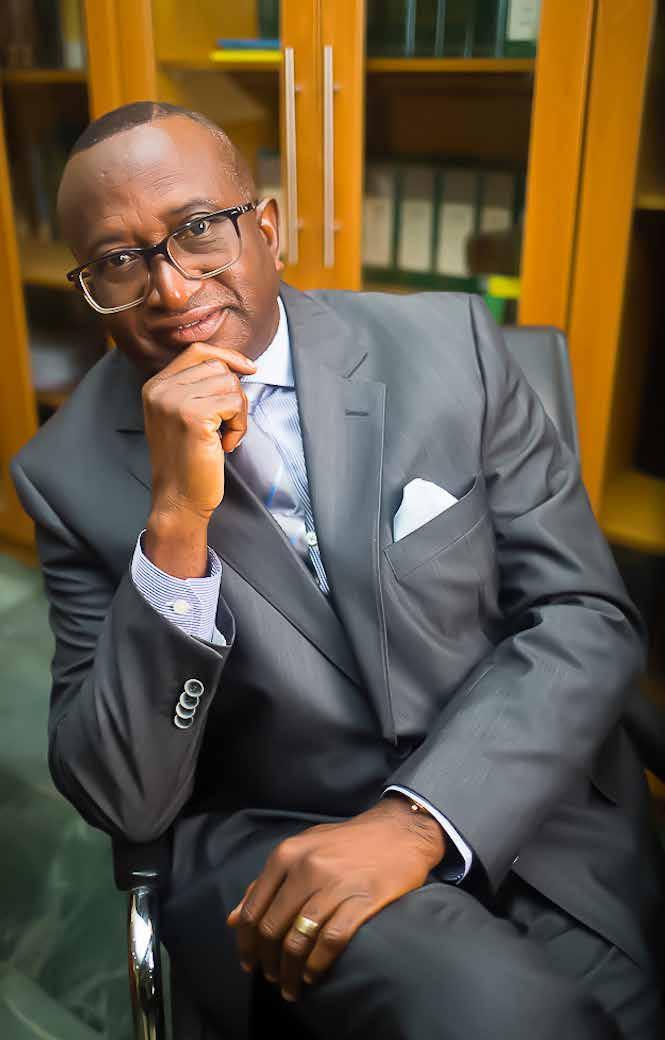
values were enforced early and without ambiguity. Honesty, in particular, was not something to be negotiated. “If your mother suspected that you were looking at something another child had, you got a severe beating,” he recalls. It is a detail that, while simple, captures the intensity of that early conditioning.
His parents themselves carried a dual influence. Among the first in their community to receive Western education, they were also deeply rooted in traditional structures. It created a balance that would later allow him to navigate different worlds, legal, political, and institutional, without appearing displaced in any of them.
There was also access.
His mother, a teacher before her political career, introduced him to the classroom long before formal education began. He followed her to school from the age of two, sitting through lessons, moving between teachers, absorbing structure before it was required of him. By the time he formally enrolled, he was already ahead. “It was not brilliance,” he says. “It was opportunity.”
But opportunity, in his world, was never mistaken for achievement. He worked. He explored. He understood early that exposure might open doors, but it does not determine how far one goes. That awareness would shape his relationship with both success and ambition.
“I am not a politician,” he says. “I am a professional in politics.” It is a distinction that sits at the core of how he sees himself. Politics, for him, is not an identity to be consumed by, but a space to operate within, anchored by something more stable. In his case, law. That anchoring allowed him to make decisions that, in the moment, required restraint.
He credits much of that discipline to the advice of his mentor, Kanu Agabi, who urged him to first establish himself professionally before stepping fully into public life. It is advice that would later find unexpected reinforcement.
He recounts a conversation with former President Shehu Shagari, who once revealed that he had considered appointing him as a minister at a much younger age. His father advised against it, insisting that he was not yet ready.
Years later, Shagari would ask him a question that reframed the entire moment: if that appointment had happened then, would he have gone on to become Senate Majority Leader?
The answer remains clear.
In a system that often rewards speed, Ndoma-Egba’s life stands as a counterpoint, one that privileges timing over urgency, preparation over immediate access.
But perhaps the clearest expression of his instinct predates all of this. It takes place in a magistrate court in Ogoja. A young lawyer. The most junior in the room. A man was brought before the court under circumstances that felt unjust. Senior lawyers were indifferent. And then he stood.
Not out of strategy, but because silence was not an option. He announced his appearance, challenged the process, and continued speaking even when asked to sit down.
“What you cannot take from me is my right of audience in this court.”
The moment escalated. The courtroom filled. The tension shifted.
“That small boy from nowhere just became a hero overnight.”
It is a story that has stayed with him, not because of its drama, but because of what it represents, a consistency of instinct that has carried through his life.
Over time, the systems around him have evolved.
The legal profession, once defined by proximity and patience, has expanded into something faster and more complex. Technology has transformed practice. Scale has replaced intimacy. And with it, values have shifted.
Ndoma-Egba observes these changes with the perspective of someone who has seen both versions and understands the trade-offs between them.
Public service, however, remains constant in its meaning. It is, as he puts it, “the highest honour a people can give anyone.” Not without its frustrations, but not something he approaches with regret.
At 70, his story does not suggest closure.
If anything, it points to a different phase, one less defined by holding office, and more by shaping thought, guiding perspective, and offering the kind of clarity that only time produces.
The structures may change. The conversations may evolve. But the discipline that has defined his life remains.
And in a moment where speed is often mistaken for progress, there is something quietly instructive about a life built this way, not in haste, not for spectacle, but with the kind of patience that allows it to keep unfolding.




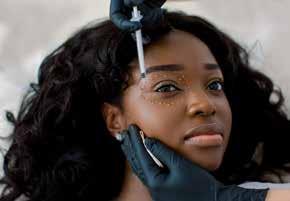

Lately, everyone looks… better. Not dramatically different. Not in a way that makes you pause midconversation and ask questions. Just better. Skin is clearer. Faces look rested. Everything feels a little more refined, like the edges have been softened in the best possible way. It’s the kind of glow that doesn’t invite curiosity, just quiet compliments. And that’s exactly the point. Beauty has moved away from transformation and into maintenance. The goal is no longer to look different, but to look like yourself on your best day, consistently. What used to be obvious is now discreet. What used to be dramatic is now strategic. The new standard isn’t perfection, it’s polish. And while no one is really talking about it, these subtle tweaks are quietly shaping what modern beauty looks like.
By Funke Babs-Kufeji
Botox hasn’t disappeared; it has just evolved. The heavy, frozen look that once defined it has been replaced by something softer, almost undetectable. Baby Botox uses smaller, more precise doses to relax fine lines without taking away movement. You can still frown, smile, react; your face still tells a story, just without the lines settling in too deeply.
It’s often used on the forehead, around the eyes, and between the brows, but the difference is in the restraint. The goal is not to erase expression, but to soften its impact. The result is subtle enough that no one asks questions. They just assume you’re well-rested.
If you’ve been wondering why everyone’s skin suddenly looks like it’s been filtered in real life, this is part of the answer.
Skin boosters work beneath the surface, delivering hyaluronic acid directly into the skin to improve hydration, elasticity, and texture. It doesn’t change your face shape or structure; it simply improves the quality of your skin in a way that skincare alone sometimes can’t. It’s less about “glass skin” and more about healthy, resilient skin that holds light differently. That soft, almost luminous finish that looks effortless is often anything but.
This is where restraint becomes an art.
A lip flip isn’t about volume, and it’s not trying to compete with fillers. Instead, a small amount of Botox is used to relax the upper lip so it gently rolls outward, creating the illusion of fullness without actually adding anything. It’s subtle, almost to the point of being invisible, but it changes the balance of the face just enough to feel like something has shifted. You won’t always notice it immediately. But you will notice the difference.
Fillers have had a reputation problem, and not entirely without reason.
But the conversation has shifted. It’s no longer about adding volume for the sake of it. It’s about restoring structure, supporting areas that naturally lose fullness over time, and doing it with a light, almost architectural hand. Undereyes look less hollow. Cheeks regain a bit of lift. Jawlines feel more defined, but not sharp or unnatural.
Done well, it doesn’t look like filler. It looks
like someone who has aged carefully, almost selectively.
This is the quiet workhorse of modern beauty.
Laser treatments are doing what most people think expensive skincare is doing, only more effectively. From reducing pigmentation and sun damage to tightening skin and improving texture, they operate beneath the surface, stimulating collagen and refining the skin over time.
There’s no single dramatic moment. No instant reveal.
Just gradual improvement until one day, your skin looks clearer, smoother, and more even—and you can’t quite trace when that shift happened.
It sounds more intense than it looks.
Microneedling works by creating tiny, controlled micro-injuries in the skin, which triggers collagen production and encourages renewal. Over time, it softens fine lines, improves texture, and reduces the appearance of scars.
It’s not immediate gratification; it’s slow, consistent improvement.
The kind that builds quietly until your skin starts to feel firmer, smoother, and more considered.
The fear around peels is outdated. Today’s versions are far more refined, tailored to different skin types, concerns, and tolerances. Instead of harsh, visible peeling, many modern treatments work gently, resurfacing the skin in a way that feels controlled and intentional.
They brighten dull skin, even out tone, and create that clean, polished finish that makes makeup sit better—or unnecessary.
It’s less about shedding layers dramatically and more about refining what’s already there.
Sometimes, the smallest changes have the most noticeable impact.
Brow lamination lifts and sets the brow hairs into place, creating a fuller, more structured look. It frames the face in a way that subtly pulls everything together, even on days when you’re wearing little to no makeup. It’s quick, non-invasive, and quietly effective.
One of those tweaks that doesn’t demand attention—but changes how everything else sits.


BY KONYE CHELSEA NWABOGOR
he next time something beautiful happens, watch your first instinct.
Is it to feel it or to reach for your phone?
That split-second decision says more about how we live now than we like to admit. Because increasingly, our lives are not just being lived; they are being staged, edited, and quietly prepared for an audience that may never even care as much as we think they do.
You see it everywhere, so often that it barely registers anymore. At dinners where food goes cold while angles are negotiated. At concerts, where entire sets are viewed through glowing screens. In small, intimate moments, birthdays, reunions, and even grief, the urge to document arrives almost before the emotion itself.
We have become archivists of our own lives.
But somewhere in that process, something has shifted. Living is
in you cannot compete with a perfectly lit photo that earns validation in seconds. The private becomes harder to defend in a culture that rewards what can be seen.
And so we adjust.
We go to places that look good, not necessarily those that feel good. We repeat experiences because they photograph well. We attend events with a mental checklist: arrival shot, outfit shot, curated candid, exit. By the time it’s over, everything has been captured but very little has been fully absorbed.
There is also a quiet pressure that comes with this. Once you start documenting your life, you are expected to keep going. To remain visible. To remain interesting. To keep producing moments, even when life itself is asking you to pause. Even rest has been repackaged into something aesthetic. “Soft life” is no longer just about ease; it is about how convincingly that ease can be displayed.
The problem is, not everything meaningful translates.
Some of the most important moments in life are deeply unphotogenic.
The long, wandering conversations that stretch into the early hours. The

no longer enough. It must be seen.
The writer Joan Didion once said, “We tell ourselves stories in order to live.” Today, it feels more accurate to say we show ourselves stories in order to feel real. Experience is no longer just internal; it seeks external confirmation. A moment, no matter how beautiful, can feel unfinished until it has been shared, liked, acknowledged.
And that is where the tension begins.
Because documenting a moment requires distance from it. However small, however fleeting, it pulls you out of the experience and into observation. You are no longer fully inside what is happening; you are assessing it. Is the lighting good? Is this worth posting? Should this be a reel or a still? The mind splits in two: one part living, the other curating. It sounds harmless. It isn’t.
The French theorist Guy Debord warned decades ago of a world where “everything that was directly lived has moved away into a representation.” It reads less like theory now and more like a description. The experience itself begins to feel secondary to the version of it that can be shared. And slowly, almost imperceptibly, the performance starts to matter more than the moment.
This is how we begin to measure our lives differently. Not by depth, but by visibility.
A quiet evening that leaves you feeling steady and full can seem less significant than a visually striking outing that performs well online. A meaningful conversation that shifts something
kind of laughter that interrupts itself. The quiet decisions that change your direction entirely. The subtle emotional shifts that no one else sees but you feel completely.
These moments resist documentation. They cannot be flattened into content.
And yet, they are the ones that shape us the most.
There is also something deeply unsettling about the idea that a moment needs to be witnessed to matter. That without an audience, it somehow loses weight. And yet, the most transformative experiences are often the ones no one else sees.
This is not to say that documenting life is the problem. It isn’t. There is beauty in memory, in preservation, in sharing. There is joy in looking back and seeing the fragments of a life well lived. The issue is not the act, but the imbalance. When documentation becomes the main event, and living becomes secondary, we begin to lose something essential. We start performing our lives instead of inhabiting them. We curate instead of connect. And over time, it becomes harder to tell where the real moment ends, and the constructed one begins.
So maybe the shift we need is quieter than we think.
Not a rejection of documentation, but a reordering of it.
Take the photo. Then put the phone down.
Let the moment continue without interruption.
Allow some parts of your life to remain entirely yours, not because they are secret, but because they are sacred.
Because life is not happening in the post.
It is happening in the seconds before it, after it, and completely outside of it.
And if we are not careful, we may end up with beautifully documented lives that we never fully experienced.
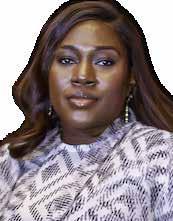
In many homes across Nigeria, Sunday has a pace of its own. It starts slower than the rest of the week. There is often church in the morning, a gradual return home, a change into something more comfortable. And somewhere in between, a pot on the fire. You may not see it immediately, but you can smell it. Sunday rice is on the way. It is not written anywhere, but it is understood. Sunday is for rice. Not the quick, everyday kind, but something more intentional. Jollof rice, rich and smoky. Fried rice, colourful and layered. Sometimes both, especially when there are guests or something to celebrate. It is the kind of cooking that takes time, that fills the house with aroma, that signals the day is different from the rest. It stretches across households in different forms, but the idea is the same. Sunday deserves something extra. Growing up, you did not question it. You simply knew. Sunday meant better food. There was a certain anticipation that came with it. The sound of tomatoes blending, onions frying, the steady rhythm of someone checking the pot. You would walk into the kitchen, not to help, but to look. To ask, “Is it ready?” even when you knew it was not. What made Sunday rice special was not just the dish itself, but the effort behind it. It was cooked in larger portions, seasoned more carefully, watched more closely. There was pride in getting it right. The colour of the jollof had to be deep, not pale. The fried rice had to be balanced, not oily, not bland. Even the timing mattered. You knew when it was close to ready just by the smell that filled the house.


BY FUNKE-BABS KUFEJI


And then there was what came with it. Fried chicken, peppered beef, sometimes fish. Plantains, always a favourite, fried just right. Vegetable Salad on the side, creamy and familiar. It was never just rice. It was a full plate, the kind that made you sit down properly, no rushing, no distractions. Sunday rice also had a way of bringing people together. It was one of the few times everyone was expected to eat at the same time. Plates were served, portions shared, conversations started. The week paused for a moment. You talked, you laughed, you rested. Even in homes where everyone had different schedules, Sunday created a small window where people came together without planning it too much. Even now, that tradition holds, though it looks slightly different in some homes. Not everyone has the time to cook elaborate meals every Sunday. Schedules are tighter, lifestyles have changed. Some people order in, others simplify the process. But the idea remains. Sunday food should feel different. It should feel like a break. There is also something about rice itself. It is versatile, familiar, and deeply woven into Nigerian food culture. It adapts to occasion. It can be everyday or celebratory, simple or elaborate. On Sundays, it becomes something in between. Not quite party food, but not ordinary either. In many ways, Sunday rice is about care. It is about taking the time to prepare something that everyone will enjoy. It is about creating a moment in the middle of busy lives. It also carries memory. Long after you leave home, you remember the taste. Not just the food, but the feeling around it. The comfort of knowing that no matter how the week went, Sunday would bring something warm, familiar, and satisfying.
JOLLOFRICE
1. Let the Base Fry Properly
After blending your tomatoes, pepper, and onions, cook the mixture down well before adding rice. Don’t rush this step. Allow it to fry in oil until it thickens, darkens slightly, and the oil begins to separate. That depth is what gives jollof its foundation and helps build that smoky taste.
2. Use a Wide Pot, Not a Deep One
A wider pot allows more surface area for heat to spread evenly and for slight burning at the bottom, which is key to smoky jollof. Deep pots trap steam and give you softer, less defined flavour.
3. Low Heat, Long Cooking
Once the rice goes in, reduce the heat and let it cook slowly. Smoky jollof is not rushed. The slight toasting at the bottom of the pot, often called the “party jollof effect,” happens when the heat is controlled but steady.
4. Don’t Stir Too Often
Constant stirring prevents that smoky layer from forming. Let the rice sit and cook. Stir occasionally, but not too much. You want parts of it to catch slightly at the bottom without burning completely.
5. Finish with a Bit of Controlled Burn
Towards the end, increase the heat slightly for a few minutes and cover tightly. This allows the bottom layer to toast just enough to give that signature smoky flavour. Watch it closely so it doesn’t burn too much.
FRIED RICE
1. Start with Proper Stock, Not Water Cook your rice in well-seasoned chicken or beef stock instead of plain water. That is where the flavour begins. Even before you add vegetables or oil, the rice already tastes good on its own.
2. Use Masala Instead of Regular Curry Swap out regular curry powder for a good masala blend. It gives your fried rice a deeper, more layered flavour and a richer colour without that flat, overly familiar taste.
3. Use Butter and Oil Together Fried rice needs a bit of richness. A mix of butter and oil gives you that balance. The oil handles the heat, the butter adds depth and a fuller taste.
4. Fry Your Ingredients Separately First Your liver, shrimp, chicken, or prawns should be cooked and seasoned on their own before adding to the rice. Same with your vegetables. This keeps everything distinct and prevents that mixed, flat taste.
5. Finish on High Heat for a Few Minutes
At the end, turn up the heat slightly and stir through. This helps the rice dry out just enough and gives it that slightly toasted, party-style finish. Good fried rice is simple when done right. It is about flavour, balance, and knowing when to stop.
Spice, Smoke and Story is a food column by Funke Babs-Kufeji, telling her love story for cooking and food in Nigeria, while exploring everything from restaurant reviews and recipes to fine dining, hosting, and the culture that shapes how we eat.
@bafunkebabskufeji funkebabskufeji@thisdaylive.com
At some point, we all learned the script. You’re a “words of affirmation” person. You like quality time. You don’t really care for gifts. And for a while, that made sense. Until you met someone who said all the right things… and still left you confused. Because what does “quality time” even mean when both of you are tired, slightly distracted, and halfscrolling through your phones? What does “words of affirmation” sound like when someone reassures you constantly but disappears when it matters? The problem isn’t that people don’t love. It’s that you can’t always tell when they do. So maybe love languages didn’t disappear. Maybe they just… evolved.
1. “Text me when you get home” is a love language
Not in a dramatic, over-the-top way. Not in a “I can’t function without you” kind of way. Just in a quiet, steady way that says, you crossed my mind, and I stayed there for a second. It’s the follow-up message. The “have you eaten?” The random check-in in the middle of a busy day. It sounds small until you’re dealing with someone who never does it. Then suddenly, it’s not small at all.
2. Consistency is the new romance
Grand gestures are nice. Everyone enjoys a surprise.
But what people pay attention to now is pattern.
Do you call when you say you will? Do you show up when it’s inconvenient? Are you the same person on a random Wednesday that you were at the beginning? Because nothing destabilises people faster than intensity that disappears.
Love used to be loud. Now, the real thing is almost quiet and very consistent.
3. Being emotionally available is… rare
Not “I like you.” Not “I miss you.” Actual availability. The ability to sit in a slightly uncomfortable conversation without shutting down. The willingness to explain yourself instead of deflecting. The patience to listen without immediately becoming defensive.
It sounds like the bare minimum. It isn’t.
A lot of people know how to start relationships. Fewer people know how to stay present in them.
4. Thoughtfulness over money
Yes, gifts are nice. Of
course.
But the things people remember now are oddly specific.
You sent food when I said I was stressed.
You remembered that meeting mentioned in passing.
You noticed when my energy changed, even when I said was fine.
It’s not about how much you spend. It’s about how closely you pay attention.
There’s a difference between doing things for someone and actually seeing them.
5. Space is not a threat
This one still confuses people.
Because for a long time, love was
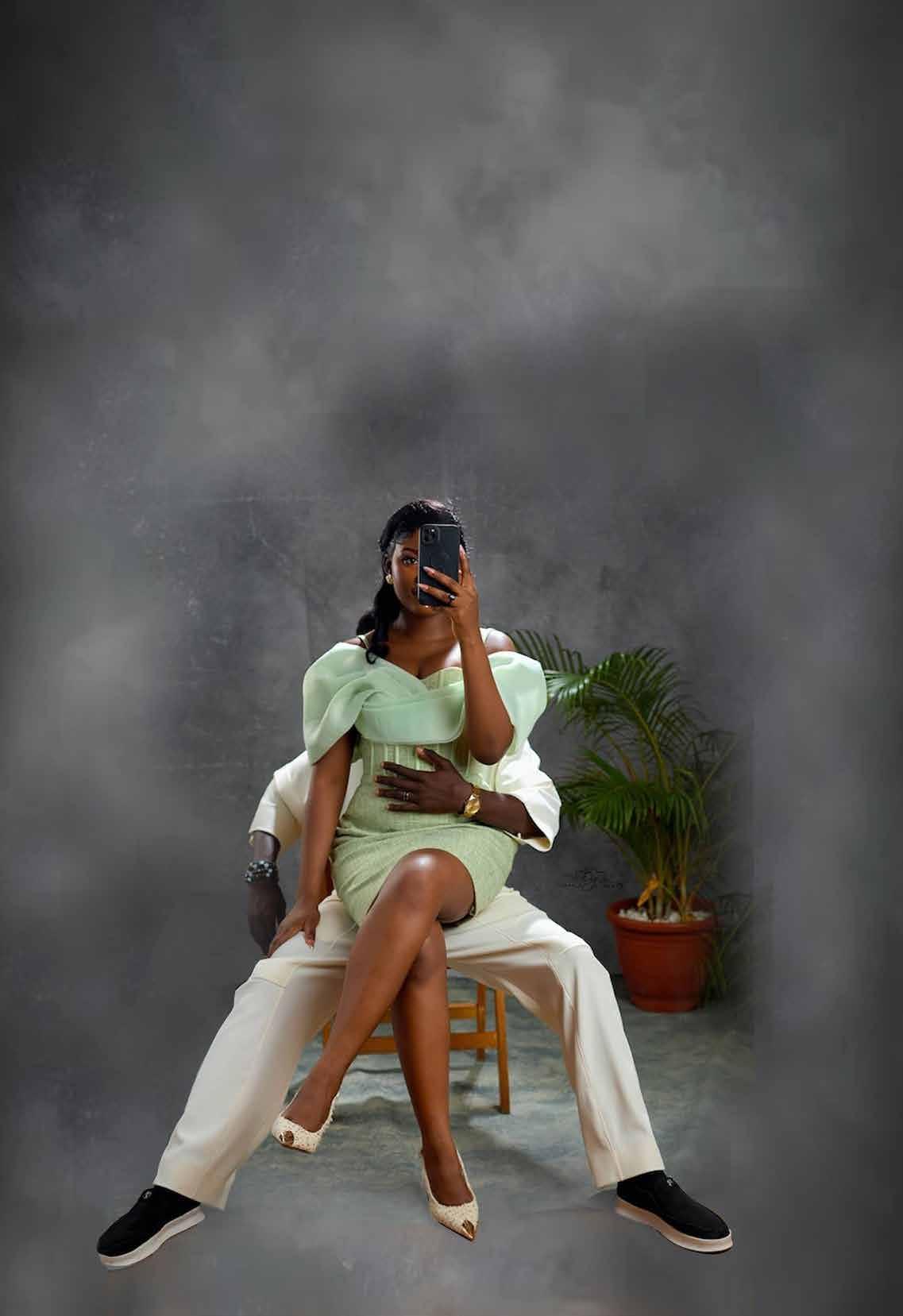
tied to constant access. Calls, texts, updates, explanations. If you weren’t always available, something must be wrong. But now, more people are realising that space doesn’t automatically mean distance.
Can I be busy without you assuming the worst? Can I have a life outside of you without it becoming an issue? The healthiest relationships don’t feel like surveillance. They feel like trust.
6. Repair matters more than perfection
People argue. People misunderstand each other. Someone will say the wrong thing at some point. That’s not new. What matters now is what happens after. Do you apologise properly, or do you brush it off? Do you adjust, or do you repeat the same behaviour and call it “just how am”? There’s something very telling about someone who knows how to come back and fix what they broke—without ego, without theatrics, just intention.
7. Clarity is attractive now Mixed signals are exhausting. And increasingly, people are opting out of them.“What are we?” is no longer a scary question—it’s a necessary one. Because in a world where everyone is talking to everyone, clarity feels like respect. Say what you want. Say what you don’t want. Let people decide if they can meet you there. It’s cleaner. It’s kinder. It saves time.
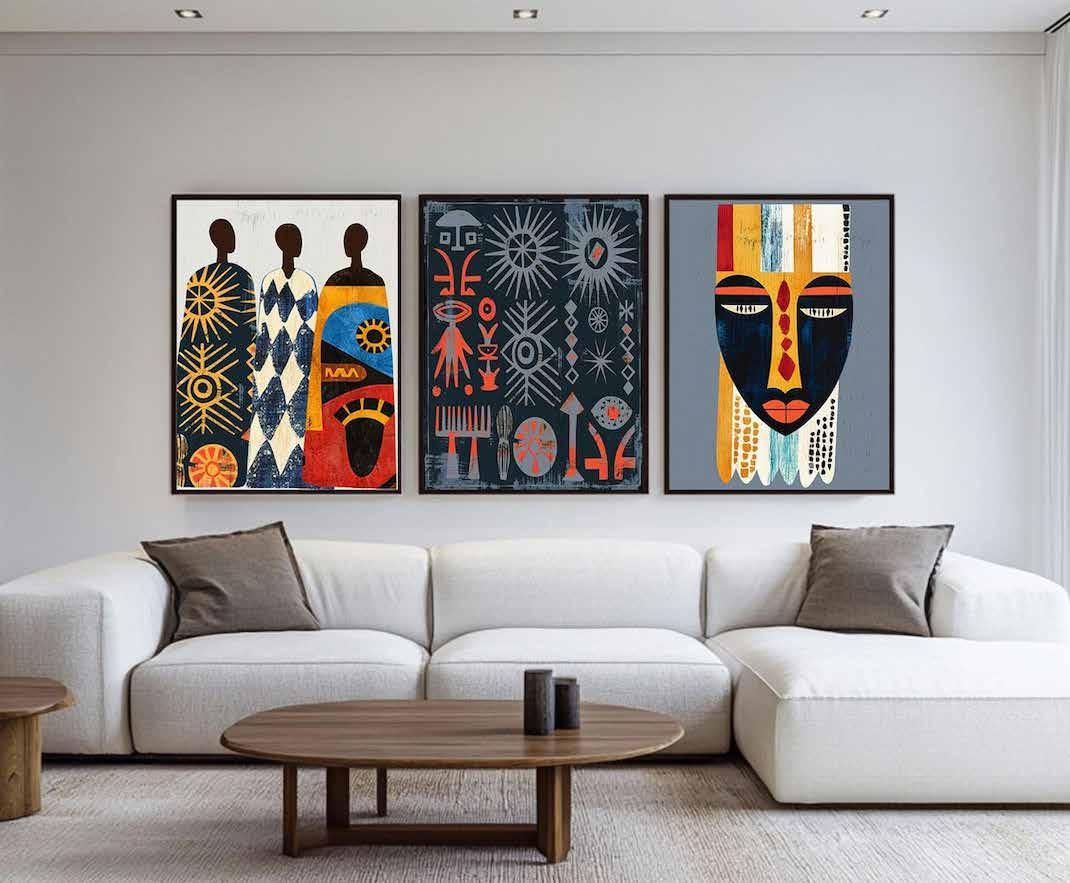
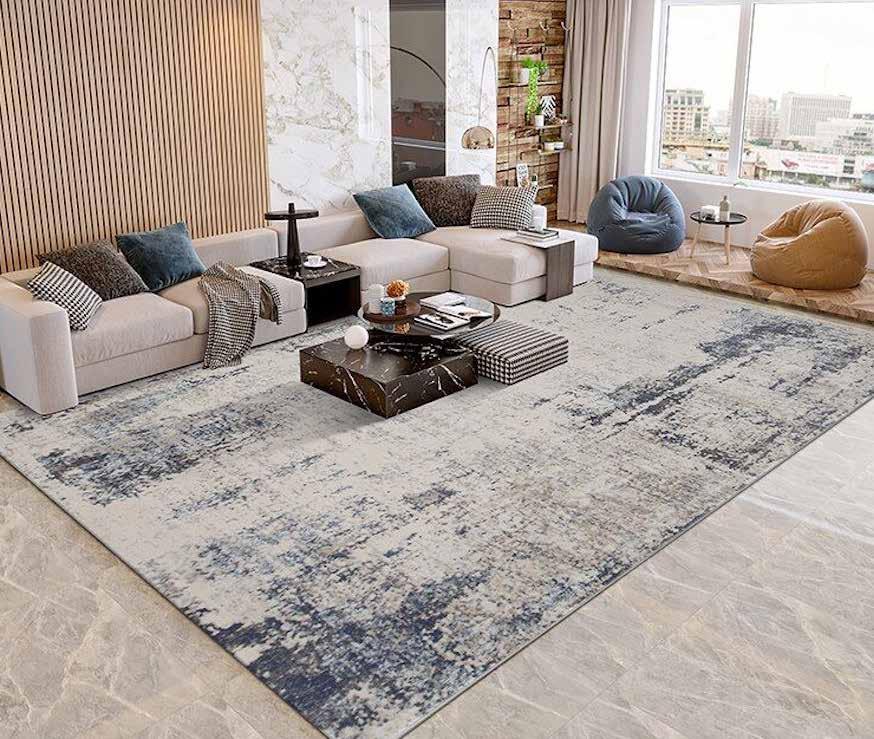
There is a difference between a house that looks good and one that feels right. Most times, that difference comes down to measurements. Not the obvious ones like room size or ceiling height, but the quiet, in-between distances that affect how everything sits, flows, and functions. These are the details people often figure out by trial and error, but once you get them right, everything changes. Good design is not just about what you buy, but where and how you place it. These small measurements shape how a space works and feels, and once they are right, everything else starts to fall into place.
By Funke Babs-Kufeji
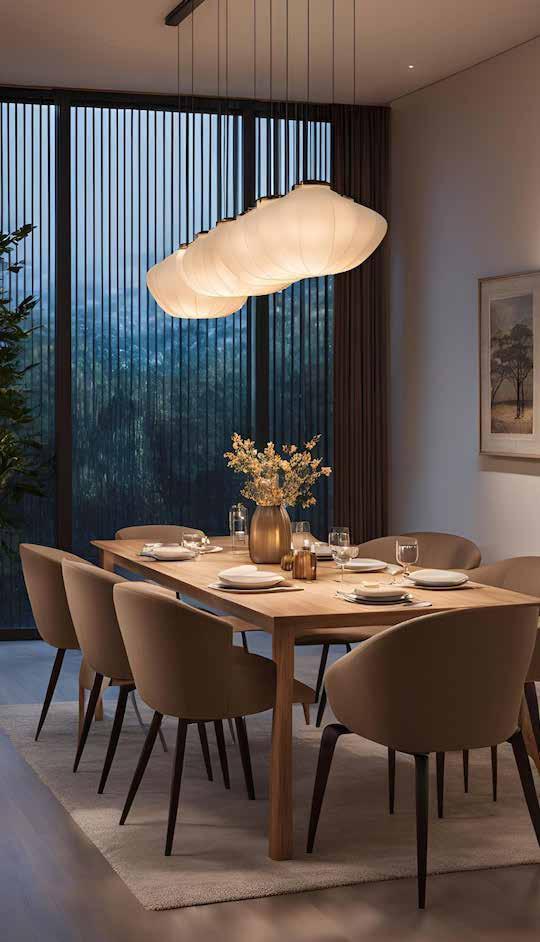
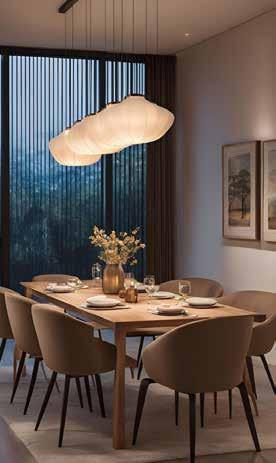
Dining Light Above the Table
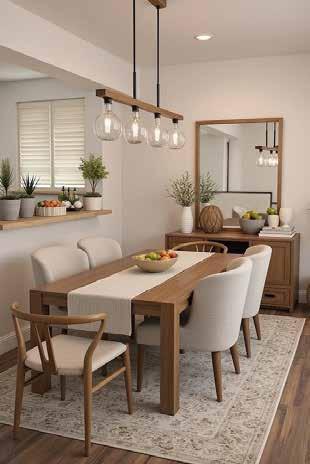
The ideal drop for a pendant or chandelier is 30 to 36 inches from the tabletop. Anything higher starts to feel disconnected. Anything lower can block sightlines. If your ceiling is very high, you can push it slightly higher, but the goal is to keep the light visually tied to the table, not floating above it.
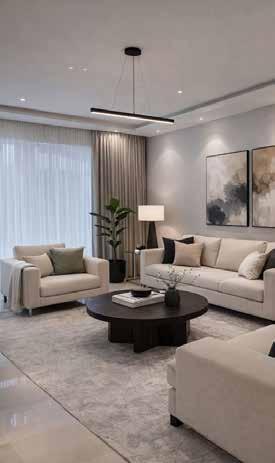
Coffee Table to Sofa
Distance
Leave 16 to 18 inches between your sofa and coffee table. Too close
A
and it feels cramped. Too far and it becomes impractical. This gap allows for easy movement while still keeping everything within reach.
Walkway Space
For comfortable movement, allow at least 30 to 36 inches for walkways. In tighter spaces, you can go down to 24 inches, but anything less starts to feel restrictive. This is what makes a room feel breathable.
Rug Placement in the Living Room

TV Height