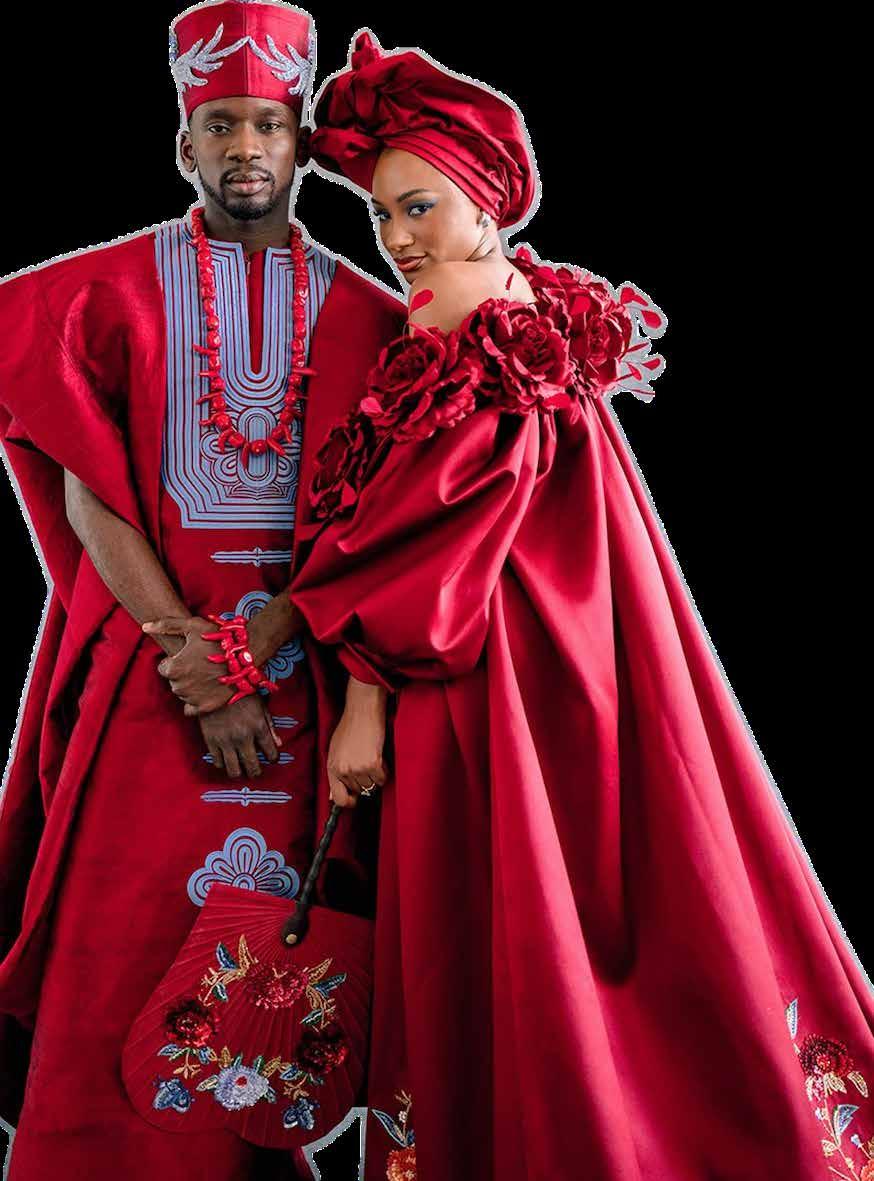

















Love in the spotlight, romance in real life. These couples continue to capture hearts with their commitment, chemistry, and shared
Valentine’s season always brings love stories to the front. While flowers and dinner dates fill the air with romance, many of us also look to celebrity couples whose journeys unfold in public view. Some keep their private lives guarded, while others share sweet moments with fans. What makes them favourites is not just fame or style, but the way they support each other through success, setbacks, and new seasons of life. From music to film to fashion, these eight couples continue to inspire admiration and conversation




’ve always found it interesting how Valentine’s Day reveals the many ways people experience love. For some, it’s simply another date on the calendar, sweet, thoughtful, and just another part of the rhythm they enjoy all year. When affection is already part of your daily language, Valentine’s becomes more of a highlight than a lifeline. For others, the day carries a different kind of significance. It becomes a moment they look forward to, hope for, and sometimes quietly depend on. Not because they are dramatic, but because the day offers what everyday life sometimes forgets to give: intentional attention. And there is nothing wrong in wanting that. It simply shows the different emotional lenses through which we all navigate love. That’s exactly why my opinion piece this week explores a simple, steadying idea: love isn’t a oneday event. It cannot rely on fireworks to survive. The true weight of love is found in the ordinary, almost invisible gestures, like checking in, listening closely, honouring someone’s emotional space, showing up in ways that never need an audience. Valentine’s Day has its charm, yes, but it should complement love, not replace it. The piece is reflective, honest, and may encourage you to reconsider where the real work of loving and being loved actually happens. In this same spirit of daily intention, we also explore how to infuse luxury into your everyday life. And no, not the intimidating, inaccessible version of luxury.
I’m talking about the kind that comes from choosing yourself a little more deliberately. Luxury that shows up in your morning rituals, in the softness you allow into your space, in the fragrance that follows you as you begin your day, or the quiet moment you carve out before bed. It’s in treating your home like a sanctuary, not a waiting room. It’s in small, thoughtful upgrades to your routine that remind you that comfort isn’t frivolous, it’s restorative. In many ways, everyday luxury is just self-care dressed a little more intentionally.
How are you all really doing? And how did you spend your Valentine’s? Whether you celebrated joyfully, rested quietly, reflected deeply, or simply treated it like any other Saturday I hope the day gave you something gentle, even if that gentleness came from choosing yourself. Sometimes that is the best kind of love story.
As we move through the rest of February, hope you carry the spirit,not the schedule, of Valentine’s with you. Let love be consistent. Let it be intentional. Let self-care be something you practice, not postpone. And if all else fails, remember: every day is a good day to choose yourself, even if no one sends flowers.



Every era has its fashion girl. Not the loudest dresser in the room, not the one chasing every microtrend, but the woman who always looks put together without looking like she tried too hard. Her outfits feel intentional. Easy. Slightly aspirational, yet very wearable. The updated fashion girl starter pack isn’t about copying someone else’s style; it’s about building a foundation that makes getting dressed feel effortless, not stressful.
Think of it as your wardrobe’s emotional support system.
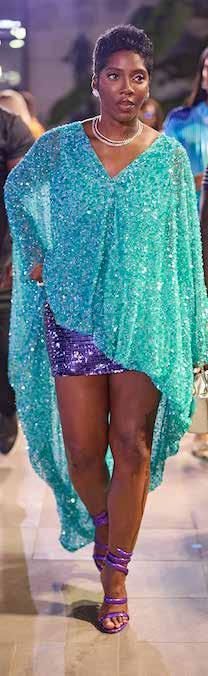
Fand “I have nothing to wear” days.
irst things first: great basics are nonnegotiable. This is the era of elevated simplicity. A clean white tank that holds its shape. A black ribbed tee that doesn’t lose form after three washes. A crisp button-down you can wear loose with denim or tucked into tailored trousers. These pieces are the quiet heroes that make everything else look better. The modern fashion girl invests in quality here because she knows these are the items she’ll reach for on busy mornings fluid, and flattering. These pieces work overtime: meetings, lunches, dinners, and last-minute plans. The fashion girl doesn’t dress for occasions; she dresses for versatility.
Next up: denim that actually fits your life. Not just one pair, but two solid options. One relaxed, lived-in pair you can throw on with flats or sneakers. One sharper silhouette, straight-leg or slightly flared, that works with heels or a structured top. The updated rule? Comfort matters. If you’re constantly adjusting, pulling, or counting down till you get home, it’s not your jeans. Now let’s talk tailoring, because this is where the fashion girl really separates herself from the pack. A well-cut blazer is no longer optional. Whether it’s oversized and slouchy or clean and structured, it instantly pulls a look together. Same goes for tailored trousers, high-waisted,
Shoes deserve their own moment. The updated starter pack favours three dependable categories: a chic flat (ballet flats, mules, or loafers), a comfortable but stylish heel, and a pair of sneakers that still feel polished. None of them should be painful. None of them should look tired. Shoes are where the outfit either makes sense or falls apart, and the fashion girl knows this instinctively.
Accessories? Minimal but intentional. A good everyday bag that fits your life, not just your phone and lip gloss, but reality. Sunglasses that flatter your face,
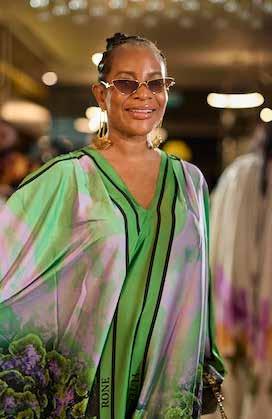

not just what’s trending online. Simple gold or silver jewellery you can wear daily without overthinking. The updated fashion girl isn’t layering ten necklaces for effect; she’s choosing pieces that feel like her signature. But here’s where the update really shows: personal style over perfection. The modern fashion girl isn’t trying to look flawless or overly curated. She mixes high and low. Repeats outfits. Rewears

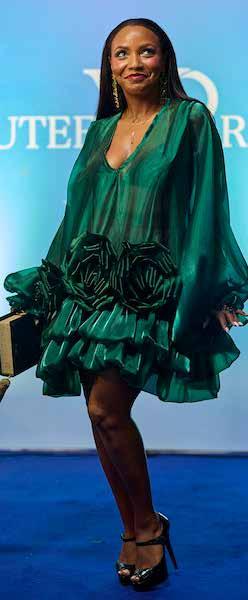
favourites unapologetically. She understands that confidence does more than labels ever could. Her clothes work for her life, not the other way around.
There’s also a quiet confidence in knowing when not to buy something. Trends come and go, but the fashion girl starter pack is about pieces that age well with you. Items that still make sense next season. Clothes that feel good on your body and align with how you move through the world. At its core, the updated fashion girl starter pack isn’t about chasing a look — it’s about building ease. Ease in getting dressed. Ease in showing up. Ease in knowing that whatever the day throws at you, your wardrobe has your back. And that, truly, is the most stylish thing of all.
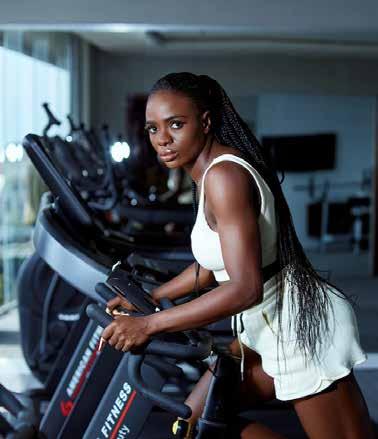
Some women genuinely love the gym. They bounce into Pilates at 6 a.m., say things like “I feel incomplete without my workout,” and somehow have coordinated gym sets for every day of the week. The rest of us are simply trying to survive deadlines, Lagos traffic, family demands, and the emotional journey of deciding what to eat for dinner. Adding a strict fitness routine to that mix can feel like one responsibility too many. But here’s the truth nobody says this enough: staying fit doesn’t require a gym membership, a personal trainer, or the spiritual gift of loving burpees. Fitness can be gentle. It can be realistic. It can even fit into the life you already live, without demanding a personality change. Once you stop imagining fitness as this big, intimidating project and start seeing it as something small and woven into your everyday habits, everything becomes lighter. And yes, doable.

By Funke Babs-Kufeji
Movement Still Counts
The first step is redefining movement. Most of us think of “exercise” as structured, sweaty, and unpleasant. But your body doesn’t need you on a treadmill to stay active—it just needs you to move. Walking to the supermarket, taking the stairs when the lift is slow (which is often), dancing while you get dressed, rearranging your room on a random Wednesday—all of these count. They wake up your muscles, stretch your joints, and naturally boost your energy levels. When movement stops being this formal, intimidating activity and becomes something woven into your routine, you’ll find yourself doing more without even trying.
The easiest way to stay consistent is to stop treating exercise like a chore you must schedule. You can sneak it into your day in ways that feel natural. Stretch while waiting for water to boil. Walk around during long phone calls. Take a short stroll after meals to help digestion and clear your mind. These micro-movements might feel small, but your body loves them. Five minutes here, ten minutes there—they add up far faster than you think. And the best part? They don’t require you to change clothes or block out an hour of your life.
The fitness world loves to preach discipline, but here’s a secret: the most effective workout is the one you don’t dread. If running feels like punishment, don’t run. If the gym drains your soul, skip it. If yoga calms you or dancing makes you feel alive, lean fully into that.

Your body responds better to joy than pressure. Movement should feel like a gift, not a sentence. And when you choose something, you genuinely enjoy, showing up becomes easy.
Forget the myth that you must work out for an hour to see results. You don’t. Short bursts of activity—10 to 20 minutes, once or twice a day—are powerful. They boost your metabolism, improve your mood, and keep your body active without leaving you exhausted.
Think of fitness like hydration: a little, done consistently, gets the job done.
The girls who love the gym often forget to tell you that rest is part of being fit. A tired body will resist everything. Resting, sleeping well, stretching gently, and taking breaks throughout the day help prevent burnout and reduce the risk of injury. A well-rested body functions better, feels lighter, and shows up for you when you need it. Rest is not laziness. Rest is strategy.
At the end of the day, the real trick to staying fit is sustainability. Not pressure. Not extremes. Not trying to reinvent your life every Monday. Just simple, consistent habits that slip easily into your days. Move your body, even a little, every day. Eat in a balanced, flexible way without turning it into another source of stress. Pay attention to how you feel and make choices accordingly. Fitness doesn’t have to be complicated to be effective. It just has to be consistent enough to make you feel good in your own body.
1. “You must follow a strict routine morning and night”
No, you don’t.
Some days your skin wants a 12-step routine. Other days it wants cleanser, moisturiser, and peace. Rigid routines assume your skin behaves the same way every single day. It doesn’t. Hormones shift. Weather changes. Stress shows up uninvited. What worked last week might feel heavy today. Listening to your skin, its tightness, oiliness, irritation, and dullness, is more useful than blindly following a checklist. Consistency matters, yes. But flexibility matters more.
2. “More products equal better skin”
This lie has done real damage.
Layering five serums with overlapping actives doesn’t make you glow; it often makes you inflamed. Overuse is one of the fastest ways to wreck your skin barrier, and once that’s compromised, everything burns, breaks out, or flakes.
Good skin is less about volume and more about intention. One solid active used correctly will outperform three trendy ones fighting for attention on your face.
Minimal doesn’t mean lazy. It means deliberate.
3. “Oily skin doesn’t need moisturiser”
Still following this rule in 2026 is wild.
Oily skin often produces excess oil because it’s dehydrated. Skipping moisturiser can push your skin into overcompensation mode, leaving you shinier and more congested than before. The trick isn’t avoiding moisture, it’s choosing the right texture. Lightweight gels, emulsions, and barrier-supporting lotions exist for a reason. Oil and hydration are not enemies.
4. “You can’t mix skincare brands”
Your skin does not care if your cleanser is French, your serum is Korean, and your moisturiser is Nigerian.
This idea that products must come from the same line to “work together” is more marketing than science. What matters is formulation compatibility, not brand loyalty.
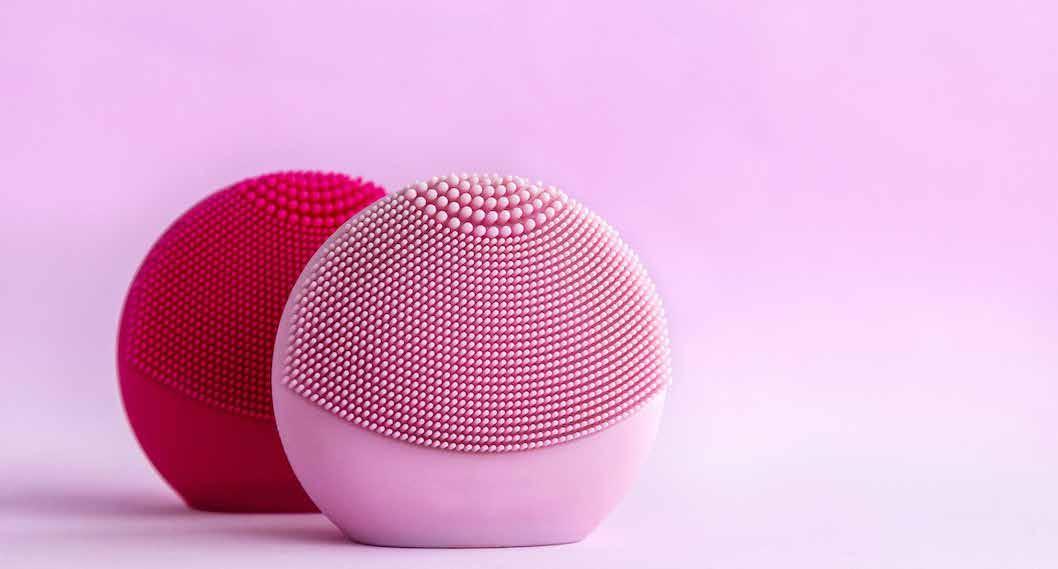
For years, skincare has behaved like a strict boarding school. Do this. Don’t do that. Never mix these. Always wait exactly 60 seconds between steps. Somewhere along the line, what started as self-care turned into homework. And honestly? We’re tired. This year, skincare is loosening its grip. Not reckless, not chaotic, but a little more human. A little more intuitive. A little less scared of doing it “wrong.” Because real skin doesn’t live on TikTok slideshows or dermatology flowcharts, it lives on faces that sweat, age, react, heal, break out, glow, and change. Here are the skincare “rules” we’re officially breaking—and why your skin will survive (and possibly thrive).
If it works, it works. Your bathroom shelf doesn’t need to be aesthetically loyal, it needs to be effective.
5. “Exfoliating often means better glow”
Exfoliation has been abused in the name of glow.
Daily scrubs, strong acids every other night, “tingly means it’s working’. We’re officially done with that mindset. Over-exfoliation leads to sensitivity, breakouts, uneven texture, and dullness masquerading as glow. Real radiance comes from healthy skin turnover, not aggression. Sometimes the most powerful thing you can do for your skin is… leave it alone.
6. “If it burns, that means it’s effective”
Absolutely not.
Burning, stinging, and itching are not badges of honour. They are your skin saying, please stop. While mild tingling can happen with certain actives, persistent discomfort is a red flag, not a sign of progress.
Calm skin is good skin. If a product hurts every time you apply it, it’s not “pushing through”—it’s disrespecting your barrier.
7. “You must wait weeks between every active”
Yes, patience matters, but fear doesn’t need to run the show.
Some actives can coexist beautifully when introduced thoughtfully and used at appropriate strengths. The idea that everything must be isolated forever has created unnecessary anxiety around skincare.
Education beats restriction. Understanding what your skin can tolerate and adjusting accordingly is far more empowering than blanket rules.
8. “Perfect skin is the goal”
Let’s end with the biggest rule break of all.
Skin has texture. Pores exist. Breakouts happen. Pigmentation takes time. Ageing is not a failure of skincare; it’s a privilege of living.
The goal isn’t perfection. It’s comfort. Resilience. Confidence. Skin that feels like yours, not a filtered version of someone else’s.




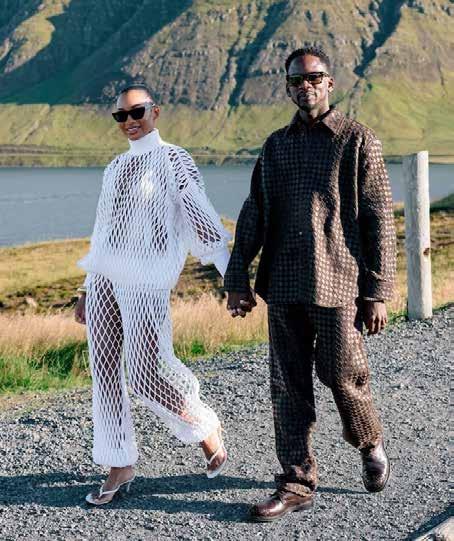
Relationships used to be public events. Now the strongest ones feel almost… classified. Not hidden. Just curated differently.
After years of oversharing, public breakups, and love turned into lifestyle branding, modern couples are quietly rewriting the rules. No grand announcements. No relationship manifestos. Just a subtle shift in behaviour. Here’s the new code.
By Funke Babs-Kufeji
1. Soft Launch Everything
The first rule? Let it breathe. Modern couples no longer introduce relationships to the world before they’ve introduced them properly to themselves. They’ve watched too many romances combust under public scrutiny — screenshots, think pieces, unfollows, damage control.
Now, people wait. Not because they’re unsure. But because they understand that once something becomes public, it absorbs pressure. Opinions arrive. Comparisons creep in. Energy shifts.
The strongest relationships today are often the ones that stabilised privately before stepping into view.
2. Stop Performing “Perfect”
There was a time when being admired as a couple felt like part of the assignment. Coordinated outfits. Long captions. Anniversary essays that read like acceptance speeches.
But modern couples are less interested in looking perfect and more interested in being functional.
Matching aesthetics doesn’t fix misalignment. A beautiful proposal doesn’t guarantee compatibility. So the question has changed from “Does this look good?” to “Does this actually work?”
Real intimacy isn’t photogenic. It’s logistical. It’s how you argue. How you apologise. How you solve problems when no one is watching.
3. Privacy Is a Strategy, Not a Red Flag
Secrecy feels shady. Privacy feels intentional.
Modern couples are protective because they’ve learned that not everyone rooting for you is rooting for you. Once outsiders are emotionally invested in your
relationship, they feel entitled to commentary when things wobble. Keep arguments offline. Keep disagreements contained. Protect sensitive details. It’s not about hiding. It’s about safeguarding.
4. Emotional Intelligence Is the New Romance
Grand gestures still exist. But what truly impresses now?
Emotional regulation. Can you disagree without humiliation? Can you communicate without raising your voice? Can you express discomfort without turning it into drama?
After years of confusing volatility for passion, people are choosing steadiness. Therapy culture has raised the bar. Attachment styles are now part of dating vocabulary. Chaos is no longer sexy. Stability is.
Maturity has become magnetic.
The new couples understand something radical: constant access is not intimacy. You don’t need shared passwords to prove devotion. You don’t need to text every fifteen minutes to demonstrate love. Independence isn’t distance, it’s depth. Two whole people create a stronger relationship than two people clinging for reassurance. Space no longer signals trouble. It signals trust.
6. Loyalty Is Quiet
Loyalty used to live loudly on timelines. “Ride or die.” “My forever.” Public declarations. Now, it’s subtler. Loyalty shows up in consistency. In boundaries. In how you speak about your partner when they’re not present. In the choices you make when attention comes your way. It’s behavioural, not performative. And consistency, not intensity, builds trust.
Perhaps the biggest shift of all. Being in a relationship used to feel like proof of something desirability, adulthood, progress. But modern couples are less concerned with having someone and more concerned with having the right someone. Life itself is demanding — financially, emotionally, professionally. When everything is expensive, chaos is unaffordable. People want peace. Alignment. A partner who makes life lighter, not louder.

It usually starts innocently, a shared laugh over something mildly unprofessional in the group chat. A look exchanged during a meeting that lasts a beat longer than necessary. Suddenly, the office, once a neutral zone of deadlines and deliverables, feels charged. You notice how they talk, how they think, how they show up under pressure. And before you know it, you’re asking a question people have been asking for as long as people have had jobs: Is it okay to date your colleague?
Office romance is one of those subjects everyone claims to hate, but no one seems able to avoid. HR policies exist because humans keep falling for each other in places they technically shouldn’t. Friends warn against it with dramatic certainty. Twitter turns it into discourse every six months. And yet, people continue to meet, flirt, fall, and sometimes unravel in the very places they collect pay slips.
Part of the reason is simple: proximity breeds intimacy. You spend eight, sometimes ten, hours a day with your colleagues. You see them stressed, triumphant, irritated, generous, sharp, petty, and kind. You learn how they think before you learn how they flirt. There’s something deeply attractive about watching someone be competent. Desire doesn’t always announce itself with sparks; sometimes it shows up quietly, disguised as admiration. Add shared jokes, mutual understanding of the same office politics, and the strange bonding that comes from surviving the same deadlines, and attraction feels almost inevitable.
There’s also the comfort factor. Dating someone who understands your work life without explanation feels like a luxury. No long backstories. No translating office drama into digestible anecdotes. They already know the people, the pressure, the stakes. One woman once said, “I realised I liked him because he was the only person who understood why that email ruined my entire day.” That kind of understanding is seductive.
Still, office romance doesn’t exist in a vacuum. The workplace is not
a neutral dating environment; it comes with hierarchy, perception, and politics. Dating someone on the same level can feel relatively harmless, but once power dynamics enter the picture, things shift. Who reports to whom matters. Who influences promotions matters. Even when everything is technically allowed, the optics matter. People talk. They always do. If one of you advances faster than the other, the relationship becomes part of the story, whether you like it or not. And then there’s the fun part that no one admits publicly, but everyone feels privately. The thrill of secrecy. The stolen glances. The coded conversations that make long meetings bearable. Office romance has its own language—one built on restraint and anticipation. It can feel like being in on a secret, and that sense of intimacy can deepen feelings quickly. For some couples, it’s exactly that closeness that helps build something real. Many long-term partners will tell you they met at work, saw each other fully before romance even entered the picture, and trusted what they saw.
But what people rarely talk about is how office romance doesn’t end when the feelings do. Breakups don’t respect office hours. If things go wrong, you still have to see each other. Collaborate. Be professional while emotionally disassembling. Even when a breakup is mutual, the air shifts. Teams sense it. Meetings feel different. The workplace that once felt safe can suddenly feel charged with things you’re trying very hard not to feel at 9 a.m.
There’s also the quiet cost of distraction. When things are good, it can be energising. When things are tense, it can be consuming. And unlike most relationships, you can’t take space without consequences. You can’t unfollow a colleague. You can’t avoid them without it being noticed. Office romance demands emotional regulation at a level most people don’t realise until they’re already in too deep.
That’s where boundaries come in, not the vague, aspirational kind, but the very real ones. Can you keep your relationship from becoming office currency? Can you handle conflict without letting it bleed into work? Can you accept that your private life might become subject to public interpretation? These are not romance-killers; they’re reality checks. People often assume that dating a colleague automatically makes you unprofessional. That’s lazy thinking. Plenty of people manage it with maturity, discretion, and respect. The issue is rarely the relationship itself; it’s how people behave inside it. Favouritism, oversharing, emotional volatility, secrecy taken too far those are the things that cause damage, not affection.
Avoiding office romance altogether isn’t always the answer either. Sometimes connection happens despite best intentions. Sometimes the person who understands you most happens to sit three desks away. Pretending that desire stops at the office door ignores the fact that work is one of the few remaining places where people still meet organically.
The question of whether it’s okay to date a colleague might be too neat for something this human. What matters more is how honest you are with yourself, how aware you are of the risks, and how willing you are to handle the situation like an adult rather than a secret you hope no one notices.
Because the truth is, people will keep falling for each other at work. Between emails and meetings, between pressure and proximity, between shared ambition and shared fatigue. And no policy has ever fully stopped that.

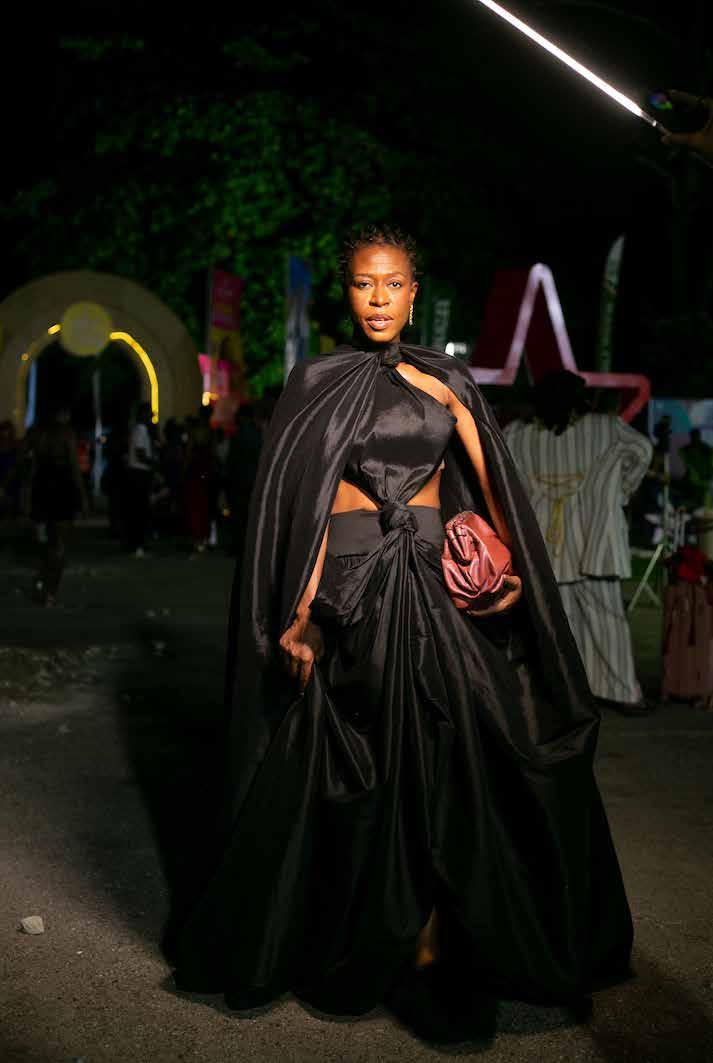
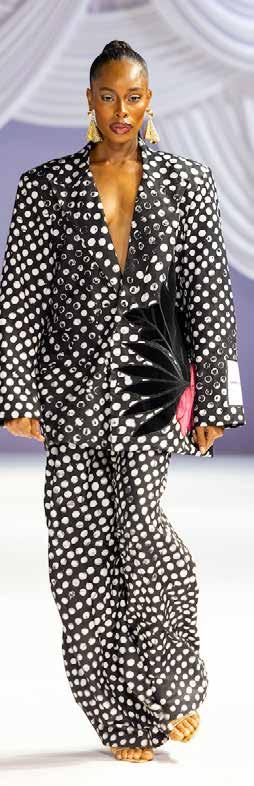
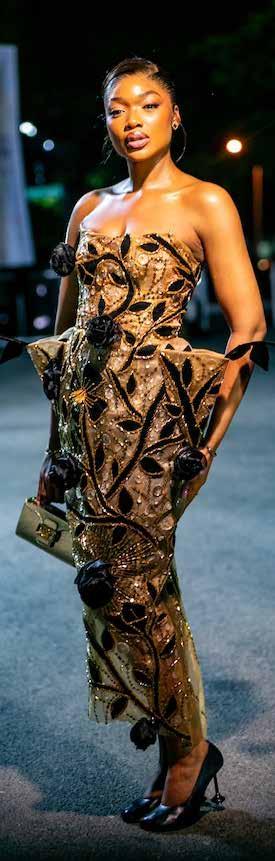
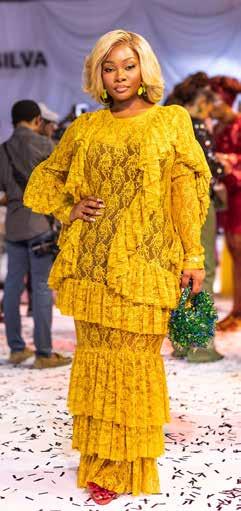
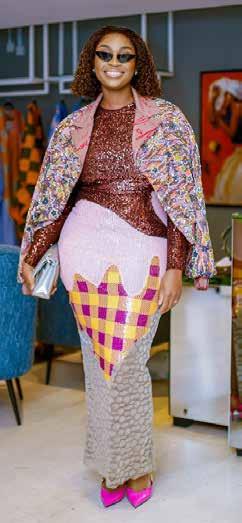
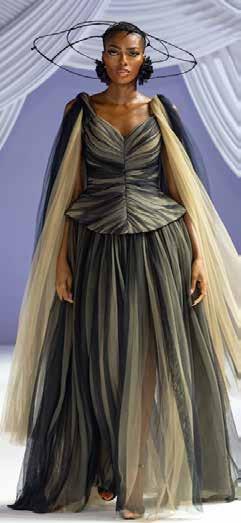
Here’s the thing about maximalism: it’s the fashion friend who never truly exits the group chat. Even when minimalism was having its quiet-luxury reign, when everyone was cleansing their wardrobes, buying beige shirts, and pretending life was a soft, Swedish podcast, maximalism didn’t disappear. It simply leaned back, crossed its sequined legs, and let minimalism have its polite little moment. Because style, like personality, eventually craves exaggeration. And exaggeration, unsurprisingly, is having a moment again. Everywhere you look, the energy feels louder. Colours are bolder. Prints are clashing with delightful confidence.
Necklaces now layer to the point of scenery.
Belts are wide, earrings are dramatic, handbags look like objets d’art, and even the minimal girls are sneaking something shiny into their outfits “just to see how it feels.” There’s a shift happening, subtle for some, loud for others, and it tells us one thing: maximalism is back in rotation, and it’s strutting.
The Return of “More”
Fashion always swings like a pendulum.
The stripped-back ease of the 2010s arrived after the visual chaos of the early internet era. The beige years came after the sensory overload of fast fashion.
But 2026 has ushered in a new appetite: people want clothes that spark emotion.
Clothes with personality. Clothes that make you feel something other than “neat.”
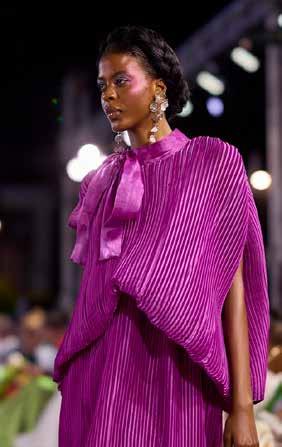
Designers have embraced this shift wholeheartedly. Runways are filled with voluminous skirts, kaleidoscopic patterns, dramatic coats, metallic leather, embroidered everything, and textures layered without apology. Beauty, too, has abandoned subtlety—blush is sweeping again, eyeshadow is editorial, and lipstick is loud. Fashion feels awake.
What this signals is simple: people are tired of dressing quietly. There’s a desire for joy. A hunger for expression.
A craving for clothes that don’t just sit there, but speak.
A common misconception is that maximalism equals chaos. But the girls who do it well know there’s a method behind every outfit. True maximalism is intentional. It’s storytelling.
A maximalist look often carries memories—
A brooch from your grandmother.
A bag bought on holiday.
A print that reminds you of Lagos nightlife.
A colour that lifts your mood like a good playlist.
Maximalism is dressing as a form of narrative. A way of saying, “Here’s a bit of who I am,” without uttering a word.
Let’s not pretend Instagram and TikTok didn’t play a role. Quiet luxury photographed beautifully, yes, but maximalism performs. It fills a frame. It creates characters. It gives an instant hit of mood and personality.
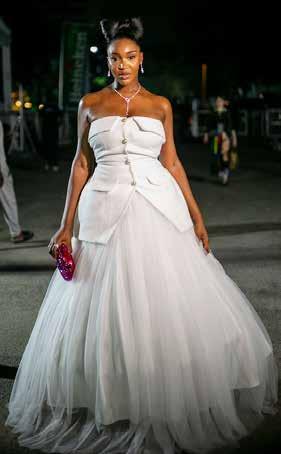
Creators have rediscovered drama. A layered look draws the eye, encourages rewatches, and invites comments.
Fashion girls are having more fun because bolder outfits translate better on screen. It’s a playful cycle: the bolder the look, the better the engagement— and the bolder the next look becomes.
Fashion rarely shifts without cultural cause. A few things are fueling this resurgence:
1. Emotional exhaustion. When the world feels uncertain, people reach for colour, shine, texture—anything uplifting.
2. Rebellion against sameness. Minimalism became a uniform. Everyone started looking alike. Maximalism offers individuality again.
3. Nostalgia.
The early 2000s chaos, the 2010s Tumblr girl, the Naija bombshell aesthetic— nostalgia is influencing everything from runway to red carpet.
4. The desire for self-definition.
People want clothes that feel personal, not algorithm-approved.
How to Enter the Maximalist Era
(Without Fear)
The best part? You don’t need to overhaul your wardrobe. Maximalism can be subtle or theatrical—it’s about intention, not quantity.
Try this approach:
• Choose one standout piece: a bold bag, a colourful shoe, or a dramatic sleeve.
• Play with colour stories. Mix hues that sit close on the colour wheel; it instantly looks considered.
• Layer textures. Silk with denim, leather with lace, cotton with sequins—contrast creates interest.
• Accessorise deliberately. A single oversized earring or stacked rings can shift the mood of an outfit.
• Let mood lead the look. Some days call for print-on-print. Some call for metallics at 2 p.m.
DESIGNING FOR WOMEN WHO NO LONGER NEED TO PROVE THEMSELVES
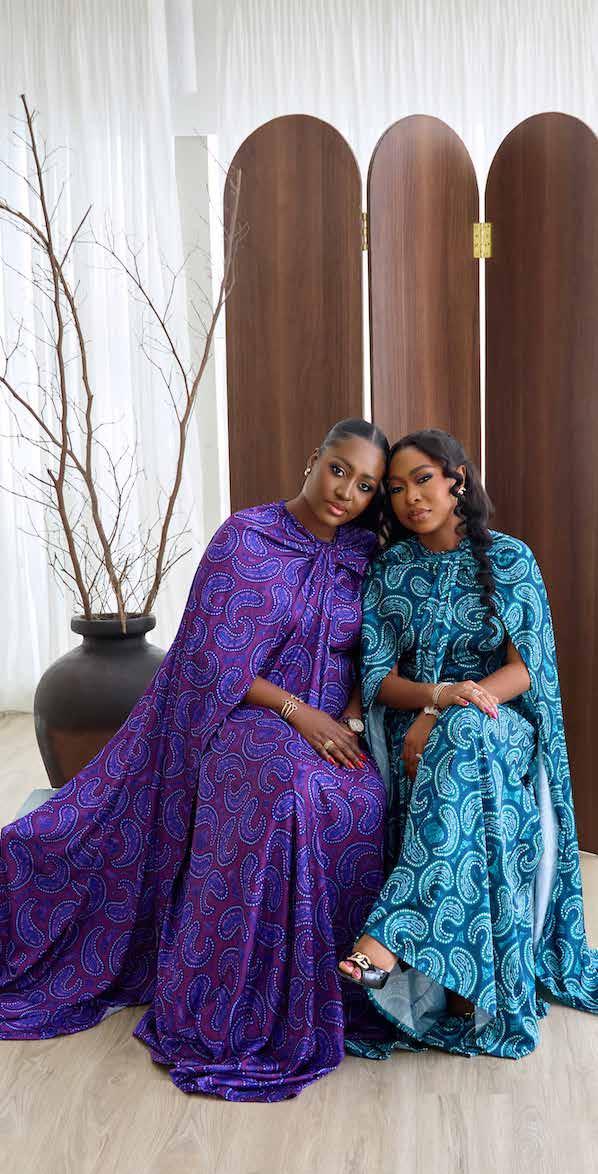
Niya Madi at One: Designing for Women Who No Longer Need to Prove Themselves
For co-founders Sefiya Diejomaoh and Adenike Macaulay, clothing has always been about more than appearance. It is about presence, intention, and how a woman chooses to show up for moments that matter. Friends for over 25 years, Sefiya and Adenike have built full lives across different industries and geographies. Their conversations about style were rooted in lived experience and a shared frustration with what was not available to them. They saw a gap for women who no longer wanted excess or spectacle, but still valued beauty, strength, and care in how they dressed. Over time, those conversations sharpened into a clear decision to build something that reflected who they were and how they lived.
As Niya Madi marks its first year, the brand stands as a considered response to that original conviction. Launched with restraint as a guiding principle, Niya Madi sits between formality and ease, offering pieces designed to feel intentional without being performative. It speaks to women who dress with confidence rather than volume, and who understand that elegance does not need explanation. Each piece reflects a balance of structure and movement, shaped by Sefiya’s background in architecture and bespoke couture, and Adenike’s experience in business leadership, aviation, and hospitality. The brand has grown steadily and intentionally. Collections are released when they feel ready, not rushed. Client feedback, observation, and instinct guide decisions, allowing the work to deepen over time. Niya Madi dresses women for meaningful occasions, with the belief that clothing becomes part of memory, not just imagery. In this interview, with Funke Babs Kufeji, Sefiya and Adenike reflect on friendship, creative alignment, and trust. They discuss building a business together, defining African luxury in a quieter register, and designing for women who are established yet still evolving.
You have been friends for over 25 years. When did the idea of building Niya Madi together move from conversation to conviction?
What started as shared conversations about our personal style and frustrations with what was available to us gradually became something deeper. The shift to conviction came when we realised we were describing the same woman, the same values, and the same vision for how women like us wanted to be seen. Once we saw that alignment, it stopped being a dream and became a responsibility to create what we knew was missing.
Niya Madi launched with a very clear point of view. What did each of you feel was missing in fashion for women at your stage of life?
We felt there was a gap between occasion wear that was overly dramatic


and everyday wear that lacked intentionality. For women at our stage, we wanted clothes that felt intentional, not loud, powerful, not performative. Pieces that could move with us through life’s meaningful moments without screaming for attention, and also versatile pieces that could be styled differently without too much fuss.
The brand is rooted in restraint and intention. How did you align early on about what Niya Madi would never be? We were very clear that Niya Madi would never chase trends, over-embellish, or compromise on quality. We agreed that if something didn’t feel timeless, refined, or true to our woman, it simply didn’t belong in the brand, and this has been our mantra till date.
Your backgrounds are very different. How do those experiences show up in the way you build the brand day to day?
Sefiya brings an architect’s precision, a designer’s eye, and a deep respect for craft. Nike brings structure, systems, and a commercial mindset shaped by business leadership, aviation, and hospitality. Together, creativity meets discipline, and that balance is the backbone of Niya Madi.

Fit, structure, and finishing are central to Niya Madi. How do you work together to balance wearability with strong form?
We are constantly in dialogue, sketching, fitting, refining, and testing. Sefiya pushes the artistry and structure, while Nike advocates for movement, comfort, and real-life wearability. The final piece always has to pass both of our standards.
The collections have grown steadily from Lima to Aura without feeling rushed. What guides your decisions on when to evolve and when to hold back?
We listen to our clients, observe how they wear the pieces, and trust our instincts. Growth for us is organic, not forced, depth, not speed. If an idea doesn’t feel fully ready, we wait till it is. For us, it’s a marathon, not a sprint. We never want to compromise on what the brand stands for.
You often dress women for meaningful moments rather than everyday noise. Why was it important for Niya Madi to be part of milestones and not trends?
It is important to us because clothes carry memory. We want our pieces to be associated with joy, achievement, love, and transformation, not just a fleeting moment on social media.
The Niya Madi woman is described as established and respected. How much of her is a reflection of who you are now versus who you are still becoming?
She is both. She reflects our present confidence and our evolving ambition. In many ways, we are designing for the woman we are today and the woman we are still growing into.
Building a business with a long-time friend can be both grounding and challenging. How do you handle moments of disagreement without losing trust?
With honesty, respect, and clarity. We separate friendship from business when needed but never lose sight of our shared purpose. Trust is our strongest asset.
African fashion is gaining global attention but often expected to perform culture loudly. How do you think about representing African luxury in a quieter, more measured way?
We believe African luxury can be subtle, refined, and sophisticated without losing its identity. Our fabrics, silhouettes, and style speak to our heritage, but in a modern, global language. African luxury can be powerful in its quiet, representative without being tribal.
Sefiya, your background in architecture and bespoke couture brings precision to the designs. Nike, your background brings scale and systems. How do you decide whose instinct leads at any given moment?
We lead based on context. In design moments, Sefiya’s instinct often takes the lead. In business strategy and growth, Nike steps forward. But every major decision is ultimately collaborative.
As women who lead in different industries, how has your relationship with style changed as your authority has grown?
We dress with more intention and less apology. Power dressing for us is about presence, not volume, confidence, not spectacle. “As our authority grew, our style became quieter and stronger.”
What do you think the fashion industry still gets wrong about dressing mature women?
It often assumes maturity means boring or invisible. We believe mature women deserve bold elegance, modern silhouettes, and clothes that celebrate their power.
Looking ahead, what does growth look like for Niya Madi if you remain committed to restraint and quality?
Thoughtful expansion, deeper craftsmanship, wider reach, select global presence, and stronger storytelling, without diluting who we are.
When a woman chooses Niya Madi, what do you hope she understands about herself before anyone else notices the clothes?
That she is worthy, powerful, and beautiful enough, exactly as she is. And that she belongs to a powerful tribe of Madi Women who show up every day in the true essence and allure of who they are.





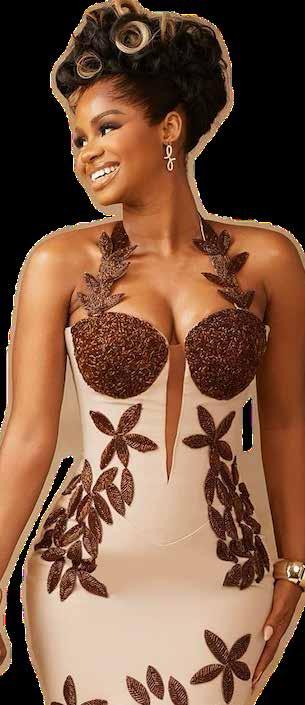





Music brought them together, but friendship keeps them strong. This couple continues to show that love can be playful, creative, and deeply rooted in mutual respect. Their journey from private romance to public partnership captured hearts, and years later, they remain one of the most admired pairs in entertainment. Whether teasing each other online or celebrating milestones quietly, they maintain a balance that feels natural and sincere. As artists, they support each other’s craft without competition. As partners, they show warmth and consistency. Their bond reflects companionship built on laughter, shared ambition, and growing together through different seasons of life.

BY FUNKE-BABS KUFEJI
ove in the spotlight, romance in real life. These couples continue to capture hearts with their commitment, chemistry, and shared dreams. Valentine’s season always brings love stories to the front. While flowers and dinner dates fill the air with romance, many of us also look to celebrity couples whose journeys unfold in public view. Some keep their private lives guarded, while others share sweet moments with fans. What makes them favourites is not just fame or style, but the way they support each other through success, setbacks, and new seasons of life. From music to film to fashion, these eight couples continue to inspire admiration and conversation


Their love story felt cinematic from the start, and over time it has matured into a partnership admired by many. What stands out most is their visible encouragement of each other’s dreams. Through career shifts, public life, and parenthood, they continue to present a united front. Their messages to one another often reflect gratitude and deep respect. They speak openly about growth, faith, and commitment, offering fans a glimpse of a marriage that evolves with time. In a world where relationships are often tested in public view, they remain steady, choosing partnership, family, and shared purpose.
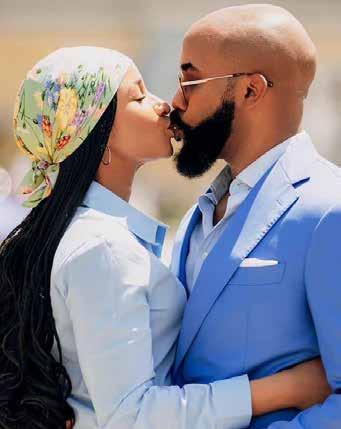


ew relationships have drawn as much attention or sparked as much conversation. Their journey has unfolded publicly, marked by grand gestures, emotional moments, and meaningful milestones. Through highs and lows, their connection continues to command interest. What keeps fans invested is the visible affection and commitment they show during important moments. Their love story reflects resilience and the desire to rebuild and grow. As they move forward together, they remain one of the most talked about couples, especially during Valentine’s season when romance takes center stage.

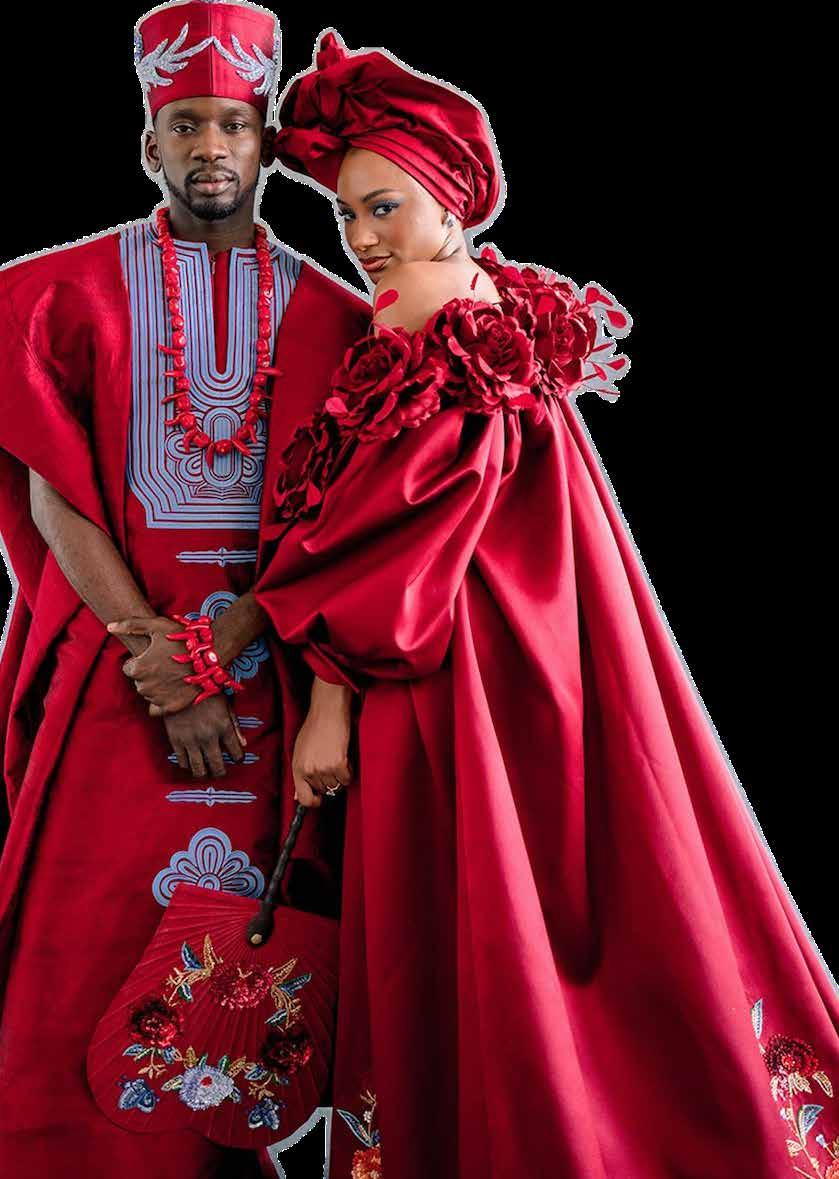
Stylish and expressive, this couple blends romance with public celebration. Their wedding moments captured widespread attention, and they continue to appear confident and united. Beyond fashion and glamour, they emphasize shared values and faith. Their visible joy and open admiration for one another make them especially popular during Valentine’s season. They represent a modern love story that embraces celebration while maintaining commitment.

SULEIMAN & LINDA
Their love story began on set and quietly grew into one of the most respected marriages in film. From colleagues to life partners, their journey has been marked by grace and steady companionship. They keep much of their private life away from constant display, which makes the moments they do share feel genuine and thoughtful. As parents and working actors, they appear deeply committed to balancing family life with career demands. What stands out about them is the calm maturity of their relationship. There is no need for loud declarations. Their bond feels grounded in friendship, mutual respect, and shared faith. In an industry that moves quickly, they represent love that is patient, intentional, and secure.
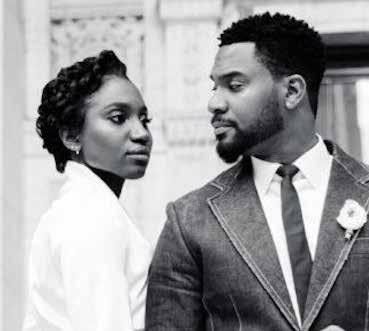
Their love story captured attention with a wedding celebration that felt joyful, elegant, and deeply personal. From the first announcement to the final ceremony moments, they shared a journey that reflected intention and commitment. Kunle, known for his expressive presence on screen, appears calm and grounded in his marriage. Tiwi brings her own strength and quiet confidence, creating a partnership that feels balanced. Together, they project warmth, friendship, and mutual respect. What stands out is the way they speak about choosing each other with clarity and purpose. Their relationship reflects growth, faith, and shared values. In a season that celebrates romance, they represent love that is thoughtful and rooted in partnership rather than performance.
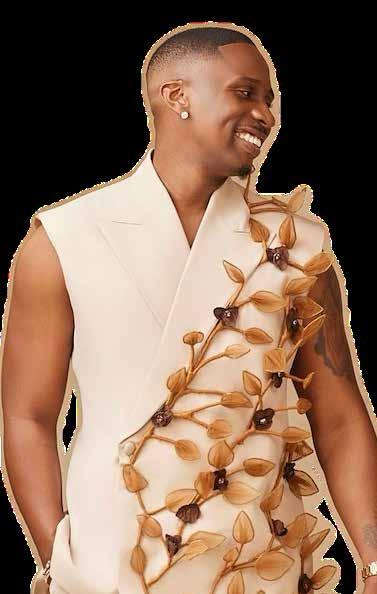
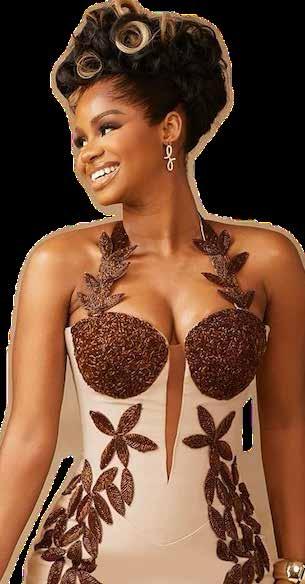
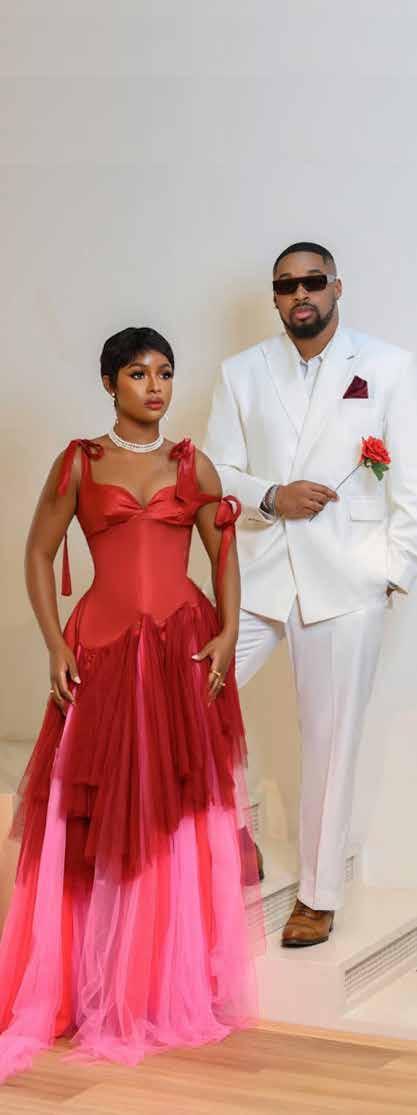
Jux, a Tanzanian singer, met Ojo, A Nigerian Media Personality, in 2024 and quickly formed a strong connection. Jux, known for his Bongo Flava and R&B music, has built a reputation for hits that combine smooth melodies with storytelling. Priscilla, a graduate in Media and Theatre Arts, has been in the entertainment industry since childhood, appearing in films and media projects. Their relationship grew publicly in 2024, and they celebrated several wedding ceremonies in 2025, including traditional and white weddings in Lagos and a final reception in Tanzania. In August 2025, they welcomed their first child, a son named Rakeem. Fans admire the couple for balancing public attention with family life, supporting each other’s careers, and sharing moments of their journey without losing privacy. Their partnership reflects care, mutual respect, and a focus on building a life together.
PERFECT
BY FUNKE-BABS KUFEJI

Valentine’s season brings excitement, expectations, and public displays of affection. It is a period when many people hope to meet someone special or strengthen an existing relationship. While genuine connections are forming, scammers are also active. They understand that emotions run high during this season. They know people want attention, reassurance, and companionship. That makes it easier to manipulate feelings and create false trust. Romance scams affect people of different ages and backgrounds. Some victims lose money. Others suffer emotional distress and embarrassment. The tactics are often simple but carefully planned. Sweet words are followed by urgent requests. Promises of love are followed by financial pressure. Awareness is the first line of defense. When you understand how these schemes operate, you are more likely to pause, question, and protect yourself. Below are ten practical steps to help you stay safe this Valentine’s season and beyond.
BEWARE OF LOVE ON SOCIAL MEDIA
Many romance scams begin with a simple message on social media or a dating app. A stranger sends a compliment and quickly becomes attentive. Within a short time, they begin to express strong feelings and talk about a future together. Some claim to work abroad or in high profile professions. They often suggest moving the conversation to private messaging platforms. Once there, communication becomes more intense and personal. Be cautious if they avoid live video calls or give repeated excuses. Check for inconsistencies in their stories and photos. Real relationships take time to grow. If someone you have never met is rushing emotional commitment, slow down and ask questions. Do not allow flattery to replace careful thinking.
BEWARE OF ROSES AND HEARTFELT MESSAGES
Scammers are skilled at writing emotional messages. They send poems, voice notes, and daily greetings that make you feel special. The attention can feel comforting, especially if you have been feeling lonely. This stage is designed to build emotional attachment. After trust is formed, a financial problem is introduced. It may involve medical bills, travel costs, or a business emergency. Be cautious when someone talks about marriage or destiny very early in the relationship. Love is shown through consistent actions, not just words. Share your experience with someone you trust and listen to their opinion. Excessive affection without real effort to meet or build a genuine connection should raise concern.
1 2 3 4 5
Aformer classmate or old acquaintance may reconnect during this season. The conversation often begins with shared memories and friendly updates. After rebuilding
trust, they may introduce a financial need or investment idea. Because of your history, you may feel comfortable helping. Confirm their identity carefully before sending money. Call a number you personally saved in the past or verify through mutual contacts. Some scammers clone real accounts and pretend to be people you know. A genuine friend will not pressure you for urgent financial support. If the focus quickly shifts from reconnection to money, take a step back and protect yourself.
Valentine themed emails and messages often promise admiration, gifts, or surprise packages. Some contain links that lead to fake websites designed to steal personal information. Once you enter your details, scammers can access your accounts. Avoid clicking on suspicious links. Instead, type official website addresses directly into your browser. Be cautious of messages that create urgency or demand immediate action. Financial institutions rarely request sensitive details through email or text. If you are unsure, contact the institution directly using official contact information. Protecting your digital information is essential. A romantic message should never require your passwords or banking details.
This season comes with heavy promotions for flowers, gadgets, and luxury items. Some online vendors advertise attractive discounts that seem irresistible. After payment is made, the seller may disappear or deliver low quality goods. Before making any purchase, research the business carefully. Look for independent reviews and confirm how long the page has been active. Be cautious of accounts with little engagement or limited contact information. Avoid rushing because of time pressure or limited stock claims. Use trusted platforms that
provide buyer protection when possible. A genuine business will be transparent about its products and policies. Saving a small amount is not worth risking your money.
Periods of loneliness, grief, or emotional stress can make anyone more open to affection. Scammers look for signs of vulnerability in posts and conversations. They present themselves as caring and understanding partners. Once emotional attachment is strong, they introduce financial needs. Recognize when you may be going through a sensitive time. Take things slowly and avoid making decisions based purely on emotion. Share new relationships with trusted friends or family members. An outside perspective can help you see warning signs clearly. There is nothing wrong with wanting companionship. Just ensure your desire for connection does not override your judgment.
Rushing into commitment is one of the most common mistakes victims make. Scammers push for quick emotional bonding and long term promises. They may discuss marriage or future plans within weeks. Slow down and observe carefully. Ask detailed questions and look for consistent answers. Arrange live video conversations and suggest meeting in a safe public place if possible. Repeated excuses should raise concern. Never send money, gift cards, or financial support to someone you have not verified. Genuine affection respects patience and transparency. Taking your time can protect both your emotions and your finances.
Some scammers are extremely smooth communicators. They speak respectfully and know how to say the right things at the right time. They may appear deeply caring and attentive. After building trust, a sudden emergency appears. It may involve bills, travel expenses, or frozen accounts. They often sound embarrassed while asking for help, which makes the request feel sincere. Pay attention to patterns. If financial problems keep appearing, reconsider the relationship. Words can be powerful, but actions reveal true intentions. A healthy relationship should not revolve around repeated requests for money. Stay calm and think logically before responding.
Sharing too much information online can expose you to fraud and identity theft. Posting your home address, workplace, travel plans, or personal documents publicly increases risk.
Scammers collect small details and use them to build a profile about you. They may attempt to guess passwords or answer security questions using this information. Review your privacy settings and limit what strangers can see. Avoid sending intimate photos or sensitive documents through chat. Once shared, you cannot fully control how they are used. Protecting your personal information is a simple but powerful step in preventing exploitation.
Video blackmail has become increasingly common. A scammer may persuade you to engage in intimate video conversations. The session is secretly recorded. Later, they threaten to share the footage unless you send money. Fear and embarrassment often push victims to pay quickly. Unfortunately, payment does not guarantee silence. The demands may continue. Never share explicit content with someone you do not fully know and trust. If you are threatened, stop communication immediately and report the account. Seek support from someone you trust rather than handling it alone. Protect your dignity by thinking carefully before engaging in private online activities. 6 7 8 9 10


BY KONYE CHELSEA NWABOGOR
nly in Nigeria can Valentine’s Day function as both a romantic celebration and a nationwide diagnostic tool. It tells you everything: who is loved, who thinks they’re loved, who is delusional, who is healing, who is pretending, and who has quietly accepted that life is easier when you just focus on your goals.
It is the one day when flowers become currency, restaurants turn into confession booths, and people in situationships suddenly remember they deserve clarity. For some, it’s bliss. For others, chaos. For many, comedy.
But when the last bouquet has been posted, and the dispatch riders have finally clocked out, what Valentine’s really leaves behind is a clearer understanding of what everyone is doing with their romantic lives. Because, contrary to the pressure, the day is not actually about the gifts — it’s about the emotional patterns behind them. The consistency, the effort, the silence, the last-minute scramble, or the intentiona planning. Valentine’s simply exposes whatever has been brewing long before the holiday arrived.
The Couples Who Are Actually Fine People in stable relationships rarely experience Valentine’s Day as a high-stakes exam. The day fits easily into the rhythm they already have. Nothing feels exaggerated. Nothing feels like damage control. Their plans, whether extravagant or simple, feel like an extension of who they are the rest of the year.
These are the couples who wake up on the 15th feeling normal, which is exactly the point.
The Situationship
Demographic
All of this highlights one major truth we often overlook:
Valentine’s Day carries too much weight for a celebration that lasts 24 hours. A single day cannot fix a relationship that lacks communication, respect, or consistency.
Likewise, a quiet Valentine’s doesn’t invalidate a relationship that works beautifully the rest of the year.
Valentine’s Day is not a test.
It is a mirror.
It reflects reality, whether that reality is comforting, confusing, or overdue for an upgrade.
We should be paying more attention to how people behave on regular days, not how much pressure they apply to one date. If someone shows care, interest, and accountability consistently, Valentine’s is simply an extra. If someone shows up only when the world is watching, the holiday becomes a performance.
Why the Next Day Matters More
If you want to understand a romantic situation, the day to study is not the 14th — it’s the 15th.

But then there are the people in undefined arrangements. For them, Valentine’s Day is less a celebration and more an audit. It puts every mixed signal under a microscope. Someone who has been texting consistently for months may suddenly vanish. Someone who insisted labels were too “serious” may be out having a fully labelled Valentine with someone else. Someone who promised, “Let’s celebrate later,” might genuinely mean it or might simply be running a romantic side hustle.
Valentine’s doesn’t expose anyone unfairly. It simply reveals the truth people already sensed but didn’t want to confront.
The Surprisingly Zen Singles
The idea that singles dread Valentine’s Day is outdated. Many singles genuinely enjoy the freedom of not having to negotiate gifts, expectations, or restaurant queues. For some, the day is a reminder that peace is also a love language. Being single while emotionally stable is far more satisfying than being attached to someone who drains your joy. Singles have mastered the art of reclaiming Valentine’s Day, not by forcing meaning into it, but by refusing to let it define their self-worth.
Heartbreak: Quiet but Present
For those healing from heartbreak, Valentine’s can sting, but not because they’re desperate for romance. It’s simply a reminder of change. Yet, healing also brings clarity. People begin to recognise what wasn’t working, what they ignored, and what they deserve going forward. The holiday becomes a checkpoint, not a judgment of emotional progress.
The Larger Conversation
That is when the real behaviour emerges.
Does the energy continue?
Does the communication stay steady?
Does the person who made a grand gesture actually follow through emotionally?
Does the person who did nothing yesterday suddenly start overcompensating today?
The day after strips away theatrics and focuses on reality. It’s the emotional data that actually matters.
A More Useful Way to Think About Love
Instead of letting Valentine’s carry the full weight of romantic meaning, we should adopt a healthier standard:
Let the holiday be enjoyable, let the relationship be measured by consistency.
A thoughtful Valentine’s Day from someone who treats you well all year is lovely. A dramatic Valentine’s from someone who stresses you out the remaining 364 days is confusing.
Being single doesn’t make the day empty.
Being attached doesn’t make the day meaningful.
The only thing Valentine’s can truly confirm is what was already happening beneath the surface.
A Better Ending for Everyone
Whether your Valentine’s Day was soft, dramatic, clarifying, disappointing, unexpectedly sweet, or beautifully uneventful, what matters most is everything that comes after it. Love should not depend on one date. It should be steady, intentional, communicative, and rooted in daily behaviour, not seasonal performance.
If it didn’t go according to plan? Or went better than expected? Or hasn’t even been celebrated yet for personal reasons, relax. None of it defines your romantic destiny. It’s all part of the messy, funny, unpredictable spectrum of modern love.
So Happy Valentine’s Day to the couples who planned in advance, to the singles who enjoyed their peace, to the healing hearts, to the situationship graduates, to the ones still negotiating clarity, and to everyone celebrating today, tomorrow, or whenever it fits.
After all, it’s all love.
And real love doesn’t expire on the 14th.
Some men walk into a room and look settled. Not loud. Not overworked. Not dressed like they are auditioning for attention. Just composed. You may not immediately register why, but you feel it. It is rarely about labels. It is almost never about money. It is about understanding. Stylish men understand things other men overlook. Quiet disciplines. Small calibrations. The difference between dressing and presenting. They rarely explain it, but it shows. Here is what they understand.

By Funke Babs-Kufeji
1. Fit Is Authority
Before colour. Before brand. Before trend.
If the shoulders collapse, the entire look collapses.
If a jacket strains at the buttons or hangs like borrowed clothing, confidence disappears.
Trousers that drag awkwardly over shoes signal inattention. Sleeves that swallow the hands suggest carelessness.
Stylish men understand proportion. A jacket must frame the torso. Trousers must break cleanly. Shirts must follow the body without clinging to it.
2. Grooming Is Part of the Outfit
Style does not end at clothing.
Clean nails. A haircut that looks deliberate, not accidental. Facial hair that is shaped, not abandoned.
Shoes that are polished. Clothes that are pressed.
The difference between “he dressed well” and “he looks confident” is often maintenance. A creased shirt or dusty loafers quietly undermine even the most thoughtful ensemble.
Stylish men understand that presentation is holistic. It is the full picture. Details speak before words do.
3. Restraint Is Power
Stylish men do not chase everything. They select. They edit. They refine. They repeat silhouettes that work for them. There is calm in their wardrobe. There is consistency in tone, structure, and attitude. Restraint communicates maturity. It signals that a man is not dressing for validation. He is dressing from clarity.





Many stylish men have a quiet formula.
Perhaps it is structured shirts and tailored trousers. Perhaps it is monochrome dressing. Perhaps it is always loafers, never sneakers. Perhaps it is a classic timepiece that rarely leaves the wrist. A uniform reduces decision fatigue. It sharpens identity. It builds recognisability. When a man knows what works, he stops experimenting out of insecurity and starts refining out of intention.
5.
Neutral colours are not boring. They are intelligent.
Navy, black, grey, white, beige — these shades anchor a wardrobe. They make mixing effortless. They create visual control. They allow texture and tailoring to speak louder than colour ever could.
Stylish men understand that loud does not equal impactful. Impact often lies in precision. A well-cut navy suit can feel more commanding than a patterned statement piece trying too hard.
Stylish men feel fabric. They notice weight. Stitching. Construction. The way a jacket holds its shape. The way leather ages. The way good cotton sits differently on the skin. They would rather own fewer, better pieces than an overflowing wardrobe of impulse buys. Because style is not accumulation. It is curation. Quality does something subtle — it makes a man move differently. When clothes sit well, feel solid, and age gracefully, posture adjusts. Ease follows. And ease reads as confidence.
Perhaps the most important thing stylish men understand is alignment. They dress for their lives. A creative entrepreneur dresses differently from a corporate executive. A man constantly in transit dresses differently from someone who hosts boardrooms. Clothes that fight your environment create tension. Clothes that align with your daily rhythm create ease. Ease is what people often mistake for natural confidence. Stylish men do not dress for photographs. They dress for context. And context-aware dressing always feels grounded.
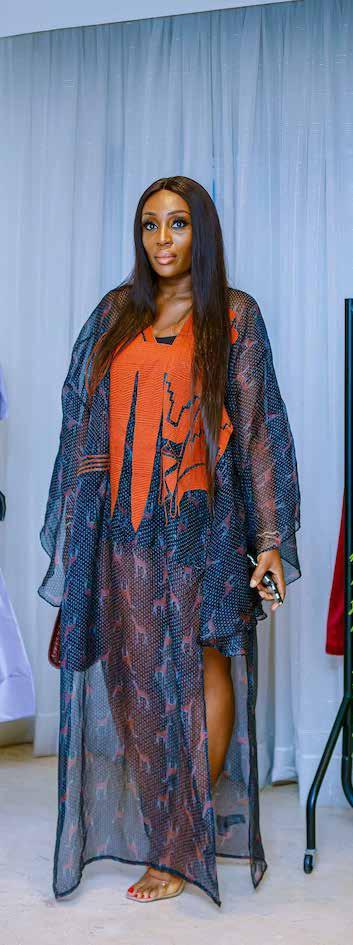
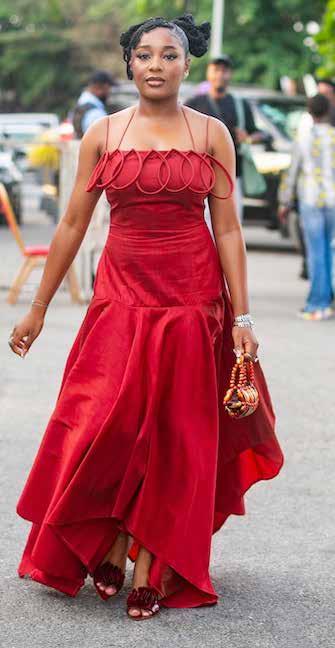
There’s a new mood in the air, subtle, stylish, and surprisingly refreshing. People are getting dressed up again, not because the calendar demands it, but because they simply feel like it. Somewhere between the soft-life era and the endless cycle of “casual everything,” fashion is finding its way back to intention. Not the dramatic kind. The quiet, personal kind. It’s in the woman who wears a silk blouse to a Tuesday meeting that could’ve been an email. The friend who shows up for lunch in earrings that sparkle a little louder than necessary. The man who brings back tailoring for school runs, just because he likes how structured clothes make him stand. There’s a shift, a gentle return to treating everyday life as worthy of style. If you’ve been craving that feeling again, here are seven editor-approved ways to slip back into the joy of dressing up… just because.

1. Revisit the Clothes That Make You Feel Something
Every wardrobe has a few pieces that do the heavy emotional lifting. The dress that makes you stand taller, the shirt that behaves perfectly every time, the trousers that whisper, “See? You still have it.” Bring those pieces back into your weekly lineup. Don’t save them for “the right day.” The right day is whenever you decide it is.
2. Upgrade One Element of Your Everyday Look
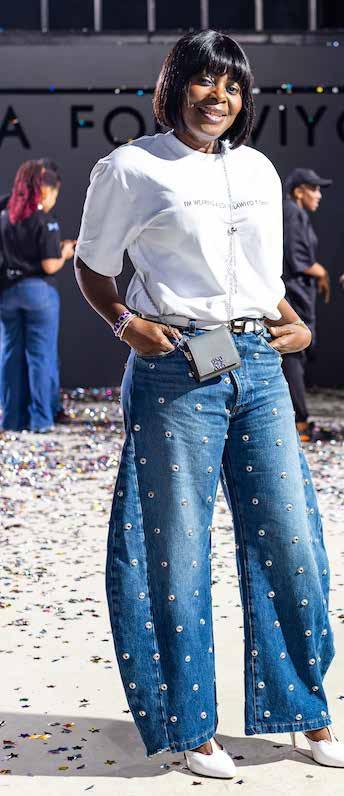
This is the fashion girl’s easiest trick. Keep your base simple — jeans, tee, whatever — then elevate one thing. Maybe it’s switching sneakers for a sculptural heel. Maybe it’s adding a crisp blazer over your basics. One stylish swap makes the entire outfit feel considered, not accidental.
3. Let Colour Back Into Your Life
After years of neutrals dominating the mood board, colour is making a slow, elegant


to-toe brights, unless that’s your thing, but thoughtful touches. A plum leather bag. A soft blush shirt. A red lip that refuses to apologise. Colour has a way of waking up your entire look (and sometimes your entire attitude).
4. Accessorise Like an Editor, Not a Minimalist Accessories are having a moment again, and thank goodness for that. The right pair of gold hoops, stacked rings, a statement cuff, or even a vintage brooch can change the temperature of your outfit instantly. Think of accessories as punctuation marks — they don’t rewrite the sentence, but they absolutely change how it reads.
5. Turn Getting Dressed Into a Small Daily Ritual
The fashion girls know this: getting dressed is 50% clothing, 50% atmosphere. Put on music. Spritz the fragrance you usually “save.” Give yourself five unhurried minutes to decide how you want to look today. When the process feels indulgent instead of rushed, the outfit naturally follows suit.
6. Blend Your “Special” Pieces Into Ordinary Days
Who decided sequins belong only at night? Why is silk being held hostage for someone’s wedding? Release your good clothes. Mix them with denim, cotton, linen, fabrics that soften the formality. A slip dress with sneakers. A sharply tailored jacket over a basic tank. A metallic skirt for casual brunch. When you stop classifying clothes as “occasion-only,” your wardrobe doubles in possibilities.
7. Dress for the Mood You Want to Feel
This is the heart of dressing up just because. Not duty, not expectation, feeling. On days you need grounding, reach for structure. On days you need softness, choose fabrics that move with you. On days you want to disappear, wear something bold instead. Style is emotional architecture; let it build the kind of day you want to have.