


ight
Lifestyle & Fashion


ight

Have you all noticed that cynicism is having a moment?
Spend enough time online, and you will find people convinced that love is a scam, leadership is hopeless, friendships are transactional, success is mostly luck, and every good deed comes with an ulterior motive.
Somewhere along the way, scepticism became sophistication. Optimism became naïveté. Believing in people, possibilities or positive outcomes suddenly started to feel a little unfashionable.
And yet, despite all evidence to the contrary, human beings remain remarkably hopeful creatures. People still fall in love, pursue dreams that may never materialise and invest in ideas long before there is any guarantee of success. Every day, people choose to believe that tomorrow can be better than today.
And there is something beautiful about that. About people continuing to show up, try again, believe again and hope again, even when experience tells them there are no guarantees. Perhaps that is why long-distance relationships continue to fascinate me. They are not for the faint-hearted. They require patience, commitment and an extraordinary amount of faith. After all, nobody boards a flight, stays up for late-night video calls or counts down the days to a reunion without believing that something worthwhile awaits on the other side. My opinion piece, When Love Lives Somewhere Else, explores exactly that.
Of course, it is not only relationships that require faith. Communities do too. Institutions do too. Even nations do. Progress, after all, is built by people who are willing to think beyond the present moment.
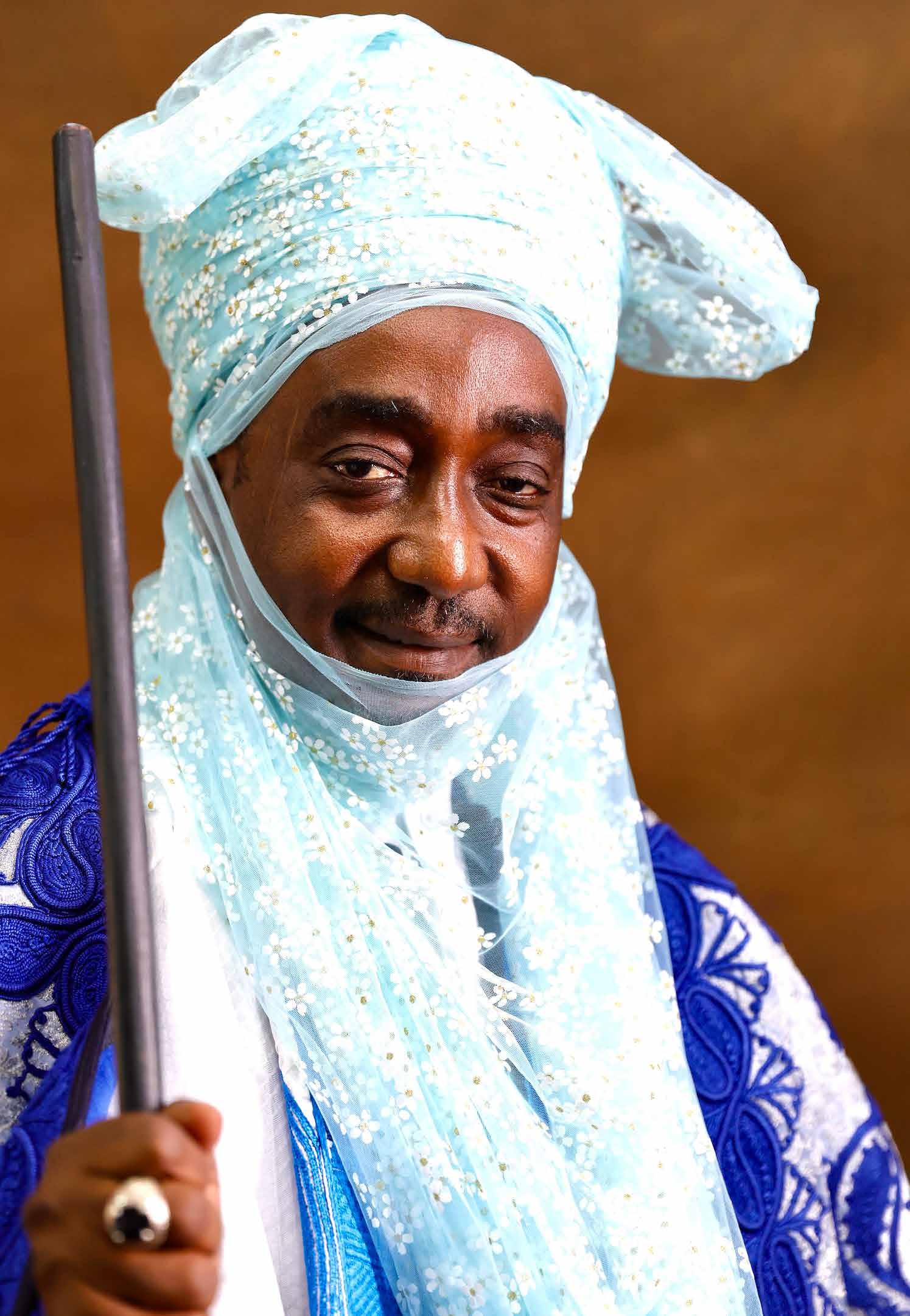
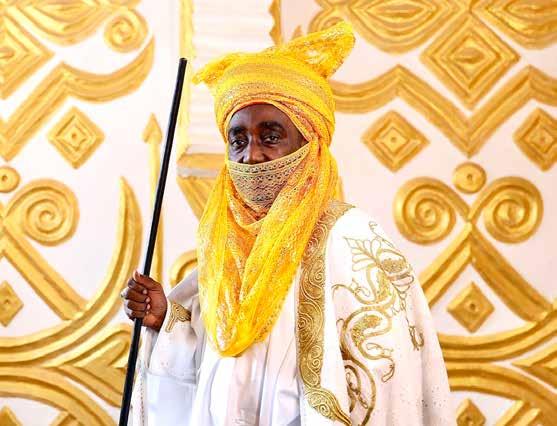
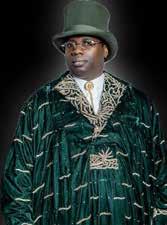
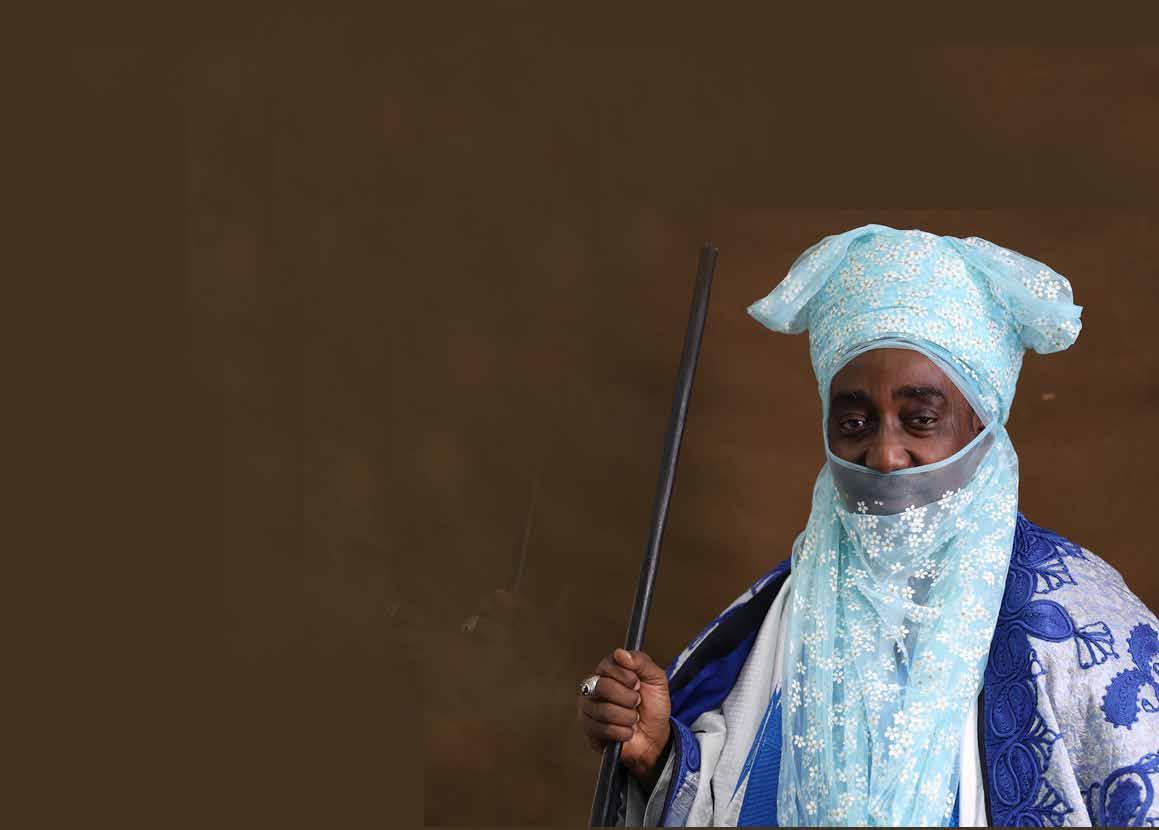
That idea comes through strongly in our cover story on His Highness, Mallam Ahmed Nuhu Bamalli, CFR, the 19th Emir of Zazzau. His story is a reminder that preserving heritage and embracing the future are not opposing forces.
The same principle applies to cities.
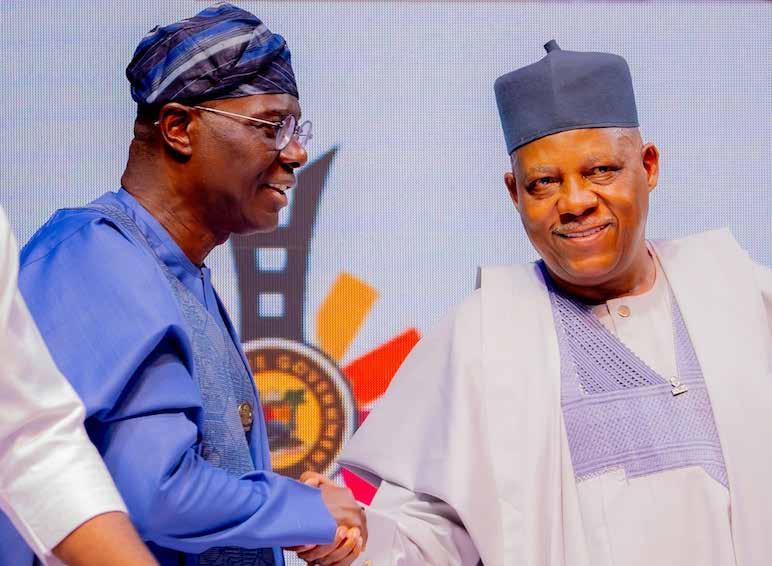
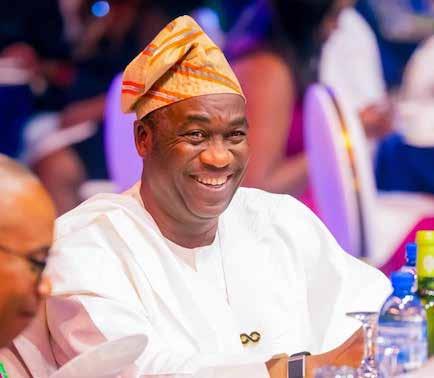
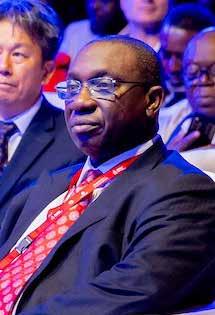
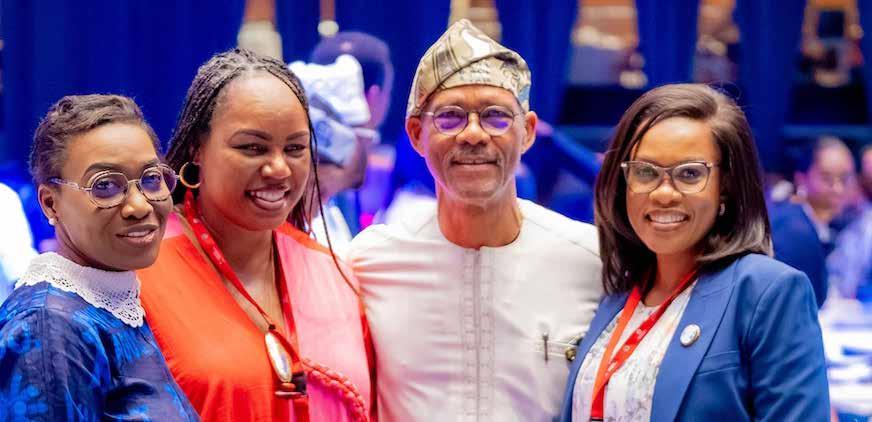
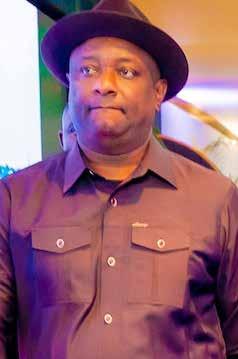
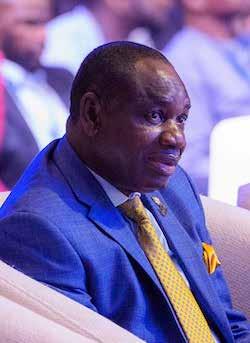
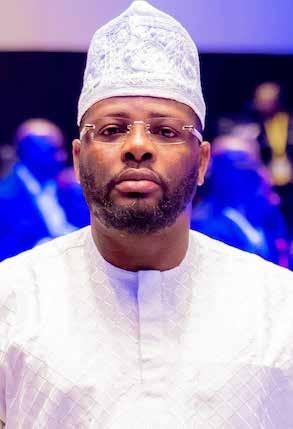
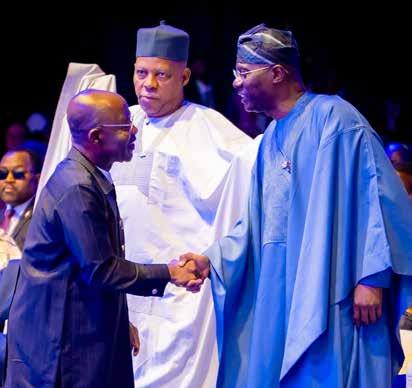
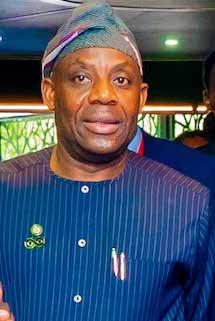
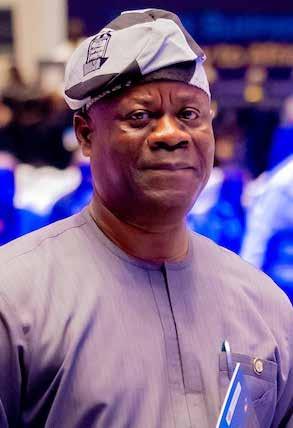
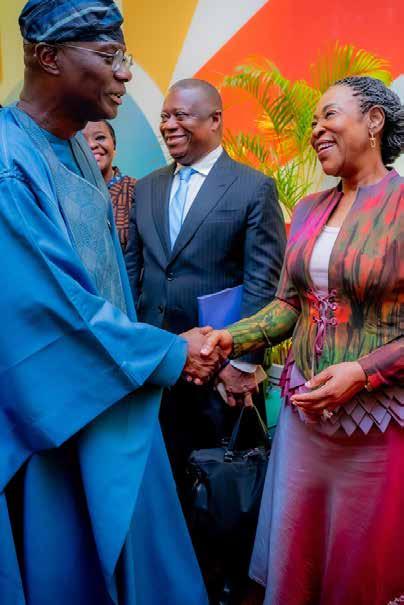
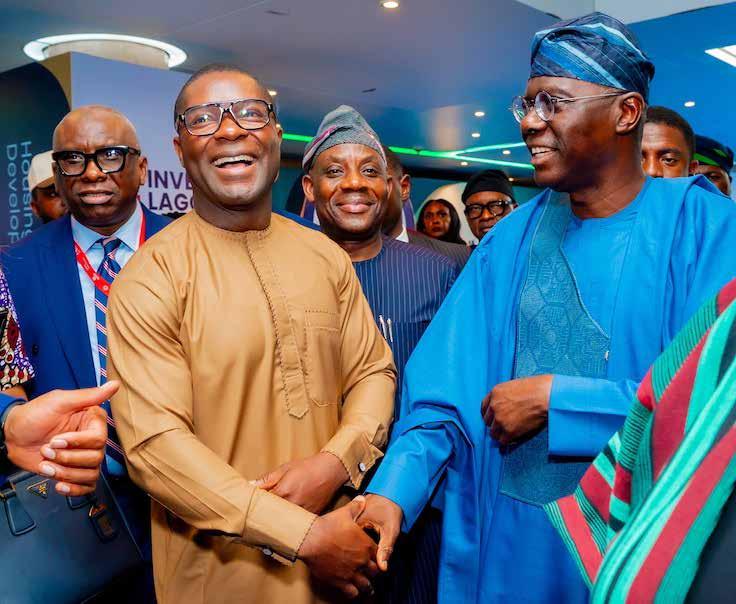
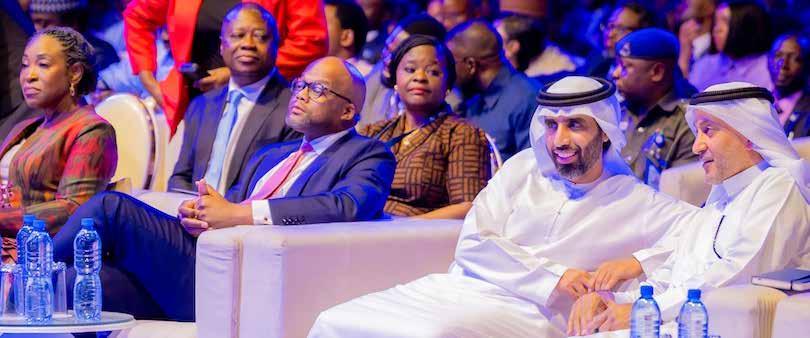
Congratulations are in order for Governor Babajide SanwoOlu and the Lagos State Government on the successful hosting of Invest Lagos 3.0. The summit was a reminder of what can happen when government, investors and business leaders come together around a shared vision. Initiatives like this deserve encouragement because progress rarely happens in isolation. And if you have not already, take a moment to flip through the event photographs in this issue. They capture the energy, elegance and optimism that defined the two-day gathering.
June is also Men’s Mental Health Awareness Month, and I feel we are not talking about it enough. Behind many calm faces are struggles and pressures that rarely make it into conversation.
Consider this your Sunday reminder to show love to the men in your life, not just in words, but in actions too. How are you? hope you are extending yourself the same grace you offer others. Some goals may be taking longer than expected. Some plans may have changed entirely. That is life.
What matters is that you keep moving.
If the year has not gone quite according to plan so far, remember that some of the best arrivals are the ones that run a little behind schedule.



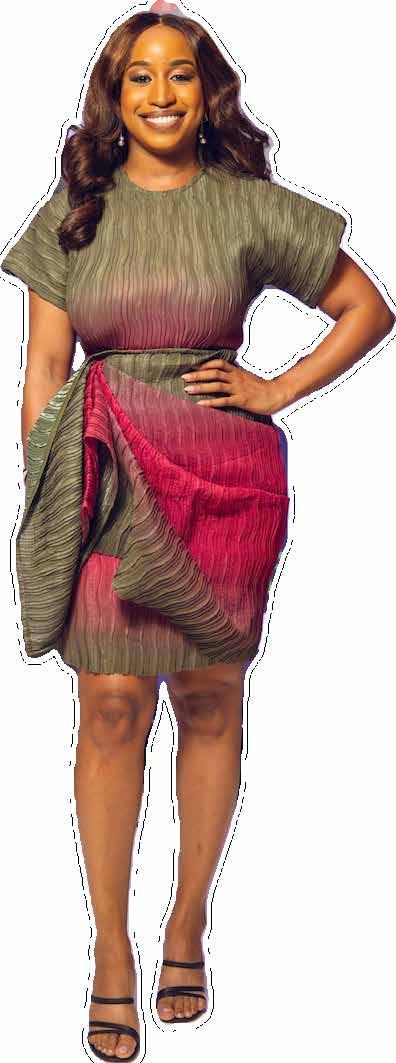
Rainy season dressing is a balancing act. On one hand, you want to look polished and put together. On the other hand, you are trying to avoid soaked hems, ruined shoes, and makeup that disappears before lunchtime. Add unpredictable weather, traffic and the challenge of moving between chilly airconditioned offices and sudden downpours and getting dressed becomes more strategic than ever.
The good news is that rainy season style does not require sacrificing fashion for practicality. The women who always manage to look effortlessly chic, regardless of the weather, understand that dressing well during this time is all about making smarter choices. From fabrics and footwear to accessories and beauty essentials, a few thoughtful adjustments can make all the difference.
Here are seven style rules worth following as the rainy season settles in.
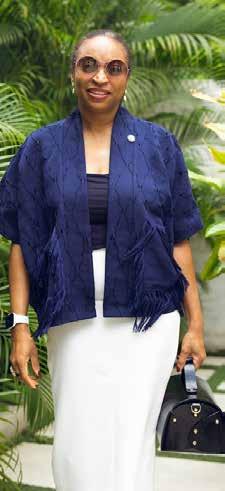
By Funke Babs-Kufeji
The rainy season is not the time for heavy fabrics that stay damp for hours. Thick denim, heavy jersey and certain synthetic blends can become uncomfortable once wet and take far too long to dry. Instead, lean towards lightweight cottons, linen blends, and breathable fabrics that allow air to circulate and help you recover quickly from unexpected showers. Not only will they feel more comfortable throughout the day, but they are also less likely to cling awkwardly to the body when caught in the rain.
Temporarily
As elegant as flowing maxi dresses and puddle-grazing trousers may look, rainy streets are rarely kind to them. Long hems absorb water, collect dirt and can quickly transform a stylish outfit into a frustrating inconvenience. This season, embrace cropped trousers, midi dresses and skirts that sit comfortably above the ankle. They are practical, polished and far less likely to end the day splashed with muddy water.
The rainy season can be unforgiving
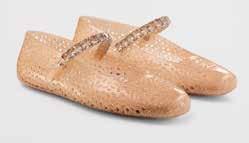
on shoes. Delicate suede, satin finishes and fabric-covered heels often do not survive repeated exposure to wet conditions. Instead, opt for loafers, structured flats, stylish rubber sandals or quality leather footwear with durable soles and good grip. They offer comfort, stability and versatility while still looking refined enough for work, social outings and everything in between.
Handle Real Life
Tiny handbags may be fashionable, but the rainy season often demands a little more practicality. A structured tote or roomy top-handle bag quickly becomes one of the hardest-working accessories in your wardrobe.
It provides enough space for an umbrella, a lightweight cardigan, beauty essentials and the countless extras that tend to become necessary when the weather refuses to cooperate. The key is choosing a bag that feels functional without compromising on style.
Keep Layering Light Rainy season often comes with a surprising contradiction. The weather outside may be humid and damp, while offices, restaurants and meeting rooms can feel uncomfortably cold thanks to aggressive air conditioning. Rather than reaching for bulky outerwear, opt for lightweight blazers, soft knit layers or relaxed jackets that can be slipped on and off with ease. The goal is comfort without unnecessary bulk.
Make Waterproof Beauty
Your Best Friend
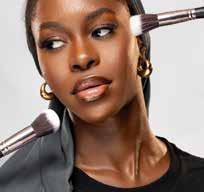
Humidity and unexpected showers can challenge even the most carefully applied makeup. Products that look flawless at breakfast can begin to fade before lunch. Waterproof mascara, long-wearing foundation formulas, setting sprays and tinted lip products tend to perform better throughout the day. Many women also find that rainy season is the perfect time to embrace a lighter makeup approach that feels fresh and effortless rather than heavily layered.
Embrace Effortless, WellPlanned Dressing
Perhaps the biggest rainy season style secret has little to do with trends. The women who consistently look put together during this time are usually the ones who plan. They choose pieces that work with the weather rather than against it. They prioritise comfort without abandoning style. They understand that looking polished is not about perfection but preparation.
For two days, Eko Hotel & Suites served as the meeting point for investors, policymakers and business leaders as Lagos State
Governor Babajide SanwoOlu hosted the third edition of Invest In Lagos in partnership with the Commonwealth Enterprise and Investment Council (CWEIC).
Held under the theme
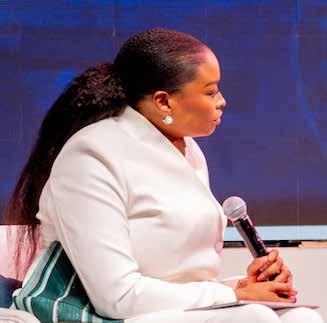
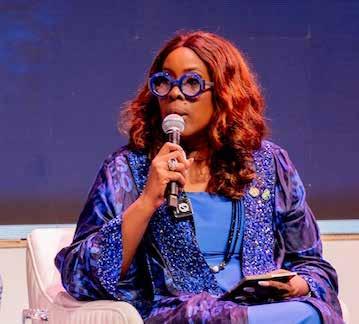
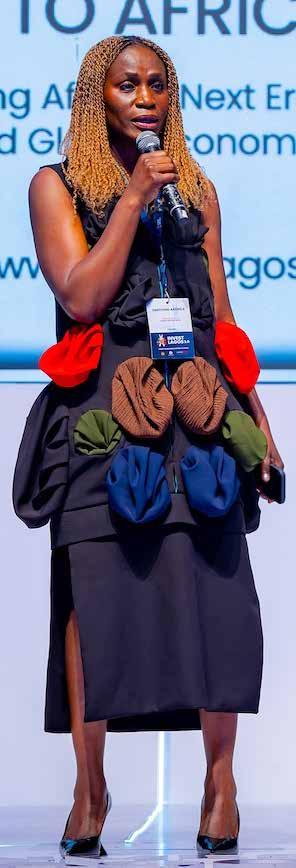
“Lagos: The Business Gateway to Africa,” the summit attracted more than 600 delegates, including governors, international partners, development finance institutions and private sector players, all gathered to explore investment opportunities within Africa’s largest city economy.
At the centre of the conversations was Lagos’ growth story and its future potential. In his presentation, Governor Sanwo-Olu highlighted opportunities across transportation, technology, water infrastructure and agriculture, while making a strong case for increased private-sector participation in sectors critical to the state’s development.
The governor pointed to ongoing investments in rail and water transportation, expanding digital infrastructure and fibre connectivity, as well as emerging opportunities in technology and data services. Agriculture and agro-processing also featured prominently, with Lagos’ population of more than 24 million people offering a significant consumer market for investors.
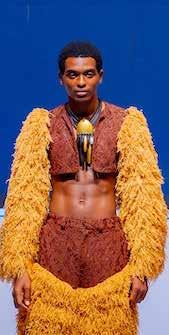
Beyond boardroom discussions and investment pitches, the summit showcased the cultural energy that helps define Lagos. Delegates enjoyed performances by Terra Kulture, while the closing ceremony featured a fashion presentation curated by Omoyemi Akerele of Lagos Fashion Week.
By the end of the two-day gathering, Invest In Lagos 3.0 had reinforced the state’s message to the global investment community: Lagos remains open for business and full of opportunity.















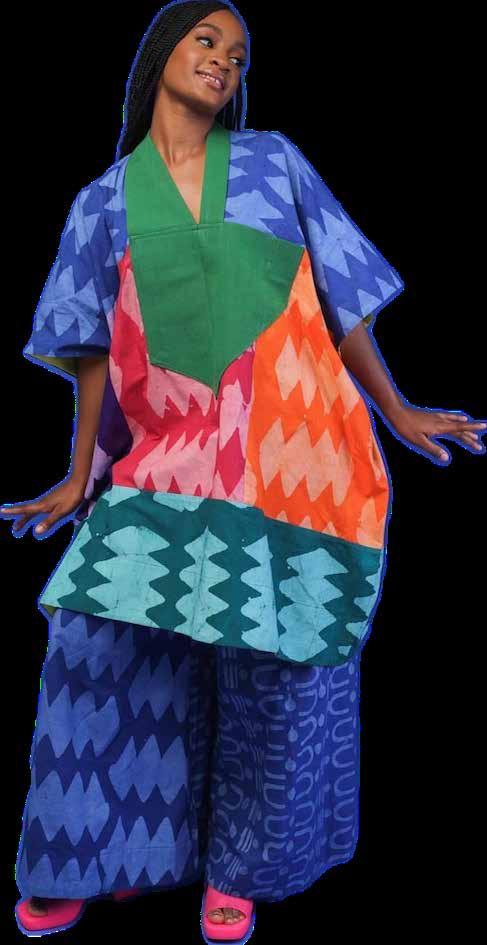
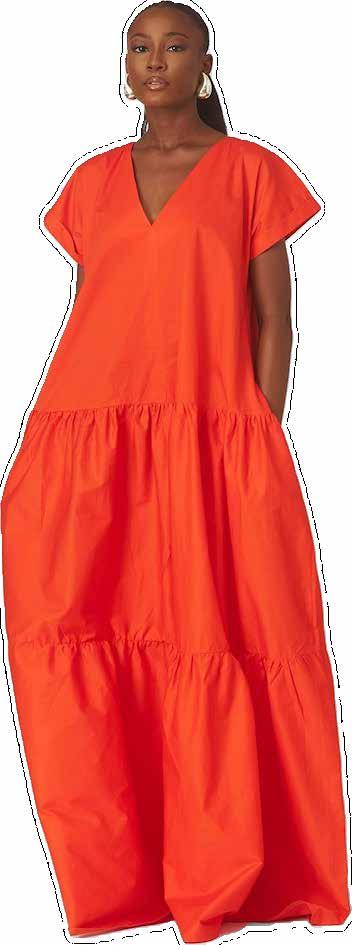
Most fashion lovers have a Nigerian fAashion story. Sometimes it is a happy one: the dress that fit perfectly, attracted compliments all day and instantly became a wardrobe favourite. Other times, it is the outfit that arrived weeks late, looked nothing like the photograph or cost far more than it should have after alterations and delivery fees were added. As Nigerian fashion continues to grow, so do the options available to shoppers. From established luxury labels to emerging designers selling primarily through social media, there has never been more choice. But choice can also be overwhelming. Knowing how to separate great brands from great marketing has become almost as important as having good style. Fortunately, shopping Nigerian fashion is a skill that can be learned.
A beautiful Instagram page is not a business credential.
Before placing an order, spend a few minutes doing some digging. Read customer comments, check tagged photos and search for independent reviews online. Pay attention to how the brand responds when customers complain about delays, sizing

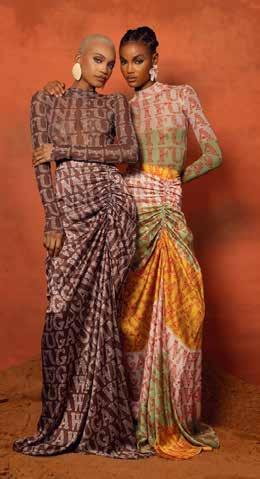

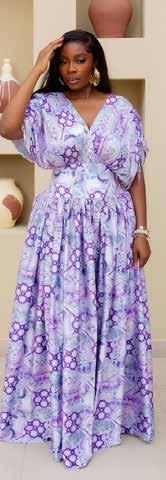
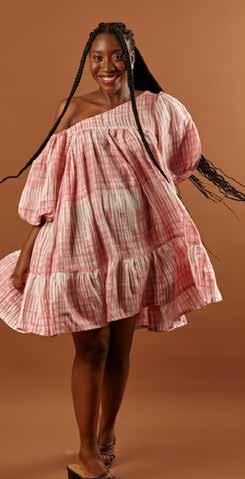
issues or order mix-ups.
A designer can create beautiful clothing and still provide poor customer service. Ideally, you want both.
This may be the least glamorous part of fashion shopping, but it is one of the most important. Many shoppers only discover a brand’s return policy after something goes wrong. Before paying, check whether returns, exchanges, or alterations are allowed. Clarify timelines, conditions and who covers delivery costs if a piece needs to be sent back.
If the information is difficult to find, ask.
A good return policy often says a lot about how confident a brand is in its product.
Nothing replaces seeing a garment in person.
Photographs can be edited. Lighting can be adjusted. Fabrics can appear richer, heavier or more structured than they actually are. If a brand has a showroom, stockist or walk-in location that is accessible to you, consider visiting before making larger purchases.
You will get a better sense of fabric quality, finishing and overall craftsmanship than any product description can provide.
One of the fastest ways to waste money is assuming every medium is the same medium.
Sizing varies significantly across brands. Knowing your bust, waist, and hip measurements makes online shopping far easier and reduces the risk of costly mistakes.
Keep your measurements saved on your phone. Future you will thank you.
A great design can quickly lose its appeal if the fabric feels cheap or uncomfortable,
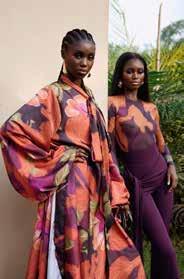

or if it wears badly after a few outings.
When shopping online, pay close attention to fabric descriptions. Cotton, linen, quality crepe, silk blends and well-made traditional textiles often hold up better over time than poorly made synthetic alternatives.
The more you understand fabrics, the easier it becomes to recognise value and make better purchasing decisions.
Lagos may dominate conversations about Nigerian fashion, but great design is happening across the country.
From Abuja and Port Harcourt to Kano, Enugu and Aba, talented designers are producing exceptional work that often receives less attention simply because they operate outside the Lagos spotlight.
Some of the most interesting discoveries happen when you venture beyond the brands everyone already knows.
It is easy to keep buying from the same handful of popular names, but some of the most exciting work is coming from younger designers.
Alongside established luxury labels are emerging brands creating beautifully made pieces at more accessible price points. Shopping both allows you to build a wardrobe that feels more personal and less predictable.
Fashion discovery is part of the fun.
Not every purchase needs to be a statement piece.
One reason wardrobes become overcrowded is that people buy clothing for imagined occasions rather than real life. Before purchasing something, think about where you will actually wear it.
Do you need better workwear? More weekend outfits? Vacation pieces?
Elevated basics?
The most stylish wardrobes are usually
built around clothing that gets worn repeatedly, not pieces that simply photograph well.
For years, many people associated Nigerian fashion primarily with weddings, owambes and special events.
Today, local brands are creating much more than that. From perfectly cut shirts and versatile dresses to matching sets, relaxed tailoring and everyday separates, there are plenty of options designed for daily life.
The goal should not be to reserve Nigerian fashion for special occasions. The goal should be to make it part of your everyday wardrobe.
A garment does not need to be expensive to look good. It needs to fit well. When shopping, pay close attention to cut, proportions and silhouette. Sometimes the simplest dress or shirt becomes the hardest-working piece in your wardrobe because it fits beautifully and works effortlessly with everything else. Fashion trends come and go. Good fit rarely goes out of style.
Many Nigerian brands operate differently from international fast-fashion retailers. Some pieces are made to order. Others require production periods before dispatch. If you need an outfit for a wedding next weekend, that information matters. Always ask for realistic delivery timelines and build in extra time whenever possible.
Nothing tests a shopper’s patience quite like chasing an outfit two days before an event.
One of the underrated advantages of shopping Nigerian fashion is accessibility. Many designers engage directly with customers through Instagram, WhatsApp, showrooms and consultations. Ask questions. Request additional photographs. Confirm sizing. Clarify fabric details.
The experience can feel far more personal than shopping from a large international retailer. And often, that direct communication can prevent misunderstandings before they happen.
Fast fashion has conditioned many of us to buy impulsively. Nigerian fashion often rewards a different approach. Rather than filling your wardrobe with pieces that lose their appeal after a few weeks, focus on buying items that genuinely reflect your style and can work for years.
The best wardrobes are rarely built overnight. They are built gradually, through thoughtful purchases, good decisions and occasional restraint.
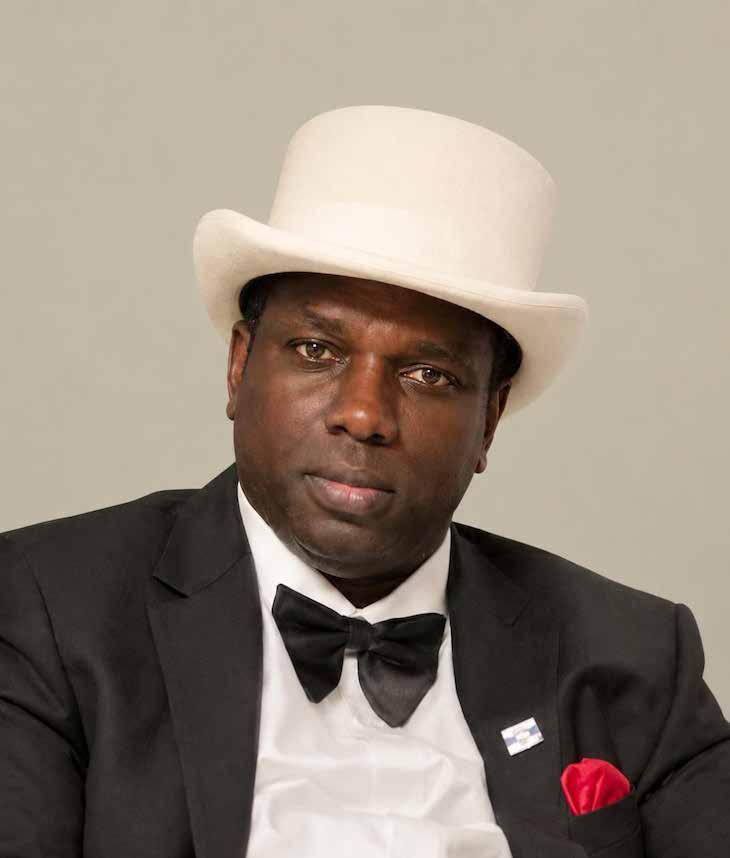
Samuel Diminas has spent more than three decades navigating some of the world’s most complex energy projects. From his early years at NNPC to leadership roles at BP and Chevron, and major ventures across Africa, Europe and North America, he has built a career around solving difficult problems, managing risk and making decisions where the stakes are high.
Today, as CEO of Westpaq Group, he oversees major energy developments, but his journey extends far beyond boardrooms and balance sheets. It is a story of resilience, leadership, continuous learning and the ability to remain steady under pressure in an industry where certainty is often elusive. In this conversation, Samuel reflects on the lessons learned over a lifetime in energy, the leadership principles that have guided him, the challenges that shaped his perspective and the values that continue to influence both his professional and personal life.
When people read your résumé, they see major companies, major projects, and leadership roles. But who is Samuel Diminas away from the office, and what matters most to you outside work?
Away from the office, I’m a family man, a mentor, and someone who cares deeply about developing people. What matters most to me is impact beyond projects, helping younger professionals grow, staying rooted in faith and community, and contributing to the progress of the environment and communities within my sphere of influence.
Over the years, what has shaped you more: the degrees and professional training, or the setbacks, pressures, and experiences that no classroom could prepare you for?
The degrees gave me my foundation and technical tools. But the setbacks and real pressures taught me judgment, resilience, and leadership. Training showed me the path, experience has taught me how to walk it when the path disappears.
Many of the biggest decisions in business are made without perfect information. Can you recall a decision that kept you awake at night— one where the technical, commercial, or human realities were pulling in different directions?
One that still stands out was during a major offshore project, when we faced a critical decision between schedule, safety, and cost. The engineering data showed we could accelerate a phase with a modified installation sequence. It was technically feasible but carried a higher risk. The client was under huge pressure to meet the first oil targets. Every week of delay meant millions in deferred revenue and penalty exposure.
My team had been on extended offshore rotations. Pushing harder meant fatigue, morale issues, and a real safety risk to the people was responsible for. That decision kept me up; go fast, and you compromise safety and the team. Go slow, and you protect people, but damage client trust and project economics.
I pulled together the technical, commercial, and HSE leads, and we redesigned the sequence. We found a middle path, added a specialised crew to reduce fatigue, resequenced work to cut 2 weeks off the schedule without touching critical safety margins, and negotiated a phased delivery with the client to protect revenue. The decision wasn’t about choosing technical vs commercial vs people. It was about holding all three and finding a way. That experience shapes how I lead; with data, empathy, and the discipline to look for an x-factor solution when the obvious
options force a bad trade-off.
When people hear about projects like Alen Gas Monetisation or Bonga North, they see the headlines and the numbers. What has pressure taught you about yourself that success never could?
Success shows you what your team can deliver. Pressure shows you what your team actually needs from you.
On projects like Alen Gas Monetization and Bonga North, the headlines capture the numbers. But pressure taught me some important things about myself. Under pressure, I learnt that Leadership is presence, not just plans. When schedules slip and stakeholders escalate, teams need a leader who stays calm, listens, and makes decisions people can trust. Pressure taught me that my presence is a tool. Success lets you project certainty. Pressure taught me that “I don’t have all the answers, but we’ll figure it out together.” And there is always a solution. learned that teams follow honesty faster than they follow false confidence. Pressure reminded me that the plan is only as strong as the people executing it. I learned to protect the team’s energy, morale, and safety with the same intensity I protect the budget and schedule. Pressure gave me the critical experience to develop the kind of leadership that earns trust.
Beyond technical competence, what makes a company or leader truly respected in the global energy space?
Technical skill gets you in the room. Respect comes from being predictable in a crisis, thinking long-term over quick wins, and treating every partner, big or small, with integrity. In energy, projects last 20+ years. People bet on leaders and companies they can trust for the long haul, not just the ones who can do the math.
How did your thinking change when you moved from delivering projects to carrying responsibility for the direction of an entire organisation like WESTPAQ?
Project delivery is about execution. Leading WESTPAQ is about architecture. My thinking moved from fixing problems to preventing them, from doing things right
to choosing the right things, and from owning delivery to owning people. Projects need managers. Organisations need leaders who build systems and people that outlast any single project.
You’ve helped build projects worth billions. What does success mean to you now compared to twenty years ago?
Twenty years ago, success was simple: deliver on time, under budget, zero Lost Time Injury. Today, success means something different. Today, am aware that outputs aren’t the same as impact. My perception has changed from achieving milestones to building a legacy.
20 years ago, measured success by what we built. Now I measure it by what remains after we leave: Did we develop local talent? Did we improve energy access? Did we leave the community stronger?
Now I am more concerned if we did the right project, the right way? Saying “no” to bad money or cutting corners, even if it doesn’t make the headline. 20 years ago, success was “we delivered it.” Today, it’s “we delivered it, the right way, and the people are better for having done it.”
Projects like Alen Gas Monetisation or Bonga North are often described in technical or commercial summaries. What do people consistently misunderstand about what it actually takes to deliver them?
Technical and commercial summaries make it sound clean: geology, detailed engineering, capex, schedule, first gas. What they miss is the human and political complexity that decides success.
People consistently misunderstand 3 things:
It’s not a technical problem, it’s a coordination problem. The engineering is hard, but solvable. What’s harder is aligning 15 stakeholders across 5 time zones, 3 governments, and multiple cultures, all with different risk appetites. Alen Gas and Bonga North didn’t stall because we couldn’t solve the reservoir or engineering. They stalled when alignment broke. Delivery is 30% engineering, 70% orchestration.
“Time” is not just schedule, it’s trust. People think delays come from equipment or weather. More often, they come from eroded trust. When a partner stops believing you’ll be transparent about a cost overrun, decisions slow down. When a regulator doesn’t trust your HSE data, permits stall. You can buy a new rig faster than you can rebuild trust.
The plan is written in the office. The project is won in the field. Summaries assume perfect execution. Reality is decisions made at 2 am by a foreman who’s never met the CEO.
What delivers projects is frontline leadership: giving those people clarity, authority, and safety to make the right call without you in the room.
The misunderstanding is this: people think we deliver hydrocarbon. What we deliver is more that the molecules, we deliver alignment, trust, and judgment under pressure. The hydrocarbons are just the output.
At this stage of your career, is success still measured by project delivery or by something more structural like positioning, influence, or long-term impact?
Effective Delivery is a standard. At this stage, I’m measured by positioning, influence, and whether I’ve built systems and people that outlast me. Projects end; their impact and legacy last for decades after first oil and gas.
In an industry defined by capital, infrastructure, and scale, what kind of leadership actually outlives individual projects?
Projects are temporary. Leadership that outlives them does several things, including building sustainable systems, developing talent so others can lead bigger than you did, and earning trust so capital and partners follow you into the next cycle. In capital-heavy industries, while steel and mortar depreciate, systems, people, and trust appreciate.
What has this kind of career demanded from you personally that is rarely visible in the public perception of executives like yourself?
What this career demands that people don’t see includes: patience for long-term payoffs, the loneliness of decisions you can’t delegate, and the daily fight to stay human when scale rewards detachment. Titles look powerful. The reality is carrying weight quietly so others can deliver confidently.
If someone studied only your decisions across major projects and companies, what would you want them to understand about when the stakes are at their highest?
When the stakes are highest, clarity beats speed. Crisis makes everyone rush. The instinct is to “do something now.” What I learned on Alen Gas, Bonga North, and other major capital projects is that the most expensive mistakes come from fast decisions that are not clearly thought out. At max pressure, slow down to define the problem correctly.
You can’t solve the right problem at the wrong speed.
Character shows up in trade-offs, not in speeches. High stakes always force a choice: safety vs schedule, cost vs quality, short-term win vs long-term trust. Anyone can talk values when margins are fat. Your real values show when you walk away from money, delay first gas, or protect people at the expense of the KPI. If you study my decisions, you’ll see where I chose integrity over expedience. That’s the real scorecard.
Communication is Critical: What determines success is whether the team, partners, and board understand the “why” behind it. When the stakes are highest, people don’t fear the decision; they fear uncertainty. I over-communicate. I repeat the logic until it’s boring. That’s what keeps alignment when pressure tries to fracture it.
So my pattern would be this: pause for clarity, choose character and integrity over convenience, and communicate until alignment holds. High stakes don’t test your IQ. They test your discipline.



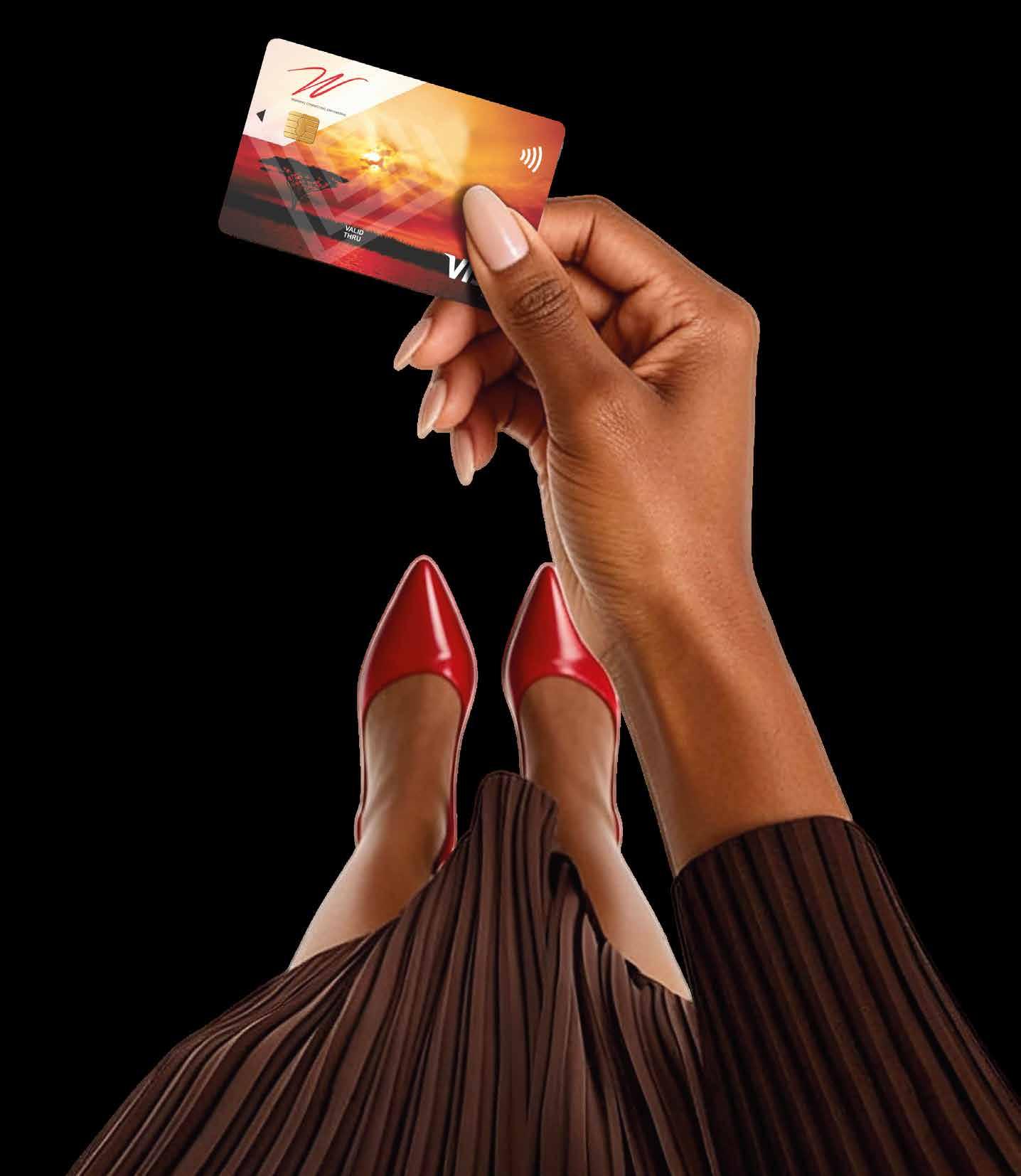
Enjoy elegance, convenience and confidence with the W debit card. Shop, pay bills and manage money effortlessly. You also get exclusive perks and access to W events










BY YINKA OLATUBOSUN
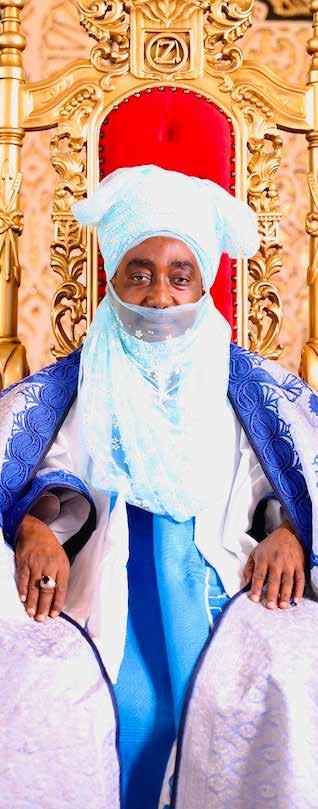
Right in the heart of Zaria, where centuries of tradition continue to shape modern life, sits His Highness, Mallam Ahmed Nuhu Bamalli CFR, the 19th Emir of Zazzau.
His ascension to the throne in October 2020 marked a significant moment in the history of one of Nigeria’s oldest and most influential emirates. As the first Emir from the Mallawa dynasty to occupy the throne in more than a century, his emergence represented both a return to lineage and the beginning of a new chapter for the Zazzau Emirate.
Born into a distinguished royal family, Mallam Bamalli grew up within the traditional Hausa-Fulani Muslim society of northern Nigeria, where leadership, service, culture and faith formed the foundation of daily life. Yet his journey to the throne was far from conventional.
Before becoming Emir, he built a career that spanned banking, public service and diplomacy. A graduate of Law from Ahmadu Bello University, he later earned an MBA in Marketing and a doctorate in Management. He worked in the banking sector, served as a Permanent Commissioner with the Kaduna State Independent Electoral Commission and represented Nigeria as Ambassador to Thailand, with concurrent accreditation to Myanmar. Those experiences have given him a perspective that extends beyond the palace walls. Today, as custodian of a centuries-old institution, His Highness combines the weight of tradition with an understanding of the realities of a rapidly changing world.
As he marks his 60th birthday, we step beyond the ceremonial regalia to meet the man behind the throne — exploring his views on leadership, the future of Zazzau, the responsibilities of royalty in the 21st century and the values that continue to guide his life.
Congratulations on your 60th birthday. How would you describe the feeling of witnessing another milestone?
Alhamdulillah (meaning Praise be to God). That’s all I can say. I’m grateful to Almighty Allah for his grace, for sparing my life, and for my good health over the past six decades. It’s truly great to be alive. When look around, and I see a lot of people – friends and acquaintances- some who have died, say Alhamdulillah! I am grateful to God for being able to see this day.
How do you balance the weight of the historical duty (of upholding the centuries-old legacy of the Zazzau Emirate) with the present-day demands?
With all sense of humility and responsibility, have been coping well. It’s a tradition that am used to. I was born into it. For 19 years, served in certain strategic positions as the most senior member of the royal family, Magajin Garin Zazzau. For me, it’s a continuation. Previously, I was a passenger, but now I’m in the driver’s seat. I know my vision for the Emirate, and I know what needs to be done to improve the lives of our people. Being in the administration and having worked at the council, I can say work for the people. But think we have redefined governance here. I’m following due process in every aspect. Even the conduct of the people has changed drastically. It’s very different from what it used to be. Every Emir has his own style of leadership. My leadership style is significantly different from that of my predecessor.
As the Emir, you are considered a bridge between the government and the grassroots. What are some of the changes you are consciously making to redefine the role?
I am the bridge between the government and the common man. The common man accepts what we say. We are much closer to them than the political class. We don’t tell them what to accept, but we earn their respect not by force. When we talk to them, they listen. They know that we are not deceiving them in any way.
The Zazzau Emirate’s renowned for unique traditions such as the Durbar. Are there plans to make this, as well as Northern fashion and cuisine, exportable and more appealing to younger people while remaining authentic?
The Zazzau Emirate has been very active when it comes to the Durbar festival. When Queen Elizabeth II came to Nigeria in 1956, she came to the North, and the council of Northern Nigeria was then in Kaduna. There was a Durbar display for her, and all the Emirs in Northern Nigeria converged on Kaduna to celebrate with the Queen. In 1972, King Haile Selassie also came to Kaduna. I was very young then. But I still remember because it was done at Race Course Square, now called Murtala Square. The place where Galaxy Mall is now used to be our house between 1968 and 1973. We were there when he came, and it was a great event. Durbar was staged. Again in 1977, during the FESTAC, we had another Durbar festival. Kaduna has always been the centre of culture. know that in places like Kano, whenever they have visitors, they’d stage a Durbar. Durbar is a ceremonial event that has been witnessed by the French Ambassador, the British Deputy High Commissioner, the Dutch Ambassador, and the Italian Ambassador. Considering the fact that we use horses and a lot of people, like the gun men for the gun salute, Durbar is not something that can be exported. But we are documenting them in formats that can be exported, such as films and memorabilia. The Durbar festival is becoming increasingly interesting, and people enjoy it even in the hot sun. And Zaria is peaceful; it is a place where guests are treated with dignity and respect.
Under your watch, what measures are in place to preserve the historic Zaria Architecture?
The architecture of Zaria has been preserved for ages. We have been trying to preserve some of these heritage sites—especially some of the most important gates that we have. I think sometime in 2006, a part of the gates had gone down completely. It was through the gates that Mallam Musa came into Zaria. But it was left unattended, and so one part of the gate was completely down. We sat with the former Emir to see what we could do to restore it. But we couldn’t at that time. I was able to connect with the British High Commissioner when His Majesty King Charles, then Prince Charles, came to Zaria and wanted to do something for us at two locations. They chose the church in Wusasa, and this important gate of Kofar Bai. He gave us about 50 per cent of the money to do the repairs, but wasn’t around. I left the country at the time. But when returned to Nigeria, discovered that they had demolished the entire gate and designed a different gate made of bricks, which was not in line with the agreement made with the British High Commissioner and then the project was abandoned. But we had to do something differently altogether. Coming on board, we have another concept design for the gate through which our ancestors entered during the Jihad. created four gates to cover the perimeters of the Zazzau palace. named the gates after all four emirs because this house does not belong to just a ruling house. It belongs to all of us. Zaria Emirates has four ruling dynasties: Mallawa, Barebari, Katsinawa and Sullubawa. The four gates are named after the founders of the four ruling dynasties. We have the Mallam Musa Gate named after Mallam Musa, the 1st Fulani Emir of
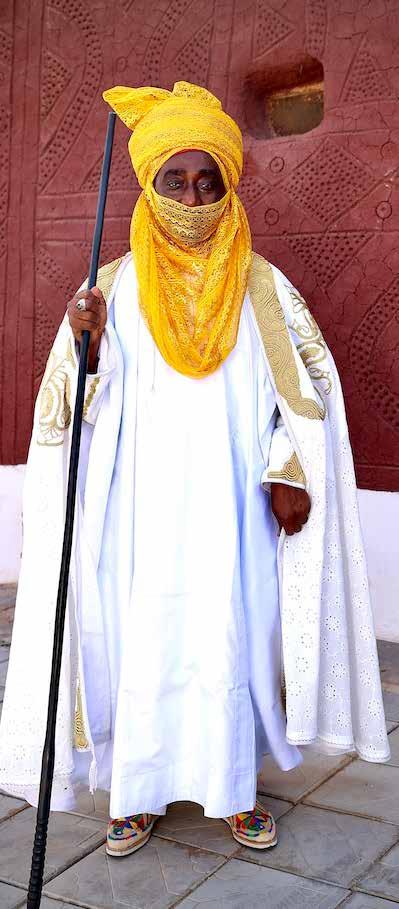
Zazzau and founder of the Mallawa Dynasty; Mallam Abdukarimu Gate named after Mallam Abdulkarim, the 3rd Fulani Emir and founder of the Katsinawa Dynasty; Mallam Abdusalam Gate named after Mallam Abdulsalam, the founder of the Sullubawa Dynasty; and Mallam Yamusa Gate named after Mallam Yamusa Babarbare, the 2nd Fulani Emir and founder of the Bare-Bari Dynasty.
Within the palace, we have been able to get a five-bed clinic through a corporate social responsibility initiative. We have about 192 families in the palace here. It is one of the largest royal households in the North. We get support from the primary health care centre in Zaria. People are now receiving treatment here. I am passionate about the preservation of our heritage. There is a building here called Takon Giwa. It is the oldest building in the palace. When I came in, I had to change the concept. What used to be the accommodation of the Sultan of Sokoto, converted it into a gallery. I converted the accommodation of the last three Emirs to be the accommodation of the Sultan of Sokoto whenever he comes to Zaria.
What do you think of the growing insecurity challenge that has made Northern Nigeria a flashpoint?
Insecurity is not only present in the North. Sadly, we have parts of the Southwest that have been affected too, like the one in Oyo state. This is quite unfortunate. I recalled when spoke with the Emir of Argungu about this some years ago. Then, the deputy speaker of the House of Assembly in Kebbi state was kidnapped and eventually killed. still saw him a week before it happened. It was a terrible experience that led to his death- something I’ll never forget till the end of my life. He was a very distinguished man, humble and very nice. People in these regions are more vulnerable to these attacks. These people have taken over all that region. We cannot visit family and friends there anymore. It is very unfortunate and really alarming. We hope and pray that Nigeria can take care of this problem so that we can go back to our normal lives.
What is your vision for channelling the energy of Zazzau’s young people into productive, peace-building ventures?
First, it is quality education. Young people should attend tertiary institutions and study courses that equip them with the right skills for jobs, without necessarily waiting for government white-collar jobs. Right now, most of them, when they are out of school and done with their NYSC, have certain places they want to work, like CBN, NNPC, NITT. Whether they have the right qualifications to work in those places or not, they would bring CVs, and keep telling them that I never took my CV to anyone. I always applied for work. Of course, you may then have someone who can push it for you. But right now, they are so spoilt that their parents will tell you to help them get jobs for their children. Parents should encourage their children to apply for jobs. This application is done online today, unlike when we had to write application letters by hand. Secondly, before you get any job, you ought to do an aptitude test, and this is not rocket science. Most children in the North have not heard of GMAT. I was in Lagos for 10 years. worked as a banker. have seen how people practice past questions and learn to write GMAT. I tell young people to use their fingers rather than rely on government work. I think there should be a change.
In my time, starting off was quite rough. I stayed in a place called Morocco in Yaba. I worked at CMS. took mass transit. Later, I secured a betterpaying job and rented a place on Victoria Island
because my salary was enough to afford it. Young people need to learn from our examples by being patient and diligent.
In the face of recent security threats, how can traditional institutions like yours support state security agencies? We do that every day. We gather intelligence. We share with the authorities. That’s all from our side. That’s part of the work of a traditional ruler. Sometimes, we don’t wait for the weekly report we send; if there’s an urgent situation, we escalate. We send security reports from every district every week. We collaborate with authorities, but it is the enforcement that we don’t have the capacity for. We can only advise.
How do you preach unity and calm during times of heightened regional tension?
Preaching of unity should start from home. Zaria is the most complicated Emirate in Northern Nigeria. When I was enthroned in 2020, I didn’t think it was right to dismiss everyone from the palace. But when you become an Emir, you’d flush out everyone from the palace. Every Emir comes with their own people as staff. But allowed some of the former Emir’s staff to stay. More than 95 percent of the people I met here are still in the palace. That’s what it means to have an inclusive administration. Even with the distribution of titles, believe that all the ruling houses have benefited. Again, I have tried to see that every activity involves everybody. All I am after is competence.
Capacity building is also very important. When I came on board, I started to turn the administration around. Every officer had to be computer-literate. For the past three years, all our books have been checked and balanced. On the second of January every year, all the books in the Emirates are checked by the auditors and are ready for inspection at any time. We prioritise accountability in the Emirates- now that we do our things electronically.
When there are heightened regional tensions, we hold meetings with religious leaders. They would pass the message to people at their various places of worship and try to contain any tension. Usually, people run to the palace when there is tension. We calm them down.
On the strength of your experience as Nigeria’s former Ambassador to Thailand, how do you see Nigeria’s current international relations systems in the era of tighter visa restrictions?
The visa restrictions depend on a lot of things. Some people think that being a former ambassador, would have power to do many things which is not the case. The visa section is different from the administration. There are so many departments in the embassy that have their own function. We have the consular section, we have the finance, and there is a finance attaché who doesn’t have anything to do with visa issuance. Even if the Ambassador wants to help someone get a visa, he has to follow due process. He has to beg for the case to be looked into. The visa officers report to the Home Office. Ambassadors don’t give visas, and they don’t influence visa issuance indiscriminately. They have to be sure that the person has something good to do in the country of destination. Even when was serving as an ambassador, my wife and I had diplomatic passports, but our children didn’t have one. Every 90 days, we had to go to the immigration officer to have their visas renewed. But in some other countries, the children of ambassadors can automatically obtain a visa that lasts for up to three or four years. That’s the practice. Every country has its own way of doing things. In Thailand where I served, the visa restriction was high due to the influx of people that were bringing drugs into their country.
How is the the Zazzau Emirate leveraging modern-day technology to document its unique culture?
That is ongoing. We have not gone very far with it due to the level of literacy, but we have now established a library at the museum, where books and ebooks are available. Very soon, we will make it accessible to everyone worldwide. We have some support for the ebooks from the University here, and we intend to build on it. When I came in, I realised that some records had been damaged. What I am doing is retrieving them and creating an electronic archive to keep some of these. We have been able to do that. We still have all the correspondence with the Sultan of Sokoto from the time of the Jihad, and they would be preserved electronically.
On a personal note, how do you unwind to take off the pressure of monarchical duties?
Every morning, I do exercise. Even this morning, walked around the palace. have a trainer that comes and works for an hour. have been struggling now because of advancing age. I am also changing my diet so that I maintain a healthy weight. On Sundays, my friends from Kaduna come around. I don’t work or entertain visitors at night. That is family time.
What is the single most important achievement that the people of Zazzau will associate with your name?
This is a difficult question for me to answer. I believe the question should be redirected to the people. I don’t think it is
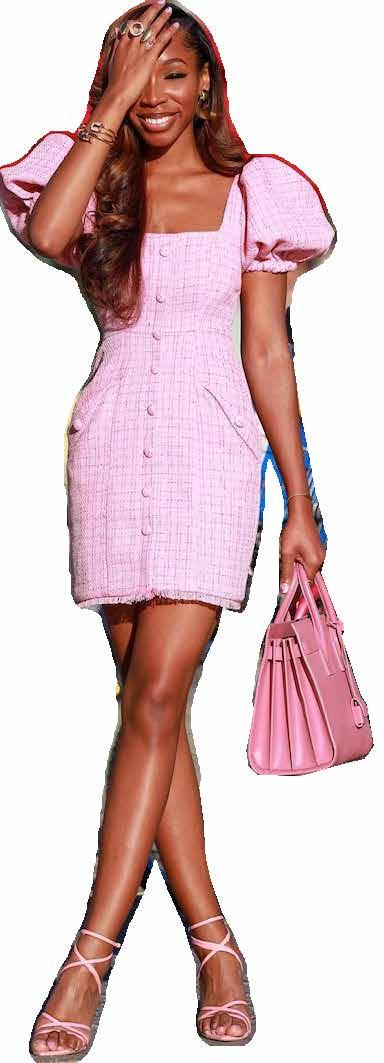
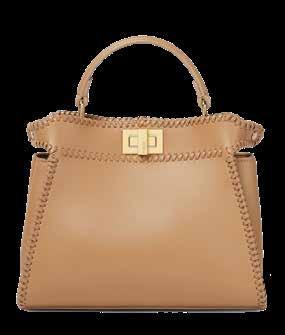
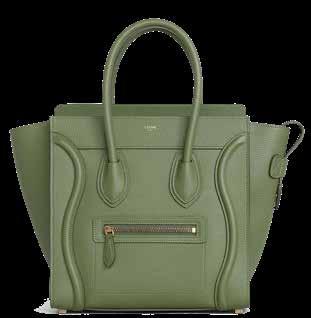

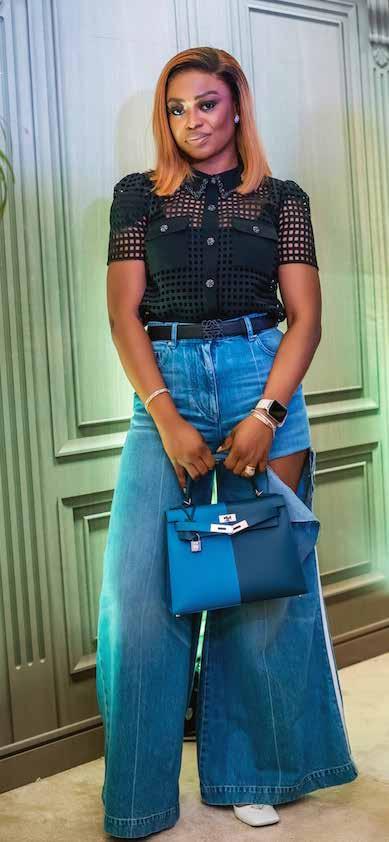
For years, fashion seemed determined to convince women that less was more.
Handbags shrank dramatically.
First came the mini bag. Then the micro bag. Eventually, some handbags became so small they could barely accommodate a phone, let alone the dozens of items modern women carry every day. The trend produced some memorable fashion moments and plenty of social media buzz, but it also raised an obvious question: where exactly was everything supposed to go?
Because while handbags were getting smaller, life was getting bigger.
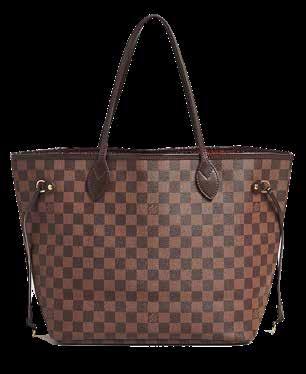
Today, one of the most noticeable shifts in fashion is the return of the oversized bag. Roomy totes, slouchy shoulder bags and spacious carryalls are making a confident comeback, replacing accessories that prioritised appearance over practicality. This time, however, the appeal goes beyond trend cycles. The return of the big bag reflects something deeper about the way women are living now.
The modern woman carries a lot.
Not just physically, but metaphorically too.
She moves between work meetings, school runs, flights, lunch appointments, networking events, gym sessions and dinner plans, often all within the same day. Her handbag has become a portable support system designed to help her navigate multiple versions of her life without returning home in between.
A smartphone alone no longer feels sufficient. There are
AirPods, chargers, power banks and the cables needed to keep everything functioning. Then come the beauty essentials: lip gloss, hand cream, fragrance,
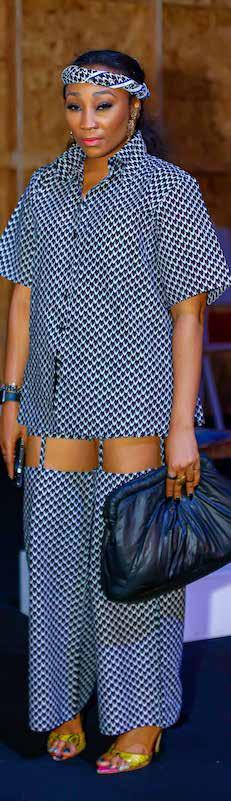
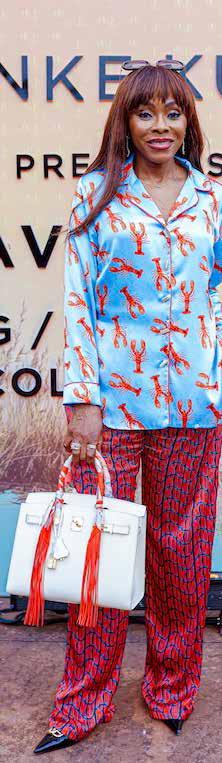
oil-blotting papers and hand sanitiser. Add sunglasses, feminine essentials, a notebook, a pen and perhaps even a tablet or laptop, and the appeal of a handbag that holds almost nothing begins to fade rather quickly.
In many ways, the oversized handbag has become the unofficial accessory of the multitasking woman.
Fashion, it seems, is finally catching up with reality.
Interestingly, this shift arrives at a time when consumers are becoming more thoughtful about the pieces they buy. Across fashion, there has been a growing appreciation for practicality.
Women want clothes that work harder, shoes they can actually walk in and accessories that fit naturally into their lives.
The oversized handbag fits perfectly into this conversation.
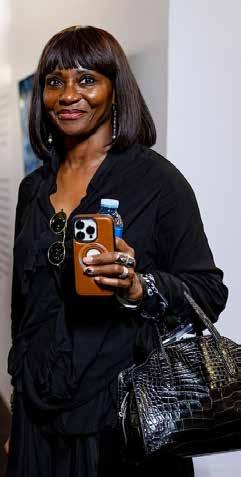

Unlike trend-driven pieces that exist primarily for photographs, a great large bag earns its place through everyday usefulness. It carries what is needed without forcing compromise. It works on busy weekdays, long-haul flights, weekend outings and everything in between.
There is also something undeniably elegant about a woman carrying a beautiful, well-made bag that looks lived in rather than merely displayed. The best oversized handbags are not accessories that spend most of their lives sitting on a shelf. They become trusted companions. They travel. They attend meetings. They accompany their owners through ordinary days and important moments alike. Over time, they develop character and tell stories of their own.
Perhaps that is part of the reason larger bags feel so appealing right now. For years, fashion often treated practicality as though it were the enemy of style. Women were encouraged to squeeze their lives into increasingly tiny accessories or carry multiple bags to compensate. Yet most never truly embraced the fantasy. The reality was that women still needed their essentials, and those essentials needed somewhere to live.
The return of the big bag feels like a correction.
It acknowledges that women can appreciate beautiful design without sacrificing functionality. It recognises that modern life requires preparation and flexibility. Most importantly, it challenges the idea that fashion and practicality exist on opposite sides of the style spectrum. They never did.
The most successful fashion trends tend to emerge when they reflect how people actually live rather than how designers imagine they should live. The resurgence of larger handbags feels like one of those moments.
Fashion will always flirt with impracticality. It will always produce trends that are more exciting to photograph than to wear. That is part of its charm. But every so often, a trend arrives that feels entirely logical. The return of the big bag is one of them.
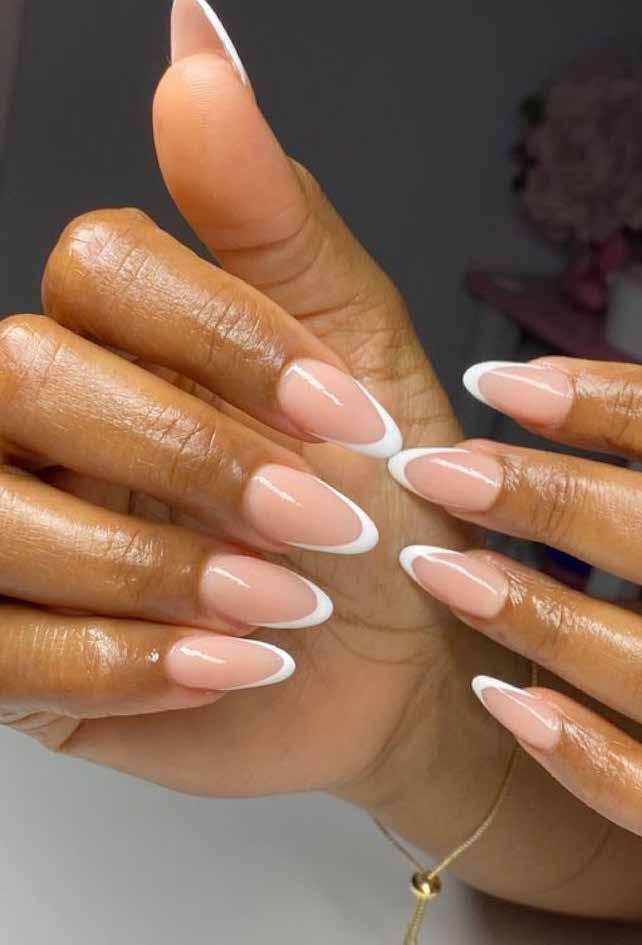
Healthy nails are often overlooked until they start breaking, peeling, or becoming painfully weak. Between regular manicures, gel polish, acrylic applications, cleaning products, and everyday wear and tear, it is easy for nails to lose their strength and shine. While there is no overnight fix for damaged nails, a few simple habits can help restore them over time. Whether you wear your nails naturally or love a good gel manicure, these 10 proven tips can help keep them looking and feeling their best.
By Yinka Olatunbosun
Feed Your Nails from Within
Strong nails start with proper nutrition. Nails are primarily made of keratin, a protein that relies on nutrients such as biotin, iron, zinc, and vitamin B7 for healthy growth. Include foods like eggs, almonds, sweet potatoes, spinach, fish, and legumes in your diet. If you suspect a deficiency, speak with your doctor before adding supplements to your routine.
Keep Cuticles Moisturised
Cuticles play an important role in protecting new nail growth.
When they become dry or damaged, nails can become more vulnerable to breakage.
Applying a nourishing cuticle oil daily helps lock in moisture and improve flexibility. Oils containing vitamin E, jojoba, or almond oil are particularly effective.
Give Your Nails a
If your nails feel thin, weak, or damaged, consider taking a short break from constant polish, gels, or acrylic enhancements.
Frequent application and removal can leave nails dehydrated and fragile. A few weeks of minimal product use can help restore strength and reduce further damage.
stronger edge.
How you file your nails matters. Filing back and forth creates tiny tears along the edge of the nail, which can lead to peeling and splitting. Instead, use a quality glass or crystal file and work in one direction from the outer edge toward the centre. This helps create a smoother, removal often causes unnecessary damage. Never peel off gel polish or acrylics, no matter how tempting it may be. Doing so removes layers of the natural nail along with the product. Always have enhancements removed properly and consider occasional breaks between sets to allow your natural nails to recover.
Repeated exposure to water and cleaning products can weaken nails over time. Washing dishes, doing laundry, and cleaning with harsh chemicals can strip away natural oils and leave nails brittle. Wearing gloves while doing household chores creates a simple but effective barrier against damage.
Many nail polish removers contain acetone, which can be extremely drying. While it removes polish quickly, it also strips moisture from both the nail plate and surrounding skin. Whenever possible, choose an acetone-free remover, especially if your nails are already dry, weak, or prone to peeling.
Gel manicures, acrylics, BIAB, and press-on nails can look beautiful, but improper application or
Carefully
A good nail treatment can provide extra protection while damaged nails recover. Look for products containing strengthening ingredients such as proteins, calcium, or silica. However, avoid overusing hardeners with high levels of formaldehyde, which can make nails excessively rigid and more likely to snap.
Many nail problems begin with everyday habits. Using your nails to open cans, scratch labels, pry open packaging, or loosen keyrings may seem harmless, but these actions create stress on the nail structure. Treat your nails
as an accessory, not a toolbox, and you will significantly reduce breakage.
Night-time is the perfect opportunity to replenish lost moisture. Before bed, apply a rich hand cream followed by cuticle oil to seal in hydration. Ingredients such as shea butter, ceramides, and glycerin help nourish both the hands and nails while you sleep. Consistent overnight care can make a noticeable difference in just a few weeks.


EBY KONYE CHELSEA NWABOGOR
very December, airports become unexpectedly romantic places.
Among the families dragging oversized luggage and exhausted travellers trying to beat the holiday rush are couples who have spent months, sometimes years, waiting for that particular moment when a familiar face finally emerges from the arrival gate. There are embraces that last a little longer than usual, tears that surprise even the people shedding them, and countless photographs taken before anyone has even left the airport car park.
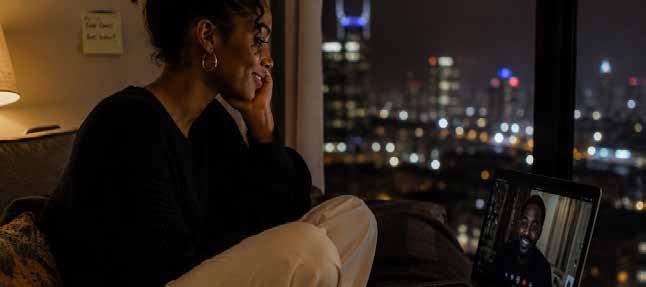
A few weeks later, the cycle begins again. One person boards a flight. The countdown starts over. Video calls resume. Time zones become part of daily life.
The relationship returns to existing largely through screens until the next reunion.
For something that can be emotionally exhausting, financially demanding and occasionally frustrating, long-distance relationships remain remarkably popular.
A woman in Lagos is dating someone in London. A man in Abuja is trying to make things work with a partner studying in Canada. Two people who met on Instagram have somehow progressed from exchanging memes to discussing marriage despite spending more time on video calls than in the same room. Increasingly, relationships are beginning online, growing online and, in some cases, surviving online.
Distance also exposes expectations that might otherwise remain hidden. How often should a couple communicate? Is speaking every day a necessity or a preference? How much independence is healthy? What does commitment actually look like when two people are living separate lives hundreds or thousands of kilometres apart?
These conversations are not always comfortable, but they often arrive much earlier than they would in a conventional relationship.
Ironically, while technology has made long-distance relationships easier than ever before, it has also introduced new complications.
Modern couples can communicate constantly and still feel disconnected. Many people have experienced the frustration of watching someone post an Instagram story while failing to reply to a message sent hours earlier. Others have found themselves analysing response times or reading far too much into online activity. Technology has made communication instant, but it has also created the expectation of constant availability.
The healthiest long-distance couples often learn a lesson that many modern daters struggle with: communication and connection are not necessarily the same thing. Exchanging messages throughout the day does not automatically create intimacy.
Not long ago, this might have sounded unusual. Today, it feels almost ordinary. Modern life has made distance a far more common part of romance than previous generations experienced. Careers are increasingly mobile. Educational opportunities take people abroad. Families are spread across continents. Social media has expanded our social circles far beyond neighbourhoods and workplaces. People are no longer limited to meeting potential partners within a reasonable driving distance from home.
The result is that many relationships now begin with a simple decision: is this connection strong enough to justify the distance?
Ask ten people about long-distance relationships, and you will probably receive ten different answers. Some insist they could never do it. Others speak about it with almost evangelical enthusiasm, describing distance as the ultimate test of commitment. Then there are those who view the entire concept with suspicion, arguing that no relationship can truly thrive when most of it takes place through a screen.
The debate persists because long-distance relationships challenge many of our assumptions about how love is supposed to work.
For generations, physical presence has been one of the defining features of romance. We associate intimacy with proximity. We imagine relationships unfolding through shared routines, spontaneous outings, lazy weekends and the countless ordinary moments that bring two people closer together. Longdistance relationships disrupt that script entirely.
When your partner lives in another city or another country, there are no surprise visits after a difficult day. No impromptu dinner dates. No possibility of settling an argument by deciding to meet for coffee an hour later. Every interaction requires effort, planning and intention.
Perhaps that is why distance tends to reveal things that many traditional relationships can comfortably avoid.
Communication suddenly matters in a way that it never has before. Couples quickly discover whether they genuinely enjoy talking to one another or whether physical chemistry was doing most of the heavy lifting. Conversations become the primary way intimacy is maintained, which means misunderstandings often feel larger and unresolved issues become harder to ignore.
Sometimes, a meaningful conversation shared at the end of a long day is worth more than a hundred texts sent between meetings. Then there is the issue nobody likes discussing openly.
Distance can occasionally make a relationship appear stronger than it actually is. When most interactions happen through scheduled calls and carefully planned visits, it is possible to know someone deeply without fully knowing how they live. You may know their childhood stories, fears, ambitions, and favourite foods, while remaining unaware of how they behave when stressed, tired, or irritated by everyday inconveniences.
Real compatibility is often discovered in ordinary moments rather than romantic ones.
It is found in shared routines, conflicting habits, differing expectations, and the mundane realities that emerge when two people spend significant time together.
This is one reason reunions can be so revealing. Beyond the excitement and anticipation lies something equally important: reality.
Eventually, every long-distance relationship must leave the world of countdowns and airport reunions and confront the practical realities of everyday life.
Yet despite all these challenges, long-distance relationships continue to survive and, in many cases, thrive.
Part of the reason may be that distance forces a level of intentionality that modern relationships often lack. It requires people to make time for one another. It demands effort. It encourages conversations about the future. It teaches patience in an age that increasingly values immediacy.
Many couples emerge from the experience with stronger communication skills and a clearer understanding of each other’s needs. Others discover that what they initially interpreted as love was actually convenience, familiarity or proximity. Either outcome offers clarity.
And perhaps that is the real appeal of long-distance relationships. Beneath the airport reunions, video calls, and countdown timers is a relationship stripped of many distractions. Without convenience to rely on, couples are often left with a simple question: what exactly is holding us together?
Every year, thousands of people continue buying plane tickets, calculating time differences, scheduling late-night calls and counting down the days until they can see each other again. Some of those relationships will eventually end. Some will lead to marriage. Most will simply become part of the increasingly complex ways people find and sustain love today.
By Yinka Olatunbosun
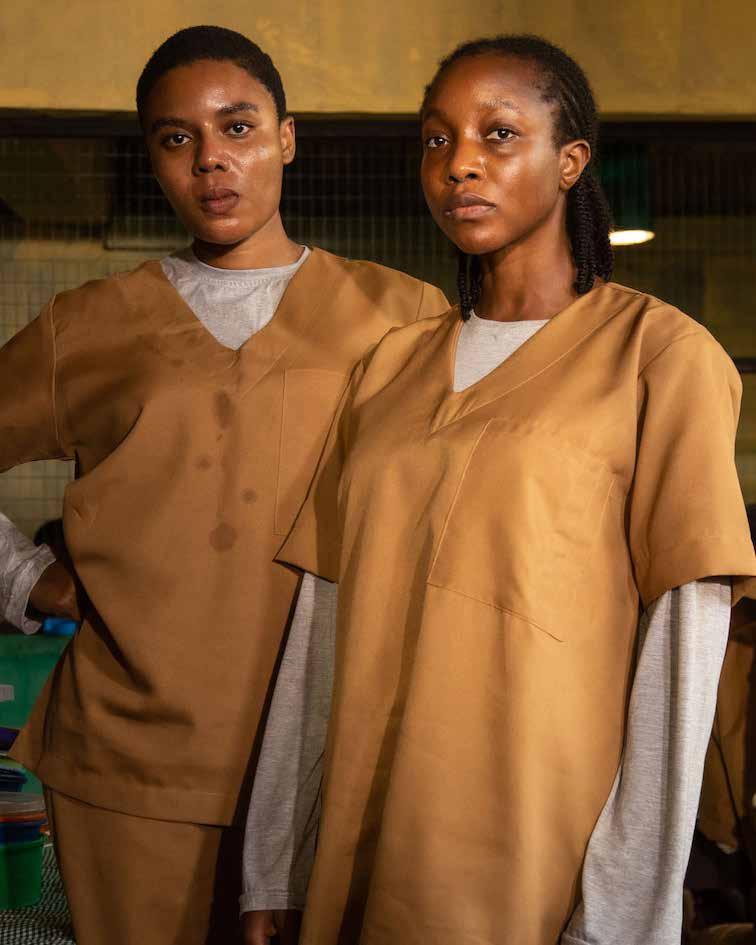
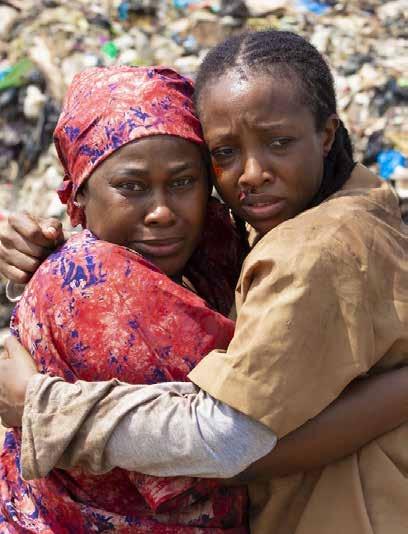
Four years after the crime thriller series Blood Sisters hit Netflix with a reverberating start, EbonyLife Studios has released a sequel that trails the bloody footprints left by the two fugitives, Sarah (Ini Dima-Okojie) and Kemi (Nancy Isime), in the first instalment. Released on June 5, 2026, Blood Sisters 2 continues the rapid-fire race for justice, opening with a criminal trial involving the two murder suspects.
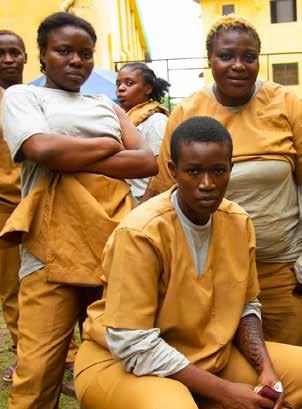
Trailing the prison episodes through dangerous encounters with fellow inmates, Kemi and Sarah’s alliance is tested and strained by their quest for survival both within and outside prison walls. The series wastes little time in reintroducing viewers to a world where trust is fragile, loyalties shift quickly, and every decision carries potentially devastating consequences.
Directed by Daniel Oriahi and Kayode Kasum, the series examines the bureaucratic realities of the criminal justice system and maternal terror, with slick, high-end technical execution and powerhouse performances. The directing duo demonstrates a clear understanding of tension, sustaining suspense throughout the four episodes while balancing the emotional weight of the story with its thriller elements.
Written by Craig Freimond, Zelipa Zulu and Adze Ugah, and produced by EbonyLife Studios under the executive leadership of Mo Abudu, the series gets ambitious in its attempt to replicate a criminal trial. While the courtroom dialogue, for the most part, sounds more like dramatic monologues than the typical crossfire of arguments expected in criminal proceedings, the courtroom scenes still succeed in raising the stakes and driving the narrative forward.
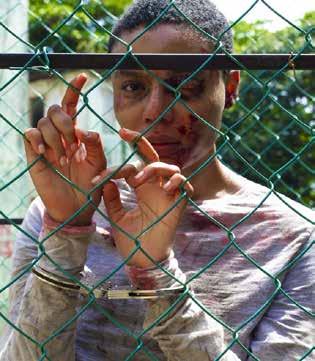
The court’s judgment on Kemi, in particular, is remarkably professional, with careful attention given to the charges before the court. However, without stronger legal grounding from both the prosecution and the defence, some of the exchanges occasionally feel less convincing than they could have been. The dialogue at the trial can feel somewhat soggy, making the prospect of a closeddoor trial appear more appealing. Yet these shortcomings do little to diminish the overall tension of the proceedings, which remain central to the season’s momentum.
The beauty of the plot in Blood Sisters 2 hinges on the emotional fallout of Sarah and Kemi’s ride-or-die friendship. Beyond the crime, the betrayals and
the pursuit of justice, the series remains fundamentally a story about friendship under extreme pressure.
What began in the first season as a desperate alliance forged by circumstance evolves here into a more layered exploration of trust, sacrifice and survival.
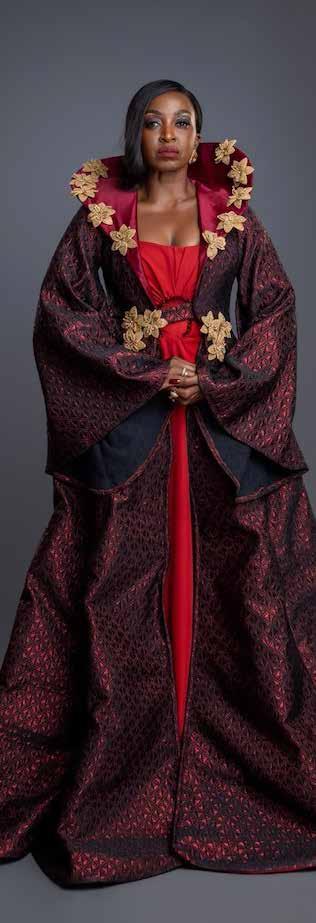
While Kate Henshaw’s Uduak Ademola remains the show’s glue, delivering another masterclass in restrained villainy, this season places subtle cracks in the armour of the ice queen. The character’s vulnerability emerges in unexpected moments, adding depth to an antagonist who could have easily become onedimensional. Henshaw commands attention whenever she appears on screen, reminding viewers once again why she remains one of Nollywood’s most dependable performers.
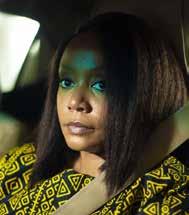
A high-performing supporting actress, Genoveva Umeh, embodies the character of Timeyin within the context of trauma, family secrets and legacy. Her performance adds emotional complexity to the story and reinforces some of the themes that run beneath the show’s thriller framework.
Other standout moments come from comedian Anita Asuoha, popularly known as Real Warri Pikin. Her interpretation of one of the prison’s most feared inmates brings an interesting dynamic to the prison scenes. Her image as the second most dreaded inmate is near accurate, considering that the most feared inmates are often the quiet, passive-aggressive ones. The role allows her to demonstrate a range that extends beyond comedy while contributing to some of the season’s memorable moments.
Series newcomer Blessing Obasi, who plays Mimi, breathes fresh energy into the ensemble cast, managing to steal scenes despite the show’s dark and heavy atmosphere. Her presence injects a welcome freshness into the narrative and complements an already strong cast.
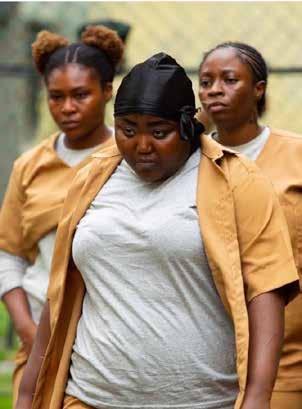
Visually, the production values remain impeccable. The cinematography moves seamlessly from the glamorous, high-society aesthetic of Lagos’ elite circles to the claustrophobic and murky realities of prison life. The contrast between both worlds serves as a visual reminder of how quickly fortunes can change within the universe of Blood Sisters.
Some critics have frowned upon the show’s seeming dissociation from certain realities of prison life. In many correctional facilities, for instance, general visitations are usually conducted in open outdoor spaces rather than the settings depicted in the series. Still, the production succeeds in capturing the psychological and physical harshness of life behind bars while heightening viewers’ appreciation for the freedom that obedience to the law brings.
Sexually explicit scenes appear more evenly distributed this season, although they contrast somewhat with the moral lessons that emerge from the prison narratives. Nevertheless, these scenes remain part of a broader storytelling approach that seeks to balance realism, entertainment and character development.
Rated 16, the four-episode series has already climbed to the number one spot within its first week of release. That achievement is hardly surprising. Despite some imperfections, Blood Sisters 2 remains an engaging continuation of one of Netflix’s most successful Nigerian originals. Anchored by strong performances, emotional depth, visual sophistication and enough suspense to keep viewers invested until the very end, the sequel demonstrates that there is still plenty of life left in the Blood Sisters story.
For Mo Abudu and EbonyLife Studios, it is yet another bull’s-eye moment in filmmaking.