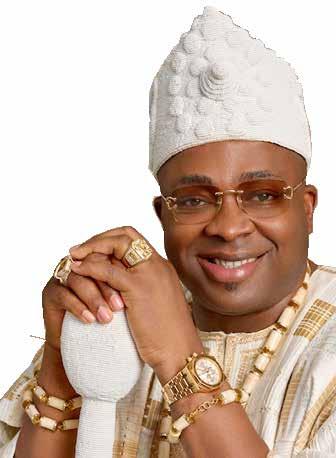

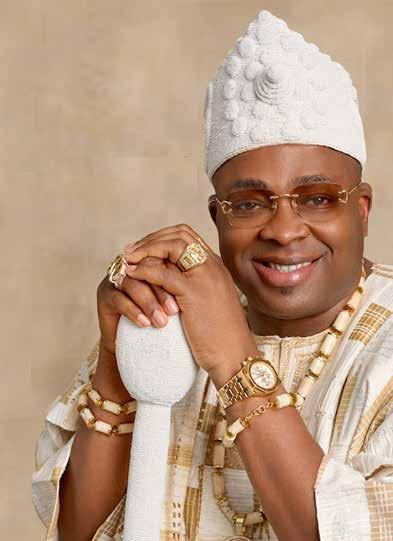


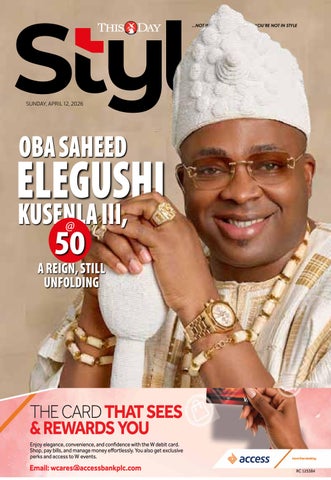

At 50, His Royal Majesty, Oba Saheed Ademola Elegushi, Kusenla III, is marking more than a birthday. It is a moment that reflects a life shaped by duty, responsibility, and years of public service. Sixteen years after ascending the throne of Ikate-Elegushi, he has grown into a monarch whose role continues to carry real weight within his community and beyond, defined not just by title, but by how he has chosen to carry its responsibilities. As a custodian of Yoruba heritage, his focus has been on preserving culture in a way that people can understand and connect with, not just as ceremony, but as identity, history, and a sense of belonging.
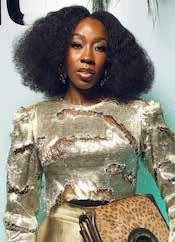



aising a child on the autism spectrum is not just about love, and think that is where the conversation often falls short. It is advocacy, daily and often exhausting. It is navigating schools, healthcare, and social spaces that are not always equipped or even willing to adapt. It is having to explain, defend, and sometimes insist on your child being seen fully. And yet, for all of this, it remains largely misunderstood.
That is why would like you to read our conversation with an autism mum, Solape Azazi. In Autism, Advocacy and Raising a Child in a System That Isn’t Ready, she shares what that reality actually looks like. It is direct, honest, and necessary.
In many ways, that idea of navigating systems that are not quite built for you doesn’t stop there. It shows up in other parts of life too, just in different forms. Relationships, for instance, are increasingly being shaped by realities people cannot ignore.
My opinion article, Money, Love & the Nigerian Couple sits right in the middle of that conversation. The economy has shifted more than spending habits; it has shifted expectations. Dating is no longer just about connection. It is about capacity, direction, and what feels sustainable. People are asking harder questions, earlier. There is pressure on young men to provide at a level that keeps moving, and an equally real expectation from women for stability that feels necessary, not optional. At the same time, men are also making more deliberate choices about the relationships they enter, looking for alignment, sometimes even advantage. It is not one-sided, and it is not as simple as calling it transactional, even if that word keeps coming up.
And when you think about it, these shifts inevitably affect how people connect on a deeper level. Which brings us to Does Intimacy Change With Age?
Because intimacy does not exist in isolation. It responds to experience, to pressure, to growth. What people want evolves, what they prioritise changes. And sometimes, what once felt essential becomes negotiable.
Across all of this, there is a common thread: people are adjusting. To systems, to circumstances, to realities that require a little more awareness, a little more intention.
How are you holding up?
How is the second quarter of the year looking from where you stand? Not just in plans, but how you feel. Wherever you are, I hope you are finding reasons to stay thankful for life, even in the middle of everything else.



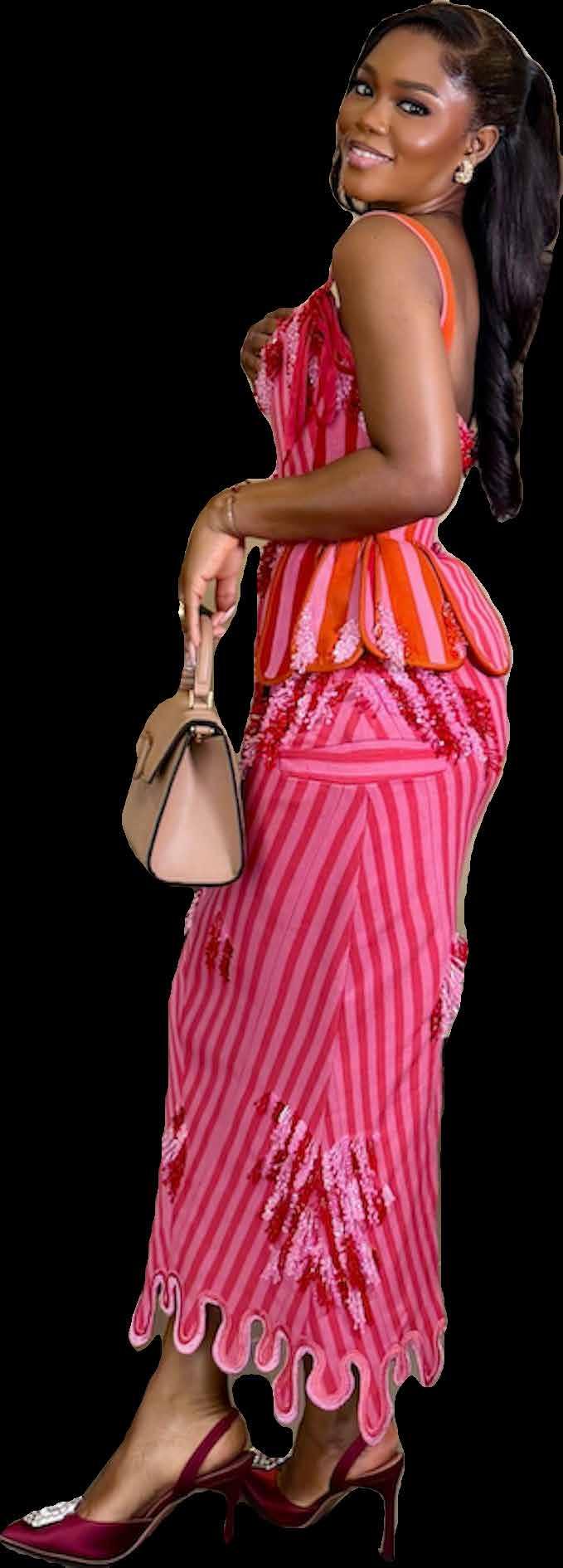

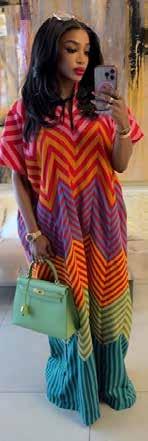


You may not have clocked it immediately, but Èjírè 2.0 has been showing up everywhere that matters. Not in a loud, over-curated way. More like a slow, steady presence on the right people, at the right events, styled in ways that feel personal rather than prescribed. One sighting turns into three, then five, and before long, the collection isn’t just being worn, it’s being noticed. That kind of traction is difficult to engineer, which is what makes it interesting.
The latest offering from Sheye Oladejo builds on the foundation of the original Èjírẹ́ collection, but this time, the idea of duality feels more intimate. It leans into sisterhood not as a concept but as something lived and remembered, drawing on Oladejo’s upbringing in Ile-Ife, where identity, culture, and connection exist side by side. That grounding shows up in the clothes. There’s a sense of intention in how each piece is constructed, structured, expressive, and wearable. These are designs that understand occasion, but don’t depend on it. They can move from a formal setting to something more relaxed without losing their edge, which is exactly what makes them appealing right now. And women are responding to that.
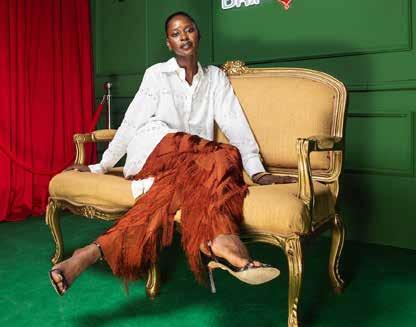
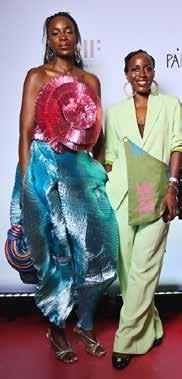
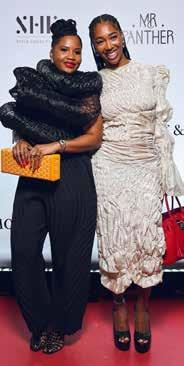
Over the past week, a growing number of style insiders have stepped out in Èjírẹ́ 2.0, each interpreting the collection through their own lens. We have seen pieces from the collection, styled differently, worn for different reasons, but all pointing to the same thing: versatility that actually works.
Èjírẹ́ 2.0 was developed with a clear focus on fabric selection, silhouette refinement and finishing. There›s an emphasis on how each piece sits on the body, how it moves, and how it transitions across different settings. It›s thoughtful design, but not in a way that feels overworked.
And that’s what gives the collection range. With Èjírẹ́ 2.0, Sheye Oladejo continues to position herself as a storyteller, but one who understands that the story has to live beyond the runway. It has to exist in real life, on real people, in real moments.
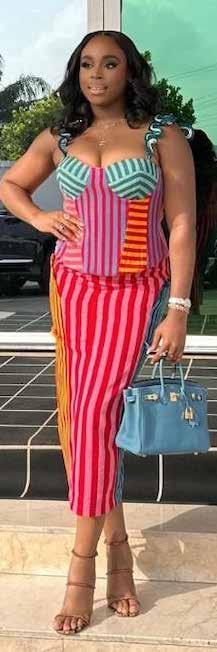
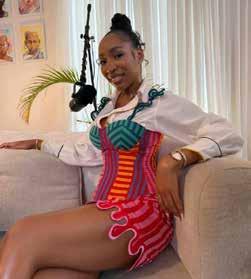
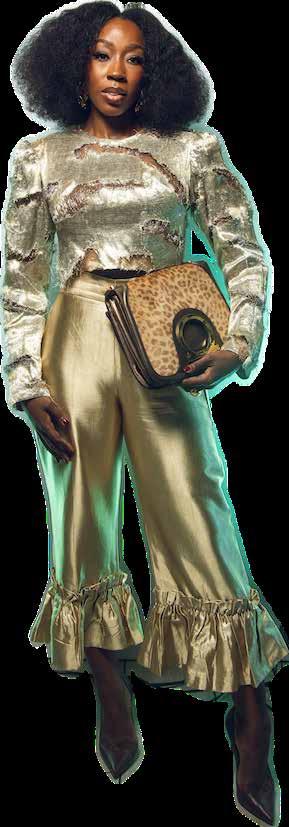
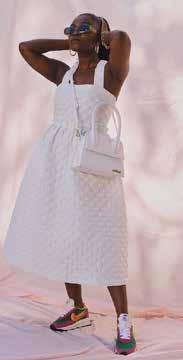
There was a time when fashion felt like a rulebook. Do this, don’t do that, and whatever you do, don’t get it wrong. But style has shifted. It is less about perfection and more about ease, confidence, and what actually works in real life. Some of the so-called rules we grew up hearing no longer hold up, and ignoring them can make your style feel more personal and current. At the end of the day, the best looks are not built on strict rules, but on what feels right, practical, and true to you.
Funke Babs-Kufeji
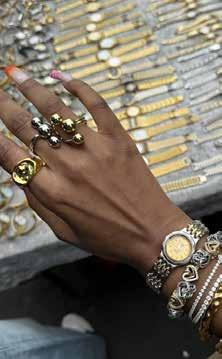
Mixing Metals is “Wrong”
The idea that you must stick to one metal, all gold or all silver, feels outdated. Mixing metals can add interest to your look. A gold bracelet paired with silver rings or layered necklaces in different tones can feel intentional and modern. It is less about matching and more about balance.
No Big Bags in the Evening Evening style has always leaned toward tiny bags that barely hold anything. But sometimes, you simply have more to carry. Instead of forcing it, opt for a structured oversized clutch or a clean, medium-sized bag. It still looks polished, but it works for your actual needs.
Colours Must Match Exactly
Perfect colour matching can feel stiff. Style today is more about coordination. Mixing shades within the same colour family or pairing unexpected colours often looks more effortless than trying to get everything identical.
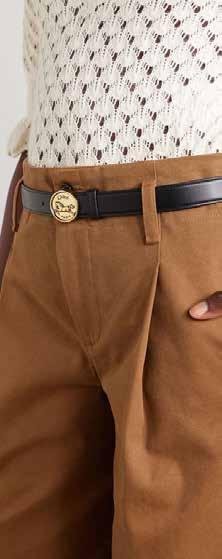
Never Mix Black and Brown
This used to be a hard no. Now, it is one of the easiest ways to create depth in an outfit.
A brown belt with black trousers or a tan bag with a black outfit can feel warm and considered without trying too hard.
Sneakers Are Only for Casual Looks
Sneakers have moved far beyond casual wear. A clean, well-designed pair can work with tailored trousers, dresses, and even more dressed-up outfits. It is about how you style them, not where they are “supposed” to fit. Image - FISAYO LONGE
Everything Must Look Perfectly Polished
There is a belief that an outfit must always look crisp and finished. But sometimes, a slightly relaxed or undone element makes the look better. A loose shirt tuck, softer tailoring, or minimal styling can feel more natural and confident.


BY KONYE CHELSEA NWABOGOR
There was a time when love, at least in theory, was allowed to exist on its own. Not in a vacuum, of course, but without the constant negotiation that now seems to sit at the centre of modern relationships. Today, money has moved from being a background factor to something far more central, almost like a third party in the relationship. Present, influential, and impossible to ignore.
You feel it in conversations that used to be light. You hear it in the way people ask questions that sound innocent but aren’t. “What do you do?” now carries more weight than curiosity. “Where do you live?” isn’t just about location. Even “what are your plans?” has quietly become a financial audit in disguise. It’s not entirely surprising. The economy has made sure of that. With inflation biting, rent climbing, and the cost of simply existing feeling like a full-time job, love has had to adjust. People are not just dating for companionship anymore; they’re dating with strategy. Not always consciously, but definitely intentionally.
A 2024 report by Nigeria’s National Bureau of Statistics showed inflation hovering above 30%, with food inflation even higher. In real terms, this means that the everyday pressure to survive has seeped into how people choose partners. Stability is no longer attractive; it’s essential.
And so, quietly, love has become… negotiated.
Not in a cynical, “nobody cares about feelings” kind of way, but in a practical, “can we actually survive together?” sense.
“I can’t afford to date potential anymore,” a 32-year-old marketing executive said recently.
“I need to see direction. Not just vibes.”
It’s a sentence that would have sounded harsh a decade ago. Today, it sounds like common sense.
But here’s where it gets interesting.
The conversation around transactional relationships often leans heavily in one direction, usually pointing fingers at women.
The “soft life” narrative, the rise of visible luxury, the normalisation of “being taken care of”, all of it has fed into the idea that women are increasingly dating for financial gain. There is some truth to that. The sugar daddy phenomenon is no longer whispered about. It’s out in the open, sometimes even glamorised. Social media hasn’t helped. If anything, it has turned certain lifestyles into benchmarks.
But that’s only half the story. Because men, too, are dating with expectations.
Quiet ones, sometimes. Strategic ones, often. There’s a growing number of men who openly admit they want women who are financially stable, not necessarily to fund them, but to reduce pressure. A partner who can “hold her own” is no longer a bonus; it’s becoming a requirement.
Then there’s the more subtle version.
like you’re constantly proving value, not just building connections. For young men, especially, the pressure is intense.
There’s the expectation to provide, which hasn’t gone anywhere, even as economic realities have changed. A man might be earning decently and still feel like he’s falling short. Dates are more expensive. Expectations are higher. Social media has created a standard that doesn’t always match real life.
“I feel like have to be ahead before can even start dating seriously,” one 27-year-old said. “And the goalpost keeps moving.”
On the other side, women are navigating their own version of pressure. The desire for security is real, especially in a country where systems don’t always catch you if you fall. Independence is celebrated, yes, but so is being “taken care of.” Sometimes by the same people, in the same breath.
So women are asking: if I’m bringing emotional support, stability, and partnership, what am getting in return?
It’s not greed. It’s calculation.
And in the middle of all of this, marriages are feeling the strain.

Men who are looking beyond money, but still looking to gain something, such as connections, access, migration opportunities, and social positioning. A woman with the right passport, the right network, the right family background. Love, yes. But also leverage. It’s not always opportunistic. Sometimes, it’s just survival dressed as preference.
A 29-year-old tech professional put it plainly: “It’s not that want to use anyone. But if I’m going to commit, it has to make sense across the board. Emotionally and practically.”
Across the board. That phrase might be the most accurate way to describe dating right now. Everything is being evaluated. Feelings are still there, but they are being weighed against logistics.
And this is where things start to get complicated.
Because when both sides are quietly negotiating, when both are asking, “What does this relationship add to my life?” something shifts. The ease of love becomes harder to access. The spontaneity disappears. You start to feel
Weddings are still happening, big ones, small ones, everything in between, but behind the aesthetics, there’s a quiet tension. The cost of starting a life together is higher than ever. Rent, school fees, healthcare, family obligations. It adds up quickly. Some couples are scaling down, choosing intimacy over spectacle. Others are going the opposite direction, stretching themselves financially to meet societal expectations. Debt has entered the chat, and not politely. And once the wedding is over, reality sets in. Money disagreements remain one of the leading causes of marital conflict globally, and Nigeria is no exception. The difference now is that these conversations are starting earlier, sometimes even before commitment. People are asking harder questions upfront, which is both a good thing and a slightly exhausting one.
So where does that leave love?
Somewhere in between.
It hasn’t disappeared. It’s just… evolved. People still want connection. They still want companionship, laughter, and intimacy. But they also want security, growth, and alignment. And increasingly, they want all of it at the same time.
Maybe that’s the real shift. Not that love has become transactional, but that it has become layered.
There’s romance, yes. But there’s also reality. And perhaps the more honest question isn’t whether love is transactional, but whether it has always been just in quieter, less obvious ways.
After all, people have always chosen partners based on something. Family, status, stability, proximity. The difference now is that the filters are sharper, and the stakes feel higher.
So we’re all a little more careful. A little more aware. A little more strategic. Does it make love less genuine?
Not necessarily.
But it does make it more intentional.
And maybe that’s not entirely a bad thing.
Still, there’s a fine line between intention and calculation. Between choosing wisely and choosing only what benefits you. Cross that line too often, and relationships start to feel like negotiations instead of connections.
Nobody wants to feel like a transaction. Even in a transactional world.
So perhaps the real challenge for the Nigerian couple today is not to remove money from the conversation, that’s unrealistic, but to stop letting it lead the conversation entirely.
To remember that while money can sustain a relationship, it cannot carry one. And if it ever gets to that point where everything is measured, weighed, and priced then you’re not really in love.
You’re just… making a deal.
And deals, as we all know, are only as good as the fine print.
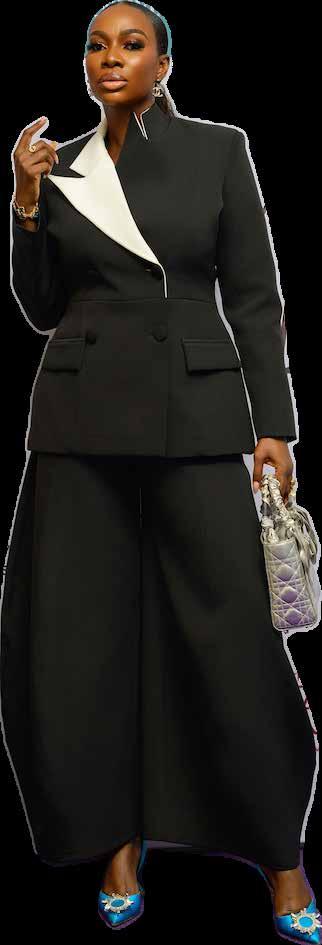
Style isn’t about chasing silhouettes that cancel out your shape. It’s about understanding proportion, balance, and ease and building a wardrobe that respects all three. Not 50 pieces. Not endless options. Just a tight edit of items that always show up for you, regardless of your body type, your mood, or where you’re headed. If you’re looking to simplify things without sacrificing style, start here. Five pieces. That’s it.
1. THE TAILORED BLAZER THAT KNOWS YOUR SHOULDERS A good blazer is less about structure and more about placement. The right one doesn’t swallow you or squeeze you; it sits.
For broader frames, a slightly relaxed, single-breasted cut works beautifully because it skims rather than clings.
If you’re on the slimmer side, sharper shoulders and a cinched waist can create shape where you want it. And for curvier bodies, the magic is in a blazer that nips in just enough without pulling across the chest.
The point is not to force a silhouette but to frame your body. Throw it over a dress, denim, or even a simple tank and trousers, and suddenly everything looks considered. Effortlessly so.
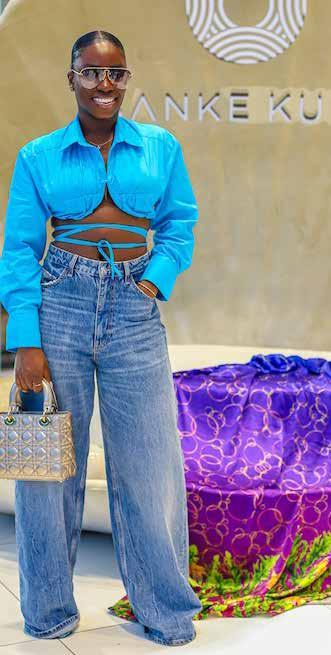
Denim is personal. Almost emotional, if we’re being honest.
Everyone is searching for that pair, the one that fits at the waist, sits right on the hips, and doesn’t lose its shape by midday. But beyond fit, it’s about proportion.
Straight-leg jeans are the great equaliser. They don’t cling too tightly or flare too dramatically, making them incredibly versatile across body types.
If you love a bit more shape, a slight flare can balance out hips, while a high-rise skinny still works when paired with longer tops or structured layers.
The wash matters too. Darker denim tends to feel more polished, while lighter washes lean casual.
But above all, the best denim is the one you don’t have to adjust every five minutes.
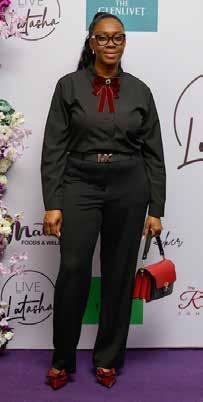
T
rousers are where most wardrobes fall apart. Too tight at the hips, too loose at the waist, awkward at the length—it’s a lot. But when you find the right pair, everything shifts.High-waisted trousers tend to work across body types because they define the waist and elongate the legs. A straight or slightly wide-leg cut creates balance, especially if you carry weight around your hips or thighs. If you’re petite, a cropped length or tailored hem keeps things clean and intentional. The fabric matters too; something with a bit of structure holds its shape better and doesn’t betray you halfway through the day.
T
here’s always that one dress. The one you reach for when you don’t have the energy to “figure it out” but still want to look like you did. The trick? It shouldn’t be overly complicated. Wrap dresses, for example, have stood the test of time for a reason: they adjust, they flatter, they move with you. A-line silhouettes offer balance for fuller hips, while a softly fitted midi can highlight curves without feeling restrictive.
But beyond cut, it’s about how the dress behaves. Does it sit well when you walk? Does it hold its shape after hours of wear? Can you dress it up or down without stress? If the answer is yes, you’ve found your dress.
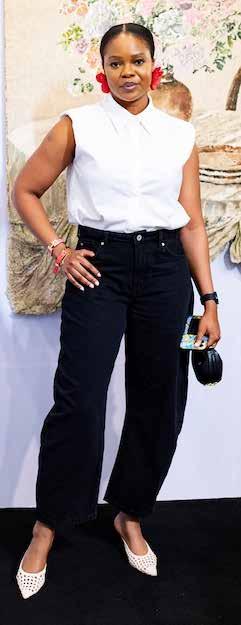

5. THE WHITE SHIRT THAT ACTUALLY WORKS FOR YOU T he white shirt has been overhyped and underdelivered for years, mostly because we’ve been sold one version of it. Crisp, stiff, slightly unforgiving. But the right white shirt isn’t rigid. It adapts. For fuller busts, a softer fabric with a bit of stretch avoids that awkward pulling at the buttons. If you prefer a more relaxed silhouette, an oversized cut can feel modern without looking sloppy, especially when tucked in just right. Petite frames might lean toward a more tailored fit to avoid being overwhelmed. Rolled sleeves, a half-tuck, open collar—this is where styling does the talking. It’s not about wearing the shirt. It’s about making it yours.
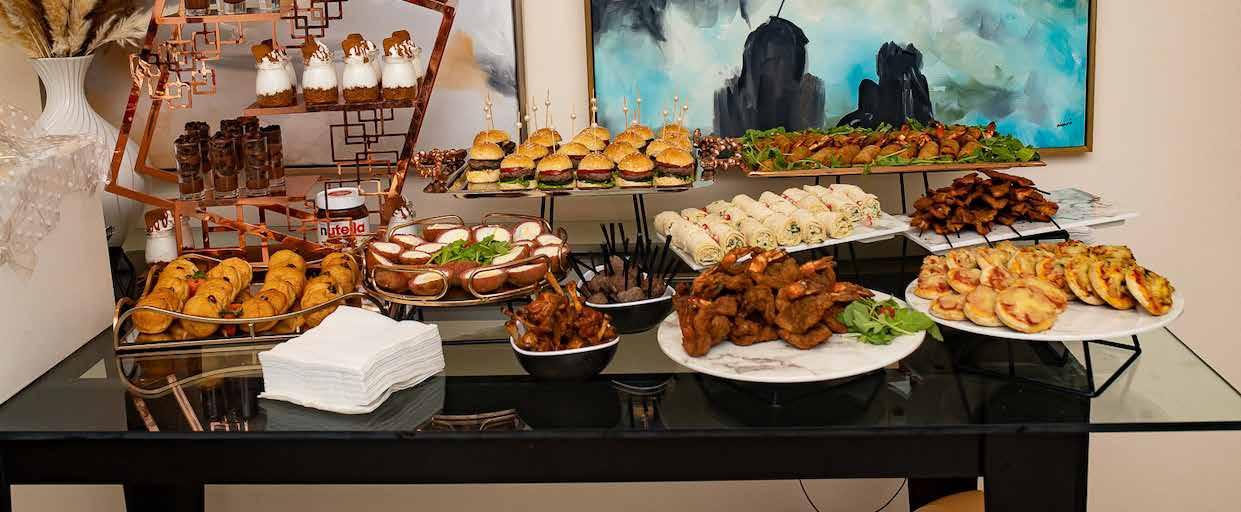
There’s something beautiful about inviting people into your home and getting it right. Not in an over-the-top, everything-must-impress kind of way. But in that subtle, considered way where the lighting is soft, the food is just right, the music sits perfectly in the background, and everyone feels… comfortable. Seen. At ease. Because hosting, at its best, is opening your door and saying, without saying too much, I made space for you. And the truth is, the people who host best are not the ones doing the most. They’re the ones who know exactly where to stop.
Before you think about what you’re cooking, decide how you want the night to feel. Warm and intimate? Slightly dressed up? Easy, but still considered?
That feeling becomes your anchor. It shapes everything, the number of guests, the way your space is arranged, even how the evening unfolds. Lighting does most of the heavy lifting. Soft lamps, dim corners, candles if you’re in the mood. Once the lighting is right, everything else settles into place.
Hosting starts before anyone arrives. A simple,

Music controls the mood more than people realise.
Start soft—almost background. Something easy, something that allows conversation to settle in naturally.
As the night builds, you can lift it slightly. But never so much that people have to compete with it.
If people are leaning forward to talk, your music is too loud.
This is where many hosts get it wrong.
By the time your first guest walks in, most things should already be done.
Food nearly ready. Table set.
Drinks within reach.
Your role is no longer to manage the evening—it’s to be part of it.
intentional invitation shifts everything. This is not “come by if you’re free.”
This is I’m having dinner, and I’d love you there. Set a clear time. Give a sense of the mood. Nothing rigid, just direction—”keep it relaxed,” “a little dressy,” “easy but put-together.”
People like knowing what they’re walking into. It allows them to arrive already aligned with the energy you’ve created.
This is where great hosting becomes almost invisible.
When the mix is right, the evening flows without effort.
Keep the Food
Simple, Then
Elevate It
Slightly
This is where most hosts overcomplicate things. A dinner party is not the time to prove range. It’s the time to create ease.
Cook what you already know. Then refine it. A beautifully made rice dish, paired with well-seasoned grilled fish or chicken. A tray of roasted vegetables that actually tastes like something. A pasta that feels indulgent but not heavy.
Who you invite matters just as much as what you serve. You don’t need everyone to know each other, but you do need people who can sit comfortably in the same room. A good mix has balance, someone who carries conversation, someone who listens well, someone who keeps things light.
Even familiar favourites


Sit down. Engage. Move around naturally, but don’t disappear into the kitchen every few minutes.
People don’t remember perfect execution. They remember how the night felt.
Every good dinner has a natural close.
You’ll feel it, the shift in energy, the slight pause in conversation, the moment where the night has said what it needed to say.
You don’t have to force an ending. But gentle cues help.
Offering tea, slowing the music, a soft “this was so lovely tonight.”
It allows the evening to end well, without dragging.
The best dinners are never overworked.
They stretch a little. They breathe. Someone laughs louder than expected. Someone stays longer than planned.
Yes, you’ll take a few photos. But that’s never the point. What people carry with them is the feeling, that quiet ease, that sense that nothing was forced, that everything just… worked.
And more often than not, it’s the things you didn’t overthink that made it so.
For Solape Azazi, the title of “autism mom” isn’t just a personal identity; it’s the engine behind a lifelong mission of advocacy. When her child was first diagnosed at three, she found herself navigating a world that often felt unequipped to see her son’s potential. Rather than settling for the status quo, she turned her personal hurdles into a public platform, bridging the gap between clinical diagnoses and the lived reality of neurodivergent families. Today, as the founder of CradleLounge Special Needs Initiative and a certified autism specialist, Azazi is a leading voice in autism awareness, inclusion and caregiver empowerment. In this conversation with Yinka Olatunbosun, she explains the delicate balance of caregiving and campaigning alongside the misconceptions facing the autism community today, and what it truly means to build a world where every individual can thrive.
Being an autism mom is very challenging. Aside from carer’s fatigue, what are some other things you have to deal with?
Beyond the physical exhaustion, it’s the emotional weight that really sits with you, the constant advocacy, the explaining, the worrying about the future. You’re not just parenting, you’re navigating systems that aren’t built for your child. There’s also the isolation that can creep in, especially when people don’t fully understand your reality. And then there’s the quiet grief not of who your child is, but of how the world responds to them.
Your son was diagnosed at three. Why is building a community for other autism parents worthwhile?
It is because no one should have to figure this out alone. When my son was diagnosed, realised very quickly that information was scattered, support was limited, and a lot of parents were silently struggling. Community gives you shared knowledge, emotional support, and, honestly, sanity. It’s a space where you don’t have to over-explain your child or your choices. And beyond that, there’s power in numbers — when we come together, our voices are harder to ignore.
What milestones would you say your advocacy has achieved?
For me, it’s always been about impact over noise. We’ve created safe spaces for families, supported parents with resources and guidance, and used platforms such as art, storytelling, and public engagement to shift narratives about autism. Seeing more parents speak openly, seeing more awareness in conversations, those are real milestones. We’re not where we need to be yet, but we’ve definitely moved the needle.
Why do some autistic children regress, sometimes after milestones, and what can parents do?
Regression can occur for various reasons, such as changes in the environment, sensory overload, burnout, or even growth transitions. Autism isn’t linear, so progress doesn’t always look like a straight line. What’s important is not to panic or see it as failure. It’s usually a signal that the child needs support, adjustment, or simply time. Consistency, patience, and understanding your child’s triggers go a long way. And sometimes, it’s about meeting them where they are again, without pressure.
What advice would you share for people who have autistic children in their circle?
Lead with empathy, not assumptions. You don’t need to have all the answers, just be present, be kind, and be willing to learn. Offer support in practical ways, not just words. And most importantly, don’t judge what you don’t understand. Every child on the spectrum is different, and every family is doing the best they can.
Is the school system in Nigeria inclusive enough?
We’re making progress, but we’re not there yet. True inclusion goes beyond just admitting a child into a school; it’s about trained teachers, adapted learning methods, and a supportive environment. Right now, many parents still have to fight for that. Inclusion shouldn’t feel like a favour, it should be the standard.
What do you think of the misconception that autism affects only rich families? Autism does not discriminate. What that misconception really reflects is access, access to diagnosis, therapy, and visibility. Families with fewer resources are often underdiagnosed or unsupported, which makes it seem like it’s a “certain class” issue. But the reality is, autism exists across all socio-economic backgrounds.
Why is raising an autistic child demanding and expensive?
It’s because support systems are limited. Therapy, specialised education, and interventions, most of these are privately funded. On top of that, you’re investing time, energy, and emotional resources constantly. It’s not just parenting, it’s coordinating care, advocating, learning, unlearning. It’s a full-time commitment in every sense.
Is it necessary for children to wear autism labels in public?
Not at all. Dignity always comes first. Some families choose identifiers for safety reasons, especially for non-verbal children, and that’s valid. But it should never be
By Yinka Olatunbosun





Enjoy elegance, convenience and confidence with the W debit card. Shop, pay bills and manage money effortlessly. You also get exclusive perks and access to W events











BY FUNKE-BABS KUFEJI
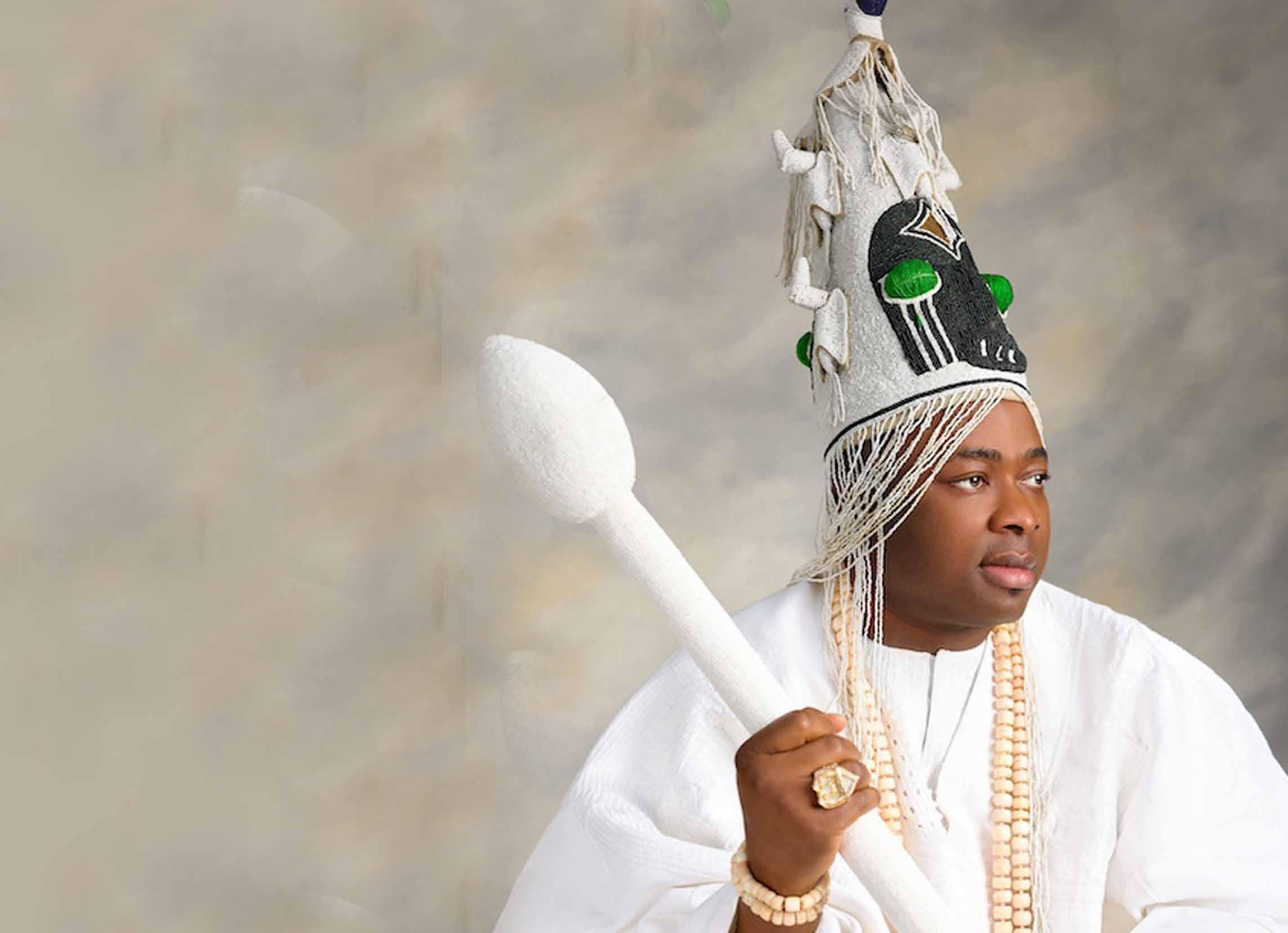
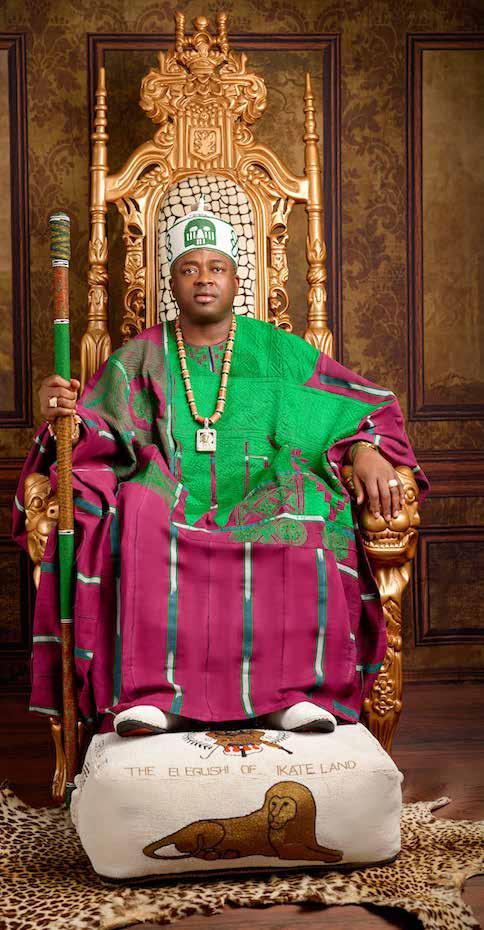
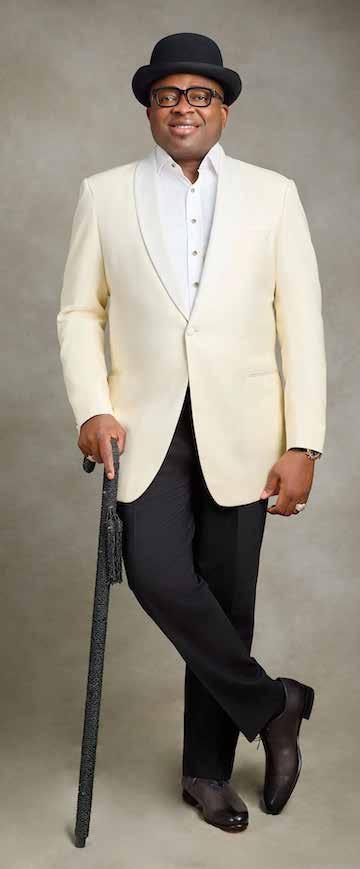
At 50, His Royal Majesty, Oba Saheed Ademola Elegushi, Kusenla III, is marking more than a birthday. It is a moment that reflects a life shaped by duty, responsibility, and years of public service. Sixteen years after ascending the throne of Ikate-Elegushi, he has grown into a monarch whose role continues to carry real weight within his community and beyond, defined not just by title, but by how he has chosen to carry its responsibilities. As a custodian of Yoruba heritage, his focus has been on preserving culture in a way that people can understand and connect with, not just as ceremony, but as identity, history, and a sense of belonging. His support for cultural and academic initiatives reflects this, particularly in his efforts to ensure that the story of Lagos is properly documented and passed on to future generations. His work also extends into service in very practical ways, through his foundation and other efforts, supporting healthcare, education, and young people within his community, with a focus on real needs and everyday impact. From improving access to medical care to supporting students and creating opportunities for youth development, his approach remains grounded in service. At this stage, there is a clear sense of purpose in how he views the crown, not as a symbol, but as a responsibility tied to the wellbeing of his people. In this interview with Funke Babs-Kufeji, he speaks about turning 50, the demands of leadership, and how he continues to define his role as a traditional ruler today in Lagos and Nigeria.
Turning 50 is a personal milestone, but also a public one for a monarch. What does this moment mean to you beyond celebration?
thank God for the gift of life and for His grace. Turning 50 is a time to reflect, to look back on the journey, the lessons, and the responsibilities of leadership, and to look ahead with even greater purpose. It is also a moment of gratitude for the people and the community that have shaped that journey. The throne is not walked alone. Every step has been guided by tradition, supported by my people, and strengthened by service. At this stage, the focus becomes even clearer: to deepen impact, to strengthen what has been built, and to ensure that the legacy we are shaping will endure beyond us.
When you reflect on your journey from prince to king, what stands out as the most defining shift in your life?
The passing of my father in 2010 was a major turning point. It was a very difficult time for my family. I had other plans for my life at that stage, but duty called, and I accepted it. That moment shaped my purpose in a profound way.
You ascended the throne in 2010 as one of the youngest monarchs in Lagos. Looking back, what were the realities of leadership that surprised you most?
Leadership teaches you very quickly that responsibility never rests. had grown up understanding many parts of the role, but living it fully revealed just how much sacrifice it truly requires.
How would you describe the evolution of your reign over the last 16 years?
My reign has grown with the times. I was fortunate to inherit a strong foundation from my father, who was very forward-thinking. We have built on that legacy, preserving our heritage while embracing growth and new opportunities for the people of Ikate and its environs.
What has been the most difficult aspect of wearing the crown that people do not see?
One of the most demanding aspects of wearing the crown is understanding that it is far greater than any one individual. People often see the ceremonies, the visibility, and the honour, but what they may not always see is the constant responsibility that comes with it. Your personal space becomes more limited, and every decision must be made with the awareness that it carries meaning for your people, your heritage, and the trust they place in you. It requires discipline, patience, and the ability to remain steady in all seasons, especially in moments that call for wisdom, reassurance, and clarity. There are naturally challenges, just as there are in every meaningful role in life, but the crown teaches you very quickly that leadership is not about convenience; it is about service, sacrifice, and consistency. have embraced that fully because this responsibility is bigger than me. It is about preserving what must be preserved, guiding what must evolve, and always standing in a way that gives your people confidence. It is not always easy, but I would not trade it for anything.
You are often described as a “modern monarch.” What does that mean to you in practical terms? t means being accessible, informed, and actively involved in the progress of your people while remaining true to tradition. It means offering leadership that is relevant, supporting community growth, engaging with government, and using the institution to create real impact.
How do you balance tradition with the demands of a fast-changing, globalised Lagos?
Lagos is a dynamic and unique place, and we should all be proud of that. The balance is simple: embrace progress but never abandon your roots. Culture and tradition must remain strong, even in a modern city.
Do you think traditional institutions in Nigeria are doing enough to stay relevant to younger generations, and if not, what needs to be done? believe real progress is being made, and the emergence of younger monarchs is a very encouraging sign. But if traditional institutions are to remain truly relevant to younger generations, we must do more than preserve culture; we must make its meaning clear.
Tradition should never feel forced. It should be something young people understand, connect with, and are proud to inherit. Our responsibility as custodians is not only to protect our heritage, but to communicate its value in ways that speak to the present without losing authenticity. When young people understand that tradition shapes identity, values, and belonging, it no longer feels distant; it becomes personal. If we can achieve that balance, we will not only keep traditional institutions relevant, we will preserve our cultural roots in a way that allows future generations to know who they are and carry that heritage forward with pride.
You’ve consistently positioned culture as something living, not ceremonial. Why is that distinction important to you?
It is important because culture is our identity. If we only treat it as ceremony, we risk losing its true meaning. Culture should be lived, practised, and passed on intentionally. It is what gives us roots and a sense of direction.
How do you ensure that Yoruba heritage is preserved without becoming static or disconnected from today’s realities?
Preserving Yoruba heritage does not mean keeping it fixed in the past; it means protecting its essence while allowing it to speak meaningfully to the present. The Eyo Festival is a strong example, deeply rooted in history and symbolism, yet still able to inspire pride, curiosity, and global interest today. For me, preservation must be accompanied by understanding. It is not enough to pass down tradition as ritual alone; we must also pass down its meaning, values, and significance. When people understand the spirit behind a culture, they are more likely to respect it and carry it forward. As custodians, our responsibility is to ensure that while the ways we express heritage may evolve, its identity, dignity, and enduring spirit remain intact for generations to come.
The Centre for Lagos Studies at LASU is one of your major cultural investments. What legacy did you hope to build through that initiative?
My goal was to establish an enduring institution that would preserve the history, identity, and evolving story of Lagos for generations to come. In conjunction with the university senate,
we expanded its vision and renamed it the Centre for Lagos and African Studies to give it broader relevance and a wider intellectual reach. It was important to me that the Centre should not exist merely as an archive of the past, but as a living space for research, dialogue, and deeper reflection on our cultural and social development. Lagos is more than a city; it is a cultural force with a story that deserves to be properly documented, studied, and shared on a global scale. My hope is that the Centre becomes a lasting reference point for scholarship and heritage, because true legacy lies not only in preserving history, but in building knowledge that outlives us.
What decisions or moments do you consider turning points for the Ikate-Elegushi Kingdom?
Our continued commitment to development, attracting investment, and creating opportunities while protecting our heritage has been defining. We have deliberately positioned the kingdom as a place where tradition and modern progress work together.
Through your Foundation, you’ve led interventions in health, education, and youth development. At what point did philanthropy become central to your reign?
From the very beginning. I have always believed
that a title means very little if it does not serve the people. Philanthropy was never separate from my reign; it has always been part of the responsibility. For me, leadership must translate into real impact in people’s lives. That is why, through the Foundation, we have focused on areas that directly shape everyday living: access to healthcare, support for education, and opportunities for young people to grow and succeed. Whether it is facilitating a functional health centre within the community, supporting students, or providing medical assistance for those in need, the goal has always been clear: to make a meaningful difference where it matters most. The crown, to me, is a platform for service, a responsibility to use visibility and influence to respond to real needs, uplift communities, and create opportunities that can truly change lives.
Of all the projects you’ve undertaken, which has been the most personally meaningful to you?
The seed funding we provided to hundreds of small businesses during my 15th coronation anniversary stands out. The feedback from beneficiaries was deeply moving. Seeing people empowered to build better futures for themselves was very meaningful.
You’ve facilitated real infrastructure like healthcare centres and education support. Why was it important for your impact to be tangible and measurable?
It is important because leadership should produce visible results. People must feel the impact of what you do, not just hear about it. Whether it is healthcare, education, or economic support, the goal is positive change that is practical and lasting.
Your early experience in government shaped your worldview. How did that prepare you for the throne?
My experience in government was invaluable. Working closely with President Bola Ahmed Tinubu and Mr. Babatunde Fashola, both highly strategic and visionary leaders, gave me a deep understanding of governance, planning, and public service. That perspective has been very useful in my role as king.
What role should monarchs play in nation-building today? Monarchs should be stabilising forces, preserving culture, promoting peace, supporting communities, and serving as bridges between the people and government. We may not hold political office, but we have influence and a duty to contribute to national progress.
You are often described as accessible and people oriented. How intentional are you about maintaining that connection?
Very intentional. Leadership should not create distance. When people feel they can reach you and trust you, it keeps leadership grounded and helps me understand their needs better.
How do you separate the man from the monarch, if at all?
It is not easy to separate the two; the role becomes part of your life in every way. But do create moments of quiet reflection whenever I can. Those private moments help me return with greater clarity and purpose.
When history looks back on your reign, what do you hope will be said about Oba Saheed Elegushi?
That used the throne to make a real difference, that I honoured tradition, served my people faithfully, and helped redefine what modern traditional leadership should be. I would hope my reign brought people closer to their heritage while also opening doors to education, enterprise, and opportunity.
That we did not merely preserve culture, but built upon it by investing in infrastructure, empowering youth, and strengthening the institutions that shape everyday lives. More importantly, I would hope the impact was felt in real terms, in improved livelihoods, thriving communities, and a deeper sense of pride, identity, and belonging among my people.
A 21st-century throne must be both a cultural anchor and a platform for progress. One does not diminish the other; they reinforce each other. If that becomes the story of my reign, then would consider it a meaningful journey of service, progress, and purpose.
If you had to define your reign in one sentence at 50, what would it be?
A reign built on service, progress, and putting my people first.
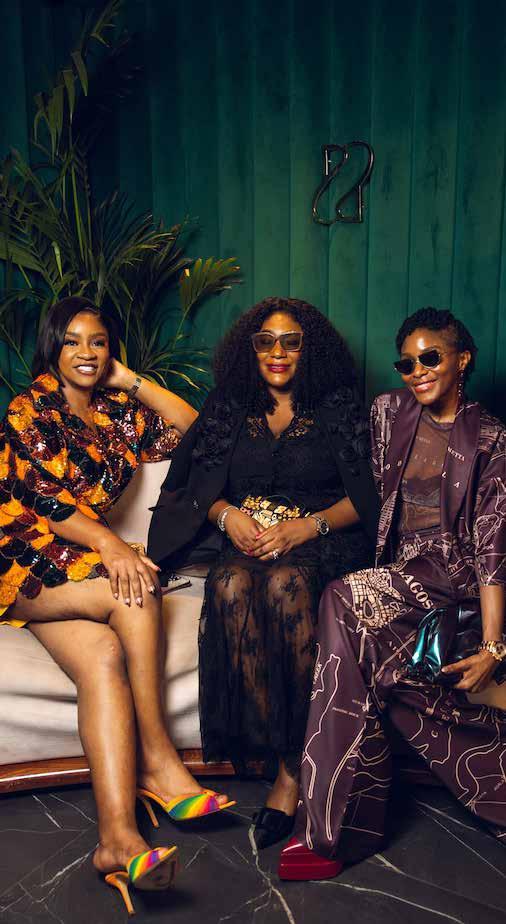
\Your 40s are not about starting over. They are about tightening things up. By this stage, you have lived enough to know what works for you and what doesn’t. You have seen where time gets wasted, where energy is misplaced, and where effort does not always bring the return you expected. There is a certain honesty that comes with this decade. You are less interested in proving yourself and more interested in living well. Priorities shift. Health, peace of mind, financial stability, and meaningful relationships take centre stage. Leveling up now is less about doing more and more about doing better, with intention, clarity, and a stronger sense of self.
By Funke Babs-Kufeji
This is the decade to stop drifting and start deciding. Clarity saves time, energy, and emotional stress. Instead of keeping multiple options open, focus on what truly aligns with your life. This applies to your career, relationships, and personal goals. Being clear helps you make better decisions and avoid unnecessary distractions. It also reduces the need to constantly second-guess yourself. When you know what you want, you move differently. You become more focused, more intentional, and less easily swayed by what others are doing. That sense of direction becomes one of your strongest advantages in this stage of life.
At this stage, it is not just about how much you earn but how well you manage it. Financial discipline becomes more important than ever. This means understanding your spending habits, reducing unnecessary debt, and building sustainable savings. It also involves making smarter investment decisions and planning for the future with more intention. Financial stability creates a sense of security that affects every part of your life. It reduces stress and gives you more control over your choices. Instead of reacting to money issues, you begin to manage them proactively and with greater confidence.
Your health can no longer be taken for granted. What worked in your 20s and 30s may not hold up the same way now. This is the time to be more intentional about how you take care of your body. Regular medical check-ups, consistent physical activity, balanced nutrition, and proper rest all become essential. It is not just about looking good but feeling strong and staying well over time. Small, consistent habits make a bigger difference than extreme changes. Prioritising your health now ensures that you have the energy and capacity to enjoy the life you are building.


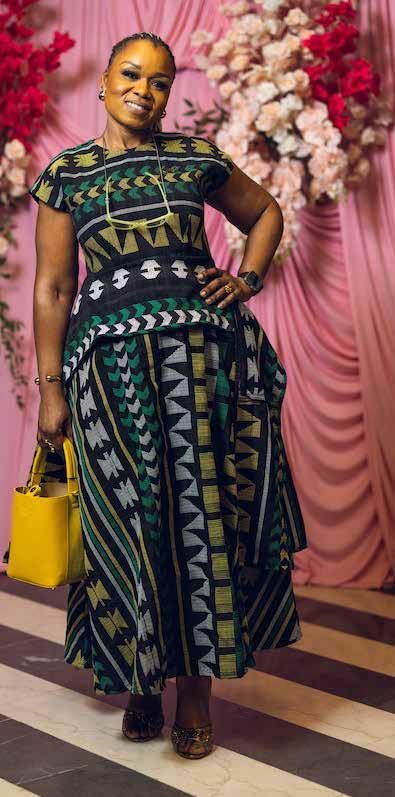
Your style in your 40s should feel more intentional and less experimental. You already know what suits your body, your lifestyle, and your personality. Now it is about refining those choices. Focus on quality over quantity, better fabrics, better fits, and pieces that last. A well-curated wardrobe makes getting dressed easier and more consistent. It also reflects a level of confidence and self-awareness that comes with experience. You are no longer dressing to impress everyone. You are dressing in a way that feels right for you, polished, comfortable, and aligned with who you are.
Imasge - BANKE MESHIDA-LAWAL
Your time and energy become more valuable, and so does who you spend them with. In your 40s, relationships should feel supportive, respectful, and balanced. This is the time to reassess your circle and be honest about who adds value to your life and who drains it. It is not about having many people around you, but having the right ones. Strong, healthy relationships contribute to your peace of mind and personal growth. Letting go of connections that no longer serve you can be difficult, but it creates space for more meaningful ones.
Saying no becomes an important skill in your 40s. You begin to understand that not every opportunity, request, or invitation deserves your time. Setting boundaries protects your energy and helps you stay focused on what truly matters. It also reduces unnecessary stress and over commitment. You do not need to explain or justify every decision. A clear and respectful no is enough. This shift allows you to take control of your schedule and prioritise your needs without guilt. Over time, it becomes easier to choose yourself without feeling like you are letting others down.
Invest
Personal and professional growth should not stop at any stage of life. In your 40s, it becomes more focused and intentional. This could mean taking courses, learning new skills, reading more, or seeking mentorship. Growth keeps you relevant, adaptable, and engaged. It also builds confidence as you continue to evolve. Instead of feeling stuck or stagnant, you remain open to new ideas and opportunities. Investing in yourself is one of the most valuable decisions you can make, as it continues to pay off in different areas of your life over time.
This is not the time to be passive about your career. By now, you have experience, skills, and knowledge that should be working in your favour. It is important to position yourself properly,
seek growth opportunities, and ensure your work reflects your value. This could mean asking for more, taking on leadership roles, or even making a strategic change. Being intentional about your career helps you stay competitive and fulfilled. It is about making sure your efforts align with your goals and that you are moving forward with purpose.
Your home should support your lifestyle, not add to your stress. In your 40s, creating a functional and comfortable living space becomes more important. This might involve decluttering, reorganising, or investing in pieces that improve how your space works. A well-arranged home can affect your mood, productivity, and overall sense of calm. It does not have to be perfect, but it should feel intentional and easy to live in. When your environment is in order, it becomes easier to focus on other areas of your life without unnecessary distractions.
Do the Inner Work Growth in your 40s is not just external, it is also internal. This is the time to reflect on patterns, habits, and beliefs that may no longer serve you. It could involve therapy, self-reflection, or simply being more honest with yourself. Understanding your triggers, your strengths, and your weaknesses helps you make better decisions. Inner work creates emotional balance and improves how you relate to others. It allows you to move through life with more awareness and less confusion, making your choices more aligned and intentional.
What once felt exciting may now feel exhausting. In your 40s, there is a stronger desire for stability and calm. Situations that bring unnecessary stress or confusion lose their appeal. Choosing peace means being more selective about what you engage with and what you walk away from. It is about protecting your mental and emotional space. This shift allows you to focus on what truly matters and reduces the noise around you. Over time, peace becomes less of a luxury and more of a standard.
Amid all the structure and responsibility, enjoyment remains important. Your 40s should not feel like a constant checklist of improvement. It is also a time to experience life fully. Travel when you can, spend time with people who matter, celebrate your wins, and allow yourself to rest. Enjoyment brings balance and reminds you why the effort is worth it. It is not about excess, but about being present and appreciating where you are. A well-lived life includes both growth and enjoyment, not one at the expense of the other.
Retinol has a way of finding you. One minute you’re minding your business, the next you’re in a conversation where someone is crediting it for their glow, their texture, their “my skin just looks better these days” moment. And just like that, you’re curious.
But retinol isn’t one of those things you casually add to cart and figure out later. It works, yes. But it also comes with a learning curve. The kind that’s easier — and far less dramatic — when you know what you’re doing from the start. Here’s what to keep in mind before you begin.
Retinol is active, which means it doesn’t sit politely on your skin; it gets to work. It speeds up cell turnover, boosts collagen production, and gradually improves fine lines, texture, and uneven tone. It’s one of the few ingredients that has both hype and science behind it. That said, anything this effective requires a bit of respect.

surface, so precision matters more than quantity. This is one area where restraint actually gives you better results.
6. Sunscreen Is Part of the Deal

There’s a temptation to go all in, especially when you’re excited. Resist it. Starting retinol every night from day one is how irritation begins. Start with once or twice a week. Give your skin time to understand what’s happening. After a few weeks, you can increase frequency if your skin feels comfortable. Think steady, not aggressive.
3. Your Skin Might “Purge” Before It Glows
This is the part no one enjoys talking about. In the early stages, you might experience breakouts, dryness, or slight peeling. It can feel counterproductive, especially if your skin was relatively calm before.
But what’s happening is internal; retinol is accelerating the skin cycle, bringing congestion to the
surface faster. It’s temporary. The mistake is quitting right before things begin to improve.
Retinol can be drying, and dry skin is not happy skin. Without proper hydration, irritation becomes inevitable.
A good moisturiser isn’t optional here, it’s essential. The “sandwich method” moisturiser, retinol, then moisturiser again, is a simple way to ease your skin into it while still getting results. It’s not about weakening the product; it’s about supporting your skin through the process.
It’s easy to assume that using more will speed things up. It won’t. It will only overwhelm your skin.
A small pea-sized amount, applied evenly across your face, is all you need. Retinol works beneath the

If you’re using retinol, sunscreen is no longer optional; it’s part of the routine. Retinol makes your skin more sensitive to sunlight, and without protection, you risk irritation and even more pigmentation.
Apply it every morning, regardless of the weather. Consider it the quiet partner to your nighttime routine; one works, the other preserves.
7. Not All Retinols Are Created Equal
There’s a wide range of formulations, and jumping straight into the strongest one isn’t a flex. It’s usually a mistake. If you’re new to retinol or have sensitive skin, start with a lower concentration or a gentler derivative. There’s time to build up. Skincare is not a race, and your skin will always tell you when something is too much.
8. The Results Are Subtle, and That’s the Point
Retinol doesn’t give you instant gratification. It’s not the facial you get before an event or the product that makes your skin glow overnight.
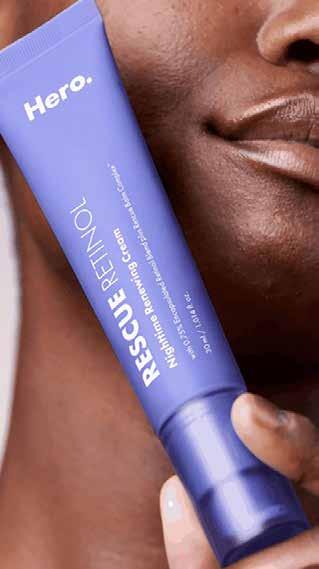
What it does is quieter. Over time, your skin becomes smoother, clearer, and more even. People may not know exactly what’s changed, but they’ll notice something has. And you will too in the mirror, in your confidence, in the way your skin starts to feel like it’s working with you, not against

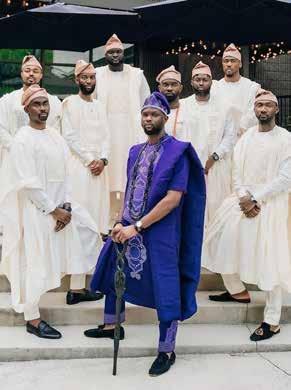
Weddings have quietly become one of the few places where Nigerian men are expected to try. Not just show up, but actually show up. And you can always tell the difference within minutes. The man who understands the assignment walks in looking considered, comfortable, and complete. Nothing is fighting for attention, nothing feels forced. Then there’s the other guy. The one adjusting his agbada every five minutes, overdressed in the wrong way, or worse, underdressed and hoping charisma will carry him through. The truth is, dressing well for a wedding isn’t about doing the most. It’s about knowing where you are, what the moment requires, and how to present yourself without looking like you tried too hard. Whether you’re the groom or a guest, the rules are not complicated. But they do matter.
By Funke Babs-Kufeji
Start with fit. Always.
This is where most men get it wrong, and it’s also where everything begins. You can spend a lot of money on fabric, embroidery, or designer labels, but if the fit is off, the entire look collapses. An agbada that overwhelms your frame will wear you instead of the other
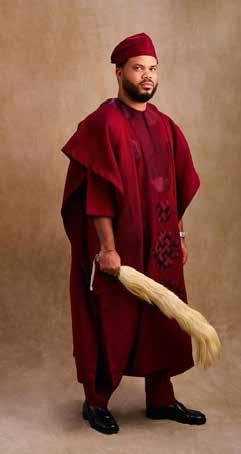
way around. A kaftan that pulls at the seams or hangs awkwardly will never look polished. A suit with shoulders that don’t sit properly will always feel slightly off, no matter how expensive it is.
Fabric is doing more work than you think.
At weddings, especially long ones, your outfit needs to hold up. From the ceremony to the reception, through greetings, photos, and hours of sitting and standing, your fabric is either working with you or against you.
Aso oke will always bring structure and quiet authority to traditional looks. Well-made cotton or silk blends can keep a kaftan looking crisp all day. For suits, good wool or breathable blends will maintain shape without looking tired halfway through the event. The mistake a lot of men make is choosing fabric that looks good at first glance but doesn’t last the day. It wrinkles too quickly, loses its structure, or photographs flat under lighting. Weddings are visual. What you wear will be seen in real time and remembered in pictures. Choose accordingly.
Colour is not a competition.
This is where restraint becomes important. Particularly for grooms, but also for guests. You are not trying to outshine the room. You are trying to belong in it, confidently.
For grooms, your look should sit comfortably beside your bride’s, not compete with it. That doesn’t mean playing it safe, but it does mean being intentional. Deep tones, well-chosen neutrals, or rich traditional colours tend to hold better than anything overly bright or experimental.
For guests, the rule is even simpler: don’t turn the wedding into your personal fashion show. There is a difference between being welldressed and being distracting. Most times, it comes down to knowing when to stop.
Details are where the difference is made.
This is the quiet part of dressing well that people notice without always being able to explain. Your shoes should be clean and properly finished. Not just expensive, but maintained. Your watch should complement your outfit, not fight with it. If you’re wearing a cap, it should sit properly, not like an afterthought. And then there’s fragrance. It
matters more than people admit.
The right scent, worn lightly, adds to your presence. Too much, and it becomes the only thing people remember about you.
If you’re a guest, respect the room.
Weddings come with an unspoken agreement: you are part of the moment, not the centre of it.
If there’s aso ebi, wear it well. Not reluctantly, not half-styled, but properly. If it’s a formal setting, show up in a suit or a well-executed traditional look. If it’s more relaxed, adjust accordingly, but never to the point of looking like you didn’t make an effort.
There’s always that one guest who misreads the room completely. Too casual, too loud, or trying too hard. It never goes unnoticed.
Standing out should never look like stress.
The best-dressed men at weddings are rarely the loudest. They are the ones who look like themselves, just refined.
You don’t need multiple statement pieces. You don’t need to mix too many colours. One strong element, a well-cut agbada, a clean monochrome look, a sharp suit, is enough.
Confidence plays a role here, but not the exaggerated kind. Just comfort. When you’re at ease in what you’re wearing, it shows in how you move, how you greet people, how you carry yourself through the day.
Grooming is not optional.
A fresh haircut, a clean shave or properly kept beard, neat nails, these things seem small until they’re not. They can elevate a simple outfit or quietly ruin a good one. And timing matters. A haircut done too close to the event can look too sharp or unnatural. Give it a day or two to settle. The goal is to look clean, not freshly carved.


For the longest time, art collecting felt like a distant world. The kind reserved for people who attended auctions in tailored suits, spoke in hushed tones, and knew exactly who painted what in 1987. But that idea has softened. Today, collecting art is less about gatekeeping and more about participation. And if you’ve been paying attention, there has never been a better time to start.
Let’s begin with the obvious question: why now?
Because the art world has opened up in ways it never has before.
Social media has dismantled the old barriers. Artists are no longer waiting to be discovered by galleries; they are building their own audiences, telling their own stories, and selling directly to collectors. Platforms like Instagram have become informal galleries, where you can discover emerging artists from Lagos to Accra to London in a single scroll. What used to require access now only requires curiosity. There’s also a noticeable shift in cultural confidence, particularly
within Africa. Artists are telling richer, more nuanced stories about identity, history, and modern life. And the world is paying attention. African art is no longer “emerging”; it is shaping global conversations. Which means that collectors, new and seasoned, are looking closer to home, recognising both the cultural and financial value of these works.
And yes, we should talk about value. Not in the purely transactional sense, but in the way art holds and grows meaning over time. A piece you buy today from a relatively unknown artist could, in a few years, carry both emotional and monetary weight.
But even beyond investment, there is something deeply satisfying about being early.
About discovering an artist before the rest of the world catches on. It feels personal, almost like you were part of their journey.
So, how do you start?
First, remove the pressure to be “correct.” There is no universal rulebook for collecting art. You don’t need to understand every reference or historical context.
Start with what draws you in. What makes you pause. What you keep going back to. That
emotional pull is more reliable than any trend forecast. Spend time looking. Visit galleries when you can. Walk through exhibitions, even if you don’t intend to buy anything. The more you expose yourself to different styles, mediums, and artists, the more your eye sharpens. You begin to notice what you like— and just as importantly, what you don’t.
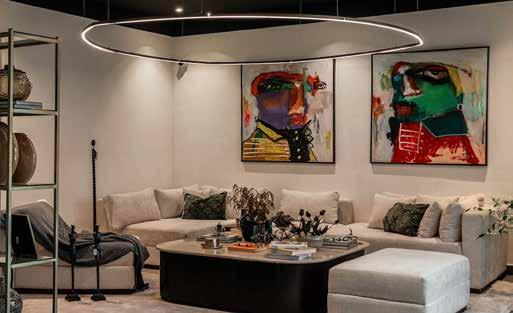
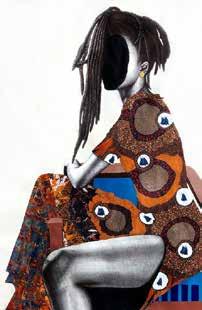
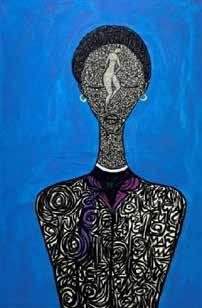
Pay attention to emerging artists. They are often more accessible in terms of pricing, and their work tends to carry a certain rawness that established names sometimes lose. Art fairs, pop-ups, and even small studio showcases are great places to start. And again, don’t underestimate the power of digital discovery. Many collectors today have built entire collections from artists they first encountered online. When you’re ready to buy, start small. A drawing. A limited print. A photograph. Collecting is not about immediately acquiring large, expensive pieces. It’s about building a relationship with art over time. Each piece becomes a marker of a moment in your life, what you were drawn to, what you were thinking, who you were
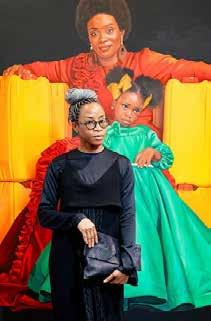
becoming.
Ask questions. Artists and gallerists appreciate curiosity. Understanding the story behind a piece often deepens your connection to it. Why was it created? What inspired it? What does it mean to the artist? These conversations transform art from something you own into something you understand. And then there’s the question of space. You don’t need a sprawling home or perfectly styled walls to begin collecting. Art has a way of adapting to its environment. A single piece in a small space can carry as much presence as an entire collection in a larger one. What matters is intention, not scale. Perhaps the most important thing to remember is this: collecting art is not about arriving somewhere. It’s about evolving. Your taste will change. What you loved five years ago may not resonate in the same way today, and that’s perfectly fine. It simply means you’re paying attention, that you’re growing.
In many ways, starting an art collection is less about the art itself and more about how you choose to see the world. It teaches you to slow down. To notice detail. To sit with emotion without immediately needing to explain it.
And in a time where everything feels fast, loud, and fleeting, that might be the most valuable thing of all.
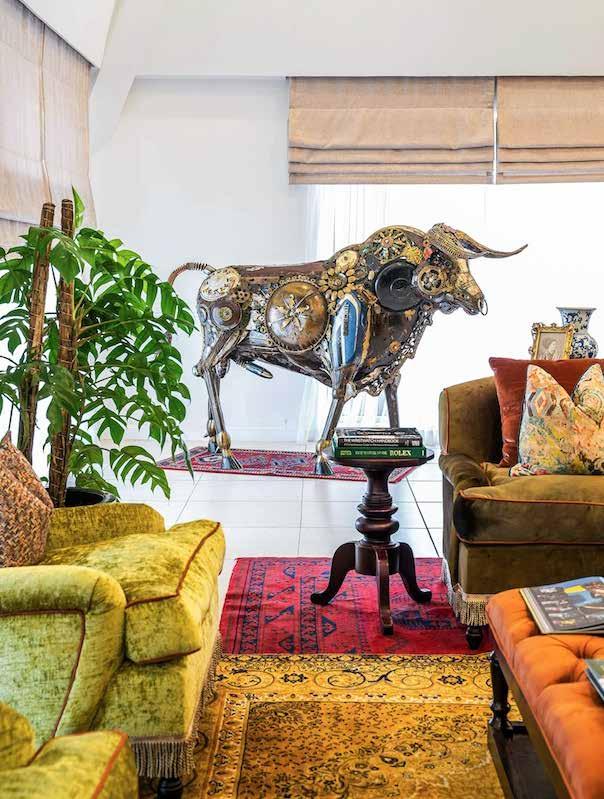
Intimacy in your twenties feels loud. It’s constant talking, constant reassurance, constant presence. You want to be seen, chosen, desired, clearly, visibly, without confusion. And for a while, that feels like enough. Until it doesn’t. Because as you get older, you begin to realise that proximity is not the same as closeness. That being wanted is not the same as being known. And that a lot of what once felt like intimacy was, in hindsight, just access. Here’s what actually changes — beyond the clichés.

When you’re younger, a lot of intimacy is… acted.
You’re thinking about how you look, how you sound, whether you’re doing the “right” things. There’s an invisible script shaped by films, conversations, even Instagram.
As you get older, that performance starts to fall away. Not because you suddenly have everything figured out, but because you’re less interested in impressing and more interested in feeling. You want presence, not applause.
Sex becomes less about proving desirability and more about actually experiencing connection.
At some point, you realise attraction isn’t just physical. It’s how someone speaks. How they think. How they make you feel in quiet moments. Emotional intelligence becomes seductive. In your twenties, chemistry can carry everything. Later, chemistry
without depth starts to feel empty. You can be attracted to someone and still feel disconnected. And on the flip side, feeling understood can deepen desire in ways looks never could.
You stop pretending. You’re less willing to endure bad sex, confusing communication, or emotional inconsistency just to keep something going. You recognise faster when something isn’t working ,and you act on it. At some point, you stop asking, Do they like me? and start asking, Do I even like how feel around them?
That shift changes everything.
There was a time when unpredictability felt thrilling. Now, it feels exhausting. You start to value consistency. Clear communication. Someone who shows up the same way, not
just when it’s convenient. And here’s the part people don’t say enough: emotional safety makes physical intimacy better. Because when you feel secure, you’re more open. Less guarded. More present.
5. Your Relationship With Your Body Evolves
Yes, your body changes. But so does your relationship with it. For many people, confidence actually improves. You’re less apologetic, less fixated on perfection, more aware of what works for you. There’s a quiet ownership that comes with age. And that ownership shows up in intimacy, you communicate better, you’re more self-aware, and you’re less afraid to take up space.
6. Life Gets Fuller, So Intimacy Becomes Intentional
Between work, responsibilities, and real life, spontaneity doesn’t always come easy. So intimacy becomes something you make time for. And that’s not necessarily
a downgrade.Because when it’s inten tional, it’s often more meaningful. You’re choosing it, not just falling into it.
7. Society Complicates Things More Than We Admit
This is where it gets real.
As you get older, intimacy is no longer just about two people. It’s shaped by pressure, expectations, and reality.
There’s the quiet urgency around marriage. The rise of people reentering the dating pool with a history of divorce, children, and emotional scars. The unspoken negotiations around money, stability, and lifestyle. Women are told not to “waste time.” Men are increasingly looking for women who bring value, financially, socially, and even globally.
And then there’s the part no one pretends to hide anymore, relationships that are openly transactional.
So intimacy is no longer just emotional or physical. It’s layered with practicality. And navigating that requires a different kind of awareness.