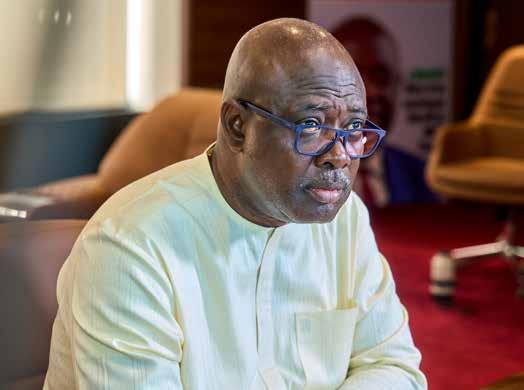
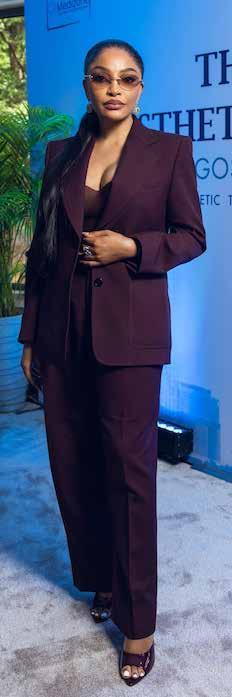
igeria’s oil sector has always occupied a certain space in the national imagination; vast, influential, and constantly watched. It is one of the few industries where numbers carry both economic weight and emotional resonance. For a long time, the story has not been about absence of potential, but about how that potential translates, consistently, visibly, and in ways people can feel. In recent years, that translation has taken on a clearer sense of direction, shaped in part by the leadership of Heineken Lokpobiri, who was appointed Minister of State for Petroleum Resources (Oil) in 2023 by Bola Ahmed Tinubu.
Lifestyle & Fashion
The cost of looking good has gone up, noticeably, steadily, and in a way that is becoming harder to ignore. I was reminded of it recently while picking up a few skincare essentials with my sister. Nothing excessive, just the usual and yet the total cost told a very different story.
What used to feel like routine now feels considered. The basics are no longer basic. Skincare alone has quietly moved into a category that requires intention, not just preference. And it doesn’t exist in isolation. It’s hair, it’s makeup, it’s grooming, it’s everything that comes together to create that polished, put-together version of ourselves we’ve come to expect. Because that expectation hasn’t changed, if anything, it has intensified.
Looking good today is no longer an occasional effort; it is maintenance. Continuous, consistent, and increasingly expensive maintenance. And the real shift isn’t just in the prices; it’s in how normal it’s all started to feel. We’ve adjusted almost seamlessly to a new reality where self-care is as much a financial decision as a personal one.
So how is everyone managing it? Are we cutting back, choosing differently, redefining what is essential or simply absorbing the cost because, in many ways, opting out doesn’t feel like a real option?
It’s a conversation we don’t always have openly, but it sits just beneath the surface of everyday life. This week, I explore it in depth in the article “The Price of Pretty: How Looking Good Is Quietly Bankrupting Us.” It’s honest, sharp, and very familiar. You should read it.
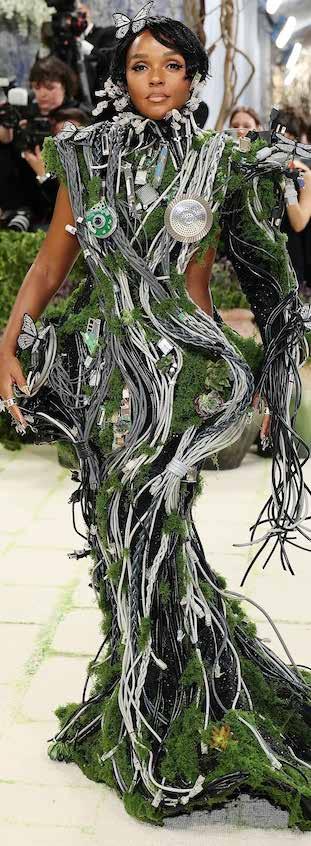
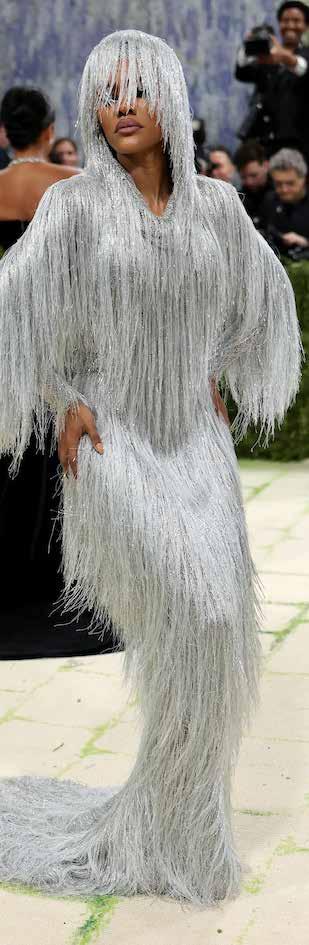
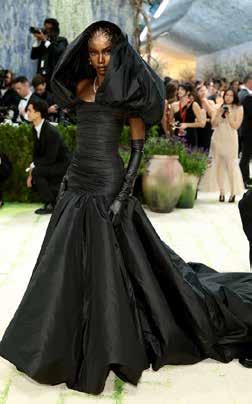
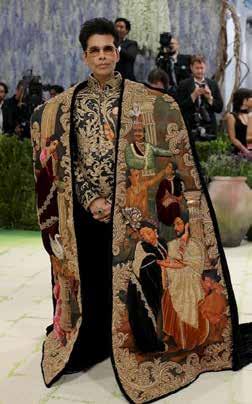
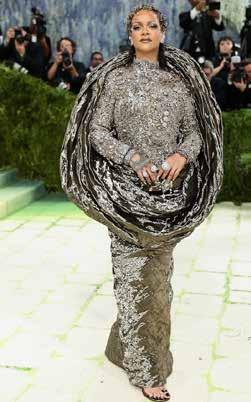
On a lighter note, the MET Gala reminded us, once again, what fashion looks like at its most expressive. The drama, the precision, the moments that stay with you long after the night ends. Some of our favourite looks are featured in this issue, and they’re worth lingering on.
But closer to home, the real excitement is building. The Africa Magic Viewers’ Choice Awards takes place this Saturday, the 9th of May, and at this point, we all know the truth: the red carpet is the main event. Before the awards, before the speeches, the fashion has already spoken.
Nigerian designers will show up with intention, craftsmanship, and a confidence that feels both rooted and forward-facing.
We’ll be watching closely. And next week, we’ll bring you everything. The looks, the moments, the ones that land and the ones that don’t. How are you doing? I hope May is meeting you with some softness.
Until next week, keep your standards high, your spending considered, and your expectations where they should be.
By Funke Babs-Kufeji
For the longest time, good skin felt like a product problem. If something was off, breakouts, dullness, uneven tone, the instinct was to fix it with something new.
A different serum, a stronger treatment, another step added to the routine.
But more recently, that thinking has started to shift. Not dramatically, just quietly. Even with the best products, there are times when your skin still doesn’t look quite right, and it has very little to do with what you’re applying.
Serums, creams, and treatments all have their place. They help, and sometimes they help a lot.
But they are not the full story.
Real glow, the kind that looks natural and lasts beyond a good makeup day, is often the result of habits, not just products.
Sleep Is the First Skincare Step
No cream can fully replace rest. When you are well-rested, your skin looks calmer, brighter, and more even. There is a softness that comes naturally, without effort. Lack of sleep shows quickly, dullness, under-eye shadows, and a tired texture that makeup struggles to hide. You may be able to cover it temporarily, but you rarely fully erase it. A consistent sleep routine, more than the occasional early night, is what makes the difference.
Hydration Shows Well-hydrated skin has a certain ease to it. It looks balanced, softer, and clearer. Drinking enough water supports elasticity, tone, and overall freshness in ways products alone cannot fully replicate. When you are hydrated, your skin tends to respond better to everything else you use. When you are not, it shows, tightness, uneven tone, and a lack of radiance that is difficult to disguise.
What You Eat Reflects
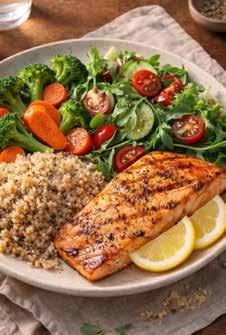
Your diet plays a bigger role than most people admit. What you eat eventually shows up on your skin. Foods rich in vitamins, healthy fats, and antioxidants support clearer, more balanced skin over time. On the other hand, excess sugar, processed foods, and inconsistent eating habits can manifest as breakouts or dullness. It is not about perfection or strict rules, but about paying attention. The skin often reflects what the body is dealing with internally.
THE GLOW ISN’T ALWAYS IN A BOTTLE
Stress Leaves a Mark
Stress rarely stays internal. It tends to show itself; breakouts that come out of nowhere, increased sensitivity, or skin that just feels unsettled. There is also a certain tightness that comes with stress, something that affects not just the skin but your overall expression. Even when everything else in your routine stays the same, stress can disrupt the balance. Finding ways to slow down, rest, or reset, even in small ways, can make a noticeable difference.
Consistency Over Excess
Using too many products can sometimes do more harm than good. Over-layering can irritate the skin and make it harder to understand what is actually working. There is a tendency to keep adding more, more steps, more activities, but skin often responds better to simplicity. A consistent routine built around what suits your skin tends to deliver better results than constantly trying new things.
Movement Improves Circulation
Regular movement, even something as simple as walking, improves blood flow, which supports a natural, healthy-looking glow. It is not about intense workouts, but about staying active enough to support your body overall. Movement works quietly, but over time, it shows.
Sun Protection Is NonNegotiable
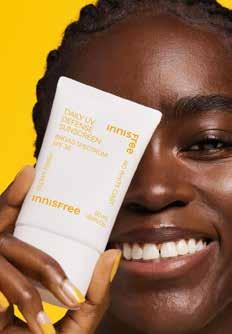
Exposure to the sun without protection is one of the fastest ways to affect the skin’s texture, tone, and elasticity. Daily sunscreen is not optional, regardless of the weather. It helps preserve the quality of your skin over time and protects against damage that is often difficult to reverse.
Clean Habits Matter
Simple habits like properly removing your makeup, avoiding unnecessary contact with your face, and keeping your pillowcases clean can make a noticeable difference. These are easy to overlook, but they help reduce irritation and prevent avoidable skin issues. Because when you really think about it, glowing skin is rarely about one product or one routine. It is the result of how everything works together— what you do daily, how you care for yourself, and the habits you keep over time.
EXECUTIVE EDITOR
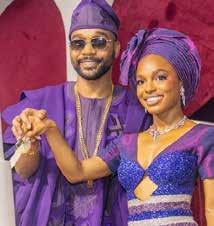
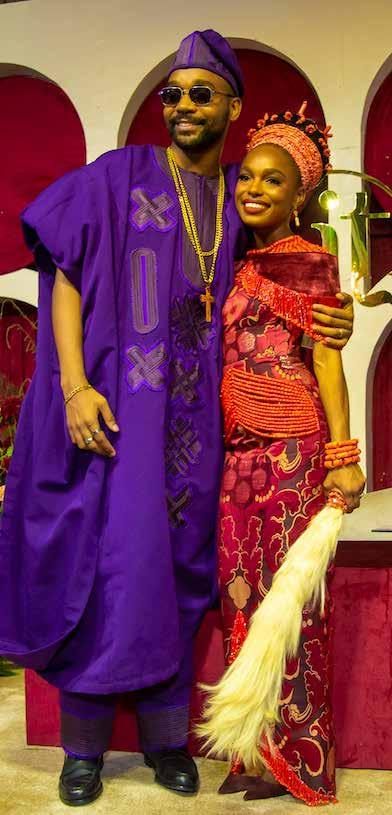
JOANNA & TOLU’S TRADITIONAL WEDDING
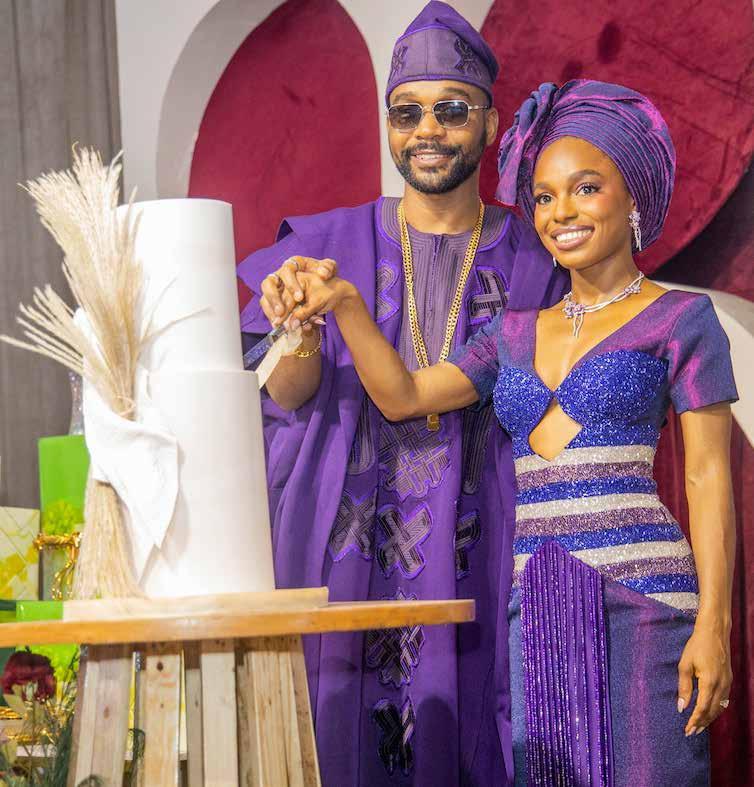
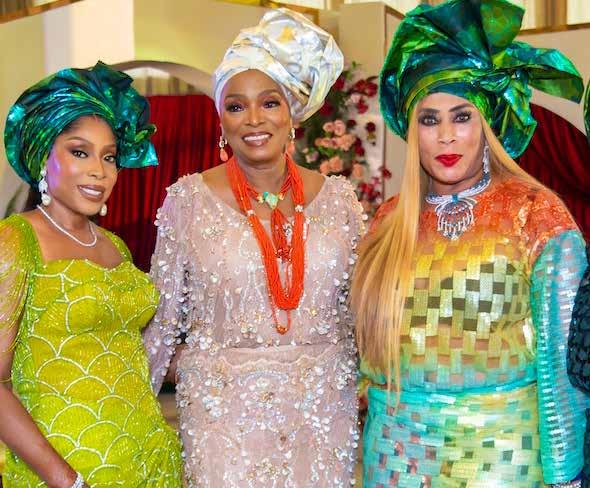
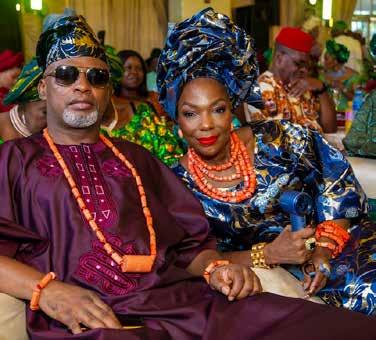
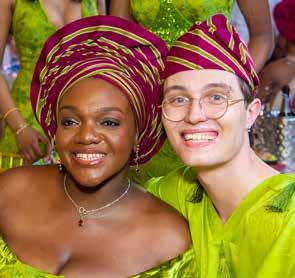
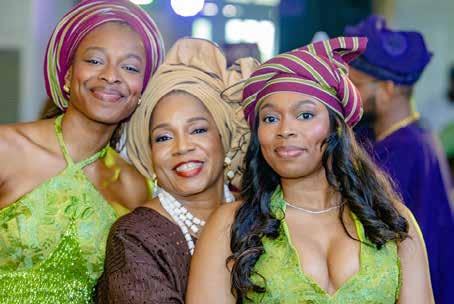
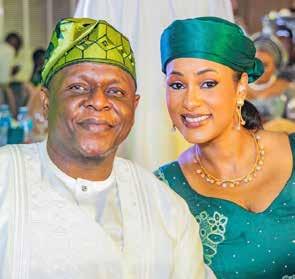
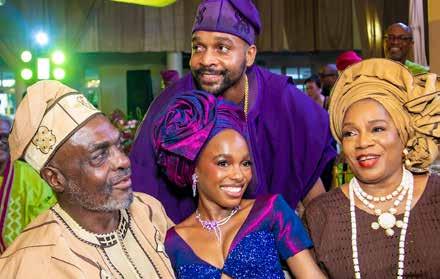
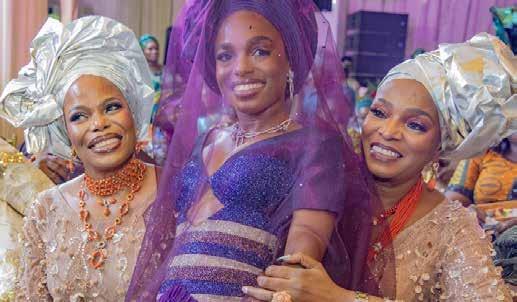
It was a beautiful celebration of love, culture, and family as Joanna and Tolu traditionally tied the knot in a colourful ceremony held at The Hall Event Centre on Musa Yar’Adua, Victoria Island, Lagos.
Friends, family members, and loved ones turned out in style to celebrate with the couple on their special day. From the moment guests arrived, the atmosphere was filled with excitement, laughter, music, and heartfelt joy, setting the tone for a memorable occasion.
Dressed elegantly in stunning traditional attire, Joanna and Tolu looked every bit the happy couple as they honoured cultural traditions and shared beautiful moments together. One of the highlights of the ceremony was the coming together of both families, who officially met, exchanged pleasantries, prayers, and goodwill in celebration of the union.
The reception was lively and energetic, with guests dancing happily to a mix of traditional and contemporary music. The dance floor remained full throughout the event as friends and family joined the couple in celebration.
Guests were also treated to an abundance of food and drinks, with a rich spread that kept everyone entertained and satisfied as conversations and laughter flowed across the beautifully decorated venue.
From the colourful fashion statements to the warmth shared between family and friends, Joanna and Tolu’s traditional wedding was a truly memorable celebration, one filled with love, happiness, and the joyful union of two families.
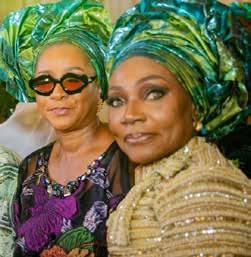
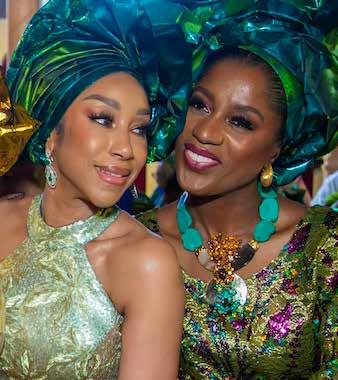
MO ABUDU, RUTH OSIME & NKIRU ANUMUDU
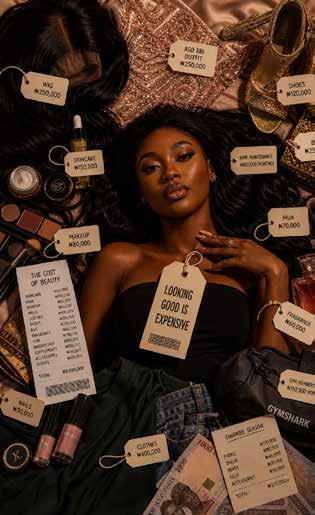
THE PRICE OF PRETTY: HOW LOOKING GOOD IS QUIETLY BANKRUPTING US
By Konye Chelsea Nwabogor
There was a time when looking presentable felt like effort, not expense. You picked an outfit, did your hair, maybe added a little gloss, and stepped out. It wasn’t casual, but it also wasn’t calculated. Now, getting dressed carries a different weight. Somewhere between rising costs and unspoken expectations, looking “put together” has turned into something you have to actively budget for. Not occasionally, not for special events, but as a steady, ongoing commitment.
And the shift didn’t happen all at once.
It crept in quietly, steadily, until one day you realise that looking like yourself, but slightly elevated, now comes with a price tag that feels impossible to ignore.
Here is what nobody tells you when you are young and just beginning to care about your appearance: looking good is not a one-time purchase. It is a subscription. A subscription with no free trial, no cancellation option, and a price that adjusts itself upward, whether you agreed to the new terms or not.
The woman who wakes up at 5 am to start her skincare routine before work did not decide arbitrarily to complicate her mornings. She has simply accepted, as most of us have, that how you present yourself shapes how you are received. In a place where perception often moves ahead of truth, appearance does a surprising amount of heavy lifting.
And the industry that profits from this understanding is enormous. The Nigerian beauty and personal care market is worth billions of naira and growing, fed by a population that is young, style-conscious, and deeply committed to showing up well. The problem is that showing up well has gotten dramatically more expensive, and the economy has not had the decency to keep up.
The naira’s decline between 2023 and 2024 did something particularly cruel to the beauty routines of ordinary Nigerians. Most of what we use, the serums, the lace fronts, the setting sprays, the imported moisturisers with the tiny foreign flags on them, comes from outside the country. When the exchange rate shifted, those products did not send a sympathetic email. They simply cost more.
A skincare product that was sitting comfortably on a shelf at ₦8,000 two years ago is now ₦22,000, and in some cases more. Women who had carefully assembled routines that worked for their skin have had to do quiet, painful audits of what they can still afford to keep. Entire product lines have become luxury items by accident.
Haircare alone could fund a small business. The relationship between a Nigerian woman and her hair is one of the most expensive longterm commitments she will ever enter, and unlike other relationships, there is no clean exit. A quality human hair wig, the kind that sits on the head like it was always there, costs anywhere from ₦450,000 to ₦1,600,000. Maintaining it is its own recurring expense.
Those who prefer the salon route are paying between ₦35,000 and ₦100,000 per visit, depending on the style and the salon’s postcode, returning every few weeks because hair, like rent, does not care that last month was difficult. Add the treatments, the edges, the accessories, and the occasional late-night purchase inspired by an algorithm that knows you too well, and the annual spend becomes significant even if nobody calls it that.
Then there is skincare, which has quietly evolved from a simple bar of soap and Vaseline into a multi-step ritual that has convinced an entire generation that they need a different cream for morning and evening, a serum for their face and another for their neck, and something called a toner that nobody has satisfactorily explained, but everyone is using. A proper routine now costs real money to set up and real money to
maintain, and the internet has only made it more demanding.
Men, before they fold their arms and feel exempt, should know they are not. The barbershop once one of the last affordable rituals of male existence has been thoroughly upgraded. A fresh cut at a decent Lagos barbershop now costs between ₦25,000 and ₦40,000, and that is before the shave, the treatment, or the beard oil that will be recommended while your guard is down. The skincare industry found men about a decade ago and has not let go since, selling them the same anxieties it has always sold women, just repackaged in darker bottles with words like “activated charcoal” and “power serum” on the label. Add the gym membership, the cologne, the clothing rotation, and the general pressure to look like someone who has his life together, and the average Nigerian man is spending far more than he admits. Clothing, of course, is its own conversation. Lagos moves fast, and the fashion cycle here is almost aggressive in how quickly it renders things dated. The social stakes of appearance mean that wardrobes require regular attention. Whether people are buying locally made pieces, thrifted finds, or importing directly, the bill accumulates. A well-dressed Nigerian woman can spend between ₦1,500,000 and ₦5,000,000 a year on clothing and footwear without trying especially hard. Factor in the events, and there are always events, and that number rises.
Which brings us, naturally, to weddings. Because no conversation about the cost of looking good in Nigeria is complete without addressing the particular madness of the owambe circuit. It is one thing to spend money on yourself for daily life. It is another thing entirely to spend what some people earn in months just to attend someone else’s celebration.
By the time a Nigerian wedding guest has paid for asoebi fabric, hired a tailor, booked a makeup artist, sorted her hair, done her nails, bought shoes and a bag to match, and prepared her skin in the weeks leading up to the event, she can easily have spent ₦500,000 to ₦2,000,000. For someone else’s wedding. The number sounds outrageous until you realise how common it is and how incredible she probably looked. The reason people keep doing it, keep paying all of it, the skincare, the wigs, the asoebi and the MUAs, is not because Nigerians are irrational spenders. It is because in this society, appearance carries weight that is both social and economic. People who are perceived as well-groomed are treated differently, trusted faster, and often given access to spaces that might otherwise remain closed. In a country where so much depends on perception, looking credible is not a small advantage.
What is more interesting and a little uncomfortable is how this spending persists even when it probably should not. Nigeria is a country where many people are navigating genuine financial pressure, where salaries have not kept pace with inflation, and where the simple cost of eating well has become a conversation. And yet the beauty industry remains remarkably resilient. People cut other things before they cut their appearance.
They would rather adjust in other areas than show up looking like they are struggling, because in a place that reads presentation as a signal, looking like things are fine is sometimes the only part of things being fine that you can control.
That is not a small thing. When everything around you feels uncertain, the economy, the headlines, the cost of living, the one space where your decisions still produce immediate, visible results is how you look.
The beauty industry did not create that instinct. It simply recognised it, refined it, and priced it accordingly. And until something more fundamental changes about how we measure value and reward effort, we will keep paying. Willingly, creatively, sometimes reluctantly, but always, finding a way to look like we are doing just fine.
THE 2026 MET GALA TURNED FASHION
INTO LIVING ART
There are red carpets, and then there’s the Met Gala, that one night where fashion stops trying to be wearable and leans fully into expression.
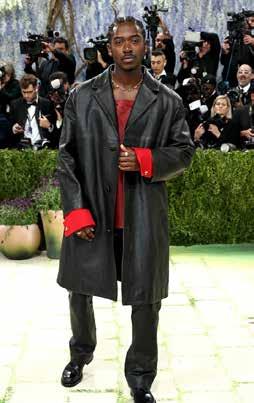
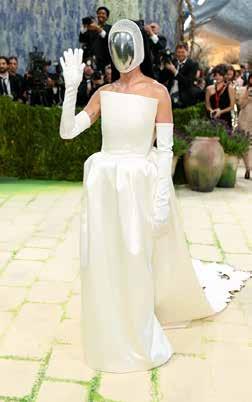
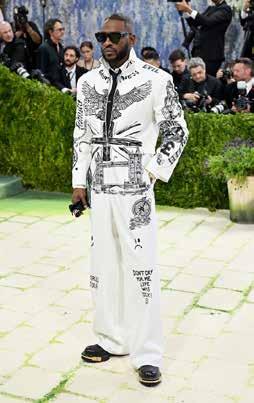
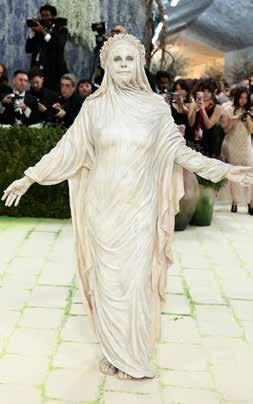
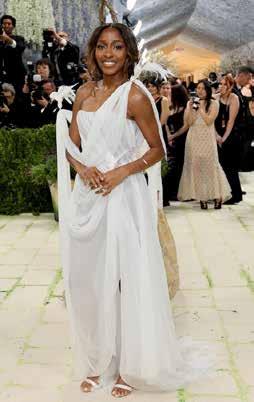
On Monday night, May 5th, in New York City, the steps of the Metropolitan Museum of Art became exactly that: a stage for interpretation, risk, and imagination as guests arrived for the 2026 Met Gala. This year’s theme, Costume Art, came with a clear message. Fashion wasn’t just to be worn, it was to be examined, stretched, and, in some cases, completely reimagined. With a dress code of Fashion Is Art, the expectation was simple: don’t just show up, make a statement. And for the most part, they did.
Co-chaired by Beyoncé, Nicole Kidman, Venus Williams, and Anna Wintour, the night carried a certain weight. Not in a heavy way, but in that quiet expectation that people would take the theme seriously.
The red carpet reflected that almost immediately.
This wasn’t a night of safe glamour. Silhouettes were sharper, stranger, more deliberate. Some guests leaned into the idea of the body as sculpture, draped fabrics that clung and folded like something carved rather than sewn. Others went abstract, playing with proportion, structure, and texture in ways that felt closer to installation than outfit.
What made it interesting was the range. Not everyone approached the theme the same way, and that worked in its favour. Some kept things clean and controlled, relying on tailoring and detail to do the talking. Others went all out, volume, embellishment, drama.
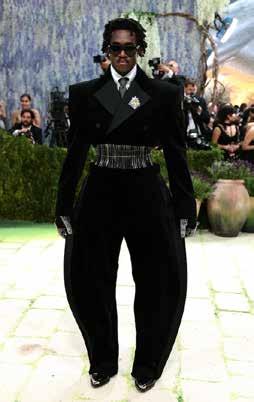
Menswear didn’t sit quietly either. Traditional tailoring was pushed in new directions, longer lines, softer fabrics, less rigidity. It felt considered, not forced, which is usually where things can go wrong.
Of course, not every look landed. A few felt like they were trying too hard to be “art,” and some got lost in the concept. But even those added to the night. And that’s really what the 2026 Met Gala got right. It didn’t feel like a competition for who looked best. It felt like a conversation, different ideas, different references, different ways of seeing fashion.
From sculptural gowns that looked almost impossible to construct, to sharply tailored pieces softened by unexpected movement, to bold, slightly surreal ensembles that blurred the line between costume and couture, the night delivered a mix of striking, confusing, and genuinely beautiful looks. Exactly how it should be. Here are a few of our favourites.
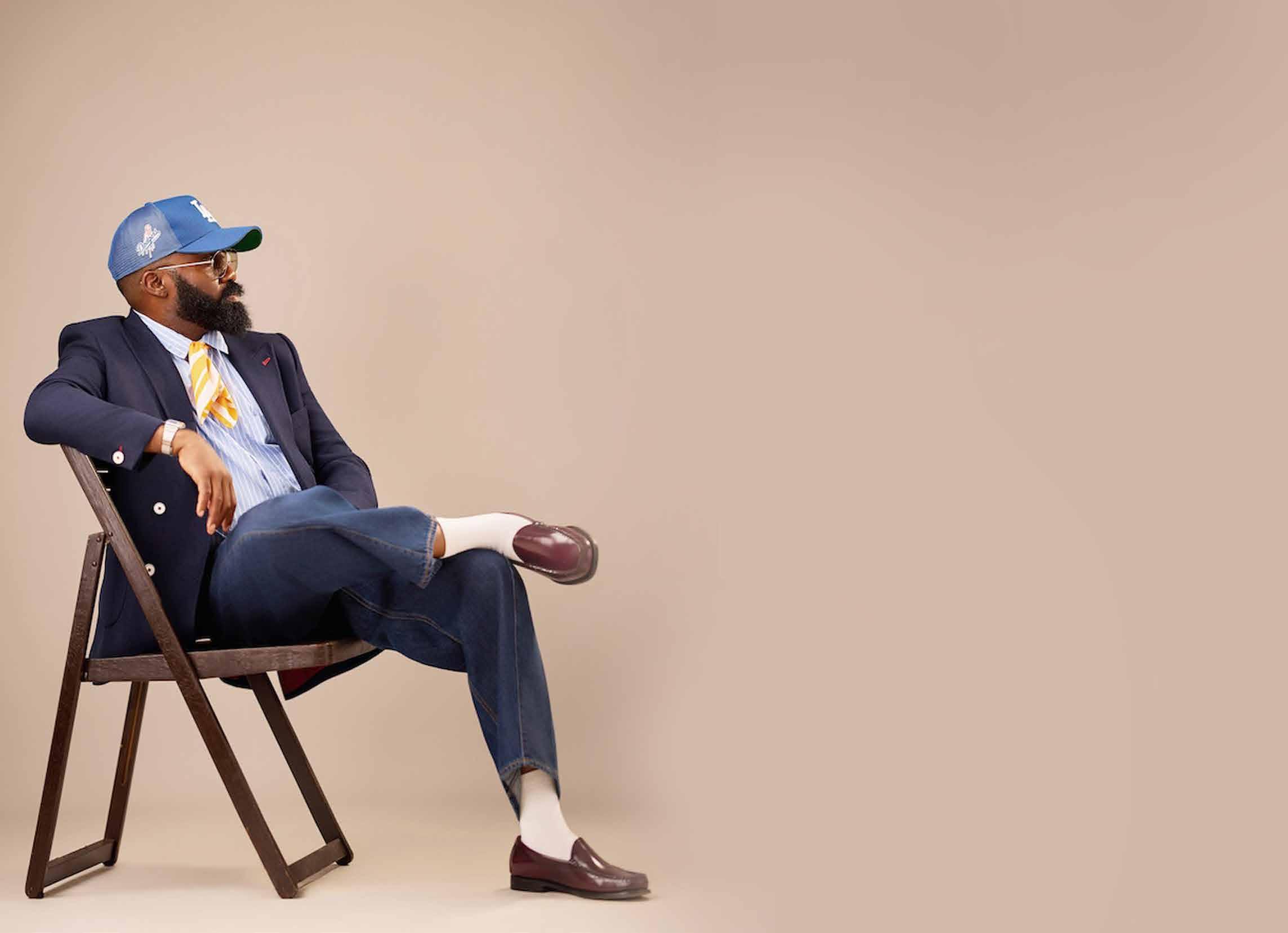
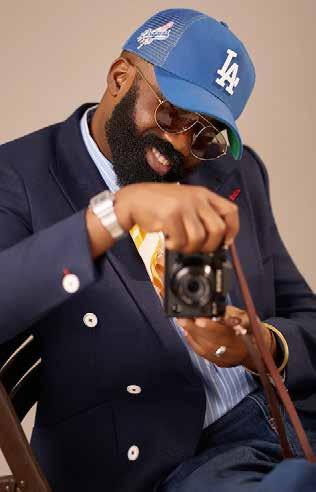
Long before creator culture became currency and fashion content found its commercial footing in Nigeria, Noble Igwe was already building in the space where media, style, and influence would eventually collide. Through Style Vitae, the platform he co-founded 12 years ago, he helped reframe how Nigerian fashion could be seen, consumed, and celebrated online. At a time when the conversation felt narrow and repetitive, Style Vitae created room for individuality, modern taste, and a more authentic representation of personal style. In many ways, it became one of the early blueprints for the lifestyle media ecosystem we now take for granted.
This conversation feels especially full circle for me because Noble was the very first person I worked with in the creative/media industry. I had no real experience at the time, but he saw something in me and gave me an opportunity that would shape so much of what came after. So to sit down with him now, as Style Vitae marks 12 years, felt less like a standard interview and more like a moment of gratitude. We spoke about legacy, longevity, Nigerian men’s style, the creator economy, and what it means to stay true to yourself while the world catches up.
By Ayo Lawal
Style Vitae is turning 12, which is a major milestone in digital years. When you look back at why you started it, what gap were you trying to fill in Nigeria’s fashion and lifestyle conversation at the time?
It has been 12 amazing years, and looking back, am most grateful to God for how far we have come. Fashion is not mass market; it’s niche, and unlike music or some other forms of entertainment, you have to love fashion to consume fashion content.
When we started, we set out to present fashion in a more authentic way. We knew that Nigerian fashion was more than Ankara prints and costume; we saw the need for people with original style to see a brand tailored to them. Back then, most of the blogs only recognised a few known people as fashionable; they recycled them every week, and everyone with enough designer labels in their closet was platformed. A few of the blogs had to include a bit of city gossip to drive traffic, and we saw the need for a destination dedicated solely to fashion and lifestyle. Today, the story is different, and people are now willing to consume fashion content. They are able to recognise a lot more stylish people who may not own one designer item. I’d like to think we succeeded, and we didn’t deter from the plan in search of traffic.
Before influencer culture became what it is today, you were already building a personal brand online. Did you always understand the power of personality-led media, or did that evolve naturally?
To be honest, didn’t really know what personal branding was. was really living my life, sharing my reality with people, and loving it. I got to know that I was onto something when I started getting offers from brands to post their products, attend events, or give them shout-outs for a fee. I’m happy that money and fame weren’t the purpose. didn’t set out to be an influencer or anything, but I am totally grateful to God for how far it has brought me. It was all natural. I also believe that the natural path outlives any
IGWE Noble
HOW HE HELPED BUILD THE LANE WHERE FASHION, MEDIA AND INFLUENCE MEET
forced route.
You’ve often existed at the intersection of media, fashion, and culture. Did you intentionally build your career that way, or were you simply following your interests before the industry had language for it?
I’d like to think that I am an open book. Once you get to meet me or come across my socials, you can tell the things that I love. I’m a chief in my village, Umuomaku in Anambra State. I love and proudly show the richness of Igbo culture. My personality is my personal style. dress the way see it in my mind’s eye, and I don’t follow trends. The media is the most powerful channel to showcase these things that I love. A friend once told someone that “Noble has always been proudly Igbo even before it was fashionable to do so.” It’s a thing of joy that most of the things that love to do naturally ended up playing a huge role in my career today.
In the early days, what were some of the biggest challenges of convincing people that fashion and lifestyle content could be taken seriously as a business in Nigeria?
I have really suffered for fashion. have been told, “We cannot sponsor a fashion event; all those fashion people don’t have buying power.” It was really tough at the beginning, but gradually, things are changing. A lot more brands are willing to support fashion events and sign fashionable people as brand ambassadors, and that’s a thing of joy. When we started, it was really tough to meet up with things like salaries. We were lucky with a few people that we worked with in the beginning because most of them understood that we weren’t making enough money, and like most fashion blogs/businesses, we did struggle. A few years later, we became a voice, and with that, more people started taking us seriously, calling us to be a part of their events, and that really got a lot more people to pay attention to us. Today, the story is different. Fashion is such a big deal, and we are really happy to be playing our part.
You were one of the first Nigerian men many people saw consistently embracing fashion as self-expression online. Did you feel pressure carrying that visibility in a culture where men’s style was often boxed in?
I’m happy that people see me as a reference or someone they respect as far as men’s fashion is concerned. Did I feel boxed in? Not at all. was willing to share my life. I am constantly asking people to express themselves through their style. I don’t believe in fashion rules—if you can think it, you can pull it off. People once frowned at “colour riot,” but look at how much men are now playing with colours. I love it.
The creator economy is booming now, but you were building long before it became trendy. What do younger creators misunderstand about longevity, influence, and staying power? think a lot of younger creators are really
more focused on popularity than putting in the work. People get carried away with “likes” and are just interested in overnight success. People introduce themselves as “influencers” when some of these people are not even influencing their immediate family. A lot of young people don’t want to gain any employment experience; they want to be popular overnight and forget that it takes a lot more to sustain stardom. I’d like to see young creators get good education, get a proper job for experience, and remember to stay consistent in any chosen field. Trends change, and you’d need your authenticity to stay afloat.
You’ve worn many hats—publisher, entrepreneur, tastemaker, content creator. Which role has challenged you the most, and which has fulfilled you the most?
The most challenging is the one you missed out on—fatherhood. That’s the one that I love the most, but it’s also the one that didn’t come with a training manual. I love being a dad of three. From the list above, I think publishing has been the most stressful because you have to depend on brands for adverts, and sometimes they need to make sure they have enough budget to go around. Style Vitae has always felt bigger than clothes—it speaks to aspiration, confidence, and modern identity. Was that intentional from day one? That has always been the intention. We set out to create an online fashion bible where everything related to fashion and lifestyle would be housed. We are not yet at the desired destination—maybe halfway there—but someday, we are going to become the first reference.
You’ve managed to stay relevant across multiple internet eras. What have you had to unlearn or reinvent about yourself to keep evolving? get asked this question a lot, and I am grateful that people still consider me very relevant after so many years in the industry. Recently, someone told me about the role I played in the event scene with reels.
I’m grateful to God for life and the ability to try new things. don’t give up easily, and I try to do only the things that come naturally to me.
When you do things that you love, you’d never work a day in your life—but you have to stay consistent.
When you think about the Nigerian digital space, what are some things people enjoy today that they may not realise were pioneered by your generation of creators?
Hahahahahaha. A few things are now possible because we played our role. People can now demand payment to attend events or to get styled by designers. When we were given clothes, we brought customers and the designers sold. Now, a few of those designers are willing to pay creators to wear their brands. also think that a few of us made it possible to go and tell your parents that you want to be a blogger because we made a successful career out of it.
How has success changed for you personally? At this stage, what matters more now than it did at the beginning? wouldn’t say success changed me. I did, and am still doing everything my way because, truly, you have to be true to yourself. have had the same friends from back then, and some of them are not even famous. think one thing that has changed is the way I spend my time. I try to make out a lot of time for my family. take the kids to school every day, spend time eating out and staying home. A lot of people now look forward to our pictures every Sunday.
If you were launching Style Vitae in 2026 instead of 2014, what would you do differently, and what would remain exactly the same? will do it exactly the same way, but I wouldn’t want to launch it in 2026—they don’t make people the same way anymore. We started this journey with the best people and wouldn’t have come this far without them.
As Style Vitae turns 12, what legacy do you hope it leaves—not just as a platform, but as a blueprint for the fusion of media, fashion, and influencer culture in Nigeria?
want people to remember that great things can come from anywhere. grew up in Aba in Abia State, a state known for trading, and with my co-founder, Samantha Dimka, we were able to give birth to this baby. want people to remember all the popular names and people that started their careers with Style Vitae and have now gone ahead to do amazing things. I want people to know that it’s possible—if you can think of it, you can do it. I want people to live like us at Style Vitae: make your fashion fun and your style real.
HEINEKEN LOKPOBIRI
OIL SHEIK OF THE NIGER DELTA!
BY KONYE CHELSEA NWABOGOR
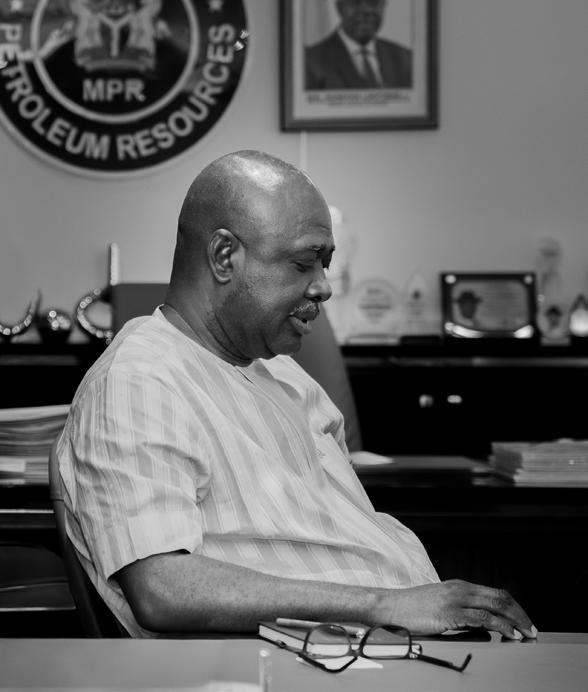
Nigeria’s oil sector has always occupied a certain space in the national imagination; vast, influential, and constantly watched. It is one of the few industries where numbers carry both economic weight and emotional resonance, where production figures are discussed not just in boardrooms but in everyday conversations. For a long time, the story has not been about absence of potential, but about how that potential translates, consistently, visibly, and in ways people can feel.
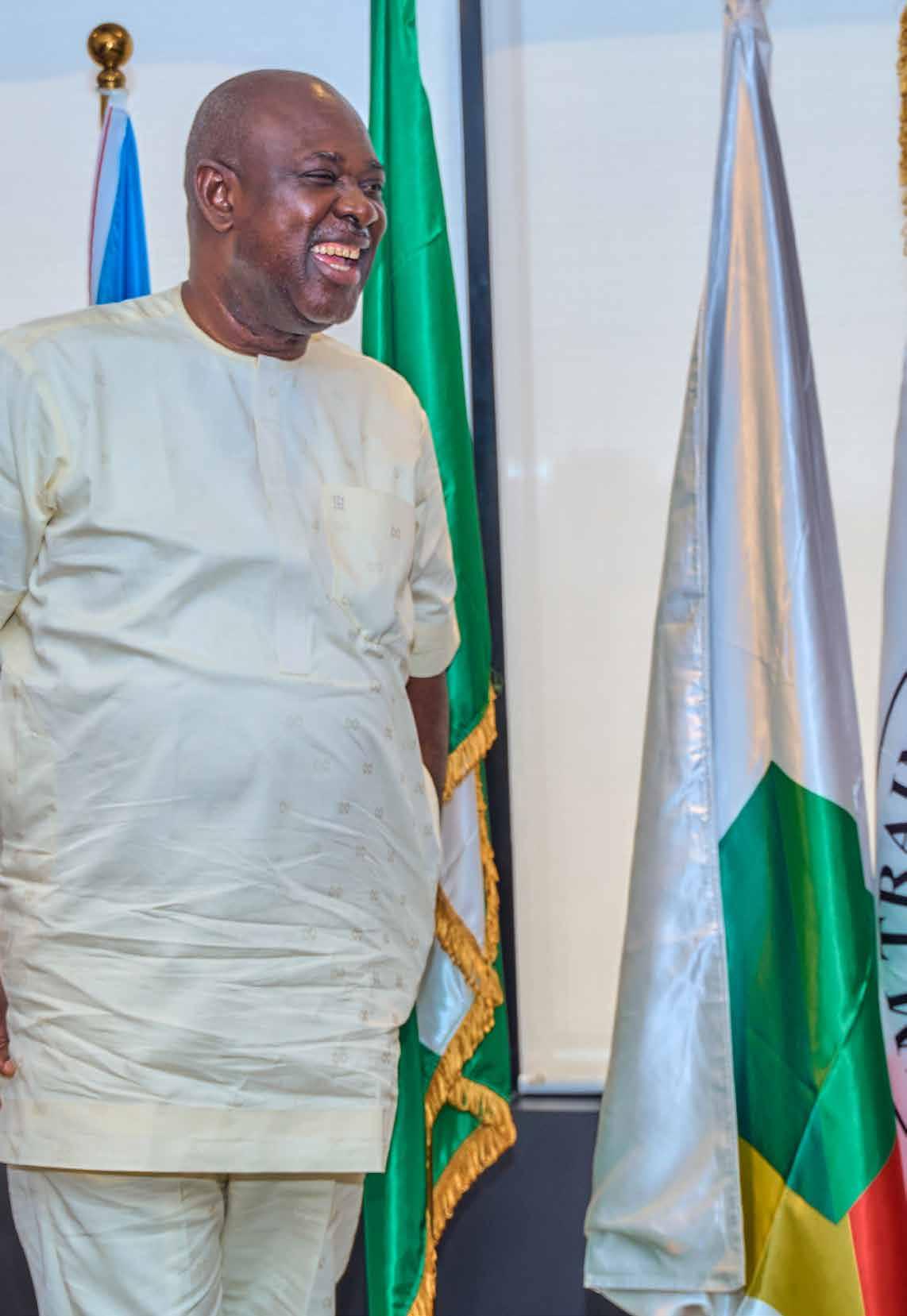
In recent years, that translation has taken on a clearer sense of direction, shaped in part by the leadership of Heineken Lokpobiri, who was appointed Minister of State for Petroleum Resources (Oil) in 2023 by Bola Ahmed Tinubu. His approach has not been loud or overly stylised. If anything, it has been defined by a kind of steadiness, a focus on activity, on continuity, and on the quiet but important work of getting a complex sector to move in sync.
Under his watch, the numbers have shifted in ways that are difficult to ignore. Oil production, which had dropped to approximately one million barrels per day, has climbed back to between 1.7 and 1.8 million barrels per day. That movement, on its own,
At the centre of his current mandate is a clear objective: to raise Nigeria’s oil production while strengthening the conditions that sustain longterm investment. It is a task that requires more than policy statements. It demands alignment between government, operators, communities, and capital in a sector where each element influences the other.
signals recovery. But beyond production, there are other indicators that speak more directly to confidence. Rig activity has increased significantly, and capital, which tends to be cautious and selective, has begun to return in more meaningful ways.
A series of long-pending divestments by international oil companies, transactions that had lingered for years, have been successfully concluded. These transfers, placing key assets in the hands of Nigerian operators, represent more than administrative progress. They point to a shift in operational ownership and, increasingly, to a growing confidence in local capacity to manage and scale production. In parallel, new field development plans worth billions of dollars have been approved, adding another layer of momentum to the sector. At the same time, efforts to deepen local content and attract foreign direct investment have continued to gather pace. Nigeria has accounted for a significant share of recent Final Investment Decisions in Africa’s oil and gas sector, reinforcing its position as a central player on the continent’s energy map. The decision to site the headquarters of the African Energy Bank in Abuja also adds a symbolic but strategic dimension to that positioning, one that extends beyond production figures into influence.
Somewhere within this steady accumulation of progress, recognition has followed. Across the Niger Delta, a region that understands both the promise and complexity of oil more intimately than most, Lokpobiri’s role in driving renewed activity within the sector has not gone unnoticed. His influence, shaped by both presence and performance, has placed him firmly within conversations around leadership and impact, earning him the distinction of Most Influential Niger Delta Personality 2025.
Yet, as with most things in Nigeria, the story is not only told through official data. It also shows up in everyday life, often in ways that are less technical but more immediate. For years, fuel queues were a constant, long, unpredictable lines that turned a simple task into a time-consuming exercise. Their disappearance, while not always framed as policy success, has been widely felt. It represents a shift that is as practical as it is psychological, restoring a sense of ease to something that once felt routinely disrupted.
That this has happened alongside broader structural activity in the sector is not incidental. It speaks to a coordination between supply, distribution, and policy that is beginning to align more effectively. Lokpobiri’s own path to this point reads less like a sudden rise and more like a steady accumulation of experience across different layers of governance.
Born on March 3, 1967, in Ekeremor, Bayelsa State, his early life is rooted in the Niger Delta, where oil is not an abstract national asset but part of the lived environment. He studied law at Rivers State University of Science and Technology and was called to the Nigerian Bar in 1995, grounding his early career in the discipline of legal structure and interpretation.
Years later, he returned to academia, earning a PhD in Environmental Rights and Environmental Law from Leeds Beckett University in the United Kingdom. His entry into politics came at the dawn of Nigeria’s Fourth Republic in 1999, when he was elected to the Bayelsa State House of Assembly. Within a short period, he was elected Speaker, a role that placed him at the centre of legislative coordination at a relatively early stage in his career. By 2007, he had transitioned to the national stage as Senator representing Bayelsa West, serving two terms.
During his time in the Senate, his work spanned a range of committees, including Niger Delta affairs, petroleum, public accounts, and social development.
This breadth of exposure reflects a familiarity with the policy architecture that underpins both governance and
resource management. He sponsored the National Agency for Elderly Persons Bill and engaged in national debates that tested the balance between policy intent and institutional process.
In 2015, he moved into the executive arm of government as Minister of State for Agriculture and Rural Development under former President Muhammadu Buhari. The shift from legislature to executive brought a different kind of experience, one that required not just policy formulation but implementation at scale. Managing agricultural systems, engaging with rural economies, and navigating the realities of delivery added another dimension to his understanding of how large sectors function beyond policy frameworks. Taken together, his career reflects a progression through law, legislation, and executive governance, each layer adding to a perspective that now sits within the petroleum sector.
At the centre of his current mandate is a clear objective: to raise Nigeria’s oil production while strengthening the conditions that sustain longterm investment. It is a task that requires more than policy statements. It demands alignment between government, operators, communities, and capital in a sector where each element influences the other. Under his leadership, that alignment appears to be tightening. Indigenous operators are playing a more prominent role following asset transfers. Investor engagement has become more consistent. Projects that had stalled are moving forward. And across the upstream and downstream value chain, there is a visible effort to sustain activity rather than simply announce it.
As Lokpobiri noted in a recent reflection, “From upstream to downstream, Nigeria stayed open for business. We engaged investors, launched new projects, strengthened partnerships, and deepened local content.” It is a statement that captures the tone of his tenure, not overly expansive, but grounded in continuity.
According to data from the Nigerian Upstream Petroleum Regulatory Commission, Nigeria produced approximately 443.25 million barrels of crude oil between January and October 2025, averaging about 1.46 million barrels per day. While this reflects measurable progress, it also underscores the scale of ambition still ahead, with ongoing efforts to further increase output and optimise existing capacity.
At the same time, the sector continues to operate within a global energy landscape shaped by external dynamics. Recent geopolitical developments, including tensions in the Middle East, have driven upward pressure on crude oil prices, with corresponding effects on domestic fuel costs. In Nigeria, this has translated into periodic increases in petrol prices, a reminder that even as local production improves, the sector remains interconnected with global markets. Within that shifting landscape, the task has been less about reacting and more about maintaining direction, keeping activity consistent, sustaining investor engagement, and ensuring that progress holds beyond the moment.
“Reforms boosted production, obligations were met, and sustainability stayed in focus… the oil sector delivered real results, and we are just getting started,” Lokpobiri says. That sense of continuation of work that builds rather than peaks is what defines this phase. The next stretch is already in motion: deeper asset optimisation, increased output, stronger local participation, and a more confident presence within Africa’s energy conversation.
hormones, and even what you’ve been eating. What worked before might suddenly feel wrong. That’s normal. Your routine should evolve with you.
3. Keep it simple (this is where most routines fail)
The best routines aren’t complicated. Cleanser. Treatment. Moisturiser. Sunscreen.
That’s your foundation. Everything else is optional. If it feels like too much, you’re less likely to stay consistent and that’s where things fall apart.
HOW TO FIND A SKINCARE ROUTINE THAT ACTUALLY WORKS FOR YOU
There’s a quiet kind of frustration that comes with skincare. You buy the serum everyone swears by, switch cleansers because someone on TikTok said it changed their life, maybe even commit to a full routine you saw in a perfectly lit bathroom somewhere and still, your skin refuses to cooperate. At some point, you realise the obvious: skincare isn’t one-size-fits-all. It never was. So instead of copying routines, here’s how to actually build one that works for you.
1. Start by paying attention, not buying products
Before anything else, watch your skin properly. Does it feel tight after washing? Oily by midday? Are your breakouts always in the same place? These aren’t random they’re
patterns. And once you notice them, you stop guessing.
2. Know your skin type, but don’t get stuck on it Oily, dry, combination, sensitive, it’s helpful, but not fixed. Your skin shifts with the weather, stress,
creams for dry skin. Your skin should feel balanced, not greasy or tight.
7. Sunscreen is the step that makes everything else work
This is the difference between short-term results and long-term skin.
Sun exposure is behind most concerns, pigmentation, texture, and premature ageing. If you’re investing in skincare and skipping SPF, you’re undoing your own effort.
Consistency here matters more than perfection anywhere else.
SPICE, SMOKE & STORY
THE NEW CULTURE OF EATING OUT!
4. Choose a cleanser that doesn’t strip your skin If your face feels tight or squeaky after washing, your cleanser is too harsh. A good cleanser leaves your skin feeling clean but comfortable. This step matters more than people think it sets the tone for everything else.
5. Treat one concern at a time Trying to fix everything at once is the fastest way to irritate your skin. Pick one issue, breakouts, dullness, uneven tone and introduce one active ingredient slowly. Give it time to work before adding anything else. Skincare rewards patience.
6. Moisturiser is not optional Even oily skin needs hydration. Skipping moisturiser can actually make oil production worse. The key is texture. Lightweight formulas for oilier skin, richer
8. Consistency beats a “perfect” routine
You don’t need ten steps. You need something you’ll actually stick to. Skin responds to routine, not occasional bursts of effort. The people with consistently good skin aren’t experimenting every week they’ve found what works and stayed there.
9. Stop chasing every trend
Not everything trending is useful.
Some products are designed to look good online, not to perform well in real life, especially in heat, on long days, and during actual movement. Your routine should fit your lifestyle, not someone else’s content.
10. Know when to get help
If your skin isn’t improving or keeps reacting, there’s no need to keep guessing. A dermatologist can give you clarity faster than trial and error ever will.
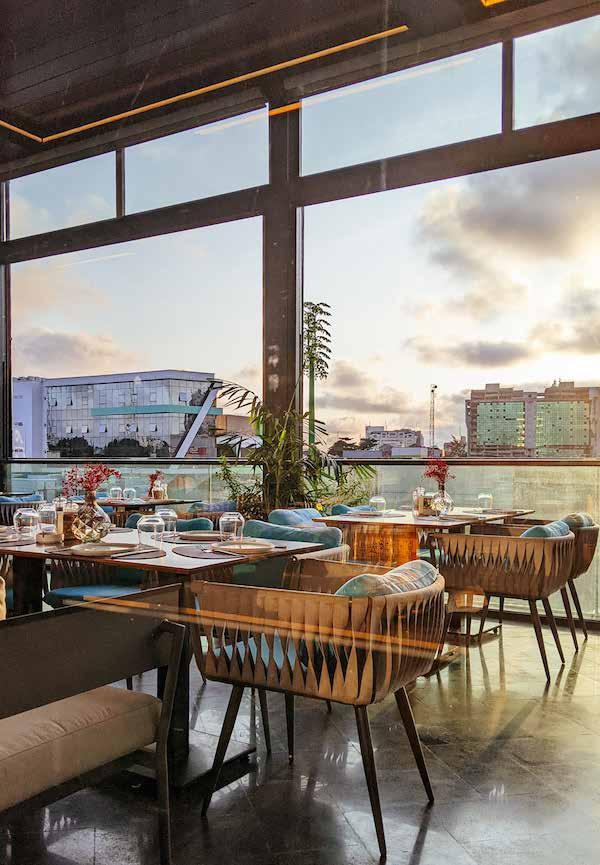
There was a time when eating out in Lagos felt like an occasion. You dressed for it, planned for it, and often waited for a reason. Birthdays, celebrations, visiting friends. It was something you did, not something you built your routine around. These days, that has changed. Dining out is no longer just an event. For many people, it has become part of how they live.
You see it in the way plans are made. “Let’s meet for dinner.”
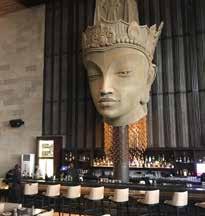
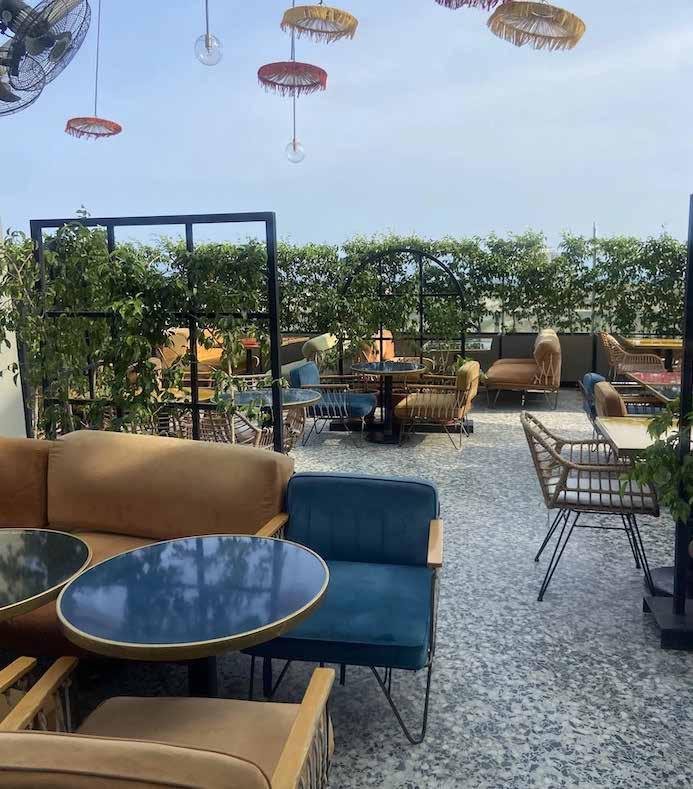
“Brunch this weekend?” “Drinks after work.” Food has become the centre of social life in a way that feels both natural and intentional. Restaurants are no longer just places to eat. They are meeting points, workspaces, date spots, and sometimes even a form of escape from the pace of the city. Part of this shift is practical. Lagos is busy. Between work, traffic, and everything else that fills the day, cooking every meal is not always realistic. Eating out offers convenience, but more than that, it offers a break. You sit, you are served, you step away from the effort that cooking requires. For many, that alone is enough reason.
But there is also something else. Dining out has become a way of expressing taste. Where you eat says something. Not always loudly, but clearly enough. Certain places carry a reputation. Some are known for their food, others for their ambience, others simply for who you are likely to see there. Choosing where to go is not just about the menu. It is about the experience.
Menus themselves have changed too. There is more variety now. Nigerian food is being presented differently, sometimes more refined, sometimes more experimental. International dishes sit alongside local ones. There is a wider range of options, and with that comes a different kind of curiosity. People are more open to trying new things, but they still return to what feels familiar. Social media has played its part. You see a dish online, a restaurant interior, a table setting,
BY FUNKE-BABS KUFEJI
and suddenly it becomes somewhere you want to go. Photos travel fast.
Recommendations spread quickly. A place can become popular almost overnight. Because the truth is, dining out is not just about the food. It is about the full experience. The welcome at the door, how long you wait, how your meal arrives, how the space makes you feel. Good food can carry a place, but it cannot do everything. People remember how they were treated just as much as what they ate. And as this column continues to explore the spaces shaping how we eat, restaurants, hotels, and dining spots are welcome to reach out and be considered for review. The table is always open to new experiences worth talking about. There is also a growing range in how people approach it. For some, it is occasional. A treat, something to look forward to. For others, it is routine. A few times a week, sometimes more. The difference often comes down to access, time, and personal preference. But across the board, the presence of restaurants in everyday life is more visible than before. Of course, it comes with its own questions. Dining out in Lagos is not cheap. Prices have gone up, portions vary, and expectations are higher. People are more aware of what they are paying for. Value matters. At the same time, there is still enjoyment in it. The ease of sitting down to a well-cooked meal. The pleasure of trying something new. The comfort of returning to a place that gets it right. These are small things, but they add up. What is clear is that dining out has moved beyond convenience. It has become part of how people connect, relax, and move through the city. It reflects how Lagos is changing. Faster, more outward, more open to new experiences, but still grounded in familiar tastes. Because whether it is a quick meal after a long day or a table set for a proper evening out, the reason is often the same. To sit, to eat, and to share a moment that feels just a little removed from everything else. Spice, Smoke and Story is a food column by Funke Babs-Kufeji, telling her love story for cooking and food in Nigeria, while exploring everything from restaurant reviews and recipes to fine dining, hosting, and the culture that shapes how we eat.
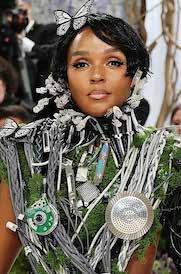
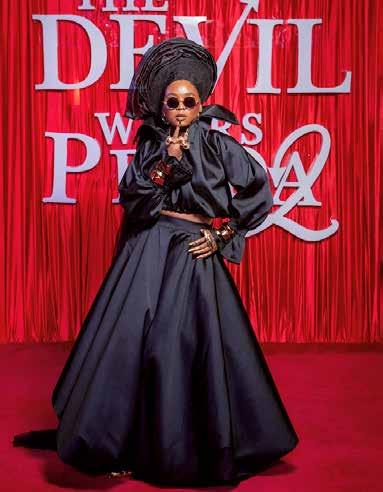
This is drama, but controlled. The exaggerated silhouette, the headpiece, the accessories, it’s bold, but not messy. Every element feels intentional.
It’s the kind of look that divides opinion, but either way, you’re not forgetting it.
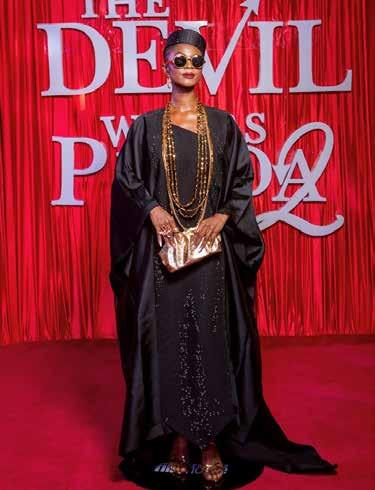
This one leans into presence.
The layered beads, the headpiece, the sunglasses, it’s styled with a clear point of view. There’s a cultural grounding here, but it’s interpreted in a way that feels modern and self-assured.
Not just dressing up, but dressing with intention.
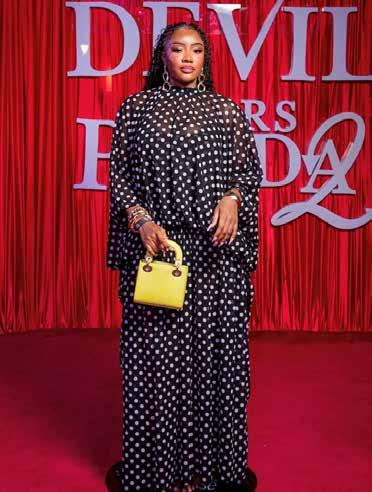
Polka dots, but grown.
The oversized silhouette gives the look movement and presence, while the sheer layering softens what could have felt heavy. It doesn’t try to define itself too strictly; there’s a quiet confidence in how relaxed it feels. Sometimes, letting a look breathe is the entire point.
DEVIL WEARS THE PRADA
2
THE LOOKS THAT STOLE PREMIERE
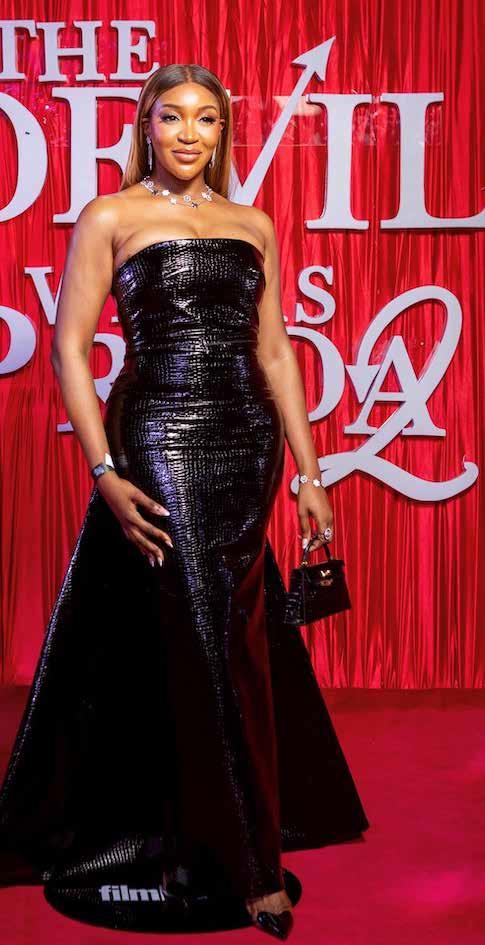
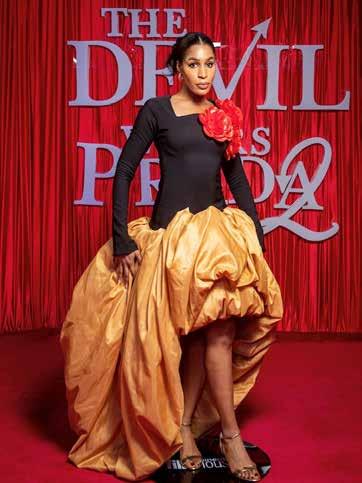
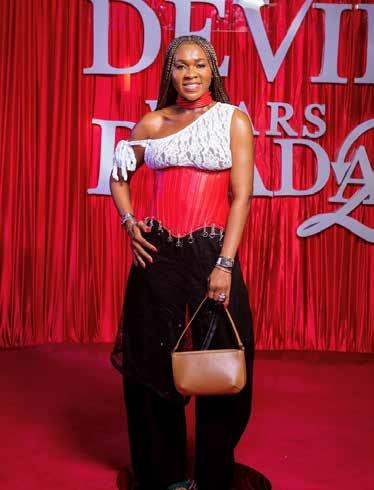
The Devil Wears Prada 2 premiere was never going to be subtle. The expectations were too high, the references too iconic. This is a film that shaped how an entire generation sees fashion, so showing up safe was never really an option. And thankfully, no one did. From sculptural drama to clever tailoring, playful prints to quiet minimalism, this carpet delivered range. But more importantly, it delivered personality. The kind that doesn’t just wear clothes, but understands them. These are the looks that held our attention a little longer.
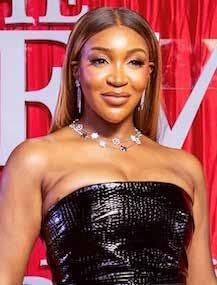
A familiar silhouette, but elevated by texture. The glossy finish transforms what could have been a simple strapless gown into something far more dynamic. It catches light, it moves, it holds shape. No need for extra drama when the fabric is doing this much work.
Nicole’s blackand-gold sculptural dress doesn’t ease you in; it makes a statement immediately. The fitted bodice keeps everything controlled, but the exaggerated skirt brings the drama in a way that feels deliberate, not overwhelming. And that bold floral detail at the shoulder? It breaks the severity just enough. This is confidence, fully formed.
There’s a softness to Nkesi’s look that contrasts nicely with the structure. The red corset detail brings shape, the lace adds texture, and the trousers ground the entire look. It sits somewhere between dressed-up and slightly undone, which makes it feel modern.
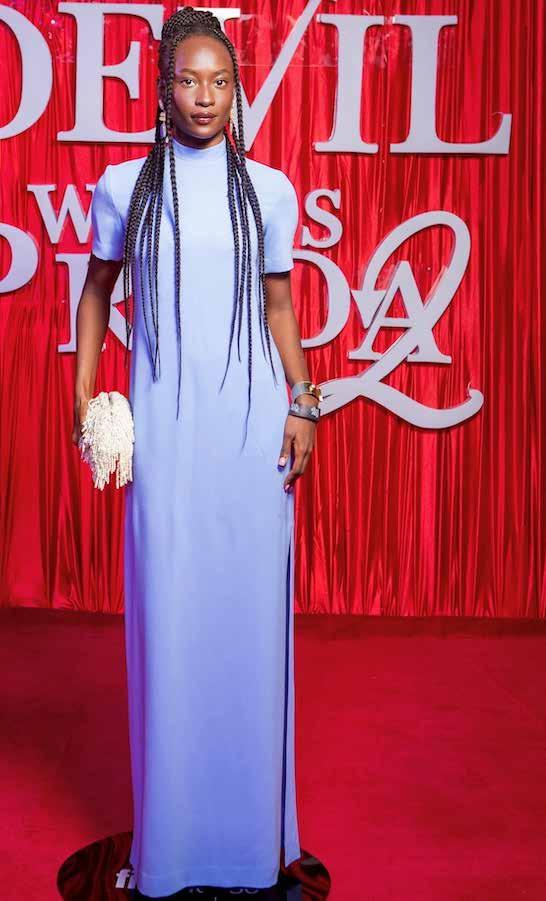
Clean. Intentional. Almost understated, until you really look. The soft blue column dress is all about line and restraint, and it works because nothing feels forced. The braids add texture without disrupting the calmness of the look.
It’s the kind of outfit that doesn’t chase attention but ends up holding it anyway.
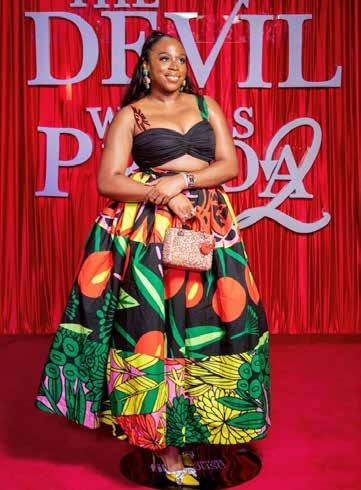
There’s a sense of ease here that makes Ozinna’s look feel instantly likeable. The black cropped top keeps things grounded, while the full, vibrant printed skirt does all the talking. It’s playful, but not unserious. And that mini embellished Dior bag adds just enough sparkle without competing.
A reminder that fashion can be joyful and still be polished.
There’s something slightly unexpected here, Almost understated, until you really look. The soft blue column dress is all about line and restraint, and it works because nothing feels forced. The braids add texture without disrupting the calmness of the look.
It’s the kind of outfit that doesn’t chase attention but ends up holding it anyway.
ENIOLA ABOLARIN FLORENTINA
NICOLE CHIKWE
EVERYTHING START WITH THE SHOES:
By Funke Babs-Kufeji
Most people build an outfit from the top down, starting with clothes and ending with shoes. It works, but it often feels like an afterthought. The sharper approach is to start from the ground up. Shoes set the tone, define the mood, and quietly determine how everything else will come together. When you get them right first, styling becomes clearer, faster, and far more intentional.
heels and it becomes refined and evening ready. Choose mules and it feels effortless, almost understated. Swap in sneakers and it turns casual, with an offduty edge. The clothes stay the same, but the outcome changes. Shoes don’t just complete an outfit, they redefine it.
Start with Clarity
Beginning with shoes removes a lot of unnecessary confusion.
Let the Shoes Set the Mood
A pointed heel reads polished and intentional, the kind of choice that suggests structure and confidence. Loafers feel relaxed but still sharp, ideal for days when you want ease without losing presence. Sneakers lean casual and modern, shifting even the most tailored look into something softer. Before anything else, decide how you want to feel. The shoes answer that question quickly and clearly. pic -tomike adeoye
One Outfit, Different Stories
consistent and composed, no matter how the day unfolds.
Pic -freda francis
Balance the Look
If your shoes are bold, whether through colour, texture, or shape, the rest of your outfit should support rather than compete. Clean lines and simple pieces allow the shoes to stand out without overwhelming the look.
Instead of standing in front of your wardrobe trying on multiple options, you are working with a clear starting point. The direction is already set. Styling becomes less about trial and error and more about refining what works. It saves time, reduces overthinking, and leads to outfits that feel more considered and put together.
Pic -bolanle olukanni
Dress for Movement, Not Just Moments
On the other hand, if your shoes are understated, you have room to introduce interest elsewhere. Good styling is not about excess; it is about balance and control.
Quality Is Non-Negotiable
from the beginning. Everything else can then be built around them with ease. This approach helps you avoid over-styling and keeps your look cohesive. It is a simple trick, but one that consistently delivers a more polished result.
Comfort Is Part of the Look Style should never come at the expense of comfort. If you cannot walk properly or feel at ease, it will show in your posture and movement. The right shoes support not just your outfit, but your confidence. When you are comfortable, you move better, stand better, and carry yourself differently. That ease becomes part of your overall presence. Pic – Toke Makinwa and Andrea Giaccaglai
Once your shoes are doing enough, there is no need to overcompensate with the rest of your outfit. Resist the urge to add too many elements. Strong styling often comes from restraint, knowing when to stop. Edit your look until it feels balanced and intentional. The goal is not to impress with excess, but to create something that feels effortless and complete. THE STYLING RULE THAT CHANGES
A simple base like tailored trousers and a white shirt can go in completely different directions depending on your shoes. Add
In a city like ours, the day rarely stays in one lane. A morning meeting can easily turn into an evening plan. Starting with the right shoes helps you stay prepared for that shift. A wellchosen pair carries you through different settings without needing a full outfit change. It is a practical approach that keeps you looking
Shoes sit at ground level, but they are often one of the first details people notice. A wornout heel, creased leather, or poor fit can take away from an otherwise strong outfit. On the flip side, a well-made pair instantly elevates your look. Investing in quality shoes is not just about appearance, it is about longevity, comfort, and the overall impression you leave.
Use Shoes as Your Anchor
When you are unsure what to wear, start with your best pair of shoes. They act as an anchor, giving your outfit a clear direction