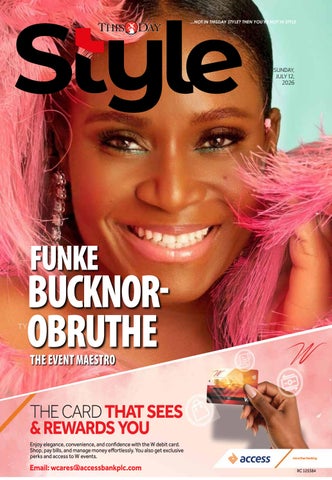
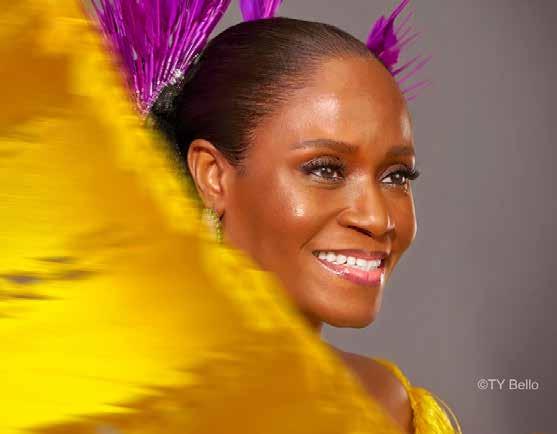
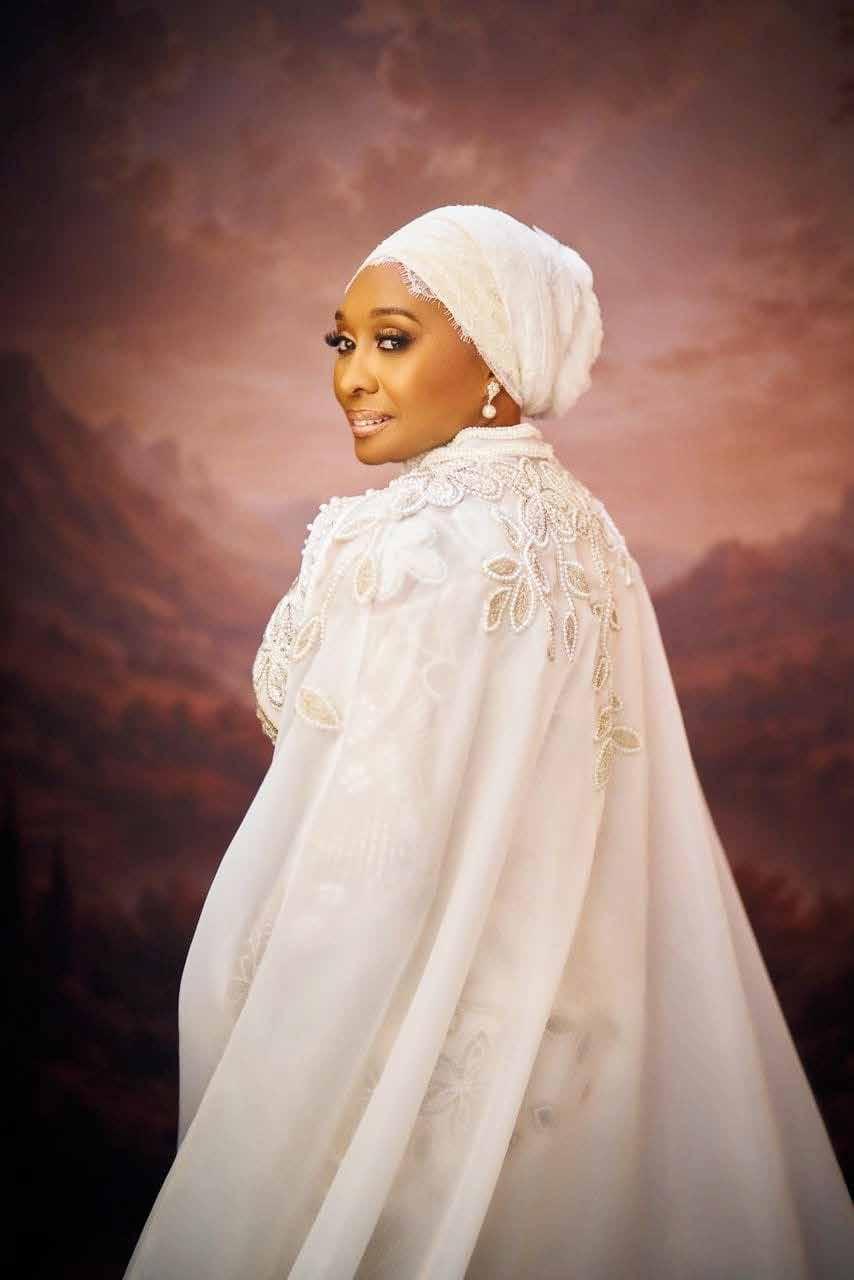
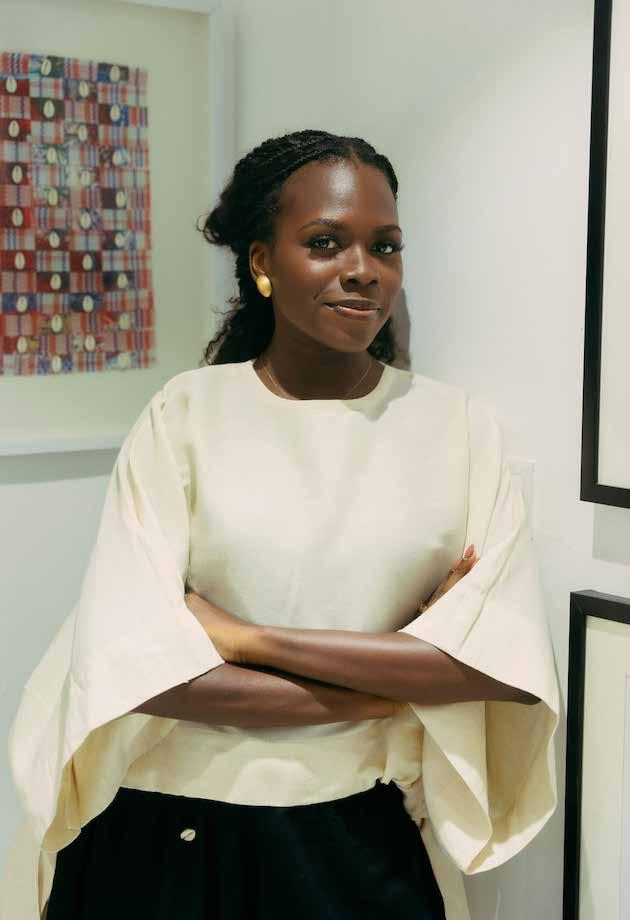
or more than two decades, Funke Bucknor-Obruthe has helped shape Nigeria’s events industry, transforming what began as an accidental career into one of Africa’s most respected wedding and events brands. As founder and CEO of the Zapphaire Events Group, she has built a reputation for innovation, excellence and creating unforgettable celebrations, while quietly helping to professionalise an industry that barely existed when she started.
Lifestyle & Fashion
We’ve become remarkably good at talking around things instead of about them.
Think about it. We can spend hours arguing politics, dissecting celebrity relationships, debating fashion, giving unsolicited life advice and minding business that has absolutely nothing to do with us. But bring up therapy, infertility, grief, or sex, and suddenly everybody starts speaking in lowercase.
And then there’s sex!
Not because it’s shocking, but because it’s so ordinary. Every single one of us is here because of it, yet we’ve somehow turned it into one of those conversations we’re expected to tiptoe around. Beyond making babies, it’s about intimacy, pleasure, trust, communication and connection. It can bring people closer, expose cracks that need fixing and remind us that the healthiest relationships are built on honesty, not guesswork. Yet for something so central to our lives, we still don’t seem to know how to talk about it.
So this issue, let’s change that.
Read Why Good Sex Still Isn’t a Conversation We’re Having Properly. It isn’t about being provocative or telling anyone how to live their life. It’s simply an invitation to have a conversation many of us have avoided for far too long. Who knows? It might even be the most useful conversation you have this month.
Speaking of conversations, maybe the hardest one isn’t with a partner. Maybe it’s with yourself.
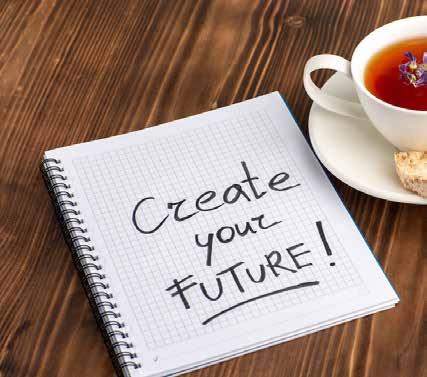
Remember all those grand plans from the beginning of the year? The gym membership. The savings goal. The side hustle. Reading more books. Sleeping earlier. Life, as it usually does, had other ideas. Before you know it, you’re convincing yourself you’ll “start properly” next Monday. Or next month. Or next year. That’s exactly why we put together Six Months Gone. Now What? How to Finish the Year Strong. Because sometimes you don’t need a new year. You just need a new decision.
And while we’re being honest, perhaps it’s also time we had a little chat about the tiny device that’s probably within arm’s reach as you’re reading this. Our phones have become alarm clocks, offices, cinemas, shopping malls, therapists, gossip partners and, occasionally, the reason we forget why we picked them up in the first place. If you’ve ever unlocked your phone to reply to one message and somehow ended up watching a stranger restock their fridge twenty minutes later, The Screen Habits That Leave You Mentally Exhausted was written with you in mind. And yes, you’re welcome. Before disappear, hello and thank you. Thank you for spending a little of your time with us and for continuing to make these pages part of your week. I hope the weeks ahead bring you good news, genuine laughter, unexpected opportunities and at least one reason to put your phone away because real life is demanding your attention. lol Until next week, be kind, stay curious and keep your screen time slightly shorter.
AMNE DANU MARKS 40 WITH ELEGANT CELEBRATION
IN ABUJA
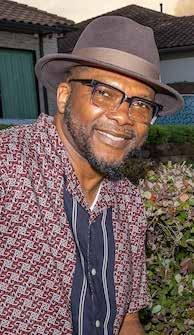
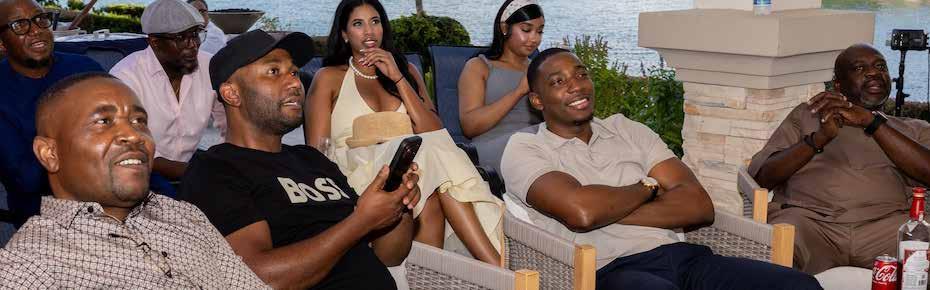
Amne Danu (née Amne Allamin Kam-Selem), prominent Nigerian personality and wife of billionaire businessman and politician Alhaji
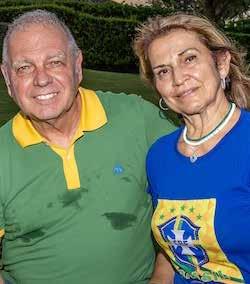
Nasiru Haladu Danu, recently celebrated her 40th birthday with an intimate gathering at the family’s residence in Guzape, Abuja. The elegant celebration brought together close family members, friends and well-wishers, who joined the celebrant to mark the milestone in a warm and relaxed atmosphere. Guests were treated to an evening of fine dining, music and heartfelt tributes as they celebrated a woman admired for her grace, quiet influence and unwavering support of her family.
THE
FROM
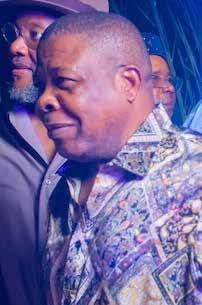
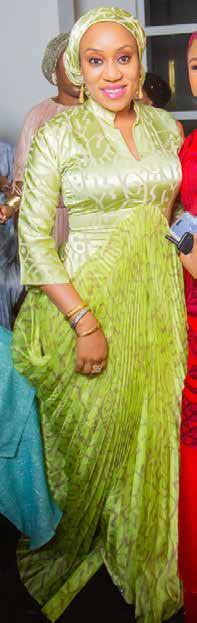
UMANA, ELLOKA ANENE, EMKEKA IHEDIOHA, NASIRU DANU AND WIFE AMNE,ROTIMI AMEACHI, AZ GAMBO
HABIBA MAHMOUD, FATI SULE LAMIDO,
SAMUEL DIMINAS HOSTS POSTBIRTHDAY GATHERING
The Post-Birthday Appreciation
Gathering of Samuel Diminas
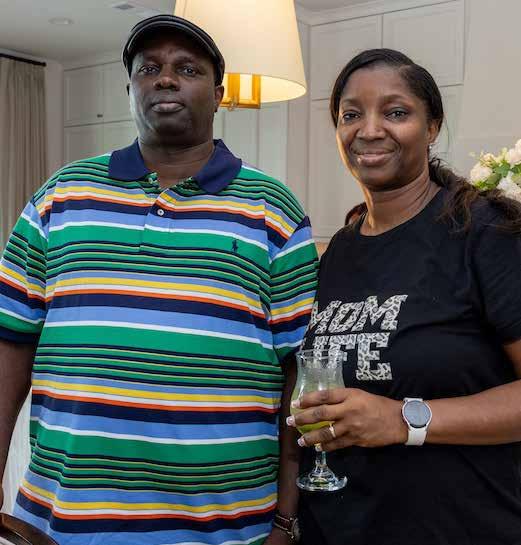
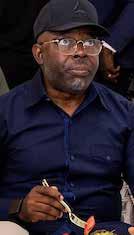
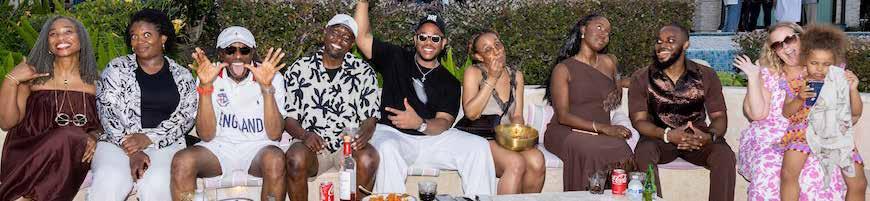
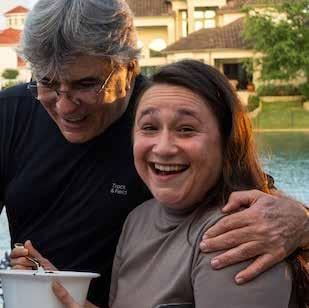
@ 50 was hosted at his private in Sugar Land, Texas. Designed as a relaxed and exclusive celebration following the main birthday festivities, the gathering brought together close family members, cherished friends, and distinguished guests for an evening of fellowship, gratitude, and warm conversations.
Set in the serene atmosphere of his home, the occasion provided an opportunity for guests to continue the celebrations in a more personal setting, reflecting on memorable moments, sharing heartfelt tributes, and strengthening long-standing relationships. The evening was marked by laughter, camaraderie, fine hospitality, and expressions of appreciation for the love and support that have accompanied Samuel Diminas throughout the years.
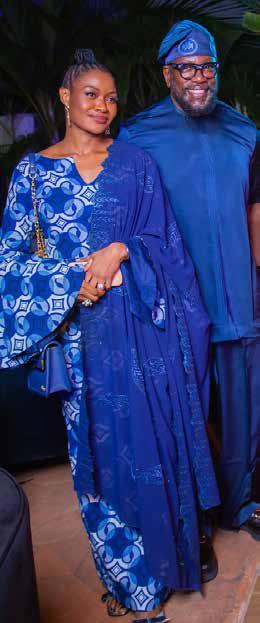
CHINEMEREM UGORJI, MINA EGBUSON, IBANIBO BRAIDE, SOIBIFAA DIMINAS, IBINABO GRAHAM DOUGLAS, RUME PEDRO, IB HARRY, STANLEY HARRY, LAURA MORLEY
GRAHAM DOUGLAS JOHN ATASIE, JEFF TUATONGHA EVANS DASO KEMI SOKENU MORRIS
CHIJIOKE NWANKWO
KENNY KAFIDIPE TAMUNOSIKI TAMUNO MARTIN AGBASONU,
BALOCHINI, MAURO CRUZ, LEONARDO MAYRINK, DAVID ROSS JOSE EKUAGA, JOSE OWONO, GABRIEL MAYE, WOLE
SIX MONTHS GONE. NOW WHAT? HOW TO FINISH THE YEAR STRONG
There is something about July that makes time suddenly feel real. One minute, everyone was wishing each other a Happy New Year. The next six months have disappeared in a blur of work deadlines, birthdays, weddings, traffic, bills, family obligations and all the little things that quietly fill our calendars. Whether this year has gone exactly as planned or taken a completely unexpected turn, the halfway mark offers something valuable: perspective. It is a chance to stop running on autopilot, take stock of where you are and decide how you want the rest of the year to look. The best part? There is still plenty of time to make meaningful changes. Here are practical ways to reset, refocus and finish the year stronger than you started.
Review Your Goals
Without the Ego
Start by revisiting the goals you wrote in January, if you wrote any at all. Which ones still matter?
Which ones no longer fit your life?
Sometimes we hold on to goals simply because we announced them or because they sounded impressive at the beginning of the year. But people evolve.
Circumstances change. Letting go of a goal that no longer serves you is not failure. It is honesty. Replace it with goals that reflect the person you are today, not the one you imagined six months ago.
Give Your Money a MidYear Reality Check
Money deserves more attention than most of us give it.
Look at what you have earned, what you have spent and, most importantly, what you have managed to keep. Are subscriptions quietly draining your account? Are impulse purchases replacing meaningful savings? Have you invested anything this year? Are you still spending on things you no longer value?
Small financial decisions made now can have a surprisingly big impact by December. Future you will appreciate the discipline.
Shop Your Wardrobe
Before
You Shop the Sales
Before buying another dress, handbag or pair of shoes, spend time with the wardrobe you already own.
Try everything on. Tailor pieces that no longer fit properly. Repair damaged favourites. Donate what you have outgrown, both physically and stylistically. Experiment with combinations you have never worn before. Sometimes the answer is not a shopping spree. It is seeing familiar clothes with fresh eyes.
Check In With Your Health, Not Just Your Weight
Health is about much more than the number on a scale.
Have you had your annual medical check-up? Are you sleeping enough? Drinking enough water? Moving your body consistently? Wearing sunscreen? Ignoring persistent symptoms because life has been too busy?
The habits that protect your health rarely feel dramatic. They are usually the quiet, everyday decisions that add up over time.
Upgrade Your Digital Life
Your phone is probably the object you interact with most every
day. It deserves an occasional reset, too. Delete apps you never open. Organise your photo library. Clear unnecessary files. Back up important documents. Update your passwords. Most importantly, unfollow accounts that consistently leave you feeling inadequate, anxious or emotionally drained. Your digital environment affects your mental environment more than you realise.
Protect Your Peace
The halfway point is also a good time to take inventory of your relationships. Who makes life lighter? Who only reaches out when they need something? Which friendships have quietly drifted because everyone got busy? Is there someone you should forgive, apologise to or simply call? At the same time, remember that not every relationship deserves unlimited access to your energy. Healthy boundaries are part of healthy living.
Invest in the Version of You You’re Becoming
There is still enough time this year to become noticeably better at something. Learn how to use artificial intelligence effectively. Improve your public speaking. Take a professional course. Learn another language. Develop a creative hobby. Master budgeting. Improve your cooking. The most valuable investment you can make is often in the person you are becoming.
Declutter More Than Your Closet
Clutter hides in more places than wardrobes. It lives in overflowing email inboxes, expired skincare products, makeup drawers, kitchen cupboards, old paperwork, forgotten chargers and boxes you have not opened in years. Creating space in your surroundings often creates space in your mind, too.
Give Your Home Some Attention
You do not need a major renovation to make your home feel better.
Replace tired bed linen. Buy fresh towels. Rearrange your living room. Add plants. Frame photographs that have been sitting on your phone. Finally, fix the cupboard door that has annoyed you for months. Sometimes improving your quality of life starts with improving the space you come home to every day.
Revisit Your Career
Ask yourself one simple question: if nothing changed professionally between now and next July, would you be happy?
If the answer is no, start making moves now. Update your CV. Refresh your LinkedIn profile. Build your portfolio. Network more intentionally. Ask for that promotion. Apply for the role you have been hesitating over. Start the side business you’ve been talking about.
Careers rarely change overnight. They change because people consistently position themselves for better opportunities.
Book the Trip
Many of us postpone travel until everything is perfect. The truth is, that moment rarely arrives.
If you have been dreaming about a weekend away, a road trip, or finally visiting another city or country, start planning it. Travel does not have to be extravagant to be worthwhile.
Sometimes, a few days away from your routine is enough to reset your perspective.
Experiences often stay with us much longer than purchases do.
Read More Than You Scroll
Imagine reaching December having finished six excellent books instead of hundreds of hours of mindless scrolling.
Reading expands your thinking in ways social media rarely can. Whether it is fiction, biographies, business, fashion, psychology or history, challenge yourself to make books part of your routine again. Your attention span will thank you.
Do One Thing Future You Will
Thank You For
Think beyond today.
Organise your important documents.
Increase your savings. Start an emergency fund. Get health insurance if you have been putting it off. Write a will if you need one.
Book that dental appointment. Schedule the medical tests you keep postponing.
The best gifts are often the ones we give ourselves long before we actually need them.
Make Time for Joy
Not every goal has to improve your productivity.
Host dinner for friends. Visit a museum.
Go dancing. Watch old films. Try a new restaurant. Pick up flowers on your way home. Laugh more. Celebrate small wins. A beautiful life is built just as much from joyful moments as ambitious ones.
Plan December Backwards
Instead of drifting into the final months of the year, picture the version of yourself you want to meet on December 31.
Do you want to feel healthier? Better dressed? Financially stronger? More confident? Less overwhelmed? More connected to the people you love?
Once you know where you want to end up, work backwards. Break big goals into smaller monthly and weekly actions. Small, consistent actions almost always outperform dramatic bursts of motivation.
KATE-HENSHAW
ROCKYEMMYSTUDIO
STEPHANIE ADERINOKUN
ANGEL ANOSIKE
Sunshine Alaibe is one of the new generation of cultural leaders redefining how African art is created, curated and experienced.
A Lagos-based curator, art consultant, entrepreneur and cultural strategist, she has become a leading voice in Nigeria’s contemporary art landscape, championing artists while helping to build stronger ecosystems for the continent’s creative future.
Leadership and entrepreneurship run deep in her story. She is the daughter of former Managing Director of the Niger Delta Development Commission (NDDC), Timi Alaibe, and the late Alaere Alaibe, founder of the premium fashion brand Pretty Woman and the non-governmental organisation, The Family Orientation, Education and Empowerment (FREE). Yet Sunshine has carved out a distinct path of her own, driven by a belief that art is most powerful when it serves people.
That philosophy sits at the heart of everything she does. From curating exhibitions and advising collectors to developing digital platforms and community-led initiatives, Alaibe is helping to create sustainable opportunities for African artists while expanding the global conversation around African visual culture.
Her professional journey was shaped in the United Kingdom, where she earned a bachelor’s degree in art history from University College London (UCL), followed by a Master’s degree in International Management from the University of Exeter, as well as a Diploma in Strategic Management and Leadership. Today, she is not only helping shape the future of African art but also ensuring that more women have a seat at the table and a hand on the wheel in an industry that is evolving at remarkable speed.
By Yinka Olatunbosun
You started out painting and drawing as a child before pivoting from creating art to enabling it. Why is that transition important to you?
From a very young age, was gifted with the ability to create art, spending much of my time painting and drawing. My A-levels teacher strongly encouraged me to pursue a career as an artist. But creativity, for me, was always multi-layered. was equally drawn to systems, to the question of how industries are built and sustained, to the infrastructure that allows creative work to exist in the first place— and I wanted to use all of it. The pivot was less a departure from art and more a decision about where I could do the most meaningful work.
Moving from London’s deeply institutionalised art scene back to Lagos must have activated a culture shock. How were you able to navigate the arts and culture ecosystem in Lagos?
In my first year in Lagos, worked as an account executive at an online art platform and that turned out to be one of the most valuable entry points I could have had. The art world here was intimate in a way London’s never quite was. Mainly because the ecosystem was still forming, still finding its edges, there was a remarkable openness to it. I met artists at every stage of their careers, attended exhibition openings, auctions, and pop-up exhibits, and found that people were genuinely willing to share what they were building, what they were thinking, and where they wanted to go.
What Lagos gave me was access, where if you showed up consistently and with genuine curiosity, the doors opened. A major part of your lifestyle involves visiting artists in their private studios to share ideas.
What has that experience taught you about art, artists and the art market?
The studio visit is one part of a much larger practice of engagement. My work takes me across ecosystems — London, Paris, Ghana, Lagos — and what am really doing in all of those places is the same: sitting with the people who are building this industry, in whatever form it takes. Sometimes that is an artist’s studio. Sometimes, it is a conversation with a gallerist in London, a collector in Ghana, or a fellow founder navigating the same structural questions am navigating here on the continent. What that breadth teaches you is pattern recognition. You begin to see which conversations are happening globally and which ones Africa is not yet part of, and why. Most importantly, you understand where the market is moving.
If you are to advise someone on collecting art, what are some of the considerations to ponder before diving in?
Buy what you love.
The Lagos creative calendar is notoriously high-octane. What is your ultimate, nonnegotiable nighttime wind-down routine to disconnect from the noise?
I am actually quite simple about it. Phone off by nine. An hour with my devotional, my journal, and a hot cup of chamomile tea. That is it. After a day of coordinating a media platform, whilst facilitating community across multiple time zones, the wildest thing can do is be still.
How would you describe your personal style?
Clean, modest, always elegant. Most days, you will find me in something simple and wellconsidered. On special occasions, I might reach for a bold colour, but even then, the silhouette stays clean. The goal is always to be refined, elegant, but never excessive.
Have you been involved in any project that fuses art, music and fashion? What does it teach you about the cultural ecosystem?
The creative industry is very intertwined, and the boundaries between disciplines are largely administrative. When was managing O’DA Art, the OBIDA Shop sat right next to the gallery, and that proximity was its own education. OBIDA is a brand rooted in African excellence, refinement and craftsmanship — watching how their creative vision operated deepened how I thought about the art on the other side of the wall. Directing Lagos Gallery Weekend (LGW)
HINGED ON HUMANITY
INSIDE THE BRILLIANT MIND
sunshineOF ALAIBE
opened up further opportunities to work across those disciplines. Our partnership with ‘A Place Called Mars’ brought live music directly into the gallery space. Hearing a phenomenal guitarist like Nsikak perform inside a room full of art does something to you. That experience clarified the vision for LGW going forward. If we are serious about reaching the broadest possible audience, we cannot stay within the boundaries of the visual arts alone. Music, fashion, film, design, performance — each carries its own community, its own entry point. Collaboration across creative disciplines should be encouraged.
What was the rationale behind creating Lagos Gallery Weekend? Lagos has over 100 cultural spaces — galleries, museums, institutions — whose hard work often goes unnoticed. What Lagos Gallery Weekend does is amplify visibility. It says: here, all at once, across the city, is everything this industry has been building. Come and see it. There are so many businesses that are not being credited for the work that they do. have been in spaces where so much was accomplished and not many people knew. LGW is, among other things, a corrective to that.
The third edition was a significant stepping stone. We saw over 6,000 visitors move across the city over the course of the weekend, engaged 150 students from 5 local schools, and activated over 40 art events across Lagos. We hope to continue building on this uphill trajectory.
Having a name that rings a bell is likely to be an icebreaker. Does it help to have that privilege or does it constantly raise expectations for you?
love my name! My mother gave me this name, and I will always honour what it means — to be a light wherever go. Does it open doors? Sometimes. But it also means the work has to be excellent. Every project put my name to is being measured against the reputation attached to it. Lagos Gallery Weekend, WO’AMA Africa, Art Report Africa — none of these could afford to be mediocre. It does not make execution easier, it just means more people are watching when you do.
You founded WO’AMA Africa to create a vital support system for professional women across the African art sector and diaspora. What has been the outcome thus far? When we started WO’AMA, we noticed a need for better community and wellness support, particularly in sharing non-financial resources. Far too many practitioners, especially women, are navigating this ecosystem in isolation. While women own a significant portion of art businesses here, there hasn’t always been a strong culture of collaboration between them, and that’s the missing link WO’AMA was created to address. Today, we are a community of over 100 women — practitioners, founders, curators, consultants — all building careers across the African art sector and diaspora. The WO’AMA Art Business Conference 2024, held in December at the Alliance Française in Ikoyi, brought together artists, cultural leaders, and business minds to tackle how to navigate the business of art from an African perspective. People showed up because they
recognised that the gap was real and that this was a serious attempt to close it. We are set to hold our second edition in November 2026, themed “Art Business and Power”, hopefully a platform for more engagement like this.
Many artists still depend on the traditional structure of gallery representation to sell their works. What does the current art market demand?
The current market rewards artists who understand their own practice well enough to speak about it, who have a documented body of work, who have cultivated relationships with collectors directly. That does not mean abandoning the gallery model; instead, it means understanding it as one node in a broader ecosystem. believe Gallery representation provides infrastructure, relationships, and legitimacy in certain markets. But the market now demands more than one point of entry.
In an era where people increasingly consume art through phone screens, how do we preserve the slow, intentional, lifestyle-driven appreciation of physical art?
I actually think our phones have made it easier to appreciate art. discover so much through social media from artists’ pages, to new galleries, and interesting art events happening across the world that would not otherwise be at the front of my mind. Physical art absolutely demands a body in front of it to fully appreciate its essence, but one needs to know about it first in order to seek it out. If we create enough entry points — guided tours, free student programmes, weekend routes through the city — we can encourage more people into these spaces. And once someone stands in front of a work that genuinely moves them, I believe it will change their perception of art and culture as experiences to be had in person.
From a curatorial point of view, what are your expectations for the Nigerian art scene?
My expectation is that the Nigerian art scene becomes a self-sustaining ecosystem with its own critical language, institutions, and audience. would like to see more experimental and conceptual curations. also want to see more support from our governments — specifically, funding for projects in the art space so we have more rope to expand, inspire, and cultivate art initiatives. Beyond that, would like to see more documentation. The history of Nigerian contemporary art is still being written in real time, and much of it is at risk of being lost because we have not built the archival infrastructure to hold it.
into new seasons of our lives.
The difficult part is doing that growth while people are watching. Every time you pivot, there’s a tendency for people to question it. “Why is she doing this now?”“Doesn’t she already have enough going on?”“Shouldn’t she stay in the lane we know her for?” But I’ve learned that if you spend your life trying to meet everyone’s expectations of who you should be, you’ll never become who you’re actually meant to be.
For me, the journey from pageantry to entrepreneurship, and now to podcasting, hasn’t really been about reinvention as much as about revelation. Each chapter has revealed a different part of who already was. The common thread has always been storytelling, impact, and creating spaces that empower people. The platforms have changed, but the purpose hasn’t.
You’ve described your podcast Beyond with Ezinne as a “haven” for those in the “inbetween” phases of life. Why do you think modern society, specifically in Nigeria, is so uncomfortable with the seasons of life where we haven’t “arrived” yet?
I think we’re uncomfortable with the “in-between” because we’ve become obsessed with outcomes.
We celebrate the promotion, the wedding, the business success, the award, the big announcement. But we rarely talk about the uncertainty, the waiting, the setbacks, the moments when you’re not quite where you used to be, but you’re not yet where you’re trying to go. Yet that’s where most people actually live.
In Nigeria, especially, there’s a lot of pressure to have it all figured out. By a certain age, people expect you to have achieved specific milestones, such as career success, marriage, and financial stability. And when you’re in a season where things are still unfolding, it can feel like you’re behind, even when you’re exactly where you need to be.
The truth is that life is not lived in the arrival moments. Life should be lived in the process. It’s lived in the questions, the transitions, the mistakes, the detours, and the lessons that shape us along the way.
One of the reasons created Beyond with Ezinne was because I wanted people to see that even the people we admire are still becoming. They are still figuring things out. They still have moments of uncertainty, loss, reinvention, and growth. We often see the highlight reel, but we don’t see the journey that produced it.
I think if we became more comfortable with the idea that not knowing is a part of living, we would be kinder to ourselves. We would stop measuring our lives against other people’s timelines and start appreciating our own process. Sometimes the most important thing happening in your life isn’t what you’ve achieved, it’s who you’re becoming while you’re waiting.
That’s the conversation hope Beyond creates space for.
You’ve mentioned that Season One proved people are hungry for vulnerability. When you sit down to record, how do you balance maintaining your own boundaries while creating a space that feels safe enough for your guests and your listeners to be truly honest?
I think vulnerability and boundaries are often treated as opposites, but I’ve learned that the healthiest vulnerability actually requires boundaries. For me, creating a safe space doesn’t mean asking people to reveal everything. It means creating an environment where they feel free to share what they’re comfortable sharing without feeling judged, pressured, or exploited for content. Before every conversation, I remind myself that my job is not to get a headline. My job is to
understand the human being sitting across from me. When people feel genuinely seen and respected, they often share more than they initially intended to, because they feel safe.
As for my own boundaries, I’ve become comfortable with the fact that don’t have to tell every story to be authentic. There are parts of my life that I share openly, and others that choose to process privately. Both can exist at the same time. Authenticity isn’t about telling people everything; it’s about being honest about what you choose to share.
One thing Season One taught me is that people aren’t necessarily looking for perfection. They’re looking for truth. Sometimes that truth comes in a deeply personal story, and sometimes it comes in simply admitting, “I don’t have all the answers.”
The theme of your launch was “Conversations That Matter.” In a digital age saturated with noise, soundbites, and superficial content, what does a “conversation that matters” look like to you in 2026?
A conversation that matters is one that changes something in you after it’s over. In a world where we’re constantly scrolling, reacting, and consuming content in seconds, I think meaningful conversations are becoming increasingly rare. Not because people have nothing to say, but because very few spaces allow us to go beneath the surface.
For me, a conversation that matters is one where people feel safe enough to be real. It’s the kind of conversation that leaves you thinking long after you’ve heard it. It challenges you, comforts you, stretches your perspective, or helps you feel seen in a way you didn’t before.
In 2026, we’re surrounded by content, but we’re often starved of connection. We know what people are doing, where they’re travelling, what they’re wearing, and what they’ve achieved, but we don’t always know what they’re carrying, what they’ve survived, what they’re questioning, or what they’ve learned along the way.
That’s what I’m interested in exploring. Not just what happened, but what it meant. Not just the success story, but the human story behind it.
You are a lawyer by training. A profession built on logic, evidence, and structure. How does that analytical side of your personality play into how you curate the often messy, emotional, and non-linear topics of healing and growth?
I actually think being a lawyer has helped me more than people realise.
Law teaches you to listen carefully, ask better questions, and look beyond what’s being said to understand what’s really happening underneath. It teaches you that every story has context, nuance, and multiple perspectives. I’ve found that those skills are incredibly valuable when you’re having conversations about healing, growth, faith, relationships, or identity. Because the truth is, human experiences are rarely neat. They’re messy, emotional, and often contradictory. People can be grateful and grieving at the same time. They can be healing and still hurting. They can be confident in one area of life and deeply uncertain in another. My legal training helps me resist the urge to oversimplify those experiences.
It also reminds me to stay curious. As a lawyer, you don’t begin with conclusions -you begin with questions. approach my guests the same way. I’m less interested in proving a point and more interested in understanding how they arrived at the beliefs, decisions, or experiences they’re sharing. At the same time, podcasting has taught me something that law didn’t: not every question has a clear answer. Sometimes growth isn’t linear. Sometimes healing doesn’t make sense on paper. Sometimes people are simply doing the best they can with the information and tools they have.
So think the analytical and emotional sides of me work together. One helps me bring structure to the conversation, and the other helps me leave room for the humanity within it. The result is a space where people can explore complex topics honestly, without feeling like they have to package their lives into perfect, tidy conclusions.
Because life rarely works that way. Most of us are still making sense of our stories as we live them. And think there’s something powerful about creating room for that truth.
Season Two promises to dive deeper into the complexities of identity, grief, and healing. Was there a specific moment during the production of this season that caught you off guard or changed your own perspective on your journey?
Yes, absolutely.
One thing that caught me off guard during Season Two was realising just how universal some of our struggles are. Sitting across from people with very different backgrounds and life experiences, kept hearing versions of the same themes, like loss, uncertainty, reinvention, heartbreak, faith, and the search for meaning.
It reminded me that no matter how different our stories look on the surface, we’re often asking the same questions beneath it all.
I also found myself reflecting on my own journey, particularly around grief and identity. Losing my father changed me in ways I’m still discovering, and some of the conversations this season forced me to confront parts of that experience hadn’t fully processed. What surprised me most was that even as the host, I wasn’t just facilitating conversations; they were transforming me. walked away from several recordings with a new perspective, a challenge to my thinking, or a deeper sense of gratitude for my own journey.
You’ve built a community that values honesty and reflection. Looking toward the future, what is your ultimate legacy for Beyond with Ezinne? When a listener hits “stop” on the final episode of this season, what do you want them to feel?
My hope is that Beyond with Ezinne becomes more than a podcast. I hope it becomes a companion for people navigating life’s transitions -the moments when they’re questioning, growing, grieving, healing, or simply trying to make sense of where they are.
If there’s a legacy want to leave, it’s creating a space where people feel seen. A space that reminds them that they don’t have to have everything figured out to keep moving forward. And when someone listens to the final episode of the season, hope they walk away feeling a little lighter, a little more hopeful, and a little more connected, to themselves and to others. hope they’re reminded that they’re not alone, that their story is still unfolding, and that there’s beauty and purpose even in the chapters that don’t yet make sense.
Enjoy elegance, convenience and confidence with the W debit card. Shop, pay bills and manage money effortlessly. You also get exclusive perks and access to W events
BUCKNOROBRUTHE FUNKE THE EVENT MAESTRO
BY YINKA OLATUNBOSUN
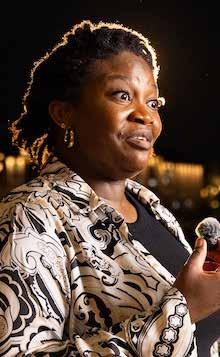
For more than two decades, Funke Bucknor-Obruthe has helped shape Nigeria’s events industry, transforming what began as an accidental career into one of Africa’s most respected wedding and events brands. As founder and CEO of the Zapphaire Events Group, she has built a reputation for innovation, excellence and creating unforgettable celebrations, while quietly helping to professionalise an industry that barely existed when she started. Along the way, she authored The Essential Bridal Handbook, the first wedding resource of its kind for the African market, and launched Funke Says, a YouTube series dedicated to guiding brides through the wedding planning process. In 2009, her commitment to nurturing the next generation gave birth to the Zapphaire Training Academy, which has since trained more than 500 event professionals. Widely regarded as one of Africa’s top three wedding planners, Bucknor-Obruthe was one of only two Nigerians named to the BBC’s 2016 list of the 100 most inspirational women in the world. She has also been featured on local and international platforms, including Forbes Woman Africa and CNN Inside Africa, and was recently appointed to the Advisory Board of the Destination Wedding Planner’s Congress (DWPC).
As she turns 50, Bucknor-Obruthe opens up to Yinka Olatunbosun about the accidental career that became a legacy, the pressures behind the glamour and the lessons she’s passing on to the next generation.
Some say 50 is the new 30. Would you agree with that saying? (Laughs) Well, I’d say that 50 is what you make it to be, 50 is half of a century, and then you think back at all that you have accomplished, you are grateful.
Although you trained as a lawyer, you are a flagbearer for the event planning business in Nigeria. What struck a chord in you to start Zapphaire Events?
Studying law was something my parents wanted, and I’m grateful for the journey to law school and finishing university, but starting Zapphaire Events was accidental. have always had a passion for organising events, from secondary school through university to law school. I love putting things together for my friends. I’ve always loved attention to detail and the way people plan events. You could have an event, but then you could make it interesting. When I started at law school, I wanted to help my friends who were getting married at that time, which was about 24 years ago. I noticed that while preparing for the weddings, people were getting very overwhelmed. thought I could take the burden off by assisting them on the planning journey. When you see a problem and you attempt to solve it, even when you don’t realise how deep the problem is, that’s how you grow. It started from planning my friend’s wedding to planning my friend’s sister’s wedding.
When you first started, was it difficult to convince clients that they needed a professional event planner rather than just relying on family and friends?
Yes. It was the most difficult thing. People were used to planning events by themselves or relying on family and friends. Convincing people was not easy. But I’m very grateful to my friends for giving me a chance. I am a beneficiary of good friends. My friend was getting married, in fact, about two or three at that time, and I offered to help them. I helped them organise their aso-ebi. I travelled all the way to Ibadan for my
Sustainability is no longer a trend; it is a responsibility. As an industry, we have to start making more conscious decisions without compromising event quality. At Zapphire events, we encourage core practices such as reducing unnecessary waste, embracing digital solutions where appropriate, and working with local vendors to reduce transportation impacts.
friend’s wedding. helped to organise it and made sure everyone was fine. I didn’t collect any money for that. For the first three events, didn’t charge. But then one of my friends was getting married. I asked to plan it, and she gave me N10,000. Another friend’s sister, for whom planned a wedding, gave me N40,000. Convincing people was hard at first because people had never paid for such a service. It was done on goodwill. I never even thought people would pay me initially. But it was a cousin of mine who said, ‘Funke, you have been doing this and doing it well, why don’t you start charging?’ and that’s how we started. remember that in the first year, which was 2002, we had just two events.
When you genuinely care about creating memorable experiences, it shows in every detail of your work. People celebrate the magic of events. As planners, our job is to prepare for the realities behind that magic so that our clients never have to experience them.
COVER COVER
Event planning is high-stress and live events throw curveballs. How do you manage unforeseen challenges? Event planning has taught me how to be resilient; how to juggle many balls; how to see a crisis and manage it. What it has taught me is that anything can happen. So, the ability to remain calm is a gift an event planner must have, as is the ability to troubleshoot and think of possible solutions when faced with unforeseen challenges. Life will definitely throw you curveballs. At events, you are faced with multiple challenges. It could be a power outage at the event, a vehicular breakdown while bringing the food to the venue, or your stage not being ready. It could be the hall that is not ready, just because an event was held there the previous night, and it had to be set for an early morning event the next day. It could be a vendor disappointing you. It could be anything you didn’t plan for. The key is to stay calm, be resourceful, and call on people. That’s why you must have interpersonal skills. You must have good people in your corner and you must be able to call in favours. It is also important that when you are planning an event, you must always think about your plan A, B, C and D. What could possibly go wrong? You must think about it all the time, and that’s how I have been able to manage it.
Planning world-class events in regions with logistical complexities (such as supply chain delays) requires extreme foresight. What are your non-negotiable backup plans when mapping the infrastructure of large-scale venues?
would say before you plan the event, you must think through everything. You must think through what can happen and what could throw a spanner in the works. I always tell our clients that being an event planner requires being a risk manager, which means working with multiple vendors or service providers who are almost doing things for you. You have to ensure that they are at your fingertips and you can easily call them. You are a soldier. You must think through your event from start to finish and reflect on every minute detail. You can never overplan. A backup plan is not an afterthought. It is part of the strategy from day one. My non-negotiables include multiple supply options. The contingency budget is very critical. Alternative power solutions. Transportation backups and weather plans where applicable. Detailed timelines with built-in profiles. I also insist on a thorough venue recce. There is also constant communication with all stakeholders.
The best event planners are not just creatives. They are excellent problem solvers. When we are planning large-scale events, especially in destinations where logistics can be unpredictable, we never rely on only one plan. We build buffers into the schedule because delays can happen. We spend a lot of time on site visits, which are venue recce sessions to understand the local environment and work with trusted local partners. For me, the real test of event planning is that when something unexpected happens, the client and guests don’t know because we have already prepared for it.
What are the natural attributes of a successful event planner?
A successful event planner needs a unique combination of skills and personal attributes. Creativity is one of them. You need strong organisational skills. You manage several parts of the project at once. Strong interpersonal skills are important because we are managing people. Attention to detail is another key trait because even the smallest factor can impact the overall thing. Equally important is the ability to stay calm under pressure. Events are very dynamic, and things don’t always go according to plan. But being able to think quickly and adapt, solve problems in real time, is what sets great planners apart. Communication is also important. Be clear and approachable. Above all, passion and dedication drive success in this business.
The Zapphire Training Academy has trained thousands of aspiring planners. What is one unteachable trait you look for when hiring core members for your own inner circle?
That is the attitude. I can teach business. I can mentor you. I can expose you to opportunities and help you grow. I can’t teach someone to genuinely care, be loyal, or take ownership. I pay attention to people who go the extra mile without being asked; people who are solution-driven and who treat the vision like it’s theirs too. My inner circle is based on trust, so character will always matter more to me than talent alone.
You wear many hats- CEO, author, mentor and public figure. How do you protect your personal peace and prevent burnout?
Over the years, I have learnt that protecting my peace is just as important as building my career. have become more intentional about setting boundaries, trusting my team and recognising that don’t have to be everywhere and do everything myself. Building a team allows me to focus on where I have the most value while giving others the opportunity to grow. I also make time to rest, spend quality time with my family and friends, travel, exercise, and simply disconnect when I need to. Those moments help me recharge and return with fresh energy and perspective. I have learnt that you cannot pour from an empty cup. If am constantly running on empty, can’t live effectively. can’t serve clients well or inspire my team. Taking care of myself is not a luxury. It is part of being an effective leader.
Which tech trend are you most excited about to integrate into your upcoming designs?
Technology is transforming the event industry, and I absolutely love it. I am excited about how AI can enhance the planning process. It is not to replace creativity or human connection but to make us more efficient, more responsive and more personalised in how we serve our clients. I’m also excited about immersive guest experiences, whether that is interactive technology, personalised touchpoints, or smarter event management systems that make it seamless from invitation to departure. Technology should never overshadow the experience. It should make a great event even better. Technology is here to stay.
How are you pushing the conversation forward regarding eco-friendly or sustainable practices within the African event industry?
Sustainability is no longer a trend; it is a responsibility. As an industry, we have to start making more conscious decisions without compromising event quality. At Zapphire events, we encourage core practices such as reducing unnecessary waste, embracing digital solutions where appropriate, and working with local vendors to reduce transportation impacts. We are repurposing décor where possible and being more intentional about how resources are used. also believe we have a responsibility to educate our clients. Sustainability is not about doing less. It is about doing things more thoughtfully. If each of us makes better choices, those small changes will collectively have a significant impact on the future of our industry.
What gives you the most satisfaction after curating a big event?
Without a doubt (laughs), it is seeing the joy on our clients’ faces after months and sometimes years of planning, watching everything come together exactly as envisioned, and seeing our clients genuinely happy is incredibly fulfilling. also find satisfaction in what guests say. Those moments remind me of why I chose the profession. But beyond the applause and beautiful photographs and videos, what really fulfils me is knowing that we have created memories that families and friends would cherish for a lifetime. That is the real impact of what we do and it is a privilege never take for granted. It is incredibly rewarding for me but creating lasting memories is what truly matters.
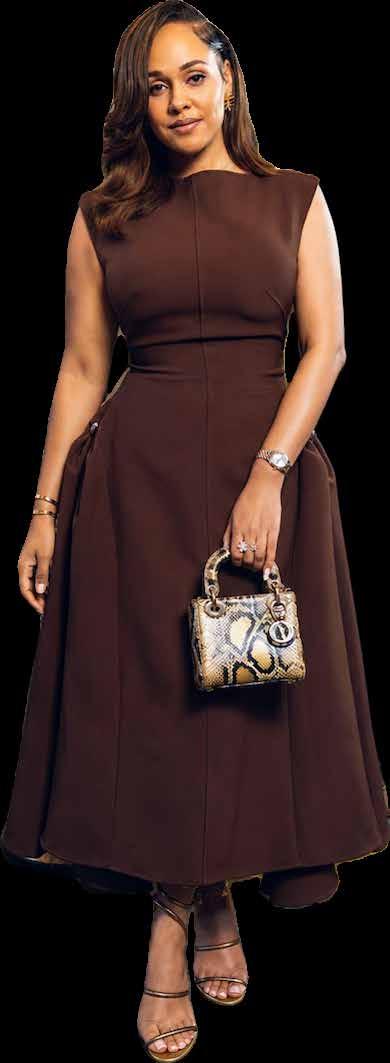
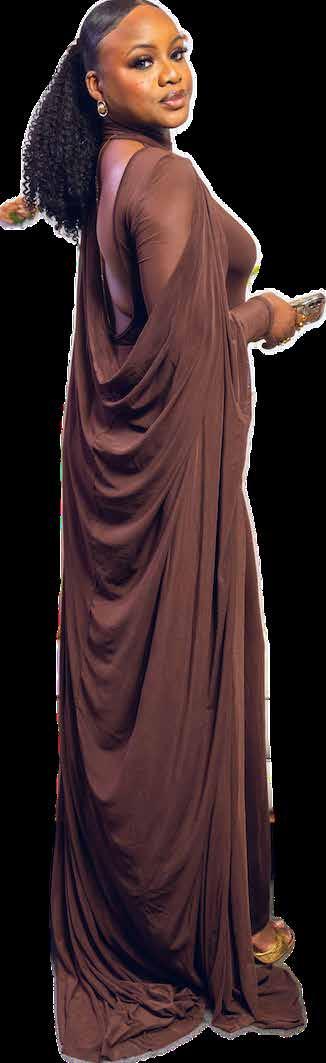
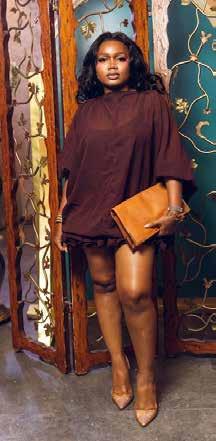
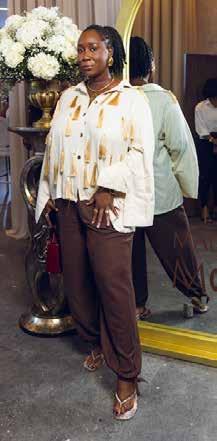
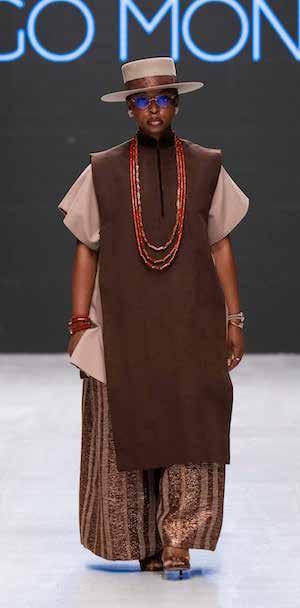
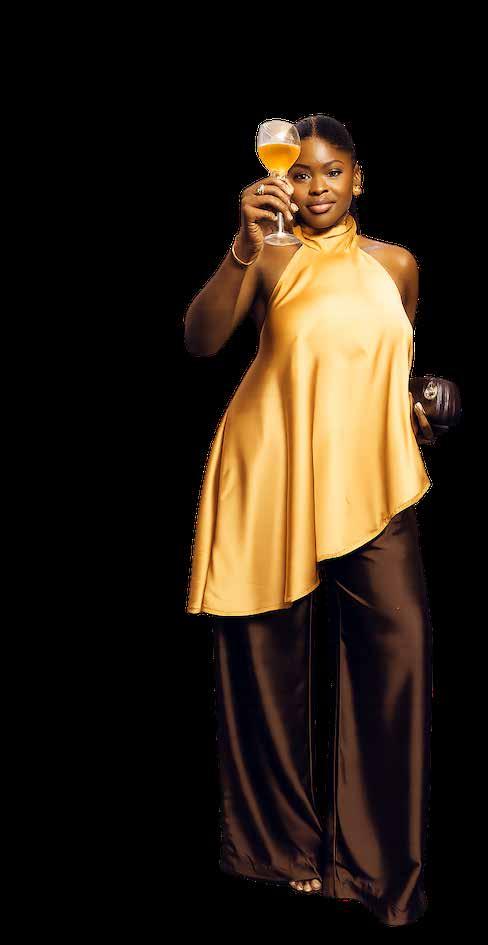
THE NEW POWER COLOUR ISN’T BLACK. IT’S CHOCOLATE BROWN.
Black has always been fashion’s safest bet. It’s timeless, elegant and goes with absolutely everything. But lately, another colour has been stealing the spotlight. Chocolate brown. From tailored suits and satin dresses to handbags and loafers, rich brown has quietly become one of the most stylish shades in fashion. It feels softer than black, warmer on the skin, and somehow makes even the simplest outfit look more expensive. The best part? It’s just as versatile. Whether you’re getting dressed for work, brunch, a wedding or dinner, chocolate brown brings a richness that feels polished without trying too hard. Here’s why everyone seems to be falling in love with it.
By Funke Babs-Kufeji
It Makes Everything Look More Expensive
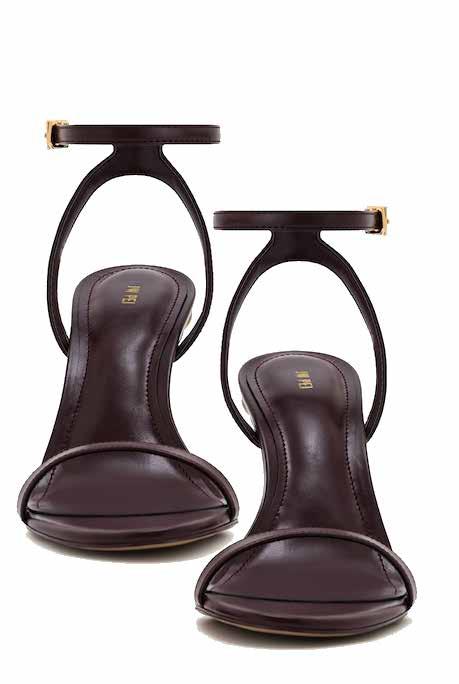
Some colours simply have a luxury feel, and chocolate brown is one of them. Whether it’s a beautifully tailored blazer, a suede handbag, buttery leather sandals or a silk dress, rich brown has a depth that instantly elevates an outfit. Fashion houses have embraced espresso, cocoa and mocha because they create the kind of understated elegance that whispers rather than shouts.
It isn’t flashy. It’s refined. And sometimes that’s even more powerful.
It Flatters Virtually Everyone
Few colours are as universally flattering.
On deeper skin tones, chocolate brown creates a beautiful tonal effect that feels rich and sophisticated. On lighter complexions, it offers softness without the stark contrast black can sometimes create.
Whether your undertone is warm, cool or somewhere in between, brown has a way of bringing warmth to the face while still looking polished.
It Gets Along with Everything
Forget everything you once heard about never mixing brown and black.
Fashion happily broke that rule years ago.
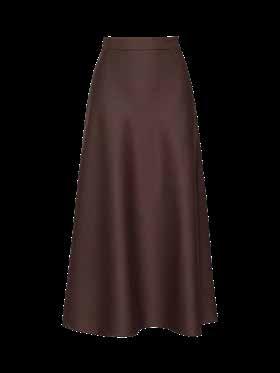
Chocolate brown pairs beautifully with cream, ivory, camel, white, olive green, burgundy, navy, denim and yes, even black. A chocolate blazer over cream trousers feels quietly luxurious. A brown satin skirt with a crisp white shirt looks effortlessly chic. Add gold accessories and the outfit practically styles itself.
It’s one of the easiest colours to build an entire wardrobe around.
Brown Leather Just Hits Different
If there’s one place chocolate brown truly shines, it’s leather.
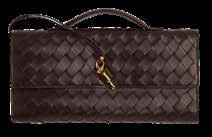
A structured handbag, oversized tote, classic loafers, ankle boots or even a simple belt instantly feel more timeless in rich brown than almost any other colour. As the leather ages, it develops even more character, giving every piece a lived-in elegance that only gets better over time.
It’s the kind of investment that rarely goes out of style.
Gold Jewellery Loves Chocolate Brown
Some colour combinations simply belong together.
Chocolate brown and gold create the kind of effortless glamour that never feels overdone. Chunky bangles, oversized hoops, layered necklaces or a simple gold watch all pop beautifully against deep brown fabrics. Even the most minimal outfit suddenly feels considered.
It Works All Year Long
Unlike some trend colours that disappear after a single season, chocolate brown never feels out of place.
During the rainy months, it looks beautiful with trench coats, boots and knitwear. When the weather gets warmer, linen dresses, cotton separates, and satin skirts in cocoa shades still feel light, fresh and elegant. That versatility makes it less of a passing trend and more of a long-term wardrobe staple.
It’s Surprisingly Easy to Wear
If you’re curious about the trend, you don’t need to overhaul your wardrobe.
Start small. A chocolate blazer. A leather handbag. Wideleg trousers. Loafers. Sandals. Style them exactly as you would their black counterparts, and you’ll quickly notice the difference. Brown has a way of making an outfit feel softer, fresher and more intentional without demanding attention.
TANIA OMOTAYO
UGO MONYE FORMA BRAND SKIRT
BOTTEGA VENETA
THE PIECES THAT PULL EVERY OUTFIT TOGETHER
An outfit can be perfectly tailored, beautifully pressed and thoughtfully styled, yet still feel like something is missing. More often than not, the difference isn’t another dress or a new pair of shoes. It’s the finishing touches. The smallest style details often have the biggest impact, transforming even the simplest look into something polished, memorable and unmistakably personal. The best part is that you don’t need an overflowing collection. A carefully chosen selection of timeless pieces can refresh almost everything already hanging in your wardrobe.
By Funke Babs-Kufeji
Statement Earrings That Do the Talking
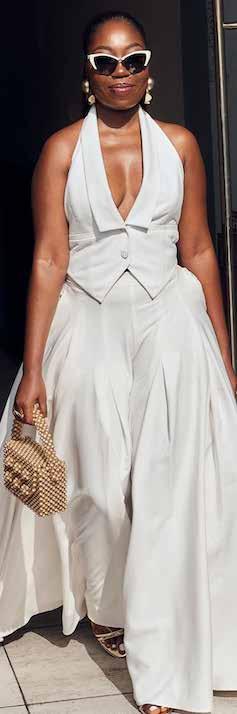
If there is one piece that delivers the biggest impact with the least effort, it is a great pair of earrings. Oversized gold hoops, sculptural drops or modern pearl designs instantly brighten the face and make even the simplest outfit feel intentional. They work particularly well on days when your clothing is understated, adding personality without competing with the rest of your look.
A Structured Handbag Always Wins
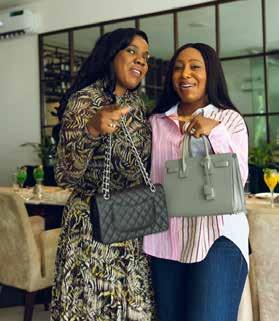
Trends come and go, but a well-made handbag remains one of the smartest style investments. Whether it’s a classic top-handle bag, a sleek shoulder bag or a minimalist tote, structured silhouettes always look polished. Neutral shades like chocolate brown, black, cream and tan blend effortlessly into almost every wardrobe while adding a sense of refinement. A beautiful handbag has a way of making everything else look more expensive.
Sunglasses That Frame the Face
Sunglasses are no longer reserved for holidays or beach days. They have become an everyday style essential. The right pair frames the face, completes an outfit and brings instant confidence. Oversized frames, cat-eye silhouettes, and softly rounded designs remain timeless because they complement rather than overpower. Like jewellery, sunglasses should suit your face shape rather than simply follow trends.
The Belt That Pulls
Everything Together
Few pieces work as hard as a good belt. It defines the waist, sharpens oversized blazers, gives dresses more structure and instantly makes relaxed trousers feel tailored. A smooth leather belt with understated hardware is often all you need. Sometimes the smallest detail creates the strongest impression.
A Watch Never Goes Out of Style
Smartwatches may dominate daily life, but the classic
wristwatch still carries an elegance that technology cannot replace. Whether you prefer gold, silver or mixed metals, a timeless watch adds quiet sophistication to both casual and formal outfits. It is functional, refined and always appropriate. Unlike trend-led pieces, a great watch only gets better with time.
Scarves Are More Versatile Than You Think
Silk scarves have quietly returned to fashion, and not just around the neck. They can be tied around a handbag handle, worn as a headscarf, wrapped around a ponytail or even styled as a belt. One scarf creates several different looks, making it one of the most versatile additions to any wardrobe. It adds colour, texture and personality without overwhelming an outfit.
Shoes Deserve More Attention
Stylish women often begin with their shoes before building the rest of an outfit. A polished loafer, elegant sandal, pointed pump or minimalist trainer can completely change the mood of what you’re wearing. Keeping shoes clean and in excellent condition is just as important as choosing the right style. Beautiful shoes communicate attention to detail.
Fragrance Is the Invisible Finishing Touch
The most memorable finishing touch is often the one nobody can see. A signature fragrance becomes part of your identity, lingering long after you’ve left the room. Just as your wardrobe reflects your personal style, perfume tells its own story. Whether you favour soft florals, warm amber notes or fresh citrus scents, consistency creates recognition. People may forget what you wore, but they often remember how you smelled.
Less Really Is More
One of the biggest style mistakes people make is wearing every standout piece they own at once. Statement earrings, layered necklaces, chunky bangles, oversized sunglasses and embellished handbags rarely work together. Stylish women understand the power of restraint. They choose one or two pieces to take centre stage and let everything else play a supporting role.
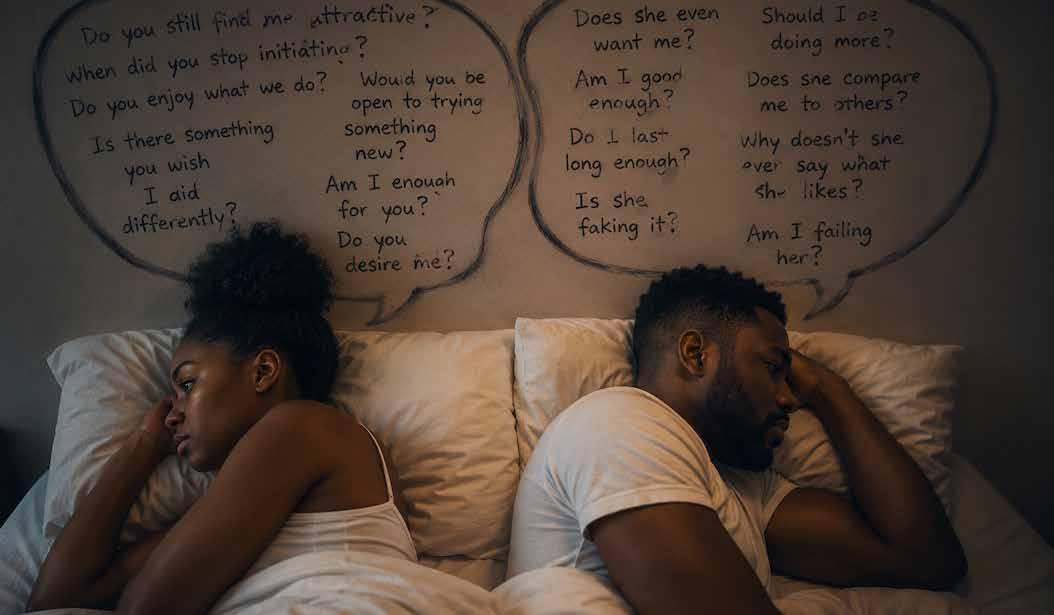
WHY GOOD SEX STILL ISN’T A CONVERSATION WE’RE HAVING PROPERLY
By Konye Chelsea Nwabogor
There are few things Nigerians discuss more enthusiastically than relationships. We dissect dating trends, weddings, cheating scandals, heartbreak, marriage proposals, celebrity divorces and red flags with almost academic dedication. Yet the moment the conversation shifts from sex to good sex, everyone suddenly becomes uncomfortable.
We can joke about it. We can hint at it. We can repost suggestive memes and laugh at viral skits. But an honest discussion about what actually makes sex enjoyable, healthy and fulfilling? That still feels strangely off-limits. It is an odd contradiction. We spend years looking for the right partner, yet many people never learn how to talk to that partner about one of the biggest parts of a relationship.Most of us were never taught how.
Growing up, the conversation centred on avoiding pregnancy, sexually transmitted infections or shame. Pleasure was rarely mentioned. Communication was almost never mentioned. Then adulthood arrived, and everyone was somehow expected to know exactly what they were doing. For many people, that education came from films, pornography, social media, anonymous podcasts and equally inexperienced friends. Somewhere along the way, performance replaced intimacy.
We became more interested in appearing knowledgeable than understanding the person beside us.
Perhaps that explains why so many couples spend years together without ever asking simple questions like, “What do you enjoy?” “Has anything changed?” or “Is there something you wish we did differently?” We assume chemistry should do all the heavy lifting, as though compatibility means never having to talk.
Yet intimacy is no different from every other part of a relationship. It requires curiosity. It requires paying attention. Most importantly, it requires the willingness to accept that people change.
There is another contradiction here. Couples are encouraged to discuss money, parenting, careers, fertility and even childhood trauma. Therapy has made emotional honesty almost fashionable. Yet asking a partner, “Does this actually feel good?” still feels awkward for many adults.
Part of the problem is ego.
If someone suggests trying something different, it is easy to hear criticism instead of curiosity. If someone admits they are dissatisfied, it can feel like rejection instead of an invitation to grow together. Rather than risk an uncomfortable conversation, many couples simply avoid it altogether.
The internet has only made things noisier.
Every week, another podcast, anonymous confession or social
media debate promises to reveal the secret to being “good in bed.” We endlessly debate body counts, stamina and technique, while generosity, communication, trust and mutual pleasure receive far less attention. The loudest voices are often the most confident, not necessarily the most informed.
Then there is the silence many women inherit.
Many girls grow up learning how to protect themselves long before they learn anything about their own desire. They are told not to seem too interested, too experienced or too expressive. They are expected to know how to satisfy a partner while pretending pleasure is almost accidental. It is difficult to communicate your needs when you’ve spent years being taught not to have any.
Age brings another layer of silence. Society celebrates women who look younger than they are, but still seems oddly uncomfortable with women who continue to enjoy and talk openly about sex as they get older. We applaud youthful desirability yet rarely acknowledge that confidence, self-awareness and emotional intimacy often deepen with age.
Body confidence shapes intimacy, too. It is difficult to lose yourself in a moment when you are worrying about your stomach, your scars, your stretch marks, your hair or the version of yourself you think your partner wishes had never changed. Sometimes the biggest barrier to intimacy is not another person. It is the running
commentary inside your own head.
Men carry different expectations. Many are raised to believe they should instinctively know exactly what they are doing. Confidence becomes part of masculinity, while uncertainty feels like failure. So instead of asking questions, some rely on assumptions. Instead of listening, they perform. Neither leaves much room for discovering what another person actually wants.
Maybe that is why the healthiest relationships rarely treat intimacy as something they mastered years ago.
They check in with each other. They ask questions without embarrassment and answer them without defensiveness. They understand that honesty is far more useful than pretending to be an expert. Sometimes the conversation is as simple as asking, “How does this feel?”
Other times, it is admitting, “I’m struggling to feel confident in my body,” or, “Things have changed for me lately.” Those conversations may feel uncomfortable, but they are often where real intimacy begins. The truth is, there is no universal formula for good sex because there are no two people who are exactly alike. What works for one couple may do absolutely nothing for another. That is why communication is not a bonus feature of intimacy; it is part of intimacy itself. There is something strangely ordinary about two people sharing a bed for years while quietly guessing what the other wants.
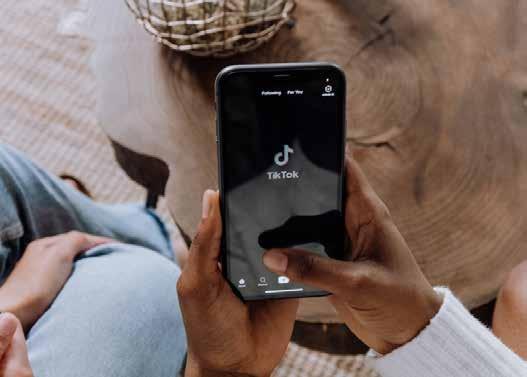
THE SCREEN HABITS THAT LEAVE YOU MENTALLY EXHAUSTED
Most of us spend hours looking at screens every day without giving it much thought. We check our phones before getting out of bed, answer emails while watching television, scroll through social media while eating lunch and take one last look before going to sleep. These habits have become so routine that we barely notice them. The problem isn’t that screens are bad. They help us work, stay informed, keep in touch and unwind. The issue is how we use them. Certain screen habits quietly affect our ability to focus, disrupt our sleep and leave us mentally drained. If you’ve been struggling to concentrate or feeling unusually tired, your daily screen routine could be part of the reason. Here are seven habits that may be exhausting your brain more than you realise.
By Yinka Olatunbosun
Late-Night
Scrolling
You check one notification before bed and, before you know it, you’re watching videos, reading comments or catching up on celebrity gossip.
Social media is built to keep your attention. Every swipe offers something new, making it surprisingly difficult to stop. Besides stealing valuable sleep, endless scrolling trains your brain to expect constant stimulation. Over time, slower activities like reading, working or even having a proper conversation can begin to feel less satisfying because your attention has become used to changing every few seconds.
Trying to Multitask
Replying to WhatsApp messages while watching television or jumping between work emails and Instagram may feel productive, but your brain isn’t actually doing several things at once. Instead, it switches rapidly from one task to another, and every switch demands mental energy. By the end of the day, you feel busy but strangely unproductive. Focusing on one task at a time usually leads to better work and far less mental fatigue.
Living at the Mercy of Notifications
Buzz. Ping. Vibrate. Your phone interrupts your attention dozens of times each day. Even if you don’t immediately pick it up, your concentration has already been broken. It takes time to regain focus after every interruption, especially when you’re doing work that requires deep thinking. Turning off non-essential notifications is one of the easiest ways to reduce mental clutter and stay focused on what actually matters.
The “Just One More Minute” Trap
Streaming platforms, TikTok, Instagram and YouTube are designed to remove stopping points.
One more episode becomes three. One more Reel becomes an hour. The next
recommendation is always waiting. It’s not simply a lack of self-control. These platforms are designed to keep you watching. Setting your own stopping point, whether that’s a timer or putting your phone away at a certain time, helps you stay in charge of your evening instead of letting the algorithm decide.
Keeping Your Phone on the Table During Conversations
Whether you’re having dinner with family, meeting friends or attending a business lunch, leaving your phone on the table has become almost automatic. Even when it’s silent, part of your attention stays with it. Every vibration or screen lighting up competes with the person sitting opposite you. That divided attention affects the quality of conversations and makes genuine connections harder. Sometimes the best way to be present is simply to keep your phone out of sight.
Starting the Day With Your Phone
Many people reach for their phones before they’ve even left the bed. Within minutes, they’re checking emails, scrolling through social media or reading the news. Before the day has properly begun, their minds are already reacting to everyone else’s priorities. Giving yourself just 15 or 20 screen-free minutes each morning creates a calmer start and allows you to begin the day with intention instead of urgency.
Doomscrolling Through Bad News
Keeping up with current affairs is important, but constantly consuming distressing news isn’t the same as staying informed. Hours spent moving from one worrying headline to the next can leave you emotionally drained without changing anything about your own circumstances. Choose one or two reliable times during the day to catch up on the news, rather than checking it constantly. Your mind needs breaks just as much as your body does.
Dear Reader,
SURVIV R
BY DR. KEMI DASILVA-IBRU AND GLORIA
WARIF SURVIVOR STORIES
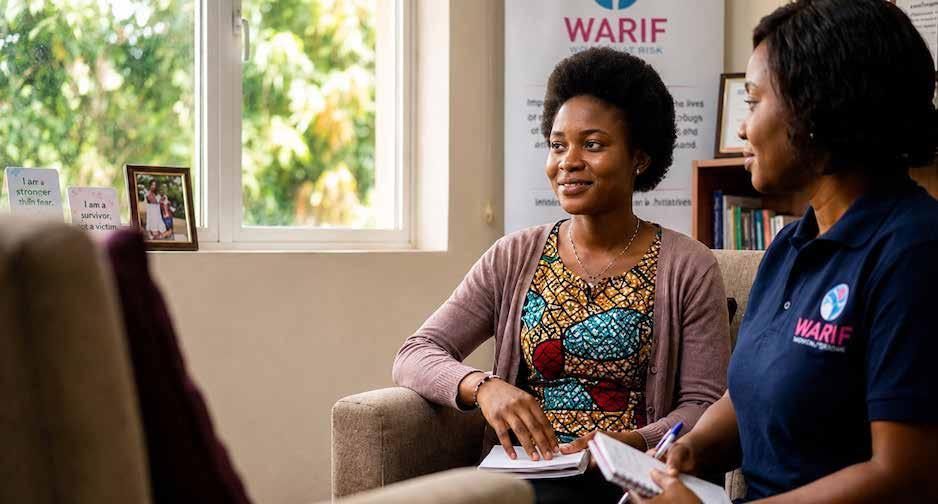
Welcome to the WARIF Survivor Stories Series, a monthly feature where stories of survivors of rape and sexual violence are shared to motivate and encourage survivors to speak their truth without the fear of judgment or stigmatisation and to educate the public on the sheer magnitude of this problem in our society. The Women at Risk International Foundation (WARIF) is a non-profit organisation set up in response to the extremely high incidence of rape, sexual violence, and human trafficking of young girls and women in our society. WARIF is tackling this issue through a holistic approach that covers health, education, and community service initiatives.
WARIF aids survivors of rape and sexual violence through the WARIF Centre a haven where trained professionals are present full-time, 6 days a week, including public holidays, to offer immediate medical care, forensic medical examinations, psychosocial counselling, and welfare services which include shelter, legal aid, and vocational skills training. These services are provided FREE of charge to any survivor who walks into the Centre.
it difficult to concentrate at work or even enjoy the things I once loved. I questioned myself constantly and blamed myself for something that was never my fault. My confidence disappeared, and I struggled to cope with the emotional weight of the trauma. Eventually, confided in a friend who encouraged me to report the incident to the police. That decision became the first step in reclaiming my voice.
The police referred me to the WARIF Centre, where I received medical assessment, treatment, laboratory investigations, and psychosocial counselling at no cost. Walking into WARIF marked the beginning of my healing journey.
For the first time since the assault, I felt heard. My counsellor created a safe and compassionate space where I could speak openly without fear of judgment. Session after session, I began to understand a truth that trauma had made difficult to believe: what happened was not my fault. The responsibility rested entirely with the man who chose to violate my consent.
Through counselling, learned healthy ways to manage my trauma, process my emotions, and gradually rebuild my confidence and self-worth.
I also joined WARIF’s Group Therapy Sessions, where I met other survivors whose stories echoed many of my own emotions. Listening to them reminded me that I was not alone. Together, we found strength in one another, and with every session, became a little more hopeful about the future.
If there is one thing life has taught me, it is that even after unimaginable loss, hope can still find its way back.
I lost both of my parents when was very young. Their absence shaped my childhood in ways words can hardly describe. My brother and suddenly found ourselves navigating life without the people who loved us most. Thankfully, we were surrounded by relatives who stepped in with love, guidance, and support. They ensured we stayed in school and never stopped believing in our dreams. Their sacrifices inspired us to keep going. I studied Accounting and worked hard to build a career was proud of, while my brother pursued Medicine. Today, he has completed his medical training, relocated abroad, and now practices as a medical doctor. Seeing how far we had come despite our difficult beginning reminded me that resilience could carry us through almost anything.
I never imagined that another painful chapter was waiting for me.
Earlier this year, met a man through my social circle. We had mutual friends who believed we were a perfect match, and over time, we became close friends. He earned my trust little by little, treating me with kindness and making me feel safe around him. Eventually, he asked me to be in a relationship with him, and I agreed.
After some time, he invited me to his house. accepted because he had never given me any reason to fear him. But the moment arrived, everything changed. He began demanding that we have sex. I refused repeatedly and made it clear that I did not consent. Despite my protests and every attempt to stop him, he raped me.
In a matter of moments, someone trusted betrayed me in the worst possible way. Afterwards, he pleaded with me to forgive him. He offered to buy me anything I wanted, as though gifts could erase what had happened. But I knew that no apology could undo the violation or restore the trust he had destroyed.
The days that followed were some of the darkest of my life.
I was overwhelmed by fear, sadness, anger, and confusion. Flashbacks haunted me, making
The impact of the assault had affected every part of my life, including my work. I struggled to meet deadlines and perform at the level knew I was capable of. But as my healing progressed, so did my confidence and focus.
Today, I am proud to say that I was recently recognised as the Outstanding Staff of the Month at my workplace—a milestone that once felt impossible during my darkest days.
My healing journey is still ongoing, but I am no longer defined by what happened to me. I am stronger than the pain I endured, more hopeful than I ever imagined I could be, and determined to keep moving forward.
I will always be grateful to the entire WARIF team—the medical staff, counsellors, management, and everyone who walked this journey with me. Their compassion, professionalism, and unwavering support reminded me that healing is not only possible but achievable.
To every survivor reading my story, I want you to know this: what happened to you does not define your future. Healing takes time, but with the right support, hope can be restored.
Thank you, WARIF. Thank you to my counsellor and the medical team for helping me find my strength again and for reminding me that healing is possible.
* Real name of the Survivor changed for confidentiality Dear Survivor, please know that you are not alone, and it is not your fault. Help is available. If you have been raped or know someone who has, please visit us at:
The WARIF Centre 6, Turton Street, off Thorburn Avenue, Sabo, Yaba, or call our 24-hour confidential helpline on 0800-9210-0009.
JOACQUIM
FROM DARKNESS TO HOPE: EMMANUELLA’S JOURNEY OF COURAGE AND HEALING.