Emmanuel Addeh in Abuja and Peter Uzoho in Lagos Nigerians have continued to mount pressure on the Dangote Refinery, the Nigerian National
Company Limited (NNPC) and
Emmanuel Addeh in Abuja and Peter Uzoho in Lagos Nigerians have continued to mount pressure on the Dangote Refinery, the Nigerian National
Company Limited (NNPC) and

• Renewed continental mandate reinforces Nigeria’s leadership in regional governance and sustainable development.
• Renewed continental mandate reinforces Nigeria’s leadership in regional governance and sustainable development.
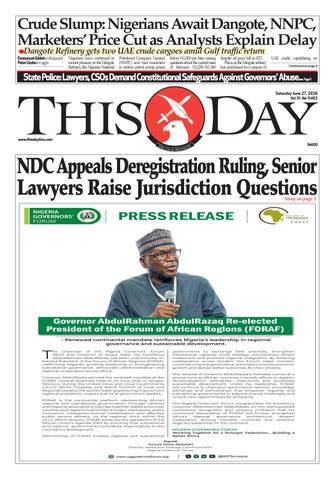
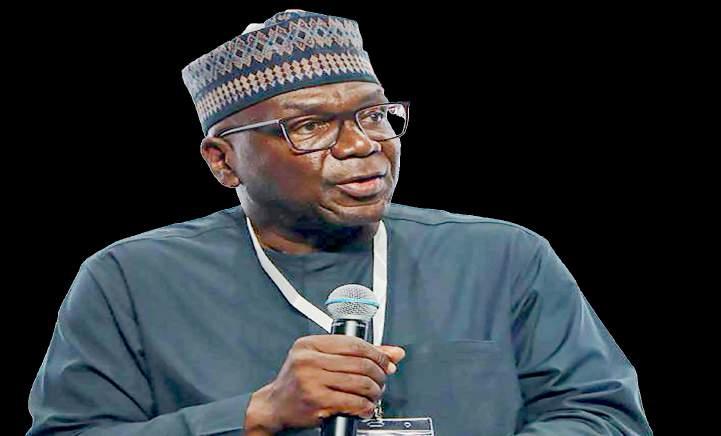
he Chairman of the Nigeria Governors’ Forum (NGF) and Governor of Kwara State, His Excellency AbdulRahman AbdulRazaq, has been unanimously reelected President of the Forum of African Regions (FORAF), reaffirming Nigeria’s growing leadership in strengthening subnational governance, democratic decentralisation and regional cooperation across Africa.
The Chairman of the Nigeria Governors’ Forum (NGF) and Governor of Kwara State, His Excellency AbdulRahman AbdulRazaq, has been unanimously reelected President of the Forum of African Regions (FORAF), reaffirming Nigeria’s growing leadership in strengthening subnational governance, democratic decentralisation and regional cooperation across Africa.
• Renewed continental mandate reinforces Nigeria’s leadership in regional governance and sustainable development.
he Chairman of the Nigeria Governors’ Forum (NGF) and Governor of Kwara State, His Excellency AbdulRahman AbdulRazaq, has been unanimously reelected President of the Forum of African Regions (FORAF), reaffirming Nigeria’s growing leadership in strengthening subnational governance, democratic decentralisation and regional cooperation across Africa.
Governor AbdulRazaq secured the renewed mandate at the FORAF General Assembly held on 22 June 2026 in Tangier, Morocco, during the United Cities and Local Governments (UCLG) World Congress and World Summit of Local and Regional Leaders, the world’s leading gathering of governors, regional presidents, mayors and local government leaders.
Governor AbdulRazaq secured the renewed mandate at the FORAF General Assembly held on 22 June 2026 in Tangier, Morocco, during the United Cities and Local Governments (UCLG) World Congress and World Summit of Local and Regional Leaders, the world’s leading gathering of governors, regional presidents, mayors and local government leaders.
Governor AbdulRazaq secured the renewed mandate at the FORAF General Assembly held on 22 June 2026 in Tangier, Morocco, during the United Cities and Local Governments (UCLG) World Congress and World Summit of Local and Regional Leaders, the world’s leading gathering of governors, regional presidents, mayors and local government leaders.
FORAF is the continental platform representing Africa’s regional and subnational governments. Through national and regional associations, it brings together states, provinces, counties and regions to promote stronger institutions, policy innovation, intergovernmental collaboration and effective public service delivery. As the regional voice within the UCLG Africa network, FORAF advances the aspirations of the African Union’s Agenda 2063 by ensuring that subnational and regional governments contribute meaningfully to the continent’s development.
FORAF is the continental platform representing Africa’s regional and subnational governments. Through national and regional associations, it brings together states, provinces, counties and regions to promote stronger institutions, policy innovation, intergovernmental collaboration and effective public service delivery. As the regional voice within the UCLG Africa network, FORAF advances the aspirations of the African Union’s Agenda 2063 by ensuring that subnational and regional governments contribute meaningfully to the continent’s development.
Membership of FORAF enables regional and subnational
Membership of FORAF enables regional and subnational
FORAF is the continental platform representing Africa’s regional and subnational governments. Through national and regional associations, it brings together states, provinces, counties and regions to promote stronger institutions, policy innovation, intergovernmental collaboration and effective public service delivery. As the regional voice within the UCLG Africa network, FORAF advances the aspirations of the African Union’s Agenda 2063 by ensuring that subnational and regional governments contribute meaningfully to the continent’s development.
governments to exchange best practices, strengthen institutional capacity, build strategic partnerships, attract investment and promote regional integration. By fostering collaboration across borders, the Forum helps member countries improve governance, stimulate inclusive economic growth and deliver better outcomes for their citizens.
governments to exchange best practices, strengthen institutional capacity, build strategic partnerships, attract investment and promote regional integration. By fostering collaboration across borders, the Forum helps member countries improve governance, stimulate inclusive economic growth and deliver better outcomes for their citizens.
governments to exchange best practices, strengthen institutional capacity, build strategic partnerships, attract investment and promote regional integration. By fostering collaboration across borders, the Forum helps member countries improve governance, stimulate inclusive economic growth and deliver better outcomes for their citizens.
The renewal of Governor AbdulRazaq’s mandate comes at a pivotal time as African countries intensify efforts to deepen decentralisation, strengthen institutions and accelerate sustainable development. Under his leadership, FORAF will continue to champion governance reforms, knowledge exchange and partnerships that empower regional and subnational governments to address shared challenges and unlock new opportunities for prosperity.
The renewal of Governor AbdulRazaq’s mandate comes at a pivotal time as African countries intensify efforts to deepen decentralisation, strengthen institutions and accelerate sustainable development. Under his leadership, FORAF will continue to champion governance reforms, knowledge exchange and partnerships that empower regional and subnational governments to address shared challenges and unlock new opportunities for prosperity.
The Nigeria Governors’ Forum congratulates His Excellency Governor AbdulRahman AbdulRazaq on this distinguished continental recognition and remains confident that his continued stewardship of FORAF will further strengthen Africa’s regional governance architecture, deepen cooperation among member countries and reinforce Nigeria’s leadership on the continent.
The renewal of Governor AbdulRazaq’s mandate comes at a pivotal time as African countries intensify efforts to deepen decentralisation, strengthen institutions and accelerate sustainable development. Under his leadership, FORAF will continue to champion governance reforms, knowledge exchange and partnerships that empower regional and subnational governments to address shared challenges and unlock new opportunities for prosperity.
The Nigeria Governors’ Forum congratulates His Excellency Governor AbdulRahman AbdulRazaq on this distinguished continental recognition and remains confident that his continued stewardship of FORAF will further strengthen Africa’s regional governance architecture, deepen cooperation among member countries and reinforce Nigeria’s leadership on the continent.
NIGERIA GOVERNORS’ FORUM Working Together for a Stronger Federation... Building a Better Africa.
Signed: Yunusa Tanko Abdullahi Director, Media
Signed: Yunusa Tanko Abdullahi Director, Media and Strategic Communication Nigeria Governors’ Forum
Communication
and Strategic
Nigeria Governors’ Forum
Membership of FORAF enables regional and subnational
The Nigeria Governors’ Forum congratulates His Excellency Governor AbdulRahman AbdulRazaq on this distinguished continental recognition and remains confident that his continued stewardship of FORAF will further strengthen Africa’s regional governance architecture, deepen cooperation among member countries and reinforce Nigeria’s leadership on the continent.
NIGERIA GOVERNORS’ FORUM Working Together for a Stronger Federation... Building a Better Africa.
NIGERIA GOVERNORS’ FORUM Working Together for a Stronger Federation... Building a Better Africa.
Signed:



Nigeria has been elected into the United Nations Committee on the Elimination of Discrimination against Women (CEDAW), clinching one of the coveted seats on the influential global body after polling 123 votes from member states at elections held at the United Nations headquarters.
The victory places Nigeria among 12 countries elected to serve on the committee responsible for monitoring the implementation of the Convention on the Elimination of All Forms of Discrimination against Women (CEDAW), one of the world's foremost international human rights
treaties promoting women's rights and gender equality.
Announcing the outcome of the election, Nigeria's Permanent Representative to the United Nations, Amb. Jimoh Ibrahim, described the development as a significant diplomatic milestone and congratulated the First Lady, Senator Oluremi Tinubu, and Nigerian women for what
he called a well-deserved international recognition.
"I heartily congratulate the First Lady of the Federal Republic of Nigeria, Senator Oluremi Tinubu, and indeed all Nigerian women on this remarkable victory,” noting that the West African country’s successful election into the UN CEDAW was a clear
demonstration of the confidence the international community reposes in Nigeria's commitment to advancing the rights, welfare and empowerment of women.
The election saw Sri Lanka emerge with the highest number of votes, polling 144, followed by Egypt with 141 votes and Uganda with 140 votes. Mongolia secured 136
votes, Canada garnered 135, while Estonia and Azerbaijan each received 133 votes. Cuba was elected with 128 votes, Spain polled 125 votes, while Nigeria secured the tenth position with 123 votes. Mexico followed with 119 votes, while Antigua and Barbuda completed the list of successful candidates with 118 votes.
Opposition party insists court made no order removing it from INEC register
Assures supporters Peter Obi, other candidates will participate in 2027 polls
Alleges plot to shrink democratic space, describes ruling as abuse of court process
NDC presidential candidate: FG bent on stopping my aspiration
Dickson: We're under attack, but NDC will prevail
Chuks Okocha, Alex Enumah, Sunday Aborisade in Abuja, David-Chyddy Eleke in Awka
The Nigeria Democratic Congress (NDC) yesterday insisted that it remains a legally registered political party despite a ruling of a Federal High Court in Lokoja setting aside the judgment that compelled the Independent National Electoral Commission (INEC) to register it, declaring that it has commenced the process of challenging the decision at the Court of Appeal on Monday.
The NDC, which described the ruling as legally untenable
and an abuse of court process, assured its presidential candidate, Mr. Peter Obi, other candidates and supporters that there was no basis for panic, stressing that the judgment did not order its deregistration.
The party's statement came after a Federal High Court in Lokoja yesterday set aside its earlier judgment directing INEC to register the NDC as a political party.
Reacting to the ruling, Senior Advocates of Nigeria (SANs) argued that a Federal High Court lacks the jurisdiction to set aside the judgment of a court of coordinate jurisdiction,
insisting that only the Court of Appeal has such authority.
Also yesterday, Obi, the NDC presidential candidate argued that forces from the federal government were working to stop him from being on the ballot in 2027 to fulfill his aspiration to become president of Nigeria. He, however, insisted that their plans would fail.
The African Democratic Congress (ADC) and a faction of the Peoples Democratic Party (PDP) condemned the ruling, warning that no opposition party was safe if such action was allowed to stand.
However, the promoter of
All Democratic Alliance (ADA), Dr, Umar Ardo, who is also challenging the registration of the opposition party, yesterday said he had been vindicated with the judgement.
Justice Isah Dashen, the trial judge held that all relevant parties must be heard before any substantive decision can be made in the matter. The court upheld the application filed by the Peace Movement Party (PMP), ruling that the party was a necessary party to the suit.
According to the judge, the earlier judgment was constitutionally defective as it
was delivered without hearing from all interested parties. He declared that such an omission rendered the entire process null and void.
Justice Dashen further ruled that the status quo be restored to what it was before the December 2025 judgment, pending the determination of the substantive suit.
He also observed that certain material facts were suppressed in the earlier proceedings, which justified the decision to set aside the judgment.
Consequently, the court ordered that the substantive suit should begin afresh, with
INEC, the PMP and the NDC as parties to the case.
Counsel to the applicant, Chikezie Ekeocha, told journalists that the PMP approached the court after discovering that NDC’s registration was based on a logo it had previously submitted to INEC before the commencement of the suit.
According to Ekeocha, the court agreed that the applicant’s rights had been affected and consequently vacated the earlier judgment.
Ekeocha added: “The court
Continued on page 15
Obi warns against rushed legislation, wants law after 2027 elections CUPP calls for caution
caveat.
As clamour for the establishment of State Police gains traction, some senior lawyers in the country have declared support for the initiative which they argued was necessitated by the worsening security conditions in the country, though with a
returning oil supplies from the Middle East Gulf, according to a company source involved in the plant's operations.
According to S&P, the incoming tankers would be the first sourced by Dangote from any Middle Eastern supplier and will mark a pivot from the African and US grades favoured by the refinery to heavier crude baskets.
This is as civil society organisations (CSOs) expressed fears of its being hijacked, misapplied or abused by governors and therefore asked for constitutional safeguards against its possible abuse.
While agreeing to the need for the establishment of state police, former Presidential candidate of Labour party and standard
However, energy analysts have defended the continuous high pump prices, arguing that the disconnect is not price gouging but a structural lag caused by replacement cost, foreign exchange, and inventory already bought at higher prices. But across filling stations in the country, consumers are questioning why petrol remains above N1,200 per litre when
bearer of Nigeria Democratic Congress (NDC), Mr. Peter Obi called for its coming into effect after the 2027 elections as rushed legislations had inherent flaws.
Also lending their voice to the current debate of the matter, the Conference of United Political Parties (CUPP) said passage of the State Police bill was desirous, but should be handled with caution.
crude is trading at pre-war levels, while the refinery and marketers were quick to raise prices within hours when prices escalated to as high as $120 per barrel.
“What Nigerian consumers are saying is that the Donald Trump approach applies to Nigeria too. Dangote is not dropping the price of fuel fast enough and people are
The senior lawyers who ventured their opinions on the issue think that for the initiative to succeed, certain constitutional and statutory safeguards must be put in place by appropriate authorities.
The Senate had on Wednesday passed the bill, which is now awaiting passage by at least 24 states of the federation.
Speaking on the development,
complaining. The price of crude oil is now below the pre-crisis levels, and yet petrol is still selling at over N1,000 per litre,” one petrol user told THISDAY.
Another consumer pointed out that the same urgency used in raising pump prices should apply now that crude is near pre-war levels.
“For many Nigerians, PMS
the senior lawyers who described the move as a significant step towards addressing the persistent security challenges confronting Nigeria, argued that going by the country's vast territorial landmass, diverse security threats, and the limitations of a highly centralised policing structure, decentralising policing responsibilities has become increasingly compelling.
price at above N1,200 a litre when crude trades for only $73 per barrel is not logical and supportive of current realities.
Fuel price should be below N900 by now,” the consumer said.
But reacting to the current debate, energy analysts who spoke to THISDAY said Nigeria’s pricing lag is driven by economics and not defiance.
Managing Partner at The
Reacting, Mr Akinlolu Kehinde, SAN, submitted that the success of State Police will depend less on its creation than on the institutional safeguards put in place to prevent abuse and ensure professionalism. He called for constitutional and statutory provisions that would insulate the command structure from
Energy Consulting Practice, Mr. Kelvin Emmanuel, explained that Section 206 of the PIA mandates NMDPRA to operationalise the Transfer Pricing Rule, but that has not been done.
“Transfer pricing rules are important because it is what makes sure that you can
Lauds NDLEA’s leadership, officers’ courage and professionalism 5.3m kilograms of drugs worth N1.5trn seized in one and half years, says Marwa NHRC raises the alarm over rising drug abuse, demands human rights-based response
Deji Elumoye and Michael Olugbode in Abuja
President Bola Tinubu yesterday assured of Nigeria's unwavering commitment to eliminating the menace of substance abuse and illicit drug trafficking through evidence-based, innovative interventions.
The President noted that the consequences of the drug scourge extended far beyond individual users, severely disrupting families, schools, workplaces, and overall national security.
This was as Chairman/Chief Executive Officer of NDLEA, Brigadier-General Mohammed Buba Marwa (rtd), revealed that 5.3m kilograms of drugs worth N1.5trn was seized in one and half years.
The President said the government is confronting these challenges through a well-coordinated, multi-faceted approach.
His words, “My administration remains committed to creating an environment in which young Nigerians can thrive and succeed. Through the Renewed Hope Agenda, we are expanding access to education, promoting skills development, supporting entrepreneurship, creating
Also, the National Human Rights Commission (NHRC) has expressed grave concern over the rising incidence of drug abuse and illicit drug trafficking in Nigeria, warning that the growing menace poses serious threats to public health, national security, human dignity and sustainable development.
$4.5bn, N2.8bn Trial: Emefiele Seeks Rejection of Five Statements, Alleges Torture During DSS Detention
Wale Igbintade
Former Governor of the Central Bank of Nigeria (CBN), Godwin Emefiele, has urged the Special Offences Court sitting in Ikeja, Lagos, to reject five extra-judicial statements he made while in the custody of the Department of State Services (DSS), alleging that they were obtained after he was held incommunicado for 157 days and subjected to physical and psychological torture.
The allegation formed the centrepiece of a heated legal battle over the admissibility of the statements in Emefiele's ongoing trial alongside his co-defendant, Henry Omoile, on a 19-count charge bordering on money laundering and fraud.
The Economic and Financial
Crimes Commission (EFCC) alleged that Emefiele received $17.1 million through an intermediary, Monday Osazuwa, as gratification for facilitating foreign exchange allocations while serving as CBN Governor.
The controversy arose after the Director of Public Prosecutions of the Federation (DPPF), Rotimi Oyedepo (SAN), sought to tender five statements allegedly made by Emefiele on October 26, 27 and 30, as well as November 1 and 2, 2023.
Counsel to the first defendant, Olalekan Ojo (SAN), objected to the admissibility of the statements, arguing that they were involuntary because they were obtained under oppressive conditions while his client remained in DSS custody.
employment opportunities and implementing social interventions that address some of the underlying factors that make individuals vulnerable to substance abuse and criminal recruitment.
“At the same time, we recognise that reducing demand must be matched by decisive action to disrupt supply. This requires stronger border management, enhanced surveillance of ports, airports, seaports and land crossings, improved intelligence gathering and closer collaboration among national, regional and international law enforcement
agencies. Criminal organisations operate across borders, and our response must be equally coordinated and effective.”
Tinubu, who gave this assurance in Abuja during the grand finale of celebrations to mark the 2026 International Day Against Drug Abuse and Illicit Trafficking, was represented at the event by the Attorney General of the Federation and Minister of Justice, Prince Lateef Fagbemi (SAN).
Speaking on the theme of this year's event, ‘The World Drug Problem: Persisting Issues, New Challenges, Innovative Responses’, Tinubu stressed
that the evolving nature of the global drug problem demands constant vigilance, adaptability, and collective action.
The President noted that science, technology and reliable data have become indispensable tools in this effort, adding that “We must continue to strengthen our capacity to collect, analyse and apply data so that emerging trends are identified early, interventions are properly evaluated and strategic decisions are informed by facts.”
“As illicit drug markets evolve, our ability to detect and identify drugs and
precursor chemicals must evolve as well. Strengthening forensic laboratories, enhancing technological capabilities and supporting scientific research will remain essential if we are to stay ahead of emerging threats. Our criminal justice system must continue to receive the support it needs to deal effectively with drug-related crimes. Law enforcement officers, investigators, prosecutors and the courts all have important roles to play in ensuring that criminal organisations are disrupted and offenders are held accountable under the law.”
Appoints Dr. Obi Adigwe national coordinator Names 18-man steering committee to provide strategic direction and oversight for the office
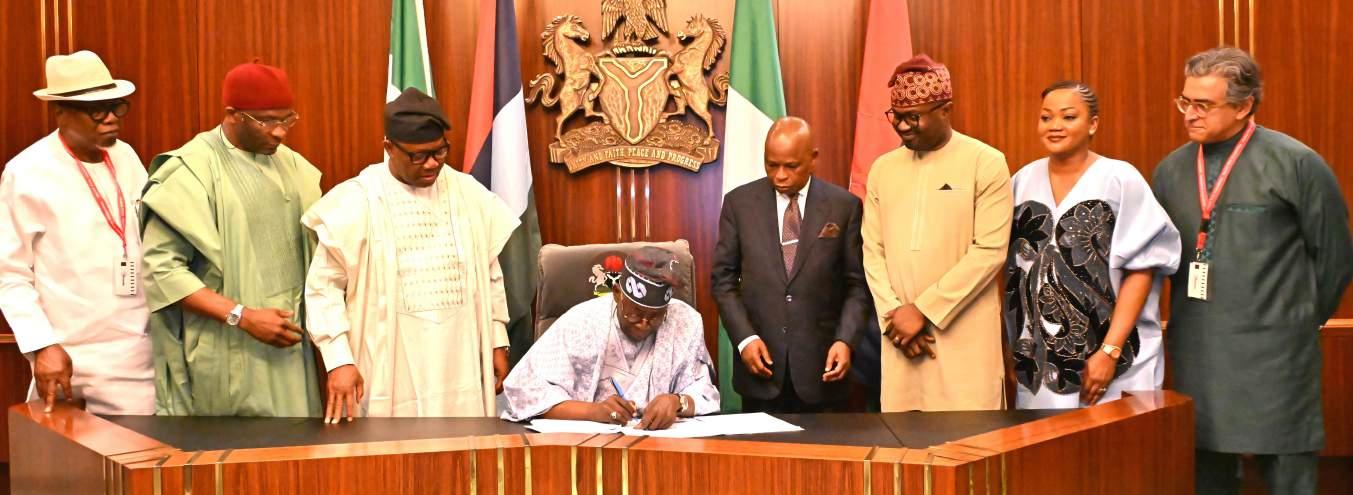
President Bola Tinubu has approved the establishment of the National Health Technology and Data Analytics Office (NHTDAO) and appointed Dr. Obi Adigwe as the pioneer National Coordinator.
According to a statement issued by presidential spokesperson, Bayo Onanuga, the agency will be domiciled in the Office of the Coordinating Minister of Health and Social Welfare.
The NHTDAO will serve as a meta-level national platform for coordinating the country's digital-health agenda.
It will reinforce, not replace, the existing statutory functions of relevant departments and agencies.
It will also harmonise and empower the public and private
institutions across the health system, set the standards that connect them, and operationalise the National Digital Health Architecture, approved by the National Council on Health in November 2025.
The National Coordinator, Dr. Adigwe, as Director General of the National Institute for Pharmaceutical Research and Development, has leveraged science to catalyse interventions in artificial intelligence, translational research, and technology transfer.
He coordinated major projects, including the ¥300m Nanotechnology grant and the AFREXIMBank grant for Africa’s first API Training Facility. He led the roadmap development that underpinned an €18 million EU grant, the largest in Africa for the thematic area.
During the last pandemic, Adigwe globally showcased African science by undertaking the world’s first analysis to debunk claims about the Covid Organics preparation.
The Office’s Steering Committee, which provides strategic direction and oversight, include Professor Muhammad Ali Pate, Coordinating Minister of Health and Social Welfare (Co-chair); Mr. Olaniyi Yusuf, Chairman of the Nigerian Economic Summit Group (Cochair); Dr. Iziaq Adekunle Salako, Minister of State for Health and Social Welfare (Alternate Co-chair); Ms Kachollom Daju, Permanent Secretary, Federal Ministry of Health and Social Welfare; Mr. Idris Alubankudi Saliu, Special Adviser to the President on Technology and Digital Economy;
Dr. Muntaqa Umar-Sadiq, National Coordinator, SWAp Coordination Office and Dr. Abdu Mukhtar, National Coordinator, Presidential Initiative to Unlock Healthcare Value Chain. Other Steering committee members are Dr. Muyi Aina, Executive Director, National Primary Health Care Development Agency; Dr. Kelechi Ohiri, Director General, National Health Insurance Authority; Director, Health Planning, Research and Statistics, Ministry of Health and Social Welfare; National Information Technology Development Agency Representative; six representatives of the State Commissioners of Health, one from each of the six geopolitical zones and Hamza Buhari, Stakeholder representing Industry and Community
Linus Aleke in Abuja
Troops of Operation Hadin Kai have dismantled a roadblock mounted by JAS/ISWAP terrorists along the Buratai–Kamuya road in Biu Local Government Area of Borno State, rescuing 53 civilians and recovering eight vehicles during the operation.
This was as the Nigerian Army has concluded arrangements to recruit and train an additional 28,000 personnel as part of efforts to strengthen its operational capacity and tackle the country's worsening security challenges.
Also, Nigeria has reaffirmed its commitment to strengthening defence and security cooperation with the United Kingdom as both countries seek to deepen collaboration in addressing evolving security challenges.
The operation was carried out on Wednesday, 24 June 2026, by troops of the 135 Special Forces Battalion under Sector 2 of Operation Hadin Kai as part of the military's sustained offensive against JAS/ISWAP terrorists in the North-east.
According to a statement by the Acting Military Information Officer of Joint Task Force North East Operation Hadin Kai, Captain Mohammed Goni, the operation was launched after troops deployed at Dutse Kura detected the terrorists blocking the highway through surveillance cameras.
He said a Quick Reaction Force (QRF) was immediately dispatched to the location and pursued the insurgents towards the Mangari–Dora general area, where troops made contact and engaged them in a firefight, forcing the terrorists to retreat in disarray.
"During the operation, troops rescued 53 civilians held by the insurgents and recovered eight vehicles seized by the terrorists. They subsequently advanced to clear the terrorists' withdrawal route, dominated the area and conducted further search operations, although no additional contact was established.
All rescued civilians, recovered vehicles and other property were safely evacuated to Buratai town.
The rescued civilians are currently undergoing documentation and medical evaluation," the statement said.
The Theatre Command of Operation Hadin Kai commended the professionalism and swift response of the troops. It also urged residents across the Joint Operations Area to remain vigilant and continue to provide timely information on suspicious movements and activities within their communities.
The Command added that the general security situation in the area remains calm, with
troops maintaining an aggressive operational posture and sustained dominance across the general area.
The Army also reaffirmed its commitment to denying criminal and subversive elements the freedom to operate, stressing that sustained peace and security remain essential to Nigeria's economic growth and prosperity.
Speaking at a press conference yesterday to herald the 163rd Nigerian Army Day Celebration (NADCEL 2026), the Chief of Army Staff (COAS), Lieutenant General Waidi Shaibu, said
the Service would continue to conduct its operations in strict compliance with the rules of engagement, international humanitarian law, and both domestic and international legal frameworks governing the protection of human rights.
The COAS, who was represented by the Chief of Policy and Plans (Army), Major General Bamidele Alabi, said a key pillar of his vision is the ‘Soldier-First’ culture, which places the welfare of personnel and their families at the heart of operational effectiveness.
He said: "We are also improving our deployment strategies and employing modern technology as a force multiplier in our efforts to quickly degrade all forms of criminality across the country.
"Manpower is as important as the equipment required to fight insecurity. To this end, we have expanded our recruitment scope by establishing another training depot at Amasiri Edda, making it the third institution to train able-bodied civilians for the Nigerian Army, thereby enhancing our manpower.
The Lagos State Government will demolish all buildings marked as distressed around the collapsed 3-storey building at Alakija,
Emmanuel Ugwu-Nwogo in Enugu
The Enugu State Government and the South East Development Commission (SEDC) have entered into a partnership aimed at driving regional agro-industrial growth in the region.
To concretise the partnership, a memorandum of understanding (MoU) on the South East Agro Development Programme(SEADP) was signed yesterday at the Government House Enugu, by the state government and SEDC.
The collaboration represents a major step towards transformation of agriculture into a catalyst for economic growth, industrialisation,
and food security across the South-east.
The Secretary to the State Government (SSG), Prof. Chidiebere Onyia, who stood in for Governor Peter Mbah, expressed the commitment of the administration to building a robust agricultural economy capable of driving industrial growth and expanding the state's wealth base.
He stated that the government's vision of growing Enugu's economy from $4.4 billion to $30 billion would be actualised largely by strategic investments in agriculture, value addition, and agro-processing.
The SSG noted that the state has been intentional in creating an
enabling environment to attract investments through improved security, regulatory reforms, and investor-friendly policies.
He disclosed that over 52,000 hectares of land had already been earmarked for agricultural development, assuring prospective investors of government support while protecting the interests of host communities.
The Managing Director of the South East Development Commission, Mr. Mark Okoye, who was represented by the Executive Director of Projects, Mr. Toby Okechukwu, described the agreement as a landmark initiative that would unlock the region's vast agricultural potential.
Governor Babajide Sanwo-Olu said yesterday.
Speaking during an inspection tour of the site yesterday, Commissioner for Information and Strategy, Mr. Gbenga Omotoso, who represented Governor Sanwo-Olu, sympathised with the families of the victims and praised emergency responders for their swift intervention.
According to the commissioner, 27 people were rescued alive from the rubble while nine died.
“The search and rescue operation lasted all night. Still at the site are Lagos State Emergency Management Agency (LASEMA), Lagos State Fire and Rescue Service, Lagos State Building Control Agency (LASBCA),the Police, Command and Control Centre, Neighborhood Watch and other agencies,” the commissioner said.
“Governor Sanwo-Olu is saddened by this incident. He sends his condolences,” Omotoso said, adding, “This should
not have happened, if people had obeyed the law instead of prioritising livelihoods over lives.
The collapsed building had been marked as structurally distressed and occupants were directed to vacate the premises, but the warning was ignored.
“All other buildings already marked as unsafe within the area will be demolished to prevent similar tragedies and avoid a compromise of the lives of others around.
Kuni Tyessi in Abuja
National Examinations Council (NECO) has announced the release of the 2026 Basic Education Certificate Examination (BECE) results, with a total of 186,291 candidates having registered for the examination across 12 subjects.
A statement issued by NECO’s Acting Director
of Information and Public Relations, Azeez Sani, said the candidates were drawn from the 36 states of the federation, the Federal Capital Territory (FCT), and five foreign countries.
According to the statement, “The examination which commenced on 20th April, 2026 was successfully concluded on 30th April, 2026.”
NECO explained that the results were approved for
release after the successful conclusion of the 2026 BECE Award Committee Meeting held at the council’s headquarters in Minna, Niger State.
The statement further noted, “The result of the Examination was released following the successful conclusion of the 2026 BECE Award Committee Meeting held at the Council’s Headquarters in Minna, Niger State.
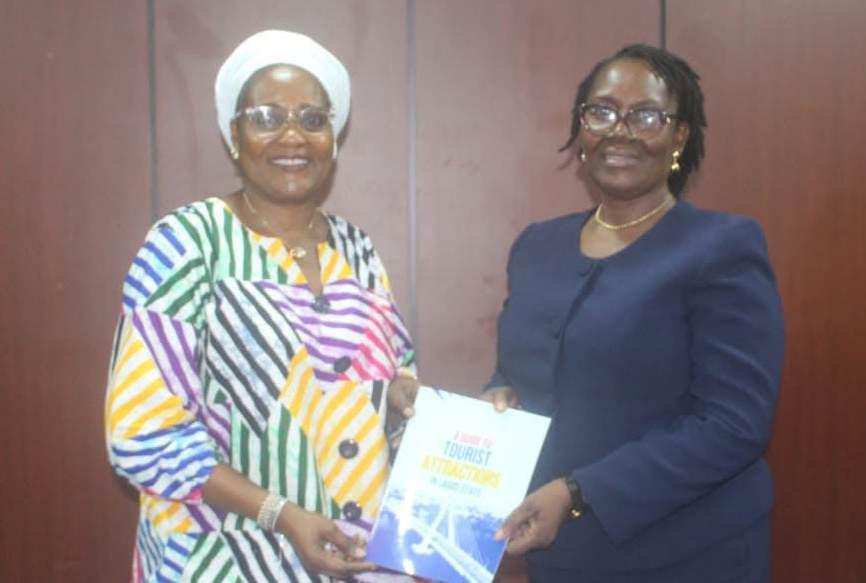
Lagos State Permanent Secretary, Ministry of Tourism Arts and Culture, Mrs. Bopo Oyekan-Ismaila (left) and Executive Secretary, Lagos State Law Reform Commission, Mrs. Oluyemisi Ogunlola, during a stakeholders’ engagement on policy review, and legal harmonisation with the Ministry of Tourism, Arts, and Culture, held in Alausa, Ikeja, Lagos... recently
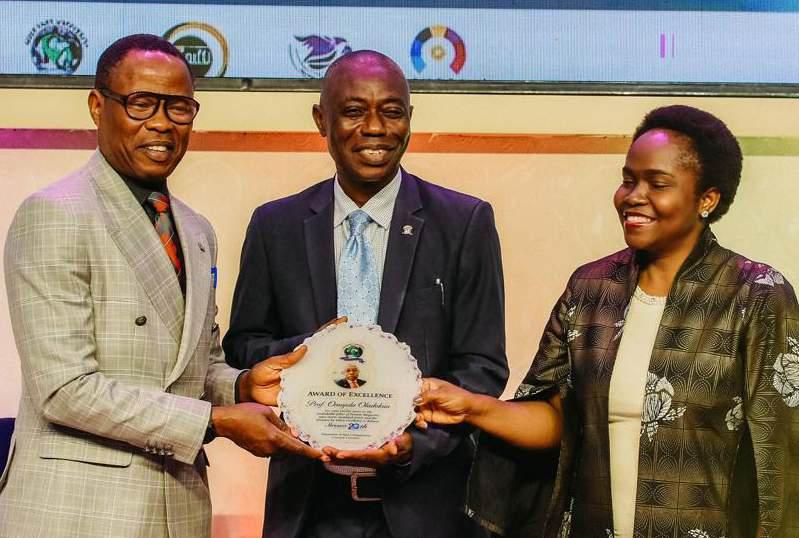
L-R: Dean, CMSS, Covenant University, Prof. Tayo Osibanjo; Prof. Omojola Oladoyin, and HOD, Mass Communication, Dr. Ada Peter, during the presentation of a plaque of honour to Oladoyin in recognition of his contributions to the department and college at Covenant University in Ogun State…yesterday
MTN Group Chairman, Mcebisi Jonas, has delivered a scathing critique of rising xenophobia in South Africa, describing the growing anti-foreigner sentiment as a consequence of state failure that is being exploited by politicians unwilling to address the country's deep-rooted socioeconomic challenges.
Speaking at the funeral of Zimbabwean-born activist and public servant, Thokozani Damasane, Jonas said the wave of hostility towards foreign nationals reflected governance failures rather than the actions of migrants, urging South Africans to embrace humanity instead of division.
The former Deputy Minister
of Finance said he was struck by the irony of listening to calls for foreigners to leave South Africa while travelling to honour a man who had devoted his life to serving the country. "I was thinking, what is home to Damasane?" Jonas said. "I understood very early in life that home is where humanity is. Home is about humanness. It is about the good of humanity and striving for the good of humanity."
Jonas described Damasane, who was born and educated in Zimbabwe before relocating to South Africa during the post-apartheid era, as a man who arrived as an outsider but dedicated himself wholeheartedly to advancing the country's democratic ideals.
"He immersed himself deeply
US Seeks New Era of Trade, Investment Partnership with Nigeria
The United States has signalled a strategic shift in its engagement with Nigeria, declaring its intention to deepen commercial relations and treat Africa’s largest economy as a key economic partner rather than an aid recipient.
Chargé d’Affaires of the U.S. Embassy in Nigeria, Keith Heffern, made the declaration Thursday night in Abuja during a reception commemorating the 250th anniversary of American independence.
Heffern said the future of U.S.-Nigeria relations would be anchored on mutual prosperity, trade, technology and investment, reflecting a broader vision of partnership between the two countries.
According to him, Africa’s projected population of 2.5 billion people by 2050 and an estimated purchasing power exceeding $16 trillion place Nigeria at the centre of one of
the world’s most significant economic transformations.
“We see that potential clearly, and we are here to help unlock it – together,” he said.
The envoy stressed that through commercial diplomacy, investments in critical sectors and transparent engagements, both countries were laying the foundations for sustainable growth, stronger supply chains and expanded economic opportunities.
He said the United States was keen to see “Nigerian ingenuity and American innovation” shape the next chapter of bilateral relations, creating jobs and fostering industrial development.
While highlighting economic cooperation, Heffern also underscored the importance of the longstanding security relationship between the two nations, particularly in combating terrorism in the North-east and the broader Lake Chad Basin.
into the struggles and pains of South Africans, and he became one of us. In Damasane's strength, our strength as South Africans is reflected, and in his weaknesses, our own weaknesses are reflected," he said.
Jonas argued that blaming foreigners for South Africa's
economic and social difficulties amounted to scapegoating and distracted attention from the country's governance deficiencies.
According to him, xenophobia has become a convenient political tool used by some leaders to exploit public frustration rather than confront
unemployment, poverty, inequality and inadequate service delivery.
As chairman of MTN Group, one of Africa's largest telecommunications companies with operations in 19 countries, Jonas has consistently advocated stronger regional integration, economic cooperation and
political stability across the continent.
Jonas urged South Africans to reject narratives that pit citizens against foreign nationals, insisting that the country's future depends on building an inclusive society founded on shared humanity, justice and equal opportunity for all.
President Bola Tinubu yesterday rose in stout defence of his government's decision to prioritise infrastructural development under the Renewed Hope Agenda, saying it is the backbone of a modern economy.
He said Renewed Hope is not just a slogan but roads and ease for the common man, just as he urged Nigerians to continue to support his administration's infrastructural drive.
Speaking while
inaugurating the Collector Roads 01 and 02 in Mabushi District of the Federal Capital Territory (FCT), the President, who was represented by Vice President Kashim Shettima, pledged that with the support of the citizens, his government will continue to build more roads, create more jobs, and restore full confidence in governance.
Defending his administration's focus on infrastructural development, Tinubu noted that the collector roads have created new, seamless links that ease flow
across Mabushi, from the bus terminal into the wider FCT.
According to him, "When roads connect, businesses grow. When movement is easy, productivity rises. When travel is safe, citizens are free.
That is the Renewed Hope Agenda at work. It is a fact that infrastructure is the backbone of a modern economy. Roads are not just asphalt.
"They are the veins of commerce, the bridges of unity, the channels through which our people pursue their dreams without fear or delay. By strengthening interconnectivity
here in Mabushi district and indeed, other districts, we are strengthening the entire Federal Capital Territory."
The President noted that for too long movement in that part of the nation's capital had been a struggle with traffic bottlenecks and needless detours, even as he pondered the "time lost that should have been spent at work, at school, or with family."
Tinubu said that the precarious situation has changed with his administration stepping in to fix the nation's infrastructure.
The Vice Presidential candidate of the Nigeria Democratic Congress (NDC), Senator Rabiu Musa Kwankwaso, on Thursday night paid a courtesy visit to former President Chief Olusegun Obasanjo, at his Kano residence.
During the visit, Kwankwaso introduced the NDC governorship candidate in Kano, Comrade Aminu Abdussalam Gwarzo, to the former president.
Although the content of the meeting was not made public, some observers have linked it
to early consultations ahead of the 2027 elections, with Mr. Peter Obi leading the NDC as its presidential candidate.
In his verified X account the national leader of the Kwankwasiyya Movement said, "Last night, I paid a courtesy visit to our esteemed leader, His Excellency Chief Olusegun Obasanjo, at his accommodation in Kano.
“I was accompanied by the former Deputy Governor and our gubernatorial candidate, Comrade Aminu Abdussalam Gwarzo," Kwankwaso stated.
The engagement continued into Friday morning when Kwankwaso led Obasanjo to the Emir’s Palace in Kano. Both leaders attended the turbanning ceremony of Barrister Abubakar Mahmoud, a prominent legal practitioner and political ally.
The former president’s presence at the traditional event drew wide attention from stakeholders and Kano residents.
Reacting to the visit, Spokesman of the Kwankwasiyya Movement, Dr. Habibu Mohammed, said it should not come as a surprise.
He noted that Kwankwaso served as Governor of Kano State when Obasanjo was President of Nigeria, and both leaders have maintained a long-standing principal-mentor relationship over the years.
Dr. Mohammed added that such courtesy visits are normal among senior leaders stressing that the NDC under the leadership of its presidential candidate, Obi, and vice presidential candidate, Kwankwaso, remained focused on consolidating its structures nationwide ahead of 2027.
Yinka Kolawole in Osogbo
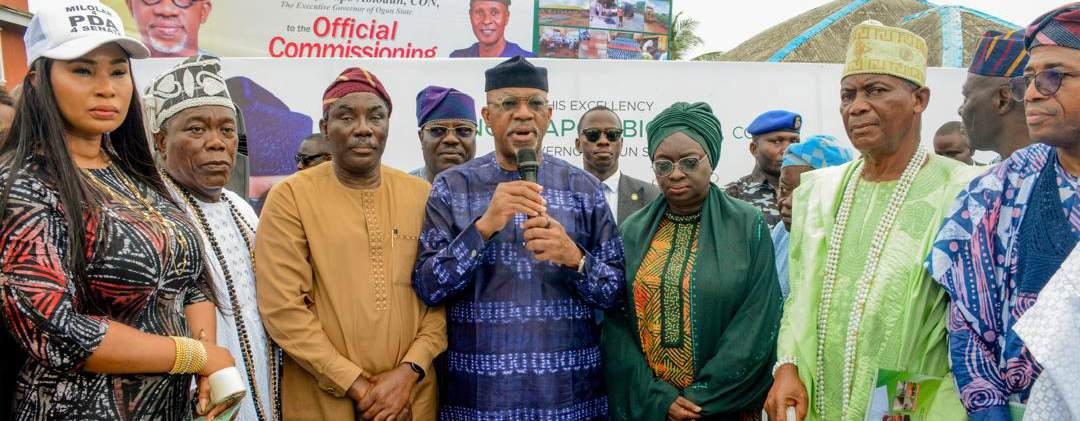
The Inspector General of Police, Tunji Disu, has ordered immediate end to political killings and violence in Osun State.
Deputy Inspector General, DIG Adegoke Fayoade, revealed this to Governor Ademola Adeleke after a marathon closed door meeting at the Government House.
Accompanied by the AIG Zone 11, the State Commissioner of Police and top police officials from
the Command and Zone 11, the DIG, South West who is also the Head of Police ICT Department said he was despatched to Osun State on the order of the IGP to investigate ongoing cases of violence alongside consequent instructions.
According to him, “The Commissioner of Police and his men have been instructed that never again should any act of brigandage take place in this state.
The IG has directed the AIG and
the CP to take charge and ensure that this act of violence, that is already giving the population apprehension and fear, is not allowed to occur again.
“I have also directed the AIG and the Commissioner of Police on the order of the IG, that any act of murder or brigandage or any unlawful act perpetrated in the state must be fully investigated. Anybody found culpable should be arrested and prosecuted.
“I want to assure you that the Osun State forthcoming elections will be conducted under a very peaceful atmosphere. We can recall the last election in Anambra, just last Saturday Ekiti election was conducted under a very peaceful atmosphere and we don't want anything different from that in Osun State. That is the standard that has been set and that is the standard we are going to follow.
“Your Excellency, I am assuring
President Bola Tinubu has rejoiced with the Group Chief Executive of Oando Plc, Adewale Tinubu, on his 59th birthday saying he has had a resounding impact on Nigeria’s energy sector.
The President, in a release issued yesterday by his Adviser on Information and Strategy, Bayo Onanuga, shared in the joy of celebrating Forbes’ ‘African King of Oil’, whose entrepreneurial and innovative spirit transformed Oando from a petroleum marketing company into a fully integrated energy group with upstream, midstream, and downstream operations.
Tinubu noted the economic impact of the attorney and businessman’s investment in creating job opportunities for many Nigerians, spearheading landmark deals such as the ConocoPhillips acquisition and the historic listing on the South African and Nigerian stock exchanges.
The President commended the Group Chief Executive of Oando for championing the government’s local content development by leading indigenous companies to participate in the oil and gas sector and taking frontline roles in environmental protection.
The federal government has reaffirmed its determination to reposition Nigeria’s foreign policy architecture through sweeping reforms aimed at restoring the country’s once-commanding voice in international affairs, particularly
its influential diplomatic posture during the 1960s, 1970s and 1980s.
Speaking in Abuja at the public presentation of ‘Shadows of Power’, a book authored by Rear Admiral Sola Oluwagbire (rtd), the Minister of State for Foreign Affairs, Amb. Sola Enikanolaiye,
said Nigeria’s global visibility is being deliberately rebuilt through structured institutional reforms and a renewed strategic outlook.
He noted that although “our visibility may have dimmed a little, we are committed to bringing it back,” stressing that the current administration is
focused on restoring credibility, relevance and influence on the global stage.
The Special Guest of Honour explained that the government is reorienting diplomatic practice around a “Nigerian first” doctrine, under which “every foreign policy action we take must speak to Nigeria.”
you that the police will live up to the expectation. The Police Commissioner and his men will perform their duties in line with the constitution and in line with the rule of law. We are not going to allow anybody to violate the law of the land and cause any havoc or any uneasiness in the state.
“We the police must rise up
to the occasion, put our men on their toes, restrategise, so that all these challenges can be tackled. I have addressed the officers and men of this Command, and we have restrategised. I have given them the message from the IGP that they must rise up to the occasion and put an end to all these acts that are embarrassing the country.
Gideon Arinze in Enugu
The Bishop of the Anglican Diocese of Enugu, Rt. Rev. Samuel Ike, has called on the federal government to immediately end the reintegration of repentant terrorists into society, insisting that those responsible for acts of terror should be prosecuted and punished in accordance with the law.
Delivering his State of the Nation address at the ongoing 3rd Session of the 19th Synod of the Diocese at St. Peter's Anglican Church, Enugu, yesterday, the bishop argued that terrorists should not be rewarded with reintegration after committing atrocities against Nigerians.
He said the President should be commended for increasing military funding and restructuring the nation's security architecture but stressed that more decisive measures
were needed to curb the worsening insecurity.
"The President must go a step further by removing and sanctioning all members of his cabinet who are sympathetic to terrorists, including those who refer to them as 'our brothers.' The term 'Boko Haram insurgents' should be dropped from government vocabulary. They are terrorists and should be addressed as such," he said.
According to him, while citizens have been sentenced to death or prosecuted for lesser offences, terrorists responsible for mass killings and destruction should equally face justice instead of being reintegrated into society.
Bishop Ike also criticised the National Assembly for failing to make security its top priority, saying it was embarrassing that lawmakers in the United States appeared to be leading calls for improved security in Nigeria.
In an effort to create clean cooking systems for Nigeria, the Emir of Nasarawa, has thrown his weight behind accelerating the deployment of 80 million clean cookstoves initiative in Nigeria. The Emir who was equally appointed as the royal flagbearer for the project and four billion innovative tree planting and nurturing programme in Nigeria, warned against opportunists. Speaking at the end of
two-day strategic project implementation management retreat and stakeholders engagement for the clean cookstoves initiative held in Lagos, recently, the Emir said “The project promoters must watch for opportunists who may
seek personal gain at the expense of the programme’s objectives.”
The event themed, ‘Clean Cooking Access in Africa: Igniting Socio-Economic Change with 80 Million Clean Cookstoves in Nigeria’, saw the Emir accepting the new role.
The former Minister of State for Environment, said that the project would help eliminate several health issues that arise from smoke especially for women across the country.
According to him, “Annually, people lose their lives as a result of diseases related to bad cooking habits and dirty cooking habits.
“So for Greenplinth to come up with this initiative, they are not only helping us to get the carbon credits that others are ripping away, but they are helping humanity.

Lagos State is repositioning agriculture and building an economy around food, innovation, and enterprise, writes TEMILADE
ARUYA
For a megacity like Lagos, feeding over 20 million people is not merely an agricultural task. It is an economic, social, and survival challenge.
Behind the bustle of markets and the endless movement of food across the State lies a quiet but determined transformation driven by the administration of Governor Babajide Olusola Sanwo-Olu — one that is not only changing agriculture, but also changing lives, livelihoods, and the future of food security in Lagos.
What makes the Lagos story remarkable is that it is not being built around isolated interventions or seasonal programmes. Instead, the State is gradually constructing an entire food ecosystem designed to reduce waste, improve access, empower people, and create opportunities at every level of the value chain.
At the centre of this transformation is a simple but powerful realization: food security is not only about producing more food. It is about ensuring that food reaches people efficiently, safely, and affordably.
For years, one of the biggest challenges facing food systems in Nigeria was the enormous loss occurring between farms and consumers. Farmers harvested produce they could not preserve. Poor roads delayed transportation. Perishable goods spoiled before reaching markets. Traders suffered losses. Consumers paid higher prices.
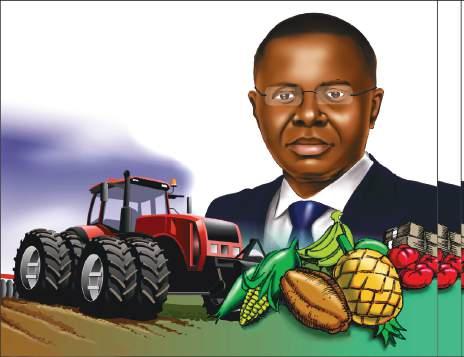
Thankfully, Lagos is now confronting those realities head-on. Projects such as the Lagos Central Food Systems and Logistics Hub in Epe are designed to tackle one of Africa’s biggest hidden crises — post-harvest losses. When completed, the facility will not just be a storage centre; it will function as an organized network for aggregation, cold storage, processing, warehousing, and distribution.
The significance goes beyond infrastructure. It means fewer tomatoes rotting in transit, fewer vegetables wasted because of poor storage, fewer fish spoiling before sale, and fewer losses for farmers and traders.
For consumers, it means more stable food prices and improved availability. For traders, it means reduced risk. For farmers, it means that months
of labour are less likely to end in waste.
Across Lagos, structured food hubs are already changing how food moves through the city. The Fresh Food Hub in Idi-Oro, Mushin, has become more than a market. It is a bridge between producers and consumers, creating order within a traditionally fragmented system.
The impact is visible not only in transaction volumes running into billions of naira, but also in the lives of ordinary people whose incomes now depend on a more organized food economy.
Vendors who once struggled with unstable patronage now operate within a coordinated system. Transporters have new opportunities. Small-scale food businesses are expanding. Jobs are being created quietly but steadily.
Yet perhaps the most inspiring aspect of Lagos’ agricultural transformation is its investment in people. At a time when unemployment remains a major national concern, agriculture in Lagos is increasingly becoming a pathway to dignity and enterprise for thousands of young people.
Through the Lagos Agripreneurship Programme, many youths who once saw agriculture as unattractive are now embracing it as a business opportunity. They are learning modern farming techniques, agribusiness management and value addition while receiving support to launch commercial ventures.
The transformation is deeply personal for many beneficiaries. Some who once searched endlessly for white-collar jobs are now running farms, producing vegetables, raising fish, and creating employment for others. The ripple effects extend beyond income. Families are being supported. Communities are benefiting. Young people are discovering confidence and purpose.
ATHROUGH THE LAGOS AGRIPRENEURSHIP PROGRAMME, MANY YOUTHS WHO ONCE SAW AGRICULTURE AS UNATTRACTIVE ARE NOW EMBRACING IT AS A BUSINESS OPPORTUNITY
The government’s investment in school-based agricultural programmes is equally significant. Through the Lagos Agric Scholars Programme, students are no longer encountering agriculture only in textbooks. They are engaging directly with farming, innovation, and food production. Aruya is of the Public Enlightenment & Community Relations Department, Ministry of Information & Strategy, Alausa, Ikeja, Lagos
OUMAROU SANOU laments the killings of many Africans in the Ukraine-Russian war
nother Nigerian has been killed in Ukraine, fighting for Russia. Ukraine's Defence Intelligence identified him as Ayebusiwa Olabode Victor, born in 1992, a son of Ilutitun in Ondo State, who was killed near the settlement of Hrafske in the Kharkiv region. He had signed his mercenary contract in late February, barely a week after Nigeria's Ministry of Foreign Affairs warned citizens against being lured into foreign wars. He did not heed the warning, or perhaps never saw it. Either way, he is now a statistic in a war he had no business dying in.
The death of any African abroad is a tragedy. This one is worse, because it comes amid Moscow's flat insistence that no such thing is happening. And Victor is neither the first nor, sadly, the last. Before him, the bodies of two Nigerians were recovered in Luhansk. By Ukraine's count, at least 215 Nigerians have signed contracts with the Russian Ministry of Defence, with no fewer than 25 already killed or missing. A wider investigation by INPACT, a group that tracks Russian disinformation in Africa, puts the figure at more than 1,400 Africans recruited between 2023 and 2025; Nigerians,
Ghanaians, Kenyans, Ugandans and South Africans, of whom at least 316 have died on Ukrainian soil. These are not abstractions. They are sons, brothers and breadwinners.
All of this unfolds against the Kremlin's denial that it recruits Africans at all. In December, in Accra, a Russian official insisted African students were "safe." On February 10 this year, the Russian Ambassador to Nigeria, Andrey Podyelyshev, dismissed reports of recruitment as "misleading" and unrelated to his government. Yet casualties do not lie, and Moscow's own propagandists tell a different story. Mikhail Zvinchuk, a pro-war commentator tied to the Russian defence ministry, has openly described the scheme on Kremlinaligned television: fake job adverts on Facebook and WhatsApp, easy visas, one-way tickets, and employment that evaporates on arrival. Passports are confiscated "for processing." Within days, the victim is broke, his visa cancelled, and offered a grim menu: deportation with debt, prison, or a contract with the army written in a language he cannot read.
The testimonies make the machinery horrifyingly concrete. Bankole Manchi, a 36-year-old mechanic from Lagos,
says he was promised the equivalent of ₦500,000 a month and signed papers he did not understand. Routed through Addis Ababa to Moscow and handed to two strangers, he woke to a military camp filled with men from Nigeria, Ghana, Brazil and China, most of whom were unable to speak to one another. "Once you enter the camp, there is no going back," he recalled. He left with a gunshot wound to the leg. A Ugandan, promised work in a supermarket, was marched to the front under armed guard before escaping toward Ukrainian lines. Here at home, the names accumulate: Adekunle Adaramola, a former Air Force man; Adam Anas; Akinlawon Tunde Quyuum; Abugu Stanley Onyeka; Balogun Ridwan Adisa, all baited with "security jobs," all conscripted after three weeks of training, all dead. The details vary; the pattern never does. This is not migration gone wrong. It is trafficking by design, and it wears the respectable mask of culture and cooperation. Investigators point to the so-called Russian Houses — cultural centres run under the state agency Rossotrudnichestvo — as nodes in this ecosystem. Cultural diplomacy is legitimate; every major power teaches its language and offers scholarships.
But unlike the British Council or the Goethe-Institut, the Russian Houses operate under an opaque franchise model that allows private actors, some linked to Russia's mercenary networks, to act in Moscow's name while granting Moscow deniability. In Ghana, university partnerships allegedly accompanied the enlistment of 272 nationals, 55 of them now dead. When language classes and scholarships double as recruitment funnels, education itself has been weaponised. Here lies the deeper hypocrisy. Russia has sold itself across Africa as the anti-imperial alternative to a West weighed down by colonial guilt, and its disinformation ecosystem — the same apparatus that pushed "For eight years they bombed Donbas!" and branded Ukraine's leaders Nazis — has won real disciples here. But a power that grinds African boys into front-line fodder forfeits any claim to anti-imperialism. It is practising the oldest imperialism of all: treating other men's lives as cheap and expendable. Sanou is a social critic, Pan-African observer and researcher focusing on governance, security and political transitions in the Sahel. sanououmarou386@ gmail.com
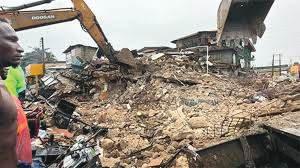
FWhen President Muhammadu Buhari took over the reins of power on May 29, 2015, Nigeria was sadly a broken state in many respects. As a result of many other factors including bad governance and untold level of corruption, government could not live up to its financial obligations to citizens and service providers at both the federal and state levels.
Indeed one of the first official assignments that President Buhari carried out was the approval of billions of Naira in bailout funds to enable state governors pay something as basic as workers’ salaries. Granting those bailout funds was a huge boost to national security because the pressure of arrears of unpaid monthly salaries building dangerously all over the country was a ticking bomb.
Ask the naysayers and they would readily remind you of how long it took President Buhari to appoint his ministers and how that contributed to collapse of the economy as if, without ministers, governance was frozen. But buying that narrative would amount to what a famous Nigerian writer, Chimamanda Adichie, termed “the danger of a single story”. Yet the whole story was that many of our citizens did not know how decrepit a state President Buhari inherited in 2015.
ather’s Day is traditionally a moment for celebrating the sacrifices, guidance, and unwavering commitment of fathers to their families and communities. It is a time when society reflects on the vital role men play in nurturing children, providing leadership, and serving as moral anchors within the home. Yet, recent events have forced many Nigerians to confront an uncomfortable reality: not every father figure lives up to the ideals associated with fatherhood.
This reality raises important questions about the changing nature of social responsibility in Nigeria. What happens when those expected to guide become sources of danger? What happens when authority is used not to protect but to exploit? These questions go beyond crime and law enforcement; they touch on the moral foundation of society itself.
It was therefore necessary for him to take stock against the background of the fact that the departing government did not, reportedly, cooperate full well with the incoming government in terms of leaving workable handover notes. Although President Goodluck Jonathan was gracious in defeat, many of his appointees were still sulking over what they saw as their personal losses and therefore pulled all the stops to make things difficult for the Buhari government.
by the EFCC, President Buhari by his action has successfully brought back to the public consciousness the need to treat public funds with the highest level of transparency and accountability.
After keeping treasury looters on their toes and at bay through the EFCC, particularly, President Buhari moved to curb unnecessary spending habits of the nation on what economists call articles of ostentation. Part of the disclosures of the President’s stock taking was how the country frittered away billions in foreign currency by importing goods, which can be produced at home. One of such items was rice, a major staple among Nigerians. By banning rice importation into the country, the President on one hand had saved the nation billions in foreign currency annually.
And, on the other hand, the President has boosted domestic production of rice and in the process had nudged the country into self sufficiency in food production. He also created millions of jobs for young people in the rice value chain.
Fatherhood has never been merely a biological designation. It is a social responsibility that demands leadership, discipline, compassion, and example. A father’s greatest influence is often not what he says but what he does. Children learn integrity by observing integrity. They learn responsibility by witnessing responsibility.
Even with the obvious and unpatriotic obscurantist behaviour of the PDP appointees and their supporters still in government hell-bent on making things difficult for Buhari, the President moved on with his methodical repair of a broken country. The first thing he did was to identify all possible sources of income to the nation and directed that all inflows be paid into one single account in line with the policy of Single Treasury Account (TSA).
Across cultures and generations, older men have been regarded as custodians of wisdom and experience. Their words carry weight, their actions command respect, and their lives often serve as examples for younger generations. This social contract is built on the expectation that age brings maturity, responsibility, and a stronger commitment to protecting the vulnerable. When that expectation is betrayed, the consequences extend beyond individual wrongdoing.
The TSA policy, interestingly, was mooted by the PDP government but its penchant for imprudence and lack of accountability denied it the courage of implementing the policy. What the President literally did was to gather all the nation’s money into one box and locked it up with a big padlock and watched for any thief to come close.
Who can blame the President for almost developing paranoia over the safeguard of the national treasury with revelations and reports of mind-boggling looting that took place in the 16 years of the PDP? With such disclosures of how billions meant for fighting insurgency in the Northeast ended up in the pockets of a few individuals while our gallant soldiers fought with bare hands and on empty stomach, President Buhari was duty bound to bring sanity and accountability back in national spending.
What is most admirable about President Buhari and his government is its frugal management of scarce national resources to attain optimum goals.
Recall that since President Buhari stepped in the saddle, oil revenue dropped abysmally as if to sabotage him knowing all the big promises he made to citizens during his campaigns. But with the little resources that trickle in, the President is achieving what governments that received oil windfalls could not dream of.
Comfort Ifedamola, Lokoja, Kogi State
Ainofenokhai Ojeifo, Abuja
recent case in a community in Rivers State has revealed worrisome gaps and disconnects in policing and management of allegations of penis theft in Nigeria. A video that circulated on social media recently showed a young man being beaten and manhandled by officers of the Rivers State Vigilante Group, OSPAC. The Facebook post by Oriental Times states: "Rivers State Vigilante Group, OSPAC, apprehends man in Igwuruta for allegedly stealing another man's penis, a few minutes after begging him for money". The video shows a man being beaten and interrogated by a suspected officer of OSPAC. One officer asked his name, and he said, "Daso". He asked him, "Are you from where?" He said, "From Okirika". The
Today, the trains are up and running daily from Abuja to Kaduna. And from Lagos to Ibadan a brand new rail track was started and completed; citizens are already commuting daily to and fro these two major cities in the country seamlessly as they reap from the dividends of democracy. And with the way this government is going, before 2023 when the President would leave, the entire country would be linked by rail with all of its economic advantages.
THE SATURDAY NEWSPAPER
THE SATURDAY NEWSPAPER
EDITOR YEMI ADEBOWALE
EDITOR OBINNA CHIMA
DEPUTY EDITOR AHAMEFULA OGBU
DEPUTY EDITOR AHAMEFULA OGBU
MANAGING DIRECTOR ENIOLA BELLO
MANAGING DIRECTOR ENIOLA BELLO
DEPUTY MANAGING DIRECTOR ISRAEL IWEGBU
DEPUTY MANAGING DIRECTOR ISRAEL IWEGBU
officer then said, " So you came from Okirika to make a person to lose his penis?
TThe accused denied the allegation. A local advocate told AfAW that the incident started when the accuser held the accused at the Igwuruta roundabout in Ikwerre. The mob gathered and started beating the accused. But some OSPAC officers intervened. They took the accused by the side, tied the hands with a rope as they interrogated him. They were beating, kicking, slapping and coercing him to admit to magically stealing the penis. Daso had injuries no his head. The OSPAC officers tore his clothes.
The accuser told officers that Daso had touched him, and his penis disappeared. The officers checked, but the penis was intact. Leo Igwe directs the Advocacy for Alleged Witches.
CHAIRMAN EDITORIAL BOARD OLUSEGUN ADENIYI
CHAIRMAN EDITORIAL BOARD OLUSEGUN ADENIYI
EDITOR NATION’S CAPITAL IYOBOSA UWUGIAREN
MANAGING EDITOR BOLAJI ADEBIYI THE OMBUDSMAN KAYODE KOMOLAFE
EDITOR NATION’S CAPITAL IYOBOSA UWUGIAREN THE OMBUDSMAN KAYODE KOMOLAFE
THISDAY NEWSPAPERS LIMITED
THISDAY NEWSPAPERS LIMITED
EDITOR-IN-CHIEF/CHAIRMAN NDUKA OBAIGBENA
EDITOR-IN-CHIEF/CHAIRMAN NDUKA OBAIGBENA
TO SEND EMAIL: first name.surname@thisdaylive.com What a waste!
Thus, under President Buhari, the Economic and Financial Crimes Commission (EFCC), which had remained comatose for years, was woken up to resume its duties. Apart from the trillions of Naira of looted funds and property recovered from corrupt politicians
One of the more troubling developments in contemporary society is the growing evidence that criminal networks are no longer confined to stereotypical actors. Increasingly, individuals who would ordinarily be viewed as community elders or respected family men are appearing in situations that challenge long-held assumptions about age, responsibility, and moral authority. Such cases are particularly disturbing because they undermine the trust that communities place in their senior members.
Donald Trump was going to "drain the swamp" but that didn't work too well with the green Lincoln reflecting pool. Maybe Lincoln had turned green in anger at what was being done to his memorial pool or Shrek brought all of his family.
he Advocacy for Alleged Witches (AfAW) urges the Nigerian public to stop ritual attacks and killings because the notion of ritual money and wealth is completely baseless. AfAW is making this call following the reported arrest of suspected ritualists in Oyo State in southern Nigeria. The local media reported that members of the Western Nigeria Security Network, Amotekun, arrested suspected ritualists with the body parts of a 73-year-old man. The suspects, who were apprehended in the Boluwaji area in Ibadan, said that a Muslim cleric asked them to procure some human body parts for rituals. Ritual attacks are widespread in Nigeria. Irrational conceptions of how to make money or become wealthy and successful undergird these atrocities. Many Nigerians strongly believe in blood money, known in some local languages as Ogun Owo (Yoruba) or Ogwu ego (Igbo). They think that they could become rich, or successful through ritual sacrifice. Unfortunately, this is not the case. Ritual wealth has no basis in reason, science, or reality. Home movies known as Africa magic or Nollywood films have not helped matters. These movies continue to reinforce these mistaken notions and other superstitions. Families, churches, mosques, and other public institutions do not encourage the interrogation of these traditional occult beliefs. There are no robust efforts to criticize or dispel these irrational and paranormal claims in schools, colleges, and universities. So millions of Nigerians grow up blindly believing that they could make money through ritual sacrifice of human body parts. The belief has led many Nigerians to commit crimes and perpetrate atrocities. Many Nigerians have been jailed or are undergoing court trials due to ritualrelated attacks and murder.
GROUP EXECUTIVE DIRECTORS ENIOLA BELLO, KAYODE KOMOLAFE, ISRAEL IWEGBU
GROUP EXECUTIVE DIRECTORS ENIOLA BELLO, KAYODE KOMOLAFE, ISRAEL IWEGBU, IJEOMA NWOGWUGWU, EMMANUEL EFENI
DIVISIONAL DIRECTORS SHAKA MOMODU, PETER IWEGBU, ANTHONY OGEDENGBE
DIVISIONAL DIRECTORS SHAKA MOMODU, PETER IWEGBU, ANTHONY OGEDENGBE
DEPUTY DIVISIONAL DIRECTOR OJOGUN VICTOR DANBOYI
DEPUTY DIVISIONAL DIRECTOR OJOGUN VICTOR DANBOYI
SNR. ASSOCIATE DIRECTOR ERIC OJEH
SNR. ASSOCIATE DIRECTOR ERIC OJEH
ASSOCIATE DIRECTOR PATRICK EIMIUHI
ASSOCIATE DIRECTOR PATRICK EIMIUHI
CONTROLLERS ABIMBOLA TAIWO, UCHENNA DIBIAGWU, NDUKA MOSERI
DIRECTOR, PRINTING PRODUCTION CHUKS ONWUDINJO
CONTROLLERS ABIMBOLA TAIWO, UCHENNA DIBIAGWU, NDUKA MOSERI
DIRECTOR, PRINTING PRODUCTION CHUKS ONWUDINJO
TO SEND EMAIL: first name.surname@thisdaylive.com
Not too long ago, the police arrested some young Nigerians for stealing female pants, which they intended to use for ritual sacrifice. AfAW is asking all Nigerians to desist from ritual-related abuses because ritual money beliefs are baseless superstitions. Nigerian media, schools, and colleges should help educate and reorient the public. They should assist in reasoning Nigerians out of this killer-superstitious absurdity and nonsense.
The latest oddity in this enterprise is using National Guards to guard this algae filled swamp. Many military uniforms are green so they should blend in well. Sometimes I think politicians don't live in the real world but rather a swamp, now green, of their own making. Oh well, we voted for them.
Dennis Fitzgerald, 28 Landale St Box Hill, Vic., Australia
Leo Igwe directs the Advocacy for Alleged Witches (AfAW)
The federal government has disclosed that Nigeria's crude oil production would have slumped by about 840,000 barrels per day (bpd) by this year without the sweeping reforms introduced by the administration of President Bola Tinubu.
It argued that a combination of executive orders, fiscal incentives and regulatory reforms by the current administration reversed years of decline and placed the country's oil industry on a sustainable growth trajectory.
The claims were contained in a three-year review of Nigeria's energy sector reforms released by the Office of the Special
Adviser to the President on Energy, which compared the country's production outlook under ‘reform’ and ‘no-reform’ scenarios.
The government also stated that electricity metering increased from 44 per cent in 2023 to 57.3 per cent in 2025, representing a 13.3 percentage point rise within two years, as reforms in the power sector continue to improve revenue collection, reduce commercial losses and strengthen the financial viability of the electricity market.
According to the report, under a no-reform scenario, Nigeria's total crude oil and condensate production would
have continued its downward trajectory from 1.37 million bpd in 2022 to 1.24 million bpd in 2023, 1.11 million bpd in 2024 and 1.02 million bpd in 2025 before declining
further to 930,000 bpd in 2026. It also projected that oil production would have slumped to 862,000 bpd in 2027, 778,000 bpd in 2028, 660,000 bpd in 2029 and just
579,000 bpd by 2030.
The report attributed the turnaround to eight major executive orders and policy directives accelerated by the president to enable
international oil companies to concentrate on deepwater and integrated gas projects while restoring competitiveness to Nigeria's upstream petroleum sector.
Segun Awofadeji in Bauchi
Shamsudeen Bala Mohammed, the eldest son of Bauchi State Governor Bala Abdulkadir Mohammed, has penned an open letter to his father, urging him to place greater emphasis on human capital development
after investing significantly in physical infrastructure over the past seven years.
In a post on his Facebook page titled, "Bridging the Gap: A Call for a Human CapitalFocused Policy for Bauchi State to His Excellency, Senator Bala Abdulkadir Mohammed,
Executive Governor of Bauchi State," Shamsudeen said that, as a son of the soil, an engineer and a stakeholder deeply invested in the state's progress, he wrote the letter in a spirit of loyalty and profound concern.
Addressing his father, Shamsudeen acknowledged that
over the past seven years, "your administration has undeniably transformed the landscape of Bauchi State. The infrastructure projects—our roads, schools and hospitals—stand as a testament to your vision and legacy. These are milestones that future generations will celebrate.
STATE POLICE: LAWYERS, CSOS DEMAND CONSTITUTIONAL SAFEGUARDS AGAINST GOVERNORS' ABUSE
undue political interference, particularly in matters relating to arrests, investigations, and prosecutions.
"Secondly, there should be an independent State Police Service Commission responsible for recruitment, promotion, discipline, and appointments. Membership of the Commission should reflect broad representation and include persons of unquestionable integrity to prevent the force from becoming an instrument of partisan politics.
"Thirdly, there must be clear constitutional delineation of the powers and jurisdiction of the Nigeria Police Force and State Police to avoid operational conflicts and ensure effective collaboration, particularly in matters involving terrorism, organised crime, and offences transcending state boundaries.
"Equally important is the establishment of robust oversight mechanisms. Independent civilian complaint bodies, legislative oversight, judicial review, and strict adherence to constitutional safeguards on fundamental human rights must form part
of the framework", he said.
Kehinde, further advocated for an institutional mechanisms for cooperation between State Police, the Nigeria Police Force, and other security agencies through joint intelligence-sharing platforms and coordinated operations.
Similarly, Ahmed Raji, SAN, while not opposed to the creation of State Police, recalled that the country had sometime in the past practiced the system.
He advised that for the initiative to succeed, the authorities should research into what led to its earlier failure in order to avoid pitfalls.
"Policing is a huge responsibility which is a fundamental component of the Social Contract. It will seem that the current central policing is overwhelmed. However, is state police the answer? We used to practice it before? What were the fault lines then? Have we addressed the fault lines in the proposed arrangement? There is no doubt the Government means well and we should follow them", Raji stated.
As safeguards he suggested that the federal police should
retain the power of intervention in cases of gross abuse.
"There is no disputing the need to do all necessary to stem the tide of the insecurity crisis ravaging the country at this time. To this end, the option of State Police has become a child of necessity," Dayo Akinlaja, SAN, said.
The senior lawyer observed that the challenges which revolves around possible abuse, funding and proper alignment with the existing federal police structure, could be effectively handled through legislation.
"I have not had the privilege of seeing the proposed legislation as passed by the National Assembly. Thus, I am handicapped in terms of knowing whether or not the fears that have been expressed over time have been properly addressed.
"However, I am more than willing to assume that all necessary safeguards have been taken or will be taken into consideration in the legislation as passed by final analysis before the legislation is passed. Since it is a work in progress, there is still ample opportunity to ensure
that the imperative measures are put in place. All that is needed is to ensure that the desired end of State policing, which is to foster better security in the land, is achieved," Akinlaja noted.
Also speaking, a former chairman of the Abuja branch of the Nigerian Bar Association (NBA), Moses Ebute, SAN, who commended the National Assembly for passing the bill, pointed out that the worsening state of insecurity in the country necessitated the clarion call for State Police.
While he listed possible abuse by state executives, recruitment and training as areas of serious concerns, he urged lawmakers to include in the Constitution that the federal police should be solely responsible for recruitment.
"The constitution could be amended by including a provision that the use of state police for political scores against opponents should be a ground for impeachment or that the immunity provision enjoyable by a governor shall not apply", Ebute said.
CSOs Welcome
While welcoming the landmark reform as a major step towards tackling Nigeria's worsening insecurity, Civil Society Organisation stakeholders warned that without adequate checks and balances, decentralising policing could merely transfer the abuse of power from the federal level to the states.
They argued that the success or failure of state police would ultimately depend not on its creation but on the governance architecture put in place to guarantee professionalism, operational independence, respect for human rights and public accountability.
Director of Administration at the Graduate Research Clinic, Mr. Segun Ayodele, described fears that governors could abuse state police as legitimate, citing Nigeria's long history of executive overreach, politicisation of security institutions and selective law enforcement.
According to him, safeguards must be built into the Constitution, relevant laws
and institutional frameworks simultaneously.
At the constitutional level, Ayodele proposed clearly defined limits to governors' authority over state police, insisting that state commissioners of police should only be appointed on the recommendation of an independent or federal police service commission and subsequently confirmed by the State House of Assembly. He further recommended security of tenure for commissioners, saying they should only be removed through clearly established judicial or legislative processes rather than at the discretion of state governors. He also called for constitutional provisions expressly prohibiting the deployment of state police for electoral, partisan, ethnic, religious or personal purposes, with stiff penalties for violations. "Governors should not have unfettered control over state police because our political history has shown that security institutions are vulnerable to abuse where adequate checks do not exist," he said.
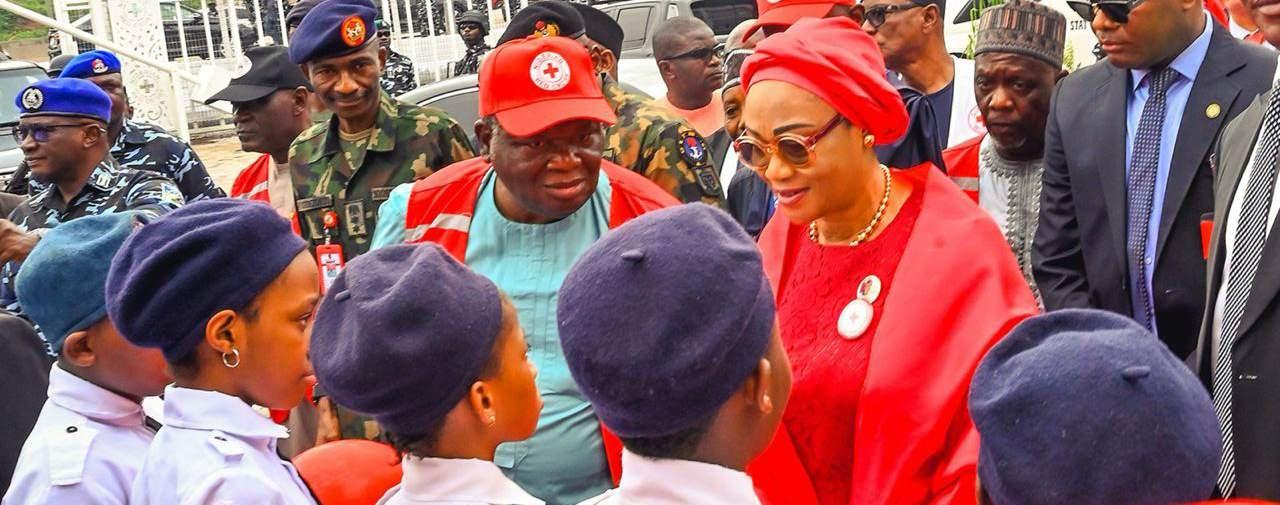
has ordered all parties to return to the position they occupied before the judgment of December 10, 2025, and directed the claimants to join all necessary parties to ensure the issues in dispute are effectually and completely determined.”
He explained that the implication of the ruling was that every action taken by INEC in compliance with the now-vacated judgment stands reversed.
Ekeocha stated: “The recognition of the NDC, the issuance of its certificate of registration, its inclusion in INEC’s records, and any appearance on ballot papers arising from that judgment must be withdrawn pending the final determination of the substantive suit.
“The matter has not been concluded. The court merely set aside its previous judgment and directed that the party whose interests were affected be joined so that all sides can be heard before a fresh decision is reached.”
Ekeocha also dismissed suggestions that the court merely ordered parties to maintain the status quo, insisting that the ruling specifically directed a restoration of the position that existed before the December 10, 2025 judgment.
The NDC insisted that it
remains a legally registered political party despite yesterday's ruling of the Federal High Court in Lokoja.
Addressing journalists at an emergency press conference in Abuja, the National Chairman of the party, Senator Moses Cleopas said the NDC had already instructed its legal team to file an appeal against the ruling delivered at the Federal High Court and Cleopas said, "Our attention has been drawn to a ruling delivered this morning on an application filed by an unregistered association known as the Peace Movement Party.
"The court may have set aside its earlier judgment of December 2025, but there was no order directing the deregistration of the NDC.
“We are dissatisfied with the decision and have instructed our lawyers to immediately proceed to the Court of Appeal to challenge both the jurisdiction and propriety of the order."
He recalled that the NDC approached the Federal High Court in December 2025 after INEC declined to register it as a political party.
According to him, the court upheld the party's constitutional right to freedom of association and ordered the electoral commission to register it, a directive which INEC subsequently complied with.
Since its registration, he said, the party had carried out all activities required of a political party, including nationwide
membership registration, ward, local government, state and national congresses, a national convention and primary elections in line with the timetable released by INEC.
He added that the NDC had also participated in recent senatorial by-elections in Nasarawa and Enugu states and had nominated candidates for all elective offices ahead of the 2027 general election.
Cleopas questioned the legal standing of the Peace Movement Party, describing it as an unregistered association that was unknown to the NDC.
According to him, the association claimed that it had sought registration in 2015 using the "Victory" symbol and asked the court, through a motion rather than a substantive suit or appeal, to set aside the judgment that resulted in the registration of the NDC.
He argued that the issues relating to party symbols had already been fully determined in the original case and that no appeal had been filed against the judgment within the period prescribed by law.
"If the association believed it was affected by the judgment, its remedy was to file an appeal. That window has long closed. Attempting to overturn the judgment through a motion is unheard of, illegal and amounts to an abuse of court process," he said.
The NDC chairman alleged that the ruling was part of broader efforts to weaken
opposition politics and narrow Nigeria's democratic space ahead of the 2027 elections.
"We condemn every attempt to shrink democratic space and stifle opposition voices. Nigerians deserve genuine political alternatives, and no one should use the judiciary to undermine the country's multi-party democracy," he said.
Responding to questions from journalists, Cleopas declined to disclose the composition of the party's legal team, saying the identities of counsel would become public once the appeal processes were filed at the Court on Monday.
He, however, expressed confidence that the appellate courts would overturn the ruling.
"The Federal High Court is not the final court in the land. We still have confidence in the judiciary and believe justice will ultimately prevail," he said.
The party chairman also assured supporters that all NDC candidates, including its presidential candidate, Peter Obi, would remain in the race.
"I want to assure every Nigerian that our candidates— from the presidential candidate, His Excellency Peter Gregory Obi, to those contesting for the House of Assembly—will all be on the ballot," he declared.
Cleopas further disclosed that the court ruling would not disrupt the party's preparations for the elections, revealing that he had spent the previous day at INEC and was scheduled to return to the commission
immediately after the press conference to obtain the party's code for uploading the names of its candidates.
"This ruling has not stopped our work. After this briefing, I am proceeding to INEC to collect our uploading code. Our preparations for the elections continue uninterrupted," he said.
Urging party members and supporters to remain resolute, the NDC chairman dismissed the development as an attempt to intimidate the opposition.
"There is no shaking. We are stronger than ever. Nigerians should continue to mobilise democratically, obtain their Permanent Voter Cards, reject vote-buying and prepare to defend their votes. Democracy must prevail, and Nigeria must be rescued through the ballot," he said.
The NDC presidential candidate, Mr Peter Obi, yesterday said forces from the federal government were working to stop him from being on the ballot in 2027 to fulfill his aspiration to become president of Nigeria.
He, however, insisted that their plans would fail.
Obi who was a guest speaker at a leadership programme hosted by a group, NextGen Mentorship and Leadership Initiative at Madonna University Okija, Anambra State also
challenged all those aspiring to be president of Nigeria, including President Bola Tinubu to a debate, insisting that he remained the most qualified of all of them.
Reacting to the news of a Federal High Court judgment in Lokoja, Kogi State, which set aside its earlier judgment directing the INEC to register the NDC as a political party. Obi while speaking to students said: "If you know what they are doing is to ensure that I'm not on the ballot in 2027, you will be surprised. Nigeria’s government is doing everything to ensure that I do not contest in this election, but I'm not looking at the obstacles, but at the destination.
"I'm rather focused on the fruitfulness of the destination and that is what keeps me going.
"I'm not desperate to be Nigeria’s President, but desperate to see Nigeria work. Go and obtain your PVC. If you don't vote, you are hurting your future. When you have your PVC, do not vote for me because I'm an Igbo man. I'm not contesting election because I'm an Igbo man, but vote for me because I'm the most qualified.
"I challenge any of those contesting to a debate to say what they want to do for this country, including President Bola Tinubu. I'm not saying it to make you happy but to change Nigeria and make it work.
"It is not about Igbo people
Continued on page 16
translate crude oil to petrol prices. When crude prices are going up, it's easier to raise petrol prices than it is to bring down petrol prices when there is a fall in crude prices,” he emphasised.
The reason, he said, was that inventory bought earlier was at higher “dated” crude prices.
“The refinery has already bought cargoes at dated prices that are higher than the current market. So, until it exhausts those cargoes… it's going to be difficult for you to see an immediate
price transition. If the refinery immediately drops petrol price by N250 or N300 per litre, it's going to incur billions of dollars in losses...", Emmanuel said. According to him, the price of crude should automatically translate to the recommended retail price but that two things needed to happen: including the regulator enforcing transfer pricing rules and the refiner exhausting the cargo that it purchased at a premium.
Also, Emeritus Professor
of Petroleum and Energy Economics, Prof. Wumi Iledare, described the lag as “asymmetric price transmission.”
In a statement, he said increases in costs are usually reflected at the pump much more quickly than decreases.
“Price increases tend to move like an elevator, while price reductions often descend like a staircase,” he said. “This is because products in storage were purchased at earlier higher prices, and immediate cuts could
create losses and threaten supply stability,” he added.
Iledare said the exchange rate is the most critical variable after international prices.
“Since petroleum products or their production inputs are largely priced in U.S. dollars, any depreciation of the naira can substantially offset the benefits of declining crude oil prices. Consequently, lower crude prices alone do not automatically guarantee proportionate reductions in domestic pump prices.”
He also noted crude and refined product markets were not perfectly synchronised, adding that refining margins, global product demand, seasonal consumption patterns, and supply disruptions could all influence the prices of petrol, diesel, and aviation fuel independently of crude oil prices.
Chief Executive Officer of AHA Consultancies, Mr. Ademola Adigun, said the downward adjustment in refined
products will take weeks, not days to happen.
“It takes time for petrol prices to come down as expected… When you bought the products at the old price, you can't sell it at a lower margin to avoid making a loss," Adigun stated.
“If they react too rashly and something happens again in the Middle East, what do they do? So, they have to take time and watch the pattern. It will come down, but it won't happen immediately," he said.
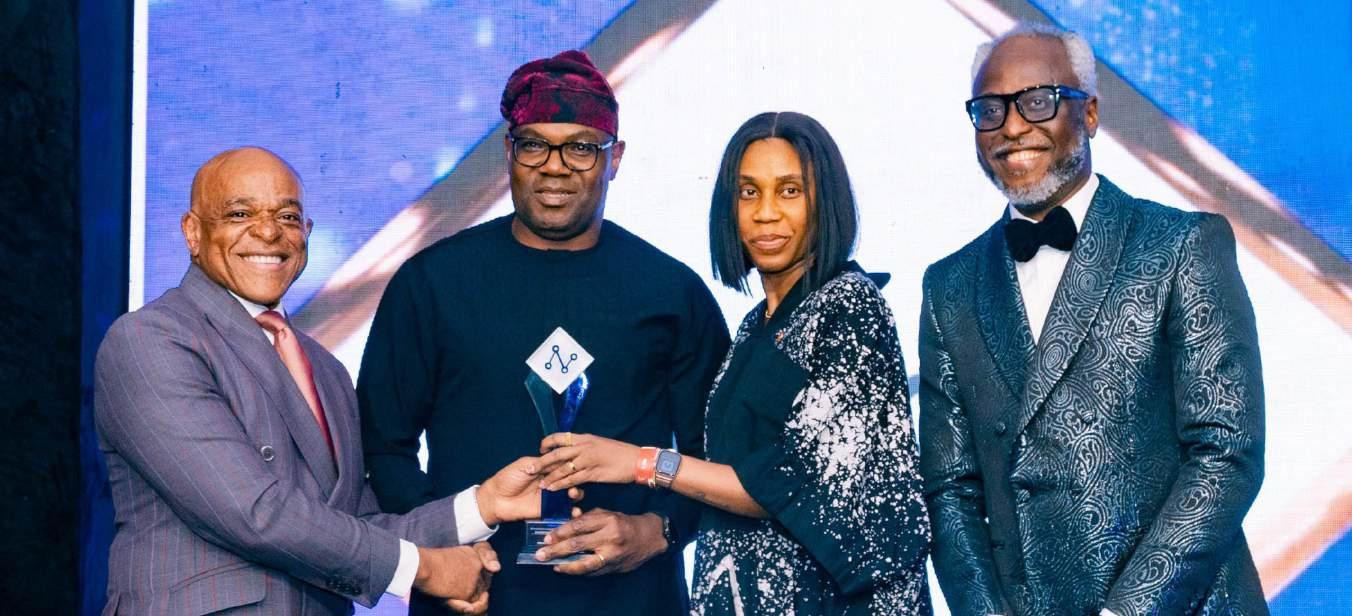
L-R: MD/CEO,
but I want a Nigeria where the child of a nobody can become somebody without knowing anybody. We want a country that will work. The greatest beneficiaries of my presidency will be the north.
"I will fight to make Nigeria better and end the criminality in Nigeria. There is insecurity in the entire country and everyone is involved, so I want to build a country that works."
Obi insisted that Nigeria's problem was lack of commitment by leaders, saying that some forces who he described as reactionary forces were bent on holding the country down.
When journalists informed Obi of the Lokoja court ruling, the former Anambra State Governor said: “They cannot stop me. They will fail. Let me assure you it is not the end of the road. We are committed to this democracy and to those who want to kill this democracy they are trying to hurt the society.
"The reactionary elements in Nigeria, those who are bent on holding Nigeria down do not want it to work but I can assure you it would work. I have confidence that I will pull through because the will of the people must prevail.”
Obi also donated N15 million to the university, harping on the need to support education and health sectors, describing them as critical sectors in any country.
Earlier, in a statement, the NDC presidential candidate had dismissed the Lokoja judgment, insisting that the ruling would not derail his political movement or its quest to build what he described as a "New Nigeria."
In a statement signed by Idris Zekeri Jnr, the spokesman of his Media Office, the Peter Obi Media Reach (POMR), he declared that the judgment represented only a temporary setback, Obi assured supporters that his legal team had commenced a review of the decision with a view to filing
an appeal and pursuing all available legal remedies.
The statement was issued in response to widespread public inquiries following the court's ruling, which has generated uncertainty over the legal standing of the NDC.
While acknowledging that the judgment had raised concerns among supporters and political stakeholders, Obi urged members of the coalition and Nigerians backing his political project to remain calm and focused.
Dickson: We're Under Attack, But NDC Will Prevail
Founder of the NDC and former Bayelsa State Governor, Seriake Dickson, described the court ruling as illegal and politically motivated attempt to undermine party’s growing popularity.
He insisted that the party would challenge the ruling and ultimately prevail. He said the order lacked legal merit and was designed to weaken the party's credibility and stifle Nigeria's multi-party democracy.
"The order is illegal and will not stand. It is against multi-party democracy, anti-democratic in nature, and aimed at narrowing and shrinking the democratic space. We have assembled our team of lawyers, and they are taking the necessary steps to set the order aside and restore normalcy.
:I urge all our members, supporters and candidates to remain calm and continue their normal political activities. This is only the first test of our commitment and resilience, and even this shall pass," he said.
Dickson alleged that the legal action was orchestrated by interests unsettled by the NDC's rapid rise within five months of its formation. According to him, the applicant was neither a registered political party nor one
of the associations that sought registration with the Independent National Electoral Commission (INEC), arguing that it had no legal interest in the matter. "We know where this is coming from. It is coming from those who are shocked by the progress the NDC has made within such a short period through hard work and commitment to deepening multi-party democracy."
He maintained that the party would pursue every lawful avenue to overturn what he described as a judicial anomaly, expressing confidence that the NDC would emerge stronger. "We are under attack, as I have repeatedly warned we should expect challenges such as this. But thereafter, we shall win.
Thousands of Nigerians have continued to join the NDC in solidarity, and I sincerely thank Nigerians for the confidence they repose in our vision. Their support only strengthens our resolve to continue the struggle for a vibrant multi-party democracy in Nigeria," he said.
Reacting to the ruling, a Senior Advocate of Nigeria (SAN), John Olusola Baiyeshea, stated that a Federal High Court Judge cannot overrule or set aside the Judgement or order of another Federal High Court Judgement, as only the Court of Appeal can do that.
He listed the condition under which this can take place to include, “if the judgement or order was obtained by a party by fraud or by misrepresentation or by misleading the court. The court can also do so if it is discovered that at that at the time of making the order or delivering the judgement, the Court actually had no jurisdiction to entertain the subject matter in the first place.
"In all of these instances, the party affected by the judgement or order will make an application
to the court to set aside the said judgement or order, stating the grounds and proving them.
"However, what has been happening in Nigeria for many years is for courts of coordinate(same) jurisdiction giving conflicting judgments or orders on the same issues or subject matter like it happened in the PDP cases in recent times when Federal High Court in Abuja gave an order restraining the party from holding its convention in Ibadan sometime last year. And the Oyo State High Court in Ibadan gave a counter order allowing the convention to be held.
“"So, if the Federal High Court in Lokoja set aside the order made previously by that same Court, that may be okay if the conditions for such are met. But if the Federal High set aside a previous order for registration of NDC by another Judge of the Federal High Court, that is abominably wrong, please".
Similarly, Dayo Akinlaja, SAN, in his contribution, argued that where a judge acts outside the permissible circumstances to set aside a judgement, such decisions could be regarded as improper.
Also, National Secretary, NDC, Ikenna Enekweizu, questioned the decision of the court to set aside its earlier judgment on the matter, arguing that the court lacked the legal basis to make such an order.
He also maintained that under Nigerian law, there are only two recognised grounds upon which a court can set aside its own judgment, insisting that neither appeared to exist in the case.
According to him, a judgment can only be set aside where it is established to be a nullity or where it was obtained through fraud or false representation.
"As a lawyer, there are only two grounds in law upon which a judgment can be set aside. First, where the judgment itself is a nullity. Second, where the judgment was obtained by fraud
or false representation," he said.
"When a party feels that its interest has been affected by any judgment, what it should do is apply to appeal against that judgment as an interested party. The law provides time limits for
"The question is why a court, particularly one presided over by a judge of such experience on the Bench, would take that course," he said.
The promoter of ADA, Dr, Umar Ardo yesterday said he had been vindicated with the judgement of the Lokoja Federal High Court.
In a statement reacting on the Federal High Court reversal of NDC, Ardo said, ''The judgment of the Federal High Court, Lokoja, is sadly a vindication of my position. Having championed the cause and led the course for the registration of new political parties in the 2025 registration process.
''I know all the legal requirements and procedures involved. I also knew all those associations that were involved in the exercise. NDC was not among those associations.
''So, when I saw NDC as having being registered by a court order I was perplexed. I knew something was fishy about it. I then raised the alarm. And I did that on a national television a day after INEC made the announcement of the registration.”
He continued, ''I’m glad that the same judge who ordered for its registration is so honorable to see cause to technicality reverse his earlier judgment. He is indeed an honorable judge. For this is an honorable act.''
The promoter of ADA said he had warned Peter Obi and the vice presidential candidate
of NDC, Rabiu Kwankwaso of the dangers ahead.
''But they refused to listen. Now not only would they have to rue the consequences, but their removal would have adverse effects to the nation’s transitional politics. And they’re solely to blame, because they were warned,” he added.
The ADC described the ruling as a dangerous development capable of shrinking Nigeria's democratic space, warning that no opposition party is safe if such actions are allowed to stand. The party's National Publicity Secretary, Bolaji Abdullahi, said the ruling should serve as a wake-up call for opposition parties, alleging that attempts to deregister political parties on the eve of elections reflected a growing threat to Nigeria's democracy.
Abdullahi maintained that the development was unprecedented and bore the hallmarks of authoritarianism, insisting that opposition parties must unite to defend the country's democratic order.
I formerly known and addressed as ASOGWA OLUEBUBE MIRACLE, now wish to be known and addressed as ODOH OLUEBUBE MIRACLE All former documents remain valid. The general public should take note. I formerly known and addressed as PAULINUS AFAMEFULE UMEH, now wish to be known and addressed as PAULINUS UMEH. All former documents remain valid. The general public should take note. I formerly known and addressed as AGUOCHA IFEOMA FLORENCE, now wish to be known and addressed as IFEOMA FLORENCE OKOLO. All former documents remain valid. The general public should take note.
Inspired by fashion’s power to transform lives, Glory Oboh turned a childhood passion into a thriving career, blending African heritage with contemporary designs. She shares her inspiring journey with Ferdinand ekechukwu and esther Oluku. Excerpts:
As a young Nigerian fashion designer doing fashion professionally in the UK, tell us how the fashion journey began
My fashion journey started in Nigeria, where I grew up surrounded by beautiful fabrics, colours, and unique cultural styles. From a young age, I was always interested in how clothing could transform a person’s appearance and boost their confidence. I began by sketching ideas and paying close attention to fashion trends around me. What started as a hobby gradually became a passion. I invested time in learning the craft, developing my skills, and understanding the importance of creativity, quality, and attention to detail. Moving to the UK opened my eyes to new fashion influences and opportunities. It challenged me to grow as a designer while staying connected to my Nigerian roots. Today, I proudly combine African heritage with modern fashion trends to create designs that tell stories and celebrate individuality. Fashion is more than a profession for me; it is a way to express creativity, preserve culture, and inspire confidence in people through what they wear.
What part of the fashion business did you begin with; bespoke or ready to wear?
I began my fashion journey through bespoke tailoring because it gave me the chance to work directly with people and create pieces that were unique to them. In those early days, I enjoyed the process of getting to know my clients, understanding their preferences, and bringing their ideas to life through clothing. Working on custom-made garments taught me a lot about the craft. Every project was different, and each client came with their own expectations and style. That experience helped me improve my skills, become more detail-oriented, and develop confidence in my work. It also allowed me to build strong relationships with clients and earn their trust through quality service. As my brand grew, I began exploring ready-to-wear collections. I saw it as an opportunity to reach more people and share my designs with a wider audience. Even so, my background in bespoke tailoring continues to influence my work because it taught me the importance of quality, fit, and making people feel their best.
Starting the business in Nigeria, what inspired the relocation of the brand from Nigeria to the United Kingdom?
The decision to move my brand from Nigeria to the United Kingdom came from a desire to grow both personally and professionally. Nigeria gave me the foundation I needed as a fashion designer. It was where I learned the business, built my confidence, and developed my creative identity. However, I felt it was time to challenge myself and explore new opportunities. Moving to the UK exposed me to a different fashion culture and a wider market. It gave me the chance to meet people from diverse backgrounds, learn new ways of doing business, and see fashion from a global perspective. I also saw it as an opportunity to showcase the beauty of African fashion to a broader audience. For me, relocating wasn’t about leaving Nigeria behind. It was about taking a part of Nigeria with me and sharing it with the world. The move has helped me grow my brand while staying true to my roots and the values that shaped my journey.
Many of your most recent pieces are made from Ankara prints. From your current practice

and observation of African fashion in diaspora, how well would you say African fashion is gaining visibility and acceptance in the international market?
From what I have seen, African fashion has come a long way and is receiving much more attention than it did years ago. When I first started, African prints like Ankara were mostly worn within African communities or for cultural celebrations. Today, that has changed significantly. Living and working in the UK, I have noticed that people from different backgrounds are becoming more interested in African-inspired fashion. They appreciate the bold colours, unique patterns, and the stories behind the designs. Many people are now looking for clothing that feels authentic and stands out from mainstream fashion, and African fashion offers exactly that. I believe social media, fashion shows, and African designers in the diaspora have played a huge role in increasing that visibility. While there is still work to be done, especially in ensuring African designers get the recognition they deserve, I am proud of how far we have come. African fashion is no longer on the sidelines; it is becoming part of the global fashion industry.
As someone who is operating in a foreign market, what would you say were some things which helped you break into the market and find your niche?
Building a fashion brand in a different country came with its challenges, but it also gave me opportunities to grow. One thing that really helped me was, believing in what made my brand different. Instead of trying to fit into every trend, I focused on creating designs that reflected my culture, creativity, and personal journey. I also made an effort to connect with people. Attending fashion events, meeting other creatives, and engaging with
customers helped me build relationships and get my work in front of the right audience. Those connections opened doors and helped me understand the market better. Finding my niche happened naturally over time. I realised there was a growing interest in African-inspired fashion, especially when presented in a modern and wearable way. By staying authentic and listening to what customers wanted, I was able to create a style that resonated with people. Above all, consistency was key. I kept showing up, improving my work, and trusting the process, even when things moved slowly.
Majority of Nigerian fashion design businesses at home will rather run a walk-in to tailor an outfit. Do you see it as something you can manage in the UK?
In Nigeria, the walk-in tailoring system is very common because customers are used to stopping by for measurements, fittings, and consultations. It creates a close relationship between the designer and the client, which is something I really value. In the UK, I have found that people prefer a more organised approach. Most clients like to book appointments ahead of time because of work commitments and busy schedules. While the culture is different, I still think the personal touch that comes with bespoke tailoring is something people appreciate. For me, it’s about adapting to the environment without losing the essence of what I do. Instead of relying on walk-ins, I focus on scheduled consultations and fittings, which allows me to give each client the attention they deserve. The demand for custom-made clothing is definitely here, especially among people who want something unique and well-made. So, while the approach may be different, the opportunity is certainly there.
Tell us what inspired your newly opened readyto-wear collection, and do you think a future exists for ready-to-wear African fashion in the diaspora?
The inspiration behind my ready-to-wear collection came from observing the needs of my customers. Over the years, I met many people who loved African fashion and appreciated the uniqueness of my designs, but not everyone wanted to go through the bespoke process. Some wanted beautiful, high-quality pieces they could buy and wear immediately. That inspired me to create a collection that combines the richness of African fashion with the convenience of ready-to-wear clothing. I wanted every piece to reflect my culture while fitting into the everyday lifestyle of people living in the UK and other parts of the diaspora. I definitely believe there is a strong future for ready-to-wear African fashion in the diaspora. People are becoming more confident in embracing their cultural identity, and there is a growing interest from both Africans and non-Africans who appreciate the creativity and uniqueness of African designs. As the industry continues to evolve, I believe African ready-to-wear fashion will become even more visible and widely accepted across global markets.
The buzzword in fashion for this age is sustainability and zero waste. How do you bring both to bear as you navigate the rebirth of your brand in a new country?
As I rebuild my brand in the UK, sustainability has become an important part of how I work. I believe fashion should be beautiful, but it should also be responsible. For me, sustainability starts with being intentional about what I create and how I create it. I try to avoid unnecessary waste by producing only what is needed rather than making large quantities that may never be sold. I also make good use of leftover fabrics whenever possible. Sometimes those fabric remnants become accessories, design details, or other creative pieces instead of being thrown away. Coming into a new market has also allowed me to rethink some of my processes and build a brand that is more mindful from the beginning. I want my customers to invest in pieces that are well-made, durable, and timeless, rather than clothing that is worn once and forgotten. At the end of the day, sustainability is not just about reducing waste. It is about creating fashion with purpose, value, and long-term impact.
Having models walk the runway with your designs at the CFSUK Culture in Motion event was quite an experience. How does this make you feel, and what promise does this showcase hold for the brand?
Having my designs showcased at the CFSUK Culture in Motion event was a truly special moment for me. Seeing models walk the runway in pieces I created was both exciting and humbling. As a designer, you spend countless hours developing ideas, selecting fabrics, and perfecting every detail, so watching those designs come to life on the runway is an incredible feeling. It was also a proud moment because it allowed me to share my work, my culture, and my creative vision with a wider audience. Seeing people engage with the collection and appreciate the designs reminded me of why I started this journey in the first place. For the brand, I believe the showcase opens the door to greater opportunities. It helps increase visibility, introduces the brand to new audiences, and creates valuable connections within the fashion industry.
Wole Soyinka’s early 1958 drama, The Swamp Dwellers is returning to the UK stage for the first time since 1975. Opening at Utopia Theatre, Sheffield, from 29 June to 11 July, the production comes on the helm of the company’s founder and artistic director, Dr. Mojisola Kareem. Interestingly, the Nobel Prize winner, Soyinka turns 92 in July, a couple of days after the play winds down. Soyinka wrote the play at 24, and has not been seen on a UK stage in more than half a century after. Excerpt of a report says the production reflects issues still making headlines today, including migration, environmental degradation, poverty and inequality, while examining the tension between tradition, modernity, as well as the impact of powerful interests on vulnerable communities.
Performances of the one-act, 70-minute revival,
features an eight powerful member cast led by Jude Akuwudike as Makuri, Urielle Klein-Mekongo as Alu, Theo Ogundipe as Kadiye and Obi Maduegbuna as the beggar. Also appearing are Joshua Roberts-Mensah, talking drummer “Mr Culture” (Ayanwole Ayantolana) and Sheffield community cast member Omobola Akanbi.
Written in 1958, a year after Soyinka graduated from the University of Leeds, ‘The Swamp Dwellers’ ranks among the playwright’s earliest works. Set in the Niger Delta during the late 1950s, the play centres on an ageing couple struggling to survive in a hut raised above the swamp as relentless rain threatens an already failing harvest.
Their world is unsettled when one of their twin sons unexpectedly returns from the city, unsettling the fragile balance of their home.
Kareem says the nearly 70-year-old play feels strikingly current.
“On the surface, The Swamp Dwellers appears deceptively simple, but underneath, it asks profound questions about what happens to
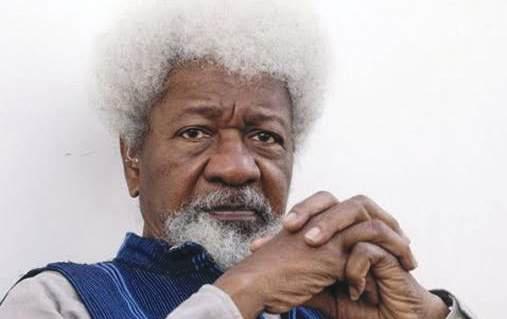
Soyinka communities when the world around them begins to shift”.
“Wole Soyinka wrote this play when he was just 24 years old. He is now 91. What
strikes me is how little has changed,” Kareem explains. “Almost everything he was writing about is still happening, somewhere in the world. Young people still leave home believing the city will solve everything, only to find disappointment and disillusionment.”
Widely regarded as one of Africa’s most influential literary figures, his body of work spans drama, poetry, essays, memoirs and novels, with many of his plays continuing to be performed around the world. Interest in the play has resurged in recent years, with a Lagos production staged in 2024 and a 2025 run at Theatre for a New Audience in Brooklyn.
1. The day I first read the 3.30pm News Bulletin on Radio Nigeria Sokoto in July 1973. I was 16. Mu’awiya Idris , the Head of Programmes had trained me for just two weeks and thrust me onto the microphone. I felt ten feet tall thereafter.
2.The day I won NTA Sokoto’s best allround staff of the year in 1980. It was an incredible year that saw me at 22, become a household name in the North West as NTA Sokoto signals reached Koko in Kebbi State and Gusau in today’s Zamfara State.
3. My first lesser Hajj to Makkah in 1989. It was simply glorious and spiritually fulfilling. I felt accomplished and prayed that heaven be my final abode when I depart this world someday.
4 .Visiting Robben Island in South Africa and seeing the cells that housed PACs Robert Sobukwe , ANCs Nelson Mandela , Govan Mbeki, Saddik Isaacs and others. I covered President Mandela’s visit to Nigeria along with Winnie in 1990 after release from prison.
4 .Visiting Vilakazi Street in Soweto. This is the only street that has two Nobel Prize winners President Mandela and Bishop Desmond Tutu living as landlords on the street. It was a humbling experience seeing the very earthly and sedentary living their homesteads were.
5. The day I was turbaned as Kogunan Sokoto on May 12 in 2001 by Sultan Muhammad Maccido. It was a very touching and
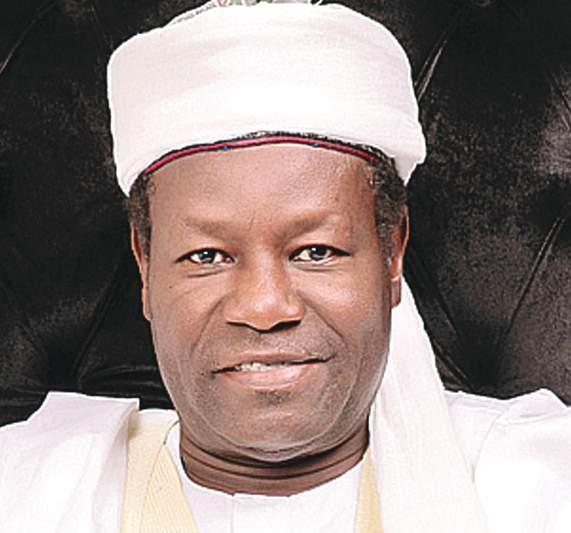
reflective day for me. Sir Emeka Offor gave his aircraft to transport guests from Lagos to Sokoto and back free of charge. The British Ambassador to
Nigeria Zimbabwe’s Francis Sengwe and 3 other envoys were at the ceremony. I was proud of myself.
6.The day Nigeria’s Olympic football
team “the Dream Team” won the Olympics gold medal in Atlanta 1996 Olympic Games in the United States of America. I was Senior Special Assistant to the Hon Minister of Youth and Sports Chief Jim Nwobodo. Unmatchable ecstasy.
7.The day President Olusegun Obasanjo decorated me with the National Honour- Officer of the Order of the Niger (OON) in 2006. Allah Akbar. The joy was indescribable.
8. The day I met Sir Clement “Coxsone” Dodd, the legendary Studio One Producer in Kingston, Jamaica. Coxsone was the rival as well as successor to the iconic super-human Arthur Duke Reid. Both operated in the 50s and 60s and were part of the evolution of Ska, blue-beat, rock-steady and eventually reggae. Coxsone auditioned the Wailers in 1963 in Studio and after hearing “Simmer down” gave them their first major break on his label.
9.The day the Senate of Ahmadu Bello University Zaria awarded me Doctor of Philosophy degree in Development Communication on November 4th 2019. It was two semesters of Coursework and lectures followed by 36 months of research, fieldwork and data analysis. I felt complete thereafter. A PhD degree gives you a totally different view of yourself, indeed you from that moment have become a world citizen respected all over.
10.The day the Sultan of Sokoto Sa’ad Abubakar took Alh Kabir Tafida, Isa Bajini Galadanci and I to Clarence House in London to meet Prince C harles in 2010. Extremely decent, humble and compassionate I found myself appreciating the Prince whom I think the world seems to undervalue. He went on to become King Charles the third of Great Britain.
All above moments are just a few of a plethora of what is generally now a life of fulfillment and contentment for me these past 68 years.
Tosin Clegg
The opening mechanism on a drink can is officially called a stay-on tab or pull tab. The part you lift acts as a lever, while the metal section that is pushed down to create the drinking hole is known as the opening panel or score. But who would have thought that this simple piece of aluminium could inspire a fashion concept with the potential to become a major trend?
The aluminium tab, which remains attached to the can after it is opened, was introduced in the 1970s to reduce litter from beverage cans. However, when sensational music star Adekunle Gold began wearing an earring inspired by the pull tab, it gradually evolved into a fashion statement. At first, many people probably assumed it was an actual can tab. But as the accessory appeared repeatedly in his music videos, public appearances, and social media posts, its significance became clearer.
In a YouTube video featuring Adekunle Gold and content creator Shank, the singer jokingly warned fans not to start removing pull tabs from beverage cans to imitate his look. Instead, he hinted that a refined version of the accessory would soon be released and encouraged fans to purchase it through the official channels when it became available. He also urged his supporters to embrace the idea and be part of the movement.
That was how Tuffman was born—Adekunle Gold’s lifestyle and fashion brand. Curated for “the man who moves differently,” the brand is built on the principles of minimalism, intentionality, and sharp design. Every piece is created to make
a statement through presence rather than noise, redefining style one clean cut at a time.
One of the brand’s first products is the Wave Earrings, available in silver and gold finishes. Since their launch in June, the earrings have quickly gained popularity among both men and women, gradually becoming a sought-after fashion accessory. They are now available in-store and online through Ash Luxury, as well as on Tuffman’s official website.
Before the official launch, Adekunle Gold shared the inspiration behind the collection in an Instagram post. He wrote: “I’ve spent most of my life creating things people can hear. This time, I’ve created something you can wear. WAVE started as a sketch I couldn’t stop thinking about. I kept tweaking it until it became this. Finally sharing it with you.”
The Tuffman brand represents more than fashion. It embodies an unapologetic expression of vision, craftsmanship, and attitude, built to redefine what it means to be TUFF.
This is a commendable achievement by Adekunle Gold, who has chosen to venture beyond the conventional approach of simply designing trendy or stylish clothing. Instead, he has created a distinctive fashion identity rooted in originality and storytelling.
In an industry often driven by fleeting trends and rapidly changing tastes, choosing a path grounded in purpose, creativity, and meaningful impact sets him apart. By blending innovation with authenticity, Adekunle Gold is redefining what fashion can represent, proving that great design is not just about what people wear, but about how it makes them feel and the stories they are able to tell.
•
Stories: By Charles Ajunwa
Three state governors have underscored the need for Nigeria to leverage its tourism assets as a major driver of economic diversification, investment attraction and job creation, following a visit to the Ikogosi Warm Springs Resort in Ekiti State.
Governors Babagana Zulum of Borno; Dapo Abiodun of Ogun, and Biodun Oyebanji of Ekiti States, toured the resort to assess its growing potential as a tourism destination capable of stimulating local economic development and attracting private sector investment.
According to a statement by Senior Communications Specialist, Glocient Hospitality, Bukola Fortune-Omosola, the governors explored the world’s only known confluence of warm and cold springs, where two streams flow side by side without mixing.
During the guided tour, they were introduced to the site’s history, unique geological features and the therapeutic qualities traditionally associated with the warm springs.
As part of activities to mark its 10th Annual General Meeting (AGM) themed, ‘Unlocking Nigeria’s Tourism Potential: Strengthening Tour Operators for Sustainable Destination Development,’ Nigeria Association of Tour Operators (NATOP) has partnered Lagos State Government and other organisations to explore and promote Nigeria’s tourism potential in all the 36 states of the federation and Federal Capital Territory (FCT) Abuja.
NATOP President, Hajia Bolaji Mustapha, who addressed journalists in Lagos, said as the foremost professional body representing tour operators and tourism practitioners in Nigeria established to promote and develop tourism, NATOP serves as a platform for advocacy, capacity building, destination marketing, industry collaboration, and the advancement of sustainable tourism practices across the country. Over the years, the association has played a significant role in promoting domestic tourism, supporting tourism entrepreneurs, and positioning Nigeria as a competitive tourism destination.
“The 10th Anniversary Annual General Meeting marks a significant milestone in the association’s journey of service, growth, and contribution to Nigeria’s tourism industry. The AGM will bring together tour operators, travel professionals, government agencies, tourism investors, hospitality stakeholders, development partners, and industry experts from across Nigeria and beyond.
“The event will provide an opportunity to review the association’s achievements, discuss emerging opportunities and challenges in the tourism sector, strengthen professional networks, and chart a strategic course for the future of tourism development in Nigeria. NATOP’s AGMs have historically served as important
Speaking during the visit, Oyebanji described the resort as a successful example of how strategic investment can transform a natural heritage site into an economic asset.
“Ikogosi is now a model of hospitality, heritage conservation and sustainable development for Ekiti State and Nigeria,” he said.
The governors also inspected key facilities, including the regenerated landscape, boardwalk around the twin springs, amphitheatre for cultural performances and swimming pool, all of which have been upgraded as part of the resort’s transformation.
Zulum said the development demonstrated the impact of purposeful private sector investment in unlocking the economic value of Nigeria’s tourism resources.
“This is my first time here and what I have seen speaks volumes about what committed investors can achieve when they are intentional. I will certainly return,” he said.
Abiodun described the resort as “an absolute wonder,” expressing admiration for the scale of transformation achieved within four years.
The visit also provided an opportunity for the governors to reaffirm the importance of
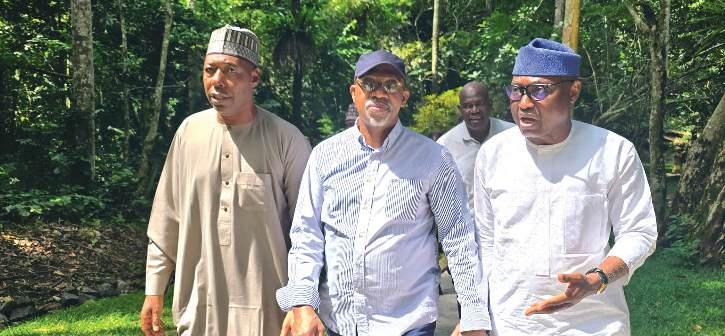
inter-state collaboration in promoting tourism as a vehicle for economic growth. They noted that increased investment in tourism infrastructure could create jobs, stimulate local businesses, strengthen host communities and contribute meaningfully to Nigeria’s broader economic
diversification agenda.
The statement added that the visit underscored the transformation of Ikogosi Warm Springs Resort into one of Nigeria’s leading eco-tourism destinations through restoration efforts led by Glocient Hospitality and its founder, Niyi John Olajide.
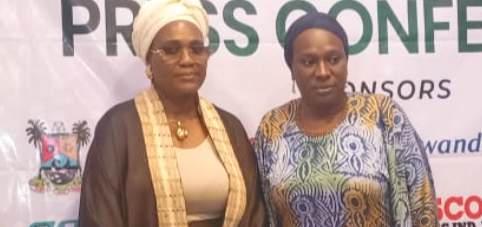
platforms for policy discussions, destination promotion, industry advocacy, and professional collaboration,” she said.
According to her, the key objectives of the 10th Anniversary AGM are to celebrate a decade of impactful AGMs and industry leadership, promote collaboration among tourism stakeholders, advocate for policies that support tourism growth and investment.
showcase Nigeria’s tourism assets and destinations, empower tourism entrepreneurs through knowledge sharing and networking, strengthen the role of tour operators in national economic development, and encourage sustainable and responsible tourism practices.
“The 10th Anniversary AGM is expected to further strengthen NATOP’s position as a leading voice in Nigeria’s tourism industry while fostering partnerships that will drive innovation, investment, job creation, and sustainable tourism development nationwide.
“As we celebrate the 10th Anniversary of the NATOP Annual General Meeting, we reaffirm our commitment to promoting tourism as a catalyst for economic growth, cultural preservation, youth empowerment, and national development. Together, we will continue to showcase Nigeria’s rich tourism potential to the world and build a stronger, more
resilient tourism industry for future generations.
“As you all know, we rotate our AGM to different destinations, because we believe as Nigerians, we’re supposed to know Nigeria. We have been to Kwara, Jos, Owerri, Ekiti, Ondo.
We’re supposed to do Enugu this year. Enugu State is developing some of their tourism sites. But we don’t just only visit any state. We visit only states who have tourism potential, and who value what their potentials are, and are ready to project them out there to the world.
“We’re starting by opening our secretariat on the 8th of July, the first secretariat in Lagos State. We will have our cocktail evening at Provida Hotel. On second day, we have our main conference. On third day, we’re going to be having a city tour. Then on the fourth day, we’re going to be having a close retreat just for the members to network. On July 12, we’re going to have golf tournament at Ikoyi Club and we’re going to be ending it with a gala dinner night,” she said.
NATOP boss commended Lagos State Governor, Babajide Sanwo-Olu, for the administration’s continued support to the tour operators, noting that the decision to have its 10th AGM in Lagos, was informed by the fact Lagos is the number promoter of tourism in Nigeria.
Lagos State Commissioner for Tourism, Arts and Culture, Mrs. Toke Benson-Awoyinka, said “Lagos State the hub of tourism, culture, arts, entertainment and music. It’s everything that your association promotes.”
Goge Africa, the continent’s premier cultural storytelling and tourism platform, has announced the launch of the Goge Africa Cultural Dialogue and Diplomacy Series.
The new initiative was designed to reposition African heritage not just as history, but as a dynamic driver of modern diplomacy, regional integration, and economic prosperity.
The inaugural event is hosted in partnership with the Nigerian Institute of International Affairs (NIIA) and the Centre for Black and African Arts and Civilisation (CBAAC). It would take place on 2 July 2026 at the NIIA, Victoria Island, Lagos.
Under the theme, ‘Eyo, Culture and Soft Power: Driving Diplomacy, Integration and Economic Growth’, the dialogue moves beyond traditional panel discussions.
It brings together a vibrant mix of policymakers, cultural icons, business leaders, academics, and creatives to explore how Africa’s unique cultural assets can unlock massive economic
value and expand its global influence.
For over two decades, Goge Africa has been the heartbeat of continental storytelling, capturing the diverse traditions that define us.
With this new series, they are stepping from the screen to the strategy room, creating an energetic ecosystem where cultural wealth meets economic opportunity.
“Culture is Africa’s ultimate superpower. It’s how we tell our stories, shape our identity, and command global attention,” Isaac-Moses, CEO and Co-Founder, Goge Africa, was quoted in a statement to have said.
“This dialogue isn’t just about looking back at where we come from; it’s about looking forward. We are positioning our heritage as a catalyst for real investment, fresh innovation, and cross-border collaboration.”
At a time when global economies are fueled by creative industries and heritage tourism, this event offers an unmatched space to network, collaborate, and co-create the future of African diplomacy. The strategic backing of the NIIA and CBAAC ensures that the ideas sparked here will directly influence future policy and development
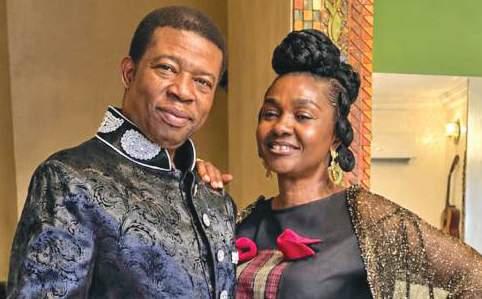
Omolabake Fasogbon
The International Monetary Fund (IMF) recently noted the rising adoption of stablecoins in Nigeria, while raising concerns about its impact on naira and financial regulation. The fund revealed Nigeria accounts for about 60 percent of all stablecoins inflows into Sub-Saharan Africa.
It linked this widespread adoption to the asset’s ability to facilitate cross-border payments and remittances faster and at a lower cost than traditional channels.
Beyond business transactions, the IMF acknowledged that households in the country are increasingly turning to digital assets to send and receive money across borders.
While Nigeria leads, other African countries are not slacking in adoption of stablecoins. A 2025 report on the State of the Digital Asset Revolution in Africa by Yellow Card revealed Sub-Saharan Africa leads globally with a 9.3 percent adoption rate for stablecoins— a digital currencies designed to maintain a stable value.
This payment innovation draws on local macroeconomic gaps, particularly naira depreciation, fluctuating prices, and foreign exchange constraints for businesses settling obligations with foreign suppliers. Similar challenges across Africa drive the popularity of stablecoins. The continent imports billions of dollars in goods annually; according to trade data, Africa imported goods worth $699.36 billion in 2025.
Payment expert, Sheriff Adedokun noted that despite the continent’s vast trade prospects, structural challenges still limit its full potential. According to him, many SMEs face significant barriers when paying overseas suppliers, accessing foreign exchange, proving their financial history, or participating confidently in global trade.
These barriers exist alongside traditional forex delays that birth more costly hurdles, including inventory delays, lost revenue, higher consumer prices, broken trust between buyers and suppliers, constrained growth, and the risk of dealing with
fraudulent agents.
He added that businesses’ plights are aggravated by a growing global trade finance gap of over $2.5 trillion, which disproportionately affects developing markets.
Adedokun remarked that these barriers often exclude viable businesses not because they lack demand or ambition, but because the infrastructure supporting cross-border commerce remains fragmented and difficult to navigate.
He asserted, however, that innovations like stablecoins are reversing long-standing narratives and raising hope for African business expansion and global trade participation.
According to Adedokun, who is also the Founder and CEO of Clea, a cross-border fintech app, this payment technology drives overall financial inclusion for businesses, not just individuals.
“Financial inclusion is often framed around
access to bank accounts, but for businesses, I think the more important question is whether they can participate fully in economic opportunities beyond their local market,” he stated.
He stressed that for businesses to fully participate in global trade, a financial infrastructure designed around the realities of cross-border trade remains sacrosanct. Beyond facilitating payments, such infrastructure must offer multicurrency management, cash flow visibility, strong financial record-keeping, supplier relationship management, and scalability support.
“One of the biggest challenges facing SMEs across Africa is that many remain financially invisible despite running viable businesses. Without structured transaction histories, clear records, or reliable financial data, it becomes harder to access credit, build trust with partners, or participate fully in the global economy. We believe financial infrastructure should do more than move money.
It should help businesses become more organized, more credible, and better positioned for growth,” he maintained.
Adedokun explained that these features are embedded in stablecoins, which Clea leverages these strengths to deliver integrated services to African businesses exploring global trade.
He hinted that shifting business trends aligning with stablecoin rails, further drove adoption.
“Stablecoins are moving quickly beyond speculation, as more businesses begin to see them as a practical settlement tool. While many people previously associated digital assets mainly with trading, the strongest use case for African businesses is utility.
“They want to pay suppliers, receive international payments, preserve value, and move money across borders faster. Furthermore, SMEs are becoming more open to digital financial rails when the product is simple and the compliance process is clear,” he stated.
He stressed that while fragmentation, access, and predictability remain the biggest challenges for SMEs, collaboration among fintechs, traditional banks, and stablecoins innovations will tame these hurdles, leveraging combined expertise of payment rails.
“Stablecoin rails help us improve settlement speed, reduce friction, and provide better traceability compared to informal channels. We are building a cross-border payment platform that uses modern rails, including stablecoins-powered infrastructure, to solve real payment problems for businesses and bridge major trade gaps that previously restricted African business participation in global trade. I see a collaboration between the three as the most likely and productive future,” he said.
Addressing IMF concern that stablecoins may erode monetary policy effectiveness, Adedokun explained that stablecoins are gaining traction because they deliver practical solutions.
He therefore urged a regulatory framework that supports responsible adoption and protects integrity of the financial system.
“The most effective approach is one that encourages innovation while ensuring appropriate oversight, accountability, and trust.”
Regarding the platform’s exposure to illicit transactions, he said no payment rail is immune, adding that solution lies in building the right controls rather than ignoring the technology.
Stories by Omolabake Fasogbon
Health Impact for Youth (HI4Y) has launched a dual-phase social enterprise initiative, tagged “Youth Health Action Lab: Empowering Young Changemakers Through Health Literacy,” successfully transitioning 150 beneficiaries in Niger State from passive awareness into active mental health advocates and community leaders.
The project, executed with backing from Ashoka Africa and Kwanda, was divided into a school-based mental health advocacy
programme and a subsequent community health engagement phase.
The initial framework engaged 50 secondary school students in interactive capacity-building sessions. Facilitated by a mental health professional, mentors, and educators, the curriculum covered mental health, emotional wellbeing, empathy, peer support, design thinking, leadership, and changemaking.
Utilising a peer-circle model, participants analyzed localized operational risks to student well-being—including depression, low selfesteem, peer pressure, family-related difficulties,
and peer conflict. This task produced 10 distinct, student-led initiatives, including antibullying campaigns, peer support networks, confidence-building programmes, friendship and peer-pressure awareness initiatives as well as activities promoting positive behavior and emotional wellbeing.
According to HI4Y, the initiative’s objectives stretched beyond expanding baseline mental health literacy to actively empowering young demographics to drive structural solutions, marking a operational pivot from passive learning to active
leadership.
Emmanuel Anene, Headboy of one of the participating schools, Farem Grace and Mercy School, whose project ranked among the programme’s top interventions, said the sessions transformed students’ understanding of mental health.
He said, “Through the peer circles and activities, many of us grew in confidence, teamwork, and leadership. We are no longer just students listening to talks; we have become mental health advocates and changemakers within our school,” he said.
A Nigerian charity-run school, Slum2School Green Academy in Epe, Lagos State has been shortlisted among the world’s top 10 schools in the ‘Environmental Action’ category of the 2026 World’s Best School Prizes.
Organised by T4 Education, the World’s Best School Prizes recognise schools making significant impact in community collaboration, environmental action, innovation, overcoming adversity and supporting healthy lives.
Slum2School Green Academy was recognised
for advancing learning among 250 underserved children from eight riverine communities through a climate-smart, experiential learning model that enables students to gain up to three years of learning within a single academic year.
The school, built with locally sourced bamboo and wood, operates on solar energy and incorporates rainwater harvesting, waste recycling, school gardens and other sustainability initiatives into its curriculum, equipping pupils with practical environmental and entrepreneurial
skills.
The winners will be selected by an independent Judging Academy, while all 50 shortlisted schools across the five categories will also compete for the Community Choice Award through a public vote. The top three finalists and overall winners will be announced in November, with shortlisted schools invited to the World Schools Summit in London in January 2027.
Commending the academy, Founder of T4 Education and the World’s Best School Prizes,
Eco-learn Nigeria has called for increased investment in climate education, describing it as key infrastructure for sustainable economic growth and climate resilience.
This is just as the organisation announced plans to double the reach of its climate literacy programme by 2027.
The organisation revealed it has trained 50 teachers across Lagos State who have, in turn, reached more than 2,000 students through classroom-based
climate initiatives and hope to reach more in the next two years.
Eco-learn in a statement signed by its Team Lead, Kayode Ogunleye warned the nation faces compounding economic exposure from coastal erosion, food insecurity, energy poverty, and extreme weather events.
To mitigate these risks, he emphasized that capital allocations for roads, dams, energy projects, and flood-control infrastructure must be paired with
Vikas Pota remarked, “This feat shows Nigerian schools truly stand among the best in the world. Each one of these exemplary schools shortlisted for this global schools prize has, in its own unique way, helped prepare young people for a world that has never seemed so uncertain.
In their classrooms, every day, these institutions show what works. And governments and schools across the world should learn from their shining examples.”
structured climate education to build systemic, long-term resilience.
“Climate education is not merely an awareness exercise or a ‘soft’ social intervention. It is infrastructure in the truest sense: a long-term enabling system that underpins governance, innovation, behavioral change, policy implementation, and sustainable economic growth,” the statement said.
The organisation further argued that climate knowledge gaps continue to undermine climate action.
It cited key systemic vulnerabilities, including a limited understanding of climate risks, widespread misinformation, weak integration of climate factors into corporate strategy, and public resistance to energy transition policies.
Ogunleye said the organisation’s programmes focus on teacher capacity building, student engagement and community-led sustainability projects aimed at integrating climate literacy into classrooms while encouraging practical environmental action.
Victor Ndoma-Egba
WWhen I relocated to Calabar from Ogoja in September 1981 as a young lawyer entertainment was Patsol Cinema owned by the Solomons, a Lebanese family that had long settled in Calabar, Luna Nite Club, Maryland Nite Club where the legendary Geraldo Pino held forte, African Club, the Calabar Sports Club, and house parties. For those of us who did not fit into any of those by disposition there were more sober alternatives. There was the Reading Club promoted by Professors Ernest Emeyonu, Kalu Uka and the top civil servant Wilfred Oden Inah.
Our rendezvous was the home of the young economic journalist Clement Ebri who was to become Governor of Cross River State. We had other clusters, the home of Dr. Josephat Itafu Okey, who had recently returned from Germany with his German wife was for African Music and Dr. Lawrence Udoh the ebullient veterinary doctor was for Chess and Scrabble.
That was before cable television, internet or smart phones. However, the biggest platform then was the Department of Theatre Arts, a haven of talent and creativity where my type spent many an evening watching performances, and rehearsals.
The Department of Theatre Arts in the relatively new University of Calabar had already established itself in the public psyche courtesy of its collection of star teachers like Prof. Kalu Uka, the West Indian, Dexter Lyndersay, Afro American Gloria Hart who sometimes performed with the Geraldo Pino at the Maryland Night Club in Mbukpa, Calabar, Chris Nwamuo, Adah Ugah, amongst many others.
Prof. Ukah was Head of the Department and very visible in the productions, performances and rehearsals. He was already a titan in African Theatre. It was in the course of my visits to the Department of Theatre Arts and my participation in the Reading Club and the Calabar Chapter of the Association of Nigerian Authors that this already great man struck a friendship with the young struggling lawyer. It was a humbling experience.
It turned out that both of us shared a number of interests, the most obvious being books and the others being the games of lawn tennis and scrabble. In the few games of scrabble we shared he was clearly a master.
Prof. Uka was very proud of his Ohafia heritage and identity and lived it. You could tell this from as far away as his dressing complete with the “okpu agu ‘(Leopard cap). I had gone with my late wife Amaka, to see Prof. once. He said he was amazed at her fluency in Ibo. Thenceforth they met more often to have long conversations in Ibo. He was the ultimate conversationalist with a hearty laugh who saw life as theatre. This was evident when in 1999, at the onset of the current democratic dispensation, Ben Arikpo a serial entrepreneur and Kanmonke Abam, an archivist and writer co-founded the Mandate newspaper as their contribution to the emergent democracy The newspaper was to inform, educate and entertain but more importantly set an agenda for discourse of critical issues in Cross River State in particular, and Nigeria at large. Prof Kalu Uka was chairman of the editorial board with the celebrated historian, Prof Okon Uya, distinguished woman leader, Minika Etim James, quintessential civil servant Eni Okoi, and I, as members. Meetings and debates were lively and more of a surgical theatre, with Prof Uka cutting through critical and complex issues like a sharp knife on cheese. He understood human nature and the human condition.
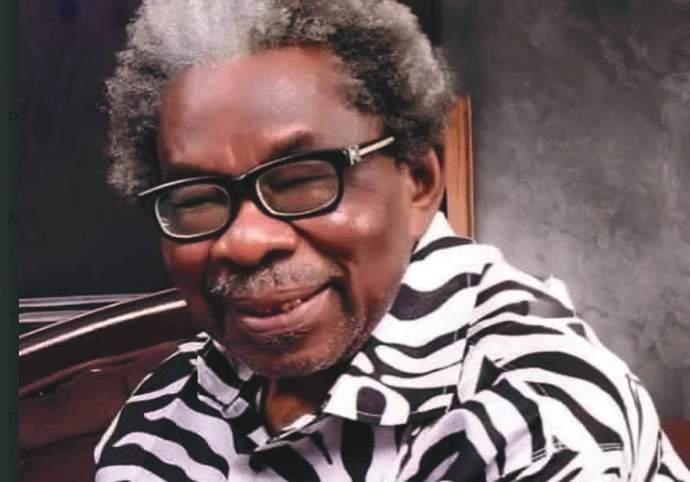
make it.
Prof Uka lived until the full age of 88 years. It was a rich and full, a life of love, service and sacrifice to family, community, country and humanity and he has earned eternal rest with his Maker whom he faithfully served while on this mortal plane.
I am privileged that he counted me among his friends. May he rest in perfect peace.
In his later years he was more involved with church work. He often invited me to his church unfortunately I was never able to
Ndoma-Egba, SAN was a Senator and Leader of the 7th Senate of the Federal Republic of Nigeria, Chairman, NDDC and is currently Chairman and Pro Chancellor Federal University, Oye Ekiti
On a quiet June night in 2006, death came for Pa Moses Omwirhiren, but found a man whose life of sacrifice, dignity, service, and resilience had already secured him immortality in the memories of those whose lives he touched, writes Adedayo Adejobi
There are men whose passing darkens a room. Then there are those whose departure illuminates it. When Pa Moses Oritsetseninomi Omwirhiren drew his final breath on the night of 23rd June 2006, death arrived not as a conqueror but as a reluctant witness to a life already victorious.
For in the end, death could take the man, but it could not diminish the meaning of life.
His story did not begin in grandeur. There were no silver spoons, no inherited influence, no privileged stairway into comfort. He was born into the modest household of the late Omwirhiren family of Okunfuoma Village in present day Okpe Local Government Area of Delta State, the third son of Late Madam Bianito Omwirhiren, herself a woman shaped by the hardy rhythms of village life and quiet endurance.
Like many children of his generation, young Moses inherited little except discipline, duty, and the expectation that survival itself required labour.
Yet even in those early years there was something unusually deliberate about him. He possessed that rare quality often found in self-made men, an instinctive understanding that education was not merely schooling but escape, dignity, and destiny bound together.
He began his education at Native Administration School, Adeje, now known as Adeje Primary School.
It was there that the contours of his character first became visible. At a time when admission into grammar schools represented prestige and social advancement, the young Moses made an unusual choice. He rejected the fashionable route and pursued admission into a modern school instead, believing it offered a more practical and disciplined education. It was a decision that cost him a full academic year between 1955 and 1956. Lesser spirits might have retreated in frustration. He did not.
Through sheer determination he secured admission into St. Martin’s Secondary Modern School, Sapele, in 1957. It was not merely an educational transition. It was an early declaration of the man he would become, stubborn in principle, patient in adversity, and quietly unwilling to surrender his convictions to public opinion.
Yet ambition, particularly in post-colonial Nigeria, often travelled with hardship as its permanent companion.
While many students worried only about examinations and adolescent anxieties, young Moses faced burdens far heavier than his years.
His father had become entangled in a protracted legal dispute with the Amukpe Community over ancestral land around present day Okunfuoma Village. Court cases consumed money. Litigation consumed peace. Dreams, in such homes, were expensive luxuries. To remain in school, Moses resorted to “lapping” rubber, gathering and selling it to supplement the little money his father could spare after
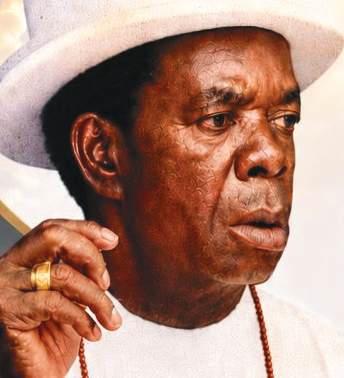
mounting legal expenses.
There is something profoundly symbolic about that image. A young boy bent over rubber trees under the Delta sun, harvesting survival from sap and sweat, determined to purchase his future one school fee at a time.
It is often fashionable today to romanticise struggle from a comfortable distance. But for his generation, hardship was neither aesthetic nor inspirational. It was simply life. And still, men like Moses endured it with remarkable grace. Like many bright young Nigerians of the era, he nurtured dreams of travelling to the United Kingdom for higher education. Britain represented possibility, refinement, prestige, and intellectual expansion. Several of his contemporaries made that journey. He could not.
Money stood firmly in the path of aspiration. Without financial assistance and without benefactors to open hidden doors, the dream quietly dissolved. Yet perhaps the true measure of a man lies not in the dreams fulfilled, but in the disappointments survived without bitterness.
Rather than surrender to despair, Moses adapted. Destiny, after all, has a curious habit of arriving through side
entrances.
In 1962 he secured admission into the School of Hygiene and Health under the University College Hospital, Ibadan. It proved a decisive turning point. There he obtained a Qualified Dispensary Attendant Certificate, equipping himself for a life of medical and community service at a time when healthcare workers in rural Nigeria occupied almost sacred positions within society.
By 1965 he was employed by the local authority as a dispensary attendant. What followed was not the loud rise of celebrity but the steady ascent of character.
In community after community where he served, he earned admiration for diligence, reliability, and uncommon humanity. In an age before motivational speeches became fashionable commodities, men like Pa Moses practiced integrity without announcing it. They showed up. They worked honestly. They treated people decently. They carried responsibility with seriousness. That generation-built institutions not through slogans but through sacrifice.
Colleagues respected him. Communities trusted him. Superiors recognised his discipline. Unsurprisingly, he rose through the ranks to become a Community Health Supervisor within the Local Government system, a position he held until 1981 before later joining the Nigerian National Petroleum Corporation.
Even then, those who knew him insist that titles never altered his essential nature. He remained deeply grounded, approachable, and fiercely committed to the values that shaped his youth. Perhaps this is why his memory still lingers so vividly among those who encountered him. Not because he sought greatness in the theatrical sense, but because he embodied something increasingly rare in public life, moral steadiness.
He belonged to that fading Nigerian generation for whom honour mattered more than applause. Men who believed one’s word should weigh something. Men who carried responsibility without public relations machinery. Men who understood that respect was earned slowly through conduct, not demanded noisily through status.
There is also something profoundly poetic about the arc of his life. The young man who once could not afford passage to Britain eventually earned something far greater than foreign validation. He earned the enduring affection of his people.
And affection, unlike fame, survives absence.
Today, in a society intoxicated by spectacle and speed, the life of Pa Moses Oritsetseninomi Omwirhiren offers a necessary correction. His story reminds us that dignity does not always announce itself loudly. Sometimes it lives quietly in village homes, in worn school uniforms, in unpaid sacrifices, in honest labour, and in men who refuse to collapse beneath disappointment.
Olu Verheijen
Nigeria has never lacked potential. We have oil. We have gas. We have sunlight, water, land, talent and scale. What we have lacked is conversion — the discipline to turn resources into results.
Reserves into production. Production into revenue. Gas into power. Power into productivity. Refining into supply security. And reform into confidence.
That is the work President Bola Ahmed Tinubu mandated us to do: to move Nigeria’s energy sector from promise to performance.
Energy is not simply a sector. It is the foundation of national competitiveness. When energy works, factories run, farms process, transport gets cheaper, and government can invest in its people. When energy fails, every Nigerian pays — in diesel costs, food prices, lost jobs and pressure on the naira. That is why energy reform is economic reform.
When we came into office, the sector was under severe strain. Subsidies had become fiscally unsustainable. Foreign- exchange distortions had weakened investment. Production was below potential. Power-sector debt was strangling the gas-to-power chain. The country had resources, but the system was not converting them into national value. So our first task was to stop the bleeding and rebuild the foundations.
First, we restored Fiscal credibility.
Removing the fuel subsidy and reforming the exchange rate were hard decisions — but necessary. The results are visible. Total federation revenue rose to about N21 trillion in 2024, up from roughly N12 trillion in 2023 — nearly doubling in a single year.
And despite deregulation, we have avoided the chronic nationwide petrol queues that once defined scarcity.
Local production of petrol has moved from effectively zero in 2023 to about 48 million litres per day — for the first time in a generation, the majority of the petrol Nigerians consume is now refined here at home, not imported.
And this is where energy reform meets the strength of the naira. For decades, every cargo of imported petrol was a standing demand for scarce dollars — a structural drain that weakened our currency. As local refining has risen, that drain has eased: Petrol imports fell from about N2.3 trillion in the first quarter of 2025 to under N90 billion a year later.
Fewer dollars spent on fuel means less pressure on the naira. Energy security and currency stability are not separate goals. They are the same goal.
Vincent Ozoude
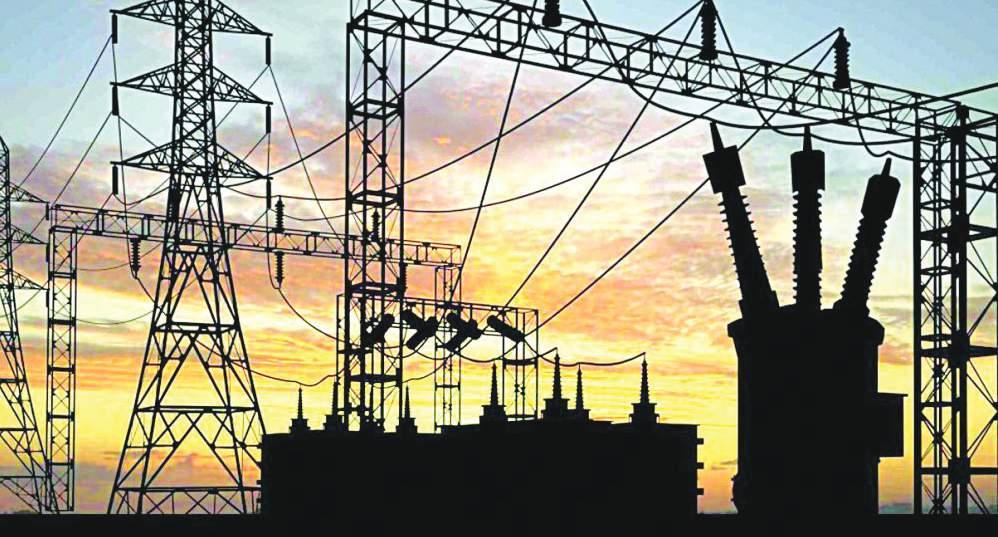
WEnergy
secoNd, we restored ProductioN aNd iNvestor coNFideNce.
Crude oil and condensate production averaged 1.64 million barrels per day in 2025 — up by roughly 400,000 barrels a day since 2023, and the highest onshore level in two decades.
Over four billion dollars in international oil company divestments were concluded — deepening indigenous participation onshore while the majors refocus on deepwater and integrated gas. Pipeline uptime is now consistently high, and illegal refining sharply reduced.
Every additional barrel matters — for revenue, for jobs, and for the strength of the federation.
third, we brought caPital back.
Capital is not moved by speeches. It is moved by clarity, competitiveness and confidence. Through targeted presidential directives we improved the environment for deepwater, non-associated gas and midstream infrastructure — and we attacked the cost of doing business.
Contracting that once took thirty-six months now takes
around fourteen — and we are driving toward a target of six. The market responded. Nigeria’s share of African upstream Final Investment Decisions rose from about four percent in the years to 2023 to roughly forty percent across 2024 and 2025 — with about ten billion dollars committed and a visible pipeline of some fifty billion ahead.
Stalled projects are moving again — Bonga North, Ubeta and HI gas developments and new non-associated gas developments that anchor long-term supply to our LNG exports. When Nigeria improves the rules of the game, capital returns to the field.
Fourth, we repositioned gas as the foundation for industrialisation. For Nigeria, gas is not merely a transition fuel. It is a development fuel — central to power, fertiliser, petrochemicals, clean cooking, CNG transport, LNG
• Verheijen is Special Adviser to President Tinubu on Oil and Gas
read full article online - www.thisdaylive.com
hen I look at Nigeria’s electricity sector, I do not see a story of scarcity. I see a story of extraordinary potential waiting to be unlocked.
We are a nation blessed with more than 14,000 megawatts of hydropower potential, some 210 trillion cubic feet of proven natural gas, and a solar endowment that few countries on earth can match.
We have, in abundance, every natural resource required to power one of the world’s most dynamic economies. The opportunity before us is to convert that endowment into reliable, everyday electricity for homes and businesses across the country.
Installed generation capacity in Nigeria today exceeds 13,000 megawatts. Closing the distance between the installed capacity and what reaches the end user or consumers is the defining task of our generation; and, I firmly believe, it is an achievable task.
The prize is enormous: lower costs for every manufacturer, every hospital, every small business; and a step-change in the quality of life for millions of Nigerians. The question before us is not whether Nigeria can generate power. It is how quickly we, working together, can build a system that delivers it reliably to the end user.
I believe the path is clear. And I say so not as an act of optimism, but from direct experience.
When Transcorp Group took ownership of the Afam GenCo assets in 2021, the plant we now operate as Transafam Power Limited was generating roughly 48 megawatts against an installed capacity of 966 megawatts. The growth potential was there. What it needed was a quick recovery turnaround of the assets through disciplined ownership, patient capital investment, and the conviction that a long-dormant asset could be brought back to life by Nigerians, for Nigerians through
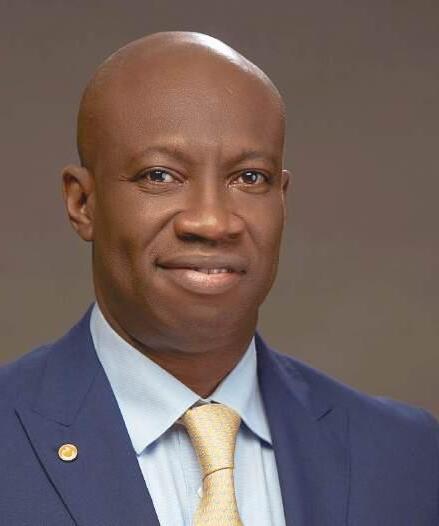
strategic investment. We rolled up our sleeves. We rehabilitated some plants, commissioned new fast-power aeroderivative plant and stayed focused on our ramp-up capacity recovery. In partnership with
the federal government, we secured a power purchase agreement that placed the business on a firm commercial footing. Today, the plant is operated entirely by a Nigerian workforce, and together with our sister company, Transcorp Power Plc, we account for close to 20 percent of Nigeria’s installed thermal generation capacity.
When we faced gas constraints from 2024 to 2025, we responded with agility, relocating 120 megawatts of power to where the gas to operate was available, because resilient operators find a way to keep the lights on.
I share this not to celebrate a single company, but to make a wider point: where the right conditions are created, transformation is not only possible, it is repeatable. We successfully relocated four Trailer-Mounted mobile gas turbine plants and their auxiliaries, each rated 30 Megawatt of power, in total 120MW, several kilometres across states, an unprecedented move fully executed by Nigerians. That trajectory is now firmly upward: Transafam roughly doubled its generation through 2025, and we are targeting nearly 300 megawatts of generation in the near term. Encouragingly, the turnaround is being recognised well beyond our own walls; independent analysts at CardinalStone Securities recently raised their outlook on Transcorp, citing the operational transformation at Transafam as a central reason.
The Transafam story is proof that Nigeria’s power ambitions are well within reach. The opportunity now is to make that kind of turnaround the norm across the sector; that calls for progress at the level of the system, achieved hand in hand by industry and government.
Nigeria enters the 2027 election cycle with an unusually crowded and fluid presidential field. As of this weekend, aspirants have emerged across the major political parties—the All Progressives Congress (APC), the African Democratic Congress (ADC), the Nigerian Democratic Congress (NDC), the People Democratic Party (PDP), the Social Democratic Party (SDP), the Allied Peoples Movement (APM) and several smaller platforms each attempting to define a governing vision in a moment of deep national uncertainty.
Some contenders are established political heavyweights; others are technocrats, regional power brokers, or reform minded outsiders seeking to reshape the national conversation.
Within the APC, President Bola Ahmed Tinubu remains the dominant figure, with party insiders and many Nigerians signalling support for a continuity agenda even as internal factions quietly test alternative pathways.
In the ADC, Atiku Abubakar and other influential blocs continue to negotiate influence, with Atiku the most visible national figure positioning for another run. The Nigerian Democratic Congress remains anchored around Peter Obi, whose governance first message continues to resonate with reform-oriented voters.
Additional aspirants from the SDP, APM, and other platforms add further diversity to the field, even if their national traction varies.
This expanding roster underscores a central reality: 2027 will not be a personality contest but a competition among policy models and institutional philosophies. The electorate now more sceptical, more economically strained, and more politically assertive than in previous cycles is demanding clarity, coherence, and credibility. The question is no longer simply who wants to lead Nigeria, but which aspirants has or can articulate a governing project that is both ambitious and realistically achievable within Nigeria’s structural constraints.
It is within this broader landscape that the analysis of Tinubu, Atiku, Obi, and emerging coalitions becomes essential not as isolated personalities but as representatives of distinct reform pathways competing for national legitimacy.
The Incumbent: Reform Without a Narrative?
Nigeria approaches the 2027 elections amid acute economic pressure and institutional uncertainty. The Tinubu administration has implemented some of the most far-reaching economic reforms in decades: fuel subsidy removal, exchange rate liberalisation, a shift toward tighter fiscal discipline and others. These measures represent a decisive break from the interventionist posture of the previous administration and signal a willingness to confront long-standing structural distortions.
Yet the speed and sequencing, particularly the abrupt
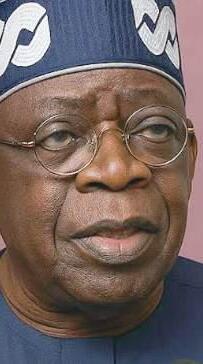
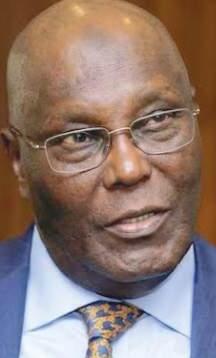
subsidy removal, have generated significant economic strain. Inflation has accelerated, household purchasing power has eroded, and businesses face heightened uncertainty in a volatile currency environment. While the reforms have drawn favourable assessments from the World Bank, the IMF, and several rating agencies, Nigerians at the grassroots increasingly question the long-term vision behind them.
Without a clearly articulated end state of what the economy should look like by 2030, how inflation will be contained, and how large-scale job creation will be achieved the reform programme risks appearing reactive rather than strategic.
The feasibility of the incumbent’s approach is therefore mixed: economically plausible and internationally validated, yet politically fragile as we approach 2027 election unless accompanied by a clearer narrative and visible short-term gains at the microeconomic level.
Atiku Abubakar has long positioned himself as a technocratic reform advocate. His policy framework aligns in several
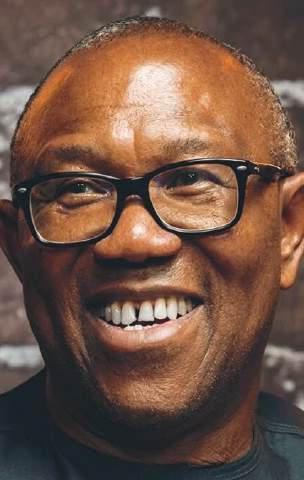
respects with the incumbent’s market-oriented direction: liberalisation, privatisation, and a more competitive economic environment. His key point of departure lies in his emphasis on institutional restructuring and decentralisation as foundations for long-term transformation.
Atiku argues that Nigeria’s highly centralised governance model limits efficiency and that devolving greater authority to states could enhance regional competitiveness and improve service delivery. This represents a notable contrast to the incumbent’s focus on macroeconomic stabilisation rather than structural political reform.
Yet, the feasibility of Atiku’s model is constrained by Nigeria’s political and constitutional realities. Implementing restructuring would require constitutional amendments, broad elite consensus, and sustained cooperation from state governments—conditions historically difficult to secure. His proposals offer a comprehensive long-term vision, but one that faces significant implementation hurdles.
Israel Fagbemigun
For decades, renewing a Nigerian passport was synonymous with frustration. The process often involved repeated visits to immigration offices, hours spent in queues, uncertainty over timelines, and in some cases, allegations of unofficial payments to fast-track applications.
For Nigerians living abroad, the experience could be even more demanding, requiring long-distance travel to embassies or high commissions, hotel expenses and time off work just to complete what should have been a routine administrative procedure.
Yet across the United Kingdom, a growing number of Nigerians now speak of an entirely different experience, one that would have sounded unrealistic only a few years ago.
From Birmingham and Coventry to Essex, London, Newport and Leeds, Nigerians living in these locations said that they can now renew their passports from the comfort of their homes and have their travel documents delivered directly to their residential addresses in a matter of days.
The development has become one of the most visible outcomes of the contactless passport renewal system introduced by the Ministry of Interior, Olubunmi Tunji-Ojo under the administration of President Bola Tinubu.
For many beneficiaries in the UK, the reform is not merely about convenience. It represents a complete reimagining of how government services should function in the digital age.
Before the reforms, renewing a Nigerian passport in the UK often required applicants to travel to the Nigerian High Commission in London regardless of where they lived.
For residents of cities such as Coventry, Birmingham, Leeds or Cardiff, the journey could consume an entire day and involve considerable transport costs.
Applicants frequently complained about lengthy waiting periods before securing appointments and even longer delays before receiving their passports.
Birmingham-based Nigerian community figure, Timileyin Gbenga, said he experienced the old system personally.
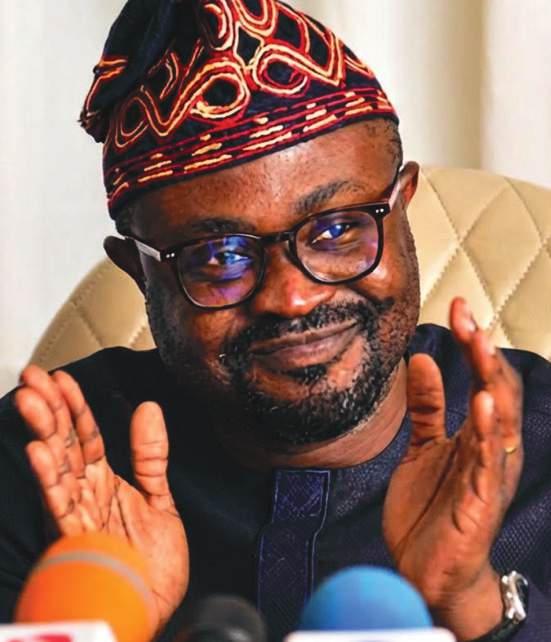
“I was applying for my passport through the normal process. From the application time when I applied online to the time I got my passport, it took me more than six months.
“I had to travel from Birmingham to London to the Nigerian High Commission for biometrics, “ he said.
According to him, the difference between the old process and the new contactless system is difficult to overstate.
“But when I used the contactless process for a family member, it took less than two weeks from the day we applied to the day the passport was delivered.”
For many Nigerians abroad, stories such as Gbenga’s are familiar. The inconvenience of travelling hundreds of kilometres for biometric capture, only to repeat the journey later for passport collection, had become an accepted reality. That reality has now begun to change.
The most celebrated aspect of the new system is not necessarily the speed of processing but the ability to complete the entire process remotely.
Applicants can upload required documents, complete enrolment, make payments and track progress online before receiving their passports through delivery services.
For Essex resident, Adiku Adeola Victoria, the process represented a dramatic improvement over previous experiences. “I renewed my passport last month and it was quite easier. I had it renewed right from within my house and I got it after a few days — let’s say like one week after,” she said.
The experience was convincing enough that she encouraged a friend who intended to travel to London for renewal.
“My friend had planned to travel to London to renew her passport. I told her I’ve done mine and I explained the whole process to her.
“So, she went ahead to do hers as well. And within two weeks, it was also sent to her home.”
In Newport, South Wales, Adiku Adeyemi recounted a similar experience involving his wife.
“It was delivered back to our house just in a very few days after we registered for it,” he said.
Such testimonies have become increasingly common among members of Nigerian communities across the UK. For many applicants, the arrival of a Nigerian passport at their doorstep is more than a logistical achievement. It is symbolic proof that public service delivery can be efficient.
Five Days Instead of Six Months
Perhaps the most remarkable aspect of the reform is the reduction in processing times.
Uche Anichukwu
Finally, it does appear that the Nigerian state has embraced the reality that you cannot sufficiently police a vast and multifarious federation like ours from Abuja. For over two decades, advocacies to decentralise our policing structure fell on deaf ears. Legislative efforts in regard were cut short, often on the altars of interfering influences and executive tight grips on every legitimate instrument of coercion.
There were also all manner of sentiments. Some thought that state police would serve secessionist interest, while many genuinely saw it as a ready axe in the hands of the governors and to cut the opposition and voices of dissent to size.
But I think the real opposition to state police stemmed from the fact that most people were oblivious of the weight of the insecurity that was incubating over the past decades. I recall a conversation between former Deputy President of the Senate, Senator Ekweremadu, and a Senator from the North West zone (Kebbi State to be particular). Ekweremadu warned that the banditry, which was just starting in far North West states, could ultimately get to as far as Kaduna, North Central, and the Southern parts unless lawmakers supported the creation of state police to empower the federating units to take their fates in their own hands. That Senator laughed out loud. He said Ekweremadu did not understand the geography of the North, maintaining that even Sokoto, Rivers and Rima River were sufficient buffers against such evil expansion. Today, we all know better.
Yet, it is heartwarming that despite the obstinate opposition to decentralised policing, there were a few voices like Ekweremadu, who refused to give up. From the 10th convocation lecture of the Federal University of Technology, Minna, which he delivered on Thursday, June 3, 2010 to a retinue of others such as the Sixth Annual Oputa Lecture on Governance in Africa, which he delivered at the Osgoode Hall Law School, York University, Toronto, Ontario, Canada, on April 11, 2012; the Nnamdi Azikiwe University Annual Lecture entitled “Policing and National Security: the Choices Before Us” he delivered on March 1, 2013; and his most recent lectures in 2020 as well as his various media outings, his bills and interventions at the floor of the Senate, he identified unitary policing, overconcentration of powers at the centre, and absence of fiscal federalism, which christened “feeding bottle federalism,” as the banes of Nigerian federalism that must give way.
In fact, he was rather prophetic about the security challenges of today. Reacting to the gruesome massacre of innocent Nigerians in Barkin Ladi, Plateau State, back in 2018, Ekweremadu lamented that sad as the incident was, the saddest reality was that there was no guarantee that many more would not be killed. In his words, “There is no way you will have a big federation like Nigeria with all the diversities, and continue to operate a centralised policing system.”
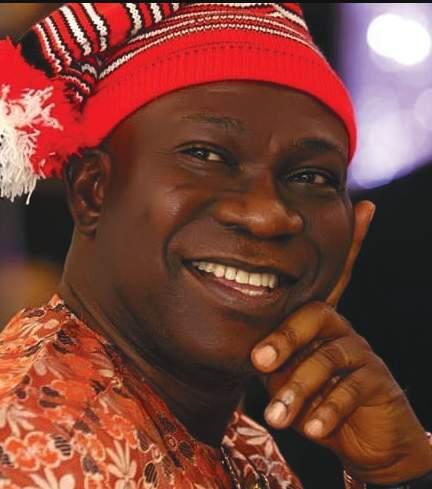
However, there comes a time in the life of a people when they must look in the mirror and tell themselves the gospel truth. There comes a time when you must choose between their sentiments and the fear of probable misuse of state police and the present existential threats being hounded on the roads, in schools, and farms by bandits, terrorists, and all manner of violent criminals.
Nobody said this better than Senator Ita Enang. Appearing on Channels Television’s “Politics Today” sometime in 2025, he said: “Ekweremadu was very vehement that we should have state police. He sponsored and brought a bill. But I was one of those who vehemently opposed him and campaigned against it. I went out of my way to say that the way the governors exercise power over the electoral process, if you give them the control over security, they would kill everybody. But now, we should not care so much about what a governor does with it so long as he does one thing with it - use it to manage internal security of the state. State police is an idea, which time has come.”
Yet, that time would never have come without a truly federalist and courageous president like President Bola Tinubu, who is ever ready to bite the bullet and decide to loosen the presidency’s absolute grips on the nation’s security architecture. That is where
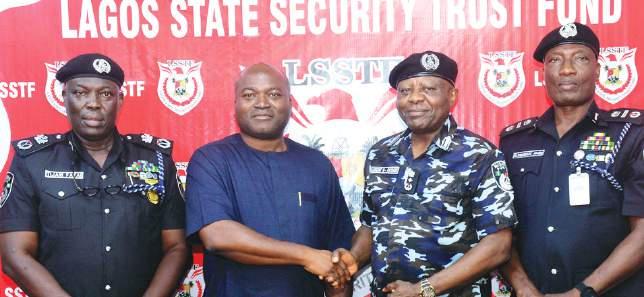
L-R: Commissioner of Police, Lagos State Command, CP Fatai Tijani; Executive Secretary/ CEO, LSSTF, Dr. Ayodele Ogunsan in Warn Handshake with the Deputy Inspector General of Police, DIG In-Charge of SouthWest, DIG Adegoke Fayoade as Assistant Inspector General of Police, AIG Zone 2, AIG Moshood Jimoh looks on during DIG Fayoade’s working visit to LSSTF CEO, Dr. Ogunsan on strengthening security at the LSSTF’s office, Alausa-Secretariat, Ikeja….recently
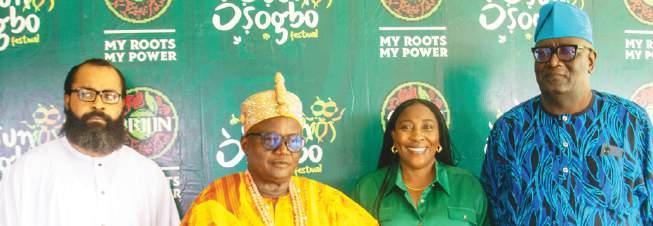
President Bola Tinubu stands out from his processors. No one can take away from his ability to take tough decisions. We saw it in the removal of fuel subsidy. We saw it in the floating of the exchange rates. We saw it in how he signed the Electricity Act to enable the states to generate, transmit, and distribute electricity within their jurisdictions. We saw it in how he went to court to secure financial autonomy for the 774 local government areas. And we saw it in how he overhauled the national security architecture to bring in new service chiefs.
Today, President Tinubu has yet again shown that candour in leadership by realising, unlike others before him, that it is of no use holding unto the entire security architecture to just feed the vanity of being in charge while criminal gangs are running riots across the country. It takes courage to do so. But it takes even greater courage to initiate an executive bill to the National Assembly to match words with action.
The gaps in the bills passed by the National Assenbly notwithstanding, I also see that they have benefitted from the Ekweremadu’s pioneering works, which consciously and meticulously addressed the critical issues of structure, standardisation, control, armament, disciplining, co-existence with federal police, and, importantly, the fears of abuse by state governors. By the way, Ekweremadu’s state police bill drew from studies he and members of his team led by Prof. Offornze Amucheazi undertook on best practices around the world, especially federal climes like the US, Canada, and Brazil. Although the snippets we have seen from the versions passed may have some gaps, it is important Nigerians patiently wait for the harmonised version as well as the eventual consequential Act of the National Assembly that will provide more details on the powers, structure, control, etc. of the state police. This Act will come after successful alteration of the constitution to that effect. However we may look at it, the National Assembly deserves commendation and this fundamental progress must never be diminished by political expediency or differences.
Meanwhile, funding has continued to occupy the front burner since both chambers of the National Assembly passed the state police bill. In a back-page article, “A Vote for State Police,” which he published in 2018, Ekweremadu opined that state police funding should be a first line charge on the state account or alternatively deducted at source from the federation account and paid to the Police Service Commission for onward disbursement to the respective Independent State Police Service Commissions.
He also argued that creation of state police would not be compulsory for states that feel they do not have enough resources to fund it. The important thing, to him, is to lay down the legal frameworks that permit and regulate decentralised policing so that those who can afford it can start.
However, if a state cannot fund security, what else can it fund? How is it going to build infrastructure, grow the economy and attract investments? More so, Section 14 2(b) of the 1999 Constitution is very clear “The security and welfare of the people shall be the primary purpose of government.” So, my take is that you fund what you prioritise and that is the Enugu State example.
In just three years, Governor Peter Mbah has demonstrated that where there is a political will and vision, then there is a way.
Anichukwu, was a media adviser to former Deputy President of the Senate and a public
Read full article online - www.thisdaylive.com
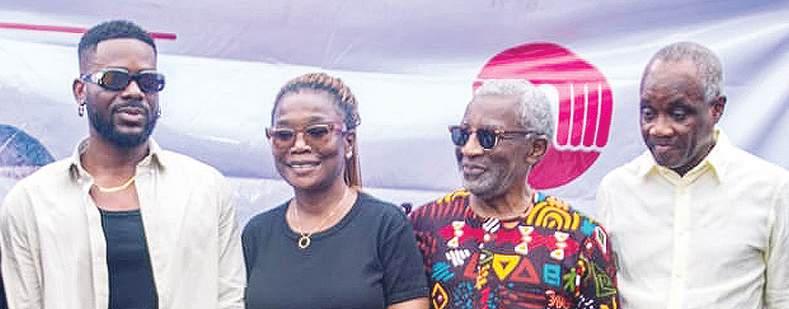
L-R: Prominent Afrobeats Entertainer, Adekunle Gold; Board Member, Sickle Cell Advocacy and Management Initiative, SAMI/Nigeria’s First Female Cardiac Physiologist, Fola Akinrinlola; Management Consultant and Board Chair, SAMI, Foluso Phillips; and Founding Partner, Banwo & Ighodalo/Board Member, SAMI, Femi Olubanwo at the Adekunle Gold Foundation/ Sickle Cell Advocacy and Management Initiative (SAMI)’s Xtracare Free Medical Clinic Outreach held at Surulere, in Lagos....recently
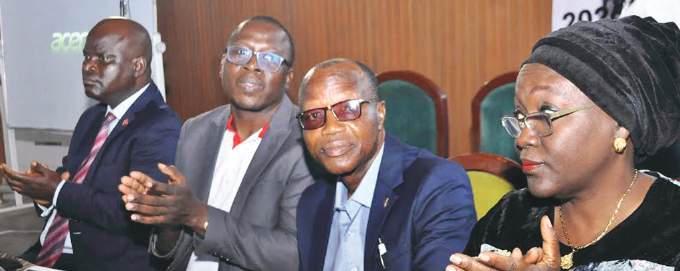
Koleoso, during the Firm’s 2026 Job Fair and Career day with the Theme: Blueprint to Boardroom: Mapping Your Career Path in the Built Sector in Lagos...recently
Nigeria moved a significant step closer to one of the most far-reaching security reforms in its democratic history on Wednesday, June 24, 2026, as the Senate approved a constitutional amendment bill seeking to establish state police and local government police services alongside the existing Nigeria Police Force, writes Sunday Ehigiator
For more than two decades, Nigeria’s security challenges have continued to outpace the capacity of its highly centralised policing system. From terrorism in the North-East and banditry in the North-West to kidnapping, cultism, communal clashes, separatist agitations and urban crime, the burden on the Nigeria Police Force (NPF) has grown exponentially.
Yet despite these mounting challenges, policing remains one of the most centralised functions of government under the 1999 Constitution. But that may soon change.
The recent passage by the Senate of a Constitution Alteration Bill seeking to establish State Police and related policing institutions marks one of the most ambitious attempts to restructure Nigeria’s security architecture since the country’s return to democratic rule in 1999.
Far from being a simple proposal to create state-controlled police formations, the bill seeks a sweeping overhaul of policing in Nigeria, introducing a multi-tier security system that includes federal, state and local government police services, alongside new oversight bodies, recruitment mechanisms, accountability structures and constitutional safeguards.
If eventually enacted, the legislation could fundamentally alter how security is managed in Africa’s most populous nation. More importantly, it could redefine the balance of power between Abuja and the states.
what the Bill Actually Seeks to Do
Public discussion around the legislation has largely focused on the phrase ‘state police.’ However, a close examination of the bill reveals that it goes much further.
The proposed constitutional amendment seeks to replace Nigeria’s current single-force policing arrangement with a layered security framework operating at multiple levels of government. Under the proposal, policing would no longer be the exclusive responsibility of the federal government. Instead, Nigeria would operate a policing structure comprising: The Nigeria Police Force, State Police Services, and the Local Government Police Services.
This is arguably the most radical security reform contemplated since independence. The significance lies not merely in the creation of additional police institutions, but in the constitutional recognition that security challenges are often local and may require local solutions.
Supporters argue that the existing system has become overstretched and disconnected from the realities of communities experiencing insecurity. The bill attempts to address that gap by moving policing closer to the people.
Altering Section 214
One of the most consequential provisions of the bill is the proposed amendment to Section 214 of the Constitution.
At present, Section 214 establishes only one police institution for the federation: the Nigeria Police Force. The bill proposes a new constitutional framework that recognises both the Nigeria Police Force and the State Police Services.
This amendment is significant because it removes the constitutional monopoly currently enjoyed by the federal police.
For decades, advocates of restructuring have argued that Nigeria’s federal arrangement is incomplete because states exercise responsibility for education, health, transportation and economic development but possess virtually no authority over policing.
Governors are often described as chief security officers of their states, yet they have no operational command over police personnel deployed within their territories. The proposed amendment seeks to bridge that contradiction. By allowing states to establish and manage their own police services, the bill aligns security responsibilities with political accountability.
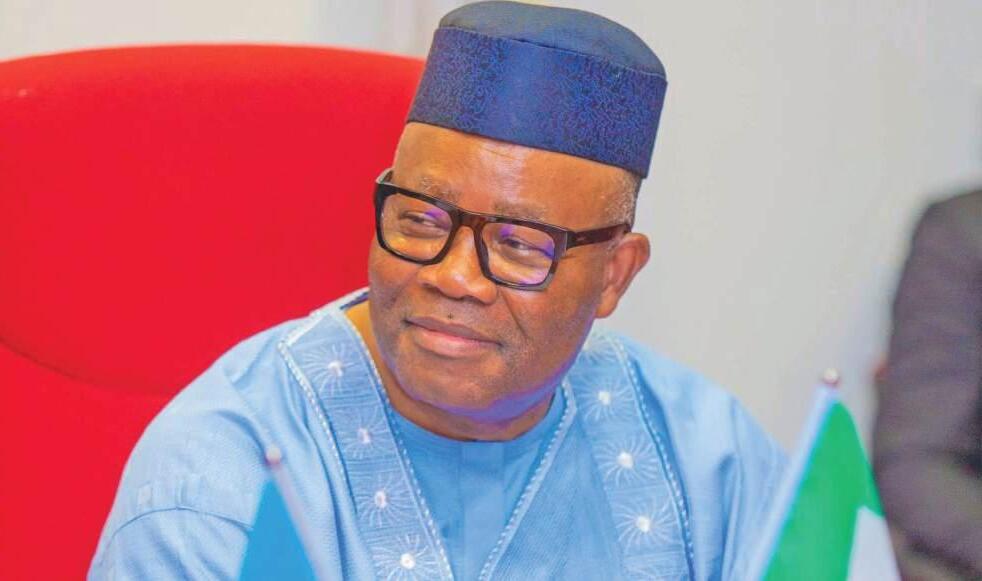
In practical terms, governors who are held accountable by citizens for insecurity would finally possess constitutional authority to create policing institutions designed to address local threats.
The centrepiece of the bill is the establishment of State Police Services. Under the proposed arrangement, states would have the constitutional authority to establish police organisations responsible for maintaining law and order within their jurisdictions.
These police services would undertake traditional law enforcement responsibilities, including crime prevention, crime detection, public safety, intelligence gathering and community policing.
The rationale behind the proposal is straightforward. Supporters argue that officers recruited from local communities are often better equipped to understand the environment in which they operate. They know the terrain. They understand local customs. They speak local languages, and they possess social and cultural knowledge that can significantly improve intelligence gathering and crime prevention.
The expectation is that state police would respond more quickly to security threats and build stronger trust with local communities than a centrally controlled force.
Perhaps the most unexpected aspect of the bill is its proposal for Local Government Police Services.
While public debate has largely focused on federal and state policing, the bill introduces a third layer of law enforcement at the grassroots level. If enacted, local governments would be empowered to establish police services designed to address community-level security concerns.
This provision reflects the growing recognition that many security threats originate at the local level and require rapid intervention.
Advocates argue that local government police could improve grassroots intelligence gathering and strengthen community engagement. They believe local officers would be more familiar with residents, local disputes and emerging threats. However, critics have expressed concern about the possibility of overlapping responsibilities
among federal, state and local police institutions. Questions have also been raised about funding, coordination and operational efficiency.
Nevertheless, the inclusion of local government police demonstrates the extent to which the bill seeks to decentralise security governance.
National Police Council Retained
Despite introducing state and local policing structures, the bill does not dismantle federal oversight. The National Police Council remains an integral component of the proposed architecture.
The Council would continue to serve as a coordinating body responsible for national policing policies and strategic direction. Its retention reflects an effort to strike a balance between decentralisation and national cohesion. The architects of the bill appear mindful of concerns that excessive fragmentation could weaken national security coordination. By preserving the National Police Council, the bill seeks to ensure that multiple policing institutions can operate within a coherent national framework.
State Police Councils: The New Centres of Oversight
A major concern among critics of state police has always been the possibility of political abuse. Many fear governors could use police forces as instruments of intimidation against political opponents, journalists, activists and civil society groups.
The bill attempts to address those fears through the establishment of State Police Councils. These councils would serve as oversight institutions responsible for supervising state police services. Their duties include policy formulation, strategic direction, administrative supervision and performance monitoring.
The significance of these councils cannot be overstated. Rather than concentrating authority solely in the hands of governors, the bill creates institutional structures designed to provide checks and balances.
State Police Service Commissions
The proposed State Police Bill seeks to address concerns about political interference by creating a broad-based State Police Service Commission to oversee appointments, promotions and disciplinary matters within the State Police.
Under the bill, the commission would be headed by a chairman appointed by the governor and confirmed by the State House of Assembly. It would also include two representatives of the National Human Rights Commission (NHRC), who must be indigenes of the state, and a representative of the Public Complaints Commission (PCC).
Other members of the commission would include a representative of the Nigeria Labour Congress (NLC), three retired Assistant Commissioners of Police or officers of equivalent rank drawn from the state’s three senatorial districts, and a representative of the Nigerian Bar Association (NBA) from the state.
The commission would also have a representative of the Nigerian Union of Journalists (NUJ) and the chairman of the State Traditional Rulers’ Council or his representative.
The commission would be responsible for recommending candidates for appointment as Commissioner of State Police, overseeing promotions and disciplinary measures, and managing personnel matters within the force.
By bringing together representatives from human rights bodies, labour unions, the legal profession, the media, traditional institutions and retired police officers, the bill seeks to ensure that the administration of state police is subject to professional and civilian oversight rather than being controlled solely by political office holders. Recruitment and Local Ownership
One of the strongest arguments in favour of state police relates to recruitment. The bill envisages structured recruitment systems governed by established standards. Local recruitment offers several potential advantages.
Police officers drawn from local communities are often better positioned to identify criminal networks, understand community dynamics and detect unusual activities.
Whether these safeguards will prove sufficient remains a subject of debate, but their inclusion reflects a deliberate effort to address longstanding concerns about accountability. See concluding part on www.
James emejo writes that the recent launch of the Nigeria Overnight Financing Rate (NOFR) represents one of the most consequential reforms undertaken by the Central Bank of Nigeria
For years, Nigeria’s financial system had grappled with a recurring challenge — the absence of a widely accepted, transaction-based benchmark that accurately reflects the cost of money in the market. Without such a benchmark, pricing inefficiencies persist and monetary policy signals become blurred, eroding investor confidence.
The introduction of NOFR seeks to address this structural weakness by anchoring financial market pricing to actual overnight secured transactions rather than estimates or indicative quotes.
By this, the CBN is attempting to lay the foundation for a more transparent, credible and sophisticated financial system, while strengthening one of the most critical yet often overlooked elements of economic management — the transmission of monetary policy.
Nigeria’s financial market reform journey reached another important milestone when the apex bank unveiled the NOFR, a new benchmark expected to improve transparency, strengthen monetary policy transmission and bolster confidence in the country’s financial system.
The launch of the transaction-based reference rate marked a strategic shift in the evolution of Nigeria’s money markets, reflecting the central bank’s determination to align domestic financial infrastructure with global best practices while laying the foundation for deeper and more sophisticated markets.
At the unveiling ceremony in Abuja, CBN Governor, Mr. Olayemi Cardoso, presented the new benchmark
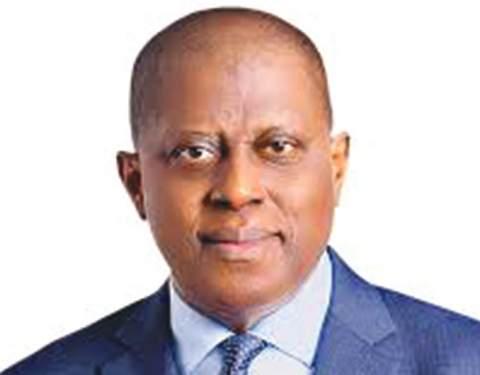
as more than just another market indicator. Rather, he described it as a critical building block in the ongoing effort to create a financial system that is trusted, efficient and capable of supporting long-term economic growth.
Developed through collaboration between the CBN, the Financial Markets Dealers Association (FMDA) and the European Bank for Reconstruction and Development (EBRD), NOFR is designed to serve as a transparent reference rate based on actual overnight transactions in the Nigerian interbank market.
The reform comes at a time when financial markets around the world are increasingly abandoning benchmark rates derived from subjective estimates and replacing them with rates anchored on observable market transactions.
For Nigeria, the transition signals a deliberate move
towards a pricing framework that reflects genuine market activity, reduces distortions and enhances the credibility of financial market signals.
Building Trust Through Transparent Pricing
According to Cardoso, benchmark interest rates play a pivotal role in modern economies because they influence the pricing of financial instruments, guide investment decisions and facilitate the transmission of monetary policy actions across the broader economy.
He noted that the introduction of NOFR places Nigeria firmly within the global trend towards transaction-based benchmarks, which have become the preferred standard in major financial centres due to their transparency and resistance to manipulation. Unlike conventional benchmarks that may rely partly on market estimates, NOFR derives its value directly
from completed transactions in the interbank market. This, according to the CBN governor, provides a more accurate reflection of prevailing market conditions and strengthens confidence among market participants. By grounding the benchmark in real trading activity, the new framework is expected to improve price discovery, reduce information asymmetry and create a more reliable basis for valuing financial products.
For Cardoso, trust remains the most important ingredient in building market depth. He argued that liquidity naturally follows transparency and credibility, adding that investors are more willing to commit capital when market signals are clear, consistent and reliable.
The governor maintained that deepening confidence in market infrastructure is essential to attracting investment, improving liquidity conditions and supporting financial stability.
Strengthening Monetary Policy Transmission
Beyond transparency, the CBN sees NOFR as a critical tool for enhancing the effectiveness of monetary policy.
A major challenge facing central banks is ensuring that policy decisions are transmitted efficiently through financial markets to businesses and households. The new benchmark is expected to strengthen that transmission mechanism by providing a clearer link between policy rates and market interest rates. Cardoso stressed that an effective transmission channel is indispensable to achieving the central bank’s primary mandate of price stability, noting that the absence of reliable benchmarks often weakens the impact of policy interventions.
The introduction of NOFR therefore represents an important institutional reform that could improve the responsiveness of financial markets to monetary policy actions and enhance overall policy effectiveness.
Preparing Nigeria’s Financial Markets for the Future
The launch also underscored the CBN’s broader vision for modernising Nigeria’s financial architecture. As financial markets become increasingly complex and technology-driven, regulators are under pressure to create infrastructure capable of supporting innovation and new financial products.
There is a particular kind of grief that settles over a community when its children stop going to school, not because of poverty or indifference, but because armed men made learning too dangerous to pursue. Across Nigeria’s North-West, North-East, North-Central and now in in the South West Zones, that grief has become a way of life.
Terrorism and banditry have not only stolen lives and livelihoods; they have systematically dismantled one of the most foundational institutions of any society which is education. Understanding how Nigeria arrived at this point, and charting a credible path forward, is no longer a matter of mere academic interest but a national emergency.
Going down the memory lane, Nigeria’s encounter with organised insurgency in its modern form began in earnest in the early 2000s, though the seeds were planted decades earlier. The Boko Haram insurgency, which translates loosely as “Western education is forbidden,” emerged from Maiduguri in Borno State. By 2014, the world witnessed one of the most shocking acts of educational terrorism in modern history: the abduction of 276 schoolgirls from Government Secondary School, Chibok, in Borno State. The #BringBackOurGirls campaign brought global attention to Nigeria’s crisis, but the abductions did not stop.
Simultaneously, the north-west was experiencing a different but equally devastating form of organised violence. Banditry, which was historically rooted in cattle rustling disputes between herders and farmers transformed over the 2010s into something far more sinister. Armed groups, emboldened by the proliferation of small arms and the large expanse of ungoverned forests and rural areas, began raiding villages, kidnapping for ransom, and levying taxes on communities. States like Zamfara,
Katsina, Sokoto, and Kebbi became epicentres of this crisis. The Kagara mass abduction of February 2021, the Jangebe schoolgirl kidnapping of the same month, and the Tegina Islamic school attack in May 2021 in which over 130 pupils were taken, underscored those bandits had adopted the kidnap-for-ransom playbook with lethal efficiency.
What distinguishes the contemporary security crisis from earlier episodes of communal violence in Nigeria is the convergence of ideology, organised crime, and governance failure. Porous borders, underfunded security forces, entrenched poverty, and elite political patronage of armed groups have all contributed to an environment where non-state actors have effectively displaced government authority across vast territories.
The effects on educational system are unimaginable as to say that its under siege is an under statement. Rather, schools have turned to battleground and the consequences for Nigeria’s educational sector have been catastrophic, immeasurable, and deeply generational.
School closures and displacement have become routine due to conflicts. UNICEF estimates that in the north-east alone, over 1,500 schools were damaged, destroyed, or forced to close at the peak of the insurgency, displacing more than 1.8 million children. In the north-west, communities have voluntarily shuttered schools rather than expose their children to the threat of abduction. Several communities and in some cases, entire local government areas have seen school attendance collapse to near zero. Thereby rendering governments efforts at encouraging school enrolment futile.
Mass abductions of pupils and students have created a culture of fear that no policy document can easily quantify. When parents watch armed men march their children into the forest, the lesson absorbed is instinctive and lasting as if schools are now traps. Enrolment drops precipitously in areas following kidnapping events, and girls are disproportionately withdrawn, as families calculate that the perceived cost of their daughters’ education,
vulnerability to sexual violence and forced marriage outweighs its benefits. Nigeria already had one of the world’s highest rates of out-of-school children, estimated at over 20 million before the security crisis deepened; conflict has worsened this figure dramatically.
Teachers have been targeted, killed, and displaced. Many qualified educators have fled rural and semi-urban postings in conflict zones for the relative safety of state capitals. Schools that remain open often do so with few staff, inadequate materials, and without the psychological support needed to address the trauma both teachers and pupils carry into the classroom. The depletion of teaching capacity in the North is compounding an already severe human capital deficit.
Also not spared are the school buildings which are usually major target of the insurgents. The destruction has set back decades of investment. Libraries, laboratories, and administrative buildings destroyed or abandoned after bandit raids require billions of naira to restore. Yet reconstruction in insecure environments is nearly impossible as contractors refuse to work in active conflict zones, and rebuilt schools are vulnerable to attack again if security is not established first.
Psychological trauma represents perhaps the most enduring damage. Children who have witnessed violence, experienced abduction, or lost family members to insurgency arrive at school, if they ever summon the courage to resume school at all, with profound post-traumatic stress. Without psychosocial support structures embedded in schools and communities, learning outcomes suffer even when physical safety is restored. A child who cannot concentrate, trust, or hope is a child whose education has effectively ended regardless of whether the school building stands. The situation is pathetic but not totally insurmountable. Ending the educational
crisis in Nigeria requires simultaneous action on security, governance, social policy, and institutional reform. There is no single intervention that will suffice; the problems are layered, and the solutions must be equally so.
Foremost solution to the crisis is restoration of security as the non-negotiable foundation. Education cannot flourish in a war zone. Government must pursue a sustained, intelligence-led counter insurgency and counter-banditry strategy that combines military pressure with community policing. The recent establishment of state-level security outfits such as Amotekun in the south-west and the Civilian Joint Task Force in the north-east shows that community-embedded security works as a complement to federal forces. This model should be expanded, properly funded, and subjected to citizens oversight. Regional cooperation with Niger, Chad, and Cameroon through the Multinational Joint Task Force must be reinvigorated to deny terrorist groups cross-border sanctuaries.
Tangential to the above, schools should be secured explicitly with structures liken perimeter fencing, controlled access points, early warning alert systems linked to local security agencies should be installed in vulnerable schools with federal support. The government should ratify and implement the Safe Schools Declaration, which Nigeria endorsed in 2015. Local communities must be partners in school security, not passive observers. Concerted efforts should made to commit resources into rehabilitation of the school buildings either destroyed by insurgents or natural occurrence. This should be executed using conflict-resistant designs and locally sourced labour.
The federal and state governments should look forward towards meeting the UNESCO benchmark of allocating 15–20 percent of the national budget to education to guaranty adequate funding for
contestations seems unwise.
The story is most probably the same for the implementation of the National Single Window Project and the execution of Nigeria’s obligations under the African Continental Free Trade Area (AfCFTA) protocol. Thus, the extension can easily be seen as the president’ recognition of the CG’s focus, broad and exemplary understanding of the sector and his steadfast commitment to redefining a sector he knows very well and is creatively remodeling.
The expectation is that the extension will further strengthen the NCS in stabilizing most of the commendable initiatives under Adeniyi and further driving the strategic mandates of trade facilitation, revenue generation, and border security. The desire to allow the CG entrench and drill down these key reforms and other endeavours designed to streamline cargo clearance processes, improve revenue collection and enhance the ease of doing business in Nigeria is founded on the rigour and tenacity with which he has pursued everything he set his mind to since becoming the CG.
He has been working closely with the NCS Board in overseeing the promotion of qualified officers to the rank of Comptrollers Customs, while also ensuring compliance with statutory retirement provisions. This process is particularly attentive to the imperative of merit-based elevation since he assumed office as CG.
The compulsory retirement of officers who had reached the mandatory retirement age of 60 years or have completed 35 years in service has not created any problems throughout his tenure.
When, and after, he was appointed Comptroller, and later Deputy Commandant of the Nigeria Customs Command and Staff College, some observers noted with satisfaction his record of service before the promotion and appointment, as well as his record of performance thereafter. Take, for instance, what happened when, as Assistant Comptroller General in February 2020, he superintended the seizure of $8.07 million. This was raw cash being illegally taken out of Nigeria through the E-Wing of the international airport tarmac.
Adeniyi could easily have asked for a cut and made a deal with the criminals. He did not. He would most probably not be CG, or Customs boss of the world, today if he had accepted a bribe, looked the other way and walked home with his loot. He stood his ground, carried out his duties, did not put on any airs thereafter and simply went about his duties like everyone else.
As a graduate of International Relations, he went ahead to give a good account of himself as image maker of NCS. I first met him during
a capacity building programme we organized for NCS management over a decade ago. He was always neatly turned out, simple in mannerisms, organized, and only took notes whenever something struck him in the course of any presentation. I recall pointing out to my colleague during the lunch break that a particular Participant (Adeniyi) was a possible future CG of NCS. We talked about it for a while, I shared my reasons, responded to the issues he raised and rested the matter. Adeniyi later got to know this aftet his emergence as CG. The rest is history.
With a 30-year career span at NCS, Dr. Adeniyi’s milestones and his leadership vision for reforming the Service make a compelling case for his extension. He operated as an insider who knew the system. The achievements he recorded in just two years, how he rose through the ranks, and his, sometimes exceptionally innovative interventions could only be accomplished by someone who grew to maturity in the system whose problems knewso well.
His appointment as CG apparently coincided with the implementation of the new NCS Act, which provides that only a serving Customs officer from the rank of an Assistant Comptroller General can become a Comptroller General. Adeniyi has turned out to be the first lucky beneficiary, and also the midwife for 5he entrenchment, of this Act. From when he became Acting CG to his confirmation as substantive CG, the NCS saw significant strides in trade facilitation, revenue upsurge, improved security, enhanced staff welfare and other Key Performance Indicators. The ports were shorn of cargo congestion as soon as he tuned up. The repeatedly bemoaned traumatic experiences of maritime stakeholders who often recall with tears the grind of clearing of goods became a thing of the past. He did not confront port congestion head-on by making a motivational speech, or announcing a 3, 4 or 21 one-point agenda, no!
He simply stepped forward with a template he had thought through, inaugurated a committee to dispose of overtime cargo from the ports and, forthwith, had terminals that had long been burdened with longstanding cargo decongested. He did not just issue instructions and address a conference, but saw to it that what needed to be done was actually done.
These were his words to the aforementioned committee on overtime cargoes: “The disposal of cargo exceeding its allotted time can now only occur through a court order, and through public auction or tender, which will be widely publicized through national newspapers, television, and the service’s official website”. He is the only CG I know that has received the greatest criticism
from acquittances, friends and associates, for being “very unreasonable” and always refusing to arbitrarily give out seized vehicles and good “in the exercise of his powers”.
To complement the existing Automated Systems for Customs Data (ASYCUDA), which protects the country by combating fraud and illegal trafficking of prohibited and restricted goods, Adeniyi introduced the Authorized Economic Operator (AEO) Programme. The time-release study to enhance the efficiency of the service, in addition to providing statistical information on foreign trade transactions, enhances customs’ revenue earnings.
The pilot phase of the AEO programme demonstrated significant improvements in cargo clearance times, with AEO-certified companies achieving an average release time of 43 hours, five full hours ahead of the target clearance time of 48 hours. The authorities cheerfully announced, thereafter, that “This represents a remarkable 66.9% reduction in cargo clearance time compared to pre-AEO status, where clearance took five days, and notably outperforms regular Economic Operators (EOs) who require seven days for clearance”.
Adeniyi saw beyond this limited but very significant achievement and once said: “Our comprehensive time-release study has been concluded, and the report is currently under review with plans for release before the second quarter of the year. Additionally, our enhanced strategic partnerships with various customs administrations worldwide are yielding tangible results through intelligence sharing, leading to major interceptions at our ports. These partnerships have also opened up capacity-building opportunities for our officers and laid the groundwork for expanded engagements in the coming months”.
Concerning trade facilitation, which is core mandates of the Service, Adeniyi’s tenure saw processed imports with a Cost, Insurance, and Freight (CIF) value of ₦60.29 trillion in 2024, which was an impressive 117.4% increase, from the ₦27.74 trillion the year before. The details revealed 1,262,988 import transactions, handling a total mass of 15.35 billion kilograms. It also showed a export trade performance with the total CIF value skyrocketing to ₦136.65 trillion in 2024, as against ₦42.77 trillion in 2023. Many found this benumbing 219.5% increase totally incomprehensible. “How was this possible”? Some asked.
It is interesting that, for the period under review at a point in his ongoing tenure, the number of export transactions remained relatively stable at 38,199, when compared to 38,294 in 2023. What changed was a dramatic increase
and demanding state demands vision, resilience, administrative competence and the ability to make difficult decisions in the larger public interest. All these Governor Sanwo-Olu has demonstrated in the past 2,578 days.
His THEMES+ agenda, which stands for Traffic Management & Transportation, Health & Environment, Education & Technology, Making Lagos a 21st Century Economy, Entertainment & Tourism, and Security & Governance, and the ‘Plus’ representing an added focus on social inclusion and gender equality, continues to propel all his administration does for the progress and development of Lagos State.
Sanwo-Olu’s styles have also engendered inclusion and greater participation in government’s implementation strategies. Dynamic, goal oriented, accessible, responsive, humble and loyal to the party and Lagosians, the governor has succeeded in mobilising human and material resources in fuelling the fire of development in the state.
Additionally, through his humility, simplicity and candour, Sanwo-Olu has fostered inclusion, encouraged wider participation in state affairs and presided over an atmosphere of tranquility in the Centre of Excellence.
In an era where governance is often overshadowed by political grandstanding, the Lagos Governor has largely allowed projects and policies to speak for themselves. Infrastructure development has remained one of the defining features of his administration. From the completion
and expansion of critical road networks to the operationalisation of the Blue Line Rail and the progress on the Red Line Rail, the Ojota-Opebi Link Bridge, Lagos State Geographic Information Service (LAGIS) building, the Lekki Deep Sea Port, road expansion programmes and ongoing energy investments, Lagos has continued to make strategic investments that will improve productivity, reduce commuting time and enhance economic competitiveness for decades to come.
Education and youth empowerment have equally received sustained attention. Initiatives such as the Lagos Fresh Food Hub in Abijo, Ajah; new schools, the renovation of the Tolu Schools Complex in Ajegunle and Maracana Stadium, comprising 19 mini-football pitches-built side by side in Ajegunle are all aimed at improved learning environments and outcomes. The greater emphasis on technical and vocational education reflects an understanding that the future competitiveness of Lagos depends largely on the quality of its human capital.
In the area of economy, the hallmark of SanwoOlu’s administration has been the deliberate effort to position Lagos as Africa’s preferred investment destination. At the recently held Invest Lagos 3.0 Summit, Sanwo-Olu stressed that agreements reached during the two-day event represented practical commitments capable of unlocking investments, creating jobs and accelerating economic growth.
“The answer to whether Lagos is Africa’s
in export volume. While 12.35 billion kilograms were processed in 2024, to 3.70 billion kilograms in 2023; representing a 234% increase in export mass. Evidence of accruing high revenue was also evidence of growth in our export trade, as well as the increasing competitiveness of Nigerian products in the international market.
Considering that the total trade value handled by the NCS in 2024 was ₦196.94 trillion, as against the ₦70.50 trillion in 2023, this 179.3% increase or growth in trade value, achieved with fewer but more valuable transactions, we can understand why the CG used these indices as basis for his statement that it is now possible for us to speak today of “...some degree of increasing sophistication of Nigeria’s international trade and the effectiveness of our trade facilitation measures”.
Then there is the B’Odogwu, the NCS indigenously developed customs clearance platform with the support of Customs’ concessionaires under the Trade Modernization Project. Indigenously developed? Yes! A platform processing transactions resulting in an aggregate revenue collection of ₦31 billion as of December 2024? Yes! Evidence of how homegrown solutions are gradually enhancing our operational efficiency and ensuring seamless trade facilitation? Yes! All under Adeniyi.
In the area of revenue collection, the year 2022 saw the service crossing the ₦2 trillion revenue threshold, netting ₦2.6 trillion. It moved up to ₦3.2 trillion in 2023 and, by 2024, ballooned all the way to ₦6.1 trillion, above its targeted revenue of ₦5.07 trillion by 20.2%. It is interesting to note that the increase in 2024 revenue collections was achieved despite significant concessions, totalling ₦1.68 trillion, granted to support various sectors of the economy.
And this was done and achieved through enhanced monitoring mechanisms and strategic reforms, designed to block loopholes and eliminate abuses in the concession granting process. This ensured that only genuine and truly eligible enterprises benefited from the declared and granted incentives.
We could go on to talk about the many, more recent acheivements, gains in smstaff welfare, recognition and reward for exceptional service, celebration of excellence and general motivation of a now-seriously-high-performing workforce under Adeniyi. But there is no need for that, because it will all detract from the actual purpose of this write-up. You can get the records from NCS.
Anyone who means well for Nigeria should keep an eye on Dr. Bashir Adewale Adeniyi, for future high profile leadership roles, preferably with international flavour; after his stint at NCS.
business gateway is no longer theoretical. It is reflected in the partnerships forged, commitments secured and confidence demonstrated by investors over the past two days,” he had said.
Under Sanwo-Olu, Lagos continues to strengthen its role as a strategic gateway connecting Nigeria to Africa and global markets through sustained investments in transportation, logistics, energy and digital infrastructure. Today, Lagos is working towards establishing the Lagos International Financial Centre, which aims to position the state as a global hub for finance, trade, investment and to maximise opportunities presented by the African Continental Free Trade Area (AfCFTA).
Another defining attribute of Governor Sanwo-Olu’s leadership is his ability to maintain a harmonious and productive working relationship with his Deputy, Dr. Obafemi Hamzat, for almost eight years, a rarity in Nigeria’s political landscape that sometimes end in bitter public confrontations and institutional instability.
Today, with Sanwo-Olu’s backing and the confidence he has inspired within the political establishment, Hamzat has emerged as the All Progressives Congress (APC) Governorship candidate in the 2027 election, a contest many political observers believe he is well positioned to win. Should Hamzat ultimately emerge as Governor next year, he would become the first Deputy Governor in Lagos State to succeed his principal. Such an outcome would reinforce institutional continuity, preserve the State’s
development trajectory and deepen ongoing reforms in Lagos.
Clearly, leadership beyond politics is measured by the ability to inspire confidence. Investors seek predictability. Citizens seek stability. Young people seek opportunity. Businesses seek enabling environments. When these interests converge under responsible governance, economic growth follows naturally. Lagos continues to enjoy this advantage because its leadership has consistently projected stability, continuity and openness to innovation.
Indeed, one of Sanwo-Olu’s most understated qualities is emotional intelligence. In the past seven years, he has generally maintained a measured tone that reflects maturity, administrative discipline and he has not allowed his emotions to drive public policy.
Therefore, as Nigeria continues its search for models of effective subnational governance, Lagos remains an important reference point. Its successes are products of long-term planning, institutional continuity and leadership committed to incremental but consistent progress. While challenges undoubtedly remain, as they do in every major city in the world, the trajectory remains encouraging.
Sanwo-Olu stands as a public servant whose leadership continues to demonstrate that the true measure of governance lies not in political rhetoric, but in the lasting value it creates for society.
Honda Automobile Western Africa Ltd. (HAWA) has announced its partnership with the 2026 Maltina Teacher of the Year Award through the donation of a brand-new Honda HR-V, valued at N41.5 million, which will be presented to the teacher who emerges as the overall winner of the competition.
In addition to driving home one of Honda’s most innovative and versatile SUVs, the winner will also enjoy five years of free scheduled servicing and a five-year manufacturer’s warranty, providing complete peace of mind and significantly reducing the cost of vehicle ownership.
This is the first time in the competition’s 12-year history that the winner of the annual competition for teachers will go home with a brand-new car.
Speaking at the flag-off of the competition in Lagos, the Managing Director of Honda Automobile Western Africa Ltd. (HAWA), Mr. Daisuke Mita, described teachers as professionals who dedicate their lives to shaping the future of the nation.
He said it is a great honour for Honda to support the Maltina Teacher of the Year Award and celebrate excellence in education.
“By presenting the winner with a Honda HR-V, along with five years of free service and warranty,” Mita stated, “We hope to provide

a meaningful reward that enhances mobility, convenience, and quality of life.”
This initiative reflects Honda’s global vision of being a company that society wants to exist—a company that creates value, supports communities, and contributes positively to people’s lives.
“At Honda, we believe that teachers are among the most important contributors to society. They shape future leaders, inspire innovation, and
play a critical role in national development.
“Through this initiative, Honda seeks to celebrate excellence in education and recognise the extraordinary impact teachers make every day.”
The Honda HR-V has been carefully selected as a fitting reward for the winning teacher. Combining premium comfort, advanced safety technologies, exceptional fuel efficiency, and
versatile practicality, the HR-V is designed to support the demands of everyday life.
Whether commuting to school, attending professional engagements, travelling with family, or pursuing personal aspirations, the Honda HR-V offers a seamless driving experience characterised by reliability, comfort, and confidence.
Key benefits of the Honda HR-V include a modern and stylish design that reflects achievement and excellence, exceptional fuel efficiency that helps reduce transportation costs, and advanced safety features designed to protect both driver and passengers.
The Honda HR-V also flaunts a spacious and flexible interior that adapts to work, family, and lifestyle needs, Honda’s renowned reliability and durability for long-term ownership satisfaction, and five years of free service, eliminating routine maintenance expenses.
Assembled at HAWA’s plant in Ota, Ogun State, the Honda HR-V is backed by nation-wude aftersales network and a five-year warranty, ensuring peace of mind and dependable support.
The partnership reinforces Honda’s commitment to social impact, education, and community development. It also reflects the company’s enduring philosophy of improving lives through innovation, mobility, and meaningful engagement with society.
As Honda continues to grow its presence in Nigeria, the company remains committed to creating products, services, and initiatives that inspire trust and make a positive difference in the communities it serves.
Following the its recent introduction of Geely Galaxy new energy vehicles into Nigeria, Tim Motors plans to establish special stations in several cities across the country to provide after sales support. The company also has the infrastructure to facilitate local vehicle assembly in the country.
The Chief Executive Officer of Tim Motors Nigeria, Leon Zhan, revealed these in an interview with the media in Lagos on Friday, during a special vehicle test-drive session.
According to him, the decision by the company to introduce electric vehicles had been properly thought through and it includes providing a robust after sales support to customers across the country. He added that the Tim Motors was aware of customers concerns about after sales support, local availability of parts and access to power to charge their vehicles.
These issues, he explained, informed its decision to establish a special partnership arrangement to address customer issues and provide support centres across major cities in Nigeria.
“Many people ask how long and how far is it for them to get support if their EV cars have issues. This is why we have designed a system whereby we work with partners who will handle such. We 10 have already. We will have some in major cities like Abuja, Kano and Port-Harcourt
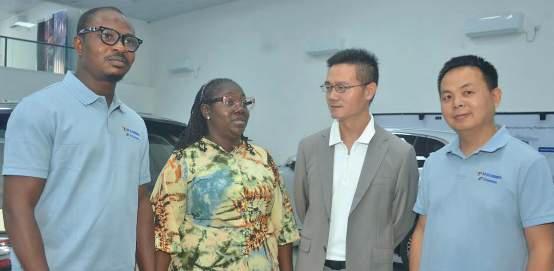
in the coming month,” he said.
Zhan further revealed that Tim Motors has a plan whereby people who purchase their vehicles can easily get support within a five-kilometre radius of their residence or offices. He added that the company has a professional team in China to easily source and deliver parts for their vehicles in Nigeria
Jetour has reinforced its commitment to customer satisfaction with the X70 Plug-in Hybrid Electric Vehicle (PHEV) by placing strong emphasis on after-sales support, long-term reliability and ownership peace of mind.
Beyond its fuel-efficient hybrid technology and environmentally friendly credentials, the model is backed by a comprehensive support structure designed to enhance the overall ownership experience.

Jetour Nigeria says the PHEV SUV is supported by solid after-sales services, including access to genuine spare parts and dedicated technical back-up. This ensures that owners enjoy dependable maintenance, quick turnaround times and professional support throughout the vehicle’s lifecycle.
The auto company lists its accredited dealers spread across Nigeria as Elizade Nigeria Limited, New Era AutoVehicle Services Limited, Kojo Motors, Germaine Auto Centre, Tab Autos Limited, R. T. Briscoe Motors and Mandilas Autos.
To further boost customer confidence, the brand is offering an extensive warranty of five years or 150,000 kilometres, whichever comes first.
The X70 PHEV is engineered to reduce ownership concerns commonly associated with electrified vehicles. Its multiple charging options—fast charging, slow charging, engine charging and brake force charging—help minimize reliance on external charging infrastructure while ensuring the battery remains optimally charged during regular driving.
The CEO opined that the future of energy vehicles is very bright in Nigeria, especially given the concerns about fuel costs and the current low penetration rate of electric vehicles in the country.
He further revealed that more Geely Galaxy brands would be introduced within the coming months, stating that the EX2, EX5 and EX5 EM-I were just the first brands being brought into the
market. He added that the technology of Chinese electric vehicles were better than those from Japan and yet they are 20 to 30 per cent more affordable. It will be recalled that Tim Motors recently introduced three Geely Galaxy models, the EX5 EM-i, the EX5, and the EX2, designed to meet diverse customer needs across the Nigerian market.
The EX5 EM-i is a smart family SUV that combines petrol and electric power for extended driving range of more than 1000km, reduced fuel consumption, and lower emissions. For Nigerian families who want to spend less time at the fuel station and more time on the road, the EX5 EM-i delivers. The EX5 is a value-focused mid-size SUV with a premium, tech-forward interior and over 430 km of driving range. The EX2 is an all-electric subcompact hatchback built for the realities of city life. Affordable, intuitive to drive, and remarkably efficient, it is the answer for commuters tired of fuel queues and rising running costs.
Geely has built a strong reputation for innovation, quality, and intelligent vehicle technologies across both New Energy Vehicle (NEV) and Internal Combustion Engine (ICE) markets. It ranks seventh globally by annual vehicle sales, with over 3.4 million units sold, placing it among the world’s most successful automotive manufacturers. Its footprint continues to grow across international markets.
Winpart by CFAO has been honoured with the prestigious Auto Aftersales Company of the Year Award at the 12th Nigeria Transport Lecture and Awards, a recognition that underscores the company’s unwavering commitment to excellence, innovation, and customer satisfaction in Nigeria’s automotive aftersales industry.
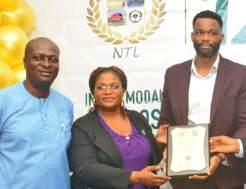
The event, held at the Radisson Blu Hotel, brought together major stakeholders and decisionmakers from across Nigeria’s transport ecosystem, including representatives from road, rail, maritime, aviation, and logistics sectors. The gathering featured distinguished personalities such as the National President of the Chartered Institute of Logistics and Transportation (CILT), Dr. Boboye Oyeyemi; the General Manager of the Lagos State Traffic Management Authority
Mr. Olalekan Bakare-Oki; and the Dean of the School of Transportation and Logistics, Professor Ogochukwu Ugboma, among other industry leaders. In addition to the company’s recognition, the General Manager of Winpart by CFAO, Mr. Eric Fantodji, received the Auto Aftersales Personality of the Year Award in acknowledgment of his leadership and contribution to advancing quality standards and professional service delivery within the automotive aftersales space. According to the company, the awards reflect Winpart and AutoFast dedication to providing motorists, fleet owners, and automotive professionals with access to genuine, high-quality spare parts, reliable technical support, and professional maintenance services through.
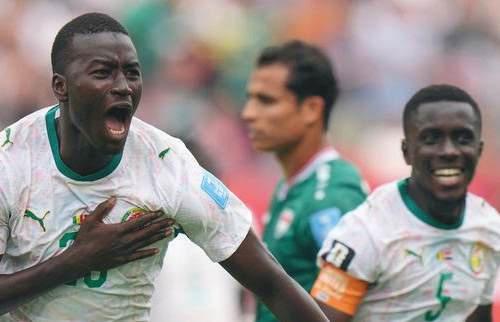
AfteranimpressiveperformanceforUdineselastseasonwherehekepta record10straightcleansheets in30appearancestohelpBianconeritoatophalffinishintheItalianSerieA.SuperEaglesgoalkeeper,MadukaOkoye maybeheadingforTurinafterSerieAgiants,Juventus,signifiedinterestin the26-year-oldshot-stopper.Andnottobecaughtunaware,Udinesehave startedshoppingforareplacementfortheNigerian
Ialian Serie A giants, Juventus have been linked with a move for Super Eagles goalkeeper, Maduka Okoye and Udinese have reportedly informed the Old Lady that they will only consider selling the Nigerian goalkeeper for a fee in the region of €15 million this summer.
Juventus are currently in the market for a new goalkeeper and have identified the Super Eagles shot-stopper as one of their top transfer targets ahead of the 2026/27 campaign.
The Turin giants had initially focused their attention on Aston Villa and Argentina international, Emiliano Martínez. However, difficulties surrounding a potential deal for the World Cup-winning goalkeeper have prompted Juventus to explore alternative options, with Okoye emerging as a serious candidate.
Okoye’s performances have not gone unnoticed, attracting interest from several clubs across Europe. Juventus are believed to be among the most determined suitors as they seek to strengthen their squad ahead of another title challenge and their return to European competition.
According to reports from Italian media outlets, Udinese value Okoye highly and are reluctant to let him leave cheaply.
The club has therefore placed a €15 million valuation on the former Sparta Rotterdam and Watford goalkeeper, a figure comparable to the amount Juventus are reportedly willing to spend on Martínez.
The 26-year-old shot-stopper is coming off an impressive campaign with Udinese, having played a pivotal role in leading the club to a 10th-place finish in the Italian top flight.
Okoye kept 10 clean sheets in 30 Serie A appearances, often producing moments of sheer brilliance to keep his side competitive.
His performances have not gone unnoticed, as former league champions Juventus are keen to secure his services on a permanent deal. As they look to strengthen their squad for the upcoming campaign, Okoye has emerged as a primary target.
The Nigerian international is currently valued at €9 million by Transfermarkt and has two years remaining on his contract.
Udinese have a reputation as a selling club and would likely be open to negotiations should a suitable offer arrive. In anticipation of a potential exit, they have already identified a replacement.
According to Sleeper Football News, the Kosta Runjaic’s side have identified Bologna goalkeeper, Federico Ravaglia as the ideal candidate to replace Okoye.
The 26-year-old developed through the Bologna academy but spent significant time on loan at various clubs, including Südtirol, Reggina, Gubbio, and Frosinone.
Despite his experience, he has yet to establish himself as a guaranteed starter. It remains to be seen whether he would be an effective replacement for Okoye, who has been outstanding for Udinese over the past two years.
Okoye’s stellar club form has also seen him solidify his position as the undisputed number one goalkeeper for the Nigerian national team.
It will be interesting to see how this transfer saga unfolds, as both Ravaglia and Okoye should have clarity regarding their futures in the coming weeks.
Meanwhile, Okoye has addressed talks about his future at Udinese amidst other interest from top clubs in Germany, England, and France.
Okoye’s performance at the club level, coupled with his displays in Nigeria’s friendlies against Poland and Portugal, just before the start of the 2026 FIFA World Cup, has put him on the radar of top clubs.
The Germany-born Nigerian has a contract with the Bianconeri that runs till the summer of 2028, and clarified that he’s focused is on his task with Udinese.
“I am really very happy at Udinese, and I really appreciate the association, all the employees, the beautiful city that has become my second home, and the people very much,” the former Watford goalkeeper said in an interview with Transfermarkt.
“Also, the peace and routine I found here. Of course, I still have goals in my career, but currently my head is complete at Udinese.
“I enjoy it without thinking too much about the future. In football, things can change quickly, and if it happens, I know that the club is well positioned, and I can still earn him a nice replacement.
“But until then, I’m 100 percent Udinese professional.”
According to the report, the agent of the 21-cap Super Eagles goalie has been contacted by clubs from all the top four leagues, including the Bundesliga, and top teams from the Turkish Süper Lig, but Okoye isn’t flattered.
“It is a good push for me as a person to know that you are in demand and that one or the other club is on the list.
“However, I leave this to my advisors, where I am in outstanding hands with Gabriele Giuffrida and Co. That’s their part, and I have absolute confidence in their work,” the former Düsseldorf goalie concluded.
Despite Nigeria not qualifying for the ongoing 2026 FIFA World Cup, the team’s goalkeeper, Okoye has become an overnight internet sensation after going viral for his smouldering good looks.
Standing tall at 1.9 metres (6ft 6 inches), Okoye caught the attention of the internet while playing a pre-World Cup friendly against Portugal earlier this month. His prematch walk in particular was clipped and shared online, garnering millions of views and earning him the label of “the sexiest footballer in the world”.
The 26-year-old player’s follower count on Instagram also climbed up to an impressive 1.3 million. “Honestly, I think I was not prepared for this because it was quite big. I have had some viral moments here and there, but nothing like this,” Okoye said in an interview with social media journalist Joy Ejaria via Ahlan Dubai about his new-found fame.
Okoye was born inAugust 1999, in Germany to a Nigerian father and German mother. The young footballer honed his talent on the pitch in Germany before joining the Dutch
professional football team Sparta Rotterdam in the Netherlands, where he was voted player of the season in 2020-2021, per Life After Football.
In 2023, Okoye joined Udinese Calcio, where he has been ever since. In 2025, Okoye was suspended from the sport for two months after he was investigated for match-fixing during a game against Lazio, a professional sports club, in 2024.
Given his good looks, Okoye is no stranger to receiving attention from women. “My priorities are somewhere else than being a fine boy. As a professional, you have to keep these things aside. You cannot combine sports with too much womanising,” he said. “It has always been a part of me because women have always been a little bit crazy about me. But I don’t really pay too much attention.”
Okoye keeps a low profile and has shared little about his private life. He was last linked to Jelicia Westhoff, a Dutch model, with whom he shares a son.
However, it’s unclear whether the pair are still together.
With the summer transfer window now gathering momentum, it remains to be seen whether Juventus and other suitors will meet Udinese’s asking price for Okoye.
Senegal boosted their chances of reaching the knockout stage of the World Cup with a 5-0 victory against 10-man Iraq.
The Lions of Teranga finished third in GroupIwiththreepoints to climb to fifth among thirdplaced teams, but they will still need results elsewhere to go their waytosecureaplaceinthelast32.
Senegal played a near-perfect game in Toronto as they looked to bounce back from defeats by France and Norway, and the result pushed Scotland down to ninth in the table of third-placed sides - with eight to advance to the next round.
Fast-starting Senegal opened
thescoringafteronlyfourminutes.
Abdoulaye Seck’s header from a corner took a decisive deflection off Sunderland midfielder Habib Diarra on its way past Iraq goalkeeper Ahmed Basil. Iraq’s problems were compounded nine minutes later when referee Anthony Taylor sent off defender Rebin Sulaka for pulling down Sadio Mane at the edge of the penalty area - deeming it denial of a goalscoring opportunity after a video assistant referee review.
Mane tested Basil from the resulting free-kick, but Pape Thiaw’s side, who needed goals
Ibrahim Mbaye, who was named in Senegal’s starting XI for their ongoing clash with Iraq, has joined an exclusive group of African footballers to have started a FIFAWorld Cup match aged 18 or younger — a prestigious list that notably features two Nigerian forwards.
According to Opta statistics, the PSG starlet has been listed among the youngest African players to start a FIFA World Cup match, placing his name
alongsideseveral historic teenage debutants from the continent.
However, Nigeria’s contribution to this elite list remains highly significant, with FemiOpabunmi andBartholomewOgbechebothoccupyingstandoutpositionsinWorld Cuphistory.
Opabunmiremainstheyoungest African player to start a World Cup match, having featured at just 17 years and 101 days old.
TheformerNigeriainternational madehisappearanceatthe2002FIFA
to improve their goal difference and thereby their chances of progressing to the next stage, failed to register another shot on target in the first half.
But they capitalised on former Manchester United midfielder Zidane Iqbal giving away possession at the edge of the box as Lamine Camara cut the ball back for Ismaila Sarr to apply a simple finish to make it 2-0 in the 56th minute. Their lead was extended three minutes later as Pape Gueye curled a left-foot strike into the top corner - his first involvement after coming on moments earlier.
World Cup, etching his name into the record books as one of the tournament’s most remarkable teenage starters. In third place is compatriot Ogbeche, who also represented Nigeria at the 2002 edition of the competition.
TheforwardstartedaWorldCup match at 17 years and 244 days, furtherreinforcingNigeria’sreputation for producing exceptional young talents capable of performing on football’s biggest stage.
Cameroon’s Salomon Olembé and Rigobert Song also feature in the list, highlighting Africa’s rich history of youthful participation at the global tournament.
Ousmane Dembele scored a superb hat-trick in 32 minutes as France defeated a rotated Norway side to finish top of Group I at the 2026 World Cup. Pre-match hopes that this game would be an epic showdown between Erling Haaland and Kylian Mbappe were quashed by the arrival of the teamsheets.
Norway manager Stale Solbakken made 10 changes after two group victories, including resting Manchester City forward Haaland, who has four goals in the tournament along with Mbappe. But into the narrative void stepped Dembele, who delivered the second-fastest men’s World Cup hat-trick ever with three goals of the purest quality.
It was the first time a player had scored three goals in the
opening half of a match in the tournament since Russia’s Oleg Salenko against Cameroon in 1994.
And it was the secondquickest World Cup hat-trick ever from the start of a match, behind Erich Probst’s 24-minute treble in 1954 for Austria against Czechoslovakia.
France were led by assistant coach Guy Stephan, with boss Didier Deschamps having returned home following the death of his mother.
They completely dominated the early stages and deservedly broke through in the seventh minute. Having won the ball in Norway’s half, Mbappe spread it wide right to Dembele in space. The Ballon d’Or winner squared up his marker and slammed home past Egil Selvik.
It was 2-0 in the 20th minute when Dembele completed a lightning counter-attack by cutting off the right-hand side on to his wizardly left foot and whipped a curling shot into the far corner.
Norway struck back within 79 seconds, the French defence declining to respond to an attack straight from the kick-off which ended in Rangers attacker Thelo Aasgaard sweeping the ball past a wrong-footed Mike Maignan.
But Dembele was far from
Results
Senegal 5-0 Iraq
Norway 1-4 France today
Uruguay v Spain
Cape Verde v Saudi Arabia
New Zealand v Belgium
Egypt v Iran
Davnotch Nigeria Limited, has pledged to ensure the continual development of tennis in Nigeria, through the sustenance of its perennial sponsorship of the Davnotch National Open Tennis Championship.
Managing Director, of Davnotch Limited, Mr Emmanuel Ochei, at a media interaction, heralding the grand-finale of the on going sixth edition of sponsorship
held at the Moshood Abiola national stadium Abuja, said that ,sportsdevelopmentrequires consistentinvestment,innovation and deliberate planning.
He stated that “future editions of the Davnotch National Open Tennis Championships will feature increased prize money and enhanced initiatives for players”.
Further, he opined that Davnotch’s association with
tennis in Nigeria is replete with high flying achievements, prominent amongst which is breaking of Nigeria’s 37-year jinx of not advancing to the group 2 level of the Davis Cup which was achieved recently by besting highly ranked Uzbekistan. This, according to Ochei, was facilitated by the products from previous editions of the Davnotch National Open Tennis Championship.
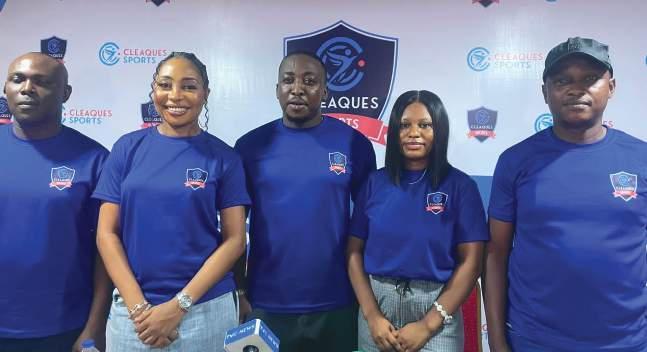
As Africa’s digital economy continues to expand, technology-driven platform, Cleaqes, has unveiled Cleaqes Sports, a new digital initiative designed to identify, showcase and connect grassroots sporting talents across Africa and the Caribbean with global opportunities.
Speaking at the launch, Head of Marketing at Cleaqes, Charity Owoh, described the company as more than just a platform, noting that it is a technology ecosystem created to connect Africa and the Caribbean with the rest of the world.
According to her, the growing global interest in African culture, business, tourism,
entertainment and sports presents enormous opportunities for the continent, and Cleaqes is positioning itself as a bridge between local communities and the global diaspora.
“Cleaqes is more than a platform; it is a technology that connects Africa and the Caribbean to the world. The diaspora space is huge, and many people want to engage withAfrican culture and know what is happening across the continent. Our goal is to showcase talents, businesses, creators, organisers and opportunities through technology,” she said.
Owoh explained that the company operates through several digital pillars, including Cleaqes Stories, Cleaqes
The 10th Chief Mike Nkwoji Memorial Golf Tournament concluded on a high note at Aba Sports Club 1926, bringing a decade of tribute toafittingclose.
Over 200 amateur golfers and top professionals competed throughtheday,withplaystarting at 7am and culminating in the symbolic hole 19 at 3pm, golf’s eternal reminder that there is always one more shot.
Representing the family’s enduring legacy, Iyom Ongodi Nkwoji and her son, Obi Nkwoji were present on the course, joining golfers in honouring Chief
Tourism, Cleaqes Events,Afro-rated Podcast and the newly launched Cleaqes Sports.
Shenotedthatthetourismplatform serves as a digital marketplace where users can discover destinations, book travel experiences, access trusted service providers and explore unique attractions across Africa and the Caribbean.
According to her, the platform addresses one of the biggest challenges faced by travellers and consumers— accesstoreliableandverifiedvendors.
“Wearebringing users and trusted vendors together, making it easier for people to find authentic experiences across Africa. There are still many hidden gems that people have not discovered, and technology can help unlock those opportunities,” she stated.
Mike’s contributions to the club and community.
Edeh Michael with a net score of 76 emerged winner in the category one while S. T. Ajah placed second with 77 net just as U.C Anuruo settled for third after playing 81 net.
The category two trophy went to Ronnis Eronini (hcp 14) who played 69 net, Orji Nwokeka and Mike Jaja placed second and third, respectively. Category three had OssyAdubasim as winner, while Anowa Kingsley and Grando Timitimi were second and third prize winners.
Samuel Udensi beat Martins Orizu on count-back to clinch the category four as they both played 80 net, while golf section captain, BonaAnyadiasosettledfor thirdposition.Otherwinnersincluded OgbenIfeanyiintheveteranmen.Jerry OKaluwonthesuperveteranmen. SusanCole-Kotas(hcp15)with83 netwontheladieshcp0-18category ahead of Love Okoho (hcp 11) who played89netwhileOsinachiNdukwu (hcp14)spottedthirdwith90net. The ladies hcp 19 - 28 category featuredUwaborAngela (hcp 22) as winner. Ebere Omeziri (hcp 34) lifted ladies hcp 29 - 36 category trophy. Ifeyinwa Udeagbale and Martha Umeweni won the veteran and super veterans ladies, respectively.
To understand why Tracy Chappelle, better known as Chief Suo’s commentary is such an unmatched vibe, one must look beyond her electric delivery to her unique English and Literature background. She does not merely translate the game; she deconstructs it. Where standard commentary relies on clinical, dry analysis, Chief Suo uses her literary foundation to treat the pitch as an open page with endless possibilities. Her training allows her to spot the hidden subtexts of a match; the quiet psychological warfare between a striker and a goalkeeper, or the structural irony of a defensive team suddenly caught on the counter-attack.
She applies classic narrative arcs to 90 minutes plus of football, building suspense during midfield stalemates and delivering explosive climaxes when the net bulges. By pairing rigorous tactical evaluations
with spontaneous, poetic outbursts, she elevates everyday Warri pidgin, with a healthy nod to Nigeria’s vast spread of local dialects into a structured, premium broadcast language.
“No Be Juju Be That? Kpoko!!!”- Inside the Commentary Box.
To truly appreciate the Chief Suo phenomenon is to hear her process the frantic action of a high-stakes World Cup match in real-time. Here is how she
breaks down the tactical chaos into instant, viral gold:
On a Masterful Midfield Playmaker: “Okpo Oyibo go say dis onenatelepathicsorcery!Baba just thread that ball through needle eye, no be juju be that?”
On a Stumbling Defender Caught Out of Position: “Dem don lost defender for supermarket! He still dey look for price tag when striker don already collect change, pack luggage, run comot, omoshor!”
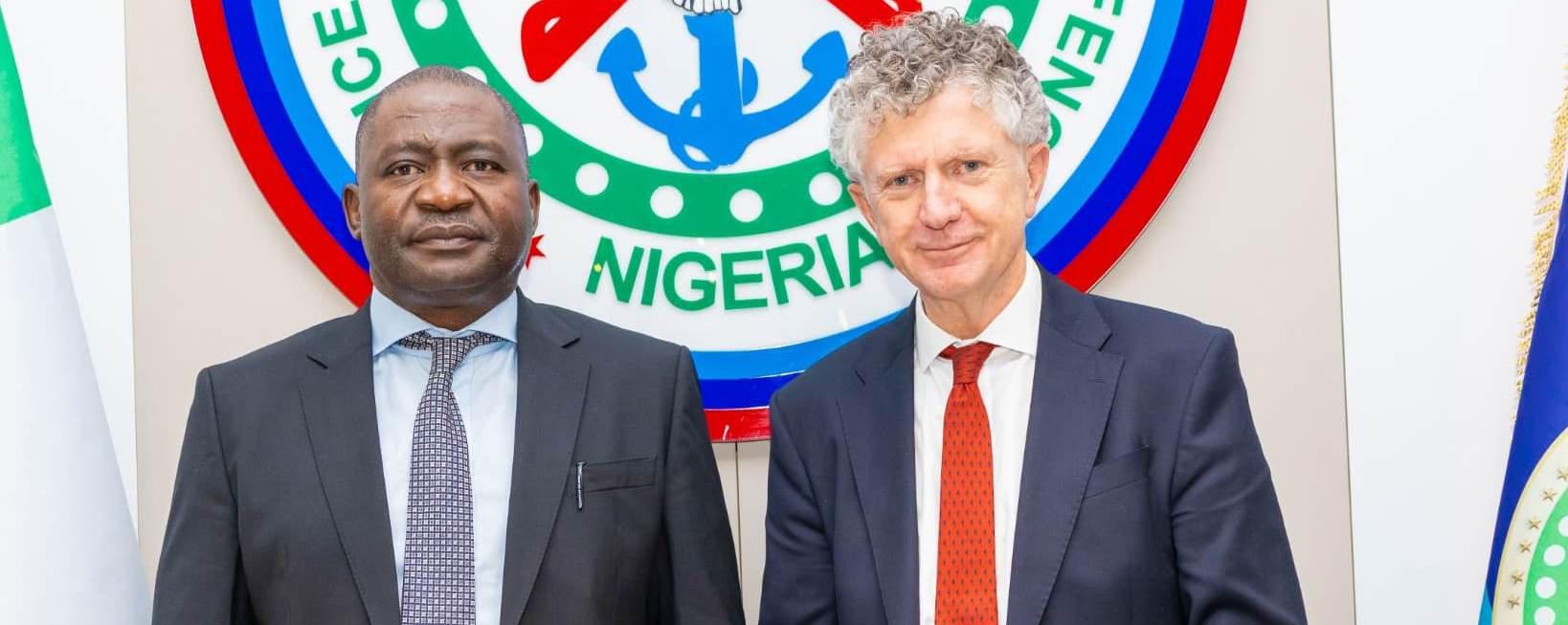
Our task in today’s engagement on this page is to say three things essentially. The first is that the current Comptroller-General of the Nigeria Customs Service (NCS), Dr Bashir Adewale Adeniyi (MFR) has shown exemplary leadership, innovative policy initiatives and unmistakable capacity for global competitiveness. The second is that he stands forth today as a professional who understood a system, grew through the ranks in it, and deliberately set out to honestly reinvent and upgrade it. Finally Adeniyi can be described as one of our best in
public service today, by any standards; and one whose tenure extension is well-deserved. It is most probably because he is accomplished at home and recognized by his proven capacity to lead customs service globally that he got the further months tenure extension announced by the Presidency about a week ago. This marked the third intervention of tenure for the man. His tenure, which was due to expire on August 31, 2025, was extended by one year. That was in July, last year. Then, as mentioned earlier, the President granted yet another six-month tenure extension for him, until February 2027.
Adeniyi is currently the Chairperson of the World Customs Organization (WCO). He is expected to use this new extension to fully consolidate ongoing reforms and complete some critical, sector-defining initiatives of his administration. The ongoing modernisation of the Nigeria Customs Service (NCS), for instance, is so fundamental and so far gone in detailed execution that putting it under the possible risk of derailment via a leadership transition at a time of political gymnastics and electoral
Continued on page 27
Leadership is often measured by electoral victories, political alliances and the ability to navigate the complex terrain of governance. Yet, history reserves its highest honours for leaders whose impact transcends politics. That is, those who build institutions, inspire confidence, create opportunities and leave enduring legacies that outlive their tenure. It is within this context that the leadership of Lagos State Governor, Babajide Sanwo-Olu, deserves to be examined. As he marked his 61st birthday two days ago,
the occasion presented an opportunity to reflect on a style of leadership that has increasingly distinguished itself through pragmatism, empathy, resilience, respect and an unwavering commitment to public service.
Lagos is a unique state. The state which is home to more than 20 million persons continues to expand as climate change and insecurity push more persons and families to south-western Nigeria, even as people migrate in search of greener pastures. Party? Lagosians party hard. Equally, the city’s music industry has also


conquered the world while the dynamism of its entrepreneurial spirits
Another unique aspect of Lagos rarely spoken about is its remarkable religious tolerance. Most of the biggest churches in the country and the world are located here. Mosques are situated in almost every corner, just as the adherents to traditional practice do their thing in peace. That is why Lagosians will tell you that there is no city like Lagos and argue that the megacity does not lack anything.
Yet, beneath its vibrancy lies a unique set of challenges. From perennial traffic congestion
and the pressures of rapid urbanisation to an ever-growing population driven by migration from every part of Nigeria and beyond, the demand for housing, transportation, healthcare, education, security and other critical infrastructure continues to rise. Balancing these competing demands while sustaining economic growth and maintaining the state’s status as Nigeria’s commercial capital remains one of the greatest tests of leadership in Lagos. That is why governing such a dynamic