Supreme Court Orders Lawyers to Stop Using ‘Barrister’ as Name Prefix
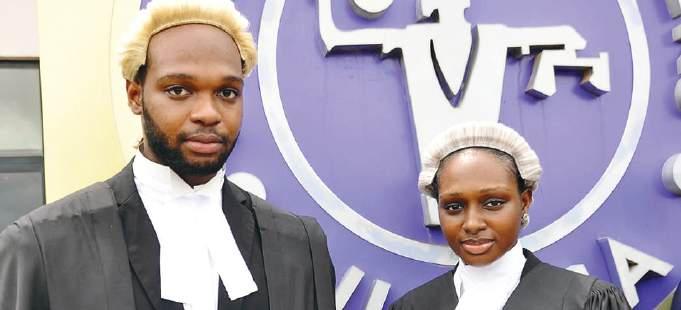
The Supreme Court has directed lawyers in the country, to henceforth desist from using the title “Barrister” as a prefix to their names, in all official correspondence and engagements at the Supreme Court. The directive by the Chief Justice of Nigeria, Justice Kudirat Kekere-Ekun, was contained in an internal memorandum dated July 13, 2026, and signed by the Chief Continued on
Criminals, Apprehend
Troops of the Nigerian Armed Forces neutralised over 102 terrorists and criminal elements across various theatres of operation in July, as part of ongoing efforts to tackle insecurity and restore peace across the country, the Defence Headquarters (DHQ) has said. The development comes as the federal government announced plans to establish a shared regional security database and deploy drones, CCTV and other technology in the southeast to
Alex Enumah in Abuja
Linus Aleke in Abuja and Ahmad Sorondinki in Kano and Boniface Okoro in Umuahia
NNPC's June Profit Rose 16% to N535bn, Statutory Transfers Hit N6.29trn
Emmanuel Addeh in Abuja
The Nigerian National Petroleum Company Limited (NNPC) recorded a Profit After Tax (PAT) of N535 billion in June, up from N462 billion in May, representing an increase of about 16 per cent monthon-month.
This comes as Seplat Energy Plc also released its financial performance for the first half of 2026, with PAT soaring by 498 per cent year-on-year to $164 million, buoyed by stronger crude oil prices, improved production and robust operational performance.
The NNPC in its monthly report summary released yesterday stated that its cumulative statutory payments to the federation also rose to N6.286 trillion in the first six months of
Registrar of the Supreme Court, Mr Kabir E. Akanbi, a copy of which was seen yesterday.
this year, while total revenue increased from N4.335 trillion in May to N4.389 trillion in June.
A THISDAY analysis of the report indicated that the jump of total remittances from N4.858 trillion recorded in May to N6.286 trillion in June reflected an additional N1.428 trillion transferred during the month.
Operationally, crude oil and condensate production was 1.72 million barrels per day in June from 1.73 million bpd in May, while natural gas production increased from 7,774 million standard cubic feet per day (mmscf/d) in May to a 7,841 mmscf/d in June.
Besides, gas sales improved marginally to 4,970 mmscf/d in June from 4,921 mmscf/d in
The directive issued to all litigation staff, legal practitioners, court registrars and lawyers was titled: “Prohibition of The Use of The Title Barrister as a Prefix to Names.”
combat kidnapping, armed robbery and other crimes.
However, even as security agencies intensify efforts to curb terrorism and violent crime, fresh concerns are emerging over politically motivated violence ahead of the 2027 general election, with reports indicating that some political actors are recruiting and mobilising armed groups in parts of the country.
Furthermore, the DHQ also disclosed that troops arrested 345 terrorists and criminals, rescued 393 kidnapped civilians and recovered 59 arms and 1,118 rounds of ammunition during the period.
The Director of Defence Media Operations (DMO), Maj.-Gen. Michael Onoja, disclosed this yesterday, during the monthly operational briefing, adding that 57 insurgents surrendered to troops within the month.
Providing a breakdown of the operations, Onoja said troops in the North-East neutralised 54 fighters, arrested 102 terrorists, rescued 102 kidnapped victims and facilitated the surrender of
(H1) of 2025.
For the NGX, as at the close of trading activities yesterday, the market capitalisation of listed stocks closed for trading at N158.326 trillion, representing an increase of N58.9 trillion or 59.32 per cent, compared with the N99.376 trillion it closed for trading in 2025.
Of the N158.326 trillion market capitalisation, Airtel Africa Plc and seven other blue chip stocks controlled 63.98 per cent or N101.29 trillion of the Nigerian stock market. The market capitalisation of
set to sell 10% stake to national oil company
May, reversing the slight decline recorded in the previous month.
In terms of downstream operations, the data showed that petrol availability across NNPC Retail Limited stations declined to 53 per cent in June from 57 per cent in May.
The also report showed further progress on major gas infrastructure projects, as the Obiafu-Obrikom-Oben (OB3) gas pipeline project advanced from 97 per cent completion in May to 98 per cent in June, with the final tie-in works on the River Niger crossing ongoing to ensure first gas in August 2026.
Also, the NNPC announced that the Ajaokuta-Kaduna-Kano (AKK) gas pipeline remained at 94 per cent completion, with stakeholder collaboration being sustained to expedite
The apex court predicated its decision on the grounds that the usage was inconsistent with the standard of professionalism expected within the apex court.
The memo read in part, "I am directed by the Honourable Chief Justice of Nigeria to notify all Litigation Staff, Legal Practitioners, Court Registrars, and Lawyers that the use of the title "Barrister" as a prefix to names is inappropriate and inconsistent with the standards of professionalism expected within the Supreme Court of Nigeria.
57 insurgents and their families.
In the North-West, troops under Operation Fansan Yamma neutralised 33 fighters, arrested 66 terrorists and rescued 191 kidnapped victims. Similarly, troops operating across the three theatres in the North-Central region killed 15 terrorists, arrested 148 suspects and rescued 53 victims during the month under review.
In the South-South and South-East regions, troops rescued a combined total of 47 victims, comprising 37 in the South-South and 10 in the South-East, while 29 criminal elements were arrested—three in the South-South and 26 in the South-East.
Onoja also disclosed that troops of Operation Delta Safe sustained anti-kidnapping and economic protection operations across Akwa Ibom, Edo and Rivers States, dismantling 18 illegal refining sites and recovering over 250,500 litres of petroleum products.
He said that on July 4, troops dismantled a major
Airtel Africa closed at N21 trillion, followed by MTN Nigeria Communications Plc with market capitalisation of N17.57 trillion.
Dangote Cement Plc came third with market capitalisation of N17.45 trillion and BUA Foods Plc, N15.21 trillion market capitalization as of July 31, 2026.
The market capitalisation of BUA Cement Plc stood at N10.7 trillion; Seplat Energy Plc - N6.82 trillion; First Holdco Plc - N5.89 trillion and HBM
Nigeria Plc - N5.85 trillion. Consequently, the major
construction and installation activities towards achieving early gas delivery to Abuja.
Meanwhile, Seplat Energy Plc has released its financial performance for the first half of 2026, with PAT soaring by 498 per cent year-on-year to $164 million, buoyed by stronger crude oil prices, improved production and robust operational performance.
Seplat also announced that it had reached an agreement to sell a 10 per cent interest in the NNPCL-SEPNU Joint Venture (JV) to the Nigerian National Petroleum Company Limited (NNPC) in a transaction valued at $281.6 million.
According to the company, the NNPC deal, expected to close in the second half of the year, would significantly enhance
shareholder returns, with total planned dividends for 2026 projected to rise to 68.3 cents per share, equivalent to about $410 million and representing a 173 per cent increase year-on-year.
The indigenous energy company, listed on both the Nigerian Exchange (NGX) and the London Stock Exchange (LSE), also recorded a 30 per cent increase in revenue to $1.82 billion from $1.398 billion in the corresponding period of 2025, while cash generated from operations climbed 29 per cent to $985.9 million.
The company declared a total interim dividend of 12 US cents per share for the second quarter of 2026, comprising a core dividend of 5 cents and a special dividend of 7 cents, marking its highest-ever quarterly
"Consequently, all officers concerned are hereby directed to discontinue the use of the title "Barrister" before their names in all official correspondence, records, documents, identity materials, and any other official engagements with immediate effect".
The memo further advised Heads of Departments and Unit Heads to ensure that all officers under their supervision comply strictly with the directive.
dividend payout.
Average production during the period rose 4 per cent to 139,509 barrels of oil equivalent per day (boepd), from 134,492 boepd recorded in the first half of 2025. The output remains comfortably within Seplat's full-year production guidance of between 135,000 and 155,000 boepd.
In the same vein, working interest production comprised 99,518 barrels of oil per day and 182.9 million standard cubic feet of gas per day during the review period.
Second-quarter production strengthened further, averaging 149,070 boepd, representing a 9 per cent increase compared to the corresponding period of last year and a 15 per cent improvement over the first quarter of 2026.
illegal refining complex in the Egboama/Ogbogolo area of Ahoada West Local Government Area of Rivers State, deactivating three refining sites and recovering stolen crude oil and illegally refined Automotive Gas Oil.
"This was reinforced on 5 and 7 July with the deactivation of two other illegal refining sites within the Orashi National Forest.
Troops discovered additional illegal refining sites within Ogbogolo community, Ahoada East LGA, during operations conducted from 11 to 22 July.
"Specifically, anti-oil theft operations conducted on 19 and 22 July resulted in the discovery of five illegal bunkering camps at Egboama and Egbogolo areas. Subsequently, approximately 25,000 litres of stolen crude and 2,000 litres of suspected illegal Premium Motor Spirit at Okrika, Okrika LGA, were recovered.”
Security Summit: FG to Establish Regional Database, Deploy Drones, CCTV, in Southeast
market indicator, the NGX All Share Index closed for trading yesterday at 245,283.68 basis points , which was 89,670.65 basis points or 57.6 per cent higher, when compared with the 155,613.03 basis points it closed for trading last year.
The growth in Nigeria’s stock market has been influenced by stability in the foreign exchange market, the Central Bank of Nigeria (CBN) retaining interest rate at 26.50 per cent, impressive earnings by listed companies, among other reforms by market capital regulators.
Meanwhile, the federal government has announced plans to establish a shared regional security database and deploy drones, CCTV and other technology in the Southeast to combat kidnapping, armed robbery and other crimes.
This was contained in a communique issued at the end of the maiden one-day Southeast Regional Security Summit 2026 held in Umuahia on Thursday, July 30, 2026. The summit had as theme: “Collaborative Approaches to Strengthening Security and Regional Stability.”
Convened by the Ministry of Defence in collaboration with the Office of the Senior Special Assistant to the President on Community Engagement, South-East, and hosted by the Abia State Government, the summit observed that although security in the region had improved, threats persist from kidnapping, armed robbery, politically motivated violence, attacks on security personnel, illicit arms proliferation, cultism,
Sectoral performance showed that the oil and gas index emerged as the bestperforming segment on the Exchange posting a year-todate (YtD) return of 96.3 per cent to 5,242.33 basis points, significantly outperforming the broader market.
The NGX Industrial goods index followed closely with a 85.44per cent YtD gain to 10,525.17basis points, reflecting strong price appreciation in cement and construction-linked counters.
The NGX banking index
To ensure full implementation of the directive, the Chief Justice also directed supervisory officers to enforce compliance.
drug abuse, misinformation and violent enforcement of unlawful sit-at-home orders.
Delivering the communique, Special Assistant to the Minister of Defence, Rear Admiral Oluwale Bankole, Rtd, said insecurity in the Southeast transcends state boundaries, making isolated state-level responses inadequate.
“No single government, no single institution, no single security agency or state can effectively address the prevailing security challenges without sustained regional collaboration, coordinated action, and the active participation of all stakeholders,” he said.
On implementation, Bankole said the Minister of Defence has set up a technical team to develop an implementation framework. He explained that the Southeast summit would be harmonised with similar regional engagements, with the next scheduled for North-Central in Makurdi on August 30 and 31.
Key implementation measures agreed included the development
also recorded a solid 66.7 per cent YtD return to 2,527.59 basis points , buoyed by recapitalisation expectation and earnings momentum, while the NGX consumer goods index rose by 10.82 per cent YtD to 4,405.53 basis points.
The data by NGX revealed that the NGX Insurance Index inched up by 0.9 per cent in its YtD growth to close July 31, 2026 at 1,200.08basis points.
Analysts noted that the relative stability in the foreign exchange market, alongside moderating inflation expectations
The memorandum added, “Heads of Departments and Unit Heads are requested to ensure strict compliance with this directive by all officers under their supervision. Please be guided accordingly.”
of a shared regional database of wanted persons, criminal networks, kidnappers, arms traffickers, drug dealers, stolen vehicles and other assets linked to crime.
“We cannot operate without a database. Even if you go into technology, we all need to be on one data, so that if you are committing a crime in Enugu, it can be detected in Abia,” Bankole said, adding that National Identity Management Commission (NIMC) officials had already met with the Minister to discuss integration.
The summit also called for greater investments in drones, geospatial mapping, CCTV systems, automated vehicle identification, digital databases, emergency communication platforms, and professionally managed surveillance infrastructure, noting that checkpoints alone were insufficient against mobile and technologically enabled criminal groups.
Continued on page 6
and improved liquidity conditions, also encouraged portfolio rebalancing in favour of equities.
They argued that the expectation of robust half year 2026 corporate earnings, particularly from large-cap industrial firms, played key roles in sustaining the upward trend. This was in addition to increased retail participation, driven by growing financial literacy and easier access to trading platforms, which has helped to boost market liquidity.
PEACE SUMMIT...
Ghana's Govt Backs Five-year Presidential Term, Lowers Minimum Age to 35
Ghana has finalised moves to increase presidential term to five years as well as reduce the age limit for eligibility to 35 years.
According to news monitored on AFP, the scheme had been on the front burner for a while before its acceptance thereby changing the political landscape of the West African country.
Ghana is arguably one of Africa’s leading gold and cocoa producers, and has maintained a stable democratic system since 1992.
The change emanated from the report of a committee set up by President John Dramani Mahama to review the constitution and
submitted their report Thursday.
“The government has accepted the recommendation to extend the term of office of the president from four years to five years,” Justice Minister Dominic Ayine told journalists.
The committee further recommended a commensurate increase in the tenure of lawmakers of the country to tally with the term of the president to avoid a lacuna in electoral times.
Although the committee recommended lowering the minimum age for presidential candidates to 30, Ayine said the government would instead adopt 35.
The Constitution Review
Obasanjo: Picking Atiku as Running Mate Biggest Mistake of My Life
Former President Olusegun Obasanjo yesterday described his decision to choose former Vice President Atiku Abubakar as his running mate in the 1999 presidential election as the greatest mistake of his political career.
Obasanjo made the remark in Lagos during a fireside chat with Charles Oputa, popularly known as Charly Boy, at the unveiling of the Charly Boy Foundation and the launch of his memoir, ‘999: A Memoir in Tribute to Late Justice Chukwudifu Oputa.
Obasanjo and Atiku were elected on the platform of the Peoples Democratic Party (PDP) in 1999 and served as president and vice president until 2007.
Reflecting on his years in office, the former president said with the benefit of hindsight, he would not have selected Atiku as his vice-presidential candidate.
“I would say the greatest mistake I made was picking Atiku Abubakar as my vice president in 1999,” Obasanjo said.
He, however, stressed that he harboured no bitterness over the fallout in their relationship, expressing gratitude that the challenges arising from it did not derail his administration.
“There is no bitterness in me over what happened. Despite everything, I was able to achieve what I set out to achieve while in power,” he said.
Obasanjo also addressed the long-standing debate about his ancestry, maintaining that his parents were from Abeokuta, the Ogun State capital.
“I still know our family house there,” he said.
The event drew several prominent personalities, including former Commonwealth SecretaryGeneral Chief Emeka Anyaoku; the presidential candidate of the National Democratic Congress (NDC), Peter Obi; Chairman of Zinox Group, Leo Stan Ekeh; book reviewer Dr. Austin Tam-George; and veteran broadcaster Bisi Olatilo, among other dignitaries.
Committee said a four-year presidential cycle can leave an administration with “a little over two years” of effective governing
time, as the first six months can be taken up by appointments and the final year by elections. It said a five-year term could
also “strengthen democratic accountability” by giving governments more time to deliver.
A national referendum in 2027 will be required to pass the changes, with strict voter turnout and approval thresholds.
Makinde Inaugurates Judicial Commission of Inquiry into Oriire Abduction
The Oyo State Governor, ‘Seyi Makinde, yesterday inaugurated a Judicial Commission of Inquiry to investigate the circumstances surrounding the recent abduction of schoolchildren and teachers in the Ahoro Esinele and Yawota communities of Oriire Local Government Area.
The commission is chaired by Hon. Justice (Prof.) Mojeed Owoade (rtd), a former Justice
of the Court of Appeal, with Mrs. Olamide Sandra Tella serving as Secretary.
Other members are Prof. Jibril Ibrahim, Mrs. Ayo Obe, AIG Ngozi Onadeko (rtd), Mr. Abimbola Orogade, Major Gen. Sanusi Nasir Muazu (rtd), and Mr. Folorunsho Osunrayi.
Makinde while speaking at the inauguration, held at the Executive Chamber of the Governor’s Office, Secretariat, Agodi, Ibadan, emphasised that the incident was not merely
an attack on two communities but an assault on the right of every Nigerian child to learn in safety, and on the confidence of parents who send their children to school daily.
The governor expressed gratitude for the safe return of the victims and explained that the establishment of an independent commission was aimed at ensuring that all lessons are learned and all pertinent questions answered. He stressed that the initiative
was not intended to diminish the efforts and sacrifices of security agencies.
Makinde charged the commission with the responsibility of establishing the facts, identifying institutional or operational lapses, and recommending measures to strengthen the protection of schools and communities across Oyo State. He underscored that the commission’s work is critical to preventing a recurrence of such tragedies.
Blessing Ibunge in Port Harcourt
Nobel Laureate, Prof. Wole Soyinka, former Minister of Aviation, Chief Osita Chidoka, and former Managing Director of the Niger Delta Development Commission (NDDC), Timi Alaibe, have called for a national rebirth
anchored on accountability, justice and civic courage.
They insisted that Nigeria cannot overcome its governance challenges without ending impunity and restoring respect for human life.
The call was made yesterday, at the 28th Wole Soyinka Lecture Series and
National Association of Seadogs (NAS) Martyrs' Day in Port Harcourt, Rivers State, where Chidoka delivered the keynote lecture on the theme, ‘Reclaiming the Nigerian State through Accountability, Justice and Civic Courage’.
Speakers at the event agreed that their experience underscored the need to build
a Nigerian state where no citizen would again suffer arbitrary abuse of power. In his remarks, Soyinka said the gathering was dedicated to victims of state brutality, extrajudicial killings and mob violence, stressing that the value of every human life must remain the foundation of any democratic society.
ECOWAS Bank Supports Bauchi's Economic Transformation with $91.6m Transport Infrastructure Facility
Dike Onwuamaeze
The ECOWAS Bank for Investment and Development (EBID) and the Bauchi State Government have signed a financing agreement of
$91.63 million to support the implementation of the Bauchi State Transport Infrastructure Financing Programme (BSTIFP).
The agreement was signed at EBID Headquarters in
Lomé, Togo by the President and Chairman of the Board of Directors of EBID, Dr. George Agyekum Donkor and the Governor of Bauchi State, Senator Bala Abdulkadir Mohammed.
Under the agreement, EBID would provide financing of $91.63 million for the construction and completion of 24 strategic road and bridge projects across Bauchi State.
Kemi Olaitan in Ibadan
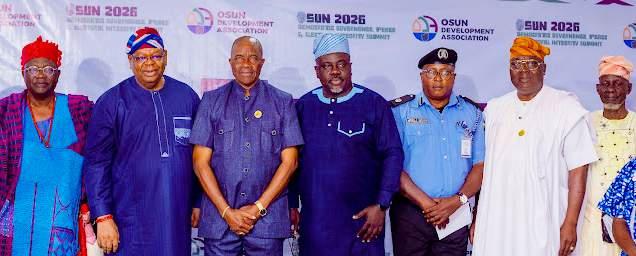
L-R: Alayeluwa Oba, Dr Adedokun Abolari Orangun of Oke Ila Orangun; Vice Chairman of Osun Development Association (ODA), Dr Tunji Olugbodi; Osun State Deputy Governor, Kola Adewusi; DG, Dawn Commission, Dr. Seye Oyeleye; Rep of Osun State Commissioner of Police, ACP Ademola Adebayo; Osun State Commissioner for Commerce and Industry, Bunmi Jenyo; and Representative of the President of Osun Muslim Community, Alh. Abdukareem Gafar at the Electoral Integrity and Peace Charter Summit organised by Osun Development Association ahead of the Governorship Election in Osun State...recently
QUARTERLY REVIEW WORKSHOP...
2027: Peter Obi Urges Nigerians to Defend Their Votes, Says Poverty Worsening Daily
The presidential candidate of the Nigeria Democratic Congress (NDC) for the 2027 general elections, Mr. Peter Obi, has urged Nigerians to defend their votes at the polls, insisting that the outcome of the election would ultimately depend on the resolve of the electorate rather than the Independent National Electoral Commission (INEC).
He also lamented the worsening poverty and hunger
in the country, describing the quest to change Nigeria as "the ultimate sacrifice" in the face of deepening economic hardship.
Obi disclosed this yesterday, after attending the burial service of the late Pa Okaji Simon Okorie Abaa, father of the NDC senatorial candidate for Ebonyi South, Chief Linus Okorie, at Isiama Primary School, Onicha Igboeze, in Onicha Local Government Area of Ebonyi State.
Speaking on preparations for the 2027 general elections, Obi
Access Bank Debunks Fake Shutdown Notice
Nume Ekeghe
Access Bank Plc has dismissed as false a purported shutdown notice circulating on social media and WhatsApp, reassuring customers, investors and other stakeholders that the bank remains financially strong and fully operational.
In a statement by the bank, they described the message, which falsely impersonated its official communication channels, as misleading and intended to cause panic and disrupt business activities.
The bank stressed that all its operations across subsidiaries remain unaffected, while customer services continue to run seamlessly.
It states, “We wish to reassure our customers, partners, stakeholders, and the public that Access Bank is safe, financially strong, and fully operational across
all our subsidiaries. Our services continue to run seamlessly, and we remain committed to serving our customers with the highest standards of excellence.
“We are working closely with the relevant regulatory and law enforcement authorities to identify those responsible for creating and spreading this false information to cause panic and business disruption. Appropriate legal action will be taken in accordance with applicable laws and regulations.
“We also remind members of the public that creating, publishing, and disseminating false information capable of causing public alarm, damaging reputations, or undermining confidence in institutions constitutes an offence under Section 24 of the Cybercrimes (Prohibition, Prevention, etc.) (Amendment) Act, 2024.”
said his confidence was not in INEC alone but in Nigerians' determination to defend their votes.
He described his relationship with Linus Okorie as longstanding, recalling that they had worked together in the Labour Party before joining the NDC.
"We have worked together before in the Labour Party
and now we are in the NDC. That shows we have a close relationship. We are here today to pay our last respects to his late father.
"I pray that God Almighty, who gave Papa a long life and has now called him home, will grant him eternal rest and give the family and all of us the fortitude to bear this irreplaceable loss. May God continue to bless
the family," Obi said.
"It is not about confidence in INEC. Do I still have confidence in the people? Because it is the people that will determine what INEC will do. If the people insist that their votes will count, their votes will count.
"It is for Nigerians to look at what is happening in the country today and ask themselves what the future holds for our children
in this enterprise called Nigeria. Are we going to continue in this direction? Anybody talking about changing Nigeria today is making the ultimate sacrifice because we cannot continue like this," he added.
The former Anambra State governor lamented the worsening economic situation, saying poverty and hunger had reached alarming levels.
Domestic Gas Delivery Rises to
2.05
Bcf/d as NUPRC Plans Swap Framework
Emmanuel Addeh in Abuja
Nigeria's average Domestic Gas Delivery Obligations (DGDO) performance rose to 2.05 billion cubic feet (Bcf) per day in the year to June 2026, the Nigerian Upstream Petroleum Regulatory Commission (NUPRC) disclosed yesterday.
A statement by the NUPRC spokesman, Eniola Akinkuotu, said the Commission's Chief Executive, Mrs. Oritsemeyewa Eyesan, announced this at a stakeholders' workshop on the ‘Gas Swap Framework
for Domestic Gas Delivery Obligation’ held in Abuja.
The workshop was convened to deepen stakeholders' understanding of the proposed gas swap framework as a practical mechanism for improving compliance with DGDO requirements and to obtain industry input on its implementation.
Represented by the Executive Commissioner, Development and Production, Enorense Amadasu, Eyesan described the DGDO as one of the country's most important
NAHCON: S'Arabia's
policy instruments for ensuring that gas produced in Nigeria supports domestic economic growth.
Providing an update on the programme, she said that of the approximately 63 gas-producing companies in the country, 27 had been allocated DGDO volumes, while only 23 were actively supplying gas to domestic customers.
According to her, average domestic gas deliveries stood at 2.05 Bcf per day against a DGDO allocation of 3.16 Bcf per day as of June 2026, representing
a performance level of about 65 per cent.
"The YTD June 2026 data, however, shows that a broader allocation base does not automatically translate into actual delivery. This delivery gap underscores the need for practical, innovative and market-responsive solutions that protect the integrity of the obligation while enabling real physical delivery of gas to domestic users. It is in this context that the proposed gas swap framework becomes especially important," she said.
Proposal for Nigerian Pilgrims' Migration to Private Tour Operator Model to Be Phased
Deji Elumoye in Abuja
The National Hajj Commission of Nigeria (NAHCON) has said the proposed business-to-
business model for future hajj operations recommended by the Saudi Ministry of Hajj and Umrah will be implemented in phases.
NHRC Flags Implementation Gaps, Moves to Reset Human Rights Strategy
Michael Olugbode in Abuja
The National Human Rights Commission (NHRC) yesterday launched a comprehensive review of its 2024–2027 Strategic Plan, admitting that while significant progress has been made in expanding human rights protection across Nigeria, implementation gaps, weak monitoring systems and limited institutional capacity continue to hinder the full realisation of its mandate.
The commission said the mid-term assessment marks a decisive effort to recalibrate
its strategy midway into the four-year plan, with a renewed focus on improving access to justice, strengthening accountability and enhancing protection for vulnerable and marginalised groups.
Opening a consultative stakeholders’ meeting on
the presentation of the Mid-Term Review of the Strategic Plan in Abuja, the Executive Secretary of the commission, Tony Ojukwu (SAN), described the exercise as a critical turning point in determining whether the commission is delivering on its promises to Nigerians.
Chairman of the Commission, Ambassador Ismail Abba Yussuf, who made the disclosure yesterday, while speaking with journalists at the State House, Abuja, noted that the sudden planned migration of 98 per cent of the country's traditional public Hajj quota to a private tour operator framework will not be feasible given the long-established public administration system managed by NAHCON and the State Muslim Pilgrims' Welfare Boards. He said though the commission has received an official policy communication
from the Saudi authorities about the decision, it is proposing a phased implementation of the new arrangement due to the significant economic and operational risks.
Yussuf explained that the structural shift of the proposed policy would undermine existing Government-toGovernment understandings, disrupt established operational arrangements, weaken the statutory role of State Pilgrims' Welfare Boards, and adversely affect the affordability, accessibility, and orderly management of Hajj for ordinary Nigerian
Benjamin Nworie in Abakaliki
pilgrims.
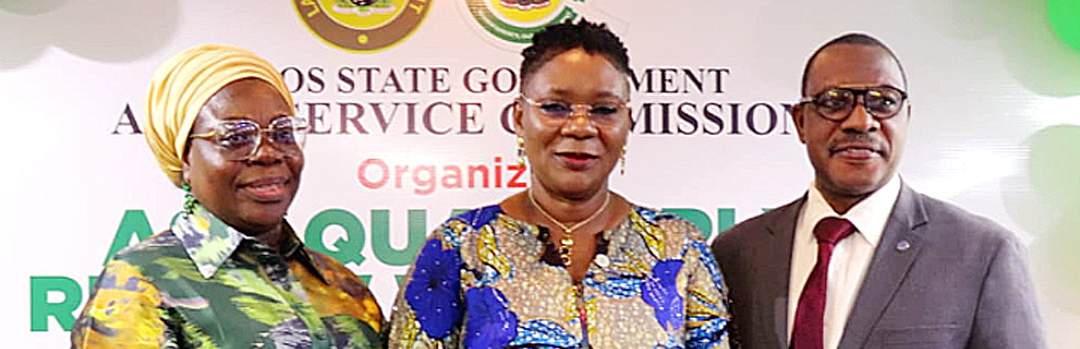
L-R: Permanent Secretary, Audit Service Commission, Mrs. Oluwakemi Amudat Garbadeen-Adedeji; Permanent Secretary, Public Service Office, Mrs. Olasunkanmi Oyegbola, and Permanent Secretary Civil Service Commission, Mr. Wasiu Agbabiaka, at the ASC Quarterly Review Workshop on "Data Relevance, Data Distribution and Data-Driven Analytics" held in Ikeja, Lagos... recently
KNOWLEDGE SHARING SESSION...
ADC to Tinubu: Track Down Families of Kwara, Borno Kidnappers Too
Police confirm death of reverend father in Kogi
The African Democratic Congress (ADC) has challenged President Bola Tinubu to extend the same security strategy that secured the rescue of abducted pupils and teachers in Oriire, Oyo State, to rescuing other Nigerians who remain in captivity across Kwara, Borno and other parts of the country.
This was as the Kogi Police Command has confirmed the death of a clergyman, Rev. Fr. Samuel Opeyemi Oyetoro who was killed by unknown assailants along Lokoja- Ajaokuta Highway.
In a statement issued
yesterday by the ADC's National Publicity Secretary, Mallam Bolaji Abdullahi, the party said that the successful operation in Oyo should not be treated as a special case but a general standard in responding to kidnapping cases, regardless of what part of the country it occurred or the language that the victims speak.
The party said that it has taken note of President Tinubu's remarks on Thursday while receiving traditional rulers from Oyo State, led by the Olubadan of Ibadanland, at the Presidential Villa, Abuja.
In celebrating the rescue of the pupils and teachers abducted in Oriire Local Government Area of Oyo State, the President
PR Leaders Seek Greater Strategic Role in Corporate, National Development
Communications, business and public sector leaders have called for greater recognition of public relations (PR) as a strategic leadership function, arguing that the profession has evolved beyond media relations to become a key driver of corporate governance, reputation management and national development.
The call was made at the Fifth PR Power List Awards held in Lagos to commemorate World PR Day 2026, themed ‘The Golden Age of Strategic PR’.
The event, hosted by GLG Communications, brought together senior executives from the communications, media, business and public sectors to discuss the future of strategic communications, leadership and trust.
Delivering the keynote address titled, ‘The Power of Counsel: Driving National and
Corporate Excellence’, President and Chairman of Council of the Nigerian Institute of Public Relations (NIPR), Dr. Ike Neliaku, said public relations practitioners now play critical advisory roles in organisations.
According to him, PR professionals have moved beyond issuing press statements to serving as strategic counsellors involved in shaping corporate and national decision-making.
"PR has become a leadership function. PR is sitting at the table and working as a counsellor now. We are not errand boys with press releases," Neliaku said.
He urged practitioners to continually create value to remain relevant in an increasingly competitive communications landscape.
"Value follows relevance. Always have value to add. Once your value depreciates, your relevance is gone," he added.
disclosed that his administration rejected negotiations with the kidnappers and instead relied on security operations that eventually secured the victims' freedom, including targeting the families of the kidnappers.
According to the spokesman
of the ADC, "Every Nigerian should be delighted with the outcome of this bold strategy by the federal government. Every life rescued from the hands of kidnappers is a victory for the country. Every family reunited with loved ones deserves relief.
But the success of that operation also raises a question that cannot be ignored.
"If the federal government has the intelligence network, the operational capacity and the political resolve to bring the victims in Oriire
home without yielding to the demands of kidnappers, why has the government not applied the same strategy to rescue other victims who have fallen victims much longer and have continued to languish in kidnappers’ den till today?
Atiku Faults Tinubu's Claims that Quality of Life on Rise in Nigeria
Chuks Okocha in Abuja
Former Vice President of Nigeria and presidential candidate of the African Democratic Congress (ADC), Atiku Abubakar, has expressed bewilderment over President Bola Tinubu's latest claim that "prosperity is on the horizon" and that "the quality of life is improving," asking whether the President was referring to
another country or the Nigeria that millions of citizens endure every day.
In a statement issued by his Senior Special Assistant on Public Communication, Phrank Shaibu, Atiku said the President's remarks reveal a troubling disconnect between those who govern and the people they were elected to serve.
"Mr. President says prosperity
stage name is Sinach.
The legal battle surrounding the authorship and ownership of the globally acclaimed gospel song, ‘Way Maker’ has finally been resolved in favour of Nigeria's renowned gospel artiste, Mrs. Osinachi Joseph Egbu, whose
A Federal High Court in Lagos, presided by Justice A. Lewis-Allagoa, affirmed that Sinach remains the sole author and copyright owner of the popular gospel hit song that ruled the airwaves in Nigeria and beyond.
The song, which was a
is on the horizon. Nigerians are asking: whose horizon? Certainly not that of the market woman whose capital has been wiped out by inflation. Not that of the civil servant whose salary now expires before the month begins. Not that of the manufacturer struggling under crushing energy costs.
“Not that of the unemployed graduate who sees no future. Certainly not that of farming
communities forced off their ancestral lands by terrorists and bandits, families mourning loved ones slaughtered in senseless attacks, or countless Nigerians who now live in daily fear of kidnappers who have turned human lives into commodities. And certainly not that of millions of households that have quietly reduced the number of meals they eat each day simply to survive."
huge success, has won local and international awards that apparently sparked the authorship and ownership dispute.
Michael Oluwole, who produced the song for Sinach had on March 8, 2024, filed a suit against the gospel artiste asking the court to make declarations
recognising his co-authorship and co-ownership of the song. In the Suit No. FHC/L/ CS/402/2024, filed by his counsel, Matthew Enilobo, the plaintiff claimed to be a co-author and co-owner of the song, and that he was entitled to "equitable sharing of all fees from licences and assignments" from it.
Afia Media Launches Advertising Grant to Support South-east SMEs
Afia Media, Nigeria’s only Southeast dedicated broadcaster on DStv and GOtv platforms, has unveiled Obuzo, an advertising grant initiative designed to help small and medium-sized enterprises (SMEs) across the South-east geopolitical zone access television and radio
advertising and grow their businesses through increased visibility.
The initiative was inspired by insights gathered through How Market, Afia TV’s grassroots business showcase programme that highlights entrepreneurs, traders, artisans and business
owners across markets in the region.
Since the launch of How Market, Afia Media has engaged hundreds of small businesses and discovered a common challenge: while many offered quality products and services, very few had ever advertised on television or radio. Feedback from participants revealed that their appearances on the programme generated enquiries from customers within and outside their immediate locations, demonstrating the value of media exposure for business growth.
Emmanuel Ugwu-Nwogo in Enugu
Chuks Okocha in Abuja and Ibrahim Oyewale in Lokoja
Ferdinand Ekechukwu
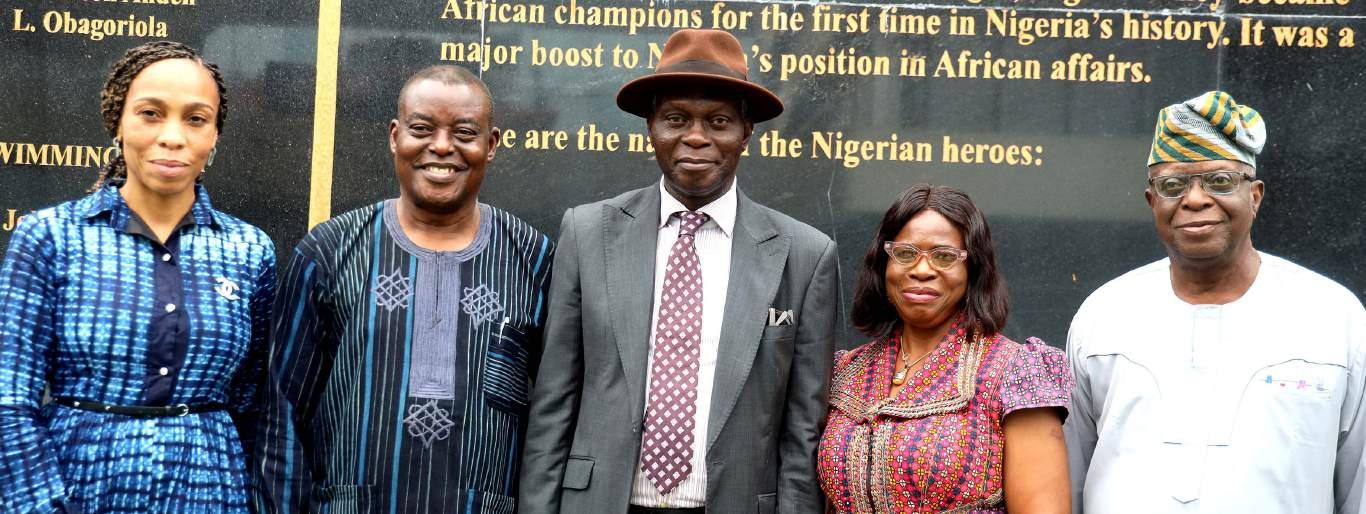
L-R: Head, Bashir Adeniji Center for International Trades Investment, Nigerian Institute of International Affairs (NIIA), Dr. Adesuwa Erediauwa; Director General, NIIA, Prof. Eghosa Osaghae; Guest Speaker / 14th President and Chairman of Council, British Chamber of Commerce, Dapo Adelegan; Director, Library and Documentation Services, NIIA, Dr. Beauty Dir1su; and Chairman of the Occasion, Prof. Femi Otubanjo, at the Nigerian International Affairs Masterclass with Prince Dapo Adelegan held in Lagos... yesterday
PHOTO: ETOP UKUTT
How A Nation Diminishes Its Heroes
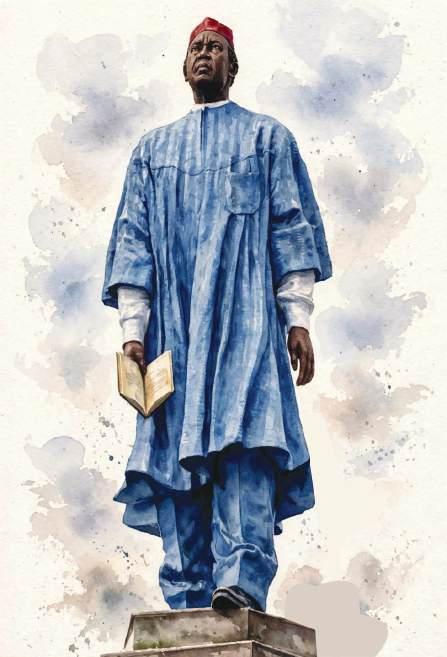
Few artistic failures provoke public ridicule as swiftly as a botched portrait sculpture. A recent Facebook salvo by a colleague aimed at the newly commissioned Chinua Achebe monument in Ogidi attests as much. Dismissing it as "an execrable piece of art" and "a caricature of Achebe", he imagined the departed novelist asking: "Ọ gịnị bụ ihe nke a? (What is this?) Who did I offend, biko? Who? Onye?"
The quip was no doubt mischievous, but beneath the laughter lurks an uncomfortable truth. Public monuments are among the few works of art whose failures are impossible to ignore. A monument does far more than occupy a roundabout or adorn a civic square; it embeds itself in the public consciousness. When it bears little resemblance to the individual it commemorates, it ceases to honour history and instead immortalises artistic misjudgement.
Only two years ago, a local government chairman in Onitsha, in a burst of civic enthusiasm aimed at beautifying the city, managed instead to beautify Ben Enwonwu’s celebrated 1964 sculpture of Dr Nnamdi Azikiwe almost beyond recognition. The iconic work, which had held court at the DMGS Roundabout for generations, suddenly found itself subjected to the sort of makeover that sent the cognoscenti reaching for their blood-pressure medication. The result was less restoration than cosmetic calamity—a blunder that has thankfully since been corrected.
Predictably, the ill-advised, albeit well-intentioned, intervention sent the cognoscenti into paroxysms of dismay. Slathering the sculpture with paint— and in spectacularly inappropriate colours, no less—was certainly a bold move. But there is a species of boldness best admired from a safe distance. One imagines that Enwonwu would scarcely have applauded the initiative. If bronze could wince, his masterpiece surely would have.
Sadly, these episodes are not isolated embarrassments. They belong to a Nigerian tradition in which public sculpture is too often treated as an afterthought, a procurement exercise or
EVERY DISTORTED MONUMENT WHISPERS
SOMETHING UNCOMFORTABLE ABOUT THE STANDARDS THAT PRODUCED IT. EVERY CARELESSLY EXECUTED LIKENESS REVEALS LESS ABOUT THE PERSON IT DEPICTS THAN ABOUT THE SOCIETY THAT APPROVED IT
Aan opportunity for civic chest-thumping. Across the country, roundabouts bloom with statues that resemble neither the heroes they are meant to commemorate nor, in some cases, anything one confidently encounters in nature. One is left wondering whether the sculptor worked from a photograph, an unreliable eyewitness account or a particularly vivid dream after a heavy dinner. The tragedy is not merely aesthetic. Public sculpture is perhaps the most democratic form of art. Unlike paintings hidden away in private collections or climate-controlled galleries, monuments are gloriously unavoidable. They greet schoolchildren, commuters, traders and tourists alike. They become silent teachers of public taste. A bad monument does not merely reflect diminished standards; it helps create them. Over time, visual illiteracy acquires the reassuring familiarity of normality until approximation passes for likeness, incompetence masquerades as style and mediocrity begins to wear the borrowed robes of excellence.
That is why these recurring fiascos deserve to be read as symptoms rather than isolated mishaps. Somewhere between commissioning, approval and unveiling, remarkably few people appear to ask the one question upon which everything else depends: Is this actually good? Instead, patronage triumphs over proficiency, expediency over expertise and ribbon-cutting over craftsmanship. Once the speeches have been delivered and the photographers have packed away their cameras, the monument is abandoned to spend the next fifty years explaining itself to puzzled passers-by. A society rarely rises above the standards it habitually excuses. Reward mediocrity often enough and excellence quietly stops applying for the job. What remains is an expanding outdoor museum of preventable disappointment, punctuated every few years by another social media eruption in which citizens discover, with fresh astonishment, that another national icon has been reincarnated as someone else's distant cousin.
Uwaezuoke is THISDAY Arts Editor
A Crisis Hiding In Plain Sight
Cardiovascular disease is a growing African health emergency, writes MOHAMED IBRAHIM
cross Africa, a major health crisis is accelerating quietly and, too often, unnoticed. Cardiovascular disease (CVD) is rapidly becoming one of the continent’s most serious public health challenges, yet it still does not command the level of urgency it requires. For decades, healthcare priorities across much of Africa have rightly focused on infectious diseases such as malaria and tuberculosis. While those diseases remain critical concerns, noncommunicable diseases, particularly cardiovascular conditions, are now contributing to an increasingly significant share of mortality across the continent. What makes cardiovascular disease especially dangerous is not only its scale, but also the subtle way in which it develops. Symptoms frequently emerge gradually through fatigue, headaches, palpitations, shortness of breath, or persistent loss of energy. These warning signs are often mistaken for stress, exhaustion, or the pressures of everyday life. As a result, many patients delay seeking medical attention until the disease has progressed to an advanced and potentially irreversible stage. For some, the first major cardiovascular event is also the last.
The scale of the challenge is reflected globally. According to the Global Burden of Disease Study, cardiovascular disease remained the leading cause of death worldwide in 2023, accounting for an estimated 19.2 million deaths. Africa is increasingly at the centre of this growing health challenge. As urbanisation accelerates and lifestyles evolve, exposure to cardiovascular risk factors continues to rise. The World Health Organization Regional Office for Africa noted in its 2024 progress report that low awareness, limited access to treatment, and growing exposure to lifestyle-related risk factors are contributing to the increasing burden of cardiovascular disease, diabetes, cancer, and chronic respiratory diseases across the continent. Nigeria illustrates the scale of the challenge clearly. According to the World Heart Federation, cardiovascular disease accounted for approximately 190,897 deaths in Nigeria in 2021, representing around 11% of all deaths recorded that year. These figures underscore a broader reality: cardiovascular disease is no longer a distant or isolated threat. It is increasingly affecting families and communities across the continent, placing additional pressure on healthcare
systems that are still developing the infrastructure and specialist capacity required to respond effectively.
Addressing this challenge will require a decisive shift from reactive care to prevention-led healthcare systems. Routine health screenings, regular blood pressure monitoring, healthier diets, increased physical activity, and improved public awareness all have a critical role to play in reducing longterm cardiovascular risk. Early detection remains one of the most effective tools for improving outcomes. At the same time, healthcare systems across Africa must continue strengthening specialist capabilities and referral pathways. Well-functioning referral networks, expanded specialist training, improved diagnostic capacity, and resilient emergency response systems are all essential to reducing avoidable mortality and improving patient outcomes. The challenge is not simply treating advanced disease; it is creating systems capable of identifying and managing risk before it becomes life-threatening. Encouragingly, important progress is beginning to emerge across parts of the continent. In Nigeria, African Medical Centre of Excellence (AMCE) in Abuja forms part of a broader
effort to expand access to advanced cardiovascular care within Africa. The Centre has recently performed several complex and high-risk catheterisation laboratory coronary interventions, cardiac device implantations, and open-heart surgical procedures. Among these was the treatment of a 55-year-old patient diagnosed with an acute Type A aortic dissection, a rare and life-threatening cardiovascular emergency requiring immediate surgical intervention. The urgency associated with such cases cannot be overstated. Up to 50% of patients with acute Type A aortic dissection die before reaching hospital, while mortality risk increases significantly with every hour treatment is delayed. Surgery remains the only definitive lifesaving intervention. The operation, which lasted approximately seven hours, involved a full repair of the dissection and represented a significant milestone, as procedures of this complexity remain rare across West Africa, including Nigeria. The patient recovered successfully following surgery.
Dr Ibrahim, FRCS (C/Th), Clinical Director of Cardiovascular Services, African Medical Centre of Excellence (AMCE), Abuja
Beyond the furore over Chinua Achebe's sculpture in Ogidi lies a larger story about artistic standards, public memory and cultural values, argues OKECHUKWU UWAEZUOKE
Nyaknnoabasi Osso: What's in the Name?
In Praise of President Buhari
INEC: Be on the Side of the Masses
WThe name Nyaknnoabasi (abbreviated as Nyaknno), meaning "I leave you in the hands of the Almighty God," acted as a foundational blueprint for Nyaknno Osso's life.
hen President Muhammadu Buhari took over the reins of power on May 29, 2015, Nigeria was sadly a broken state in many respects. As a result of many other factors including bad governance and untold level of corruption, government could not live up to its financial obligations to citizens and service providers at both the federal and state levels.
Indeed one of the first official assignments that President Buhari carried out was the approval of billions of Naira in bailout funds to enable state governors pay something as basic as workers’ salaries. Granting those bailout funds was a huge boost to national security because the pressure of arrears of unpaid monthly salaries building dangerously all over the country was a ticking bomb.
including cancer, a kidnapping attack, and working closely with former President Obasanjo for 25 years only to walk away without a formal pension. The spiritual submission embedded in his name allowed him to let go of bitterness, maintain peace of mind, and pivot toward creating independent legacies.
Ask the naysayers and they would readily remind you of how long it took President Buhari to appoint his ministers and how that contributed to collapse of the economy as if, without ministers, governance was frozen. But buying that narrative would amount to what a famous Nigerian writer, Chimamanda Adichie, termed “the danger of a single story”. Yet the whole story was that many of our citizens did not know how decrepit a state President Buhari inherited in 2015.
It was therefore necessary for him to take stock against the background of the fact that the departing government did not, reportedly, cooperate full well with the incoming government in terms of leaving workable handover notes. Although President Goodluck Jonathan was gracious in defeat, many of his appointees were still sulking over what they saw as their personal losses and therefore pulled all the stops to make things difficult for the Buhari government.
Given to him by his mother, Mama Edina, after she tragically lost seven consecutive sons, the name carried a profound psychological and spiritual weight. It transformed him from a mere survivor into a purpose-driven pioneer, deeply shaping his career as Nigeria's premier archivist, biographer, information and knowledge Management expert, Researcher and Documentalist, profound resilience, and his magnetic attraction to powerful historical figures.
The specific ways his name directly influenced his personal and professional trajectory include: one, overcoming devastating disappointment and discouragement. A Shield Against Trauma: Growing up as the sole survivor out of eight children, Nyaknno inherited a subconscious mandate to survive.
The TSA policy, interestingly, was mooted by the PDP government but its penchant for imprudence and lack of accountability denied it the courage of implementing the policy. What the President literally did was to gather all the nation’s money into one box and locked it up with a big padlock and watched for any thief to come close.
by the EFCC, President Buhari by his action has successfully brought back to the public consciousness the need to treat public funds with the highest level of transparency and accountability.
TAfter keeping treasury looters on their toes and at bay through the EFCC, particularly, President Buhari moved to curb unnecessary spending habits of the nation on what economists call articles of ostentation. Part of the disclosures of the President’s stock taking was how the country frittered away billions in foreign currency by importing goods, which can be produced at home. One of such items was rice, a major staple among Nigerians. By banning rice importation into the country, the President on one hand had saved the nation billions in foreign currency annually.
Two, Career Direction and Creative Vision. The Calling to Curate Legacies: Because his own life was viewed as a miraculous extension of divine preservation, Nyaknno dedicated his entire career to preserving the lives of others. This directly inspired his groundbreaking creative work, the Newswatch Who’s Who in Nigeria.
Even with the obvious and unpatriotic obscurantist behaviour of the PDP appointees and their supporters still in government hell-bent on making things difficult for Buhari, the President moved on with his methodical repair of a broken country. The first thing he did was to identify all possible sources of income to the nation and directed that all inflows be paid into one single account in line with the policy of Single Treasury Account (TSA).
And, on the other hand, the President has boosted domestic production of rice and in the process had nudged the country into self sufficiency in food production. He also created millions of jobs for young people in the rice value chain.
he 2027 general election is around the corner, and the Independent National Electoral Commission (INEC) has announced 16th January 2027 for the Presidential, Senatorial, and House of Representatives elections, and 6th February 2027 for Governorship and State House of Assembly elections respectively.
What is most admirable about President Buhari and his government is its frugal management of scarce national resources to attain optimum goals.
Recall that since President Buhari stepped in the saddle, oil revenue dropped abysmally as if to sabotage him knowing all the big promises he made to citizens during his campaigns. But with the little resources that trickle in, the President is achieving what governments that received oil windfalls could not dream of.
Olujide Olusola and Martha Unuigbe, Abuja
Today, the trains are up and running daily from Abuja to Kaduna. And from Lagos to Ibadan a brand new rail track was started and completed; citizens are already commuting daily to and fro these two major cities in the country seamlessly as they reap from the dividends of democracy. And with the way this government is going, before 2023 when the President would leave, the entire country would be linked by rail with all of its economic advantages.
Ainofenokhai Ojeifo, Abuja
The timing of this particular election seems tight to everyone, considering the festive period, Christmas and New Year Celebrations, where many people travel to different locations to celebrate with their loved ones, and to attend different occasions. It is also a fact that Sallah will take place between February and March 2027.
There is a saying that a desper-
THE SATURDAY NEWSPAPER
THE SATURDAY NEWSPAPER
EDITOR YEMI ADEBOWALE
EDITOR OBINNA CHIMA
DEPUTY EDITOR AHAMEFULA OGBU
DEPUTY EDITOR AHAMEFULA OGBU
MANAGING DIRECTOR ENIOLA BELLO
MANAGING DIRECTOR ENIOLA BELLO
DEPUTY MANAGING DIRECTOR ISRAEL IWEGBU
DEPUTY MANAGING DIRECTOR ISRAEL IWEGBU
CHAIRMAN EDITORIAL BOARD OLUSEGUN ADENIYI
Stop Ritual Attacks and Killings
Tate situation requires desperate measures. But in doing this, we must be human-centric. We should not forget how it affects the people we want to govern and provide the leadership for. The interests of politicians and political parties alone should not be taken into account, but the people matter, because that is the excess of the elections.
For these reasons, many people will not be closer to their various polling units to cast their votes on election day. Many people have frowned at this development as being unfavourable to the majority of the Nigerian populace. If the conditions of the majority of the people are not taken into consideration when setting the election date, then who is expected to vote in the election?
Omale Omachi Samuel, Oma_ omasam@yahoo.co.uk, Abuja
Selling Your Soul?
Navigating High-Stakes Losses: This hardwired resilience proved vital when his close friend and Newswatch co-founder, Dele Giwa, was brutally assassinated by a parcel bomb in 1986. Instead of letting terror paralyze him, Nyaknno buried his grief in work, ensuring Giwa’s intellectual legacy was preserved.
CHAIRMAN EDITORIAL BOARD OLUSEGUN ADENIYI
EDITOR NATION’S CAPITAL IYOBOSA UWUGIAREN
EDITOR NATION’S CAPITAL IYOBOSA UWUGIAREN
Who can blame the President for almost developing paranoia over the safeguard of the national treasury with revelations and reports of mind-boggling looting that took place in the 16 years of the PDP? With such disclosures of how billions meant for fighting insurgency in the Northeast ended up in the pockets of a few individuals while our gallant soldiers fought with bare hands and on empty stomach, President Buhari was duty bound to bring sanity and accountability back in national spending.
Weathering Career Hardships: In his autobiography, Against All Odds: My Testimony, Nyaknno outlines surviving severe hardships,
Thus, under President Buhari, the Economic and Financial Crimes Commission (EFCC), which had remained comatose for years, was woken up to resume its duties. Apart from the trillions of Naira of looted funds and property recovered from corrupt politicians
MANAGING EDITOR BOLAJI ADEBIYI THE OMBUDSMAN KAYODE KOMOLAFE
THE OMBUDSMAN KAYODE KOMOLAFE
THISDAY NEWSPAPERS LIMITED
THISDAY NEWSPAPERS LIMITED
EDITOR-IN-CHIEF/CHAIRMAN NDUKA OBAIGBENA
EDITOR-IN-CHIEF/CHAIRMAN NDUKA OBAIGBENA
She Advocacy for Alleged Witches (AfAW) urges the Nigerian public to stop ritual attacks and killings because the notion of ritual money and wealth is completely baseless. AfAW is making this call following the reported arrest of suspected ritualists in Oyo State in southern Nigeria. The local media reported that members of the Western Nigeria Security Network, Amotekun, arrested suspected ritualists with the body parts of a 73-year-old man. The suspects, who were apprehended in the Boluwaji area in Ibadan, said that a Muslim cleric asked them to procure some human body parts for rituals. Ritual attacks are widespread in Nigeria. Irrational conceptions of how to make money or become wealthy and successful undergird these atrocities. Many Nigerians strongly believe in blood money, known in some local languages as Ogun Owo (Yoruba) or Ogwu ego (Igbo). They think that they could become rich, or successful through ritual sacrifice. Unfortunately, this is not the case. Ritual wealth has no basis in reason, science, or reality. Home movies known as Africa magic or Nollywood films have not helped matters. These movies continue to reinforce these mistaken notions and other superstitions. Families, churches, mosques, and other public institutions do not encourage the interrogation of these traditional occult beliefs. There are no robust efforts to criticize or dispel these irrational and paranormal claims in schools, colleges, and universities. So millions of Nigerians grow up blindly believing that they could make money through ritual sacrifice of human body parts. The belief has led many Nigerians to commit crimes and perpetrate atrocities. Many Nigerians have been jailed or are undergoing court trials due to ritualrelated attacks and murder.
GROUP EXECUTIVE DIRECTORS ENIOLA BELLO, KAYODE KOMOLAFE, ISRAEL IWEGBU, IJEOMA NWOGWUGWU, EMMANUEL EFENI
GROUP EXECUTIVE DIRECTORS ENIOLA BELLO, KAYODE KOMOLAFE, ISRAEL IWEGBU
DIVISIONAL DIRECTORS SHAKA MOMODU, PETER IWEGBU, ANTHONY OGEDENGBE
DIVISIONAL DIRECTORS SHAKA MOMODU, PETER IWEGBU, ANTHONY OGEDENGBE
urely it's time for FIFA and Gianni Infantino to disappear from the news after the problem of the U.S. run world cup. The latest suggestion is that FIFA is planning to sell part of its responsibilities including world cups although the details are uncertain. Who would buy this poisoned chalice? Maybe throwing in an individual FIFA peace trophy might swing the balance. You will also get a red card reversal to use when your champion player needs it. Oh, the shame!
Dennis Fitzgerald, 28 Landale St, Box Hill, Vic, Australia
Not too long ago, the police arrested some young Nigerians for stealing female pants, which they intended to use for ritual sacrifice. AfAW is asking all Nigerians to desist from ritual-related abuses because ritual money beliefs are baseless superstitions. Nigerian media, schools, and colleges should help educate and reorient the public. They should assist in reasoning Nigerians out of this killer-superstitious absurdity and nonsense. Leo Igwe directs the Advocacy for Alleged Witches (AfAW)
The Benin-Ore Expressway...
COURTESY VISIT....
Okonjo-Iweala Calls for Stronger Investment in Digital, Physical Infrastructure in Africa
Director General of the World Trade Organisation (WTO), Dr. Ngozi Okonjo-Iweala, has called for greater investment in digital and physical infrastructure across Africa, saying improved connectivity is critical to unlocking trade opportunities, creating jobs, and positioning the continent for greater participation in regional and global markets.
She made the call recently in Lagos, at the 20th anniversary celebration and symposium of leading Nigerian commercial law firm, Streamsowers & Köhn (SSK), where she also congratulated the firm’s partners and staff for two decades of legal excellence.
Speaking during a fireside chat themed, ‘Nigeria’s Path to Economic Resilience and Investment Leadership in a
Volatile Global Environment’, the WTO boss said Africa’s growing digital economy could become a major source of employment, particularly for young people and women, provided governments invest in the infrastructure needed to support digital trade.
“I just want to start by congratulating SSK on this wonderful occasion. Congratulations to all the partners and the staff.
“The only issue we have is making sure that the digital and physical infrastructure, the connectivity, is there to be able to make this trade work.”
According to her, Africa’s youthful population is already well positioned to take advantage of digital commerce, but inadequate infrastructure remains a significant barrier.
“We find that in Africa, our youth are the most prevalent
on the internet. Of course, they are connected much more than older people. But if we don’t make sure that we work hard on the digital infrastructure, we will not be able to expand the benefits of what promises to be a very good means.”
She noted that digital trade enables professionals and entrepreneurs to provide services across borders without relocating, citing Nigeria’s thriving creative industry as evidence of the opportunities available.
deliver your intellectual services elsewhere. Look at how well our music people are doing all over the world. That music streaming is great. Videos, films, fashion, so much of the creative industry, which is now two per cent of our GDP here and employs hundreds of thousands of young people.
Court Jails Two Chinese Nationals 25 Years Over Illegal Export of Nigeria's Lithium,
Wale Igbintade
Justice Akintayo Aluko of the Federal High Court in Lagos has convicted and sentenced two Chinese nationals, Zhang Hong Lin and Gao Pei Hai, to 25 years' imprisonment each for conspiring to illegally export Nigeria's mineral resources.
The judge convicted the two
defendants on all five counts preferred against them and sentenced each of them to 25 years' imprisonment on Counts 1 to 5, with an option of a N10 million fine on each count.
He further ordered that the sentences should commence from the date of their arrest.
Justice Aluko also ordered the forfeiture of all the mineral
resources involved in the case to the federal government.
The two convicts were arraigned alongside Gao Pei Yu, who remains at large, on a five-count charge bordering on conspiracy, unlawful possession and attempted exportation of strategic mineral resources without lawful authority.
According to the charge filed
Copper
before the Federal High Court on May 28, 2025, the defendants conspired in Lagos to defraud the Federal Government of revenue accruing from the country's solid mineral resources by attempting to export mica products, copper-bearing and lithium-bearing minerals without the approval of the appropriate authorities.
Ogun Moves to Tighten Security, Sends Four Crime Bills to Assembly
In a bold move to strengthen security, protect residents and boost investor confidence, the Ogun State Executive Council has approved four landmark bills designed to tackle violent crimes, ritual killings, cultism, extortion and the growing challenge of missing persons across the state.
The approval, granted at the Council meeting held on Thursday, July 30, 2026, underscores the determination of the Prince Dapo Abiodun administration to deploy robust legislative measures to address emerging security threats while reinforcing Ogun State’s reputation as one of Nigeria’s safest and most attractive
investment destinations.
The proposed legislations—the Group Liability for Offences of Violence, Extortion and Secret Societies (GLOVES) Bill, the Victims’ Rights Bill, the Human Sacrifice Prevention and Prohibition Bill, and the Missing Persons Bill—will be transmitted to the Ogun State House of
Assembly for consideration in the coming days.
Attorney General and Commissioner for Justice, Oluwasina Ogungbade, SAN, said the bills represent a comprehensive legal response to crimes that are either prevalent or increasingly becoming a threat to public safety in the state.
Resident Doctors Give FG August 10 to Meet Welfare Demands or Face Strike
Ezigbo
Abuja Nigerian Association of Resident Doctors (NARD) has given the federal government a deadline of August 10, 2026, to address outstanding welfare and labour issues or face a total and comprehensive nationwide industrial strike by its members The strike notice was part of the decision reached at the association’s July National Executive Council (NEC) meeting held in Gombe State. In the communique jointly signed by NARD President, Dr. Mohammad Usman Suleiman; Secretary General,
D.r Shuaibu Ibrahim; and Publicity and Social Secretary, Dr. Abdulmajid Yahya Ibrahim, the association said the planned strike would commence at 8:00a.m. on Monday, August 10, if the government fails to meet its demands, which include payment of outstanding salary arrears,
allowances, implementation of agreements, and improved working conditions.
The association said it remained committed to dialogue but insisted that the welfare of resident doctors and the survival of Nigeria’s healthcare system were nonnegotiable.
“It means you can sit here in Nigeria, you don’t have to go anywhere, and you can
“A lot of it is digitally developed. So that’s the hope; that we have thousands, even millions, of young people who need to be employed. They are very internet savvy. If we could really push this aspect of trade, it promises employment for many of our young people,” she added.
Free RCCG Medical Outreach Uncovers Hidden Hypertension among Lagos Residents
Many residents of the Oshodi area of Lagos State discovered for the first time that they were living with high blood pressure during a free medical outreach organised by the Calvary Zonal Headquarters, Province 89 of The Redeemed Christian Church of God, where over 300 people received medical care.
The annual outreach, held at the church premises recently, offered free medical
consultations, eye examinations, blood pressure and blood sugar checks, as well as free medication for beneficiaries.
Family and Public Health Physician, Dr. Rotimi Adesanya, who spoke at the event, said hypertension was the most common condition detected, warning that many residents were unaware they had the lifelong ailment until they were screened.
Court Awards N12m Damages against Police for Abduction, Detention of THE WHISTLER Reporter
\A Federal Capital Territory High Court presided by Justice Bello Kawu has asked the Nigeria Police Force to pay N12 million in damages for the abduction and illegal detention of Kasarahchi Aniagolu, a reporter with THE WHISTLER Newspaper.
Aniagolu was arrested, assaulted, and detained for eight hours by the Nigeria Police Force on February 21, 2024, in Abuja.
She was arrested at a location in Wuse Zone 4 where police operatives allegedly came on a covert operation against operators of illegal bureau de change.
The reporter subsequently
filed a suit on 25th October, 2024 against the Inspector General of Police and the Nigeria Police Force, demanding N100m (one hundred million damages). In her statement of claims, she said the police abducted her and breached her privacy by seizing her phone and deleting pictures in it.
She also accused the police of subjecting her to inhuman treatment while in detention thereby infringing on her fundamental right. The suit was filed on her behalf by the legal firm of Adekunle Kosoko Esq. of Seasons Law Firm,
Sunday Ehigiator
Onyebuchi
in
Abuja.
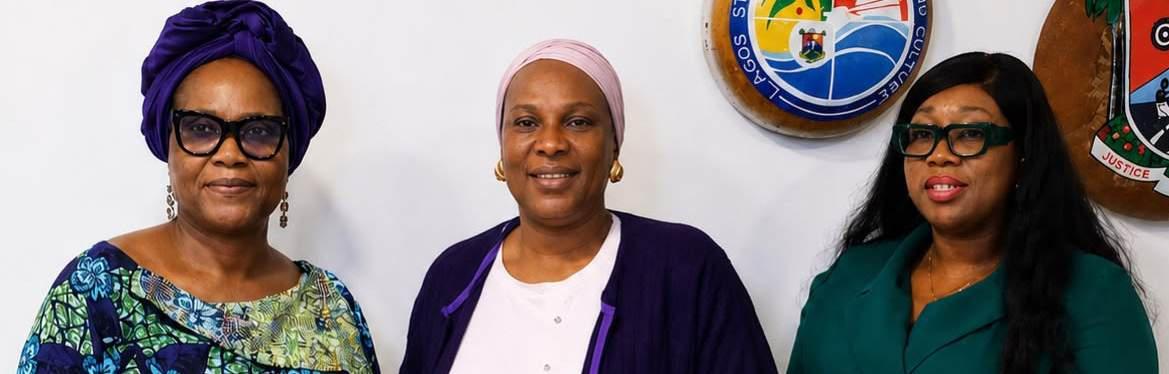
L-R: Lagos State Permanent Secretary, Ministry of Tourism, Arts and Culture, Mrs. Bopo Oyekan-Ismaila; National President, Nigeria Association of Tour Operators, Hajia. Bolaji Mustapha, and Secretary General, Nigeria Association of Tour Operators, Joy Alexander-Oziegbe, during a courtesy visit to the Permanent Secretary's office, Alausa, Ikeja... recently
PRESS CORPS AWARD...
2027: INEC to Release Personal Particulars of Tinubu, Atiku, Obi, Others Today
Adedayo Akinwale in Abuja
In line with the revised time table and schedule of activities for the 2027 general election, the
Independent National Electoral Commission (INEC) will today publish the personal particulars of presidential and National Assembly candidates.
First Lady Tasks Nigerian Youths To Strive for Greater Heights
Deji Elumoye in Abuja
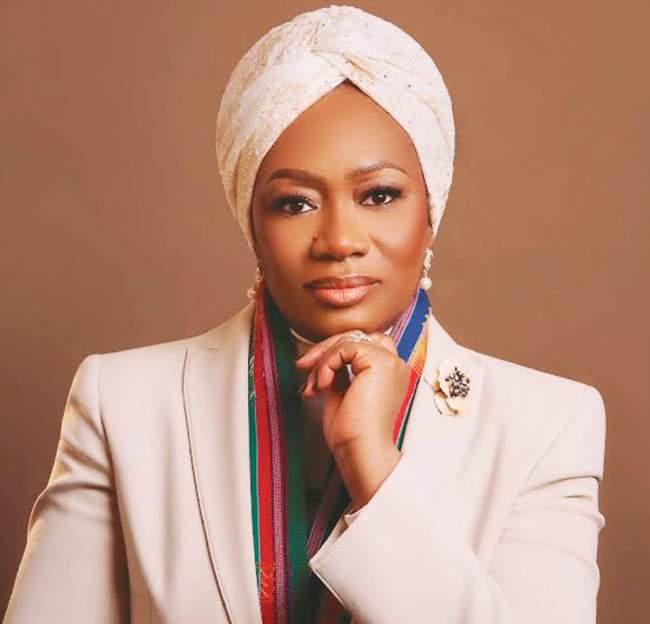
Wife of the President, Senator Oluremi Tinubu, has admonished Nigerian youths to strive for greater accomplishments and not be satisfied with little achievements.
Giving this charge yesterday while receiving the leadership of the All Progressives Congress (APC) National Youth Wing at the State House, Abuja, the First Lady urged the youths to embrace diligence in all aspects in order to go higher in life adding that patience, integrity, and hard work are vital.
According to her, "God always knows our needs and that is what the young people do not know, they are always in a hurry. And I am teaching you how to learn contentment and not
be beggarly.
“You have to have the Eagle’s mentality. When the Eagle sees the storm, he laughs at it and sees how he can fly above it. That is what you should all do. You should always look for your own path and not because that person has it, I want it.”
Mrs. Tinubu commended the youth leaders for working together in unity to strengthen the party's political activities especially at the grassroot.
She therefore called on members of the youth wing of the APC to do their best in bringing greater respect and honour to the party in their engagement with Nigerians especially on the achievements of the President Bola Tinubu administration.
Pharmacists Insist On National Postgraduate College To Solve Workforce Crisis
Pharmacists under the umbrella of the Association of Community Pharmacists of Nigeria (ACPN) have insisted that establishing a National Postgraduate College of Pharmacy in the country remains key to solving the worsening workforce crisis in the nation's pharmaceutical sector.
ACPN posited that the dearth of specialist pharmacists in manufacturing, clinical pharmacy, community pharmacy, public health pharmacy and other critical areas should be of concern to federal government,
saying that a Postgraduate College of Pharmacy was of utmost need for the training of undergraduate and postgraduate pharmacists for the nation’s health system.
Speaking during the opening ceremony of the ACPN 45th Annual National Scientific Conference in Abuja recently, National Chairman, Pharm. Ezeh Ambrose Igwekamma, stressed the need to have the institution in the country as only the West Africa Postgraduate College of Pharmacists (WAPCP) handles this training at the sub-regional level.
The electoral body had fixed August 1, 2026 for the display of the personal particulars of candidates for the presidential and National Assembly elections.
The leading presidential candidates include Bola Tinubu of the All Progressives Congress (APC); Atiku Abubakar of the African Democratic Congress
(ADC) and Peter Obi of Nigerian Democratic Congress (NDC).
In line with Section 29(3) of the Electoral Act, the academic credentials and other documents submitted by candidates would be released today by INEC for public scrutiny.
Section 29(3) stipulates that: “The Commission shall, within
21 days of the receipt of the personal particulars of the candidate, publish same in the constituency where the candidate intends to contest the election.”
While the publication of candidates’ particulars is a statutory requirement designed to promote transparency in the electoral process, it also provide Nigerians with the opportunity to scrutinise the documents submitted by aspirants before the elections.
With the publication of personal details of the candidates today, political parties would officially commence campaigns for the 2027 presidential election on August 19.
NEDC: Over 60% of Roads, Bridges Destroyed By Boko Haram in Northeast Now Functional
The North East Development Commission (NEDC) yesterday revealed that over 60 per cent of road infrastructure and bridges destroyed by Boko Haram insurgency in the North East are now functional.
The Managing Director of NEDC, Mohammed Alkali
disclosed this during a press conference in Abuja.
Alkali explained that Phase one of the NEDC mandate was the stabilisation and recovery phase, while Phase two is the Renewal Phase; Phase three is Expansion phase and Phase four is sustainable growth.
He added that for phase one, their effort was focused on
restoring critical infrastructure, supporting displaced communities, rebuilding schools, health facilities, improving security through strategic intervention, and restoring basic public services.
Mohammed revealed that it has delivered over 300 kilometres of roads and more than 50 bridges, restoring critical transport corridors, improving
access to education and healthcare, facilitating trade, and strengthening regional integration. He noted that across Adamawa State, the Commission constructed the 32km Dabna road, the Federal College of Education, Yola Road, the College of Education, Hong Road, the Garkida Cross–Kukurtu Road, and rehabilitated roads in Fufore.
Firm Unveils Innovative Food Applications
Freddy Hirsch Nigeria, a food ingredients and flavour solutions company in Nigeria serving manufacturers, food service operators, and FMCG businesses across West Africa, has launched its Smoky Jollof Flavour System in Lagos.
Unveiled at the company’s Everything Smoky Jollof demo event for customers, culinary experts and quality assurance professionals in the food, beverage and snacks industry, the company displayed how one expertly engineered flavour profile can be adapted across noodles, pasta, bouillon seasonings, sauces,
21 Former Almajiri
Fred Ojeh
Twenty-one former Almajiri children have graduated as certified technology technicians and entrepreneurs under the Out-of-School Children/Almajirito-Tech Foundation, marking a significant milestone in efforts to tackle Nigeria's growing outof-school children crisis through digital skills and vocational
education.
mayonnaise, snacks, marinades, and food service applications while maintaining consistency, scalability, and authentic smoky jollof character.
The event reflects Freddy Hirsch Nigeria’s commitment to helping food manufacturers and operators respond to growing consumer demand for familiar local flavours
delivered in innovative formats. Speaking at the event, Kojo Brifo, Managing Director of Freddy Hirsch Nigeria, said the company developed the Smoky Jollof Flavour System to help businesses innovate more efficiently while leveraging one of Nigeria’s most recognised and widely loved flavour profiles.
Children Graduate with Tech Skills
The graduates, comprising 14 boys and seven girls, completed an intensive six-month training programme that equipped them with practical skills in computer repairs, desktop assembly, robotics, drone technology, and the repair of mobile phones, laptops, power banks, televisions, microwave ovens, electric fans, torchlights and other electronic
devices.
The graduation ceremony held in Abuja, celebrated what organisers described as a remarkable transformation of children who, just months earlier, survived by begging on the streets under the Almajiri system.
Founder of the Out-of-School Children/Almajiri-to-Tech Foundation and
Director of New
System
Solutions Limited, Mr. Tim Akano, described the achievement as "a resurrection" rather than an ordinary graduation.
"About six months ago, some of these children could not even write their names in English. Today, they can build computers, robots and drones with their own hands and repair more than 10 types of electrical appliances," Akano said.
Adedayo Akinwale in Abuja
Funmi Ogundare
Managing
Horizons
President of the Dangote Group, Aliko Dangote receiving an award for his investments and support of reforms in Nigeria’s oil and gas sector from the chairman of the State House Press Corps, Dr. Anule Emmanuel, with other members during Dangote's visit to the Presidential Villa, Abuja...yesterday
PHOTO: GODWIN OMOIGUI
Bart NNaji: i always rush to My Village to relax, Enjoy real Life
At 70, Prof. Bart Nnaji has little left to prove. Globally celebrated as a robotic engineer, artificial intelligence pioneer and Chairman of Geometric Power Group, he has spent decades pushing the frontiers of science, engineering and Nigeria’s power sector. Yet, behind the remarkable achievements and boardroom accomplishments is a man who treasures life’s simple pleasures.
Despite his international acclaim, Nnaji says his greatest moments of relaxation are spent in his village, where he reconnects with friends, shares stories and enjoys the warmth of community life. In this interview, he reflects on what sparked his early fascination with artificial intelligence over four decades ago, the sacrifices success has demanded, his vision for technology and electricity in Nigeria, and the legacy he hopes to leave behind. Dike Onwuamaeze brings the excerpt:
Let us talk about you at 70. How does it feel like to be 70?
I did not think that I would live past 60 when I went to America as a teenager. I was telling a friend that I expected to die at about 60 because I thought that 60 was too old. I could not imagine people being 60 and still wanting to be around. So, when I turned 60, I was laughing at myself and said “look at you, you have not started.” So, I went past 60 and here I am at 70. Now, I no longer look at life that way. I have a company (Geometric Power) that is just getting to work the way it is supposed to work. So, 70 is just a number or something like that. As long as my brain is still working and I am still able to move around, which God has been very kind, I must continue to work on that project with those who are associated with the project and me. But gas is the main problem. If we have gas, we have reliable electricity. No gas, no reliable electricity. Just a simple arithmetic. Not even arithmetic but simple intuitive fact.
You went into studying Artificial Intelligence about 40 years ago. What gave you the insight to make that move? I was fascinated by robots. And I kept thinking deeper and deeper and deeper about how the robot could work. The main thing about how it will work is the brain of the robot because you have to give it the capacity to think, to see things. I am usually hesitant talking about thinking for a machine because there are so many things about what we do in terms of reasoning and perception, which a machine cannot have now but will gradually. Things like being able to read someone’s face to know whether this person is happy about what I am talking or not. What we concentrated on at the beginning, that was my fascination with the robots, is how does a robot actually do simple tasks? The work of robotic engineers at that time was about the hand of the robot. If you look at your hand, there are three basic movements. We call it “roll, pitch, yore” (RPY). We had to break this RPY to mathematical definition to how it should work. So everything boils down to mathematics before you begin to talk about the dynamics. So, the point is that AI is a whole lot of mathematics. They tell you that they have an algorithm. But what is algorithm? It is whole bunch of mathematics that are logical and made to work. And we spent a whole lot of time building that stuff and my lab was all about it.
But what does it mean combining all these scientific experiments and academic attainments with family life?
I think that a scientist must live with human beings and the best human beings to live with should start with your own people.
What has success made you lose?
It is that the freedom one used to have is no longer available. No matter what I am a natural person and not somebody who puts up his nose at people. I think that there are those who, if they have risen to a certain level, begin to look down on people and like to separate themselves from others. I think that I am the opposite of that. I like to be with normal human beings. That is where life really is. That is why I always rush to my village to be with my village people. So that we can drink and gist and enjoy real life. To me that is a real life. It is not a boardroom thing. But I cannot just walk this street now. It is that kind of thing that they say “just mind what you wish for because you may get it.” I do not think that I will wish that but it just came by the virtue of some of the things that I have done.
• Nnaji
Bart Nnaji: I Always Rush to My Village to Relax, Enjoy Real Life
What is your vision for the next 10 years?
I will like to see that we continue to improve our power installation capacity and distribution capacity and the quality of power that we deliver because reliability is very important. I want to see us have power in the way it is generated and delivered in Western countries. I have license to build Institute of Artificial Intelligence and Robotics and we are going to build it in Umuede and I am building a technology university if we succeed in getting approvals from the Nigeria University Commission. These are some of the things I like to be doing.
What will you like to be remembered for?
It could be that I will be remembered for having made contributions towards improving our quest for better electricity in Nigeria and for supporting technology advancement in this country.
Is your earlier assertion about gas limited to your Aba Power Plant alone?
Every gas fired power plant in the world works that way.
But we have abundance of gas in the country? So, why has the government not used the resources we have to energise the power sector?
Government over the decades has not done what it is supposed to do to ensure that gas is really available in Nigeria. You might have heard that Nigeria is more of a gas country than an oil country. It is a fact. A lot of gas we have now come from associated gas. But we have non-associated gas fields as well and we have plenty of that like in the Anambra Basin here; there is gas in Ugwuoba (in Enugu State). But the non-associated gas is not being harvested. So, there are two things that we need to have that government should provide. One is investments to mine the gas. The second is investment to transport the gas. Because there is no transportation infrastructure, which actually should be
provided by the government, we have limit on where the gas is mined. So, those who are able to invest in gas transportation infrastructure to take gas to where it is processed are the ones that have what is working. Otherwise, it is just not there and it is a very terrible situation in the country. What I am saying is that government should provide gas transportation infrastructure. And it has not done enough or nearly enough to transport the gas.
Are you talking about gas pipelines? Yes! What about the country’s gas master plan?
Does it cover the South-east?
Not adequately. Because in the gas master plan there is supposed to be a major trunk line that runs from South-south through the South-east to the North. Then there is one that should go to the West passing through the Niger Delta. There is a line actually to the West. There is another line that goes from Delta to Edo to the North pass to Ajeokuta. There is a convergence going to the North. They are not all completed. That is an issue. So, we have a challenge with gas transportation system. For me having gas in Aba requires both capacity to
Tribute to Our Beloved Mother, Lorrato Nwakaego Agbo
Dear Mum,
There are moments in life when words become too small to carry the weight of the heart. Since that heartbreaking day of May 8, 2026, we have searched for the right words to express the depth of our sorrow, yet none seem adequate. Your passing has left an emptiness no one can fill, a silence where your comforting voice once echoed, and a void in our lives that will forever bear the imprint of your love.
You were not just our mother; you were our first teacher, our trusted adviser, our tireless encourager, our greatest prayer warrior, and our safest refuge. Your love was unconditional, your sacrifices immeasurable, and your devotion to your family unwavering. You gave so much of yourself so that we could become the people we are today, asking for little in return except that we live lives of integrity, faith, and compassion.
Mum, your life was a beautiful testimony of humility, selflessness, resilience, and steadfast faith in God. Through every season of joy and every storm of hardship, you remained steadfast, trusting in God’s grace and inspiring everyone around you with your quiet strength. You carried life’s burdens with remarkable courage, never allowing difficulties to rob you of your hope or your smile. Your home was more than a house. It was a sanctuary of love, warmth, generosity, and acceptance. Your doors were always open to family, friends, neighbours, and even strangers. Your hands were constantly busy serving others, and your heart was large enough to embrace everyone who crossed your path. Countless lives were touched by your kindness, compassion, and generosity, and many will forever remember you as a woman who lived not for herself but for others.
You taught us lessons no classroom could ever teach. You instilled in us the dignity of honest labour, the importance of kindness, the value of humility, and the strength that comes from unwavering faith in God. You believed deeply in forgiveness and never encouraged bitterness or resentment. Although you never hesitated to correct us when we went astray, your discipline
always flowed from genuine love. You sought not to condemn us but to shape our character and guide us onto the right path.
You were also a woman of conviction who never compromised the truth. You spoke boldly on mat- ters of principle, regardless of the consequences. You never sugar-coated your words simply to please others. What mattered most to you was justice, fairness, and doing what was right. You prayed for us tirelessly. Long before we understood the power of prayer, you were already interceding for us before God. You lifted us when we were weak, comforted us when we were broken, encouraged us when we felt defeated, and celebrated every milestone in our lives with a joy that often surpassed our own. Our victories were your victories, and our burdens became yours. Such was the depth of a mother’s love. Even in the face of recurring illness, you never surrendered your joy. Though medications became your daily companions and physical pain often tested your strength, you refused to allow sickness to define your life or diminish your happiness. You continued to smile, to care, to encourage, to pray, and to love with every ounce of strength you had. Your resilience remains one of your greatest legacies, teaching us that true
get the gas and transportation for it. We have got a 27 kilometre gas pipeline from a major gas processing station in Owaza, Ukwa West Local Government, which is around the Imo River to our power plant in Osisioma. We own that pipeline. We are the first in Nigeria as a power company to build such a gas pipeline. So, gas is a big issue in Nigeria.
With the removal of electricity from the exclusive legislative list, are you working with state governments in the South-east to see if they will get involved in building the pipelines and to exploit the gas resources in the region?
strength is not found in the absence of suffering but in the courage to rise above it with faith and dignity.
Today, our hearts overflow with grief because we already miss your gentle presence. We miss your reassuring words, your warm embrace, your wise counsel, your laughter, and the comforting prayers that covered us every day. Yet, even in our sorrow, we find peace in knowing that your life was beautifully lived. You fulfilled your purpose with grace and honour, leaving footprints that time can never erase.
We thank Almighty God for the priceless privilege of calling you our mother. We are grateful for every lesson you taught us, every sacrifice you made, every prayer you offered, and every act of love you so generously shared. Above all, we thank God for the enduring legacy of faith, love, unity, and compassion that you planted within our family; legacy that will continue to flourish through generations yet unborn.
Although death has separated us physically, it can never erase the bond of love that unites us. Your voice may now be silent, but your wisdom continues to speak. Your hands may rest, but the seeds of goodness you planted continue to bear fruit. Your footsteps may no longer echo through our home, but your spirit lives on in every value you instilled, every life you touched, and every cherished memory we hold dear.
As we bid you farewell, we entrust you into the loving hands of the Almighty God whom you served so faithfully throughout your life. We pray that He welcomes you into His eternal kingdom, where there is no more pain, sickness, or sorrow. May the angels receive you with songs of joy, may the saints welcome you into everlasting peace, and may perpetual light shine upon you forever.
Rest peacefully, our beloved Mum. You will forever be remembered by your children, grandchildren, and the entire Agbo family.
Malachy Agbo is the Enugu State Commis- sioner for Information and Communication
Yes, there is an Act by the National Assembly to have the entire electricity value chain in the concurrent legislative list. But it does not solve anything because what is required to build a power infrastructure is enormous. What we built in Aba is more than $800 million for nine local governments out of 17 local governments in Abia State. Yes, we built it to also provide electricity if need be, and it is possible, for the entire Abia State and perhaps even more. But the problem is that when you look at other states, including Abia State, that investment is not made by the government. It is by the private sector. Government supported it by enabling payments, being a partner in progress. And that partnership in progress has continued from government to government. But when you look at the quantum of funds required to build a power plant you will see that there are only two state governments that have built power plants in Nigeria. These are Rivers State and Akwa Ibom State because they have so much money. But people should know that government is not a good runner of business. And it showed because even though Rivers State built power plants it could not run them and had to sell them. Akwa Ibom built power plant many years ago but it still was not able to run it. You see, it is not just building power plants with turbines. There are so many things around the plant that must be available and working. For example, the evacuation infrastructure should be there and correct and should be the type. All the balance of plant should be there, and be proper and working. Then a good evacuation infrastructure because power is an instantaneous product that cannot be stored. So when you produce power it has to get used immediately. The state governments do not have the resources to begin to build power plants. So, they have to partner with the private sector. If you think about it, a private company that has a proper plan and the integrity to do it can borrow money from international banks. But a state government may not be able to do that kind of borrowing because it will require an intermediary which is normally a private company to work with to do it. The state governments in Nigeria do not have the ability to provide sub-sovereign support which is a certain level of credit to get any bank out there or investors to provide the sort of required guarantee. But it is possible that states joined together might be able to do it. But will they want to work together? Are they working together? That is the problem!
Can’t governments in the South-east work together through the South East Development Commission to execute this kind of projects?
They can. But let them do it and let us see.
Is there a way the state governments and the SEDC can forge a partnership that will allow Geometric Power to service even the entire South-east?
There was a speech which Governor Alex Otti of Abia State gave to the SEDC recently that centred on exactly what you are saying. Otti was telling his fellow governors to stop wanting to build their own power plants and come to partner with the Geometric Power to provide the power. The fact of the matter is that we have power plant and we can provide power to more than just Abia State. And we have the capacity to expand power that can serve the entire South-east.
How is the appropriate gas pricing affecting your operation?
There is a domestic gas price set by the government which is helping even though it is in Dollars. It is helping and Geometric Power is one of the GENCOs that is allowed to buy gas at the domestic gas price. It helps. But you have to have that gas first.
Malachy Uchenna Agbo
Agbo
Bestseller, ChildrenofBloodandBone,
Brings Magical Land of ‘Orisha’ to Life
Stories by Ferdinand Ekechukwu
Paramount Pictures production of ‘Children of Blood and Bone’, directed by Gina Prince-Bythewood, premiered its official trailer recently, bringing the first look of the fictional land of ‘Orisha’ to viewers around the world.
Since its release, the video clip has fueled anticipation, describing the highly ambitious film as African history, mythology and storytelling at the heart of a global blockbuster.
Not only has the trailer heightened expectation, it generated debate among buffs citing Children of Blood and Bone, an adaptation of Tomi Adeyemi’s bestseller, to be one of the most powerful African inspired narratives. The two-minute, fifty-two second trailer delivers spectacular visuals, sequenced action scenes, breathtaking landscapes, music, aesthetically rich props and detailed costumes.
With scenes revealing some of its ensemble cast, including Idris Elba, Regina King, Damson Idris, Tosin Cole, Chiwetel Ejiofor, Cynthia Erivo, Richard Mofe-Damijo, and Viola Davis. Afrobeats sensation Oyinkansola Aderibigbe, popularly known as Ayra Starr, is also among the cast, playing the character Imani in her first-ever feature film. Bringing together some of the most celebrated names in the world of film, the epic fantasy follows Zelie Adebola,
played by South African actress Thuso Mbedu, as she embarks on a dangerous quest to restore stolen magic from her people, alongside her brother Tzain and unlikely royal allies Amari and Inam, as they challenge the ruthless King Saran.
The trailer also soundtracks Grammy winning singer Tems’ hit song, “Me & U,” adding another Nigerian touch to the highly anticipated Hollywood adaptation.
Soon after, Tems with three new songs for the upcoming film adaptation was revealed as executive producer and curator for the film soundtrack album, which has other Afrobeats stars BNXN and Fireboy, while Burna Boy joins as an executive consultant. ‘Children of Blood and Bone’ is scheduled for theatre January 15, 2027.
Meanwhile, a day after Paramount Pictures released the trailer, author Tomi Adeyemi posted a five-minute video that complicated what should have been a straightforward promotional moment.
Adeyemi, who wrote the 2018 bestselling novel and co-wrote the screenplay for the adaptation, described the project as “the worst thing I have ever had to live through,” saying she left the film’s set “hyperventilating and sobbing” and has no intention of watching or promoting it.
The video she posted on TikTok was intended, she said, to try to put the affair to bed, although the author conceded it might prolong the story. She also said that the people involved with the film had continued to “antagonise” her.
Controversy Trails Tyla’s Upcoming Lagos Concert
After days of heated reactions, boycott calls, and a growing social media campaign, South African pop sensation, Tyla’s scheduled Lagos concert has been removed from the public itinerary for her APOP World Tour. However, neither the singer nor her management has explained the change.
The Grammy winning artiste announced the tour on Monday via her Instagram page, where she shared the official schedule inspired by her July 23 release of her sophomore album, A*POP.
According to the tour teaser she posted, the
itinerary maps out extensive dates spanning multiple continents, including North America, and Europe. Being her first world tour, the schedule explicitly highlights key homecoming stops on the continent, featuring Joburg, Cape Town, and a much talked about Lagos concert later this year.
The announcement quickly triggered reactions on X, with some users arguing that the December 22 show should not go ahead while Nigerians were facing Xenophobic attacks and discrimination in South Africa.
While many supporters of the boycott insist the campaign is about standing in solidarity with Nigerians affected by the attacks rather than targeting Tyla personally. Others strongly
Soso Soberekon Quits Bachelorhood in Grand Style
For friends and family of renowned entertainment executive and Chief Executive Officer of White Lion Global, Soso Soberekon, it was a celebration of love, culture and friendship as he tied the knot with his heartthrob, Princess Ebiere, in a series of lavish celebration that would pass for one of the year’s most talked-about celebrity weddings.
From the intimate engagement ceremony to the colourful traditional wedding in Benikrukru Community, Gbaramatu Kingdom, and the white wedding and reception, Soso pulled out all the stops to ensure guests had a memorable experience visiting the oil rich state.
The celebration generated massive social media buzz, with various entertainers captured in real
time videos. One of the videos had singer Teniola expressed her playful zest as she declared, “I’m a groomsman.” Teni, a friend of the bride, was seen ringing a bell and firing up the rest of the groomsmen.
In a video posted on his Instagram page, Soberekon said he had waited a long time to get married because God had been saving the best for him. “God’s timing is always perfect. I didn’t wait this long in vain. He was keeping the best for me all along.”
Ahead of the ceremony, several entertainers shared snippets of their trip to Warri, Delta State, revealing they flew in on a private jet for the wedding. Upon arrival at the airport, guests were chauffeured through the city in a display of opulence convoy of luxury car brands that ooze grandeur.
The celebration reached a crescendo with series of performances, but one of the biggest moments came when legendary singer 2Baba took the stage. He serenaded the newlyweds, and as he performed African Queen. The romantic moment continued as Timi Dakolo took over with his wedding classic, Iyawo Mi.
Tagged #Sobeau2026, drew an impressive mix of traditional chiefs, dignitaries and movie, music celebrities. Personalities including E-Money, Iyabo Ojo and her daughter, Priscilla, Ini Edo, Kcee, Harrysong, Uzee Usman, Oritsefemi and Iyanya, among other entertainers.
disagreed, arguing that the ‘Push-2-Start’ crooner should not be blamed for the actions of criminals or broader political issues in her home country.
As the conversations continued to dominate social media, the debate expanded beyond music, reigniting discussions about xenophobia, national solidarity and whether entertainers should bear the consequences of conflicts they did not create.
Tyla’s momentum has built over the past two years, having won the inaugural Grammy for Best African Music Performance for “Water” at the 2024 edition and a repeat this year for “Push 2 Start”.
Among other familiar faces spotted at the wedding were Obi Cubana, Cubana Chief Priest, Ini Edo, Rita Dominic, Iyabo Ojo, Toke Makinwa, Zlatan, Sabinus. Former Nigeria Football Federation president Amaju Pinnick was also in attendance. Soso and wife, Princess Ebiere
MTN Foundation Marks 20 Years of MUSON Partnership, Graduates 39 Music Scholars
The MTN Foundation has opened applications for the 2026 MUSON Music Scholars Programme as its partnership with the Musical Society of Nigeria (MUSON) marks 20 years. Through fully funded scholarships, the programme has helped remove financial barriers to professional training while nurturing musicians and contributing to the development of Nigeria’s creative industry.
The scholarship programme provides successful applicants with support covering tuition, books, and approved course-related expenses for the duration of their studies. Young Nigerians who meet the admission requirements of the MUSON School of Music and demonstrate a passion and aptitude for music are invited to apply.
Reflecting on the 20-year partnership, Odunayo Sanya, Executive Director of the MTN Foundation, said the milestone demonstrates the
value of sustained investment in developing Nigeria’s creative talent. Over the past two decades, the MTN Foundation MUSON Music Scholars Programme has remained an important part of the Foundation’s investment in education and youth development.
Beyond providing access to professional music education, the programme equips scholars with the technical skills, discipline, and training required to pursue sustainable careers in the music industry. The 20-year milestone also reflects the longevity of the partnership between MTN Foundation and MUSON and their shared commitment to developing Nigeria’s music ecosystem through sustained investment in talent.
Also, 39 music scholars graduated from the MUSON School of Music Diploma Programme, marking 20 years of partnership between the MTN Foundation and the Musical Society of Nigeria (MUSON) in music education. The graduates, representing the programme’s 19th cohort, completed a
two-year diploma course funded entirely by MTN Foundation scholarships. They were formally recognised during a convocation ceremony held on July 7 and 8 at the Shell Hall, MUSON Centre, Lagos.
The event featured performances by the graduating scholars and the MUSON School Orchestra. The MUSON School of Music Diploma Programme provides conservatory-level training in music performance, theory, and ensemble practice. Students specialise in instruments such as the piano, violin, cello, flute, saxophone, voice, and percussion, gaining practical experience through participation in choirs, orchestras, and concert bands.
Since 2006, the MTN Foundation has funded scholarships for students admitted into the programme, covering tuition, learning materials, and transportation. According to the foundation, more than 550 scholars have completed the programme through this partnership.
Tomi Adeyemi
Tyla
Tanko Al’Makura: Ten Experiences That Shaped My Life
Throughout his journey from the classroom to the boardroom, business to public service, every defining moment has reinforced one simple lesson: leadership is about building people before building structures. Looking back, these are the moments that shaped who Senator Umaru Tanko Al-Makura became, writes Adedayo Adejobi
1The day I became the first opposition governor to defeat the ruling party in Nasarawa State
Winning the governorship election in 2011 remains one of the defining moments of my life. Many believed it was impossible because the PDP had firmly controlled the state. But the people desired change, and they placed their trust in me. That victory was not simply an electoral success; it became a symbol that democracy belongs to the people, not to political structures. It proved that courage and conviction can overcome even the strongest political establishment.
2. Walking away from business success to embrace public service
Before politics, I had built successful businesses in real estate, hospitality and agricultural equipment. Life was comfortable, and I had little reason to seek public office. Yet, I believed God had prepared me for something beyond personal success. Choosing service over comfort completely changed the direction of my life. It remains one of the most rewarding decisions I have ever made because it allowed me to pursue a larger purpose.
3. Seeing Nasarawa transformed from neglected infrastructure to a modern state
When I assumed office, many roads were almost impassable, public buildings had deteriorated, and basic infrastructure lagged behind. Watching new roads emerge, schools rebuilt, hospitals improved and communities connected gave me enormous satisfaction.
4. Building a special school for children living with disabilities
One project remains especially close to my heart, the Comprehensive Special School in Lafia. I wanted children living with disabilities to know that society had not forgotten them. Every birthday I spent celebrating with them, sharing meals, donating wheelchairs and encouraging them to dream bigger, reminded me that compassion is one of the greatest responsibilities of leadership. Their smiles have been among my greatest rewards.
5. Representing my people in the Senate after serving as governor
Transitioning from Governor to Senator was another important chapter. Public service did not end with leaving Government House; it simply entered a new phase. Serving in the Senate allowed me to continue contributing to national development while bringing the experience of governance into legislative work.
6. Becoming one of the architects of the APC merger
Participating in the discussions that eventually produced the All-Progressives Congress remains a significant political milestone. Bringing together different political parties under
one platform required patience, negotiation and mutual trust. Seeing that vision become reality and eventually produce a new national political direction remains one of the most historic moments of my political career.
7. Remaining calm through political disappoint- ments
Politics has tested my patience many times. There were moments when opportunities I had worked hard for slipped away because of circumstances beyond my control. Yet I chose not to become bitter. I remained loyal to my convictions and continued serving quietly. Looking back, I consider that restraint one of my greatest personal victories because leadership is often defined by how you respond to disappointment.
8. Returning to celebrate my birthdays with vulner- able children
People often ask why I prefer spending my birthdays with children living with disabilities. The answer is simple. Every visit reminds me of why leadership exists—to lift those who need encouragement the most. Watching their confidence grow each year has brought me greater happiness than any elaborate celebration ever could.
9. Seeing education become the foundation of my life’s journey
My years as a teacher shaped everything that followed. Standing before a classroom taught me patience, discipline and the importance of investing in people. Even after becoming governor and senator, I never stopped seeing leadership as an extension of teaching. Helping people grow remains one of my deepest motivations.
10. Earning respect across political divides through consistency
Perhaps one of my proudest achievements is hearing people from different political parties acknowledge that I remained consistent in my principles. Politics changes constantly, but integrity should not. Knowing that many people remember me more for my character than my titles give me lasting satisfaction because offices come and go, but reputation endures. If I could add one more unforgettable moment, it would be seeing ordinary citizens begin to believe that government could genuinely work for them. Every time someone tells me that a road, a school, a hospital or an opportunity improved their family’s future, I am reminded that the true measure of leadership is not the office one occupies but the lives one leaves better than they were before.
Alex Otti’s Three-Day Memory
On Tuesday, 21 July, Remi Tinubu visited Abia State and Governor Alex Otti rose to welcome the First Lady, Senator Remi Tinubu, with a tribute to her husband that no card-carrying APC chieftain could have bettered.
He asked the gathering to thank the President for his sacrifices. According to Governor Otti, it took a man of courage to remove the petrol subsidy in 2023 and to float the naira. He went further to explain and enumerate what those decisions had done.
They had freed up money hitherto burned on subsidising petrol consumption. And the result, in his own words, was that, “a lot of states are not owing salaries. A lot of states are able to build infrastructure.” He did not stop at praise. He defended the hardship too, telling the crowd that what people now read as suffering was really “the fallouts of previous bad behaviour,” and urging them to be patient while the market corrected itself. This was not some polite nod to a visitor’s husband. It was a full defence of the most contested decisions of Tinubu’s presidency, delivered by a governor who does not belong to Tinubu’s political party.
The following day, Wednesday, Governor Hope Uzodimma of Imo State informed stakeholders in Owerri that the five governors of the South-East had resolved to work with the President to enable him secure a second term in office.
By Thursday, the very next day, at his own media chat, Alex Otti seemed to have forgotten it all.
Asked straight out whether he would stand with his fellow governors and back Tinubu, he opened up by claiming he was not sure he had heard of Uzodimma’s announcement.
The reporter had just repeated it to him and it had been on every front page. He heard it well enough. What he did next was refuse to answer: Uzodimma had a right to his view but could not speak for everybody; it was early days, the ballot box would decide. Every word of that is true and none of it was the question. He was asked where Alex Otti stood. Two days after praising Tinubu’s courage in Aba, he sat in Umuahia and could not say whether he wanted the man re-elected or not. Call it what it is. A governor who can deliver a spirited defence of subsidy removal and other bold reforms of President Bola Ahmed Tinubu on Tuesday, and cannot admit on Thursday if he supports his re-election was not just being careful. He was evasive if not cowardly. He assumed that nobody will lay the two opinions side-by-side. Well, he was wrong. The reason for the cowardice is not hard to find. Otti reached the Government House in Umuahia on the back of the wave Peter Obi built, and a share of his support still belongs to the Obidients who see Tinubu as the enemy. He may attract the wrath of that base if he openly backs the President. If he attacks the President, he may forfeit the federal goodwill that every governor needs for roads, rail and cooperation. So, he has chosen to eat from both tables. He flatters Tinubu where the Obidients are not watching, at a reception for the First Lady, and turns vague the moment a camera asks him to commit. He wants the credit for admiring the President and
the cover of never having said so There is an insult buried in the Thursday performance that Ndigbo should not let pass. When Uzodimma spoke on Wednesday, he was not speaking as a private enthusiast. He is the Chairman of the South-East Governors’ Forum, and he was announcing an
understanding that the five governors of the South -East had reached. For Otti to wave that away in public, to profess that he was “not sure” he had heard his own chairman and that the man could not speak for him, was to leave a colleague dangling so that he could keep his own escape routes open. He was free to dissent. He could have said, plainly, that he was not part of the resolution and did not share it, and no honest person would have faulted him. Instead, he chose the version that made Uzodimma look presumptuous and left himself uncommitted. And notice how little was actually at stake when he buckled. He was in his own state, at his own event, taking a soft question from a friendly audience. Nobody threatened him. Nobody stood to punish an honest answer. If that is the pressure it takes to make Alex Otti lose his nerve and his memory, one shudders to imagine him in a fight that costs something real.
The strangest part of it is that the case he ran from is the case he had already made himself. The South-East governors did not resolve to support Tinubu on a whim. They looked at what has come to the region under his watch. The zone now has its own development commission, the first in its history.
The Port Harcourt to Aba railway has been rebuilt and already carries passengers. The President has committed to reconstructing the whole Eastern Corridor to Maiduguri. Access roads to the Second Niger Bridge are under construction, and this month two more highways were approved, the Otuocha-Anam-Abaji Road and the ObaNnewi-Uga-Ihube/Okigwe Junction Road, which Governor Soludo of Anambra, an APGA man with no reason to flatter Tinubu, called it a turning point for Igboland. Anyone can argue that it what Tinubu has done is not enough. But no one can argue that what he has done is not visible.
Al-Makura
James Udemba
Otti
NILDS: As Suleiman Nurtures World-class Citadel
Tunde Olusunle
You catch a glimpse of a golden mace hoisted high in the distant sky to the right, on the expansive Umaru Musa Yar’Adua Way, as you drive past the “City Gate” in Abuja toward the airport. It reminds you of a larger, more dominant version that sits regally at the central approach to the nation’s parliament, in the “Three Arms Zone” at the heart of the nation’s power nexus.
You are never quite sure if the insignia you fleetingly see en route to the Nnamdi Azikiwe International Airport, Abuja, is an annex of the National Assembly Complex. Curiosity compels you to navigate Abubakar Olanrewaju Suleiman Avenue in the Piwoyi District, and you behold a stately edifice adjacent to the fast-developing permanent site of the National Defence College (NDC). The institution took off from a temporary accommodation in the Central Business District of the capital city.
The edifice that confronts you, the generl ambience, and the serenity momentarily transport you abroad. This could well be a section of The Pentagon or the Department of State in the United States of America (USA). Boldly emblazoned on the concrete façade of the main structure, however, is the description: National Institute for Legislative and Democratic Studies (NILDS), Permanent Site. This, therefore, is right here in Nigeria, in Abuja, the Federal Capital Territory.
If the exterior is impressive, the interior is equally eye-pleasing. The air is clean, the atmosphere calm, as you step onto the marble floor of a cavernous complex that sprawls to your left and right once you cross the security screening desk.
It is Thursday, July 16, 2026, and NILDS is commemorating the seventh anniversary of the stewardship of Abubakar Olanrewaju Suleiman, a Professor of Political Science and International Relations, as helmsman of the institution. Suleiman was first appointed Director-General of NILDS in 2019 by former President Muhammadu Buhari, GCFR. He succeeded Prof. Ladi Hamalai, the pioneer Chief Executive, who served two terms of four years each between 2011 and 2019 under former Presidents Goodluck Jonathan, GCFR, and Buhari, respectively.
The present-day NILDS evolved out of the Policy Analysis and Research Project (PARP), established in 2003 with fiscal support from the African Capacity Building Foundation (ACBF), to enhance the capacity of the National Assembly to effectively discharge its constitutional responsibilities. These include the drafting of bills, enactment of statutes, exercise of oversight over other arms of government, and strengthening of constituency relations. It transmuted into the National Institute for Legislative Studies (NILS) in 2011 to address the capacity needs of legislatures at the three tiers of government: federal, state, and local. Its aim is to enhance the skills and competencies of relevant stakeholders for efficient legislative service delivery.
Following the endorsement of the NILS Amendment Act by President Buhari in 2017, there was a transformative shift in the mandate of the Institute. To be sure, the amended Act broadened the scope of NILS beyond legislative studies to incorporate support and capacity-building for democratic institutions across Nigeria. This birthed the National Institute for Legislative and Democratic Studies (NILDS), the epicentre for the solidification of the na-
tion’s democratic architecture, popular governance, and institutional development. It continued to operate from its constrained take-off address in the largely residential Maitama District of the capital, even as its future permanent domicile, initiated under the Jonathan administration in 2013, grew slowly and steadily.
Weeks after his reappointment in April 2023, Suleiman led the entire faculty and administrative apparatchik of NILDS to the ultramodern permanent complex on May 25, 2023, completed by President Buhari. Modelled after the Congressional Research Service (CRS) of the USA, the NILDS permanent site stands as a befitting testament to the gradual evolution of the nation’s lawmaking processes and its democratic flowering. It was one of the signature projects completed by the Buhari administration and personally commissioned by him in the final days of his tenure. That movement signified institutional stability, growth, identity, and a long-term vision for the future of the institute, and by extension, for participatory democracy. The NILDS headquarters is a world-class, purpose-built facility that every Nigerian can be proud of, complete with an administrative block,
lecture theatres, a convention centre, a library, council chambers, and other contemporary facilities for research and learning.
Suleiman has striven to actualise the mandate of developing the institute into the nation’s premier parliamentary academic and research institution, focused on supporting the sustenance of dynamic and effective multi-level legislatures in Nigeria, and indeed in the West African sub-region.
Three years into his second term in office and seven years at the helm, Suleiman has prioritised strengthening the vision of the institute, empowering its workforce, and extending the relevance of NILDS beyond the borders of Nigeria.
From its initial five operational departments crammed into makeshift residential buildings in Maitama, NILDS under Suleiman has blossomed into 14 professionalised departments, each of which strategically contributes to the core vision of the institute and its continuing relevance.
These have improved efficiency, specialisation, and service delivery.
Suleiman’s focused leadership and purposeful reforms have manifested in the intensification of programmes for legislators, parliamentary staff, and democratic institutions; expansion of research output; an upsurge in policy briefs; and improved professionalism in legislative drafting and bills analysis.
Additional programmes have been developed at the master’s and doctorate levels, while the pre-existing Memorandum of Understanding (MoU) with the University of Benin has been renewed, and new partnerships forged with the Federal University Lokoja (FUL) and Yakubu Gowon University (YGU), formerly the University of Abuja, toward the promotion of academic collaboration, research development, and institutional advancement.
These, and the establishment of three new institutions under Suleiman’s watch, have culminated in increased student enrolment. The new creations are: the Legislative Centre for Security Analysis; the Centre for Advanced Executive Education Programme; and Democracy Radio (a broadcast facility to enhance the dissemination of information about legislative processes).
NILDS has also become an international hub under Suleiman, courtesy of heightened foreign collaborations, specifically in the exportation of democratic expertise to sister African countries through the training of parliamentary staff and legislators. Benin Republic, Ghana, Kenya, Malawi, Somalia, South Africa, and Uganda have partnered with NILDS in the pursuit of stronger democratic institutions and the development of more robust legislative capacity. Other countries have begun preliminary engagements with the institute toward signing up for collaboration and mentorship programmes. Such has been the phenomenal ascendancy of NILDS under the visionary superintendence of Abubakar Olanrewaju Suleiman, who served as Minister for National Planning between July 2014 and May 2015, over these past seven years.
Olusunle, PhD, Fellow of the Association of Nigerian Authors (FANA), teaches Creative Writing at the University of Abuja
Rotary International District 9112 Governor, Rtn. Layi Abidoye, flanked by members of the Public Image Committee during the groundbreaking for the Media Centre construction at the Rotary Centre, Ikeja GRA, Lagos recently.
L-R Omorogiuwa Montel Edo-Osagie, Esq. and Adesuwa LaTanya Edo-Osagie,Esq. having been admitted to the Nigerian Bar as Barristers and Solicitors of the Supreme Court of Nigeria by the Body of Benchers ….recently.
L-R: The Ada Ekpeye of Logbo II of Ekpeye Ethnic Kingdom, Dr Patricia Ogbonnaya; National Coordinator, Police Campaign Against Cultism and Other Vices, Orvenonne Ikwen; Rivers State Commissioner of Police, Olugbenga Adepoju; and Eze Gbakagbaka and Eze Oha Evo III of Evo Kingdom, King Leslie Eke, at the relaunch of POCACOV by the Inspector General of Police, Olatunji Disu in Rivers State…..recently
L-R: Chairman, Planning Committee, Nigeria Annual International Conference and Exhibition (NAICE) 2026, Capt. Aris John-Emezi; Secretary, Society of Petroleum Engineers (SPE)Nigeria Council, Obianuju Igbokwe; Chairman, SPE Nigeria Council, Francis Nwaochei; Vice Chairman, SPE Nigeria Council, Etta Agbor; and Vice Chairman-elect, SPE Nigeria Council, Oladipo Ashafa during a press conference to announce the upcoming SPE-NAICE 2026 event in Lagos...recently. Photo; Abiodun Ajala
Suleiman
VIew poINT
Tinubu’s Flyover Fury: Why is Mr. President Mad?
It is, on its face, a complaint about concrete and cost overruns. It is, underneath, an invitation to interrogate power. When a sitting president stands in front of traditional rulers, men whose authority predates the republic itself, and essentially says watch your governors, ask them where the money went, he is doing something Nigerian democracy has starved for: inviting scrutiny downward, past the federal capital, into the state houses where financial strengthening of the governors’ grip on the states require citizens audits, thereby placing citizens above politics.
In the oval office on Thursday, while receiving traditional rulers from Oyo state led by Oba Rashidi Ladoja, the Olubadan of Ibadanland, President Bola Tinubu switched into his pro-democracy activist mode. He asked citizens across the country to evaluate their governors’ performance. He hinted at which states were effectively utilizing the federal fund allocated to them versus which states were bottlenecking it. He asked the governors to “stop building flyovers where there is no numeric traffic.”
His point was unmistakable. States today receive significantly higher federal allocations than they did when both he and Ladoja served as governors over two decades ago. According to the President, many states now receive four to five times what they once did. So, the fiscal excuse of the governors for low performance is no longer there. In simple statement, there should be no more of those ridiculous and senseless signboards of “bear with us, this road belongs to the federal government” that once appeared on Lagos roads during the old regime of government.
Yet for millions of Nigerians, daily life remains stubbornly difficult.
Roads that connect farms to markets remain impassable. Primary healthcare centres struggle with basic equipment and personnel. Public schools continue to deteriorate. Rural communities remain vulnerable to insecurity because access roads are poor and security agencies cannot respond quickly enough. When someone has a seizure there’s no emergency relief. The ambulances are not readily available at the community level. Water systems fail. Drainage collapses after modest rainfall. Youth unemployment remains painfully high.
The most successful governments do not build monuments to themselves. They build systems that make everyday life easier for ordinary people. A road that enables farmers to move produce efficiently may generate greater economic value
than a billion-naira interchange erected where traffic hardly exists. A functional primary health centre may save more lives than another ceremonial commissioning. Investments in rural roads, water supply, drainage, schools and public safety often produce broader economic returns than projects designed primarily for political visibility. That is the standard by which governors should now be evaluated.
For too long, accountability has flowed almost exclusively in one direction—towards Abuja. Every economic hardship, every inflationary spike and every governance failure eventually finds its way to the doorstep of the Federal Government. Meanwhile, many state governments escape rigorous public scrutiny despite controlling increasingly substantial financial resources.
That imbalance weakens our democracy.
Nigeria operates a federal system. The quality of governance experi-
enced by most citizens is determined not only by decisions taken in Abuja but also by those made in state capitals. Governors oversee enormous budgets. They determine infrastructure priorities. They influence healthcare delivery, education, agriculture, urban planning, environmental management and local economic development. They shape whether businesses flourish or struggle. Their decisions affect whether communities become more secure or more vulnerable.
Citizens therefore owe themselves a new civic responsibility.
Every major project announced by a state government should prompt simple but important questions. Was this the community’s greatest need? What measurable economic benefit will it produce? How many jobs will it create? Will it reduce travel time, improve productivity, strengthen security or expand access to healthcare and education? Could the same resources have delivered greater public value elsewhere?
These are not opposition questions. They are democratic questions. Accountability is not hostility. It is citizenship.
Tinubu should not treat this as a one-off outburst of frustration. He should institutionalize it. He should do more in town halls with language a trader in Bodija and Agege market can understand. It should not be limited to an election period. Transparency offered once, in a moment of pique, is theater. Transparency offered as policy is accountability.
There is precedent for this kind of presidential intervention forcing citizens to confront their own state leadership and it is worth sitting with, because history rarely repeats, but it does rhyme with uncomfortable precision.
On May 7, 1933, in his second fireside chat, America’s President Franklin D. Roosevelt sat before a radio and, in plain, unhurried English, explained to ordinary Americans how the Federal Emergency Relief Administration would actually work. He spoke about how the money would move, what the states were expected to do with it, why the program existed at all. It was a masterclass in demystifying government. And it was, whether Roosevelt said so explicitly or not, an act that armed citizens to ask their own governors and mayors an
St. Ange to X-Ray Global Tourism at Clevenard Open Project 2026
Charles Ajunwa
Seychelles’ Ambassador at Large and former Minister of Tourism, Civil Aviation, Ports and Marine, Alain St. Ange, will present a keynote address titled, ‘Tourism as a Global Catalyst: Transforming Economies, Cultures, and Communities’ at the Clevenard Open Project 2026.
The event which starts from August 27-30, at the Palacio de Congresos Alicante, Spain, will bring together authors, educators, and industry figures during the Global Authors’ Recognition and Education Summit.
According to the organisers, St. Ange’s address will examine an important question in an industry often driven by growth targets: what does tourism actually leave behind for the communities that host it? Drawing on decades of work in destination branding, sustainable development, and cultural diplomacy, he will explore how travel can support economic growth while protecting the cultures and environments that make destinations worth visiting.
They said his career offers a substantial record to draw from.
“Clevenard is honoured to announce that Alain St. Ange, one of the world’s most influential tourism leaders, former Seychelles government minister, author, global consultant, and
political leader, will be a distinguished keynote speaker at the Clevenard Open Project 2026.
“Drawing on decades of international leadership in tourism, destination branding, sustainable development, and cultural diplomacy, he will share valuable insights on how tourism can drive economic growth, strengthen cultural preservation, foster international collaboration, and create lasting opportunities for communities worldwide.
“As the architect of the Vanilla Islands initiative, St. Ange helped connect several Indian Ocean nations under a shared tourism strategy, a model that continues to inform regional cooperation elsewhere. His experience as a government minister, author, consultant, and political leader gives his analysis a rare breadth, spanning policy design, private-sector practice, and the day-to-day realities of managing a destination.
“Rather than framing tourism solely as an economic engine, St. Ange approaches it as a tool that carries both opportunity and responsibility. His session will consider how international collaboration and sustainable planning can create lasting value for local communities, and how cultural preservation and commercial success can reinforce one another rather than compete.”
According to the organisers,
“attendees at the summit can expect a discussion grounded in practical experience, aimed at governments, tourism boards, businesses, and emerging leaders who are weighing how their own decisions shape the places they promote.”
Clevenard is an organisation dedicated to recognising authors, advancing education, and connecting professionals across creative and cultural sectors. Through its events and programmes, including the Clevenard Open Project, it creates platforms for dialogue, learning, and collaboration among writers, educators, and industry leaders from around the world.
uncomfortable question: if Washington sent the relief, why isn’t it reaching me?
Here is the rub. Nigerians should recognize it: when the center makes the mechanics of governance visible, Nigerians should follow the naira, the mandate and the arithmetic of allocation. It becomes far harder for the governors to hide behind vagueness. That is the gift buried inside Thursday’s remarks. Use it.
So here is the assignment for every Nigerian watching a flyover rise over an empty road in their state: ask who authorized it, what it cost, and what did not get built because it did. Ask your governor to publish where the FAAC allocations went, month by month. Ask whether the choices made in your state capital are protecting your family or merely decorating a skyline for the next campaign poster. This is not cynicism. It is the ordinary duty of care a citizen owes to their own future. Now, Tinubu’s remarks shouldn’t become a license for partisan attacks against governors. The President’s observation should instead encourage evidence-based public engagement.
The President, too, has a responsibility arising from his remarks. He should keep talking and explaining. At the end, regular public conversations from the president that distinguish federal responsibilities from those of the states would deepen democratic literacy and strengthen public oversight. Nigerians are ready to ask the question. They are simply waiting for the allocation receipts.
Adeola Akinremi is a public policy advisor, strategic communications expert, and the founder and CEO of Hintells, an AI-powered intelligence platform serving businesses and African diplomatic missions in Washington, D.C. He has extensive multilateral experience advising on governance, economic and policy reforms across global markets and can be reached at: adeola@hintells.com
Kayode Tokede
VFD Group Plc has reported a strong financial performance for the first half of 2026, with profit after tax (PAT) more than doubling to N10.06 billion, representing a 100.8 per cent increase from the corresponding period of 2025.
The investment company also announced an interim dividend of 24 kobo per ordinary share, amounting to a total payout of about N3.04 billion, reflecting what it described as confidence in its earnings quality, capital position and long-term growth prospects.
According to its unaudited financial results, the Group recorded gross earnings of N53.71 billion during the period, up 30.5 per cent year-on-year, driven largely by the strength of its investment portfolio.
Profit before tax (PBT) rose by 98.4 per cent, while investment and similar income increased by 30.2 per cent to N49.13 billion, accounting for 91.5 per cent of gross earnings. The Group attributed the performance to disciplined capital allocation, improved operating leverage and efficient earnings retention.
The company’s standalone performance was even stronger, with gross earnings rising by 62.5 per cent to N23.87 billion. PBT surged by 295 per cent to N5.95 billion, while PAT climbed 328 per
cent to N5.03 billion.
VFD also strengthened its balance sheet during the period, with shareholders’ funds more than doubling to N91.02 billion. Borrowings declined by seven per cent to N116.18 billion from N124.9 billion as of December 2025, following the strategic deployment of proceeds from its rights issue to reduce debt and optimise its capital structure.
Although total assets were marginally lower than the December 2025 level, the company said this reflected its deliberate strategy to deleverage and improve financial flexibility for future investments.
Commenting on the results, the Group Managing Director, Mr. Nonso Okpala, said the first-half performance validated the company’s disciplined investment strategy.
He noted that profit grew more than three times faster than revenue because the Group remained focused on deploying capital only into investments capable of delivering superior risk-adjusted returns.
“We told the market that the benefits of the rights issue would ultimately be reflected in earnings, and these results clearly validate that expectation. Company-level PBT increased by 295 per cent, borrowings declined, shareholders’ equity more than doubled and earnings per share grew by 110 per cent despite an enlarged share base,” he said.
Tinubu
St. Ange
23 Years of Glo: Legacy of Resilience, Value, Innovation, Impact
Kayode Akinyemi
It has been 23 years of continuous and impeccable operations in Nigeria by Globacom Limited (Glo), a frontline mobile telecommunications company founded by the billionaire businessman, Dr. Mike Adenuga Jr. The breathtaking success and superlative achievements of the company within this period have, in no small measure, confounded cynics and skeptics who gave it little or no chance of survival because of the first-mover advantage earlier enjoyed by two foreign owned mobile network providers.
On August 29 this year, this high flying and highly successful company will clock 23 years of providing revolutionary and impactful service delivery. Glo has, without doubt, become a shining symbol of indigenous enterprise, resilience, innovation, and patriotism in Nigeria’s telecommunications industry. It emerged at a critical juncture when Nigerians were groaning under the exploitative and expensive billing systems operated by foreign telecom firms.
Before its entry into the market in 2003, mobile communication in Nigeria was largely seen as a luxury, with expensive costs of acquiring lines and high call tariffs being the norm. Apart from subscribers being subjected to exorbitant tariffs, they were also charged on a per-minute billing structure, a system many Nigerians considered unfair and exploitative.
Glo changed the narrative forever by introducing per-second billing, a revolutionary step that democratized access to telecom- munications services and compelled competitors to abandon their exploitative pricing models.
The impact of that singular intervention cannot be overstated. Millions of Nigerians suddenly had access to affordable commu- nication services, businesses expanded their reach, families stayed more connected, and the nation witnessed an unprecedented telecom revolution.
Glo became not just a telecom operator, but a people-oriented institution driven by one man’s vision of putting Nigerians first. What makes Glo exceptional is its unmistakable Nigerian identity (Proudly Nigeria). In creed and deed, the company has consistently demonstrated commitment to national development, local content promotion, employment generation, and economic empowerment. Unlike many multinational corporations whose profits largely leave the shores of the country, Glo has continuously reinvested in Nigeria’s economy through infrastructure development, human capital expansion, and technological innovation.
Over the years, the company has built one of the most extensive telecommunications infrastructures in Africa. Its massive infrastructure renewal and expansion programmes which began last year and are still ongoing, have seen the deployment of thousands of new telecom base stations nationwide, significantly improving
Adenuga
connectivity and network reach across urban and rural communities alike.
Similarly, fibre expansion has continued across the country, just as the company has embraced a new energy policy by transitioning to the use of a hybrid power system to enhance energy efficiency, cost effectiveness, and exceptional operational performance. These enormous investments have strengthened communication access for millions and supported economic activities in even the remotest parts of the country.
Perhaps one of Globacom’s most ambitious achievements remains the construction of Glo-1, an international sub-
How New Army Formations Will Rewrite Kwara’s Security Story
For years, the people of Kwara State have lived with a painful contradiction. Widely regarded as one of Nigeria’s most peaceful states, Kwara has increasingly found itself on the frontline of insecurity, with criminal elements exploiting its vast forests, porous borders, and sparsely populated rural communities.
In recent years, communities stretching from Baruten, Kaiama and Edu in the north to Ifelodun, Irepodun, Isin and Oke Ero in the south have experienced the devastating consequences of banditry and kidnapping. Farmers have abandoned farmlands. Rural markets have suffered declining patronage. Families have lived with the trauma of abductions, while traditional rulers, religious institutions and vulnerable residents have become targets of criminal gangs.
Against this backdrop, President Bola Tinubu’s approval for the expansion of the Nigerian Army from eight to 12 divisions, the establishment of the new 9 Division Headquarters in Ilorin, and the creation of a new Army Battalion in Omu-Aran represent far more than another military restructuring. For Kwara, they could become a defining moment in the state’s security history.
The significance of these decisions lies not merely in the number of new
formations but in what they represent: a stronger military presence, faster operational response, improved command and control, and increased manpower for a security architecture that has often struggled with overstretched personnel.
The federal government’s approval for the recruitment of an additional 28,000 soldiers further demonstrates an understanding that Nigeria’s security challenges cannot be confronted with existing force levels alone. New threats require expanded capacity.
Kwara’s security challenge is also defined by geography. Covering approximately 36,825 square kilometres, Kwara is Nigeria’s ninth largest state by land area. It also shares extensive boundaries with neighbouring states and the Republic of Benin, creating long and difficult border corridors that present significant security challenges. Policing such a vast territory requires far greater military and law enforcement presence than conventional deployments can provide.
Recognising this reality, the federal government’s decision to establish the 9 Division Headquarters in Ilorin and the new Army Battalion in Omu-Aran represents a strategic response to the state’s peculiar security needs. At the state level, Governor AbdulRahman AbdulRazaq has complemented these federal efforts through the ongoing mass recruitment and strengthening of the Forest Guard and Vigilante Corps, creating a layered security
framework that combines military operations, intelligence gathering and community-based surveillance.
Kwara’s security challenge is also unique.
Security assessments have indicated that the threats confronting the state are not entirely homogeneous. In parts of northern Kwara, security agencies have reported the activities of extremist elements operating within difficult forest terrain around the old Oyo National Park and the forests stretching towards Kainji Lake and the Kebbi axis. Some security reports have linked these elements to wider extremist networks operating across parts of West Africa, making the challenge more complex than ordinary criminality.
In contrast, communities in Kwara South have largely endured criminal kidnapping syndicates whose primary objective is financial gain. Operating from forests around the Kwara-Kogi boundary, these gangs often attack isolated villages under the cover of darkness, abducting elderly persons, women and children while demanding huge ransoms. Traditional rulers, worship centres and travellers have also become frequent targets.
Even more disturbing is the allegation that these criminal groups sometimes rely on local collaborators who provide intelligence on potential victims and families capable of paying ransom quickly.
Nothing illustrates the urgency of these reforms more than the mass abduction in Woro, Kaiama Local Government Area,
marine fibre-optic cable stretching from Lagos to London and connecting several African countries. This landmark project positions Nigeria more strategically in the global digital ecosystem, and it has greatly enhanced internet speed, data capacity, and network efficiency within the country and across West Africa. It was a bold statement that an indigenous African company could successfully execute world-class technological projects capable of competing globally.
Despite difficult economic headwinds, fluctuating exchange rates, rising operational costs, and challenging business environments, Glo has continued to expand the frontiers of innovation in both voice and data services. The company has consistently introduced customer-friendly products, affordable data plans, digital solutions, and improved connectivity services aimed at bridging the digital divide and supporting Nigeria’s fast-growing digital economy. Driven by innovation and a commitment to customer satisfaction. Globacom has also made artificial intelligence a core part of its customer service strategy. The company’s customer-centric approach and pursuit of service excellence led to the investment in a state-ofthe-art, resource-rich Customer Experience Management platform. This platform enables predictive data analysis, optimizes network performance, reduces the need for reactive interventions, and clearly demonstrates how Glo uses AI to enhance the customer experience. In its 23 years, Glo has witnessed monumental, technological revolution, innovation and service excellence. The next level agenda of the company is to continue investing heavily in next-generation tools, upgrading its infrastructure, and ensuring its network stays second to none.
At a recent high octane event, the “Glo Partners’ Reward Gala”, the company unveiled its plan of giving more value to its subscribers by introducing a new suite of consumer offerings, starting with “More Data More Value”. The new offering was designed to ensure that every Naira spent by a Nigerian consumer yields the highest possible digital return, thus reinforcing its long-standing reputation for affordability and empowerment.
As a leading innovator in the telecommunications sector, the company highlighted its technical and marketing initiatives intended to ensure optimal services to the customers nationwide. The company equally explained the expansion of the “Borrow me Credit” offering, a strategic initiative which has been expanded to ensure that no subscriber is ever disconnected due to a low or zero balance.
Similarly, the Glo Café portal is also being reinvigorated to ensure unique online experiences for millions of Glo Subscribers.
The partners received comprehensive information on Globacom’s achievements over the past year and new initiatives, including the introduction of Gloria, an AI-powered Glo Café voice assistant, designed to enhance customer engagement and service delivery through six languages for the benefit of the customers.
where about 176 residents were taken during one of the most shocking attacks linked to extremist elements operating in the northern part of the state. Beyond the immediate humanitarian tragedy, the incident exposed the scale of the security challenge confronting border communities. While public discourse around the attack has generated political debate on national television and varying interpretations, the central lesson remains unchanged: communities facing such threats require a stronger and more permanent military presence. The establishment of the 9 Division Headquarters in Ilorin and the deployment of an Army Battalion in Omu-Aran represent precisely the type of structural response needed to prevent similar incidents and enable
faster intervention whenever threats emerge. These realities require different operational strategies, better intelligence gathering and sustained military presence. That is precisely why the new Army formations matter. Military operations are manpowerintensive. Nigerian troops are currently deployed across several theatres nationwide, from counter-insurgency operations in the North-East to anti-banditry missions in the North-West and internal security operations across other regions. This has inevitably stretched available personnel and resources.
Bashir Adigun
Tinubu
How Eyesan-led NUPRC is Reshaping Nigeria’s Oil Block Licencing
Ifeanyi Onuba
For decades, Nigeria’s oil and gas licensing rounds have attracted global attention, not only because of the country’s vast hydrocarbon resources but also because of persistent questions about transparency, investor confidence and the ability of awarded assets to translate into actual production.
The 2025 Licencing Round conducted by the Nigerian Upstream Petroleum Regulatory Commission (NUPRC) has become a significant test of the reforms introduced by the Petroleum Industry Act (PIA) 2021. Beyond the announcement of successful bidders, the exercise reflected an effort to strengthen competition, improve regulatory certainty and align Nigeria’s licensing process with international best practices.
Under the leadership of the Commission Chief Executive, Mrs. Oritsemeyiwa Eyesan, the NUPRC oversaw a process that attracted broad industry participation, introduced strict post-award compliance requirements and reinforced the Commission’s “drill or drop” philosophy aimed at ensuring that awarded acreage translates into exploration and production.
The figures from the 2025 Licensing Round illustrate the level of interest generated by the exercise.
According to the Commission, about 300 companies initially expressed interest in the licensing process. Of these, 196 firms successfully passed the prequalification stage, while 143 companies eventually submitted 200 technical and commercial bids for 37 oil and gas assets.
The assets were drawn from diverse geological terrains, including the Niger Delta Onshore, Niger Delta Shallow Water, Deep Offshore, Benin Basin, Anambra Basin, Chad Basin and Benue Trough.
Perhaps one of the most notable outcomes was that frontier basins areas that had historically attracted limited commercial attention received competitive bids. Industry observers have viewed this as evidence of growing confidence in Nigeria’s upstream regulatory framework and renewed interest in exploring previously underdeveloped basins.
At the end of the process, 31 companies emerged successful across 37 oil and gas blocks, with indigenous firms accounting for a significant proportion of the winners.
For many stakeholders, the broad participation demonstrated that Nigeria continues to attract investment interest despite intense competition from other oil-producing jurisdictions.
Transparency as the Foundation
A defining feature of the 2025 Licensing Round was the emphasis on transparency.
The process was conducted under the framework established by the Petroleum Industry Act, legislation widely regarded as the most comprehensive reform of Nigeria’s petroleum sector in decades.
Unlike previous eras when oil block allocations often attracted controversy, the current framework places competitive bidding at the centre of the award process.
Minister of State for Petroleum Resources (Oil), Senator Heineken Lokpobiri, acknowledged the significance of the reforms during the Commercial Bid Conference.
“The PIA has prevented discretionary allocation of oil blocks,” he said.
According to him, the law has effectively removed the discretion that previously characterised licensing exercises, ensuring that awards are made through open and competitive bidding. He further reassured investors that no government official had prior knowledge of commercial bids before they were officially opened.
“Nobody knows the content of the commercial bid that you have submitted,” he told participants.
That assurance was reinforced by the presence of independent observers, including representatives of the Nigerian Extractive Industries Transparency Initiative (NEITI), the Federal Ministry of Petroleum Resources and the Federal Ministry of Finance, who monitored critical stages of the exercise.
Their participation strengthened public confidence that the
licensing round complied with established legal and regulatory requirements.
Beyond Winning an Oil Block
While announcing the successful bidders, Eyesan made it clear that emerging as the preferred bidder marked only the beginning of a much longer process.
She stressed that the announcement did not automatically confer Petroleum Prospecting Licences (PPLs). Instead, successful companies must satisfy several statutory obligations before licences can be formally issued.
“Successful bidders should also note that today’s announcement does not, by itself, constitute the final grant of a Petroleum Prospecting Licence,” she said.
According to the Commission Chief Executive, every successful bidder must provide the required guarantees, pay the applicable signature bonus, settle first-year rent and execute all relevant contractual agreements.
Most importantly, these conditions must be fulfilled within 90 days of receiving the offer letter. Failure to comply carries significant consequences.
“A winning bidder that fails to fulfil the prescribed conditions within 90 days of receiving its offer letter will lose its entitlement to the asset,” Eyesan warned. She explained that reserve bidders would subsequently be invited, in order of ranking, to assume the award.
preventing valuable national assets from remaining dormant.
Positioning Nigeria for Growth
The message was unmistakable: the era of holding petroleum acreage without development is coming to an end.
The “Drill Or Drop” Philosophy
Perhaps the strongest policy signal from the Commission was its insistence that petroleum licences should not become speculative assets. For years, industry analysts have argued that some oil blocks remained idle because licence holders lacked either the financial capacity or technical expertise required to develop them.
That situation, regulators believe, contributed to slower reserve growth and delayed production.
Eyesan therefore used the licensing round to reiterate the Commission’s position.
“The Government is not seeking speculative holders of acreage; it is seeking partners with the capacity, discipline and commitment to deliver measurable production and economic value.” She added that an award should never be viewed as a trophy. “To the bidders who emerge successfully, an award is not a trophy to be held. It is an obligation to invest, drill, develop and produce.”
Her message culminated in three simple words that have increasingly become associated with the Commission’s regulatory philosophy: “Drill or drop.”
That principle requires licence holders to implement agreed work programmes, honour financial commitments and achieve development milestones within stipulated timelines.
The policy is intended to accelerate exploration while
The licencing round also reflects broader national ambitions. Nigeria currently holds approximately 37.01 billion barrels of crude oil and condensate reserves alongside an estimated 215.19 trillion cubic feet of natural gas.
According to the Commission, the newly awarded assets have the potential to add more than 500 million barrels to the country’s reserves.
If successfully developed, they could contribute at least 300,000 barrels of crude oil and condensate daily over the next three years. Such additional production would support the federal government’s target of raising national oil production to three million barrels per day by 2030.
Beyond production volumes, the expected benefits extend to increased government revenue, improved foreign exchange earnings, employment creation, local content development and technology transfer.
The Commission believes these outcomes are achievable only if awarded assets move quickly from licensing to exploration, drilling and commercial production.
“The true measure of the success of this Licensing Round will not be the number of winning bidders announced “ Eyesan observed.
“It will be the speed with which the awards move from paper to seismic acquisition, from seismic to drilling, from drilling to development and, ultimately, from development to production.”
Funeral Rites Announced for Deaconess Jenny Onofiok
The funeral rites for Deaconess Jenny Onofiok Ufot (née Hanson Inyang), who died on March 30, 2026, at the age of 96, have been announced.
A devout Christian, loving wife, mother, grandmother and great-grandmother, Deaconess Ufot lived a life marked by unwavering faith, humility, compassion and selfless service. Through her quiet strength, generous spirit and steadfast commitment to God, family and community, she touched countless lives and leaves behind a legacy that will continue to inspire generations.
A statement yesterday, stated that, “Funeral activities will commence with a Service of Songs on Thursday, 6th August 2026, from 5:00 p.m. to 7:00 p.m. at Qua Iboe Church, Afaha Akpan Ekpo, Etinan Local Government Area, Akwa Ibom State.
“The funeral service will be held on Saturday, the 8th of August 2026, at 10:00 a.m. at Ishiet Erong Primary School, Etinan Local Government Area, Akwa Ibom
State, where family, dignitaries, friends, church members and well-wishers will gather to celebrate a life devoted to faith, love and service.
“The funeral rites will conclude with a Thanksgiving Service on Sunday, 9th August 2026, at Qua Iboe Church, Afaha Akpan Ekpo, Etinan Local Government Area, Akwa Ibom State, as the family offers gratitude to God for the gift of a life beautifully lived.”
Deaconess Ufot is survived by her children, including Dr. Onofiok Andrew Ufot Jr. and Mr Udeme Ufot, as well as other children, grandchildren, greatgrandchildren and a host of relatives whose lives she profoundly impacted.
The family expressed appreciation to all who have extended prayers, support and messages of condolence during this period of bereavement and requests continued prayers for God’s comfort and strength.
Oritsemeyiwa
Nigeria’s Youth Explosion: Harnessing the Demographic Dividend
Nigeria’s rapidly expanding youth population offers immense economic potential, but unlocking the demographic dividend will require urgent investments in education, skills, healthcare, jobs and inclusive policies that empower young people, writes Michael Olugbode
For a country blessed with one of the largest youth populations in the world, Nigeria’s demographic reality presents both an extraordinary opportunity and a defining challenge.
The millions of young Nigerians entering adulthood every year represent a vast pool of creativity, innovation, entrepreneurship and human capital capable of reshaping the nation’s economic future. Yet, without deliberate and sustained investments, the same population advantage could become a source of unemployment, insecurity and social pressure.
With an estimated population of more than 238 million people, Nigeria remains Africa’s most populous nation and the sixth most populous country globally. But beyond the sheer size of its population lies an even more significant reality: approximately 70 per cent of Nigerians are below the age of 30, making the country one of the youngest nations on earth.
This demographic structure places Nigeria at a historic crossroads. The country can either transform its youthful population into a productive workforce capable of driving economic growth, technological advancement and social transformation, or risk losing a generational opportunity through inadequate planning, limited opportunities and weak investments in human capital.
This was the dominant message at the 2026 World Population Day commemoration held in Abuja, where government officials, lawmakers, the National Population Commission (NPC), United Nations agencies, development partners, traditional rulers, civil society organisations and young Nigerians gathered to examine how the country can realise the hopes and aspirations of its growing youth population.
The theme of the event, “Realising the Hopes and Aspirations of Young People — Today and for the Future,” provided the platform for stakeholders to confront one of Nigeria’s most important development questions: how can the country convert its population advantage into a genuine demographic dividend?
The answer, stakeholders agreed, lies not in numbers alone, but in the quality of investments made in the people behind those numbers.
The Chairman of the National Population Commission (NPC), Dr. Aminu Yusuf, captured the challenge in his address, stressing that population must be understood beyond statistics.
“Population is not simply about numbers. Behind every statistic is a person. Behind every
demographic trend are families, communities, aspirations, challenges, and opportunities,” he said.
According to him, population realities influence virtually every aspect of national development — from the number of schools and hospitals required to the demand for jobs, housing, infrastructure, social protection and other essential services.
For Nigeria, therefore, understanding its population is the foundation for planning its future.
Nigeria’s youthful population remains one of its greatest national assets. Across the country as young people are driving innovation, building businesses, developing technologies, advancing creative industries and contributing to social change.
The NPC Chairman noted that the size of Nigeria’s youth population presents enormous opportunities for productivity, entrepreneurship, technological advancement and economic transformation.
However, he warned that a youthful population does not automatically translate into prosperity.
“A demographic dividend is not created by numbers alone,” Yusuf said. “It is created when a country makes the right investments and establishes the right policies to ensure that its growing working-age population is healthy, educated, skilled, productive and economically engaged.”
The challenge before Nigeria, he explained, is
not whether the country has a young population. It does.
The challenge is whether the nation can provide the education, healthcare, skills, jobs and opportunities required to enable young people to fulfil their potential.
Without those investments, he warned, the same youthful population that could become an engine of growth could also deepen unemployment, insecurity and social pressures.
The demographic debate also brought renewed attention to Nigeria’s population data challenges.
For almost two decades, Nigeria has operated without a recent national population census. The last census was conducted in 2006, leaving planners largely dependent on projections to make decisions affecting millions of citizens.
Chairman of the Senate Committee on National Identity and Population, Senator Victor Umeh, described the situation as unacceptable and announced plans by the National Assembly to push for a constitutional amendment that would make national census mandatory every 10 years.
Umeh argued that population counts, which determine resource allocation, infrastructure development and social welfare planning, should enjoy the same constitutional protection as elections.
“There is no way you can plan for your people if you don’t know how many they are. You cannot
Cybersecurity: Trusted Access, Data Sovereignty and Nigeria’s Defining Moment
Cybersecurity in 2026 is no longer defined by breaches at the perimeter, it is defined by the collapse of trust within digital systems. The shift is unmistakable. Attackers are no longer forcing entry, they are operating through legitimate access, compromised identities, and trusted integrations. What organisations once considered secure pathways have become the primary vectors of compromise. In this environment, trust is no longer a safeguard; it is the new attack surface.
The most consequential cyber incidents of 2026 are concentrated across telecommunications, SaaS platforms, financial services, and enterprise infrastructure sectors where identity, data, and access converge at scale. Breaches affecting major organisations in these industries reveal a consistent pattern: attackers are navigating systems through valid credentials and third-party access rather than exploiting technical weaknesses alone. Once inside, they operate with legitimacy, making traditional distinctions between user and attacker increasingly irrelevant.
Recent vulnerabilities and platform compromises further expose how fragile this trust model has become. The FortiBleed vulnerability demonstrated that even security infrastructure can be turned into an extraction point, allowing attackers to retrieve sensitive session data and authentication tokens. At the same time, compromises involving SaaS platforms such as Klue show how a single trusted integration can expose multiple organisations simultaneously. These are not isolated incidents; they are indicators of a systemic shift in how cyber risk materialises. Cyber risk in 2026 is no longer contained within organisations. It is distributed across ecosystems. Supply chains, third-party vendors, and embedded platforms now define the true attack surface. Organisations do not just manage their own vulnerabilities they inherit risk from every system they trust. In this model, a single compromised vendor can create a cascade of exposure across industries.
Nigeria is already experiencing this shift in real terms. Since the beginning of 2026, organisations in the country have faced an average of over 4,700 cyberattacks per week, the highest rate recorded across Africa. These attacks are not abstract they are concentrated on banks, fintech platforms, telecom providers,
and government systems, where financial flows and sensitive data create high-value targets. At the same time, Nigeria recorded over 281,000 leaked user accounts in just the first quarter of 2026, reinforcing the scale of ongoing exposure. What makes the Nigerian context distinct is not the absence of attacks, but the absence of visibility. Unlike global markets where breaches are named and scrutinised, cyber incidents in Nigeria often surface only through aggregated data, regulatory signals, or indirect reporting. Yet underlying indicators point to sustained and escalating pressure. Cybercrime continues to cost the country an estimated $500 million annually, with attacks increasing as more services, payments, and records move online.
This lack of transparency is itself a structural vulnerability. When incidents are not openly acknowledged, organisations are unable to learn collectively, and systemic weaknesses persist across sectors. The result is an environment where attacks are frequent, but shared intelligence is limited a combination that amplifies risk over time.
At the core of both global and Nigerian trends is a defining reality: identity has become the new perimeter. The majority of successful attacks now originate from credential compromise, phishing,
plan for anybody — whether children, young people, middle-aged or the elderly — without accurate numbers. Every segment of the population has special needs, and the government must know their distribution to ensure precise resource allocation,” he said.
He assured the NPC that his committee would champion a bill to institutionalise a 10-year census cycle when the National Assembly resumes. He noted that while elections for political offices are constitutionally guaranteed at fixed intervals, population censuses that guide development planning have remained vulnerable to administrative decisions and funding challenges.
To prevent future delays, Umeh disclosed plans for a dedicated “Sinking Fund” that would ensure resources are automatically accumulated over a 10-year period for census implementation.
“When the time comes, we will not be cap-inhand begging donor agencies for money. Nigeria should be able to provide money to count its citizens and know who they are,” he said.
He also highlighted the importance of modernising Nigeria’s civil registration system, noting that the Senate had passed the repeal and re-enactment of the Births and Deaths Compulsory Registration Act, which seeks to create a technology-driven framework for real-time capture of births, deaths and marriages.
session hijacking, or abuse of legitimate access pathways. Once access is obtained, attackers no longer need to break systems they simply use them.
Nigeria’s policy direction in 2026 reflects an important recognition of this shift. The Central Bank’s data localisation directive signals a move toward greater control over critical data and digital sovereignty. It is a necessary step. However, control without resilience is insufficient. Localising data does not reduce risk if identity systems, access controls, and third-party dependencies remain vulnerable.
The broader implication is clear. Cybersecurity is no longer a technical concern at the margins of organisations it is a systemic issue that underpins economic stability and institutional trust. As Nigeria accelerates digital transformation across finance, government, and commerce, it is simultaneously expanding its exposure to a global threat landscape that is increasingly defined by trust exploitation.
Nigeria is not approaching this reality it is already operating within it. The scale and frequency of attacks in early 2026 make that evident. The question is no longer whether threats exist, but whether institutions are structured to withstand them.
The defining lesson for 2026 and beyond is unambiguous. Cybersecurity is about securing trust in an environment where trust itself is the primary vulnerability. The organisations and nations that will lead are those that recognise this shift early and build resilience not only within their systems, but across the entire ecosystem those systems depend on.
Anthony Fakiyesi
Some participants at the conference
Trust as Digital Finance Missing Link
As digital finance reshapes economies and expands financial inclusion, industry leaders argue that technology alone is no longer enough. They contend that trust—built on security, transparency and reliability—will ultimately determine whether the next wave of digital innovation delivers sustainable growth and broad-based adoption, writes
For more than two decades, Nigeria’s financial sector has pursued a singular ambition: expanding access to financial services.
From the banking consolidation era of the mid-2000s to the introduction of the Bank Verification Number (BVN), instant payments, agent banking, mobile money, fintech innovation, digital identity and, more recently, artificial intelligence-driven financial services, the country’s financial ecosystem has undergone one of the most remarkable transformations on the African continent.
The numbers underscore that progress. Nigeria today operates one of Africa’s largest digital payments ecosystems, with electronic payment transactions running into over N3 quadrillion annually, billions of instant payment transactions processed every year, and one of the continent’s fastest-growing fintech industries.
Digital channels have become the primary means through which millions of Nigerians save, transfer money, access credit and conduct business.
On paper, financial inclusion has never looked stronger. Yet, beneath these achievements lies an uncomfortable contradiction.
For every successful transfer completed in seconds, there is another customer waiting days for a failed transaction to be reversed. For every digital lending platform expanding access to credit, there are growing concerns over data privacy, algorithmic decision-making and consumer protection. Fraud continues to evolve alongside innovation, while customer confidence is often tested not by the sophistication of technology but by how institutions respond when things go wrong.
Nigeria has built impressive digital financial infrastructure. The next challenge is ensuring that Nigerians trust it.
That was the central argument of Trust Architecture in Platform-led Finance, a policy framework report launched by Bridgefort in partnership with the United Nations Development Programme (UNDP) Innovation Centre, Lagos.
The Bridgforte Centre for Global Impact is an independent policy research and convening institution dedicated to strengthening trusted, resilient and inclusive financial systems across Africa and the Global South. Working at the intersection of research, policy and practice, it addresses emerging governance questions, convenes senior leaders across institutional boundaries and develops practical frameworks that help institutions navigate major transitions.
Rather than focusing on expanding access, the new report argues that the next frontier of financial inclusion is confidence—confidence that digital platforms will work reliably, institutions will resolve disputes fairly, regulators will protect consumers and technology will operate transparently.
It was a timely intervention, particularly as Nigeria accelerates digital payments, open banking and artificial intelligence adoption across financial services.
Beyond Access
Launching the report, former Deputy Governor of the Central Bank of Nigeria (CBN) and Founder of Bridgefort, Aishah Ahmad, argued that the country’s financial inclusion agenda has entered a new phase.
“The discussion begins with a very simple observation: financial inclusion has largely solved the problem of access. What remains now is for us to determine whether confidence can keep pace with access,” she said.
That observation marks an important shift in thinking. For years, policymakers measured success by counting new bank accounts, expanding payment infrastructure and increasing transaction volumes. These remain important metrics. However, they no longer capture the quality of the financial experience.
Consumers may now have unprecedented
Nume Ekeghe
access to digital finance, but confidence is far more fragile. One unresolved failed transaction, one unexplained account restriction or one poor customer service experience can erase years of trust.
The Bridgefort report argues that this is because digital finance has fundamentally changed the way trust is created.
In the traditional banking model, customers dealt almost exclusively with a single institution.
Today, however, a simple transfer may involve multiple commercial banks, fintechs, payment switches, telecommunications infrastructure, identity verification systems and regulatory oversight, all operating simultaneously behind the scenes. Customers, however, experience only one transaction.
As Ahmad explained: “Customers do not experience individual institutions; they experience the financial system as a collective. Trust is created in the handoffs between institutions.”
That insight represents one of the report’s most significant contributions. Trust is no longer built within individual institutions alone; it emerges or collapses at the intersections where institutions interact.
Confidence as Economic Infrastructure
The report’s central argument received strong support from Deputy Governor and Chief Executive Officer of the Prudential Authority at the South African Reserve Bank, Nomfundo Tshazibana, who delivered the keynote address.
Drawing on the work of Nobel laureate Kenneth Arrow, she argued that confidence should no longer be regarded merely as an intangible concept but as a form of economic infrastructure.
“As Kenneth Arrow reminded us, almost every commercial transaction contains an element of trust. In finance, that insight is even sharper because money, credit and promises all depend on confidence over time,” she said.
She continued: “This is why confidence is not just a soft infrastructure; it is an economic infrastructure.”
Infrastructure is typically associated with roads, ports, power plants and telecommunications networks. Yet, financial systems depend equally on invisible infrastructure confidence.
“Households save because they believe their money will retain value, businesses invest because they trust contracts will be honoured, banks lend because risks can be measured and managed, investors allocate capital because institutions are credible and without confidence, these relationships begin to weaken,” she added.
According to Tshazibana, financial stability should therefore be viewed not merely as a regulatory objective but as a development imperative.
“It matters because financial stability is not simply a regulatory objective. It is a development objective.”
In an era defined by artificial intelligence, climate transition and geopolitical uncertainty, she argued, regulators face the difficult task of protecting trust while allowing innovation to flourish.
Why Technology Alone Is Not Enough
One of the report’s more surprising findings is that trust failures are rarely caused by technology itself. Instead, consumers judge financial systems primarily by how institutions behave when systems fail.
A digital platform may process millions of successful transactions daily, but public confidence can quickly erode if failed transactions remain unresolved or customer complaints are ignored.
The implication is significant. Financial institutions often devote enormous resources to improving technology, while investing comparatively less in customer recourse, dispute resolution and inter-institutional coordination.
The report further argues that operational resilience not technological sophistication is increasingly the real measure of trust. In other words, customers remember failures far longer
than they remember seamless transactions.
Identity Beyond Compliance
Another important contribution of the report is its treatment of digital identity. Historically, identity has largely been viewed as a compliance requirement designed to satisfy Know-Your-Customer (KYC) obligations.
Bridgefort argues that this approach is no longer sufficient, they noted that Identity should instead be regarded as national trust infrastructure. Furthermore, it reiterates that reliable identity systems reduce fraud, improve consumer protection, facilitate interoperability and create greater accountability across institutions.
Without trusted identity, trust itself becomes fragmented.
When Fraudsters Collaborate Better Than Banks
Perhaps the most striking observation during the event came from Founder and Chief Executive Officer of Sparkle, Uzoma Dozie. Commenting on ecosystem collaboration, he argued that financial institutions continue to operate within information silos despite facing increasingly organised cyber threats.
“The real organised sector today is actually the cybercriminals because they share information. Banks don’t share information. Because we don’t share information and we’re not transparent, we haven’t been able to scale trust.”
His comments reflect another major finding of the report that financial institutions often collaborate less effectively than the fraud networks targeting them.
As digital fraud becomes increasingly sophisticated, isolated institutional responses are unlikely to succeed. He argued that trust depends upon coordinated intelligence sharing, interoperable systems and collective accountability.
Dozie believes open banking offers part of the solution.
“Today, sharing is power,” he said. According to him, open banking shifts ownership of financial data away from institutions and towards customers, encouraging competition, improving innovation and expanding access to tailored financial products.
“Open banking is going to be an accelerator. It’s actually going to open up Nigeria,” Dozie added.
The report stated: “Financial institutions
collaborate less effectively than the fraud networks targeting them. This is a structural failure, not a moral one. Structured polling confirmed this pattern: institutional mistrust and competitive incentives ranked above legal, regulatory, and technological barriers.
“Yet, Nigeria’s own track record demonstrates that when the stakes are systemic, institutions have chosen to build together.”
The Five Pillars of Trust
To address these challenges, the report introduces what it describes as the Bridgefort Trust Architecture Framework. It rests on five interconnected pillars. It states: “The framework identifies five interdependent pillars of systemic confidence: Infrastructure Integrity, Institutional Accountability, Technology Governance, Ecosystem Coordination, and Cultural Confidence.
“Together, these pillars explain how confidence in digital financial systems is shaped not only by the performance of individual institutions, but also by the infrastructure, governance, and coordination arrangements that connect them.
“The framework therefore provides a systemlevel lens, operating across three relational axes – Consumer to Institution, Institution to Institution, and Institution to Regulator – for understanding how trust is produced, and where it breaks down, within platform-led financial systems.”
The Next Phase of Nigeria’s Financial Story
Nigeria’s digital finance story has largely been one of remarkable innovation. Having pioneered instant payments in Africa, built one of the continent’s most vibrant fintech sectors and continues to expand digital financial access at impressive speed.
Yet the next chapter may prove even more difficult. Building payment rails was largely an engineering challenge.
Building trust is an institutional one as it requires better governance, stronger consumer protection, faster dispute resolution, greater transparency, responsible artificial intelligence, interoperable identity systems and deeper collaboration among institutions that have traditionally operated in silos.
The Bridgefort report offers no illusion that trust can be engineered overnight. Instead, it argues that confidence must be deliberately designed into financial systems through rules, incentives, accountability and cooperation.
As Nigeria pursues its ambition of becoming Africa’s leading digital economy, that lesson may prove decisive. Nigeria has already built the rails for digital finance. Its next and perhaps most important task is ensuring that every Nigerian is willing to travel on them.
Ahmad
New Coating Manufacturing Plant Boosts Local Content Development
As the Nigerian and Namibian governments back Solewant Group’s new coatings and paints manufacturing plant, oil and gas industry stakeholders project that the new facility is well positioned to deepen local content, protect critical assets and strengthen Nigeria’s industrial manufacturing base, Blessing Ibunge reports
Senior government officials, oil and gas industry leaders, diplomats, academia and other stakeholders across the energy value chain yesterday demonstrated the growing confidence in indigenous companies as the driving force behind Nigeria’s industrial transformation and Africa’s expanding energy sector, as they gathered in Rivers State at the commissioning of Solewant Specialty Protective Coatings and Paints Limited (SSPC & Paints) manufacturing plant.
At the event, the federal government, represented by the Secretary to the Government of the Federation (SGF), Senator George Akume; and the Minister of State for Petroleum Resources (Oil), Senator Heineken Lokpobiri, commended Solewant Group for advancing indigenous manufacturing capacity in Nigeria’s oil and gas value chain.
The federal government also described the company’s newly commissioned SSPC & Paints manufacturing plant as a practical demonstration of local content, technology adoption and African industrial competitiveness.
The facility, commissioned at the Solewant Group Industrial Park, Alode-Eleme, in Rivers State, now manufactures decorative paints, standard protective coatings and premium specialty coating systems for steel, concrete, wood, pipelines, marine assets, refineries, petrochemical facilities and other industrial applications.
Commissioning the plant, Lokpobiri said the project reflects the growth of indigenous oil and gas service companies since the enactment of the Nigerian Oil and Gas Industry Content Development Act (NOGICD) Act and demonstrates the ability of Nigerian firms to solve critical industry problems.
“This is clear evidence of the growth that local service providers in Nigeria have developed over the past 15 years,” Lokpobiri said.
“I am very happy today that I had the privilege to witness this plant that will not just service Nigeria, but will service the entire African continent,” he added.
The minister said Solewant Group’s expansion into Namibia further signals the beginning of a broader African footprint for Nigerian energy companies, adding that
the company’s presence in the country is “just the beginning” of what Nigerian firms can contribute towards addressing energy poverty across Africa.
Reaffirming government support for indigenous capacity, Senator Lokpobiri said the federal government remained committed to companies that are building practical solutions for the energy sector.
According to him, Nigeria’s energy future rests substantially on Nigerian companies, engineers, technicians and investors who understand the operating environment and are prepared to develop home-grown solutions.
The minister insisted that foreign companies alone cannot solve the continent’s development challenges. “We are fully committed to supporting companies like Solewant Group. That is the only
way we can grow this industry,” he declared.
He noted that the new facility is coming at a time when pipeline integrity, corrosion protection and asset reliability have become central to Nigeria’s effort to increase crude oil production.
He said many ageing pipelines require urgent attention, adding that locally produced coating solutions will help reduce evacuation constraints, improve asset protection and support the country’s production ambitions.
Group Chief Executive Officer of Solewant Group, Mr. Solomon Ewanehi, said the commissioning represents the fulfilment of a long-term industrial vision to build world-class manufacturing capacity in Nigeria and reduce dependence on imported industrial coatings.
“Today, we are not just launching the Solewant Coating Manufacturing Plant. We are launching confidence — confidence that Nigeria has the competence, the capacity and
the courage to manufacture not just what we consume, but also what we can export to compete with international standards,” Ewanehi said. He explained that the Solewant Industrial Park, occupying about 156,000 square metres, now houses multi-layer pipe coating facilities, steel pipe manufacturing and fabrication plants, bend coating plant, skills training and certification institute, stateof-the-art-laboratories, and the newly commissioned SSPC & Paints manufacturing plant. He said the investment was driven by a simple but urgent question: why should Nigeria, a leading oil and gas nation, continue to import the very coatings required to protect its critical assets?
At the ceremony, Solewant unveiled 11 enhanced products under the Solguard and Novaguard brands for decorative, industrial, marine, pipeline, infrastructure and harsh-service applications. The products are designed, tested and manufactured in Nigeria to support corrosion protection, surface durability, asset integrity and high-performance industrial coating needs.
The product series in the product family of Base Series include: Solguard Silk Paint; Solguard Matt Paint, and Solguard Emulsion Paint.
Similarly, the product series in the product family of Standard Series - Single Component Protective Coating, include: Solguard Alkyd Gloss Enamel and Solguard Red Oxide Metal Primer. In the product family of Standard Series – Primer, the product series is Solguard Zinc-Rich Epoxy Primer; while Solguard High Build Epoxy Coat is also the product series in the product family of Standard Series - Intermediate Protective Coating. The product family of Standard Series - Top Coat Protective Coating, has Solguard Acrylic Polyurethane as the product series.
Celebrating Life of Courage, Sacrifice, Loyalty
Ahmed Alaofin
My dear Toba Joel Ajiboye (Toba Ijaya), from my earliest memories, I affectionately called you “Bdá Joel,” a Yoruba expression of respect for an elder brother. Your mother, whom I fondly called “Maami,” became a mother to me as well. Whenever my biological mother was unavailable, she lovingly took charge of my care. Having spent most of my childhood with Maami in your family compound at Idi-Oro, Mushin, we grew up more like brothers than cousins. We shared the same home, the same experiences and, ultimately, the same dreams.
Even as a young student at Nigeria Model High School, your exceptional courage was evident. You were never one to keep silent in the face of injustice. Your first public struggle was against the high-handedness of one of the teachers at the school, a defining moment that revealed your lifelong determination to stand up for those who could not defend themselves.
That passion for justice eventually led you to the Oodua People’s Congress (OPC). You committed yourself wholeheartedly to the organisation’s cause and quickly distinguished yourself through uncommon courage, discipline and
loyalty. Your dedication earned you widespread respect and propelled you into prominence within the movement. You became one of the trusted foot soldiers responsible for the protection of Otunba Gani Adams, now the Aare Ona Kakanfo of Yorubaland, who led one faction of the OPC.
Your influence and stature within the organisation became so significant that the late Dr. Frederick Fasehun, who led the rival OPC faction, once confided in me that he regretted losing you to the Gani Adams camp. I remember this vividly because it was during a period when I was trying to broker peace and reconciliation between both of you. That conversation spoke volumes about the value others placed on your courage, leadership and commitment.
Your fearless disposition also transformed our own community. Through your audacity and determination, you liberated us from the grip of Comrade Femi Jplum, whose influence had long dominated the area. More importantly, you led relentless campaigns against the notorious armed robbers who terrorised Mushin, particularly the Idi-Oro axis. Alongside your fellow OPC members, you confronted these criminals and successfully flushed them out of their notorious hideout in Akala. Many residents slept peace-
fully again because of the sacrifices you and your colleagues made. Leadership was never something you desperately sought. Rather, it found you. Your courage, intelligence, fairness and ability to inspire loyalty naturally elevated you into positions of authority. However, as your influence continued to grow, it also attracted opposition from some established leaders who perceived your rise as a threat. Among them was Baba Alado of Mushin. What followed was one of the most turbulent periods of your life, as fierce rivalries escalated into a brutal gang war that nearly claimed your life.
Those were dark days that none of us who lived through them can ever forget. You and your loyal followers became constant targets. I, too, was drawn into the storm because of my unwavering support for you. We lived under the constant fear of attack or arrest. Our movements became severely restricted as powerful forces, including elements within the police, were allegedly used against you.
Eventually, you were arrested and charged with offences you did not commit. You spent close to a year on remand at Ikoyi Prison while your case progressed through the courts. It was an emotionally draining period for everyone who loved you including me.
During that difficult time, I almost lost my job at TVC because I made it a priority to visit you at Ikoyi Prison almost every day. I also attended virtually every court hearing, refusing to abandon you when so many others had already done so. There were moments when we
genuinely wondered whether you and your loyal supporters would survive the relentless persecution. Yet, through resilience, faith and determination, you overcame every obstacle. You endured the trials, reclaimed your freedom and emerged stronger than many believed possible.
Ajiboye
L-R: High Commissioner of the Republic of Namibia to Nigeria, Ambassador Walde Ndavishiya; Chief of staff to Rivers State Governor, Mr. Sunny Ewhule; Minister of State for Petroleum (Oil), Senator Heineken Lokpobiri; and Group Managing Director/CEO of Solewant Group, Mr. Solomon Ewanehi, during the plant inauguration and product unveiling at Solewant Speciality Protective Coating and Paints Limited, at Eleme Local Government Area, Rivers State... yesterday
Jumoke Oduwole: Moving FMITI from Policy Promises to Measurable Outcomes
The Federal Ministry of Industry, Trade and Investment under Dr. Jumoke Oduwole is demonstrating a deliberate shift from policy pronouncements to tangible economic outcomes, writes Oluchi Chibuzor
When President BolaAhmed Tinubu assumed office in May 2023, one of the central pillars of his Renewed Hope Agenda was the transformation of Nigeria into a productive economy driven by industrialisation, trade expansion, investment inflows, manufacturing, digital innovation and non-oil exports.
Nearly three years later, the Federal Ministry of Industry, Trade and Investment (FMITI), under the leadership of Dr. Jumoke Oduwole, has released its scorecard detailing how the ministry and its agencies have aligned their programmes with the President’s economic vision.
The 19-page document reveals measurable policy implementation across virtually every institution under the ministry—from the Bank of Industry (BoI), the Nigerian Export Promotion Council (NEPC), Corporate Affairs Commission (CAC), Standards Organisation of Nigeria (SON), Nigerian Investment Promotion Commission (NIPC), Nigerian Export-Import Bank (NEXIM) and the Nigeria Talent Export Programme – showing that Nigeria is steadily repositioning itself as Africa’s preferred investment destination while simultaneously building domestic productive capacity and expanding its influence within the African Continental Free Trade Area (AfCFTA).
Over the years, economic policy in Nigeria has often been criticised for focusing more on policy announcements than implementation. But the FMITI document therefore adopts a different approach as it demonstrates that government initiatives are not isolated projects but components of a broader economic strategy.
Positioning Nigeria at the Centre of African Trade
The AfCFTA represents the largest free trade agreement in the world by participating countries. For Nigeria, whose economy has traditionally depended heavily on crude oil exports, the agreement offers an opportunity to diversify into manufacturing, services, agriculture and digital trade. Rather than remaining a passive participant, the FMITI under Oduwole believes Nigeria has deliberately pursued continental leadership.
Today, Nigeria has been designated as the Champion of the AfCFTA Protocol on Digital Trade by the African Union Assembly of Heads of State. This achievement carries implications beyond diplomatic prestige. Digital trade is expected to become one of Africa’s fastest-growing economic sectors over the next decade.
Cross-border e-commerce, fintech services, digital payments, business process outsourcing and technology-enabled services increasingly determine competitiveness. By becoming the continental champion, Nigeria is expected to influence the rules governing digital commerce across Africa.
Given Nigeria’s youthful population and expanding fintech ecosystem, this leadership role could eventually strengthen its position as Africa’s digital economy hub.
The FMITI has commenced strategic engagements with the AfCFTA Secretariat to coordinate implementation of the agreement. This matters because many African countries signed AfCFTA but still struggle with practical implementation. Trade agreements require harmonised customs procedures, dispute-resolution mechanisms, rules of origin, logistics coordination and regulatory alignment. Without these, preferential market access remains largely theoretical.
Removing Trade Barriers
Under Oduwole’s leadership, Nigeria has successfully gazetted the Provisional Schedule of Tariff Concessions under AfCFTA. For manufacturers, exporters and investors, tariffs often determine competitiveness. The gazette provides the legal framework through which Nigerian goods can enjoy preferential access to otherAfrican markets. In practical terms, this means products manufactured in Nigeria could face lower import duties in par-
ticipating African countries. If fully implemented, the reform could increase the competitiveness of Nigerian products ranging from processed foods and pharmaceuticals to textiles, chemicals and manufactured consumer goods. More importantly, it could encourage manufacturers to view Africa— not only Europe or Asia—as their primary export destination.
To address these concerns, the FMITI under Oduwole has begun reforms involving exporters, the Central Bank of Nigeria and NAFDAC. The objective is to simplify export procedures while improving the utilisation of export proceeds. If effectively implemented, these reforms could reduce transaction costs and improve the liquidity of exporting businesses. This represents an important shift from promoting exports in theory to addressing practical constraints faced by businesses.
Intellectual Property Protection
Another structural reform initiated by the ministry concerns the review of Nigeria’s trademarks and intellectual property framework. Although intellectual property reforms rarely attract public attention, they are increasingly important in attracting investment. Technology companies, creative industries, pharmaceutical firms and manufacturing businesses all depend on strong protection of patents, trademarks and copyrights. Weak IP protection discourages innovation and reduces investor confidence.
Owing to the, the FMITI has begun reviewing the regulatory framework in collaboration with the Ministries of Justice, Creative Economy and Digital Economy.
The Investment Commitments Question Today, over $50 billion in foreign direct investment (FDIs) commitments have been facilitated through presidential foreign engagements. However, investment commitments should not be confused with actual investment inflows. Commitments represent announced intentions by investors, whereas inflows measure capital that has actually entered the economy. Nevertheless, securing investment commitments remains an important first step. Today, the FMITI has established mechanisms for implementation tracking and investor support to improve conversion from commitments to realised projects. The effectiveness of these tracking systems will ultimately determine whether the announced commitments translate into factories, infrastructure, jobs and exports.
Beyond attracting investment, there have also
been a deliberate effort by the ministry to diversify Nigeria’s international economic partnerships. Among the most notable developments is the Comprehensive Economic PartnershipAgreement (CEPA) signed with the United Arab Emirates in January 2026. Unlike traditional trade agreements that focus mainly on tariffs, CEPAs generally encompass broader cooperation in investment, services, digital trade, logistics and private sector collaboration.
For Nigeria, the agreement offers opportunities to strengthen market access while deepening bilateral investment flows. Given the UAE’s growing role as a global logistics and investment hub, the partnership could create new opportunities for Nigerian exporters and businesses seeking international expansion.
Reforming Nigeria’s Trade Architecture
Among all the initiatives undertaken by the ministry under Oduwole, none has the potential to transform Nigeria’s trade environment more fundamentally than the establishment of the National Single Window (NSW). For decades, importers and exporters have complained about multiple government agencies demanding separate documentation, overlapping inspections, prolonged cargo clearance and high port costs. These inefficiencies have made Nigerian ports among the most expensive and slowest in Africa.
The National Single Window, launched in 2026, is intended to create an integrated digital platform through which customs documentation, cargo clearance, permits and inter-agency approvals can be processed electronically. If implemented effectively, the implications could be far-reaching.
Instead of moving physical documents from one agency to another, businesses would interact with a single digital interface. This could significantly reduce processing times, eliminate duplication, improve transparency and lower the cost of doing business. Countries such as Singapore, South Korea and Rwanda have demonstrated how Single Window systems can dramatically improve trade efficiency.
Domestic Investment Summit
While much public attention often focuses on attracting FDI, the ministry is championing a shift from that by placing considerable emphasis on domestic capital mobilisation. This explains the significance attached to Nigeria’s first Domestic Investment Summit held in 2025.
The summit brought together institutional
investors, pension fund managers, development finance institutions, commercial banks, government agencies and private-sector operators to identify investment constraints and mobilise local capital for economic development and a large number of the investors’ concerns were resolved during the summit, while the remaining issues were addressed within few days. By seeking to unlock domestic capital, the ministry appears to recognise that sustainable industrialisation cannot depend exclusively on foreign investors.
Another milestone was Nigeria’s hosting of Investopia in February 2026. Investopia, established by the United Arab Emirates, has become one of the world’s leading investment forums, bringing together governments, multinational corporations, sovereign wealth funds and institutional investors. Nigeria, under the leadership of Oduwole, became the first African country to host the event. Hosting such a forum provided benefits that extend beyond the event itself as international investment decisions increasingly depend on perception.
CANeX 2026 and IATF 2027
Nigeria secured hosting rights for CANEX 2026 and also shortlisted to host the Intra-African Trade Fair (IATF) 2027. CANEX focuses on Africa’s creative economy, while IATF has become the continent’s largest trade and investment marketplace. Hosting these events offers several advantages. One is the fact that they attract international investors, manufacturers, financial institutions and policymakers. Hotels, airlines, logistics companies and service providers also benefit from increased commercial activity. More importantly, Nigerian businesses obtain direct exposure to continental buyers and investors without leaving the country.
BoI, FRC, SMeDAN, NeXIM, Others No industrial policy succeeds without affordable long-term finance. This is the role assigned to the BOI, which remains Nigeria’s foremost development finance institution. The bank recorded its highest-ever annual disbursement, releasing N636 billion in financing during 2025 to more than 7,000 businesses operating across manufacturing, agribusiness, ICT, power, infrastructure and MSMEs. The BoI disbursed N56.7 billion in MSME loans and N5.2 billion in grants to more than 114,800 small businesses during the year.
This reflects a broader policy objective. MSMEs account for the overwhelming majority of Nigerian businesses and provide employment for millions of people. However, many struggle to obtain affordable credit. By directing substantial resources toward smaller enterprises, the BoI seeks to improve business survival rates while strengthening domestic production.
While the BoI provides finance, SMEDAN focuses on enterprise development.According to the report, SMEDAN expanded the national MSME database to 527,825 registered enterprises through nationwide digital onboarding and formalisation initiatives. Also, economic growth depends not only on attracting investors but also on protecting them. Transparent financial reporting and sound corporate governance remain essential for investor confidence. As a result of this, the FRC has strengthened enforcement of corporate governance codes, enhanced compliance monitoring and deepened collaboration with sector regulators to align reporting systems with international standards.
Similarly, the Nigerian Export Promotion Council occupies a central position in the ministry’s strategy. According to the report, Nigeria’s non-oil exports reached US$6.1 billion in 2025, representing an 11.5 per cent increase over the previous year. Equally, export volumes also rose to approximately eight million metric tonnes.
Also, exports from Free Trade Zones exceeded N95 trillion, while foreign direct investment inflows surpassed US$5.5 billion during 2025. Free Trade Zones provide investors with infrastructure, regulatory incentives and simplified customs procedures.
Oduwole
AUTOWORLD
FG Recommits to CNG, EV Expansion as Stakeholders Discuss Clean Mobility
The federal government has reaffirmed its commitment to accelerate Nigeria's transition to cleaner and more affordable transportation, pledging to expand Compressed Natural Gas (CNG) infrastructure, strengthen local vehicle manufacturing and deepen partnerships that will drive the widespread adoption of both CNG and Electric-powered Vehicles (EVs).
The assurance came at the 3rd Nigeria Auto Industry Summit organised by the Nigeria Auto Journalists Association (NAJA) in Lagos on Thursday July 30, 2026, where policymakers, regulators, automotive manufacturers, financiers, transport operators and development partners agreed that collaboration, robust standards, road safety and sustained investment remain critical to achieving Nigeria's clean mobility ambitions.
Speaking on behalf of the Executive Chairman and Chief Executive Officer of the Presidential Initiative on Compressed Natural Gas and Electric Vehicles (Pi-CNG & EV), Barrister Ismaeel Ahmed, the Initiative's Chief Compliance Officer, Engr. Zayyanu Tamberi Yabo, said Nigeria's clean mobility programme has evolved beyond policy discussions to become a central pillar of the Tinubu administration's transport and energy agenda.
Addressing participants at the summit themed "Nigeria's Clean Mobility Future: The EV and CNG Journey Under the Bola Tinubu Administra- tion," Ahmed said the Presidential Initiative was established not simply to promote alternative fuels but to build a complete ecosystem capable of supporting infrastructure, investment, vehicle conversion, local manufacturing, technical capacity development and consumer confidence.
According to him, the initiative was conceived following the removal of fuel subsidy to provide
L-R: Representative of the Controller-General of Federal Fire Service, Badmus Abdulsamad; representative of the Director-General of the Standards Organisation of Nigeria, Engr. Olalekan Omoniyi; Director, Public Relations, National Automotive Design and Development Council, Mrs. Suzan Taiwo; Corps Marshal of the Federal Road Safety Corps, Mr. Shehu Mohammed; National Chairman of the Nigeria Auto Journalists Association (NAJA), Mr. Theodore Opara; Head of Regulatory Compliance, Presidential Initiative on Compressed Natural Gas and Electric Vehicles (Pi-CNG), Engr. Zayannu Yabo; Deputy Managing Director, CFAO Mobility, Mr. Kunle Jaiyesimi; MD, TSS, Mr. Frank Nneji; and Chairman, Auto Sectoral Group of the Lagos Chamber of Commerce and Industry, Dr. Femi Eguaikhide, at the 3rd Nigeria Auto Industry Summit held at Radisson Hotel, Ikeja, Lagos… recently
Nigerians with a more practical and affordable transport alternative by harnessing the country's abundant natural gas resources.
"Our approach from the beginning has been to build the foundations of a sustainable industry rather than pursue isolated interventions," he said.
Ahmed noted that the initiative has worked closely with regulators, investors, conversion companies, vehicle manufacturers, financial institutions, transport unions, development
partners and state governments to accelerate implementation.
He disclosed that the country's CNG ecosystem has witnessed significant expansion over the past two years, with certified conversion centres increasing across the country while new refuelling stations are being developed through public and private sector investments.
He added that vehicle conversions continue to rise as commercial transport operators and
private motorists embrace CNG because of its lower operating costs, while thousands of technicians have been trained to ensure safe and professional conversion services nationwide. The Pi-CNG & EV boss also highlighted ongoing collaborations with financial institutions, energy companies and automobile manufacturers aimed at improving access to financing, attracting investment and encouraging wider adoption of clean mobility technologies.
EQUIP AUTO Côte d’Ivoire to Stimulate Regional Trade
Over 150 exhibitors and brands covering the entire value chain of the auto industry will gather at the Abidjan Exhibition Centre in Cote d’Ivoire from 26 to 28 November 2026 for the maiden edition of EQUIP AUTO Côte d’Ivoire.
The announcement was made at a press conference held on Wednesday at the Radisson Blu Hotel, Victoria Island, Lagos by Mr. Luc Azilinon, President of Interlinks Auto and MIWA AFRICA SARL.
The event was convened by Mr. Akin Akinbola, Managing Director/CEO of Promosalons Nigeria, Cameroon and Gabon, representing the organizers of EQUIP AUTO Côte d’Ivoire for Nigeria and Cameroon EQUIP AUTO Côte d’Ivoire comes as a collaboration between EQUIP AUTO Paris and MIWA AFRICA SARL marks the show’s expansion into sub-Saharan Africa.
Azilinon told journalists at the press conference that the show will combine exhibition, thematic workshops, conferences, B2B2C meetings, demonstrations and live vehicle testing and will host about 10,000 professionals, visitors and the general public across all mobility and vehicle segments over a three-day period.
In alignment with regional realities and dynamics, EQUIP AUTO Côte d’Ivoire will cover passenger vehicles, light commercial vehicles and industrial vehicles, transport, aftermarket, agriculture, and public works, he said.
He further said exhibitors are expected from across Germany, France, Turkiye, Italy, Algeria, Nigeria, Cameroon, India, China, South Korea, and Japan.
Azilinon said the ambition is to position EQUIP
AUTO Côte d’Ivoire as the leading platform for developing business in West Africa, combining innovation and business, and to establish the region as a strategic hub for mobility and the automotive industry across the continent.
“With an innovative BtoBtoC format, EQUIP AUTO Côte d’Ivoire aims to become the structuring meeting point for mobility in West Africa. The launch of EQUIP AUTO Côte d’Ivoire marks a major milestone in the international development of the brand,” he said in
his presentation.
Speaking on what the event offers, he said it will create a strategic meeting hub for industry professionals, including manufacturers, distributors, repairers, fleet operators and public stakeholders, and provide privileged access to innovations, technologies and solutions tailored to West African market realities.
Additionally, he said, the event will stimulate regional trade and foster cross-border partnerships; support the modernisation of infrastructure, distribution
networks and professional practices, and facilitate the local and regional establishment of international players by easing access to West African markets.
On why brands should exhibit at EQUIP AUTO Côte d’Ivoire 2026, a strategic first edition at the heart of a fast-growing market and a structuring event for manufacturers and key industry players, he said the show offers a broad positioning, from passenger cars to LCV, HGV, transport, logistics, agriculture, public works and infrastructure.
The Interlinks Auto boss explained that Cote d’Ivoire was chosen for the maiden edition of the show considering its political stability and strong governance, as well as infrastructure and regional attractiveness.
According to him, Cote d’Ivoire has witnessed strengthened executive power following the 2025 elections, and also boasts of institutional stability favourable to investment, and plays an active role within ECOWAS.
The French-speaking West African country has also recorded major investments in construction, transport and energy; harbours the Port of Abidjan, a leading port hub in West Africa, while its capital city is an economic capital and strategic logistics platform, and a natural gateway to West Africa, he said.
He added that the country has maintained a strong macroeconomic momentum, with a growth rate of 6.5 per cent as of 2024, driven by agriculture, agribusiness, infrastructure and services.
The Ivorian Ambassador to Nigeria His Excellency Ambassador Kalilou TRAORÉ was represented at the press conference by Dr. Kaslime KOUASSI.
Weststar Introduces New Mercedes-Benz Atego to Nigerian Market
Weststar Associates Limited, the Authorised General Distributor of Mercedes-Benz in Nigeria, has announced the introduction of the new Mercedes-Benz Atego 1726, reinforcing its commitment to providing dependable, efficient and innovative commercial vehicle solutions tailored to the evolving needs of Nigerian businesses. The arrival of the new Atego marks an important milestone in the continued expansion of Weststar's commercial vehicle portfolio. Replacing the Atego 1725, which has earned a strong reputation among fleet operators across the country, the Atego 1726 represents a genuine evolution of the model. Combining improved engineering, enhanced drivetrain technology and greater operational efficiency, the latest Atego has been developed to meet the growing demands of transport and logistics businesses operating in increasingly competitive and challenging environments. Designed to deliver exceptional versatility,
productivity and reliability, the Atego 1726 has been engineered to support businesses where vehicle uptime, operating efficiency and total cost of ownership are critical to success. The truck provides operators with a dependable solution that handles demanding commercial applications while maintaining the renowned quality, durability, and safety associated with the Mercedes-Benz brand.
The Atego 1726 is powered by the proven OM 926 six-cylinder, 7.2-litre diesel engine, producing 256 horsepower and 900 Nm of torque. This robust powertrain delivers the strength required for demanding cargo operations while ensuring smooth and efficient performance under varying road and load conditions. Further strengthening its capabilities, the Atego can be equipped with Mercedes-Benz's High-Performance Engine Brake, a three-stage braking system capable of delivering up to 300 kW of braking power. This feature significantly enhances vehicle control, particularly when operating on challenging terrains or carrying heavy loads, while reducing wear on the service brakes and lowering long-term
maintenance costs. The Atego 1726 is built on a highly adaptable chassis platform, offering exceptional flexibility for a wide variety of body configurations. Its chassis-cab design enables operators to customise the vehicle for multiple business applications, making it an ideal choice for distribution and FMCG logistics, beverage transportation, refrigerated haulage, municipal and waste management services, construction operations, oil and gas logistics, haulage, crane operations and specialised tipper applications. This versatility allows operators across multiple industries to maximise fleet utilisation while benefiting from a single dependable vehicle platform. With a Gross Vehicle Weight of 17.1 tonnes, the Atego. Mercedes-Benz Atego 1726 has been engineered to transport substantial payloads while maintaining excellent stability, handling and ride comfort. Its durable suspension system, featuring proven parabolic springs on both the front and rear axles, further reinforces the vehicle's reputation for strength and longevity in demanding operating conditions commonly encountered across Nigeria.
L-R: MD/CEO of Promosalons Nigeria, Mr. Akin Akinbola; Dr. Kaslime Kouassi, Director of Tourism who represented the Ivorian Ambassador to Nigeria HE Ambassador Kalilou Traore; and President of Interlinks Auto and MIWA Africa, Mr. Luc Azilinon, after a press conference on Equip Auto Côte d’Ivoire, held in Lagos… recently
2026 COMMONWEALTH GAMES FALLOUT
K ANYINS ol A Aj AYI Shattered Dreams in Glasgow
When Olusoji Fasuba won a silver medal in the 100m at the 2006 Commonwealth Games in Melbourne, Australia, with a time of 10.11 seconds behind Jamaica’s Asafa Powell,not many Nigerians would have believed the country would wait for another 20 years before another Nigerian male sprinter would climb the podium for a Commonwealth Games medal.But with KanyinsolaAjayi having lowered his season’s best to 9.84 seconds ahead of the final in Glasgow, following consecutive DiamondLeaguewinsoverreigningworldchampion,ObliqueSeville,manywould havebetonFasuba’ssilverbeingupgradedinGlasgow.Adisappointing9.90seconds returninthefinalbythe21-year-oldcouldonlyearnthecountryabronze
Nigeria’s hope of winning a sprint medal at the 2026 Commonwealth Games rested solely on Kanyinsola Ajayi, after emerging as the country’s only finalist from a team of six athletes that competed in the men’s and women’s 100m semi-finals on Tuesday in Glasgow. The Nigerian record holder however could only settle for a bronze medal in the men’s 100m final at the Commonwealth Games clocking 9.90 seconds to finish third, after entering the race as overwhelming favourite.
Cameroon’s Emmanuel Eseme took gold in a Games record 9.83 seconds, while Australia’s Lachlan Kennedy claimed silver in 9.85 seconds.
Ajayi’s time however took him to the podium of the Commonwealth Games 20 years after Olusoji Fasuba last won a silver medal at the 2006 edition in Melbourne, Australia.
Just five years ago, Kanyinsola Ajayi was playing football in Ikorodu, Lagos, Nigeria, dreaming of a future in sport. Today, the 21-yearold track sensation is one of the fastest men in the world over 100m.
In a meteoric rise, Ajayi has established himself as one of the most exciting young names in global sprinting. The 21-year-old is the reigning NCAA 60m and 100m champion, broke the Nigerian 100m record, and backed up his collegiate success with consecutive Diamond League victories at the 2026 Prefontaine Classic and followed in London, defeating reigning world champion Oblique Seville on both occasions.
“I’m not scared of anybody,” Ajayi told Olympics.com following his Prefontaine Classic victory, just weeks after winning the NCAA outdoor 100m title at the same Hayward Field track.
Ajayi grew up in Ikorodu, Nigeria, where football, not athletics, was his first passion. Playing as a defender, sprinting wasn’t initially part of the plan.
“I only got into sprinting in 2022,” he told Olympics.com. “Since then, I’ve just been finding my way to where I am today.”
Much of that journey, he says, has been driven by self-belief and perseverance.
“You just have to do what you have to do. Find your own way. No matter if there’s support or no support, you just have to find your own way.”
Along the way, Ajayi credits his family, his faith and his coach for helping him realise his potential.
“By trusting myself, my family, the support I got from my family and my coach, and God helped me as well.”
His rapid rise soon caught the attention of Auburn University’s sprints and hurdles coach, two-time Olympian Ken Harnden, who recruited the Nigerian to one of the NCAA’s premier sprint programmes.
Ajayi is part of a new generation driving Nigeria’s track resurgence. Alongside athletes such as Samuel Ogazi, Ezekiel Nathaniel and
Tobi Amusan, he is helping elevate Nigerian athletics on the world stage.
“We’re just trying to put Africa on the map and be like, ‘yeah, we’re still here. Africa, yeah. Nigeria, still here,’” Ajayi said. “Just trying to do our best and fly the Nigerian flag.”
Despite his rapid rise, he remains grounded. He speaks with his family every day and says they are immensely proud of what he has accomplished.
Looking ahead, Ajayi insists his approach will not change.
“Go back to training, just practice, practice, then whatever next is next,” he said.
Nor does he expect the pressure to be any different as he continues his rise through the sport.
“It feels the same,” he said. “If I can take the pressure in the NCAA, I can take the pressure wherever the competition is.”
Born on 14 September 2004, in Ikorodu. His athletic spark became clear early on when he dominated the 2021 Maltina School Games, sweeping victories in the sprint events. Shortly after, he posted a 10.26-second finish at the AFN All-Comers meet at Yabatech Sports Centre.
His performance earned him a spot representing Nigeria at the 2022 World Athletics U20 Championships in Cali, Colombia. By 2023, he
solidified his reputation as a major junior talent, taking gold in both the 100 metres and the 4×100-metre relay at the African U20 Athletics Championships in Ndola, Zambia.
In 2024, Ajayi moved to the United States to join Auburn University’s track and field programme. The transition yielded quick success: National Champion and Olympian (2024): He won his first Nigerian National 100m title at the Olympic Trials in June 2024 and went on to reach the 100m semi-finals at the Paris Olympics.
At the 2025 WorldAthletics Championships in Tokyo, he ran 9.88 seconds in the heats to reach the 100m final. He became the first Nigerian male sprinter to reach a World Championship 100m final since Fasuba in 2007.Ajayi tied the collegiate 60-metre record by running 6.45 seconds to win both the SEC Indoor Championship and the 2026 NCAA Indoor title.
At the NCAA East Regional in Lexington, Kentucky, Ajayi ran 9.84 seconds to eclipsed Fasuba’s 9.85-second national record that had stood since 2006.
He claimed the 2026 NCAA 100m title with a wind-assisted 9.72 seconds (+2.2 m/s), becoming the second Nigerian to win the event after Divine Oduduru in 2018.
On his Diamond League debut at the Prefon-
taine Classic in Eugene, Oregon, Ajayi defeated world champion, Oblique Seville and Christian Coleman, winning in 9.84 seconds. He followed that up weeks later by winning the London Diamond League 100m in 9.84 seconds.
ASSiSTANT EdiTOr kunle adewale
THISDAY oN SATurDAY EdiTOr Obinna Chima dEpUTy EdiTOr ahamiefula Ogbu
THISDAY NewSpAperS
EdiTOr-iN-CHiEF/CHAirMAN nduka Obaigbena MANAGING DIreCTor eniOla bellO DepuTY MANAGING DIreCTor israel iwegbu
l-r: First-placed Cameroon’s emmanuel eseme, third-placed Nigeria’s Kayinsola Ajayi and second-placed Australia’s lachlan Kennedy react as they cross the finish line in the men’s 100m final during the athletics event at the Scotstoun Stadium in Glasgow, on day five of the Commonwealth Games in Glasgow, Scotland, on july 28, 2026. (photo by Ben STANSAll / AFp)
Backs to the Wall, Super Falcons Chase Vital Win Against Zambia
After a lackluster loss to Malawi, the Super Falcons have promised to make amends in today’s Group C must-win clash against group leaders Zambia.
Debutants Malawi shocked defending champions, Nigeria 3-2 Tuesday night in Rabat to record one of the major upsets in the tournament.
Today, the Super Falcons will have their backs to the wall against Zambia, who thrashed Egypt 6-0 in the other Group C match.
“We were a little flat against Malawi, next game we have to come out better,” charged Canada-based forward Esther Okoronkwo.
“We go back and learn our lessons and then come back better. “Next game will be better for sure.”
Top star, Asisat Oshoala said the loss to Malawi was a wake-up call for the 10-time African champions.
“This is a wake-up call for us to know that there are other teams who also want to win this trophy,” she said.
“It’s still a long competition, so there’s time to put in more effort.
“We need everybody’s support because the World Cup ticket is at stake and we know that the Super Eagles did not qualify (for the 2026 World Cup).”
Meanwhile, Super Falcons forward, Uchenna Kanu has dismissed concerns over Zambia’s impressive unbeaten group-stage record at the Women’s Africa Cup
of Nations, insisting Nigeria are focused on getting their campaign back on track.
The defending champions were stunned 3-2 by WAFCON debutants Malawi in their Group C opener, leaving Justine Madugu’s side under pressure ahead of a decisive clash against the Copper Queens.
Nigeria’s defensive frailties were brutally exposed by Temwa and Tabitha Chawinga, with sloppy defending and poor communication costing the tentime African champions three points.
The challenge becomes even tougher against a Zambia side brimming with confidence after a ruthless 6-0 demolition of Egypt, inspired by captain Barbra Banda’s four goals and one assist.
Despite Zambia remaining unbeaten in the WAFCON group stage since 2018, Kanu insists past records will have no bearing on Saturday’s encounter.
Speaking in Morocco ahead of the must-win fixture, the Cruz Azul forward stressed that Nigeria respect every opponent equally and are concentrating solely on delivering the required performance.
“I think every team is good and it’s important that we take every game seriously. It doesn’t matter who we’re playing,” Kanu said.
“Playing Zambia is another game, another challenge, another opportunity to be ourselves on the field. It doesn’t matter when they lost or didn’t, we’re focusing on getting the points.”
The 29-year-old acknowl-
edged the disappointment surrounding Nigeria’s opening defeat but maintained the players are working hard to correct their mistakes before facing the Copper Queens.
“About the fans, we all are hurting, but we’re working on the things that didn’t work out in the last game. So we need all the support we can get.”
Kanu also revealed the squad have deliberately shut out criticism following the Malawi defeat, insisting the external noise will not derail their preparations.
“We always get criticised, mostly negatively, but we always come back and do what we do best. We’re all focusing on the next game and we won’t let the noise affect the team.
“We know what is at stake and how Nigerians feel about the loss to Malawi.
“The whole point is that we take it one game at a time. We are ready and will make Nigerians proud.”
Nigeria head into today’s clash needing a positive result to revive their hopes of progressing from Group C and keeping their title defence alive, while Zambia will aim to build on their emphatic opening victory over Egypt.
r e S u LTS
S/Africa 2-2 I’Coast
B’Faso 2-1 Tanzania
Fixtures
To DAY
Egypt v Malawi
Nigeria v Zambia
Sunday
Ghana v Cameroon
Mali v Cape Verde
Burnham Describes Infantino as ‘wrong Man’ to Lead FIFA
• Cordeiro, senior adviser to Infantino Resigns
British Prime Minister, Andy Burnham has said Gianni Infantino was “the wrong man” to lead Fifa after a senior adviser to the president resigned and a third confederation opposed his plan to sell stakes in competitions to private investors.
Burnham was critical of the proposal when it was first announced, and told reporters yesterday: “This was an outrageous suggestion.
“The idea that it could even be brought forward shows that, in my view, [he] is the wrong man to lead the organisation.”
Burnham was speaking hours after the Asian Football Confederation (AFC) said it “stands in solidarity” with
counterparts in Europe and North, Central America and the Caribbean.
The AFC added Infantino’s plan could not “realistically achieve the necessary broad consensus and unity required to move forward”.
“TheFifaWorldCupisthepinnacleofglobalfootballandderives itsstrengthfromtheparticipationof allConfederationsandtheworld’s leading football nations,” it said.
“Anyproposalthatrisksundermining the unity and universal characterofthecompetitionmust be reconsidered.”
Shortlyafterthatstatement,Carlos Cordeiro - Infantino’s senior adviser on global strategy and governance - resigned, saying
Ezekiel Powers to Nigeria’s First 400m Hurdles Gold, Onwuzurike Adds 200m Silver
Nigeria’s Nathaniel Ezekiel confirmed his place as one of the best quarter-mile hurdlers here in Glasgow last night as he stormed to the men’s 400m hurdles gold of the 2026 Commonwealth Games.
Nathaniel hit the finish line in 48.47secs to win the gold while England’s Jake Minsull who clocked 48.99 settled for the silver medal.
Jamaica’s Assinine Wilson took the consolatory bronze medal with 49.22.
The win by Ezekiel was a welcome relief for Team Nigeria officials who were worried that their projection of winning 16 gold medals here in Glasgow was slipping away. Nigeria won 12 gold medals at the last Games in Birmingham.
In the men’s 200m final Udodi Onwuzurike won another silver medal for Nigeria with a season best time of 20.09 in the race won by South African Sinesipho Dambile with 19.96secs. Jamaica’s Christopher Taylor (20.11) won the bronze.
FIFA’s controversial plan to sell a piece of its business empire to outside investors has collapsed following an open revolt by soccer officials worldwide — and a major rift among top FIFA executives, The Post has learned. FIFA had aimed to raise up to $4.2 billion by selling a roughly 20 percent stake in the group, valuing the new arm at $20 billion. The deal, which involved a firm run by New York venture capitalist Joshua Kushner, is dead, four
Earlier on Wednesday and Thursday, three of the gold medal projections slipped as favourite sprinter for the men’s 100m gold, Kanyinsola Ajayi could only manage to pick the bronze medal. World record holder in the women’s 100m hurdles, Tobi Amusan also failed to win the gold as poor start occasioned by a painful toe made her settle for the silver while another projection of a gold medal in the para-weightlifting event, Roland Ezuruike, won silver.
Today in Glasgow, Team Nigeria will hope to increase the medals haul here when the country’s mixed 4x400m relay
quartet of Edidiong Udo, Esther Joseph, Samuel Ogazi and Patience Okon-George run in the final of the event.
In the heat yesterday, the Nigerian quartet stormed to victory with 3 mins: 14.58secs, to set the event’s first-ever Commonwealth Games record. Team Nigeria officials are banking on this quartet to deliver on their promise.
In the field events, Ruth Usoro, who booked her place in the women’s Long Jump final today with a leap of 6.77m on her first attempt during qualifying round has promised to emulate Ese Brume who won the precious gold medal in Birmingham four years ago.
FIFA Scraps $20b world Cup Sell-off plan
sources familiar with the matter said. “They are not the feeling this. There is no way they want to continue to be involved in this mess,” said a source briefed on the collapseddeal.“Kushnerwillfigure out another way to get involved in thisspace.Thisisbecomingabrand nightmare.”Kushneristhebrother ofJaredKushner,theWhiteHouse diplomaticadviserandson-in-law of Donald Trump The unraveling caps a brutal week for FIFA
AC Milan and Italy Great Dies at 66
Franco Baresi has died at the age of 66, with AC Milan saying their former captain’s “example and integrity will be forever etched into the club’s DNA”.
and three European Cups/ Champions Leagues.
President Gianni Infantino, who pushed the plan to spin off FIFA’s commercial rights into a new for-profit arm that drew howls of protest across Europe and a slew of overwhelmingly negative media coverage. The failed proposal called for FIFA, a nonprofit under Swiss law, to transfer its cash-making assets — TV rights, sponsor deals, licensing, and ticketing — into a new entity called FIFA Forward Enterprise.
He played and was captain in the 1994 final, which Italy lost to Brazil.
the proposal was “a bad deal for football” and would “mortgage football’s future”.
The AFC’s statement means Infantino’s plans are unlikely to be approved by Fifa members if put to a vote.
Infantino had indicated the proposals would need a straight majority to go through - meaning 106 of its 211 members needed to vote in favour for the proposal.
Uefa - the body that governs European football - has 55 votes. Concacaf, which oversees football in North, CentralAmerica and the Caribbean, has 35 and Asia has 46.
Should all member associations back the stance of their governing body, that would mean 136 nations are against Infantino’s plan.
Baresi spent his entire 20-year playing career with the club from 1977 until he retired in 1997, winning six Serie A titles
Regarded as one of the greatest defenders to play the game, Baresi captained Milan for 15 seasons, making 719 appearances and scoring 33 goals. He was capped 81 times by Italy and was part of the squad which won the 1982 World Cup.
Baresi was made honorary president of Milan in 2020, and his number six shirt was retired when he finished his playing career.
“Baresi formed part of one of European football’s most celebrated defences alongside
Falcons on redemption battle
Team Nigeria’s ezekiel Nathaniel celebrates as he crosses the finish line to win the Commonwealth Games men’s 400m hurdles final at the Scotstoun Stadium in Glasgow, Scotland…last night
photo: by ANDY BuCHANAN / AFp
Paolo Maldini, Alessandro
Commamdant of Nigerian Immigration School, Kano, Controller Tony Akuneme with players during the platoon games
DEEPENING NATIONAL SECURITY ARCHITECTURE...
OBINNA CHIMA
Formalising Nigeria’s Informal Economy
Tade Wasiu is a fashion designer with an uncommon flair for fine fabrics and exceptional craftSmanship. He has carved out a niche for himself in African fashion and is renowned for making some of the finest dashikis, Kaftans, Babanrigas, and female Buba designs. Wasiu’s success story began in Ilogbo, a ghetto in the Ojo area of Lagos, before he moved to Surulere, Lagos.
“The tailoring job kept me away from the streets and helped me to engage in something productive,” he said in a recent interview.
Still, Wasiu is worried that he has not been able to access any form of support from the government. Having spent more than four years in the business, he is faced with a litany of challenges common with small businesses in the country.
But his love for his craft has kept him going. “Funding is a major issue in the business. It prevents us from buying the necessary tools to expand. Power is also a challenge. We pay so much for electricity, ” he said.
Away from Wasiu, along the LagosBadagry Expressway, the amount of informal business activity underscores the resilience of Nigeria's vast informal economy despite mounting economic challenges.
In Wasiu’s story, as well as the experience of so many artisans and informal business operators scattered all over the country lays the opportunities in the country’s untapped economic potential.
With rising level of unemployment in the formal sector, the number of those seeking for opportunities in the informal sector has continued to swell.
Nigeria’s population presently exceeds 200 million, with over 60 percent of the citizens under the age of 30, making it one of the most youthful countries in the world.
The informal sector, which is also referred
to as ‘grey economy’ is part of the economy that is neither taxed, nor monitored by any form of government. Unlike the formal economy, many activities in the informal economy are difficult to measure and are often underreported, meaning they may not be fully captured in a country's Gross Domestic Product (GDP).
A Moniepoint Informal Economy Report 2025 paints a picture of a largely youthful, resilient but financially vulnerable sector that continues to provide employment and sustain millions of livelihoods despite mounting economic pressures. The study revealed that profitability remains weak across the sector. About 38 per cent of informal businesses earn less than N10,000 in daily profit, while 44 per cent generate less than N20,000 in daily revenue.
The report found that 42 per cent of businesses have savings that would last less than one month if their businesses stopped generating income, while 69 per cent save less than N50,000 monthly, underscoring the limited financial cushion available to most operators.
Despite this, 74 per cent said they save regularly, mainly to finance business expansion, purchase inventory and prepare
for emergencies, with cooperative societies, digital banks and commercial banks emerging as the preferred savings channels.
On formalisation, the report observed that many informal businesses remain outside the formal economy not because they deliberately seek to evade regulation, but because operating informally has become the default. For many micro-enterprises, registration is simply not considered a prrising, as owners are preoccupied with earning daily income and meeting immediate household needs.
Therefore, deliberate efforts are needed to encourage more informal businesses to transition into the formal economy, where they can contribute more effectively to economic growth, tax revenues and job creation.
The informal sector represents an important part of the economy, and particularly of the labour market, in many countries, especially developing countries, and plays a major role in employment creation, production and income generation.
Formalisation should not be approached as a regulatory obligation but as an economic opportunity that delivers tangible value to informal business operators. Rather than relying on punitive compliance measures, policymakers should create incentives that make formalisation attractive, affordable and rewarding.
A good starting point would be to expand access to finance by encouraging cash flow-based lending instead of the traditional collateral-heavy models that exclude most informal operators. More financial institutions should be incentivised to design products that reflect the realities of micro and small enterprises, particularly those owned by women, who continue to face greater obstacles in accessing credit, productive assets and digital financial services. I must acknowledge that some fintech companies have taken the lead in this area.
Equally important is the need to simplify
the formalisation process itself. Business registration should be inexpensive, largely digital and completed through one-stop platforms linked to existing identity systems such as the National Identification Number (NIN) and Bank Verification Number (BVN). Structural barriers that keep millions of entrepreneurs trapped in informality must be removed. When the costs of formalisation are reduced and its benefits become visible, more businesses would be willing to open their books for scrutiny and to pay taxes to governments, instead of evading taxes. Digital inclusion must also become a central pillar of Nigeria's informal sector strategy. Regulators should work more closely with fintech companies to develop simple, affordable digital payment solutions that encourage informal businesses to transition into the formal financial system. At the same time, expanding digital literacy programmes and integrating social protection initiatives with digital identity platforms, mobile wallets, pensions and insurance schemes would significantly improve the financial resilience of millions of small businesses.
Micro-enterprises should also benefit from graduated regulatory requirements, simplified documentation and phased tax obligations that reflect their scale of operation. Incentives such as subsidised registration fees, temporary tax holidays and government-backed credit guarantees should reward businesses that choose to formalise.
Beyond financial inclusion, Nigeria must deliberately transform informal enterprises into sustainable, job-creating businesses. Ultimately, Nigeria's informal economy should be viewed as a strategic engine for inclusive growth, employment generation and national productivity. The country's long-term economic transformation will depend on how successfully government creates an environment where formalisation becomes the natural and profitable choice for millions of entrepreneurs.
L-R: Brig. Gen. A.U Abdul; Brig. Gen. S.J. Dogo; Brig. Gen. K.C. Uwa; Brig. Gen. G.O. Olorunyomi; Maj. Gen. R.T. Utsaha; Kwara State Governor AbdulRahman AbdulRazaq; Maj. Gen. T.B. Ugiagbe; Maj. Gen. I.O. Bassey; Brig. Gen. M.S. Alkali; Col. W.A. Ogbuloko, and Lt. Col. I.C. Isah, during a courtesy visit to the Governor on the new Ninth Division of the Nigerian Army being established in the state, at a meeting held in Abuja…recently